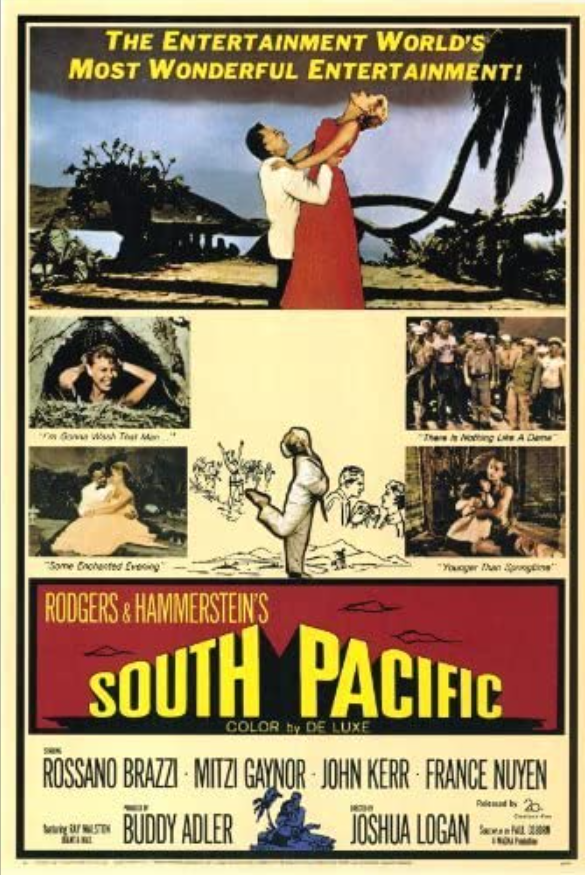
South Pacific (1958)
“When all you care about is here, this is a good place to be.”
|
Synopsis: |
|
Genres, Themes, Actors, and Directors:
Review:
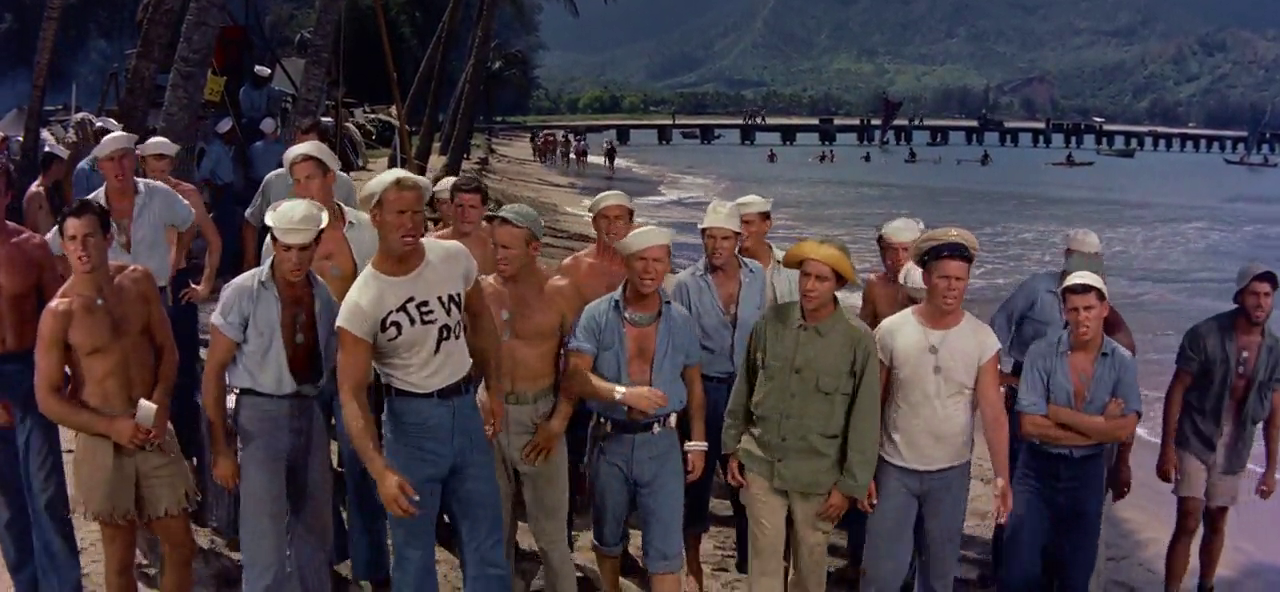
With that said, many of the lyrics remain uncomfortably non-P.C., racy, and/or dated. Consider these lines from one of the opening tunes, “There Is Nothin’ Like a Dame”:
I was watching this sequence with my 13-year-old daughter and had to pause the recording to talk with her about women being objectified in this song, and how it reflects dated notions of what was considered acceptable at the time. Meanwhile, the notion of an exotic island (Bali Ha’i) where non-local men can have all their desires met will be distressing to more sensitized modern audiences:
… and the following lyrics from “Bloody Mary” provide further evidence of how “othered” Pacific Islanders were at the time:
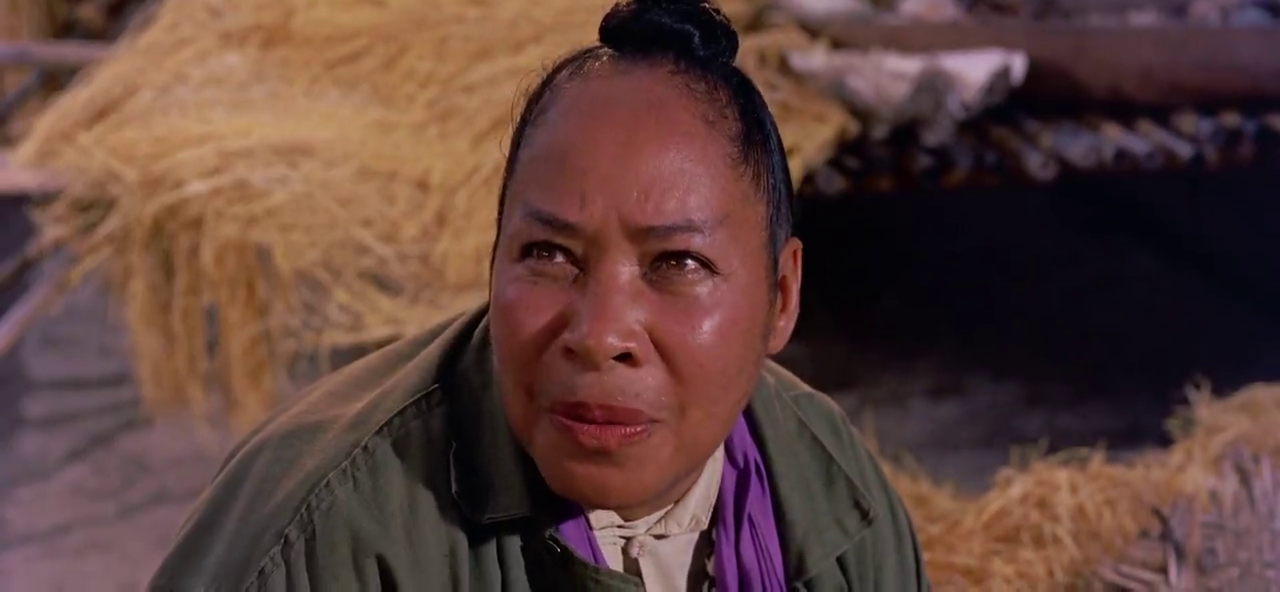
… though at least I was able to talk with my daughter about what a strong female-of-color Bloody Mary is, providing sustainable work for locals rather than forcing them to give in to exploitative wages by whites. On the other hand, Bloody Mary essentially marketing her beautiful, non-English-speaking daughter to Kerr may be pragmatic but is still deeply discomfiting:
Back to “mere” sexism, “Honey Bun” — sung by Gaynor in a sailor suit to a crowd of horny sailors — is also quite racy and objectifying, though adults will be able to appreciate it within its context as wartime entertainment:
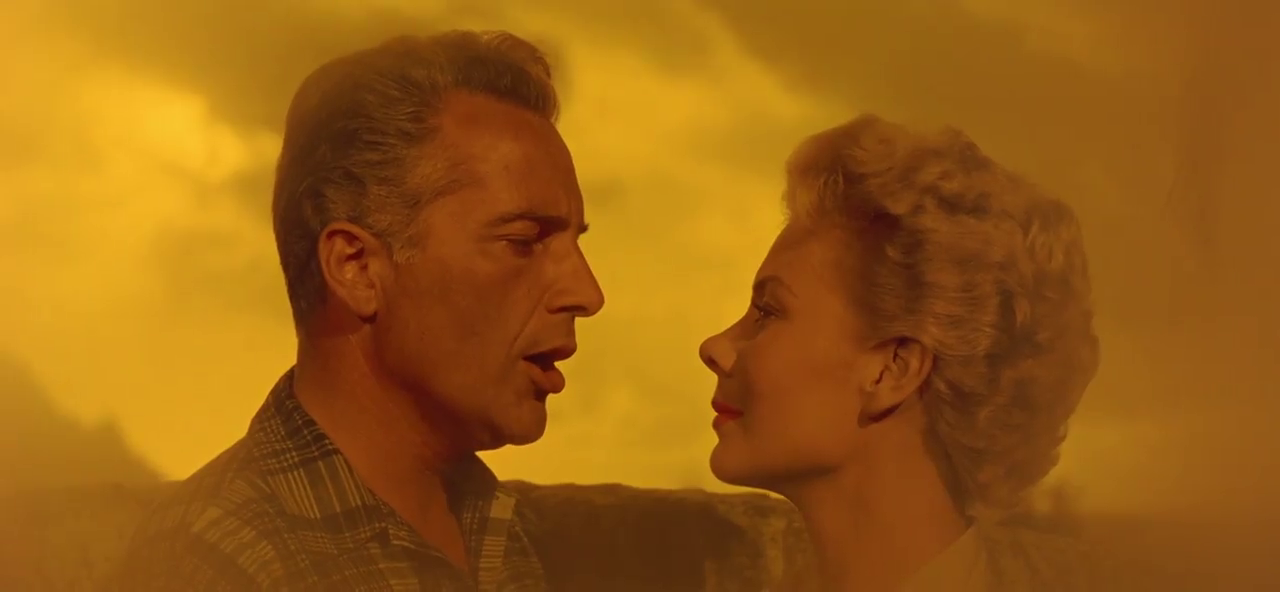
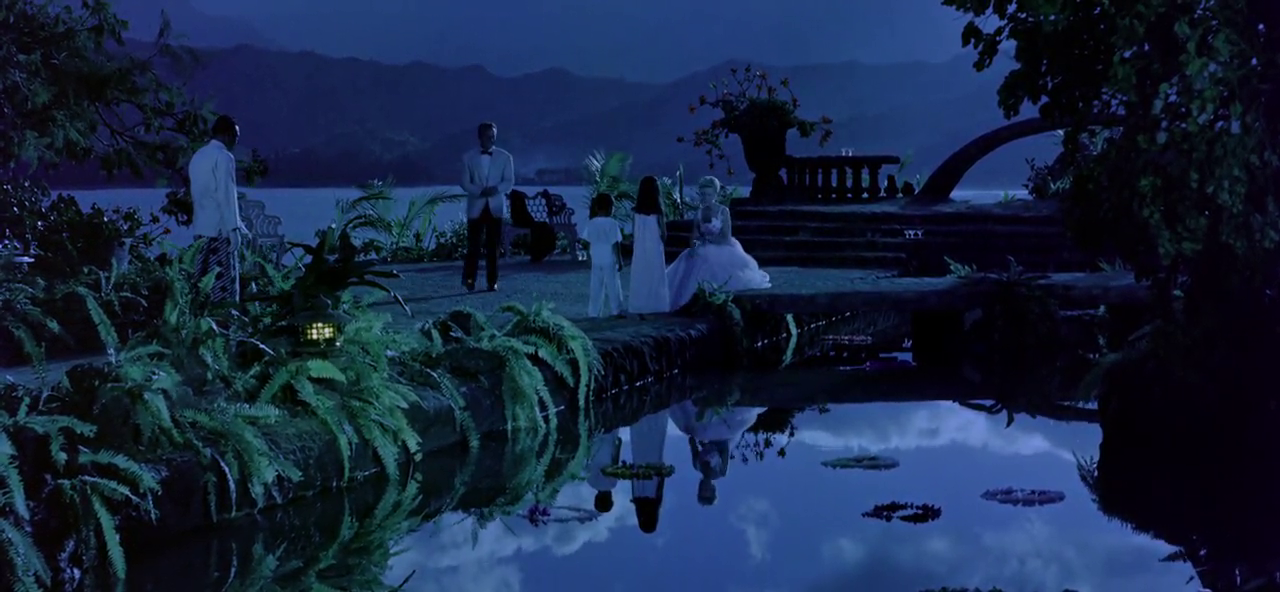
I remember catching snippets of South Pacific on television as a kid, but never fully engaging (which is odd, given my childhood love of beautifully colored musicals). Speaking of colors, even director Logan hated the use of too-obvious filters, which are distracting rather than enhancing:
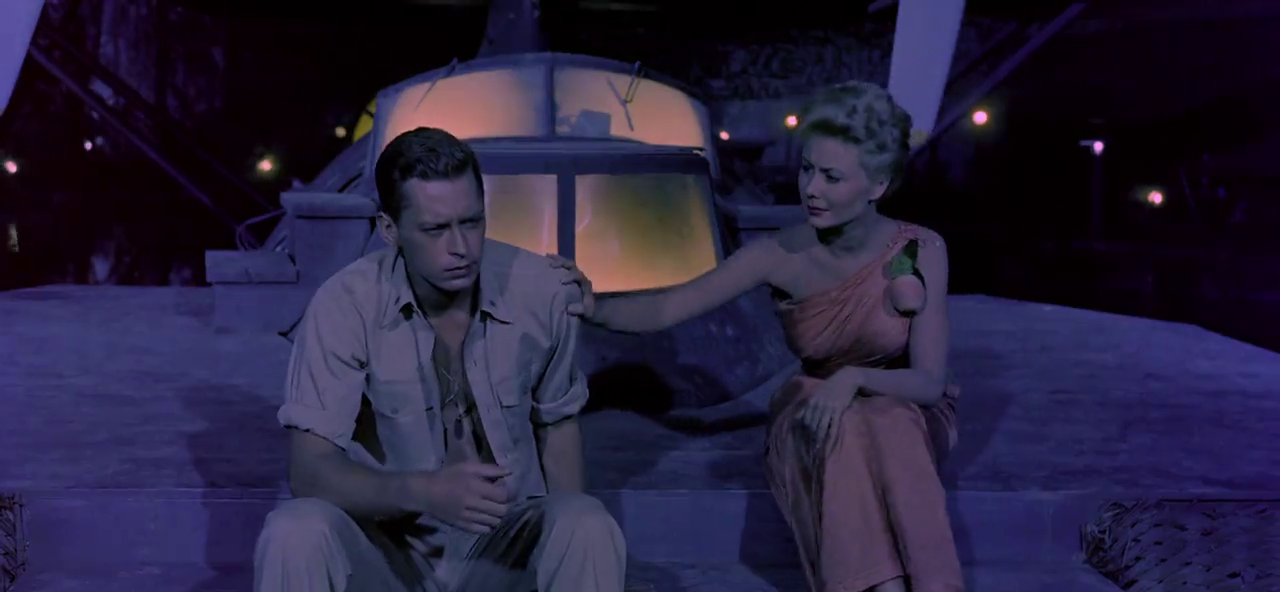
However, what was most interesting to me upon this adult revisit is how the theme of inter-racial romance is handled, with both Gaynor (as Nellie) and Kerr (as Lt. Cable) unable — at least initially — to move beyond their toxic xenophobia in the face of love. Lt. Cable tries to explain his feelings to Nellie:
Ultimately, South Pacific becomes a story about individuals overcoming their entrenched failings — racism, cowardice, lack of desire to support war efforts — and emerging slightly better than before, which isn’t a terrible moral to absorb. However, this film (and the play more broadly) must be viewed through a critical historicized lens in order to appreciate its highlights while wrestling with its many challenges. Notable Performances, Qualities, and Moments:
Must See? Links: |