Browsed by
Category: Original Reviews

Responses to Peary’s “must see” movie reviews, as well as my own “must see” movie reviews up to and after 1986 (when Peary’s book was published).

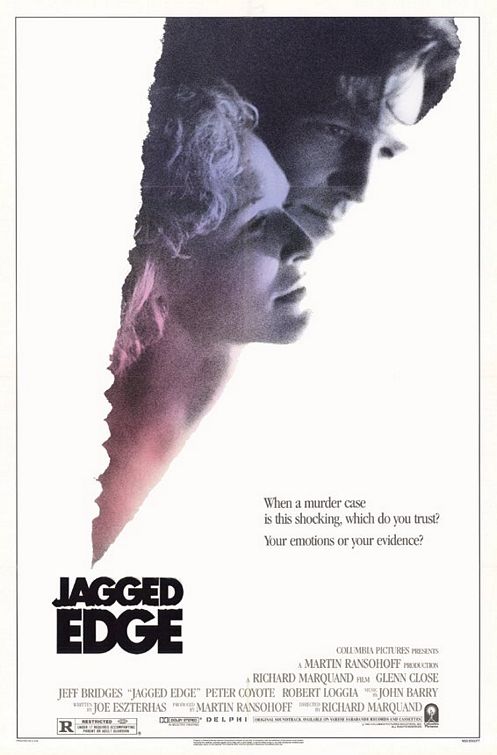
Jagged Edge (1985)

Jagged Edge (1985)

“If he didn’t do it, I’ll get him off.”

Synopsis:
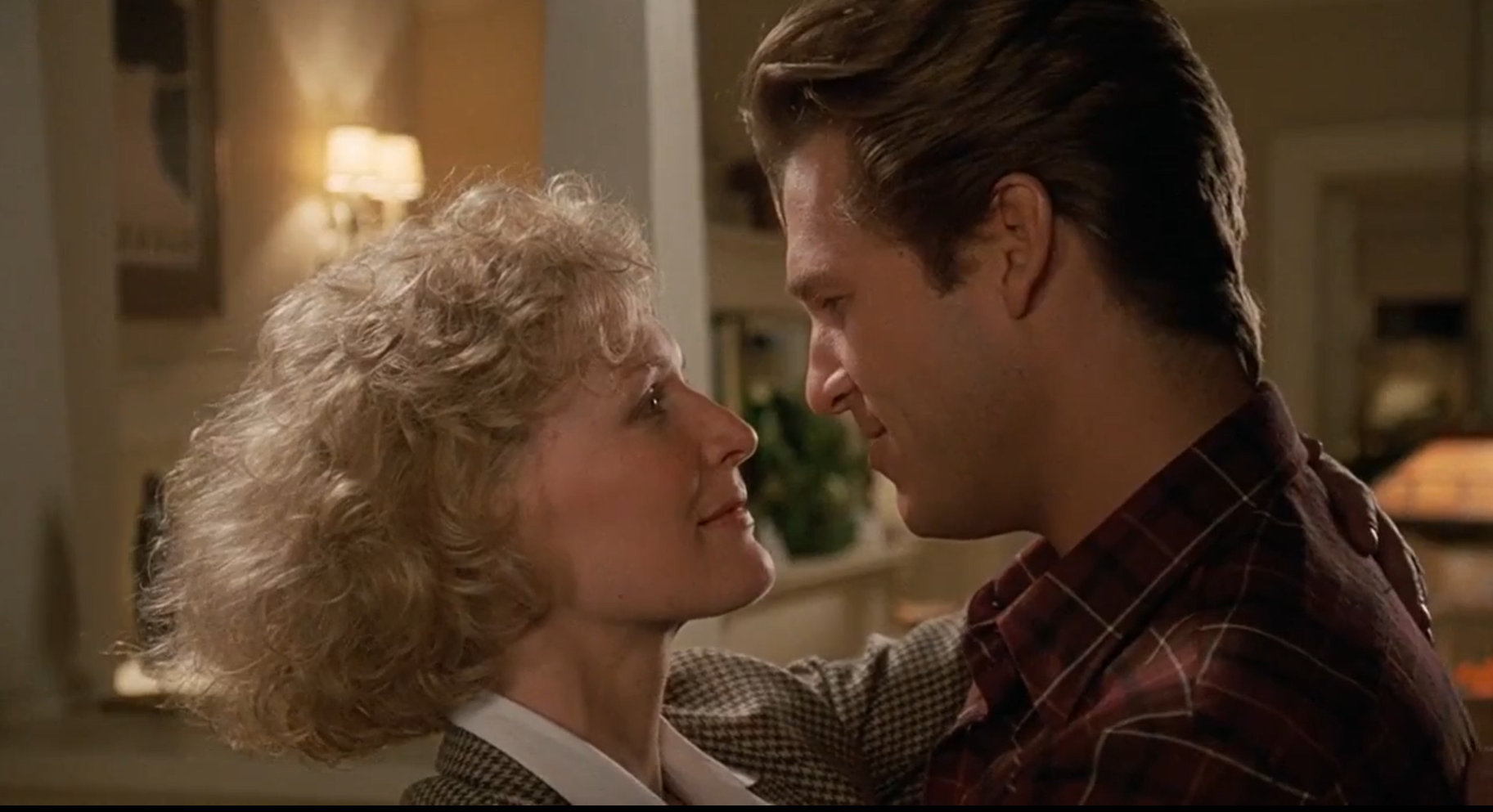
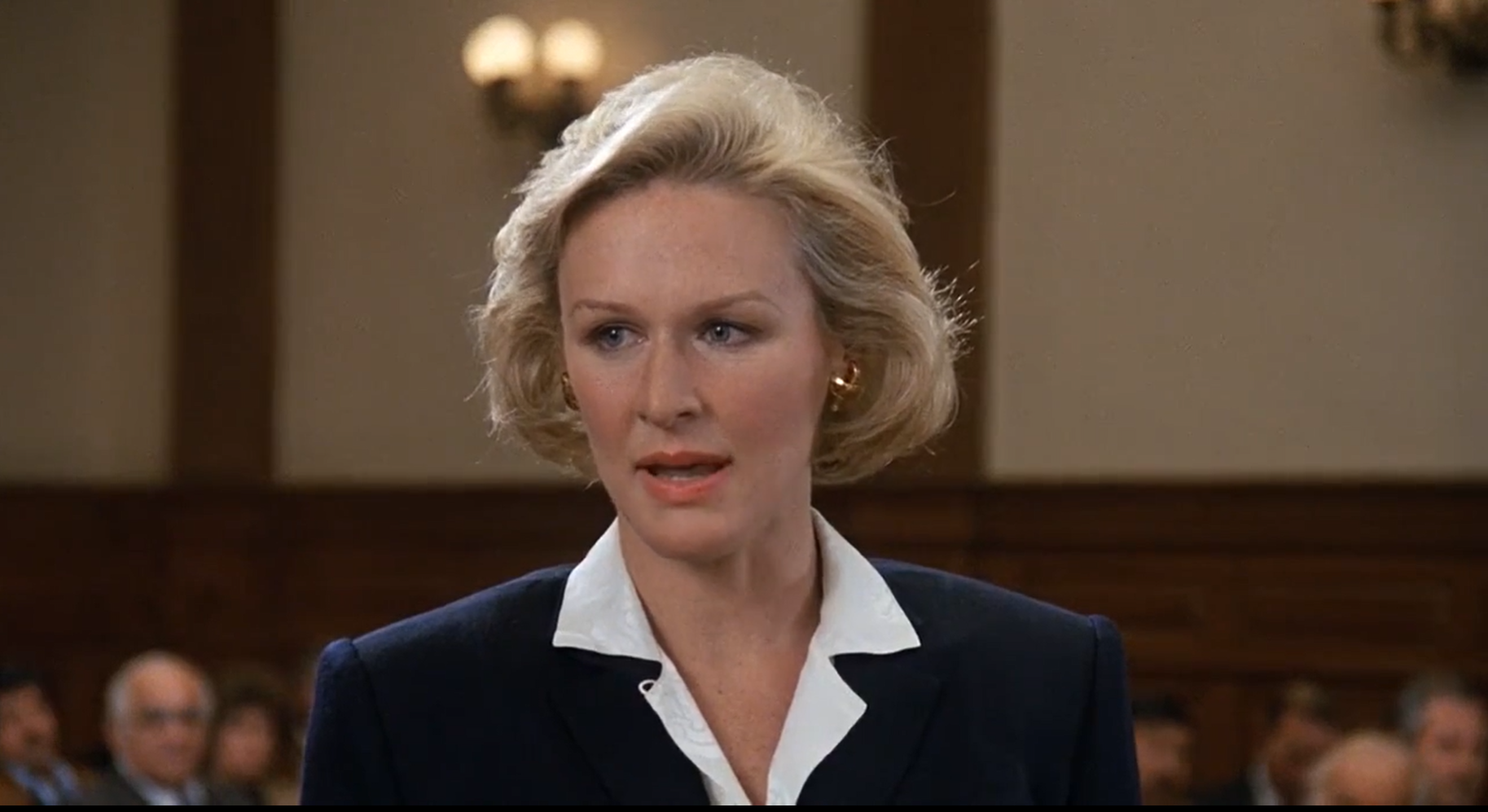
Female lawyer Teddy Barnes (Glenn Close) questions the innocence of the man (Jeff Bridges) she is defending on suspicion of murder.

Genres, Themes, Actors, and Directors:

  • Courtroom Drama
  • Glenn Close Films
  • Jeff Bridges Films
  • Lawyers
  • Murder Mystery

Response to Peary’s Review:
As Peary notes, this popular ’80s courtroom thriller is “absurdly written”, “too slick”, and “manipulative”. Nonetheless, it possesses a stand-out performance by Glenn Close (smart and savvy in her tailor-made suits), and enough plot twists to keep you guessing the entire time. It’s too bad screenwriter Joe Eszterhas — best known for Showgirls (1995) and Basic Instinct (1992) — insults his audience with inane dialogue (“He had a rap sheet as long as my dick”), a distracting subplot about legal ethics, and an unrealistic, unprofessional romantic relationship between Close and Bridges — because there’s potential here for something much better.

Redeeming Qualities and Moments:

  • Glenn Close’s sympathetic performance
  • Many clever plot twists

Must See?
No. This is an enjoyable courtroom thriller, but certainly not must-see viewing.

Links:

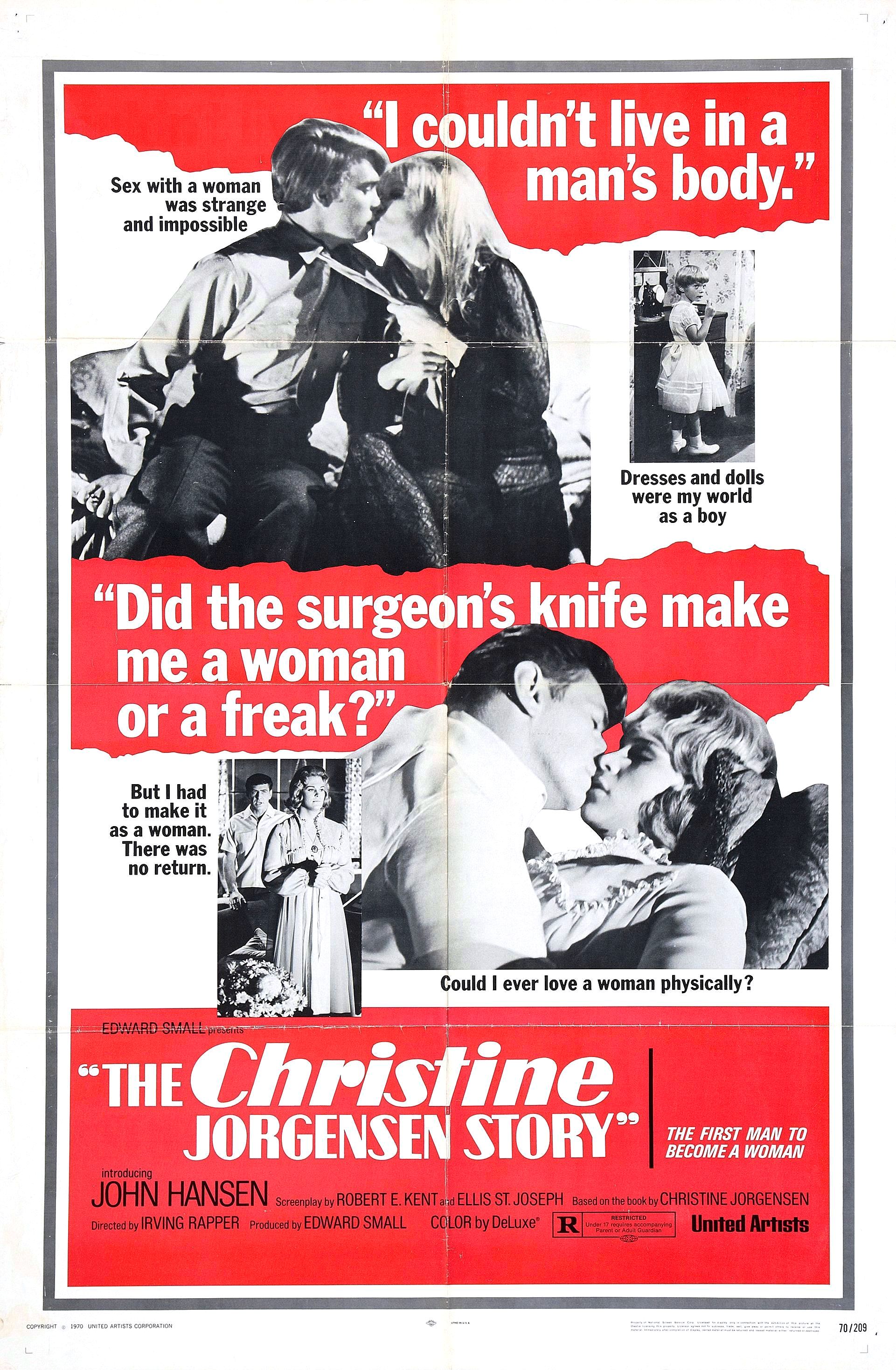
Christine Jorgensen Story, The (1970)

Christine Jorgensen Story, The (1970)

“Operate on the brain, perform a lobotomy — fine! But take a pair of testicles and everybody explodes!”

Synopsis:
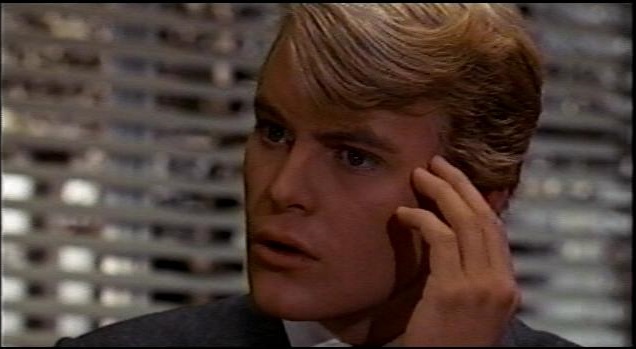
As a child, George Jorgensen (Trent Lehman) feels compelled to dress in girls’ clothing and play with dolls. His gender dysphoria becomes so acute as an adult that George (now played by John Hansen) travels to Denmark for a life-altering gender operation, and turns himself into “Christine”.

Genres, Themes, Actors, and Directors:

  • Biopic
  • Gender Bending
  • Irving Rapper Films

Review:
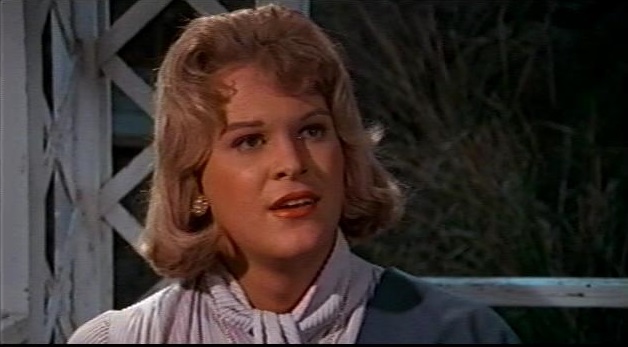
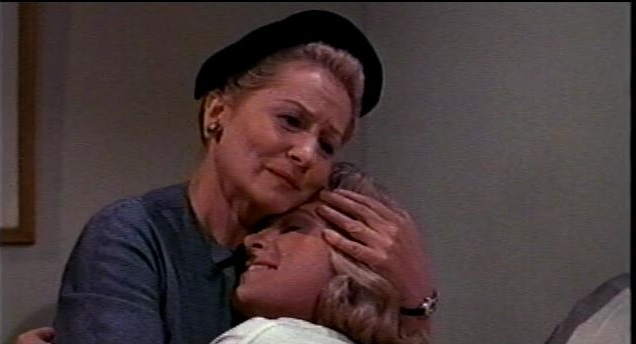
Based on Christine Jorgensen’s autobiography, this biopic about the first widely publicized transgender operation is undeniably campy, but not nearly as bad or melodramatic as you would think. In fact, the film actually got good ratings in the New York Times upon its release, with reviewer Roger Greenspun referring to it as a “quiet, even dignified little picture.” Christine’s solemn voice-over narration (“My father was wrong… For me, there were no tomorrows that weren’t filled with loneliness”) comes across as laughably stilted at times, but there’s no denying the sincerity behind her words. And while many of the scenes — Christine’s burgeoning romance with a journalist, for instance — don’t quite ring true, a surprising number (i.e., Christine’s interactions with her aunt) are poignant and heartfelt.

Unlike the real Christine Jorgensen, John Hansen isn’t lithe (or graceful) enough to pass as a woman, but he makes up for his physical limitations with a sympathetic performance. Unfortunately, the same can’t be said for Trent Lehman, the young actor playing George as a boy: his wooden acting (check out the forced, almost evil-looking smile on his face as he fondles a doll behind the Christmas tree!) shows why his movie career never took off. According to Jon C. Hopwood’s bio of Jorgensen on IMDb, Jorgensen — a Protestant — applied the ultimate “can do” attitude to her dilemma: because attraction to men as a man was unthinkable to George, he “made things right” by turning himself into a woman — thus, in an odd way, conforming to society’s norms and expectations. While I find this analysis intriguing, enough is known at this point about the origins of gender dysphoria to understand that George’s desire to be a woman ultimately stemmed from something much deeper than a desire simply to “fit in”.

Redeeming Qualities and Moments:

  • John Hansen’s sensitive portrayal as George/Christine

  • Joan Tompkins as Christine’s understanding Danish aunt
  • A sympathetic portrayal of gender dysphoria as a treatable, biological disorder
  • A deliciously campy sensibility

Must See?
Yes, simply for its status as a cult favorite.

Categories

  • Cult Movie

Links:

Candy Goes to Hollywood (1979)

Candy Goes to Hollywood (1979)

“Anyone who can sing that much on her chest deserves a big — 69!”

Synopsis:
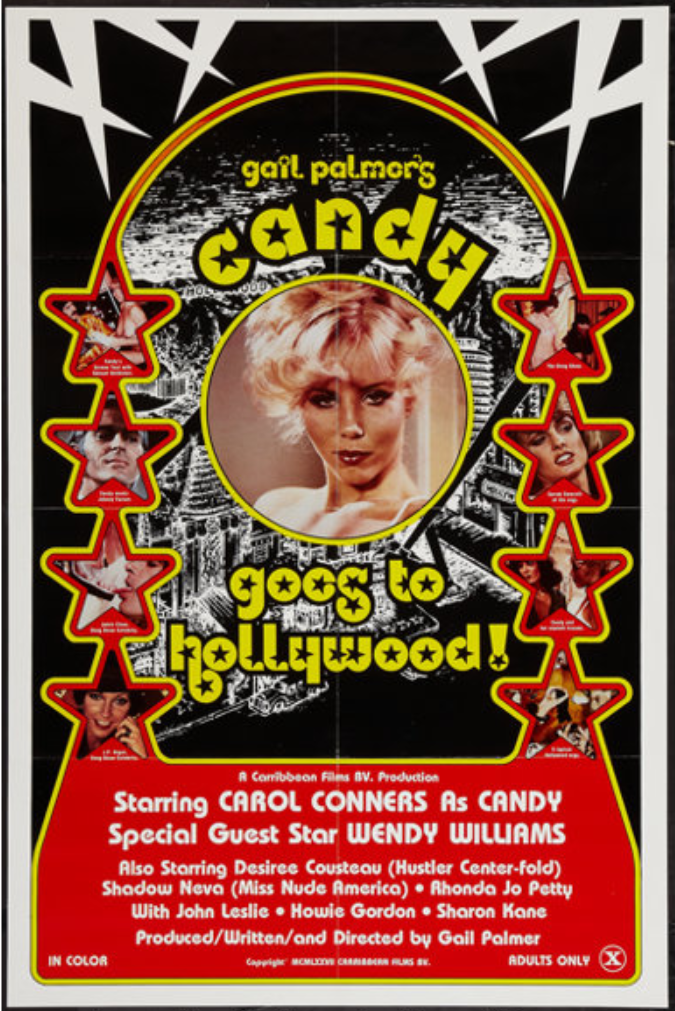
Aspiring actress Candy Christian (Carol Conners) heads to Hollywood, where she is exploited by sleazy talent agent Johnny Dooropener (John Leslie).

Genres, Themes, Actors, and Directors:

  • Adult Films
  • Aspiring Stars
  • Dumb Blondes
  • Hollywood

Response to Peary’s Review:
Offensive in nearly every way, this adult comedy (directed by a woman!) is the ultimate “dumb blonde” movie, featuring a female lead so dense she allows herself to be sexually manipulated again and again without learning any better. Of course, this is all part of the inexorable “logic” of p. films — but as Peary notes, “[p.] filmmakers have got to figure out ways to get female characters into bed other than making them childish bubbleheads who can be talked into anything.” With that said, the movie does contain some moments of genuine humor, and is a relatively pointed satire on the difficulties of breaking into Hollywood.

Redeeming Qualities and Moments:

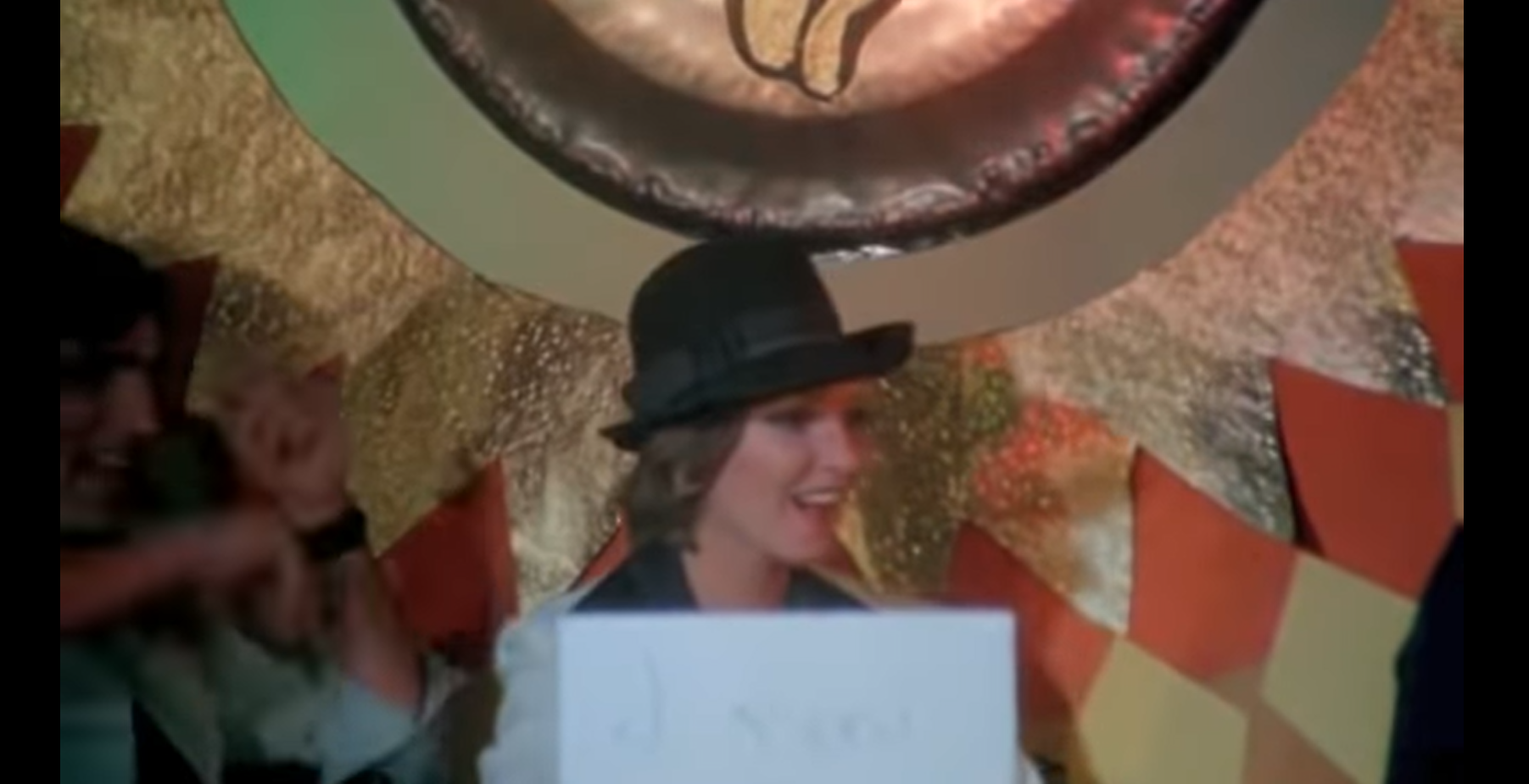
  • A fairly amusing spoof of the Gong Show (here called “The Dong Show”)

Must See?
No; you can skip this one

Links:

Gremlins (1984)

Gremlins (1984)

“They’re watching Snow White. And they’re loving it!”

Synopsis:
A cute, furry creature bought at a Chinese curio shop spawns a breed of evil Gremlins who take over the town of Kingston Falls.

Genres, Themes, Actors, and Directors:

  • Black Comedy
  • Dick Miller Films
  • Horror
  • Joe Dante Films
  • Mutant Monsters
  • Small Town America

Response to Peary’s Review:
Although this Joe Dante-directed film (a “summer box-office sensation”) was marketed squarely at my age group when it was released (I was ten at the time), I never did see it. Truth be told, I used to be deathly afraid of horror movies (five minutes of Carrie gave me nightmares for years), and suspected that Gremlins would be a bit too scary for me to handle. Seeing it now for the first time as an adult, I have to say I think I was right; as Peary notes, the young kids who would most enjoy the nifty special effects and muppet-like “Gizmo” (the original Gremlin) probably “shouldn’t see this movie.” At any rate, about halfway through watching it recently, I suddenly realized that the perfect word to describe it might be “surreal”: it’s sort of like The Muppet Movie meets Dawn of the Dead meets Invasion of the Body Snatchers meets E.T. meets Alien meets The Karate Kid meets The Texas Chainsaw Massacre meets The Wizard of Oz meets It’s a Wonderful Life — and I could go on!

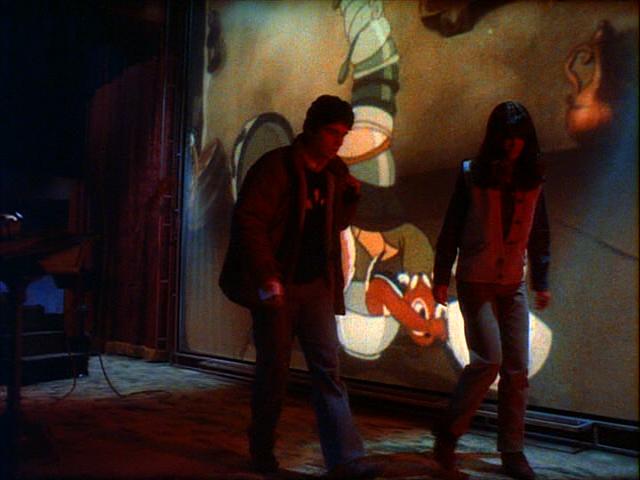
Many scenes are truly bizarre — like the one where Kate (Phoebe Cates) explains to Billy (Zach Galligan) why she hates Christmas (her father died while stuck in the chimney dressed as Santa Claus!), or the one where the Gremlins take over a movie theater and gleefully watch Snow White and the Seven Dwarfs. None of it really makes a whole lot of sense — and just when you think things couldn’t be cozier, they suddenly turn, as Peary puts it, “vicious and cruel”. A deeper analysis of Gremlins kept creeping up on me as I was watching it — are these ugly, perversely hedonistic reptilian buggers meant to represent a Pandora’s box of the world’s evils, everything most obscene about humanity which lurks just beyond our naive grasp? Hmmm…

Redeeming Qualities and Moments:

  • Amazing puppetry work
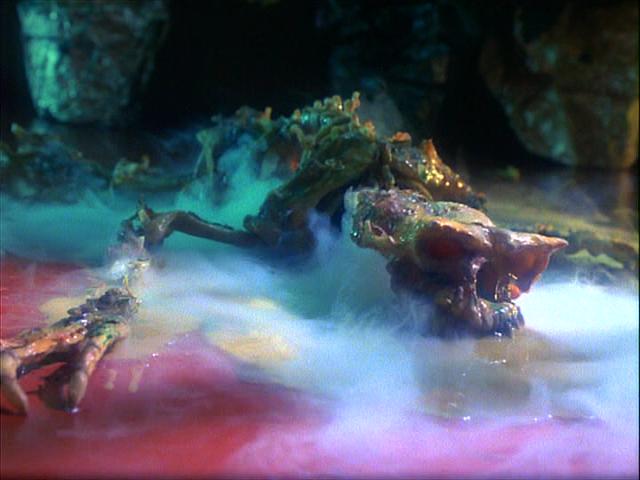
  • Gruesome special effects
  • A truly surreal, eclectic plot

Must See?
Yes. This classic ’80’s blockbuster should be seen by any true film fanatic.

Categories

  • Historically Relevant

Links:

What’s Up, Tiger Lily? (1966)

What’s Up, Tiger Lily? (1966)

“It is written: He who makes the best egg salad shall rule the heaven and earth.”

Synopsis:
Dubbed Japanese spies will do anything to find a secret egg salad recipe.

Genres, Themes, Actors, and Directors:

  • Comedy
  • Spies
  • Spoofs
  • Woody Allen Films

Response to Peary’s Review:
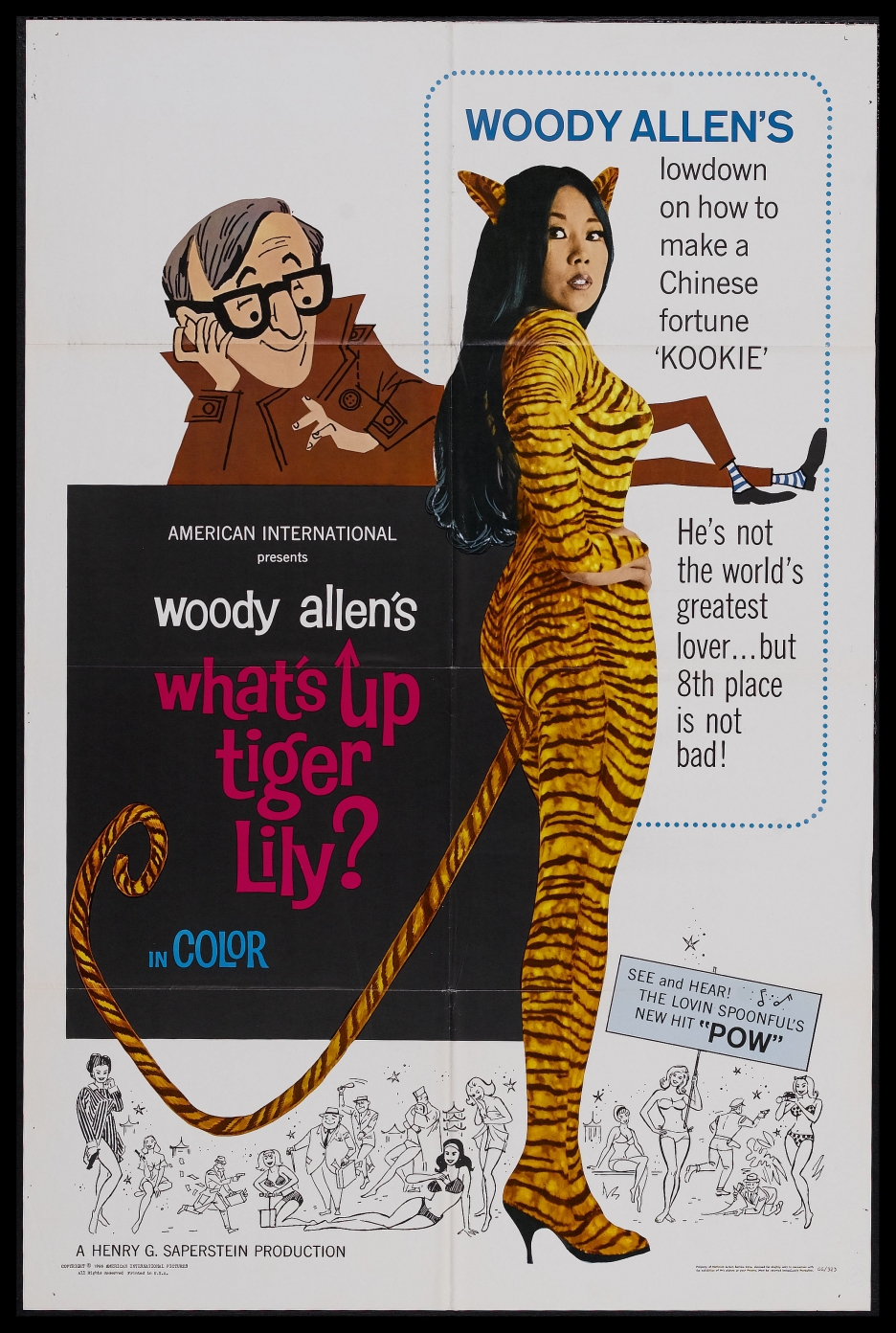
As Peary notes, the novelty of this one-joke spy spoof by Woody Allen — in which he “appears at the beginning to explain that he has taken a Japanese spy film, Kagi no Kag, and had American actors dub all the dialogue with absurd comedy” — “wears off long before the end”, but it still makes for fun watching. Peary argues that “the film footage is wild to begin with”, and thus “the ridiculous inserted dialogue works”. Naturally, not all the dubbed lines work, but a surprising majority are hilarious, and lovers of Allen’s left-field non-sequiturs will be especially thrilled. Just for kicks, Peary recommends “substituting your own silly lines to see if they better Allen’s” (!).

Redeeming Qualities and Moments:

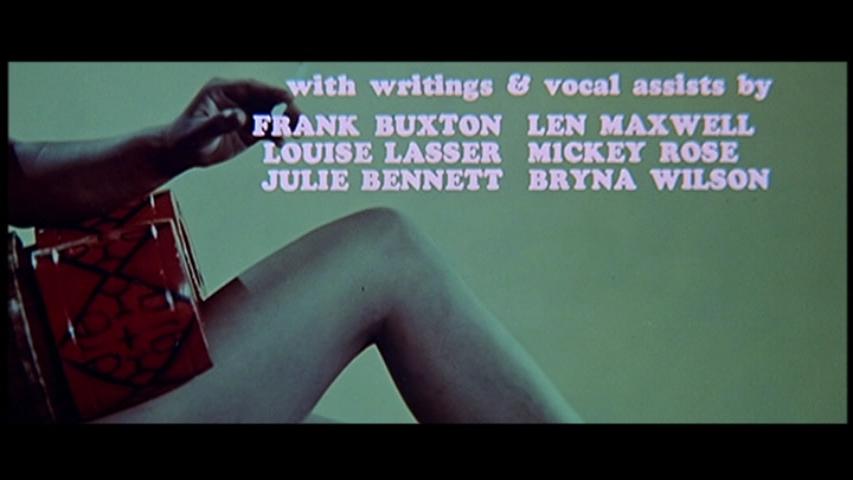
  • Cool opening credits
  • A woman seductively asking her lover to “name three presidents”
  • Woody Allen simply responding “No” when an interviewer asks him to clarify what has happened so far in the movie

Must See?
Yes. As Woody Allen’s first feature film, it’s worth watching for historical purposes alone, and you’re guaranteed at least a few chuckles.

Categories

  • Historically Relevant
  • Important Director

Links: