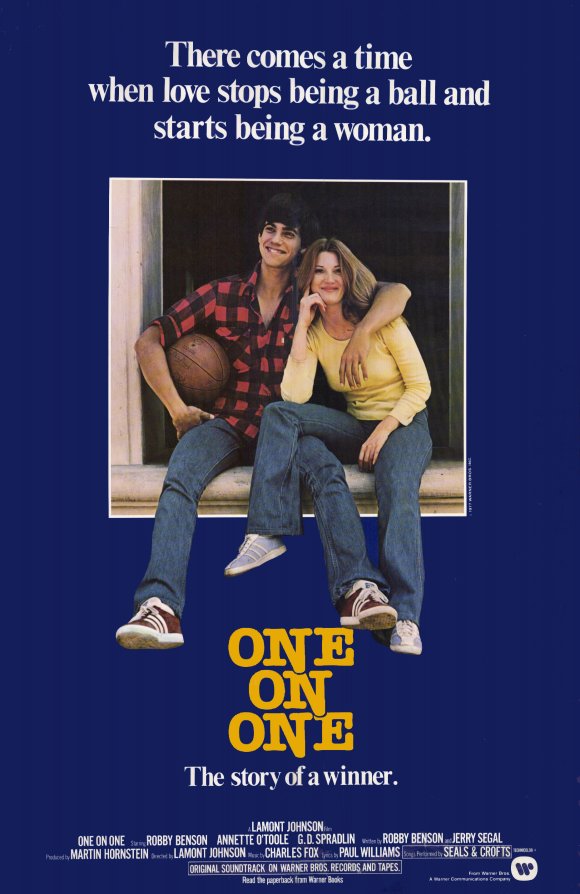
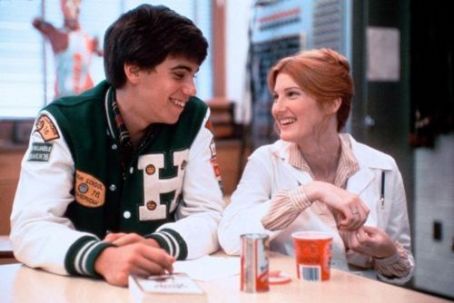
One on One (1977)
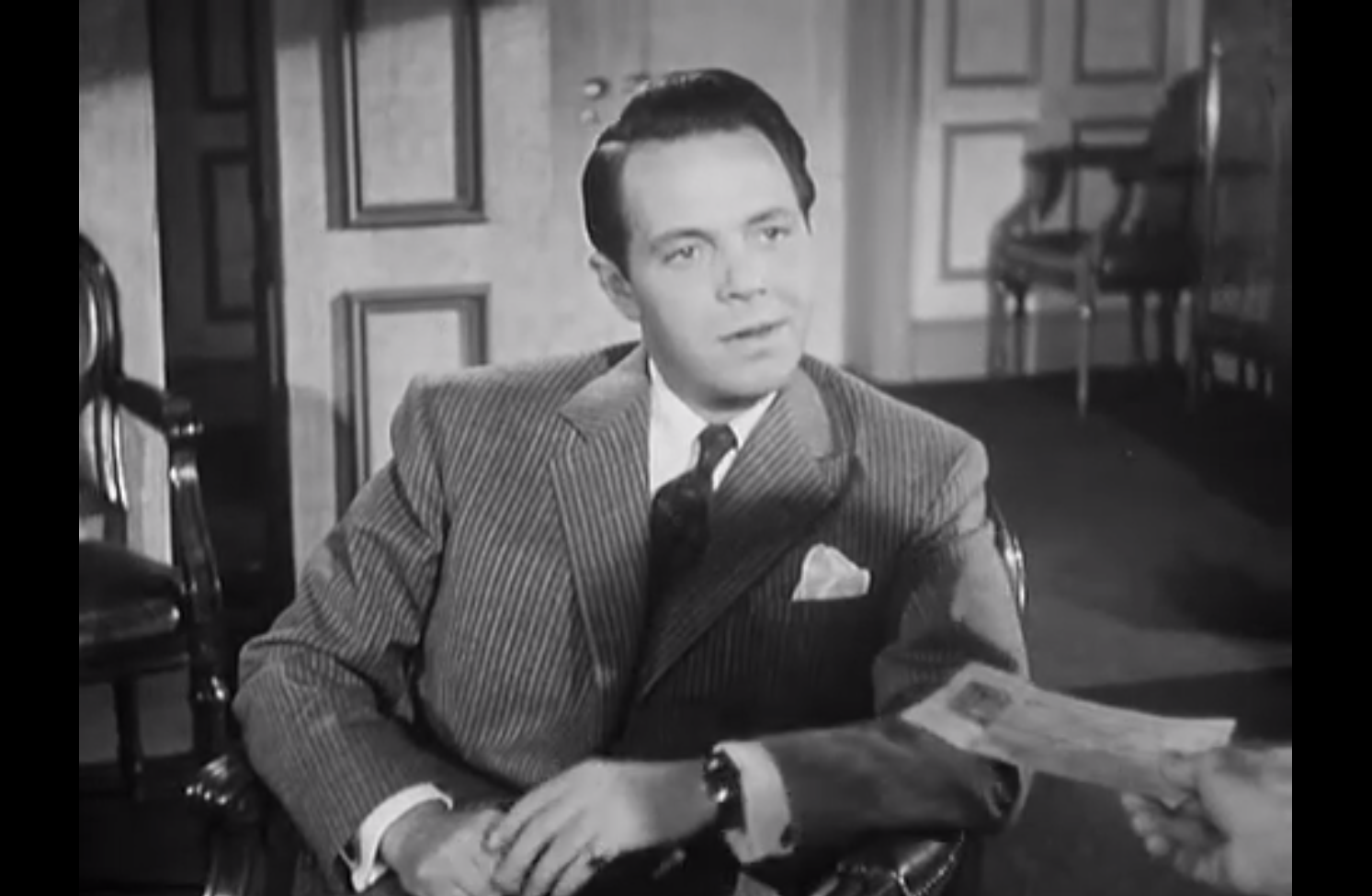
“They’re trying to take my athletics scholarship away from me — the bastards!”
|
Synopsis: |
|
Genres, Themes, Actors, and Directors:
Review: Redeeming Qualities and Moments:
Must See? Links: |
Responses to Peary’s “must see” movie reviews, as well as my own “must see” movie reviews up to and after 1986 (when Peary’s book was published).
“They’re trying to take my athletics scholarship away from me — the bastards!”
|
Synopsis: |
|
Genres, Themes, Actors, and Directors:
Review: Redeeming Qualities and Moments:
Must See? Links: |
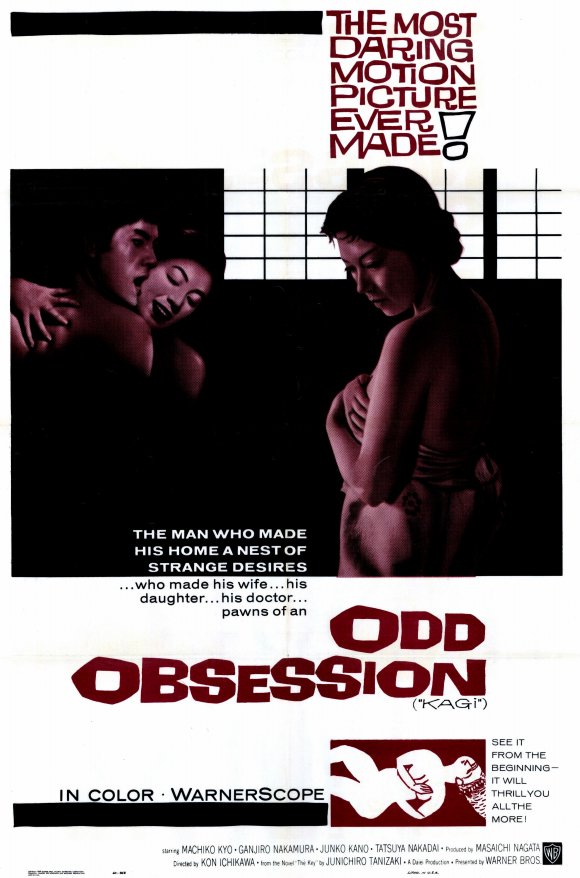
“Man’s senility is believed to begin at the age of 10.”
|
Synopsis: |
|
Genres, Themes, Actors, and Directors:
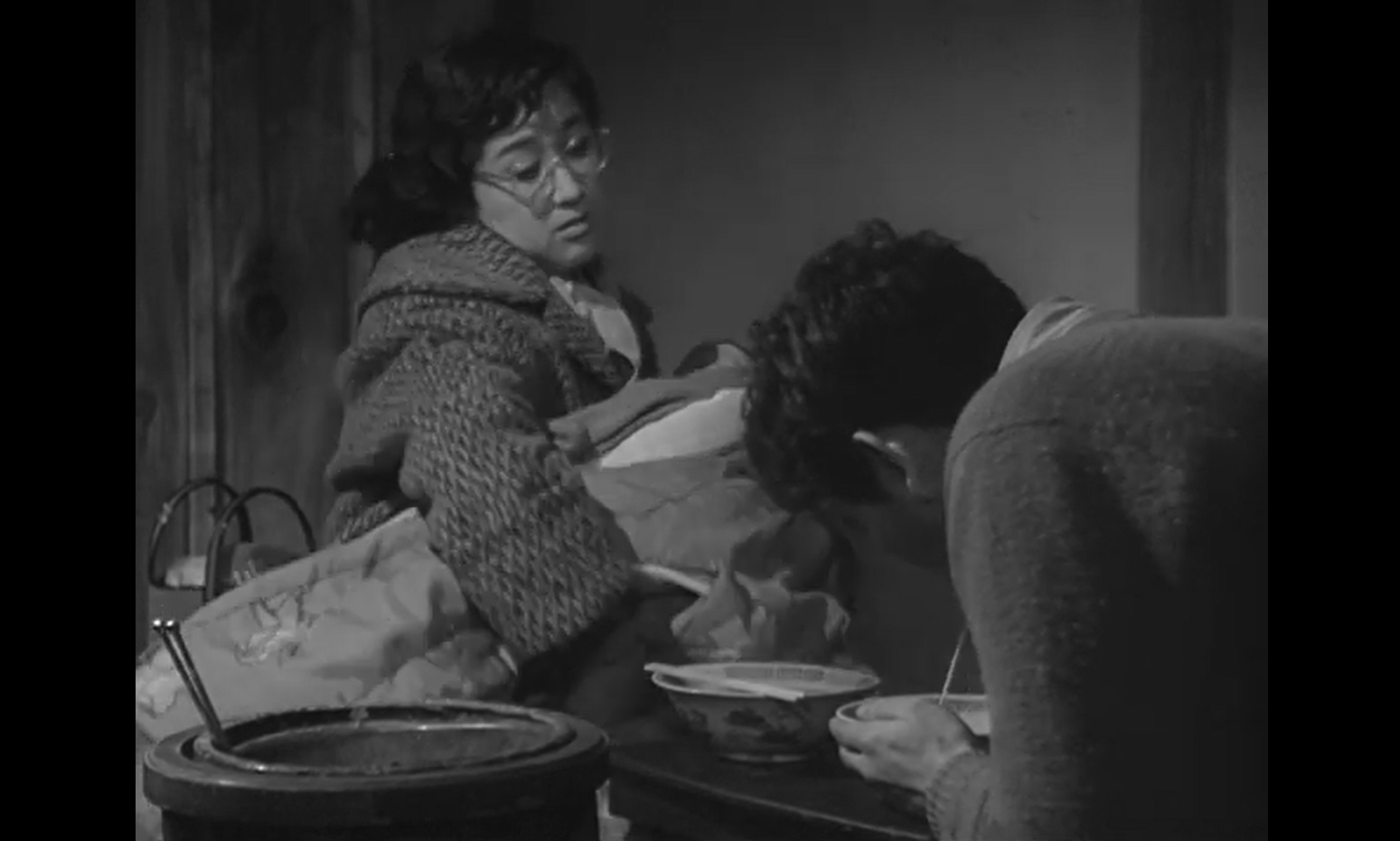
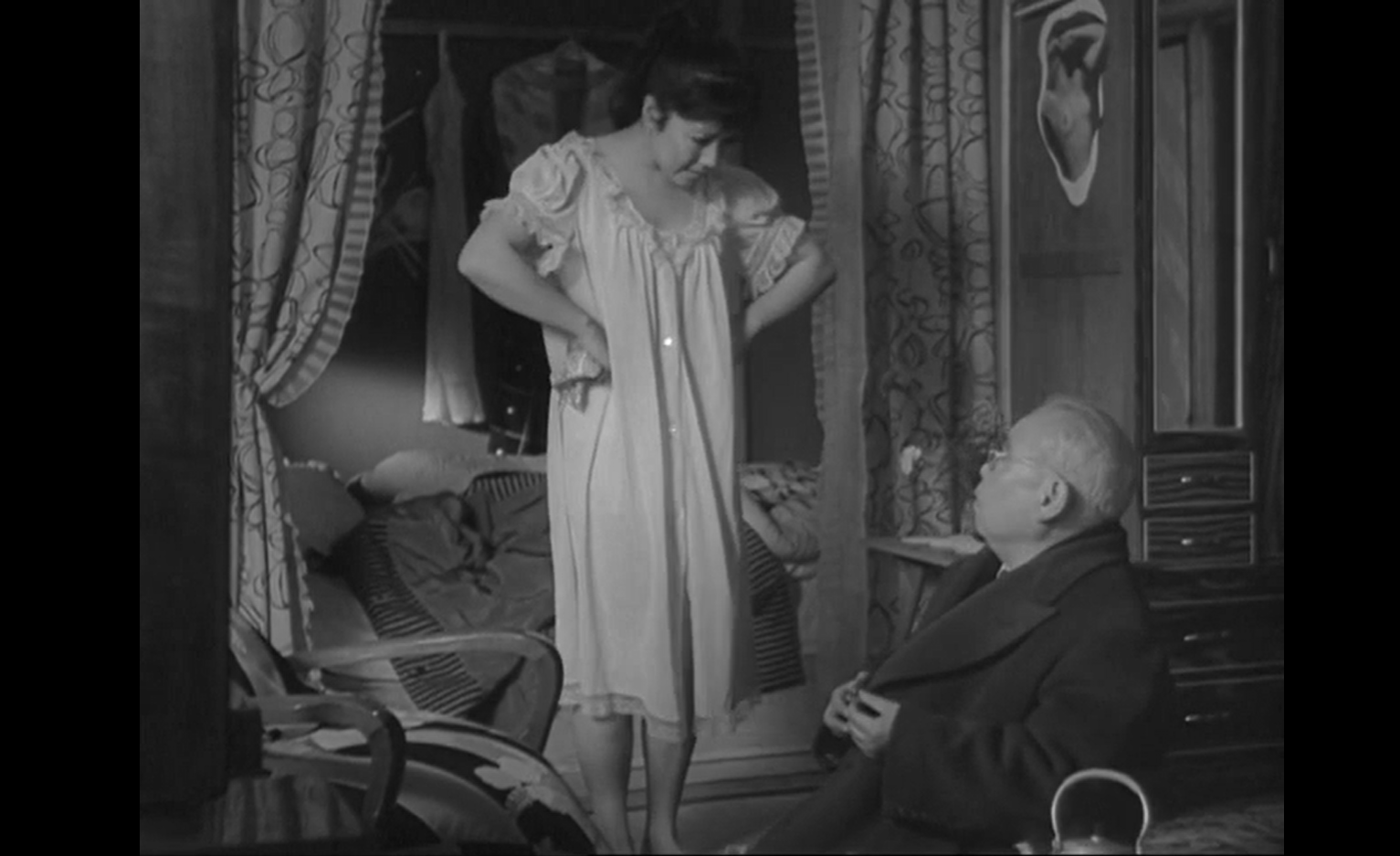
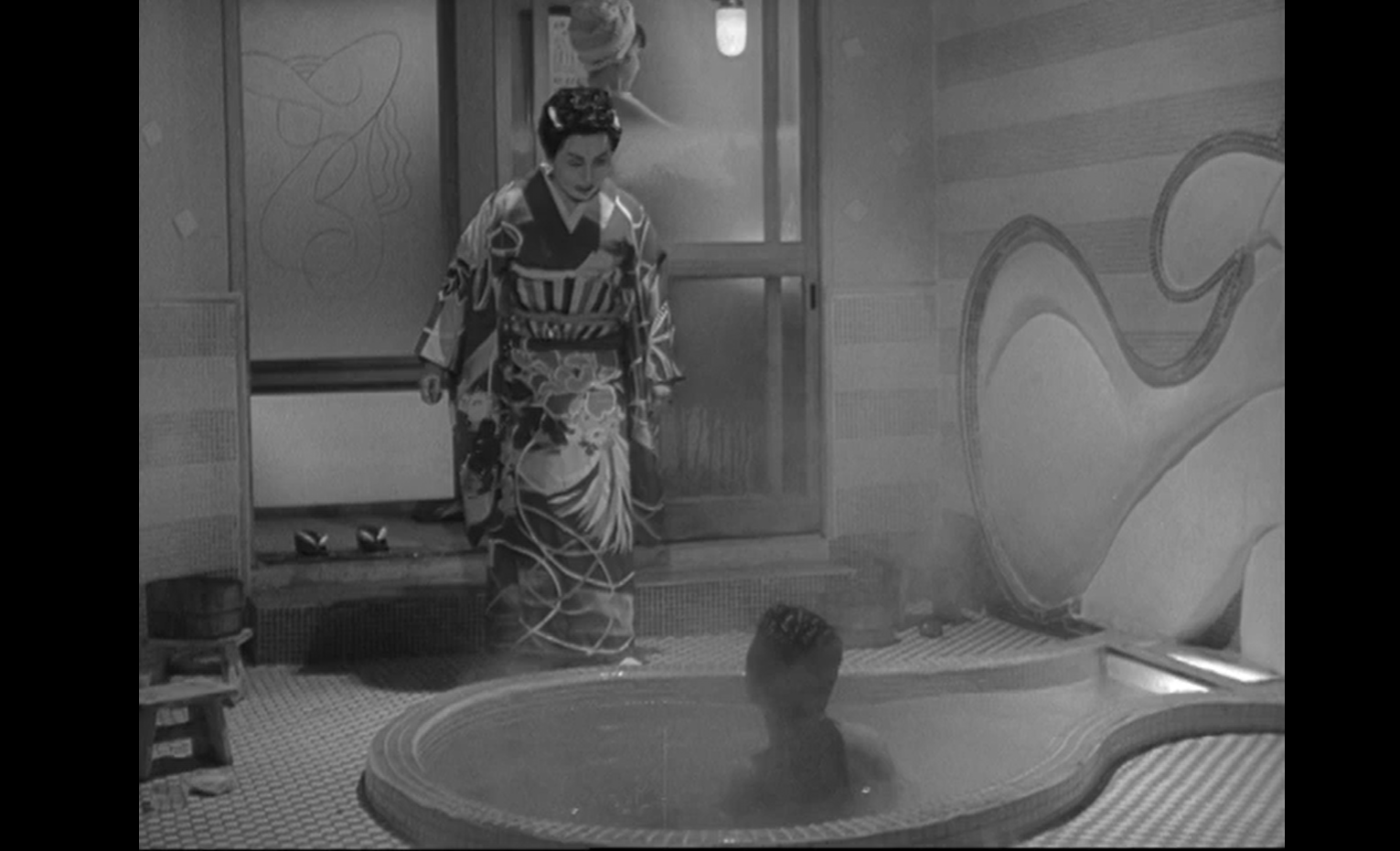
Review: As highly charged as the eroticism is in Kagi, it’s implied rather than flaunted: the characters never explicitly state what’s going on, and instead we must rely on their facial reactions to guess the content of racy photographs, or to understand that a particular character has no clothing on. Symbolism also prevails: in one unusually provocative shot, the aging husband’s dark-rimmed glasses fall onto his wife’s pale chest, hinting at the distance that exists between his lustful gaze and her sensuous availability. While not all of Ichikawa’s stylistic choices work — his freeze frames near the beginning of the film seem like mere affect, for instance — his unique sensibility ultimately adds just the right flavor of absurdity to this darkly comic tale. Redeeming Qualities and Moments:
Must See? Categories
Links: |
“You can wipe off your rouge, but not the makeup of your trade.”
|
Synopsis: |
|
Genres, Themes, Actors, and Directors:
Review:
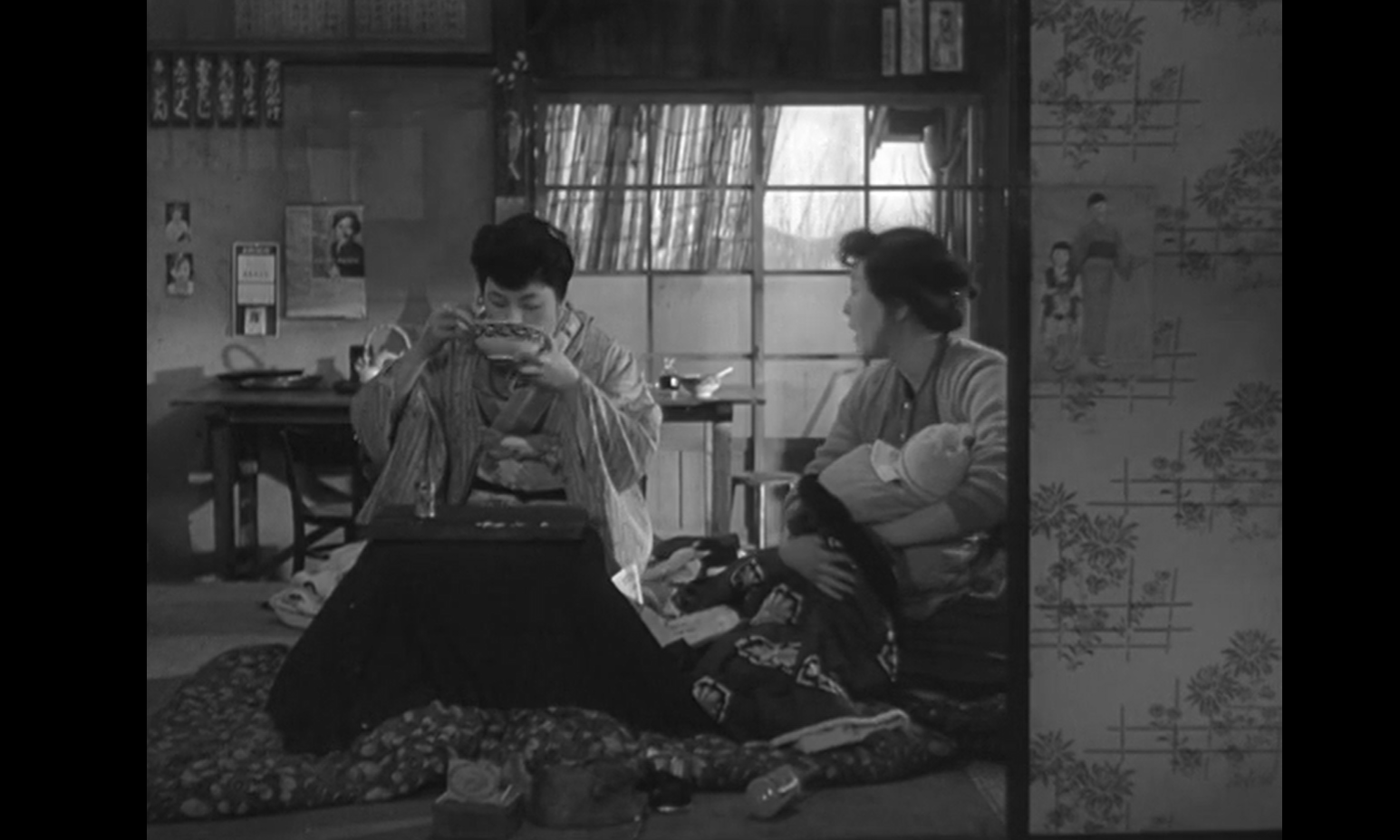
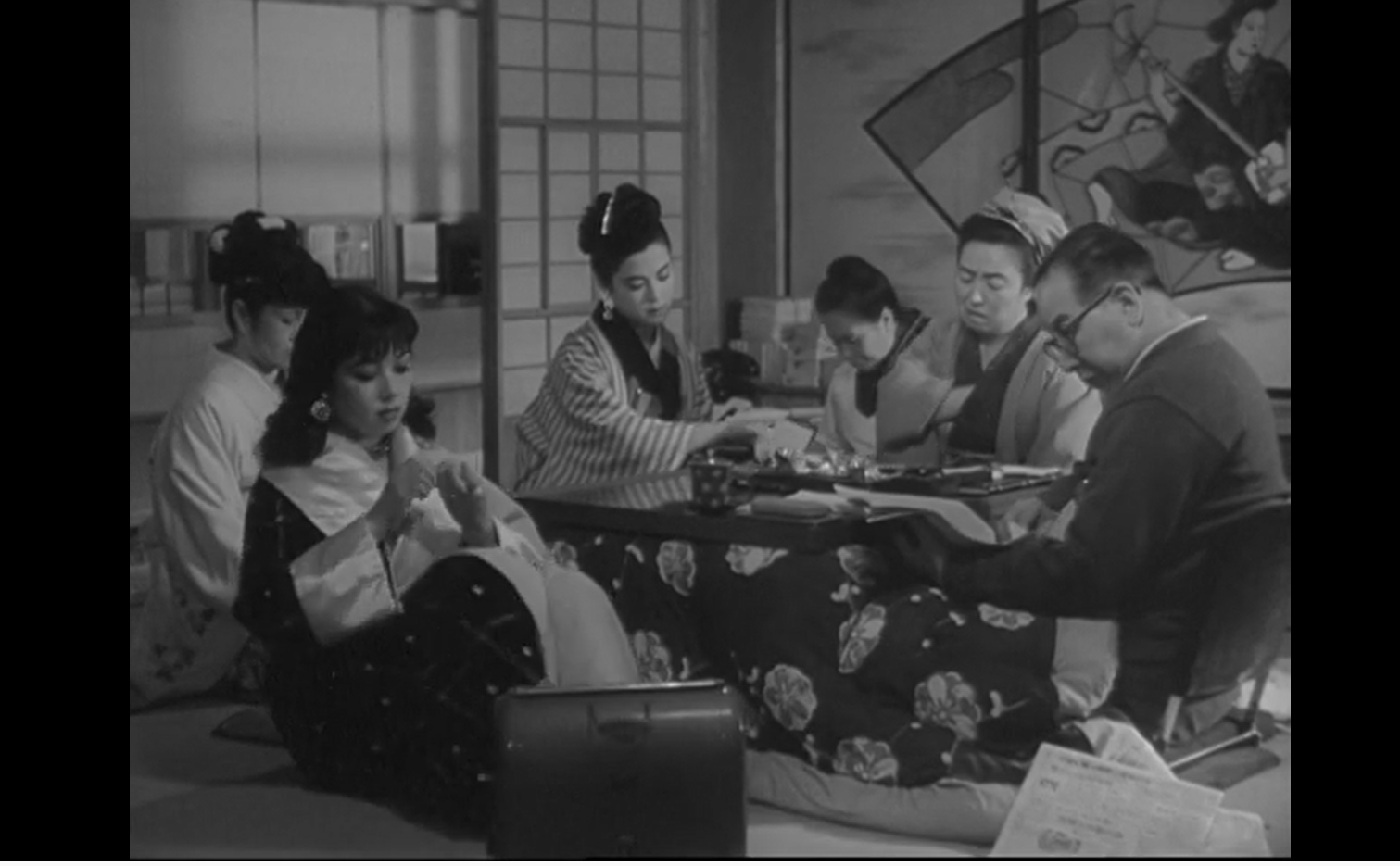
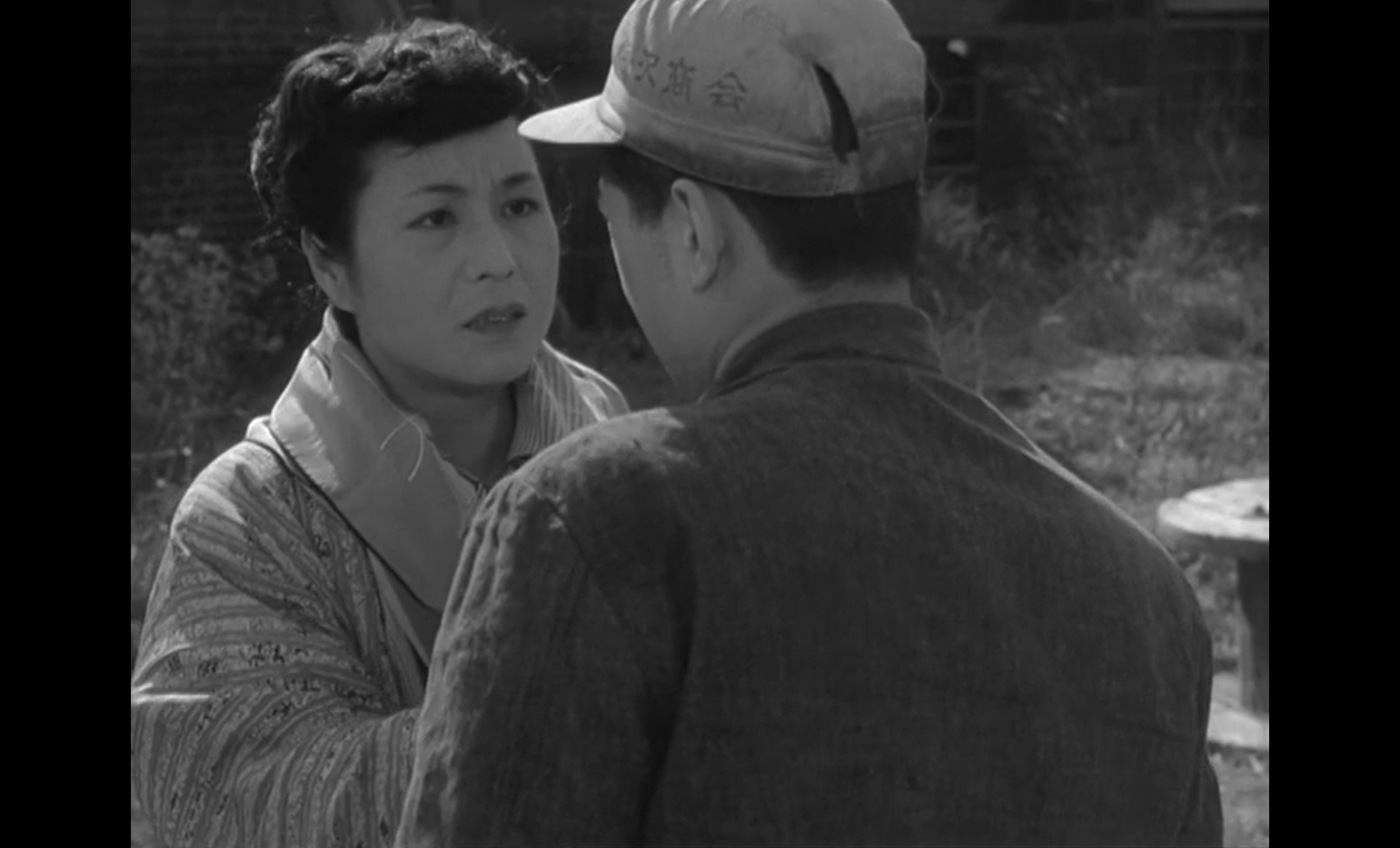
— it is nonetheless the only way they can earn enough money to pay off their debts, which range from a father’s bail bond, to medication for a TB-ridden husband, to a simple desire for fancy clothes and jewelry. There are many powerful moments in this at-times didactic, yet still consistently moving, film. My favorite has the mercenary Yasumi (Ayako Wakao) running into one of her regular Johns at a cafe while he is eating with his family, being introduced as his secretary, and giving him a sly wink when leaving.
A particularly painful scene shows aging widow Yumeko (Aiki Mimasu) stopping to eat some noodles on her way to visiting her son, making herself presentable in the mirror, and being told snidely by the restaurant’s nursing proprietor, “You can wipe off your rouge, but not the makeup of your trade.”
Perhaps the most startling scene shows tough, sexy young Mickey (Machiko Kyo) — who never stops eating, dancing, or shopping — propositioning her own father in angry defiance of his request that she come home and stop debasing their family name.
While Mickey — a hip and sassy girl in her American pedal-pushers — appears to be eagerly embracing prostitution as a way of life, she, too, has skeletons in her closet which have led her down this tenuous, socially-caustic career path. Redeeming Qualities and Moments:
Must See? Categories
Links: |
“That television set isn’t a hallucination; that’s a twonky. I had twonkies when I was a child. A twonky is something you do not know what it is.”
|
Synopsis: |
|
Genres, Themes, Actors, and Directors:
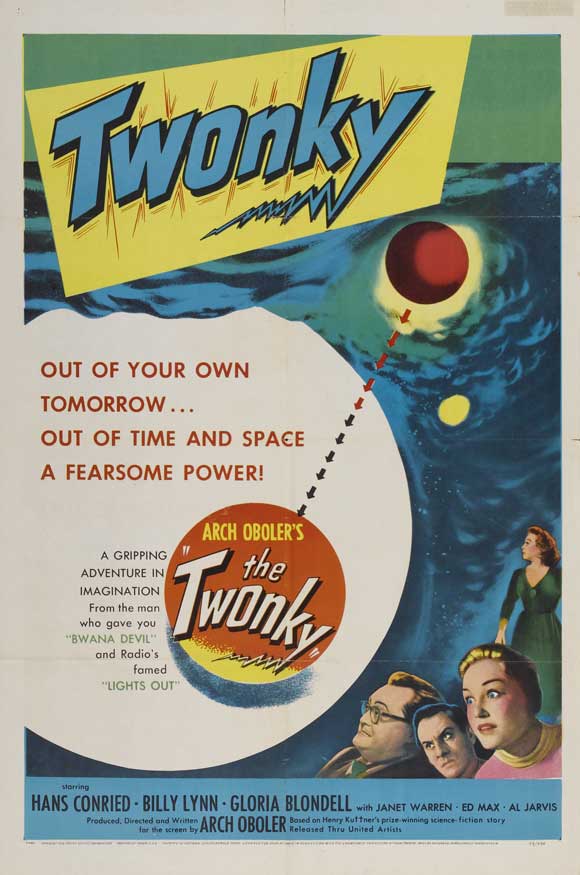
Review: While the satire in Twonky is never fully developed — it devolves into unfortunate slapstick by the final scenes, and the Twonky’s ultimate nefarious purpose on Earth isn’t revealed — I’ll admit I was impressed by Oboler’s attempt to skewer the mind-numbing qualities of television long before it became commonplace to do so. Indeed, when the Twonky hypnotizes everyone around it into drawling, “I have no complaints,” one can’t help admiring this time-travelling creature for so accurately “predicting” its future role… Redeeming Qualities and Moments:
Must See? Categories
Links: |
“He spoils everything he touches. He takes the life out of it and leaves it to rot– He’s made like that!”
|
Synopsis: |
|
Genres, Themes, Actors, and Directors:
Review:
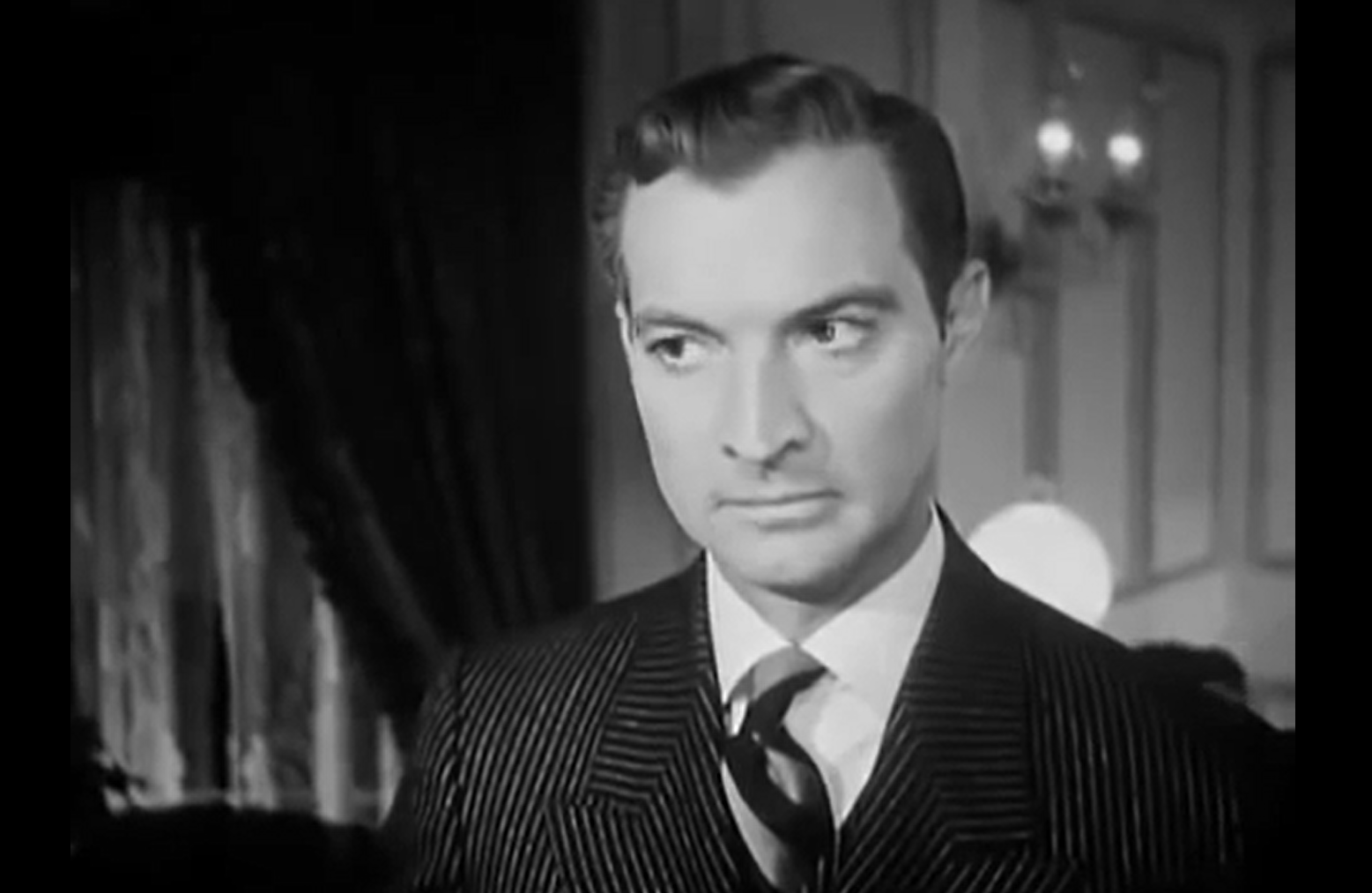
Diana Lynn (sweet and effective) gets it just right when describing Vendig (Scott) in the final line of the movie: “He wasn’t a man; he was a way of life”; ultimately, then, Vendig is meant to represent an archetype rather than a flesh-and-blood character, and the film’s overall emotional charge suffers for it. Interestingly, recent critics seem to find something of greater worth in this “pulp poetry” than I did. Redeeming Qualities and Moments:
Must See? Links: |
“You go into it like a business and you treat it like a business.”
|
Synopsis: |
|
Genres, Themes, Actors, and Directors:
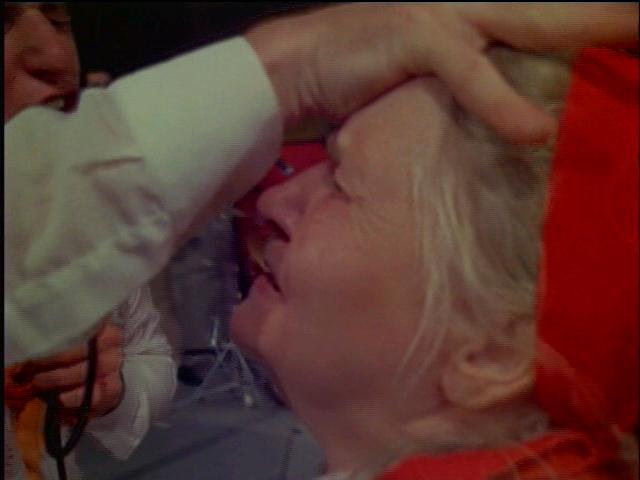
Review: Filmmakers Sarah Kernochan and Howard Smith do an admirable job capturing the fervent zeal of the Revival congregationalists: their cameras are so close-up at times — circling and whirling with the heaven-sent parishioners — that it’s easy to believe you’re right there with them. Yet I shudder to think about the resentment these naive folks must have felt when seeing themselves up on the big screen, clearly being manipulated from every side. It’s this element which makes Marjoe so much more disturbing to watch than, for instance, either The Miracle Woman (1931) or Elmer Gantry (1960), two fictional films about the Revival racket; at least the extras in those movies were paid for their time, rather than being jilted out of both their money and their pride. Redeeming Qualities and Moments:
Must See? Categories
Links: |
“Hypnotism is a powerful force that can’t be kidded around with as though it was a harmless little parlor game.”
|
Synopsis: |
|
Genres, Themes, Actors, and Directors:
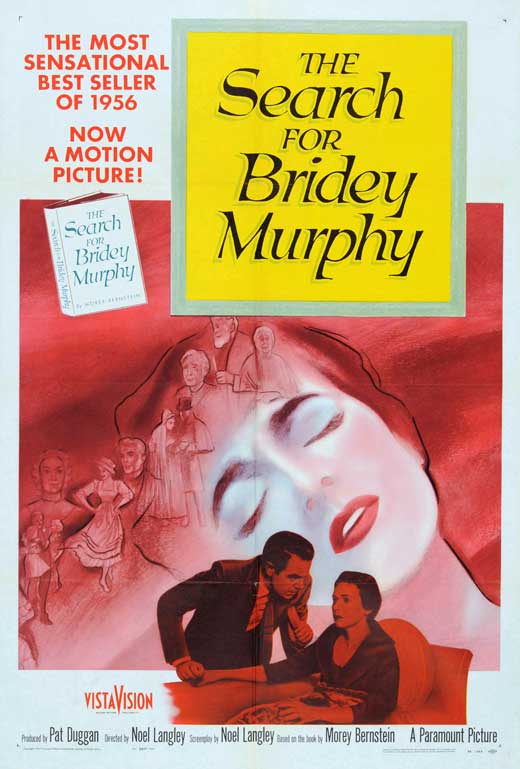
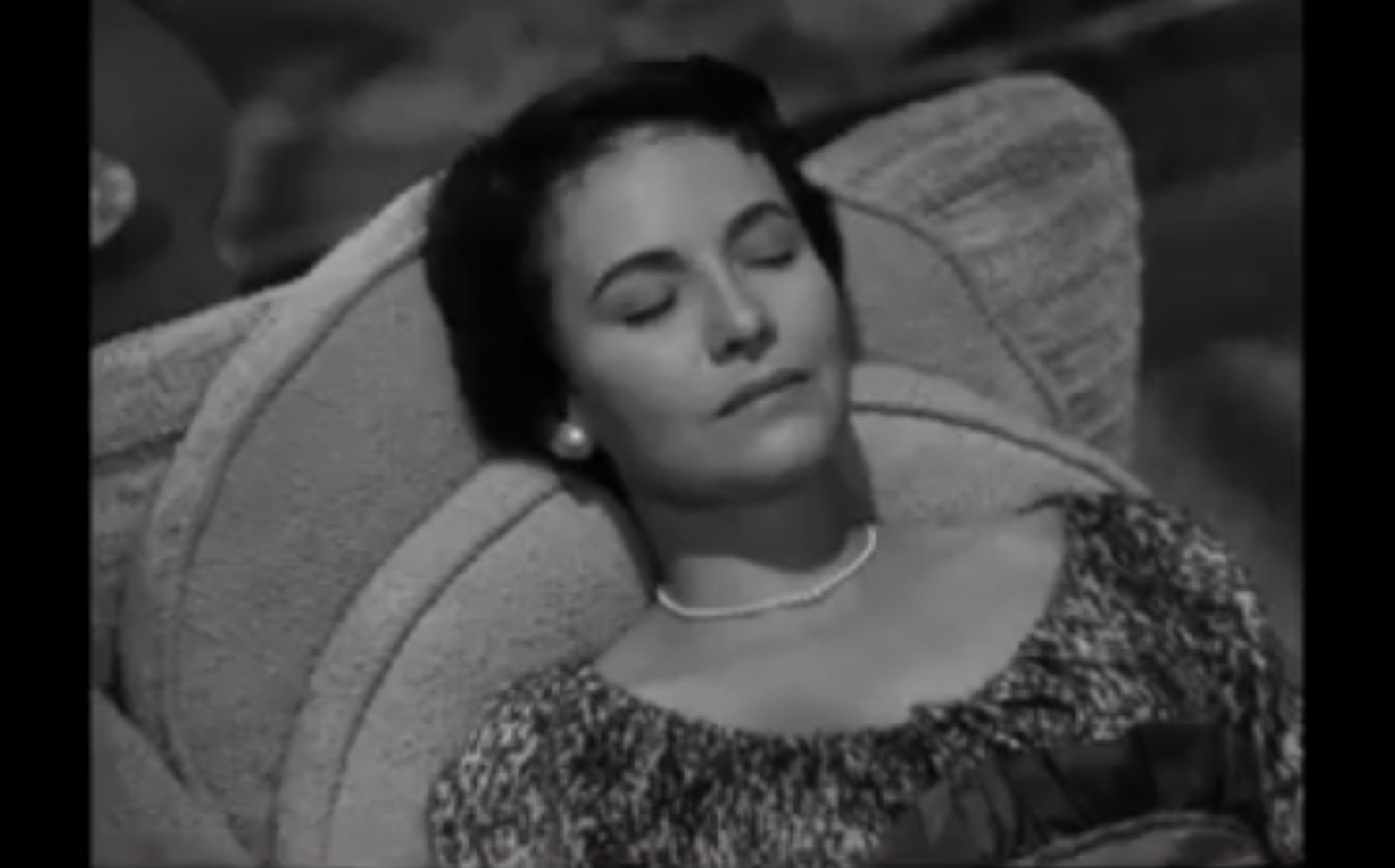
Review: Unfortunately, despite its title, very little time in the film is spent actually searching for “Bridey Murphy”; given the wealth of details Bernstein pries out of Simmons, I expected a lengthy detective hunt in Ireland, and some kind of a resolution (however dissatisfying) to the mystery of this young woman’s existence. Instead, the film’s denouement centers on the melodramatic issue of whether or not Simmons will be able to snap out of her final regression — thus emphasizing once again the film’s moral that hypnosis is a “powerful force”, and not to be taken lightly. Redeeming Qualities and Moments:
Must See? Links: |
“There was an old woman who was a man, and two others — the Unholy Three.”
|
Synopsis: |
|
Genres, Themes, Actors, and Directors:
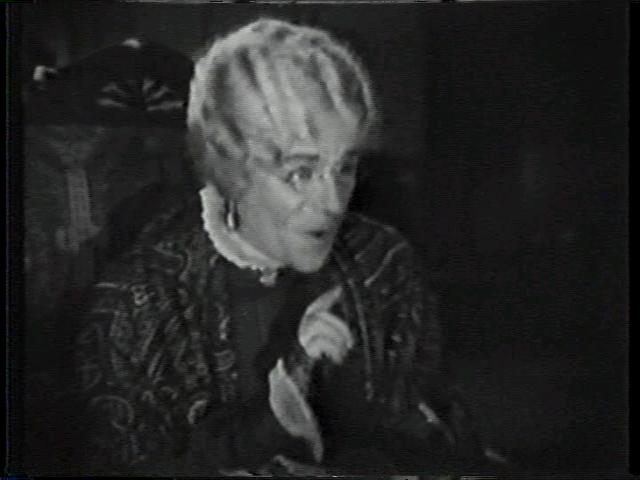
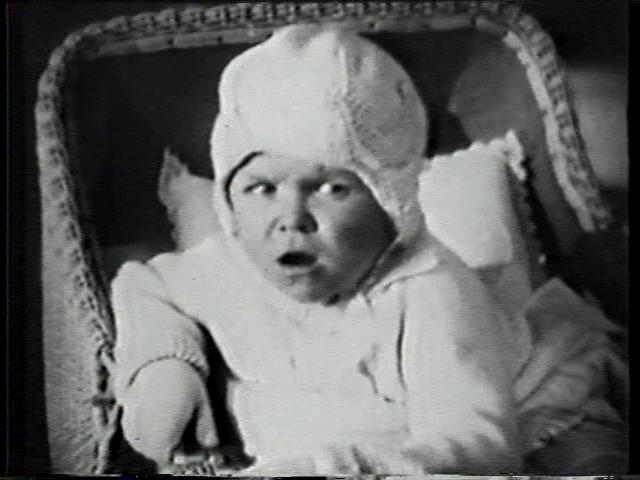
Review: While it’s not an entirely successful film, there is much to recommend about The Unholy Three: Earles is particularly creepy here (and more effective than in Freaks) as a twenty-year-old man who can easily pass as a squalling baby; and Lon Chaney turns in yet another stellar performance as both Echo and the stoop-backed, bespectacled “Granny O’Grady”. Unfortunately, however, some major flaws detract from the film’s overall impact. While the trio’s decision to open a parrot shop is a clever play on Echo’s ventriloquism skills, it’s ultimately a silly and contrived way to go about scamming money. In addition, meek shop assistant Hector (Matt Moore) plays an essential part in the film’s plot, yet his presence in the parrot shop doesn’t make logical sense. Finally, a giant chimpanzee emerges for no good reason at the end of the film, other than to kill a key character. Despite its problems, however, this remains an eminently watchable, well-acted thriller, one which showcases Browning’s unique vision, and is thus worth viewing at least once. Redeeming Qualities and Moments:
Must See? Categories
Links: |
“Who cares about a whore?”
|
Synopsis: |
|
Genres, Themes, Actors, and Directors:
Review:
… baby-faced Alice Playten (whose arched eyebrows make her look perpetually astonished):
… and “Diff’rent Strokes”‘ Philip Drummond (Conrad Bain) in an early role.
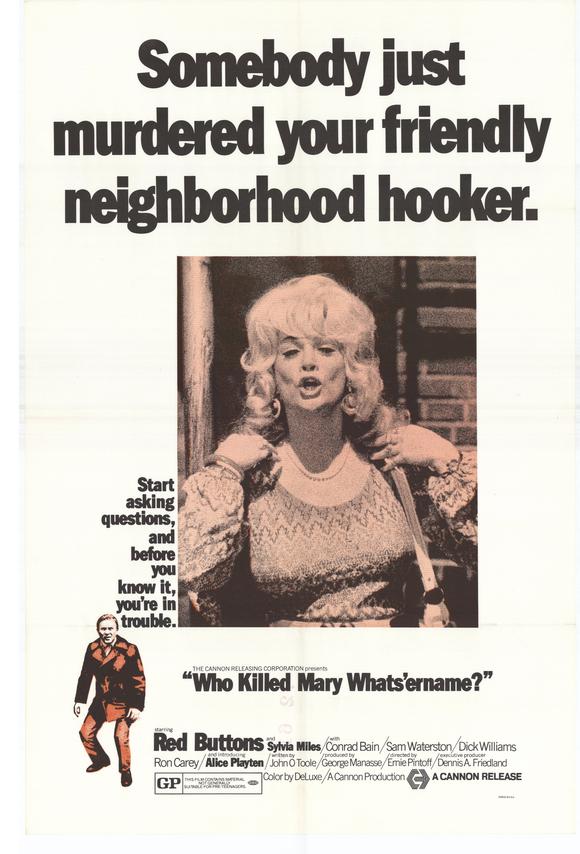
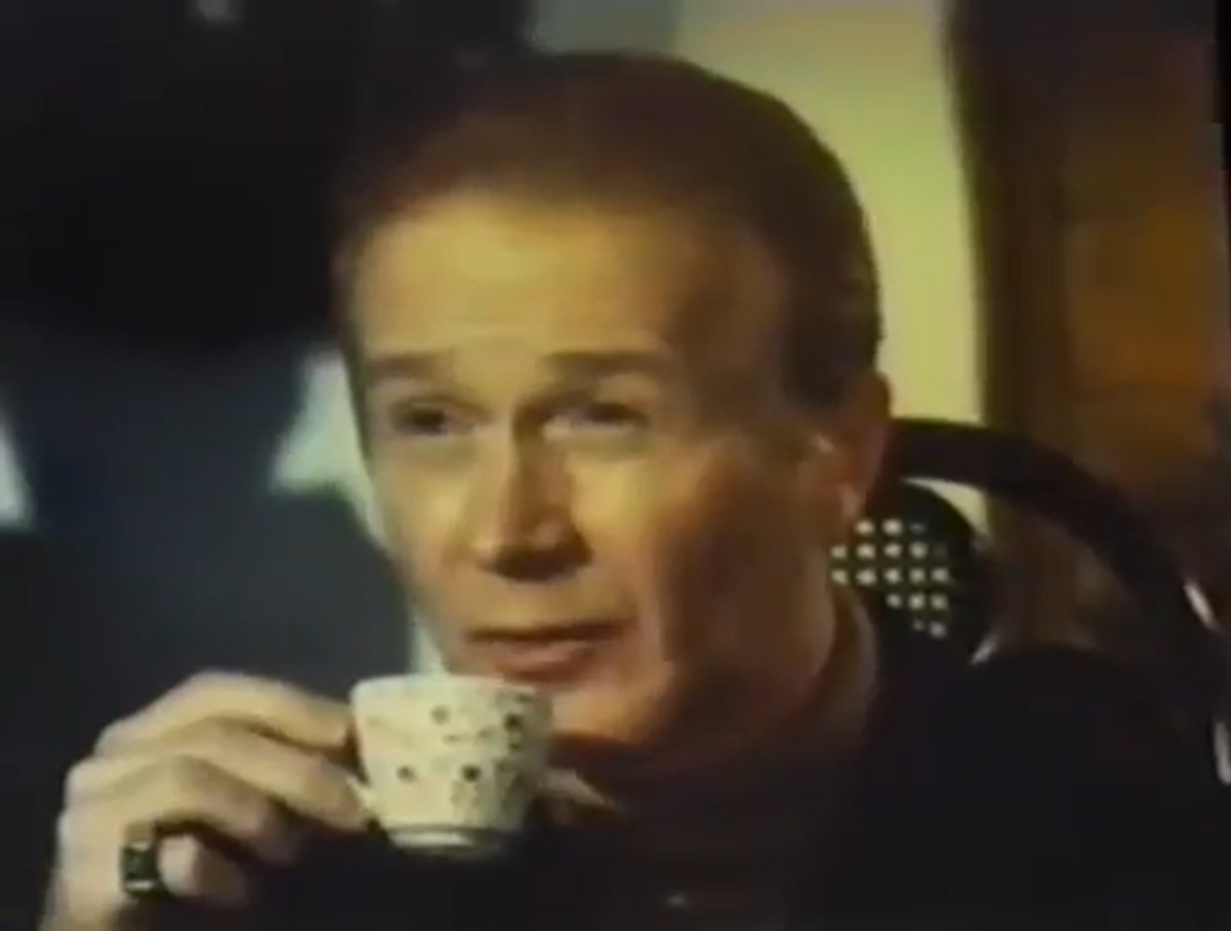
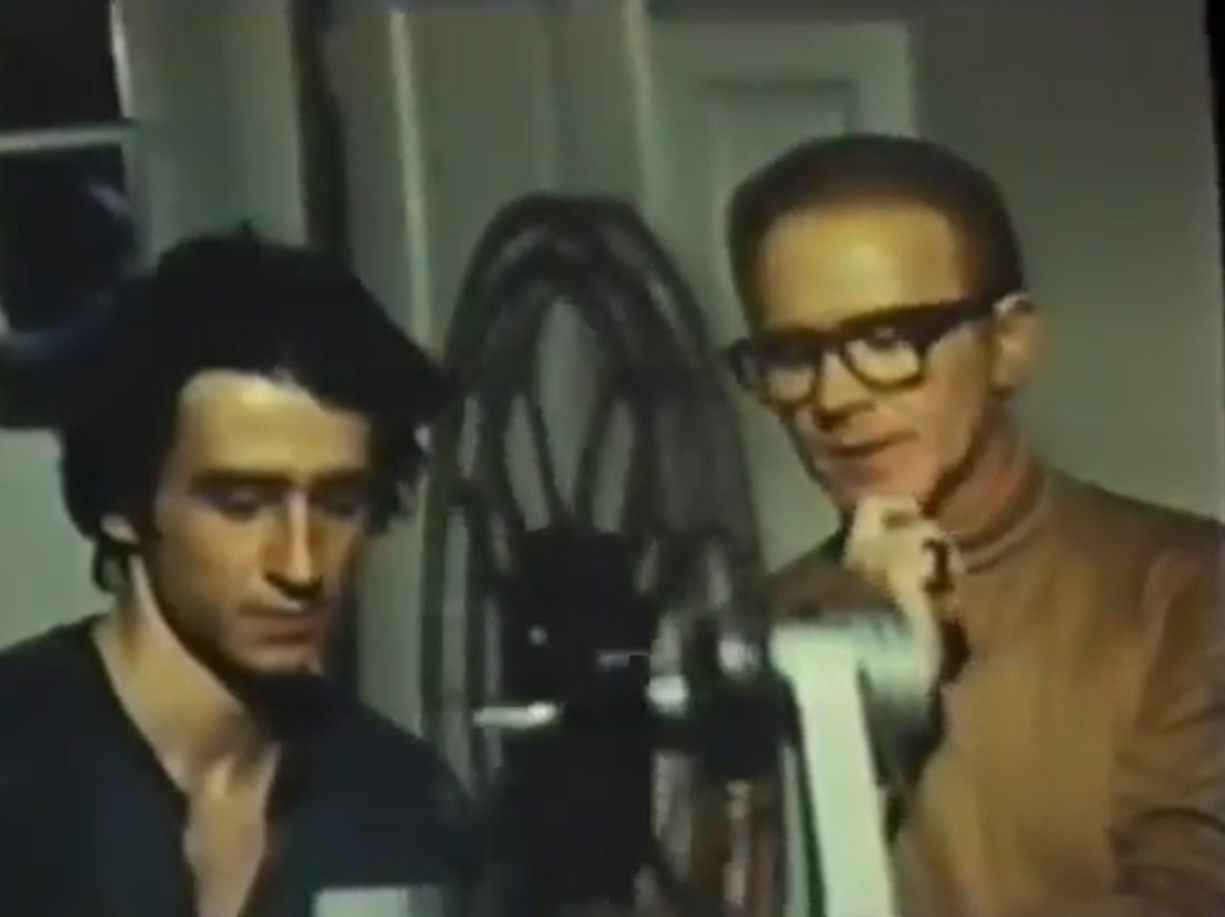
While it isn’t particularly ground-breaking or unique, this film does possess a surprising amount of suspense, charm, and atmosphere. Director Ernest Pintoff (who seems to enjoy tricky camera work) pays tribute to Antonioni’s Blowup (1966) in a subplot about an aspiring filmmaker (Sam Waterston), whose footage of Mary right before her death may provide clues to her murder. He also makes effective use of seamy New York locales and characters (check out his close-ups of odd-looking old ladies):
to evoke a world where anyone may be a suspect, for any number of reasons. Redeeming Qualities and Moments:
Must See? Links: |
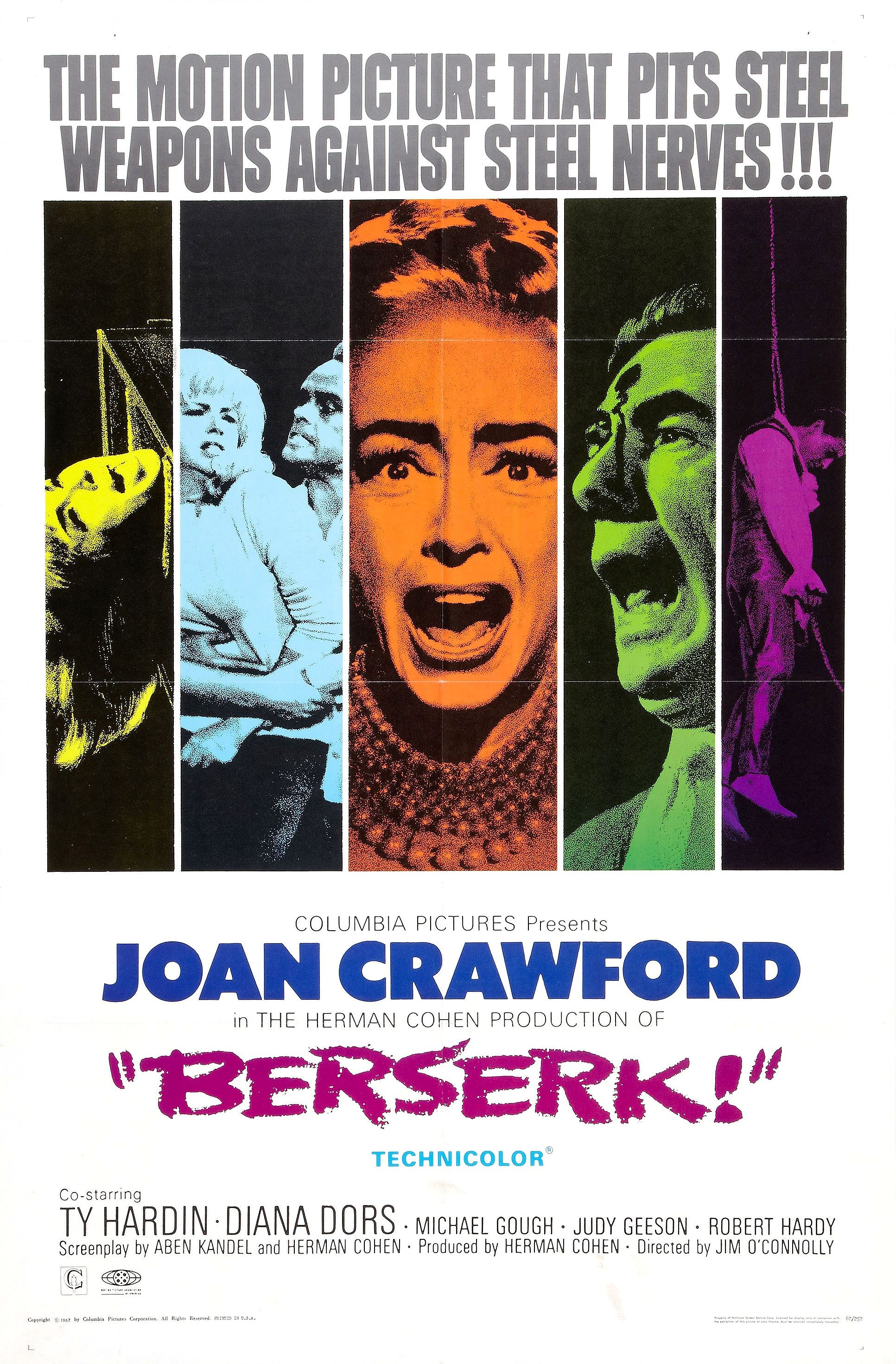
“This circus is jinxed! It’s becoming a nightmare — I keep wondering and thinking, who’s next?”
|
Synopsis: |
|
Genres, Themes, Actors, and Directors:
Review:
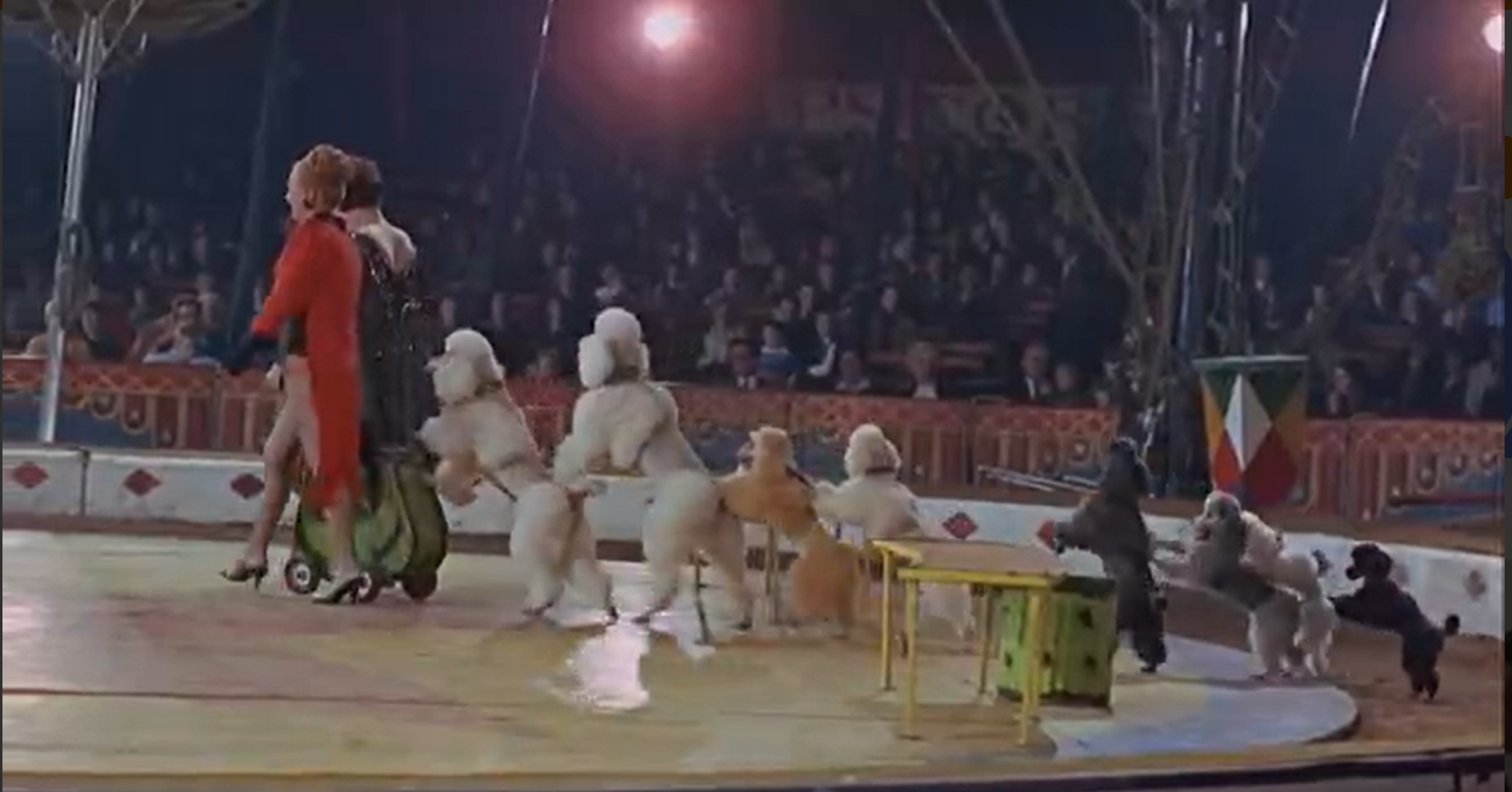
In addition, the occasional scenes showing various circus animal acts go on too long, and don’t fit in with the thrust of the narrative; given that this is a story about backstage machinations, we really don’t need to see so much of the circus itself — though I’ll guiltily admit that the poodle act was my favorite scene in the entire film. Redeeming Qualities and Moments:
Must See? Links: |