Browsed by
Category: Original Reviews

Responses to Peary’s “must see” movie reviews, as well as my own “must see” movie reviews up to and after 1986 (when Peary’s book was published).

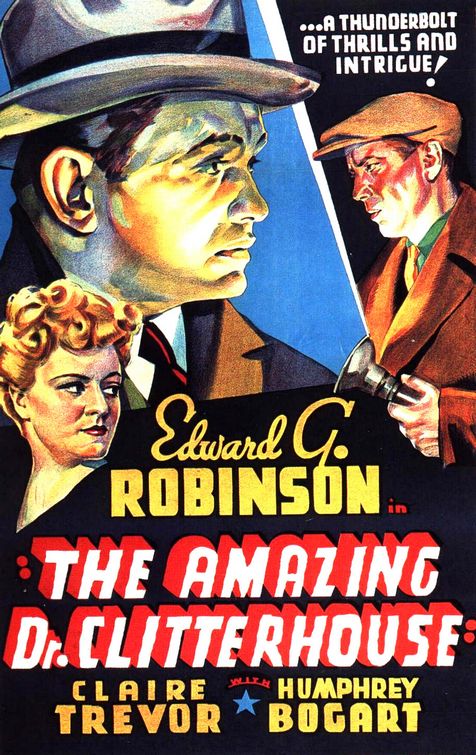
Amazing Dr. Clitterhouse, The (1938)

Amazing Dr. Clitterhouse, The (1938)

“I know precisely what I’m doing: valuable research work, in a rather unusual form!”

Synopsis:
A doctor (Edward G. Robinson) interested in studying the physiology of criminals gets involved in a heist ring led by high-level fence Jo Keller (Claire Trevor).

Genres, Themes, Actors, and Directors:

  • Anatole Litvak Films
  • Character Studies
  • Claire Trevor Films
  • Comedy
  • Donald Crisp Films
  • Edward G. Robinson Films
  • Mad Doctors and Scientists
  • Thieves and Criminals

Review:
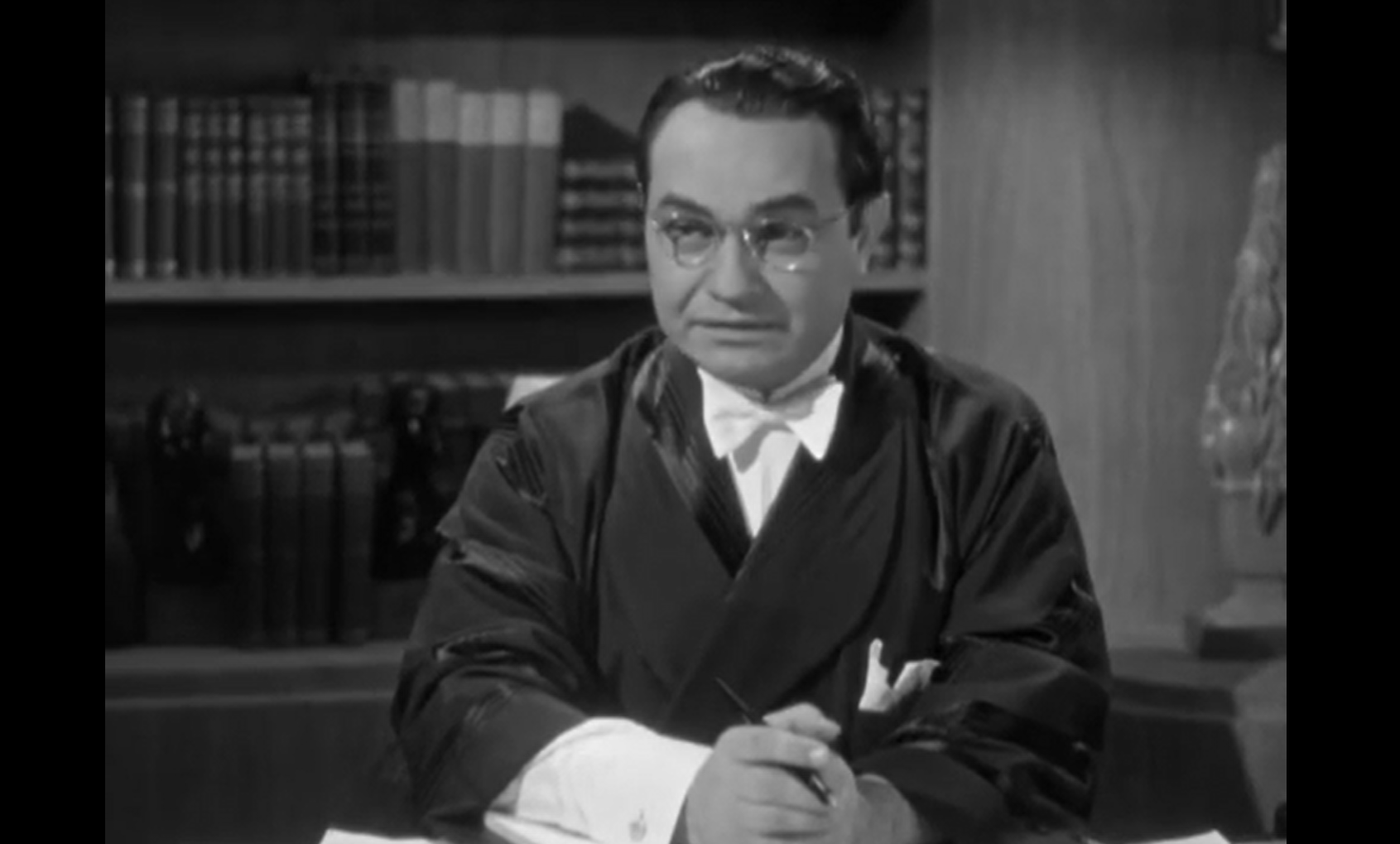
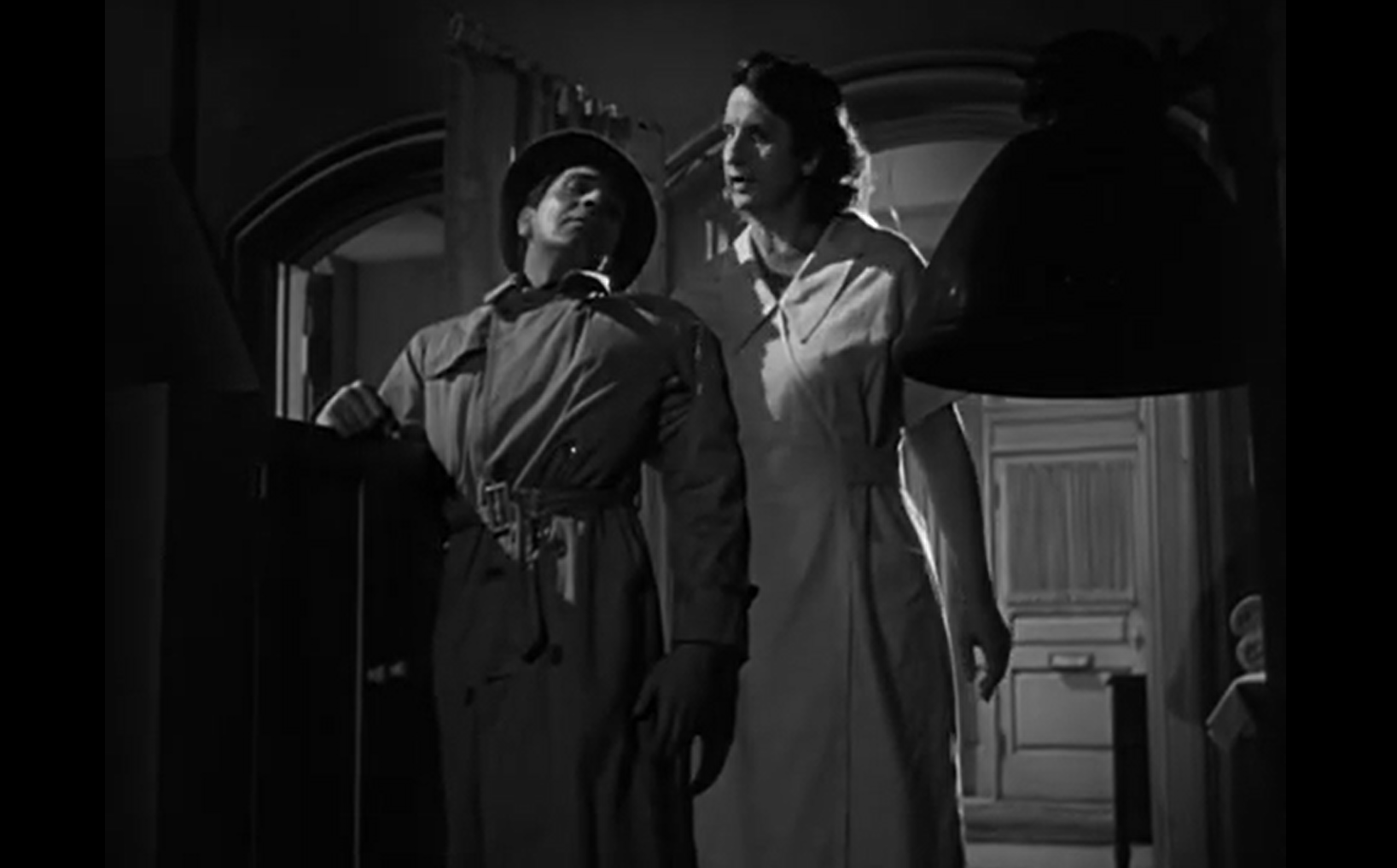
This unusual comedic crime thriller deals with one of the eternal dilemmas of science: to what lengths should we go in order to learn more about the human mind and body? The Office for Protection of Human Subjects at any university would have quite a bit to say about Dr. Clitterhouse’s methods, but his blatant disregard for such conventions is what provides the film’s narrative fuel. How far will Clitterhouse (what a name!) go, and when — or rather, how — will he be caught? Edward G. Robinson acquits himself admirably in the title role:

… and seems the perfect choice to play this recklessly arrogant — yet unnervingly calm — doctor. While the screenplay is overly stagy at times, and the comedy doesn’t always work, The Amazing Dr. Clitterhouse remains intriguing viewing.

Redeeming Qualities and Moments:

  • A clever and witty script (co-written by future director John Huston)

Must See?
No. While based on an intriguing premise, this movie isn’t essential viewing for film fanatics.

Links:

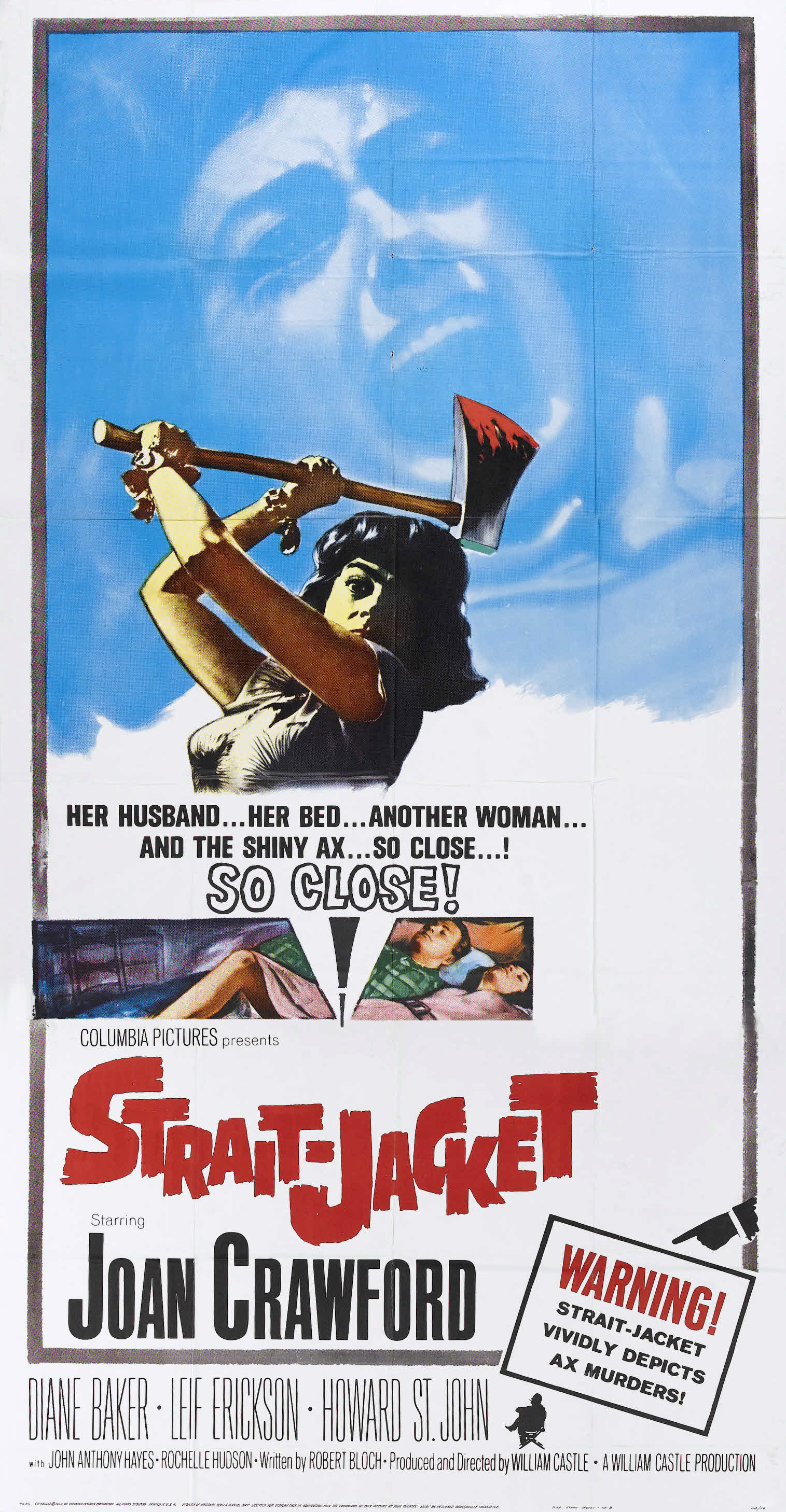
Strait-Jacket (1964)

Strait-Jacket (1964)

“Lucy Harbin took an axe, gave her husband forty whacks.
When she saw what she had done, she gave his girlfriend forty-one!”

Synopsis:
Lucy Harbin (Joan Crawford) has spent twenty years in an insane asylum for murdering her husband (Lee Majors) and his girlfriend (Patricia Crest) in a fit of jealous rage. When she returns home, her estranged daughter (Diane Baker) tries to conceal her mother’s past from her soon-to-be in-laws (Edith Atwater and Howard St. John), but a mysterious rash of murders makes this increasingly difficult.

Genres, Themes, Actors, and Directors:

  • George Kennedy Films
  • Horror
  • Joan Crawford Films
  • Mental Illness
  • William Castle Films

Review:
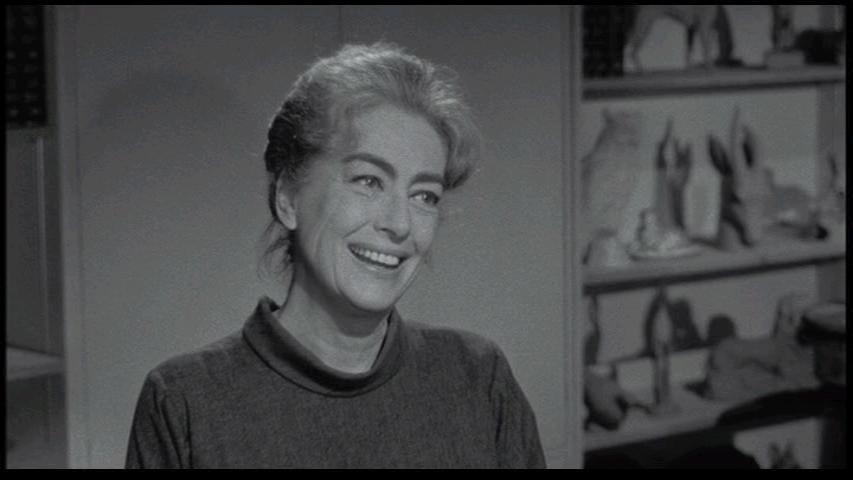
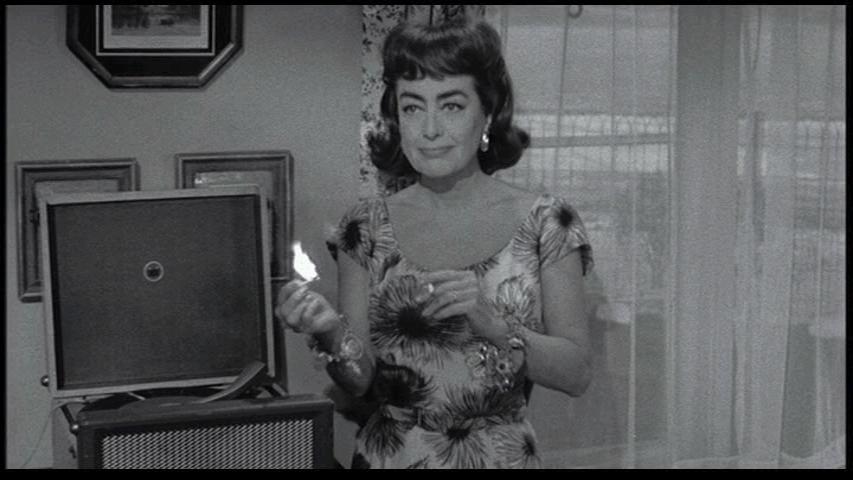
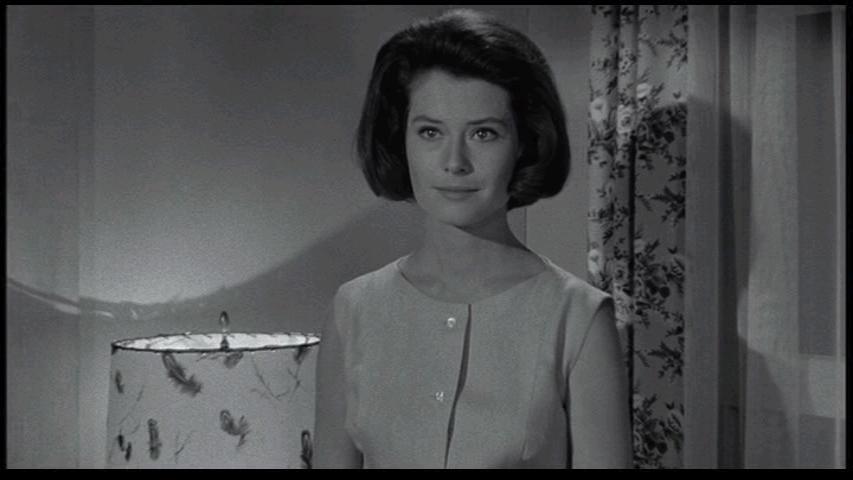
William Castle’s Psycho-esque slasher flick, starring Joan Crawford in one of her last great roles, is undeniably campy, yet contains a surprising amount of atmosphere and thrills. Crawford — who gives 110 percent, as always — is compulsively watchable, and elicits both genuine sympathy and fear, as she shifts smoothly from axe-wielding hysterics to insecure neurotics. Equally impressive is Diane Baker as Crawford’s daughter, whose desperate desire to pursue a “normal” life with her fiance-to-be (John Anthony Hayes) causes her to apply some seriously dangerous denial tactics. As in Psycho, the final plot twist in Strait-Jacket is guaranteed to come as a surprise, and places the characters’ previous actions in an entirely different light.

Note: Crawford apparently maintained creative control over nearly every aspect of the movie, including the script (by Robert Bloch, author of Psycho) and casting (Baker was brought on at the last minute as a replacement, while Crawford promised the role of Lucy’s doctor to a member of the Pepsi-Cola board — Mitchell Cox — with zero film experience).

Redeeming Qualities and Moments:

  • Joan Crawford as the unpredictable yet oddly sympathetic axe murderess
  • Crawford lighting a match off of a spinning jazz record
  • Beautiful Diane Baker as Lucy’s loyal daughter
  • Some genuinely scary moments
  • A surprising twist ending

Must See?
Yes. This camp classic is a definitive entry in Crawford’s late-life movie career, and should be seen by all film fanatics.

Categories

  • Cult Movie

Links:

Alex in Wonderland (1970)

Alex in Wonderland (1970)

“Is there a movie in it?”

Synopsis:
A hot new director (Donald Sutherland) struggles to find material for his second film.

Genres, Themes, Actors, and Directors:

  • Donald Sutherland Films
  • Ellen Burstyn Films
  • Hollywood
  • Mid-Life Crisis
  • Movie Directors
  • Paul Mazursky Films

Review:
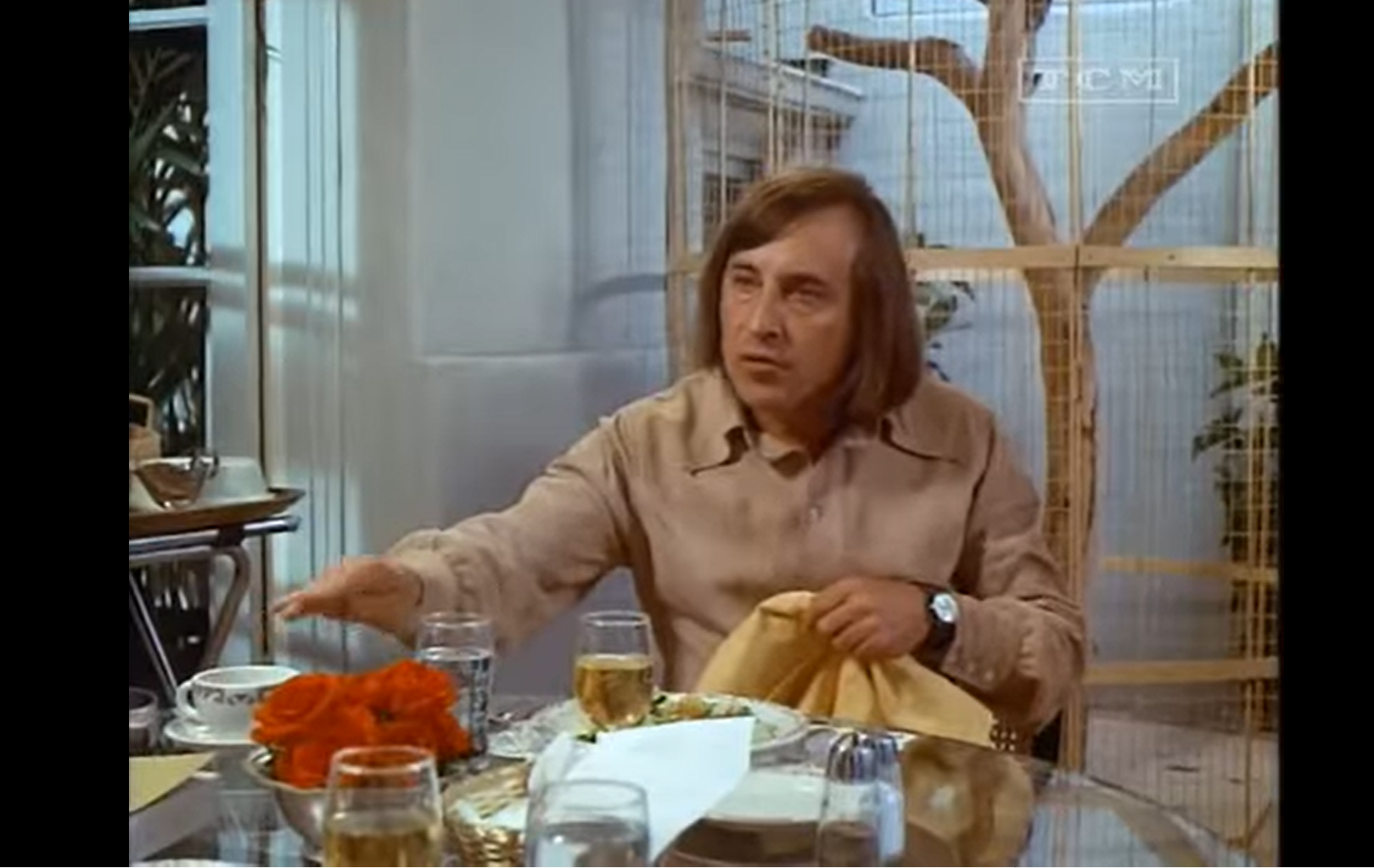
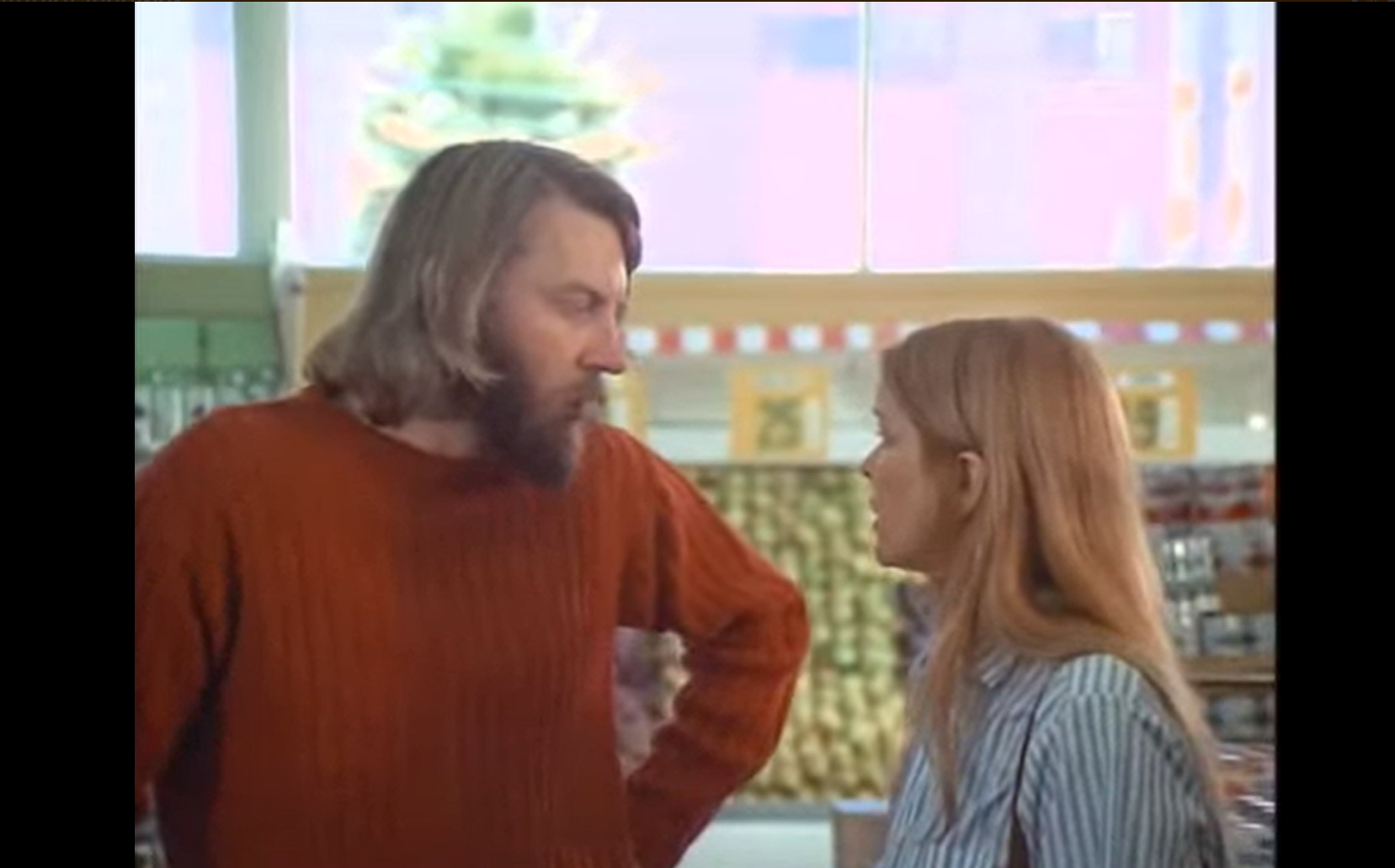
Paul Mazursky’s second movie — like his later Willie and Phil (1980) — is a shameless homage to the European filmmakers and stars he so idolizes. After the enormous success of his debut film (Bob & Carol & Ted & Alice), Mazursky chose to make a movie — a la Fellini’s 8 1/2 — about the creative process itself, and how a director’s quest for “true”, “meaningful” art is mediated by countless other influences (including pushy Hollywood moguls, monetary concerns, family, and all-around self-doubt). While it contains a few moments of hilarity and truth, however, Alex suffers from an enormous, insurmountable problem: these are not people one wants to spend time watching. Alex himself is annoyingly self-absorbed, and, with the exception of his wife and daughters, he’s surrounded by shallow, self-serving types. I was glad to see this autobiographical vanity project come to an end.

Redeeming Qualities and Moments:

  • A hilarious scene in which a Hollywood producer (Mazursky) propositions Alex with various inane movie ideas
  • Ellen Burstyn as Alex’s supportive yet frustrated wife

Must See?
No. Peary lists this in the back of his book as a Cult Movie, but I don’t think it’s essential viewing for film fanatics.

Links:

Wildrose (1984)

Wildrose (1984)

“A woman has to listen to her own voice.”

Synopsis:
A female miner (Lisa Eichhorn) deals with chauvinism and lay-offs while falling tentatively in love with her co-worker (Tom Bower).

Genres, Themes, Actors, and Directors:

  • Feminism and Women’s Issues
  • Mining Towns
  • Romance
  • Unemployment
  • Workplace Drama

Review:
Writer/director John Hanson’s independent film about life in a northern mining town is nothing if not sincere, and tackles its serious subjects — blue collar work security, male chauvinism, and spousal abuse — with sensitivity. It’s refreshing to see an entire world so authentically portrayed; these people (including the leads) look like they belong in their setting. Unfortunately, the film’s documentary-like pacing doesn’t always jive with its dramatic arc, and certain crucial tensions are resolved far too neatly; however, there are enough scenes that work — including those depicting the sweetly unfolding romance between Bower and Eichhorn — to recommend this film for a single viewing.

Note: Wildrose bears many similarities to independent filmmaker Victor Nunez’s Ruby in Paradise (1993): both deal with blue-collar females struggling to maintain financial autonomy while making healthy choices about work and love.

Redeeming Qualities and Moments:

  • Craggy-faced Tom Bower as June’s co-worker and lover
  • Many authentic scenes of blue-collar American life

Must See?
No, but it’s worth checking out once.

Links:

Willie and Phil (1980)

Willie and Phil (1980)

“A woman is not allowed to come between two men who are friends. It’s not allowed! It’s illegal!”

Synopsis:
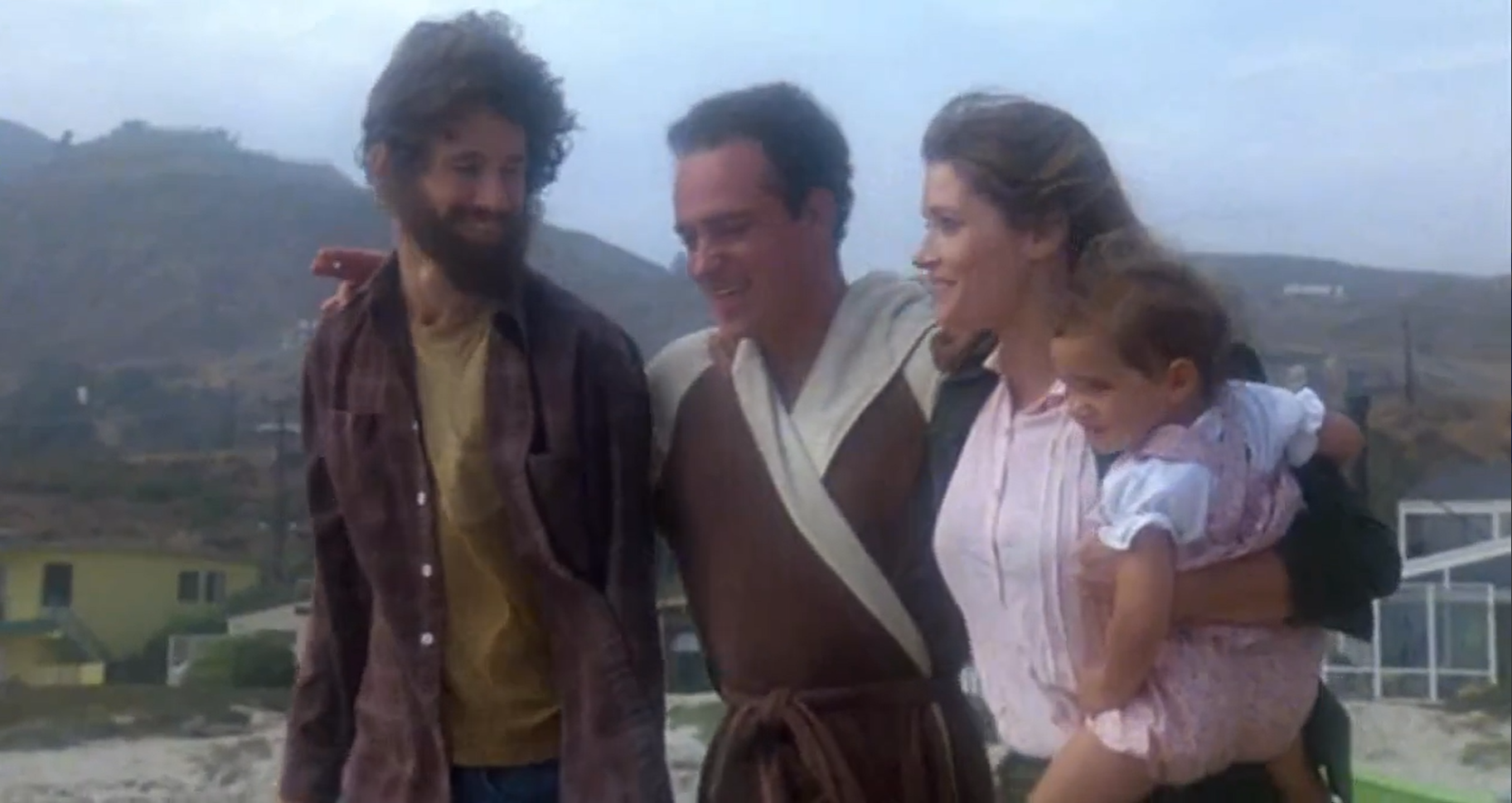
In the 1970s, two friends (Michael Ontkean and Ray Sharkey) fall in love with the same woman (Margot Kidder) while exploring alternate lifestyles.

Genres, Themes, Actors, and Directors:

  • Friendship
  • Love Triangle
  • Margot Kidder Films
  • Paul Mazursky Films
  • Romantic Comedy

Review:
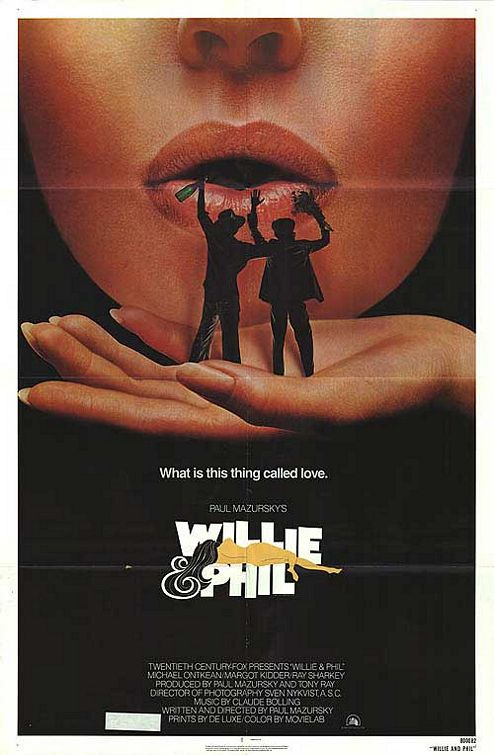
Paul Mazursky’s disappointing homage to Jules et Jim (1962) falls flat on every count. We never care for these three characters, nor do we particularly understand why they become friends and then lovers. As Pauline Kael writes, “Jeannette doesn’t live up to what Willie and Phil say about her, and they don’t live up to what the narrator… says about them.” Indeed, Mazursky’s annoying voiceover merely distances us further from these two-dimensional folks. Finally, the trio’s experiments with acid, free love, living off the land, and spirituality may have been a fun trip down memory road when the film was released in 1980, but have been portrayed countless times since then, and offer nothing new to our understanding of the ’70s.

Redeeming Qualities and Moments:

  • A sometimes clever overview of 1970s “lifestyle” choices and spiritual searches (but done much better in many other films)

Must See?
No. This homage to Jules et Jim is a major disappointment.

Links:

Cry of the City (1948)

Cry of the City (1948)

“Look at him, Tony: his leg shot full of holes, fever going up, no place to go, no place to sleep — just run, run, run till he can’t run anymore.”

Synopsis:
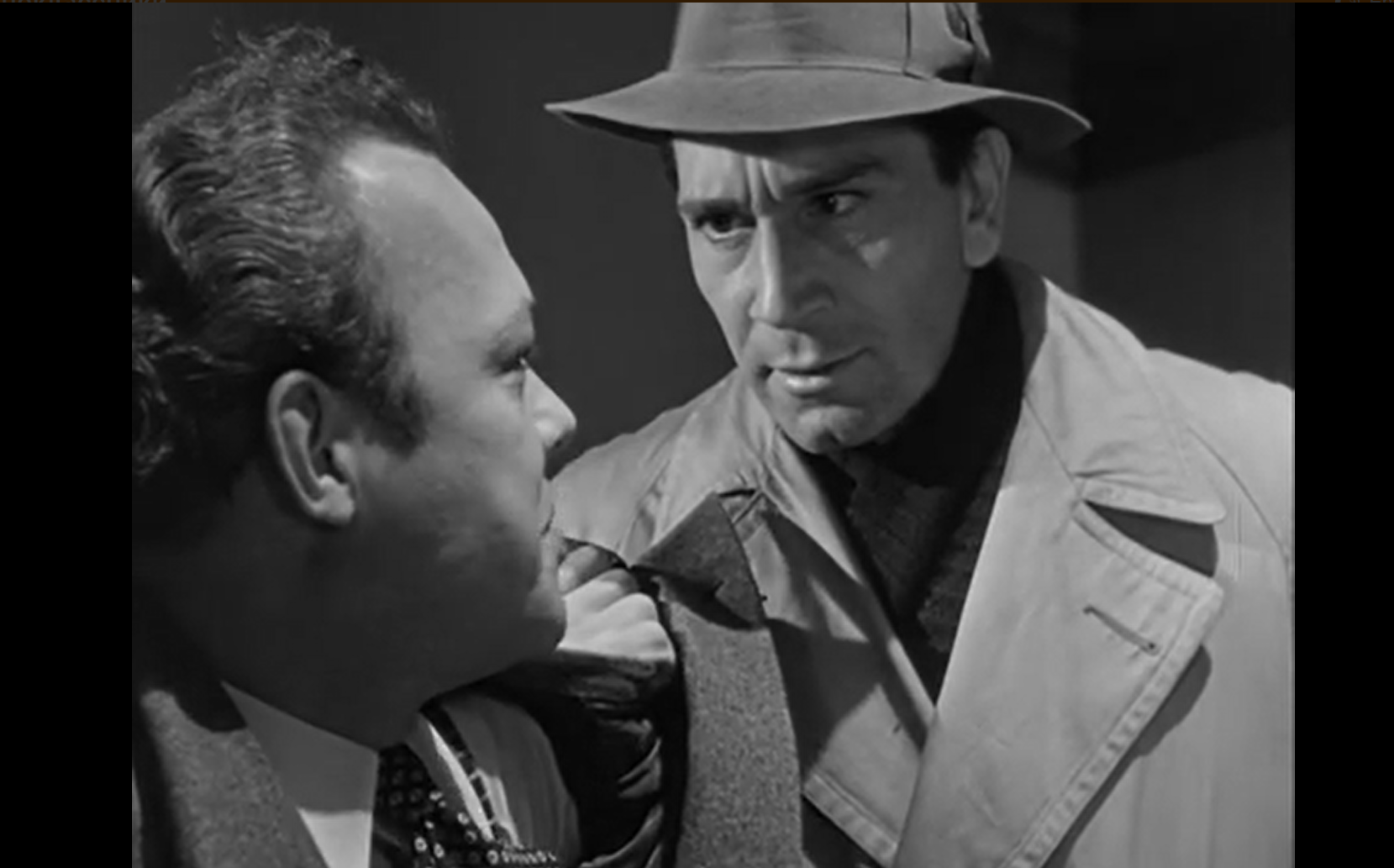
A wounded cop-killer (Richard Conte) escapes from a prison hospital in order to protect his innocent girlfriend (Debra Paget) from an unscrupulous lawyer (Berry Kroeger) — but Lieutenant Candella (Victor Mature) is on his trail.

Genres, Themes, Actors, and Directors:

  • Cat-and-Mouse
  • Debra Paget Films
  • Fugitives
  • New York City
  • Richard Conte Films
  • Robert Siodmak Films
  • Victor Mature Films

Review:
Cry of the City starts out like a classic flashback film: a wounded criminal is badgered by the police and a shady lawyer to admit his guilt in a heist he claims he wasn’t part of, and we duly expect to hear him tell his version of the story. Instead, our expectations are foiled, as Cry of the City takes us places we never expected to go, and unusual characters — a hefty female masseuse, an unlicensed European doctor, a teenager who speaks Italian to foil the police — are introduced one after the other. The action never stops, and characters’ motivations are complex enough to make us care about the outcome. This film’s rather generic title belies a tightly-made noir thriller, one which epitomizes director Robert Siodmak’s best work.

Redeeming Qualities and Moments:

  • Richard Conte as the determined fugitive
  • Fine performances by supporting cast members — especially Hope Emerson
  • A gritty, smart screenplay

Must See?
No, but it’s a terrific thriller, and well worth watching at least once.

Links:

Cool and the Crazy, The (1958)

Cool and the Crazy, The (1958)

“You know what this is, Amy? This is dope! This is the stick! This is marijuana! And this is what killed Cookie!”

Synopsis:
A teenage pusher (Scott Marlowe) straight out of reform school gets his friends hooked on marijuana, with disastrous results.

Genres, Themes, Actors, and Directors:

  • Drug Dealers
  • Juvenile Delinquents
  • Teenagers

Review:
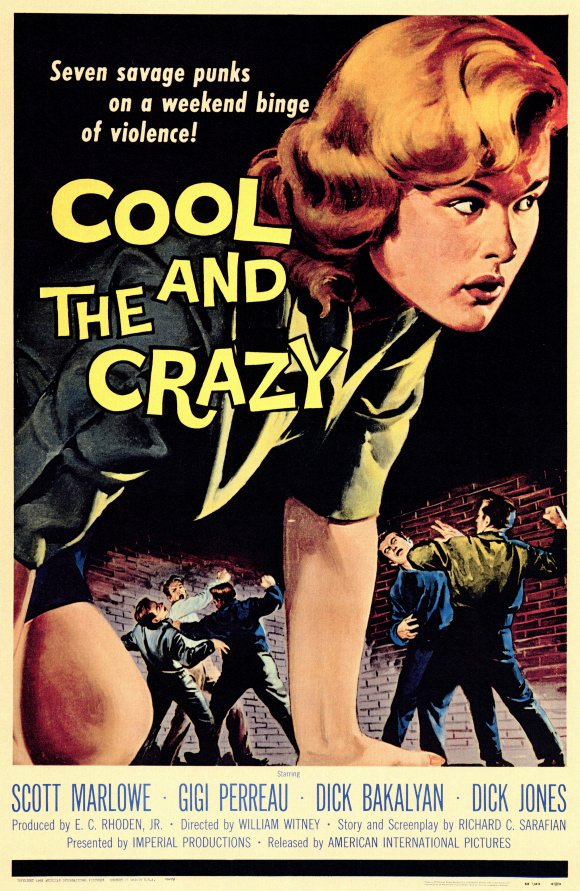
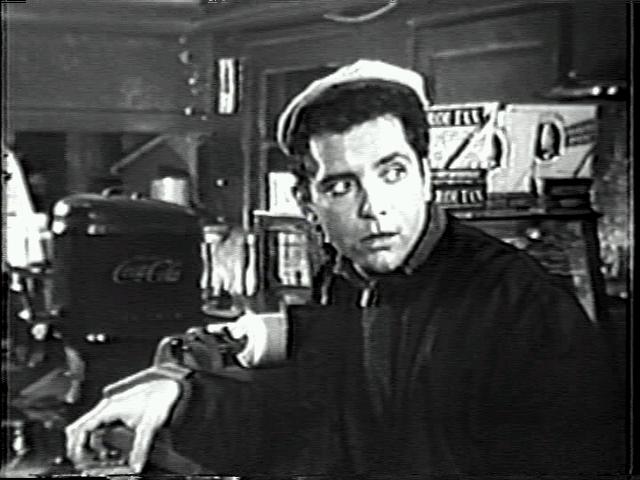
This laughable juvenile delinquent flick — Reefer Madness for the ’50s crowd — perpetuates the myth that marijuana (“M”) is instantly addictive, and will immediately reduce its users to a life of crime. Like the similarly themed High School Confidential (released the same year), The Cool and the Crazy centers on a “new kid” in high school who turns out to be a negative influence on his classmates — but at least … Confidential had the guts to make its drug of choice heroin (a truly scary and addictive substance). The one redeeming feature of Cool and Crazy is the lead performance by Scott Marlowe (who would later star in 1961’s A Cold Wind in August). His movie career didn’t really go anywhere, but this role showcased his potential for becoming a latter-day Jimmy Dean.

Redeeming Qualities and Moments:

  • Scott Marlowe’s edgy performance as the young pusher

Must See?
No. While inexplicably listed in the back of Peary’s book as a Sleeper, a Camp Classic, and a Personal Recommendation, it’s not must-see viewing.

Links:

Kirlian Witness, The (1979)

Kirlian Witness, The (1979)

“My plants sense that he is a bad person!”

Synopsis:
A photographer (Nancy Snyder) investigates the mysterious death of her plant-loving sister (Nancy Boykin).

Genres, Themes, Actors, and Directors:

  • Amateur Sleuths
  • Killer Plants
  • Lawrence Tierney Films
  • Murder Mystery
  • Photographers
  • Supernatural Powers

Review:
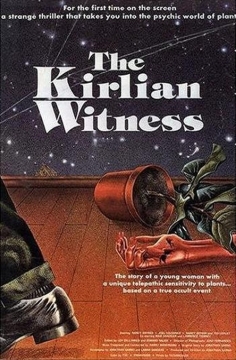
In 1968, Clyde Baxter published an article called “Evidence of a Primary Perception in Plant Life”, claiming that when he hooked a plant up to a polygraph machine, the plant reacted to thoughts and threats. It’s an intriguing idea — after all, plants are alive, so isn’t it possible that we’re underestimating their potential for sentience? — but Baxter’s “experiment” has since been roundly debunked. Back in the day, however, the “secret life of plants” was apparently ripe with dramatic possibility — and, combined with the equally new-agey concepts of Kirlian photography, auras, and psychic transmission, formed the basis of this minor cult flick by independent writer/director Jonathan Sarno.

The Kirlian Witness (also known as The Plants Are Watching) was marketed as a horror film upon its release — indeed, my local video store inexplicably continues to file it in the horror section under “When Plants Attack” (!?) — but, as pointed out by Shane Burridge in his review, it’s actually more of a crime thriller than a horror flick, with amateur sleuth Nancy Snyder attempting to find out the identity of the killer while placing her own life in danger. As such, it’s a reasonably well-done, albeit unevenly paced, independent feature — and though there are only two primary suspects, Sarno manages to pull a nifty plot twist at the end. Nonetheless, all the nonsense about psychic plants and auras ruined my overall enjoyment of the film, and ultimately elicited more groans than chills.

Redeeming Qualities and Moments:

  • An unusual premise for a murder mystery

Must See?
No. Though it developed a small cult during the time of its release, I don’t think this curio remains must-see viewing today.

Links:

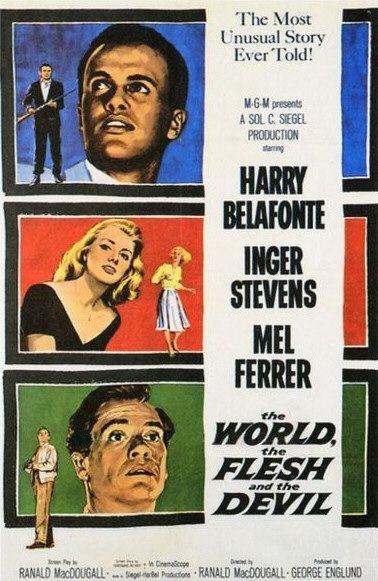
World, the Flesh, and the Devil, The (1959)

World, the Flesh, and the Devil, The (1959)

“You’re all that’s left for either one of us; you have to decide between us.”

Synopsis:
An African-American (Harry Belafonte) and a white man (Mel Ferrer) vie for the affections of a young woman (Ingrid Stevens) in post-apocalyptic New York.

Genres, Themes, Actors, and Directors:

  • Harry Belafonte Films
  • Love Triangle
  • Mel Ferrer Films
  • Nuclear Holocaust
  • Post-Apocalypse
  • Race Relations and Racism
  • Science Fiction
  • Survival

Review:
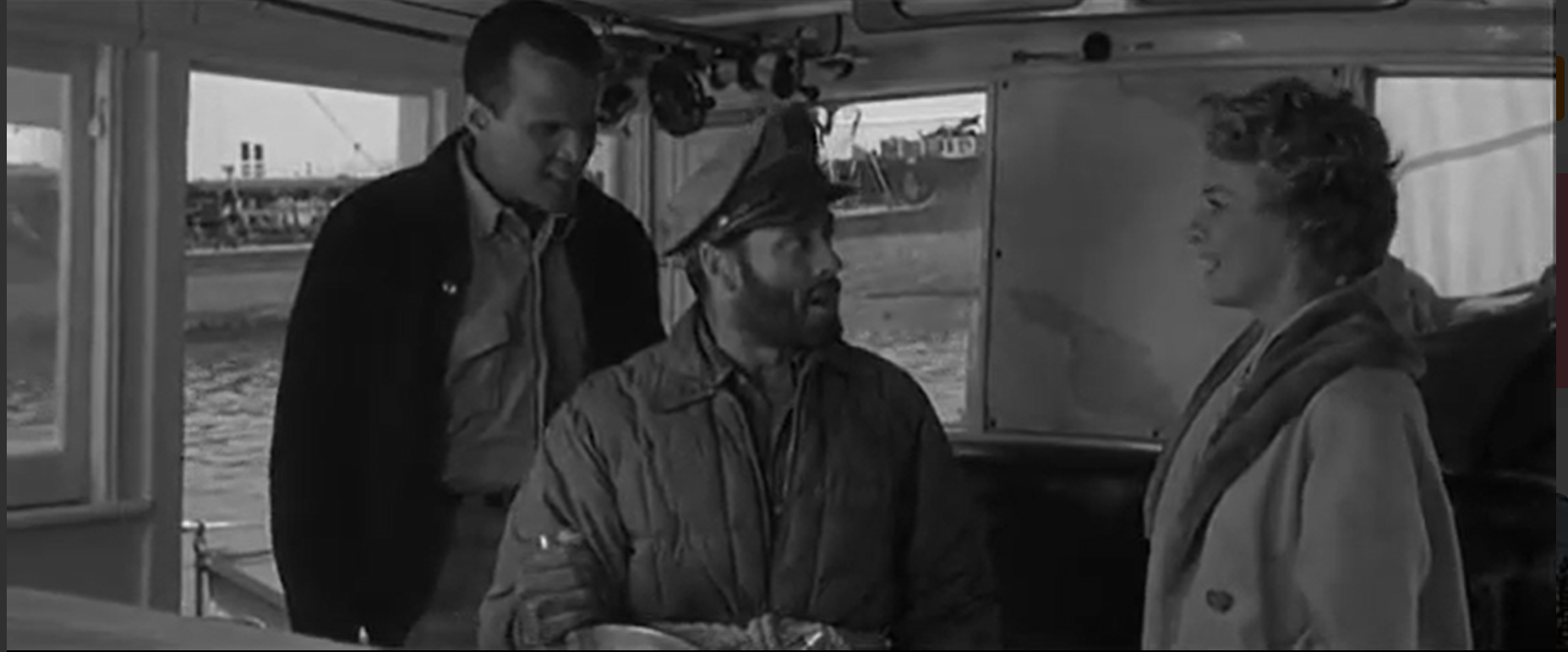
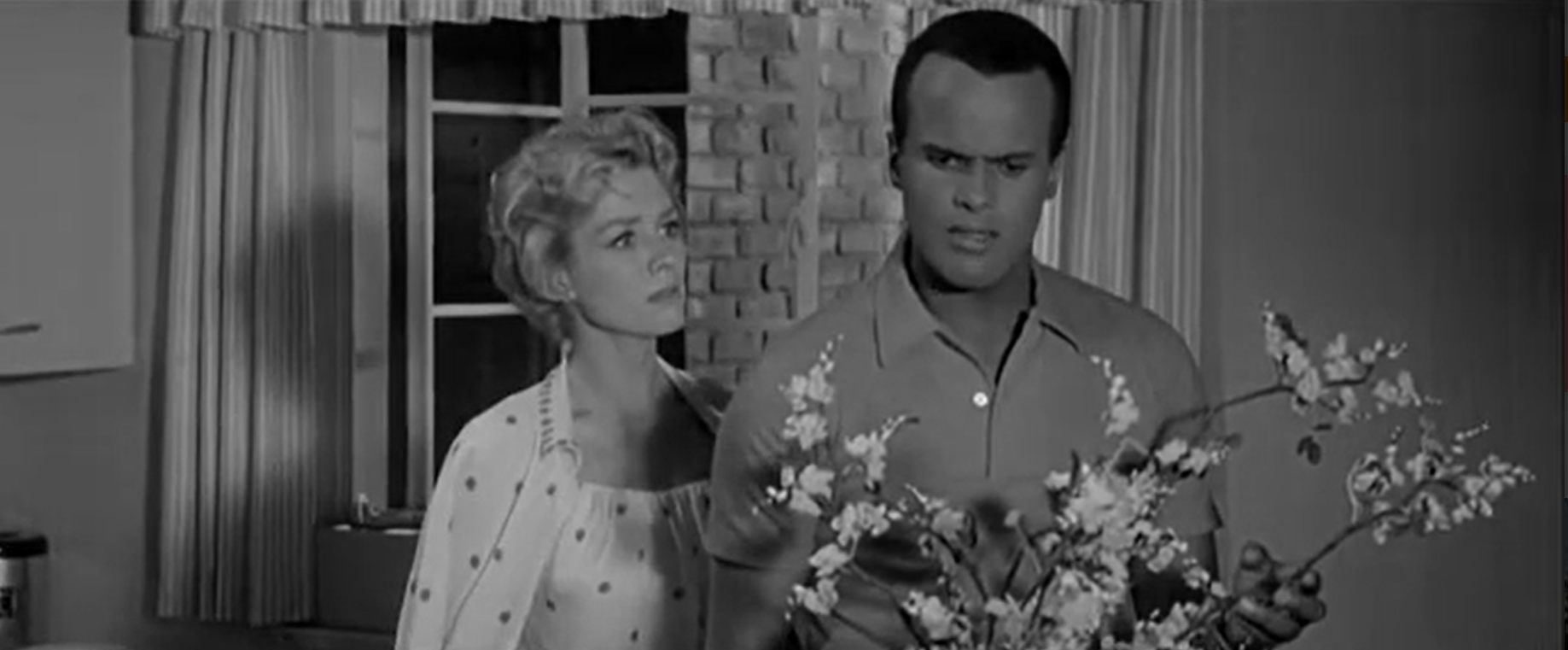
This unusual post-apocalyptic flick — unfairly maligned by many critics — is both engaging and provocative. While it starts out as a fairly standard tale about “the last man on earth”, about halfway through it veers off course to explore a much more intimate concern: what would happen to societal norms and prejudices if all the rules suddenly changed? Would we hold on to our prior conceptions about race, class, gender, and sexuality, or allow ourselves to move beyond these narrow constraints? Made during an era when anti-miscegenation laws were still in effect in many southern states, this film boldly explores these very issues, and while the story’s outcome may be too pat, the scenes leading up to it hold true tension and pathos.

Several reviewers have argued that Mel Ferrer’s appearance disrupts the flow of the movie, but I disagree.
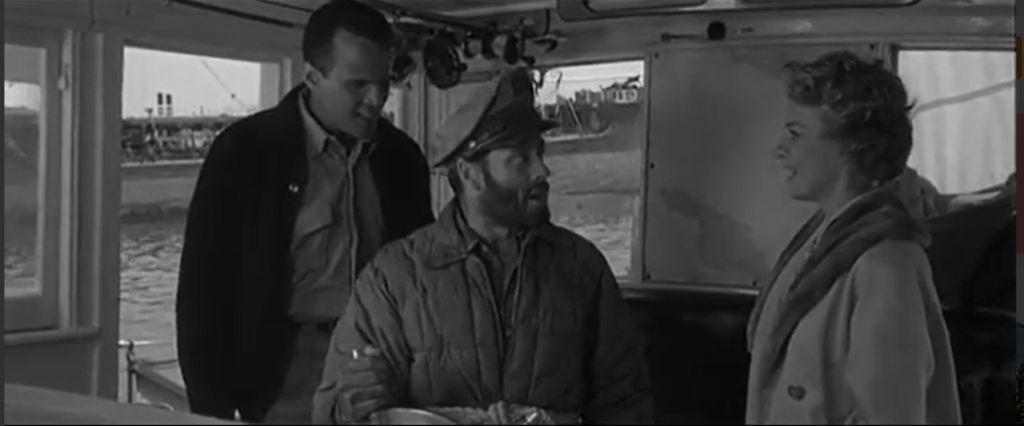
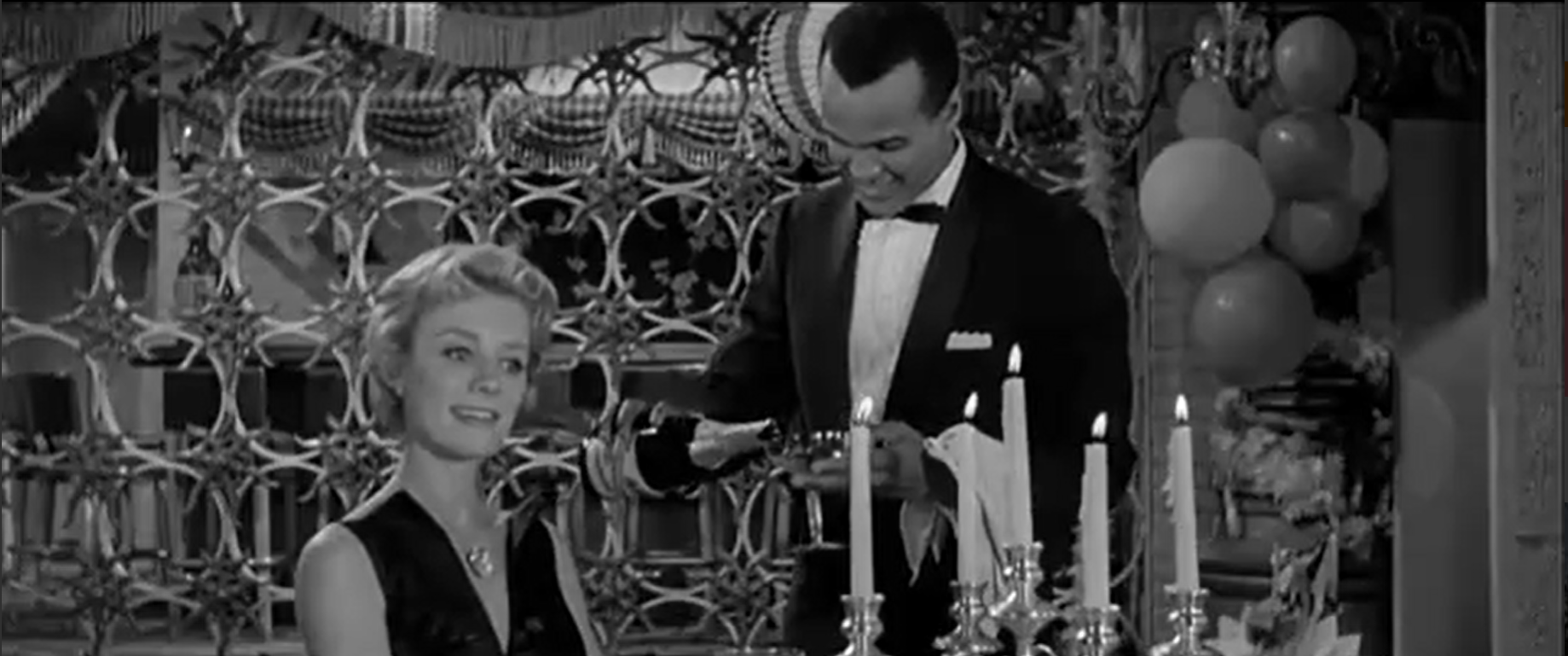
His character is an essential narrative catalyst — the one-dimensional “devil” of the movie’s title — and his presence is meant simply to provoke a final confrontation between the film’s primary protagonists (Belafonte and Stevens). It is their mental processes — conflicted, nuanced, and very real — which hold our interest.
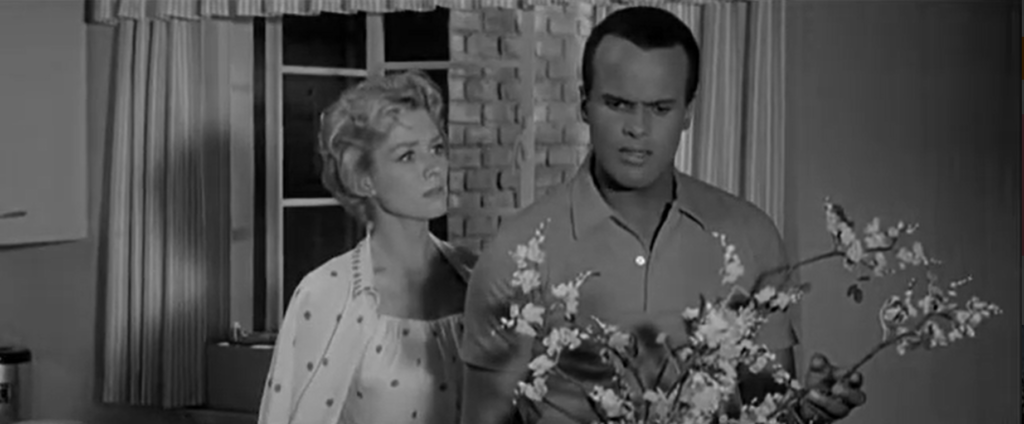
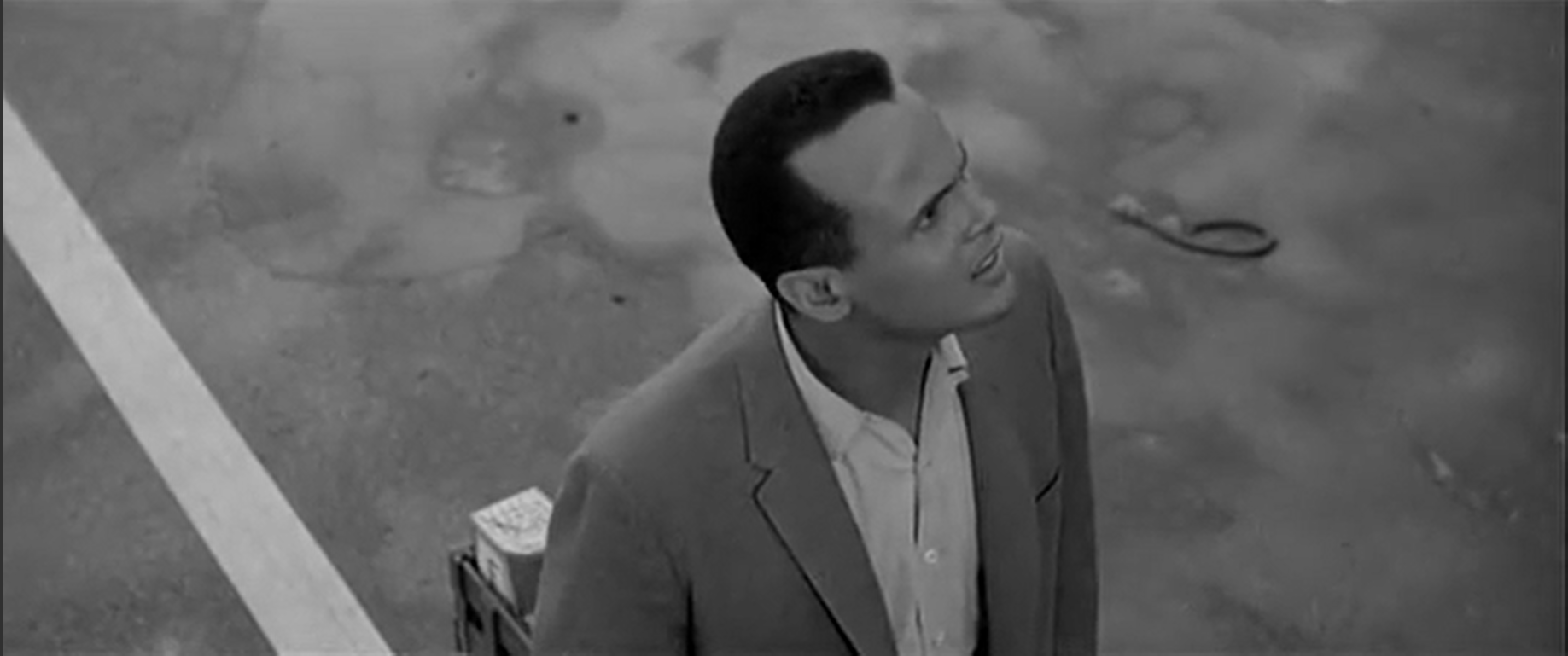
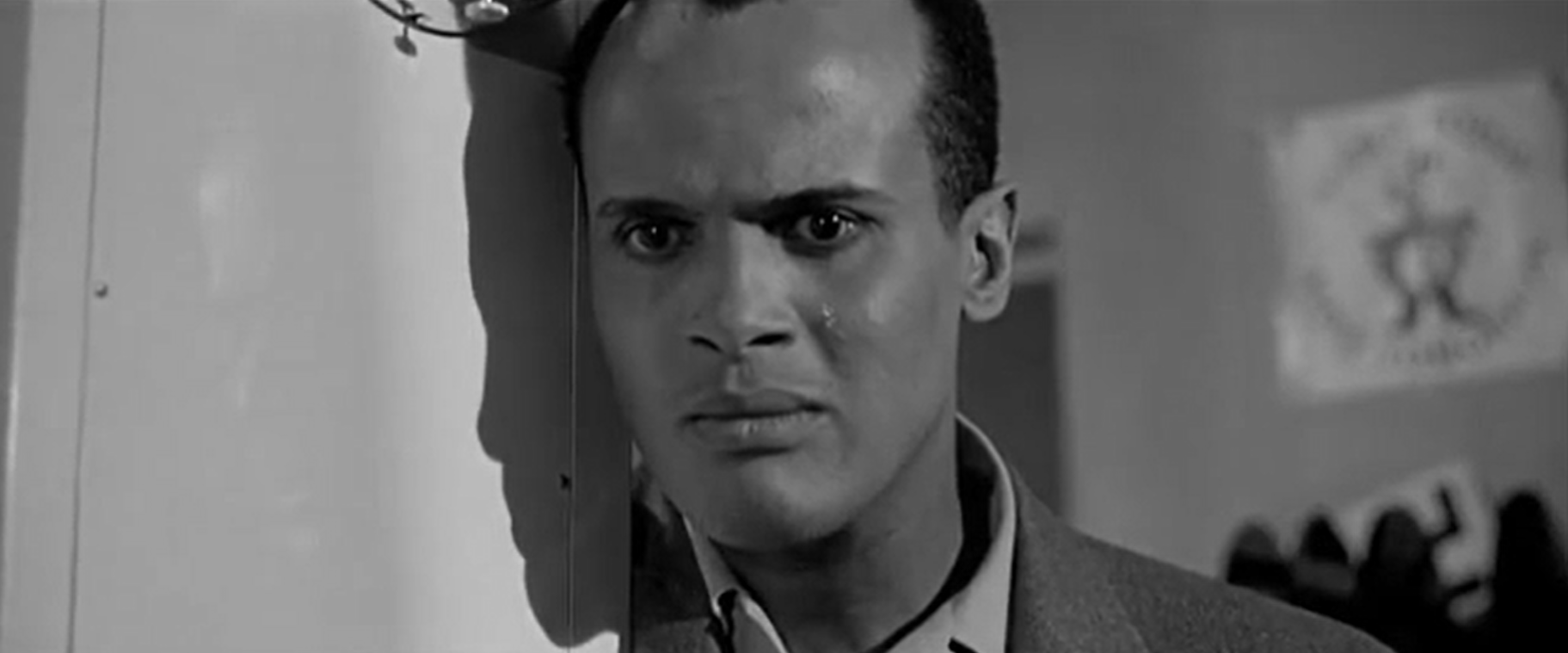
While Stevens does a fine job, however, Belafonte truly steals the show: he is alone on-screen for the first 35 minutes of the movie, and more than able to hold our full attention. He amazes us with his ingenuity, moves us to empathetic tears, and demonstrates a remarkably upbeat, can-do attitude towards his situation (note his interactions with the two mannequins he brings to his apartment).
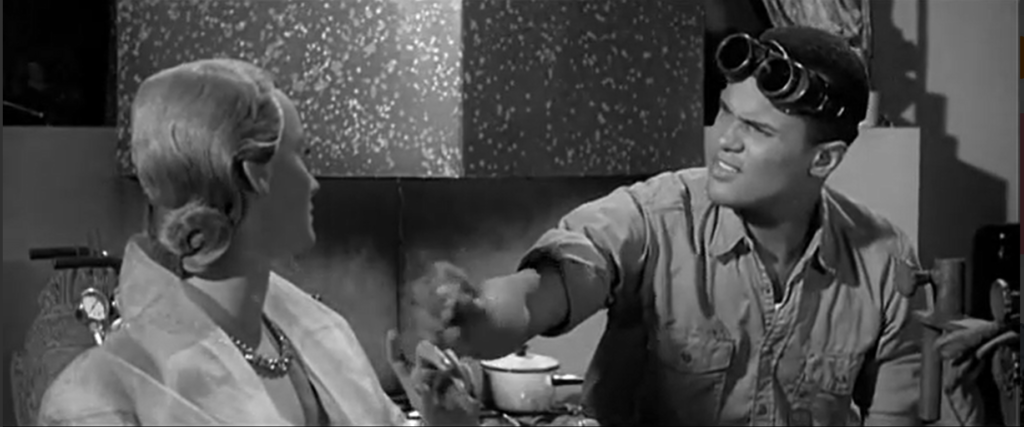
His hesitance in expressing his love for Stevens carries all the weight of a lifetime filled with prejudice — yet his decision in the final climactic moments of the movie shows that he still has hope for a better future.

Redeeming Qualities and Moments:

  • Harry Belafonte as one of the last men left alive on Earth
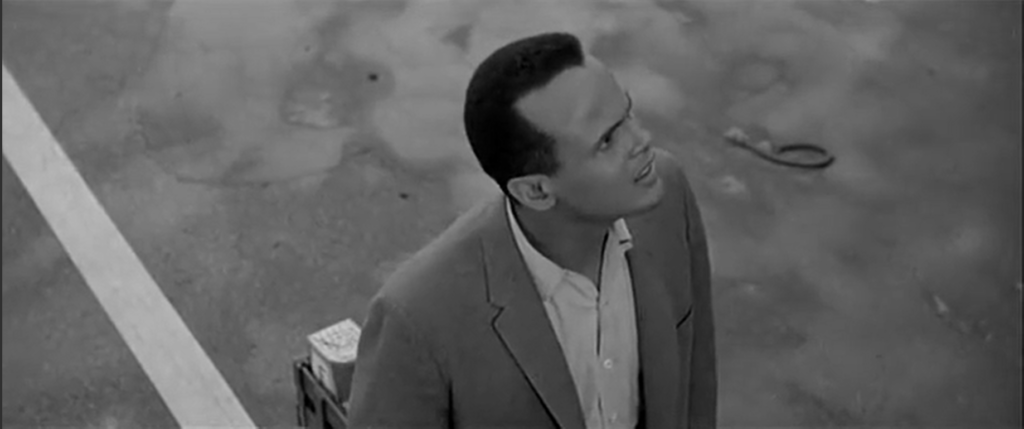
  • Belafonte listening to a tape of the final newscast ever made
  • Desperately lonely Belafonte playing with his own shadow
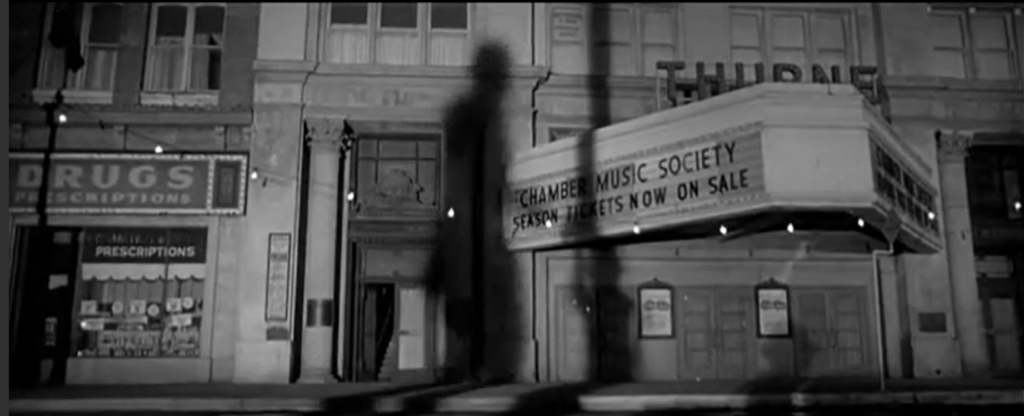
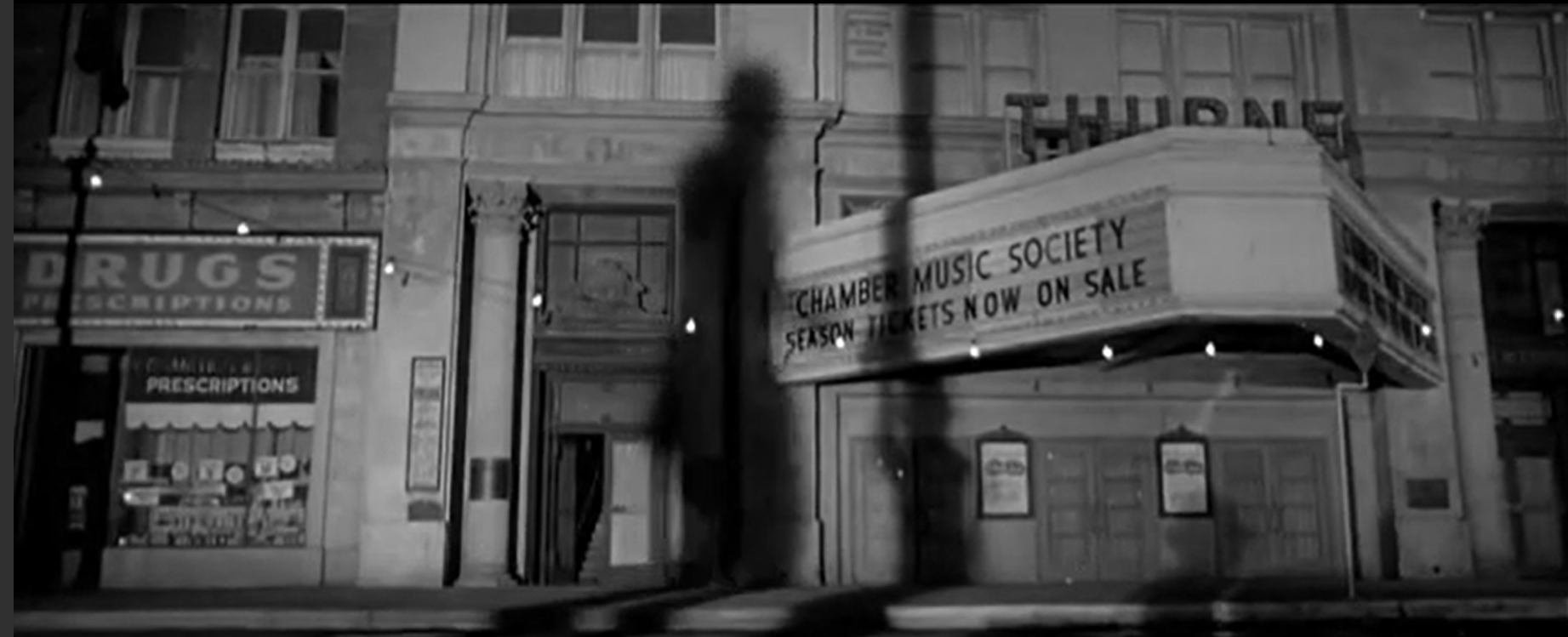
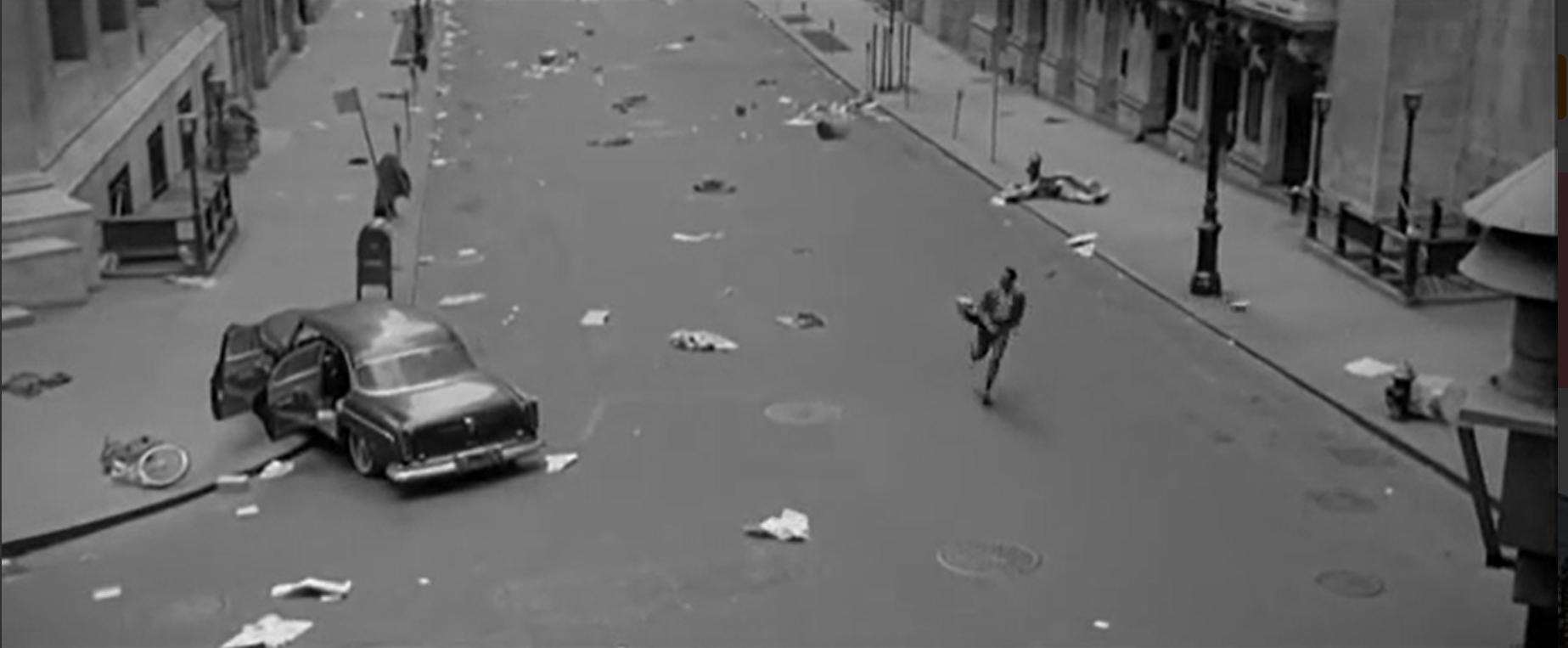
  • Dramatic imagery of empty New York streets

  • A provocative exploration of race relations in a post-apocalyptic world
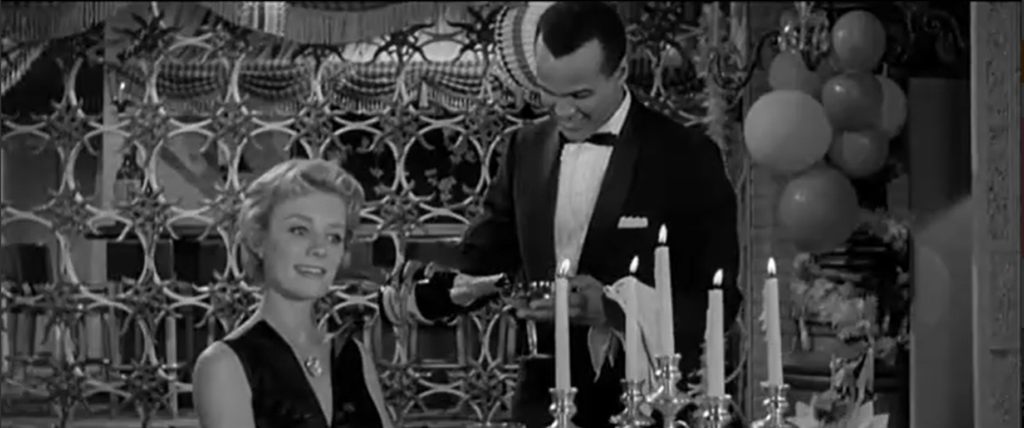
Must See?
Yes. This early post-apocalyptic film is both brave and unique.

Categories

  • Historically Relevant
  • Noteworthy Performance(s)

Links:

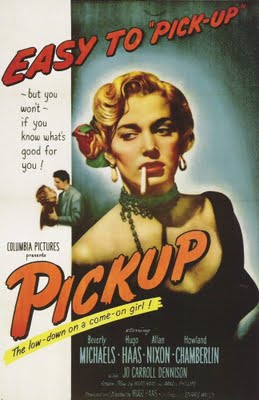
Pickup (1951)

Pickup (1951)

“She has a good husband, a nice home, a car, no worries about tomorrow — what else does she want?”

Synopsis:
A sexy gold digger (Beverly Michaels) marries a naive widower (Hugo Haas) for his pension money.

Genres, Themes, Actors, and Directors:

  • Cuckolds
  • Deafness
  • Femmes Fatales
  • Gold Diggers
  • Hugo Haas Films
  • Love Triangle

Review:
In his first independently produced American film, Czechoslovakian director Hugo Haas took a fairly standard tale of greed and cuckoldry and turned it into a tawdry, low-budget B-classic. He’s aided in no small part by sexy Beverly Michaels’ performance: while she’s no great actress, her droll sneers and deadpan delivery are perfect here; she never overplays her scenes, instead allowing an air of false insouciance to envelope her every move. Only during a critical moment towards the end of the film — when she must give up control and rely on someone else to carry out her wishes — does she reveal that her nerves may be made of less than steel; watching her fumble to light a cigarette, one realizes just how calm she’s been until then. Haas’s screenplay is overly predictable (particularly the love triangle aspect), and his cuckolded character is too naive to be believed; but the film is redeemed by plenty of zingy dialogue, some creative plot twists (including Haas’s sudden deafness), and Michaels’ sultry allure. Definitely a worthy B-flick.

Redeeming Qualities and Moments:

  • Beverly Michaels as the conniving femme fatale
  • Michaels mugging to her friend as she randomly picks up the clueless Haas at a diner
  • Good use of psychosomatic deafness as a plot device
  • Effectively gritty locales

Must See?
Yes. This enjoyably pulpy flick epitomizes Hugo Haas’s B-level sensibility.

Categories

  • Important Director

Links: