Browsed by
Category: Original Reviews

Responses to Peary’s “must see” movie reviews, as well as my own “must see” movie reviews up to and after 1986 (when Peary’s book was published).

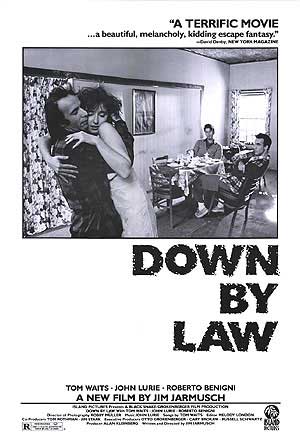
Down By Law (1986)

Down By Law (1986)

“Why do ya always gotta go fuck up your own future, huh?”

Synopsis:
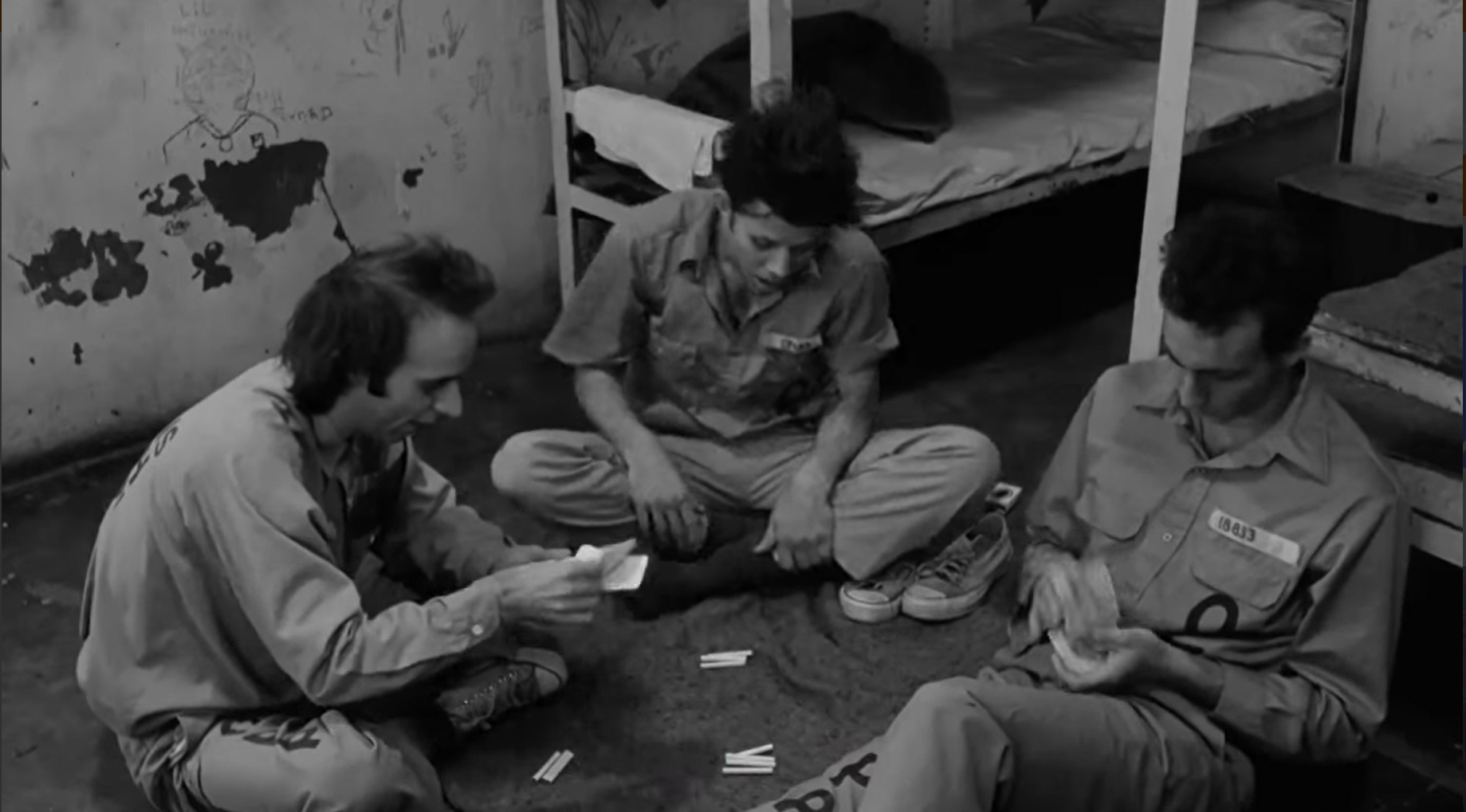
Three oddball prisoners (Tom Waits, John Lurie, and Roberto Benigni) escape through the Louisiana bayou.

Genres, Themes, Actors, and Directors:

  • Black Comedy
  • Deep South
  • Escape
  • Framed
  • Jim Jarmusch Films
  • Misfits
  • Prisoners

Review:
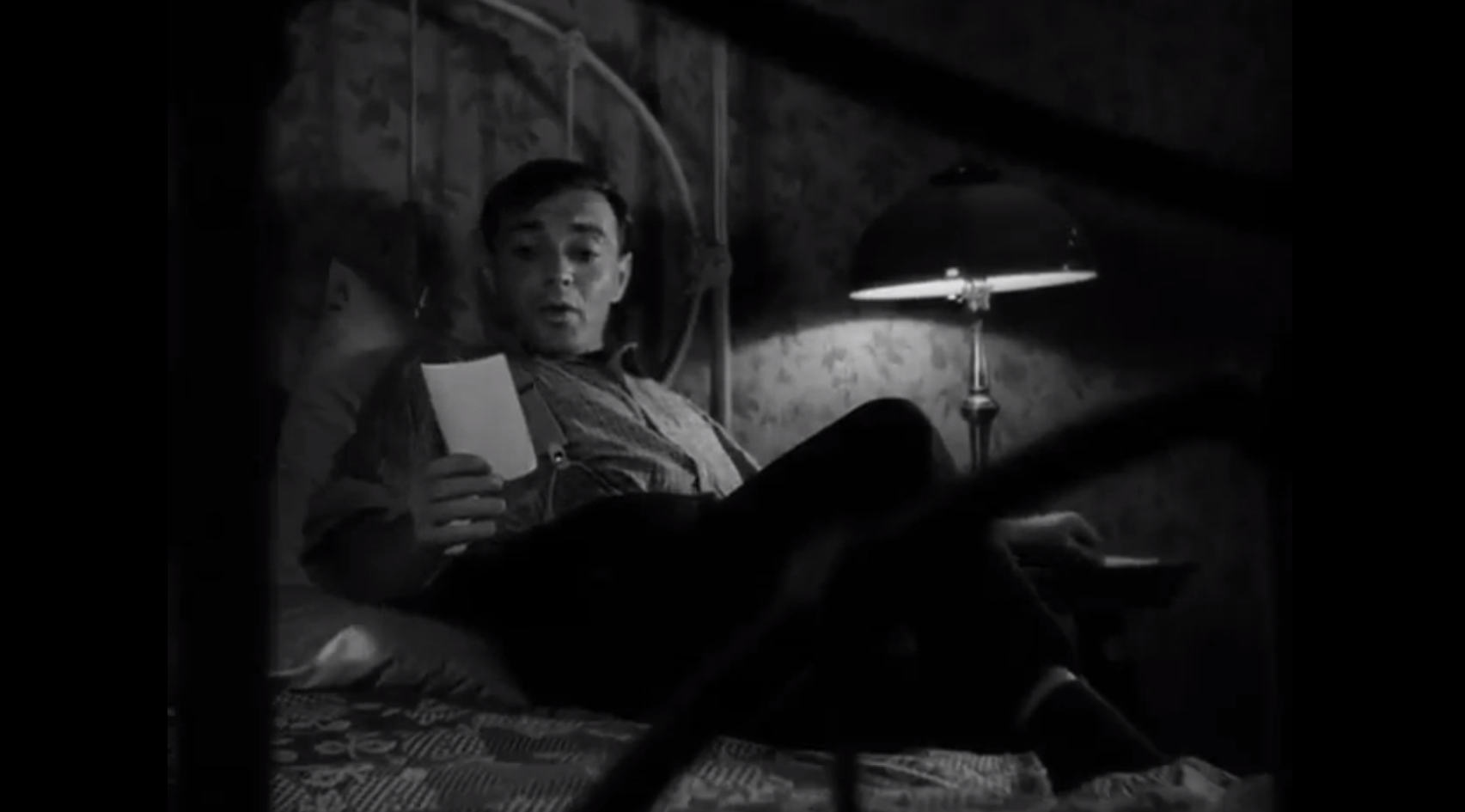
Jim Jarmusch’s character-driven prison-break film — a follow-up to his groundbreaking debut, Stranger Than Paradise (1984) — has many fans, but I’m not one of them. None of the three lead characters is especially appealing, and since we never get a chance to know any of them particularly well, we don’t really care what happens to them. Most annoying of all is Benigni’s chirpy immigrant “Roberto”; while many find his riffs in this film (i.e., the “I scream for ice cream” chant) hilarious, I found them insufferable.

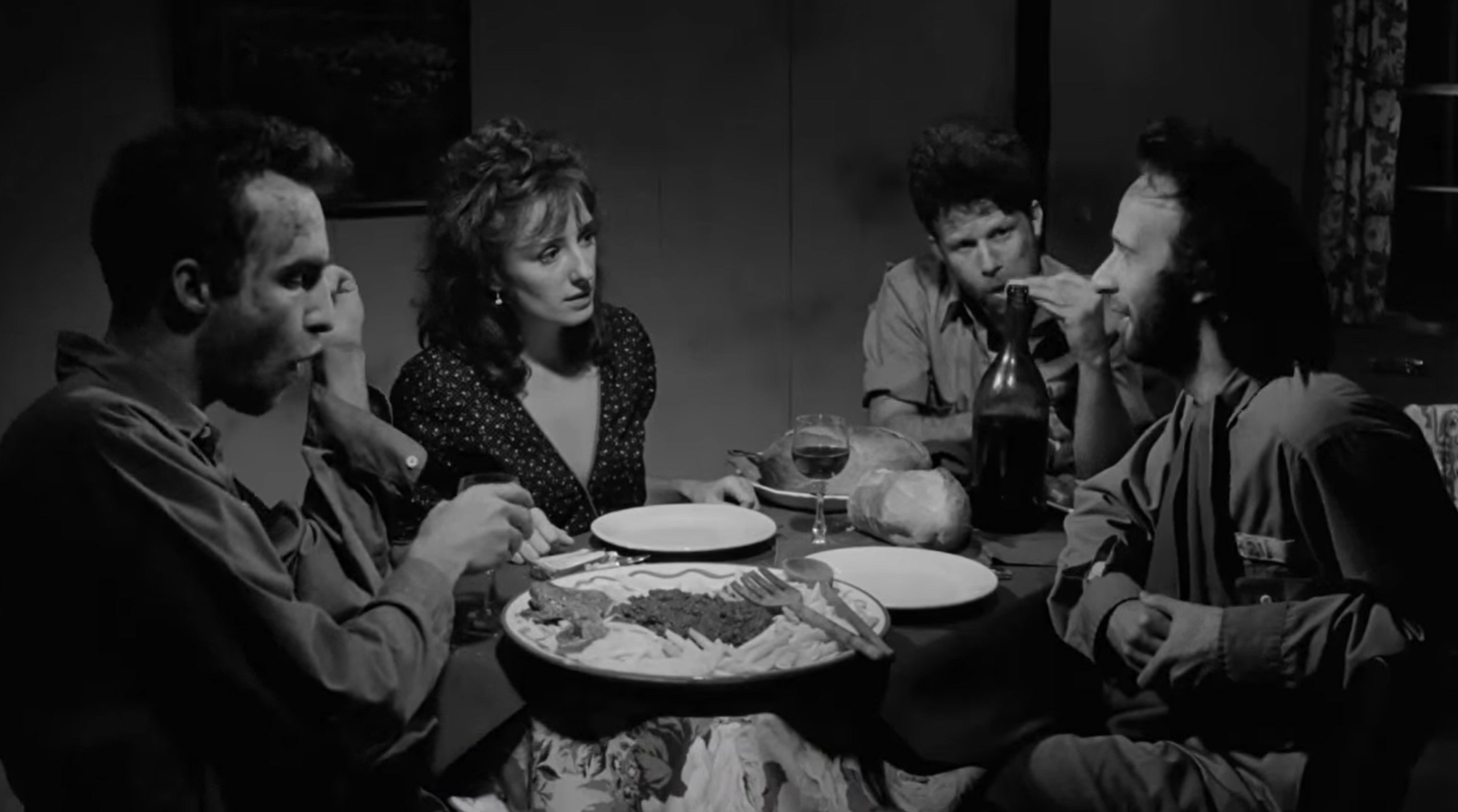
Down By Law clearly bows towards surrealistic impulses, with several moments in the film conveniently defying reality: the three prisoners easily escape from their cell (we’re never shown how); they conveniently happen upon an Italian restaurant — with a friendly, beautiful, single owner — in the middle of nowhere; etc.

These leaps of logic are mildly amusing, and Robby Muller’s gorgeous black-and-white cinematography is a wonder to behold; but ultimately, these elements weren’t enough to keep my interest.

Redeeming Qualities and Moments:

  • Beautiful black-and-white cinematography of the Louisiana bayou
  • The opening tracking shot, accompanied by Tom Waits singing an infectious blues ballad

Must See?
No, though it’s of interest for its cult status, and as one of this maverick indie filmmaker’s best-known early films.

(Listed in 1001 Movies You Must See Before You Die)

Links:

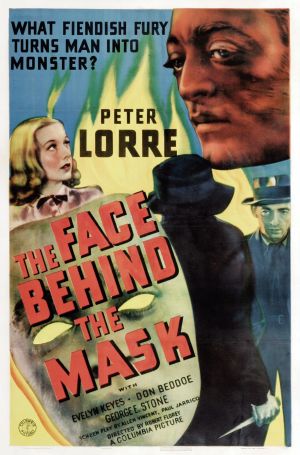
Face Behind the Mask, The (1941)

Face Behind the Mask, The (1941)

“People who look at me, they see a mask — artificial. But the face behind the mask — it’s mutated, hideous, a horrible nightmare out of which I can never awake!”

Synopsis:
After his face is badly scarred in a fire, a young immigrant watchmaker (Peter Lorre) resorts to a life of crime in order to pay for plastic surgery.

Genres, Themes, Actors, and Directors:

  • Character Arc
  • Disfigured Faces
  • Evelyn Keyes Films
  • Gangsters
  • Immigrants and Immigration
  • Peter Lorre Films

Review:
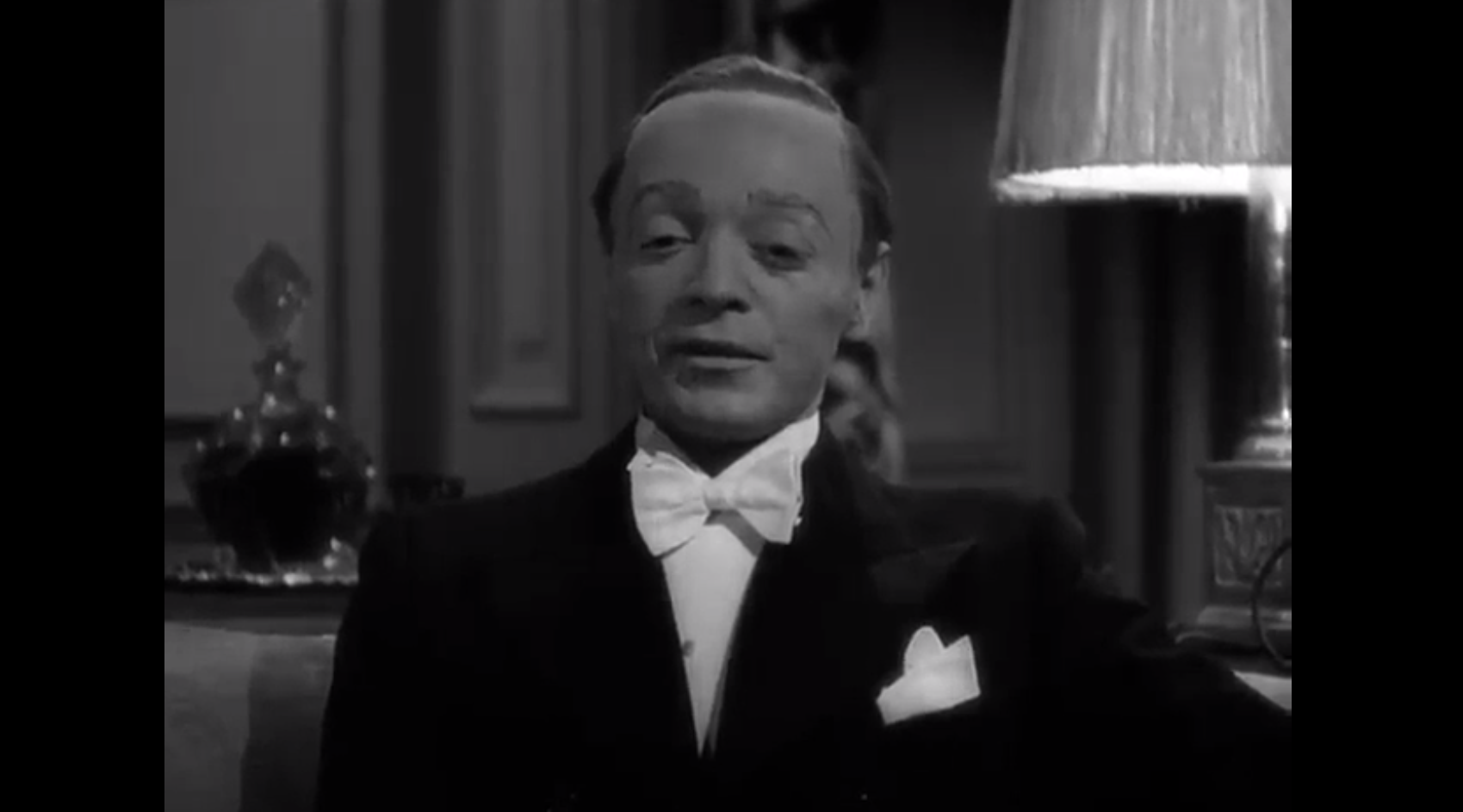
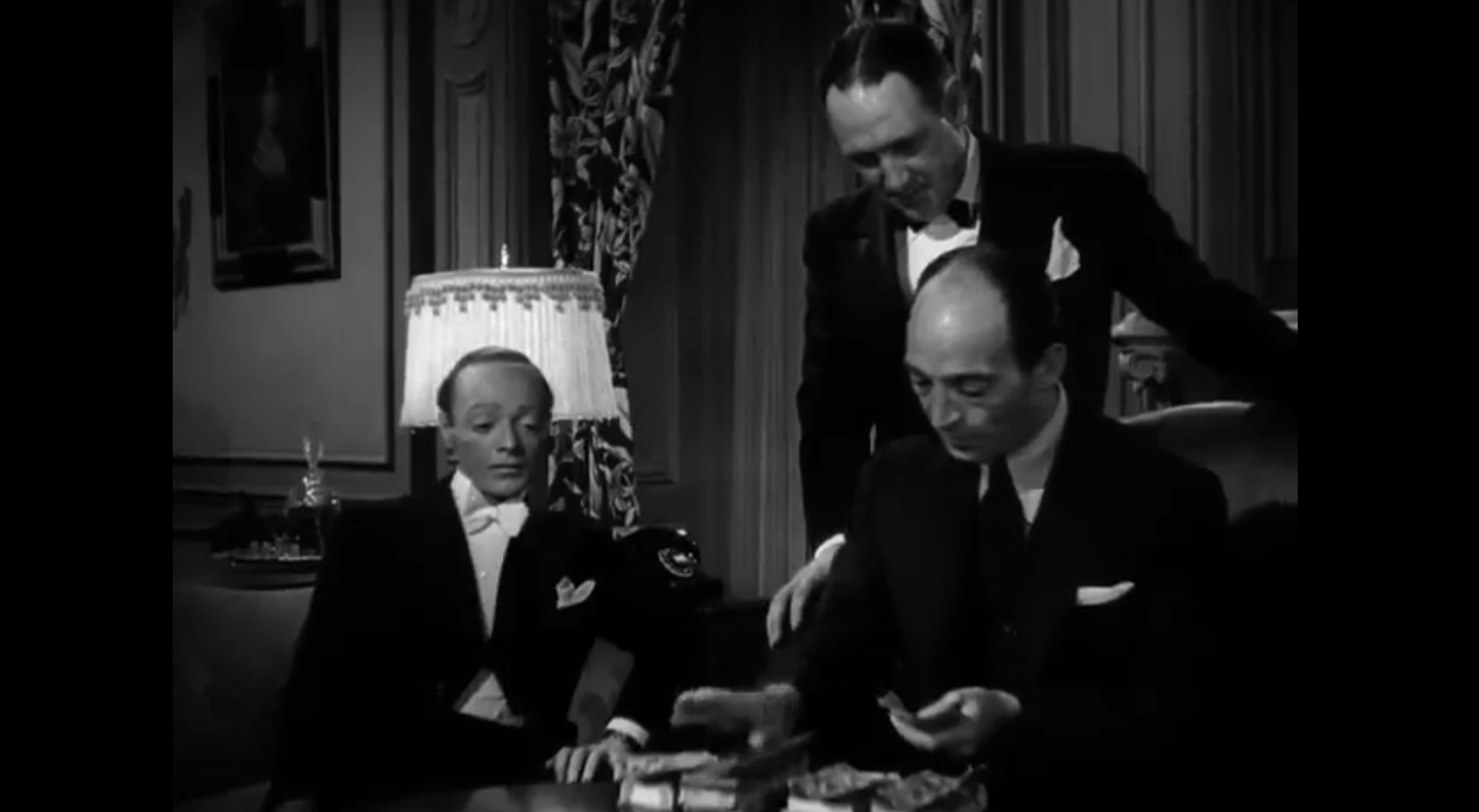
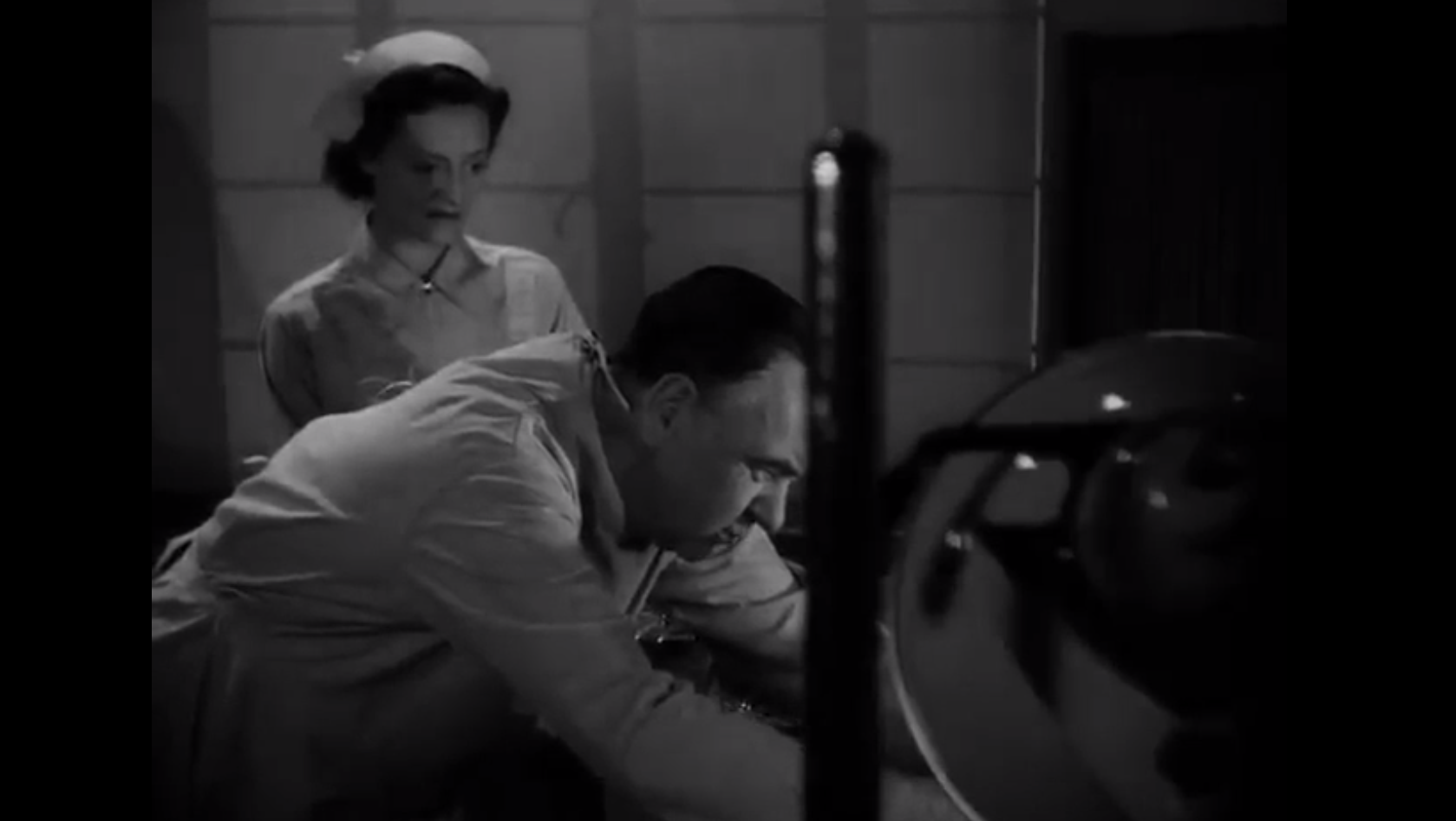
The best scenes in this little-seen Peter Lorre vehicle occur in the first 15 minutes, when Lorre’s immigrant Janos — acting like he belongs in a Frank Capra film — wanders the streets of New York with an enormous grin on his face, happily believing that success is just around the corner. This sunny exposition makes it especially difficult to watch our likable protagonist experiencing such relentless suffering: first from hideous scarring, then from an inability to get any kind of work at all, due simply to prejudice against his shocking appearance. (One can’t help feeling immense gratitude for our current workplace anti-discrimination laws…) Unfortunately, Lorre’s romance with a cloyingly sweet blind girl (Evelyn Keyes) — as well as his interactions with a bevy of stereotypical gangsters — drag down the second half of the film, with many scenes descending into unnecessary cliches. Whenever Lorre’s on the screen, however, we can’t help but be mesmerized by this tragic figure — a man who’s never desired anything other than the American Dream, but who finds himself foiled at every possible turn. Directed by the prolific Robert Florey, who made another film with Lorre a few years later: The Beast With Five Fingers (1946).

Redeeming Qualities and Moments:

  • Peter Lorre’s sympathetic performance as Janos, a.k.a. “Johnny”

  • George E. Stone as “Dinky”, Johnny’s first true friend in New York
  • The opening scenes of the movie, in which the young and idealistic Janos falls in love with America
  • Atmospheric cinematography

Must See?
No, though fans of Peter Lorre will undoubtedly want to check it out.

Links:

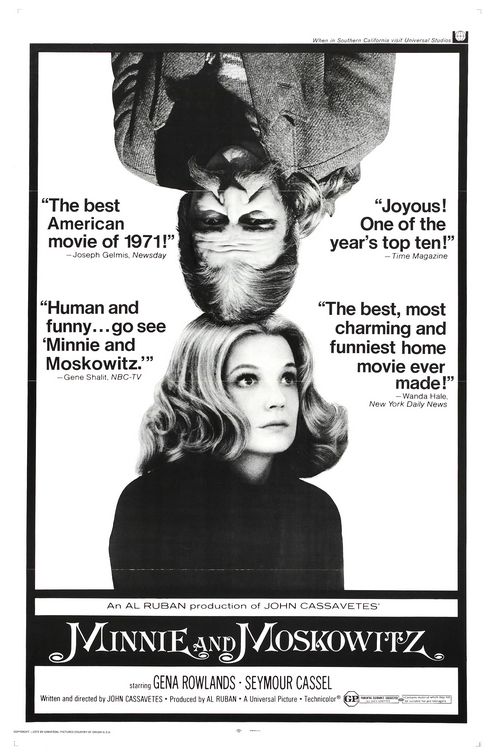
Minnie and Moskowitz (1971)

Minnie and Moskowitz (1971)

“I don’t like men. They smile too much. You see a lot of teeth.”

Synopsis:
A free-spirited parking lot attendant (Seymour Cassel) falls in love with a beautiful museum curator (Gena Rowlands) who resists his advances.

Genres, Themes, Actors, and Directors:

  • Cross-Class Romance
  • Gena Rowlands Films
  • John Cassavetes Films
  • Misfits
  • Obsessive Love
  • Romantic Comedy
  • Seymour Cassel Films

Review:
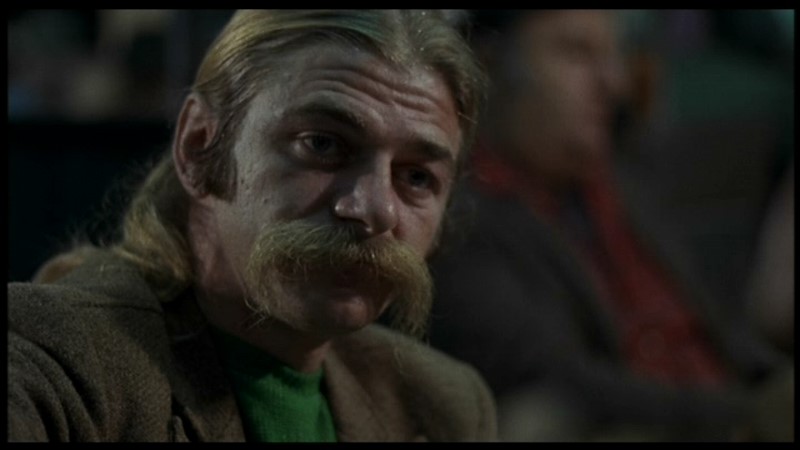
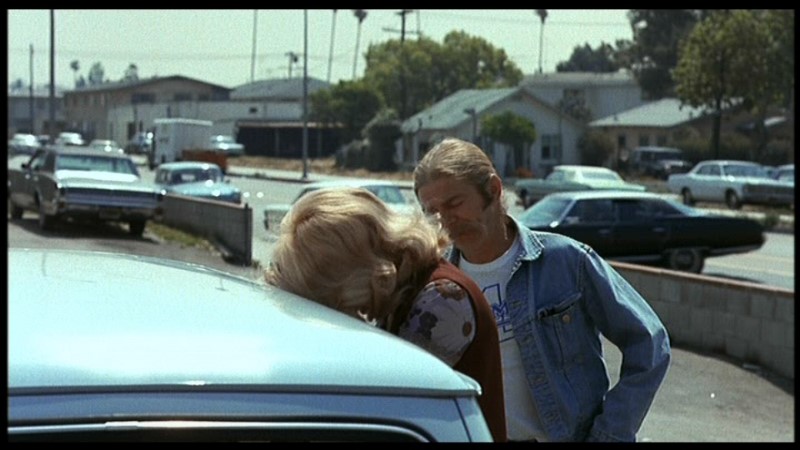
Cassavetes’ contribution to the ubiquitous “misfits in love” genre isn’t particularly original, but features all the best elements of this iconoclastic director’s signature style: powerhouse performances by believably natural actors, excellent use of local settings, and plenty of unexpectedly zany moments. It’s lighter in tone than his heavier works (i.e., A Woman Under the Influence, also starring Rowlands), and is probably one of his most accessible films. Unfortunately, however, Minnie and Moskowitz suffers from an irredeemably schizophrenic attitude towards its characters: as soon as we start to like someone, he or she acts horribly and loses our sympathy. Seymour’s obsessive love for Minnie, for instance, is cute at first, but quickly becomes discomfiting as he stalks her and literally forces her into his car. This is someone we’re supposed to root for? And while Seymour’s mother (played with appropriately batty energy by Cassavetes’ real-life mother, Katherine) comes across as a harmlessly doting Jewish mother in her brief debut towards the beginning of the film, she unaccountably turns against her own son during a later dinner scene. Plus, these folks yell and beat up on each other like there’s no tomorrow — then quickly (and inexplicably) forgive each other. Ultimately, Minnie and Moskowitz makes for uneven viewing: you want to care about these characters (and in a way, you do), but at the same time you’re shaking your head in concern and disbelief, and feeling grateful that they’re not part of your immediate circle of friends.

Redeeming Qualities and Moments:

  • Seymour Cassel’s no-holds-barred performance as the love-struck “Seymour”
  • Gena Rowlands as the confused yet lovely Minnie
  • Good use of Los Angeles locales and streets

Must See?
No, but fans of Cassavetes’ work will certainly want to check it out.

Links:

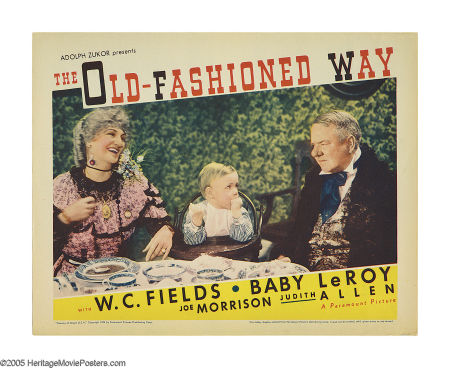
Old Fashioned Way, The (1934)

Old Fashioned Way, The (1934)

“He ain’t gonna let you set foot on that stage — all he wants is your money, Mrs. Pepperday!”

Synopsis:
The fugitive manager (W.C. Fields) of a struggling theatre troupe deceives a wealthy aspiring singer (Jan Duggan) into believing he will give her a part in his play.

Genres, Themes, Actors, and Directors:

  • Actors and Actresses
  • Aspiring Stars
  • Comedy
  • Con-Artists
  • Fugitives
  • W.C. Fields Films

Review:
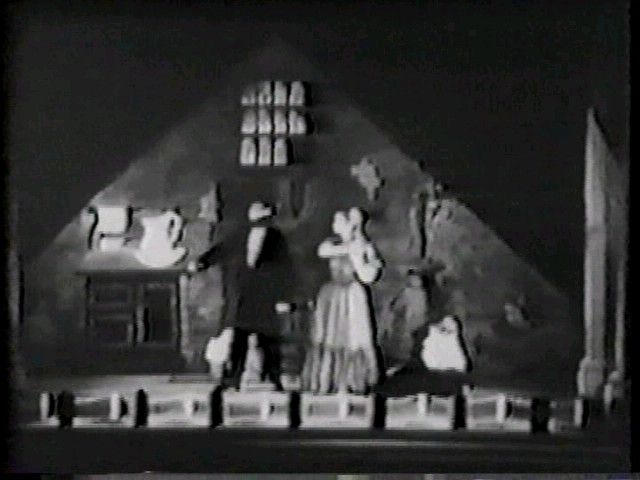
This little-seen W.C. Fields classic is dearly beloved by Fields’ fans, primarily because it’s the only movie to showcase the comedian’s origins as a traveling performer and juggler. While it contains several moments of genuine humor, however, I found the film disappointing as a whole; it’s not nearly as consistently amusing as his better-known titles. Only recommended for hardcore W.C. Fields fans.

Redeeming Qualities and Moments:

  • An affectionate tribute to turn-of-the-century melodramas
  • Fields doing his famous cigar-box balancing act
  • Cleopatra Pepperday (Duggan) singing the interminable “seashell song”

Must See?
No. Though Peary lists this as both a film with Historical Importance and a Personal Recommendation (and quite a few contributors on IMDb seem to concur), I think it’s only must-see viewing for true W.C. Fields fans. Peary — who clearly IS a diehard Fields fan — nominates his performance here for an Alternate Oscar.

Links:

Killing of Sister George, The (1968)

Killing of Sister George, The (1968)

“Not all women are raving bloody lesbians, you know.”

Synopsis:
An aging lesbian actress (Beryl Reid) worries that she’s being written out of her television series.

Genres, Themes, Actors, and Directors:

  • Actors and Actresses
  • Black Comedy
  • Has-Beens
  • Lesbianism
  • Play Adaptations
  • Robert Aldrich Films
  • Susannah York Films

Review:
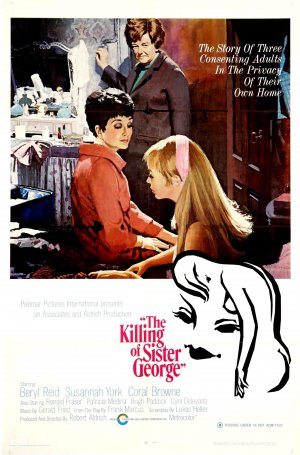
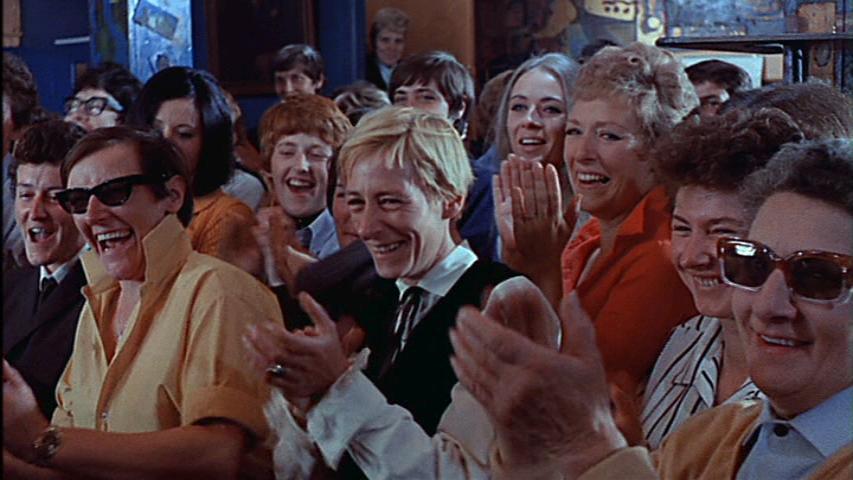
Robert Aldrich’s smart, well-acted adaptation of Frank Marcus’s satirical play received a notorious “X” rating when it was released (though this was reduced to an “R” just a few years later). Indeed, it’s easy to see why unsuspecting audiences may have been shocked, given the movie’s overt treatment of female homosexuality. Although the word “lesbian” isn’t uttered until two hours into the film, there’s no mistaking what kind of relationship these women have with each other; and for those who might still be unclear, the scene in a lesbian club makes it unambiguous.

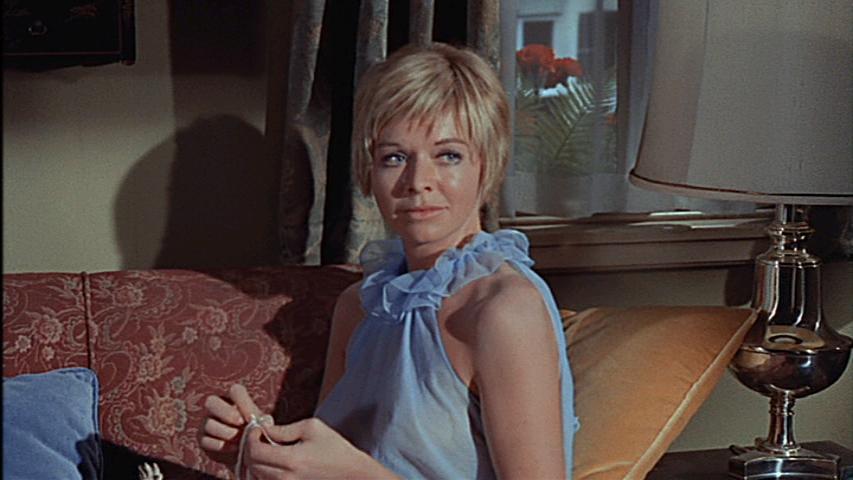
Sensationalism aside, however, Sister George remains a surprisingly humorous tale of grandiosity and insecurity in show biz; we don’t always like or admire George’s actions, but we can’t help feeling compassion for her predicament. Perhaps the best aspect of the movie, however, is the relationship between George and her young lover “Childie”, played by Susannah York.


York’s performance is raw and daring — she puts herself all the way out on the line here, and it pays off tremendously.

Redeeming Qualities and Moments:

  • Beryl Reid’s powerhouse performance as “Sister George”
  • Susannah York’s equally impressive performance (one of her best) as George’s young lover
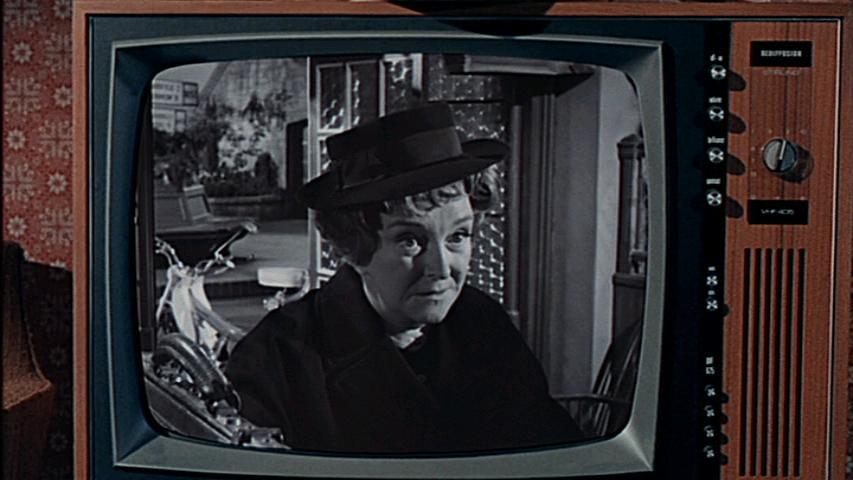
  • An amusing reflection on the disparities between popular T.V. shows and “real life”
  • Many humorous, remarkably racy lines:

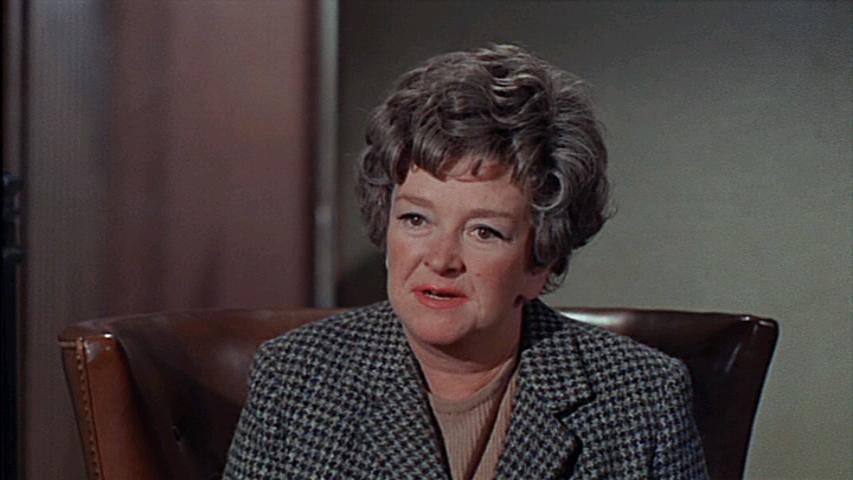
    Mercy Croft: People are always telling me how cheerful you look, riding around on your bike.
    George: Well, you’d look cheerful, too, with fifty cubic centimeters throbbing away between your legs!

Must See?
Yes. This controversial movie may not be for all tastes, but I believe it’s must-see viewing for film fanatics.

Categories

  • Controversial Film
  • Noteworthy Performance(s)

Links:

Koko: A Talking Gorilla (1978)

Koko: A Talking Gorilla (1978)

“Who is to say that only human beings are persons? Isn’t this gorilla demonstrably a person?”

Synopsis:
A graduate student (Penny Patterson) teaches a female gorilla (Koko) to communicate using American Sign Language.

Genres, Themes, Actors, and Directors:

  • Barbet Schroeder Films
  • Documentary
  • Friendship
  • Talking Animals
  • Teachers

Review:
It’s impossible to watch Barbet Schroeder’s “accidental” documentary (he originally meant to use the footage to secure funding for a feature film) without reflecting on the past 30 years of research into both evolution and linguistic theory. First, looking for a “missing language link” between gorillas and humans is a meaningless endeavor, since homo sapiens took off on a separate branch of the primatology tree long ago; as Steven Pinker points out in his book The Language Instinct, “evolution did not make a ladder; it made a bush.” Second, Pinker further notes (and many others have agreed with him) that “people who spend a lot of time with animals are prone to developing indulgent attitudes about their powers of communication”, a fact which it’s difficult to miss when watching this film. Just as parents do with their toddlers, Penny indulges her beloved Koko’s “speech”, extrapolating wildly and projecting decidedly human emotions onto her.

But is this such a bad thing? After all, Penny and her associates had a noble goal in mind, one well in tune with the general sensibility of the 1970s — to move beyond human chauvanism, and be open to the possibility that homo sapiens aren’t the only “people” on Earth. Unfortunately, however, such notions were sorely misguided — as Pinker puts it, “Is it really ‘humility’ for us to save species from extinction because we think they are like us?” Ultimately, Penny’s project (which continues to this day) smacks of fanaticism; I’m all for protecting gorillas, but don’t think we need to teach them human language in order to justify this.

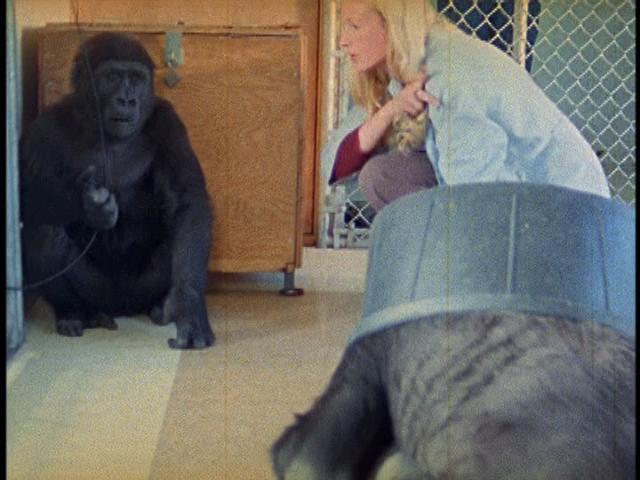
Ultimately, then, I found watching Koko to be more disturbing than enjoyable — though I’m sure it made for fascinating viewing back in the time of its release, when the project was fresh and we were much more naive about its potential outcome. Children may also relate to watching Koko (whose equivalence in human intelligence, if one forces the issue, is roughly that of a toddler) reading a book with Penny, rejecting a yellow sweater in place of her favorite red one, and selecting her lunch items out of the refrigerator. For my part, however, the only scenes which I can look back on with genuine delight are those in which Koko interacts with her gorilla-friend Michael (see stills below); this is when she finally seems to be in her element, rather than forced to perform according to human expectations.

Redeeming Qualities and Moments:

  • Koko waiting with eager anticipation for her friend Michael to come through the gate

  • Koko playing “hide and seek” with Michael
Must See?
Yes, simply for its historical relevance.

Categories

  • Historically Relevant

Links:

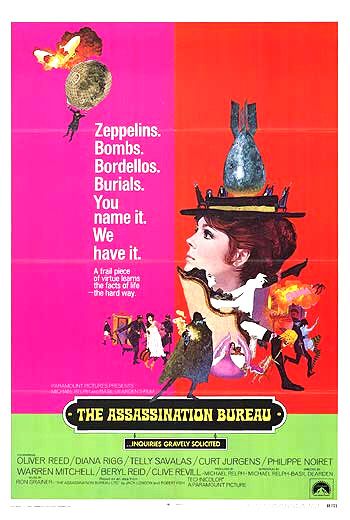
Assassination Bureau, The (1969)

Assassination Bureau, The (1969)

“It’s the greatest story of the decade — and covered by a woman!”

Synopsis:
An aspiring journalist (Diana Rigg) hires the underground Assassination Bureau to kill its own chairperson (Oliver Reed).

Genres, Themes, Actors, and Directors:

  • Black Comedy
  • Curt Jurgens Films
  • Diana Rigg Films
  • Journalists
  • Oliver Reed Films
  • Plot to Murder
  • Telly Savalas Films

Review:
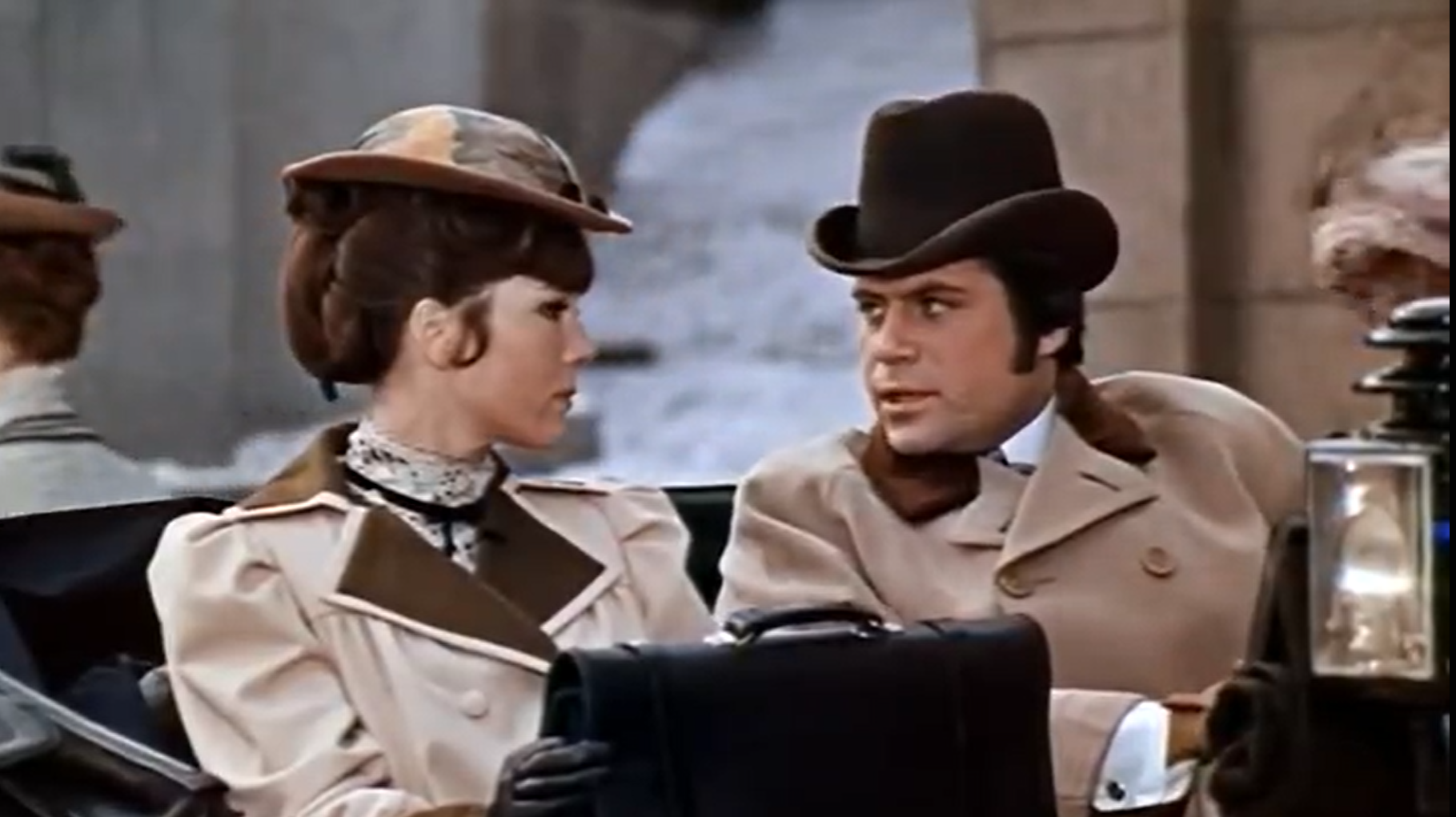
Although it’s based on a clever premise, this British farce is a disappointment on every count. Things go wrong from the very beginning of the story, when Rigg hires Reed to kill himself, and he willingly agrees — only to fob the job off onto his colleagues as a taunting excuse to murder them first. Such blatant narrative illogic kills the entire enterprise of this not-very-amusing black comedy, which ultimately has no real point. Adding insult to injury, even fans of Rigg or Reed will be disappointed: they lack any chemistry at all together:

… and Rigg’s transformation from an independent young feminist to a corset-wearing lovebird is unwelcome. Only recommended for those who enjoy fast-paced, high-color historical action flicks without much substance.

Redeeming Qualities and Moments:

  • Nicely done set designs depicting turn-of-the-century Europe

Must See?
No. Though Peary lists it as a cult movie in the back of his book, I doubt it still has much of a following.

Links:

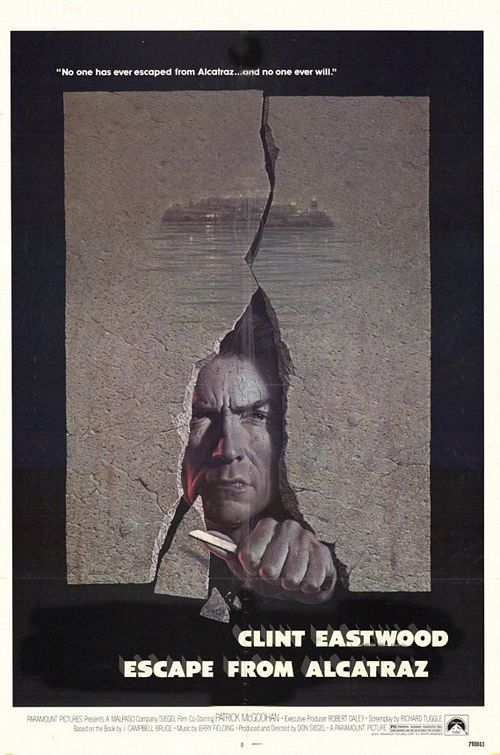
Escape From Alcatraz (1979)

Escape From Alcatraz (1979)

“No one has ever escaped from Alcatraz — and no one ever will!”

Synopsis:
Four prisoners (Clint Eastwood, Jack Thibeau, Fred Ward, and Larry Hankin) plot their escape from the island of Alcatraz.

Genres, Themes, Actors, and Directors:

  • Clint Eastwood Films
  • Don Siegel Films
  • Escape
  • Prisoners

Review:
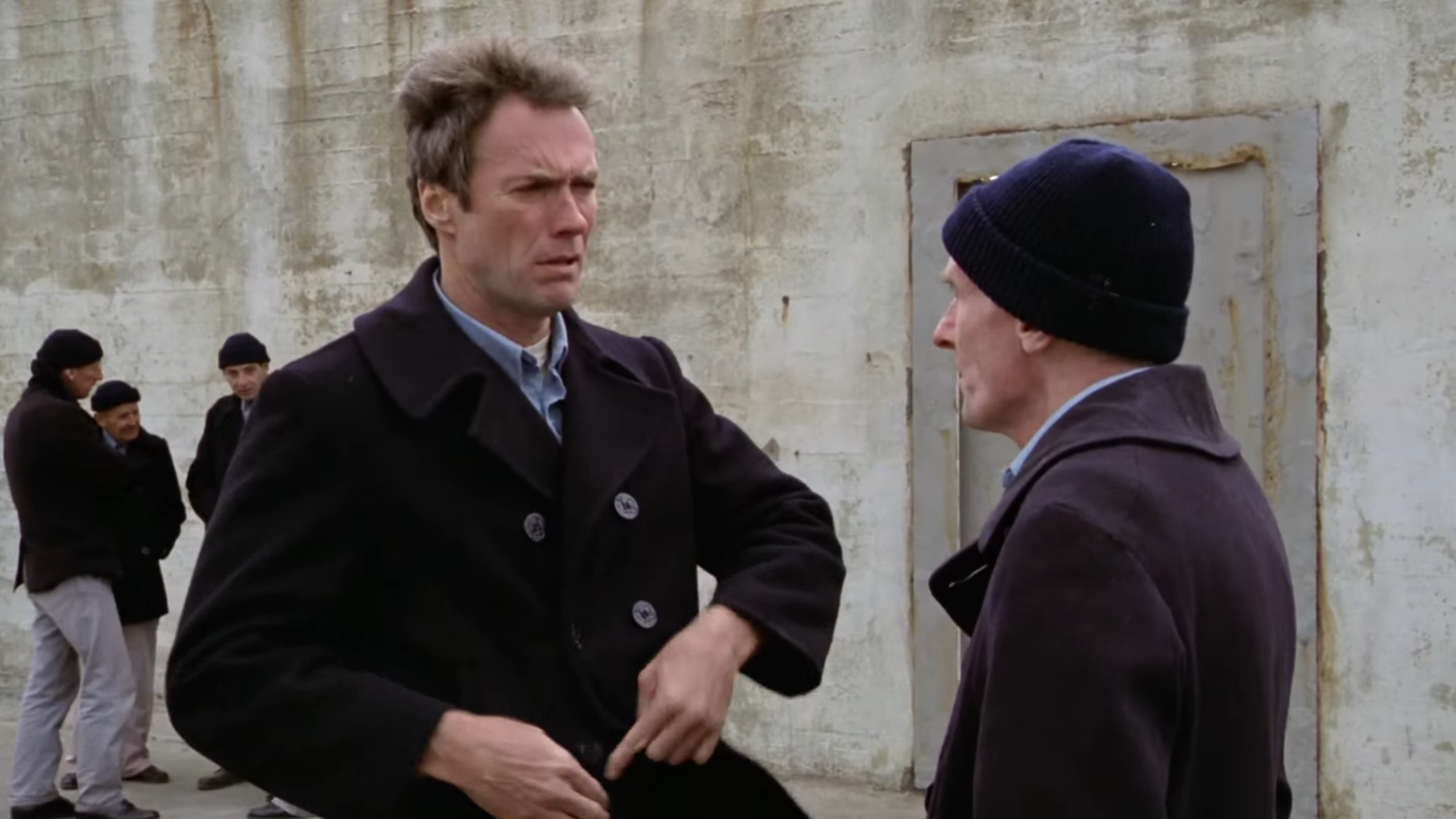
As noted in Vincent Canby’s review for the New York Times, Don Siegel’s Escape From Alcatraz “is not a great film or an especially memorable one.” There’s little character development and even less background exposition — everything we see and hear is either meant to show us why Eastwood is so eager to get out of this notorious hell hole (who wouldn’t be?), or how he goes about doing so. Plus, since the movie is based on a real story, there aren’t many surprises: we already know that three of the four men will successfully escape, and that their bodies will never be found. Although Escape From Alcatraz is guaranteed to appeal to hardcore prison-break film fans, I’ll admit I found it to be a disappointment. It features all the classic tropes we’re already so familiar with in prison movies — the sadistic warden; the beloved elderly prisoner with an innocuous hobby; the aggressive sexual predator — without providing any new insights. You’re better off watching a more recent classic on the same theme: Frank Darabont’s The Shawshank Redemption (1994).

Redeeming Qualities and Moments:

  • On-location footage in what is possibly the world’s most famous prison
  • Some genuinely tense moments

Must See?
Yes, simply for its status as a seminal prison-break flick.

Categories

  • Historically Relevant

Links:

Alice in the Cities (1974)

Alice in the Cities (1974)

“You really are out of touch.”

Synopsis:
A journalist (Rudiger Vogler) with writer’s block tries to help an abandoned girl (Yella Rottlander) find her grandmother’s home in Germany.

Genres, Themes, Actors, and Directors:

  • Friendship
  • German Films
  • Road Trip
  • Search
  • Writers
  • Wim Wenders Films

Review:
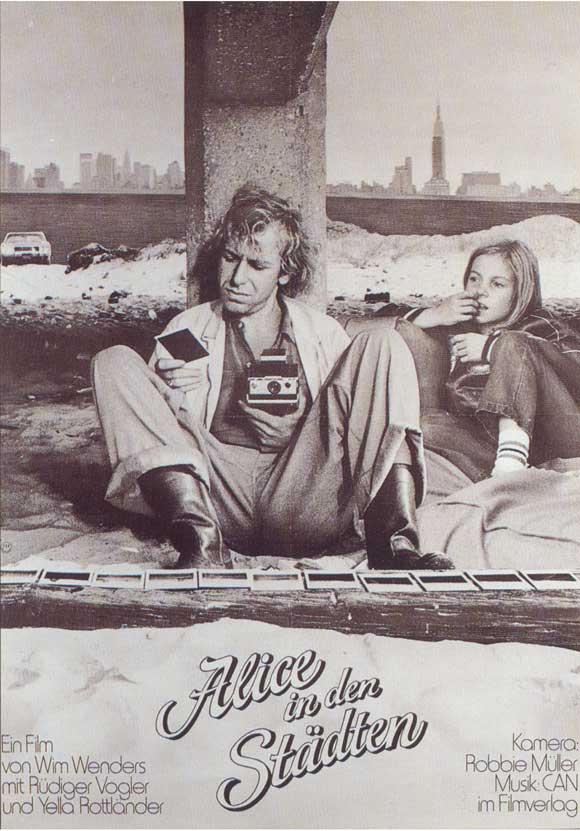
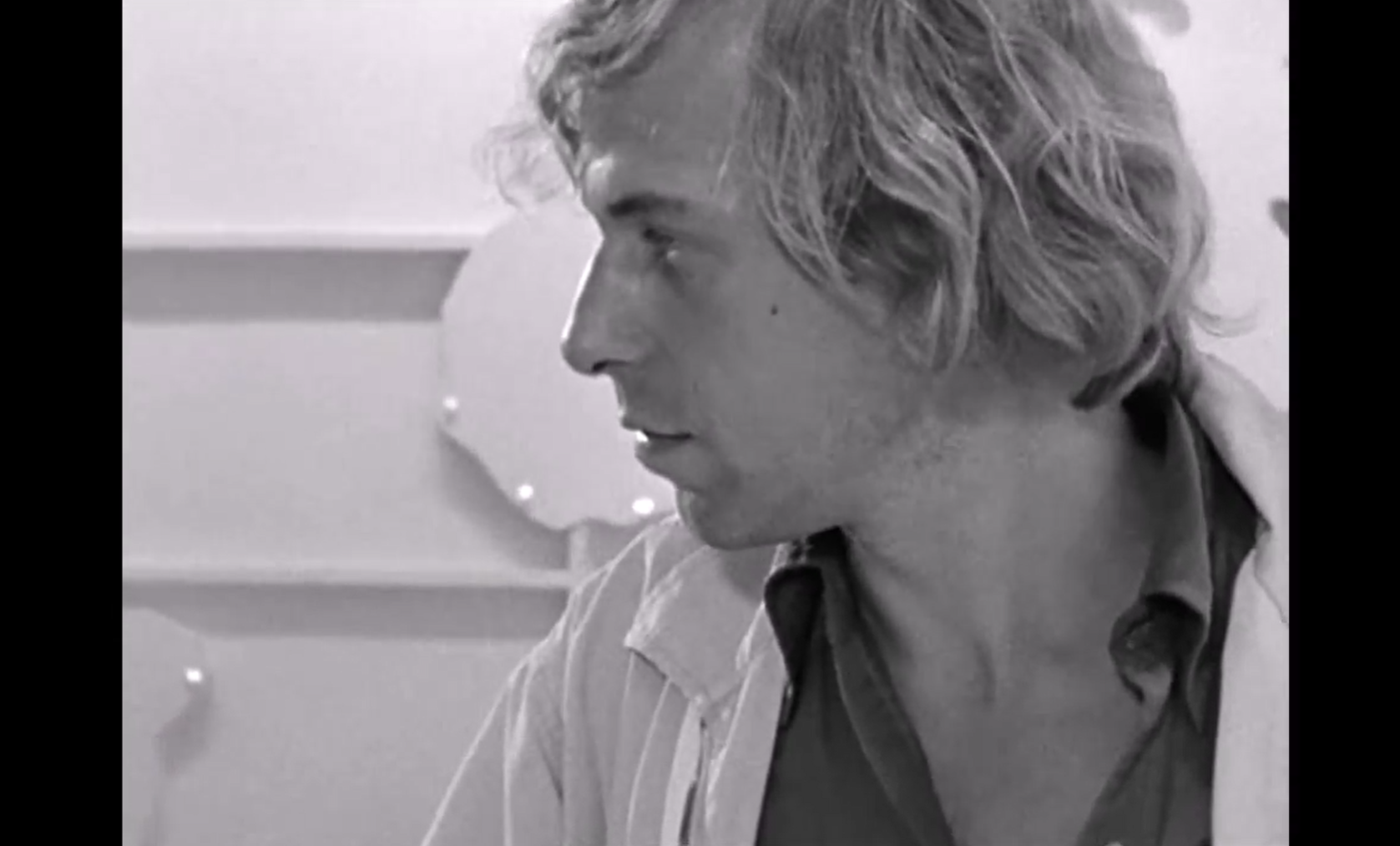
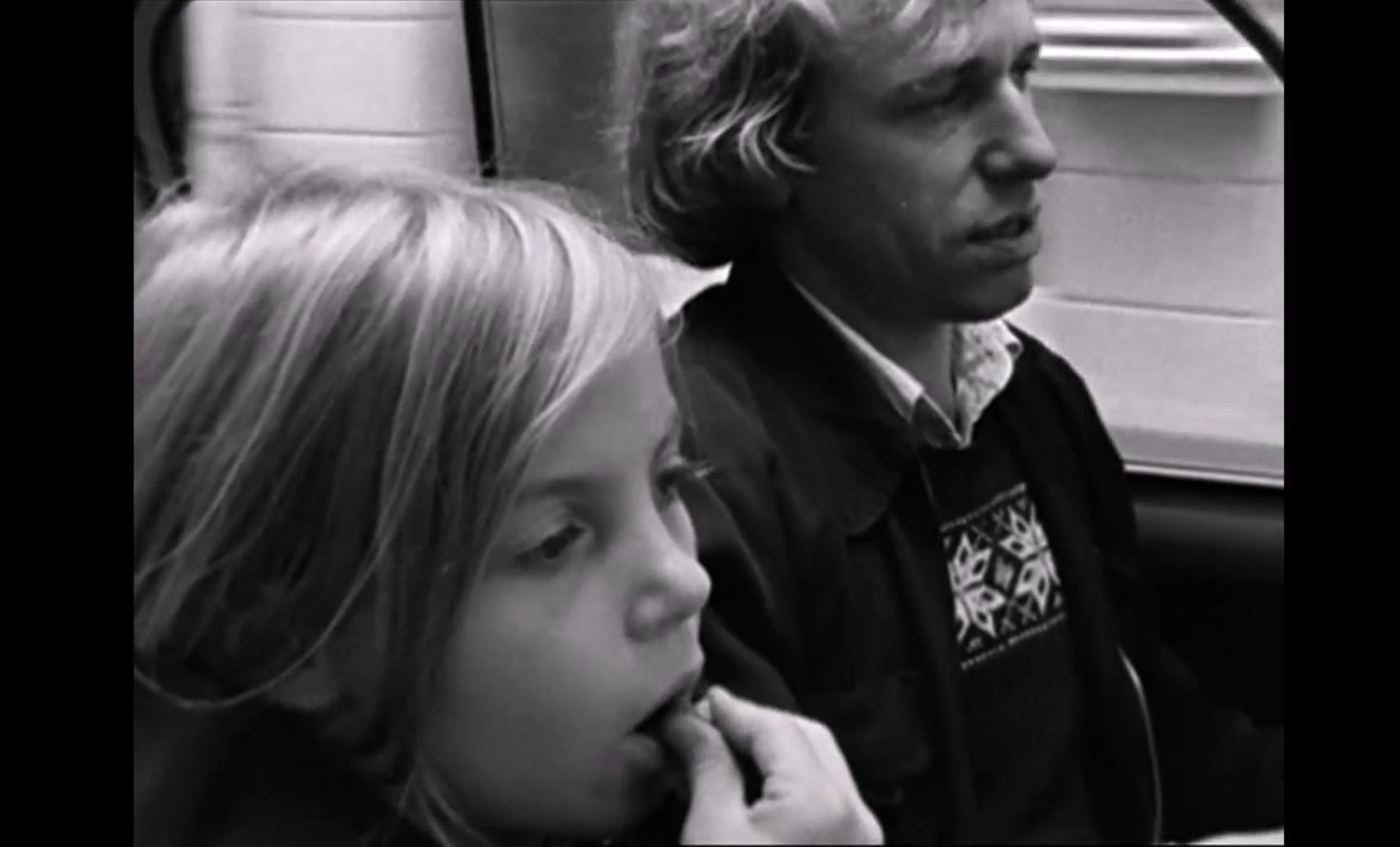
A cross-Atlantic road trip with metaphorical underpinnings, Wim Wenders’ Alice in the Cities is a remarkable gem of a movie. It features excellent performances by both young Yella Rottlander (whose face clearly registers her shifts in emotions) and Vogler; their characters mature and grow throughout the course of the film, but without great fanfare or insistence. This is an independent film of the highest caliber, a story told exactly how it may very well have happened rather than with artificial resolutions. It’s a treat to watch Alice and Phil’s journey — and their unusual friendship, which never smacks of anything unsavory — unfolding.

Redeeming Qualities and Moments:

  • Rudiger Vogler as the free-spirited yet soul-searching journalist
  • Yella Rottlander’s remarkably natural performance as the nine-year-old “orphan”
  • The gradually emerging friendship between Phil and Alice
  • Beautiful, contemplative black-and-white cinematography of America, Amsterdam, and Germany

Must See?
Yes, as an enjoyable foreign classic.

Categories

  • Foreign Gem
  • Important Director

Links:

Bonnie Parker Story, The (1958)

Bonnie Parker Story, The (1958)

“We got ourselves a one way ticket, [and] there’s nothing you can do once you get on but ride right to the end of the line.”

Synopsis:
Blonde gunslinger Bonnie Parker (Dorothy Provine) goes on a shooting spree across the nation with her boyfriend, Guy Darrow (Jack Hogan).

Genres, Themes, Actors, and Directors:

  • Biopics
  • Criminal Couples On the Run
  • Fugitives
  • Heists
  • Strong Females

Review:
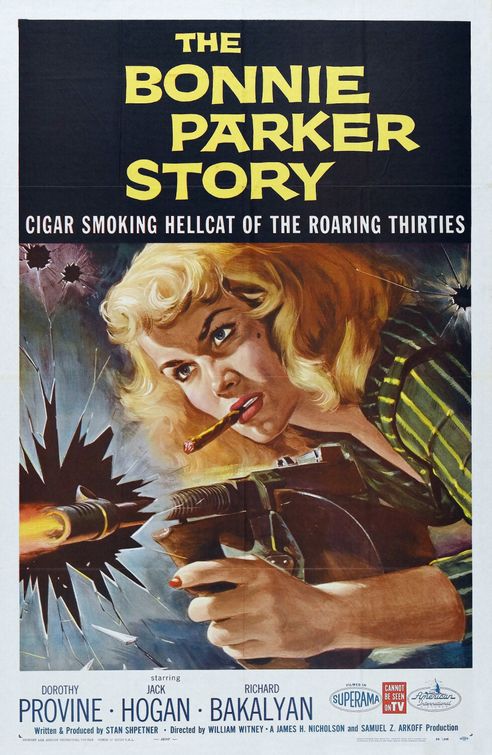
AIP’s exploitation flick about notorious fugitive Bonnie Parker features one of the strongest females in 1950s cinema. As portrayed by voluptuous Dorothy Provine, Parker is a beautiful woman who, tired of being let down by the men who desire her, discovers the addictive power of guns, and doesn’t stop shooting until her rounds (and her luck) are finally exhausted.

She’s smart, sassy, and single-minded — a “cigar smoking hellcat”, according to the movie’s tagline. While the movie doesn’t strive for authenticity or accuracy — its characters dress in modern garb despite the 1930s setting, for instance — it’s nonetheless a surprisingly fun ride while it lasts.

Redeeming Qualities and Moments:

  • Dorothy Provine’s strong, sexy performance as Parker
  • Plenty of zingy one-liners and retorts, as when Bonnie states drolly:

    “I didn’t lose my nerve; I know right where I left it.”

Must See?
Yes. This little-seen precursor to Arthur Penn’s highly acclaimed Bonnie and Clyde (1969) remains an effective B-budget biopic.

Categories

  • Historically Relevant
  • Noteworthy Performance(s)

Links: