Browsed by
Category: Original Reviews

Responses to Peary’s “must see” movie reviews, as well as my own “must see” movie reviews up to and after 1986 (when Peary’s book was published).

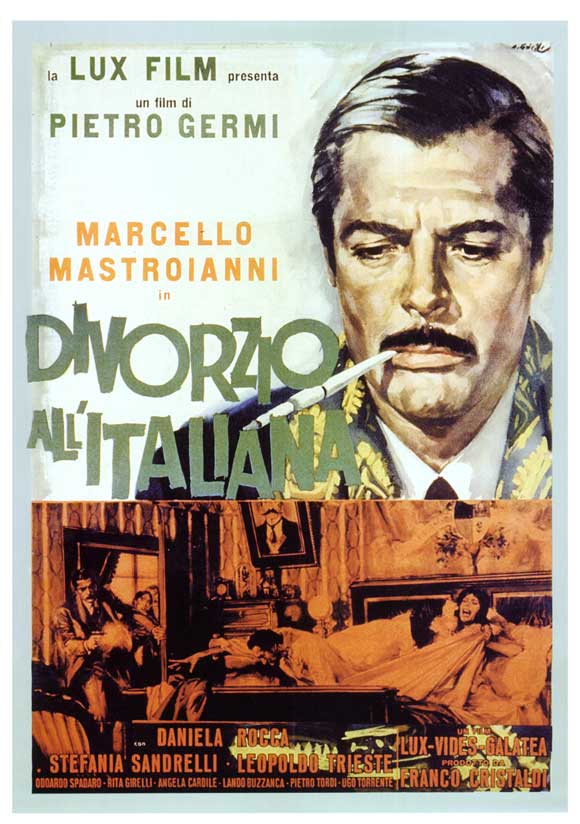
Divorce, Italian Style (1961)

Divorce, Italian Style (1961)

“There’s no divorce in Italy, but the law is lenient in matters of honor.”

Synopsis:
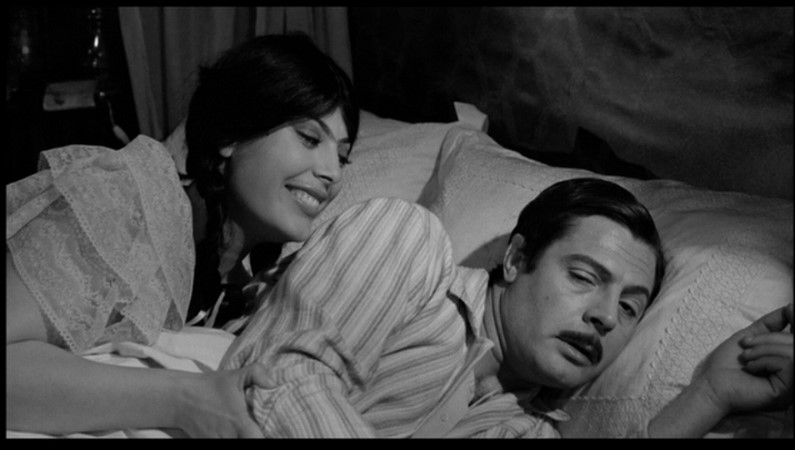
With divorce illegal in Italy, an unhappily married Sicilian (Marcello Mastroianni) in love with his younger cousin (Stefania Sandrelli) plots to catch his wife (Daniela Rocca) in the arms of another man (Leopoldo Trieste) and murder her in an “honor killing”.

Genres, Themes, Actors, and Directors:

  • Black Comedy
  • Infidelity
  • Italian Films
  • Marcello Mastroianni Films
  • Plot to Murder

Review:
Divorce, Italian Style was an international box office hit upon its release, and it’s easy to see why. Director Pietro Germi — who originally set out to make a serious film — perfectly captures the Sicilian “code of honor”, which stipulates that murder can be excused, but divorce is unthinkable (a paradoxical ethos ripe for satirizing). Marcello Mastroianni — fresh from his performance in Fellini’s La Dolce Vita — is wonderful in the lead role, playing a man we want to despise, but instead can’t help giggling at: his perennial deadpan expression and occasional facial twitches are truly hilarious. Fortunately, the plot of Divorce… is never predictable — there are enough twists and turns to keep us in constant anticipation about what will happen next. When Cefalu (Mastroianni) conveniently discovers that his wife has a prior love interest, for instance, he doesn’t show even the slightest twinge of jealousy. And the conclusion — an extremely clever final shot — is the epitome of sweet justice.

Redeeming Qualities and Moments:

  • Marcello Mastroianni’s performance; as noted in the New York Times review, “Not since Charlie Chaplin’s beguiling Verdoux have we seen a deliberate wife killer so elegant and suave.”
  • An effective film score by Carlo Rustichelli

Must See?
Yes. This comedic gem — which garnered Mastroianni an Oscar nomination, and won an Oscar for best original screenplay — should be seen by all film fanatics. Listed in the back of Peary’s book as a Personal Recommendation and a film with Historical Importance.

Categories

  • Foreign Gem
  • Oscar Winner or Nominee

Links:

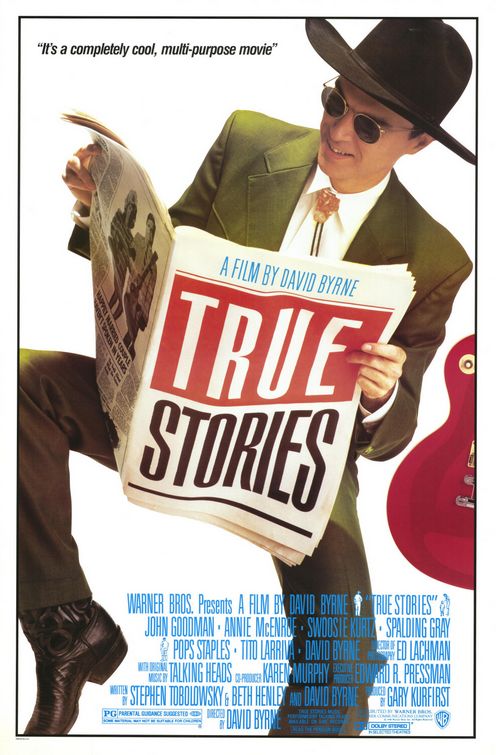
True Stories (1986)

True Stories (1986)

“When I see a place for the first time, I notice everything.”

Synopsis:
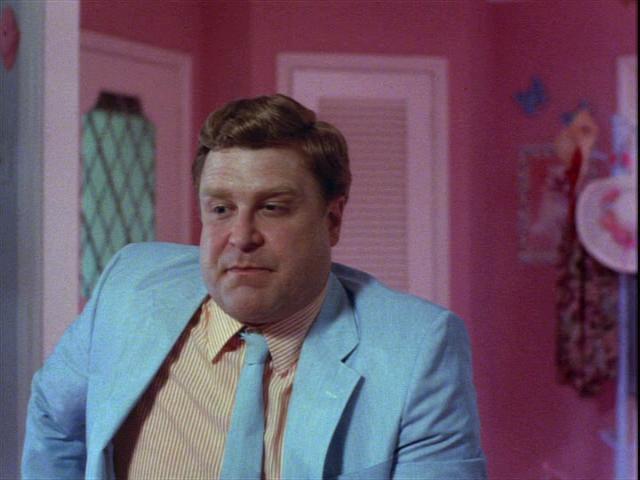
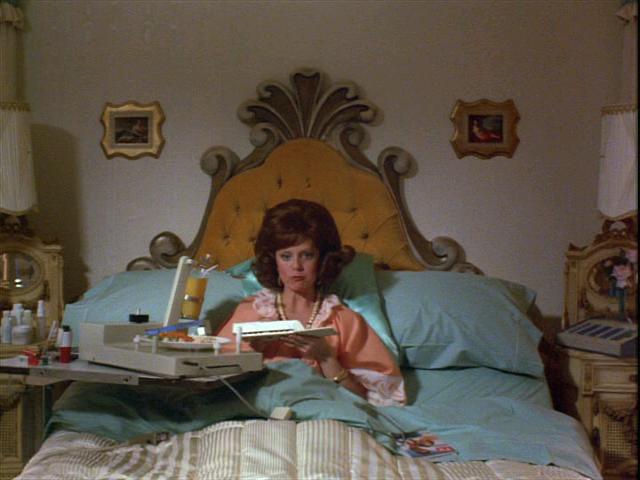
A visitor (David Byrne) to a small Texan town tells stories about its strange citizens — including a lonely bachelor (John Goodman), a compulsive liar (Jo Harvey Allen), and a woman who never gets out of bed (Swoosie Kurtz).

Genres, Themes, Actors, and Directors:

  • Ensemble Cast
  • Musicals
  • Satires and Spoofs
  • Small Town America

Review:
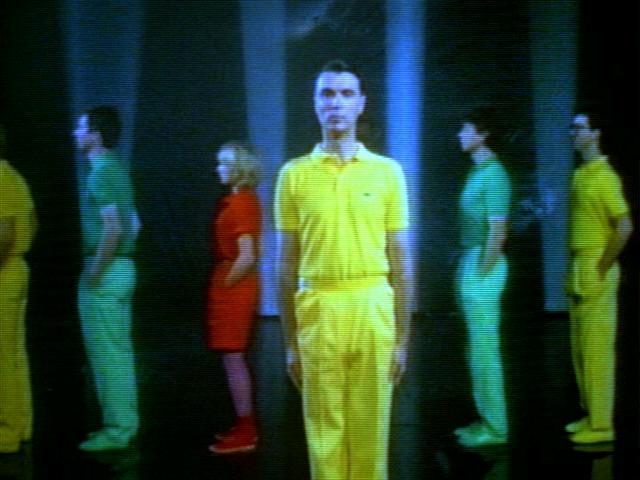
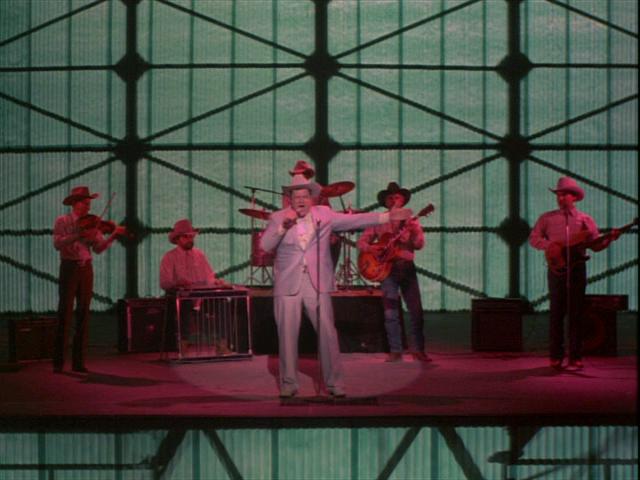
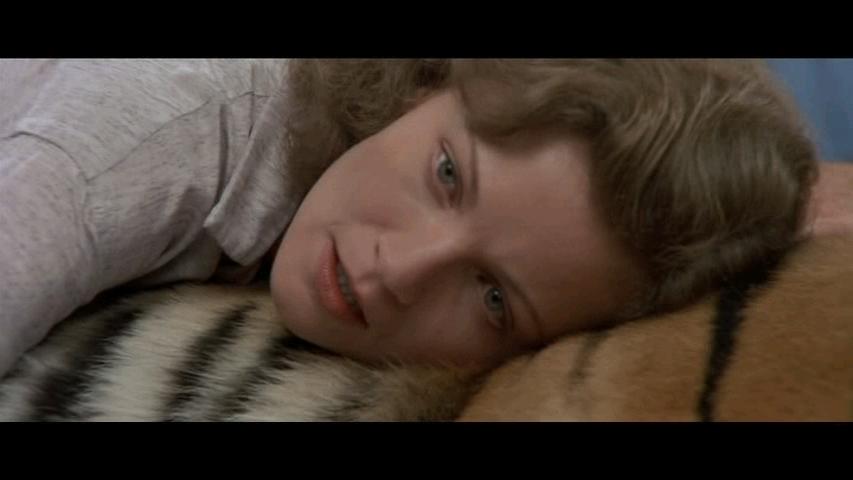
This directorial debut by Scottish musician David Byrne has “eccentric” written all over it, in bold strokes. Unfortunately, it tries so hard to convey the zaniness of its “average” small town characters that it falls flat again and again. Byrne apparently based his ensemble tale on oddballs he read about in tabloid magazines — but their inherent quirkiness doesn’t necessarily lead to amusement, and we don’t spend nearly enough time with any of them to begin to care about their lives. The most interesting characters in the movie — John Goodman as a lonely bachelor, and Swoosie Kurtz as a woman who never gets out of bed — could have been the basis for a more interesting comedy, but this opportunity was lost. The soundtrack by the Talking Heads is what would ostensibly draw one to this film; however, for some reason, their songs are almost always sung by actors rather than the band itself. The most enjoyable musical number in the movie occurs when Kurtz is lying in bed watching television, and a Talking Heads music video comes on the screen — this is when we finally understand the zaniness underlying Byrne’s sensibility as a musician, and we immediately want to hear more. The one exception to this rule is when Goodman sings “People Like Us” during the town’s sesquicentennial celebration; he’s got a surprisingly fine voice, and is a joy to listen to.

Redeeming Qualities and Moments:

  • John Goodman as lonely Louis Fyne
  • Swoosie Kurtz as Miss Rollings, “the laziest woman on Earth”
  • The Talking Heads performing “Love for Sale” as a music video
  • John Goodman singing “People Like Us”

Must See?
Yes, simply for its status as a cult favorite. However, I can’t really recommend this film for anyone other than Talking Heads fans.

Categories

  • Cult Movie

Links:

Baby Face Nelson (1957)

Baby Face Nelson (1957)

“The prison authorities and parole board were confident they had succeeded with Lester N. Gillis — soon to be better known as Baby Face Nelson.”

Synopsis:
Famed Depression-era gangster “Baby Face Nelson” (Mickey Rooney) robs and kills while accompanied by his beautiful moll (Carolyn Jones).

Genres:

  • Biopics
  • Carolyn Jones Films
  • Don Siegel Films
  • Elisha Cook Jr. Films
  • Fugitives
  • Gangsters
  • Mickey Rooney Films

Review:
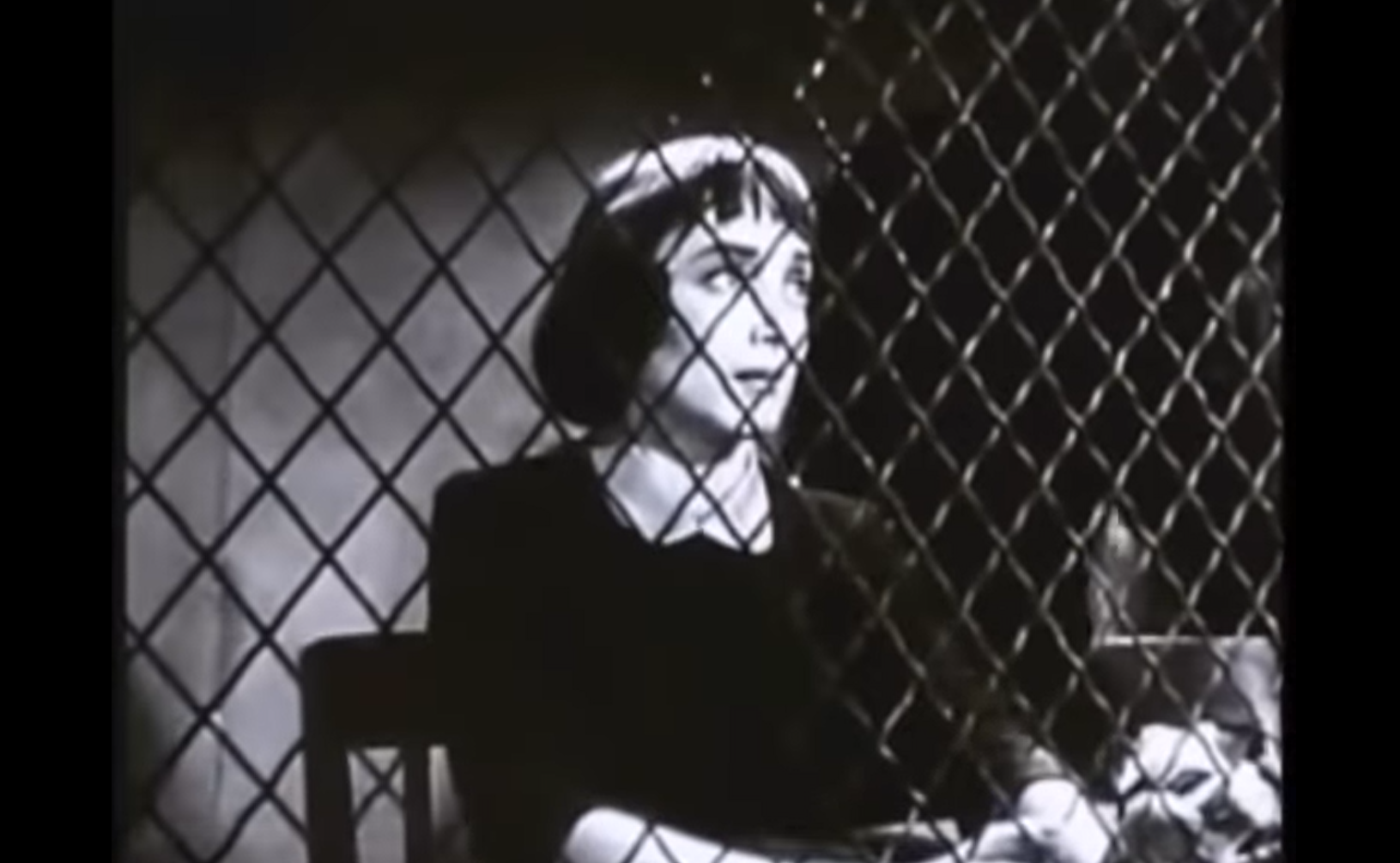
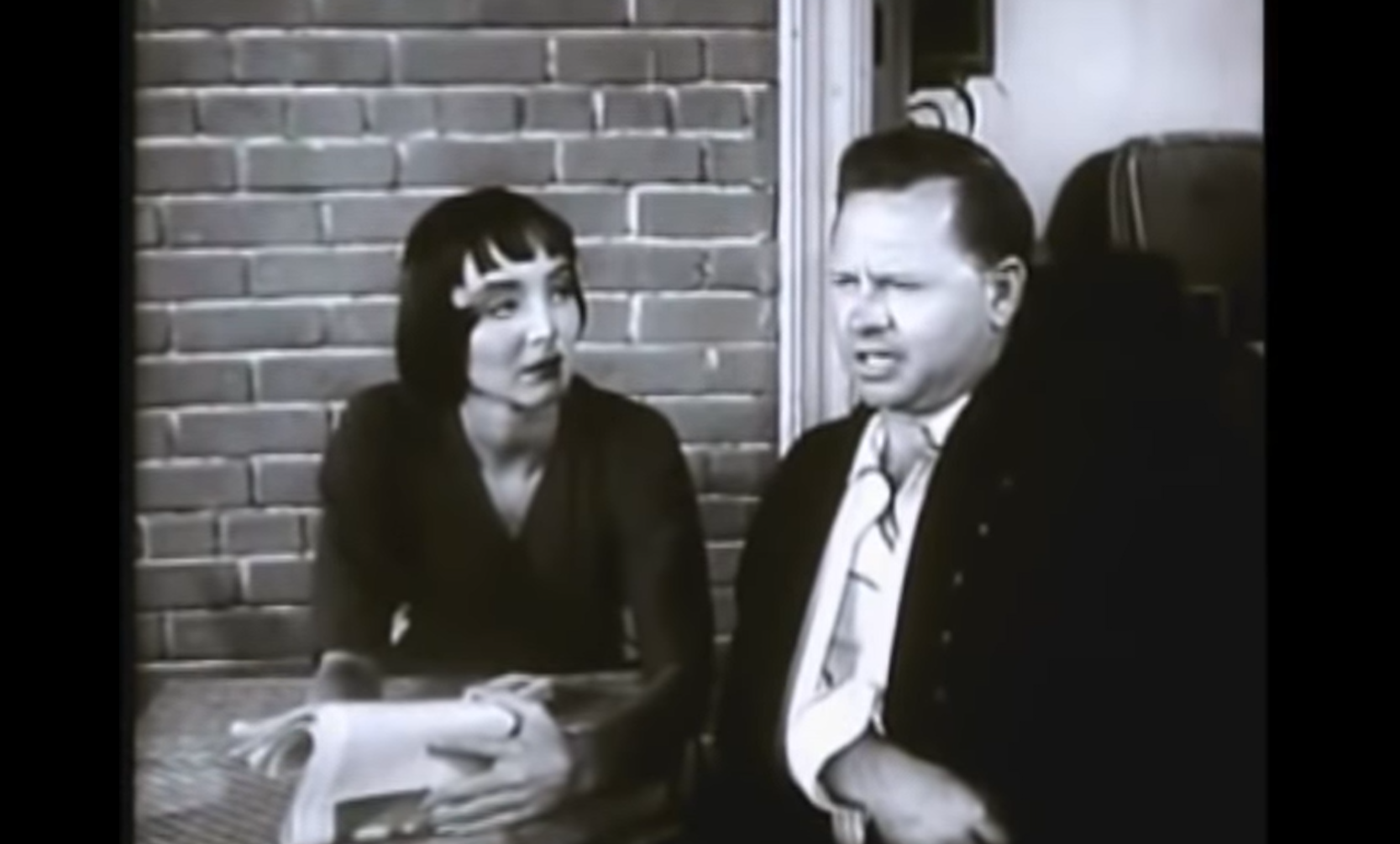
Baby Face Nelson received negative reviews upon its release, but has since been lauded by critics as a “vigorous crime thriller” with “anarchic energy”. On the whole, however, it remains a minor disappointment. While director Don Siegel handles the multiple action scenes well, they’re not particularly unique; and while Mickey Rooney does a fine job as Nelson, not nearly enough time is spent establishing the root of his character’s neuroses. In one nicely-done scene, Baby Face refrains from killing a bank manager simply because he’s just as short as him, offering an intriguing hint of the “little guy complex” which may have driven Nelson’s actions; unfortunately, this is never addressed again.

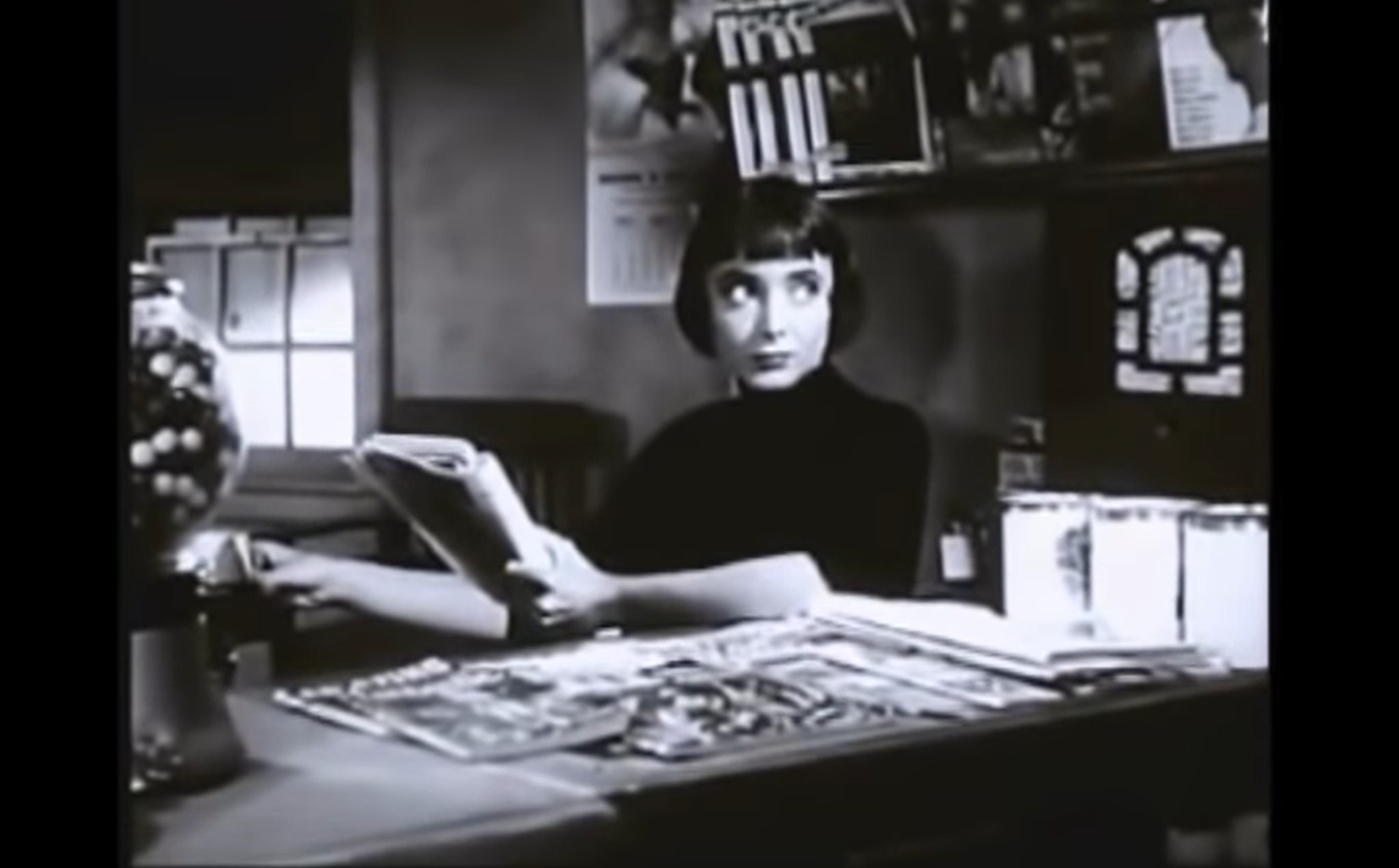
Carolyn Jones — Morticia on “The Addams Family” television show — emerges as the true find of the film: from the moment we see her pixie face on-screen (she reminds me of Bruce Willis’s lover — played by Maria de Medeiros — in Pulp Fiction), we realize how lucky Nelson was to have such a loyal and sexy moll by his side.

Unfortunately, she’s an entirely fictional character. For a better gangster biopic made in the 1950s but taking place in the 1930s, see Dorothy Provine in The Bonnie Parker Story (1958).

Redeeming Qualities and Moments:

  • Carolyn Jones as Nelson’s loyal moll
  • Mickey Rooney as the psychopathic Baby Face

Must See?
No. While it’s listed as a cult film in the back of Peary’s book — and has quite a few followers clamoring for its release onto DVD — I think it’s ultimately only must-see viewing for fans of gangster flicks, Don Siegel, and/or Mickey Rooney.

Links:

She’s Gotta Have It (1986)

She’s Gotta Have It (1986)

“I am not a one-man woman.”

Synopsis:
A woman (Tracy Camilla Johns) with three lovers (Spike Lee, Tommy Redmond Hicks, and John Canada Terrell) resists being faithful to any one of them.

Genres:

  • African-Americans
  • Jealousy
  • Love Triangle
  • Romantic Comedy
  • Sexuality
  • Strong Females

Review:
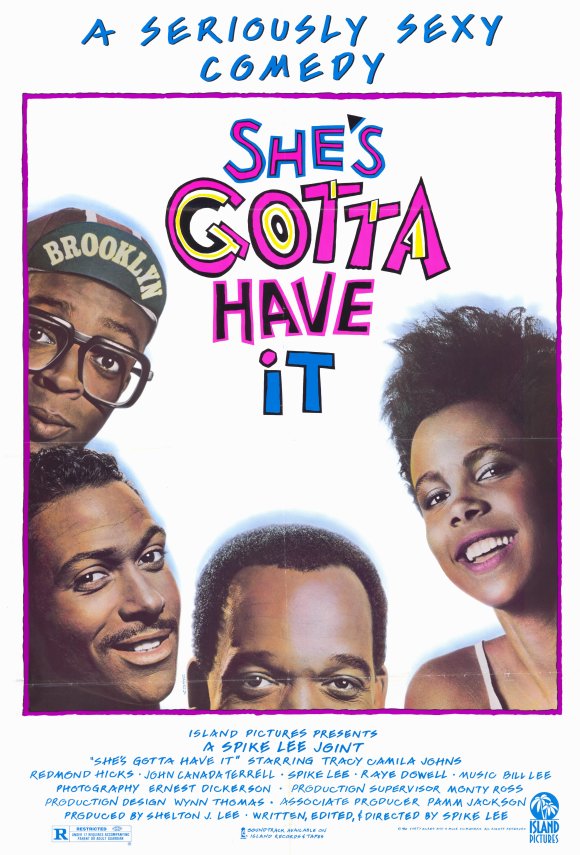
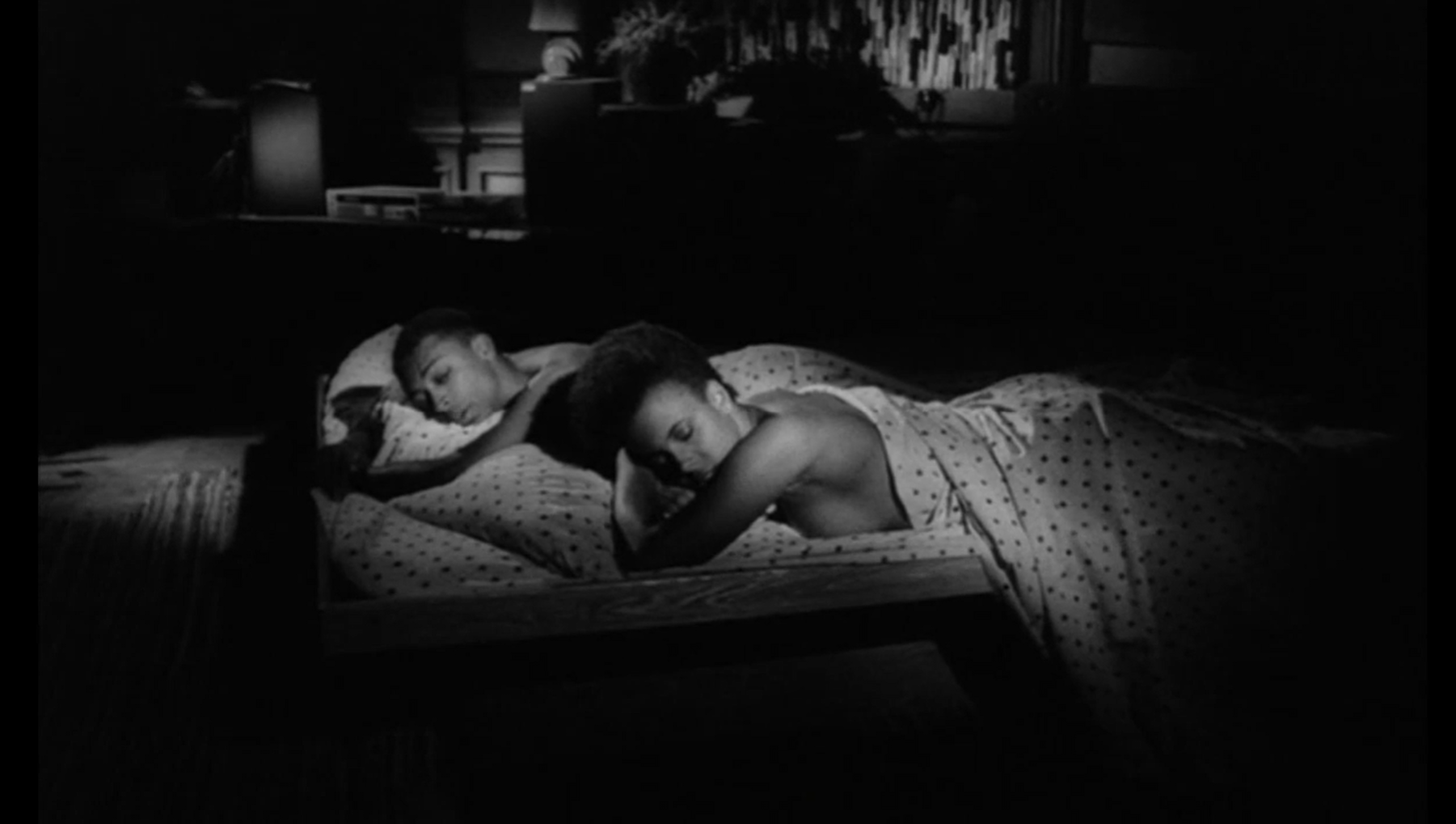
Spike Lee’s treatment of his female protagonist in his debut film, about an independent-minded woman (Johns) who finds cumulative sexual satisfaction through her triumvirate of disparate lovers — comedic Mars (Lee), narcissistic Greer (Terrell), and sincere Jamie (Hicks) — is refreshingly respectful. He portrays Nola (Johns) as nothing but honest in her desire for sex with many men, and while none of her lovers are happy with her decision, we admire Nola for being true to herself. While the acting in She’s Gotta Have It is clearly student-film quality, we remain invested in the story given the uniqueness of these characters. She’s Gotta Have It remains a worthy predecessor to Lee’s breakthrough movie of three years later (Do the Right Thing, 1989), and is worth a look by film fanatics.

Redeeming Qualities and Moments:

  • A humorous and insightful look at female sexuality
  • Creative camera work

Must See?
No, though it’s recommended for those curious to see early evidence of Lee’s talents as a director. Listed in the addendum of Peary’s book as a film with historical importance and as a Personal Recommendation.

(Listed in 1001 Movies You Must See Before You Die)

Links:

Carny (1980)

Carny (1980)

“A carnival ain’t even a real carnival without a sideshow — everyone knows that!”

Synopsis:
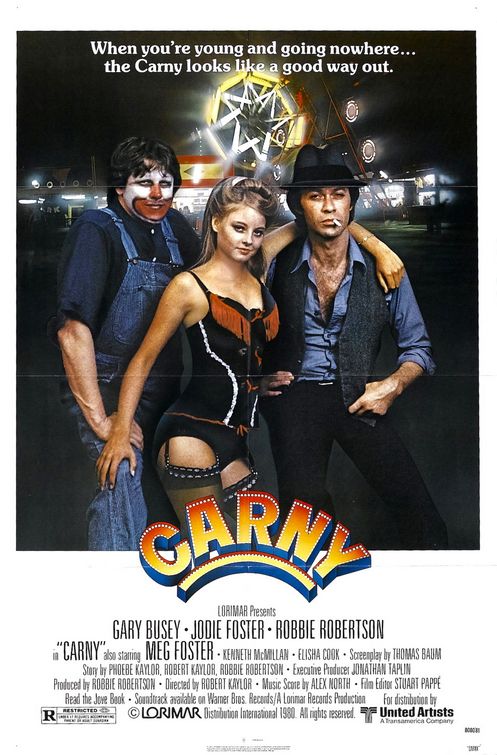
After falling for a carnival worker (Gary Busey), 18-year-old Donna (Jodie Foster) decides to run away from home and join the troupe.

Genres, Themes, Actors, and Directors:

  • Carnival and Circuses
  • Elisha Cook Jr. Films
  • Gary Busey Films
  • Jodie Foster Films
  • Love Triangle
  • Runaways

Review:
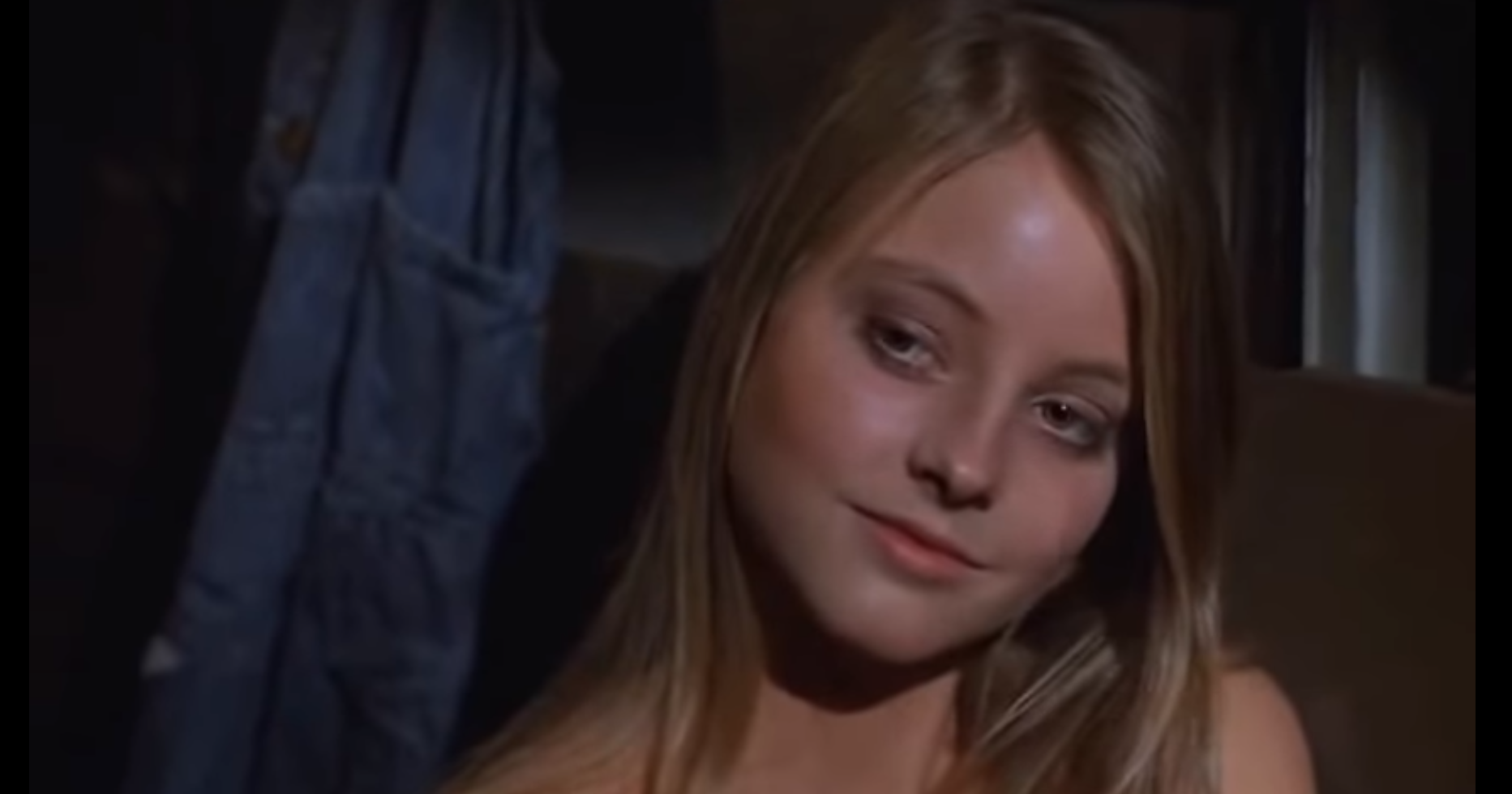
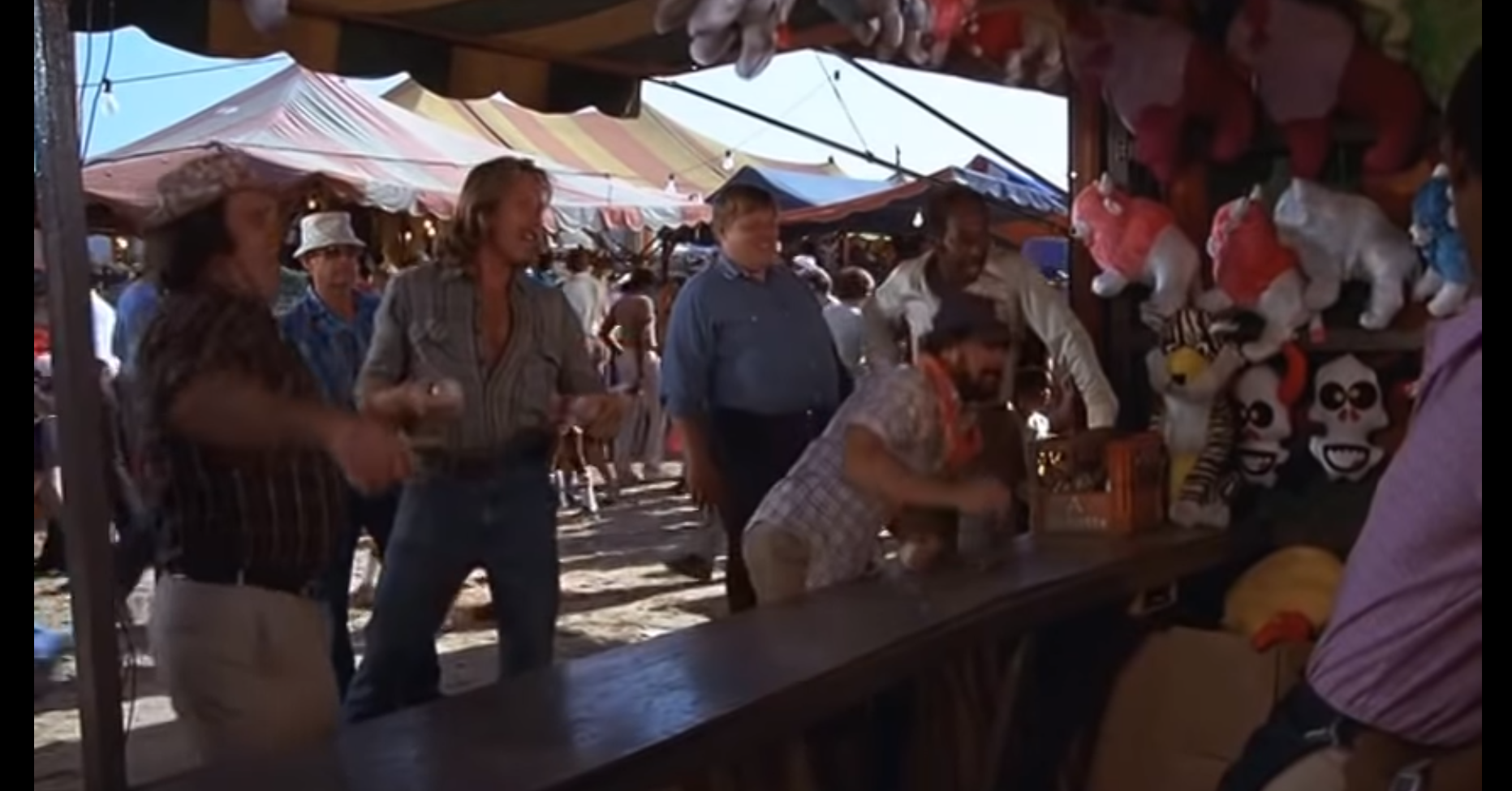
Jodie Foster turned in her second powerhouse performance of the year — see also Foxes (1981) — in this cult favorite about carnival life behind the scenes. Gary Busey is equally compelling as Frankie: he recognizes that his new relationship with Foster is troublesome to his longtime friend (Robbie Robertson), yet isn’t sure how to handle the “love” triangle that emerges. Director Robert Kaylor does an impressive job portraying both the authentic seaminess of carny life (carnies are shown openly conning customers), and the mundanity (we see workers pacing out where to set up stalls). Yet Carny‘s script leaves much to be desired. There are countless subplots which are never developed, and the film’s denouement is unsatisfying at best. Plus, unlike in Tod Browning’s masterful Freaks (1932), Kaylor doesn’t provide the remaining sideshow performers with well-rounded humanity; they seem present simply for atmosphere and “authenticity”. Despite its flaws, however, Carny makes for oddly compelling, visceral viewing.

Redeeming Qualities and Moments:

  • Jodie Foster as Donna
  • Gary Busey as Frankie
  • An authentic look at the seediness of carnival life
  • Alex North’s appropriately creepy score

Must See?
No, though it’s worth a look simply for its status as a cult favorite.

Links:

Manhunter (1986)

Manhunter (1986)

“It’s just you and me now, sport — and I’m going to find you, goddamn it!”

Synopsis:
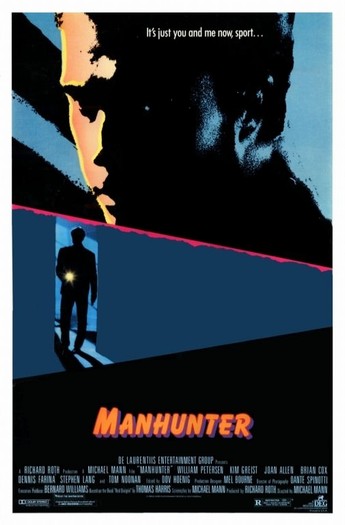
When semi-retired FBI agent Will Graham (William Petersen) is hired to track down a serial killer nicknamed “The Tooth Fairy” (Tom Noonan), he seeks advice from notorious psychopath Dr. Hannibal Lecktor (Brian Cox).

Genres, Themes, Actors, and Directors:

  • Cat-and-Mouse
  • Detectives and Private Eyes
  • Murder Mystery
  • Psychopaths
  • Race-Against-Time
  • Serial Killers

Review:
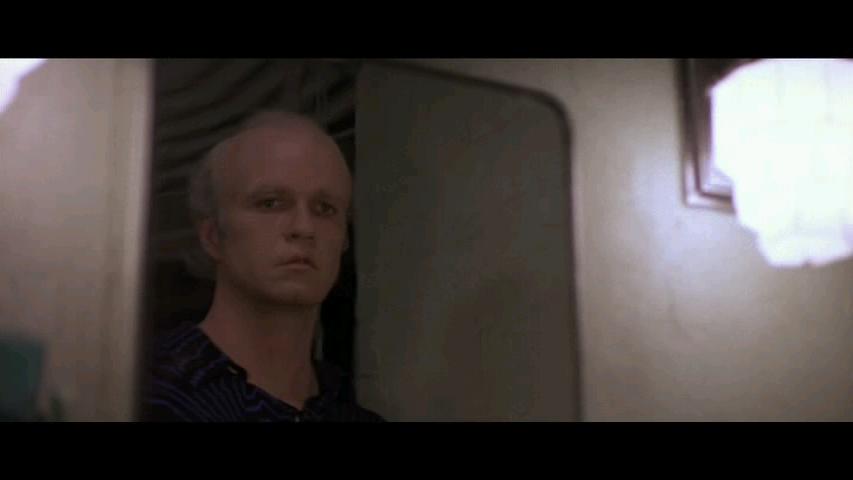
Five years before Jonathan Demme directed Silence of the Lambs (1991), Michael Mann released this highly stylized, under-the-radar version of Thomas Harris’s novel Red Dragon. While both films remain taut, well-acted thrillers, I’ll admit I prefer this earlier one — and its cult following reveals that I’m not the only one who feels this way. The performances in Manhunter are uniformly excellent. Unlike Ted Levine’s freakish “Buffalo Bill” in SOTL, Tom Noonan manages to portray “the Tooth Fairy” as a psychotic soul who is haunted by the desire for normalcy. Brian Cox’s performance as Hannibal Lecktor is a masterpiece of understated acting — the scene in which he coolly makes a call from his cell to find out Graham’s home address is one of the most chilling in cinematic history. And while Jodie Foster deserved her Oscar for playing Clarice Starling in SOTL, William Peterson’s approach here is equally viable.

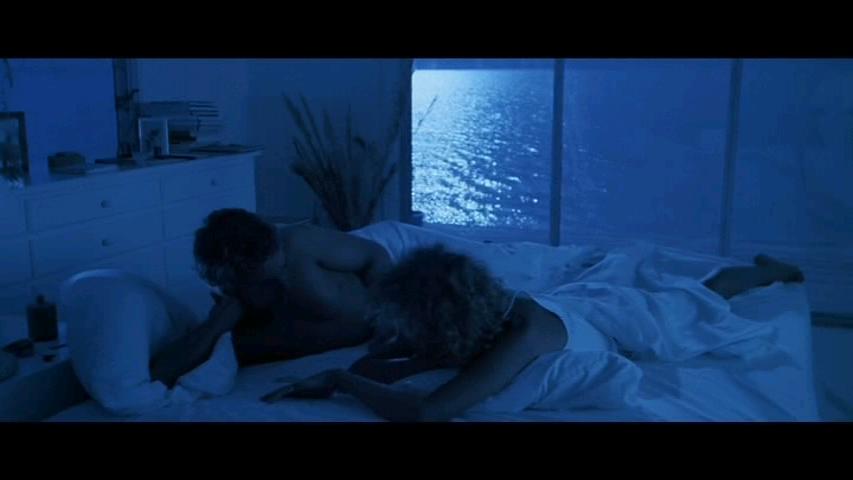
In addition to fine performances, Manhunter is a visual masterpiece, with highly stylized camera angles, sparse geometric sets, and gorgeous, hue-drenched cinematography. Michael Rubini’s memorable, heavily synthesized score — while clearly marking Manhunter as a product of the ’80s — adds to the overall stylized effect, relentlessly propelling this race-again-time thriller to its effective climax.

Redeeming Qualities and Moments:

  • William Petersen as the driven FBI agent
  • Tom Noonan’s sympathetic performance as the deranged serial killer
  • Joan Allen as Reba, Lecktor’s blind co-worker
  • Brian Cox as the “original” Hannibal Lecktor
  • Effective use of stylized sets, camera angles, mirrors, and shadows
  • Evocative, hue-drenched cinematography by Dante Spinotti
  • Michael Rubini’s synthesized score

Must See?
Yes. This film — which has developed an underground cult following over the years — is a satisfying, well-made adaption of Thomas Harris’s Red Dragon, and should be seen by all film fanatics.

Categories

  • Cult Movie
  • Good Show

(Listed in 1001 Movies You Must See Before You Die)

Links:

Foul Play (1978)

Foul Play (1978)

“Beware of the dwarf!”

Synopsis:
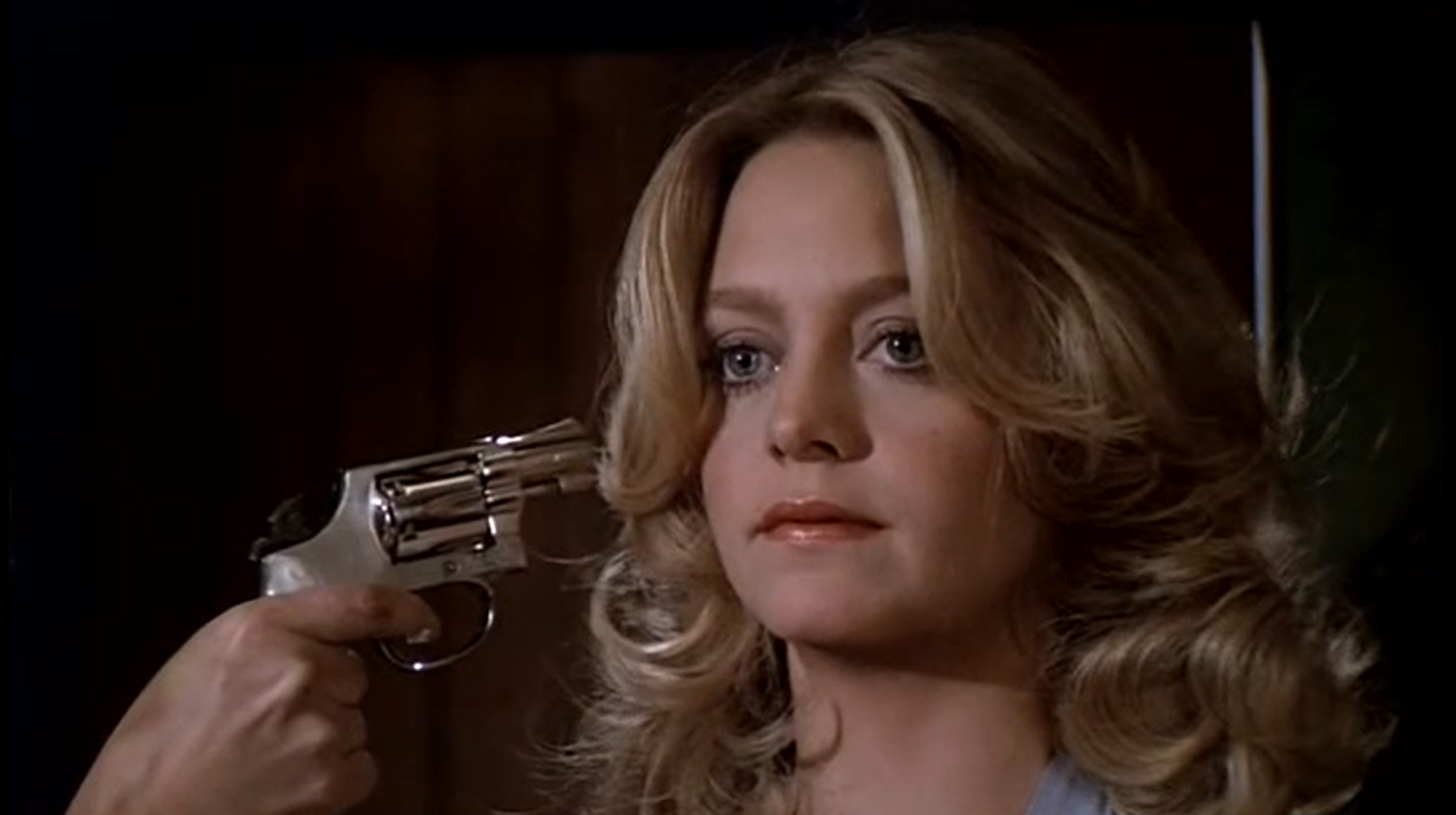
A divorced librarian (Goldie Hawn) finds herself unwittingly caught up in a plot to assassinate the Pope.

Genres, Themes, Actors, and Directors:

  • Burgess Meredith Films
  • Dudley Moore Films
  • Goldie Hawn Films
  • Murder Mystery
  • “No One Believes Me!”
  • Romantic Comedy
  • Satires and Spoofs

Review:
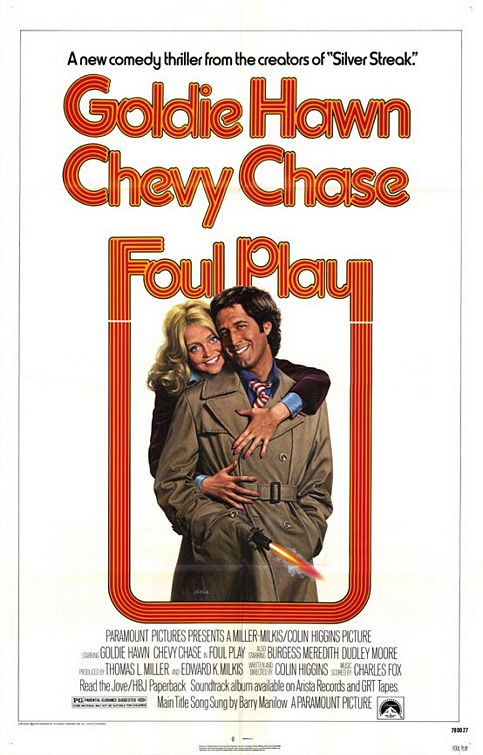
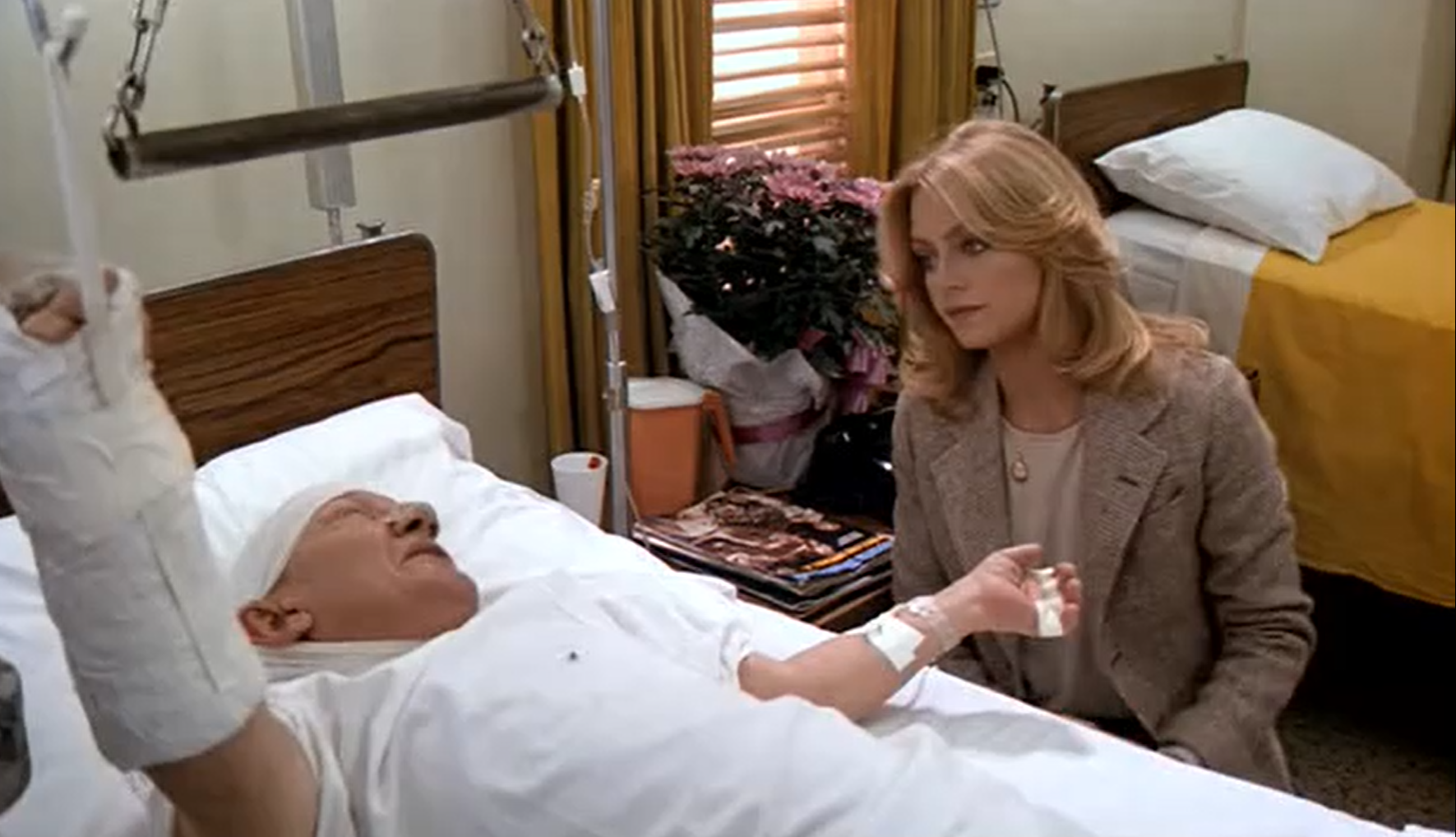
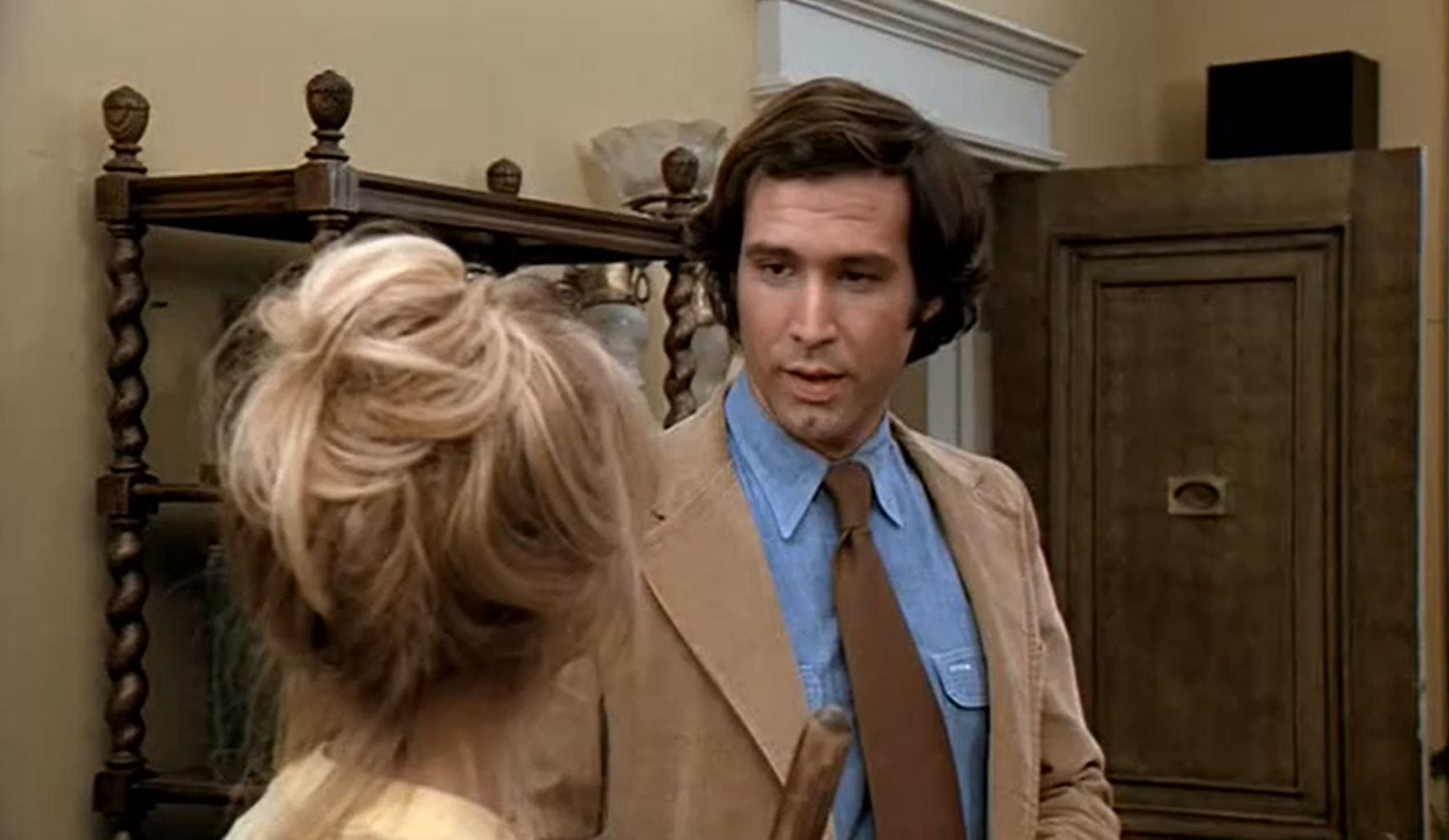
This comedic thriller starts out strong, introducing characters — Goldie Hawn’s wide-eyed Gloria and Chevy Chase’s clumsy detective — who are quite appealing. Unfortunately, the plot soon devolves into slapstick, with the attempts at humor becoming increasingly lame: when Gloria visits an innocent Bible-selling midget (Billy Barty) in the hospital, for instance, we’re meant to find it amusing that she mistook him for her assassin, and to laugh at the fact that he’s now scared even to be around her.

In addition, while Hawn’s character remains appealing throughout, Chevy Chase (in his first screen role) isn’t all that funny, and, other than his initial bumbling appearance, doesn’t make much of an impression.

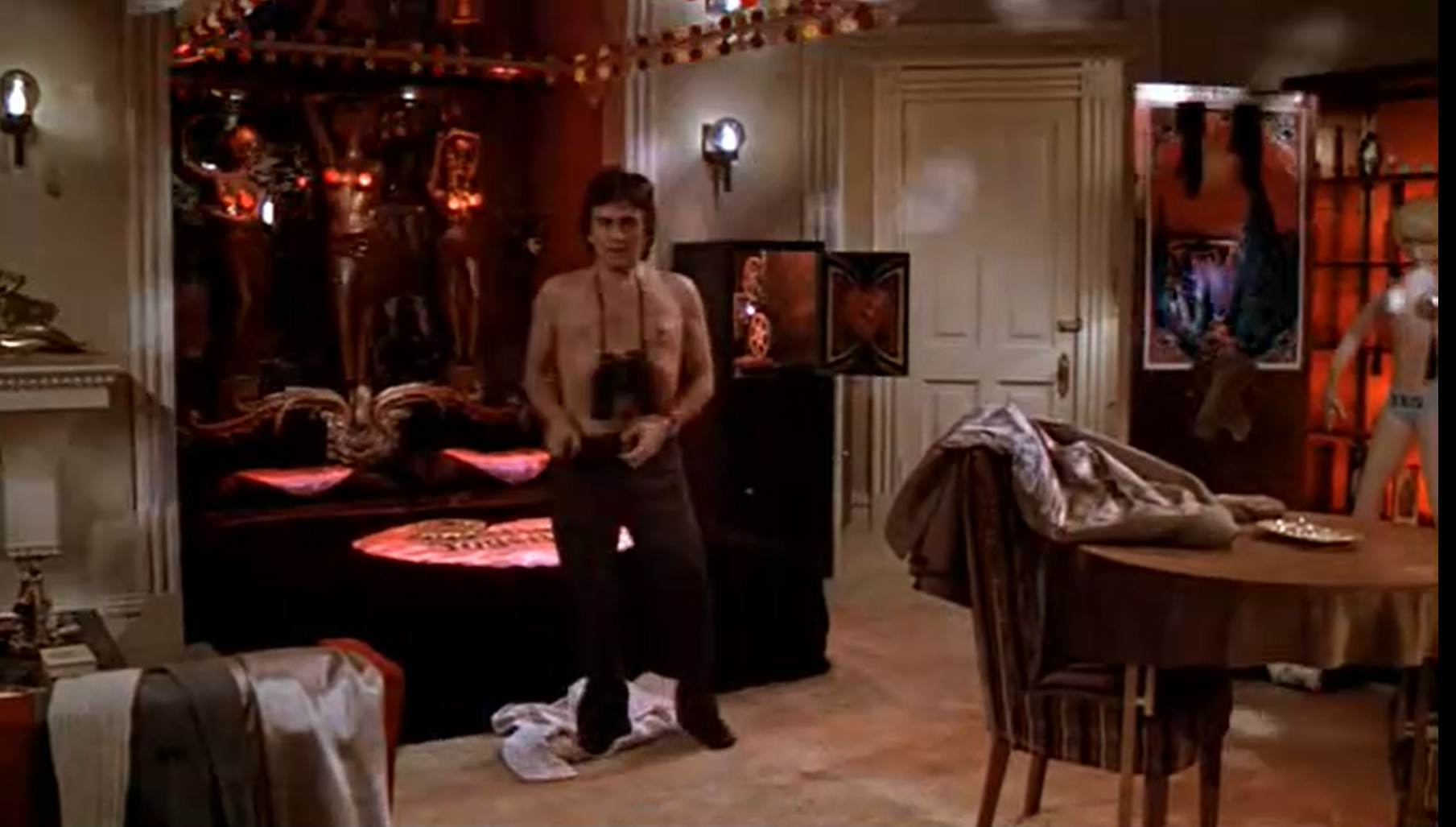
While there are some moments of true hilarity — whenever Dudley Moore is on the screen, for instance — Foul Play is ultimately a missed opportunity.

Redeeming Qualities and Moments:

  • Goldie Hawn’s appealing performance in the lead role
  • Dudley Moore getting his bedroom ready for a presumed night of kinky sex with Hawn
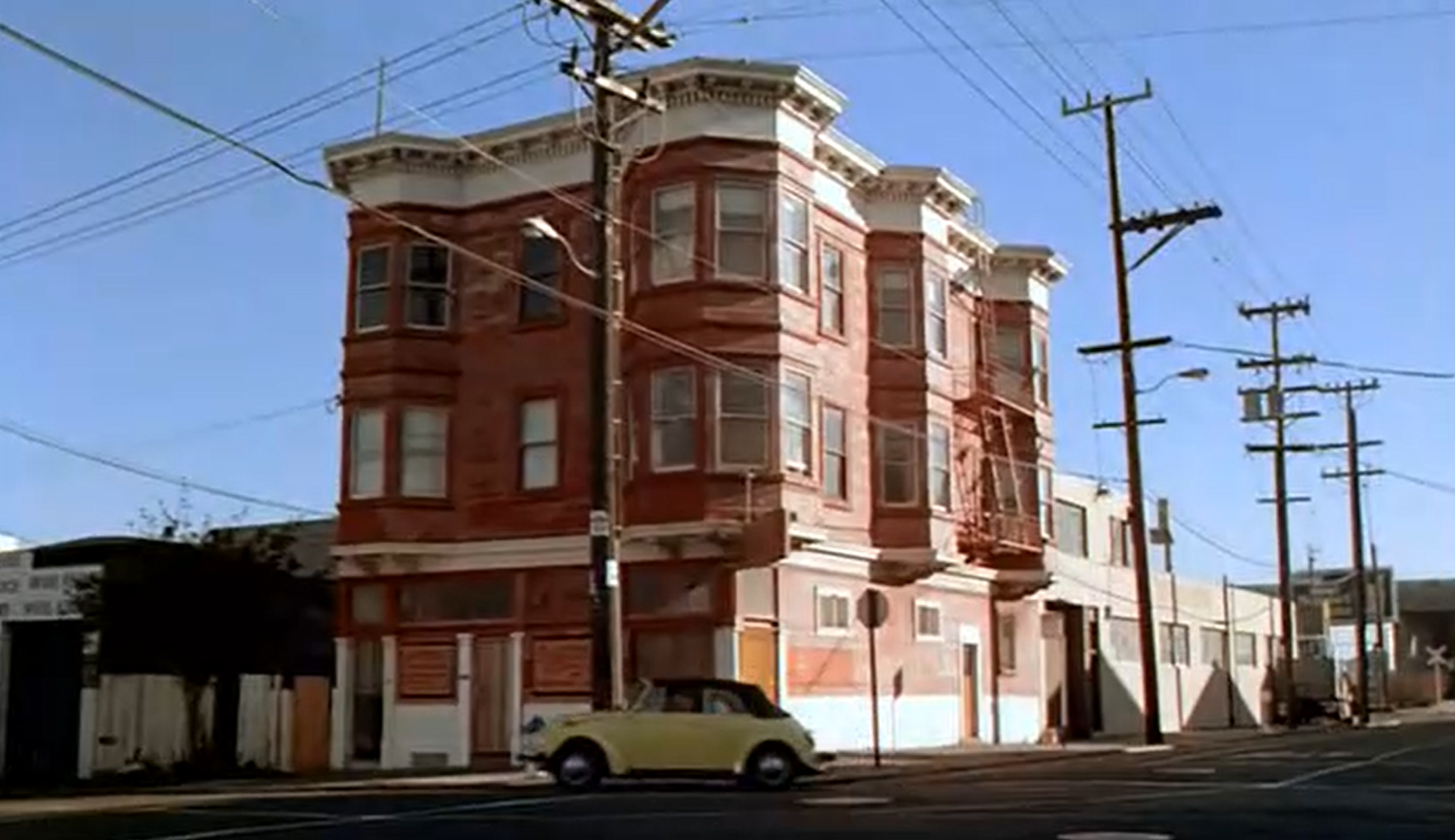
  • Good use of San Francisco locales

Must See?
No. While this comedic thriller starts out strong, it quickly becomes disappointing slapstick.

Links:

Adolescente, L’ (1979)

Adolescente, L’ (1979)

“Love is a neverending battle — the young, the old, in the same boat.”

Synopsis:
On the brink of WWII, 13-year-old Marie (Laetitia Chauveau) and her mother (Edith Clever) go to stay with Marie’s grandmother (Simone Signoret) in the French countryside. Marie develops a crush on a young doctor (Francis Huster), and is devastated when she finds out that her sensual mother is having an affair with him.

Genres, Themes, Actors, and Directors:

  • Coming-of-Age
  • French Films
  • Infidelity
  • Jeanne Moreau Films
  • Simone Signoret Films

Review:
Jeanne Moreau’s second directorial effort — after Lumiere (1976) — was this unassuming summer vacation tale, set in pre-WWII France. As is often the case with coming-of-age stories, L’Adolescente is ultimately more concerned with chronicling its teenage protagonist’s budding sexual awareness than with the plot itself. As a result, while Moreau does a fine, sensitive job portraying Marie’s transition from childhood to adolescence, we don’t learn nearly enough about Marie’s mother (well-played by Edith Clever) — a woman who appears happily married, yet doesn’t hesitate to carry out an affair which can only end badly for everyone involved.

Moreau also relies a bit too heavily on cliched characterizations, with one sequence in particular — an early montage of the sundry villagers (each “type” is represented) — detracting from the authenticity of Marie’s personal story. In addition, Philippe Sarde’s musical theme, while lilting and effective at first, soon becomes overused and annoying. Nonetheless, there are enough positive elements in L’Adolescente — including the welcome presence of Simone Signoret as Marie’s grandmother, and a fine performance by young Laetitia Chauveau — to make it worth seeking out.

Redeeming Qualities and Moments:

  • Simone Signoret as Marie’s wise grandmother
  • Laetitia Chauveau (who never made another film) as young Marie
  • Beautiful cinematography of the French countryside
  • An effective portrayal of a young girl’s first crush on an older man

Must See?
No, but it’s recommended.

Links:

Blue Lagoon, The (1949)

Blue Lagoon, The (1949)

“I don’t care if we never see a boat again. I don’t care if we never get away from here!”

Synopsis:
Two young children (Susan Stranks and Peter Rudolph Jones) are shipwrecked on a deserted island, and must survive on their own. As they grow older, Emma (Jean Simmons) and Michael (Donald Houston) find themselves falling in love while waiting to be rescued.

Genres, Themes, Actors, and Directors:

  • Coming-of-Age
  • Deserted Island
  • First Love
  • Jean Simmons Films
  • Survival

Review:
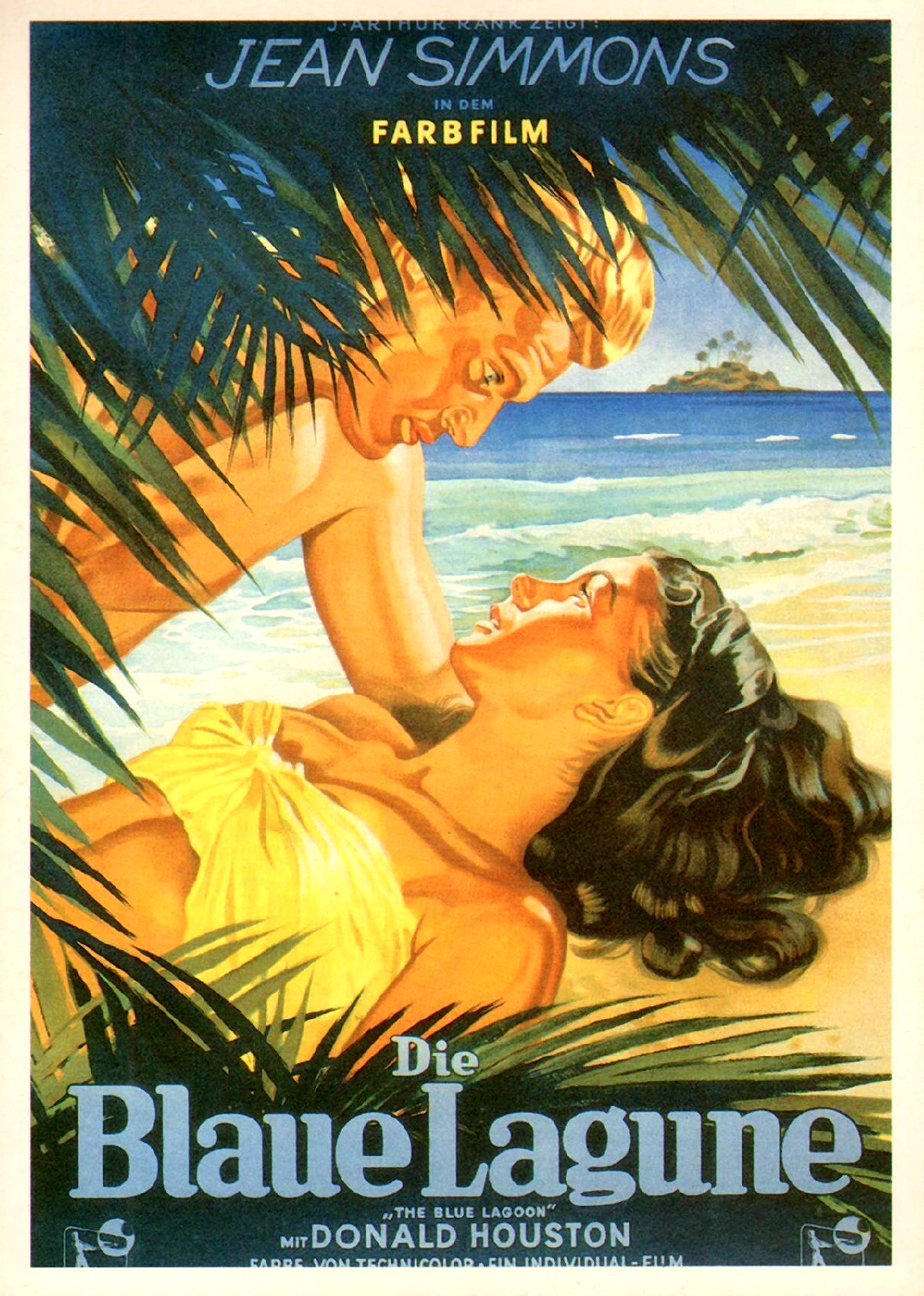
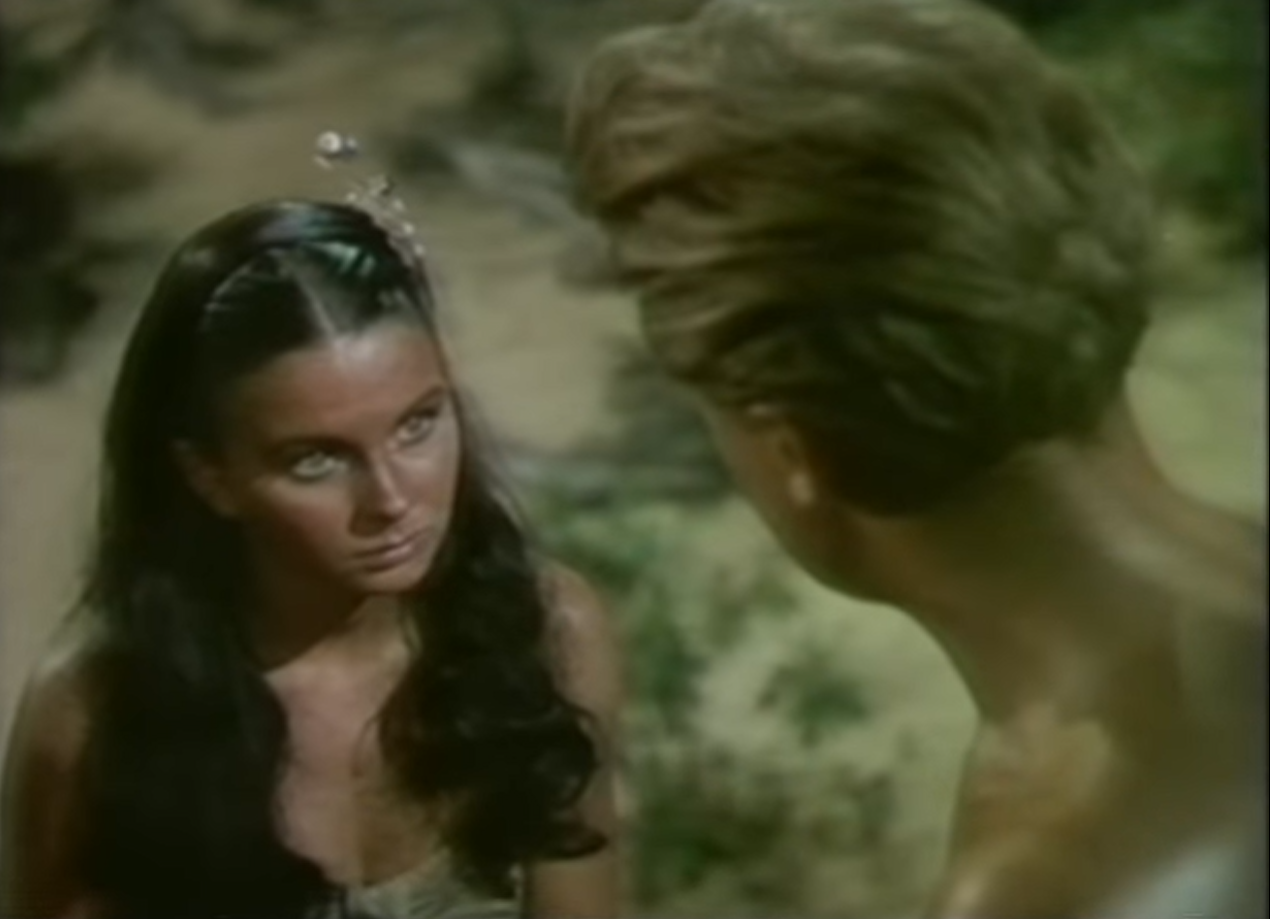
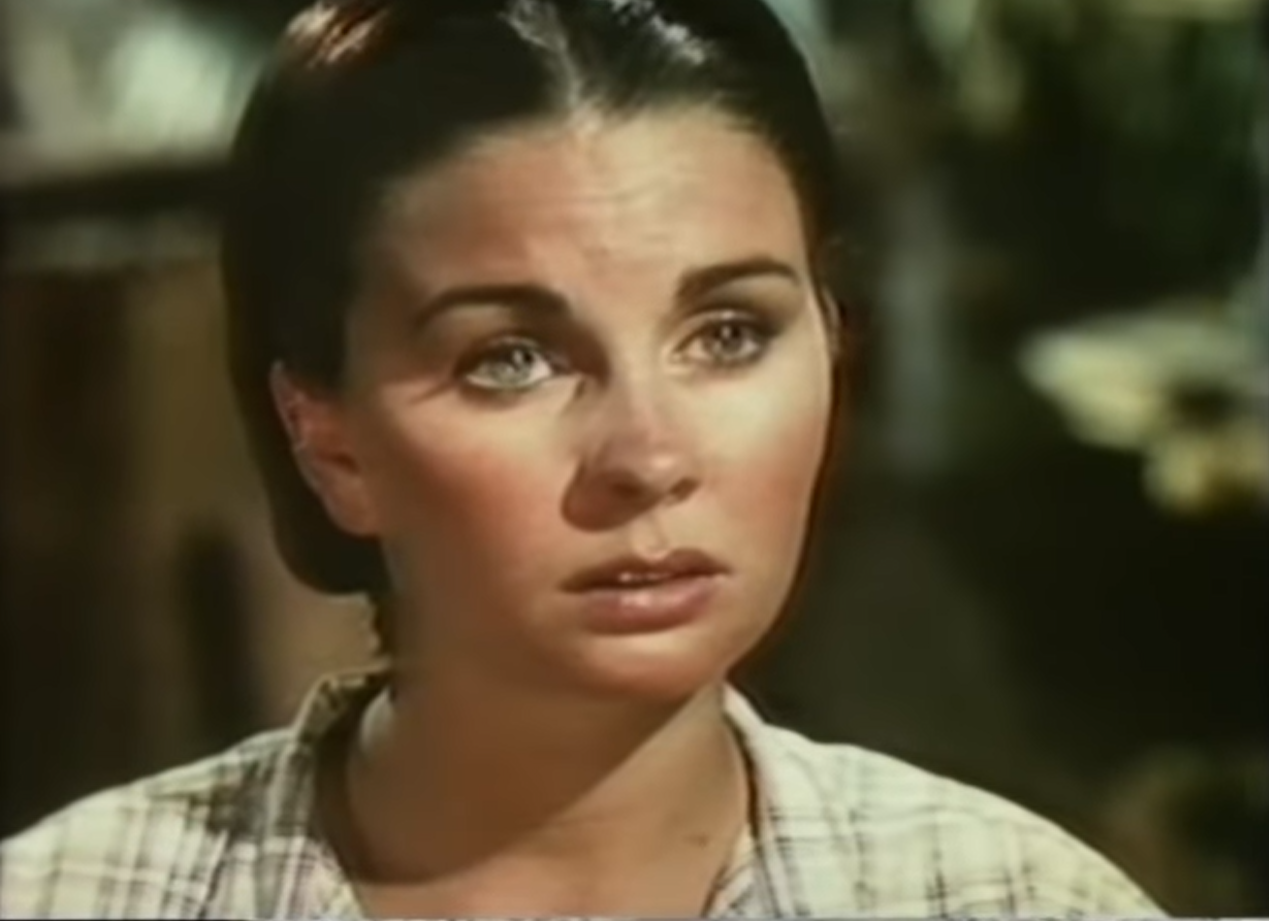
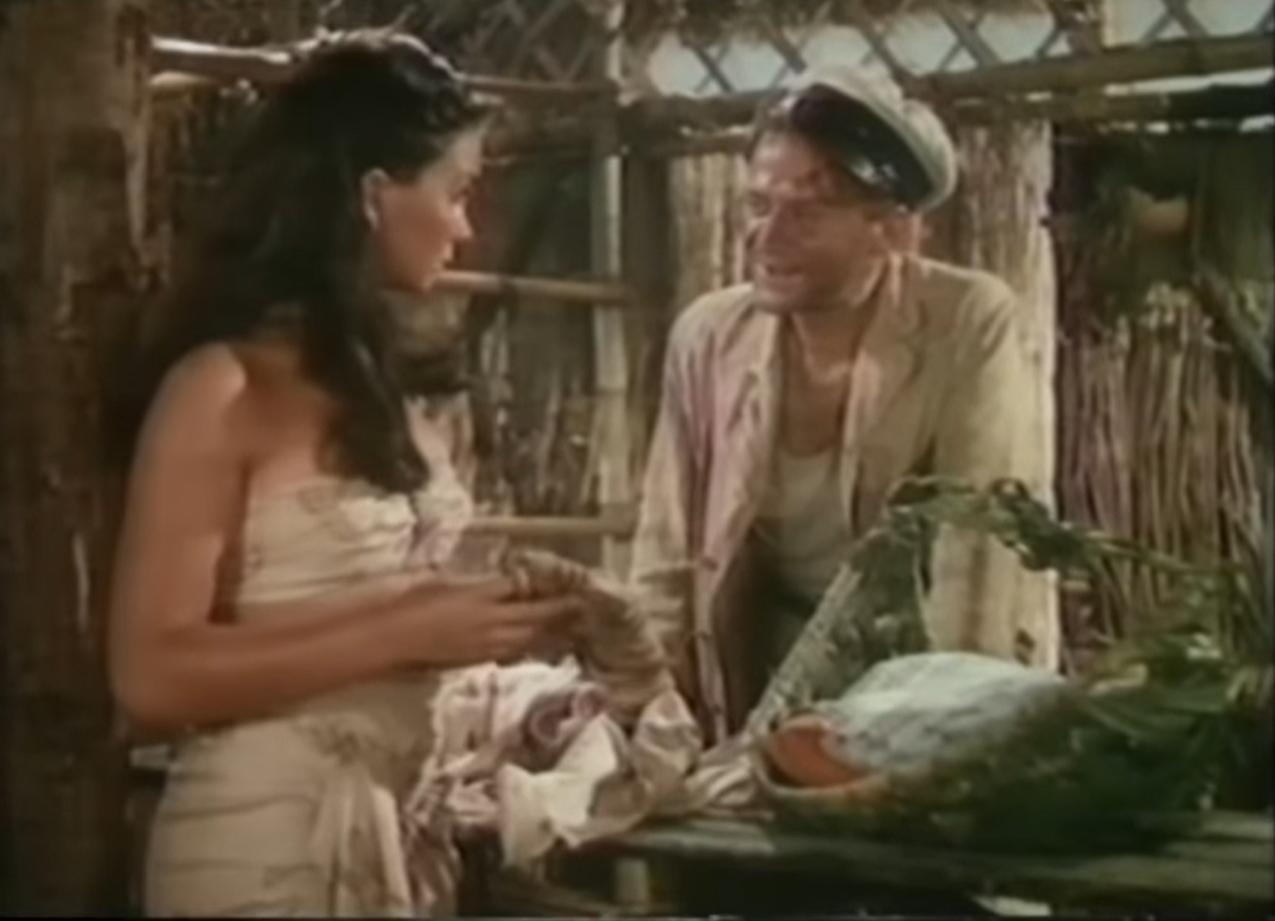
This mid-century British adaptation of Henry De Vere Stacpoole’s adventure novel is primarily known for featuring Jean Simmons in her lead debut:

and as the predecessor to the infamously bad 1980 remake. On its own merits, however, The Blue Lagoon remains an enjoyable — if highly unrealistic — coming-of-age tale, worth watching simply for the gorgeous technicolor cinematography, and Simmons’ luminous face gracing the screen.

Redeeming Qualities and Moments:

  • Jean Simmons in one of her earliest leading roles
  • Some genuine tense moments, as when Simmons is kidnapped by a rapacious sailor (Cyril Cusack) with decidedly unsavory intentions
  • Beautiful technicolor cinematography (albeit in need of restoration) of the deserted island

Must See?
No. Though it holds some historical interest as the precursor to its 1980 counterpart, The Blue Lagoon is ultimately only must-see viewing for fans of Jean Simmons.

Links:

“I Know Where I’m Going!” (1945)

“I Know Where I’m Going!” (1945)

“When Joan was only one year old, she already knew where she was going.”

Synopsis:
When heavy storms prevent a headstrong young woman (Wendy Hiller) from reaching her wealthy fiancé on a remote Scottish isle, she gets to know the nearby locals — including naval officer Torquil MacNeil (Roger Livesey).

Genres, Themes, Actors, and Directors:

  • Character Arc
  • Class Relations
  • Michael Powell Films
  • Roger Livesey Films
  • Romance
  • Scotland
  • Strong Females
  • Wendy Hiller Films

Review:
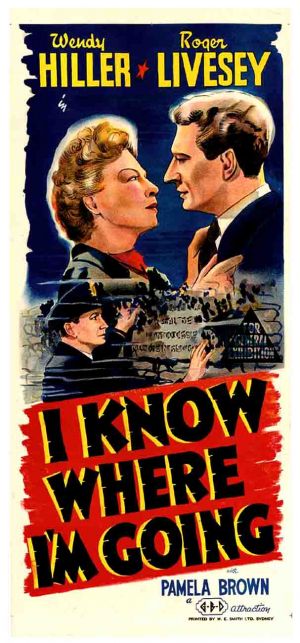
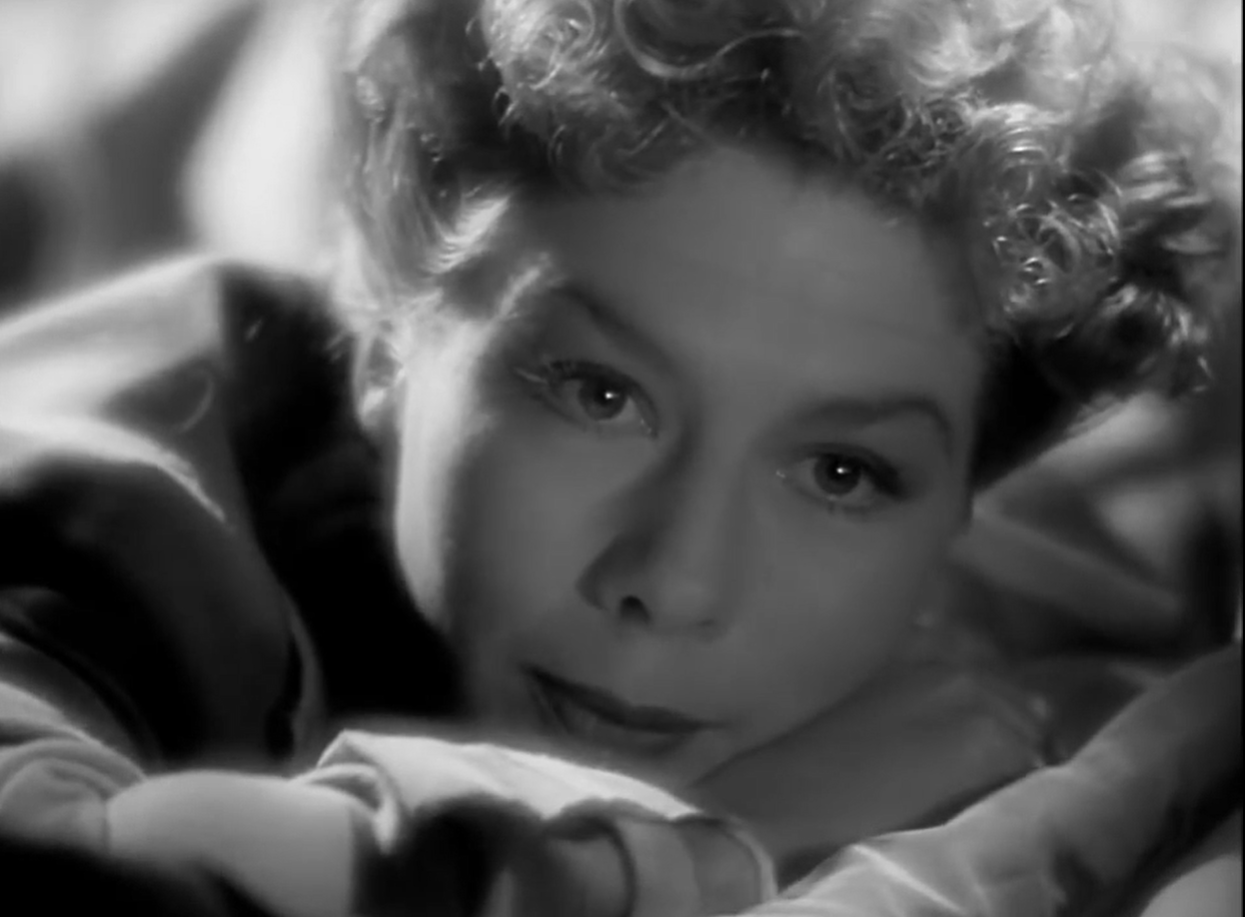
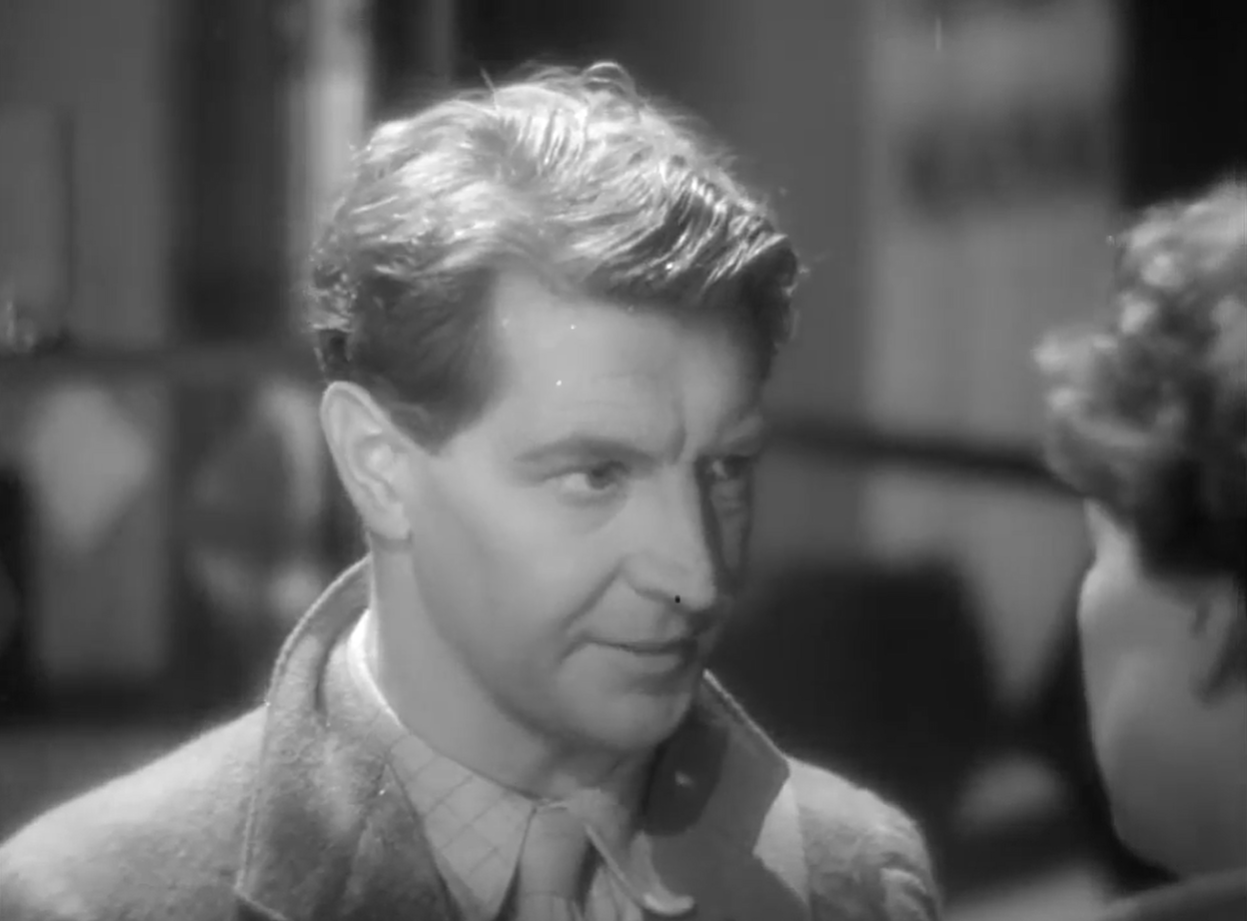
Directorial partners Michael Powell and Emeric Pressburger made many highly regarded films together, including Black Narcissus (1947), The Red Shoes (1948), and Peeping Tom (1960). However, this fable-like romance — co-starring Wendy Hiller and strange-voiced Roger Livesey — remains perhaps the most charming of them all, telling the simple yet effective tale of a willful woman who gradually learns to trust her heart rather than her head, all while being seduced by the magic of the Scottish isles. The black-and-white cinematography is truly stunning, making this romantic gem both a visual and narrative delight.

Redeeming Qualities and Moments:

  • Wendy Hiller as the headstrong heroine
  • Roger Livesey as Hiller’s would-be love interest
  • Haunting, high-contrast cinematography
  • Creative opening titles
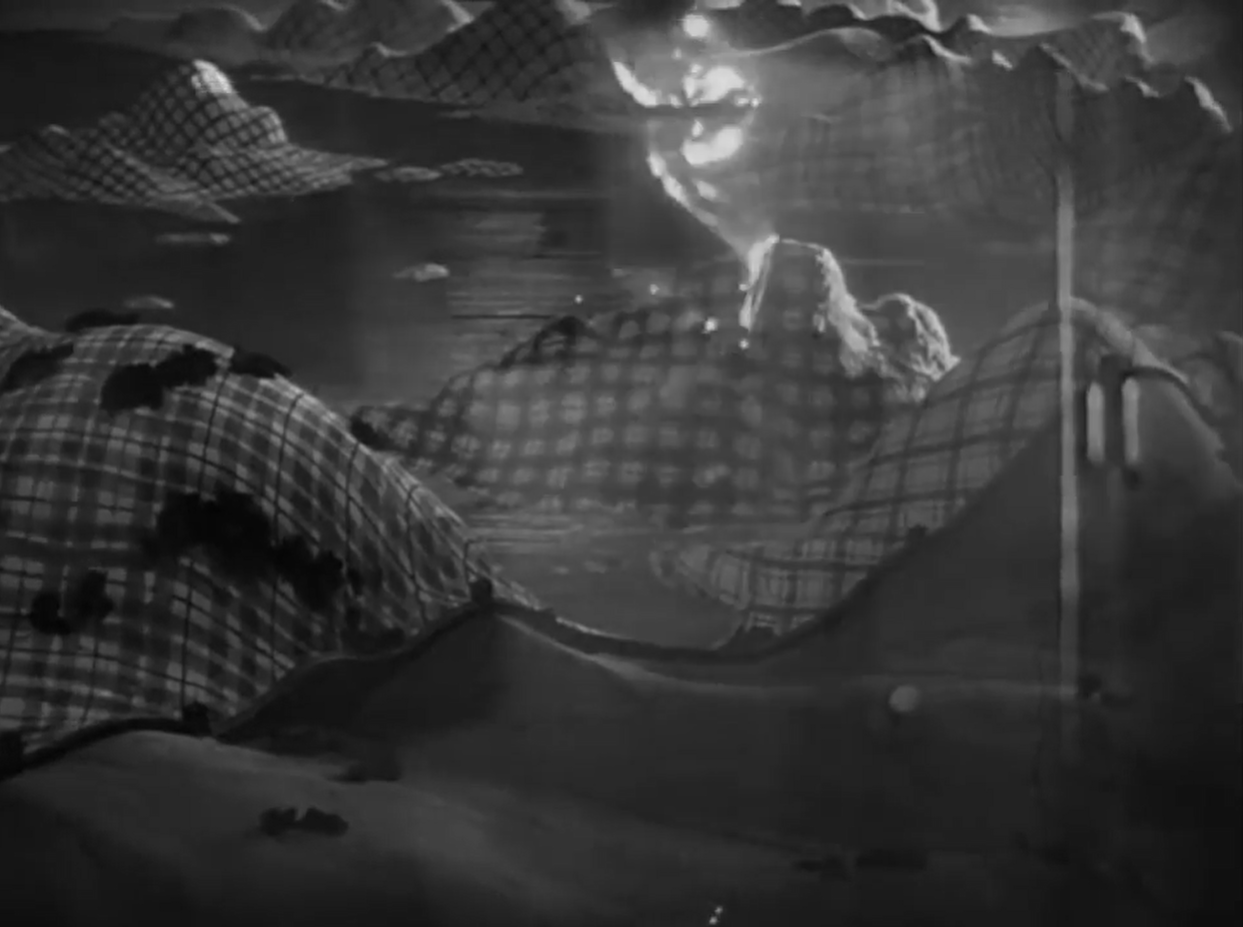
  • Many whimsical visuals, as when Hiller dreams of the Scottish hills covered in tartan plaid

Must See?
Yes. This romantic fable is one of Powell and Pressburger’s most enjoyable movies, and should be seen by all film fanatics.

Categories

  • Important Director

(Listed in 1001 Movies You Must See Before You Die)

Links: