Browsed by
Category: Original Reviews

Responses to Peary’s “must see” movie reviews, as well as my own “must see” movie reviews up to and after 1986 (when Peary’s book was published).

Beginning or the End, The (1947)

Beginning or the End, The (1947)

“Our country must have an atomic bomb. It’s your job — and mine — to get it.”

Synopsis:
Scientists during WWII — led by Colonel Oppenheimer (Hume Cronyn) and General Groves (Brian Donlevy) — race to develop the first atomic bomb.

Genres, Themes, Actors, and Directors:

  • Atomic Energy
  • Audrey Totter Films
  • Brian Donlevy Films
  • Hume Cronyn Films
  • Hurd Hatfield Films
  • Race-Against-Time
  • Richard Haydn Films
  • Robert Walker Films
  • Scientists
  • WWII

Review:
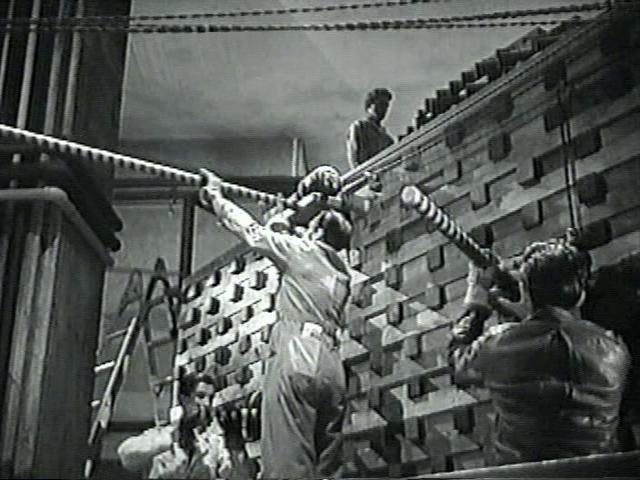
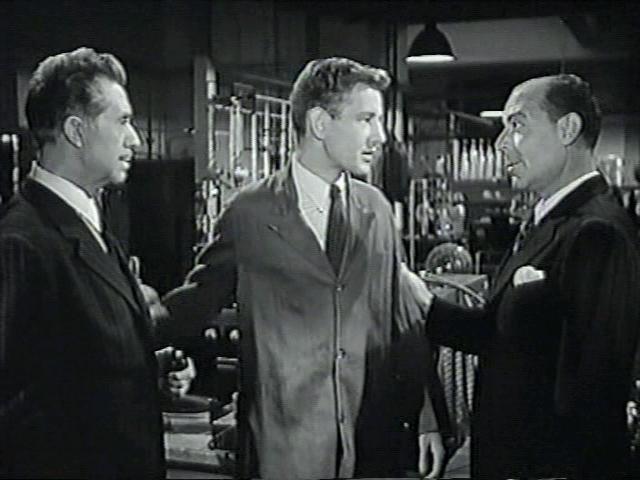
Though clearly dated, Norman Taurog’s The Beginning or the End remains a compelling docudrama about the Manhattan Project scientists and their work to develop an atomic bomb before the Germans and Japanese. We’re constantly reminded that bombs were considered the least noble application of atomic energy at the time; indeed, nobody involved in this collective undertaking is shown to be happy about the fact that the bombs they are developing will wreak such enormous devastation on humankind. Even the film’s very title indicates that, as early as 1947, scientists weren’t certain whether the incipient use of atomic energy signaled the beginning of a golden era, or the end of humanity.

This general attitude is most effectively characterized by Tom Drake’s character, a young physicist who harbors a constant sense of unease about the ultimate purpose of his work; on the other hand, screenwriters Robert Considine and Frank Wead make sure to include plenty of dialogue about why America ultimately felt justified in dropping the bombs on Hiroshima and Nagasaki. It’s a sticky dilemma, and the film does an admirable job balancing the two perspectives.

Unfortunately, The Beginning or the End is marred by blatant sexism (women are exclusively secretaries or love interests); two distracting romantic subplots (Beverly Tyler as Cochran’s long-suffering wife is particularly annoying); stilted dialogue (the conversations between the scientists sound especially inauthentic); and some heavy-handed morality. Yet it remains a valuable first attempt at documenting the emergence of atomic power in the world, and for this reason alone, it’s worth seeking out.

Redeeming Qualities and Moments:

  • A compelling overview of the first atomic bombs, from their conception to their deadly deployment
  • A fascinating glimpse of the tension felt during initial experiments with developing plutonium
  • A welcome depiction of the trepidation and genuine sorrow experienced by most involved with the bombs
  • Tom Drake as the young physicist wracked with guilt

Must See?
Yes, simply for its historical importance.

Categories

  • Historically Relevant

Links:

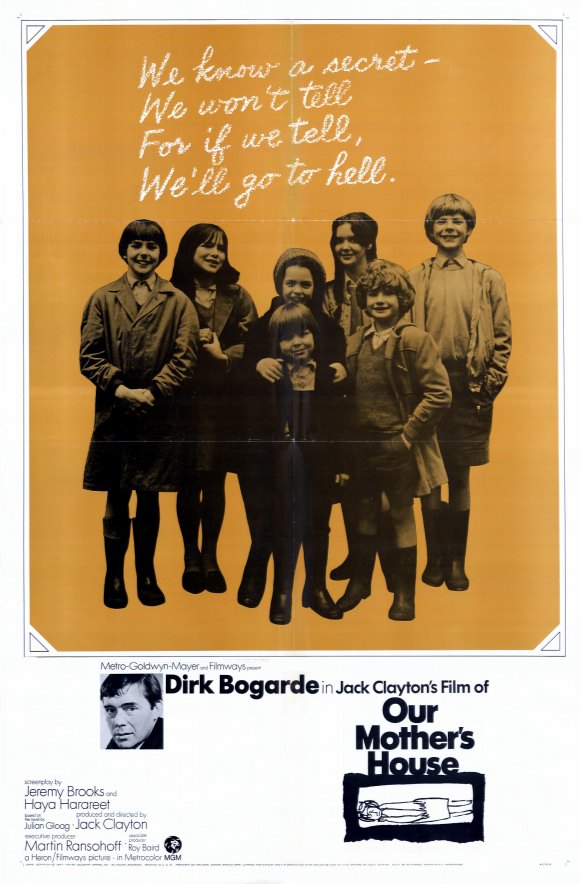
Our Mother’s House (1967)

Our Mother’s House (1967)

“Don’t worry… We’ll manage. We managed all the time mother was ill, and we’ll manage now. We’ve got to have faith!”

Synopsis:
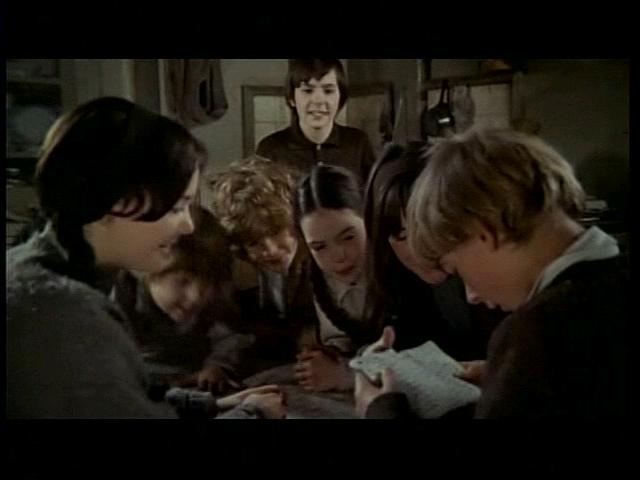
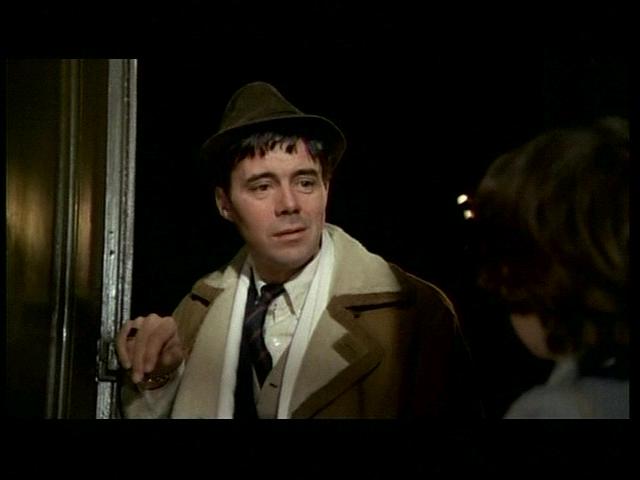
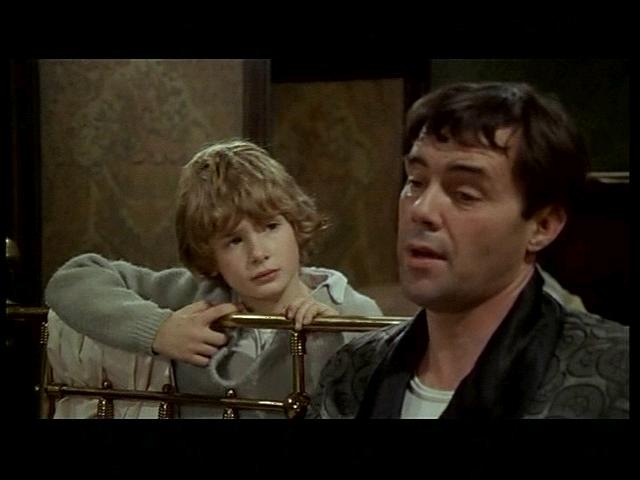
After their deeply religious mother (Annette Carell) dies, seven siblings (Margaret Brooks, Pamela Franklin, Louis Sheldon Williams, John Gugolka, Mark Lester, Phoebe Nicholls, and Gustav Henry) bury her in the backyard and try to keep her death a secret. When a man (Dirk Bogarde) named Charlie suddenly appears at their doorstep claiming to be their long-lost father, the children find themselves torn between delight and apprehension.

Genres, Themes, Actors, and Directors:

  • Con-Artists
  • Death and Dying
  • Dirk Bogarde Films
  • Jack Clayton Films
  • Psychological Horror
  • Siblings
  • Survival

Review:
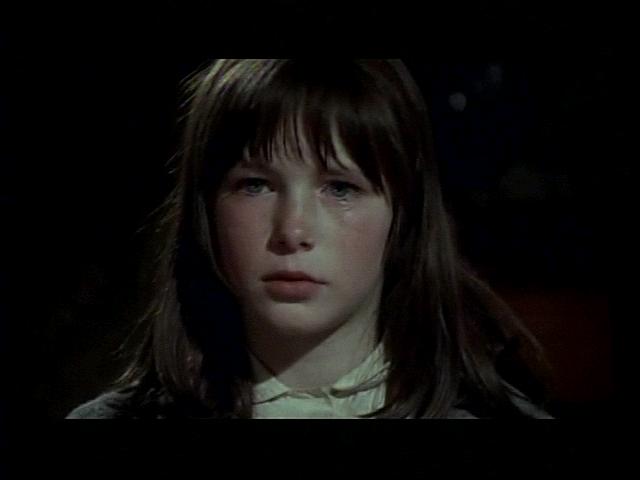
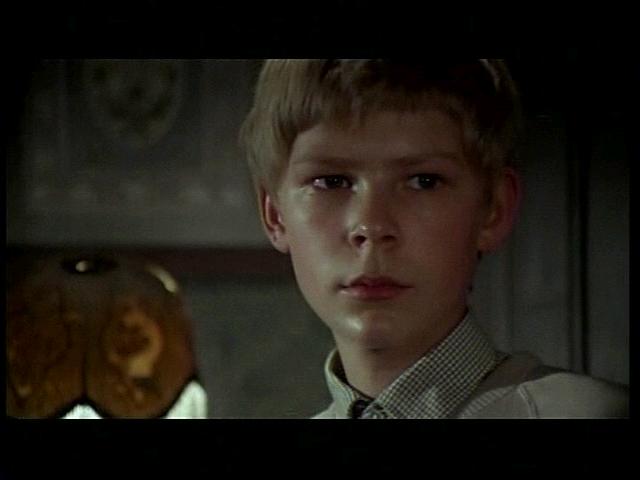
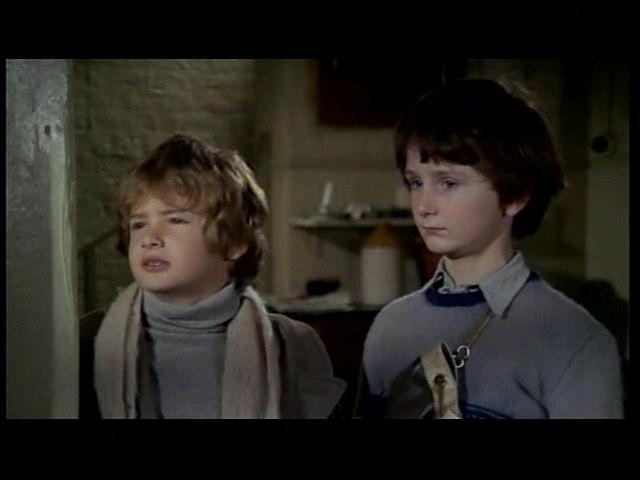
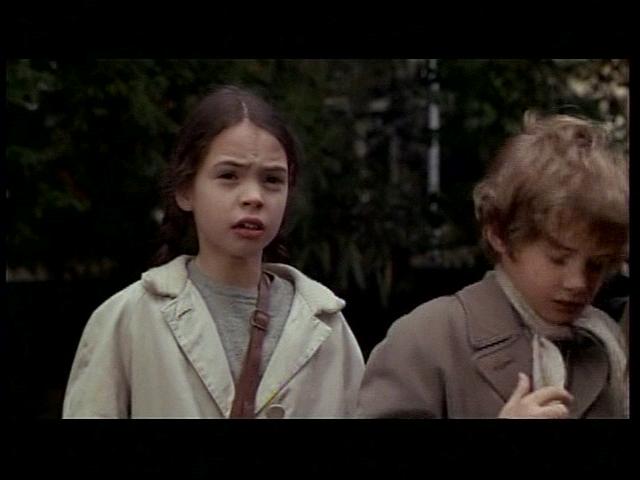
British director Jack Clayton only made a handful of movies during his career, but the majority of them — including this one — show evidence of his unique talents. Most immediately impressive about Our Mother’s House is Clayton’s ability to elicit natural, nuanced performances from his cast of child actors: their interactions with each other are so authentic that we’re quickly able to ignore the fact that they don’t look much alike.

Equally impressive is Dirk Bogarde, who does wonders with a difficult role: while he’s clearly the baddie, he’s never one-dimensional, and at times — such as when he takes the children out for a boat ride on the lake — we actually even like him.

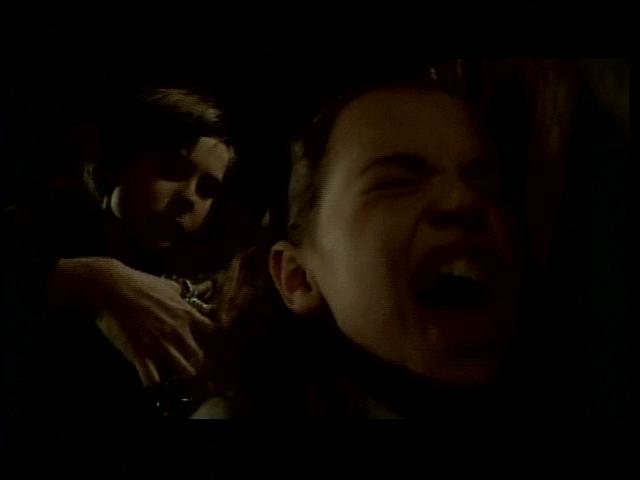
The story (based on a novel by Julian Gloag) is a compelling mixture of horror, humor, and intrigue. The film is basically split into two distinct parts: in the first half, we see the children coping in the best way they can with the death of their mother; they truly believe that she’s “still here”, and hold spooky seances to try to converse with her. The scene in which Diana (Franklin) acts as a medium and is “told” that Gerty (Nicholls) must be punished for accepting a ride on a scooter is truly scary, and reminds one immediately of Lord of the Flies.

Yet Clayton also shows us the ways in which these self-sufficient children are able to have fun with their newfound freedom — such as the glee they experience when they’re successfully able to convince the bank to cash their mother’s monthly check.

The tone and direction of the film suddenly shift about midway through, once Bogarde’s character appears at the door of “mother’s house”.

Charlie is a genuinely mysterious wildcard, and we’re kept in constant suspense about both his true identity and his ultimate motivations. Yet he also introduces the story’s one major flaw, which is that it’s impossible to believe that none of these children would recognize Charlie, given that he claims to be their mother’s husband (and, by extension, their father). If you can get beyond this gap in logic, however, you’ll undoubtedly find yourself intrigued and delighted by this unusual ensemble tale, which dares to posit children as intelligent beings who may be better off on their own than under the “guidance” of self-serving adults.

Redeeming Qualities and Moments:

  • Margaret Brooks as Elsa
  • Pamela Franklin as Diana
  • Louis Sheldon Williams as Hubert
  • Mark Lester as Jiminee
  • Phoebe Nicholls as Gerty
  • Dirk Bogarde as Charlie
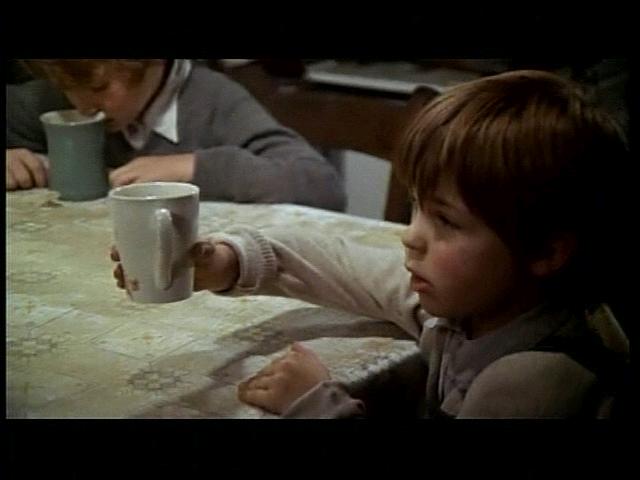
  • Many wonderfully realized “small moments” — as when Willy Hooks comments that there’s “cocoa” in his cup
  • Atmospheric cinematography
  • Georges Delerue’s melancholy score

Must See?
Yes, as an unsung classic.

Categories

  • Good Show
  • Noteworthy Performance(s)

Links:

I Vitelloni / The Young and the Passionate (1953)

I Vitelloni / The Young and the Passionate (1953)

“Who are you? You’re nobody. You’re all nobodies.”

Synopsis:
A group of male friends in 1950s Italy — including a newly married womanizer (Franco Fabrizi) and an aspiring playwright (Leopoldo Trieste) — dream of leaving town and making it big.

Genres, Themes, Actors, and Directors:

  • Coming of Age
  • Fellini Films
  • Friendship
  • Italian Films
  • Womanizers

Review:
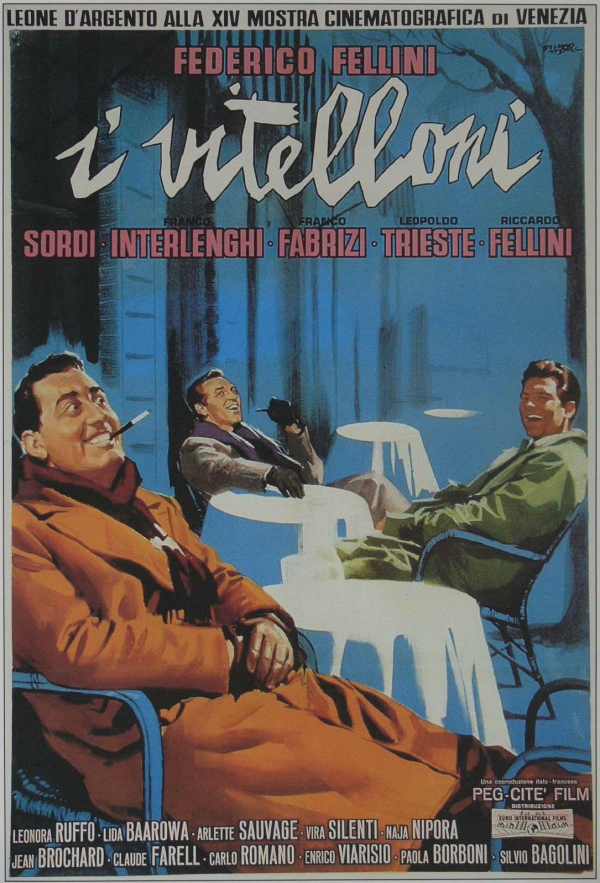
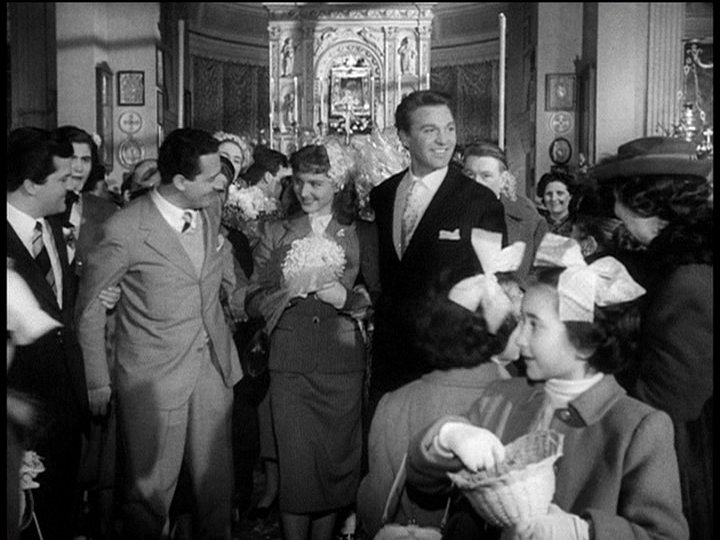
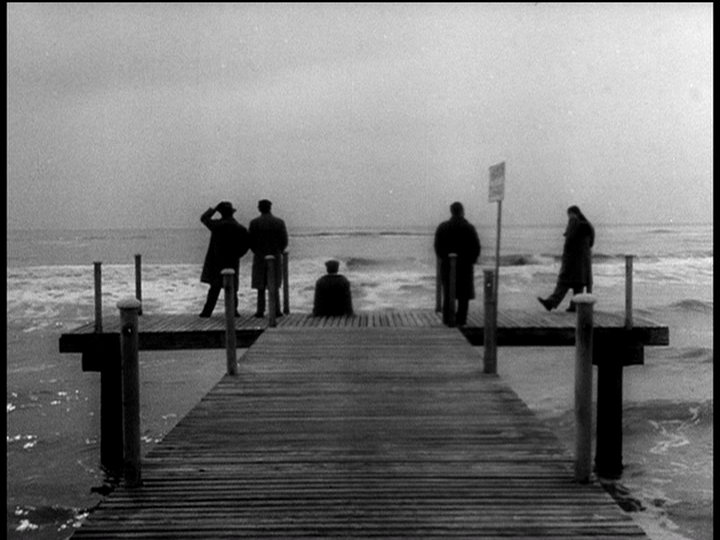
Along with Amarcord (1973), I Vitelloni (which translates literally into “overgrown calves”) is widely regarded as one of Fellini’s most autobiographical films. Taking place in the postwar seaside town of Rimini (which bears resemblance to Fellini’s childhood home), I Vitelloni is an episodic character study which ambles through its script much like the characters themselves amble through their aimless lives. As noted in the Bright Lights Film Journal review, “passivity and ineffectualness hamper all the ‘vitelloni'”, who possess big dreams but lack the willpower to pursue them seriously. Less overtly surreal than Fellini’s later films, I Vitelloni nonetheless shows ample evidence of this iconic director’s unique sensibility — especially in the carnival-like crowd scenes. Nino Rota’s infectious score further marks Vitelloni as unmistakably Fellini-esque, and reminds one how closely associated Rota’s music is with Fellini’s entire oeuvre.

Redeeming Qualities and Moments:

  • A spot-on look at young men coming of age in a small town
  • Gorgeous visuals
  • Nino Rota’s wonderfully expressive score

Must See?
Yes. This autobiographical film is an important part of Fellini’s early oeuvre, and should be seen by all film fanatics.

Categories

  • Important Director

Links:

Directed by John Ford (1971/2006)

Directed by John Ford (1971/2006)

“‘Directed by John Ford’: what do those words really mean, anyway?”

Synopsis:
Peter Bogdanovich analyzes John Ford’s rich cinematic oeuvre.

Genres, Themes, Actors, and Directors:

  • Documentary
  • Movie Directors
  • Peter Bogdanovich Films

Review:
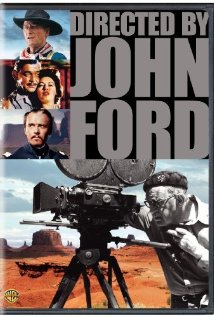
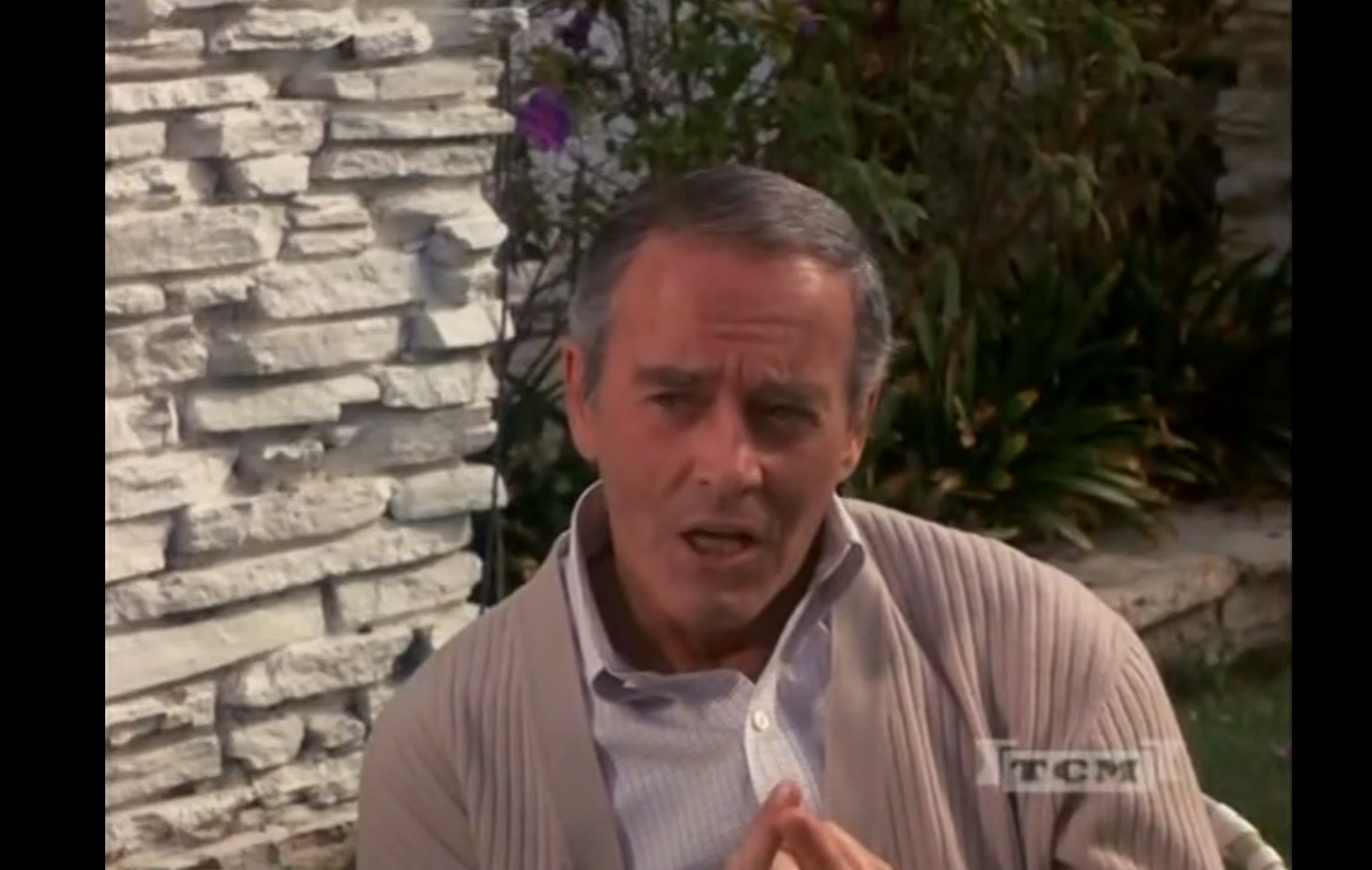
Peter Bogdanovich’s adulatory look at iconic American director John Ford features movie clips from many of Ford’s most well-known films, a resonant voiceover narration by Ford-fan Orson Welles, and fascinating interviews with several of Ford’s key actors (including Jimmy Stewart, John Wayne, and Henry Fonda). While Bogdanovich’s interview with Ford himself is less informative (he didn’t have much to say), it provides both unintentional comic relief and a revealing glimpse of Ford’s notoriously “difficult” personality. The original version of this documentary has been unavailable for viewing since its release in 1971, so Bogdanovich’s updated iteration is especially welcome; but the original footage ultimately remains much more interesting than the later additions.

Redeeming Qualities and Moments:

  • Bogdanovich’s interview with the laconic Ford in Monument Valley
  • Fascinating interview clips with Jimmy Stewart, Henry Fonda, and John Wayne


Must See?
Yes. This documentary is indispensable viewing for any true film fanatic.

Categories

  • Historically Relevant

Links:

Demon Pond (1979)

Demon Pond (1979)

“There’s a firm covenant: as long as this bell is rung three times a day, the village is safe. The princess is bound by it.”

Synopsis:
A teacher (Gakuen Yamasawa) traveling through a drought-ridden Japanese village meets a long-lost friend (Akira Hagiwara) who has remained in the town both because of his marriage to a beautiful local woman (Tamasaburo Bando), and because of his promise to uphold a superstitious legend: he must ring a bell three times a day in order to prevent the nearby pond’s Dragon God (also Bando) from flooding the town.

Genres, Themes, Actors, and Directors:

  • Fantasy
  • Folk Tales, Fairy Tales, and Mythology
  • Japanese Films
  • Play Adaptations

Review:
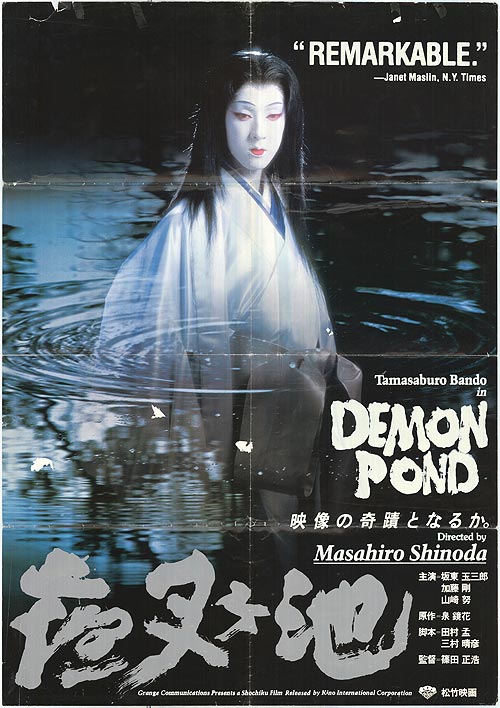
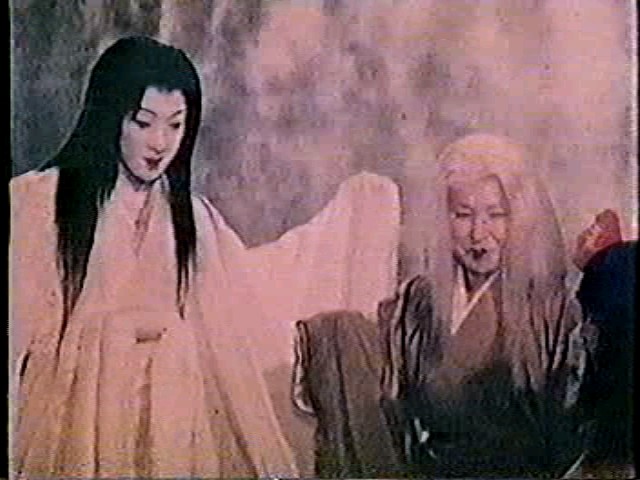
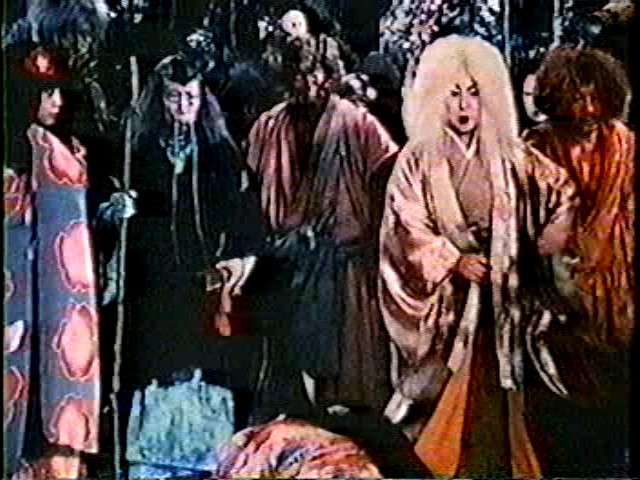
This unusual movie by director Masahiro Shinoda (Double Suicide, 1969) is unlike any other fantasy film you’ve ever seen. Buoyed by Isao Tomita’s synthesized score (which draws heavily upon classical Western music themes — most notably, and appropriately, Debussy’s “The Sunken Cathedral”), the film immediately evokes an atmosphere of mystery, magic, and potential harm. Kabuki actor Tamasaburo Bando is wonderful in dual roles as both a village woman (Yuri) and a sympathetic demon (Princess Shirayuki) longing to join her lover in another pond; you would never guess these characters were played by a man. My main complaint about the film is that the scenes with the pond creatures are over too quickly: since the bulk of the narrative centers on the villagers, we ultimately learn far too little about Shirayuki and her coterie. A more balanced screenplay would have elevated this unusual, visually stunning film even a notch higher.

Redeeming Qualities and Moments:

  • Tamasaburo Bando as both Yuri and Princess Shirayuki
  • Haunting visuals
  • The colorful, enormously creative costumes and make-up of the pond creatures
  • Isao Tomita’s score

Must See?
Yes; it’s unlike any other fantasy film I’ve ever seen.

Categories

  • Foreign Gem

Links:

Gulliver’s Travels (1939)

Gulliver’s Travels (1939)

“There’s a giant on the beach!”

Synopsis:
When a sailor named Gulliver washes ashore on the island of Lilliput, he finds himself in the midst of a rivalry between the King of Lilliput and the King of Blefiscu.

Genres, Themes, Actors, and Directors:

  • Animated Features
  • Giants
  • Musicals
  • Rivalry<
  • Royalty and Nobility

Review:
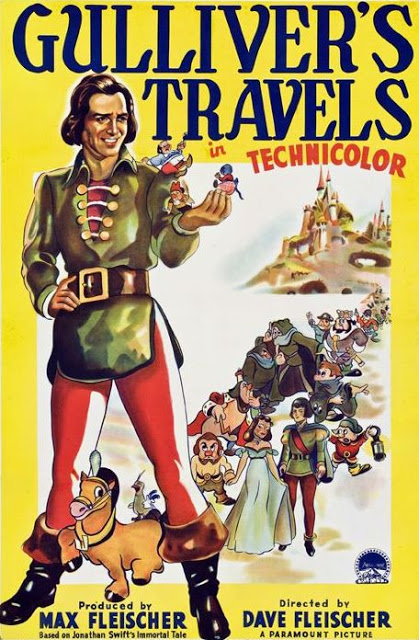
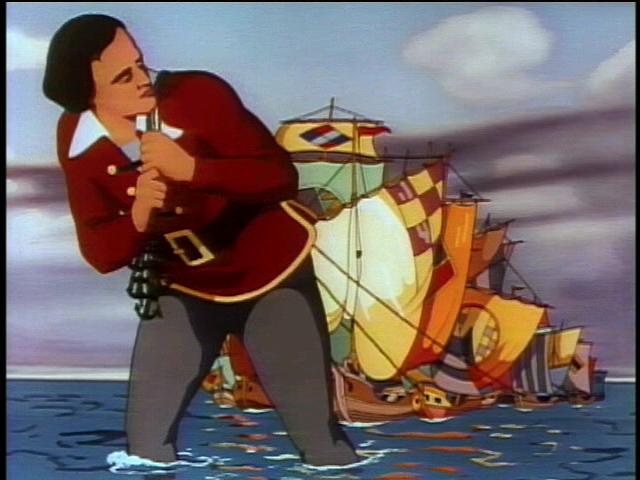
Gulliver’s Travels holds historical distinction as the first feature length animated film made by a studio other than Disney. Unfortunately, the heads of Fleischer Studios (responsible for Popeye and Betty Boop) were pressured into trying to repeat the success of Disney’s Snow White and the Seven Dwarfs (1937), and this film comes across as a mostly pale imitation. The narrative is irredeemably weak, the songs are instantly forgettable, and — as in the Fleischer Brothers’ second and last animated feature, Hoppity Goes to Town (1941) — there isn’t a strong central protagonist: none of the Lilliputians are particularly appealing, and Gulliver himself doesn’t even speak until nearly halfway through the movie. On the other hand, there are a few redeeming elements in the film, including the unusual rotoscoping process used to animate Gulliver himself, and the sequence in which the Lilliputians collectively work to haul Gulliver off the beach. Ultimately, while Gulliver’s Travels falls short of status as a true classic, it remains must-see viewing simply for its place in animated cinematic history.

Redeeming Qualities and Moments:

  • The Lilliputians using remarkable teamwork to tow Gulliver off of the beach
  • Interesting early use of rotoscope animation

Must See?
Yes, simply for its historical status.

Categories

  • Historically Relevant

Links:

Hurricane, The (1937)

Hurricane, The (1937)

“No jail can hold Terangi very long — if it has a window in it, he’ll fly away! If it has water around it, he’ll swim away!”

Synopsis:
A South Pacific native (Jon Hall) working as a sailor on a tall ship is unjustly jailed for hitting a white man; when he tries to escape, additional years are added to his sentence. Meanwhile, his beautiful wife (Dorothy Lamour) waits at home for his return, while his island’s by-the-book governor (Raymond Massey) refuses to intervene. A massive hurricane finally brings the entire situation to a dramatic conclusion.

Genres, Themes, Actors, and Directors:

  • Disaster Flicks
  • Dorothy Lamour Films
  • Falsely Accused
  • John Carradine Films
  • John Ford Films
  • Mary Astor Films
  • Prisoners
  • Race Relations
  • Raymond Massey Films
  • South Sea Islands
  • Thomas Mitchell Films

Review:
Directed by John Ford, and based on a novel by Charles Nordhoff and James Norman Hall, The Hurricane bears an uncanny resemblance to Ford’s film of the previous year, The Prisoner of Shark Island: both deal with an unjustly accused man attempting to escape from prison, and John Carradine even reappears as a sadistic warden.
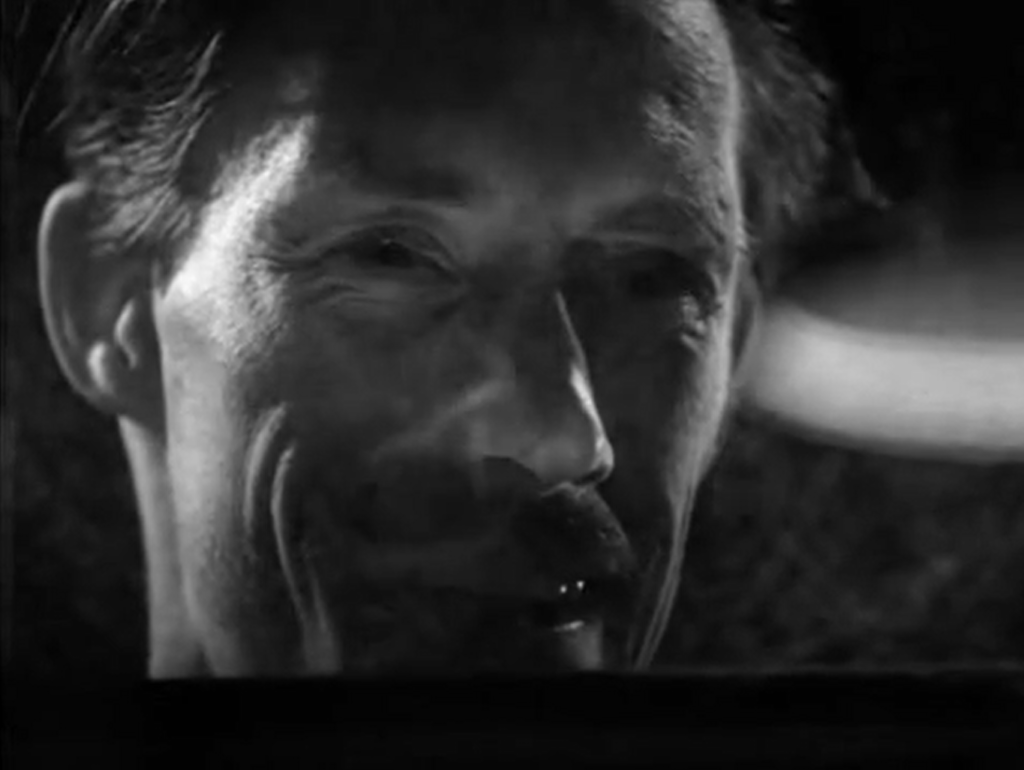
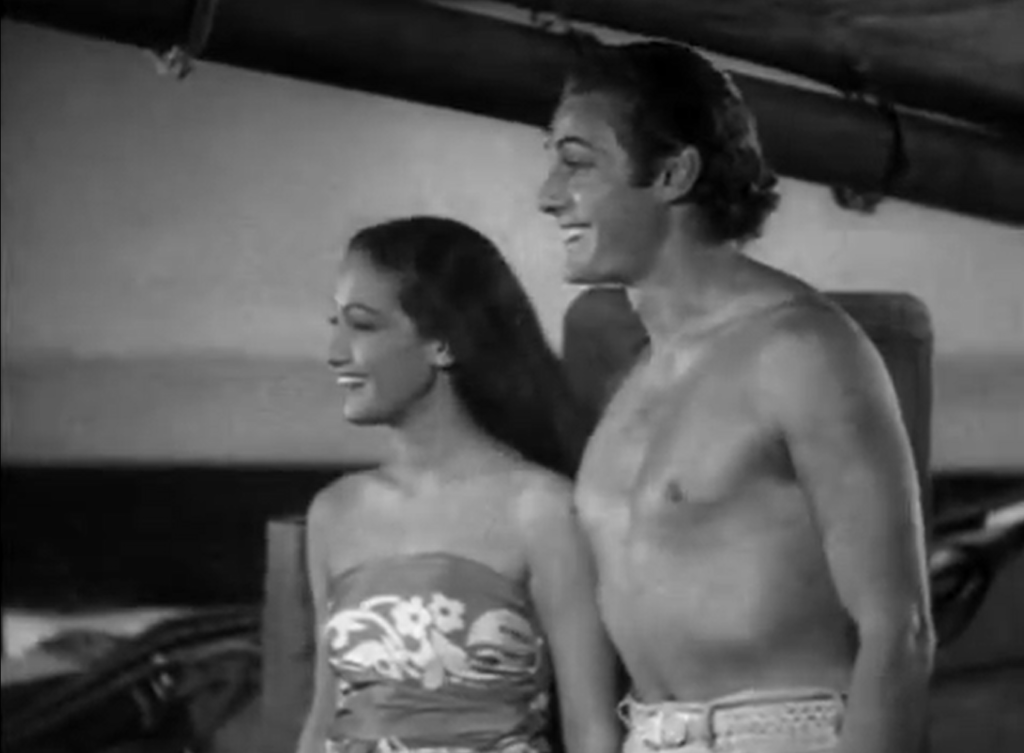
Yet The Hurricane remains the less compelling of the two films in terms of sheer narrative and characterization, with a primary problem one of lead casting: although blonde Jon Hall is hunky eye candy and not a terrible actor, it’s simply impossible to imagine him as an island native.

Indeed, when he’s ordered to “get up when a white man tells ya to!”, one almost wants to laugh, since Hall is undeniably a white man himself!

Equally problematic is the film’s overall portrayal of the South Pacific islanders as happy, naughty, naive children lacking any ability to reason rationally.
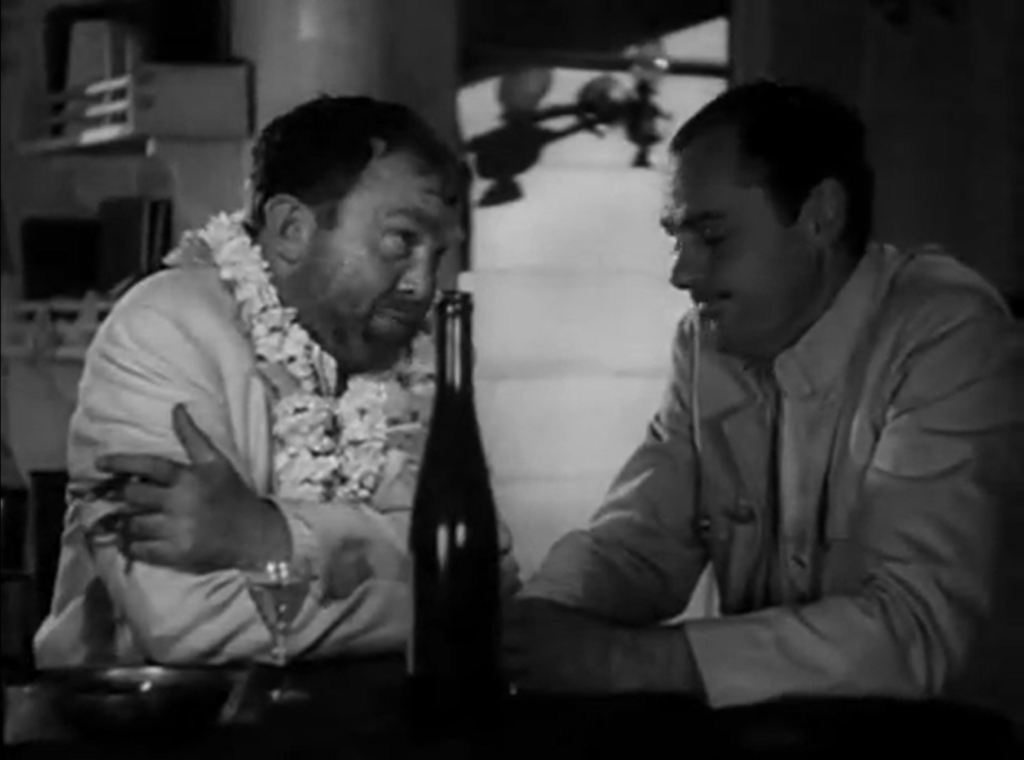
In the first scene of the movie, for instance, even a sympathetic white character (Thomas Mitchell) is heard making the disparaging comment that “a sense of honor in the South Seas is about as useful — and often as silly — as a silk hat in a hurricane.” And Terangi — though he eventually becomes somewhat of a folk legend — is ultimately shown to be unthinking in his ceaseless, animal-like attempts to escape, without concern for the consequences.

The performances as a whole in The Hurricane are unexceptional. Though Mitchell was nominated for an Academy Award as best supporting actor, his work here playing a drunken doctor isn’t especially impressive.
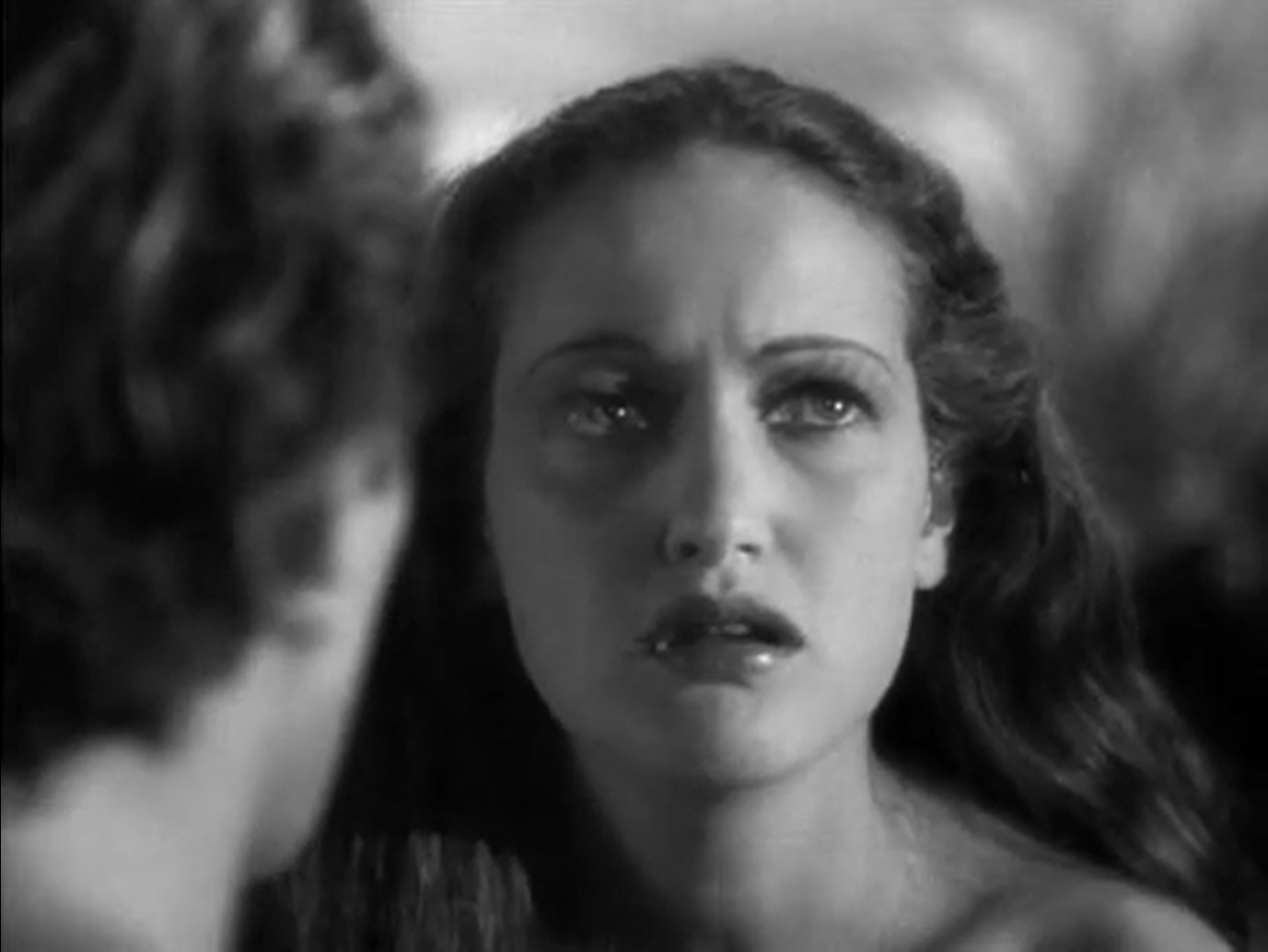
Mary Astor is wasted in a thankless role as Massey’s loyal wife, while Massey himself comes across as one-dimensionally stubborn. Dorothy Lamour — never a great actress, but undeniably beautiful — gives perhaps the most appealing performance, managing to pass as a native without too much trouble.
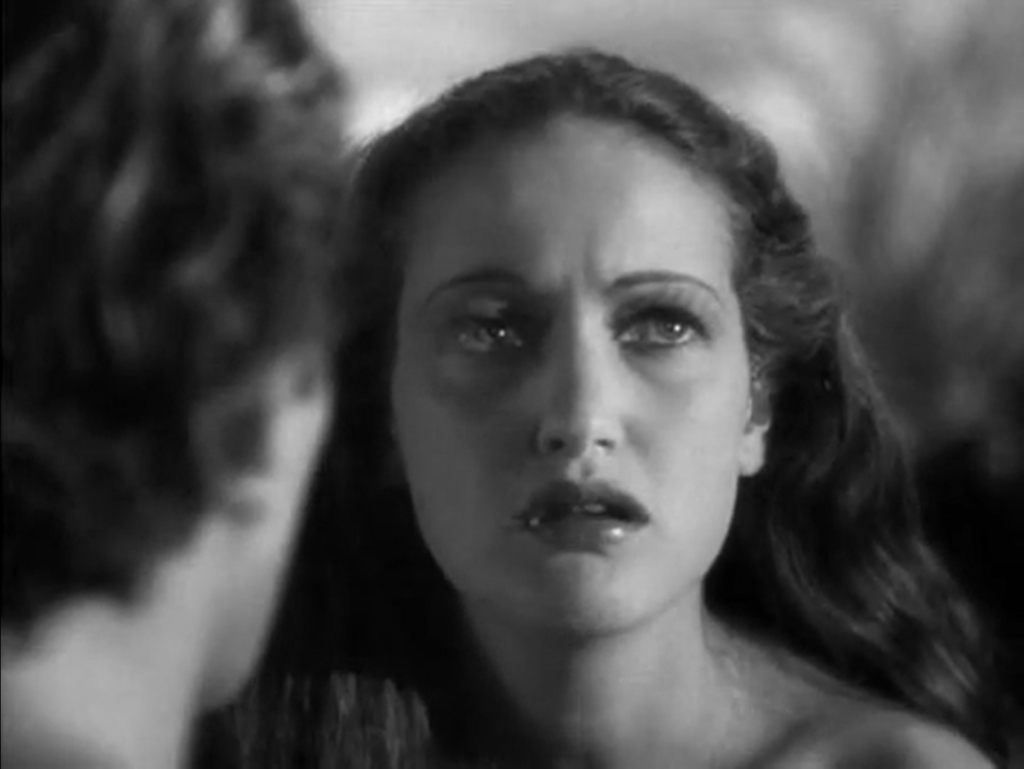
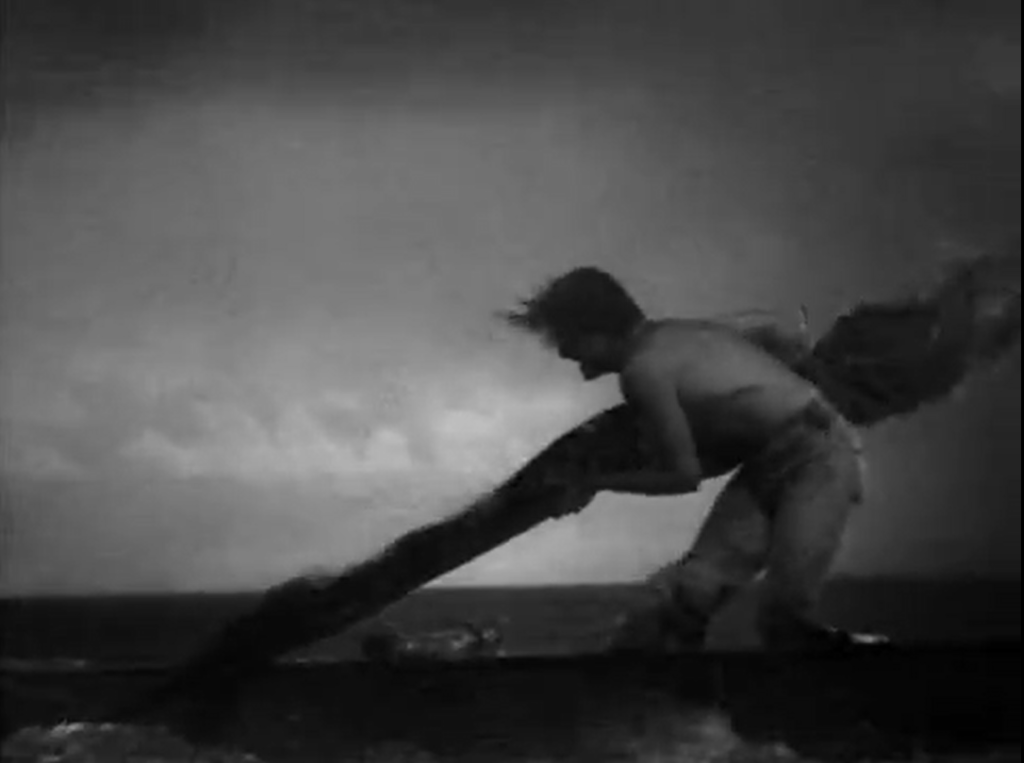
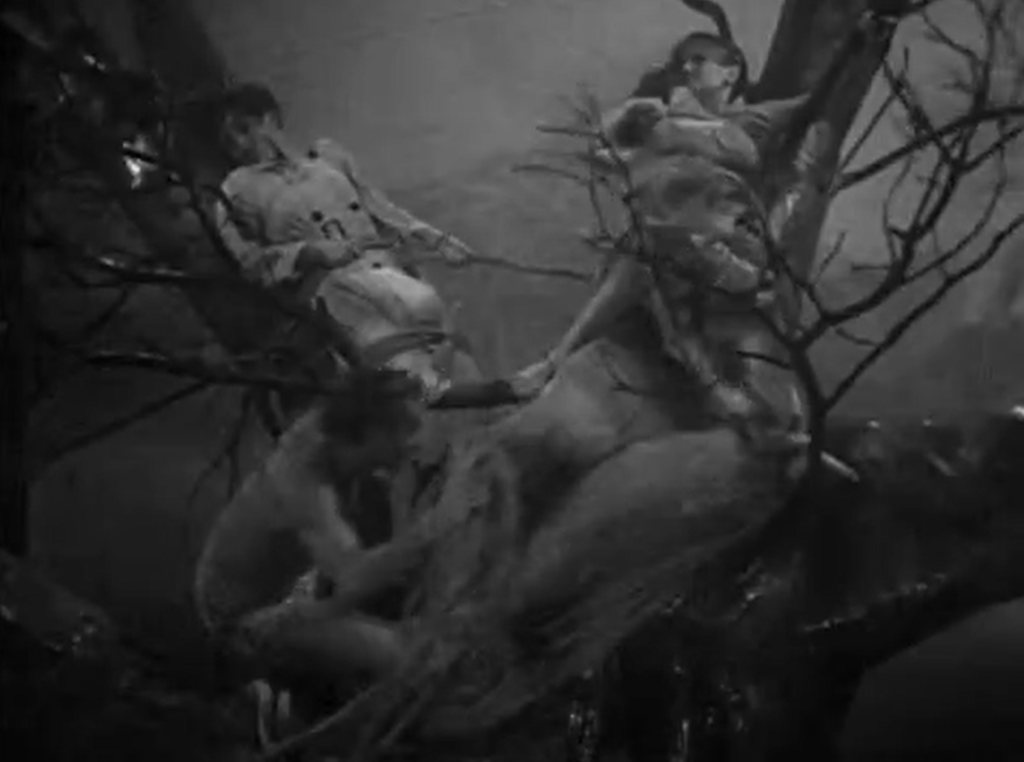
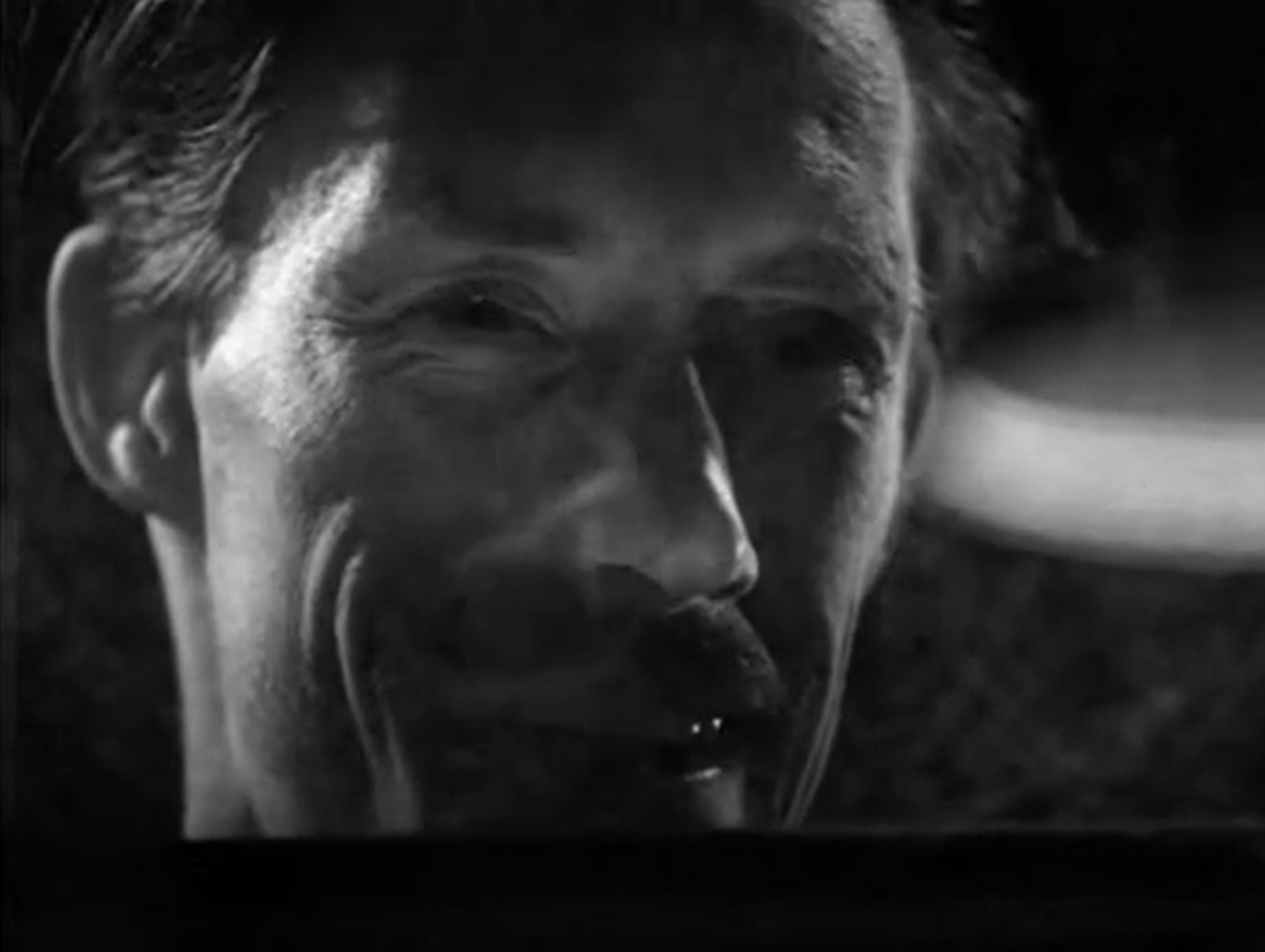
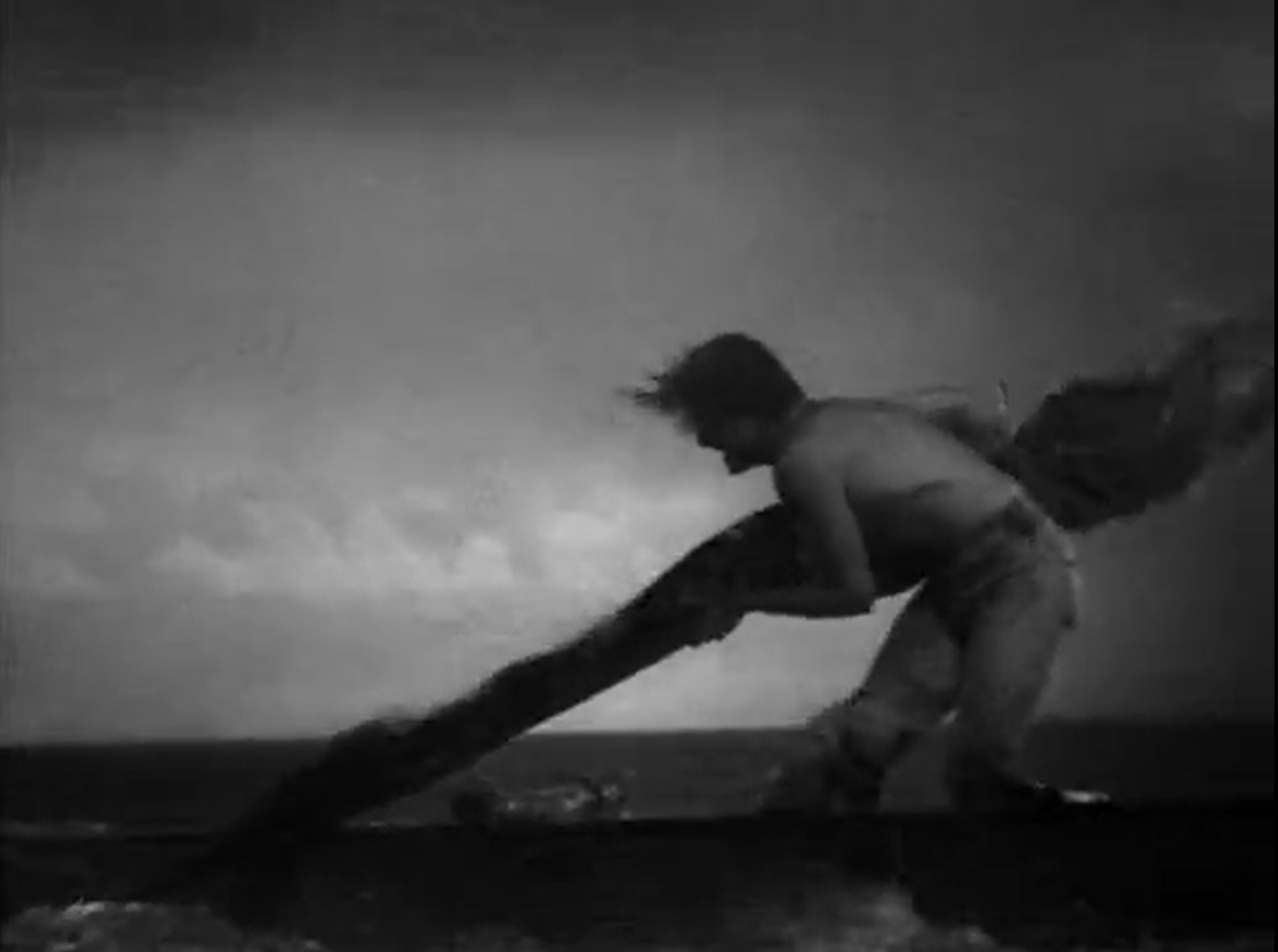
But the primary selling point of The Hurricane (which received excellent reviews upon its release) was and is its final climactic sequences, directed by an uncredited Stuart Heisler. Heisler’s ability to simulate a ferocious island hurricane is nothing short of phenomenal, and represents a true masterpiece of early special effects in cinema. Indeed, the entire narrative arc leading up to these final scenes seems superfluous in hindsight. The titular hurricane itself makes this must-see viewing for serious film fanatics.

Redeeming Qualities and Moments:

  • The phenomenal hurricane sequences

Must See?
Yes — but only for the final 20 minutes, which are a masterpiece of early special effects wizardry. Peary lists this movie in the back of his book as a film with historical importance and a personal recommendation.

Categories

  • Historically Relevant

Links:

Eyes Without a Face / Yeux Sans Visage, Les (1960)

Eyes Without a Face / Yeux Sans Visage, Les (1960)

“My face frightens me; my mask frightens me even more.”

Synopsis:
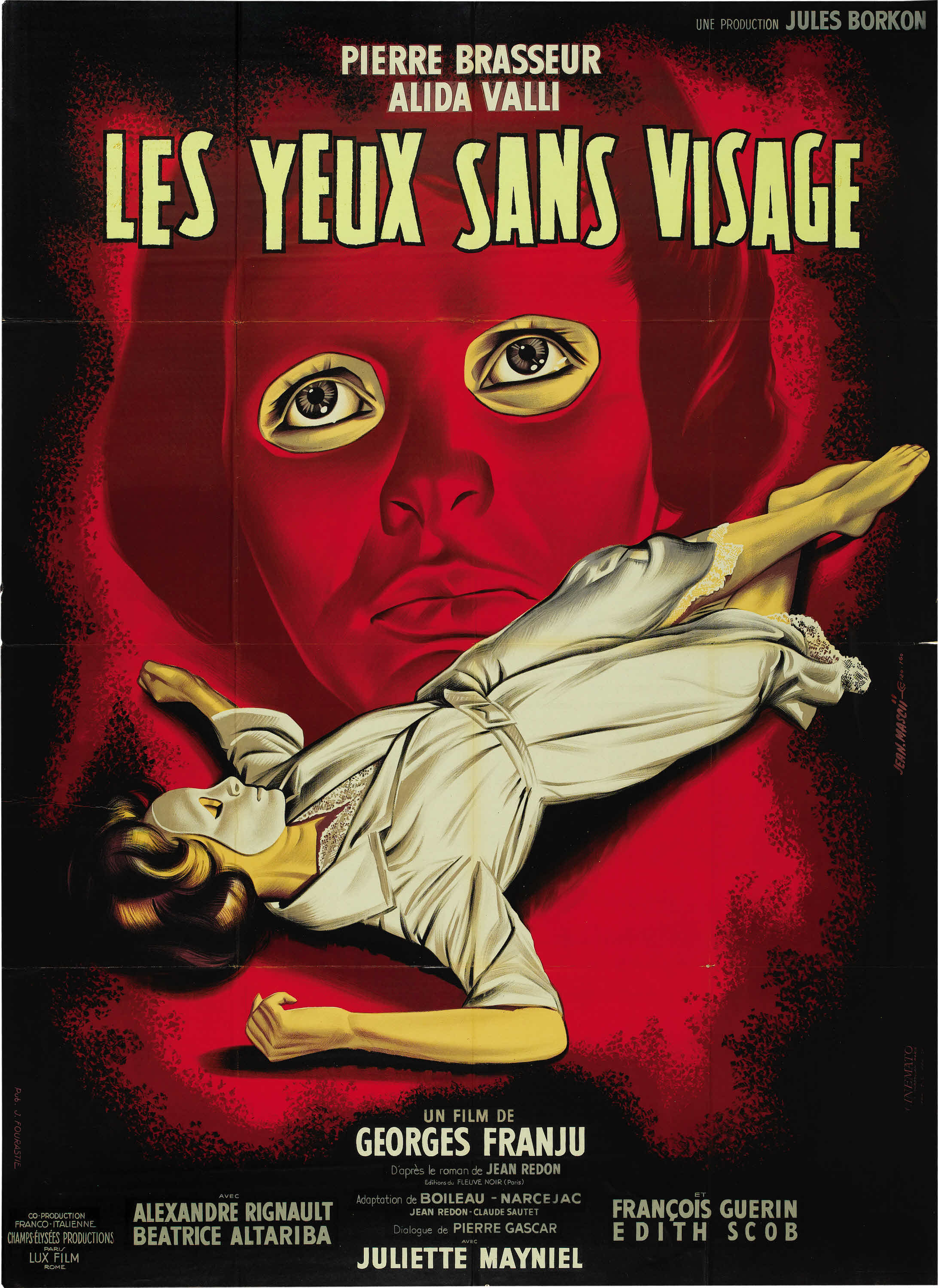
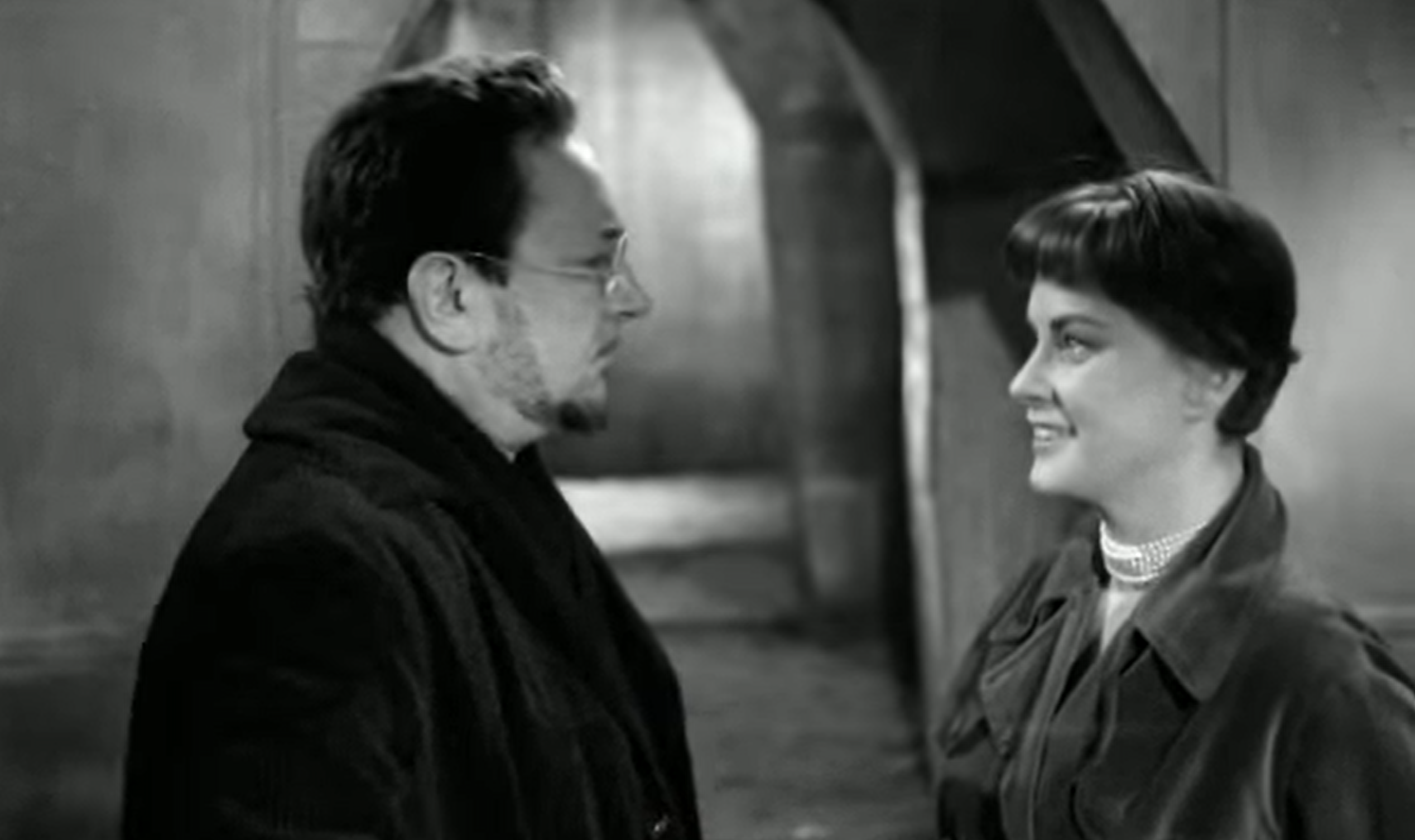
A renowned surgeon (Pierre Brasseur) hoping to graft a new face onto his injured daughter Christiane (Edith Scob) enlists the help of his loyal assistant (Alida Valli) in kidnapping unsuspecting young women with similar features.

Genres, Themes, Actors, and Directors:

  • Alida Valli Films
  • Disfigured Faces
  • Father and Child
  • French Films
  • Georges Franju Films
  • Horror
  • Kidnapping
  • Mad Doctors and Scientists
  • Plastic Surgery

Review:
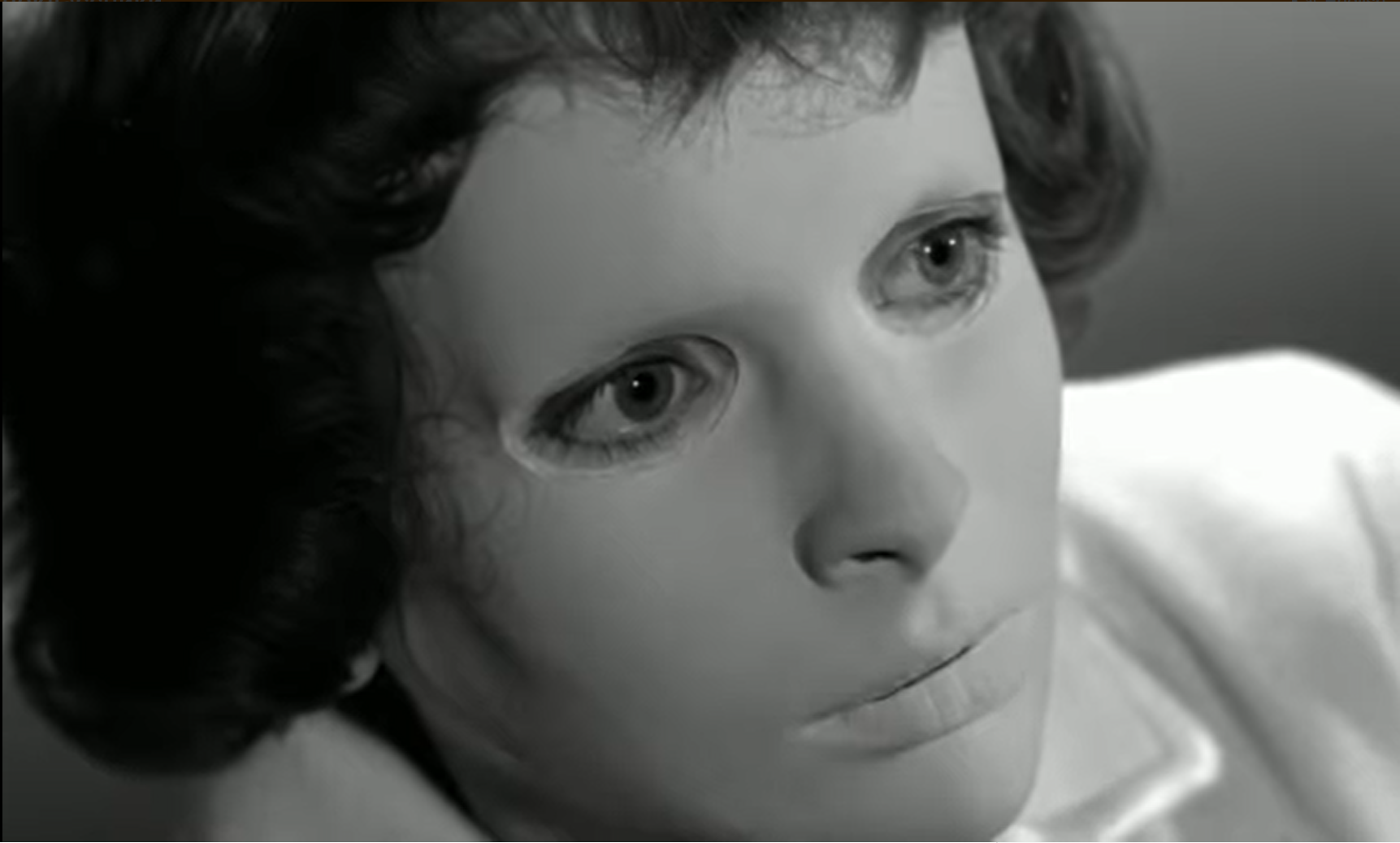
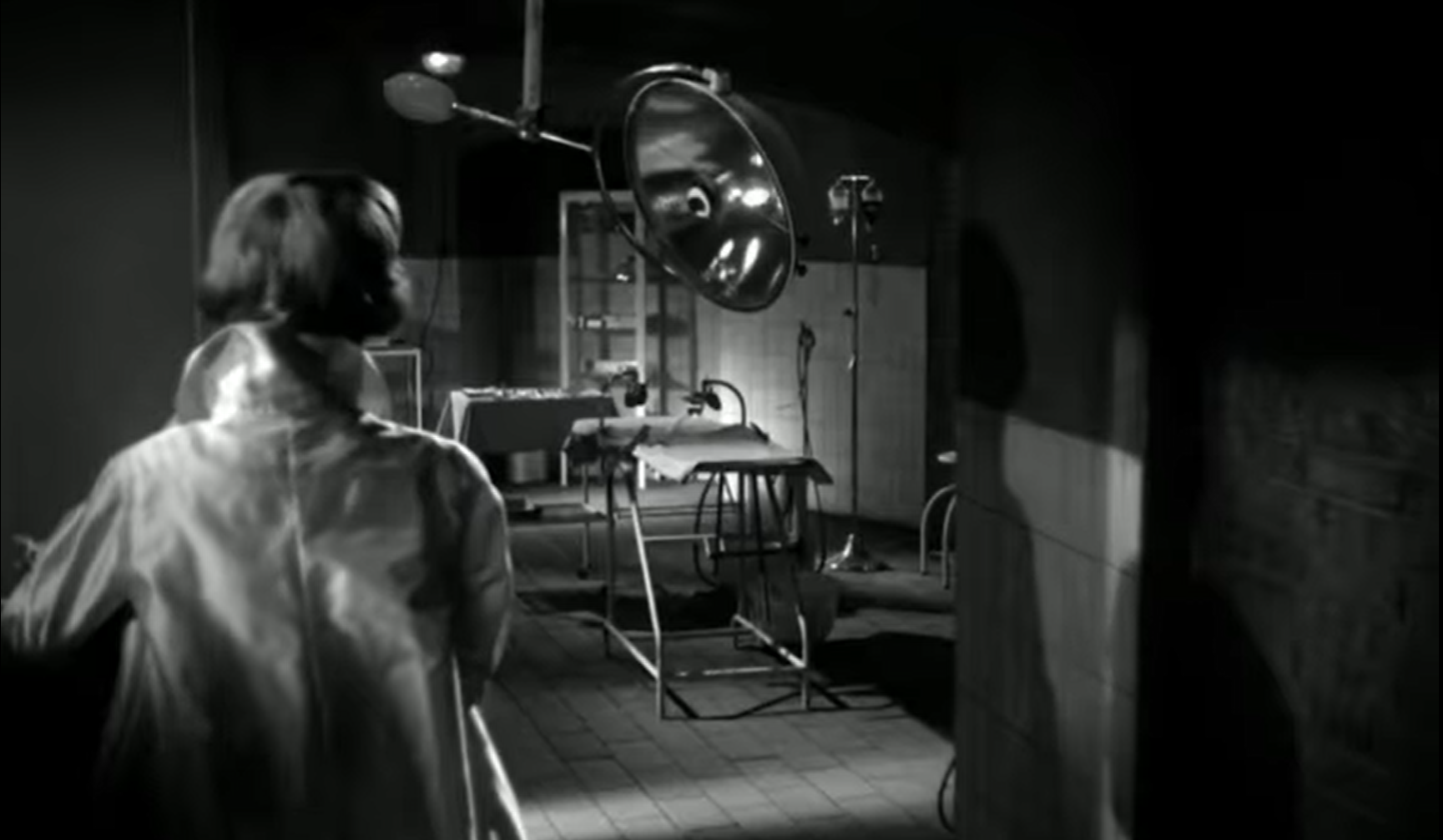
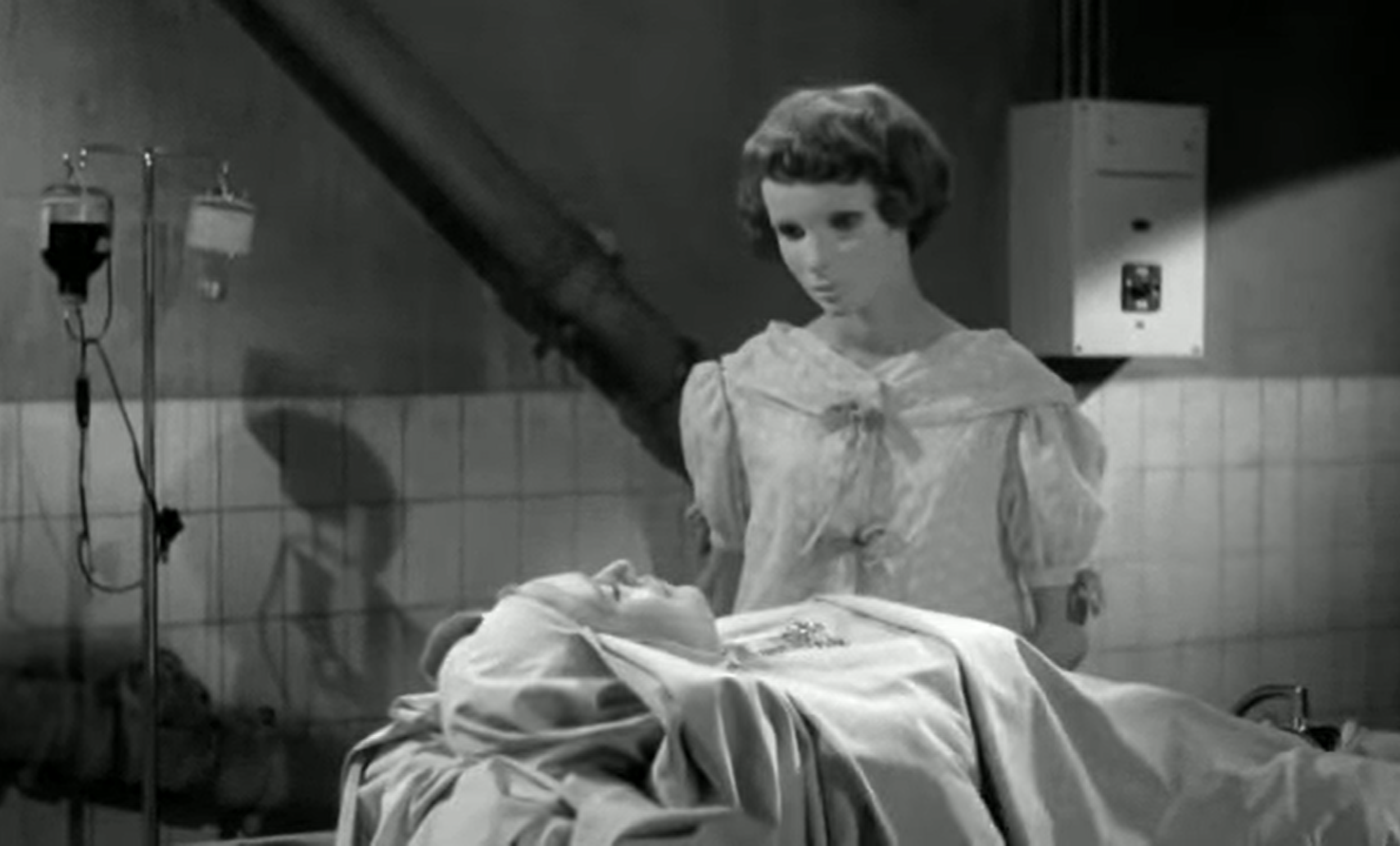
Georges Franju’s Les Yeux Sans Visage remains one of the most haunting and memorable horror films ever made. As in Val Lewton’s early RKO films, Franju relies on atmosphere rather than gore and violence to tell the creepy tale of a young woman trapped in a web of paternal love. Scob is effectively ethereal in the title role; the imagery of Christiane moving through the halls of her prison-like house are guaranteed to hold fast in your memory — as is the infamous surgery scene, when Brasseur methodically slices off a girl’s face. Surprisingly enough, the film contains some levity as well, thanks both to Maurice Jarre’s carnival-like score, and a critical subplot about a naive shoplifter (Beatrice Altariba) who becomes an important catalyst in solving the mystery of the disappearing girls. The final scenes of this must-see horror film are both satisfying and devastating.

Redeeming Qualities and Moments:

  • Edith Scob as Christiane

  • Alida Valli as Dr. Genessier’s loyal assistant
  • Stunning b&w cinematography by Eugen Schufftan
  • Dr. Genessier surgically removing a girl’s face
  • The final powerful sequences
  • Maurice Jarre’s haunting, carnivalesque score

Must See?
Definitely. This horror classic — which merits repeat viewings — will remain in your mind long after you’ve watched it.

Categories

  • Foreign Gem
  • Genuine Classic

(Listed in 1001 Movies You Must See Before You Die)

Links:

Just Imagine (1930)

Just Imagine (1930)

“If you make this trip successfully, you’ll be the most distinguished person in the world!”

Synopsis:
In 1980, a young man named J-21 (John Garrick) is unable to marry his girlfriend, LN-18 (Maureen O’Sullivan), because another man (Kenneth Thomson) has been voted a better candidate. In order to distinguish himself as worthy of LN-18’s hand, J-21 travels on a historic flight to Mars with his friend RT-42 (Frank Albertson) and a man from 1930 who has been brought back to life (El Brendel).

Genres, Themes, Actors, and Directors:

  • Aliens
  • Astronauts
  • Comedy
  • Love Triangle
  • Maureen O’Sullivan Films
  • Musicals
  • Race Against Time
  • Science Fiction
  • Time Travel

Review:
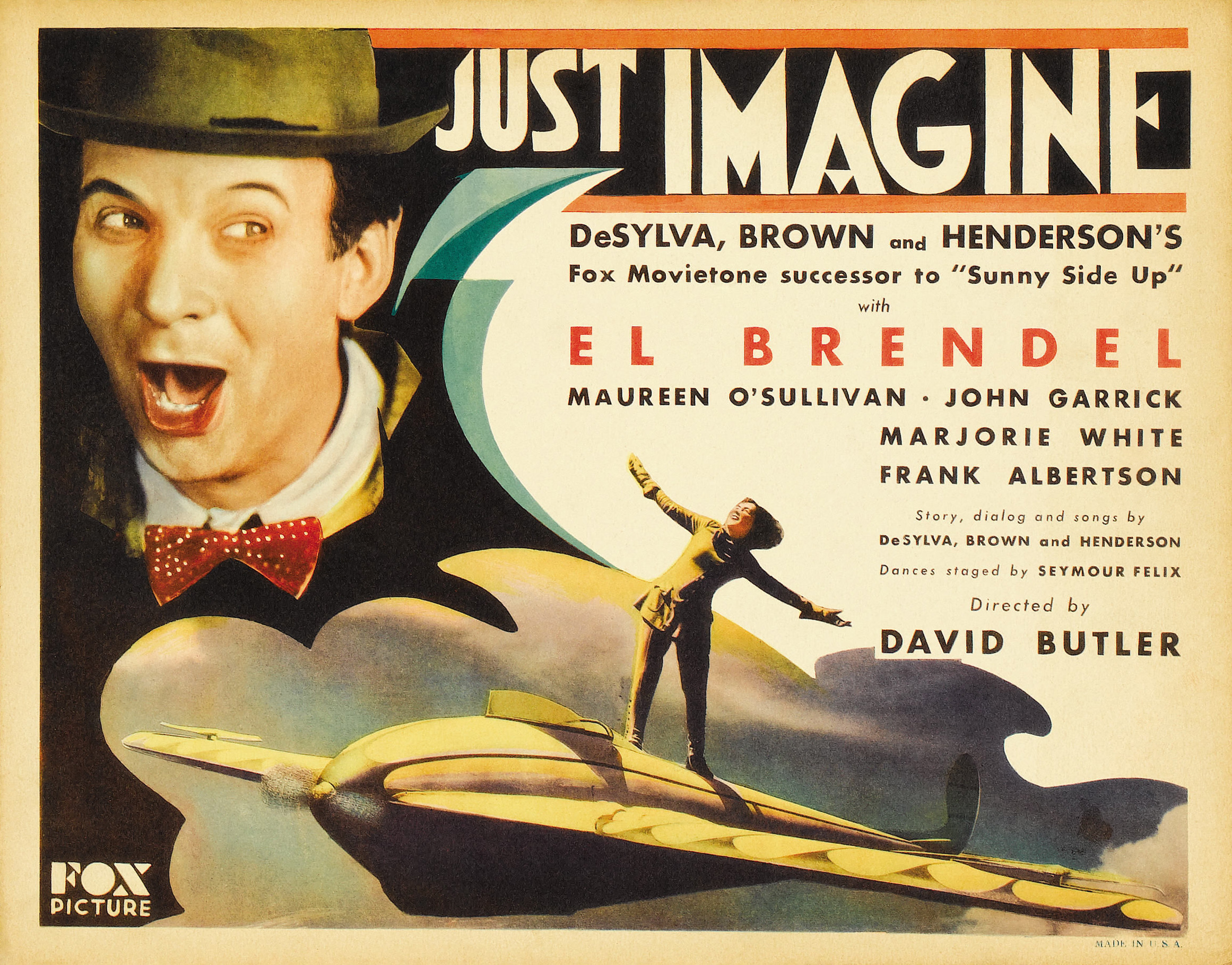
This early sci-fi oddity tries to cram as much as possible into its overlong 109 minutes — including a love triangle, music and dance sequences, aliens, a space voyage, time travel, a race against time, a courtroom drama, and lame comedy (courtesy of the insufferable pseudo-Swedish comedian, El Brendel). The most effective elements of Just Imagine are its futuristic sets (which are reminiscent of Fritz Lang’s Metropolis), and the glimpse it provides of a hypothetical future society in which both food and drink come in the form of pills, letters and numbers have replaced names, individuals jet around in private planes:

… and eligibility for marriage is determined by a court.

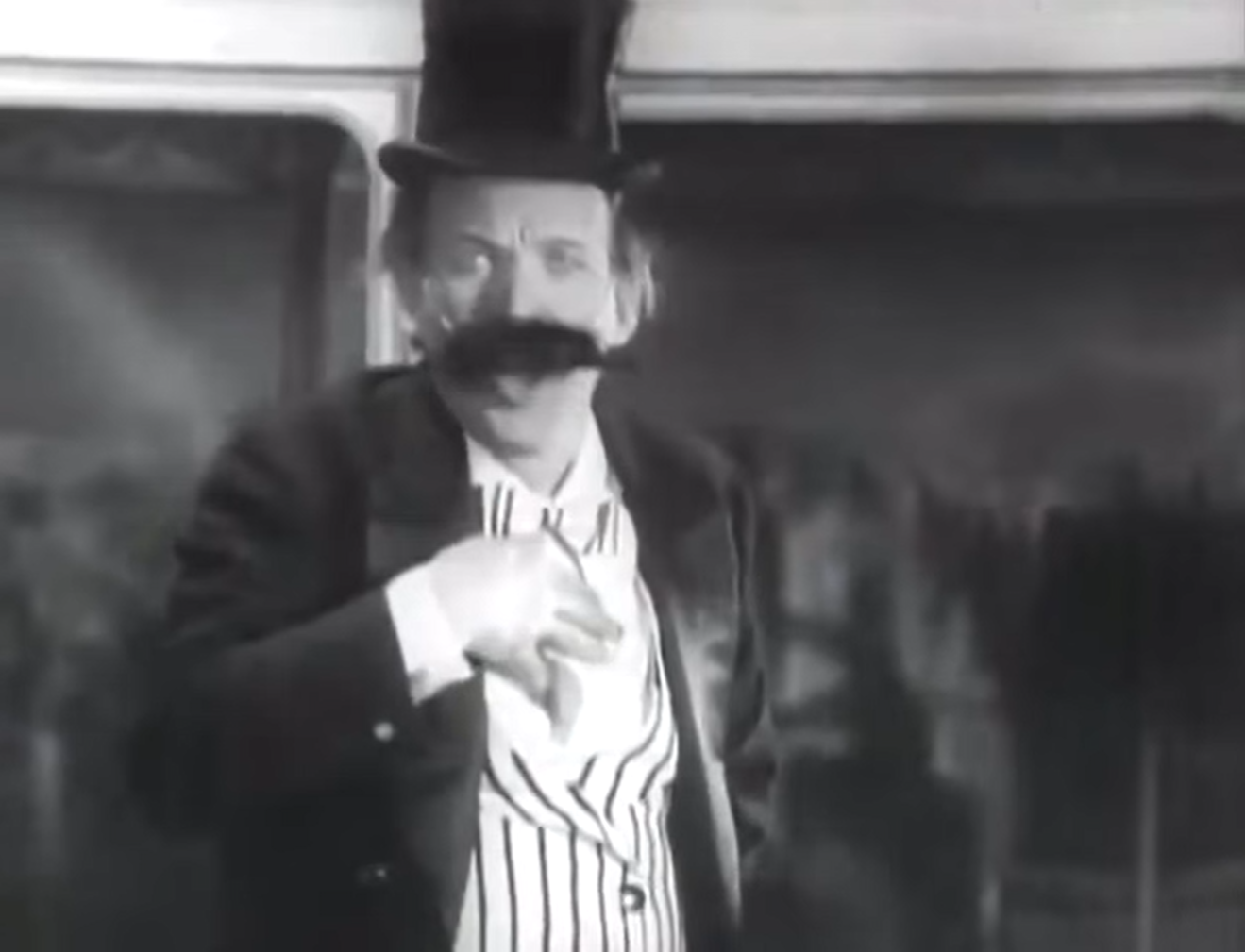
Much less effective are the tedious musical interludes, which seem like they belong in a different film entirely. At a certain point, Brendel sings a song during which he frantically puts on a series of different hats while mimicking various characters — it’s mildly creative, but so out of place!

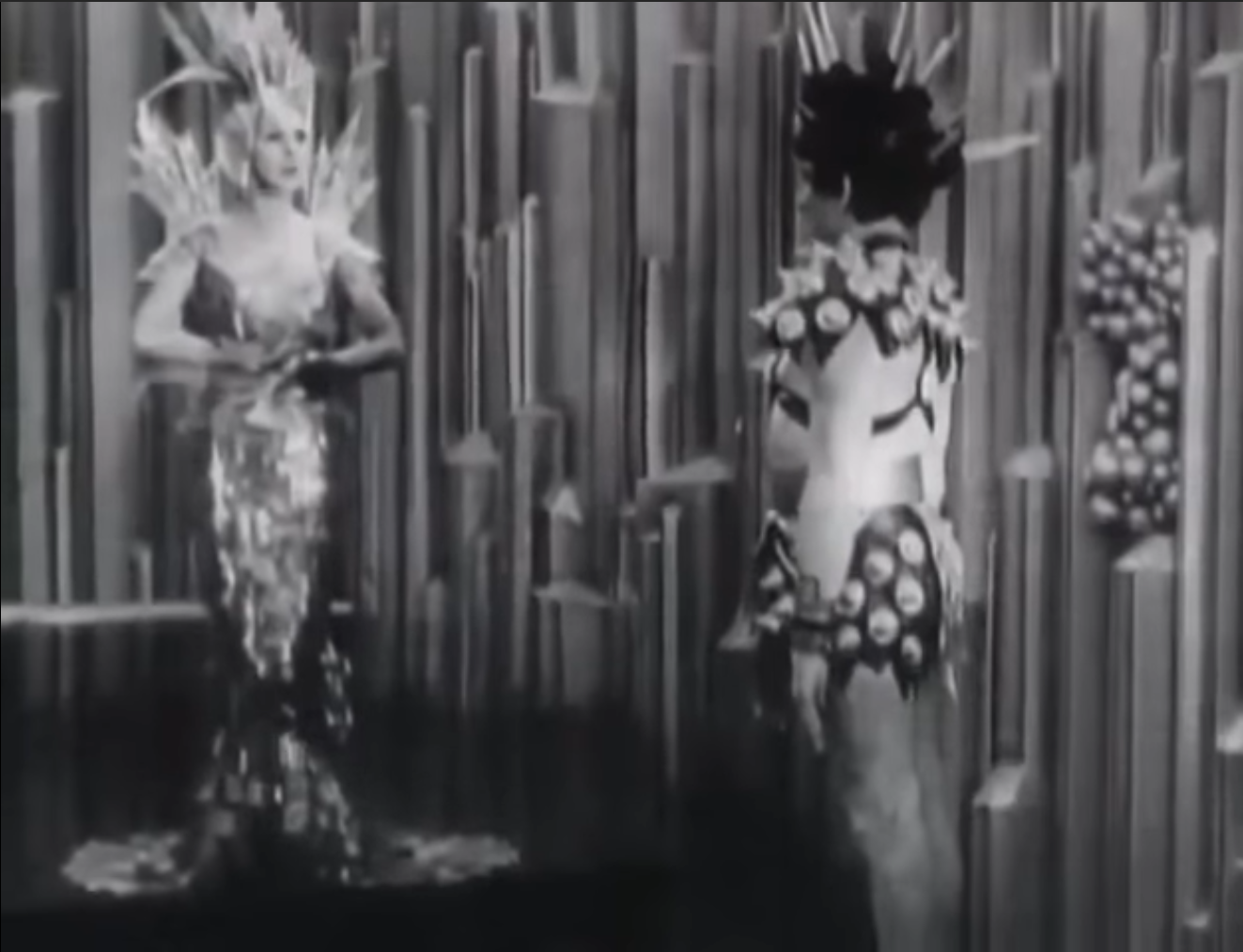
With that said, the Busby Berkeley-inspired dance sequences on Mars (not to mention the Martians’ outlandish costumes) are just surreal enough to be campily hypnotic.

And you’ve got to give director David Butler credit for taking on such an enormously overinflated script — though one can’t help wishing it had been trimmed back to a slightly more manageable (and enjoyable) size.

Redeeming Qualities and Moments:

  • The lavish art deco sets and over-the-top Busby Berkeley-esque dance sequences on Mars
  • An intriguing vision of what 1980 might have looked like, from a 1930s perspective
  • A bizarre, if not entirely successful, pastiche of nearly every possible movie genre — including comedy, science fiction, romance, and musical

Must See?
Yes, simply for its status as a truly surreal cinematic hybrid.

Categories

  • Historically Relevant

Links:

Stripper, The (1963)

Stripper, The (1963)

“When I was a kid, did you used to kiss me goodnight?”

Synopsis:
After her abusive boyfriend (Robert Webber) leaves her stranded in a small town without money, stage-show actress Lila Green (Joanne Woodward) stays with some acquaintances: a woman (Claire Trevor) she used to babysit for, and the woman’s grown son (Richard Beymer), who — despite having a pretty girlfriend (Carol Lynley) his own age — is deeply attracted to Lila.

Genres, Themes, Actors, and Directors:

  • Actors and Actresses
  • Carol Lynley Films
  • Claire Trevor Films
  • Joanne Woodward Films
  • May-December Romance
  • Play Adaptations
  • Strippers

Review:
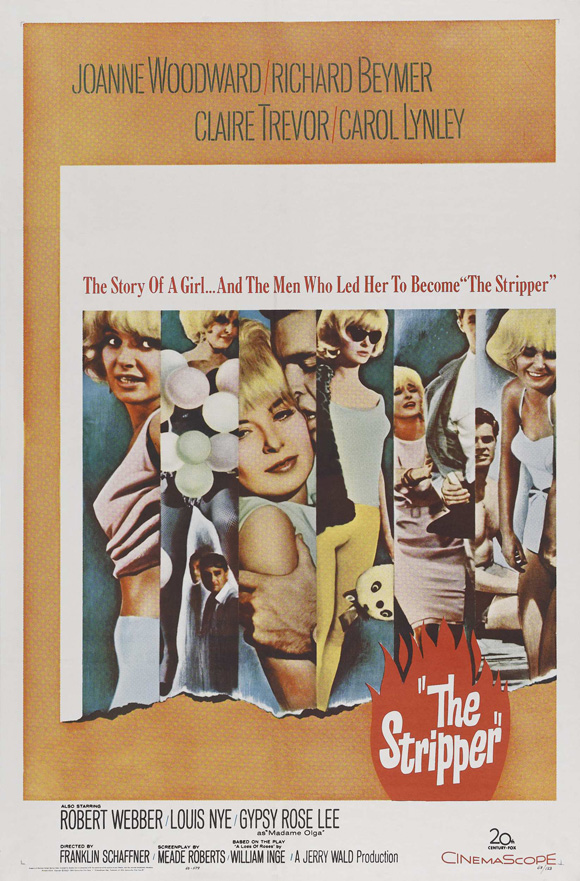
Franklin Schaffner’s adaptation of William Inge’s play (originally titled A Loss of Roses) suffers first and foremost from one of the worst re-titlings ever. Though Lila does become a stripper in the final ten minutes of the movie — hence the provocative image on the video cover — this isn’t what the movie’s about. Rather, it’s the story of a woman who once hoped for a legitimate career as an actress but knows this will never happen, and who has accepted that she will have to eke by on small-town performance gigs — but draws the line at stripping. Even more importantly, however, it’s the story of a woman who has learned not to expect much from men, yet given her innate sensitivity, is bound to get her heart broken yet again when callow Kenny (Beymer) insists he’ll “treat her right”.

The Stripper is ultimately not one of Inge’s best stories (Beymer’s character in particular is especially underdeveloped) but the performances make it enjoyable to watch nonetheless. Woodward is excellent in the lead role; as noted by Peary in his review of Rachel, Rachel (1968), Woodward “has specialized in playing women who are warmhearted, maternal, vulnerable, victimized, and confused about the harshness of the world” — a description which fits Lila to a T. Also noteworthy is Claire Trevor as Kenny’s mom — a well-meaning woman who wants to be kind to Lila, but can’t help feeling concerned about Kenny’s growing attraction to her. It would have been easy for her character to come across as a shrew, but, thanks to both Inge’s writing and Trevor’s performance, she never does.

Redeeming Qualities and Moments:

  • Joanne Woodward as Lila
  • Claire Trevor as Kenny’s concerned mom

Must See?
No, but it’s recommended for fans of Woodward or Inge.

Links: