Browsed by
Category: Original Reviews

Responses to Peary’s “must see” movie reviews, as well as my own “must see” movie reviews up to and after 1986 (when Peary’s book was published).

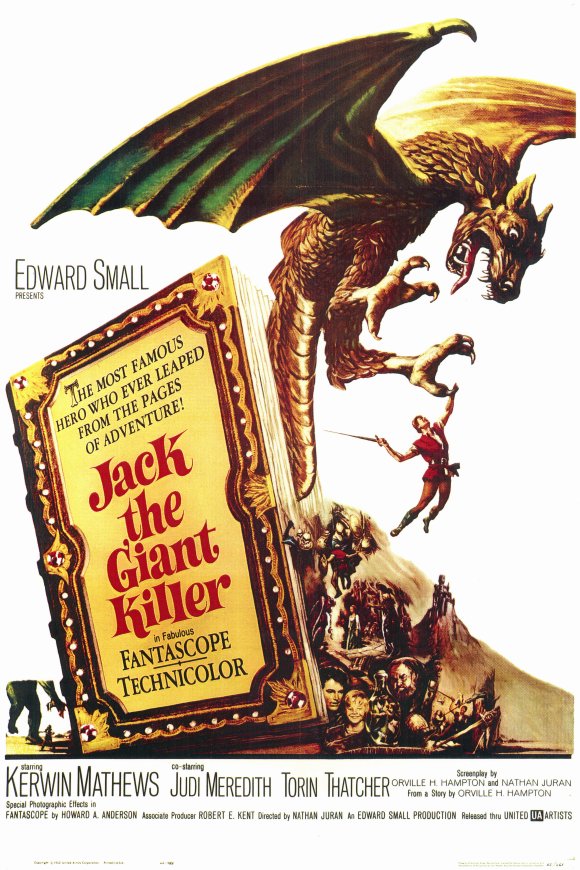
Jack the Giant Killer (1962)

Jack the Giant Killer (1962)

“I’m going to entrust you with the most important mission ever given to a Cornish knight: to protect the life of the princess until she’s safe.”

Synopsis:
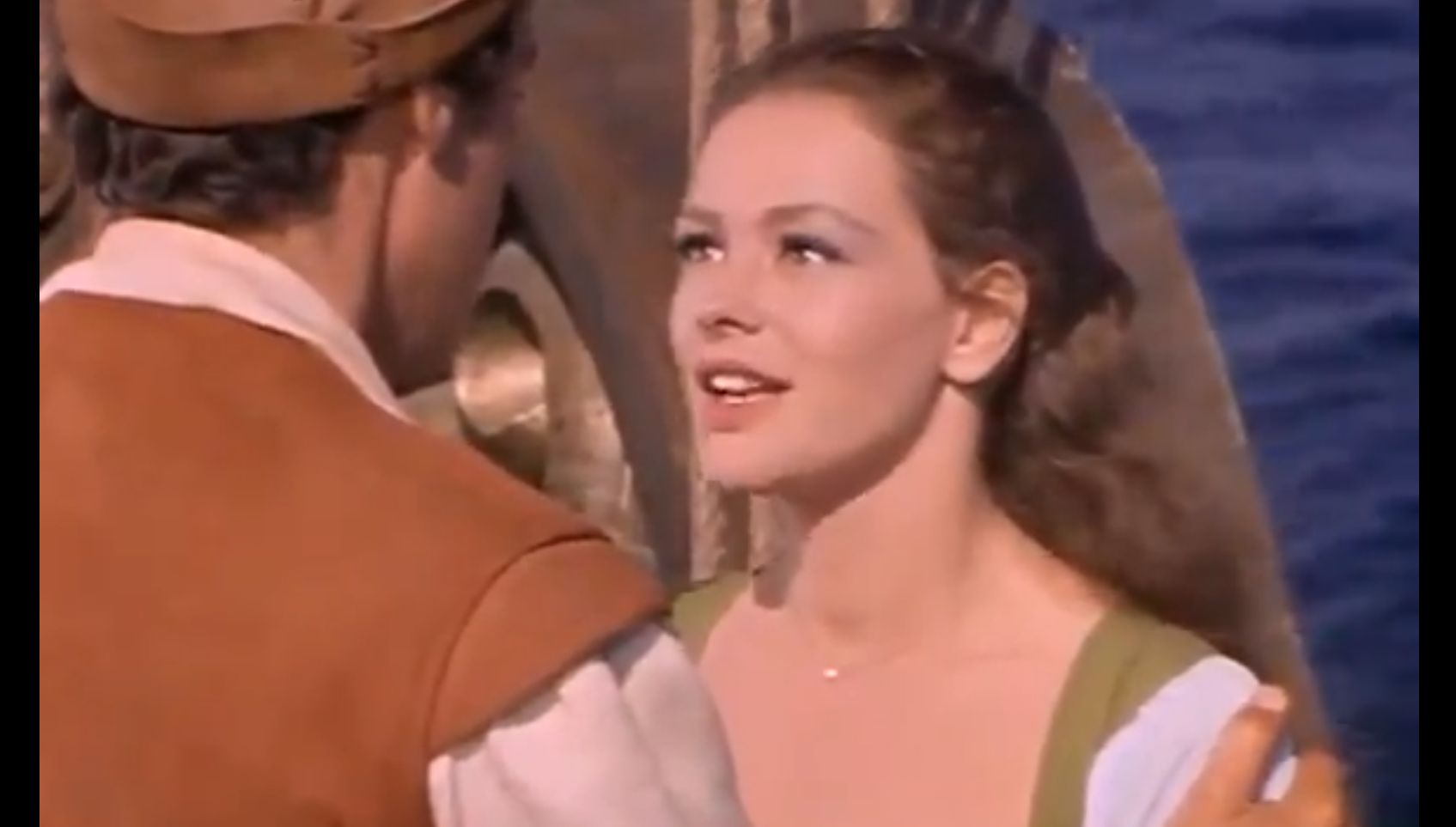
When a brave young farmboy (Kerwin Mathews) saves Princess Elaine (Judi Meredith) from the clutches of a giant, he is made a knight and charged with the task of protecting her. Soon he finds himself battling other monsters conjured by the evil wizard Pendragon (Torin Thatcher).

Genres, Themes, Actors, and Directors:

  • Anna Lee Films
  • Fantasy
  • Folk Tales, Fairy Tales, and Mythology
  • Kidnapping
  • Witches, Wizards, and Magicians

Review:
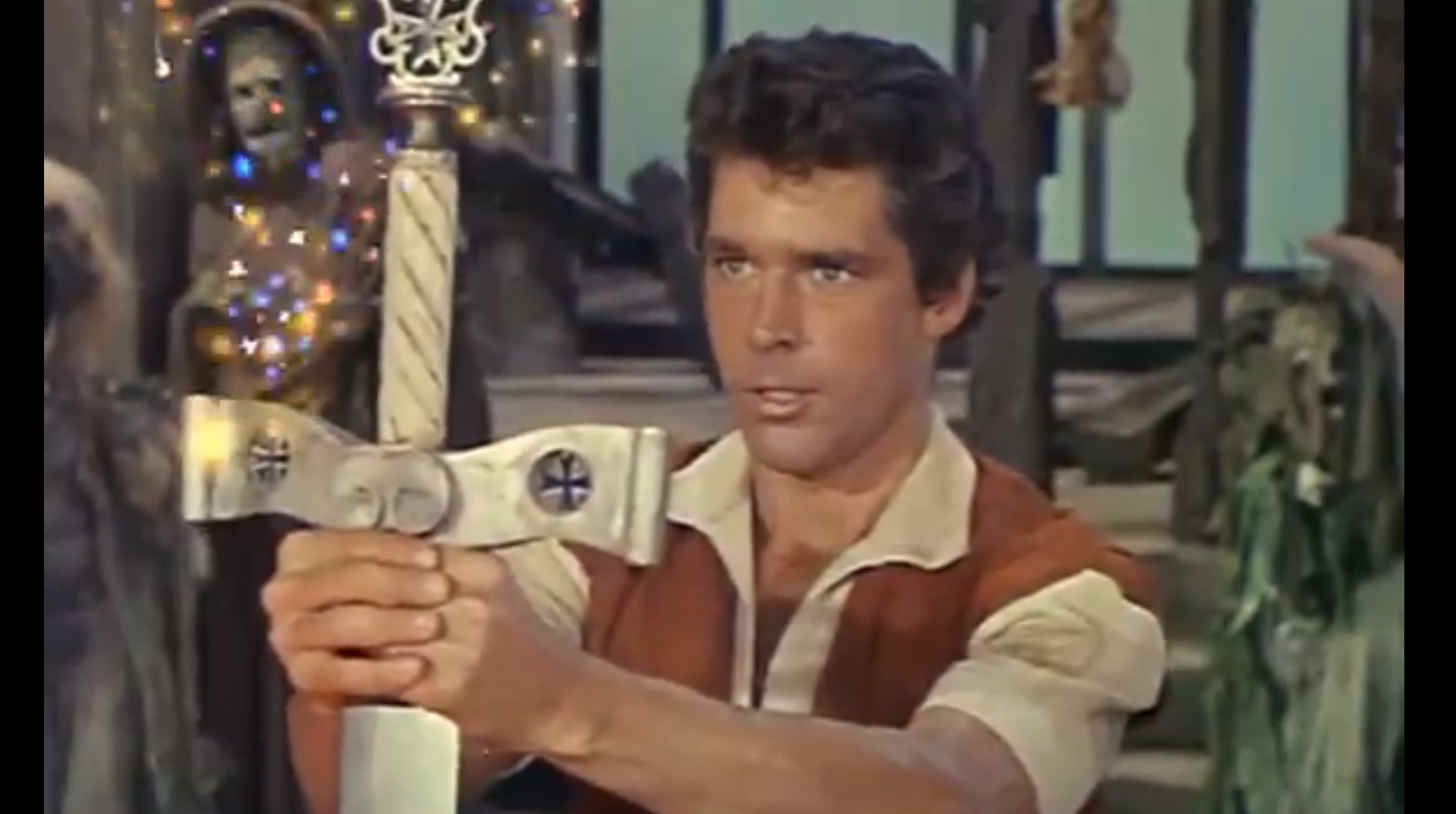
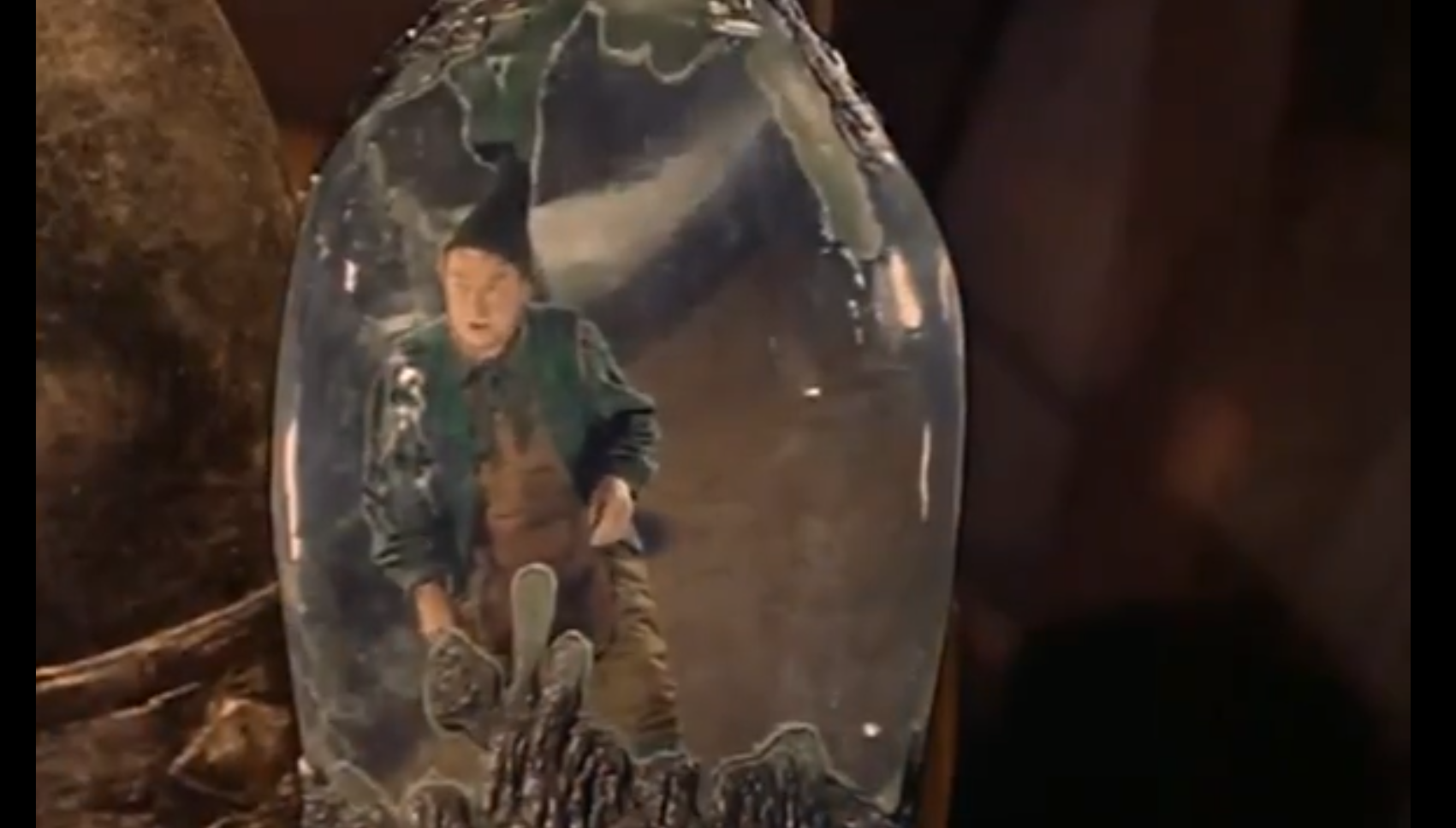
It’s easy to see why Peary lists this much-maligned fantasy flick in the back of his book as a Sleeper — it’s been so roundly dissed as simply an inferior imitation of Ray Harryhausen’s stop-motion adventures that it never stood a chance on its own. While it’s true that the animation can’t hold a candle to Harryhausen’s creations, it’s exciting to see Jack battling various monsters, the story moves along at a fast pace, and the romantic leads are appealing. Jack the Giant Killer may not be must-see viewing, but it’s not awful, either.

Redeeming Qualities and Moments:

  • Kerwin Mathews as the plucky hero
  • Judi Meredith as the bewitched princess
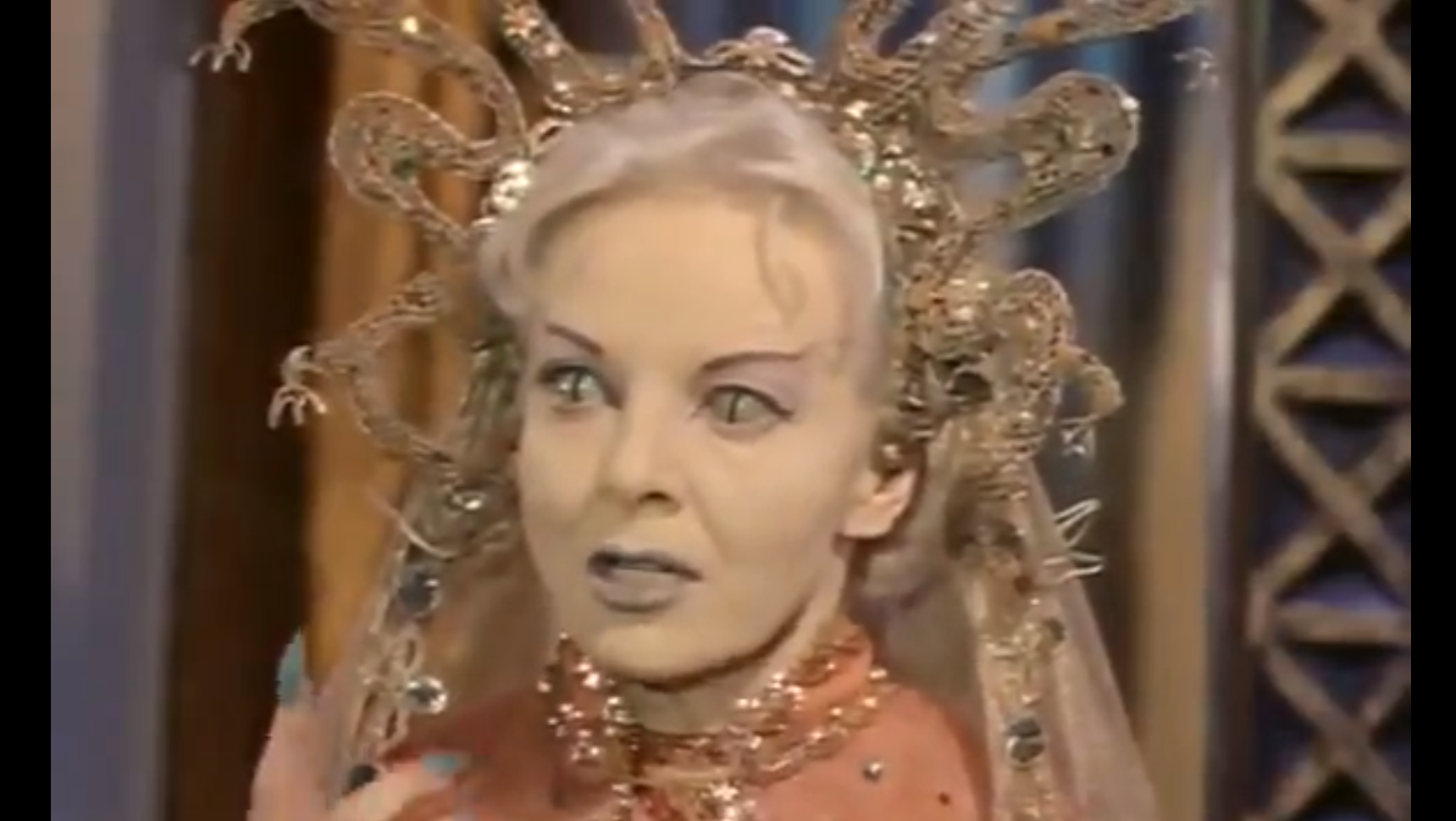
  • Lots of fast-paced action, colorful costumes, and creative make-up


Must See?
No, but it’s recommended for fans of fantasy flicks.

Links:

Mephisto Waltz, The (1971)

Mephisto Waltz, The (1971)

“I happen to be the greatest pianist alive, and I’ll tell you this, Mr. Myles Clarkson: hands like yours are one in a hundred thousand.”

Synopsis:
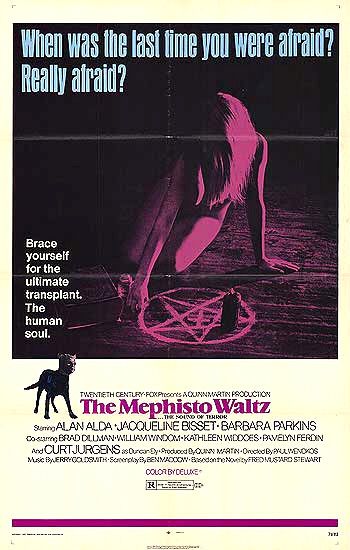
Dying concert pianist Duncan Ely (Curt Jurgens) and his daughter (Barbara Parkins) use satanic powers to transfer Ely’s soul into the body of music journalist Myles Clarkson (Alan Alda). Clarkson’s wife (Jacqueline Bisset) becomes disturbed by her husband’s change of character, and when their daughter Abby (Pamelyn Ferdin) dies suddenly, she begins to suspect witchcraft.

Genres, Themes, Actors, and Directors:

  • Curt Jurgens Films
  • Demonic Possession
  • Horror
  • Jacqueline Bisset Films
  • Musicians
  • Pact With the Devil
  • Satanists

Review:
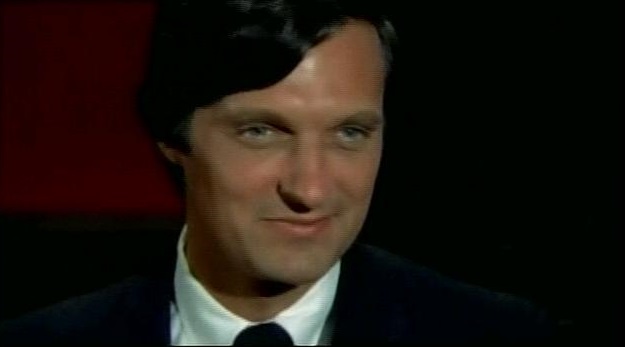
Based on a novel by Fred Mustard Stewart, this demonic thriller is regarded by many as simply a second-rate imitation of Rosemary’s Baby (1968); indeed, many elements of the story — as well as director Paul Wendkos’ choice of cinematic devices — echo its famous precursor. On its own terms, Mephisto Waltz remains a visually sumptuous yet not entirely satisfying tale of demonic possession. I enjoyed seeing Alan Alda with an evil glint in his eye, and Curt Jurgens (who makes a brief appearance in the beginning of the film) is perfectly cast as the egotistical pianist intent on maintaining his talent beyond death. Less noteworthy are the performances by the female leads: while Bisset does a decent job as Alda’s jealous wife, we never really care for her, and Parkins is similarly icy and reserved. The best aspect of the film remains the titular musical piece; Franz Liszt’s meaty, dissonant composition may be the best evocation ever of a pact with the devil.

Redeeming Qualities and Moments:

  • Curt Jurgens as Duncan Ely
  • Alan Alda as Myles Clarkson
  • A haunting, appropriately satanic score
  • The convoluted, yet satisfying, twist ending

Must See?
No. This one is only must-see viewing for fans of films on witchcraft.

Links:

Nine to Five (1980)

Nine to Five (1980)

“Let’s face it — we’re in a pink-collar ghetto!”

Synopsis:
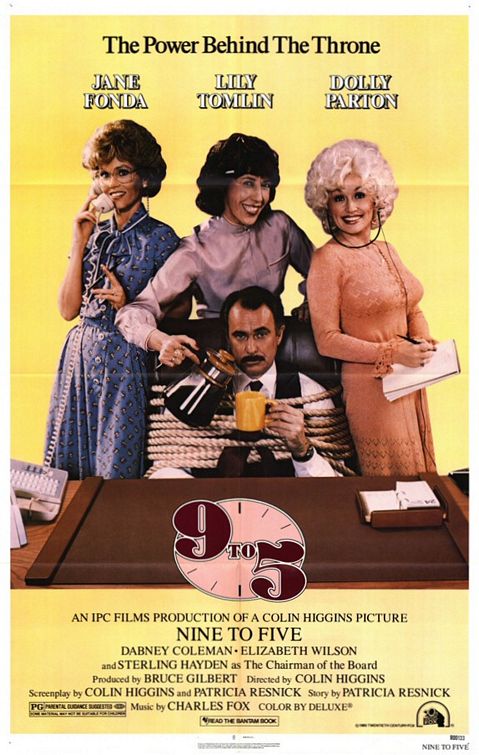
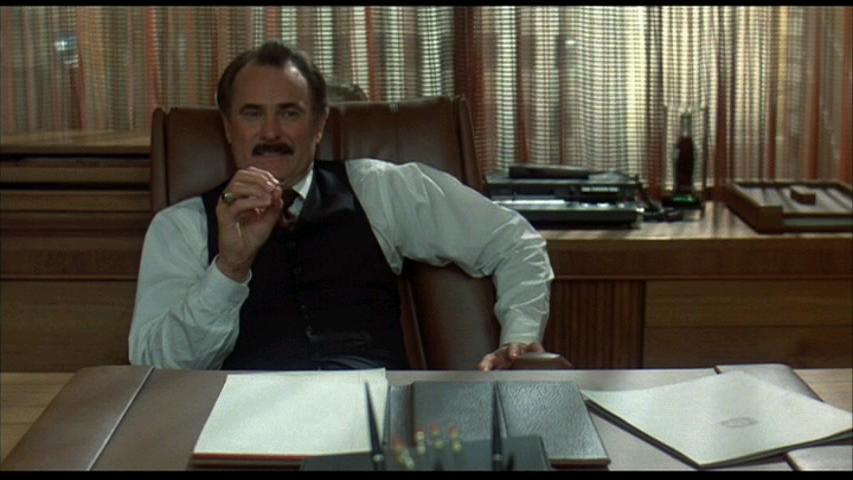
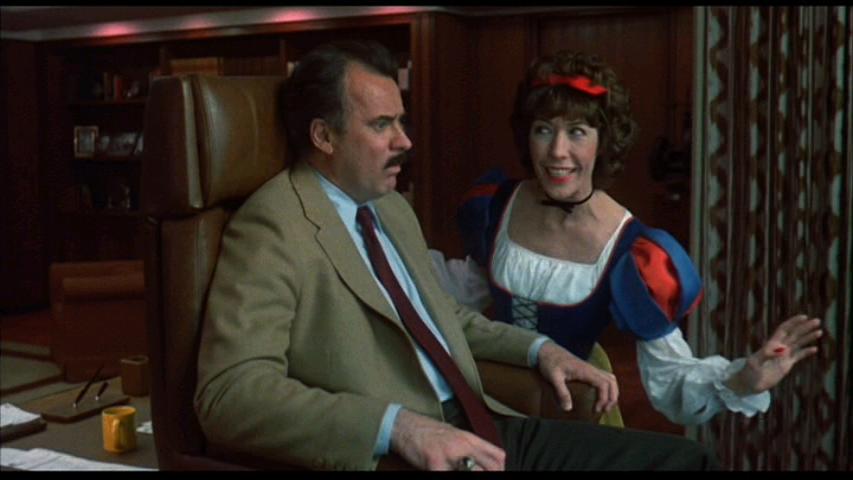
Three female co-workers (Jane Fonda, Lili Tomlin, and Dolly Parton) seek revenge on their sexist male boss (Dabney Coleman).

Genres, Themes, Actors, and Directors:

  • Comedy
  • Feminism and Women’s Issues
  • Hostages
  • Jane Fonda Films
  • Revenge
  • Sterling Hayden Films
  • Workplace Drama

Review:
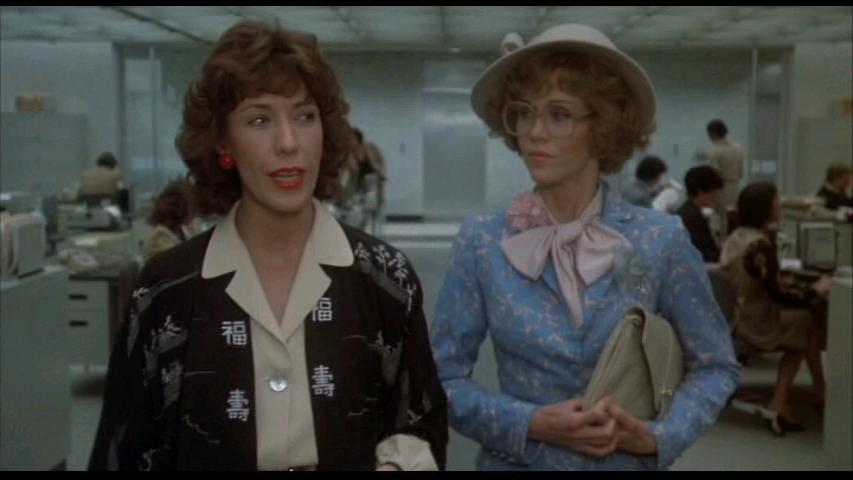
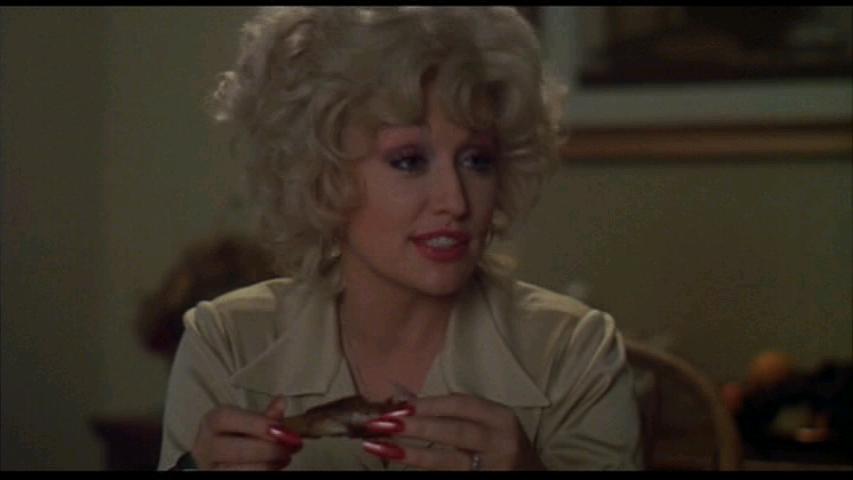
This groundbreaking comedy about sexual discrimination in the workplace has held up surprisingly well, thanks in no small part to the lead performances: Parton (in her acting debut) sparkles, Tomlin has rarely been funnier, and Dabney Coleman’s turn as a sexist pig is priceless. While the script is unnecessarily clumsy (the entire slapstick hospital sequence seems gratuitous, for instance), there are enough genuinely humorous moments to hold interest. Ultimately, while the focus on Nine to Five may be specifically female, the desire to seek revenge against one’s boss remains universal — one can’t help feeling vicarious satisfaction upon seeing Coleman held hostage for weeks on end while the three women turn things around in the office. Who knew that a film about sexual harassment and gender politics could be such a feel-good experience?

Redeeming Qualities and Moments:

  • Lili Tomlin as Violet
  • Dolly Parton in her film debut as Doralee
  • Dabney Coleman as the “sexist, egotistical, lying, hypocritical bigot”
  • The hilarious revenge fantasy sequences
  • A groundbreaking look at sexual harassment in the workplace
  • Parton’s infectious title song

Must See?
Yes. Though uneven, this classic workplace comedy remains must-see viewing. It would make a great double-bill with the modern cult hit Office Space (1999).

Categories

  • Historically Relevant
  • Noteworthy Performance(s)

Links:

One Potato, Two Potato (1964)

One Potato, Two Potato (1964)

“My husband gave her what you took away: a father, a family, the only home she’s only really ever known.”

Synopsis:
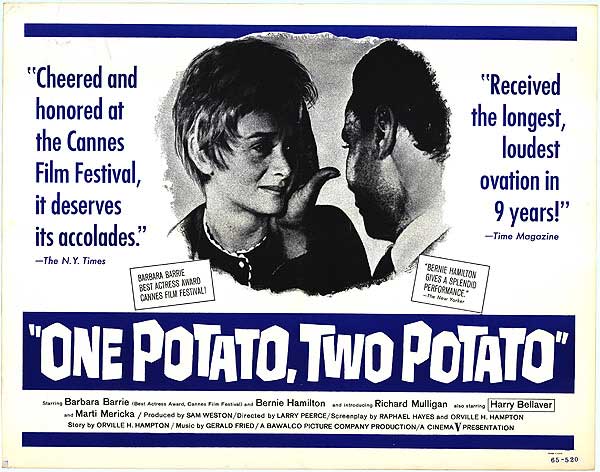
When a white single mother (Barbara Barrie) marries an African-American co-worker (Bernie Hamilton), her bigoted ex-husband (Richard Mulligan) sues for custody of their daughter (Marti Mericka).

Genres, Themes, Actors, and Directors:

  • Courtroom Drama
  • Cross-Cultural Romance
  • Race Relations and Racism

Review:
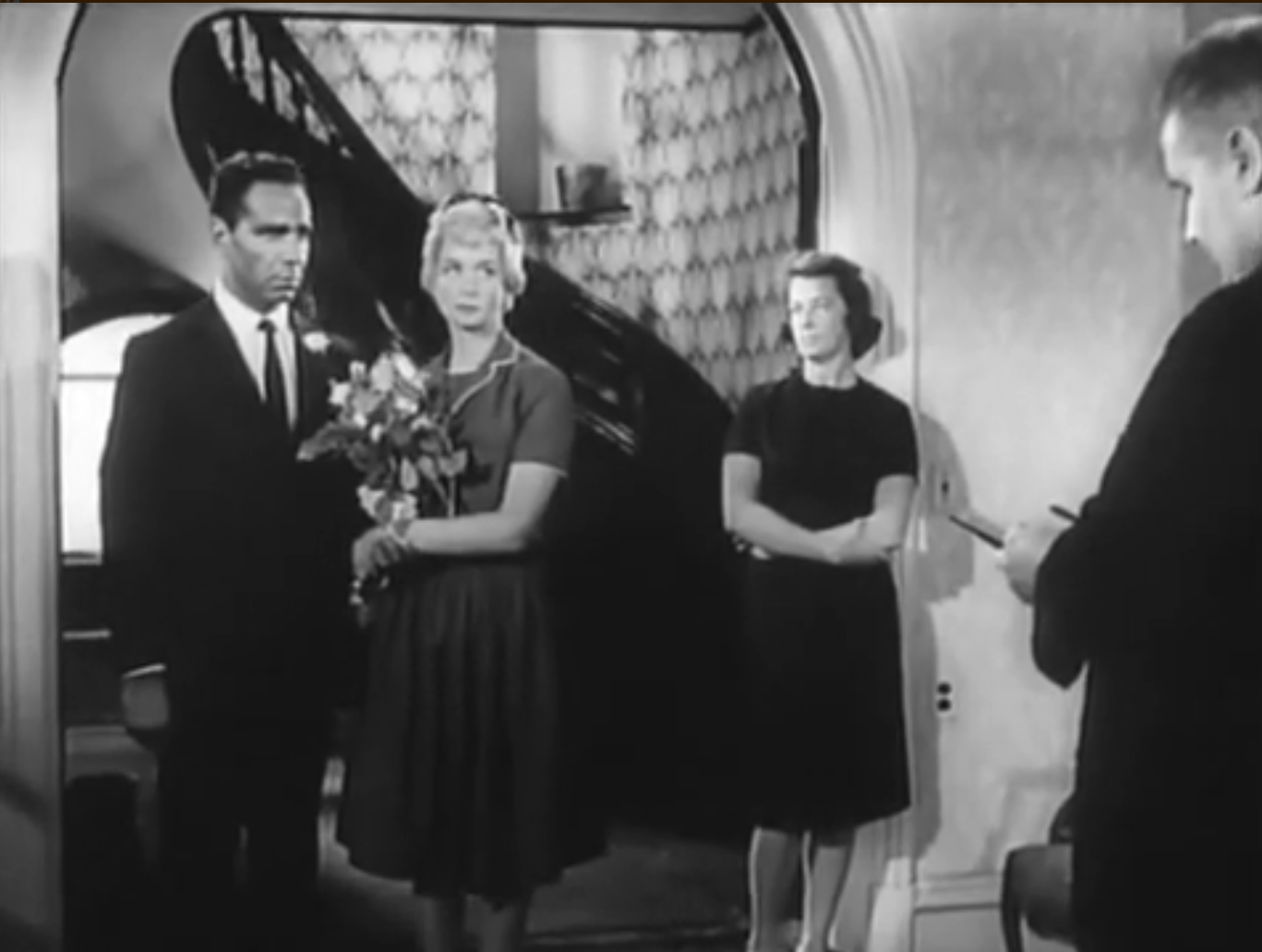
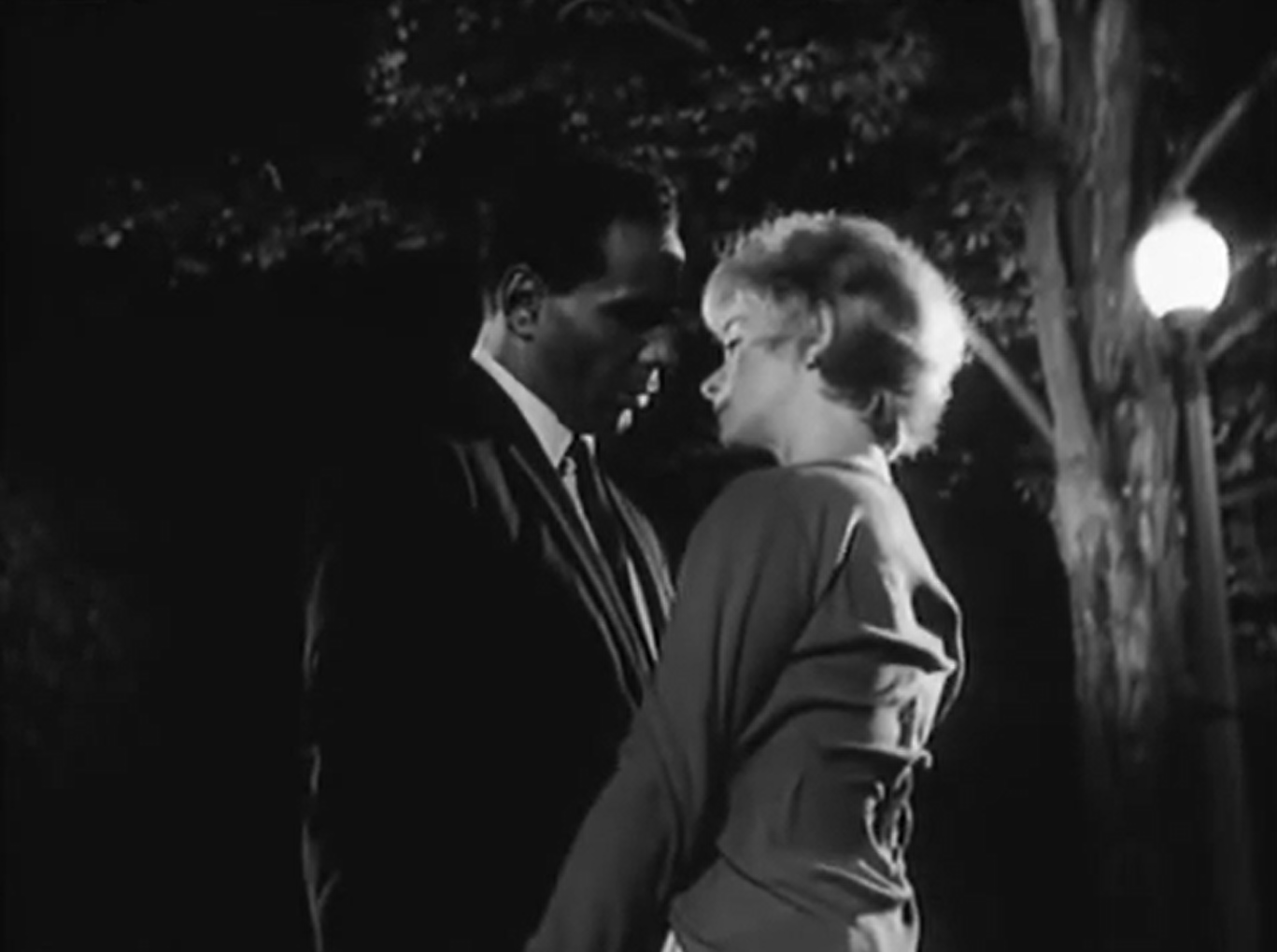
It’s easy to see why this brave film about interracial romance was cheered when it debuted at the Cannes Film Festival. One Potato, Two Potato dares to show a man and a woman whose love for each other is blind to race, yet it never shies away from depicting the bigoted and/or defensive reactions of those around them. Barrie and Hamilton’s romance is an issue not only for prejudiced whites (note the quietly devastating shot during their wedding, when a female attendant stares at them with ice water in her veins):

… but for Hamilton’s parents (nicely played by Vinnette Carroll and Robert Earl Jones) as well: Jones in particular resents what he sees as the intrusion of whiteness into his hard-earned independence. While not every scene in One Potato, Two Potato works (some — such as when Mulligan meets his estranged daughter for the first time in years, or when Barrie and Hamilton hopscotch together in the park — smack of preciousness), they’re easy to forgive, given the film’s overall sincerity. This would make a natural double-bill with Guess Who’s Coming to Dinner (1967).

Redeeming Qualities and Moments:

  • Barbara Barrie’s sympathetic performance as Julie
  • A brave portrayal of interracial love in the 1960s
  • The final devastating scene

Must See?
No, but it’s recommended simply for its historical importance.

Links:

Even Dwarfs Started Small (1969)

Even Dwarfs Started Small (1969)

“Whether we’re good or bad, the treatment is all the same.”

Synopsis:
In a world inhabited solely by dwarfs, inmates at a mysterious asylum run by The President (Pepi Hermine) stage an anarchistic rebellion.

Genres, Themes, Actors, and Directors:

  • Dwarfs and Little People
  • German Films
  • Living Nightmare
  • Rebellion
  • Werner Herzog Films

Review:
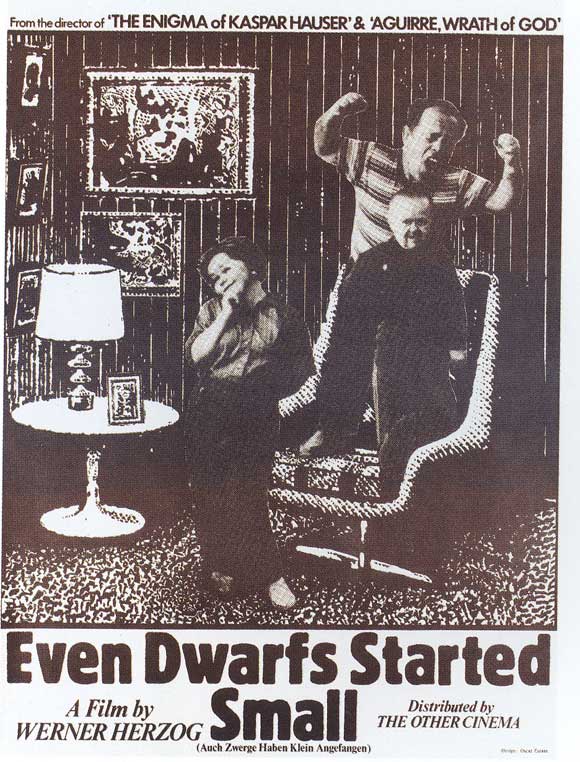
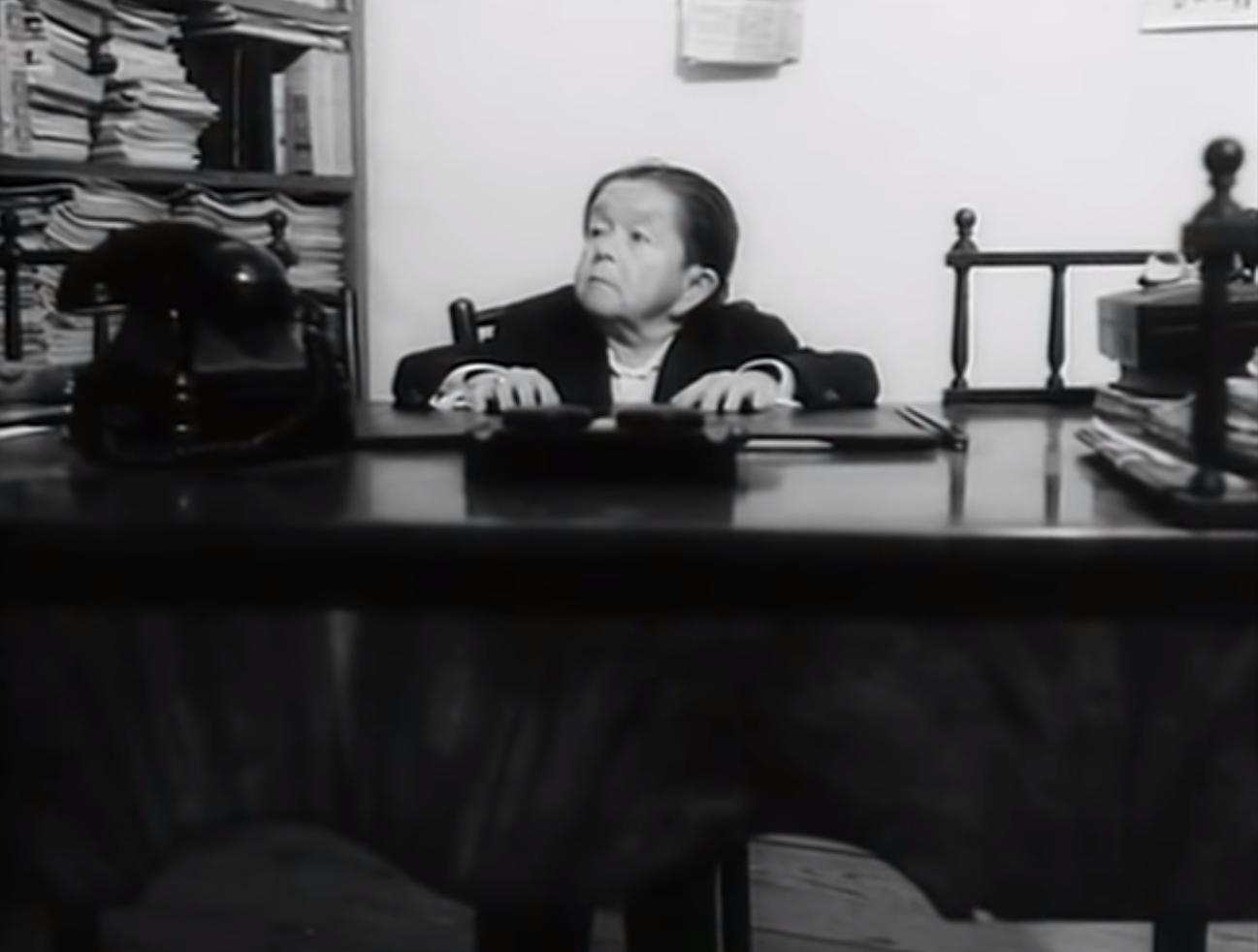
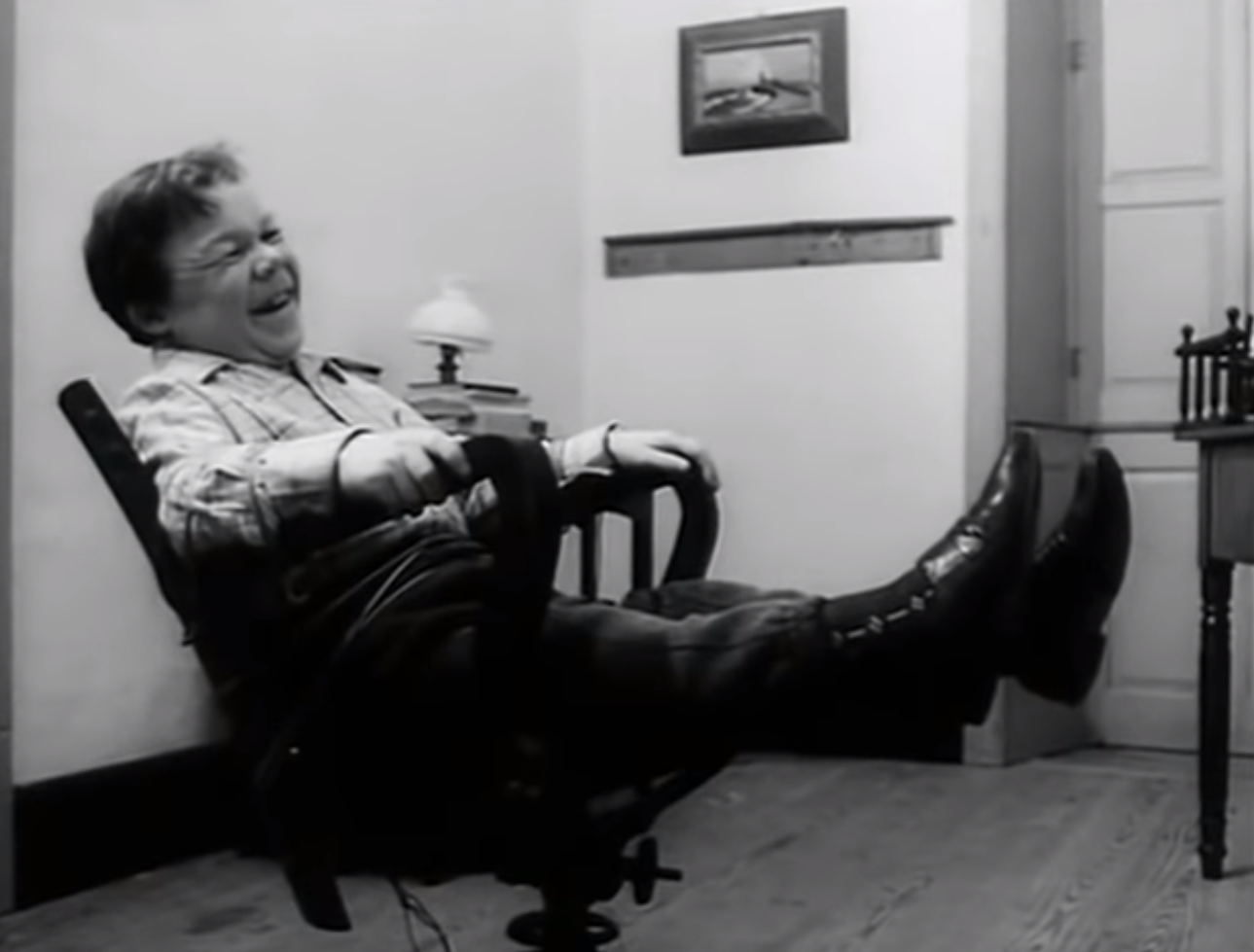
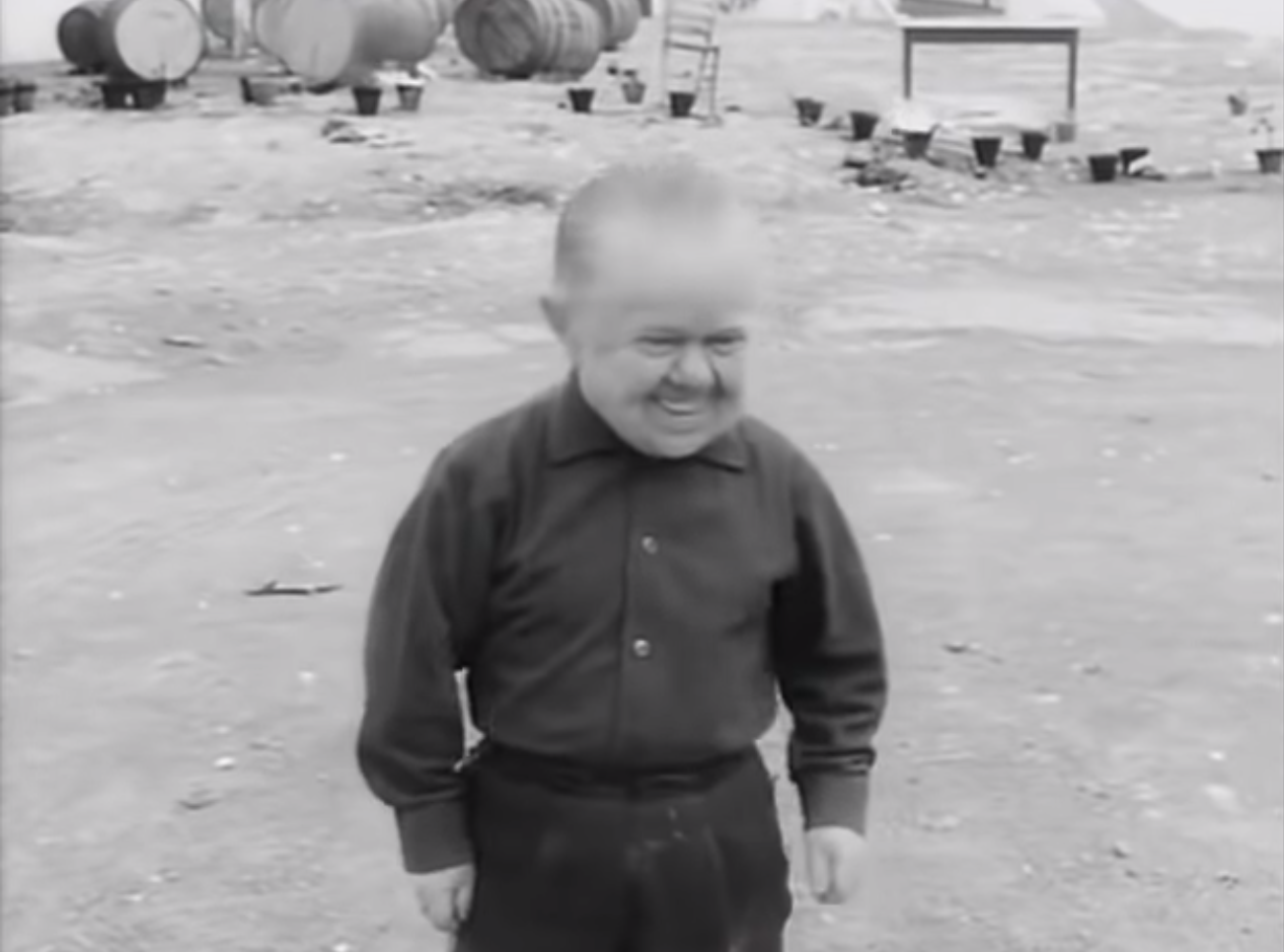
More a surreal nightmare than a cohesive narrative, Werner Herzog’s Even Dwarfs Started Small tells the cryptic “story” of a group of German dwarfs who devolve into gleeful chaos once they escape from the clutches of their caretaker (Hermine). It’s never made clear exactly what kind of institution they’re rebelling against — some viewers call it a prison, others an insane asylum, still others a school — but Herzog’s point seems to be that it doesn’t quite matter. On a metaphorical level, the dwarfs represent all humans who are living in a meaningless world which is literally beyond their grasp, and who, once given the chance to do things their own way, are ultimately incapable of anything other than destructive and harmful actions.

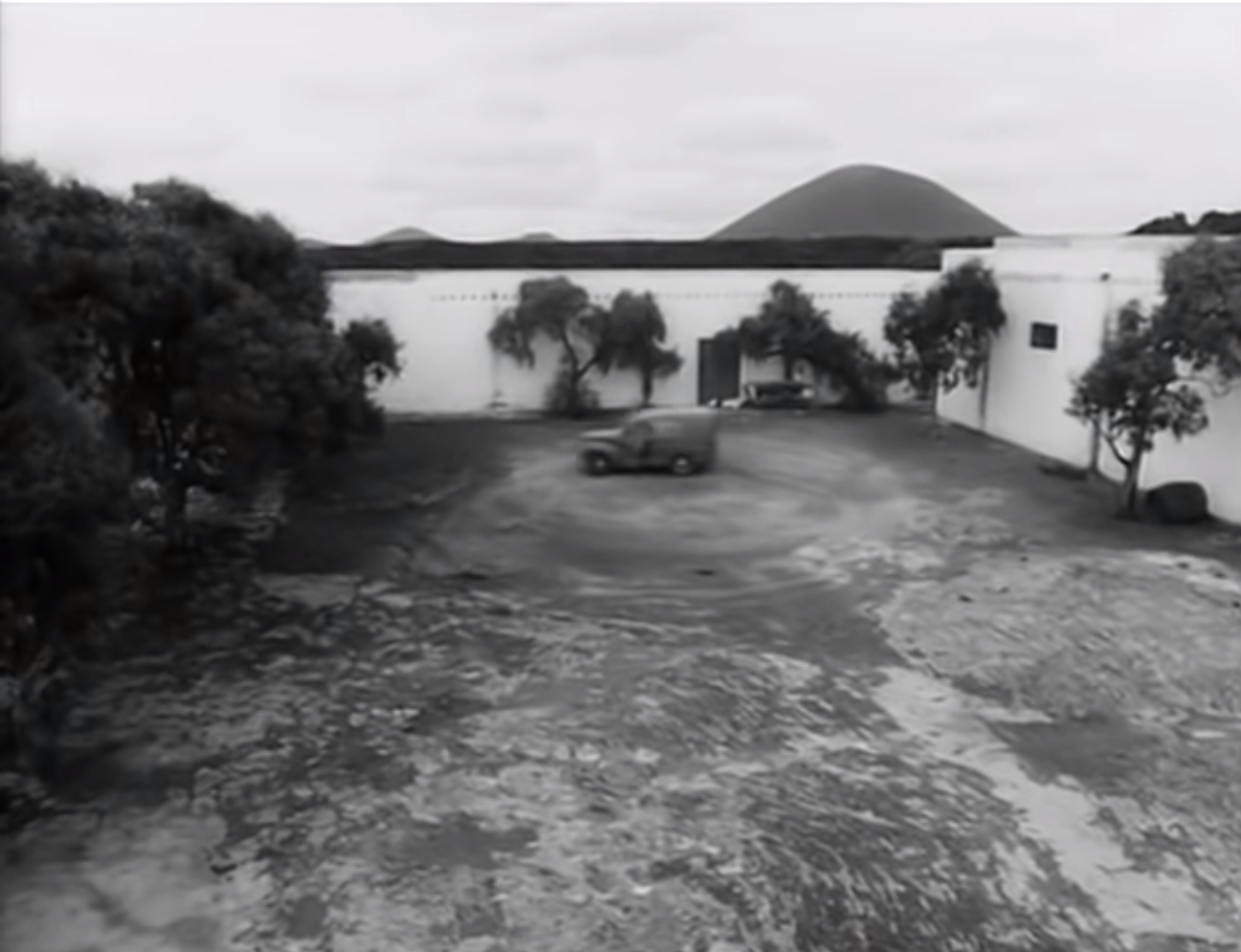
Although the imagery in Dwarfs is consistently bizarre and surreal, Herzog tends to indulge certain scenes — such as the car going round and round on a dirt circle — until they run far longer than necessary; eventually, they become repetitive rather than novel. In addition, the footage of animals being harmed (yet another metaphorical layer) are — while ostensibly “authentic” rather than contrived for the film — too disturbing for comfort. Finally, though I admire Herzog’s boldly unique vision, I would prefer for his script to be at least a bit more comprehensible; there’s potential here for even sharper satire.

Note: It’s been suggested that a more appropriate translation of Herzog’s original title would be Even Dwarfs Had to Start Somewhere, which makes more sense within the film’s context of rebellion.

Redeeming Qualities and Moments:

  • Surreal use of an all-dwarf cast

  • Many genuinely disturbing images

  • Helmut Doring as Hombre, whose cackling laugh permeates the film
  • The haunting tribal soundtrack

Must See?
No, though it’s worth a look as a one-of-a-kind cult favorite. Listed as a movie with Historical Importance and a Personal Recommendation in the back of Peary’s book.

Links:

Ghost Breakers, The (1940)

Ghost Breakers, The (1940)

“Death waits for you on Black Island!”

Synopsis:
A radio host (Bob Hope) and his loyal valet (Willie Best) accompany a young woman (Paulette Goddard) to Cuba, where she has just inherited a haunted castle known as Castillo Maldito. Together, they try to find out who is behind the mysterious presence of ghosts and zombies.

Genres, Themes, Actors, and Directors:

  • Amateur Sleuths
  • Anthony Quinn Films
  • Bob Hope Films
  • Comedy
  • George Marshall Films
  • Ghosts
  • Horror
  • Inheritance
  • Paul Lukas Films
  • Paulette Goddard Films
  • Zombies

Review:
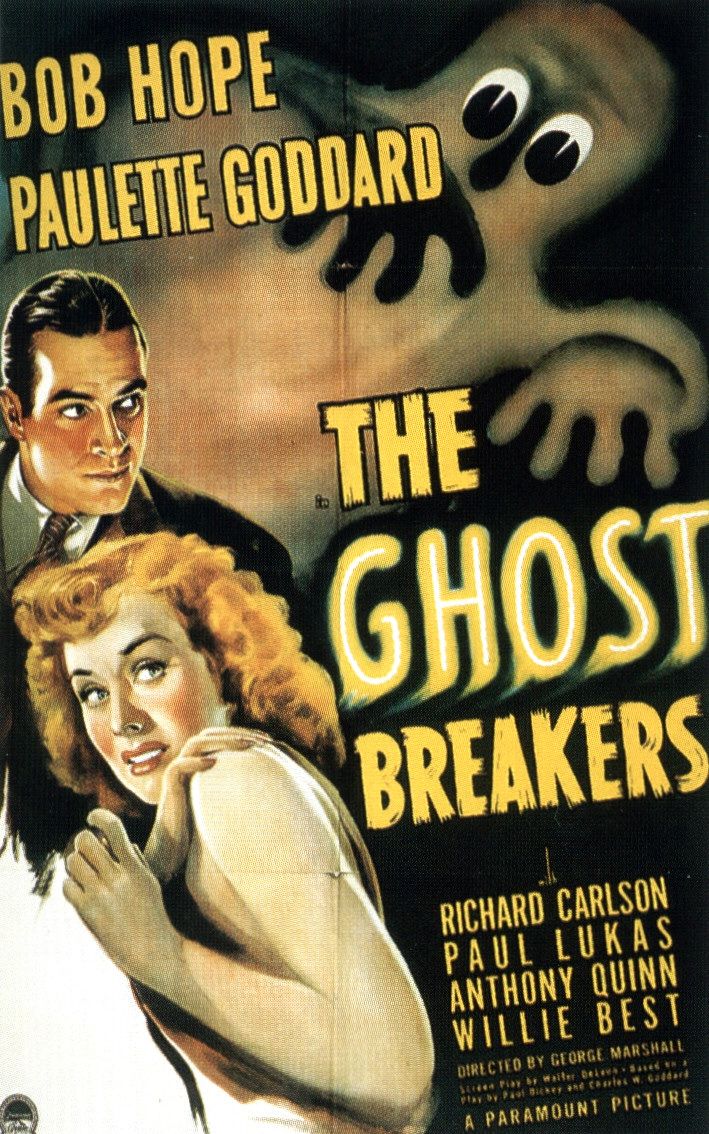
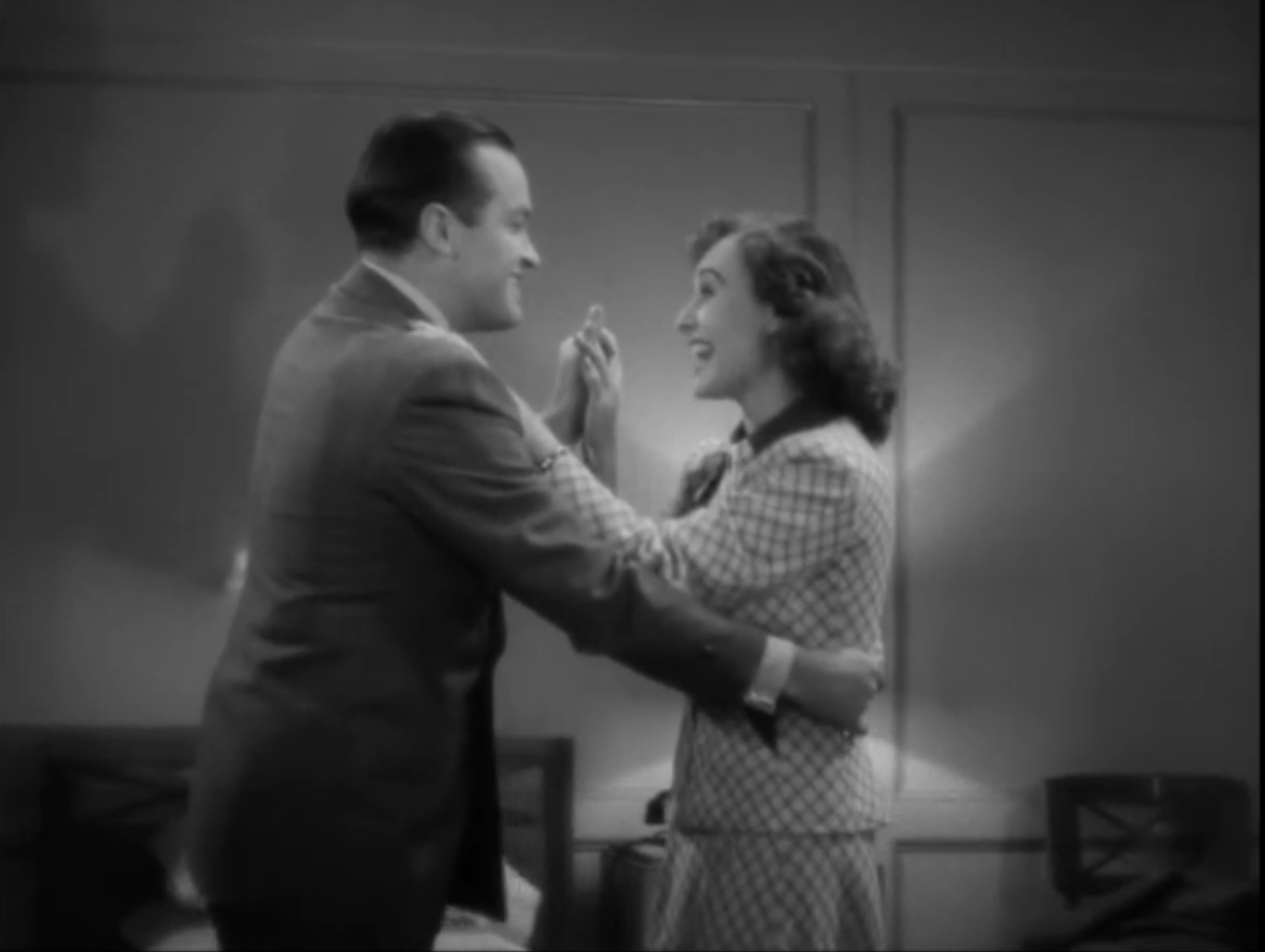
The Ghost Breakers — remade with Jerry Lewis and Dean Martin as Scared Stiff (1953) — is primarily notable as the successful follow-up to Hope and Goddard’s hit comedy-horror flick of the previous year, The Cat and the Canary. Despite its erstwhile popularity, however, The Ghost Breakers hasn’t aged all that well: while Hope, Goddard, and Best all give appealing performances, the script is only intermittently amusing, and often confusing. Fortunately, the atmospheric production values at least partially redeem the film’s clunky script, providing a few genuine chills and thrills.

Redeeming Qualities and Moments:

  • Hope and Goddard, appealing as the amateur sleuths falling in love
  • Willie Best as Hope’s loyal valet
  • Atmospheric cinematography and set designs
  • Some clever, if hokey, one-liners by Hope:

    “I’m shaking so hard the water on my knee just splashed!”

Must See?
No. Although it holds some historical interest as a popular early vehicle for Bob Hope, I don’t think it’s must-see viewing for all film fanatics.

Links:

Black Friday (1940)

Black Friday (1940)

“I never know when the murderous brain of Red Cannon may take possession of Kingsley, but I will not stop my experiments. I must find where Cannon’s money is hidden!”

Synopsis:
An ambitious surgeon (Boris Karloff) saves the life of his injured friend, Professor Kingsley (Stangley Ridges), by giving him the brain of a dying gangster named Red Cannon. When Dr. Sovac (Karloff) learns that Cannon knew about the existence of $500,000, he hypnotizes his friend in order to bring Cannon’s personality to the surface.

Genres, Themes, Actors, and Directors:

  • Bela Lugosi Films
  • Boris Karloff Films
  • Flashback Film
  • Gangsters
  • Mad Doctors and Scientists
  • Mind Control and Hypnosis
  • Multiple Personalities
  • Revenge

Review:
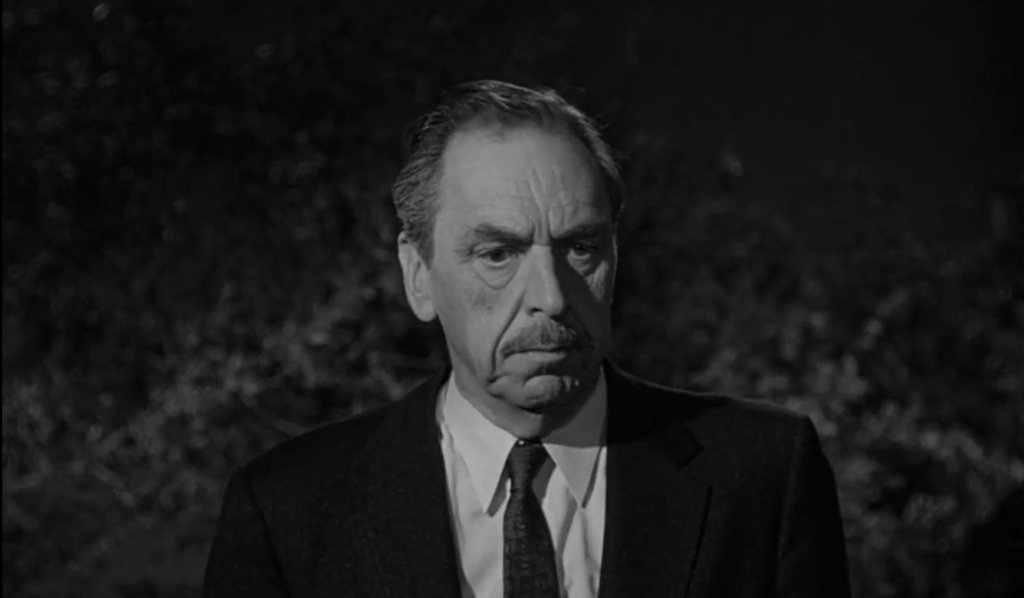
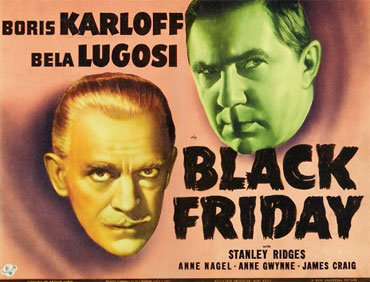
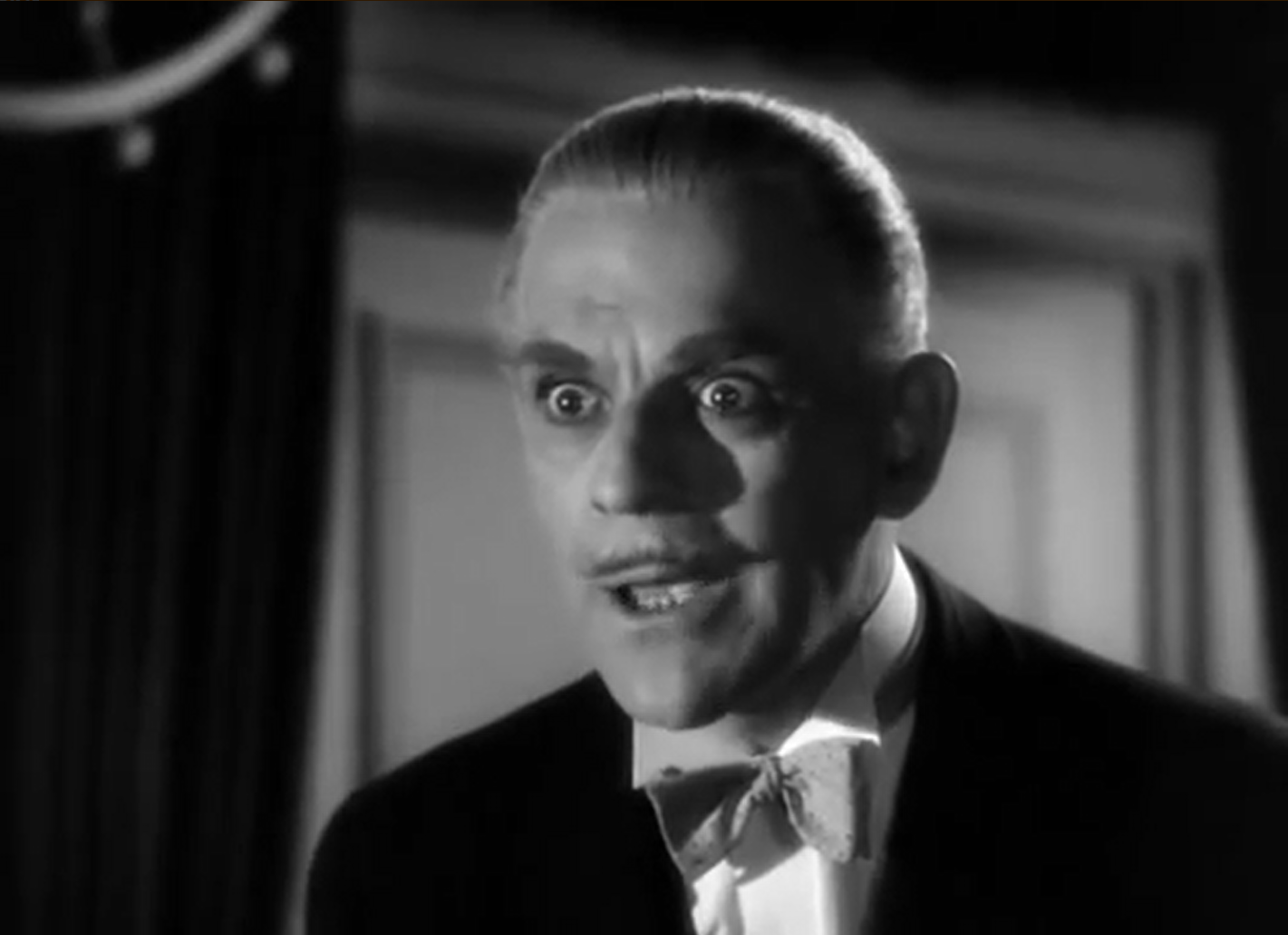
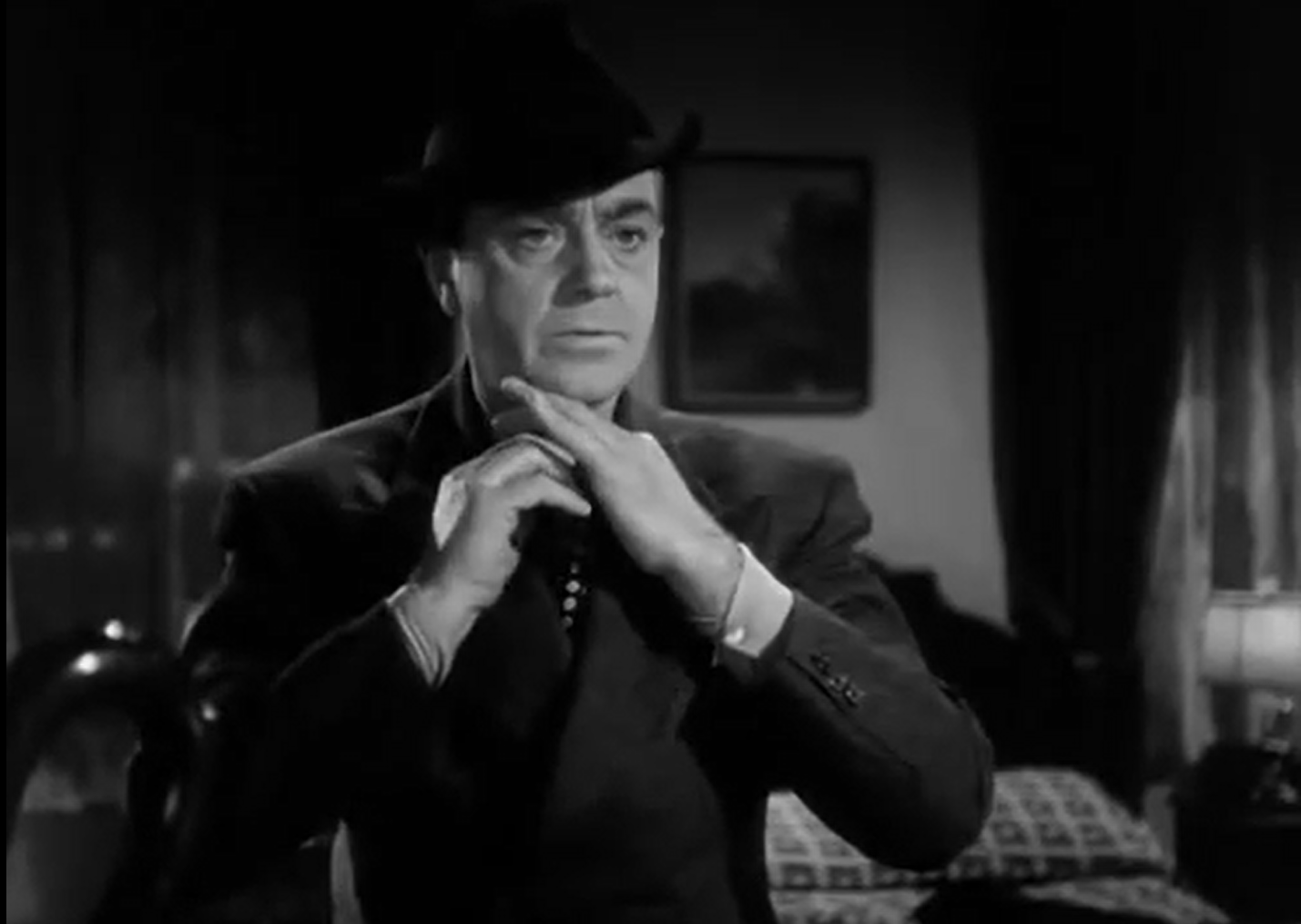
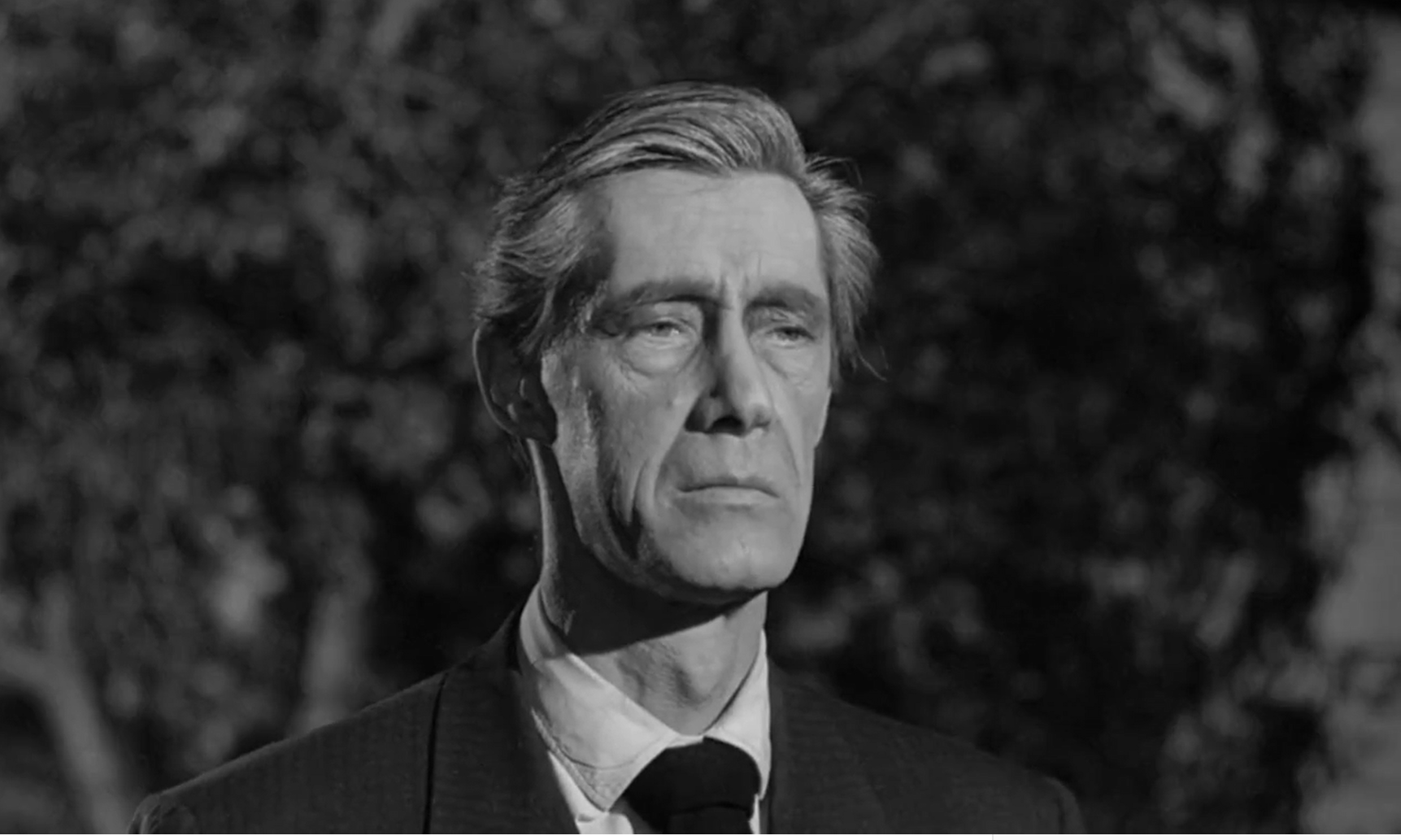
This Universal Studios horror flick suffers from two unforgivable gaps in logic: why does Cannon’s brain retain any traces of the professor’s personality at all? And why does Professor Kingsley’s appearance shift (his hair is darkened and he no longer wears glasses) whenever Cannon’s personality takes over? Given that these blatant illogicalities are never explained, I was too distracted to enjoy the remainder of the film, even once it shifted into a rather standard gangland revenge flick. On the positive side, Karloff is appropriately cast as the greedy yet well-meaning Dr. Sovac:

… and Ridges does an admirable job shuffling between the personalities of professor and gangster. Lovely Anne Nagel is also excellent in a throwaway role as Cannon’s old girlfriend.

Unfortunately, however, the fine performances aren’t enough to save this B-thriller from its frustratingly illogical script.

Redeeming Qualities and Moments:

  • Stanley Ridges as Professor Kingsley/Red Cannon

  • Anne Nagel as Red’s singer-girlfriend, Sunny
  • Atmospheric cinematography

Must See?
No. It’s not clear why Peary lists this modest B-thriller — an unwieldy hybrid of Dr. Jekyll and Mr. Hyde and Frankenstein — in the back of his book.

Links:

Bucket of Blood, A (1959)

Bucket of Blood, A (1959)

“The artist is; all others are not.”

Synopsis:
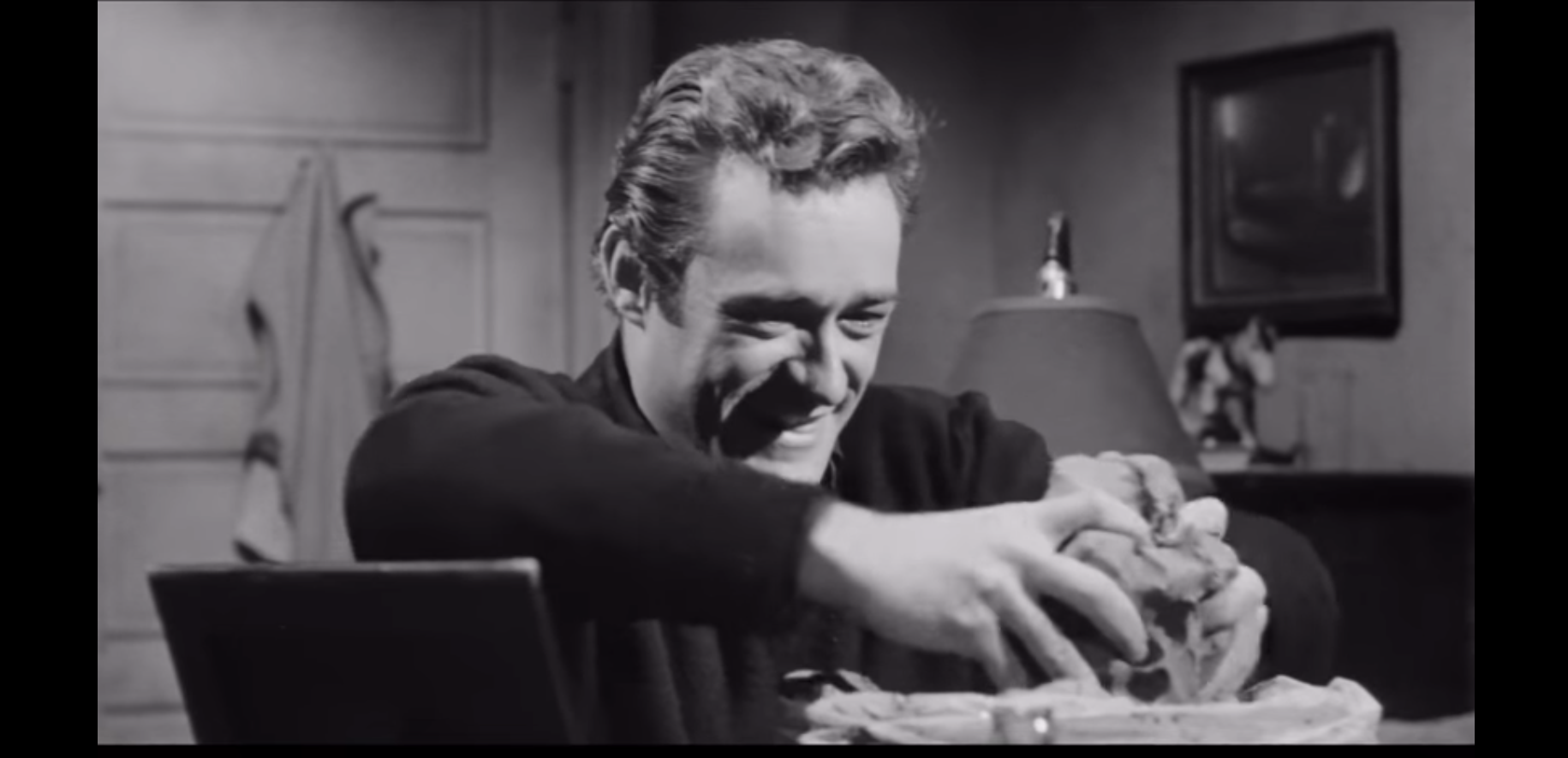
During the Beatnik era, a nebbishy busboy (Dick Miller) longs to become a great artist. When he accidentally kills his landlady’s cat, he is inspired to cover it in clay and call it art — and when his “Dead Cat” is well-received, he soon moves on to killing and “sculpting” human subjects.

Genres, Themes, Actors, and Directors:

  • Artists
  • Aspiring Stars
  • Black Comedy
  • Dick Miller Films
  • Horror
  • Roger Corman Films
  • Serial Killers

Review:
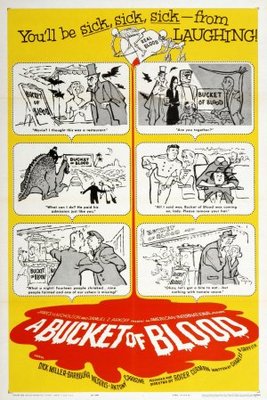
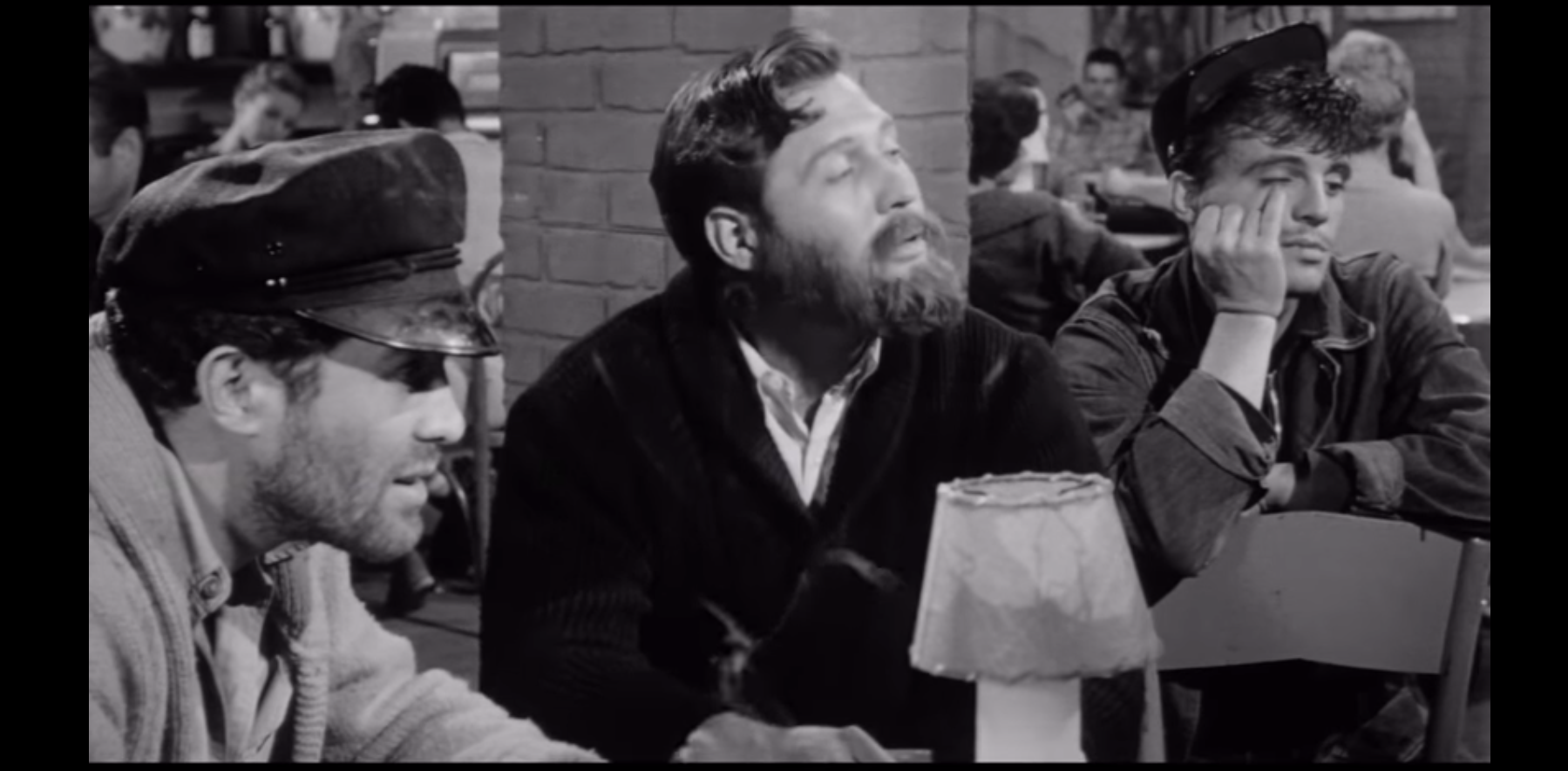
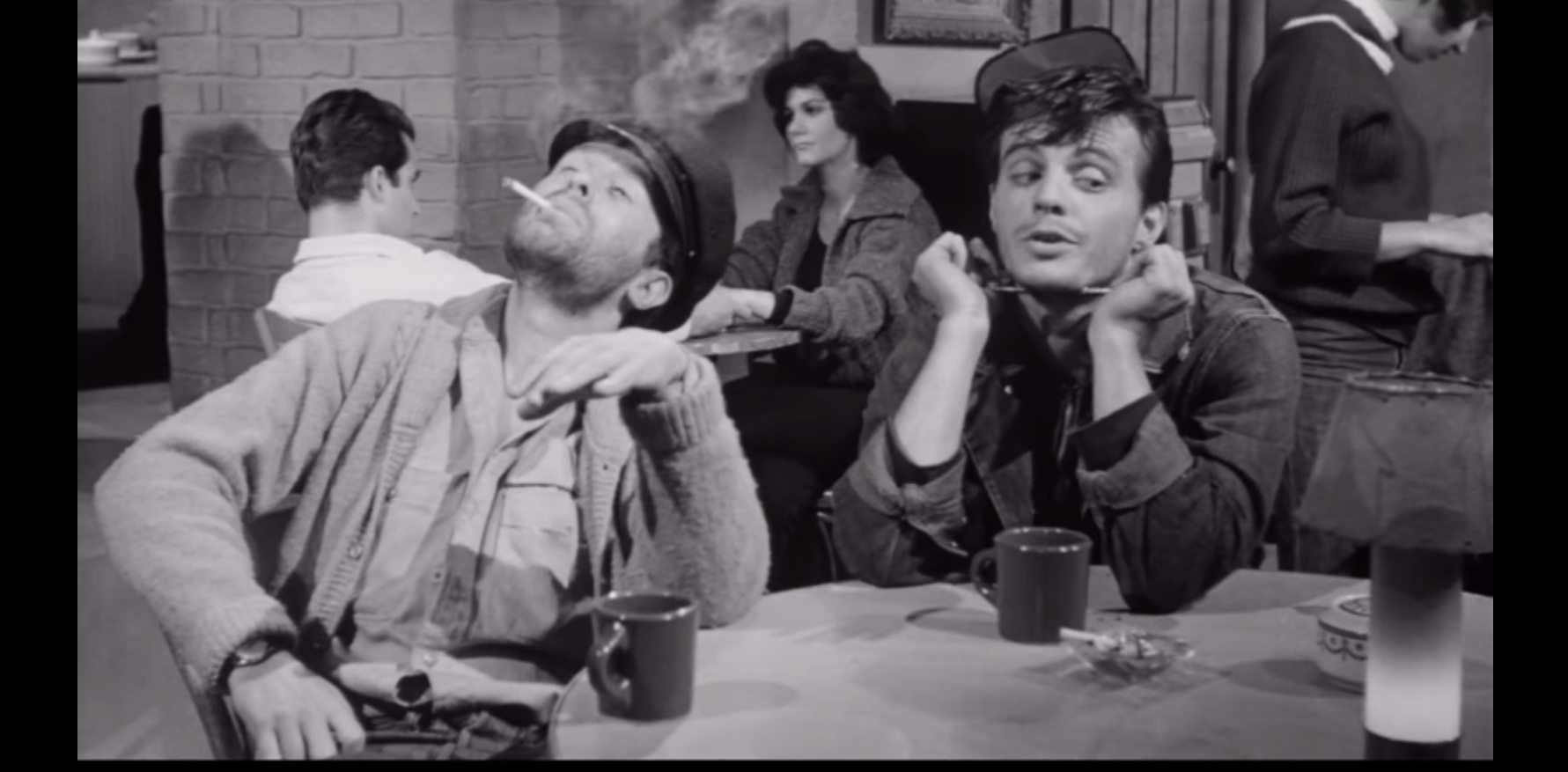
This surprisingly effective low-budget thriller — directed by Roger Corman and scripted by Charles B. Griffith — is, along with Little Shop of Horrors (1960), proof of Corman’s ability to churn out entertaining movies with bare-bones budgets and minimal shooting schedules. While some of the production values in A Bucket of Blood are laughably bad (the newly-killed cat Miller pulls out of his wall is as stiff as a board), others — such as the atmospherically-shot climactic chase scene — are impressive. Perhaps most memorable, however, is the way in which Corman and Griffith deliciously satirize both Beatniks and artists, who are portrayed as pretentious, exclusionary, and not-just-a-little nutty. No wonder there are murders going on!

Redeeming Qualities and Moments:

  • Dick Miller as the desperate wannabe artist
  • Julian Burton as a Ginsberg-esque Beatnik poet, who spouts countless pompous lines:

    “Mark well this lad: his is the silent voice of creation. Within the dark, rich soil of humility, he blossoms as the hope of our nearly sterile century!”

  • A hilarious, spot-on satire of both Beatnik culture and pretentious artists
  • Atmospheric cinematography
  • Charles Griffith’s cleverly morbid script

Must See?
Yes. This cult film is a surprisingly enjoyable low-budget thriller. It’s listed as both a Camp Classic and a Cult Movie in the back of Peary’s book.

Categories

  • Cult Movie
  • Important Director

Links:

Invisible Invaders (1959)

Invisible Invaders (1959)

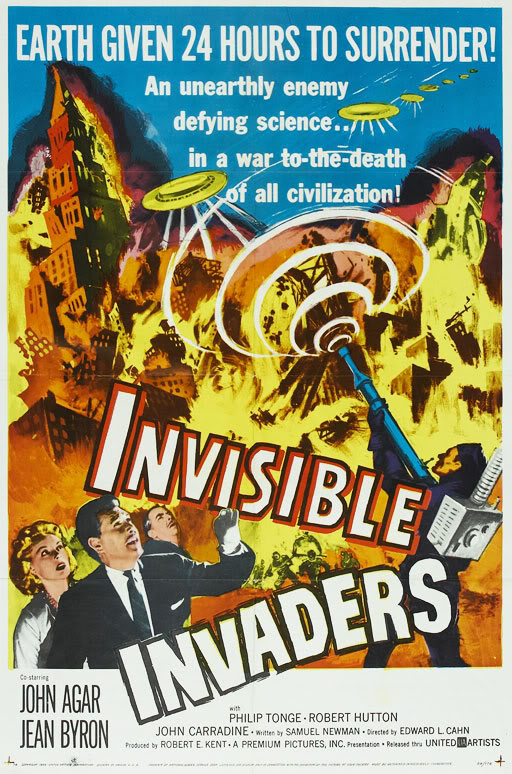
“Unless Earth surrenders within 24 hours, we will begin a massive invasion.”

Synopsis:
When invisible aliens from the moon embody corpses as part of a plan to take over the Earth, it’s up to scientists Dr. Penner (Philip Tonge) and Dr. Lamont (Robert Hutton) to discover an effective weapon against them.

Genres, Themes, Actors, and Directors:

  • Aliens
  • Horror
  • John Agar Films
  • John Carradine Films
  • Science Fiction
  • Scientists
  • World Domination
  • Zombies

Review:
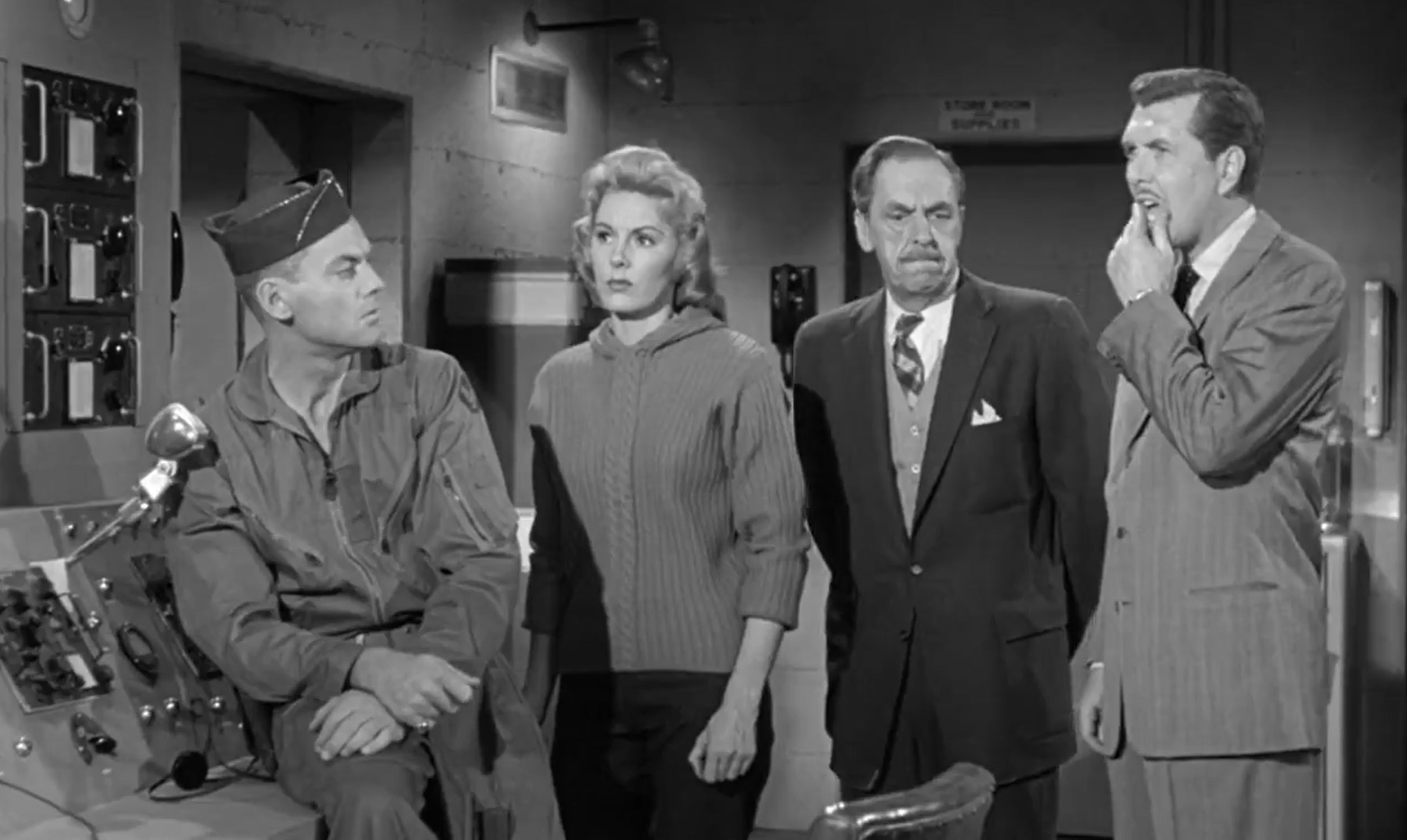
This low budget sci-fi thriller features many classic tropes of 1950s cinema, including a mysterious invasion by aliens, threat of world domination, nuclear experimentation gone awry, and a beautiful young woman (Jean Byron) whose only real function in the film is to serve as a supportive love interest.
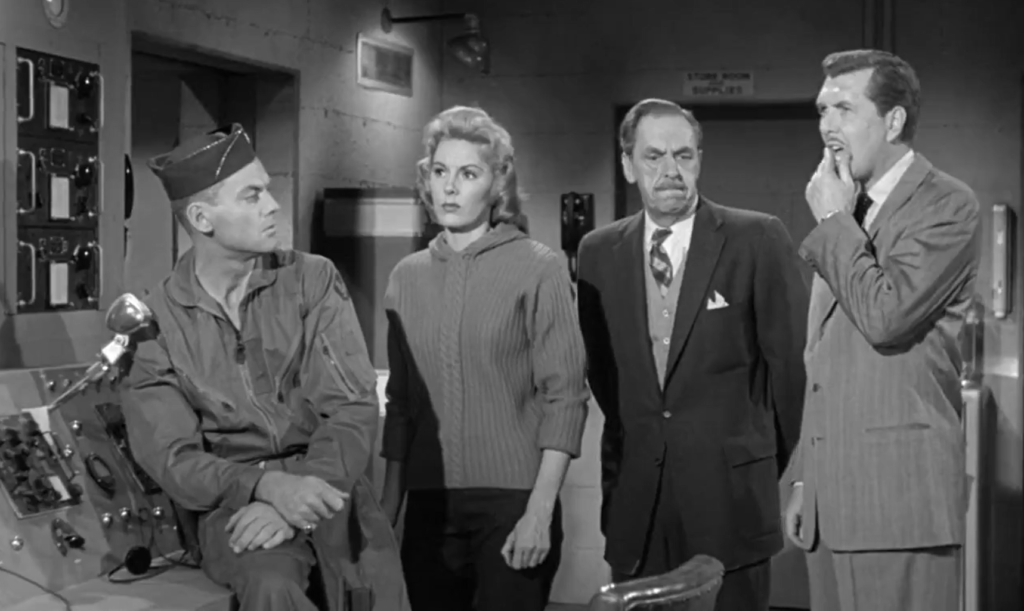
Interestingly, an initial subplot about a scientist (John Carradine) who blows himself up while conducting research on atomic energy turns out to be little more than the narrative catalyst which brings the aliens down to Earth; atomic research is thus posited as a defining frontier which finally marks humankind as a threat to its more advanced intergalactic neighbors.
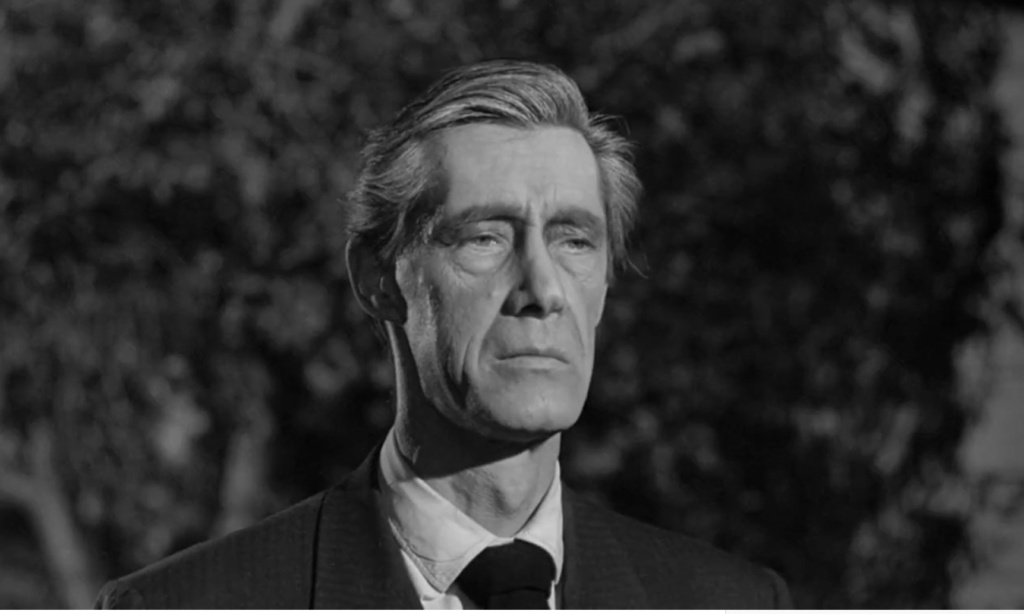
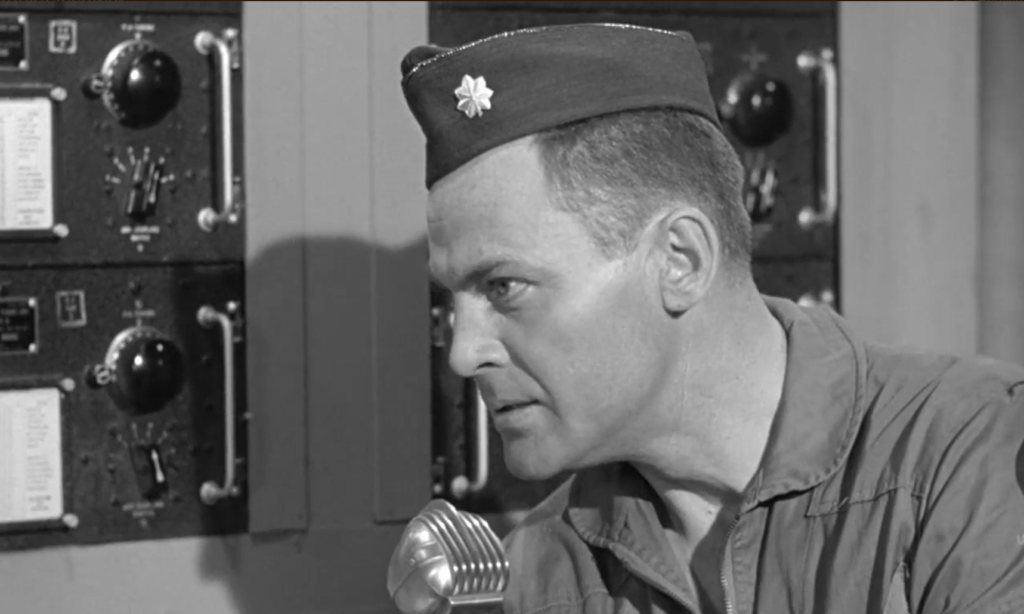
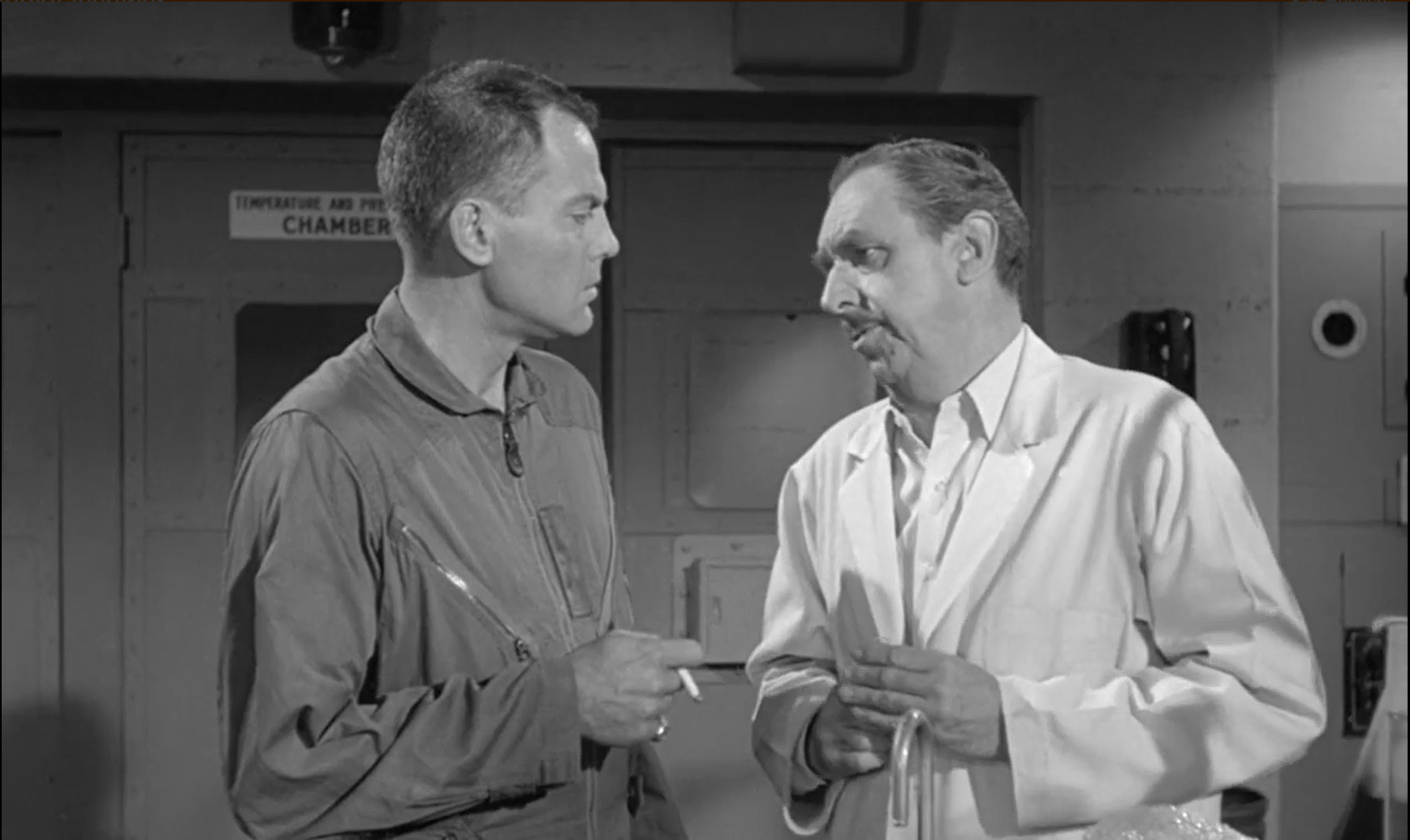
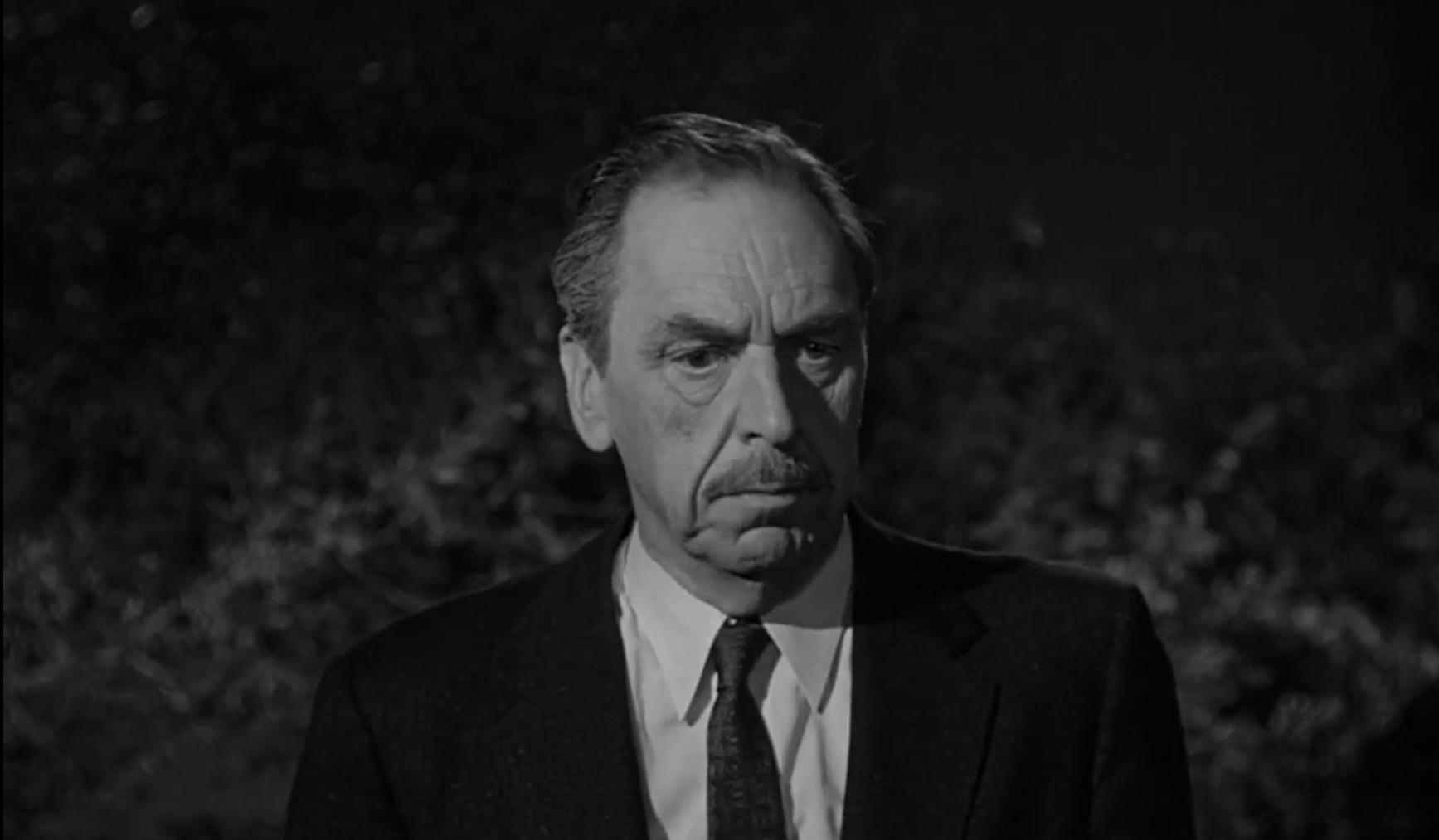
As to be expected for a B-budget film of this caliber, the special effects in Invisible Invaders are lame, and the acting is mostly sub-par. Fortunately, B-regular John Agar (who sounds uncannily like John Wayne) is suitably cast as the no-nonsense major, and British Philip Tonge (in one of his final roles) somehow manages to make campy lines such as “We need time… They must give it to us! They must!” and “Cyclic pulsations? It doesn’t make any sense at all!” sound semi-natural.
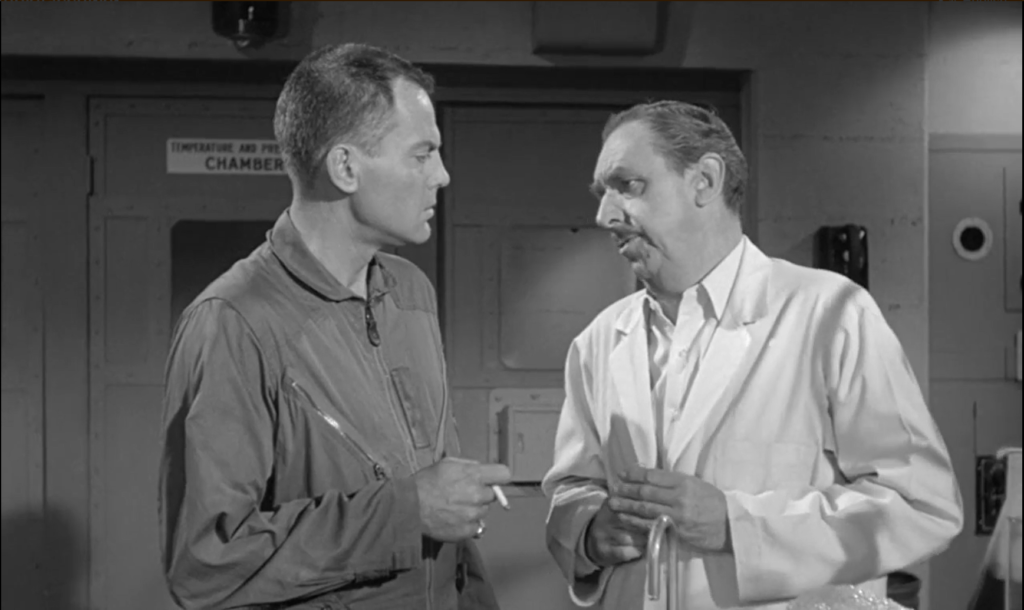
It should also be noted that Invisible Invaders is a clear thematic precursor to George Romero’s Night of the Living Dead, and will probably be of interest to sci fi/horror fans for this reason alone.

Redeeming Qualities and Moments:

  • Philip Tonge as Dr. Penner
  • John Agar as no-nonsense Major Jay
  • A laughably hokey voiceover narration:

    “The walking dead were everywhere now — a vast army of destruction that could not be killed!”

Must See?
No, but it’s recommended for those who enjoy campy, ultra-low-budget sci-fi flicks. It’s listed in the back of Peary’s book as a Camp Classic.

Links:

Wobblies, The (1979)

Wobblies, The (1979)

“There was only one thing to do: you either stopped living, or you became a rebel.”

Synopsis:
Members of the Industrial Workers of the World (Wobblies) share their experiences as radical activists.

Genres, Themes, Actors, and Directors:

  • Collective Activism
  • Documentary
  • Labor Movement
  • Revolutionaries

Review:
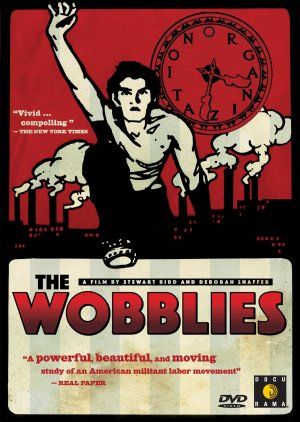
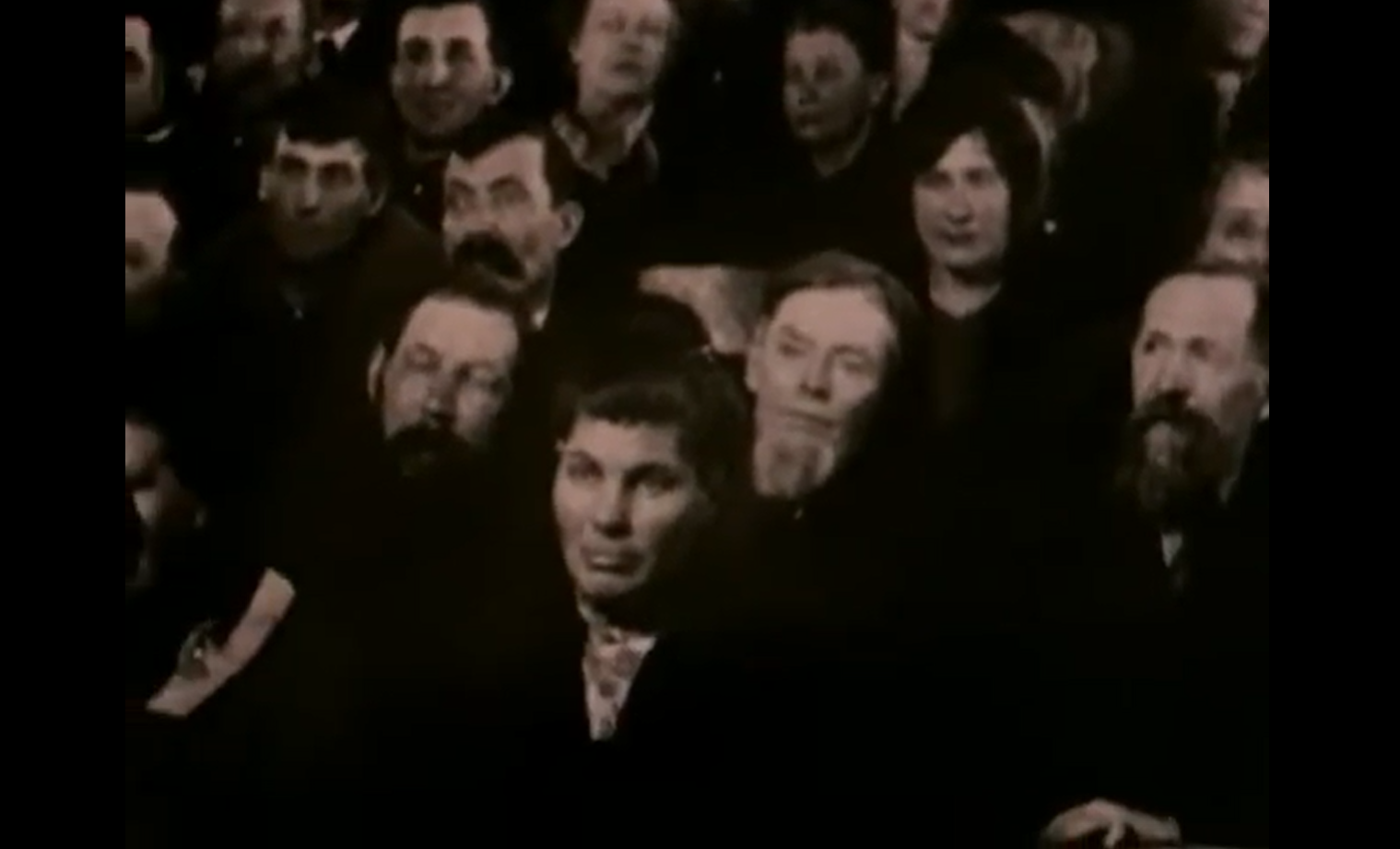
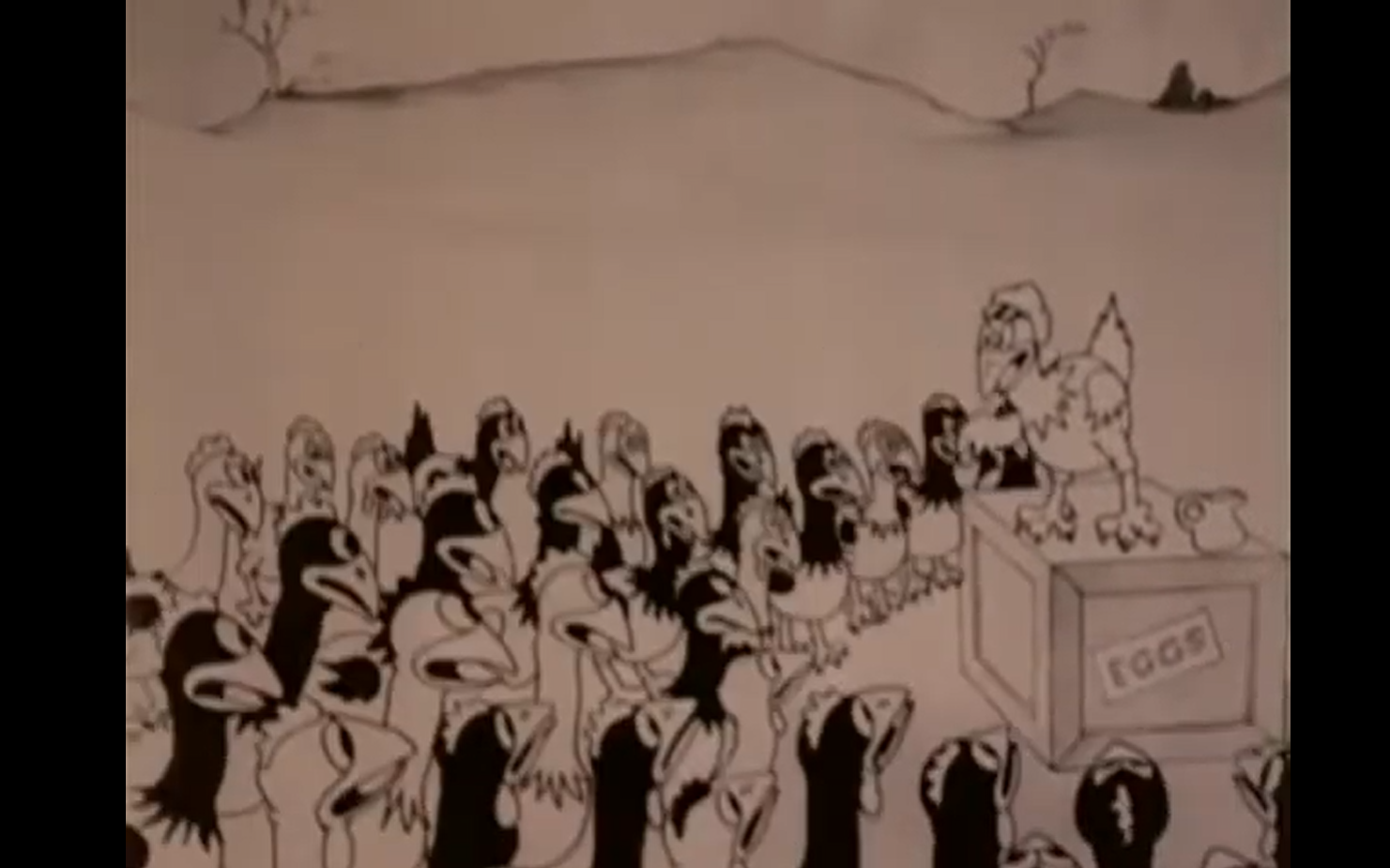
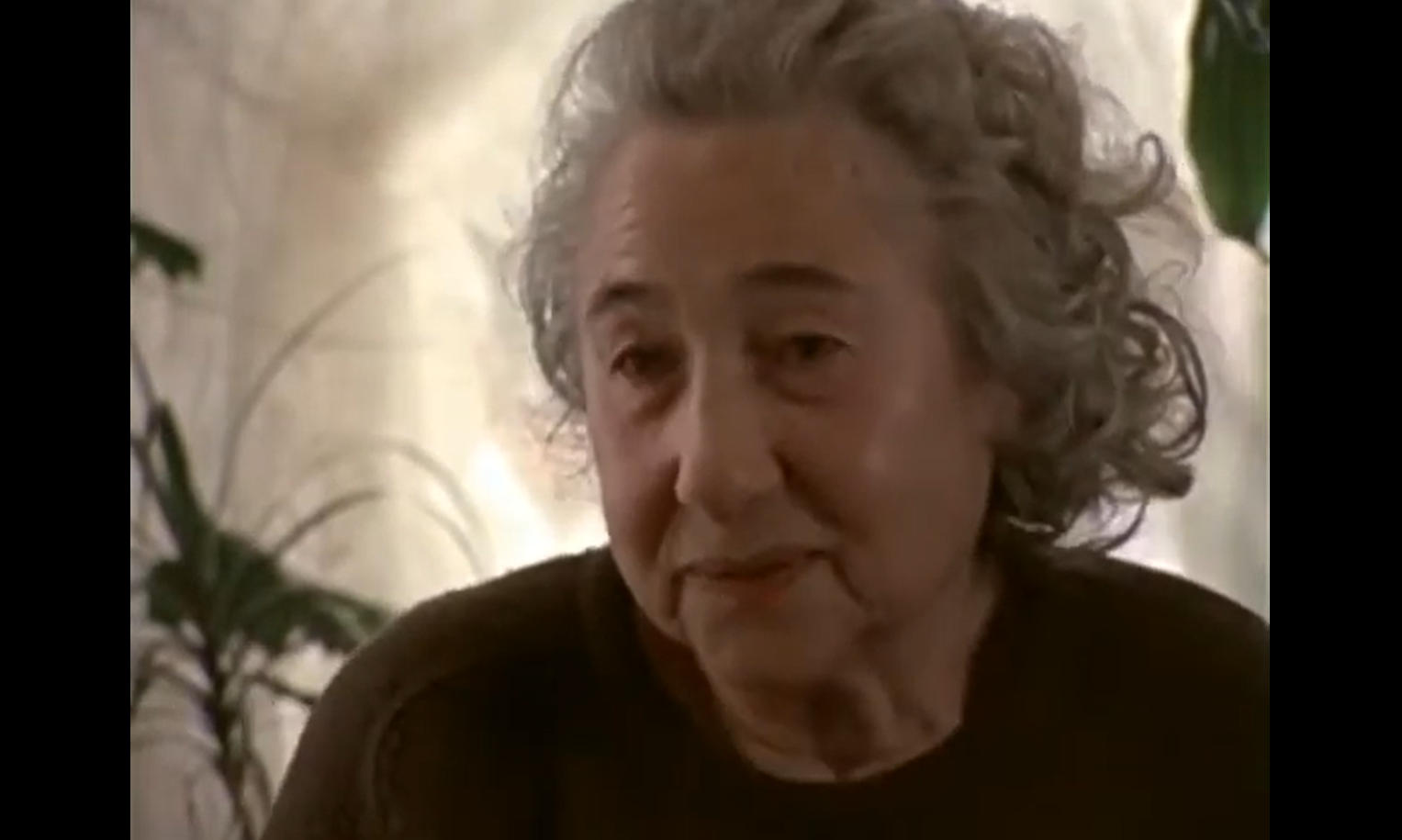
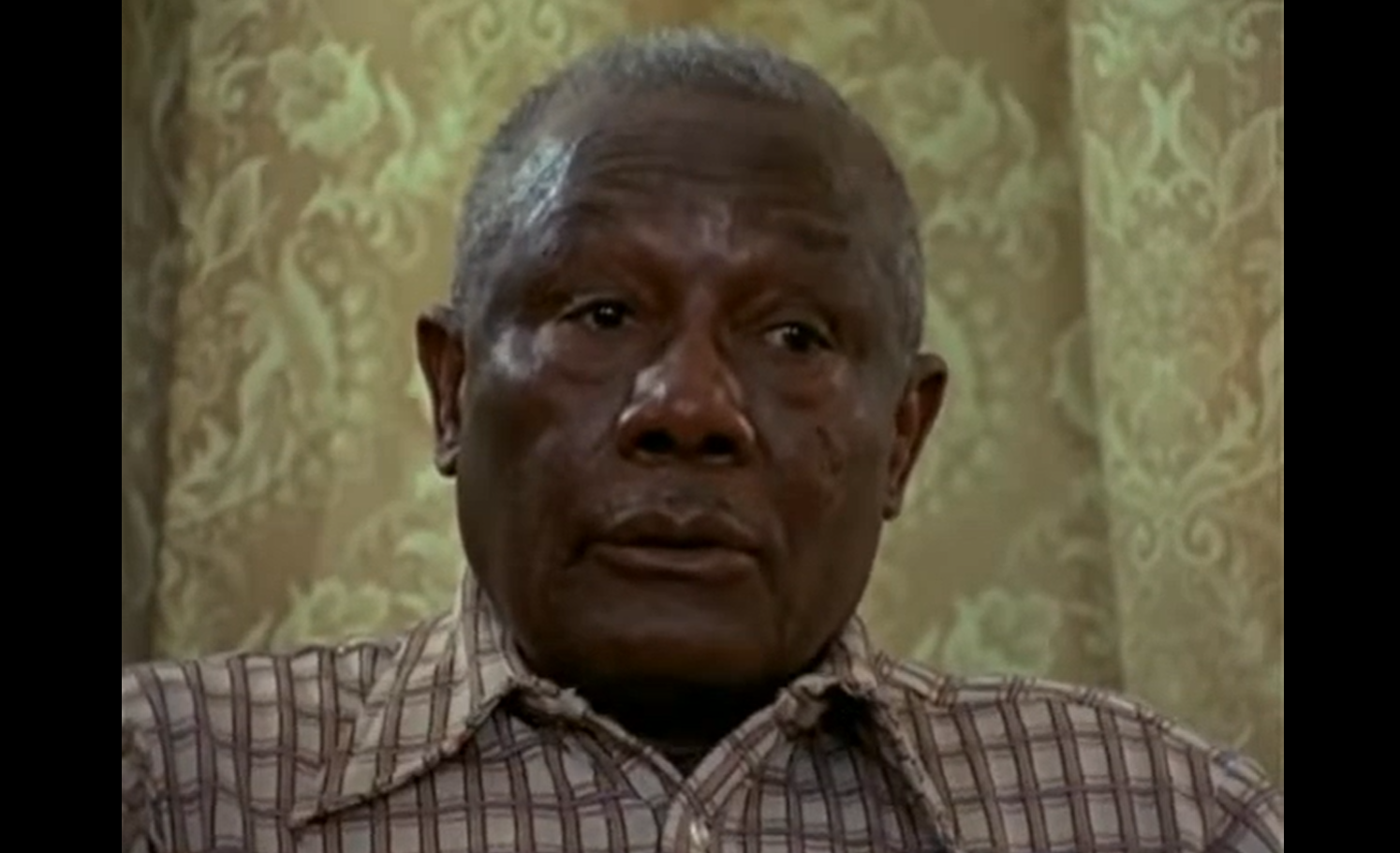
The Wobblies presents a thorough (if undeniably one-sided) look at a largely defunct radical labor group known as the Industrial Workers of the World (or the IWW). (Early in the film, we learn the etymology of the term “Wobblie”, which came about when a Japanese man tried to pronounce the initials “IWW” but couldn’t manage to say the letter “double-u”, instead replacing it with “wobblie”.) Bearing stylistic resemblance to Connie Field’s The Life and Times of Rosie the Riveter (1980), the film features interviews with a handful of remarkably lucid octogenarian-Wobblies, some early anti-union cartoon clips, and fascinating footage of American laborers from diverse industries. As an historical time capsule alone, The Wobblies remains an invaluable treasure.

Redeeming Qualities and Moments:

  • An invaluable time capsule look at the IWW — and general labor issues — in the early 20th century


Must See?
Yes, simply as an important historical document.

Categories

  • Historically Relevant

Links: