Browsed by
Category: Original Reviews

Responses to Peary’s “must see” movie reviews, as well as my own “must see” movie reviews up to and after 1986 (when Peary’s book was published).

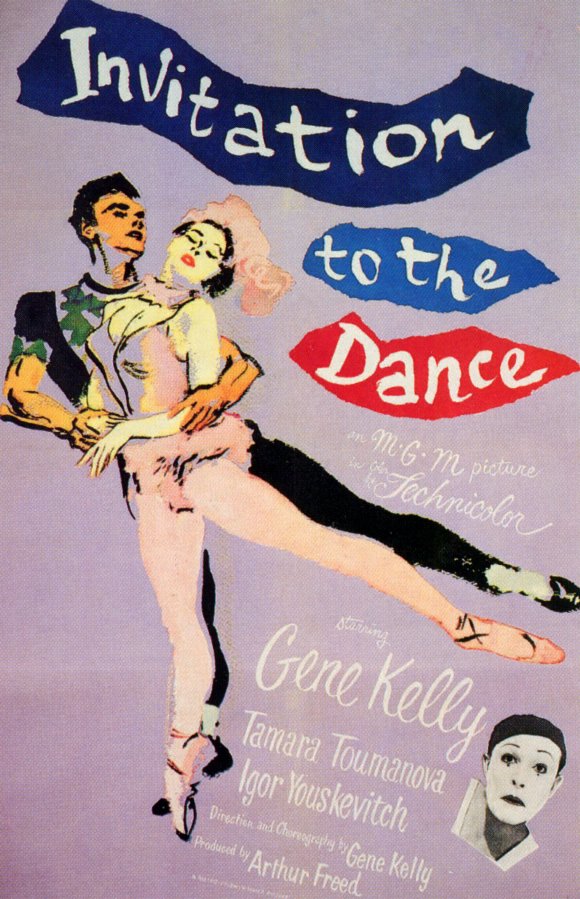
Invitation to the Dance (1957)

Invitation to the Dance (1957)

Synopsis:
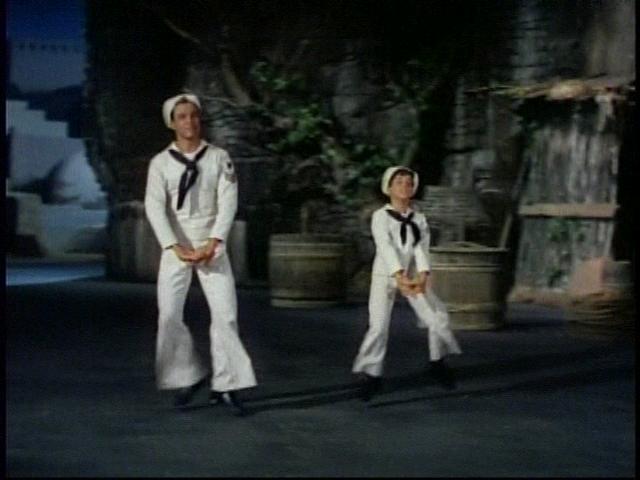
Gene Kelly directs three wordless dance vignettes: in “Circus”, Pierrot (Gene Kelly) longs for a beautiful dancer (Claire Sombert) who is already in love with an acrobat (Igor Youskevitch); in “Ring Around the Rosy”, a bracelet passes hands from a wealthy husband (David Paltenghi) to many others, including a prostitute (Tamara Tournanova); and in “Sinbad the Sailor”, a sailor (Kelly) and a young genie (David Kasday) dance with animated figures from the Far East.

Genres:

  • Dancers
  • Ensemble Films
  • Gene Kelly Films
  • Love Triangle
  • Sailors

Review:
This creative undertaking by Gene Kelly — a movie told just through dance and music, with no words — was filmed in 1952, but didn’t reach audiences until 1957, when it failed to recoup expenses; today, it comes across as a reasonably enjoyable experiment. The middle segment — “Ring Around the Rosy” (likely inspired by Ophuls’ La Ronde) — is especially well-done, and moves along at a fast clip. The first vignette — “Circus” — is the artiest, and the least interesting story-wise (though the dancing and visuals are arresting). The final story — “Sinbad the Sailor” — is guaranteed to appeal to those who enjoy live action-animation combos, but its decidedly “Orientalist” bent is dated and mildly offensive. Ultimately, this one is not for all tastes. but remains worthy viewing by all film fanatics as a unique entry in cinematic history.

Redeeming Qualities and Moments:

  • Gene Kelly as Pierrot
  • The enjoyable middle sequence
  • David Kasday as the Little Sailor/Genie
  • Creative choreography throughout

Must See?
Yes, simply for its historical relevance.

Categories

Links:

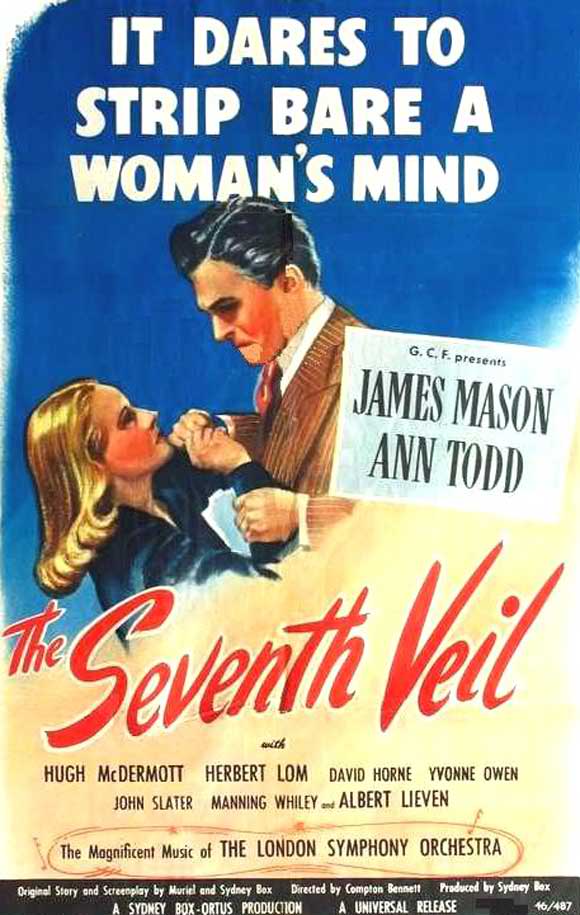
Seventh Veil, The (1946)

Seventh Veil, The (1946)

“The human mind is like Salome at the beginning of her dance: hidden from the outside world by seven veils, layers of reserve.”

Synopsis:
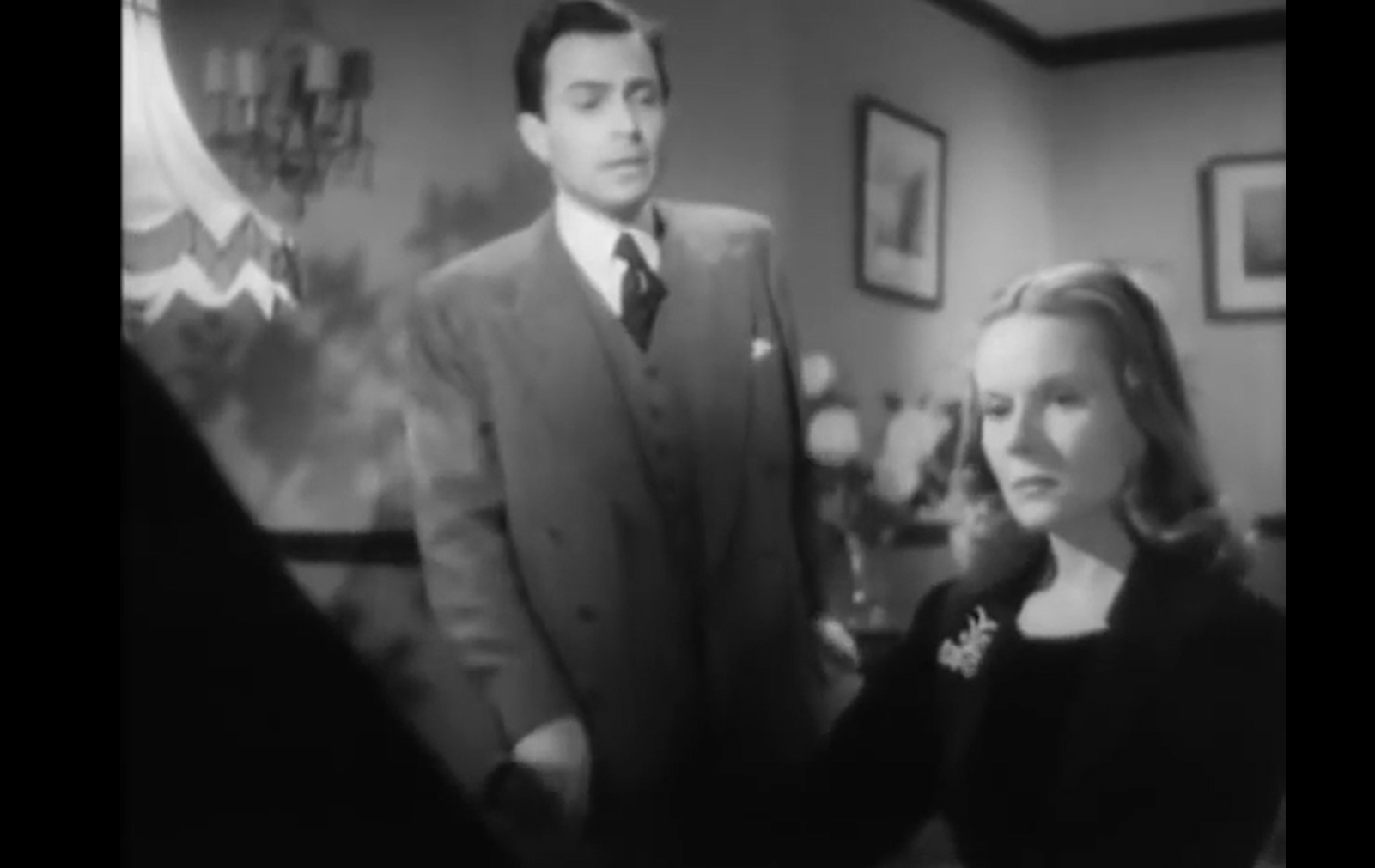
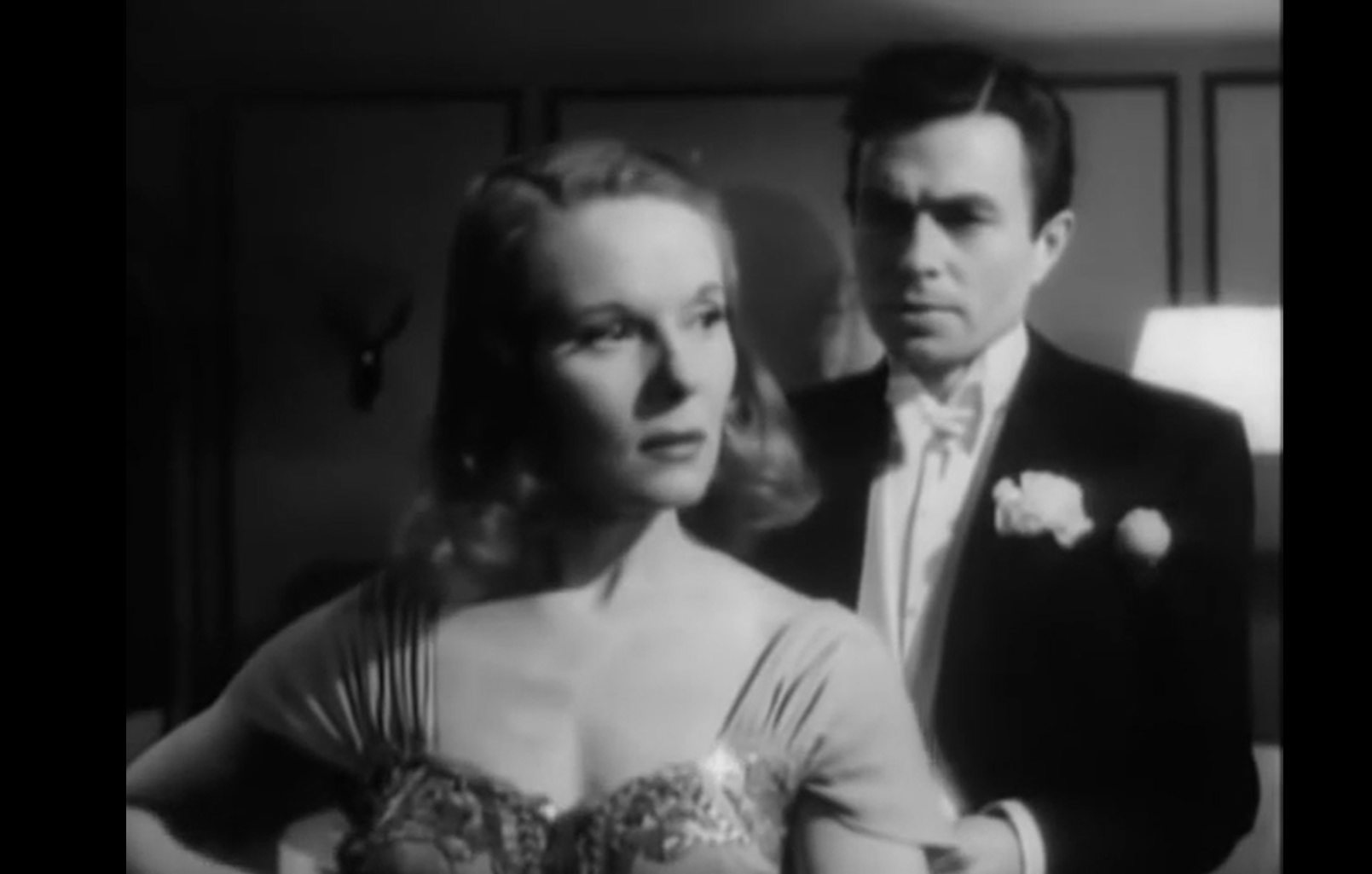
A suicidal concert pianist (Ann Todd) — raised by a demanding, enigmatic guardian (James Mason) — is hypnotized by a psychiatrist (Herbert Lom) who hopes to uncover the root of her neurosis.

Genres:

  • Flashback Films
  • James Mason Films
  • Mental Breakdown
  • Mind Control and Hypnosis
  • Musicians
  • Psychotherapy

Review:
The Seventh Veil was immensely popular upon its release, with British audiences attending screenings in droves. Today, it comes across as somewhat dated (the theme of hypnosis as a magic cure for one’s ills is especially laughable), but remains a compelling, almost compulsively watchable tale. Unfortunately, Todd was much too old to be playing her character at the age of 14 (a younger look-alike should have been used), though she’s fine in later scenes.


Meanwhile, Mason is as dark and brooding as always, and perfectly cast.

Redeeming Qualities and Moments:

  • An intriguing, well-told story of dominance, love, and psychosis
  • Atmospheric cinematography

Must See?
Yes, due to its historic popularity.

Categories

Links:

In the Devil’s Garden / Assault / Tower of Terror (1971)

In the Devil’s Garden / Assault / Tower of Terror (1971)

“He has a psychopathic disregard for human life.”

Synopsis:
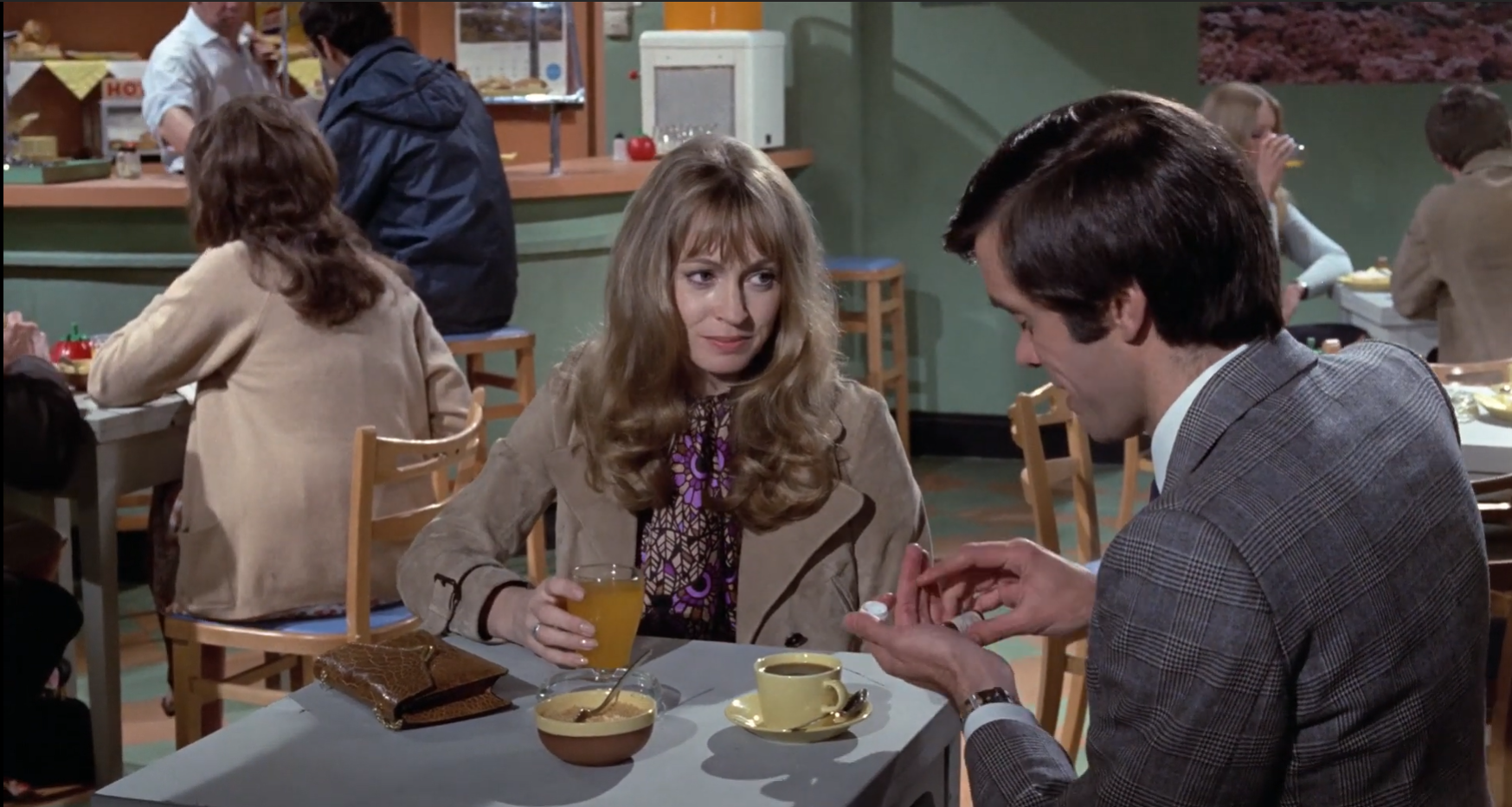
An art teacher (Suzy Kendall) at a girls’ school in London catches a glimpse of the man who raped two of her students and murdered one of them. With the help of Detective Velyan (Frank Finlay) and a reporter (Freddie Jones), she sets a trap to try to bait the killer.

Genres:

  • Detectives and Private Eyes
  • Murder Mystery
  • Rape

Review:
This British slasher flick (known as The Creepers in the U.K.) will primarily be of interest to either fans of the genre, or those who enjoy watching teenage girls in skimpy school uniforms. While it’s difficult to guess who the real killer is here, it’s also difficult to care much one way or the other. Kendall is a beautiful leading lady, but she’s given such unoriginal scenes to walk through that she doesn’t leave much of an impression.

Redeeming Qualities and Moments:

  • A competent, if uninspired, tale of killer-baiting

Must See?
No. Though Peary lists this as a Cult Movie in the back of his book, it’s certainly not must-see viewing.

Links:

Young Cassidy (1965)

Young Cassidy (1965)

“There are things to be written in this country by brutal, drunken working men like me.”

Synopsis:
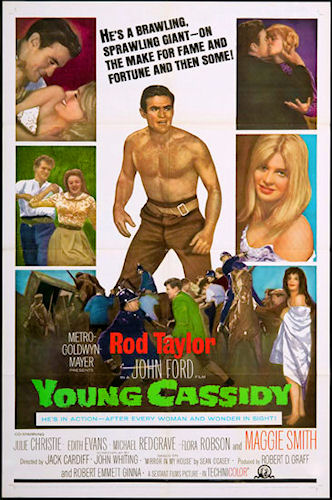
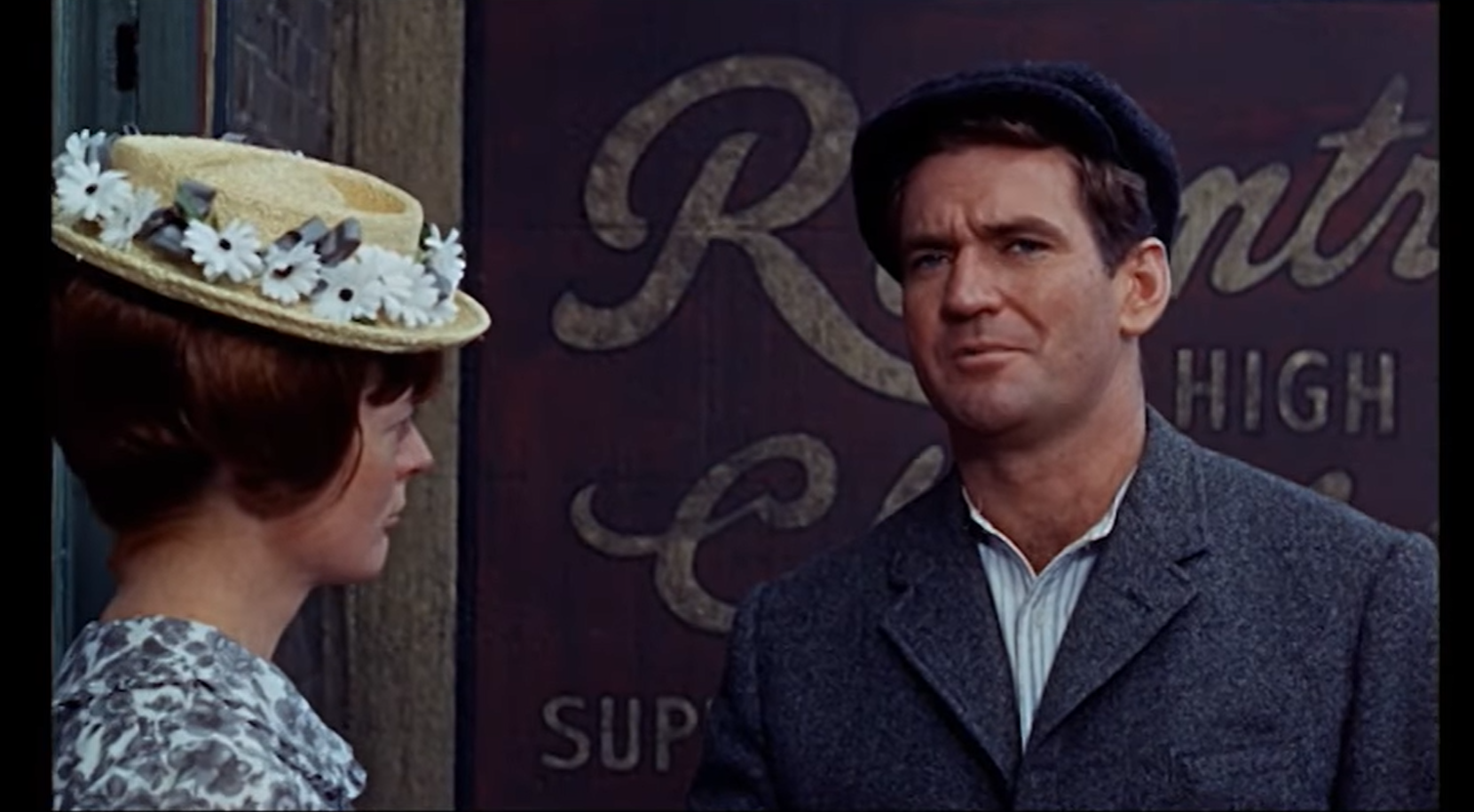
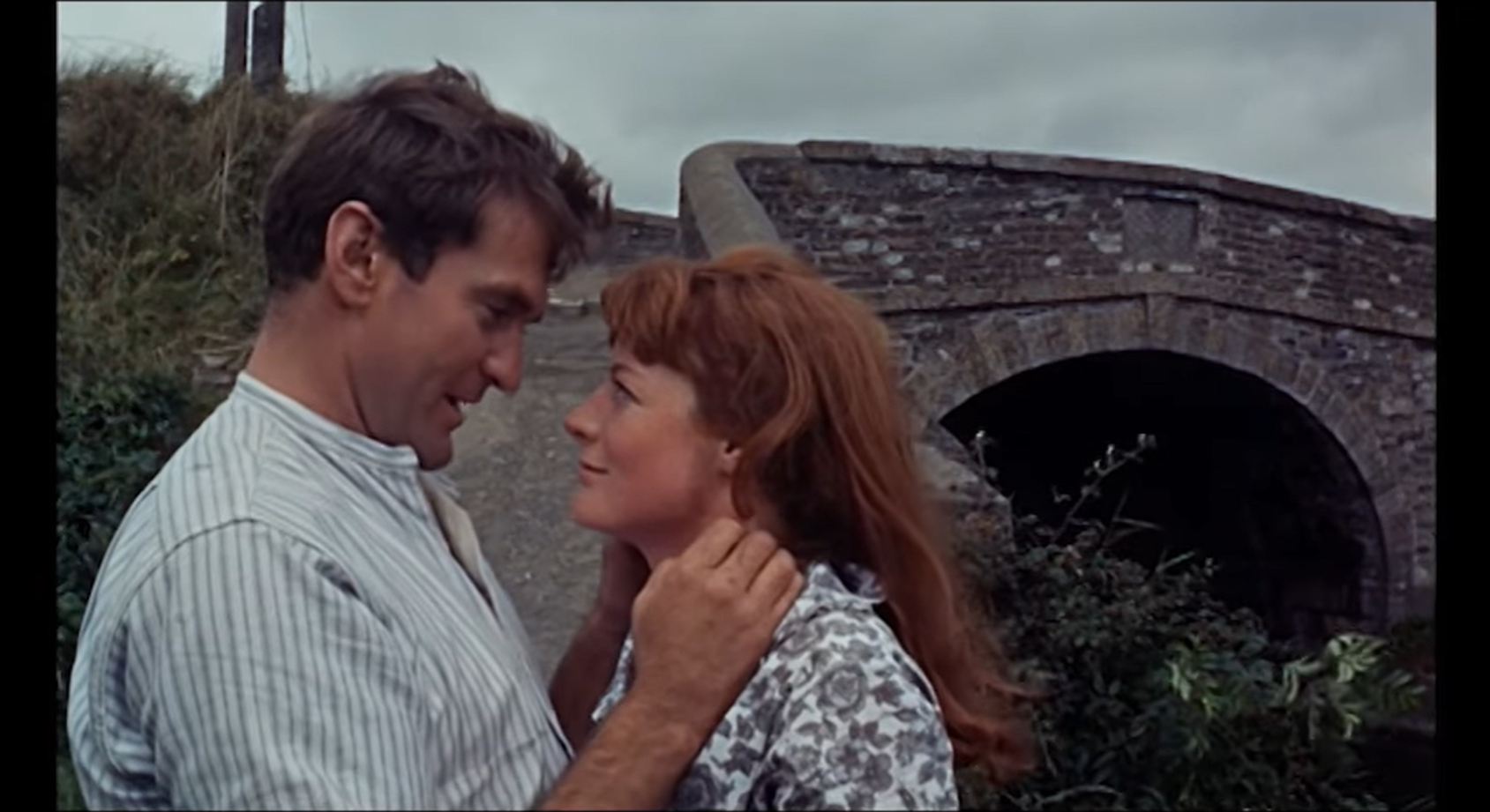
Famed playwright John Cassidy (Rod Taylor) fights for Ireland’s freedom, falls in love with a bookstore employee (Maggie Smith), and sees his first plays performed.

Genres:

  • Biopics
  • Flora Robson Films
  • Ireland
  • John Ford Films
  • Maggie Smith Films
  • Michael Redgrave Films
  • Rod Taylor Films
  • Writers

Review:
Many viewers seem to agree that this biopic of playwright Sean O’Casey‘s early years (based on his memoirs) features fine performances, but fails to cohere as a compelling narrative. Taylor is wonderful as Cassidy (why was O’Casey’s name changed?), and it’s nice to see young Maggie Smith playing a romantic role; however, the story as a whole simply isn’t all that interesting. As noted in The New York Times’ review, the screenwriters never establish what Cassidy is fighting for in the earliest scenes — and, though we can fill in the blanks with our own knowledge of Irish history, it’s frustrating to be given so little information. The most interesting scenes in the film come at the very end, when Cassidy is forced to face the fact that Ireland isn’t ready for the type of “raw” story he wants to tell.

Redeeming Qualities and Moments:

  • Rod Taylor’s powerful performance as John Cassidy
  • Maggie Smith as Cassidy’s love interest, Nora
  • A fine depiction of turn-of-the-century Ireland

Must See?
No. Despite Taylor’s strong performance, this is not must-see viewing.

Links:

Tiger Makes Out, The (1967)

Tiger Makes Out, The (1967)

“To live in this world, one has to be what one is: primitive, savage, a creature of the jungle!”

Synopsis:
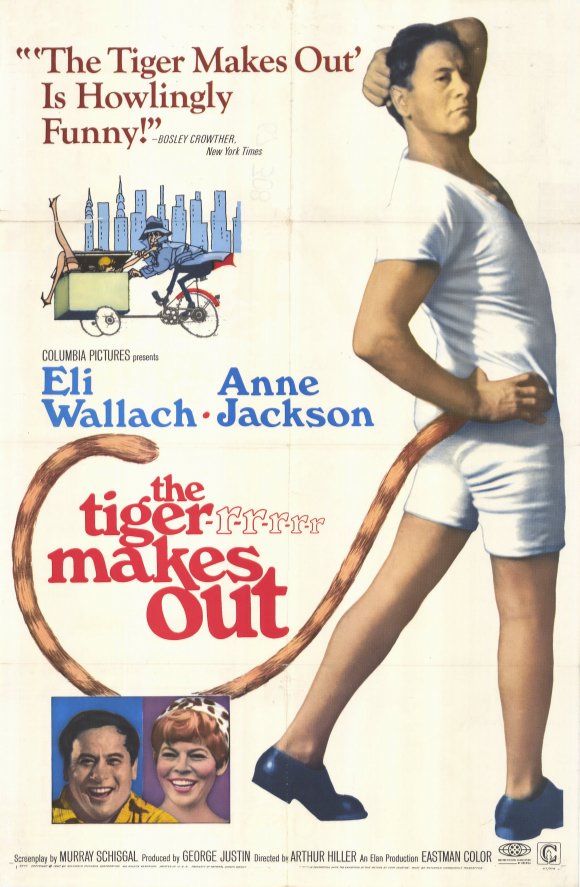
An embittered postman (Eli Wallach) plots to kidnap a beautiful young woman as a statement to the world. Instead, he accidentally kidnaps an unhappily married housewife (Anne Jackson) who has dreams of re-entering college, and can relate to Wallach’s frustration.

Genres:

  • Black Comedy
  • Eli Wallach Films
  • Kidnapping
  • New York City
  • Play Adaptations

Review:
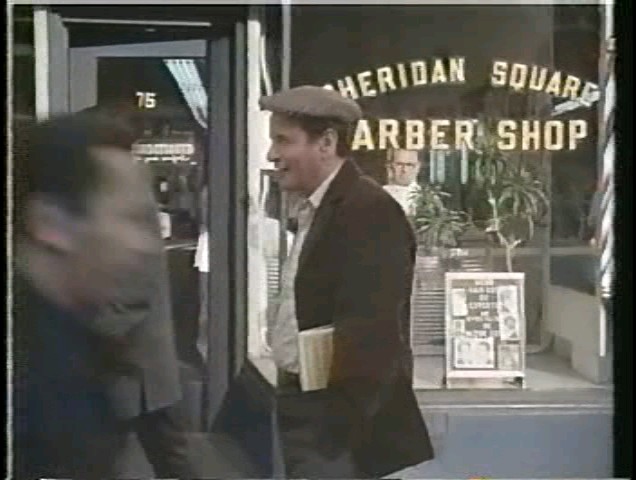
Eli Wallach shines in this delightful black comedy, based on a one-act play (“The Tiger”) by Murray Schisgal. Director Arthur Hiller maintains a fast pace throughout, and does an excellent job opening up the play to include New York settings. The performances all around are wonderful (it’s too bad Jackson, Wallach’s real-life wife, never became a big film star — she’s wonderfully droll here), and there are countless laugh-out-loud moments. Unfortunately, however, the fact that Wallach’s character is essentially a rapist on the prowl for female “meat” adds an unsavory tinge to the entire affair; while the comedic tone of the film makes it clear that he’ll never succeed in his goal, it’s nonetheless disturbing to try to empathize with a protagonist who has rape on his mind.

P.S. Could this be the first cinematic portrayal of someone “going postal”?

Redeeming Qualities and Moments:

  • Eli Wallach as the cynical, existential postman
  • Anne Jackson as Gloria Fiske
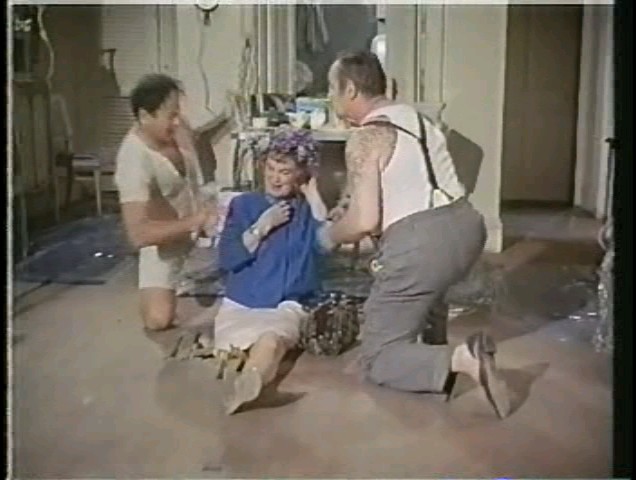
  • Ben’s upstairs neighbor (Bibi Osterwald) concerning herself with appearances while her leg is stuck through the floor
  • Gloria’s bizarre meeting with a university admissions director (played by Charles Nelson Reilly)
  • Good use of New York settings
  • Murray Schisgal’s irreverant screenplay

Must See?
No, but it’s highly recommended.

Links:

Odette (1950)

Odette (1950)

“In her own words, Odette was a very ordinary woman.”

Synopsis:
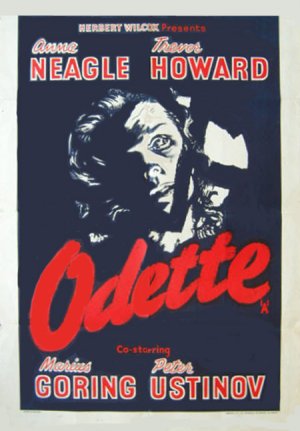
During World War II, French-born Odette Sansom (Anna Neagle) volunteers for the British resistance movement in France, and meets fellow spy Peter Churchill (Trevor Howard).

Genres:

  • Biopics
  • Peter Ustinov Films
  • Resistance Fighters
  • Spies
  • Trevor Howard Films
  • World War II

Review:
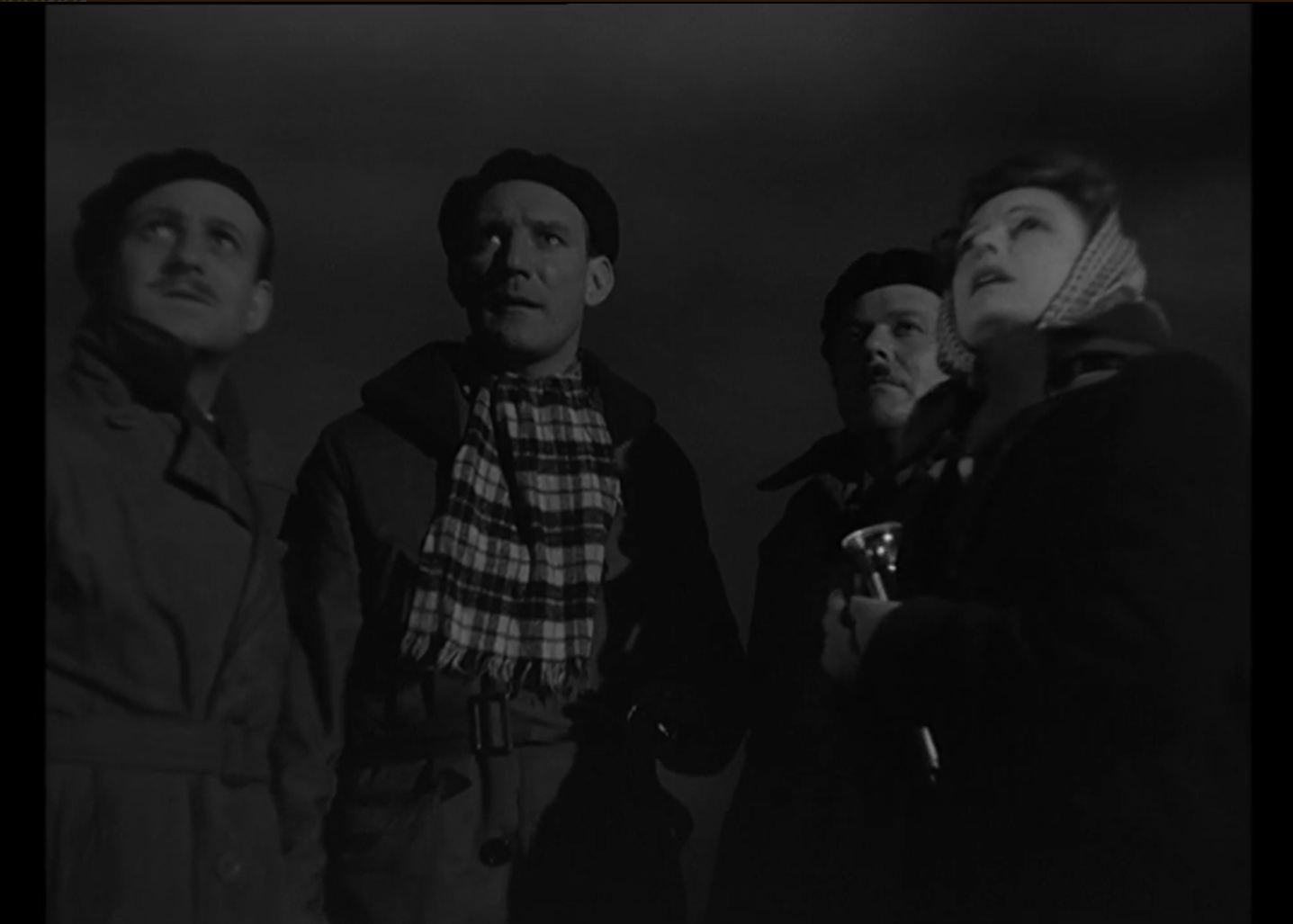
Made just five years after her release from Ravensbruck Concentration Camp, this biopic of famed British spy Odette Sansom suffers from an overly pedantic and adulatory approach to its subject matter. While Sansom is certainly deserving of the highest praise for her sacrifice (which included enduring heinous torture by the Gestapo), her story as told here lacks punch; the first half is especially slow and confusing. Perhaps most disturbing, however, is Neagle’s faux French accent, which is less than convincing — indeed, the issue of language in general is handled clumsily in the film, with an occasional (distracting) “A bien tot” or “Ja voll, Herr Kommandant” thrown into the middle of the primarily English dialogue. Performances by the supporting cast are perfunctory at best; notable exceptions are Trevor Howard and Peter Ustinov as Sansom’s compatriots.

Redeeming Qualities and Moments:

  • Trevor Howard as Peter Churchill
  • Peter Ustinov as Arno
  • Effective cinematography

  • The powerful (mercifully oblique) torture scenes

Must See?
No. This film will primarily be of interest to WWII history buffs.

Links:

Two Weeks in Another Town (1962)

Two Weeks in Another Town (1962)

“I don’t want your charity — if I’m through as an actor, I’m through!”

Synopsis:
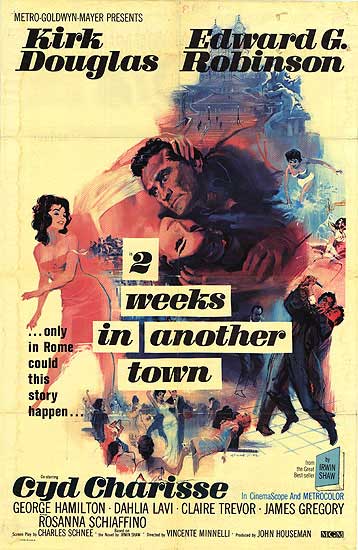
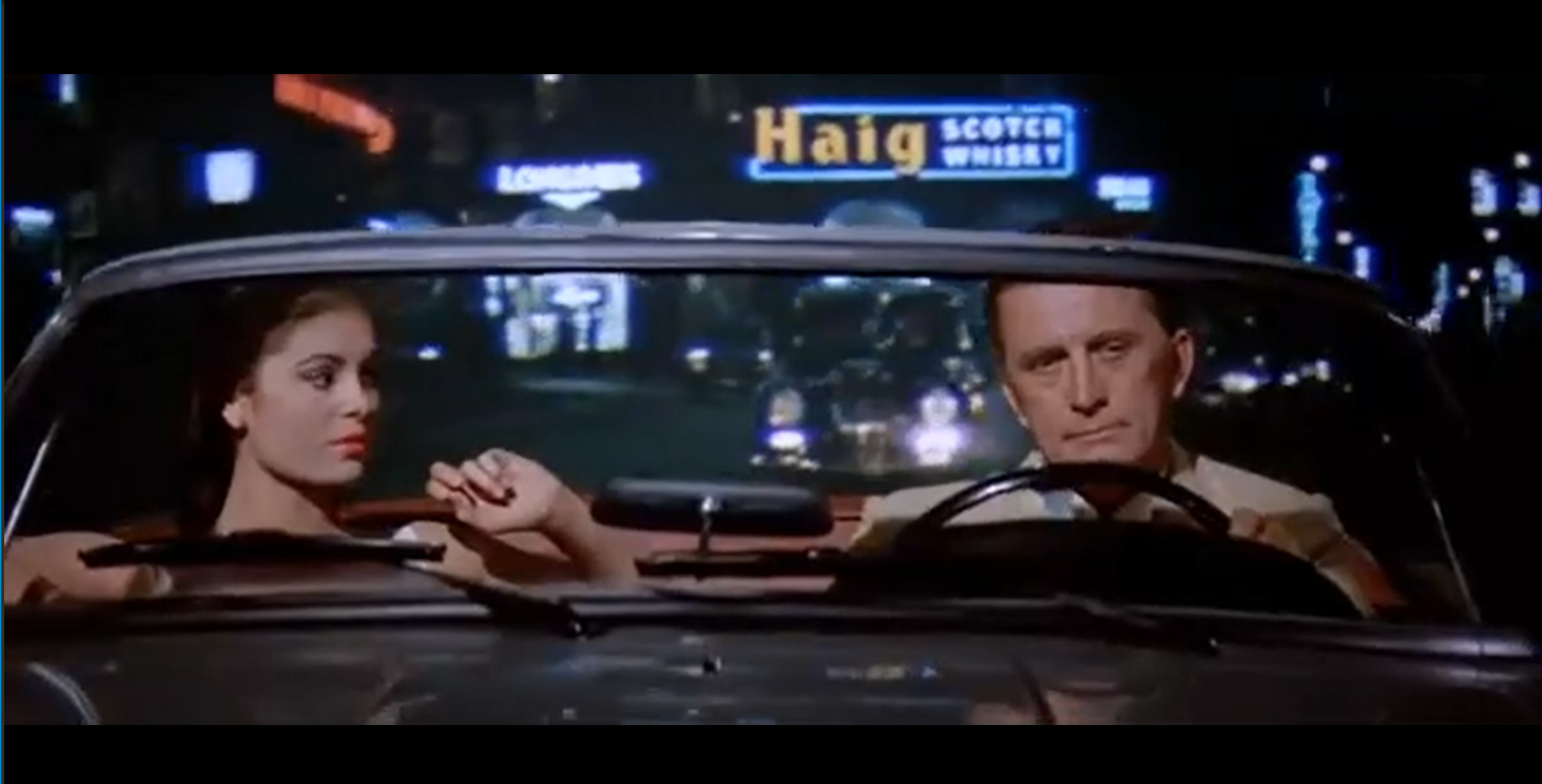
Washed-up Hollywood actor Jack Andrus (Kirk Douglas) is given a chance by director Maurice Kruger (Edward G. Robinson) to coordinate the dubbing on his latest Italian melodrama, starring young hotshot Davie Drew (George Hamilton). When Kruger falls ill, Andrus — who has fallen in love with Hamilton’s girlfriend (Daliah Lavi) — takes over directing duties.

Genres:

  • Actors and Actresses
  • Claire Trevor Films
  • Cyd Charisse Films
  • Edward G. Robinson Films
  • George Hamilton Films
  • George Macready Films
  • Kirk Douglas Films
  • Movie Directors
  • Has-Beens
  • Hollywood
  • Vincente Minnelli Films

Review:
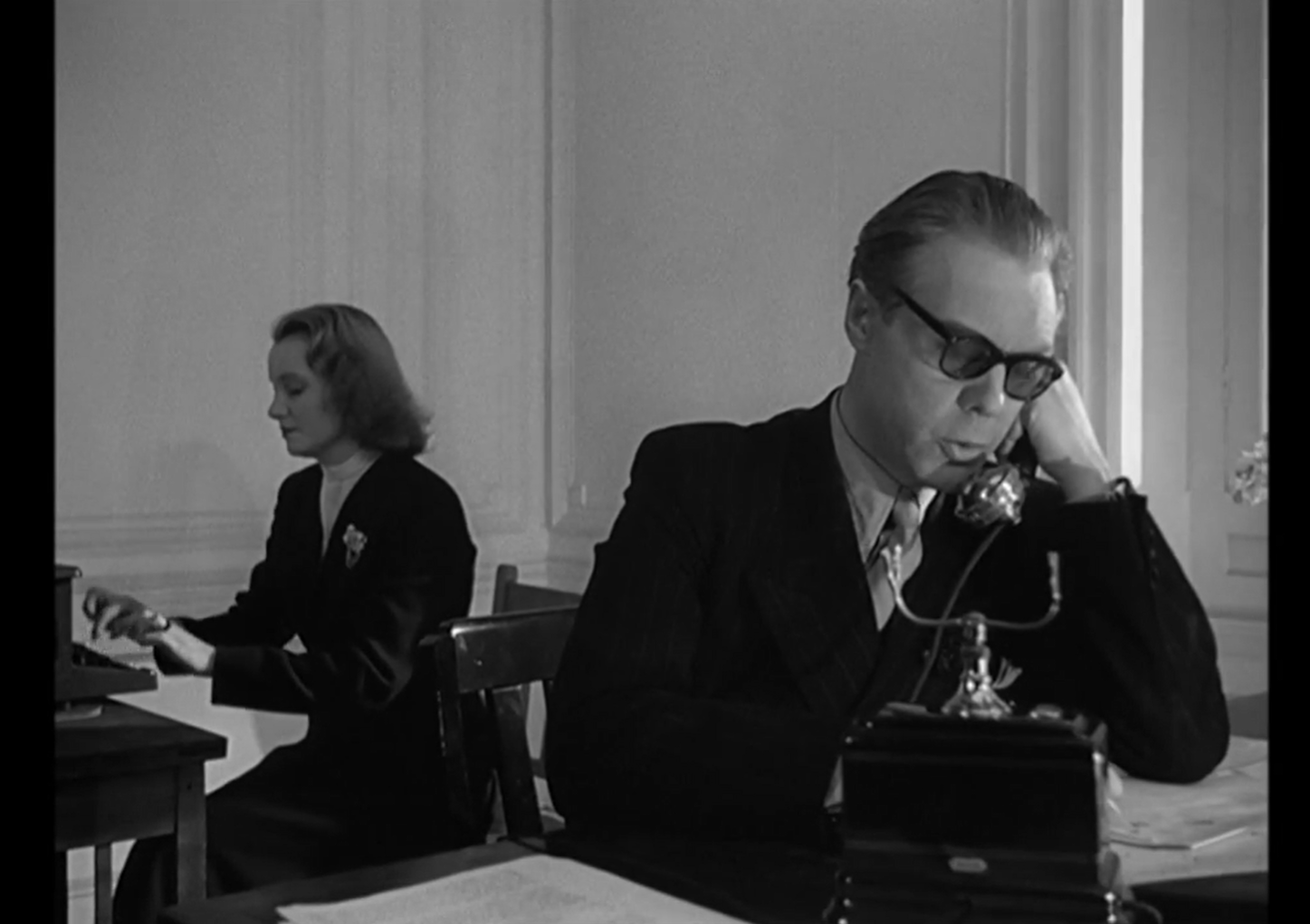
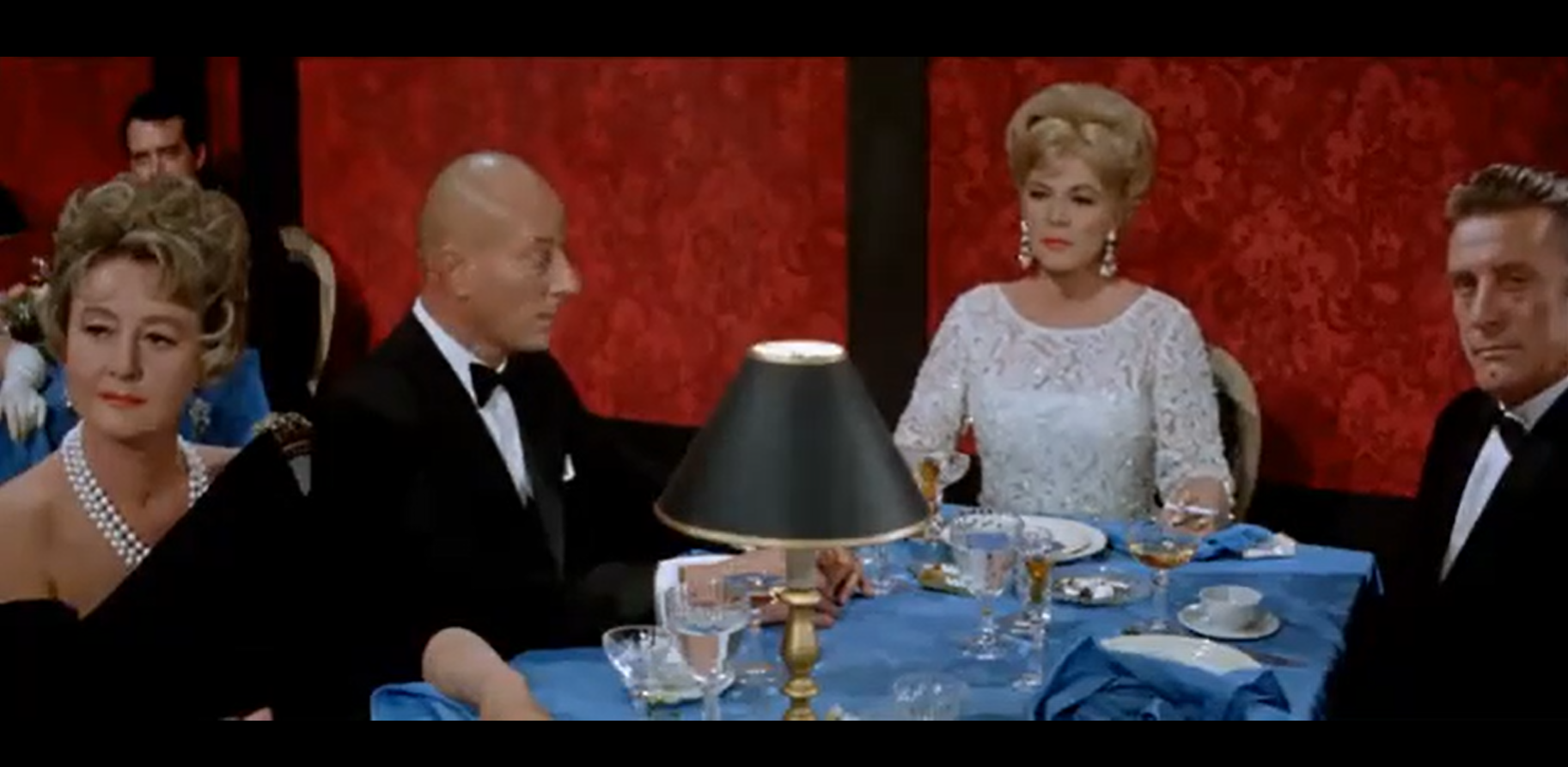
There’s not much redeeming value in this overblown melodrama by director Vincente Minnelli, based on a novel by Irwin Shaw. The normally reliable cast of A-list actors fail to adequately develop their characters (Claire Trevor is particularly shrill and one-note as Kruger’s controlling wife):

… and the narrative covers ground trodden many times before. A major disappointment.

Redeeming Qualities and Moments:

  • Daliah Lavi’s appealing performance as Douglas’s Italian love interest

Must See?
No. Though this film is inexplicably lauded by many (and was voted by Godard as one of the best films of 1963!), it’s not must-see viewing.

Links:

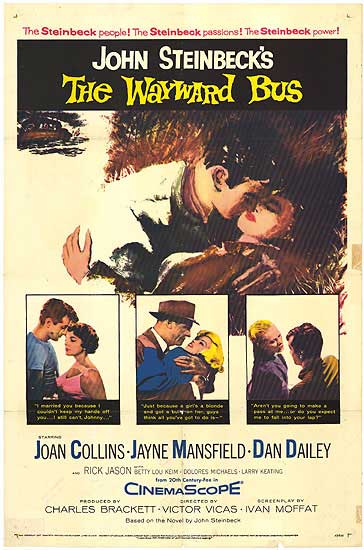
Wayward Bus, The (1957)

Wayward Bus, The (1957)

“Nothing ever happens in a 50-mile bus ride to be jealous of.”

Synopsis:
A bus driver (Rick Jason) married to a neurotic alcoholic (Joan Collins) takes a group of passengers — including a buxomy blonde (Jayne Mansfield) and a salesman (Dan Dailey) — on a dangerous ride.

Genres:

  • Dan Dailey Films
  • Ensemble Film
  • Jayne Mansfield Films
  • Joan Collins Films
  • Road Trip

Review:
This adaptation of John Steinbeck’s novel suffers from a cliched script, and characters we never care about or believe in. Handsome Rick Jason glowers his way through each of his scenes:

while Jayne Mansfield is wasted in a stereotypical role as an “adult performer” who wants nothing more than to get married and have a refrigerator and electric stove of her own (even if it means settling for a toothy-grinned nebbish like Dailey).

The film’s main strengths are its exciting action sequences, most notably when “Sweetheart” (the eponymous bus) attempts to cross a rickety bridge in pouring rain.

Redeeming Qualities and Moments:

  • The exciting bridge sequence

Must See?
No. Although Peary lists this as a Sleeper in the back of his book, it’s not worth seeking out.

Links:

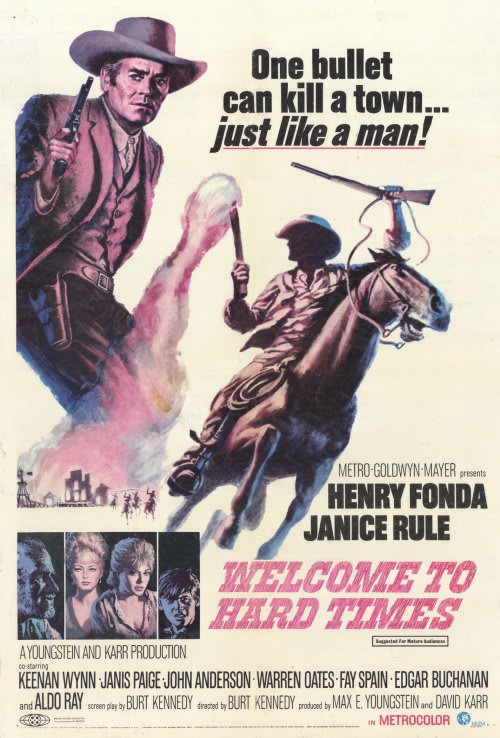
Welcome to Hard Times (1967)

Welcome to Hard Times (1967)

“We’ve got a well and a cemetery; that’s a beginning.”

Synopsis:
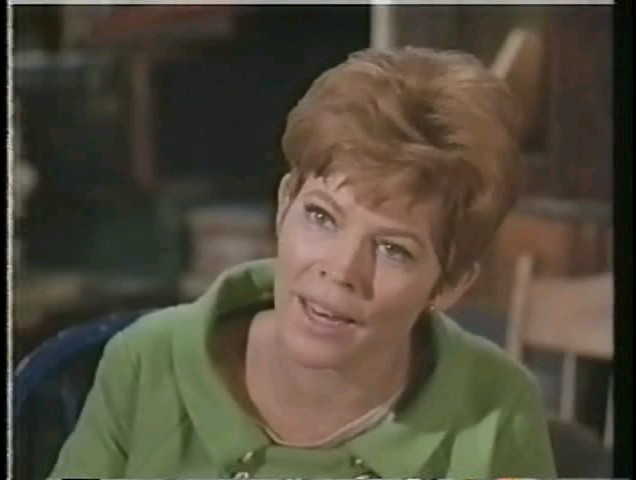
When a rogue gunman (Aldo Ray) terrorizes the settlement of Hard Times, a local Irish woman (Janice Rule) mocks Mayor Will Blue (Henry Fonda) for his cowardice. Meanwhile, a wagonful of prostitutes (led by Keenan Wynn) sets up a thriving business.

Genres:

  • Aldo Ray Films
  • Cowardice
  • Elisha Cook Jr. Films
  • Henry Fonda Films
  • Janice Rule Films
  • Keenan Wynn Films
  • Lon Chaney, Jr. Films
  • Prostitutes
  • Warren Oates Films
  • Westerns

Review:
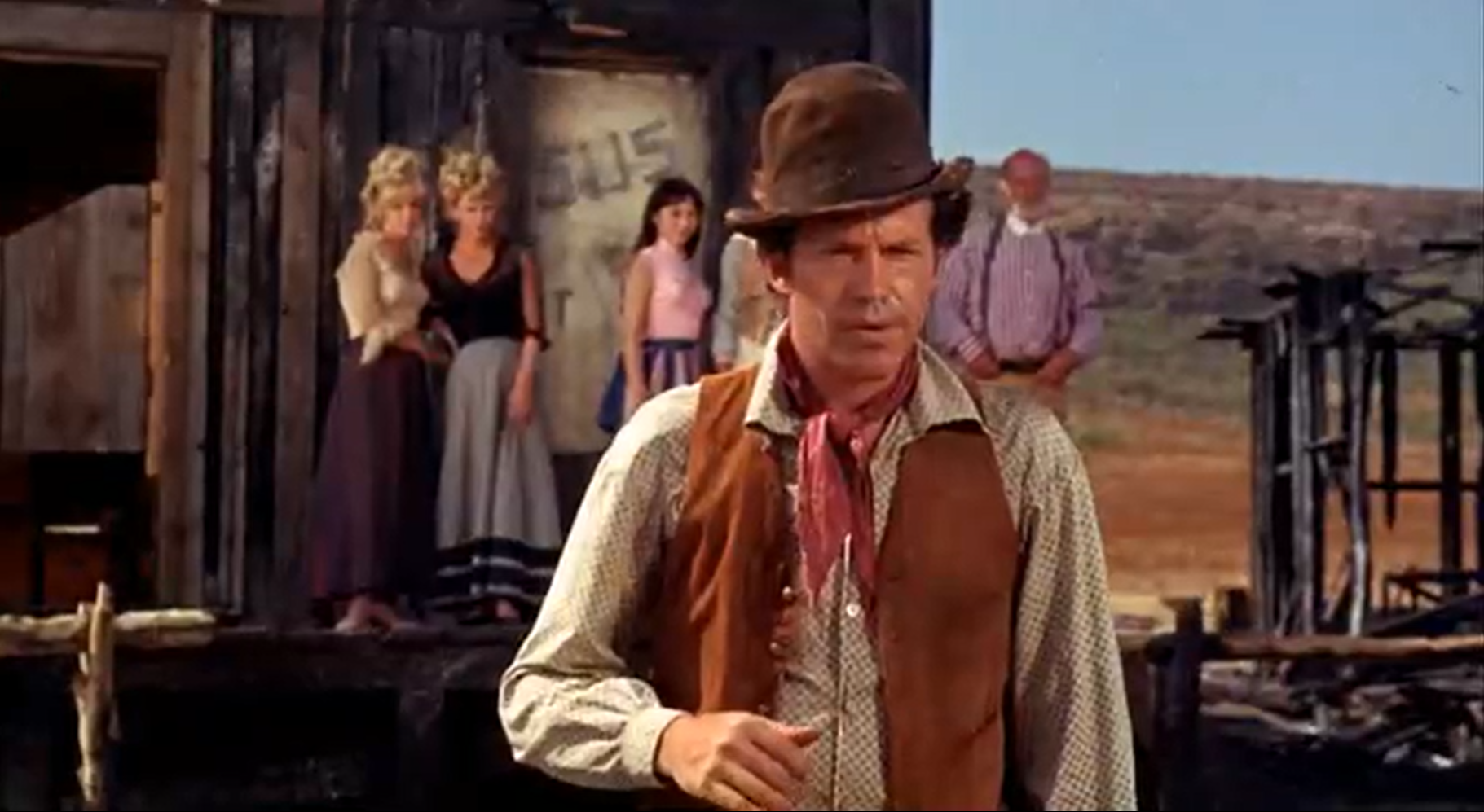
This disappointing western by director Burt Kennedy — perhaps best known for helming Support Your Local Sheriff (1969) — is a bust on every count. The dialogue is lame (“You’re a fool, Blue; you always were a fool”), the acting is almost uniformly poor (Rule’s accent is particularly awful), and the screenplay — based on a novel by E.L. Doctorow — is full of cliches, including a token Asian prostitute (Kalen Liu) who never speaks. It’s not clear to me why Peary lists this clunker in the back of his book.

Redeeming Qualities and Moments:

  • Harry Stradling Jr.’s cinematography
  • Warren Oates’ as “Deputy Jenks”

Must See?
No.

Links:

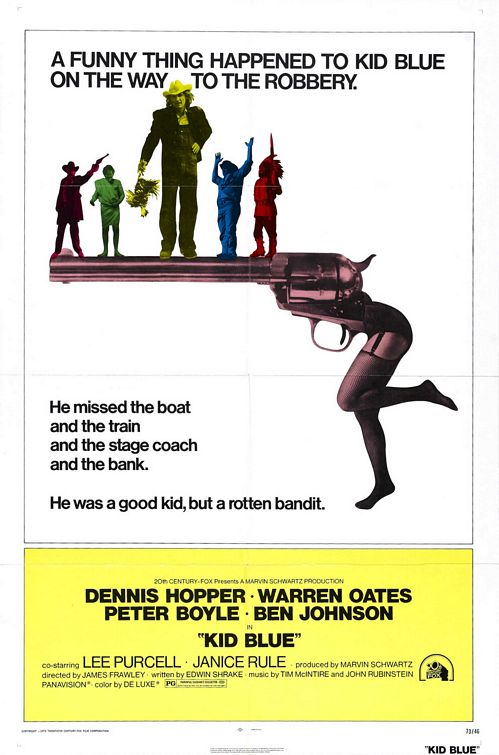
Kid Blue (1973)

Kid Blue (1973)

“I ain’t got no gun. I ain’t got no wife. All I got is a bed, and board, and a job, and I’m trying to be as good a citizen I can.”

Synopsis:
An inept train robber (Dennis Hopper) goes straight and takes a series of menial jobs in the town of Dime Box. Meanwhile, he befriends a genial factory worker (Warren Oates) and his seductive wife (Lee Purcell), as well as an eccentric preacher (Peter Boyle).

Genres:

  • Ben Johnson Films
  • Dennis Hopper Films
  • Ex-Cons
  • Janice Rule Films
  • Peter Boyle Films
  • Warren Oates Films
  • Westerns

Review:
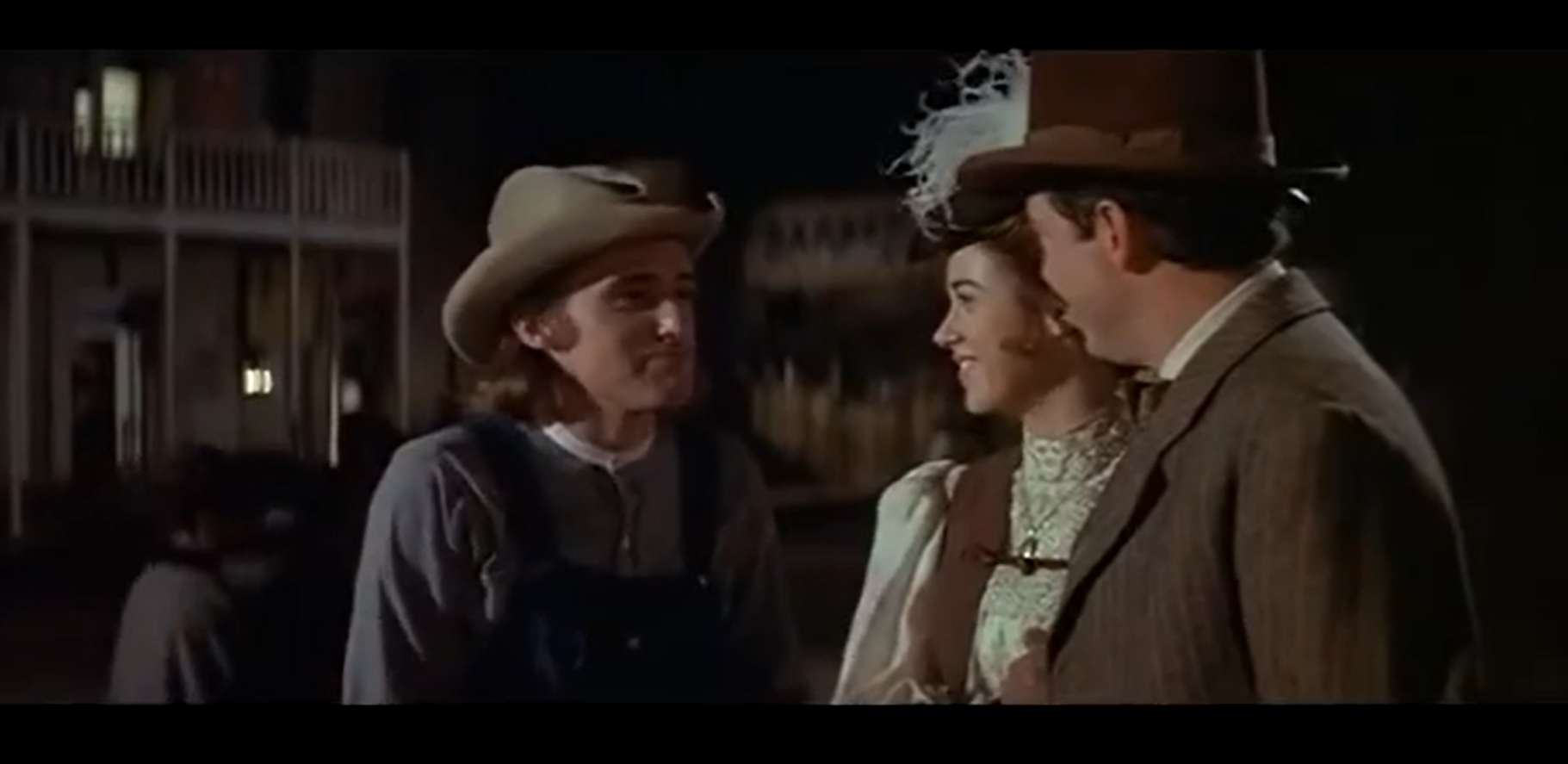
This revisionist western tells the simple yet timeless tale of an ex-con going straight who faces a daunting lifetime of menial, low-paying work. Dennis Hopper is appropriately rangy and wide-eyed in the title role, but ultimately too long in the tooth (he was 37 at the time) to be playing a “young ‘un” needing to “respect his elders”.

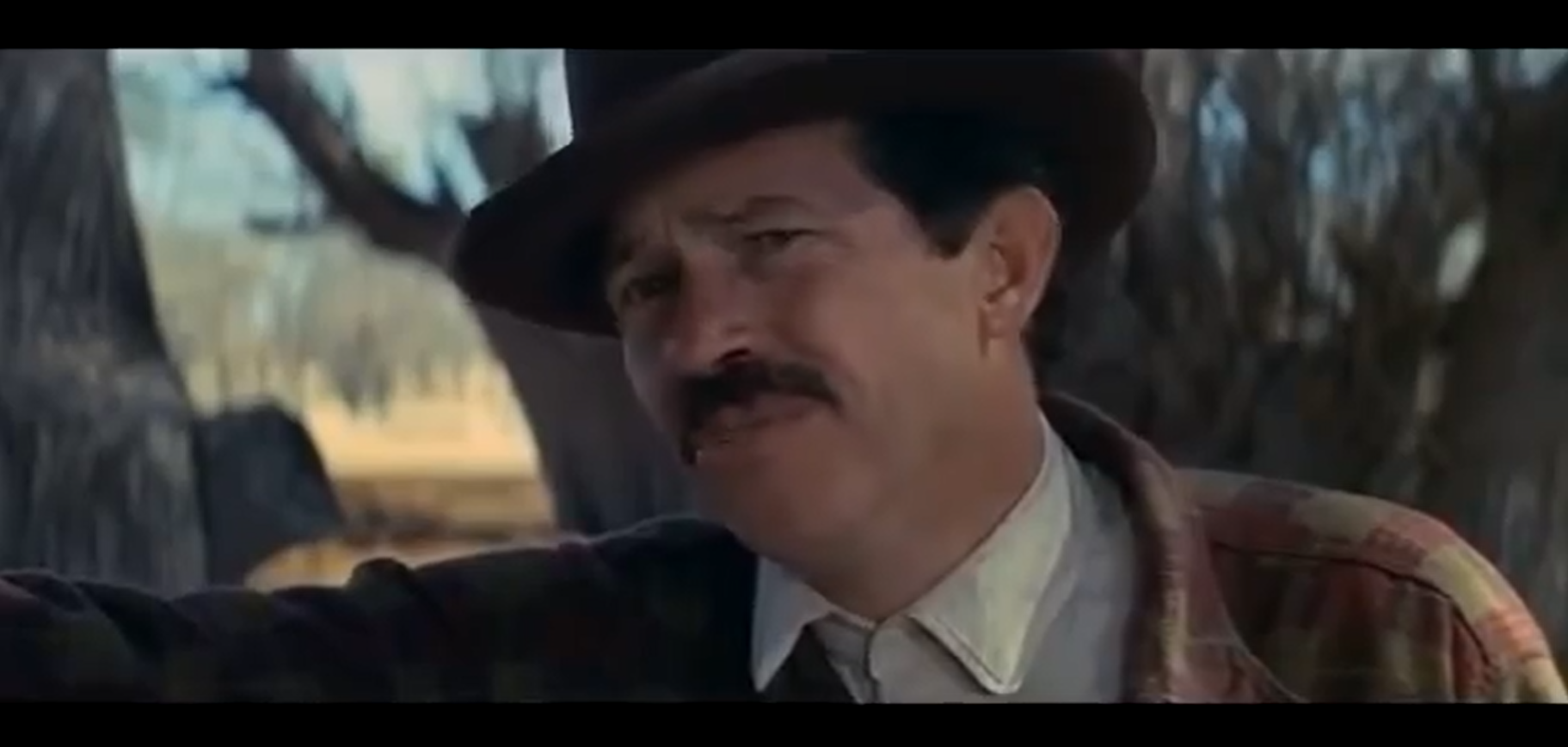
More impressive are the cast of supporting actors, especially the always-reliable Warren Oates and Peter Boyle as the Kid’s new friends. Nothing special, but worth a look if you catch it on late-night T.V.

Redeeming Qualities and Moments:

  • Warren Oates as the Kid’s new best friend
  • Peter Boyle as Preacher Bob
  • Lee Purcell as Molly

Must See?
No. This one is only must-see for western fans. Listed as a Sleeper in the back of Peary’s book.

Links: