Browsed by
Category: Original Reviews

Responses to Peary’s “must see” movie reviews, as well as my own “must see” movie reviews up to and after 1986 (when Peary’s book was published).

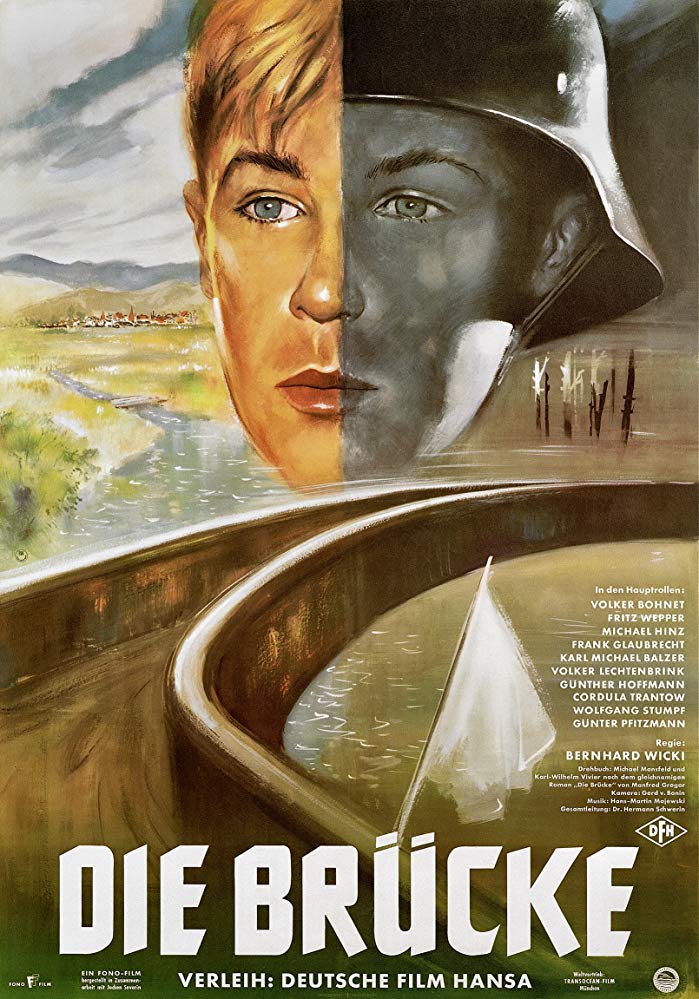
Bridge, The (1959)

Bridge, The (1959)

“He can’t be a soldier… He’s just a kid!”

Synopsis:
Near the end of World War II, a group of German teens are ordered to defend a useless bridge, not realizing it’s about to be blown up.

Genres, Themes, Actors, and Directors:

  • German Films
  • Soldiers
  • Teenagers
  • World War Two

Review:
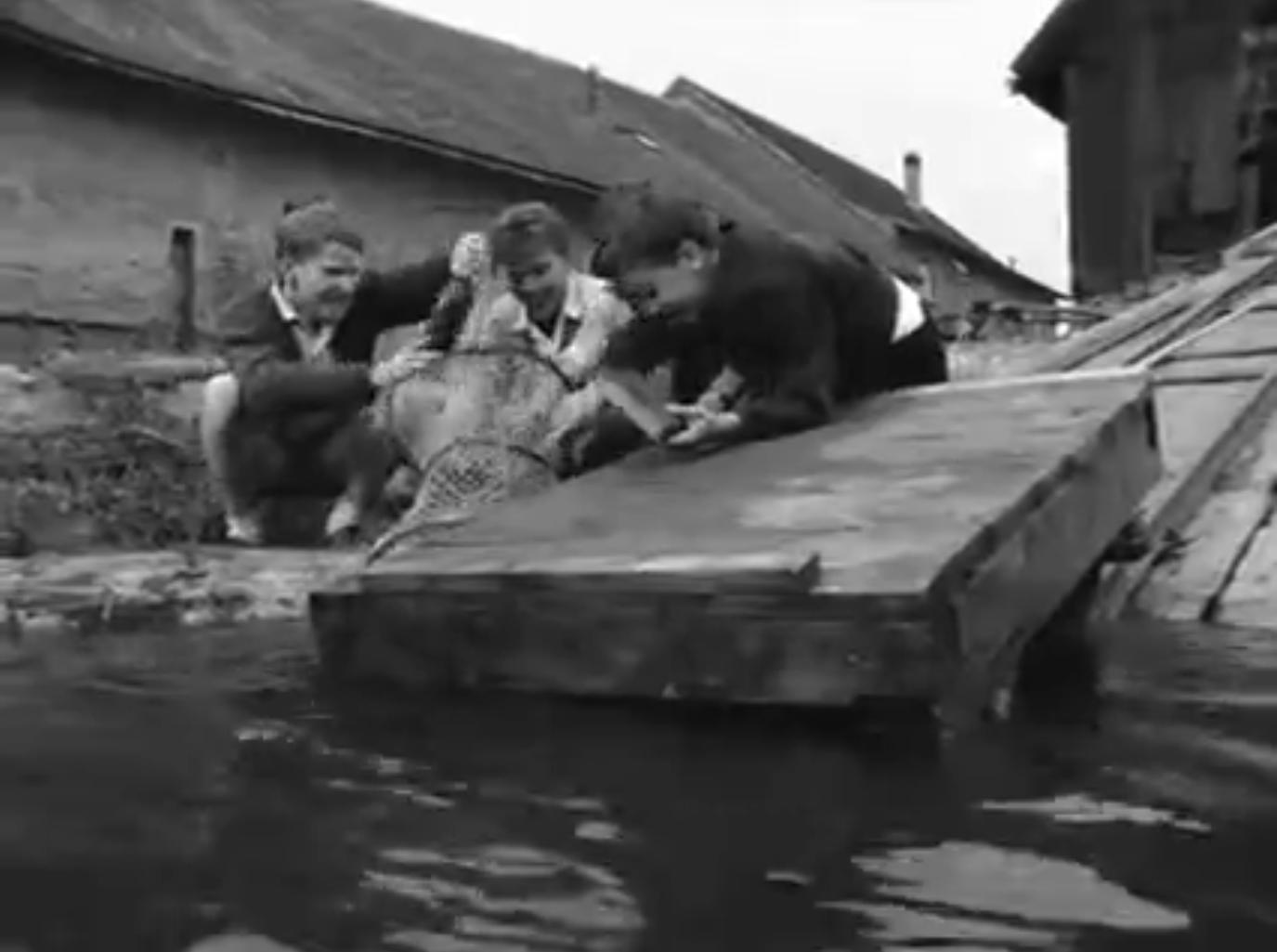
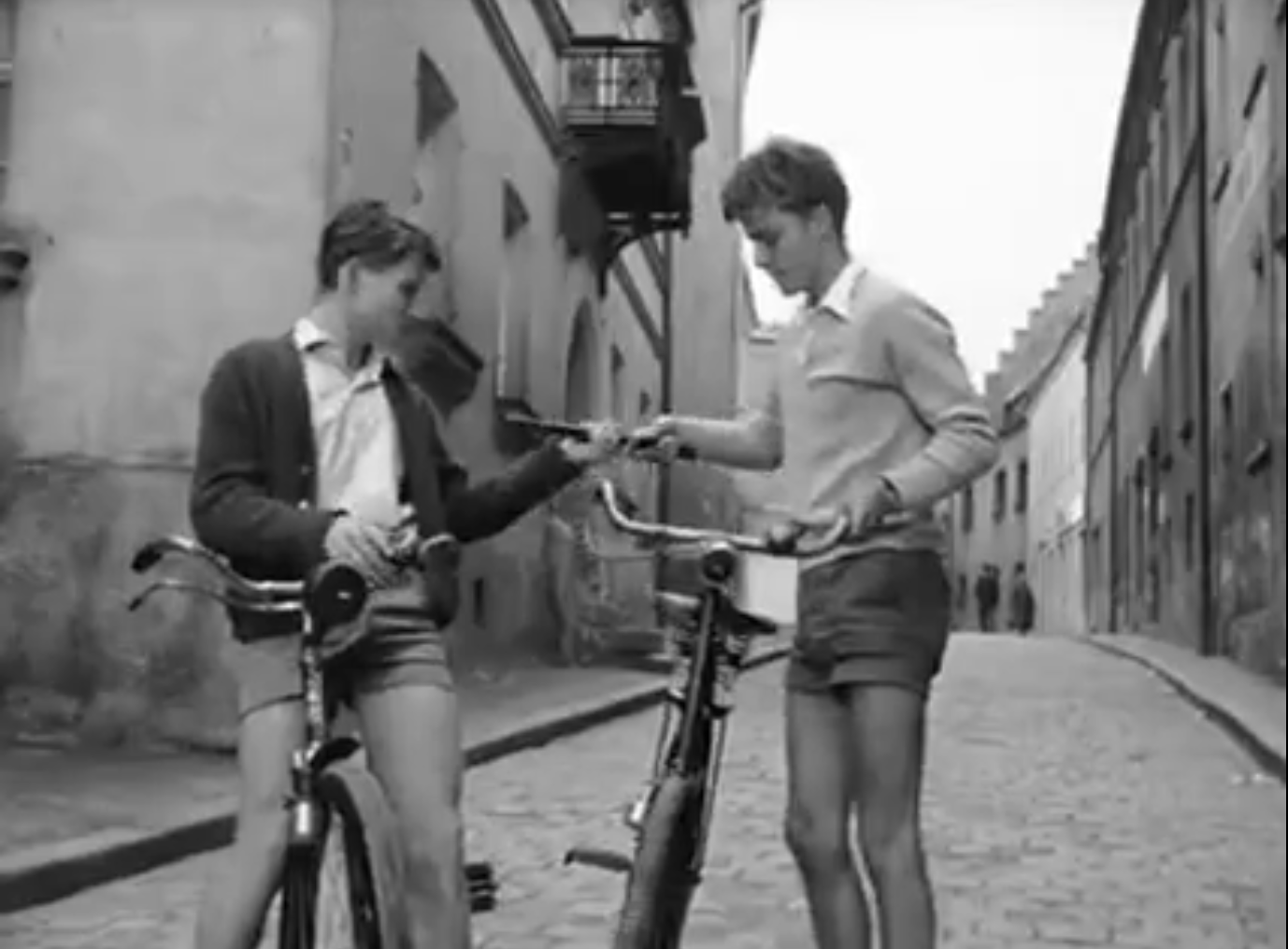
This Oscar nominated German film — Austrian director Bernhard Wicki’s feature debut — is a powerful, depressing look at the meaningless destruction of war. In the first half of the movie, we follow seven teenage boys as they interact with their (often fragmented) families; experience first love or unrequited desire; express giddy delight over discovering contraband brandy hidden in the river:

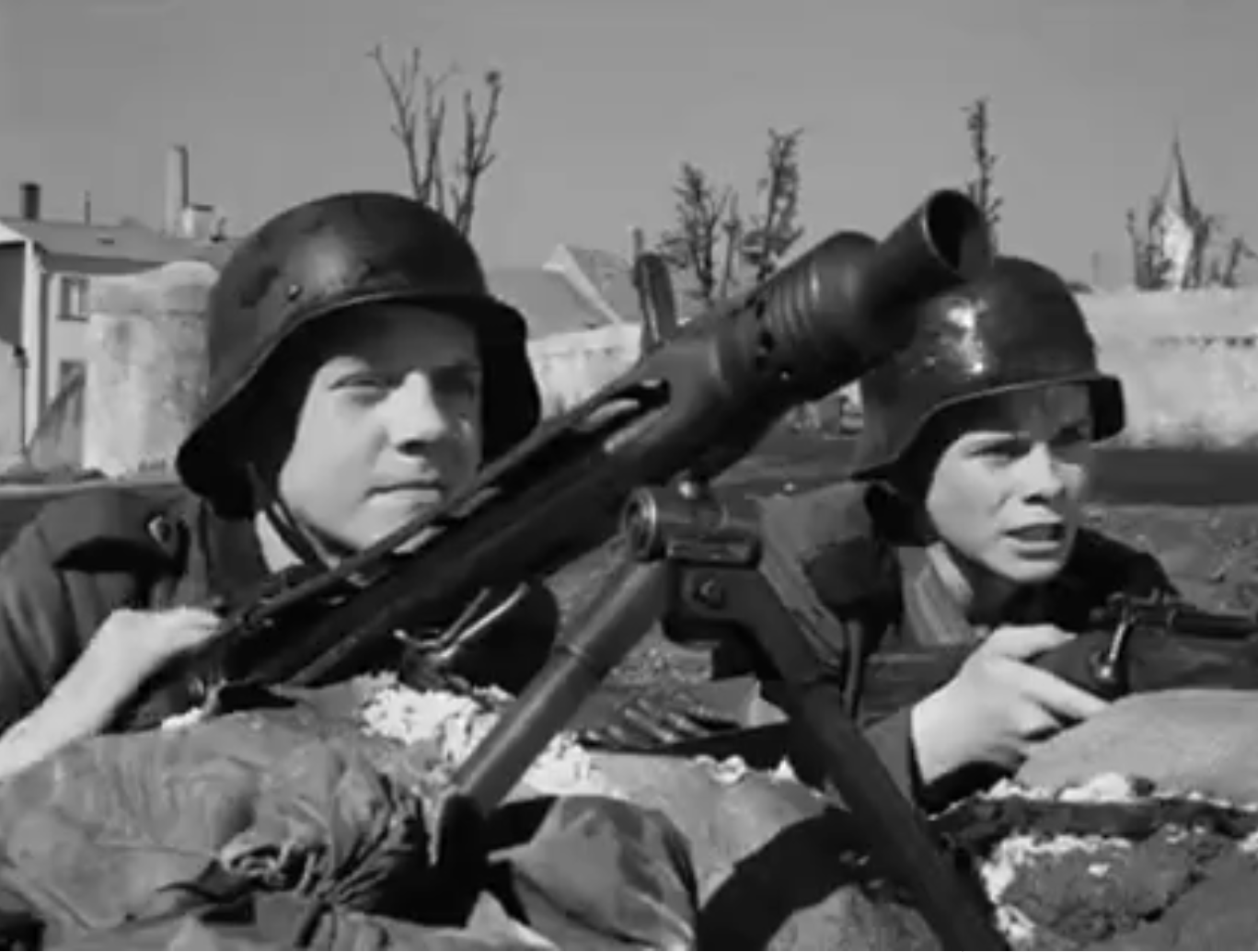
… and, above all, eagerly await their turn for inscription in Hitler’s army. The second half of the film details the grueling escalation of a deadly snafu, in which — despite the best of intentions by the boys’ platoon leader — everything that can go wrong does.

Ultimately, The Bridge demonstrates how miscommunication and stubborn pride can lead to lethal chaos when weapons (and naive teens) are involved. There’s little redemption here; by the end of the film (which was based on a true incident), we’re simply reminded how devastating and relentless the toll of war can be.

Note: According to my resident expert (my husband), there are a number of technical discrepancies in the film; most viewers, however, will not be bothered by this.

Redeeming Qualities and Moments:

  • An insightful look at youthful idealism and naivete during wartime
  • A powerful depiction of war as hell

Must See?
Yes. Listed as a film with Historical Importance in the back of Peary’s book.

Categories

  • Historically Relevant

Links:

Story of Mankind, The (1957)

Story of Mankind, The (1957)

“Whatever our sins, whatever our shortcomings, we believe the good deeds done by man on Earth far outweigh the bad — thereby earning him the right to survive.”

Synopsis:
When the Super H-Bomb is developed on Earth, a heavenly tribunal is called to determine whether humanity should be allowed to survive. The devil (Vincent Price) argues that humans are inherently corrupt, while the “spirit of mankind” (Ronald Colman) tries his best to defend them.

Genres, Themes, Actors, and Directors:

  • Agnes Moorehead Films
  • Cesar Romero Films
  • Charles Coburn Films
  • Courtroom Drama
  • Dennis Hopper Films
  • Fantasy
  • Hedy Lamarr Films
  • Historical Drama
  • John Carradine Films
  • Marie Windsor Films
  • Marx Brothers
  • Peter Lorre Films
  • Ronald Colman Films
  • Vincent Price Films
  • Virginia Mayo Films

Review:
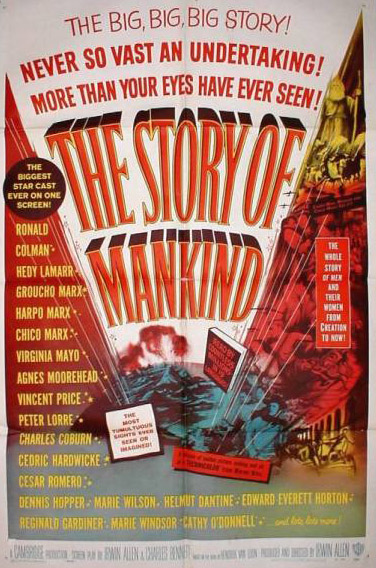
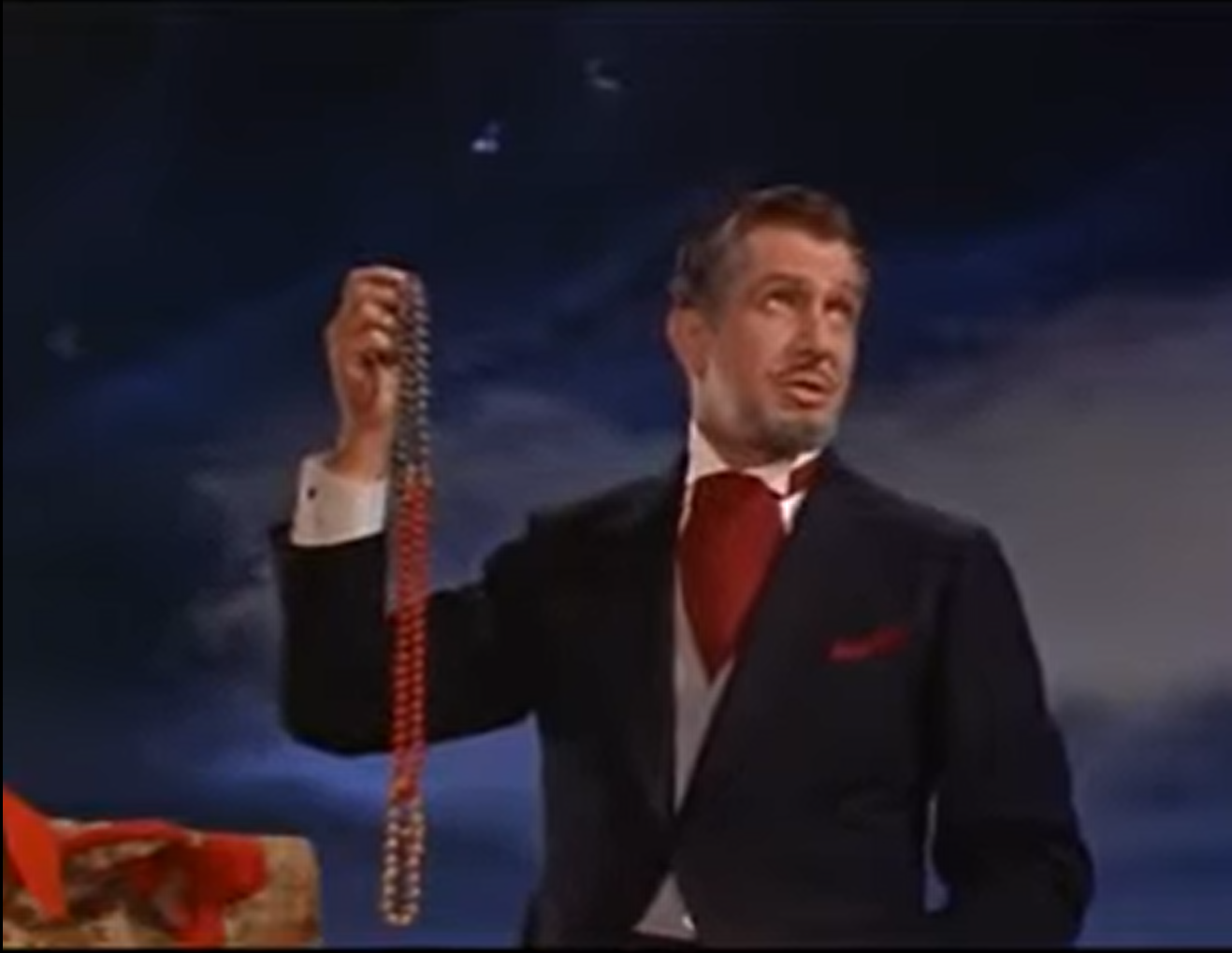
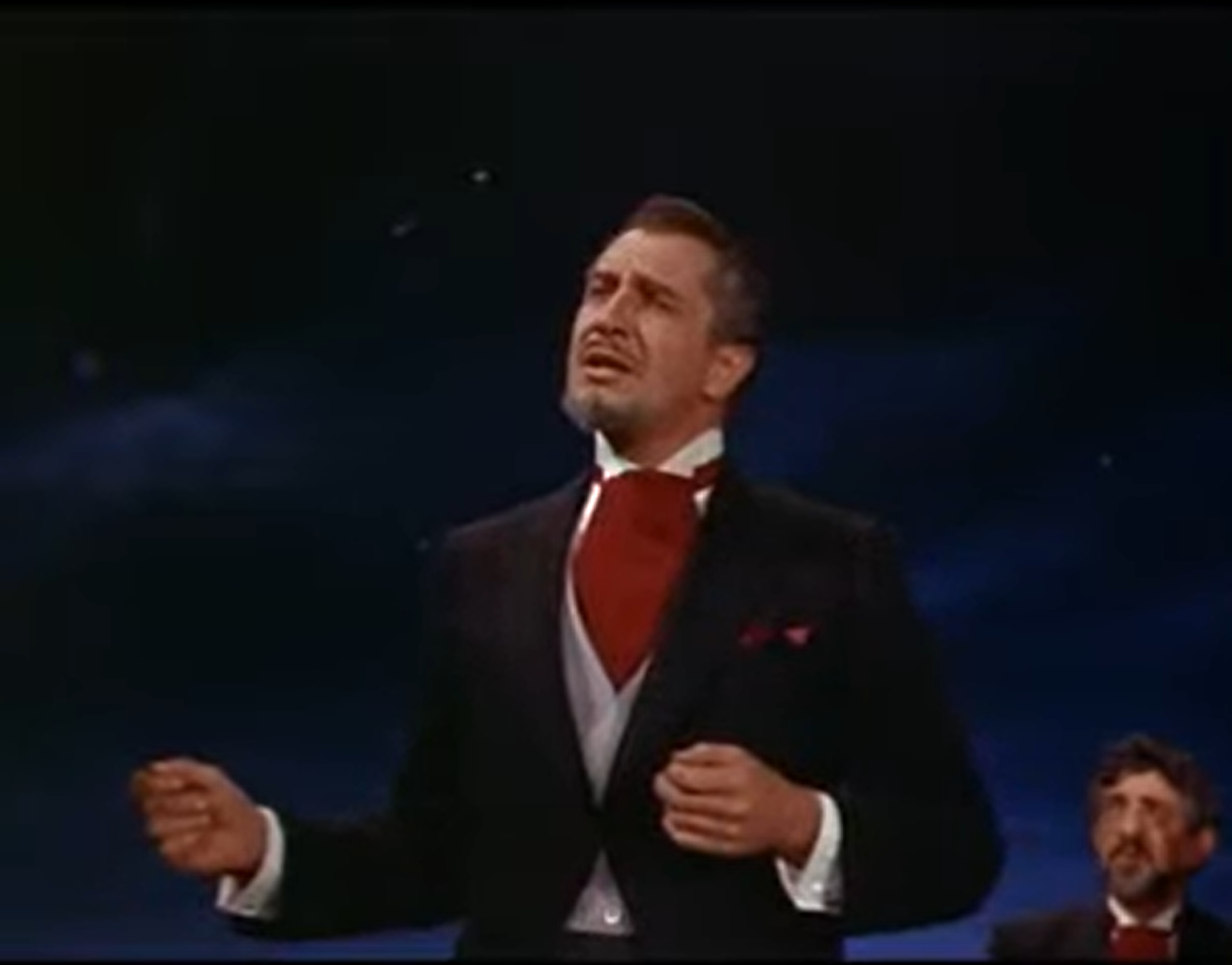
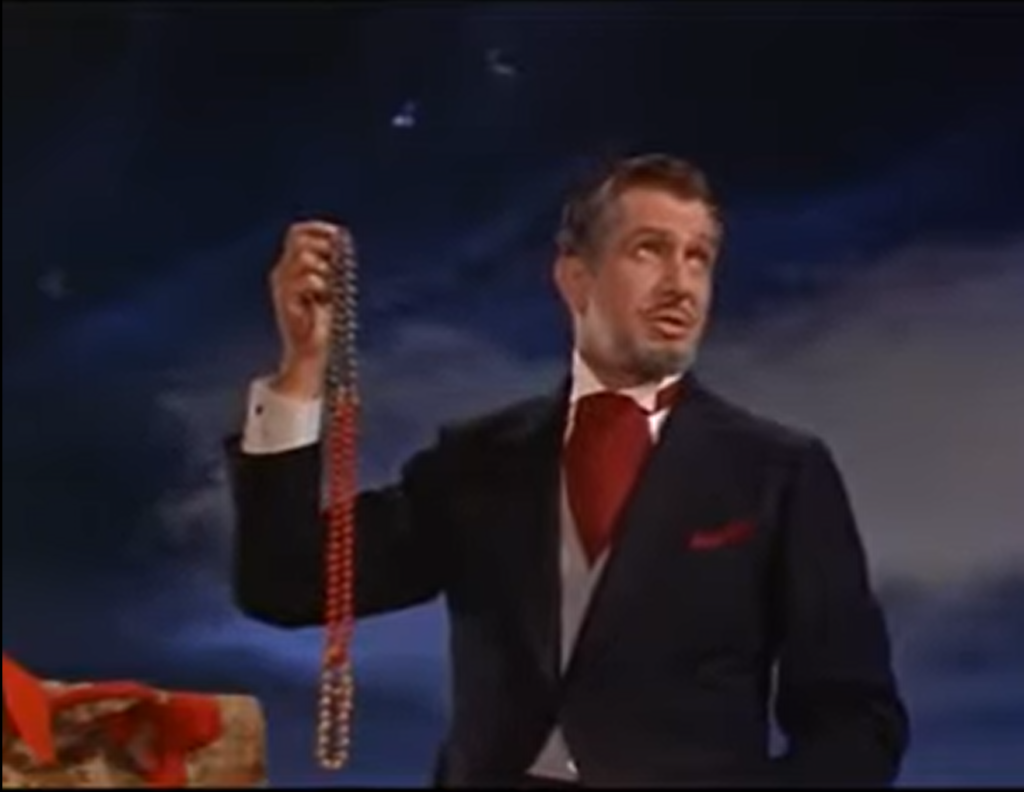
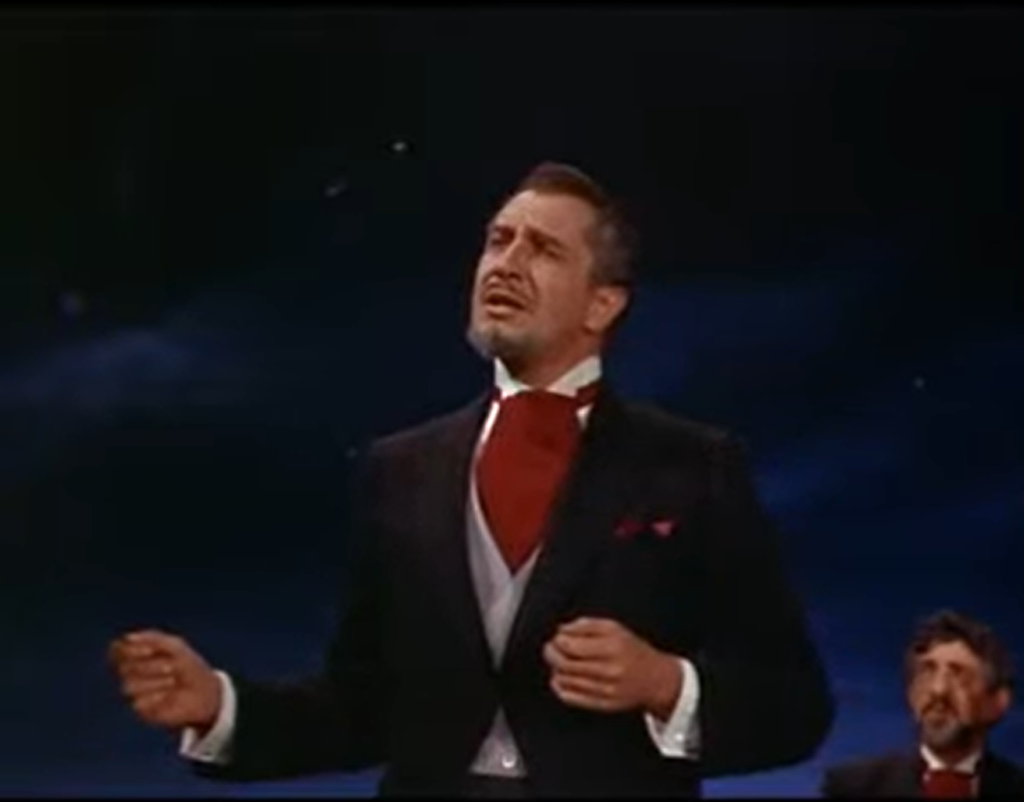
It’s difficult to describe just how awful this infamous historical drama — written and directed by Irwin Allen — really is. Loosely based on Henrik van Loon’s 1921 book (notable for winning the first Newbery Medal for children’s literature), it presents Anglo-centric highlights of humanity from “the dawn of time” to the 20th century — all portrayed by a cast of well-known actors and actresses who should have known better than to sign up for this particular gig. Only Vincent Price (always suitable in campily bad ventures) emerges relatively unscathed:
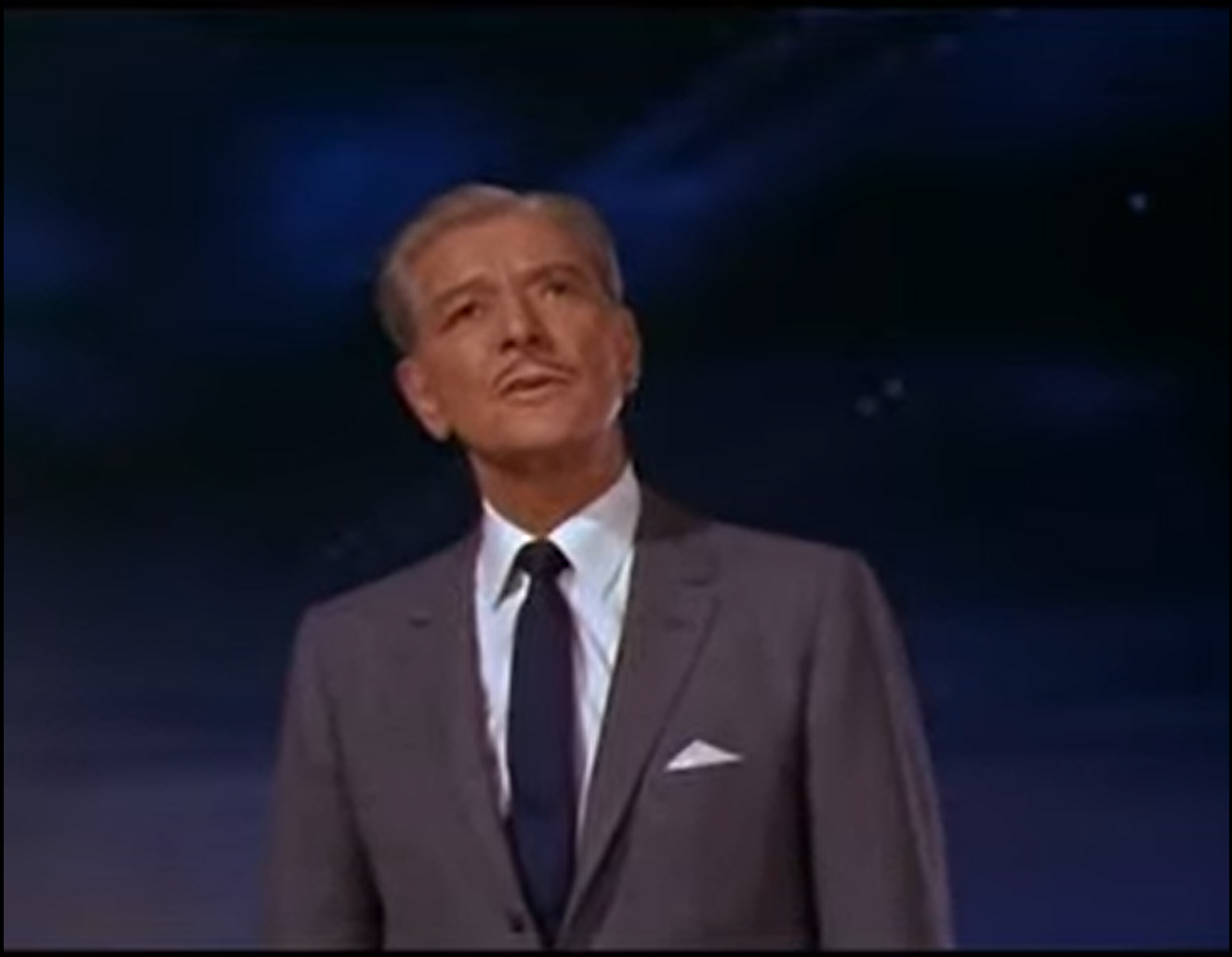
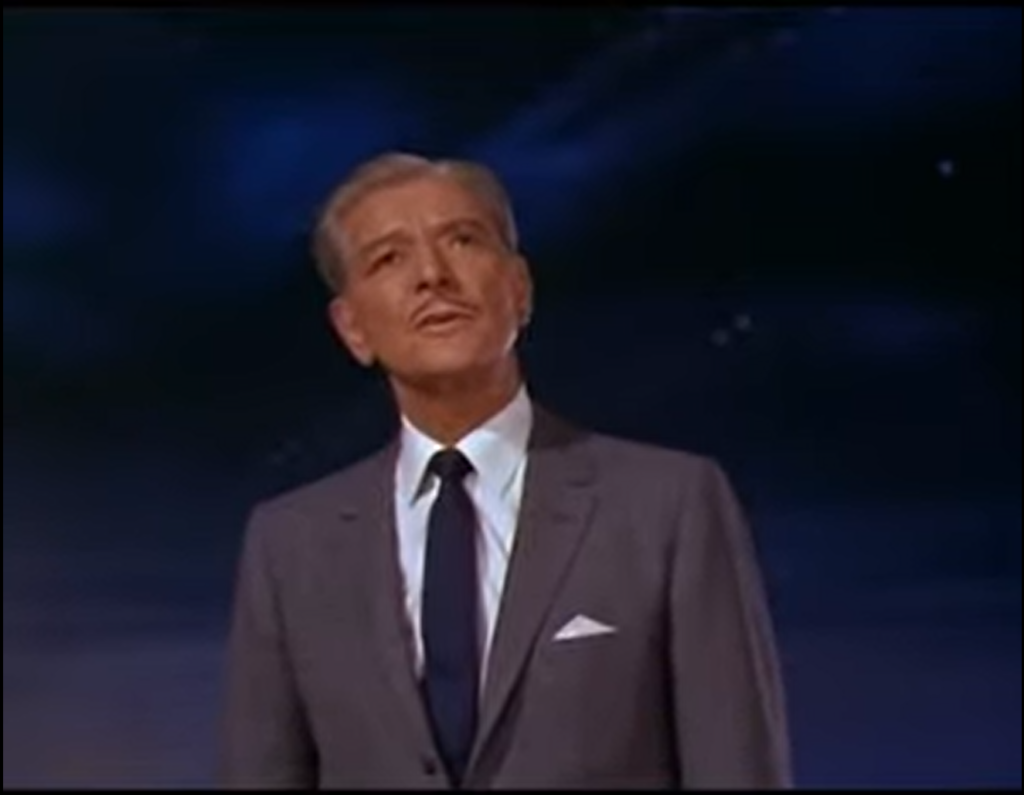
One feels simply awful, however, for Ronald Colman (trying his best in what would be his final performance):
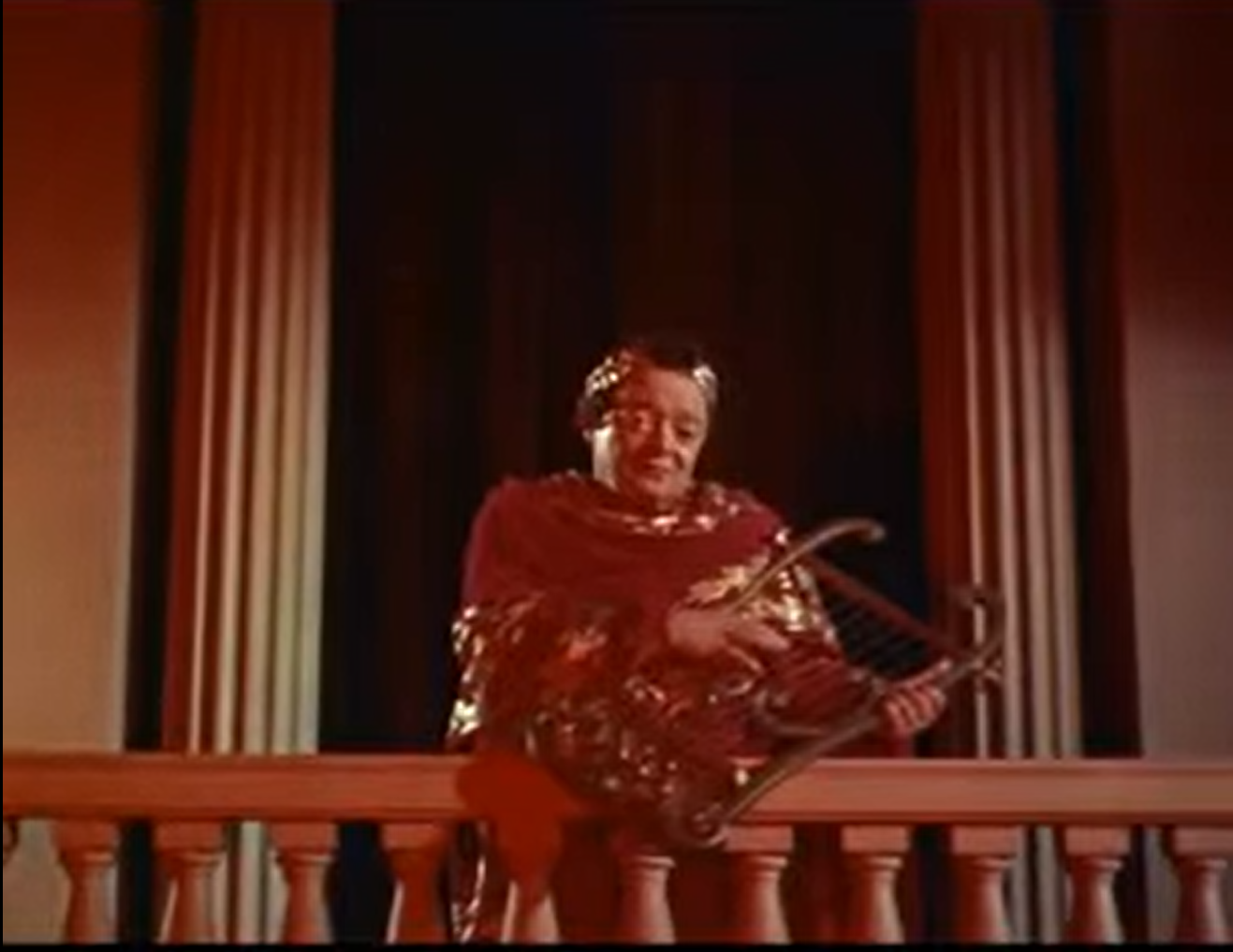
… and Peter Lorre (looking truly verklempt in his brief cameo as Nero).
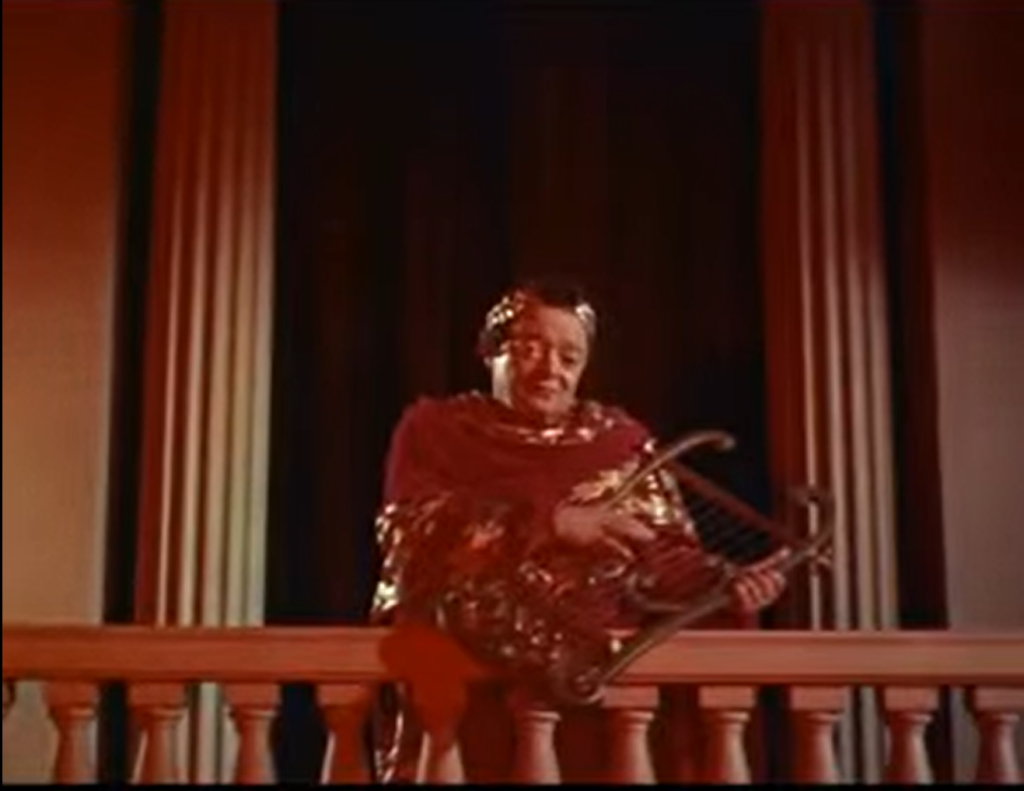
While it’s well-known that Allen made ample use of discarded stock footage:
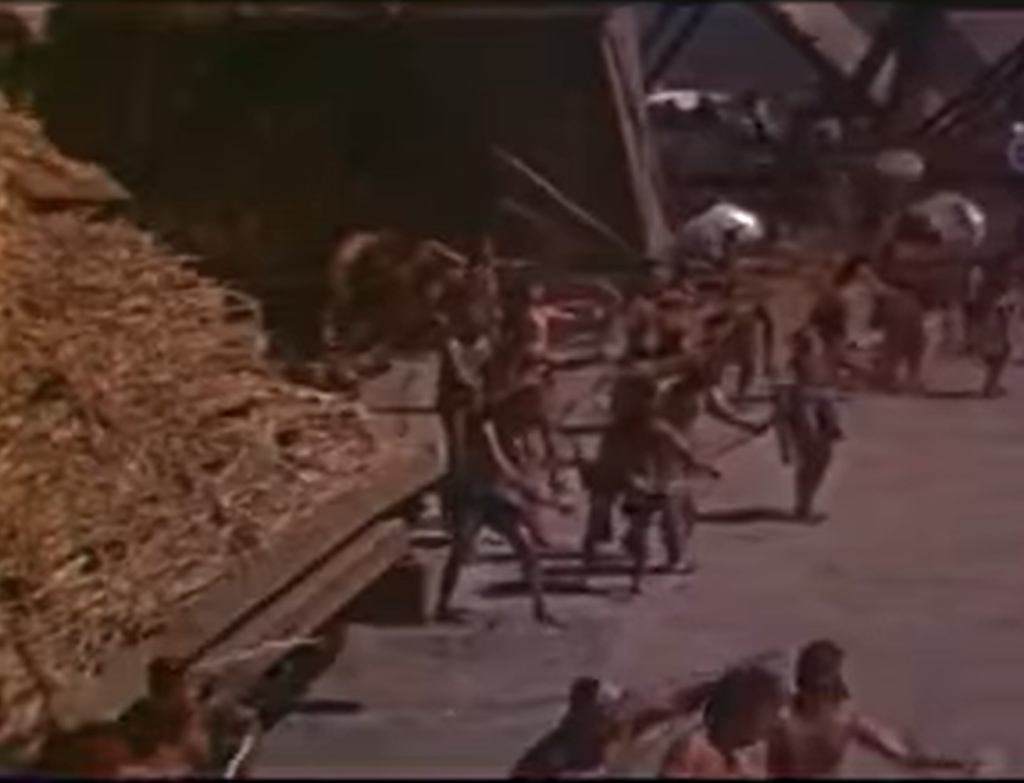
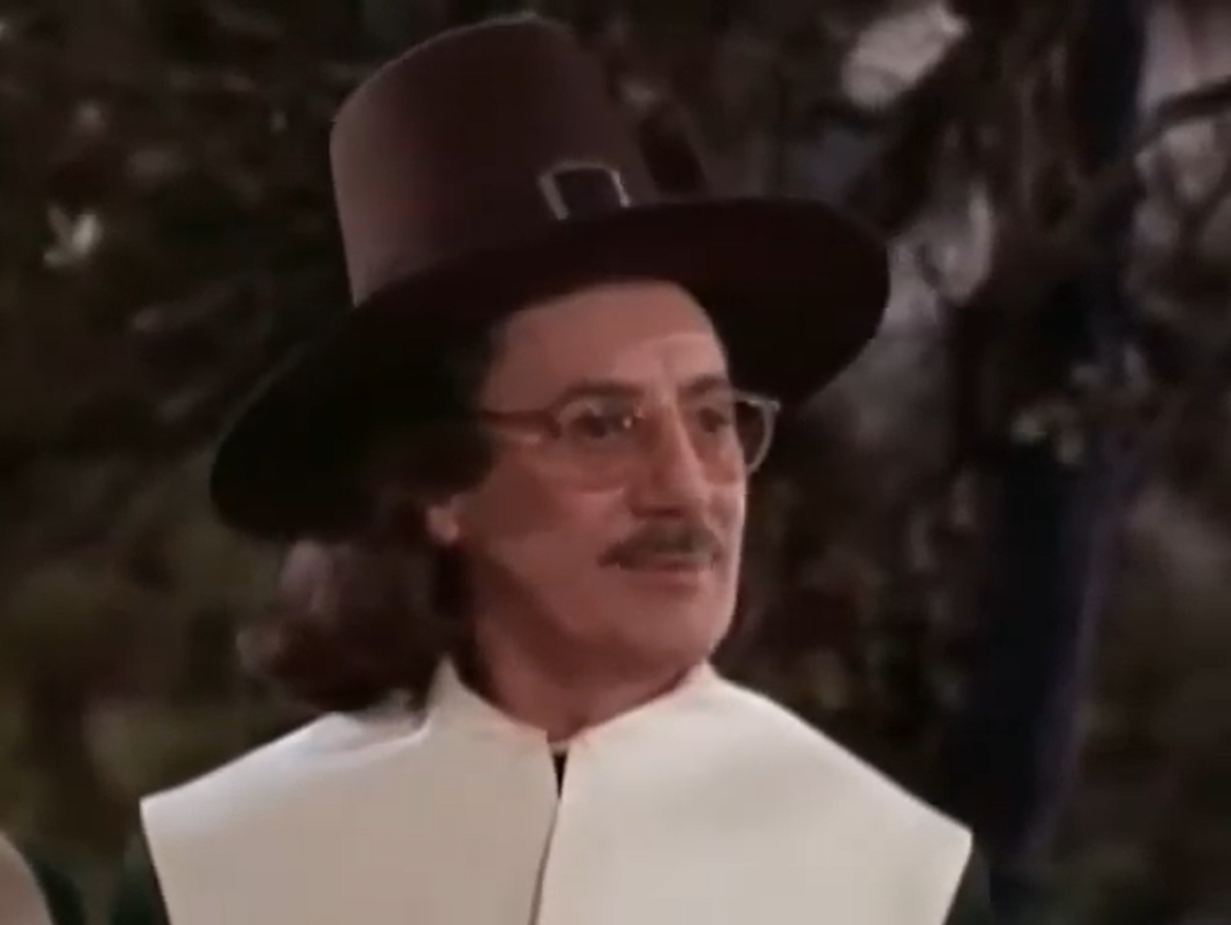
… scads of money were likely still spent on the creation of so many different sets and costumes; nonetheless, everything looks impossibly cheap and cheesy. Indeed, once Groucho Marx (as a Puritan!) appears on the scene:
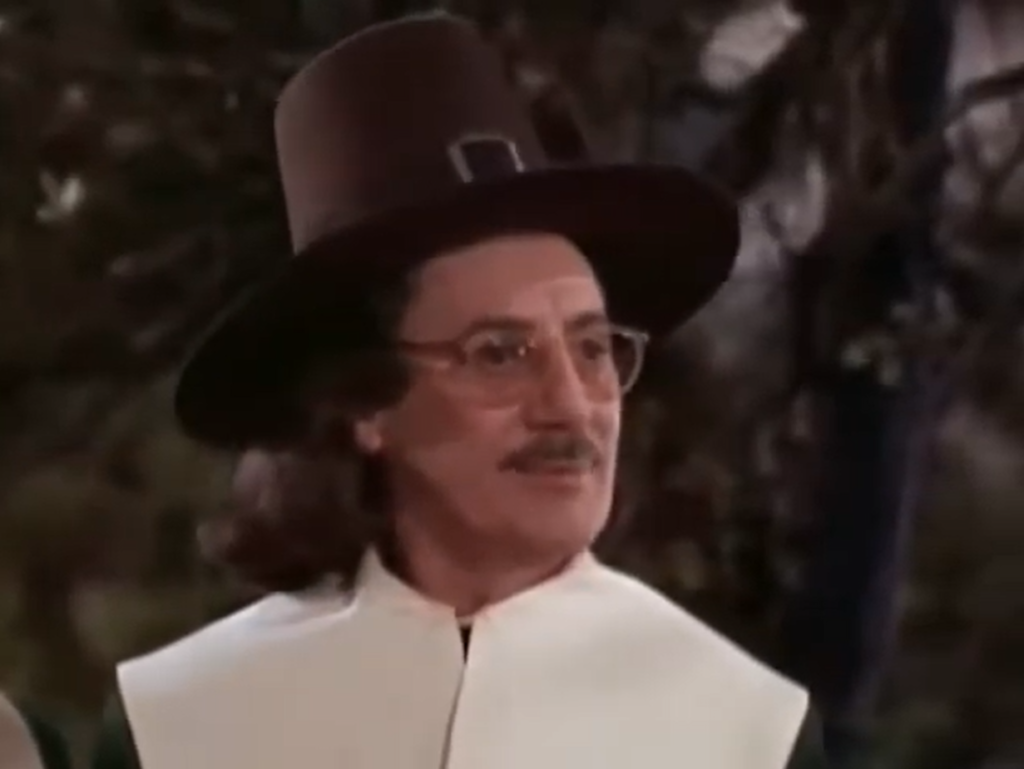
… any semblance of historical sobriety is blown out the window. It suddenly struck me that The Story of Mankind might be successful as a comedic play (where low-budget, non-realistic sets are the norm); as a film, however — especially one grappling with such a heady issue as mankind’s ultimate fate — it bombs, big time, in every way possible.

Note: This turkey is included — appropriately enough — in Harry Medved’s 1978 book The Fifty Worst Films of All Time (and how they got that way), where he describes Mankind thus: “Fifty-five seconds before the title of the film appears, the names of twenty-five stars are flashed separately on the screen in huge block letters, accompanied by fanfare and drumbeat. The viewer braces himself, expecting the worst — and he will not be disappointed.”

Redeeming Qualities and Moments:

  • Vincent Price as “Mr. Scratch” (the devil)
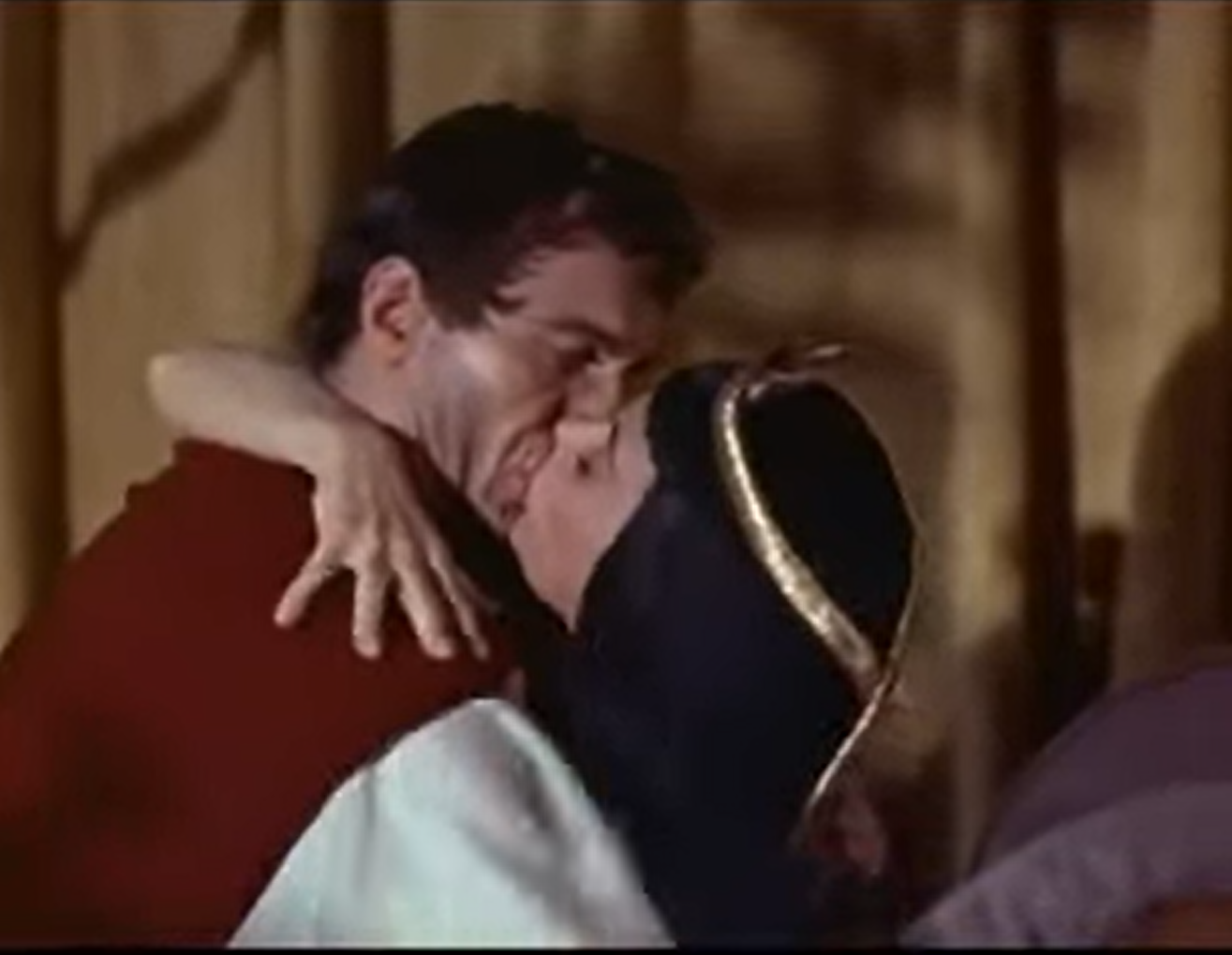
  • A truly bizarre all-star cast — including Virginia Mayo as Cleopatra:
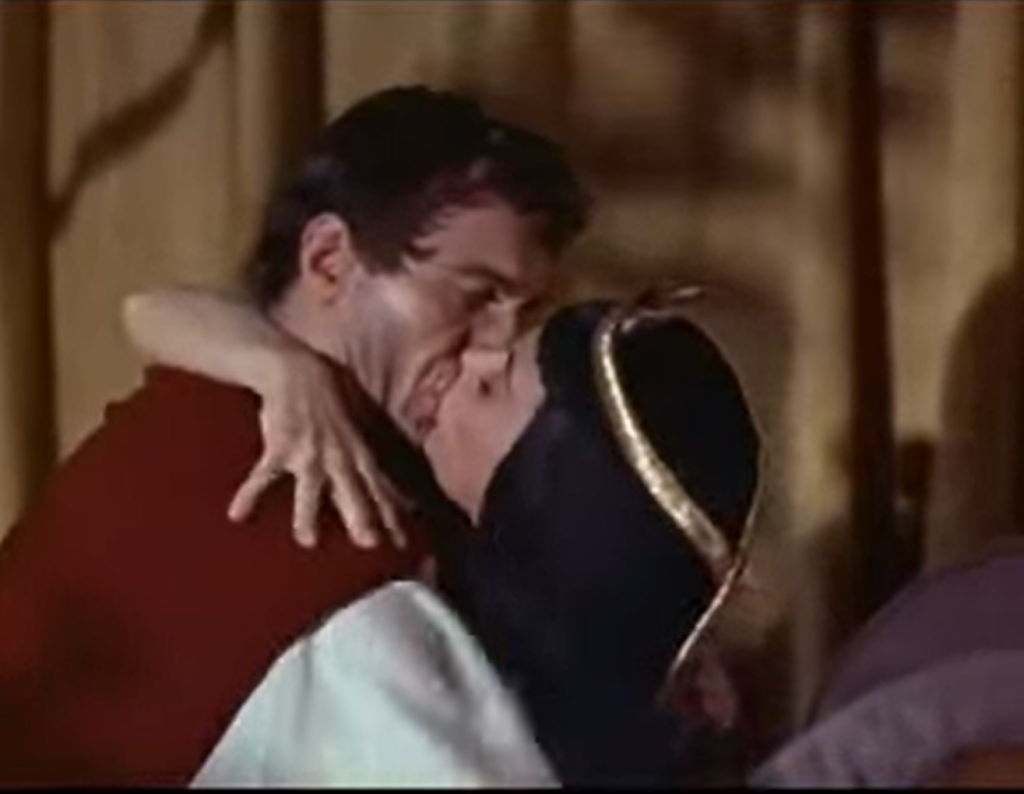
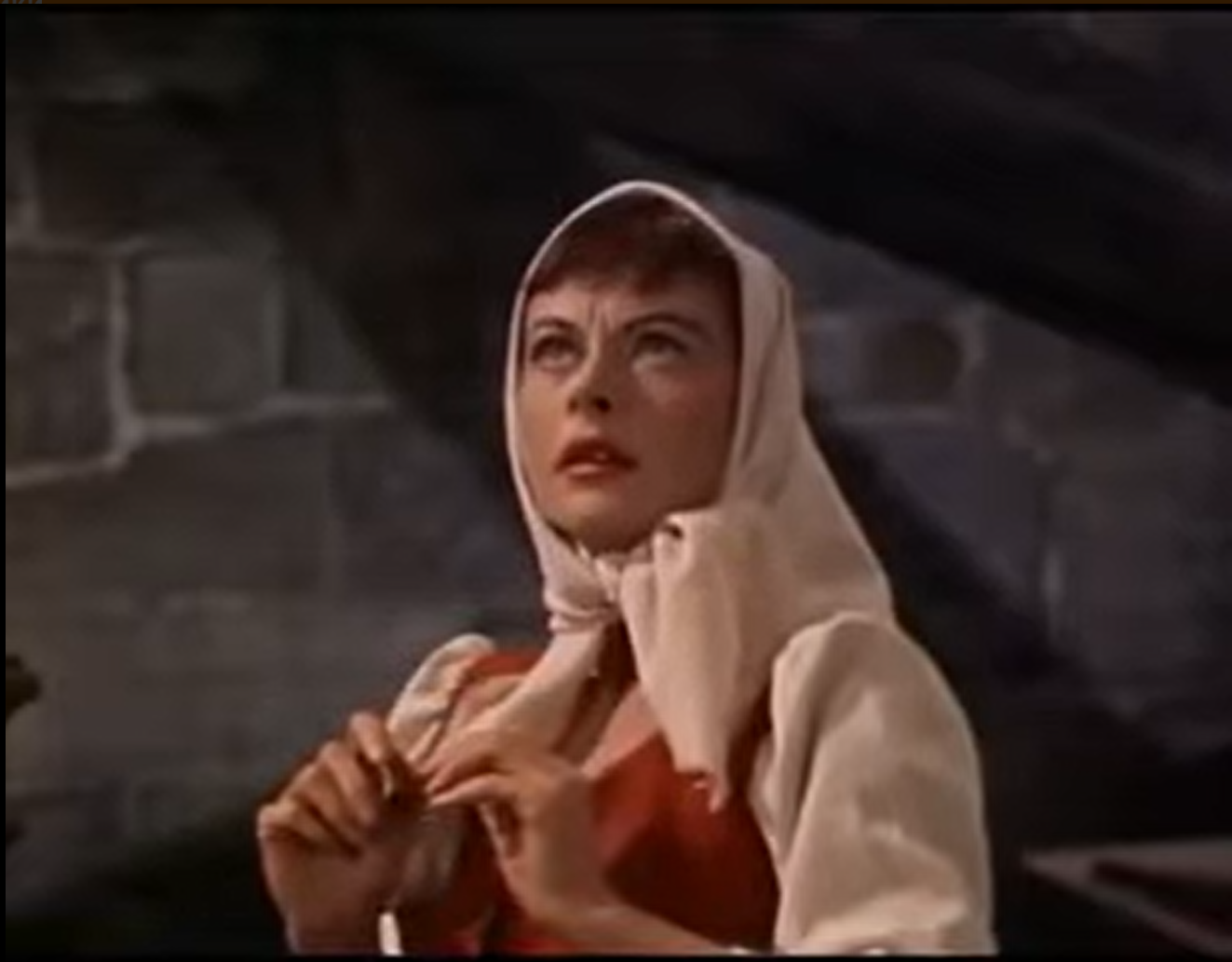
    … Hedy Lamarr as Joan of Arc:
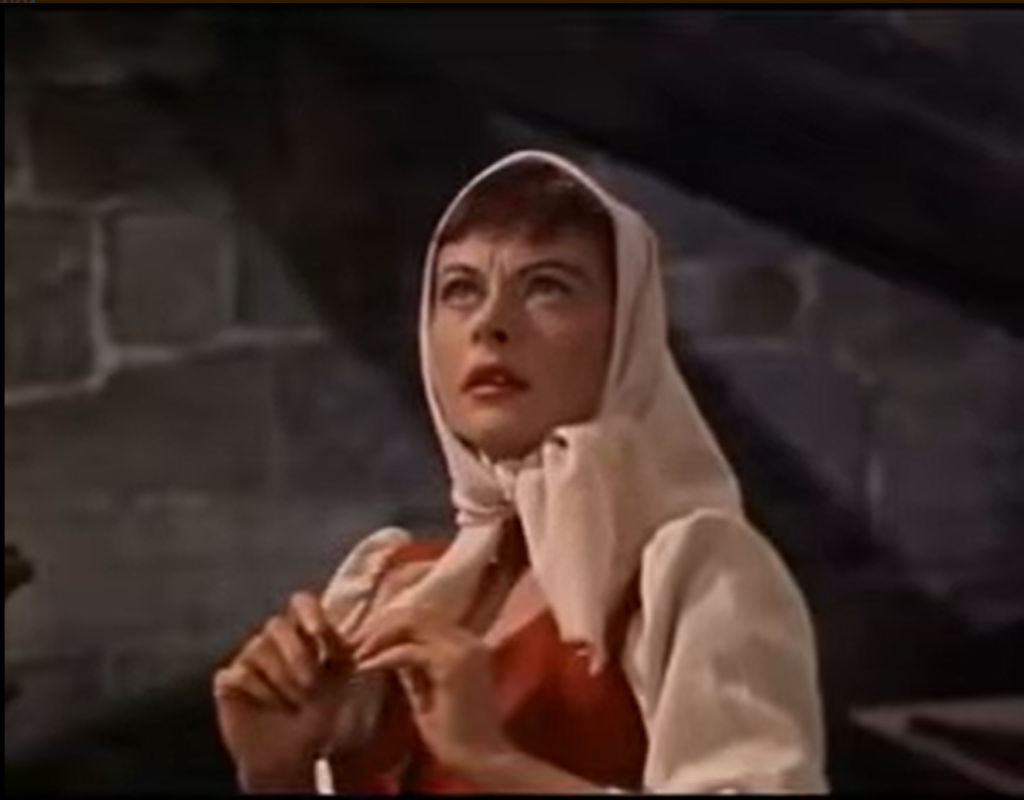
    … Harpo Marx as (the harp playing?) Sir Isaac Newton:
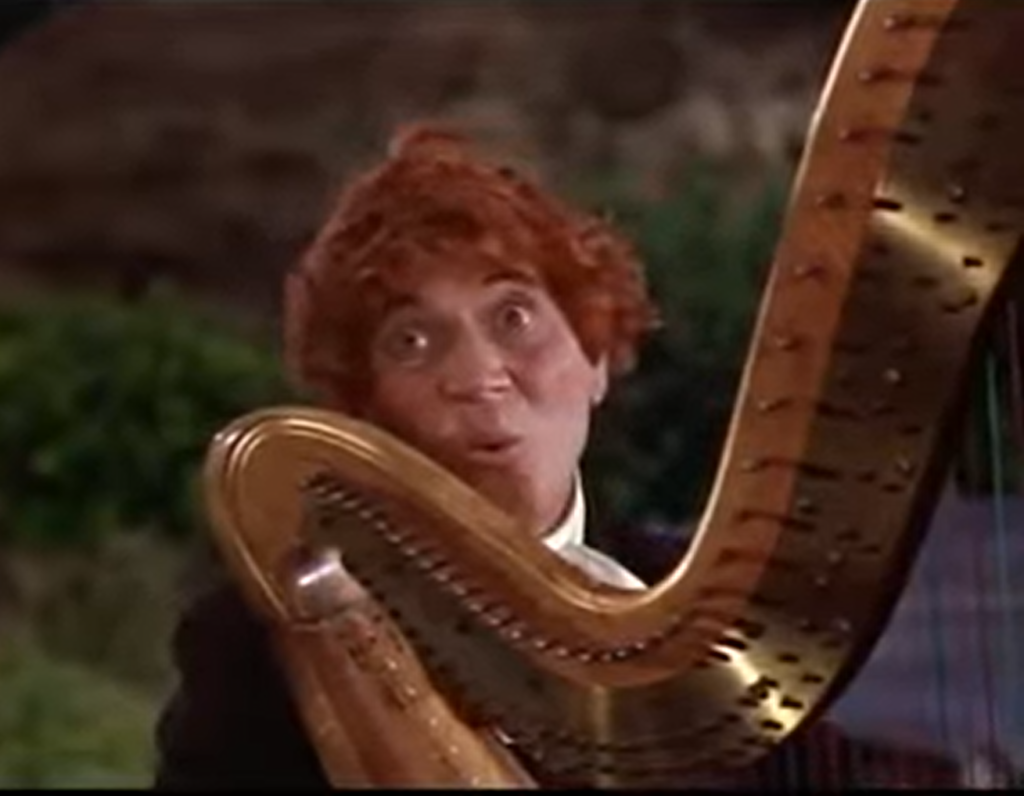
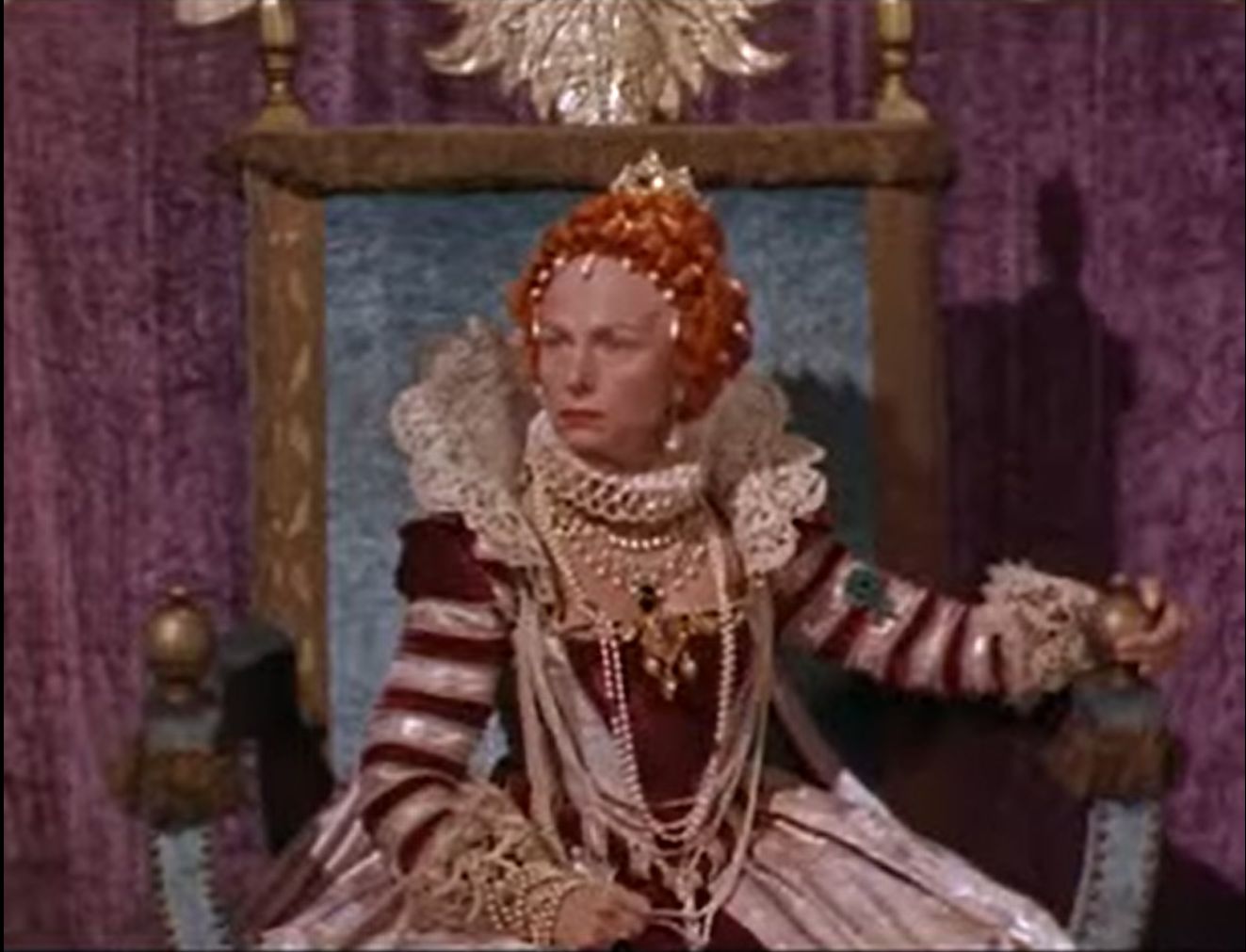
    … Agnes Moorehead as Queen Elizabeth:
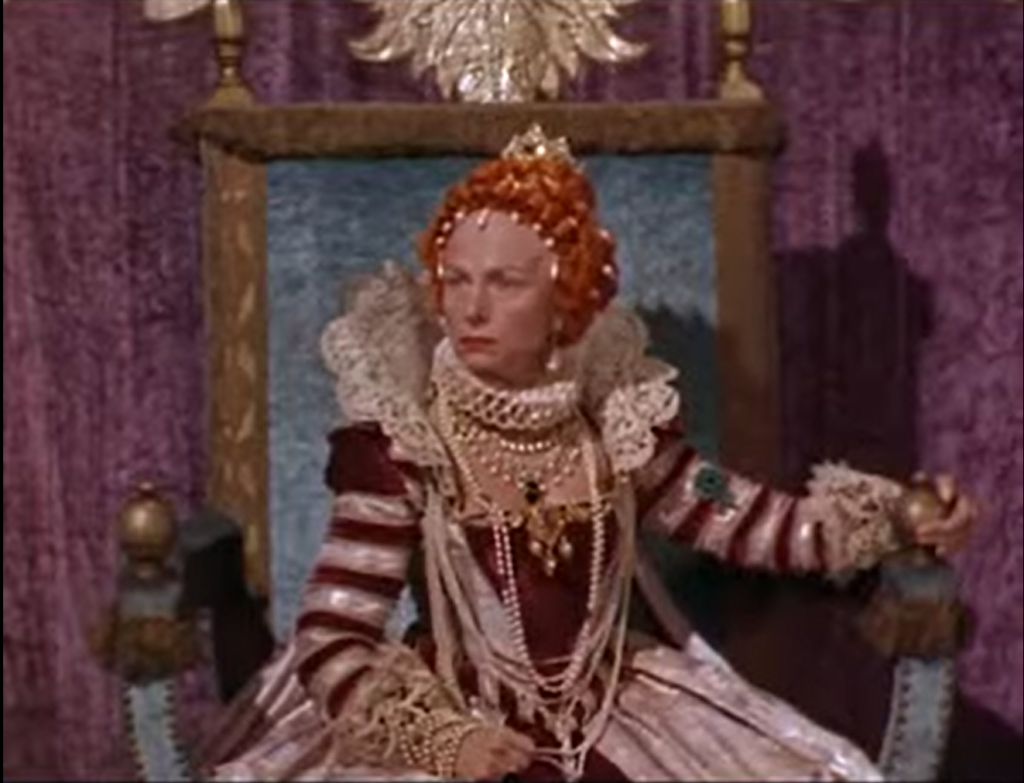
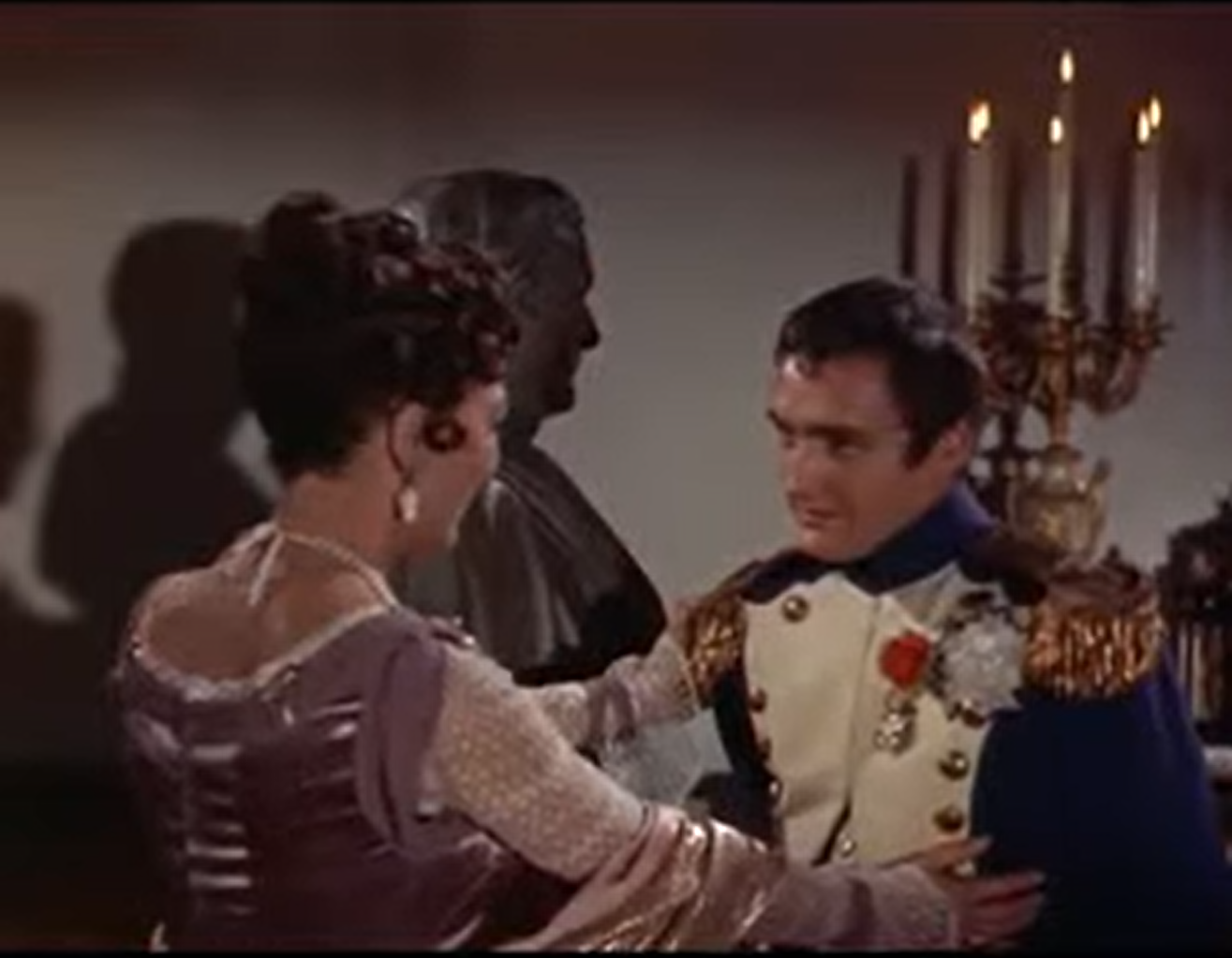
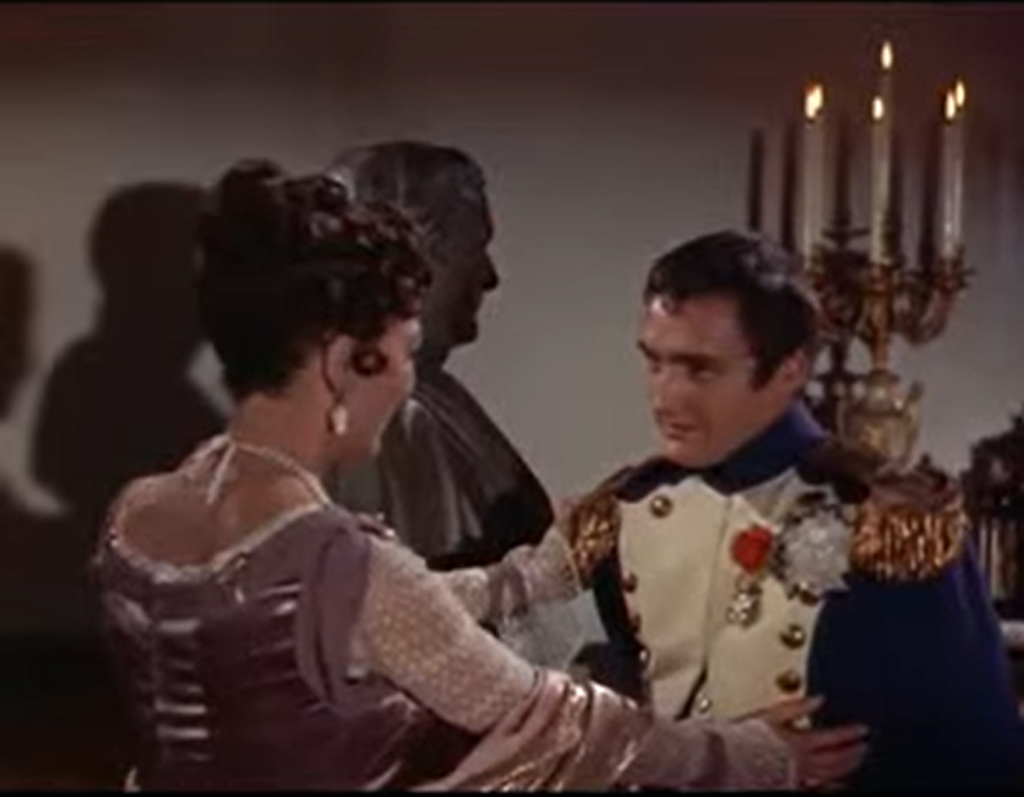
    … and Dennis Hopper as Napoleon (actually giving the best performance of the bunch):
Must See?
Yes, simply for its status as a cult classic, and one of the “50 worst films of all time.” But I hesitate to recommend such a tedious bore.

Categories

  • Cult Movie

Links:

Phantom Tollbooth, The (1970)

Phantom Tollbooth, The (1970)

“Everybody says it’s such a big, wonderful world. How come it seems so small, and kind of empty? There’s no rhyme or reason to any of it!”

Synopsis:
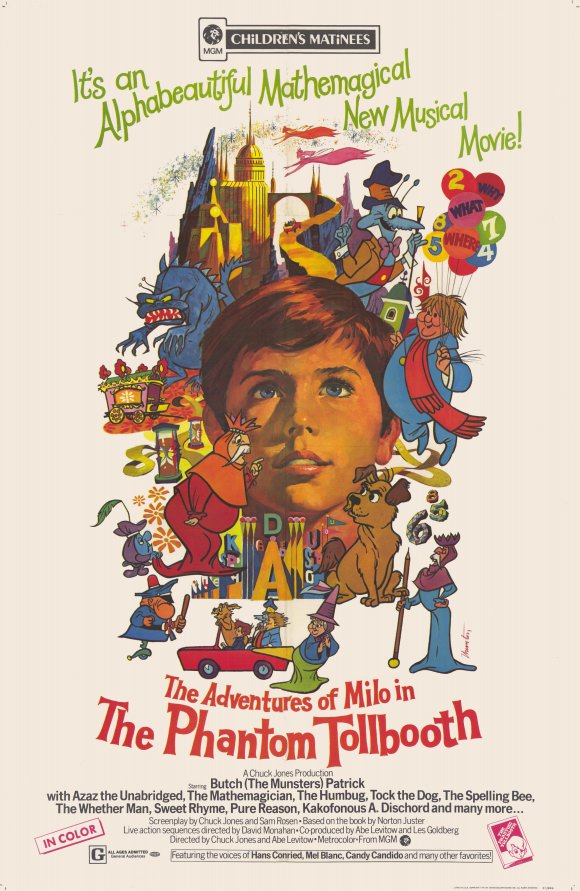
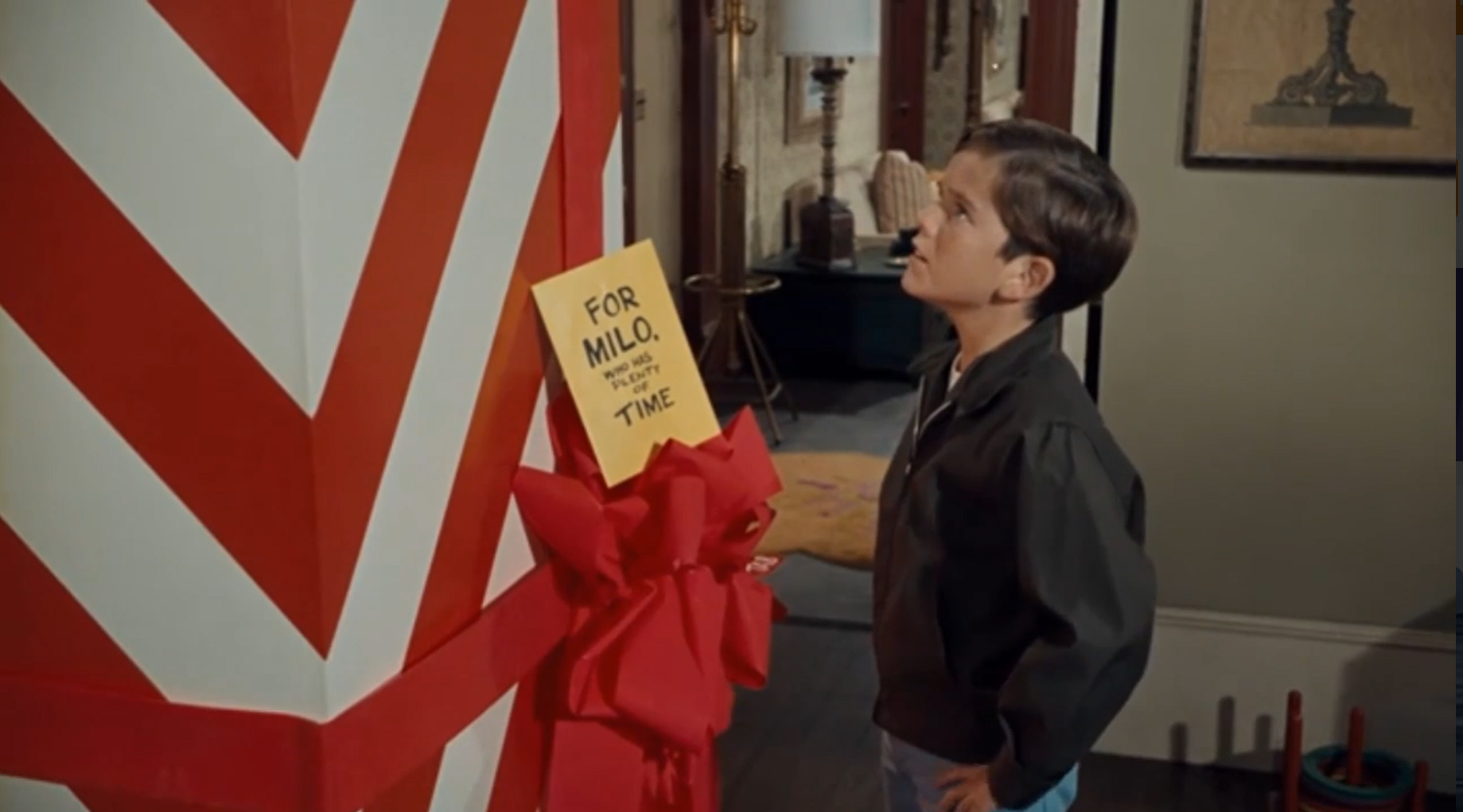
An apathetic boy named Milo (Butch Patrick) travels through a mysterious tollbooth to a magical world, where the kings of Digitopolis and Dictionopolis argue over whether numbers or words are more important. During his journey, Milo finally begins to understand the importance of staying active and engaged in life.

Genres, Themes, Actors, and Directors:

  • Animated Features
  • Character Arc
  • Fantasy
  • Musicals
  • Road Trip

Review:
Based on Norton Juster’s classic children’s novel, The Phantom Tollbooth was the first and only feature-length film by famed Warner Brothers animator Chuck Jones (creator of Pepe le Pew and Wile E. Coyote); unfortunately, however, it doesn’t live up to Jones’ immense talents. While Juster’s goal — encouraging kids to take initiative in their own learning, and to explore the fascinating worlds of numbers and words — is a noble one, it comes across as didactic rather than exciting in the film. Unlike (just for instance) Dorothy in The Wizard of Oz, we never feel a true sense of urgency about Milo’s predicament — indeed, he’s never in any real trouble. Not helping matters any are the insipid, instantly forgettable songs sprinkled sporadically throughout the film; they would definitely have been best left out.

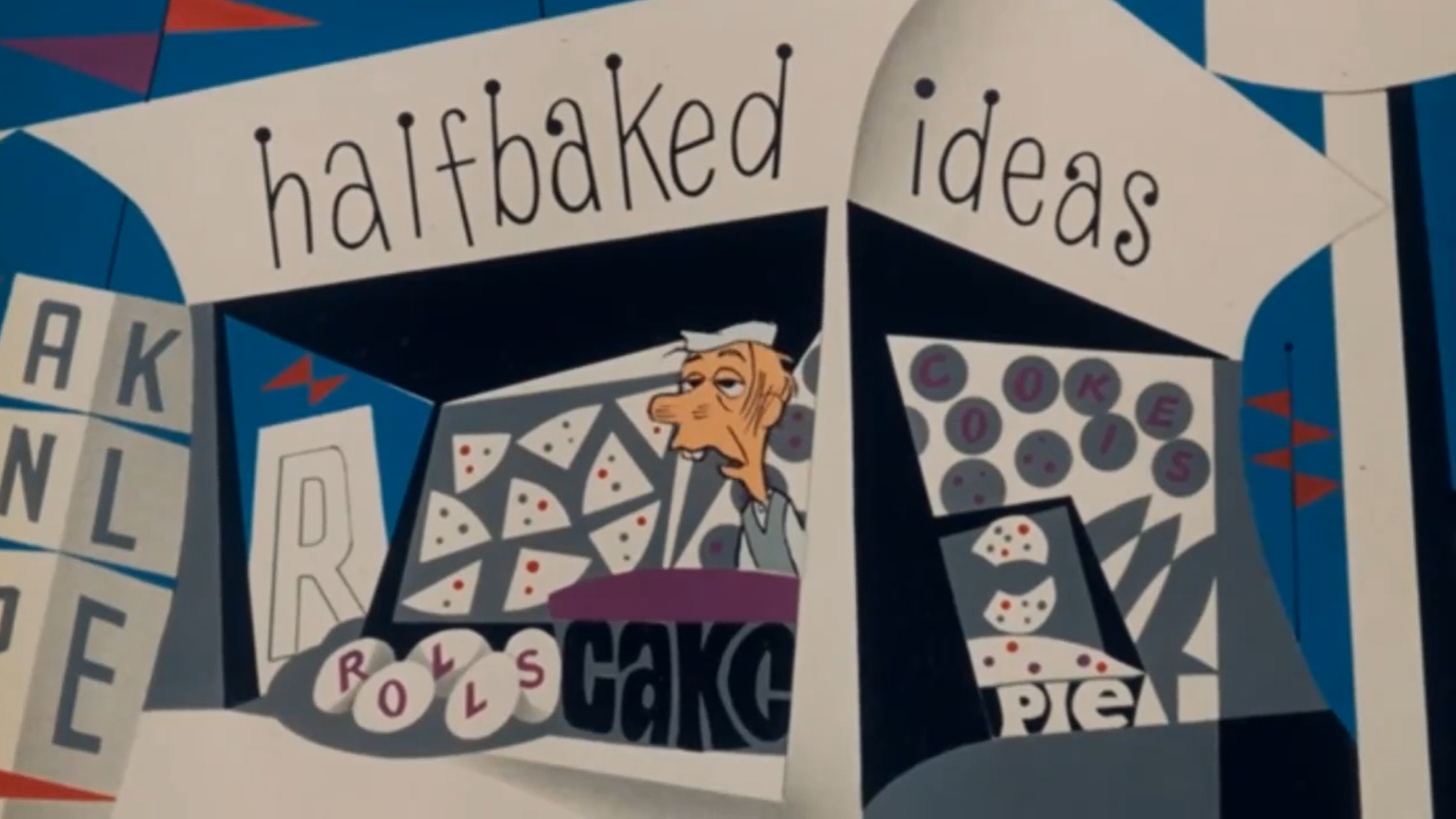
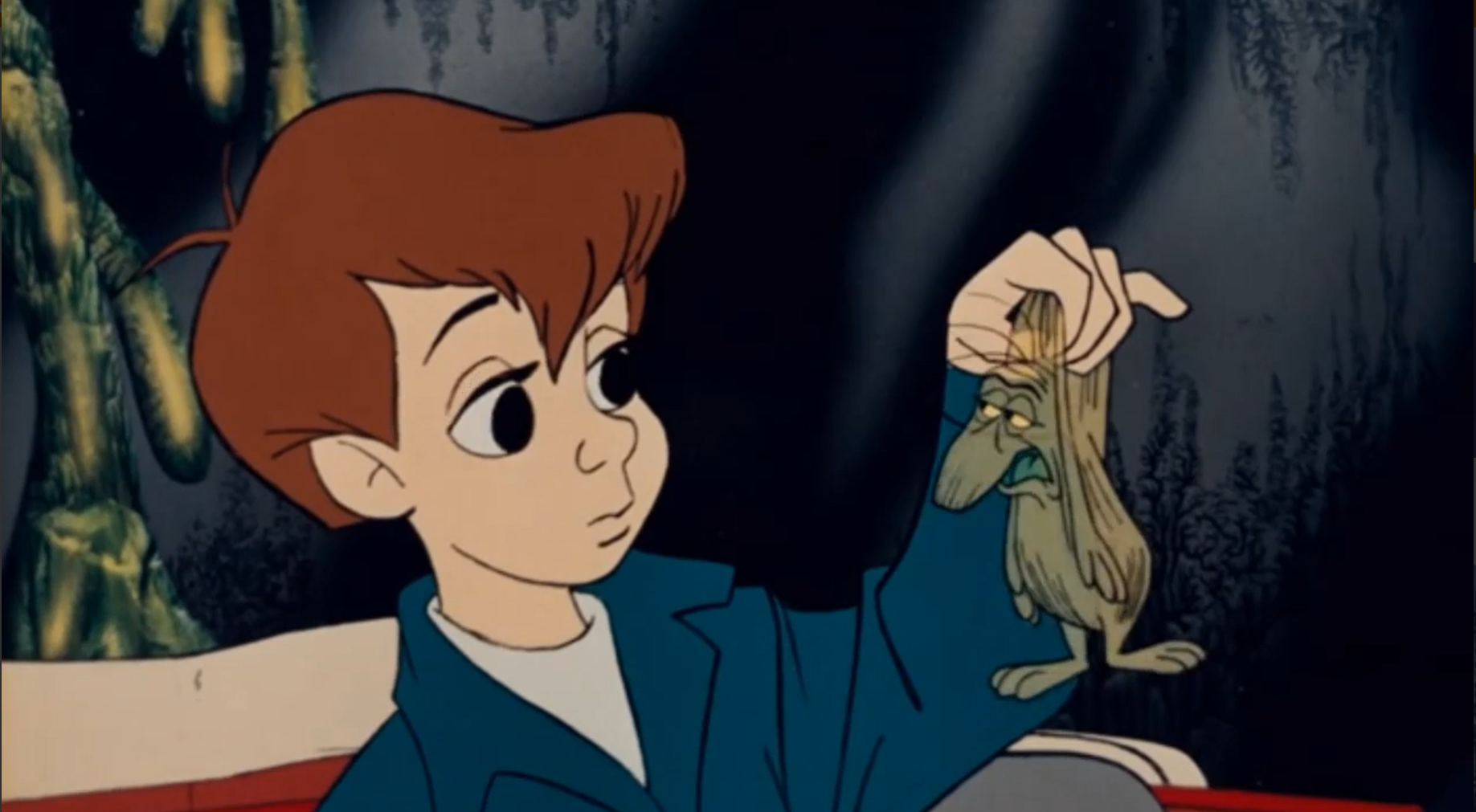
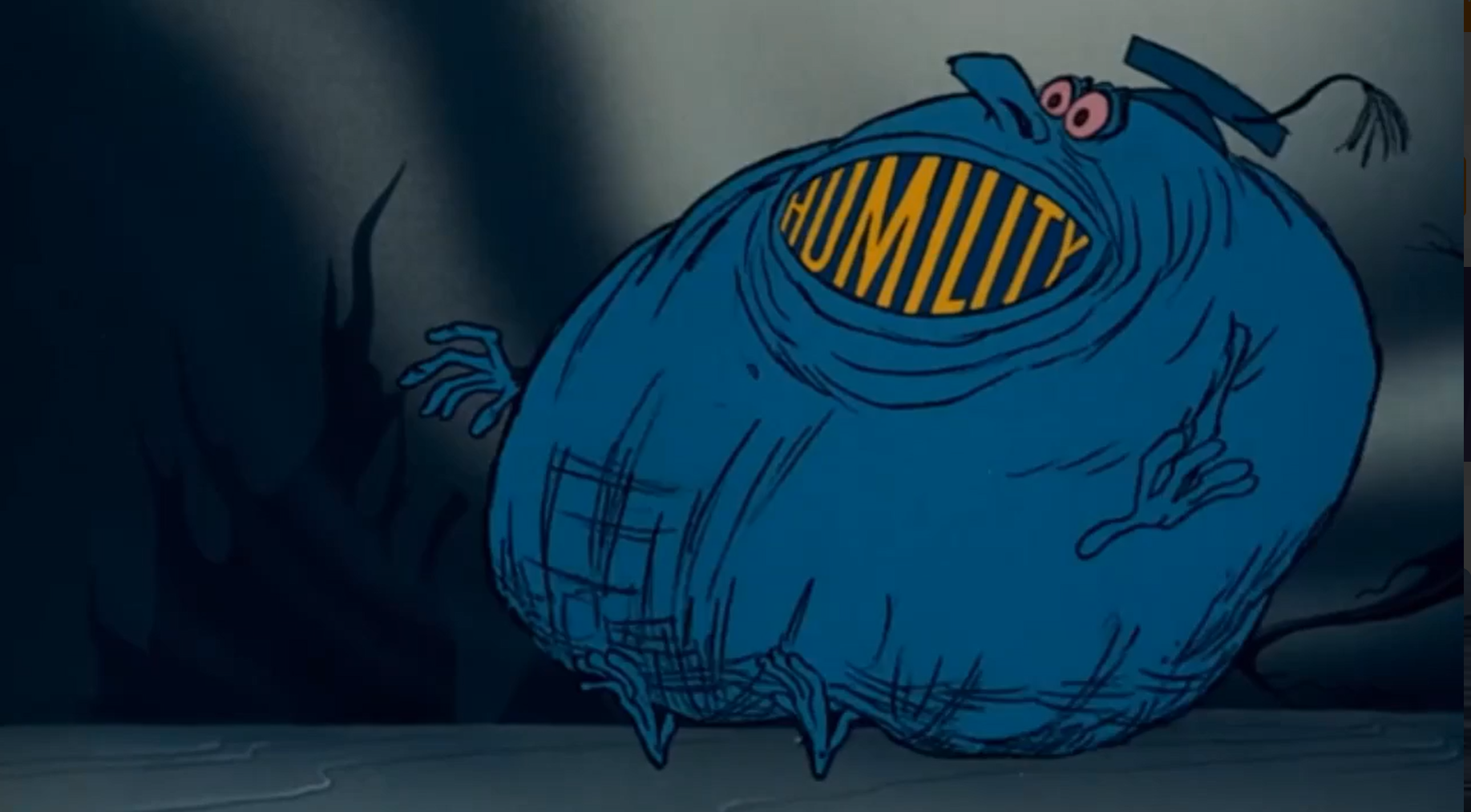
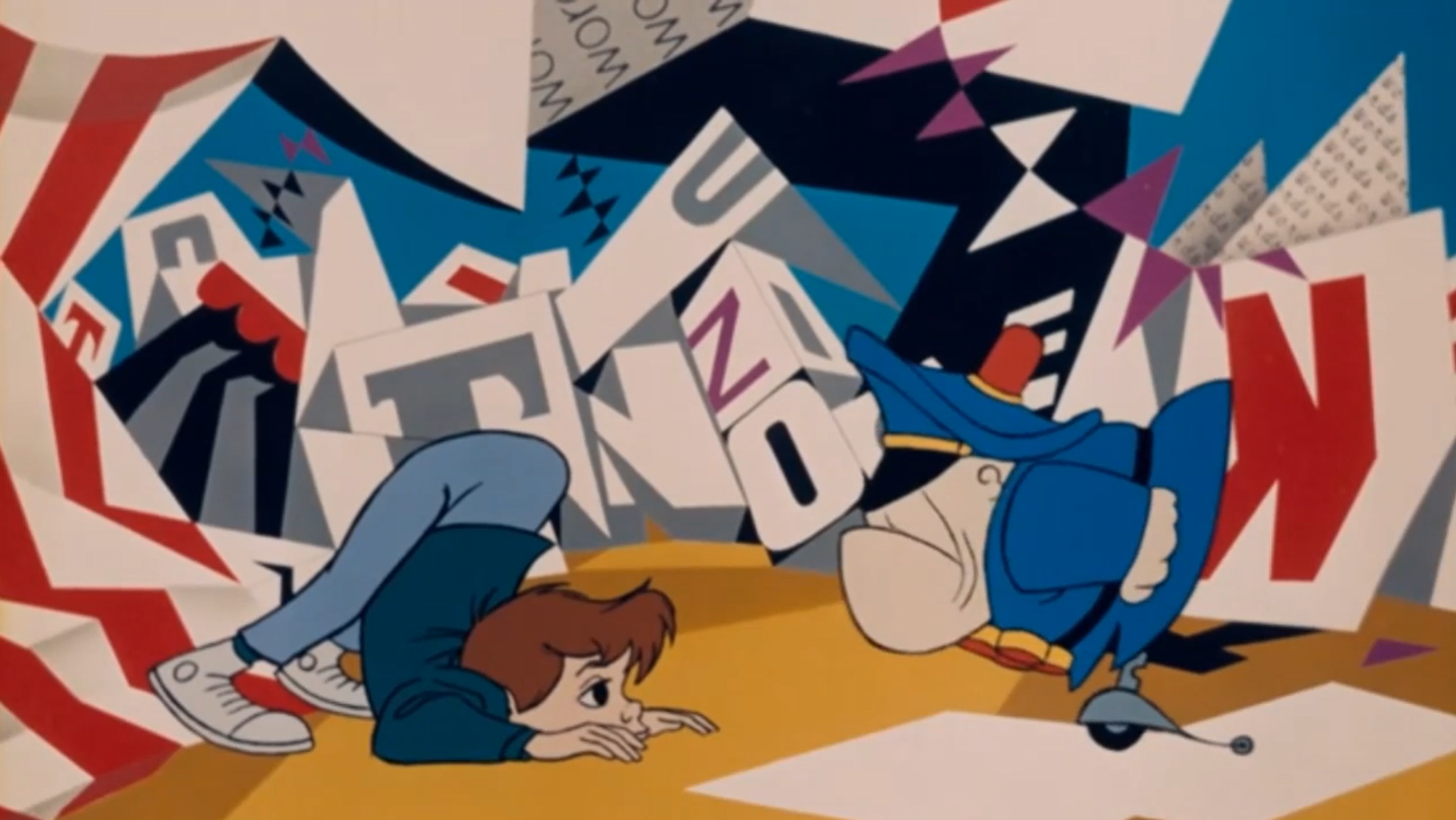
With that said, most adults will watch this film for its animation rather than its story or songs — and, despite some noticeable missteps (Tick Tock the Watch Dog is particularly disappointing), there are many creative sequences. I especially like Jones’ visualization of The Doldrums, and his many amusing wordplays. Also enjoyable are the live action sequences which bookend the film; Butch Patrick is a natural, believable child actor, and his bodily presence is missed once the animation begins. Ultimately, however, The Phantom Tollbooth remains more of a curiosity than a classic, and is noteworthy primarily for its historical importance as Jones’ only feature film.

Redeeming Qualities and Moments:

  • Butch Patrick as the live-action Milo
  • Countless creative visualizations of verbal puns (a “senses taker”, “eating one’s words”, etc.)
  • The animated “doldroms”
  • Endlessly clever and creative imagery


Must See?
Yes. As Chuck Jones’ only animated feature, all film fanatics will certainly want to check this one out.

Categories

  • Important Director

Links:

Desperately Seeking Susan (1985)

Desperately Seeking Susan (1985)

“Desperate: I love that word. It’s so romantic.”

Synopsis:
After accidentally hitting her head, a bored housewife named Roberta (Rosanna Arquette) becomes an amnesiac, and is mistaken for a free-spirited woman named Susan (Madonna). With the help of her new friend Dez (Aidan Quinn), Roberta tries to avoid being killed by a mysterious man who is pursuing her; meanwhile, Roberta’s worried husband (Mark Blum) enlists Susan’s help in tracking her down.

Genres, Themes, Actors, and Directors:

  • Amnesia
  • Character Arc
  • Housewives
  • Mistaken or Hidden Identities
  • New York City
  • Rosanna Arquette Films

Response to Peary’s Review:
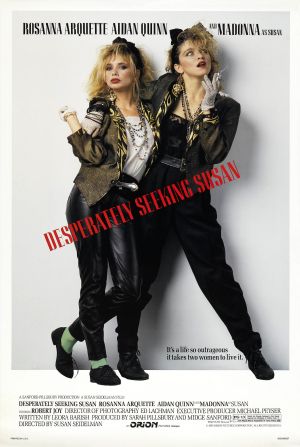
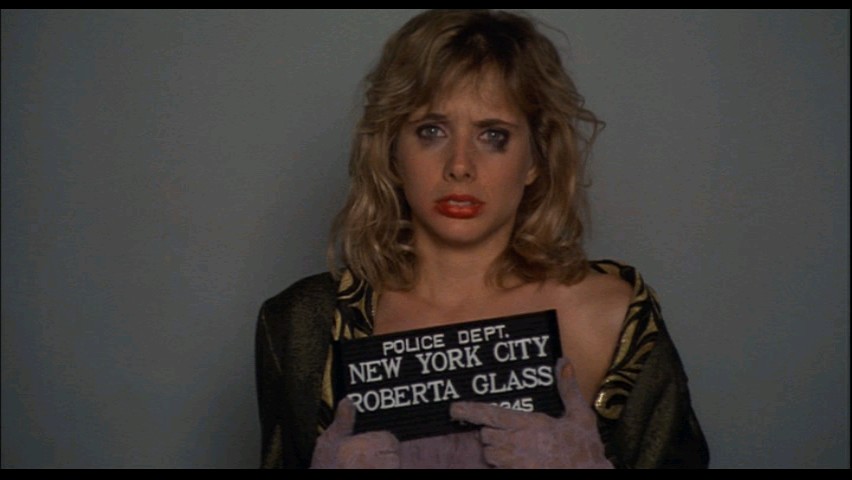
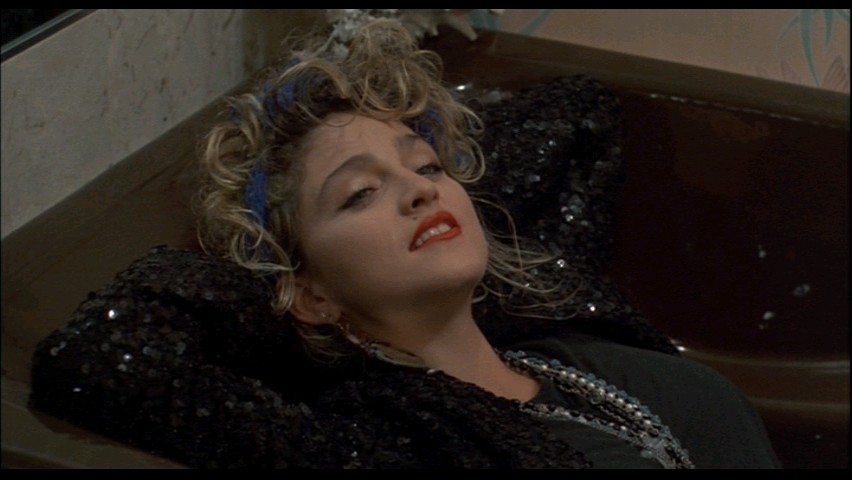
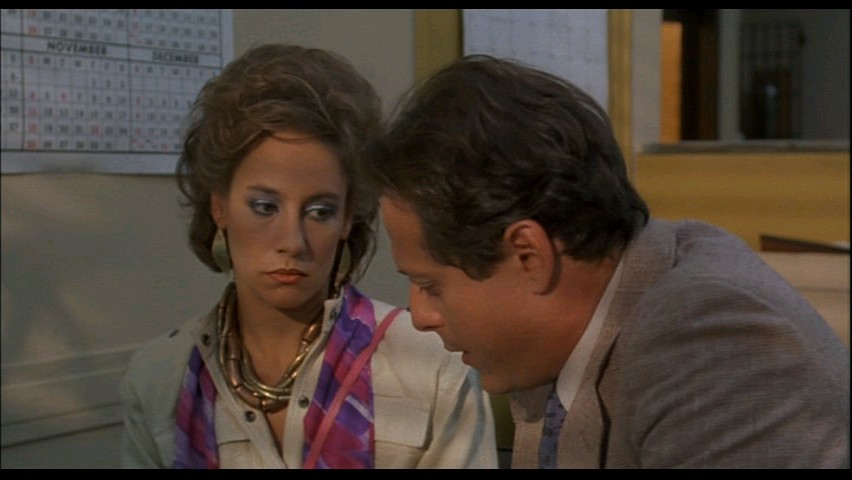
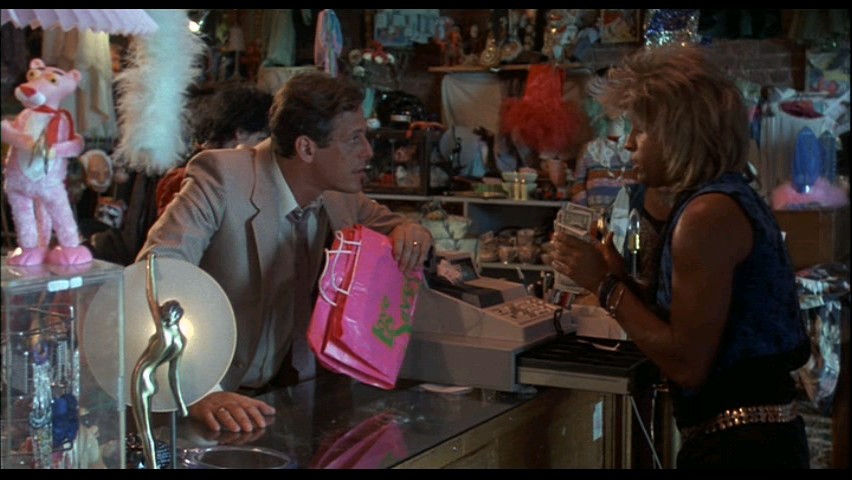
Susan Seidelman’s popular ’80s fairytale about amnesia and switched identities is primarily notable as the film which gave pop star Madonna her breakthrough role. While she’s no great actress, Madonna is perfectly cast here as Susan, and it’s difficult to imagine anyone else in the part (though many were considered). As Peary so accurately describes her, Susan is “a sexy, sweet, cocky, casually amoral, totally irresponsible (but forgivable) live-one-minute-at-a-time hedonist who follows her own drumbeat” — in other words, someone it’s easy to imagine stifled housewife Rosanna Arquette longing to emulate. Arquette herself is as wonderful as always; this proved to be her most iconic role as well, and it’s fascinating to know that she originally envisioned herself as Susan. She’s surrounded by memorable supporting actors (including Aidan Quinn, Laurie Metcalf, and Robert Joy), and countless “cameos” by performers such as Rockets Red Glare and Giancarlo Esposito. But the best “performance” in the film is New York itself — Seidelmen perfectly captures “the mind-draining suburbia” of the city’s outskirts, as well as “crazy, festive, seductive, always crowded lower Manhattan.” While the storyline is undeniably preposterous, it is, as noted by Peary, “enjoyably” so. Indeed, it’s hard not to get caught up in Roberta and Susan’s wild exploits as they maneuver their way through this incomparable city of artists, killers, drifters, and housewives.

Redeeming Qualities and Moments:

  • Rosanna Arquette as Roberta
  • Madonna in her best film role
  • Laurie Metcalf as Roberta’s sister-in-law
  • Aidan Quinn as Dez
  • Robert Joy as Susan’s boyfriend
  • Good use of authentic New York locales

Must See?
Yes, for its historical popularity.

Categories

  • Historically Relevant
  • Noteworthy Performance(s)

Links:

Five Star Final (1931)

Five Star Final (1931)

“I think you can always get people interested in the crucifixion of a woman.”

Synopsis:
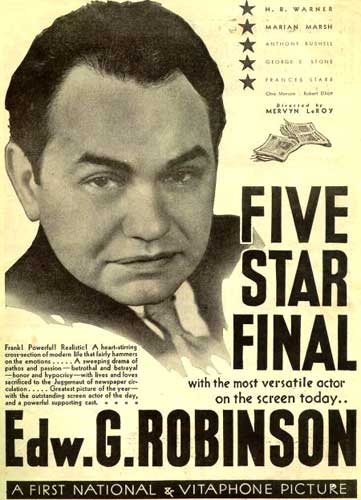
Hoping to boost circulation of his newspaper, editor Joseph Randall (Edward G. Robinson) begins a series of “Where is she now?” articles on a woman named Nancy Voorhees (Frances Starr), who shot her lover 20 years earlier. Nancy’s happiness over the impending wedding of her grown daughter (Marian Marsh) to a kind society boy (Anthony Bushell), as well as her own loving marriage to Michael (H.B. Warner), is immediately threatened by this resurgence of interest in her long-buried past.

Genres, Themes, Actors, and Directors:

  • Boris Karloff Films
  • Downward Spiral
  • Edward G. Robinson Films
  • Journalists
  • Mervyn LeRoy Films
  • Play Adaptations

Review:
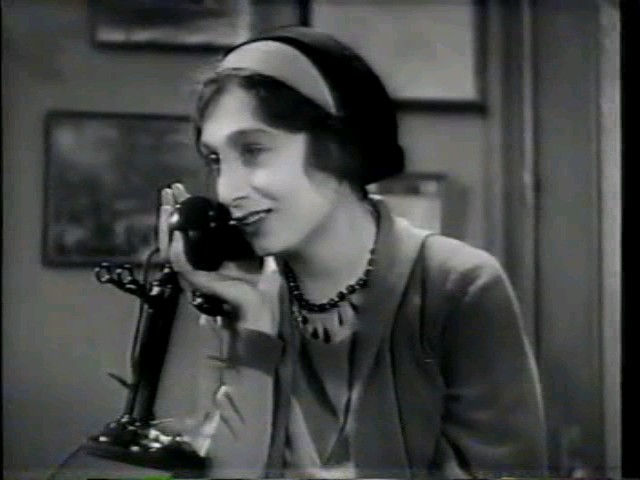
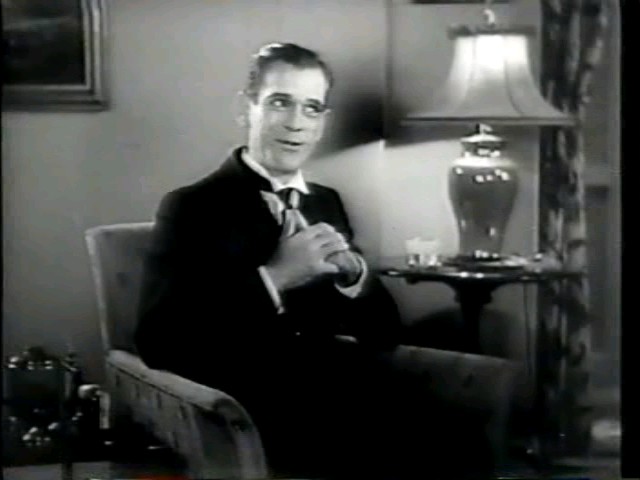
Five Star Final was one in a cycle of newspaper-themed films made in Hollywood during the early 1930s, the most famous of which was The Front Page (1931). Based on a play by former editor Louis Weitzenkorn, Five Star is unabashedly critical of muckraking journalistic practices, clearly positing greedy newspaper owners as callous, mercenary, and willing to do nearly anything to boost circulation. In a way, not much has changed since then: we’re still a tabloid-happy society, and notorious individuals are never entirely free from the prowling feelers of The Media. While Five Star deals with an enduring dilemma, however, the story itself comes across as stilted and somewhat dated. It’s unlikely that a notorious “murderess” such as Nancy Voorhees would be able to successfully hide her past from everyone around her, and even less likely that she and her husband would react the way they do once she’s “found out”. In addition, the “baddies” of the film (including Robinson’s bosses, and Bushell’s parents) play their parts far too broadly, lacking any nuance whatsoever. The best scenes in the film are those between Robinson (wonderful as always) and his knowing secretary, Aline MacMahon — but these are relatively few and far between. Also notable is Boris Karloff in (naturally) a creepy turn as an unscrupulous investigative journalist. On the whole, however, Five Star Final hasn’t aged well enough to recommend as must-see viewing.

Redeeming Qualities and Moments:

  • Edward G. Robinson as Randall (Peary nominates Robinson for an Alternate Oscar as best actor of the year)
  • Aline MacMahon as Randall’s secretary
  • Boris Karloff as “Reverend Isopod”

Must See?
No. Despite its historical importance as a best-picture Oscar nominee, this ultimately isn’t must-see viewing.

Links:

How Tasty Was My Little Frenchman (1971)

How Tasty Was My Little Frenchman (1971)

“The natives are barbarous savages — different from us, and without any religion.”

Synopsis:
In 16th century Brazil, a French mercenary (Arduano Colassanti) is mistaken for Portuguese and captured by a tribe of Indians, who tell him he has eight months to live before being eaten.

Genres, Themes, Actors, and Directors:

  • Cannibalism
  • Historical Drama
  • Native Peoples
  • South and Central America

Review:
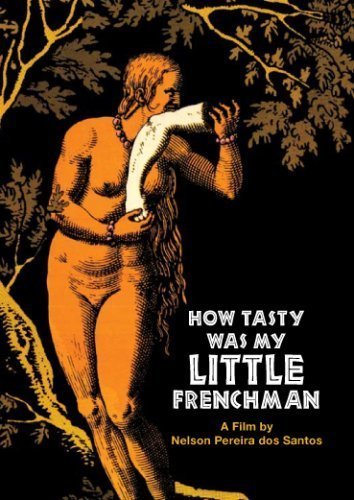
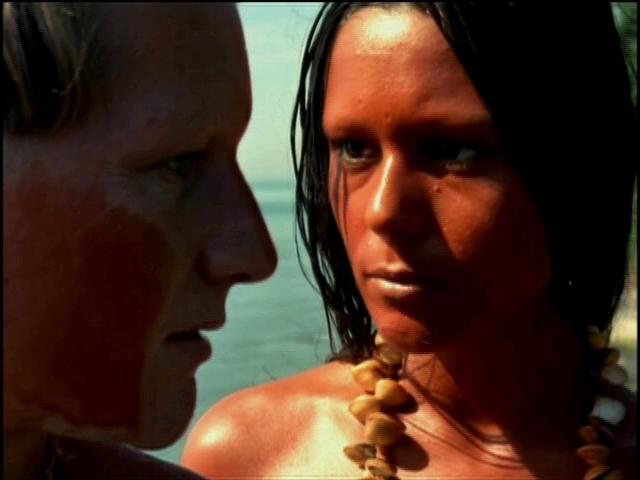
This uneven yet compelling film by director Nelson Pereira dos Santos is a classic of Brazil’s cinema novo movement, which emphasized a reliance on native Brazilian aesthetic sensibilities and a break with cinematic conventions. It’s a cynical and subversive look at colonialism in 16th century South America, told through the non-idealized story of Indians dealing with the rape of their land in the only way they know how: through native traditions. This includes capturing and eating their enemies (the Portuguese), in order to literally ingest their “strength” — in other words, cannibalism. It’s to Pereira dos Santos’s credit that this element of the film is never sensationalized. In fact, he makes every effort to present the Indians’ lifestyle as “natural” — including their near-absence of clothing. Not surprisingly, Brazilian censors had a problem with this lack of modesty, and prevented the film from being shown for a year after it was made; but it’s a testament to the film’s ethnographic authenticity that the nudity quickly seems commonplace, and never exploitative. While How Tasty is a provocative and disturbing film in many ways, however, it’s not uniformly successful. This is primarily due to the opening montage sequence, which misrepresents the film as a comedy; though it certainly possesses satirical elements (the title alone is evidence of this), it’s not really a farce. Once this brief sequence is over, however, it’s remarkably easy to get caught up in the travails of Arduano Colassanti’s “Frenchman” — whose fate remains uncertain until the very end.

Redeeming Qualities and Moments:

  • A compelling pseudo-ethnographic look at the Tupinambas tribe of Brazil
  • The Frenchman’s new wife describing to him what his cannibalism ritual will be like
  • Beautiful natural settings
  • The haunting final images

Must See?
Yes, as an acknowledged classic of Brazilian cinema novo.

Categories

  • Foreign Gem
  • Important Director

Links:

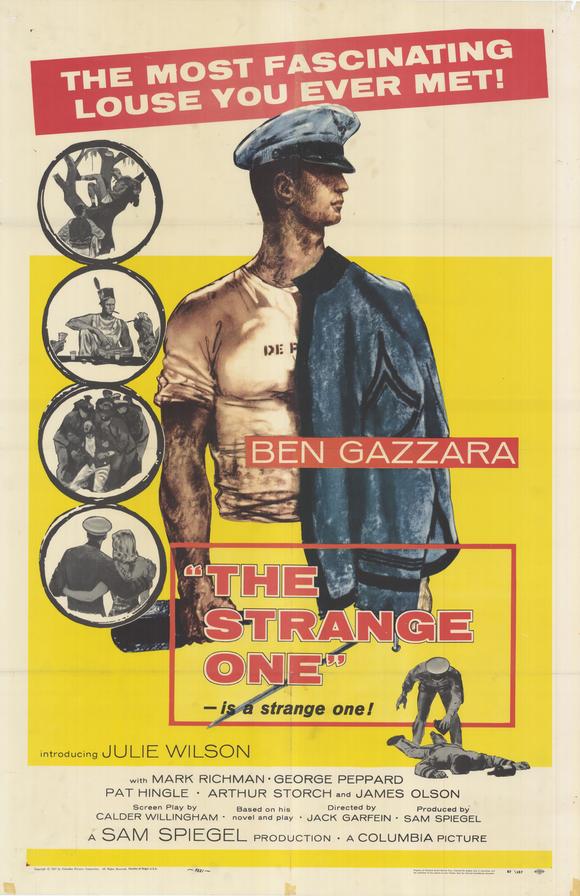
Strange One, The (1957)

Strange One, The (1957)

“Now listen, Jock… Man, I don’t know what went on in that room last night; it was dark. All I know is that you and Roger beat up on Georgie!”

Synopsis:
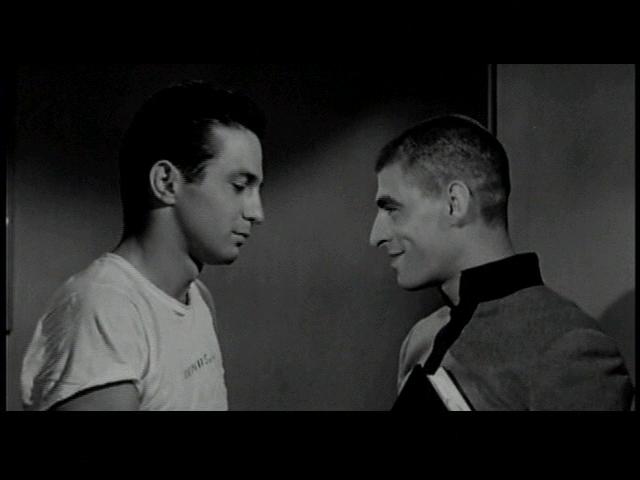
At a southern military college, a sadistic bully named Jocko (Ben Gazzara) pressures four of his classmates — Harold (Pat Hingle), Robert (George Peppard), Simmons (Arthur Storch), and Roger (James Olson) — into beating up a freshman (Geoffrey Horne) and pouring liquor down his throat. Much to Jocko’s delight, Horne is expelled for disorderly conduct; but his classmates grow increasingly uncomfortable with their part in the episode, and decide they’ve had enough of Jocko’s manipulative dominance.

Genres, Themes, Actors, and Directors:

  • Ben Gazzara Films
  • Bullies
  • College
  • Falsely Accused
  • Military
  • Pat Hingle Films
  • Play Adaptation

Review:
The Strange One holds a special place in cinematic history, as the first film directed by and starring exclusively members of the New York Actor’s Studio. Based on a novel and play by Calder Willingham, Strange One is a dark, powerful, yet uneven movie — one which is often unpleasant to watch. Perhaps most frustrating are the clearly-missing scenes involving Jocko and “Cockroach” (Paul E. Richards), an obviously homosexual man with designs on Jocko and blackmail up his sleeve; he’s a fascinating character, yet shows up just a few times, and is grossly underused in the script. Equally annoying is Arthur Storch’s terrible, non-Method performance; with his teeth artificially bucked (what an awful choice!), he looks uncomfortable each time he talks, and reminds one of Jerry Lewis.

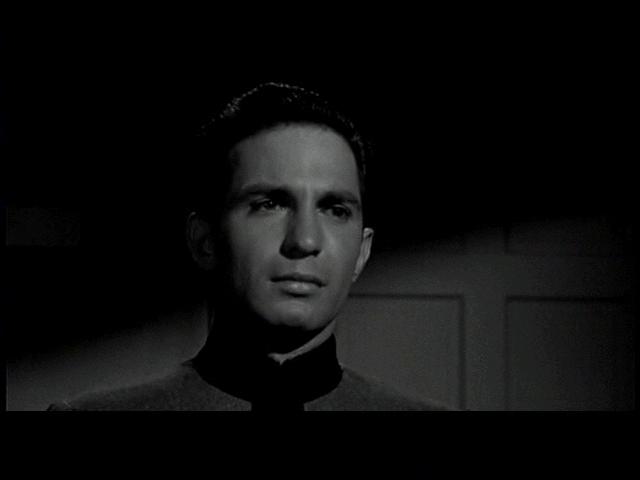
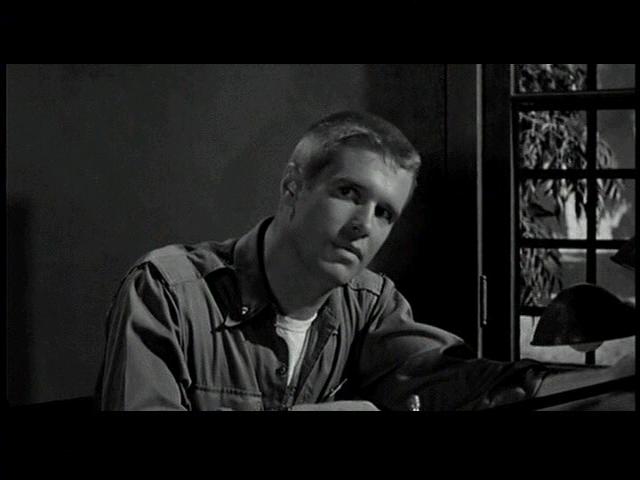
Fortunately, the remainder of the performances are good enough to distract us from Storch’s misfire. Gazzara is stunning in the lead role (his first on-screen), expertly showing us the worst aspects of humanity through Jocko’s behavior. Also excellent is Pat Hingle as Jocko’s closest friend; watch his face during the scene when he suddenly realizes just how unscrupulous Jocko really is. George Peppard acquits himself admirably in his feature debut, and is perfectly cast as the young cadet who — like everyone else — is scared of Jocko at first, but eventually realizes he has nothing to lose (and everything to gain) by standing up to him. Other bit roles are nicely played as well — including Larry Gates as the expelled cadet’s father, Julie Wilson as a local beauty, James Olson as a hunky football star, and Peter Mark Richman as the leader of the kangaroo court which is convened at the end of the movie. It’s during this final powerful scene when we suddenly realize it was worth it to suffer through Gazzara’s carefully calculated trail of venom, as we finally witness justice being served.

Redeeming Qualities and Moments:

  • Ben Gazzara as Jocko
  • Pat Hingle as Harold
  • George Peppard as Robert
  • A brave attempt to depict homosexual undercurrents

Must See?
Yes, for Gazzara’s stand-out performance, and for its importance in cinematic history.

Categories

  • Historically Relevant
  • Noteworthy Performance(s)

Links:

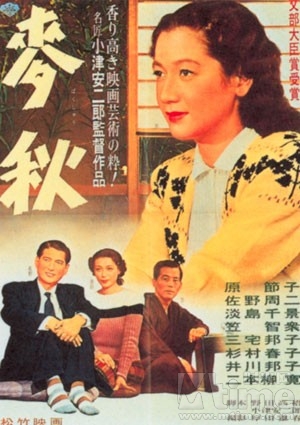
Early Summer (1951)

Early Summer (1951)

“Some women don’t want to get married — are you one of them?”

Synopsis:
In post-war Japan, 28-year-old Noriko (Setsuko Hara) is pressured by her family and friends into thinking about marriage. When her boss (Shuji Sano) finds her a suitable match, her family is thrilled — but Noriko surprises everyone with her decision.

Genres, Themes, Actors, and Directors:

  • Feminism and Women’s Issues
  • Grown Children
  • Japanese Films
  • Ozu Films

Review:
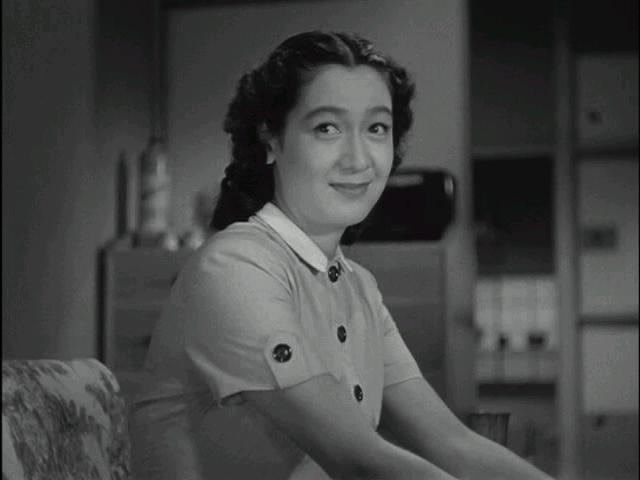
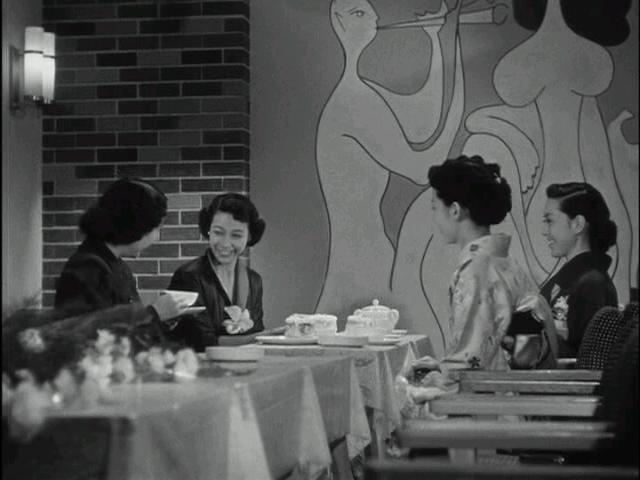
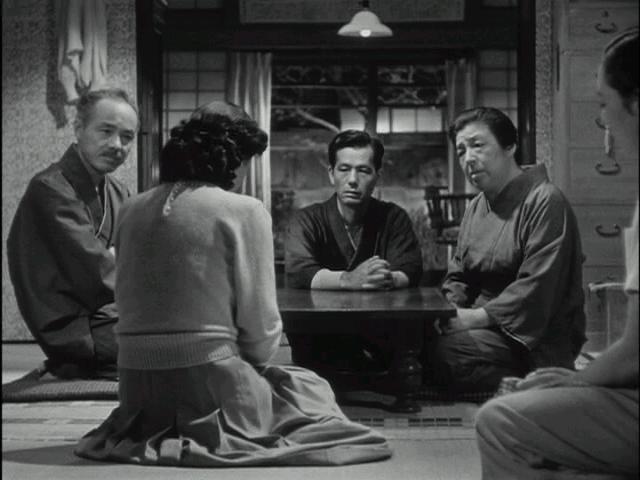
Yazujiro Ozu — who, ironically, remained unmarried and childless throughout his career — specialized in meticulously crafted films about Japanese family life. Early Summer, featuring many of the same actors who starred in his Late Spring (1949) and Tokyo Story (1953), primarily focuses on the marital status of lovely Setsuko Hara. Though happy working as a secretary and living at home, Hara is pressured into selecting a husband; her resolution to this issue (a decision which seems to come out of nowhere, and surprises everyone) propels the final portion of the film, as we witness the ripple effect of her choice on everyone around her.

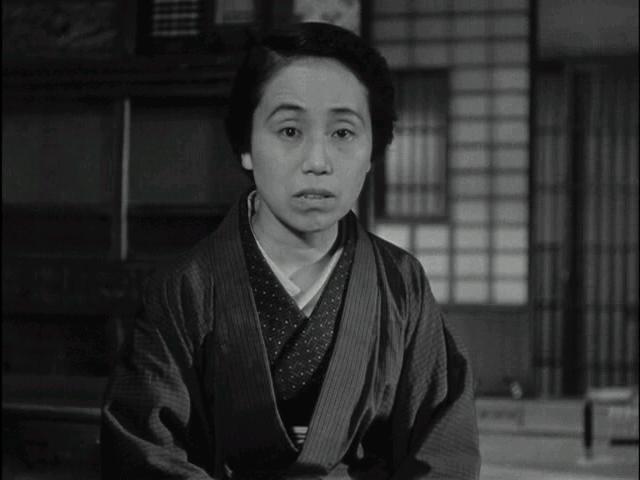
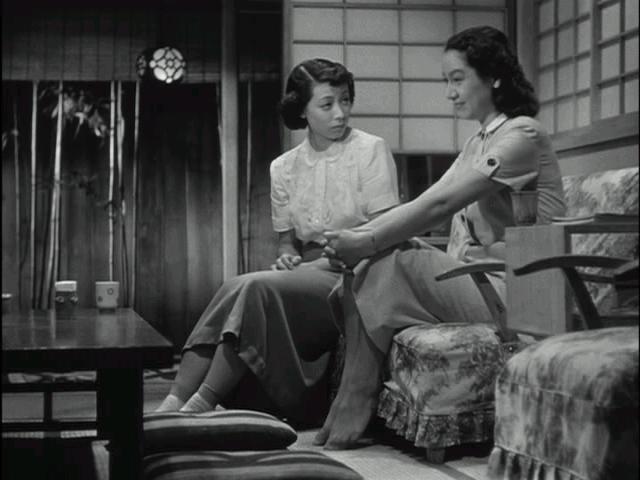
Interwoven with this central story are classic Ozu-style vignettes of family life and intergenerational conflict, all of which speak volumes about the shifting roles of men, women, and children in post-war Japan: Noriko’s spoiled nephews (Zen Murase and Isao Shirosawa) are consistently rude to their elders, who in turn are both bemused and frustrated by the boys’ behavior; Noriko’s parents (Ichiro Sagai and Chieko Higashiyama) are contemplating moving away and “leaving the house to the young people”; Noriko and her friend Aya (Chikage Awashima) giggle knowingly over their options as independent working women.

As always, Ozu’s distinctive directorial style — low camera angles, long shots, luminous b&w photography — makes for an evocative, leisurely viewing experience, one which is deceptively simple on the surface, yet packs an emotional punch. While firmly grounded in Japanese cultural mores, Ozu’s films are remarkably accessible to western audiences, who will easily be able to relate to the universal themes of family and independence — and the difficulty in maintaining a delicate balance between the two.

Note: Hara plays a character named Noriko in three of Ozu’s films: this, Late Spring (1949), and Tokyo Story (1953).

Redeeming Qualities and Moments:

  • Setsuko Hara as Noriko
  • Haruko Sugimura as the mother of Noriko’s childhood friend
  • Chikage Awashima as Noriko’s friend Aya
  • The surprising moment at which we discover Noriko’s true intentions
  • Noriko and her friends — two married, one not — discussing the pros and cons of marriage
  • An insightful, heartfelt look at the complexity of family dynamics in post-war Japan
  • Yuuharu Atsuta’s luminous b&w cinematography

Must See?
Yes. Listed as a Personal Recommendation in the back of Peary’s book.

Categories

  • Foreign Gem

Links:

Next Voice You Hear, The (1950)

Next Voice You Hear, The (1950)

“A voice said, ‘This is God: I’ll be with you for the next few days.'”

Synopsis:
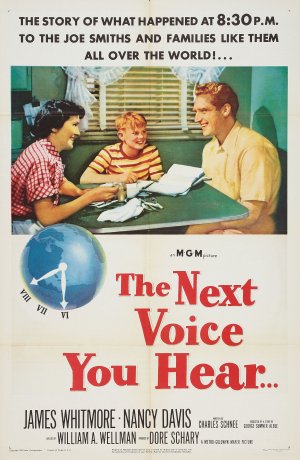
Blue-collar worker Joe Smith (James Whitmore), his very pregnant wife Mary (Nancy Davis), and their son Johnny (Gary Gray) hear a mysterious voice on the radio one night, claiming to be God; soon the entire town — and the entire world — is waiting to hear what The Voice will say next.

Genres, Themes, Actors, and Directors:

  • Fantasy
  • James Whitmore Films
  • Pregnancy
  • Radio
  • Religious Faith
  • William Wellman Films

Review:
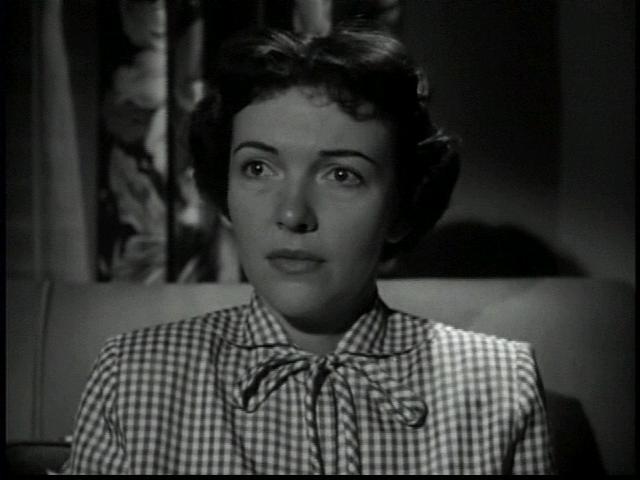
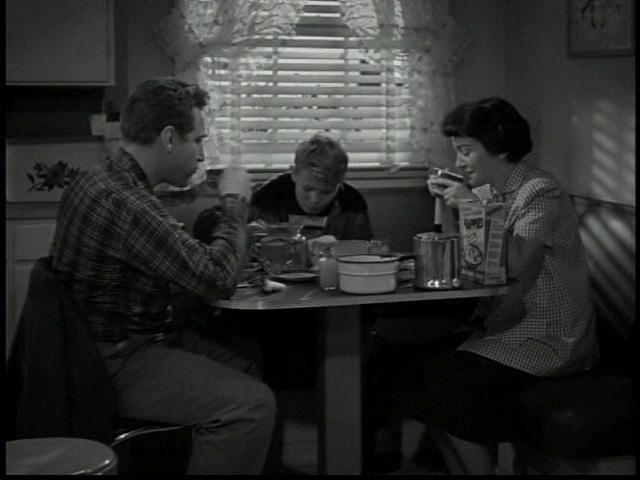
This most unusual B-picture — produced by MGM, directed by William Wellman, and starring Nancy Reagan (nee Davis) before she married Ronnie — is a rare little treat. Decidedly understated, and more concerned with inner growth than outer conflict, the story unfolds gradually and gracefully, only occasionally descending into the realm of campy humor. While we’re presented with what in many ways looks like a prototypical 1950s nuclear family — working husband, pregnant wife, and paperboy son — we’re also allowed to see the small frustrations and fears each possesses: Joe is harassed by his unfeeling boss (Art Smith); Davis is worried about the appearance of her first gray hair, as well the upcoming birth of her second child; and Johnny is horrified to see his father come home drunk one night. They may represent the all-American dream, but there are clearly issues left to be settled.

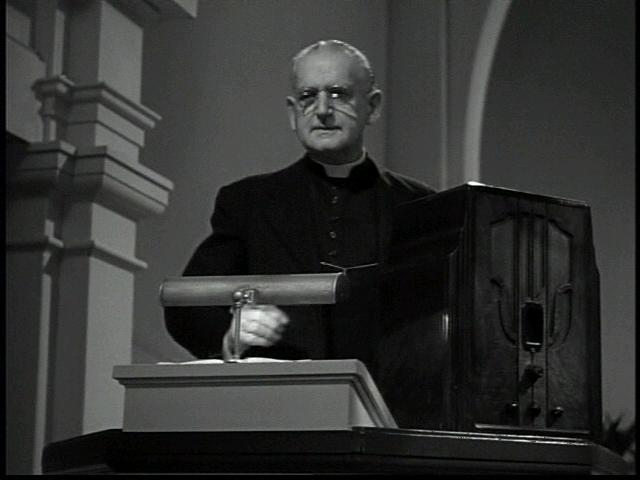
In a clever twist, we never actually hear “God’s” voice on the radio: while this decision was likely influenced by a reluctance to commit sacrilege, it works well as a narrative device, helping us to focus instead on people’s reactions. Also interesting is the fact that The Voice is heard by all people in all countries — in “churches, temples, synagogues, and mosques” — and that the name Jesus is never mentioned; this allows the film’s decidedly Christian elements (the lead characters are named Joe and Mary; Mary is pregnant) to remain refreshingly vague; one could even read The Voice as a harbinger of world unity.

With that said, the film does possess some more laughable elements — including Davis’s pregnancy (she’s supposed to be days away from delivering, but only looks about 5 months pregnant, and not very realistically); some of the more cliched interactions between Joe, Mary, and Johnny; Mary’s unexplained fear of giving birth (despite the fact that she’s done so successfully before); and the overly preachy scenes towards the end. Nonetheless, I was surprised at how quickly I got caught up in this gently charming fable, which never tries to be more than it is, and certainly has its heart in the right place.

Redeeming Qualities and Moments:

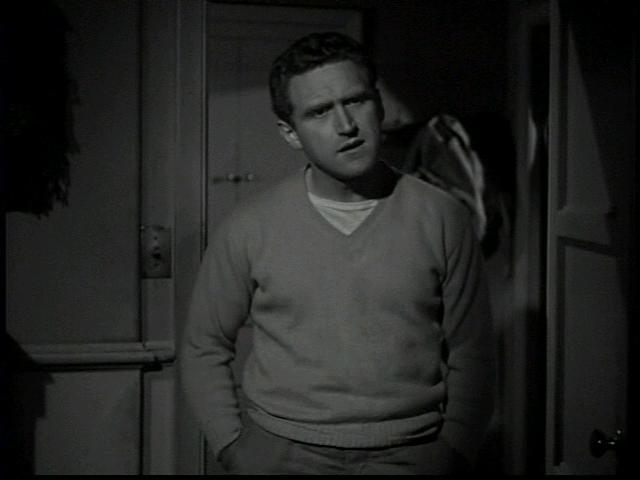
  • James Whitmore as “Joe Smith”
  • Nancy Davis (a.k.a. Reagan) as “Mrs. Mary Smith”
  • Gary Gray as the Smiths’ son, Johnny
  • A sanitized yet sensitive look at ’50s blue collar family values
  • Good use of suburban L.A. locales
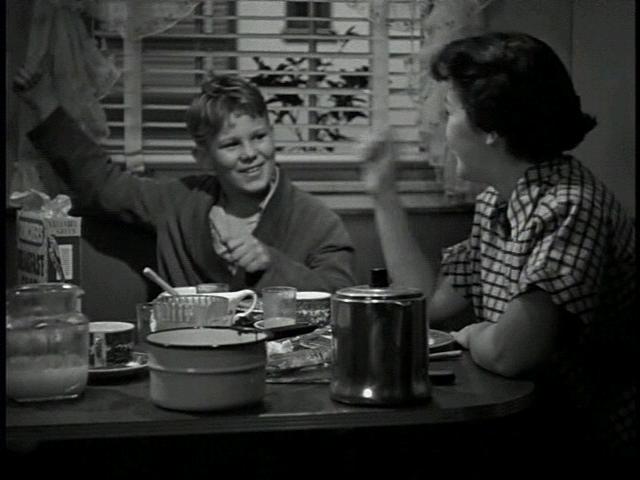
  • Johnny perfectly imitating his father’s morning ritual with the car
  • A decidedly unusual and thought-provoking premise
  • David Raksin’s score

Must See?
Yes, for its status as an erstwhile favorite.

Categories

  • Good Show
  • Historically Relevant

Links:

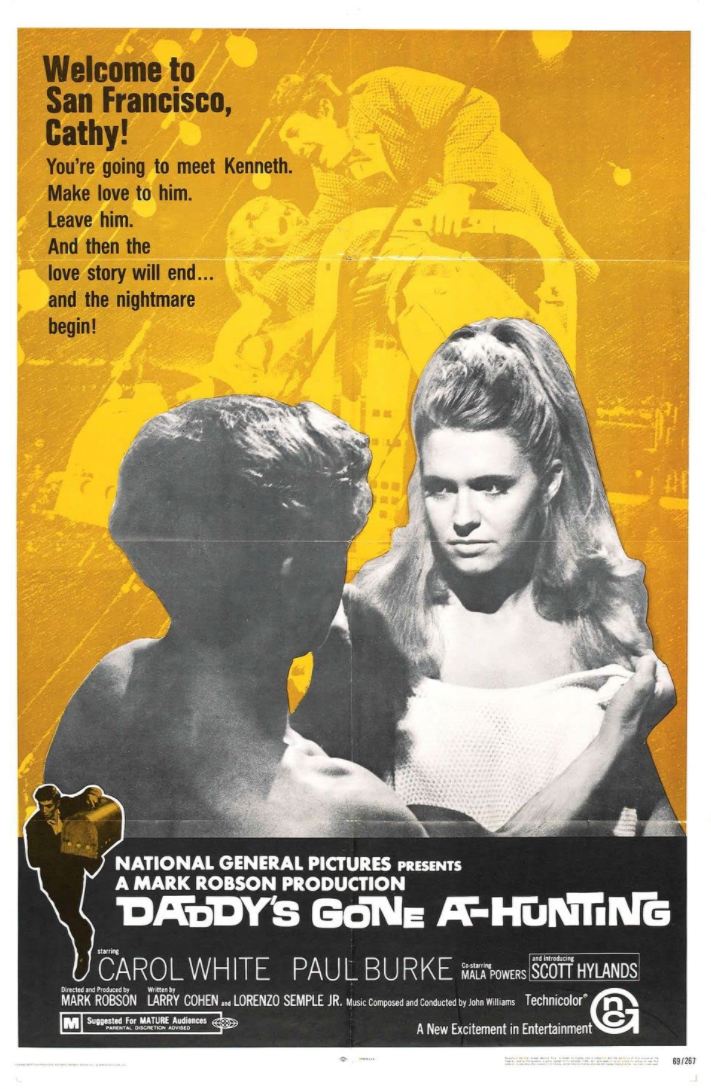
Daddy’s Gone A-Hunting (1969)

Daddy’s Gone A-Hunting (1969)

“He was mine, Kathy — I needed him. Don’t you know what you did? You murdered my baby!”

Synopsis:
Years after his pregnant girlfriend, Cathy (Carol White), has an abortion, a psychopath named Kenneth (Scott Hylands) tries to “even the score” by getting the now-married Cathy to kill her newborn child.

Genres:

  • Larry Cohen Films
  • Mark Robson Films
  • Pregnancy
  • Psychological Horror
  • Psychopaths
  • Revenge

Review:
Written by Larry Cohen and directed by Mark Robson — best known for helming Valley of the Dolls (1967) — this oddly-titled psycho-thriller is based on an intriguing ethical dilemma: should a fetus in a woman’s body be considered solely hers, or does it “belong” just as equally to the father? Unfortunately, however, the film fails to exploit this rich subject, instead using it simply as a convenient narrative crutch. Cathy and Kenneth’s relationship is glossed over in a heartbeat, and we never get into the mind of Kenneth — a creepy bastard, yet someone who’s clearly got an interesting story to tell.

Instead, we follow the travails of the rather insipid White — who, unlike Mia Farrow in Rosemary’s Baby (1968), fails to involve us on more than a surface level in her maternal crisis (though this could be at least partly a function of the script). Equally egregious is an unconvincing plot device in which Cathy is conveniently “prevented” from telling her aspiring-politician husband (a bland Paul Burke) about her checkered past, due to fear of public scandal. This choice makes no sense, given that a dark secret between husband and wife doesn’t need to go beyond the bedroom doors.

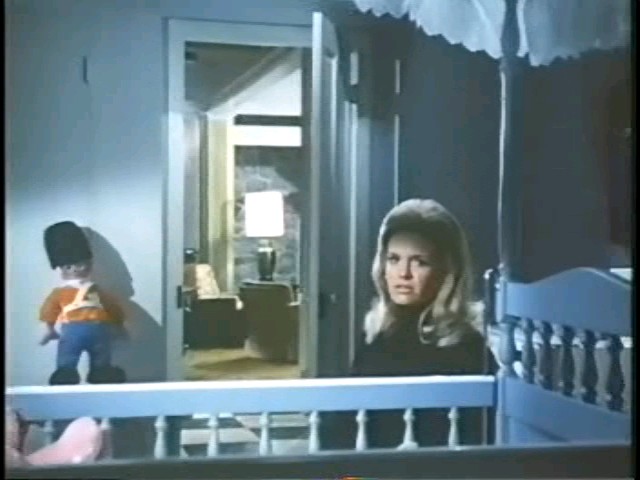
To their credit, however, Cohen and Robson handle the thriller elements of the story quite well: in a satisfying narrative decision, it’s left unclear throughout the first half of the film whether or not Cathy is imagining Kenneth’s stalking; and, once it’s established that she’s not, things kick into high gear. The final 1/2 hour is particularly tense, as Cathy’s baby is shown to be in genuine danger — from Cathy herself. Overall, however, this provocatively-themed film — which could have been so much better — remains a disappointment.

Redeeming Qualities and Moments:

  • A provocative premise
  • A few genuinely heart-pounding moments
  • The final climactic sequence

Must See?
No. While based on an intriguing idea, this psycho-thriller ultimately fails to deliver on its potential.

Links: