Browsed by
Category: Original Reviews

Responses to Peary’s “must see” movie reviews, as well as my own “must see” movie reviews up to and after 1986 (when Peary’s book was published).

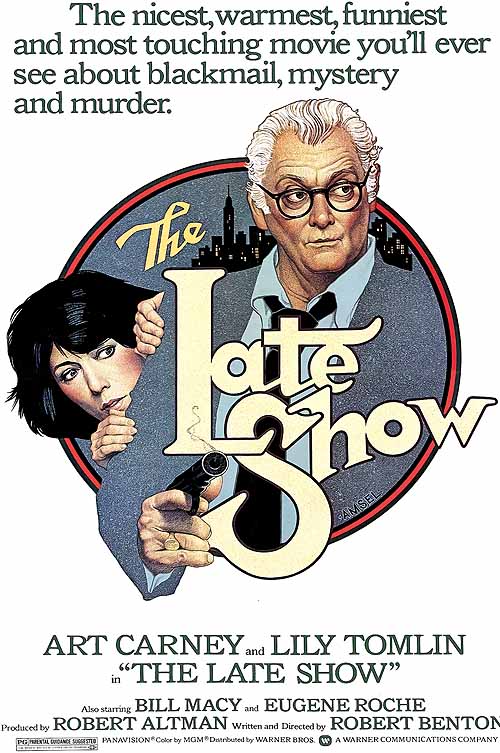
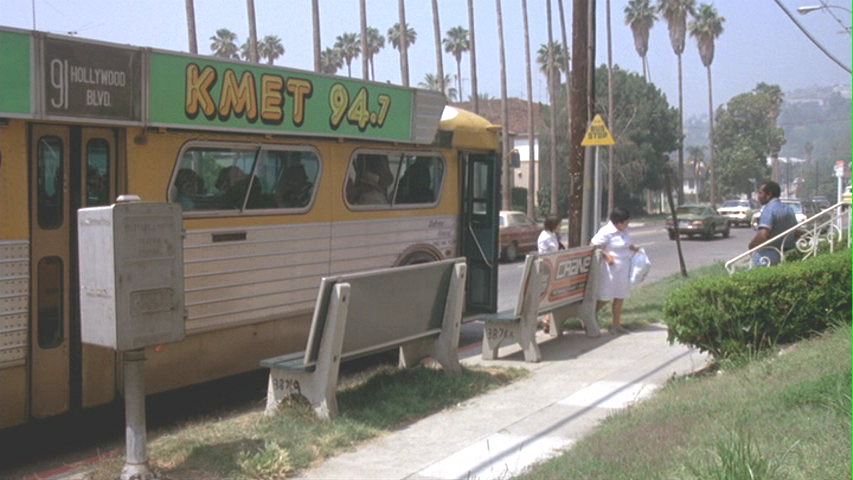
Late Show, The (1977)

Late Show, The (1977)

“Back in the ’40s, this town was crawlin’ with dollies like you.”

Synopsis:
An aging private eye (Art Carney) whose partner (Howard Duff) has just been killed is hired by a ditzy artist (Lily Tomlin) to find the man who stole her cat; soon he finds himself embroiled in a complex web of murder, infidelity, and blackmail.

Genres, Themes, Actors, and Directors:

  • Art Carney Films
  • Detectives and Private Eyes
  • Has-Beens
  • Lily Tomlin Films
  • Los Angeles
  • Murder Mystery

Review:
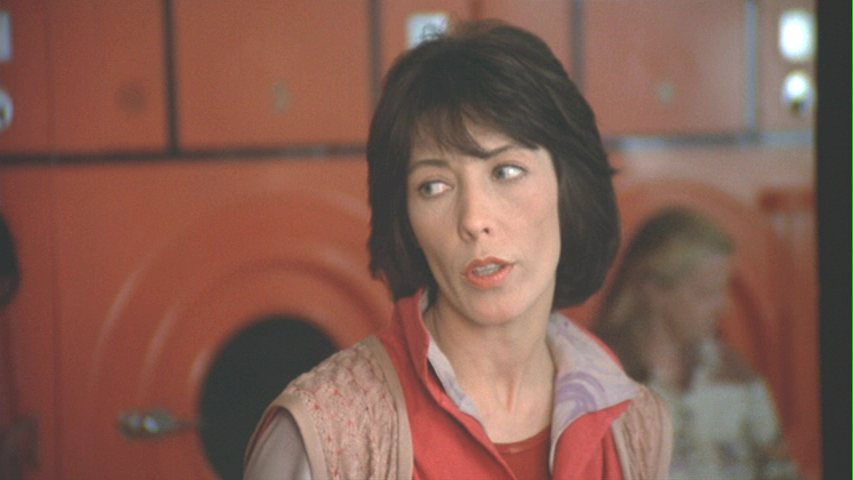
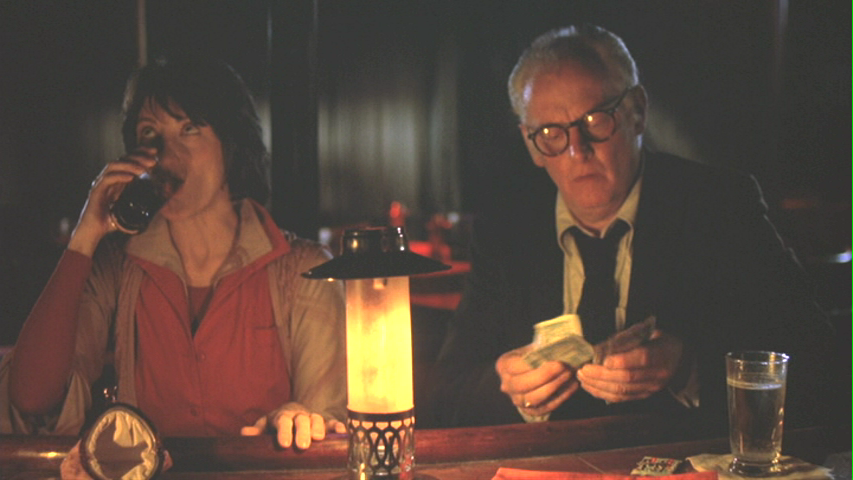
Robert Benton’s second directorial feature gave veteran T.V. star Art Carney a plum role as detective Ira Wells, and allowed young Lily Tomlin to revel in her innate wackiness. The entire affair is essentially an homage to P.I. flicks of the ’40s and ’50s, with good use of diverse city locales, a host of dicey characters, and the presence of a MacGuffin (Tomlin’s cat). The primary reason to watch this good-hearted film, however, is for the lead performances by Carney and Tomlin, who are perhaps one of the oddest would-be romantic couples on-screen, and who perfectly represent the culture clash between ’40s old-school demeanor and ’70s New Age wackiness. Unfortunately, Benton’s plot is ultimately too convoluted for its own good, and prevents The Late Show from being essential viewing — but it’s still well worth a look.

Redeeming Qualities and Moments:

  • Art Carney as Ira Wells
  • Lily Tomlin as Margo Sperling
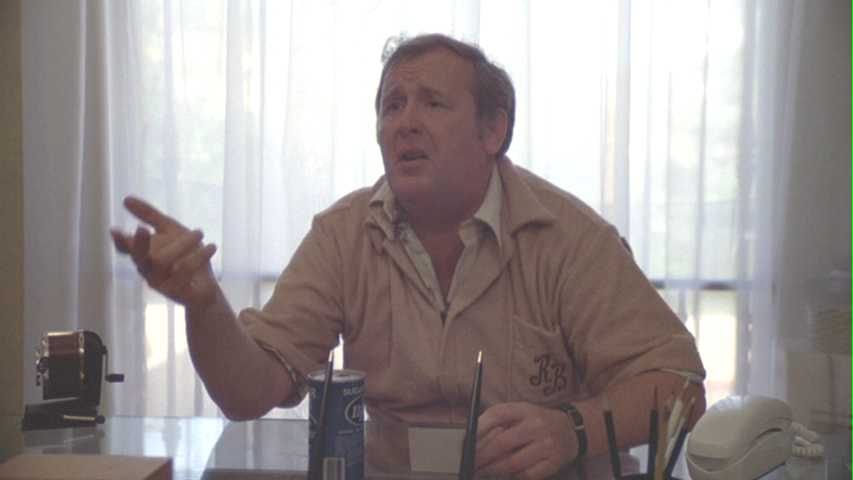
  • Eugene Roche as Birdwell
  • The amusing May-December rapport between Margo and Ira
  • Good use of authentic L.A. locales

Must See?
No, but it’s recommended.

Links:

Cobweb, The (1955)

Cobweb, The (1955)

“I want to un-mix this mix-up about the drapes.”

Synopsis:
A psychiatrist (Richard Widmark) at an upscale clinic decides it would be good therapy for his artistic patient (John Kerr) to create silk-screen designs for a set of new drapes — but the clinic’s controlling business manager, Miss Inch (Lillian Gish), wants to buy simple cotton drapes, while the psychiatrist’s neglected wife (Gloria Grahame) has more expensive ideas of her own. Meanwhile, Dr. McIver (Widmark) grows closer to his female co-worker (Lauren Bacall), while Grahame seeks attention from her husband’s alcoholic boss (Charles Boyer).

Genres, Themes, Actors, and Directors:

  • Charles Boyer Films
  • Fay Wray Films
  • Gloria Grahame Films
  • Lauren Bacall Films
  • Lillian Gish Films
  • Marital Problems
  • Oscar Levant Films
  • Paul Stewart Films
  • Psychotherapy
  • Richard Widmark Films
  • Susan Strasberg Films
  • Vincente Minnelli Films

Review:
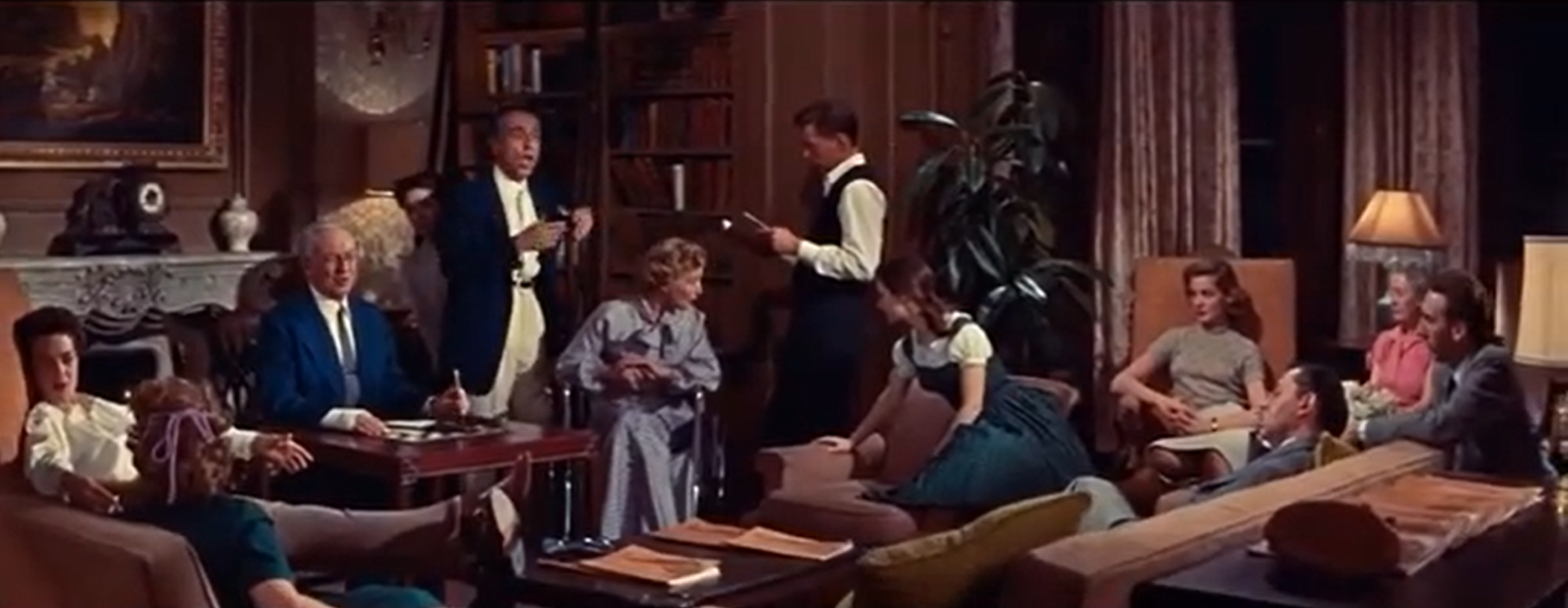
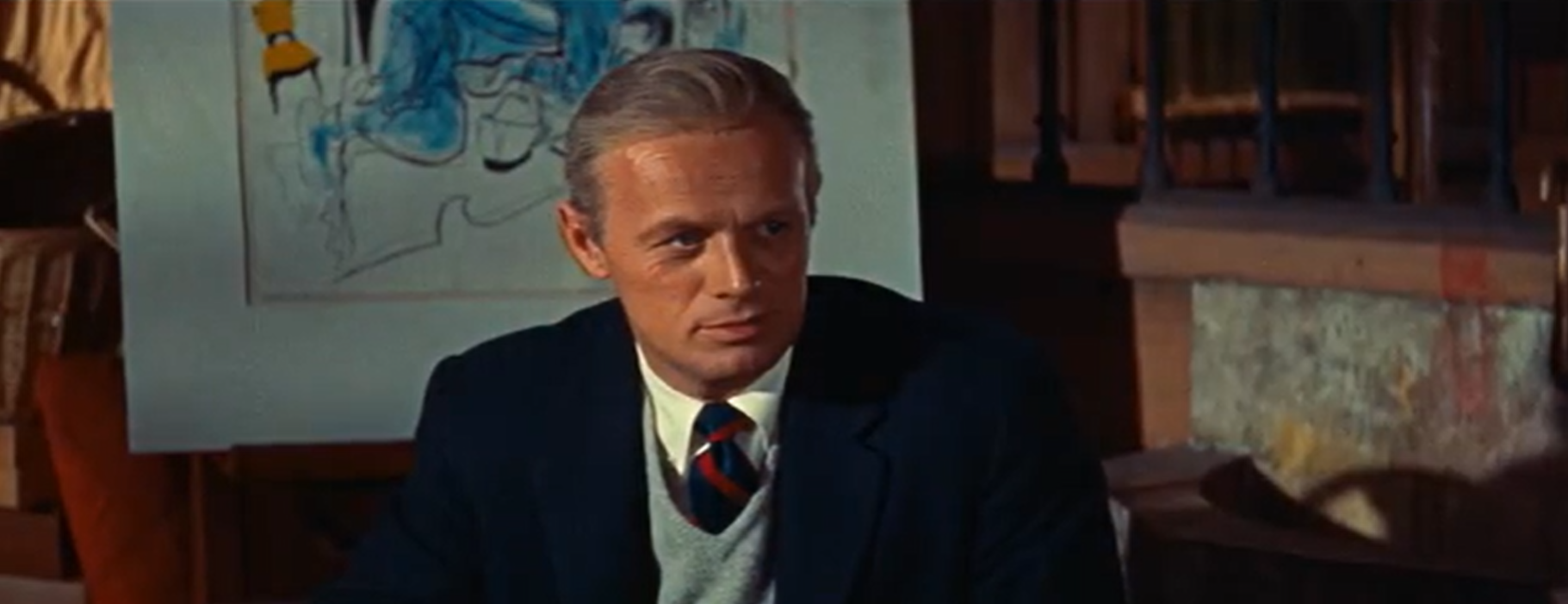
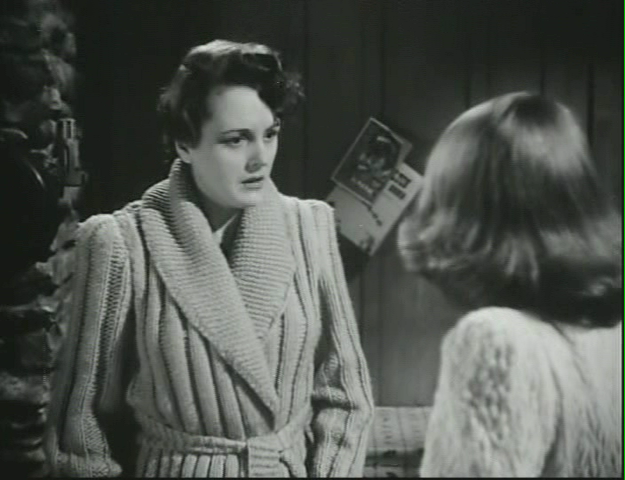
Vincente Minnelli’s widescreen, all-star melodrama — based on William Gibson’s bestselling novel — is a truly puzzling venture. While it seems impossible that any movie starring Richard Widmark, Gloria Grahame, Lauren Bacall, Lillian Gish, and Susan Strasberg (and taking place in a mental institute) could be a clunker, this one comes awfully close. Part of the problem stems from the format of the film itself, with the characters literally engulfed by the widescreen camera:

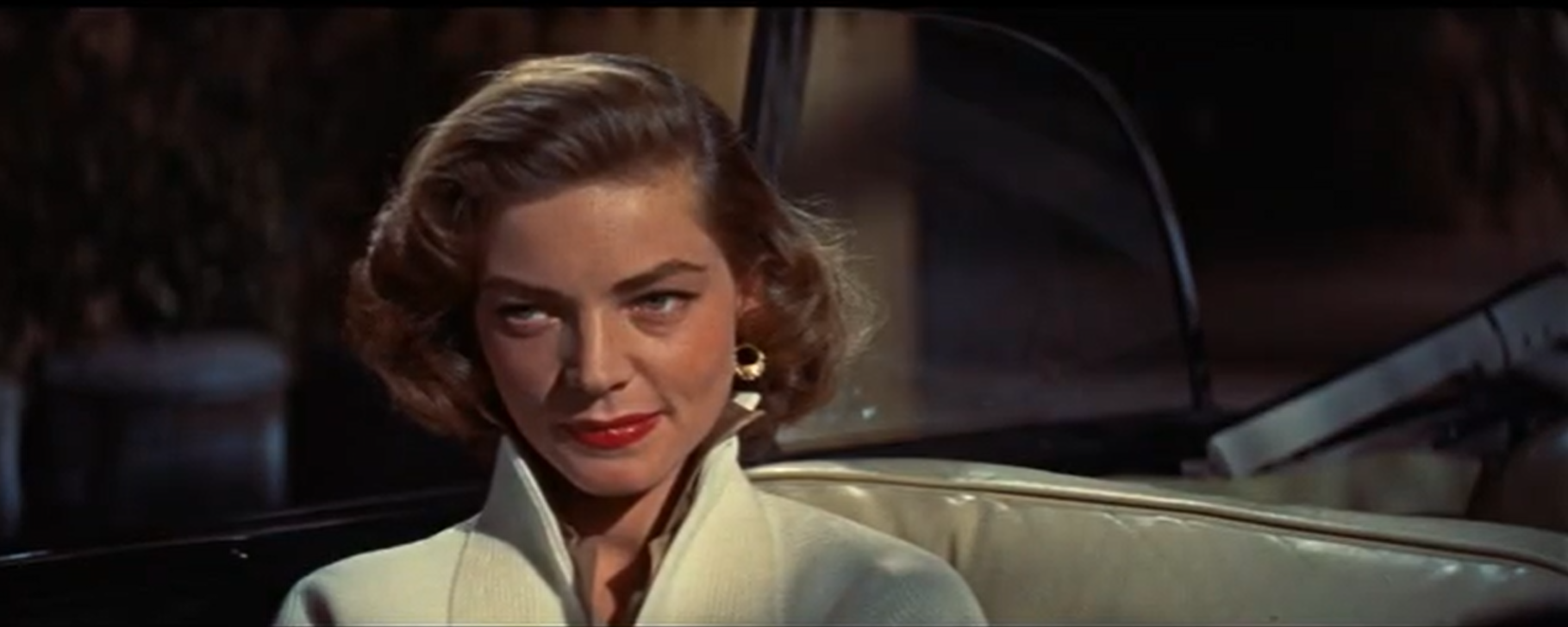
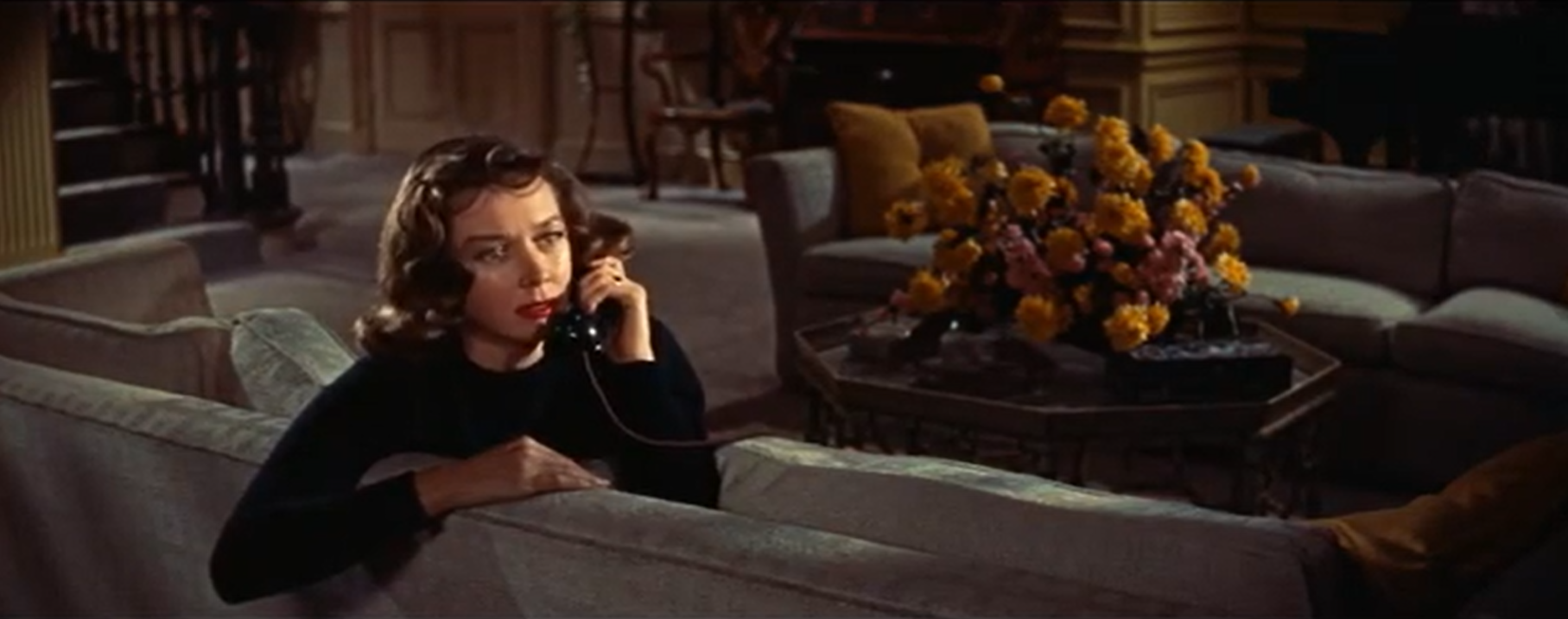
Equally problematic — and common to many ensemble films, especially those adapted from dense novels — is how underdeveloped each of the characters ultimately is, with none given enough screentime to truly shine. Bacall (a nominally “central” character) is especially underserved:

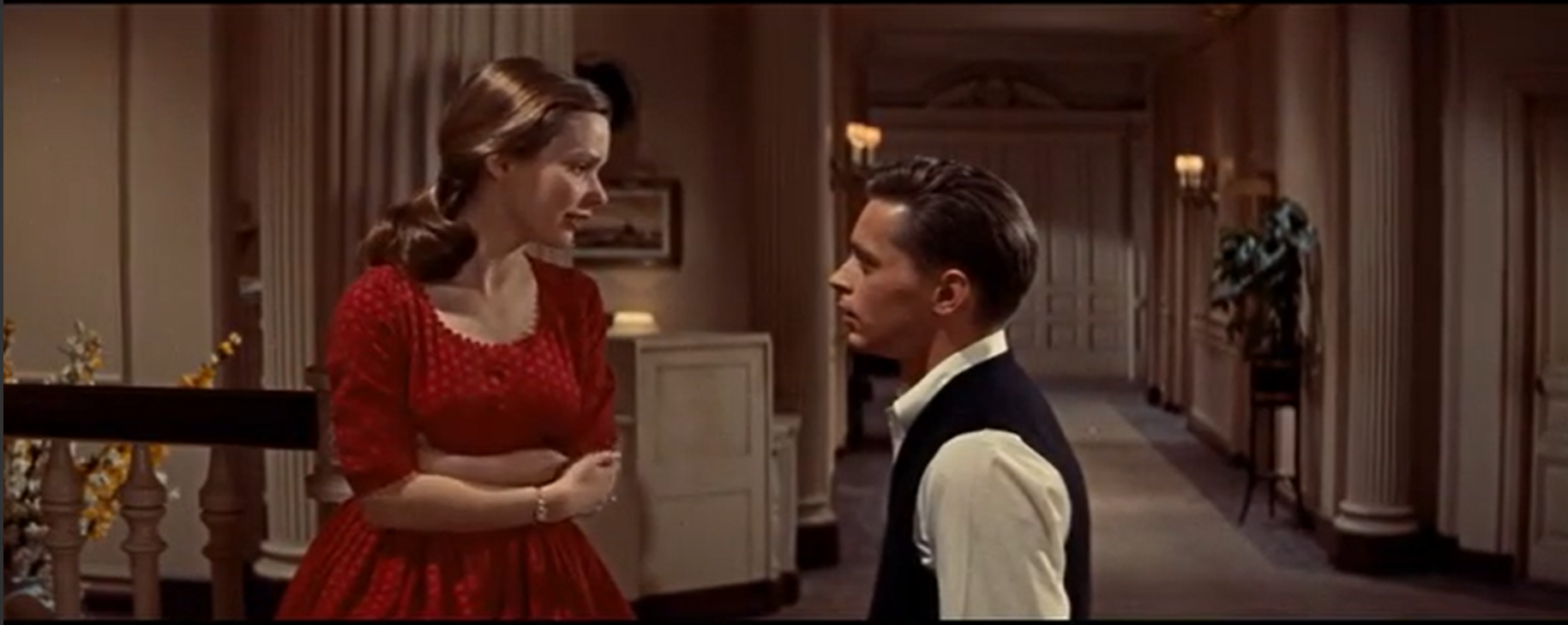
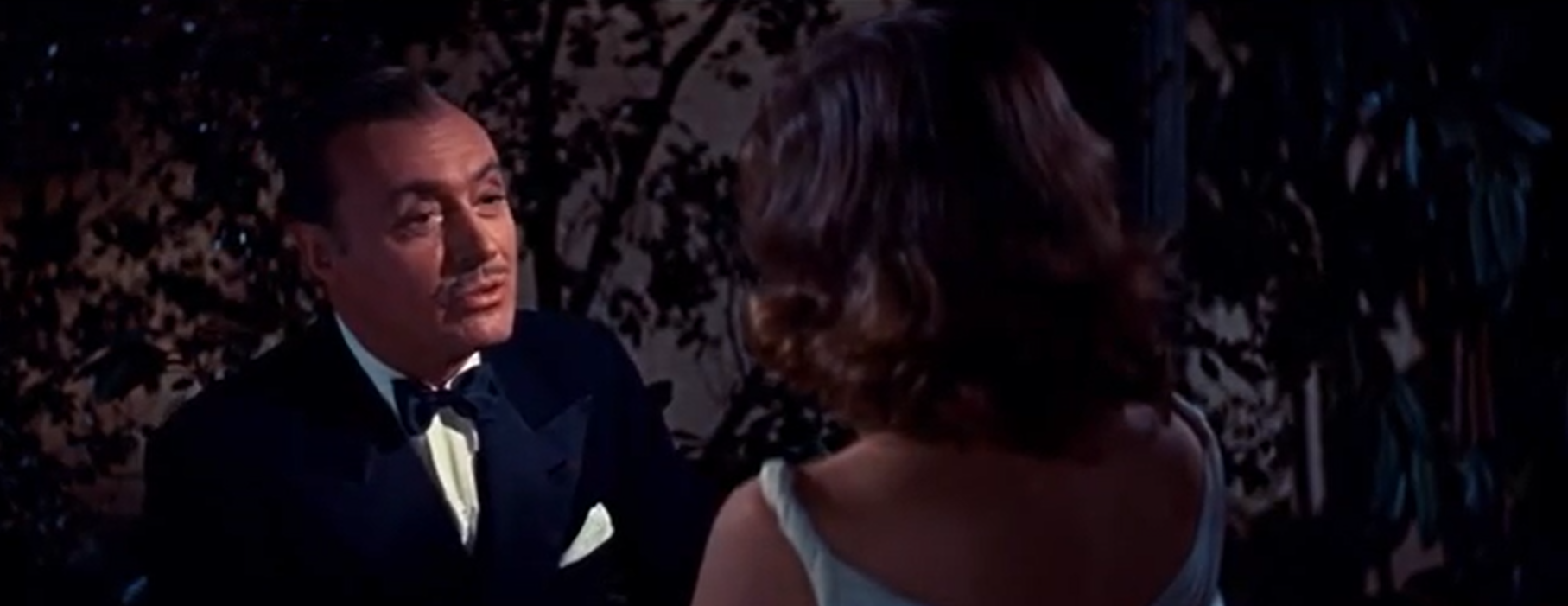
while Strasberg’s admittedly minor role as an inmate is so slight she barely registers.

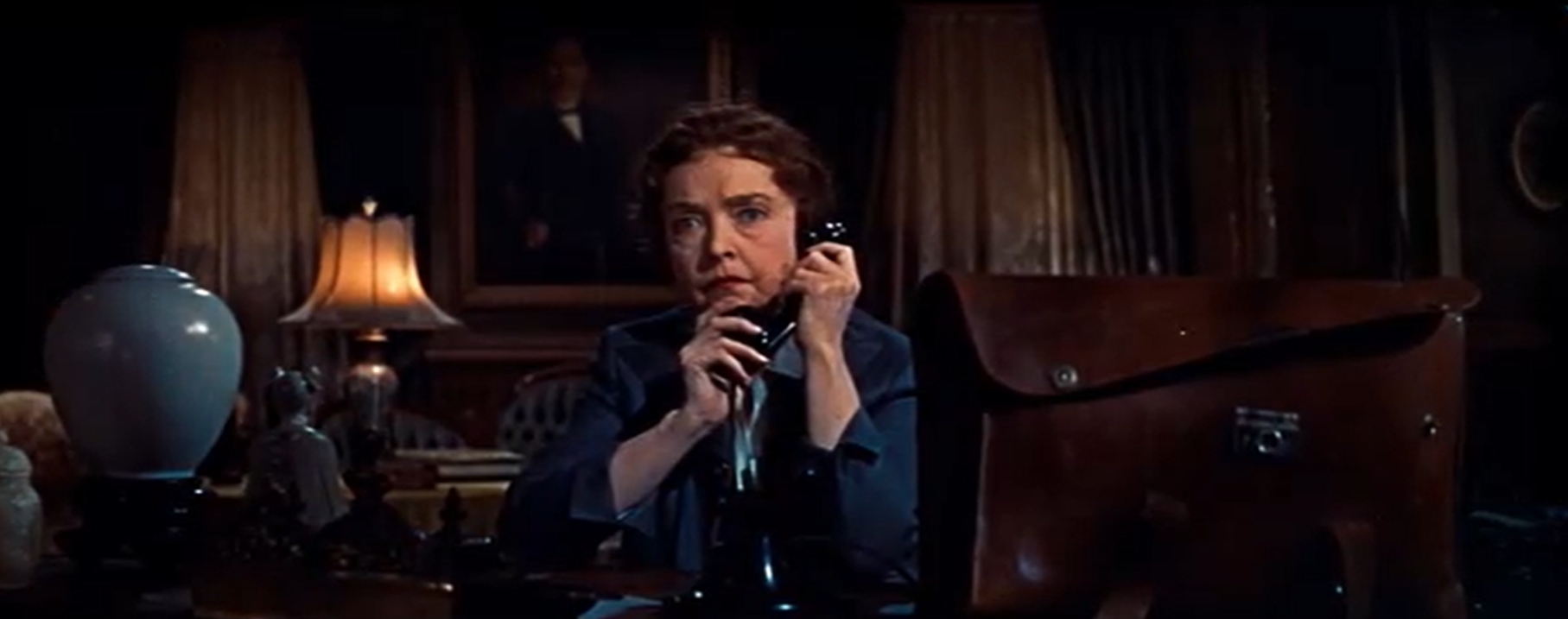
Some have noted that the film’s very premise — curtains — is enough to push it into the realm of enjoyable camp:

but I failed to see it this way. Ultimately, The Cobweb is only worth seeing for the lead actors, who do their best with limited material.

Redeeming Qualities and Moments:

  • Richard Widmark’s sympathetic turn as Dr. McIver
  • Gloria Grahame as McIver’s neglected wife
  • Charles Boyer as tippling Dr. “Dev”
  • Fine cinematography and production values

Must See?
No; it’s unclear to me why this overstuffed melodrama has developed a latter-day following.

Links:

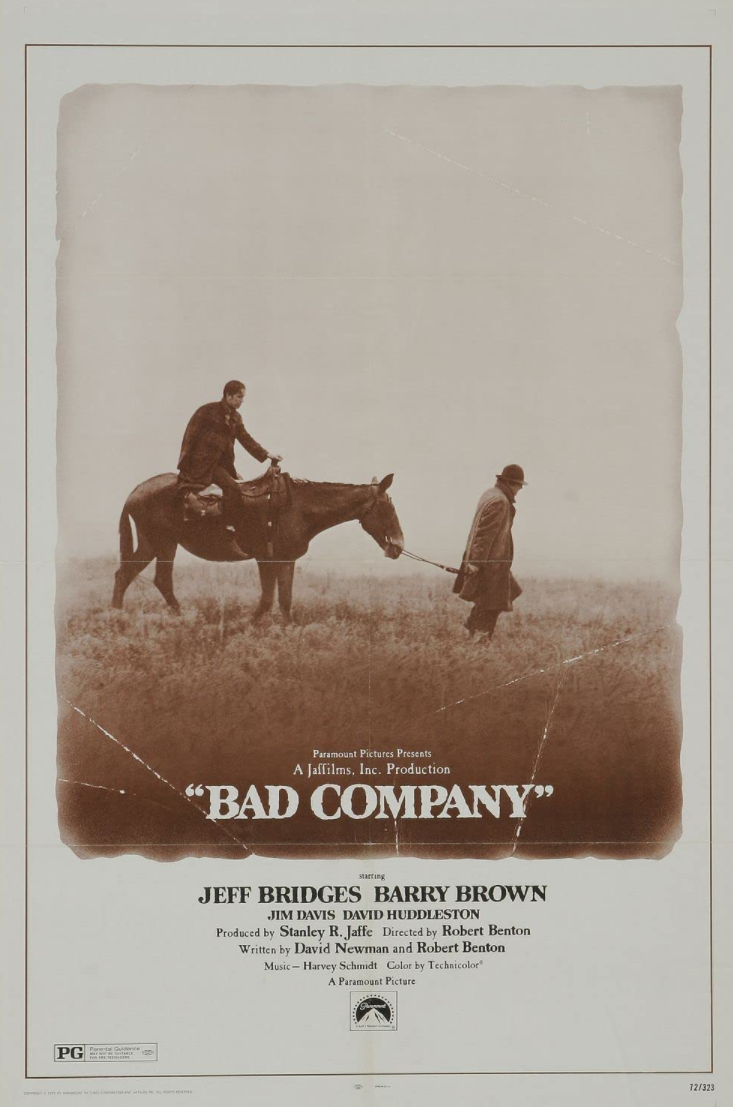
Bad Company (1972)

Bad Company (1972)

“My plans have changed somewhat: I have fallen in with some rough types, but it seems to be the only way to get to the West.”

Synopsis:
During the Civil War, an upstanding young draft dodger (Barry Brown) escapes to Missouri with plans of heading west; he’s soon robbed by the leader (Jeff Bridges) of a gang of petty thieves, and finds himself joining their crew in order to survive.

Genres, Themes, Actors, and Directors:

  • Coming-of-Age
  • Jeff Bridges Films
  • Survival
  • Thieves and Criminals
  • Westerns

Review:
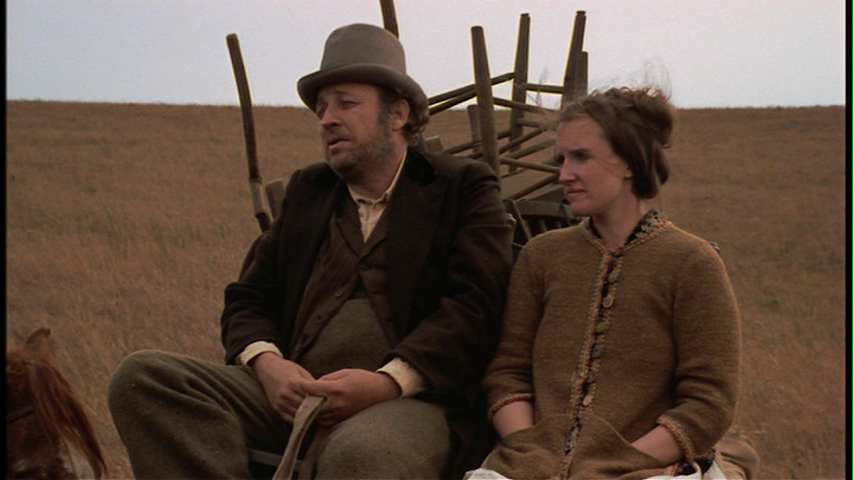
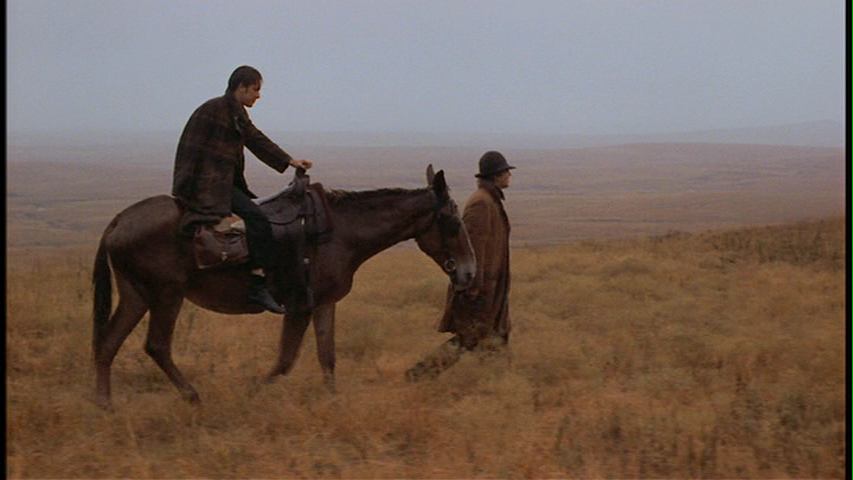
This unusual western — considered by many to be a true “sleeper” — was the directorial debut of Robert Benton, co-screenwriter for Arthur Penn’s Bonnie and Clyde (1967). From the opening scenes of Bad Company, it’s clear that Benton is aiming here for a similarly “revisionist” view of America — one in which criminals aren’t always gun-toting villains dressed in black, and the difference between right and wrong is rarely clear. After all, the film’s likable protagonist (Brown) is a draft dodger, running away from his legal duty as an American citizen, and abetted in doing so by his ultra-Christian (!) parents, who are so distressed by the loss of their only other son to the war that they’ve adopted an alternative code of ethics.

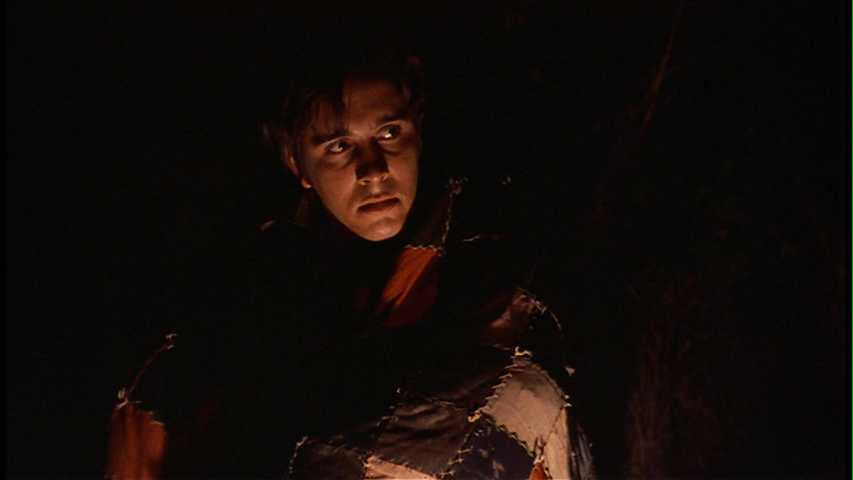
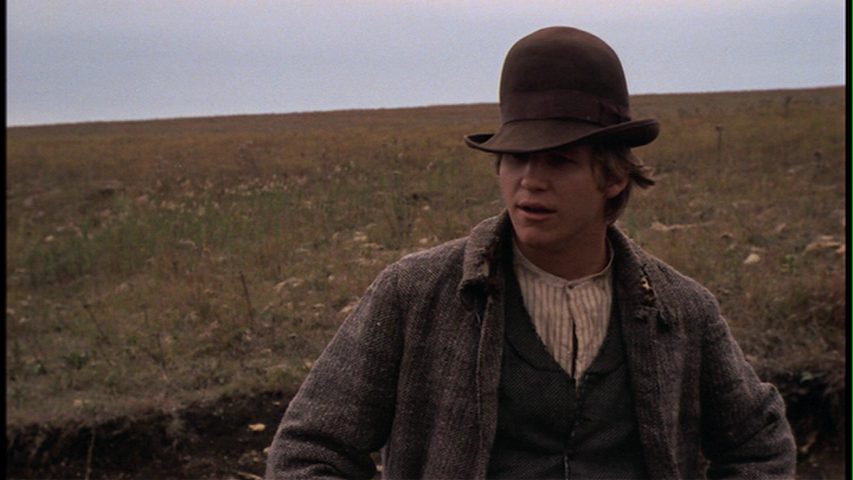
At heart, Bad Company is a coming-of-age tale, with Drew (Brown) forced to confront his own values while under the influence of a charismatic leader (Bridges). What’s particularly fascinating is how readily Drew resists corruption, instead using his impressive wiles to stay autonomous despite nominally joining Bridges’ gang. To this end, the movie’s final controversial shot doesn’t quite ring true, but the entire journey until then — particularly thanks to the noteworthy performances by both Bridges and Brown, and Gordon Willis’s luminous cinematography — is well worth taking.

Redeeming Qualities and Moments:

  • Barry Brown as Drew
  • Jeff Bridges as Jake
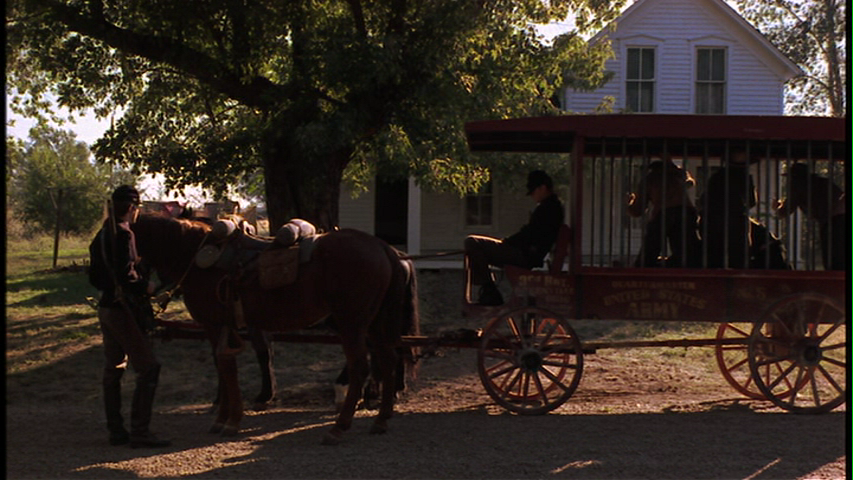
  • The fascinating opening sequence, as Union paddy wagons round up Civil War “deserters”
  • The disturbing scene in which a settler prostitutes his willing wife
  • Gordon Willis’s expansive cinematography
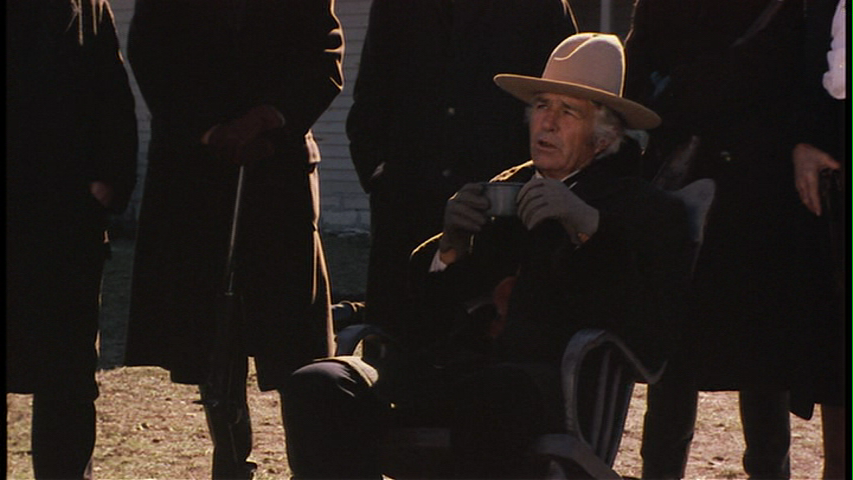
  • Many well-observed details — such as a sheriff who insists on sitting in a rocking chair
  • Harvey Schmidt’s funky solo piano score

Must See?
Yes; this sleeper is an all-around good show. Listed as a Sleeper, a Cult Movie, and a Personal Recommendation in the back of Peary’s book.

Categories

  • Good Show

Links:

Secret of NIMH, The (1982)

Secret of NIMH, The (1982)

“We can no longer live as rats; we know too much.”

Synopsis:
When a widowed mouse named Mrs. Brisby (Elizabeth Hartman) enlists the help of some educated rats in moving her family to safe ground, she learns the secret of her husband’s death.

Genres, Themes, Actors, and Directors:

  • Aldo Ray Films
  • Animated Features
  • Elizabeth Hartman Films
  • Fantasy
  • John Carradine Films
  • Survival
  • Talking Animals
  • Widows and Widowers

Review:
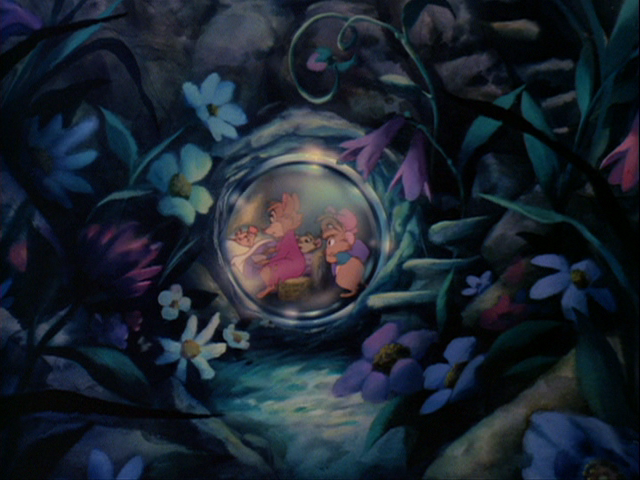
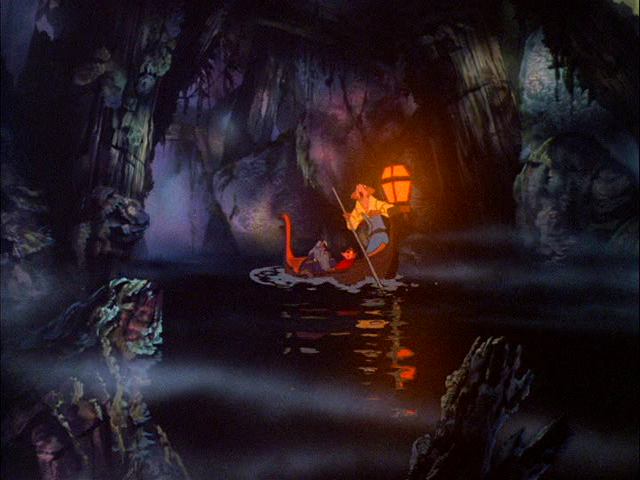
The Secret of NIMH — based on the Newbery Award-winning young adult novel Mrs. Frisby and the Rats of NIMH by Robert C. O’Brien — is the result of a decision by animators Don Bluth, Gary Goldman, and John Pomeroy to break away from Disney Studios and create their own independent studio. Their goal was to implement older, slower techniques — including airbrushed contact shadows and backlit animation — in hopes of evoking the “Golden age” of animation, and the visuals truly are gorgeous (see stills below). Unfortunately, however, the story itself — which deviates substantially from its source material — leaves much to be desired. I’ve seen the movie twice now, and each time have found my attention wandering about midway through; the narrative simply doesn’t sustain itself. Nonetheless, all film fanatics are sure to be curious about this historically important animation feature, and will want to watch it at least once.

Redeeming Qualities and Moments:

  • Elizabeth Hartman as brave Mrs. Brisby
  • Lovely animation


Must See?
Yes, simply for its importance in animation history.

Categories

  • Historically Relevant

Links:

Harvey (1950)

Harvey (1950)

“I’ve wrestled with reality for 35 years, doctor, and I’m happy to state I finally won out over it.”

Synopsis:
Noncomformist Elwood P. Dowd (Jimmy Stewart) spends his days drinking in bars and chatting with his invisible rabbit friend, Harvey. When Elwood’s sister (Josephine Hull) becomes convinced that his quirky behavior is preventing her grown daughter (Victoria Horne) from finding a suitable husband, she takes him to Chumley’s Rest Home, where a well-meaning young doctor (Charles Drake) targets her as the delusional one instead; meanwhile, Elwood befriends the asylum’s founder (Cecil Kellaway), who soon believes that Harvey is real.

Genres:

  • Cecil Kellaway Films
  • Comedy
  • Friendship
  • Jimmy Stewart Films
  • Mental Illness
  • Nonconformists
  • Play Adaptation

Review:
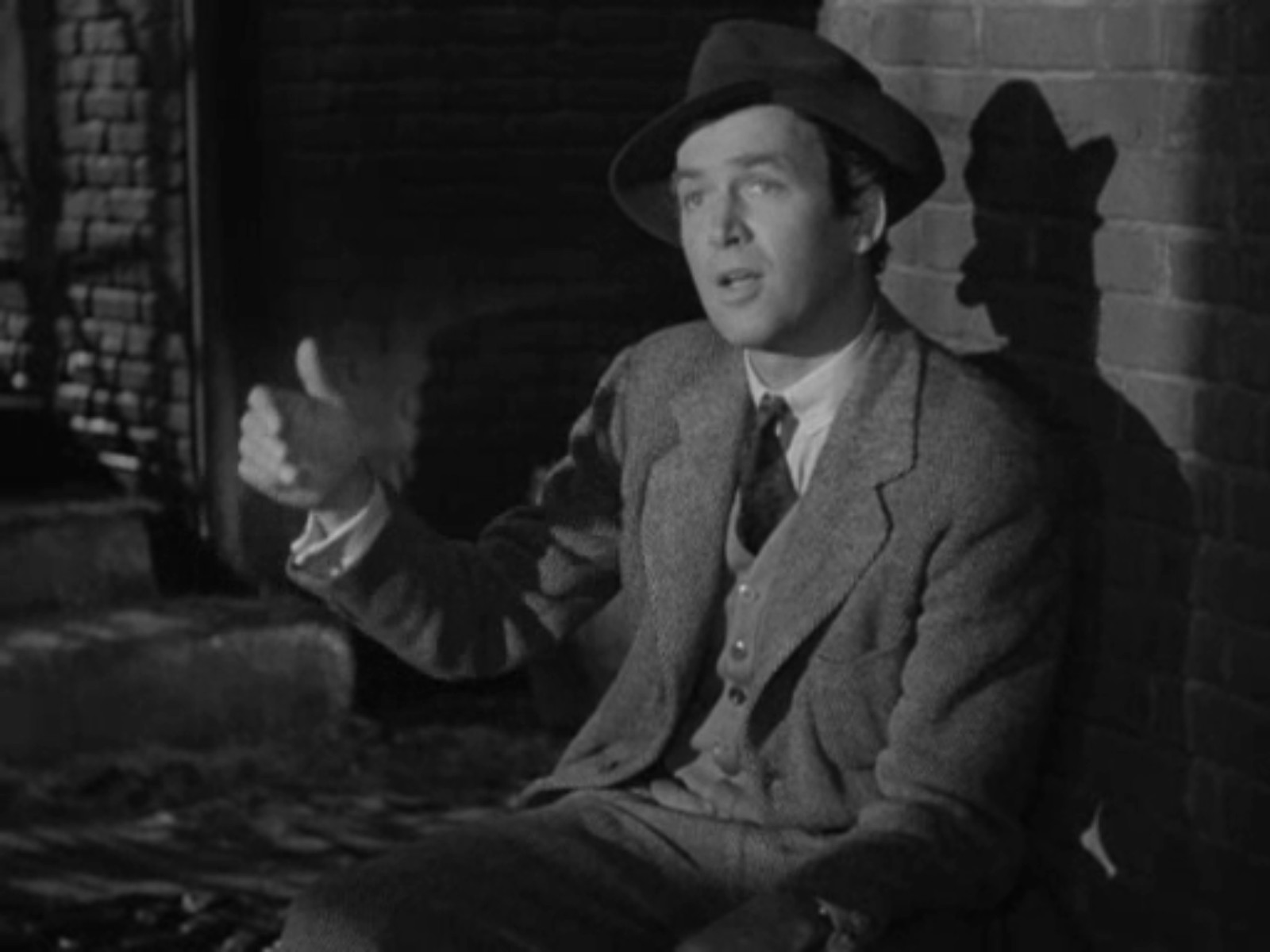
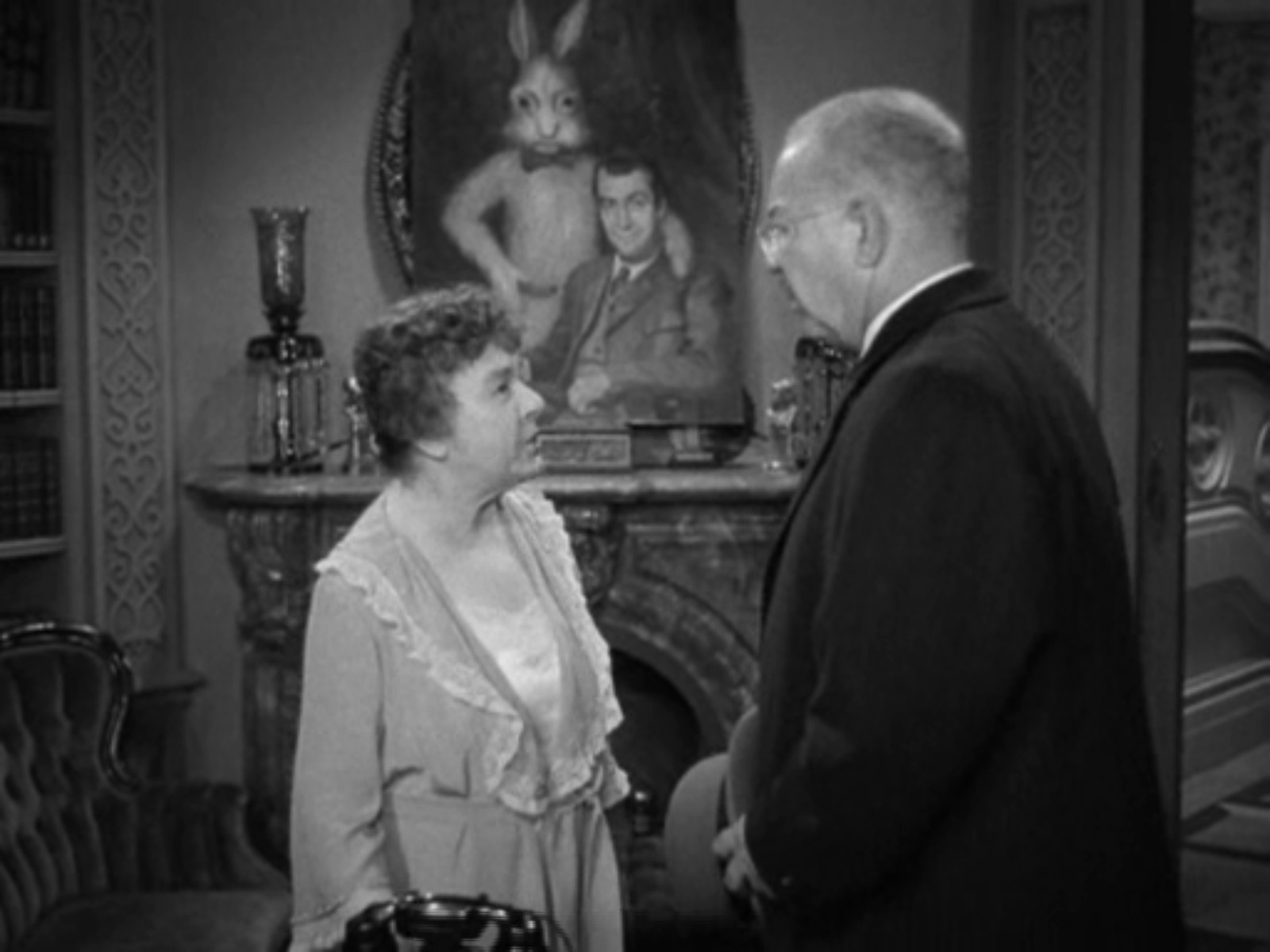
Mary Chase’s Pulitzer Prize-winning play was an enormous hit with post-war audiences, opening in 1944 and running for 5 years before finally closing and re-emerging as a feature film. It’s an unusual, whimsical fable which poses the enduring philosophical question of who’s really crazy in this world — those who live life peacefully while talking to an imaginary 6’3″ rabbit, or those who care more about social status than inner happiness? Because Elwood is ultimately not the only person who “sees” Harvey, it’s difficult to know just what to make of him; he should perhaps be viewed as simply a fantastic reminder that attitude is the essential key to happiness. Elwood, for instance, likes to invite anyone and everyone he meets to “come have a drink” with him, and this open-minded acceptance of all humans — rich (the asylum owner’s wife) or poor (the asylum’s gate-keeper) — is a poignant, important lesson.

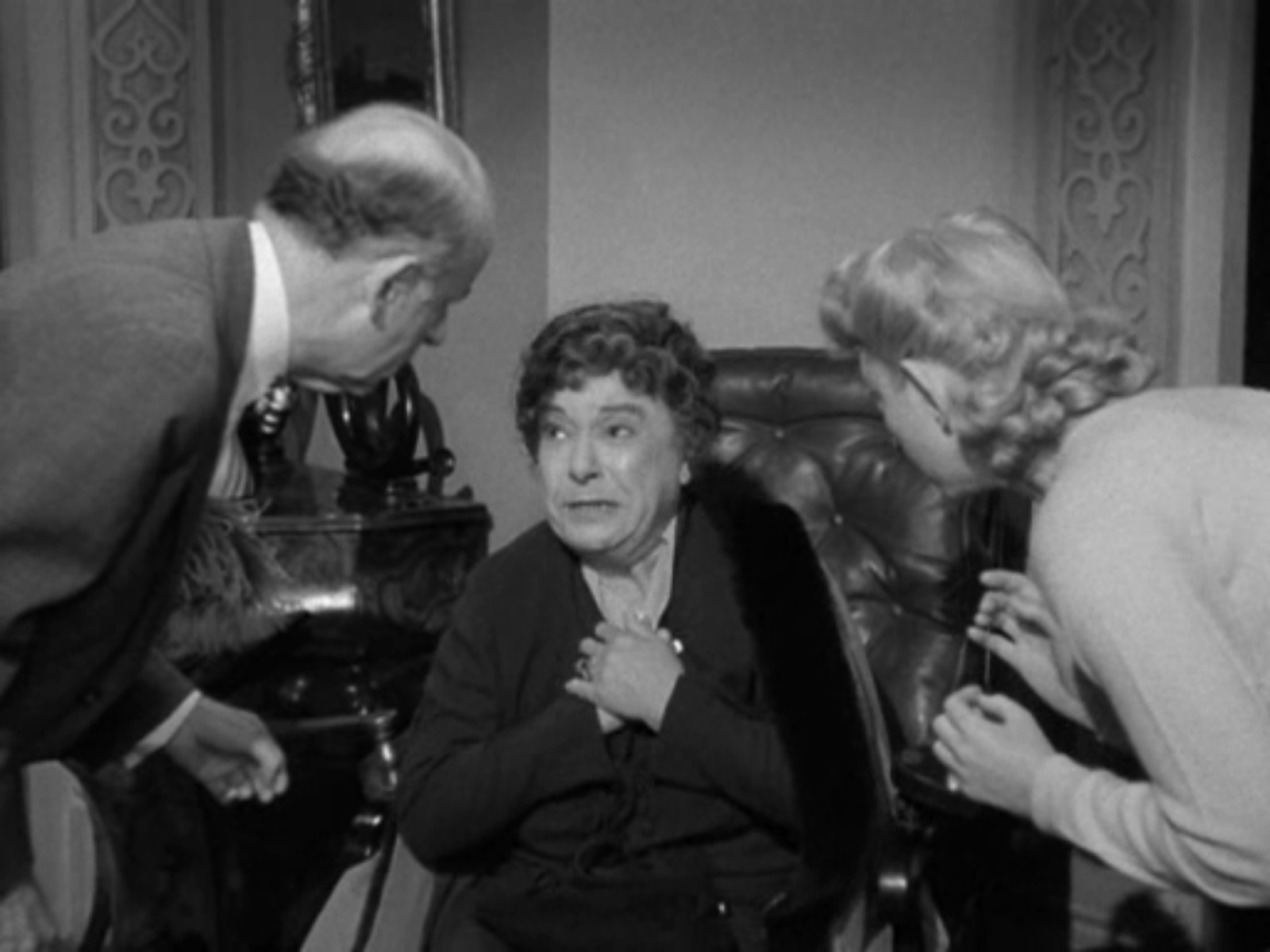
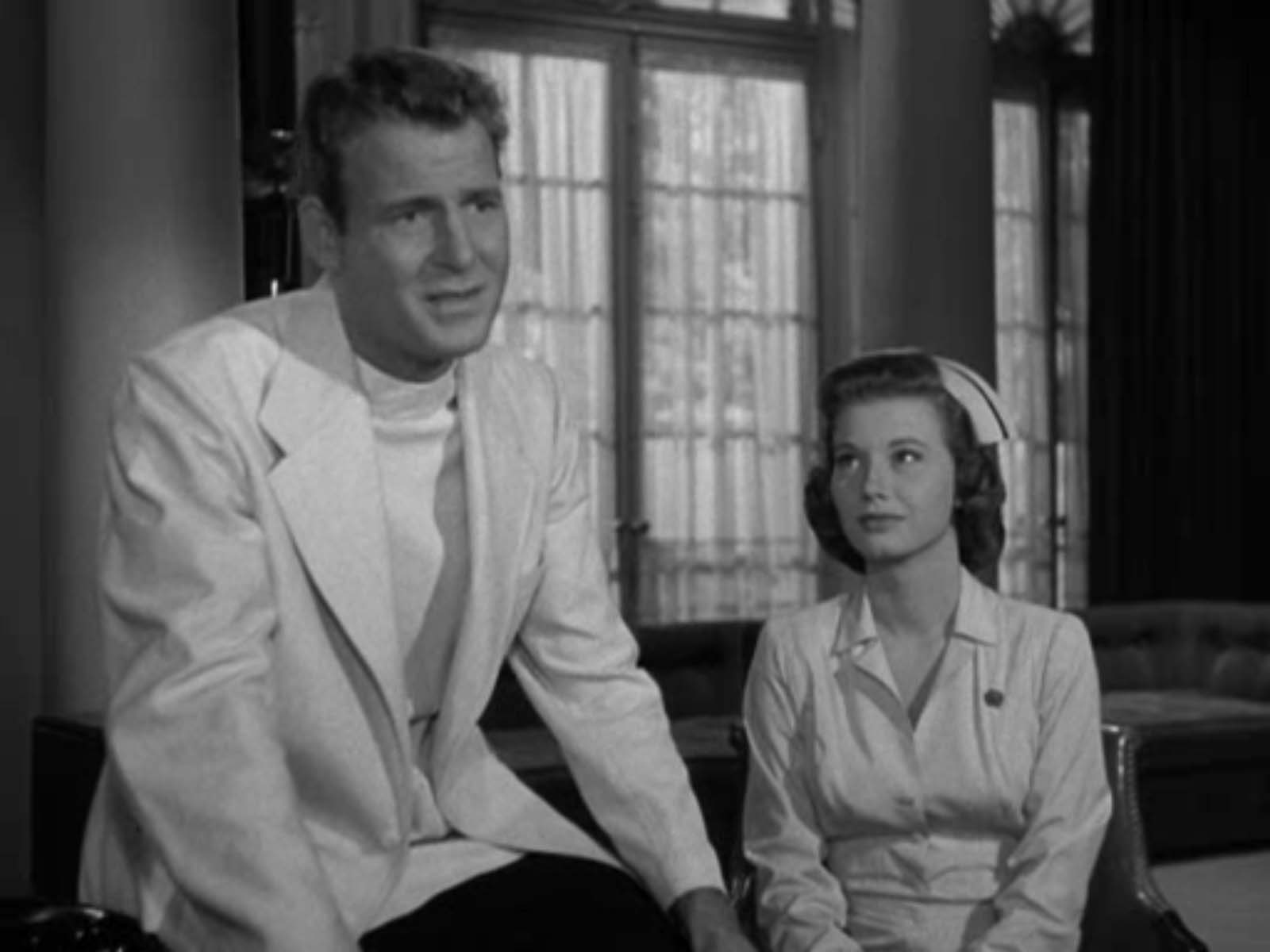
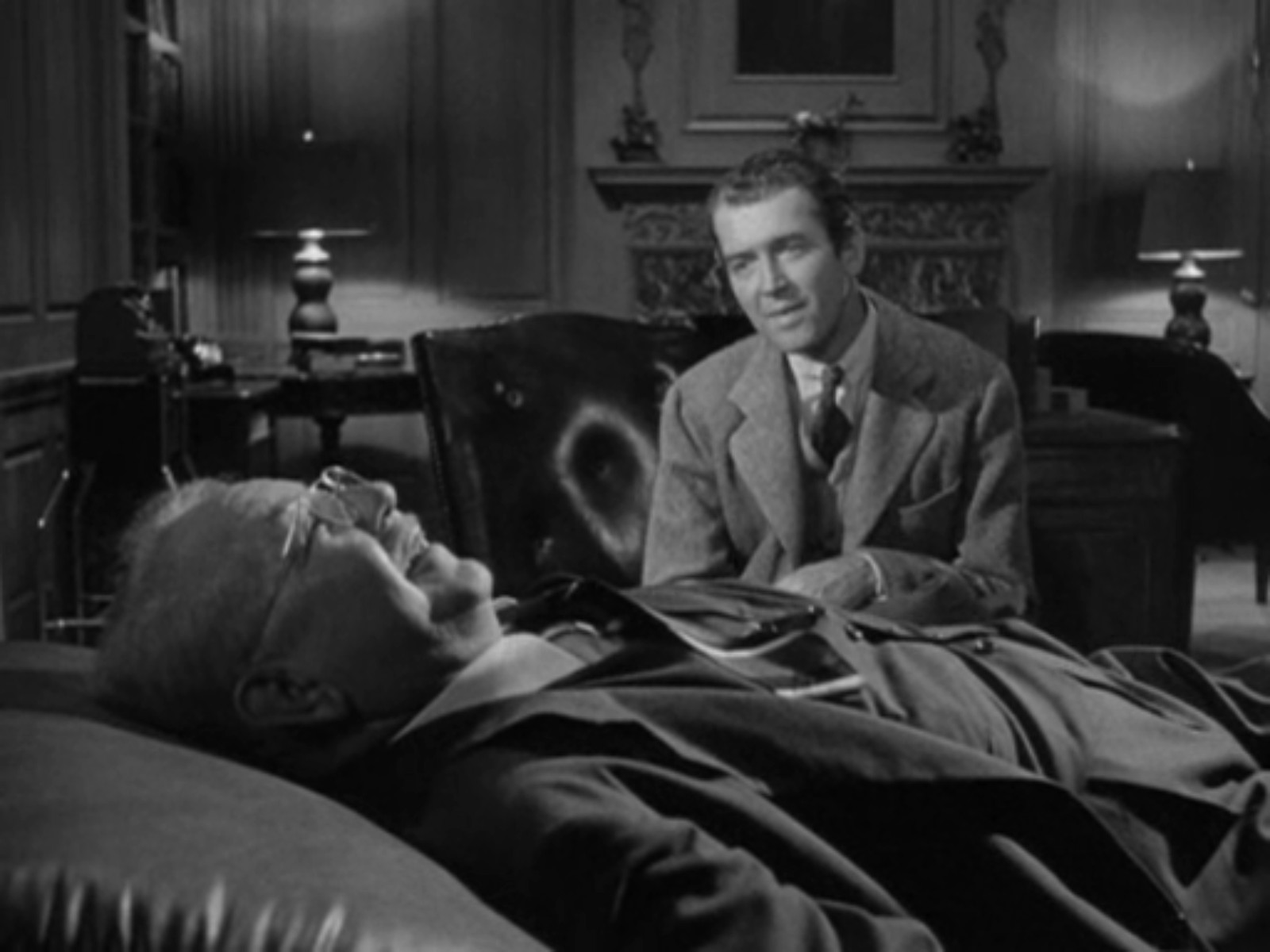
With that said, despite its cult status, I don’t find Harvey all that compelling as a film; considering that it’s a comedy, there aren’t nearly enough laugh-out-loud moments or lines. The central dilemma of whether or not Elwood will get committed to Chumley’s is self-evident (how can we not know the outcome ahead of time?); and the unrequited “love affair” between stodgy Dr. Sanderson (Charles Drake) and loopy Nurse Kelly (Peggy Dow) — which supplements the central story — is amusing but ultimately beside the point. It’s the performers rather than the story who make Harvey worth watching: Jimmy Stewart — who lobbied for the role, and reprised it again years later — is perfectly cast as the nonconforming, good-natured Elwood; Josephine Hull, who won an Oscar playing Elwood’s frantic sister, is appropriately ditzy (though I prefer her more subdued performance in Frank Capra’s Arsenic and Old Lace, where she’s the “crazy” one); and the remaining supporting actors — particularly Dow, Kelloway, and Horne — are all fun to watch.

Redeeming Qualities and Moments:

  • Jimmy Stewart as Elwood P. Dowd
  • Josephine Hull as Veta Louise
  • Peggy Dow as pining Nurse Kelly
  • Cecil Kellaway as “Harvey convert” Dr. Chumley
  • An intriguing premise for a comedic fantasy

Must See?
Yes, for its status as an Oscar-nominated crowd pleaser. Listed as a cult movie in the back of Peary’s book.

Categories

  • Oscar Winner or Nominee

Links:

Great Lie, The (1941)

Great Lie, The (1941)

“If I didn’t think you meant so well, I’d feel like slapping your face.”

Synopsis:
When pilot Pete Van Allen (George Brent) learns that his whirlwind marriage to temperamental pianist Sandra Kovak (Mary Astor) isn’t legal, he visits his former flame Maggie (Bette Davis) and realizes he wants to marry her instead. Pete’s plane is soon lost in the jungles of Brazil, and when Maggie learns that Sandra is pregnant with Pete’s child, she convinces Sandra to let Maggie raise the baby as a memento of her dead husband, in exchange for monetary renumeration. Things become more complicated, however, when it turns out Pete is still alive…

Genres, Themes, Actors, and Directors:

  • Bette Davis Films
  • Edmund Goulding Films
  • George Brent Films
  • Love Triangle
  • Mary Astor Films
  • Pregnancy
  • Rivalry

Review:
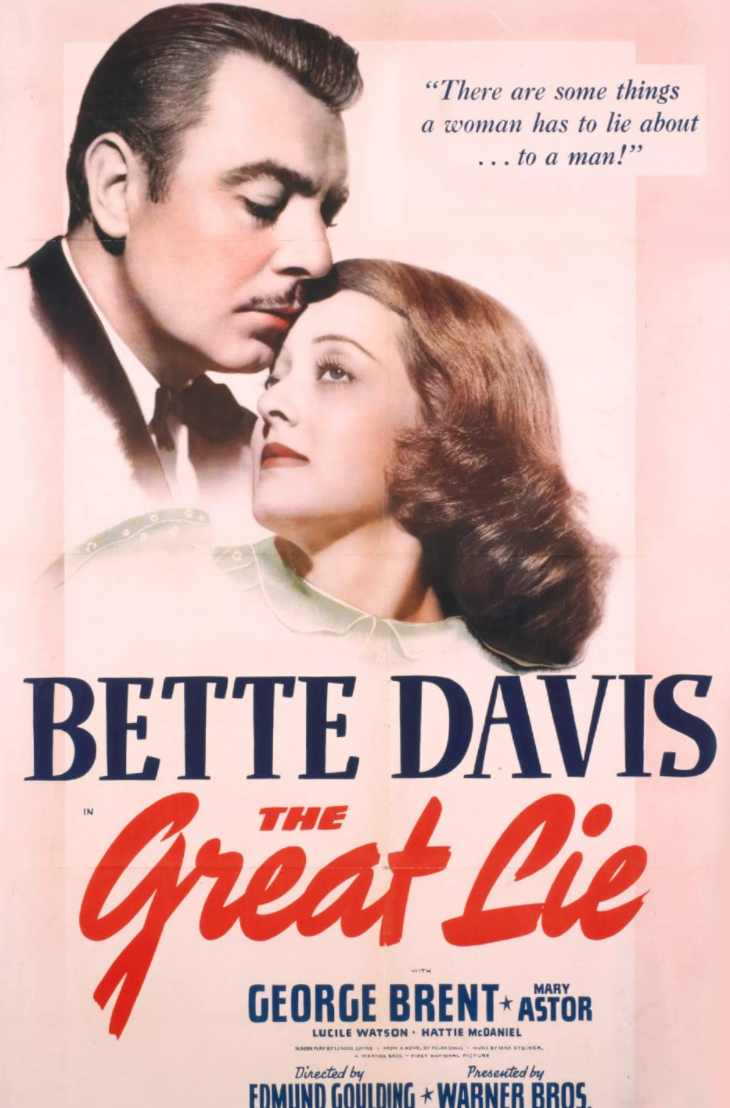
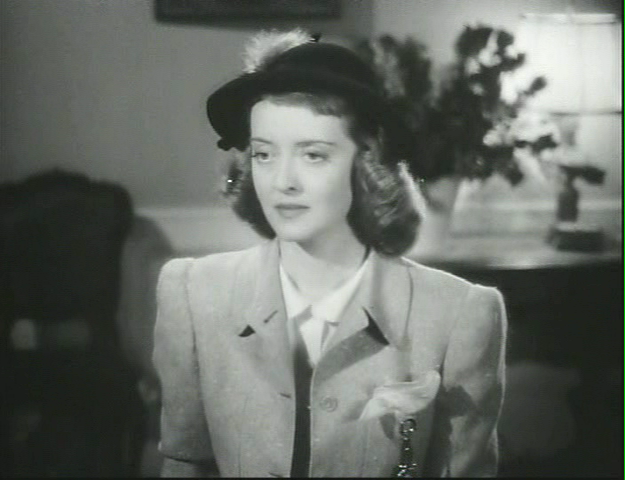
This melodramatic “women’s flick” is primarily notable for the juicy interplay between its two strong female leads — Bette Davis (atypically cast in the more sympathetic role) and Mary Astor (who deservedly won an Oscar for her portrayal as a ruthlessly self-absorbed concert pianist). Davis and Astor rewrote much of the script themselves — improvising whenever possible — and their efforts yield positive results: while the overall narrative of the film still defies belief (see the synopsis above), individual scenes between the women remain enjoyably catty. In order to really appreciate The Great Lie, one must suspend disbelief again and again (would Davis really be that interested in raising her rival’s child as her own? would Astor really take 9 months off from her busy touring schedule in exchange for money she doesn’t seem to need?) — but, if you’re willing, chances are you’ll be waiting anxiously to see how this most unusual love triangle ultimately resolves.

Redeeming Qualities and Moments:

  • Mary Astor’s Oscar-winning performance as bitchy Sandra Kovak
  • Bette Davis as Maggie
  • Some zingy one-liners: “I’m not one of you anemic creatures who can get nourishment from a lettuce leaf — I’m a musician, I’m an artist!”
  • Max Steiner’s score

Must See?
Yes, simply for the lead female performances.

Categories

  • Noteworthy Performance(s)
  • Oscar Winner or Nominees

Links:

Woman in Flames, A (1982)

Woman in Flames, A (1982)

“I wonder just how far I can go… I’m open to anything!”

Synopsis:
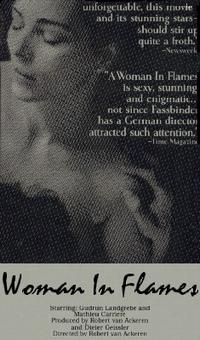
A dissatisfied housewife (Gudrun Landgrebe) becomes an upscale call girl, and soon is in demand as a dominatrix. She falls madly in love with a gigolo (Mathieu Carriere), but after they move in together, they quickly grow jealous of each other’s clients.

Genres, Themes, Actors, and Directors:

  • German Films
  • Jealousy
  • Prostitutes and Gigolos
  • S&M

Review:
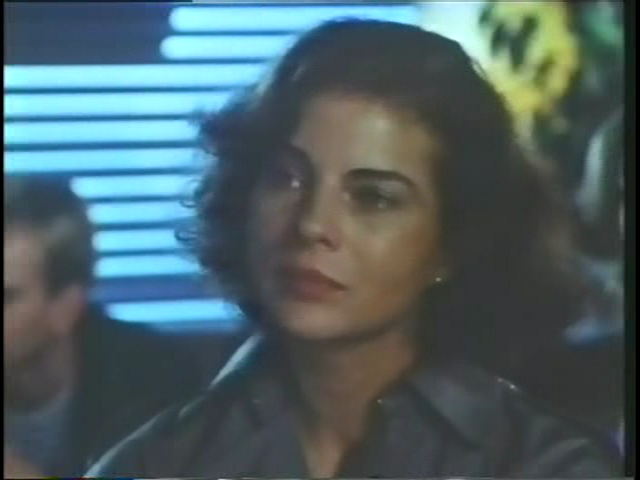
This “satire” on postwar bourgeois values (an enormous box office hit in its native Germany) falls flat on nearly every count. Although Landgrebe is easy on the eyes (and not a horrible actress), we care very little about what happens to her, and her obsessive romance with the boring Carriere never rings true. The dialogue — not helped any by the awful English dubbing on the video release — is inane and cliched, and the titular denouement makes absolutely no sense. Avoid this one if possible.

Redeeming Qualities and Moments:

  • Beautiful Gudrun Landgrebe as Eva

Must See?
No.

Links:

Hatful of Rain, A (1957)

Hatful of Rain, A (1957)

“You got it for free in the hospital ward, Johnny, but Mother’s no charity ward — right, Mother?”

Synopsis:
War hero Johnny (Don Murray) hides his heroin addiction from his pregnant wife (Eva Marie Saint) and estranged father (Lloyd Nolan), while relying on his brother Polo (Anthony Franciosa) for financial and emotional support. Meanwhile, Johnny’s supplier — nicknamed “Mother” (Henry Silva) — demands an immediate back payment of $500, while Nolan wrongly blames Polo for “losing” the $2500 he had promised to loan him.

Genres, Themes, Actors, and Directors:

  • Alcoholism and Drug Addiction
  • Don Murray Films
  • Eva Marie Saint Films
  • Fred Zinnemann Films
  • Grown Children
  • Play Adaptations
  • Siblings
  • Veterans

Review:
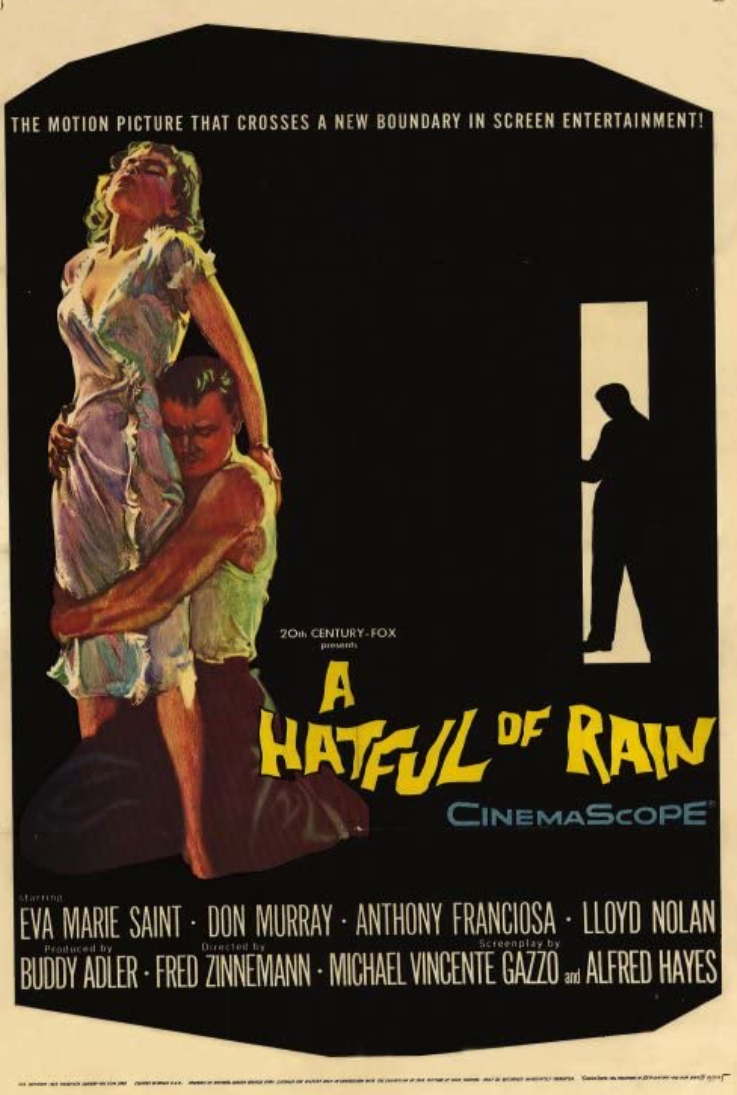
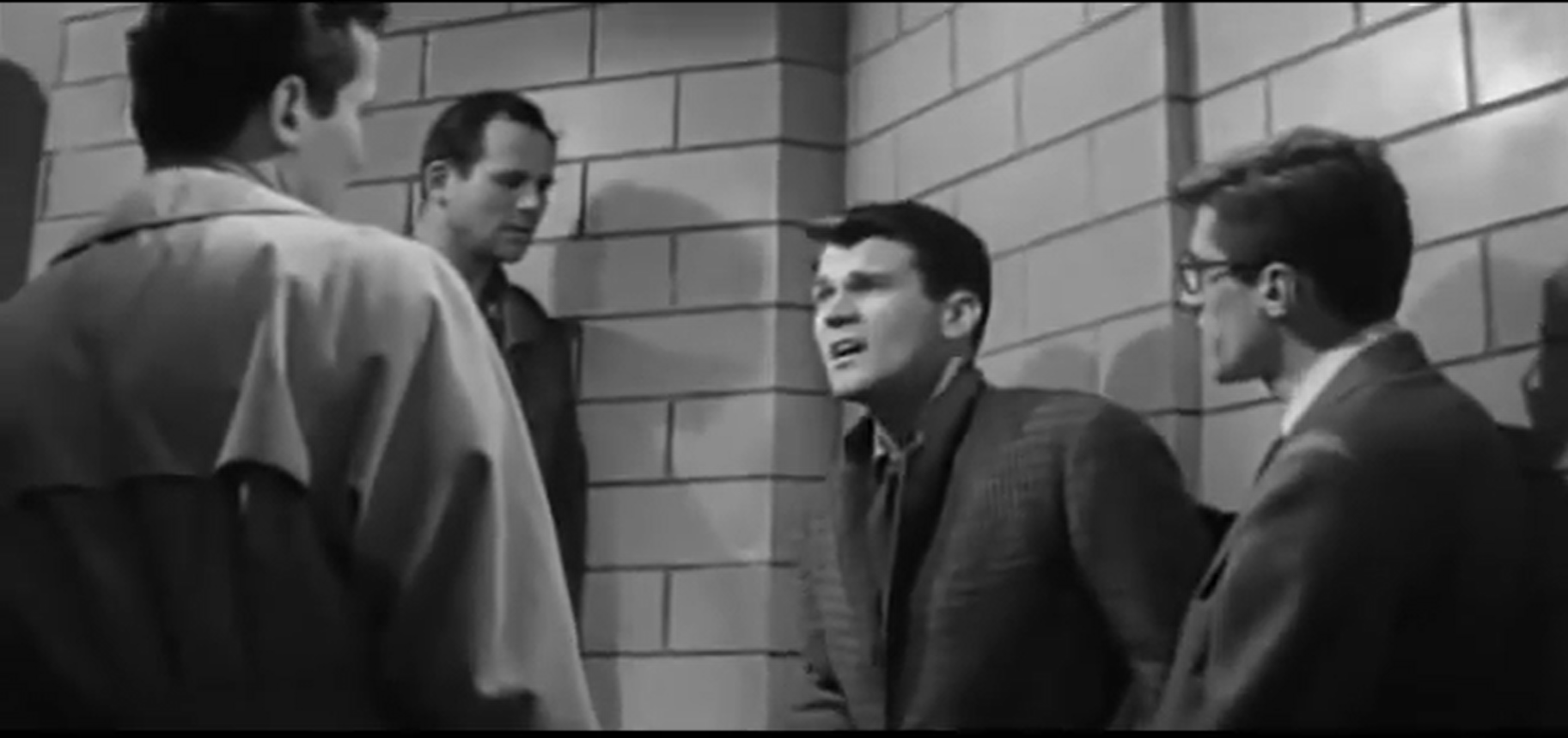
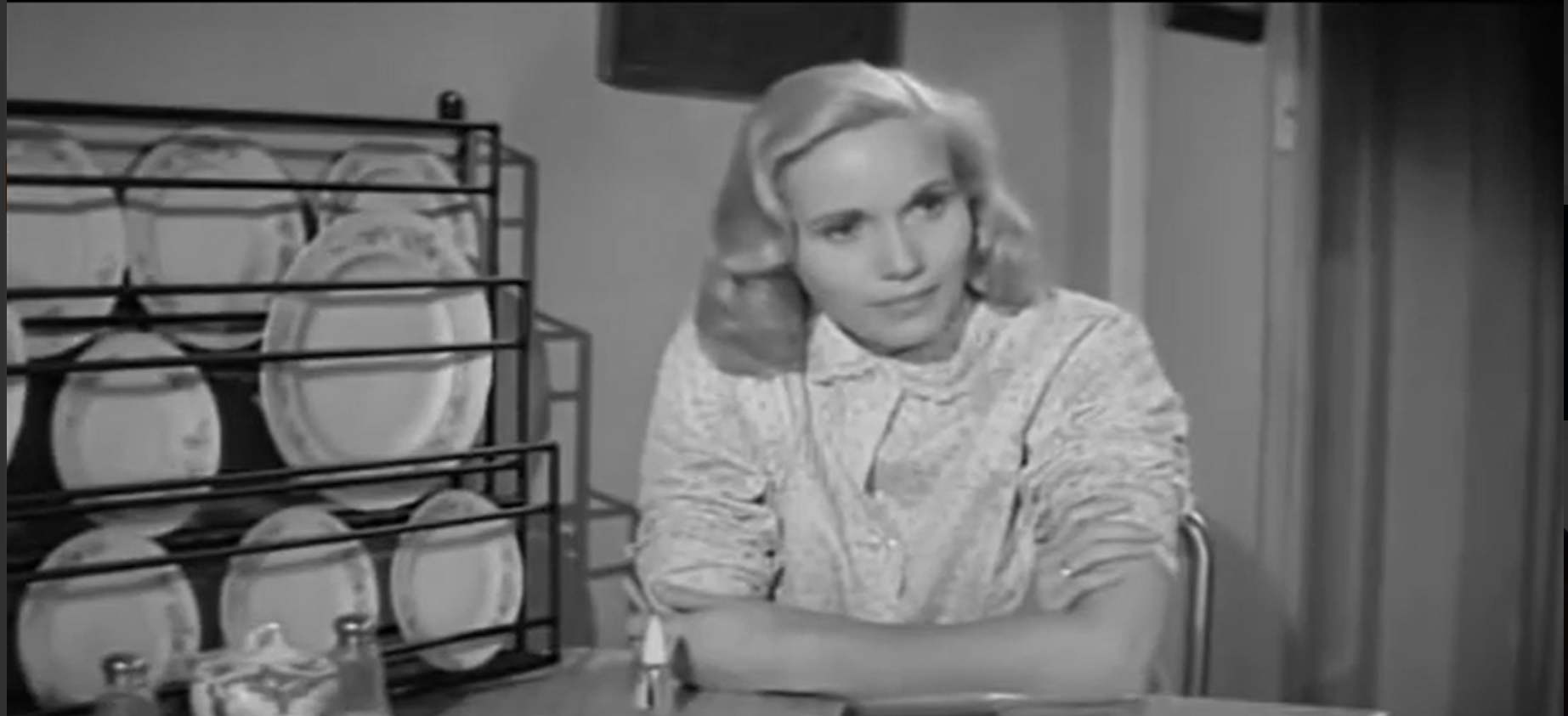
Fred Zinnemann’s adaptation of Michael V. Gazzo’s play about a deeply troubled Korean war hero comes across today as earnest but irredeemably dated and stagy. Originally starring Shelley Winters and Ben Gazzara, Gazzo’s play was apparently an eye-opener for 1950s audiences who were unaccustomed to seeing drug addiction dealt with so bluntly; today, however, Murray’s angst-ridden performance comes across as campy rather than authentic:

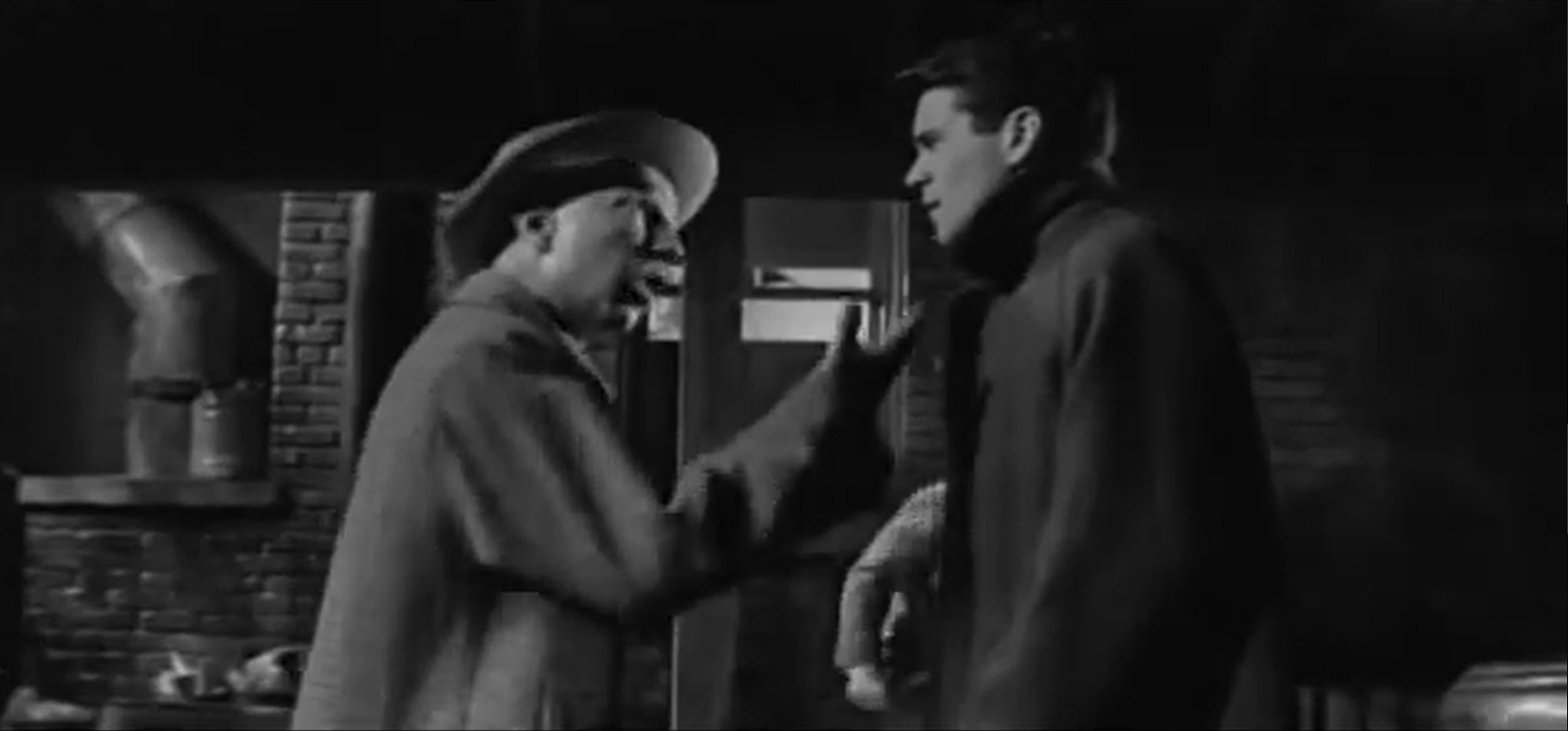
… Silva’s portrayal as “Mother” is stereotypically ruthless; and the script often sounds like an after-school special (near the end of the film, Saint says to Murray, “There’s a place in Kentucky for people like you…”). In addition, Zinnemann’s direction is decidedly stagy, with the camera often stuck in one uninspired position for far too long. Despite its flaws, however, the film is at least partially redeemed by Saint and Franciosa, who are sympathetic — albeit clueless (Saint) or enabling (Franciosa) — protagonists. Also effective is Nolan as the brothers’ gruff, estranged dad; but — as many critics have noted — his strained relationship with his sons is insufficiently explored.

Redeeming Qualities and Moments:

  • Anthony Franciosa as Polo
  • Eva Marie Saint as Celia
  • Lloyd Nolan as Johnny and Polo’s father

Must See?
No, but it’s worth viewing once.

Links:

How to Stuff a Wild Bikini (1965)

How to Stuff a Wild Bikini (1965)

“What Frankie does is his business; I have my own principles, and I have to live with them!”

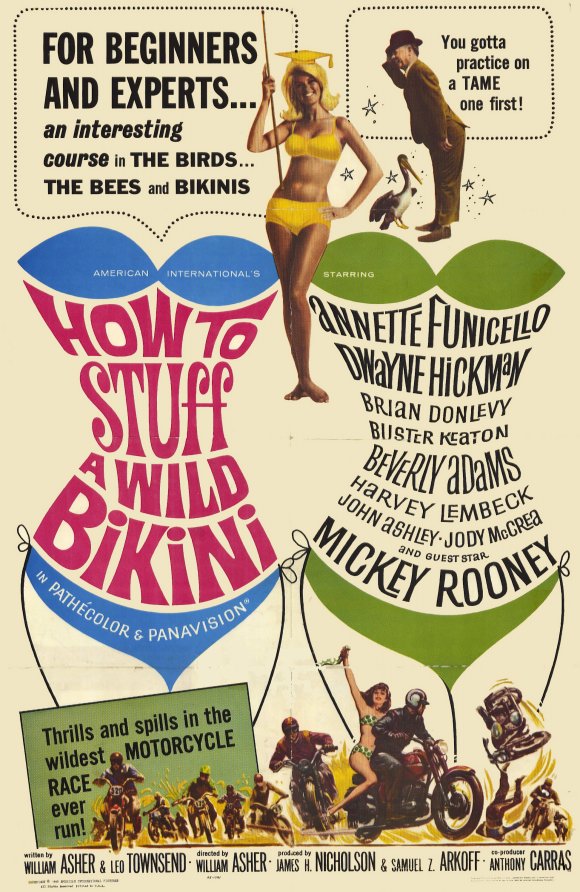
Synopsis:
Worried that his girlfriend (Annette Funicello) will stray while he’s stationed in the South Pacific, Frankie (Frankie Avalon) consults a witch doctor (Buster Keaton), who sends a spying pelican to watch over Annette’s every move, and a gorgeous redhead (Beverly Adams) in a leopard bikini to distract the other boys. Meanwhile, an advertising executive (Mickey Rooney) who wants Adams to pose for his new bikini spread discovers she’s hopelessly clumsy; the leader of a motorcycle gang (Harvey Lembeck) falls so hard for Adams that he cleans up his image; Annette is pursued by an insistent suitor (Dwayne Hickman) who wants her to ride behind him in a big motorcycle race; and Frankie embodies the male double standard by canoodling with a bodacious Polynesian babe (Irene Tsu).

Genres, Themes, Actors, and Directors:

  • Brian Donlevy Films
  • Buster Keaton Films
  • Fantasy
  • Jealousy
  • Mickey Rooney Films
  • Motorcyclists
  • Musicals
  • Witches

Review:
This innocuous final entry in the Annette Funicello/Frankie Avalon “beach party” series is notorious for only giving the two leads about a minute of screen time together; due to other commitments, Avalon filmed most of his scenes on a studio set. Meanwhile, Funicello herself was pregnant, and had to wear blousy shirts to hide her belly — thus, she spends nearly the entire film sitting on the sand in full-dress outfits (no bikinis), looking decidedly bored and matronly. The supporting cast — including Mickey Rooney and Buster Keaton (!) — try their best to liven things up, but this film’s wild storyline — and its naughty title — are the campiest things about it. Only recommended for diehard “beach party flick” fans.

Redeeming Qualities and Moments:

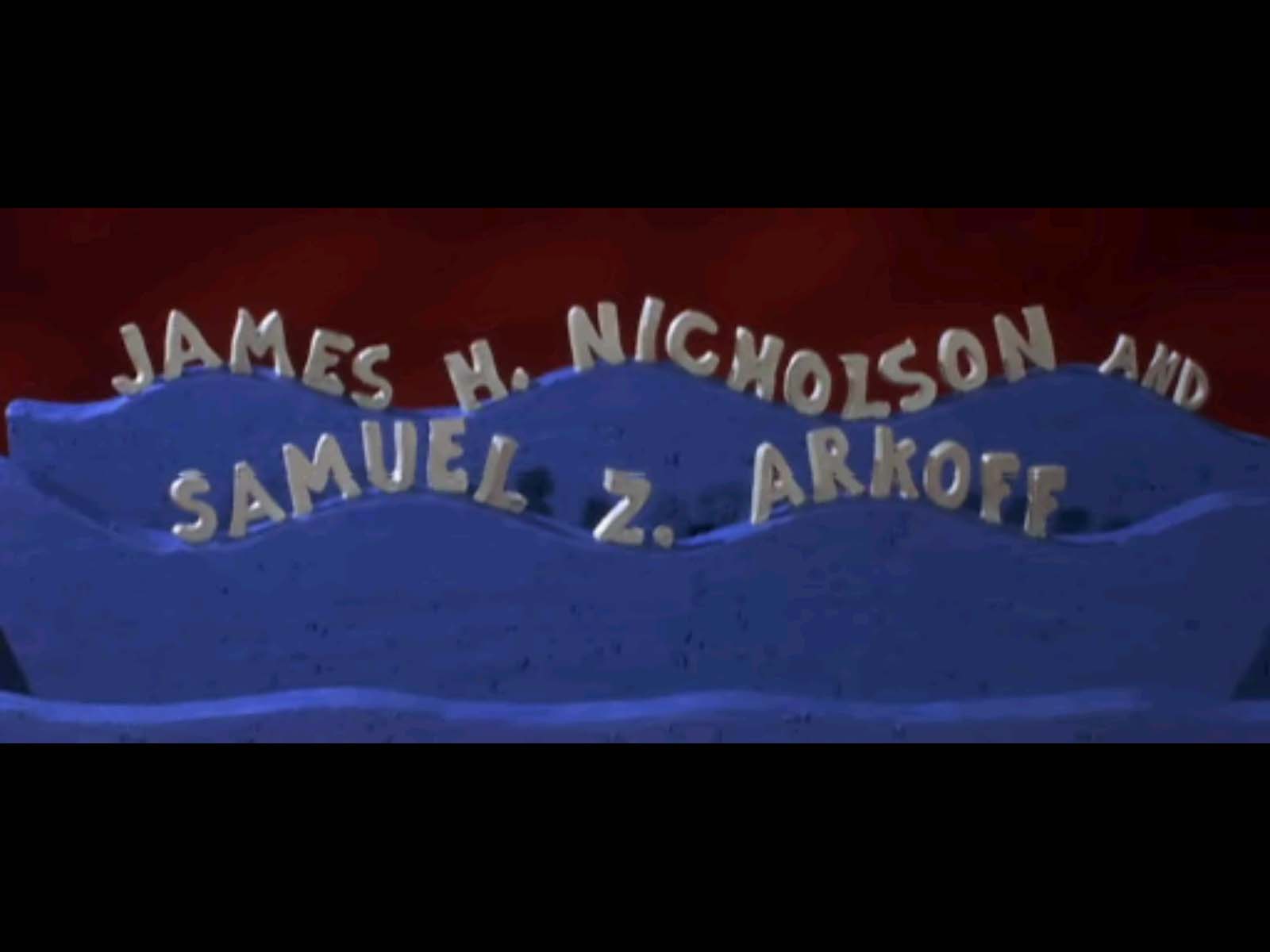
  • The surreal stop-motion opening credits (by Gumby-creator Art Clokey)
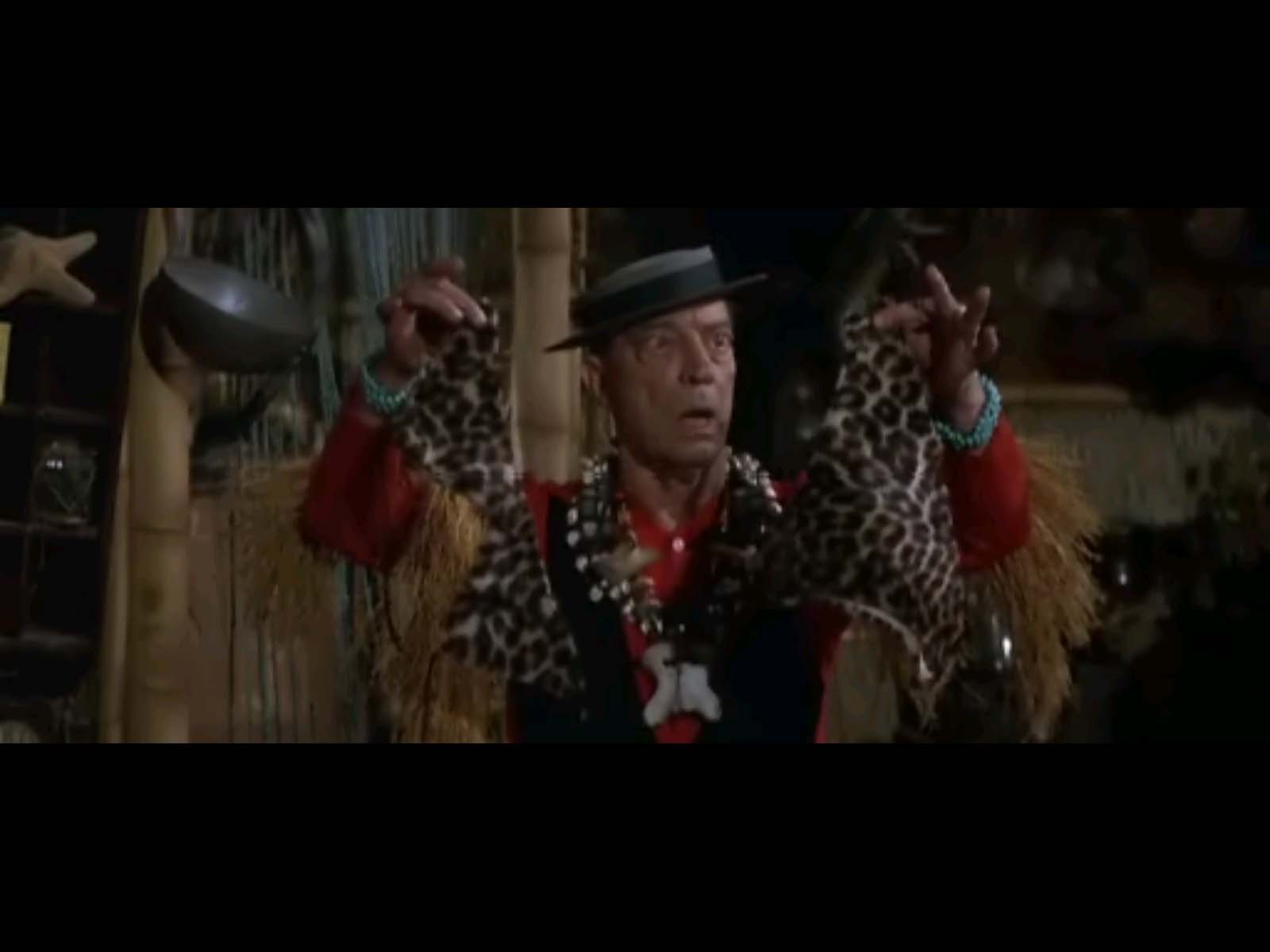
  • Buster Keaton’s game turn as “Bwana”, the witch doctor

Must See?
No. It’s listed as a Camp Classic in the back of Peary’s book, but doesn’t really offer that much camp value.

Links:

Still of the Night / Stab (1982)

Still of the Night / Stab (1982)

“We’re probably dealing with a woman who on the surface seems childlike and innocent, but underneath is capable of extreme violence.”

Synopsis:
When one of his patients (Josef Sommer) is murdered, a psychiatrist (Roy Scheider) suspects that Sommer’s nervous mistress (Meryl Streep) — with whom he is gradually falling in love — may have something to do with it.

Genres, Themes, Actors, and Directors:

  • Flashback Films
  • Jessica Tandy Films
  • Meryl Streep Films
  • Murder Mystery
  • Psychotherapy
  • Roy Scheider Films

Review:
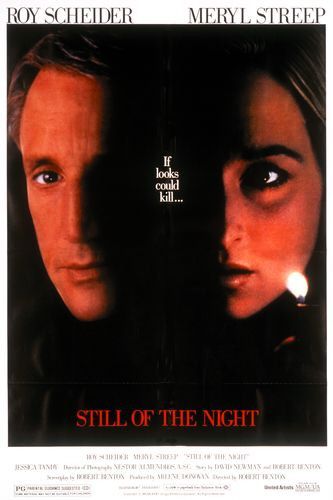
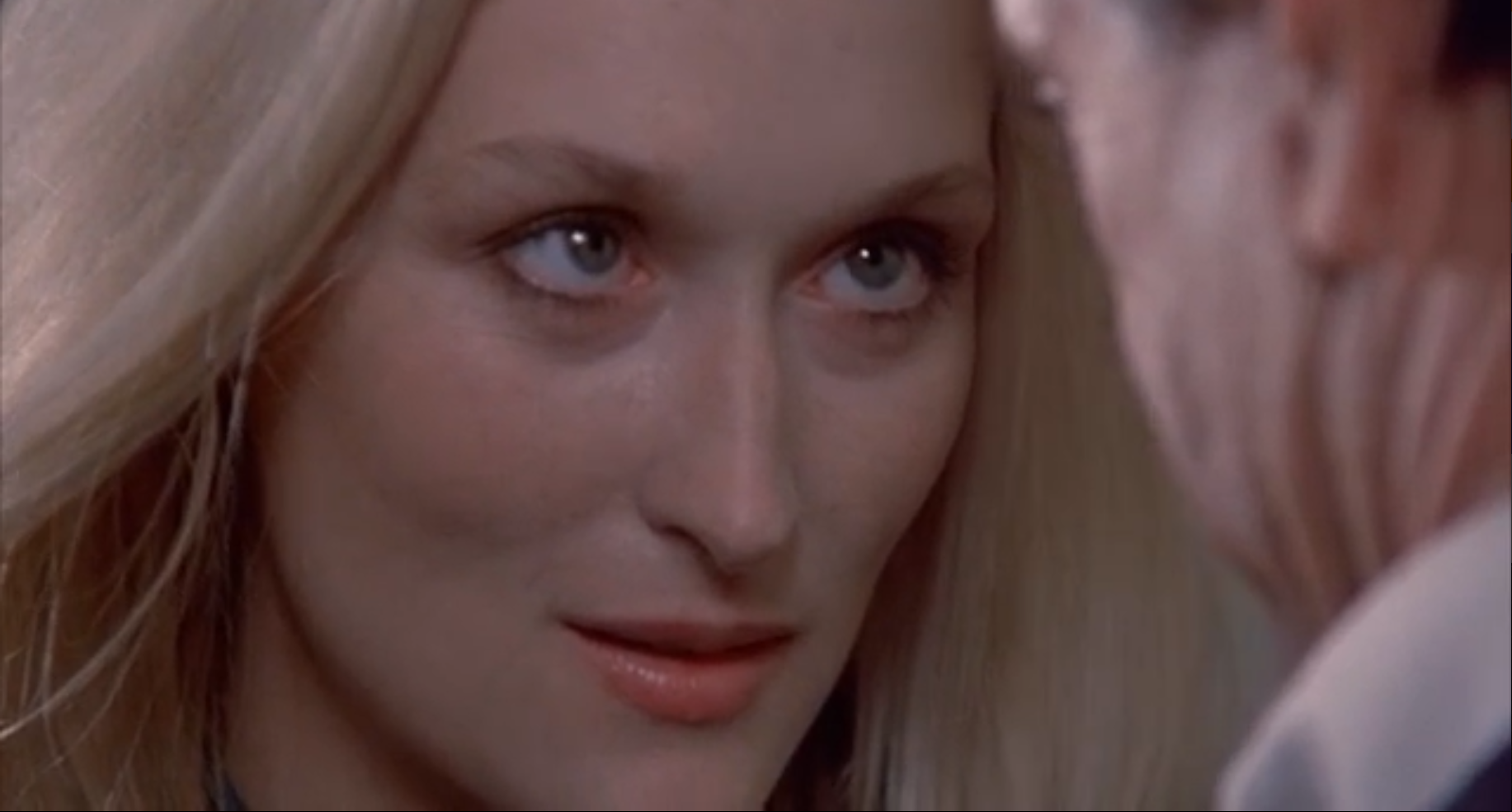
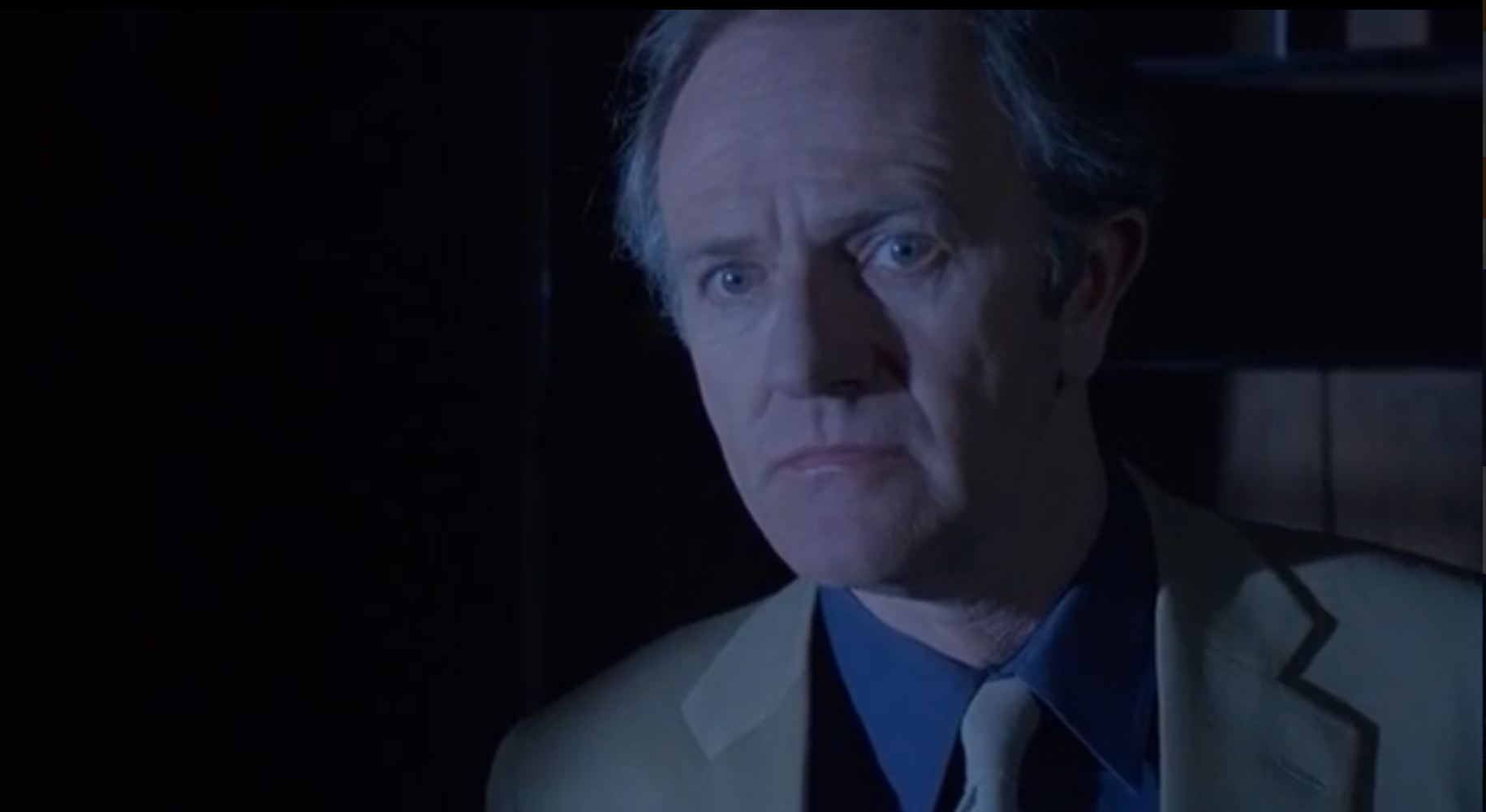
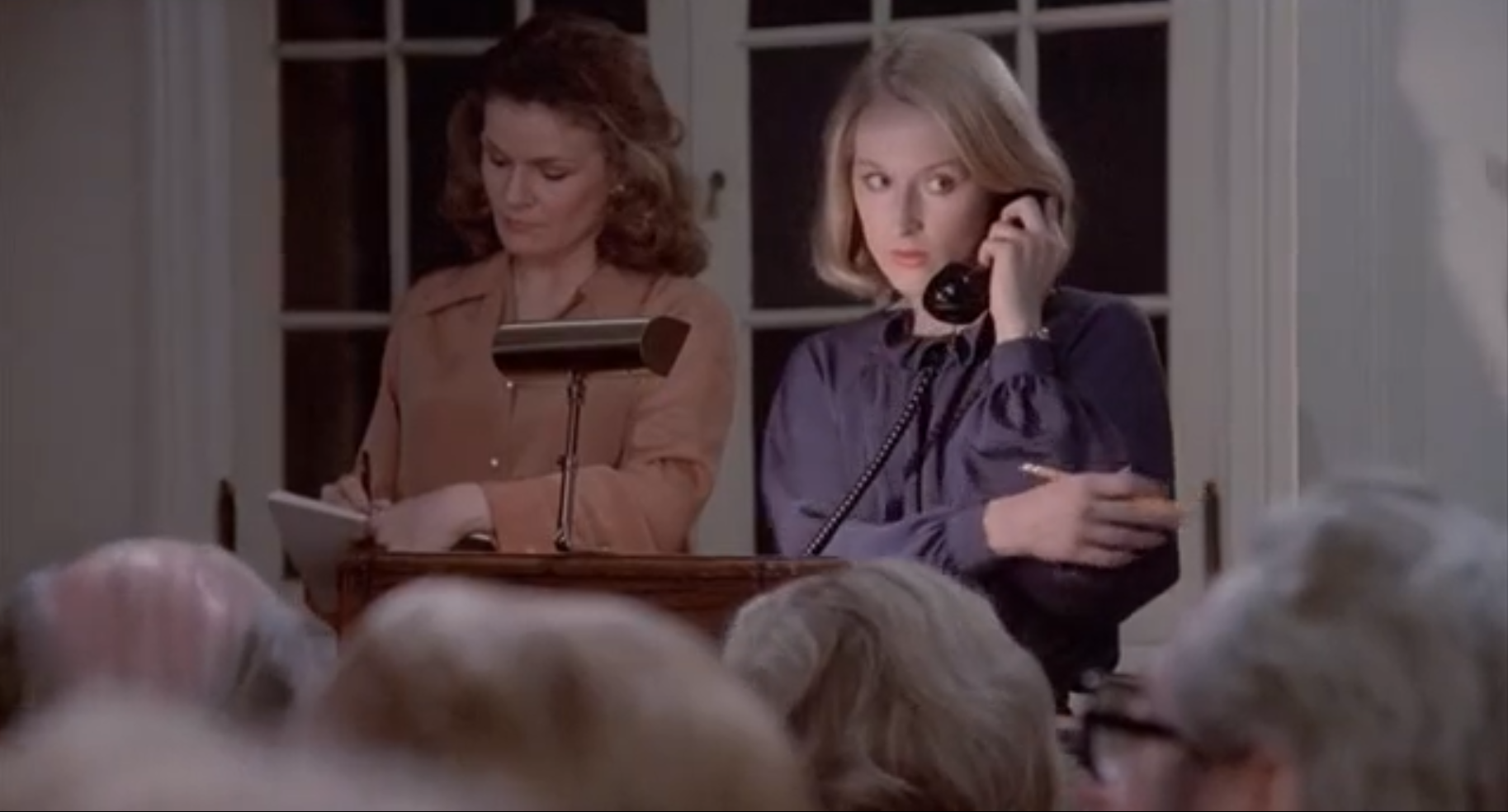
Robert Benton’s atmospheric homage to noir thrillers of the ’40s and ’50s is a welcome, enjoyable effort. While not entirely successful — Scheider’s use of dream analysis as a legitimate method of deduction is particularly suspect — there’s enough suspense and creativity sprinkled throughout to keep most viewers happy. Meryl Streep gives yet another knockout performance as the “icy blonde” who may or may not know something about Sommers’ death; every moment she’s on-screen, we watch with bated breath, and she alone makes this film “must see” viewing.

Redeeming Qualities and Moments:

  • Meryl Streep as “icy blonde” Brooke Reynolds
  • Josef Sommer as the philandering murdered man (seen in flashbacks)
  • Nestor Almendros’ atmospheric cinematography
  • A fun homage to several Hitchcock classics
  • The unexpected final plot twist

Must See?
Yes, simply for Streep’s wonderful performance. Listed as a Sleeper in the back of Peary’s book.

Categories

  • Noteworthy Performance(s)

Links: