Browsed by
Category: Original Reviews

Responses to Peary’s “must see” movie reviews, as well as my own “must see” movie reviews up to and after 1986 (when Peary’s book was published).

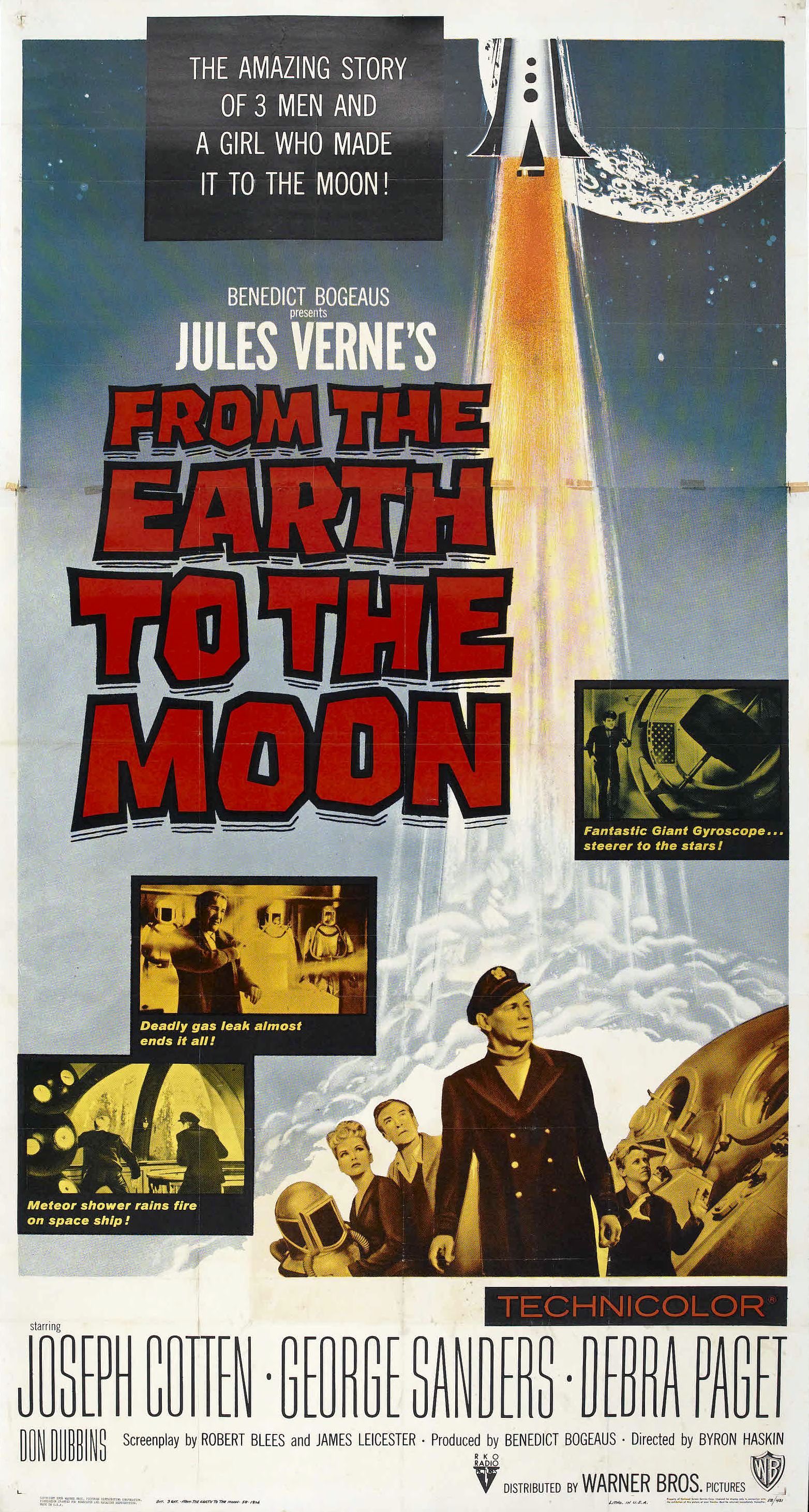
From the Earth to the Moon (1958)

From the Earth to the Moon (1958)

“No one on this Earth will ever know the secret of Power X!”

Synopsis:
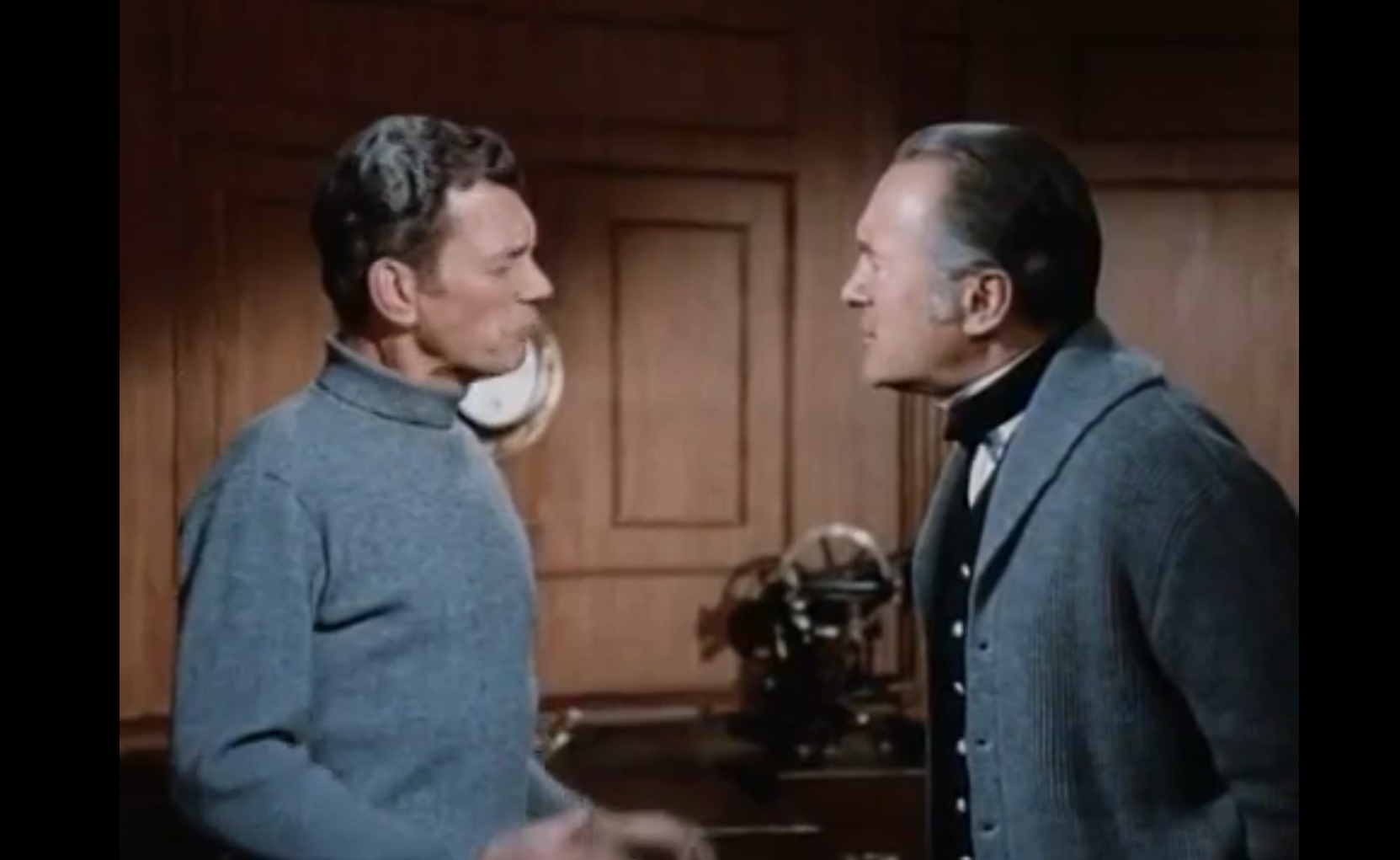
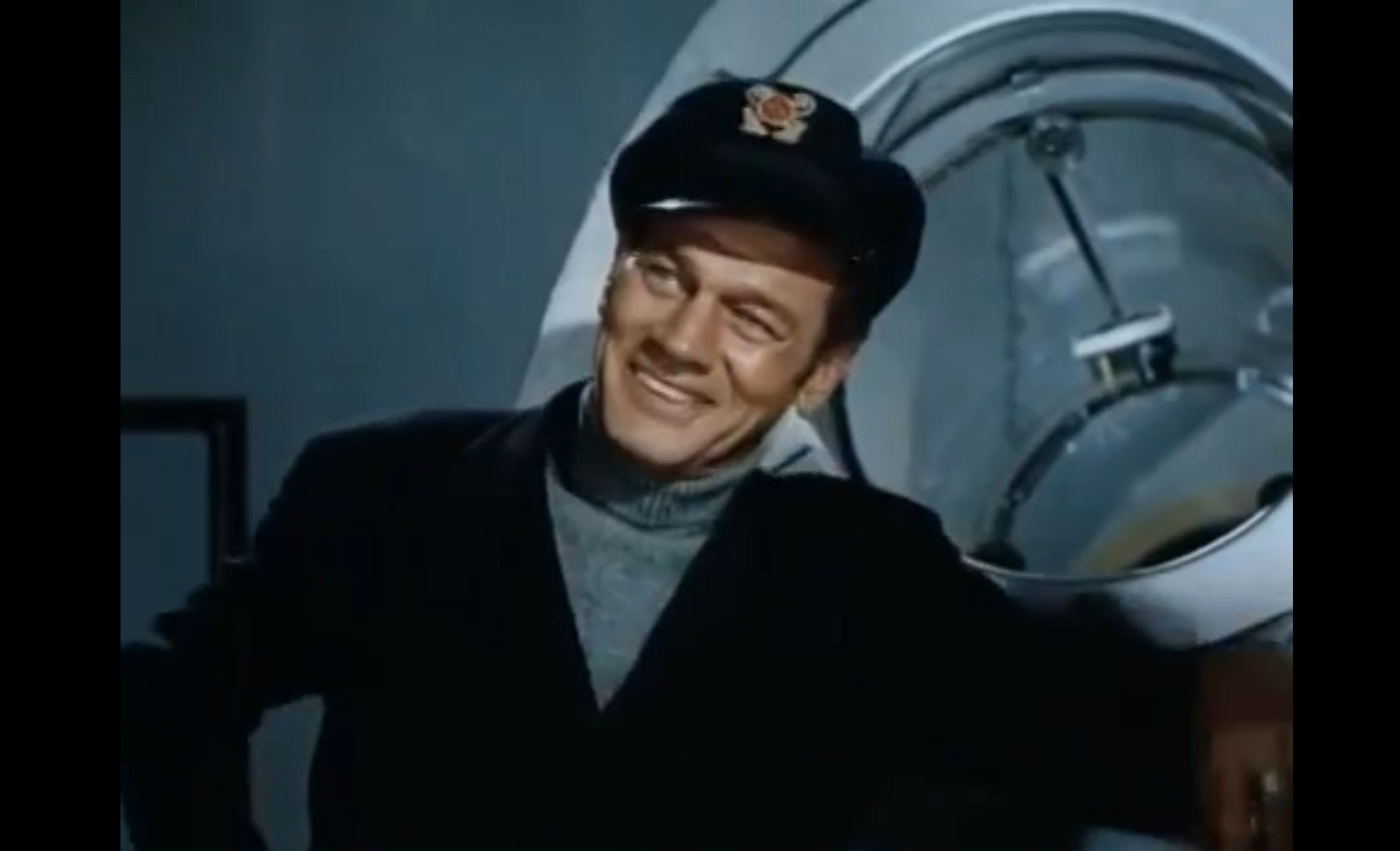
In post-Civil War America, ambitious munitions manufacturer Victor Barbicane (Joseph Cotten) develops a source of power strong enough to propel a rocket. He enlists the help of rival scientist Stuyvesant Nicholls (George Sanders) in building a rocket to the moon — but Nicholls believes Barbicane’s intentions are ultimately evil, and sabotages their trip.

Genres, Themes, Actors, and Directors:

  • Debra Paget Films
  • George Sanders Films
  • Historical Drama
  • Joseph Cotten Films
  • Jules Verne Adaptations
  • Rivalry
  • Science Fiction
  • Space Exploration

Review:
Widely acknowledged as one of the least inspired Jules Verne adaptations to come out of 1950s Hollywood, From the Earth to the Moon (directed by special effects guru Byron Haskin, though his talents are wasted) is disappointing from start to finish. Screenwriters Robert Blees and James Leicester deviate substantially from the source material: in Verne’s story, Barbicane and Nicholls are friendly academic rivals who spend most of their trip politely arguing over engineering issues; in the film, this rivalry is beefed up to catastrophic proportions simply to add drama to the narrative.

(Naturally, a romance — involving an impossibly made-up Debra Paget — is included as well.)

Making matters worse, the science is both sloppily handled and inconsistent: for instance, an elaborate, presumably essential centrifugal spinner is used during take-off to “counterbalance gravity”, yet stowaway Paget emerges perfectly fine from the limp space suit she’s hidden out in. Don’t bother seeking this one out.

Redeeming Qualities and Moments:

  • Joseph Cotten as Victor Barbicane

Must See?
No; this one is only for die-hard Jules Verne fans — and even they will likely be disappointed.

Links:

Strangler, The (1964)

Strangler, The (1964)

“Everyone has to grow up, Mrs. Kroll — even your son.”

Synopsis:
An overweight lab technician (Victor Buono) strangles a series of women, due to sublimated rage towards his overbearing mother (Ellen Corby).

Genres, Themes, Actors, and Directors:

  • Criminal Investigation
  • Grown Children
  • Serial Killers

Review:
Made during the midst of the infamous Boston Strangler killings, this reasonably effective exploitation flick (much less “authentic” than 1968’s The Boston Strangler, starring Tony Curtis) primarily serves as a vehicle for the inimitable Victor Buono, whose portrayal as a psychotic Mama’s boy is utterly creepy. Much like Laird Cregar’s “Jack the Ripper” in The Lodger (1944), Buono hulks around the screen like a wounded, petulant animal, his beady eyes betraying the deep-seated love-hate relationship he possesses with his abusive mother. While the narrative itself is fairly standard fare — frustrated detectives sigh each time a new strangling takes place, and vow to “catch the bastard” — Buono keeps us involved and eager to see what happens next.

Redeeming Qualities and Moments:

  • Victor Buono as Leo Kroll
  • Diane Sayer in a bit role as a carny

Must See?
No, but it’s worth a look.

Links:

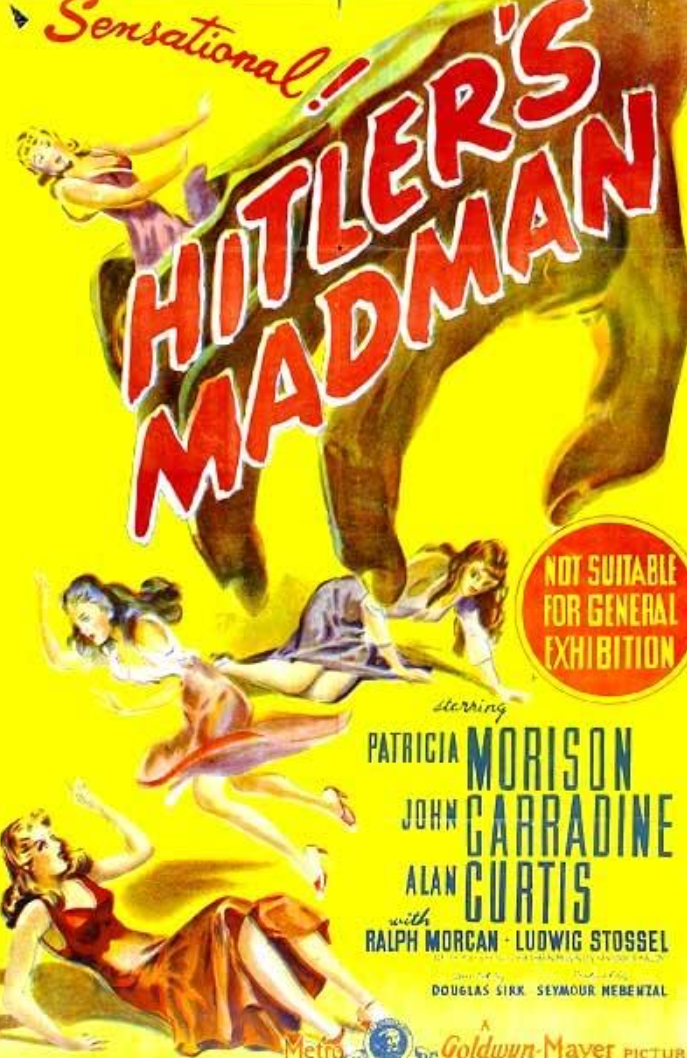
Hitler’s Madman (1943)

Hitler’s Madman (1943)

“You think words will stop the Nazis?”

Synopsis:
During World War II, Czechoslovakian resistance fighters — led by paratrooper Karel Vavra (Alan Curtis) — plot to assassinate Nazi Commander Reinhard Heydrich (John Carradine), with devastating consequences.

Genres, Themes, Actors, and Directors:

  • Assassination
  • Douglas Sirk Films
  • John Carradine Films
  • Nazis
  • Resistance Fighters<
  • World War Two

Review:
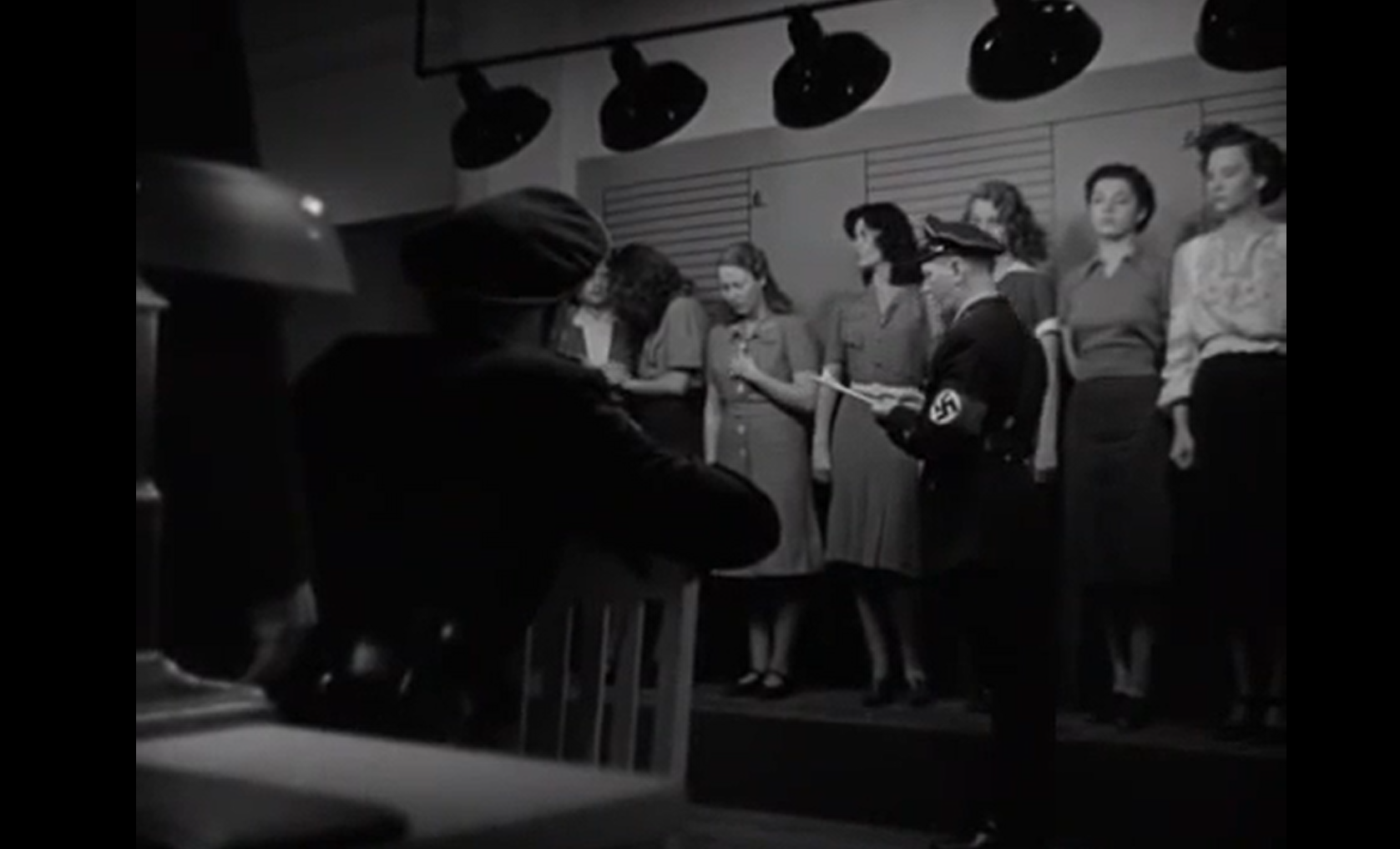
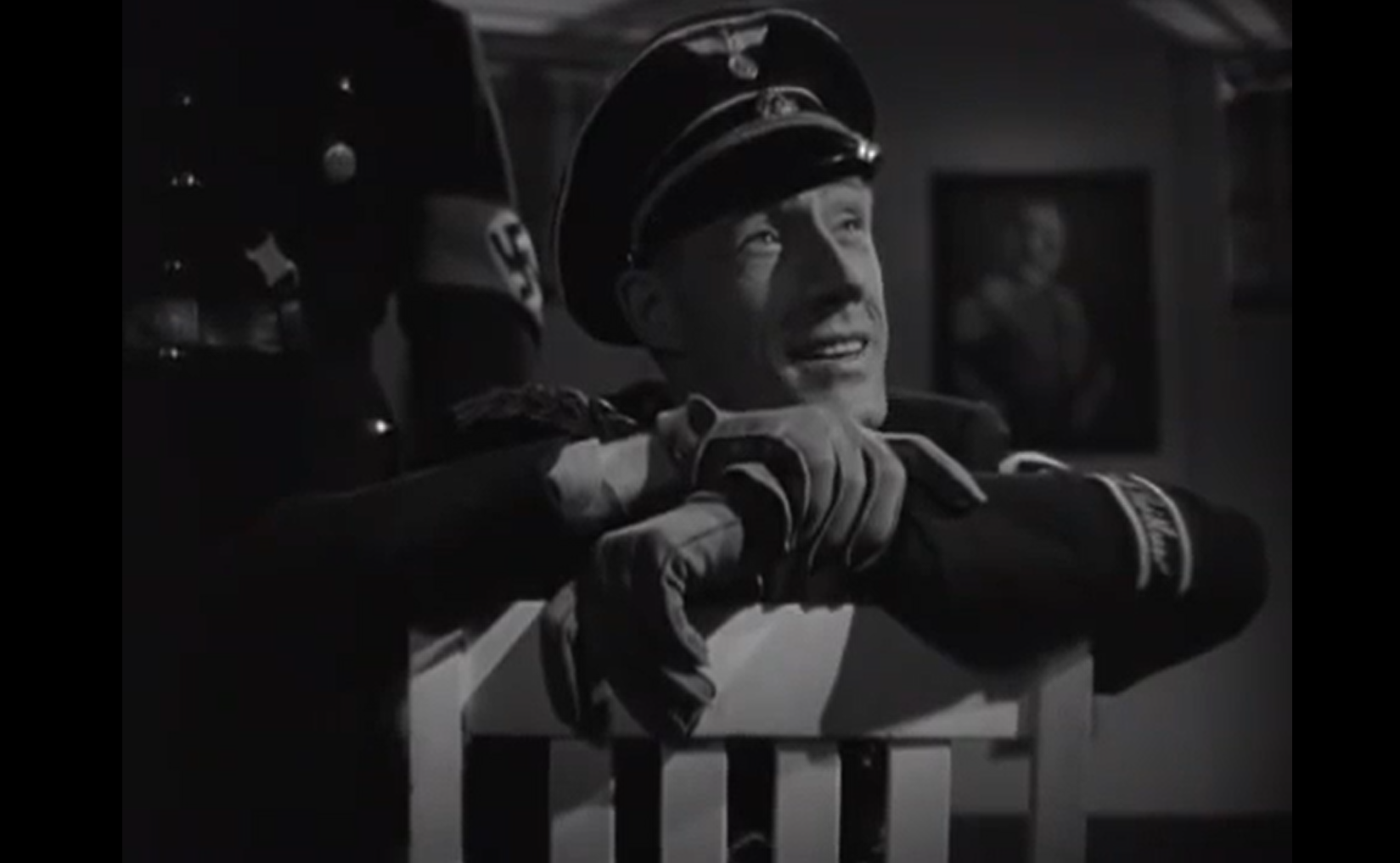
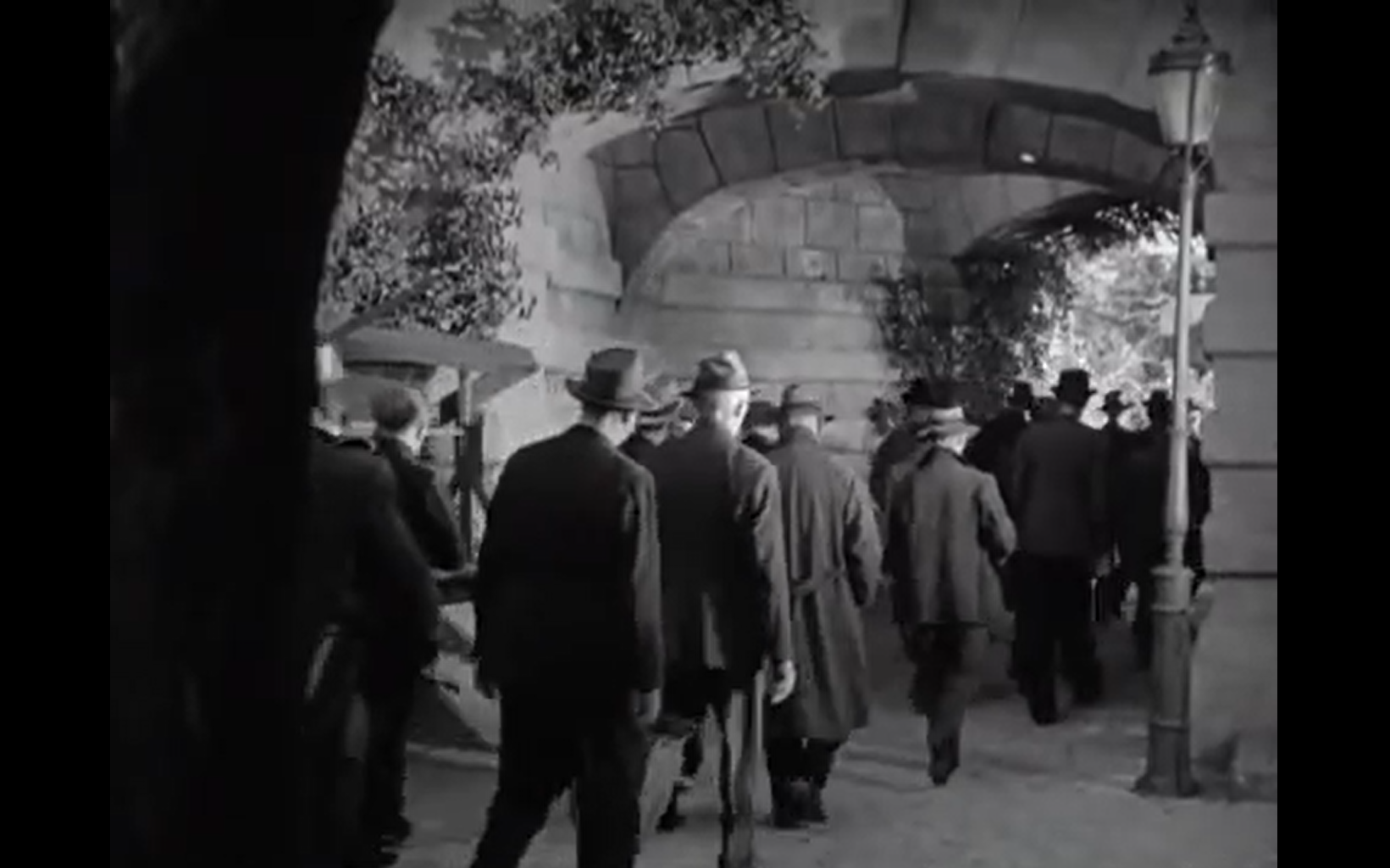
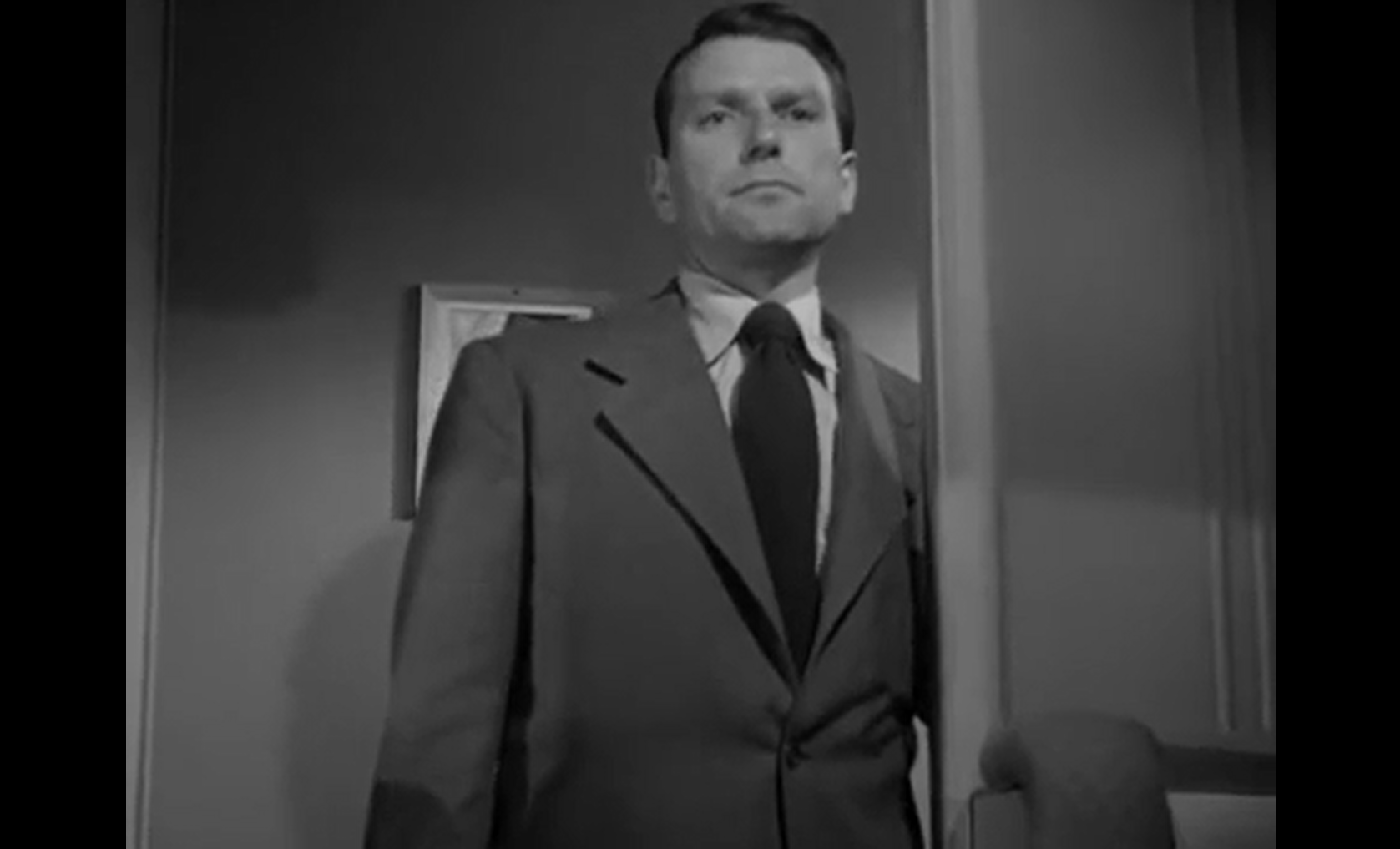
Notorious as both Douglas Sirk’s American directorial debut, and perhaps the best film to come out of Poverty Row’s Producers Releasing Corporation (PRC), Hitler’s Madman has, unfortunately, not held up very well. Functioning largely as wartime propaganda, it does manage to effectively highlight the many atrocities carried out by Nazis in Czechoslovakia:

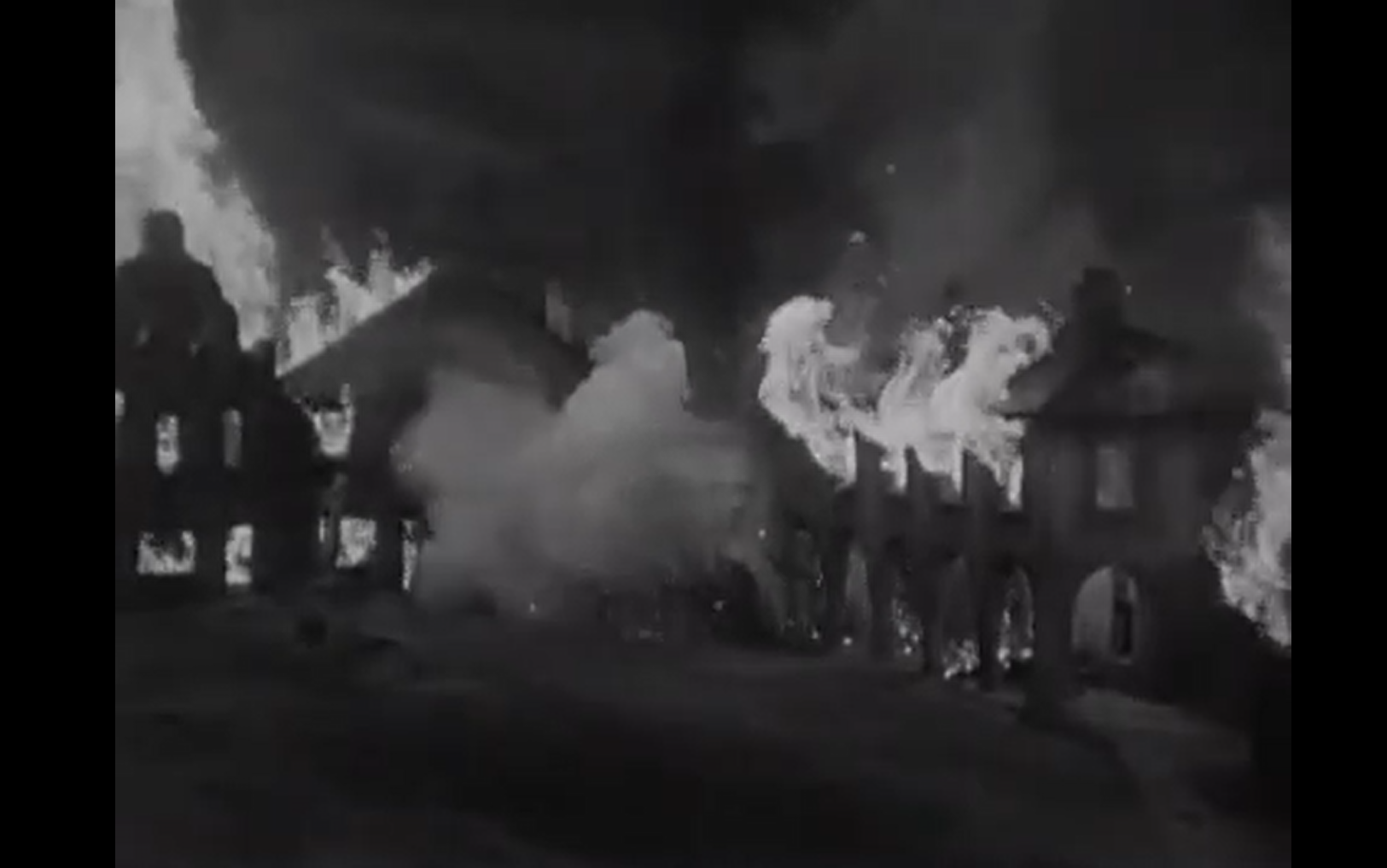
(particularly the brutal finale — an infamous crime against humanity):


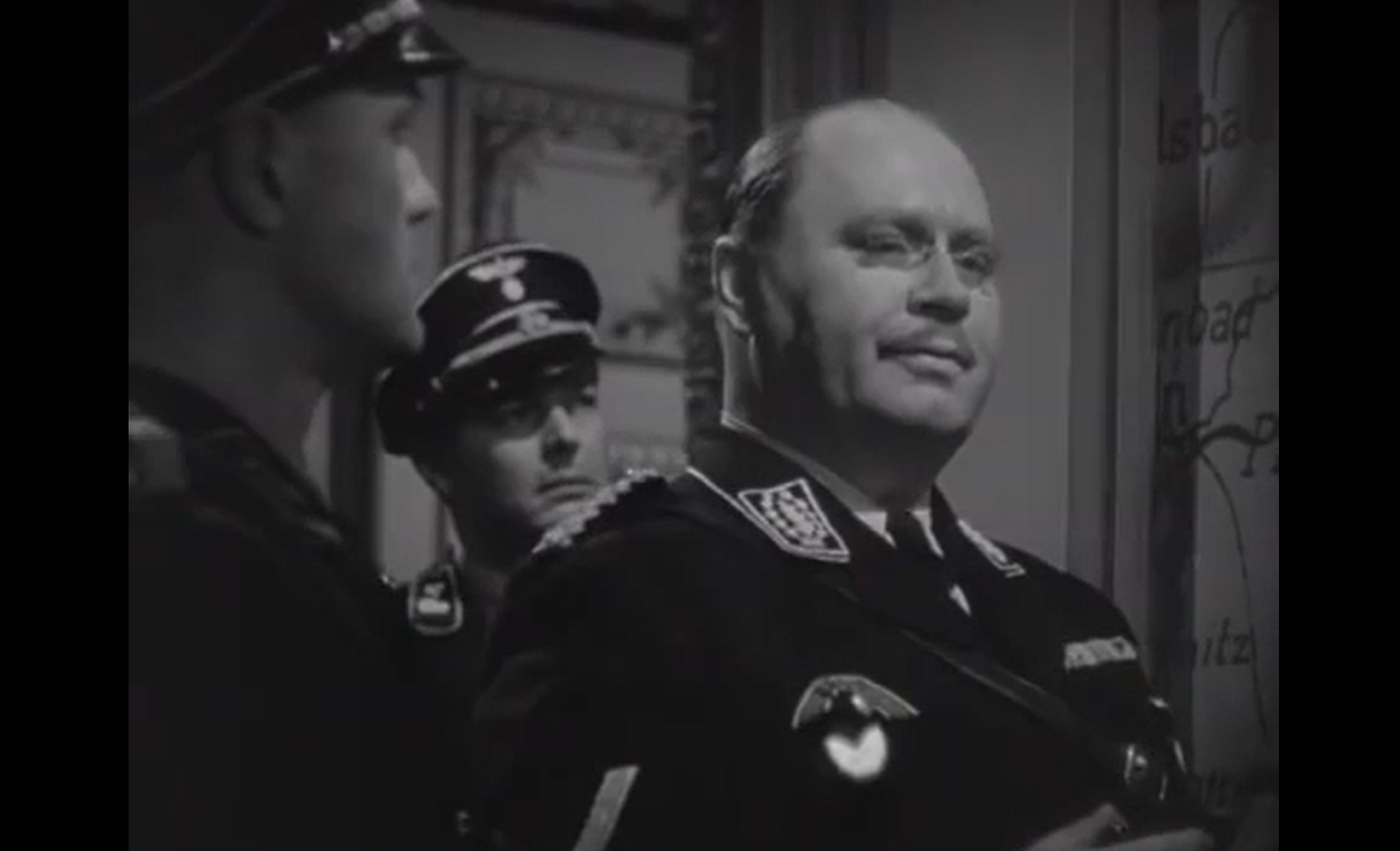
… but it suffers from trite dialogue (“Hope — I’d forgotten there was such a word”), wooden acting (particularly by Alan Curtis in the lead):

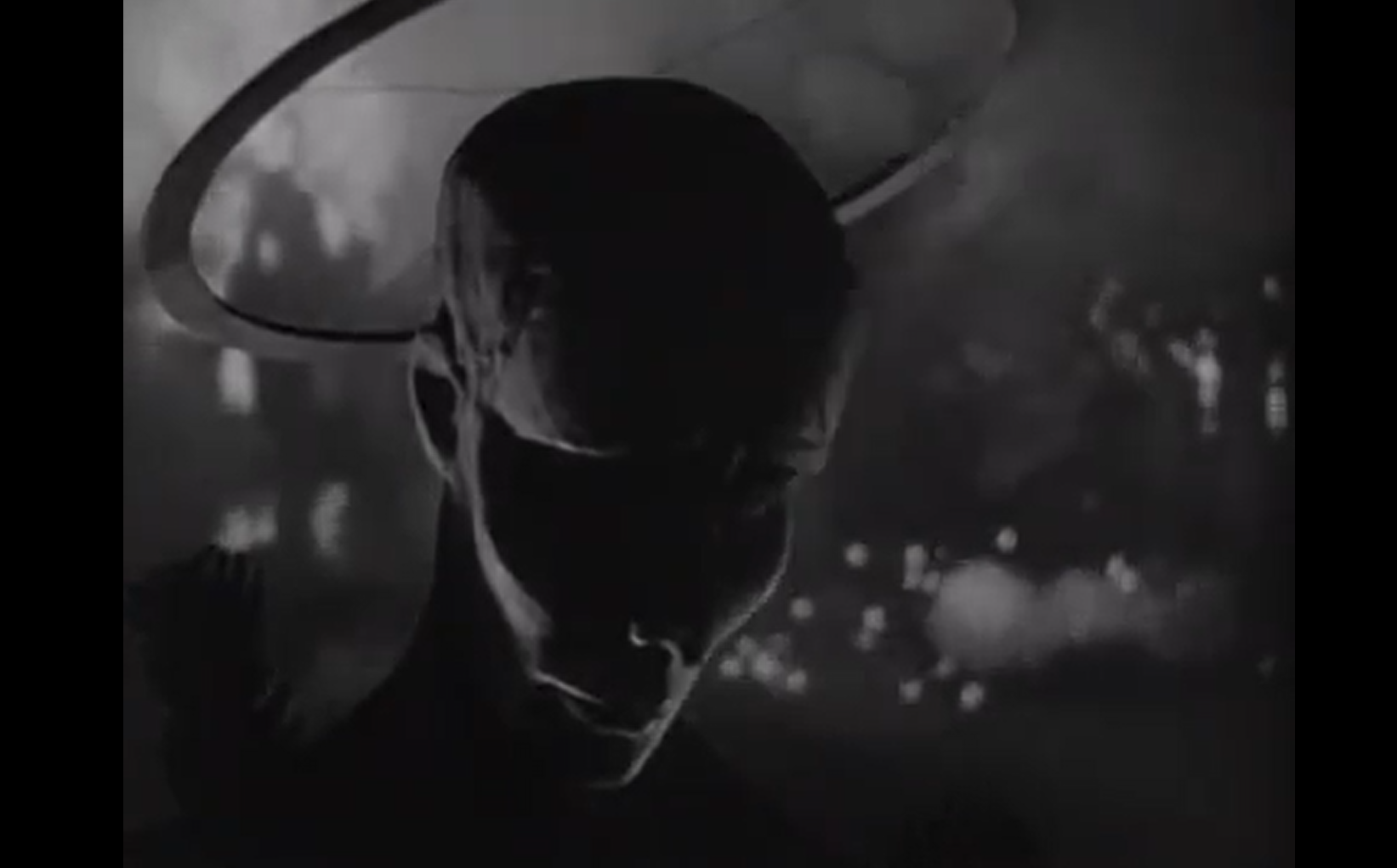
… and an overall production air of “Hollywood Studio as Europe”. Evidence of Sirk’s visual genius emerges every now and then (particularly in the use of extreme angles), and John Carradine is well-cast as villainous Heydrich (Peary nominates his performance for an Alternate Oscar!), but the limited script and cast prevent this from being anything more than simply dated entertainment.

Redeeming Qualities and Moments:

  • John Carradine as Heydrich
  • Early evidence of Sirk’s talent with composition

Must See?
No. While it’s listed as a film with historical importance in the back of Peary’s book, I don’t think film fanatics need to see it.

Links:

Bonnie and Clyde (1967)

Bonnie and Clyde (1967)

“Bonnie and Clyde are the Barrow gang, I’m sure you all have read / How they rob and steal, and those who squeal, are usually found dyin’ or dead.”

Synopsis:
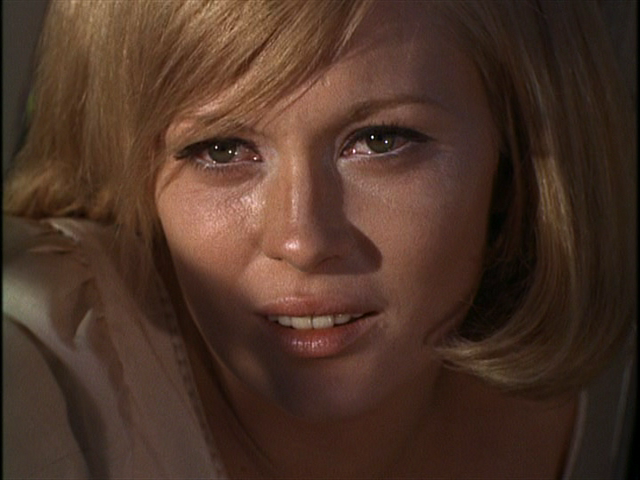
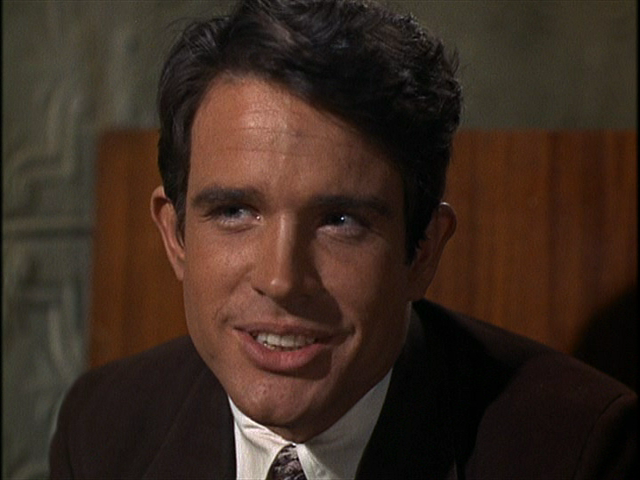
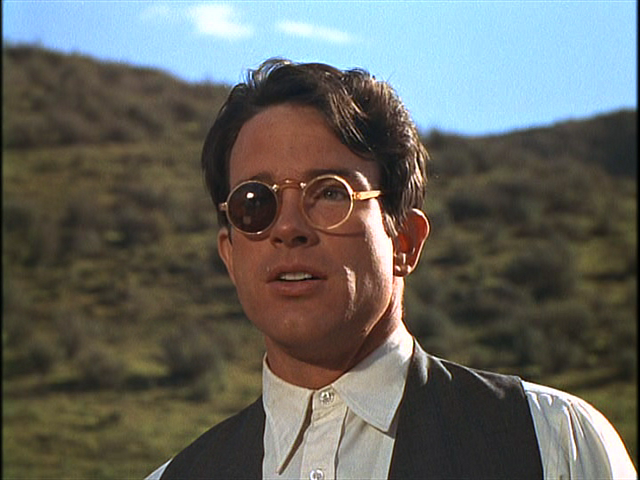
When Bonnie Parker (Faye Dunaway) meets young criminal Clyde Barrow (Warren Beatty), sparks immediately fly; soon the two are on a cross-country rampage, robbing banks and shooting anyone who gets in their way.

Genres, Themes, Actors, and Directors:

  • Arthur Penn Films
  • Criminal Couples on the Run
  • Depression Era
  • Faye Dunaway Films
  • Gene Hackman Films
  • Gene Wilder Films
  • Outlaws
  • Warren Beatty Films

Review:
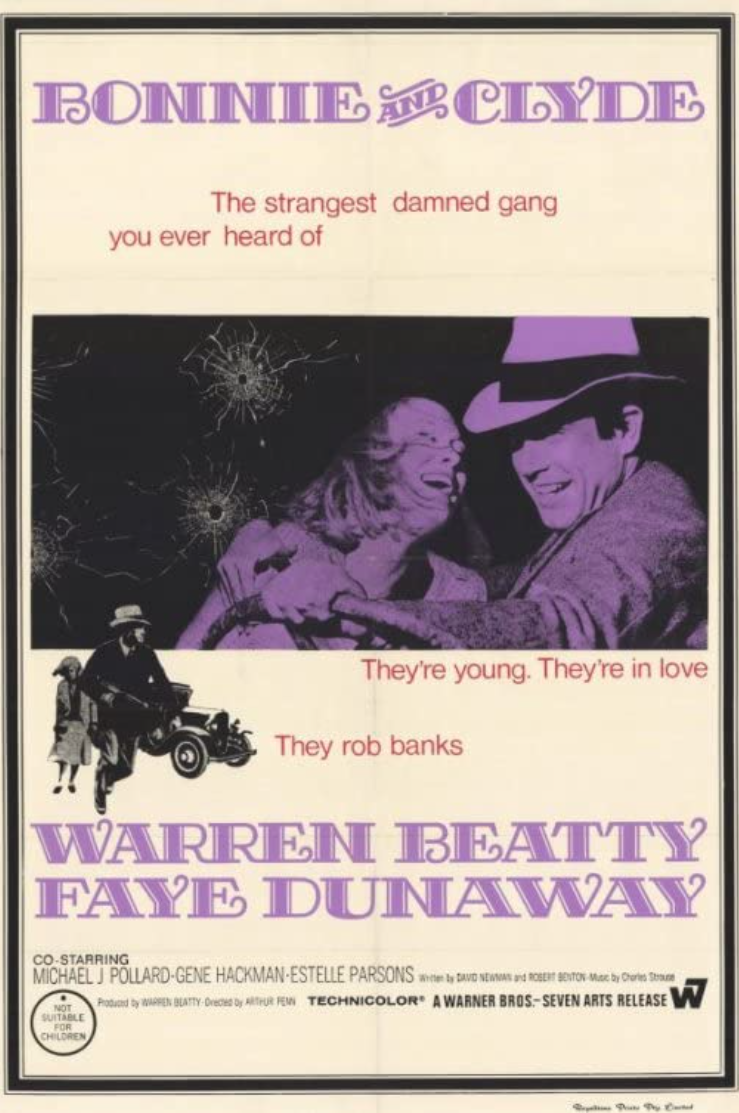
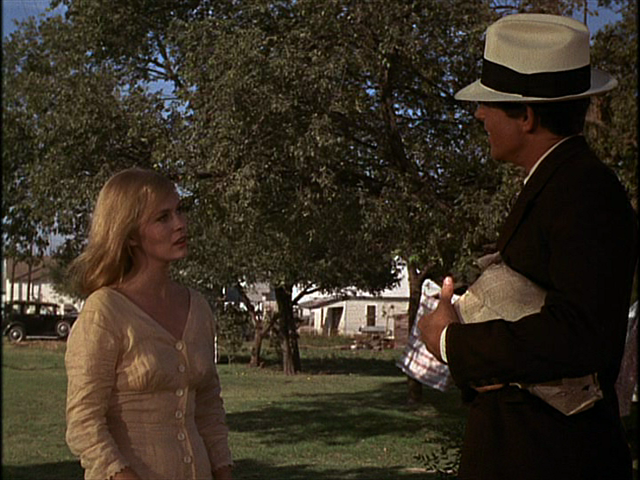
Arthur Penn’s Bonnie and Clyde remains one of the most highly regarded and influential post-war American films ever made. Inspired by French New Wave cinematic techniques, Penn’s unapologetic portrayal of young gangsters who rob banks on a lark and become national celebrities for their efforts helped pave the way for countless other tales of “romantic couples on the run”. While old-school film critic Bosley Crowther of the New York Times infamously labeled it “a cheap piece of bald-faced slapstick comedy that treats the hideous depredations of that sleazy, moronic pair as though they were… full of fun and frolic”, audiences at the time — particularly young audiences — were thoroughly captivated, and most critics quickly realized what a watershed American film they had on their hands.

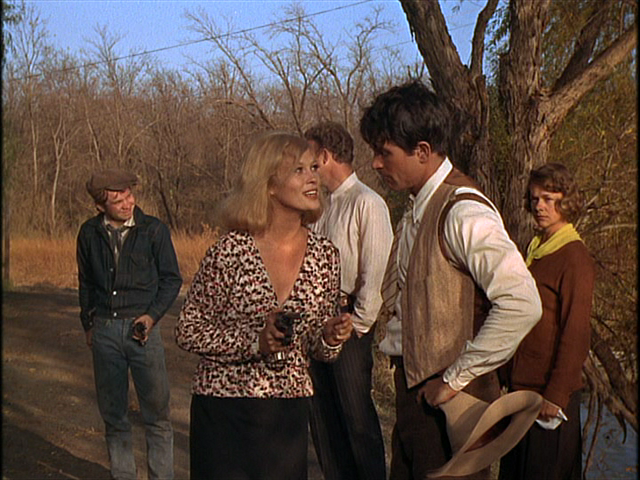
Notoriety aside, Bonnie and Clyde is a creative, well-acted drama, one which effectively portrays the alienation and frustration felt by many during the Great Depression. Dunaway (who’s never looked more beautiful) and Beatty (young and studly) are perfectly cast as the titular leads, who come together out of a desperate need for mutual recognition. They’re surrounded by a host of fine supporting actors — including Gene Wilder in a hilarious bit part, and the inimitable Michael Pollard in a role seemingly tailor-made for him. Ironically, Estelle Parsons’ Academy Award-winning performance as Beatty’s shrill sister-in-law is the least impressive of the bunch.

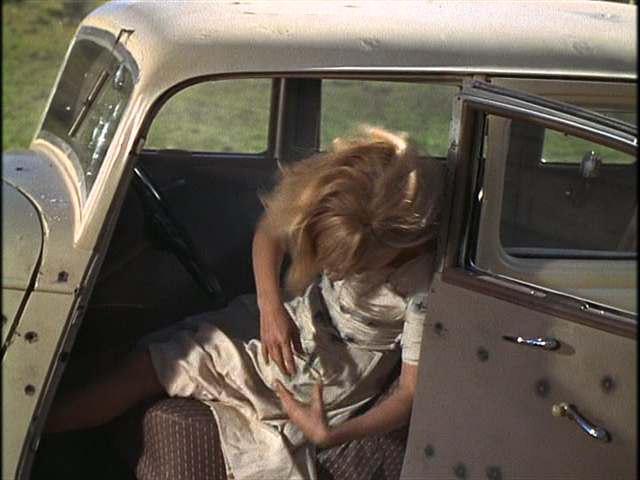
Those looking for historical accuracy should read a book about Parker and Darrow instead: Bonnie and Clyde is just barely more authentic than its ’50s predecessor, The Bonnie Parker Story (starring sassy Dorothy Provine). For instance, while Penn’s inclusion of Clyde’s sexual “issues” was a daring move for the time, it’s nonetheless inaccurate (Barrow was reportedly bisexual, not impotent); and the real Bonnie and Clyde (both short) looked nothing like glamorous Dunaway and Beatty. Ultimately, Bonnie and Clyde is more of a tragic romantic fable than a biopic, with the infamous final shoot-out (featuring superb, oft-analyzed editing by Dede Allen) providing a shocking yet appropriate end to this warped fairy tale — how else could Bonnie and Clyde go out but violently, together?

Redeeming Qualities and Moments:

  • Faye Dunaway as Bonnie Parker
  • Warren Beatty as Clyde Barrow
  • Michael Pollard as C.W. Moss
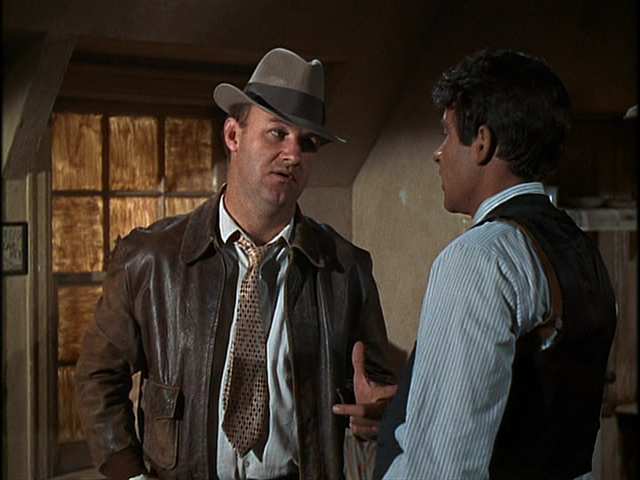
  • Gene Hackman as Buck Barrow
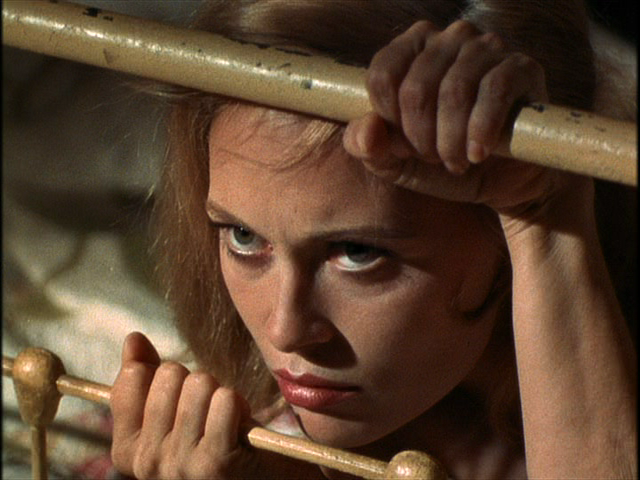
  • The gripping opening sequence, which effectively “frames” Bonnie as longing to emerge from the cage of her small-town existence
  • Bonnie and Clyde’s initial meet-cute, as they gradually divulge their mutual interest in each other
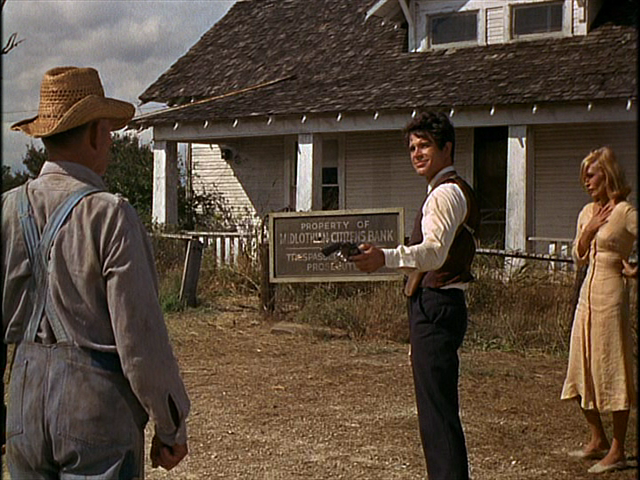
  • The satisfying outcome of Bonnie and Clyde’s encounter with an itinerant farmer whose house has been taken over by a bank
  • The surprisingly humorous sequence featuring Gene Wilder (in his debut) and Evans Evans as his fiancee
  • Burnett Guffey’s cinematography
  • The horrific closing sequence
  • Masterful editing, particularly in the final shootout

Must See?
Definitely; every film fanatic should see Bonnie and Clyde at least once in their lifetime.

Categories

  • Genuine Classic
  • Historically Relevant
  • Noteworthy Performance(s)
  • Oscar Winner or Nominee

(Listed in 1001 Movies You Must See Before You Die)

Links:

Savage Innocents, The (1960)

Savage Innocents, The (1960)

“To the white man, Arctic ice and snow are pitiless enemies; but to the Eskimo they can be useful friends.”

Synopsis:
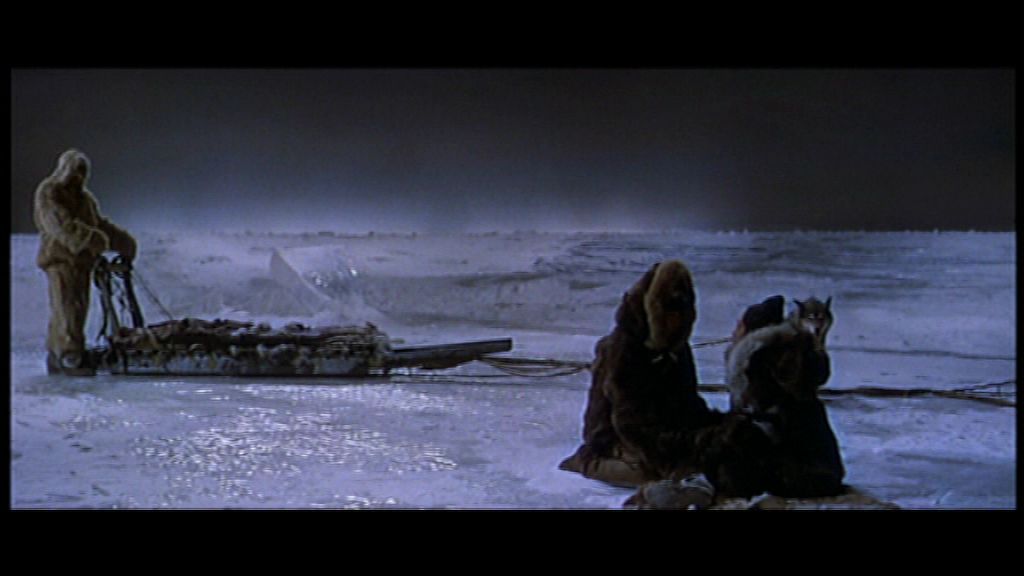
Eskimos Inuk (Anthony Quinn) and his wife Asiak (Yoko Tani) survive happily together in the Arctic, until the day they arrive at a trading post and Inuk accidentally kills a missionary (Marco Guglielmi). Eventually Inuk is found and arrested by two troopers (Carlo Giustini and Peter O’Toole) — but when Giustini falls into the ice and dies, Inuk must decide whether to kill his remaining captor or help keep him alive.

Genres, Themes, Actors, and Directors:

  • Anthony Quinn Films
  • Native Peoples
  • Nicholas Ray Films
  • Peter O’Toole Films
  • Race Relations and Racism
  • Survival

Review:
Inexplicably lauded by modern critics, this patronizing ethnographic drama (co-written and directed by Nicholas Ray) is an insufferable exercise in frustration. Accompanied by a grandiose Voice of God narration, the story purports to portray Eskimos in an authentic light, but instead simply holds them up to our “civilized” gaze as “savage innocents”: the mostly Japanese cast (generically olive-skinned Anthony Quinn is a notable exception) can’t seem to stop giggling; sex is depicted as a casual, all-day affair; and men resolve their differences by knocking their (apparently dense) heads against blocks of ice. Quinn himself is perhaps the most egregious character in the film: it’s impossible to take him seriously when he’s asked to recite such insipid lines as, “A woman is not a seal — or even a walrus!”

For every moment we’re allowed to admire the Eskimos’ estimable survival skills (especially in contrast with the ignorant troopers, who fatally refuse to follow Inuk’s guidance about riding over ice), we’re supposed to laugh at the silliness of their quaint customs. For instance, while it’s impressive that Asiak is able to give birth on her own (how this scene must have shocked audiences at the time!), it defies belief that she and Inuk don’t know babies are born without teeth (have they never seen babies nursing before?). The film partially redeems itself once Peter O’Toole’s (American-dubbed) trooper arrives in the story, and is given a detailed explanation of why it’s the ultimate insult to refuse to “laugh” with another man’s wife — but, once again, this cautious respect is undermined in the final scene, when O’Toole is posited as ultimately savvier than the naive Inuk can ever hope to be. Even the lovely Arctic cinematography can’t save this film from its own worst tendencies; I recommend renting Never Cry Wolf (1983) or the recent Inuktitut-language Fast Runner (2001) instead.

Redeeming Qualities and Moments:

  • Gorgeous cinematography of Arctic landscapes
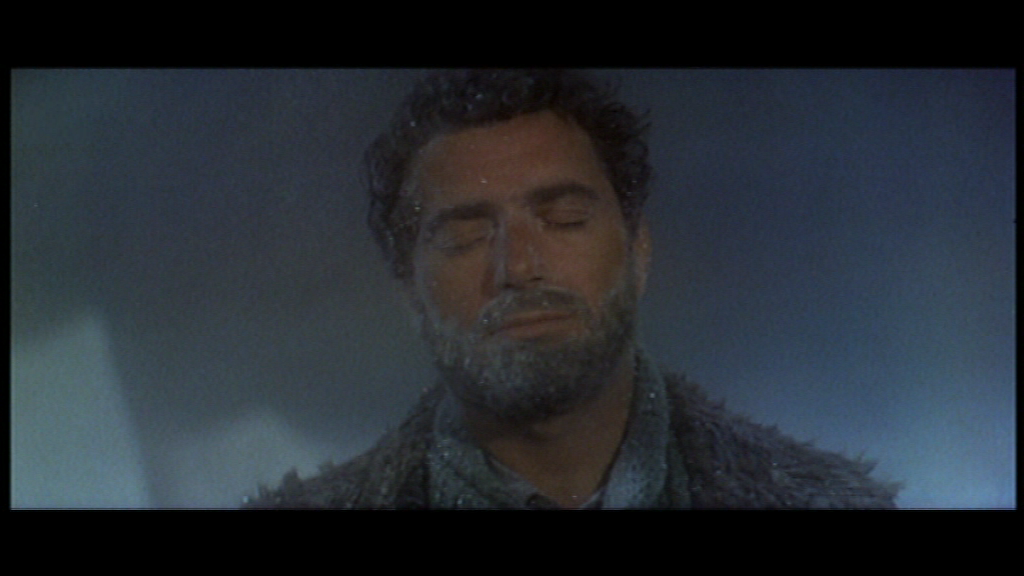
  • The freaky hypothermia scene — a rare moment when Inuk’s wisdom is allowed to bear out
  • The final half hour of the film, when O’Toole gradually begins to understand the ways of the Eskimo

Must See?
No. While it’s listed as a Cult Movie in the back of Peary’s book, this dated film is no longer must-see viewing.

Links:

Young Girls of Rochefort, The (1967)

Young Girls of Rochefort, The (1967)

“I’ve looked everywhere, I’ve sailed the seven seas… Can she be far? Is she close to me?”

Synopsis:
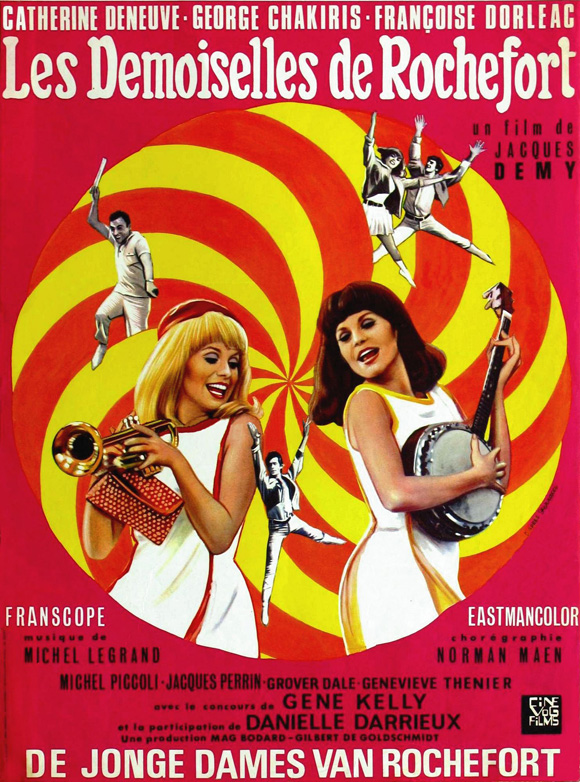
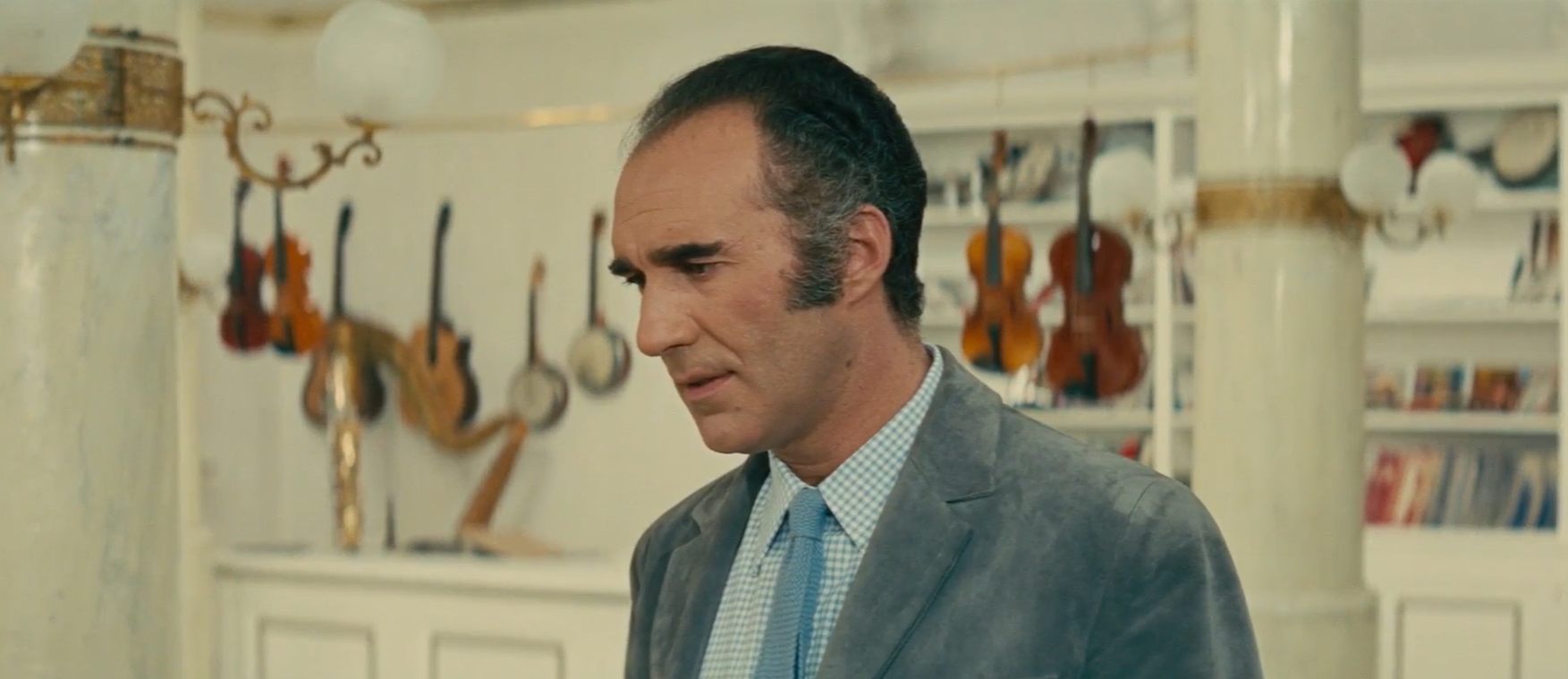
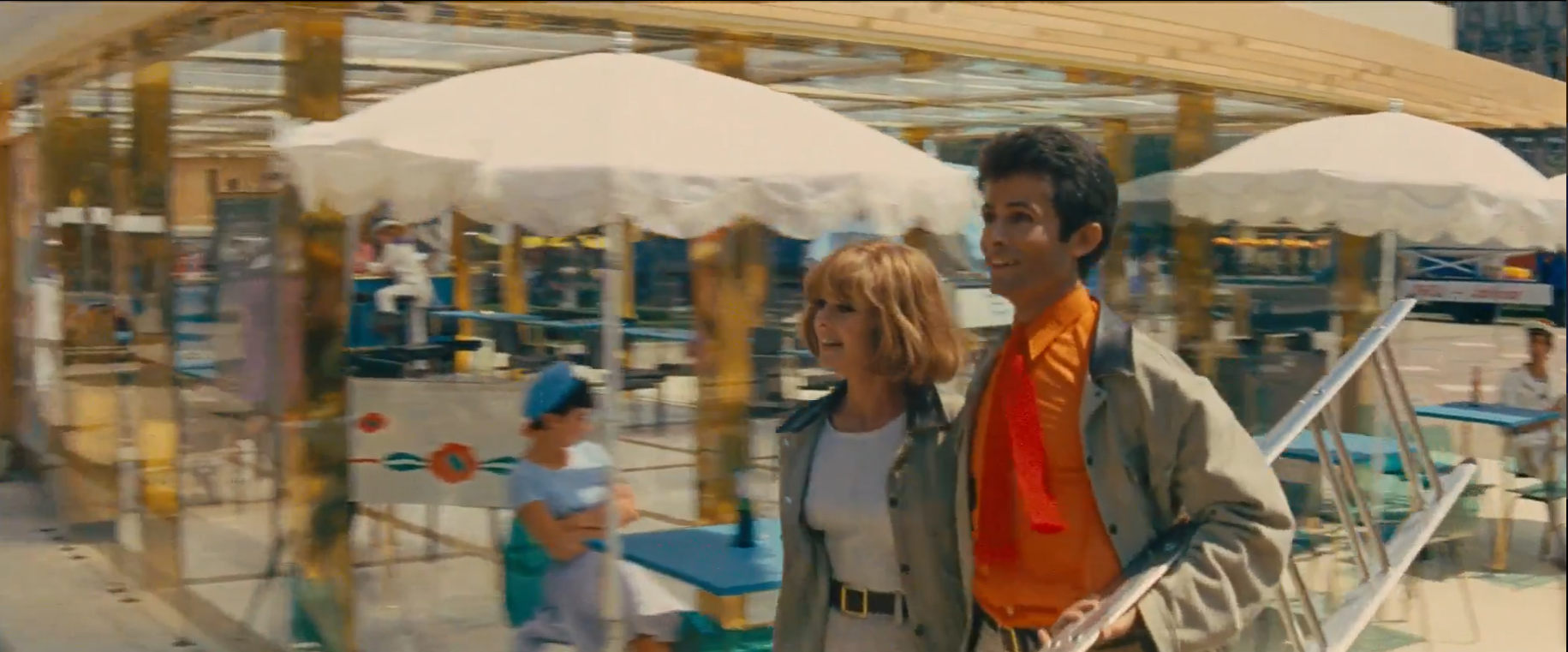
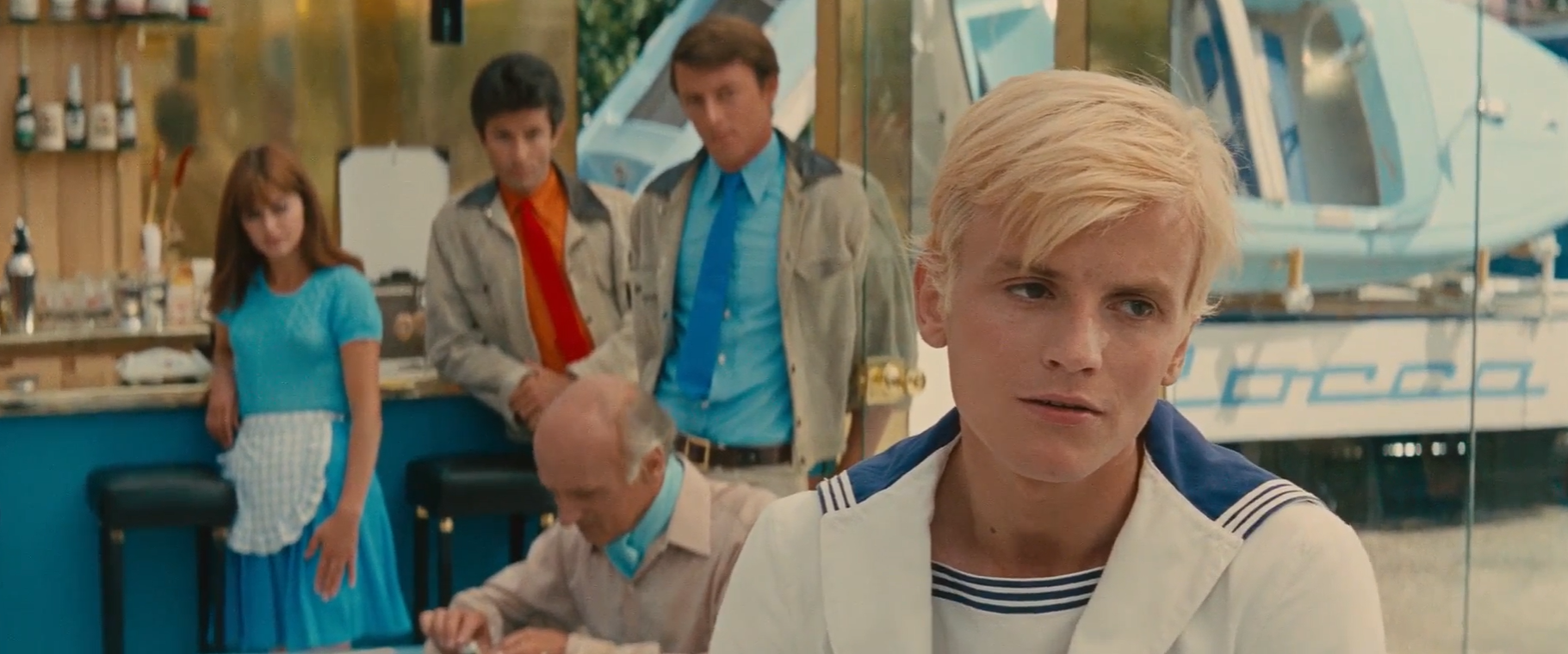
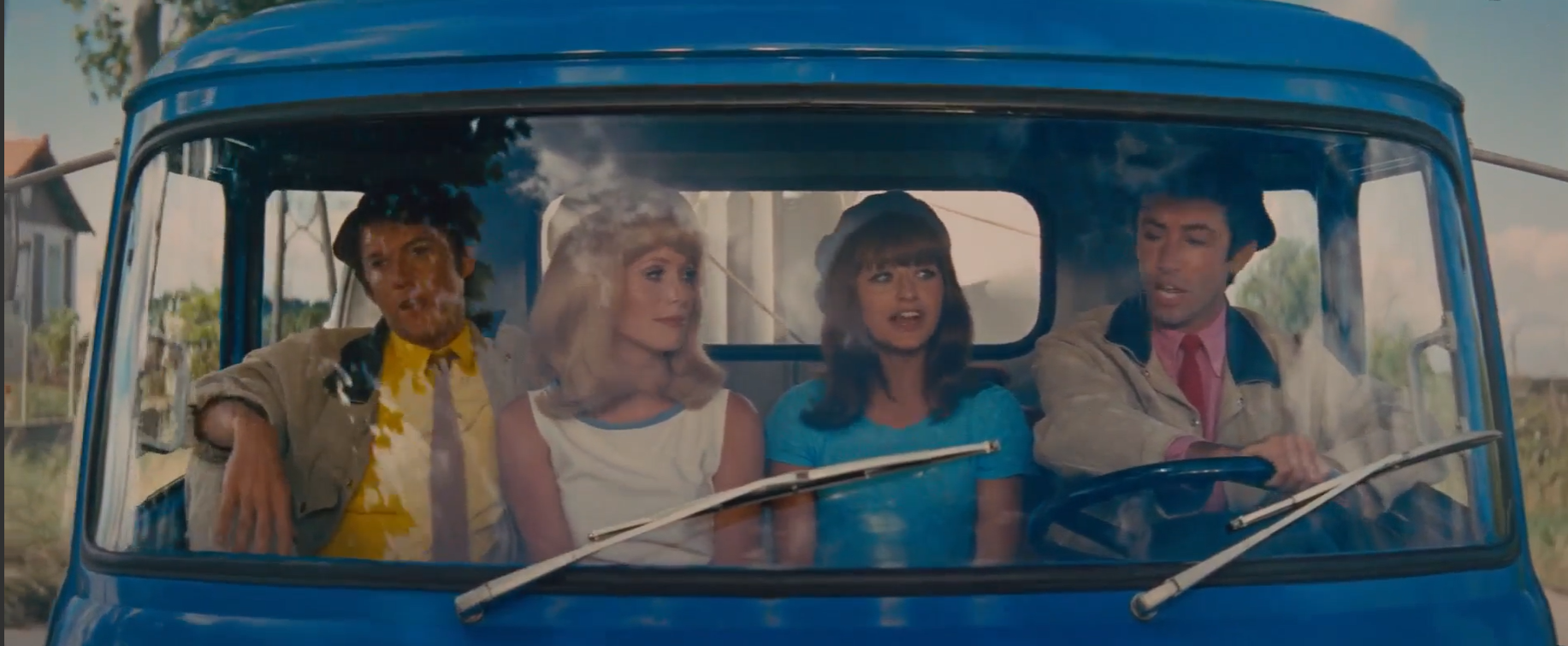
In the town of Rochefort, twin sisters Delphine (Catherine Deneuve) and Solange (Francoise Dorleac) Garnier hope to meet their true loves. Meanwhile, their mother (Danielle Darrieux) pines after her long-lost fiance (Michel Piccoli); an American composer (Gene Kelly) is smitten at first sight with Solange; an artistic soldier (Jacques Perrin) paints a portrait of his ideal woman (who looks just like Delphine); and carnies Etienne (George Chakiris) and Bill (Grover Dale) convince Delphine and Solange to perform in their show before heading to Paris.

Genres, Themes, Actors, and Directors:

  • Carnivals and Circuses
  • Catherine Deneuve Films
  • Danielle Darrieux Films
  • French Films
  • Gene Kelly Films
  • Jacques Demy Films
  • Looking for Ms./Mr. Right
  • Musicals
  • Twins

Review:
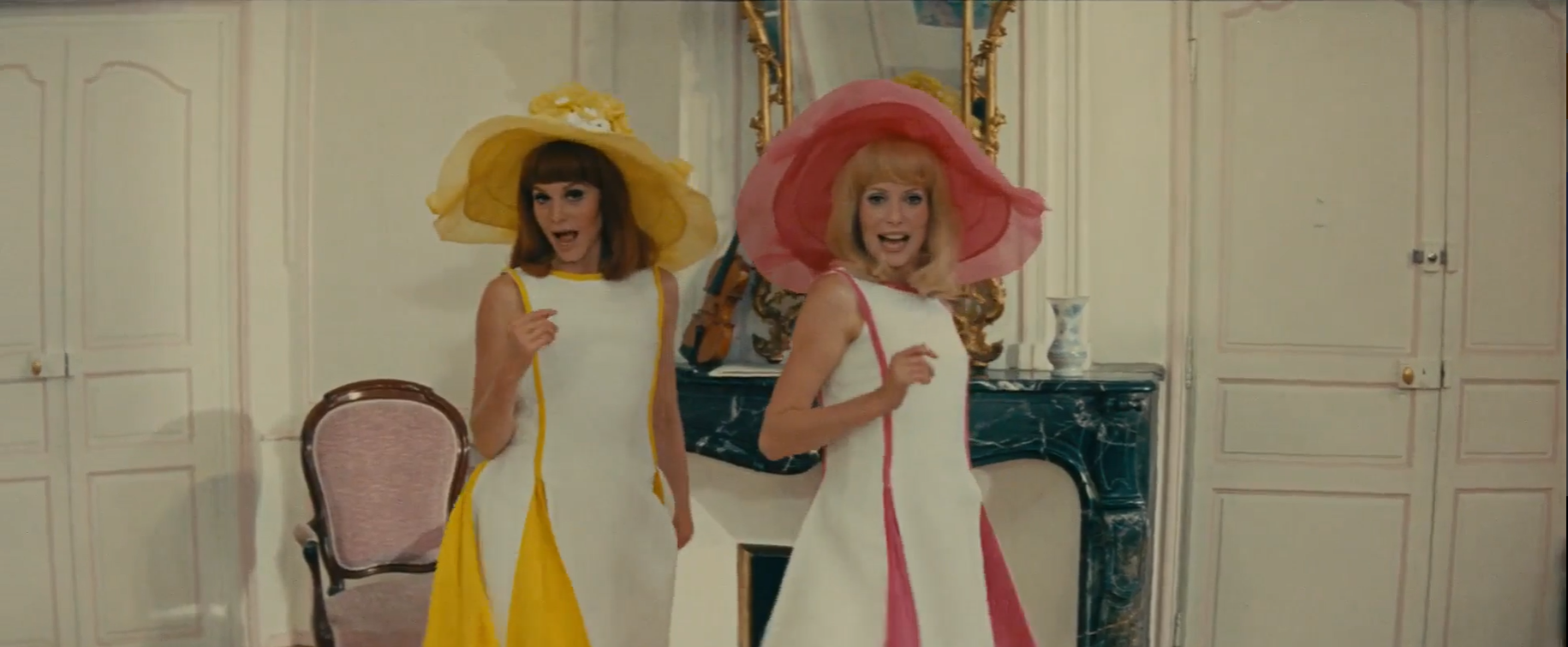
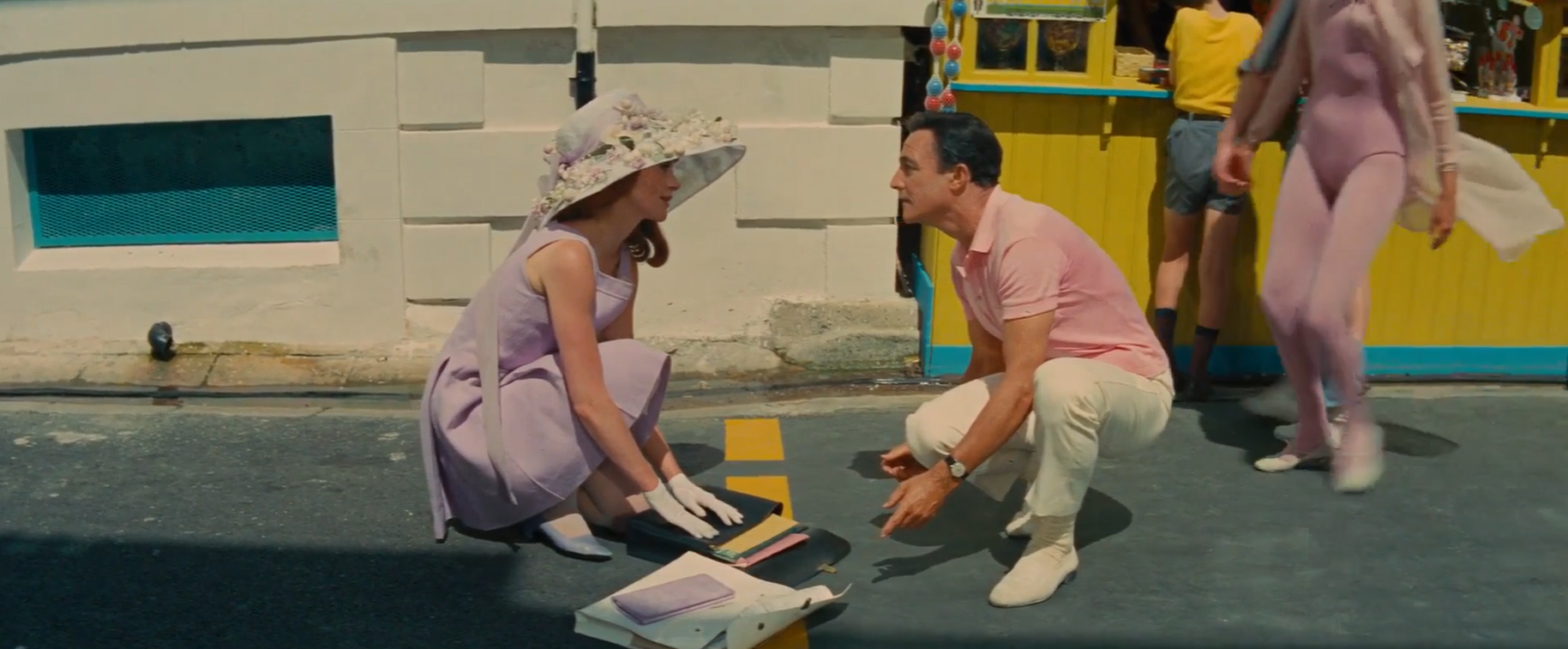
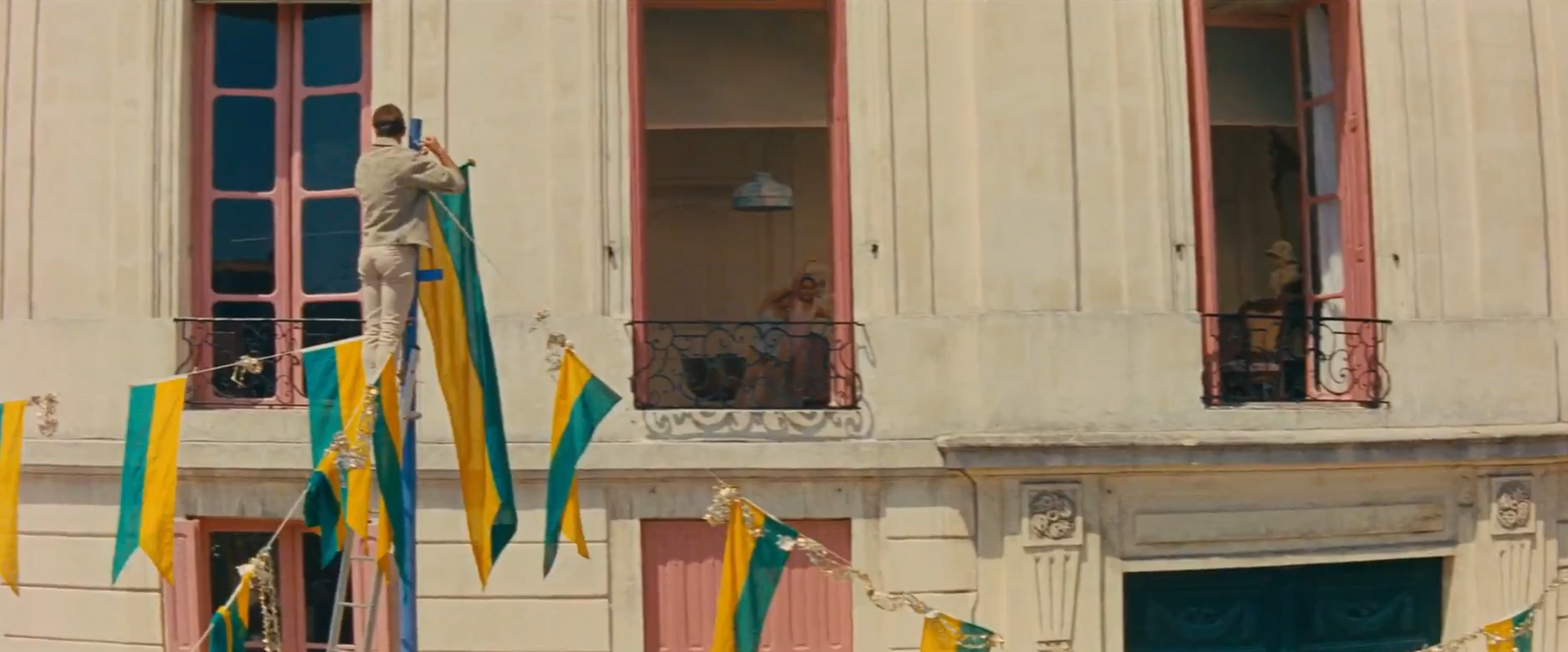
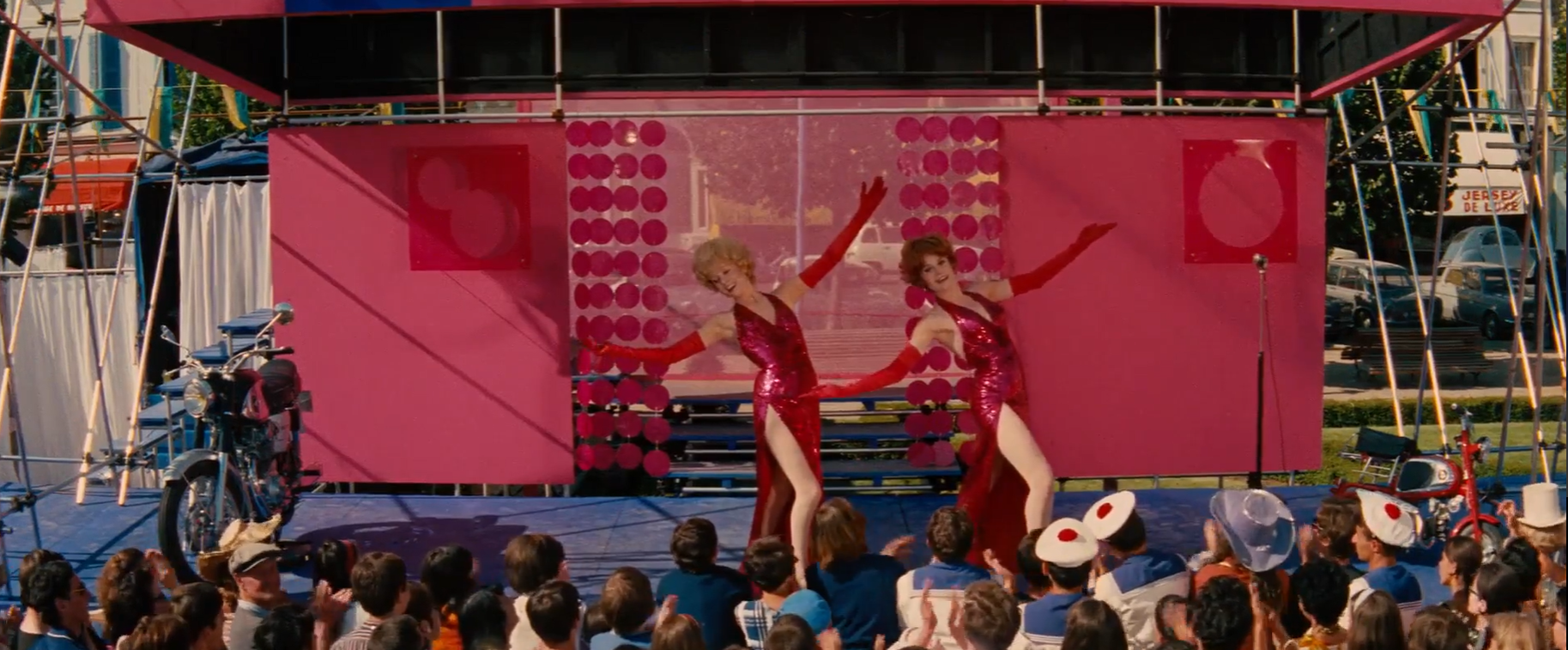
Four years after the success of Jacques Demy’s all-singing musical The Umbrellas of Cherbourg (1964), Demy and his wife Agnes Varda directed this vibrant romantic homage to Hollywood musicals, based on the notion that true love is waiting just around the corner (if only we’re lucky enough to stumble upon it!), and that an “ideal mate” exists for everyone. It’s playful, colorful, irreverent (a minor subplot about a murderer is thrown in, just for kicks), and jazzy, thanks in large part to both Michel Legrand’s inimitable musical touch (his soundtrack literally permeates the proceedings) and the creative team behind the film’s stylized production design. Equally infectious is the dancing, with George Chakiris adding a light touch to every step he takes (those white boots!), and Gene Kelly — looking nothing close to his age of 55 — serving as inspired casting (Demy apparently waited two years until Kelly was available to participate in the film).

Deneuve and her real-life sister Dorleac (who died in a car accident before the film was released) are also perfectly cast as the fraternal Garnier twins — their initial song together (“Chanson Des Jumelles”) is a delight. Fortunately, Demy moved away from the gimmick of Cherbourg (which was entirely sung), and was more flexible here with his dialogue: some is sung, some is rhymed, and some is simply spoken; though purists may disagree, I find this ultimately more successful. As with all musicals, … Rochefort will not be to every film fanatic’s taste — but it’s certainly must-see at least once.

Redeeming Qualities and Moments:

  • Catherine Deneuve and Francoise Dorleac as Delphine and Solange
  • Gene Kelly as Mr. Dame’s American friend, Andy
  • Delightfully colorful costumes and sets
  • Exuberant dancing
  • Danielle Darrieux as the worldly-wise Yvonne
  • Michel Piccoli as “Monsieur Dame”
  • George Chakiris as Etienne
  • Jacques Perrin as Maxence
  • The final touching scene
  • Clever wordplay
  • Michel Legrand’s sparkling, jazzy score

Must See?
Yes. While not for all tastes, this is one of Demy’s masterpieces and should be seen by all film fanatics.

Categories

  • Foreign Gem
  • Important Director
  • Oscar Winner or Nominee

(Listed in 1001 Movies You Must See Before You Die)

Links:

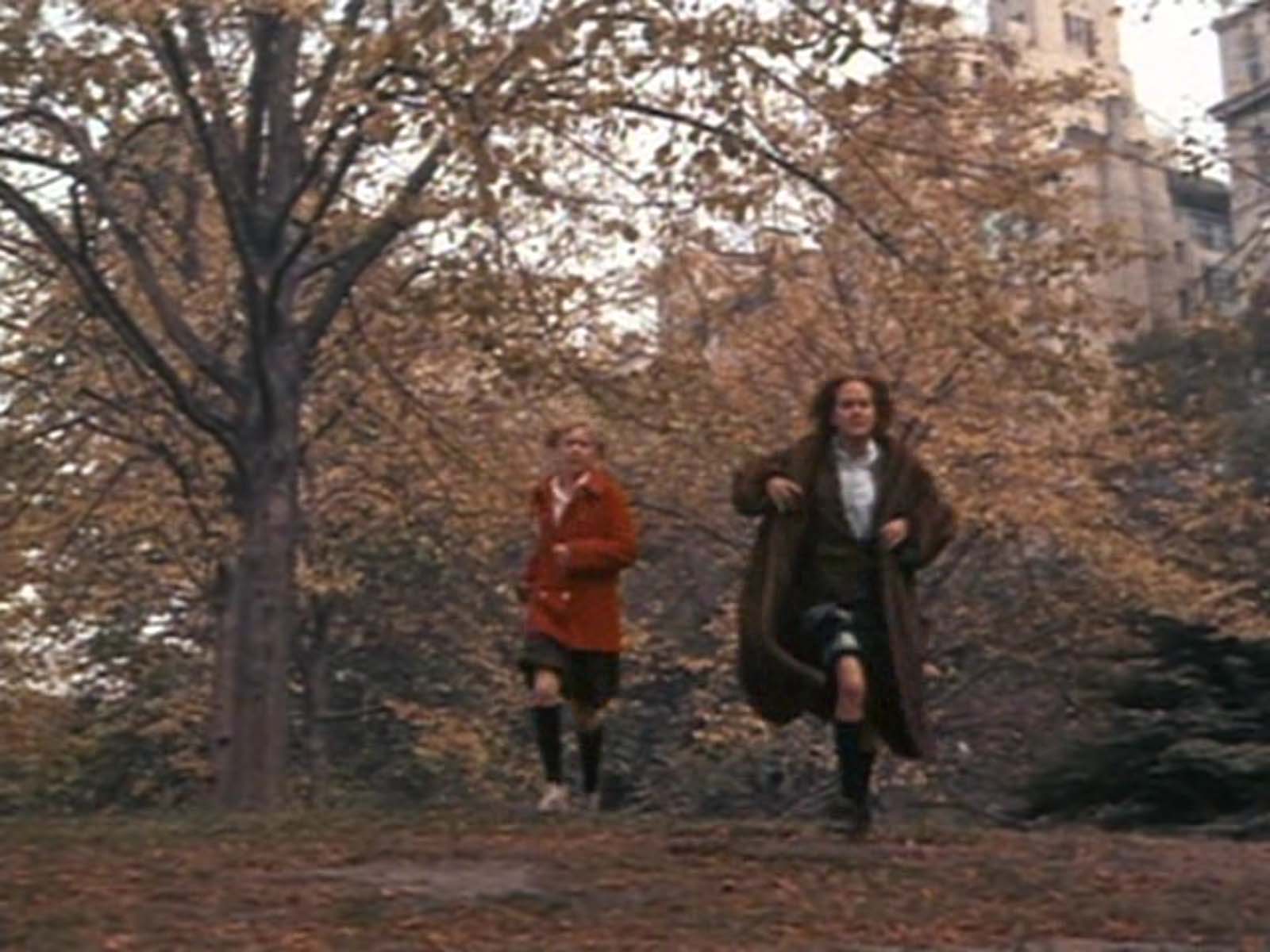
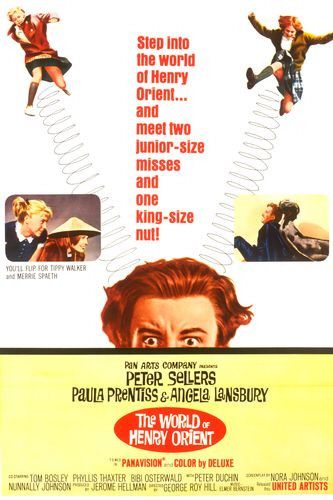
World of Henry Orient, The (1964)

World of Henry Orient, The (1964)

“Don’t all young girls begin to dream about romance at that age?”

Synopsis:
When a wealthy teen named Val (Merrie Spaeth) develops a mad crush on womanizing pianist Henry Orient (Peter Sellers), she and her new friend Gil (Tippy Walker) pursue him all around New York, repeatedly disrupting his plans to seduce a nervous married woman (Paula Prentiss); their fun is over, however, when Val’s philandering mother (Angela Lansbury) returns to town, and Val and Gil catch her pursuing Orient herself.

Genres, Themes, Actors, and Directors:

  • Angela Lansbury Films
  • Coming-of-Age
  • Friendship
  • George Roy Hill Films
  • Infidelity
  • Musicians
  • New York City
  • Obsessive Love
  • Oscar Levant Films
  • Paula Prentiss Films
  • Peter Sellers Films
  • Womanizers

Review:
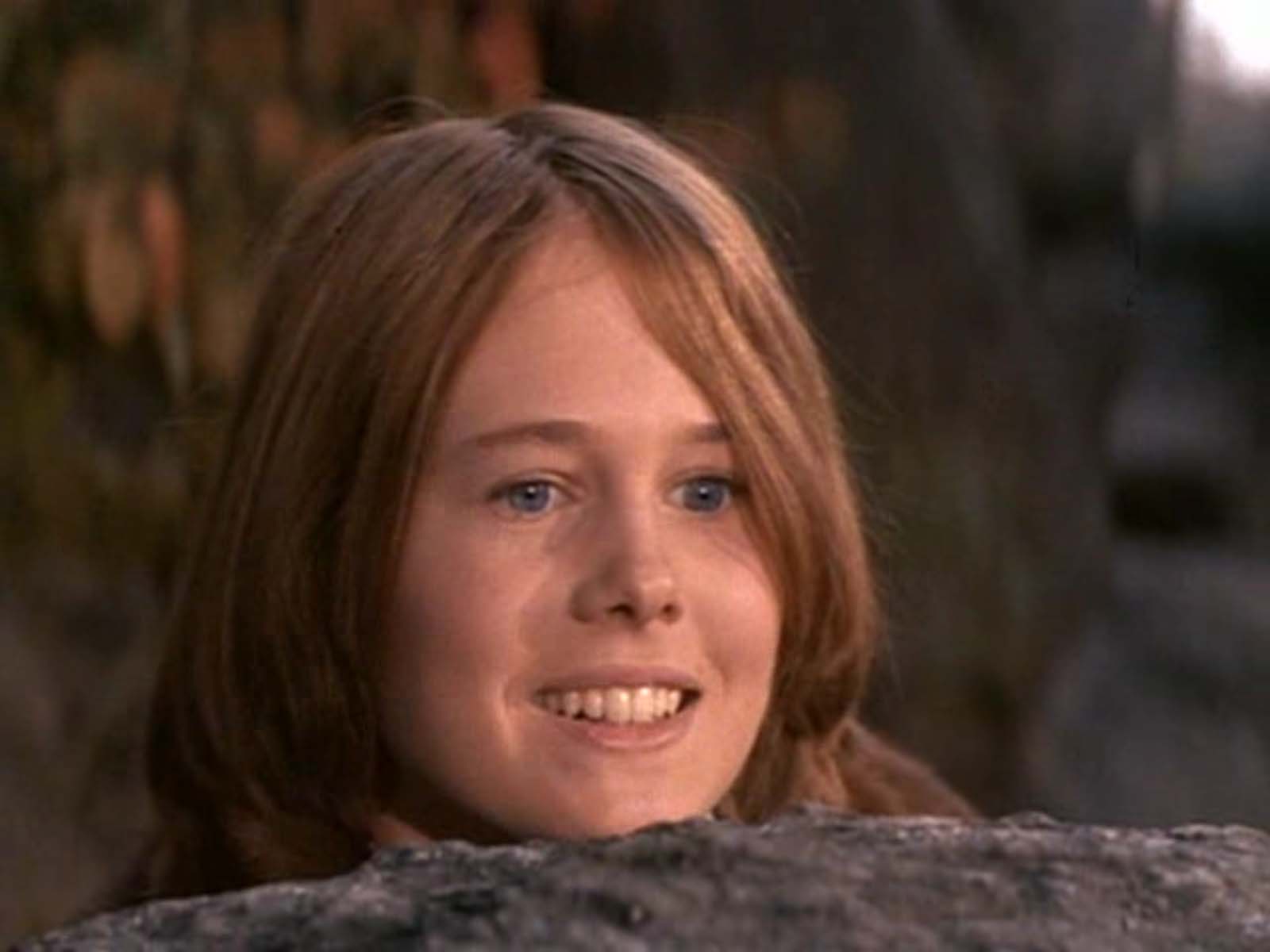
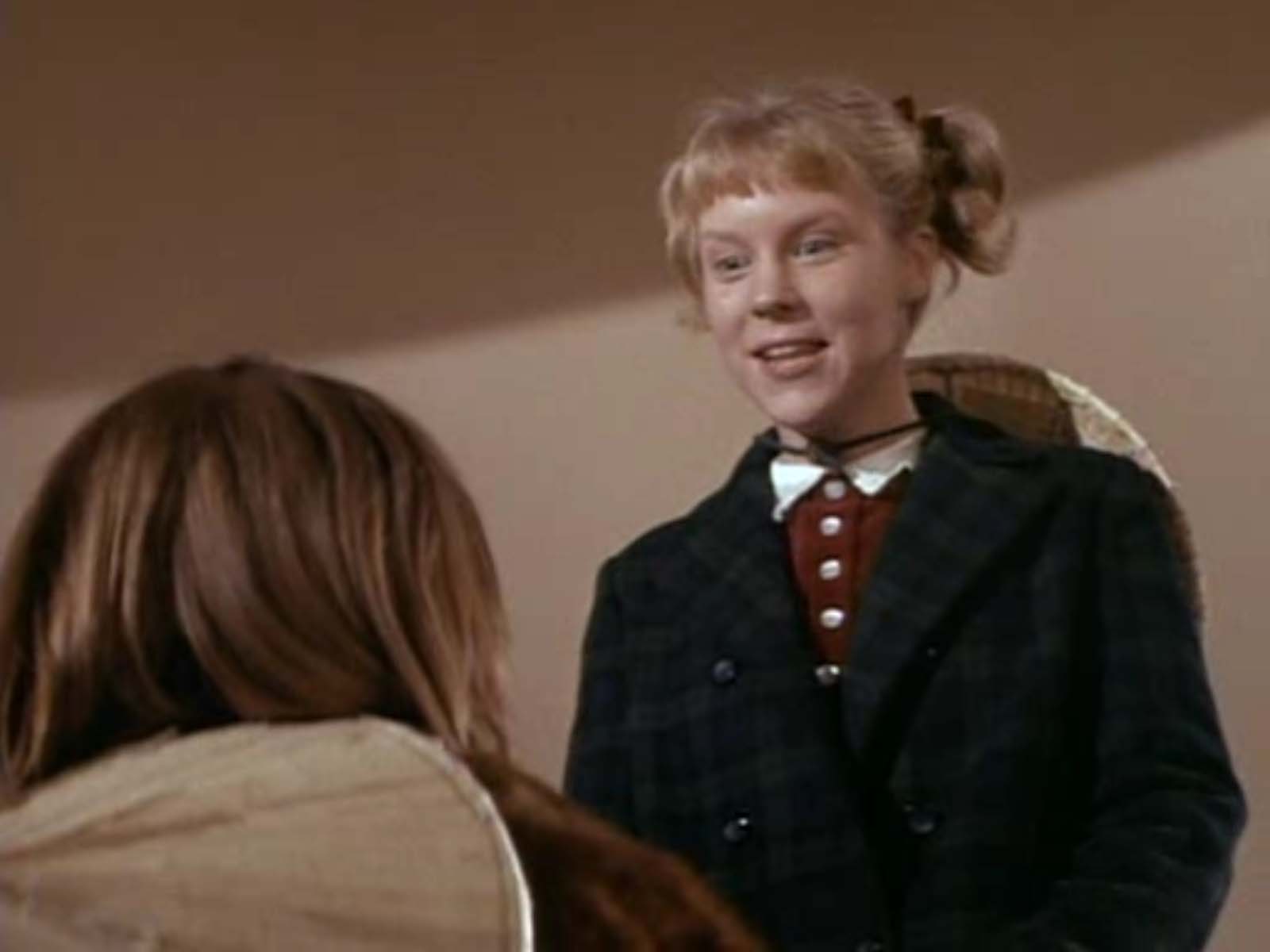
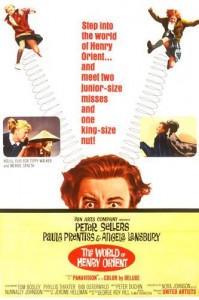
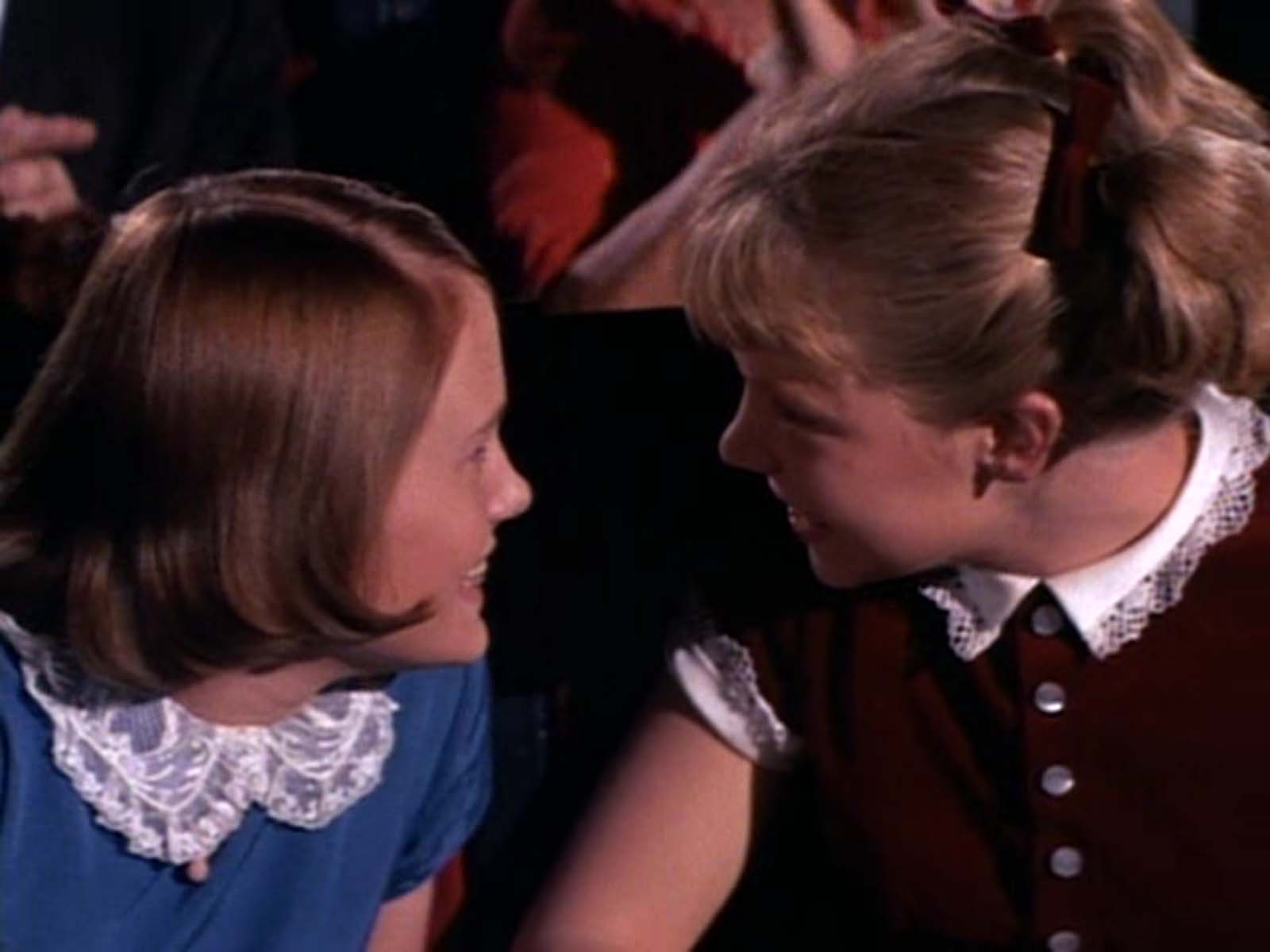
This unique coming-of-age tale — based on a semi-autobiographical novel by Nora Johnson — is a true delight from start to finish. Featuring sparkling performances by its two unknown leads (Merrie Spaeth and Tippy Walker) and a marvelously droll turn by Peter Sellers (whose character was apparently modeled after Oscar Levant), The World of Henry Orient perfectly captures the hyper compulsion of teenage female friendship. Val and Gil’s rapport together is inspired: each time they turn to give each other a meaningful gaze, one wants to erupt in laughter (particularly given Val’s awkwardly orthodontized mouth — it’s easy to see why Orient views this adolescent cyborg as monstrous!). And they’re so deliciously smart (Val in particular) that it’s a true joy to listen to them as they discuss their dreams and passions.

Other than its marvelous performances, the magic of Henry Orient lies in director George Roy Hill’s skill at merging humor with genuine compassion for teenage angst. Given how little control children have over the direction of their lives (Val, truly a “poor little rich girl”, is shipped from one place to the next, never experiencing a “real home”), it’s no wonder they develop the type of complex, baroque fantasies presented here — which, significantly, Val and Gil recognize as merely make-believe, but most of the adults around them imbue with cynical fear. Ironically, Val’s rich-bitch of a mother (Lansbury is perfectly cast) takes the girls’ crush on Orient and turns it into a devastatingly real situation — one which acts as the film’s final catalyst before its bittersweet ending.

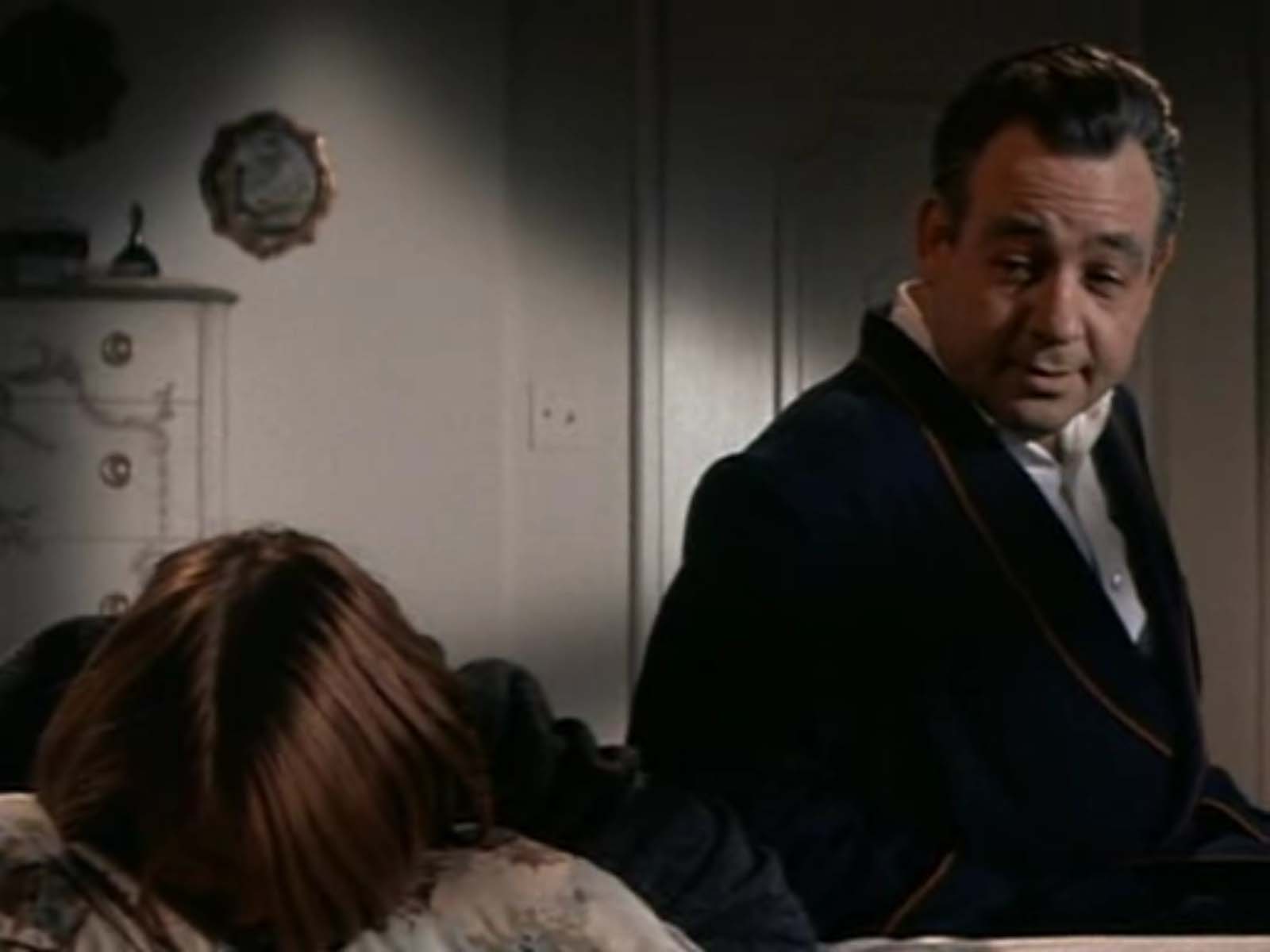
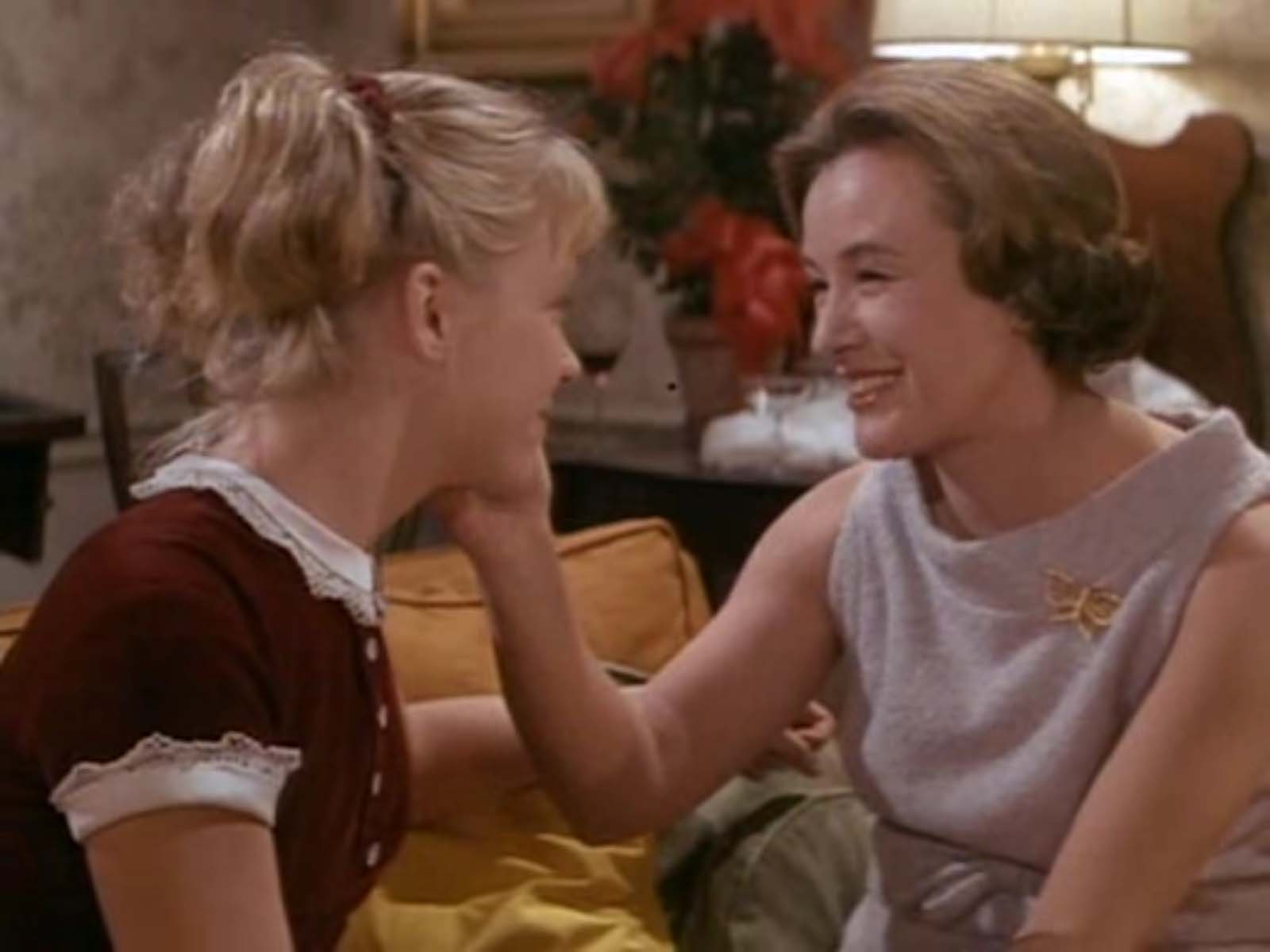
P.S. The wonderful supporting performances in Henry Orient deserve mention, with Paula Prentiss earning special kudos for her comedic role as nervous Mrs. Dunnworthy, Tom Bosley providing indelible proof of why he was cast as “Mr. C.” in Happy Days, and Phyllis Thaxter emerging as one of cinema’s ultimate “cool” moms.

P.P.S. See this fun website — NotStarring.com — for a list of actors who were considered for the lead roles (including Hayley Mills, Patty Duke, Dick van Dyke, and Tony Randall).

Redeeming Qualities and Moments:

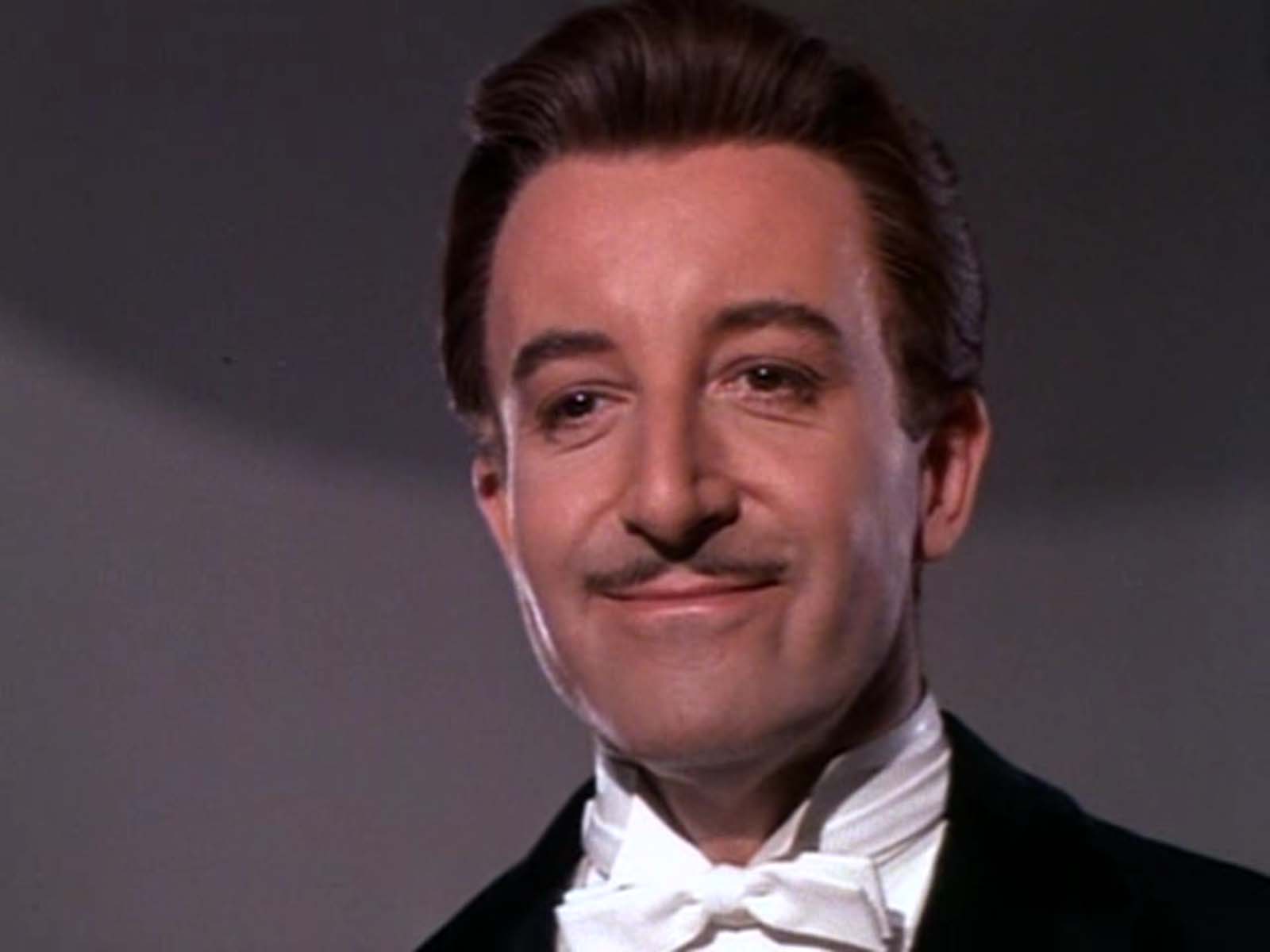
  • Peter Sellers as arrogant Henry Orient
  • Merrie Spaeth as Val
  • Tippy Walker as Gil
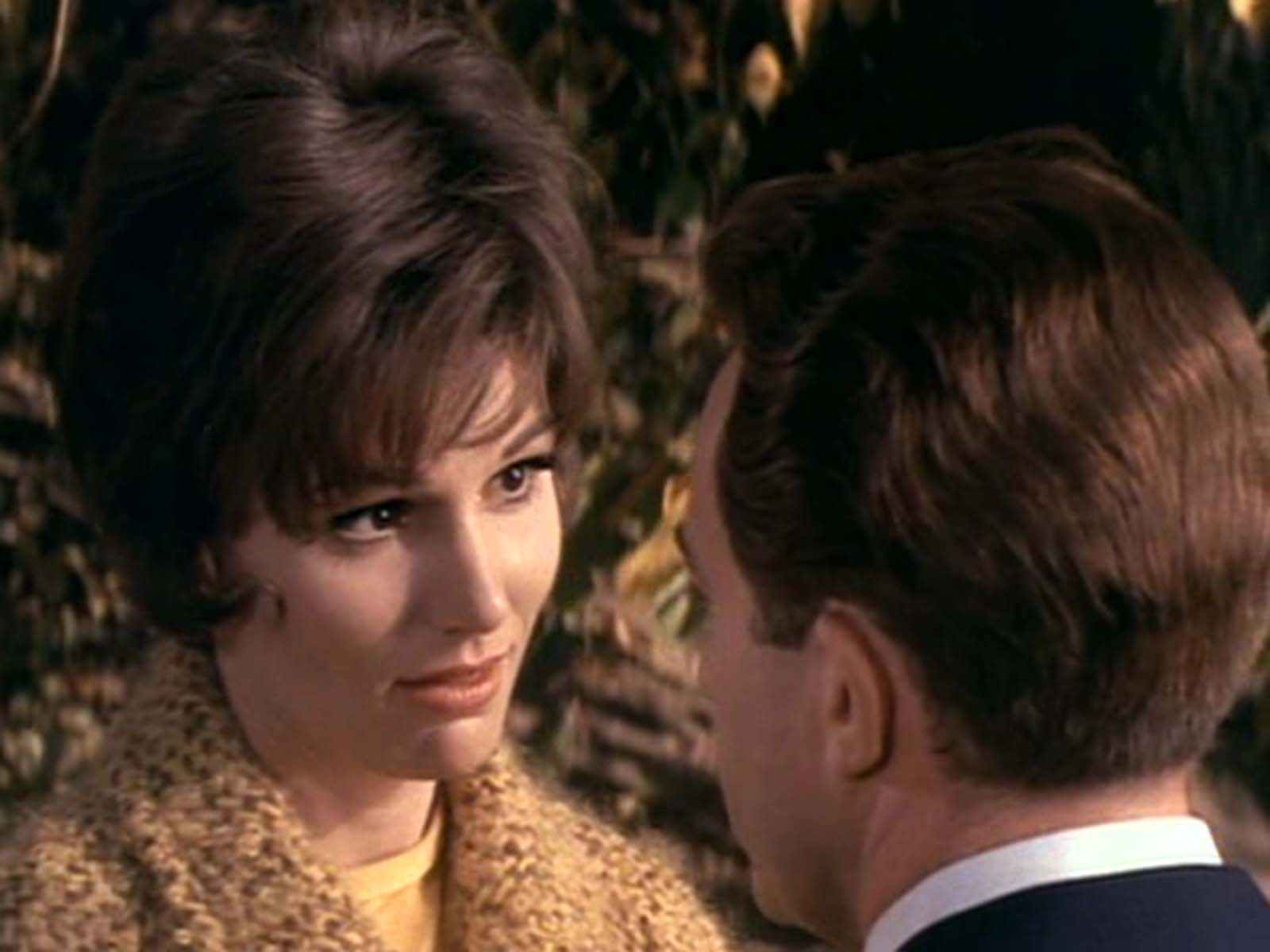
  • Paula Prentiss as the perennially nervous Stella Dunnworthy
  • Angela Lansbury as Val’s bitchy, promiscuous mother
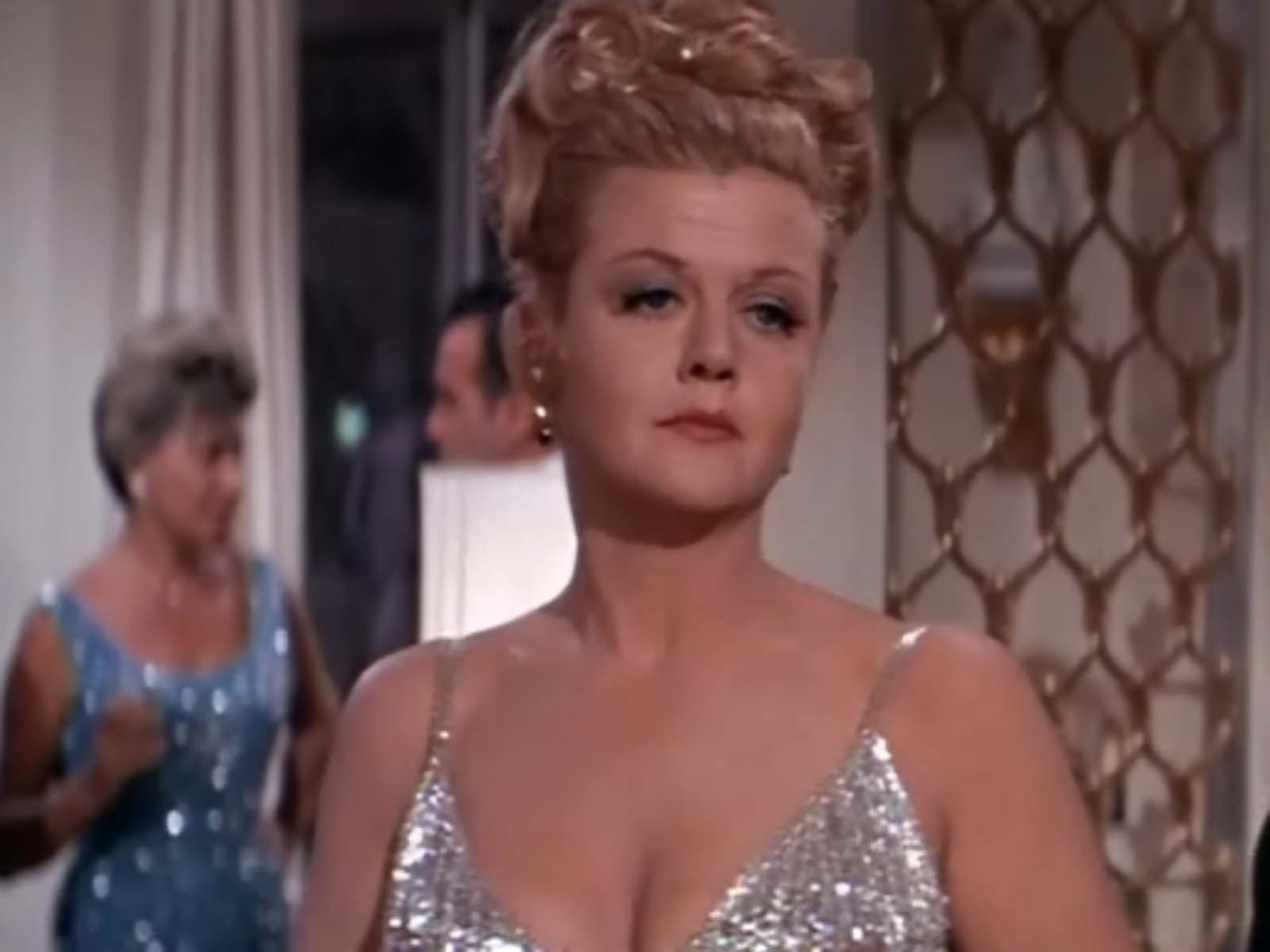
  • Tom Bosley as Val’s understanding dad
  • Phyllis Thaxter as Gil’s kind mom
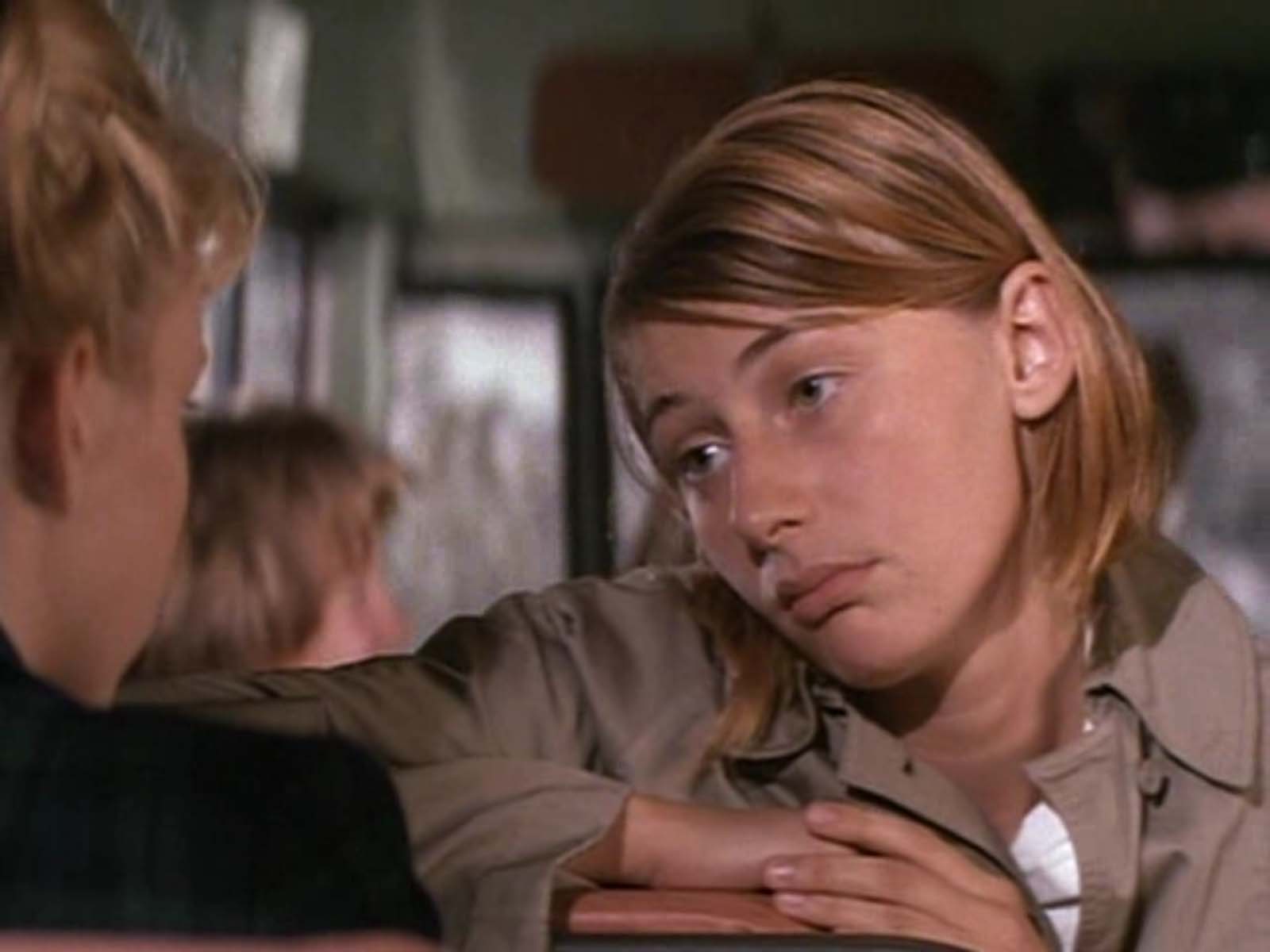
  • Jane Buchanan in a tiny but unforgettable role as the girl on the bus who knowingly informs Gil that Val is seeing a psychiatrist
  • A wonderfully authentic portrait of teenage female friendship
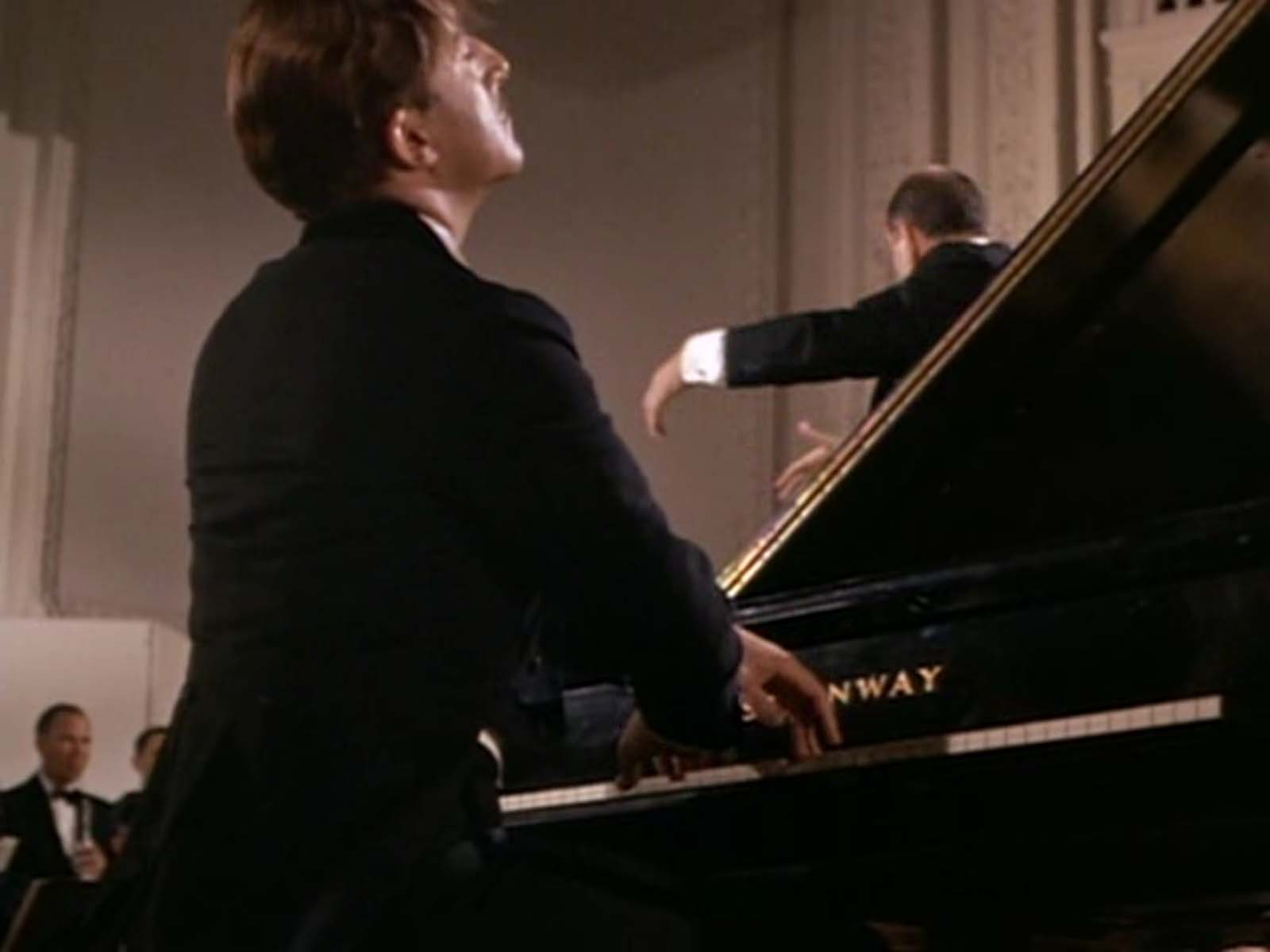
  • Henry Orient performing an atonal piano concerto while audience members cringe
  • Good use of New York locales
  • Creative direction by George Roy Hill
  • Nora and Nunnally Johnson’s remarkably clever and informed screenplay
  • Elmer Bernstein’s score

Must See?
Yes. This one is a true gem, and shouldn’t be missed by any film fanatic. Listed as a Personal Recommendation in the back of Peary’s book.

Categories

  • Cult Movie
  • Good Show
  • Noteworthy Performance(s)

Links:

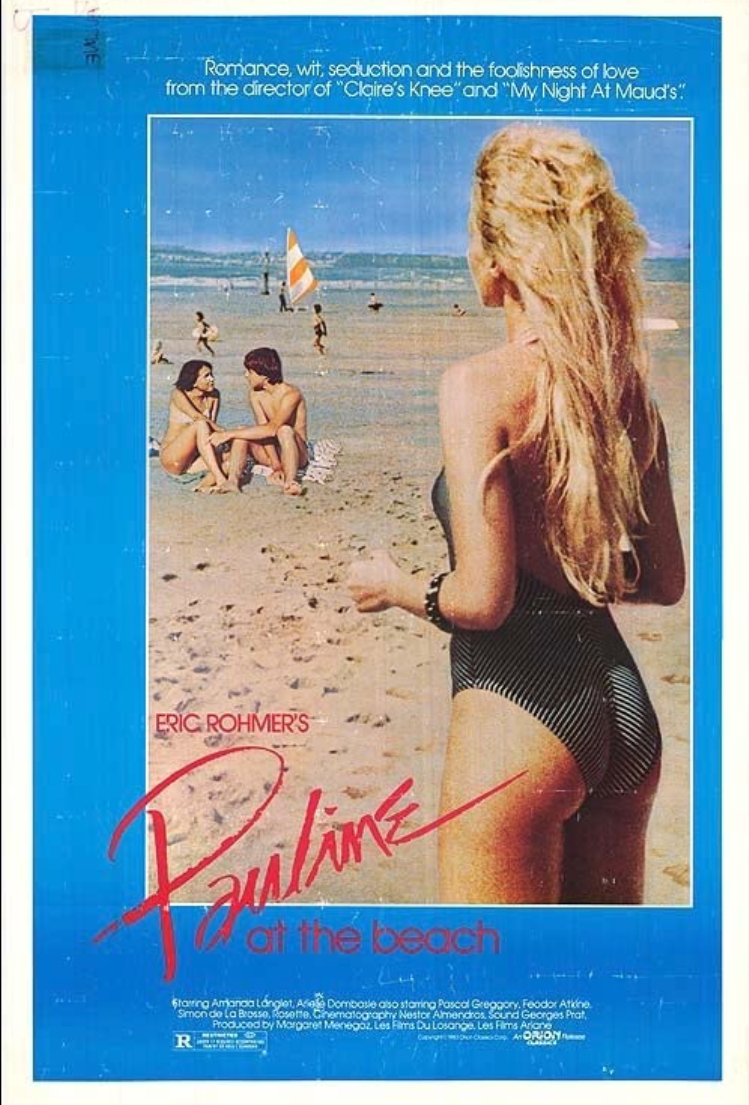
Pauline at the Beach (1983)

Pauline at the Beach (1983)

“Only a wagging tongue bites itself.”

Synopsis:
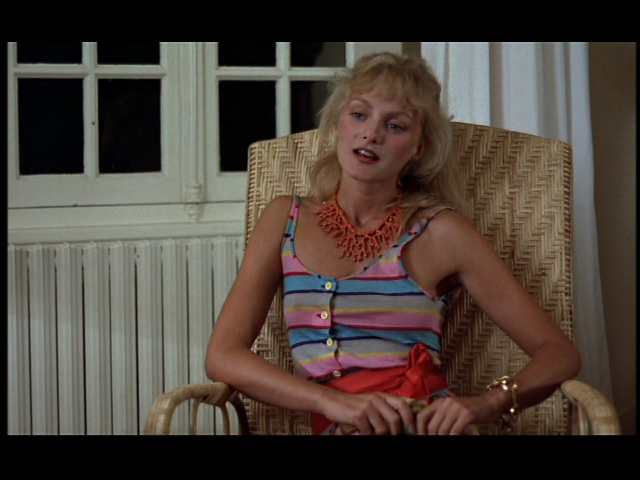
While spending the summer at the beach in Normandy, a beautiful young divorcee (Arielle Dombasle) and her 14-year-old cousin Pauline (Amanda Langlet) become involved in complex romantic entanglements.

Genres, Themes, Actors, and Directors:

  • Coming-of-Age
  • Eric Rohmer Films
  • French Films
  • Romantic Comedy
  • Vacation

Review:
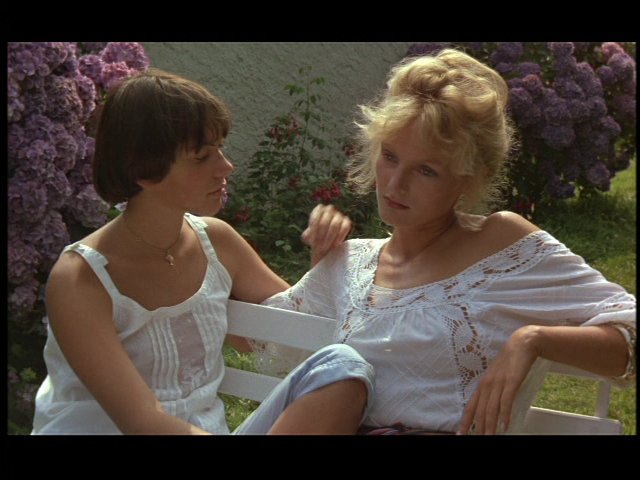
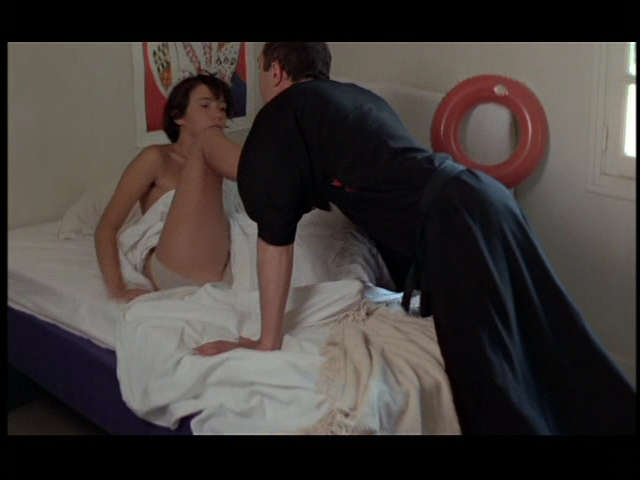
After completing his cycle of “Six Moral Tales” (which ended with 1972’s Chloe in the Afternoon), French New Wave director Eric Rohmer embarked on a new cinematic series entitled “Comedies and Proverbs”; Pauline at the Beach is the third of these six films. A surprisingly breezy sex farce with an undercurrent of philosophical contemplation, Pauline… remains one of Rohmer’s most enjoyable and accessible outings — indeed, it was enormously successful upon its release in America (thanks in part, no doubt, to a poster depicting sexy Arielle Dombasle in a close-cut bathing suit). As usual in Rohmer’s low-budget films, the narrative consists primarily of long shots with characters conversing, and not many “action” scenes; the emphasis instead is on exploring the diverse ways in which humans approach sex and love, and how this inevitably leads to misunderstandings and hurt feelings. The final exchange in the movie — between Pauline (wonderfully played by the worldly-wise Amanda Langlet) and Marion (Dombasle) — reveals that Marion will likely continue to delude herself in affairs of the heart, while Pauline has learned some valuable lessons from the adults around her on how not to approach romance.

Redeeming Qualities and Moments:

  • Amanda Langlet as Pauline
  • Arielle Dombasle as Pauline’s sexy but clueless cousin, Marion
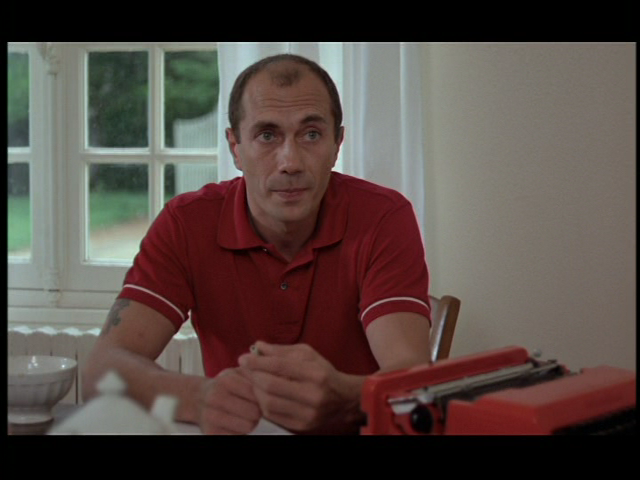
  • Feodor Atkine as womanizing Henry
  • An effective look at females of different ages struggling to understand love and sex
  • Pauline reacting to Henry’s “innocent” caresses

Must See?
Yes. This surprisingly light-hearted romantic comedy is one of Rohmer’s most enjoyable movies, and should be seen by all film fanatics.

Categories

  • Important Director

Links:

Narrow Margin, The (1952)

Narrow Margin, The (1952)

“You’re just a job to me — a C.O.D. to be delivered to the L.A. grand jury.”

Synopsis:
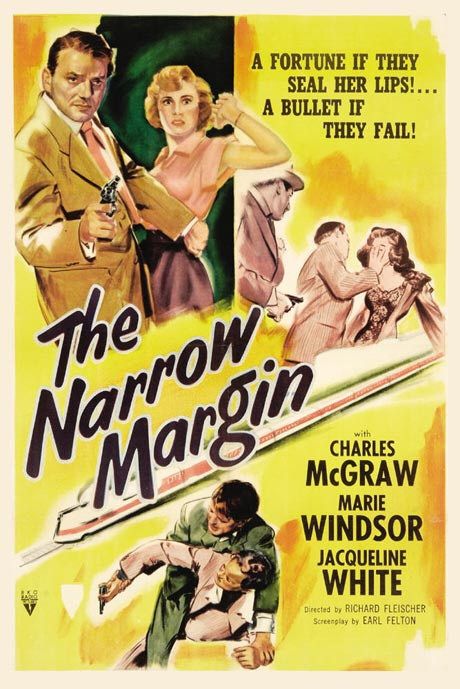
A detective (Charles McGraw) escorting a gangster’s widow (Marie Windsor) on a cross-country train tries to protect her from ruthless assassins.

Genres, Themes, Actors, and Directors:

  • Detectives and Private Eyes
  • Hit Men
  • Marie Windsor Films
  • Mistaken or Hidden Identities
  • Richard Fleischer Films
  • Widows and Widowers

Review:
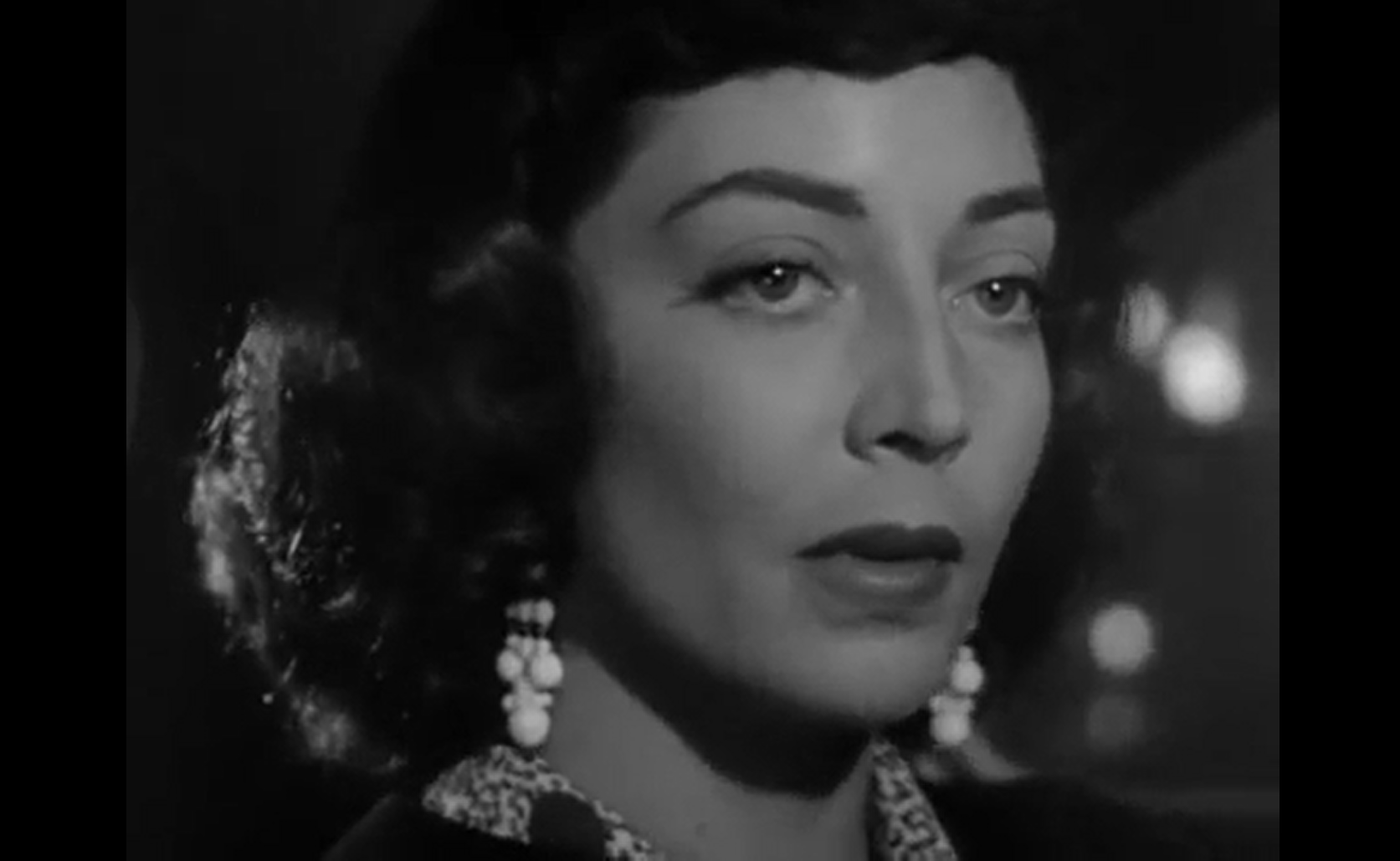
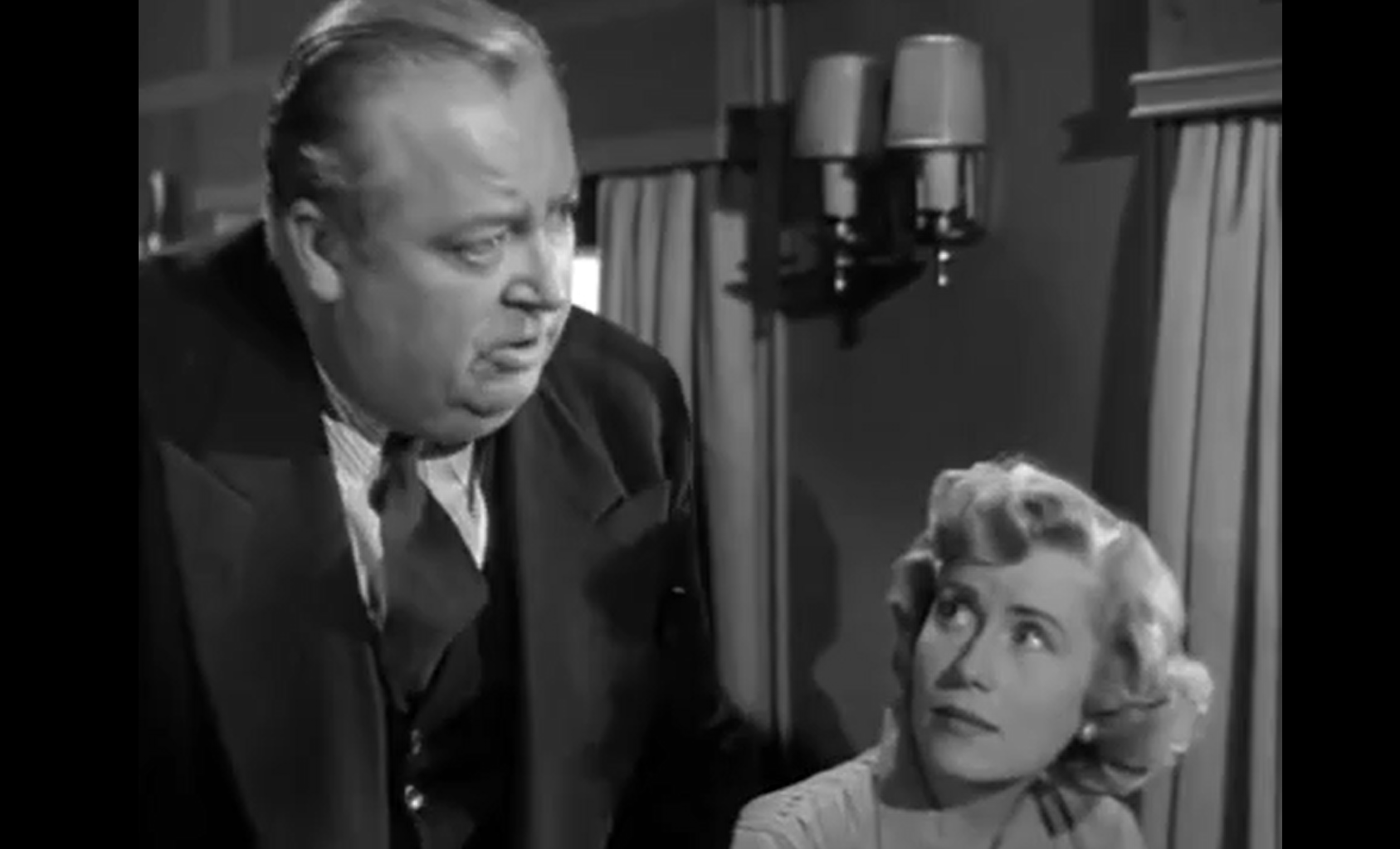
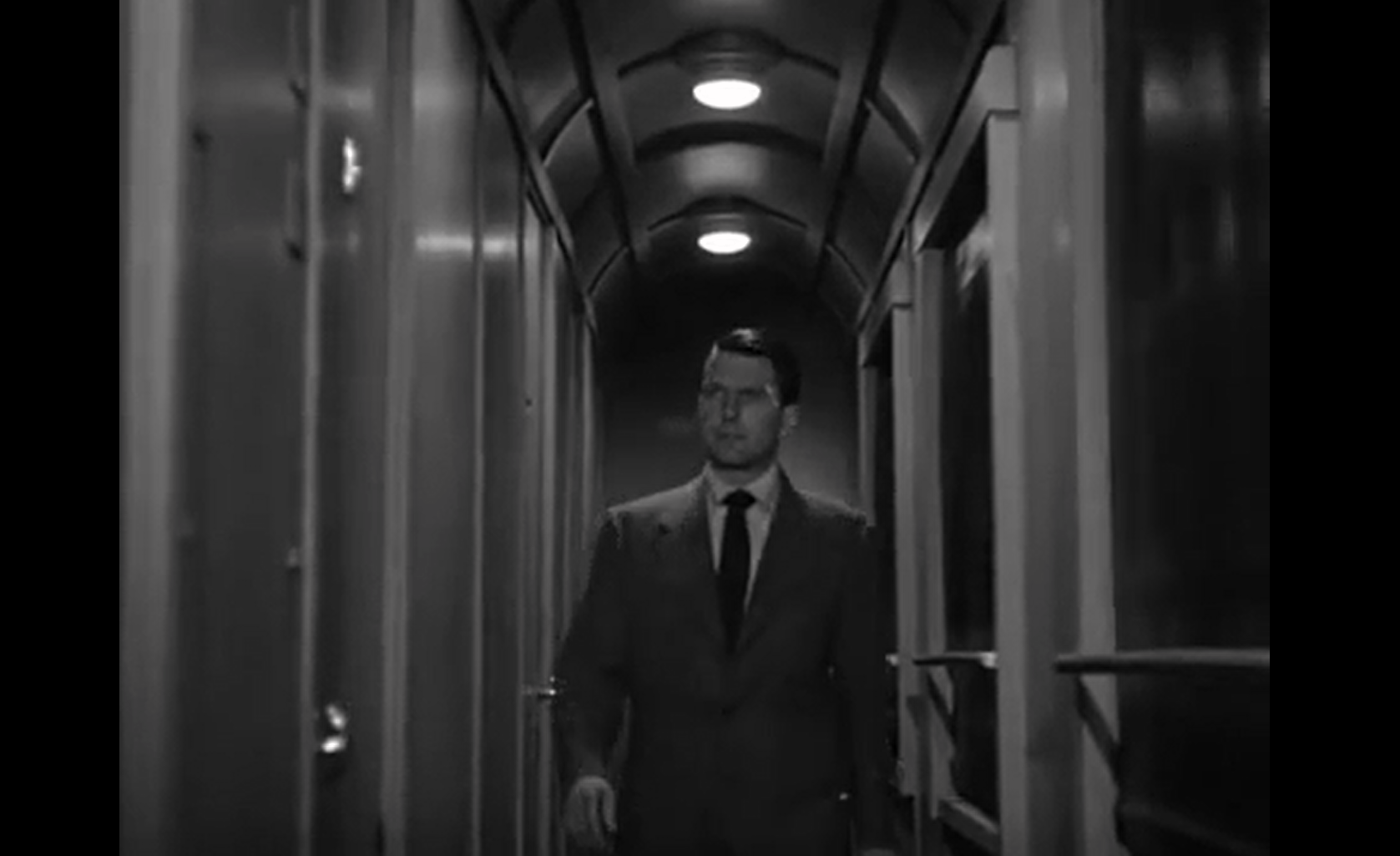
Richard Fleischer’s Oscar-nominated The Narrow Margin is widely regarded as one of the best B-noirs ever made. At just 71 minutes, the story moves quickly, making effective use of claustrophobic locales (most of the action takes place on a rattling train), mistaken identities (hardly anyone is who he/she seems to be), and hardboiled characterizations (McGraw and Windsor are both perfectly cast). While there are some minor plot discrepancies — which can’t be discussed without revealing spoilers — they’re easily excused, given that they don’t detract from the overall urgency of the narrative. I watched The Narrow Margin years ago, but had (conveniently) forgotten the central plot twist, and found it just as enjoyable the second time around. Highly recommended.

Redeeming Qualities and Moments:

  • Gravelly-voiced Charles McGraw as Detective Brown
  • Marie Windsor as the irrepressible Mrs. Neall
  • Paul Maxey in a bit role as Mr. Jennings: “Nobody loves a fat man — except his grocer and his tailor.”
  • Creative cinematography and direction
  • Plenty of zingy dialogue:

    Detective Brown: You make me sick to my stomach.
    Mrs. Neall: Well, use your own sink!

  • Earl Felton’s Oscar-nominated screenplay — taut, crisp, never lagging

Must See?
Yes. This well-received B-thriller is an all-around good show.

Categories

  • Good Show
  • Oscar Winner or Nominee

Links:

Where the Green Ants Dream (1984)

Where the Green Ants Dream (1984)

“We mustn’t disturb the dreaming of the green ants; we mustn’t talk the green ants up.”

Synopsis:
When an Australian mining company tries to conduct geological tests on sacred land, Aborigines stage a protest, and their struggle soon goes to court.

Genres, Themes, Actors, and Directors:

  • Australian Films
  • Mining Towns
  • Native Peoples
  • Race Relations and Racism
  • Werner Herzog Films

Review:
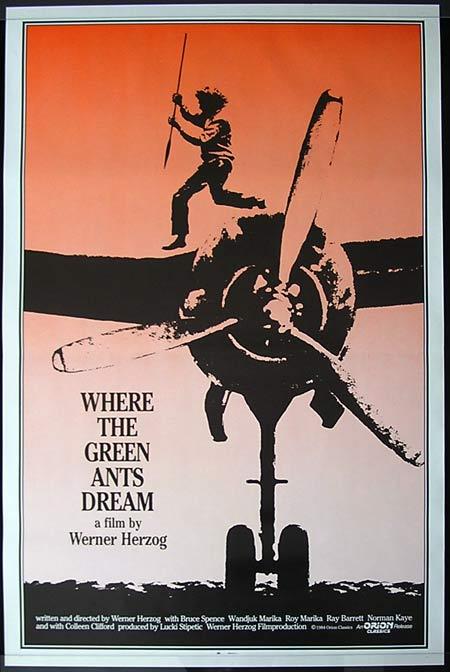
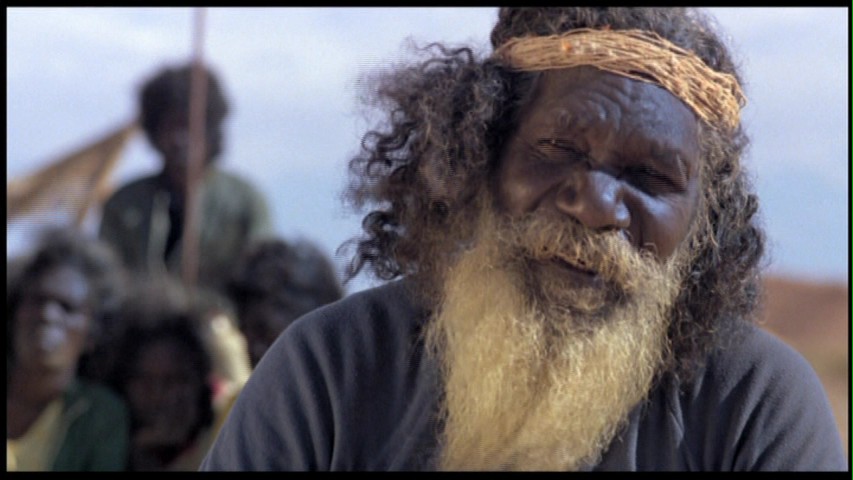
Iconoclastic German director Werner Herzog remains somewhat unique in his lifelong commitment to making both narrative and documentary films — with significant overlap between the two. Indeed, Where the Green Ants Dream is a classic example of Herzog’s refusal to draw a fine line between fiction and reality, with the titular Aboriginal “myth” created out of whole cloth by Herzog himself. Unfortunately, Green Ants’ title remains the most creative thing about it: the screenplay is stilted and overly sincere, the acting is fairly awful, and, despite its compelling subject matter, the movie as a whole fails to engage. This one is only for true Herzog fans.

Redeeming Qualities and Moments:

  • Striking imagery of Australian Aborigines refusing to deviate from their long-held beliefs
  • Many typically Herzog-ian panning shots of vast landscapes

Must See?
No. As one of Herzog’s more self-indulgent films, this will likely only be of interest to true fans of his work. Listed as a Sleeper and a Personal Recommendation in the back of Peary’s book.

Links: