Browsed by
Category: Original Reviews

Responses to Peary’s “must see” movie reviews, as well as my own “must see” movie reviews up to and after 1986 (when Peary’s book was published).

Prowler, The (1951)

Prowler, The (1951)

“If you were just a dame, Susan, it’d be different. But you’re special.”

Synopsis:
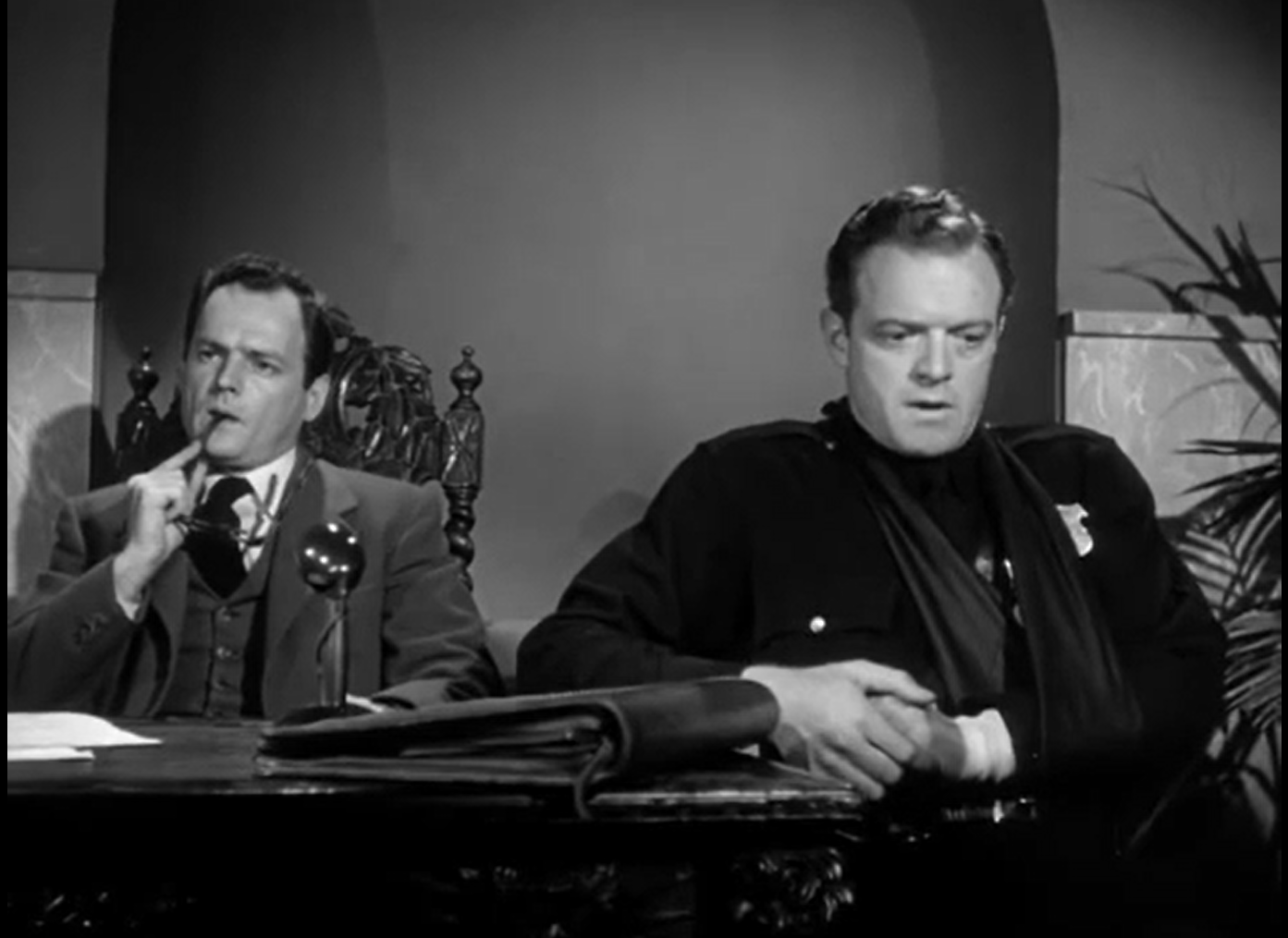
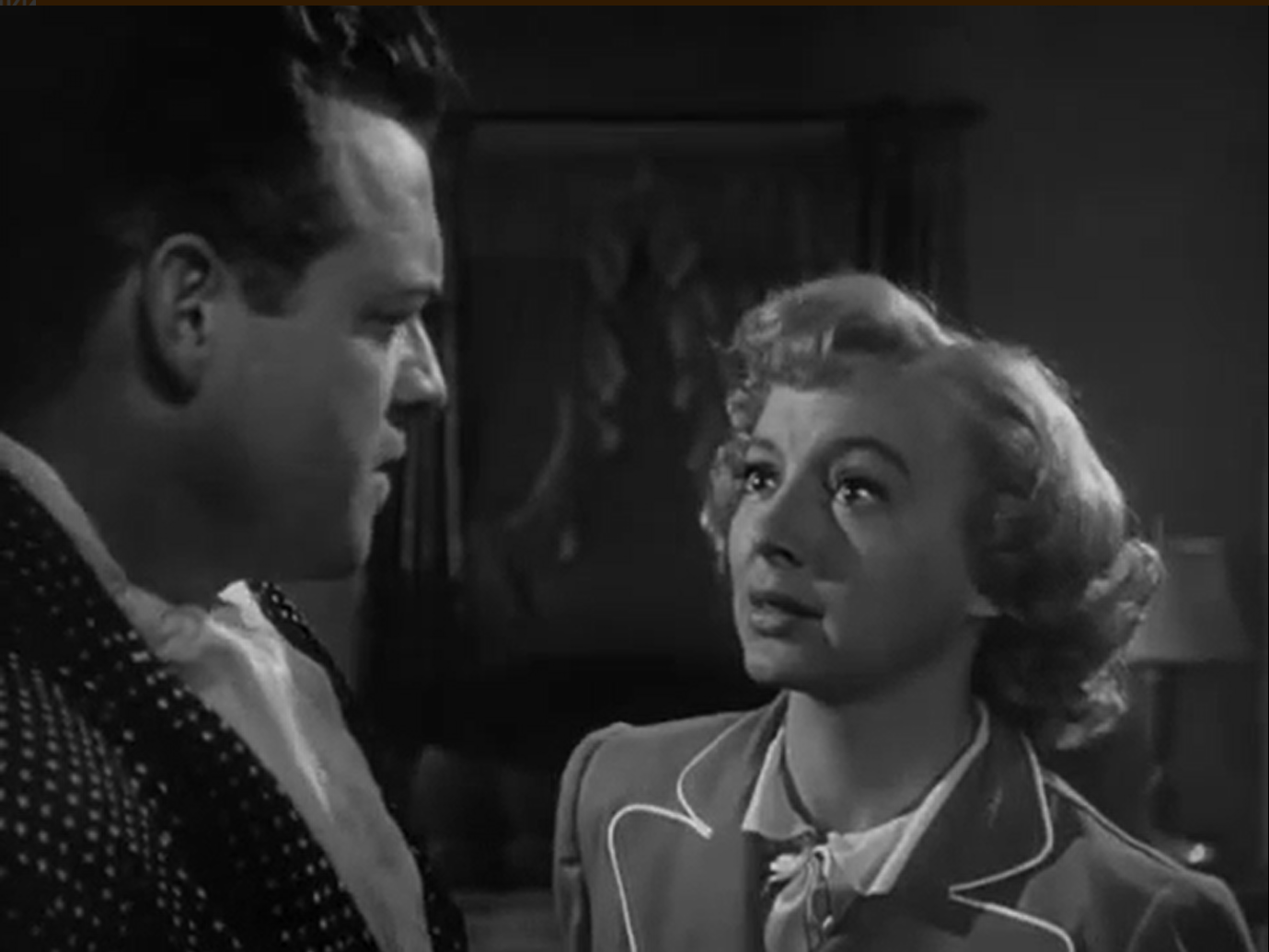
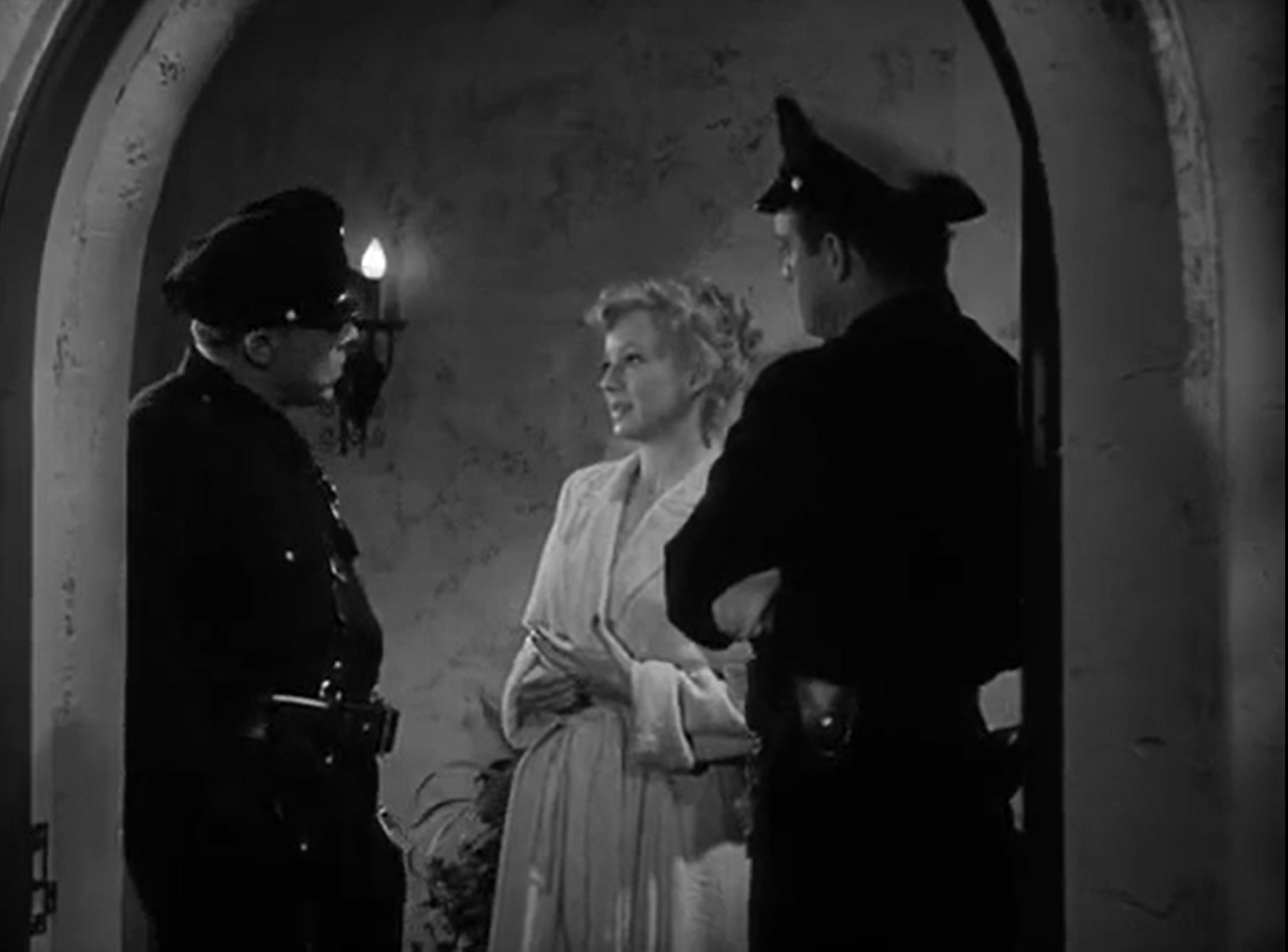
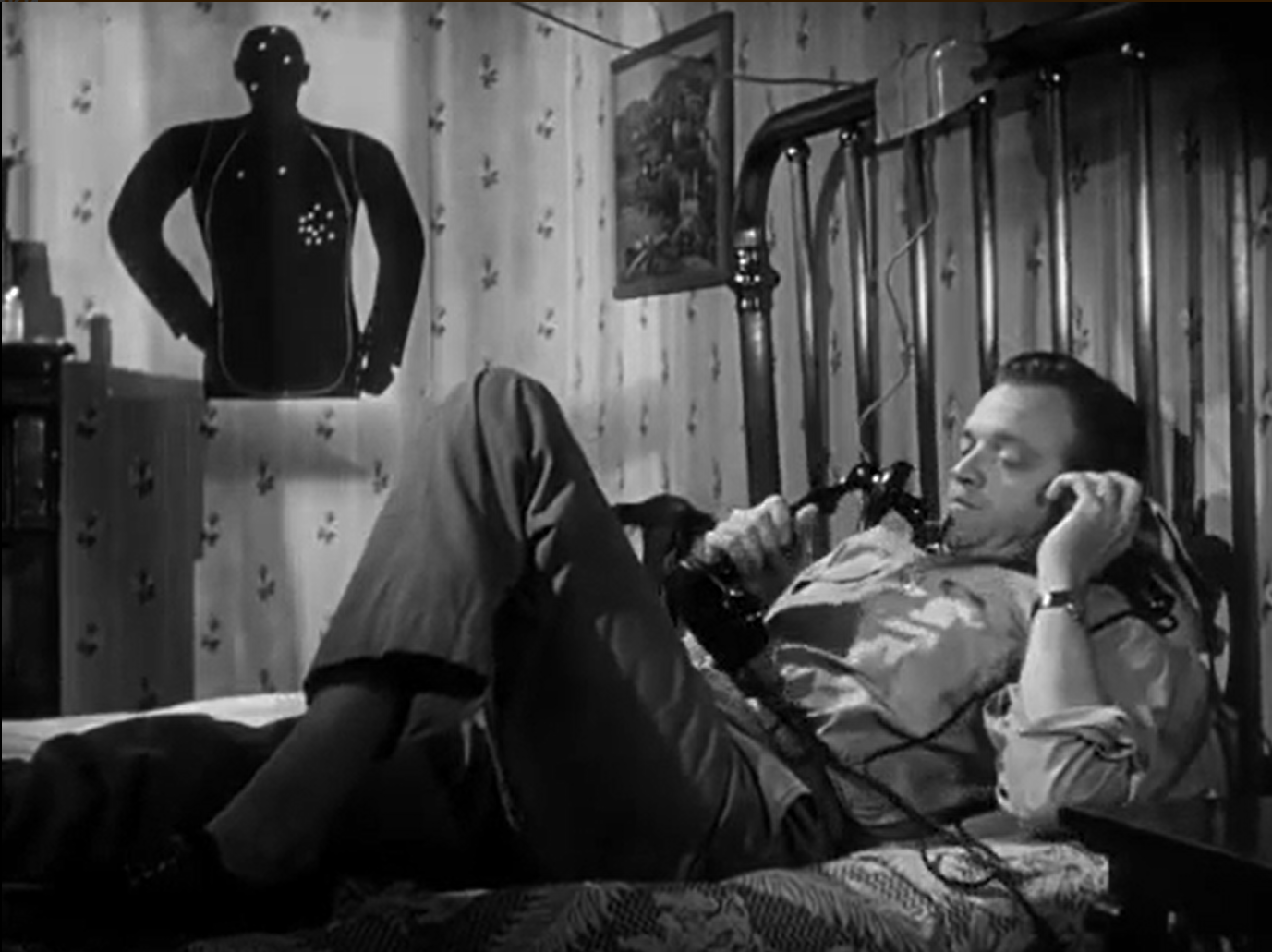
A cynical cop (Van Heflin) falls for a wealthy woman (Evelyn Keyes) he meets on a house call, and concocts a plan to “accidentally” shoot her husband so they can get married. After Heflin is declared innocent in court, he and Keyes are married, with nobody suspecting that they previously had an affair — but things become more complicated when Keyes reveals that she’s four months pregnant, and clearly not with her first husband’s child…

Genres, Themes, Actors, and Directors:

  • Evelyn Keyes Films
  • Infidelity
  • Joseph Losey Films
  • Plot to Murder
  • Police
  • Van Heflin Films

Review:
This punchy thriller by director Joseph Losey offers an enjoyable twist on the traditional noir storyline, with Heflin perfectly cast as a deviously womanizing scoundrel (an “homme fatale”) who nonetheless isn’t all bad inside, and Evelyn Keyes equally effective as a lonely wife who allows herself to be taken in (against her better judgment) by Heflin’s advances.

The plot takes several satisfying twists, with Keyes’ “predicament” particularly unexpected and shocking — the fact that this “sin” is named out loud in an early-’50s film tells us that someone will be paying for their transgression against society — though it’s not clear who, or how.

Redeeming Qualities and Moments:

  • Van Heflin as Webb Garwood
  • Evelyn Keyes as Susan Gilvray
  • Arthur Miller’s cinematography
  • A satisfying “homme fatale” storyline

Must See?
Yes, as an all-around good show by Losey.

Categories

  • Good Show
  • Important Director

Links:

Brute Force (1947)

Brute Force (1947)

“Those gates only open three times: when you come in, when you’ve served your time, or when you’re dead.”

Synopsis:
A group of prisoners — led by Burt Lancaster — rebel against a sadistic prison captain (Hume Cronyn) who is hell-bent on making their lives miserable.

Genres, Themes, Actors, and Directors:

  • Ann Blyth Films
  • Burt Lancaster Films
  • Charles Bickford Films
  • Ella Raines Films
  • Escape
  • Hume Cronyn Films
  • Jules Dassin Films
  • Prisoners
  • Ruthless Leaders
  • Yvonne De Carlo Films

Review:
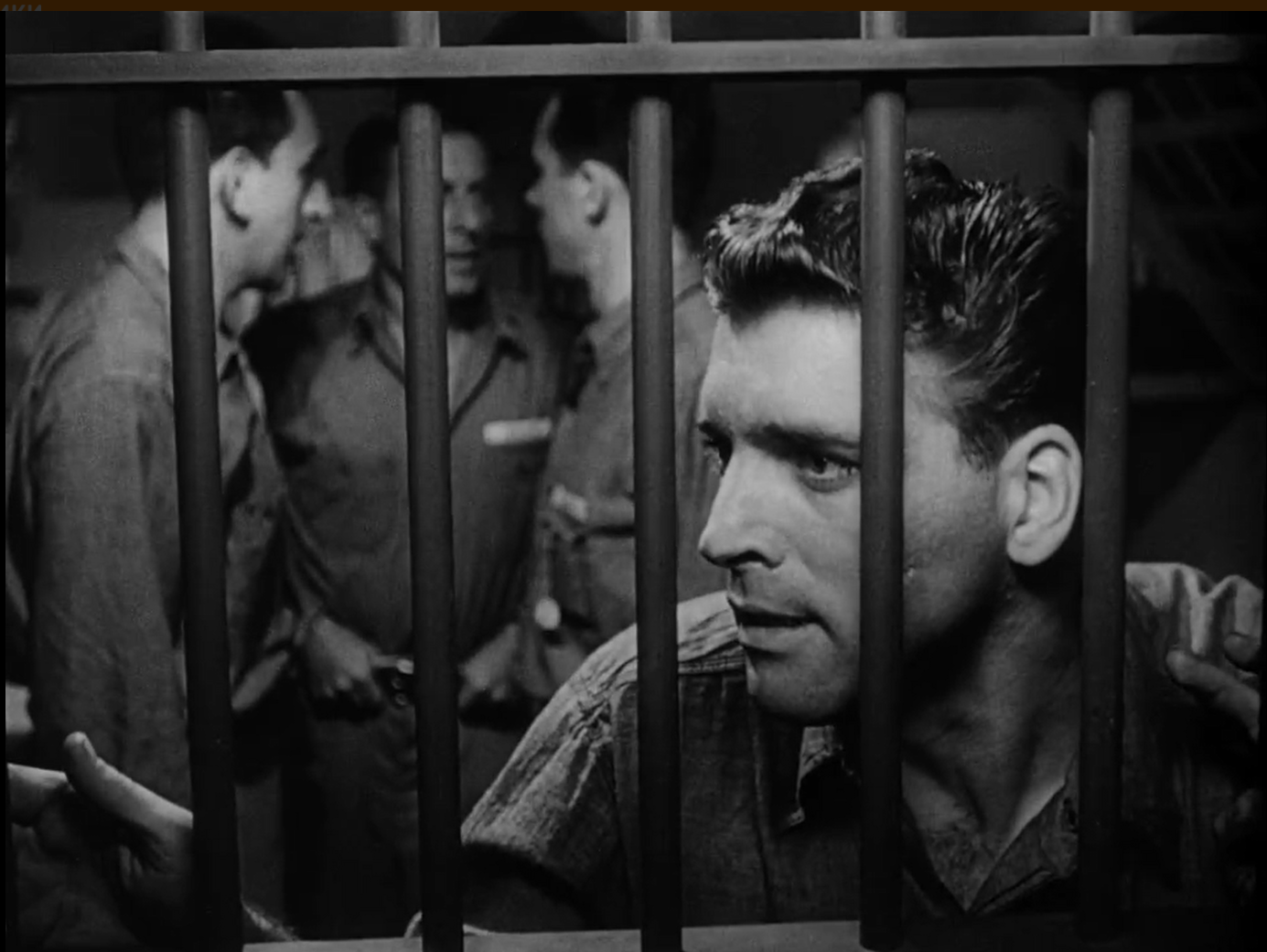
Prison breaks have been a cinematic mainstay for decades, and this relatively early outing by French director Jules Dassin is regarded by many as one of the best. However, other than featuring hunky-yet-stoic Burt Lancaster in a star-making role:

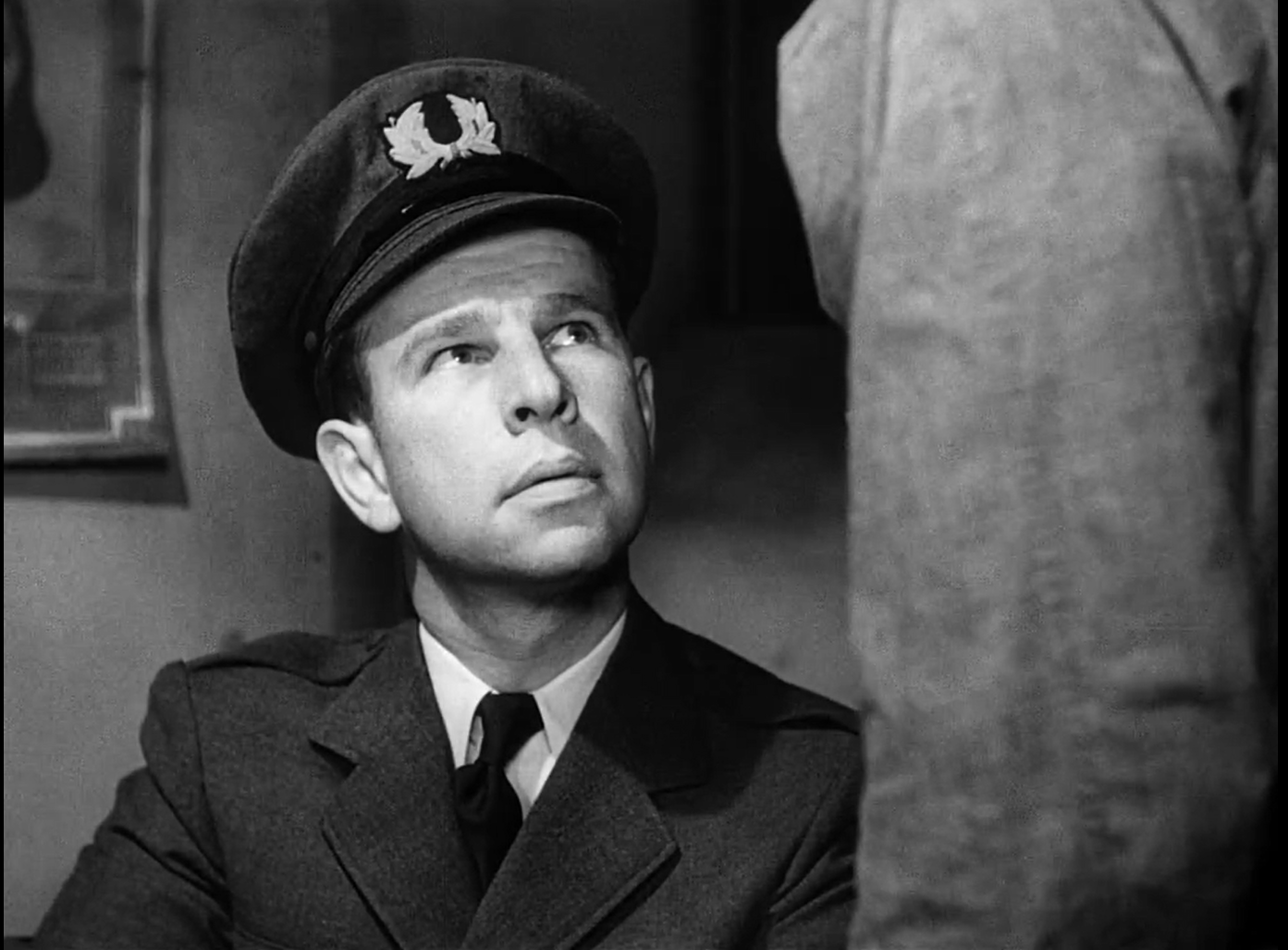
and Hume Cronyn in an atypically sadistic performance:

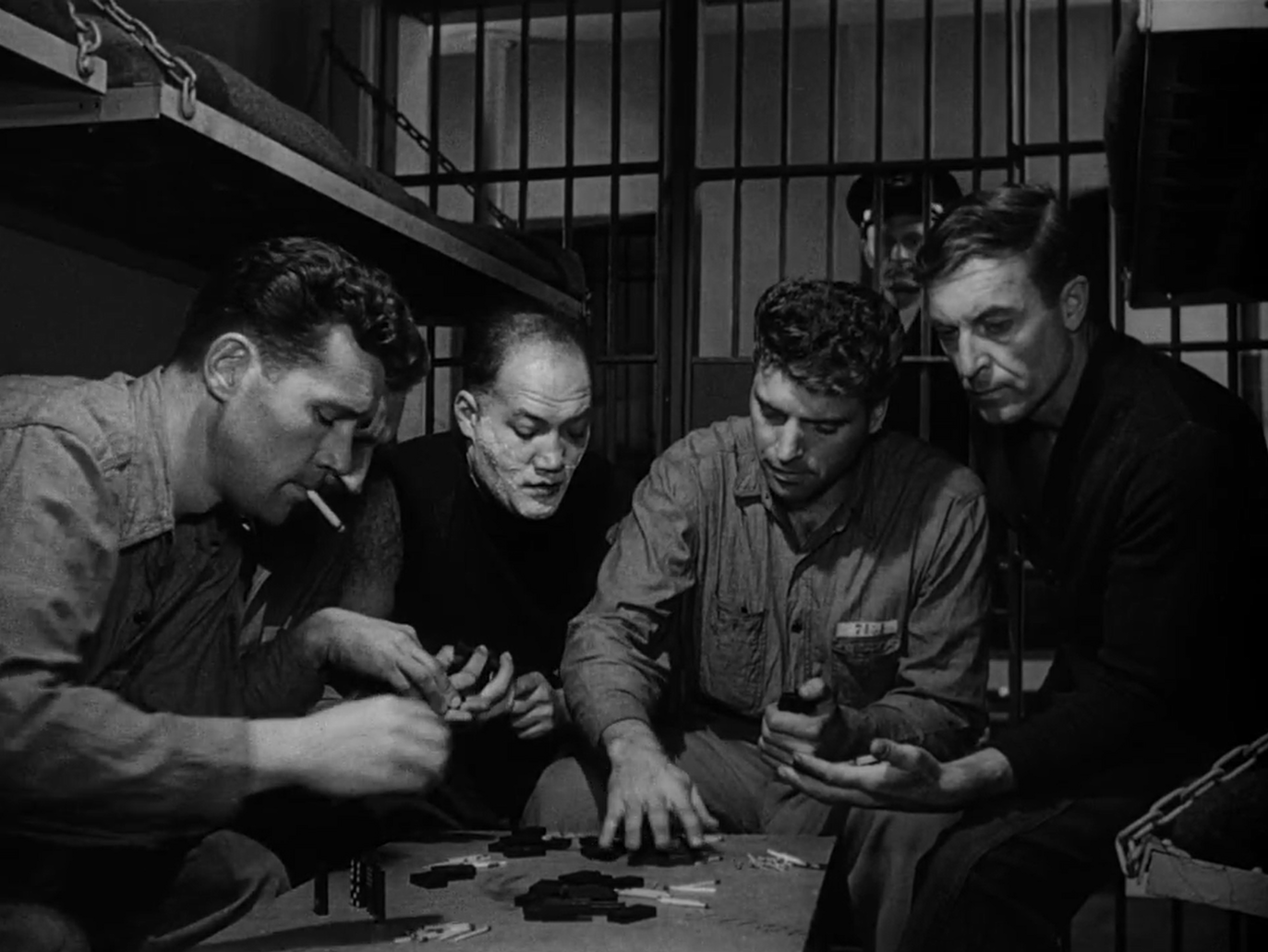
it doesn’t offer anything new to an overly familiar narrative trope. In order to successfully convince audiences to root for Lancaster and his cellmates, the prisoners are all presented as sympathetic and/or wrongly accused, while Cronyn himself is simply a power-tripping Hitler-stand-in (clearly meant to appeal to post-war audiences). The film’s primary redeeming feature is William Daniels’ atmospheric cinematography, which successfully positions this as a prime example of prison-drama-as-noir.

Redeeming Qualities and Moments:

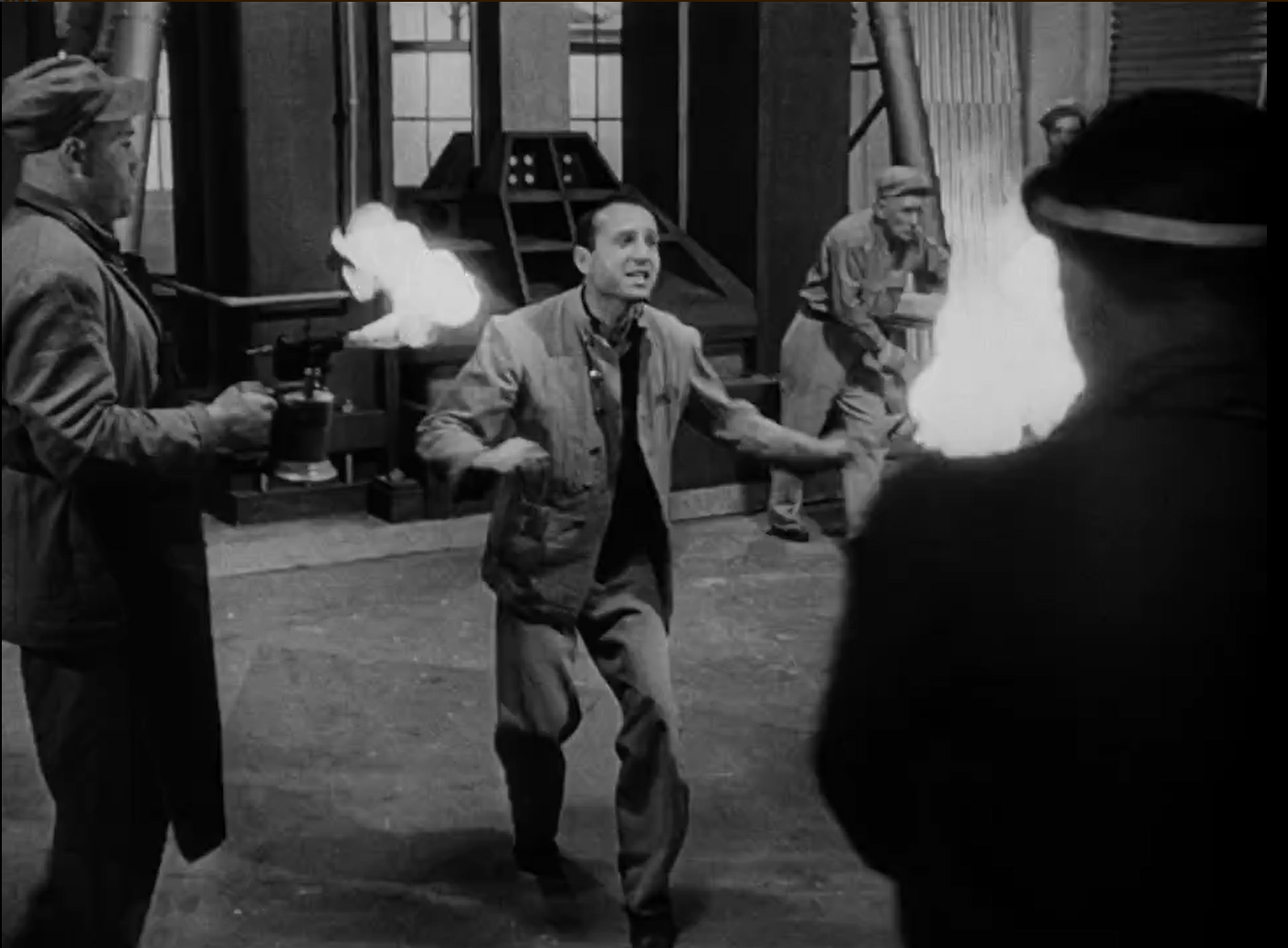
  • The powerful early scene in which a stoolie (James O’Rear) is crushed to death in a prison workroom
  • William Daniels’ noir-ish cinematography

Must See?
No. Listed as a film with Historical Importance in the back of Peary’s book.

Links:

Mind of Mr. Soames, The (1970)

Mind of Mr. Soames, The (1970)

“We are witnessing an operation that may bring to life a man who — for all normal intents and purposes — has been dead for thirty years.”

Synopsis:
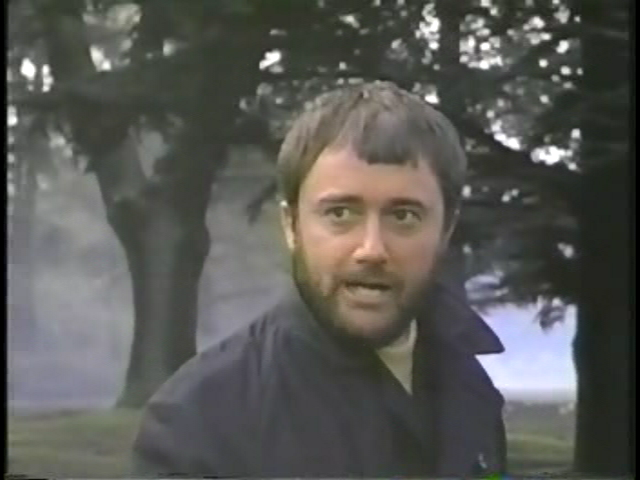
30-year-old John Soames (Terence Stamp) is awakened from a lifelong coma by Doctors Bergen (Robert Vaughn) and Maitland (Nigel Davenport), who quickly teach him to move and speak. While Dr. Bergen believes John should experience the outside world, Dr. Maitland refuses, and soon the childlike John runs away, putting his life in grave danger.

Genres, Themes, Actors, and Directors:

  • Character Arc
  • Robert Vaughn Films
  • Runaways
  • Science Fiction
  • Terence Stamp Films

Review:
This cult sleeper is based on an undeniably intriguing premise: what if a lifelong coma victim were miraculously awoken and given a chance at life? Unfortunately, however, it falls flat on every count. To begin with, it’s more of a fantasy than strict sci-fi, given that the developmental stages Soames whizzes through upon his “awakening” would be neurologically impossible (mind and body work together to grow and develop; trying to impose learning onto a physically “mature” brain simply couldn’t work). The primary prurient interest of the film lies in watching a grown man act like an infant — much like David Manzy would do to more humorous effect in the twisted black comedy The Baby (1973) three years later — then a toddler, then a young child, then a petulant adolescent, with Soames finally “breaking free” from the restraints of his overbearing guardian and attempting (in typical ’60s/’70s fashion) to “find himself”. The redeeming qualities of … Mr. Soames remain the performances by Stamp and Vaughn, and a couple of unexpectedly amusing moments (see below).

Redeeming Qualities and Moments:

  • Terence Stamp as John Soames
  • Robert Vaughn as Dr. Bergen
  • Soames running around the streets in a furry pink onesie
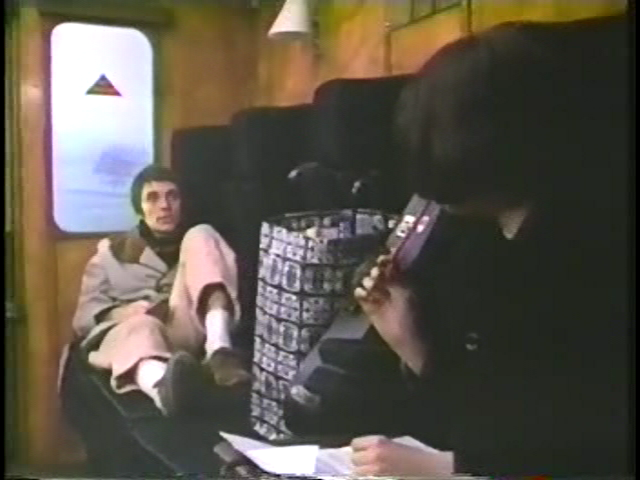
  • Soames scaring a young girl half to death on a train: “There are many trees at the institute… I do not like the institute.”

Must See?
No; despite its intriguing premise, this one isn’t worth seeking out. Listed as a Sleeper in the back of Peary’s book.

Links:

Oh, God! (1977)

Oh, God! (1977)

“I took this form because if I showed myself to you as I am, you wouldn’t be able to comprehend me.”

Synopsis:
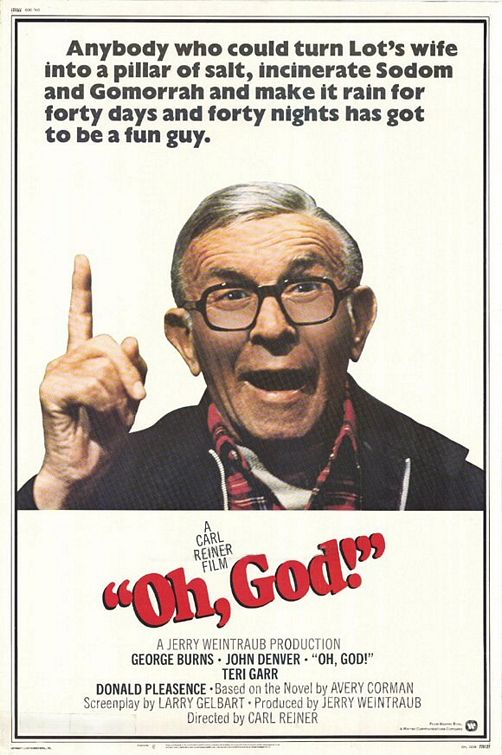
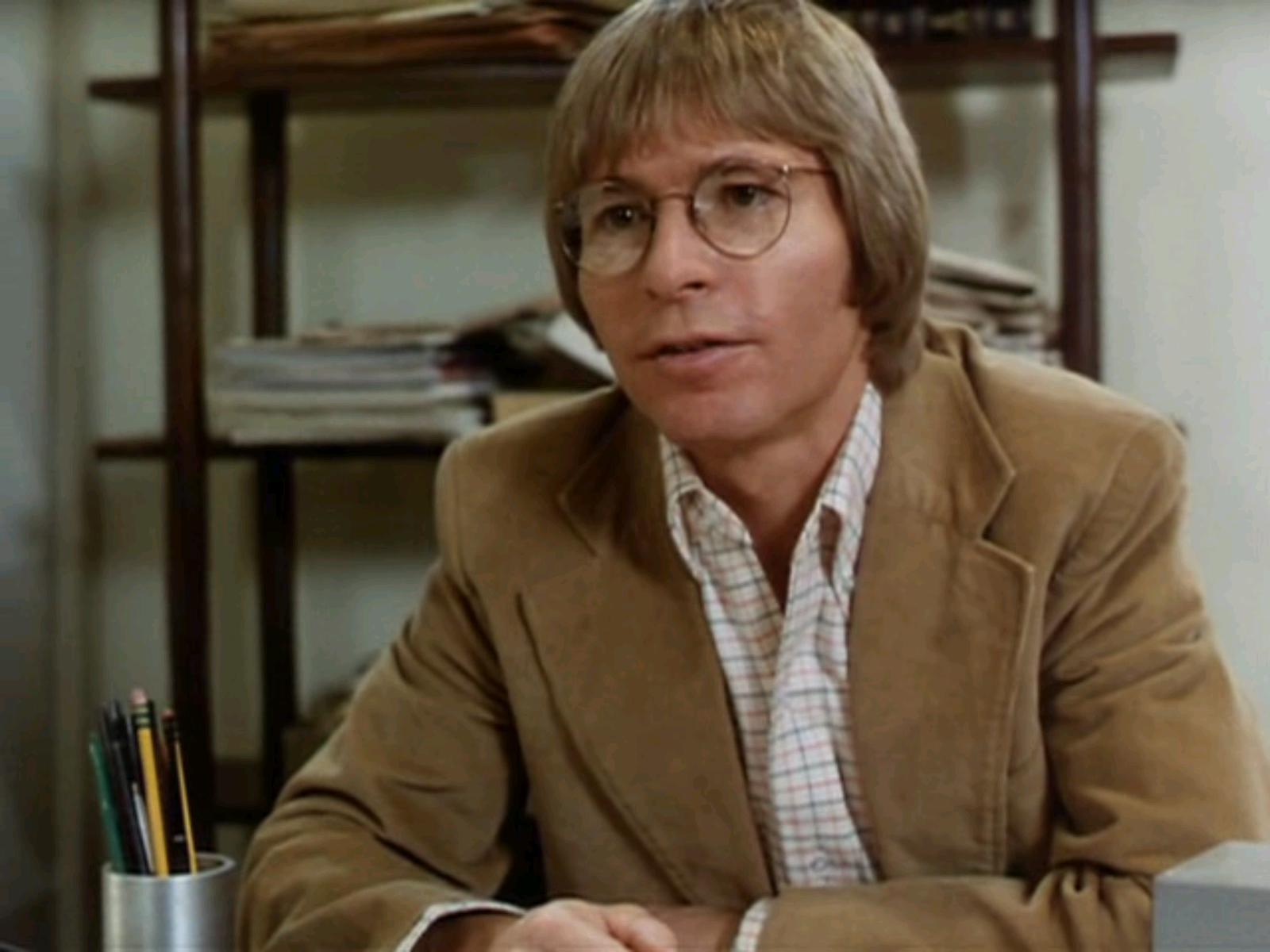
A humble supermarket manager (John Denver) is visited by God (George Burns) in the form of an older man, and told to spread the word about His hopes for mankind.

Genres, Themes, Actors, and Directors:

  • Carl Reiner Films
  • Comedy
  • Donald Pleasence Films
  • Fantasy
  • George Burns Films
  • “No One Believes Me!”
  • Ralph Bellamy Films
  • Religious Faith
  • Teri Garr Films

Review:
This immensely popular ’70s comedy — which sparked two sequels and a current remake — is, unfortunately, a tedious bore. The central casting decision, considered a “coup” by many, is one problem (Burns-as-God simply doesn’t work), but the primary issue is the decidedly unfunny script, which is littered with throw-away lines like God in a courtroom stating, “So help me Me,” or God insisting that he doesn’t normally work miracles (“The last miracle I did was the 1969 Mets; before that, I think you have to go back to the Red Sea.”) Ha ha. Denver is, fortunately, both appealing and believable in the lead role, and Teri Garr turns in yet another compassionate performance as the wife of a man going slowly around the bend (a la Richard Dreyfuss in the same year’s Close Encounters) — but even their performances can’t save this clunker from sinking, and fast.

Redeeming Qualities and Moments:

  • John Denver as Jerry
  • Teri Garr as Jerry’s compassionate wife
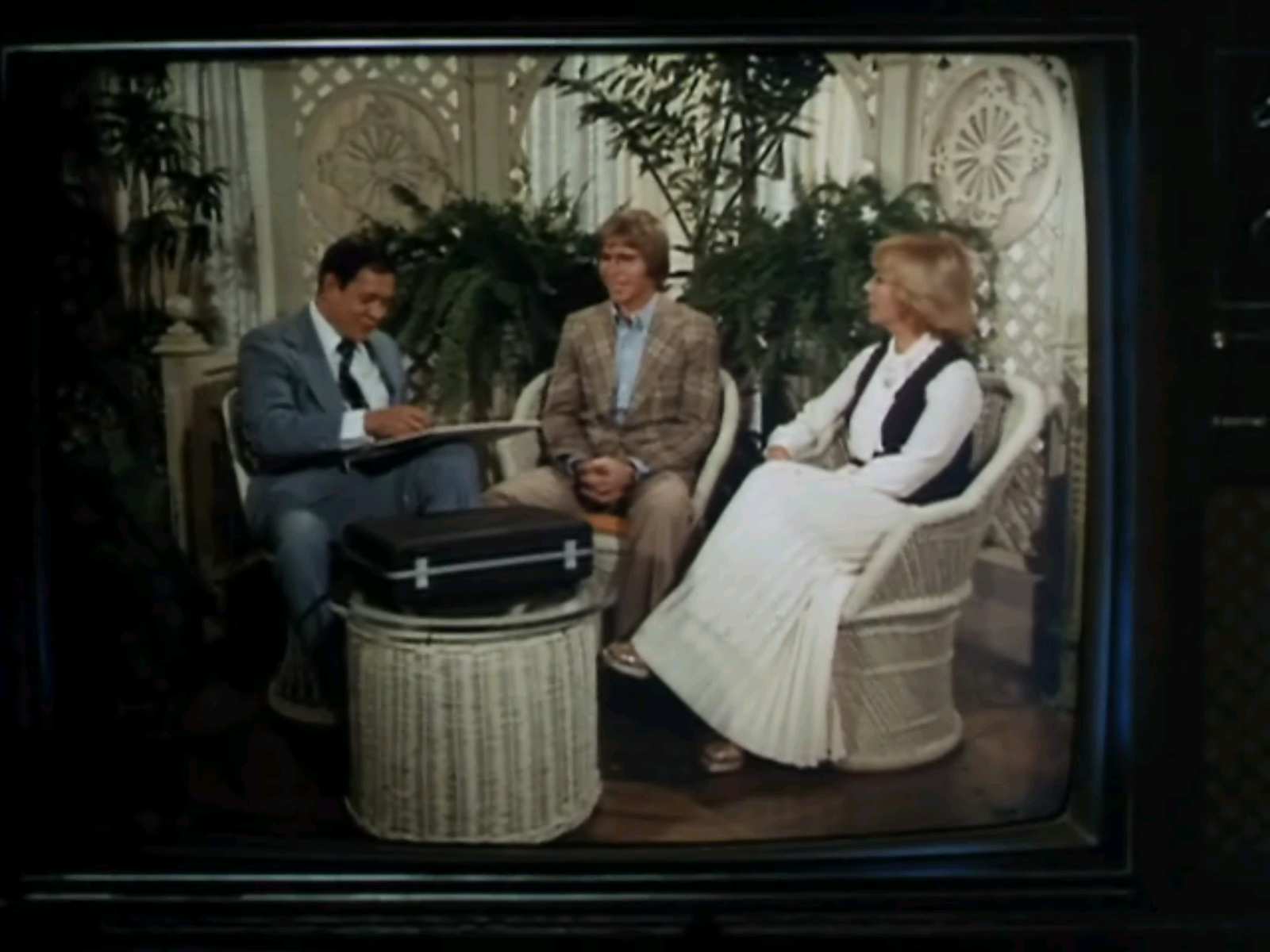
  • Jerry on the Dinah Shore show explaining to a police sketch artist what God looks like

Must See?
No; this well-meaning but strained comedy is only for certain tastes.

Links:

Dr. Jekyll and Mr. Hyde (1920)

Dr. Jekyll and Mr. Hyde (1920)

“A man cannot destroy the savage in him by denying it; the only way to get rid of a temptation is to yield to it.”

Synopsis:
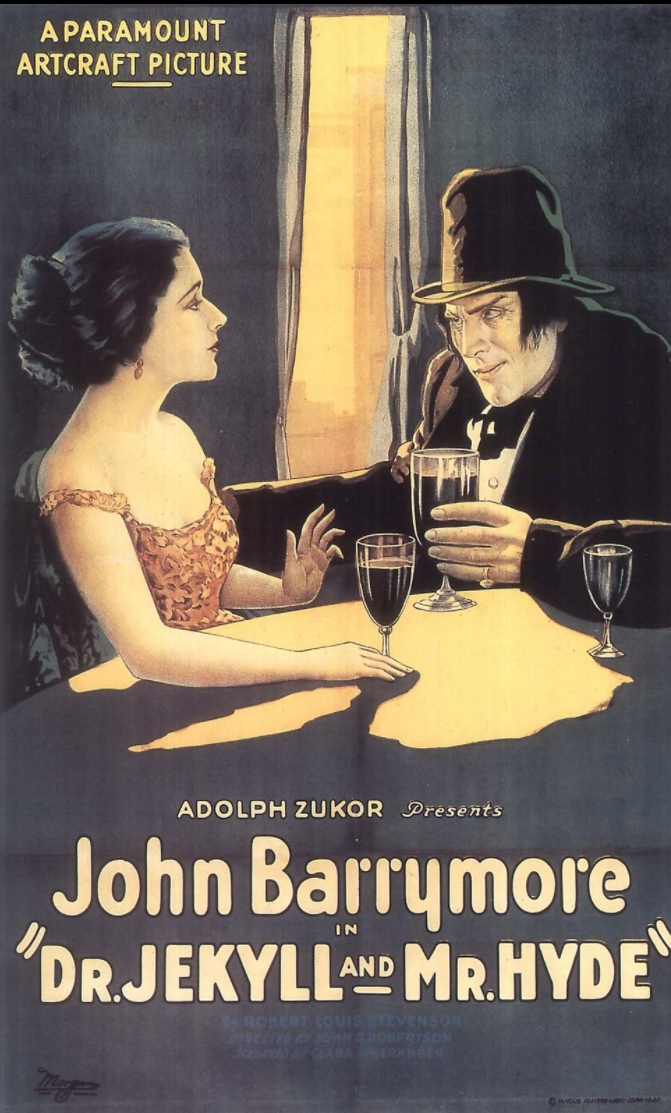
In Victorian England, philanthropic Dr. Jekyll (John Barrymore) experiments with a drug which changes him into the vile, hedonistic “Mr. Hyde” — but he soon finds himself unable to control his transformations, thus putting his own life in danger.

Genres:

  • John Barrymore Films
  • Mad Doctors and Scientists
  • Multiple Personalities
  • Silent Films

Review:
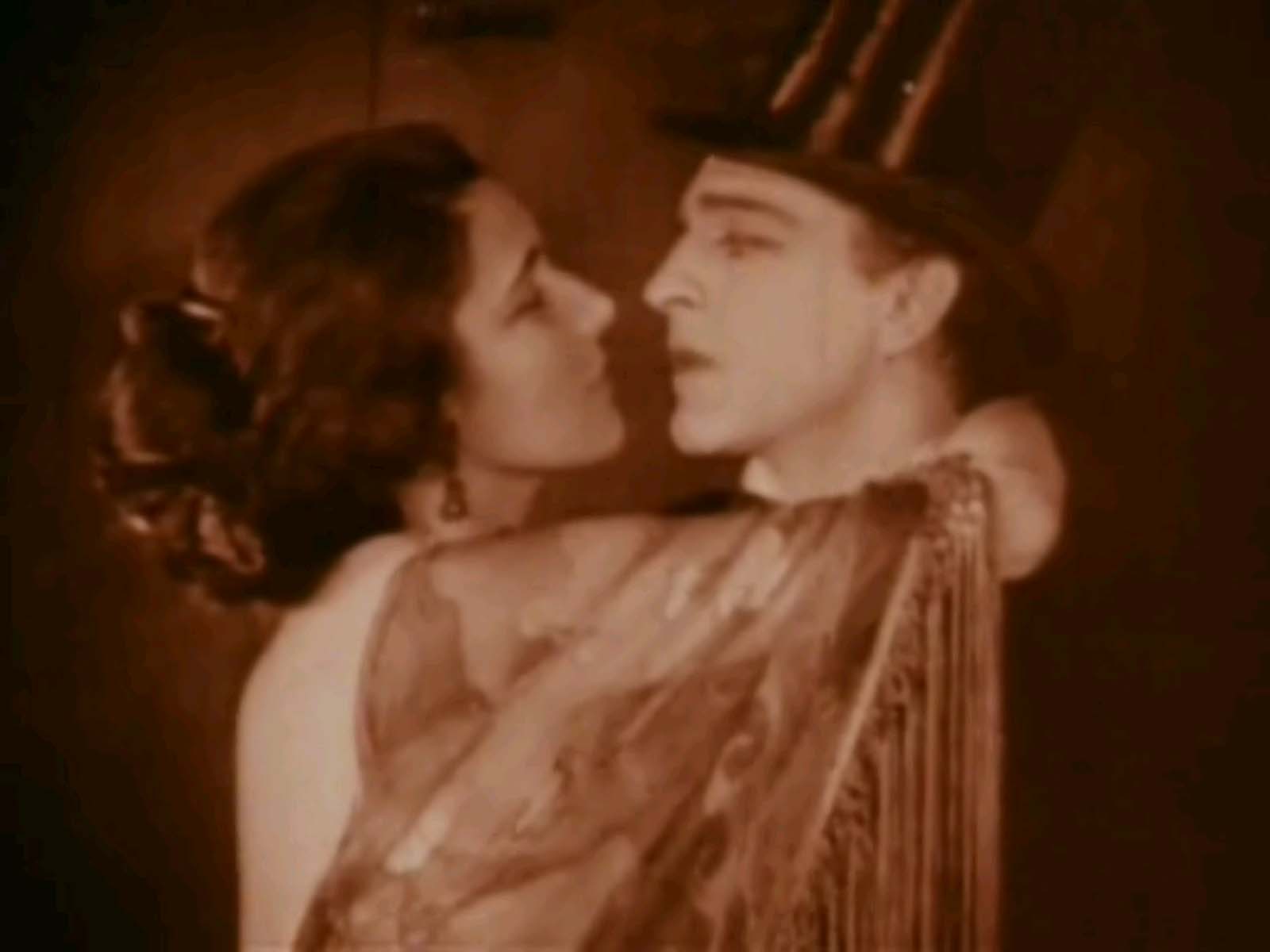
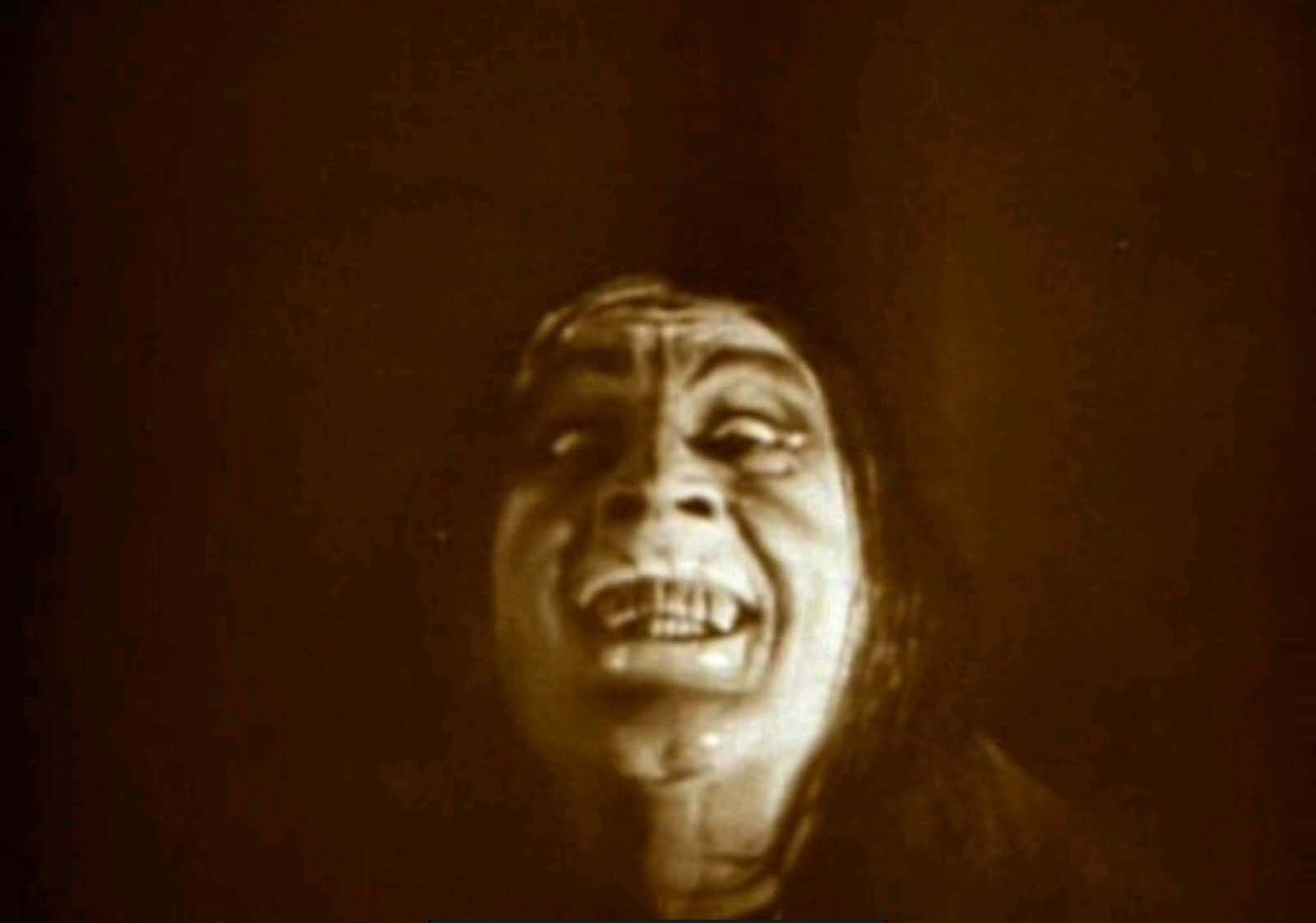
This early silent version of Robert Louis Stevenson’s classic novella The Strange Case of Dr. Jekyll and Mr. Hyde is regarded by many as one of the best. Unfortunately, John Barrymore’s flamboyant performance in the title role(s) is overly melodramatic, and his transformation from Dr. Jekyll to Mr. Hyde is more campy than frightening; at least he seems to be having a field day playing the nefarious Mr. Hyde — assisted by creepy make-up and prosthetics, he truly does come across as evil nature incarnate. Also of note is the brief appearance of Nita Naldi — the “female Valentino” — as a dance hall singer who turns on Dr. Jekyll’s lust; her initial outfits are shockingly risque.

Redeeming Qualities and Moments:

  • A well-told, archetypal tale of good versus evil
  • Nita Naldi as the sexy singer who first tempts Dr. Jekyll’s “baser” nature
  • Effectively freaky make-up on “Mr. Hyde”
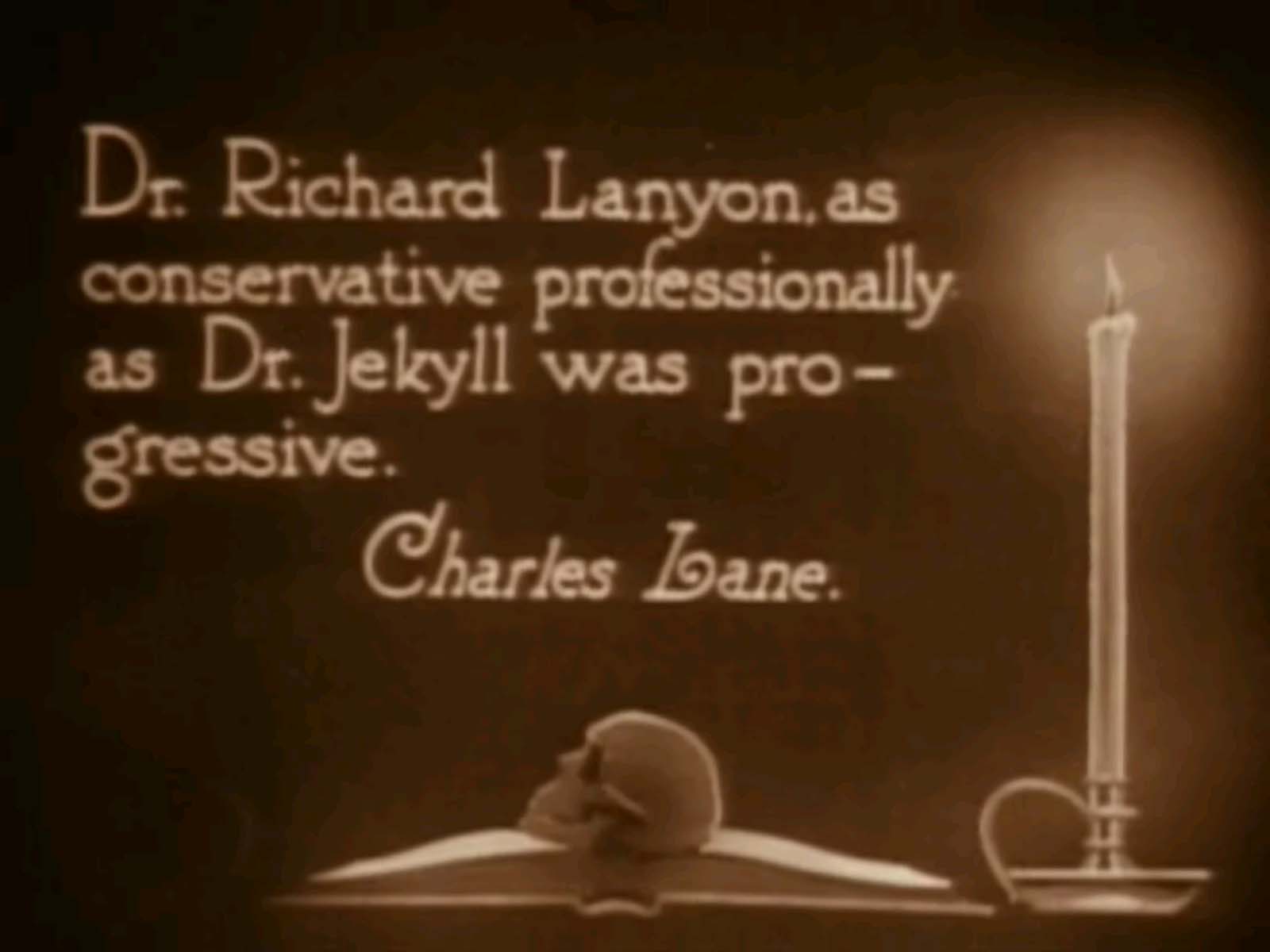
  • Artistic intertitle cards

Must See?
Yes, simply for its historical significance.

Categories

  • Historically Relevant

Links:

Lodger, The (1927)

Lodger, The (1927)

“He’s killed another fair girl.”

Synopsis:
Whilst a serial killer known as “The Avenger” is murdering blonde women throughout London, a mysterious lodger (Ivor Novello) arrives at the home of landlords Marie Ault and Arthur Chesney and their grown daughter Daisy (June Tripp). Novello falls for Daisy, but her jealous boyfriend (Malcolm Keen) — a police detective — is convinced that Novello may be The Avenger, and begins to investigate the case.

Genres, Themes, Actors, and Directors:

  • Hitchcock Films
  • Jack the Ripper
  • Love Triangle
  • Murder Mystery
  • Serial Killers

Review:
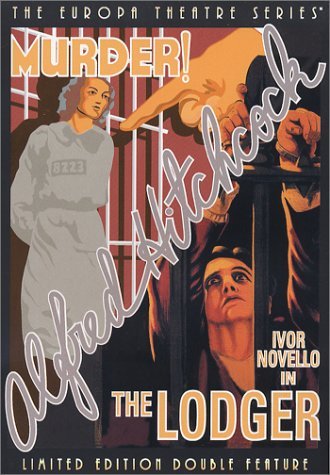
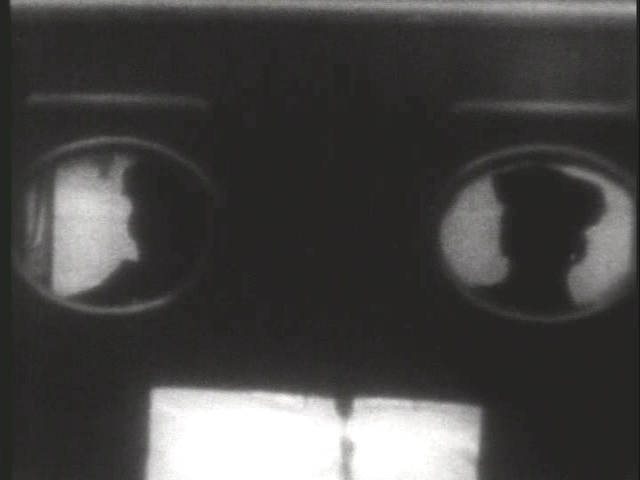
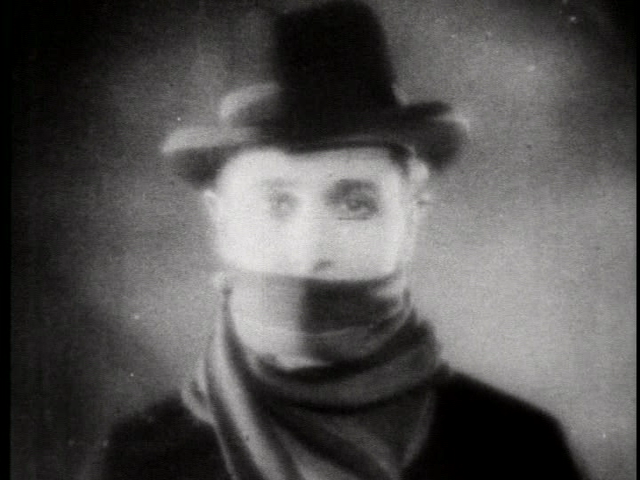
Despite having helmed at least two earlier movies (1925’s The Pleasure Garden and 1926’s now-lost The Mountain Eagle), Alfred Hitchcock considered The Lodger — based on Marie Belloc Lowndes’ Jack the Ripper-inspired novel — to be his “true” directorial debut. While it possesses many elements of Hitch’s soon-to-be-signature style, however, it suffers from overly broad acting (Novello was a matinee idol, not a thespian) and terribly slow pacing. Like John Brahm’s 1944 remake (starring Laird Cregar), it’s both highly atmospheric and visually inspired (see stills below) — but also narratively flawed, given that there aren’t really any other suspects in sight. The Lodger only remains must-see viewing due to its status as an early outing by Hitchcock, and as a precursor to Brahm’s superior version.

Redeeming Qualities and Moments:

  • A reasonably suspenseful tale of murder and romance
  • Some cleverly framed shots
  • Atmospheric cinematography

Must See?
Yes, but only for its significance as one of Hitchcock’s earliest signature works. Listed as a film with historical importance and a Personal Recommendation in the back of Peary’s book.

Categories

  • Historically Relevant
  • Important Director

Links:

Myra Breckinridge (1970)

Myra Breckinridge (1970)

“All men have a lot to learn… I’ve taken it upon myself to teach you.”

Synopsis:
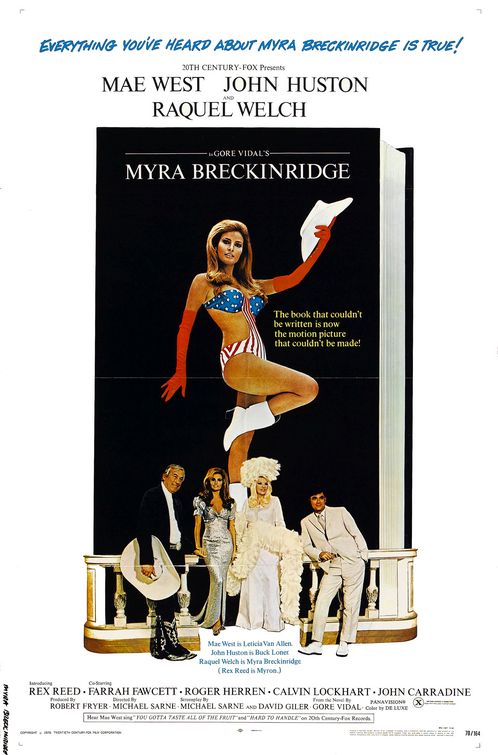
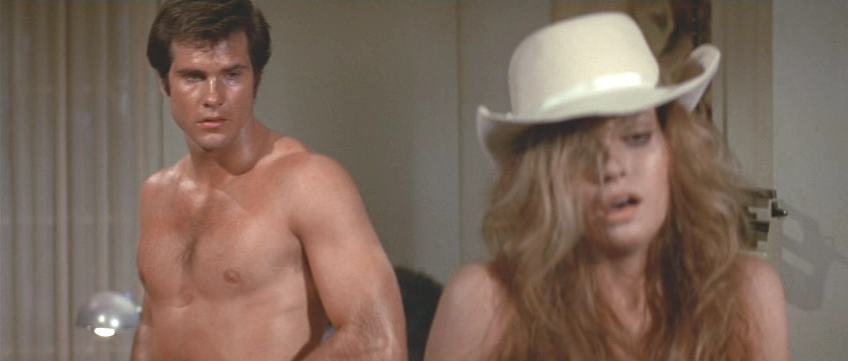
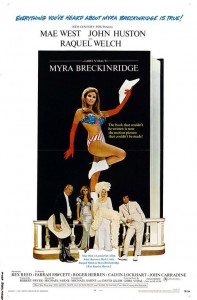
After Myron Breckenridge (Rex Reed) undergoes a sex change operation and becomes Myra (Raquel Welch), she visits an acting school owned by her uncle Buck (John Huston), pretending to be the “deceased” Myron’s widow in order to receive half of his estate. Meanwhile, Myra plots “the destruction of the American male in all its particulars” by blackmailing a studly young acting student (Roger Herren) and sending him into the clutches of aging casting director Leticia Van Allen (Mae West).

Genres, Themes, Actors, and Directors:

  • Actors and Actresses
  • Black Comedy
  • Gender Bending
  • John Carradine Films
  • Mistaken or Hidden Identities
  • Raquel Welch Films
  • Revenge

Review:
A notorious turkey from the moment it went into production, this big-budget adaptation of Gore Vidal’s satirical novel is, as noted in Toxic Universe’s review, both “hypnotically awful” and “audaciously dreadful”. British writer/director/performer Michael Sarne — whose debut film was the quirky Joanna (1968), starring Genevieve Waite — was recruited to helm the pic, but immediately clashed with both producers and stars about how to proceed; the result is a hyper-surreal pastiche which won’t make much sense to those who haven’t first read Vidal’s novel.

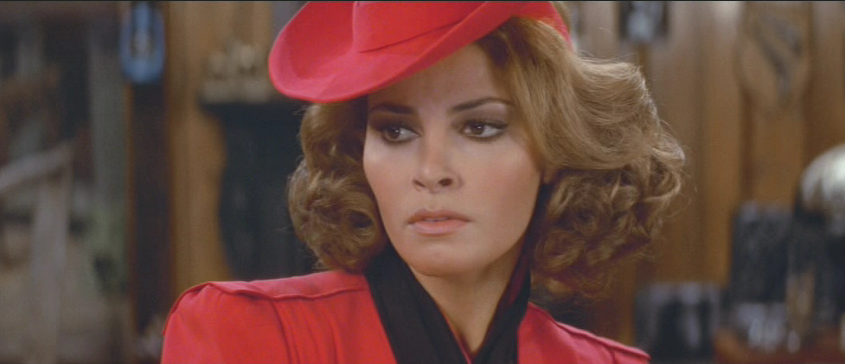
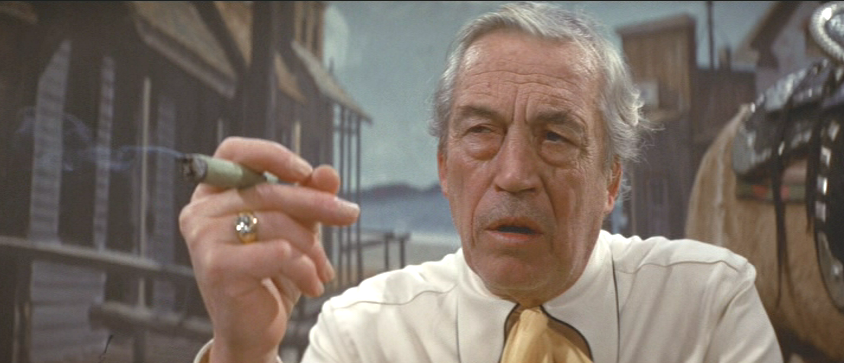
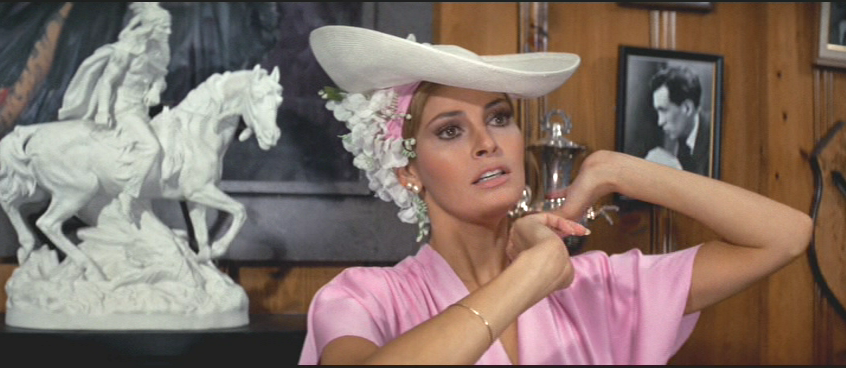
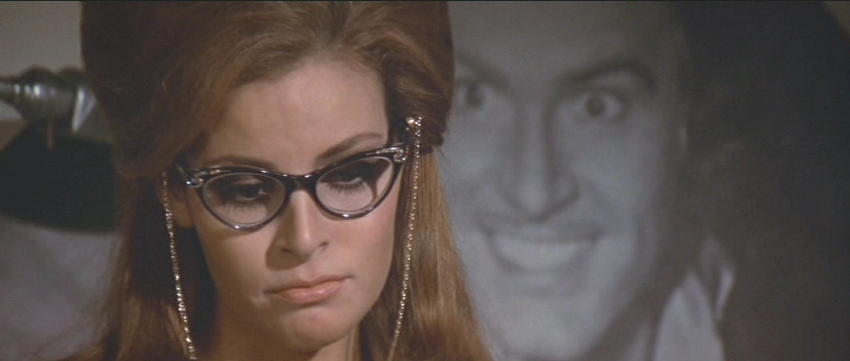
With that said — since I have read the novel, fairly recently — I must say I was pleasantly surprised by Breckinridge; it may be over-the-top, but it’s never boring, and Sarne’s post-modern insertion of vintage film clips at key moments (he was sued over several of his selections) is inspired. Welch — dressed in a series of fun 40’s-era outfits, including hats — almost seems to be channeling the spirit of Joan Crawford in her bitchily determined attitude, and John Huston at the very least seems to be having fun. Film critic Rex Reed (a non-actor) is the worst of the bunch, but doesn’t damage the proceedings too badly.

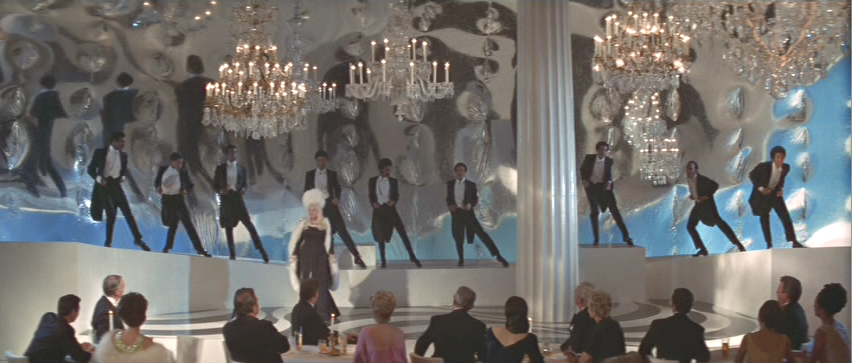
What really elevates this flick to must-see status, however, is the presence of aging diva Mae West as a horny septuagenarian casting director with a foul mouth and a surprising amount of sexual allure — ya’d think she’d come across like simply a parody of herself, but she’s remarkably well-preserved, and so sincere in her efforts to carry the show (complete with a “show-stopping” musical number) that one can’t help enjoying her efforts. See below for just one of her hilarious quips, which had me laughing out loud again and again.

Note: Myra Breckenridge was voted one of the “fifty worst films of all time” by the Medved brothers in their 1978 book.

Redeeming Qualities and Moments:

  • 73-year-old Mae West as Leticia Van Allen
  • Raquel Welch as Myra
  • John Huston as Uncle Buck
  • Leticia singing “Hard to Handle” while surrounded by a bevy of African-American male dancers
  • Theodora Van Runkle’s ’40s-inspired costumes
  • Inspired use of vintage film clips
  • A harsh skewering of gender norms
  • Effectively stylized sets and visuals
  • Mae West drawling countless hilarious lines:

    Leticia Van Allen: How tall are you without your horse?
    Aspiring Male Star: Well, ma’am, I’m six feet seven inches.
    Leticia Van Allen: Well, never mind about the six feet — let’s talk about the seven inches.

Must See?
Yes, for its notoriety as a camp classic.

Categories

  • Cult Movie
  • Historically Relevant

Links:

Harriet Craig (1950)

Harriet Craig (1950)

“No man’s born ready for marriage; he has to be trained.”

Synopsis:
Domineering housewife Harriet Craig (Joan Crawford) lies to her unsuspecting husband (Wendell Corey) and treats her faithful cousin Celia (K.T. Stevens) like a personal secretary; but when Harriet interferes with her husband’s chance for promotion — and Celia’s chance for marriage with a well-meaning suitor (William Bishop) — she’s finally called on her lies and manipulating tactics.

Genres, Themes, Actors, and Directors:

  • Character Studies
  • Henpecked Husbands
  • Housewives
  • Joan Crawford Films
  • Play Adaptations
  • Wendell Corey Films

Review:
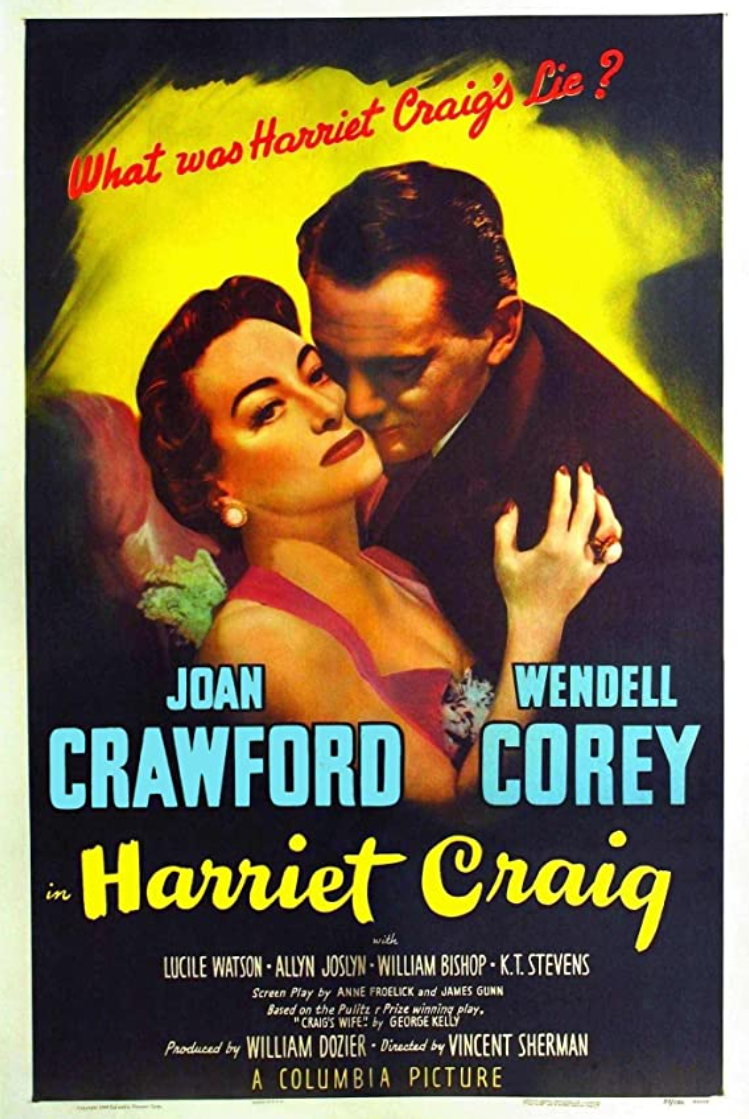
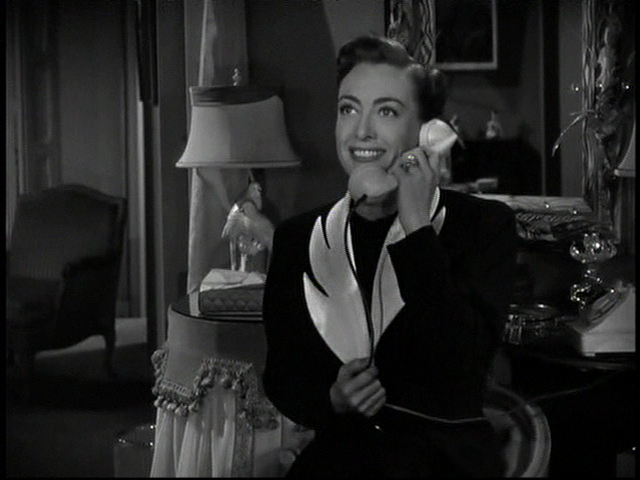
Harriet Craig is the third cinematic adaptation of George Kelly’s 1925 stage play Craig’s Wife — filmed first in 1928 by William C. de Mille, and then in 1936 by Dorothy Arzner — and is one of many vehicles in which Crawford essentially plays a version of herself. In this case, she’s a neurotic, manipulative woman who uses others for her own needs, and cares more about maintaining a perfect house than promoting the happiness of its inhabitants (anyone who’s read Christina Crawford’s memoir Mommie Dearest, or seen the movie version, will immediately recognize shades of Joan in Harriet). The story itself, unfortunately, is less convincing: while it’s hinted that Harriet’s sway over her husband (Corey is perfectly cast) is primarily sexual, it’s still tough to imagine that he would remain deluded about her pathological tendencies for so many years; and his shift from adoration to contempt is far too sudden. Similarly, Celia’s blind devotion to Harriet — despite whatever favors Harriet did for her years earlier — beggars belief; and Harriet’s desire for status and wealth is at odds with how desperately she tries to prevent her husband’s promotion. Despite its narrative flaws, however, Harriet Craig remains worth a look simply for its status as a prototypical Crawford flick.

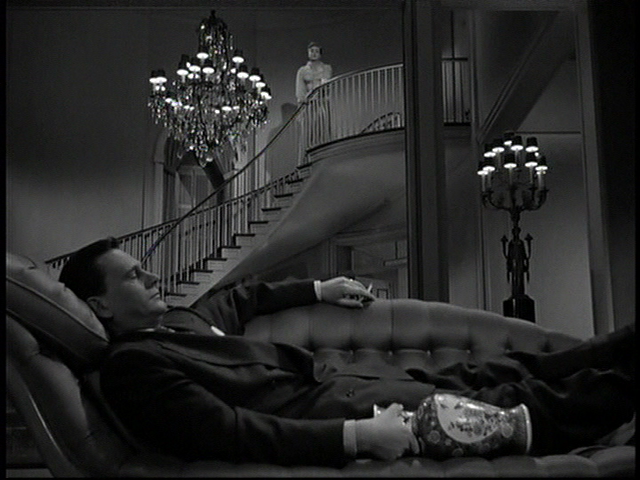
Note: A more apt title for the film would perhaps be Harriet’s House — indeed, the house itself is a central character.

Redeeming Qualities and Moments:

  • Joan Crawford as Harriet (check out the flame lapels)
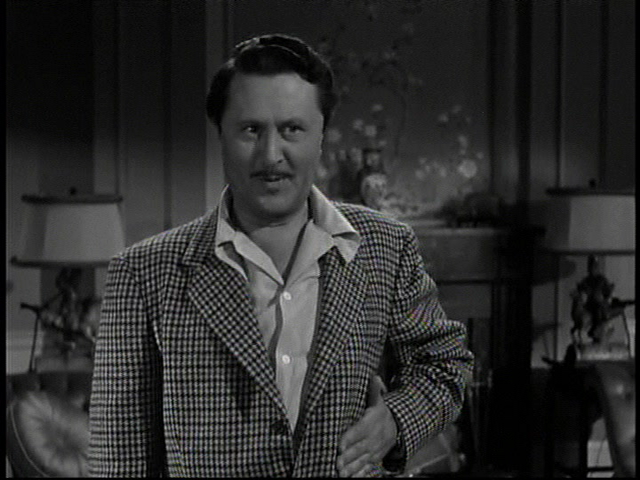
  • Wendell Corey as Walter
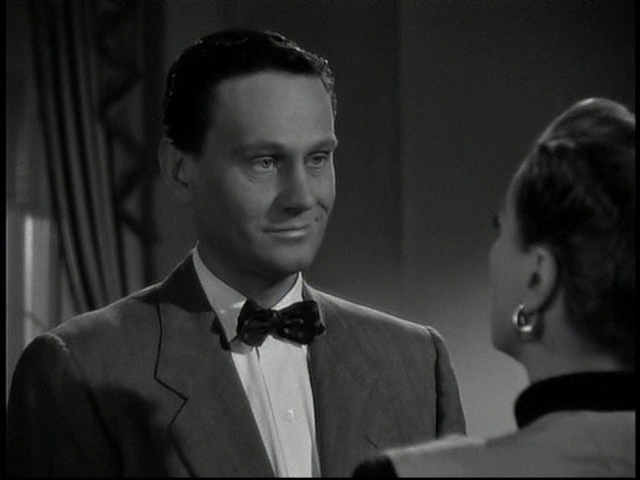
  • Allyn Joslyn as Walter’s friend Billy
  • A disturbing portrait of a housewife whose need for control jeopardizes her marriage

Must See?
No, but it’s certainly worth a look.

Links:

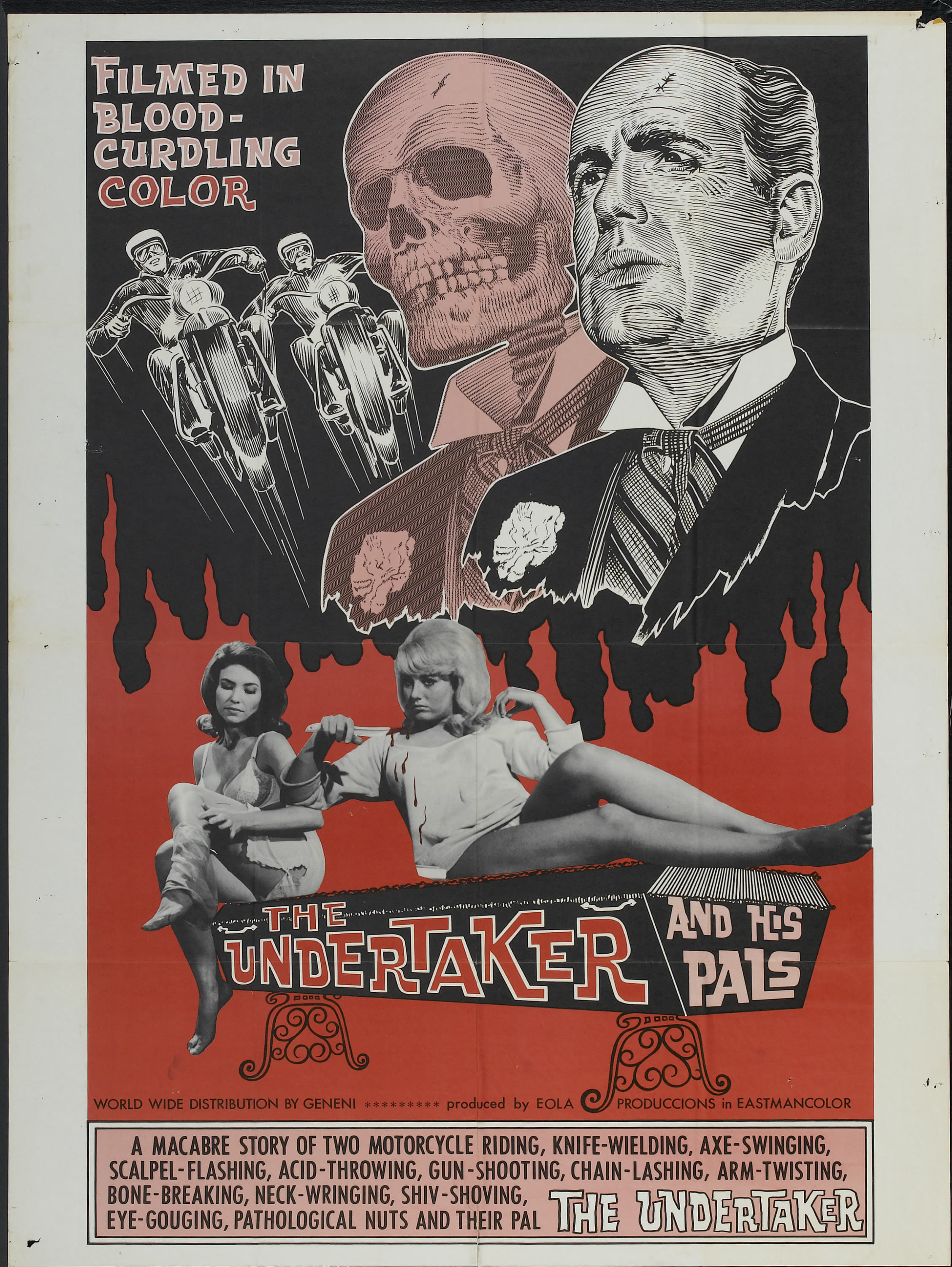
Undertaker and His Pals, The (1966)

Undertaker and His Pals, The (1966)

“Remember: we specifically agreed that I could bury doc’s mistakes!”

Synopsis:
Detective Harry Glass (James Westmoreland) investigates a rash of violent murders committed by a trio of motorcycle-riding thugs; soon he learns that a greedy undertaker (Ray Dannis) and his two restaurant-owning friends are behind the gruesome killings — and that the female corpses are being served as Specials of the Day.

Genres, Themes, Actors, and Directors:

  • Black Comedy
  • Cannibalism
  • Horror
  • Mad Doctors and Scientists
  • Serial Killers

Review:
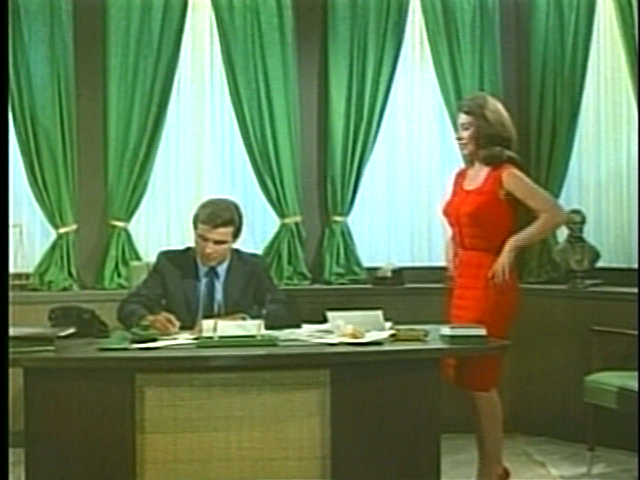
At just a little over an hour, this trashy gore-fest (reminiscent of both Herschell Gordon Lewis and Ted Mikels’ work) is surprisingly easy to handle — which is not to say that it’s very good. No, the acting, special effects, and storyline are just as sub-par as one would expect, and there are far too many awful slapstick sequences inserted for no good reason at all; yet the tongue of director T.L.P. Swicegood (pseudonym, anyone?!) seems firmly in cheek, and each scene — even bloody slaughters of nubile young women — is bathed in a glow of humorous unreality. Perhaps I’m being overly generous, but this one’s not quite as bad as you would think.

Redeeming Qualities and Moments:

  • Colorful low-budget sets
  • The amusing closing sequence, in which every character who’s died comes back to life
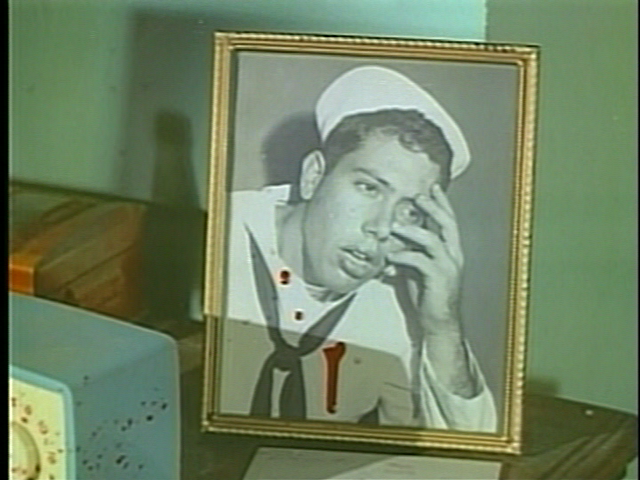
  • Plenty of tongue-in-cheek, twisted humor — as when a photo of a sailor keeps changing expressions during his girlfriend’s bloody murder

Must See?
No, but any fans of trash cinema will certainly want to check it out.

Links:

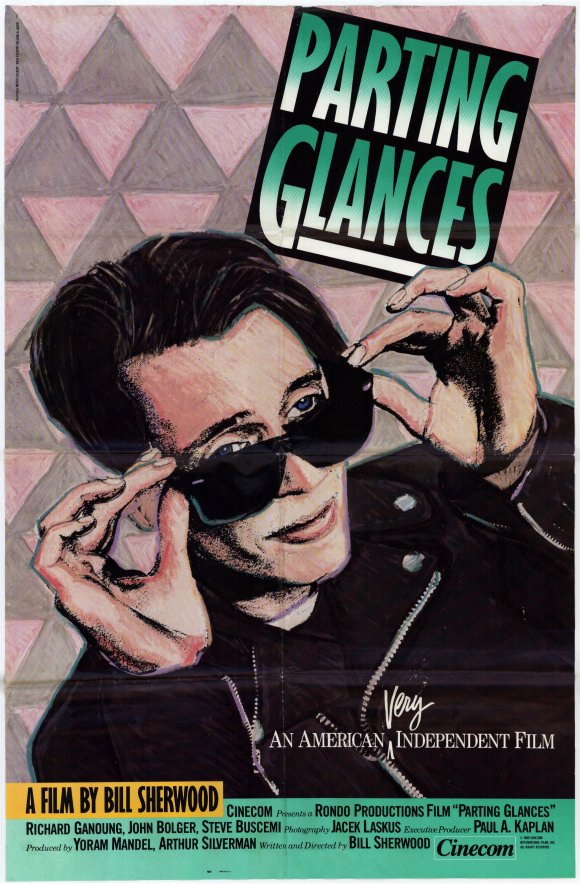
Parting Glances (1986)

Parting Glances (1986)

“I want to leave because it’s gotten too settled — [too] predictable.”

Synopsis:
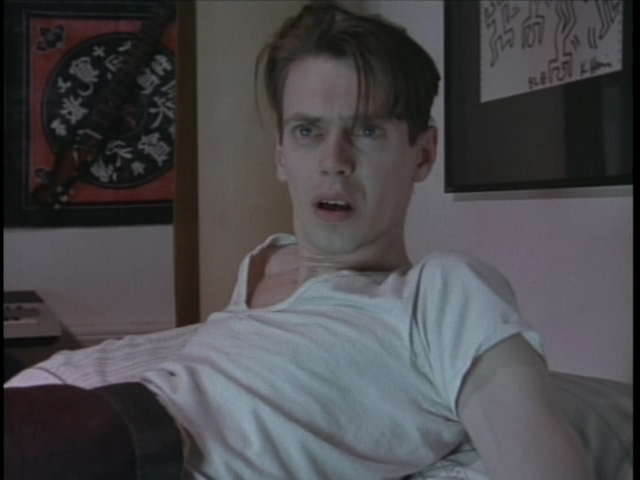
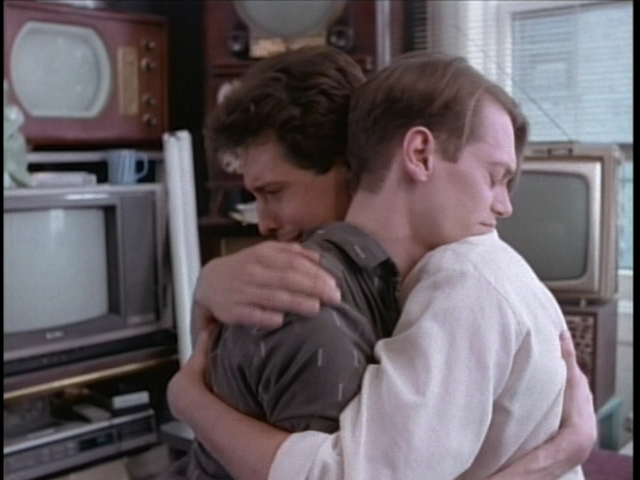
On the night before his longtime lover (John Bolger) is due to depart for a job in Africa, Michael (Richard Ganoung) visits his HIV-positive friend Nick (Steve Buscemi) and must confront Bolger’s true motivation for leaving.

Genres, Themes, Actors, and Directors:

  • Death and Dying
  • Get Togethers and Reunions
  • Homosexuality
  • New York City

Review:
Parting Glances — the only film writer/director Bill Sherwood made before his death from AIDS in 1990 — is beloved by many as one of the most authentic representations of gay life in 1980s New York. Unfortunately, however, it never manages to transcend its low-budget indie roots: the supporting characters (including an overweight “troll” and a fag hag) are stereotypical, the acting is (mostly) amateurish, and the script seems forced (particularly near the end). It’s primarily worth watching to see Steve Buscemi in his first major screen role — he already shows evidence of his unique cinematic presence.

Redeeming Qualities and Moments:

  • Steve Buscemi as Nick
  • A heartfelt — if not entirely successful — portrait of friendship and loyalty in the early days of AIDS

Must See?
No, though it’s worth a look simply for historical purposes.

Links: