Browsed by
Category: Original Reviews

Responses to Peary’s “must see” movie reviews, as well as my own “must see” movie reviews up to and after 1986 (when Peary’s book was published).

Damned, The (1969)

Damned, The (1969)

“You must realize that today in Germany, anything can happen, even the improbable — and it’s just the beginning.”

Synopsis:
In early 1930s Germany, the wealthy von Essenbeck steelworks family members — including its soon-to-be-murdered magnate (Albrecht Schoenhals), a ferociously ambitious mother (Ingrid Thulin), her pedophilic son (Helmut Berger), her power-hungry lover (Dirk Bogarde), and a Nazi-loving Brownshirt (Reinhard Kolldehoff) — find themselves trapped in a web of corruption, intrigue, and murder.

Genres, Themes, Actors, and Directors:

  • Dirk Bogarde Films
  • Family Problems
  • Luchino Visconti Films
  • Nazis
  • Pedophiles
  • World War II

Review:
Luchino Visconti’s epic saga of familial corruption and depravity — notorious for its original “X” rating — is a tough pill to swallow. While many critics (at the time and now) view it as brave, intelligent, and artistic, all I see is plenty of bombastic emperor’s clothing. It’s hampered by several serious flaws: horrendous dubbing (what was Visconti thinking?!), lame performances (very few actors, despite their credentials, emerge unscathed), overly self-conscious camera techniques (Visconti relies on zoom shots far more than he should), and a poorly written, convoluted script. In truth, The Damned is a tedious, never-ending affair, only redeemed (partially) by its sumptuous cinematography and costumes.

Redeeming Qualities and Moments:

  • Helmut Griem as Commander Aschenbach
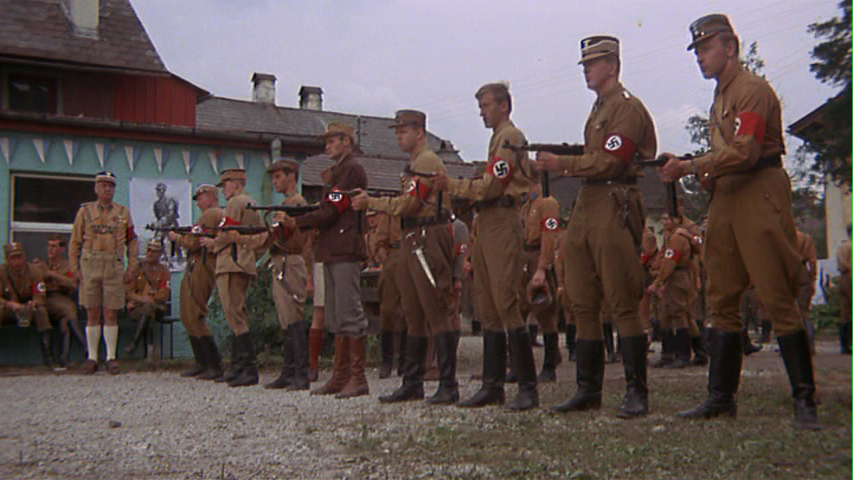
  • An effective (albeit historically suspect) recreation of the Night of the Long Knives gathering and massacre

Must See?
No. While it holds some historical importance for its Oscar-nominated (!) screenplay and its erstwhile status as an X-rated import, I can’t in good conscience recommend it as must-see viewing. Listed as a film with Historical Importance in the back of Peary’s book.

Links:

Night Has a Thousand Eyes (1948)

Night Has a Thousand Eyes (1948)

“This gift, which I never asked for and don’t understand, has brought me only unhappiness!”

Synopsis:
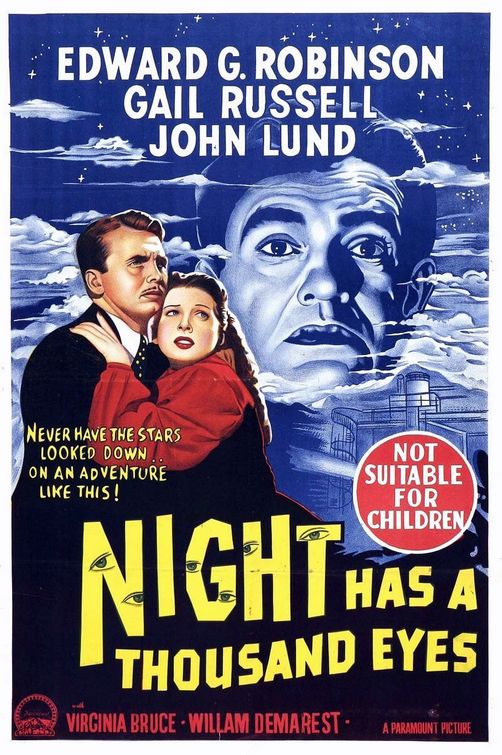
A carnival mentalist (Edward G. Robinson) soon discovers that he has legitimate psychic powers, and is distressed to learn that he can predict tragic events. When he foresees the violent, imminent death of an heiress (Gail Russell), Russell’s concerned boyfriend (John Lund) suspects foul play — but Robinson remains determined to protect Russell at any cost.

Genres, Themes, Actors, and Directors:

  • Edward G. Robinson Films
  • Gail Russell Films
  • Heiresses
  • “No One Believes Me!”
  • Psychic Powers

Review:
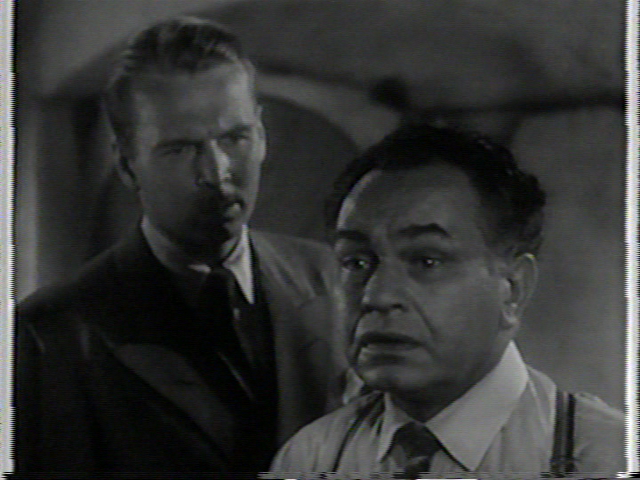
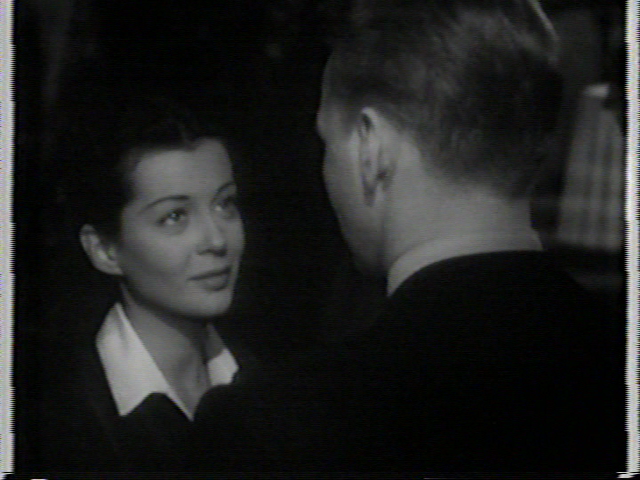
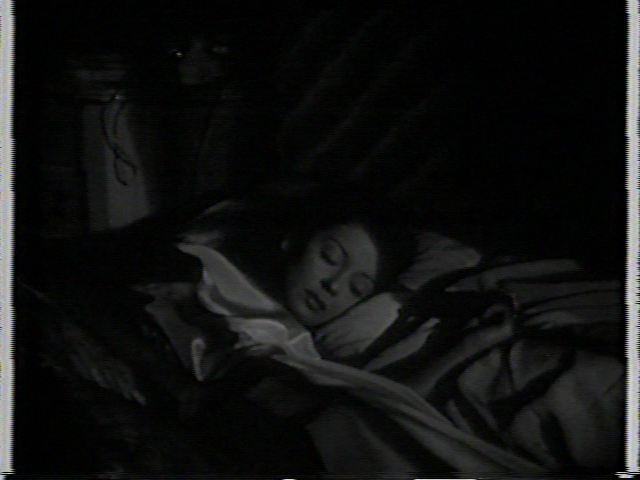
This nifty little B-thriller (directed by John Farrow, Mia’s dad) packs a powerful wallop, offering plenty of suspense and tension in its 81-minute running time. Edward G. Robinson is remarkably sympathetic as an unwitting psychic who’d rather not be able to see into the future, and who resists exploitation at any cost — indeed, he’s essentially a tragic hero, given that his powers cost him his fiancee (Virginia Bruce), his integrity (no one believes him), and any chance at a normal, happy life. Gail Russell (does any actress have more expressive eyes?) is perfectly cast as a brooding heiress with much on her mind; we genuinely fear for her safety. John Seitz’s stark b&w cinematography adds to the rich atmosphere of the tale, which may lack standard noir tropes but offers a similarly bleak, fate-ridden take on the world.

Redeeming Qualities and Moments:

  • Edward G. Robinson as John Triton
  • Gail Russell as Jean
  • John Seitz’s noirish cinematography

Must See?
Yes, as an all-around “good show”.

Categories

  • Good Show

Links:

Lover Come Back (1961)

Lover Come Back (1961)

“As Dad always said, ‘A man who can’t be bribed can’t be trusted.'”

Synopsis:
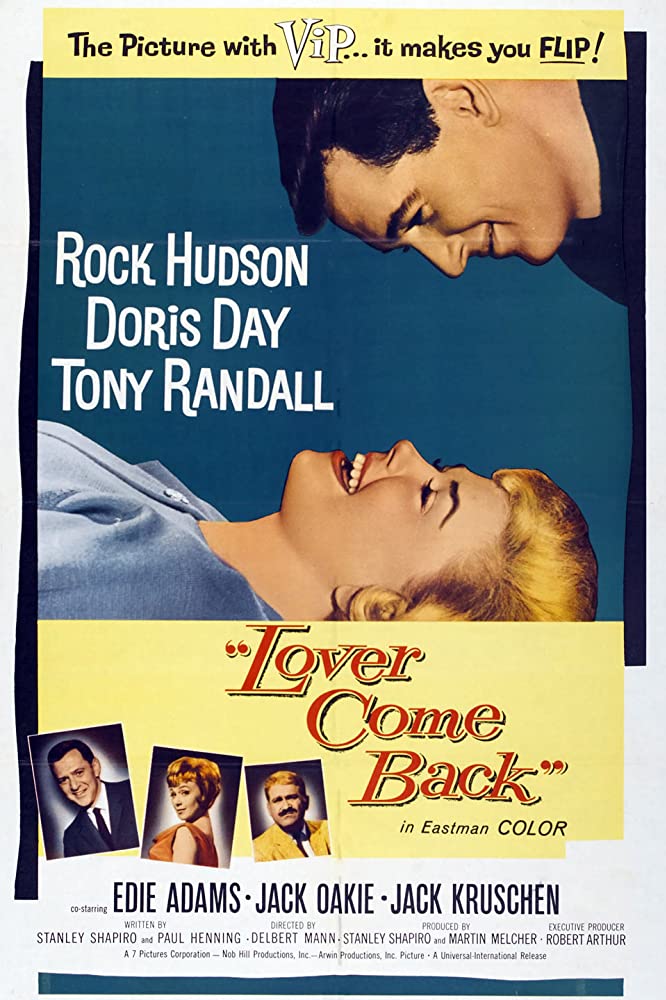
An advertising executive (Doris Day) is furious to learn that her womanizing rival (Rock Hudson) has snagged a key account using unethical bribes. When she learns that a (fictional) new product known as “VIP” is being created by Dr. Linus Tyler (Jack Kruschen), she is determined to win the account; things get complicated, however, when she’s mistakenly led to believe that Hudson himself is “Dr. Tyler”, and the two start falling in love.

Genres, Themes, Actors, and Directors:

  • Advertising
  • Doris Day Films
  • Mistaken or Hidden Identities
  • Rivalry
  • Rock Hudson Films
  • Romantic Comedy
  • Tony Randall Films

Review:
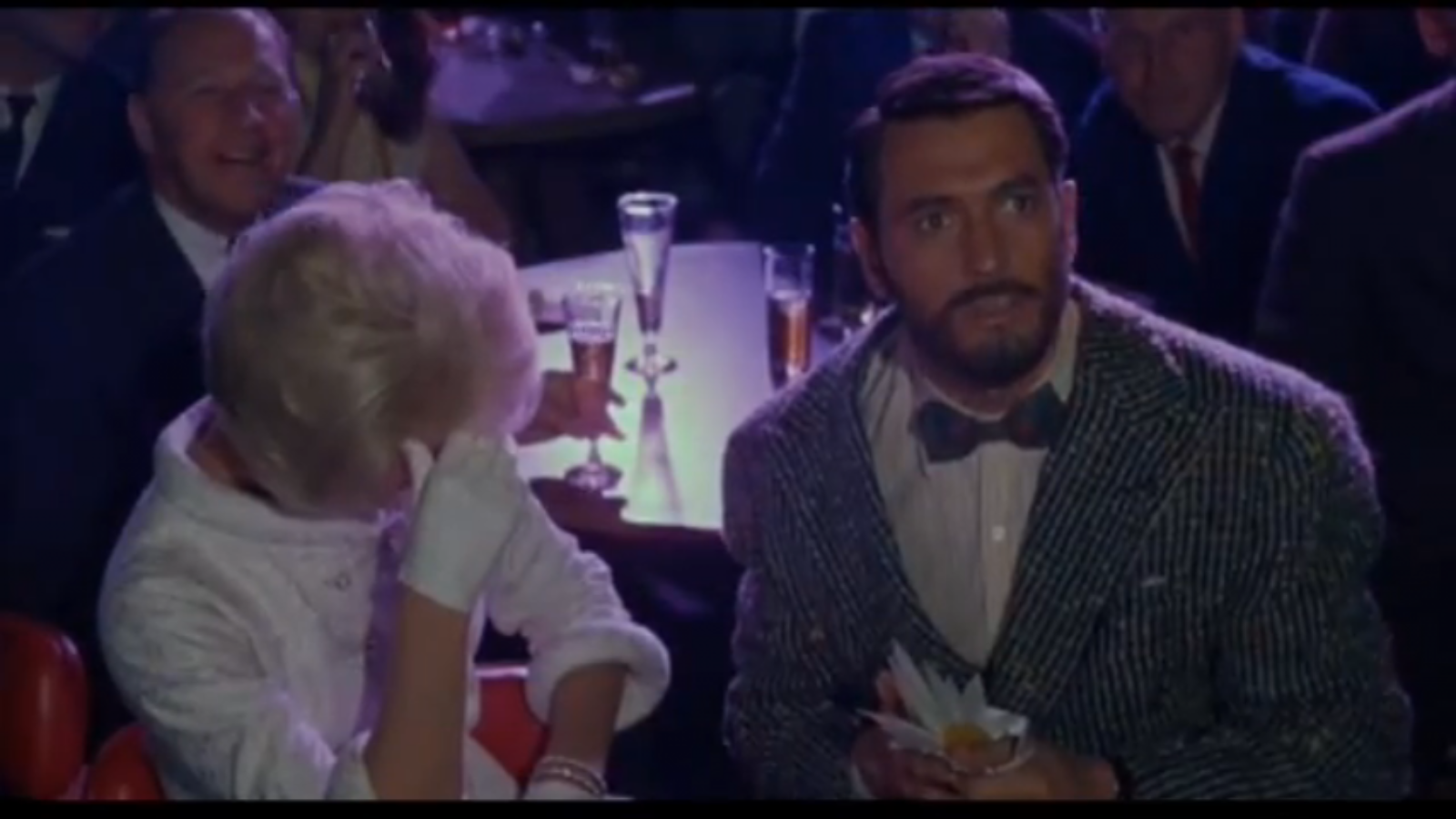
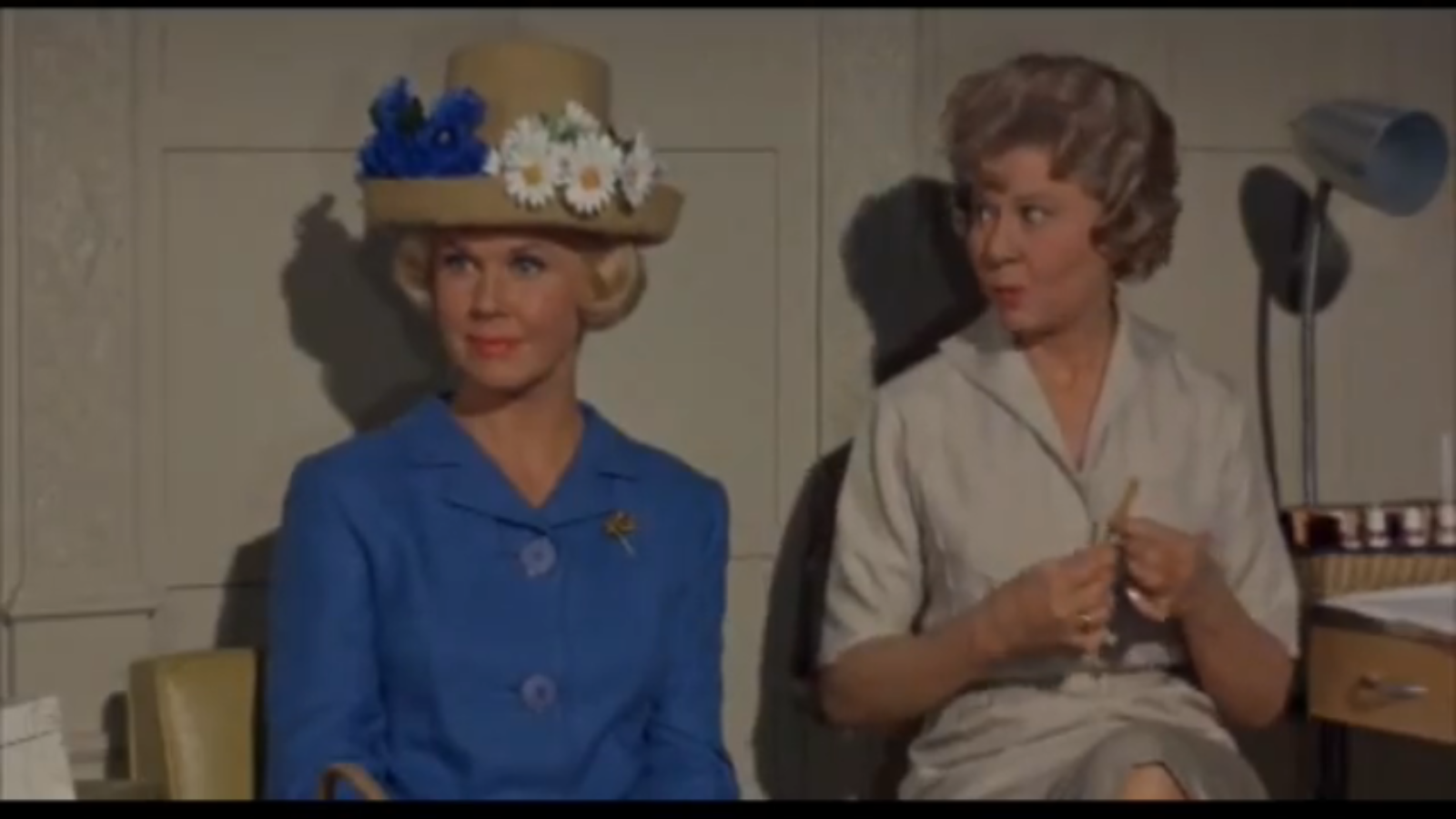
Made directly to capitalize on the success of Doris Day and Rock Hudson’s first teaming together — Pillow Talk (1959) — Lover Come Back offers more of the same: the story’s specifics have changed, but the essential dynamic of mistaken identities and unexpected romance remains intact. It received glorious reviews from the New York Times upon its release, with Bosley Crowther calling it “one of the brightest, most delightful satiric comedies since It Happened One Night“; and it remains innocuously good fun. Modern-day audiences won’t be able to resist giggling over virile, closeted Hudson mouthing lines like, “I find him very intriguing — in a man-to-man sort of way,” and there are plenty of other racy double entendres sprinkled liberally throughout:

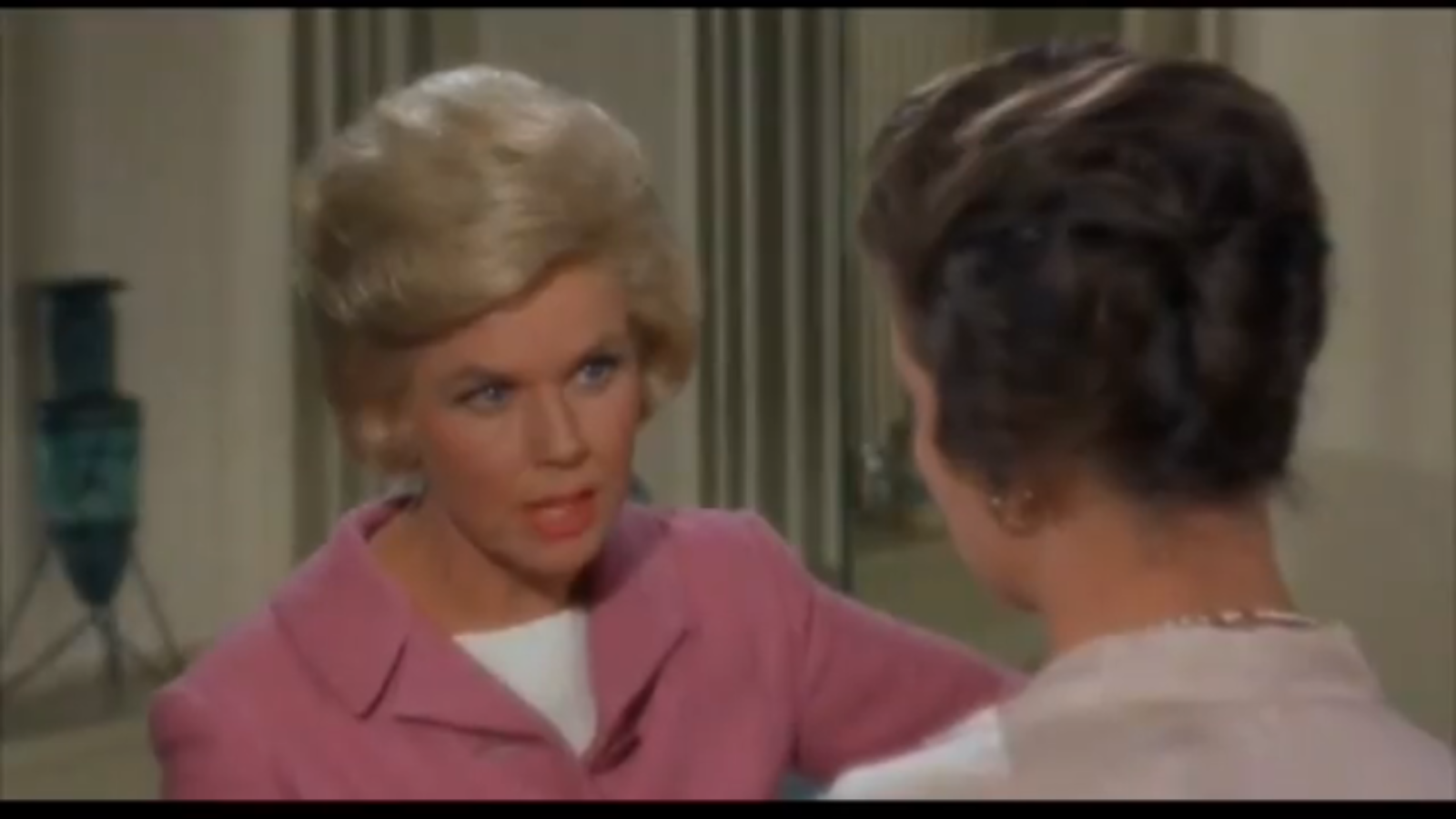
Day (as Carol): Leonard, who has a lilac floor in their kitchen?
Chet Stratton (as Leonard): I have.
Day (as Carol): Oh. Well, Leonard, everyone isn’t as artistic as you are.

The film’s unrealistic denouement — with events wrapping up far too neatly — detracts somewhat from the story’s overall integrity, but Lover Come Back offers enough enjoyment to recommend for one-time viewing.

Note: The third and final Day/Hudson romantic comedy — Send Me No Flowers (1964) — isn’t listed in Peary’s book, though I’ve reviewed it as a “Missing Title”.

Redeeming Qualities and Moments:

  • Doris Day as Carol Templeton
  • Rock Hudson as Jerry Webster
  • Day’s outrageous hats

  • Tony Randall as Pete Ramsey
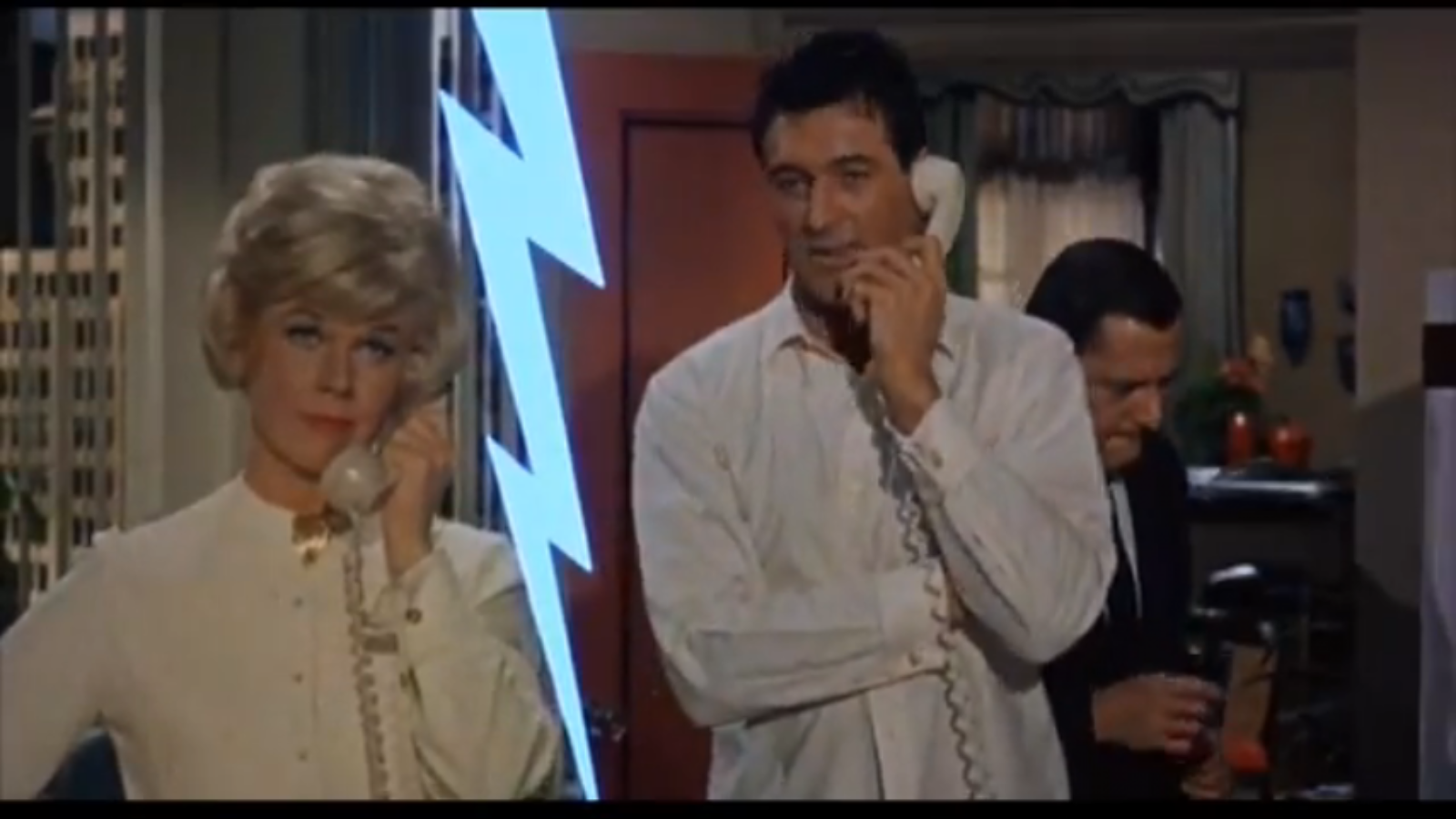
  • Fine use of split-screen camerawork
  • Vibrant Technicolor sets
  • A clever screenplay with plenty of witty dialogue and double entendres: “You look wonderful without your clothes!”

Must See?
Yes, as a good show.

Categories

  • Good Show

Links:

Wild Boys of the Road (1933)

Wild Boys of the Road (1933)

“Our folks have got enough worry, without us bringin’ ’em more.”

Synopsis:
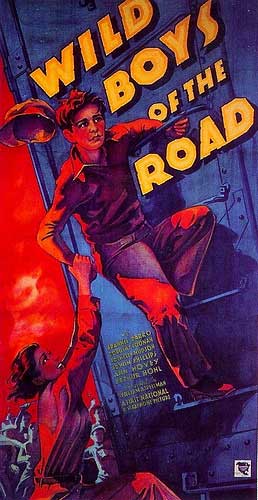
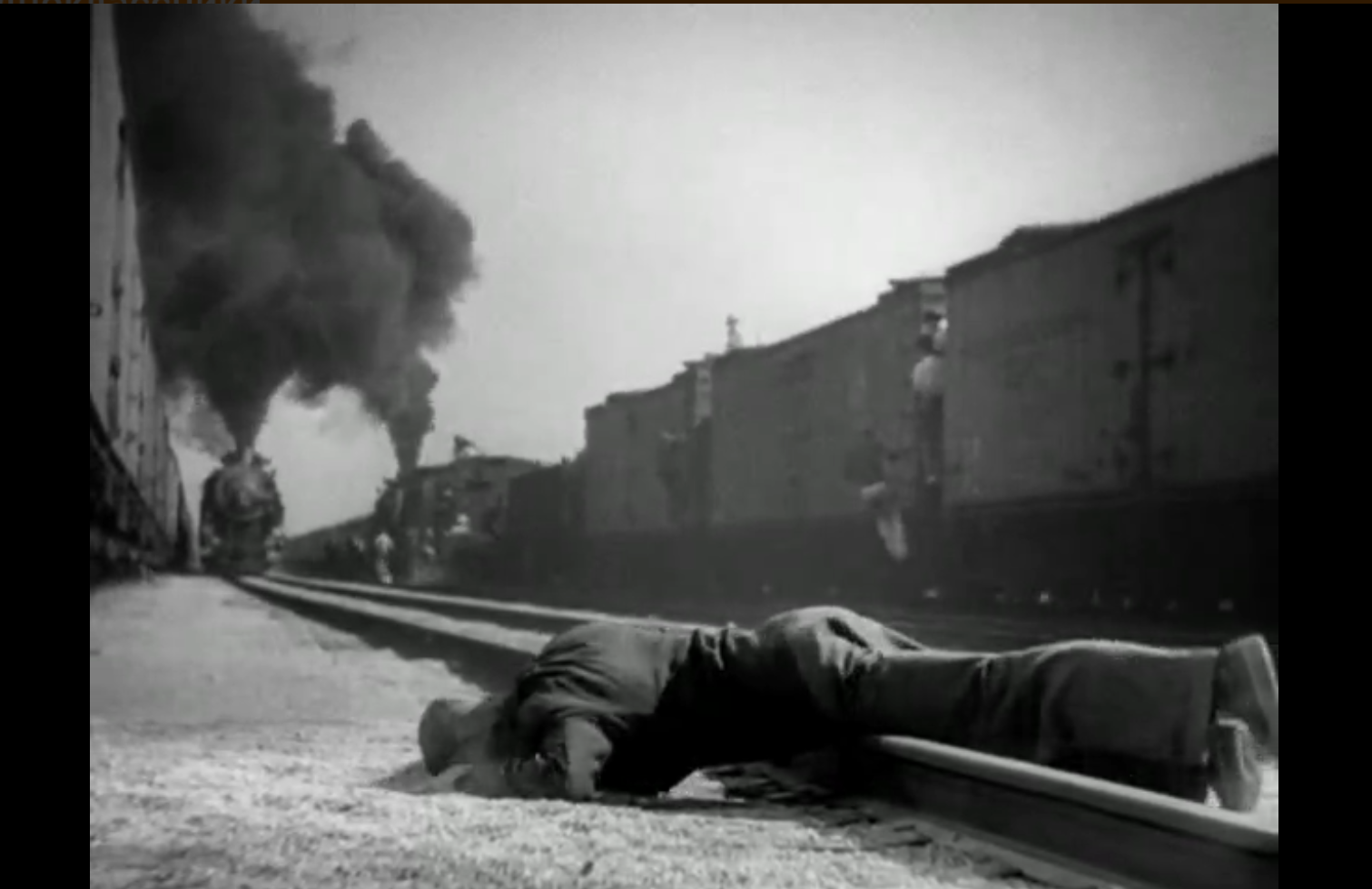
During the Depression, two teenagers (Frankie Darro and Edwin Phillips) leave home to try to earn their keep — but they quickly learn that jobs are hard to find everywhere, and are soon reduced to panhandling to survive.

Genres, Themes, Actors, and Directors:

  • Depression Era
  • Homeless
  • Teenagers
  • Unemployment
  • William Wellman Films

Review:
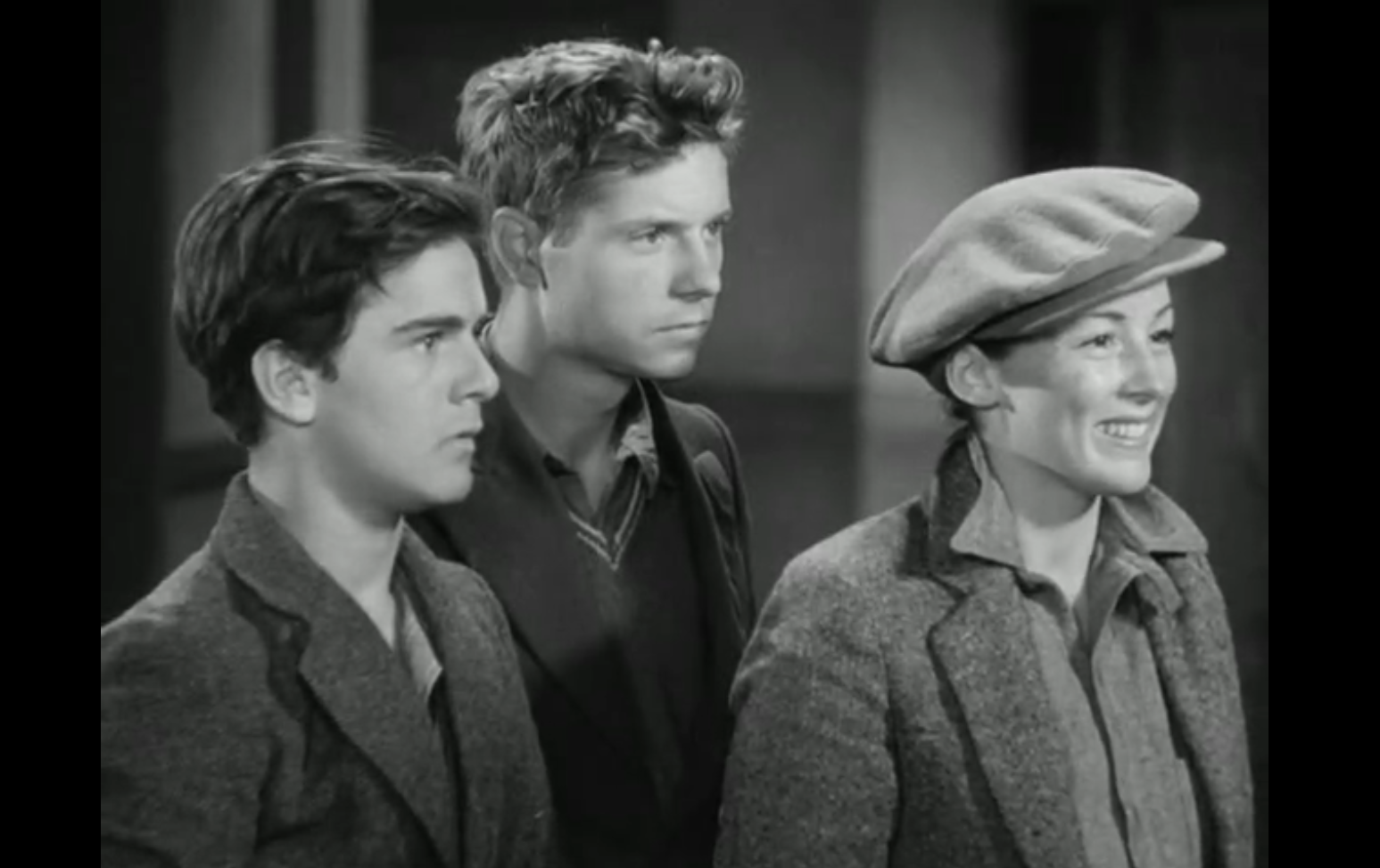
William Wellman’s hard-hitting social drama pulls no punches in its depiction of unemployment and poverty during the Depression. By using fun-loving teens as his protagonists (the film opens up with a high school dance), Wellman shows how even kids from seemingly secure, middle class families were forced to pitch in and help with finances, quickly leaving behind the carefree days of their youth. The cast of unknowns — particularly sparkling, freckle-faced Dorothy Coonan (Wellman’s wife) as a female “hobo” the boys meet up with — are believable and appropriately spunky in their roles; and while the screenplay occasionally turns didactic (particularly during the jarringly unrealistic denouement), it’s hard not to feel outrage and sympathy for these well-meaning protagonists, who want nothing more than to earn an honest, independent living for themselves.

Redeeming Qualities and Moments:

  • Pint-sized Frankie Darro as Eddie
  • Dorothy Coonan (Wellman’s fourth and final wife) as Sally, a hobo girl
  • Many heartbreaking scenes of privation and hardship
  • A tough, (mostly) realistic script

Must See?
Yes, as one of the most powerful social dramas to come out of the Depression Era.

Categories

  • Historically Relevant
  • Important Director

Links:

Angels in the Outfield (1951)

Angels in the Outfield (1951)

“Dogs have fleas; managers have sports writers.”

Synopsis:
The foul-mouthed manager (Paul Douglas) of a losing baseball team (the Pittsburgh Pirates) is visited by an angel, who promises him that a team of heavenly players will help the Pirates win the pennant — if Douglas cleans up his act. Aided by a plucky journalist (Janet Leigh) and a winsome young orphan (Donna Corcoran) who claims to actually see the team of angels, Douglas soon finds himself a changed man, and the Pirates begin winning games.

Genres, Themes, Actors, and Directors:

  • Angels
  • Baseball
  • Character Arc
  • Clarence Brown Films
  • Fantasy
  • Janet Leigh Films
  • Journalists
  • Keenan Wynn Films
  • Lewis Stone Films
  • Orphans
  • Paul Douglas Films

Review:
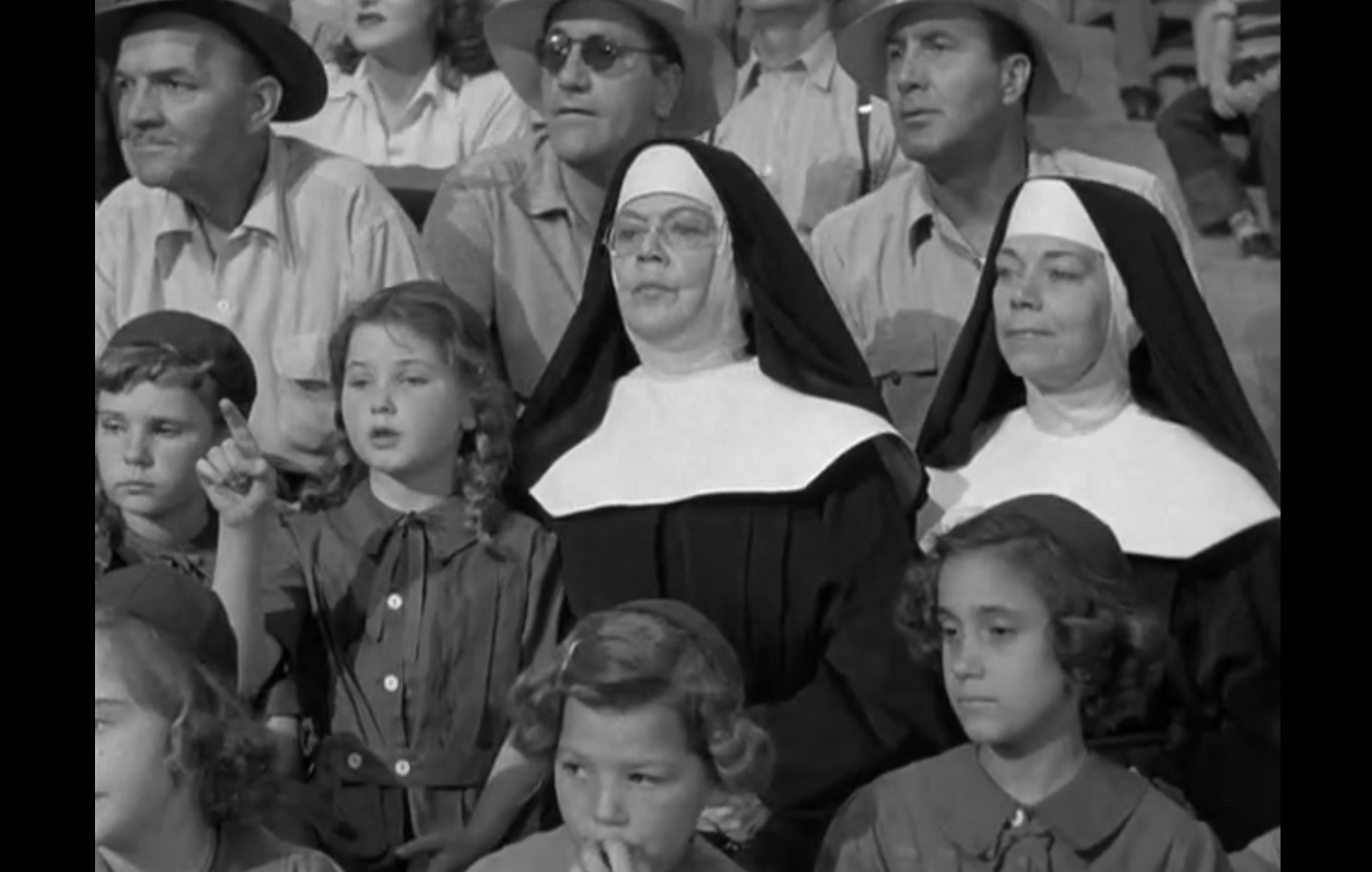
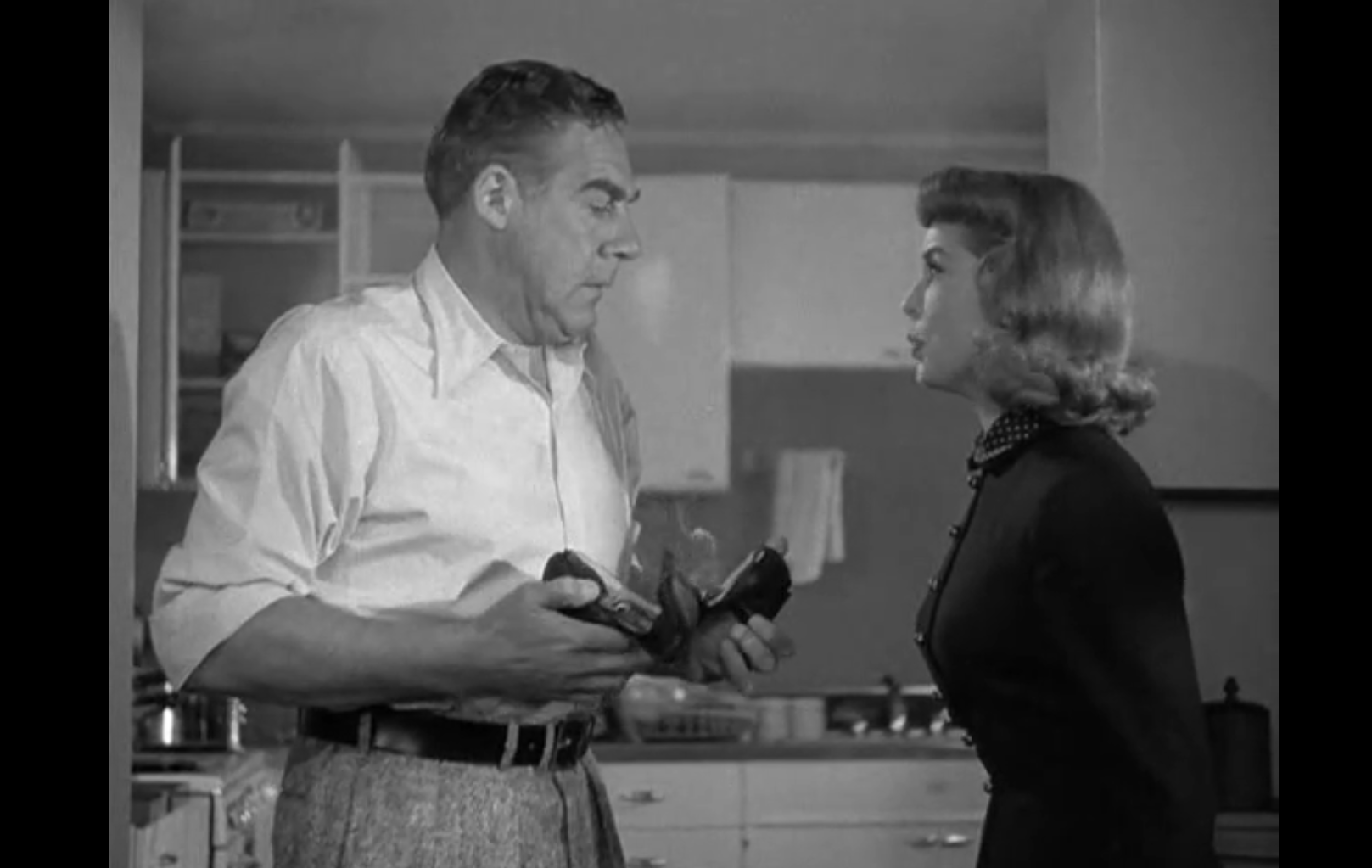
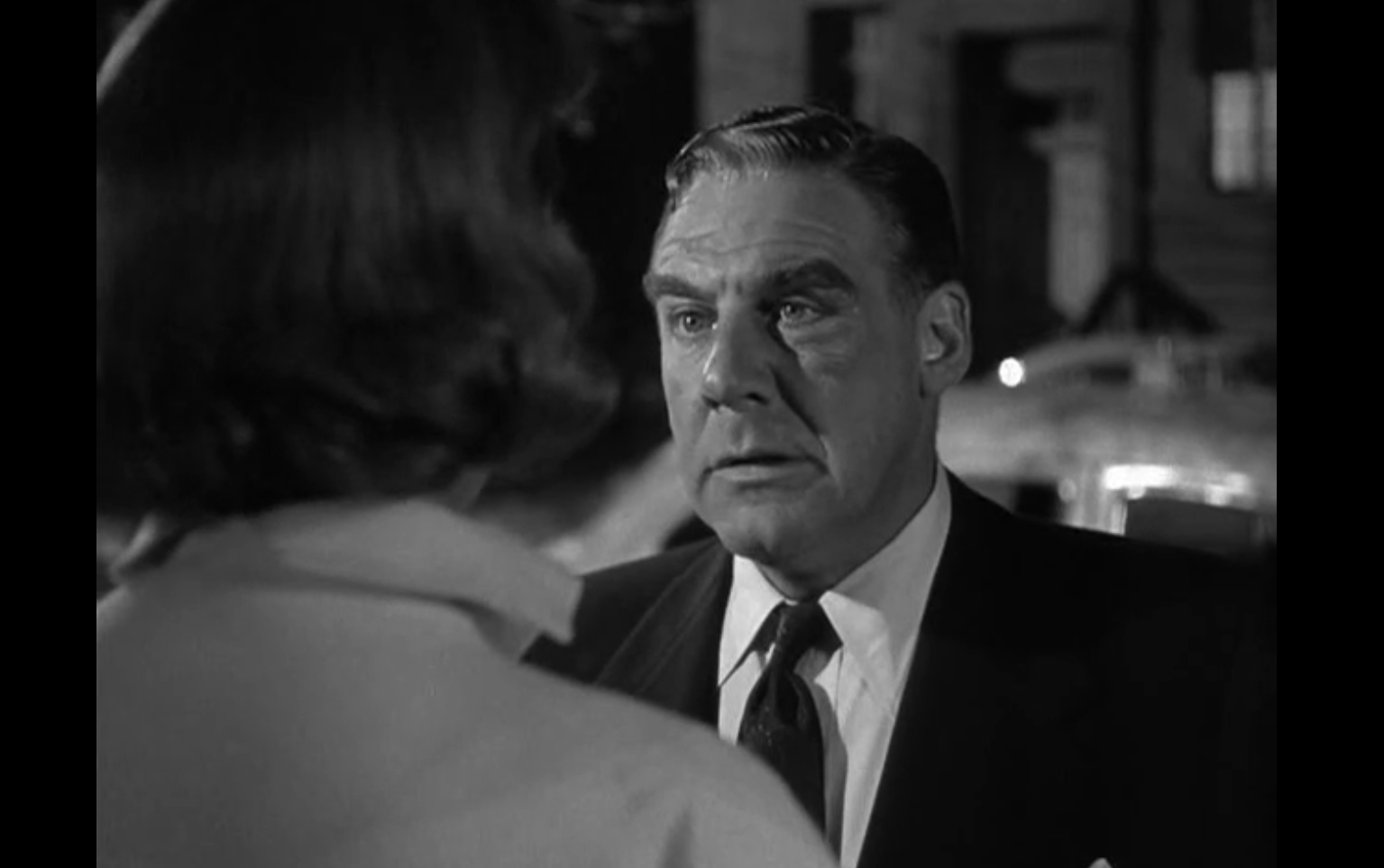
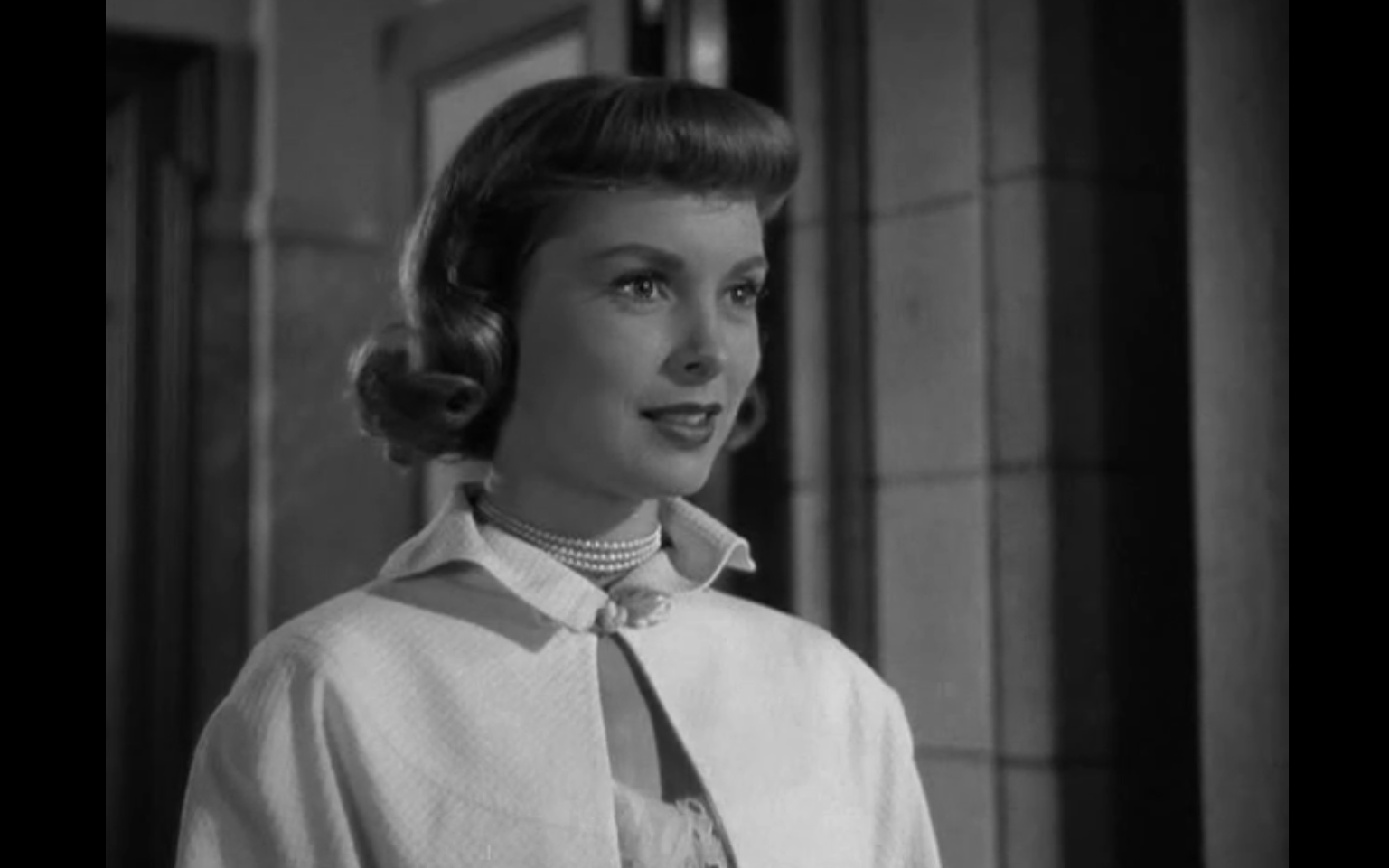
Clearly banking upon the popularity of earlier fantasy hits such as Miracle on 34th Street (1947) and Here Comes Mr. Jordan (1941), Angels in the Outfield is an innocuous, somewhat derivative, yet surprisingly heartwarming “family film”. What’s not to like about watching curmudgeonly Paul Douglas turn into a respectful, child-loving teddy bear, or adorable moppet Donna Corcoran insisting loudly to her only-in-Hollywood loving nun protectors (Spring Byington and Ellen Corby) that she sees angels roosting behind each of the Pittsburgh Pirates?

The story itself is, naturally, unrealistic — particularly the way in which Douglas and Leigh are magically pulled together as a May-December couple by the end of the film, despite a lack of any overtly romantic overtones — but it’s fairly easy to forgive these gaffes and simply enjoy the events as they unfold. Laugh-out-loud moments include the clever way in which the sound studio depicts Douglas’s swearing in early scenes, and Douglas’s misinterpretation of Leigh’s instruction to dry her rain-soaked shoes UNDER a warm oven.

Redeeming Qualities and Moments:

  • Paul Douglas as Guffy McGovern
  • Janet Leigh as Jennifer Paige
  • Donna Corcoran as Bridget

Must See?
No, but it’s recommended. Listed as a Personal Recommendation in the back of Peary’s book (no surprise, given his love of baseball).

Links:

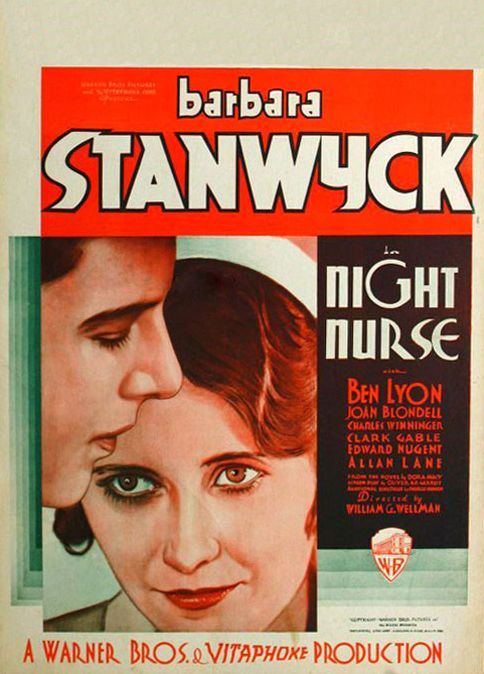
Night Nurse (1931)

Night Nurse (1931)

“Those poor little kids are starving — anyone can see it in their faces! If somebody doesn’t do something, they won’t last another month!”

Synopsis:
A nurse (Barbara Stanwyck) caring for two sickly children (Marcia Mae Jones and Betty Jane Graham) soon suspects that their alcoholic mother’s chauffeur (Clark Gable) is in cahoots with a corrupt doctor (Ralf Harolde) to kill the girls and steal their trust funds.

Genres, Themes, Actors, and Directors:

  • Barbara Stanwyck Films
  • Clark Gable Films
  • Doctors and Nurses
  • Joan Blondell Films
  • “No One Believes Me!”
  • Plot to Murder
  • William Wellman Films

Review:
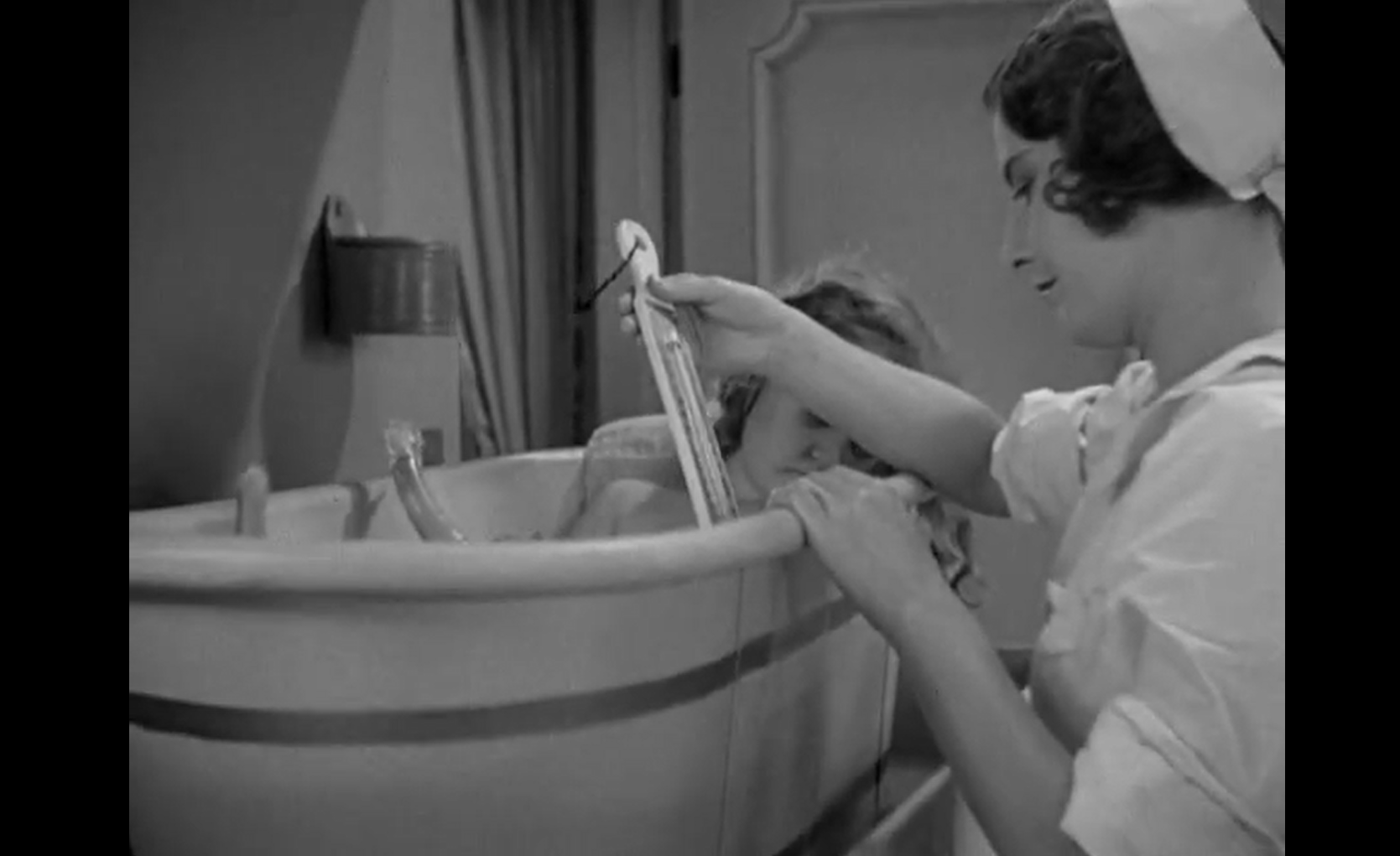
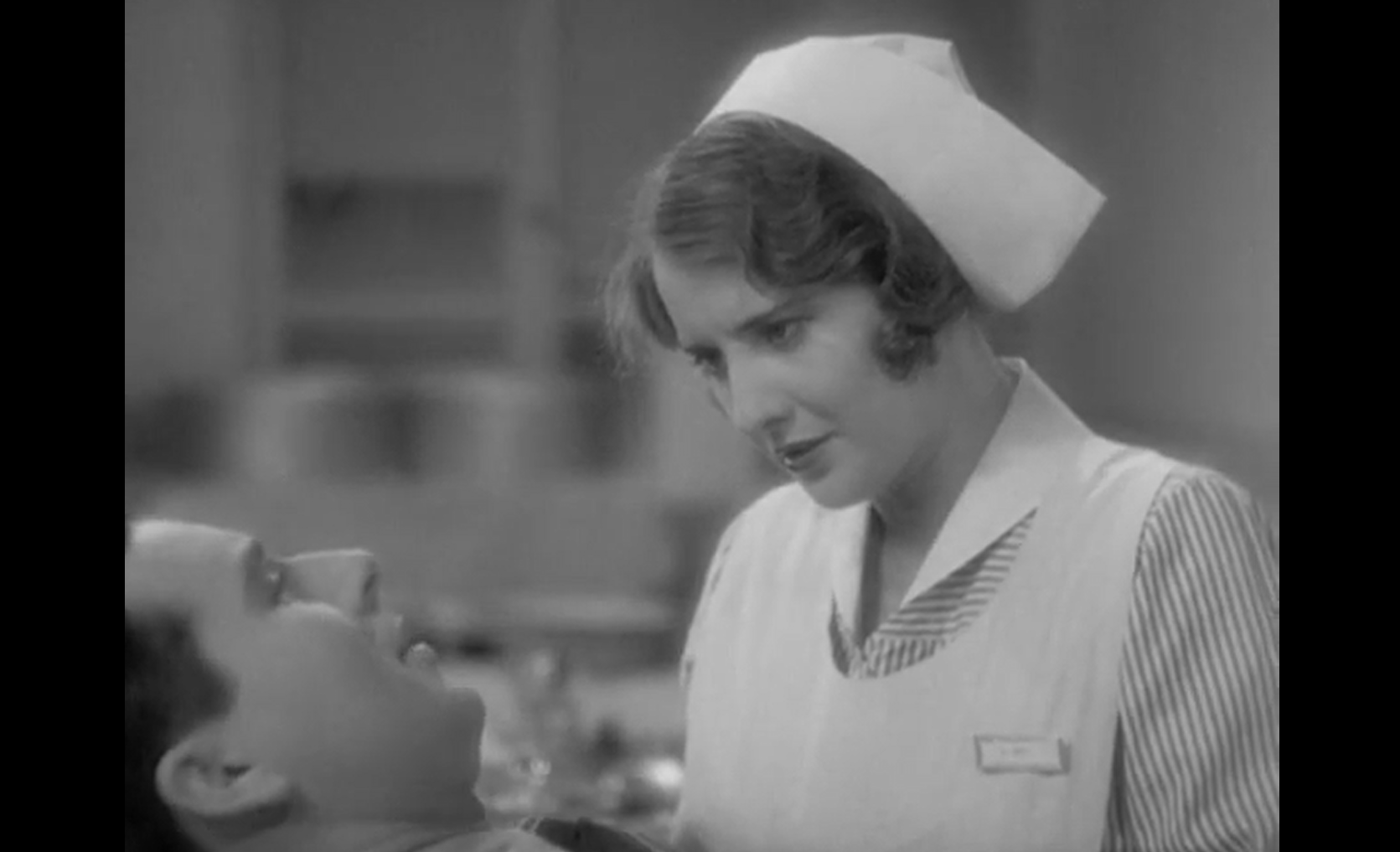
William Wellman’s racy pre-Code thriller is primarily notable for its refreshingly risque premise, and for featuring Clark Gable in one of his earliest non-leading, non-mustachioed roles (though he’s not really on-screen enough to make much of an impression).

Stanwyck is appropriately feisty as a poor but determined young woman who refuses to stand by and allow her innocent young charges to die:

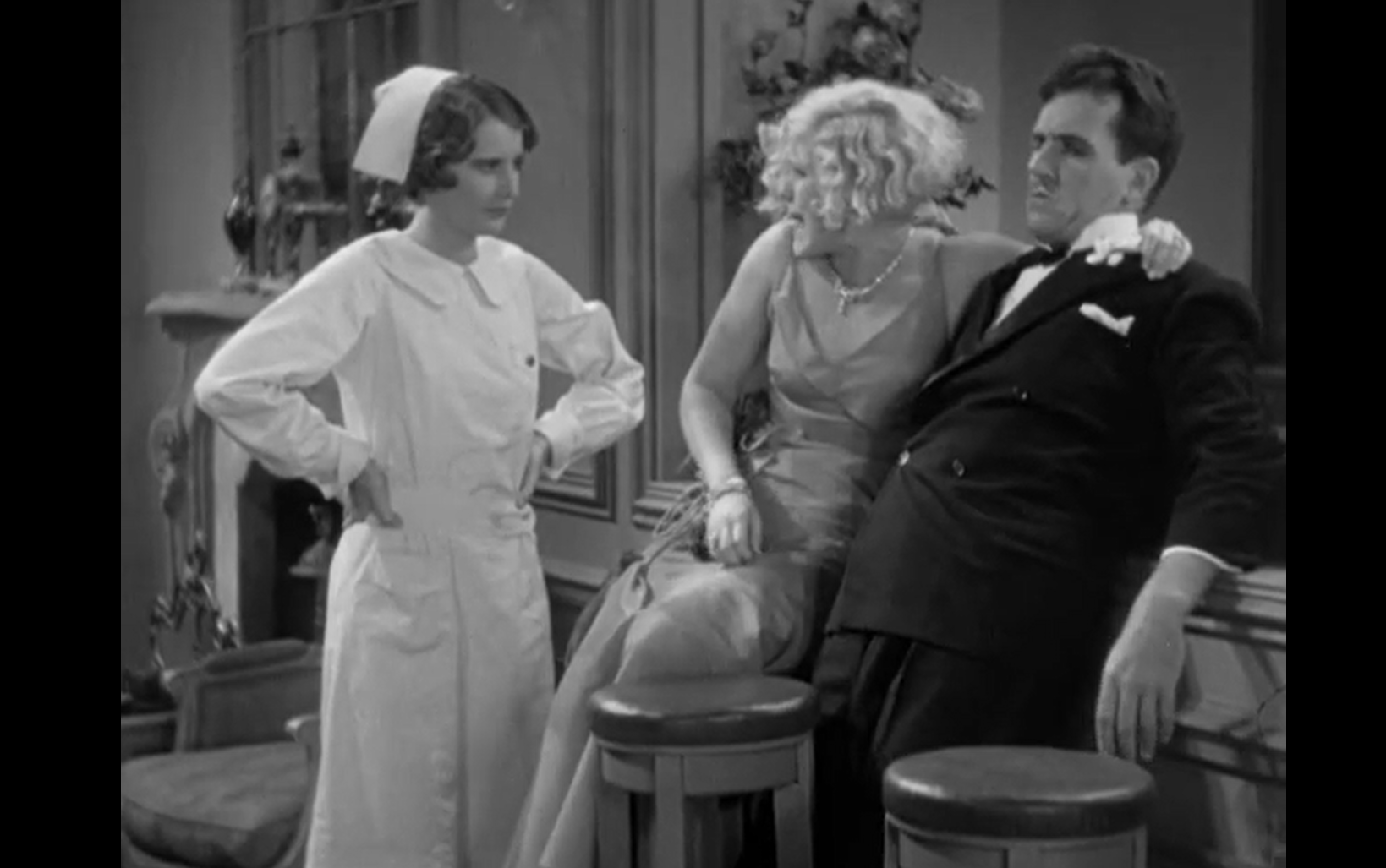
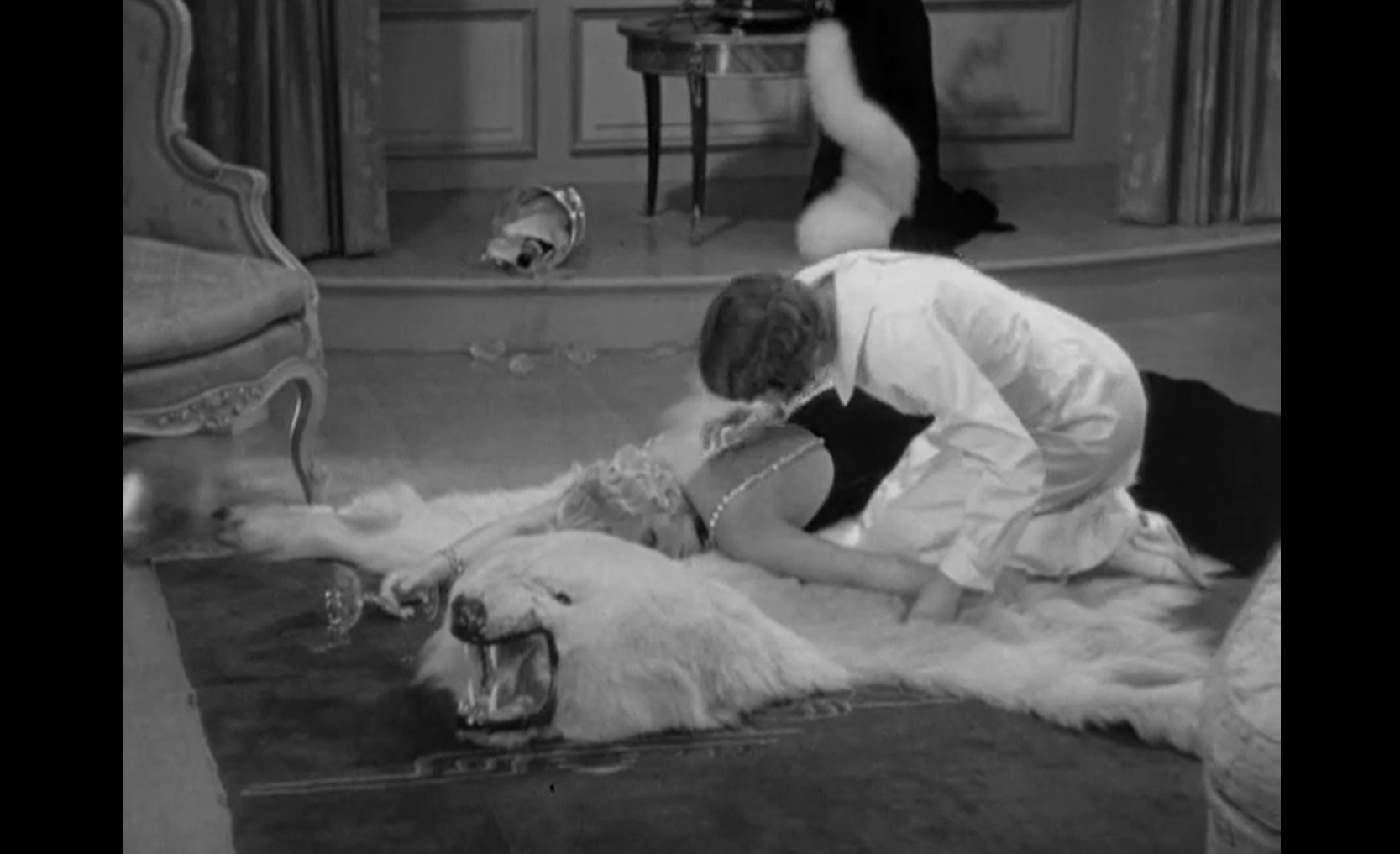
In perhaps the best scene of the film, she shatters class barriers by barging upstairs into a private drinking party and proceeding to seriously berate the girls’ alcoholic mother (Charlotte Merriam) for failing to notice (or care) that her girls are dying:

Although we expect Merriam to eventually get self-righteous, she never does, instead simply devolving into ever-increasing dysfunction, and eventually collapsing on the floor. While the story ends happily, we never learn what happens to Merriam — a character who, just a few short years later, would certainly be made to pay in one way or another for her egregious lack of maternal devotion.

Redeeming Qualities and Moments:

  • Barbara Stanwyck as Lora Hart
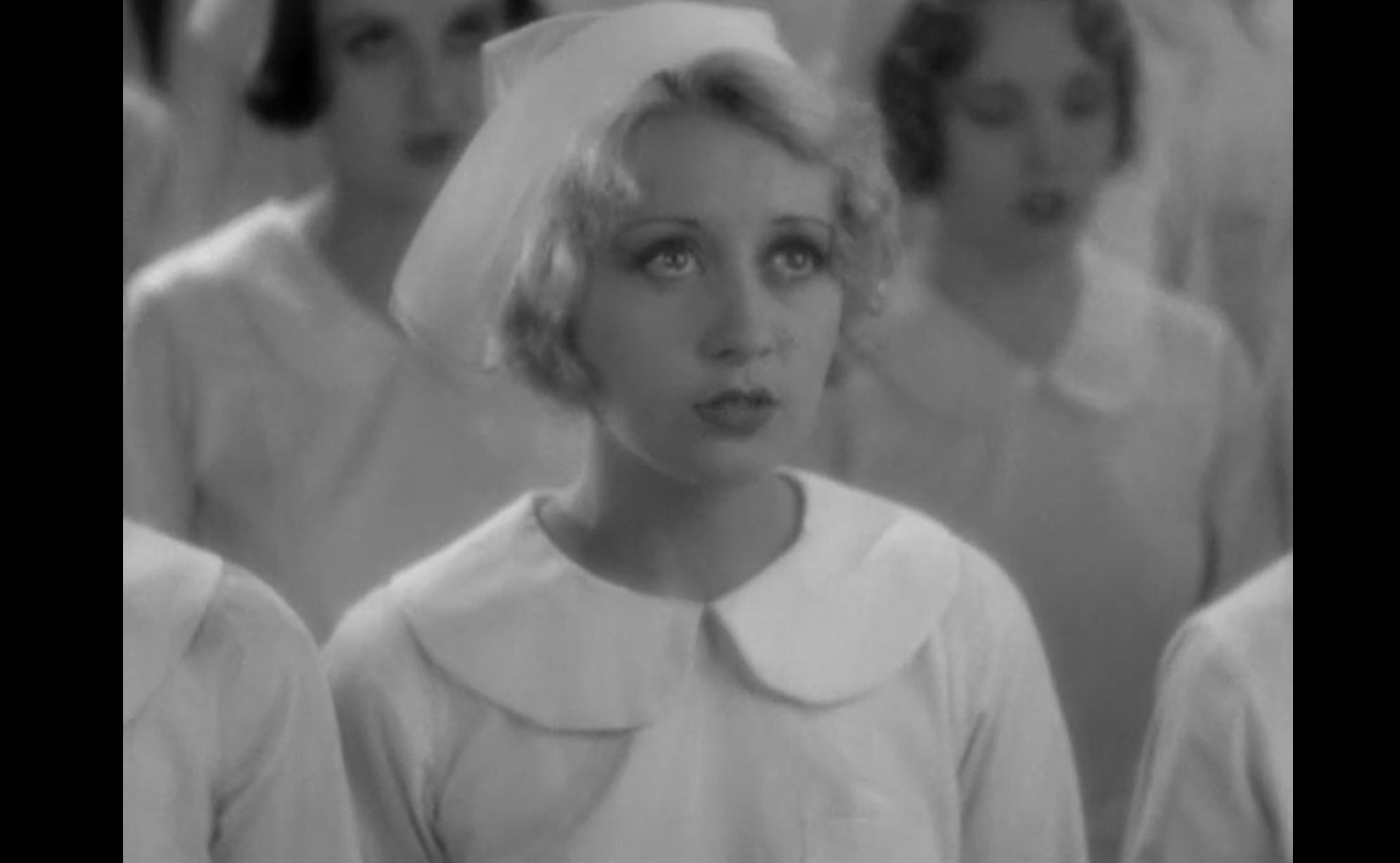
  • Joan Blondell as Stanwyck’s co-worker
  • Plenty of sizzling pre-code attitude, dialogue, and scenarios

Must See?
Yes, for its status as one of Wellman’s most infamous pre-Code thrillers.

Categories

  • Historically Relevant
  • Important Director

Links:

Claire’s Knee (1970)

Claire’s Knee (1970)

“Every woman has her most vulnerable point. For some, it’s the nape of the neck, the waist, the hands. For Claire, in that position, in that light, it was her knee.”

Synopsis:
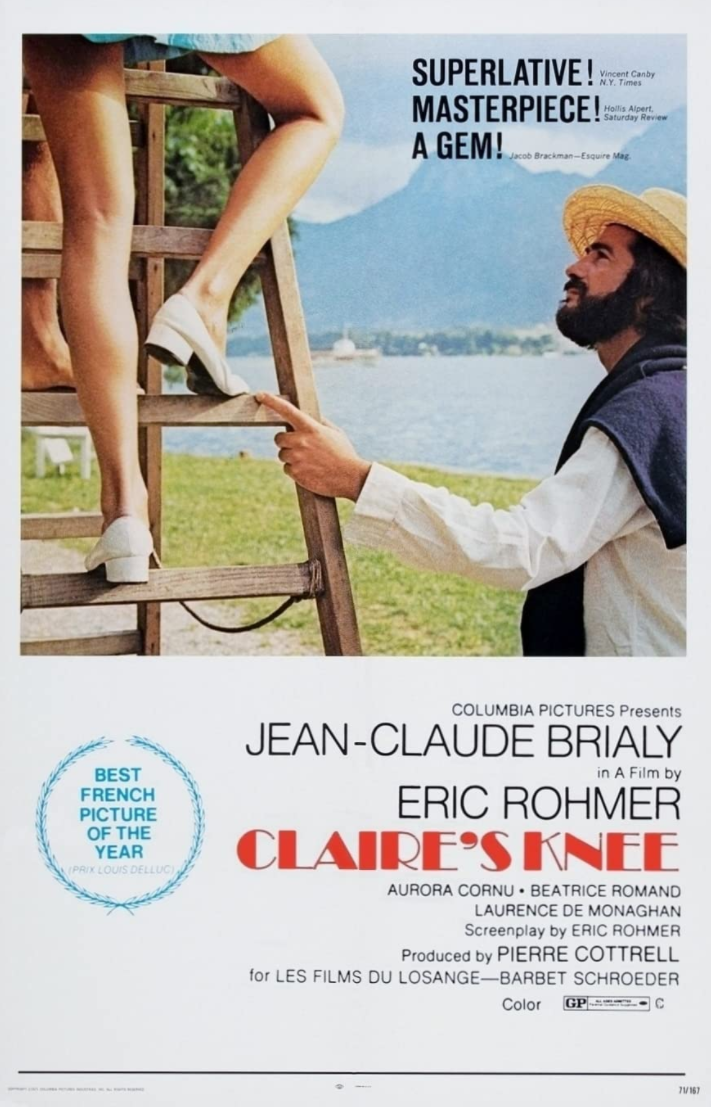
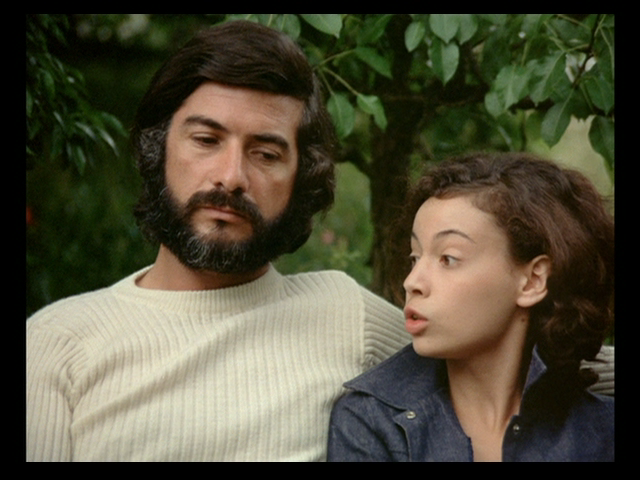
While on vacation near the Swiss border, a soon-to-be-married diplomat (Jean-Claude Brialy) runs into an old writer friend (Aurora Cornu) who’s boarding with a divorced mom (Michele Montel) and her teenage daughter Laura (Beatrice Romand). Laura quickly develops a crush on Brialy, who flirts back innocently in return; meanwhile, when Laura’s blonde step-sister Claire (Laurence de Monaghan) arrives, Brialy develops an irrepressible urge to caress her knee, and is encouraged by Cornu to find a way to do so.

Genres, Themes, Actors, and Directors:

  • Character Studies
  • Eric Rohmer Films
  • French Films
  • Infidelity
  • Vacation

Review:
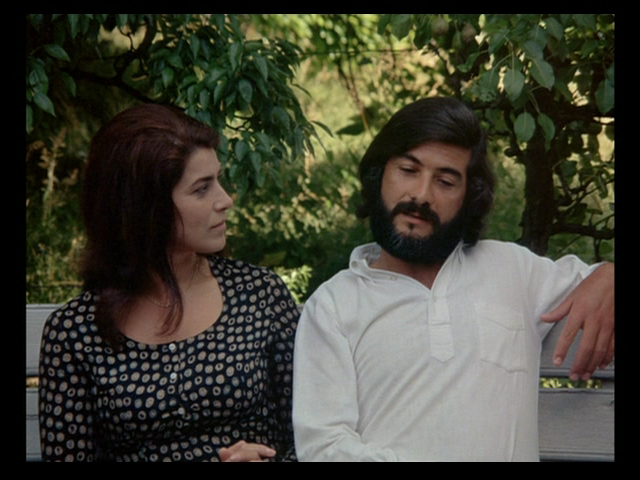
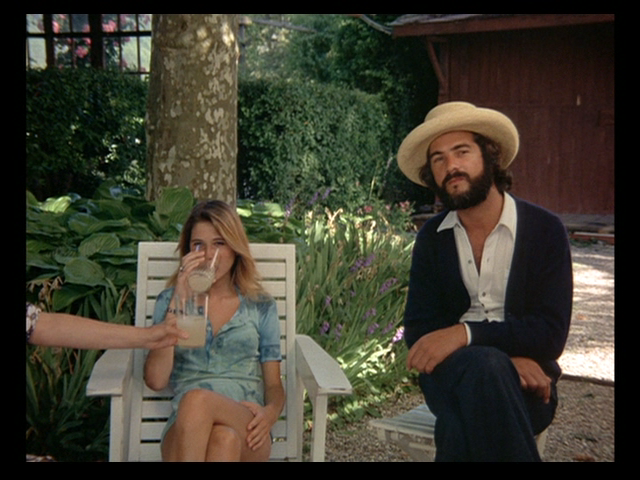
Claire’s Knee — the fifth installment in Eric Rohmer’s sextet of “Moral Tales” — is, like its companion films, focused on exploring a young male’s dalliance with temptation, and how he eventually resolves this temptation within himself. Here, Jerome (Brialy) is engaged to be married, but, egged on by an old friend (non-actress Cornu is perfectly cast), decides he might as well spend his last summer of “freedom” testing the boundaries of his desires. Indeed, Brialy’s friendship with Cornu has an air of Dangerous Liaisons to it, with romantic dares posited and enacted, then discussed with delight in the aftermath; in this case, however, Brialy’s actions are relatively benign: his flirtation with Romand is welcomed and returned, and his attempt to “touch Claire’s knee” — while clearly not done with reciprocation in mind — is similarly mild. These days, a film in which an underage (16-year-old) teenager seriously considers an affair with a man twice her age and nobody blinks an eye is dated but refreshing, making Claire’s Knee a thoughtful diversion.

Redeeming Qualities and Moments:

  • Jean-Claude Brialy as Jerome
  • Aurora Cornu as Jerome’s novelist friend
  • Beatrice Romand as Laura
  • Cornu trying to trick Jerome into accidentally touching Claire’s knee
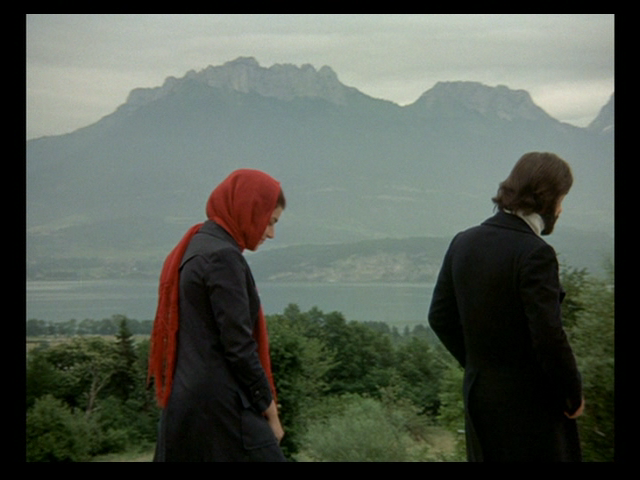
  • Nestor Almendros’ beautiful cinematography of the French countryside

Must See?
Yes, as one of Rohmer’s most celebrated films. Listed as a film with Historical Importance and as a Personal Recommendation in the back of Peary’s book.

Categories

  • Important Director

Links:

Let’s Do It Again (1975)

Let’s Do It Again (1975)

“Our motto is, ‘We get even — and you can count on it!'”

Synopsis:
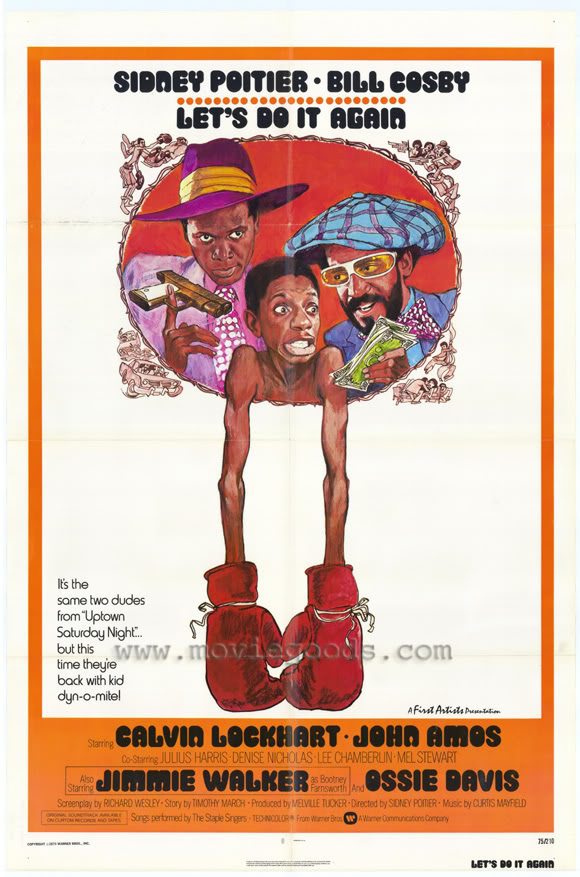
Two blue-collar buddies (Bill Cosby and Sidney Poitier) and their wives (Denise Nicholas and Lee Chamberlin) head to New Orleans, where Cosby and Poitier hope to earn some money for their fraternal lodge (the Brothers and Sisters of Shaka) by hypnotizing a weakling boxer (Jimmie Walker) into fighting like a champion, and then betting all their money on him. When their plan is a success, they’re pursued by rival gangsters Biggie Smalls (Calvin Lockhart) and Kansas City Mack (John Amos), who aren’t pleased by their loss of funds.

Genres, Themes, Actors, and Directors:

  • African-Americans
  • Billy Cosby Films
  • Boxing
  • Comedy
  • Gambling
  • Gangsters
  • Get Rich Quick
  • Mind Control and Hypnosis
  • Sidney Poitier Films

Review:
Sidney Poitier and Bill Cosby followed up their first collaboration together — Uptown Saturday Night (1974) — with this surprisingly humorous and enjoyable comedy. The plot is downright ridiculous (Poitier’s near-magical ability to hypnotize a boxer into success in the ring is particularly unrealistic), but it allows Cosby and Poitier to do what they do best together, as Cosby sweet-talks his way out of countless sticky situations, and Poitier mugs gamely along beside him; the pimpadelic outfits they wear while impersonating bigwig gamblers are priceless. Denise Nicholas as Cosby’s wife and Jimmie Walker (J.J. from television’s “Good Times”) are especially noteworthy supporting cast members, adding a spark of additional energy to the proceedings. While not strictly a “sequel”, Let’s Do It Again nonetheless defies the common downfall of Hollywood flicks made to bank on a previous film’s popularity: this one is actually better than its predecessor.

Redeeming Qualities and Moments:

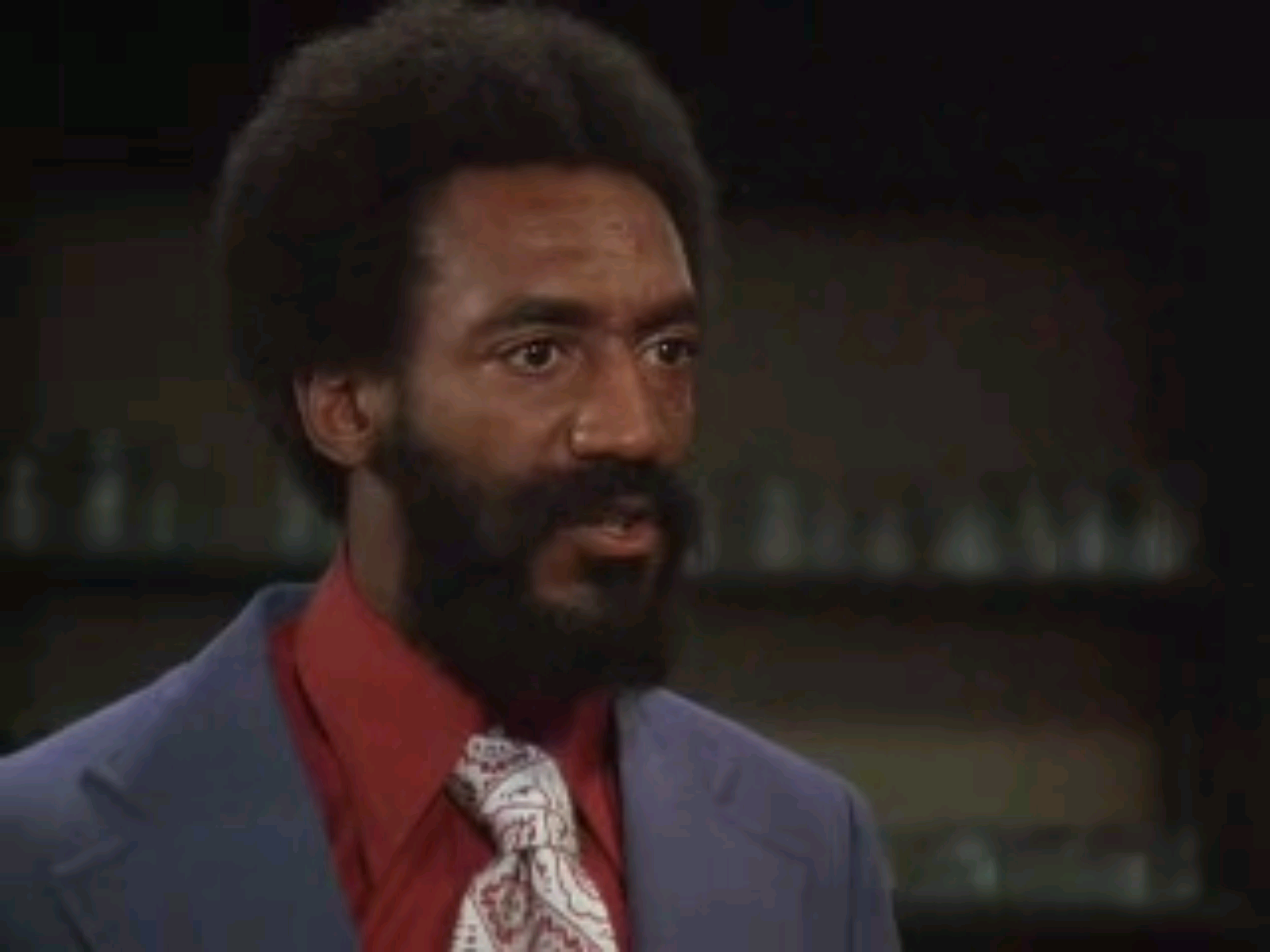
  • Cosby sweettalking his way out of an arrest after showing up in a woman’s apartment
  • Jimmie Walker as Bootney Farnsworth
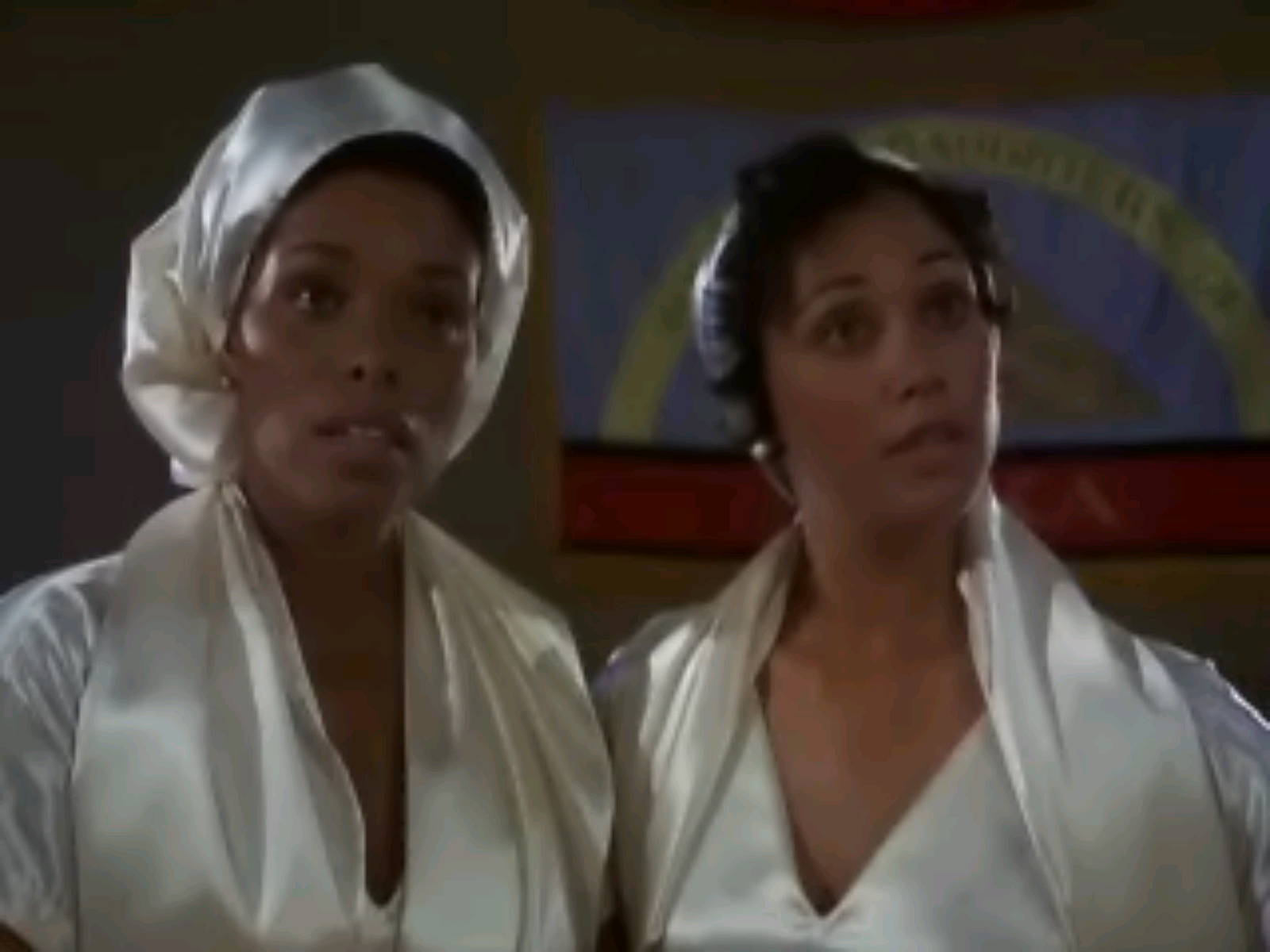
  • Denise Nicholas (on the right) as Cosby’s gutsy, supportive wife
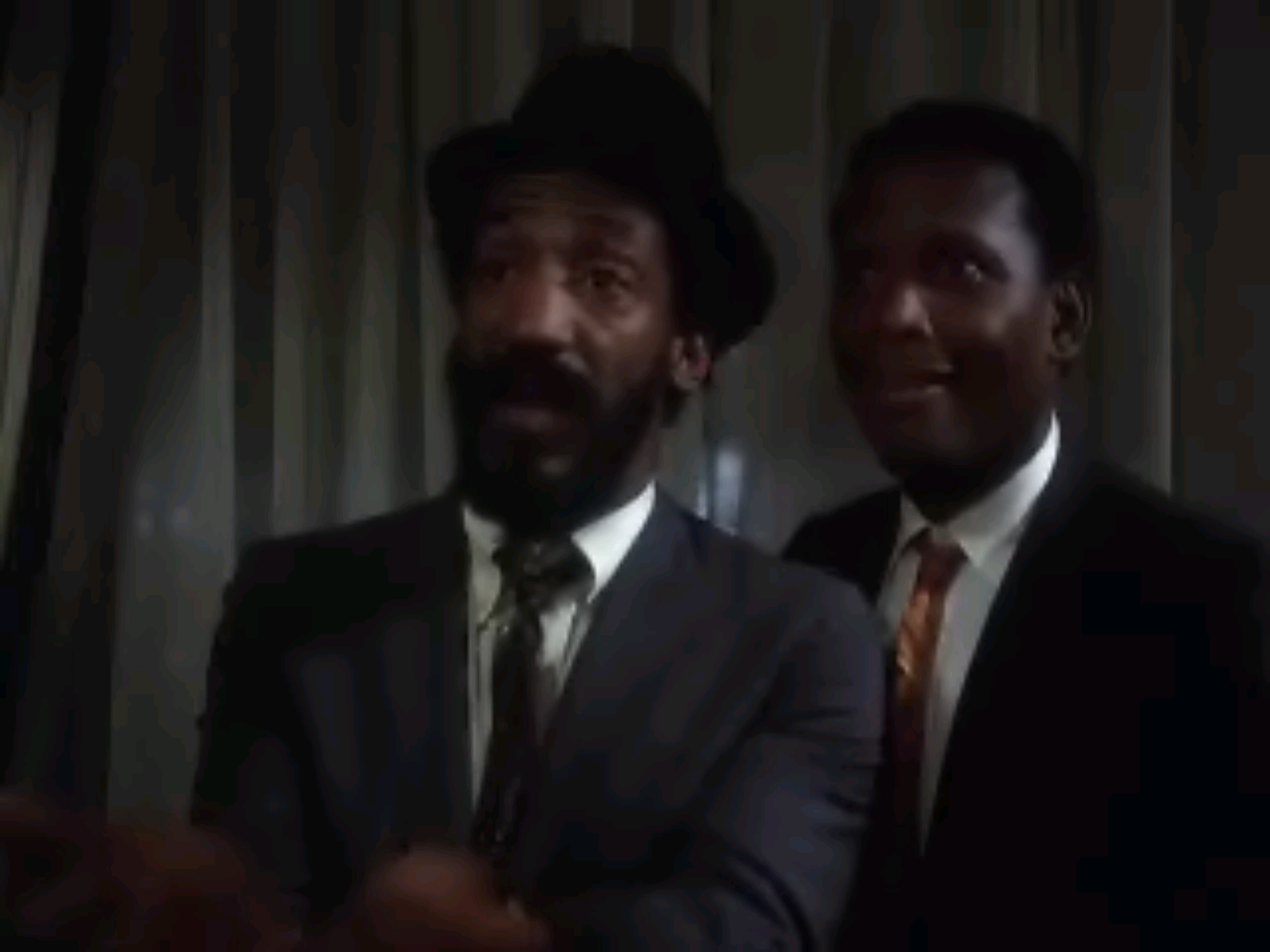
  • Cosby and Poitier’s hilarious hipster disguises
  • Curtis Mayfield’s score

Must See?
No, but it’s worth a one-time look as the best of the Cosby-Poitier buddy flicks.

Links:

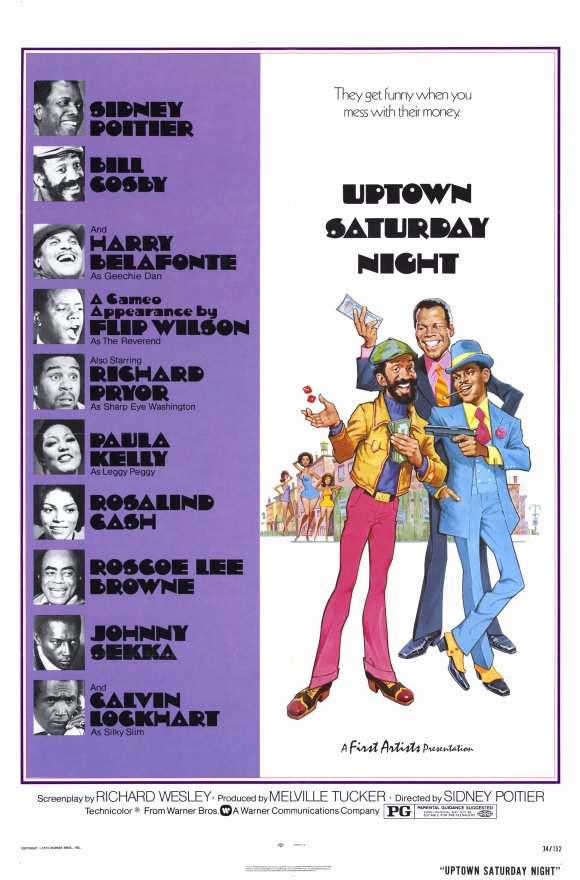
Uptown Saturday Night (1974)

Uptown Saturday Night (1974)

“Never have so few owed so much to so many.”

Synopsis:
A factory worker (Sidney Poitier) and his taxi-driving buddy (Bill Cosby) visit a chic after-hours club one night, where they’re held up at gunpoint by a gang of masked robbers. When Poitier realizes that a winning lottery ticket is in his stolen wallet, he and Cosby set out to recover their valuable property; soon they find themselves embroiled in a vicious gang war between Geechie Dan Beauford (Harry Belafonte) and Silky Slim (Calvin Lockhart).

Genres, Themes, Actors, and Directors:

  • African-Americans
  • Amateur Sleuths
  • Billy Cosby Films
  • Comedy
  • Gangsters
  • Harry Belafonte Films
  • Richard Pryor Films
  • Sidney Poitier Films

Review:
Sidney Poitier directed and co-starred in three comedic “buddy pictures” with Billy Cosby during the mid-1970s; Uptown Saturday Night was the first of these. It’s lighthearted, innocuous fare, with a smattering of enjoyable moments and performances sprinkled throughout (the inimitable Harry Belafonte is nearly unrecognizable as a stuffed-cheeks “don”), but the screenplay drags in parts, ultimately seeming more like an excuse for amusing vignettes than a compelling narrative. It doesn’t offer nearly as many genuine laughs as its much sillier follow-up, Let’s Do It Again (1975), which I recommend instead if you’re curious about this series.

Redeeming Qualities and Moments:

  • Fun, believable rapport between Cosby and Poitier
  • Cosby smooth-talking his way out of a confrontation with “Little Seymour Pettigrew”
  • Harry Belafonte as Geechie Dan Beauford — clearly having fun riffing on Marlon Brando’s Don Corleone

Must See?
No, but it’s worth a look simply for historical purposes.

Links:

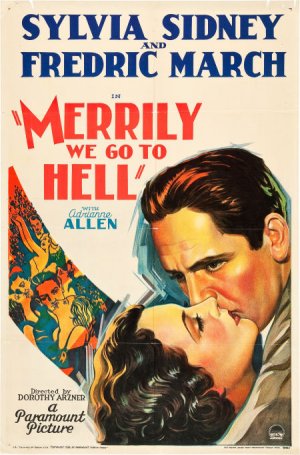
Merrily We Go to Hell (1932)

Merrily We Go to Hell (1932)

“I’m afraid as a rule I prefer the company of men… Particularly if they’re bartenders.”

Synopsis:
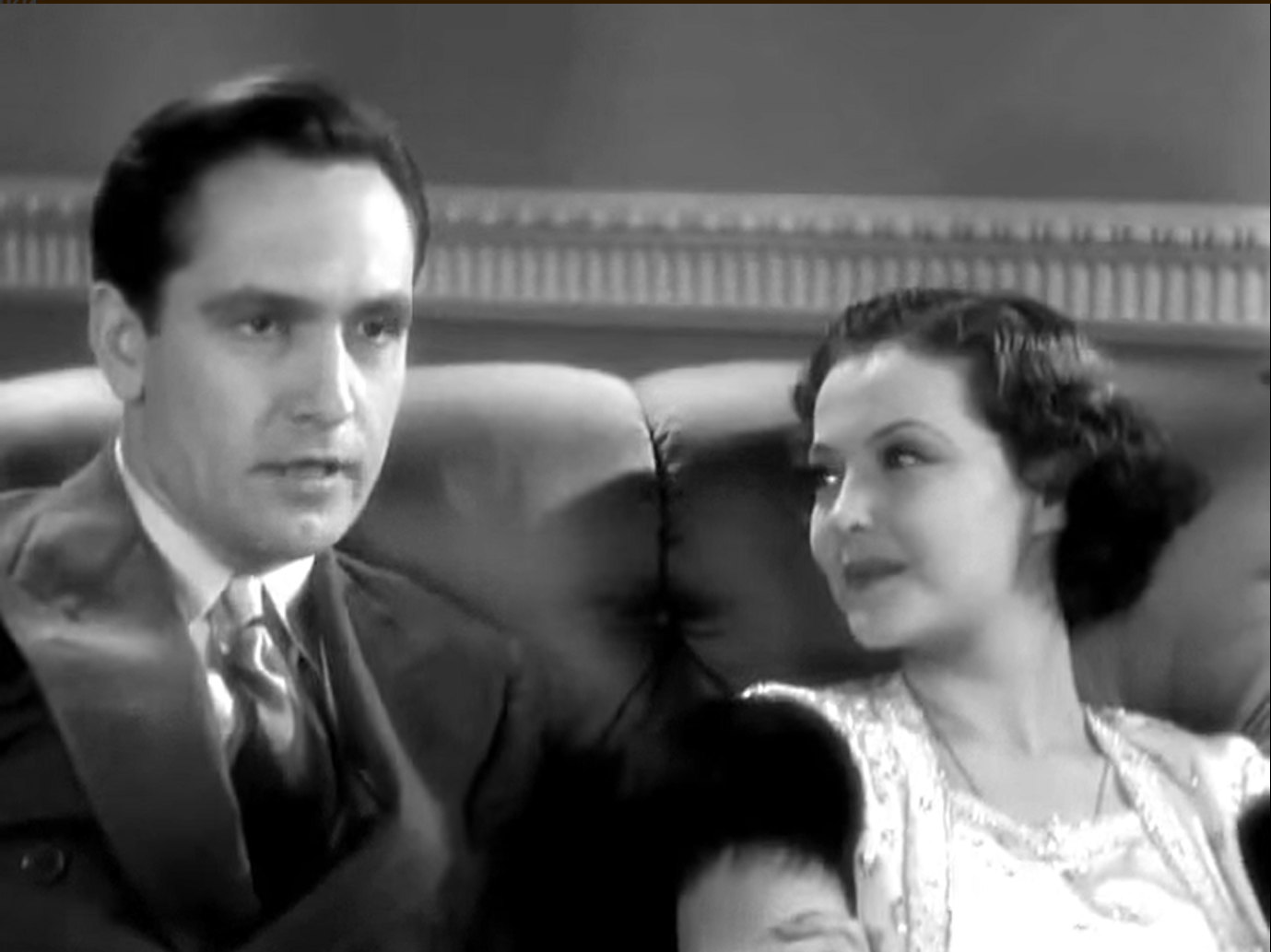
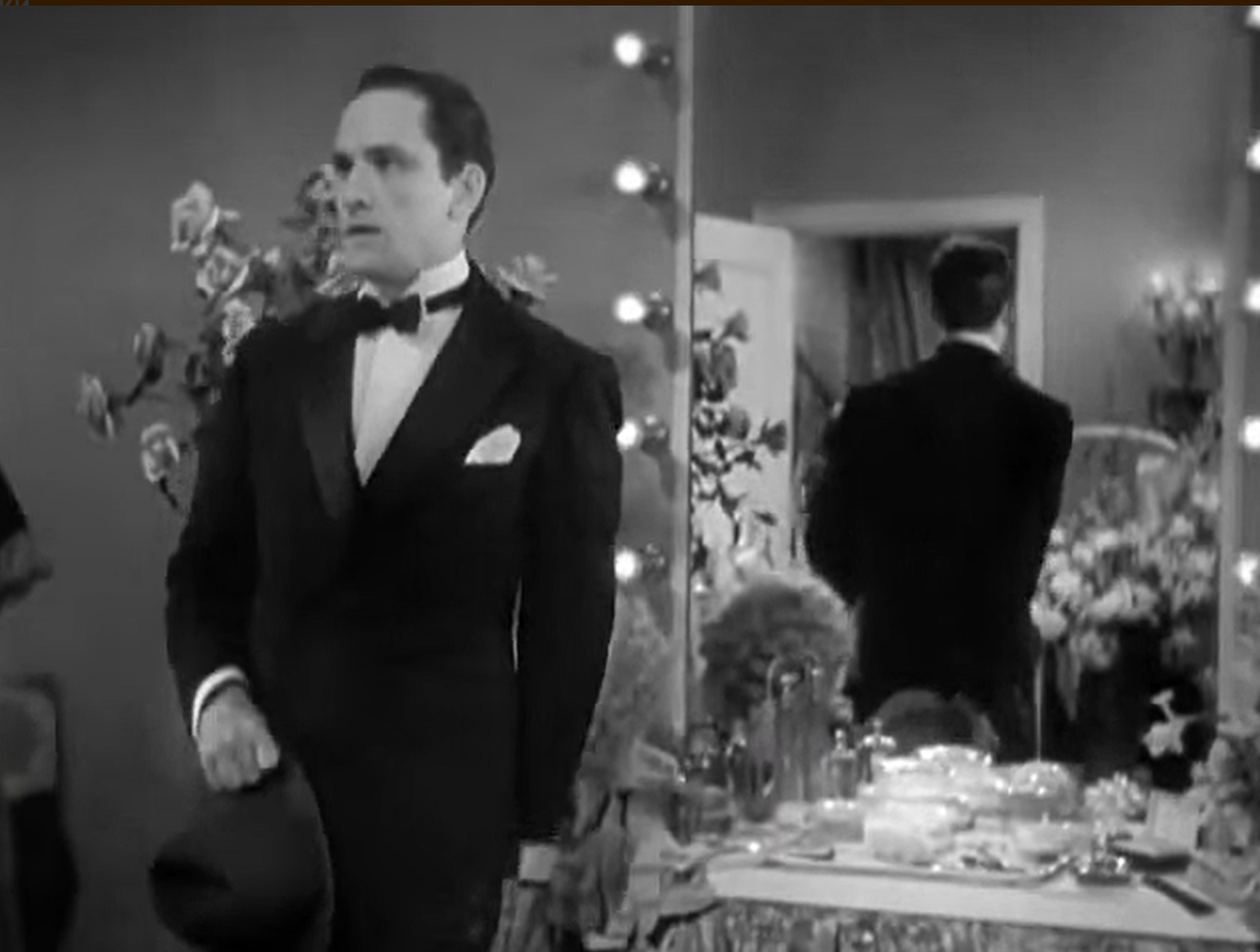
An aspiring playwright (Fredric March) with a drinking problem marries an heiress (Sylvia Sidney) whose father (George Irving) is skeptical of March’s intentions. When March carries on an affair with a former flame (Adrianne Allen), Sidney despairs, but resolves to take revenge by living a “free” marriage herself.

Genres, Themes, Actors, and Directors:

  • Alcoholism and Drug Addiction
  • Cross-Class Romance
  • Dorothy Arzner Films
  • Fredric March Films
  • Heiresses
  • Marital Problems
  • Sylvia Sidney Films

Review:
Possessing one of the best titles in early Hollywood history, Merrily We Go to Hell is — perhaps almost inevitably — a bit of a disappointment. Helmed by famed female director Dorothy Arzner, it tells the rather predictable tale of cross-class lovers marrying on a whim and discovering that life isn’t nearly as easy or idyllic as they might have hoped. Sidney is typecast as a sweet yet determined heiress who refuses to let either March’s lack of income or his glaringly obvious drinking problem get in the way of her love for him; March is an unwitting heel but as handsome and dapper as his role requires.

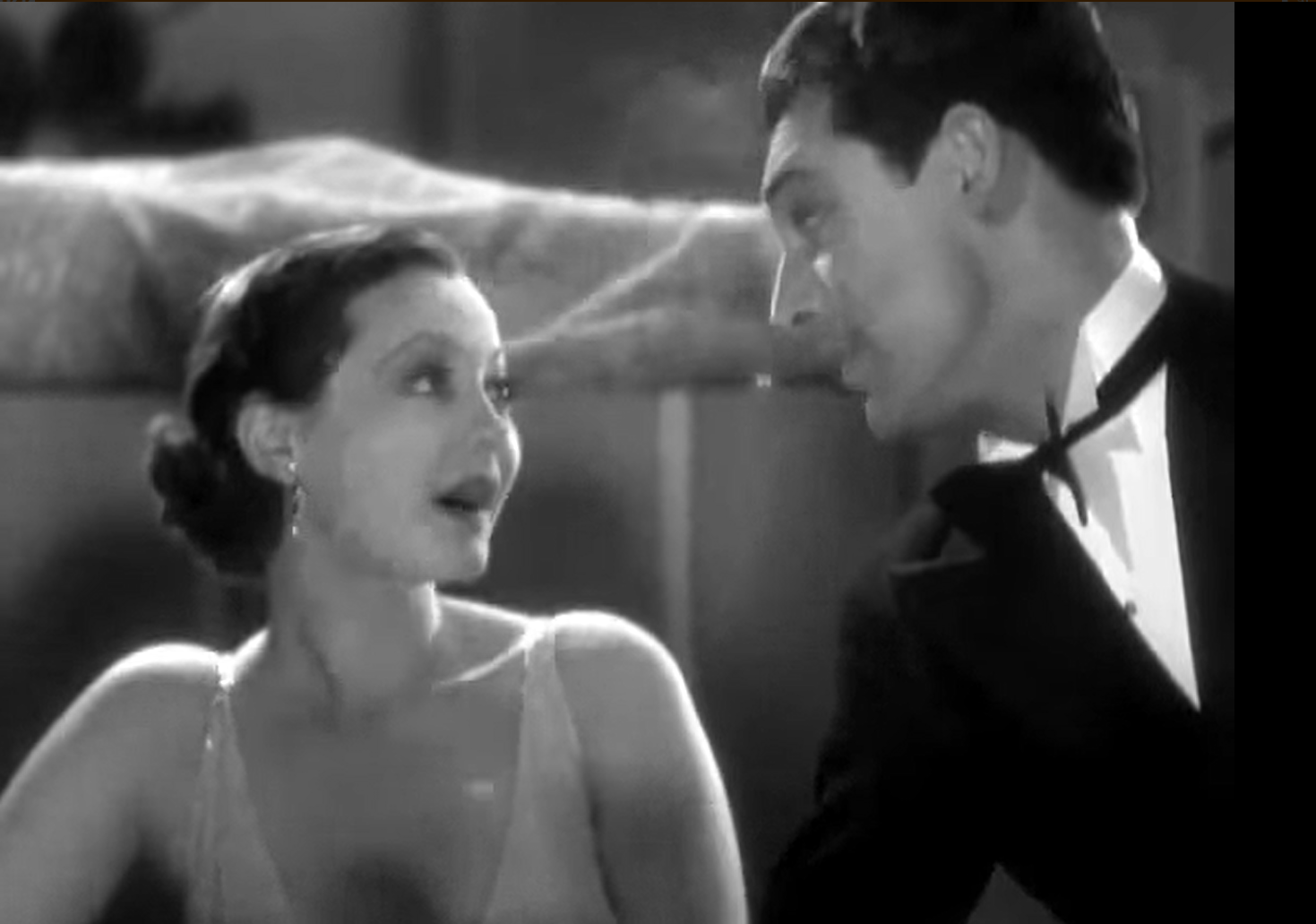
The title itself is based on a refrain March throws out several times before taking a drink, one which Sidney herself eventually adopts out of desperation — indeed, Sidney’s decision to try to meet March halfway in his cavalier attitude towards life and marriage constitutes the most interesting aspect of the story, as we see one of the earliest examples of a “swinging couple” on-screen (with Cary Grant showing up for a bit role as Sidney’s new lover). Unfortunately, the storyline eventually devolves into predictable melodrama, with traditional morality reasonably — albeit unrealistically — restored.

Note: The best line in the film is probably made when March sheepishly admits to Sidney early on that he “prefers the company of men”; this comment is never explored in more detail, but knowing that Arzner was a lesbian gives one occasion to pause.

Redeeming Qualities and Moments:

  • Sylvia Sidney as Joan
  • Fredric March as Jerry
  • A brave, early look at an “open relationship” as a response to marital infidelity
  • Cary Grant in a very brief early appearance

Must See?
No, but it’s worth a look.

Links: