Browsed by
Category: Original Reviews

Responses to Peary’s “must see” movie reviews, as well as my own “must see” movie reviews up to and after 1986 (when Peary’s book was published).

You’ll Never Get Rich (1941)

You’ll Never Get Rich (1941)

“To a hungry man, a lamb chop is a tasty dish — but to the butcher, it’s just another hunk of meat.”

Synopsis:
A choreographer (Fred Astaire) helps his philandering boss (Robert Benchley) get out of hot water with his suspicious wife (Frieda Inescort) by pretending to have purchased an engraved diamond bracelet for one of his beautiful showgirls (Rita Hayworth). He soons finds himself in trouble with Hayworth’s beau (John Hubbard), and enlists in the army to escape; meanwhile, he realizes he really does care for Hayworth, and tries to win her heart.

Genres, Themes, Actors, and Directors:

  • Dancers
  • Fred Astaire Films
  • Musicals
  • Rita Hayworth Films
  • Romantic Comedy
  • Soldiers
  • World War II

Review:
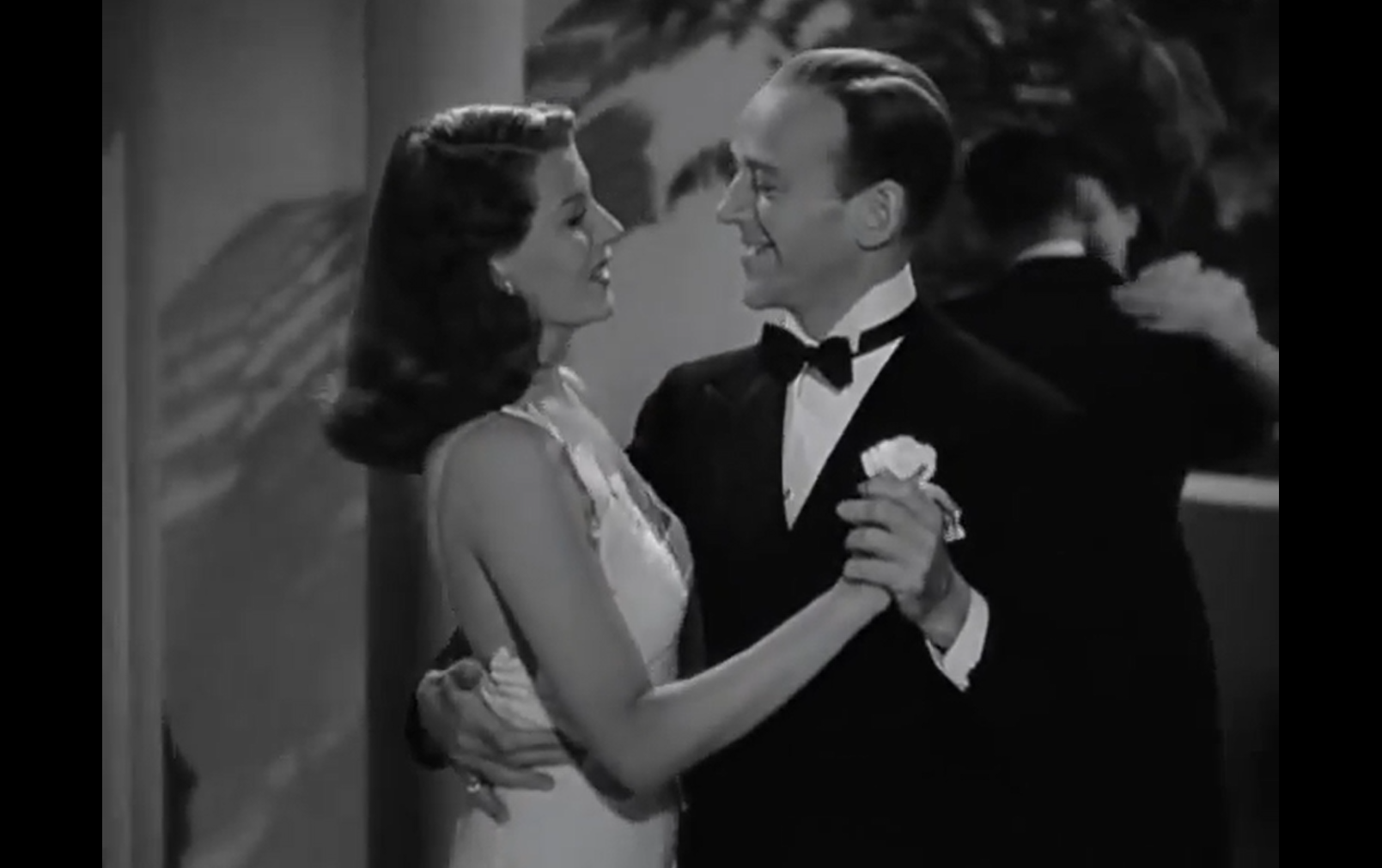
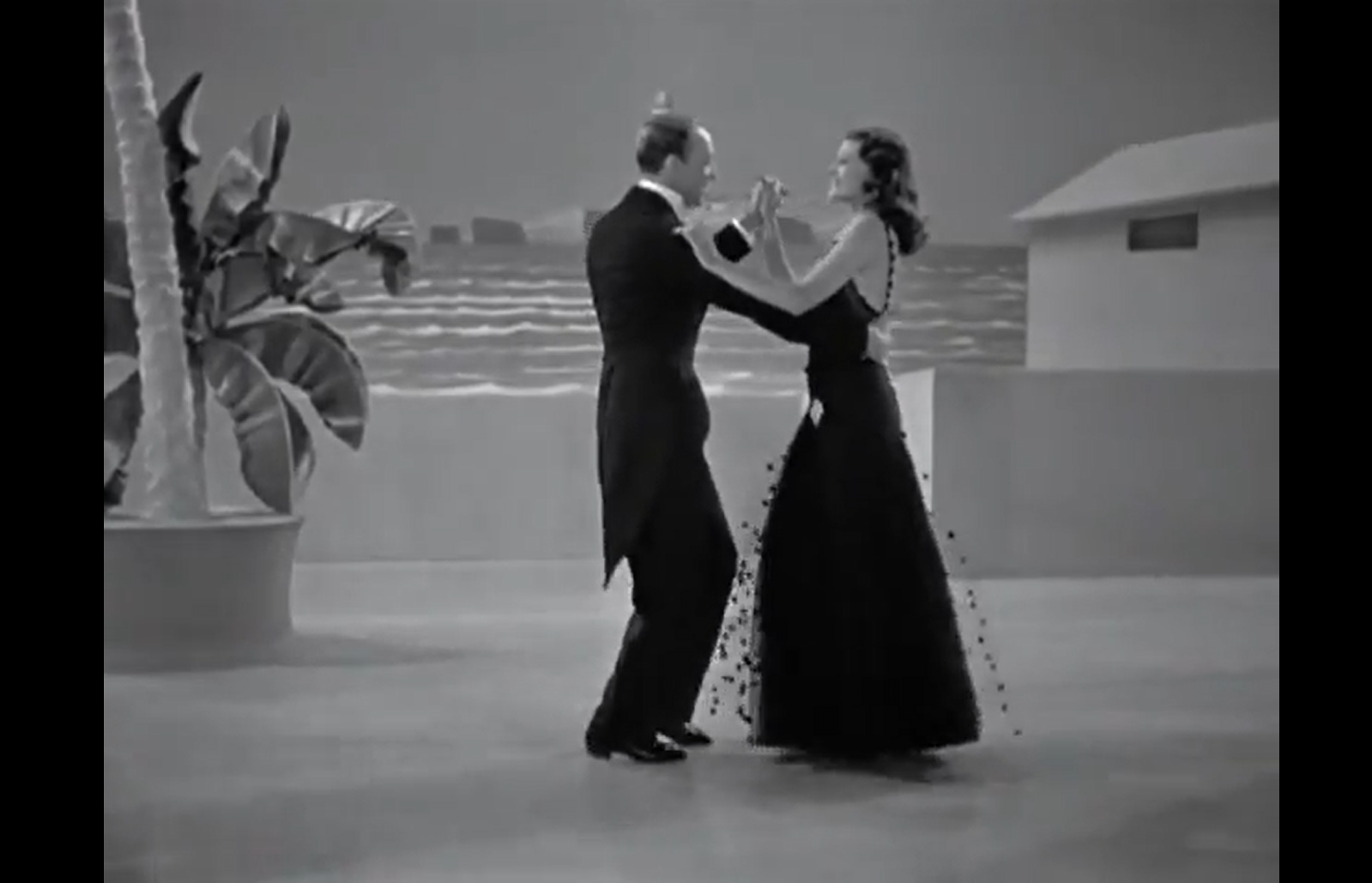
Fred Astaire and Rita Hayworth’s first film together was this WWII musical comedy, featuring a catchy yet surprisingly forgettable score by Cole Porter. The ridiculous military “subplot” (actually a major part of the movie) is an enormous distraction from what we really want to see: Astaire and Hayworth dancing and falling in love.

Whenever they’re together — or when Astaire dances alone — we’re in heaven; but when we’re forced to watch Astaire getting in continual trouble with his superiors — and landing repeatedly in an impossibly clean military brig — the story falters and sinks. Robert Benchley is intermittently amusing as the childishly caddish millionaire who lies through his teeth as a matter of course and isn’t above using his employees to get himself out of hot water, while Frieda Inescort as his snobbish wife is perfectly cast:

— but neither they nor Astaire and Hayworth can quite work the necessary magic with this sub-par script. With that said, while I can’t recommend You’ll Never Get Rich as must-see viewing, I suspect most film fanatics will be curious to at least check it out once, given its historical importance as the film which helped propel Hayworth to true cheesecake status.

Redeeming Qualities and Moments:

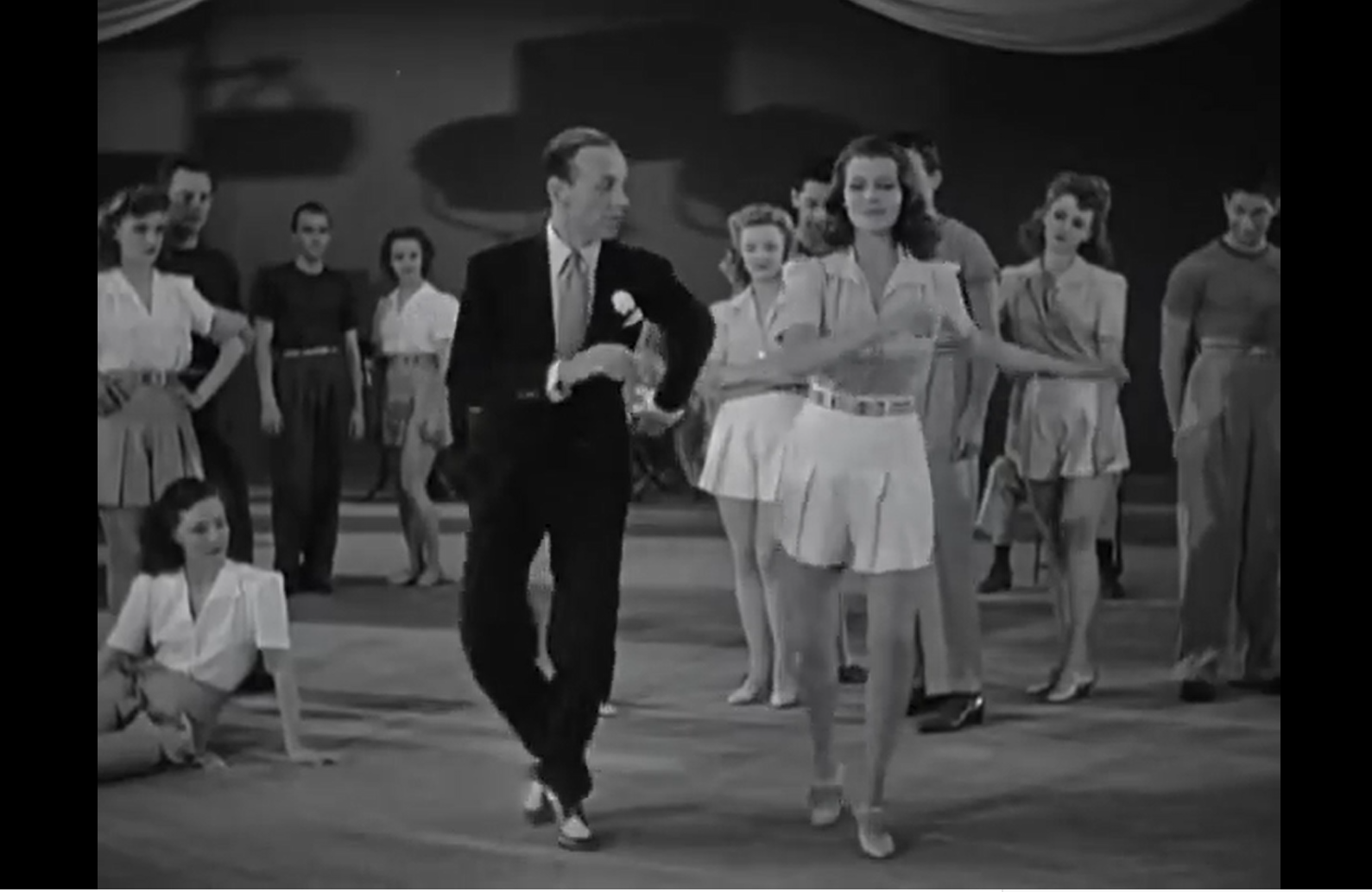
  • Astaire and Hayworth’s too-short initial tap dance together
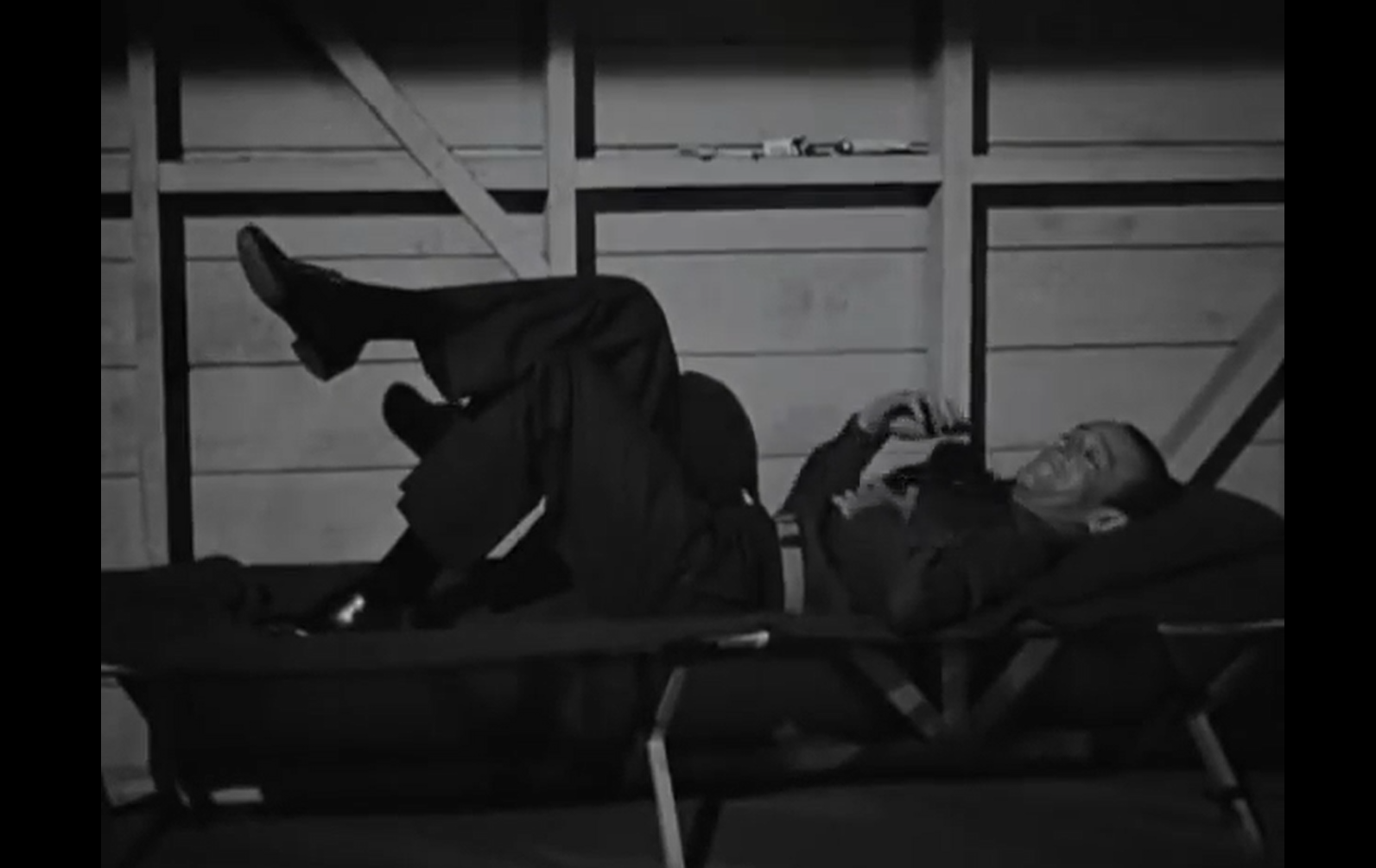
  • Astaire’s fabulous solo dances in the guardhouse

  • Astaire and Hayworth dancing to “So Near and Yet So Far” during the army show rehearsal

Must See?
No. While it holds some historical importance as Astaire and Hayworth’s first outing together, it’s ultimately not must-see viewing.

Links:

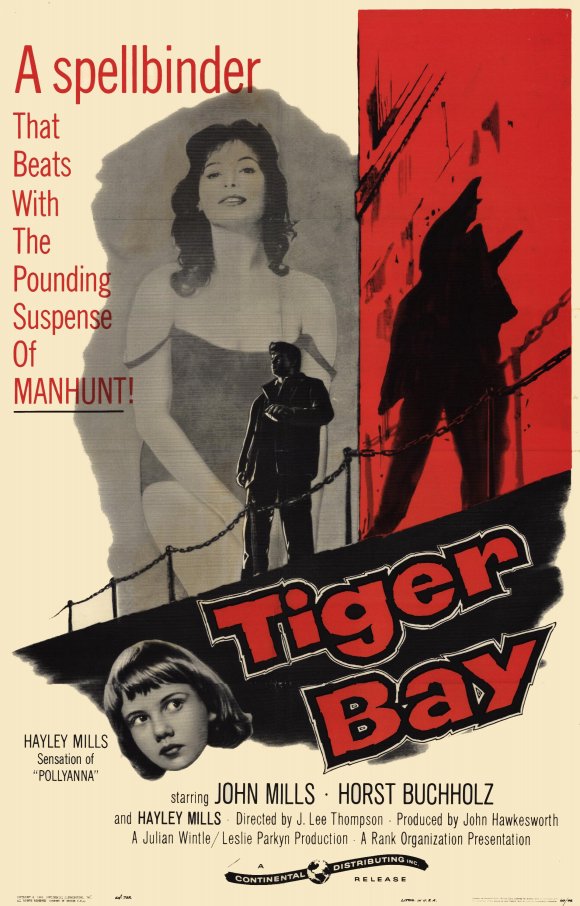
Tiger Bay (1959)

Tiger Bay (1959)

“Why not tell them — the whole thing? Nobody on our street will blame you; they say she gave our place a bad name.”

Synopsis:
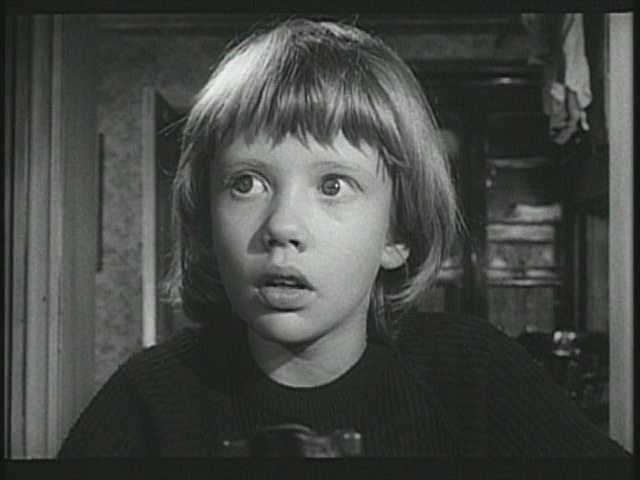
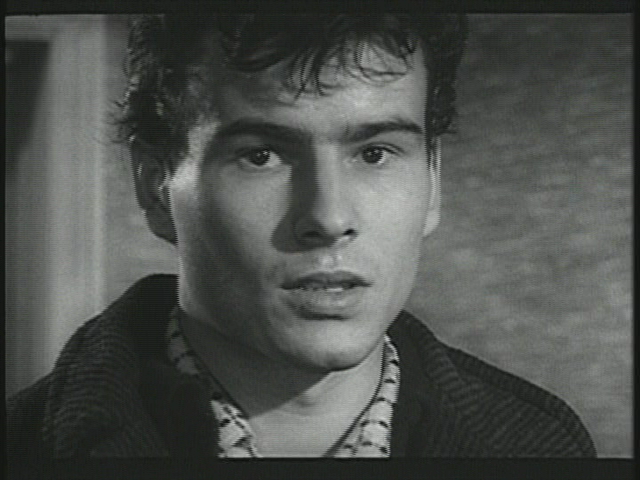
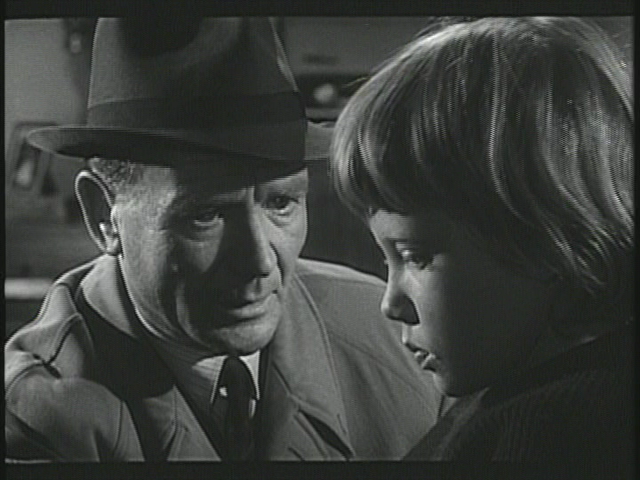
A young orphan named Gillie (Hayley Mills) befriends a Polish sailor (Horst Buchholz) who has just killed his faithless girlfriend (Yvonne Mitchell), and tries her best to prevent him from being captured by determined police Superintendent Graham (John Mills).

Genres, Themes, Actors, and Directors:

  • Detectives and Private Eyes
  • Friendship
  • Fugitives
  • John Mills Films
  • Orphans

Review:
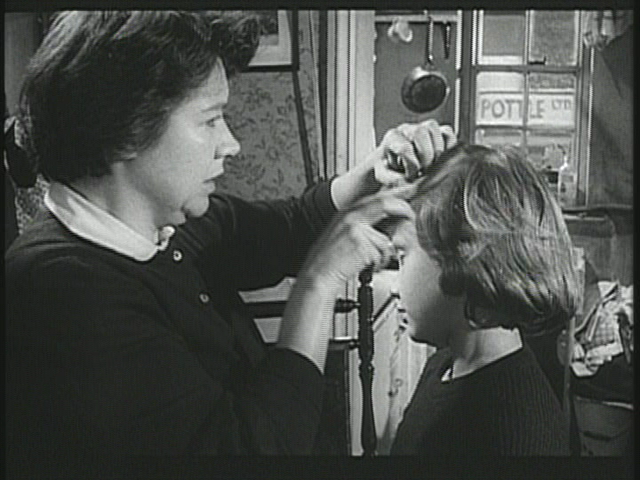
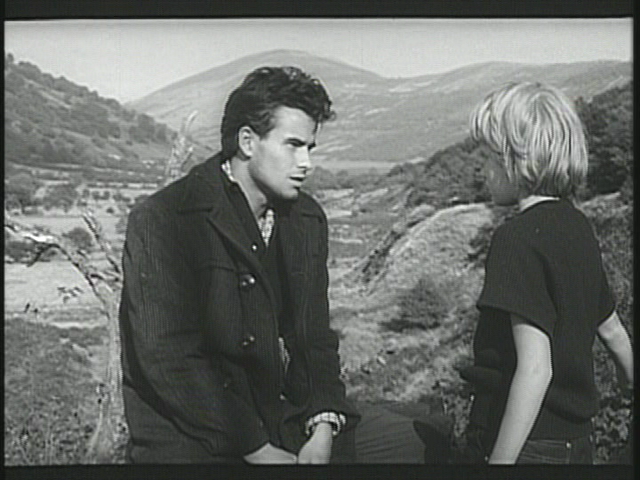
12-year-old Hayley Mills made a stunning screen debut in this atmospheric, intelligent thriller about cross-generational friendship and loyalty. Mills’ part was originally meant for a boy, but her bob haircut and tomboyish manner make her entirely suitable for the role — which, given Gillie’s propensity for unrepentant lying and stealing, is about as far removed from Mills’ ensuing Pollyanna image as one could imagine. Indeed, part of what makes Tiger Bay so fascinating is the way in which it presents eminently real, flawed characters and allows us to sympathize with them — while we know that Buchholz must be caught and punished for his actions, for instance, we can entirely relate to both his and Gillie’s desire to run away and live freely at sea. Although the story itself occasionally defies belief (particularly by the end), the special friendship that emerges between Gillie and Buchholz — refreshingly free of any sexual overtones — makes this unusual film well worth watching.

Redeeming Qualities and Moments:

  • Hayley Mills as Gillie
  • Horst Buchholz as Korchinsky
  • John Mills as Superintendent Graham
  • Megs Jenkins as Gillie’s aunt
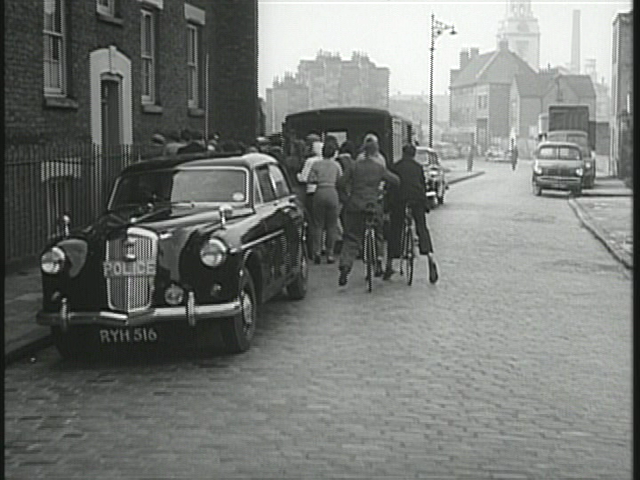
  • Effective use of Cardiff locales and locals
  • Atmospheric b&w cinematography
  • A highly affecting story of cross-generational friendship

Must See?
Yes, simply for Mills’ stand-out performance. Listed as a Personal Recommendation in the back of Peary’s book.

Categories

  • Noteworthy Performance(s)

Links:

And Now for Something Completely Different (1971)

And Now for Something Completely Different (1971)

“I would just like to point out that this film is displaying a distinct tendency to become SILLY.”

Synopsis:
The Monty Python comedy troupe — Graham Chapman, John Cleese, Terry Gilliam, Eric Idle, Terry Jones, Michael Palin, Carol Cleveland, and Connie Booth — reenact the most popular skits from their Flying Circus television show.

Genres, Themes, Actors, and Directors:

  • Comedy
  • Episodic Films
  • Monty Python Films

Review:
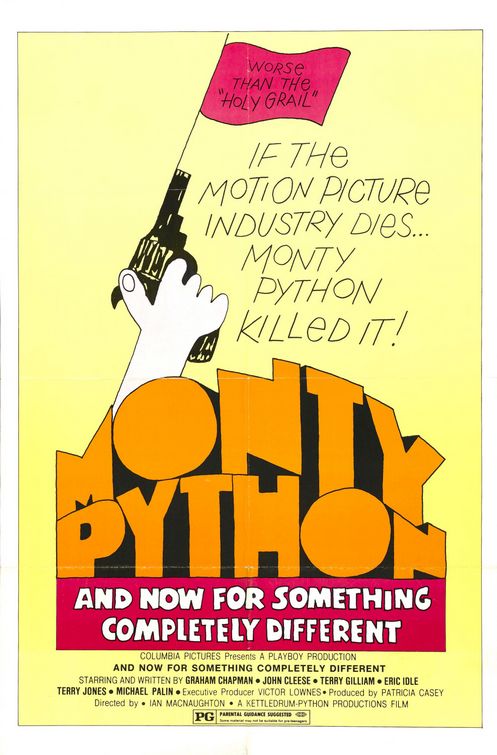
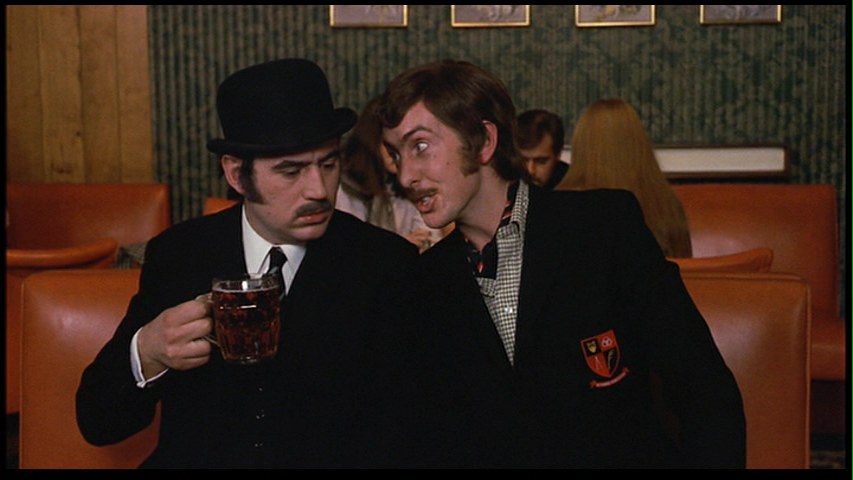
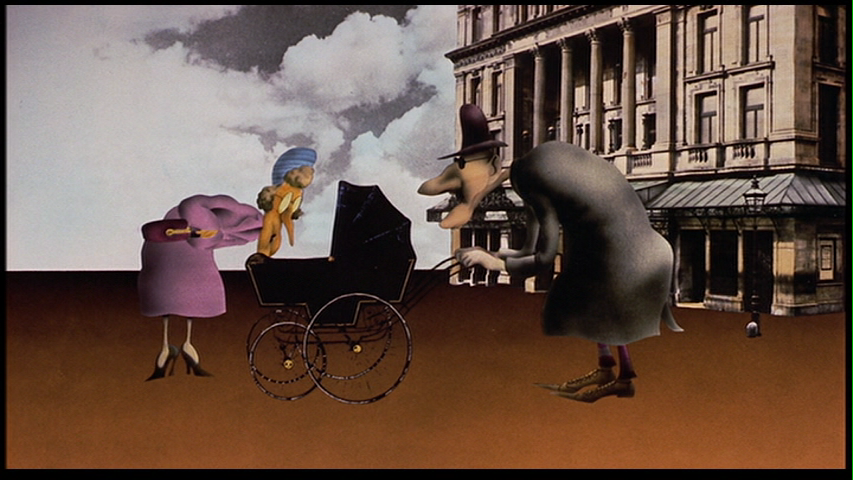
Monty Python’s first feature length film is essentially a compilation of reenacted skits from their popular BBC television show “Monty Python and the Flying Circus”; in this sense, its title was a misnomer for Brits of the day, but not for American audiences, most of whom were witnessing Python’s inimitable sense of wacky humor for the first time. Your enjoyment of And Now For Something Completely Different will inevitably ride upon how well you “get” the group’s particular brand of comedy — yet despite how often you actually find yourself laughing out loud, there’s no denying that the film is, indeed, unlike anything you’ve ever seen. Terry Gilliam’s unusual animation style provides a surreal set of transitions between the skits, which in themselves are often beyond belief, skewering (nay, butchering) every social convention and P.C. hot button imaginable. Listed below are a few of my own favorite “redeeming moments” in the film, but each fan is likely to come up with her or her own. While certainly not for all tastes, this cult movie should be seen at least once by every film fanatic.

Redeeming Qualities and Moments:

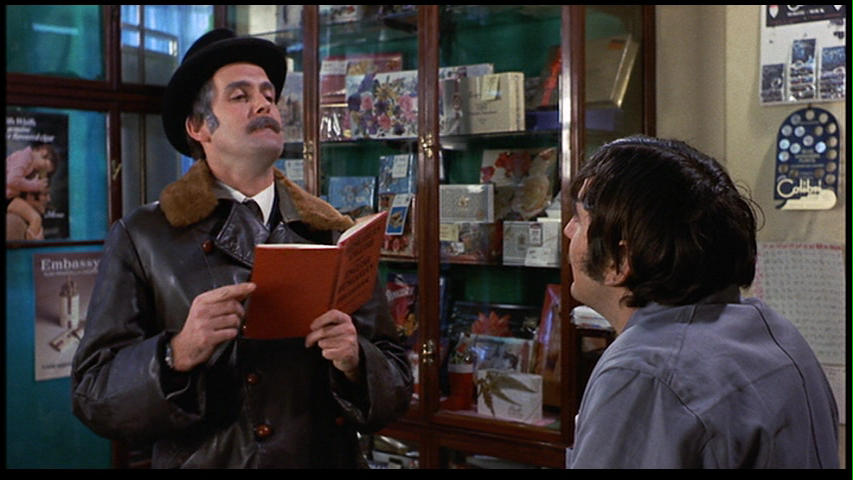
  • The “Hungarian phrasebook” sketch
  • The initial “public service” skit: “How Not to Be Seen”
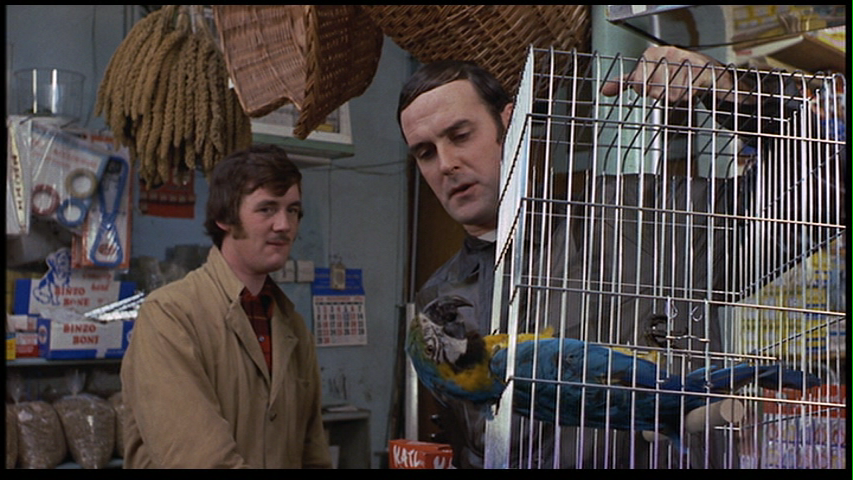
  • The “dead parrot” skit
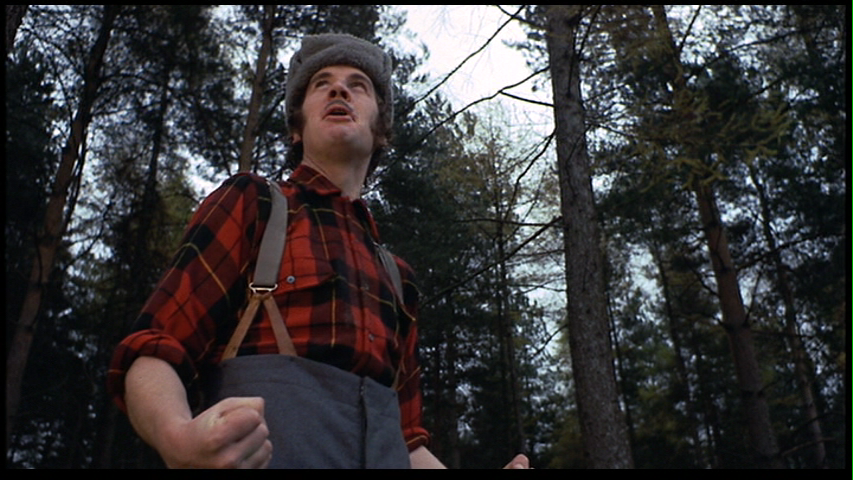
  • The “I’m a Lumberjack and I’m Okay” song
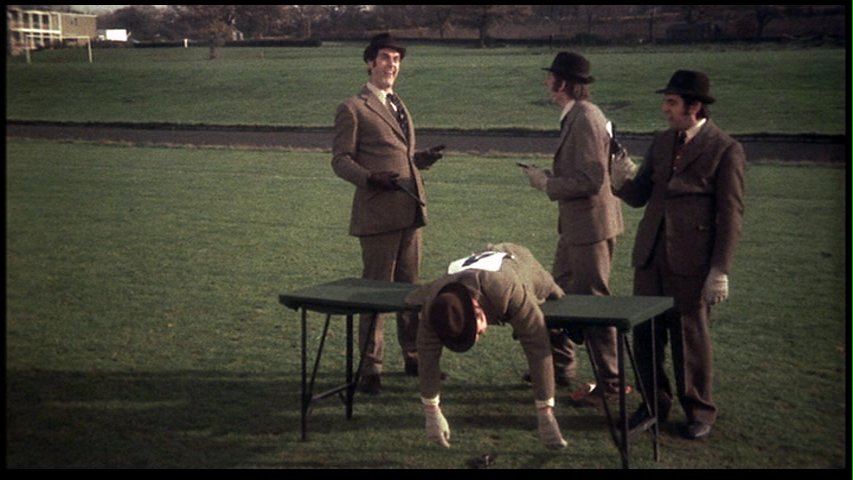
  • The “Upper Class Twit of the Year” sketch
  • Countless classic lines, spouted ad infinitum by Python fans: “Nudge, nudge, say no more, know what I mean?”
  • Terry Gilliam’s surreal inter-skit animation


Must See?
Yes, for its status as a cult favorite.

Categories

Links:

Music Lovers, The (1970)

Music Lovers, The (1970)

“I wanted marriage — without a wife.”

Synopsis:
Peter Tchaikovsky (Richard Chamberlain) tries to deny his homosexuality by marrying a socially ambitious young woman (Glenda Jackson), but soon finds himself miserable and unable to compose.

Genres, Themes, Actors, and Directors:

  • Biopics
  • Composers
  • Glenda Jackson Films
  • Homosexuality
  • Ken Russell Films
  • Marital Problems

Review:
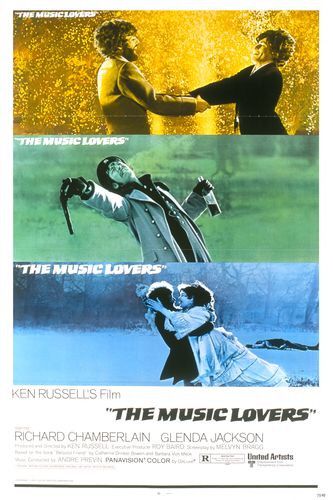
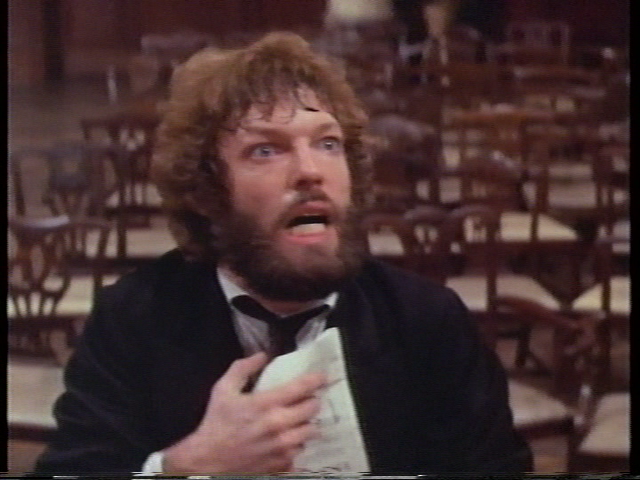
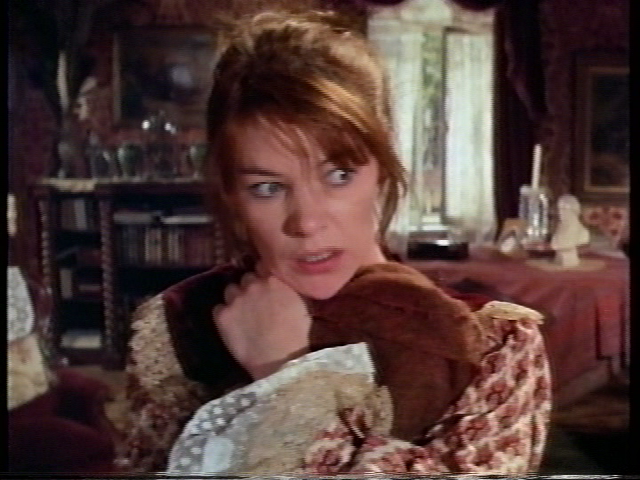
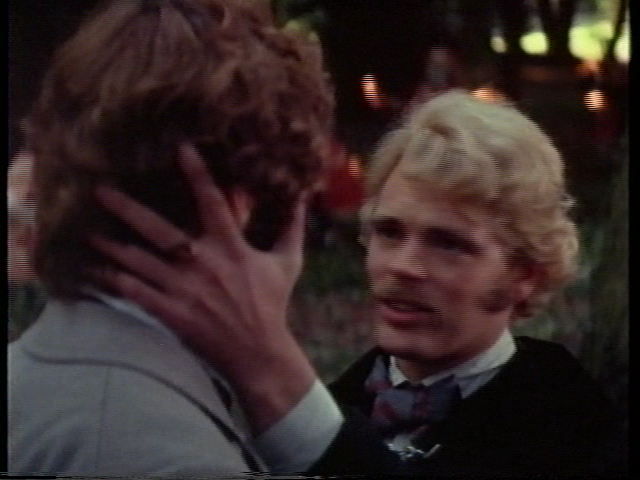
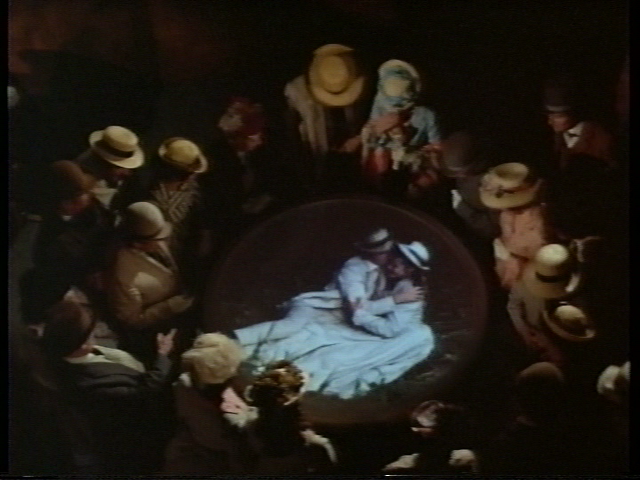
Ken Russell’s flamboyant biopic of Peter Tchaikovsky is based on true events, but takes great liberty with details. Indeed, Russell seems most concerned with chronicling the emotional highs and lows of Tchaikovsky’s tortured life, primarily focusing on the ways in which his desire to conform to societal expectations — by marrying, rather than continuing his dalliances with young men — wreaked havoc on both his personal and creative life. Critics at the time of the film’s release were unimpressed, completely missing the point of Russell’s vision; nowadays, audience members accustomed to “creative” imaginings of artists’ lives may well have more tolerance for The Music Lovers, which remains a heady, visually sumptuous experience, one which successfully portrays the havoc wreaked on both husband and wife when marriage is based on pretense rather than authentic desire. Richard Chamberlain is perfectly cast as Tchaikovsky (especially given what we now know about his own closeted homosexuality), and his piano playing (while dubbed by a professional) is truly impressive. Glenda Jackson nearly steals the show, however, as Tchaikovsky’s ambitious, mentally unstable wife who simply can’t understand why her husband has no desire to make love to her.

Redeeming Qualities and Moments:

  • Richard Chamberlain as Tchaikovsky
  • Glenda Jackson as Tchaikovsky’s wife in-name-only
  • The powerful, fantasy-laden opening concert sequence
  • An astute look at Tchaikovsky’s tormented sexuality
  • Sumptuous set designs and costumes
  • The hilarious “camera obscura” scene

Must See?
Yes, as a prime example of Ken Russell’s inimitable biopic style. Listed as a cult movie in the back of Peary’s book.

Categories

Links:

Father of the Bride (1950)

Father of the Bride (1950)

“I would like to say a few things about weddings…”

Synopsis:
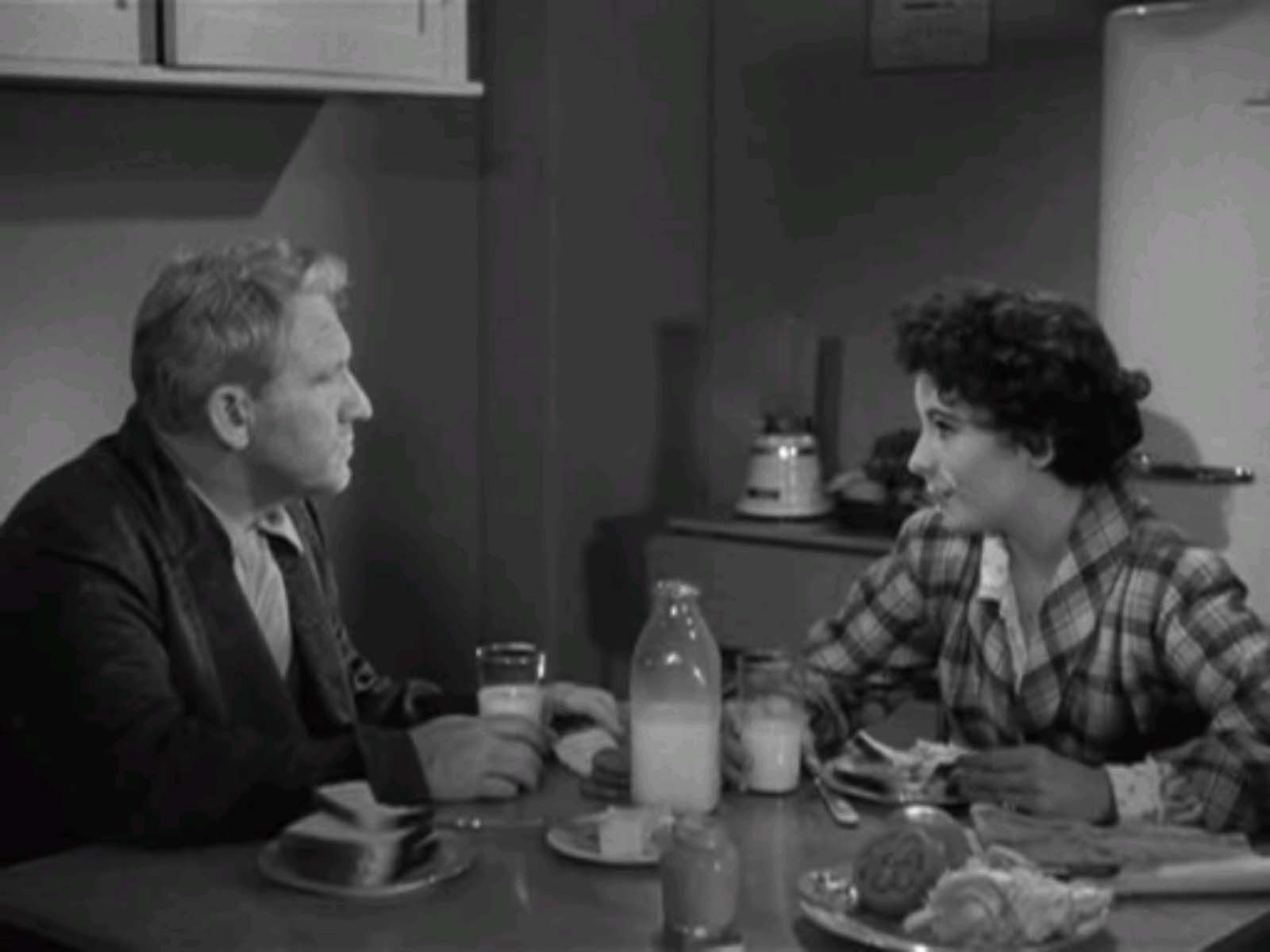
When his 20-year-old daughter (Elizabeth Taylor) announces that she’s going to be marrying her boyfriend (Don Taylor), Stanley Banks (Spencer Tracy) and his wife Ellie (Joan Bennett) begin the heady — and expensive — process of planning her wedding.

Genres, Themes, Actors, and Directors:

  • Comedy
  • Elizabeth Taylor Films
  • Father and Child
  • Grown Children
  • Joan Bennett Films
  • Russ Tamblyn Films
  • Spencer Tracy Films
  • Vincente Minnelli Films
  • Weddings

Review:
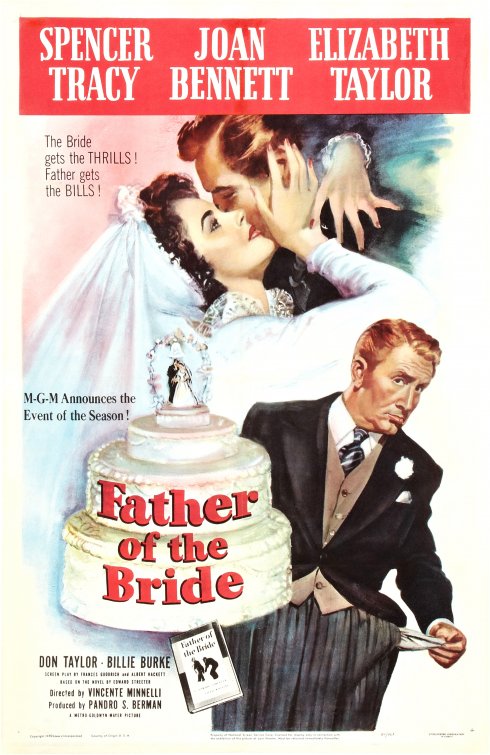
Vincente Minnelli’s Father of the Bride (remade with Steve Martin, Diane Keaton, and Kimberly Williams in 1991) remains a slightly dated yet undeniably charming piece of mid-century Americana, providing an amusing snapshot of what middle- and upper-middle-class citizens were, at heart, most concerned with: “doing things right” without breaking the bank. Despite its socio-economic and ethnic specificity, however, Father of the Bride manages to transcend both class and race in its astute depiction of the trials and tribulations inherent in planning an enormous family event; indeed, what middle-aged man can’t relate to the struggle to fit into his former best suit, or trying to balance an increasingly out-of-control budget? Equally effective is the way in which Tracy manages to convey — without undue pathos — the deep sense of emptiness and panic he feels at “losing” his only daughter to another man; his close relationship with Taylor is quite special.

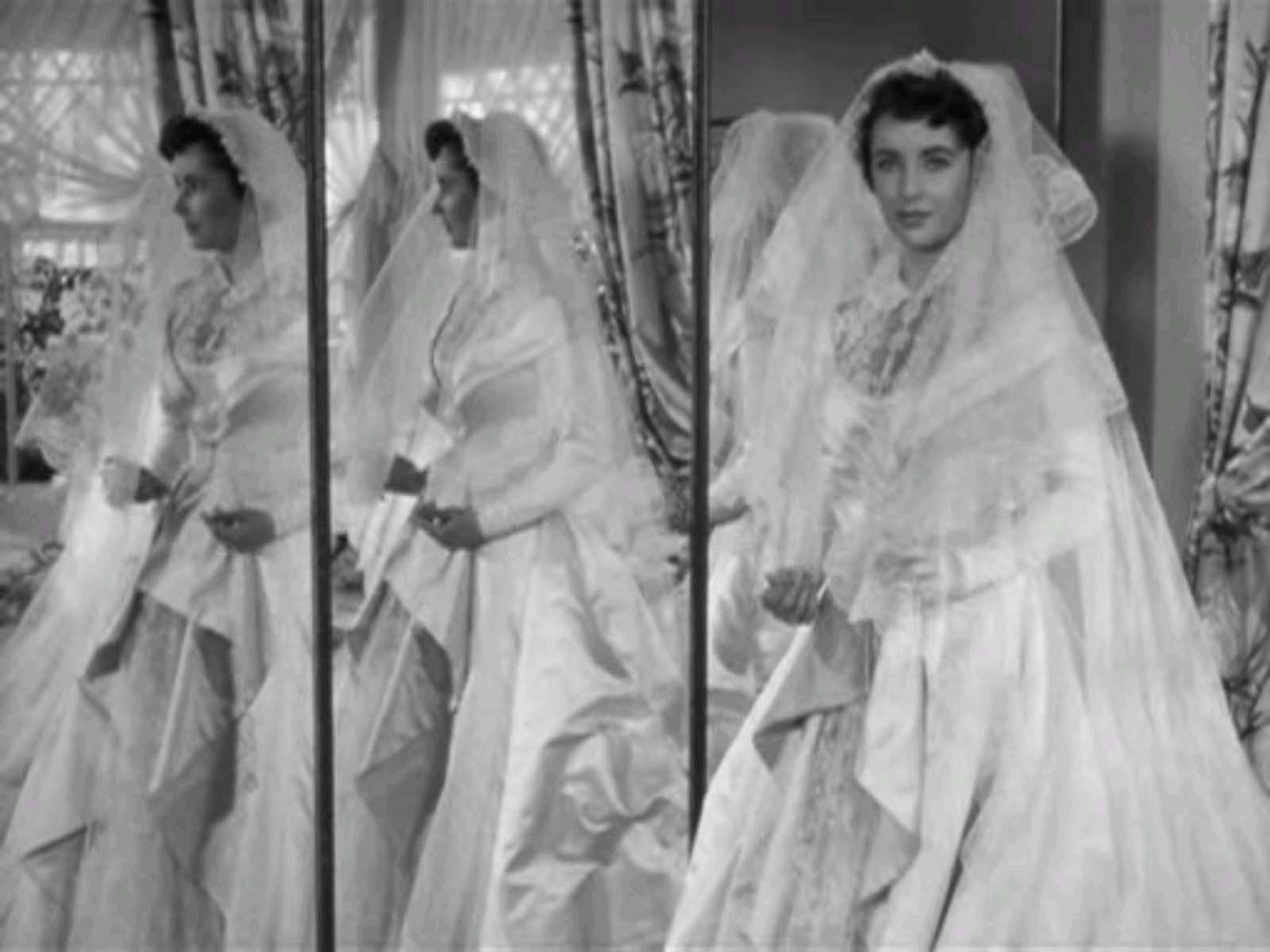
In addition to offering many amusing vignettes (see Redeeming Qualities and Moments below), FOTB features spot-on performances throughout; indeed, Peary is so impressed by Spencer Tracy’s turn as Stanley Banks that he awards him a Best Actor Oscar in his Alternate Oscars book (a questionable, albeit noble, choice). Joan Bennett is equally fine as Tracy’s harried wife, a middle-aged woman who’s living out her own unrequited wedding fantasies through her daughter; and Elizabeth Taylor is simply luminous as Tracy’s young daughter (she helped enormously with publicity by graciously getting married — for the first time — just before the film’s release).

Redeeming Qualities and Moments:

  • Spencer Tracy as Stanley Banks
  • 17-year-old Elizabeth Taylor as Tracy’s grown daughter
  • Joan Bennett as Ellie Banks: “Stanley, from now on, don’t answer the phone.”
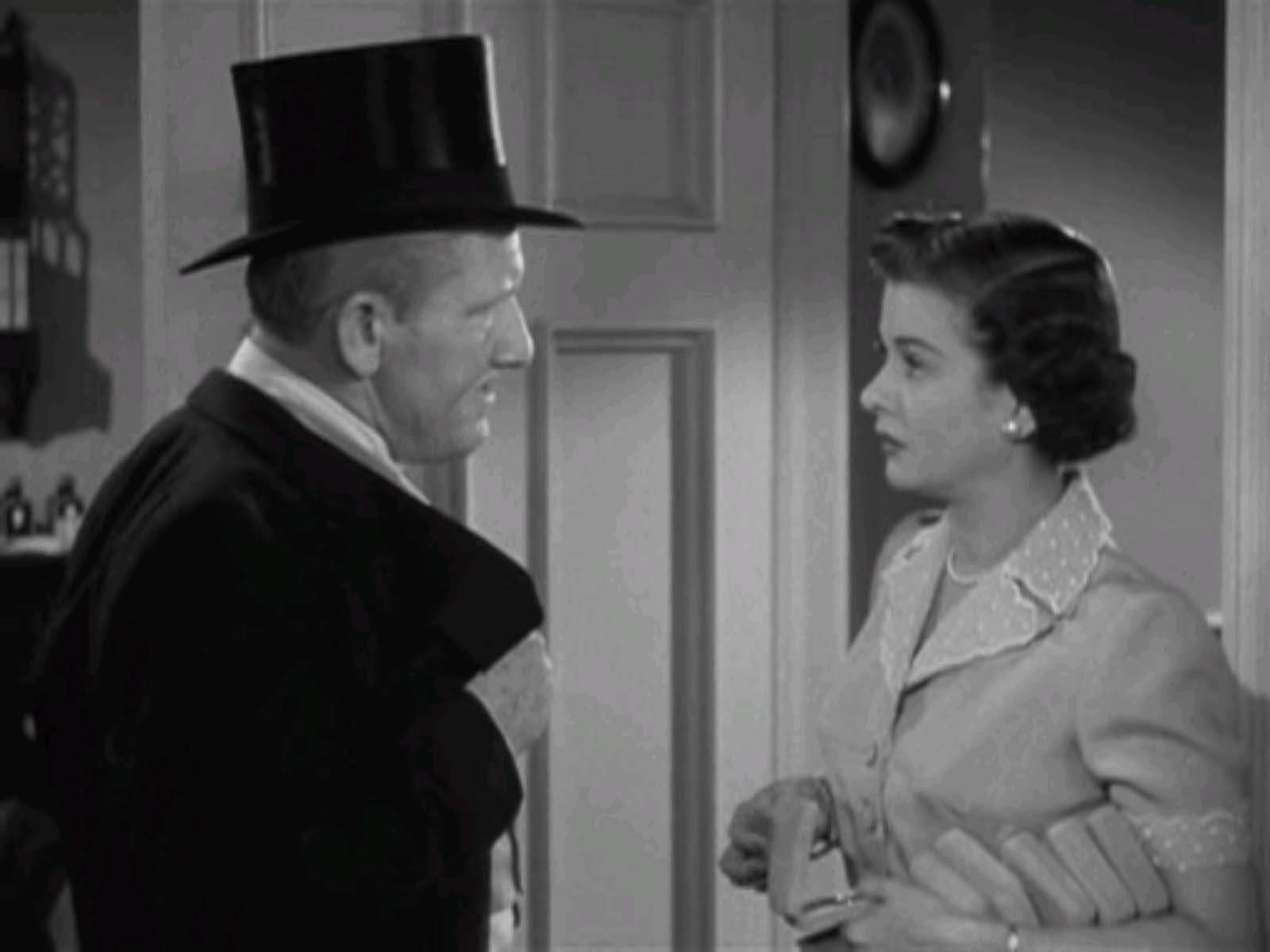
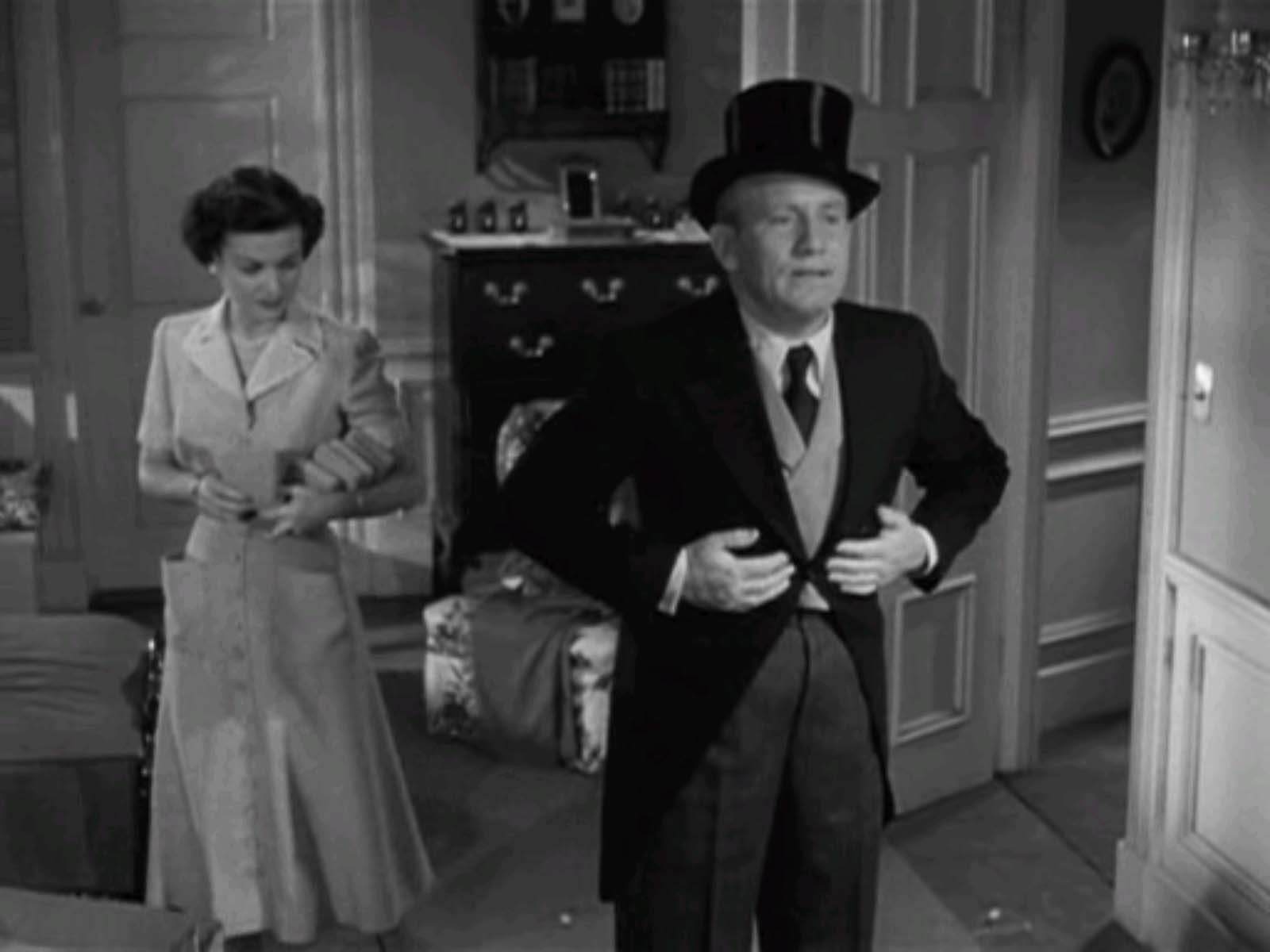
  • Tracy trying to fit into his far-too-small “cut-away” suit
  • Stanley’s surreal nightmare-before-the-wedding
  • “Mr. Tringle” (Melville Cooper) demonstrating to the wedding party how to “step, stop” down the aisle
  • Mr. and Mrs. Banks checking out a particularly hideous wedding present from “Aunt Hattie”
  • A spot-on look at the chaos surrounding wedding preparations

Must See?
Yes, for its erstwhile popularity and Oscar-nominated status.

Categories

  • Historically Relevant
  • Oscar Winner or Nominee

Links:

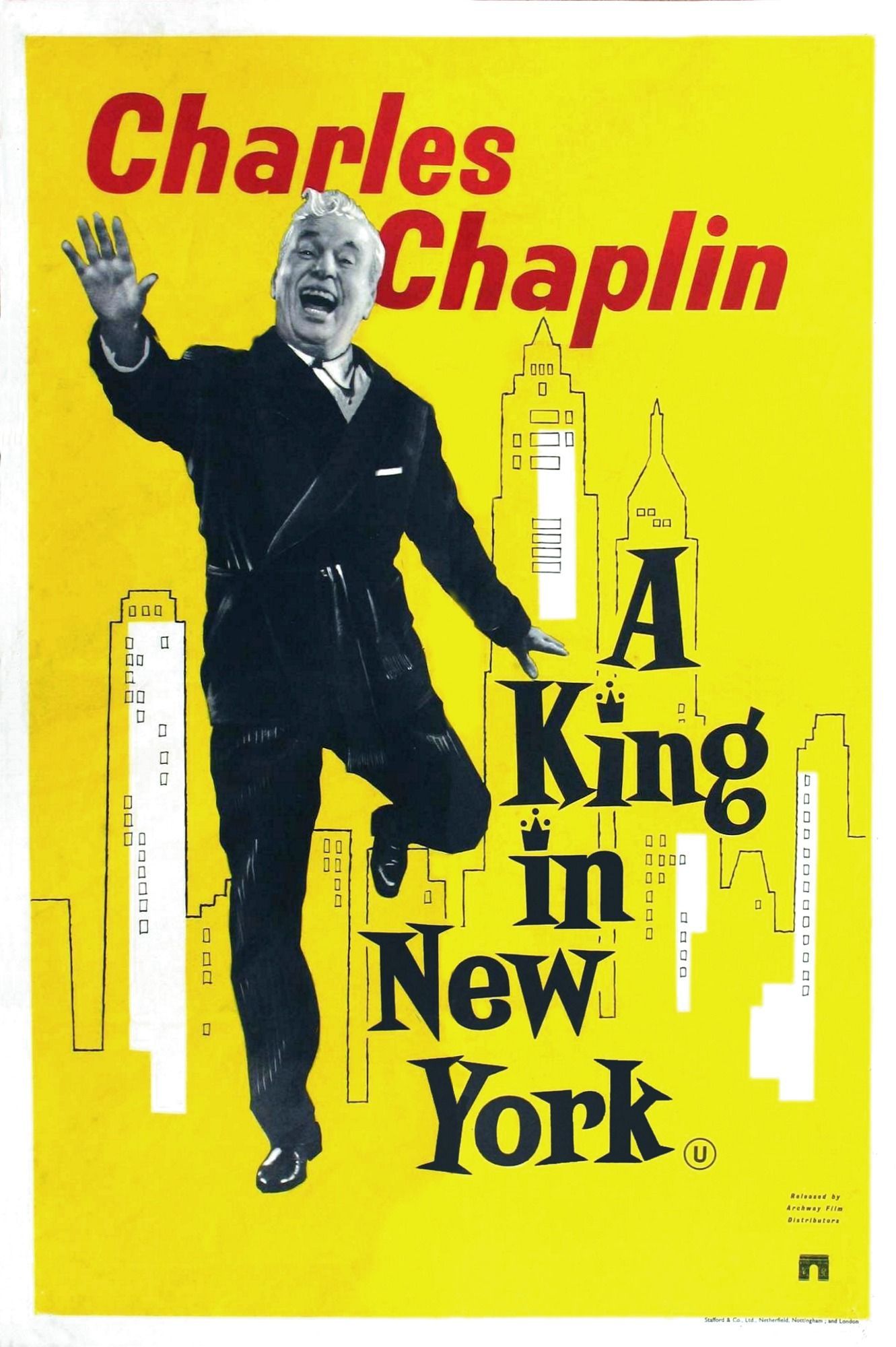
King in New York, A (1957)

King in New York, A (1957)

“I’d sooner be thought a successful crook than a destitute monarch.”

Synopsis:
Deposed King Shahdov (Charlie Chaplin) experiences America’s rampant materialism first-hand when he’s tricked by a beautiful advertising executive (Dawn Addams) into appearing on television. Later, while visiting a progressive school, Shahdov meets a young boy (Michael Chaplin) who stridently spouts Communist rhetoric; when Shahdov shelters the runaway boy (whose parents are under investigation by HUAC), he is suspected of Communist sympathies himself.

Genres, Themes, Actors, and Directors:

  • Charlie Chaplin Films
  • Cold War
  • New York City
  • Royalty and Nobility
  • Satires and Spoofs

Review:
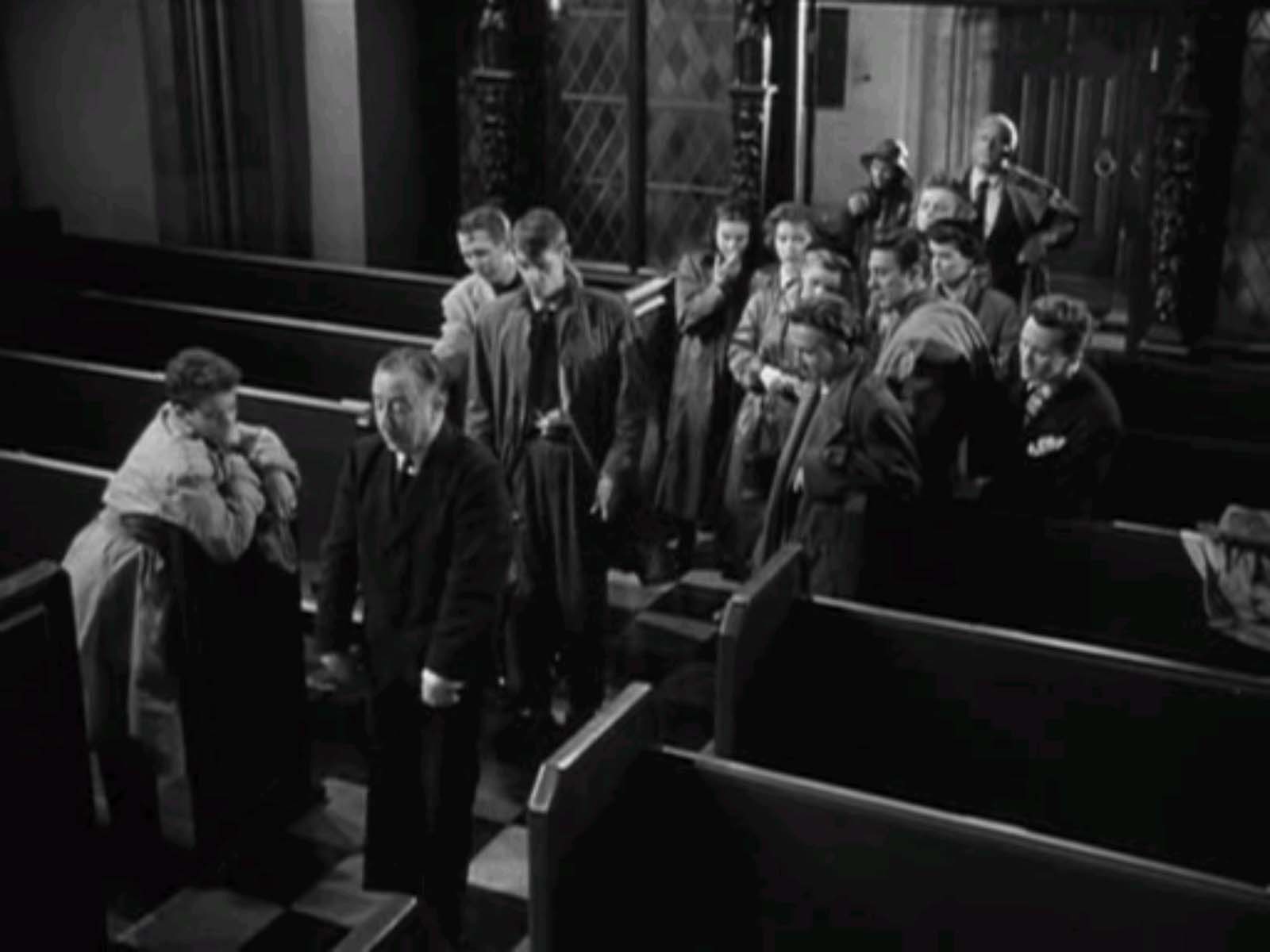
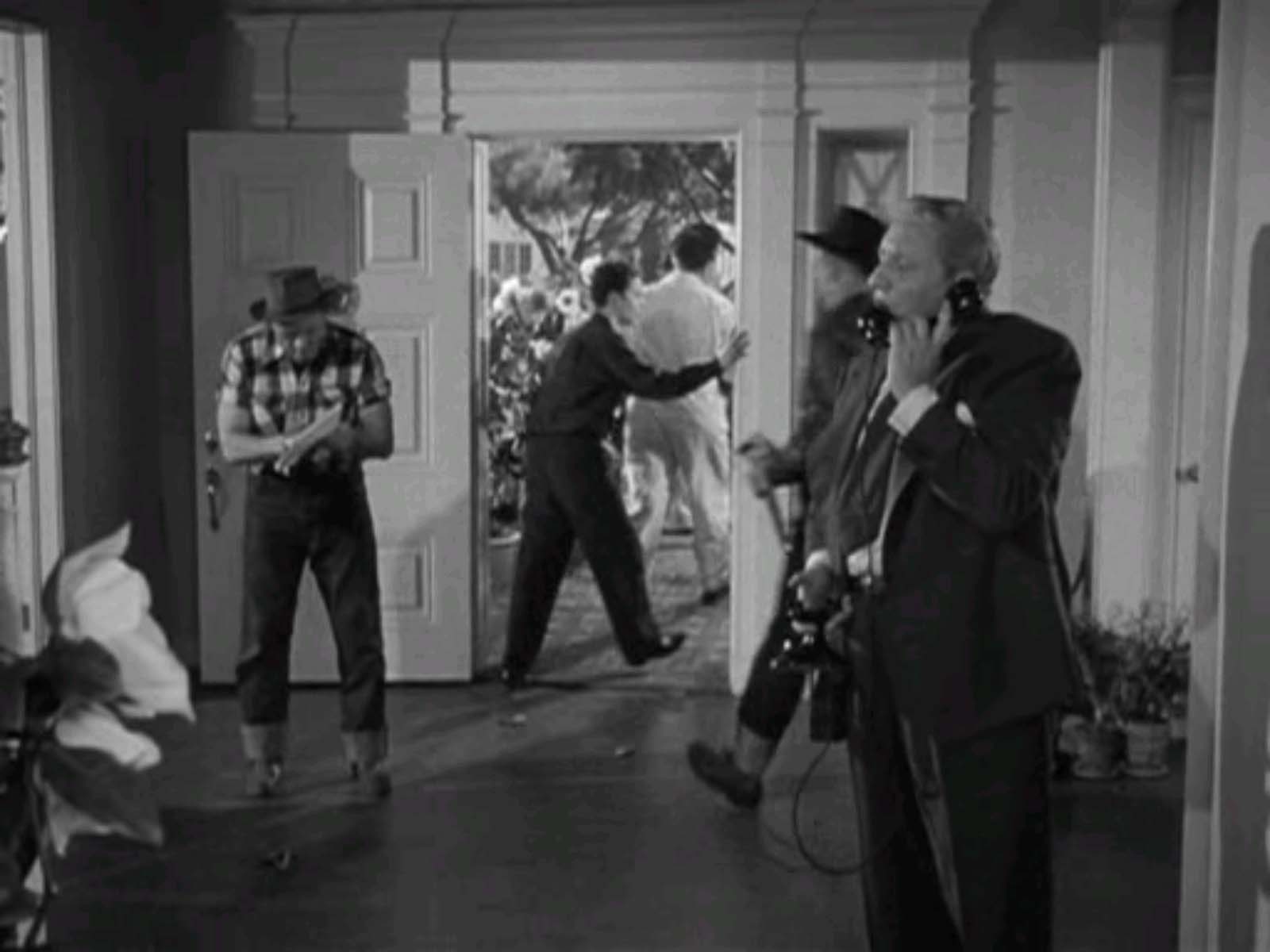
Charlie Chaplin’s notorious critique of American materialism, media, and politics — filmed in London during his political exile — remains a bitter, occasionally spot-on, but rarely genuinely funny film. Chaplin is unrepentant in his skewering of our nation’s worst tendencies, satirizing topics as diverse as “reality T.V.” (years before it existed), progressive education, and Americans’ fascination with royalty; in this respect, he’s to be applauded. As a narrative, however, A King in New York doesn’t really satisfy; about midway through, once the plot becomes more serious in its attempt to nail the absurdity of McCarthyist witch-hunts, the overall tone of the picture becomes far too solemn and didactic. And while Chaplin’s son Michael is appropriately intense playing the son of martyred Rosenberg stand-ins, it’s painful to watch his performance during the school visit scene, when he can be seen silently mouthing Chaplin Sr.’s words whenever he’s not talking himself (no future actor, he).

Redeeming Qualities and Moments:

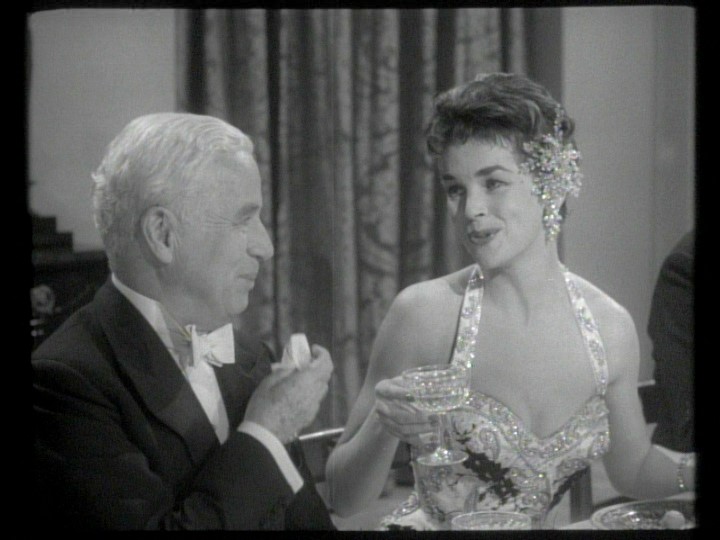
  • Dawn Addams inserting obvious commercials into a “surprise” televised dinner party for King Shahdov

Must See?
No, though film fanatics may want to be curious to check out this late-life entry in Chaplin’s career. Listed as a Cult Movie in the back of Peary’s book.

Links:

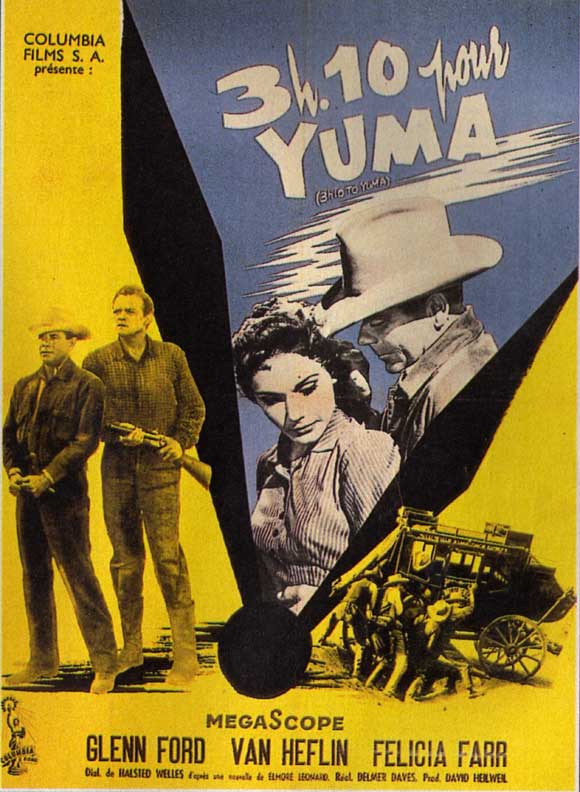
3:10 to Yuma (1957)

3:10 to Yuma (1957)

“Lots of things happen where all you can do is stand by and watch.”

Synopsis:
A destitute farmer (Van Heflin) and a drunk (Henry Jones) are hired by stagecoach company owner Mr. Butterfield (Robert Emhardt) to accompany an outlaw (Glenn Ford) to Contention City, where the 3:10 train will take him to prison in Yuma. In the meantime, Ford’s posse — led by Richard Jaeckel — plots to rescue him, while Ford tries to bribe Heflin into letting him go.

Genres, Themes, Actors, and Directors:

  • Cat-and-Mouse
  • Delmer Daves Films
  • Glenn Ford Films
  • Machismo
  • Outlaws
  • Richard Jaeckel Films
  • Van Heflin Films
  • Westerns

Review:
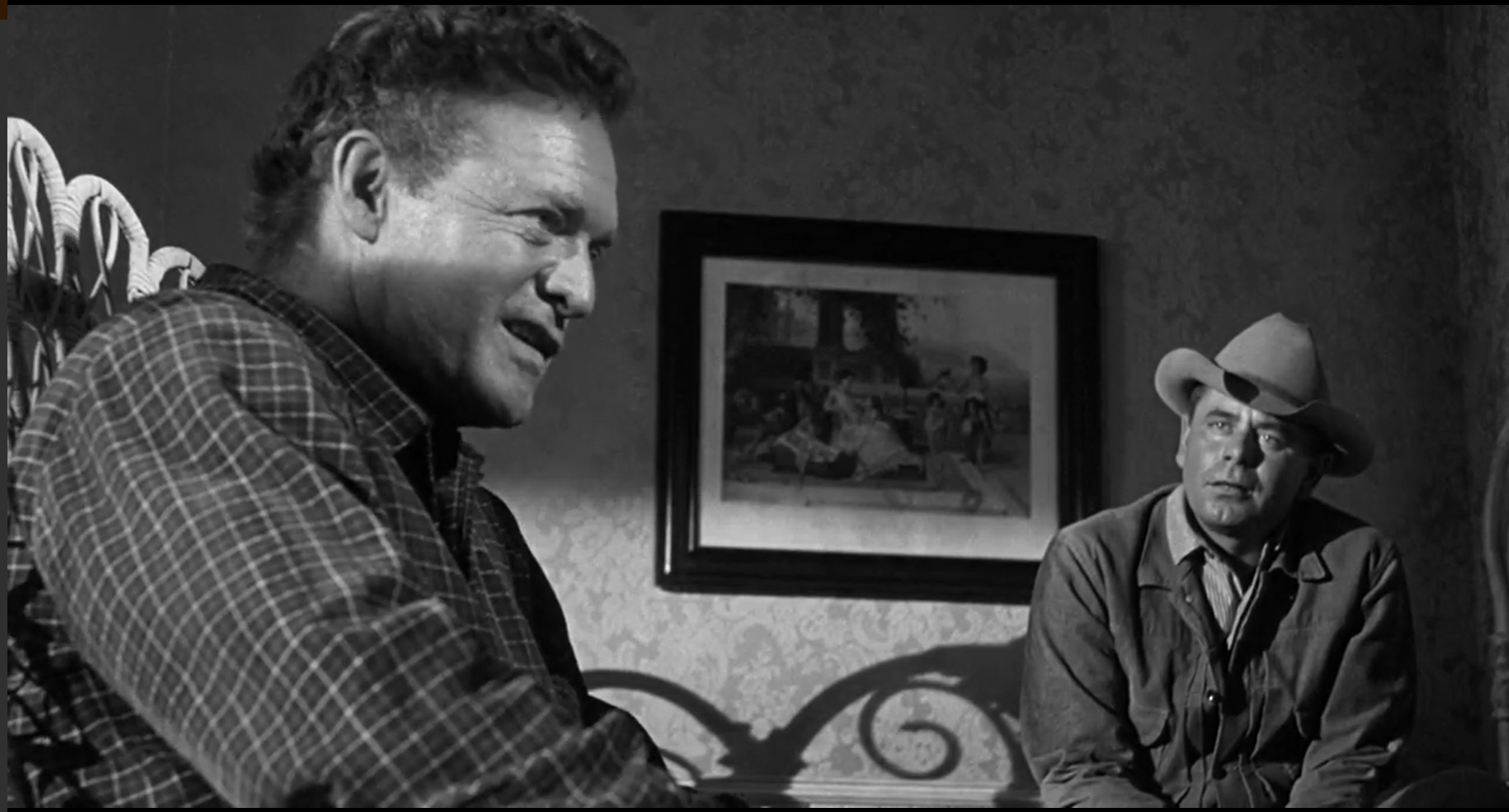
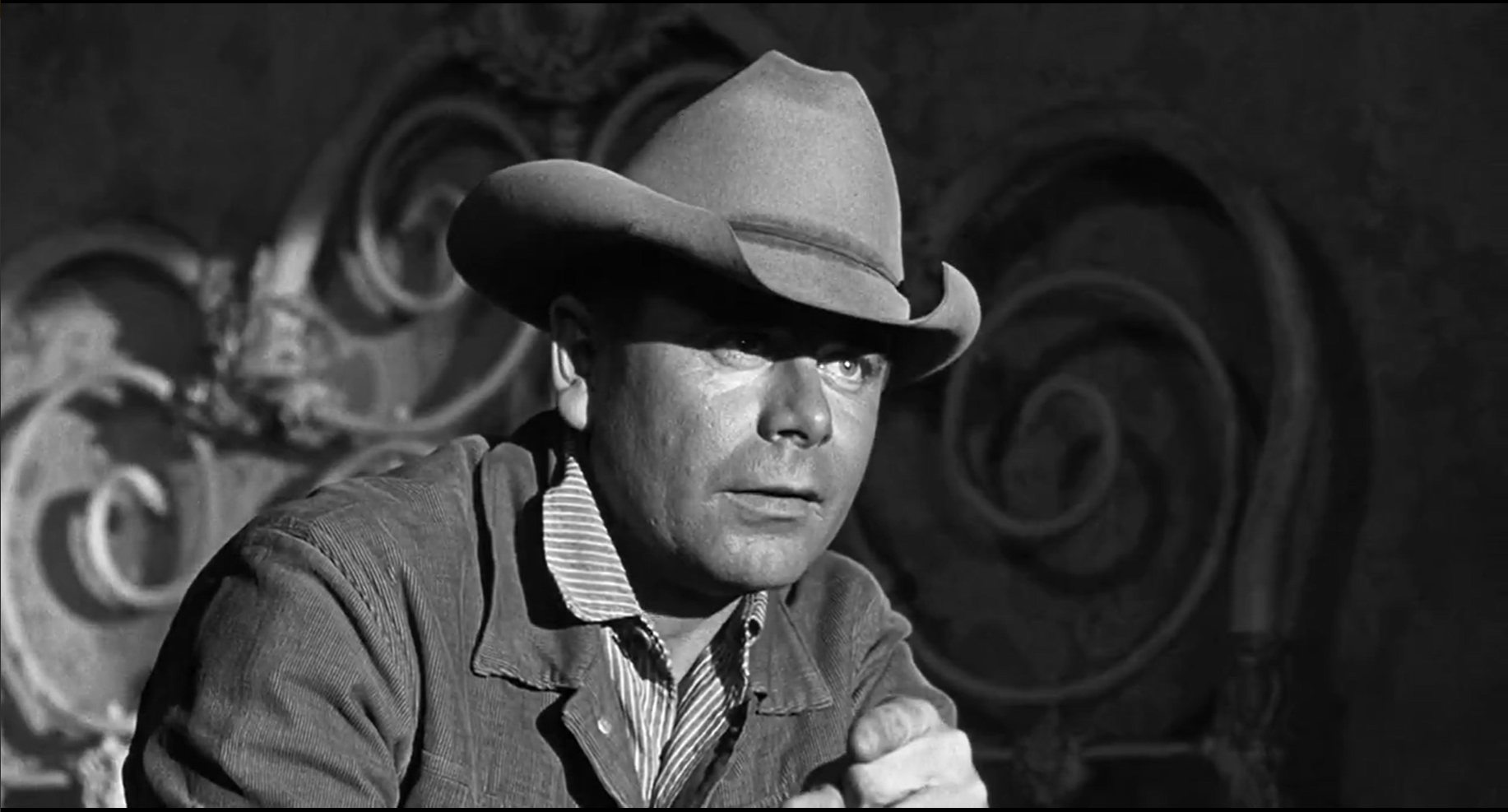
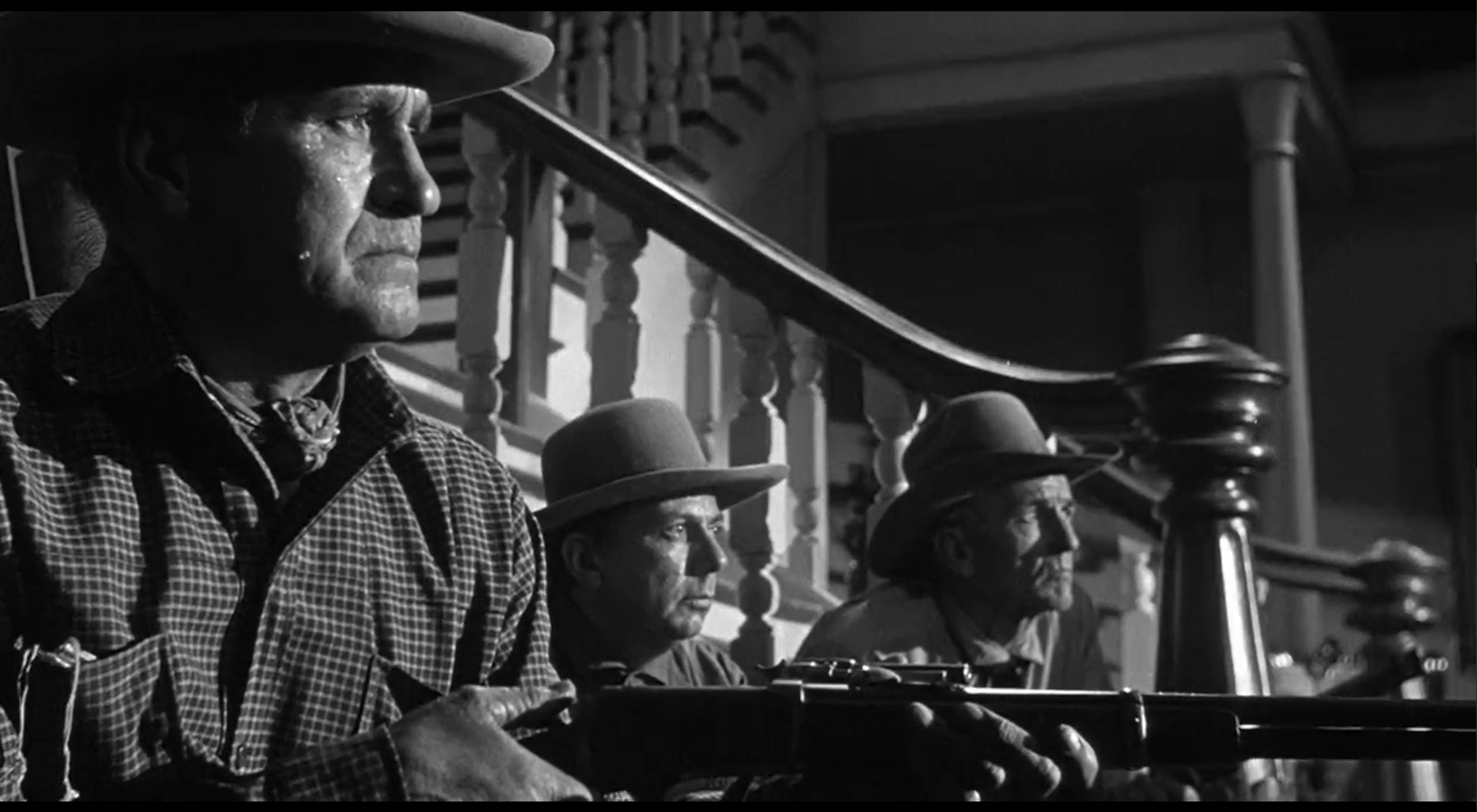
This character-driven western, directed by Delmer Daves, tells a simple yet taut tale of a weary family man (Heflin) who wants nothing more than to keep his farm afloat, and the cocky outlaw (Ford) who gradually grows to admire his principles. In essence, it’s an extended cat-and-mouse narrative, as each man carefully plays off the other:

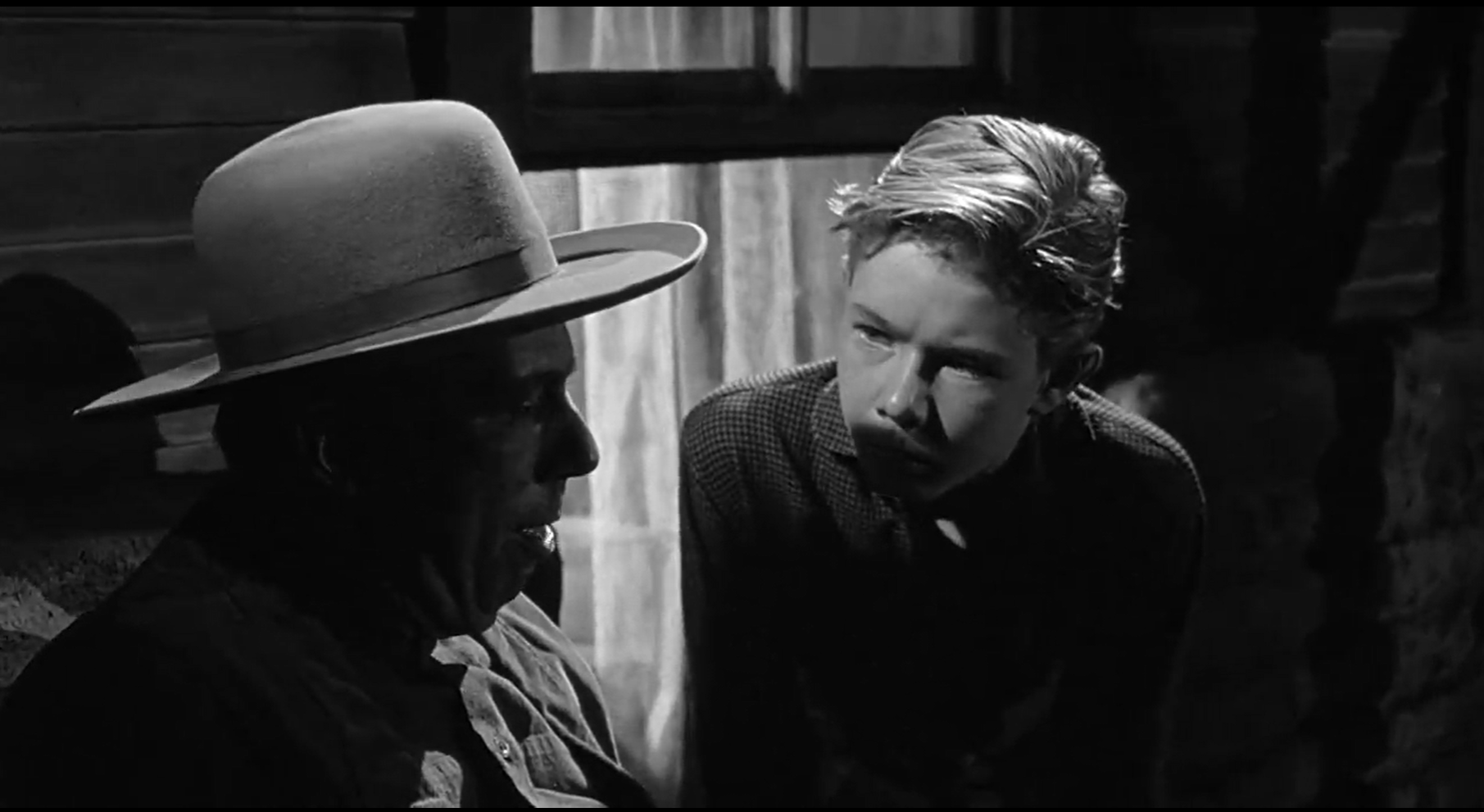
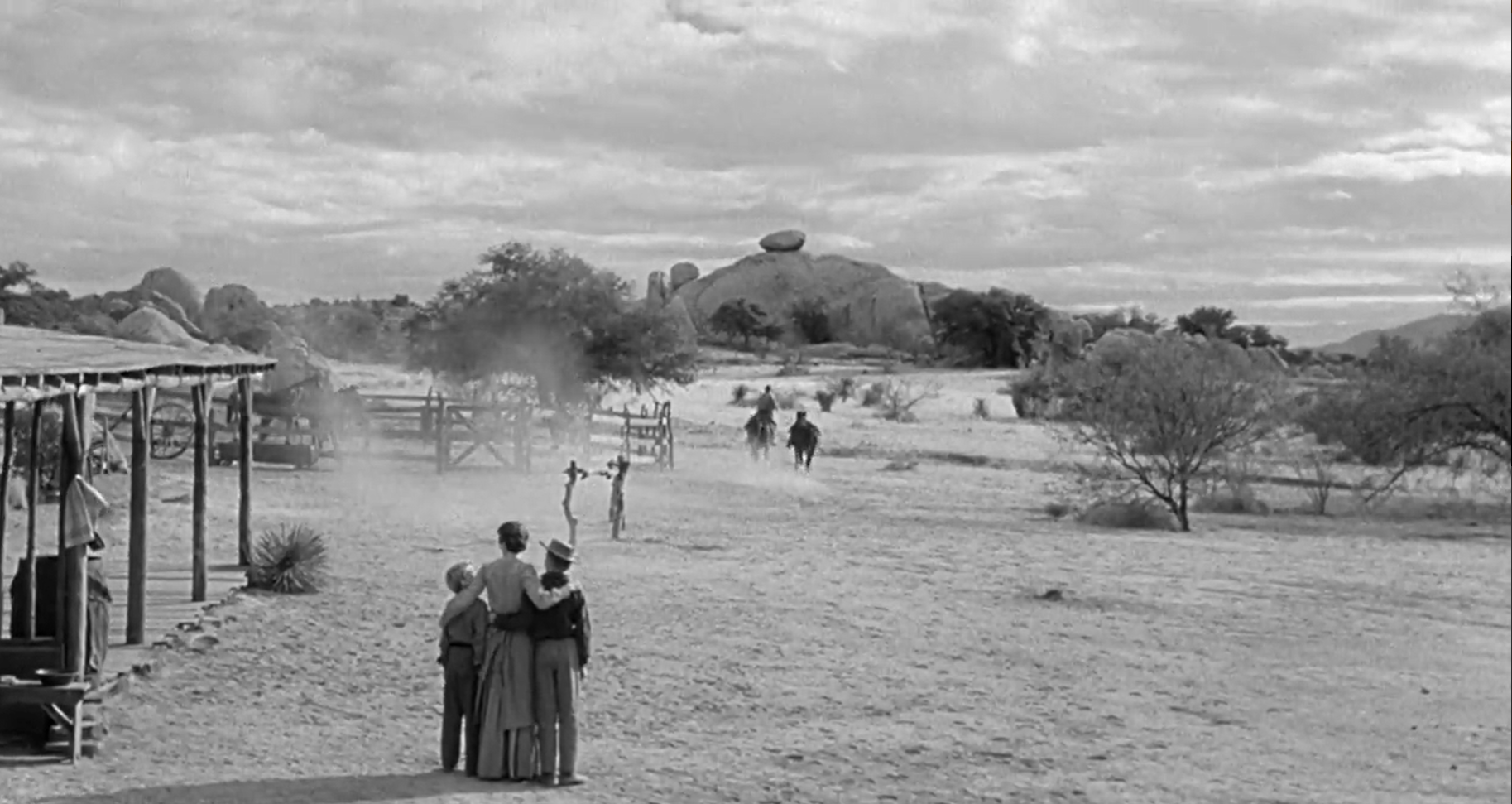
Along the way, we’re asked to question — primarily through the character of Heflin’s spitfire teenage son, who’s eminently scornful of his “wimpy” dad:

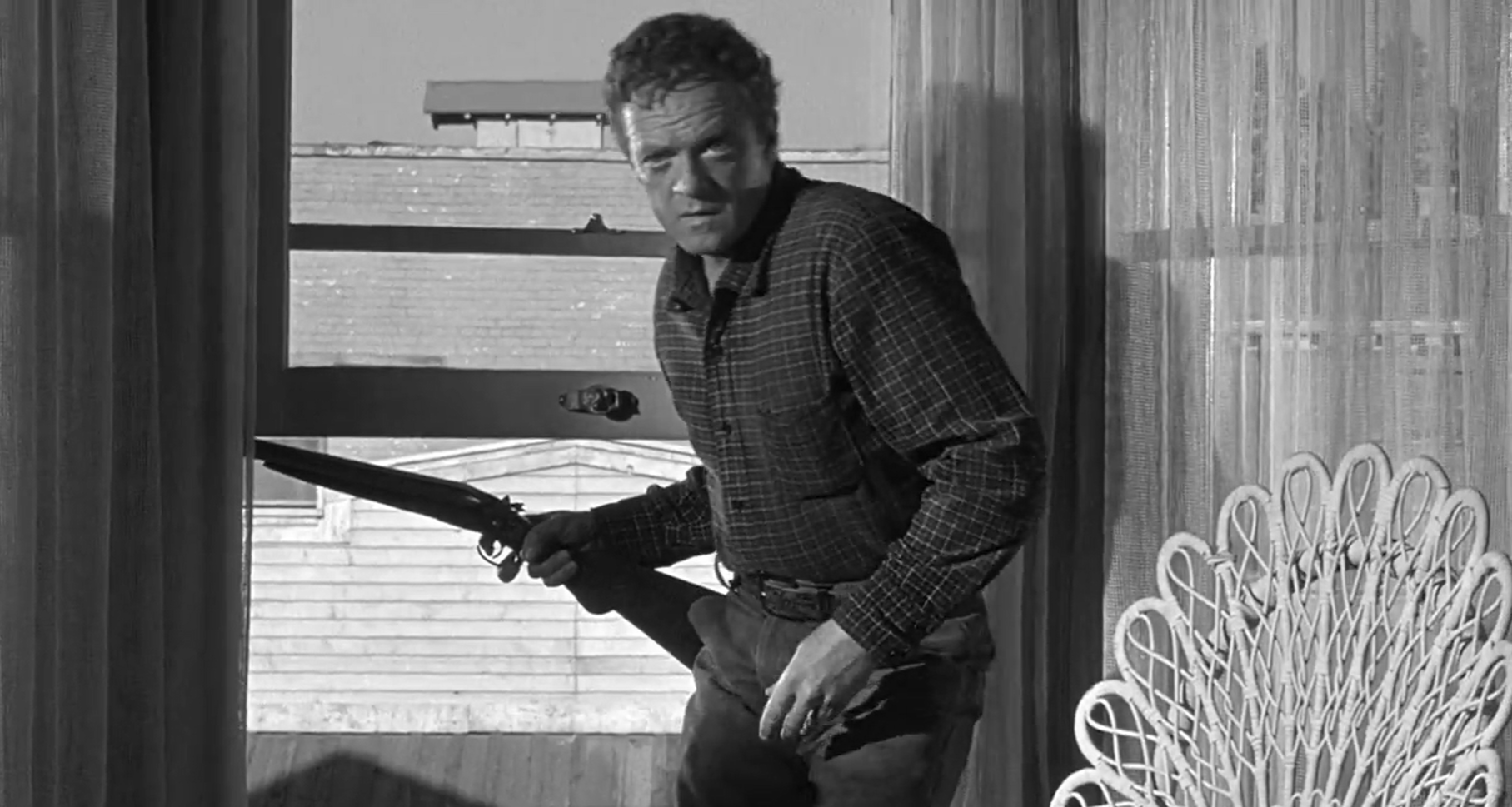
— what it means to “be a man” and stand up for one’s self. Heflin is appropriately complex and troubled in the lead role:

… but it’s Glenn Ford’s turn as Ben Wade which most impresses — his intense performance never misses a beat.

Unfortunately, 3:10‘s ending takes an unexpected turn which beggars belief and goes far beyond reasonable expectations — but it’s difficult to fault the script (based on an Elmore Leonard short story) too harshly, given the fine ride until then.

Note: 3:10 has achieved renewed interest given the compelling 2007 remake by James Mangold, starring Christian Bale and Russell Crowe. Interestingly, the new film — fine in nearly every respect — sports an equally unsatisfying ending.

Redeeming Qualities and Moments:

  • Glenn Ford as Ben Wade
  • Atmospheric direction by Delmer Daves
  • Fine b&w cinematography
  • A satisfying script

Must See?
Yes, simply for Ford’s performance.

Categories

  • Noteworthy Performance(s)

Links:

Lemora, the Lady Dracula (1973)

Lemora, the Lady Dracula (1973)

“I don’t want to revenge myself on you — I want to give you something.”

Synopsis:
A deeply religious girl (Cheryl Smith) living with a preacher (Richard Blackburn) receives a letter stating that her estranged father (William Whitton) is dying, and runs away from home to find him. Soon Lila (Smith) discovers that her father has been captured by a mysterious, pale woman named Lemora (Lesley Gilb) — and that Lemora has unusual plans for Lila herself.

Genres, Themes, Actors, and Directors:

  • Coming-of-Age
  • Horror
  • Vampires

Review:
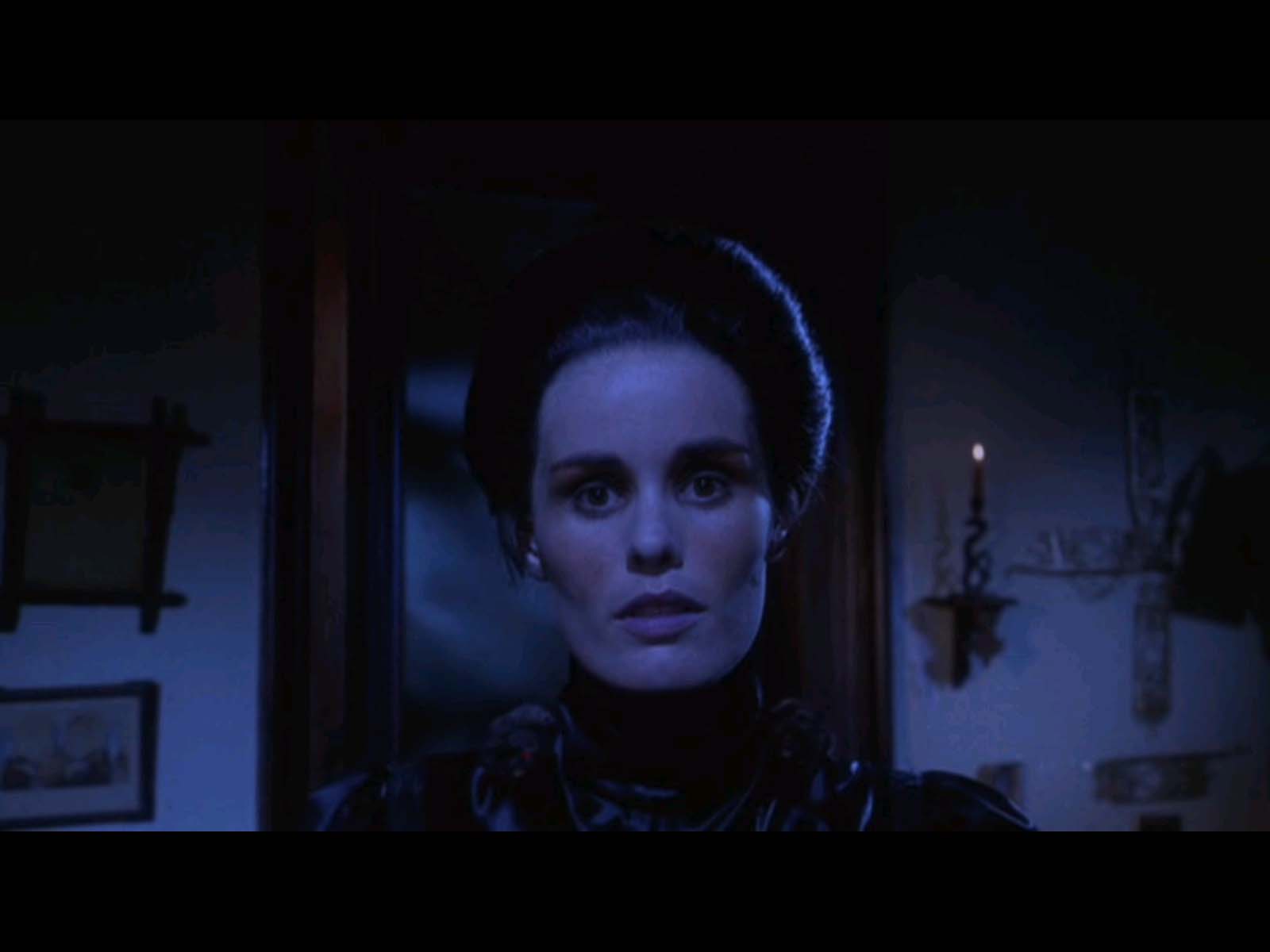
Widely unavailable until its recent release on DVD, this low-budget vampire flick (commonly known as Lemora: A Child’s Tale of the Supernatural) has developed a serious cult following, with fans proclaiming it one of the best of the genre. Despite an intriguing premise and a winning performance by 16-year-old Cheryl Smith, however, it’s ultimately a rather tedious, muddled affair, one which never follows through on its potential. The essential problem lies in the fact that writer/director Richard Blackburn is less concerned with developing a cohesive storyline than with evoking atmosphere — thus, his archetypal tale of innocence lost peters out by the end of the film, ultimately leaving little impact. With that said, Lemora is beloved by enough followers to be considered must-see viewing for any serious film fanatic.

Redeeming Qualities and Moments:

  • Cheryl “Rainbeaux” Smith as Lila Lee
  • Creepy Leslie Gilb as Lemora

Must See?
Yes, but only for its status as a cult favorite. Listed as a Sleeper in the back of Peary’s book.

Categories

  • Cult Movie

Links:

Green Slime, The (1968)

Green Slime, The (1968)

“One cell, one microscopic speck left on a space suit, and it would absorb all the energy it could find!”

Synopsis:
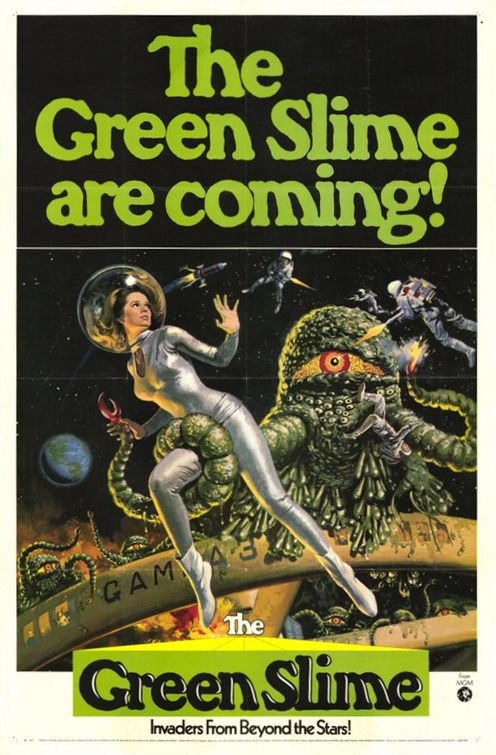
A crew sent to destroy an asteroid before it hits the Earth accidentally brings back to its space station a speck of green slime, which multiplies rapidly and soon morphs into one-eyed tentacled aliens. It’s up to arrogant Commander Rankin (Robert Horton) and feisty Commander Elliott (Richard Jaeckel) to overcome their fierce rivalry for sexy Dr. Lisa Benson (Luciana Paluzzi) in time to save the station from destruction.

Genres, Themes, Actors, and Directors:

  • Aliens
  • Astronauts
  • Richard Jaeckel Films
  • Rivalry
  • Science Fiction

Review:
The fact that the first half-hour of this decidedly campy Japanese-American sci-fi thriller is competently executed makes the ensuing tedium that much more disappointing. Working on what was clearly an ultra-low budget, director Kinji Fukasaku and his crew try their best to evoke the fear and tension inherent in stopping a hurtling asteroid in mid-air, and Fukasaku ably transitions the story into its new central threat once the bubbly green slime makes its dastardly appearance:

(Indeed, given recent threats of airborne pathogens and unknown substances beyond our control, the notion of killer slime isn’t really all that far-fetched.) Unfortunately, however, once the slime auto-magically morphs into humanoid creatures (likened by one reviewer to Sigmund the Sea Monster), all credibility is thrown out the window, and Camp becomes the operative word.

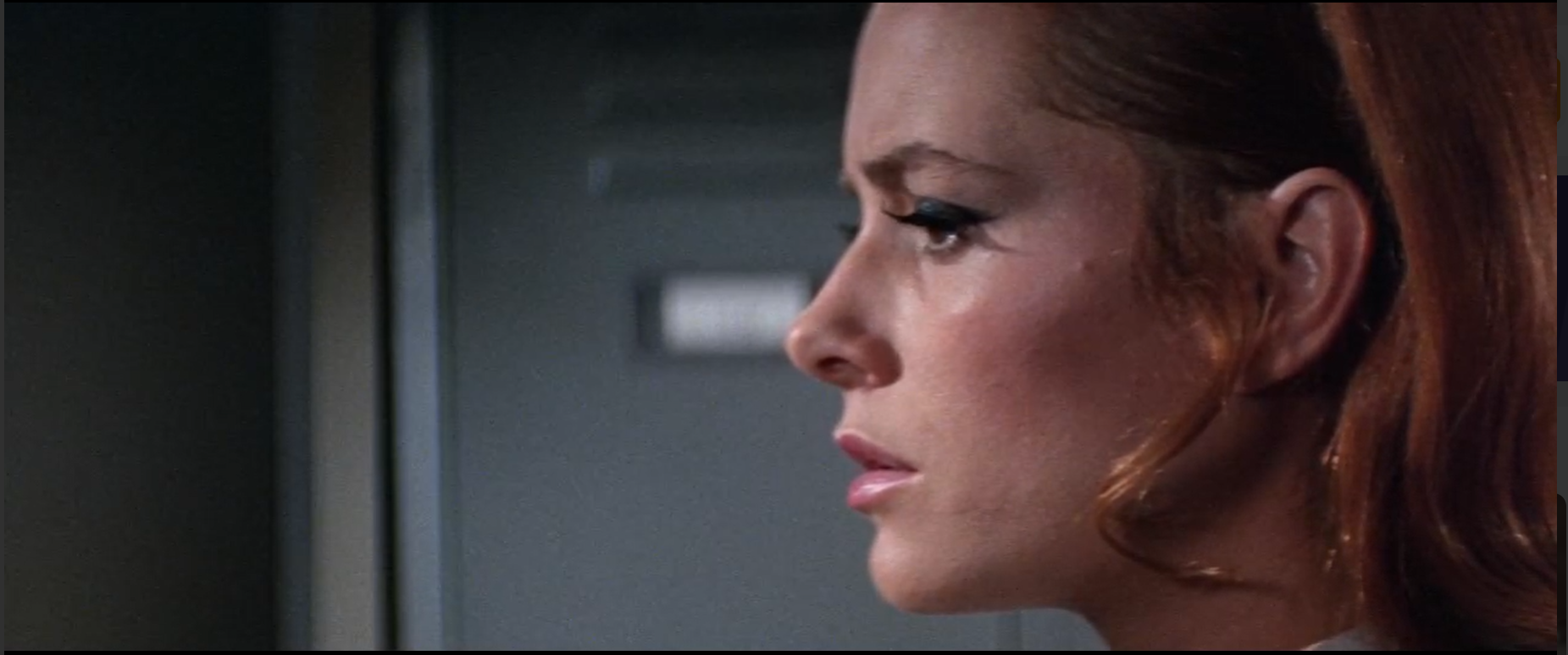
Making matters much worse is the insipid love triangle between Horton, Jaeckel, and the super-sexy (naturally) female doctor on board the ship (Luciana Palazzi, Fiona Volpe in 1965’s Thunderball).

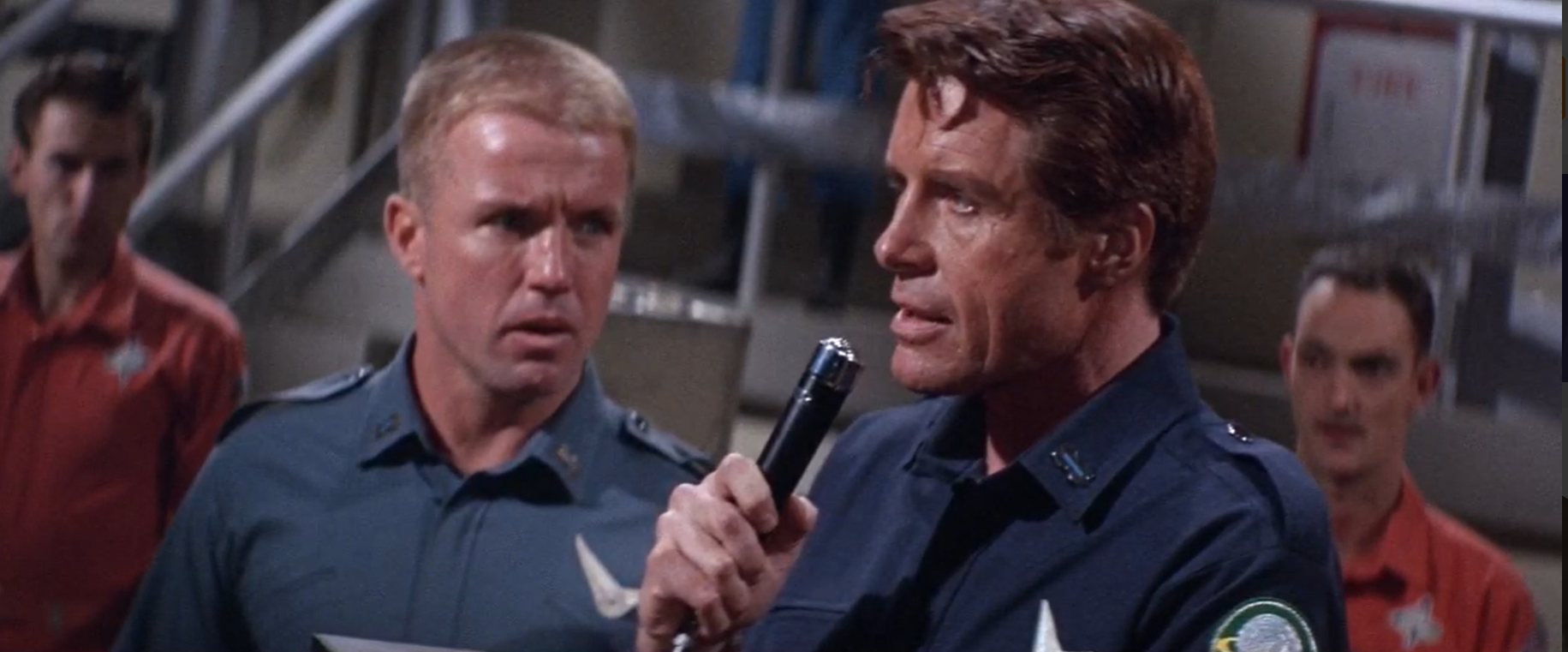
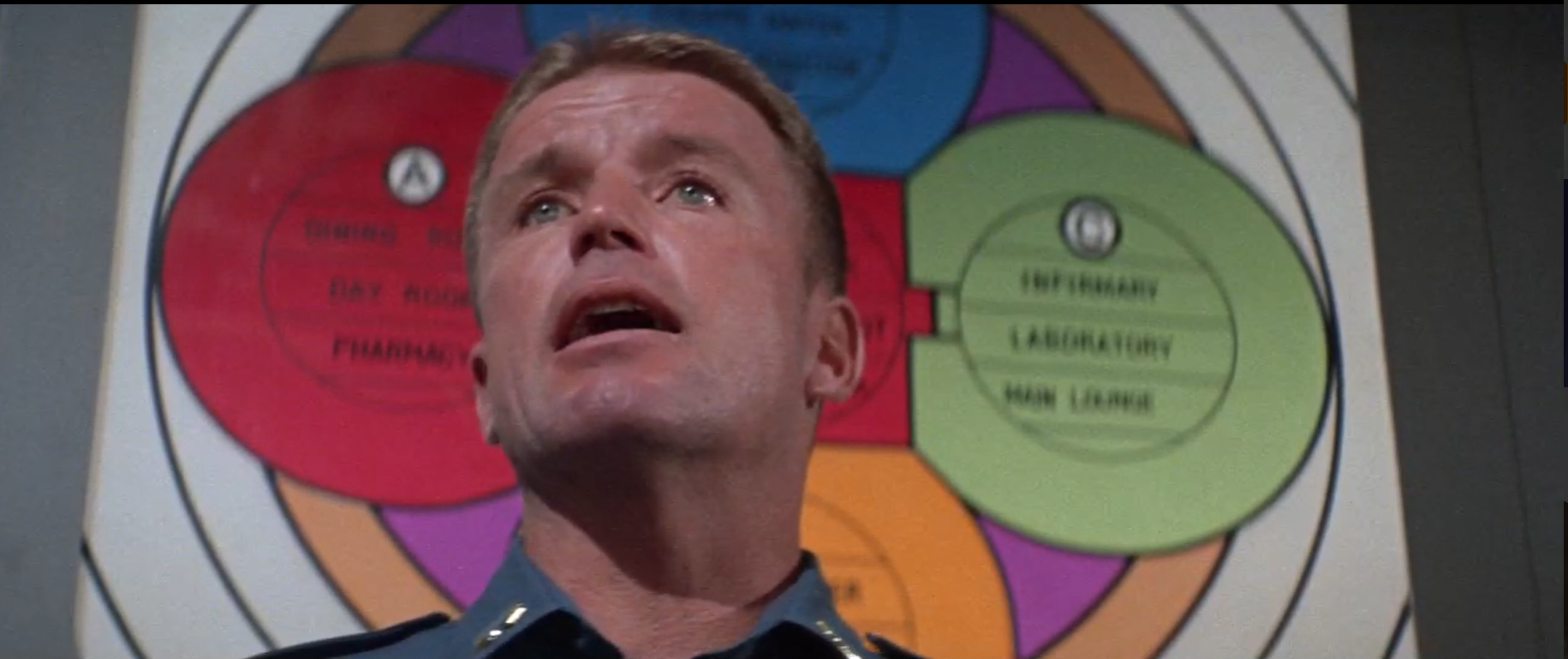
This truly inane subplot distracts us from the real emergency on hand, instead shifting the central narrative thrust towards which commander can prove his “manly” worth in front of Palazzi, and thus win her hand. Who cares? To their credit, Jaeckel and Horton take their roles extremely seriously, never breaking concentration despite the fact that they’re basically doing battle with walking Halloween costumes — but even their best efforts can’t save this bomb from sinking.

Skip this one unless you’re a true fan of the genre.

Redeeming Qualities and Moments:

  • Richard Jaeckel gamely making the best of his strictly B-level role
  • The endearingly amateur “special effects” models

Must See?
No. While it holds some minor historical importance as the first Japanese-American cinematic collaboration — and as an early film by director Kinji Fukasaku (Battle Royale, 2000) — it’s really only must-see for fans of the genre. Listed as a Camp Classic in the back of Peary’s book.

Links:

Night They Raided Minsky’s, The (1968)

Night They Raided Minsky’s, The (1968)

“We know you are a real sophisticated audience — and what you are about to see is a real mature story.”

Synopsis:
A naive young Amish woman (Britt Ekland) with dreams of becoming a dancer arrives at Minsky’s Burlesque Theatre in New York City, and quickly wins the hearts of comedic partners Norman Wisdom and Jason Robards. Meanwhile, Robards and the club’s owner (Elliott Gould) concoct a sure-fire plan to foil a group of do-gooders intending to raid the club that night.

Genres, Themes, Actors, and Directors:

  • Aspiring Stars
  • Britt Ekland Films
  • Comedy
  • Elliott Gould Films
  • Harry Andrews Films
  • Jason Robards Films
  • Love Triangle
  • Morality Police
  • Vaudeville and Burlesque
  • William Friedkin Films

Review:
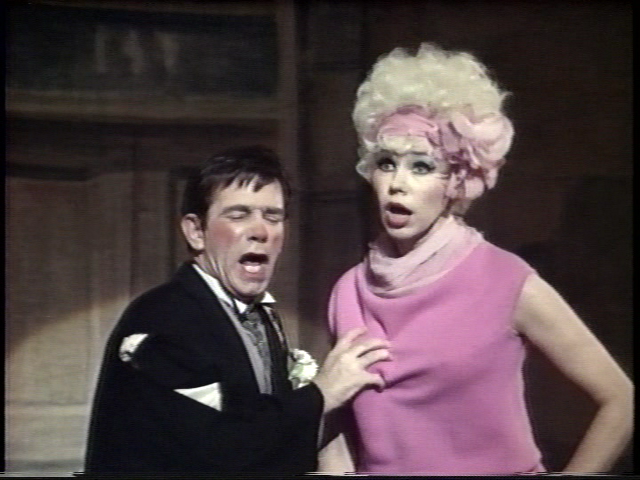
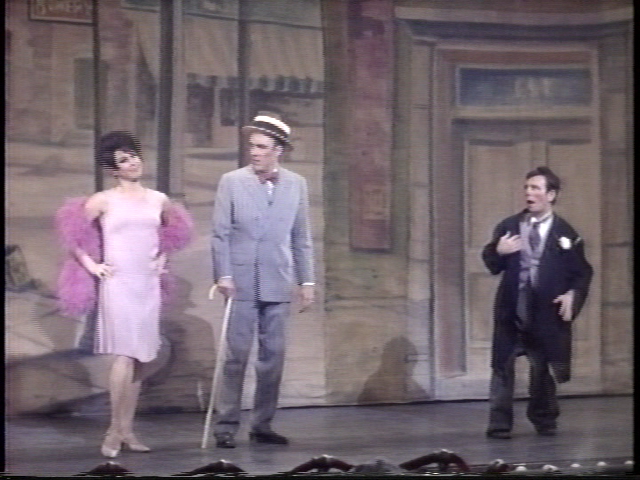
This bawdy historical comedy — directed by William Friedkin — purports to tell the story of the first ever (unintentional) striptease, but is really more concerned with simply honoring and celebrating the infectious joys of burlesque theater. Through ample exposure to ribald skits and songs on stage, one gets a sense of what audience members (primarily men, though women were present as well) were there to enjoy. Friedkin moves the story along at a brisk pace (in nearly real time), neatly juxtaposing the night’s early acts with the converging tales of an innocent Amish girl (Ekland is well-cast) who wants nothing more than to break into show business, and an upcoming raid on the club by local do-gooders. Along the way, Ekland becomes fodder for the romantic interests of both womanizing Jason Robards and his more sincere partner, Norman Wisdom; while we feel concern for her extreme naivete, she shows surprising reserves of chutzpah, and makes for an appealing heroine.

Redeeming Qualities and Moments:

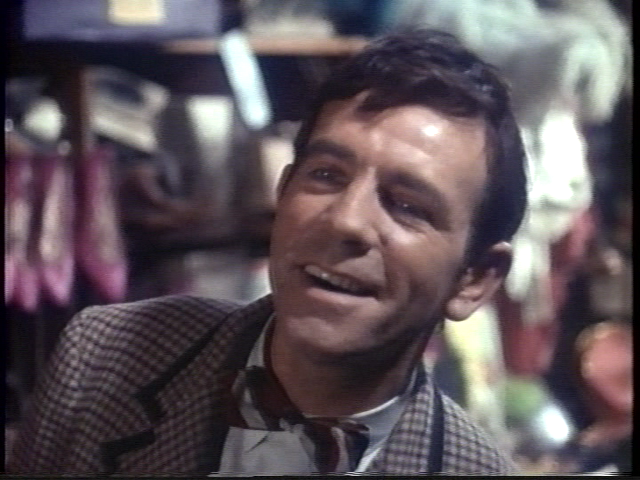
  • Norman Wisdom as Chick Williams
  • Jason Robards as Raymond Paine
  • Britt Ekland as Rachel Schpitendavel
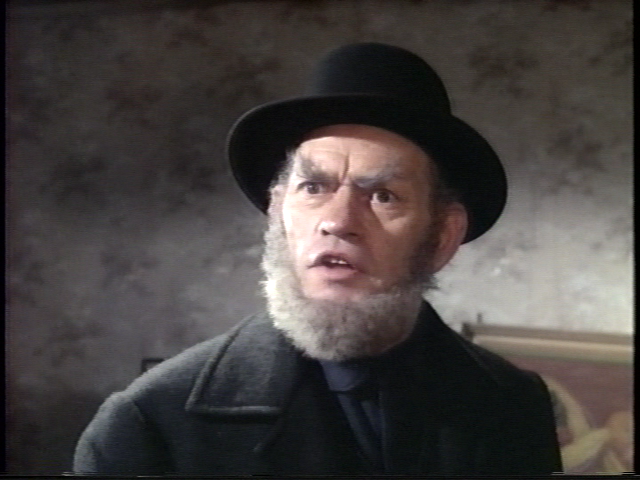
  • Harry Andrews as Ekland’s stern Amish father
  • An exuberant paean to the bygone days of vaudeville burlesque
  • Many enjoyable skits and songs
  • An effective depiction of audience reaction to even the mildest of sexual suggestion

Must See?
No, but it’s recommended.

Links: