Browsed by
Category: Original Reviews

Responses to Peary’s “must see” movie reviews, as well as my own “must see” movie reviews up to and after 1986 (when Peary’s book was published).

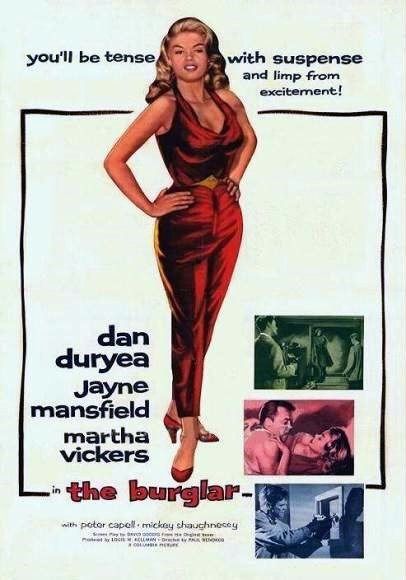
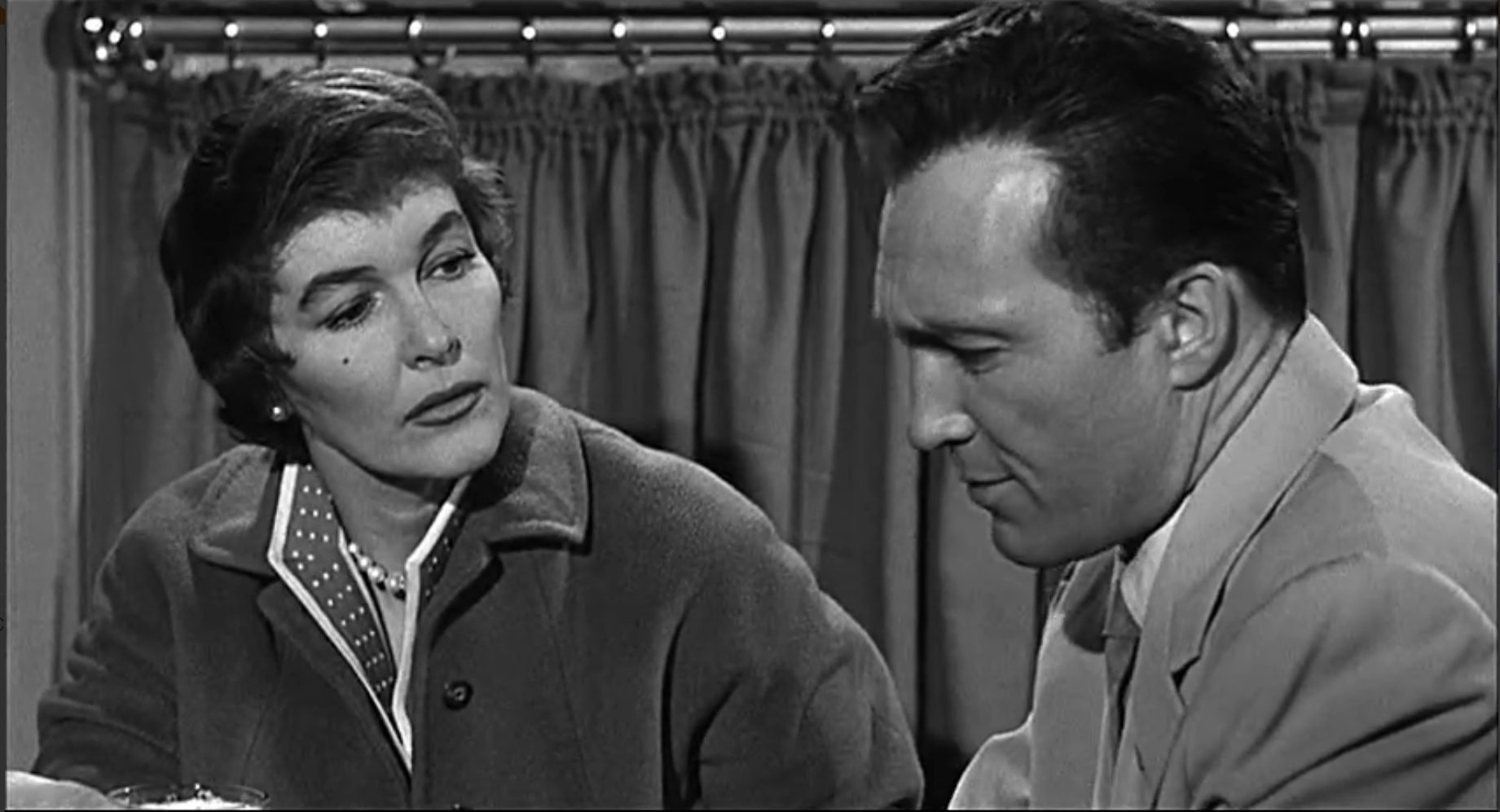
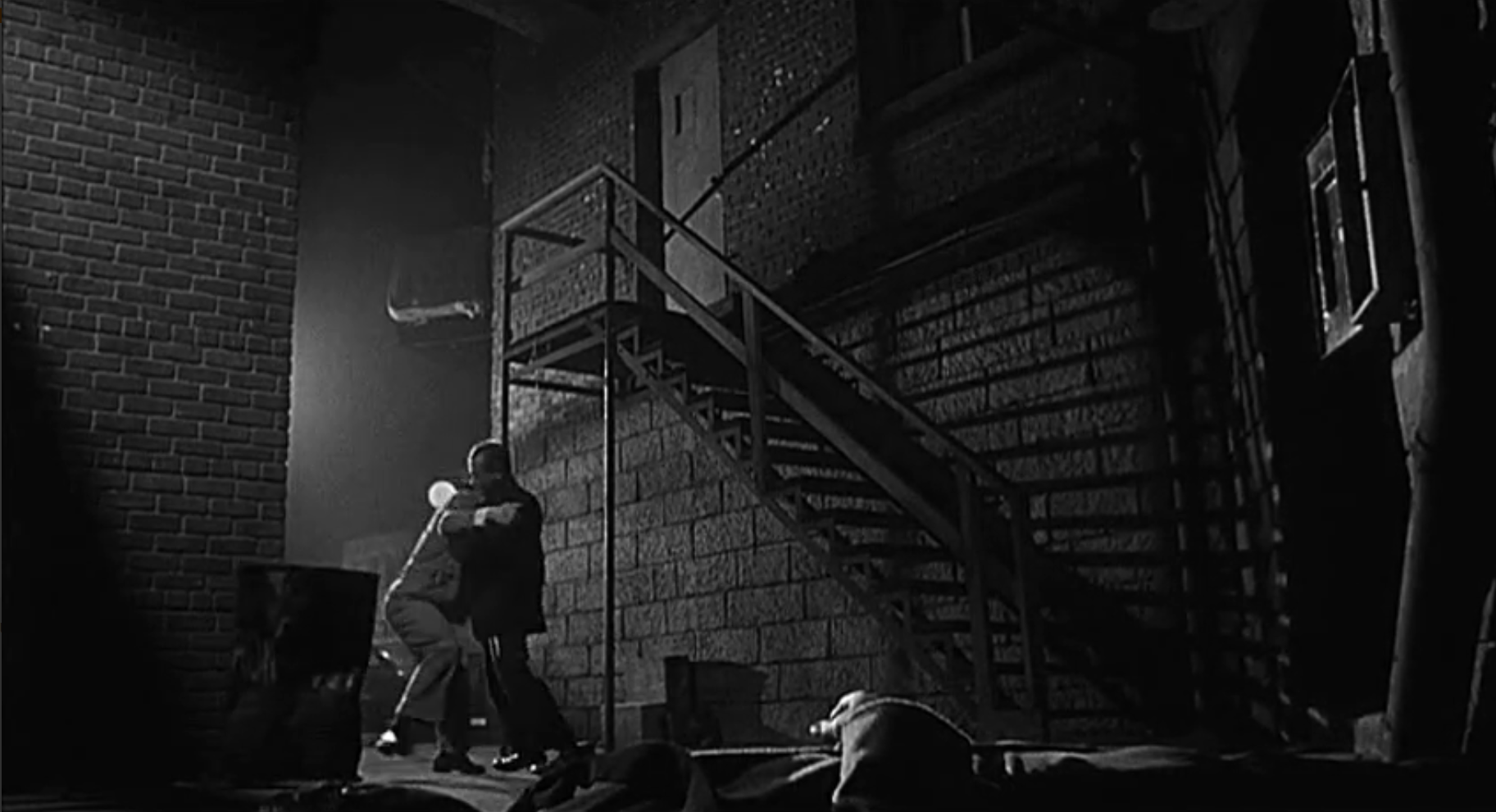
Burglar, The (1957)

Burglar, The (1957)

“You think that’s hot? It’s hotter out there — boiling hot!”

Synopsis:
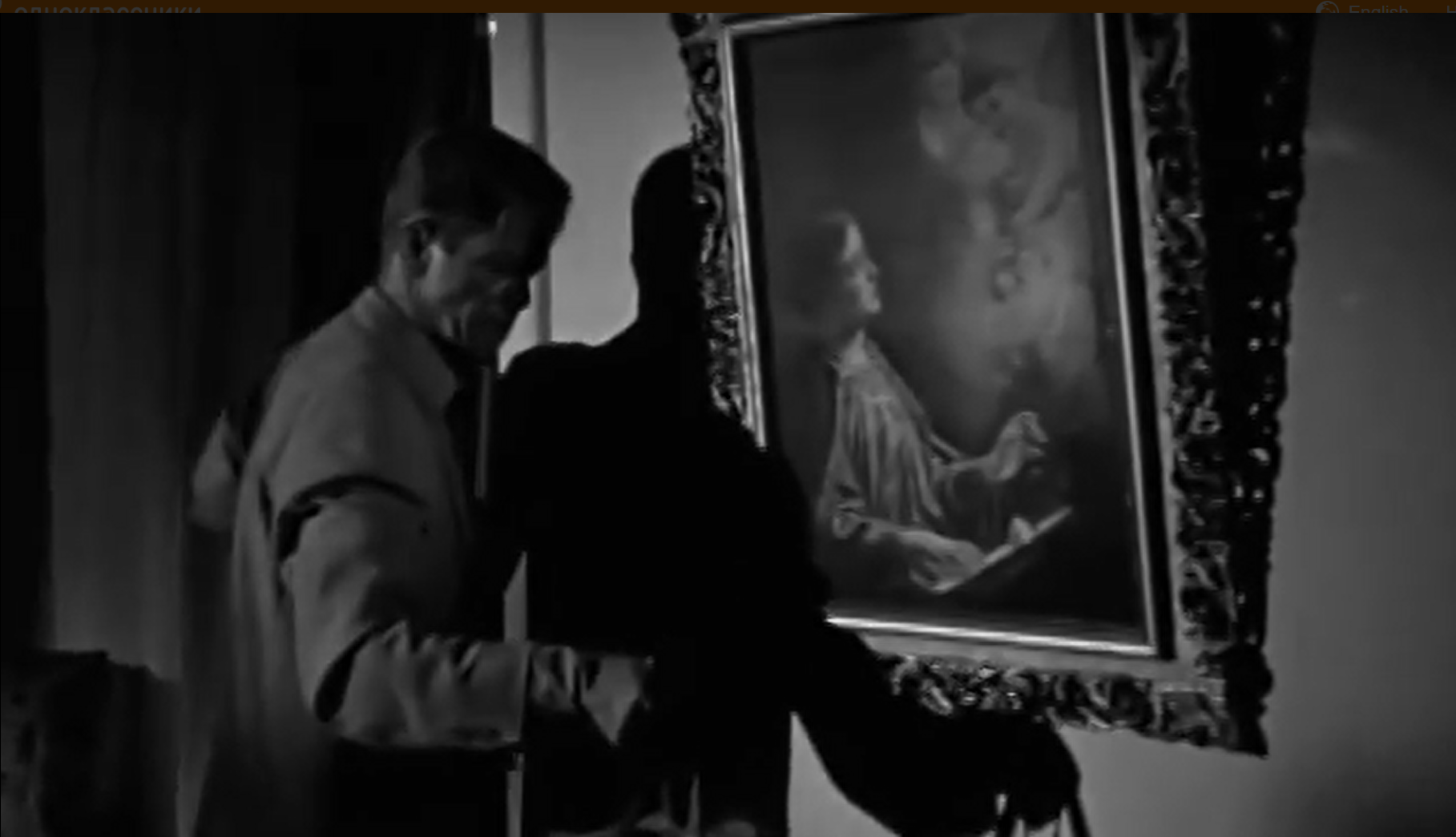
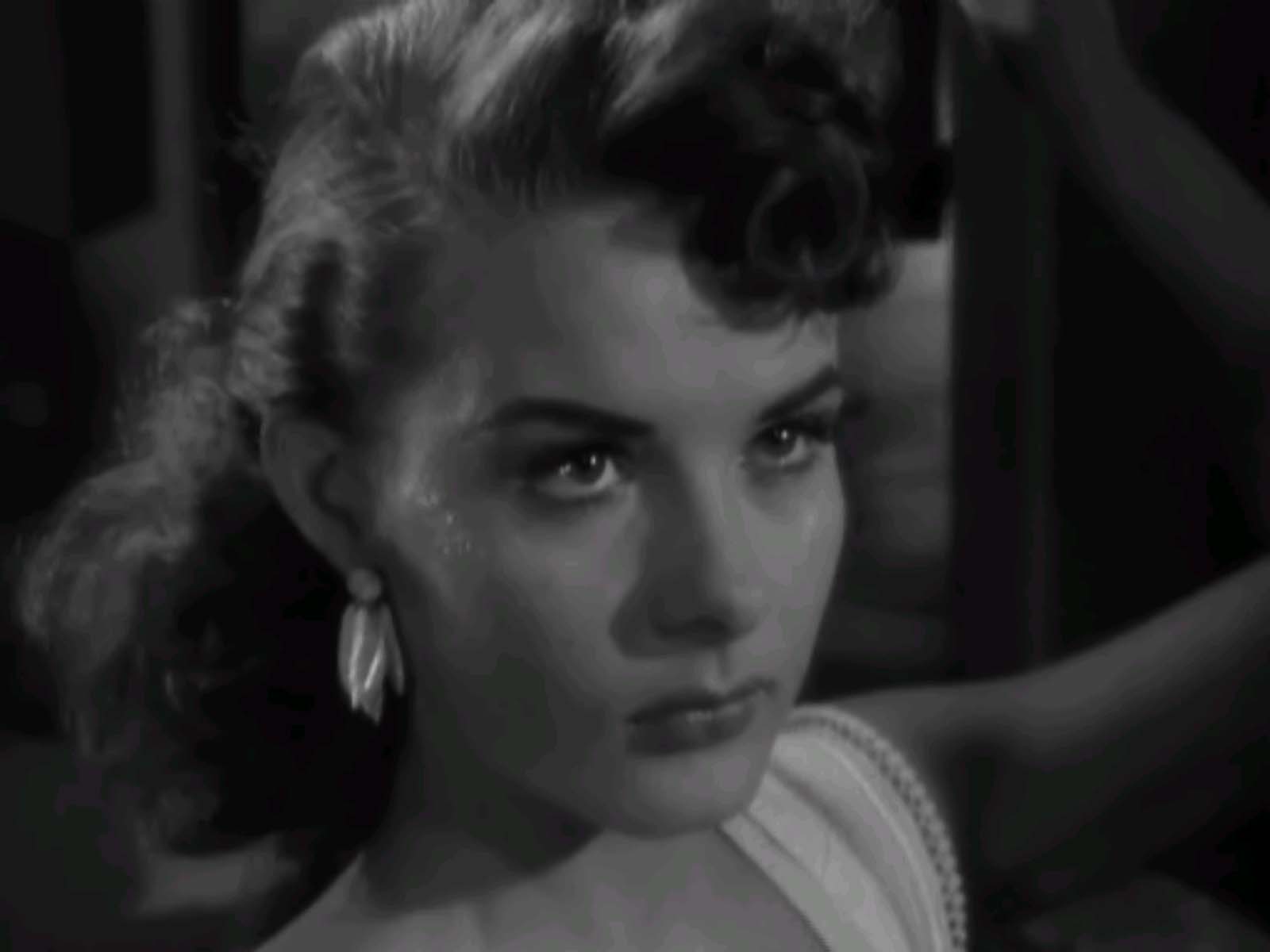
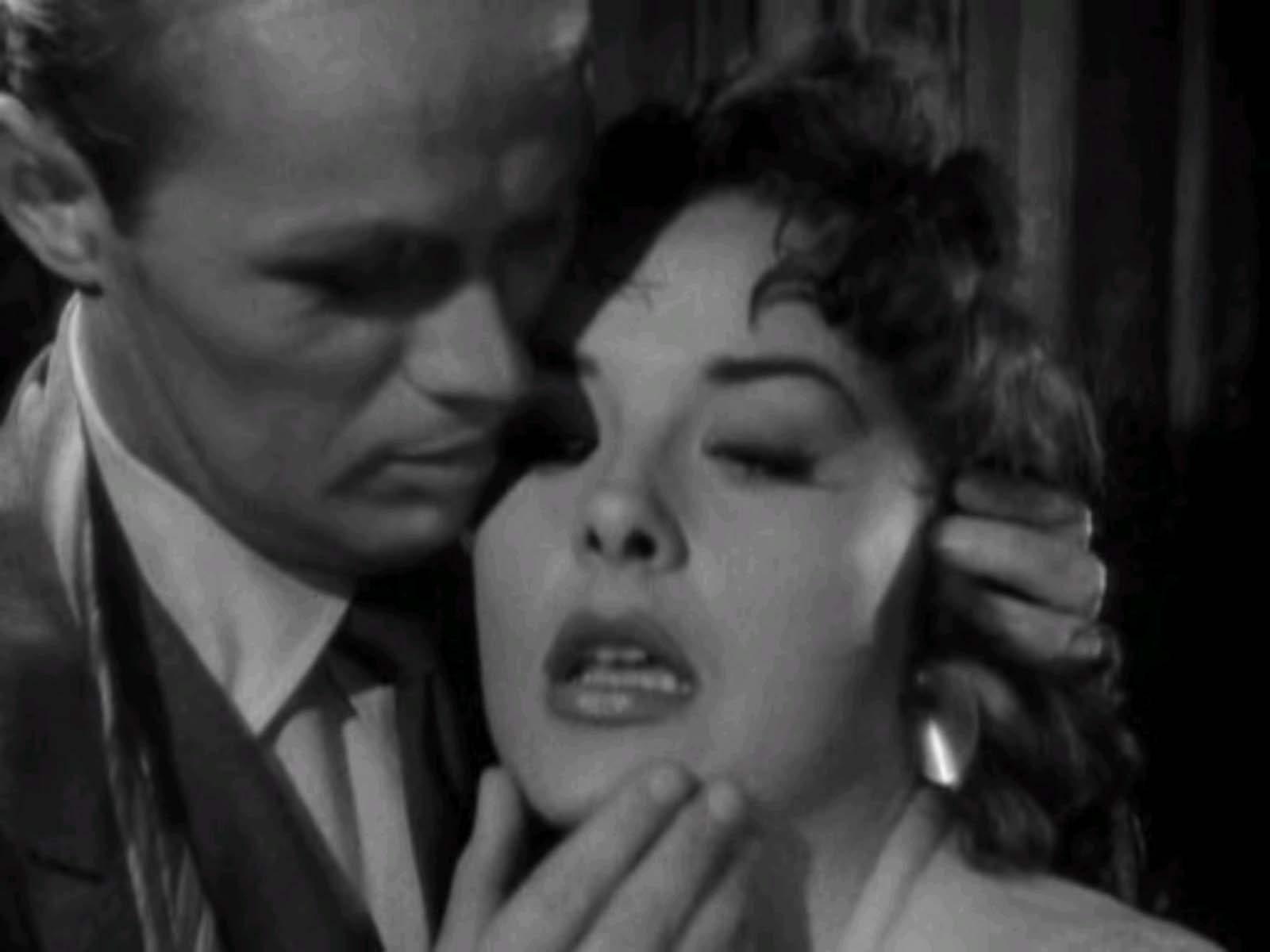
A trio of burglars — Dan Duryea, Peter Capell, and Mickey Shaughnessy — steal a valuable necklace from a mansion that’s been cased by Duryea’s sexy young ward, Gladden (Jayne Mansfield). But when a corrupt cop (Stewart Bradley) puts the moves on lovesick Gladden in an attempt to secure the jewels for himself, Duryea and his accomplices find themselves on the lam in Atlantic City.

Genres, Themes, Actors, and Directors:

  • Dan Duryea Films
  • Heist
  • Jayne Mansfield Films
  • Thieves and Criminals

Review:
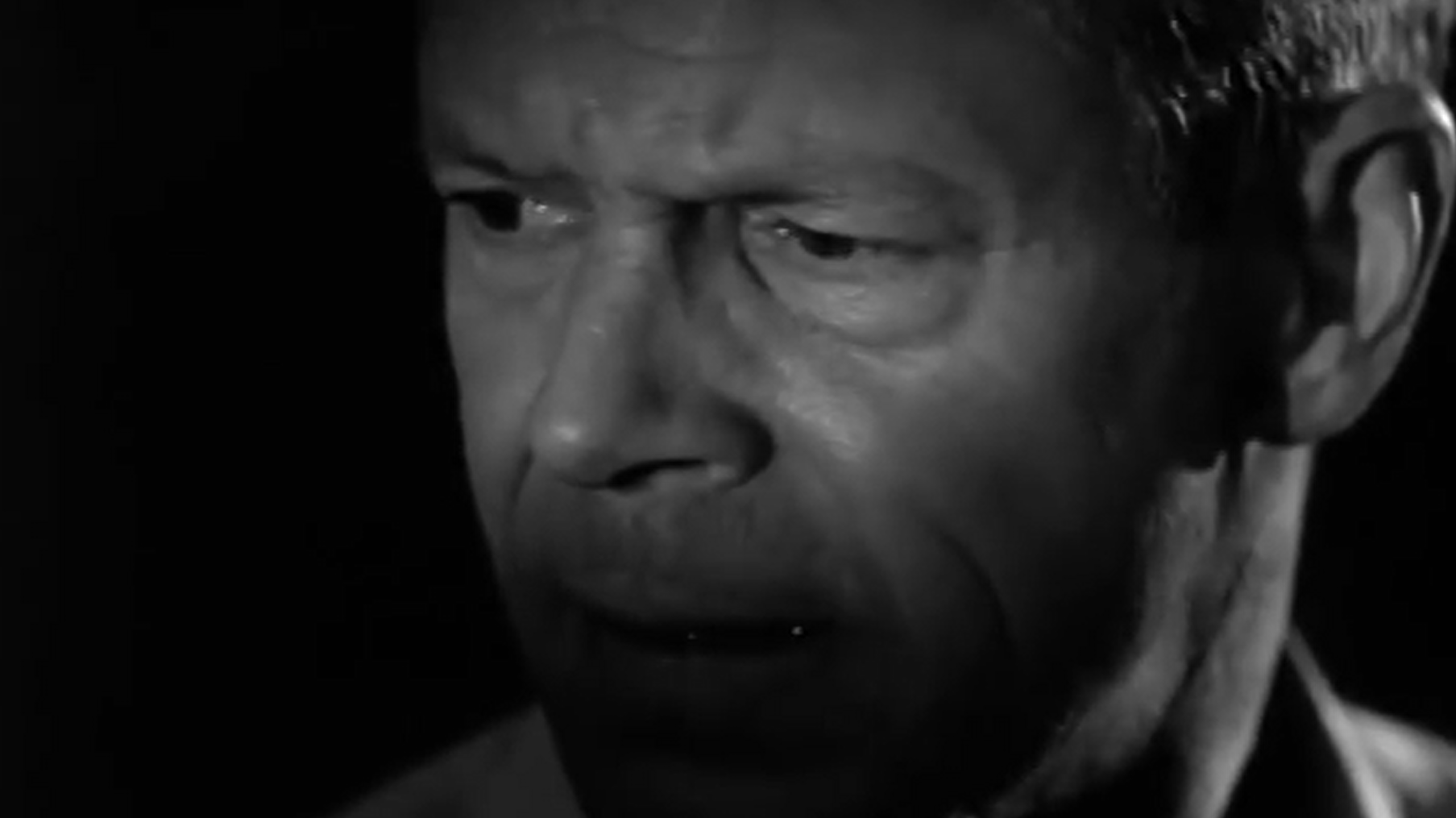
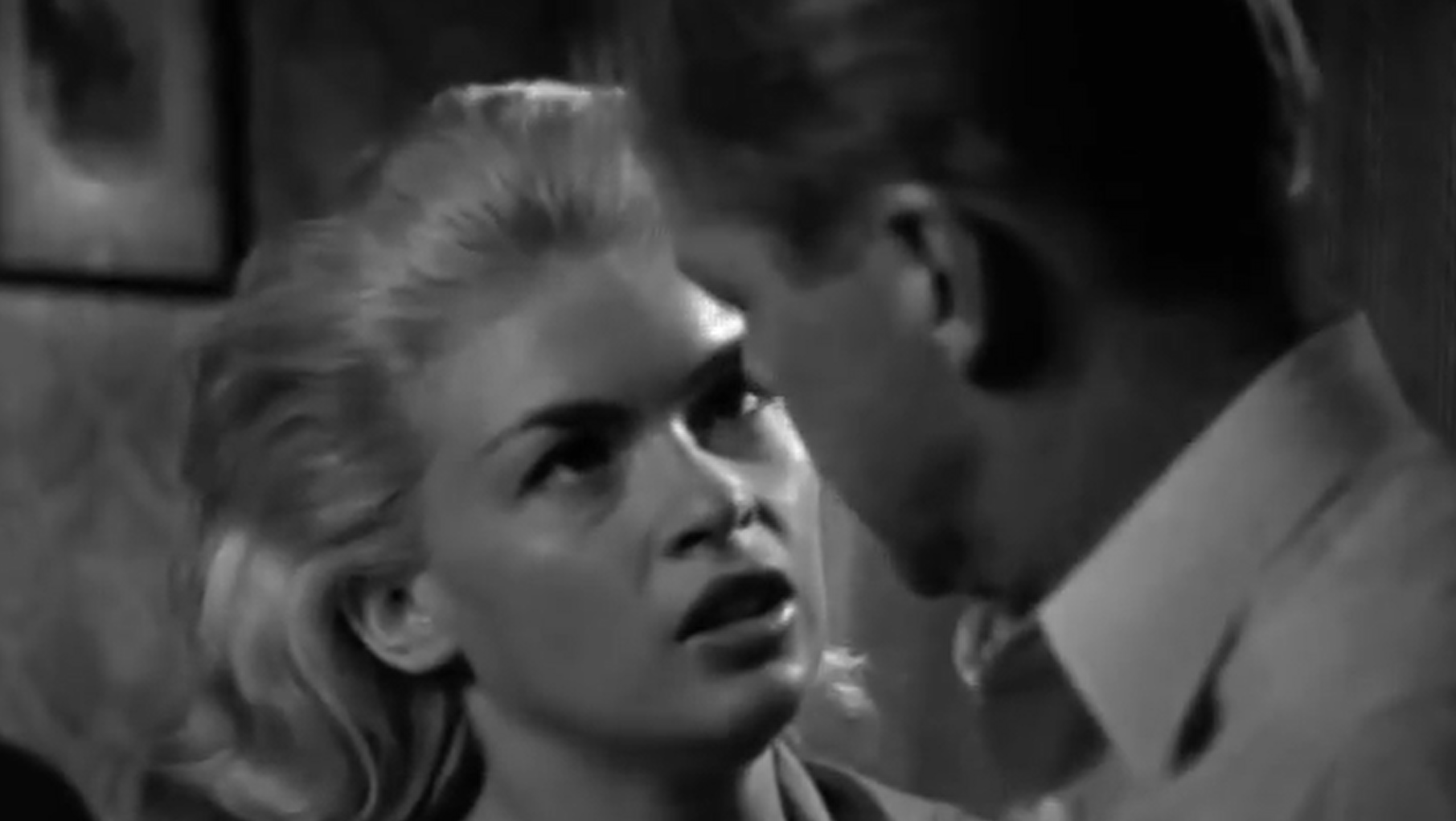
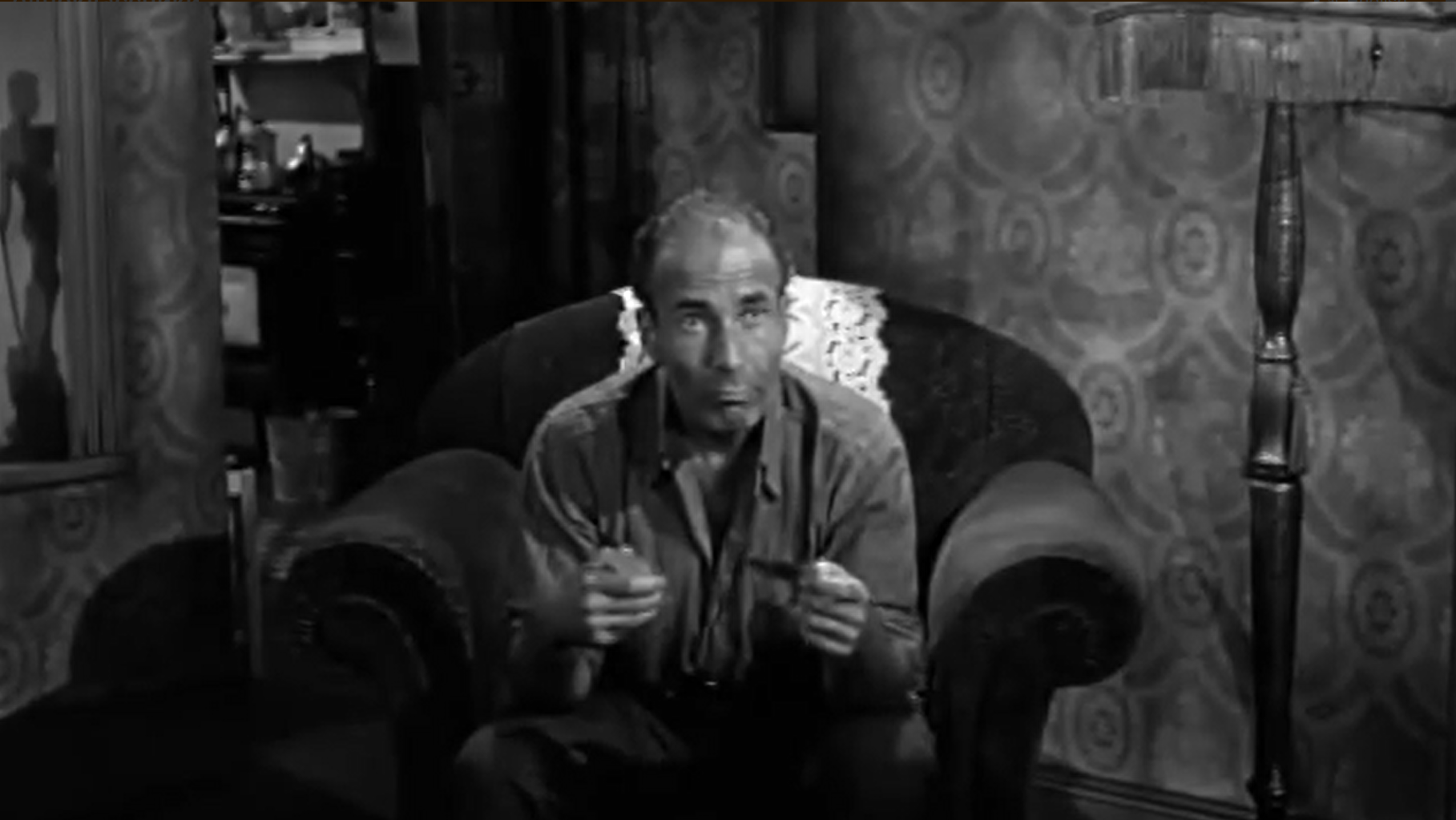
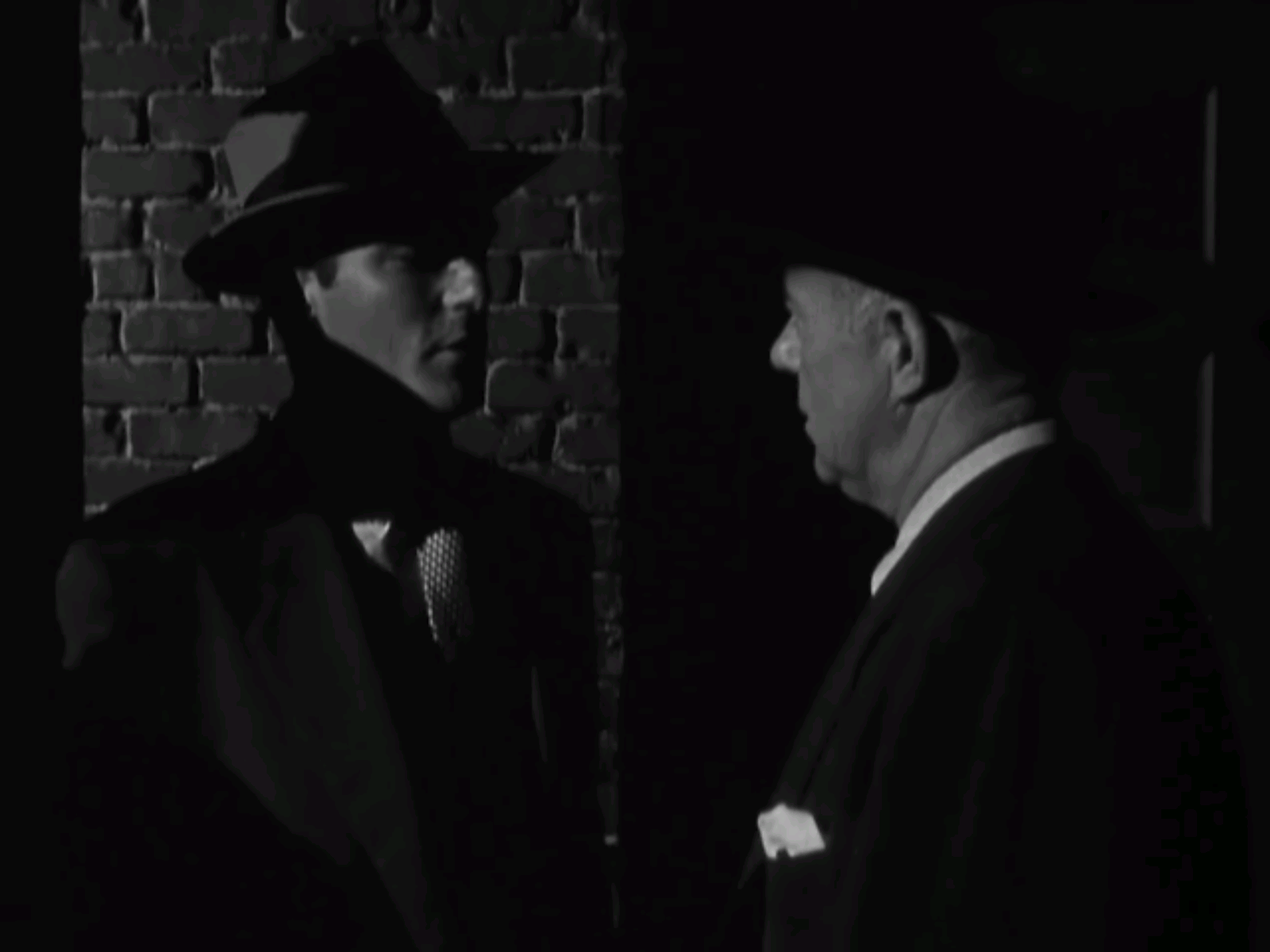
Director Paul Wendkos’ feature debut was this gritty noir thriller, based on a novel by David Goodis. While The Burglar is primarily notable for featuring Jayne Mansfield in one of her first screen appearances (playing a love-starved young sexpot named, of all things, Gladden), the film stands on its own as an enjoyable, tautly directed crime flick. The expertly shot and edited opening heist sequence gets things off to a rollicking start, and while the narrative occasionally meanders (particularly during the awkward flashbacks to Duryea’s past), the story remains compelling throughout. The performances are all fine, with the always “durable” Dan Duryea effective in the lead, and Peter Capell as his eager accomplice providing a nice counterpoint to Duryea’s staunch stoicism.

Redeeming Qualities and Moments:

  • Dan Duryea as Nat
  • Jayne Mansfield as Gladden:

    “Look at me — I’m a woman! I’m flesh and blood, and I got feelings!”

  • Peter Capell as Baylock, the gang’s enthusiastic jewelry expert
  • The tense opening heist sequence
  • Atmospheric direction and editing by Wendkos

Must See?
No, but it’s recommended, particularly for noir fans.

Links:

Dreamchild (1985)

Dreamchild (1985)

“We all want you to be the little girl you once were.”

Synopsis:
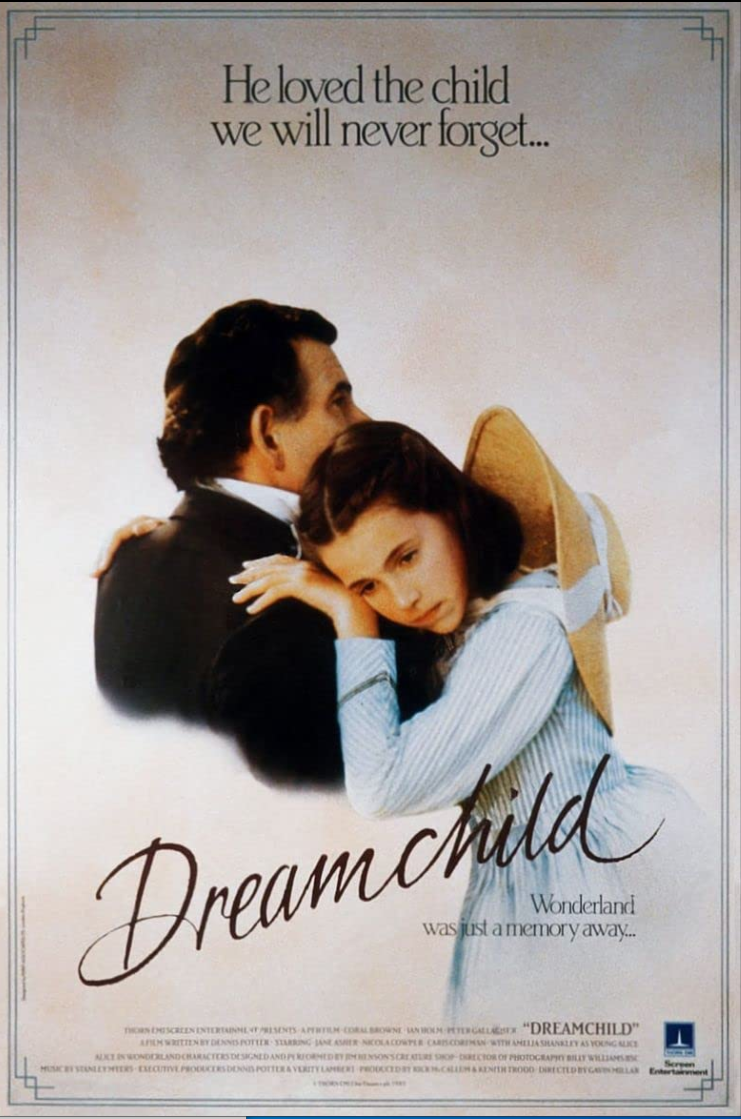
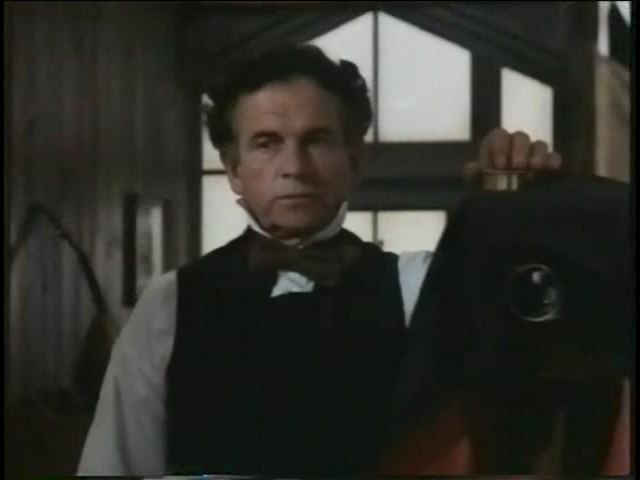
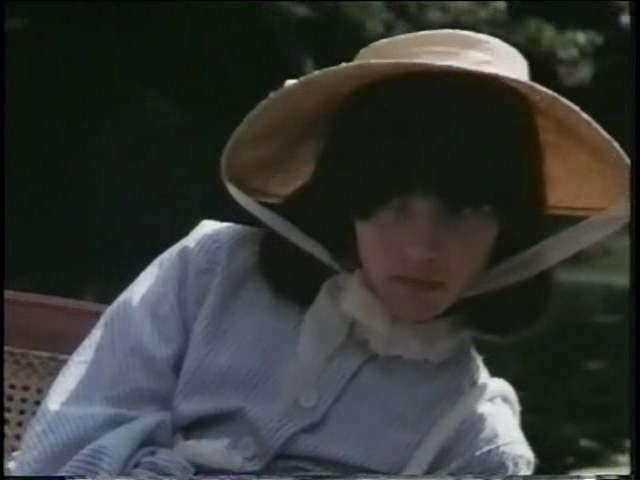
In 1932, 79-year-old Alice Hargreaves (Coral Browne) — the inspiration for Lewis Carroll’s Alice in Wonderland — arrives in New York for a centennial celebration with her assistant (Nicola Cowper), and finds herself besieged by both reporters (including the unscrupulous Peter Gallagher, who pursues Cowper) and marketers. Meanwhile, she reflects back on her days as a young girl (Amelia Shankley), when Carroll (Ian Holm) was clearly besotted with her.

Genres, Themes, Actors, and Directors:

  • Fantasy
  • Flashback Films
  • Historical Drama
  • Ian Holm Films
  • Writers

Review:
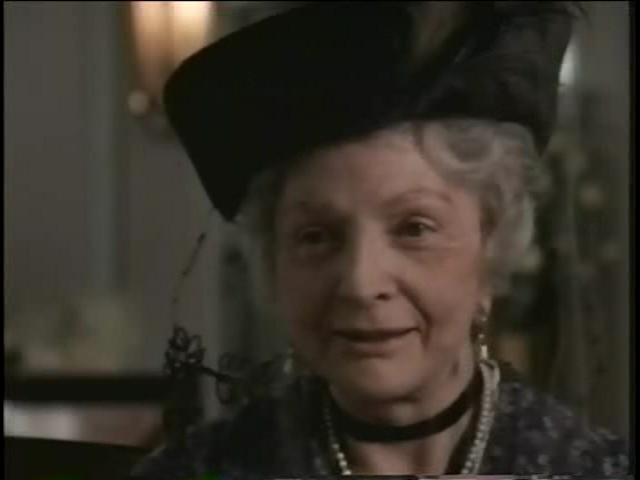
This most unusual little film — scripted by Dennis Potter — relies on a real life event (Alice Hargreaves’ visit to America in 1932) to fictionally explore the confusing — though literarily fruitful — relationship between besotted Lewis Carroll and young Alice, and the ramifications this famous association continued to have on grown Alice’s life. The “modern-day” section of the film pokes satirical fun at the culture clash between dignified Hargreaves (Browne is simply wonderful) and media-happy, Depression-era America, which is more than willing to exploit Hargreaves’ presence — with pay — for the sake of marketing her “image” like mad (this part of the story is reminiscent of Chaplin’s King in New York from 1957). Less successful is the budding romance between a mercenary ex-journalist (Peter Gallagher) and Hargreaves’ young assistant (Nicola Cowper), though Cowper (who sadly never made a big name for herself) more than holds her own in scenes which don’t do her justice.

Ultimately, however, Dreamchild is most concerned with Alice’s reflective flashbacks to her childhood, which — often in nightmarish ways — occasionally merge with the present in her aging mind. Ian Holm perfectly embodies the conflicted Reverend Dodgson (pen name “Lewis Carroll”), effectively conveying his desire for Alice while remaining sympathetic to viewers, given that he never acts upon his pedophilic urges. Amelia Shankley as young Alice is an excellent counterpart to Holm, showing clear evidence of the insouciant charm Carroll fell in love with, while (we sigh with relief) making the boundaries between the two of them perfectly clear. Equally impressive — though not given enough screen time — are Jim Henson’s Wonderland creations, including Mock Turtle, the Mad Hatter, Gryphon, Caterpillar, and Dormouse. They’re both magical and frightening, a perfect manifestation of Carroll’s twisted imagination and Alice’s lifelong interpretation of them, and they add just the right surreal touch to this highly unique film.

Note: Click here and here to read more about Carroll’s real-life relationship with young Alice and her sisters.

Redeeming Qualities and Moments:

  • Coral Browne as Alice Hargreaves
  • Ian Holm as Lewis Carroll
  • Nicola Cowper as Mrs. Hargreave’s naive young assistant
  • Amelia Shankley as “young Alice”
  • Jim Henson’s muppetlike creatures of Wonderland

Must See?
Yes, as a little-seen “good show”, and for Browne’s performance.

Categories

  • Good Show

Links:

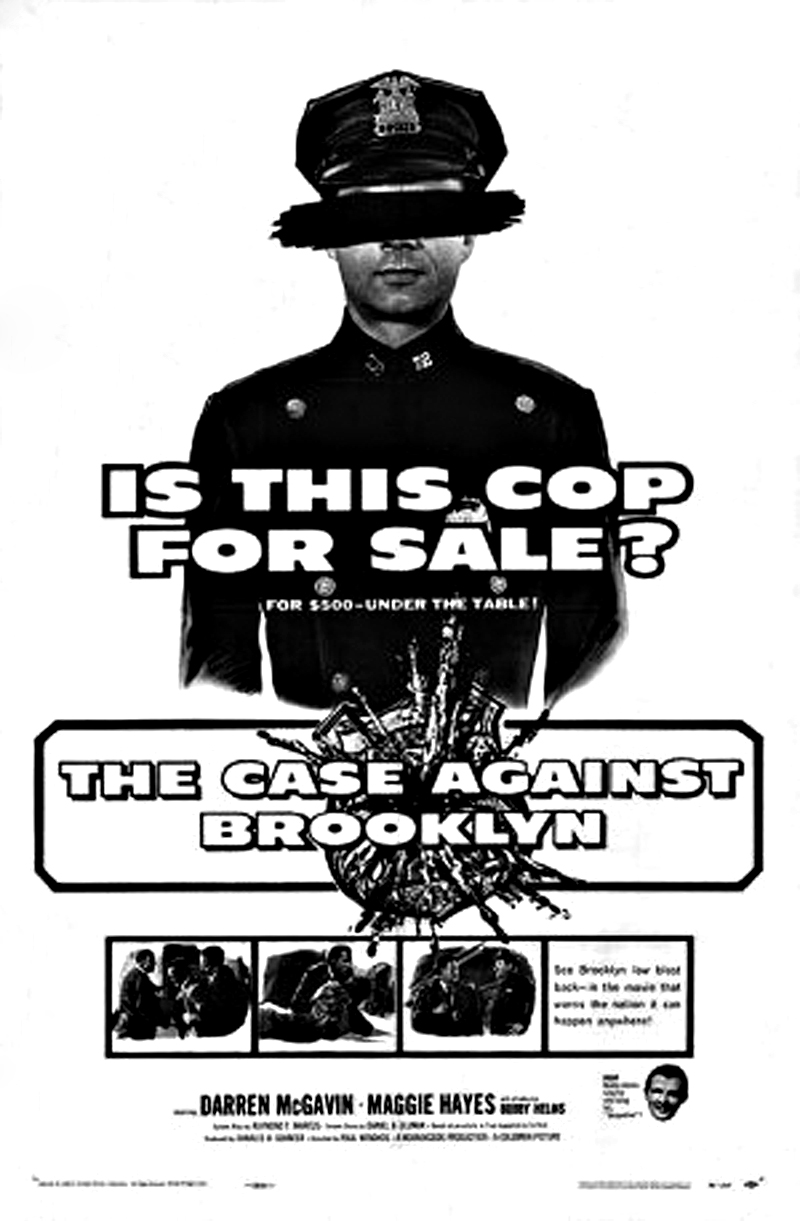
Case Against Brooklyn, The (1958)

Case Against Brooklyn, The (1958)

“When the law is suspended for a price, and truth and justice can be peddled on the marketplace, then every citizen’s in danger — and the law belongs to the highest bidder!”

Synopsis:
A rookie cop (Darren McGavin) in Brooklyn goes undercover to expose rampant corruption in the police force — but the well-being of both his wife (Peggy McCay) and partner (Brian Hutton) are put in jeopardy when he actively pursues a widow (Margaret Hayes) who may have information to share.

Genres, Themes, Actors, and Directors:

  • Corruption
  • Criminal Investigation
  • Police
  • Undercover Cops and Agents

Review:
This early precursor to 1990’s Internal Affairs tells the gritty, true-to-life tale of rampant police corruption in 1950s Brooklyn, and the neophyte cops who were sent undercover to secure incriminating evidence against their degenerate elders. Darren McGavin is perfectly cast as a young war veteran who is immediately comfortable with the deception required of his new job: although he’s clearly the film’s protagonist, he’s ultimately a flawed hero, someone we can’t help silently despising as he lunges a bit too whole-heartedly into an affair with a likable widow (Hayes) while his loyal wife (McCay) waits naively at home.

As a narrative, The Case Against Brooklyn is flawed by its overly perfunctory exposition and didactic narration (similar to that in Anthony Mann’s T-Men); but once McGavin enters the story and the voice-over mysteriously disappears, the story unfolds with tension and excitement until its bittersweet ending.

P.S. McGavin is one of the more unexpectedly athletic actors I’ve seen in a while — watch how he leaps, then rolls across his bed to answer his ringing telephone, or how competently he (nearly) takes out two bookie thugs sent to collect money from him.

Redeeming Qualities and Moments:

  • Darren McGavin as Pete Harris
  • Margaret Hayes as Lil Polombo
  • Many exciting, tension-filled sequences

Must See?
No, but it’s certainly worth a look if you can find a copy.

Links:

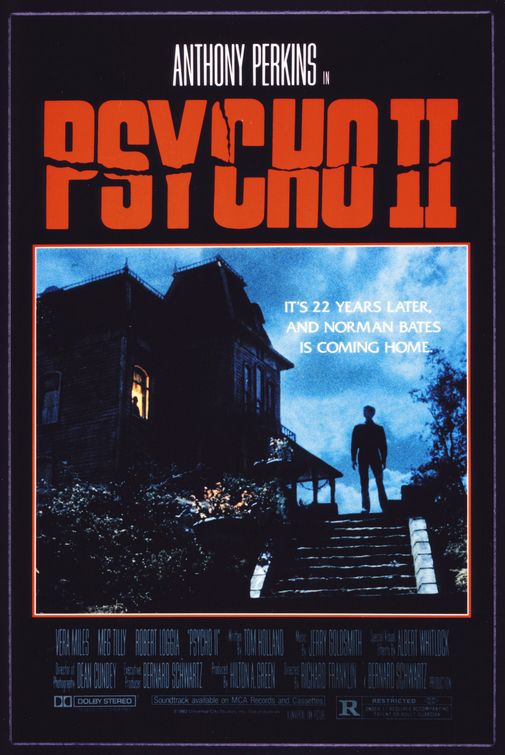
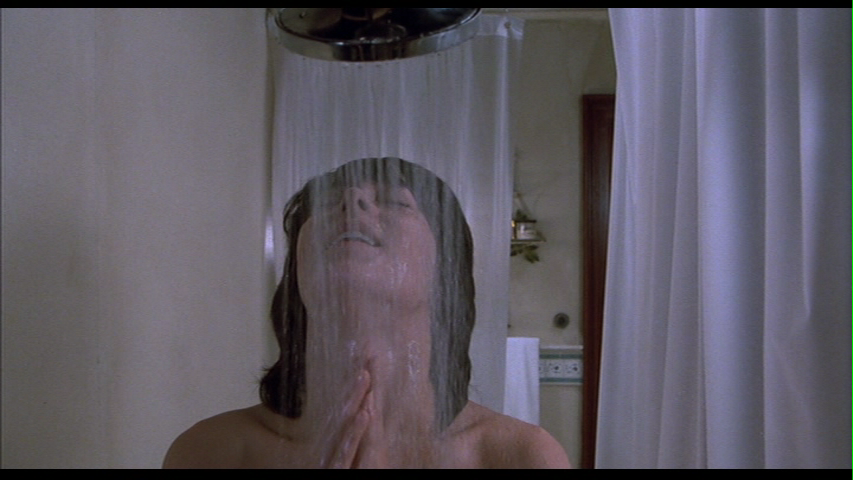
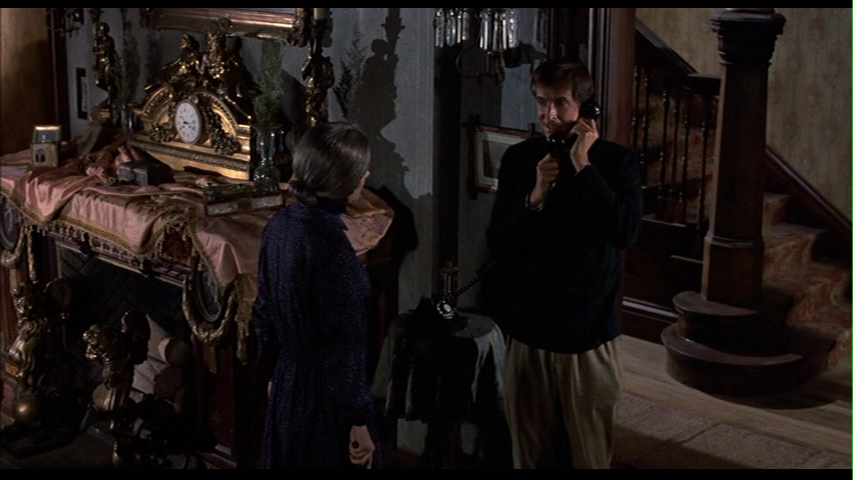
Psycho II (1983)

Psycho II (1983)

“I don’t kill people anymore, remember?”

Synopsis:
Declared legally sane after 22 years in a mental institution, Norman Bates (Anthony Perkins) tries to establish a new life for himself back at his motel — but as bodies begin piling up, he soon discovers that someone is out to convince him his dead mother is still alive…

Genres, Themes, Actors, and Directors:

  • Anthony Perkins Films
  • Gaslighting
  • Horror
  • Mental Illness
  • Murder Mystery
  • Serial Killers

Review:
Three years after Hitchcock’s death, director Richard Franklin helmed this sequel-cum-homage starring two members from the original Psycho‘s cast: Vera Miles as Marion Crane’s vengeance-seeking sister, Lila, and — most critically — Anthony Perkins as Norman Bates. In his review of Psycho II, Roger Ebert notes that “the first thing is to put Alfred Hitchcock’s original 1960 Psycho right out of your mind” — a point well-taken to a certain extent, given that Psycho II doesn’t begin to scale the heights of Hitchcock’s groundbreaking masterpiece. At the same time, however, Psycho II is likely to be most enjoyable to those who love and remember the original, given that nearly every scene plays upon one’s intimate knowledge of camera placement, set design, and character development from the first film.

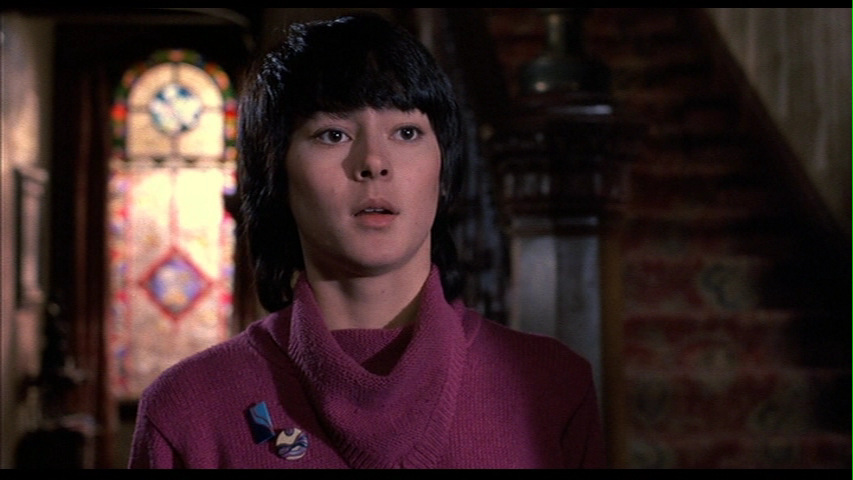
With that said, Psycho II actually works on its own as a reasonably engaging, campy thriller, with enough plot twists and nasty surprises to satisfy most horror fans. Perkins is note-perfect as an older, more sympathetic Norman, who we grow to genuinely care for — as does Meg Tilly’s sexy waitress Mary, who at first seems like the ultimate putz for daring to sleep over at Norman’s house, but whose true motivations for spending time around Norman are soon revealed. As long as one can buy the initial, highly unlikely premise that Bates would be released on his own, back to his childhood home, rather than to a halfway house, the remainder of the story gradually clicks into place, and ends on a surprisingly freaky, satisfying note.

Redeeming Qualities and Moments:

  • Anthony Perkins as an older Norman Bates
  • Meg Tilly as Mary
  • An affectionate homage to Hitchcock’s classic
  • Plenty of unexpected thrills, chills, and twists

Must See?
Yes, as a noteworthy — albeit inevitably inferior — follow-up to Hitchcock’s famous thriller. Listed as a Sleeper and a Personal Recommendation in the back of Peary’s book.

Categories

  • Historically Relevant

Links:

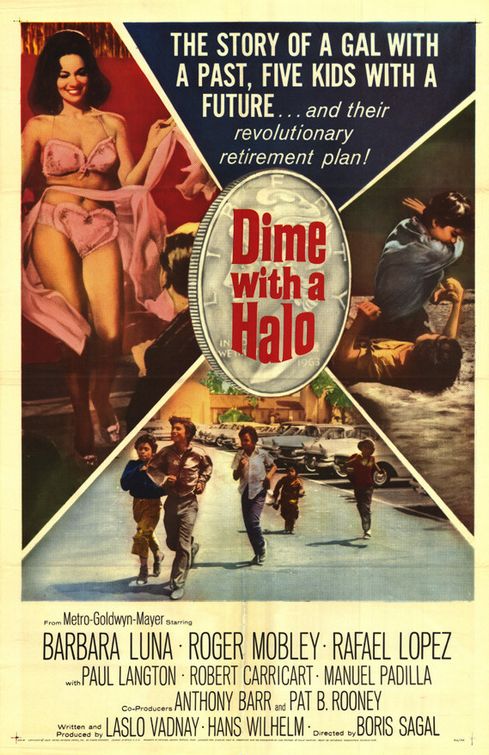
Dime With a Halo (1963)

Dime With a Halo (1963)

“We’re gonna lose it, Chuy — that dime’s running out!”

Synopsis:
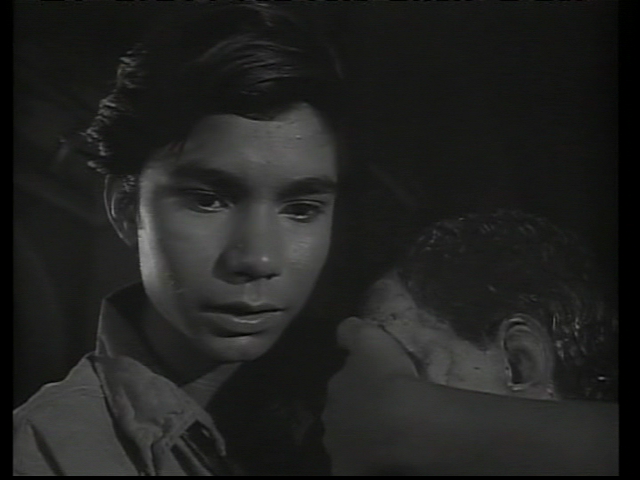
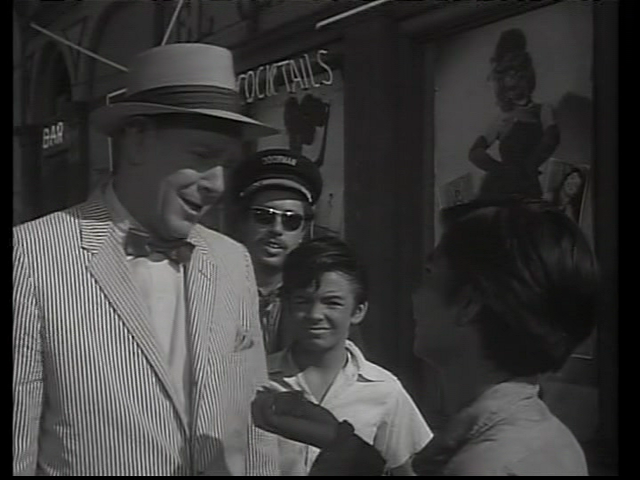
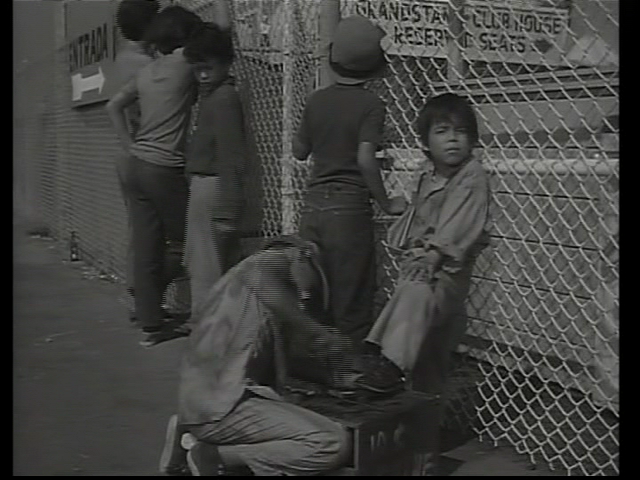
Shortly after moving to Tijuana with his older sister (Barbara Luna), a young orphan (Roger Mobley) befriends a group of street hustlers (led by Rafael Lopez) who place weekly long-shot bets at a local racetrack through a friendly American acquaintance (Paul Langton). When the boys “borrow” a dime from their church donation box and unexpectedly win a bet worth $81,000, they discover that Langton has left town, and are unsure who to trust with cashing their winning ticket.

Genres, Themes, Actors, and Directors:

  • Childhood
  • Gambling
  • Get Rich Quick
  • Mexico

Review:
This hard-to-find MGM “indie” flick possesses an engaging no-name cast, an unlikely setting (the border town of Tijuana), and a compellingly child-centered narrative. Upon its release, Bosley Crowther of The New York Times noted that “the word for this unexpected little movie is likable”, and his assessment still rings true — indeed, it’s difficult not to get caught up in the boys’ travails, and wish them well. While Disney-favorite Roger Mobley is too obviously made-up with brown skin and darkened hair to appear Latino, his compatriots are more authentic-looking, and ringleader Rafael Lopez (whose role is ultimately larger than Mobley’s anyway) emerges as a skilled young actor with charisma. The story isn’t quite neo-realist — it’s too carefully crafted for that — but one at least gets the sense that these characters could really exist; even “Mr. Jones” — the “rich” American who acts as the children’s go-between — transcends cliche and becomes a believable supporting player. Be forewarned, however, that the ending may leave you dissatisfied.

Redeeming Qualities and Moments:

  • Rafael Lopez as Chuy
  • Paul Langton as “Mr. Jones”
  • Fine attention to humorous detail

Must See?
No, but it’s certainly worth a look if you can locate a copy. Listed as a Sleeper and a Personal Recommendation in the back of Peary’s book.

Links:

Birch Interval (1976)

Birch Interval (1976)

“Something that’s measured is never lost — you know that, don’t you?”

Synopsis:
A fatherless girl named Jesse (Susan McClung) goes to live with her cousins in Pennsylvania Amish country, and learns that the local townsfolk believe her beloved uncle (Rip Torn) is mentally disturbed.

Genres, Themes, Actors, and Directors:

  • Coming of Age
  • Eddie Albert Films
  • Mental Illness
  • Rip Torn Films
  • Small Town America

Review:
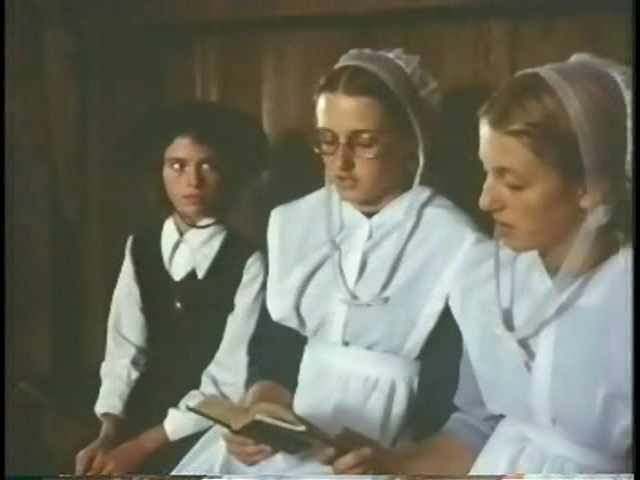
Birch Interval (the film’s odd title is never explained) received scathing reviews from the New York Times upon its release, with director Delbert Mann lambasted for wallowing in “excess, self-indulgence and bathos”, and the film as a whole labeled “what the word ‘icky’ has been waiting for all its life.” These criticisms are ultimately far too harsh, however: while it does dip into a made-for-TV sensibility at times, and the overall arc of the narrative flits around rather unevenly to various vignettes (a local “witch”, a near-rape) without giving them their due, Mann’s overall intention — telling a coming-of-age story, with all its inevitable stickiness and melodrama — remains a worthy one. Especially enjoyable are Rip Torn and Eddie Albert, who turn in fine performances as Jesse’s disturbed uncle and concerned great-uncle respectively; and Mann’s nearly ethnographic filming of the local Amish community (particularly a church session), which was likely fascinating for audiences at the time.

Redeeming Qualities and Moments:

  • Rip Torn as Jesse’s Uncle Thomas
  • Eddie Albert as “Pa”
  • A documentary-like glimpse at a Pennsylvania Amish community

Must See?
No, but fans of coming-of-age tales will likely be curious to check it out. Listed as a Sleeper in the back of Peary’s book.

Links:

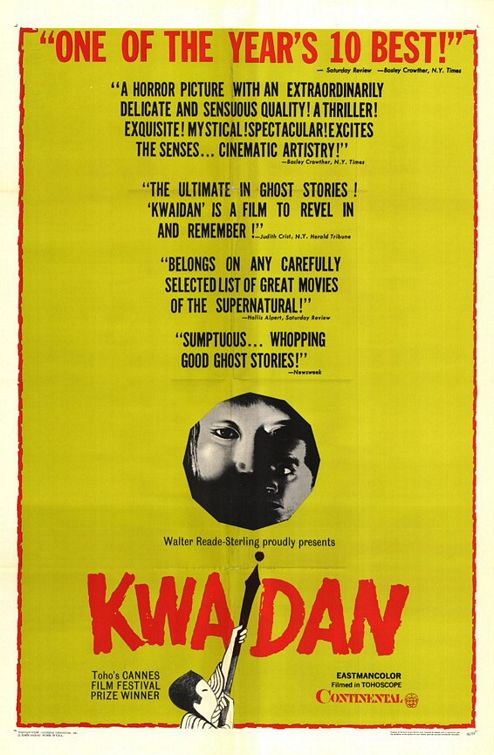
Kwaidan (1964)

Kwaidan (1964)

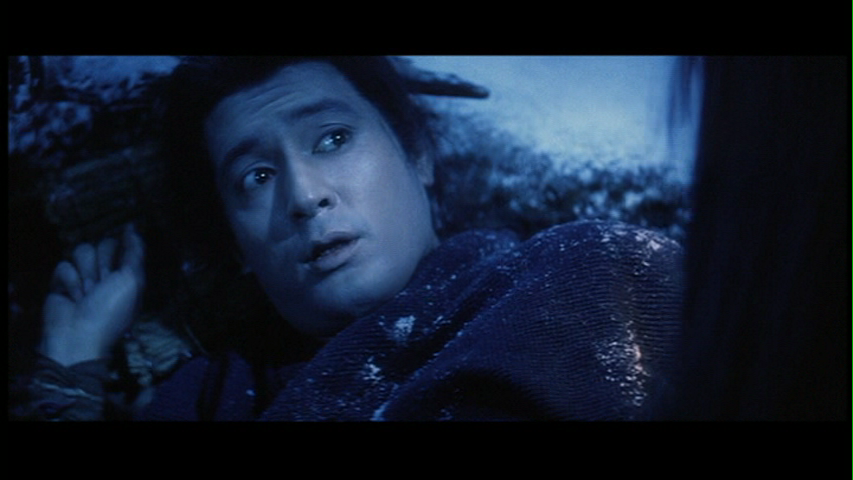
“I saw very clearly the weird woman who killed old Mosaku; I’ve never seen in my life a woman as beautiful and white as her — except you.”

Synopsis:
Four Japanese ghost stories — “Black Hair”, “The Woman in the Snow”, “Hoichi the Earless”, and “In a Cup of Tea” — showcase the importance of loyalty, honor, and fidelity.

Genres, Themes, Actors, and Directors:

  • Episodic Films
  • Fantasy
  • Ghosts
  • Japanese Films

Review:
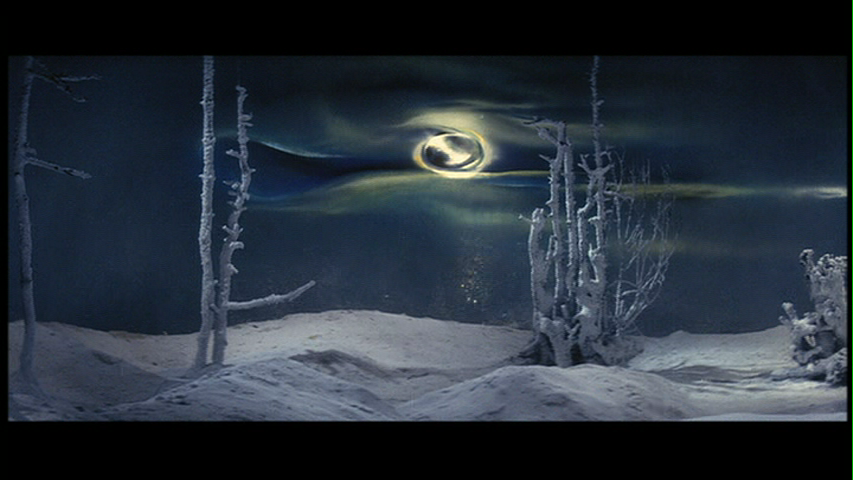
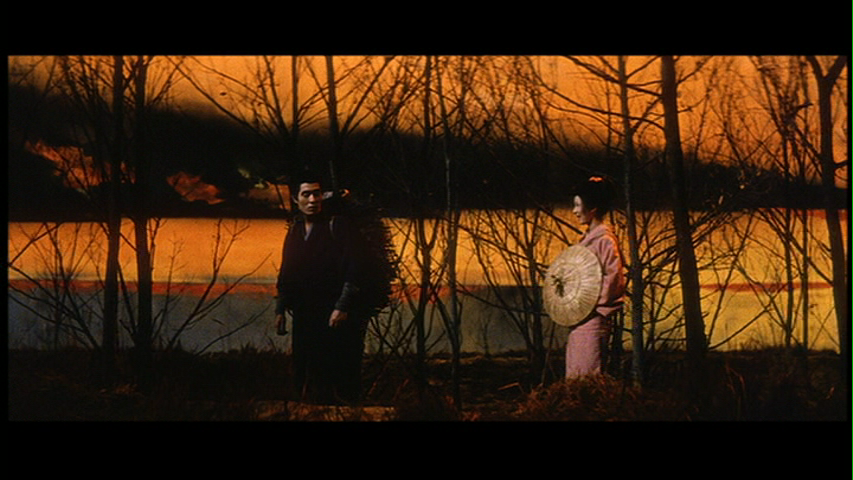
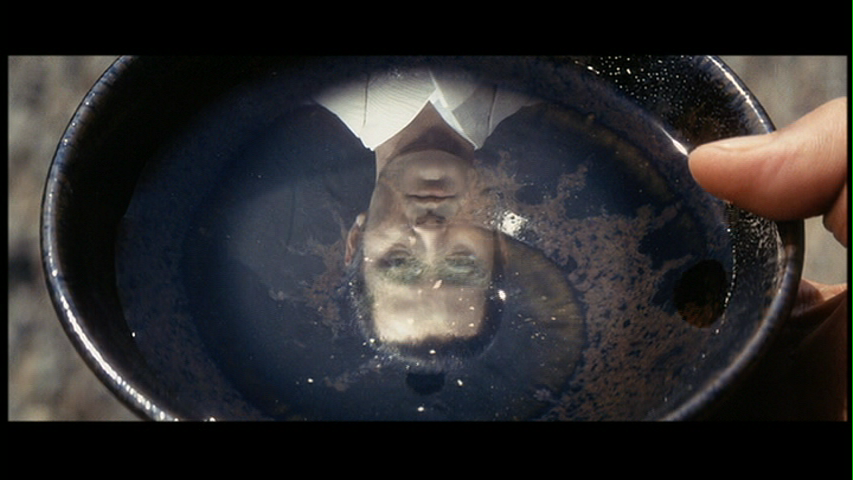
This most unusual Japanese horror import — directed by former art student Masaki Kobayashi, and based on a quartet of stories by Greek expatriate Lafcadio Hearn — is an unabashed aesthetic treat. Featuring other-worldly set designs and highly stylized, color-drenched cinematography, it immediately evokes a fable-like sensibility, transporting viewers to an alternate fairy-tale universe where morals are everything and one false step can result in eternal tragedy. To that end, the “horror” element of Kwaidan is systemic rather than explicit: while there is some violence — one character has his ears sliced off in retribution — it’s never gratuitous. Ghosts appear as a matter of course, showing up simply to remind characters that the past is still very much alive, and that spirits are inevitably a part of current existence.

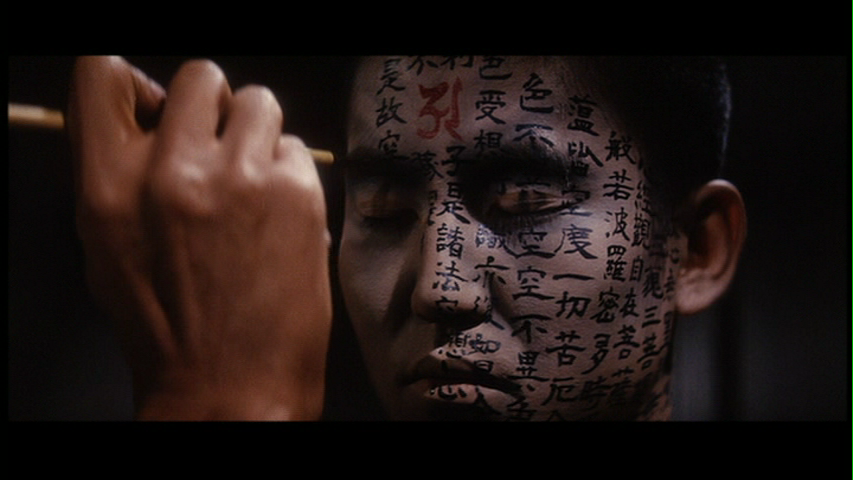
Like most omnibus collections, certain stories in Kwaidan (the title translates roughly into “ghost story”) emerge as more successful than others. The first two episodes — “Black Hair” and “The Woman in the Snow” — are the shortest and most unassuming of the quartet, telling simple yet profound tales of husbands who in one way or another fail to live up to their marital duties; it’s especially gratifying to see the familiar face of Japanese cinema icon Tatsuya Nakadai in the latter. “Hoichi the Earless” is the most flamboyant and central tale of the film, spanning literally centuries: it opens with a stunningly stylized recreation of a samurai battle, then shifts to the impact the battle’s forlorn ghosts have upon a well-meaning priest (Katsuo Nakamura) whose life is put in danger — despite his best intentions — simply by “knowing” them; Nakamura’s likable, authentic performance buoys this rather depressing fable. The final episode in the film — “In a Cup of Tea” — remains just as visually evocative as the others, but ultimately fails to engage on any deeper level. Taken together, however, Kwaidan provides a most unusual viewing experience, one which any film fanatic truly interested in witnessing the diversity of expression international cinema has to offer can’t really afford to miss.

Redeeming Qualities and Moments:

  • Tatsuya Nakadai as the rescued man in “The Woman in the Snow”
  • Katsuo Nakamura as Hoichi
  • The freaky denouement of “Black Hair” — reminiscent of Mizoguchi’s Ugetsu (1953)
  • The opening samurai battle in “Hoichi the Earless”
  • Truly stunning stylized set designs
  • Yoshio Miyajima’s other-worldly cinematography
  • Countless memorable images

Must See?
Yes, as a most unusual foreign gem. Listed as a film with Historical Importance in the back of Peary’s book.

Categories

  • Foreign Gem

Links:

Pickup on South Street (1953)

Pickup on South Street (1953)

“So you’re a Red, who cares? Your money’s as good as anybody else’s.”

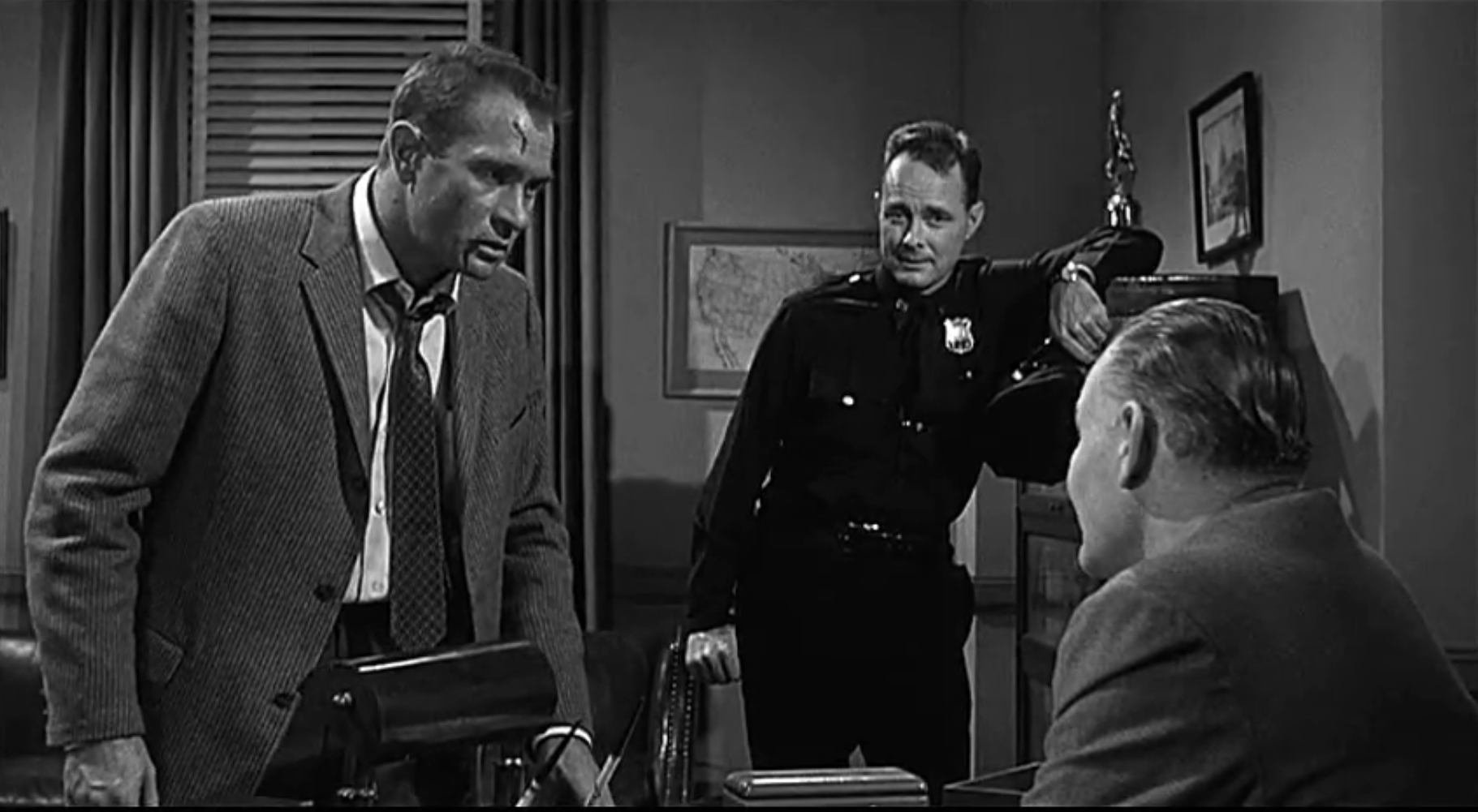
Synopsis:
A pickpocket (Richard Widmark) unknowingly lifts government secrets out of the purse of a woman (Jean Peters) whose boyfriend (Richard Kiley) is a Communist spy. When Widmark discovers how valuable his “take” is, he tries to extort money out of both Peters (who has fallen for him) and Kiley; meanwhile, the police try to get Widmark to turn the goods over to them in exchange for leniency.

Genres, Themes, Actors, and Directors:

  • Cold War
  • Jean Peters Films
  • Richard Widmark Films
  • Sam Fuller Films
  • Spies
  • Thelma Ritter Films
  • Thieves and Criminals

Review:
From its opening scene on a crowded, sweaty New York subway car, Sam Fuller’s Pickup on South Street astonishes viewers with its no-holds-barred glimpse into the seedy lives of stoolies, pickpockets, spies, and the molls who love them. Utilizing extreme close-ups and effectively rapid-fire editing, Fuller immediately establishes a milieu in which risk and sensuality are deeply intertwined, with plenty of violence greasing the wheels of passion. Despite its Cold War setting — and plenty of anti-Commie rhetoric — Pickup is really less about patriotic fervor (a la camp favorite Shack Out on 101, made two years later) than about the shady individuals who find themselves caught up in the hubbub simply because it’s become a part of their underground survival.

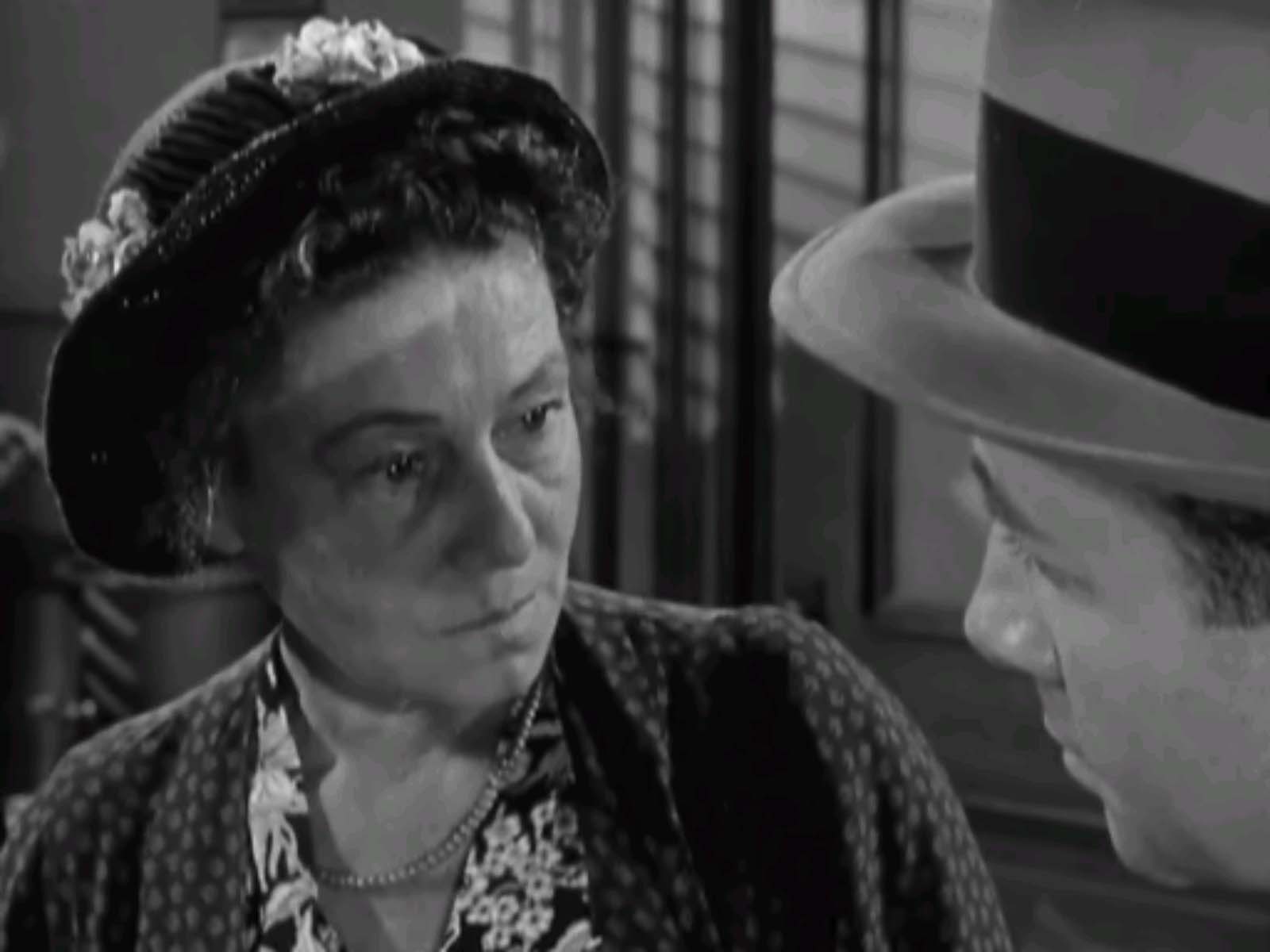
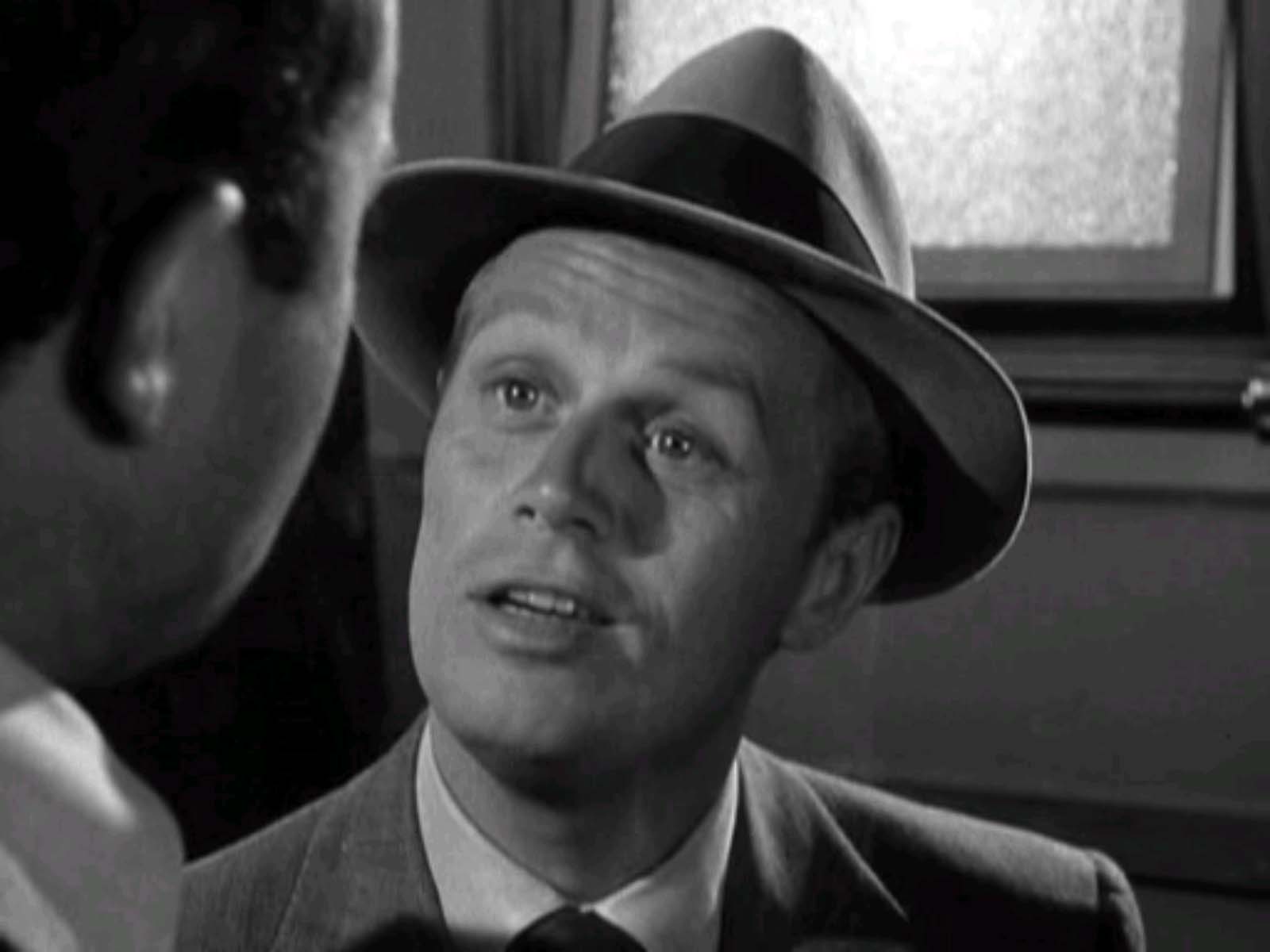
Pickup possesses a slew of memorable characters, including Thelma Ritter as “Moe” (an aging stoolie who wants nothing more than to earn money for a decent funeral), Richard Widmark as the cynical centerpiece of the storyline (it’s difficult to imagine the role better cast), and — in perhaps the most surprising coup of all — Jean Peters as Candy, a smitten yet gutsy and gorgeous dame who’s willing to put up with an enormous amount of guff (both verbal and physical) from Widmark in exchange for his reluctant loyalty and love. The actors are filmed to perfection by cinematographer Joe MacDonald, who encases them in a dense noir ambiance so atmospheric it nearly becomes a character in itself. Pickup on South Street ultimately works on enough levels — visually, thematically, and more — to merit multiple enjoyable viewings by film fanatics.

Redeeming Qualities and Moments:

  • Thelma Ritter as Moe
  • Richard Widmark as Skip McCoy
  • Jean Peters as Candy
  • The opening pickpocket sequence
  • Effective use of close-ups and rapid editing to convey emotional tension
  • Joe MacDonald’s noirish cinematography
  • Countless classic lines:

    “I have to go on making a living so I can die. But even a fancy funeral ain’t worth waiting for if I gotta do business with crumbs like you.”

  • Leigh Harline’s punchy score

Must See?
Yes; this excellent Cold War thriller should be seen and enjoyed by all film fanatics.

Categories

  • Good Show
  • Important Director

(Listed in 1001 Movies You Must See Before You Die)

Links:

Elephant Man, The (1980)

Elephant Man, The (1980)

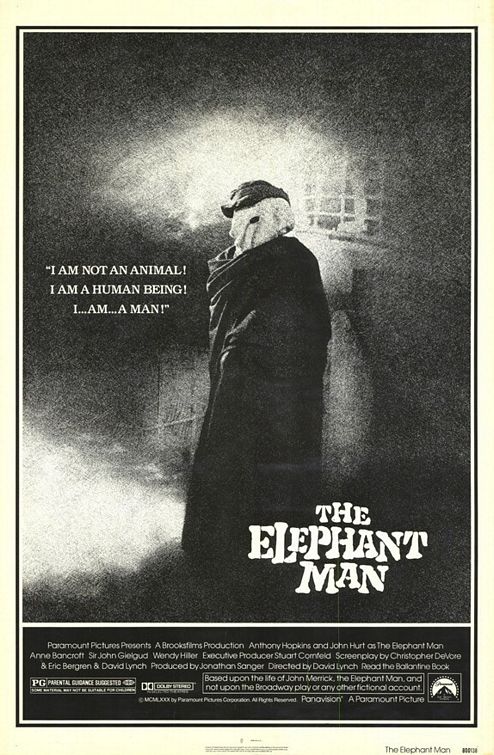
“I am not an animal — I am a human being!”

Synopsis:
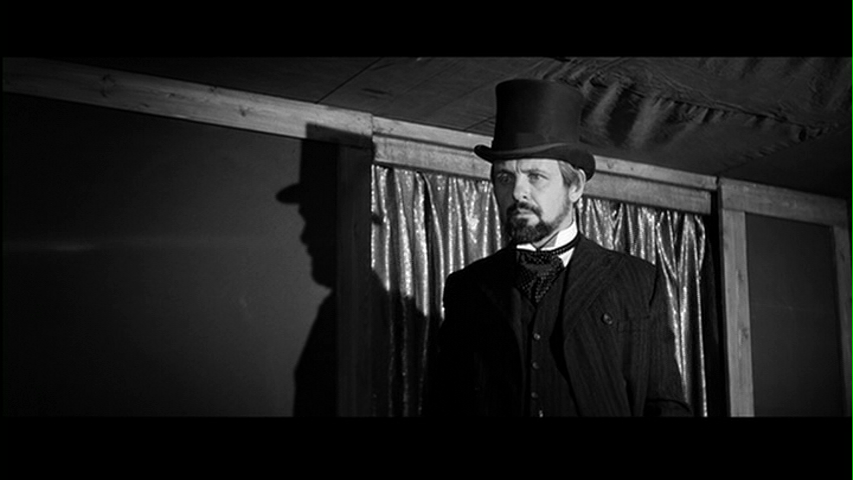
In Victorian England, Dr. Frederick Treves (Anthony Hopkins) rescues a severely disfigured man (John Hurt) from his abusive carnival “owner” (Freddie Jones), and allows him his first chance at a life of dignity and respect.

Genres, Themes, Actors, and Directors:

  • Anne Bancroft Films
  • Biopics
  • Carnivals and Circuses
  • Character Arc
  • David Lynch Films
  • Doctors and Nurses
  • Historical Drama
  • John Gielgud Films
  • John Hurt Films
  • Wendy Hiller Films

Review:
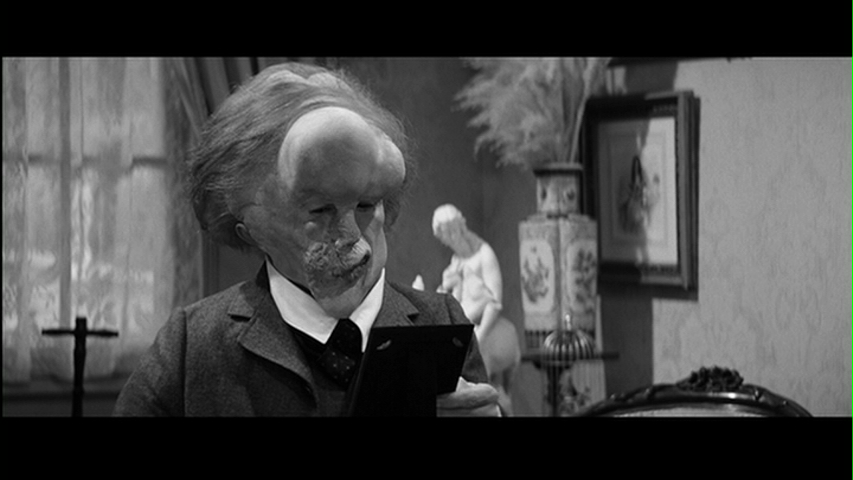
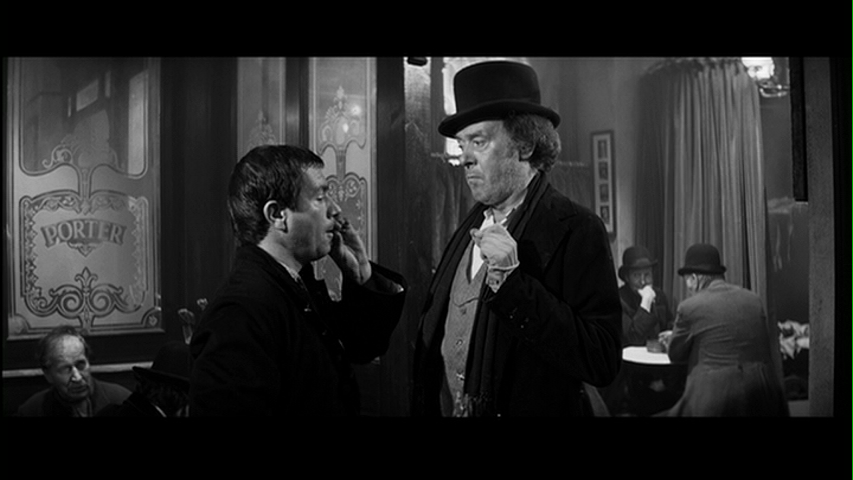
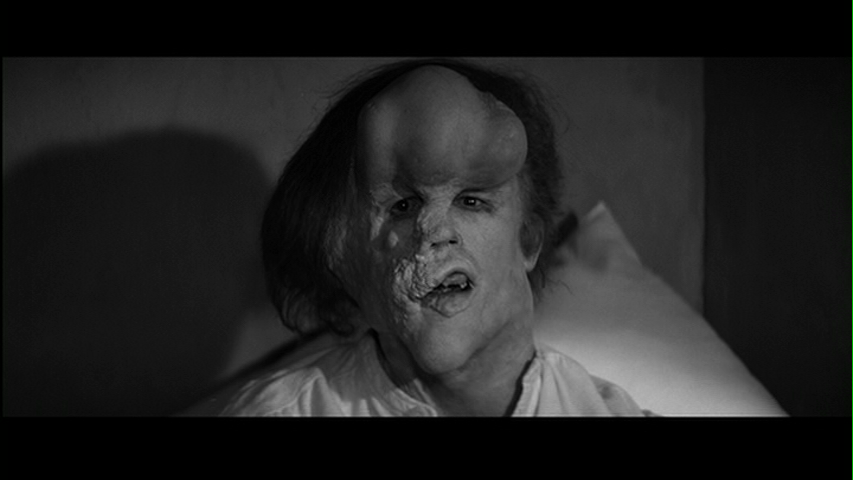
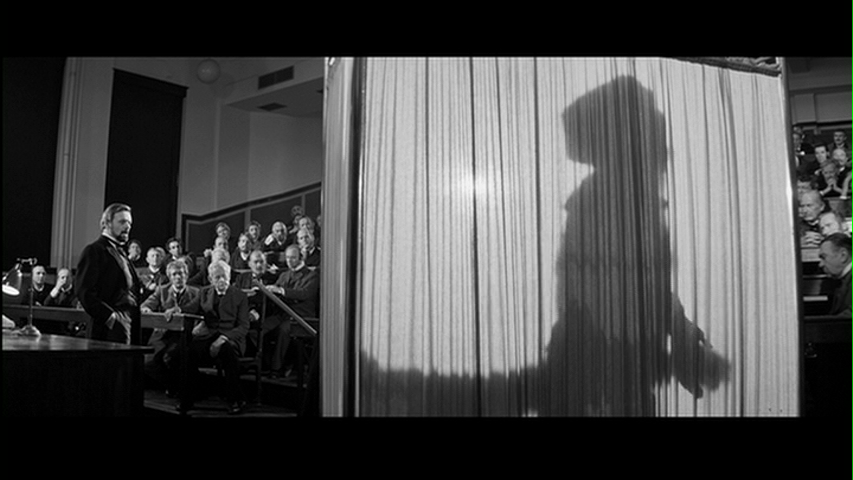
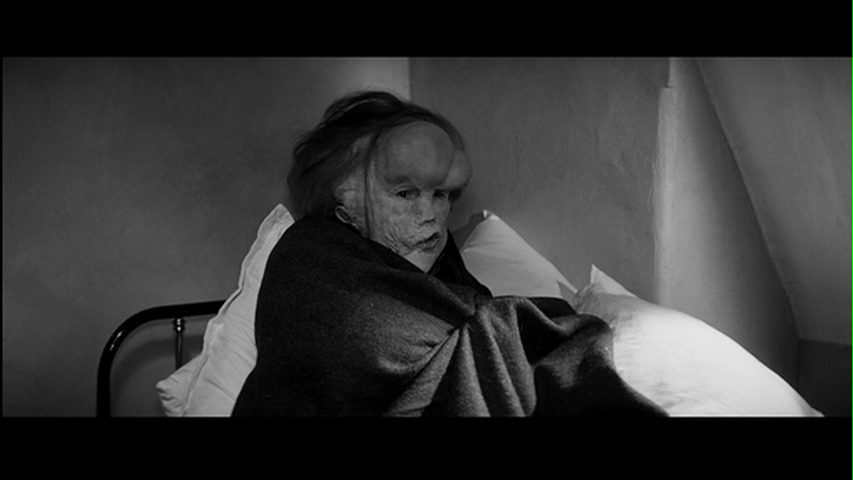
Although it’s often considered to be something of an aberration from director David Lynch’s usual oeuvre, this heartbreaking biopic is actually well in alignment with Lynch’s fascination for the disenfranchised and downtrodden. Oscar-nominated John Hurt (who’s completely unrecognizable) plays the title role of Joseph Merrick, a real-life young man who suffered from a rare congenital deformity known as Proteus Syndrome, making him look decidedly freakish and abnormal; and while there’s no denying Hurt’s inestimable skills as an actor, his success here as Merrick is due in no small part to the tremendous efforts of make-up specialist Chris Tucker, who developed an elaborate synthetic “mask” based on a cast of Merrick’s actual head. Anthony Hopkins — equally affecting in a less “showy” role — plays the doctor who at first is merely fascinated with Merrick’s physical condition, but soon comes to realize that an intelligent, sentient being exists underneath the bulbous folds of skin and bone.

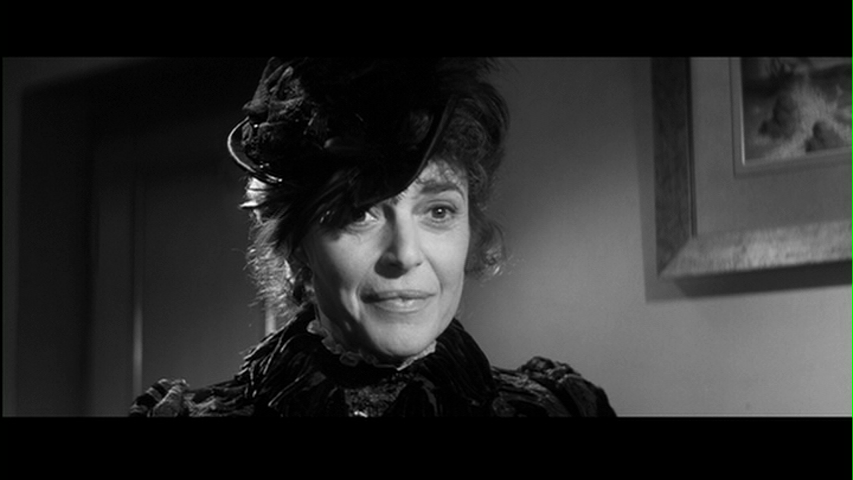
Merrick’s transformation from mute “creature” to dignified gentleman — the crux of the film — is truly a wonder to behold; even those who rarely cry at movies (myself included) will find themselves hard pressed not to be moved by this one. Scene after scene — enacted by a crew of exceedingly well-cast supporting actors — prompts a renewed investigation of our own prejudices, as we realize just how important a relatively “normal” appearance is to our acceptance of others as human. My favorite scenes are those between Merrick and a renowned actress (Anne Bancroft) who barely bats an eye upon seeing Merrick for the first time, and remains resolutely dedicated to treating him like the gentle hero he is. Equally touching is the initial scene between Merrick and Dr. Treves’ wife (Hannah Gordon), whose “natural” acceptance of his appearance causes him to break down in sobs of gratitude.

Some (including, I suspect, Peary, who neglects to nominate either Hurt or the film itself in his Alternate Oscars book) find The Elephant Man overly cloying — and there’s no doubt that our heartstrings are strategically tugged throughout the entire film. Indeed, the final portion of the story — in which Merrick is kidnapped back by Jones, and forced to temporarily revert to his former status as a carnival freak — is nearly too much to bear, and shifts the story into undue pathos. Apart from this aberration, however, Merrick’s journey remains a fascinating one to watch, and proves that there’s nothing more uplifting than watching a character transform and transcend his initial limitations.

Redeeming Qualities and Moments:

  • John Hurt as Joseph Merrick
  • Anthony Hopkins as Dr. Treves
  • Anne Bancroft as an admiring actress
  • Wendy Hiller as a no-nonsense nurse
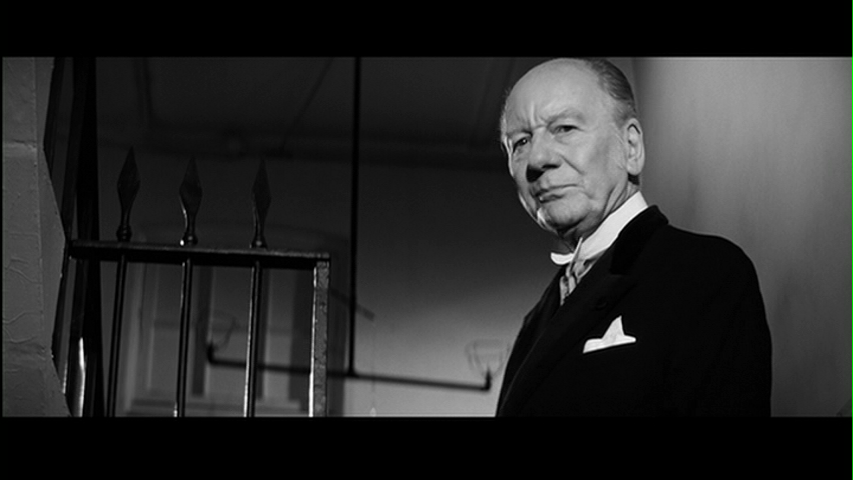
  • John Gielgud as Treves’ superior at the hospital
  • Freddie Jones as Merrick’s abusive captor
  • Hannah Gordon as Dr. Treves’ sympathetic wife
  • Chris Tucker’s extraordinary make-up design
  • Freddie Francis’s cinematography
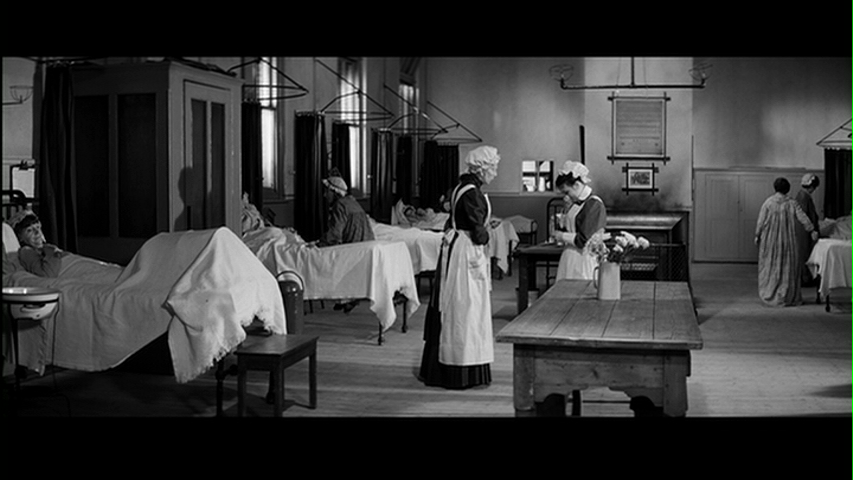
  • Atmospheric period detail
  • Many heart-breaking scenes
  • An effective soundtrack by John Morris

Must See?
Yes, as a “good show” by an important director.

Categories

  • Good Show
  • Important Director
  • Oscar Winner or Nominee

(Listed in 1001 Movies You Must See Before You Die)

Links:

Pollyanna (1960)

Pollyanna (1960)

“When you look for the bad in mankind, expecting to find it, you surely will.”

Synopsis:
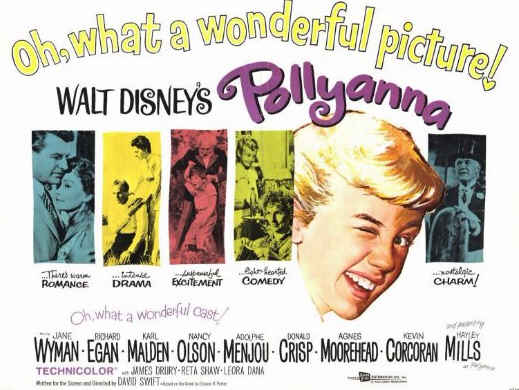
A young orphan named Pollyanna (Hayley Mills) comes to live with her stern, wealthy aunt Polly (Jane Wyman) in the town of Harrington, where the townsfolk are scared to go against Polly’s wishes. Soon, however, Pollyanna’s ability to seek out the good in any situation spreads to the citizens, who find themselves starting to rethink their priorities and attitudes.

Genres, Themes, Actors, and Directors:

  • Adolph Menjou Films
  • Agnes Moorehead Films
  • Character Arc
  • Do-Gooders
  • Donald Crisp Films
  • Hayley Mills Films
  • Historical Drama
  • Jane Wyman Films
  • Karl Malden Films
  • Nancy Olson Films
  • Orphans
  • Small Town America

Review:
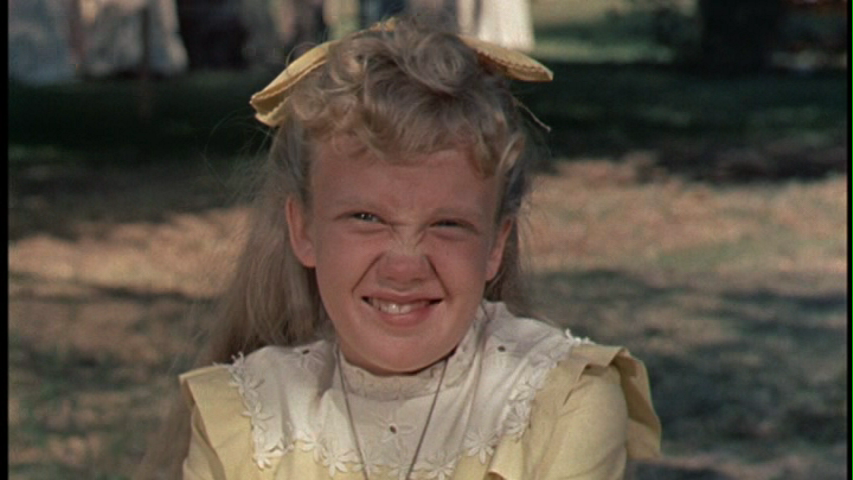
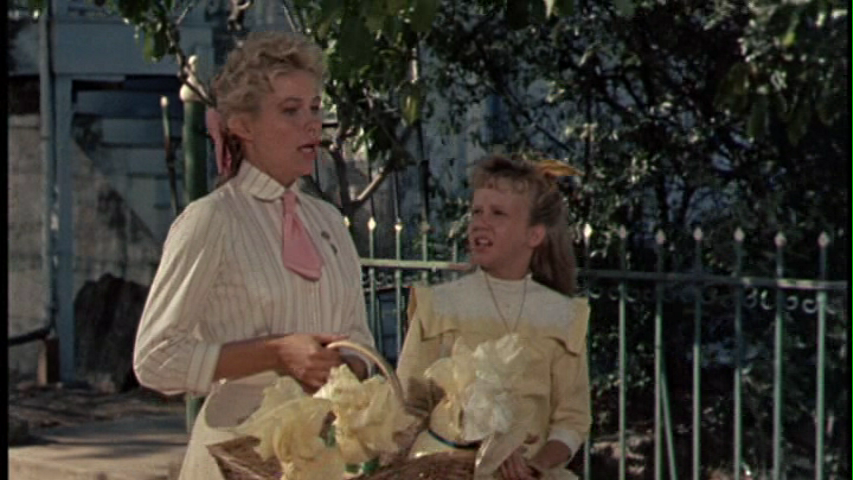
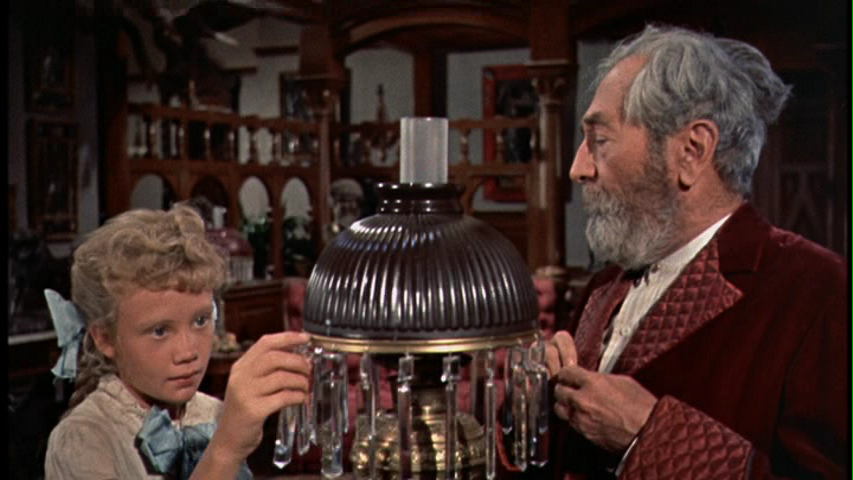
British import Hayley Mills made her American film debut in this classic Disney tale of goodness and cheer. As in her first movie (1959’s Tiger Bay), Mills provides ample evidence of her skills as an actress, buoying a story which could easily have turned into cloying tripe, and investing her character with an air of surprising realism. Contrary to popular myth, Pollyanna isn’t a perfect angel: she’s adventurous, incorrigibly curious, and — as revealed in the film’s tragic denouement — occasionally naughty. Indeed, she’s a highly believable young girl who has learned to cope with tragedy in her life (both her missionary parents died, and she lived an early childhood of poverty) by playing “the glad game”; kids are notorious survivors, and Pollyanna is living (literary) proof of this fact.

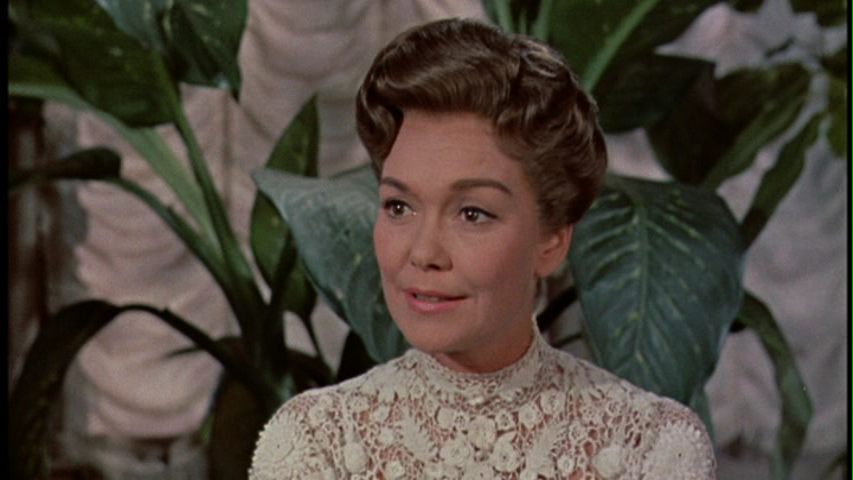
While Mills is undoubtedly the main reason to watch Pollyanna, she’s surrounded by a cast of fine actors who invest their roles with nuance and understanding. Most impressive is Jane Wyman as Pollyanna’s Aunt Polly — like Pollyanna herself, Aunt Polly could easily have become a caricature, but, as played by Wyman, she’s immediately revealed to be someone deeply uncomfortable with herself, who uses her control over “her” town as a means of remaining closed off from her feelings. Nancy Olson — 10 years older than when she played William Holden’s young girlfriend Betty in Sunset Boulevard — is also surprisingly good, and it’s fun to see Agnes Moorehead, Adolph Menjou, Karl Malden, and others in key character roles. Chances are you’ll find yourself enjoying Pollyanna more than you expected to, and will be surprised to learn that “being a Pollyanna” doesn’t mean acting holier-than-thou.

Redeeming Qualities and Moments:

  • Hayley Mills as Pollyanna
  • Jane Wyman as Aunt Polly
  • Nancy Olson as Aunt Polly’s assistant
  • A heartwarming, seldom cloying tale of living life with good cheer

Must See?
Yes, for Mills’ truly noteworthy performance.

Categories

  • Noteworthy Performance(s)

Links: