Browsed by
Category: Original Reviews

Responses to Peary’s “must see” movie reviews, as well as my own “must see” movie reviews up to and after 1986 (when Peary’s book was published).

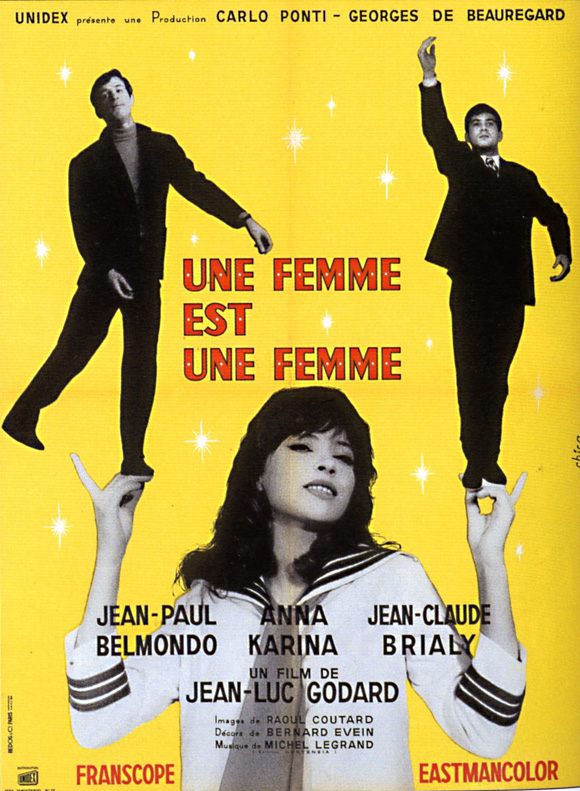
Woman is a Woman, A (1961)

Woman is a Woman, A (1961)

“I want a baby in the next 24 hours.”

Synopsis:
A woman (Anna Karina) desperate to become pregnant turns to an admirer (Jean-Paul Belmondo) for “help” when her partner (Jean-Claude Brialy) refuses to take her request seriously.

Genres, Themes, Actors, and Directors:

  • French Films
  • Godard Films
  • Jean-Paul Belmondo Films
  • Love Triangle
  • Pregnancy

Review:
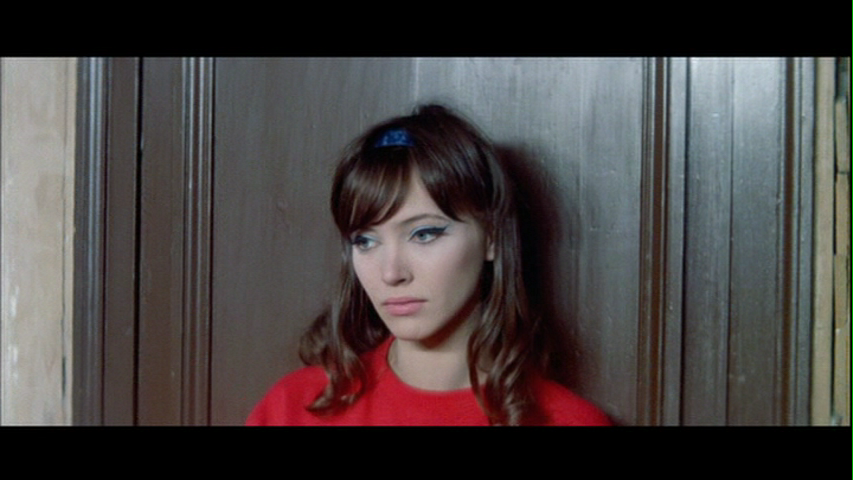
After the phenomenal success of his New Wave debut film Breathless in 1960, Jean-Luc Godard made what he considered to be his “first real film” — this playful yet frustrating character study-cum-musical which defiantly exploits cinematic conventions at every turn. A Woman is a Woman received mixed reviews upon its release, and continues to divide critics, with many finding it unduly wearisome and far too clever for its own good — indeed, Godard’s insistence (soon to be a trademark) on using random, often incongruous snippets of music, then cutting away to silence without warning, quickly becomes tedious, if not downright aggravating (particularly since the inimitable Michel Legrand composed the score — such as it is — here). Many other critics, however, acknowledge this as one of Godard’s most accessible and perversely likable films, a heady love note to Cinema and all its possibilities. Ultimately, A Woman is a Woman will not be for all tastes (as DVD Savant points out, the majority of non-cinephiles will give up on it after ten minutes), but it remains at the very least a watchable curiosity — thanks in large part to Godard’s many lingering, loving takes on Karina (his then-wife), whose expressive face is hard to resist.

Redeeming Qualities and Moments:

  • Anna Karina as Angela
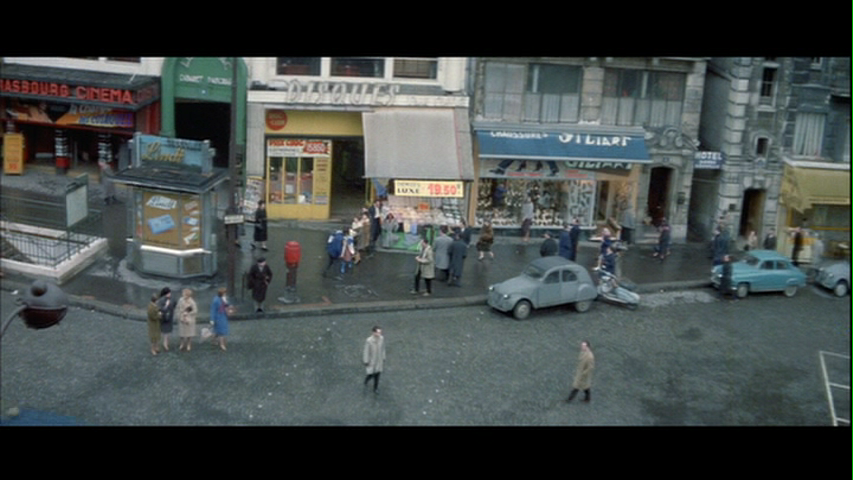
  • A vibrant look at early 1960s Paris
  • Michel Legrand’s musical score — though it’s unfortunately butchered to death

Must See?
No, but fans of Godard and/or French New Wave cinema will certainly want to check it out. Listed as a film with Historical Importance in the back of Peary’s book.

Links:

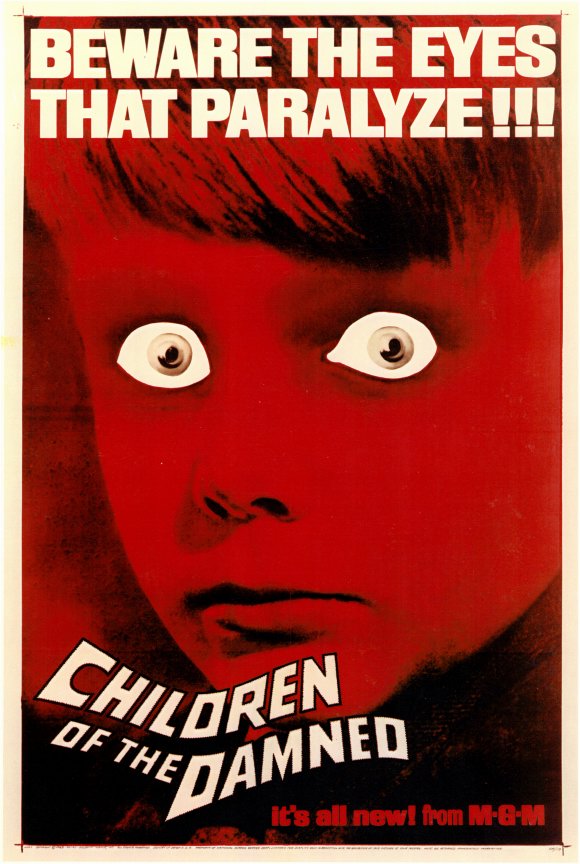
Children of the Damned (1963)

Children of the Damned (1963)

“Either they control us or we control them — that’s the law of nature!”

Synopsis:
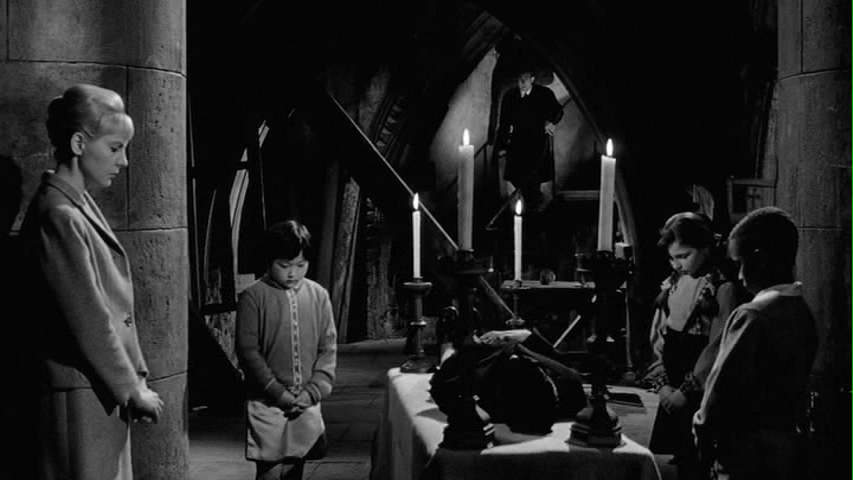
Two scientists (Ian Hendry and Alan Badel) discover that six genetically similar children exist around the world who possess a vastly superior intelligence. When they’re brought to London for further observation, however, all hell breaks loose, as government officials begin to speculate about how the children’s powers may be “used”, and the children react defensively by secluding themselves in an enormous church.

Genres, Themes, Actors, and Directors:

  • Evil Kids
  • Horror
  • Mind Control and Hypnosis
  • Science Fiction

Review:
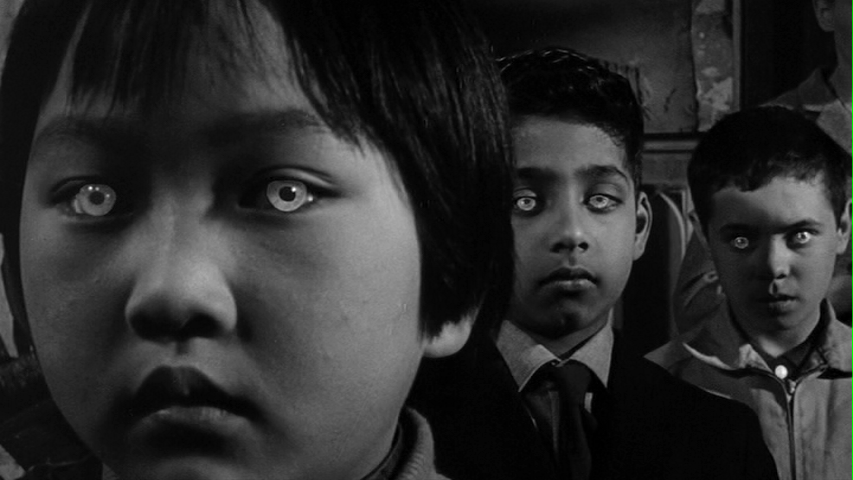
This follow-up to 1960’s classic horror film Village of the Damned takes the original story’s essential concept — children with superhuman intelligence who pose a threat to humanity — and shifts it into an entirely different context. This time, the children (though still mysteriously born to virginal mothers) live in various countries around the world, look different (rather than wearing the same blonde wig, they’re a veritable multicultural crew), and aren’t posited as inherently evil or alien — indeed, they only band together once they realize that they’re about to be used as pawns by governments eager to exploit their extraordinary talents for military purposes. The second half of the film basically features a show-down between the children and British military forces, with additional drama generated through a quibbling pair of scientists (Ian Hendry and Alan Badel) who disagree about whether the children should be destroyed or protected. Ultimately, Children of the Damned is more of a pacifist parable than a horror flick, and never reaches the chilling heights of its iconic predecessor; nonetheless, it’s certainly worth a look on its own merits.

Redeeming Qualities and Moments:

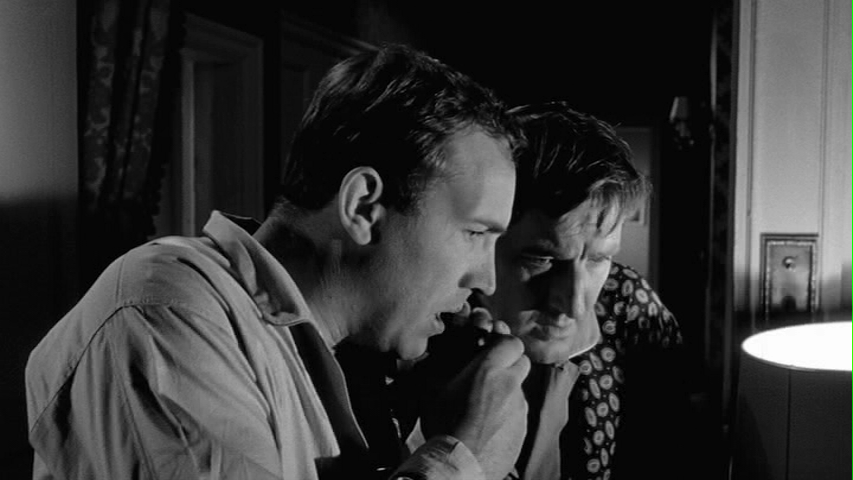
  • The freaky scene in which the children use mind control to force two men to kill each other rather than them
  • Ian Hendry and Alan Badel as two scientists with radically different takes on the situation
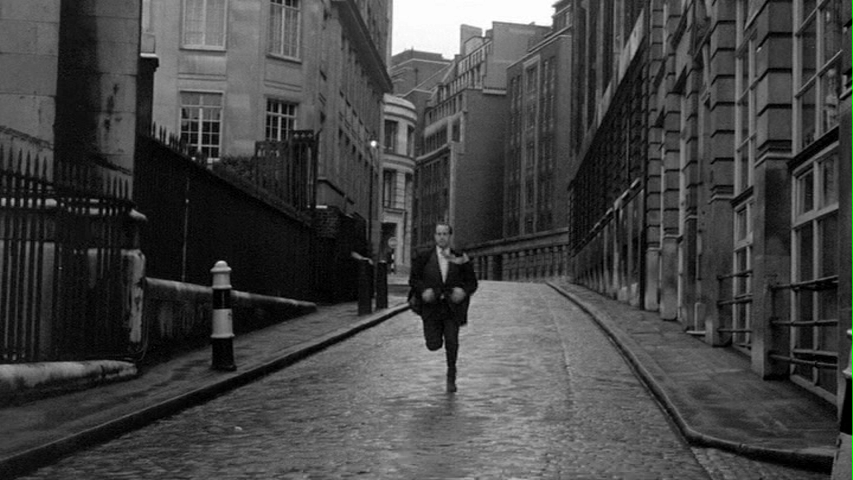
  • Effective use of London streets
  • Davis Boulton’s atmospheric b&w cinematography

Must See?
No, but it’s certainly worth a look. Listed as a Sleeper in the back of Peary’s book.

Links:

Beach Blanket Bingo (1965)

Beach Blanket Bingo (1965)

“It’s a wiggy beach!”

Synopsis:
Teen lovers Frankie (Frankie Avalon) and Dee Dee (Annette Funicello) find their relationship strained by the sudden arrival of a quibbling sky-diving duo (Deborah Walley and John Ashley) and a beautiful pop singer (Linda Evans). Meanwhile, their friend Bonehead (Jody McCrea) falls for a mermaid (Marta Kristen), while Eric Von Zipper (Harvey Lembeck) — leader of a local motorcycle gang — falls for Sugar Kane (Evans).

Genres, Themes, Actors, and Directors:

  • Jealousy
  • Love Triangle
  • Musicals

Review:
This late entry in the “Beach Party” franchise is considered by many to be the best — and most entertaining — of the bunch. As usual, Frankie and Dee Dee find their relationship (temporarily) threatened by the presence of a buxom blonde who catches Frankie’s straying eye, while other stock characters — including surfer Bonehead (Joel McCrea’s son, Jody) and fascist motorcyclist Eric Von Zipper (the humorously over-age Harvey Lembeck) — get involved in a variety of innocuous romances or minor scrapes. This time around, skydiving offers the primary “alternative thrill” for these beach-loving teens — but the sport doesn’t serve much purpose other than to introduce Deborah Walley and John Ashley as the requisite rivals for Frankie and Dee Dee’s attention. Beach Blanket Bingo‘s main redeeming quality is the presence of Paul Lynde as Linda Evans’ snide talent agent; his delivery of one-liners (ten times smarter than the teens themselves) is priceless. Ultimately, however, this innocuous comedy will only be of real interest to die-hard fans of the series; all-purpose film fanatics would be best served simply watching the 1963 original (Beach Party) to get a sense of what was to come.

Redeeming Qualities and Moments:

  • Paul Lynde as Evans’ talent agent
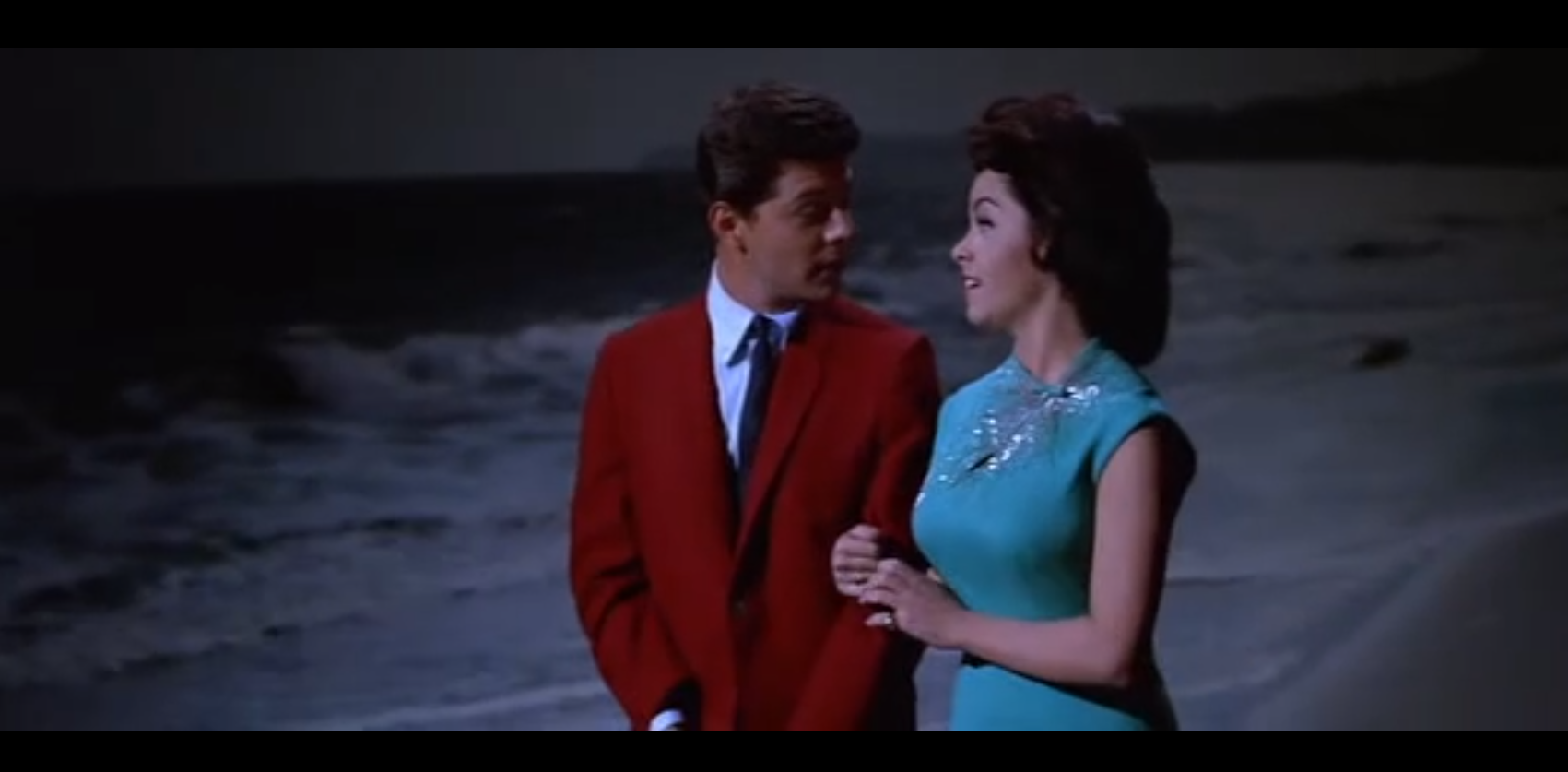
  • Funicello and Avalon singing “I Think You Think” while strolling along the beach

Must See?
No, unless you’re a die-hard fan of the series. Listed as Camp Classic in the back of Peary’s book.

Links:

Cimarron (1960)

Cimarron (1960)

“Honey, there’s some things in this country a man has to do a woman just doesn’t understand — it’s different here!”

Synopsis:
After losing his chance to secure land during the Oklahoma Land Rush of 1889, Yancey Cravat (Glenn Ford) and his new wife, Sabra (Maria Schell) decide to run a newspaper instead. While Yancey fights against injustice and struggles with his latent wanderlust, Sabra tries to provide the best life possible for her son, Cimarron (played at various ages by Ted Eccles, James Halferty, and Buzz Martin).

Genres, Themes, Actors, and Directors:

  • Anne Baxter Films
  • Anthony Mann Films
  • Glenn Ford Films
  • Maria Schell Films
  • Marital Problems
  • Mercedes McCambridge Films
  • Russ Tamblyn Films
  • Settlers
  • Westerns

Review:
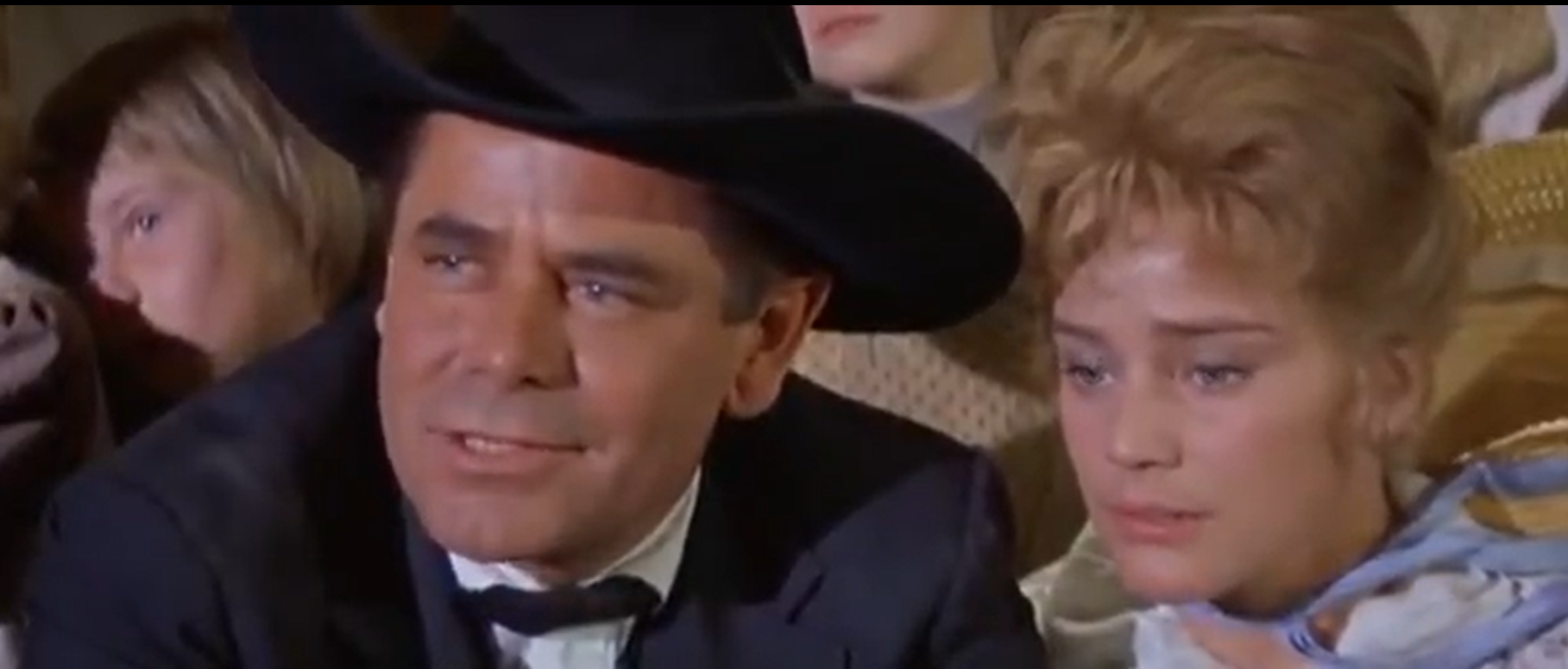
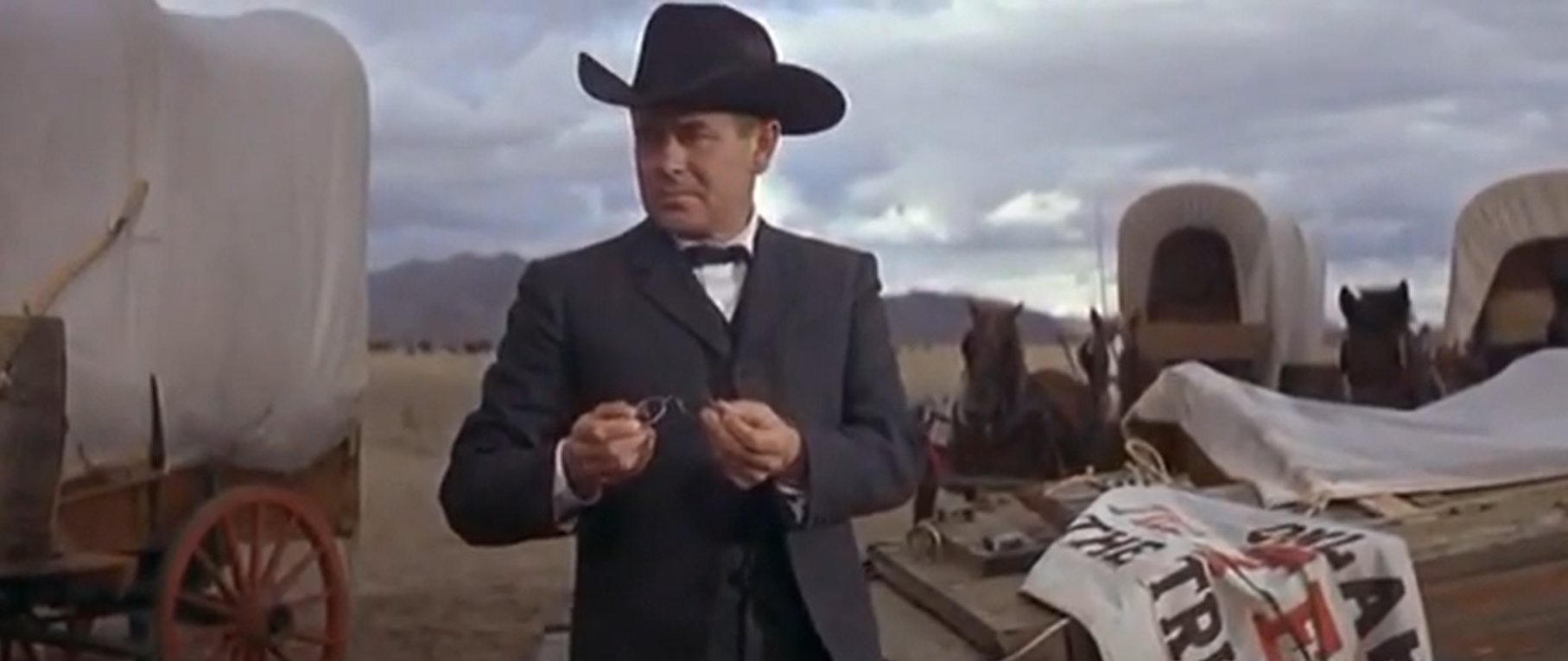
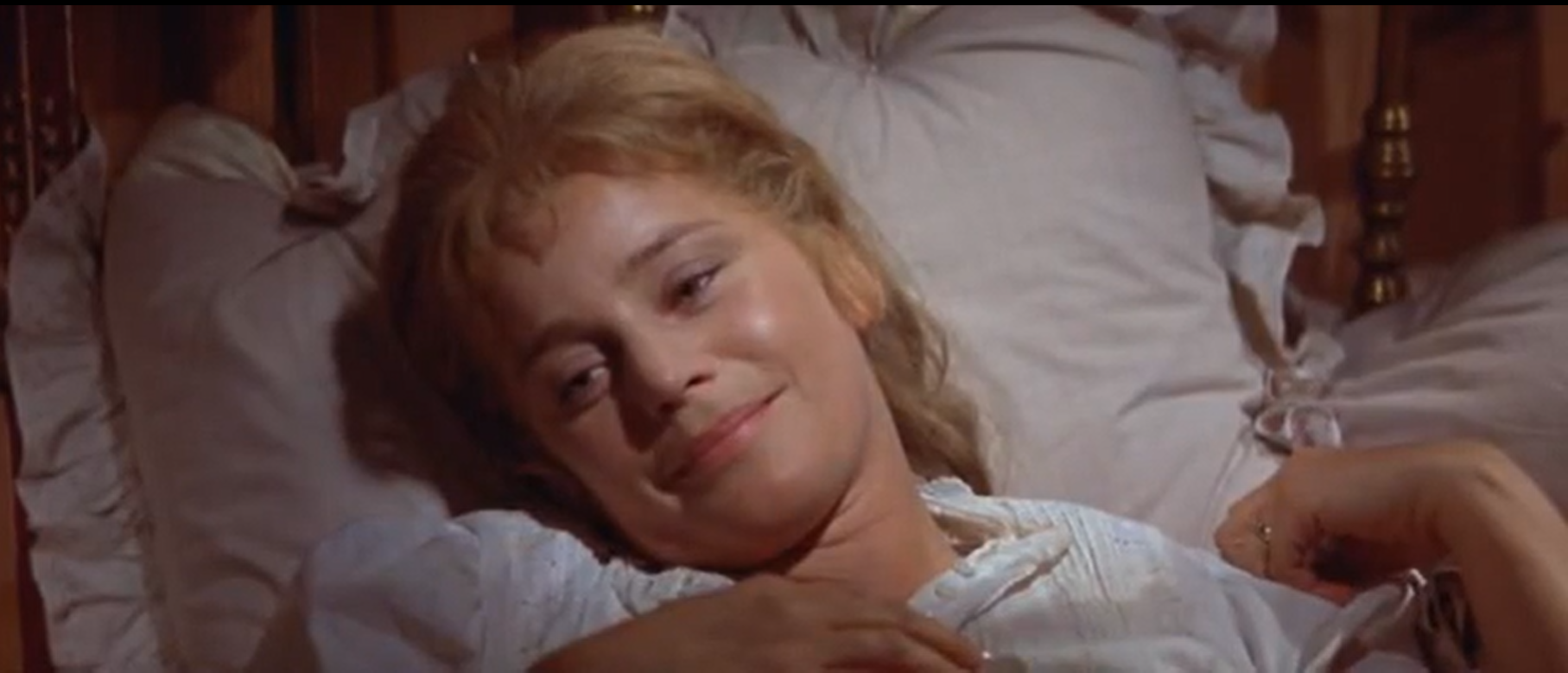
Anthony Mann’s remake of Edna Ferber’s epic novel suffers from the same problem as its Oscar-winning predecessor — there’s simply too much story here to tell in a “mere” 2 1/2 hours. With that said, there are some notable improvements: Glenn Ford is a welcome (and far more realistic) alternative to hammy Richard Dix, and Maria Schell is equally fine as Ford’s adoring yet socially-conscious wife:

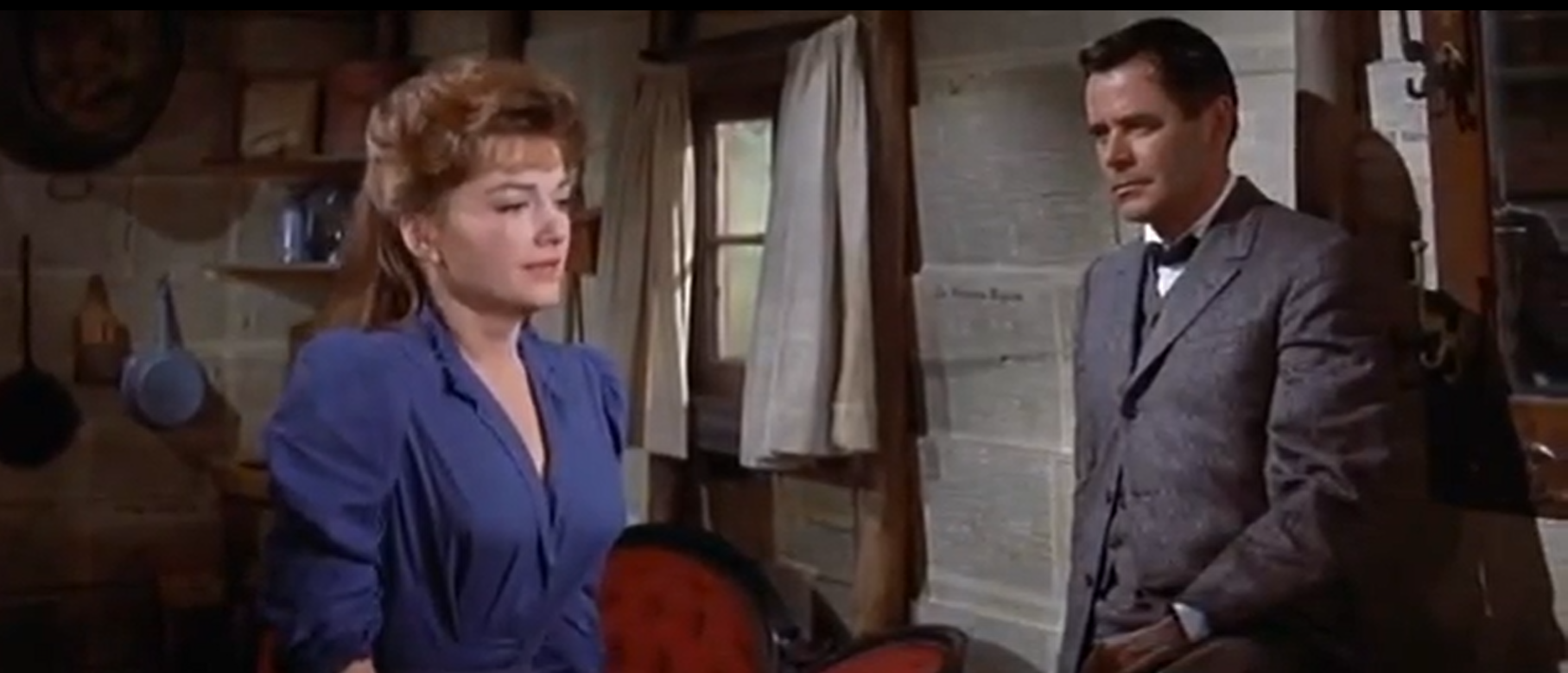
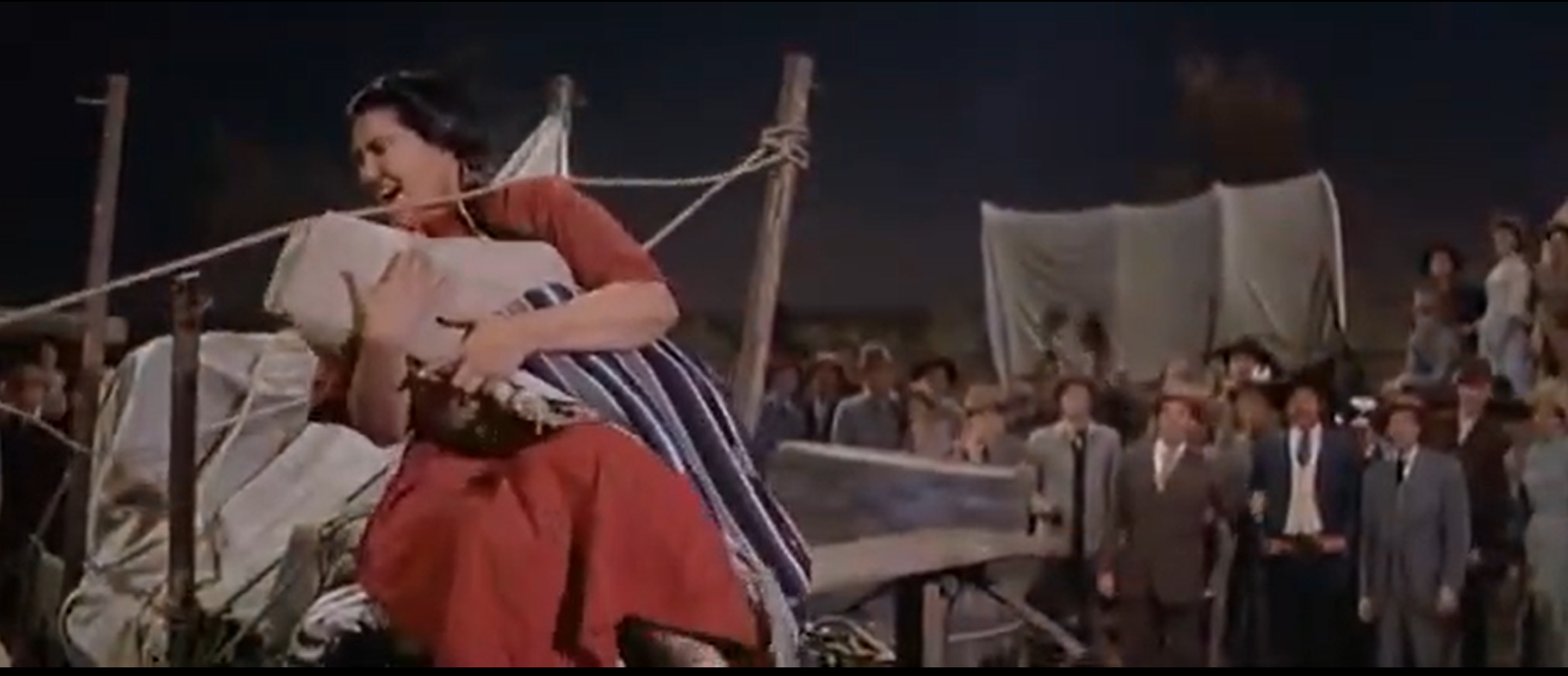
— a woman willing to make sacrifices for her pioneering husband, but only to a certain point. In addition, screenwriter Arnold Schulman does a nice job providing more of a realistic context for Yancey’s extended absences — indeed, both Yancey and Sabra are ultimately more three-dimensional characters this time around. Yet the story nonetheless suffers from an inability to keep us invested in the long-term outcome of their troubled marriage; Anne Baxter as rival love interest “Dixie Lee” fails to generate much interest:

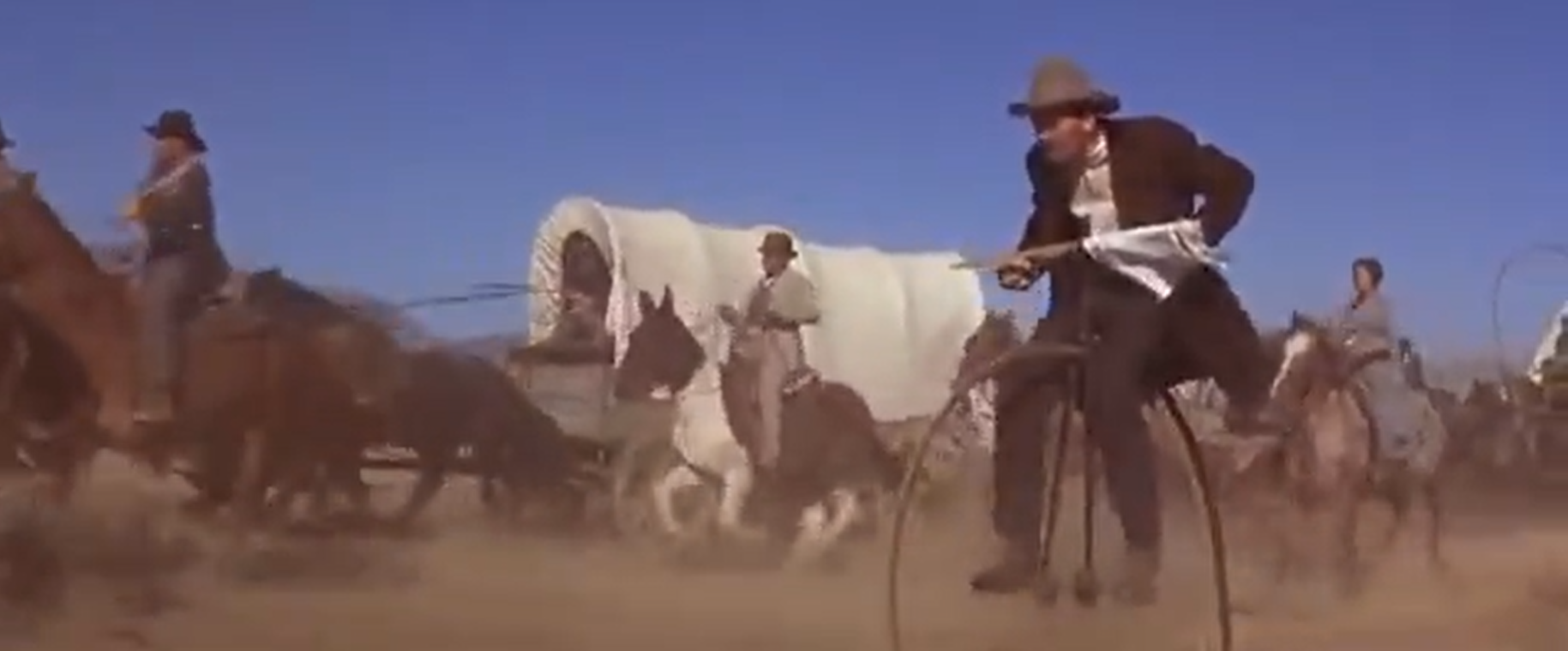
… while Sabra’s compromised “triumph” at the end of the film is particularly unsatisfying. As in the original screen adaptation, the opening land rush sequence — filmed with even more gritty violence — remains the most exciting part of the movie.

Redeeming Qualities and Moments:

  • Glenn Ford as Yancey Cravat
  • Maria Schell as Yancey’s long-suffering wife, Sabra
  • The exciting, unflinchingly brutal opening “land grab” scene

Must See?
No. This one’s only must see viewing for die-hard Anthony Mann fans.

Links:

Dirty Harry (1971)

Dirty Harry (1971)

“Now you know why they call me Dirty Harry: every dirty job that comes along…”

Synopsis:
A rugged police detective (Clint Eastwood) in San Francisco tries to capture a deranged serial killer (Andrew Robinson), but finds his efforts thwarted by bureaucratic heavies, including the city’s mayor (John Vernon) and D.A. (Josef Sommer).

Genres, Themes, Actors, and Directors:

  • Cat-and-Mouse
  • Clint Eastwood Films
  • Detectives and Private Eyes
  • Don Siegel Films
  • Serial Killers
  • Vigilantes

Review:
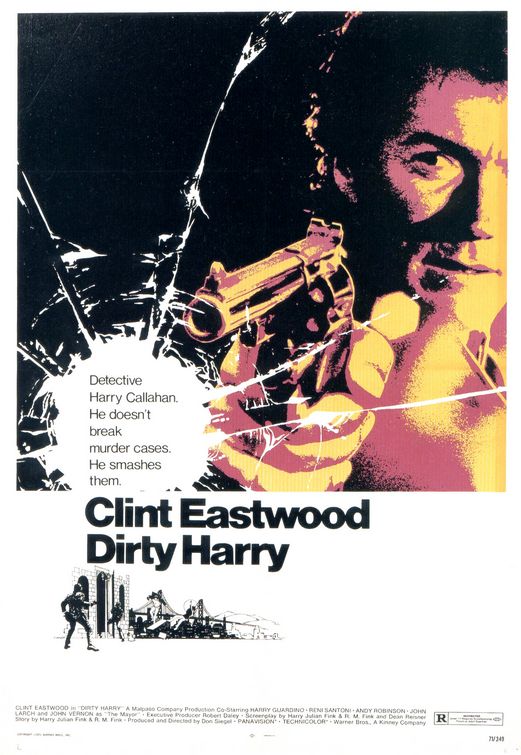
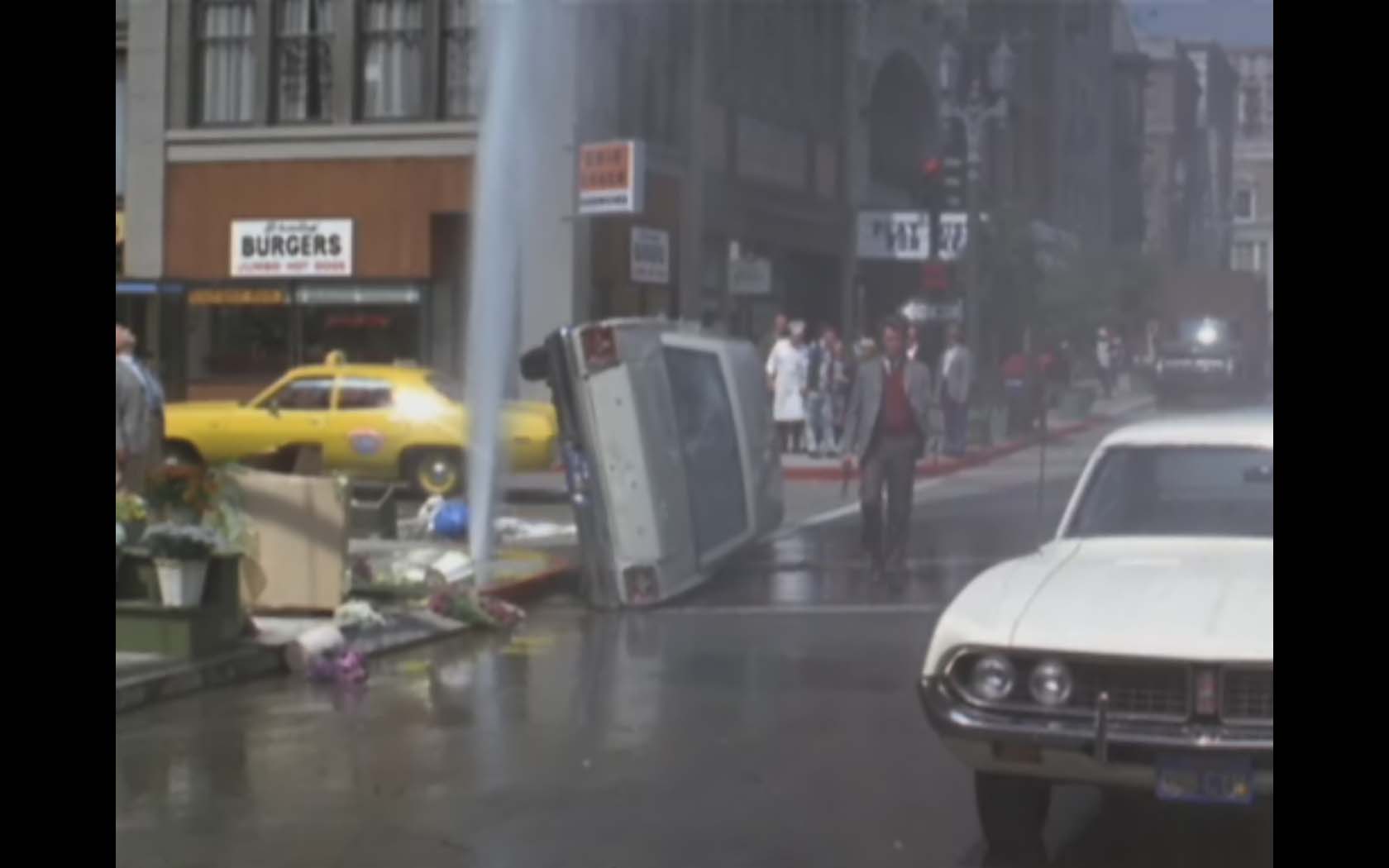
Touted by many reviewers upon its release as simply a fascist’s fantasy (its original title was Dead Right), Dirty Harry has largely transcended its initial political pigeonholing to become a certified cult favorite, with several sequels in its wake (all listed in Peary’s book as “must see”). Eastwood basically reprises the persona he crafted in so many other films (most specifically Sheriff Walt Coogan in Coogan’s Bluff) as yet another laconic, no-nonsense “Male” who refuses to compromise his philosophy of “getting the job done” at any price; many of his sneering lines — “You’ve got to ask yourself one question: ‘Do I feel lucky?’ Well, do ya, punk?” — have gone down in cinematic history.

While it’s unfortunate, as many reviewers have pointed out, that Harry’s superiors are painted as such one-dimensional nincompoops, and that his nemesis, “Scorpio”, is basically a distillation of every right-winger’s nightmare (longish hair, indeterminate sexuality, an ironic peace symbol on his buckle), ultimately Dirty Harry should be seen and enjoyed as simply a well-crafted cat-and-mouse police procedural. To this end, director Don Siegel makes excellent use of diverse San Francisco locales, and infuses his action scenes with a nice blend of tension and humor. My favorite early vignette has Harry pulled off the street to help talk a suicidal man down from a rooftop; his ability to do so within the space of five minutes, then walk away without being shown much gratitude, goes a long way towards establishing Harry as the independent, under-valued “doer” he remains throughout the rest of the film. “Dirty Harry”, indeed: “every dirty job that comes along” does seem to be his for the taking.

Redeeming Qualities and Moments:

  • Effective use of San Francisco locales
  • Harry “talking” a suicidal man off a roof
  • Countless now-classic lines and scenarios:

    “You’ve got to ask yourself a question: Do I feel lucky? Well, do ya, punk?”

Must See?
Yes, for its status as a cult favorite. Listed as a film with Historical Importance, a Cult Movie, and a Personal Recommendation in the back of Peary’s book.

Categories

  • Cult Movie

(Listed in 1001 Movies You Must See Before You Die)

Links:

Woman’s Face, A (1941)

Woman’s Face, A (1941)

“You felt reborn: after all your agony, life was beginning anew.”

Synopsis:
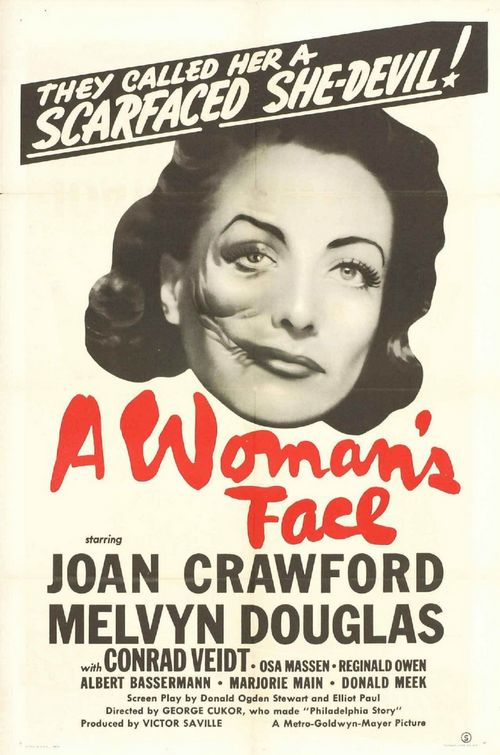
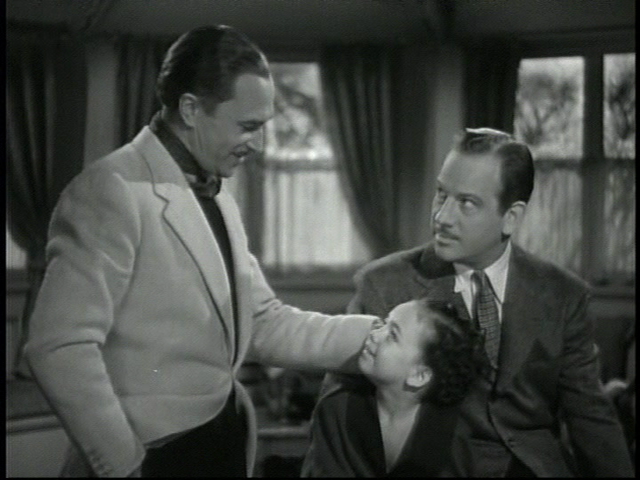
A scarred, bitter woman (Joan Crawford) falls in love with a sociopathic blackmailer (Conrad Veidt), whose plot to kill his young nephew (Richard Nichols) involves asking Crawford to pose as his governess. When a kind plastic surgeon (Melvyn Douglas) successfully heals Crawford’s face, however, she finds herself beginning to question her bleak outlook on life — and her commitment to Veidt’s nefarious plan.

Genres, Themes, Actors, and Directors:

  • Blackmail
  • Character Arc
  • Conrad Veidt Films
  • Courtroom Dramas
  • Disfigured Faces
  • Flashback Films
  • George Cukor Films
  • Ingrid Bergman Films
  • Joan Crawford Films
  • Melvyn Douglas Films
  • Plot to Murder

Review:
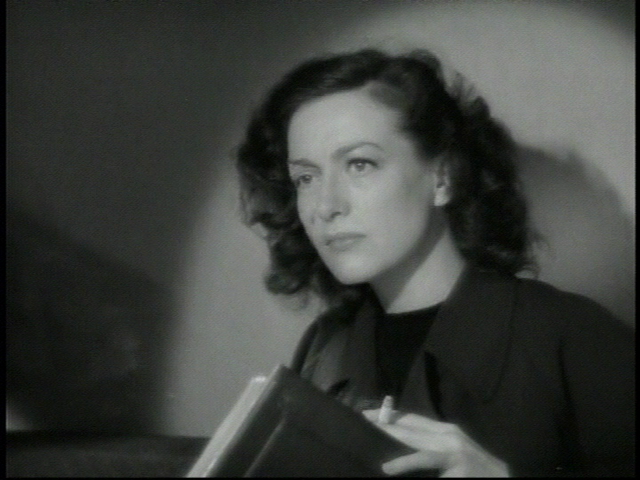
Made several years before her Oscar-winning turn in Mildred Pierce (1945), this remake of a 1938 Swedish film (starring Ingrid Bergman) provided Joan Crawford with one of her best cinematic roles. As the bitterly scarred Anna Holm, Crawford — thanks in large part to George Cukor’s steady direction — successfully avoids histrionics or melodrama, instead convincingly showing us the depth of Anna’s lifelong pain through subtle facial expressions. Even after her character’s successful surgery, for instance, Crawford continues to act as though half of her face is still hideously paralyzed; the effect is both realistic and haunting. Equally effective — albeit in a much campier fashion (!) — is Conrad Veidt as Anna’s partner in crime and love, a sociopath who is genuinely able to see beyond Anna’s face, yet who ultimately demands far too much from her grateful loyalty. The story itself — framed as a courtroom flashback — runs for perhaps a bit too long, but there are several tense, exciting moments along the way, and we’re kept in suspense the entire time about whether or not Anna really is guilty of murder.

Redeeming Qualities and Moments:

  • Joan Crawford as Anna Holm
  • Conrad Veidt as Anna’s duplicitous lover, Torsten Barring
  • The well-edited scene in which Anna’s surgery results are revealed for the first time
  • Robert Planck’s cinematography

Must See?
Yes, as one of Crawford’s notable performances.

Categories

  • Noteworthy Performance(s)

Links:

Creeper, The (1948)

Creeper, The (1948)

“There was blood — the old man’s blood — on her hands, under her nails.”

Synopsis:
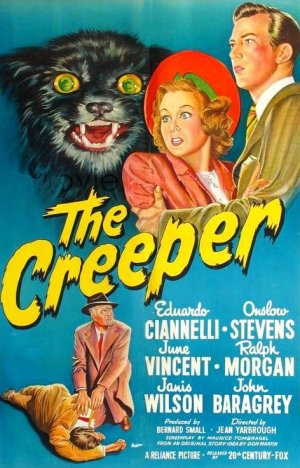
Two scientists (Ralph Morgan and Onslow Stevens) return from the West Indies with a potent serum derived from cats. When Morgan is mysteriously murdered, his cat-phobic daughter (Janis Wilson) tries to determine the identity of the killer.

Genres, Themes, Actors, and Directors:

  • Gaslighting
  • Horror
  • Murder Mystery
  • Scientists

Review:
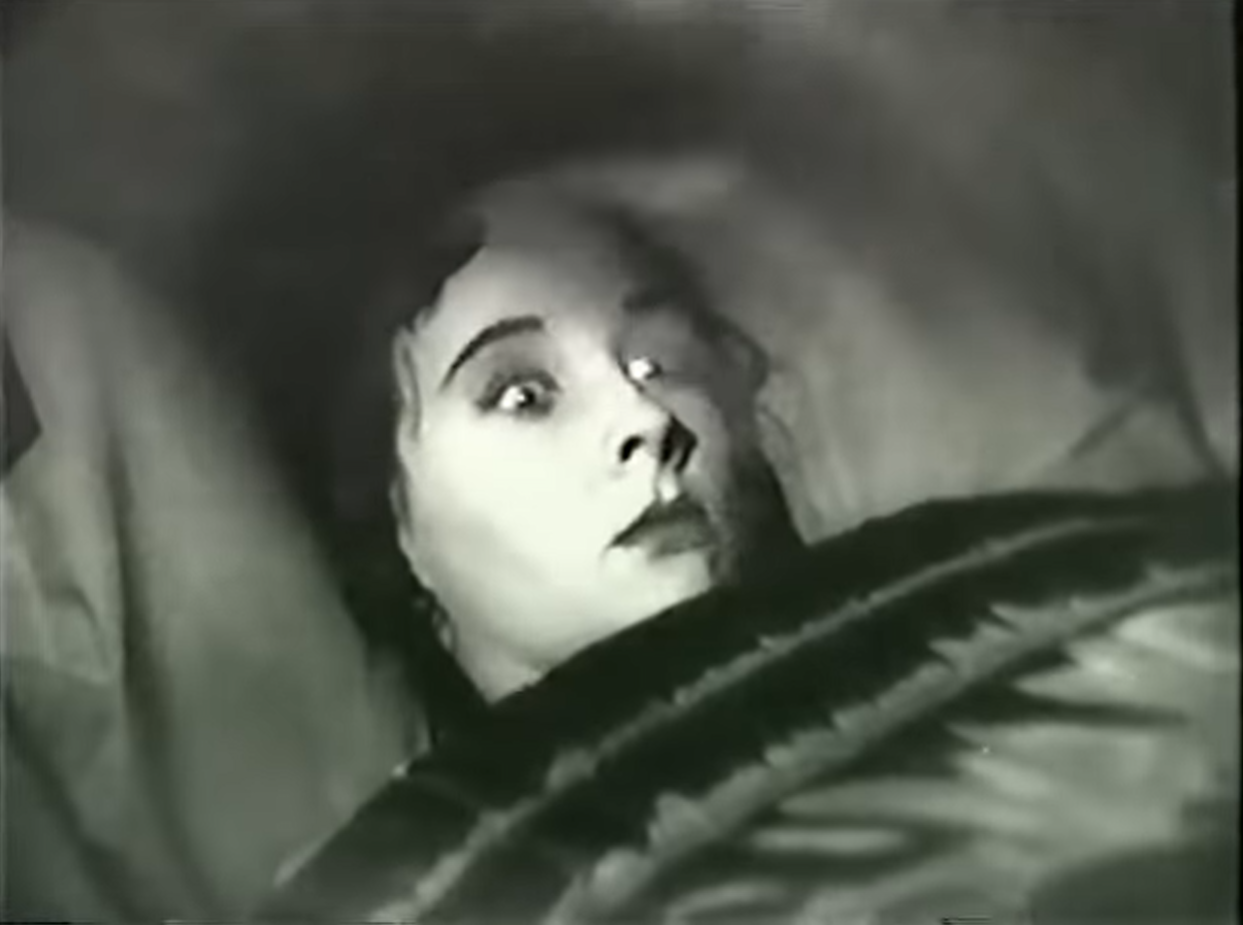
Clearly made to capitalize on the success of Val Lewton’s RKO horror films, The Creeper unfortunately fails to elicit anything close to the same level of enjoyment or psychological complexity as Lewton’s classic thrillers. The story — involving a mysterious serum, cats, phobias, and the West Indies — makes little to no sense, instead serving merely as a pseudo-scientific backdrop for what turns out to be a rather ordinary tale of rivalry and revenge. Janis Wilson (in her final screen appearance; a former child actress, she gave up acting after this) gives a campy, one-dimensional performance, all wide eyes and blank stare; equally incompetent (and instantly forgettable) is John Baragrey as her would-be lover, Dr. Reade.

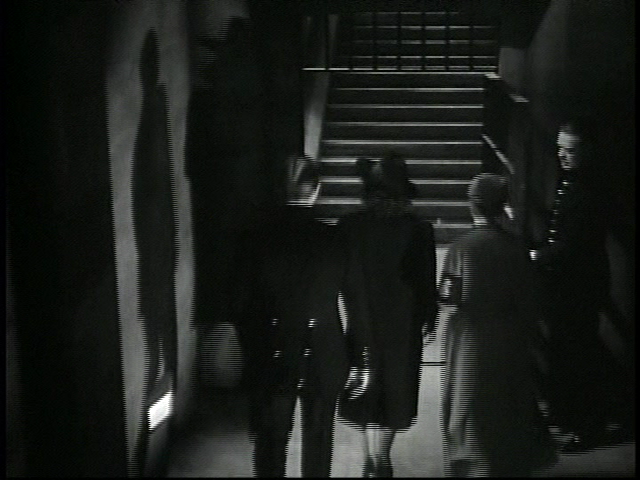
Director Jean Yarbrough and cinematographer George Robinson do manage to effectively employ shadows in their atmospheric camerawork — but ultimately they can’t lift this silly film above its nonsensical and uninteresting script.

Redeeming Qualities and Moments:

  • Effective use of shadowy cinematography

Must See?
No; skip this one. Listed as a Camp Classic in the back of Peary’s book.

Links:

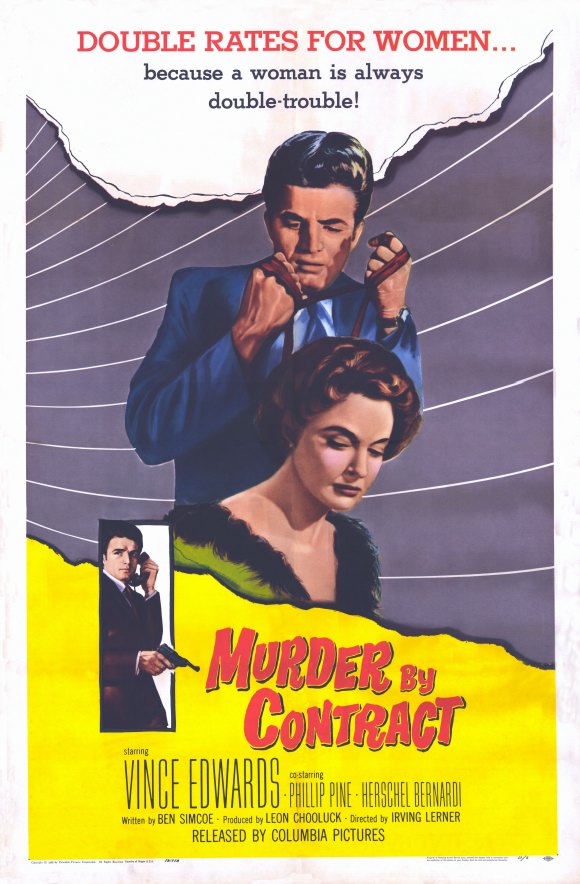
Murder by Contract (1958)

Murder by Contract (1958)

“The only type of killing that’s safe is when a stranger kills a stranger — no motive, nothing to link the victim to the execution.”

Synopsis:
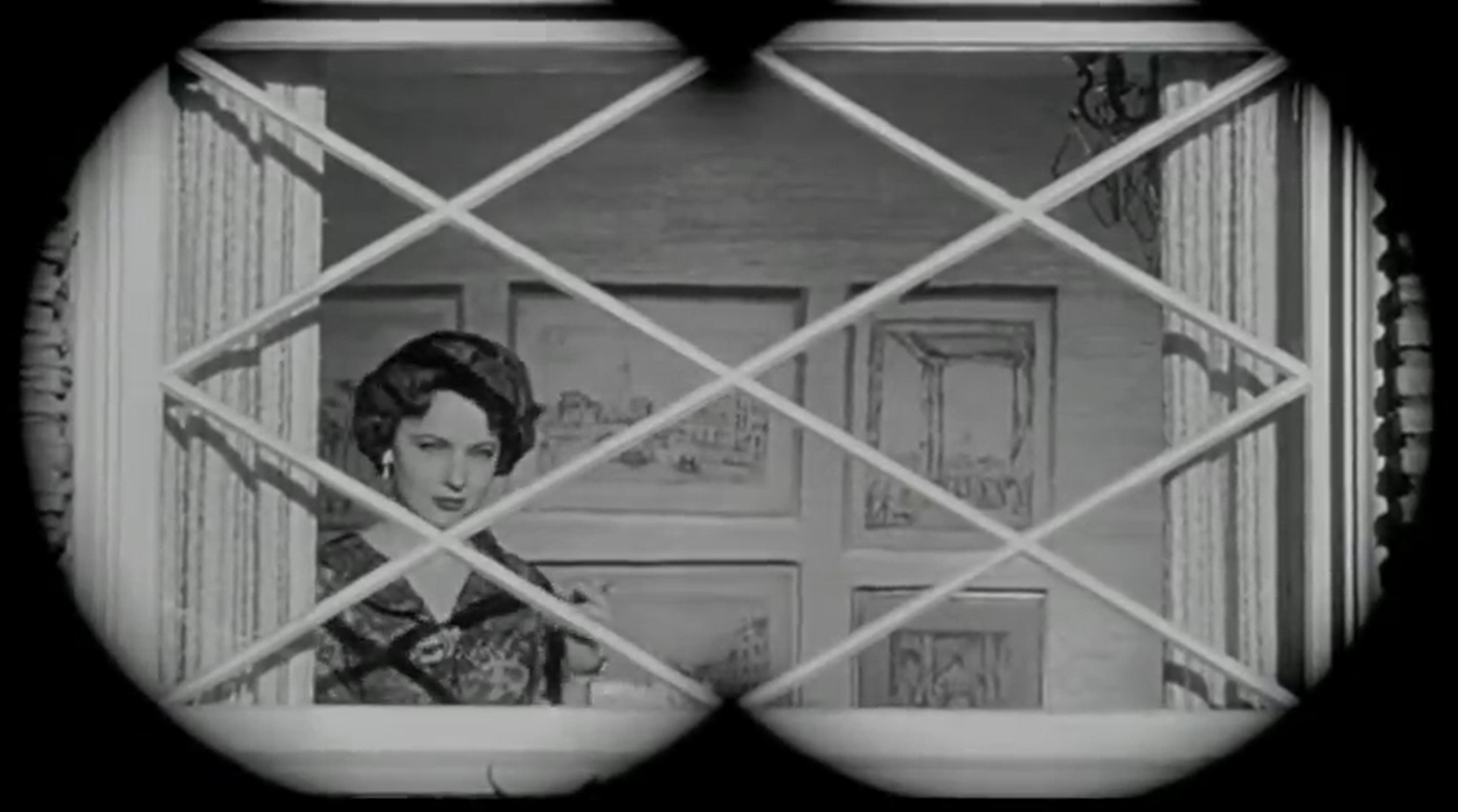
A ruthless contract killer (Vince Edwards) finds his resolve shaken when he learns his next victim (Caprice Toriel) is a woman.

Genres, Themes, Actors, and Directors:

  • Assassination
  • Character Studies
  • Hit Men

Review:
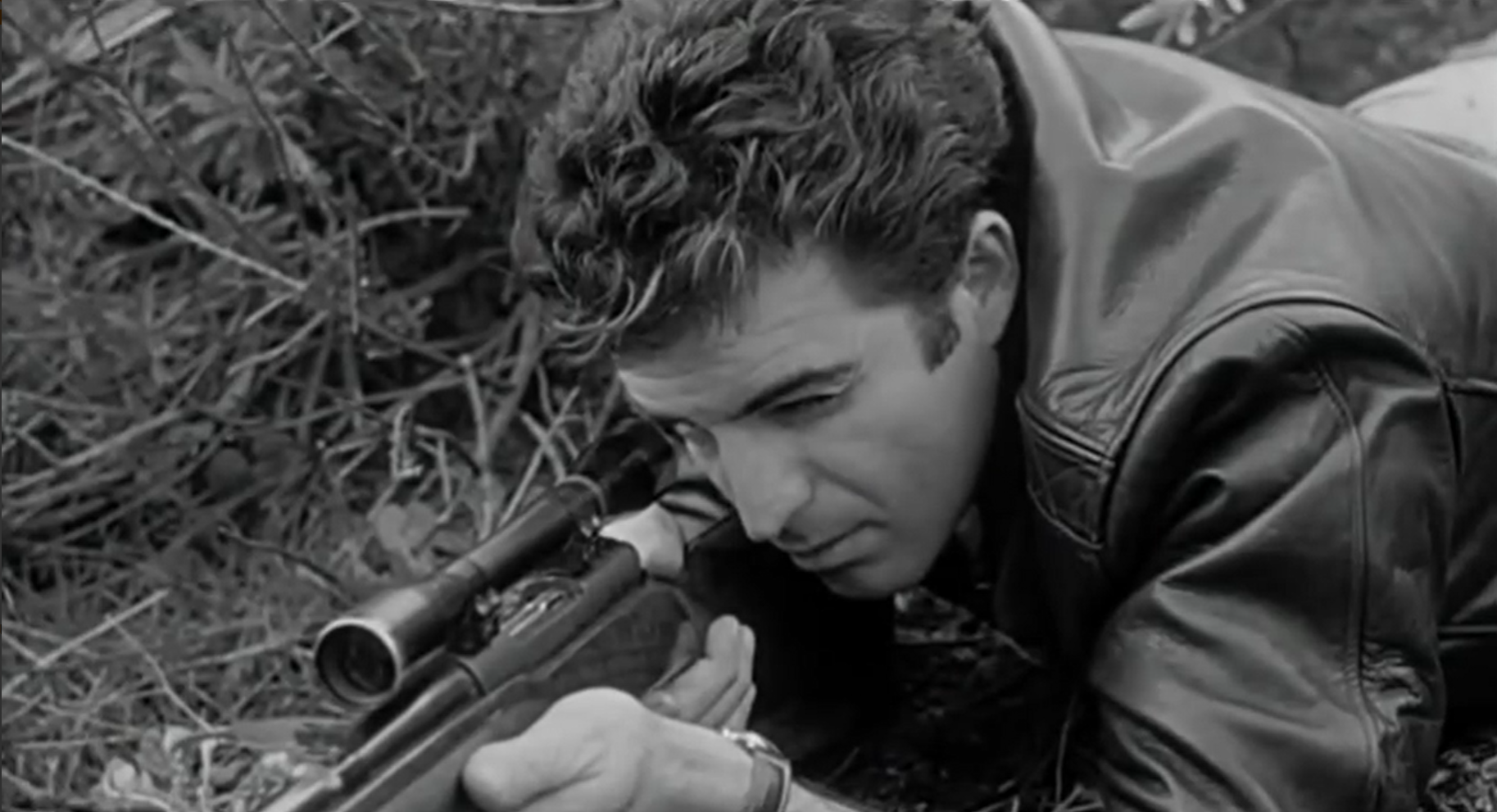
This little-seen B-thriller — reportedly one of Martin Scorsese’s personal favorites — tells the simple yet remarkably effective tale of an uber-rational hit man who becomes completely unhinged by the thought of killing a woman. Director Irving Lerner keeps the story moving at an economical clip, introducing us immediately to our determined protagonist, providing several vignettes of his calculated killing style, then transplanting us to Los Angeles, where comic relief suddenly appears in the form of the two atypical thugs (Phillip Pine and Herschel Bernardi) tasked with ensuring that Edwards carries out his job in a timely fashion. From this point on, we’re no longer sure what to expect, and are kept in genuine suspense throughout the remainder of the film. Although we never learn exactly why Edwards is so freaked out by the thought of killing a woman (he limits his explanation to a mere, “They’re unpredictable”), Murder by Contract remains ripe for a more probing analysis of gender relations. Lucien Ballard’s cinema verite camera work and Perry Botkin’s memorable, guitar-heavy score add to the overall enjoyment of this compact little thriller, which is well worth seeking out.

Redeeming Qualities and Moments:

  • Vince Edwards as Claude
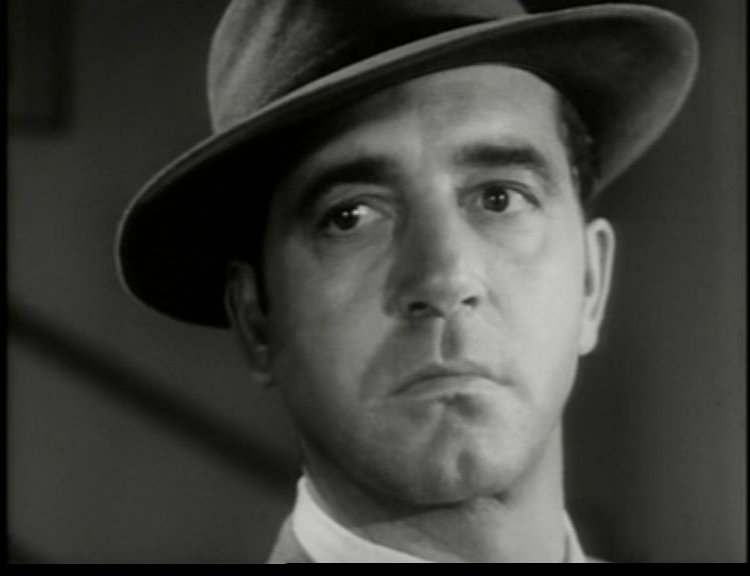
  • Phillip Pine and Herschel Bernardi as the “comic relief” duo tasked with ensuring that Claude completes his duties in Los Angeles
  • Many effectively shot and edited sequences
  • Lucien Ballard’s cinematography
  • Perry Botkin’s guitar-drenched soundtrack

Must See?
Yes, as an all-around good show which deserves wider release.

Categories

  • Good Show

Links:

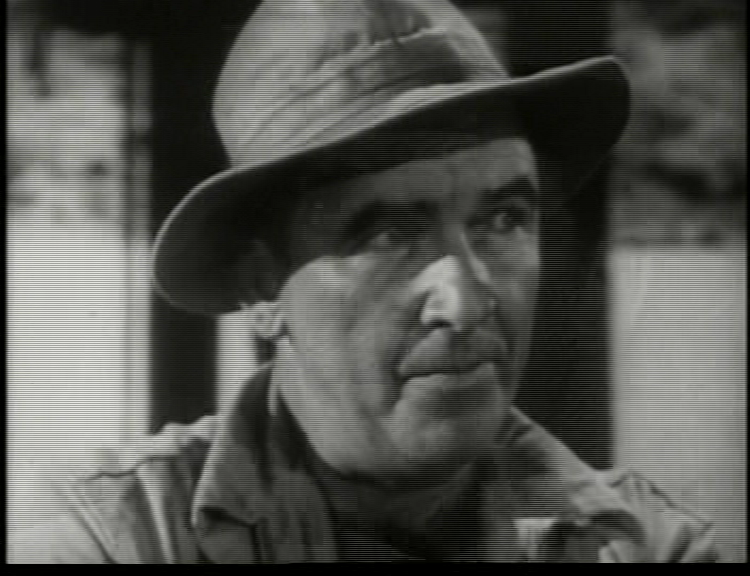
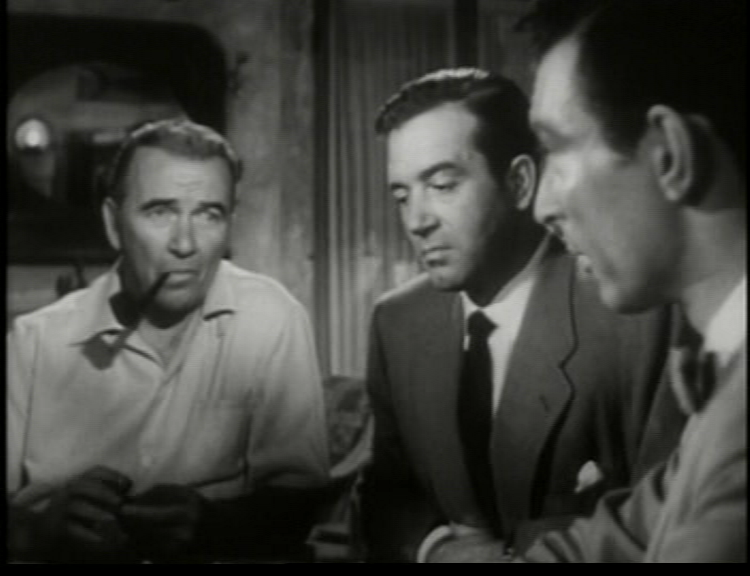
Kansas City Confidential (1952)

Kansas City Confidential (1952)

“I know a sure cure for a nosebleed: a cold knife in the middle of the back.”

Synopsis:
An ex-con (John Payne) becomes the unwitting patsy in a heist engineered by a masked man (Preston Foster), and carried out by three criminals (Jack Elam, Neville Brand, and Lee Van Cleef) who don’t know each others’ identities.

Genres, Themes, Actors, and Directors:

  • Coleen Gray Films
  • Ex-Cons
  • Framed
  • Heist
  • John Payne Films
  • Lee Van Cleef Films
  • Neville Brand Films
  • Phil Karlson Films
  • Preston Foster Films
  • Revenge
  • Thieves and Criminals

Review:
This compact, gritty thriller by director Phil Karlson takes viewers on a fast-paced journey from Kansas City to Mexico, as its protagonist (John Payne) doggedly tracks and pursues the cons who’ve framed him. Payne — a down-on-his-luck veteran who can’t seem to catch a break — actually doesn’t emerge as the film’s central character until after the initial heist sequence has taken place; from this point on, events unfold in a series of tense, often violent encounters, as both Payne and the criminals express bitter determination to secure their fair share of the loot. An added layer of complexity emerges once we learn the true identity of Foster’s “Masked Man”, and begin to understand the motivations behind his organization of the secretive heist. Unfortunately, lovely Coleen Gray is wasted in a supporting role as Foster’s beautiful daughter (who falls for Payne, thus complicating matters even further) — but the male performances throughout are uniformly excellent, and the punchy script offers them plenty of memorable exchanges (“You been givin’ me the fisheye all night…”).

Redeeming Qualities and Moments:

  • John Payne as Joe Rolfe
  • Preston Foster as The Boss
  • Jack Elam as cockeyed Pete Harris
  • Neville Brand and Lee Van Cleef as Boyd Kane and Tony Romano
  • A taut, exciting tale of corruption and revenge

Must See?
Yes, as a highly enjoyable noir caper flick.

Categories

  • Good Show

Links:

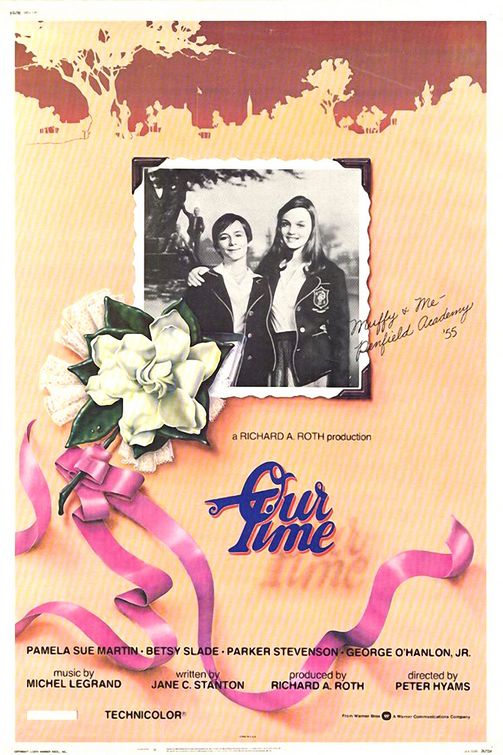
Our Time / Death of Her Innocence (1974)

Our Time / Death of Her Innocence (1974)

“Boy, I sure don’t see what all the fuss is about.”

Synopsis:
At a boarding school in the 1950s, two friends — Abby (Pamela Sue Martin) and Muffy (Betsy Slade) — lose their virginity, with unexpected consequences.

Genres, Themes, Actors, and Directors:

  • Boarding School
  • Coming of Age
  • Sexuality
  • Virginity

Review:
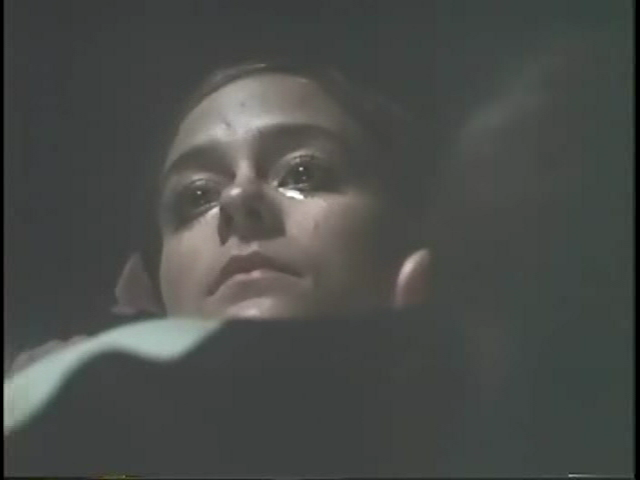
While it doesn’t exactly cover new territory, Peter Hyams’ Our Time (which aired on television under the more lurid title Death of Her Innocence) offers a reasonably authentic look at teenage sexuality and its occasionally devastating consequences. The screenplay begins by following the travails of Abby (Martin), who’s genuinely in love with her boyfriend (Parker Stevenson) and trying to decide whether it’s okay to have sex with him before marriage; meanwhile, her friend Muffy (Slade) longs for a relationship with handsome “Buzzy” Knight (Michael Gray) while failing to see the appeal of her loyal longtime admirer, Malcolm (George O’Hanlon, Jr.). Soon the story shifts to Muffy’s life-changing dilemma as she makes an unwise decision during a moment of emotional pain, and ends up paying dearly for it. While her story is compelling, however, Hyams is unable to elicit truly natural performances from his cast of likable actors — even Slade (Brian De Palma’s first choice to play the lead role in Carrie) fails to make the most of her sympathetic character. Ultimately, Our Time will be of most interest to fans of coming-of-age stories, but isn’t must-see viewing for all-purpose film fanatics.

Redeeming Qualities and Moments:

  • A sensitive look at teenage sexuality and its consequences

Must See?
No, but it will likely be of interest to coming-of-age fans.

Links: