Browsed by
Category: Original Reviews

Responses to Peary’s “must see” movie reviews, as well as my own “must see” movie reviews up to and after 1986 (when Peary’s book was published).

Postman Always Rings Twice, The (1981)

Postman Always Rings Twice, The (1981)

“I’m getting tired of what’s right and wrong.”

Synopsis:
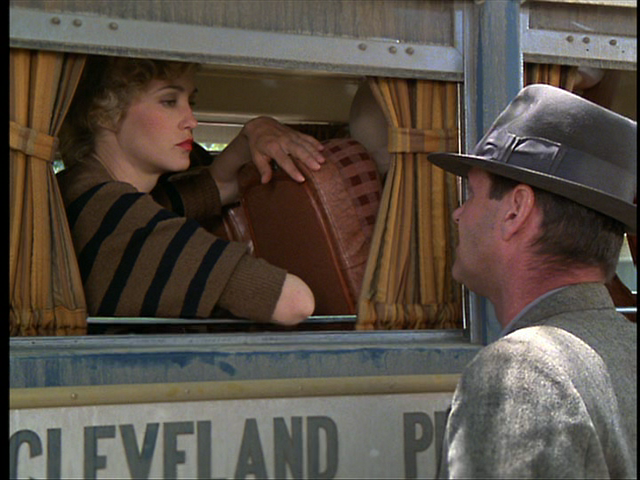
A drifter (Jack Nicholson) begins a steamy affair with the wife (Jessica Lange) of his new boss (John Colicos), and soon the two are plotting to commit murder.

Genres, Themes, Actors, and Directors:

  • Bob Rafelson Films
  • Courtroom Drama
  • Infidelity
  • Jessica Lange Films
  • Jack Nicholson Films
  • Plot to Murder

Review:
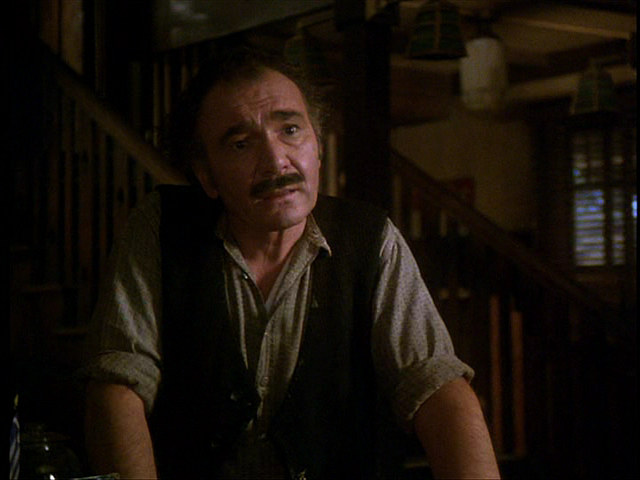
Remaking a certified cinematic classic is always tricky business, given that the question “Why bother?” lingers naggingly in one’s head. In this case, director Bob Rafelson and screenwriter David Mamet (whose distinctive voice is nowhere in sight) seem interested in creating a more “authentic” version of James M. Cain’s Depression-era novel, which they achieve primarily by incorporating explicit scenes of steamy sexuality between Cora (Lange) and Frank (Nicholson), and restoring cuckolded husband Nick Papadakis’s Greek ethnicity (he was simply “Nick Smith” in the 1946 version). Unfortunately, however, Rafelson and Mamet are unable to create a more interesting or compelling drama than that told in Tay Garnett’s MGM classic: while both Nicholson and Lange are excellent actors, they can’t compete with the iconic status of their predecessors (Lana Turner and John Garfield), and neither one is particularly well cast. With that said, Rafelson’s update is at the very least a visual treat: Sven Nykvist’s glowing cinematography is as seductive as always, and set designer George Jenkins effectively recreates a specific time and place in history. Nonetheless, this re-envisioning of Postman ultimately remains optional viewing rather than a must-see gem.

Redeeming Qualities and Moments:

  • John Colicos as Nick Papadakis
  • George Jenkins’ Depression-era set designs
  • Sven Nykvist’s cinematography

Must See?
No, though film fanatics will likely be curious to at least check it out.

Links:

Postman Always Rings Twice, The (1946)

Postman Always Rings Twice, The (1946)

“With my brains and your looks, we could go places.”

Synopsis:
A drifter (John Garfield) falls for the beautiful wife (Lana Turner) of an older restaurant proprietor (Cecil Kellaway), and the two young lovers are soon plotting murder.

Genres, Themes, Actors, and Directors:

  • Audrey Totter Films
  • Cecil Kellaway Films
  • Courtroom Drama
  • Femmes Fatales
  • Hume Cronyn Films
  • Infidelity
  • John Garfield Films
  • Lana Turner Films
  • Plot to Murder

Review:
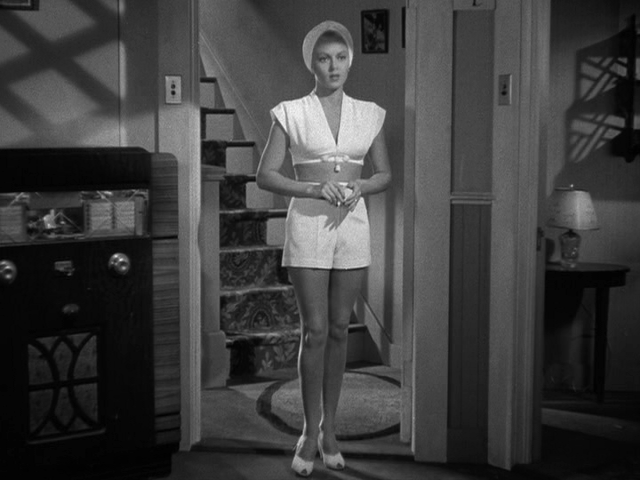
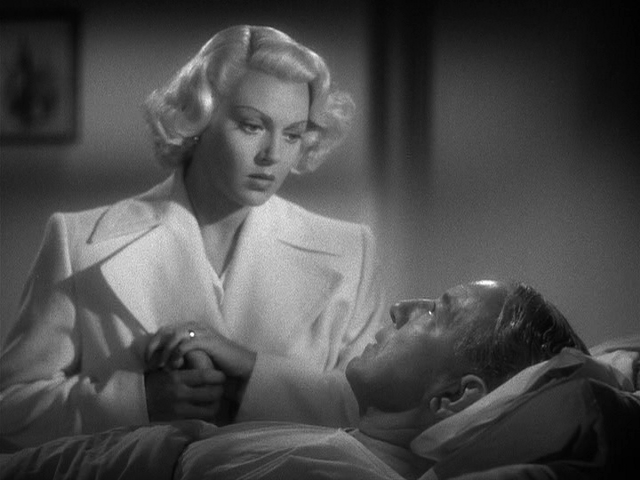
Although two foreign adaptations had already been made of James M. Cain’s 1934 novel — Pierre Chenal’s Le Dernier Tournant in 1939, and Luchino Visconti’s Ossessione in 1943 — this 1946 MGM iteration is widely referred to as “the original” version of Cain’s story, in contrast with Bob Rafelson’s steamy but disappointing 1981 remake. While the latter is more authentic to both the novel and the time period in which it takes place, the stylized look and feel of MGM’s version (Tay Garnett‘s best directorial effort) nonetheless lend it a sort of classic timelessness: from Lana Turner’s infamous “lipstick entrance”, to Turner’s (nearly) all-white wardrobe, to the spic-‘n-span cleanliness of Kellaway’s roadside diner, this Postman lingers in one’s memory long after viewing.

As the unwitting femme fatale who causes the downfall of both Garfield’s drifter and Kellaway’s bumbling restaurateur, “sweater girl” Lana Turner gives what is widely considered her best, most iconic performance: she’s all tanned legs, platinum hair, and seductive poses — literally a cheesecake model come to life — and while some (see DVD Savant’s review) have argued that she’s too pristine and wooden for the role of a gritty roadside waitress, Turner’s sunkissed looks are the perfect embodiment of a seductive force too strong to resist.

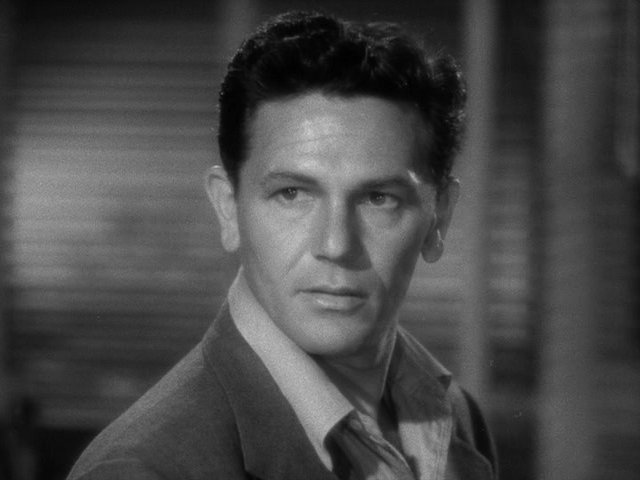
John Garfield is well-cast as smitten Frank Chambers, and is a perfect match for Turner, effectively capturing the frustrations of a man torn between erotic desire, wanderlust, and a basic sense of decency. Other bit roles are nicely played as well, particularly Hume Cronyn as the brilliant if corrupt lawyer who first plays Turner off of Garfield, thus starting a downward spiral which ends — in typical noir fashion — tragically.

Redeeming Qualities and Moments:

  • John Garfield as Frank Chambers
  • Lana Turner — in her best role — as Cora Smith
  • Hume Cronyn and Leon Ames as competing lawyers

Must See?
Yes, for its status as an undisputed noir classic. Listed as a film with Historical Importance and a Personal Recommendation in the back of Peary’s book.

Categories

  • Genuine Classic

(Listed in 1001 Movies You Must See Before You Die)

Links:

Heroes for Sale (1933)

Heroes for Sale (1933)

“I know that all my promotions and decorations belong to you. I know that I’ve stolen the credit from a real hero.”

Synopsis:
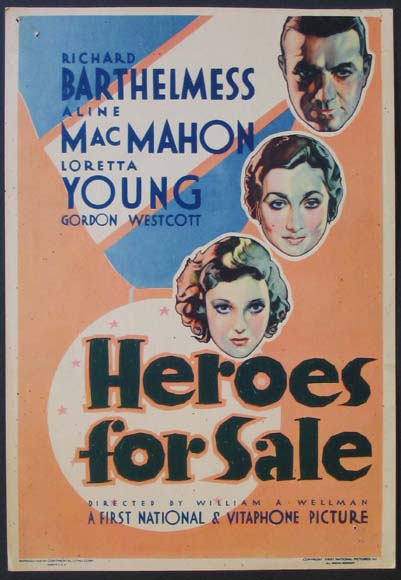
A war veteran (Richard Barthelmess) whose cowardly comrade (Gordon Westcott) has accepted all the glory for his heroism battles a morphine addiction, then starts life anew in Chicago, where he prospers as the co-owner of a labor-saving laundry machine and marries his sweetheart (Loretta Young). His luck turns again, however, when he’s falsely accused of inciting a riot, and sent away to prison — but he refuses to give up on his dream of helping those less fortunate than himself.

Genres, Themes, Actors, and Directors:

  • Depression Era
  • Do-Gooders
  • Falsely Accused
  • Loretta Young Films
  • Veterans
  • William Wellman Films

Review:
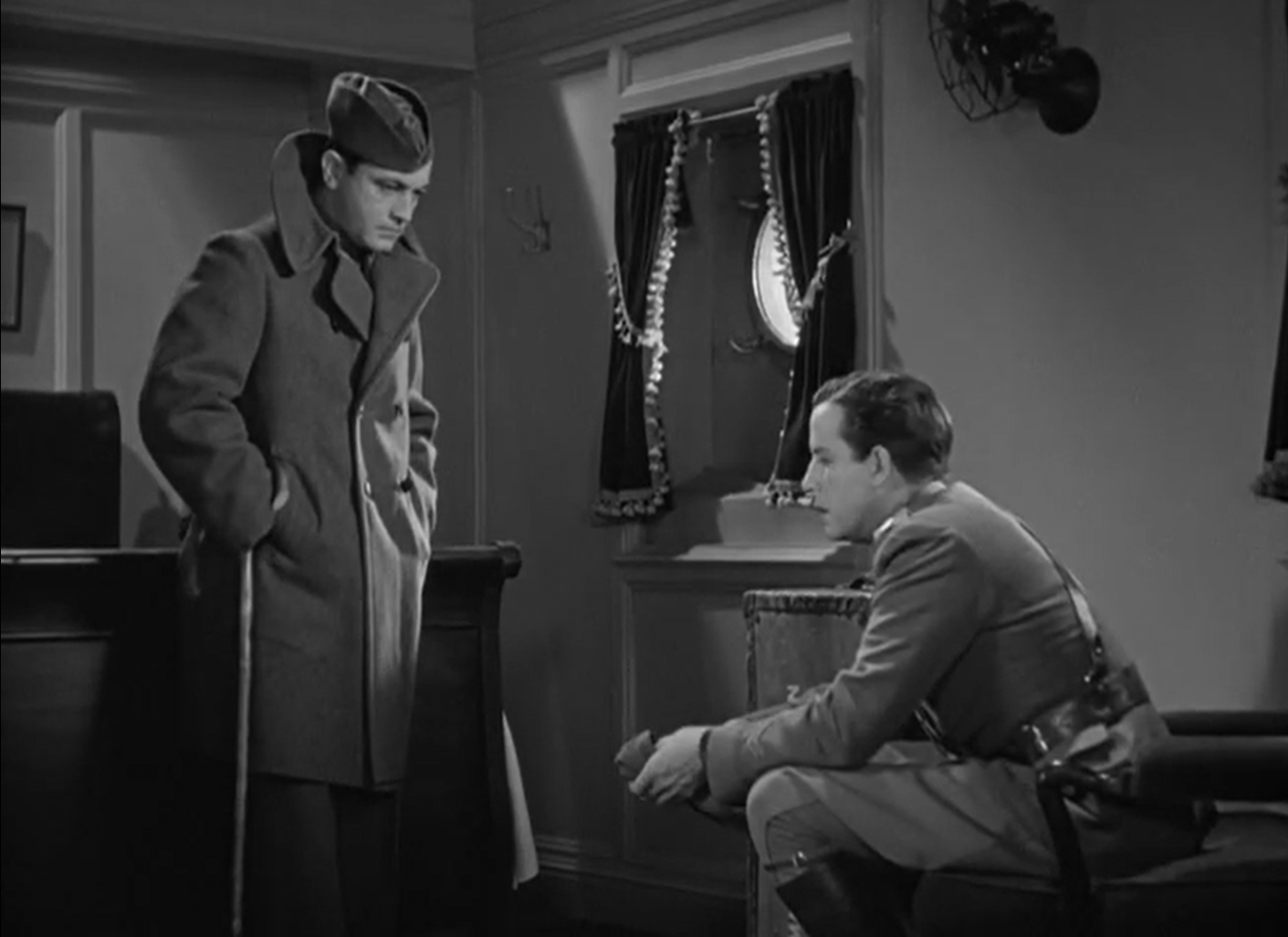
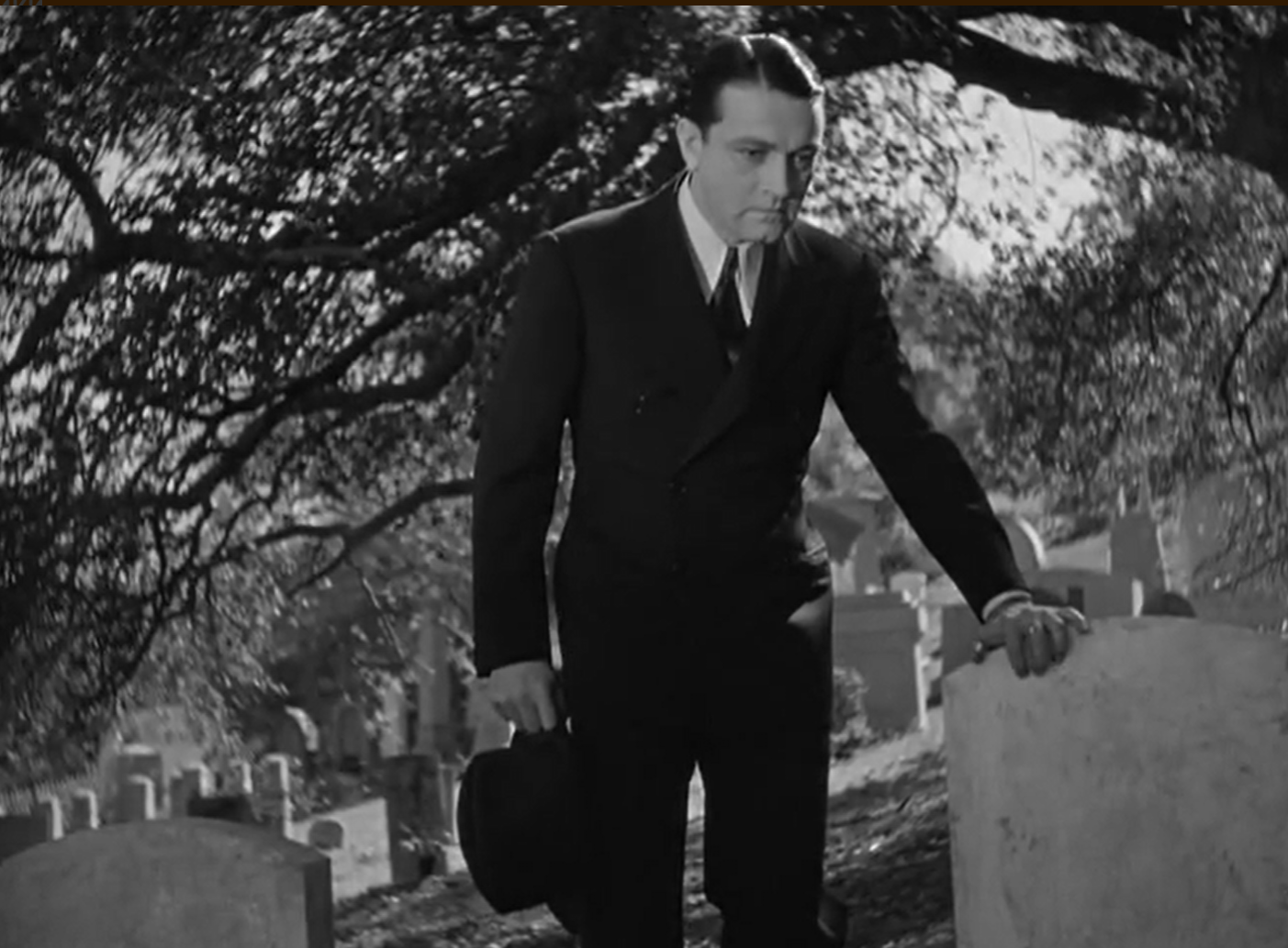
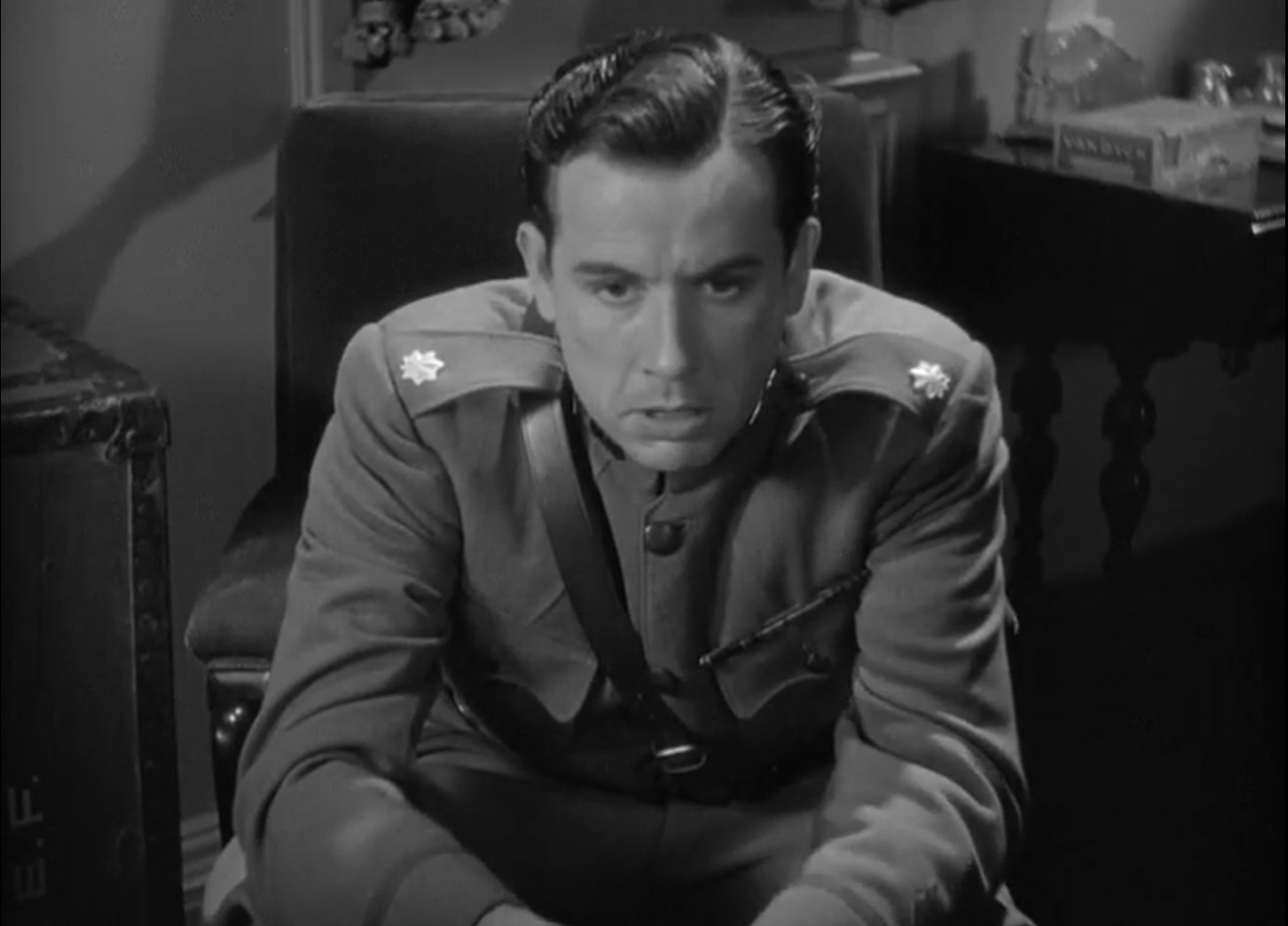
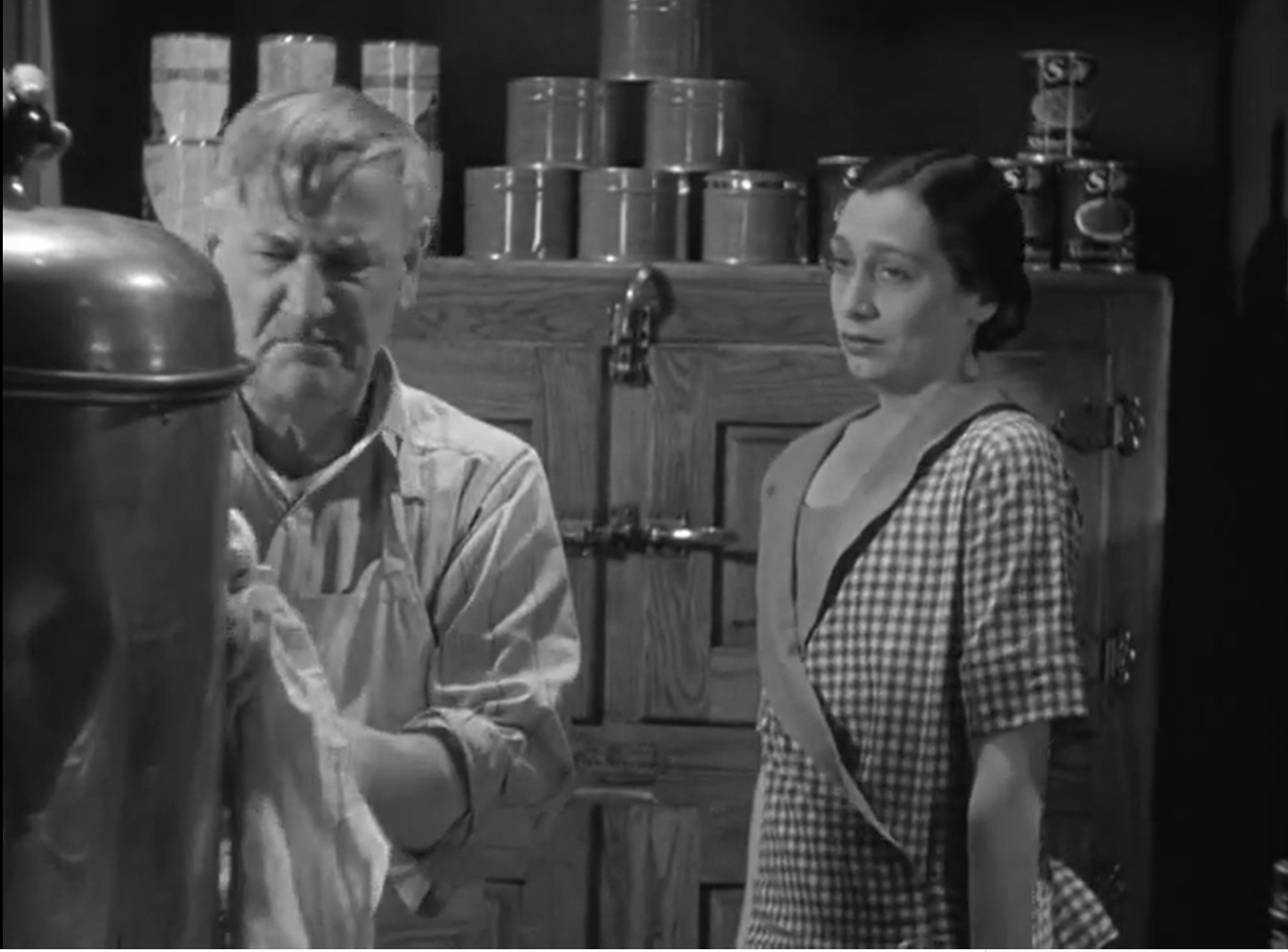
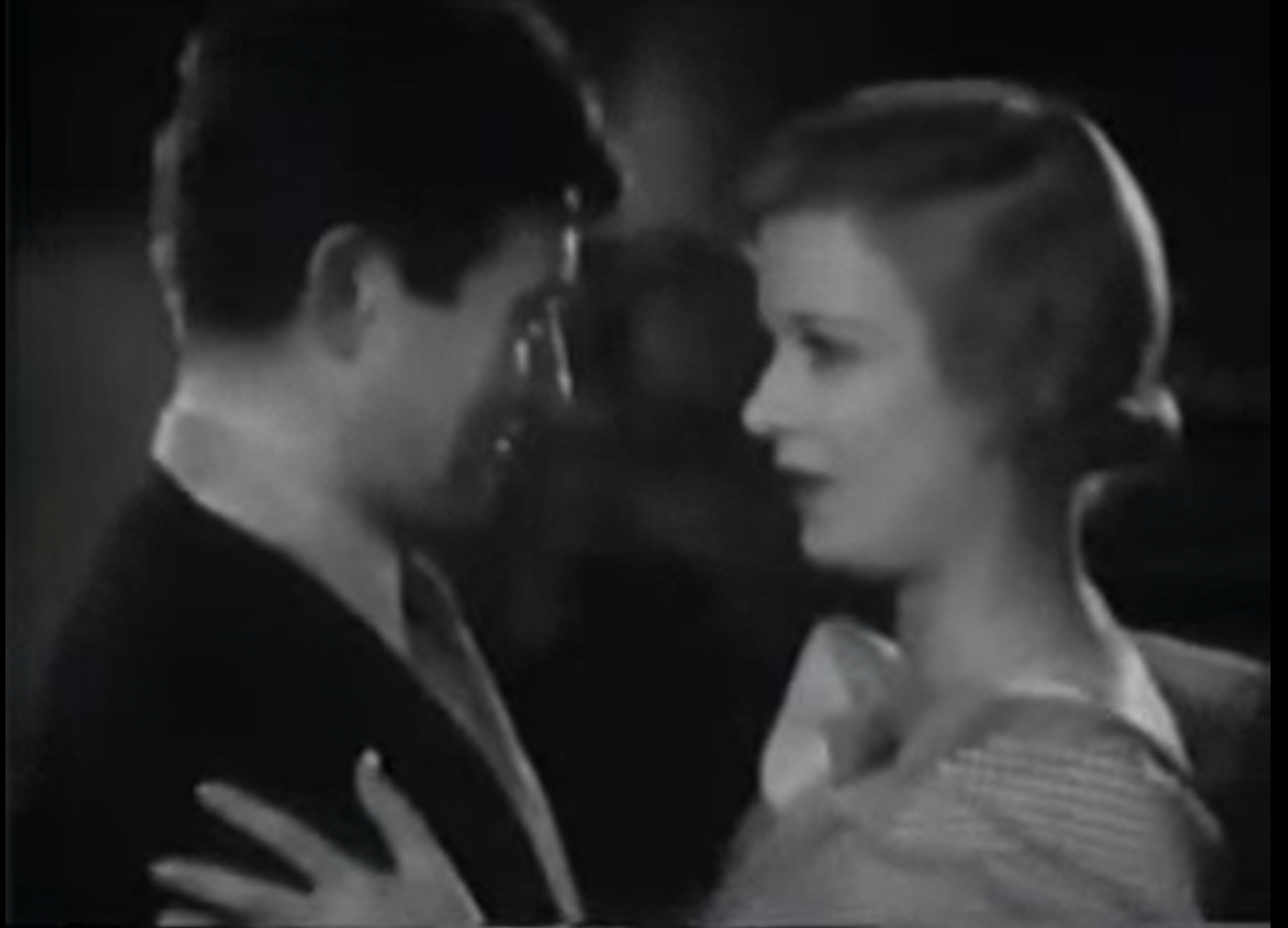
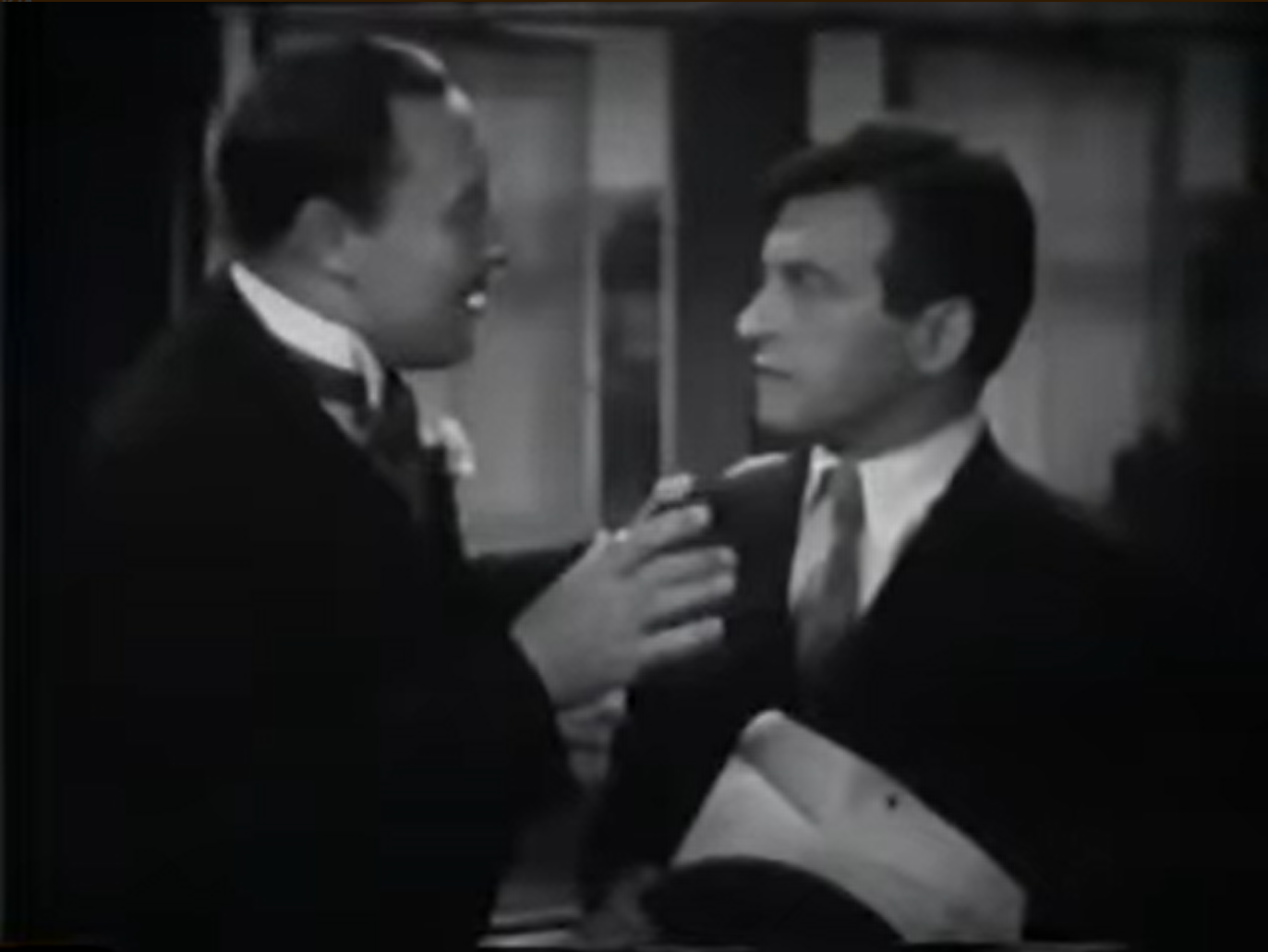
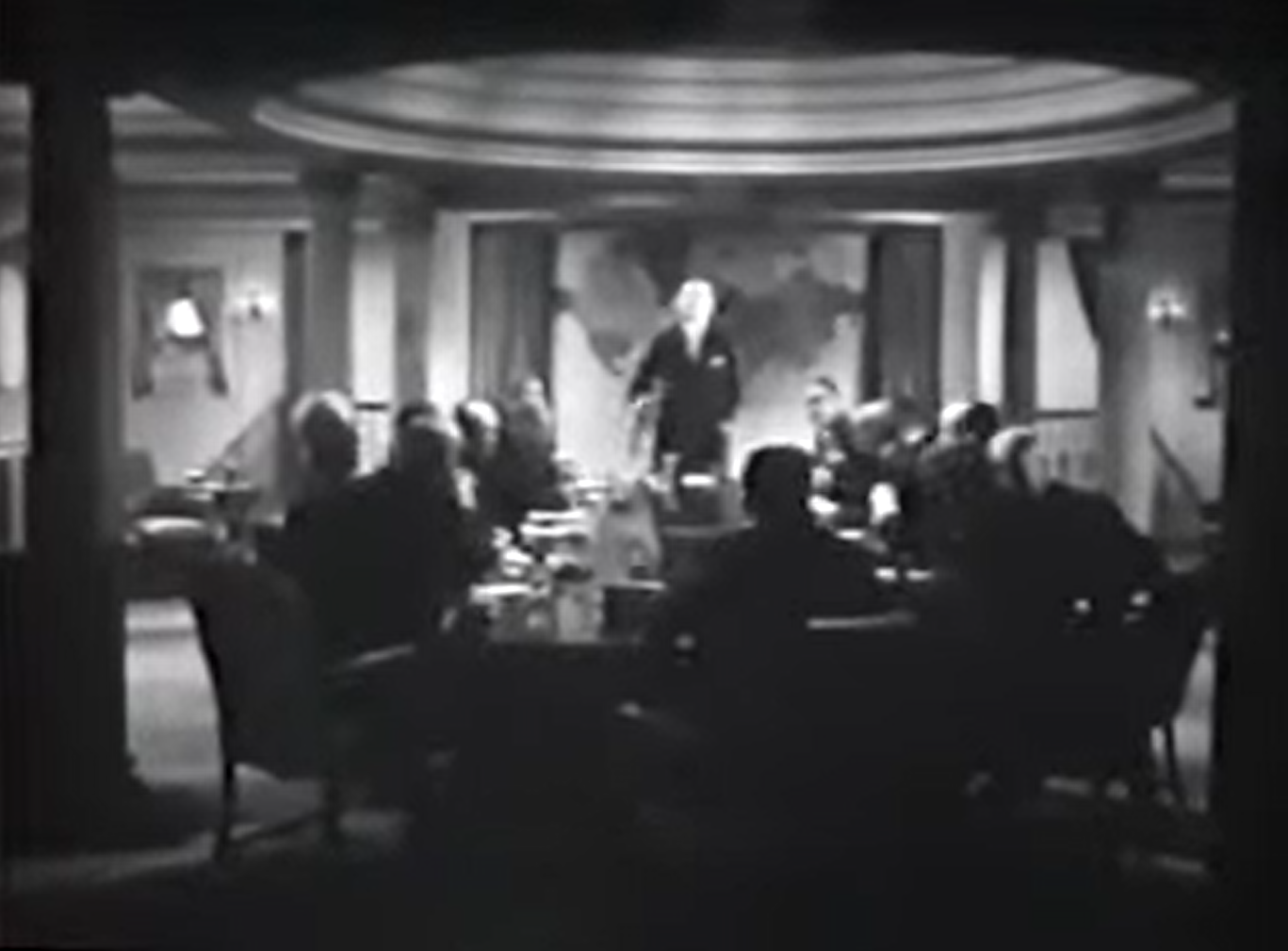
William Wellman’s hard-hitting tale of an unsung war hero whose [for]giving nature brings him both deep satisfaction and cruel treatment is, as noted in TCM’s review, “ungainly” yet “also unfailingly urgent and never boring”. The film starts off with a compelling exploration of bravery and cowardice during the heat of battle, and we wait with bated breath to hear Barthelmess’s reaction to Westcott’s stinging betrayal:

Once this is revealed, however (no revenge is taken by the extraordinarily good-hearted Barthelmess), the screenplay veers from one episode to another in rapid-fire succession — Westcott does show up again, but only in the film’s final scene, in order for Wellman to make the point that both rich and poor suffered under the iron grip of the Great Depression. In the meantime (as indicated in TCM’s assessment) we become oddly compelled by Barthelmess’s travails, watching his character emerge as a true “hero” of the era — someone who is decidedly not for sale, at any cost. The fine cast of supporting actors (particularly Aline MacMahon in a pivotal role) adds to the enjoyment of this unusual little film.

Redeeming Qualities and Moments:

  • Richard Barthelmess as Tom Holmes
  • Gordon Westcott as Tom’s cowardly comrade
  • Aline MacMahon as Tom’s landlady and friend
  • Loretta Young as Tom’s wife

Must See?
No, but it’s recommended.

Links:

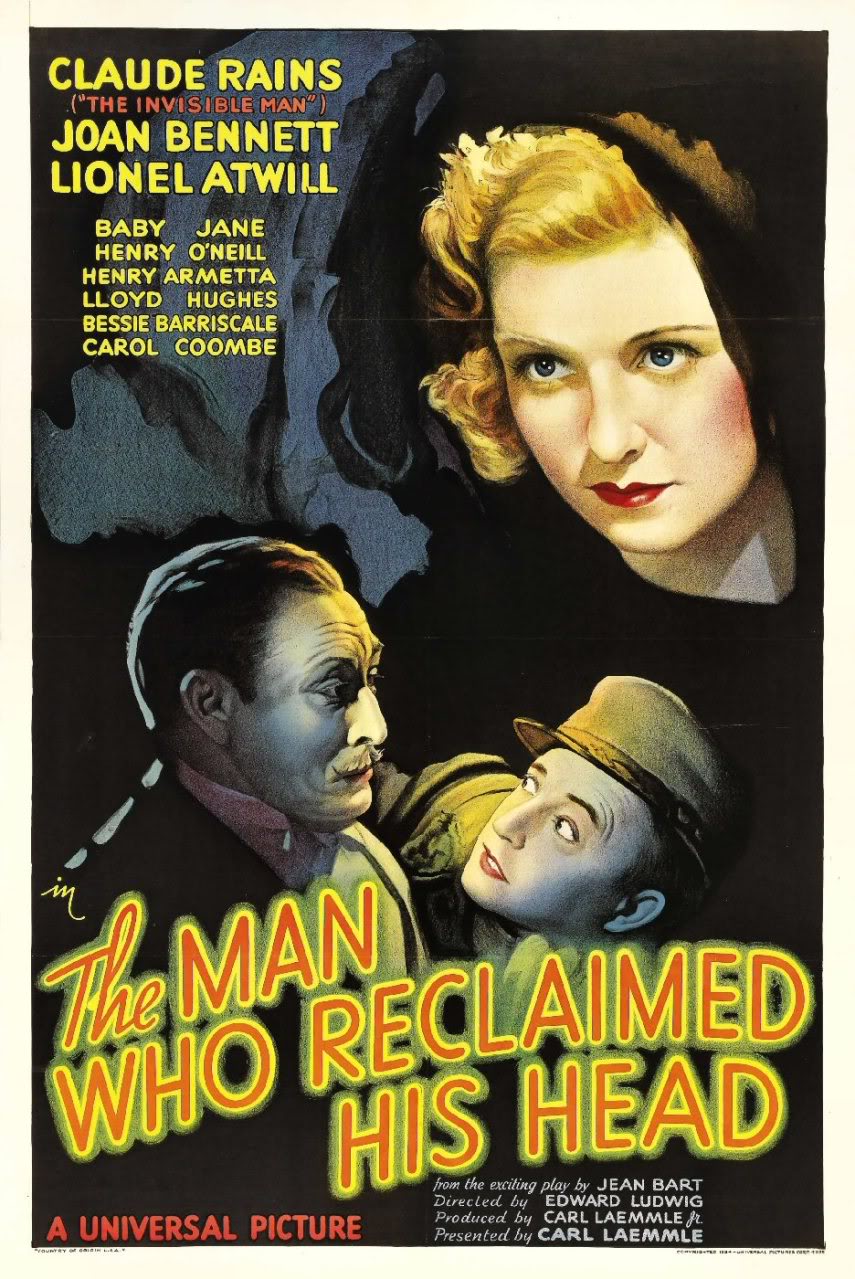
Man Who Reclaimed His Head, The (1934)

Man Who Reclaimed His Head, The (1934)

“As long as munitions stay in the hands of private enterprise, war will always be around the corner.”

Synopsis:
An anti-war editorialist (Claude Rains) goes mad when he discovers that his editor (Lionel Atwill) has betrayed his trust by collaborating with munitions manufacturers.

Genres, Themes, Actors, and Directors:

  • Betrayal
  • Claude Rains Films
  • Flashback Films
  • Joan Bennett Films
  • Lionel Atwill Films
  • Play Adaptations
  • World War I
  • Writers

Review:
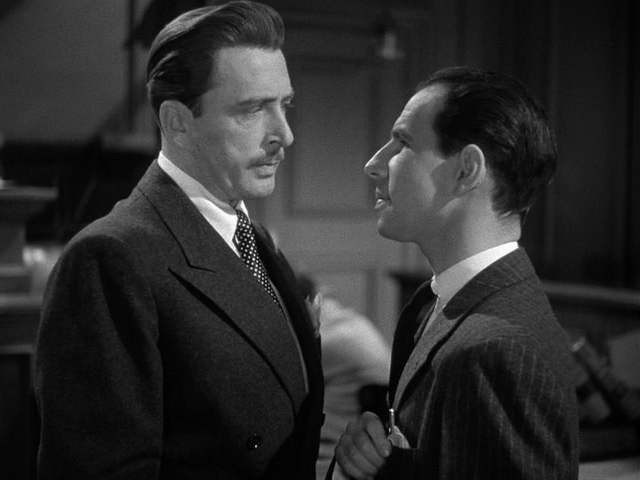
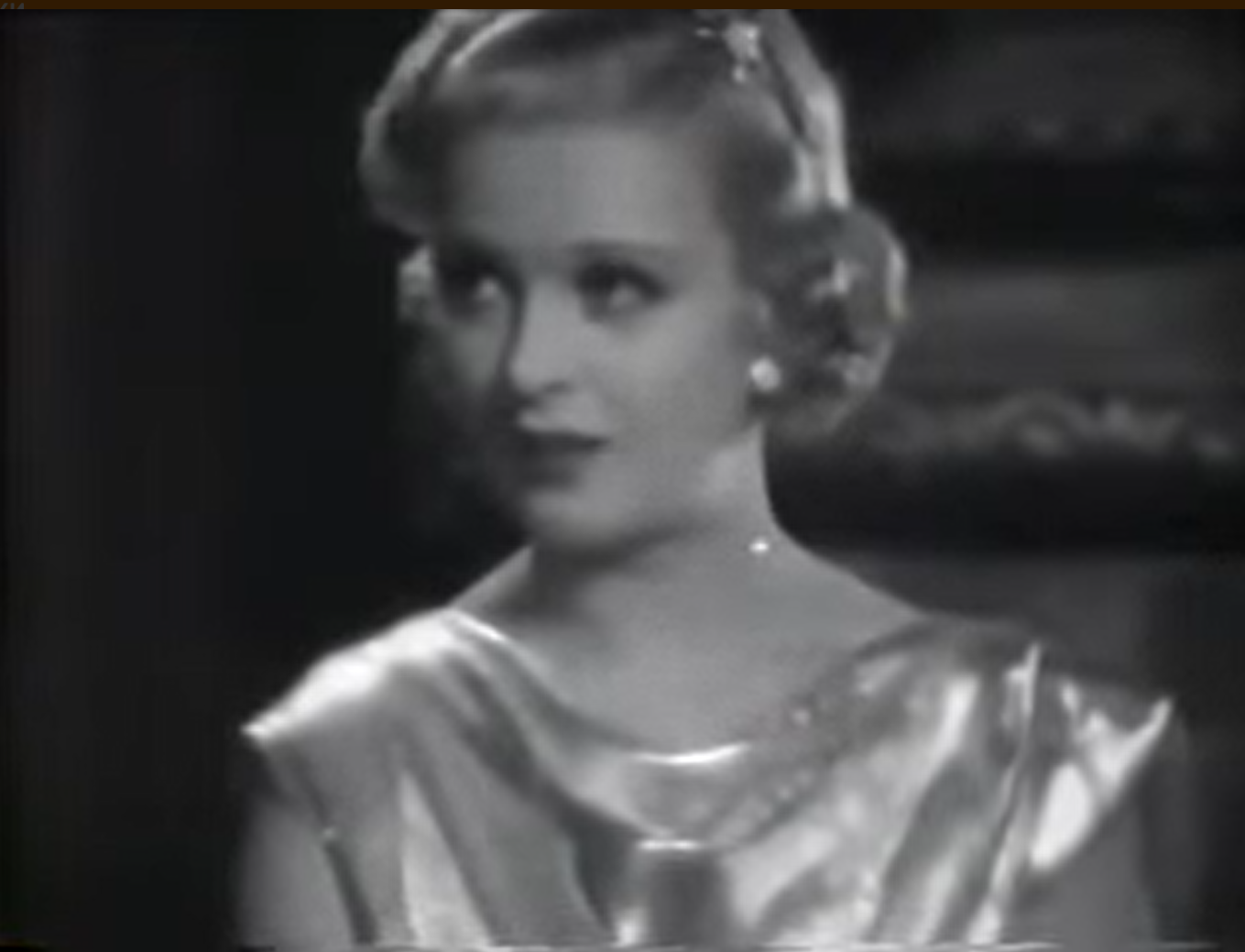
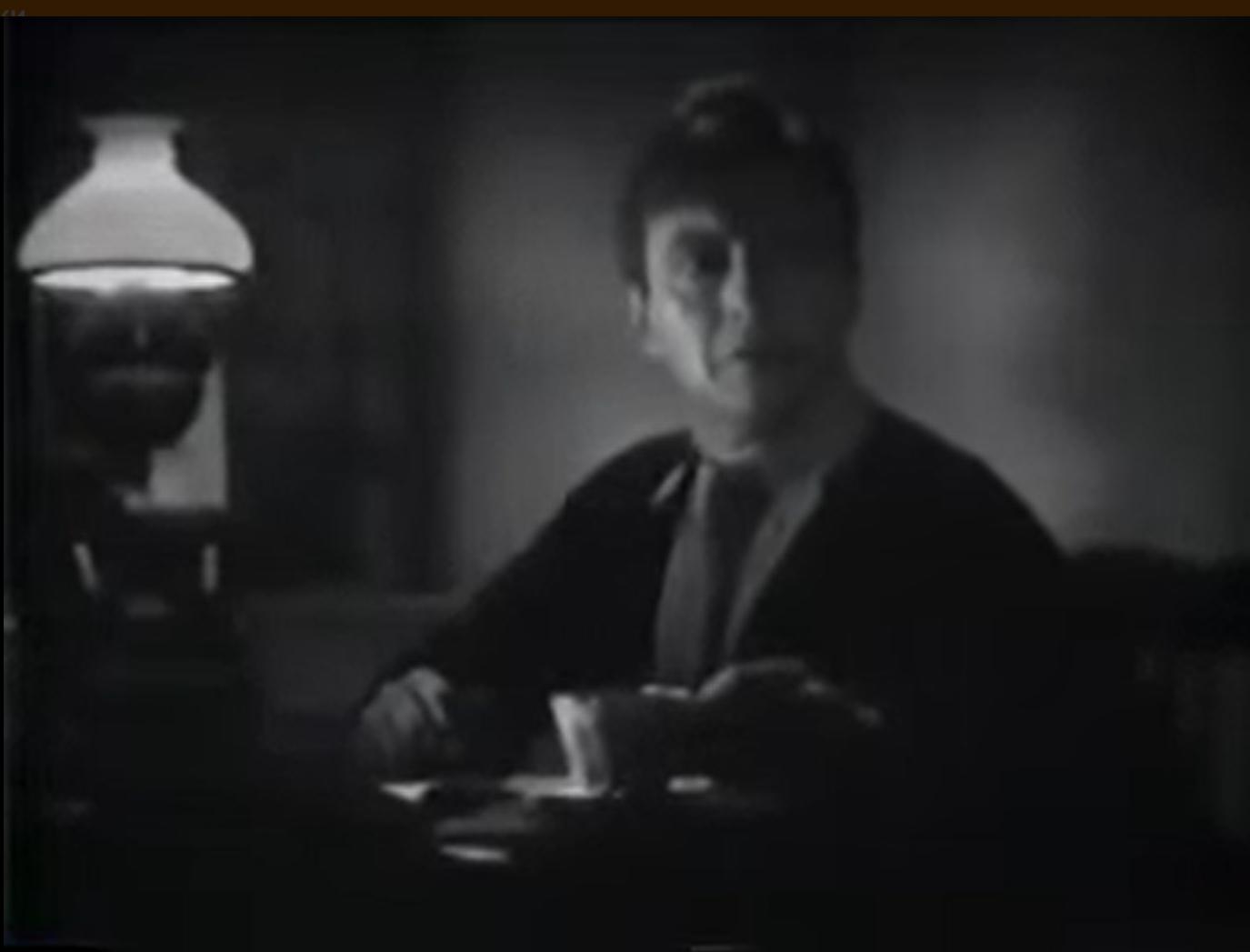
The Man Who Reclaimed His Head — based on a stage play by Jean Bart — is not, as its provocative title would suggest, a horror flick; while insanity and murder are involved, they ultimately take a back seat to the central story of a freelance writer (Rains) so in love with his beautiful young wife (Joan Bennett):

that he agrees to work for an unscrupulous former boss (Atwill), only to find his trust sorely misplaced. Unfortunately, while the expose of “special interests” driving the machinery of war — and the complicity of the media in such efforts — was surely shocking at the time of the film’s release, today’s audiences will find such nefarious collaborations sadly commonplace, and thus may have a hard time relating to the enormity of Rains’ emotions (not to mention his drastic actions). Rains — always a compelling actor — is excellent in the title role (indeed, Peary nominates his performance for an Alternate Oscar), but Atwill’s “evil” character isn’t fleshed out nearly enough.

Meanwhile, Bennett (capable of much better) emerges as little more than a pretty face.

While it’s not “must see” viewing for all film fanatics, however, Claude Rains fans will certainly want to check this one out.

Redeeming Qualities and Moments:

  • Claude Rains as Paul Verin
  • An early expose of the military-industrial complex

Must See?
No, but it’s worth a look. Listed as a Sleeper and a Personal Recommendation in the back of Peary’s book.

Links:

Seven Women (1966)

Seven Women (1966)

“Whatever the doctor’s doing, she’s doing for our good.”

Synopsis:
A doctor (Anne Bancroft) sent to a mission in China clashes with its puritanical director (Margaret Leighton), but is a source of inspiration for many of the other inhabitants, including an older pregnant woman (Betty Field) and an impressionable young recruit (Sue Lyon). When their mission is invaded by the nefarious Mongol warrior Tunga Khan (Mike Mazurki), Bancroft makes a controversial sacrifice in exchange for the others’ safety, and must bear the brunt of Leighton’s disdain for her decision.

Genres, Themes, Actors, and Directors:

  • Anne Bancroft Films
  • Betty Field Films
  • China
  • Doctors and Nurses
  • Eddie Albert Films
  • John Ford Films
  • Mildred Dunnock Films
  • Missionaries<
  • Strong Females
  • Woody Strode Films

Review:
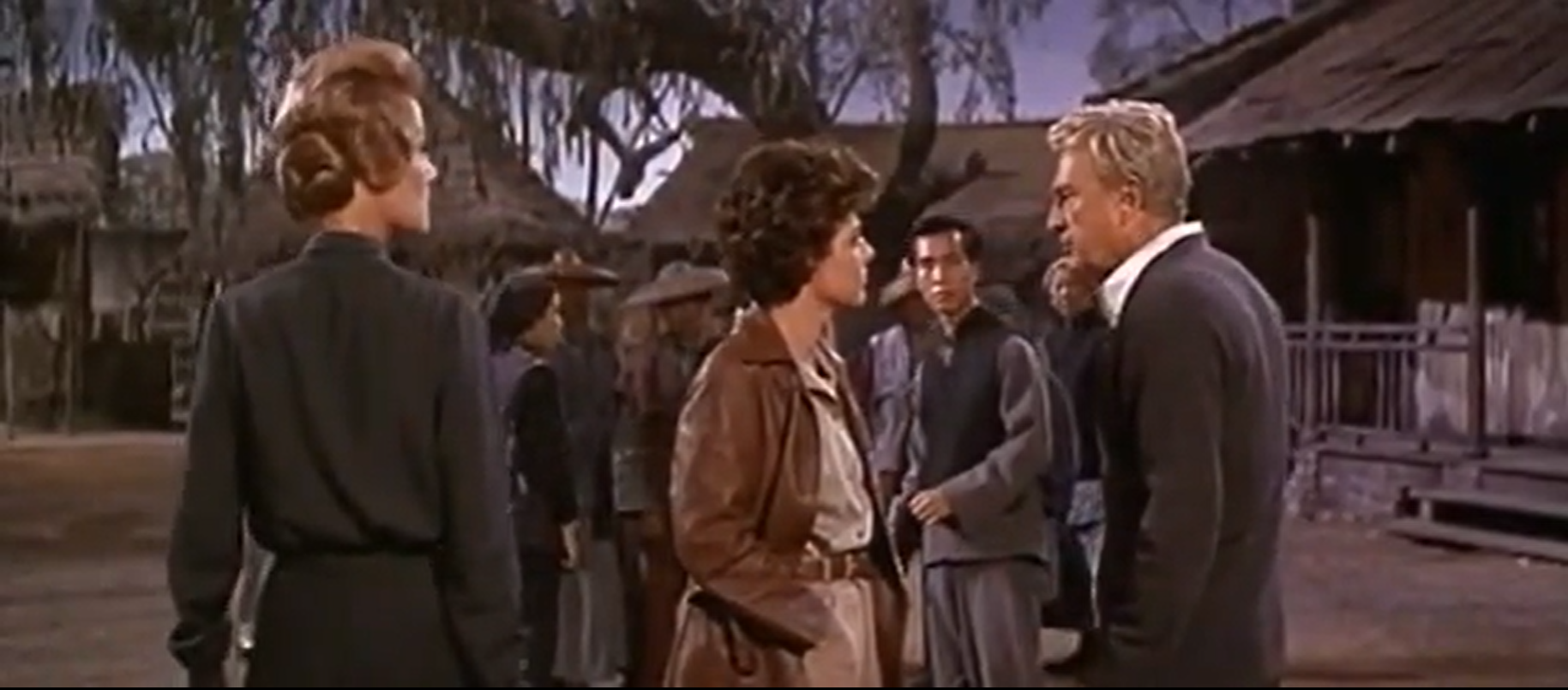
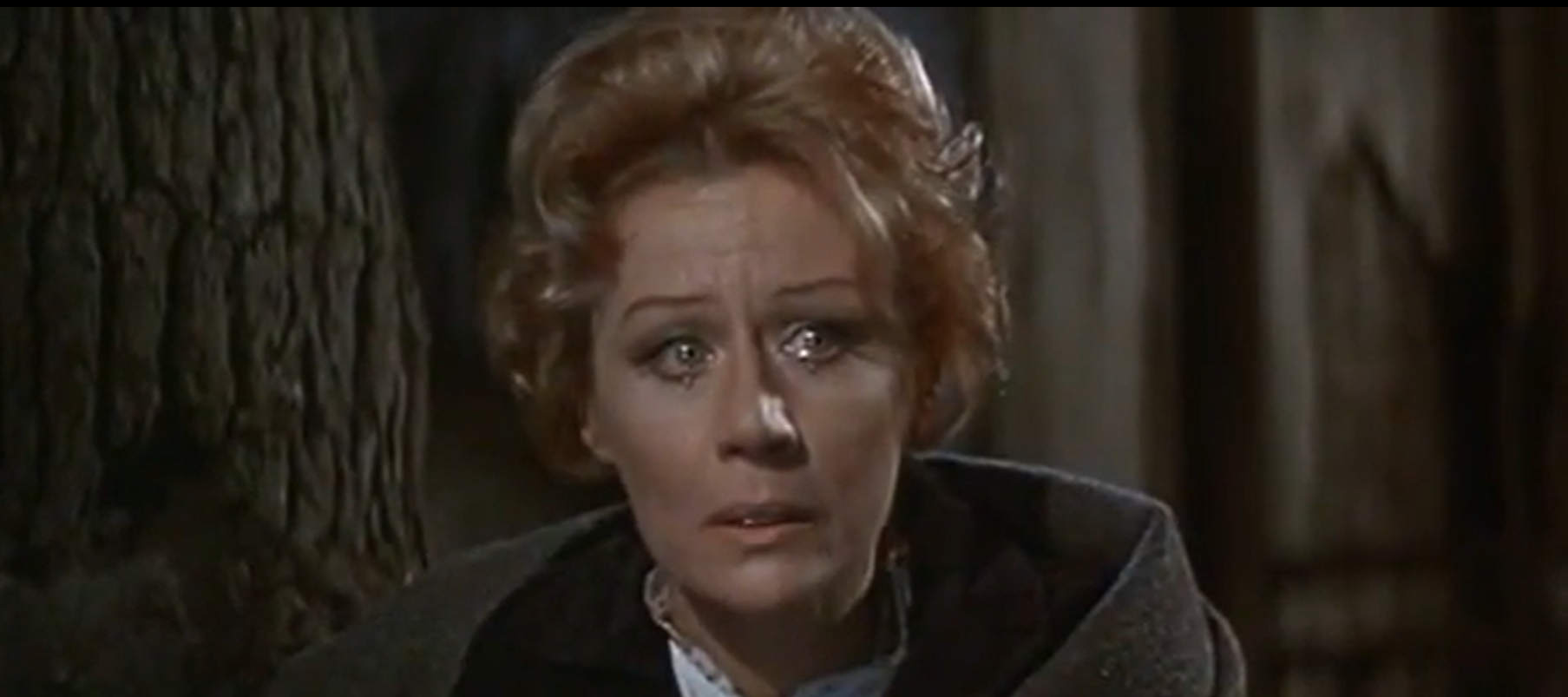
John Ford’s final film was a box-office failure upon its release, but has since become a critical darling of many (and is enjoyed as a thinly veiled bastion of homoerotic tensions by others). It’s a curious departure from Ford’s normal oeuvre, given that it focuses primarily on women rather than men, and takes place in Northern China rather than in the American West — nonetheless, as many critics have pointed out, it ultimately touches upon several of Ford’s key thematic concerns, including “an isolated group stranded in a hostile environment, civilization versus savagery, and self-sacrifice.” In truth, the women in this film can easily stand in for many of Ford’s archetypal characters: the dynamics between mannish Anne Bancroft and uptight Margaret Leighton are reminiscent of John Wayne and Henry Fonda in Ford’s Fort Apache (1948), for instance.

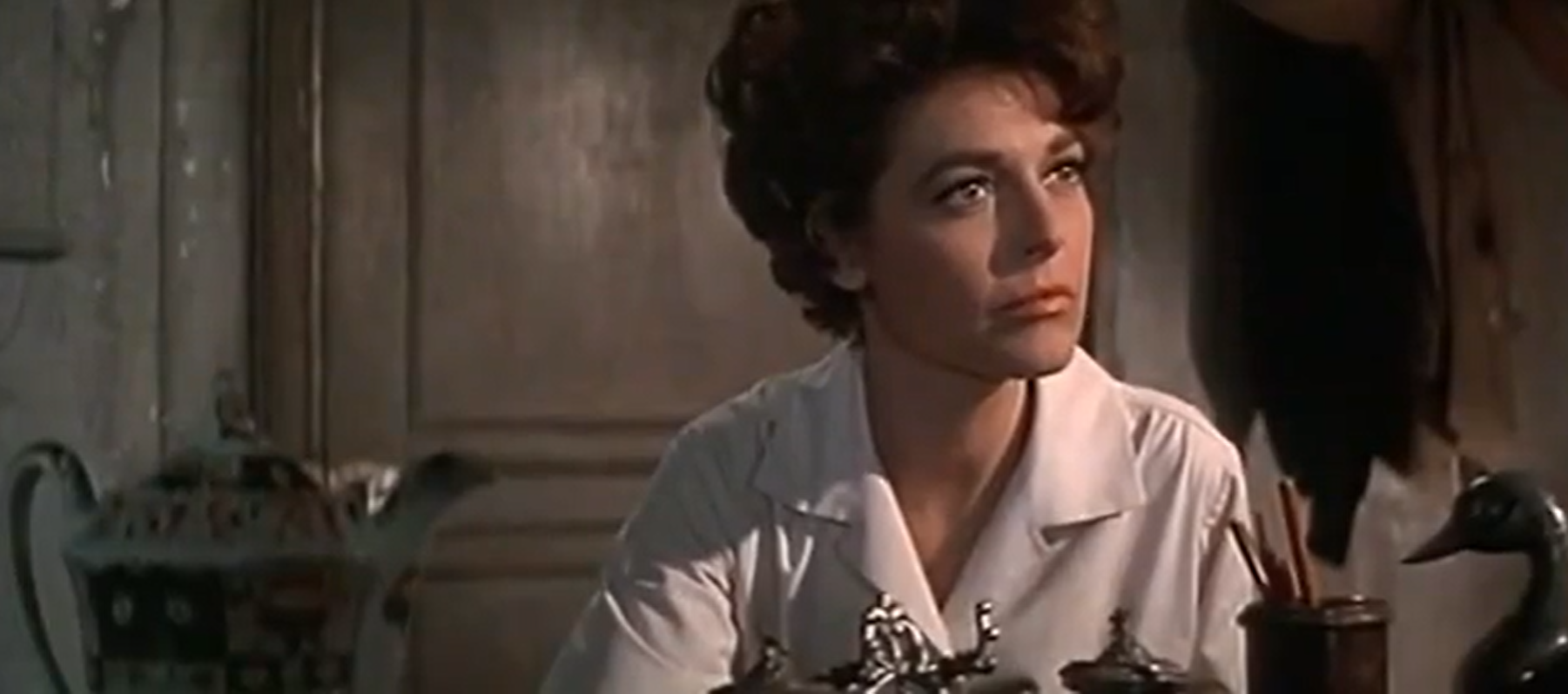
Indeed, it’s the interplay between these two females — both independent and strong-willed, but with radically different moral takes on the world — which carries the somewhat uneven script, and keeps us interested to see what will happen next. Leighton’s character eventually devolves into campy hysteria when the situation at “her” mission spirals out of control; her repugnance at being forced to stay in the same room as a woman (Betty Field) giving birth borders on laughable. Bancroft, meanwhile, maintains a fiercely realistic and forceful presence throughout; she’s suffered heartbreak and injustice in the past (simply by being a female doctor in the 1930s), but refuses to compromise her passion for helping others through medicine — even if this means sacrificing herself. The ultimate outcome of the film — in which Bancroft utters a now-classic line — will likely come as a touching surprise to most.

Redeeming Qualities and Moments:

  • Anne Bancroft as Dr. Cartwright (Peary nominates her for an Alternate Oscar as Best Actress of the Year)
  • Margaret Leighton as uptight Agatha Andrews

Must See?
Yes, simply for Bancroft’s stand-out performance, and for its historical importance as Ford’s last film. Listed as a Cult Movie in the back of Peary’s book.

Categories

  • Important Director
  • Noteworthy Performance(s)

Links:

Our Dancing Daughters (1928)

Our Dancing Daughters (1928)

“When it comes to marriage, men are still old-fashioned.”

Synopsis:
A fun-loving but decent flapper (Joan Crawford) is devastated when the man she loves (Johnny Mack Brown) marries a deceptively “innocent” gold-digger (Anita Page) instead.

Genres, Themes, Actors, and Directors:

  • Gold Diggers
  • Joan Crawford Films
  • Love Triangle
  • Silent Films

Review:
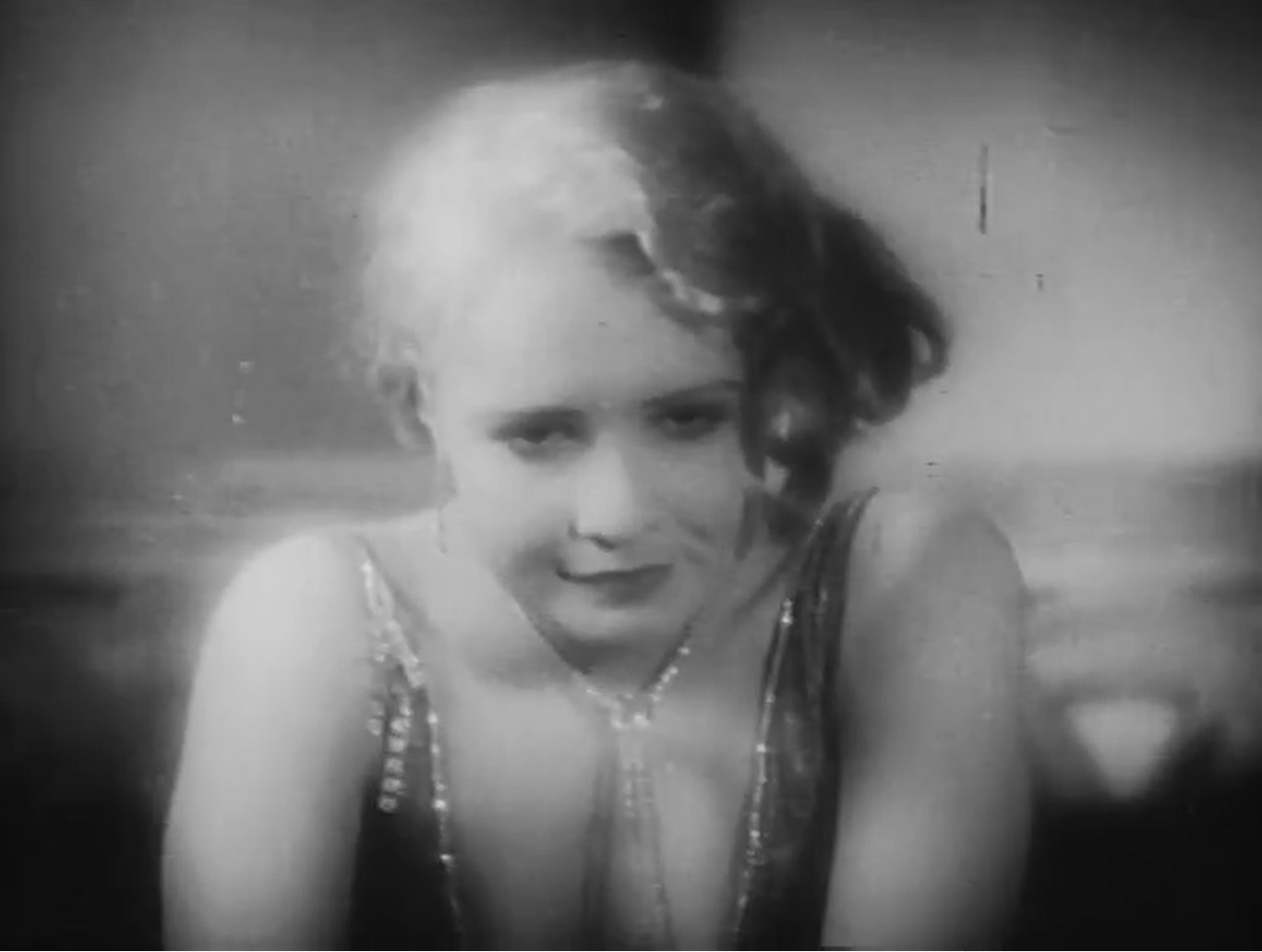
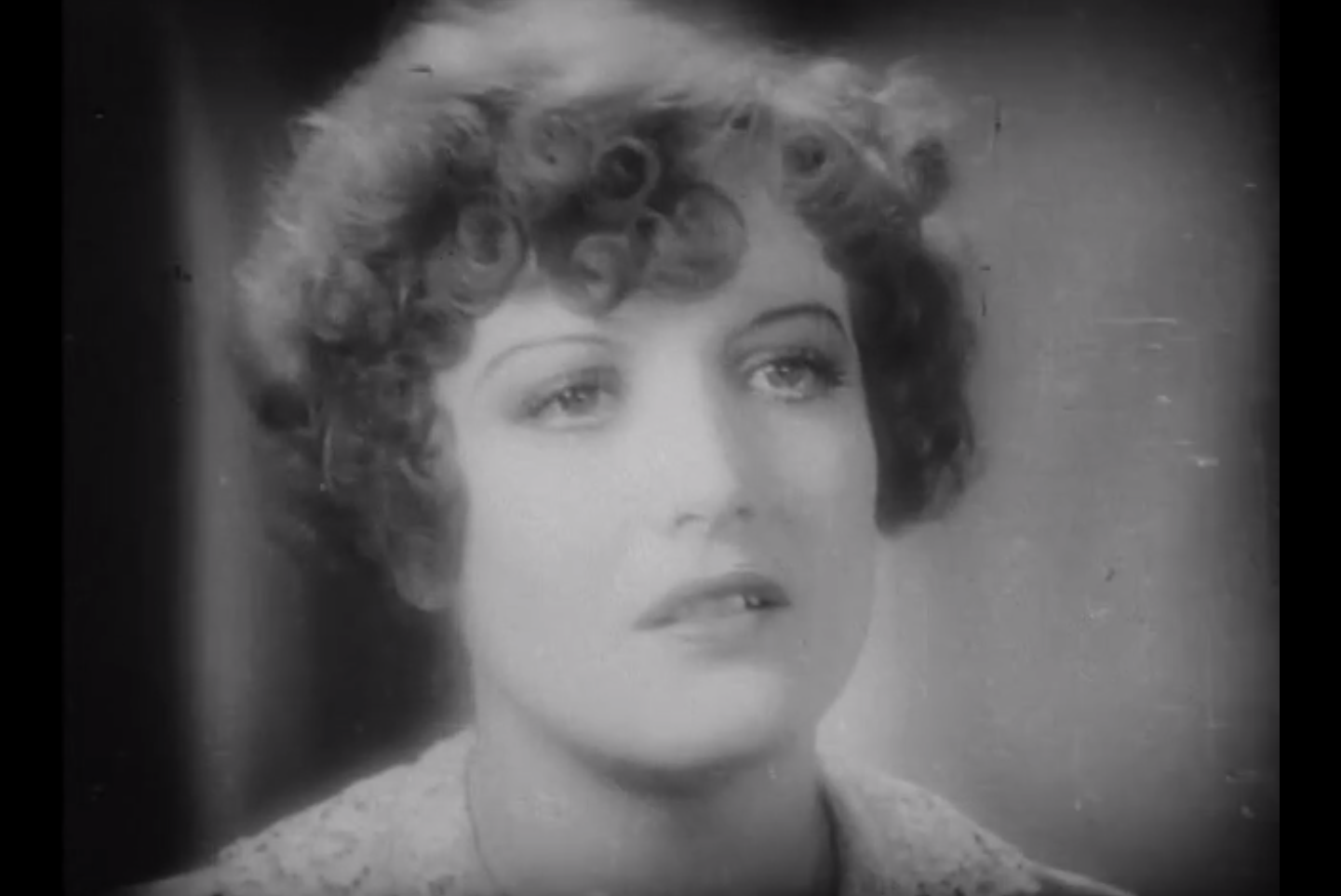
23-year-old Joan Crawford sparkles in this “part-sound” film about fun-loving flappers during the Roaring Twenties who find their desire for good times strictly at odds with their chances for happy marriage. Crawford’s character — a highly likable heroine who’s given a rough break but triumphs in the end — is allowed plenty of opportunities to dance the Charleston and show off her bubbly personality:

while blonde Anita Page as Crawford’s romantic rival is fine as well, particularly during her hilariously infamous final scene (“Women — women — why are you working?”).

The use of strategic background noise and musical numbers on the synchronized soundtrack is effective, adding to the overall ambiance of the era. While not one of Crawford’s best features, film fanatics will certainly be curious to check out Our Dancing Daughters at least once.

Redeeming Qualities and Moments:

  • Joan Crawford as Diana Medford
  • Anita Page as “Annikins”

Must See?
Yes, for its historical importance as Crawford’s “breakthrough” role.

Categories

  • Historically Relevant

Links:

Private Lessons (1981)

Private Lessons (1981)

“Fifteen is the perfect age. Just think: you’re giving him private lessons — an advanced education!”

Synopsis:
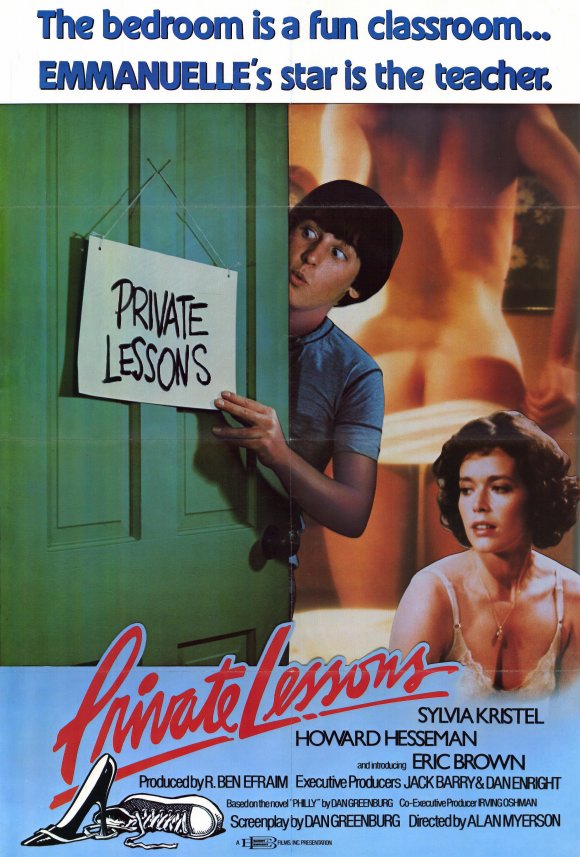
A sexy maid (Sylvia Kristel) is forced by her unscrupulous co-worker (Howard Hesseman) to seduce the wealthy teenage boy (Eric Brown) they both work for.

Genres, Themes, Actors, and Directors:

  • Blackmail
  • Comedy
  • Coming-of-Age
  • Ed Begley Jr. Films
  • May-December Romance

Review:
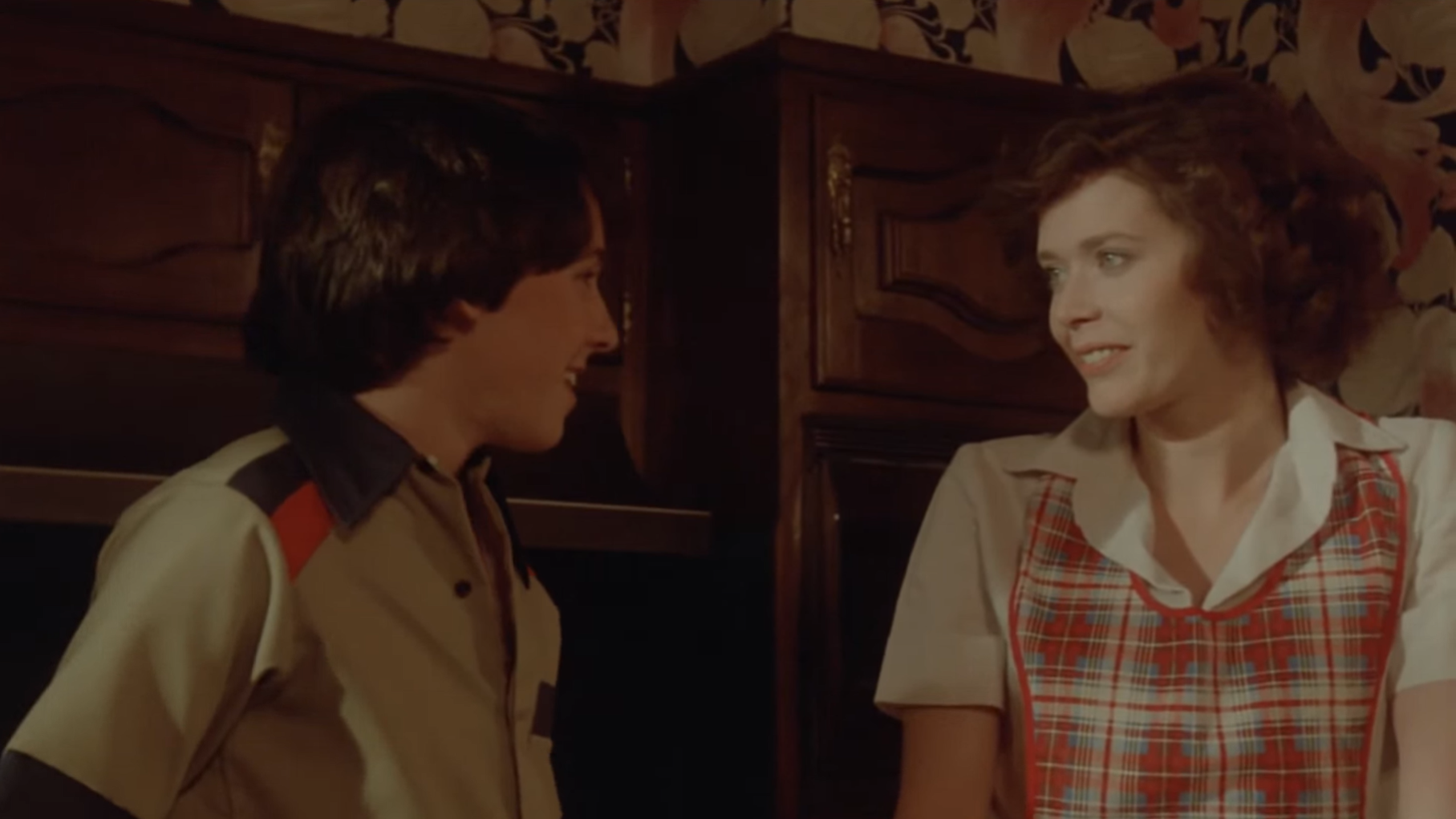
This dated, unfunny sex comedy features awful acting, a distasteful plot, and genuinely few redeeming qualities. Sylvia Kristel — best known as the title character in 1974’s soft-core cult hit Emmanuelle — is sexy but stilted, while Eric Brown as the unbelievably naive teen she seduces is instantly forgettable.

The flimsy storyline (involving blackmail and a faked death) is merely an implausible excuse for “titillating” scenes of reverse-Lolita seductions — somewhat shocking only because Brown was actually underage during filming (Kristel used a body double). Watch 1983’s Risky Business for a much more enjoyable variation on the same theme.

Redeeming Qualities and Moments:

  • Ed Begley, Jr. in a small role as a tennis instructor-turned-“cop”

Must See?
No; skip this clunker.

Links:

Valentino (1977)

Valentino (1977)

“There [will] never be another Valentino — there will never be anyone remotely like him. He was a god!”

Synopsis:
The untimely death of silent screen star Rudolph Valentino (Rudolf Nureyev) prompts the many women in his past to reminisce about his troubled rise to superstardom.

Genres, Themes, Actors, and Directors:

  • Actors and Actresses
  • Biopics
  • Carol Kane Films
  • Flashback Films
  • Ken Russell Films
  • Leslie Caron Films
  • Seymour Cassel Films
  • Untimely Death

Review:
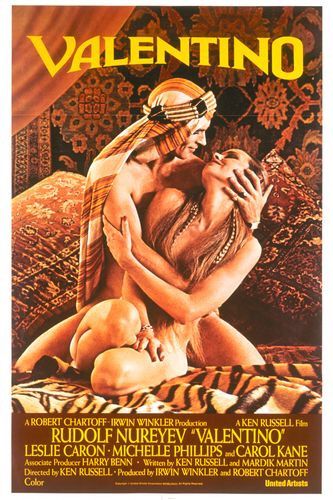
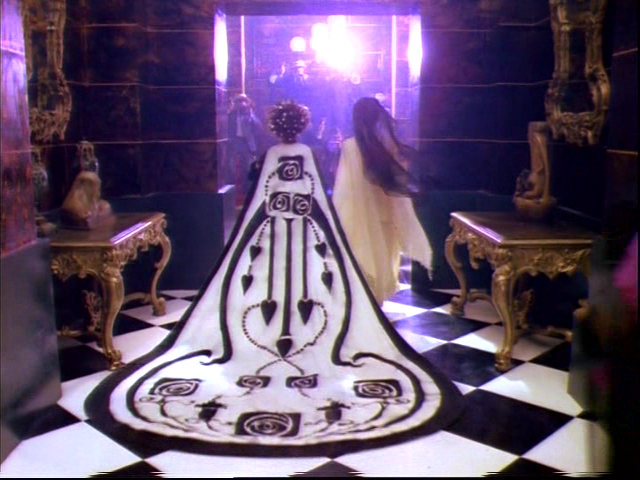
Ken Russell’s star-studded depiction of Rudolph Valentino‘s meteoric rise to fame — and his tragically early death at the age of 31, which reportedly prompted at least two suicides — displays much of Russell’s distinctive flare for colorful pageantry and liberal interpretation of historical facts. Famed ballet dancer Rudolf Nureyev is surprisingly well-cast in the title role, and is given ample opportunity to show off both his dancing chops and his well-toned body (most film fanatics are probably unaware that before coming to Hollywood, Valentino worked as a nightclub dancer and tango partner in New York). The film’s many supporting actors and actresses (Seymour Cassell, Leslie Caron, Carol Kane, and Felicity Kendal, among others) are generally fine in their respective roles as the various men and women who flitted through Valentino’s life; much less successful, however, is Michelle Phillips (of “The Mamas and the Papas”) in a key role as Valentino’s overbearing wife, Natasha Rambova — Phillips is no great actress, and comes across here as simply whiny and shrill.

As one might expect from any Ken Russell “biopic”, Valentino does little to illuminate the mundane details of the actor’s past, instead focusing primarily on his public persona and the seemingly endless string of scandals he was embroiled in. Indeed, the entire second half of the film concerns itself with Valentino’s struggle to defend his masculinity in the face of assertions that he was more “powder puff” than All-American Male — a thematic concern bolstered by an earlier scene in which Valentino is shown dancing “intimately” with the Russian ballet dancer Vaslav Nijinsky (Anthony Dowell). Nonetheless, Russell simultaneously goes to great pains to show us how extraordinarily appealing this sexually provocative actor was to females of the day — the opening scene of the film is particularly effective at recreating the chaos caused by the (mostly female) fans clamoring to get a closer look at their beloved Valentino’s dead body. Ultimately, while it’s not entirely successful as a narrative, Valentino does admirably convey the larger-than-life popularity of this iconic cinematic “Latin Lover”, and will likely be of passing interest to film fanatics for this reason alone.

Redeeming Qualities and Moments:

  • Rudolf Nureyev as Valentino
  • Seymour Cassell as one of Valentino’s promoters
  • Shirley Russell’s baroque costumes

Must See?
No, but it’s certainly worth a look by all film fanatics. Listed as a Cult Movie in the back of Peary’s book.

Links:

Delinquents, The (1957)

Delinquents, The (1957)

“These kids today have no sense of responsibility… None at all!”

Synopsis:
When a teenager (Tom Laughlin) is told he can’t see his girlfriend (Rosemary Howard) anymore, he accidentally gets involved with a gang of juvenile delinquents (led by Peter Miller) who lead him down a dangerous path.

Genres:

  • Juvenile Delinquents
  • Robert Altman Films

Review:
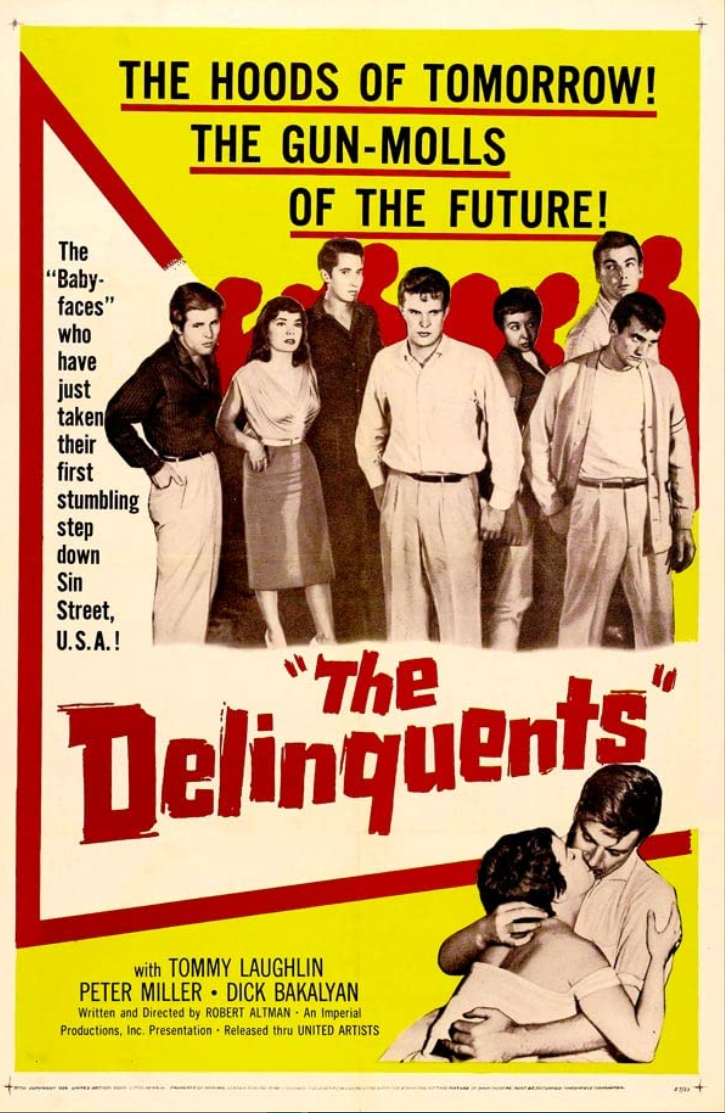
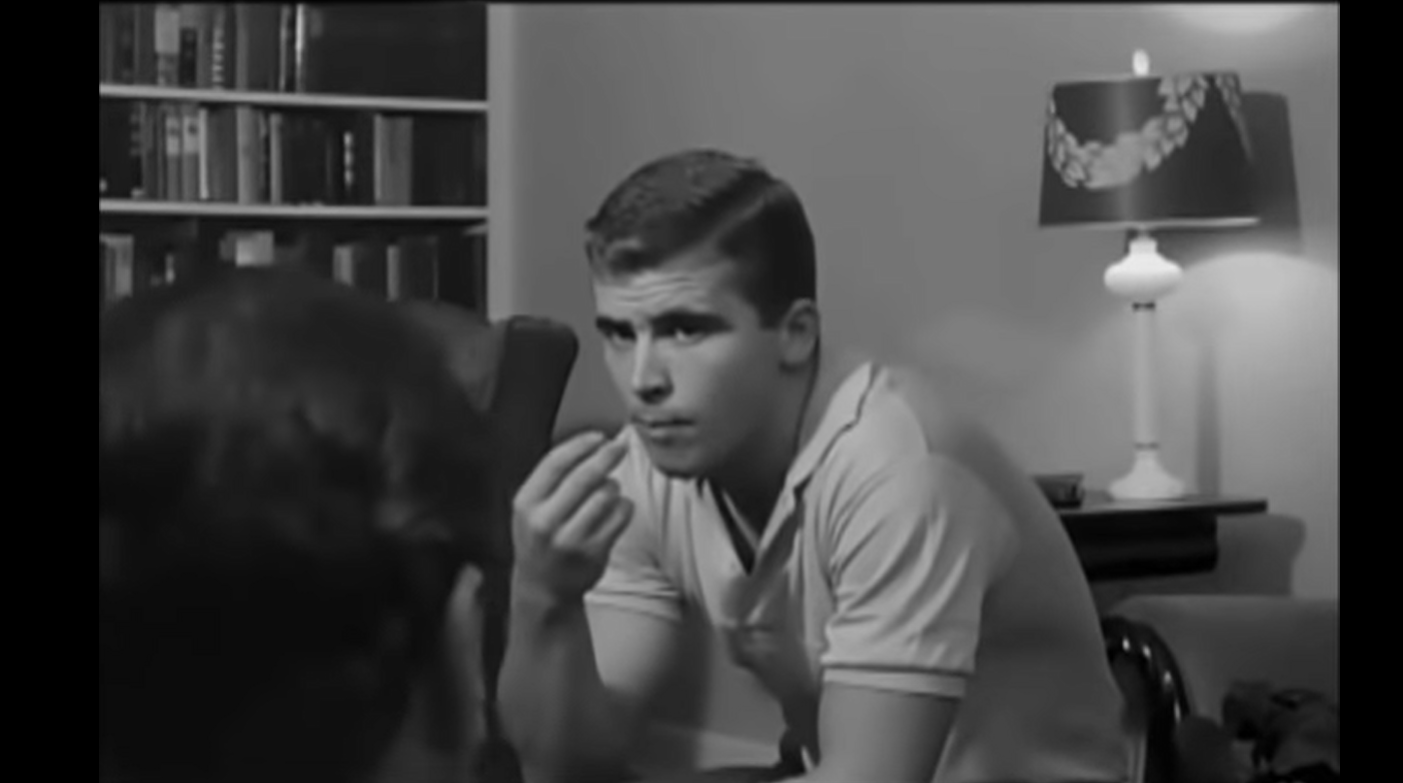
Robert Altman’s debut film (which he later dismissed as a film with no “meaning for anybody”) shows little evidence of what was to become his signature directorial style, yet nonetheless demonstrates his burgeoning ability to take pulp thematic material and turn it into a reasonably compelling drama. Brooding Tom Laughlin — channeling James Dean — is fine in the lead role as an upstanding teen who becomes unwittingly embroiled in juvenile gang shenanigans; it’s refreshing to see him hold his own rather than caving in (as one would expect) to the “allure” of peer pressure. The storyline is simple but relatively fresh for the genre, with the final third of the film actually generating some true tension as Laughlin and his naive girlfriend find themselves trapped in the snares of their ruthless hostages. Ignore the laughably campy opening and closing narration (“The story you are about to see is about violence and immorality — teenage violence and immorality, children trapped in the half-world between adolescence and maturity…”) as merely a convention of the times; fortunately, it does little to detract from the rest of the film.

Redeeming Qualities and Moments:

  • Tom Laughlin as Scotty

Must See?
No, but it’s worth a look simply for its importance as Altman’s first film.

Links:

Canterville Ghost, The (1944)

Canterville Ghost, The (1944)

“I have roamed these halls for three centuries, and I am so tired — if only I could rest.”

Synopsis:
A cowardly ghost (Charles Laughton) doomed to haunt his family’s castle until a descendant commits a brave act in his name hopes that a long-lost American kinsman (Robert Young) — with the help of the castle’s pint-sized owner, Lady Jessica (Margaret O’Brien) — will free him from his sentence.

Genres:

  • Charles Laughton Films
  • Cowardice
  • Fantasy
  • Ghosts
  • Jules Dassin Films
  • Margaret O’Brien Films
  • Peter Lawford Films
  • Robert Young Films
  • World War II

Review:
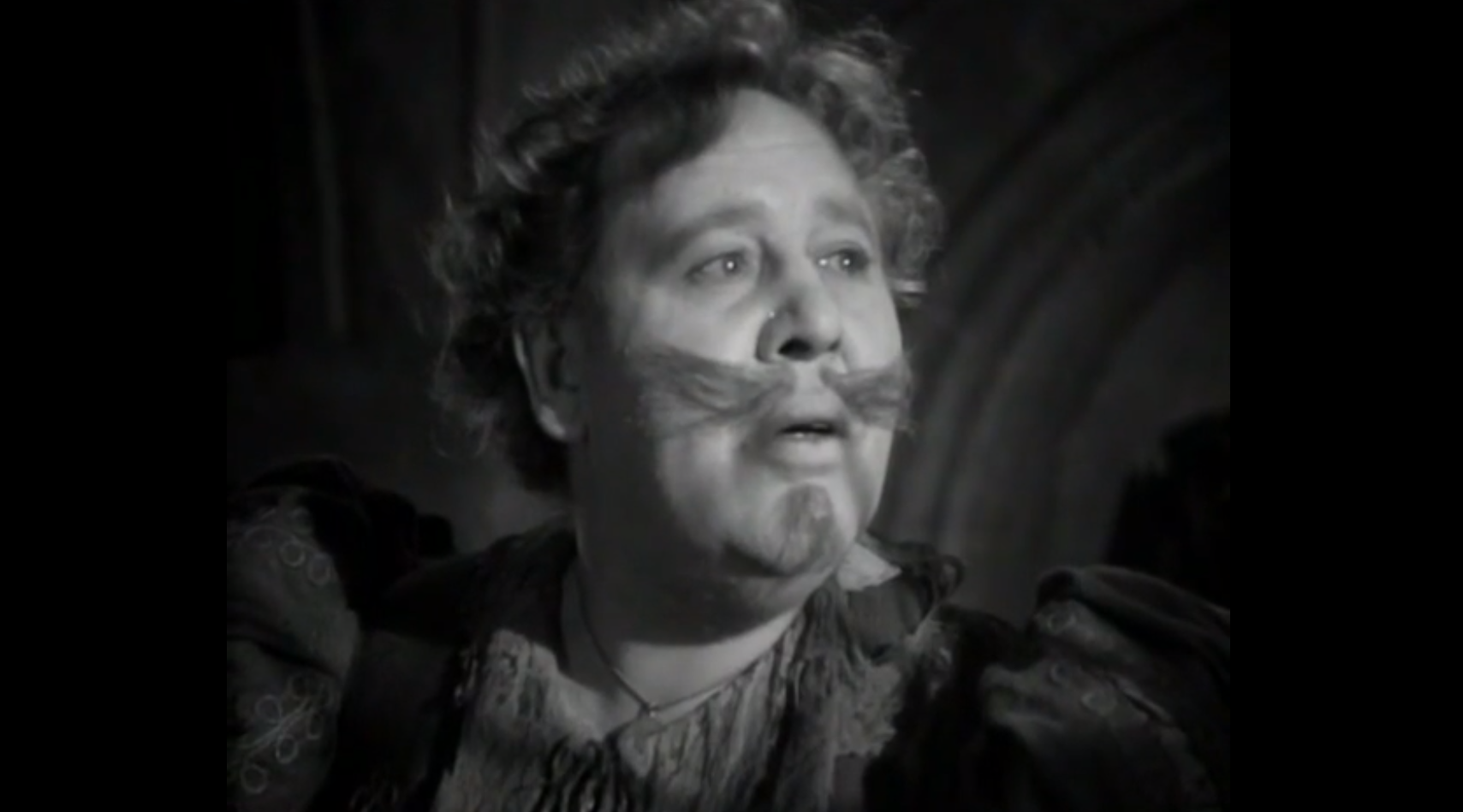
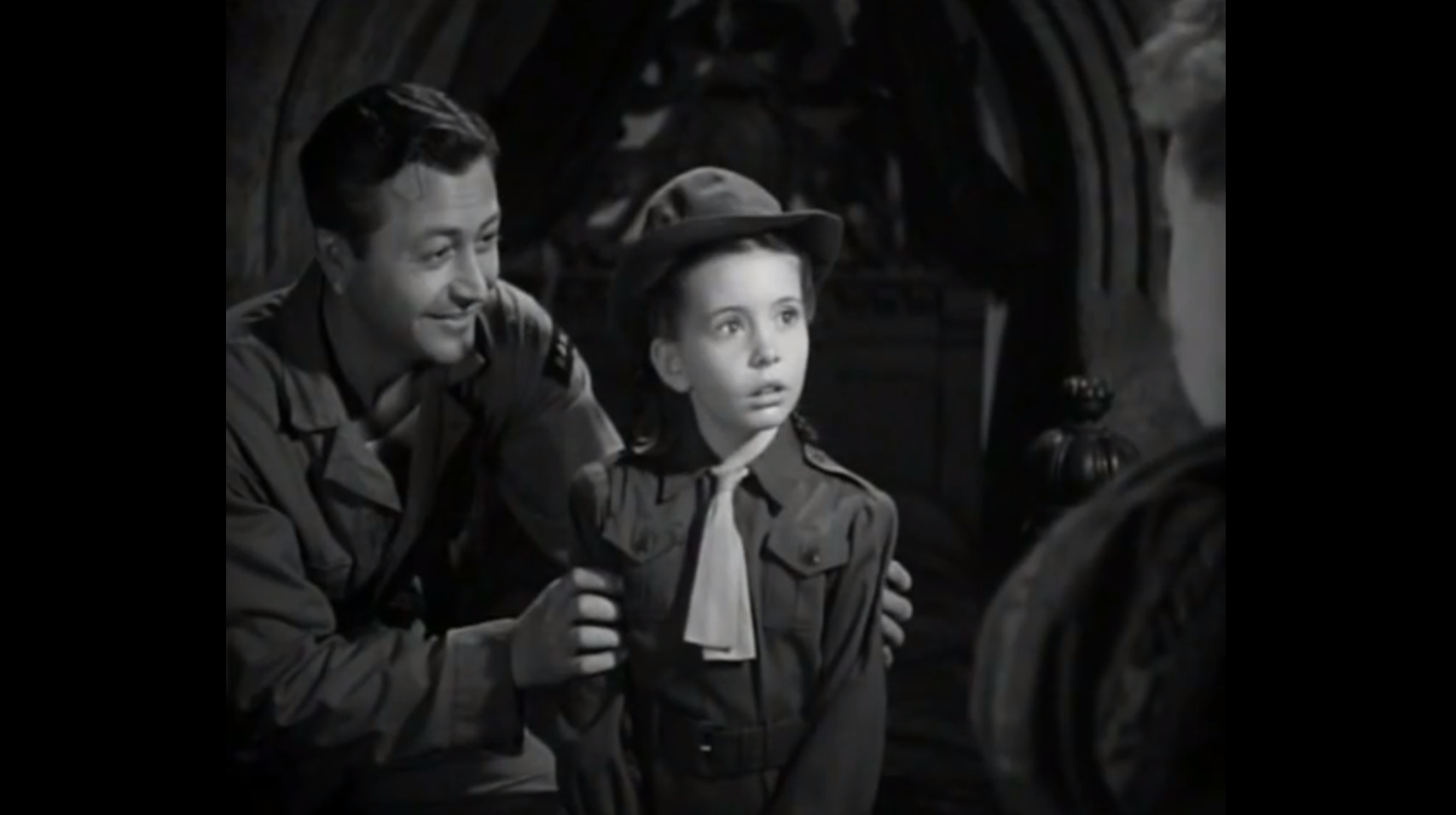
Loosely adapted from an Oscar Wilde short story, The Canterville Ghost was updated to incorporate the arrival of American G.I.s in England during the height of WWII, emphasizing the importance not only of overcoming cowardice, but of Brits and Americans working together towards a common cause. It remains successful primarily as a light-hearted vehicle for the inimitable Charles Laughton, who is perfectly cast as the portly, forlorn ghost with outsized whiskers and striped bloomers. Equally enjoyable is his precocious co-star, Margaret O’Brien, who showcases her estimable acting chops at the ripe age of 6 (a year before she starred in her most famous film, Meet Me in St. Louis). Together, these two performers make this rather predictable and dated adventure worth sitting through.

Redeeming Qualities and Moments:

  • Charles Laughton as Sir Simon de Canterville
  • Margaret O’Brien as young Lady Jessica
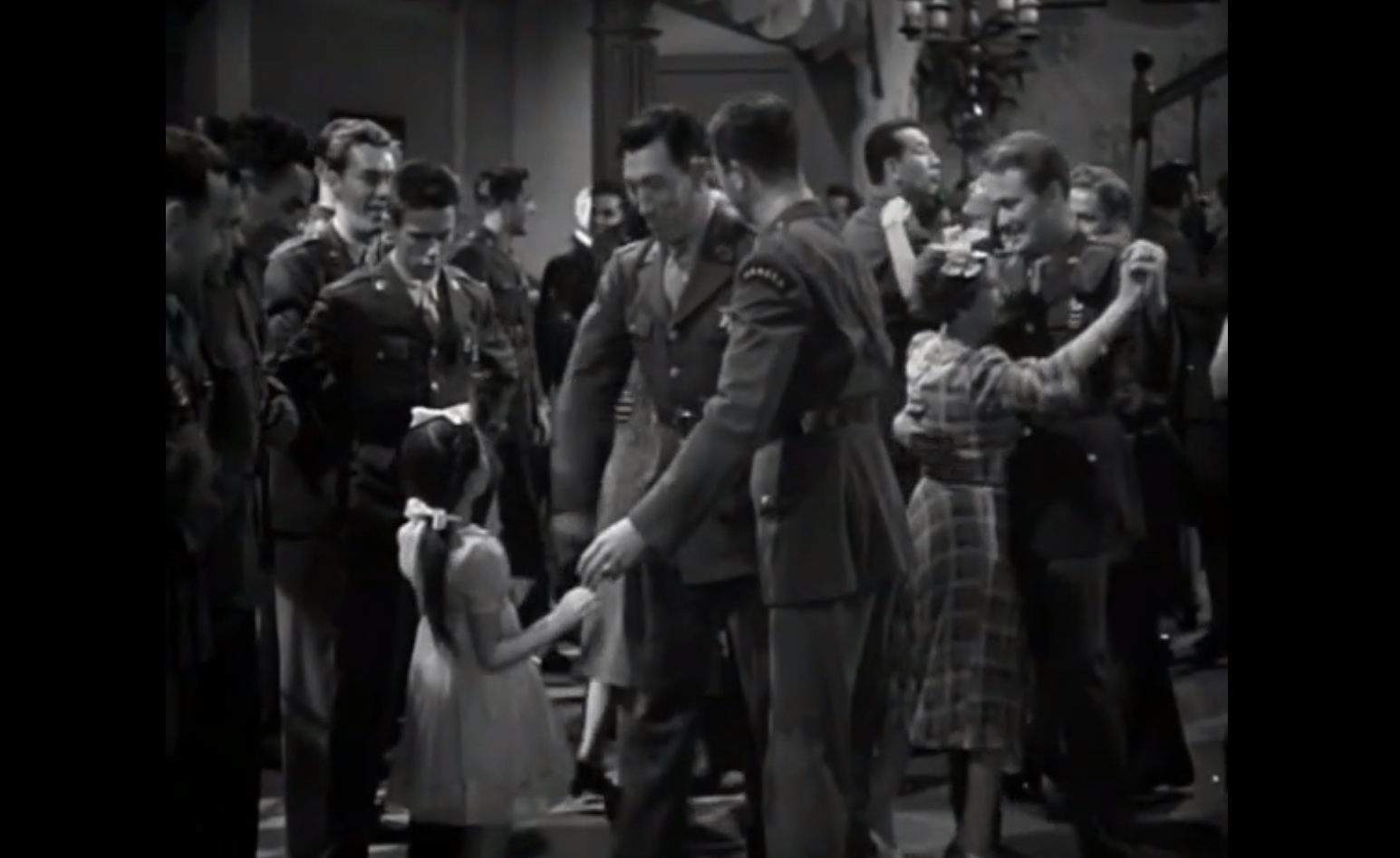
  • The American G.I.s breaking into “woogie boogie” (as Sir Simon charmingly refers to it) during a town dance

Must See?
No, but it’s an enjoyably innocuous flick and worth checking out once.

Links: