Browsed by
Category: Original Reviews

Responses to Peary’s “must see” movie reviews, as well as my own “must see” movie reviews up to and after 1986 (when Peary’s book was published).

Rafferty and the Gold Dust Twins (1975)

Rafferty and the Gold Dust Twins (1975)

“He’s just along for the ride — you know that, don’t you? He’s not at all like us.”

Synopsis:
A former gunnery sergeant (Alan Arkin) is kidnapped by two free-spirited young women — Frisbee (Mackenzie Phillips) and Mackinley (Sally Kellerman) — but soon finds himself enjoying a road trip across America with them.

Genres, Themes, Actors, and Directors:

  • Alan Arkin Films
  • Comedy
  • Harry Dean Stanton Films
  • Kidnapping
  • Misfits
  • Road Trip
  • Sally Kellerman Films

Review:
More than three decades before his Academy Award-winning role in Little Miss Sunshine (2006), Alan Arkin starred in another quirky road flick — this oddly titled, little-seen character study about several misfits (there are no twins, or gold dust) searching for love and adventure across America. More a series of vignettes than a cohesive narrative, Rafferty is at its best when it focuses on the developing relationships between the three protagonists, who each undergo personal changes throughout the course of the film. While Phillips’ performance consists primarily of pouting (at least during the first two-thirds of the story):

Arkin is as excellent as always, and Kellerman truly shines as “Mackinley”, a free-spirited hippie whose casual fling with Rafferty (Arkin) immediately disrupts the trio’s dynamic.

The best (and funniest) scene involves Phillips conning a naive soldier (a perfectly-cast Charles Martin Smith) out of his money and engagement ring:

While one initially feels sorry for Smith, he soon shows his snivelly true colors. The bittersweet ending implies a sequel, which obviously never happened; Rafferty basically went under the radar, and has remained there since.

Redeeming Qualities and Moments:

  • Alan Arkin as Rafferty
  • Sally Kellerman as Mackinley
  • Charles Martin Smith as a naive soldier duped by Frisbee

Must See?
No, but it’s worth a look simply for the performances. Listed as a Sleeper in the back of Peary’s book.

Links:

Secret Places (1984)

Secret Places (1984)

“This is Laura… She’s come from abroad.”

Synopsis:
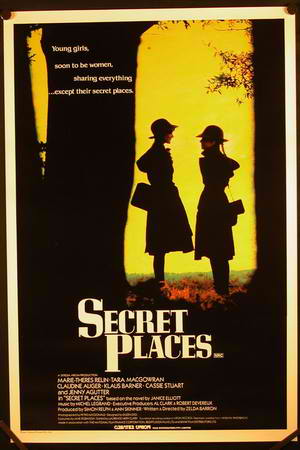
During World War Two, a teen (Tara MacGowran) befriends the daughter (Marie-Theres Relin) of a German refugee (Klaus Barner) and French actress (Claudine Auger).

Genres, Themes, Actors, and Directors:

  • Coming-of-Age
  • Friendship
  • Jenny Agutter Films
  • World War Two

Review:
Based on a novel by Janice Elliott, this WWII-era coming-of-age film features fine, authentic performances by Tara MacGowran and Marie-Theres Relin (Maria Schell’s daughter) in the lead roles, but fails to sufficiently develop any of its intriguing narrative strands. Relin’s dilemma — how will she cope with being a German teenager in England during the thick of war? — is a compelling one, but is quickly (and inexplicably) dropped as she and MacGowran become friends. Indeed, the entire film essentially consists of teasers: while there are hints of a possible lesbian attraction between the two girls, this is never explored; Jenny Agutter makes a brief appearance as a sympathetic teacher, but her role is minimal at best, and makes no real difference to the storyline; Cassie Stuart (looking like Aileen Quinn in Annie with her bouncy blonde head of curls) is appropriately giddy as a boy-crazy classmate, but her eventual dilemma (you guessed it) is both cliched and simply yet another distraction. Ultimately, Secret Places is too narratively scattered to recommend for anyone other than diehard coming-of-age fans.

Redeeming Qualities and Moments:

  • Marie-Theres Relin as Laura
  • Tara MacGowran as Patience
  • Jenny Agutter in a bit role as one of the girls’ teachers

Must See?
No, though it’s worth a look simply for the performances. Listed as a Sleeper in the back of Peary’s book.

Links:

Riot in Cell Block 11 (1954)

Riot in Cell Block 11 (1954)

“In a case like this, either the cons run the prison or the prison runs the cons.”

Synopsis:
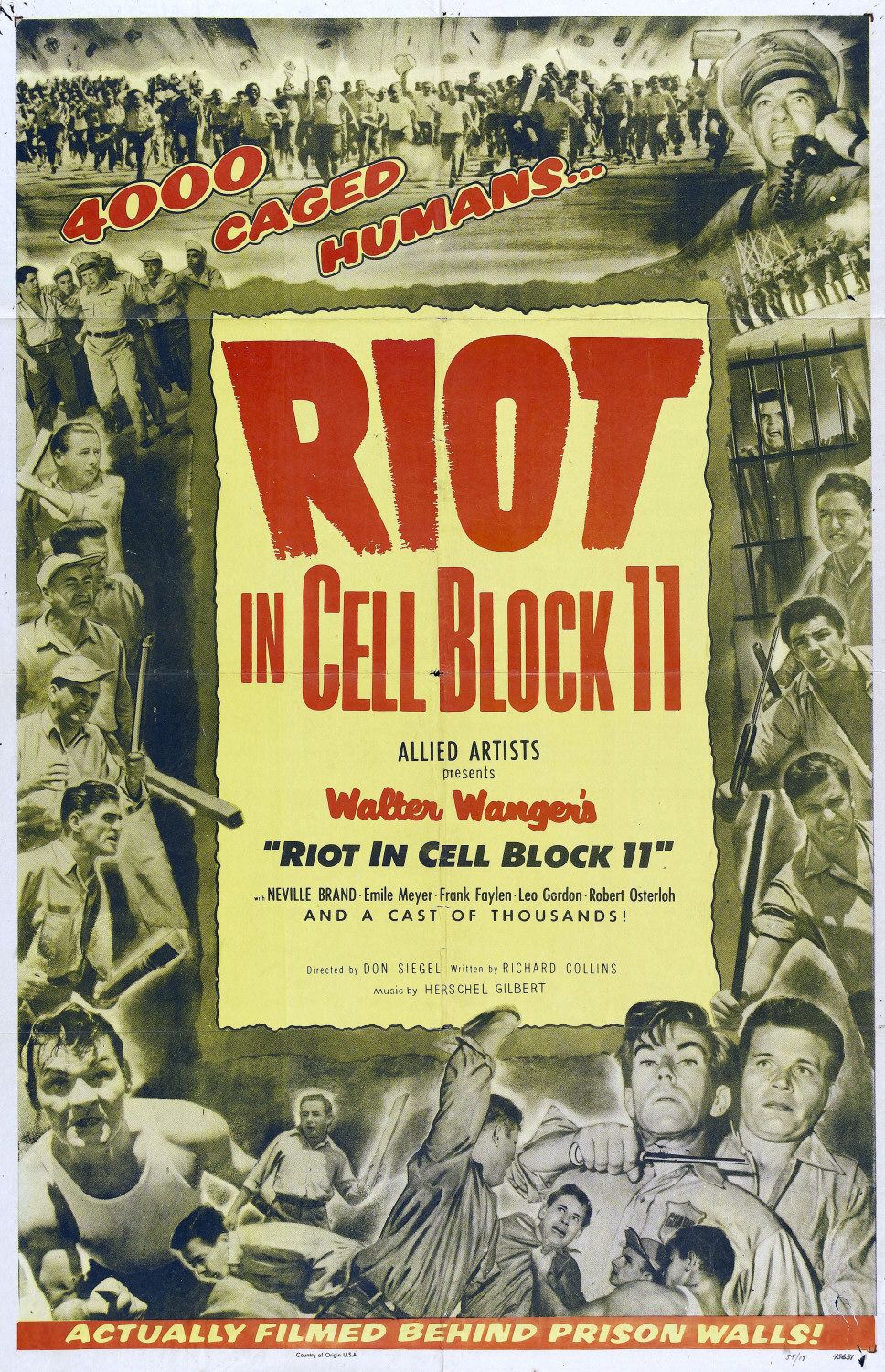
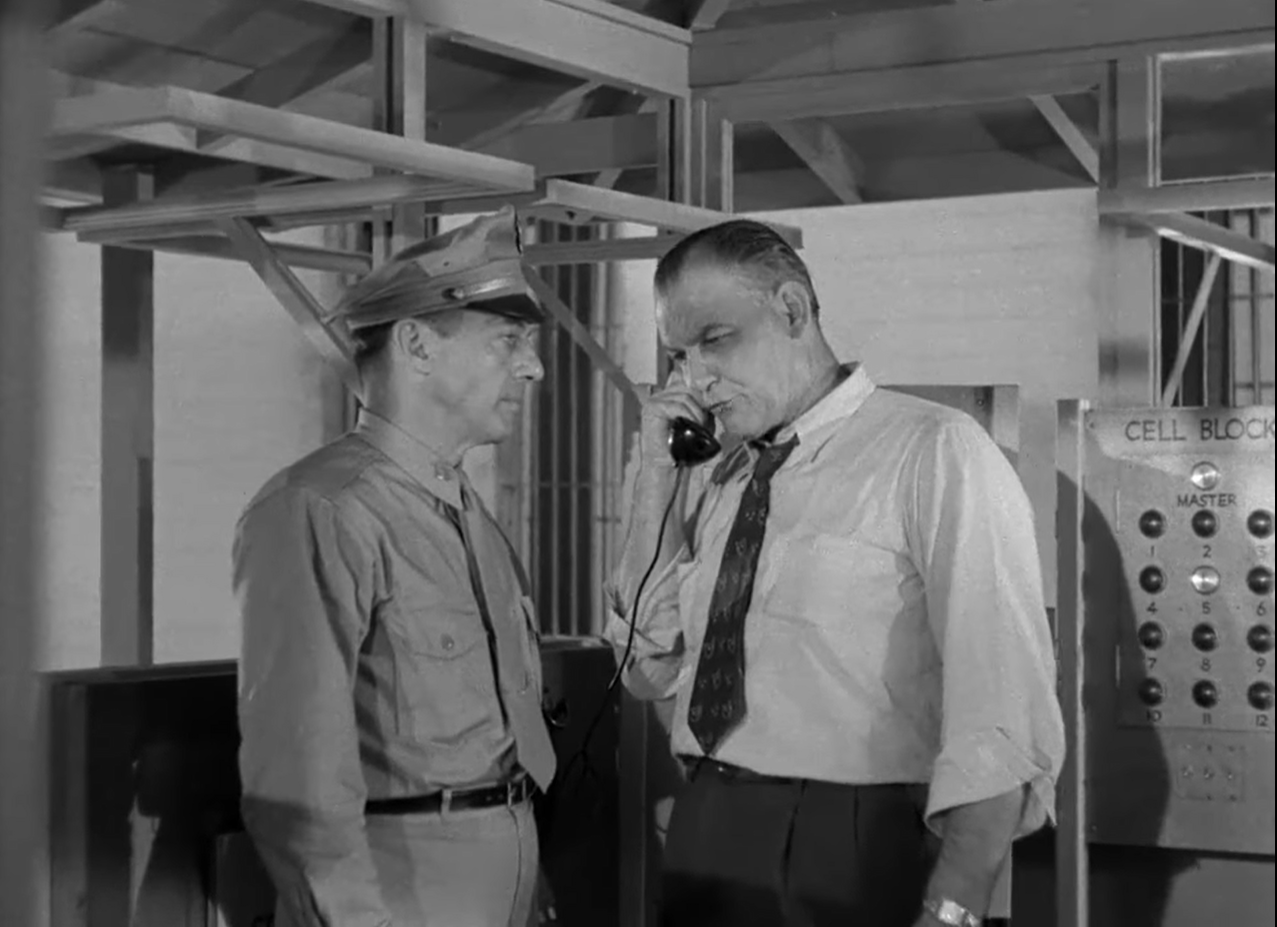
A group of prisoners (led by Neville Brand) riot for better living conditions; meanwhile, their sympathetic warden (Emile Meyer) tries to keep the situation under control while negotiating with both Brand and his superiors.

Genres, Themes, Actors, and Directors:

  • Don Siegel Films
  • Neville Brand Films
  • Prisoners
  • Rebellion

Review:
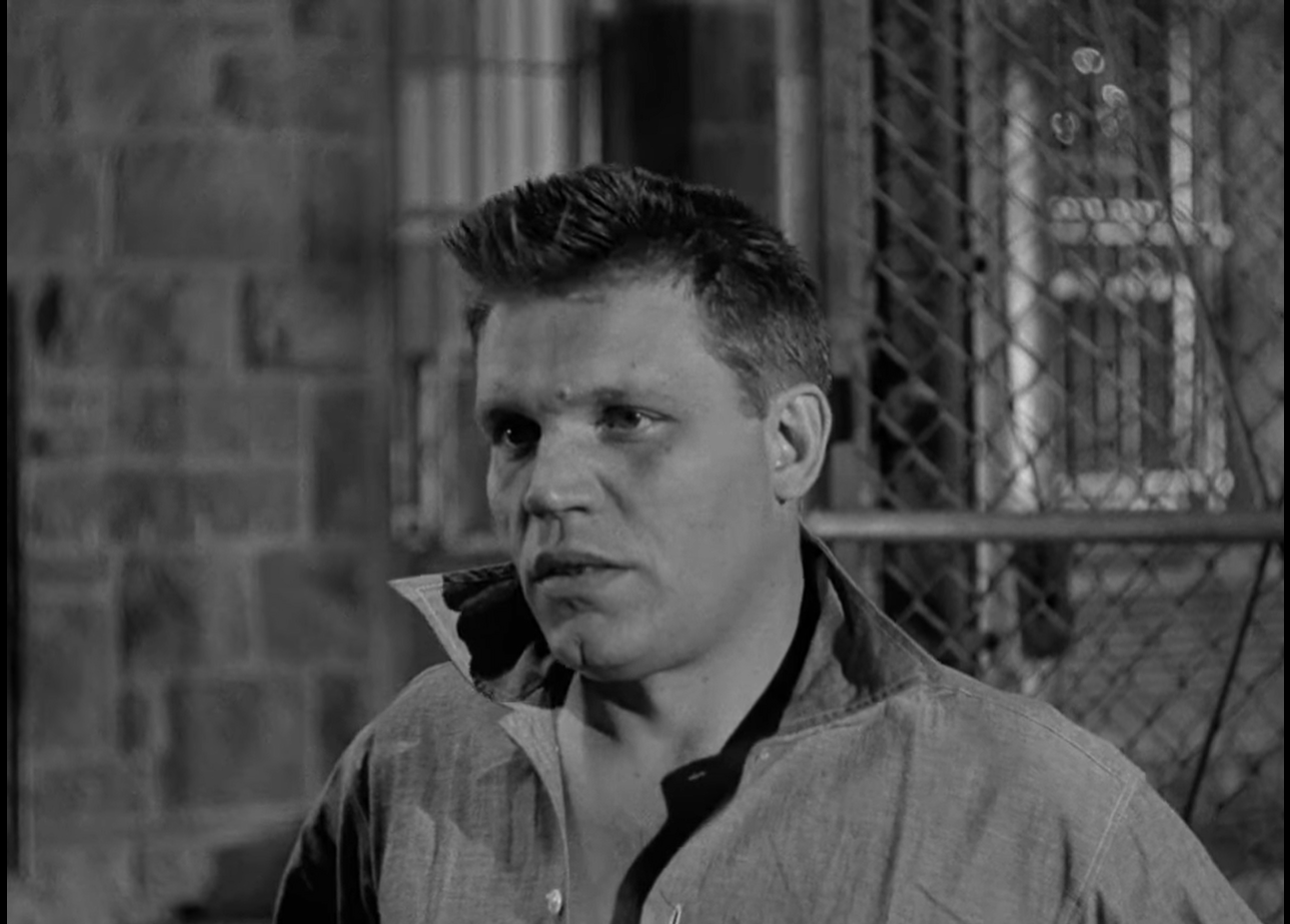
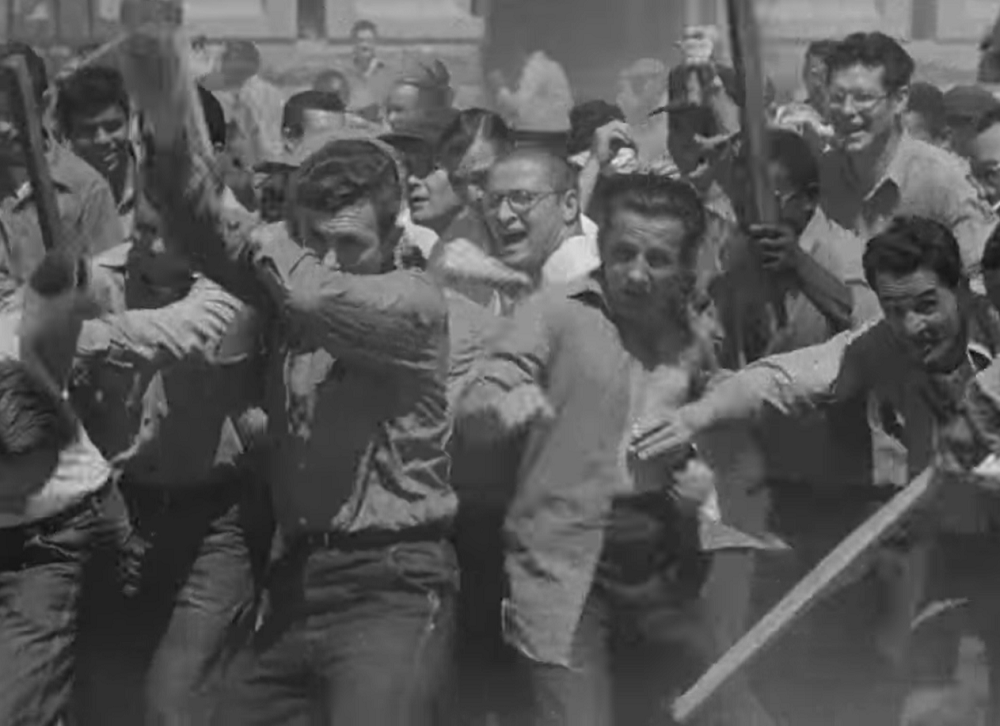
Don Siegel’s compelling, hard-hitting drama manages to humanize the diverse protagonists on both sides of the title controversy. The focused storyline effectively shows how easily inmates (with just a bit of advance organization) are able to physically overtake their understaffed guards — and how quickly their rebellion spreads to the other cell blocks in their overcrowded prison. Real-life war hero Neville Brand is perfectly cast as the leader of the riot; he’s a sympathetic, savvy, yet violent inmate who remains eerily focused on the task at hand. Meanwhile, the prison’s decent warden (nicely under-played by Emile Meyer) is both well-meaning and surprisingly humble, someone who understands the sticky situation he’s in — he’s battled for better conditions and more funding for years — and is simply trying to avoid as much bloodshed as possible. There are many moments of genuine tension throughout this gritty social drama, which only occasionally dips into didactic “message” mode, and features a realistically bittersweet ending.

Redeeming Qualities and Moments:

  • Neville Brand as the riot leader
  • Emile Meyer as the humane warden of the prison
  • An effective portrayal of controversial conflict

Must See?
Yes, as both a powerful prison flick, and for its historical importance as Don Siegel’s first major film. Listed as a Cult Movie and a Personal Recommendation in the back of Peary’s book.

Categories

  • Good Show
  • Important Director

Links:

Nick Carter, Master Detective (1939)

Nick Carter, Master Detective (1939)

“They’re after something now that’s going to break us if they get it.”

Synopsis:
Detective Nick Carter (Walter Pidgeon) investigates espionage at the Radex Airplane Factory while courting a lovely female nurse (Rita Johnson) and dealing with an admiring amateur sleuth (Donald Meek).

Genres, Themes, Actors, and Directors:

  • Detectives and Private Eyes
  • Jacques Tourneur Films
  • Spies
  • Walter Pidgeon Films
  • World War II

Review:
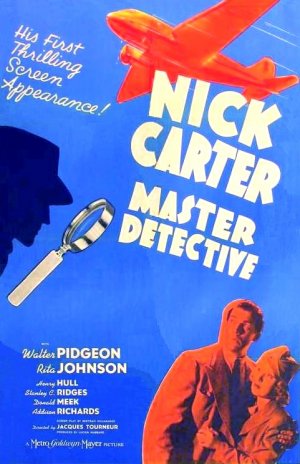
After acquiring the rights to adapt all 1,100 stories featuring famed fictional detective Nick Carter, MGM ended up producing just three “Nick Carter films” — all of which were based on original plots. This first entry in the “trilogy”, competently directed by Jacques Tourneur, features a debonair young Walter Pidgeon in the title role: he’s both a ladies’ man (he immediately captures the interest of Rita Johnson’s character) and a no-nonsense man-of-action, capable of drawing a gun on the enemy at a moment’s notice. Less impressive (though some disagree) is Donald Meek as “Bartholomew the Bee Man”, whose bumbling characterization is clearly meant to serve as a comedic foil, but instead is merely an unnecessary distraction. At less than an hour long, Nick Carter moves quickly, and features several exciting actions sequences; with that said, it’s really only “must see” viewing for fans of B-grade detective flicks, and/or those curious to see Pidgeon in one of his earliest roles.

Redeeming Qualities and Moments:

  • Walter Pidgeon in his first leading role as Nick Carter
  • A fast-paced, entertaining screenplay

Must See?
No, but it’s worth a look if you stumble upon it.

Links:

3 Worlds of Gulliver, The (1960)

3 Worlds of Gulliver, The (1960)

“I stop wars, put out fires, feed people, give them hope and peace and prosperity — how can I be a traitor?”

Synopsis:
Dr. Lemuel Gulliver (Kerwin Mathews) is shipwrecked and lands on the shores of Lilliput, where he tries to help mediate a rivalry between the Lilliputians and their neighbors on Blefescu.

Genres, Themes, Actors, and Directors:

  • Fantasy
  • Giants
  • Ray Harryhausen Films
  • Rivalry
  • Royalty and Nobility

Review:
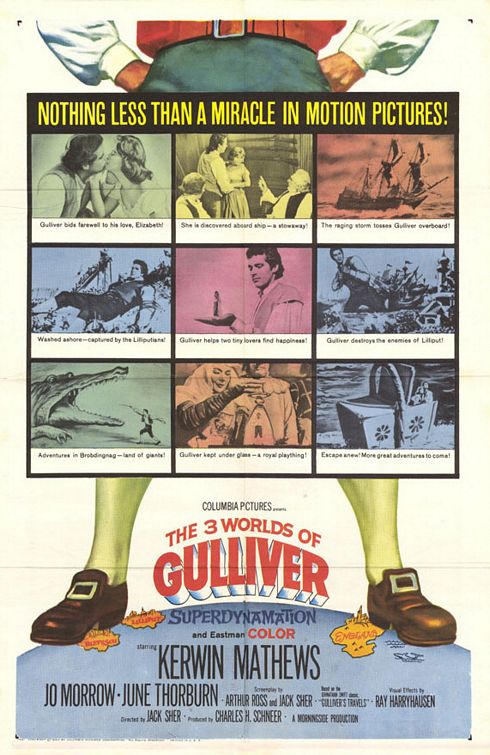
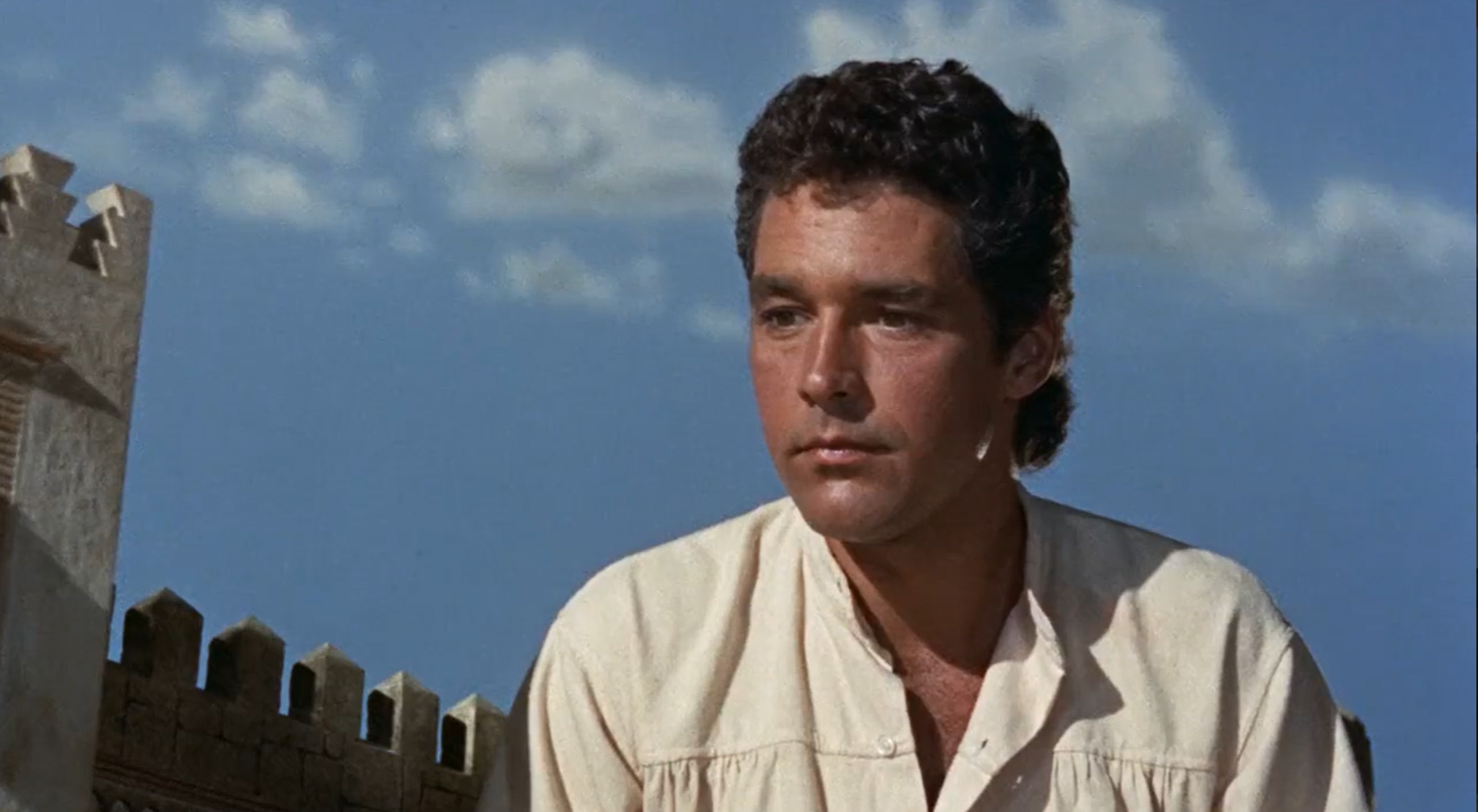
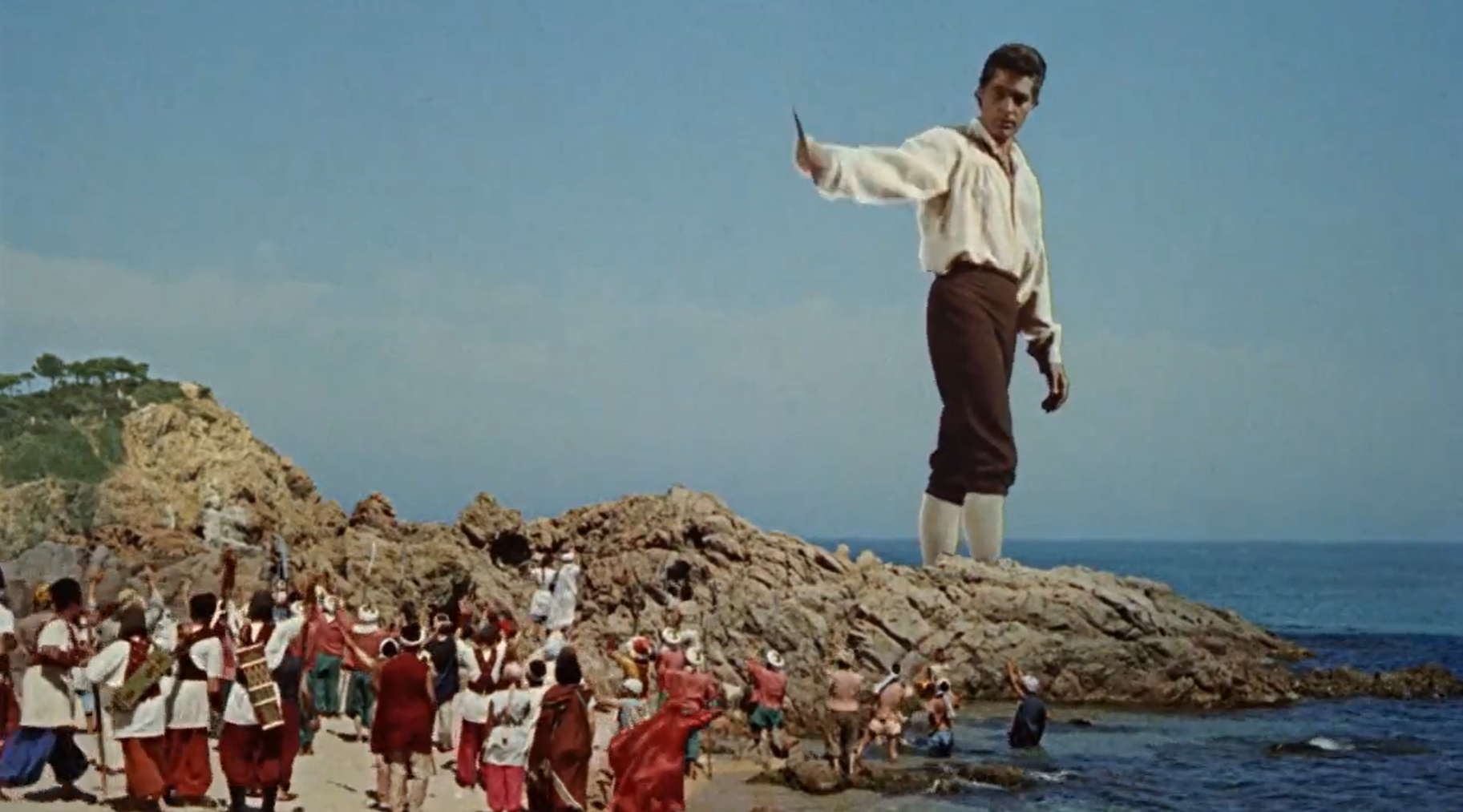
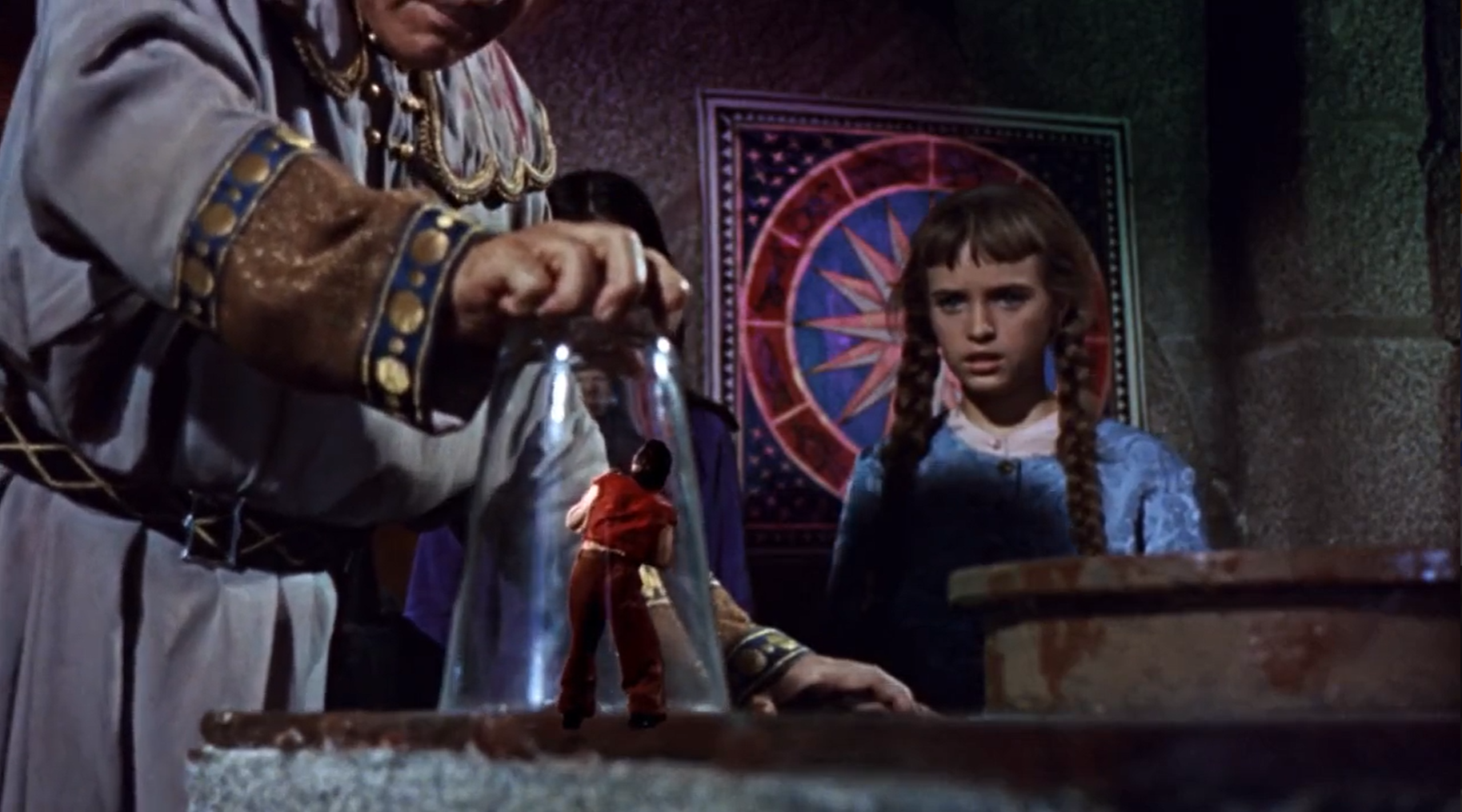
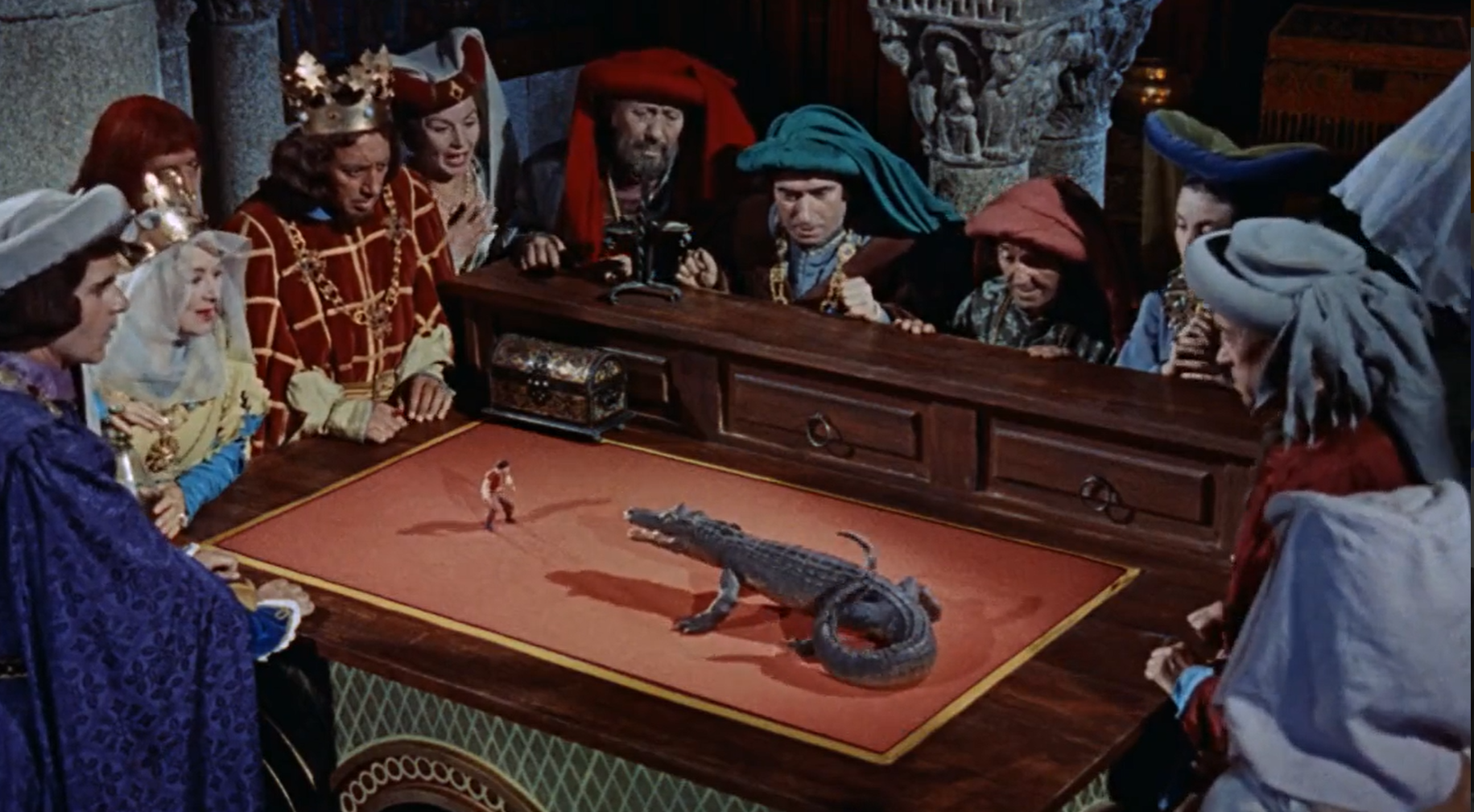
This live action adaptation of Jonathan Swift’s 18th century novel — featuring special effects by Ray Harryhausen — is an enjoyably innocuous children’s fantasy with just enough subtle satirical humor to appeal to adults. With that said, Harryhausen fans expecting to see ample use of stop-motion animation will be disappointed, given that there are only two short sequences involving his famed technique; instead, the primary visual appeal of the film lies in the remarkably effective scaled cinematography, which allows Gulliver to appear either over-sized or minuscule in comparison with his island neighbors. While the intricacies of Swift’s highly specific satire of British government are inevitably lost (particularly since the last two sections of the novel are left out altogether), screenwriters Arthur Ross and Jack Sher manage to poke more generic fun at both the petty nature of wars (the kings of Lilliput and Blefescu are locked in mortal combat over the correct way to crack eggs!) and the frighteningly absurd motivations behind witch hunts (which were often simply a convenient way to get rid of enemies). Bernard Herrmann wrote the score, which isn’t quite as distinctive as one might expect — but evidence of his musical genius comes through in certain sections, and adds an appropriately jaunty backdrop to Gulliver’s escapades.

Redeeming Qualities and Moments:

  • Kerwin Mathews as Gulliver
  • Excellent use of scaled cinematography

  • The humorously ridiculous rivalry between the Lilliputians and the Blefescuians
  • Bernard Herrmann’s score

Must See?
No, but it’s recommended.

Links:

Strawberry Statement, The (1970)

Strawberry Statement, The (1970)

“The only way to make a revolution is to take the university and recapture it for the students and for the people!”

Synopsis:
A college student (Bruce Davison) joins a revolutionary movement on campus in order to get closer to a girl (Kim Darby) he’s interested in.

Genres, Themes, Actors, and Directors:

  • Bud Cort Films
  • College
  • Coming-of-Age
  • Revolutionaries

Review:
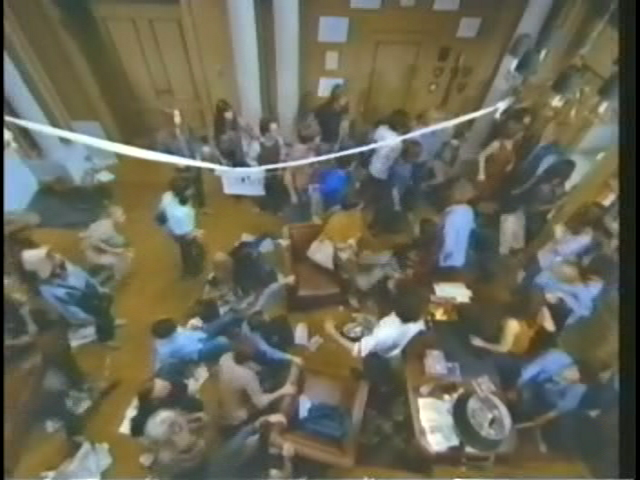
Loosely based on James Kunen’s non-fiction account of his experiences at Columbia University in the 1960s, The Strawberry Statement offers a heady look at counterculture activism, one which unabashedly foregrounds the fact that a desire to “fit in” and “meet chicks” may have propelled many impressionable college students towards their nascent identities as revolutionaries. To his credit, director Stuart Hagmann never tries to present his protagonist (well played by a very young Bruce Davison) as anything other than utterly human; we believe in him because we can relate to his youthful desire for excitement and romance. Much has been made about the fact that Hagmann — primarily a director of commercials and television shows — can’t seem to keep his camera still, but modern audiences used to MTV jump cuts will likely find his direction relatively tame; and while his overhead shots of protesters splayed out in Busby Berkeley-like formations strike some as disingenuous, I believe they provide a nifty visual touch to the proceedings. Ultimately, The Strawberry Statement isn’t meant to be a neo-realist documentary, but rather a psychedelic envisioning of a specific time and place, as experienced by one young man; as such, it’s a dated but relatively worthy cinematic time-capsule.

Redeeming Qualities and Moments:

  • Bruce Davison as Simon
  • Kim Darby as Simon’s love interest, Linda
  • Simon and Linda “holding up” a local grocery store
  • Good use of Bay Area locales
  • An effectively heady depiction of student protest in the 1960s

Must See?
No, but it’s certainly recommended for those interested in cinematic depictions of counterculture movements.

Links:

Effect of Gamma Rays on Man-in-the-Moon Marigolds, The (1972)

Effect of Gamma Rays on Man-in-the-Moon Marigolds, The (1972)

“My experiment has shown some of the strange effects radiation can produce, and how dangerous it can be if not handled correctly.”

Synopsis:
A harried single mother (Joanne Woodward) struggles to raise her two daughters: boy-crazy, baton-twirling Ruth (Roberta Wallach) and quiet, science-loving Matilda (Nell Potts).

Genres, Themes, Actors, and Directors:

  • Family Problems
  • Joanne Woodward Films
  • Paul Newman Films
  • Play Adaptations
  • Single Mothers

Review:
Paul Newman’s adaptation of Paul Zindel’s semi-autobiographical Pulitzer Prize-winning play is a bleak yet well-acted character piece which once again provides Newman’s wife, Joanne Woodward, with a chance to shine. As a cynical widow who embroils her two daughters in the web of bitterness she’s created for herself, Woodward’s character is far from likable, but eminently “real”; she’s surviving in the only way she knows how.

Both Wallach (daughter of Eli Wallach and Anne Jackson) and Potts (daughter of Newman and Woodward) are excellent and believable as well in their respective roles as Woodward’s radically different daughters. While the film’s odd title is puzzling at first, playwright Zindel’s metaphors are soon made apparent, as we realize that Matilda’s interest in the effect of noxious rays on living plants closely parallels her quest for self-preservation in the face of an impossibly dysfunctional mother. No easy answers are provided, but a small amount of movement and change occurs by the end of the film, thus leaving viewers with hope for the future.

Redeeming Qualities and Moments:

  • Joanne Woodward as Beatrice Hunsdorfer
  • Nell Potts as Matilda
  • Roberta Wallach as Ruth

Must See?
No, but it’s recommended.

Links:

Lumiere (1976)

Lumiere (1976)

“We always meet again… In 16 years of friendship, in spite of births, sickness, travel, films, there always was room for you and me.”

Synopsis:
A renowned actress (Jeanne Moreau) and her friends (Lucia Bose, Caroline Cartier, and Francine Racette) deal with love and career choices in Paris.

Genres, Themes, Actors, and Directors:

  • Actors and Actresses
  • Bruno Ganz Films
  • French Films
  • Friendship
  • Jeanne Moreau Films
  • Keith Carradine Films

Review:
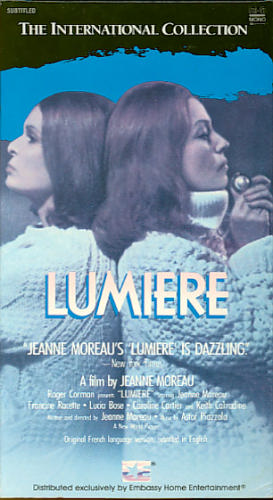
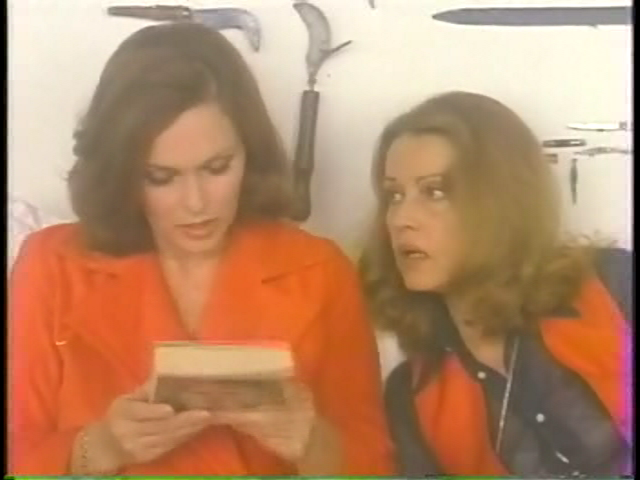
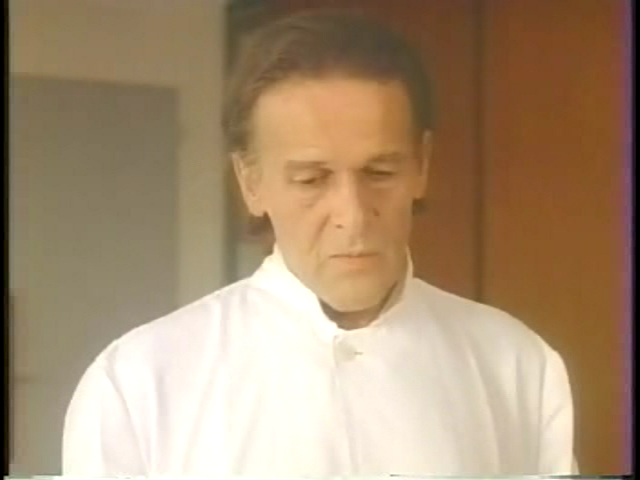
Jeanne Moreau’s directorial debut offers more of a meditation on women’s lives than a compelling narrative; her attempt, a la Robert Altman, to touch upon the travails of a host of interwoven characters necessarily fragments the story, often to its detriment. Moreau herself ultimately emerges as the most sympathetic (and central) character: her story — thanks in no small part to her luminous performance — is eminently watchable, and her three love interests — played by Francois Simon (as her older “companion”), Francis Huster, and Bruno Ganz — are all perfectly cast. Unfortunately, we learn much less about either Cartier (virtually a non-presence) or Bose (a fine Italian actress whose character possesses an intriguing, though unplumbed, back story). Meanwhile, Racette primarily provides comic relief — as in the film’s most humorous scene, involving a hilarious Keith Carradine as a horny American who catches sight of Racette in a restaurant and tracks her down ruthlessly; this could be creepy, but Moreau wisely chooses to play it for laughs. Ultimately, Lumiere‘s fractured, imbalanced narrative prevents it from being “must see”, but Moreau’s ability to effortlessly evoke a particular milieu — one she’s intimately familiar with — makes it worth viewing at least once.

Redeeming Qualities and Moments:

  • Jeanne Moreau as Sarah
  • Lucia Bose as Laura
  • Bruno Ganz as Heinrich Grun
  • Francois Simon as Gregoire
  • Julienne (Francine Racette) negotiating a romantic encounter with a horny American (Keith Carradine)

Must See?
No, though fans of Moreau’s work will likely be curious to check it out.

Links:

Male Animal, The (1942)

Male Animal, The (1942)

“I know I’m not a tiger — but I don’t like to be thought of as a pussycat, either!”

Synopsis:
Professor Turner (Henry Fonda) is warned by his supervisor (Eugene Pallette) that he cannot read a letter by a controversial anarchist in his class or he will risk losing his job; meanwhile, his wife (Olivia de Havilland) is courted by a returning football star (Jack Carson), and Turner finds his sense of masculinity sorely tested.

Genres, Themes, Actors, and Directors:

  • Comedy
  • Henry Fonda Films
  • Jack Carson Films
  • Love Triangle
  • Masculinity
  • Olivia de Haviland Films
  • Play Adaptations
  • Professors

Review:
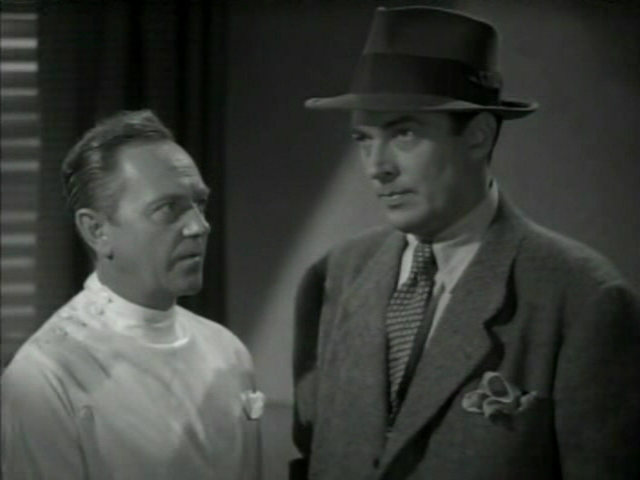
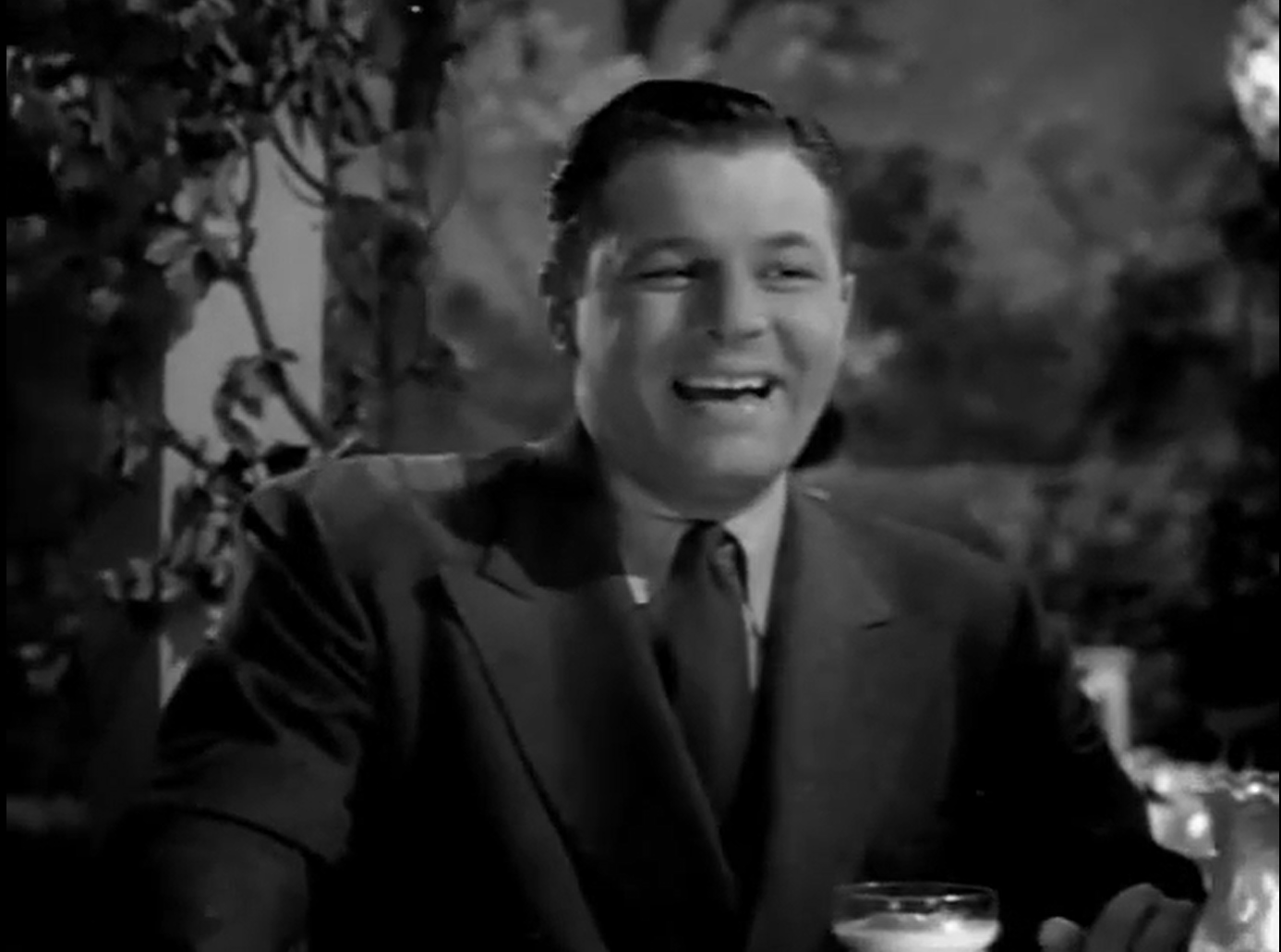
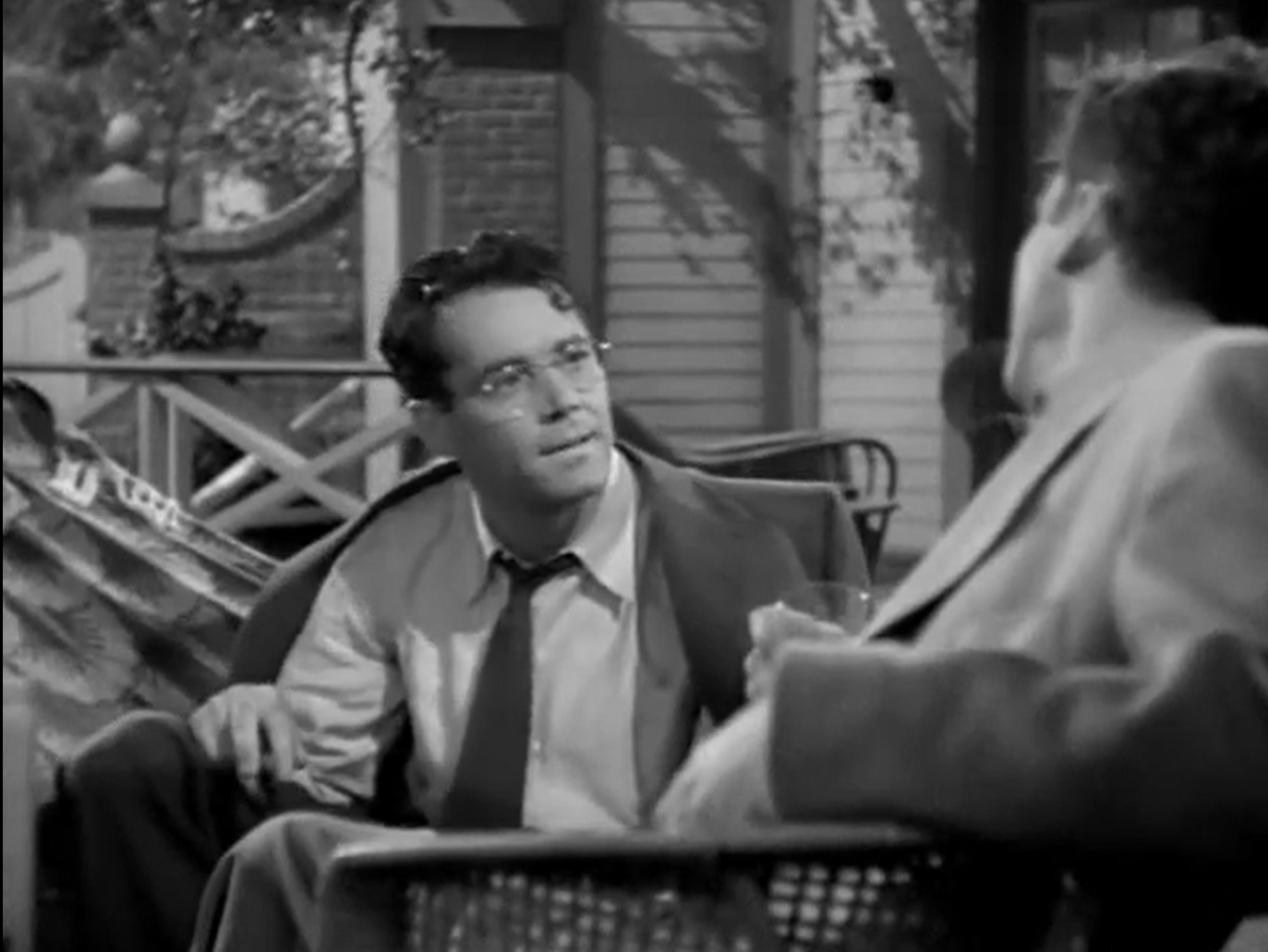
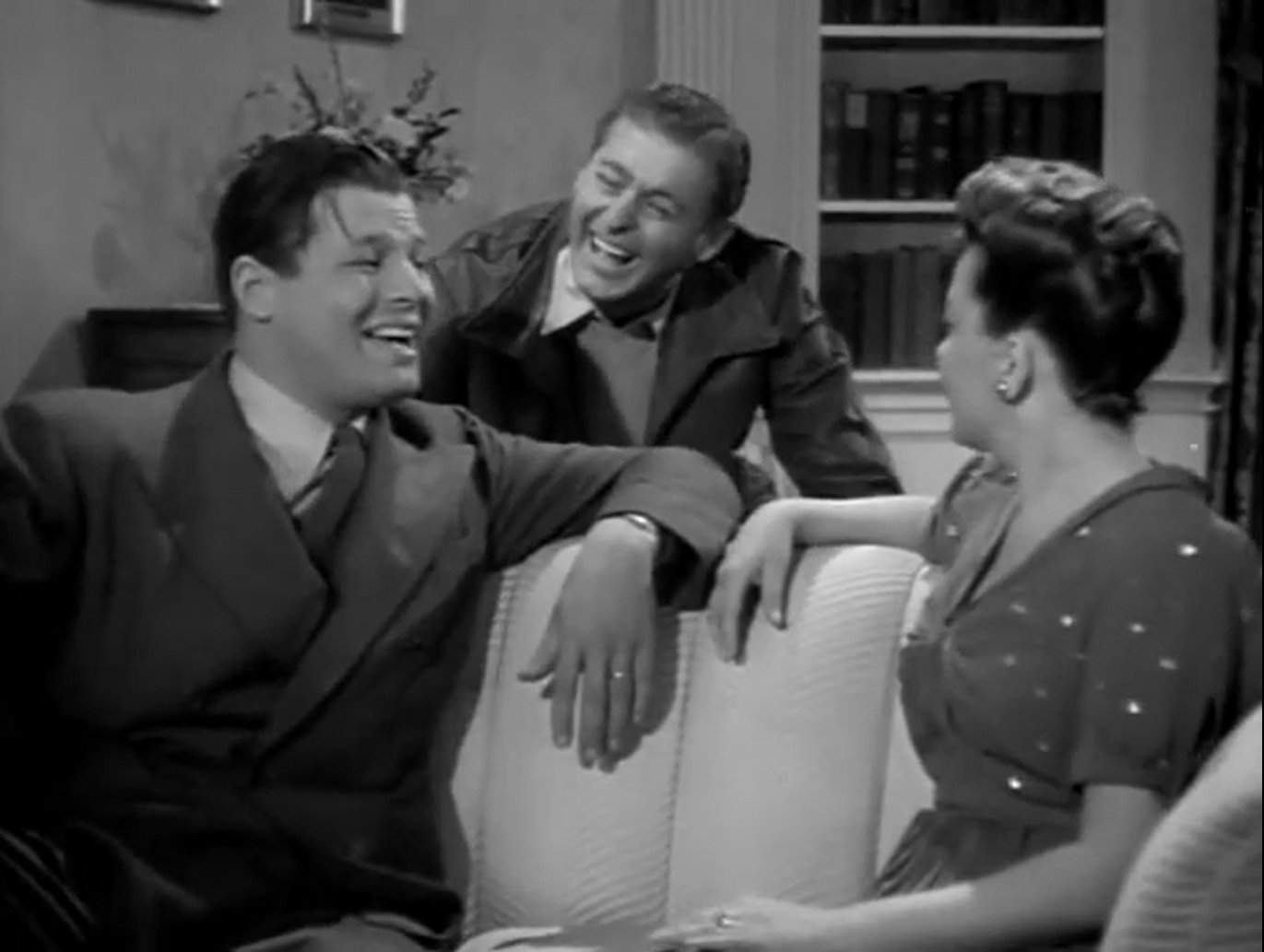
This dated but amusing comedy about censorship in academia — as well as what it means to be a “real male” — is based on a 1940 play by James Thurber and Elliott Nugent, and was directed by the latter. Henry Fonda is well-cast as bespectacled Professor Turner, who finds himself increasingly put upon in both career and marriage, and must eventually decide to stand up for what he believes in and cares most about. Even more enjoyable than Fonda, however, is the ever-reliable Jack Carson as returning football star Joe Ferguson:

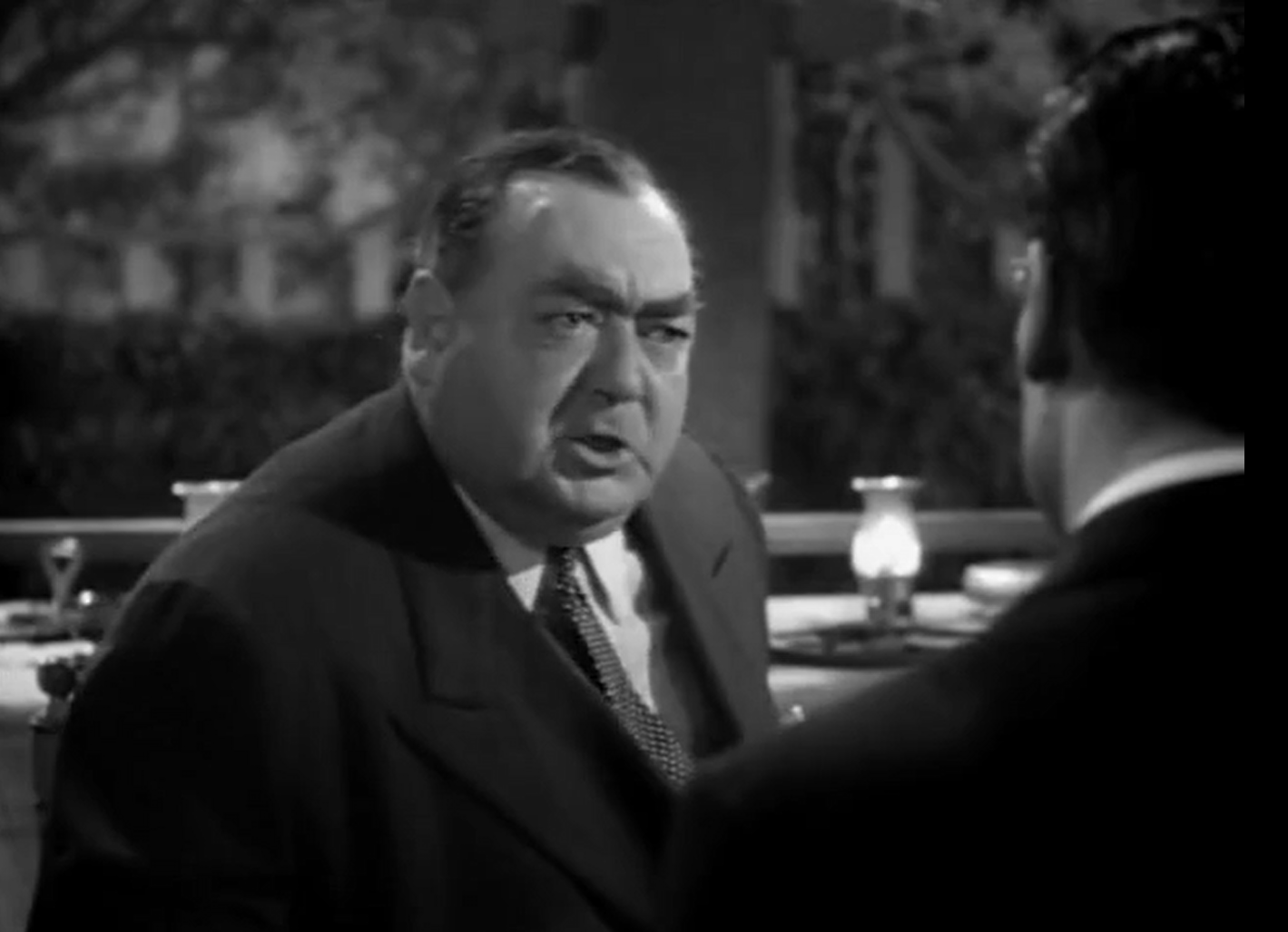
Carson manages to present Joe as a realistic threat to Turner’s marriage without ever coming across as villainous or unlikable; his opening greeting with trustee Ed Keller (nicely played by Eugene Pallette) is priceless.

Audiences today will likely have no idea who the controversial writer in question (Bartolomeo Vanzetti) is, but this shouldn’t affect one’s ability to appreciate the underlying dilemma at stake.

Redeeming Qualities and Moments:

  • Fonda’s drunken diatribe about human males in relation to other animals
  • Jack Carson as erstwhile football star Joe Ferguson

Must See?
No, but it’s recommended. Listed as a Personal Recommendation in the back of Peary’s book.

Links:

Confession, The (1970)

Confession, The (1970)

“The others are confessing — the only chance to save your neck is to confess, as they are doing.”

Synopsis:
A high-ranking government official (Yves Montand) in Communist Czechoslovakia is taken prisoner and forced to confess to treason he never committed.

Genres, Themes, Actors, and Directors:

  • Cold War
  • Costa-Gavras Films
  • Falsely Accused
  • Historical Drama
  • Prisoners
  • Simone Signoret Films
  • Yves Montand Films

Review:
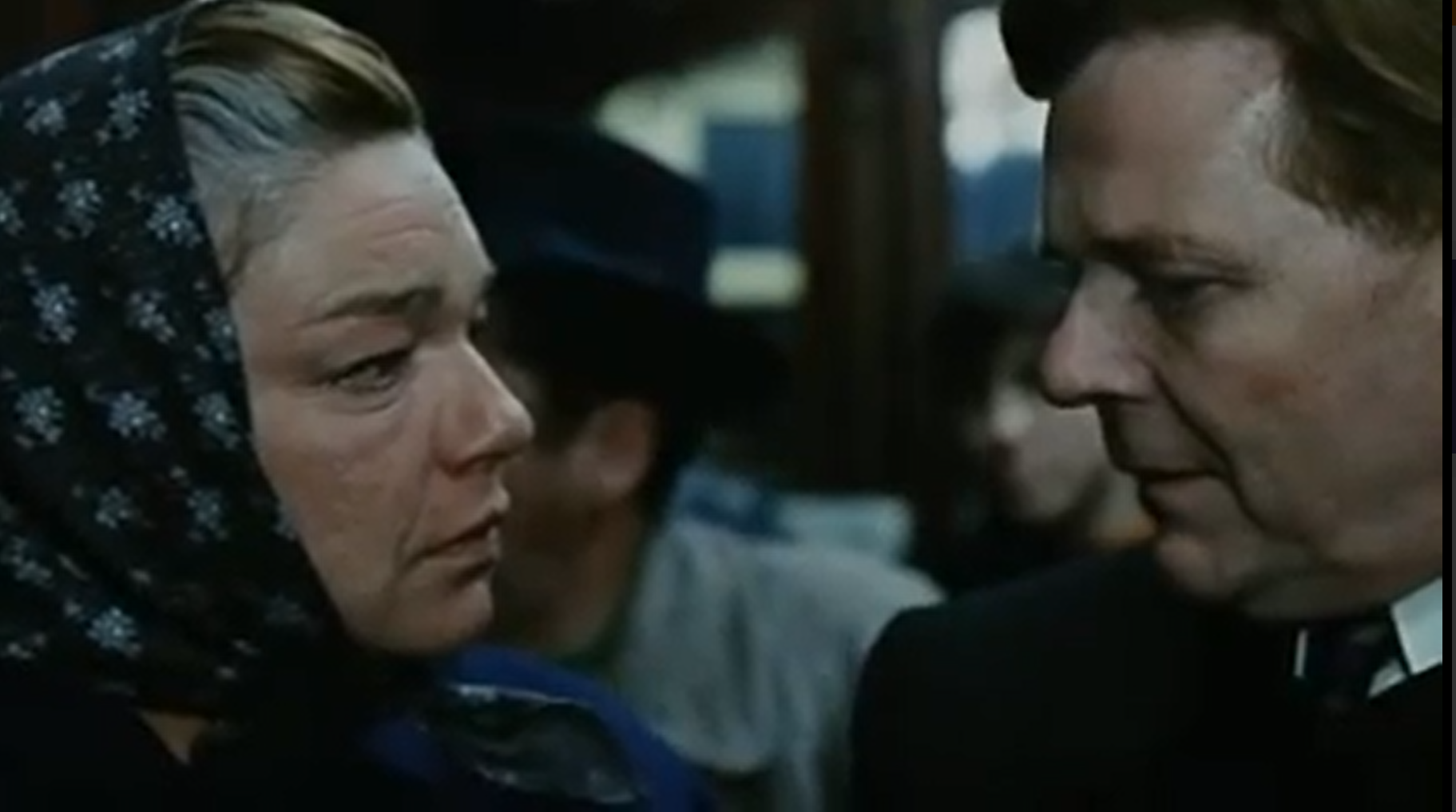
Costa-Gavras followed up his Oscar-nominated political thriller Z (1969) with this hopelessly grueling tale based on Artur London’s experiences during the infamous Czechoslovakian Slansky trial, in which 13 innocent men (11 of them Jewish) were forced to confess to crimes of treason against the Communist Party. Costa-Gavras’ gift for depicting no-holds-barred realism and eliciting fine performances from his actors is in full evidence here; unfortunately, however, the story he’s chosen to tell is so nightmarishly Kafka-esque that it’s truly difficult to sit through for over two hours. Even knowing that the protagonist (who is occasionally shown telling his story in flashback) will survive to write a book about his travails doesn’t help matters much. The Confession is ultimately a film one admires rather than enjoys, and will be of most interest either to Costa-Gavras fans or history buffs interested in the dysfunctional machinations of Stalinism.

Redeeming Qualities and Moments:

  • Yves Montand as “Gerard”
  • Simone Signoret as Montand’s wife
  • An uncompromising depiction of sustained psychological and physical torture

Must See?
No, although it’s recommended for those who can stomach it. Listed as a film with Historical Importance in the back of Peary’s book.

Links: