Browsed by
Category: Original Reviews

Responses to Peary’s “must see” movie reviews, as well as my own “must see” movie reviews up to and after 1986 (when Peary’s book was published).

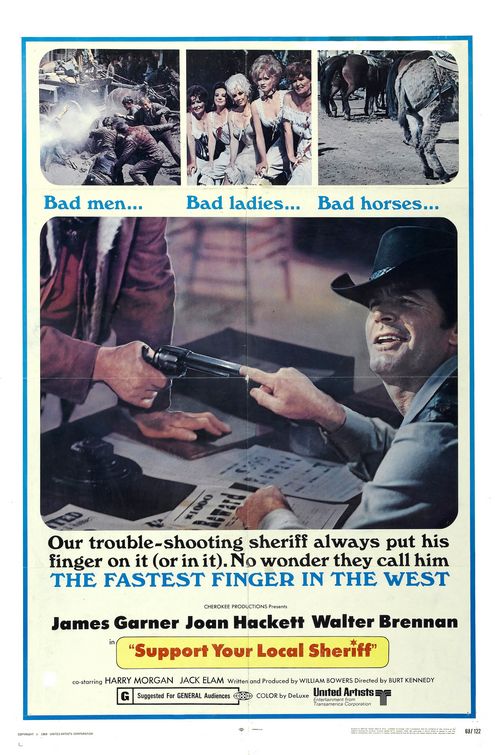
Support Your Local Sheriff (1969)

Support Your Local Sheriff (1969)

“When you set out to clean up a mess, you don’t just sit around and wait for that mess to get bigger and bigger!”

Synopsis:
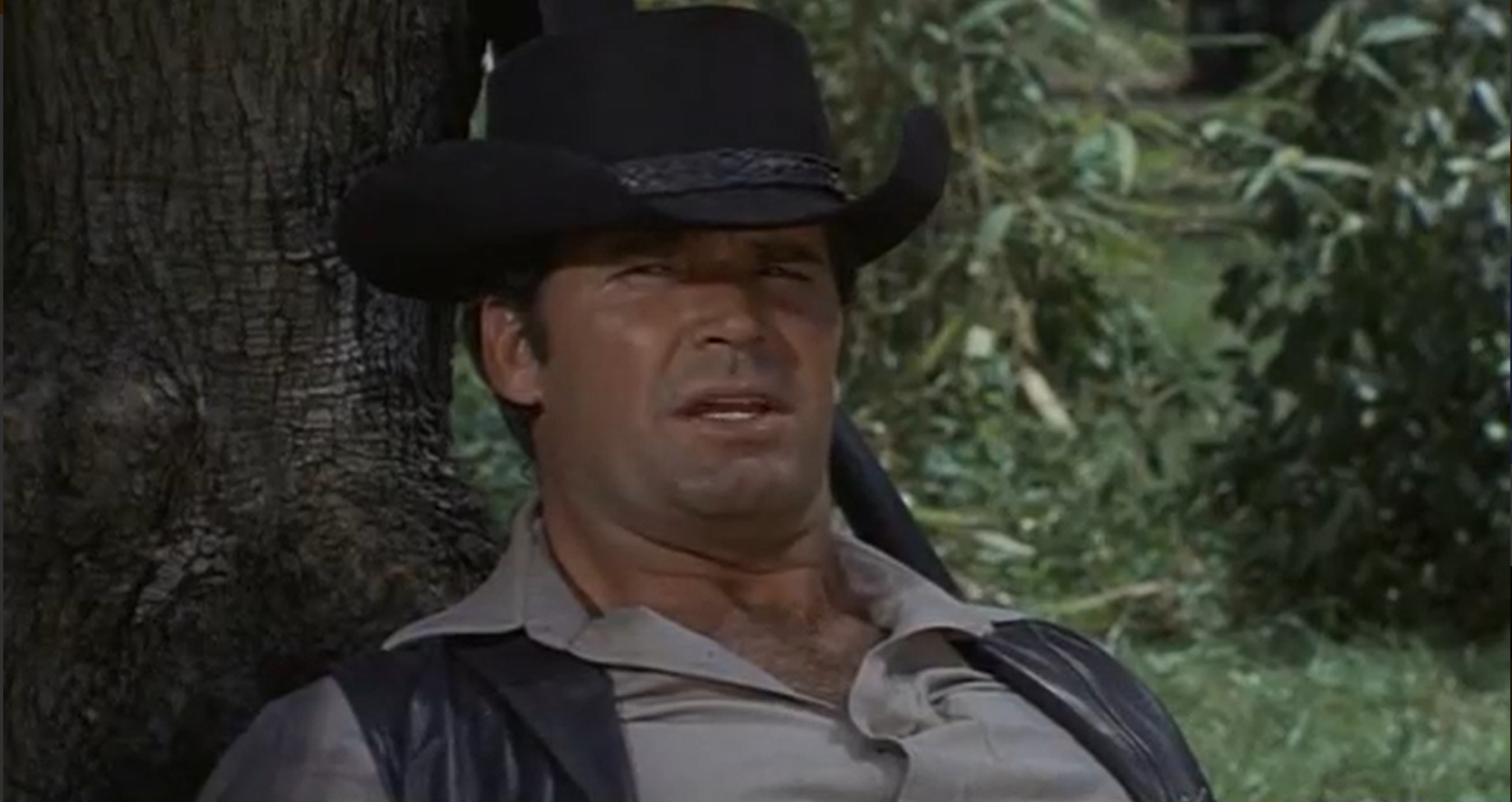
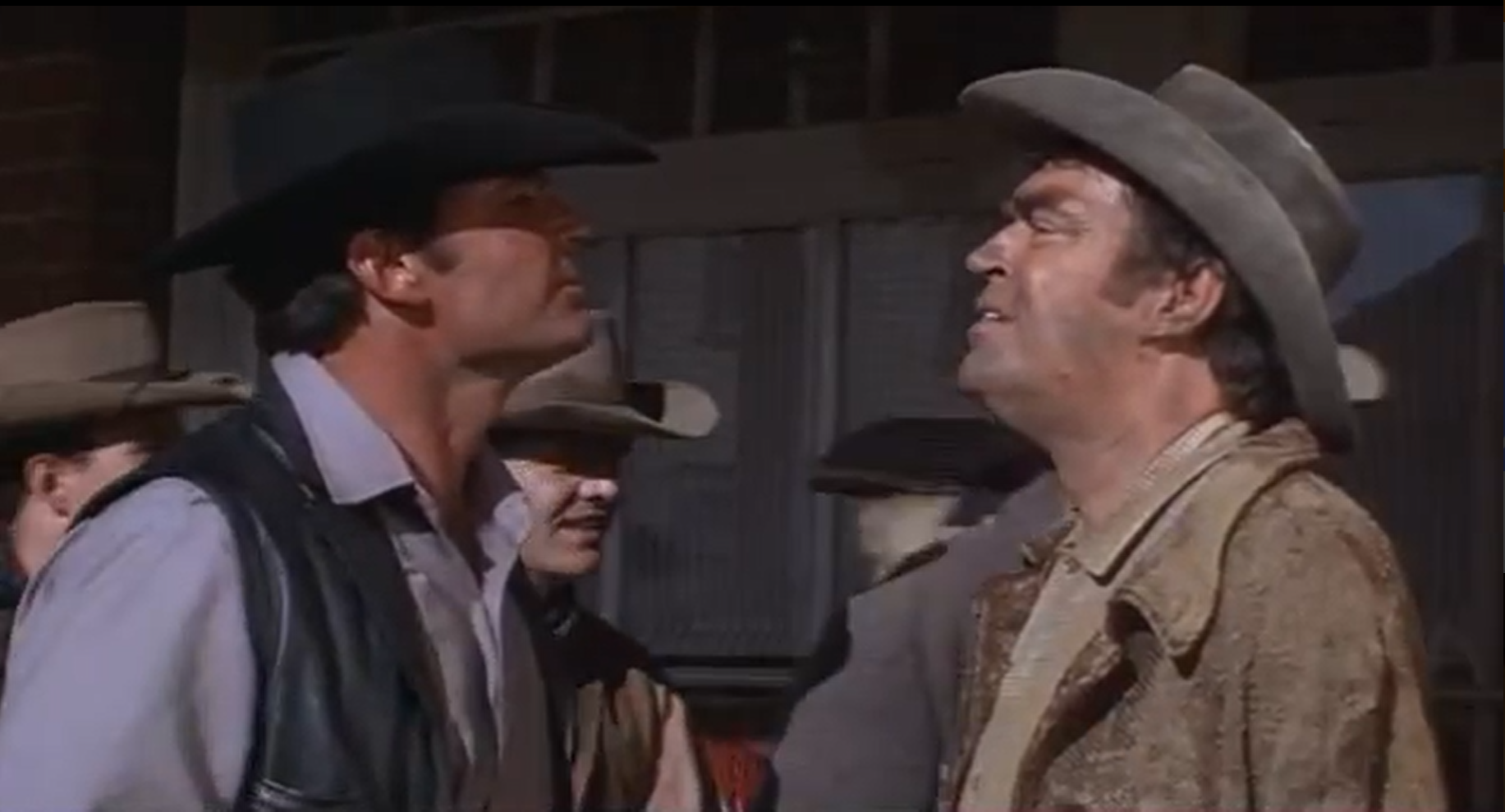
The fast-shooting new sheriff (James Garner) of a booming western town faces the wrath of local patriarch Pa Danby (Walter Brennan) when he jails one of Danby’s errant sons (Bruce Dern).

Genres:

  • Bruce Dern Films
  • Comedy
  • James Garner Films
  • Joan Hackett Films
  • Sheriffs
  • Walter Brennan Films
  • Westerns

Review:
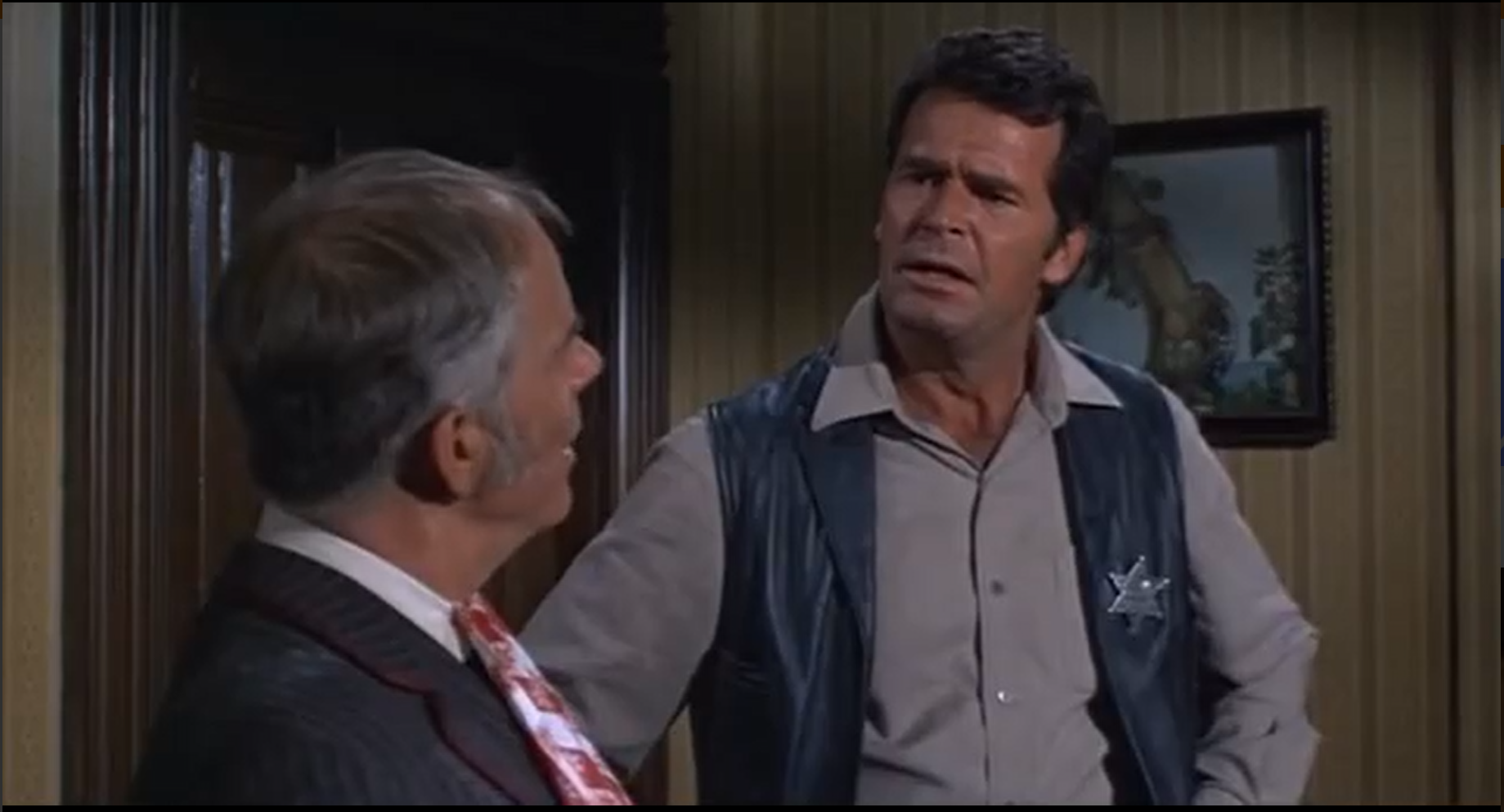
This light-hearted western spoof received less-than-stellar reviews upon its release, but remains an innocuous favorite of many, thanks in large part to James Garner’s winning performance in the title role.

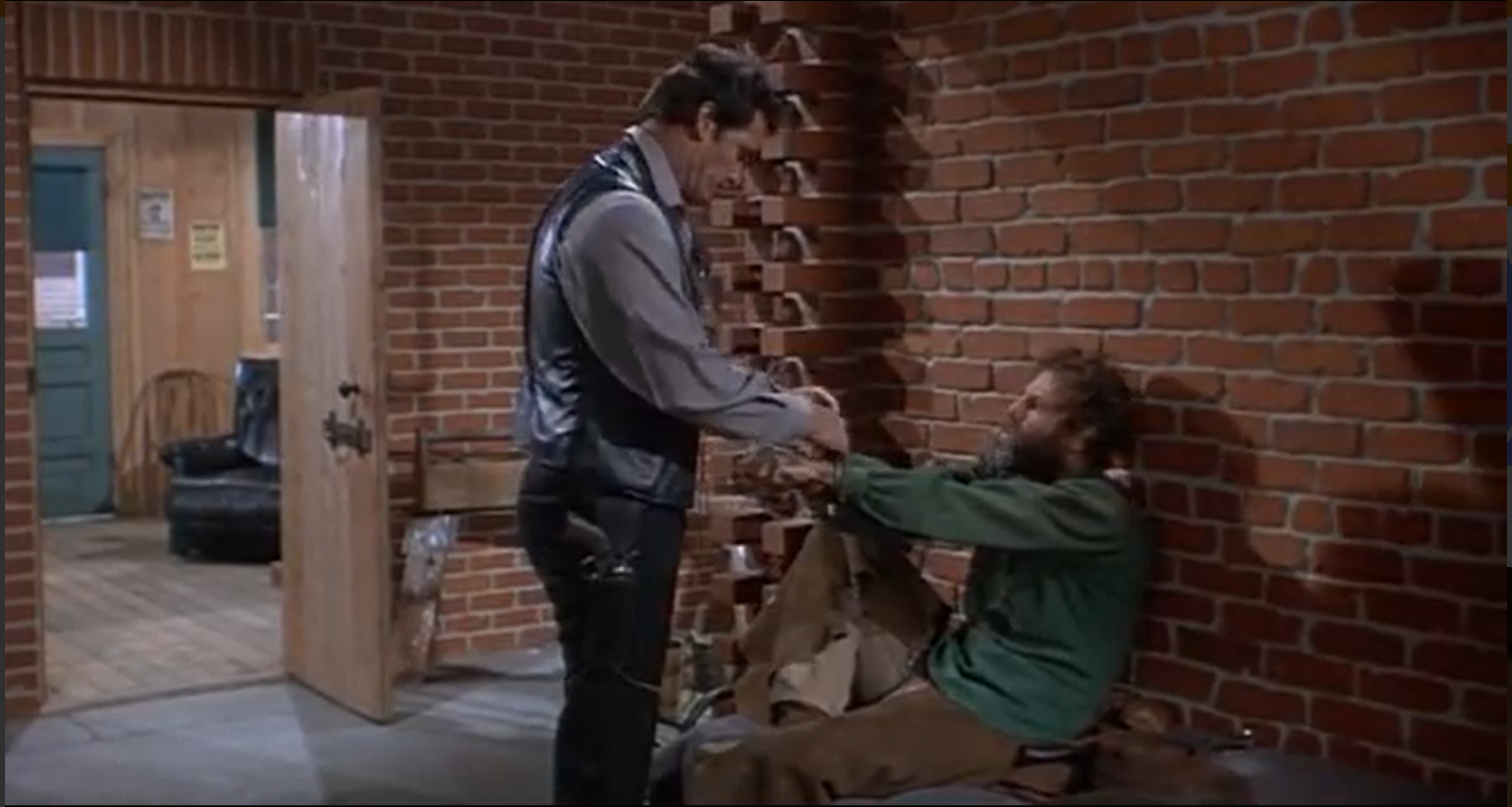
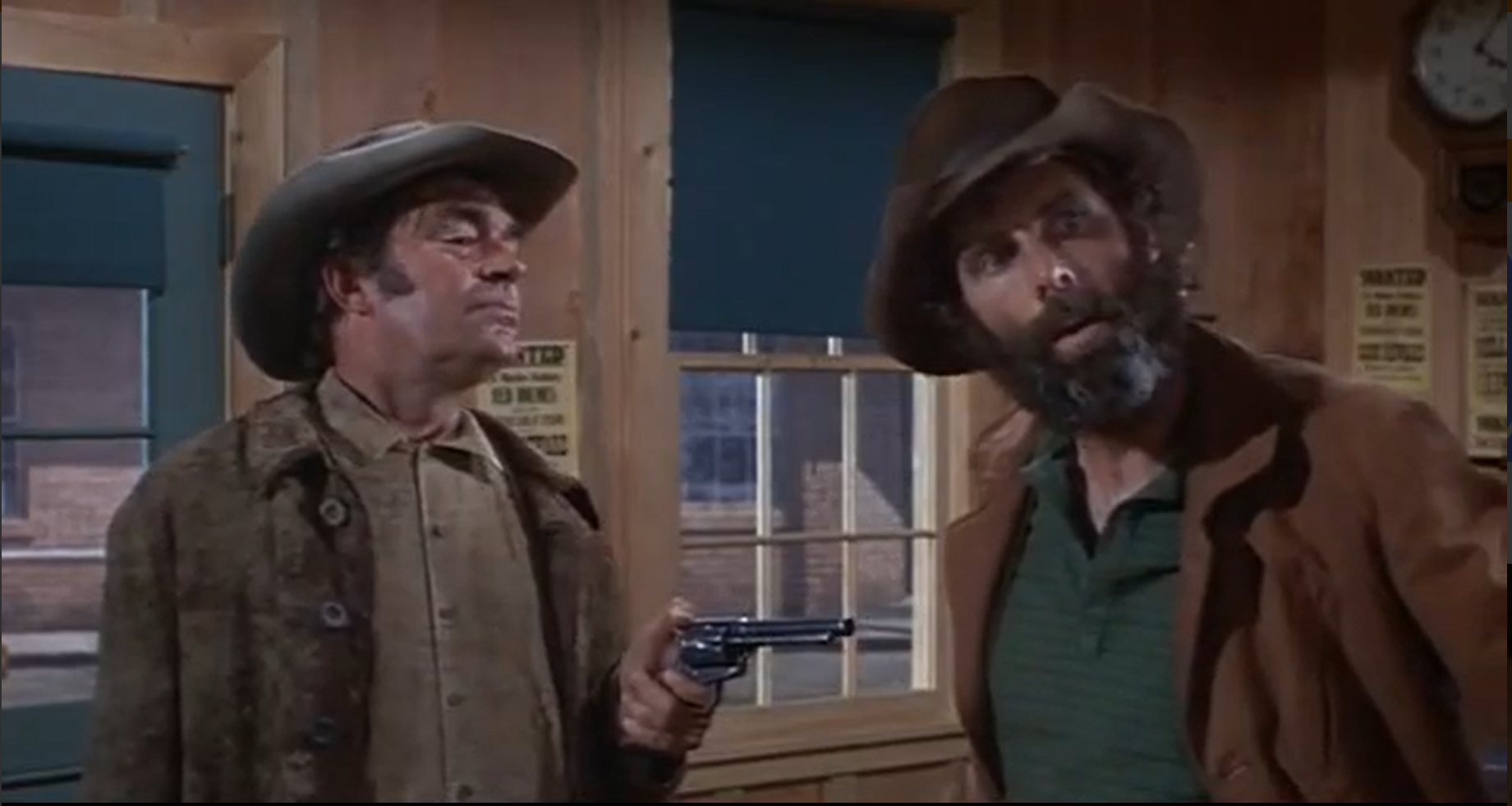
As a humble marksman — likely the fastest gun in the west — who is perpetually “on his way to Australia” (which he considers to be the “real frontier”), Garner is coolly unfazed by the chaos and violence surrounding him, including the town’s infamous baddy, Joe Danby (nicely played by the reliably psychotic Dern). In one of the film’s most humorous subplots, Garner manages not only to keep Danby in an unfinished prison by using simple psychological intimidation, but to get him to install the bars himself!

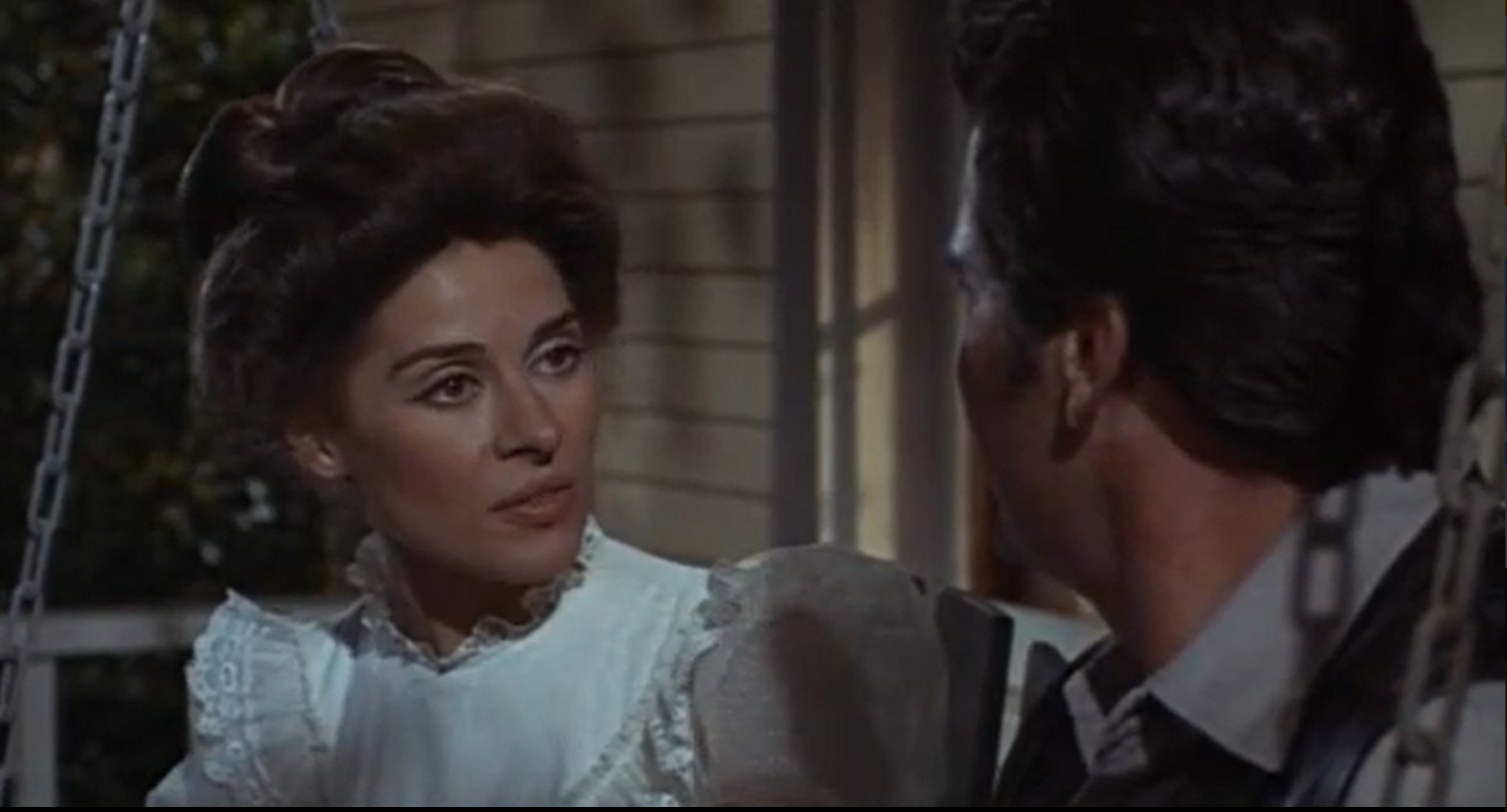
Some aspects of William Bowers’ screenplay are less successful than others: I’m unimpressed, for instance, by Joan Hackett’s character — the hot-headed daughter of Mayor Olly Perkins (Harry Morgan) — and her ongoing would-be romantic encounters with Garner; she comes across as needlessly shrill.

Yet there are enough genuinely corny laughs and fine performances to carry Support Your Local Sheriff through till its inevitable final shoot-out, and to recommend it for at least one-time viewing.

Redeeming Qualities and Moments:

  • James Garner as Sheriff McCullough
  • Jack Elam as McCullough’s deputy
  • Bruce Dern as Joe Danby
  • William Bowers’ often humorous screenplay

Must See?
No, but it’s recommended.

Links:

King of Kings (1961)

King of Kings (1961)

“For I say unto you, love your enemies; bless them who curse you; and pray for those who despise and persecute you! For if you love only those who love you, what reward shall you have?”

Synopsis:
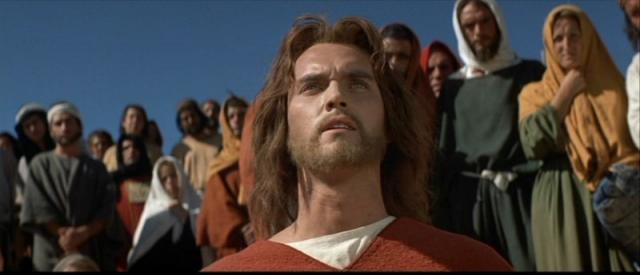
Shortly after the Romans invade Judea, Jesus of Nazareth (Jeffrey Hunter) becomes a preacher and encourages his followers to rely on faith and peace for their salvation.

Genres, Themes, Actors, and Directors:

  • Ancient Greece and Rome
  • Biblical Stories
  • Biopics
  • Historical Dramas
  • Hurd Hatfield Films
  • Jeffrey Hunter Films
  • Nicholas Ray Films
  • Rip Torn Films
  • Robert Ryan Films

Review:
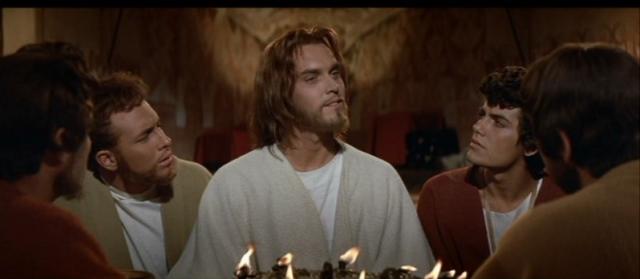
At the time of its release, this Biblical biopic by director Nicholas Ray was snidely referred to by many as I Was a Teenage Jesus, in reference to both Ray’s previous youth-oriented films (most notably Rebel Without a Cause), and the casting of blue-eyed matinee idol Jeffrey Hunter (actually 35 years old) in the title role. In truth, Hunter is reasonably effective as Jesus, and King of Kings as a whole remains a surprisingly tame and “respectful” historical drama. Screenwriter Philip Yordan wisely frames Jesus’s life squarely within the political context of his day (Roman occupation), and establishes a convenient — albeit historically suspect — “rivalry” between the peace-loving Jesus and rabble-rousing Barabbas (actually just an anonymous thief who was set free on the day of Jesus’s crucifixion). This fictionalized subplot allows for Jesus’s emphasis on faith and pacifism in the face of foreign occupation to ring out loud and clear, and places his overall message to mankind within a refreshingly timely and realistic context.

Ray and Yordan are at their best when humanizing iconic biblical events, such as the justly praised Sermon on the Mount sequence, and their intimate recreation of the Last Supper; less interesting are the massive battle scenes, which perhaps are expected fare in an epic drama but distract from the very real human story being told. Some have argued that too much time is spent showing the Romans’ reactions to Jesus’s growing popularity, but the actors in the key Roman roles — including Viveca Lindfors, Frank Thring, and Hurd Hatfield — are all enjoyable to watch, and their decadent lifestyle ultimately provides a nice contrast with that of the hard-working Jews. My favorite “Roman scene” shows the infamous Salome (played by Brigid Bazlen as a sexy teenage hussy) tempting her stepfather, King Harrod (Thring), into decapitating John the Baptist (a shaggy-headed Robert Ryan) and bringing her his head on a platter; while this vignette may not be substantiated by biblical scholars, it plays well on the screen! Ultimately, King of Kings will be of most interest either to Christians (who likely will be pleasantly surprised by how events are depicted) or fans of mid-century historical epics; for all-purpose film fanatics, it’s worth a look simply for its historical notoriety.

Note: In 1980, Hunter was (perhaps unfairly) nominated by the Medved brothers as one of the worst actors to play Jesus Christ in a film — though he lost out on winning the Golden Turkey Award in this category to Ted Neeley in Jesus Christ Superstar.

Redeeming Qualities and Moments:

  • Brigid Bazlen as psychopathic Salome, who requests John the Baptist’s head on a platter
  • Jesus preaching the Sermon on the Mount
  • Nice humanization of many iconic Biblical events — such as the Last Supper
  • Miklos Rozsa’s Score

Must See?
Yes, simply for its importance in film history. Listed as a film with Historical Importance and a Personal Recommendation in the back of Peary’s book.

Categories

  • Historically Relevant

Links:

Mr. Peabody and the Mermaid (1948)

Mr. Peabody and the Mermaid (1948)

“There’s much to be said for a woman — even an imperfect one — who lives, breathes, and exists only for the man she loves.”

Synopsis:
A middle-aged man (William Powell) on vacation in the Caribbean falls in love with a mermaid (Ann Blyth), and finds his marriage (to Irene Hervey) threatened.

Genres, Themes, Actors, and Directors:

  • Ann Blyth Films
  • Fantasy
  • Flashback Films
  • Infidelity
  • Mid-Life Crisis
  • Mermaids
  • Romantic Comedy
  • Vacation
  • William Powell Films

Review:
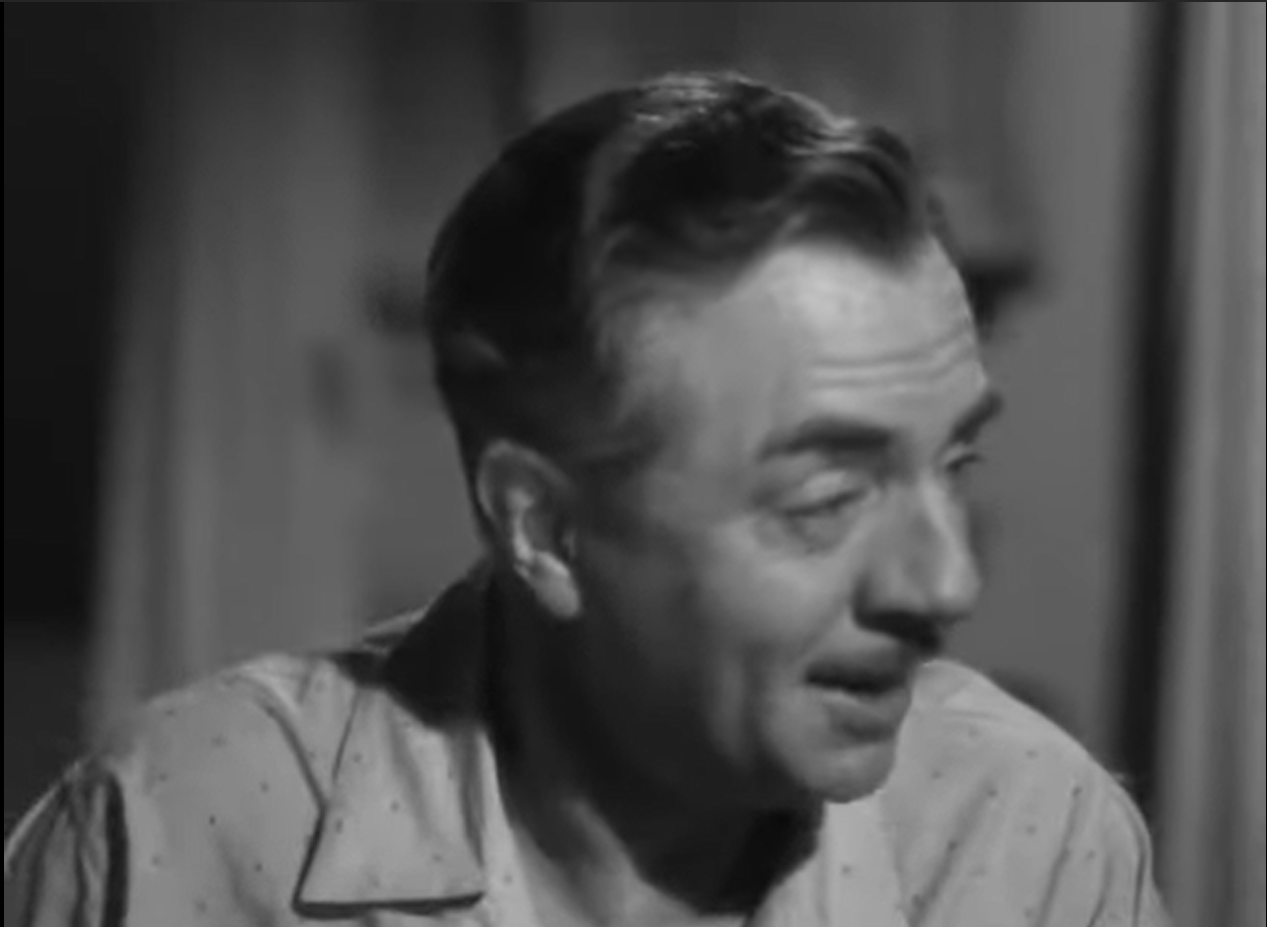
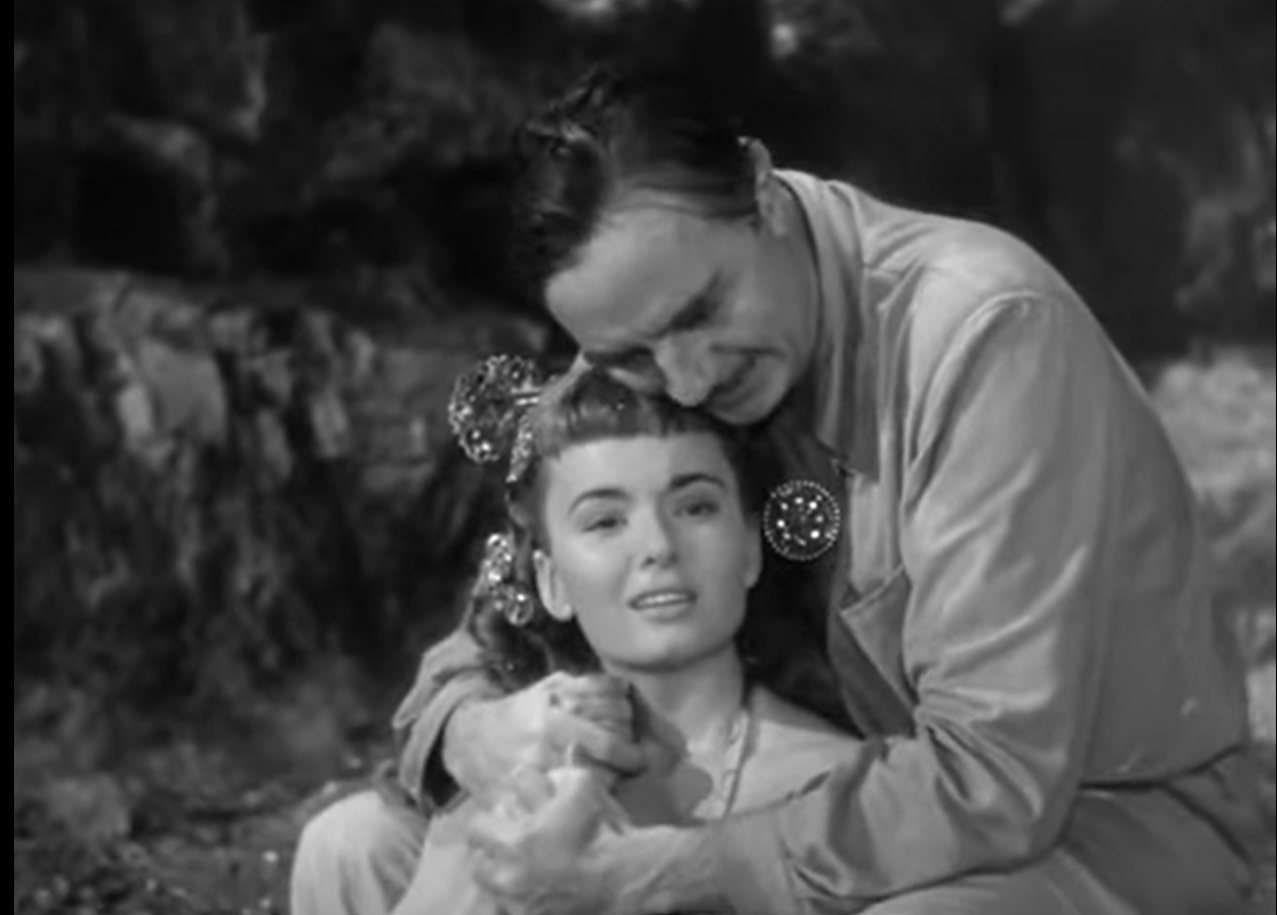
As indicated in the quote cited above, this tepid romantic comedy by director Irving Pichel — based on Guy and Constance Jones’ novel Peabody’s Mermaid — unabashedly explores sex and relationships from a male point of view, specifically that of a 50-year-old married man rapidly embarking upon a mid-life crisis. Structured as a flashback story told to a psychiatrist (Art Smith), Mr. Peabody and the Mermaid is clearly meant to satirize the age-old trope of middle-aged men falling for naive girls half their age; indeed, Peabody makes no excuses for himself when describing — through voiceover — what he’s looking for in an ideal woman (“What I like is a woman who can’t do anything very much”), or telling the nubile, conveniently mute Lenore that in her eyes there exists both eternal wisdom and “the beauty of a child, too: simple, direct, uncomplicated.”

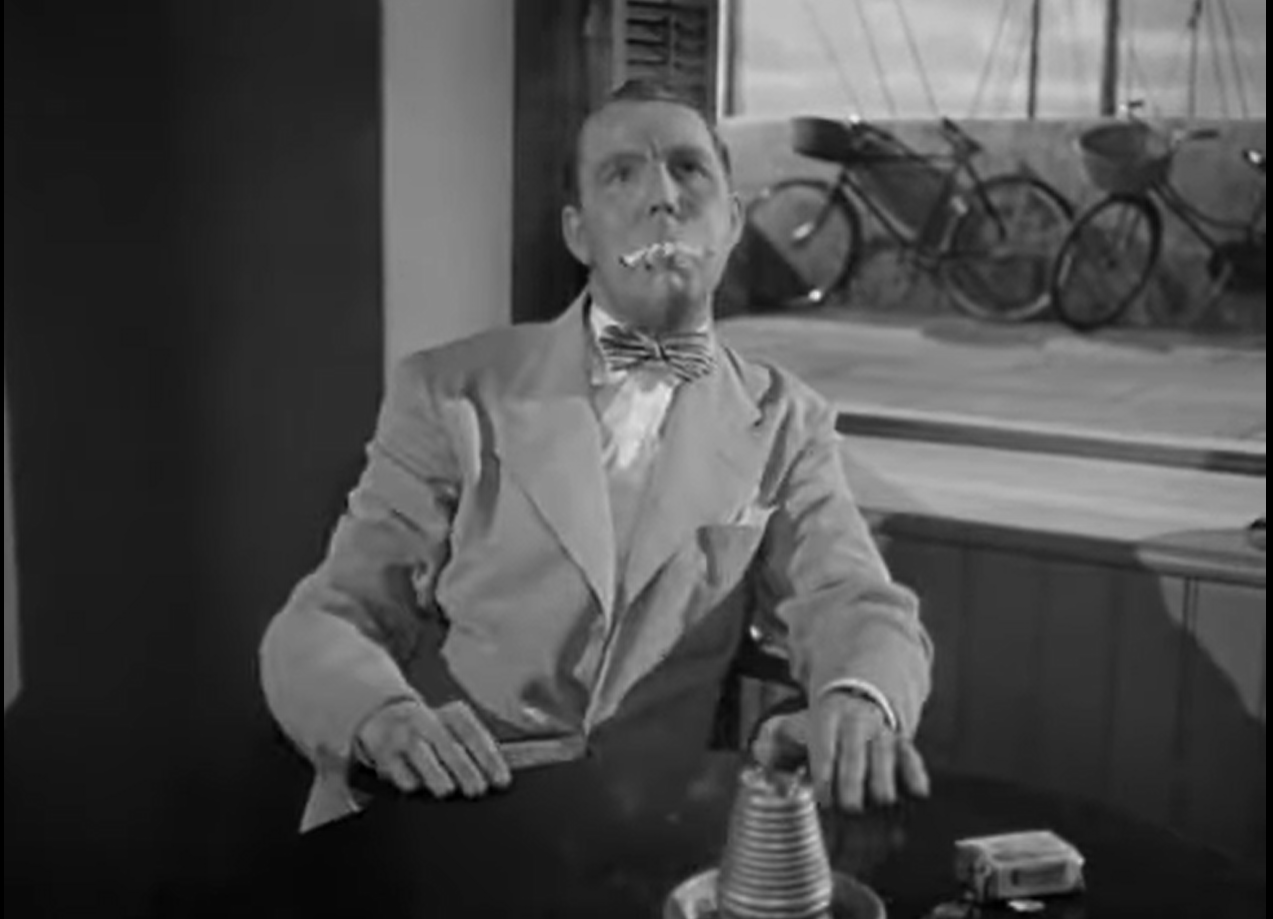
Unfortunately, while it’s clear that Peabody’s lust for Lenore is merely a symptom of his own male insecurity, his growing infatuation remains uncomfortable to watch — yet we’re stuck with nobody else to root for. While Ann Blyth does a nice job playing a character who must communicate exclusively through facial expressions and body language, she never emerges as a three-dimensional character, and Peabody’s wife (Irene Hervey) comes across as little more than a close-minded shrew. Meanwhile, an ongoing comedic riff about a morose investigator (Clinton Sundberg) who has recently given up both alcohol and cigarettes — and must deal with temptation everywhere he goes — is decidedly unfunny:

and Peabody’s biggest crisis — being double-crossed by Sundberg and eventually accused of murder — holds little interest. Ultimately, while Mr. Peabody and the Mermaid maintains a small coterie of devoted fans (click here to read a LOT more about this film’s inception — including the task of outfitting Blyth in her mermaid tail), it’s not must-see viewing.

Redeeming Qualities and Moments:

  • William Powell as Mr. Peabody
  • Ann Blyth as Lenore the Mermaid
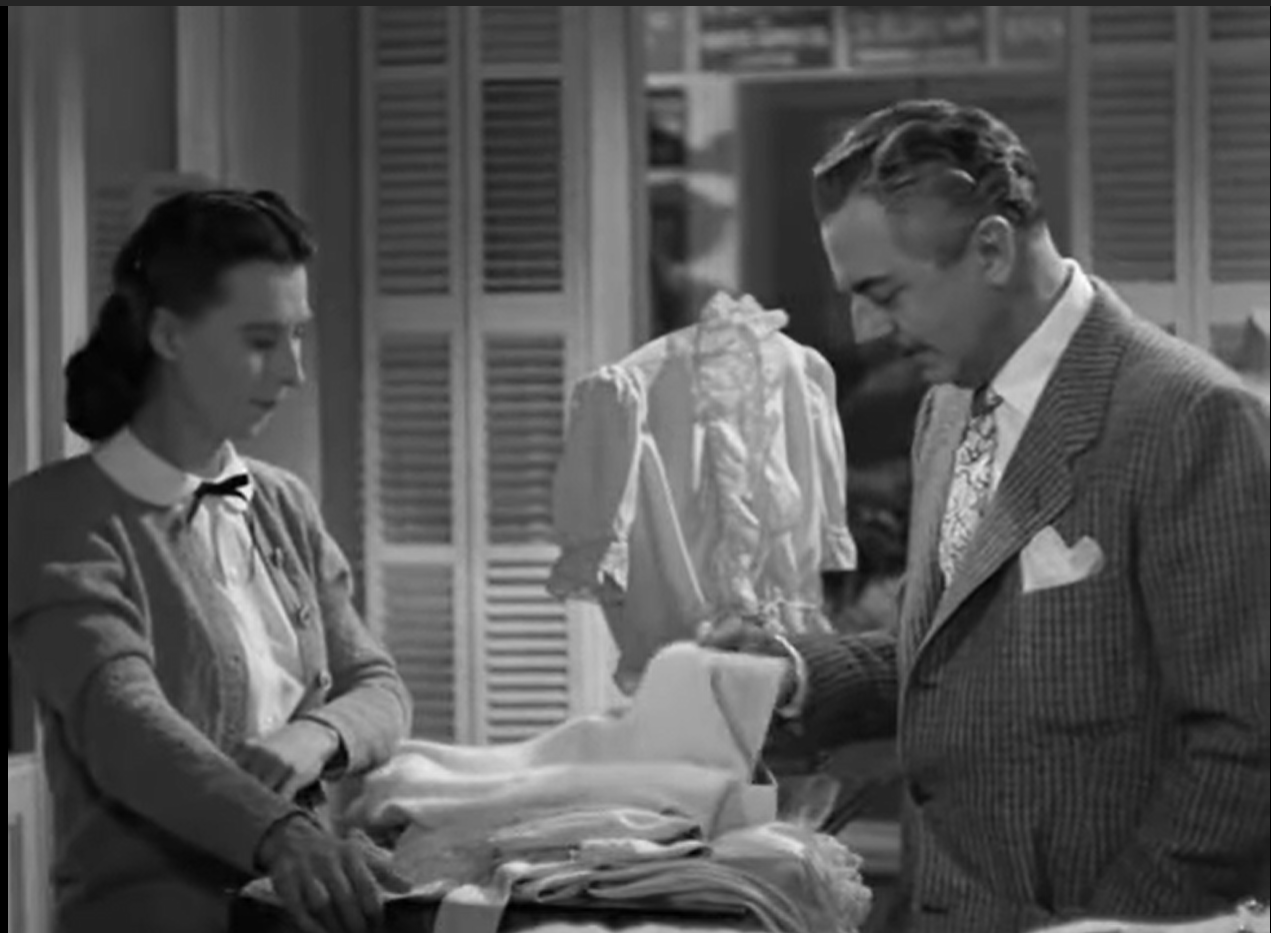
  • Powell’s humorous attempt to buy sweaters — then simply bikini tops — for Lenore

Must See?
No; while beloved by some, this dated comedy hasn’t aged all that well.

Links:

Confessions of an Opium Eater (1962)

Confessions of an Opium Eater (1962)

“There is no poison in a green snake’s mouth as in a woman’s heart.”

Synopsis:
An adventurer (Vincent Price) in 19th century San Francisco stumbles upon a female slavery ring run by a Chinese warlord, and tries to help a captive (June Kim) escape.

Genres, Themes, Actors, and Directors:

  • Escape
  • Historical Drama
  • Slavery
  • Vincent Price Films

Review:
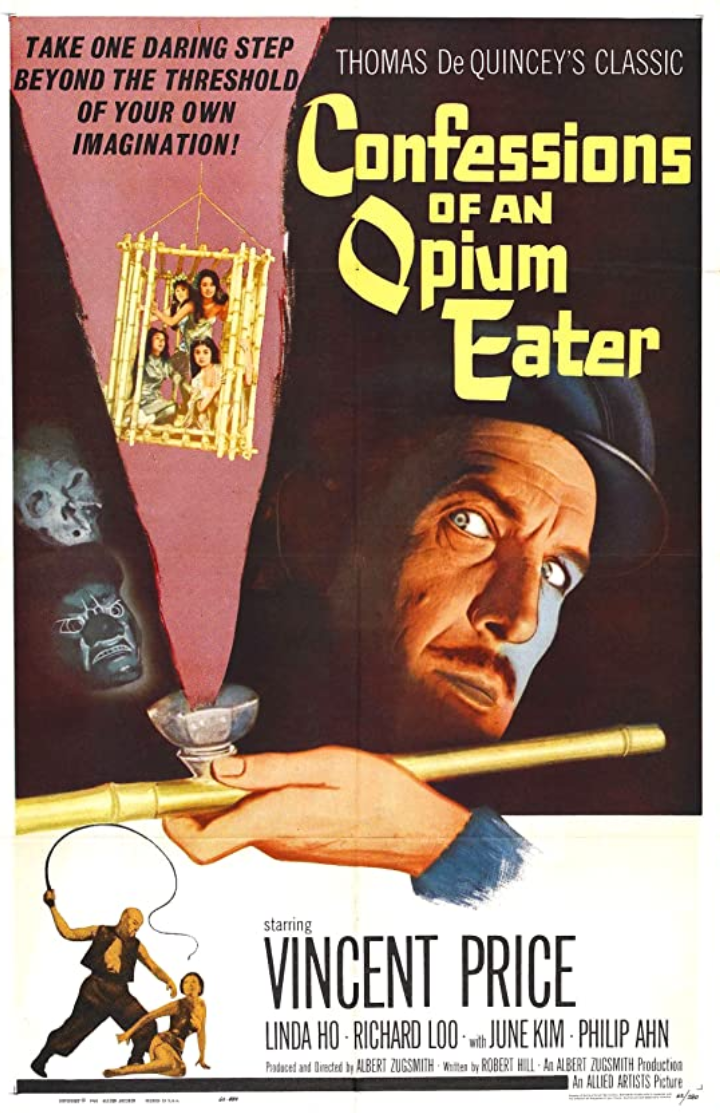
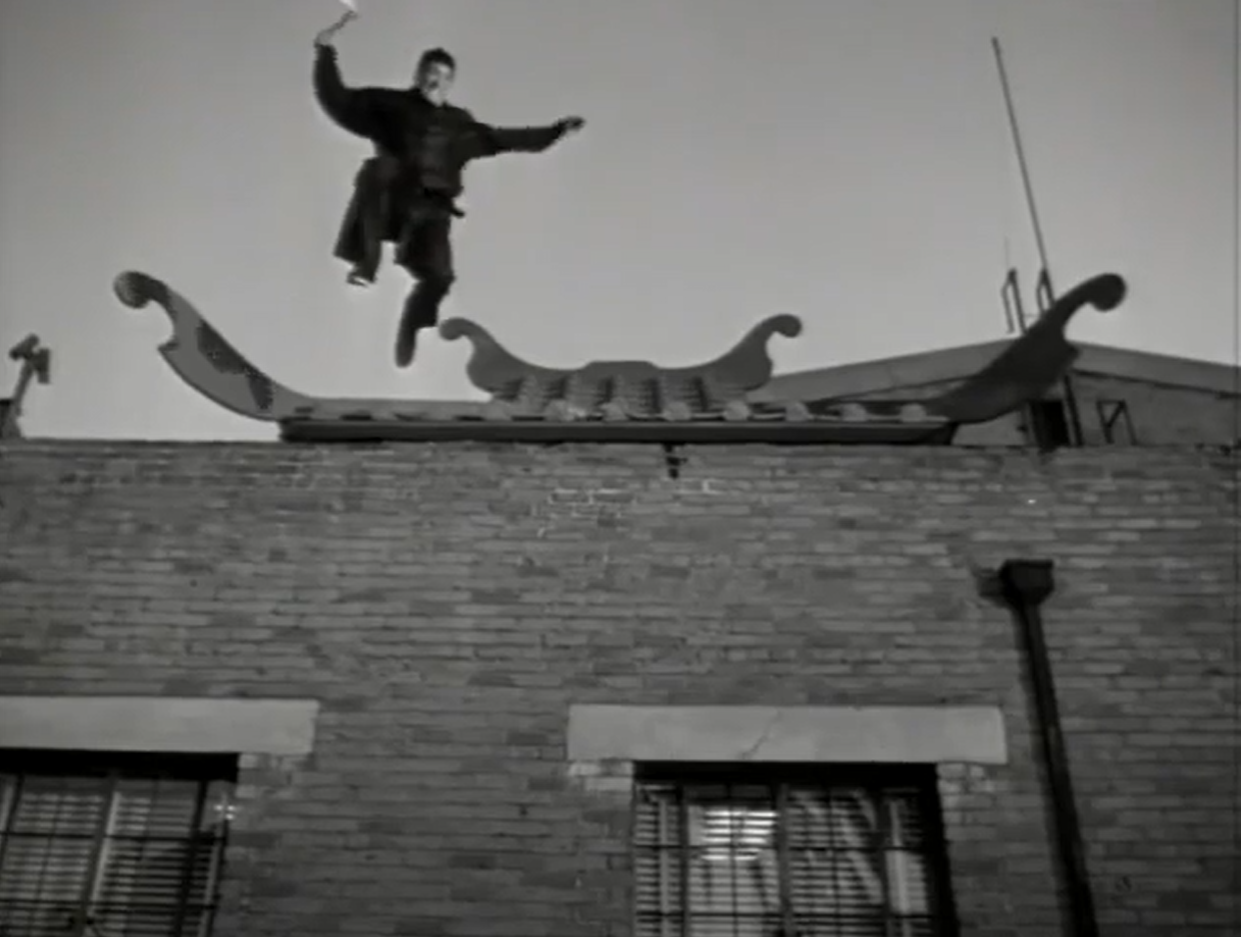
This once-difficult-to-find exploitation flick by producer/director Albert Zugsmith is beloved by nearly every mainstream critic, with Jonathan Rosenbaum of the Chicago Reader claiming it’s “not to be missed”, and Ed Gonzalez of Slant Magazine referring to it as a “beautiful and often bizarre little gem.” While I’m not quite sure it deserves such explicit praise, Confessions is certainly an unusual and atmospheric B-flick, one which merits a second look simply to understand what’s happening throughout its convoluted script. Based in-name-only — think AIP’s Poe “adaptations” — on Thomas De Quincey’s 1821 memoir, it follows the adventures of a mysterious mercenary (a descendant of De Quincey) who discovers a labyrinthine underworld of human slave trafficking in San Francisco’s Chinatown, and decides (we’re never sure why) to try to rescue a desperate young woman from her salacious fate. Meanwhile, he’s seduced by the allure of an opium den — he insists he “doesn’t like the pipe”, but continues puffing away anyway — which prompts the film’s most celebrated sequence: a truly surreal nightmare montage which segues into a slow-mo chase scene.

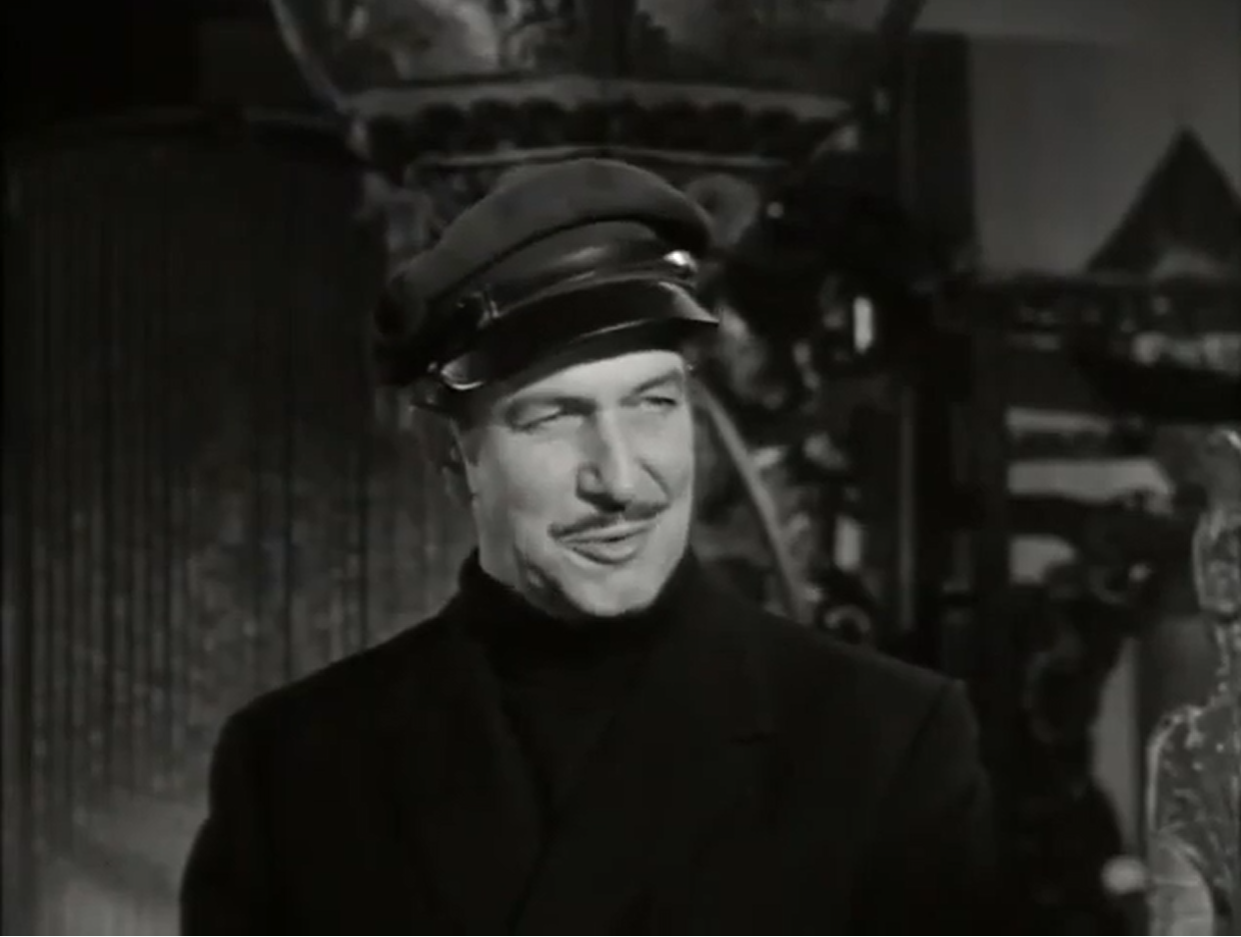
Vincent Price’s unusual turn here as an “action hero” is less flamboyant than what fans are used to, but he’s perfectly suited for intoning the stilted lines in Robert Hill’s pulpy script (many of which sound like fortune cookie quips):

“Maybe you’re the one who should find out if you’re a side of beef or a side of man.”
“Man’s view of good and evil is like water boiling in a box: open the package to the east and we flow east; open the package to the west and we flow west.”

The campiest sequence by far, however, is voiced by Linda Ho as the film’s wily femme fatale, Ruby Low: while seducing Price, she alludes to sex as “swimming in the forbidden waters”, and tries to convince him that they are meant to be with each other by insisting:

“It is not many times in one life a man and a woman found [sic] the other half of themselves. When I see you for first time, I felt it — as if, long ago, we… whispered to the wind… together… and the moon… shone on us… and you… and me…”

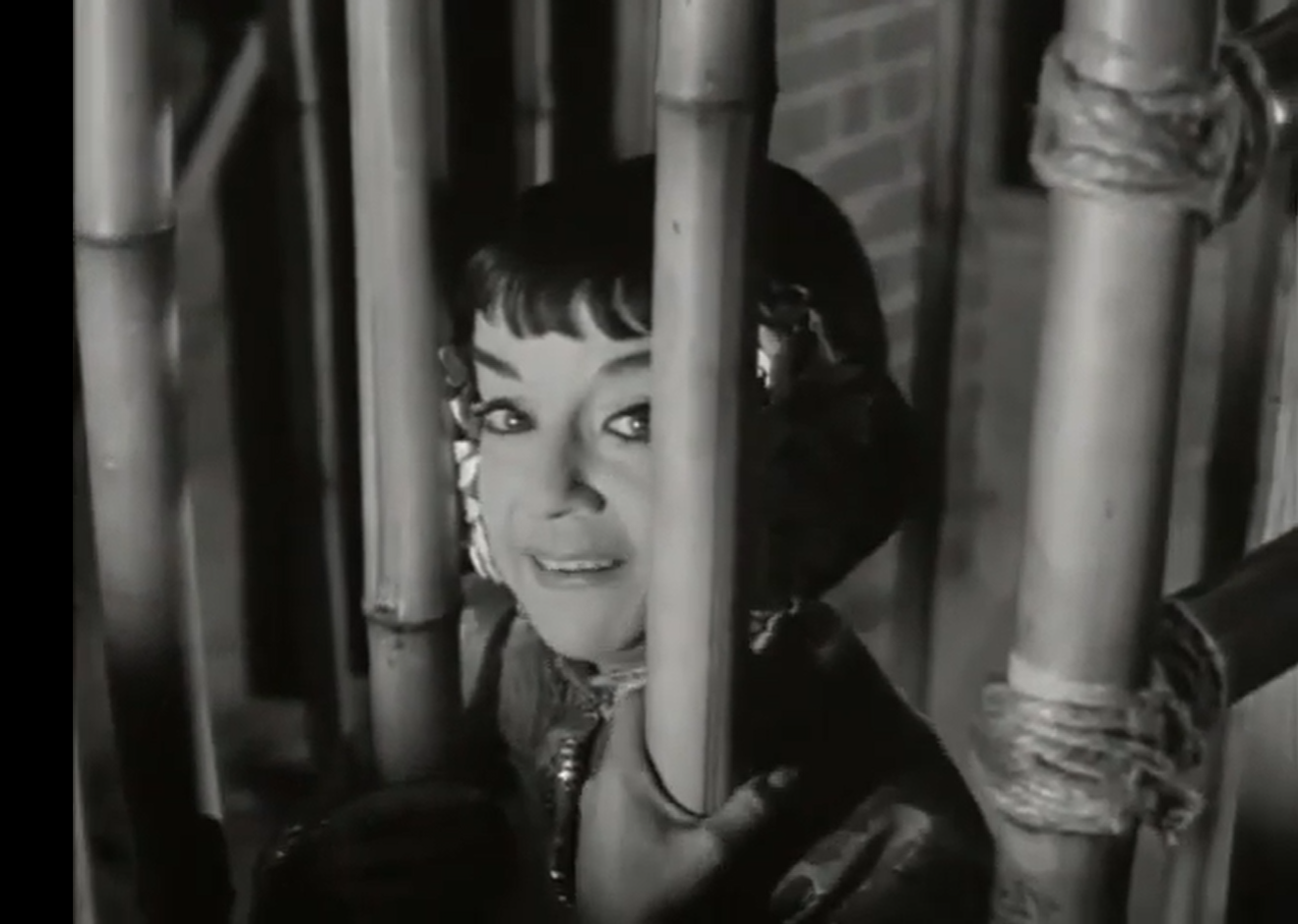
Equally enjoyable is feisty Yvonne Moray (best known for her poorly acted role in The Terror of Tiny Town) as an aging “Chinese midget” who has given up hope of finding happiness outside the confines of her dungeon, but remains remarkably cheerful nonetheless; the decades seem to have mellowed Moray, and turned her into a more confident performer. The best aspect of Confessions, however, is its overall atmospheric ambiance: we really believe we’ve been submerged into the bowels of a unique form of hell, and wonder how — or if — Price’s character will be able to escape.

Redeeming Qualities and Moments:

  • Vincent Price as Gilbert De Quincey
  • Yvonne Moray as “the Chinese midget”
  • The infamous “opium trip” slo-mo sequence
  • Atmospheric sets and cinematography

Must See?
Yes, simply for its cult-like status.

Categories

  • Cult Movie

Links:

Hellstrom Chronicle, The (1971)

Hellstrom Chronicle, The (1971)

“In fighting the insect we have killed ourselves, polluted our water, poisoned our wildlife, permeated our own flesh with deadly toxins. The insect becomes immune, and we are poisoned. In fighting with superior intellect, we have out-smarted ourselves.”

Synopsis:
Dr. Nils Hellstrom (Lawrence Pressman) explains how insects’ tenacity, adaptability, and efficiency will allow them to take over the world one day.

Genres, Themes, Actors, and Directors:

  • Documentary
  • Insects
  • Scientists

Review:
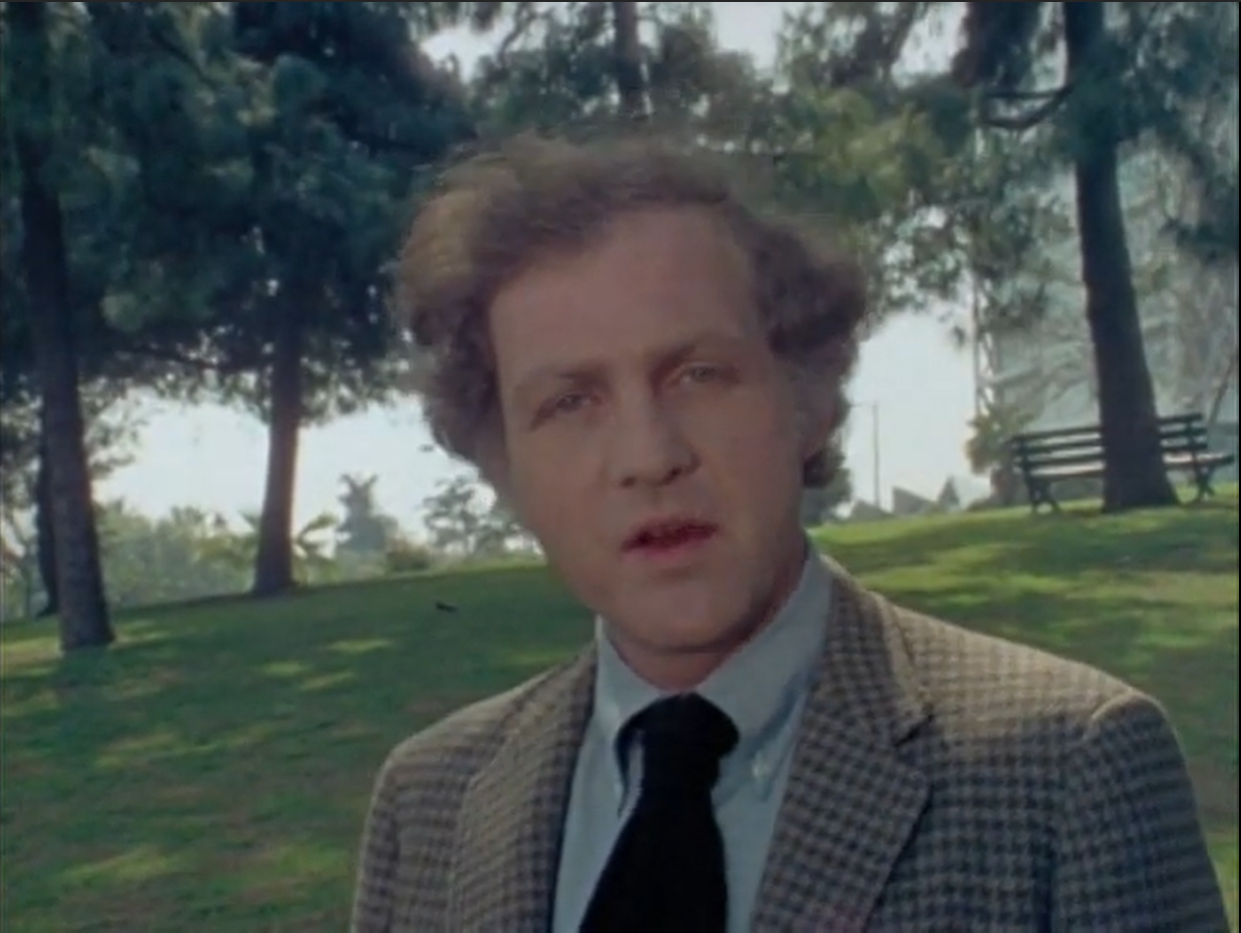
This Oscar-winning “quasi”-documentary offers a unique blend of fascinating insect footage (as one contributor to IMDb writes, it represents “the dark side of Microcosmos“) with a bizarrely campy “voice of doom” narration, one which frames the tenacious lives of insects in counterpart with humans’ ultimate frailty, and posits that insects will inevitably take over the Earth one day. At the time of the film’s release, marketers exploited this doomsday perspective so heavily that many viewers expected to see either a science fiction or horror flick; these days, viewers may see it as simply a cleverly disguised satire. Yet much like Jim Brown and Gary Burns’ recent pseudo-documentary about suburban sprawl (Radiant City, 2006), The Hellstrom Chronicle manages to span the fiction-documentary divide without ever clearly crossing over into mockumentary territory.

With that said, Dr. Hellstrom’s narration is undeniably full of what Vincent Canby of the New York Times refers to as “asinine statements”; it’s impossible to take Hellstrom seriously when he begins by gravely informing us that “the world was created not with the sweetness of love, but with the violence of rape,” and later describes a black widow spider as “throbbing with obese sexuality”. Indeed, Hellstrom’s anthropomorphization of the insect world borders on sheer lunacy at times — did audience members at the time really buy his rhetoric? Would audiences today? While several legitimate research institutions (including Cal Tech and the Entomological Society of America) are cited in the film’s credits as having “provided assistance”, Hellstrom’s analysis (a synthesis of “contemporary opinions”) is — frustratingly — often simply wrong and/or dated.

During the sequence in which he compares the mating rituals of humans with insects, for instance, he laments how “inefficient” our methods are, shaking his head in dismay: “For man, unless the setting is right, the perfume is right, the music is sweet, and at least one partner is loved by another, the reproductive act might never occur.” Yet it’s widely acknowledged by scientists today that humans’ strategic mating patterns perfectly suit our need to establish dedicated caretakers, given how long newborns and children require adult assistance to survive. Later, he bashes humans’ need for philosophical inquiry by noting:

Confronted with this incredible resourcefulness — this desperate desire to survive — we must wonder, why? What is the value, even for oneself, to sustain an existence that must ultimately end in death? The insect has the answer, because he never posed the question.

According to Hellstrom, then, insects will ultimately outlive humans because they never stop to reflect — yet as Roger Ebert puts it in his review, “I don’t care how well the bees have got things organized, I wouldn’t want to be a bee. And not a May fly, either.” With that said, if one can ignore the blatant inaccuracies in Hellstrom’s narration — and simply laugh along with the faux gravity of his “dire warning” about insect domination — viewers are guaranteed a fascinating glimpse at a world we’re rarely able to view in such detail.

Redeeming Qualities and Moments:

  • Truly impressive cinematography

  • The cool sequence in which a butterfly emerges from its chrysalis
  • Many disturbing “real life” images of insects brutally doing what it takes to survive
  • Pressman’s campy performance as Hellstrom

Must See?
Yes, for its status as an Oscar winner.

Categories

  • Oscar Winner or Nominee

Links:

Rhapsody in Blue (1945)

Rhapsody in Blue (1945)

“I don’t want to be just a concert pianist… I want to use the piano as a stepping stone!”

Synopsis:
George Gershwin (Robert Alda) rises quickly to fame, but his drive to compose leaves him little time for his two potential lovers: a socialite (Alexis Smith) and a singer (Joan Leslie).

Genres, Themes, Actors, and Directors:

  • Al Jolson Films
  • Alexis Smith Films
  • Biopics
  • Charles Coburn Films
  • Composers
  • Irving Rapper Films
  • Joan Leslie Films
  • Musicals
  • Oscar Levant Films

Review:
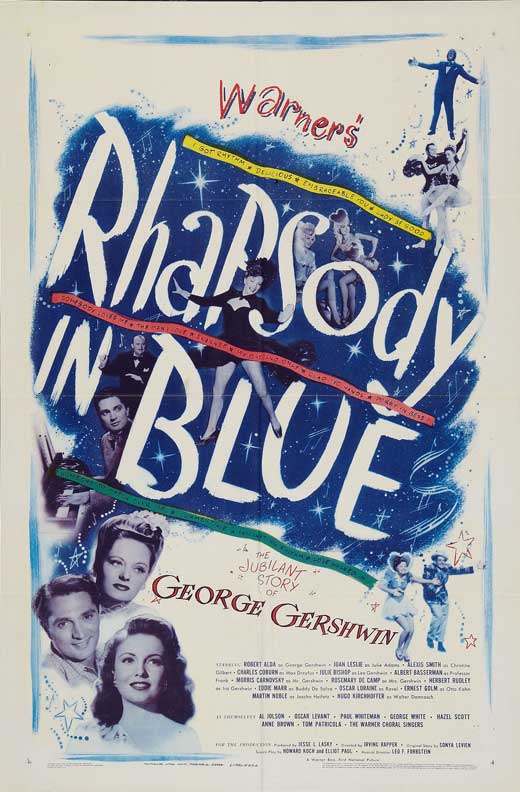
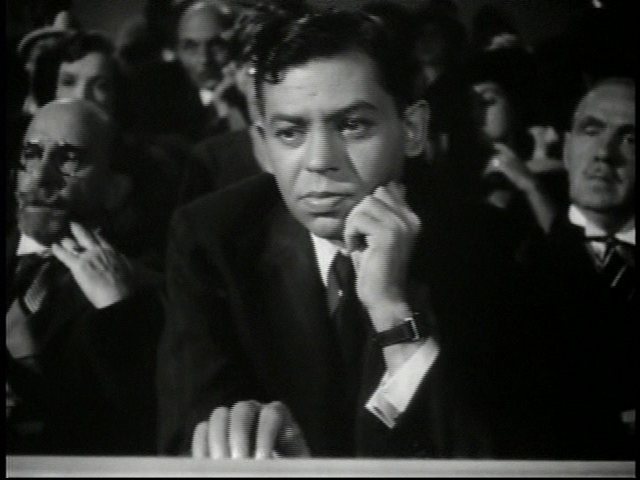
Despite being an enormous hit with audiences at the time (and earning two Oscar nominations), this biopic about American musical prodigy George Gershwin — made just seven years after his untimely death at the age of 39 from a brain tumor — received lackluster reviews from the New York Times, with Bosley Crowther lamenting that “there is never any true clarification of what makes the gentleman run, no interior grasp of his nature, no dramatic continuity to his life.” In truth, Rhapsody in Blue (directed by Irving Rapper) suffers from the same plight as most well-meaning mid-century Hollywood biopics: an inability to dig deeply enough into the true inner workings of its protagonist, and the frustrating use of fictional subplots (both romantic female leads here are fabricated, despite the fact that Gershwin actually wined and dined a number of famous real-life women, including Fay Wray.)

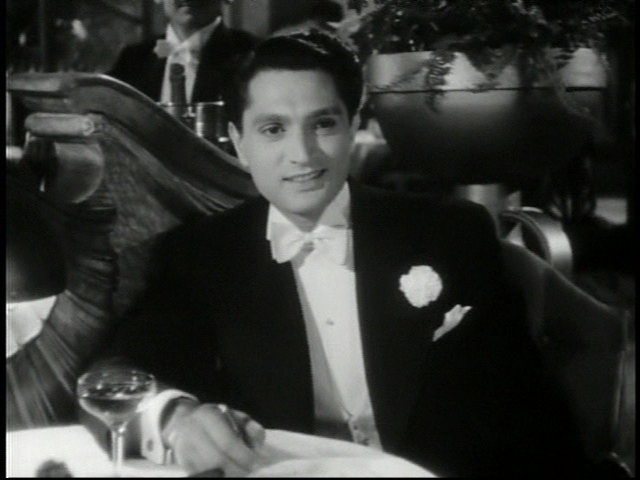
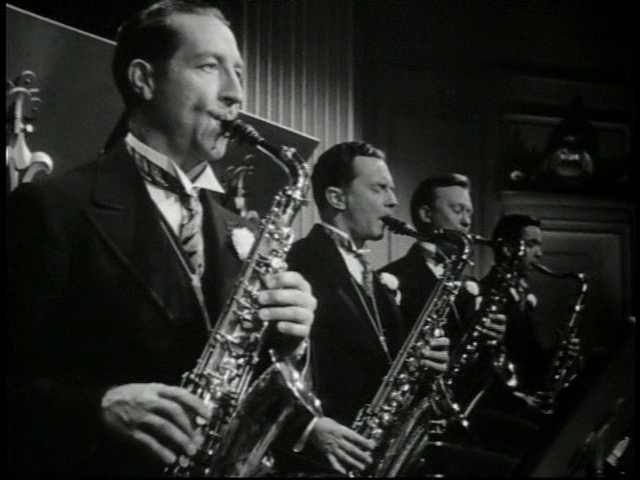
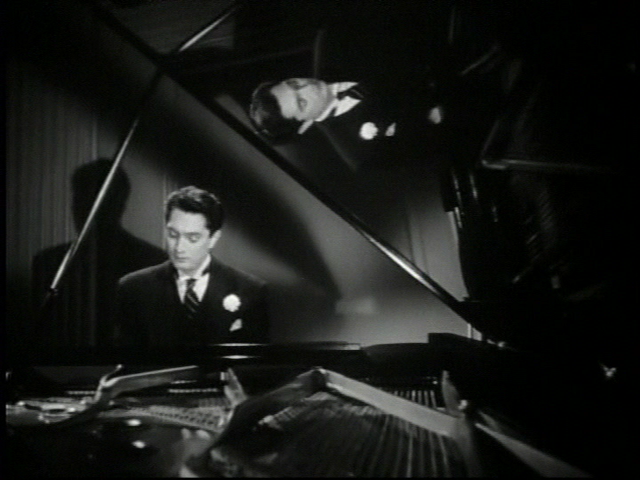
With that said, those willing to forego historical accuracy in favor of a fabulous aural tour through Gershwin’s brief but luminous career won’t be disappointed. Rhapsody in Blue is jam-packed with Gershwin tunes, including a nearly full-length rendition of the title song itself (a fabulous sequence), and cameos by several well-known performers, including Hazel Scott, Anne Brown, and Al Jolson. The acting performances are all fine as well: Robert Alda (Alan’s dad) effectively portrays Gershwin’s drive to achieve at an early age (eerily foreshadowing his premature death), and it’s great fun to see Oscar Levant playing an extended cameo as himself — in one particularly amusing shot, he’s seen anxiously watching Alda-as-Gershwin “performing” “Rhapsody in Blue”, when it’s actually his playing we’re hearing dubbed. Rhapsody in Blue may not reveal much about who Gershwin really was as a person, but it does a stellar job evoking the magic and beauty of his inimitable musical style; for this reason alone, it’s worth a look.

Redeeming Qualities and Moments:

  • Robert Alda as George Gershwin
  • Oscar Levant in a supporting role (as his inimitable himself): “I’ve got a date with my insomnia…”
  • The extended “Rhapsody in Blue” concert sequence
  • Sol Polito’s cinematography
  • A fabulous, Gershwin-saturated score

Must See?
No, but it’s recommended for fans of Gershwin’s music.

Links:

Taking of Pelham One Two Three, The (1974)

Taking of Pelham One Two Three, The (1974)

“A train is down, its radio’s dead, the power’s off, and it’s dumped its load — aside from that, everything is ginger peachy.”

Synopsis:
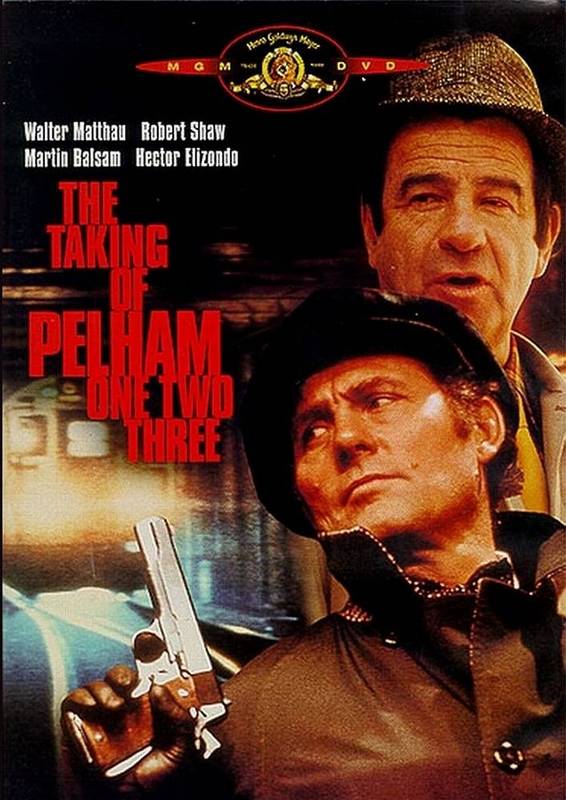
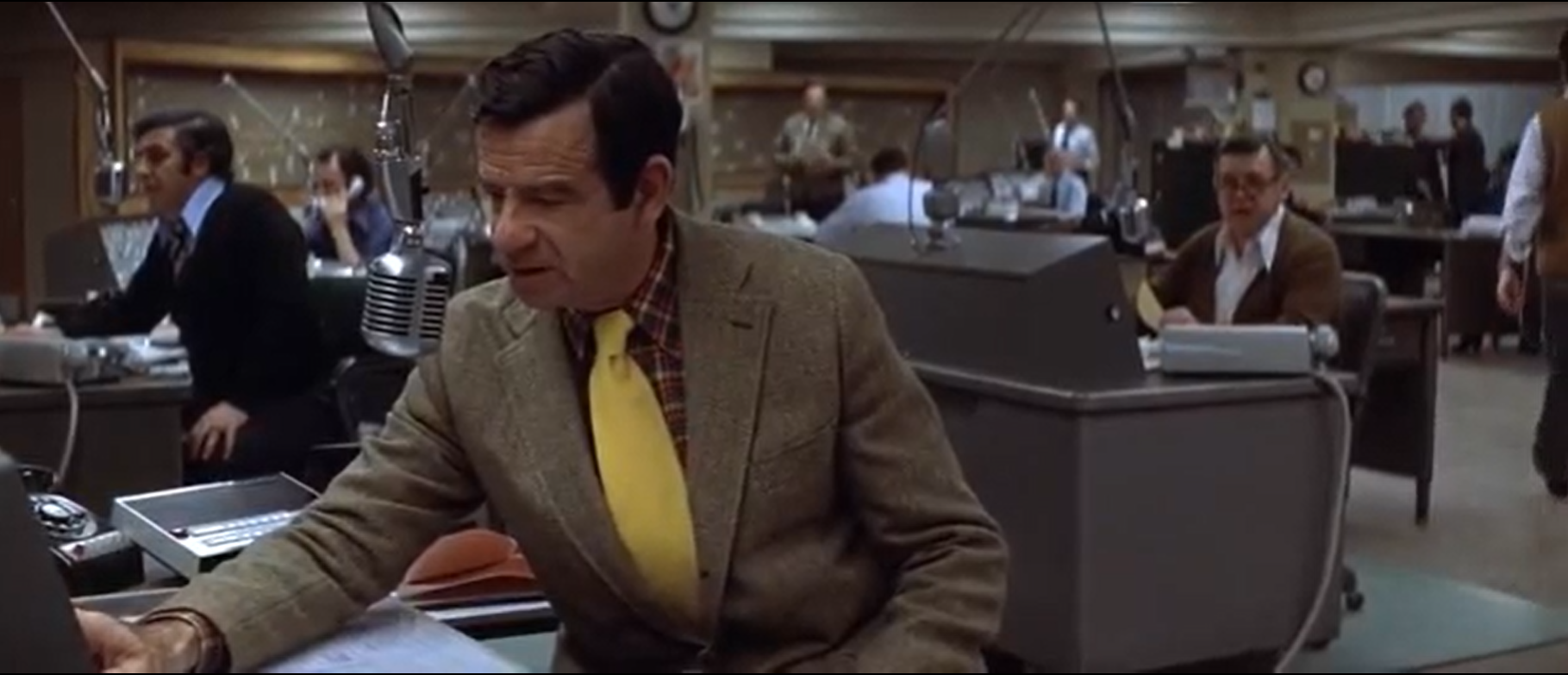
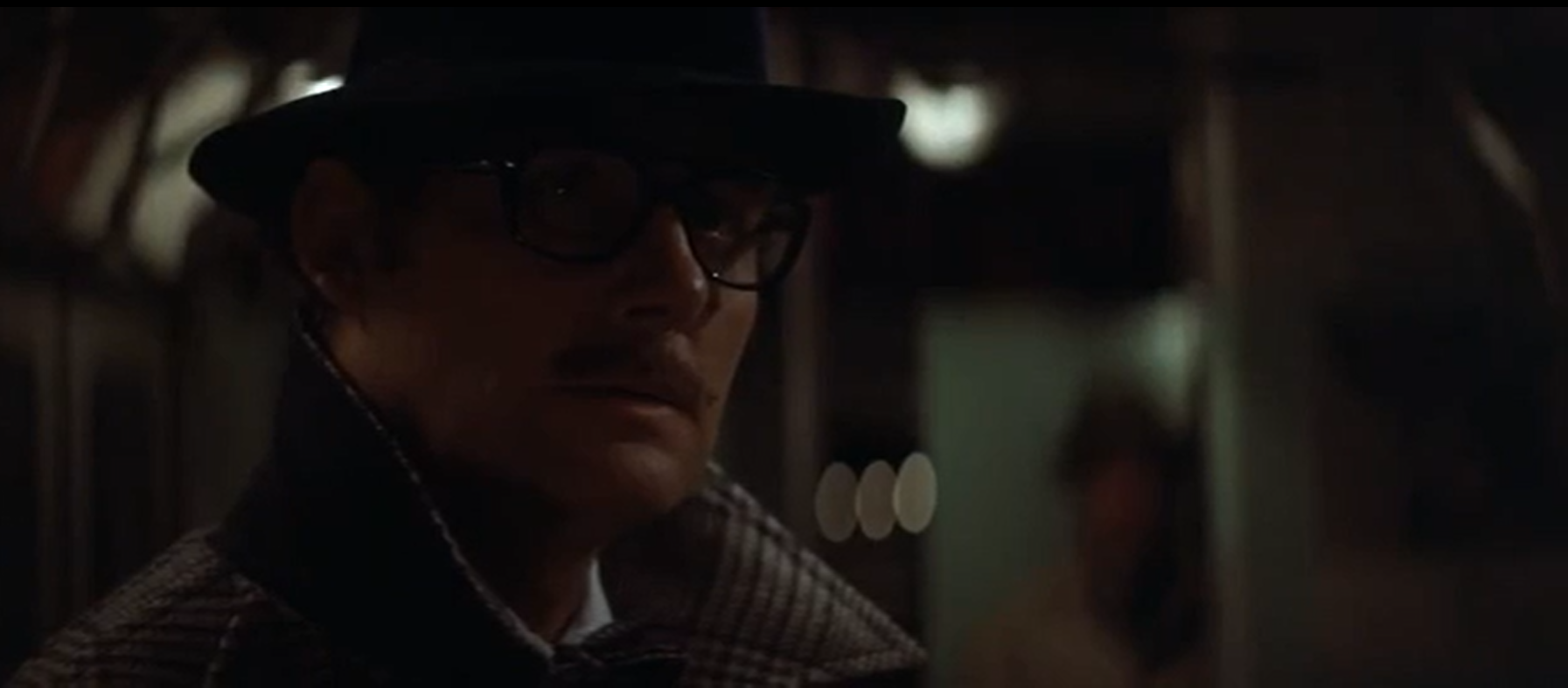
When a group of armed men, led by “Mr. Blue” (Robert Shaw), hijack a New York City subway car in exchange for a million dollars in ransom, it’s up to Lieutenant Garber (Walter Matthau) to save the day — if he can.

Genres, Themes, Actors, and Directors:

  • Cat-and-Mouse
  • Hostages
  • Martin Balsam Films
  • New York City
  • Robert Shaw Films
  • Trains and Subways
  • Walter Matthau Films

Review:
This darkly comedic heist flick has garnered renewed attention recently due to Tony Scott’s upcoming remake, starring Denzel Washington and John Travolta, and scheduled for release in 2009. Yet the original remains a worthy, well-acted flick, with Matthau and Shaw — star of The Luck of Ginger Coffey (1964) — perfectly cast as cat-and-mouse foils: both are immensely clever, and both are equally determined to succeed. Leavening the undeniably dark timbre of the script (numerous deaths occur) are several humorous subplots concerning the day-to-day workings of the New York City Transit Authority; the hostage situation is not only dangerous, but an inconvenience as well. Unfortunately, several plot holes mar what is otherwise a tightly scripted flick: Mr. Blue and his associates, for instance, never bother to check their passengers for hidden weapons, and their get-away plan is shaky at best. Regardless, The Taking of Pelham is guaranteed to appeal to fans of the genre, and will be especially enjoyable for anyone who’s ever taken a ride on the NYC Metro.

Redeeming Qualities and Moments:

  • Walter Matthau as Lt. Garber
  • Robert Shaw as “Mr. Blue”
  • Effective use of New York subways

Must See?
Yes, as an all around “good show” and popular favorite.

Categories

  • Good Show

Links:

Last Summer (1969)

Last Summer (1969)

“When you’re with me, you can be so gentle… But when you’re with them, you’re completely different!”

Synopsis:
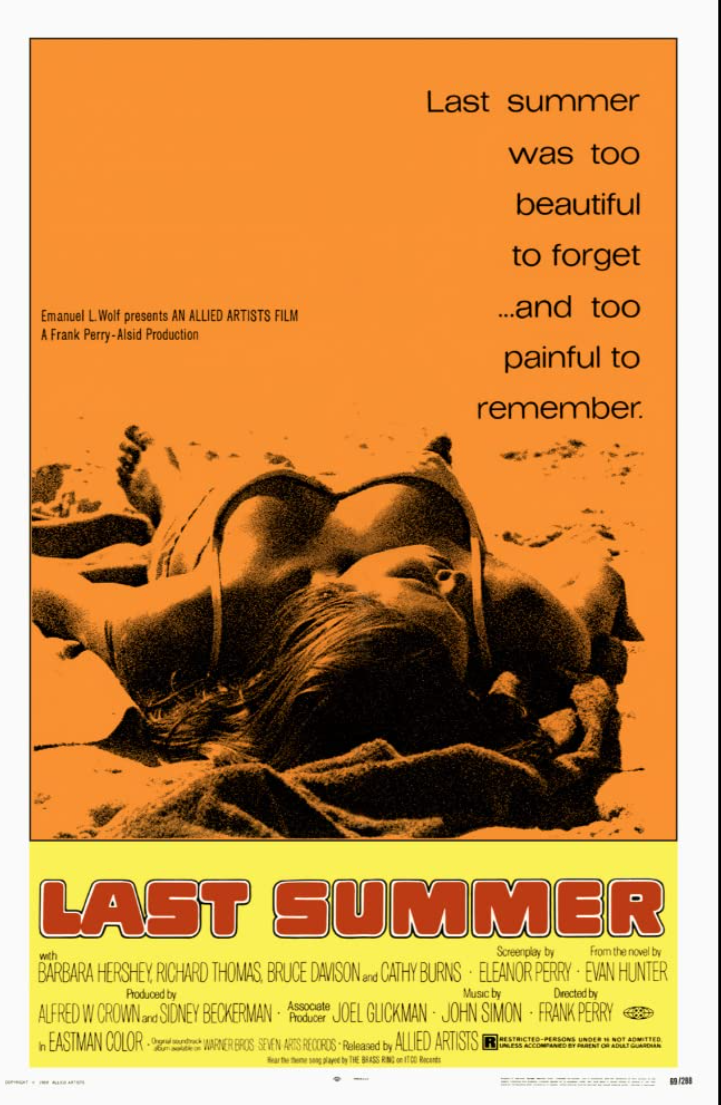
A sexy, domineering teen (Barbara Hershey) befriends two boys (Richard Thomas and Bruce Davison) while vacationing on Fire Island, and soon the three are inseparable. But when a plump outsider named Rhoda (Catherine Burns) tries to become part of their social circle, an unexpected tragedy occurs.

Genres, Themes, Actors, and Directors:

  • Barbara Hershey Films
  • Coming-of-Age
  • Frank Perry Films
  • Friendship
  • Love Triangle
  • Teenagers
  • Vacation

Review:
Before their separation in 1970, husband-and-wife team Frank and Eleanor Perry collaborated on a handful of compelling, hard-hitting films, including David and Lisa (1962), 1963’s Ladybug, Ladybug (not a Peary title, but worth seeking out), The Swimmer (1968), and Diary of a Mad Housewife (1970). This film — another literary adaptation, from a novel by Evan Hunter (author of Blackboard Jungle) — ties neatly into their recurring concern with misfits and group dynamics, providing an unabashed critique of a world where sensitive individuals must learn to survive and thrive while confronting the darker, harsher forces of life.

Last Summer features fine, natural performances by all four of the teenage leads: Hershey (impossibly young) is perfectly cast as a sexy, intelligent, potentially disturbed young woman who is 100% confident in the sway she holds over her horny adolescent male friends; Thomas and Davison — one sensitive, the other brash and cocky — are well balanced against each other, and are entirely believable as buddies; and Burns — whose performance garnered her an Academy Award for best supporting actress, yet whose film career never really took off after this — is both brave and vulnerable in a complex role.

At first, Last Summer appears primarily concerned with the bantering dynamics between Hershey, Thomas, and Davison; one fully expects the souring of their sex-tinged love triangle (who will “win” Hershey’s affections?) to dominate the script, but it doesn’t — instead, a new character (Burns) conveniently emerges on the scene, providing a catalyst for change. Eleanor’s screenplay does an excellent job depicting both the normal anxieties of adolescence — a preoccupation with sexuality; a burning desire to fit in; a need to fill long summer hours with fun and excitement, including experimentation with drugs — and signs that this particular coming-of-age tale possesses more than a hint of pathology.

An opening subplot about a wounded seagull which Hershey and her friends nurse back to health parallels the second half of the film, in which Burns is the “fragile” outsider whose well-being rests on the graces of her fickle new friends. Other hints of dysfunctional power dynamics are given along the way as well, including the trio’s measured reaction to Burns’ story about her mother’s accidental death by drowning, and the way in which they treat a kind Puerto Rican (nicely played by Ernesto Gonzalez) who Hershey has located through a computer dating service. The film’s infamously shocking ending (don’t read too many comments on IMDb, or you’ll immediately encounter spoilers) takes a while to absorb, and — particularly in its R-rated edited version (the film originally received an X rating) — isn’t entirely clear. Nonetheless, it somehow serves as a fitting capstone to this undeniably disturbing and memorable tale, which is difficult to watch but remains a powerful viewing experience.

Redeeming Qualities and Moments:

  • Barbara Hershey as Sandy
  • Catherine Burns as Rhoda
  • Richard Thomas as Peter
  • Bruce Davison as Dan
  • Ernesto Gonzalez in a bit part as Anibal, Rhoda’s blind date
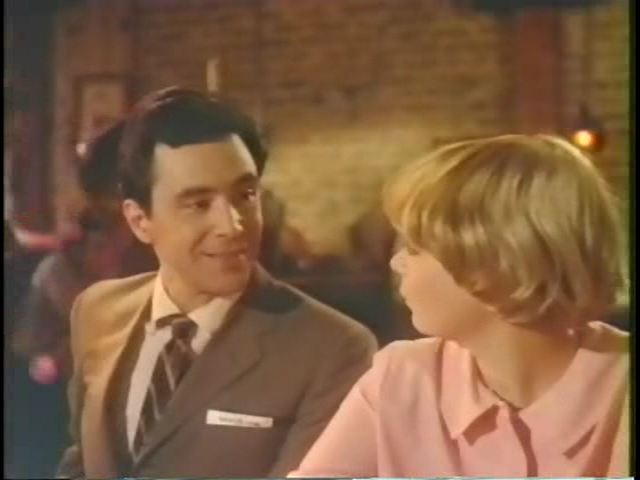
  • Excellent use of Fire Island locales
  • A remarkably effective — albeit deeply disturbing — tale of teenage friendship, sexuality, and power plays

Must See?
Yes, for Burns’ Oscar-nominated performance (and the other performances as well).

Categories

  • Oscar Winner or Nominee

Links:

Ghost Ship, The (1943)

Ghost Ship, The (1943)

“The man is dead. With his death, the waters of the sea are open to us. But there will be other deaths, and the agony of dying, before we come to land again.”

Synopsis:
A young officer (Russell Wade) on a freighter begins to suspect that his captain (Richard Dix) is a megalomaniac psychopath — but no one else on board believes him, and soon he finds that his own life is at risk.

Genres, Themes, Actors, and Directors:

  • At Sea
  • Lawrence Tierney Films
  • Mark Robson Films
  • Mental Illness
  • “No One Believes Me!”
  • Psychological Horror
  • Val Lewton Films

Review:
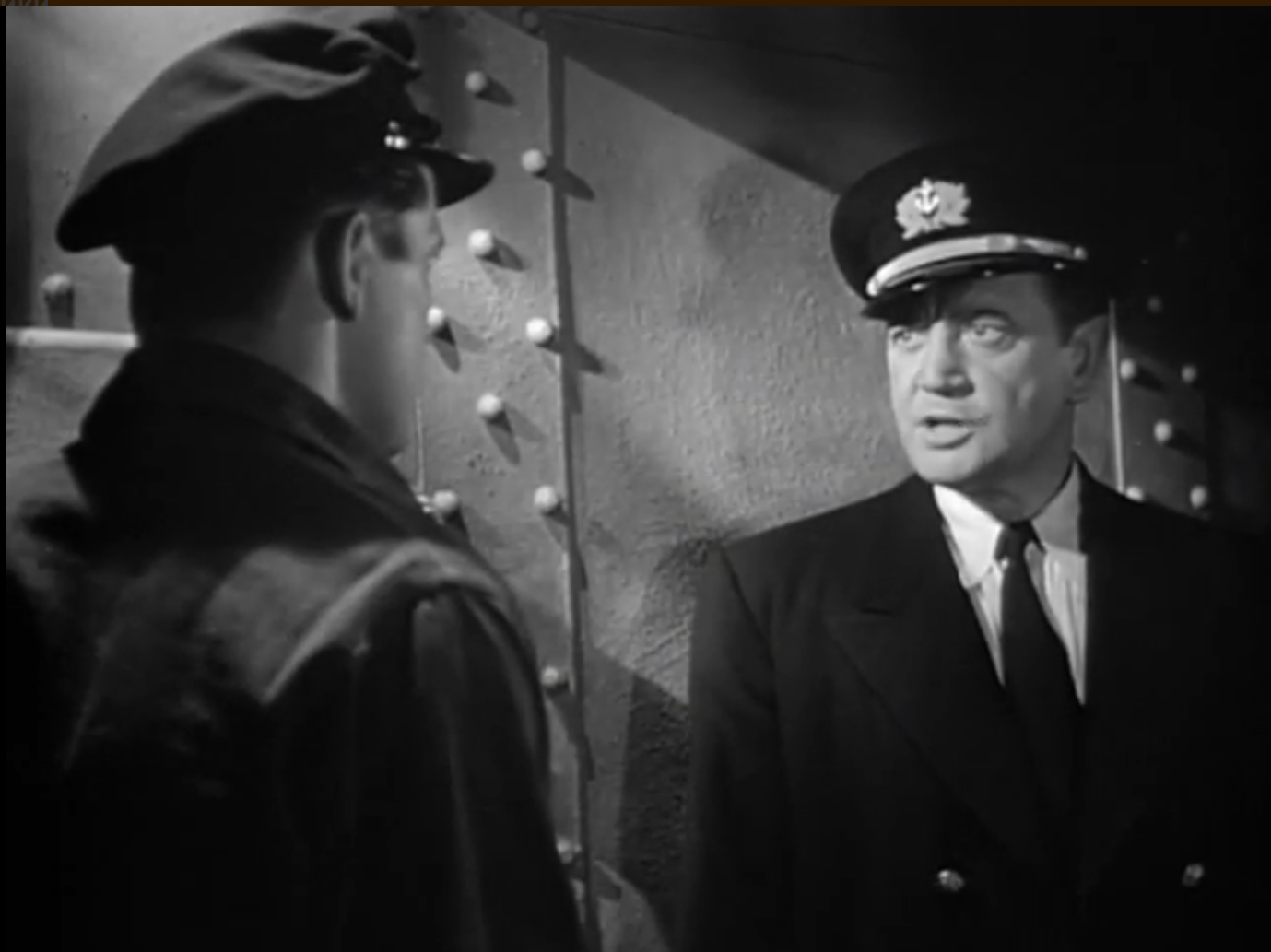
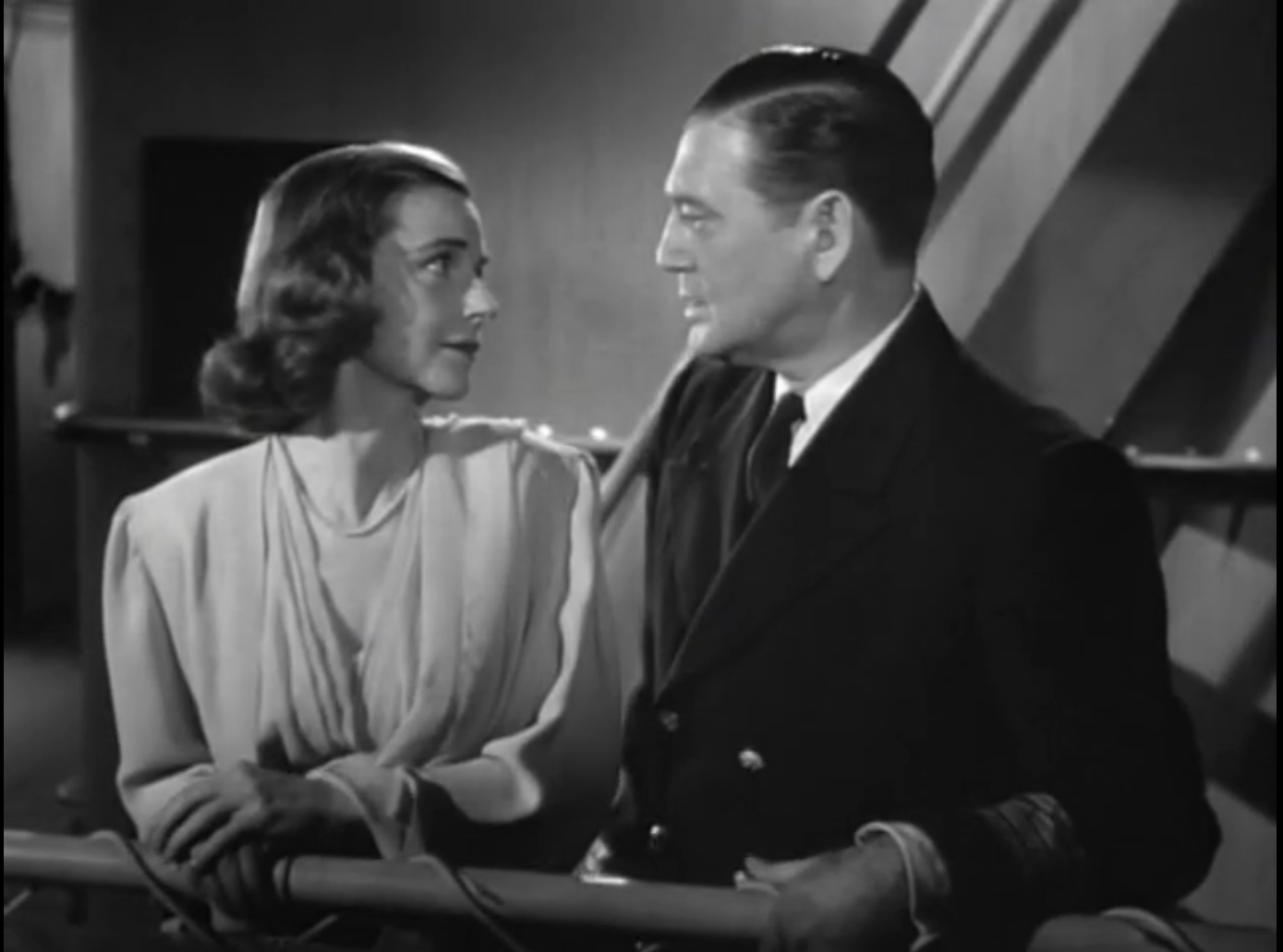
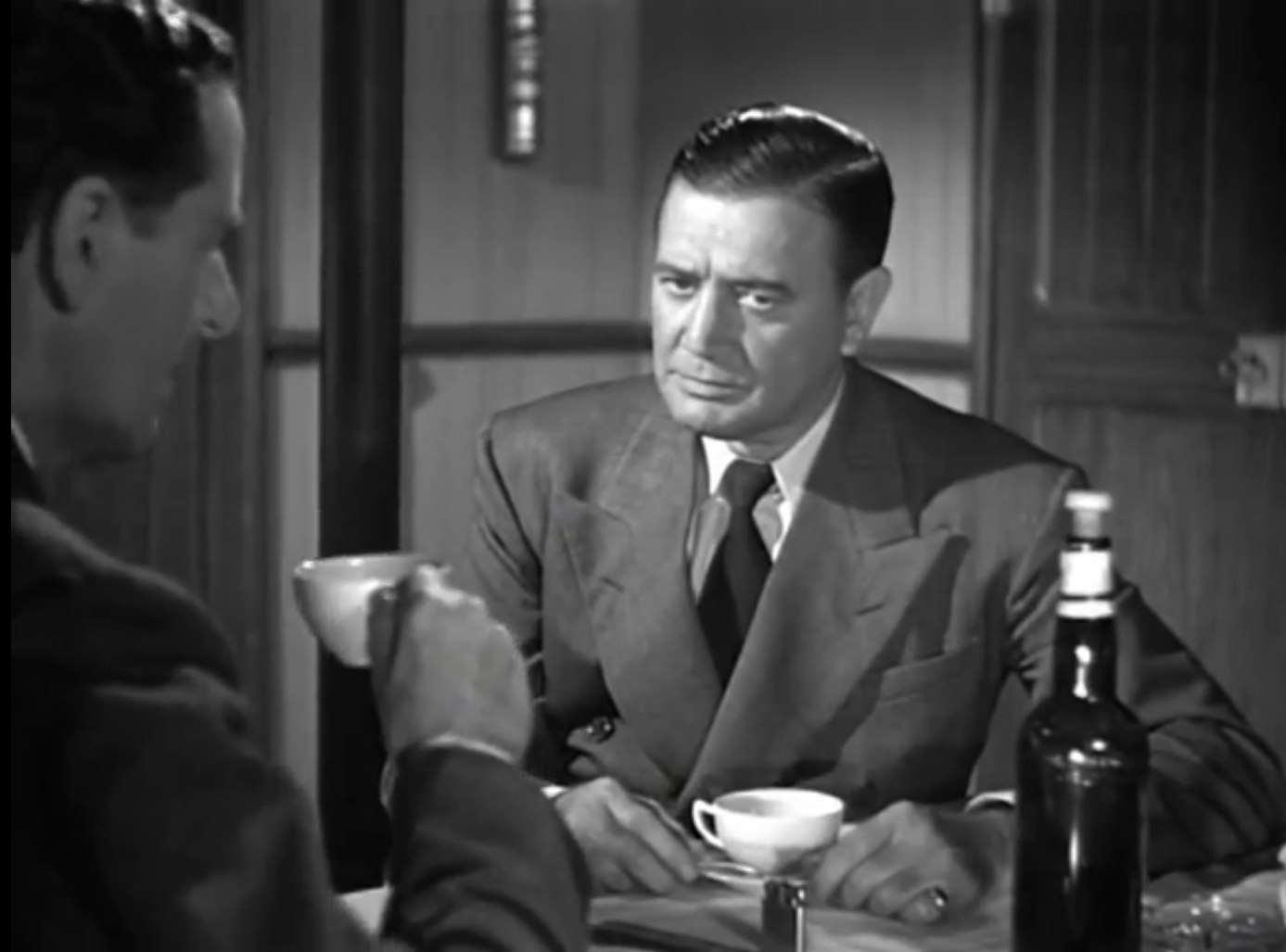
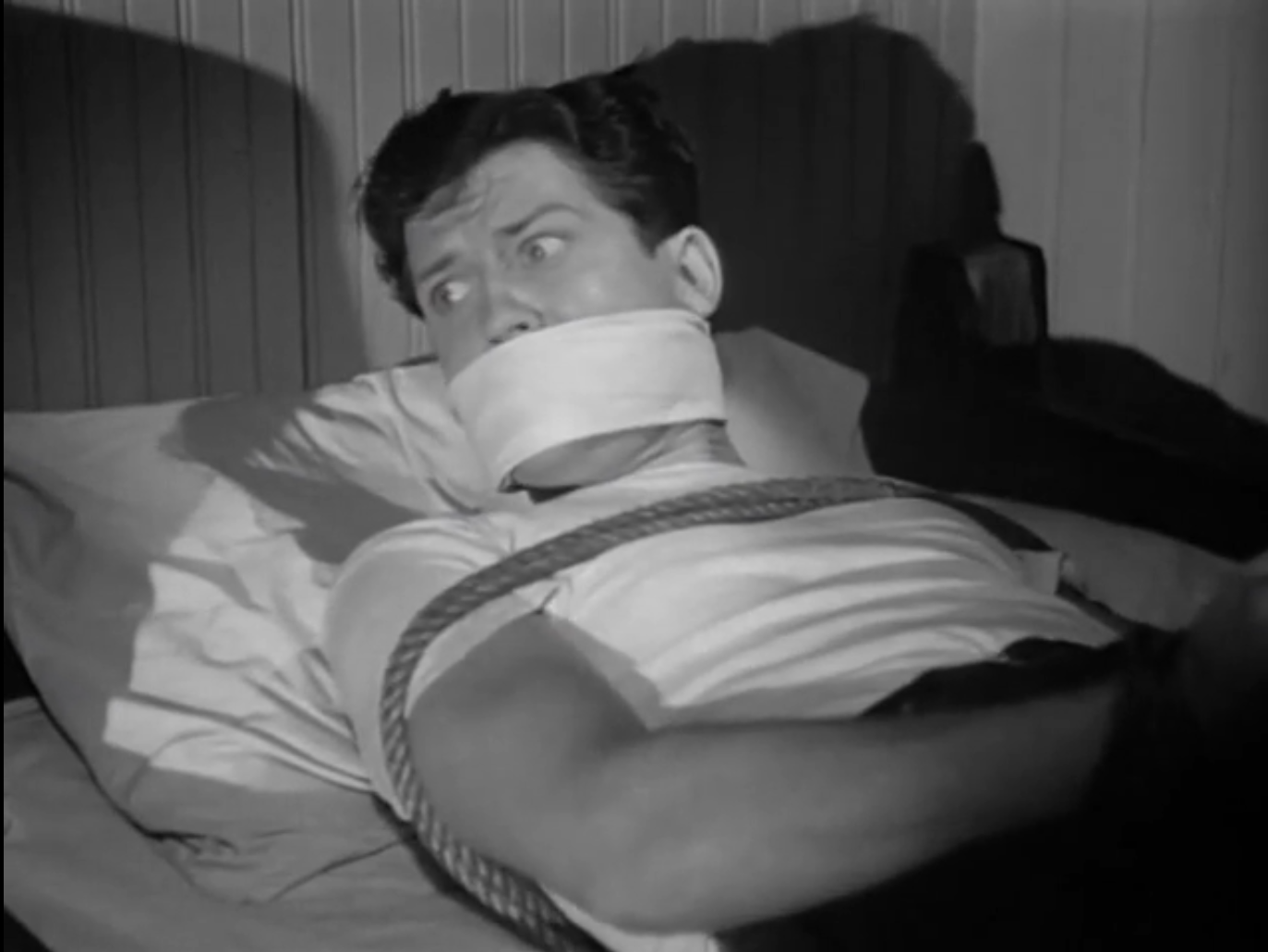
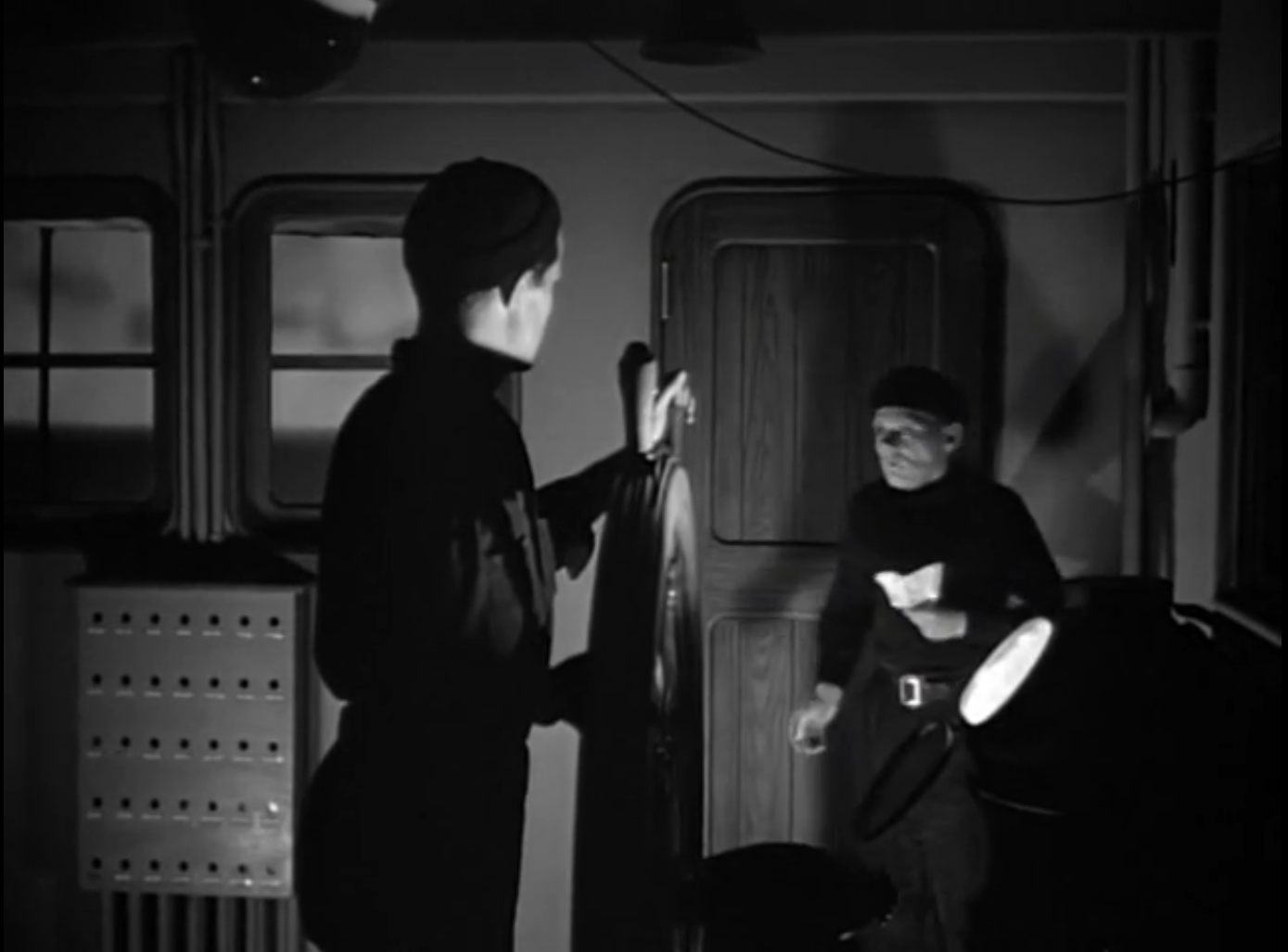
This recently rediscovered RKO horror film — directed by Mark Robson — remains one of B-producer Val Lewton’s least heralded yet most enjoyable thrillers. Taking place largely on board a freighter (a setting which effectively heightens the sense of claustrophobia felt by Wade, the film’s protagonist), The Ghost Ship features an unusual variation on the theme of power-mad leaders who must be stopped before they spiral out of control. In this case, Captain Stone — nicely played by former matinee idol Richard Dix, of Cimarron (1931) fame — has developed a cult of personality which prevents most of his crew members from questioning his authority:

Indeed, even Wade is initially swayed by Stone’s warped reasoning that being responsible for his men’s lives also gives him the power to take those lives from them. Scene after powerful scene — Stone being too frightened to perform an appendectomy on an ailing sailor (Paul Marion), yet justifying his fear as reasonable afterwards:

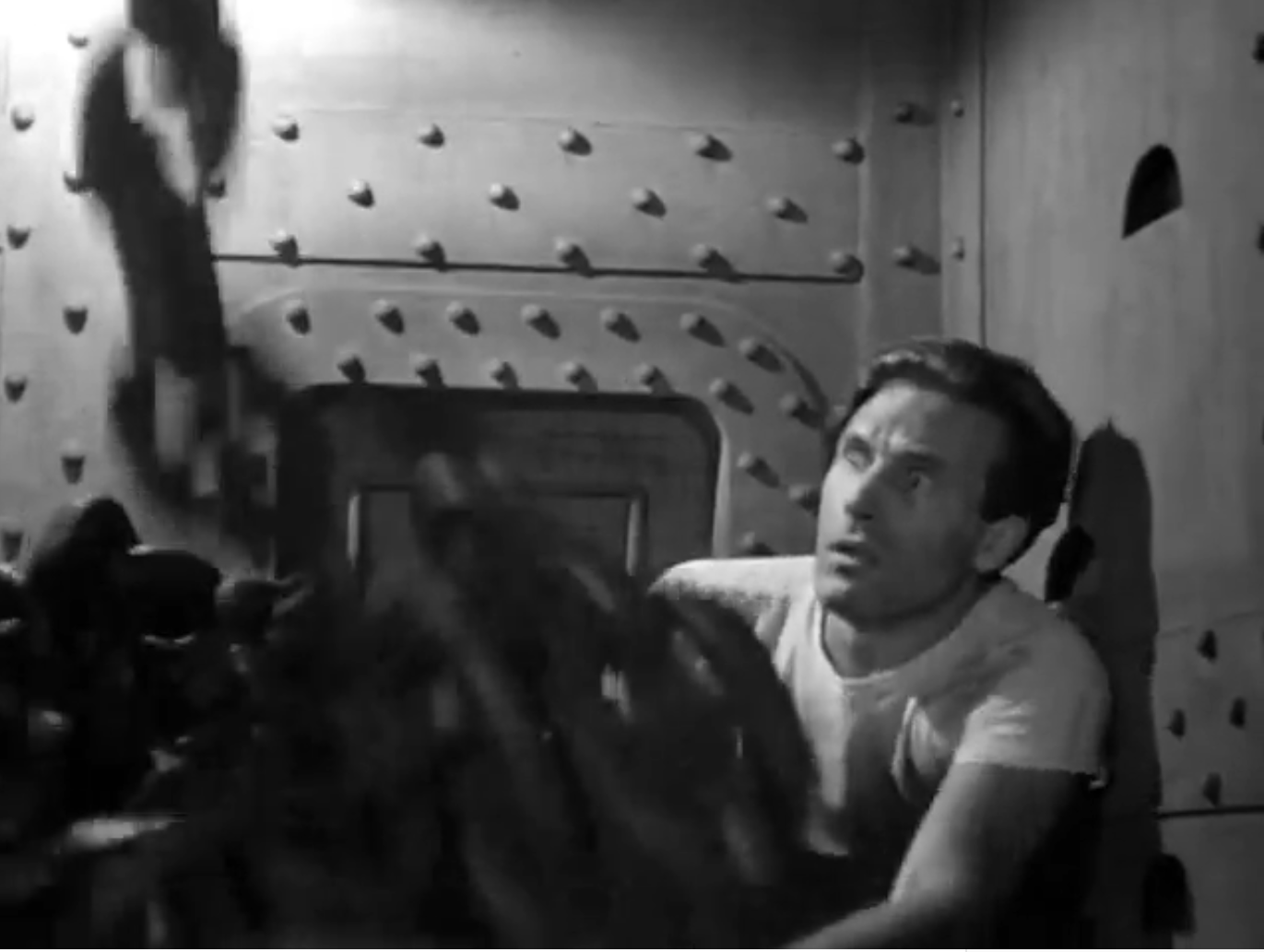
… a sailor (Lawrence Tierney) being “accidentally” crushed to death by a heavy chain after daring to stand up to Stone — leave audience members frightened yet genuinely confused about what to believe, particularly after watching a later scene in which Dix confesses (to a sympathetic female friend, played by Edith Barrett) his own fears about slowly going mad.

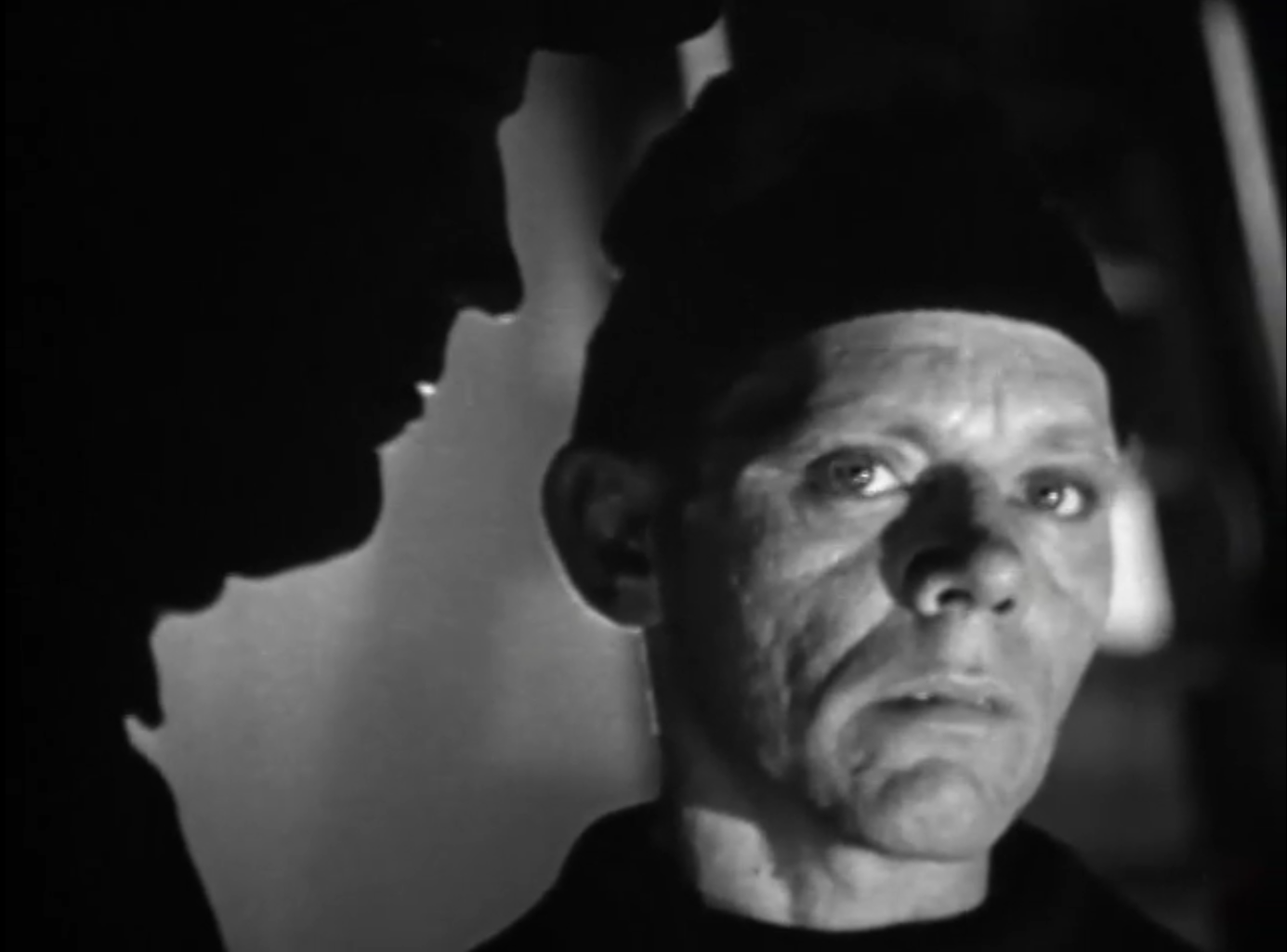
In addition to its tightly scripted screenplay (by Donald Henderson Clarke, based on a story by Leo Mittler), The Ghost Ship is full of Lewton’s characteristic visual and literate sensibility. Nicholas Musuraca’s atmospheric black-and-white cinematography neatly evokes a noirish world on board the ship, while the casting of Skelton Knaggs as Finn the Mute — an omniscient voice-over narrator who plays an unexpectedly important role near the end of the film — serves as an inspired homage to the “chorus” of classical theater.

As with all of Lewton’s other RKO “horror” films, The Ghost Ship‘s title is actually a bit of a misnomer, given that no ghosts ever appear — but Lewton’s unique gift lay in creating highly memorable, low-budget thrillers which relied more on the power of psychology than on overt chills, and this film is no exception. Film fanatics should definitely check it out.

Redeeming Qualities and Moments:

  • Richard Dix as mad Captain Stone
  • Russell Wade as Tom Merriam
  • Nicholas Musuraca’s atmospheric cinematography
  • The infamous “chain death” scene

Must See?
Yes, as one of Lewton’s most effective thrillers.

Categories

  • Important Director

Links:

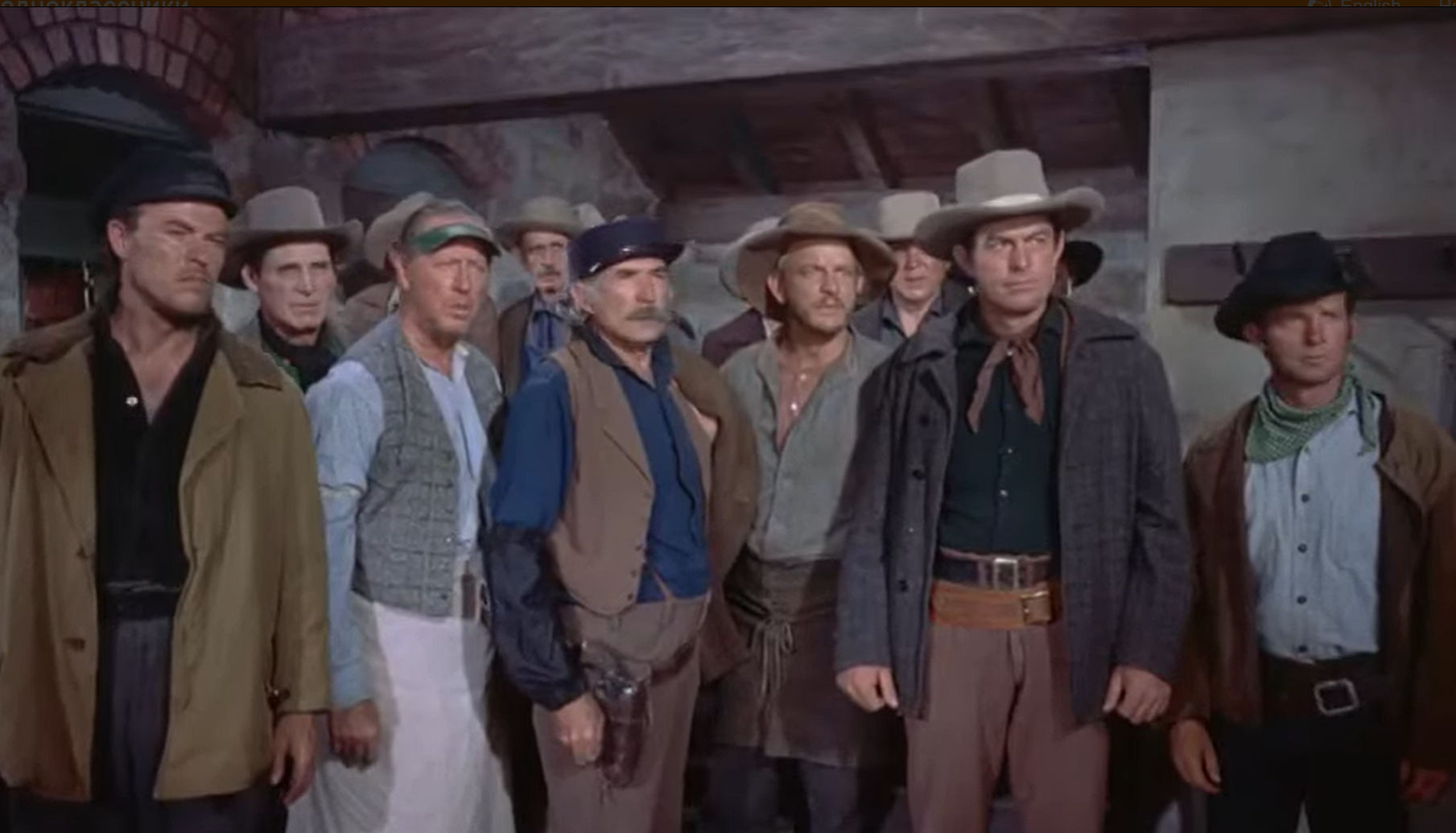
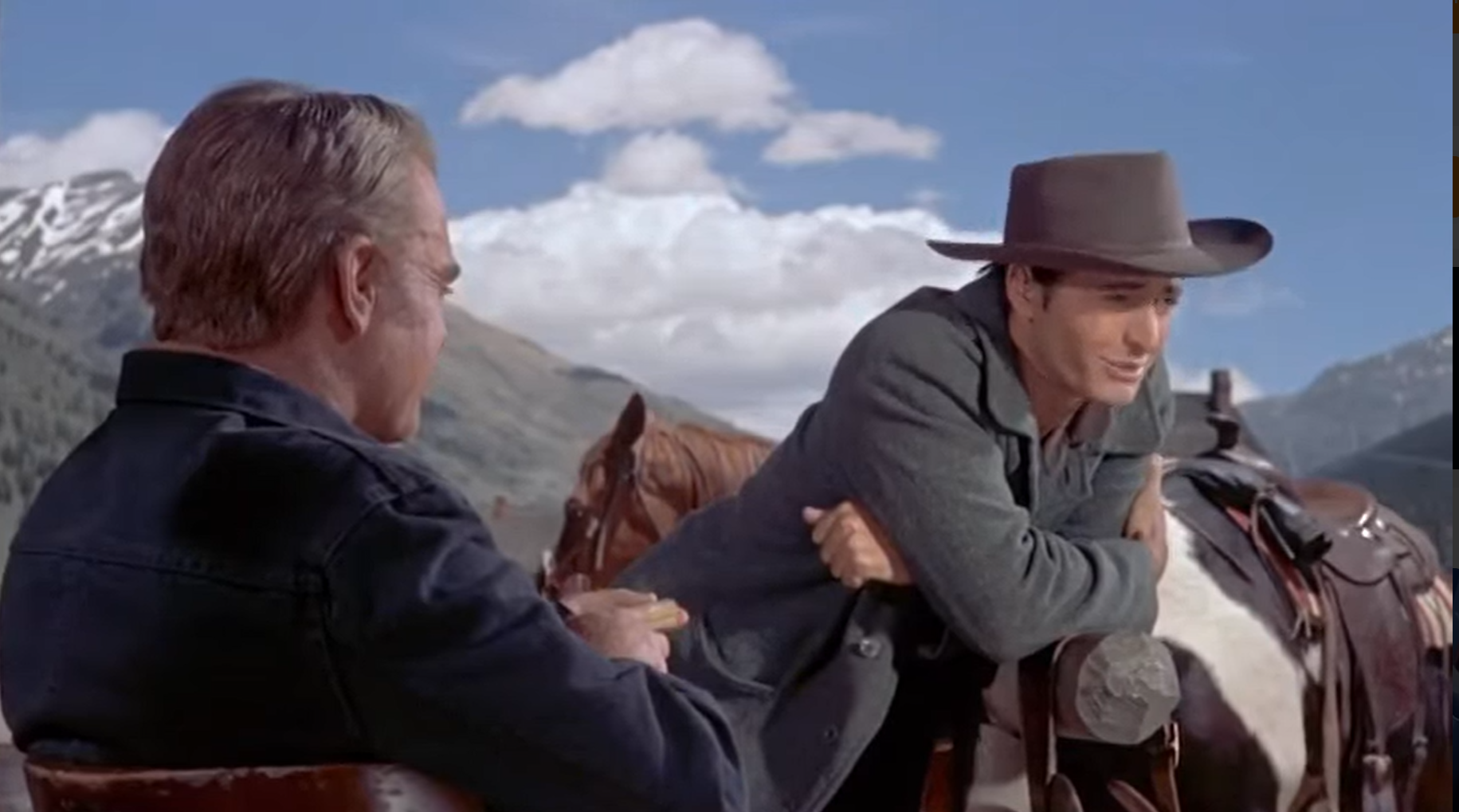
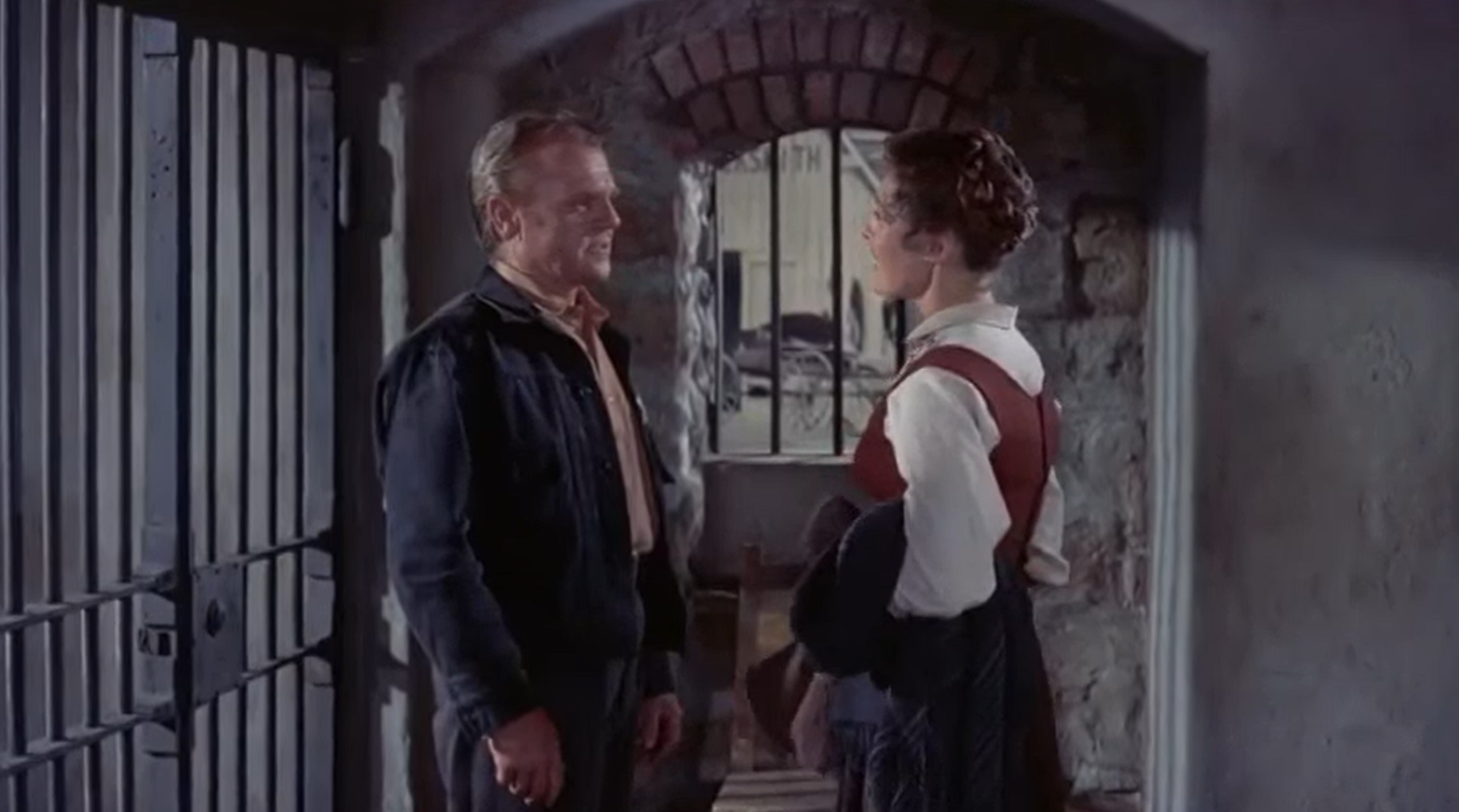
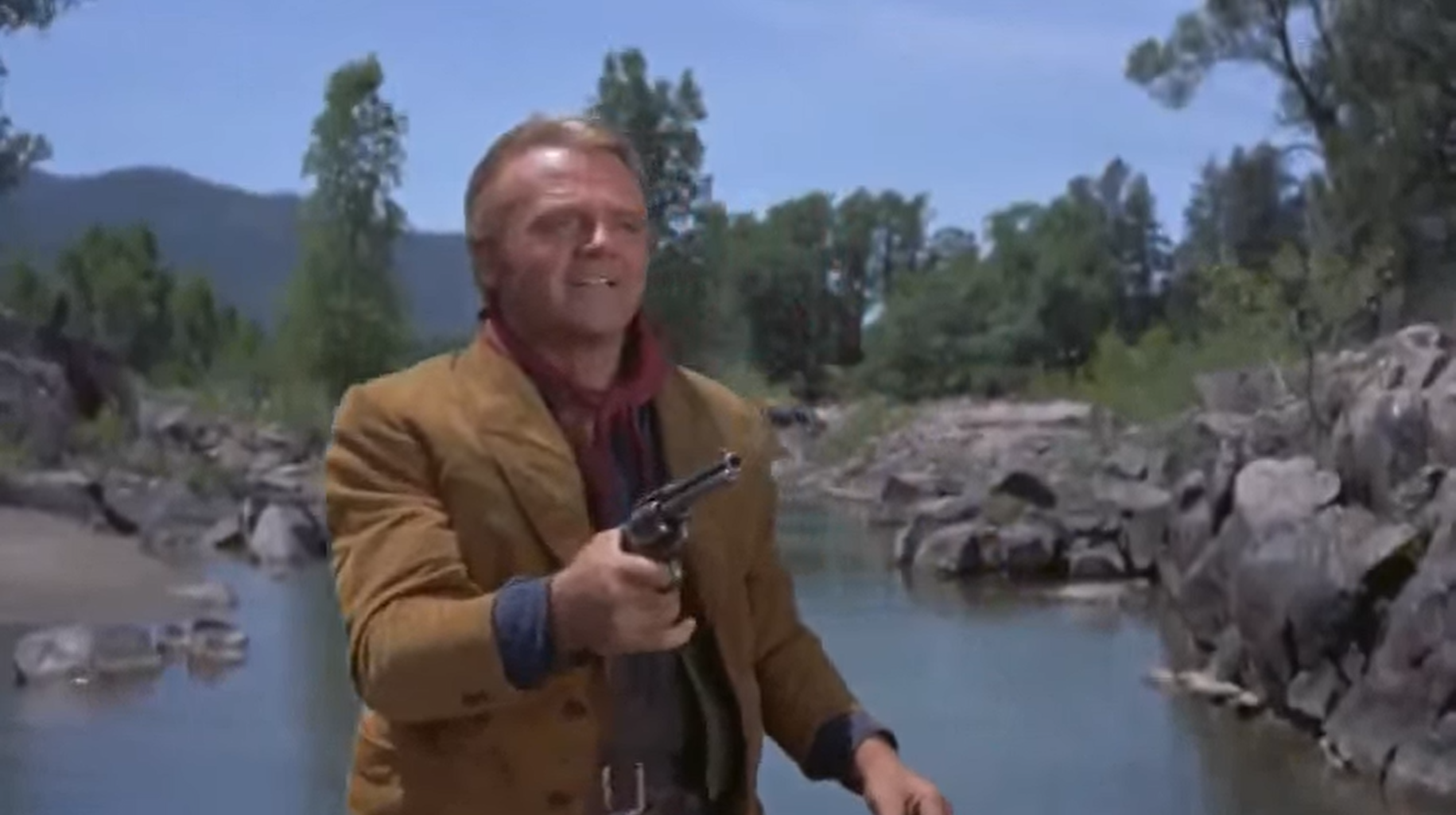
Run For Cover (1955)

Run For Cover (1955)

“Nobody guarantees you a free ride. The only difference is, most people don’t run for cover — they keep right on going, picking up the pieces the best way they can.”

Synopsis:
A drifter (James Cagney) and his hotheaded new acquaintance (John Derek) are mistaken for train robbers, and shot by a local sheriff (Ray Teal). With the help of a Swedish farmer (Jean Hersholt) and his daughter (Viveca Lindfors), Cagney nurses Derek — whose leg has been crippled — back to health. Soon Cagney is elected as the town’s new sheriff, with Derek as his deputy; but Derek’s resentment over being injured for life leads to unexpected consequences.

Genres, Themes, Actors, and Directors:

  • Ernest Borgnine Films
  • Falsely Accused
  • Jimmy Cagney Films
  • Nicholas Ray Films
  • Sheriffs
  • Westerns

Review:
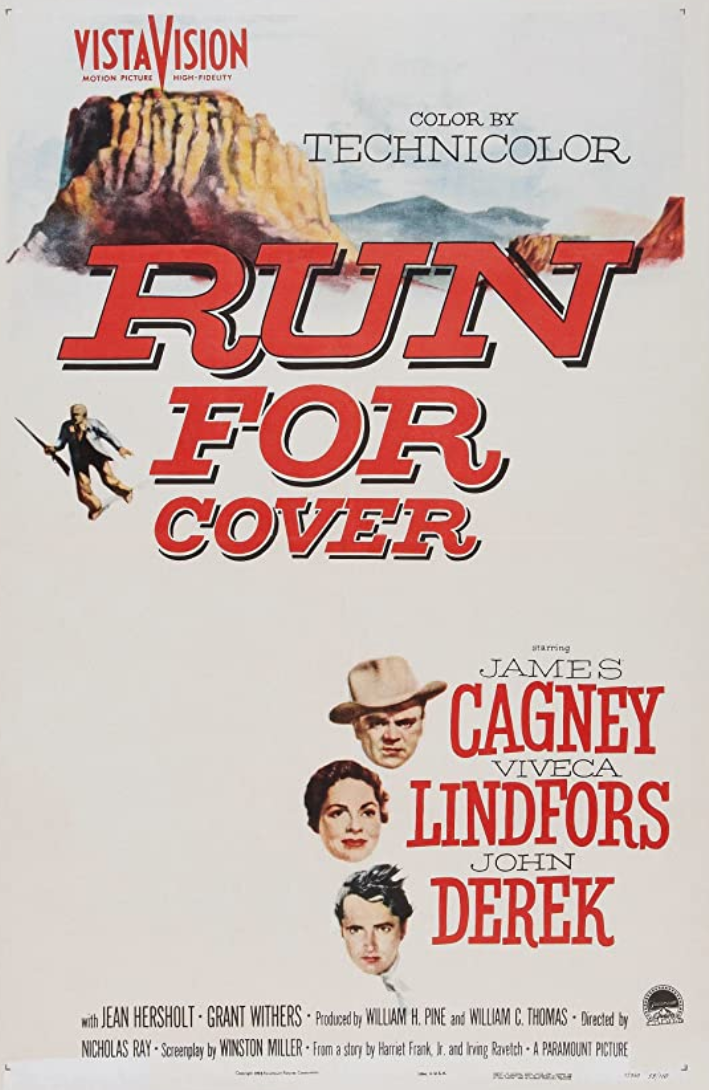
Made in between his better-known Johnny Guitar (1954) and Rebel Without a Cause (1955), Nicholas Ray’s Run for Cover clearly conveys Ray’s interest in (and sympathy for) societal misfits, as well as his concern with Freudian “parental” relations.

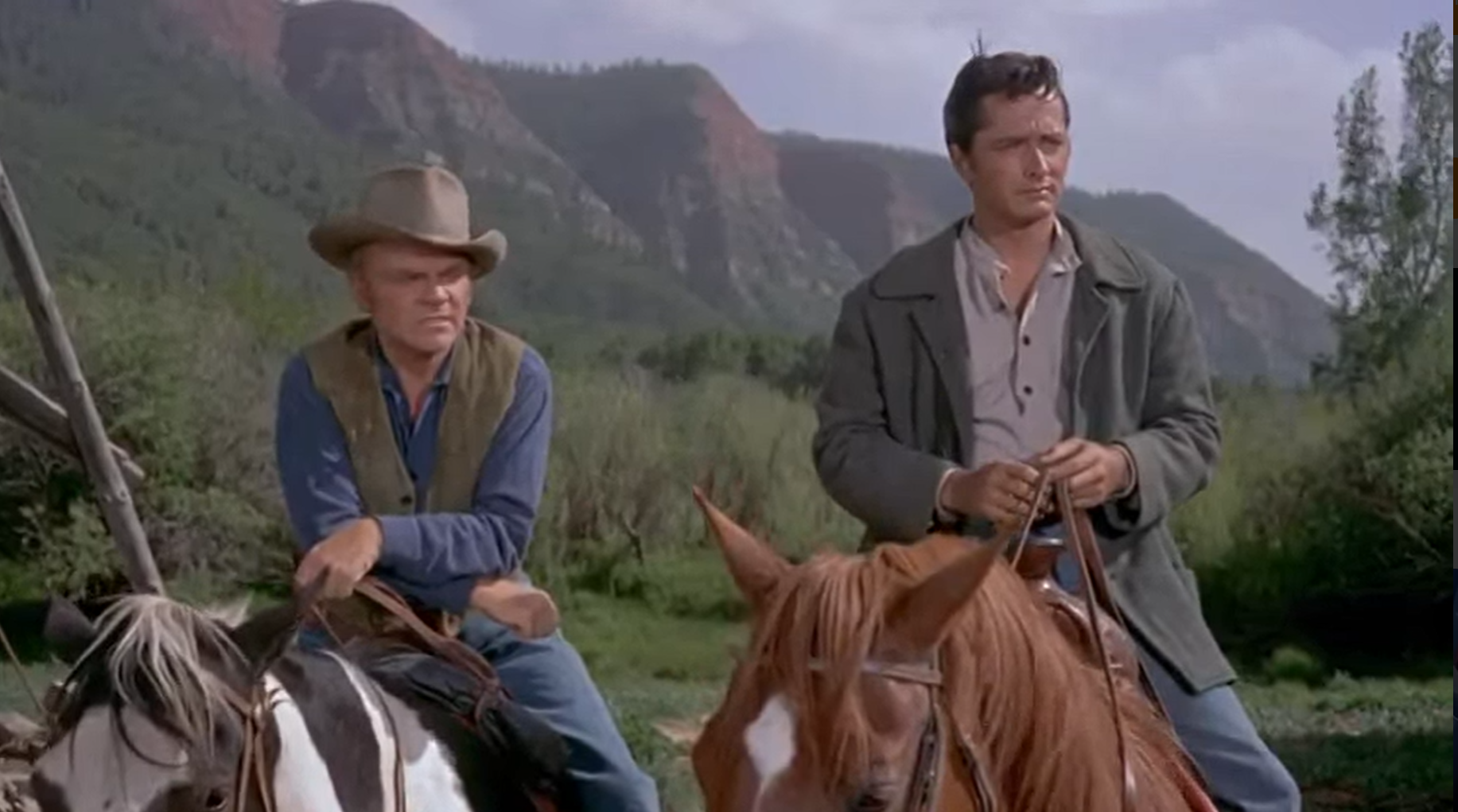
The opening scenes of the film — following the memorable, rousing title song — are particularly strong, as Cagney and Derek’s friendship is established, only to be rudely disrupted by the impatience of vengeance-hungry townsfolk, who are reminiscent of the frightening posse in William Wellman’s The Ox-Bow Incident (1943).

Once this initial drama of mistaken identity is resolved, Cagney’s character gradually emerges as a more complex figure than we expected, and we watch with interest as he takes on a deeply paternal interest in the bitter young Derek.

Unfortunately, the script begins to unravel towards the end, as events (and character motivations) take some unexpected turns, and Cagney’s relationship with Derek takes a turn for the melodramatic. Equally disappointing is Cagney’s budding romance with Lindfors, who — despite her fine performance — is hampered by the relentless stereotypes (loyal daughter, admiring wife) afforded in her role.

Despite its flaws, however, Run For Cover remains a worthy western to check out once, and will be of special interest to fans of Ray’s unique oeuvre.

Redeeming Qualities and Moments:

  • The exciting opening sequence
  • Good use of New Mexico locales for outdoor scenes

Must See?
No, but it’s recommended.

Links: