Browsed by
Category: Original Reviews

Responses to Peary’s “must see” movie reviews, as well as my own “must see” movie reviews up to and after 1986 (when Peary’s book was published).

Sting, The (1973)

Sting, The (1973)

“I don’t know what to do with this guy, Henry: he’s an Irishman who doesn’t drink, doesn’t smoke, and doesn’t chase dames.”

Synopsis:
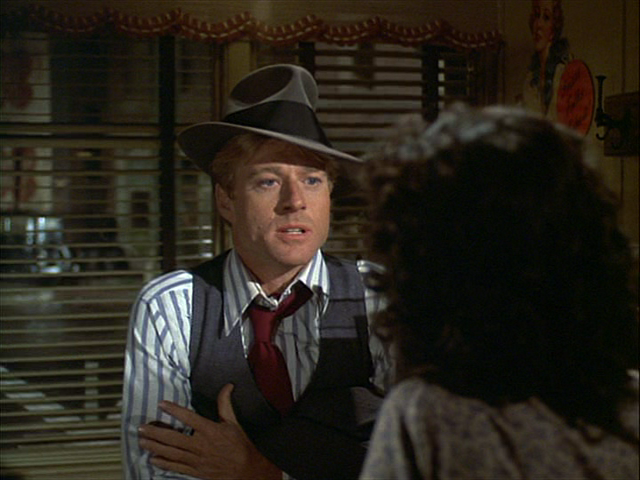
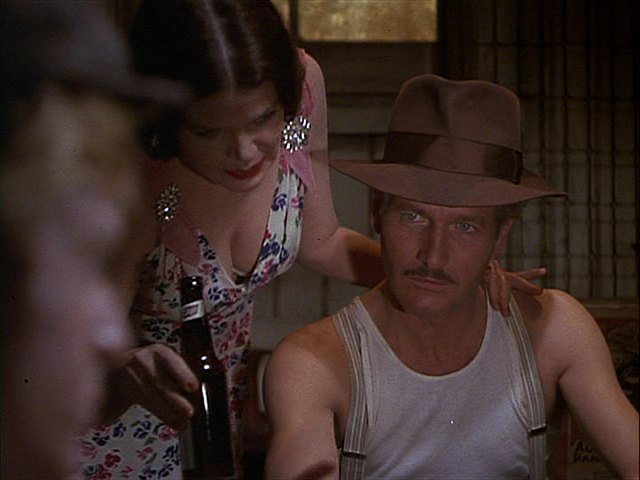
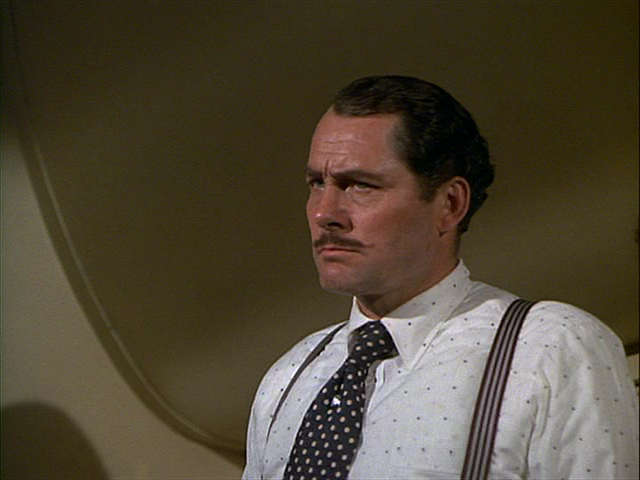
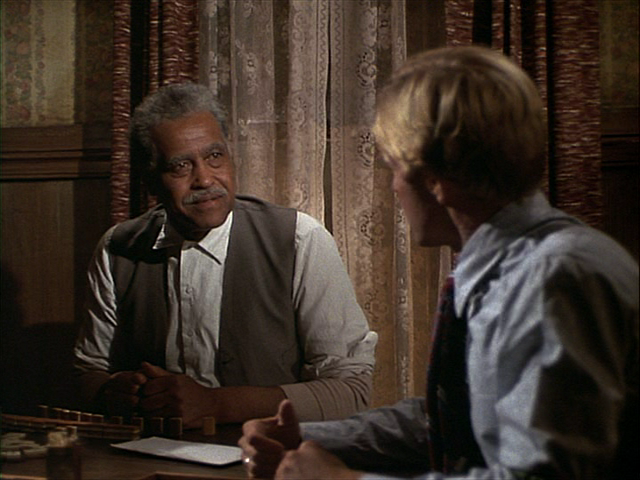
A small-time grifter (Robert Redford) asks for help from a more experienced con-man (Paul Newman) in seeking revenge when his partner (Robert Earl Jones) is murdered by a cold-blooded Irish mobster (Robert Shaw).

Genres, Themes, Actors, and Directors:

  • Con-Artists
  • Depression Era
  • George Roy Hill Films
  • Heists
  • Paul Newman Films
  • Revenge
  • Robert Redford Films
  • Robert Shaw Films<

Review:
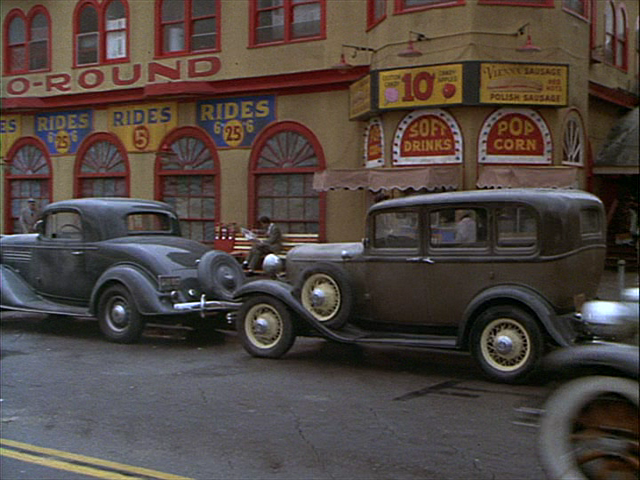
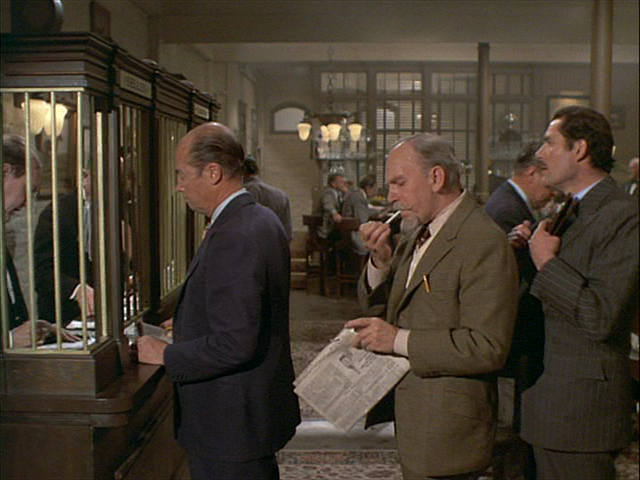
George Roy Hill’s beloved con artist-revenge flick has held up remarkably well, and remains a clever, challenging delight even for those recently weaned on David Mamet’s intricately plotted House of Games (1987), The Spanish Prisoner (1997), and Heist (2000). While first-time viewers will likely be overwhelmed by the sheer number of plot twists and turns to keep track of (I confess to initial confusion myself), a second viewing helps to clear things up, and Hill’s creative team does such an impressive job recreating Depression-era Chicago that it’s easy on the eyes to sit through more than once. The lead actors are perfectly cast, with Robert Shaw particularly noteworthy in a performance far, far removed from his title role in The Luck of Ginger Coffey nearly ten years earlier, and Newman having fun with his role as a “seasoned” con-man. Only Dimitra Arliss — playing a worn-out waitress who has a one-night-stand with Redford — seems miscast; she looks old enough to be his mother.

P.S. The Sting earned an impressive seven Oscars in 1973, including awards for best picture, best director, best original screenplay, best musical score, best costume design, best set direction, and best editing. In his Alternate Oscars, however, Peary — while referring to it as “a great date movie and cheery commercial film”, and agreeing that it has a “slick and tricky script” — argues that it didn’t really deserve to win Best Picture of the year.

Redeeming Qualities and Moments:

  • Robert Redford as Johnny Hooker
  • Paul Newman as Gondorff
  • Robert Shaw as Lonnegan
  • Robert Earl Jones as Luther Coleman
  • Colorful depression-era sets and costumes
  • David S. Ward’s wonderfully dense and intricate “long-con” screenplay

Must See?
Yes, for its status as a multiple Oscar-winning film. Listed as a film with Historical Importance in the back of Peary’s book.

Categories

  • Historically Relevant
  • Oscar Winner or Nominee

(Listed in 1001 Movies You Must See Before You Die)

Links:

Our Relations (1936)

Our Relations (1936)

“Everybody has a black sheep in their closet.”

Synopsis:
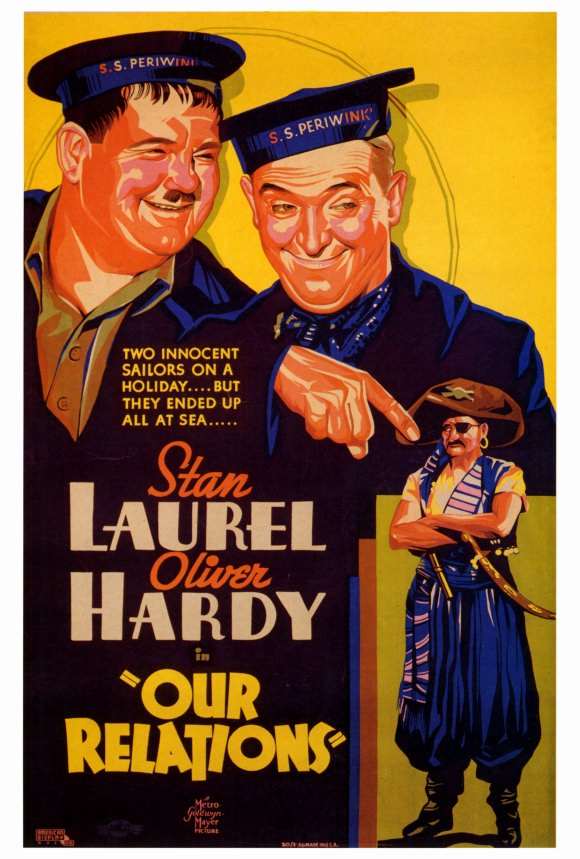
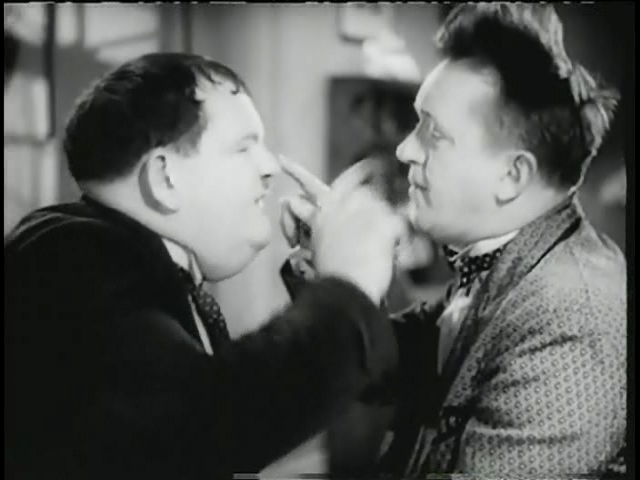
Brothers Stan (Stan Laurel) and Ollie (Oliver Hardy) are relieved to hear from their mother that their black sheep sailor twins Alf and Bert (also Laurel and Hardy) have died at sea. Yet Alf and Bert are actually alive and well — and when they happen to dock in the same town as their more respectable twin brothers, mistaken identity mayhem ensues.

Genres, Themes, Actors, and Directors:

  • Alan Hale Films
  • Comedy
  • Laurel and Hardy Films
  • Mistaken or Hidden Identities
  • Sailors
  • Twins

Review:
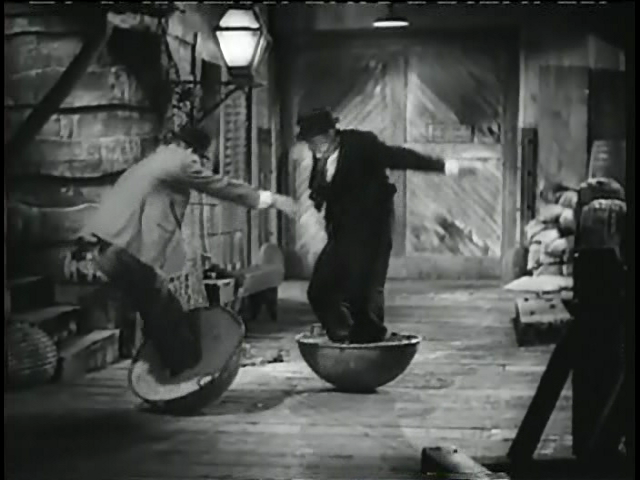
While Our Relations is widely considered to be one of Laurel and Hardy’s best feature length films, it never quite reaches the comedic hilarity of their more “certified” classics, such as Sons of the Desert (1933), Way Out West (1937), and Block-Heads (1938). One problem is the fact that Stan and Ollie aren’t sufficiently differentiated (visually speaking) from Alfie and Bert — an issue which becomes especially problematic during the denouement of the film, when each set of twins is mistaken for the other, and even audience members may have a hard time figuring out who’s who. With that said, the clever script (which pays homage to Shakespeare’s Comedy of Errors) moves along at a quick pace, and includes plenty of enjoyable gags — including Alfie and Bert being swindled by a suave deck mate (James Finlayson) into giving him their earnings, and cement-bound Stan and Ollie teetering precariously along the edge of a pier (though this sequence is milked a tad too thoroughly…). Laurel and Hardy fans won’t be disappointed.

Redeeming Qualities and Moments:

  • Several clever sequences — including the duo’s infamous “feet in cement” routine on the pier
  • Laurel and Hardy doing their “Shakespeare — Longfellow!” recitation after speaking in tandem

Must See?
No, but it’s recommended, and certainly a must for any Laurel and Hardy fans. Listed as a film with Historical Importance and a Personal Recommendation in the back of Peary’s book.

Links:

Let’s Scare Jessica to Death (1971)

Let’s Scare Jessica to Death (1971)

“Nightmares or dreams? Madness or sanity? I don’t know which is which!”

Synopsis:
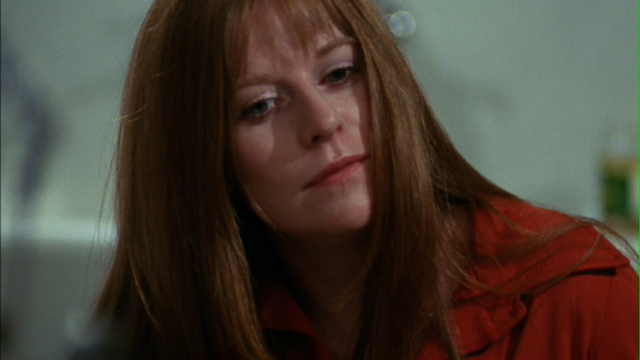
A recently institutionalized woman (Zohra Lampert) moves with her husband (Barton Heyman) and their friend (Kevin O’Connor) to an abandoned farm in the country, where they encounter a mysterious red-headed hippie (Mariclare Costello) living on the property. They invite Emily (Costello) to stay with them, but Jessica (Lampert) becomes unnerved when she discovers that Emily bears an uncanny resemblance to a long-dead previous owner…

Genres, Themes, Actors, and Directors:

  • Horror Films
  • Mental Illness
  • “No One Believes Me!”

Review:
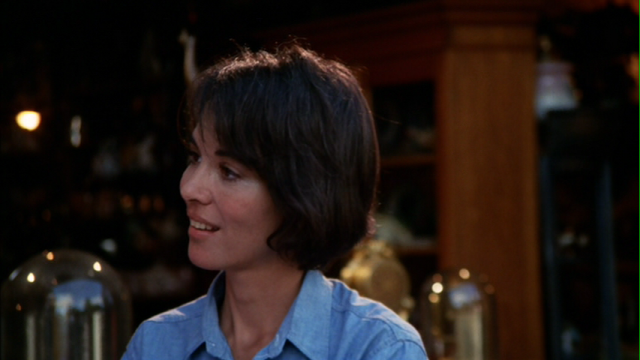
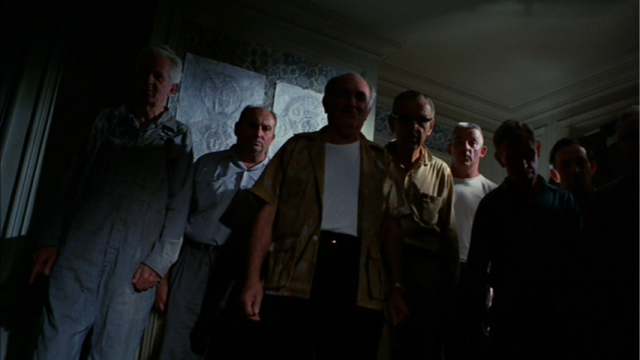
The intriguing title of this atmospheric horror film leads one to believe that gaslighting may be its primary theme, but this isn’t necessarily the case — instead, the film keeps us in continual suspense about who or what is responsible for Jessica’s renewed sense of fear and paranoia. Is she going mad again, or are the bloody corpses she sees cropping up on her property actually real? And why do certain town members — many of whom are inexplicably gruff and cold — have mysterious scars on their necks? Zohra Lampert is well-cast as the perennially nervous, child-like Jessica, who wants desperately to be “well” again but can’t help fearing for her sanity; equally effective — though we only gradually understand why — is Costello, giving an appropriately understated and mysterious performance. While it’s not must-see for all film fanatics, fans of horror suspense films will likely be curious to check this sleeper out. Click here to see a website devoted to the film.

Redeeming Qualities and Moments:

  • Zohra Lampert’s sensitive — albeit occasionally overly twitchy — performance as Jessica
  • Mariclare Costello as Emily
  • An atmospheric, effectively creepy ambiance

Must See?
No, but it will likely be of interest for fans of the genre. Listed as a Sleeper and a Personal Recommendation in the back of Peary’s book.

Links:

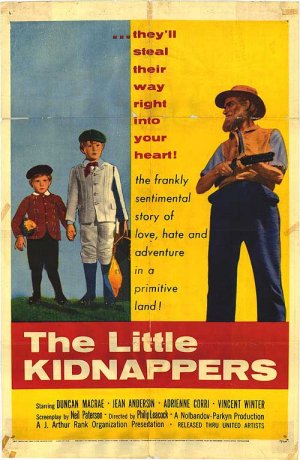
Little Kidnappers, The (1953)

Little Kidnappers, The (1953)

“Nobody but you and me are to know of this ‘babby’ — it’s ours!”

Synopsis:
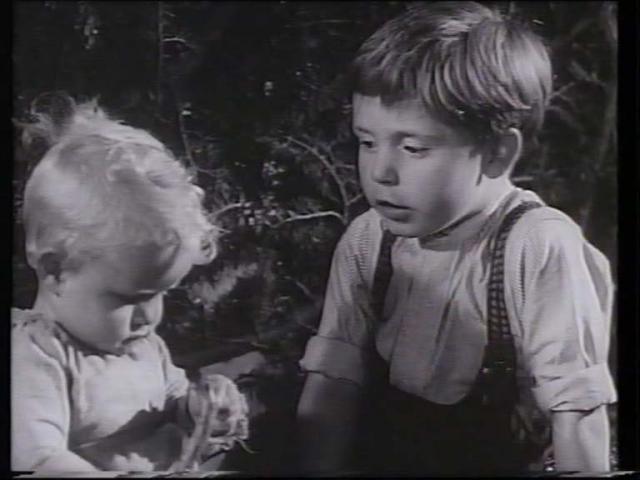
When two Scottish orphans (Jon Whiteley and Vincent Winter) are sent to Nova Scotia to live with their grandparents (Jean Anderson and Duncan Macrae), they learn that their father’s death in the Boer War has caused Macrae to hate and distrust all Dutch settlers in the area — including a kind local doctor (Theodore Bikel) who is romantically involved with their aunt Kirsty (Adrienne Corri). Meanwhile, the boys long for a pet dog to keep them company, but settle instead for a “lost” baby (Anthony Michael Heathcoat) they find in a meadow.

Genres:

  • Childhood
  • Feuds
  • Kidnapping
  • Orphans

Review:
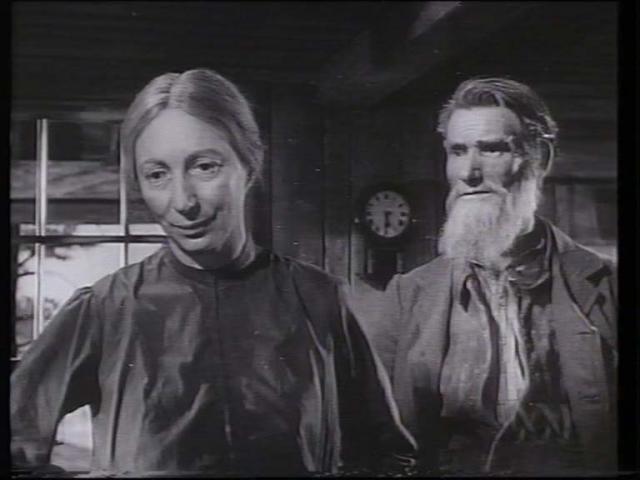
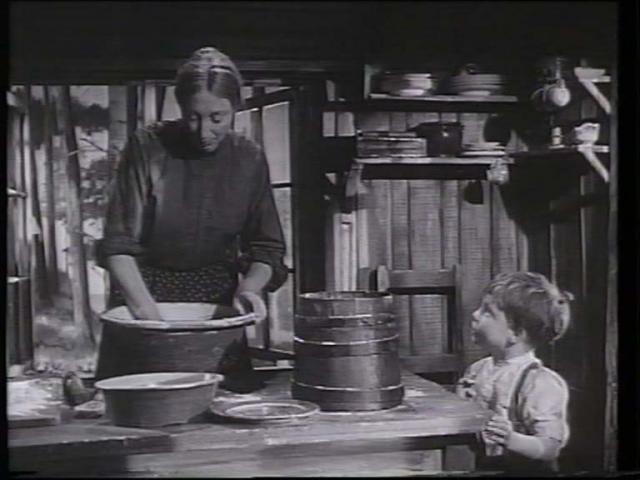
This enjoyable sleeper about two orphaned brothers adjusting to a new life in Canada features a strong sense of time and place, and believable characters who we quickly grow to care for. Both Whiteley and Winter are appealing and natural in the title roles, with Winter (the younger brother) especially charismatic; their childish yet dead-serious banter together — all spoken in a strong Scottish brogue — is priceless (“Are we going to keep it forever?” “I don’t know… We’ll keep it for a year or two anyways, until it’s got a mind of its own — and then, if it wants to hit the trail, there won’t be no stopping it.”). While the boys’ gun-toting grandfather seems at first like simply an angry, self-righteous man with an iron will, several key scenes – including his interactions with the local schoolmaster (Jack Stewart), who’s ultimately even sterner than himself — reveal him to possess an innate sense of fairness and goodness, and it’s clear that his character may develop for the better. The story moves along at a leisurely but natural pace, with the key plot development (the boys’ innocent kidnapping of a baby) not occurring until more than halfway through the film; the outcome of this event — while perhaps mildly predictable — offers a satisfying resolution on every count.

Redeeming Qualities and Moments:

  • Vincent Winter as Davy MacKenzie
  • Duncan Macrae and Jean Anderson as Davy and Harry’s
  • Nice period detail
  • Many memorable lines: “Don’t eat the babby, granddaddy!”

Must See?
No, but it’s recommended.

Links:

Yesterday, Today, and Tomorrow (1963)

Yesterday, Today, and Tomorrow (1963)

“You think I’m a slave to sex, but I have a soul, too — remember that.”

Synopsis:
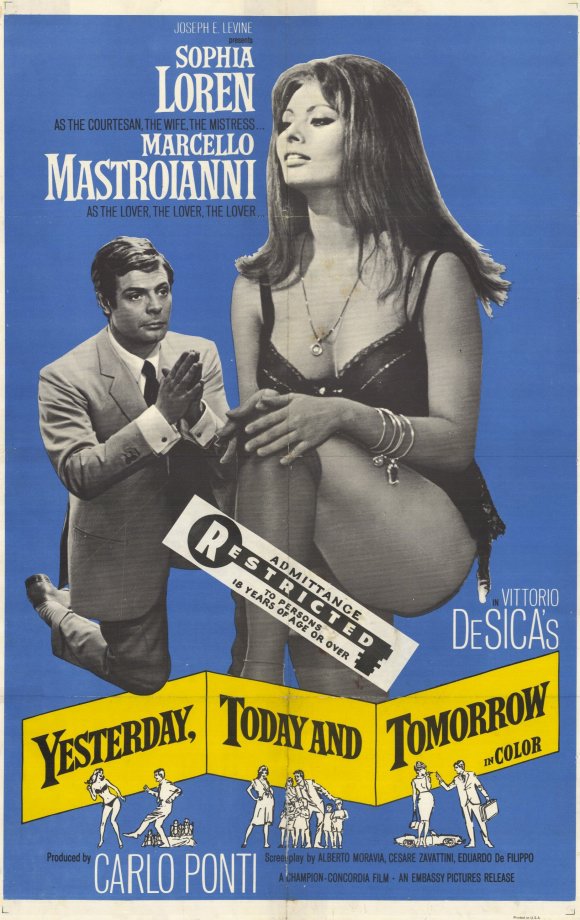
In this trio of comedic vignettes by director Vittorio de Sica, a black market cigarette seller in Naples (Sophia Loren) becomes pregnant by her harried husband (Marcello Mastroianni) each time the law comes to get her; a self-absorbed socialite (Loren) goes for a drive with a man (Mastroianni) she met at a party the night before; and a lusty call girl (Loren) with an insistent suitor (Mastroianni) tries to convince a naive seminary student (Gianni Ridolfi) to stick with his calling rather than fall for her.

Genres, Themes, Actors, and Directors:

  • Comedy
  • Episodic Films
  • Italian Films
  • Marcello Mastroianni Films
  • Pregnancy
  • Prostitutes and Gigolos
  • Sophia Loren Films
  • Vittorio de Sica Films

Review:
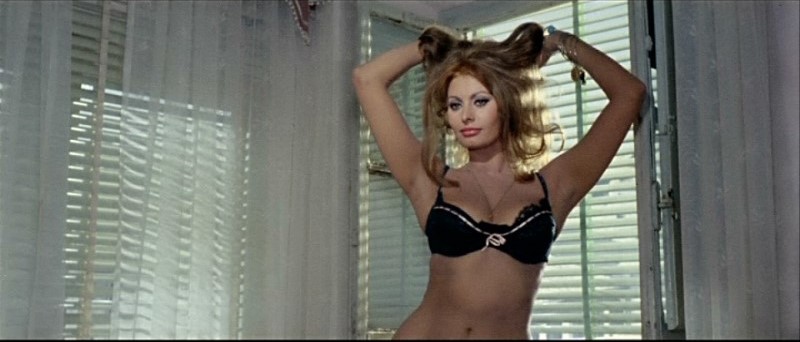
This episodic Italian sex comedy is primarily known today for two reasons: 1) as winner of 1963’s best foreign film Oscar, and 2) for Sophia Loren’s justifiably famous strip tease in front of Marcello Mastroianni’s howling suitor. As in any episodic film, some parts are inevitably better than others — the middle story here (“Anna of Milan”, at only 20 minutes) is widely regarded as the weakest, given that the storyline (such as it is) takes place exclusively during one car trip, and little to no character development occurs. The longer stories bookending the film — “Adelina of Naples” and “Mara of Rome” — offer a bit more comedic substance, and come across as innocuously enjoyable sketches. While “Adelina” offers a glimpse of de Sica’s erstwhile interest in social humanism (hard-working Adelina and her perpetually out-of-work husband continually flout authority — with our approval), for the most part Yesterday… remains “de Sica lite”, buoyed by its undeniable star power (Loren and Mastroianni are both in peak form) and by a liberal dose of cinematic escapism.

Note While some have argued that Yesterday, Today, and Tomorrow was just as much of a sexual tease for early-1960s audiences as its Doris Day counterparts in America, this isn’t quite true, given that sex-outside-of-marriage is paraded in all three vignettes as both normal and natural — except by characters (such as Ridolfi’s melodramatic grandmother, played by Tina Pica) who are clearly presented as shrewish and moralistically uptight.

Redeeming Qualities and Moments:

  • Sophia Loren’s charismatic performances in all three vignettes — it’s easy to see why she was such an international superstar at the time
  • Marcello Mastroianni as Loren’s three lovers
  • Loren’s infamous strip-tease in front of Mastroianni’s howling john
  • Armando Trovajoli’s musical score

Must See?
Yes, simply for its status as 1963’s best foreign film Oscar, and for Loren’s iconic strip-tease act.

Categories

Links:

Luna (1979)

Luna (1979)

“He’s different from the others — he’s very lonely… You know that.”

Synopsis:
After the untimely death of her husband (Fred Gwynne), an opera singer (Jill Clayburgh) takes her teenage son (Matthew Barry) with her to Italy, and soon finds herself immersed in a desperate battle to save him from heroin addiction.

Genres, Themes, Actors, and Directors:

  • Alcoholism and Drug Addiction
  • Alida Valli Films
  • Bernardo Bertolucci Films
  • Expatriates
  • Incest and Incestuous Overtones
  • Jill Clayburgh Films
  • Singers
  • Single Mothers
  • Widows and Widowers

Review:
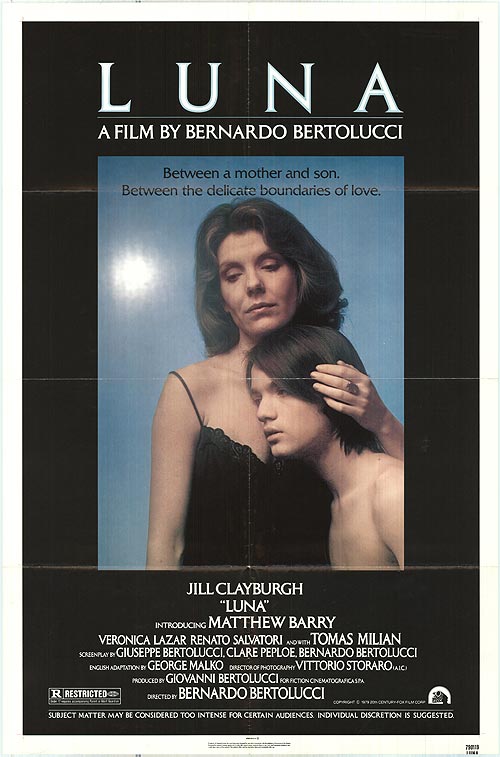
Bernardo Bertolucci’s infamous Oedipal tale about a self-absorbed opera diva and the incestuous love she exhibits towards her deeply troubled teenage son was panned by critics upon its release, with Vincent Canby of the New York Times referring to it as “one of the most sublimely foolish movies ever made by a director of Mr. Bertolucci’s acknowledged talents”, and Roger Ebert unabashedly proclaiming that “Bertolucci has sprung his gourd this time.” Nowadays, Luna is considered an undiscovered masterpiece by a handful of devoted followers — who refer to it on IMDb as a “superb film”, a “flawed masterpiece”, a “bizarre, surreal melodrama”, and “ultimate beauty in its purest form” — but I’m in agreement with the critical elite: despite its fine production values and cinematography (it’s undeniably beautiful to look at), Luna remains a laughable mess of a film, one which consistently defies literal interpretation and possesses far too much unintentional camp value to be taken seriously. While viewers are clearly meant to interpret the tale as archetypically Freudian — complete with a convenient “missing father figure” denouement — only those with an abiding belief in the veracity of psychoanalysis (such as Bertolucci himself at the time) will find any genuine nuggets of psychological insight here.

After the first promising 15 minutes or so (during which Fred Gwynne’s level-headed character is, unfortunately, killed off), nothing about the overblown storyline comes across as remotely realistic: Barry’s heroin addiction is never authentically introduced or sustained; peripheral characters disappear with maddening whimsicality (what ever happened to Barry’s new Italian girlfriend, for instance?); and Clayburgh’s response to her son’s problem — while refreshingly removed from “afternoon special of the week” banality — is far too conveniently sublimated into titillatingly incestuous interactions. Clayburgh (fresh from her success in Paul Mazursky’s An Unmarried Woman) seems to be trying her best with the material she’s been given, but her character is ultimately such a mess of unappealing contradictions that it can’t be salvaged; Barry, meanwhile, never fully inhabits his character’s neurotic personality — instead, he simply shifts at a moment’s notice between petulant teen and (supposed) raging addict. While viewers may find some enjoyment in the film’s overall campiness — such as the infamous scene in which Barry erotically licks his mother’s dirt-encrusted face, or when Clayburgh tries to release some tension by doing aerobics with her lesbian pursuer — Luna is ultimately far too frustrating to recommend.

Redeeming Qualities and Moments:

  • Vittorio Storaro’s lush cinematography

Must See?
No; while it has a small following, and was somewhat notorious upon its release, it’s certainly not must-see viewing any longer.

Links:

Big Bus, The (1976)

Big Bus, The (1976)

“The aerodynamics work — we’re breaking wind at 90!”

Synopsis:
A blacklisted driver (Joseph Bologna) is recruited by his former flame (Stockard Channing) to drive a nuclear-powered bus nonstop from New York to Denver; along the way, he must deal with a neurotic and narcoleptic co-driver (John Beck), a host of wacky passengers, and a bomb planted by the henchman (Stuart Margolin) of an iron-lung-bound oil magnate (Jose Ferrer).

Genres, Themes, Actors, and Directors:

  • Disaster Flicks
  • Ensemble Films
  • Jose Ferrer Films
  • Road Trip
  • Ruth Gordon Films
  • Sally Kellerman Films
  • Satires and Spoofs

Review:
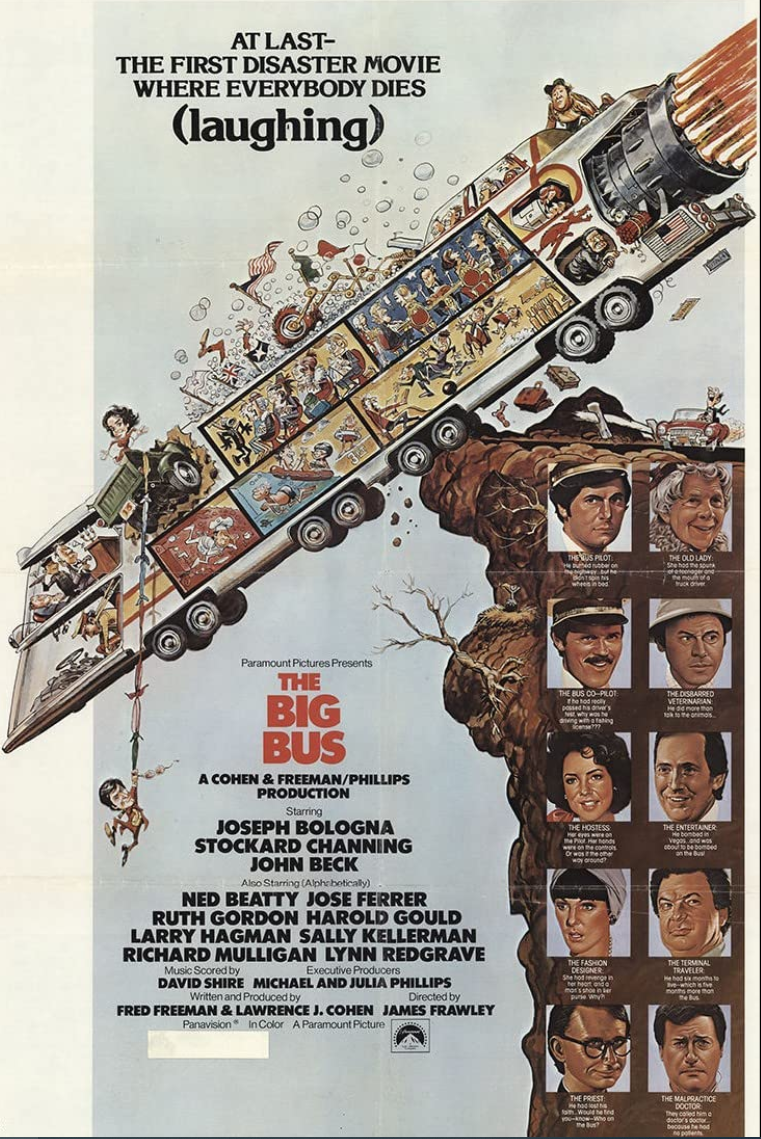
Primarily known today as a precursor to the Zucker brothers’ much better known Airplane! (1980), The Big Bus is beloved by those who have fond memories of watching it on television growing up, and claim it’s just as funny as Airplane! — yet the sad truth is that it never delivers on its rich comedic potential. While all the right ingredients are certainly there — including an all-star cast, wacky characterizations, and plenty of disaster-prone scenarios — the jokes fall flat again and again; and while it may be mildly amusing for film fanatics to keep track of all the different films being spoofed (they range from Lucille Ball’s attempt to cook in a moving trailer in The Long, Long Trailer, to more generic big-budget disaster flicks such as Airport), the film as a whole never gels. Comedy is a fickle beast, and others may heartily disagree, but I find little here to recommend, and consider this film worth a look exclusively for its historical relevance — nothing more.

Note: My husband’s primary memory from watching The Big Bus as a boy is the scene in which a tire is replaced while the bus is still moving; he wondered then — and wonders now — where this spare tire could have come from, given that window seats are seen directly above the wheels. With that said, he remains distinctly impressed by the fact that the filmmakers actually built such a massive vehicular beast.

Redeeming Qualities and Moments:

  • Richard Mulligan and Sally Kellerman as an about-to-be-divorced couple still madly in love with each other

Must See?
No. While it’s beloved by many — and perhaps could be considered a minor cult film — I can’t in good conscience recommend this as “must see” viewing.

Links:

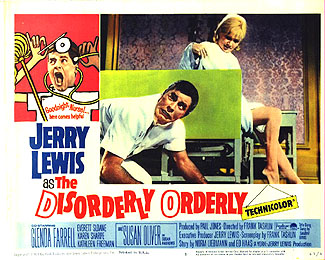
Disorderly Orderly, The (1964)

Disorderly Orderly, The (1964)

“Please — try hard not to try so hard!”

Synopsis:
When an overly empathetic orderly (Jerry Lewis) in a sanitarium discovers that his former high school crush (Susan Oliver) is a new patient, he does what he can to help pay for her costs — despite her obvious disdain for him.

Genres, Themes, Actors, and Directors:

  • Comedy
  • Do-Gooders
  • Doctors and Nurses
  • Frank Tashlin Films
  • Jerry Lewis Films
  • Obsessive Love

Review:
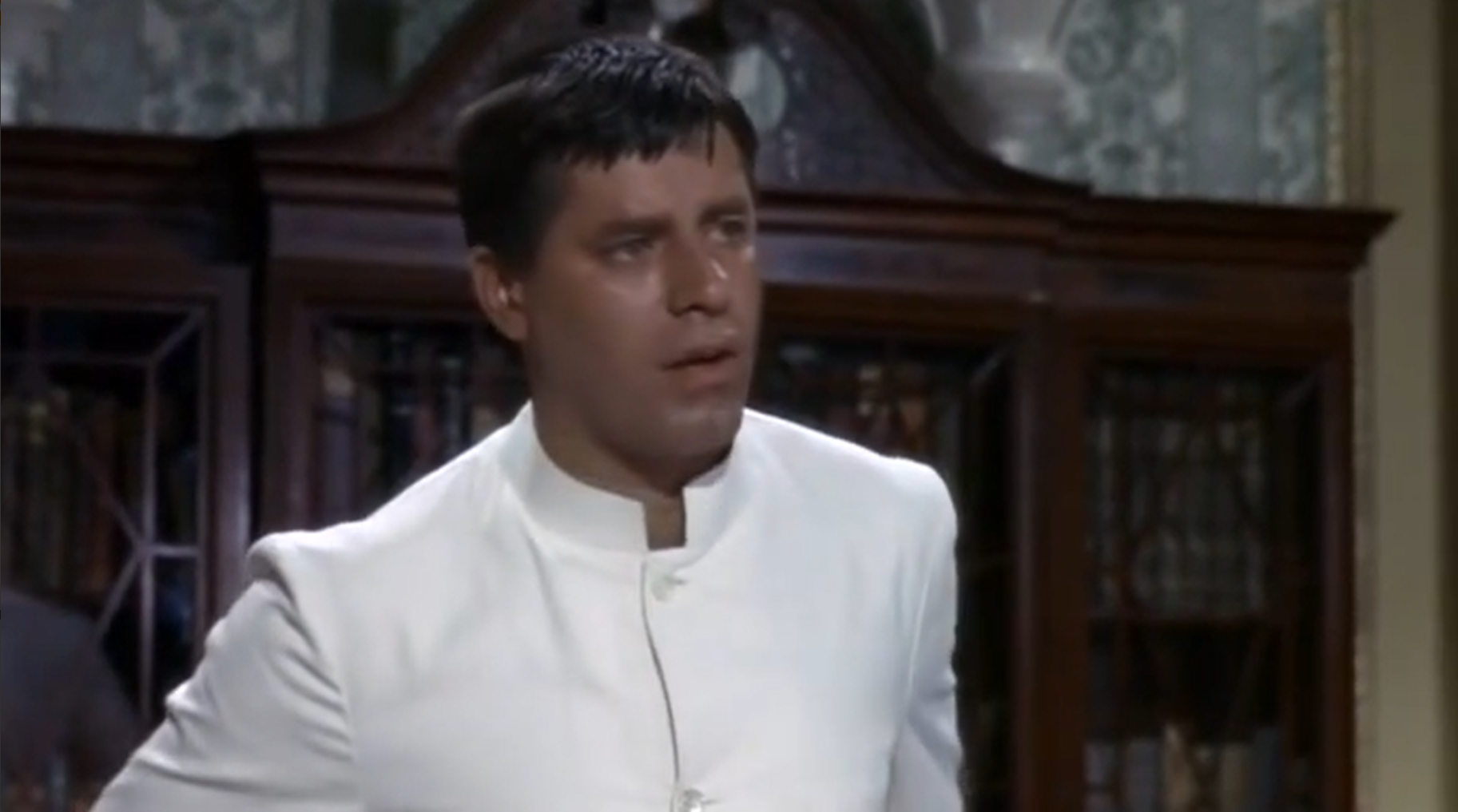
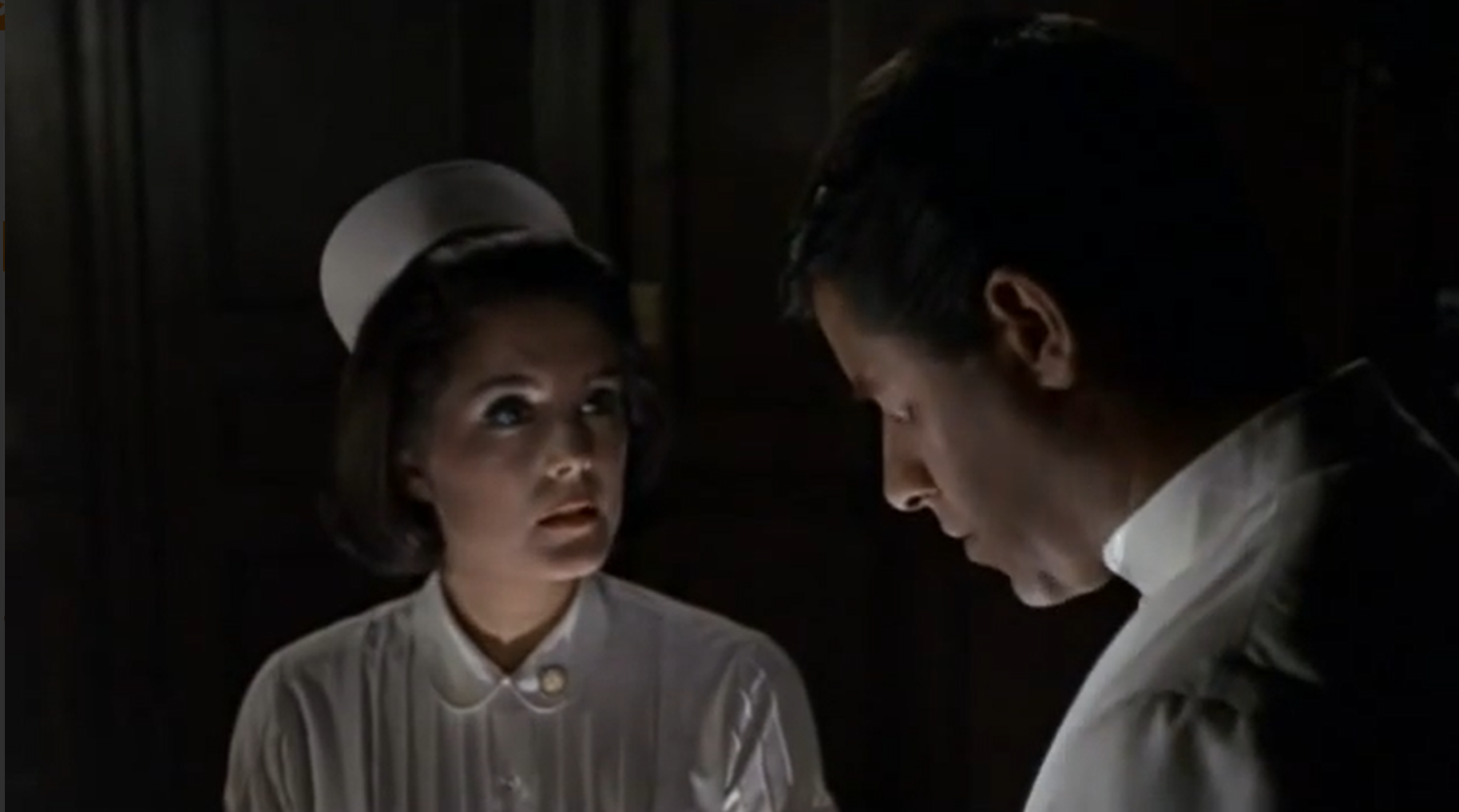
Peary is clearly an enormous Jerry Lewis fan, given that he lists no less than 15 of Lewis’s many films in GFTFF. With that said, while The Disorderly Orderly does possess several amusing sequences and performances (see Redeeming Qualities and Moments below), it’s ultimately not must-see viewing for all film fanatics. The central premise of the story — that Lewis’s Jerome Littlefield is too empathetic for his own good — is a sweet one, and it’s genuinely difficult to fault his character for being too caring.

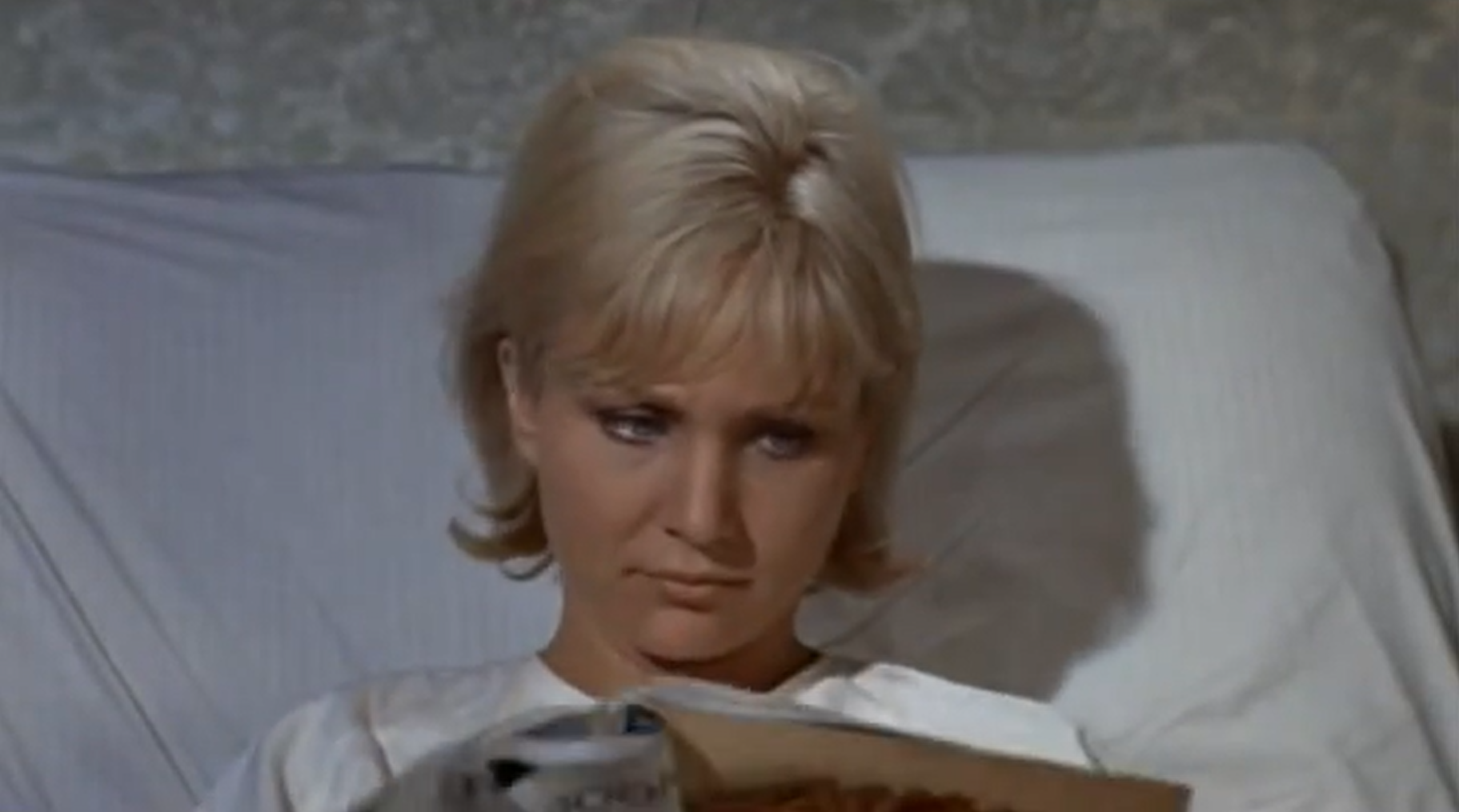
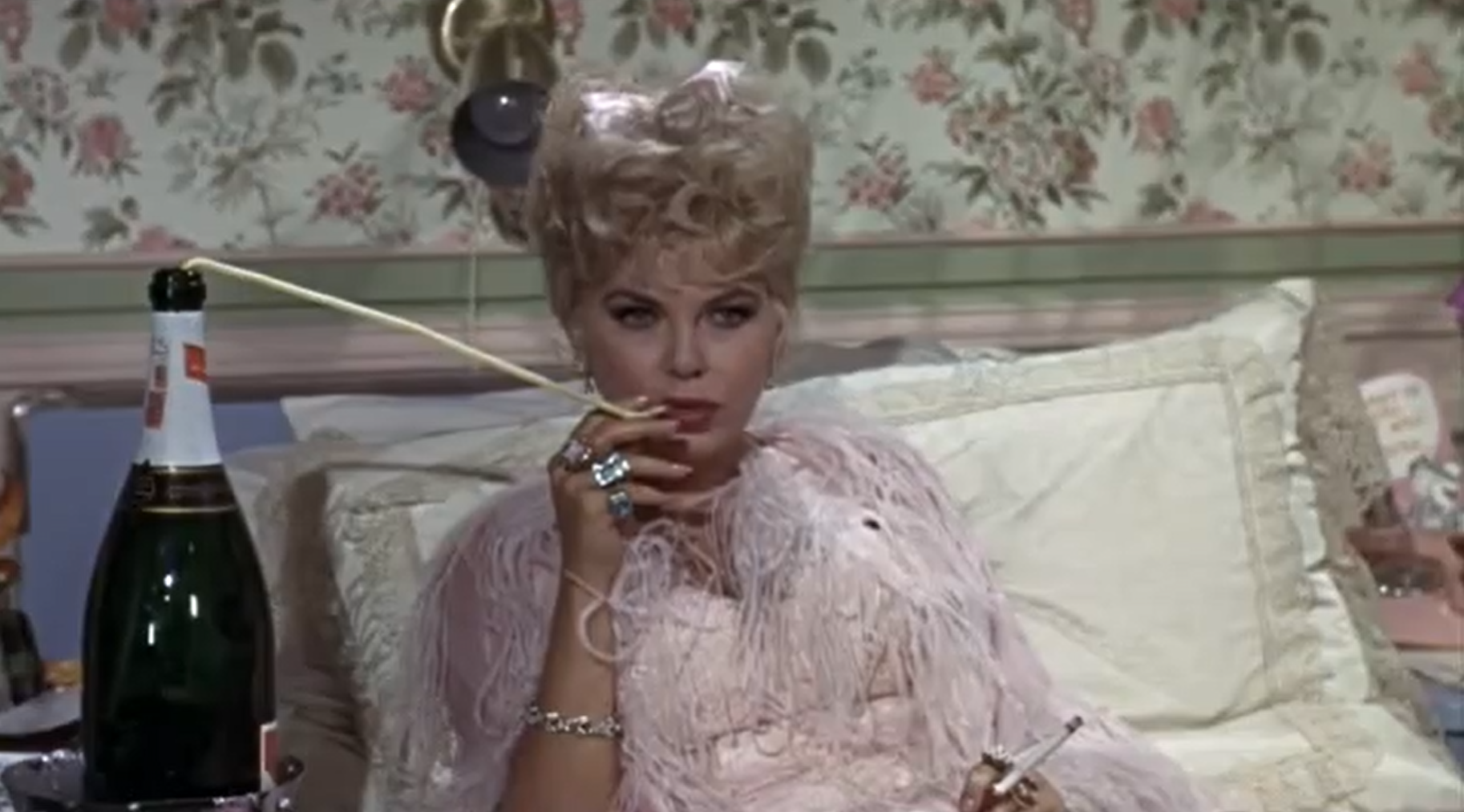
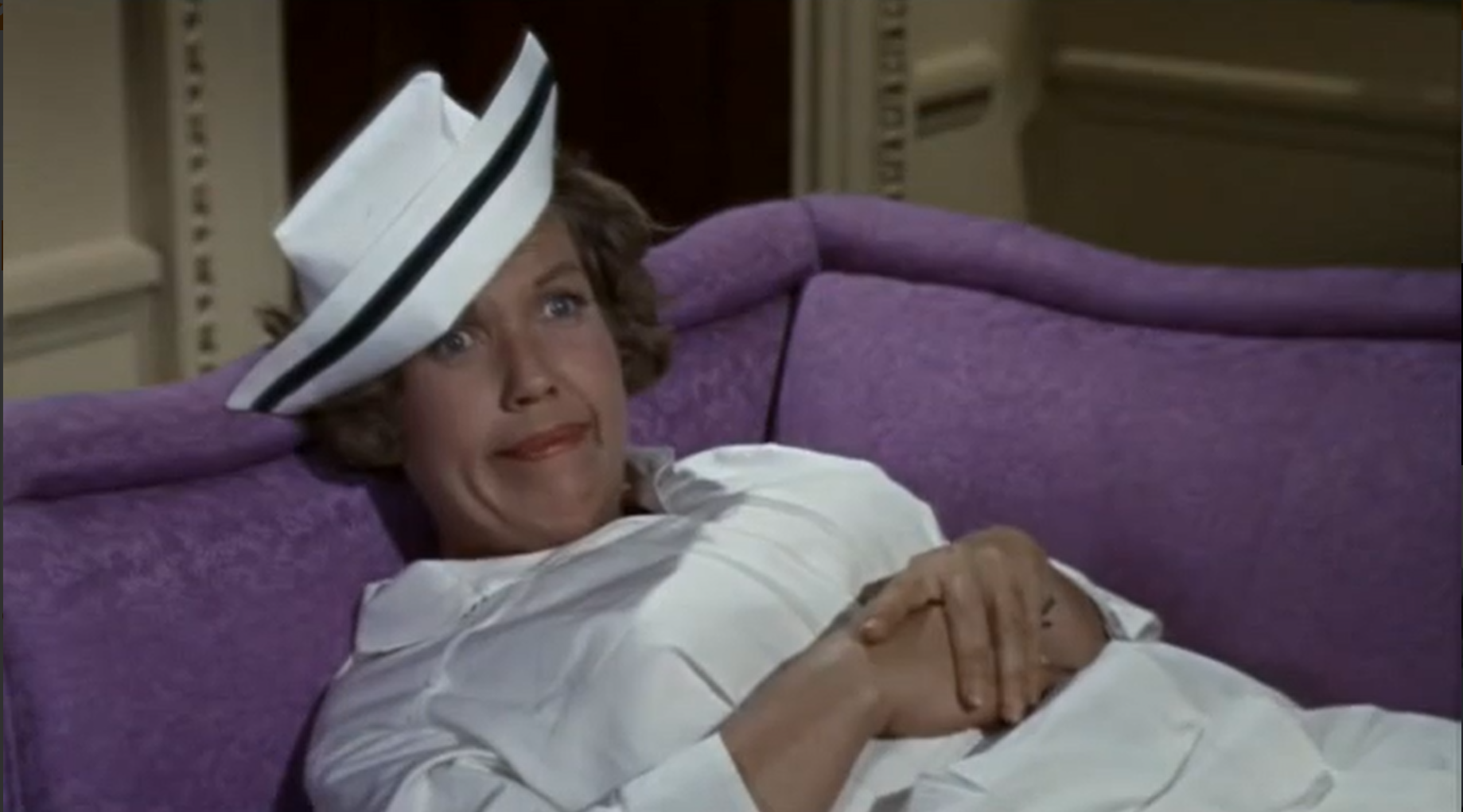
On the other hand, the central romantic subplot involving Jerome’s long-standing crush on a bitchy, undeserving blonde (Oliver):

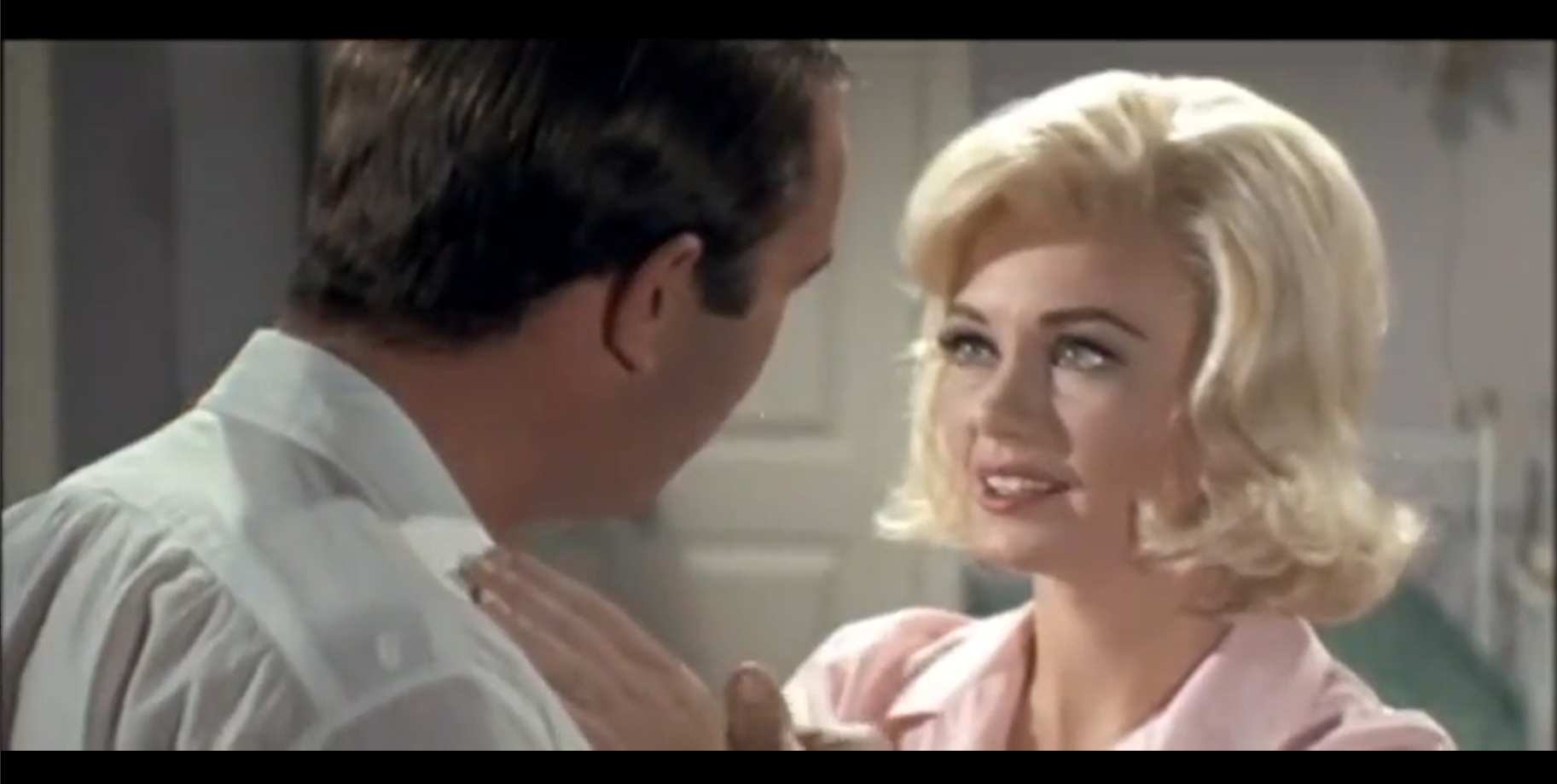
wears thin really quickly, particularly given the existence of his caring, patient, pretty girlfriend (Karen Sharpe) on the side:

We can’t help wanting to shake some sense into Lewis! Ultimately, The Disorderly Orderly is worth a look by those who enjoy his unique brand of slapstick humor; others, however, needn’t bother.

Redeeming Qualities and Moments:

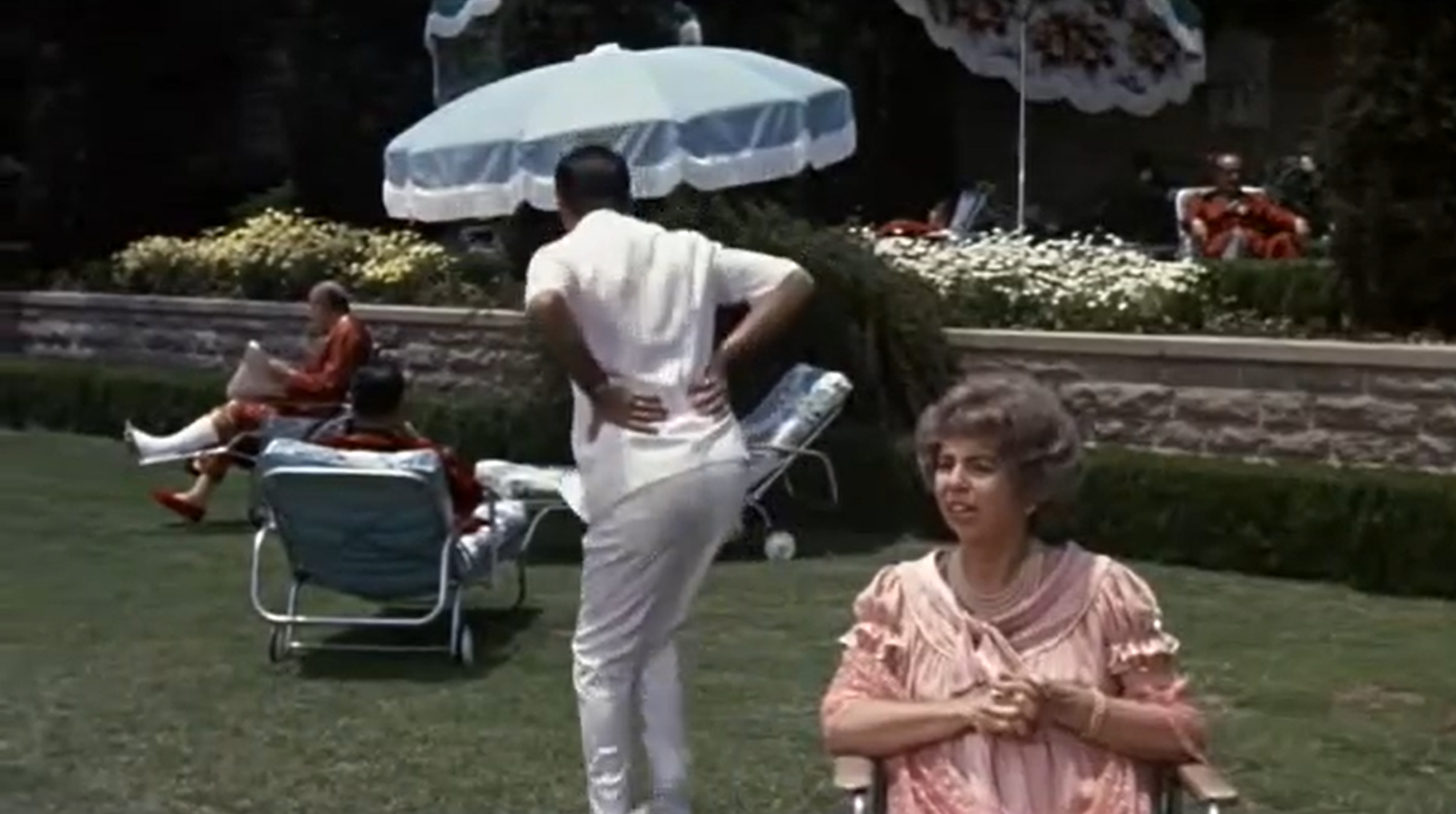
  • Lewis’s reactions as hypochondriac Miss Fuzzibee (Alice Pearce) rants on and on about her various ailments:

    “I have the smallest, weakest kidneys in the hospital…”

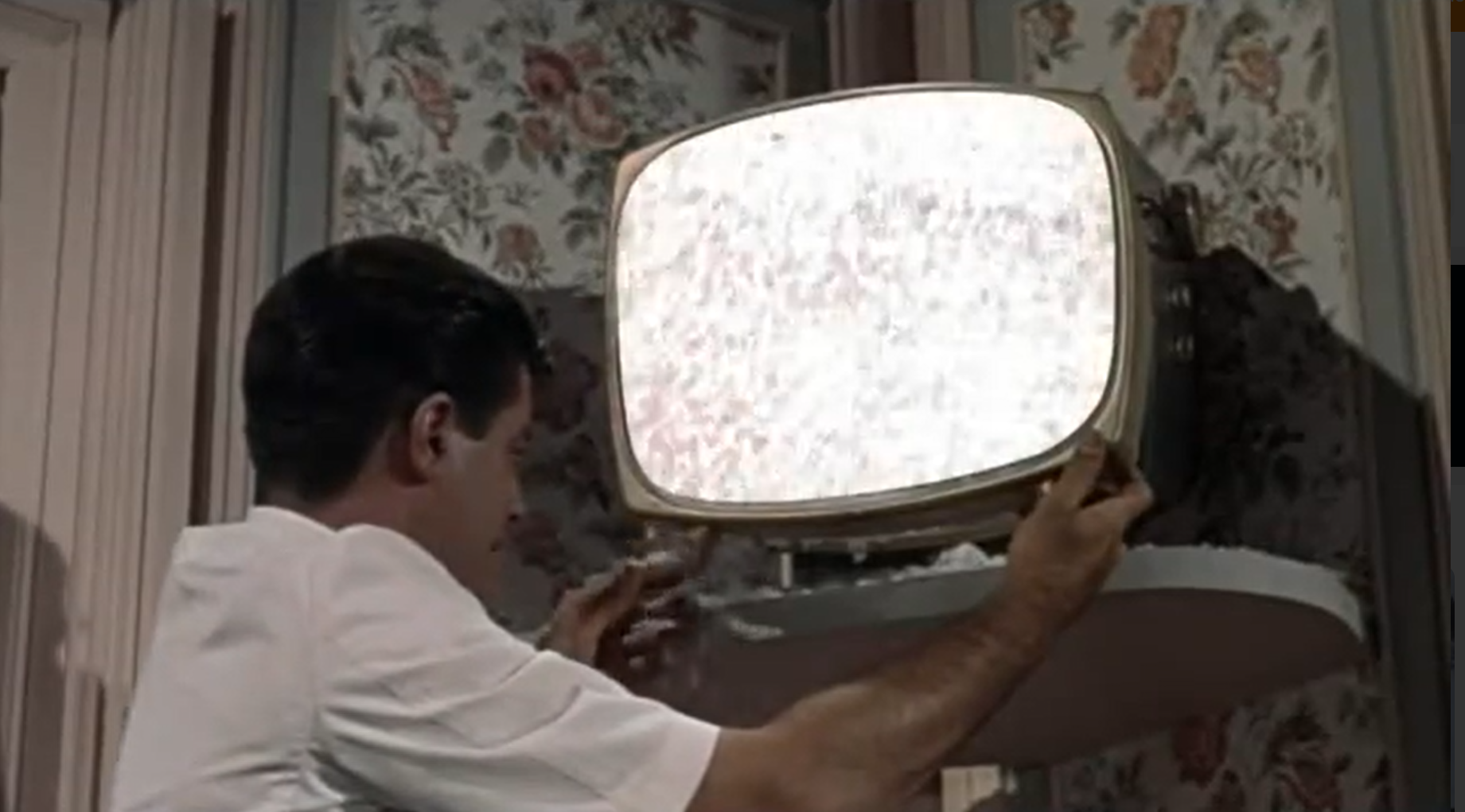
  • Lewis attempting to fix the “snowy reception” on the TV set of a demanding patient (Barbara Nichols)

  • Kathleen Freeman as Nurse Higgins

Must See?
No, but it’s certainly a must for Jerry Lewis fans.

Links:

Contest Girl (1964)

Contest Girl (1964)

“You take someone from nowhere, you give them something… Then when the party’s over, you say, ‘You’ve lost — go home!'”

Synopsis:
A pretty typist (Janette Scott) from Bristol is persuaded by a smitten journalist (Ian Hendry) to enter a local beauty contest, and soon finds herself competing for the title of Rose of England.

Genres, Themes, Actors, and Directors:

  • Aspiring Stars
  • Beauty Contests

Review:
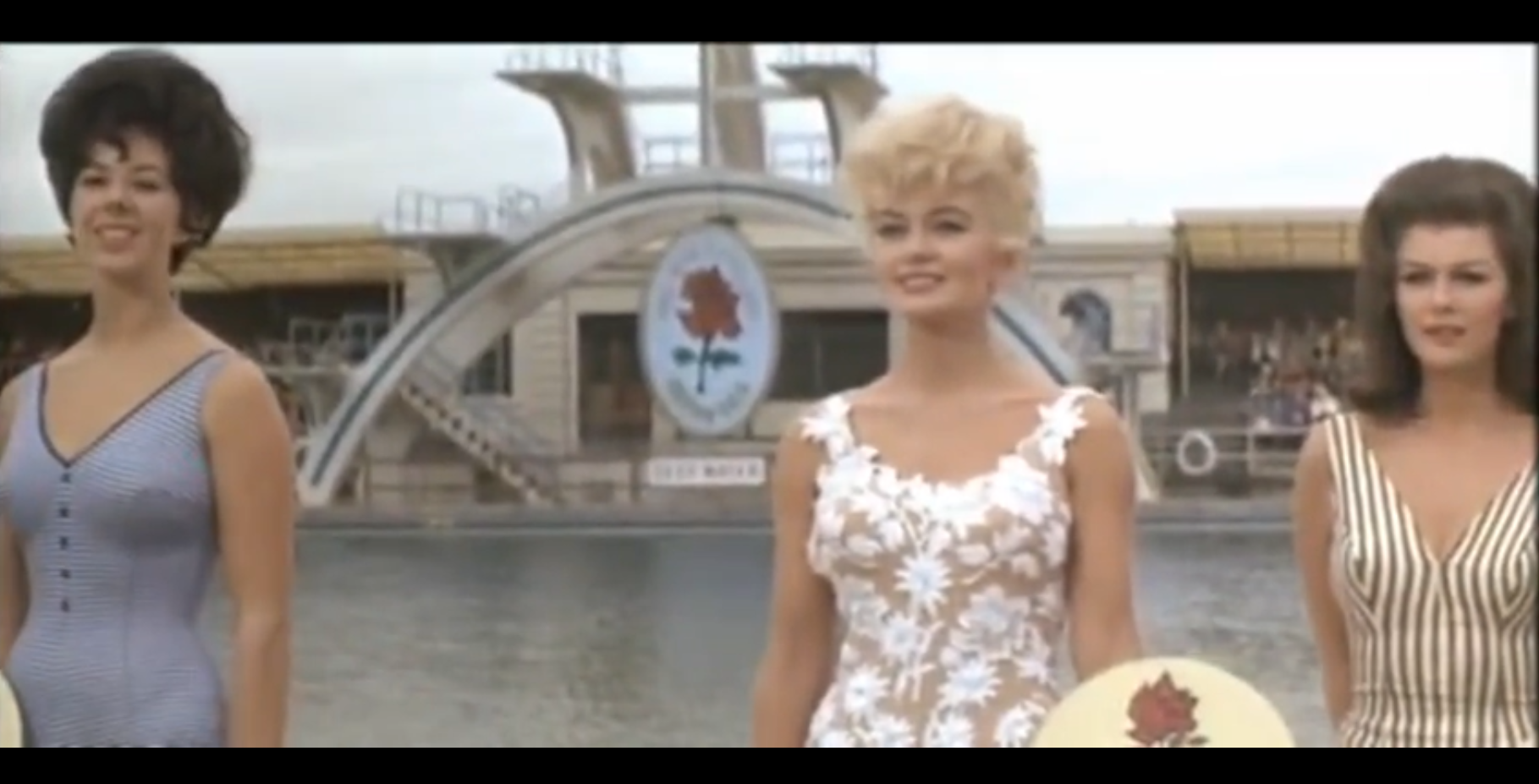
More commonly known by its original British title (The Beauty Jungle), Contest Girl is notable as one of the earliest films to expose the sordid, media-drenched world of competitive beauty pageants. Director Val Guest does a fine job showing how easily a young woman from a humble background can get sucked into the cut-throat scramble for fame and luxury, and Janette Scott is appropriately wide-eyed and pretty as the central character, who quickly ditches her fiance and working-class family in exchange for a bit of glamour and excitement.

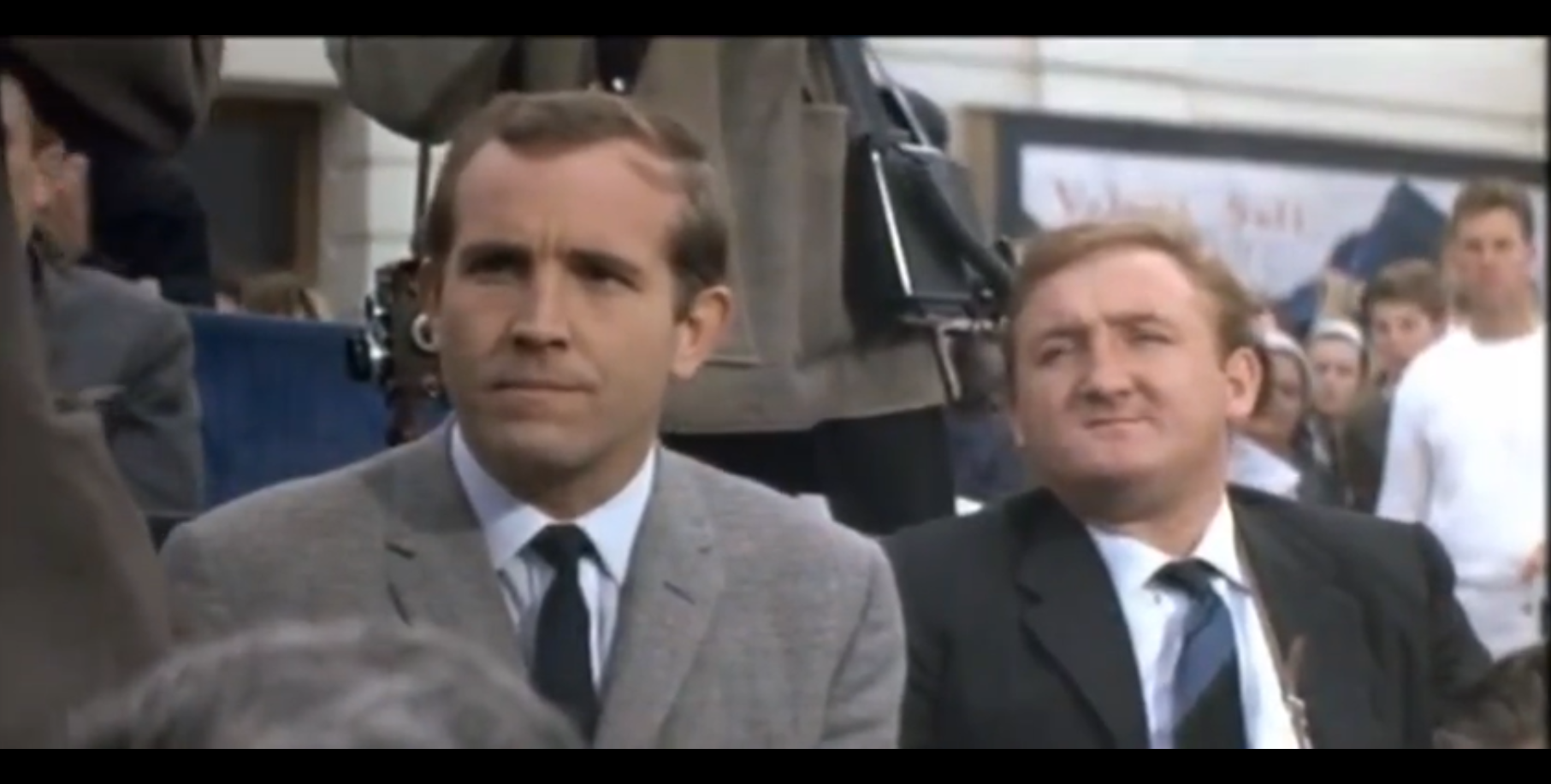
Unfortunately, an ongoing subplot in which Scott must fend off Hendry’s amorous advances fails to generate much interest, primarily because there’s so little chemistry between the two leads; instead, we’re left to focus on Scott’s inevitable education about the cruel realities (who knew?) of competitive pageantry. Fans of Guest’s eclectic body of work will likely be curious to check this obscure little film out; others, however, needn’t bother.

Redeeming Qualities and Moments:

  • An effectively cynical presentation of the beauty pageant racket
  • Ronald Fraser as Hendry’s photojournalist friend

Must See?
No. Listed as a Sleeper in the back of Peary’s book.

Links:

Mrs. Wiggs of the Cabbage Patch (1934)

Mrs. Wiggs of the Cabbage Patch (1934)

“I never had no great hankering to be awful rich and have a carriage and all.”

Synopsis:
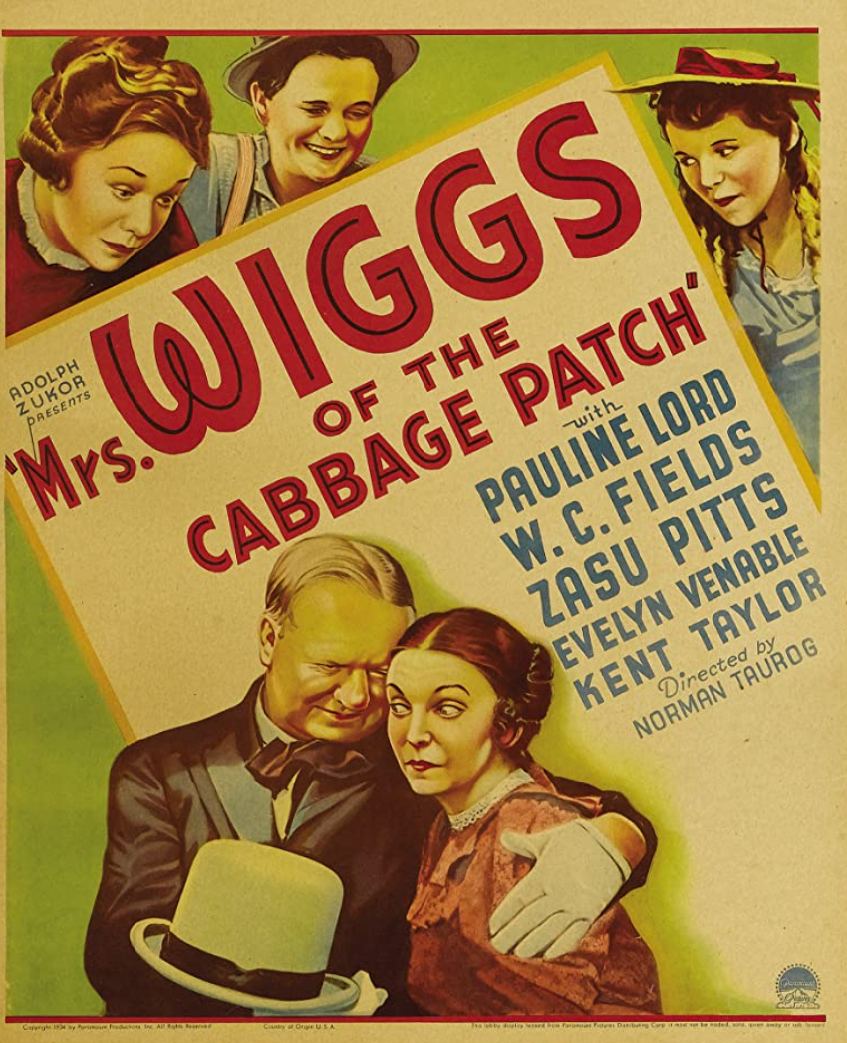
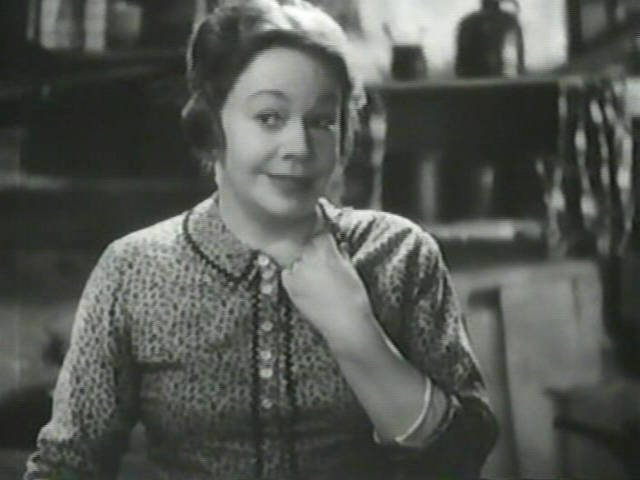
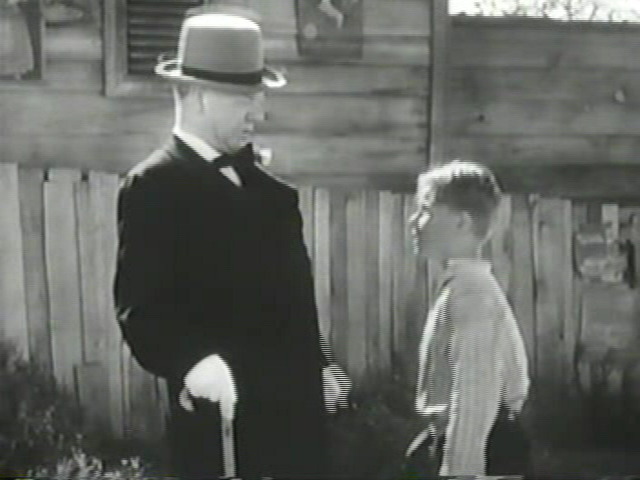
A poverty-stricken mother (Pauline Lord) whose husband (Donald Meek) has abandoned their family to seek gold in the Klondike is assisted by a kind-hearted editor (Kent Taylor) and his wealthy sweetheart (Evelyn Venable); meanwhile, Mrs. Wiggs’ spinster friend (Zasu Pitts) pursues a mail-order husband (W.C. Fields) who demands excellent cooking from his would-be wife.

Genres, Themes, Actors, and Directors:

  • Comedy
  • Do-Gooders
  • Literature Adaptation
  • Single Mothers
  • Survival
  • W.C. Fields Films
  • Zasu Pitts Films

Review:
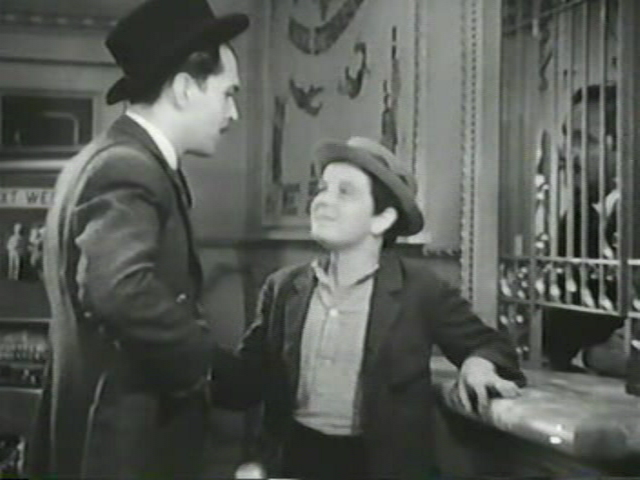
Based on a 1901 novel by Alice Hegan Rice, this simple tale of an eternally optimistic woman raising six children in the midst of poverty manages to transcend its inherent cliches — most notably an evil landowner (Charles Middleton) itching to throw Mrs. Wiggs and her brood out onto the street — and emerge as a sweet little melodrama with a surprising amount of humor. While stage actress Pauline Lord relies a bit too heavily on affectations (such as casting her eyes up to the heavens while speaking), she’s well suited to play Mrs. Wiggs, and nicely embodies her saintly patience. The more difficult aspects of Mrs. Wiggs’ travails (including providing a Thanksgiving meal for her brood, and dealing with a gravely sick son) are mediated by several truly heartwarming vignettes of good will on the part of Taylor and Venable, who do what they can to help out the Wiggs family; my favorite scene (captured below in a still) has Taylor bluffing while purchasing five theater tickets for Mrs. Wiggs and her brood in exchange for a cartload of wood from young Bill Wiggs (Jimmy Butler). W.C. Fields shows up in a bit role near the end of the film, as a mail-order husband who makes poor Zasu Pitts tremble with anxiety over her lack of cooking ability; his cameo is most enjoyable, and makes up for the film’s somewhat disappointing denouement.

P.S. Click here to read Rice’s original novel online at Project Gutenberg.

Redeeming Qualities and Moments:

  • Pauline Lord as Mrs. Wiggs
  • W.C. Fields as Ellsworth Stubbins
  • A genuinely heartwarming tale

Must See?
No, but it’s worth a look if you stumble upon it.

Links: