Browsed by
Category: Original Reviews

Responses to Peary’s “must see” movie reviews, as well as my own “must see” movie reviews up to and after 1986 (when Peary’s book was published).

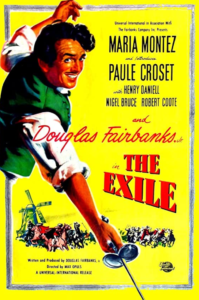
Exile, The (1947)

Exile, The (1947)

“You all know my terms as well as I: we’ll go home when we are freely called, by all our countrymen — and not one day before!”

Synopsis:
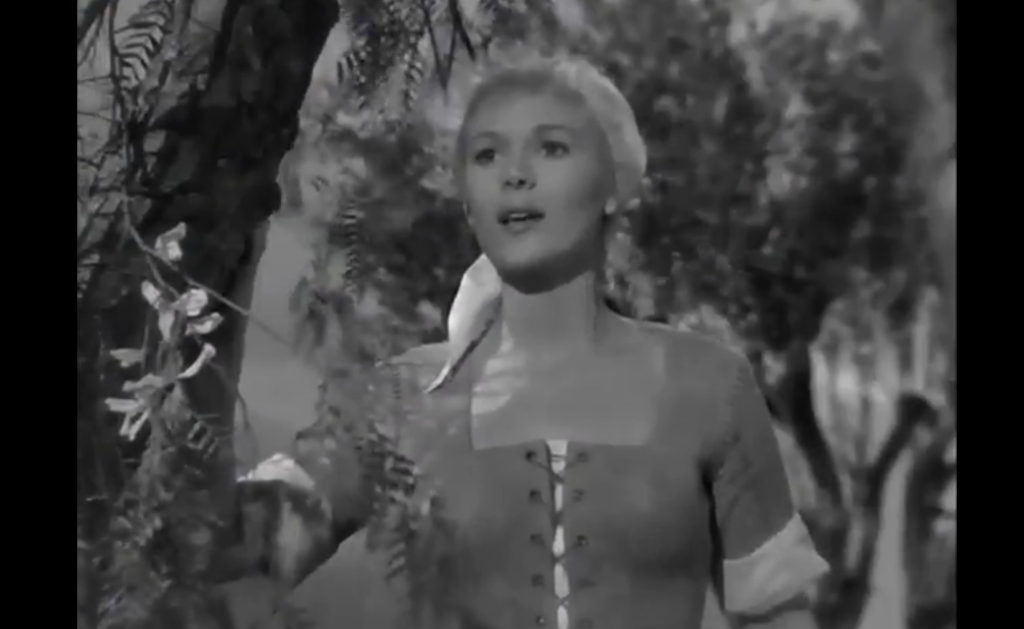
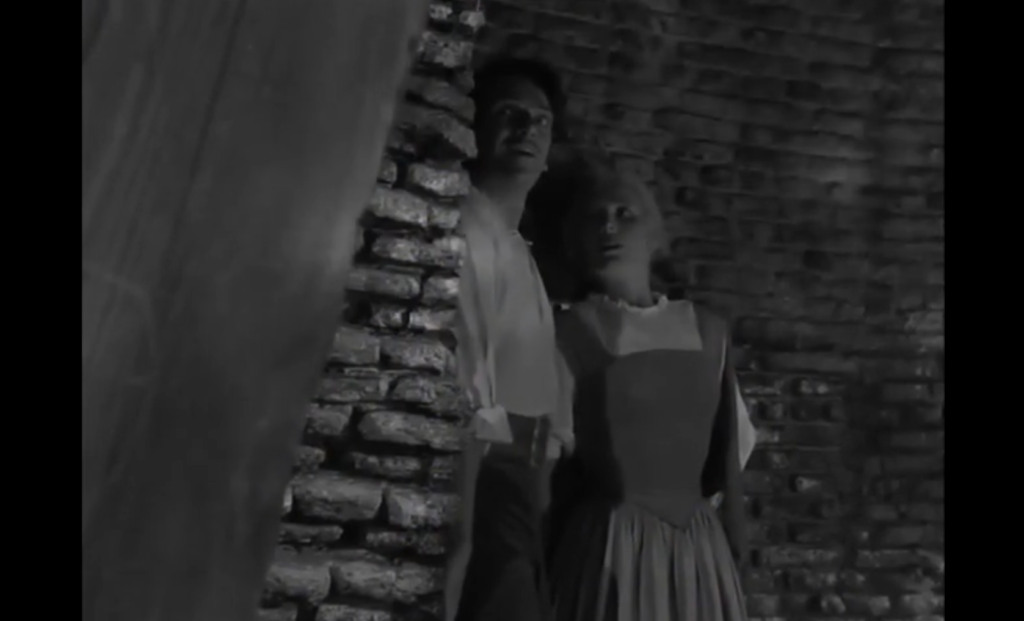
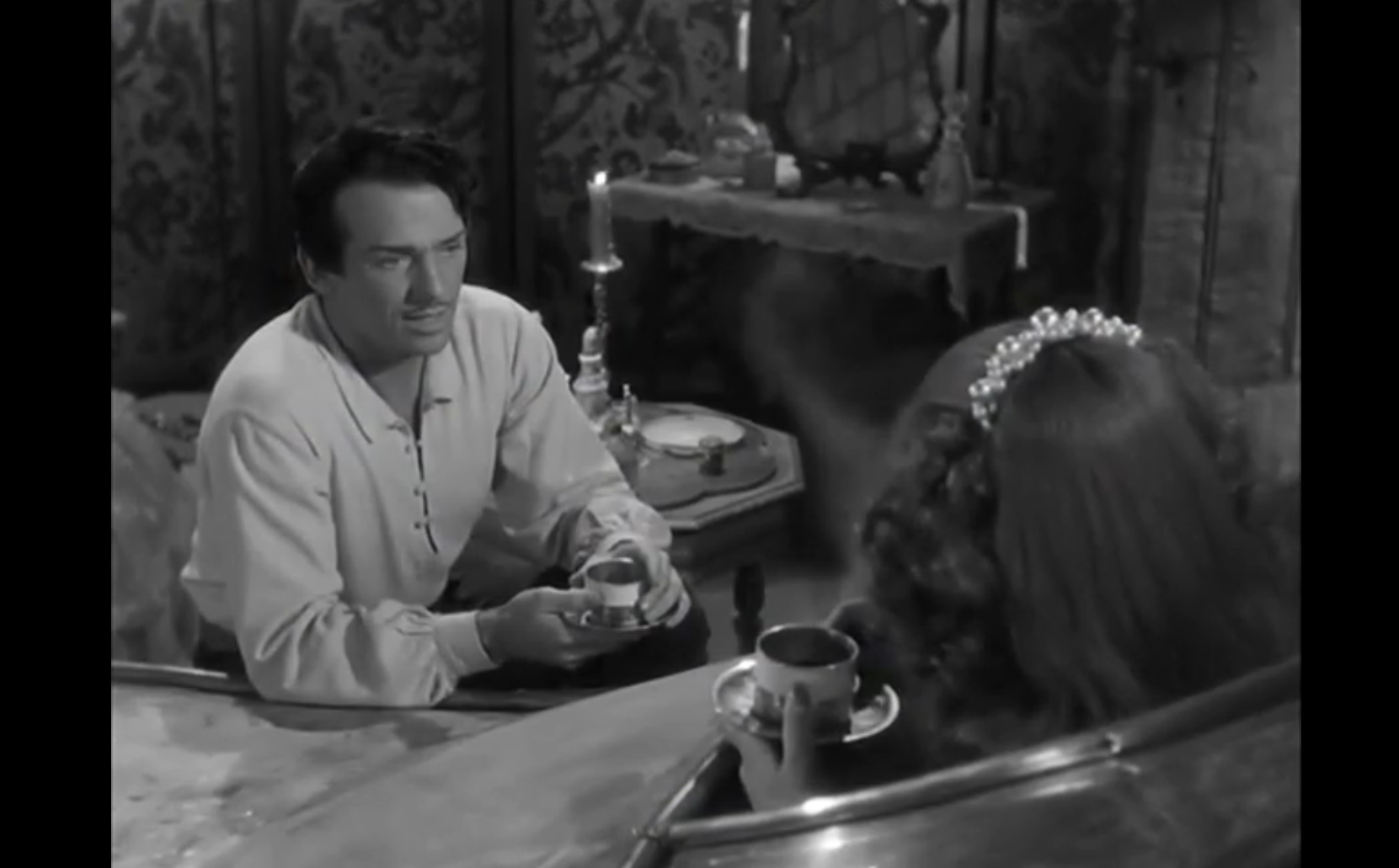
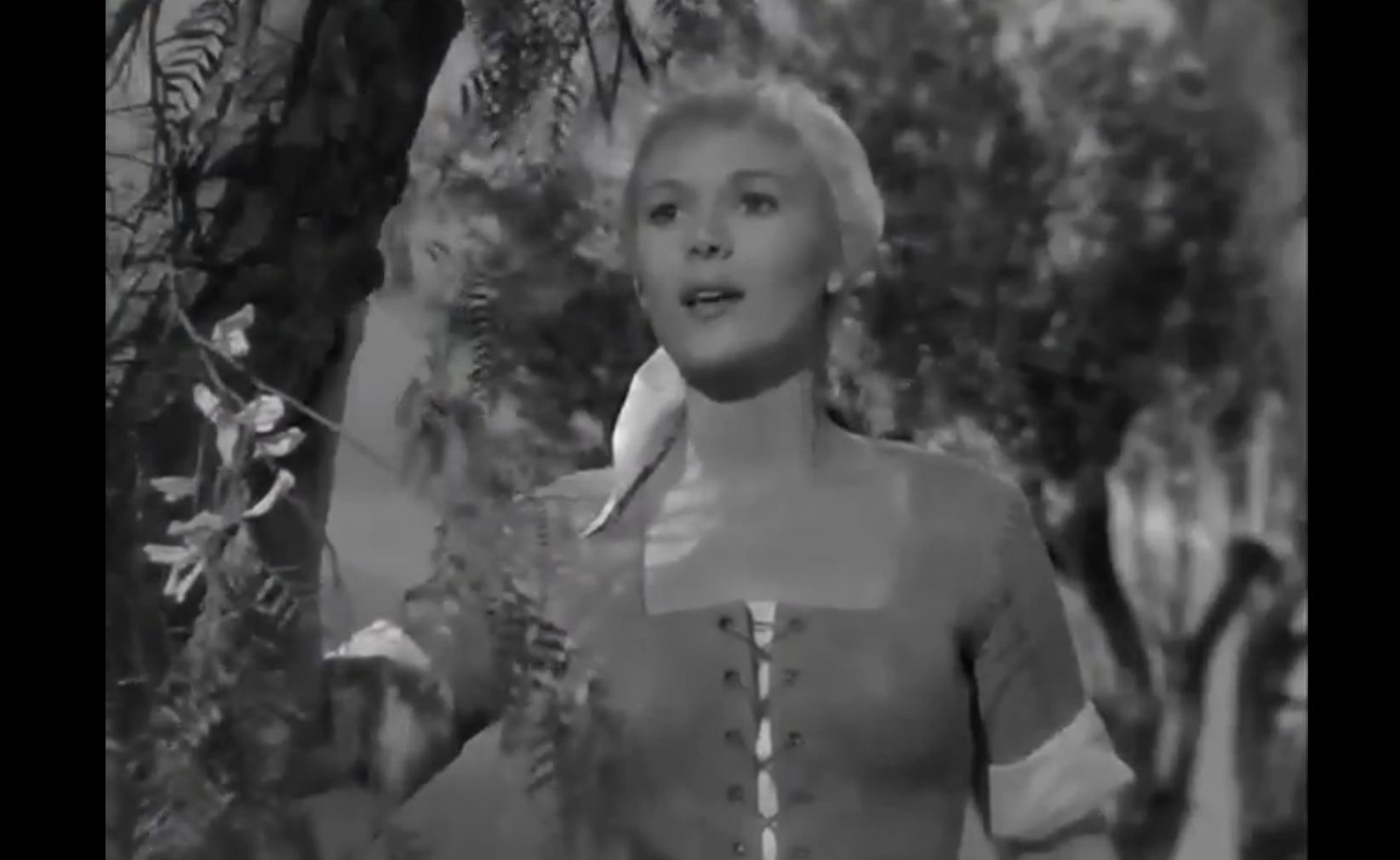
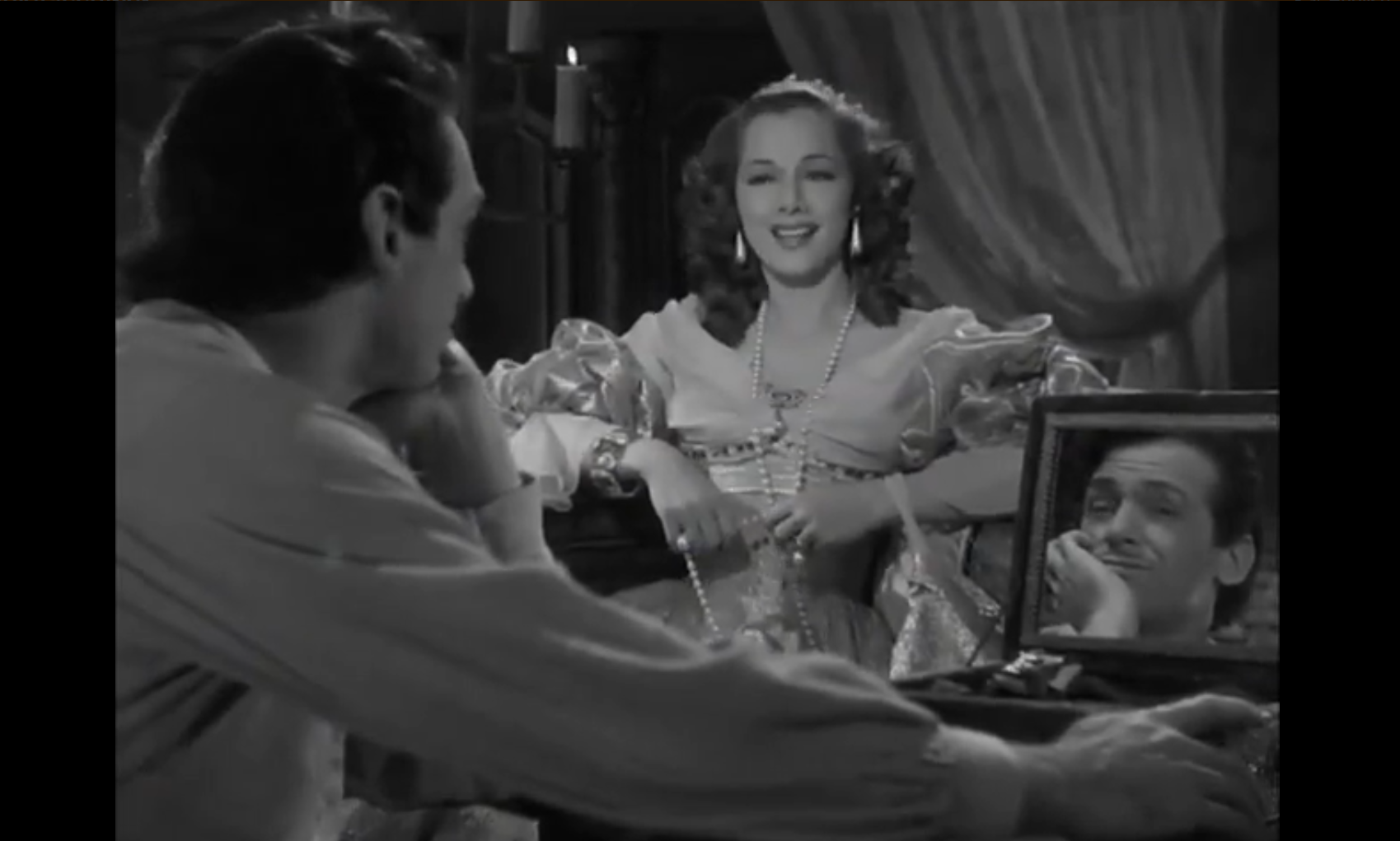
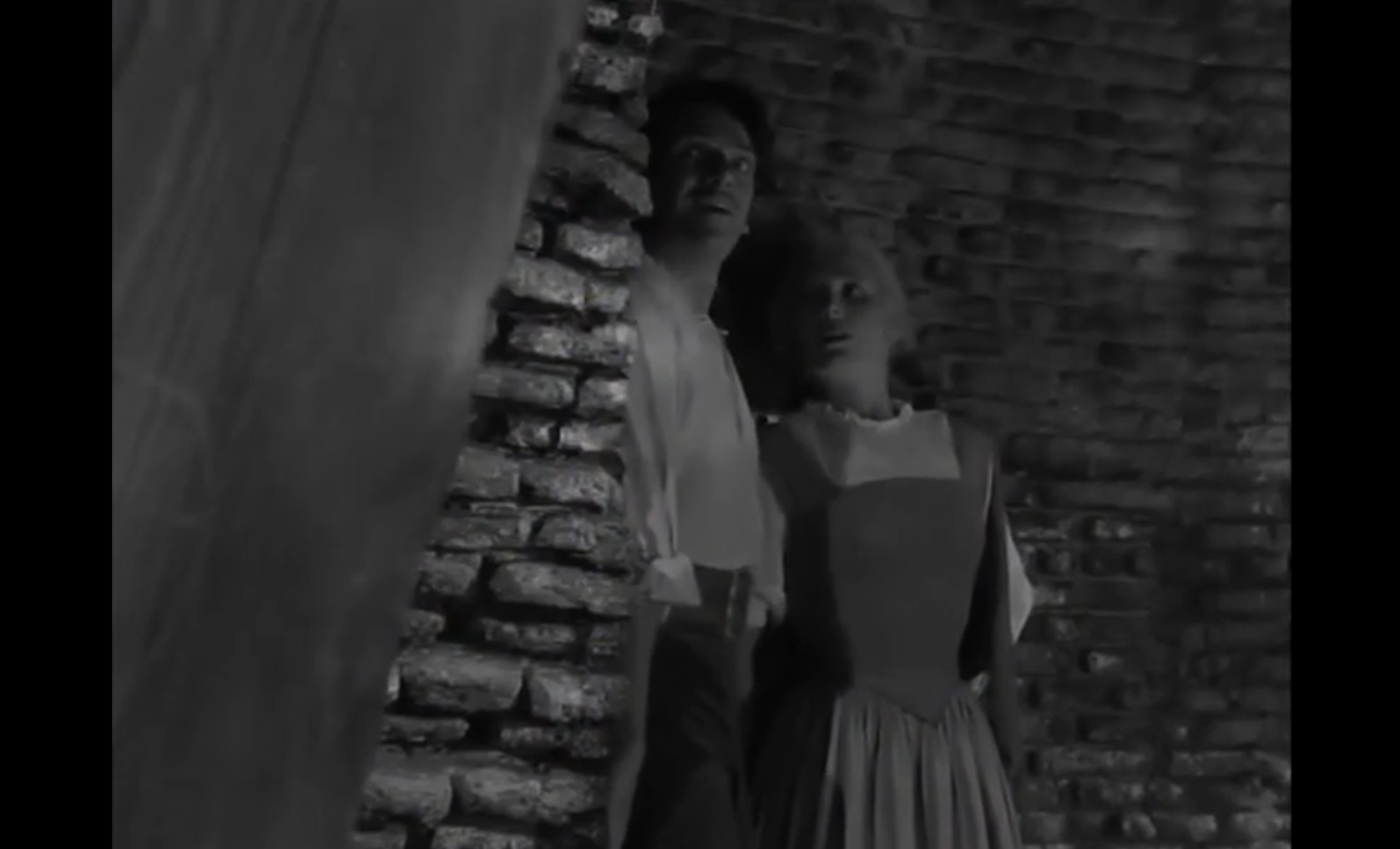
While living in exile in Holland, King Charles Stuart (Douglas Fairbanks, Jr.) falls in love with a local farmer (Rita Corday) and tries to escape the clutches of his enemies, the puritanical Roundheads (led by Henry Daniell).

Genres, Themes, Actors, and Directors:

  • Cross-Class Romance
  • Douglas Fairbanks, Jr. Films
  • Henry Daniell Films
  • Historical Drama
  • Max Ophuls Films
  • Mistaken or Hidden Identities
  • Royalty and Nobility

Review:
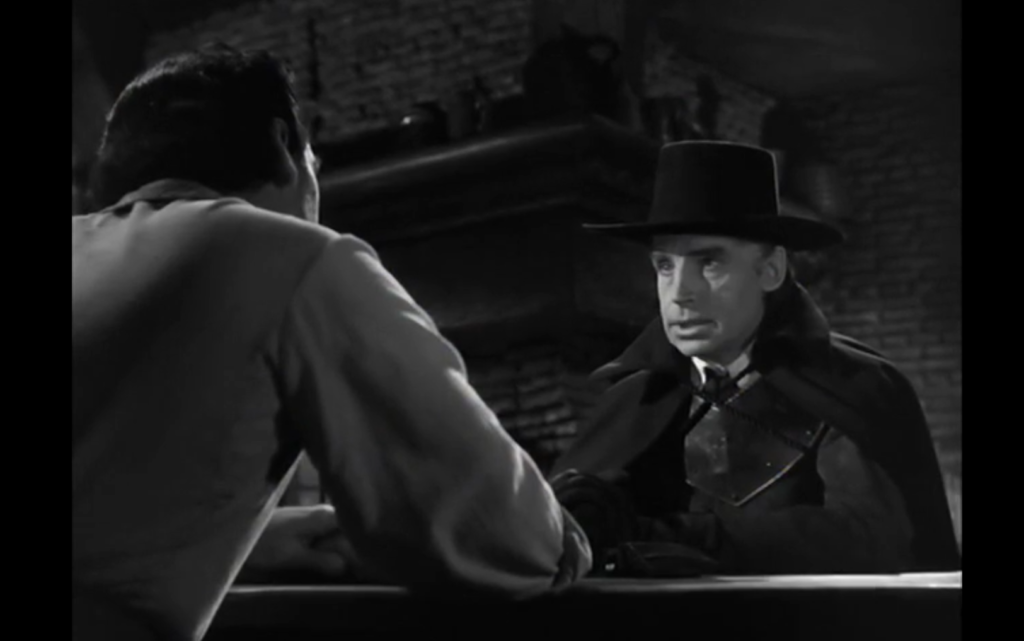
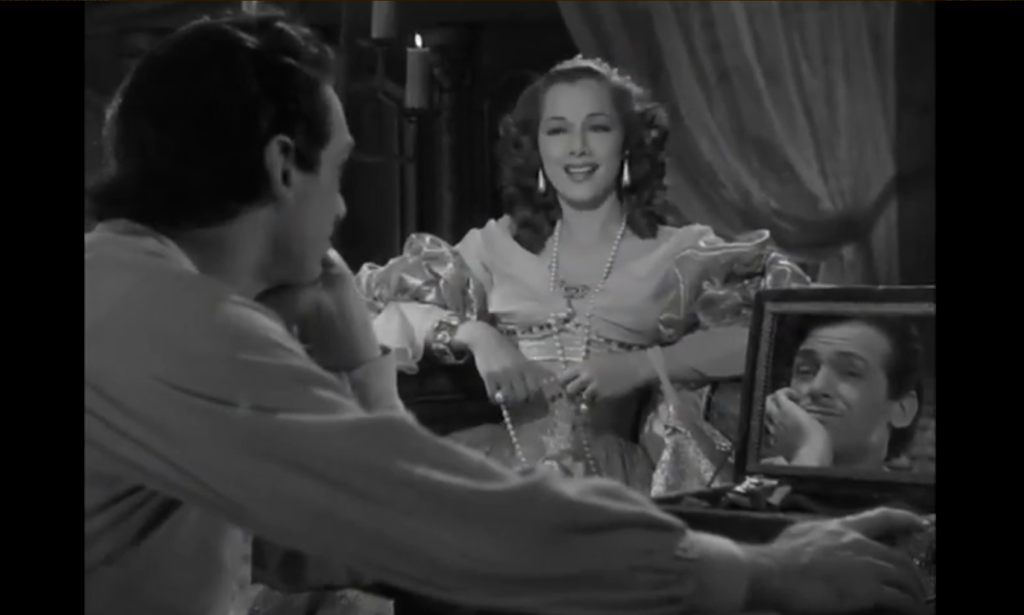
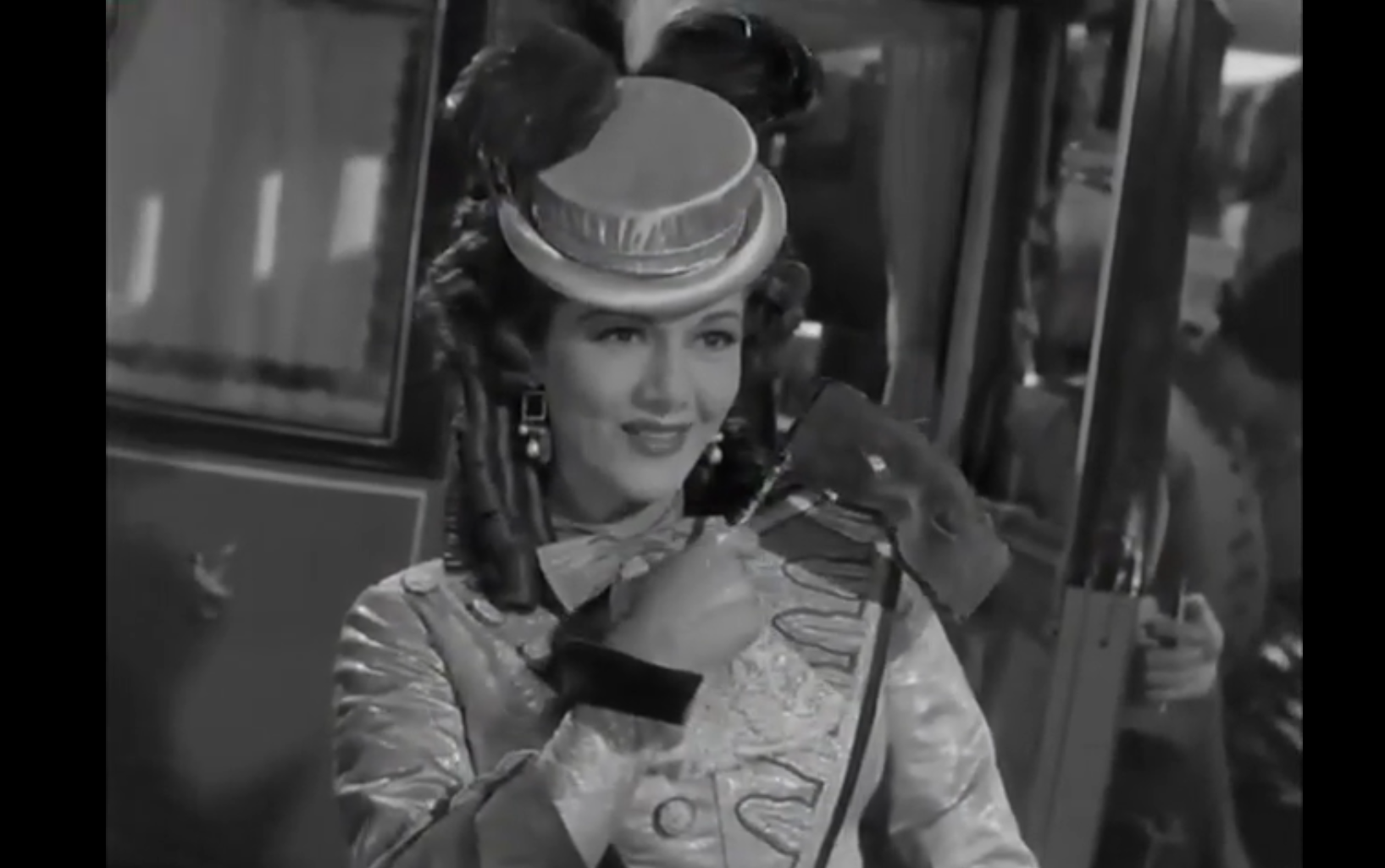
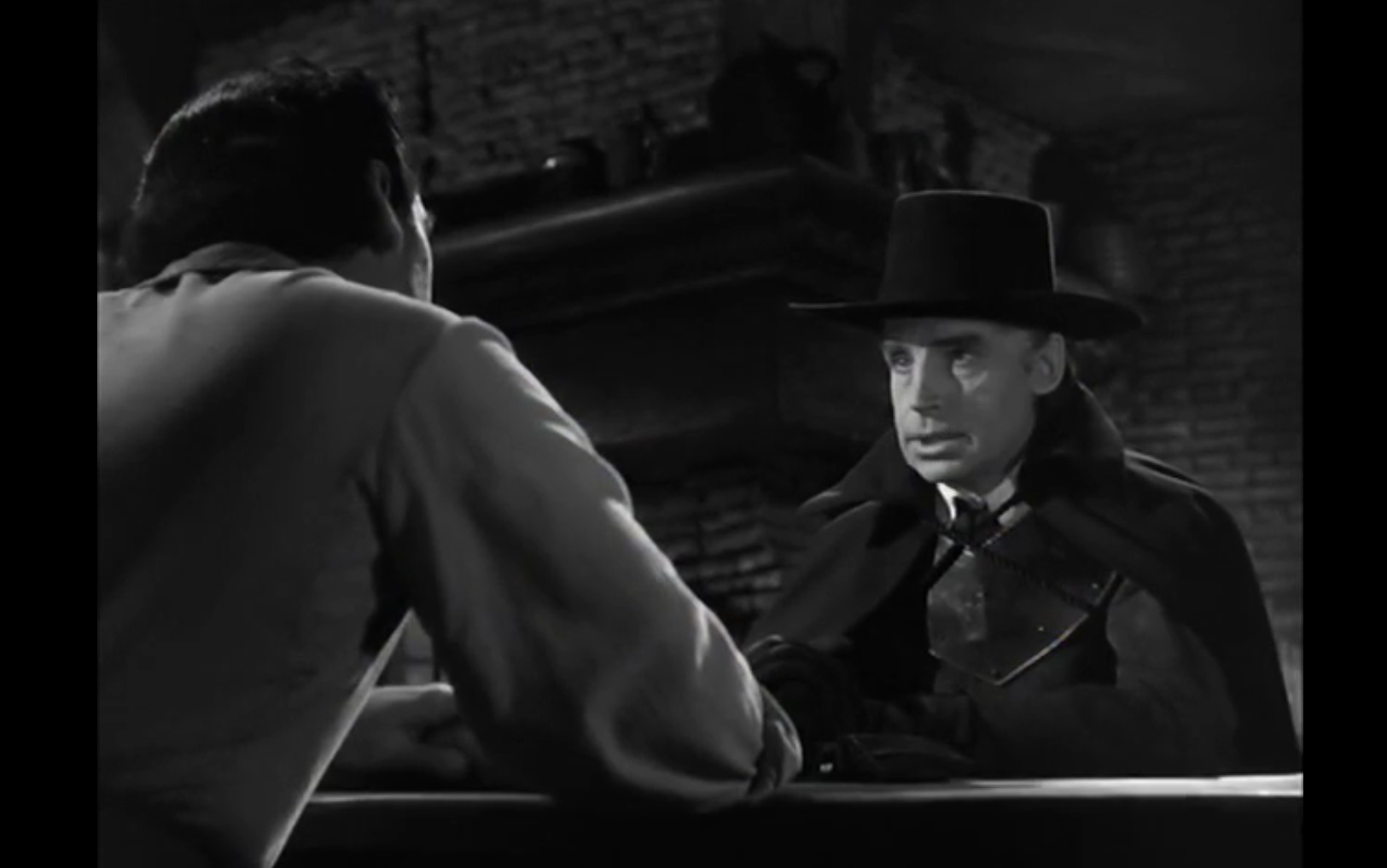
Douglas Fairbanks, Jr., wrote, produced, and starred in this Anglophilic imagining (based on Cosmo Hamilton’s novel His Majesty, the King) of King Charles Stuart II’s life in exile before the Restoration in 1660. The plot focuses primarily on Stuart’s (fictional) romance with a Dutch girl (Corday), and, ultimately, his dilemma over whether to maintain his blissful working class existence with her, or return to the throne of England to serve his “larger” purpose in life. In the meantime, the indomitable Charles is pursued by Oliver Cromwell’s supporters (embodied primarily by the bloodthirsty character of black-hatted Colonel Ingram — a perfectly cast Henry Daniell), and must persuade Corday that a former flame (Maria Montez) no longer holds any sway over his heart. [Montez is simply delightful — and typically over-the-top — in her few shorts scenes midway through the film.] Fortunately, director Max Ophuls (in his first American production) adds his inimitable touch to the proceedings, elevating what would otherwise be a mundane historical drama into something slightly more involving; by the end of the film, we can’t help caring about Charles and the fate of his country.

Redeeming Qualities and Moments:

  • Douglas Fairbanks, Jr. as exiled King Charles
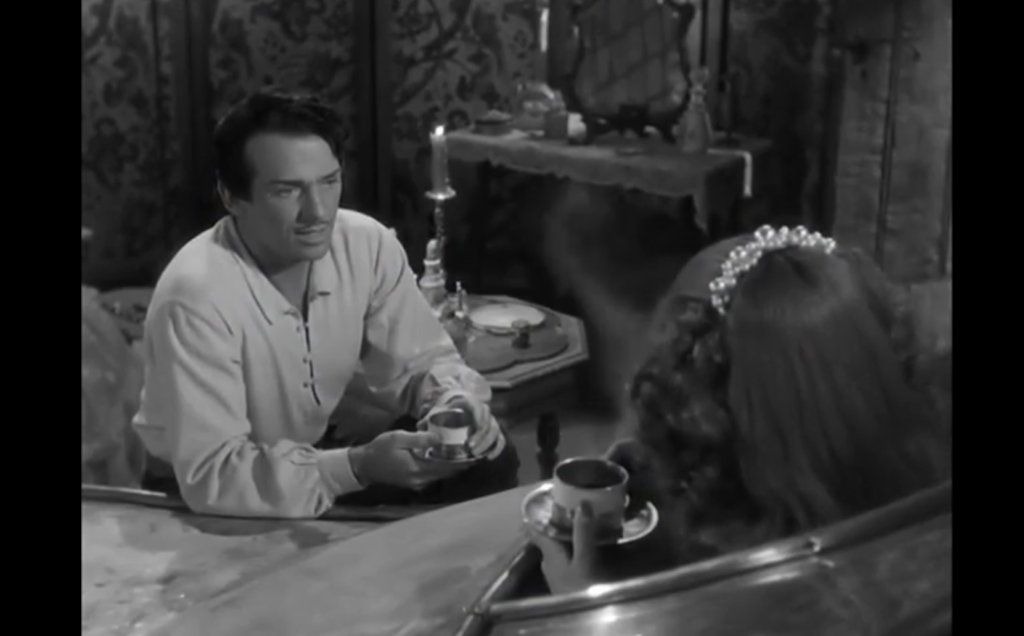
  • Rita Corday as Katie
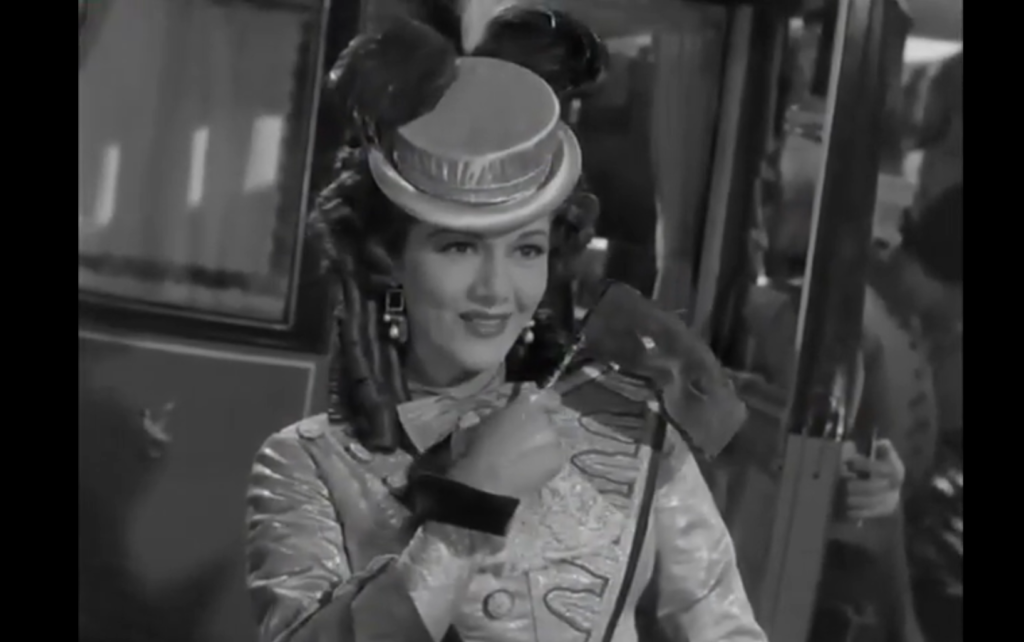
  • Maria Montez as a visiting French countess
  • Henry Daniell as Colonel Ingram
  • Ophuls’ unique directorial touch
  • Atmospheric cinematography

Must See?
No, but it’s certainly worth a look.

Links:

Bizarre, Bizarre (1937)

Bizarre, Bizarre (1937)

“I said ‘strange’? How strange!”

Synopsis:
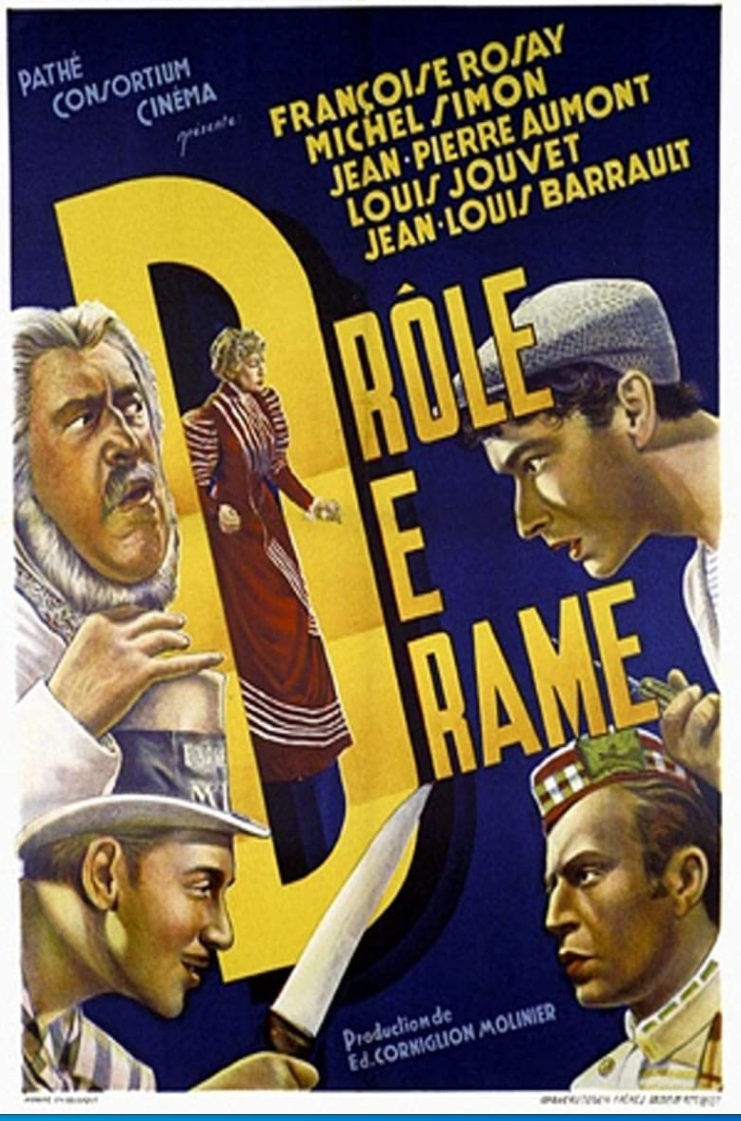
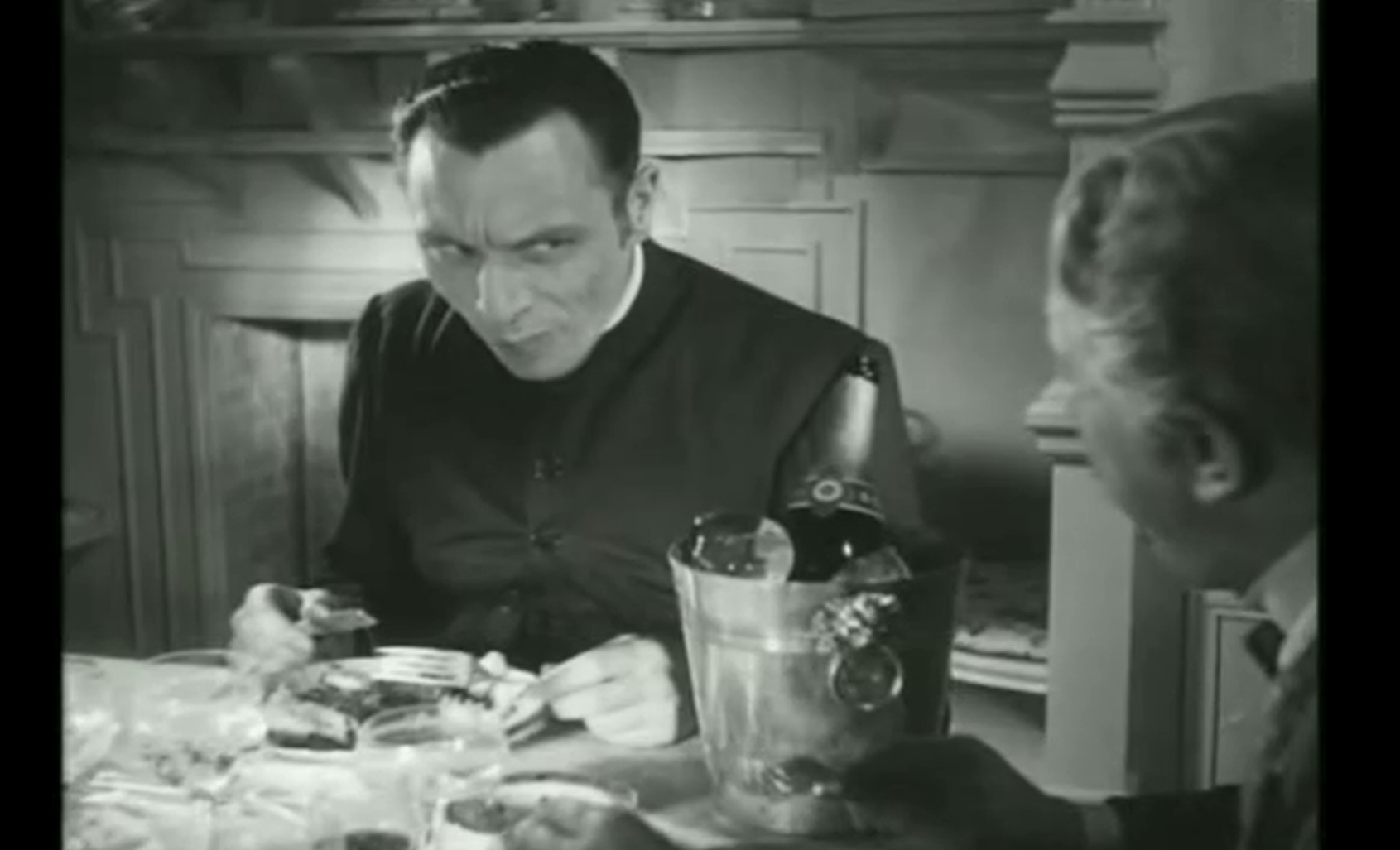
A botanist (Michel Simon) with a secret identity as famed crime novelist “Felix Chapel” goes undercover with his class-conscious wife (Francoise Rosay) when his sanctimonious cousin, Bishop Soper (Louis Jouvet), accuses him of spousal homicide; meanwhile, a serial killer (Jean-Louis Barrault) vows to murder Chapel in revenge for provoking his baser nature.

Genres:

  • Black Comedy
  • French Films
  • Mistaken or Hidden Identities
  • Murder Mystery
  • Writers

Review:
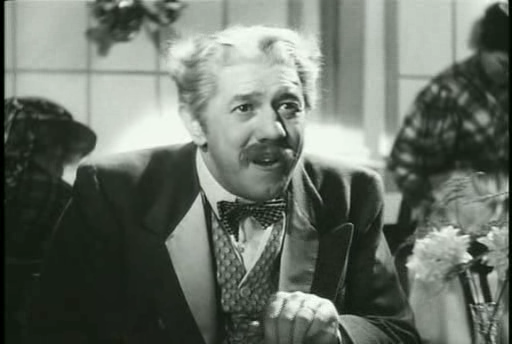
Director Marcel Carne — best-known for his luminous wartime epic Les Enfants du Paradis (1945) — made more than 20 films in his lifetime, yet only a few (such as Le Jour se Leve and Le Quai de Brumes, not listed in GFTFF) are well-known to American audiences. Carne’s Bizarre, Bizarre (literally “Strange, Strange”) is an elaborate farce premised upon mistaken identities, calculated murder, and a generous skewering of class relations; it won’t appeal to all tastes, but its cast of esteemed French actors are all in prime comedic form, with hangdog-actor Michel Simon well-cast in the lead (double) role, and Jean-Louis Barrault (star of Les Enfants…) having fun with a radically different persona. Also known as Drole de Drame, ou L’etrange Aventure de Docteur Molyneux.

Redeeming Qualities and Moments:

  • Michel Simon as Molyneux, a.k.a. “Felix Chapel”
  • Louis Jouvet as Molyneux’s self-righteous cousin, Bishop Soper
  • Jean-Louis Barrault as William Kramps, the “butcher murderer”
  • Several truly “bizarre” images and sequences

Must See?
No, but it’s recommended.

Links:

Doctor X (1932)

Doctor X (1932)

“I tell you that locked in the human skull is a little world, all its own…”

Synopsis:
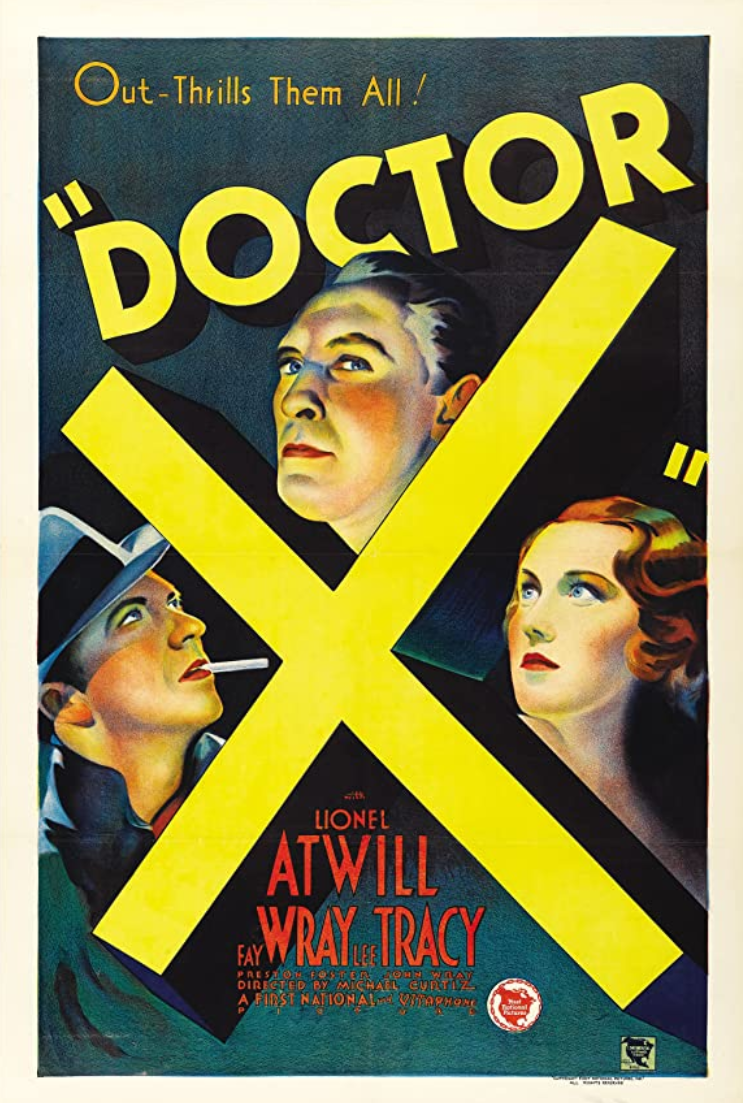
When detectives inform him that a serial killer known as the “Moon Killer” is one of the scientists working at his renowned laboratory, Dr. Xavier (Lionel Atwill) decides to conduct an experiment which will reveal the true identity of the madman. Meanwhile, an intrepid reporter (Lee Tracy) hoping for a big scoop falls in love with Dr. Xavier’s daughter (Fay Wray) while placing his own life in serious jeopardy.

Genres:

  • Amateur Sleuths
  • Fay Wray Films
  • Horror
  • Journalists
  • Lionel Atwill Films
  • Mad Doctors and Scientists
  • Michael Curtiz Films
  • Murder Mystery
  • Play Adaptation
  • Serial Killers

Review:
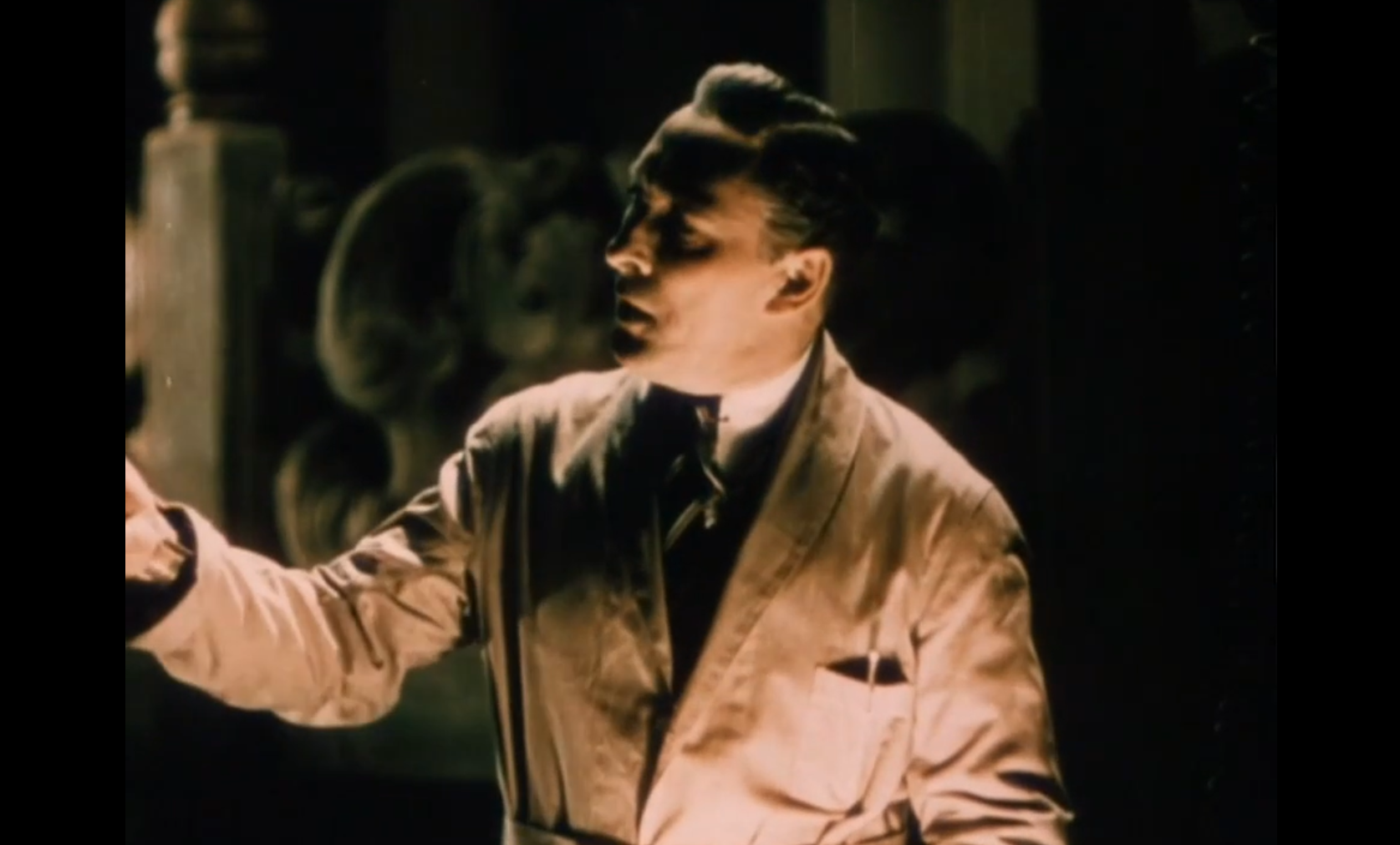
As one of the first movies to be filmed in “two-strip Technicolor” — and one of Warner Brothers’ earliest horror films, made in direct competition with Universal Studios’ immensely popular chillers — Michael Curtiz’s Doctor X holds a special place in cinematic history. Its fame increased during the decades after its release, when only black-and-white copies were available for viewing; it wasn’t until 1973 that the original color version of Doctor X was restored. Unfortunately, the story itself hasn’t held up very well: for the most part, the dialogue and acting are both stilted and clumsy, and there are precious few genuine chills until the final 20 minutes or so (once the identity of the killer is finally revealed). Comic-relief Lee Tracy is simply annoying, and his romance with beautiful Fay Wray (who, as usual, glows on the screen) is nothing more than pure cinematic convenience.

With that said, Lionel Atwill (in one of his first major screen roles) is appropriately regal and mysterious as “Doctor X”; his presence, along with reasonably atmospheric set designs and cinematography, are the redeeming features of this otherwise disappointing murder mystery.

Redeeming Qualities and Moments:

  • Lionel Atwill as “Dr. X”
  • Effectively atmospheric sets and early “two-strip” cinematography
  • The climactic sequences

Must See?
No, though hardcore film buffs will likely be curious to check out the movie that eluded fans in its Technicolor iteration for so many years (now available as part of a box set of Warner Brothers’ horror films called “Legends of Horror”). Listed as a film with Historical Importance in the back of Peary’s book.

Links:

Posse (1975)

Posse (1975)

“Honest men stay honest only as long as it pays — that’s why I’m a thief, and you’re a liar.”

Synopsis:
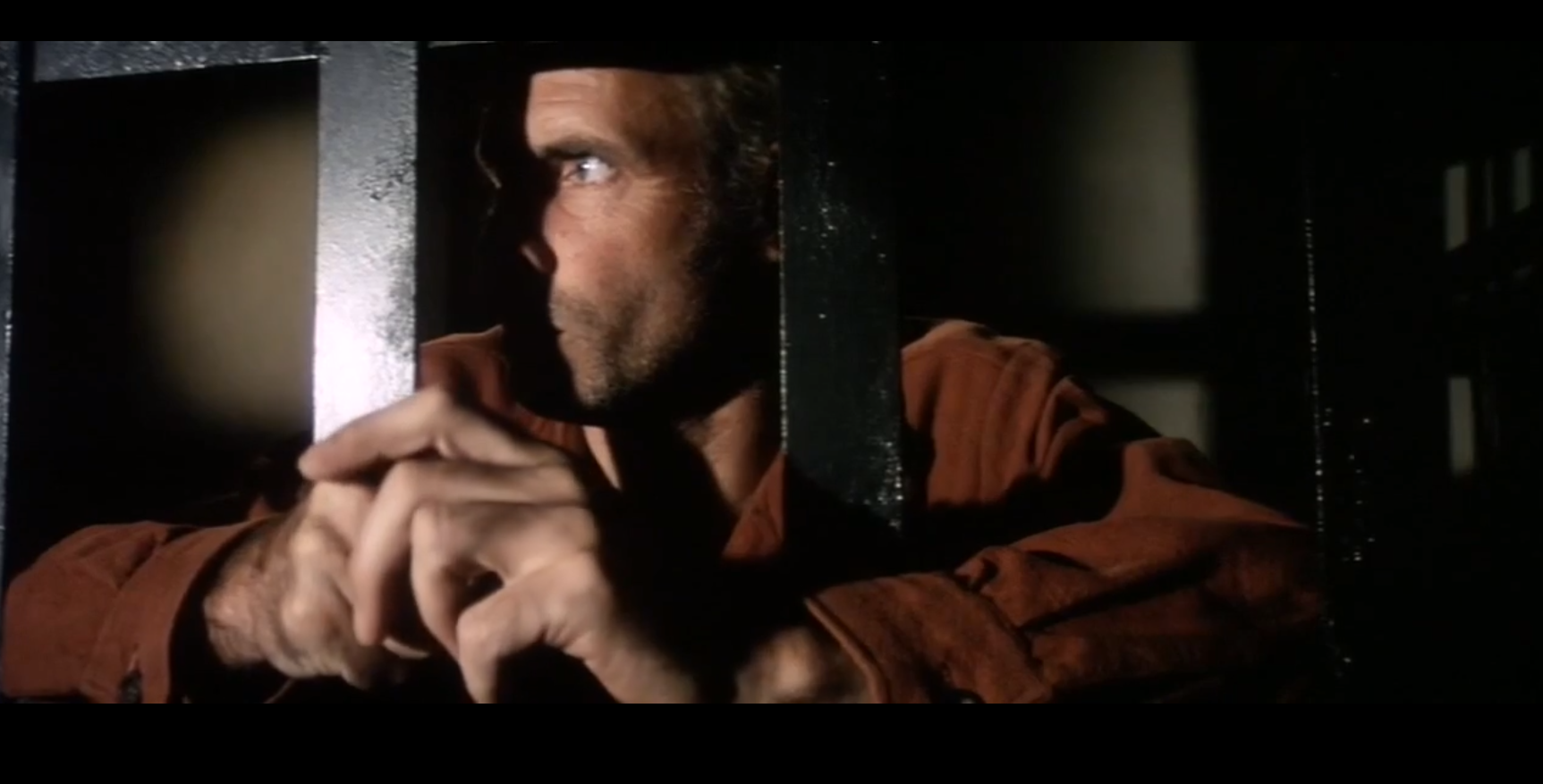
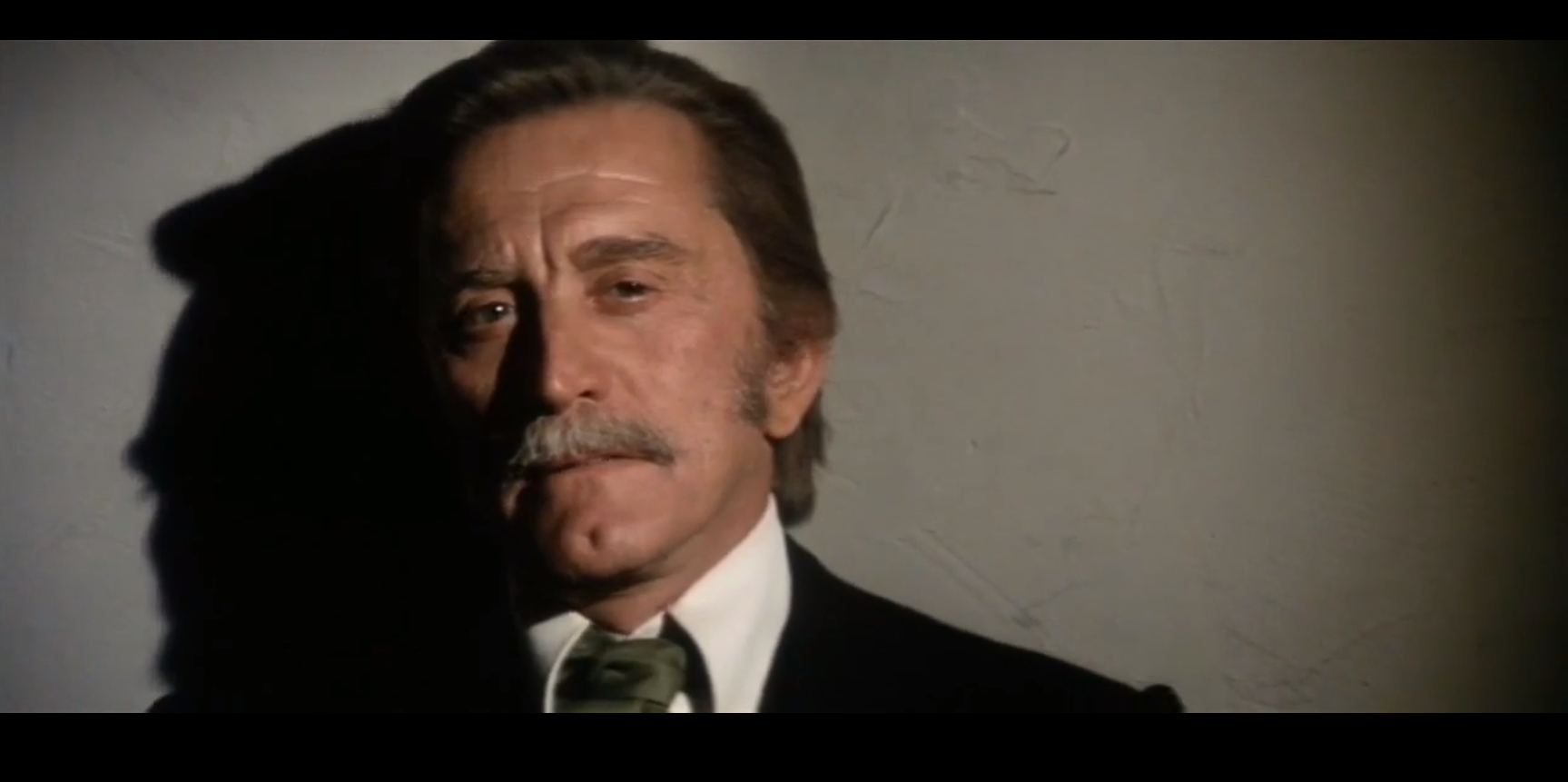
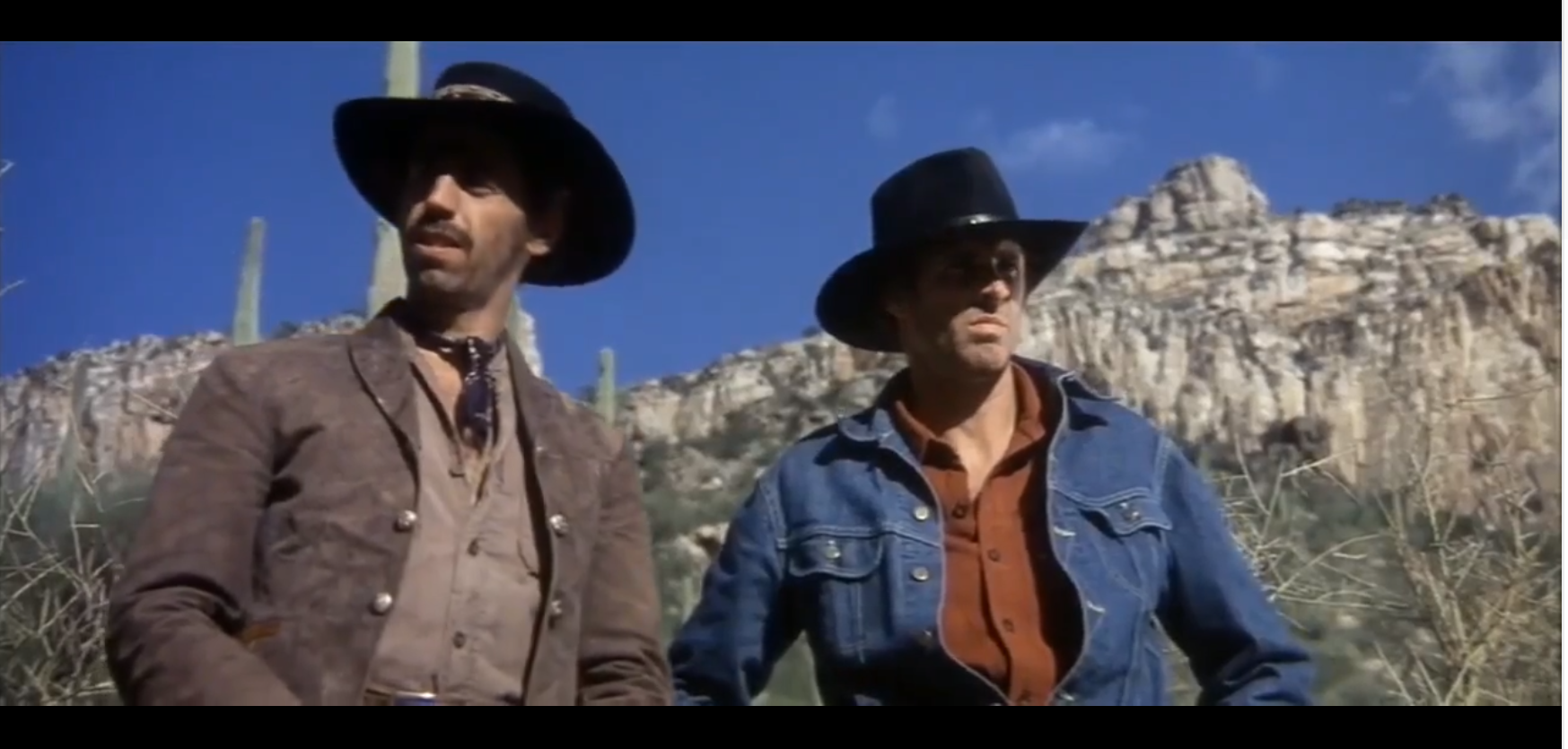
With the help of his deputies, a politically ambitious marshall (Kirk Douglas) captures notorious outlaw Jack Strawhorn (Bruce Dern), and uses his victory to campaign for more votes as U.S. senator — but when Strawhorn eludes his grasp, Douglas finds his political future once again on shaky ground.

Genres, Themes, Actors, and Directors:

  • Bruce Dern Films
  • Cat and Mouse
  • Kirk Douglas Films
  • Outlaws
  • Westerns

Review:
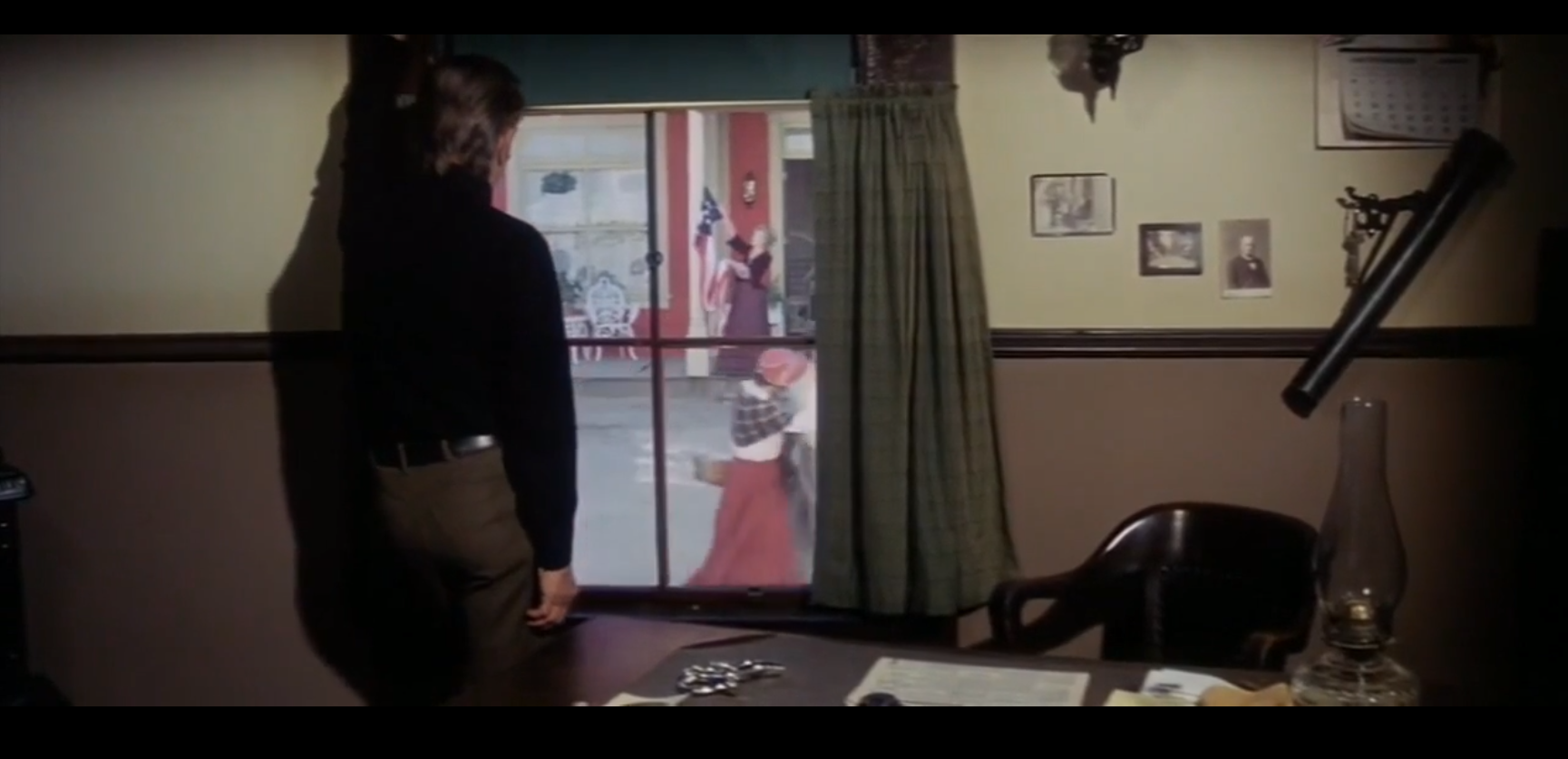
Kirk Douglas’s revisionist western (he produced, directed, and co-starred) offers a cynical look at the intersection of politics and crime in the American West, with Douglas’s aspiring senator (Nightingale) and Dern’s crafty outlaw (Strawhorn) representing two sides of the same self-serving coin. Because Nightingale is clearly using his pursuit of Strawhorn for political purposes — and because Strawhorn’s capture is framed as a veritable media frenzy which leads to even more “corruption” (Nightingale’s posse takes advantage of their “moment of glory” to bed the star-struck women of Tesota) — it’s relatively easy to start rooting for Strawhorn, who’s clever enough from scene one to warrant our continued attention. The entire film is essentially an extended cat-and-mouse chase, in which — thanks to Strawhorn’s remarkable guile — the tables are turned again and again; just when the game looks to be over, it’s not. While Posse‘s ending isn’t entirely plausible, the point is clearly made that loyalty is relative, and that looking out for one’s best interests doesn’t always fall on the right side of the law.

Redeeming Qualities and Moments:

  • Bruce Dern as Jack Strawhorn — as always, Dern’s performance alone makes this unusual sleeper worth a look
  • Kirk Douglas as Howard Nightingale
  • Fred Koenekamp’s cinematography

  • Maurice Jarre’s memorable score

Must See?
No, but it’s recommended.

Links:

Window, The (1949)

Window, The (1949)

“With all the stories you tell, it’s no wonder you have nightmares!”

Synopsis:
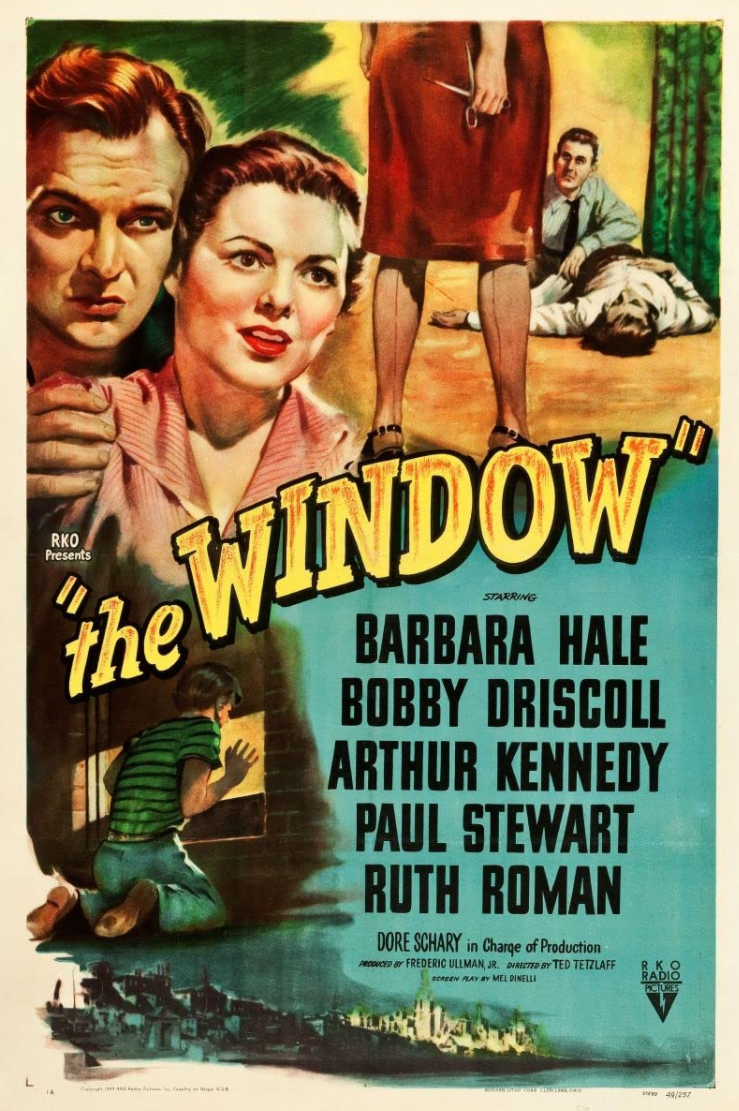
An overly imaginative young boy named Tommy (Bobby Driscoll) sees his upstairs neighbors (Paul Stewart and Ruth Roman) murdering a man, but neither his hardworking parents (Arthur Kennedy and Barbara Hale) nor the police believe he’s telling the truth. When Stewart and Roman learn that Tommy has witnessed their crime, his life is soon in jeopardy — but can he get anyone to believe him?

Genres, Themes, Actors, and Directors:

  • Arthur Kennedy Films
  • Barbara Hale Films
  • Coming of Age
  • Living Nightmare
  • “No One Believes Me!”
  • Paul Stewart Films
  • Plot to Murder
  • Ruth Roman Films

Review:
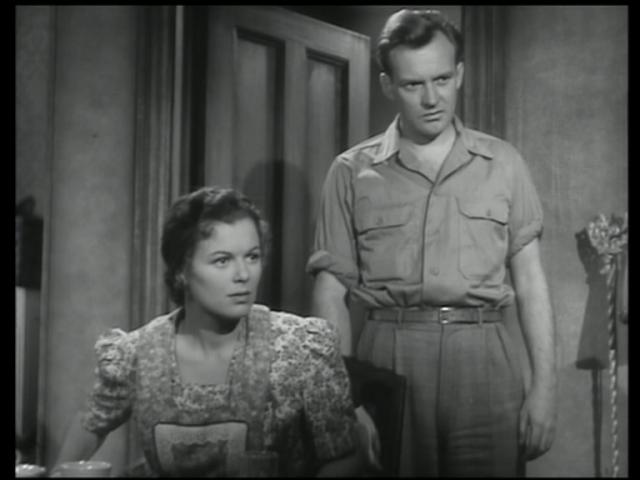
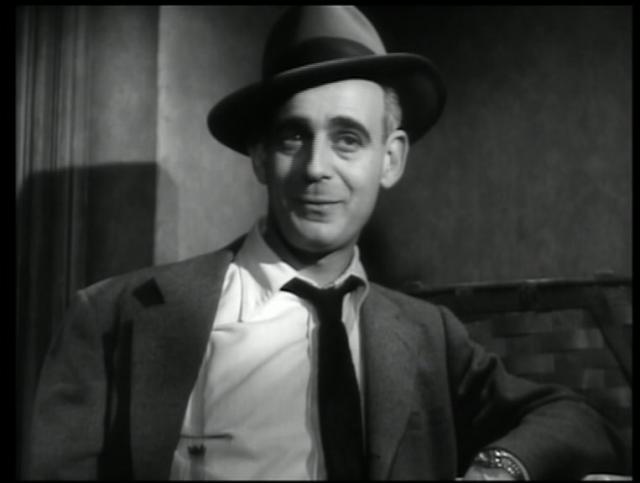
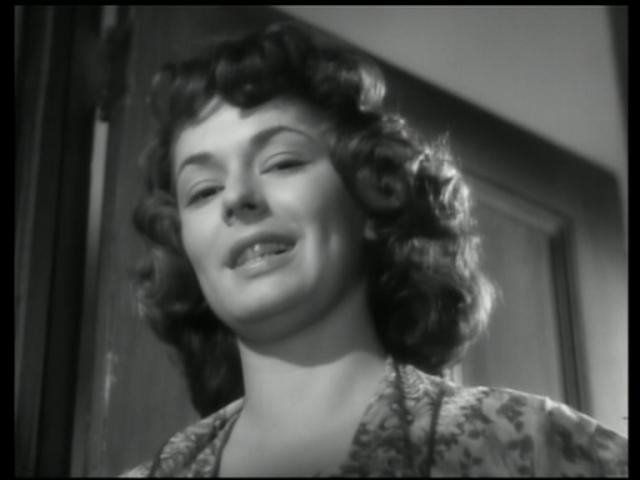
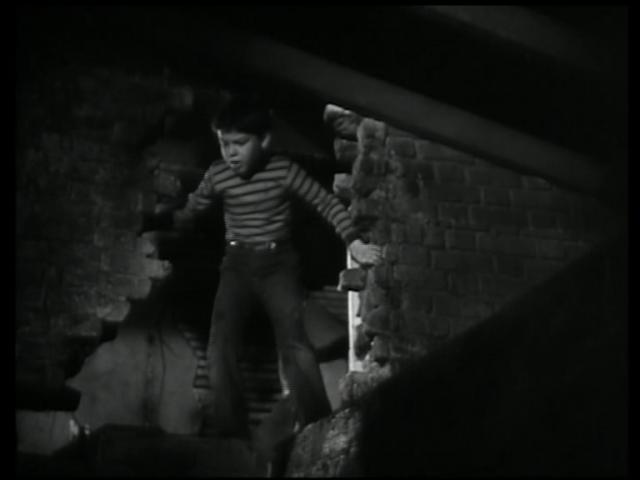
Nearly everyone who’s seen this nifty, under-appreciated thriller (a genuine “sleeper” at the time of its release) agrees that its time in the limelight can’t be too far away. The Window posits a riveting “no one believes me” scenario based on an entirely legitimate premise: who will believe the “boy who cried wolf” once a wolf is really out to get him? Indeed, Tommy’s life is in genuine, startling jeopardy for the majority of the film — and while we may question his parents’ wisdom in leaving him all alone at night in a sketchy New York tenement, there’s something undeniably (perhaps disturbingly) refreshing about witnessing an era in which children aren’t automatically believed, and in which they’re expected to take a certain amount of responsibility for themselves. In addition to Driscoll’s Oscar-winning performance (he truly carries the film), all of the actors do a fine job here, with Ruth Roman surprisingly well-cast as a baddy (one shot in particular — see stills below — reveals an other-worldly evil in her eyes), and Paul Stewart genuinely creepy as her even more ruthless husband. Credit must go as well to Robert De Grasse and William Steiner for their atmospheric cinematography, which places Tommy in a black-and-white shadowland of New York peril.

P.S. Film fanatics may be interested to compare this film with The 5,000 Fingers of Dr. T (1953), which adds a Freudian, dream-like spin to its tale of another “Tommy” caught in the ultimate Living Nightmare.

Redeeming Qualities and Moments:

  • Bobby Driscoll as Tommy
  • Arthur Kennedy and Barbara Hale as Tommy’s loving but weary parents
  • Paul Stewart and Ruth Roman as Tommy’s murderous neighbors

  • Fine use of run-down New York tenements as locales
  • Excellent noir-ish cinematography

Must See?
Yes, as an oft-overlooked “good show”, and for Driscoll’s Oscar-winning performance.

Categories

  • Good Show
  • Oscar Winner or Nominee

Links:

Mannequin (1937)

Mannequin (1937)

“I want to see those three rooms of yours; I’ve been wondering what makes them mean so much more to you than anything I’ve got means to me.”

Synopsis:
A hardworking factory girl (Joan Crawford) marries her childhood sweetheart (Alan Curtis) in a desperate attempt to leave her Hester Street tenement home behind her. Despite advances made by a wealthy shipping magnate (Spencer Tracy), Crawford refuses to leave her deadbeat husband — until he proposes a get-rich-quick scheme so reprehensible that she finds her love for him put to the test.

Genres, Themes, Actors, and Directors:

  • Cross-Class Romance
  • Frank Borzage Films
  • Joan Crawford Films
  • Love Triangle
  • Social Climbers
  • Spencer Tracy Films

Review:
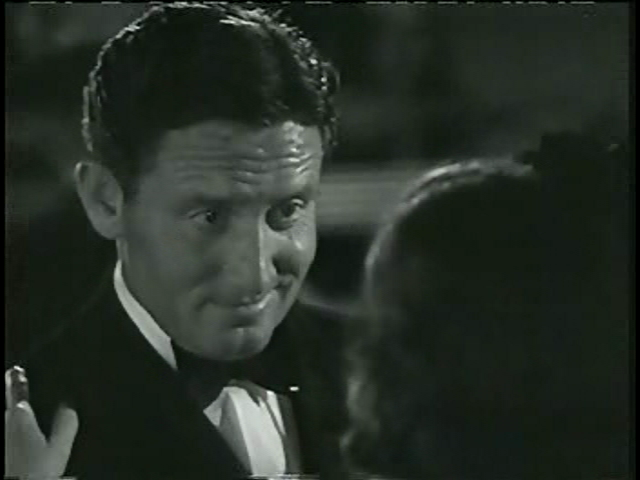
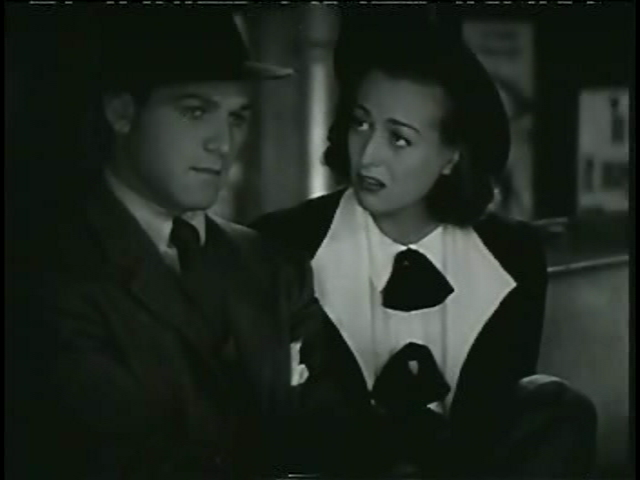
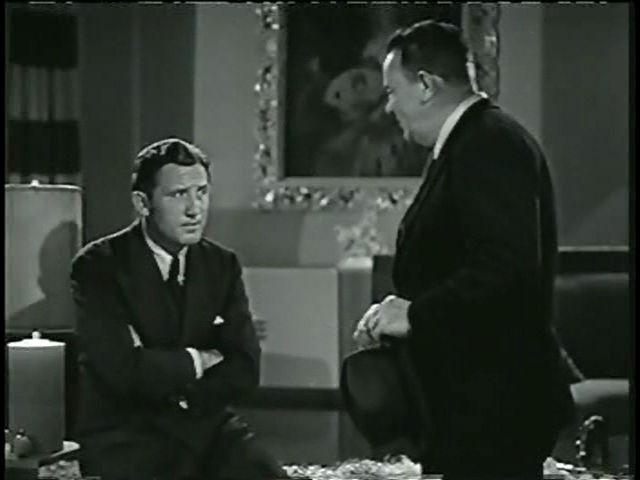
This rags-to-riches soaper by director Frank Borzage remains a firm notch above its more pedestrian counterparts, thanks primarily to fine performances by Joan Crawford and Spencer Tracy, and an unexpectedly witty script by Lawrence Hazard (and Borzage, uncredited). Although Crawford — two years before her infamous turn as Crystal Allen in George Cukor’s The Women — isn’t asked to stretch very far in her role as a working class girl with (surprise, surprise) aspirations towards a better life for herself, there’s no denying that she’s perfectly cast here, and she lights up the screen with her earnest yet cautious romanticism. Tracy, meanwhile, is the perfect foil for Crawford’s glamorous aesthetic — he’s solid and grounded in his attraction for her, and though we may revile him at first for going after another man’s new wife with so little compunction, we soon realize that his love for Crawford is deeply authentic. While few will be surprised by the outcome of this sticky love triangle, it’s a testament to Borzage and his crew that we remain genuinely invested until then.

Redeeming Qualities and Moments:

  • Joan Crawford as Jessie Cassidy
  • Spencer Tracy as John L. Hennessey
  • Alan Curtis as Eddie
  • Elisabeth Risdon as Jessie’s hard-working mother
  • Clever dialogue:

    Tracy: “Now you find that girl — and if you can’t, hire a detective!”
    Policeman: “I AM a detective!”
    Tracy: “The crack still goes!”

Must See?
Yes, as an all-around “good show” by Borzage.

Categories

  • Good Show
  • Important Director

Links:

Toni (1935)

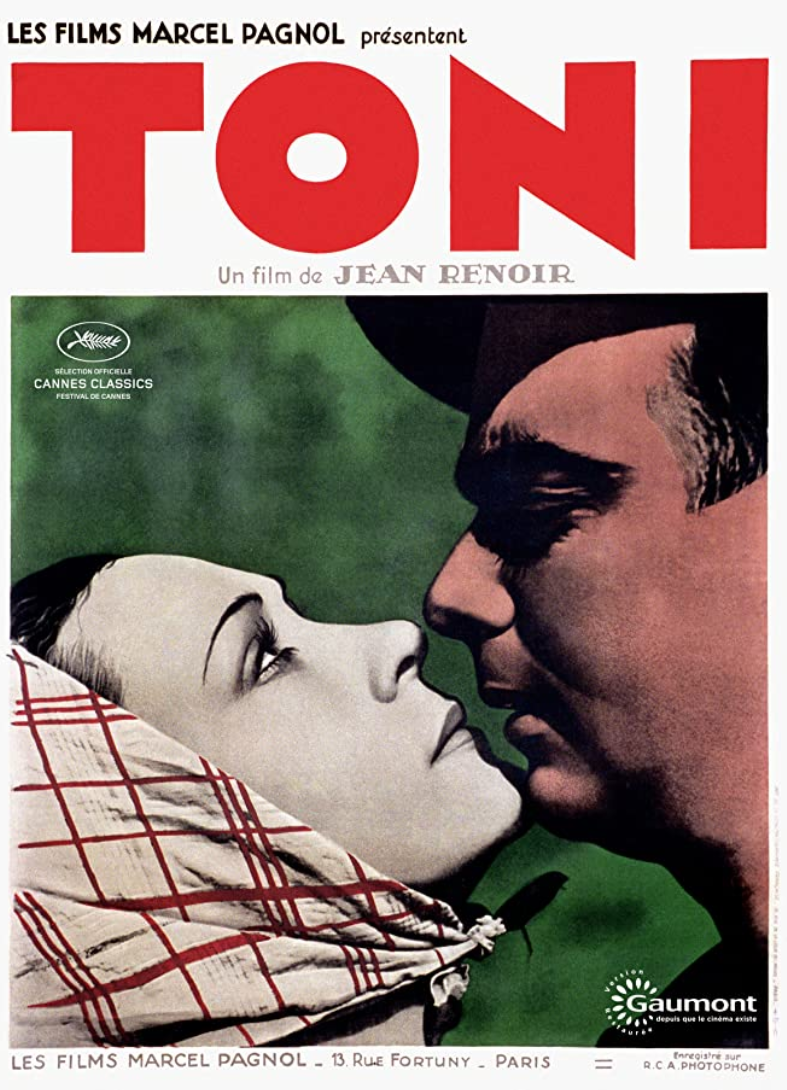
Toni (1935)

“Forget her? Why not try grafting a plano leaf on to an olive tree?”

Synopsis:
An Italian immigrant (Charles Blavette) in love with a Spanish washerwoman (Celia Montalvan) ends up marrying his landlady (Jenny Helia) instead when Josefa (Montalvan) is seduced by the local quarry foreman (Max Dalban). But Toni (Blavette) remains dissatisfied in his marriage, and is determined to rescue Josefa from her unhappy fate.

Genres, Themes, Actors, and Directors:

  • French Films
  • Jean Renoir Films
  • Love Triangle

Review:
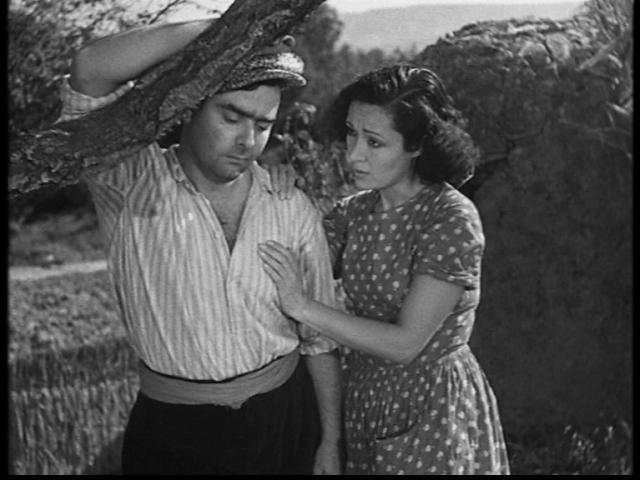
Considered by many to be an early forerunner of Italian neo-realism, Jean Renoir’s Toni (co-directed by Luchino Visconti) holds a special place in cinematic history. In addition to the use of many non-actors, most scenes are shot either outdoors in the southern French countryside (in a quarry, under trees on hills, along vineyard paths), or in authentic local buildings, and the effect is palpable: one immediately gets the sense of being immersed in this particular niche of early 20th century French immigrant society. The story — based on a real-life event — involves murder and sacrifice, but never comes across as overly melodramatic; rather, it’s easy to believe that these particular characters would act in just the way they do. While not quite the masterpiece that some of Renoir’s earlier and later films would prove to be, Toni is of note for those interested in the evolution of European cinema.

Redeeming Qualities and Moments:

  • Effective use of realistic locales

Must See?
No, though it’s certainly worth a look for its historical importance.

Links:

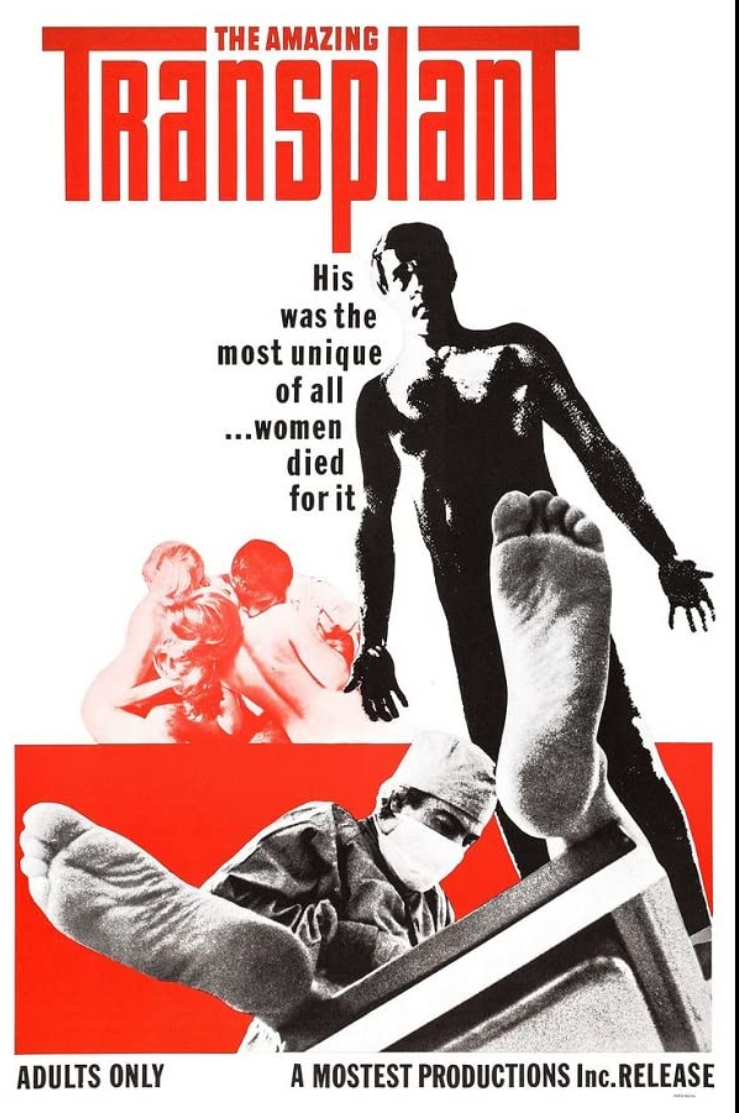
Amazing Transplant, The (1970)

Amazing Transplant, The (1970)

“I’m afraid our Arthur wasn’t quite the sweet boy we thought he was.”

Synopsis:
When a “nice young man” (Joao Fernendes) is accused of murdering his former girlfriend (Sandy Evan), his detective uncle (Larry Hunter) contacts everyone in his nephew’s address book — and soon learns that Arthur (Fernendes) has recently turned into a deranged rapist.

Genres:

  • Criminal Investigation
  • Detectives and Private Eyes
  • Rape

Review:
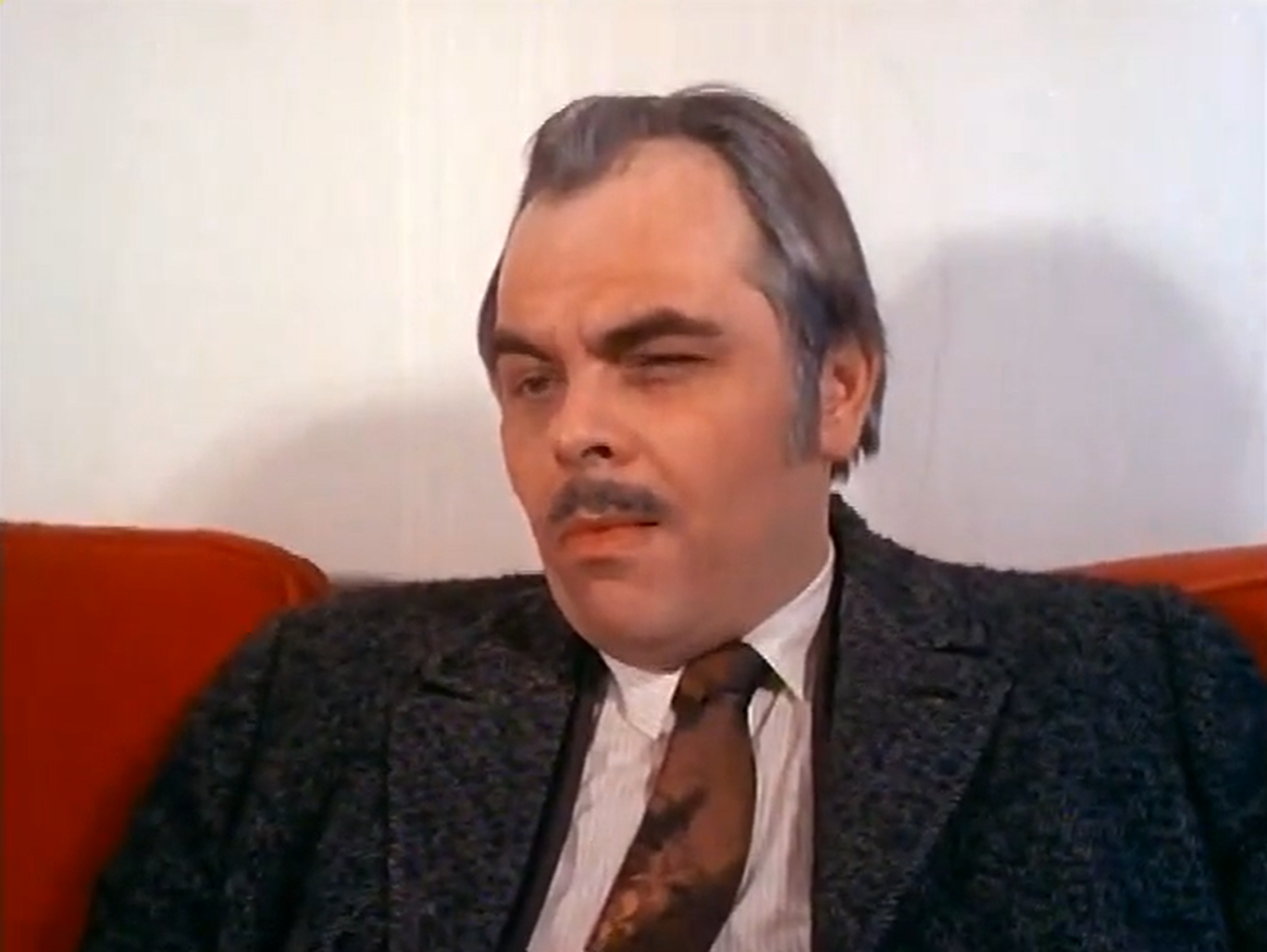
As perhaps the best-known film made by female sleaze director Doris Wishman (under the pseudonym of “Louis Silverman”), The Amazing Transplant will likely be of interest to fans of trash cinema, but its general appeal is limited. Wishman is notorious for her tendency to aim her camera anywhere (feet, furniture, statues) but at the characters’ faces when they’re speaking — which is actually a good thing, given that they’re all distractingly dubbed. The actors are uniformly awful (most are simply porn stars in the making), but special kudos must go to Uncle Bill (Hunter) for his hilariously bad extended reaction shots while listening to each rape victim tell her sordid tale.

The film’s plot (a criminal investigation) is basically an excuse for Wishman to show multiple flashback scenes of women being raped; while all resist at first, the majority eventually “give in” and appear to be enjoying themselves, thus disturbingly feeding any rape fetishist’s wildest fantasies. The “surprise twist” at the end of the film is anything but, with most reviews giving away the fact that this X-rated film owes thematic allegiance to such horror-film predecessors as Mad Love (1935) and The Hands of Orloc (1960).

Redeeming Qualities and Moments:

  • Not much

Must See?
No, though truly dedicated film fanatics may be morbidly curious to check out Wishman’s directorial “style”. Listed as Trash in the back of Peary’s book (and even he acknowledges that such films aren’t necessary viewing for ALL film fanatics).

Links:

Screaming Mimi (1958)

Screaming Mimi (1958)

“I know there’s gotta be a story when two sexy blondes are knifed the same way — and both have the same taste in statues!”

Synopsis:
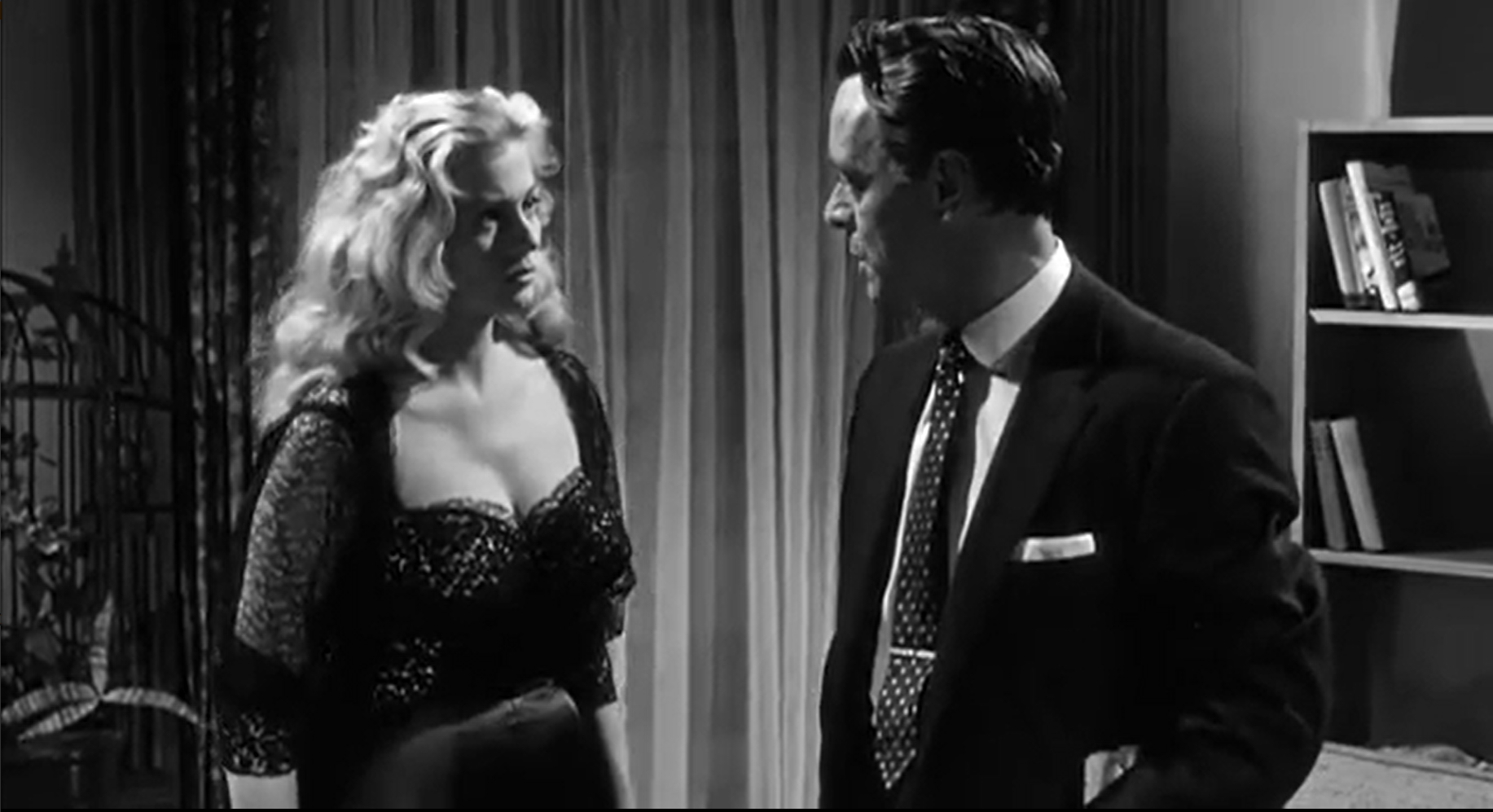
After nearly being killed by a psychopath, a voluptuous blonde (Anita Ekberg) is sent to a sanitarium, where her psychiatrist (Harry Townes) falls obsessively in love with her and helps her get a job working as an exotic dancer at a nightclub run by Joann “Gypsy” Masters (Gypsy Rose Lee). When Ekberg is nearly killed once again by an unknown assailant, a journalist (Philip Carey) who’s fallen for Ekberg does what he can to solve the mystery — and save her life.

Genres, Themes, Actors, and Directors:

  • Anita Ekberg Films
  • Journalists
  • Mental Illness
  • Mind Control and Hypnosis
  • Nightclubs
  • Obsessive Love
  • Serial Killers

Review:
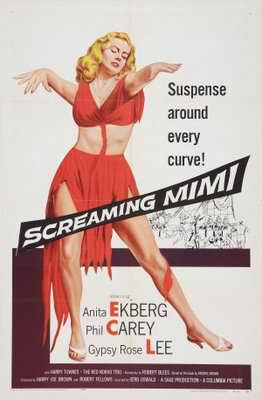
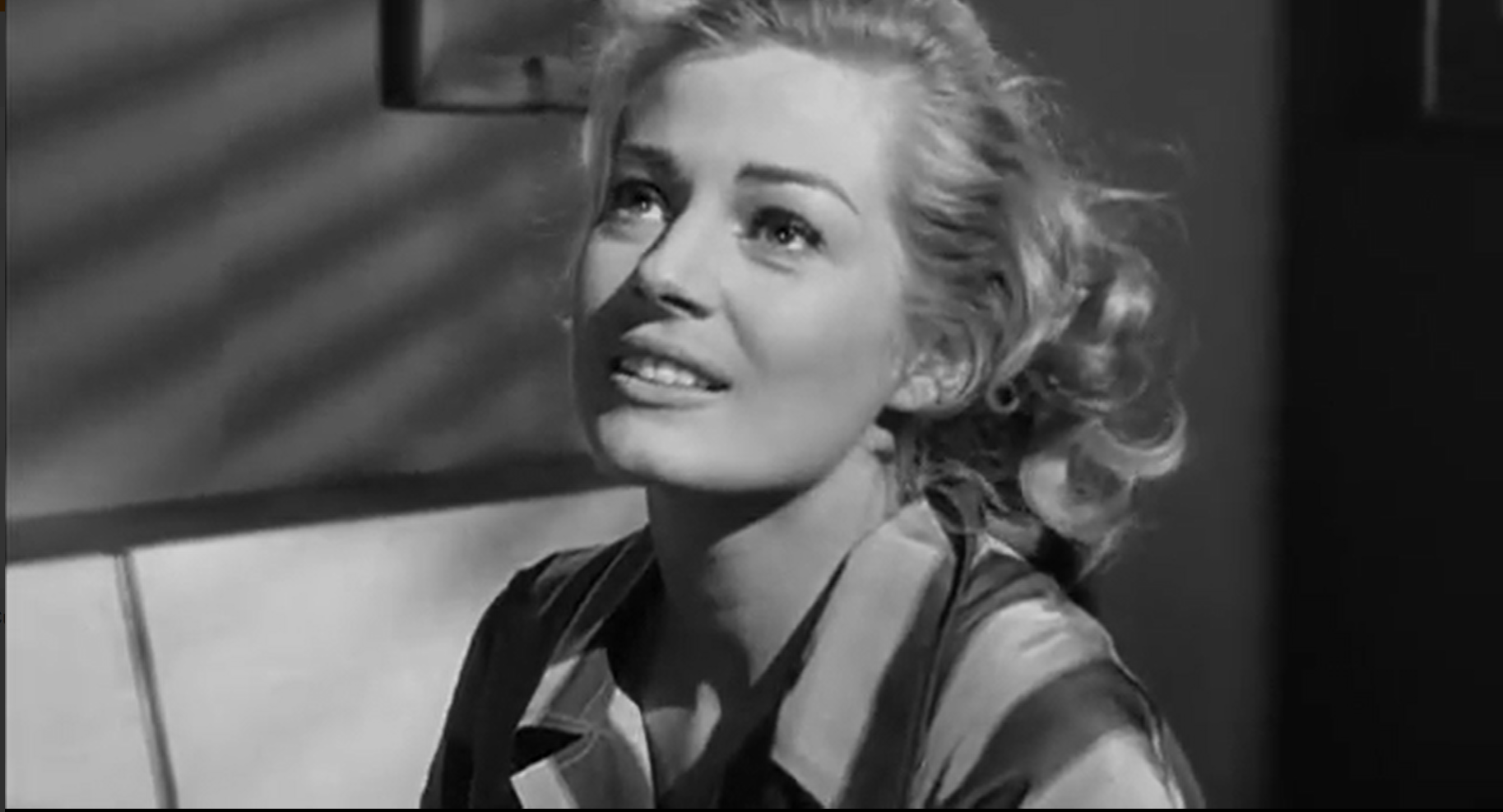
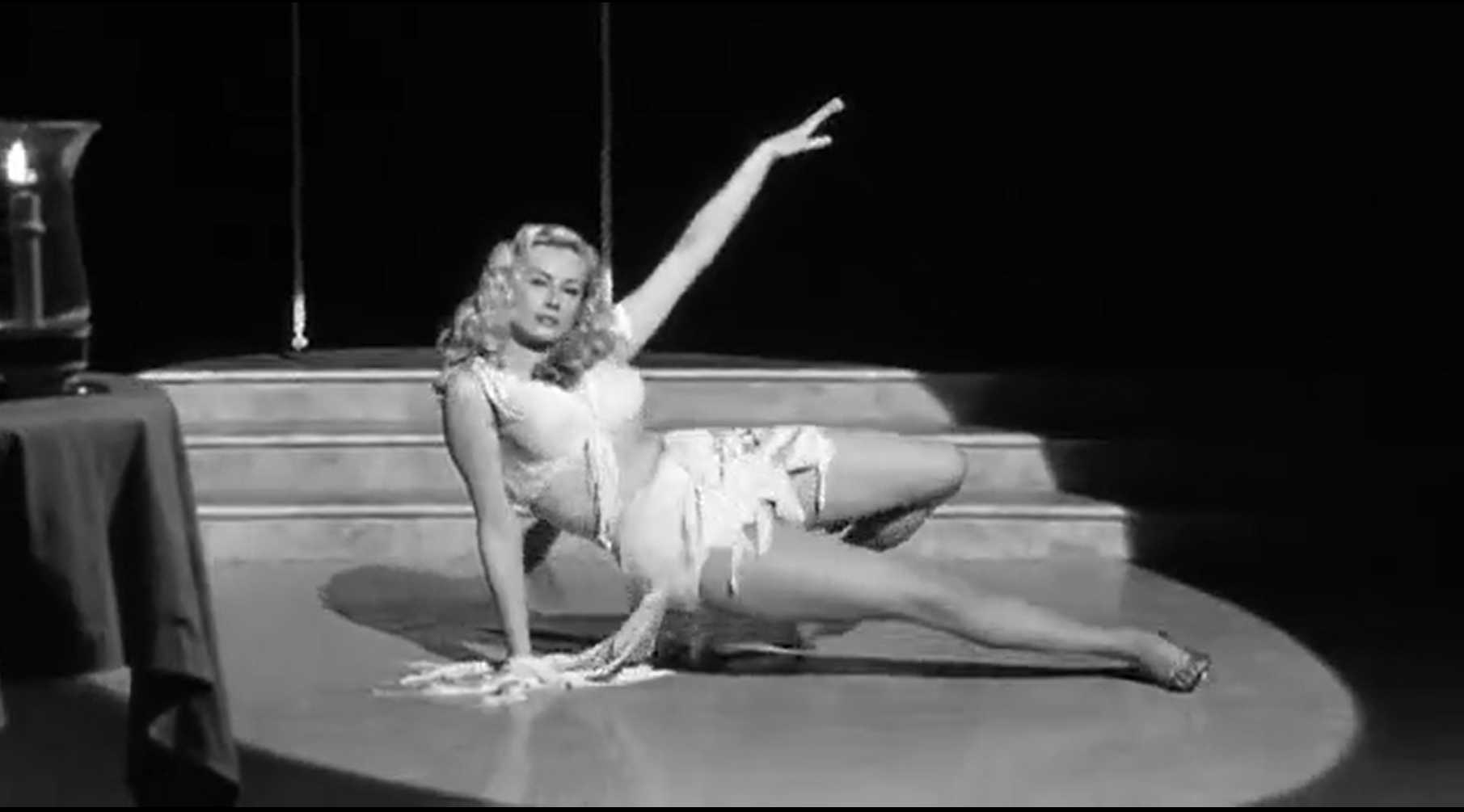
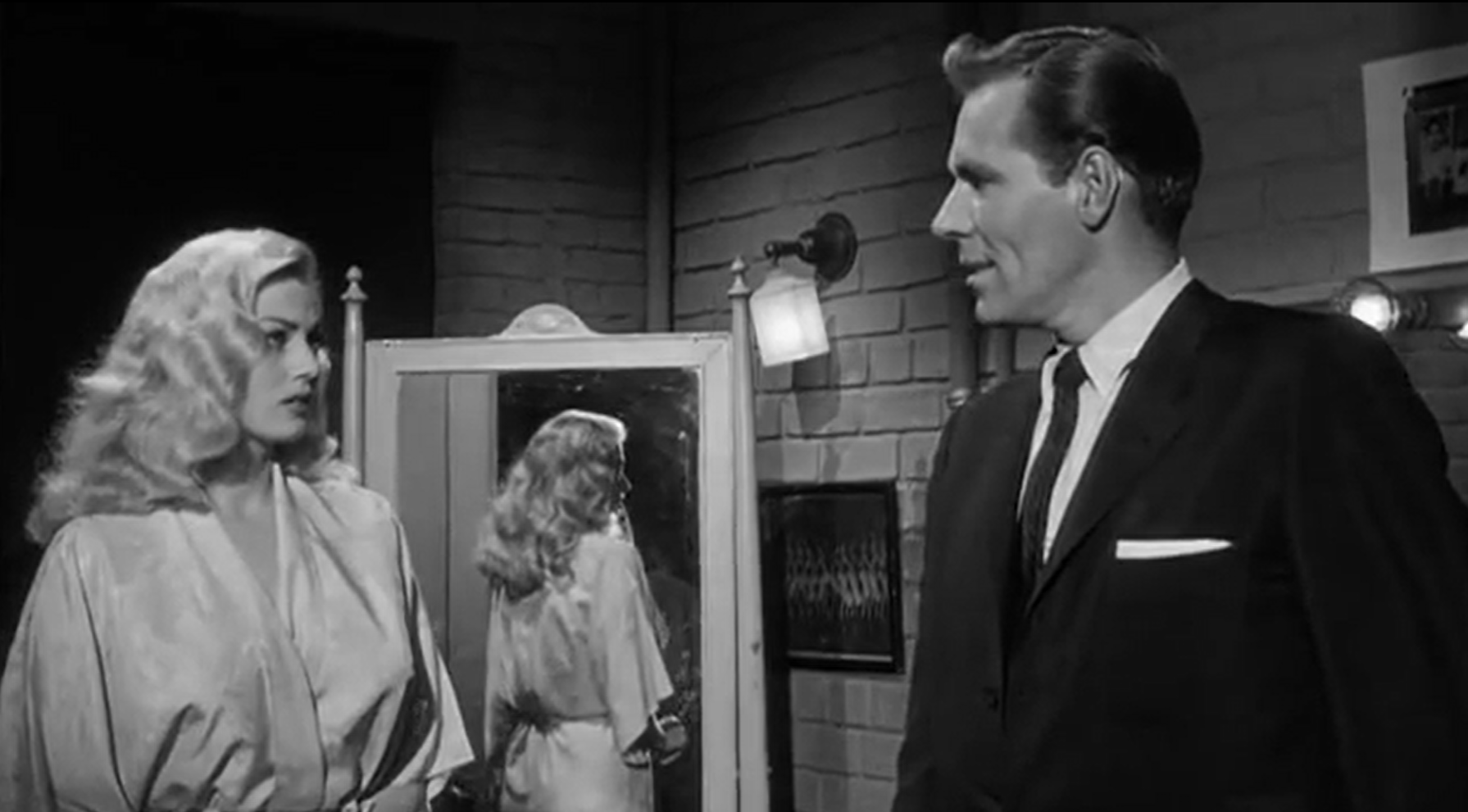
This atmospheric serial killer flick (directed by Gerd Oswald) remains a minor cult flick due primarily to the lead presence of voluptuous Anita Ekberg, two years before her infamous appearance in Fellini’s La Dolce Vita; while no great actress, Ekberg projects an undeniably magnetic presence on-screen.


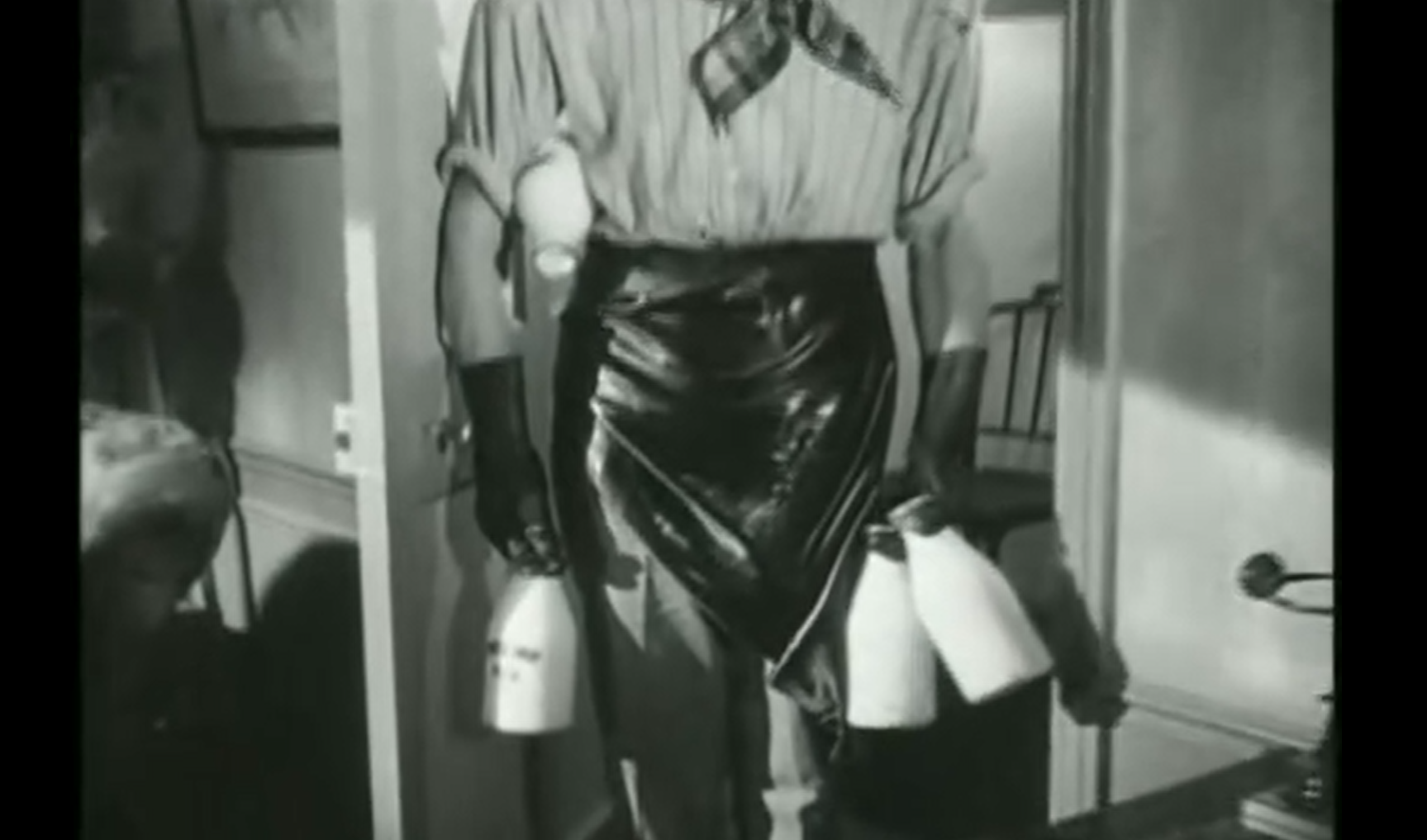
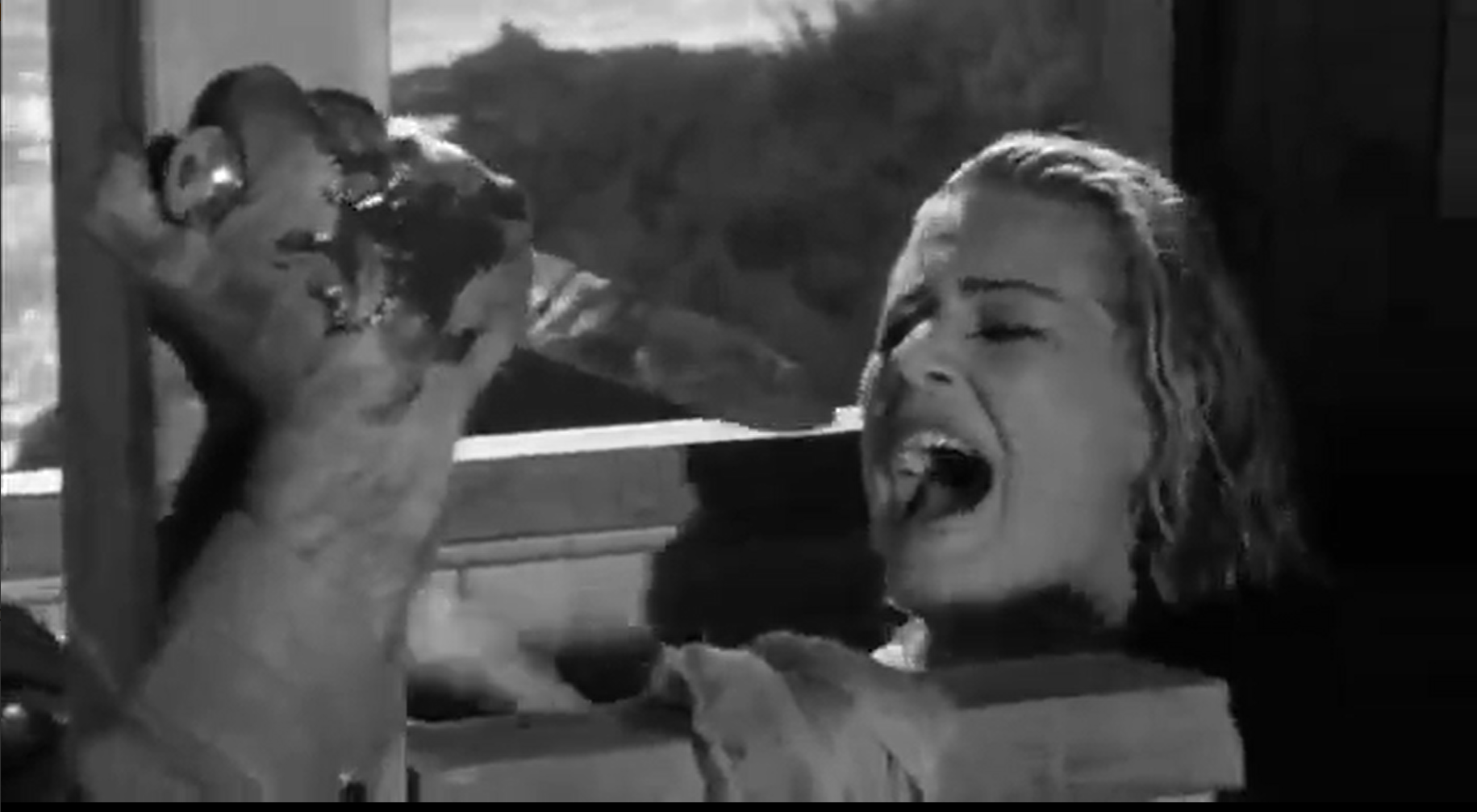
The opening scene — in which Ekberg is nearly killed by a knife-wielding psychopath while taking an outdoor shower:

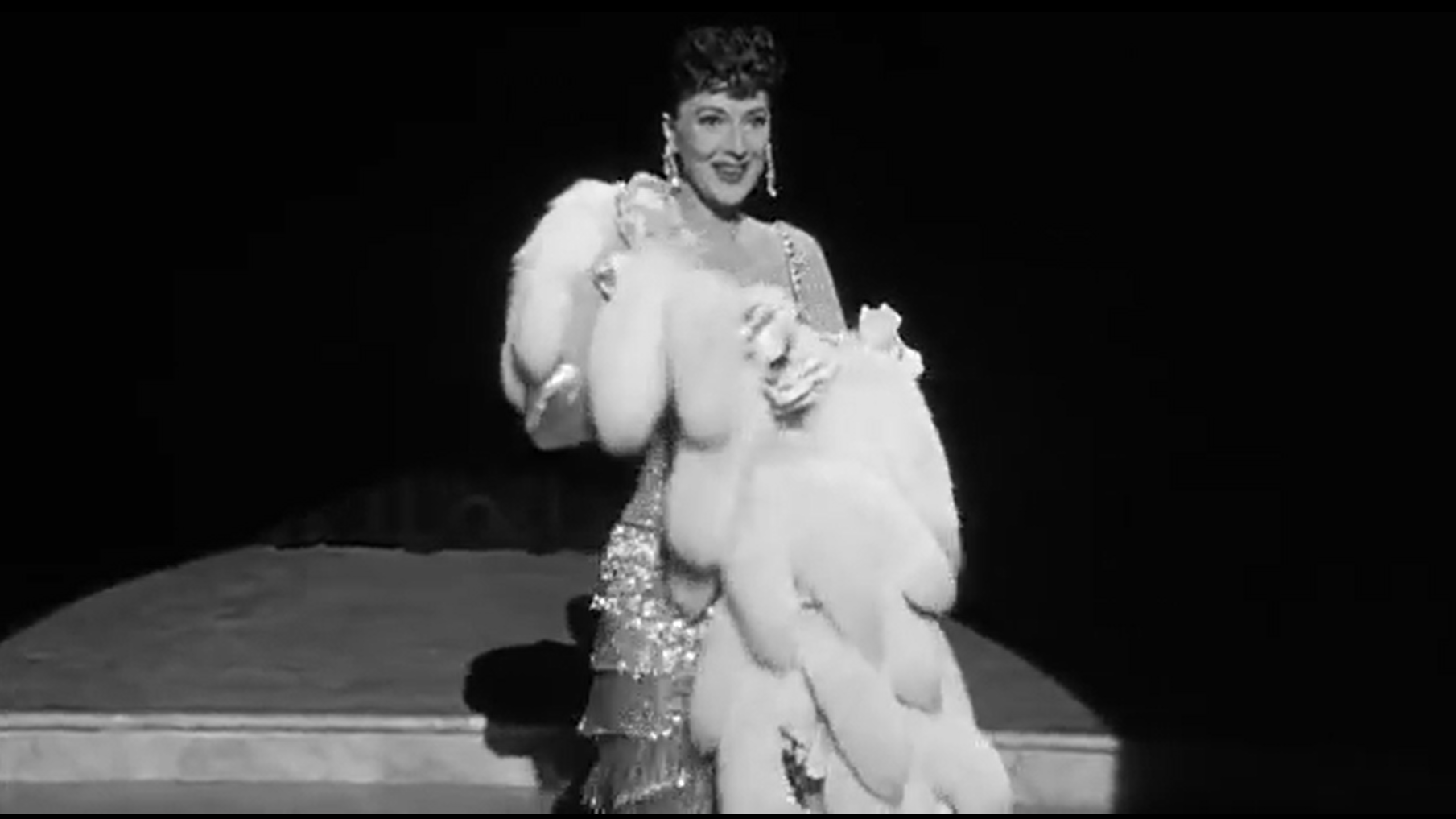
— holds cinematic interest as well, given that it predates the infamous “shower sequence” in Hitchcock’s Psycho by two years. And fans of the legendary Gypsy Rose Lee will be grateful to catch a rare glimpse of the diva on film (though her performance of “Put the Blame on Mame” is tepid at best).

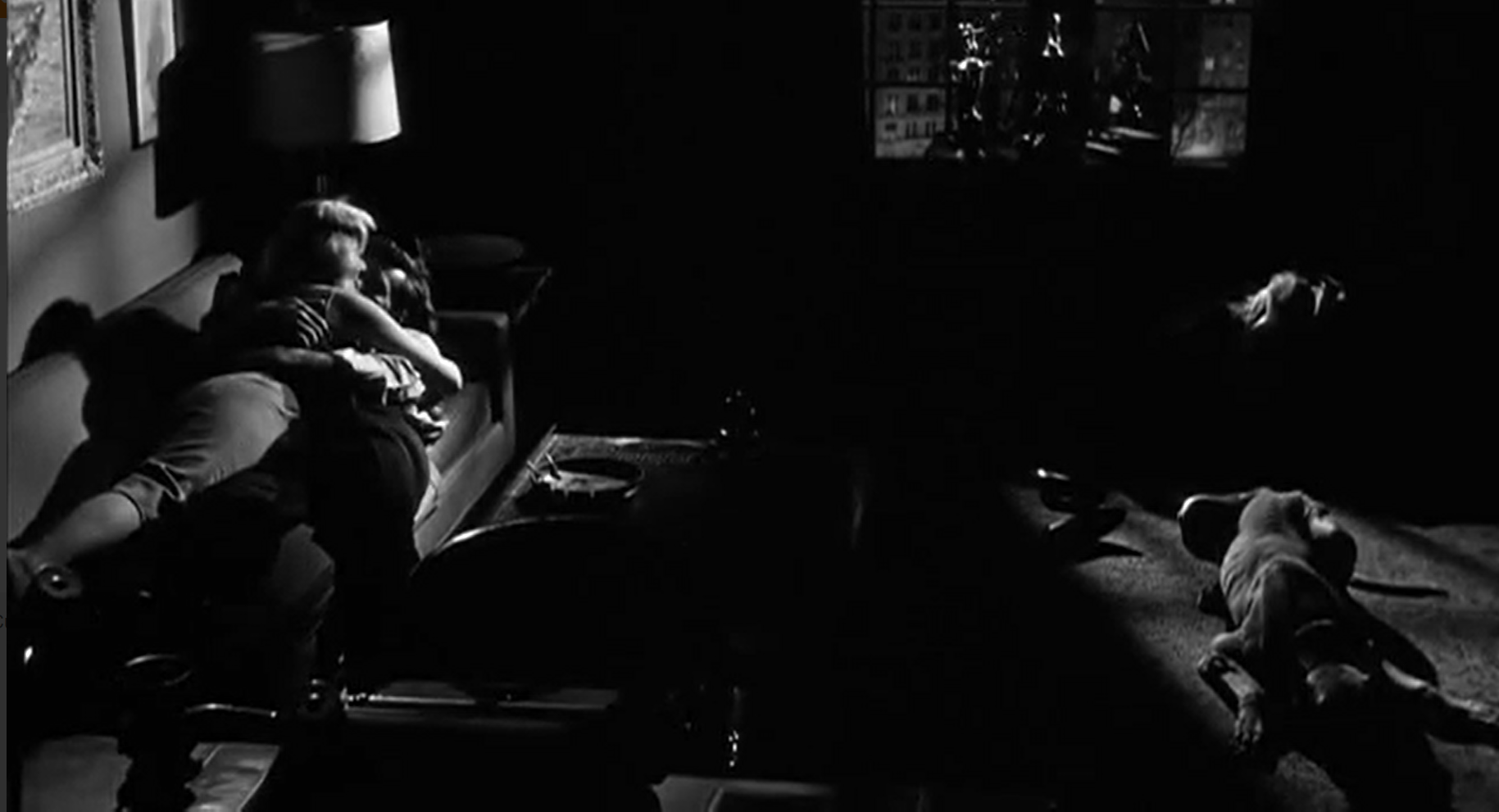
The storyline itself — a psycho-horror tale involving mind control and mysterious sculptures known as “Screaming Mimi”s — is overly convoluted, but Burnett Guffey’s superbly noir-ish black-and-white cinematography helps to elevate the film a notch above its pulpy, B-grade script.

Note: Any devoted film fanatic will immediately notice that much of Screaming Mimi‘s soundtrack is lifted directly from On the Waterfront — a seriously annoying distraction.

Redeeming Qualities and Moments:

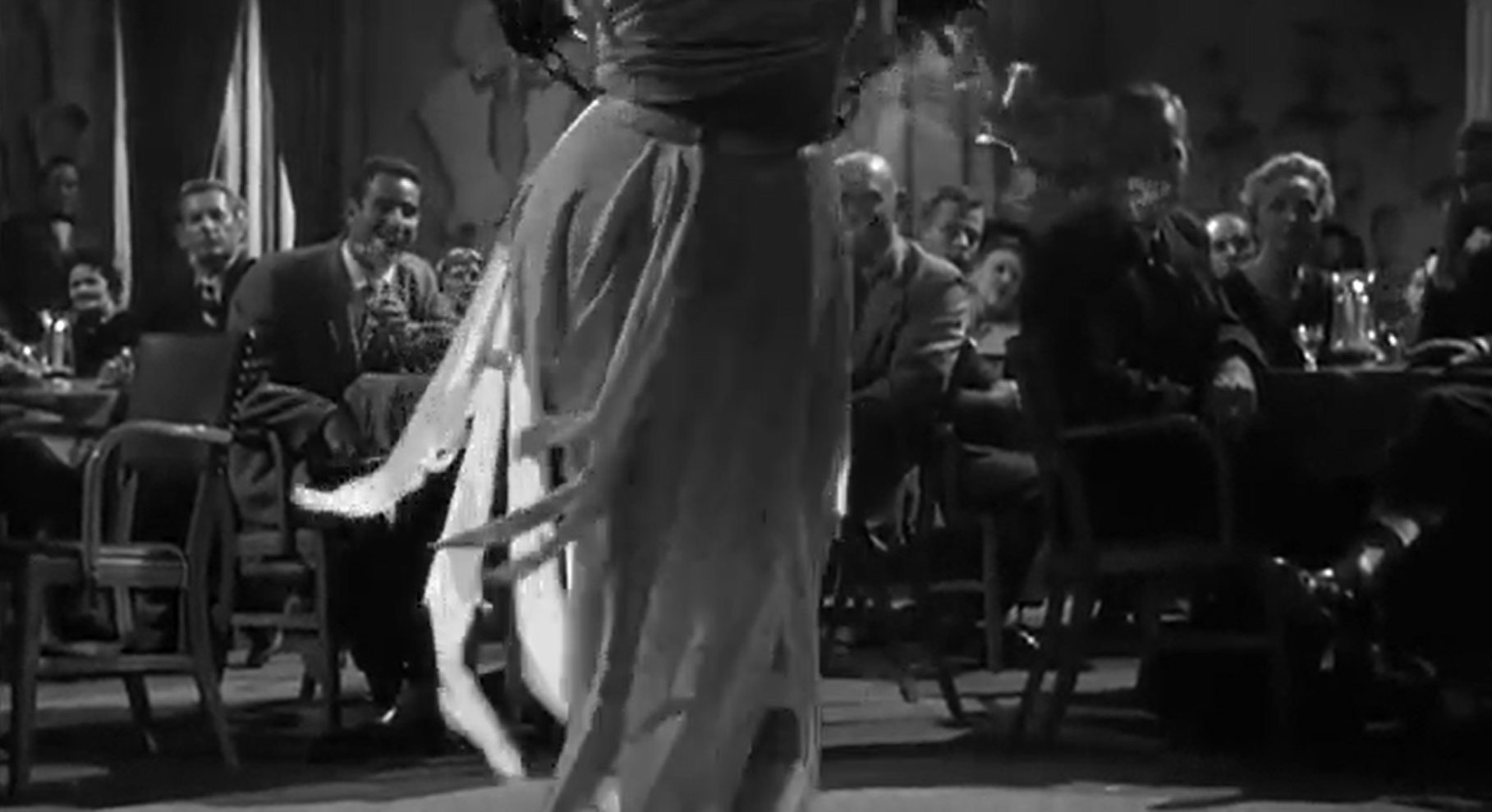
  • Anita Ekberg’s sultry nightclub dances

  • Burnett Guffey’s atmospheric b&w cinematography
  • The Red Norvo Trio (performing at Gypsy Lee’s nightclub)

Must See?
Yes, for its status as a cult favorite.

Categories

  • Cult Movie

Links:

Midsummer Night’s Sex Comedy, A (1982)

Midsummer Night’s Sex Comedy, A (1982)

“Only a drunken, infantile idiot shoots himself over love — not an internist.”

Synopsis:
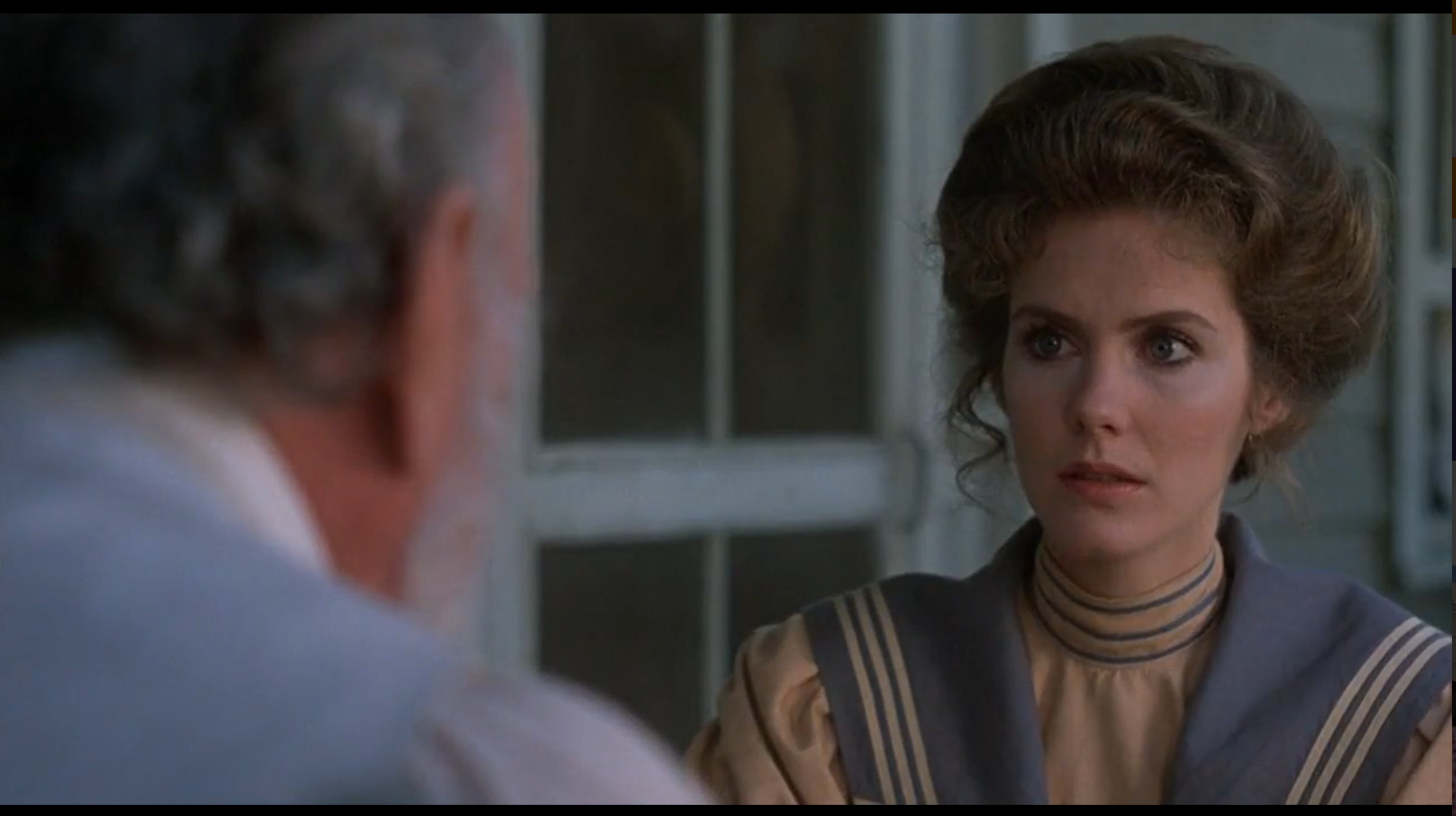
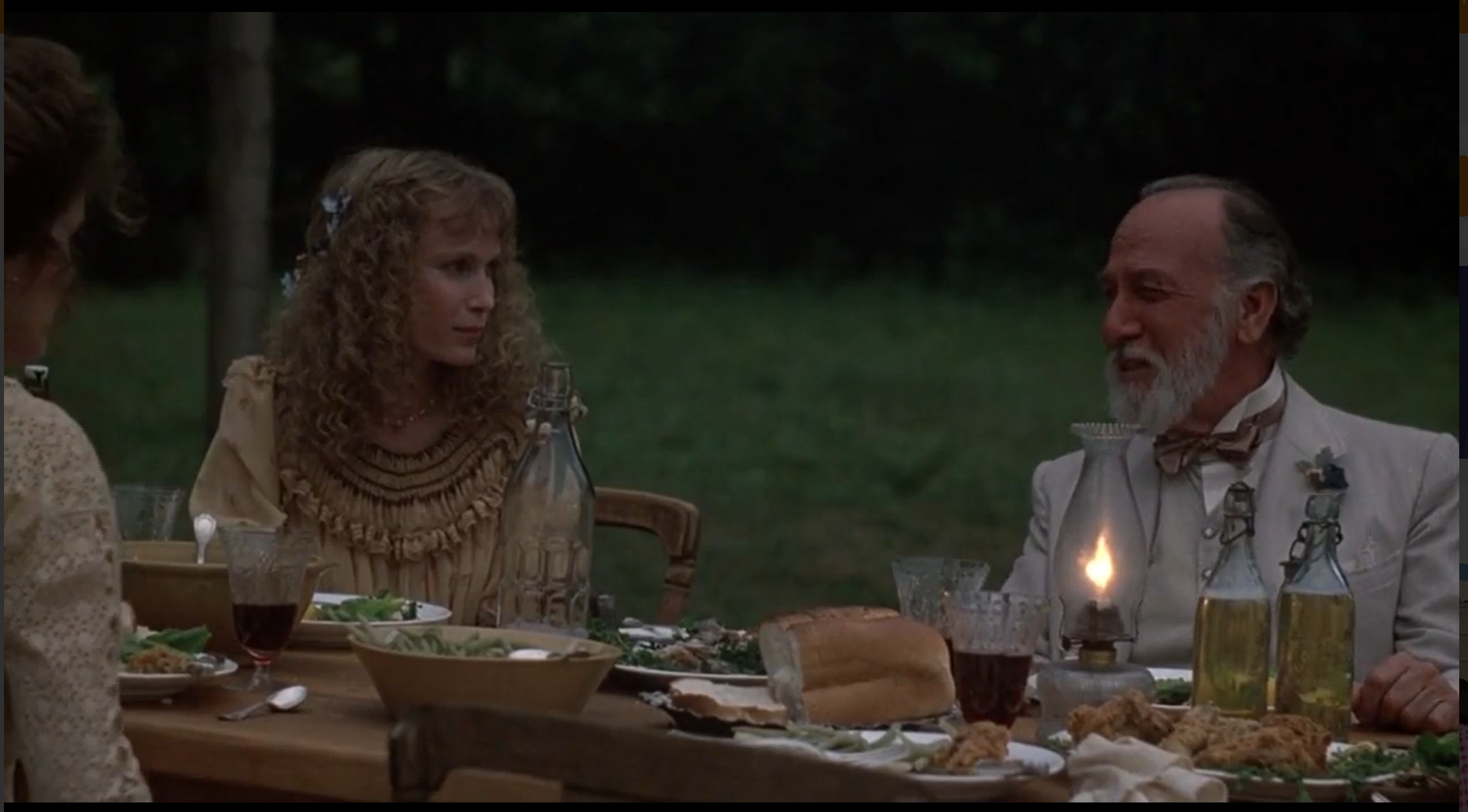
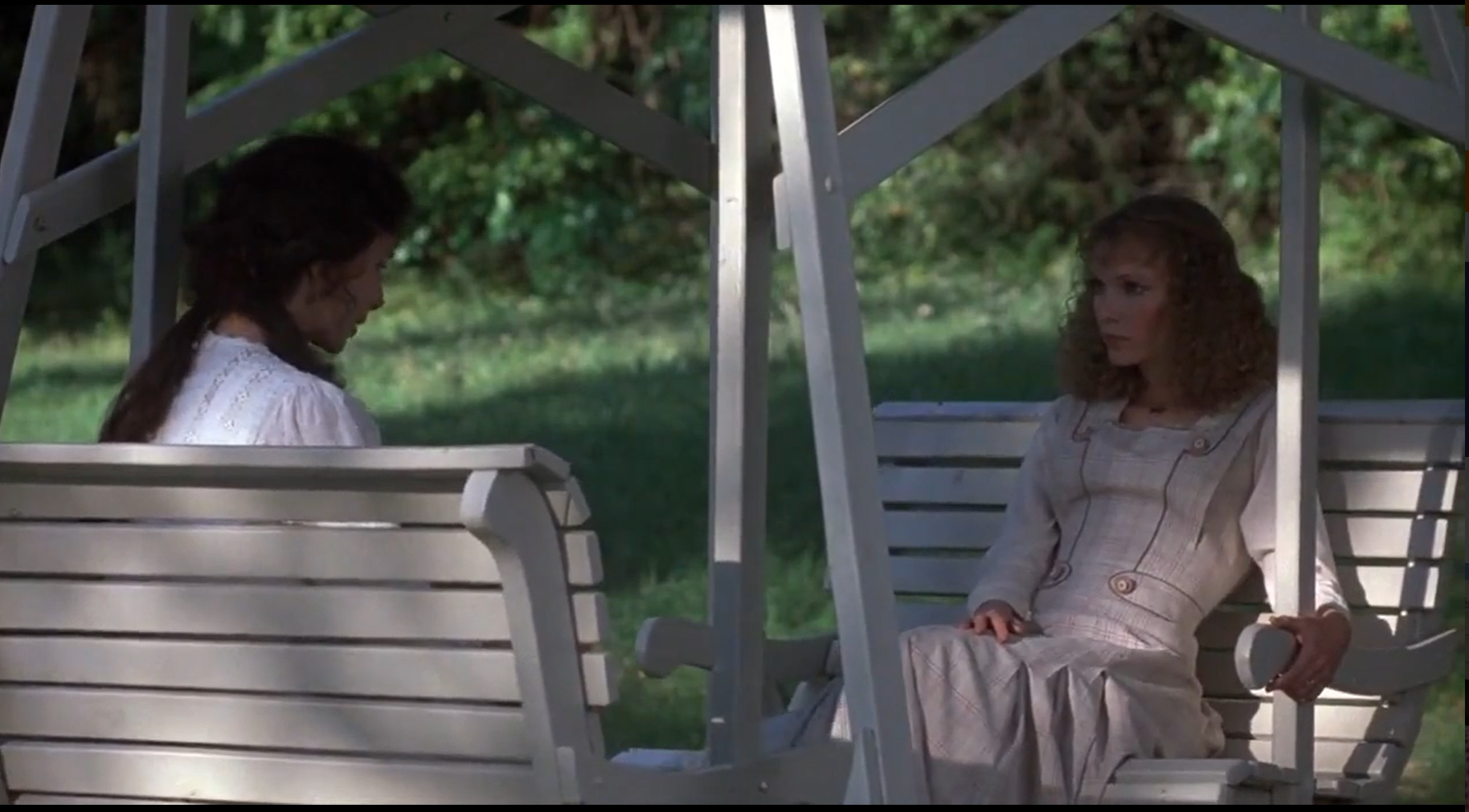
An amateur inventor (Woody Allen) and his wife (Mary Steenburgen) invite two couples — a womanizing doctor (Tony Roberts) and his free-thinking nurse (Julie Hagerty), and a renowned philosopher (Jose Ferrer) and his beautiful fiancee (Mia Farrow) — to spend the weekend with them at their country estate, where cross-couple lust causes sexual mayhem.

Genres, Themes, Actors, and Directors:

  • Infidelity
  • Jose Ferrer Films
  • Mary Steenburgen Films
  • Mia Farrow Films
  • Romantic Comedy
  • Sexuality
  • Woody Allen Films

Review:
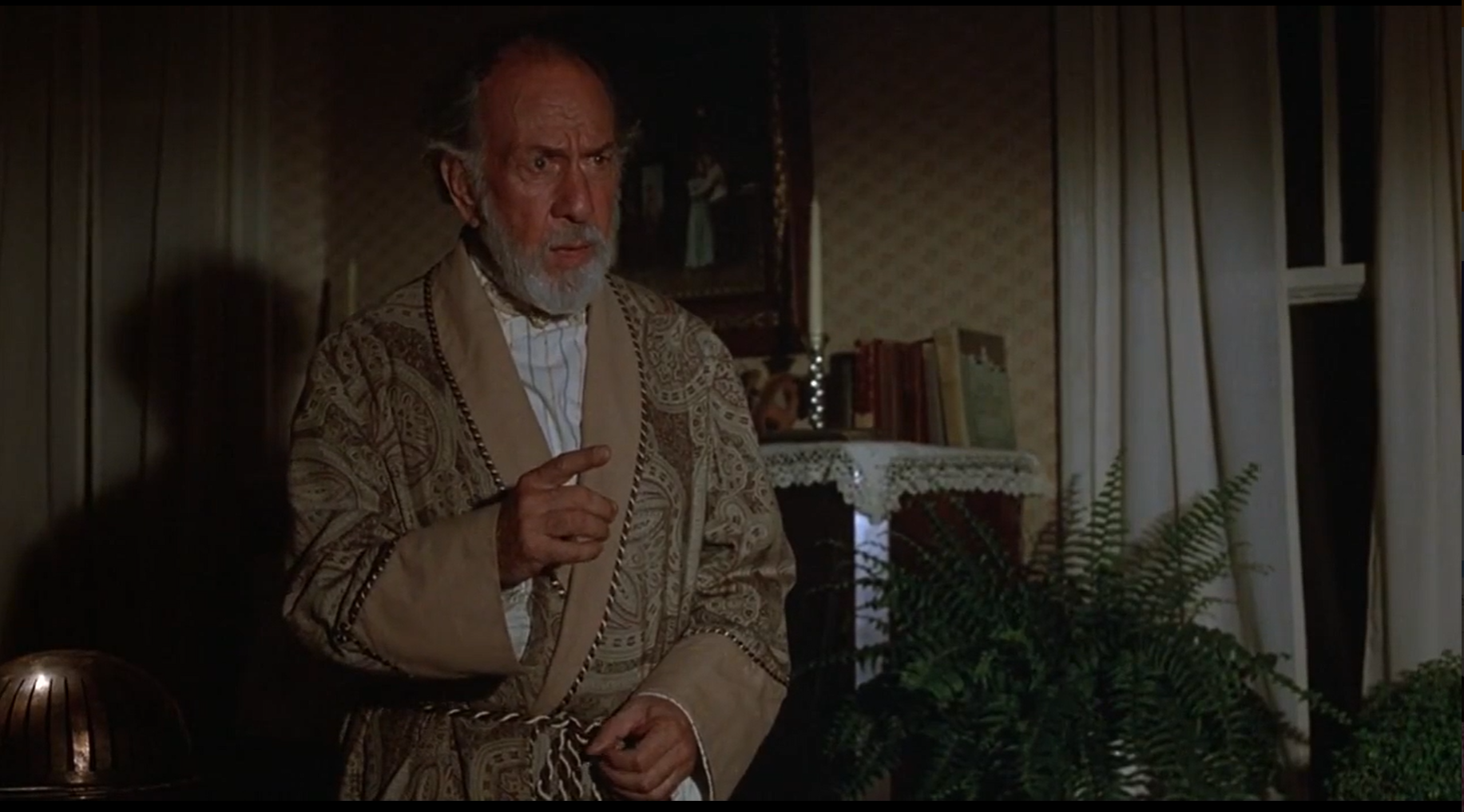
Considered by many to be one of Woody Allen’s lesser films, A Midsummer Night’s Sex Comedy (inspired by Ingmar Bergman’s Smiles of a Summer Night, 1955) is actually an innocuously enjoyable trifle, guaranteed to please Allen’s diehard fans — particularly those disappointed by his recent spate of non-stop misses. Allen’s ensemble cast is nicely chosen, with wide-eyed Julie Hagerty particularly delightful as a sexually “modern” woman:

and Jose Ferrer (what inspired casting!) offering a refreshing dose of arrogant refinement to the proceedings.

Despite its title and topic, Midsummer… is actually rather innocent of sexual content — while sex is discussed ad infinitum, the most we ever see on-screen are gropings and kisses. Allen’s occasional use of supernatural touches (including a flying bicycle and a “spirit machine”):

… may turn some off, but these elements ultimately just add to the charm of this feel-good tale about love and lust, which ends on a surprisingly happy note for all involved.

Redeeming Qualities and Moments:

  • Julie Hagerty as Nurse Dulcy
  • Jose Ferrer as Leopold Sturgis
  • Gordon Willis’s luminous cinematography

Must See?
No, but it’s recommended, and certainly must-see for Woody Allen completists.

Links: