Browsed by
Category: Original Reviews

Responses to Peary’s “must see” movie reviews, as well as my own “must see” movie reviews up to and after 1986 (when Peary’s book was published).

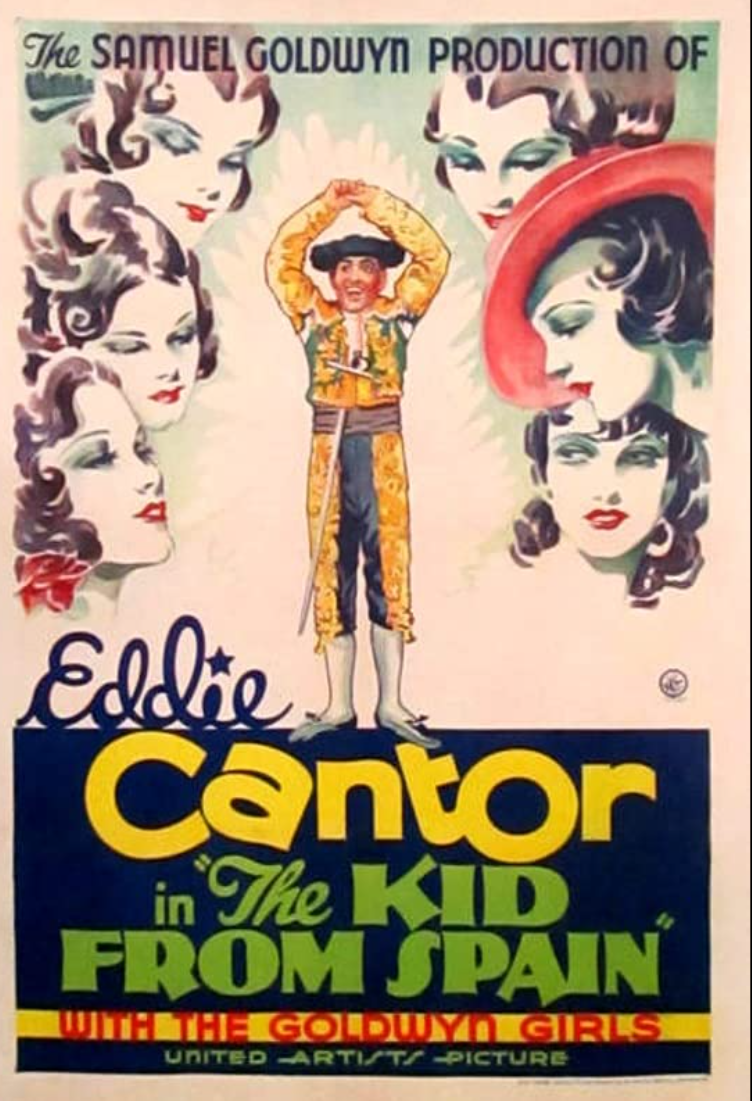
Kid From Spain, The (1932)

Kid From Spain, The (1932)

“Mexico makes every man a great lover — a Casanova!”

Synopsis:
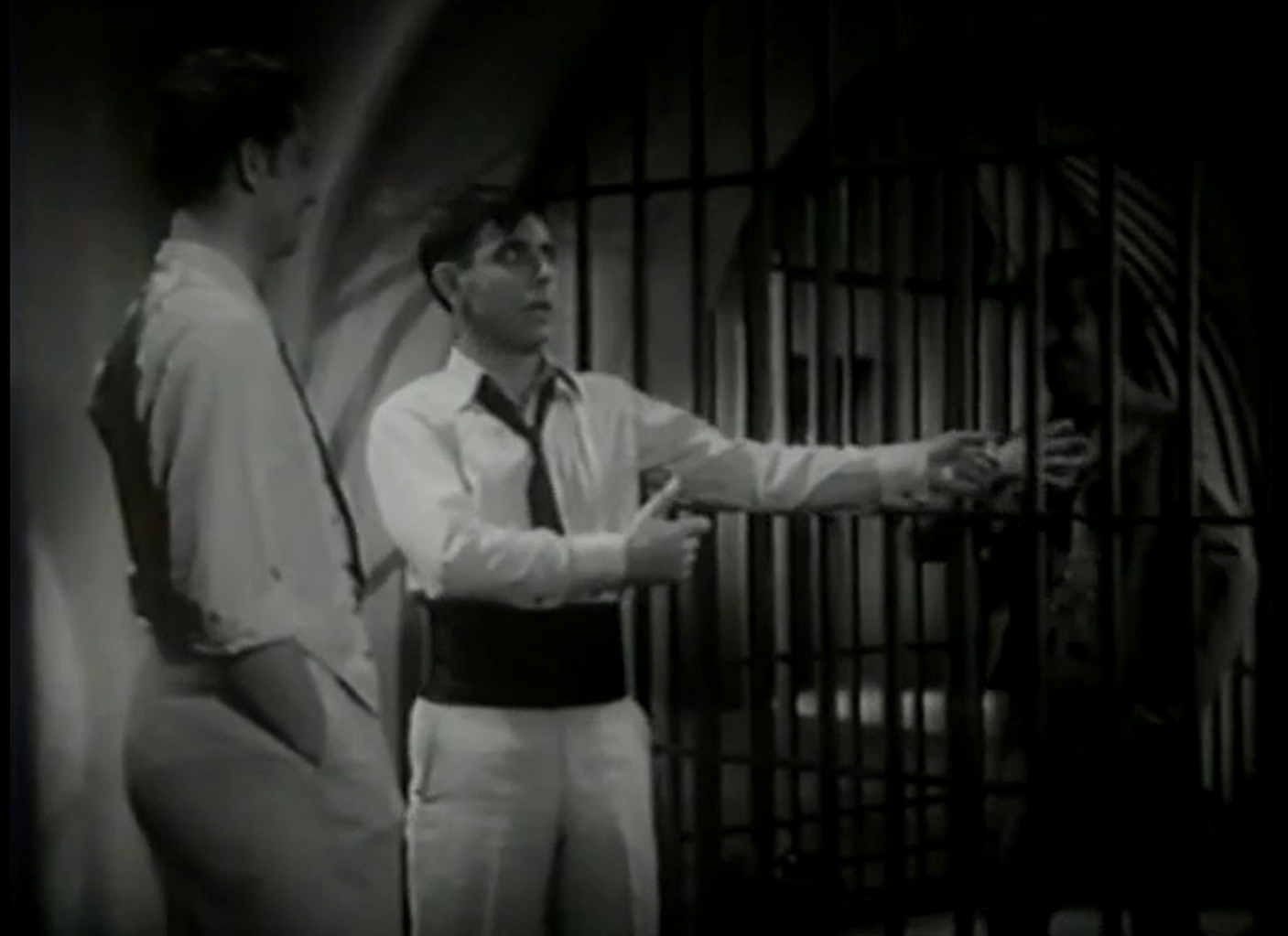
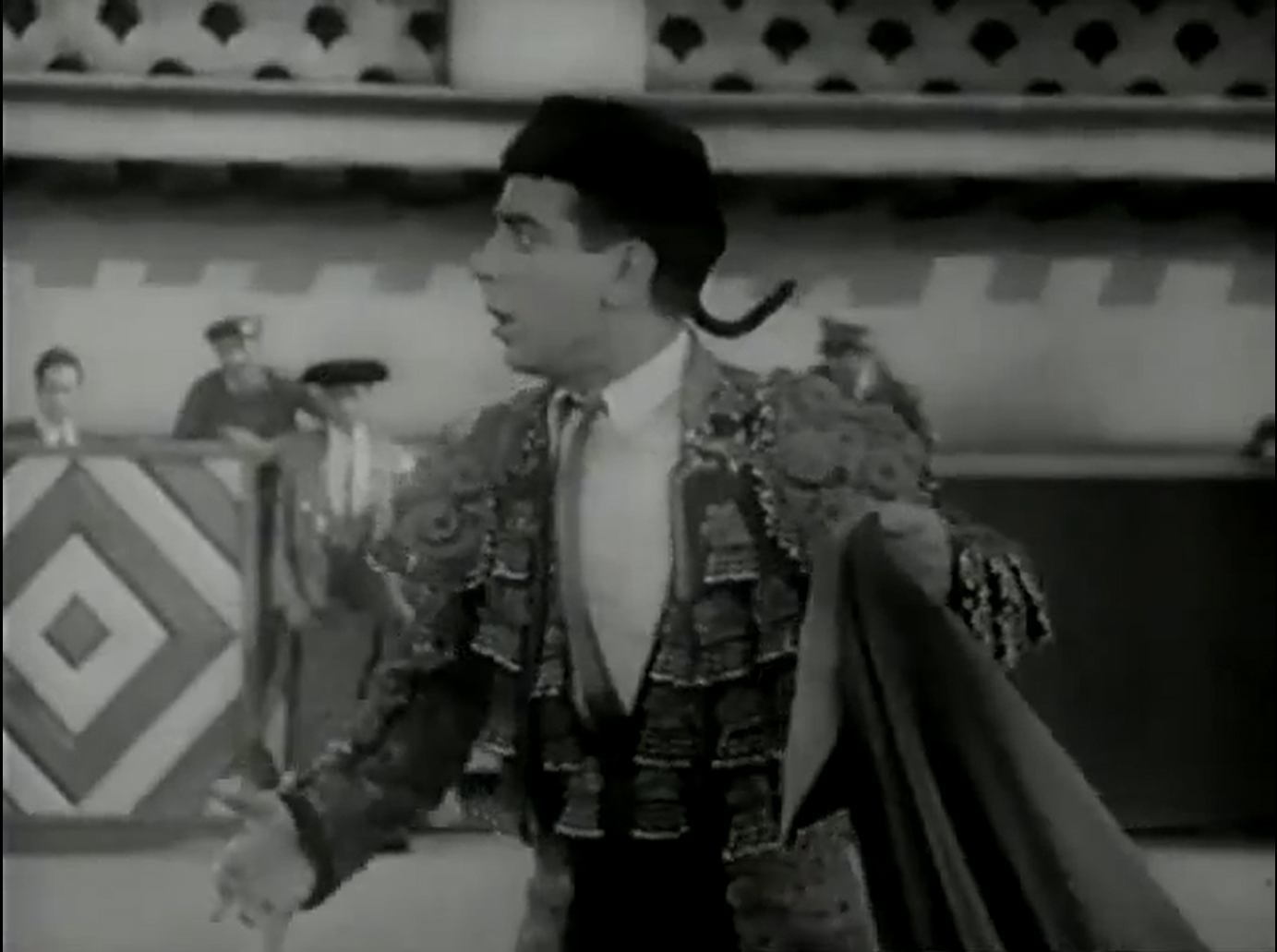
An expelled college student (Eddie Cantor) unwittingly abets a bank robbery and flees with his friend (Robert Young) to Mexico, where he pretends to be a famous bull fighter in order to elude a suspicious detective (Robert Emmett O’Connor), and falls in love with the blonde friend (Lyda Roberti) of Young’s girlfriend (Ruth Hall).

Genres, Themes, Actors, and Directors:

  • Bullfighting
  • Busby Berkeley Films
  • Comedy
  • Eddie Cantor Films
  • Leo McCarey Films
  • Mistaken Identities
  • Mexico
  • Musicals
  • Robert Young Films

Review:
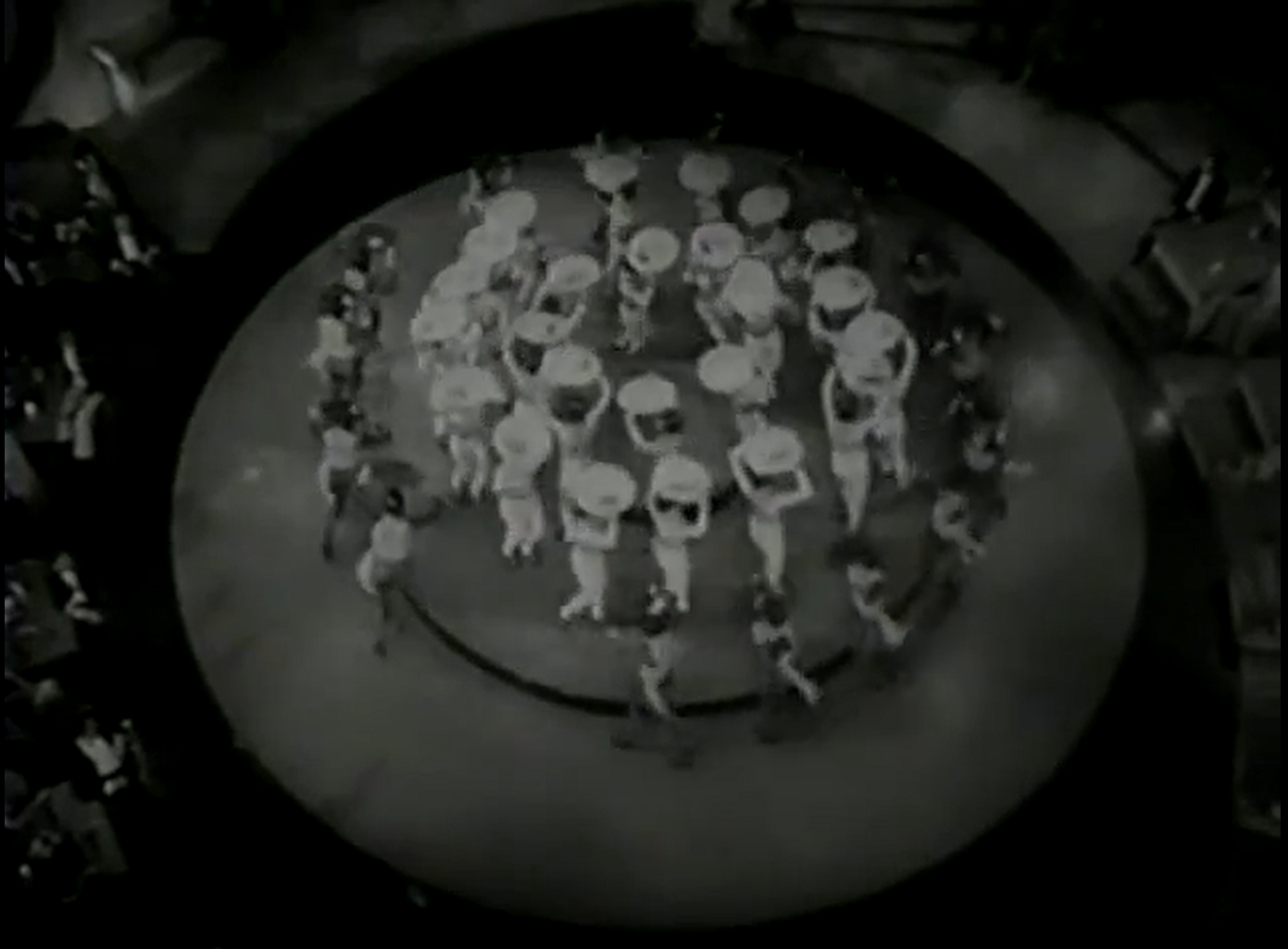
This dated Eddie Cantor comedy was a big money maker for MGM, but hasn’t aged well at all. Other than a couple of innovative Busby Berkeley dance sequences (featuring several pre-fame starlets — if you blink, you’ll miss them), everything else about the screenplay is simply tiresome or offensive. Stereotypes abound — not just about Mexico and Mexicans (what’s up with Cantor being from Spain in the title, anyway?), but about African-Americans (Cantor does a blackface routine) and women (Cantor’s love interest is a complete ditz). Gregg Toland was cinematographer on the picture, but his innovative touch is only evident in a few scenes.

At least the final sequence — in which Cantor runs for his life from a ferocious, fence-jumping bull — is unlike any other bullfight you’ve ever seen on-screen.

Redeeming Qualities and Moments:

  • Busby Berkeley’s “Goldwyn Girl” sequences

Must See?
No. Despite its historical significance as a popular Eddie Cantor film, it’s ultimately too tedious to recommend.

Links:

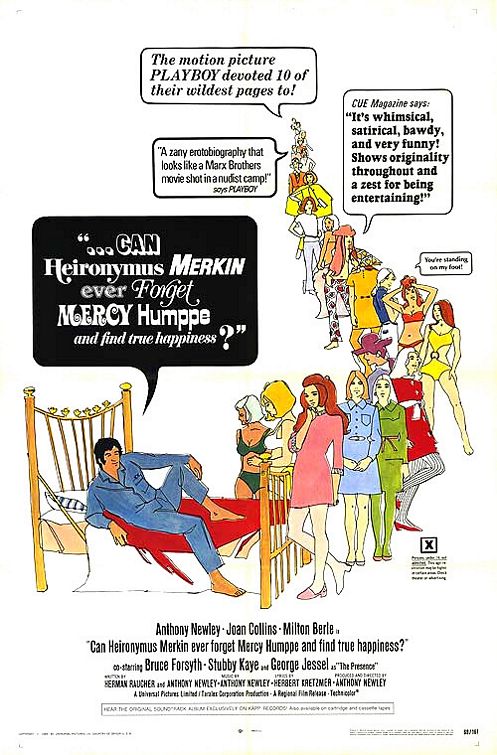
Can Heironymus Merkin Ever Forget Mercy Humppe and Find True Happiness? (1969)

Can Heironymus Merkin Ever Forget Mercy Humppe and Find True Happiness? (1969)

“I don’t mind his vulgarity; it’s his pretension that irks me.”

Synopsis:
A womanizing performer (Anthony Newley) screens an autobiographical film about his rise to fame, as well as his rocky relationships with his first wife (Judy Cornwell), his second wife (Joan Collins), and a nymphette named Mercy Humppe (Connie Kreski).

Genres, Themes, Actors, and Directors:

  • Fantasy
  • Flashback Films
  • Joan Collins Films
  • Musicals
  • Womanizers

Review:
Pop star Anthony Newley wrote, produced, directed, scored, and starred in this self-absorbed but surreally fascinating pseudo-autobiographical musical about a performer named Heironymus Merkin who beds and/or weds countless women while skyrocketing to fame. Largely considered a failure upon its release, it has since gained cult status, thanks in no small part to its intriguingly unwieldy title. CHMEFMHAFH is ultimately a hit-or-miss affair, but is so creatively conceived and executed that it’s difficult not to find oneself at the very least impressed by the audacity of Newley’s vision (and wondering what other similarly unhinged spectacles might emerge if all “artists” were given free reign to create a movie about their lives…) There’s ultimately too much going on in CHMEFMHAFH — rated X for some nudity and simulated sex but quite tame by today’s standards — to explain or describe it all in one review; it’s the kind of film that must be seen to be appreciated.

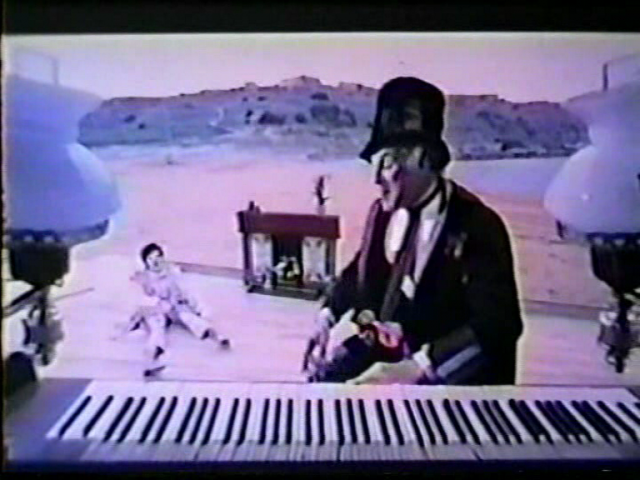
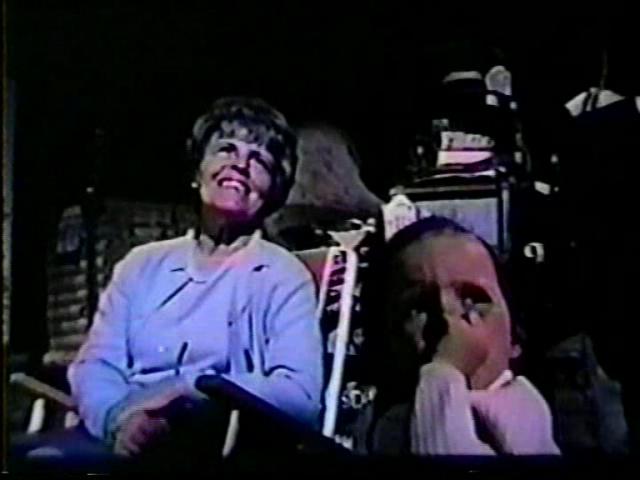
The fragmented, fantasy-laden storyline (which possesses distinct echoes of Fellini) is centered around Merkin screening a film about his life to his doting mother (a delightfully game Patricia Hayes) and two young children, and to an audience of critics (Victor Spinetti, Rosalind Knight, and Ronald Radd), crew members, and other spectators. Parts of the film take place on a deserted beachfront, where Newley acts out scenes from his childhood (in a highly creative and successful gesture, he plays his child-self as a limp marionette) as well as both his marriages. Passages flow freely from one setting to the other, with little regard for continuity or logic, but (to Newley’s credit) things never become confusing, only increasingly surreal.

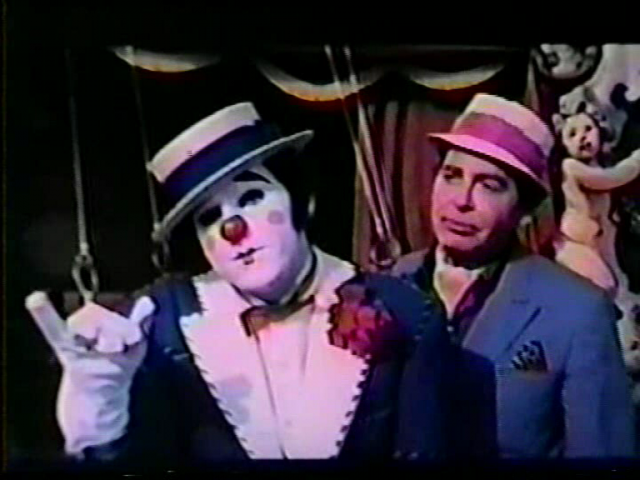
Newley fills his movie to the brim with theatricality and carefully rendered artifice, all in the service of the old bromide that “life’s a stage” and we’re players on it. All the female characters, for instance, are given lewd and/or alliterative names (Polyester Poontang, Filigree Fondle, Mercy Humppe), while others possess equally theatrical monikers (Fat Writer, Skinny Writer, Sharpnose, Red Cardinal). Milton Berle shows up as a “devil on the shoulder” named Eddie Goodtime Filth (he sets Merkin on a lifetime road towards womanizing), while Jewish comedian George Jessel as The Presence (death?) inexplicably comes and goes, spouting stand-up jokes to a flummoxed Merkin. Fortunately, even when Newley is at his most self-aggrandizing (he shows his alter-ego bedding literally countless women, who line up behind his bed on the beach), he retains a sense of humor and perspective about it all — most notably in the presence of his critics, who he allows to provide a welcome outside perspective on the entire endeavor.

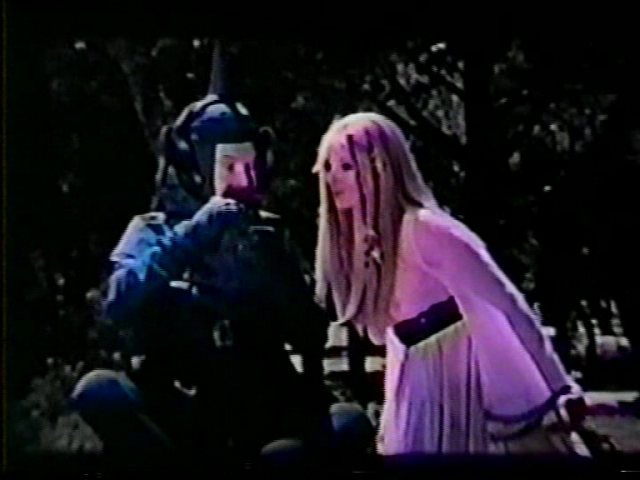
Newley’s score, however, is a major disappointment; his forgettable songs range from maudlin (“I’m all I need; if I’ve got me, I’ve got rainbows”) to inane. The songs should have simply been scrapped, thus cutting the film’s viewing time down and streamlining the script. The one exception is Newley’s outrageously hilarious ditty “Once Upon a Time”, about a princess named Trampolena Whambang (Yolanda) and her donkey lover; this song alone is worth several viewings. (I love how Merkin finally sends his kids away during the screening of this sequence — it’s the only one he considers too truly outrageous for little eyes and ears.) If only the rest of the film’s songs came close to matching its sense of wit and surreality…

Note: Ironically, Mercy Humppe herself (Playmate of the Year Connie Kreski) plays a remarkably small part in the film; she shows up in one gauzy sequence as Merkin’s “dream nymph”, but only really has a few scenes after this, and never seriously disrupts Merkin’s life in any way.

Redeeming Qualities and Moments:

  • Weirdly audacious and surreal imagery
  • Patricia Hayes as “Grandma”
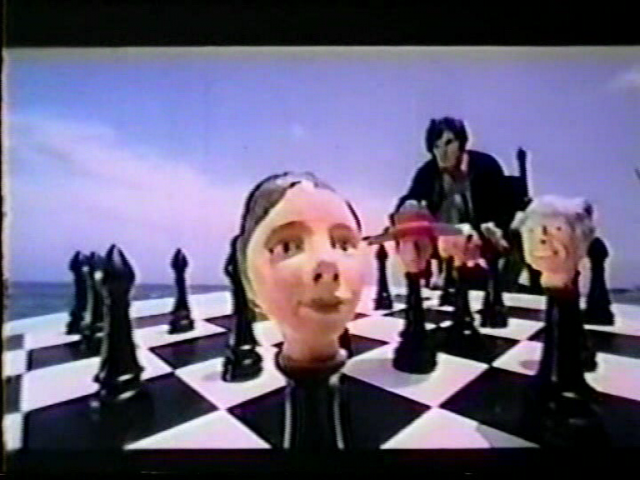
  • Victor Spinetti, Rosalind Knight, and Ronald Radd as three vicious critics (pictured below as witches and wizards in the song “Once Upon a Time”)
  • The hilarious “Once Upon a Time” song
  • Newley’s boldly satirical script

Must See?
Yes, simply as a most unusual cult flick. Listed as a Cult Movie and a Personal Recommendation in the back of Peary’s book.

Categories

  • Cult Movie

Links:

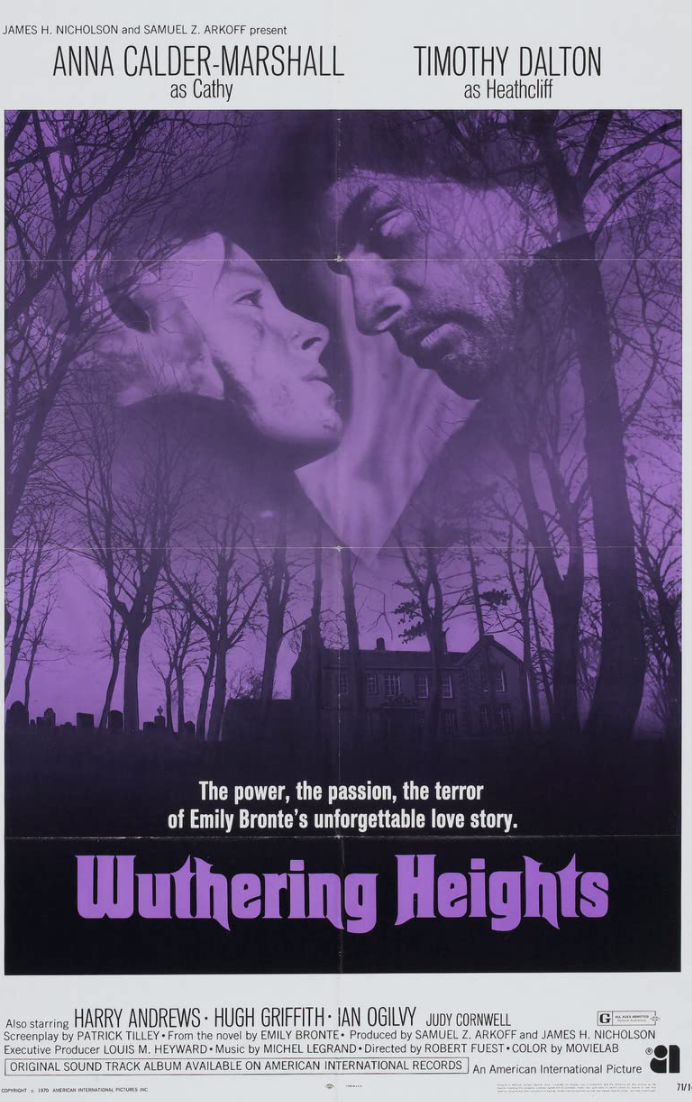
Wuthering Heights (1970)

Wuthering Heights (1970)

“When I’m dead, I think I’ll come and haunt you.”

Synopsis:
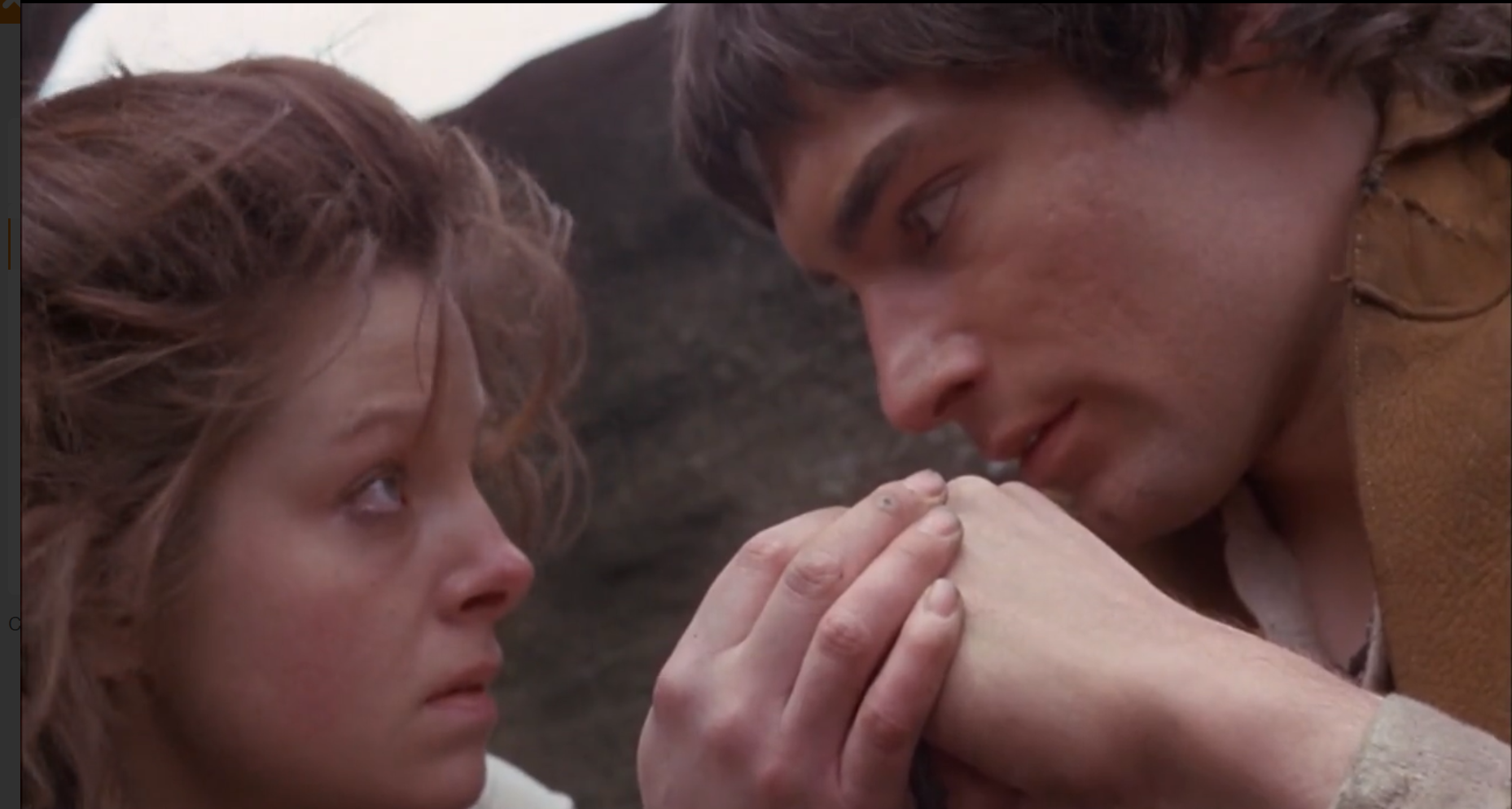
A gypsy foundling named Heathcliff is brought by Mr. Earnshaw (Harry Andrews) to live with his daughter Cathy (who quickly becomes Heathcliff’s closest friend) and son Hindley (who is jealous of his new “stepbrother”). When they grow up, Cathy (Anna Calder-Marshall) and Heathcliff (Timothy Dalton) become romantically interested in one another, but find their passions hindered by social mores.

Genres, Themes, Actors, and Directors:

  • Harry Andrews Films
  • Historical Drama
  • Incest and Incestuous Overtones
  • Star-Crossed Lovers

Review:
I had reasonably high hopes for this Arkoff-and-Nicholson produced adaptation of Emily Bronte’s 1847 romantic classic, given how many contributors on IMDb vote it the “best” of the novel’s many cinematic iterations. Unfortunately, it disappoints on nearly every level. The script (by newcomer Patrick Tilley, who only wrote two other little known films) focuses on just the first half of Bronte’s novel, but still manages to feel disjointed and rushed. Years pass without any helpful transitions, and characters develop relationships with one another that are barely explored or explained; most of what we “know” about the story and its passionate characters comes from our knowledge of the novel. Tilley’s dialogue, while it may or may not be authentic to Bronte’s book (which I haven’t read in a number of years), comes across here as either romance-novel cliches (“All of these years I’ve thought of you, in every cloud, and every tree.”) or laughable anachronisms (“Do you want it here, or in bed?”).

Meanwhile, Tilley feels compelled to milk an idea barely hinted at in Bronte’s original novel — that Heathcliff might have been Earnshaw’s illegitimate child, and thus Cathy and Hindley’s half-brother — for all its sensationalistic potential, leading viewers to gasp at the notion that half-siblings might actually be in love/lust with one another. Worst of all, however, are the overwrought performances by nearly everyone involved. Dalton is simply a brooding, dark-browed hulk (somewhat laughably, he’s smeared in grime for the first half of the film to represent his uncouth “gypsy-ness”), while Calder-Marshall is merely snippy and spoiled.

The best aspects of the film (which make it marginally watchable) are its beautiful settings, and Michel Legrand’s memorable score, which is nonetheless badly (over)used.

Redeeming Qualities and Moments:

  • Beautiful location cinematography in the Yorkshires
  • Michel Legrand’s haunting (if badly used) score

Must See?
No; definitely feel free to skip this one.

Links:

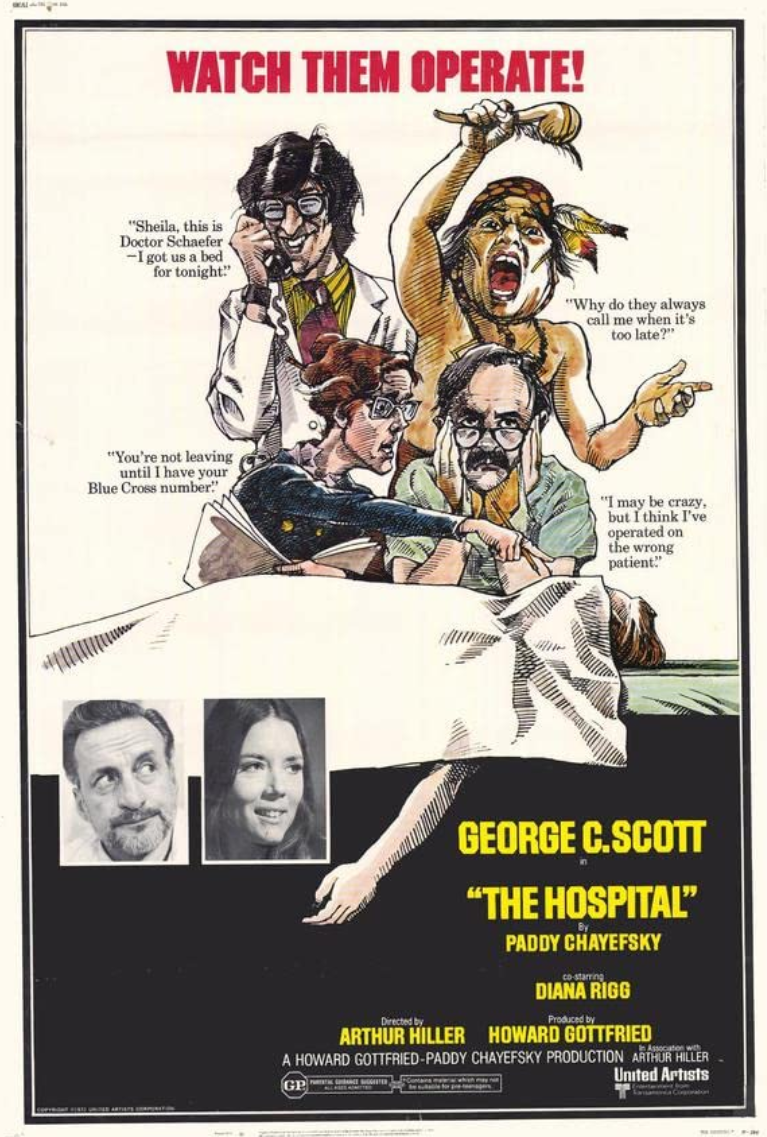
Hospital, The (1971)

Hospital, The (1971)

“The incompetence here is absolutely radiant!”

Synopsis:
A suicidal doctor (George C. Scott) finds his faith in life renewed by a free-spirited young woman (Diana Rigg), whose father is a patient in his dysfunctional New York hospital; meanwhile, doctors and nurses throughout the hospital are mysteriously dropping dead.

Genres, Themes, Actors, and Directors:

  • Black Comedy
  • Diana Rigg Films
  • Doctors and Nurses
  • George C. Scott Films
  • Murder Mystery

Review:
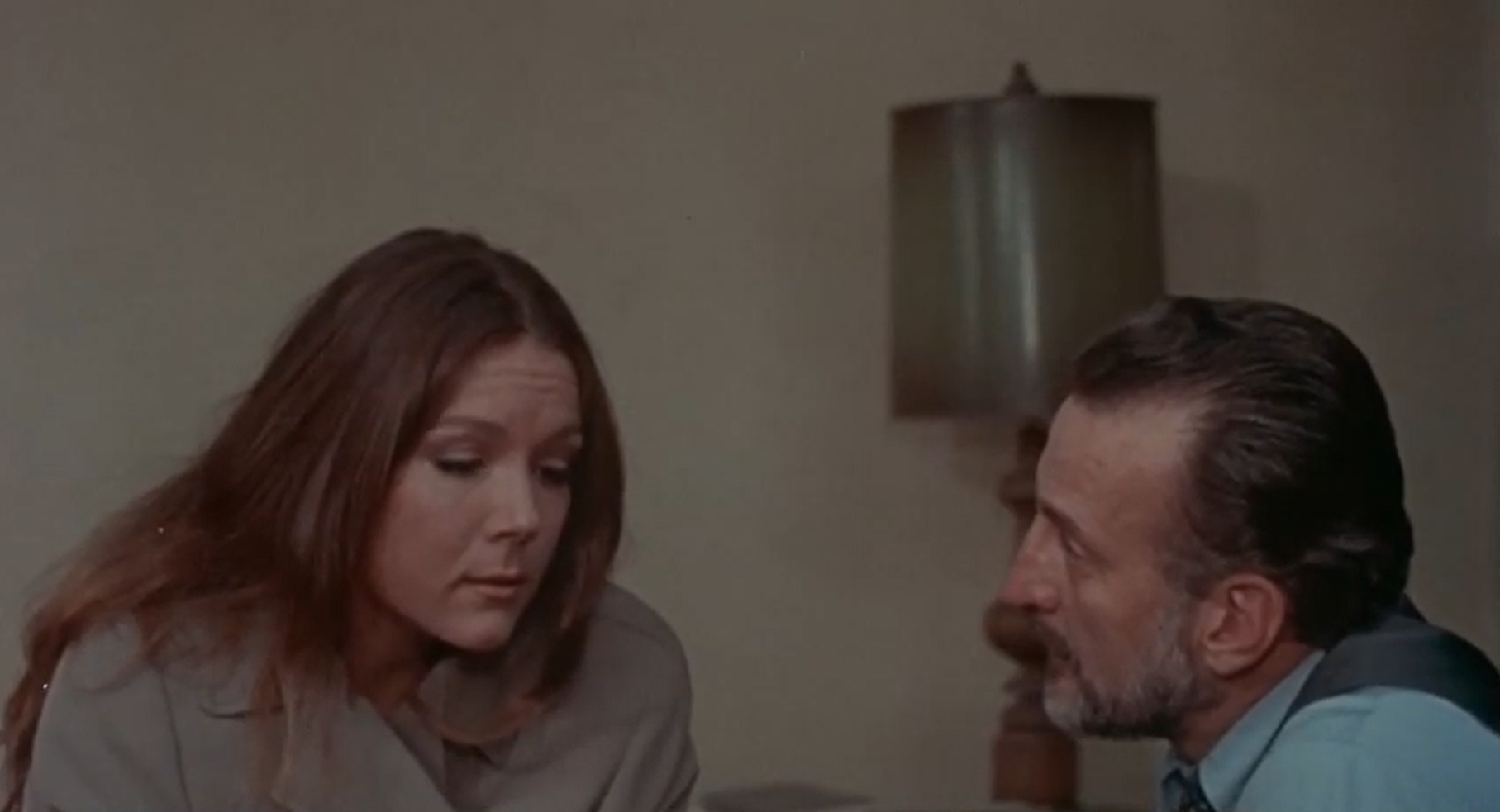
Paddy Chayefsky’s darkly humorous look at the dysfunction inherent in enormous urban hospitals — patients are wrongly diagnosed and poorly cared for while general chaos abounds — never quite reaches the satirical heights it aspires towards. The problem is primarily one of the erratic tone: the films opens with a voiceover, explaining to us how the chain of fatal events that eventually transpires was initiated by the admittance of an elderly man, whose untimely death is symptomatic of deeper problems inherent in the hospital’s day-to-day functionings. After this, however, the voiceover disappears, and we’re left to our own devices as the story toggles between random murders, satirical jabs at the inner workings of the hospital (many of which ring humorously true), and the central somber story about an existentially dissatisfied doctor (Scott) who finds his joy for life (surprise, surprise) awakened through sex with a young woman (Rigg) who has a “thing” for older men; their conversations together are smartly written, but seem to belong to a different film entirely. By the end of the film, the ongoing mystery of how and why so many doctors and nurses have been killed is satisfactorily resolved — but the shift back to dark comedy feels jarring. Scott and Rigg’s fine central performances make this film worth a look, but it’s not quite must-see viewing.

Redeeming Qualities and Moments:

  • George C. Scott as Dr. Bock (Peary nominates him as Best Actor of the Year in his Alternate Oscars book
  • Diana Rigg as Barbara

Must See?
No, though it’s worth a look. Listed as a film with Historical Importance in the back of Peary’s book — most likely because of its Oscar-winning screenplay.

Links:

Satan Met a Lady (1936)

Satan Met a Lady (1936)

“I’m supposed to be a detective solving a crime case, and everybody thinks I committed the crime!”

Synopsis:
While investigating the mysterious death of his partner (Porter Hall), detective Ted Shane (Warren William) becomes embroiled in a competitive search for the infamous Horn of Roland, desired by a femme fatale (Bette Davis), an Englishman (Anthony Travers), and an old woman (Alison Skipworth) with a pudgy son (Maynard Holmes).

Genres, Themes, Actors, and Directors:

  • Bette Davis Films
  • Detectives and Private Eyes
  • Femmes Fatales
  • Murder Mystery
  • Search
  • Warren William Films
  • William Dieterle Films

Review:
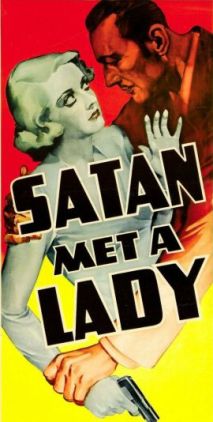
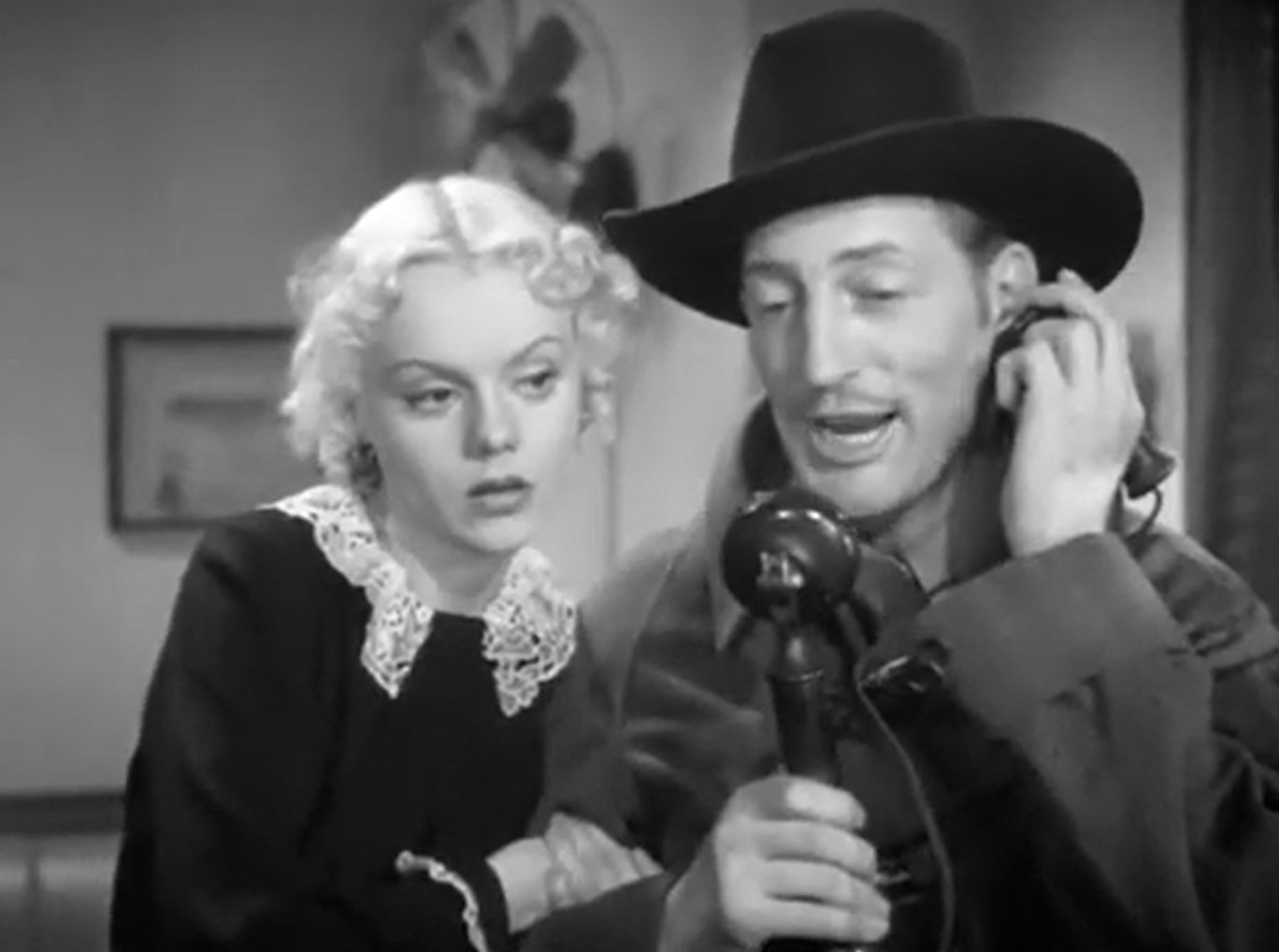
William Dieterle’s lighthearted adaptation of Dashiell Hammett’s detective novel has suffered a most ignoble fate: that of being constantly compared with its more illustrious remake, The Maltese Falcon (1941). Indeed, critic Jonathan Rosenbaum dismisses it as simply an “inferior and unacknowledged adaptation”, while TCM’s reviewer refers to it as a “cinematic train wreck” (!), and Bette Davis reportedly deemed it one of the worst films of her career. Yet, as noted in Time Out’s review, while Satan Met a Lady can’t hold a candle to Huston’s classic version, it’s “nevertheless enjoyably and quirkily funny”, and certainly not a complete waste of cinematic space. Several key changes have been made — most notably in the (inexplicable) exchange of a jewel-filled ram’s horn for the falcon, the alteration of most supporting characters’ names, and the casting of a woman (Skipworth) in what would later become Sydney Greenstreet’s signature role as the Fat Man.

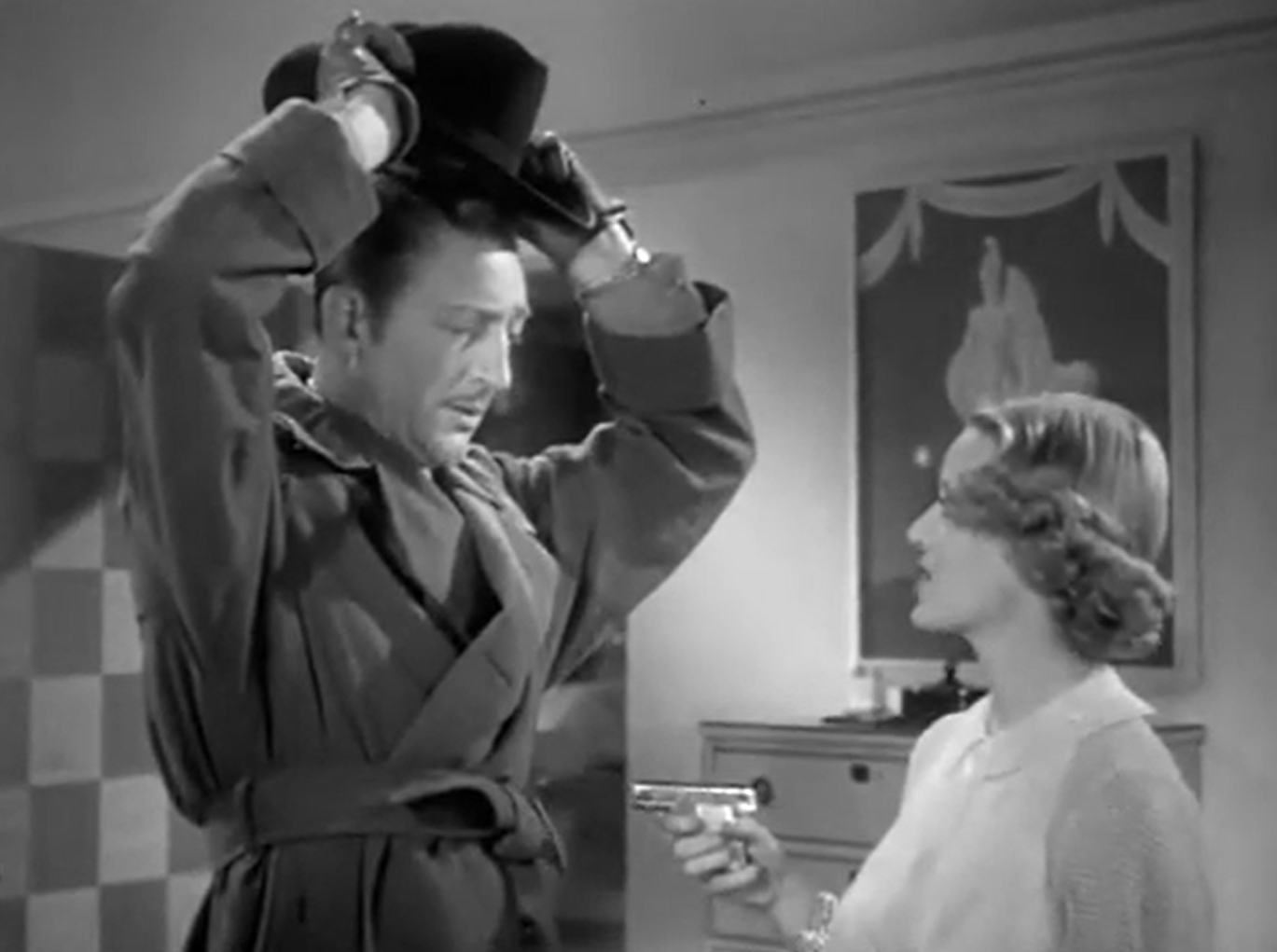
The most significant change, however, is one of tone, given that there’s a lot more overt humor (particularly in the character of Shane’s secretary Miss Murgratroyd, nicely played by Marie Wilson):

and Warren William portrays “Sam Spade” (actually Ted Shane) as a debonair, wisecracking ladies’ man (not necessarily a bad choice — he’s simply not as memorable or enigmatic as Bogart’s more cynical Spade). Despite its somewhat dense plot — which requires some hasty explanation near the end of the film — Satan Met a Lady is worth a look at least once for its cast of fine performances and for its infamous reputation.

Redeeming Qualities and Moments:

  • Fine comedic performances by the entire cast

Must See?
No, but most film fanatics will likely be curious to check it out, given its historical relevance.

Links:

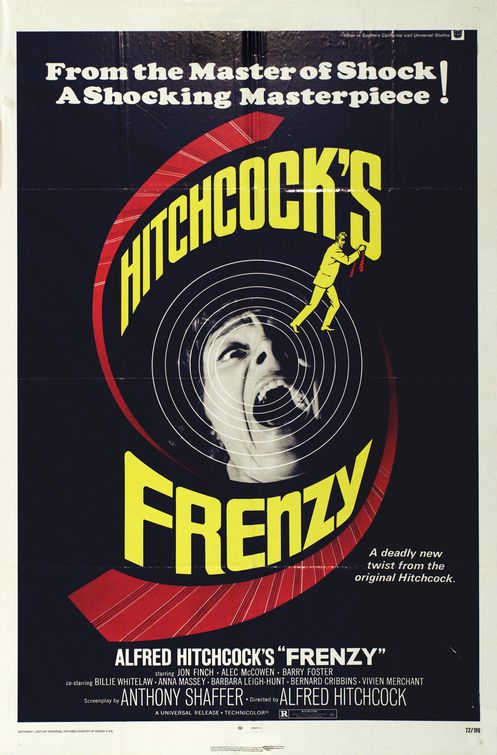
Frenzy (1972)

Frenzy (1972)

“Just thinking about the lusts of men makes me want to heave.”

Synopsis:
When he’s seen leaving the apartment of his recently murdered ex-wife (Barbara Leigh-Hunt), a down-on-his luck bartender (Jon Finch) is accused of being London’s infamous “Necktie Murderer”; meanwhile, the real culprit (Barry Foster) roams the city freely, and continues to put innocent women — including Finch’s girlfriend (Anna Massey) — at risk.

Genres, Themes, Actors, and Directors:

  • Detectives and Private Eyes
  • Falsely Accused
  • Hitchcock Films
  • Serial Killers

Review:
In his next-to-last film, Hitchcock returned to his native England, bringing with him a modern sensibility in horror. Gone are his masterfully oblique references to violence (as epitomized by the shower sequence in 1960’s Psycho); instead, we’re shown gruesomely overt murders with unmistakable sexual underpinnings. Indeed, it’s thoroughly unpleasant watching the first murder victim (sympathetic Leigh-Hunt) being raped and graphically choked to death — so we’re relieved when the next murder happens behind closed doors (btw, don’t read any reviews if you want the identity of this victim to remain a mystery). Fortunately, the film’s violence is balanced in Anthony Shaffer’s script by a healthy dose of levity (a police inspector wryly notes, “We haven’t had a good juicy series of sex murders since Christie.”), and Hitchcock’s sense of direction is in prime form, as shown in several notable sequences: the unexpected delay before Leigh-Hunt’s secretary (a humorously snippy Jean Marsh) finally lets out a scream upon encountering her boss’s body; Foster’s desperate struggle with a cadaver in a truckbed; Hitchcock’s camera slowly panning away from an apartment where a murder is about to take place. Finch is ultimately too morose and unsympathetic as the film’s unwitting protagonist, but Foster is appropriately duplicitous as his murderous mate, and the lead female performances (by Leigh-Hunt and Massey) are both solid. While Frenzy may not be prime Hitchcock, it’s certainly a worthy suspense film, and will likely be of interest to all film fanatics.

Redeeming Qualities and Moments:

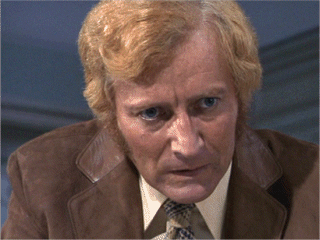
  • Barry Foster as the Necktie Murderer
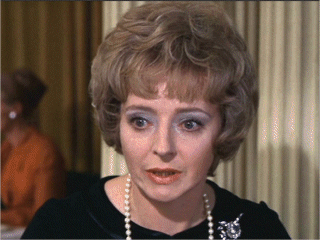
  • Anna Massey as ‘Babs’
  • Barbara Leigh-Hunt as Brenda
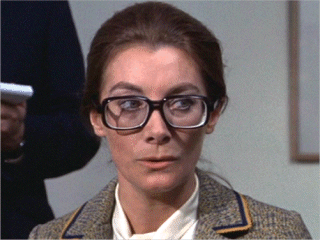
  • Jean Marsh as Brenda’s mousy, suspicious secretary
  • Strong, suspenseful direction

Must See?
Yes, as a late-in-life film (his 55th!) by a master director.

Categories

  • Important Director

(Listed in 1001 Movies You Must See Before You Die)

Links:

Family Plot (1976)

Family Plot (1976)

“There is no Eddie Shoebridge. He went up in smoke 25 years ago and came down in the city; he calls himself Arthur Adamson.”

Synopsis:
A fraudulent psychic (Barbara Harris) and her taxi-driver boyfriend (Bruce Dern) try to locate the nephew of a wealthy woman (Catherine Nesbitt) who is offering a reward for his discovery — but the nephew (William Devane) turns out to be a psychopathic jewelry store owner who, with the help of his girlfriend (Karen Black), kidnaps people in exchange for enormous diamonds, and will stop at nothing to get Harris and Dern off his trail.

Genres, Themes, Actors, and Directors:

  • Barbara Harris Films
  • Bruce Dern Films
  • Con-Artists
  • Hitchcock Films
  • Kidnapping
  • Mistaken Identities
  • Psychic Powers
  • Thieves and Criminals

Review:
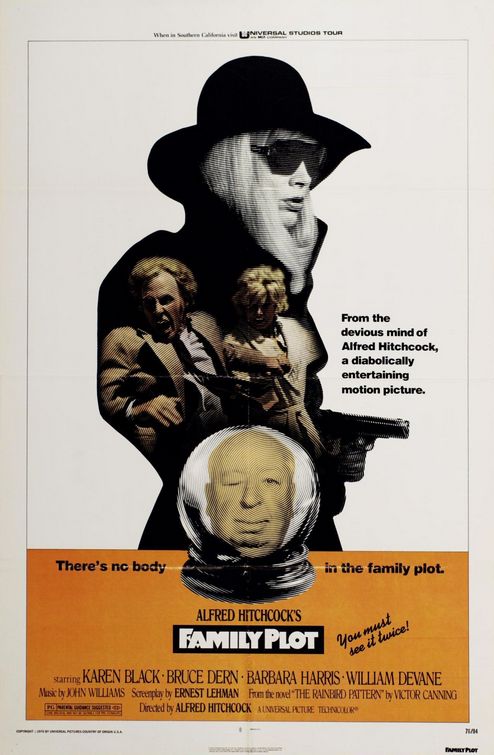
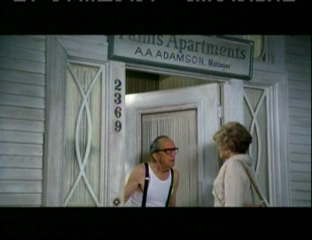
Hitchcock’s last film isn’t one of his best by a long shot (it faces some stiff competition!), but it remains a worthy final installment in his lengthy and illustrious career. The script (by Ernest Lehman, who wrote North by Northwest) is a fun mix of comedy and thrills, with a dense but comprehensible plot that keeps one in suspense throughout. In just one of the film’s many instances of symmetry and “doubles”, Harris and Dern provide a welcome comedic counterpart to Devane and Black’s deliciously nefarious thieves (though I’ll admit I’m not a huge fan of Harris’s overly nutty performance); it’s particularly nice to see Devane — normally a supporting player — given a chance to shine as the central baddie. Naturally, one wonders why Harris and Dern never think about simply finding an impersonator to play Nesbitt’s nephew — but, as I noted in my review of Strangers on a Train (1951), over-analyzing Hitchcock’s films for plot holes simply ruins the fun! What’s most disconcerting to me about Family Plot (much like the graphic violence in his earlier Frenzy) is hearing such overt sexual puns — as when Dern assures sex-starved Harris that she’ll see a “standing ovation” that night in their waterbed. On that note, it’s interesting to contemplate what Hitch’s film might have looked like had he lived and continued working through the 1980s and ’90s…

Redeeming Qualities and Moments:

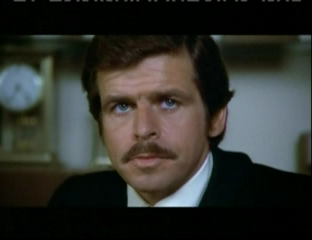
  • William Devane as Arthur Adamson
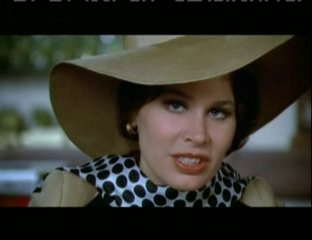
  • Karen Black as Fran
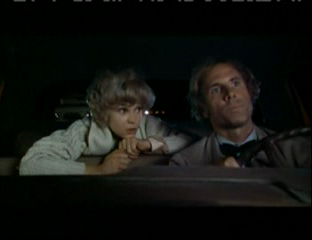
  • Bruce Dern as George Lumely
  • Ernest Lehman’s darkly humorous script
  • John Williams’ catchy score

Must See?
Yes, as Hitch’s final film.

Categories

  • Historically Relevant
  • Important Director

Links:

California Split (1974)

California Split (1974)

“If it takes a watermelon five minutes to water, how long does it take a sweetpea to pee? As long as it takes a pair of dice to crap.”

Synopsis:
Two small-time gamblers (Elliott Gould and George Segal) meet at a poker game and continue to try their luck together.

Genres, Themes, Actors, and Directors:

  • Elliott Gould Films
  • Gambling
  • George Segal Films
  • Jeff Goldblum Films
  • Robert Altman Films

Review:
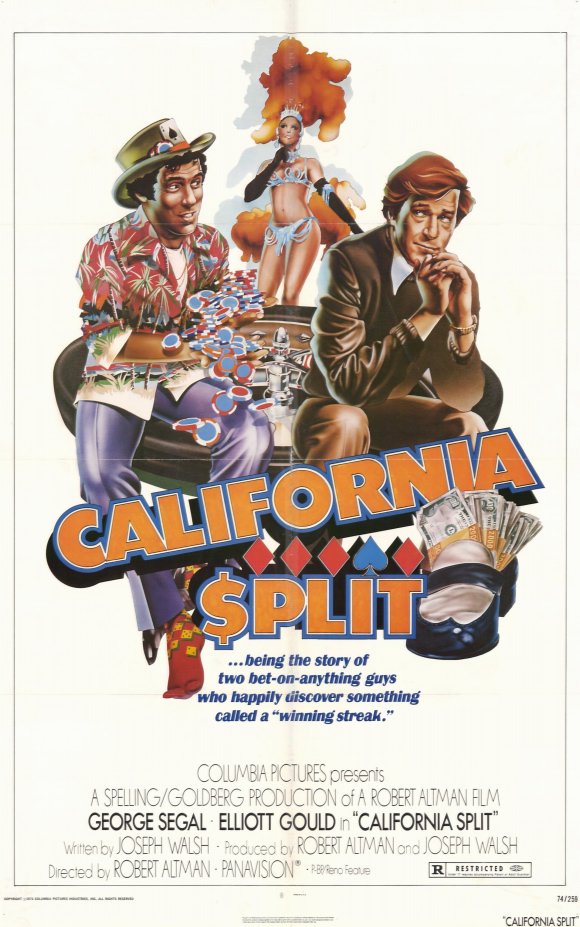
California Split remains an impressive, little known entry in Robert Altman’s career. While certain scenes towards the beginning tend to drag a bit — leading one to wonder where the episodic film is headed — eventually Joseph Walsh’s deceptively clever screenplay sneaks up on you, and by the end it packs an unexpected wallop. A large part of the film’s success is due to its lead performers, who are both perfectly cast in their respective roles: we fully believe that Gould (irreverent as ever) is someone who might wile away his days chasing gambling leads, while Segal (a magazine editor by day) is an essentially strait-laced individual who finds himself caught up in something much bigger and more addictive than he could ever have imagined.

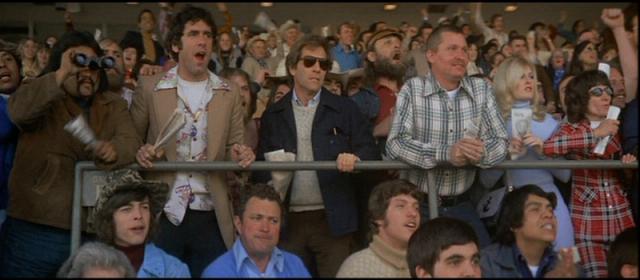
As always in Altman’s films, the roster of supporting performances add indelibly to the movie’s richness and charm. In this case, Ann Prentiss (Paula Prentiss’s sister — their resemblance is uncanny) and Gwen Welles shine as a pair of “happy hookers” who take on decidedly unusual jobs — including, in one of the film’s funniest sequences, spending “quality time” with an “elegant” transvestite (Bert Remsen). Welles’ romantic interest in Segal — and the ultimate outcome of their potential tryst — is handled especially well. Equally impressive is Altman’s ability to evoke the various milieus of the gambling world — poker halls, race tracks, boxing rings, casinos — with characteristic attention to detail; throughout the film, we genuinely believe we’re “there”, wherever we are.

Towards the end, California Split becomes somewhat challenging to sit through, simply because we feel such anxiety about Segal’s situation (he owes a loan shark, played by screenwriter Walsh, $2200 — but instead of paying him off once he secures the funds by selling his car, he goes to Reno to gamble instead). Ultimately, however, this simply demonstrates how well Altman has done his job: we really get it that gambling is an addiction like any other, one that has the potential to ruin lives within just a few short hours. It’s a good thing Altman made this one a comedy rather than a tragedy, or we’d really be clenching our teeth.

Redeeming Qualities and Moments:

  • A fascinating portrayal of the world of compulsive gambling
  • George Segal and Elliott Gould as Bill and Charlie
  • Ann Prentiss and Gwen Welles as Barbara and Susan
  • Many fine smaller supporting performances

Must See?
Yes, as a cult film by a master director.

Categories

  • Cult Movie
  • Important Director

Links:

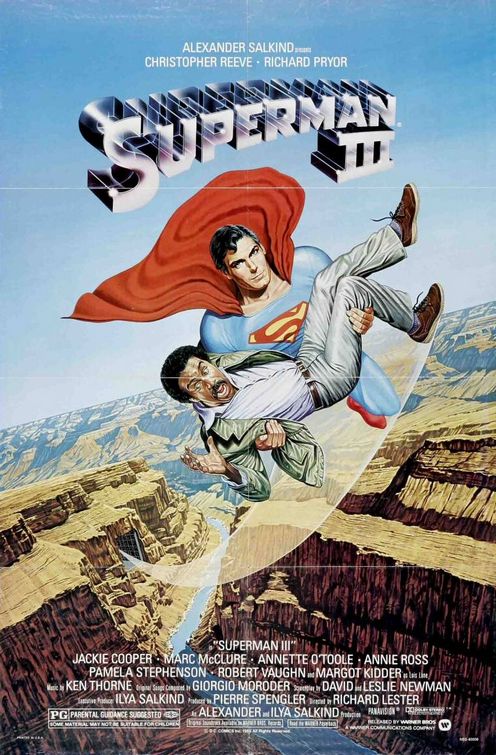
Superman III (1983)

Superman III (1983)

“Superman, you’re just in a slump — you’ll be great again!”

Synopsis:
A computer geek (Richard Pryor) working for a nefarious businessman (Robert Vaughn) gives Superman (Christopher Reeve) tar-laced-kryptonite, which turns him from a crime-fighting superhero into an evil prankster.

Genres, Themes, Actors, and Directors:

  • Christopher Reeve Films
  • Comics and Comic Strips
  • Fantasy
  • Margot Kidder Films
  • Richard Lester Films
  • Richard Pryor Films
  • Robert Vaughn Films
  • Superheroes
  • Thieves and Criminals

Review:
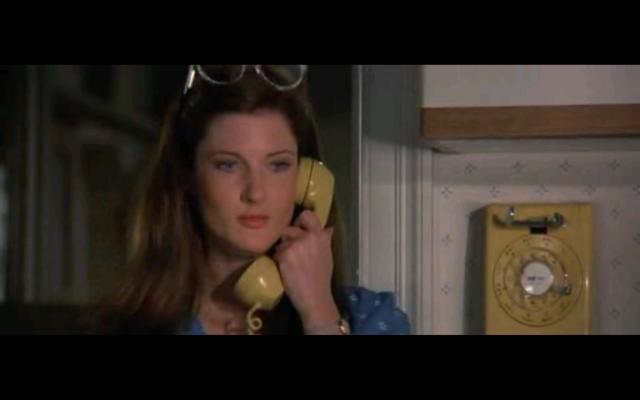
Richard Lester returned to helm this third installment in the Superman series, widely acknowledged to be the weakest of the three. The first two films were thematically connected in many ways, but much has changed this time around. Lex Luthor was replaced by evil industrialist “Ross Webster” (Robert Vaughn), who’s appropriately menacing but not nearly as charismatic as Gene Hackman; meanwhile, as a result of open disagreements with the film’s producers, Margot Kidder (as Lois Lane) only appears in a few minutes of the film, so Superman falls for another “LL” woman — his old high school crush, Lana Lang (Annette O’Toole) — instead. O’Toole does a fine job portraying a small town single mother with a big time crush on Superman, but their burgeoning romance lacks the edgy dynamic that existed between Lane and Superman — and we never really believe Superman could give up Lane for good, anyway.

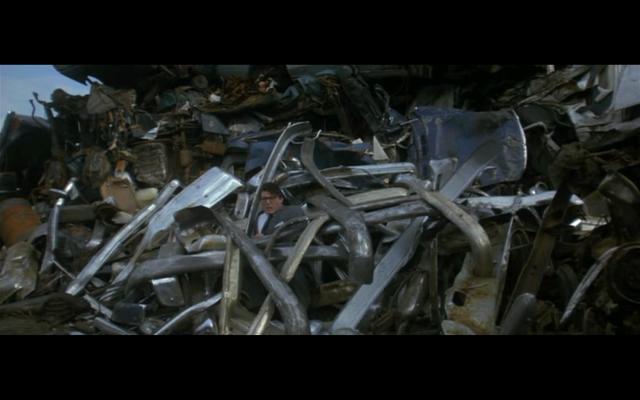
The central casting of Richard Pryor as a computer geek working in cahoots with Vaughn is often cited as one of the film’s main flaws; indeed, near the end of his review of Superman II, Peary himself argues that Superman III “was doomed the minute Richard Pryor was cast (or miscast) in a pivotal role”. But Pryor isn’t actually all that bad; the main problem is with the script itself. While it’s fun to see Superman grappling against his “evil nature” (the scene in which he malevolently rights the Leaning Tower of Pisa is particularly chuckle-worthy, and his climactic junkyard battle against himself is exciting), we never really feel any sense of urgency about the state of the world. In Superman, we worried plenty about California falling off the face of the continent, and in Superman II, the three evil villains from Krypton posed a very real threat to the state of humanity. Here, Vaughn’s plans to monopolize the world’s oil supplies simply don’t evoke the same sense of panic. While Superman III isn’t quite as bad as its reputation, it’s not must-see viewing.

Redeeming Qualities and Moments:

  • Christopher Reeve as Superman/Clark Kent
  • Superman’s junkyard battle against himself
  • Annette O’Toole as Lana Lang

Must See?
No, though most film fanatics will likely be curious to check it out.

Links:

Cooley High (1975)

Cooley High (1975)

“As soon as I get out, I’m off like a big black bird — to Hollywood!”

Synopsis:
An aspiring teenage writer (Glyn Turman) in 1960s Chicago spends his time hanging out with friends (including Lawrence Hilton-Jacobs), ditching school, and hitting on a pretty new girl (Cynthia Davis).

Genres, Themes, Actors, and Directors:

  • African-Americans
  • High School
  • Teenagers

Review:
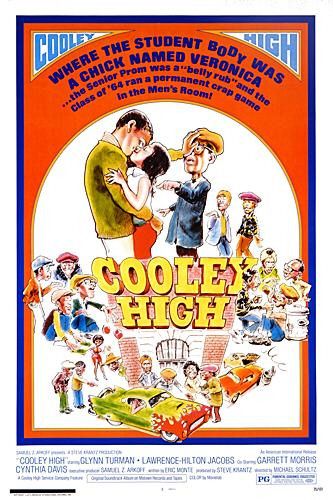
Based on an autobiographical screenplay by Eric Monte (co-creator of the television series “Good Times”), Cooley High is often referred to as “the black American Graffiti,” given its similarly episodic treatment of life and love among high school seniors. The primary difference, of course, is that the central characters in Cooley High live in the projects of Chicago — a vastly different world than that of the privileged white teens in Graffiti. Monte’s ear for authentic dialogue brings this world richly alive, and the boys’ banter is one of its strengths, as is much of the rich location footage around the city. Unfortunately, however, the screenplay itself is too fragmented to hold much interest; strangely enough, we never feel much investment in the characters themselves. Cooley High is recommended viewing for its historical relevance, but not must-see.

Redeeming Qualities and Moments:

  • An authentic look at African-American teenagehood in 1960s Chicago

Must See?
No, but it’s recommended for one-time viewing given its historical popularity.

Categories

  • Historically Relevant

Links: