|
Genres, Themes, Actors, and Directors:
- Broderick Crawford Films
- Character Arc
- Flashback Films
- Richard Fleischer Films
- Robert Wagner Films
- Ruthless Leaders
- Soldiers
- Terry Moore Films
- World War Two
Review:
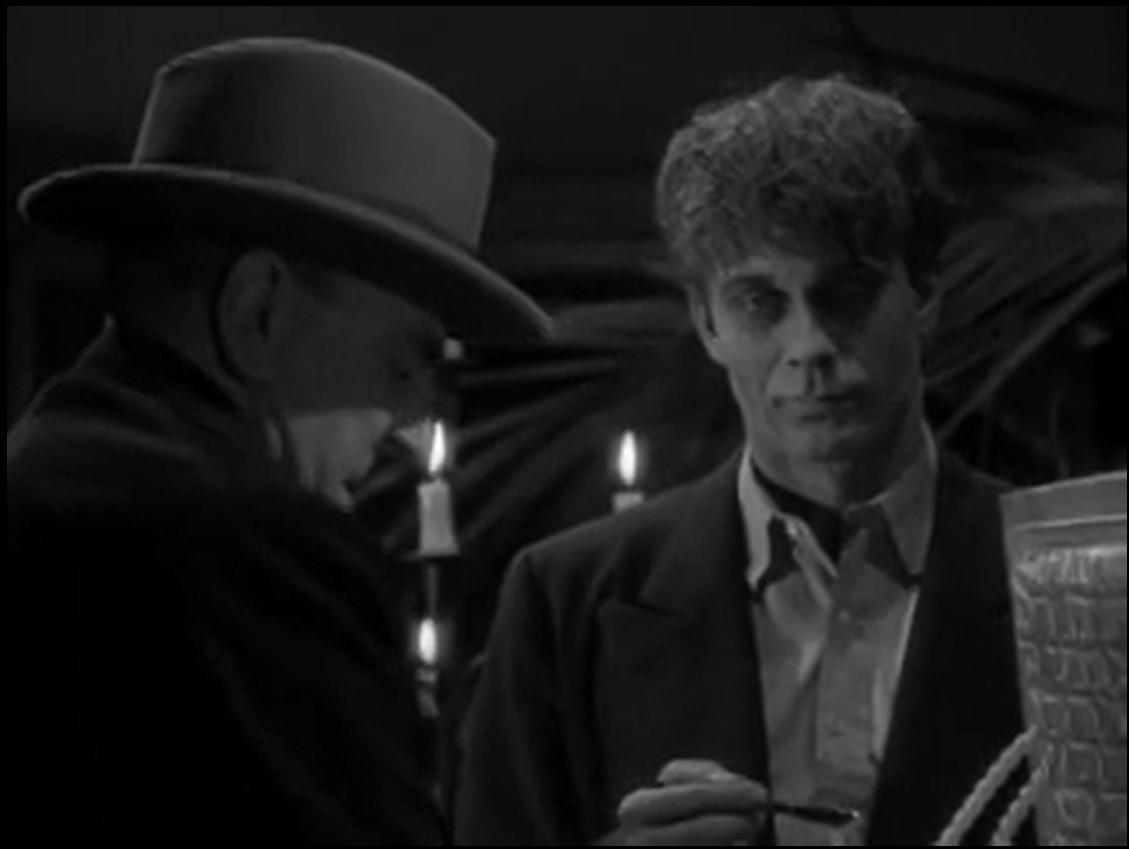
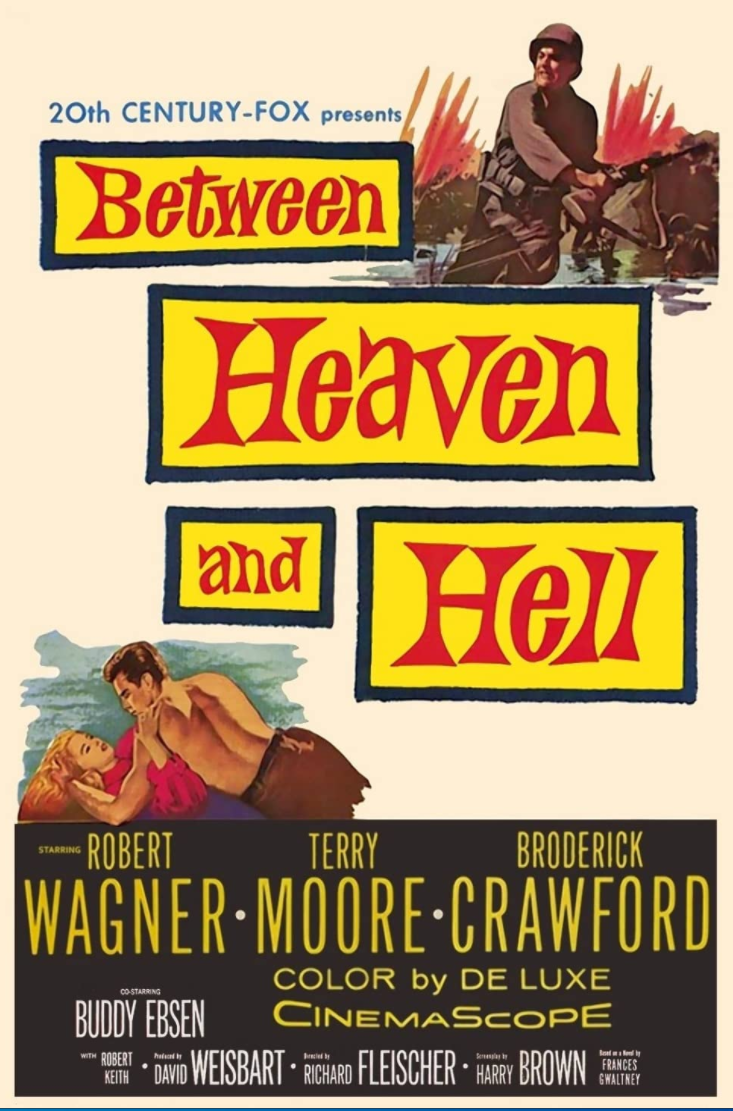
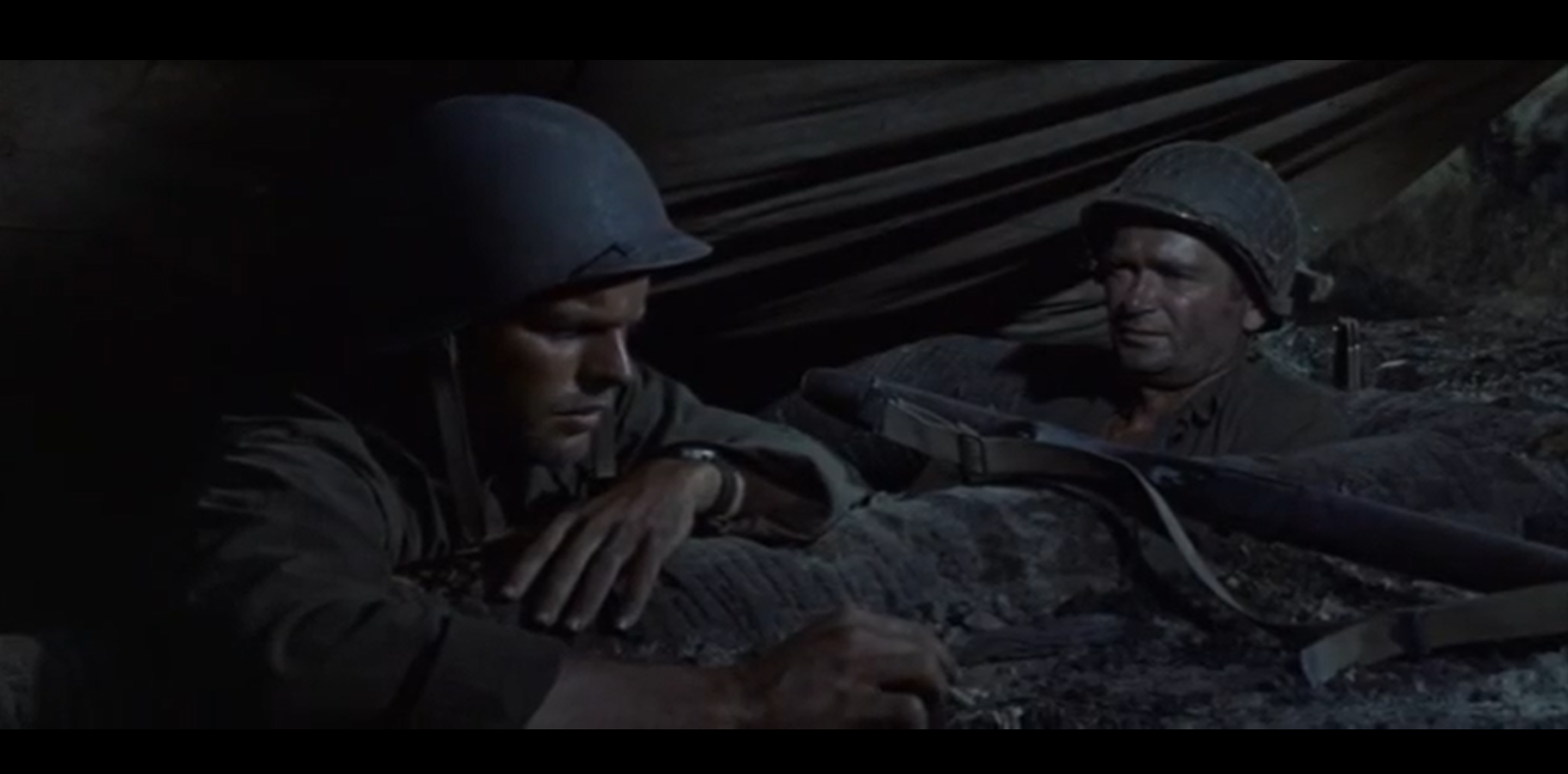
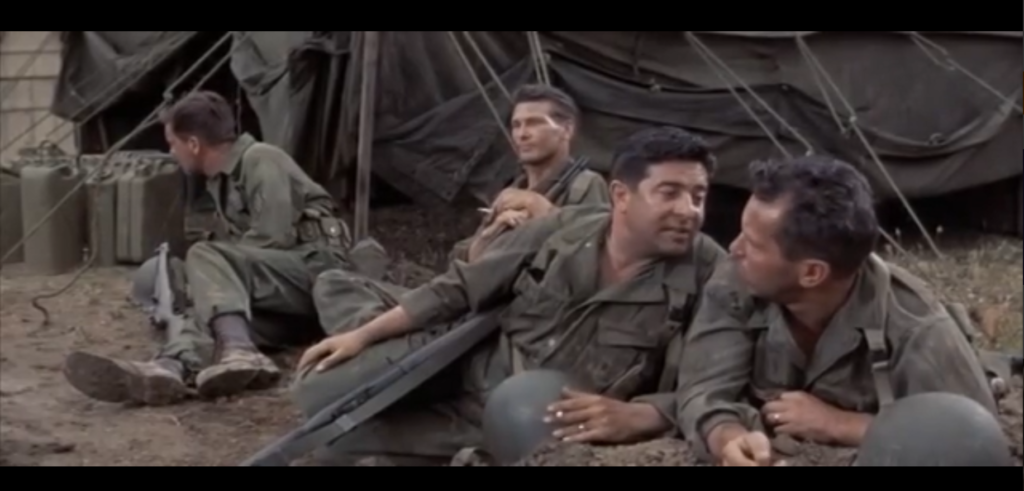
Starring matinee-idol Robert Wagner, this unassuming WWII-era film (based on a novel by Francis Gwaltney) offers yet another perspective on the brutal ravages of war. Unfortunately, the ostensible focus of the film — arrogant Sergeant-turned-Private Gifford (Wagner) learns to love and respect his fellow soldiers, regardless of their station in life:
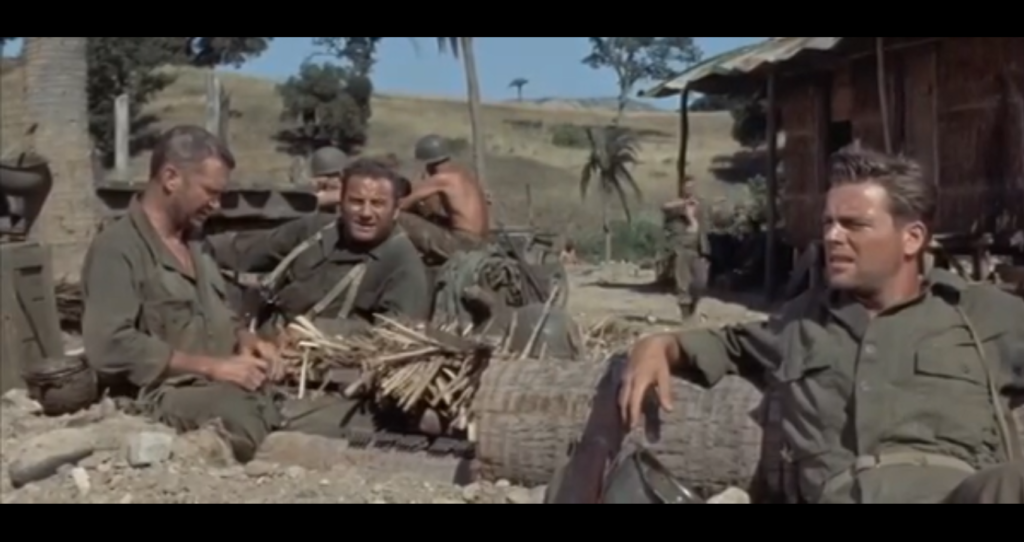
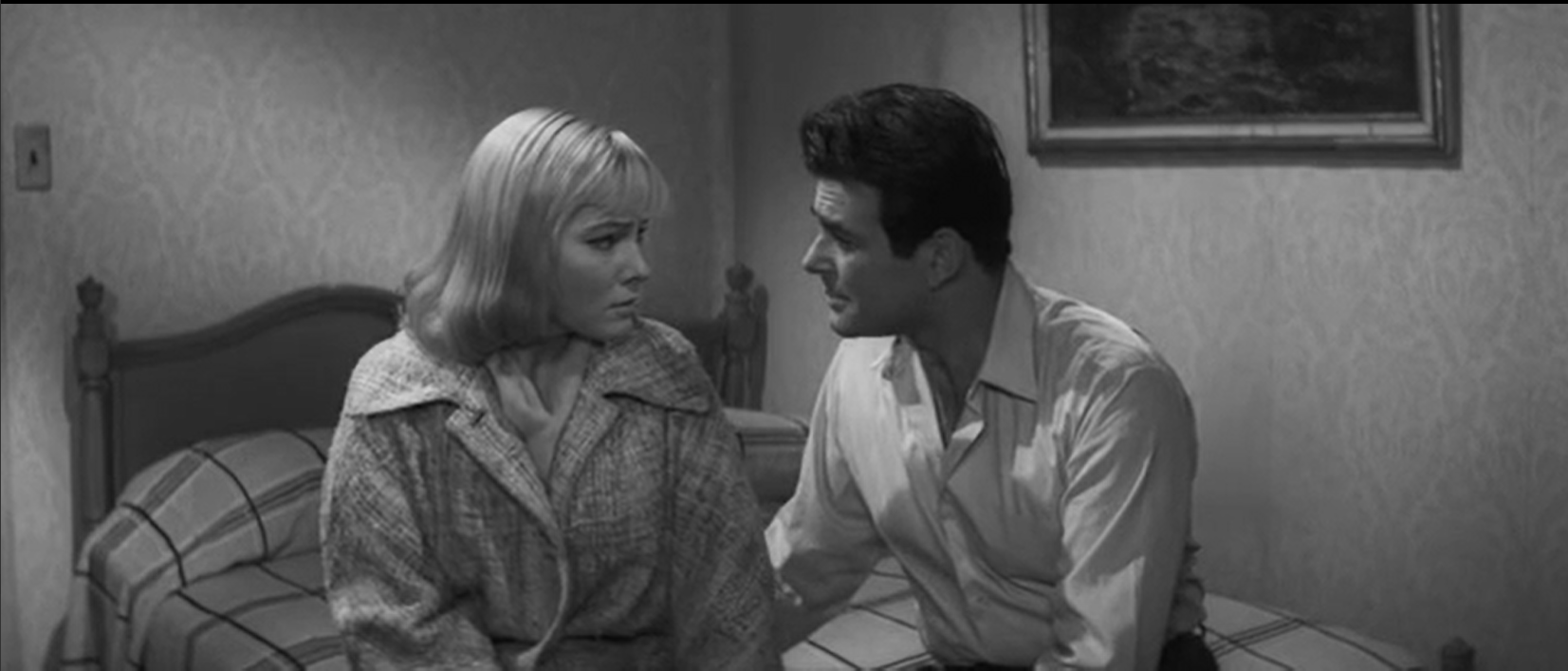
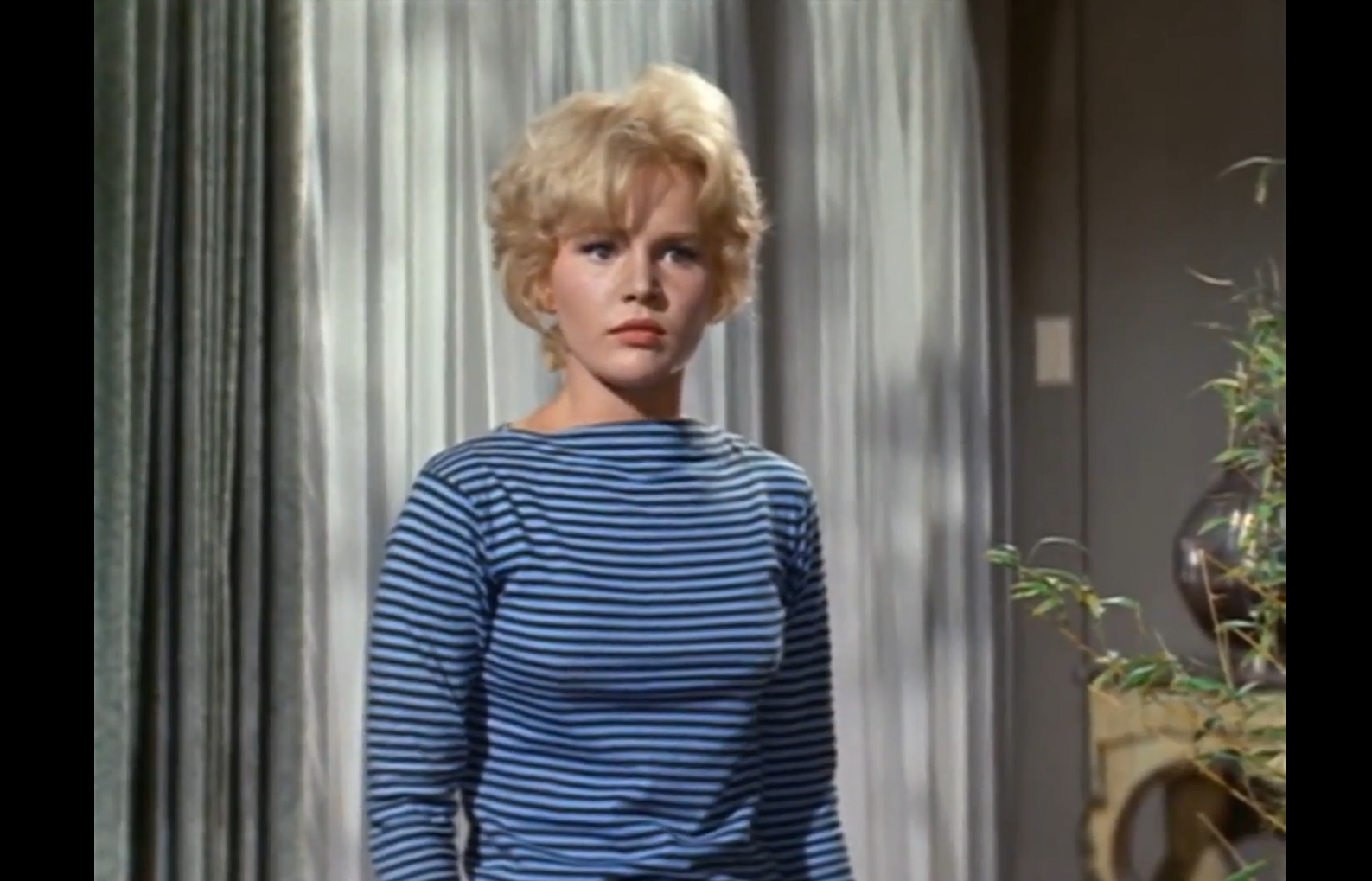
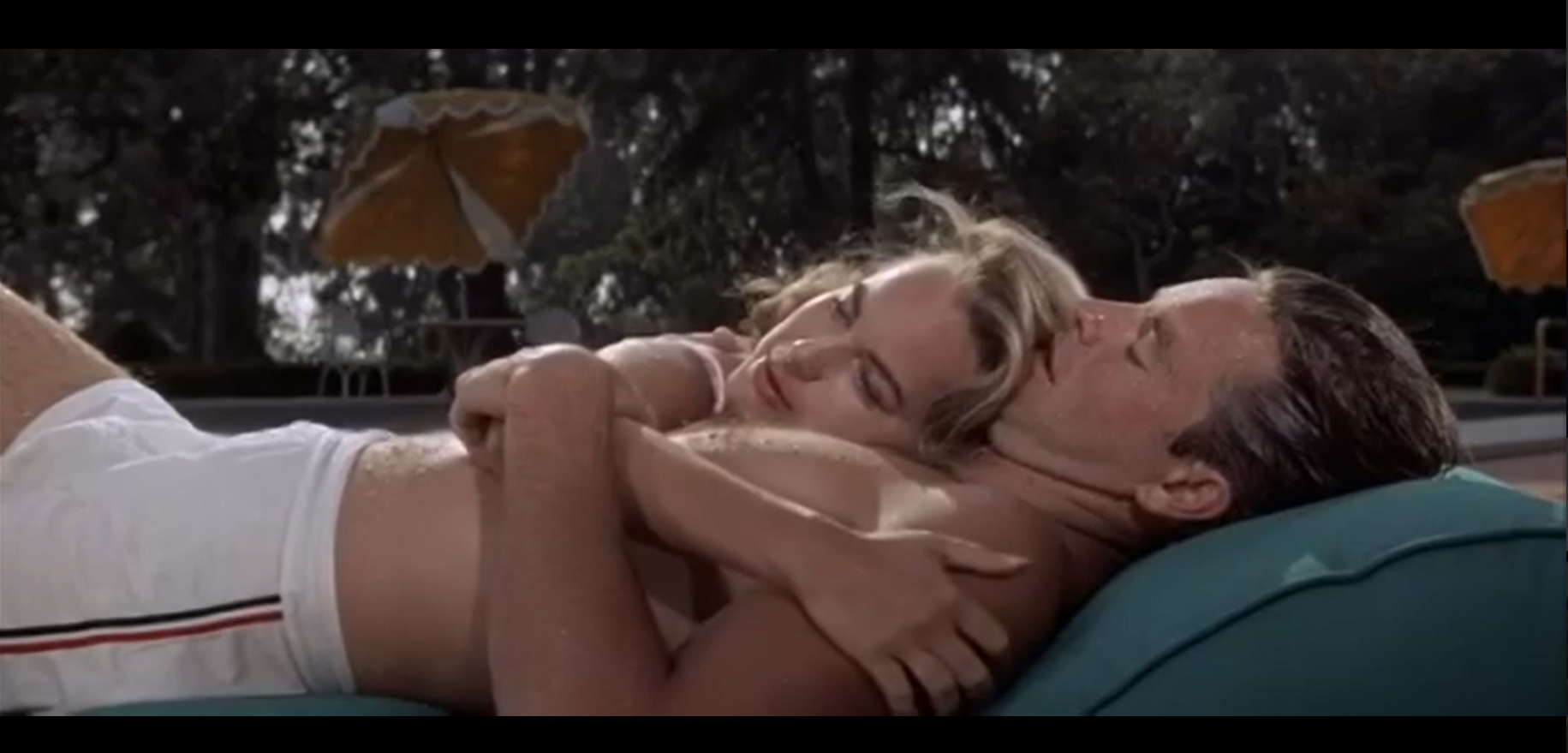
— comes across as somewhat heavy-handed, given that the brief flashbacks to his life as a callous plantation owner (married to Terry Moore) aren’t lengthy enough to give us a really good sense of who Gifford once was (or why).
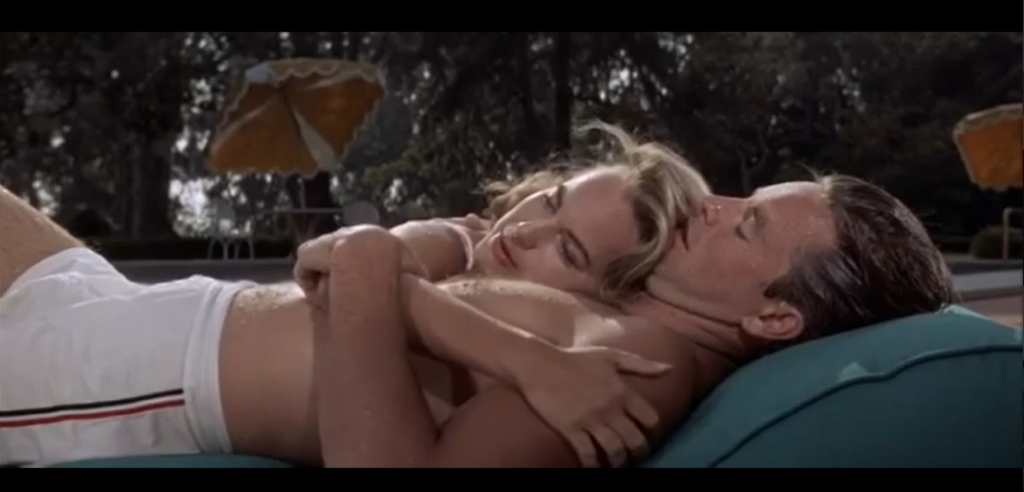
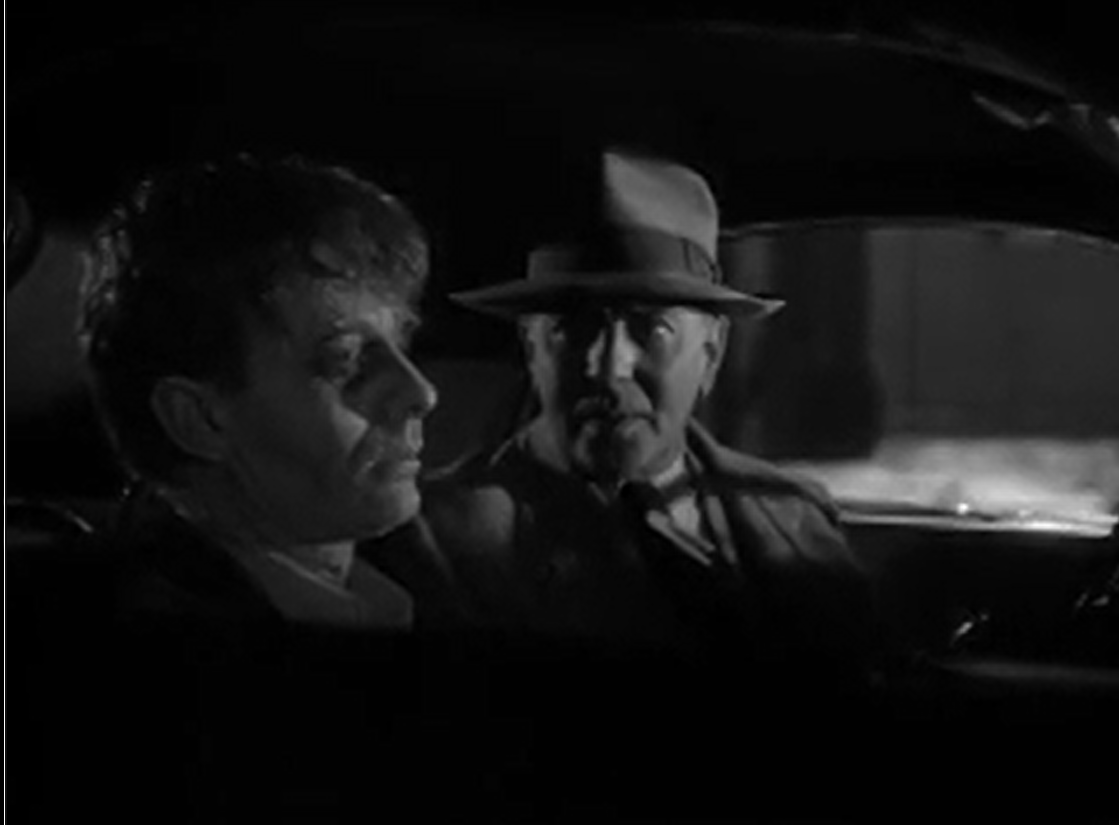
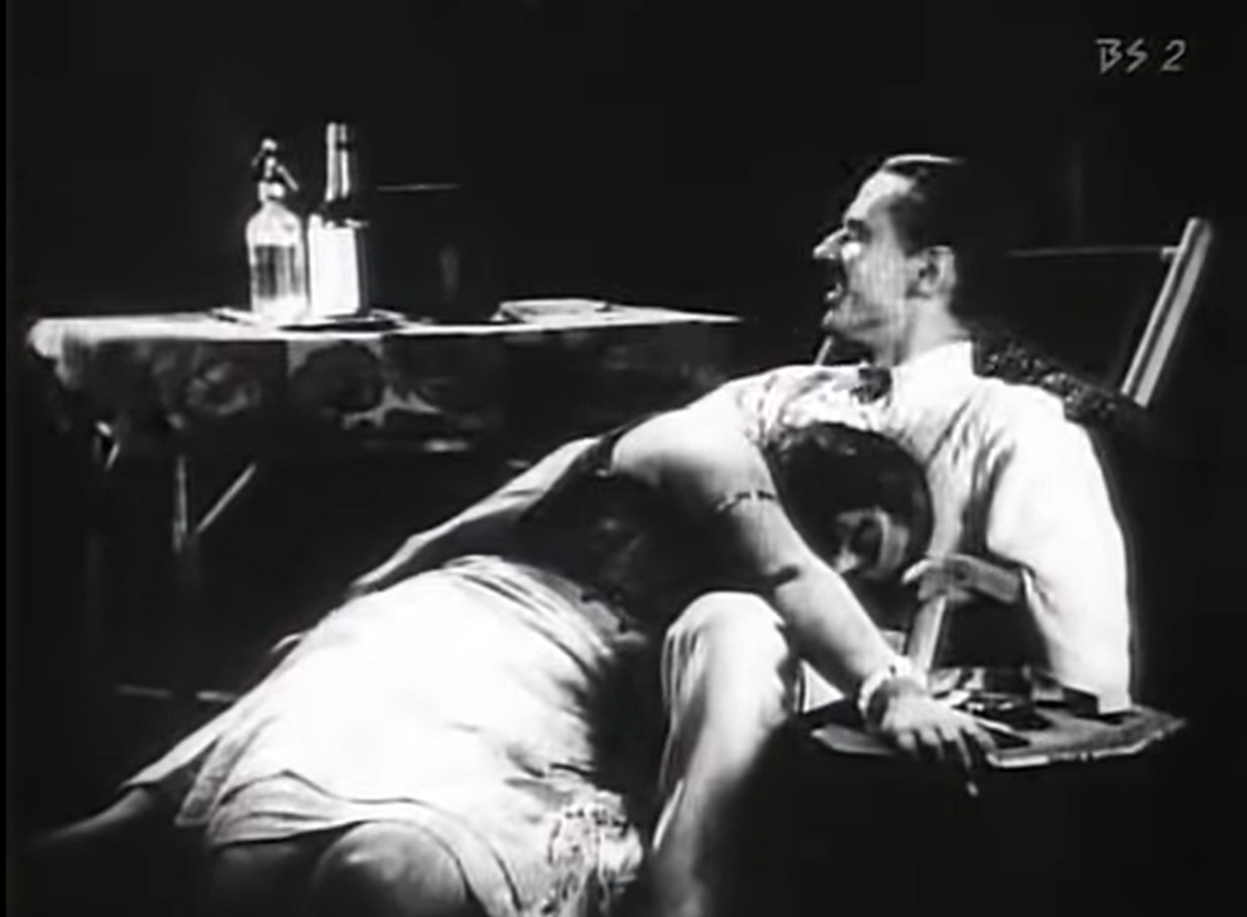
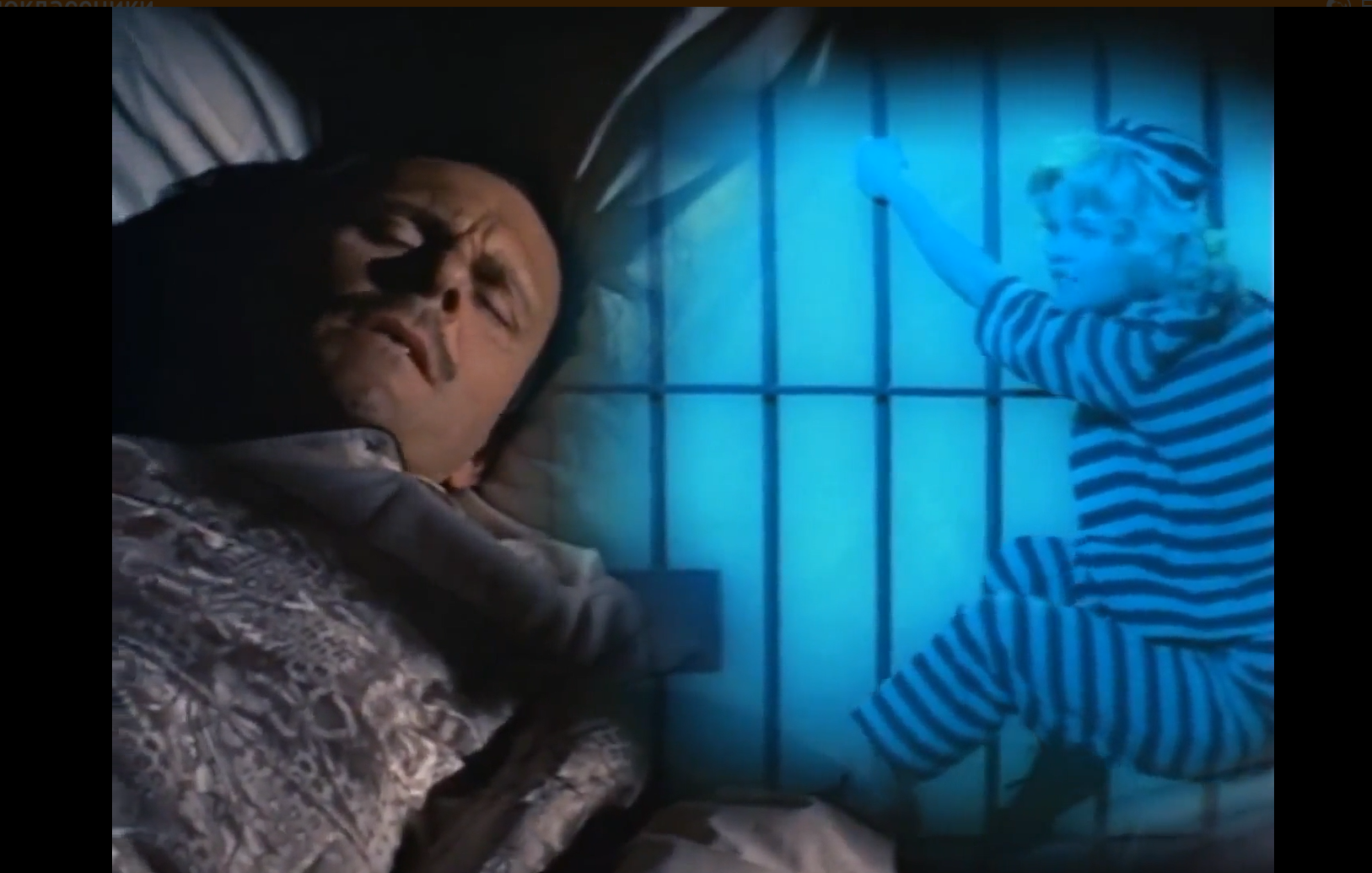
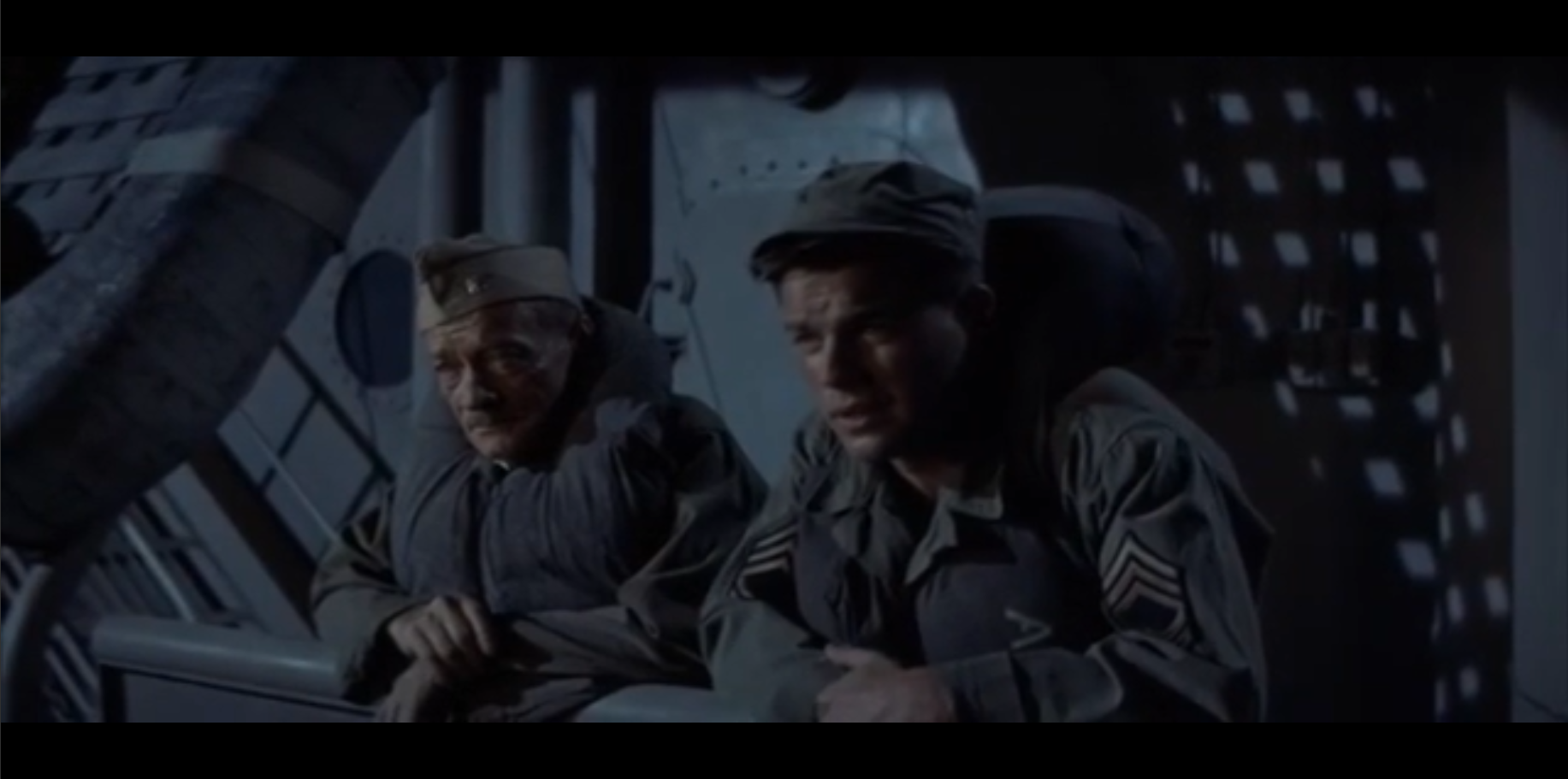
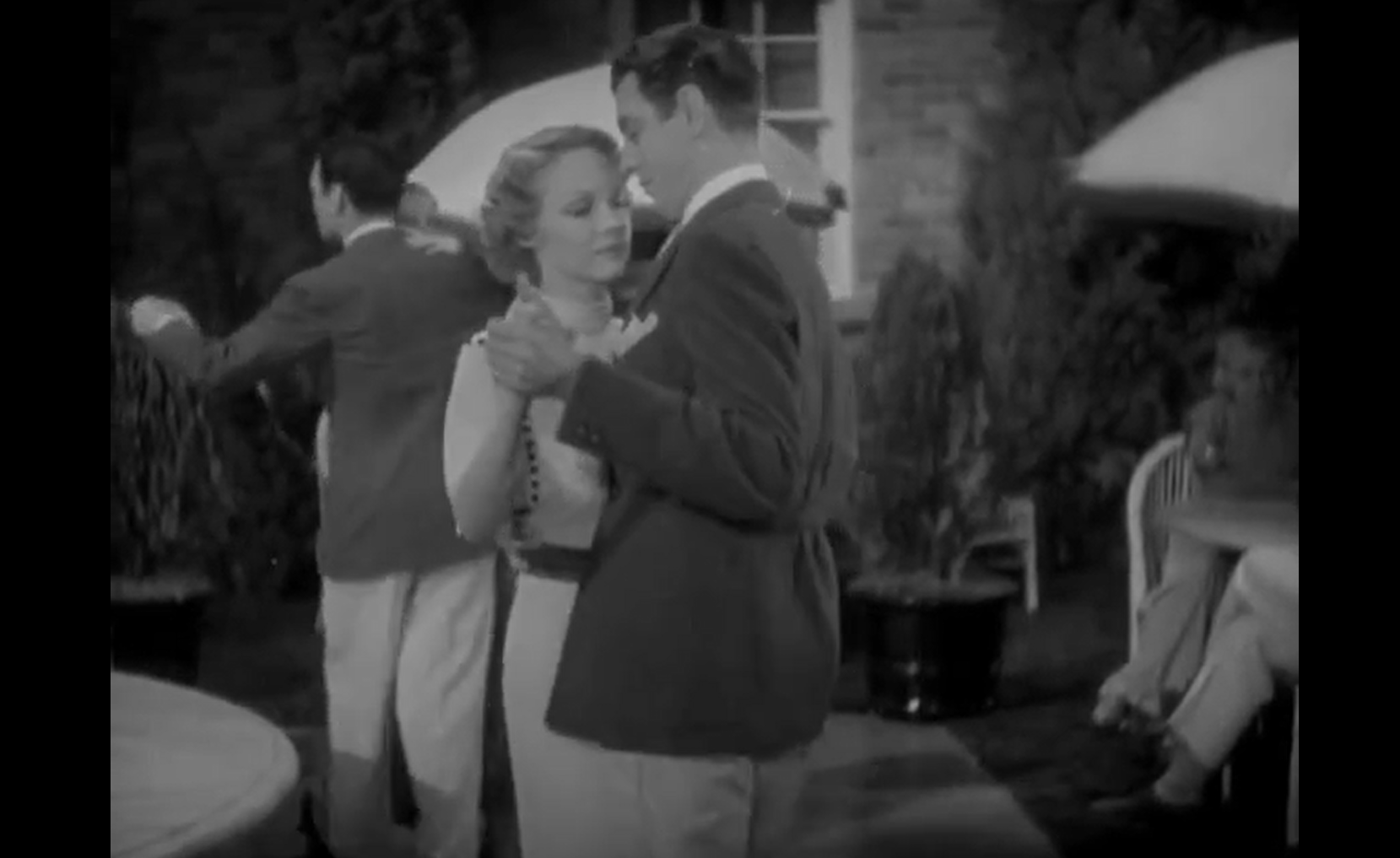
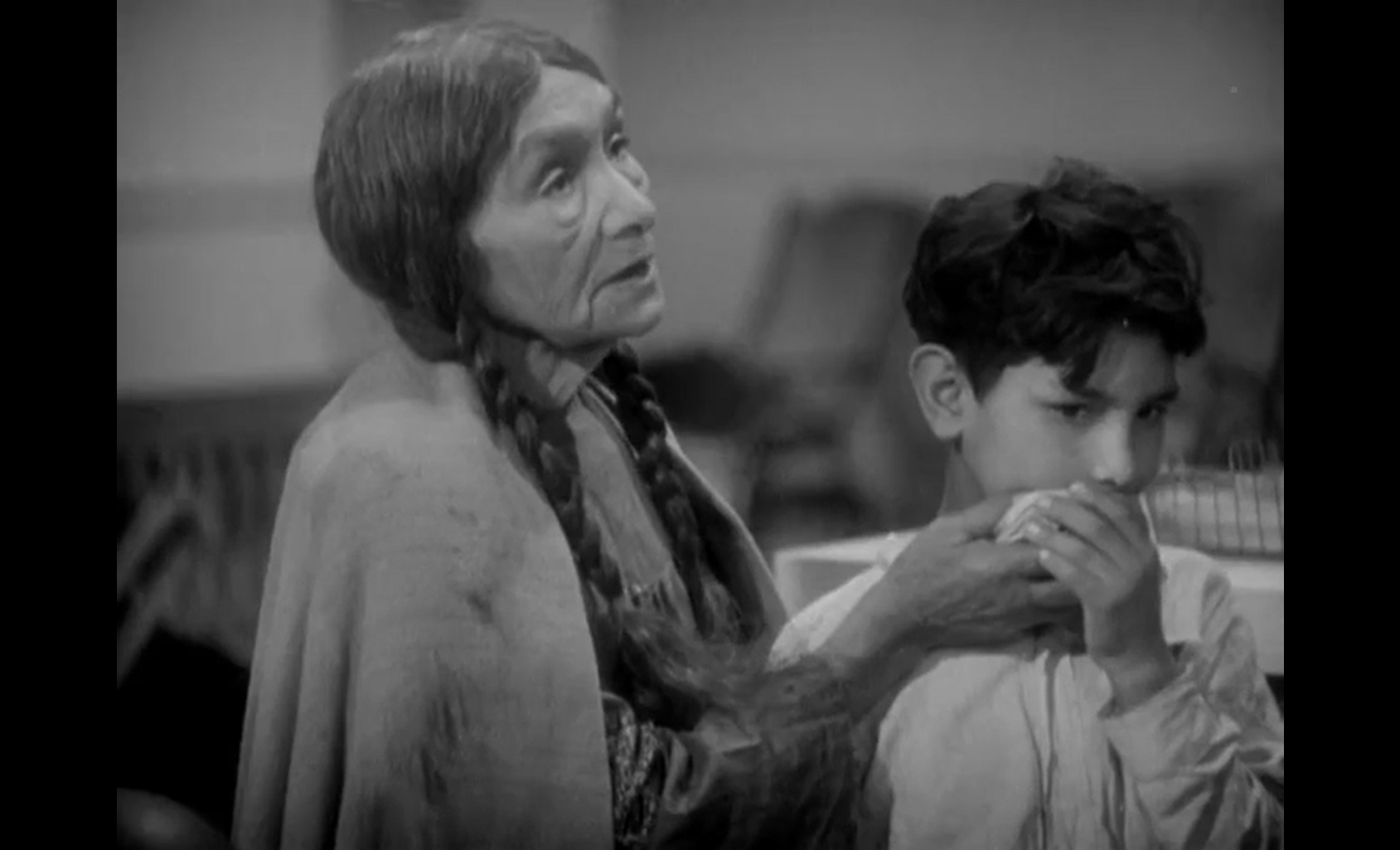
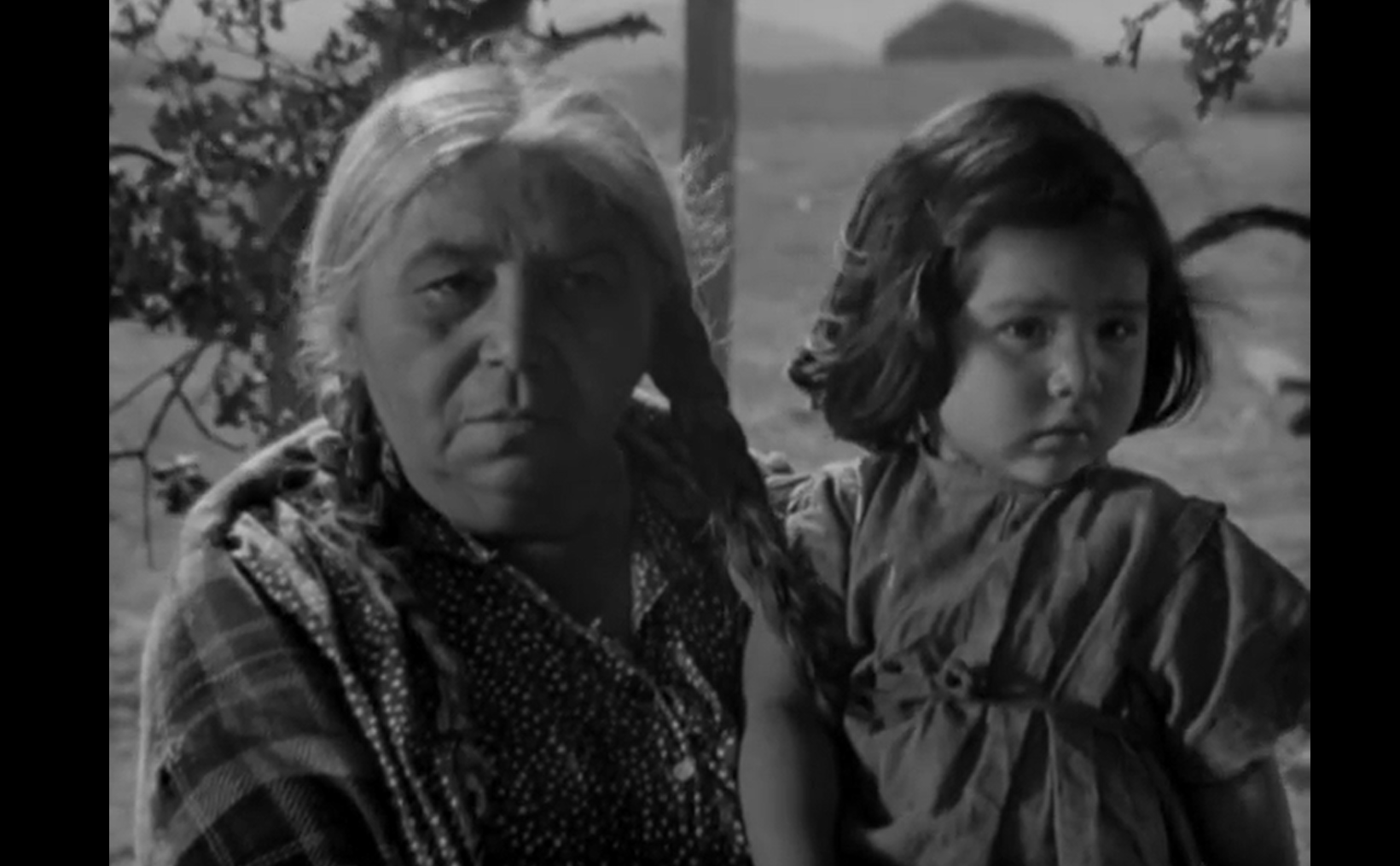
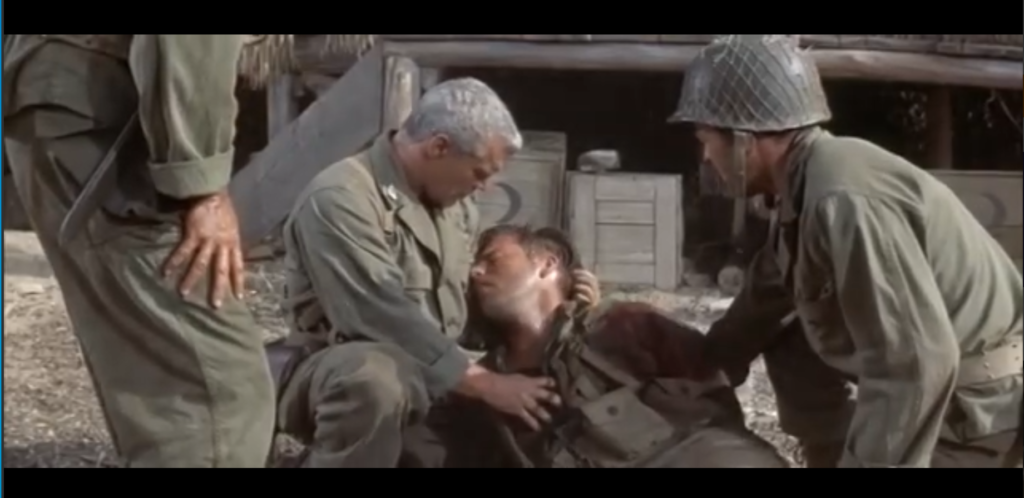
Much more effective is director Richard Fleischer’s ability to show us how the random brutality of wartime violence — starting with the death of his beloved father-in-law (Robert Keith):
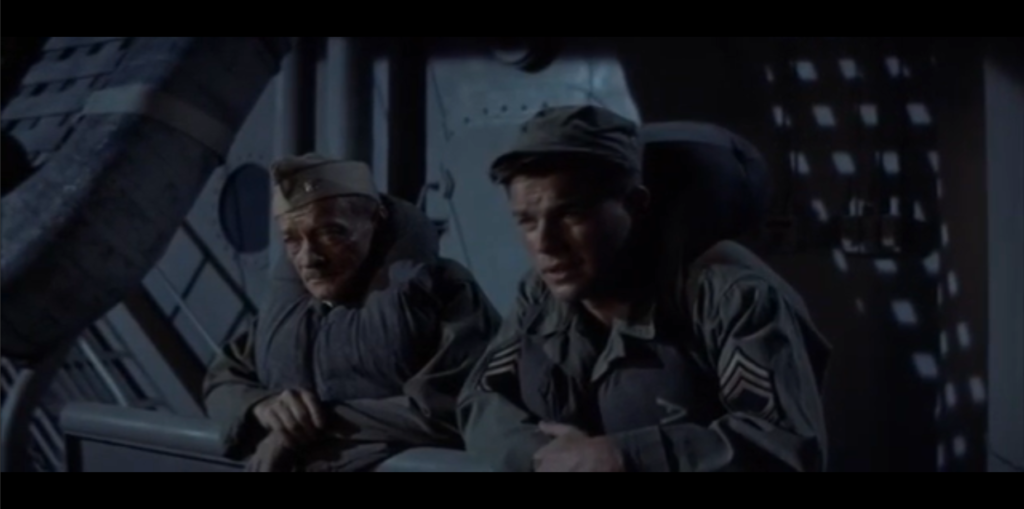
— has a deeply powerful effect on Wagner’s psyche; the type of PTSD he experiences wasn’t explored nearly enough in other wartime films of the era.
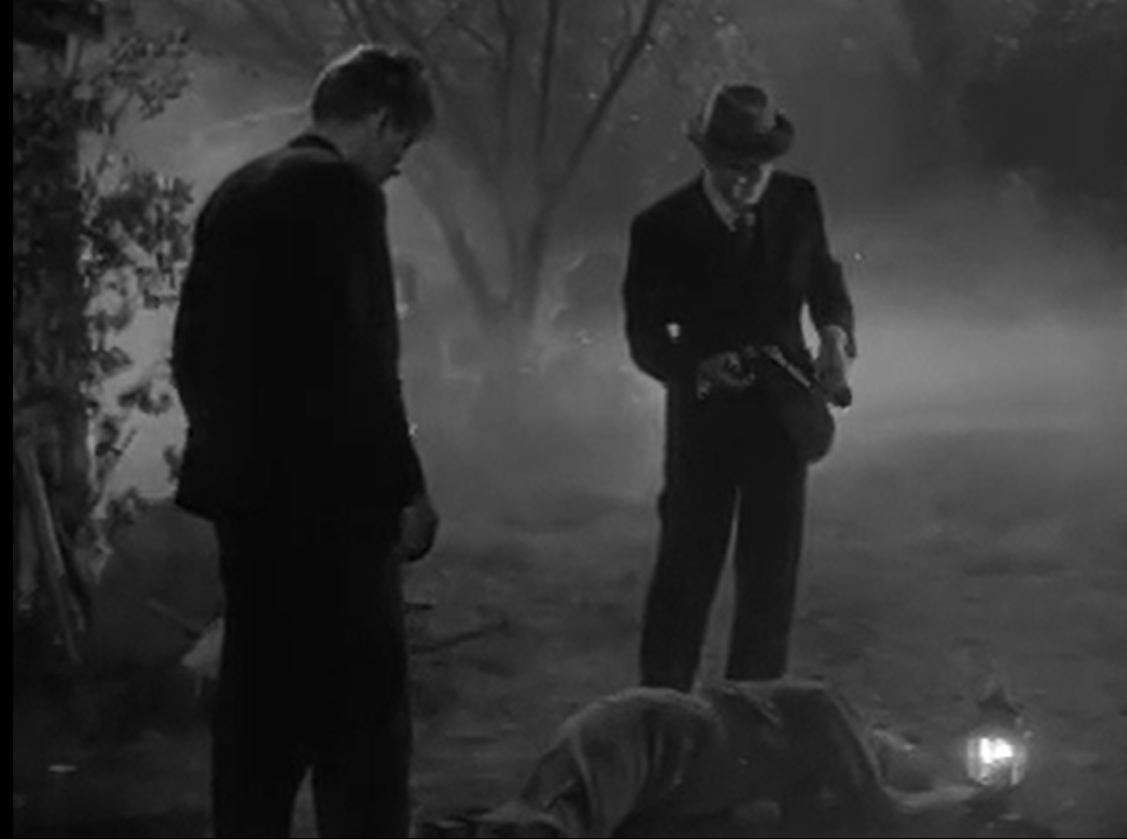
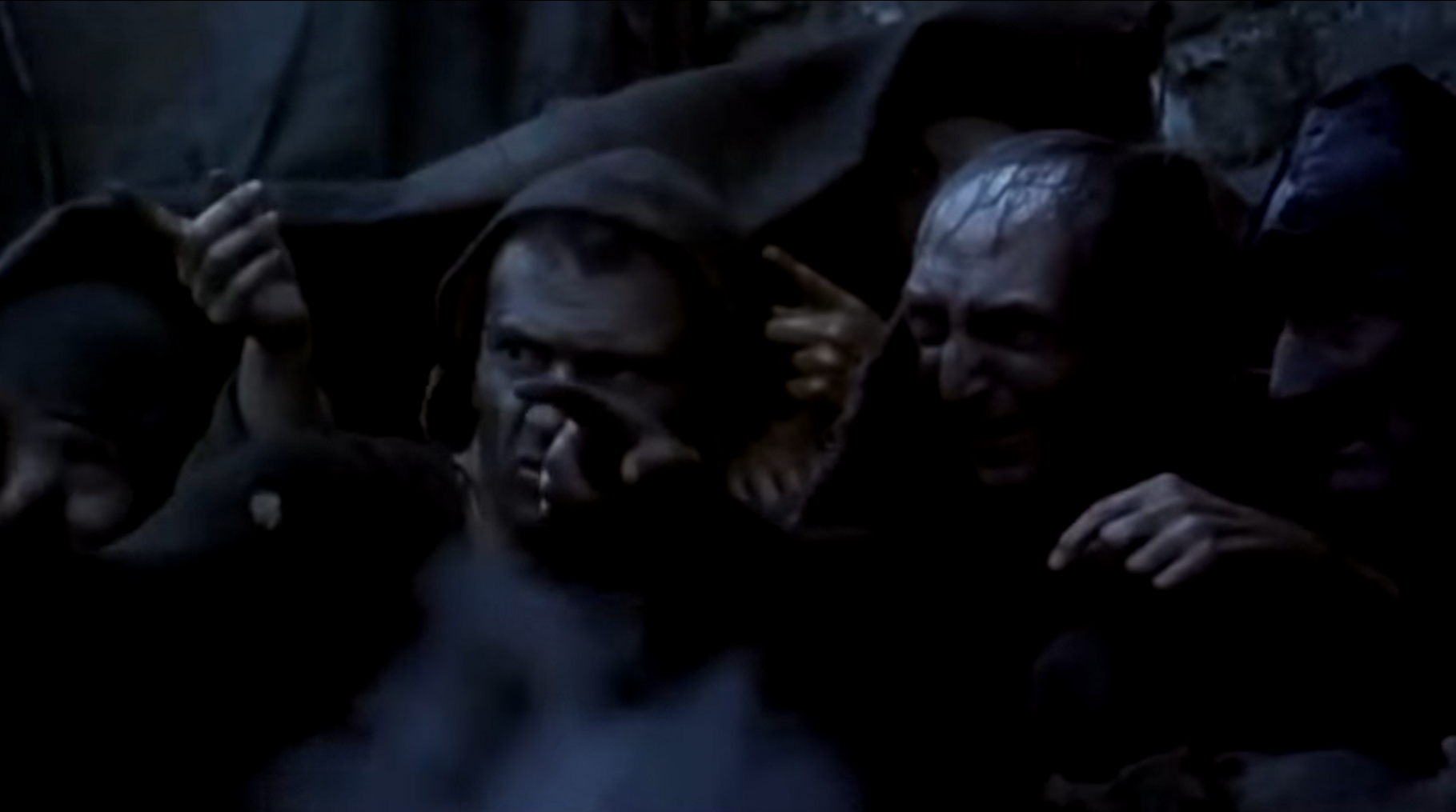
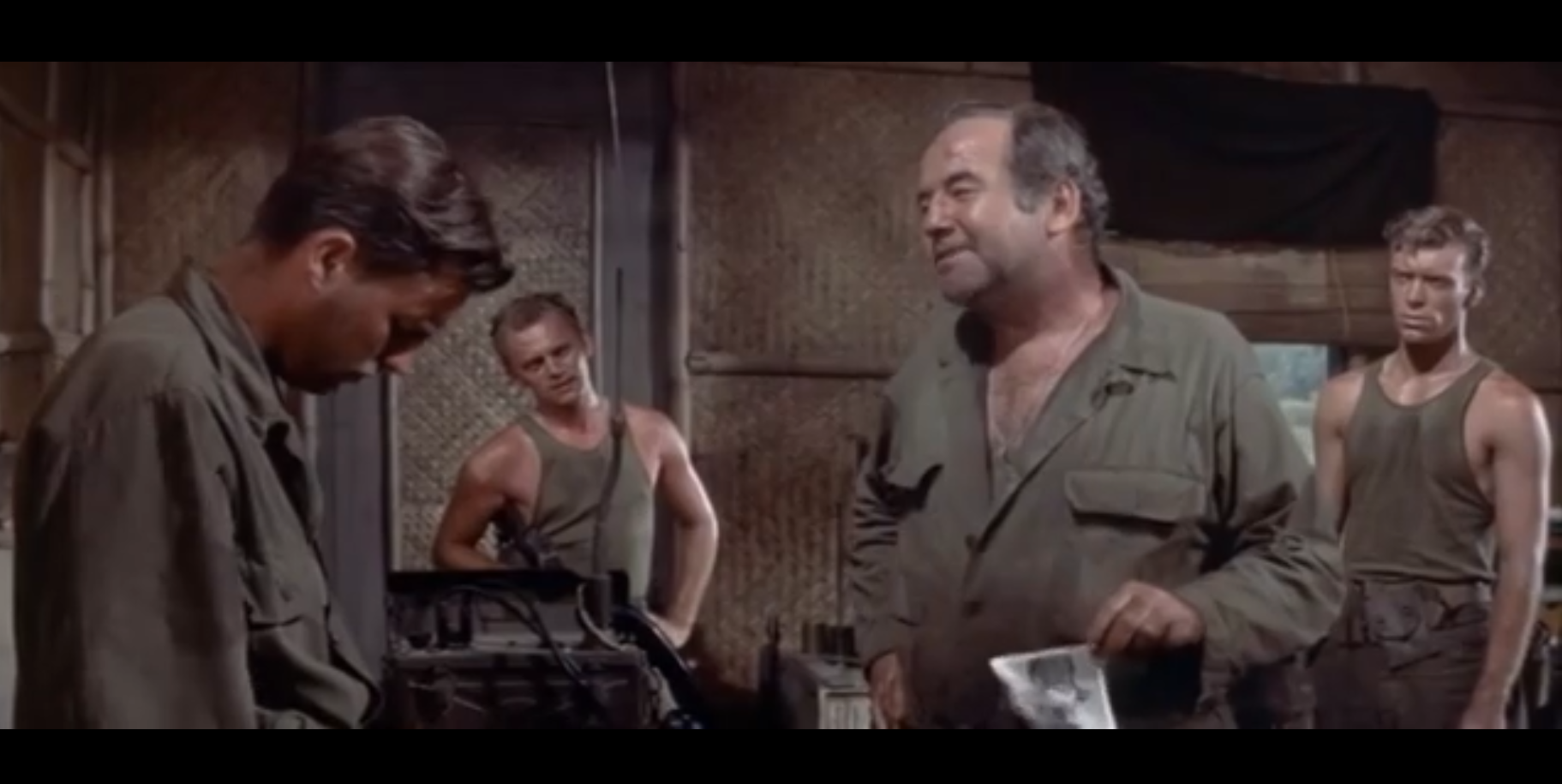
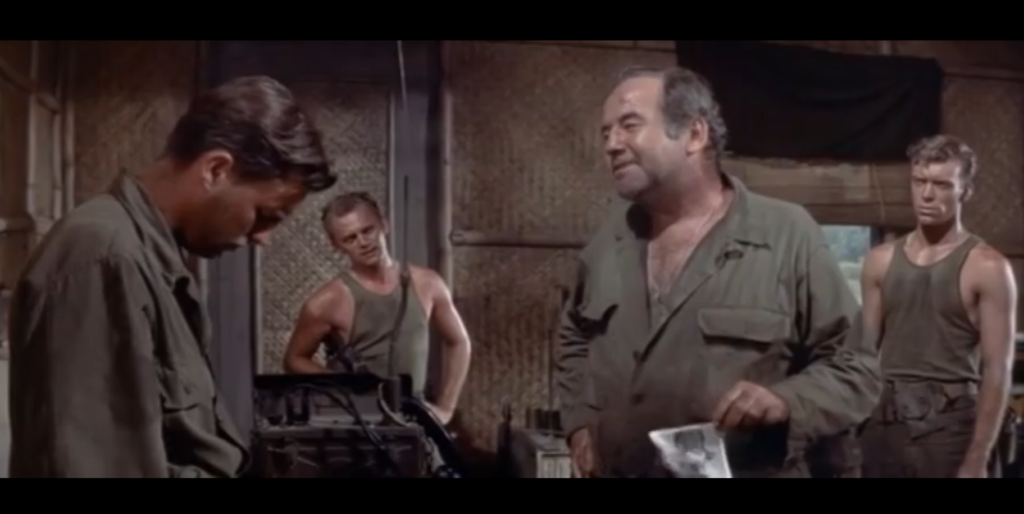
Broderick Crawford is appropriately unhinged as a Kurtz-like commander slowly going off the deep end (with a weirdly homoerotic attachment to his two buff young henchmen, who often roam around shirtless):
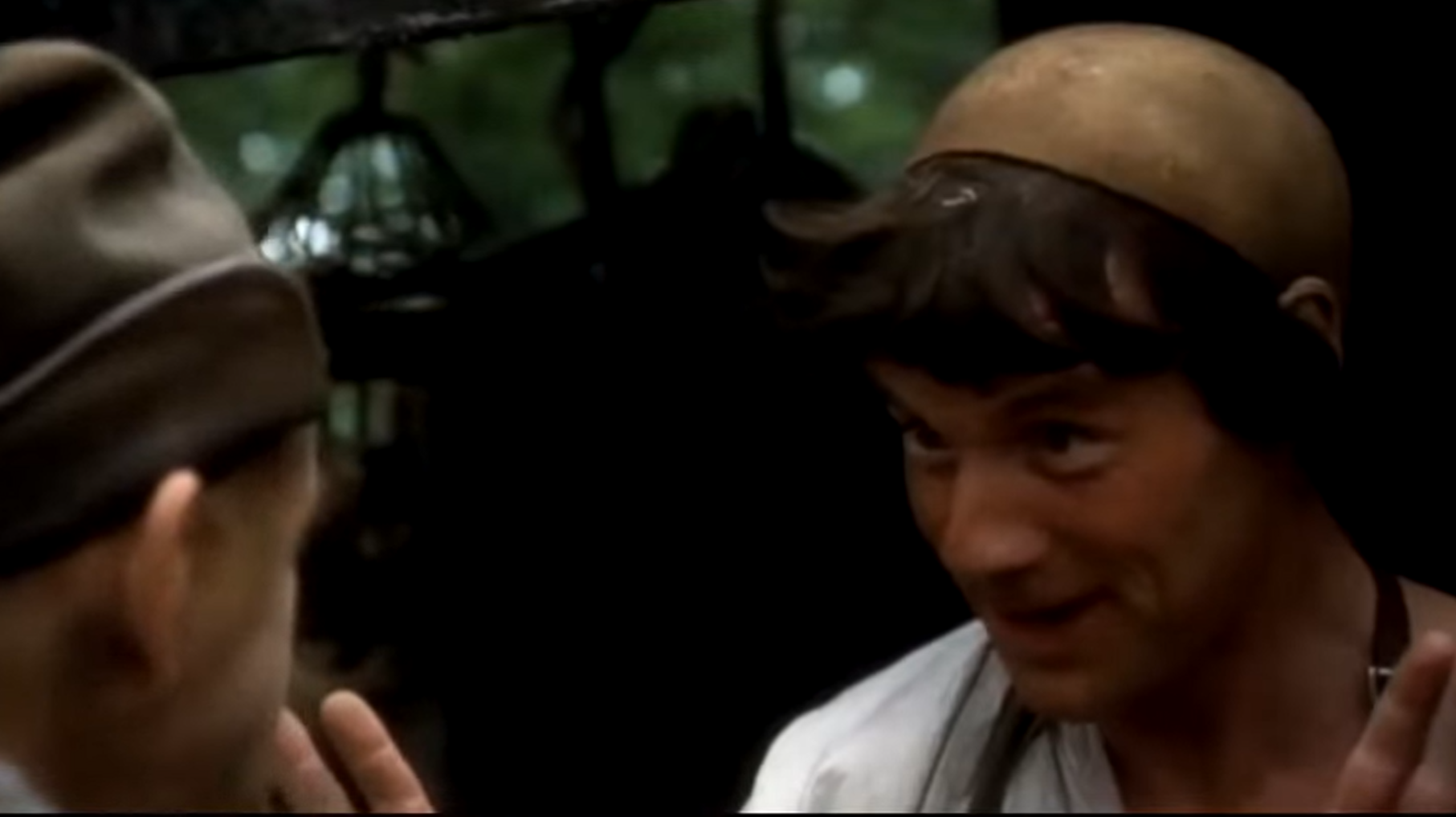
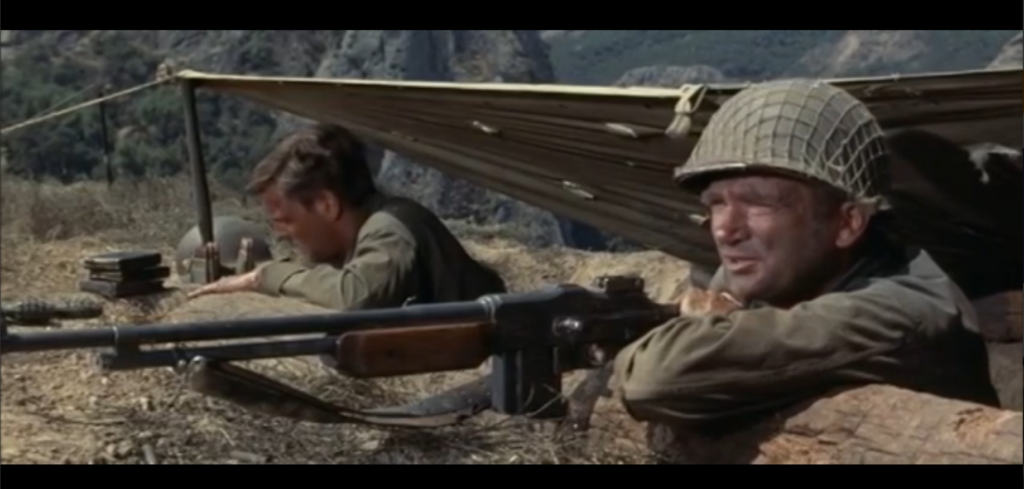
My favorite performance in the film, however, is given by Buddy Ebsen as Wagner’s lower-class “buddy”, who quietly befriends him and helps him see the good in himself.
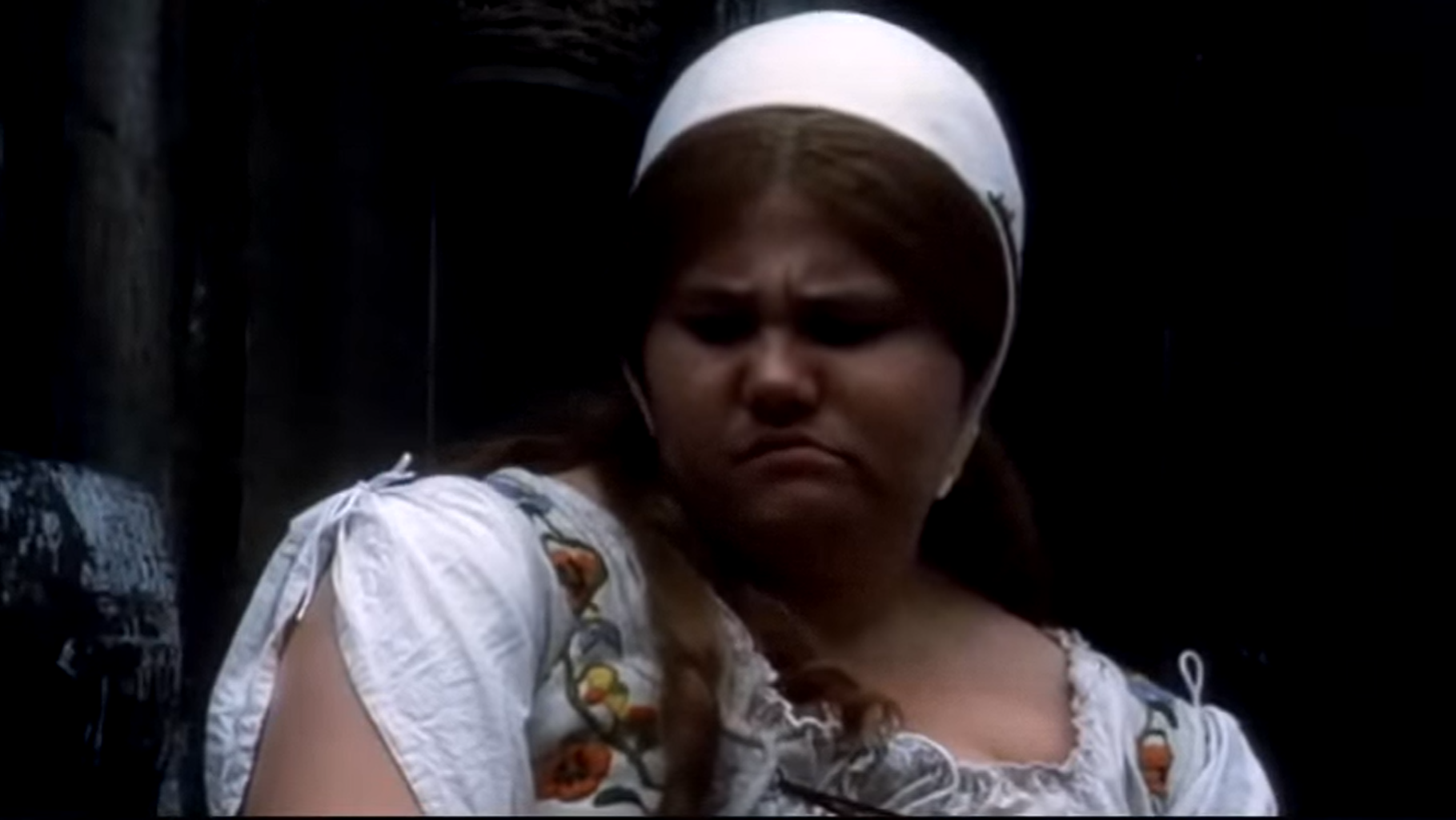
Much less fortunate is the casting of Harvey Lembeck as — what else? — an obnoxious wiseacre; fortunately, his role is relatively small.
Note Hugo Friedhofer’s Oscar-nominated score, which draws heavily — and to nice effect — upon the “dies irae” motif.
Redeeming Qualities and Moments:
- A powerful portrait of the effects of wartime death on soldiers
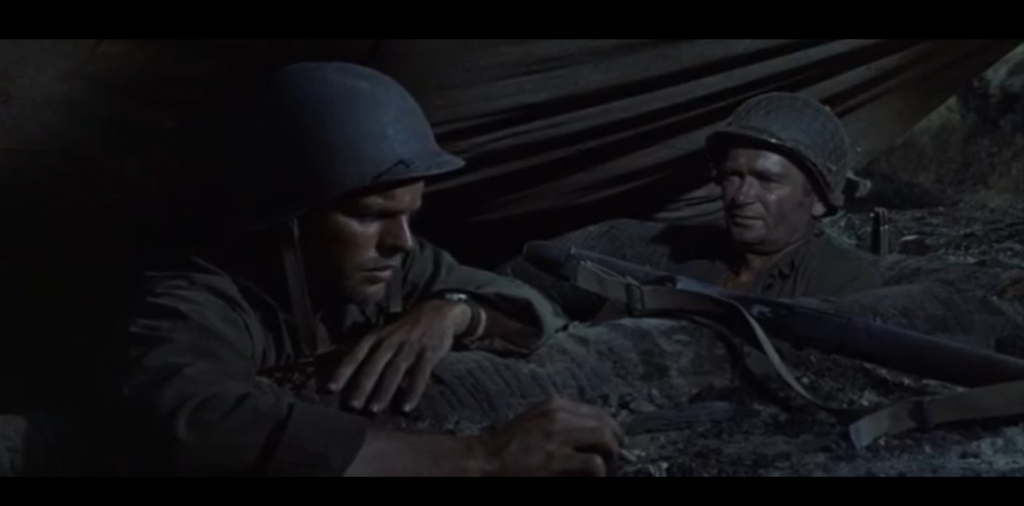
- Atmospheric cinematography
Must See?
No, but it’s worth a look, and WWII film fans will certainly want to check it out. Listed as a Sleeper and a Personal Recommendation in the back of Peary’s book.
Links:
|