Browsed by
Category: Original Reviews

Responses to Peary’s “must see” movie reviews, as well as my own “must see” movie reviews up to and after 1986 (when Peary’s book was published).

Hold That Ghost (1941)

Hold That Ghost (1941)

“It’s gonna be a pleasure to take you boys for a ride.”

Synopsis:
A pair of bumbling gas station attendants (Bud Abbott and Lou Costello) inherit a house with hidden treasure from a gangster (William Davidson) whose rivals are desperate to find the loot.

Genres, Themes, Actors, and Directors:

  • Abbott and Costello Films
  • Comedy
  • Hidden Treasure
  • Inheritance
  • Old Dark House

Review:
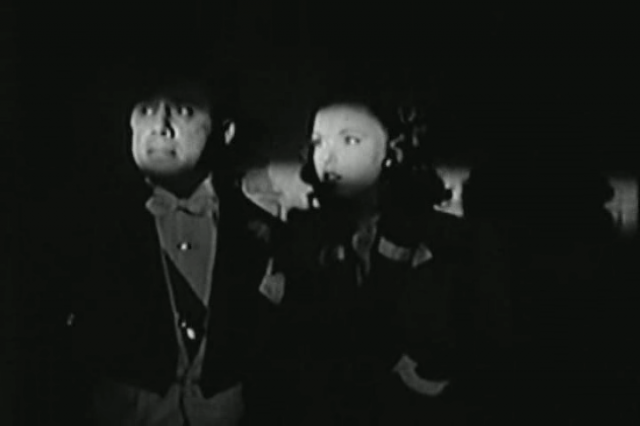
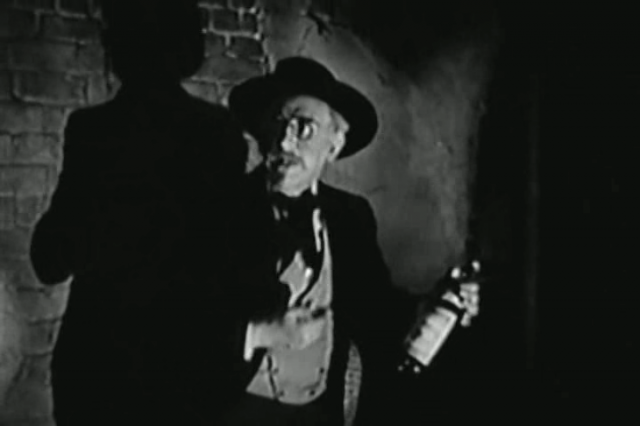
Although it’s lauded by fans as one of their funniest films, this Abbott and Costello comedy is surprisingly dull — and, despite its title, features nary a ghost. The only real humor comes in the film’s opening sequence, when A&C are working as high-class waiters and Costello takes his instructions from Abbott so literally (think Amelia Bedelia) that he completely bungles the position. From then on, we’re meant to laugh as poor Costello — who nobody believes, naturally — witnesses candles moving on their own, accidentally converts his bedroom into a casino (again and again) by throwing a jacket over a coat hook, etc.; unfortunately, these scenes are simply tiresome rather than amusing.

Redeeming Qualities and Moments:

  • Atmospheric sets and lighting


Must See?
No — though Abbott and Costello fans will certainly consider it essential viewing. Listed as a Personal Recommendation in the back of Peary’s book.

Links:

Ghost Catchers (1944)

Ghost Catchers (1944)

“If you should hear noises, ignore them — they’re nothing, nothing at all!”

Synopsis:
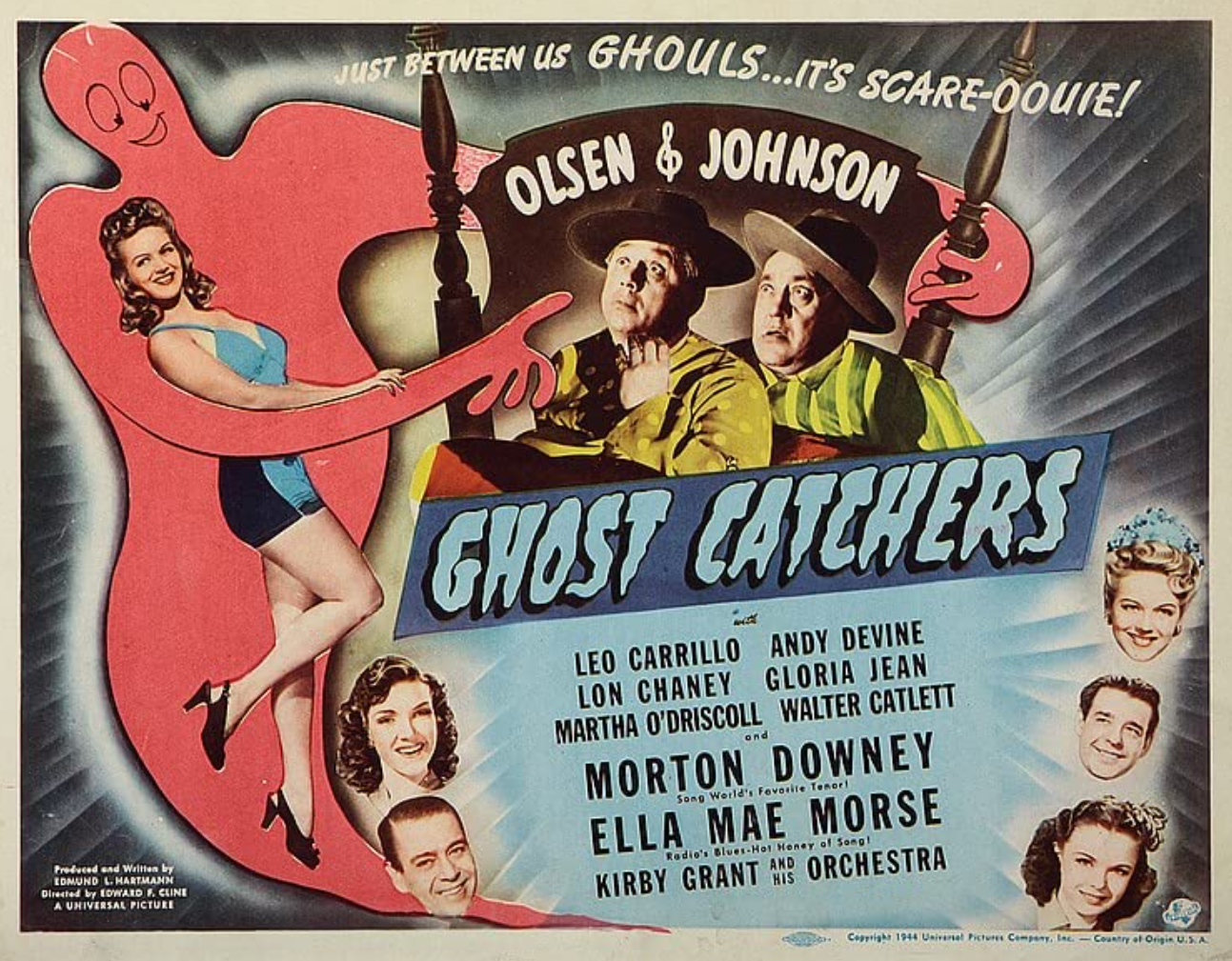
Nightclub performers Ole Olsen and Chic Johnson try to unravel the mystery of a haunted house being rented by a southern colonel (Walter Catlett) and his two musical daughters (Gloria Jean and Martha O’Driscoll), who are due to make their debut at Carnegie Hall that night.

Genres, Themes, Actors, and Directors:

  • Amateur Sleuths
  • Comedy
  • Ghosts
  • Lon Chaney, Jr. Films
  • Old Dark House

Review:
Ole Olsen and Chic Johnson’s follow-up to Hellzapoppin’ (1941) was this “comedic thriller” clearly meant to capitalize on both the popularity of the Topper trilogy and Abbott and Costello’s Hold That Ghost (1941), which is openly referenced in the film. Unfortunately, there’s barely enough of Chic and Ole’s trademark zany antics to make this one worth sitting through, given that the surrounding plot is both nonsensical and insipid, and the song and dance sequences interspersed throughout are instantly forgettable. Lon Chaney, Jr. and Andy Devine make brief cameos in animal costumes (don’t ask), but aren’t given nearly enough to do. With that said, fans on IMDb insist that this film is “side-splitting” and that it’s Olsen and Johnson’s “funniest film”, so perhaps I’m missing something — you’ll have to decide for yourself. Meanwhile, I suggest sticking with Hellzapoppin’ as Chic and Ole’s one true must-see film.

Redeeming Qualities and Moments:

  • Occasional snippets of truly bizarre lunacy
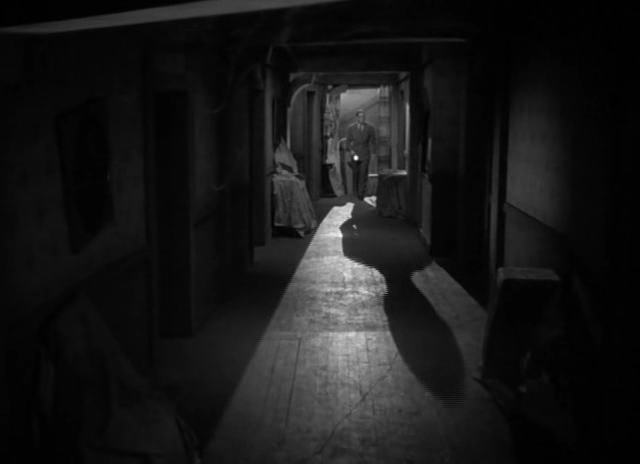
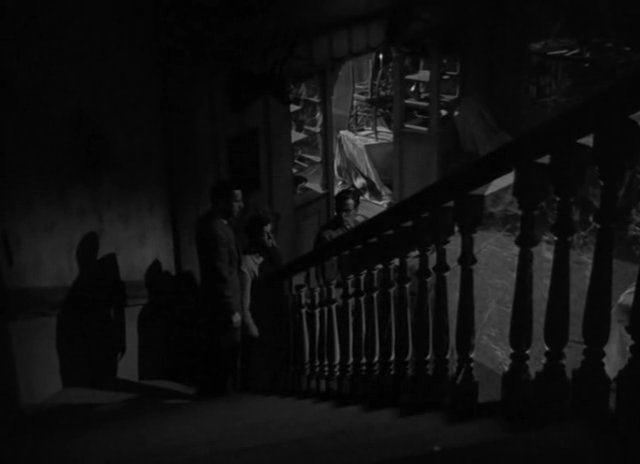
  • Effectively atmospheric cinematography during several scary sequences

Must See?
No — unless you’re a diehard Olsen and Johnson fan.

Links:

Hellzapoppin’ (1941)

Hellzapoppin’ (1941)

“It’s a picture about a picture about Hellzapoppin.”

Synopsis:
Ole Olsen and Chic Johnson make a movie based on their Broadway play about a love triangle between a poor but proud musician (Robert Paige), his wealthy love interest (Jane Frazee), and her fiance (Lewis Howard).

Genres, Themes, Actors, and Directors:

  • Comedy
  • Elisha Cook Jr. Films
  • Fantasy
  • Love Triangle
  • Musicals
  • Play Adaptation

Review:
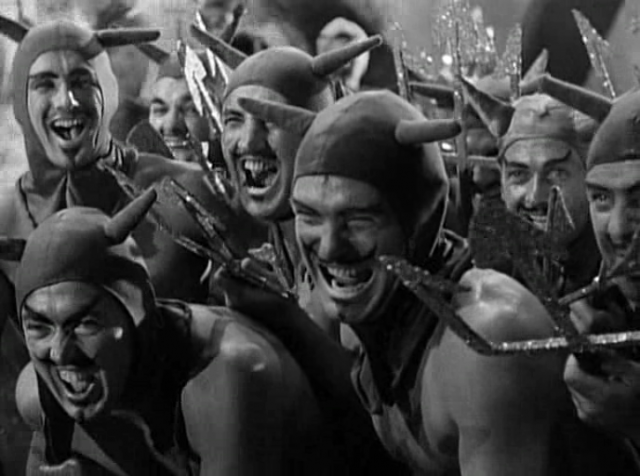
The comedic team of Ole Olsen and Chic Johnson aren’t nearly as well known as Abbott and Costello or the Marx Brothers, but they possess a small cult following, and merit some attention by film fanatics simply for the uniquely zany sensibility they brought to their work. Their most famous production was the Broadway play Hellzapoppin’, which ran for over three years (from 1938 to 1941), and was finally turned into this enormously creative cinematic “adaptation”. The original show has been described as “a demented vaudeville brawl without the Marx brothers” (ClassicImages.com), and the same can be said about its movie equivalent; indeed, the film’s opening sequence, taking place in Hell itself, is truly over-the-top, plunging viewers immediately into the mayhem that Olsen and Johnson were infamous for.

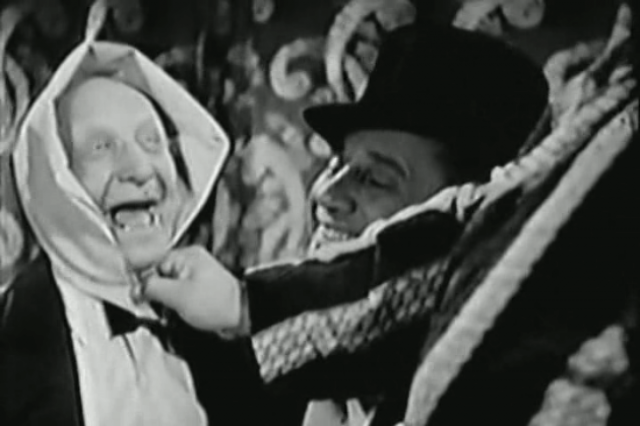
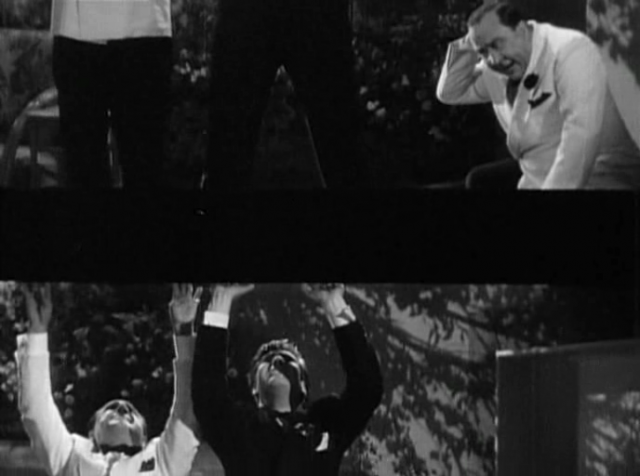
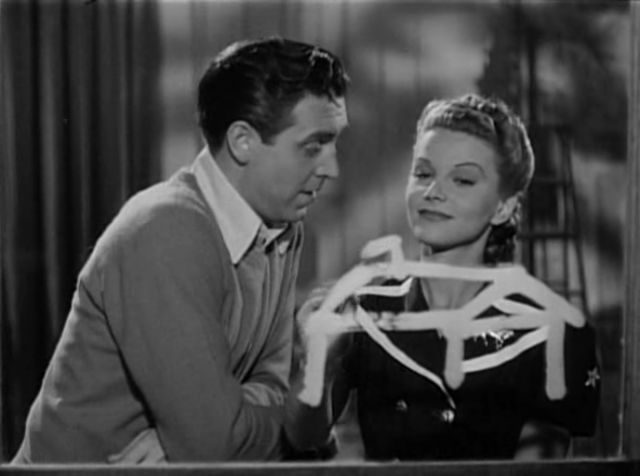
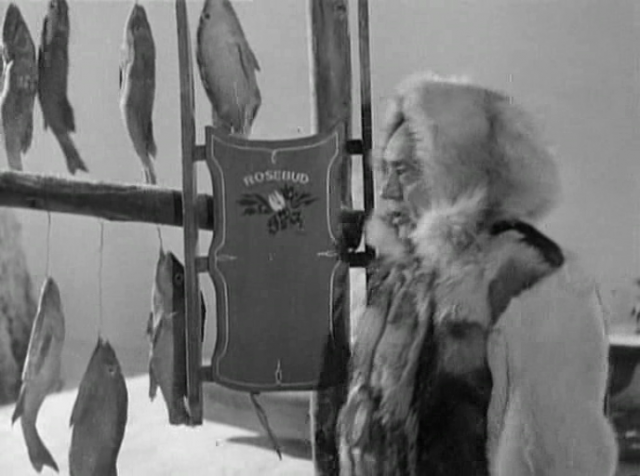
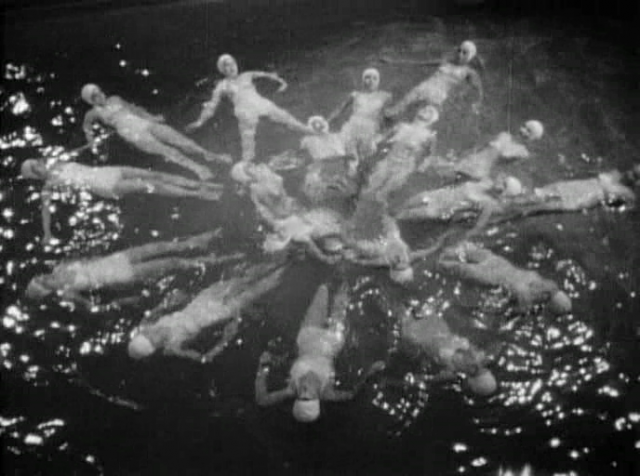
Unfortunately, the narrative itself — a silly musical about a love triangle, with a subplot involving man-crazy Martha Raye chasing Mischa Auer’s penniless baron — is tiresome at best, as is the final extended “sabotaged ballet” sequence. However, it’s what Olsen and Johnson do around their narrative that really entertains, as they construct an ongoing meta-commentary about the making of their own film, and break the “fourth wall” of cinema again and again — these moments are consistently inspired (see stills below for just a few examples). In addition, film fanatics are sure to be delighted by numerous cinematic in-jokes, including a nod to Citizen Kane, a brief Busby Berkeley homage, and a priceless “cameo” by Elisha Cook, Jr. These moments alone make Hellzapoppin’ must-see viewing at least once.

Note: Watch for a hint of MST3K inspiration (was it?) as Olsen and Johnson sit with their backs to the camera, commenting as they watch themselves on-screen.

Redeeming Qualities and Moments:

  • Creative cinematic “trickery”


  • Several fun cinematic “homages”

  • The surreal opening sequence in Hell
  • Droll dialogue:

    Director: Now look, Selby, you seem like a bright young man – how old are you?
    Selby: Twenty-three.
    Director: Twenty-three. Well that’s a peak age. Uncle Sam needs young men like you. I assume you’re ambitious?
    Selby: Oh, yes!
    Director: That’s fine. What would you like to be?
    Selby: 29.

Must See?
Yes, as Ole and Johnson’s finest cinematic achievement, and a cult favorite.

Categories

  • Cult Movie
  • Historically Relevant
Links:

Stray Dog (1949)

Stray Dog (1949)

“Bad luck can either make a man or destroy him.”

Synopsis:
In post-WWII Tokyo, a rookie police detective (Toshiro Mifune) determined to track down his stolen pistol is accompanied by an older, wiser colleague (Takashi Shimura).

Genres, Themes, Actors, and Directors:

  • Akira Kurosawa Films
  • Detectives and Private Eyes
  • Japanese Films
  • Search
  • Toshiro Mifune Films
  • Veterans

Review:
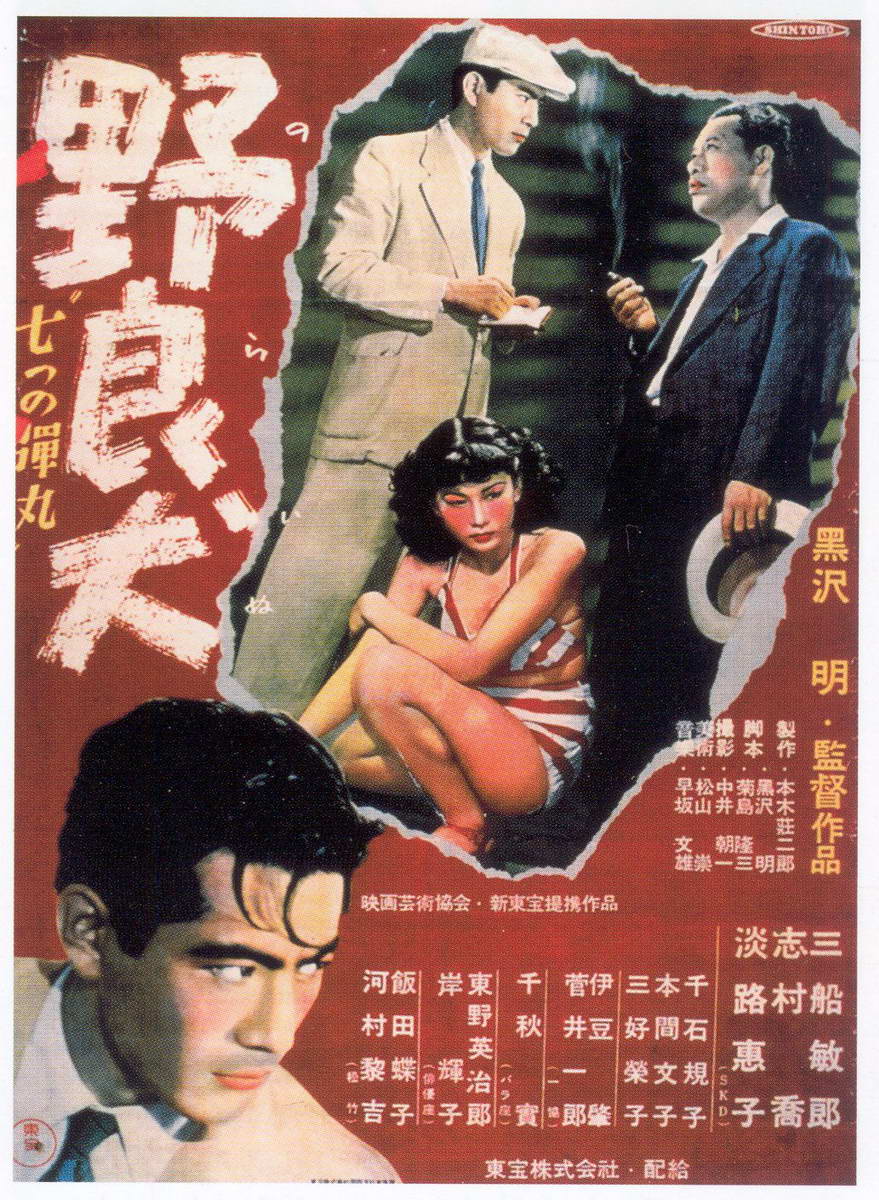
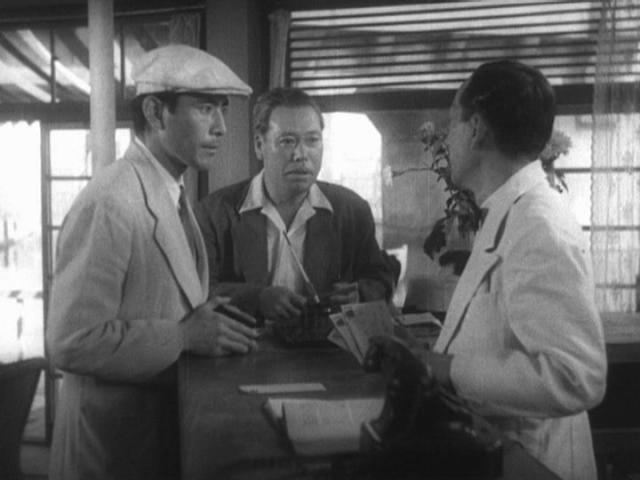
Akira Kurosawa’s noir-inflected detective flick remains one of the most enduring films in his early oeuvre. Haunted by the fact that his stolen pistol has been used by a desperate thief to kill innocent people, Mifune’s rookie detective (a recent WWII veteran) becomes the embodiment of guilt-ridden determination as he doggedly pursues his leads through the sweltering streets of Tokyo — accompanied by his older, wiser colleague (the always excellent Shimura). Throughout Mifune and Shimura’s hunt, we’re introduced to a host of interesting characters struggling to survive in a post-war environment — most notably Keiko Awaji’s pitiable showgirl “Harumi”, who may be the key link to the murderous pickpocket Mifune is so desperate to capture. Many critics have noted that Stray Dog‘s narrative possesses two strategically contrasting pairs: Mifune and Shimura, of course, form a classic rookie-veteran cop duo, while Mifune and his elusive nemesis “Yusa” (Isao Kimura) are both young veterans whose lives have taken divergent paths after the war — one towards crime, the other towards fighting it. At a little over two hours, Stray Dogs‘s pacing lags occasionally, but Kurosawa infuses his narrative with plenty of exciting sequences (including a particularly memorable, time capsule-worthy baseball game) and strategically frames every shot for maximum effect.

Redeeming Qualities and Moments:

  • Takashi Shimura as Detective Sato
  • Stunning cinematography and framing
  • Effective location shooting (by Inoshiro Honda) in post-war Tokyo
  • Keiko Awaji as Harumi

Must See?
Yes, as one of Kurosawa’s early classics.

Categories

  • Foreign Gem
  • Important Director

Links:

Spellbound (1945)

Spellbound (1945)

“I couldn’t feel this way towards a man who was bad.”

Synopsis:
A psychoanalyst (Ingrid Bergman) falls in love with a disturbed amnesiac patient (Gregory Peck) posing as her boss.

Genres, Themes, Actors, and Directors:

  • Amateur Sleuths
  • Amnesia
  • Fugitives
  • Gregory Peck Films
  • Hitchcock Films
  • Ingrid Bergman Films
  • Mistaken or Hidden Identities
  • Psychotherapy

Review:
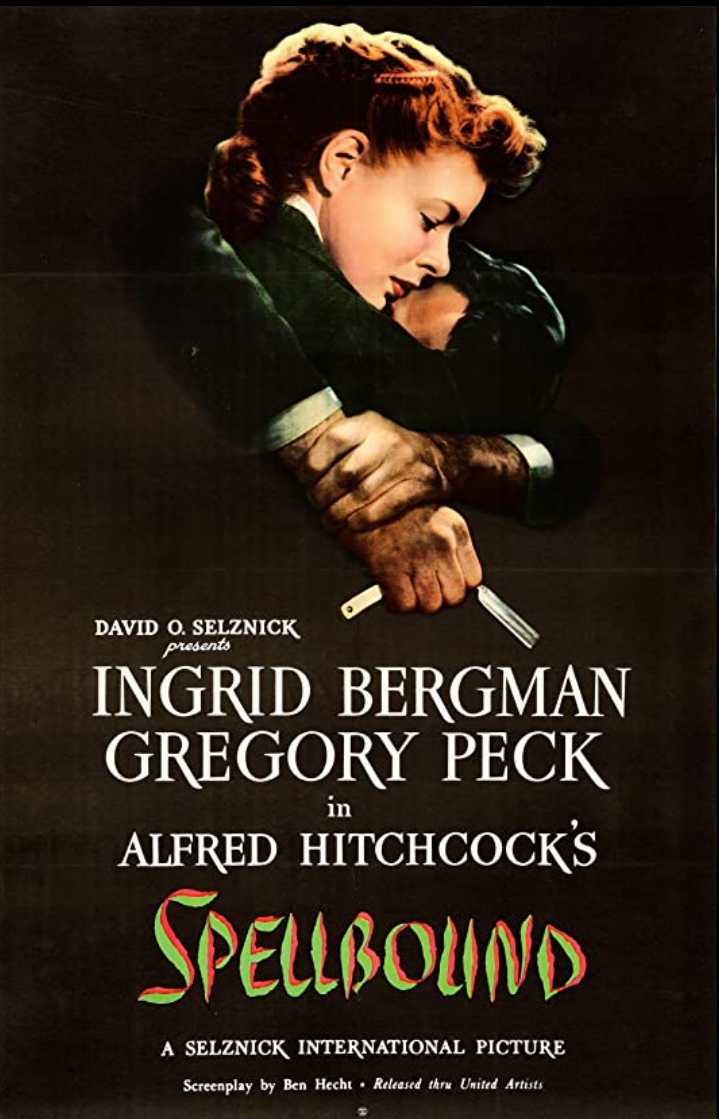
Hitchcock’s enormously popular psychological thriller — made to capitalize on what was then a new craze of Freudian psychoanalysis — unfortunately hasn’t aged very well. Despite the undeniable star power of Ingrid Bergman at her loveliest, and an appropriately “tortured” young Gregory Peck, Ben Hecht’s screenplay (based on the novel The House of Dr. Edwardes) is simply too silly to take seriously: Bergman’s level-headed “Dr. Constance Peterson” falls immediately in gaga love with her purported new “boss”, then quickly shifts into dual identity as both maternal caretaker and amateur sleuth once she realizes that the love of her life may actually be a psychically wounded amnesiac murderer. (Of course, she cares not one whit that her life may be in perpetual danger by remaining in such close proximity to Peck.) Meanwhile, Hecht’s screenplay is simply littered with laughably offensive anti-feminist throwaway lines: “We both know that the mind of a woman in love is operating on the lowest level of intellect” (!). I was relieved to read DVD Savant’s insightful critique of this critically lauded film, which he argues plays merely “as an amusing mess” — albeit one he admits to enjoying on a purely visual level. To that end, watch for Peck’s infamous, Dali-inspired “dream sequence” (which should actually be viewed on a big screen) — and be sure to listen for Miklos Rozsa’s highly influential, theremin-heavy score.

Redeeming Qualities and Moments:

  • Ingrid Bergman as Dr. Constance Peterson
  • Several suspenseful sequences
  • The Dali-inspired dream sequence

Must See?
No, though hardcore film fanatics will be curious to check it out.

(Listed in 1001 Movies You Must See Before You Die)

Links:

Man With a Movie Camera, The (1929)

Man With a Movie Camera, The (1929)

“This experimental work aims at creating a truly international absolute language of cinema based on its total separation from the language of theater and literature.”

Synopsis:
Soviet filmmaker Dziga Vertov chronicles life in Moscow in the late 1920s.

Genres, Themes, Actors, and Directors:

  • Documentary
  • Experimental Films
  • Russian Films
  • Silent Films

Review:
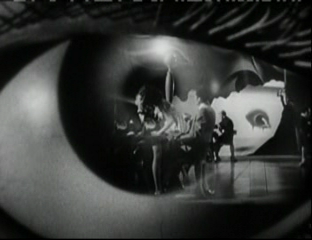
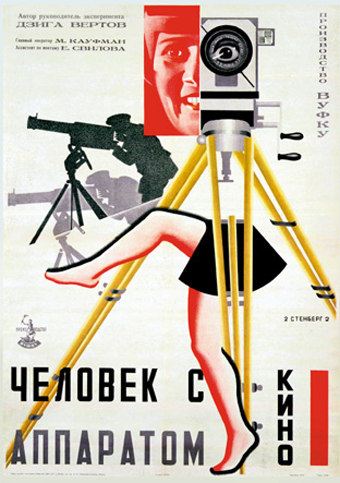
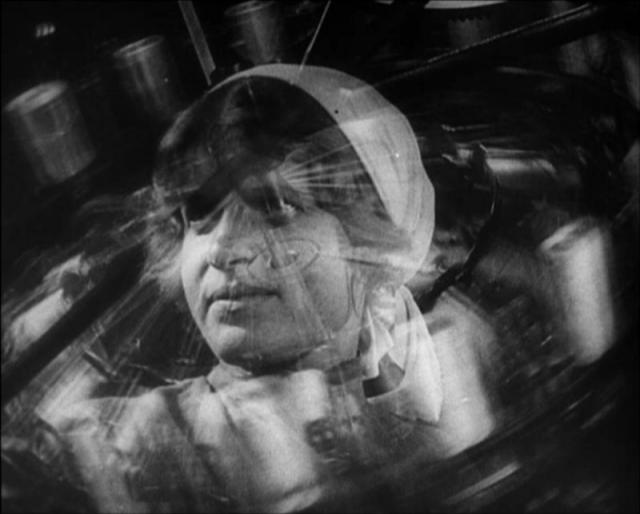
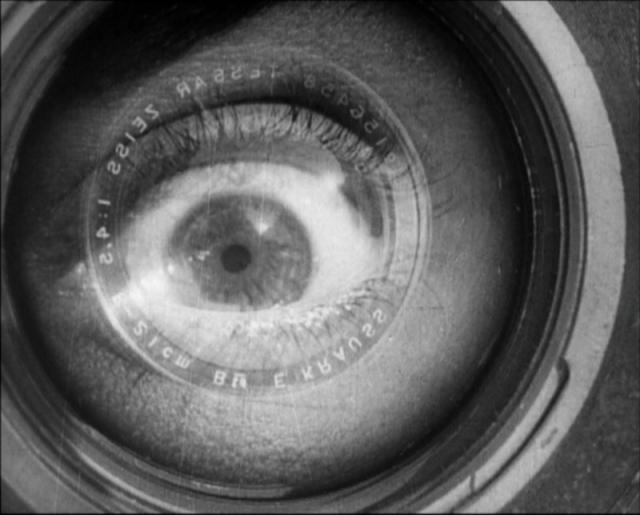
Dziga Vertov’s cinema verite documentary about life in Moscow remains a groundbreaking, highly experimental, oddly overlooked cornerstone of cinematic history. Even modern viewers used to rapidfire MTV editing and the tenets of Godard et al.’s avant garde cinema will find themselves duly impressed — and perhaps a bit overwhelmed — by Vertov’s unceasingly busy, almost dizzying camerawork. As noted in TCM’s review, Vertov “experimented wildly with his camera, strapping it to motorcycles and to trains, using multiple exposure, time lapse photography, still imagery, dissolves, superimposition, and making the camera an obvious participant in what is being filmed.” Indeed, pretty much every possible cinematic trick of the day — both with the camera itself and in the editing room — is evident here.

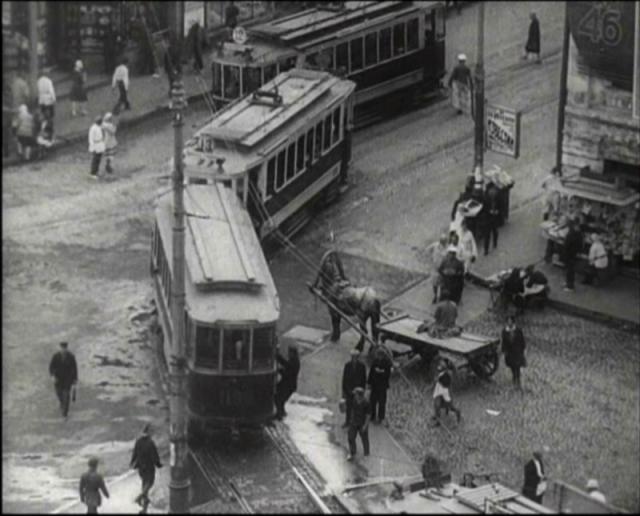
Without any meta-narrative or voiceover, Vertov shows us strategically “representative” snippets of urban Soviet life, from morning to night, inside and out. We see couples getting married and divorced, factory employees hard at work, teeming crowds on streets, trains coming and going, athletes showing off their prowess — even an actual birth in graphic detail (though it comes and goes too quickly for us to feel anything other than basic recognition). Naturally, all these events didn’t actually take place in just one day, or even in one city — in truth, it took Vertov and his team over four years to gather the extensive footage across Moscow, Kiev, and Odessa. Meanwhile, Vertov frequently cuts away either to the editing room (where the footage is being manipulated), or to a movie theater, where viewers are watching the scenes unfold — thus reminding us continuously about the highly constructed nature of his narrative. It all makes for an invaluable, multifaceted snapshot of an era and a society, while simultaneously providing an audaciously radical commentary on the very nature of cinematic representation.

Redeeming Qualities and Moments:

  • A fascinating glimpse at “everyday” 1920s Russia
  • A groundbreaking display of creative editing, framing, double-exposure, and other innovative cinematic techniques


Must See?
Yes, for its undeniable historical relevance.

Categories

  • Foreign Gem
  • Historically Relevant

(Listed in 1001 Movies You Must See Before You Die)

Links:

Roman Holiday (1953)

Roman Holiday (1953)

“She’s fair game, Joe. It’s always open season on princesses.”

Synopsis:
A princess (Audrey Hepburn) on the lam befriends an undercover journalist (Gregory Peck) and photographer (Eddie Albert) hoping to scoop a story about her adventures as a “commoner” in Rome.

Genres, Themes, Actors, and Directors:

  • Audrey Hepburn Films
  • Eddie Albert Films
  • Gregory Peck Films
  • Journalists
  • Mistaken or Hidden Identities
  • Romantic Comedy
  • Royalty and Nobility
  • William Wyler Films

Review:
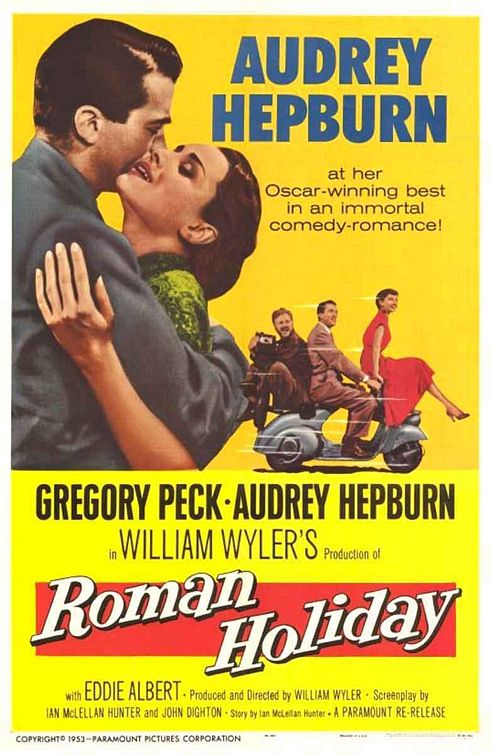
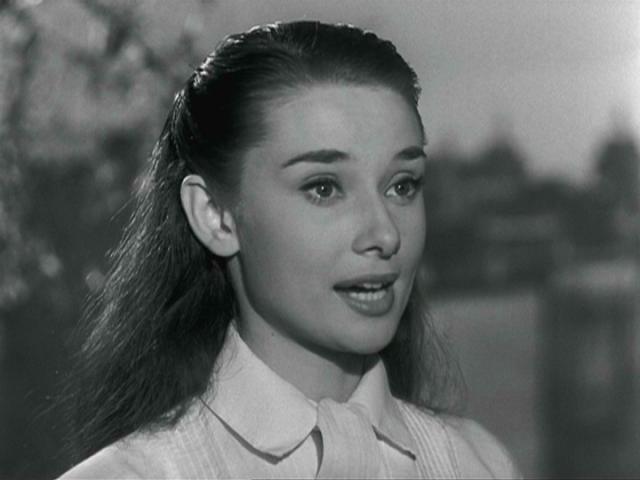
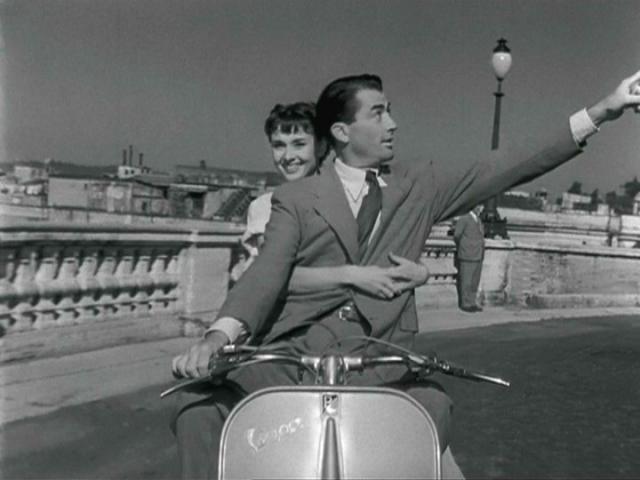
Audrey Hepburn made her Oscar-winning debut in this charming European fairy tale — shot entirely on location in Rome — about a modern-day princess desperate to escape her royal duties for a day and experience life “without a schedule”. It’s a story that remains timeless and appealing precisely because, royalty or not, we can all relate to wanting to abandon our given identities and explore the world incognito for a while (not to mention falling in love with a tall, dark stranger!). With that said, its age-old rom-com premise of “mistaken identities” leaves room for several gaping plot holes, if you’re looking: viewers must suspend belief, for instance, that Peck’s foreign correspondent would have no idea what Hepburn’s Princess Ann looks like the night before he’s scheduled to go and interview her (or at the very least, that he’s taken in by her “disguise” as a commoner). And surely Hepburn would wonder why Peck (whose real agenda she’s unaware of) doesn’t seem fazed when a group of “undercover” men in black suits try to kidnap her from a dance…

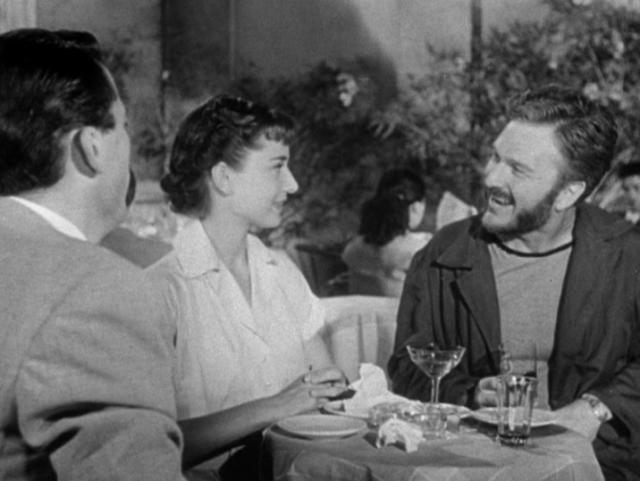
Such quibbles must ultimately be left aside, however, given that Hepburn is so luminous and appealing it’s difficult to turn our eyes away from her. (No wonder a generation of young woman wanted to BE her!) From the moment we first see her Princess Ann waiting to greet an endless line of well-wishers, trying to get more comfortable by discretely slipping a foot out of its high-heeled slipper, she can’t help winning our hearts — therefore, we’re genuinely thrilled for her as she explores the streets of Rome, experiencing such simple pleasures as getting a short haircut, eating an ice cream cone on the Spanish Steps, and being “offered” a bouquet of flowers by a vendor. While Hepburn’s the undeniable star here, Peck is nicely cast as the journalist who can’t help falling for his “subject”, and Eddie Albert is excellent as his photographer buddy. Meanwhile, the streets and sites of Rome are a spectacle unto themselves, making this film a bit of a “Roman holiday” for viewers as well.

Note: As pointed out by DVD Savant, the story is surprisingly free of any kind of an overt social “message”, given that it was scripted by blacklisted Dalton Trumbo (whose ghostwriter, Ian McClellan Hunter, won an Oscar on his behalf).

Redeeming Qualities and Moments:

  • Audrey Hepburn as Princess Ann, a.k.a. “Anya”
  • Gregory Peck as Joe
  • Eddie Albert as Irving
  • Fine use of on-location sets throughout Rome

Must See?
Yes, most definitely. Listed as a film with Historical Importance in the back of Peary’s book.

Categories

  • Historically Relevant
  • Genuine Classic
  • Oscar Winner or Nominee

(Listed in 1001 Movies You Must See Before You Die)

Links:

F for Fake (1973)

F for Fake (1973)

“Don’t be spooked by the experts.”

Synopsis:
Orson Welles investigates the nature of “truth” in art via the stories of famed forger Elmyr de Hory and his fraudulent biographer, Clifford Irving.

Genres, Themes, Actors, and Directors:

  • Artists
  • Documentary
  • Orson Welles Films

Review:
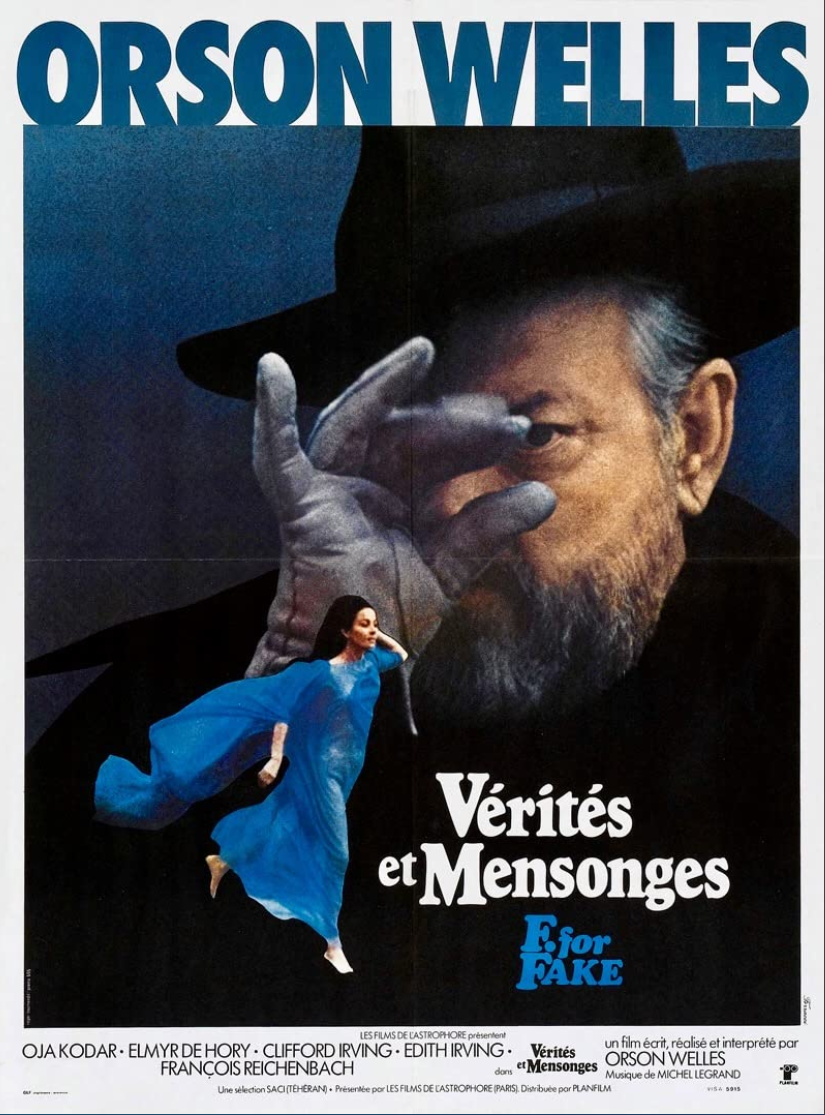
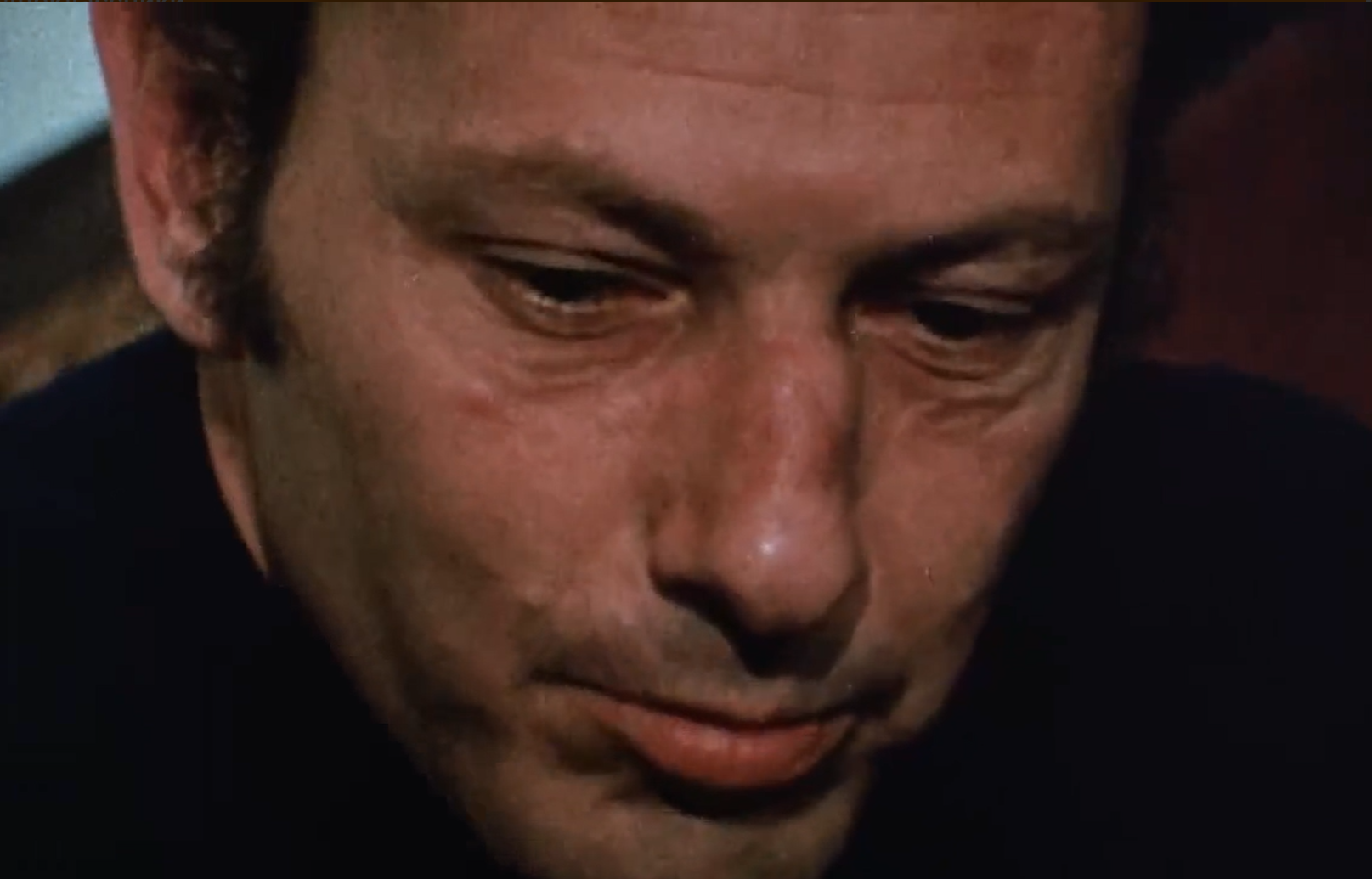
This fascinating meditation on the nature of artistic veracity is a fitting capstone to Orson Welles’ lengthy yet infamously helter-skelter career. Ostensibly a documentary about one of the most famous forgers in the art world (Hungarian expatriate Elmyr de Hory) being interviewed by his biographer, Clifford Irving:

Welles uses the fortuitous revelation of Irving’s fraudulent book about Howard Hughes (nicely told, btw, in the 2006 film The Hoax, starring Richard Gere as Irving) as an excuse to blast the notion of artistic “truth” completely out of the water. It’s no surprise Welles was fascinated by this material: a notorious trickster himself, he staged the most infamous hoax in American history back in 1938 by broadcasting H.G. Wells’ “War of the Worlds” over the radio as though a Martian invasion was really occurring (an event he alludes to in the film).

Welles bookends his movie with a cinematic lust paean to his lover and final companion in life, Oja Kodar — first by showing clips from what may or may not be an authentic “Candid Camera”-like attempt to document men’s ogling reactions to Kodar as she sashays down the street in a form-fitting dress:

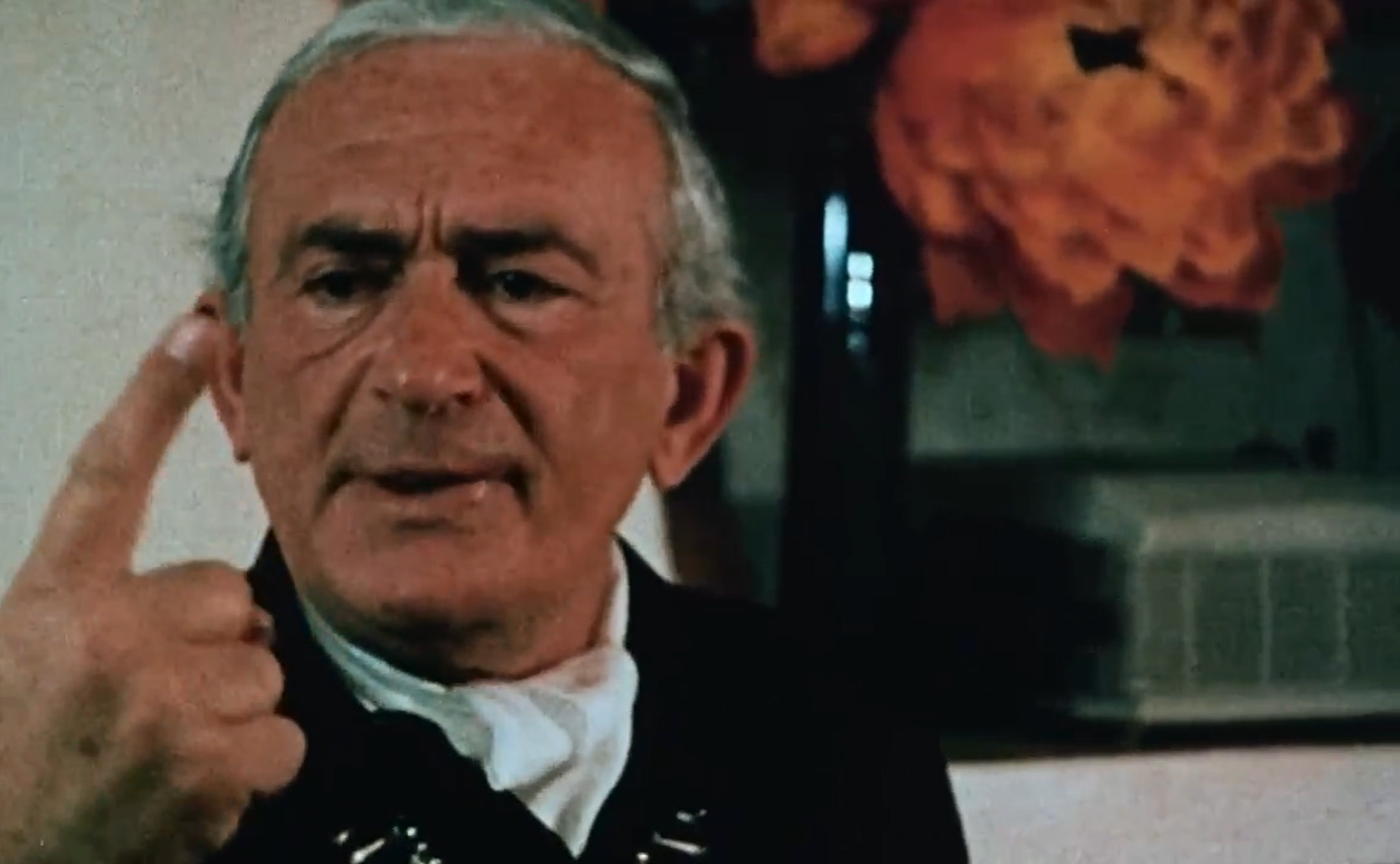
… and later by telling a just-so story about an encounter between Kodar’s grandfather (presumably an infamous Hungarian art forger in his own right) and a teed off Pablo Picasso. By the end of Welles’ trickily edited film, he has successfully convinced us that there may very well be no such thing as “truth” when it comes to storytelling — and that we should be duly forewarned. Knowing ex post facto that the footage Welles used of de Hory and Irving wasn’t his own (he “borrowed” it from the French filmmaker Francois Reichenbach) simply adds one more delicious dimension to this mind-bending cinematic essay.

Redeeming Qualities and Moments:

  • A fascinating, cleverly edited expose of fraud and “fakery” in art


Must See?
Yes, as an immensely creative swan song by a master director.

Categories

  • Important Director
  • Good Show

(Listed in 1001 Movies You Must See Before You Die)

Links:

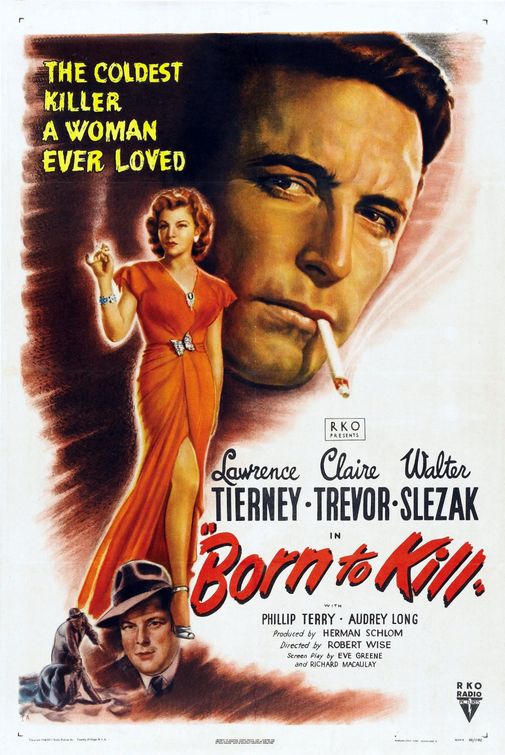
Born to Kill (1947)

Born to Kill (1947)

“You’re strength… excitement… and depravity.”

Synopsis:
A recent divorcee (Claire Trevor) falls for a hunky psychopath (Lawrence Tierney), and finds herself covering up for his murderous tendencies.

Genres, Themes, Actors, and Directors:

  • Claire Trevor Films
  • Detectives and Privates Eyes
  • Elisha Cook Jr. Films
  • Lawrence Tierney Films
  • Psychopaths
  • Robert Wise Films
  • Social Climbers

Review:
Dubbed by New York Times reviewer Bosley Crowther as “not only morally disgusting but … an offense to a normal intellect”, and labeled by DVD Savant “one of the nastier films noir [sic],” this lurid flick by director Robert Wise tells the tale of an irredeemably psychopathic killer (Tierney as “Sam Wild”) who finds his would-be soul-mate in Claire Trevor’s cool and calculating neo-socialite, Helen Brant. As in the best noir, these two characters are utterly deserving of each other, but find themselves foiled (inevitably) by their own ambitions. In a unique twist, however, Tierney is the homme fatale in the equation — the irresistible male who causes havoc on the otherwise ordered lives of those around him.

While in some ways gruff-guy Tierney (best known for playing the title role in 1945’s Dillinger) is perfectly cast, he’s ultimately not a nuanced enough actor to bring Wild’s inner life to the surface; we never get a sense of him as anything other than a menacing hulk — and, given his lack of charisma, it’s difficult to see why so many women would fall head over heels for him. (He’s handsome and strong — definitely “not a turnip”, as one character puts it — but not THAT handsome!)

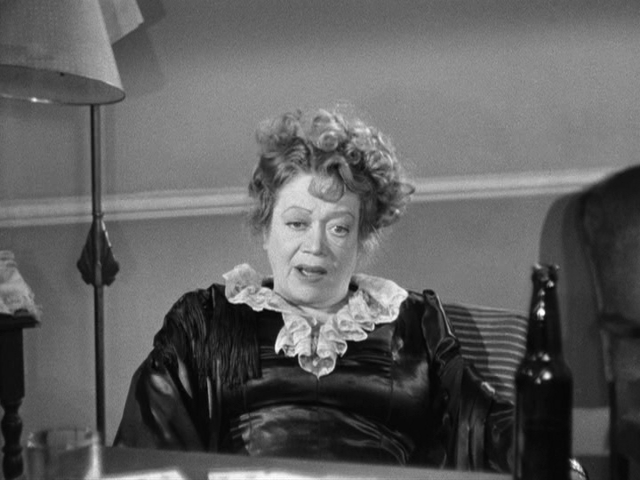
Trevor, however, does wonders with her challenging role, managing to make Helen sympathetic even as she stupidly gives up a life of luxury and contentment (with dull but moneyed Phillip Terry) for the questionable [sexual] thrills afforded her by Tierney. While there’s much critical discussion of Trevor’s dramatic eyebrow-raising throughout the film, I find her performance refreshingly sincere. The cast of supporting performers are mostly fine as well, with reliable B-actor Elisha Cook, Jr. playing nicely against type (sort of) as a care-taking “George” to Tierney’s “Lennie” (he has a bit more spunk here than in his usual roles), and the inimitable Esther Howard — whose grotesquely fascinating face is as creaky and crooked as a jalopy — equally effective as the catalyst who brings Walter Slezak’s sleazy PI to San Francisco.

Less impressive is Audrey Long as Trevor’s conveniently naive and gold-hearted foster sister, who is simply too beautiful to be credible as a wealthy heiress so easily won over by an uncultured lout like Tierney. Other elements of the plot strain credulity as well, simply through lack of sufficient explanation — i.e., what is Tierney’s relationship, past and present, with Cook, Jr.? How did Trevor get to be Long’s “foster sister”, and why is Long so loyal to her? Ultimately, however, one watches a picture like this simply to see how the corrupt protagonists will meet their ends — and the ride until then (implausibilities aside) is mostly satisfying, thanks to Trevor’s memorable performance, some crackling dialogue, and Robert De Grasse’s noir-ish cinematography.

Redeeming Qualities and Moments:

  • Claire Trevor as Helen Brent
  • Fine supporting performances by Elisha Cook, Jr., Esther Holland, and others

  • Robert De Grasse’s cinematography
  • Some zingy dialogue:

    “He’s the quiet sort, but you get the feeling that if you got out of line, he’d kick your teeth down your throat.”

Must See?
Yes, simply for Trevor’s performance. Listed as a Sleeper in the back of Peary’s book.

Categories

  • Noteworthy Performance(s)

Links:

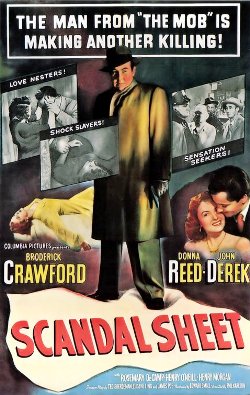
Scandal Sheet (1952)

Scandal Sheet (1952)

“Too bad the guy used an axe on her head; spoiled some pretty pictures for me.”

Synopsis:
When the editor of a sensationalist newspaper (Broderick Crawford) accidentally kills his estranged wife (Rosemary DeCamp), his lead reporter (John Derek) is assigned to the case of the “Lonely Hearts Murderer” — not knowing that his boss is the man he’s looking for.

Genres, Themes, Actors, and Directors:

  • Amateur Sleuths
  • Broderick Crawford Films
  • Donna Reed Films
  • Journalists
  • Murder Mystery
  • Phil Karlson Films

Review:
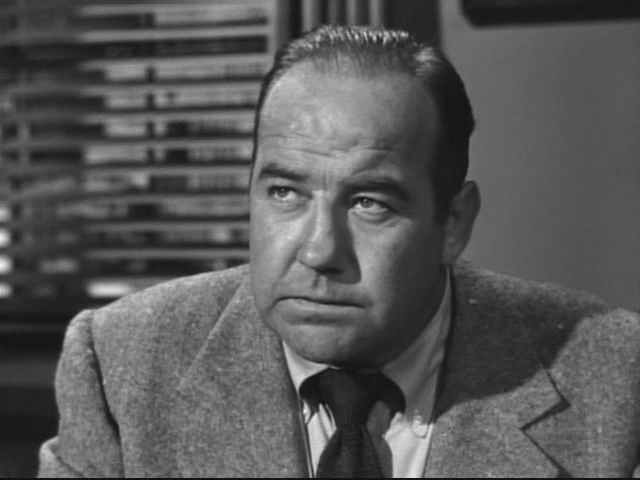
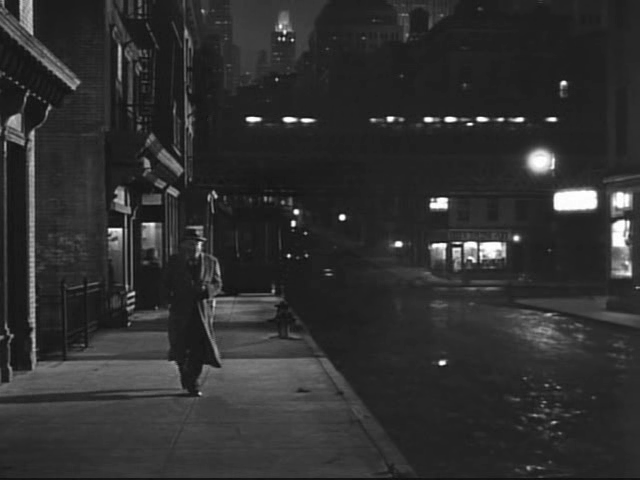
Phil Karlson’s adaptation of Samuel Fuller’s 1944 novel The Dark Page is an enjoyable if “solid [and] unpretentious” thriller. Because we know the identity of the “Lonely Hearts Murderer” from the moment we see Crawford accidentally killing his long-lost wife in a hotel room scuffle, the film’s suspense lies exclusively in how and when his secret will be found out. A fiendishly ambitious editor devoted to milking every scandal for what it’s worth to his increasingly low-brow but profitable rag, Crawford’s Mark Chapman is forced to shove his tawdry actions (and more distant, seamy past) under the rug — and Crawford does a fine job portraying the kind of audacious (or foolhardy) man who, in his own words, “gambles” with his own life rather than running, at least “until there’s nothing else left to do”.

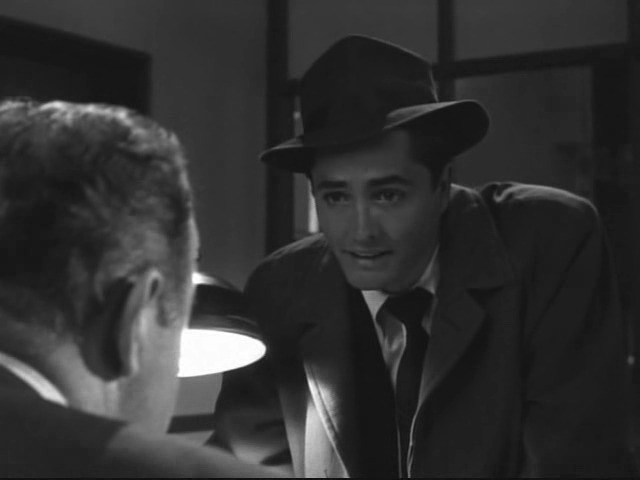
Unfortunately, despite his best efforts, John Derek is too much of a pretty boy for his role and is never entirely convincing as the eager-beaver rookie journalist who places Crawford on such a pedestal (though his opening scene with Harry Morgan as his sidekick photographer is a zinger). Meanwhile, Derek’s rocky interactions with Donna Reed (trying hard in a weakly written role as his moralistic female colleague) seem to be included in the screenplay merely to provide a requisite love interest subplot. In addition, while its central premise is inherently exciting, the script is predicated on a series of implausible coincidences, and many scenes simply don’t ring true (c.f. a disturbingly paternalistic sequence near the end of the film involving a bar full of stereotypical “winos”). However, the movie possesses enough noir-ish atmosphere (courtesy of Burnett Guffey‘s stark cinematography), enjoyably hardboiled dialogue, and genuine suspense that film fanatics will surely be curious to check it out at least once.

Note: Fuller was apparently so unimpressed by Scandal Sheet that he vowed to helm all his own flicks in the future — and did.

Redeeming Qualities and Moments:

  • Broderick Crawford as Mark Chapman
  • Burnett Guffey’s cinematography

Must See?
No, but it’s worth viewing.

Links: