Browsed by
Category: Original Reviews

Responses to Peary’s “must see” movie reviews, as well as my own “must see” movie reviews up to and after 1986 (when Peary’s book was published).

Ghost Goes West, The (1935)

Ghost Goes West, The (1935)

“There isn’t a ghost here or anywhere else, because ghosts simply don’t exist outside of mystery stories!”

Synopsis:
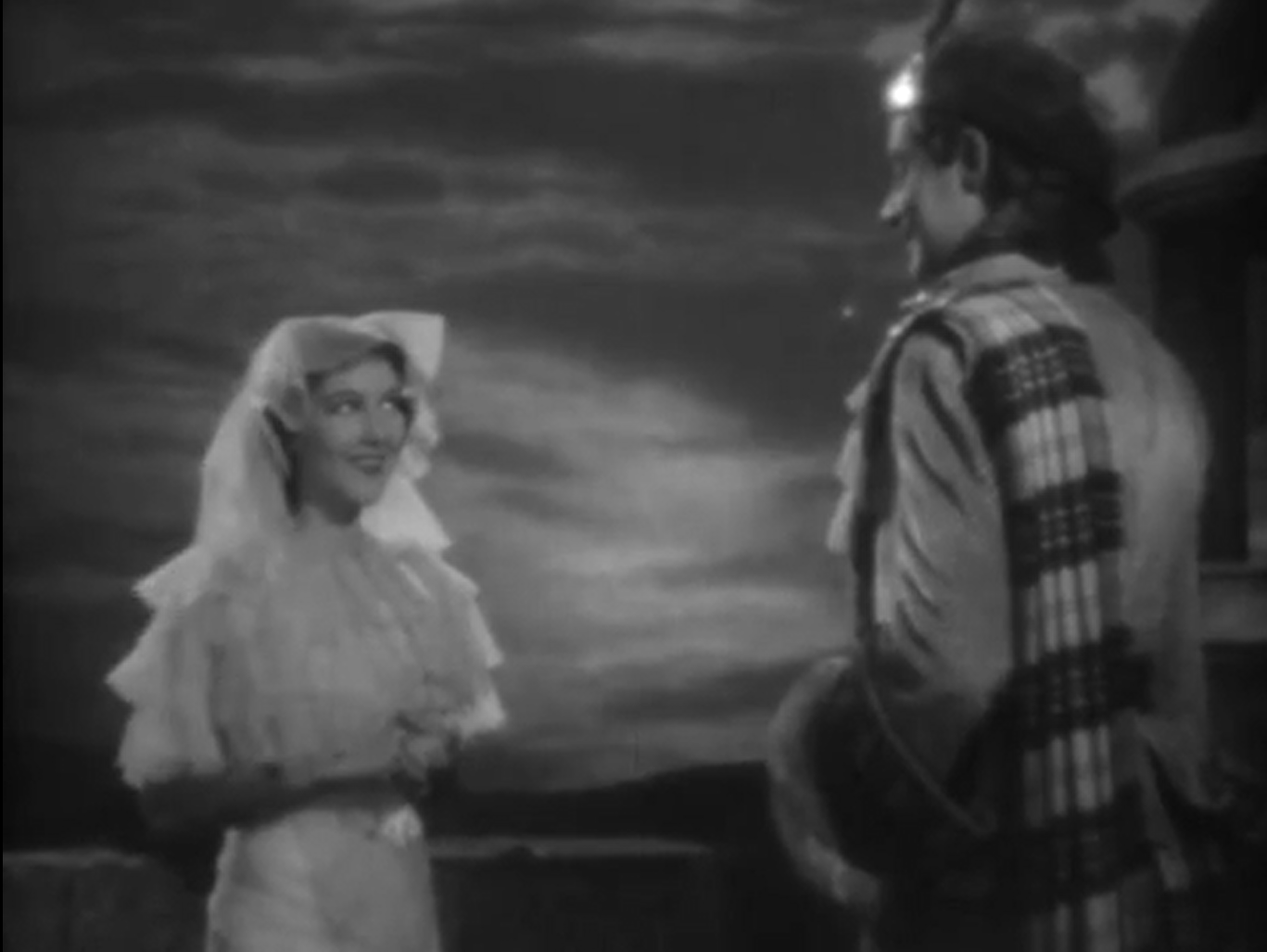
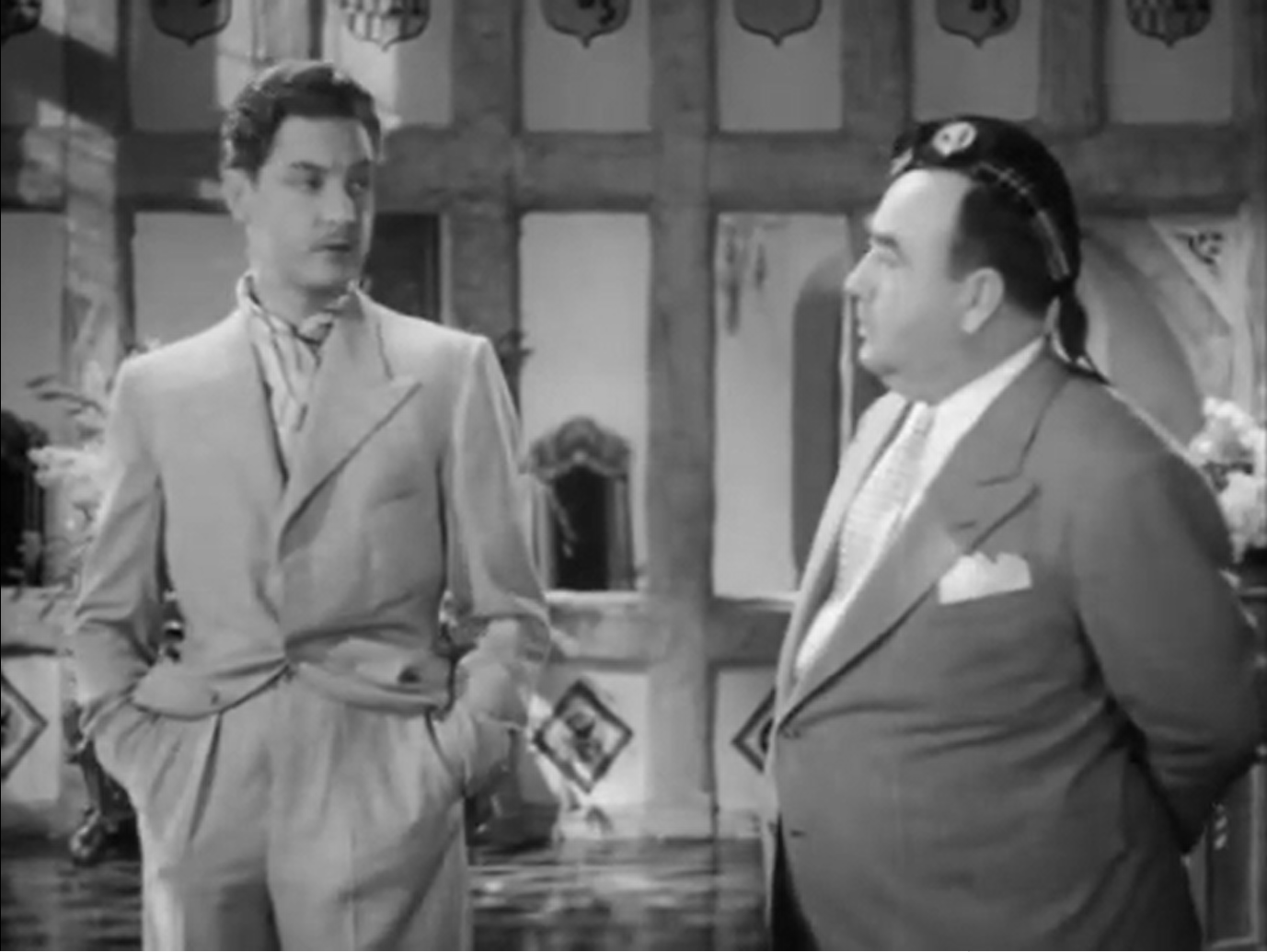
The daughter (Jean Parker) of an American businessman (Eugene Pallette) falls in love with the destitute owner (Robert Donat) of a Scottish castle, which is haunted by Donat’s doomed ancestor (also Donat).

Genres, Themes, Actors, and Directors:

  • Cross-Class Romance
  • Elsa Lanchester Films
  • Ghosts
  • Heiresses
  • Jean Parker Films
  • Mistaken Identities
  • Rene Clair Films
  • Robert Donat Films

Review:
Rene Clair’s first English-language film (produced by Alexander Korda) was the highest grossing film of the year in Great Britain, and received glowing reviews from the New York Times, which labeled it “gay, urbane and brilliantly funny”. These days, however, it pales somewhat in comparison with Jules Dassin’s superior The Canterville Ghost (1944) — also about a ghost doomed to haunt his castle until he’s able to commit a specific deed. In this case, Donat’s “Murdoch Glourie” — killed while kissing a lass rather than paying attention to a battle — must avenge his family’s honor against a rival clansman; meanwhile, Jean Parker’s sweet Peggy Martin falls for the modern-day (“real”) Donat, though mistaken-identity plot complications ensue (naturally) when Parker believes the ghostly Murdoch is merely Donat dressing up.

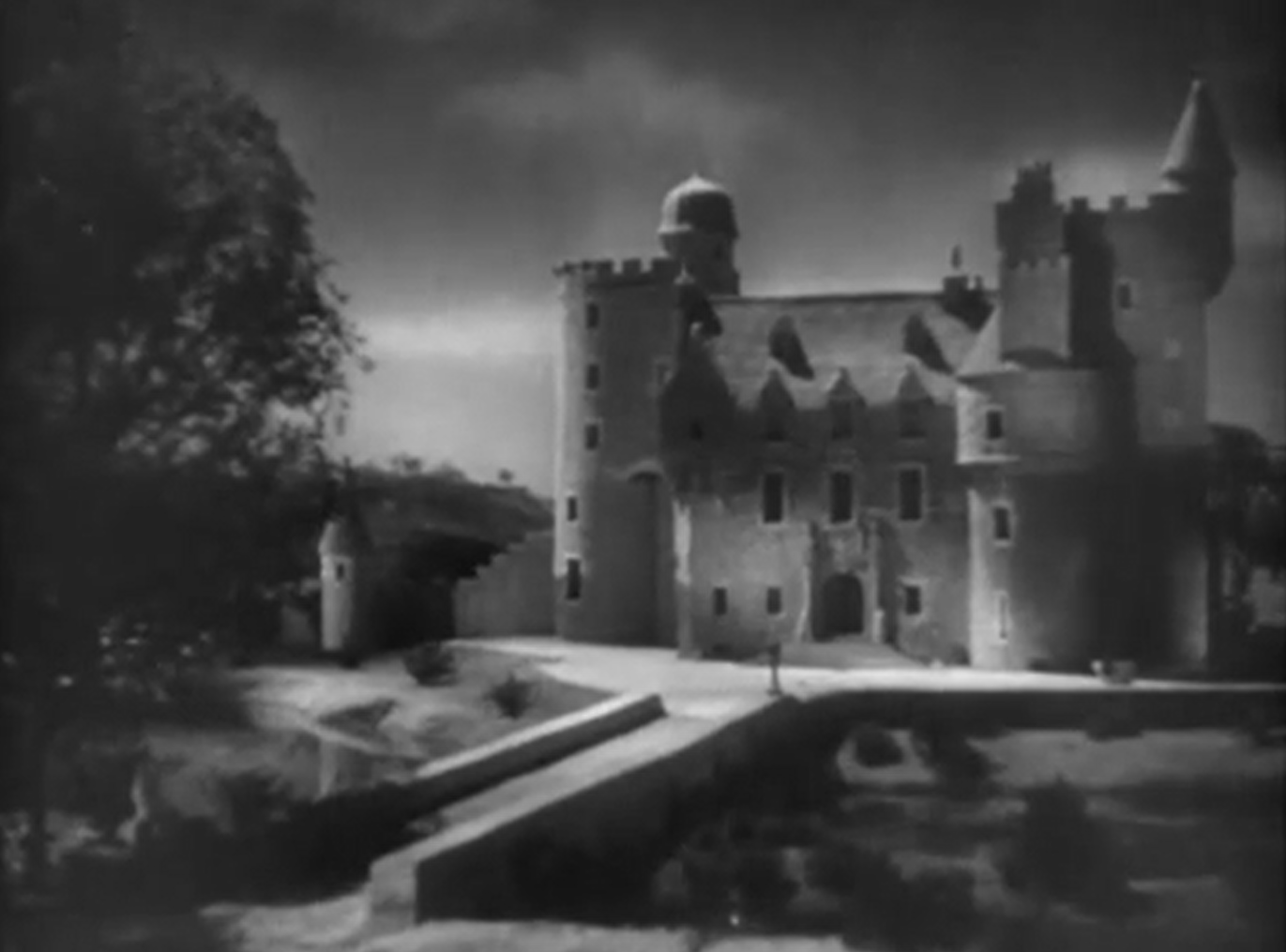
The script also incorporates some rather pointed barbs about American mores, as Pallette’s blustery millionaire arranges to have Donat’s castle shipped over to America brick by brick (!), and engages in petty one-upmanship with a business rival over “ownership” of the castle’s ghost.

Donat — whose Scottish accent noticeably slips in and out — is appropriately handsome and charming as the lady-loving Murdoch, but rather bland and forgettable when playing his modern-day heir, Donald; Murdoch should have been given more screentime. While it holds some historical interest given its enormous popularity, this one is no longer must-see viewing for all film fanatics.

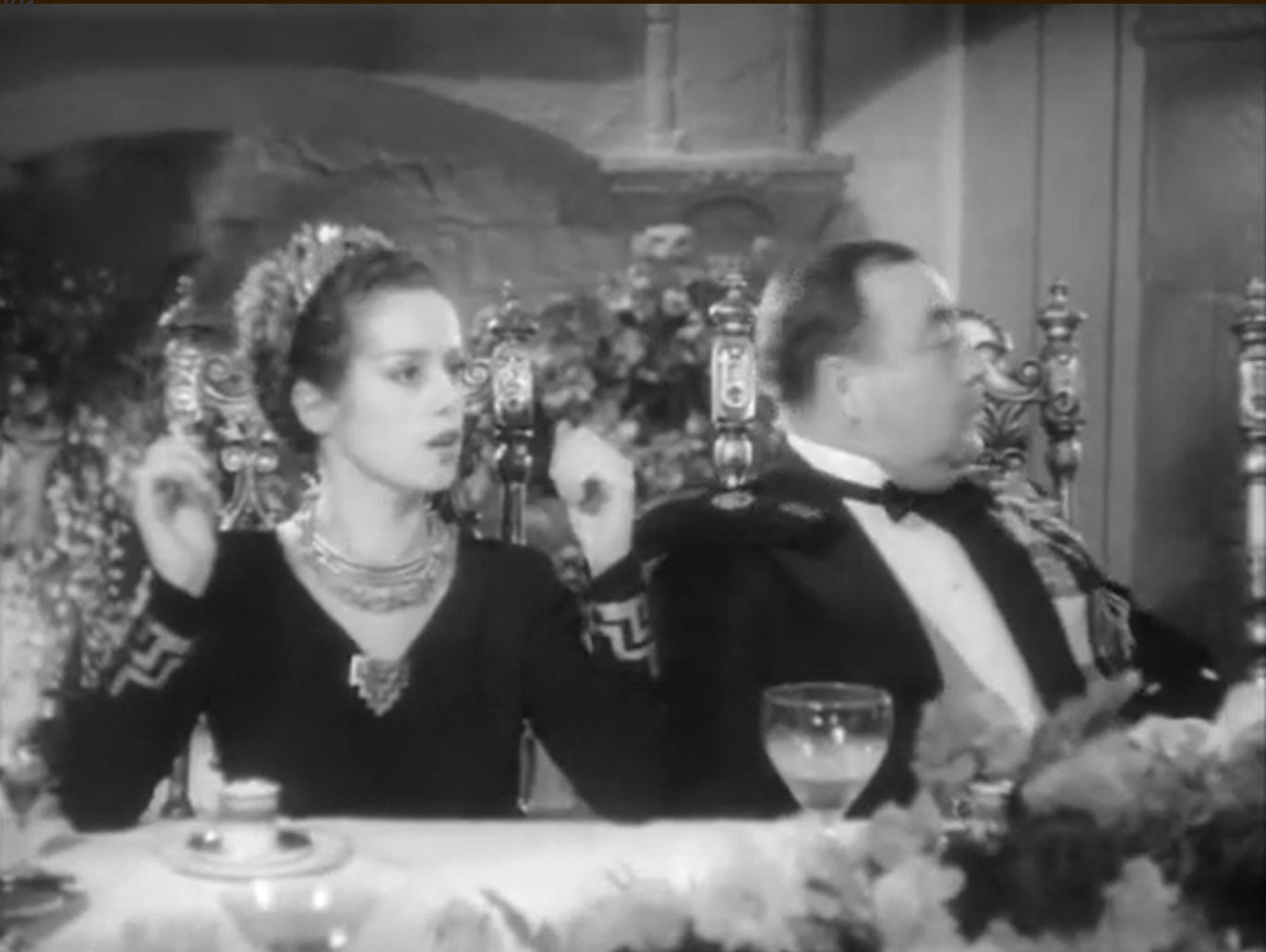
Note: Elsa Lanchester is sadly underused in a tiny role as a paranormal enthusiast showing up for dinner during the film’s final climactic scene. Was this meant merely as a cameo?

Redeeming Qualities and Moments:

  • Robert Donat as Murdoch Glourie
  • Atmospheric sets

Must See?
No, unless you’re a fan of the ghostly genre.

Links:

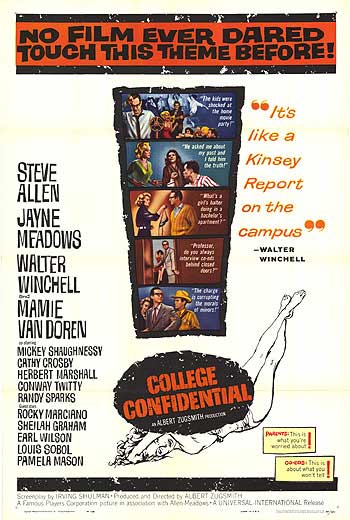
College Confidential (1960)

College Confidential (1960)

“I want you to abandon this dangerous project, which people are interpreting in the worst possible way!”

Synopsis:
A sociology professor (Steve Allen) under fire for corrupting his students (including Mamie Van Doren) is investigated by an inquisitive journalist (Jayne Meadows).

Genres, Themes, Actors, and Directors:

  • College
  • Elisha Cook Jr. Films
  • Falsely Accused
  • Herbert Marshall Films
  • Journalists
  • Mamie Van Doren Films
  • Morality Police
  • Professors

Review:
Albert Zugsmith directed and produced this tepid exploitation flick meant to capitalize on both the success of 1958’s High School Confidential (also co-starring Mamie Van Doren) and the era’s infamous Kinsey Reports. Unfortunately, Irving Shulman’s screenplay tries so hard to be sensationalistic that it comes across more like a loosely focused series of vignettes than a compelling narrative. Numerous characters — including Elisha Cook, Jr. as van Doren’s irate father:

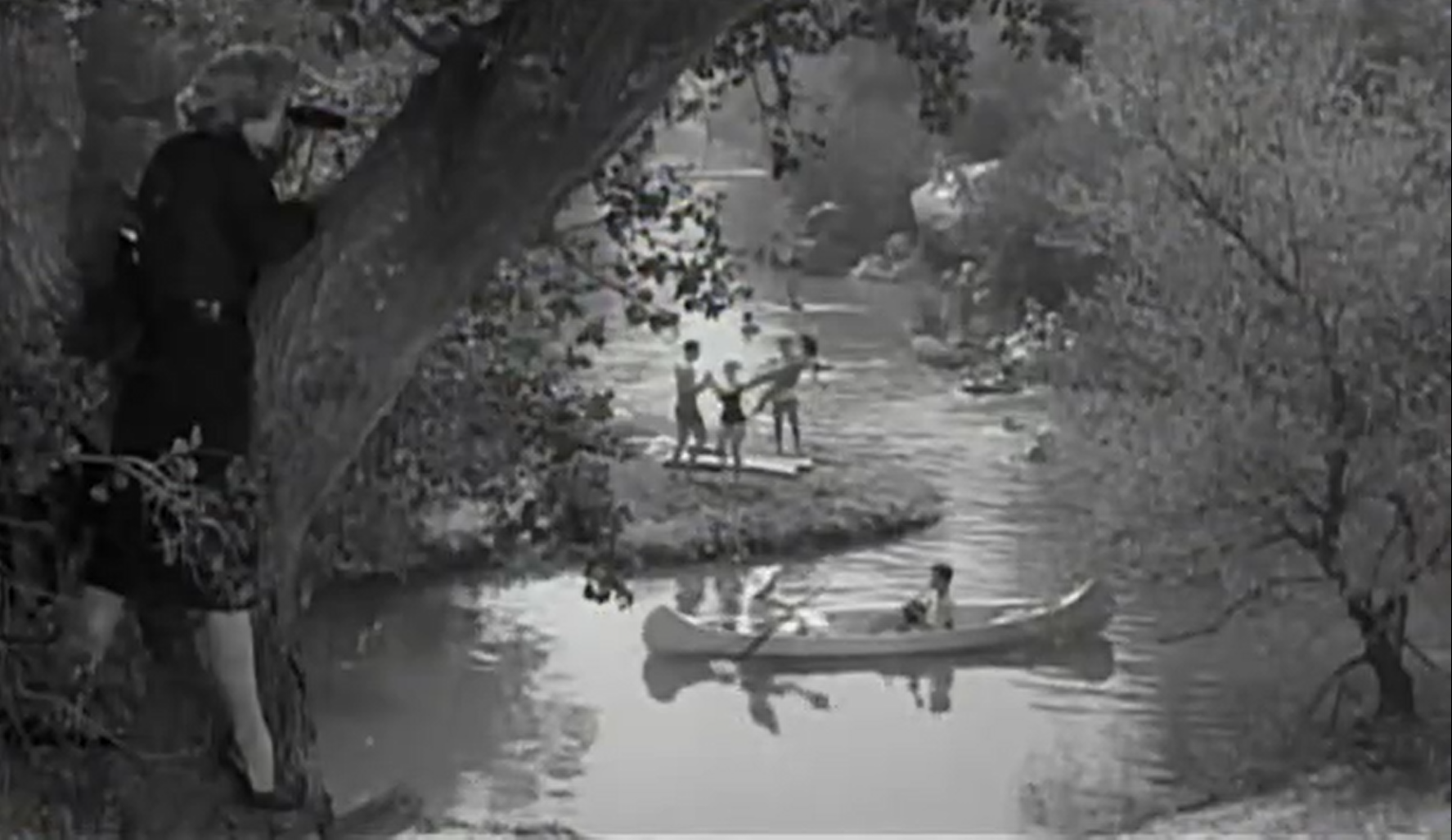
Pamela Mason as Allen’s jealous fiancee, Herbert Marshall as Allen’s sympathetic supervisor, and Ziva Rodann as a lusty “foreign” bombshell with the hots for Allen — are introduced for a scene or two, then disappear completely from the story; meanwhile, the identity of the person “framing” Allen is patently obvious to anyone half paying attention. The dialogue throughout is laughably campy (“Now I’m going to shock you good people even more than before: I’m going to reveal the source books of my questions — first of all, the Bible itself”), and while Zugsmith aims for stylistic creativity in his direction:

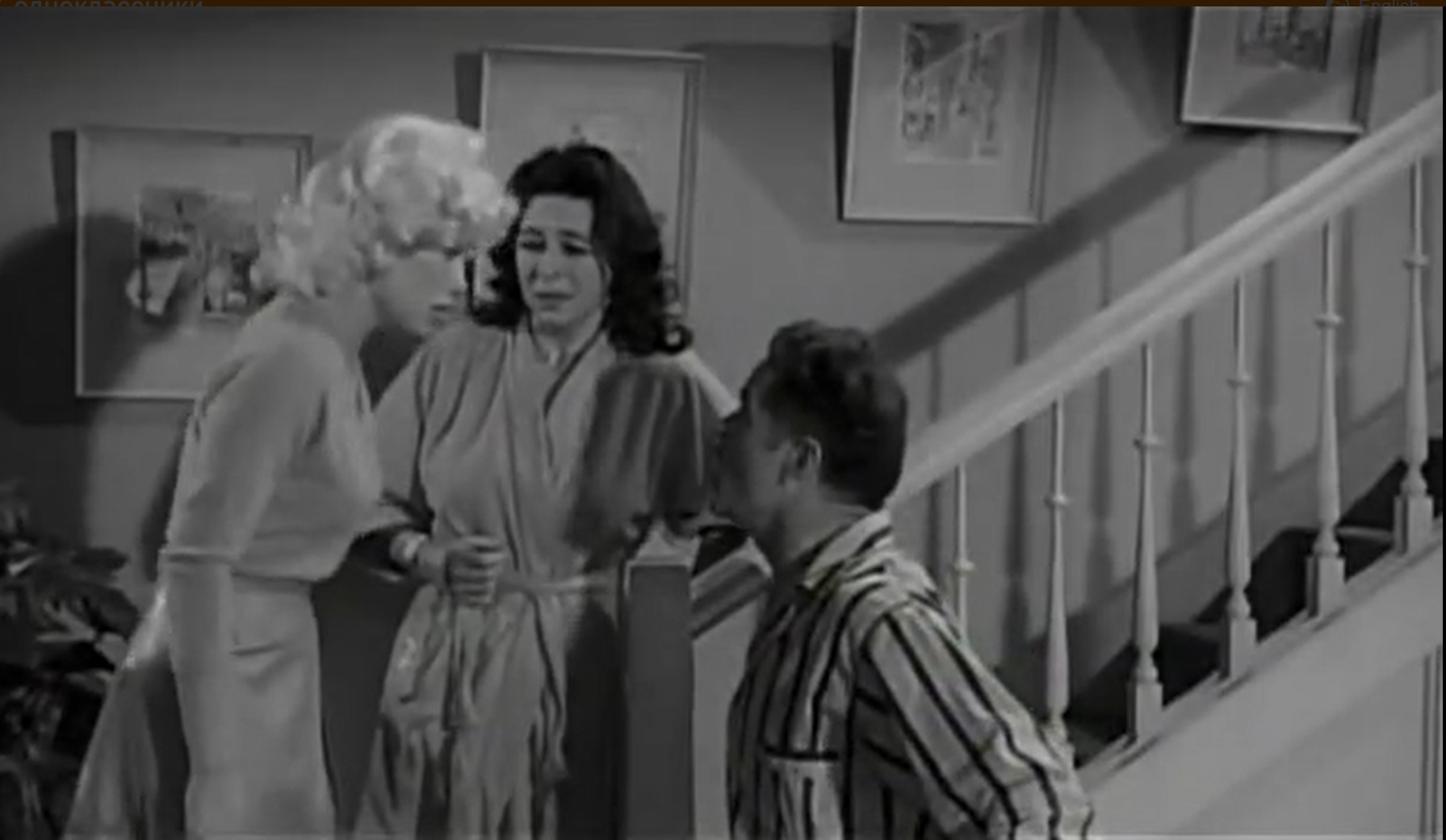
… it’s often simply clumsy — as when he positions the camera from inside a refrigerator for a lengthy scene, or awkwardly shifts perspective time and again during van Doren’s heated argument with her father and mother. According to TCM‘s article, Allen apparently signed on to this project thinking he was giving himself a rare non-comedic role to bite into; little did he know that he would instead be starring in what Peary refers to as a “camp classic”.

Note: While College Confidential is no great shakes as entertainment, it’s infinitely more watchable than the other college-themed Mamie Van Doren film Zugsmith directed and produced (later that same year): the utterly abysmal Sex Kittens Go to College (1960).

Redeeming Qualities and Moments:

  • Some amusingly campy dialogue:

    “Have I ever stopped you from being strong and silent?”

Must See?
No. Listed as a Camp Classic in the back of Peary’s book.

Links:

Dead Reckoning (1947)

Dead Reckoning (1947)

“Didn’t I tell you all females are the same with their faces washed?”

Synopsis:
A war hero (Humphrey Bogart) investigates the mysterious death of his buddy (William Prince), who was accused of murdering the husband of his lover (Lizabeth Scott).

Genres, Themes, Actors, and Directors:

  • Amateur Sleuths
  • Femmes Fatales
  • Flashback Films
  • Humphrey Bogart Films
  • John Cromwell Films
  • Lizabeth Scott Films
  • Veterans

Review:
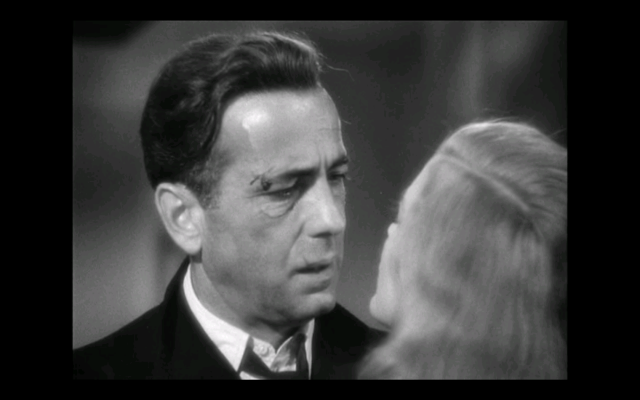
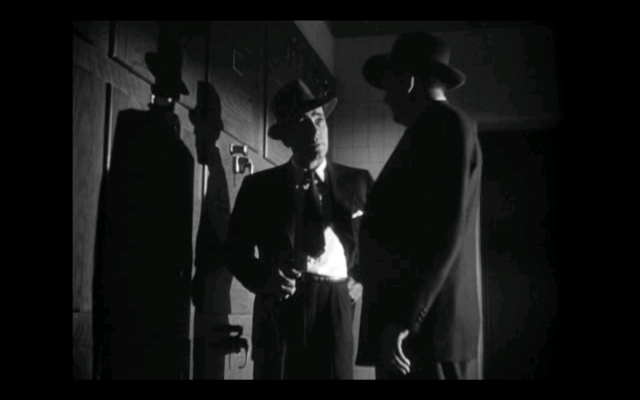
Dead Reckoning is often dismissed as merely one of Humphrey Bogart’s “lesser” noirs — perhaps due to the presence of Lizabeth Scott (in lieu of Lauren Bacall) as Bogie’s femme fatale love interest, or perhaps due to its meandering storyline (scripted by no less than five authors), which occasionally lacks focus. Yet director John Cromwell and cinematographer Leo Tover do a fine job establishing an atmosphere of tension and intrigue throughout, and there’s enough deliciously hardboiled dialogue (“Stalled again — like a jeep on synthetic gas.”) to keep fans of the genre happy. Meanwhile, Bogart is as dependable as ever, and husky-voiced Scott isn’t nearly as bad as some reviews would lead you believe. While it’s not must-see viewing, Dead Reckoning is certainly recommended for one-time viewing.

Note: Be sure to check out David Sterritt’s insightful analysis of the film for TCM.

Redeeming Qualities and Moments:

  • Humphrey Bogart as Rip Murdock
  • Lizabeth Scott as Dusty Chandler
  • Fine noir cinematography
  • Plenty of hardboiled dialogue:

    “Maybe she was all right; maybe Christmas comes in July.”

Must See?
No, but it’s recommended.

Links:

Ten From Your Show of Shows (1973)

Ten From Your Show of Shows (1973)

“I didn’t join this here army to fight.”

Synopsis:
Ten sketches from Sid Caesar’s television program “Your Show of Shows” are highlighted in this theatrical release.

Genres:

  • Carl Reiner Films
  • Comedy
  • Episodic Films
  • Television

Review:
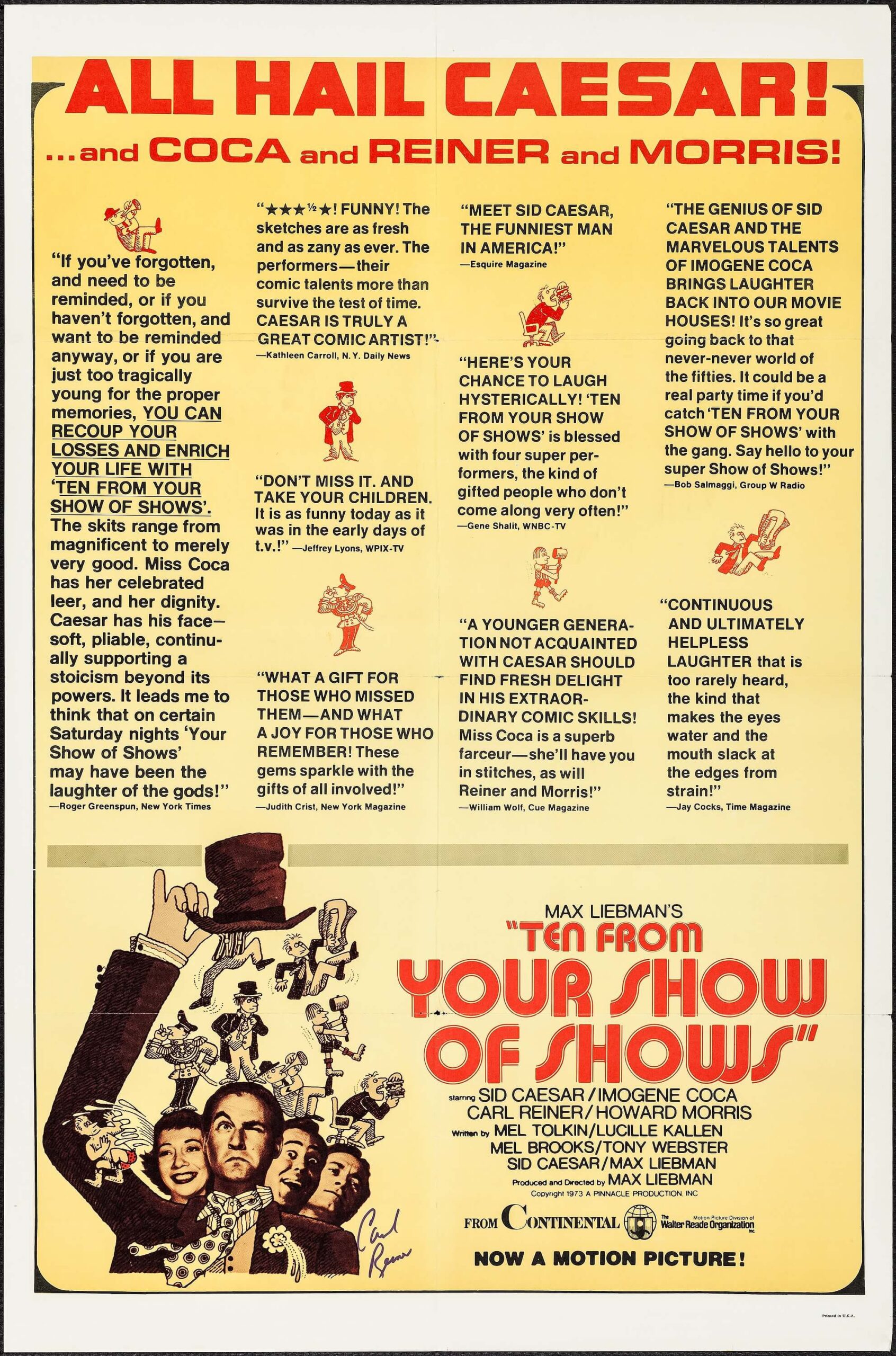
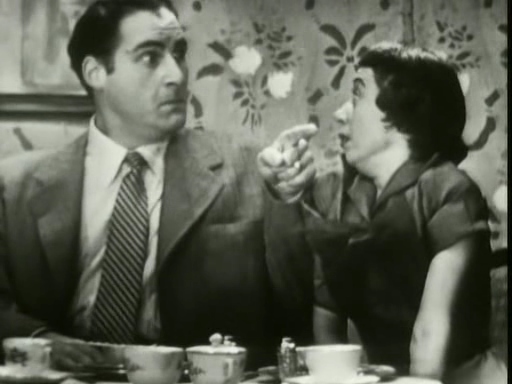
Ten sketches from Sid Caesar’s 90-minute television variety show “Your Show of Shows” (1950-1954) — co-starring Imogene Coca and Carl Reiner, among others — were selected for a 1973 theatrical release entitled, aptly enough, Ten From Your Show of Shows. Included in this film were the following titles:

1. Auto Smashup
2. Big Business
3. The Recital
4. Bavarian Clock
5. German General
6. From Here to Obscurity
7. This is Your Story
8. At the Movies
9. The Sewing Machine Girl
10. Airport Interview

While “Ten From…” is no longer widely available to purchase or rent, most of the above sketches are available to watch either on YouTube or one of Sid Caesar’s recently released DVD compilations (from his personal archives). “From Here to Obscurity” (a spoof of From Here to Eternity, featuring a hilarious riff on the infamous beachside scene) and “The Sewing Machine Girl” (a silent movie spoof) will likely be of most interest to film fanatics, for obvious reasons, but all are enjoyable; in fact, I’d be hard pressed to pick a favorite. With that said, those truly interested in getting a sense of what “Your Show of Shows” was like should simply check out one of the compilation DVDs; fortunately, there’s plenty available for fans to enjoy.

Redeeming Qualities and Moments:

  • An enjoyable glimpse at highlights from a classic television series

Must See?
No — but I think most film fanatics would enjoy checking out this classic variety show, which was a forerunner of both “The Carol Burnett Show” and “Saturday Night Live”. Listed as a Personal Recommendation in the back of Peary’s book.

Links:

Toolbox Murders, The (1978)

Toolbox Murders, The (1978)

“You need more than a spilled Pepsi to prove that she was kidnapped.”

Synopsis:
When his sister (Pamelyn Ferdin) goes missing, a teenager (Nicolas Beauvy) and his friend (Wesley Eure) attempt to determine who has committed a rash of bloody murders in an apartment complex.

Genres, Themes, Actors, and Directors:

  • Amateur Sleuths
  • Cameron Mitchell Films
  • Horror Films
  • Kidnapping
  • Serial Killers

Review:
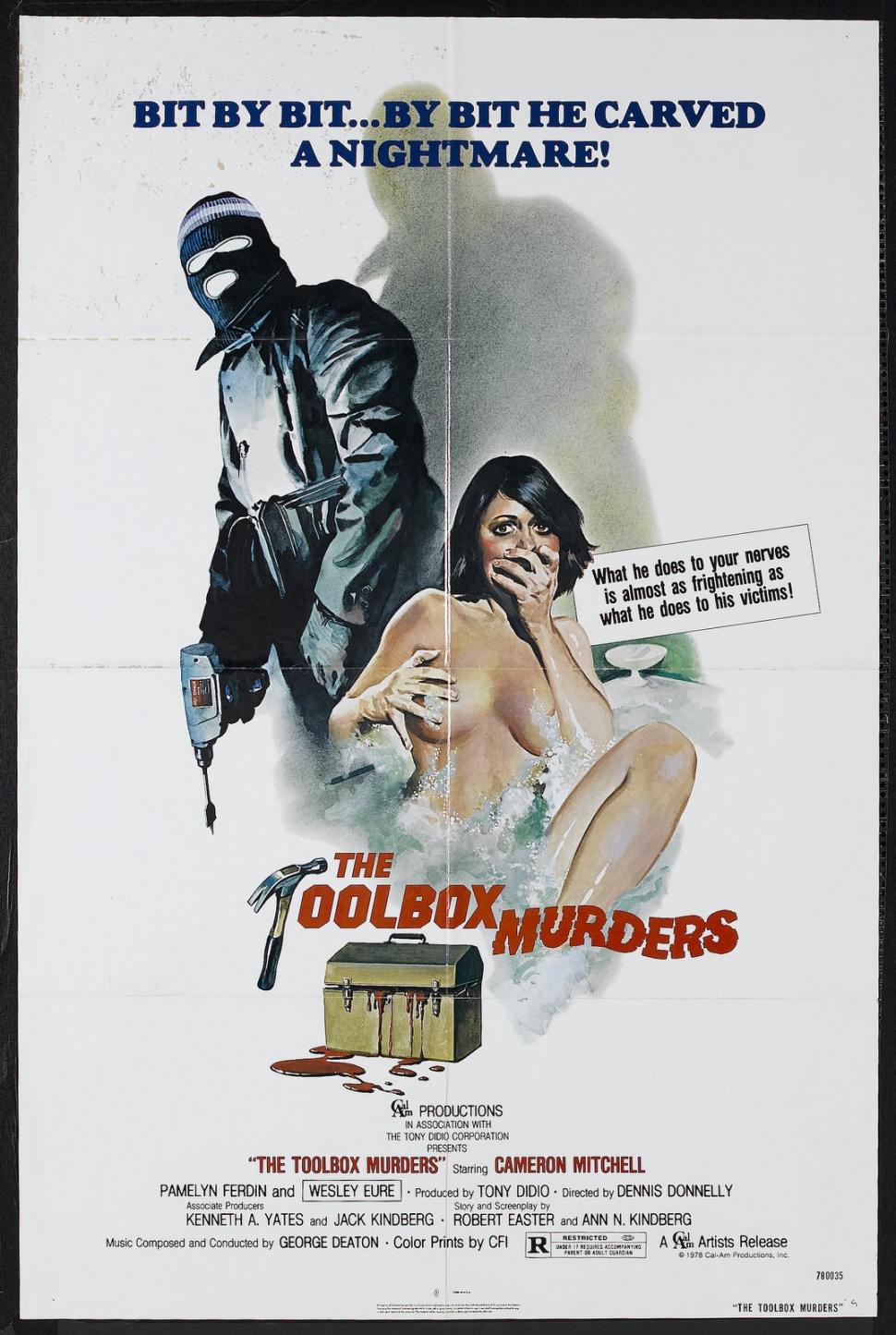
Within the first half-hour of this notorious serial killer flick — banned in the U.K. from 1982-2000 as a “video nasty” — we witness no less then four grisly “murders by tool” of nubile young women, all living within the same apartment complex. Shortly thereafter, we learn that the ski-masked killer is the apartment’s deeply disturbed landlord (Cameron Mitchell) who has gone off the deep end after the death of his teenage daughter in a car accident (shown as a flashback in the film’s opening credits sequence). When an apple-cheeked young virgin in the complex (Pamelyn Ferdin) goes missing, we can accurately guess that Mitchell is responsible, and that her life is in grave danger. Given its reputation, I was surprised to find The Toolbox Murders (remade in name only in 2004, by Tobe Hooper) to be a reasonably compelling slasher flick. While the opening murders are hard to stomach, the remaining hour or so holds one’s attention, as Mitchell chews the scenery and a major identity twist is revealed. While it’s only recommended for fans of the genre, this one is not quite as bad as you’d think.

Redeeming Qualities and Moments:

  • The “bedside” scene between Mitchell and Ferdin

Must See?
No — though hardcore film fanatics may be curious to check it out, given its notoriety. Listed as Trash in the back of Peary’s book.

Links:

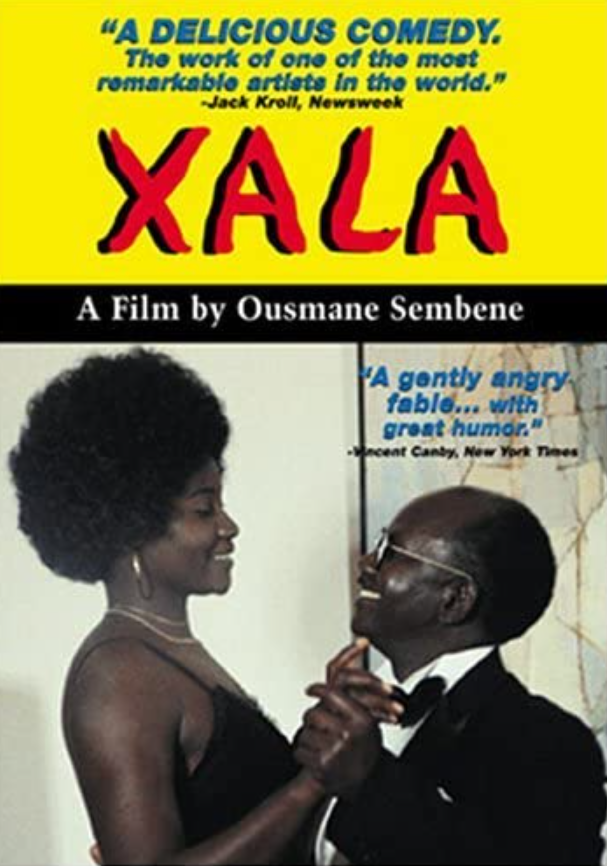
Xala (1975)

Xala (1975)

“Make me a man again — I’ll pay whatever you want.”

Synopsis:
In post-colonial Senegal, a corrupt businessman (Thierno Leye) attempts to marry a third wife (Dieynaba Niang), but finds that his ability to consummate the marriage has been foiled by a “xala” (curse).

Genres, Themes, Actors, and Directors:

  • Africa
  • Corruption
  • Downward Spiral
  • Marital Problems
  • Satires and Spoofs

Review:
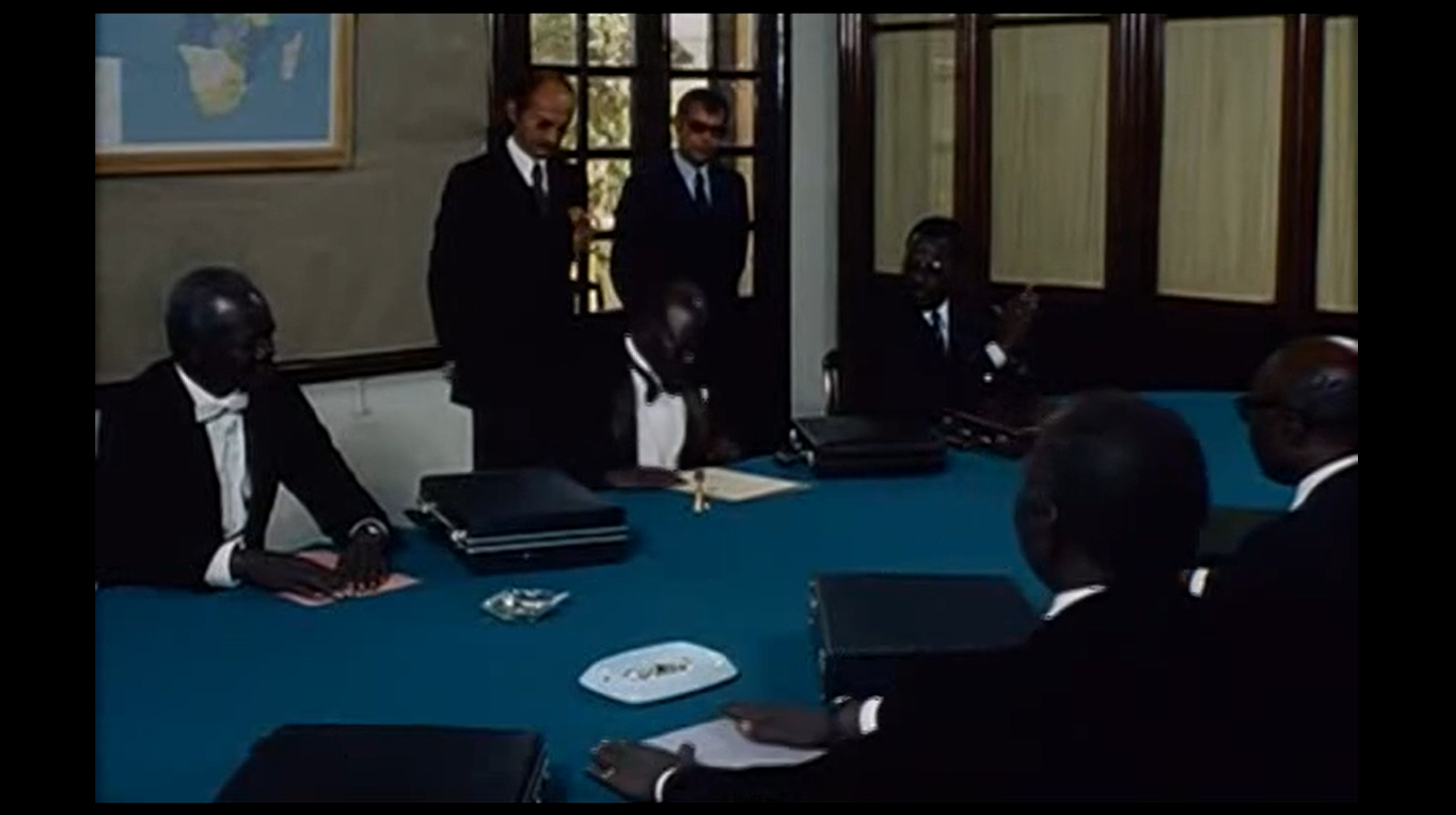
In his fourth feature film, Senegalese director Ousmane Sembene continued his cynical exploration of corruption in post-colonial Africa — this time with more of an overt satirical edge than ever. As in his earlier film Mandabi (1968), the central protagonist in Xala (Thierno Leye) finds himself caught in a nightmarish situation — yet while Mandabi‘s Ibrahim was hapless and illiterate (a victim of social changes beyond his control), Leye’s wealthy “El Hadji” arguably sparks his own downfall through explicit greed. In the film’s comical opening sequence, El Hadji sits around a table with a host of other powerful black men, accepting briefcases full of cash from white men in suits (clearly representing the country’s lingering vestiges of colonial power and influence).
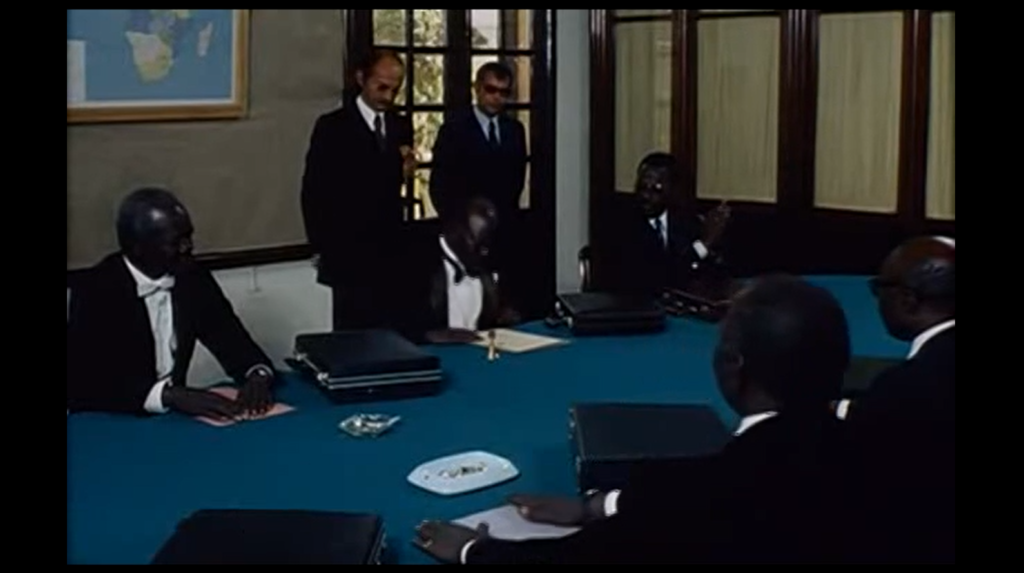
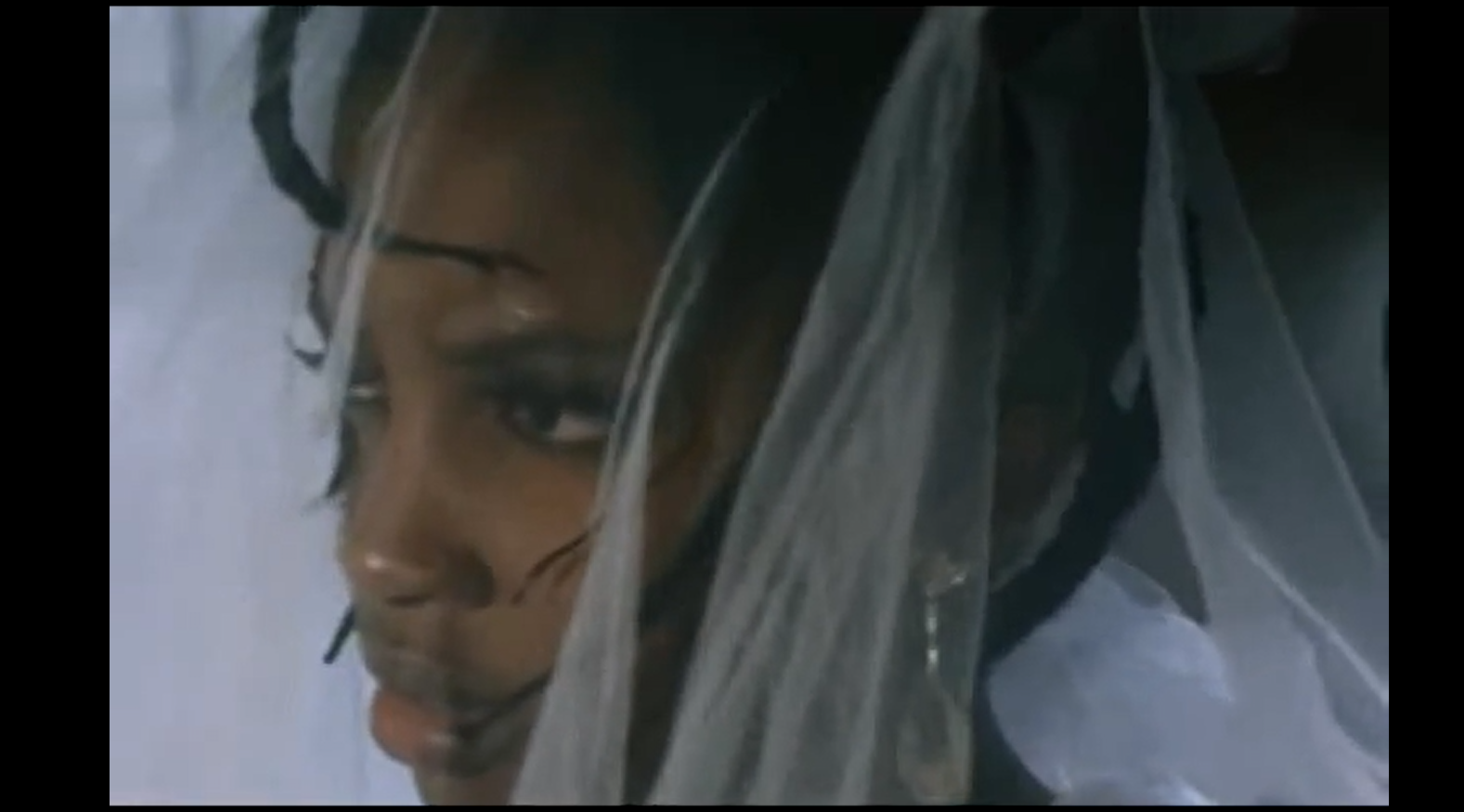
El Hadji uses this money to help purchase a third wife — the young and beautiful Dieynaba Niang — in order to propel his own prestige:
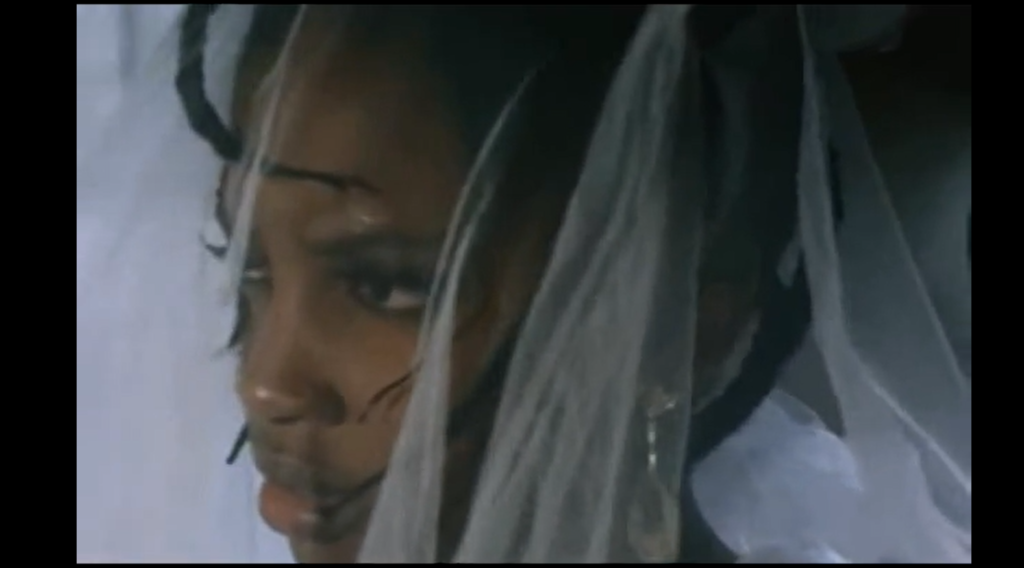
ignoring the fact that this makes both his university-age daughter (Miriam Niang) by his first wife (Seune Samb), and his jealous second wife (Younouss Seye), deeply unhappy.

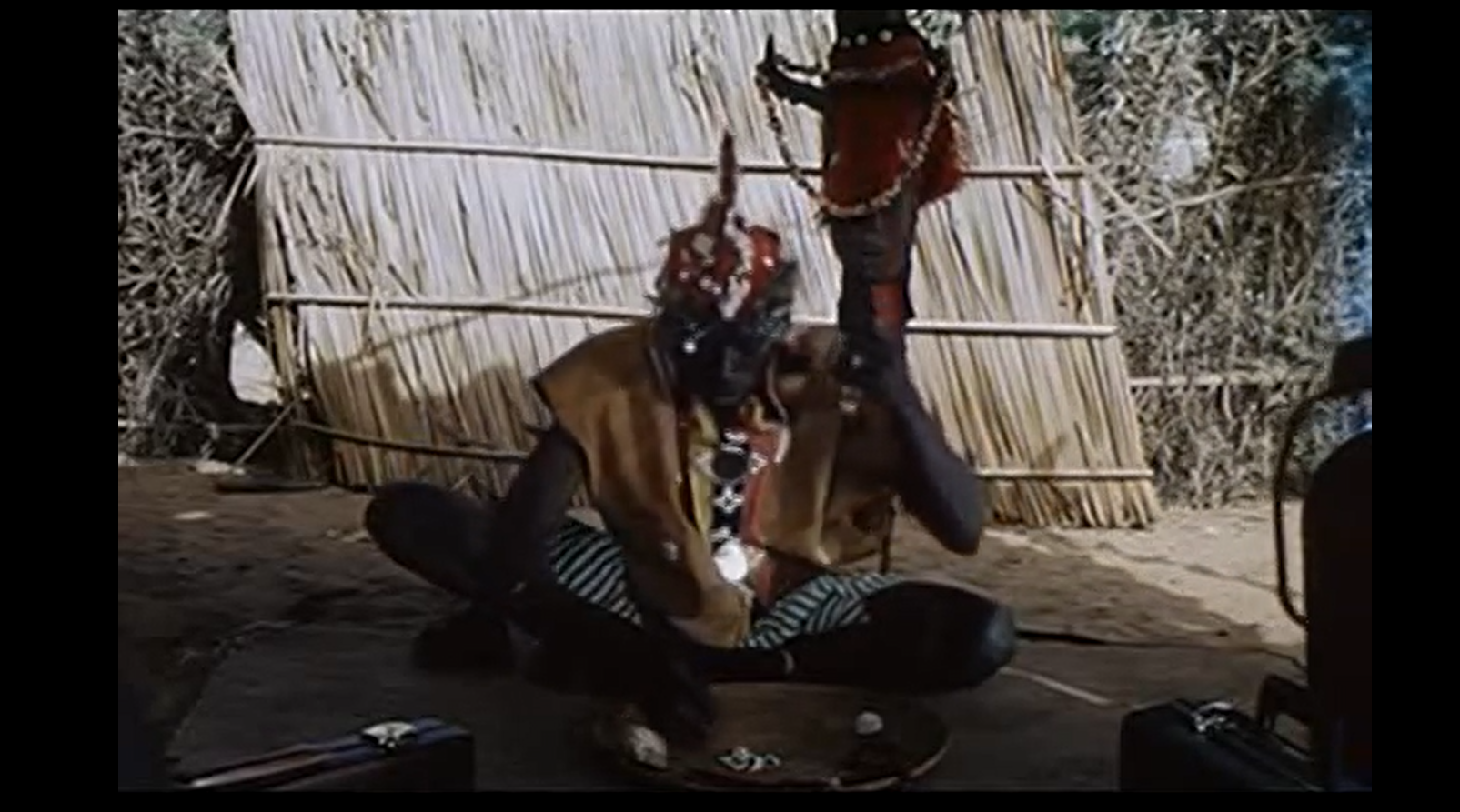
Once El Hadji attempts to consummate his marriage — and finds himself strangely unable to do so — his downward spiral is set in motion. He engages the services of medicine men:
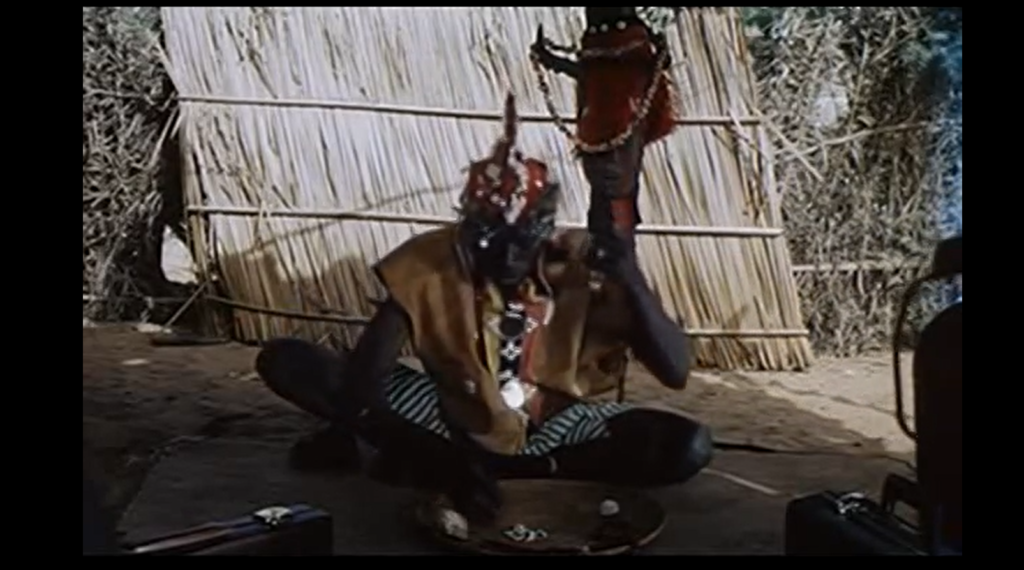
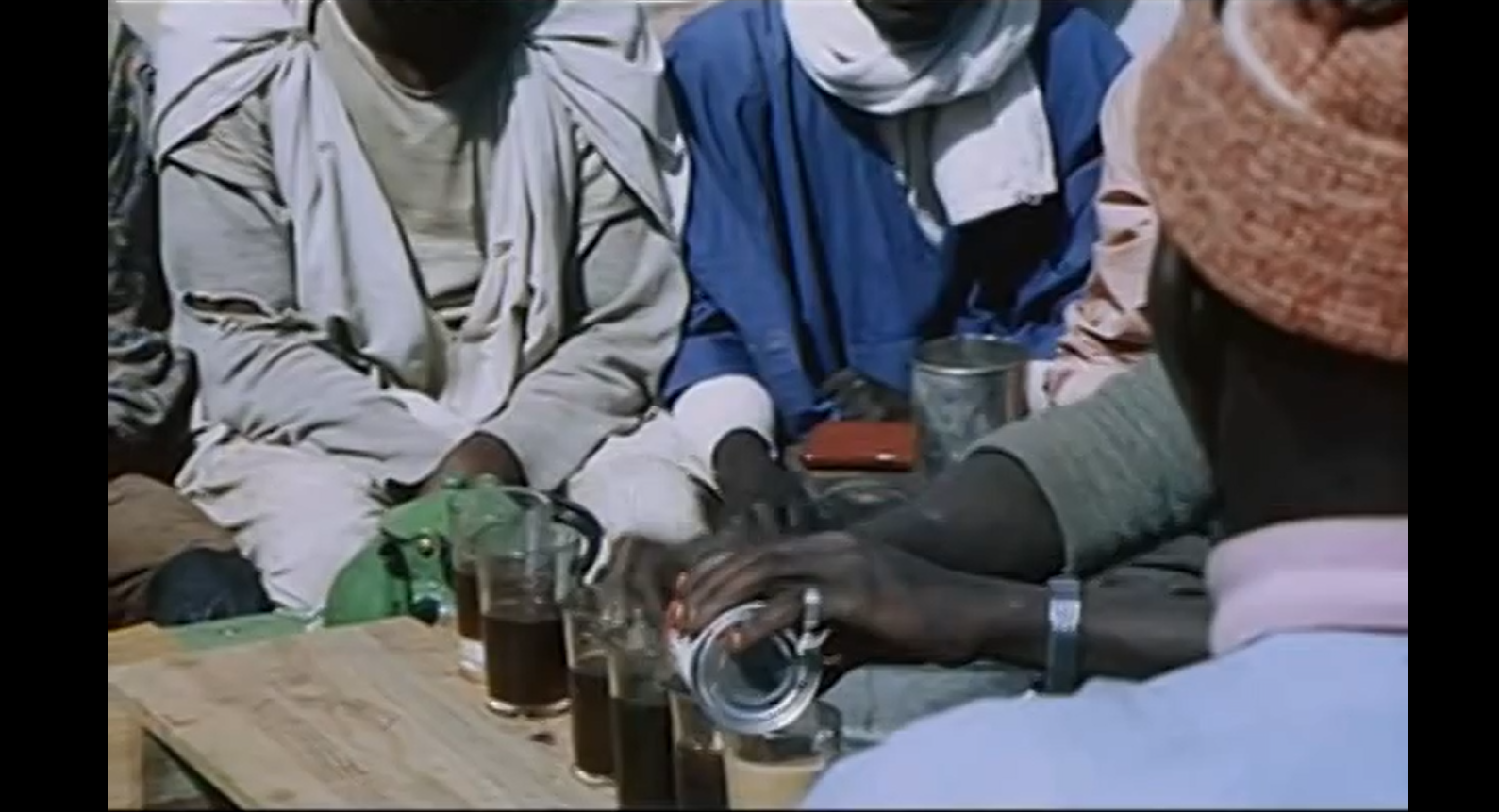
and struggles to maintain dignity in the face of impressively widespread social knowledge about his dilemma. It’s clear to El Hadji that his problems aren’t his own, but rather the result of a curse (xala) — and while he believes this curse has been placed by one of his other wives, the cause for blame remains a central mystery of the film. Unfortunately, Sembene’s narrative (based on his own novel) veers off course at times, shifting to lengthy and seemingly inexplicable sequences (later explained) involving a band of disabled men who at one point gather to drink sweetened condensed milk (!).

From what I’ve read, this confusion may be the result of drastic editing that was done without Sembene’s consent. In addition — as in all Sembene’s films — the performances by the majority of the actors are decidedly amateurish. Regardless, there’s enough sting and bite in Xala to make it worthy viewing for all film fanatics who are genuinely interested in world cinema.

Note: Sembene’s other acclaimed film made before the publication of Peary’s book in 1986 — Ceddo (1977), the only Sembene title listed in 1,001 Movies You Must See Before You Die — is strangely missing; I intend to watch it shortly and verify whether it merits inclusion on this website as a Missing Title. Also be sure to check out Sembene’s final film, Moolaade (2004), made before his death in 2007 — it’s most definitely must-see viewing.

Redeeming Qualities and Moments:

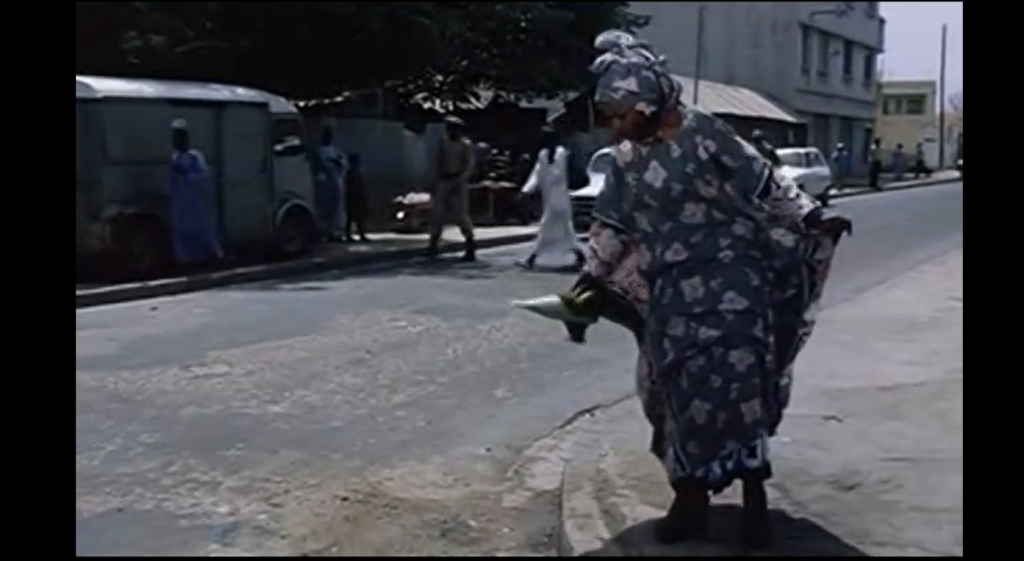
  • Yet another fascinating perspective by Sembene of life in post-colonial Senegal
Must See?
Yes, as one of Sembene’s most acclaimed films. Listed as a film with Historical Importance and a Personal Recommendation in the back of Peary’s book.

Categories

  • Foreign Gem
  • Important Director

Links:

Mandabi (1968)

Mandabi (1968)

“You know people: you mention money, and they all come running.”

Synopsis:
A poor Senegalese villager (Makhouredia Gueye) finds himself confronting endless bureaucracy and corruption while trying to cash a money order sent by his nephew in Paris.

Genres, Themes, Actors, and Directors:

  • Africa
  • Black Comedy
  • Corruption
  • Living Nightmare

Review:
Ousmane Sembene’s second feature-length film — after his acclaimed but flawed 1966 debut, Black Girl — was this absorbing, relentlessly cynical look at corruption in post-colonial Senegal. While its lead protagonist, Ibrahim (Gueye), is initially not all that likable — opening shots show him wolfing down an enormous meal, belching profusely, and ordering his wives around — he nonetheless quickly becomes the most sympathetic character in the film, given the ceaseless roster of charlatans and “beggars” he encounters during his travails. In order to actually secure the money he’s supposedly inherited from his nephew, he must find a way to turn a slip of paper sent from abroad into actual cash — a seemingly straightforward process which turns into a true living nightmare. Ibrahim (who is illiterate) finds that in the paper-trail legacy the French have left behind, it is no longer enough simply to state that one exists — one must prove it, in specific, written detail. Yet how can one prove one exists without… prior proof that one exists?

It’s a devilish dilemma, and one that Sembene handles with masterful humor — up until the point when Ibrahim’s attempts are foiled for what seems like the umpteenth time, and Sembene’s central thesis (that “decency has become a sin in [Senegal],” and that “in a country like this, only crooks live well”) is made eminently, depressingly clear. Despite its undeniably downbeat trajectory, however, Mandabi (which translates literally into “money order”) remains fascinating simply for its unprecedented ethnographic portrayal of Senegalese village life. Sembene’s ability to slyly slip in visual commentary on the influence of Western norms (watch for the white European doll being washed and played with by the young village girls, for instance) is impressive; and his attempt to call out the impossibility of maintaining civil, logical interactions with one’s fellow citizens in an environment tainted by colonial norms is undeniably essential.

Redeeming Qualities and Moments:

  • A fascinating glimpse at post-colonial village life in Senegal

Must See?
Yes, as a depressing but revealing film by the world’s premiere African director. Listed as a film with Historical Importance and a Personal Recommendation in the back of Peary’s book.

Categories

  • Important Director

Links:

Time of Their Lives, The (1946)

Time of Their Lives, The (1946)

“There’s a curse on this house, all right.”

Synopsis:
During the Revolutionary War, a patriotic tinker (Lou Costello) and a noblewoman (Marjorie Reynolds) are mistaken for traitors and shot, their ghosts cursed to remain on the same plot of land until they can prove their innocence.

Genres, Themes, Actors, and Directors:

  • Abbott and Costello Films
  • Comedy
  • Falsely Accused
  • Fantasy
  • Ghosts
  • Old Dark House

Review:
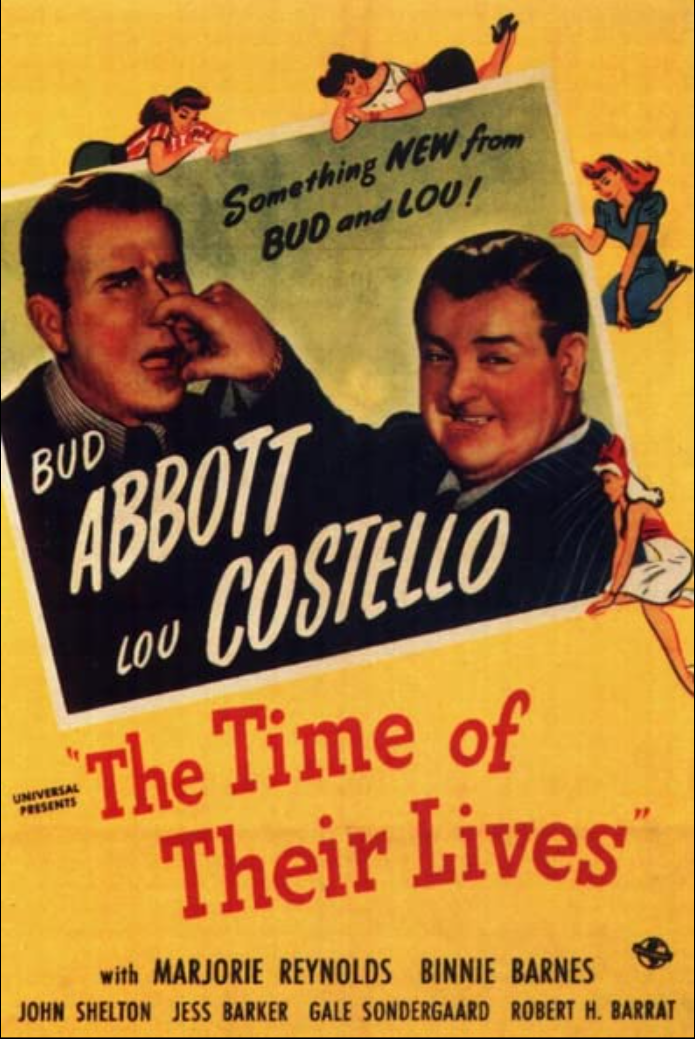
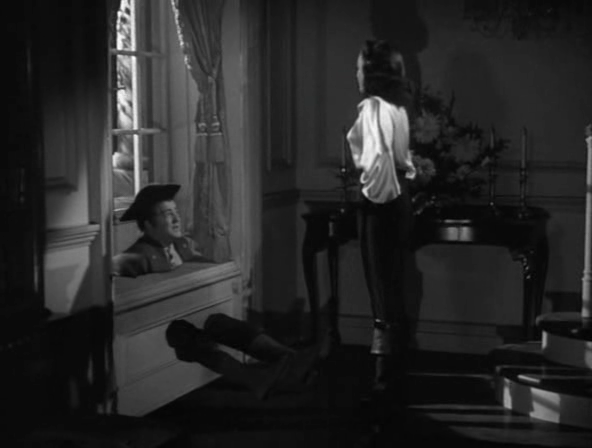
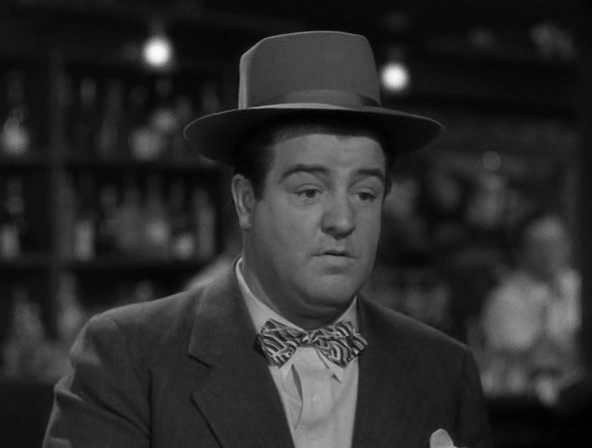
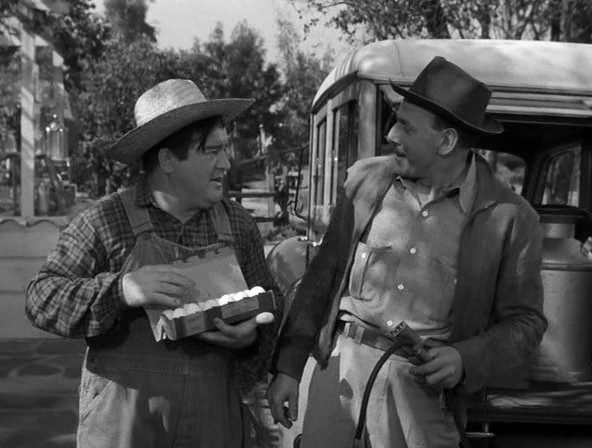
The Time of Their Lives was Abbott and Costello’s second attempt — after Little Giant (1946) — at moving away from buddy films and towards a more “traditional” style of comedy. Here, they tap into the genre of “ghostly comedy” (a la the enormously successful Topper trilogy), with a twist of period drama for good measure — though the bulk of the film takes place in 1946. As in Little Giant, Abbott once again plays dual roles (as Costello’s Revolutionary War-era nemesis, and his descendant), but Abbott’s the primary protagonist — along with his female “buddy”, Marjorie Reynolds. The story — involving Costello and Reynolds desperately trying to get modern-day Abbott and his friends to help them uncover a hidden letter from George Washington, which will prove their innocence — is innocuous and reasonably entertaining, but I found myself noticing (and sorely missing) the absence of A&C’s classic routines. This one is really only must see for fans of Abbott and Costello — many of whom, interestingly, consider it among their best.

Note: This film’s rather generic title really should have been reconsidered… It makes little sense, and doesn’t accurately convey the movie’s central premise.

Redeeming Qualities and Moments:

  • Bud Abbott and Marjorie Reynolds as the doomed ghosts
  • The effectively “spooky” seance scene

Must See?
No, but it’s worth a look if you stumble upon it.

Links:

Little Giant (1946)

Little Giant (1946)

“If you could read my mind like I can read yours, you’d know I meant every word of it!”

Synopsis:
A bumbling salesman (Lou Costello) suddenly finds himself enormously successful once he believes he has the ability to read minds.

Genres:

Review:
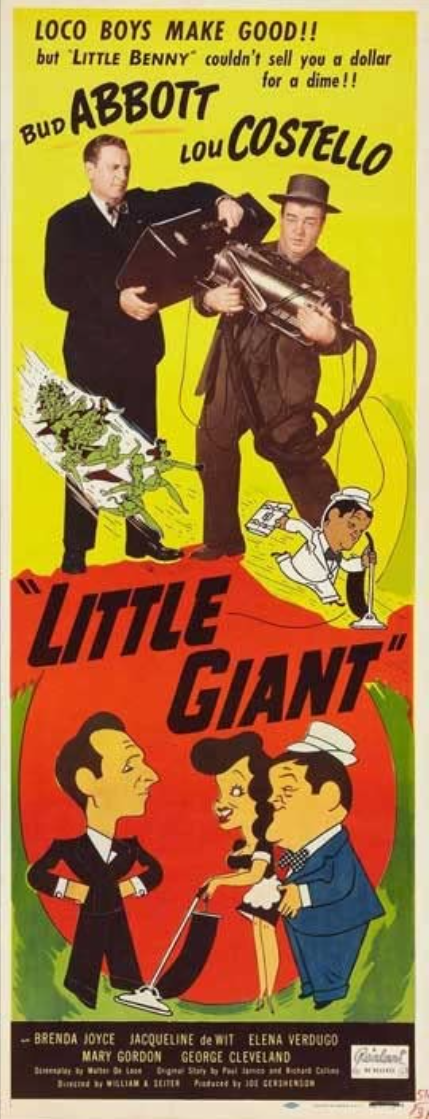
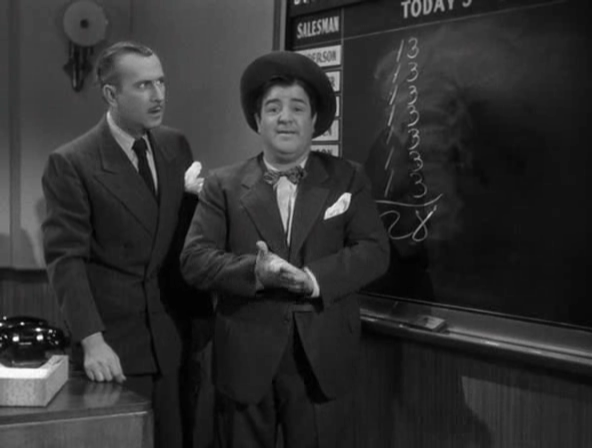
Little Giant is notable in Abbott and Costello’s oeuvre as the first film in which they didn’t play buddies, and were given a more “traditional” story to work with. Costello acquits himself well in the lead role as a likable but hapless aspiring salesman who finds success once he believes in his own powers of persuasion. It’s difficult to watch him beaten down time and again, but we’re fairly convinced that all will work out well for him in the end — and knowing that he has a loyal, pretty fiancee (Elena Verdugo) waiting for him back at home doesn’t hurt things, either. Despite playing two different roles (good and bad “versions” of Costello’s boss), Abbott has much less prominence here — this is really Costello’s show all the way (though the duo have at least one classic interaction together, as they re-enact their “7 times 13 is 28” routine from In the Navy). Not must-see for all-purpose film fanatics, but certainly of interest to diehard Abbott and Costello fans.

A bit of historical trivia: In her attempt to “woo” Benny (Costello), Jacqueline deWit (playing evil Abbott’s secret wife) takes him to the Venice Amusement Pier, which was shut down just months after this film was released.

Redeeming Qualities and Moments:

  • Lou Costello as Benny
  • Jacqueline de Wit as Hazel
  • Benny’s first attempt at a “hard sell”
  • Benny explaining how 7 goes into 28 thirteen times

Must See?
No, but it’s worth a look.

Links:

Pardon My Sarong (1942)

Pardon My Sarong (1942)

“Go ahead and back up.”

Synopsis:
A pair of fugitive bus drivers (Bud Abbott and Lou Costello) accompany a yachtsman (Robert Paige) and his rival (Virginia Bruce) on a trip towards an uncharted South Seas island where a villain (Lionel Atwill) is searching for treasure.

Genres:

  • Abbott and Costello Films
  • At Sea
  • Comedy
  • Fugitives
  • Hidden Treasure
  • Lionel Atwill Films
  • South Sea Islands

Review:
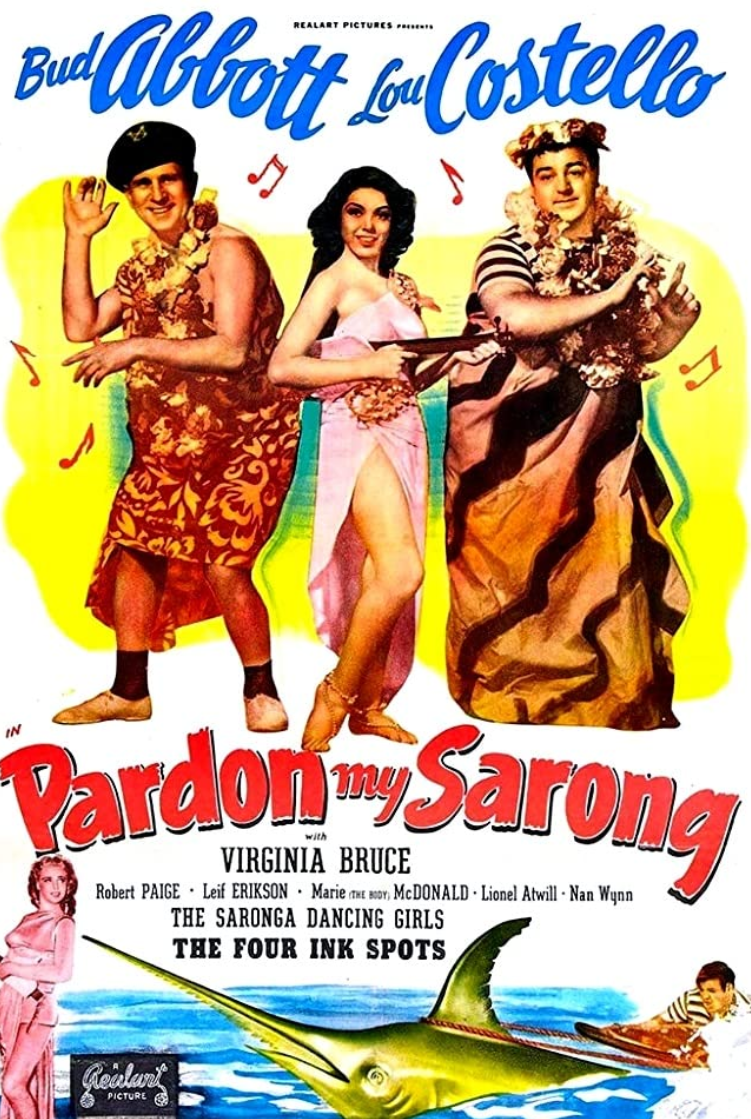
Pardon My Sarong was the second highest grossing film of 1942 (after Mrs. Miniver), indicating the enduring popularity of Abbott and Costello after their success the previous year in Buck Privates, Hold That Ghost, and In the Navy. Fortunately, …Sarong has held up reasonably well, thanks to a steady stream of enjoyable A&C routines scattered throughout its utterly ridiculous plot, which makes so little sense you’re better off ignoring it altogether (indeed, as Bosley Crowther noted in his review of …Sarong for the New York Times, “Plot is a normal convention which this picture manages to avoid”).

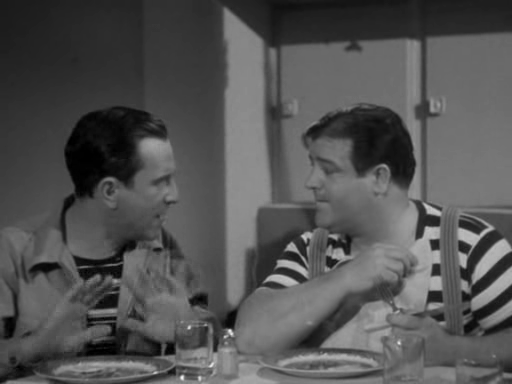
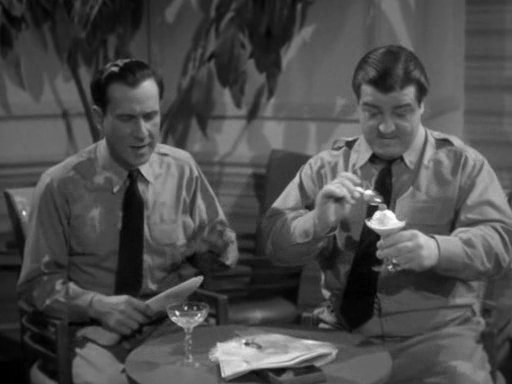
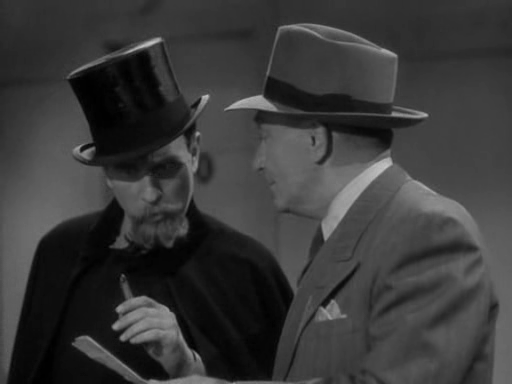
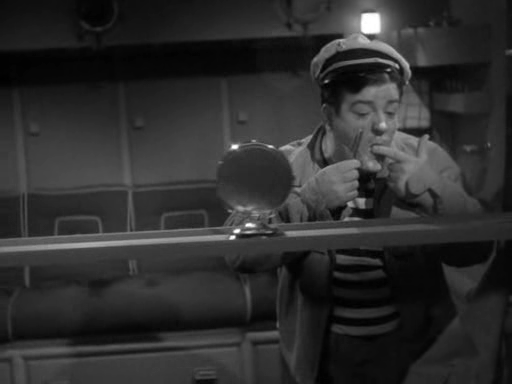
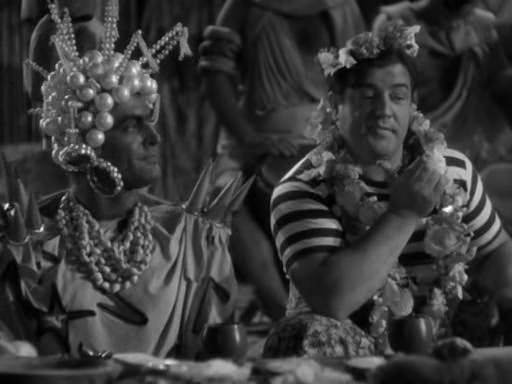
Meant to capitalize on the success of Crosby and Hope’s “Road” pictures, …Sarong takes Bud and Lou on an adventure to an uncharted sound-stage island, where natives are dressed in outrageously fruity costumes, and Lou — naturally — is both pursued by a beautiful local (Nan Wynn) and mistaken for some kind of hero. Only the final half of the movie takes place on the island, however; before this, Bud and Lou are given plenty of opportunities to engage in their usual shenanigans as they’re pursued by The Law (represented by the always delightful William Demarest) and find themselves on board a ridiculously tiny ship, where they quickly run out of food (leading to two of the film’s most infamous sequences — both involving Abbott treating his partner with more than even his usual level of disdain.) Pardon My Sarong isn’t Abbott and Costello’s best outing, but it’s full of enough enjoyable routines — and holds enough historical interest, given its enormous popularity — that I’m recommending it as optional “must-see” viewing for film fanatics.

Redeeming Qualities and Moments:

  • A number of enjoyably humorous scenes


  • Ridiculous costumes
  • Fun wordplay:

    Abbott: Why don’t you knock on the door?
    Costello: I don’t know… I just don’t give a rap anymore.

Must See?
No, though it’s worth a look as one of Abbott and Costello’s most popular films.

Links: