Browsed by
Category: Original Reviews

Responses to Peary’s “must see” movie reviews, as well as my own “must see” movie reviews up to and after 1986 (when Peary’s book was published).

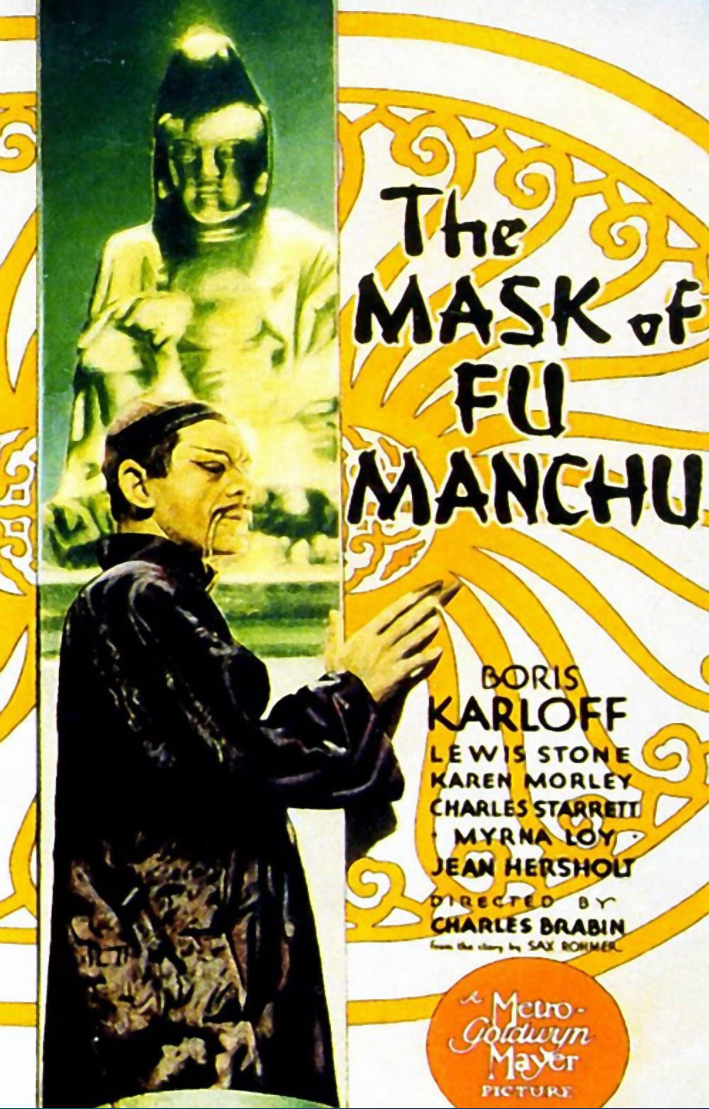
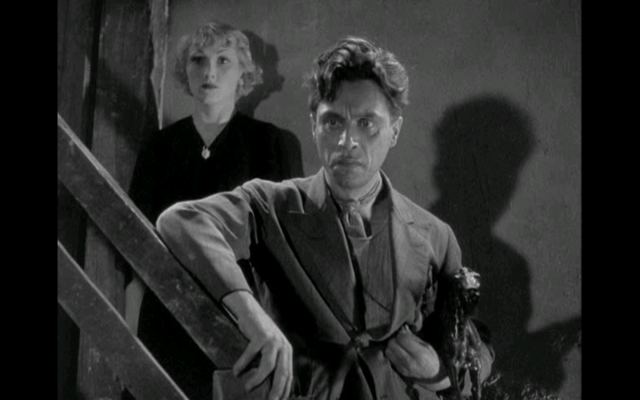
Mask of Fu Manchu, The (1932)

Mask of Fu Manchu, The (1932)

“We’re fighting a thing we can’t understand, with everything against us.”

Synopsis:
An archaeologist (Lewis Stone) travels to Mongolia with the daughter (Karen Morley) of a kidnapped colleague (Lawrence Grant), hoping to rescue the contents of Genghis Khan’s tomb from the clutches of evil Fu Manchu (Boris Karloff) and his grown daughter (Myrna Loy).

Genres, Themes, Actors, and Directors:

  • Boris Karloff Films
  • China
  • Karen Morley Films
  • Kidnapping
  • Lewis Stone Films
  • Myrna Loy Films
  • Scientists
  • World Domination

Review:
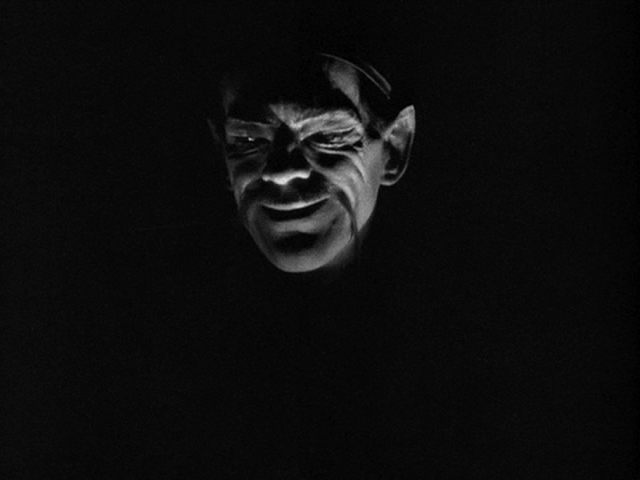
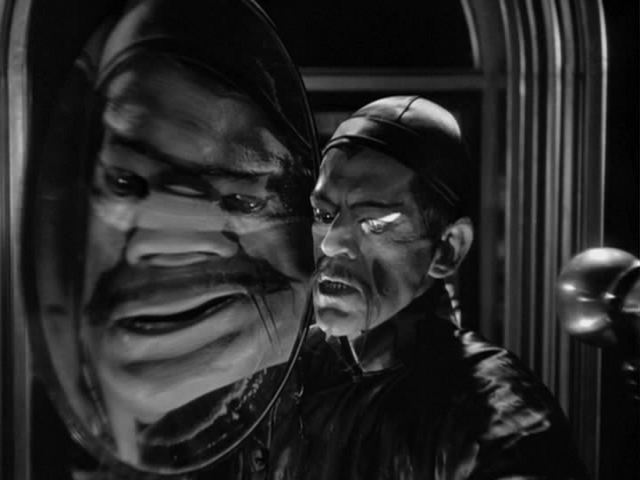
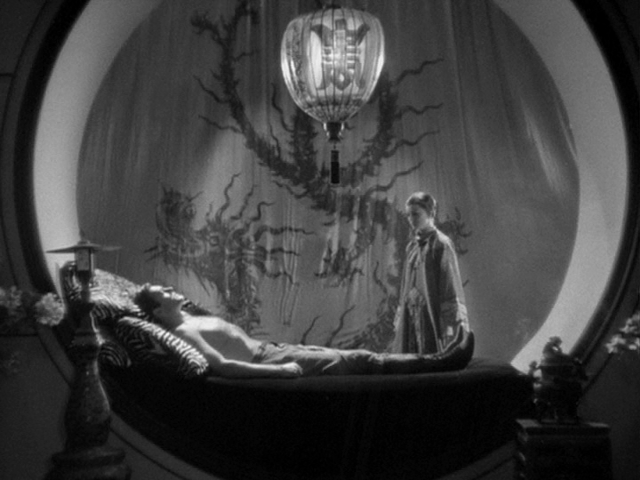
British author Sax Rohmer introduced the fictional master-criminal Dr. Fu Manchu in a series of novels published near the beginning of the 20th century, and he quickly became the embodiment of “Yellow Peril”, tapping into Westerners’ fears about Asian “Others”. This early cinematic adaptation, while not the first, remains perhaps the best known, given that cult horror star Boris Karloff was cast in the title role (affording him one of his first starring roles). While there’s much to enjoy and admire about the film — including creative direction, eye-popping set designs, glittering costumes, and Karloff’s bizarre but compelling performance — it’s unfortunately, as DVD Savant labels it, “almost pornographically racist”.

A 1992 video release removed some of the most offensive dialogue (“Would you all have maidens like this for your wives? Then conquer and breed! Kill the white man and take his women!”), but these scenes have all been restored in the recent DVD release, so modern viewers can see for themselves how riddled with vitriol it truly is: “Men of Asia! The skies are red with the thunderbolts of Genghis Khan! They rain down on the white race… and burn them!” Just as disturbing as these racist rants are the seemingly endless scenes of torture inflicted by Manchu on his various victims, which literally dominate the final 20 minutes or so of the film; while his devices are indeed ingenious, they’re fetishized to the point that your tolerance will likely be sorely tested (mine was).

Watch for Myrna Loy in her last performance as an “exotic temptress”, playing Manchu’s sadistically predatory daughter (she herself is reported to have said, “Say, this is obscene!” when reading the script).

Note: Fu Manchu wouldn’t appear again on-screen until over 30 years later, in the Hammer Studios production The Face of Fu Manchu (starring Christopher Lee in the title role). Read Wikipedia’s article on this infamous character if you’re curious to read about other cinematic adaptations.

Redeeming Qualities and Moments:

  • Boris Karloff as Fu Manchu
  • Tony Gaudio’s cinematography

  • Creative direction
  • Cedric Gibbons’ baroque sets
  • Adrian’s “exotic” costume designs

Must See?
No, though I do believe it’s worth a look simply for Karloff’s performance, and the impressive visuals. And, as DVD Savant notes, it’s recommended “to anyone living in denial about the reality of racism” in the early 20th century. Listed as a film with Historical Importance (which I won’t deny) and a Personal Recommendation in the back of Peary’s book.

Links:

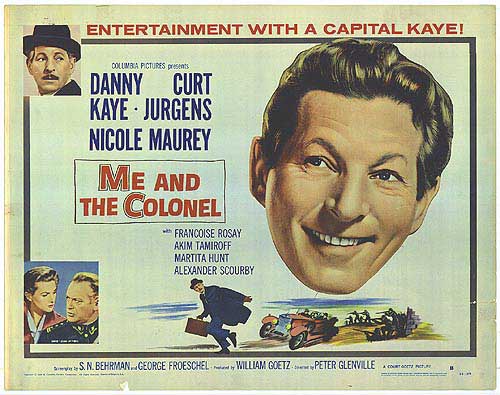
Me and the Colonel (1958)

Me and the Colonel (1958)

“Strangely enough, we’re in the same business — the business of escaping.”

Synopsis:
During WWII, a resourceful Jewish refugee (Danny Kaye) travels with an anti-semitic Polish officer (Curt Jurgens), the officer’s right-hand man (Akim Tamiroff), and the officer’s girlfriend (Nicole Maurey), who begins to fall in love with Kaye.

Genres, Themes, Actors, and Directors:

  • Akim Tamiroff Films
  • Comedy
  • Curt Jurgens Films
  • Danny Kaye Films
  • Escape
  • Jews
  • Love Triangle
  • Play Adaptation
  • Road Trip
  • World War II

Review:
Based on a play by Franz Werfel, Me and the Colonel allowed Danny Kaye an opportunity to break (almost) completely from his characteristic cinematic persona as a hapless nebbish, and show off his dramatic chops. The story — much like Roberto Benigni’s award-winning Life is Beautiful (1997) — is meant to provide a gently comical slant on a devastating period in world history, tackling the sensitive topic of anti-semitism through humor and feel-good humanism. In this case, Kaye’s Jacobowsky (whose very name is repeated a bit too forcefully throughout the film, as though it offers inherent giggle-value) attempts to befriend (or at least not antagonize) the bigoted, bombastic Colonel Prokoszny (Curd Jurgens); the crux of the screenplay shows Jacobowsky repeatedly swallowing his pride in the name of pragmatism, as he utilizes his estimable survival skills to move his ad hoc group closer towards the border. It’s all a bit insufferably twee, and Jurgens’ performance is irritatingly abrasive, offering little to no nuance in this critically important role.

However, Kaye — who won a Golden Globe award as best actor — does a fine job, and surely must have been thrilled at this chance to tackle such an important cinematic topic. And Nicole Maurey is charming and believable in a challenging role as Jurgens’ fiancee, who finds herself drawn towards Kaye — but the central love triangle conflict that plays itself out during the middle of the film (culminating in a comedic duel) fails to leave any impact. While it’s difficult to understand why Maurey fell for the two-timing Jurgens in the first place, it’s eminently clear that her “attraction” to Kaye is simply admiration for his resourcefulness and gentle charm, and never poses a real threat to Jurgens. By the film’s inevitable climactic denouement at the border, we’re marginally invested in these characters’ survival, but can’t help wishing that the titular relationship offered more heft and realism.

Redeeming Qualities and Moments:

  • Danny Kaye as Jacobowsky
  • Nicole Maurey as Suzanne

Must See?
No; this one isn’t must-see.

Links:

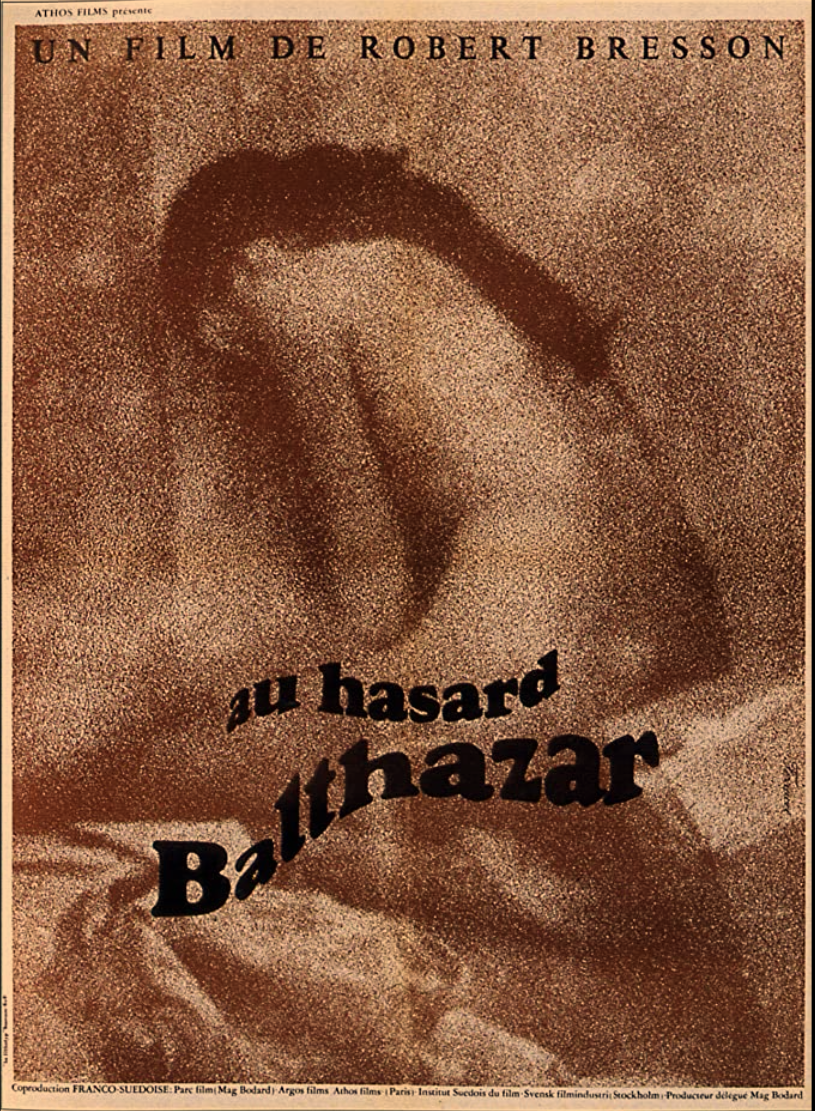
Au Hasard, Balthazar (1966)

Au Hasard, Balthazar (1966)

“Ridicule is the one thing we must avoid at all costs.”

Synopsis:
A donkey named Balthazar is mistreated at the hands of multiple owners; meanwhile, a meek village girl (Anne Wiazemsky) suffers in her dysfunctional relationship with a local thug (Francois Lafarge).

Genres, Themes, Actors, and Directors:

  • Downward Spiral
  • French Films
  • Robert Bresson Films
  • Village Life

Review:
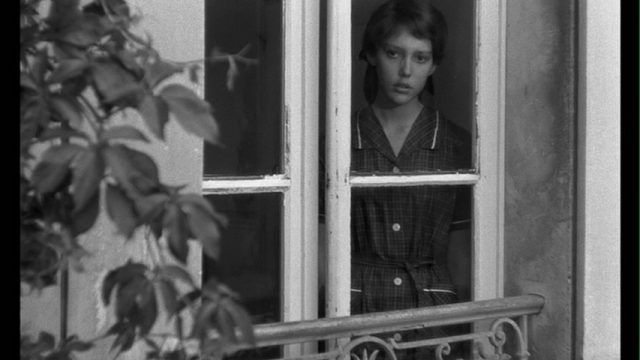
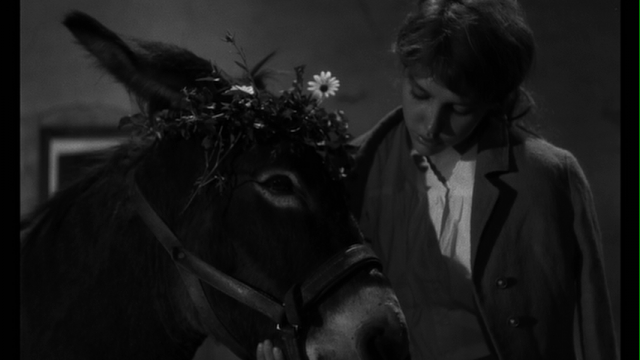
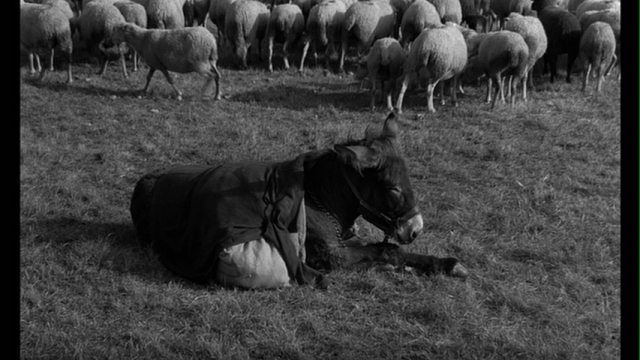
Robert Bresson’s tragic tale of a donkey abused by his many masters — and the young woman (Marie) who loves him for a time, only to devolve into her own miserable existence as a low-level moll — has been labeled his “greatest achievement… a deeply felt fable about the pitfalls of human cruelty”, and “the supreme masterpiece by one of the greatest of 20th-century filmmakers” (Village Voice). It’s viewed by some as a Christian allegory, with Balthazar a sort of humble Christ symbol, and Marie (“Mary”) his “mother”; others prefer to read it on a more literal level, as a tale simply about “the dignity of being itself”.

While I certainly can’t refute the deeply reverent relationship many viewers have with this film, I must admit that I found myself surprisingly unmoved by it. Bresson’s distinctive cinematic style — strategically designed to emulate a marriage of music and painting, with emotionless, non-acting “models” rather than actors inhabiting roles — is ultimately not for all tastes. While I admire his intentions, his approach doesn’t work for me on a basic empathetic level. I’m so distracted watching his “models” move self-consciously across the screen that I’m overly aware of their role as dramatic placeholders, to the detriment of my ability to relate to the film on any personal level. This is all the more of a shame given that Bresson’s visuals are consistently stunning; frame after frame is lovingly composed, and gorgeously shot by his D.P. (Ghislain Cloquet).

Call me a Bressonian grinch, but I’m only recommending this one as must-see for its undeniable cinematic stamp of approval by most critics. You’ll have to judge its ultimate merit for yourself. Instead, I’ll continue to rally for Diary of a Country Priest (1951) as the film for which Bresson’s unique approach is best suited.

Redeeming Qualities and Moments:

  • Powerful imagery and cinematography


Must See?
Yes. While it’s not a personal favorite, this film is too historically important and critically lauded to miss. Listed as a film with Historical Importance and a Personal Recommendation in the back of Peary’s book.

(Listed in 1001 Movies You Must See Before You Die)

Links:

Suburbia (1983)

Suburbia (1983)

“We’re talking about kids — kids like yours and mine!”

Synopsis:
A group of runaway punk youths living in an abandoned house find their existence threatened by a vigilante citizen group called Citizens Against Crime.

Genres:

  • Juvenile Delinquents
  • Morality Police
  • Runaways
  • Teenagers

Review:
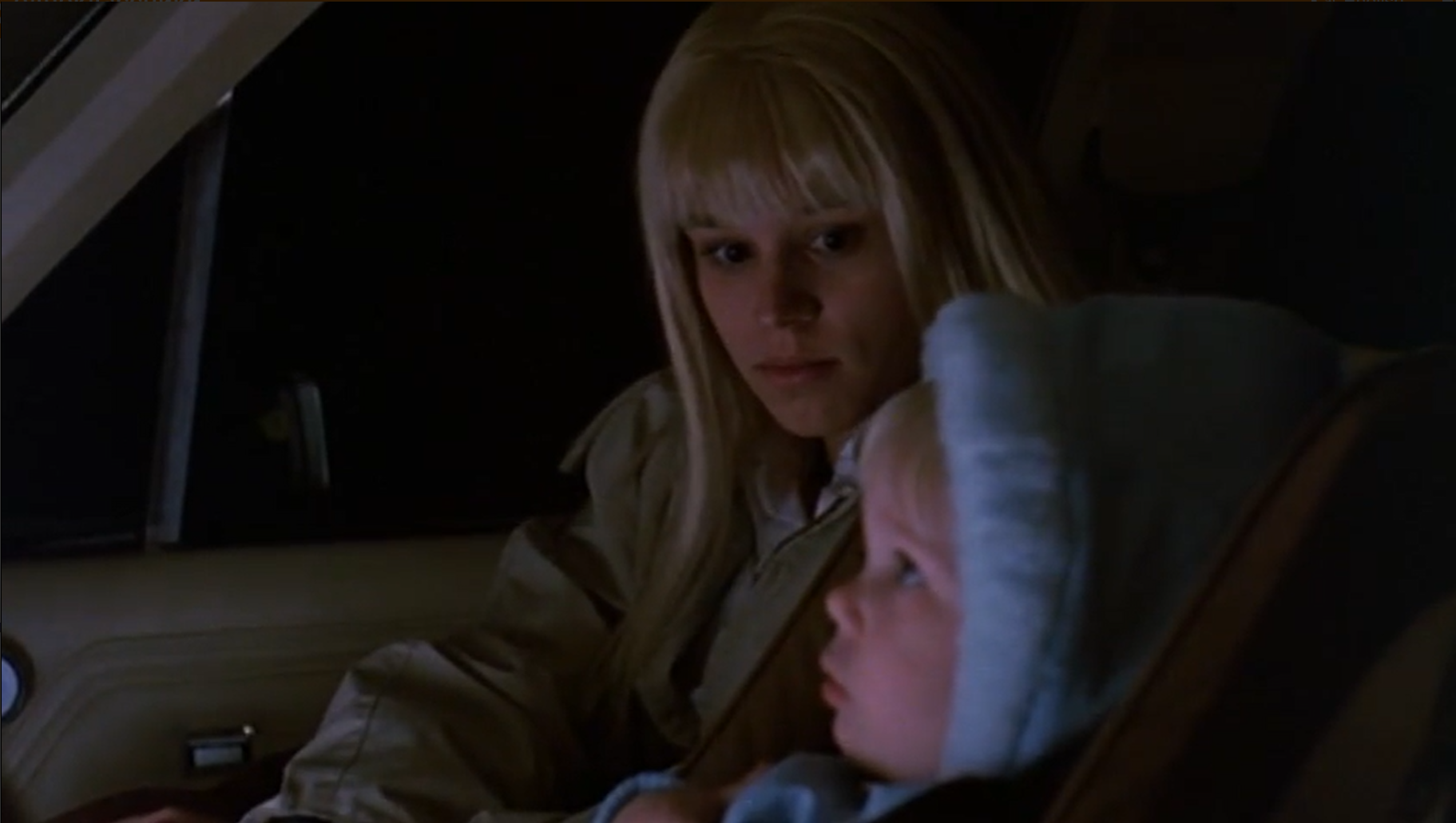
Penelope Spheeris’s follow-up to her cult documentary about the punk scene in Los Angeles, The Decline of Western Civilization (1981), was this fictional look at the lives of the disaffected youths drawn to this aggressively nihilistic musical genre. Although the film’s protagonists (most played by non-actors) are shown visiting punk music clubs, with real-life bands such as D.I. performing, the screenplay is ultimately most concerned with depicting both the teens’ daily struggle to survive, and their tragic back stories — such as that of Sheila (Jennifer Clay):

a female runaway introduced in the film’s appalling opening sequence, in which she watches mutely while a young baby is mauled to death by a wild dog. (This scene is so viscerally disturbing I had to turn the movie off immediately, and didn’t return to it until well over a year later — so consider yourself duly forewarned.)

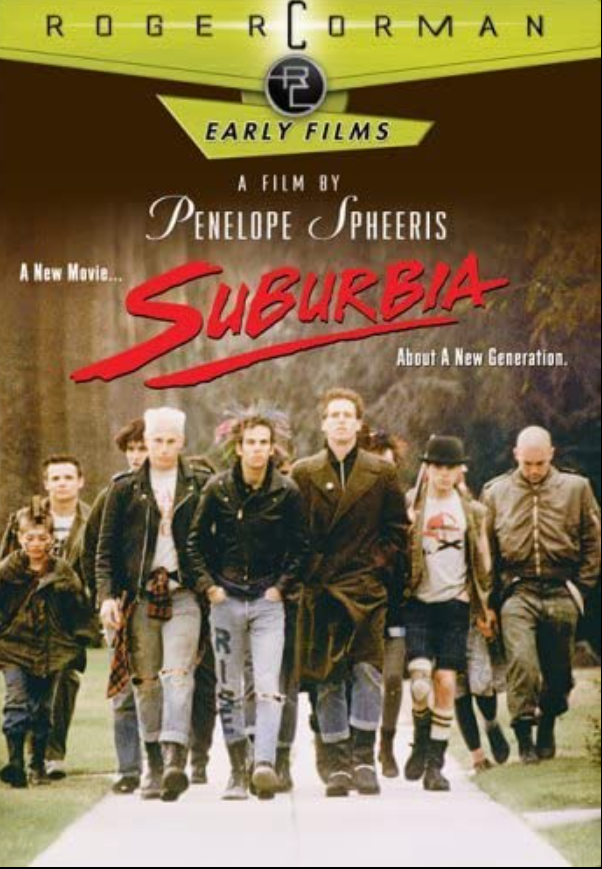
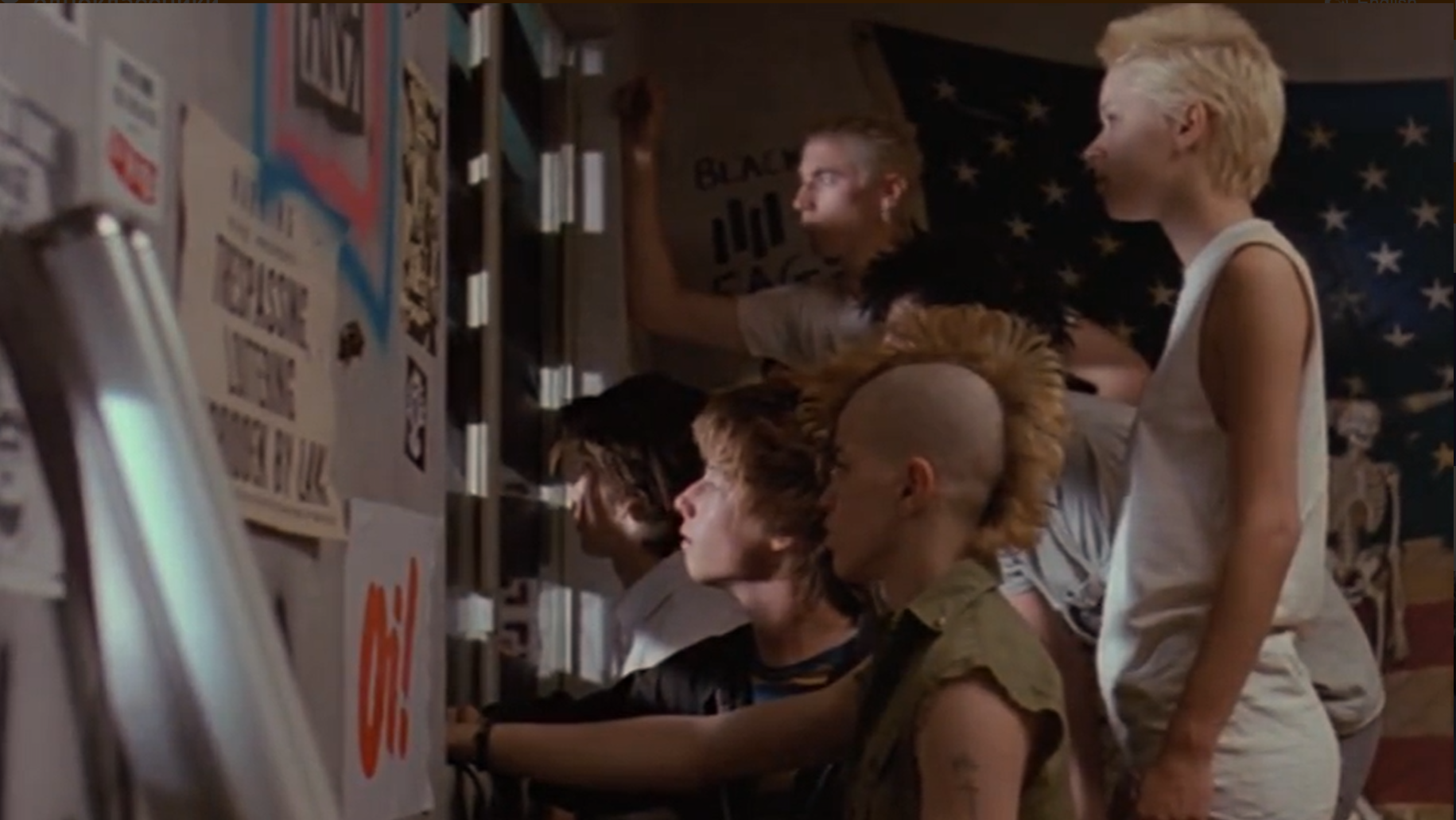
Other characters in the ensemble cast include the teenage son (Bill Coyne) of an abusively alcoholic mother (Donna Lamana), and his six-year-old brother (Andrew Pece); a charismatic but bigoted skinhead (Chris Pedersen) who’s upset about having a black police officer (Don Allen) as a stepdad; a druggie (Grant Miner) whose stash plays a pivotal role in a later plot element; a rat-lover (Flea in his screen debut!); and more. While refreshingly sympathetic to these disturbed teens’ sorry lot in life, Spheeris ultimately tends to fetishize their existence a bit too much (watch for the slo-mo musical interlude about halfway through the film, shown as a still on the poster):

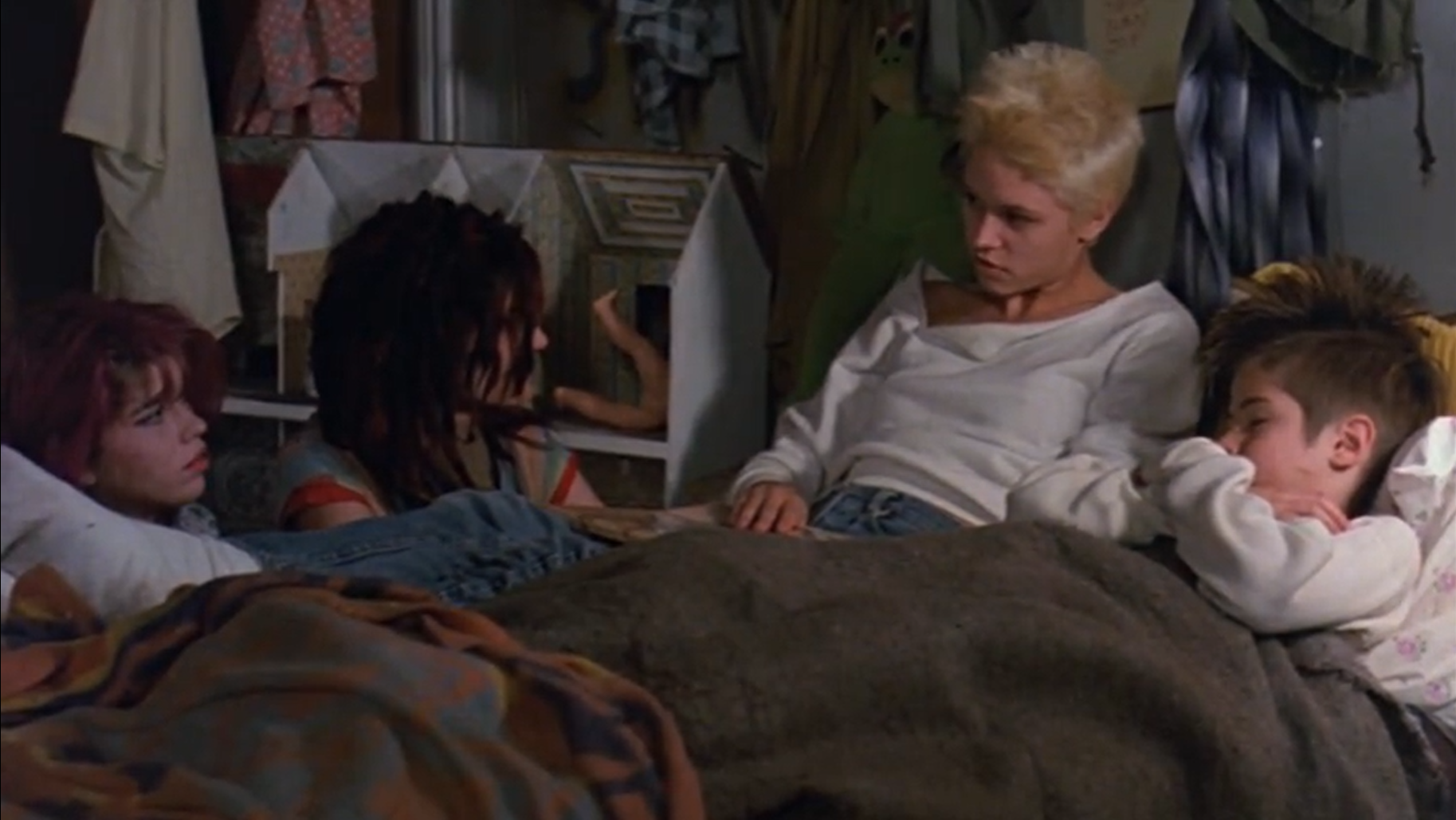
thus turning their communal existence into the ultimate sleepover fantasy. Yes, they must deal with unruly neighborhood thugs (those pesky adults!) who threaten their very existence — but at least they have each other. However, therein lies its cult appeal; check comments on IMDb for a flavor of how many people have fond memories of this film from their own youth.

Note: Suburbia (also known as The Wild Side) won the Best First Feature award at the 1983 Chicago International Film Festival; Spheeris went on to craft an oddly mainstream Hollywood career for herself.

Redeeming Qualities and Moments:

  • A gritty look at runaway punk subculture

Must See?
No; while it has (or had) a cult following of sorts, this one is no longer must-see viewing.

Links:

Mark of the Vampire (1935)

Mark of the Vampire (1935)

“There is no more foul or relentless enemy of man in the occult world than this dead-alive creature, spewed up from the grave.”

Synopsis:
When her father (Holmes Herbert) is murdered, a young woman (Elizabeth Allen) relies upon an occult expert (Lionel Barrymore) and a detective (Lionel Atwill) to help solve the mystery, which may involve two local vampires (Bela Lugosi and Carroll Borland).

Genres, Themes, Actors, and Directors:

  • Bela Lugosi Films
  • Detectives and Private Eyes
  • Horror Films
  • Lionel Atwill Films
  • Lionel Barrymore Films
  • Murder Mystery
  • Old Dark House
  • Tod Browning Films
  • Vampires

Review:
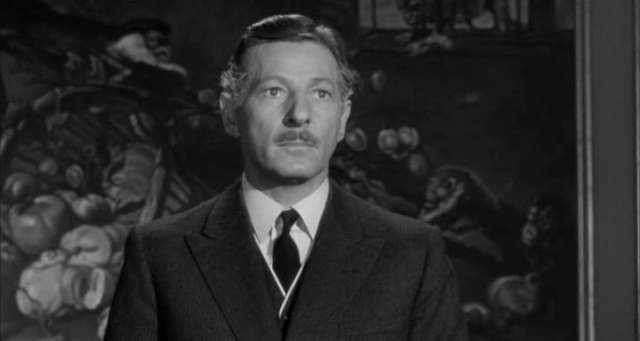
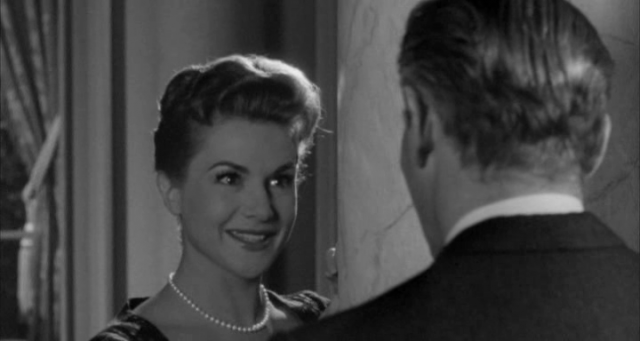
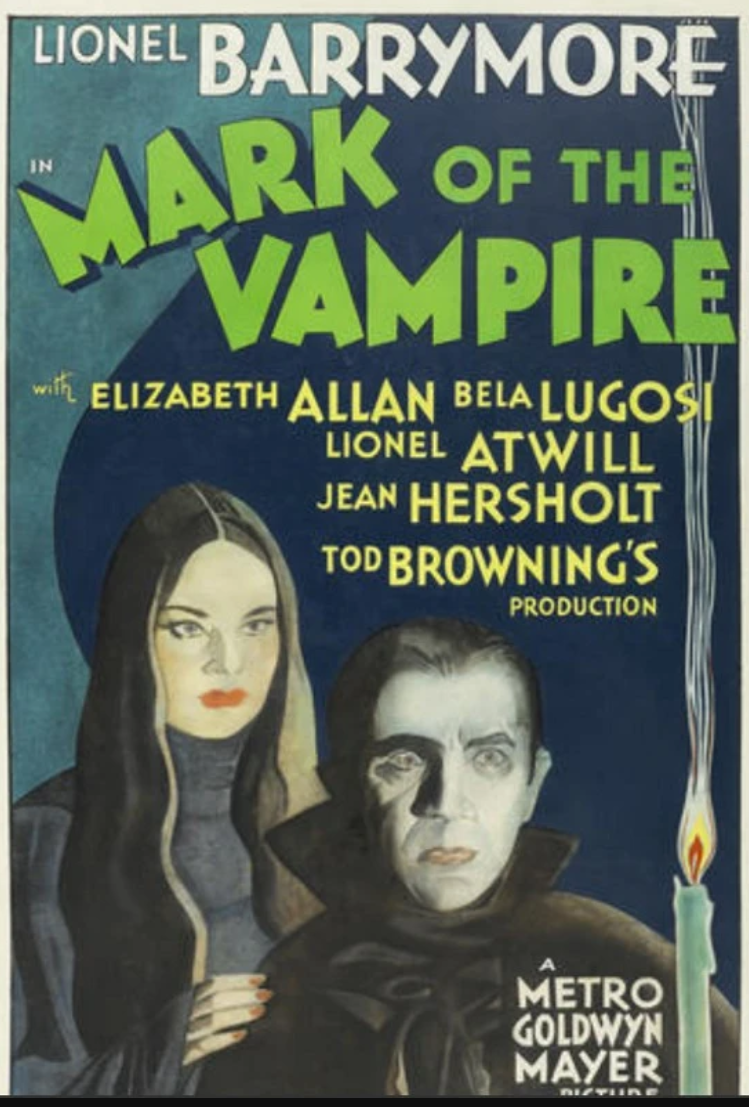
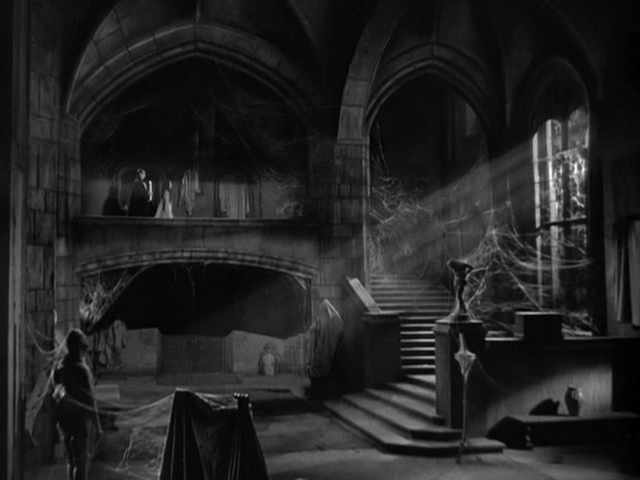
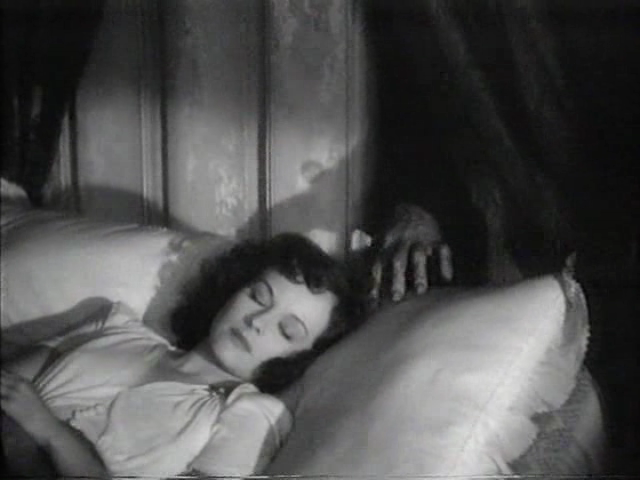
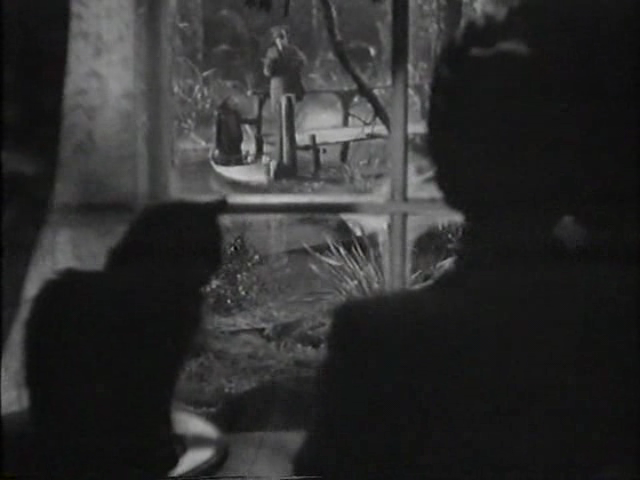
DVD Savant accurately refers to this outing by cult director Tod Browning as a “confused mess”, labeling it “some stylish scenes in search of a movie”. The film’s notorious storyline twist makes no sense at all, especially given that the suspenseful denouement could have easily occurred without the major plot upheaval; to avoid spoilers, I won’t say more here, though this severely limits my ability to say much more about the film. With that said, James Wong Howe’s cinematography is stunningly atmospheric throughout, and the “haunted” castle inhabited by Lugosi and Borland (the latter a clear inspiration for Vampira) is genuinely spooky. Mark of the Vampire is ultimately a visual treat that deserves a much better vehicle. Worth a look, but be prepared for narrative disappointment.

Redeeming Qualities and Moments:

  • Effectively spooky sets
  • Some memorably haunting imagery
  • James Wong Howe’s cinematography

Must See?
No, though most film fanatics (and fans of Tod Browning) will likely be curious to check out this follow-up to Dracula (1931). Listed as a film with Historical Importance in the back of Peary’s book.

Links:

Cat and the Canary, The (1939)

Cat and the Canary, The (1939)

“That will is practically an invitation to commit murder.”

Synopsis:
The heir (Paulette Goddard) to an eccentric millionaire’s fortune must remain sane and survive the night in his house or risk losing her inheritance to another relative named in a secret will.

Genres, Themes, Actors, and Directors:

  • Bob Hope Films
  • Comedy
  • Inheritance
  • Murder Mystery
  • Old Dark House
  • Paulette Goddard Films
  • Play Adaptation

Review:
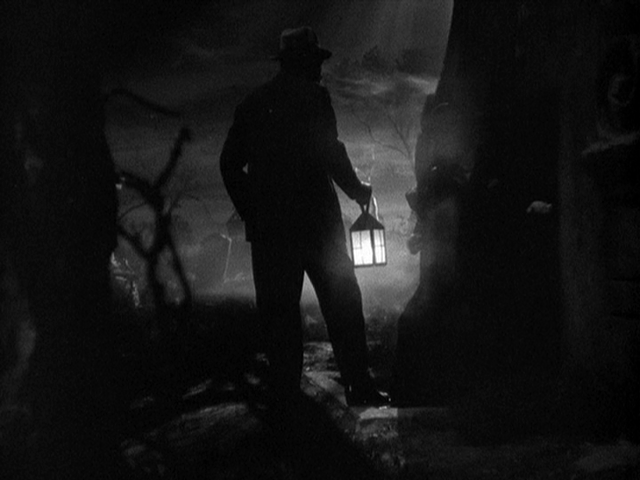
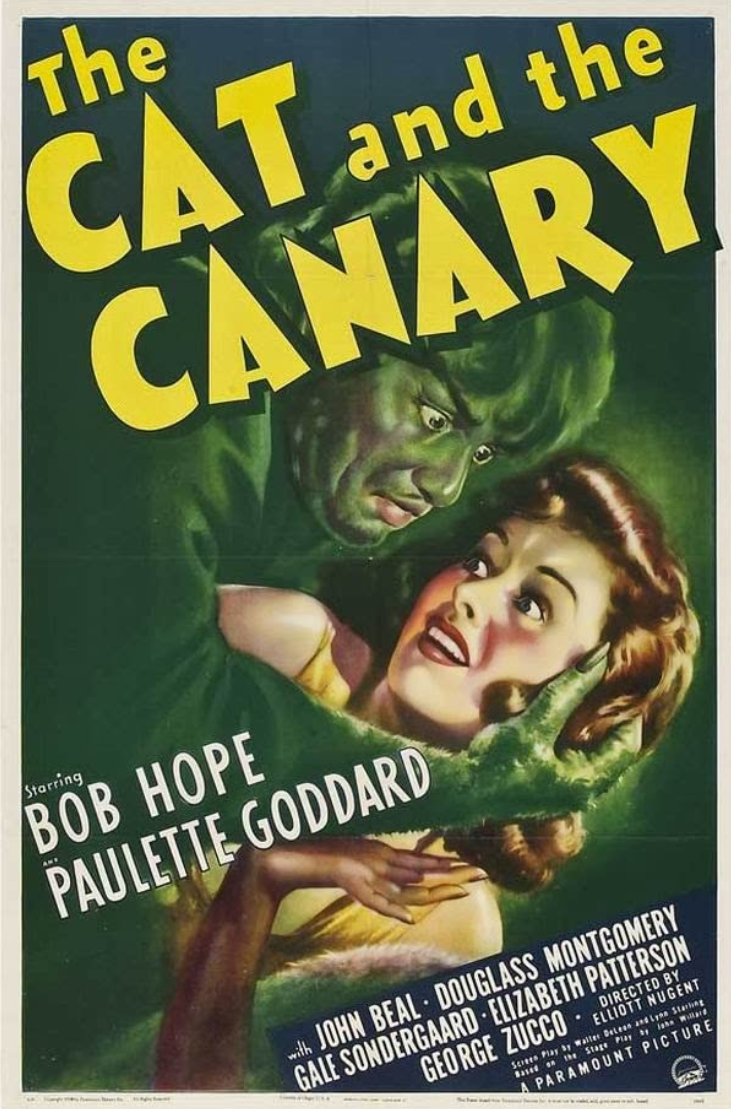
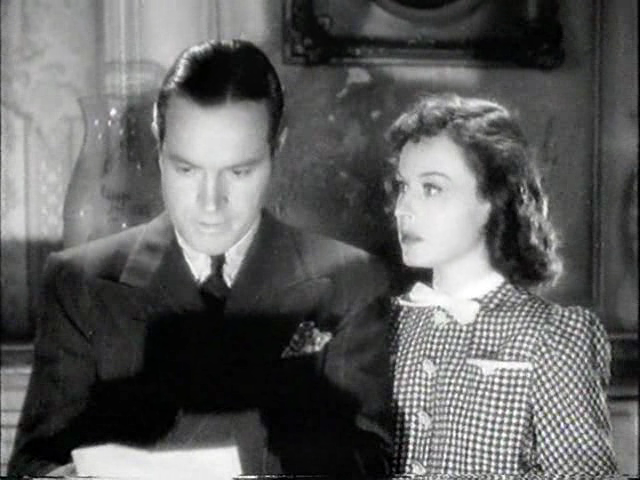
This adaptation of John Willard’s 1922 play is notable for providing Bob Hope his starring debut, and for offering Paulette Goddard a chance to show off her sadly under-utilized comedic chops. The film’s “let’s scare the heroine to death” storyline — while imitated ad nauseum by countless later “old dark house” horror flicks — remains solidly suspenseful; you’re guaranteed to be kept in the dark (literally) about the identity of the killer. Director Elliott Nugent and cinematographer Charles Lang do a fine job keeping the proceedings appropriately spooky and atmospheric, though with Hope on board, there’s naturally plenty of corny levity (“Let’s all drink scotch and make wry faces.”). Hope and Goddard’s cinematic chemistry together was so successful that they co-starred in a similar outing the following year — The Ghost Breakers (1940), also listed in Peary’s book.

NB: Paul Leni’s 1927 silent film is another notable screen adaptation of this classic play, and well worth a look.

Redeeming Qualities and Moments:

  • Paulette Goddard as Joyce
  • Many genuinely creepy and/or scary moments
  • Charles Lang’s atmospheric cinematography
  • Ernst Toch’s score

Must See?
No, but it’s recommended.

Links:

White Christmas (1954)

White Christmas (1954)

“Vermont should be beautiful this time of year, with all that snow.”

Synopsis:
A successful song-and-dance team (Danny Kaye and Bing Crosby) fall for a pair of singing sisters (Rosemary Clooney and Vera-Allen) and follow them to their next gig at a lodge in Vermont. When they discover the struggling hotel is run by their beloved former general (Dean Jagger), they decide to help out by bringing their own show to Vermont.

Genres, Themes, Actors, and Directors:

  • Bing Crosby Films
  • Danny Kaye Films
  • Dean Jagger Films
  • Do-Gooders
  • Let’s-Put-On-a-Show
  • Michael Curtiz Films
  • Musicals
  • Romantic Comedy
  • Veterans

Review:
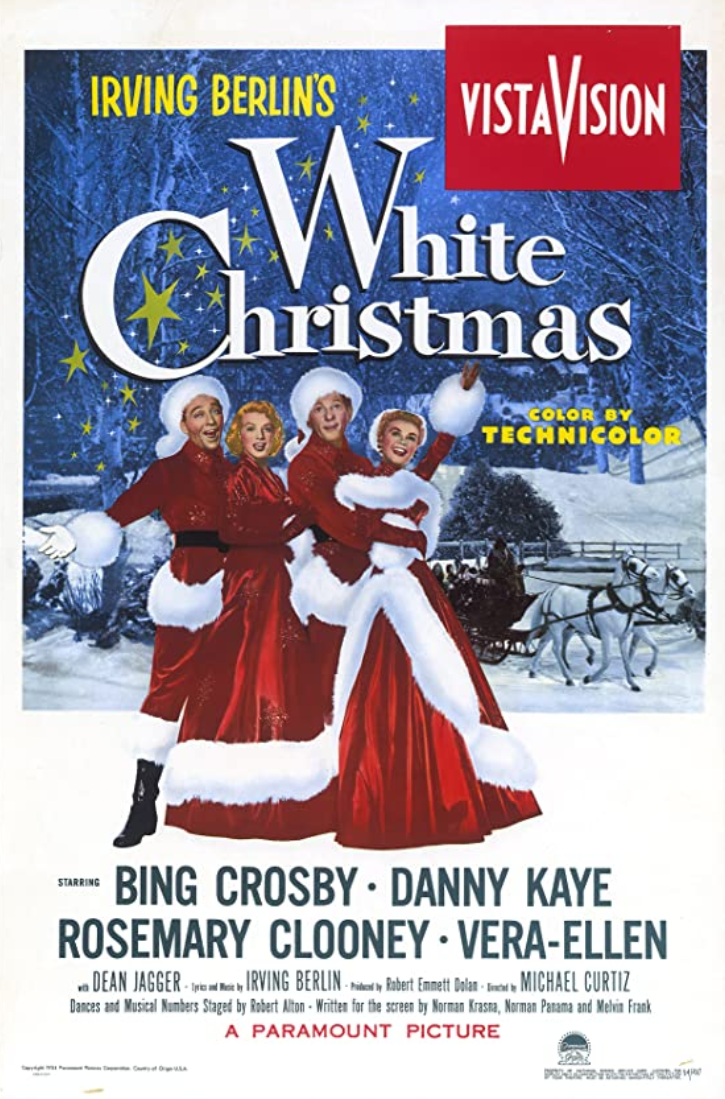
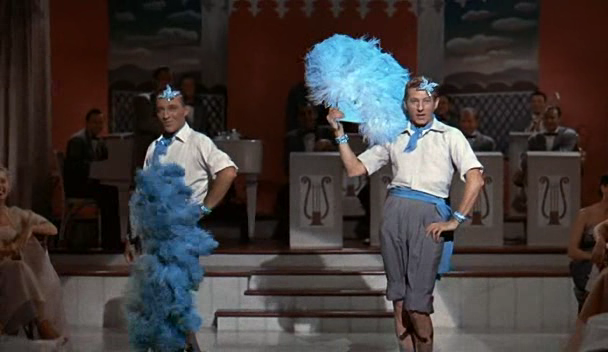
A perennial favorite on television during the holiday season, this top-grossing film of 1954 was directly intended to capitalize on the success of Holiday Inn (1942) (also co-starring Bing Crosby). The storyline, as in Holiday Inn, is pure schmaltz, starting with the opening sequence on a ludicrously unrealistic sound stage (meant to emulate a WWII army camp), in which Crosby immediately sings the title song (why give it away so quickly??), Danny Kaye quickly (and conveniently) proceeds to save his life, and Kaye capitalizes on his act of heroism by finagling a successful performing partnership. Flash-forward ten years later, when Kaye is still the more aggressive of the two (an interesting change of characterization for Kaye), and trying hard to find his buddy a romantic mate. Enter lovely Vera-Allen and Rosemary Clooney (why didn’t Clooney make more films?), a preposterously coincidental encounter with Kaye and Crosby’s beloved former general, a busybody housekeeper (Mary Wickes) who innocently perpetuates an untruth, a faux engagement, an overall “let’s put on a show!” generosity of spirit, and — voila! a feel-good favorite has emerged.

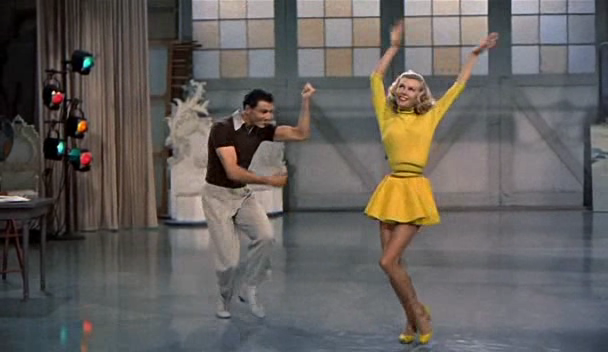
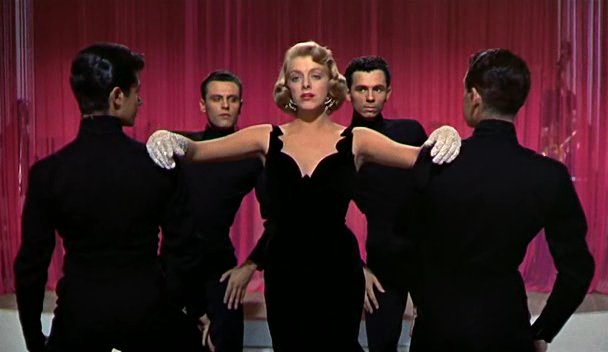
It’s hard to fault White Christmas, given that it never tries to be more than what it is — a colorful, romantic, Vista Vision vehicle for Kaye and Crosby, with plenty of song and dance routines thrown in. With that said, I’m hard-pressed to call this one a genuine “classic”, given that it never really transcends its premise or dares to try anything particularly unique. The performances are all fine, but not particularly noteworthy. Vera-Allen (now known to be suffering from anorexia) is often distractingly thin, and while her performances are as technically proficient and impressive as always, she comes across as somewhat emotionally stiff. Her best dance sequence by far is when she lets her hair down — literally! — to perform “Abraham” with John Brascia (what a treat!); meanwhile, Rosemary Clooney gets to sing some fine ditties, and looks wonderful in Edith Head’s gowns. Irving Berlin’s score is predictably enjoyable, though “What Can You Do With a General?” remains a notorious clunker (but who’s quibbling?). Directed by Michael Curtiz.

Note: White Christmas debuted as a stage musical in 2004, a testament to its enduring popularity.

Redeeming Qualities and Moments:

  • Vera Allen dancing joyously with John Brascia in “Abraham”
  • Crosby and Kaye performing in ‘drag’
  • Edith Head’s costumes
  • A fine roster of tunes by Irving Berlin

Must See?
Yes, simply for its historical significance and enormous popularity.

Categories

  • Historically Relevant

Links:

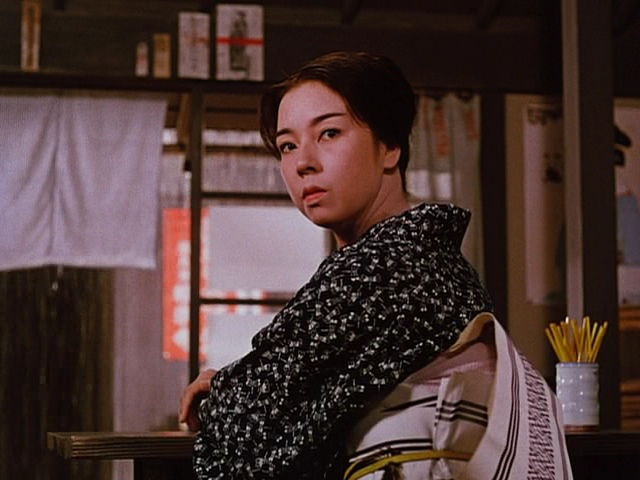
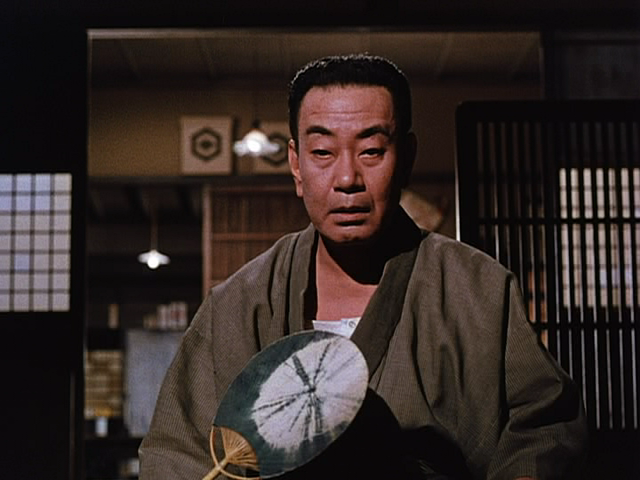
Floating Weeds / Drifting Weeds (1959)

Floating Weeds / Drifting Weeds (1959)

“What’s wrong with seeing my son? My own son, mind you!”

Synopsis:
When touring in a seaside village, the manager (Ganjiro Nakamura) of an itinerant acting troupe visits his former lover (Haruko Sugimura) and their grown son Kiyoshi (Hiroshi Kawaguchi), who believes Komajuro (Nakamura) is his uncle. Komajuro’s mistress (Machiko Kyo) becomes jealous when she learns about this, and asks her colleague (Ayako Wakao) to seduce Kiyoshi — much to Komajuro’s distress.

Genres, Themes, Actors, and Directors:

  • Actors and Actresses
  • Grown Children
  • Japanese Films
  • Jealousy
  • Mistaken Identities
  • Revenge
  • Yasujiro Ozu Films

Review:
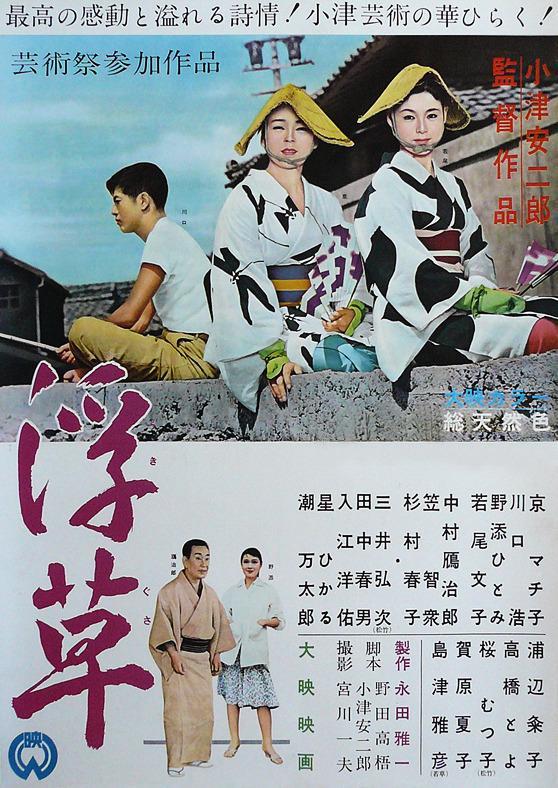
One of the final films made by the prolific Japanese director Yasujiro Ozu before his death in 1963, Floating Weeds remains a critical favorite, with Roger Ebert notoriously placing it among his personal “top 10”. A remake of Ozu’s 1934 silent film The Story of Floating Weeds (which I haven’t seen, and which isn’t listed in Peary’s book), the storyline reveals Ozu’s enduring interest in the drama of familial relations, embedded within the specific context of a struggling Kabuki theatrical troupe (the phrase “floating weeds” is, according to Ebert, a Japanese term for itinerant actors). The actors are all fine in their respective roles, with Kyo — perhaps best known for her role as the violated wife in Kurosawa’s Rashomon (1950) — giving a particularly nuanced performance as Nakamura’s jealous, vulnerable mistress.

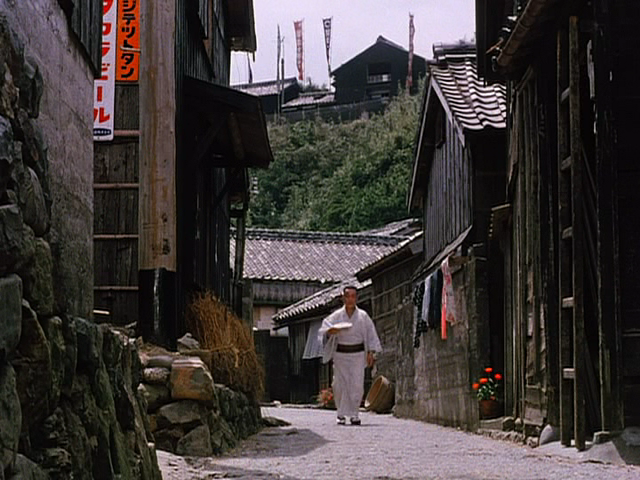
Fans of Ozu’s distinctive directorial style — including low, static camera angles; exclusive use of a 50 mm lens; no fades or dissolves between shots; and the steady incorporation of pillow shots between scenes — will find much here to enjoy and admire. The leisurely pace of the film — punctuated by fits of violence and melodrama — allows much time for contemplation and appreciation of the vibrant color scheme and authentic seaside settings. Yet while I was curious to learn how things would resolve between Nakamura and his son, his lover, his former lover, and his son’s lover, the storyline moves awfully slowly, wandering aimlessly at times to focus on numerous (perhaps too many?) side-plots. With that said, most film fanatics will surely want to check out this highly regarded film by Ozu, so I’m strongly recommending it for at least one-time viewing.

Note: Of Ozu’s 54 films, Peary curiously only lists four in his GFTFF. All — Late Spring (1949), Early Summer (1951), and Tokyo Story (1953) — have now been reviewed on this site.

Redeeming Qualities and Moments:

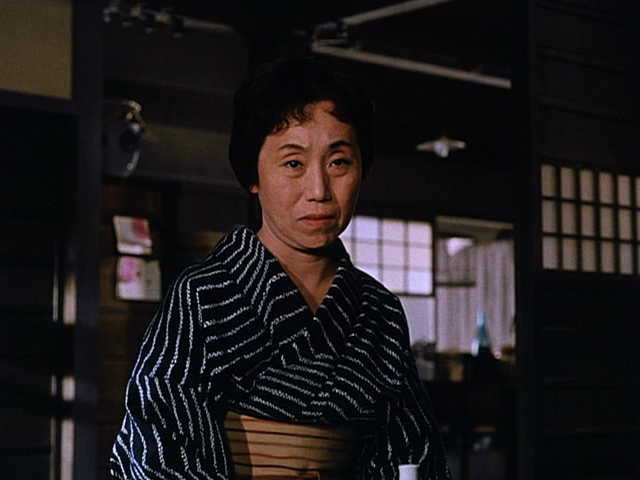
  • Haruko Sugimura as Oyoshi
  • Machiko Kyo as Sumiko
  • Ganjiro Nakamura as Komajuro
  • Vibrant cinematography
  • Fine use of authentic seaside locales

Must See?
No, though it’s strongly recommended. Listed as a Personal Recommendation in the back of Peary’s book.

(Listed in 1001 Movies You Must See Before You Die)

Links:

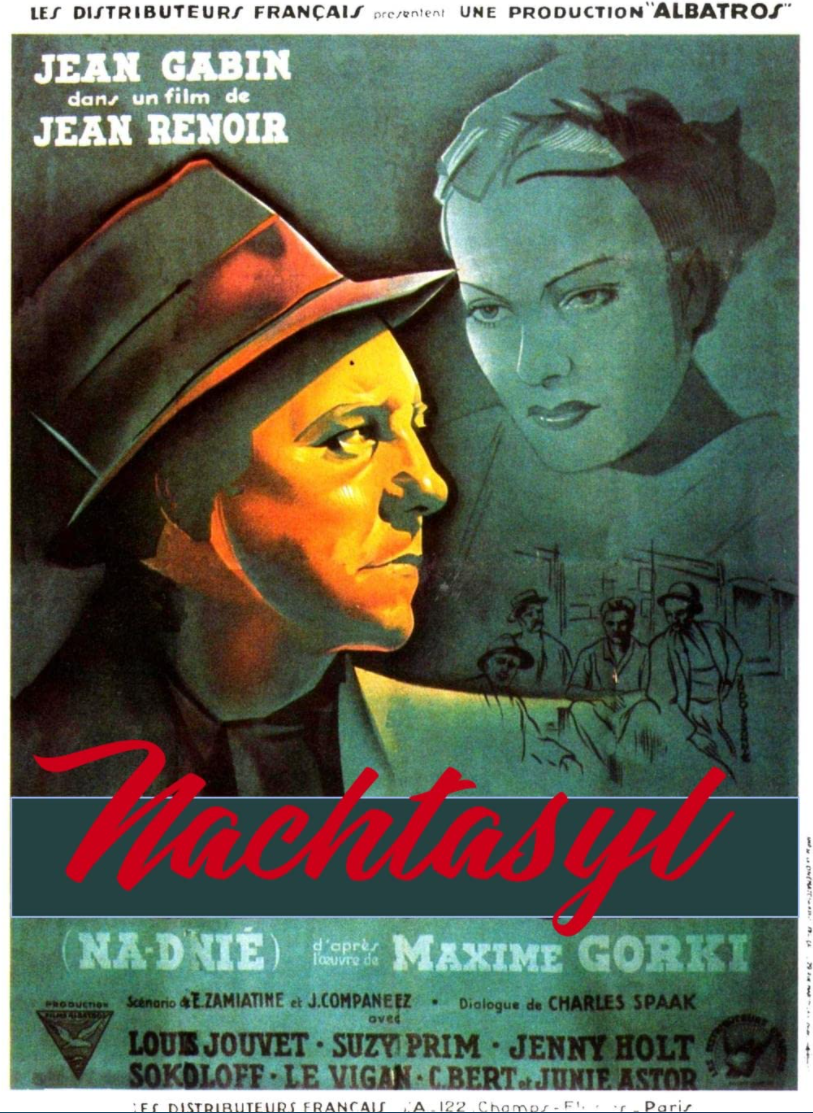
Lower Depths, The / Bas-Fonds, Les (1936)

Lower Depths, The / Bas-Fonds, Les (1936)

“We’re born, we live, we die — it’s nothing to cry over.”

Synopsis:
A destitute baron (Louis Jouvet) befriends a thief (Jean Gabin) living in a flophouse, whose married landlady (Suzy Prim) is jealous about Gabin’s love for her downtrodden sister (Junie Astor).

Genres, Themes, Actors, and Directors:

  • French Films
  • Jean Gabin Films
  • Jean Renoir Films
  • Love Triangle
  • Play Adaptation
  • Thieves and Criminals

Review:
Jean Renoir’s adaptation of Maxim Gorky’s 1902 Russian stage play transports the narrative to the slums of Paris, effectively opening up the tale by including a lengthy backstory for one of the characters: Louis Jouvet’s impoverished baron, who remains remarkably unperturbed as he’s forced to give up his palatial residence and adopt a life of itinerant poverty. His friendship with Gabin, and his eventual residence in the flophouse run by Vladimir Sokoloff and Suzy Prim, provide the background context for the film’s central drama — Gabin’s love for Prim’s “Cinderella-like abused sister” (Astor), who is cruelly “sold” to a lascivious, blackmailing suitor (Andre Gabriello). Despite its citation as the best picture of 1936 by a “circle of prestigious French critics”, this bittersweet drama no longer ranks among Renoir’s best work — yet it’s ultimately more enjoyable than Kurosawa’s 1957 reimagining of the play, which (as noted in my review) spreads itself too thinly among the play’s ensemble characters. Jouvet is particularly notable here as the soulful baron: his plight immediately intrigues us, and serves as a welcome counterpart to the storyline’s more blatantly sordid elements.

Redeeming Qualities and Moments:

  • Louis Jouvet as the Baron

Must See?
No, though it’s worth a look, and Renoir fans will certainly want to check it out.

Links:

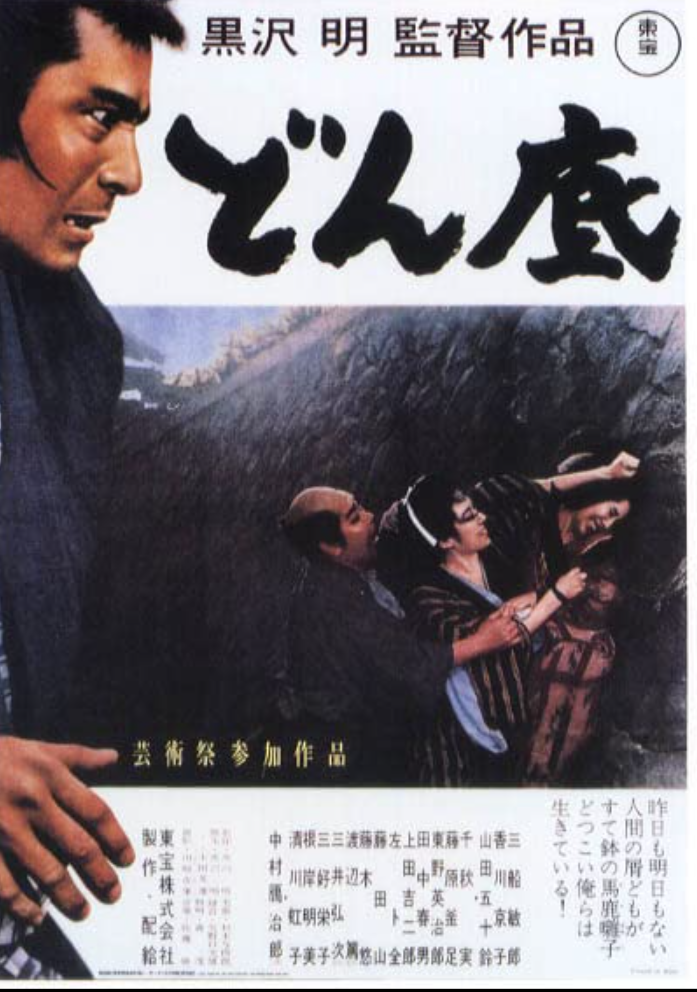
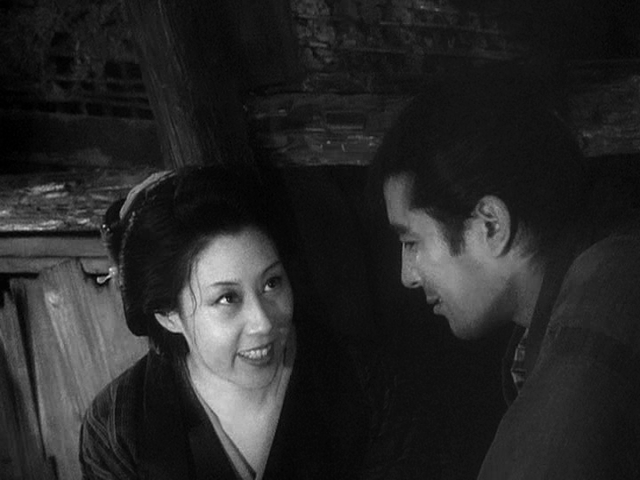
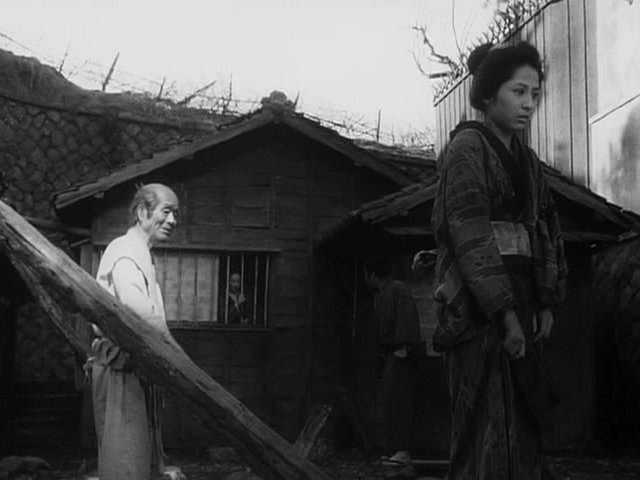
Lower Depths, The (1957)

Lower Depths, The (1957)

“How can you go to hell if you’re already there?”

Synopsis:
Amidst the miseries of a flophouse in Edo-era Japan, a thief (Toshiro Mifune) falls in love with the sister (Kyoko Kagawa) of his married landlady (Isuzu Yamada), who jealously seeks revenge.

Genres, Themes, Actors, and Directors:

  • Akira Kurosawa Films
  • Ensemble Cast
  • Japanese Films
  • Love Triangle
  • Play Adaptations
  • Revenge
  • Toshiro Mifune Films

Review:
The above synopsis of this adaptation of Maxim Gorky’s 1902 stage play — transported by writer/director Kurosawa to 19th century Japan — isn’t quite accurate, given that The Lower Depths is actually a classic ensemble tale, one more concerned with representing the miserable lives of its collective cast than with focusing on any particular protagonist’s personal tragedy. To that end, we bear witness to a cynical tinker (Eijiro Tono) waiting impatiently for his sick wife (Eiko Miyoshi) to die; a whiny prostitute (Akemi Negishi) lamenting her fall from grace; an alcoholic actor (Kamatari Fujiwara) complaining about the damage he’s doing to his “bitol organs”; and more.

Unfortunately, Kurosawa and Hideo Oguni’s relatively faithful screenplay — strategically limited to the confines of the sound-stage flophouse — basically consists of the characters sitting around kvetching about their lot in life, and yelling at each other. It’s difficult to keep track of who’s who, or to really care about any of their fates, given that so many weakly developed storylines are overlapping. Not even Mifune’s love triangle with Kagawa and Yamada bears much impact — we haven’t been given enough of a chance to know them as individuals. All in all, this is a surprisingly disappointing Kurosawa flick, one that I don’t consider must-see viewing except for his most steadfast fans. If you do decide to watch it, however, wait for a most enjoyable and bizarrely impromptu musical “performance” near the end — my favorite scene by far.

Redeeming Qualities and Moments:

  • Isuzu Yamada as Mifune’s jealous lover
  • Kazuo Yamasaki’s cinematography

Must See?
No; feel free to skip this one unless you’re a diehard Kurosawa fan.

Links: