Browsed by
Category: Original Reviews

Responses to Peary’s “must see” movie reviews, as well as my own “must see” movie reviews up to and after 1986 (when Peary’s book was published).

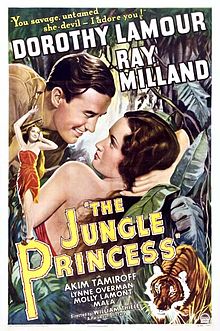
Jungle Princess, The (1936)

Jungle Princess, The (1936)

“Devils are as real to these people as leopards and pythons are to us — as real, and a lot more terrifying.”

Synopsis:
While visiting Malaysia with his fiancee (Molly Lamont) and her father, a scientist (Ray Milland) is attacked by a tiger in the jungle, and rescued by a beautiful native girl (Dorothy Lamour) who falls in love with him.

Genres, Themes, Actors, and Directors:

  • Akim Tamiroff Films
  • Cross-Cultural Romance
  • Dorothy Lamour Films
  • Jungles
  • Love Triangle
  • Native Peoples
  • Ray Milland Films

Review:
This innocuous tale of a native “wild child” who falls in love with the first (white) male she encounters after years of surviving on her own in the jungle is pure Hollywood fantasy all the way. There’s little in the silly narrative that’s either unique or interesting, and the “love triangle” element (between Milland, Lamour, and Lamont) is handled so tepidly that Milland’s character actually says at one point (with deadpan British politeness), “I’m terribly sorry, dear, but I’m afraid I seem to be in love with her.” This hard-to-find title is clearly included in Peary’s book simply because of its notoriety as Lamour’s breakthrough role, and she is indeed sumptuous to look at: all wide eyes and innocent giggles, with flowing brown hair and tinted skin, she would forever after be associated as the exotic, sarong-wearing love interest, most notably in the “Road To…” films with Bob Hope and Bing Crosby (no less than five of which are listed in Peary’s book!).

Redeeming Qualities and Moments:

  • The impressive opening elephant stampede sequence — but watch Chang (1927) instead for an even more satisfying variation on this scene (and a much better film overall)

Must See?
No; this one is only must-see for diehard Dorothy Lamour fans.

Links:

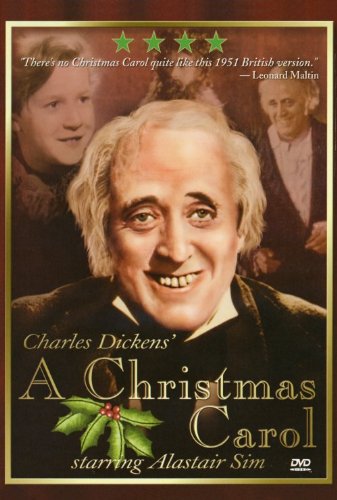
Christmas Carol, A (1951)

Christmas Carol, A (1951)

“Go and redeem some other promising young creature, but leave me to keep Christmas in my own way.”

Synopsis:
Miserly Ebenezer Scrooge (Alastair Sim) is visited by the ghost of his former business partner (Michael Hordern), as well as the spirits of Christmas Past (Michael Dolan), Christmas Present (Francis De Wolff), and Christmas Yet To Come (C. Konarski), all of whom attempt to help him mend the error of his ways.

Genres, Themes, Actors, and Directors:

  • Alastair Sim Films
  • Character Arc
  • Christmas
  • Fantasy
  • Flashback Films
  • Ghosts
  • Greed

Review:
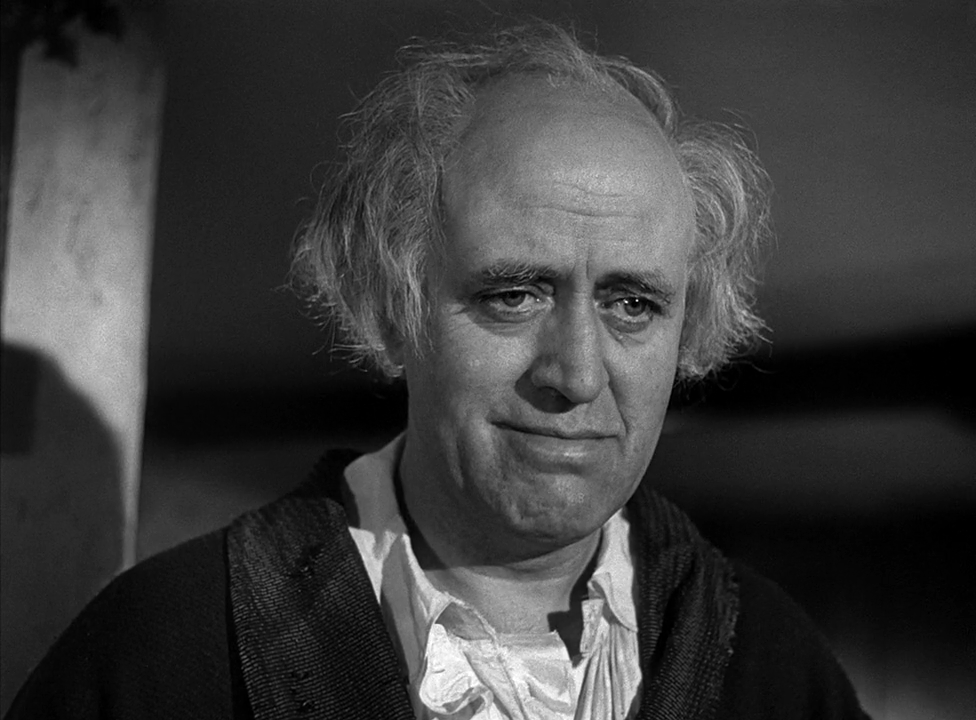
This mid-century British version of Dickens’ classic Christmas-time parable is viewed by some critics — including Peary — as the best of numerous cinematic adaptations. It’s notable primarily for Alastair Sim’s definitive performance in the lead role as Ebenezer Scrooge, a widely disliked miser who undergoes a tremendous change of heart during the most terrifying and life-altering night of his existence. Sim manages to effectively humanize Scrooge to the extent that we eventually sympathize with this notoriously miserable codger — a man who (according to Peary in Alternate Oscars) “is initially heartless and friendless, as stingy with kindness as he is with money”, who “curses Christmas, shoves aside young carolers, and refuses to accept Christmas cheer or give money to help the unfortunate through the holidays”. Noel Langley’s literate screenplay largely respects Dickens’ overall vision and words — though an attempt to explain Scrooge’s cynicism via back stories of his sister’s death during childbirth (just as Scrooge himself was the cause of his own mother’s death) doesn’t quite convince. Narrative quibbles aside, however, this remains a visually sumptuous and heartwarming historical fantasy, one which film fanatics are sure to enjoy.

Note: This is the only cinematic version of A Christmas Carol listed in Peary’s book; are there others that might be considered “Missing Titles”?

Redeeming Qualities and Moments:

  • Alastair Sim as Scrooge (Peary votes him Best Actor of the Year in his Alternate Oscars book)
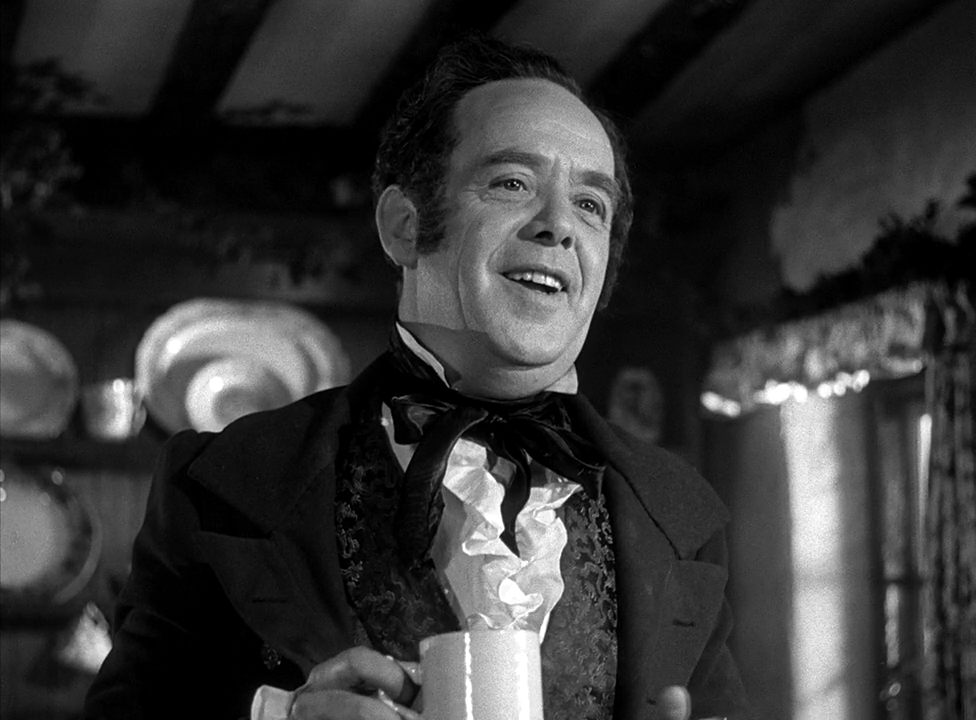
  • Mervyn Johns as Bob Cratchit
  • C. Pennington-Richards’ cinematography
  • Fine period sets

Must See?
Yes, for Sim’s performance, and as an enjoyable Christmas classic. Listed as a film with Historical Importance and a Personal Recommendation in the back of Peary’s book.

Categories

  • Good Show
  • Noteworthy Performance(s)

Links:

Girlfriends (1978)

Girlfriends (1978)

“You don’t know me at all anymore; you really don’t.”

Synopsis:
An aspiring photographer (Melanie Mayron) struggles to create a new life for herself when her long-time roommate and best friend (Anita Skinner) gets married.

Genres, Themes, Actors, and Directors:

  • Character Studies
  • Eli Wallach Films
  • Feminism and Women’s Issues
  • Friendship
  • Photographers

Review:
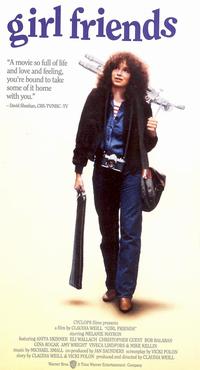
Writer/director Claudia Weill’s indie debut film, while presenting a refreshing female perspective in 1970s cinema, is unfortunately not all that memorable. Despite her best efforts, Mayron’s critically-lauded central performance is hampered by Weill’s overly simplistic screenplay, which fails to authentically develop any of its several storylines.

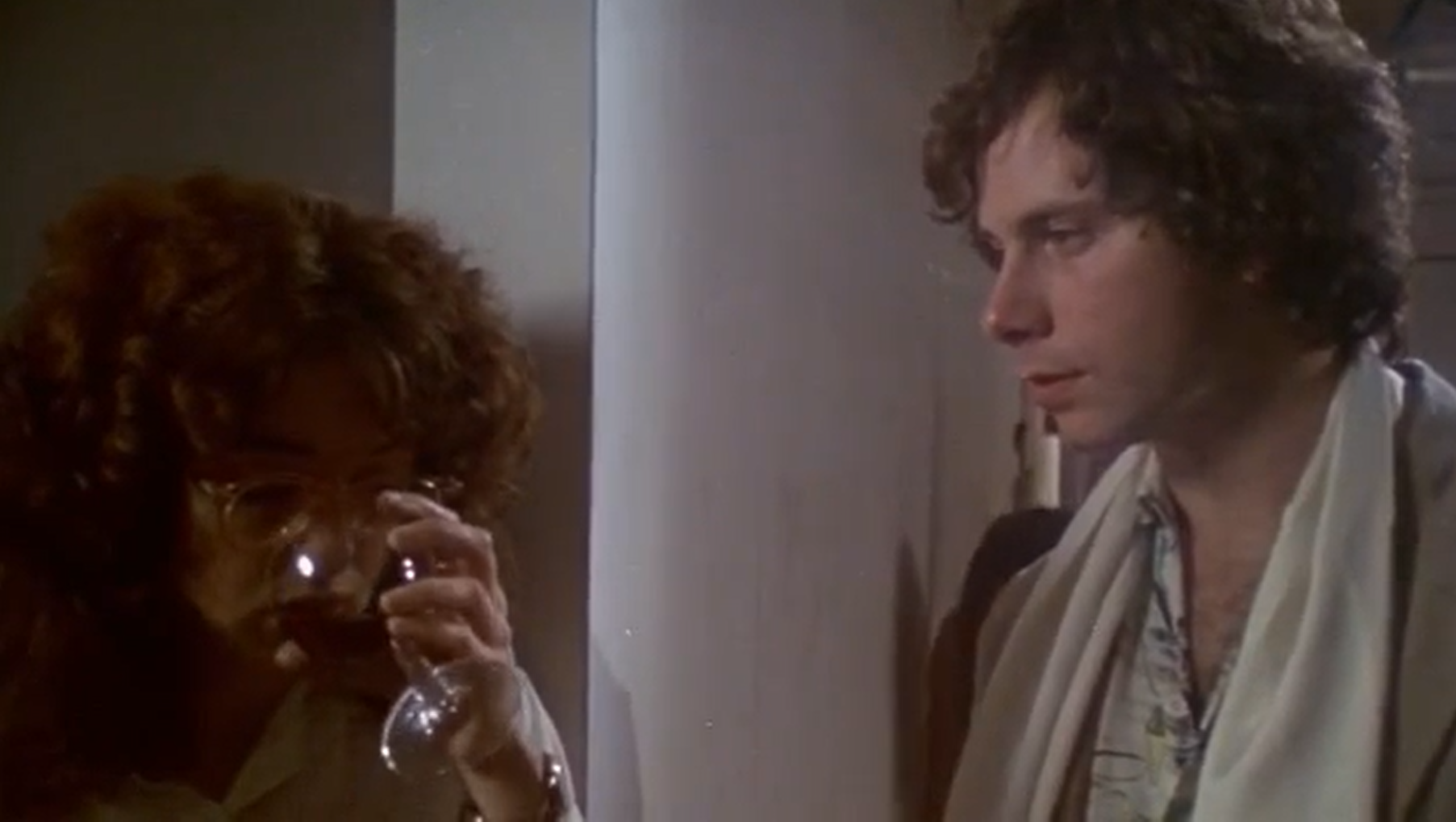
Mayron’s new relationship with a young professor (Christopher Guest), for instance, simply follows the predictable arc of giddy new romance souring over time (though I do like the discomfiting authenticity of the early scene in which they first meet at a party and go home together, only to part ways for months before meeting up again).

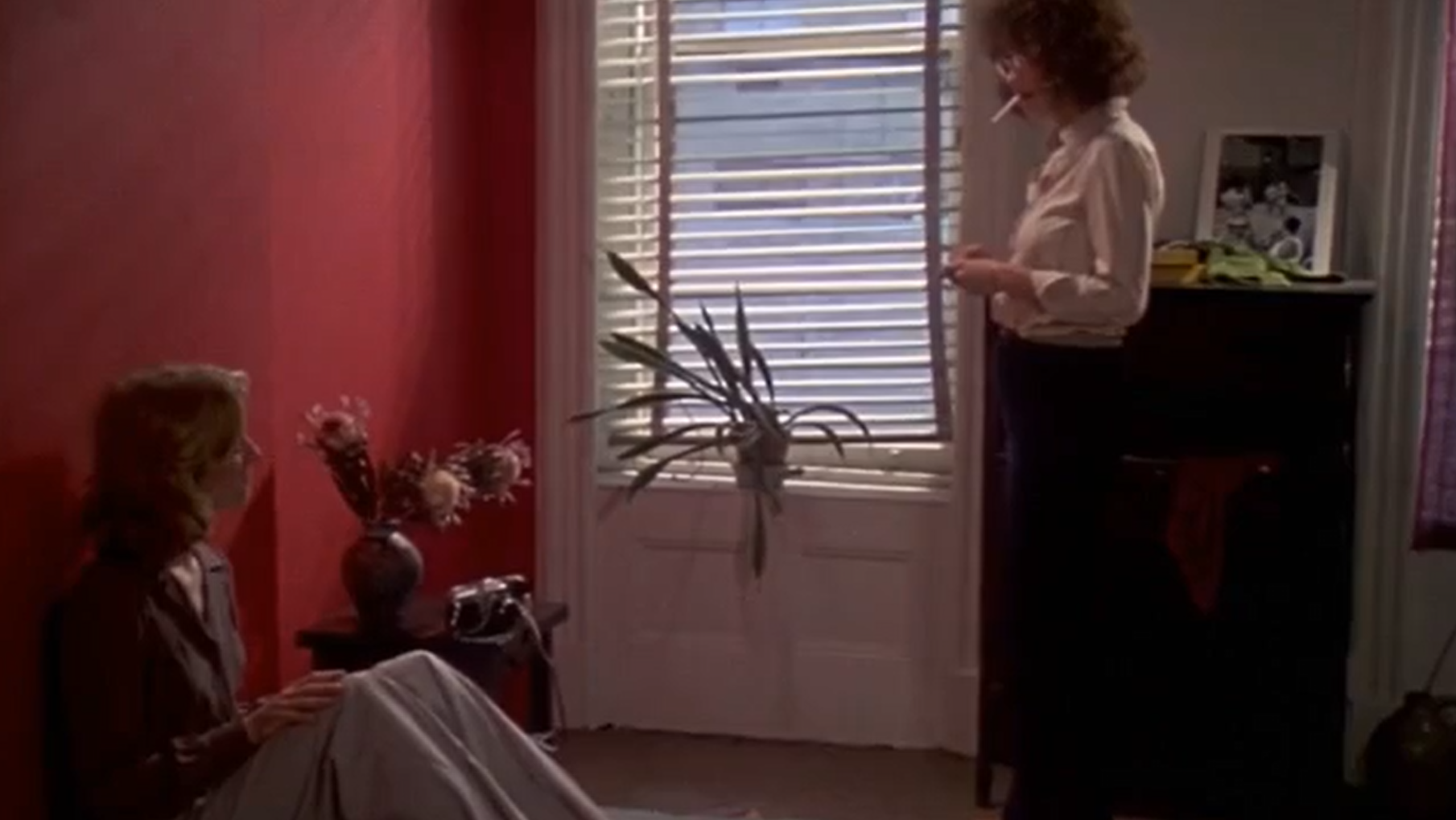
Meanwhile, Mayron’s attempts to “make it” as an artist/photographer are laughably unrealistic: her repeated assertions that she’ll no longer need to take on jobs as a photographer-for-hire at bat bitzvahs and weddings once she’s lucked into showing her work at a small gallery simply make her come across as an utter moron. (And it’s frustrating that we never really see evidence of her talents as a photographer; her compositions are fine, but not earth-shattering). Finally, the sudden dissolution of her friendship with Skinner — ostensibly the main focus of the film, per its title — comes so quickly that we’re not yet invested in their fates.

Note: Watch for Eli Wallach in a small role as the rabbi Mayron develops a crush on.

Redeeming Qualities and Moments:

  • A heartfelt look at feminist concerns in 1970s New York

Must See?
No, though it’s worth checking out. Listed as a Sleeper and a Cult Movie in the back of Peary’s book.

Links:

House of Dark Shadows (1974)

House of Dark Shadows (1974)

“I have found my Josette — and this time, there will be that wedding.”

Synopsis:
A recently unleashed vampire (Jonathan Frid) woos a young woman (Kathryn Leigh Scott) who looks eerily like his long-lost love; meanwhile, a female doctor (Grayson Hall) with a crush on Frid attempts to “cure” him.

Genres, Themes, Actors, and Directors:

  • Horror
  • Joan Bennett Films
  • Vampires

Review:
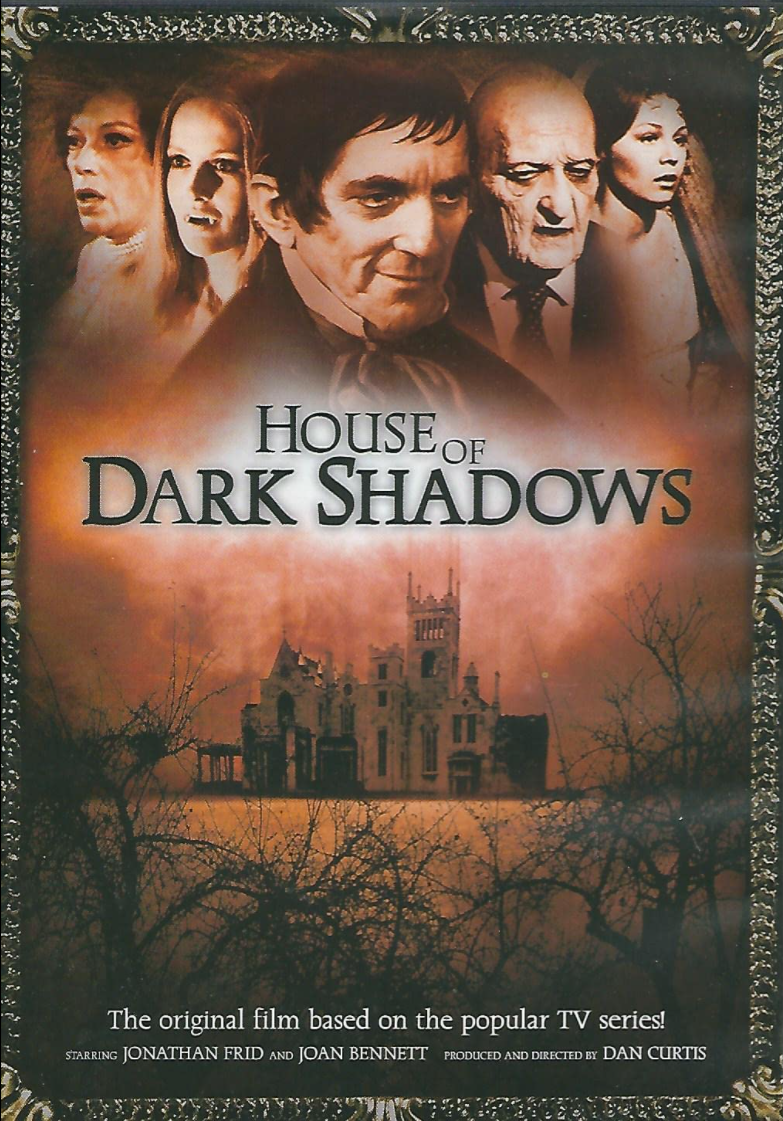
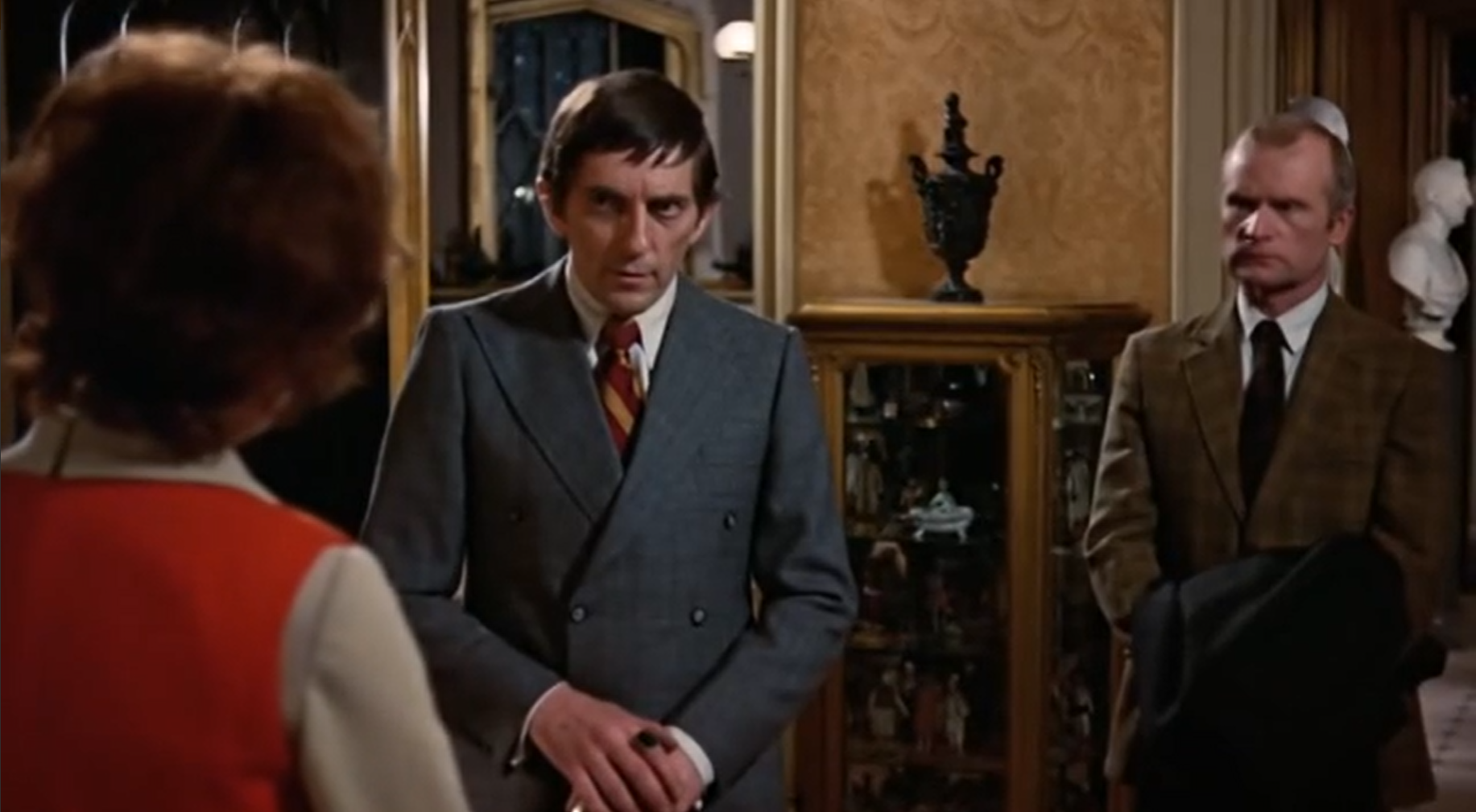
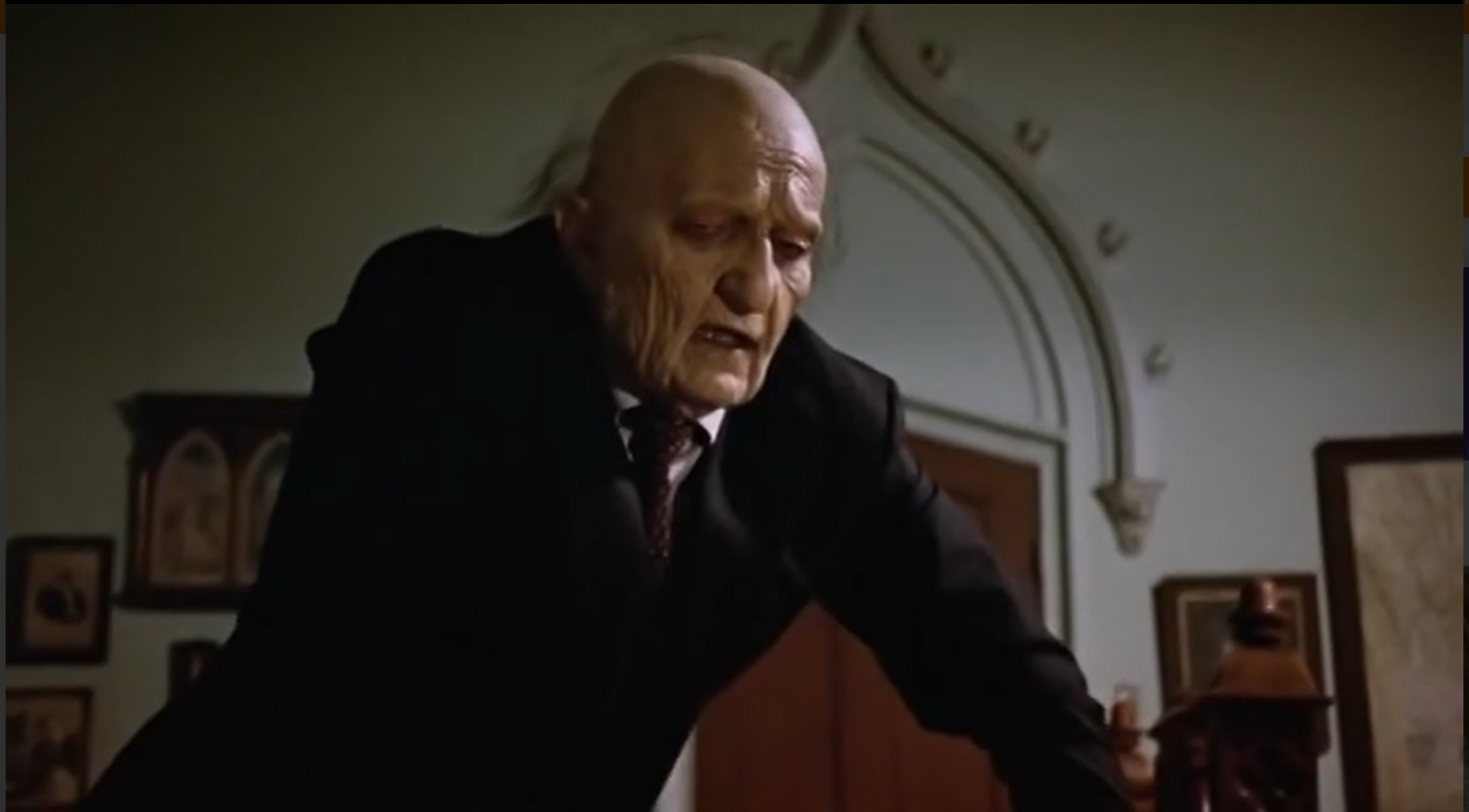
Based on the cult daytime television series “Dark Shadows” (1966-1971), this gothic horror tale is essentially an extended take on one of the show’s most popular storylines: a 235-year-old vampire named Barnabas Collins (Frid) who emerges from a centuries-long imposed slumber to wreak havoc on his modern-day descendants.

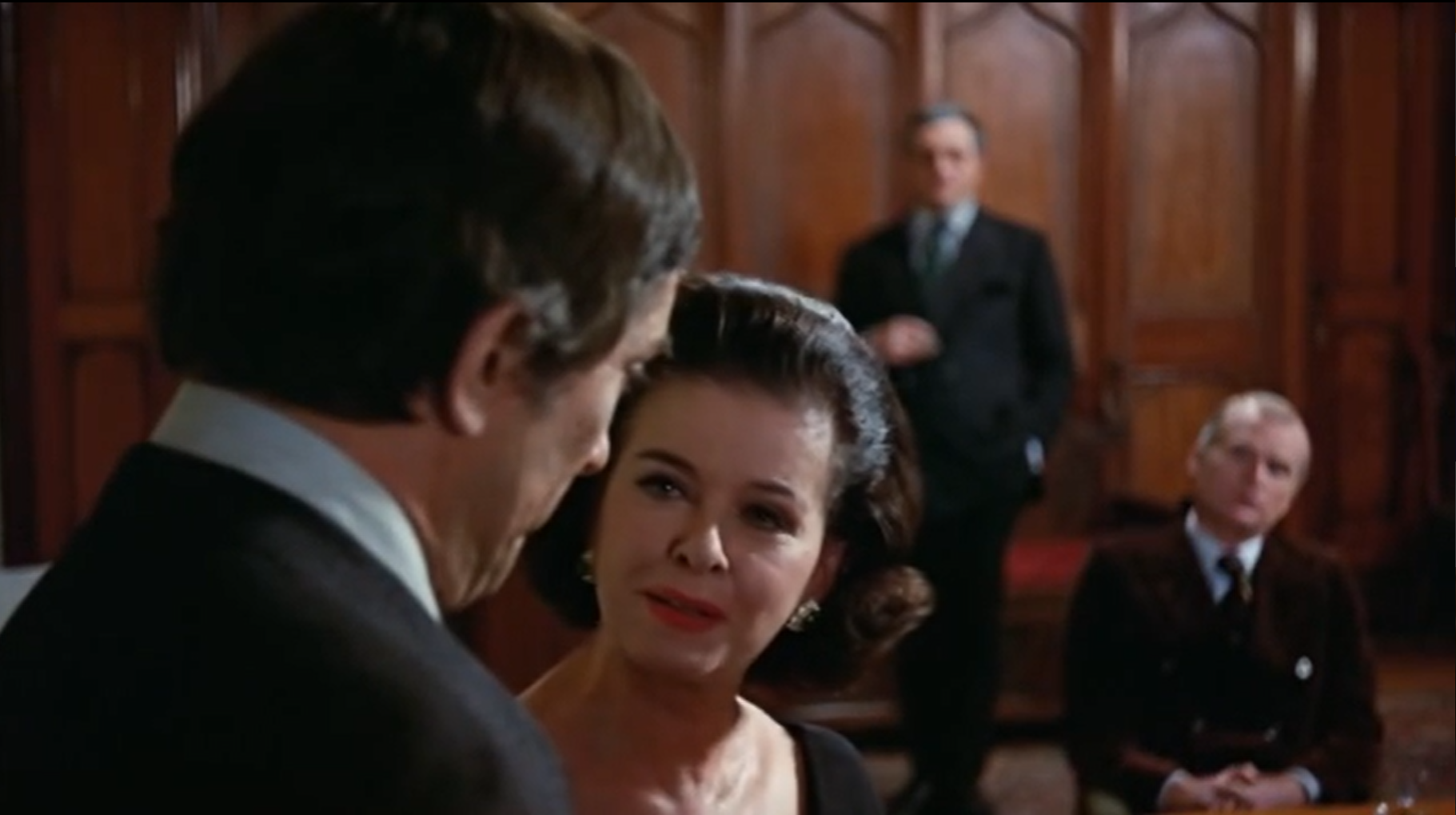
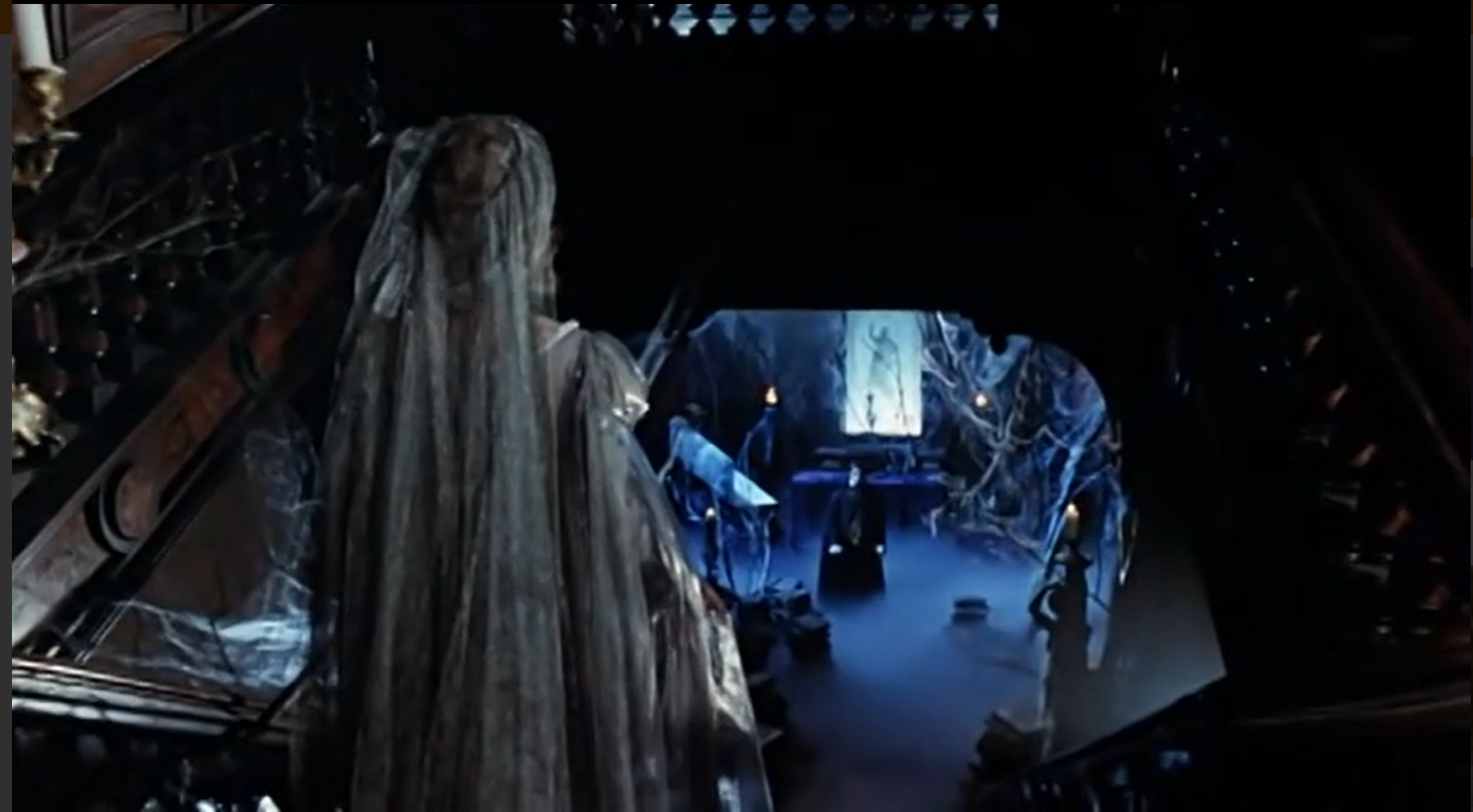
It’s fairly standard fare, without much to distinguish it — though the sets are atmospheric, there are a few effectively scary sequences (including the graphic death of one newly “turned” vampire), and impressive make-up is used to age Collins. However, only true fans of the vampire genre — and/or fans of the original T.V. series — need bother seeking this one out. Watch for Joan Bennett in a small role as the family’s matriarch; she starred in the television series as well.

Note: According to TCM, House of Dark Shadows has the distinction of the being the only feature-length film based on a daytime soaper.

Redeeming Qualities and Moments:

  • Atmospheric sets
  • Effective aging make-up

Must See?
No. Listed as a Cult Movie in the back of Peary’s book.

Links:

Mr. Blandings Builds His Dream House (1948)

Mr. Blandings Builds His Dream House (1948)

“You’ve been taken to the cleaners, and you don’t even know your pants are off.”

Synopsis:
A city slicker (Cary Grant) and his wife (Myrna Loy) purchase a run-down house in Connecticut, against the advice of their well-meaning lawyer friend (Melvyn Douglas).

Genres, Themes, Actors, and Directors:

  • Cary Grant Films
  • City vs. Country
  • Comedy
  • Melvyn Douglas Films
  • Myrna Loy Films

Review:
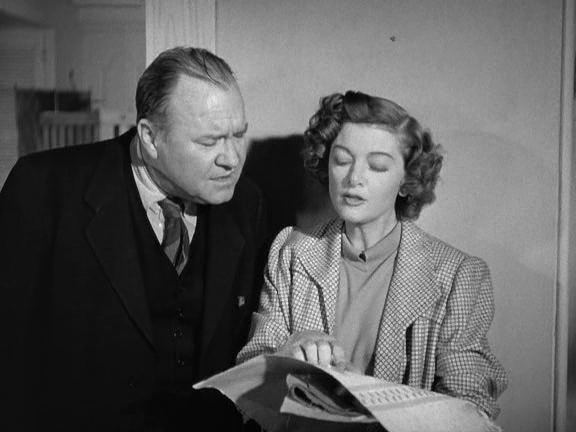
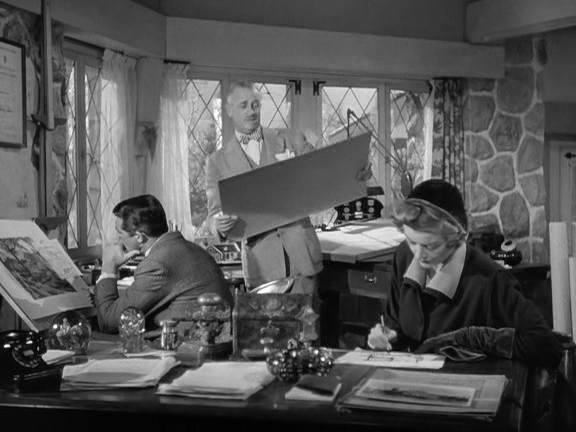
Cary Grant and Myrna Loy were at the peak of their popularity when they starred together in this amiable comedy (based on the bestselling novel by Eric Hodgins) about an urban couple hoodwinked into purchasing an “idyllic” country home. The storyline is simple, and ripe for empathetic chuckles given its very topic: anyone who’s purchased a home — or longed to live in a place where the grass is presumably greener — will relate at least somewhat to their travails. My favorite scene (highlighted by many fans as well) shows Myrna Loy meticulously outlining her preferences in color schemes for various rooms, only for the painter to label her choices simply as “red, green, blue, yellow, white”. Given its comedic potential, however, Mr. Blandings… unfortunately never emerges as anything more than a series of mildly amusing vignettes. A would-be romantic rivalry subplot involving Melvyn Douglas (who also narrates the film) falls flat, and the story builds to a surprisingly slight pay-off. While it’s certainly recommended for one-time viewing (and Cary Grant fans will doubtless want to check it out), this isn’t must-see for all film fanatics.

Redeeming Qualities and Moments:

  • Several charmingly humorous scenes

  • A number of memorable one-liners:

    “I refuse to endanger the lives of my children in a house with less than four bathrooms.”

Must See?
No, but it’s recommended. Listed as a Personal Recommendation in the back of Peary’s book.

Links:

Not of This Earth (1957)

Not of This Earth (1957)

“This killer is a fiend of the most diabolical kind, interested in only one thing: blood.”

Synopsis:
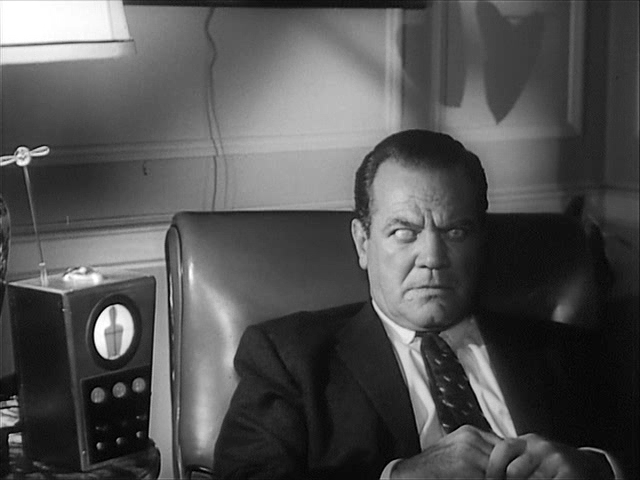
A dying alien (Paul Birch) travels to Earth to secure blood for the inhabitants of his planet, hiring an increasingly curious doctor (William Roerick), personal nurse (Beverly Garland) and valet (Jonathan Haze) as his assistants.

Genres, Themes, Actors, and Directors:

  • Aliens
  • Dick Miller Films
  • Roger Corman Films
  • Science Fiction
  • Vampires

Review:
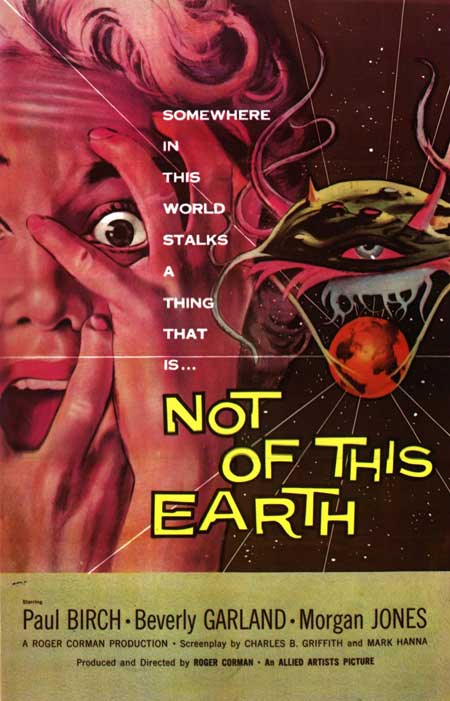
A clear inspiration for John Carpenter’s cult classic They Live (1988), this low-budget sci-fi/horror flick by director/producer Roger Corman remains one of his most enjoyable early outings (and just one of NINE films he made that same year!). Tautly edited and scripted, it tells a quick but surprisingly effective tale of alien vampiric forces invading Southern California, for greater purposes that are only gradually revealed. At only 67 minutes long, the story (co-written by Charles B. Griffith and Mark Hanna) speeds along at a fast clip, barely giving us a chance to chuckle over the campy effects (note the brief, incongruous presence of a jelly-fish-like predator used to kill one nosy character) and gaping plot holes (why, for instance, would Birch leave his “nutrient-rich” drink out on his breakfast tray for Garland to conveniently swipe for analysis? and why bother having his valet make him meals every morning that he refuses to touch?). Such quibbles aside, we’re kept in suspense throughout about the true nature of Birch’s mission — and once he encounters a fellow alien (Anne Carroll) in distress, our sentiments towards this presumed villain palpably shift. Watch for Garland’s especially camp-worthy response when she learns who Birch really is: this is mid-century female strength and presence-of-mind at its best!

Note: Film fanatics will doubtless note that the special effects used here for Birch’s eyes (“lacking any visible aperture on the optical tissue”) were likely an influence on Corman’s later X: The Man With X-Ray Eyes (1963).

Redeeming Qualities and Moments:

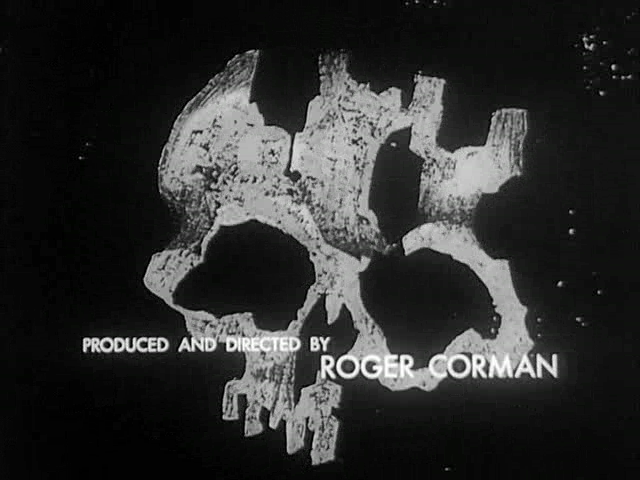
  • Creative opening titles
  • An enjoyably pulpy sci-fi/horror plot
  • A clever ending shot

Must See?
Yes, as one of Corman’s best early features.

Categories

  • Important Director

Links:

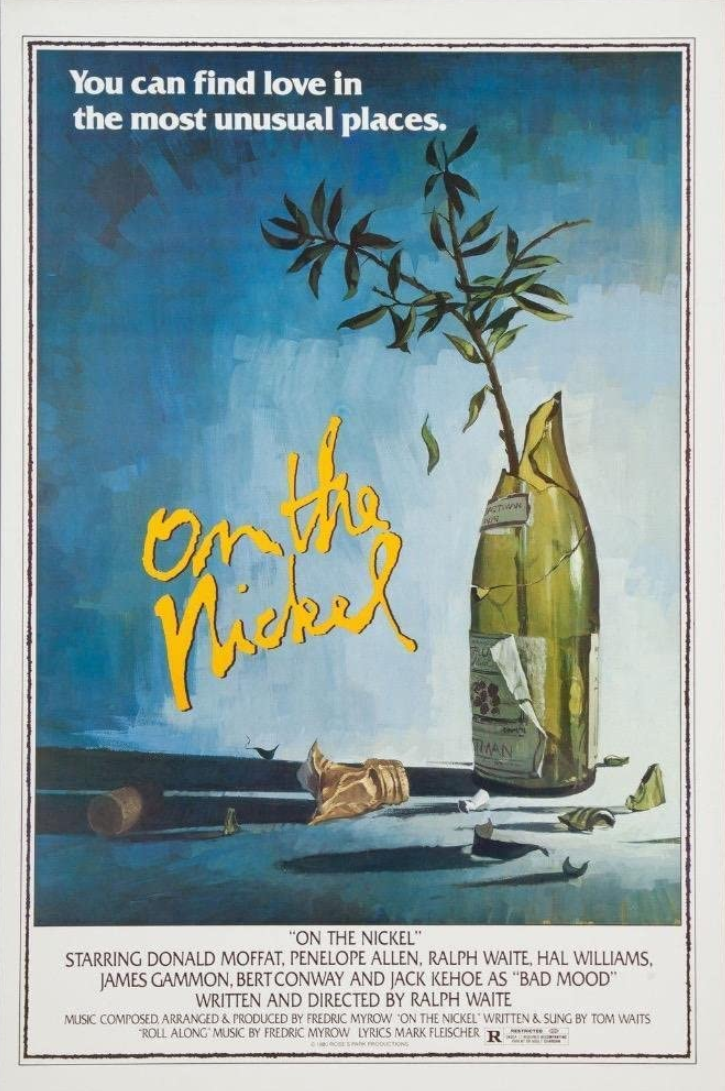
On the Nickel (1980)

On the Nickel (1980)

“Goddamnit, I don’t want this world no more!”

Synopsis:
A former alcoholic (Donald Moffat) goes searching for his friend (Ralph Waite) in L.A.’s skid row.

Genres, Themes, Actors, and Directors:

  • Alcoholism and Drug Addiction

Review:
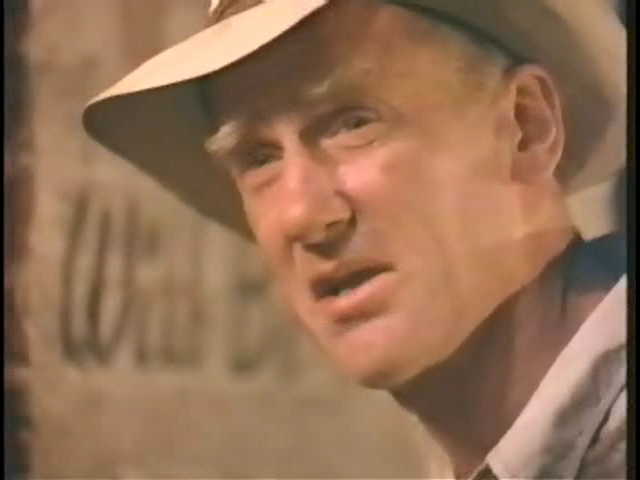
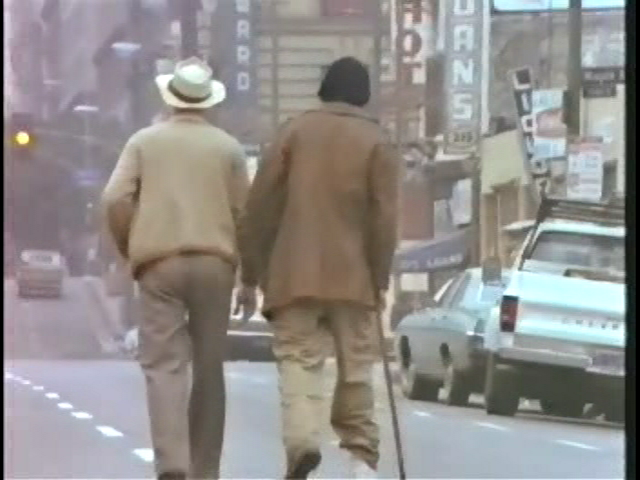
Movies about homeless, alcoholic, and/or mentally ill individuals are finicky beasts to get right — and this low-budget indie film (written and directed by Ralph Waite of “The Waltons” fame) is no exception to this tendency. Well-meaning and sincere, but ultimately pedantic and overly sentimentalized, it follows the rather aimless story of a recovering alcoholic (Donald Moffat, giving a fine central performance) who suddenly decides to see what happened to his former drinking buddy (Waite himself), and thus re-encounters the world he left behind. Unfortunately, there doesn’t appear to be much urgency behind Moffat’s quest, which comes across as merely an excuse for a would-be cinema verite look at the lives of “winos” in L.A.’s infamous Skid Row. We’re briefly shown a romantic encounter between Waite and his long-time girlfriend, played by Penelope Allen (who knew that down-and-out alcoholics could maintain loving partnerships!?), but we never get to know anything at all about these two as individuals; same goes for Moffat and the friend (Hal Williams) who accompanies him on his Orpheus-like quest.

Meanwhile, the universe inhabited by the film’s characters is a tad too black-and-white to ring true: the policemen who chase them off their downtown camping ground are presented as merely unfeeling brutes, and the doctor who examines Waites in the hospital treats him literally like a clinical specimen (indeed, his lecture to the medical students standing around him is almost laughable). Finally, whatever emergent compassion we’ve grown to feel for the characters disappears by the film’s final incongruous half hour, when events inexplicably turn comedic, with Moffat and his friends ransacking a crematory for the ashes of a friend who has just died; it’s actually quite tasteless. Watch Leaving Las Vegas (1995) instead if you’re in the mood for witnessing the devastation and downward spiral of chronic alcoholism.

Redeeming Qualities and Moments:

  • Donald Moffat as Sam
  • Good use of downtown L.A. locales
  • Tom Waits’ haunting theme song

Must See?
No, though Moffat’s performance makes it worth a look if you stumble upon it. Listed as a Sleeper in the back of Peary’s book.

Links:

She (1965)

She (1965)

“I am Ayesha, who some call She — who waits.”

Synopsis:
An archaeologist (Peter Cushing), his valet (Bernard Cribbins), and his handsome young friend (John Richardson) stumble upon the ancient city of Kuma, where Richardson is recognized by an ancient ruler named Ayesha (Ursula Andress) as her long-lost love from a previous lifetime.

Genres, Themes, Actors, and Directors:

  • Christopher Lee Films
  • Deserts
  • Fantasy
  • Love Triangle
  • Past Lives
  • Peter Cushing Films
  • Search
  • Ursula Andress Films

Review:
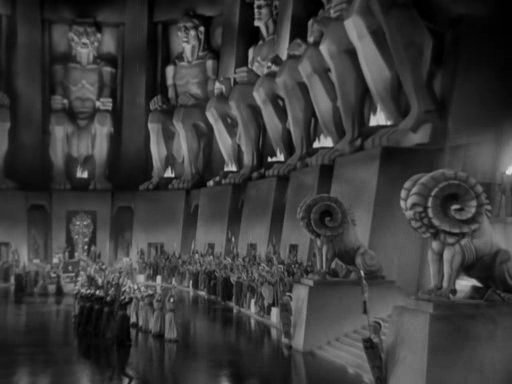
Hammer Studios’ remake of the oft-filmed adventure novel by H. Rider Haggard appeared 30 years after the last cinematic version, produced in 1935 by Merian C. Cooper. The novel’s original setting in the deserts of Africa was restored, and the location shooting is impressive — though it unfortunately never strikes one as particularly other-worldly. Even less effective is the laughably static painting used to represent the lost city itself:

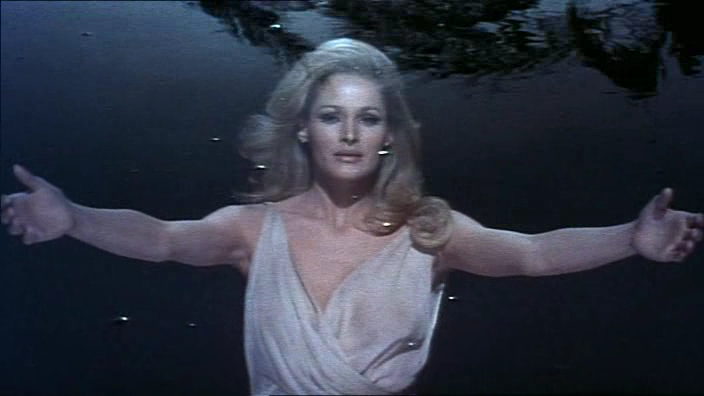
The real box-office draw here is, naturally, Ursula Andress in the title role, bedecked in either a slinky white sheath or an elaborate gold feather headdress, repeatedly intoning the line quoted above. While she’s no great actress, she’s weirdly believable as an uber-goddess determined to secure Richardson for herself after literally eons of waiting around and ruling her mini-universe.
But the whole affair is ultimately just typically low-budget Hammer fare, only must-see for true fans of this particular sub-genre.

Note: My favorite moment in the film:

Cushing looks at a series of mummified skeletons lining the walls of a cave, and asks Christopher Lee (Ayesha’s right-hand man, Billali), “Who are they?”

Lee’s deadpan response: “High priests like myself, to Ayesha – but with one difference: they are dead.”

Redeeming Qualities and Moments:

  • Some effective location shooting

Must See?
No; definitely feel free to skip this one.

Links:

She (1935)

She (1935)

“Dreams are only memories in the endless flow of time.”

Synopsis:
A young man (Randolph Scott) and a family friend (Nigel Bruce) travel to the Arctic to search for a hidden city said to possess the fire of immortality. Once they arrive, the city’s ruler, “She” (Helen Gahagan), recognizes Scott as her long-lost lover come to life, and is determined to steal him away from his new romantic interest (Helen Mack).

Genres, Themes, Actors, and Directors:

  • Antarctica and the Arctic
  • Fantasy
  • Past Lives
  • Randolph Scott Films
  • Search
  • Strong Females

Review:
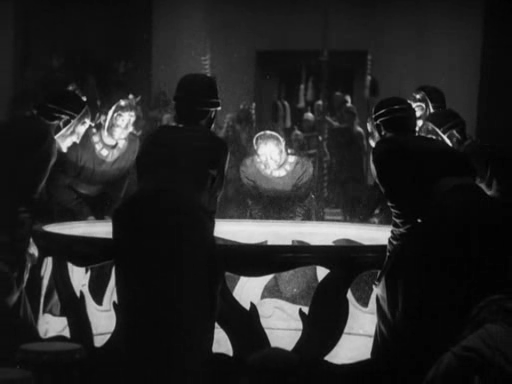
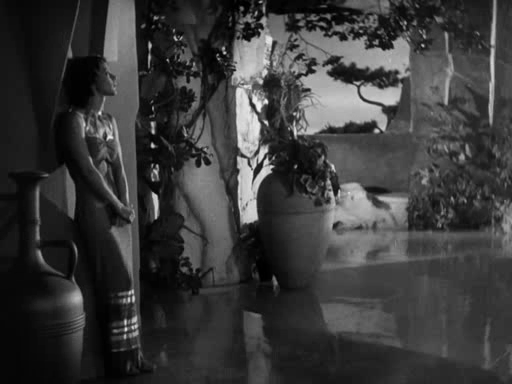
Based on an oft-filmed novel by H. Rider Haggard (with most adaptions made during the silent film era, and most also called simply She), this “lost world” adventure flick was producer Merian C. Cooper’s follow-up to King Kong (1933). The transposition of Haggard’s original South African setting to the Arctic north allowed for the creation of some impressively baroque Art Deco sets (and ultimately isn’t too egregious of a shift, given that this was an equally “remote” and mysterious location for audiences at the time). Yet the film as a whole suffers from a serious lack of chemistry between its nominal “romantic leads”. Unlike in the 1965 Hammer Studios remake (starring Ursula Andress and John Richardson), we never once believe in the viability of Scott and Gahagan’s presumed centuries-old romantic connection. In the Andress/Richardson remake, Richardson “meets” Andress before setting out on his voyage of discovery, and feels a strong sensual attraction to her from the get-go; here, Scott merely seems befuddled and irritated in Gahagan’s presence, and anxious to get back to his “real world” love interest, Helen Mack. Not helping matters is Scott’s wooden acting, especially noticeable in contrast with Gahagan’s more theatrical approach to her role. While the visuals are worth a look (the cinematography and sets are quite stunning at times), this one is ultimately skippable.

Redeeming Qualities and Moments:

  • J. Roy Hunt’s cinematography
  • Enjoyably baroque sets

  • Outrageous costumes (note the strong parallel here between Gahagan’s outfit and that of the queen in Disney’s animated Snow White, released just two years later)

Must See?
No; this one isn’t must-see unless you’re curious.

Links:

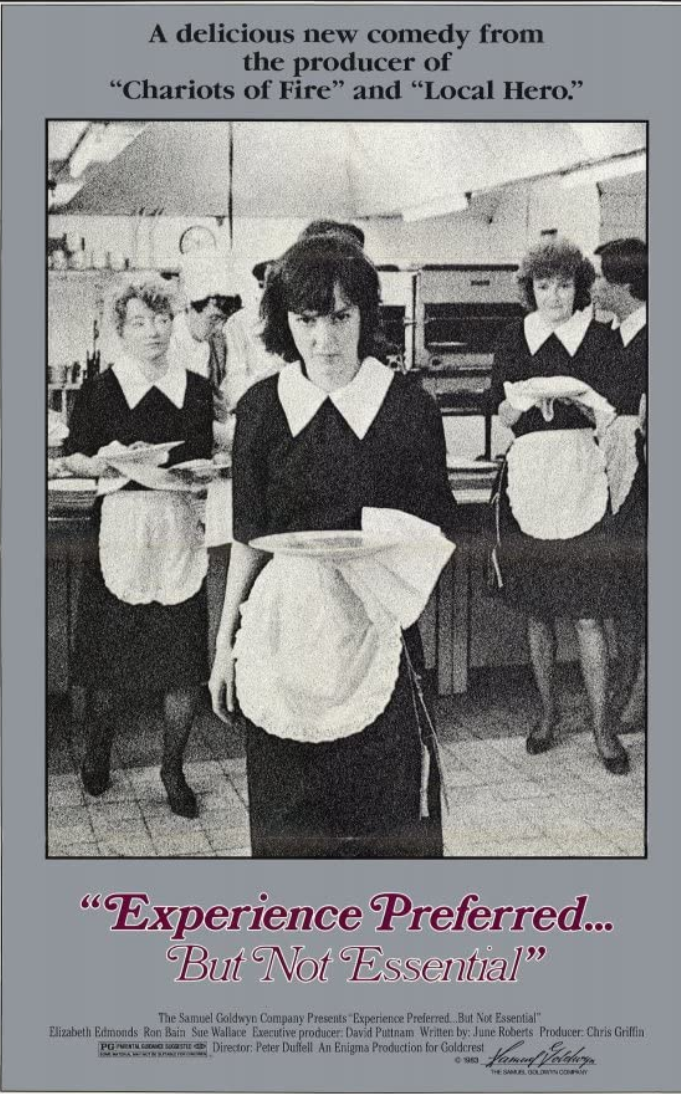
Experience Preferred … But Not Essential (1982)

Experience Preferred … But Not Essential (1982)

“I’m the only one I know here who doesn’t have a past.”

Synopsis:
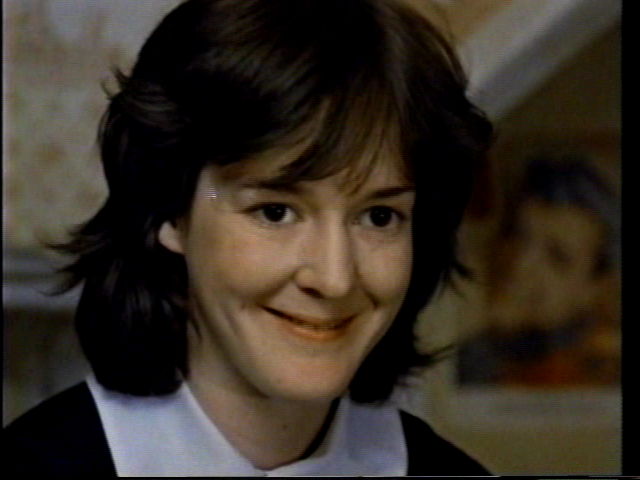
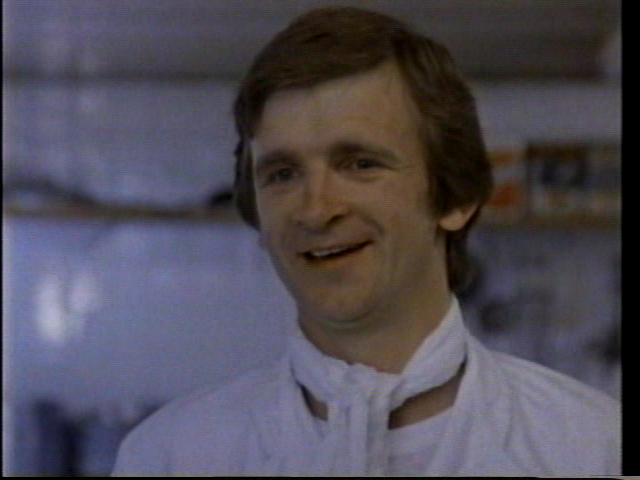
A shy college student (Elizabeth Edmonds) goes to work as a waitress at a seaside resort for the summer, and meets an eclectic group of colleagues — including a cook (Ron Bain) who falls for her immediately.

Genres, Themes, Actors, and Directors:

  • Coming of Age
  • Romantic Comedy

Review:
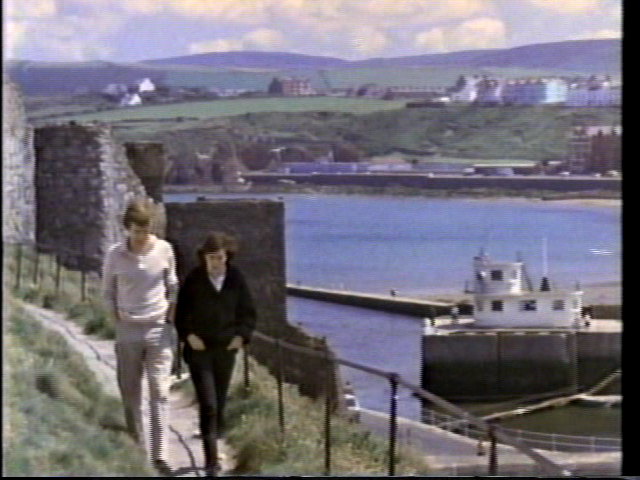
A minor cult favorite after airing on American television, this low key coming-of-age tale — set in 1962 — features an appealing lead (why didn’t Edmonds’ career go farther?), fine use of Welsh seaside locales, and a refreshingly lackadaisical tempo. There’s not much new here under the sun, and not a whole lot ever really happens — but the protagonist and her “older” beau are characters we can’t help rooting for, and director Peter Duffell gets the overall ambience just right. This is exactly how one might remember one’s first summer away from home at a new job, complete with a roster of charmingly eccentric and troubled co-workers (though one character’s obsessive love for her abusive boyfriend is treated a tad too lightly for comfort). The closing scene is a sweetly satisfying resolution to the nicely handled opening sequence. A gentle treat if you’re in the right mood, but not must-see viewing for everyone.

Redeeming Qualities and Moments:

  • Elizabeth Edmonds as Annie
  • Ron Bain as Mike
  • A gently comedic screenplay
  • Nice use of authentic Welsh locations
  • A sweet score by Rachel Portman

Must See?
No, but it’s certainly worth a look.

Links: