Browsed by
Category: Original Reviews

Responses to Peary’s “must see” movie reviews, as well as my own “must see” movie reviews up to and after 1986 (when Peary’s book was published).

Son of Paleface (1952)

Son of Paleface (1952)

“You, sir, have cast aspersions on my dear old daddy — the brave, low-down, mangy, crooked, drunken hero that won the West!”

Synopsis:
The grown son (Bob Hope) of a notorious pseudo-sharpshooter travels West to retrieve his father’s fortune, but quickly finds that it’s been hidden. Meanwhile, a federal agent (Roy Rogers) is hot on the trail of the beautiful leader of a gang of thieves (Jane Russell), who Hope promptly falls in love with.

Genres, Themes, Actors, and Directors:

  • Bob Hope Films
  • Frank Tashlin Films
  • Jane Russell Films
  • Satires and Spoofs
  • Thieves and Criminals
  • Westerns

Review:
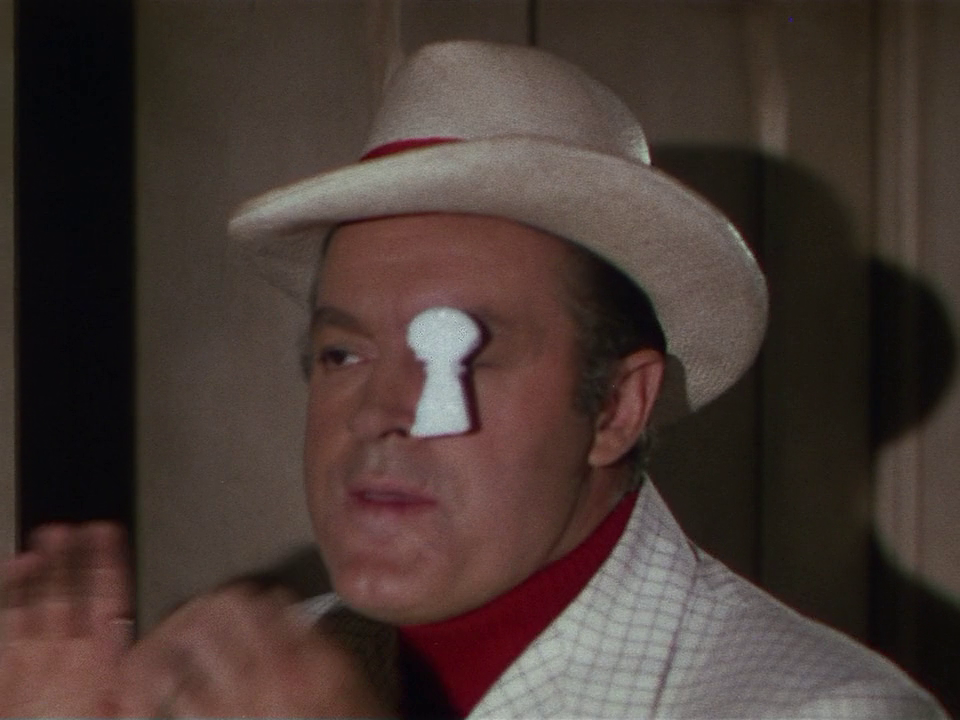
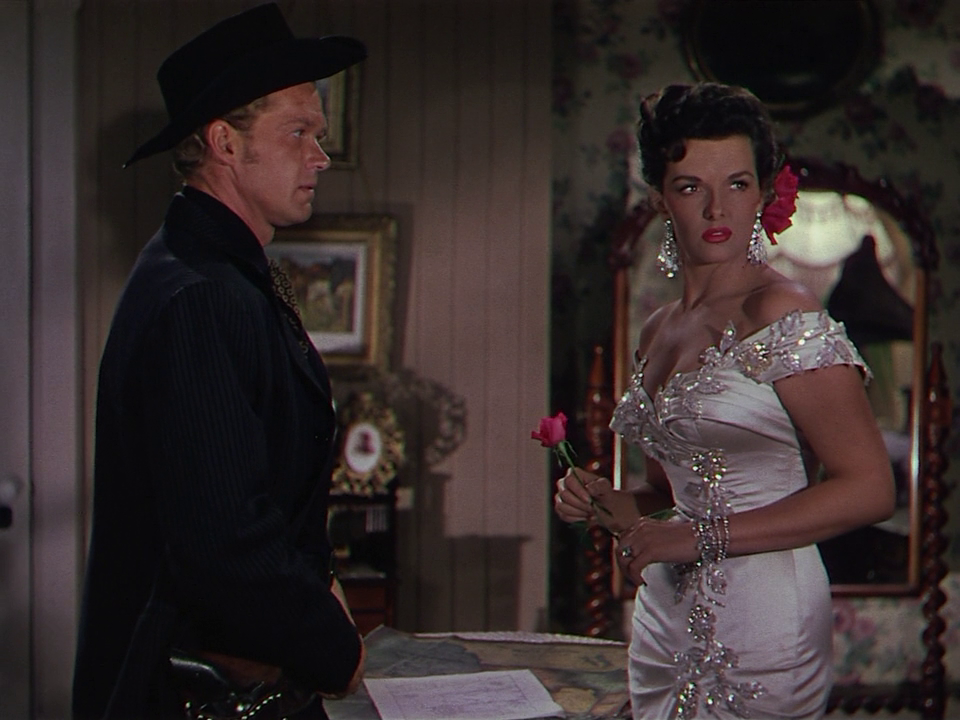
This sequel to the enormously popular comedic western The Paleface (1948) is widely considered to be even better, thanks to the direction and vision of Frank Tashlin (who scripted the original film, but was disappointed with how it was executed by director Norman Z. McLeod). To be honest, however, I don’t really find this one to be all that funnier or more original — with the exception of some amusing visual gags sprinkled throughout (sure to appeal to those who enjoy Tashlin’s uniquely “cartoonish” sense of humor). On the plus side, Russell is just as bodacious and sassy here (playing a character named “Mike”) as she was portraying Calamity Jane. On the negative side, Hope’s character (an acknowledged “idiot”) is even more of a ninny than his notorious father, Painless Potter the dentist. The presence of Roy Rogers and Trigger provides a bit of historical interest, but Rogers’ acting range isn’t all that broad, and Trigger’s tricks — while cute and impressive — are few and far between.

Redeeming Qualities and Moments:

  • Creative visual gags
  • Russell’s stunning gowns

Must See?
No, though it’s recommended for fans of Hope, Russell, and/or Tashlin.

Links:

Invisible Ray, The (1936)

Invisible Ray, The (1936)

“The universe is very large, and there are some secrets we are not meant to probe.”

Synopsis:
A scientist (Boris Karloff) exposed to a rare element known as Radium X finds that he can kill people simply by touching them, and becomes increasingly reclusive. Soon he allows jealousy of his colleague, Dr. Benet (Bela Lugosi) — who wants to use Radium X for healing purposes — and his beautiful young wife (Frances Drake) — who has fallen in love with another man (Frank Lawton) — to drive him to vengeful murder.

Genres, Themes, Actors, and Directors:

  • Atomic Energy
  • Bela Lugosi Films
  • Beulah Bondi Films
  • Boris Karloff Films
  • Horror
  • Mad Doctors and Scientists
  • Revenge

Review:
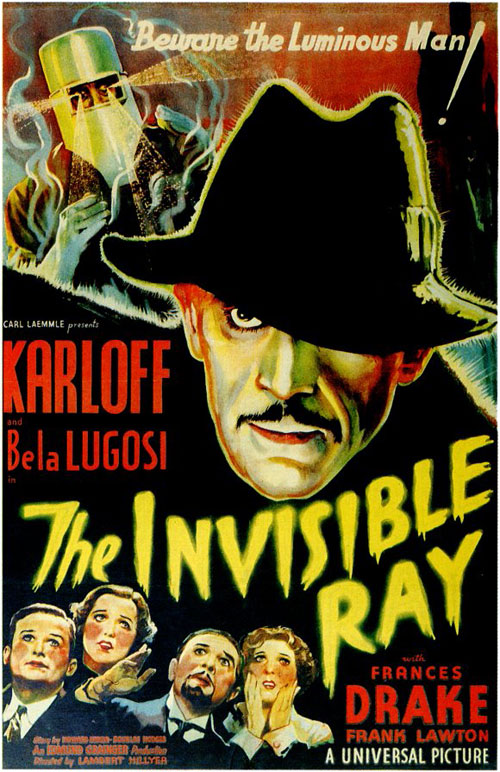
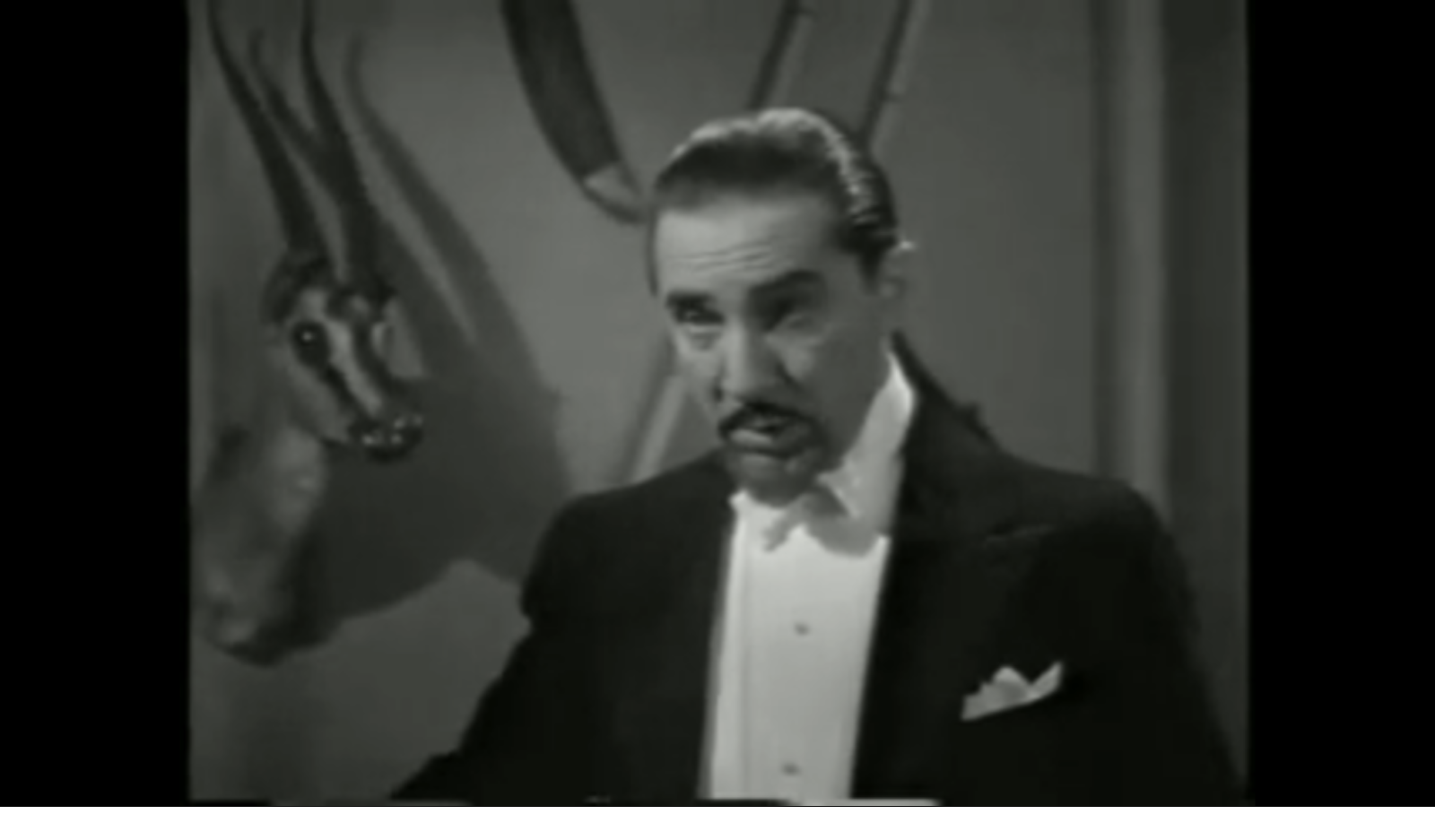
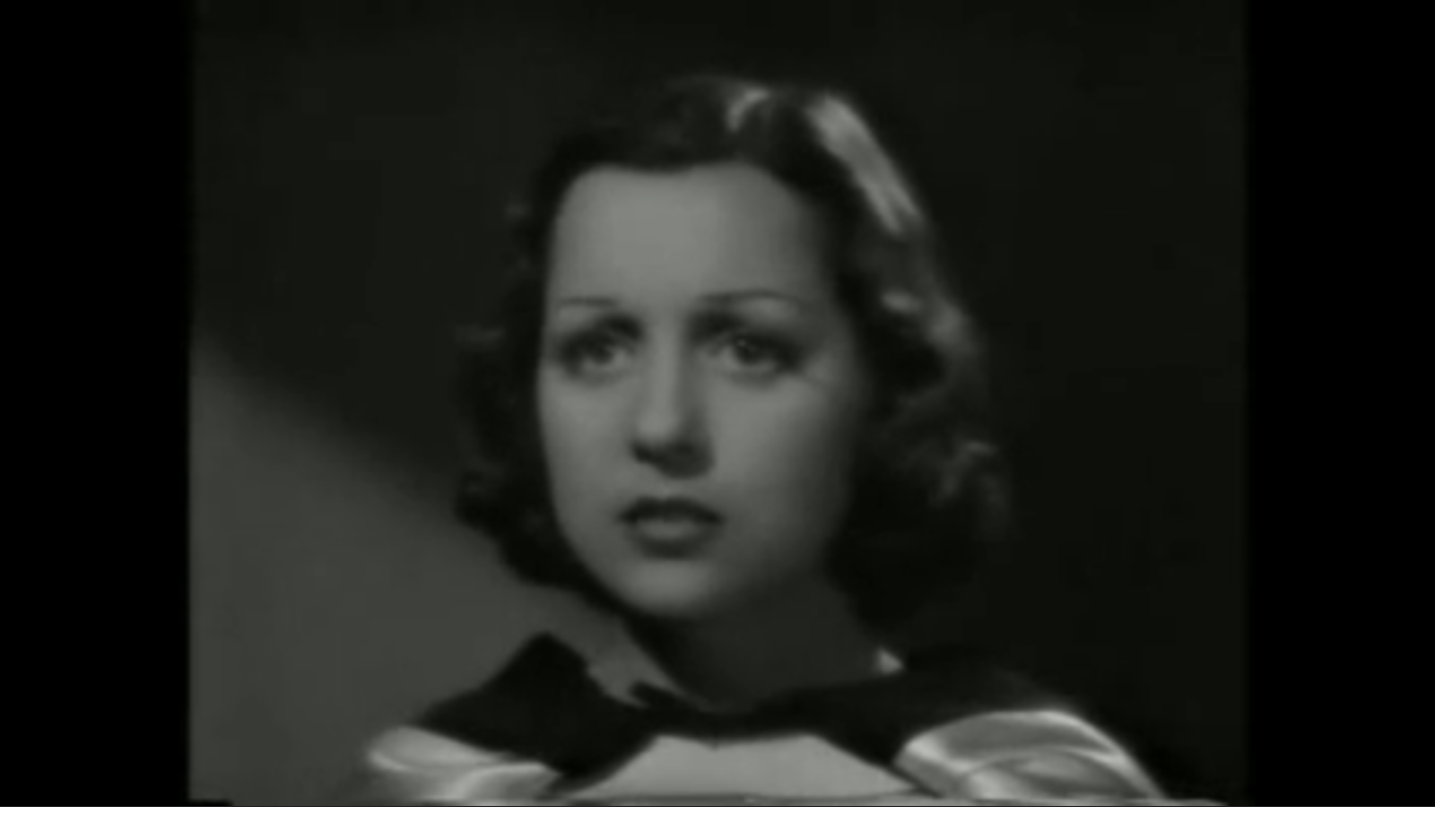
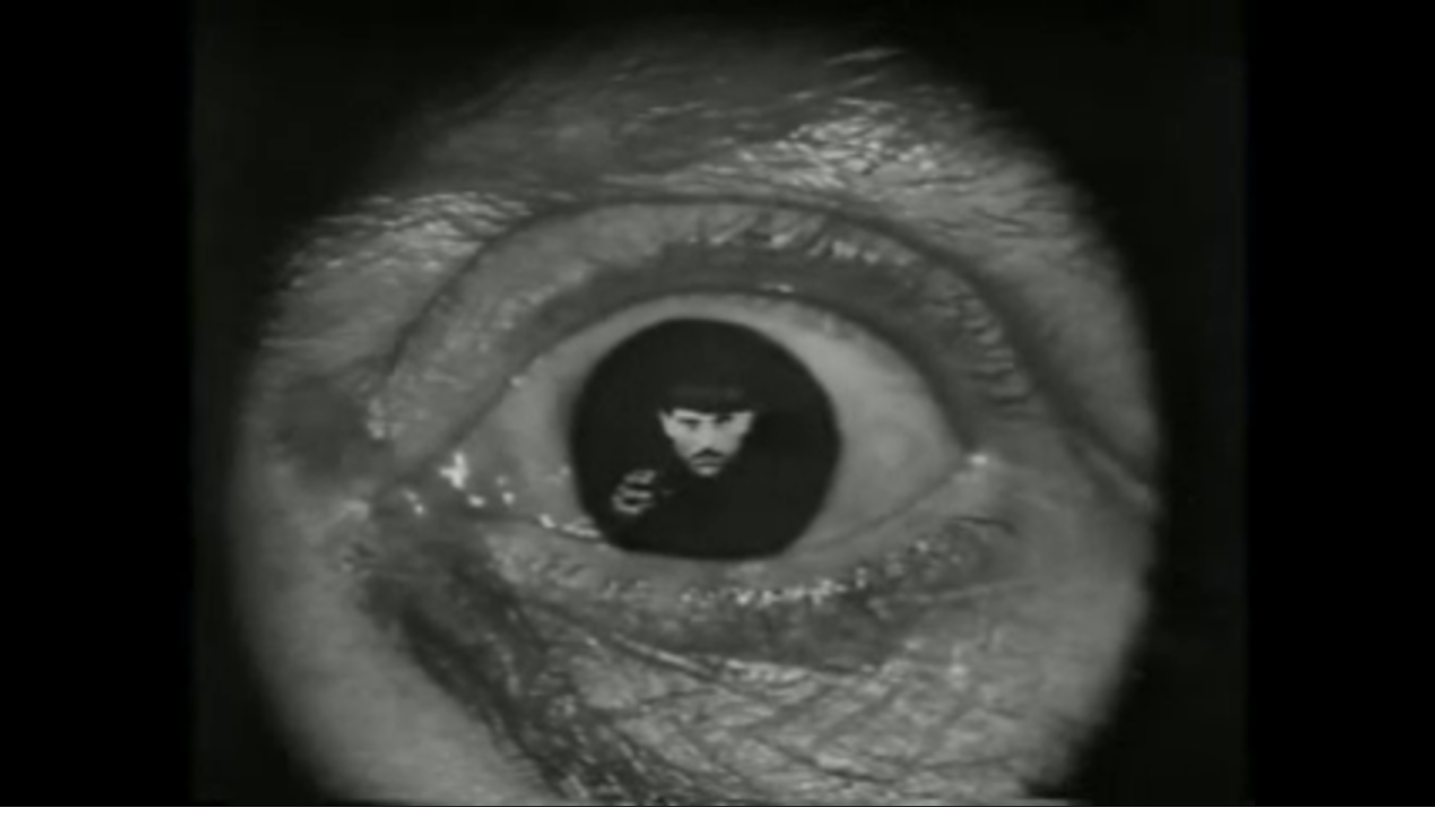
This uneven but atmospheric mad scientist/revenge flick — co-starring notorious Universal Studios “rivals” Boris Karloff and Bela Lugosi — is primarily notable for providing Lugosi with one of his rare non-villainous roles (with which he does a fine, subtle job). Indeed, having recently rewatched so many of Universal’s Frankenstein films — in which Lugosi either played the demented Ygor, or The Monster himself — it’s truly astonishing to see him here playing a “normal”, rational male. If you can ignore the often silly and sloppy “science” behind Karloff’s death/healing machine (which, to be fair, is actually remarkably prescient in theory), you may find yourself at least enjoying the fun special effects and sets. Note that, as in Werewolf of London (1935), the screenplay for The Invisible Ray makes somewhat clumsy use of a convenient “replacement partner” for the doomed central character’s beautiful young wife. With that said, doe-eyed Frances Drake (best known for co-starring with Peter Lorre in Mad Love the previous year) is quite compelling here in one of her few better-known leading roles.

Note: Click here to read a detailed essay about Karloff and Lugosi’s fabled, often overlapping careers.

Redeeming Qualities and Moments:

  • Bela Lugosi as Dr. Benet
  • Frances Drake as Diana
  • Some nifty special effects and sets

Must See?
No, though it’s worth a look.

Links:

Frankenstein Meets the Wolf Man (1943)

Frankenstein Meets the Wolf Man (1943)

“He is not insane; he simply wants to die.”

Synopsis:
Werewolf Larry Talbot (Lon Chaney, Jr.) is accidentally brought back to life by gravediggers, and embarks on a quest to “truly” die once and for all. In hopes of locating Dr. Frankenstein’s research journals — which possess the secret to life and death — he awakens Frankenstein’s monster (Bela Lugosi), and seeks out Frankenstein’s grown daughter (Ilona Massey).

Genres, Themes, Actors, and Directors:

  • Bela Lugosi Films
  • Frankenstein
  • Horror
  • Lionel Atwill Films
  • Lon Chaney, Jr. Films
  • Werewolves

Review:
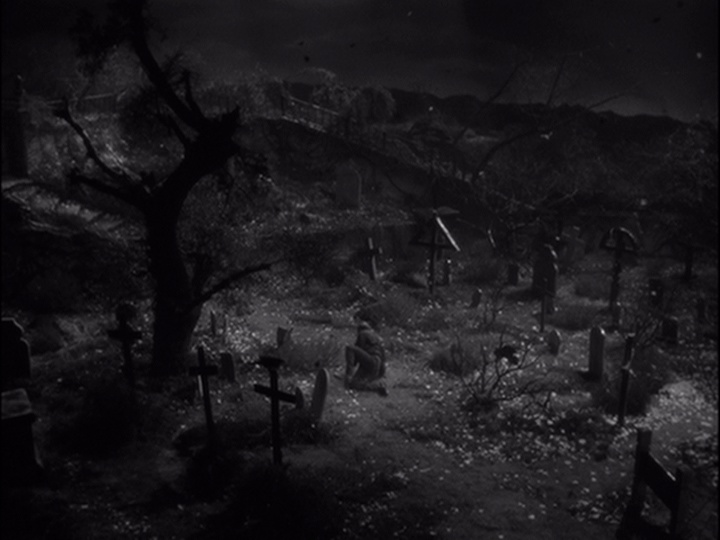
More a Wolf Man tale than a sequel about Frankenstein’s monster (who only plays a relatively important role during the final 15 minutes of the film, when he infamously does battle with the Wolf Man), this sixth entry in Universal’s “Frankenstein” series is, like so many of the others, only must-see for fans of the genre. The storyline basically rehashes the central conceit of The Wolf Man (1941), with poor, hapless Chaney forced to once again seek permanent escape from his lycanthropy through death. Massey is pretty and charming but merely serves as a convenient female presence in the film:

Meanwhile, the rapid change of heart undergone by young Dr. Mannering (Patric Knowles) defies all logical belief, highlighting the screenplay’s already paper-thin premise.

Enjoy the reliably atmospheric cinematography and sets, but don’t expect much else from this one.

Redeeming Qualities and Moments:

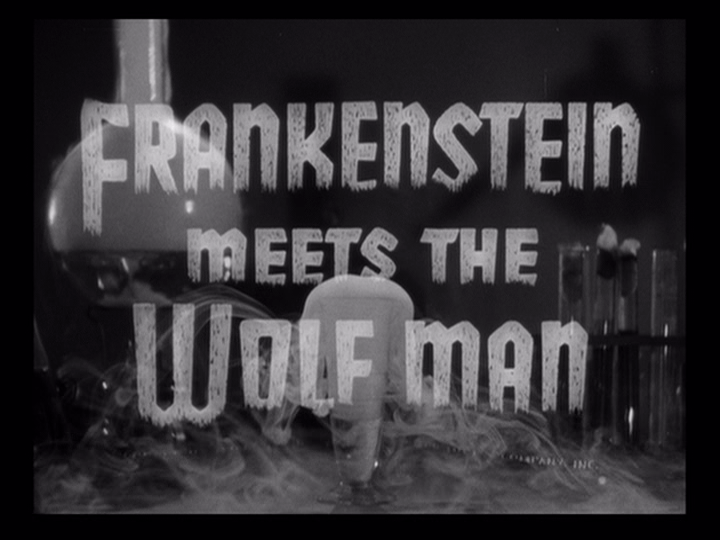
  • Creative opening titles
  • Effectively spooky sets
  • Fine cinematography

Must See?
No; this one is only must-see for fans of the series.

Links:

Frankenstein’s Daughter (1958)

Frankenstein’s Daughter (1958)

“The Frankensteins were monsters who brought life from death — and that’s a true achievement.”

Synopsis:
The insane grandson (Donald Murphy) of Dr. Frankenstein relies on the help of a zealous gardener (Wolfe Barzell) to create a modern-day female version (Sally Todd) of his grandfather’s fabled creature. Meanwhile, the niece (Sandra Knight) of Murphy’s employer (Felix Locher) complains to her boyfriend (John Ashley) about seeing visions of monsters roaming the streets.

Genres, Themes, Actors, and Directors:

  • Frankenstein
  • Horror Films
  • Mad Doctors and Scientists

Review:
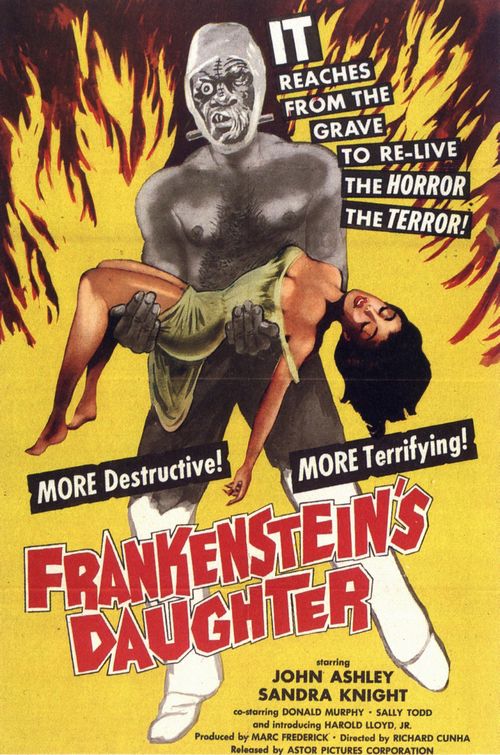
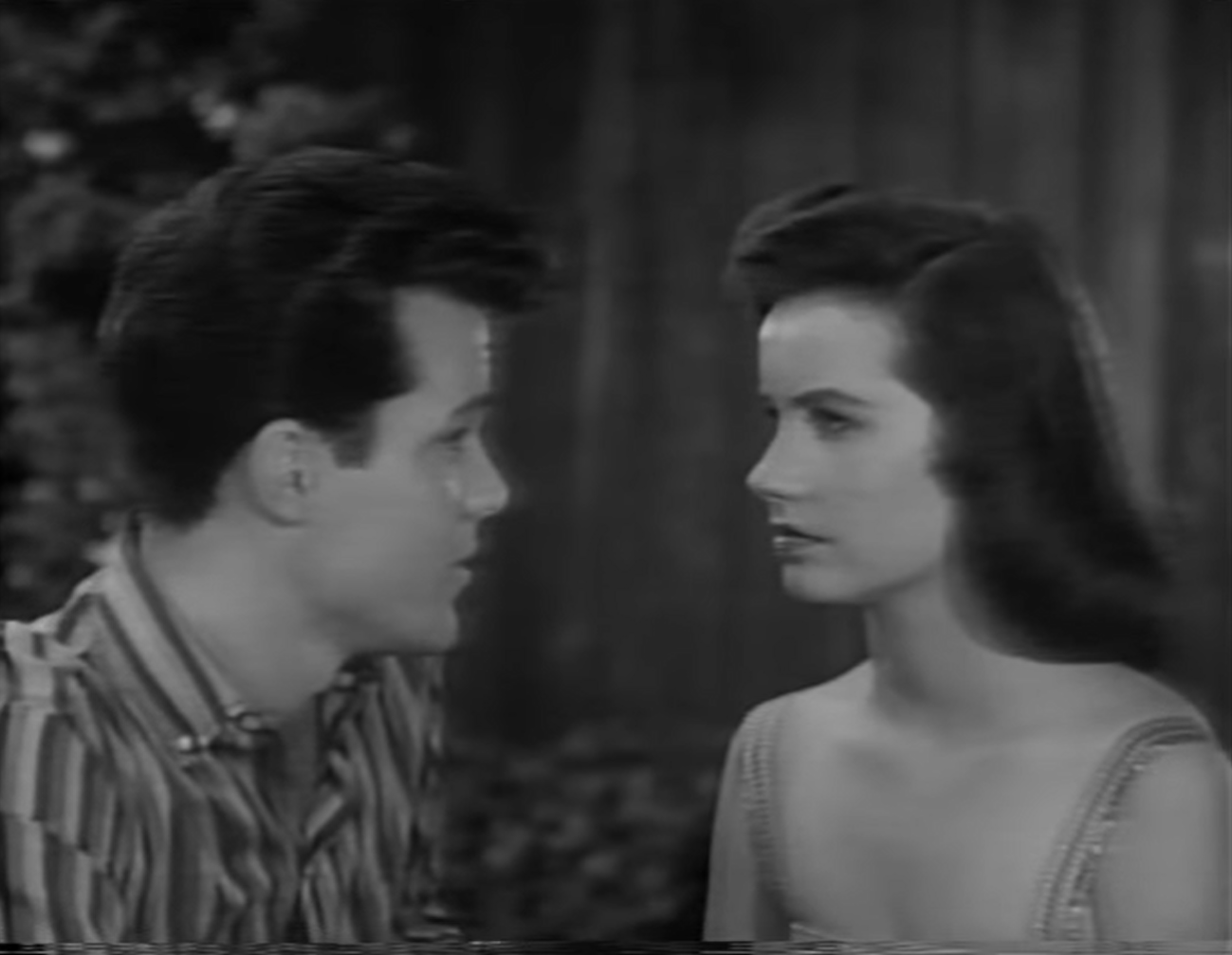
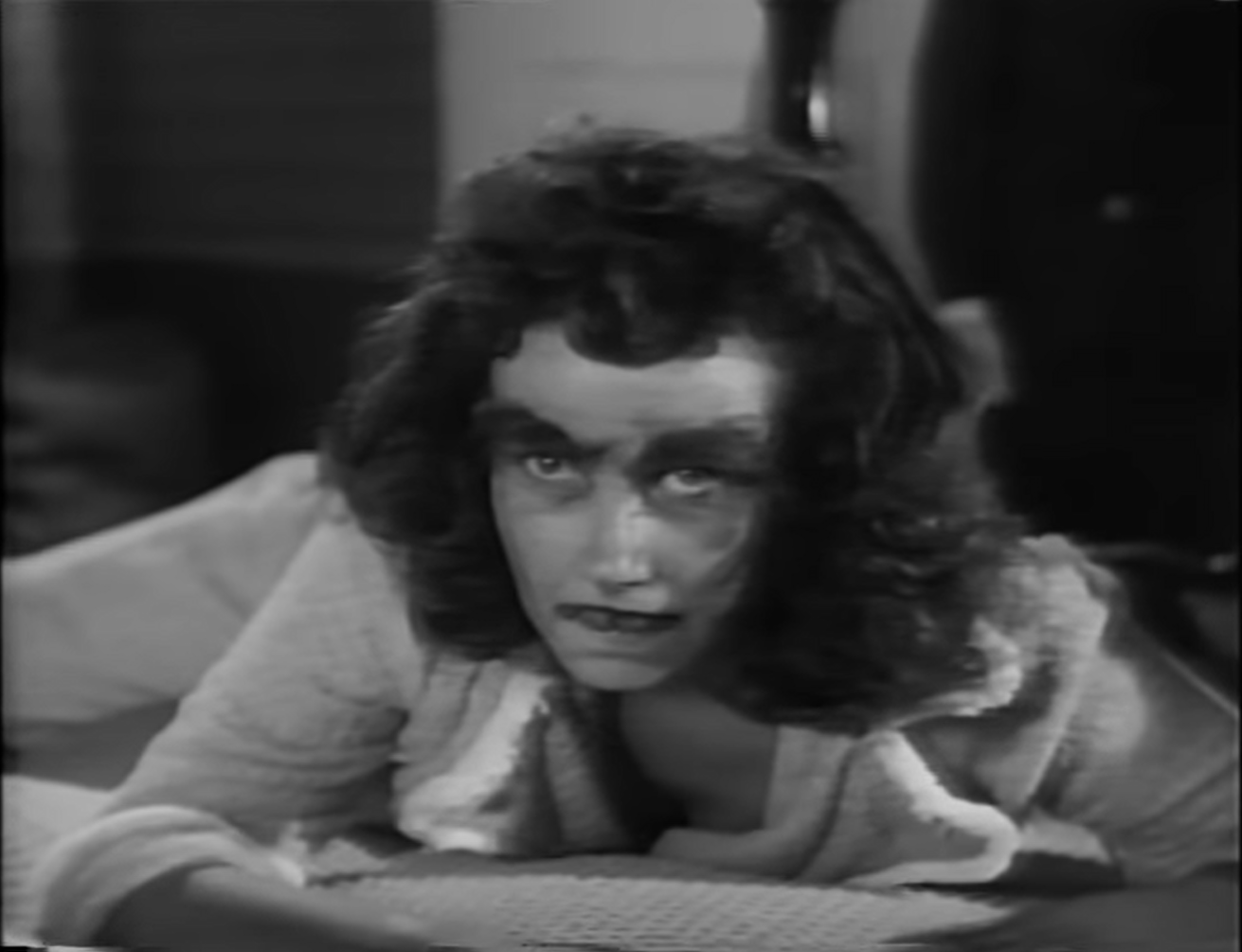
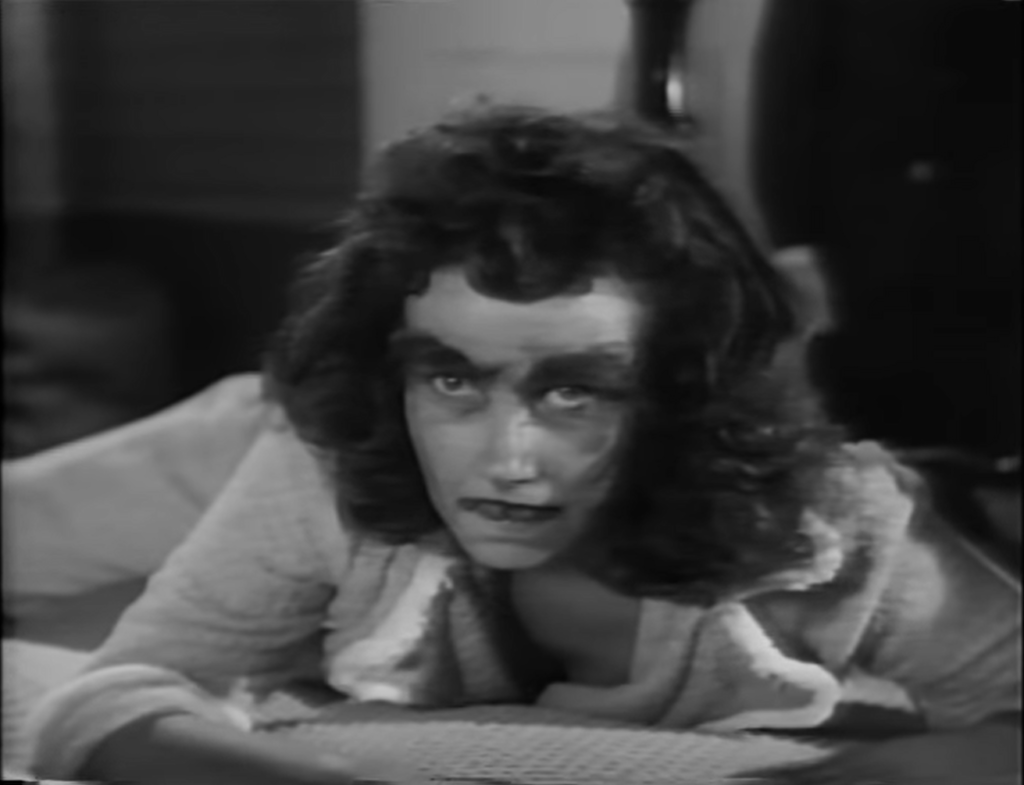
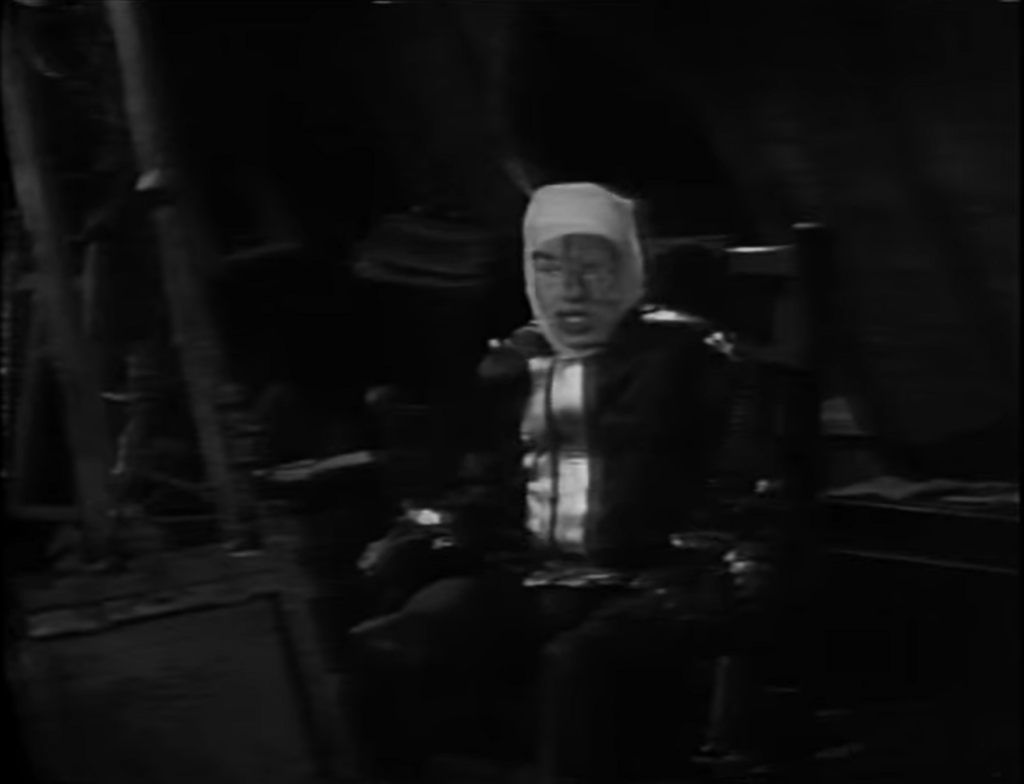
Hawaiian-born director Richard Cunha is best-known for the four low-budget sci-fi/horror flicks he helmed in the 1950s — including this infamously awful entry in the prolific genre of Frankenstein-themed films. The title refers not to the actual daughter of Dr. Frankenstein (that designation would go to the character played by Ilona Massey in 1943’s Frankenstein Meets the Wolf Man), but rather to the dubiously female “creature” — hence, daughter — created by mad Dr. Frank (Murphy). (It’s challenging to keep all these Frankensteins and their progeny — both biological and mutant — straight!) Meanwhile, any casual viewer doing a Google image search would be forgiven for believing that somehow Sandra Knight’s character:
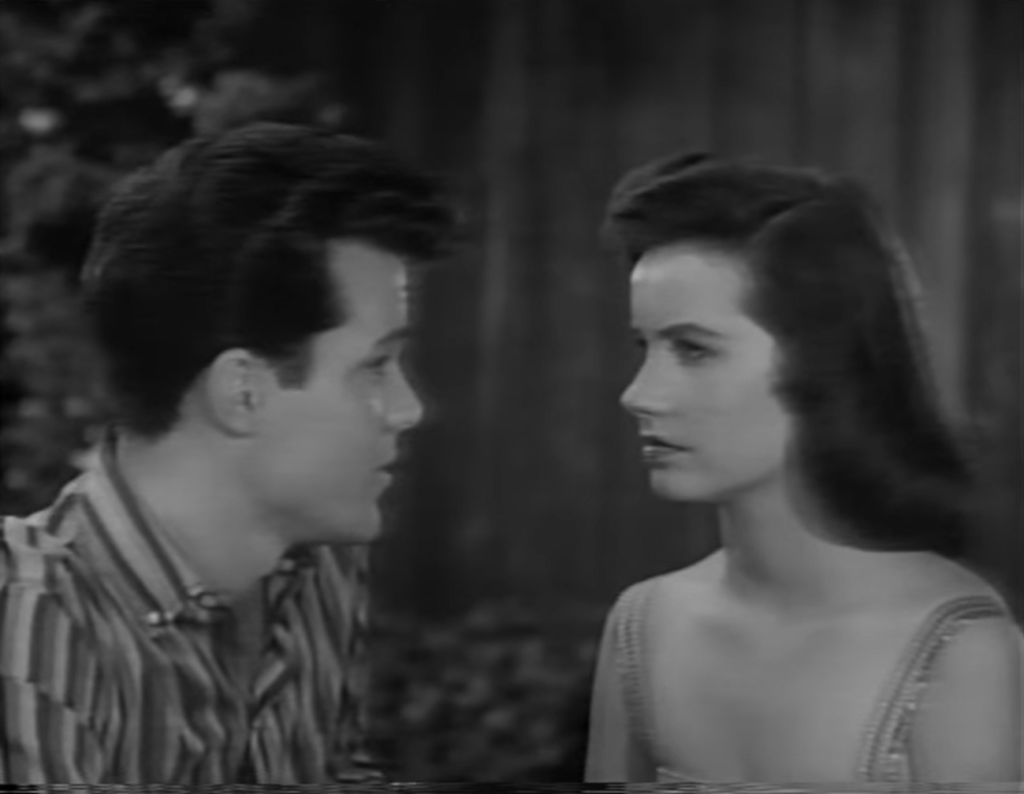
is the hideous beast in question, given that images of her pert teenage face made up with gruesomely bushy brows and rotten, crooked teeth dominate the virtual landscape.
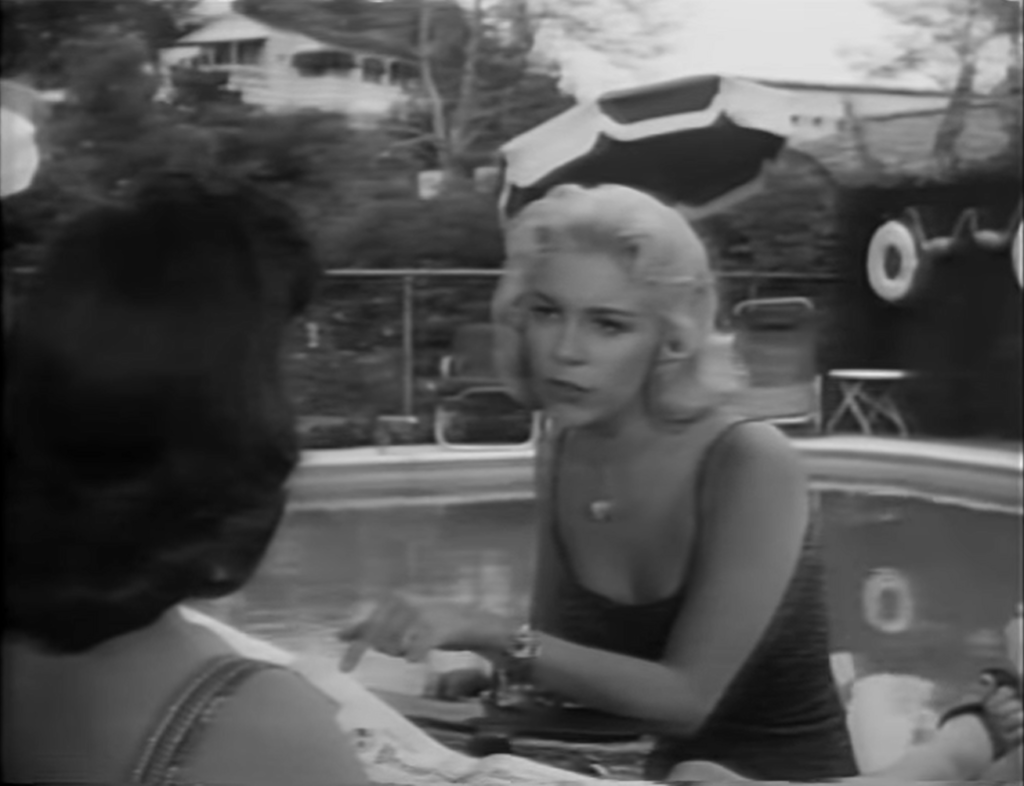
But no: while Dr. Frank does try out his potion (?) on her, the ACTUAL monster is supposedly crafted from Knight’s snooty blonde rival (Sally Todd):
— though the monster him/herself was actually played by a man (Harry Wilson):
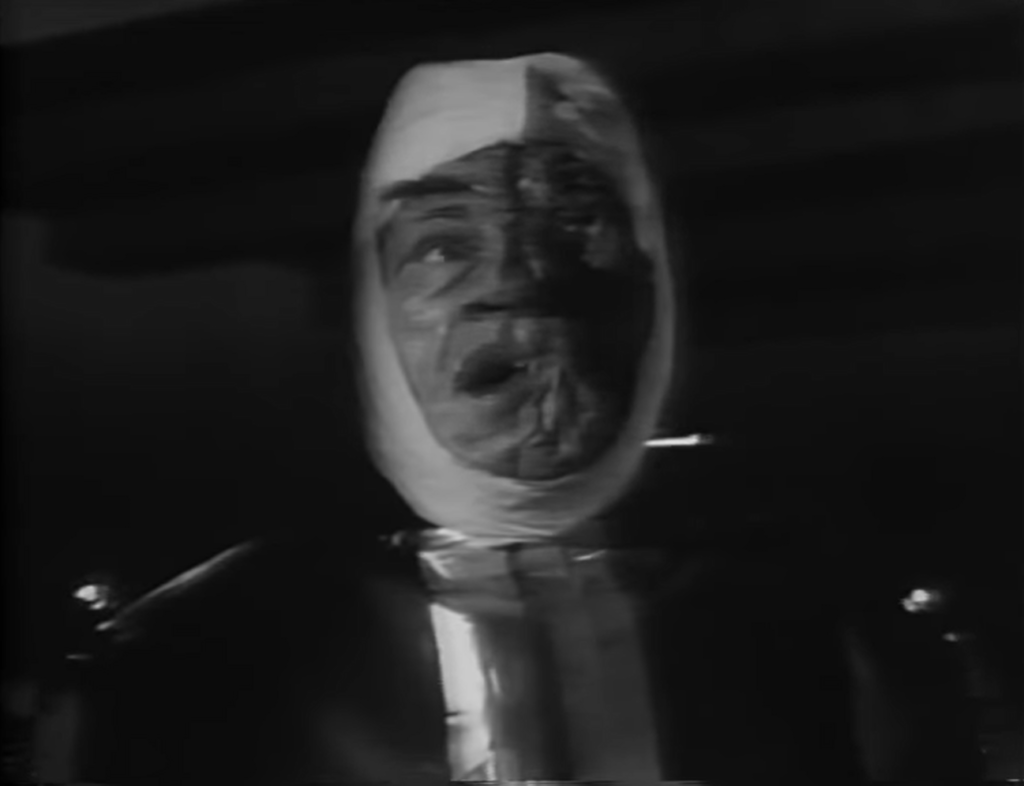
… and the make-up designer, Harry Thomas, didn’t realize until after the fact that he was designing a mask for a female, and there was no money left to create another one. (Thanks to Goremasterfx for this info.)

Well, you get the point. Watch at your own peril.

Redeeming Qualities and Moments:

  • Laughably awful acting, make-up, and script
Must See?
No; definitely skip this one unless you’re a fan of Z-grade “chillers”. Listed as a Camp Classic in the back of Peary’s book.

Links:

House of Frankenstein (1944)

House of Frankenstein (1944)

“If I had Frankenstein’s records to guide me, I could give you a perfect body!”

Synopsis:
A mad scientist (Boris Karloff) and his hunchbacked cellmate (J. Carrol Naish) break free from jail and take over the traveling sideshow run by Professor Lampini (Bruno Zucco), who they promptly murder. After reviving the skeleton of Dracula (John Carradine), Karloff and Naish dig up the bodies of Frankenstein’s monster (Glenn Strange) and werewolf Lawrence Talbot (Lon Chaney), hoping they will know the whereabouts of Dr. Frankenstein’s records. Meanwhile, Naish falls in love with a local gypsy girl (Elena Verdugo), who in turn is smitten with the doomed Chaney.

Genres, Themes, Actors, and Directors:

  • Boris Karloff Films
  • Frankenstein
  • Horror Films
  • John Carradine Films
  • Lon Chaney, Jr. Films
  • Mad Doctors and Scientists
  • Vampires

Review:
Peary is nothing if not complete in his coverage of Universal’s Frankenstein pictures, including all eight entries in his GFTFF. This final “legitimate” film in the series (before things went completely humorous by introducing Abbott and Costello into the mix) is — like its immediate predecessor, Frankenstein Meets the Wolf Man (1943) — primarily designed to capitalize on the success of more than just one of the studio’s infamous monsters. Here, no less than three (Frankenstein’s monster, Dracula, and the Werewolf) are introduced in the space of just 71 minutes (and apparently scenes with the Mummy were planned but cut due to budget limitations): Dracula (now played by John Carradine, wearing a gentlemanly top hat) comes and goes within the first half hour, after which point Chaney’s Werewolf dominates proceedings, with the Monster (played by Glenn Strange) only given a few minutes of semi-meaningful screentime towards the end. The result is rather schizophrenic, with the film feeling more like a series of short television episodes than a cohesive narrative. With that said, it all moves quickly and is certainly watchable: Karloff gives a fine (if too limited) performance in a radically different Frankenstein-ian role, Naish is appropriately demented as his sidekick, and the love triangle between Chaney, Verdugo, and Naish generates a bit of pathos. The cinematography is (once again) appropriately atmospheric, and there are a few impressive sets. Fans of the genre likely won’t be disappointed.

Redeeming Qualities and Moments:

  • Atmospheric cinematography
  • Effective sets

Must See?
No; this one is only must-see for fans of the series.

Links:

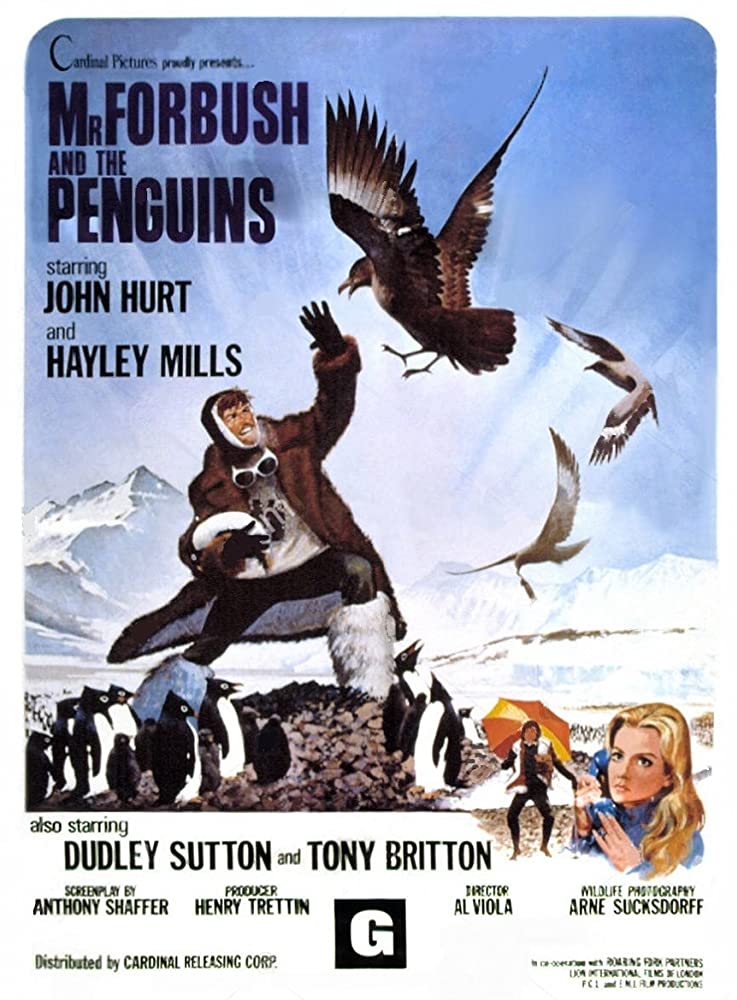
Cry of the Penguins / Mr. Forbush and the Penguins (1971)

Cry of the Penguins / Mr. Forbush and the Penguins (1971)

“Now remember this, Forbush: sex and Scotch in either order do not a biologist make.”

Synopsis:
A womanizing biology student (John Hurt) tries to impress his latest crush (Hayley Mills) by accepting a job studying penguins in Antarctica.

Genres, Themes, Actors, and Directors:

  • Antarctica and the Arctic
  • Hayley Mills Films
  • John Hurt Films
  • Scientists

Review:
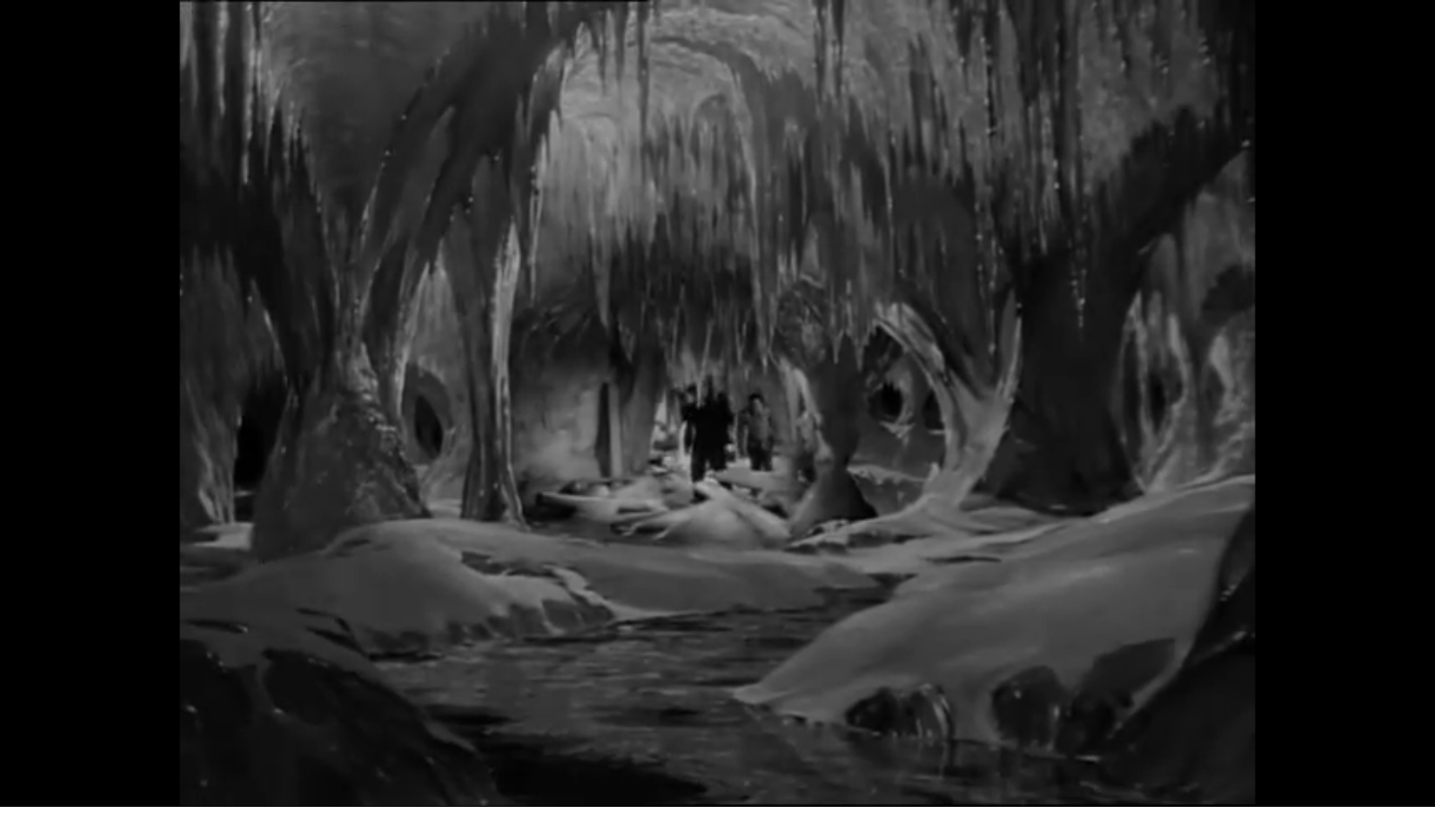
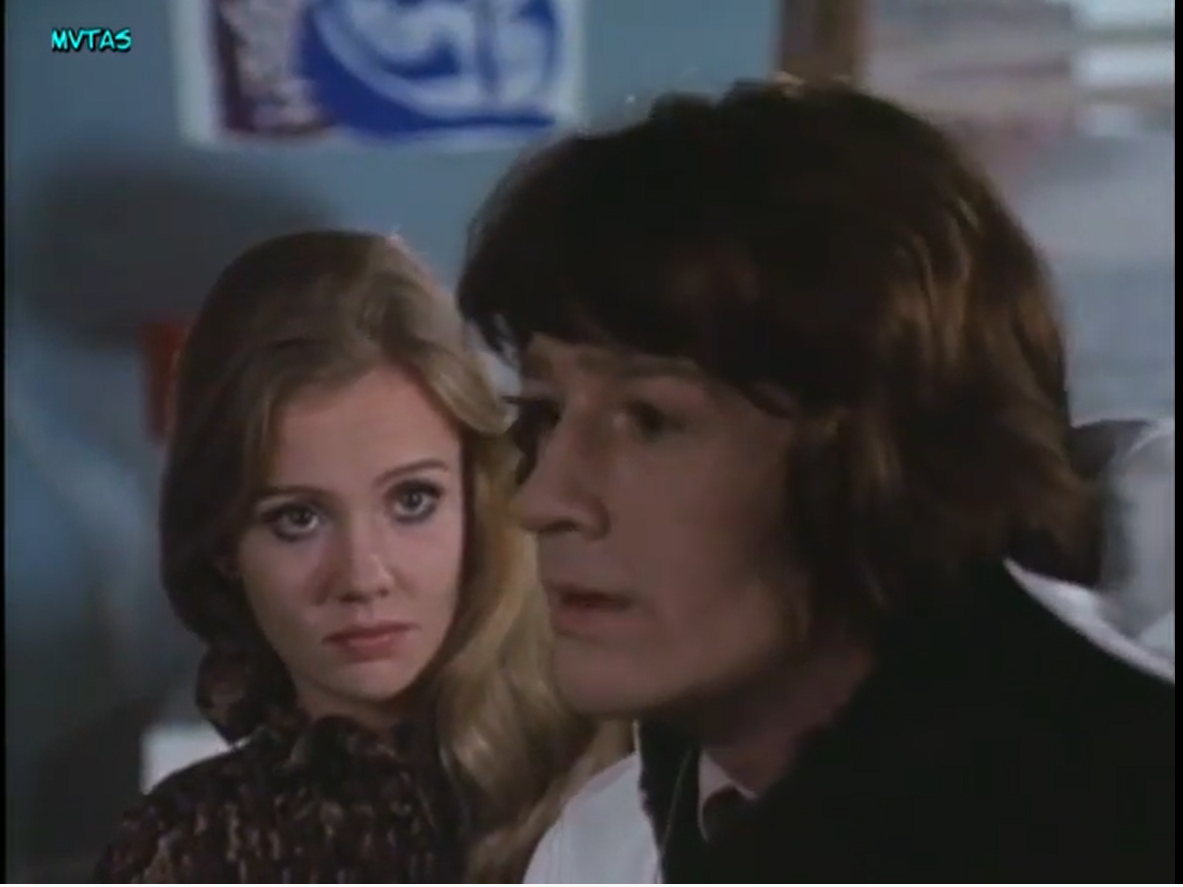
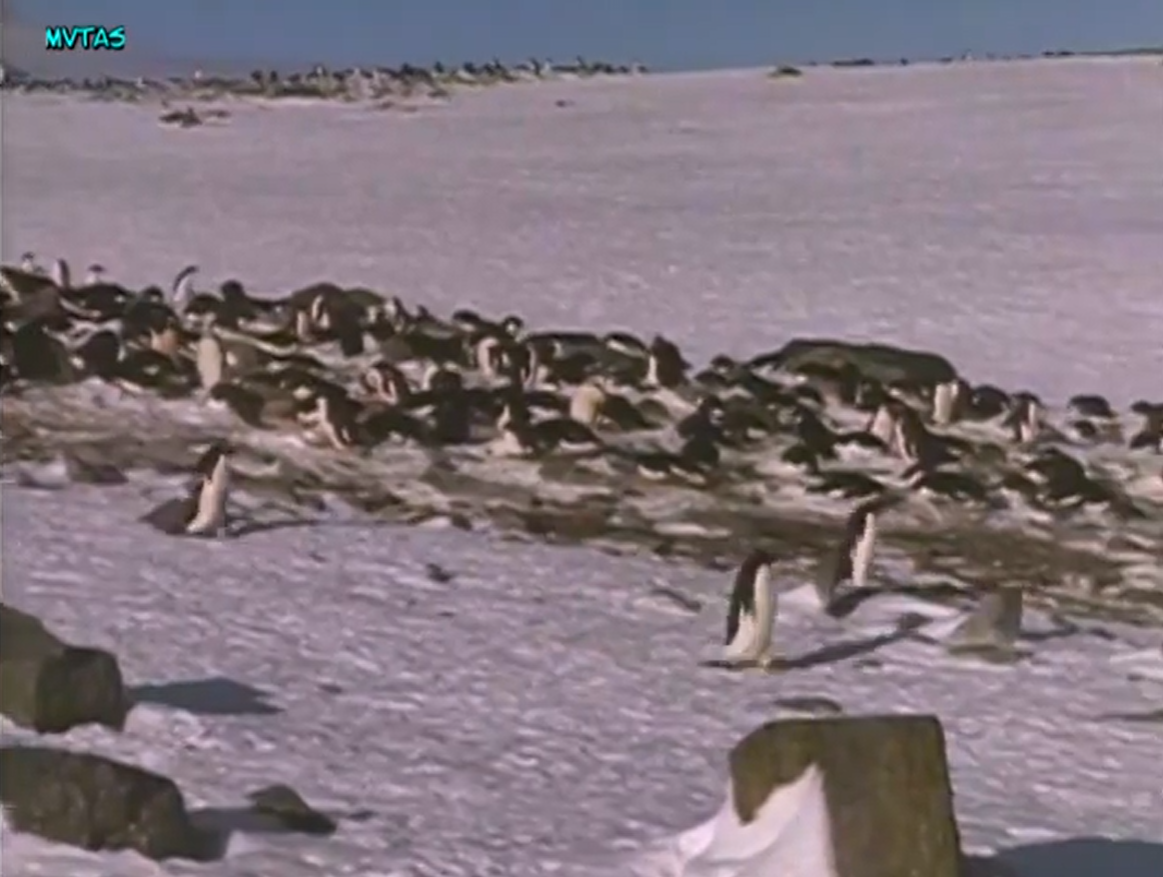
This intriguingly titled film is sure to pique the interest of most film fanatics, especially given that it stars cinematic favorites John Hurt and Hayley Mills — but be prepared for disappointment. While Arne Sucksdorff’s extensive footage of penguins struggling to survive in the Antarctic is impressive (and must have been especially so to audiences at the time), we’ve since seen the exact same “story” told to even greater effect in the haunting, must-see documentary March of the Penguins (2005). Meanwhile, the surrounding narrative — involving womanizing Hurt’s infatuation with Mills, and his bizarre attempt to impress her by taking a position as a penguin researcher:

— is unspeakably lame on every count. Hurt’s character is not only insufferable, but — even worse — we never really believe in him as a viable researcher, given that the screenplay fails to offer us any credible scenes actually showing him intelligently engaging with scientific material. Once he’s out living with the penguins, we see him keeping vague track of the birds, and (in one truly weird scene) slaughtering a penguin to analyze its innards (?? really ??) — but unlike Charles Martin Smith’s protagonist in the infinitely superior Never Cry Wolf (1983), he’s simply never convincing.

Redeeming Qualities and Moments:

  • Impressive footage of penguins in Antarctica
  • The exciting blizzard scene

Must See?
No; feel free to skip this one. Listed as a Personal Recommendation in the back of Peary’s book, most likely because of the novelty of the penguin footage at the time — but rent March of the Penguins (2005) instead.

Links:

Ghost of Frankenstein, The (1942)

Ghost of Frankenstein, The (1942)

“There’s a curse in this village: the curse of Frankenstein!”

Synopsis:
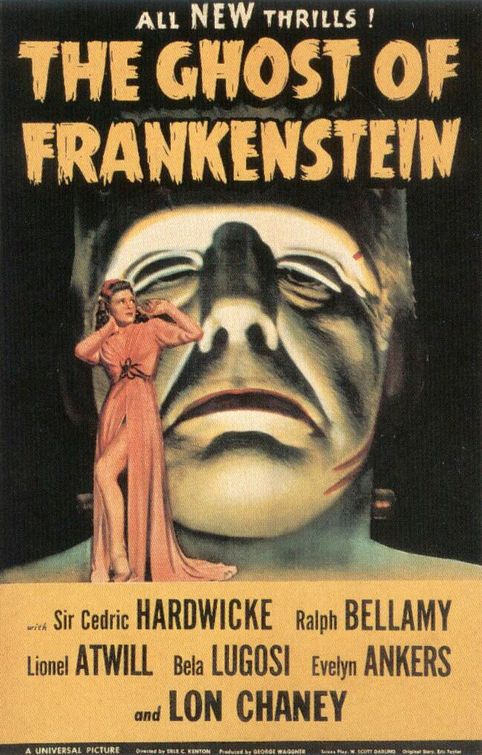
The best friend (Bela Lugosi) of Frankenstein’s Monster (Lon Chaney) resurrects him and brings him to Frankenstein’s son, Ludwig (Cedric Hardwicke), who agrees to replace the Monster’s brain.

Genres, Themes, Actors, and Directors:

  • Bela Lugosi Films
  • Frankenstein
  • Horror Films
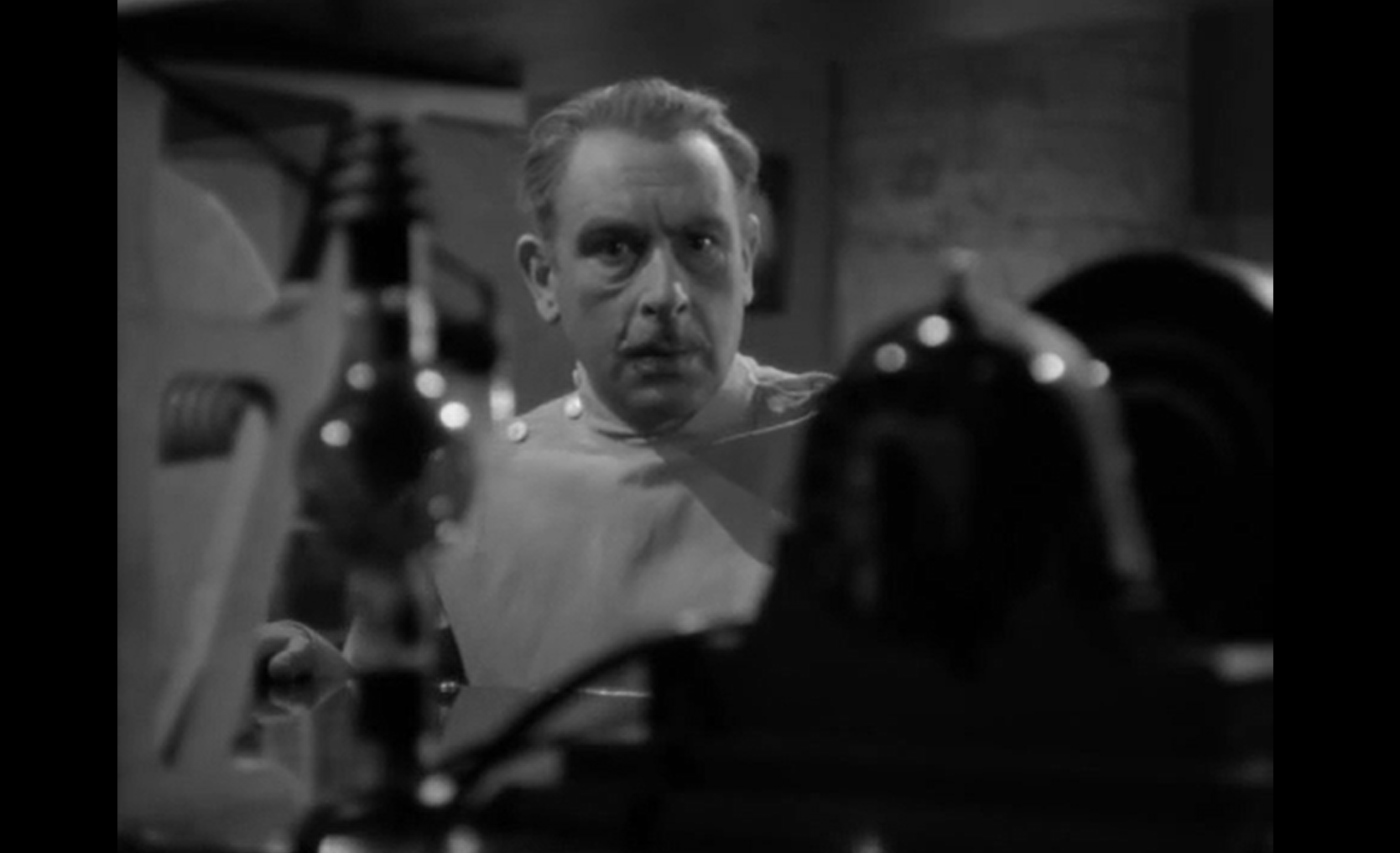
  • Lionel Atwill Films
  • Lon Chaney, Jr. Films
  • Ralph Bellamy Films

Review:
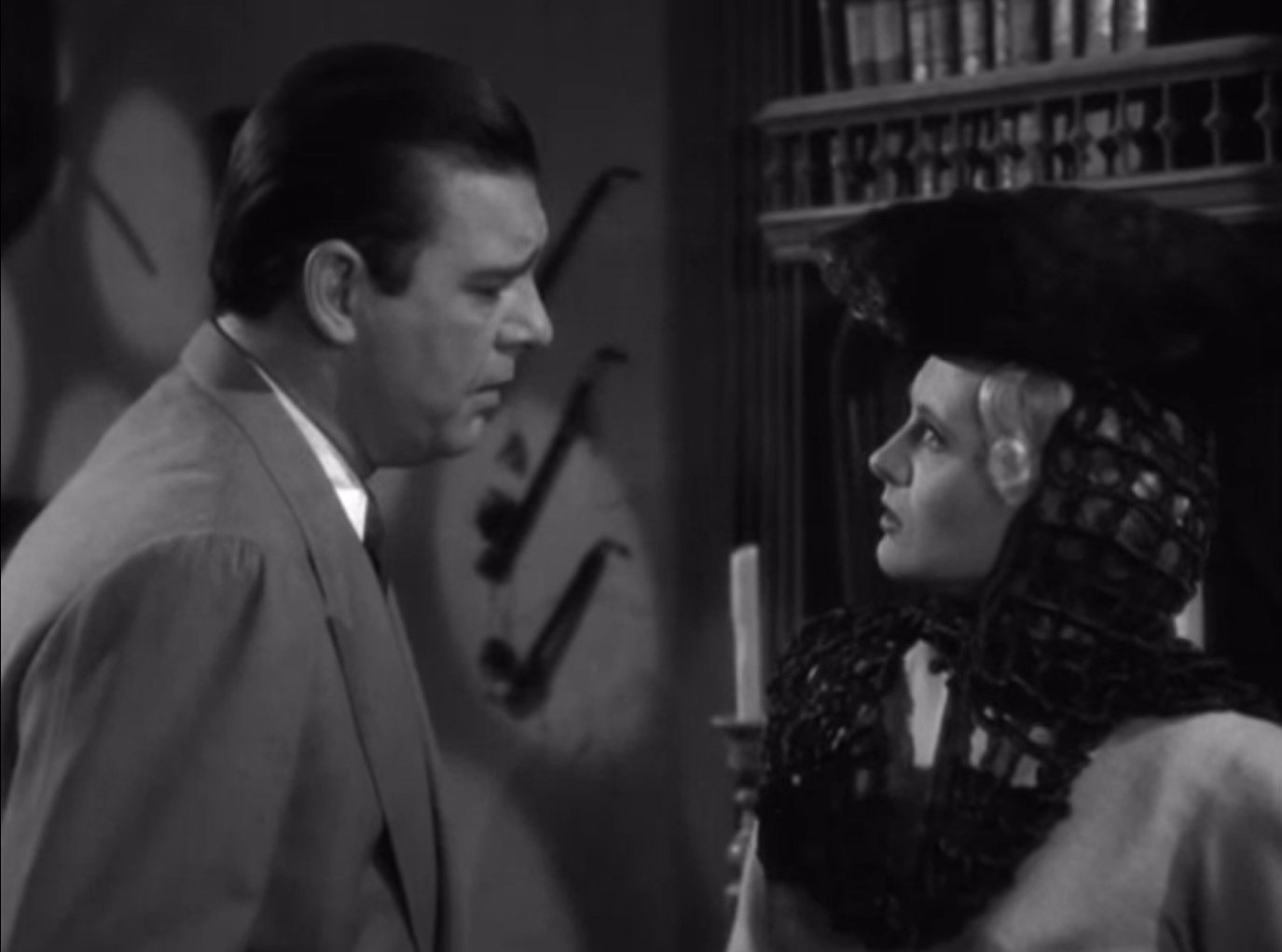
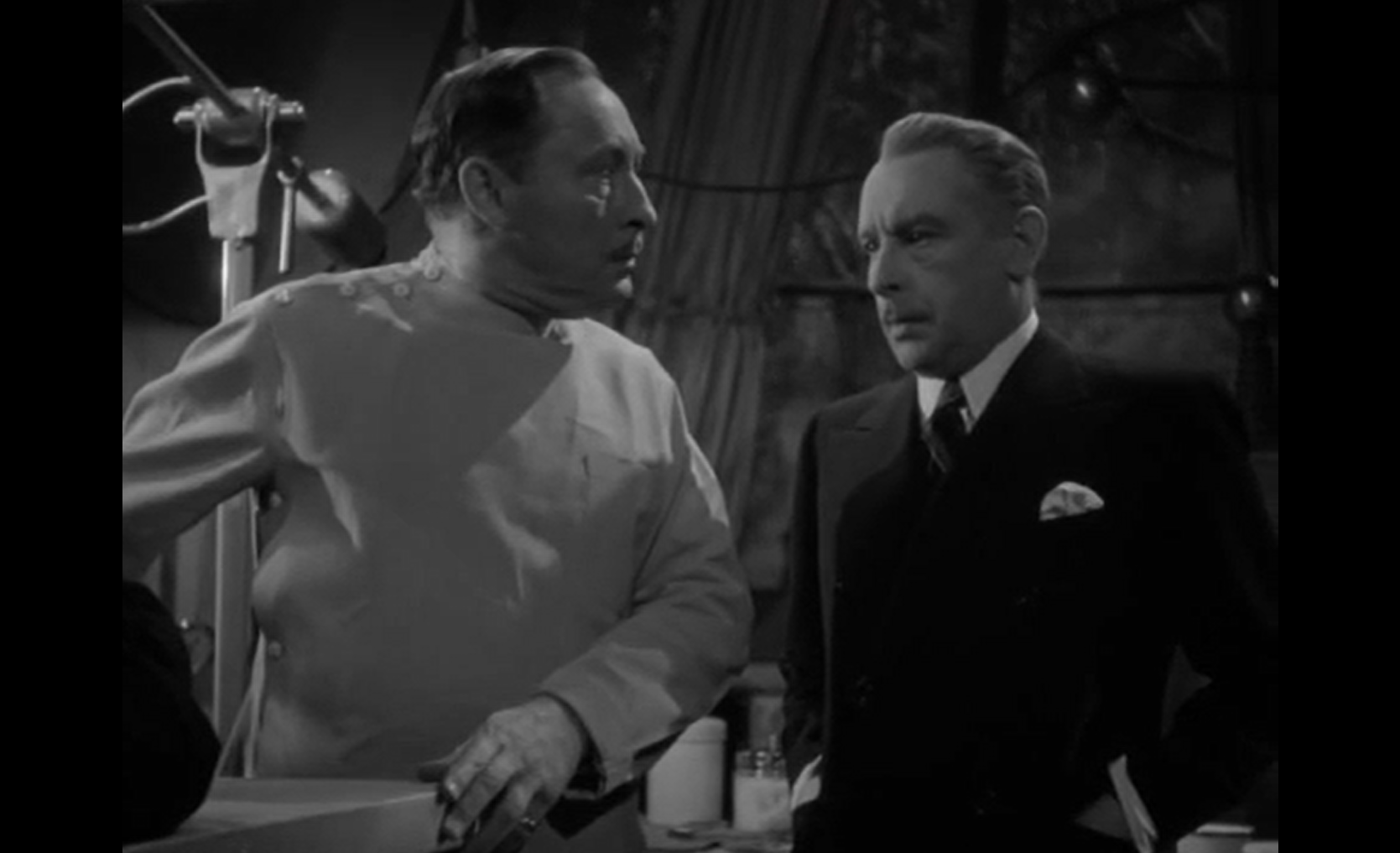
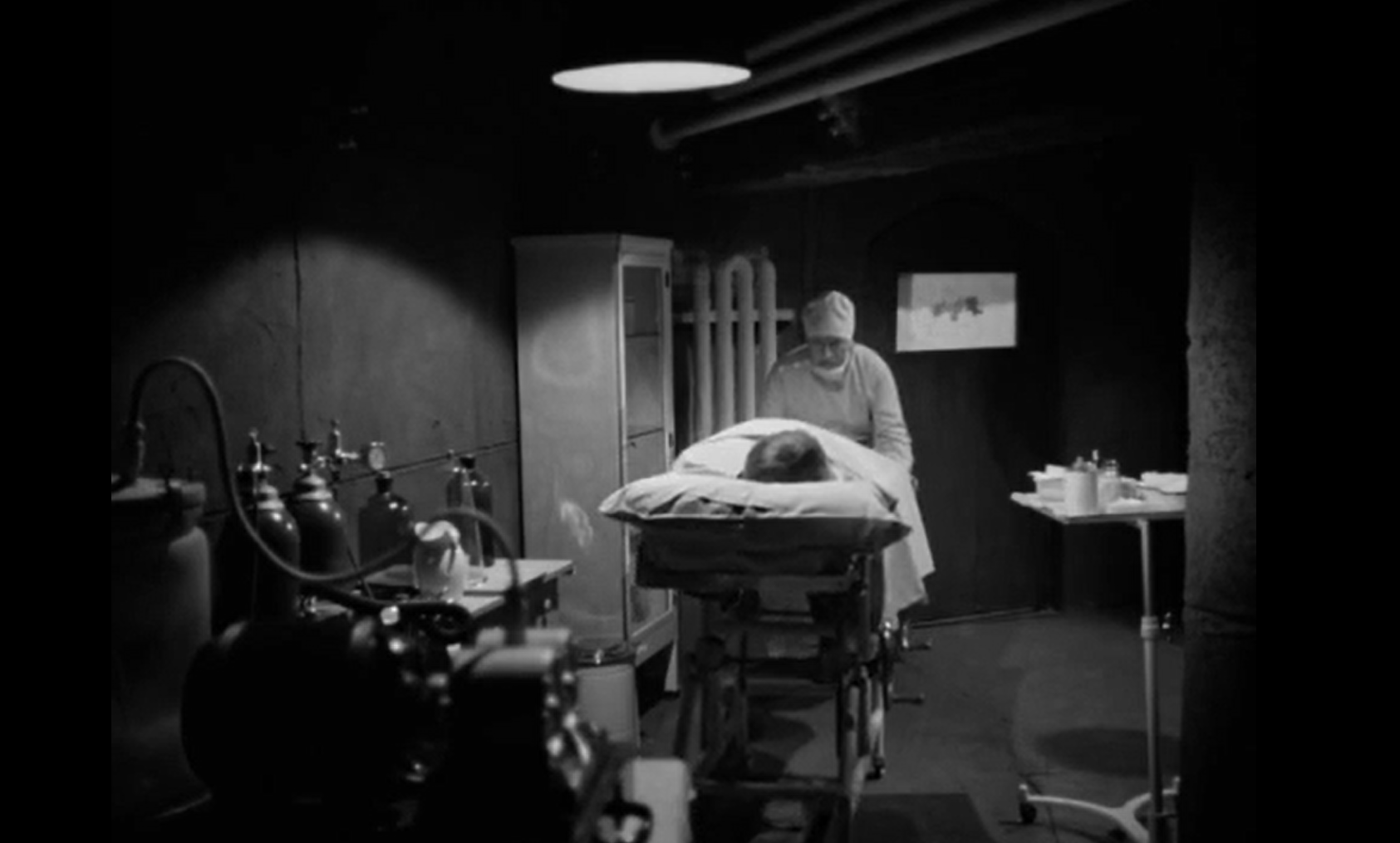
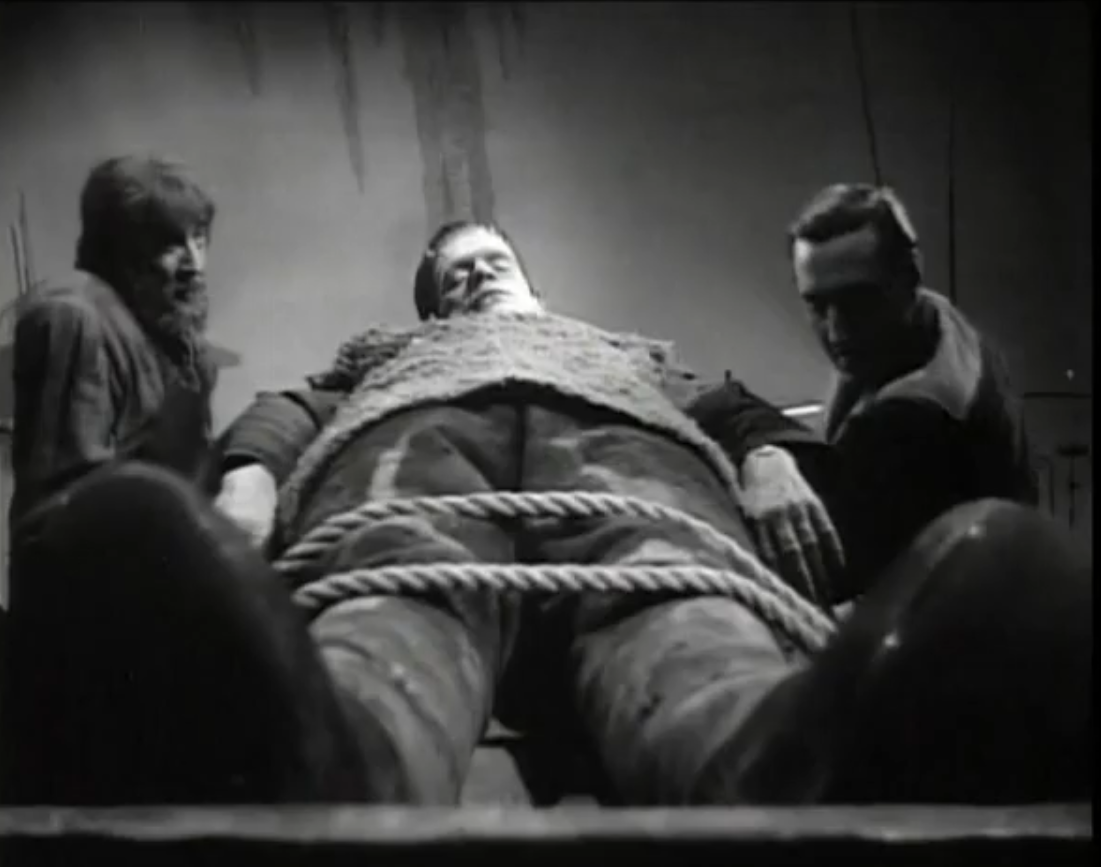
This fourth entry in Universal’s Frankenstein series is, unfortunately, a disappointment. While each of the first three films — Frankenstein (1931), Bride of Frankenstein (1935), and Son of Frankenstein (1942) — were unique in their ability to milk new life out of Mary Shelley’s fabled tale about the monstrous effects of man-made life, this film seems merely like a formulaic attempt to extend the popular franchise. The essential plot device — focusing on the brilliant idea to finally replace the Monster’s brain with a non-criminal one — seems like a no-brainer (sorry), and one wonders why this was never attempted before.

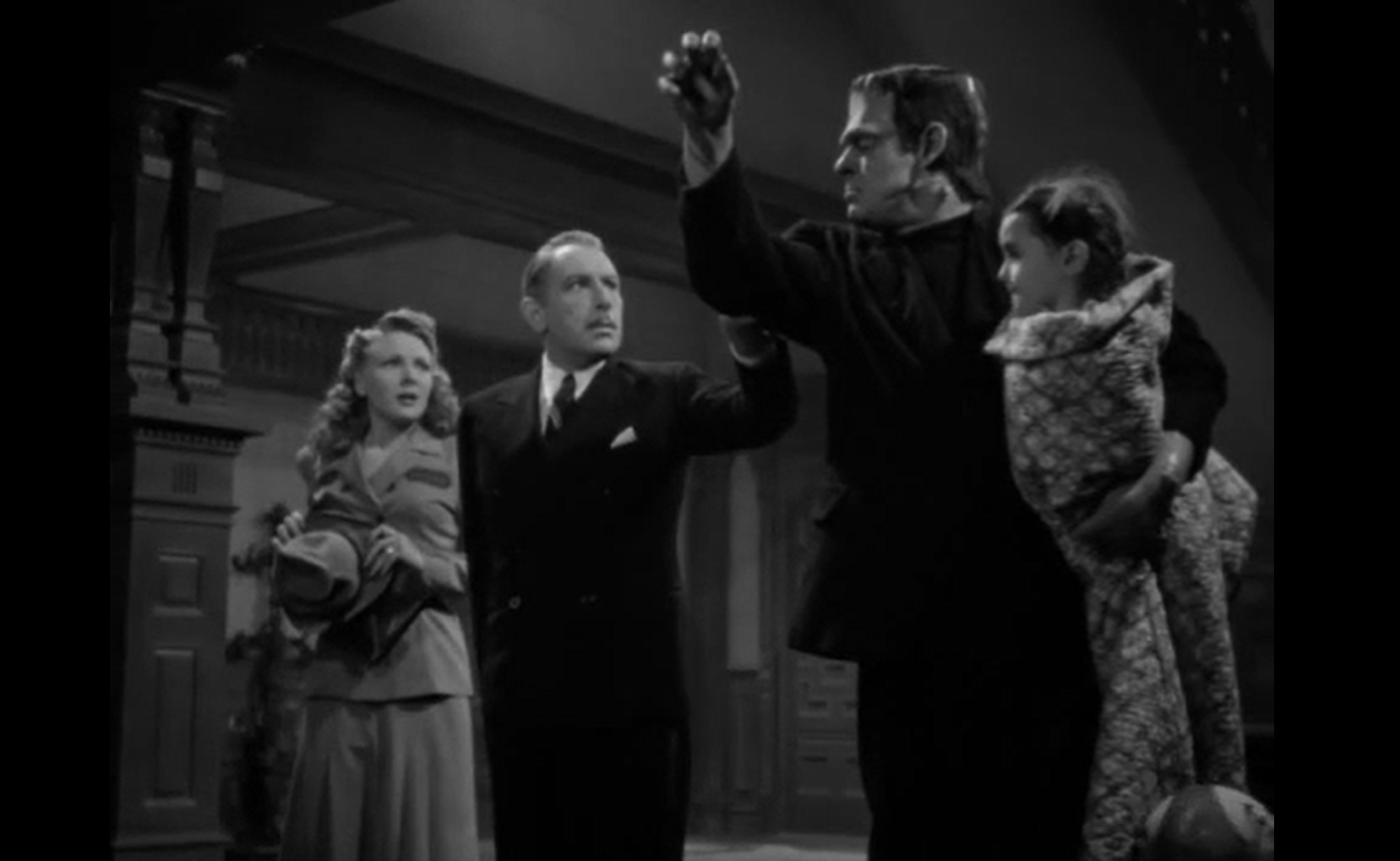
Regardless, it’s difficult to care very much about the ultimate outcome, given that Chaney is unable to imbue the Monster with any of the depth or pathos Karloff brought to this most pitiable creature.


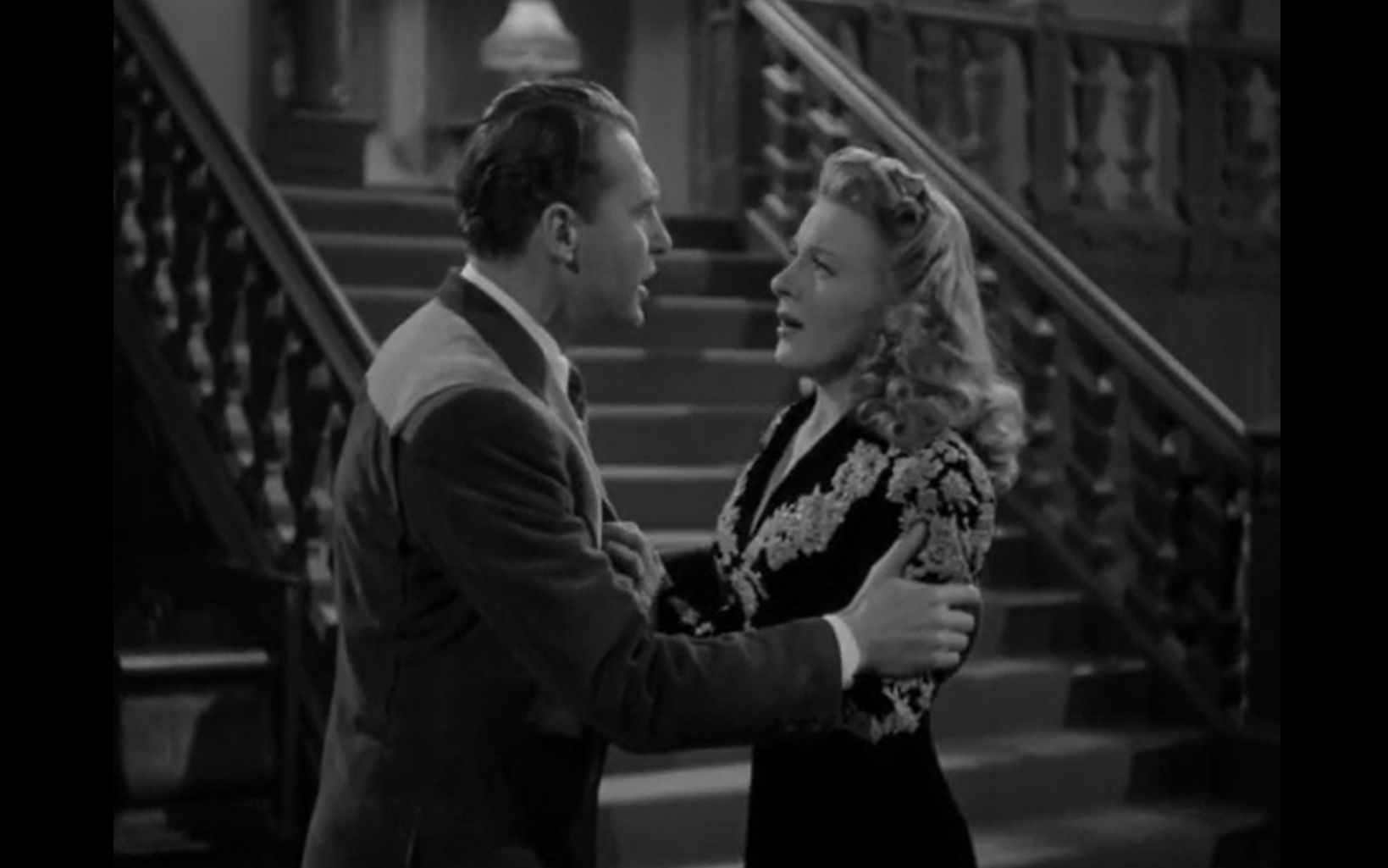
Meanwhile, the surrounding subplots — a lame, undeveloped romance between Ludwig’s daughter (Evelyn Ankers) and Ralph Bellamy:

… and the vaguely power-hungry desires by Ludwig’s colleague (Lionel Atwill) to interfere in the brain transplantation —

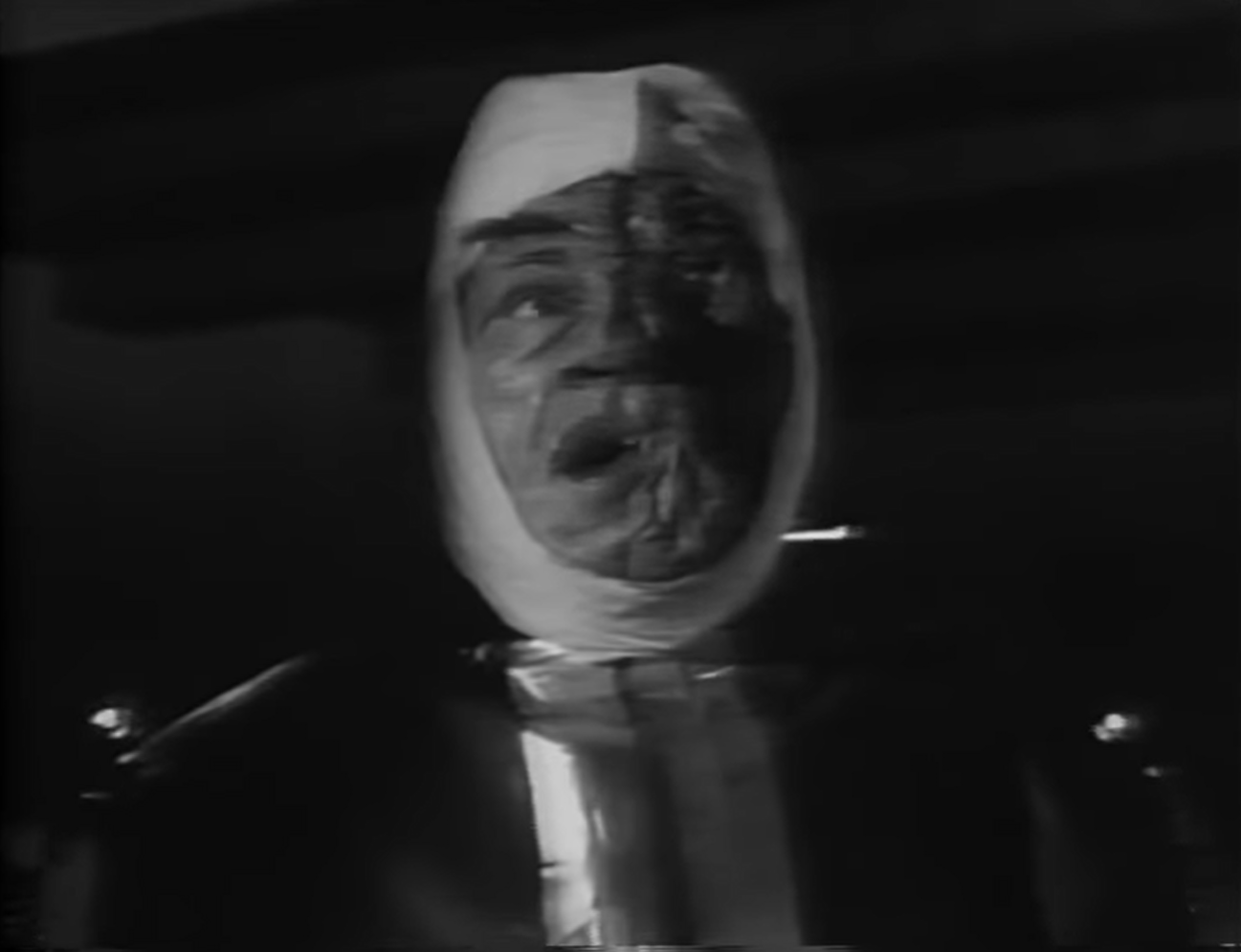
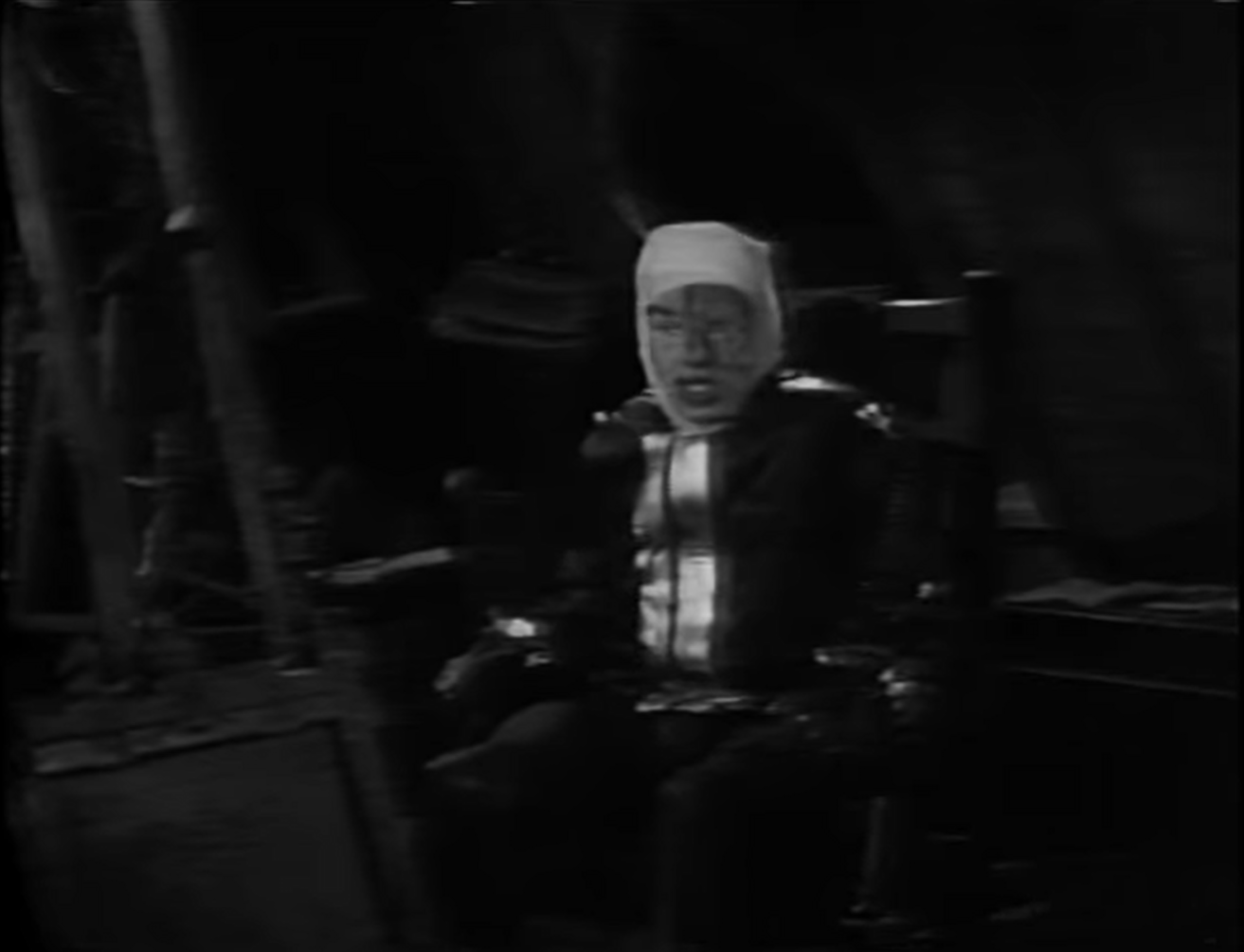
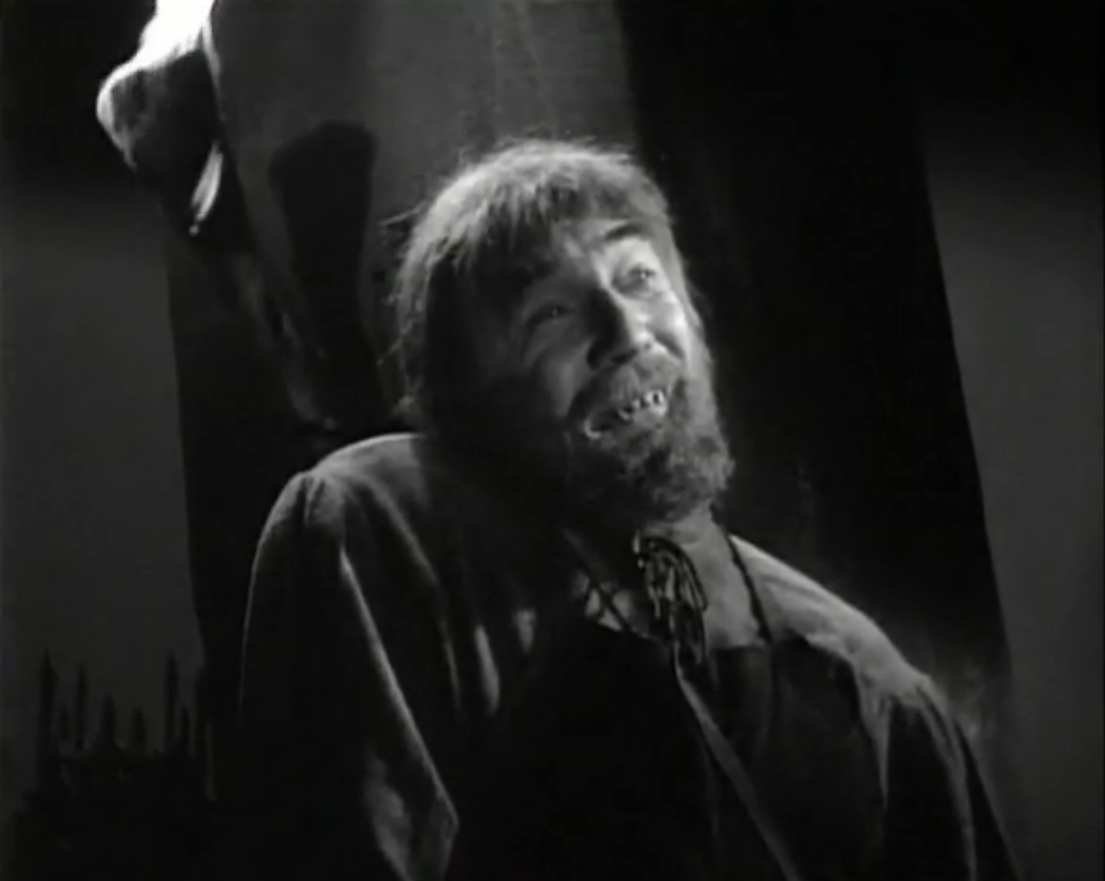
… fail to engage us on any level. Lugosi gives his all once again in the critical role of Ygor:

… but doesn’t bring anything new to the character. Feel free to skip this one.

Redeeming Qualities and Moments:

  • Effectively spooky cinematography

Must See?
No; this one is only must-see if you’re a true fan of Universal’s Frankenstein franchise.

Links:

Son of Frankenstein (1939)

Son of Frankenstein (1939)

“Nothing in nature is terrifying when one understands it.”

Synopsis:
The grown son (Basil Rathbone) of Dr. Frankenstein returns to his father’s hometown with his wife (Josephine Hutchinson) and son (Donnie Dunagan), finding that the villagers still live in fear of the Monster (Boris Karloff) who terrorized them years before. When a rash of murders occurs, the town’s chief inspector (Lionel Atwill) begins to suspect Rathbone of colluding with a blacksmith named Ygor (Bela Lugosi) to revive the Monster.

Genres, Themes, Actors, and Directors:

  • Basil Rathbone Films
  • Bela Lugosi Films
  • Boris Karloff Films
  • Frankenstein
  • Horror Films
  • Lionel Atwill Films
  • Mad Doctors and Scientists

Review:
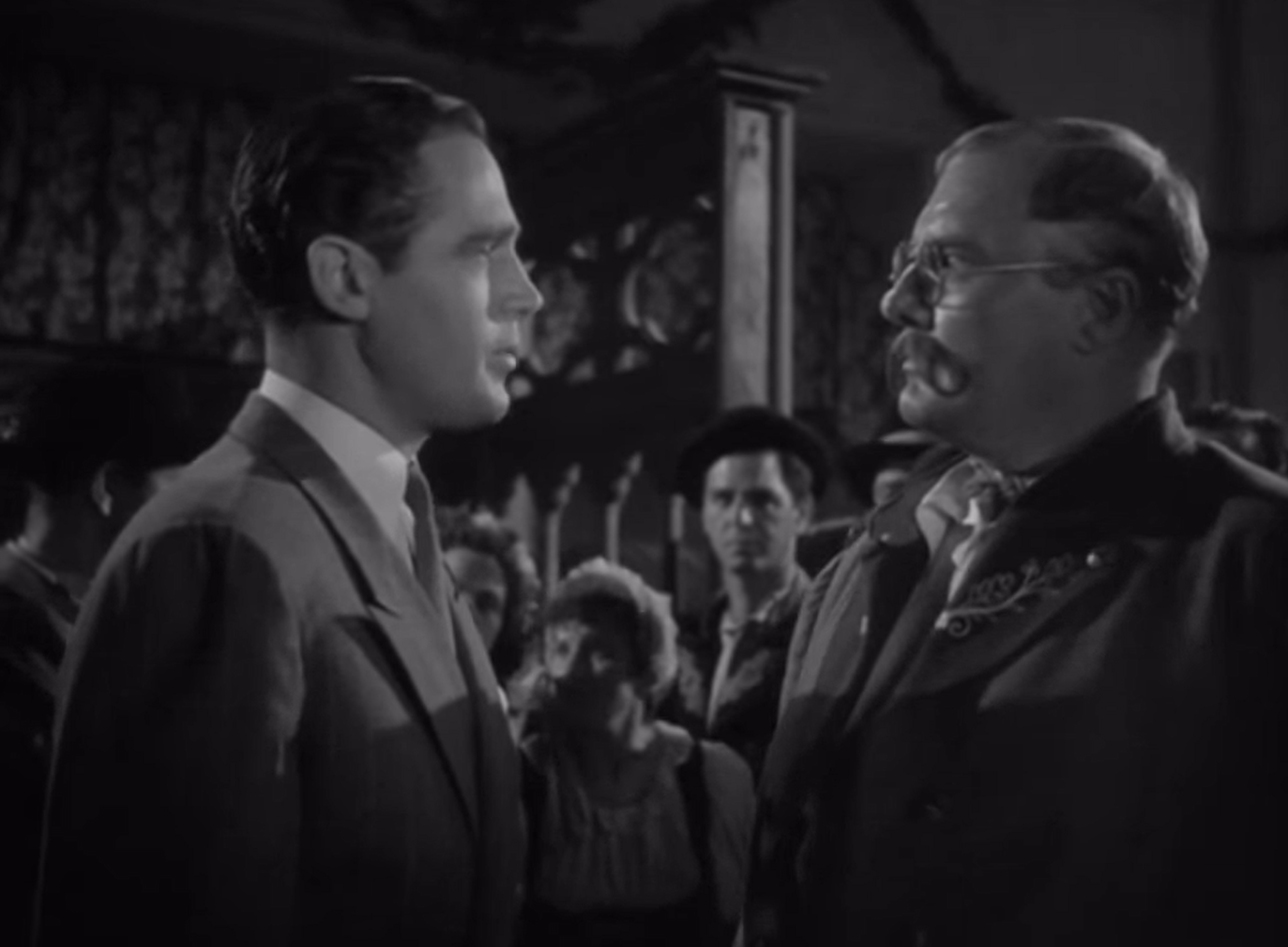
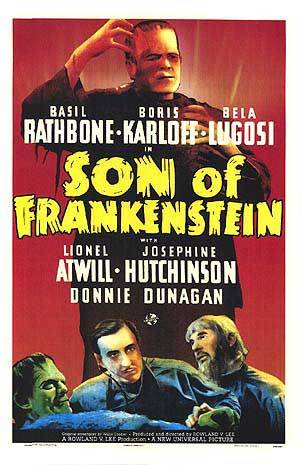
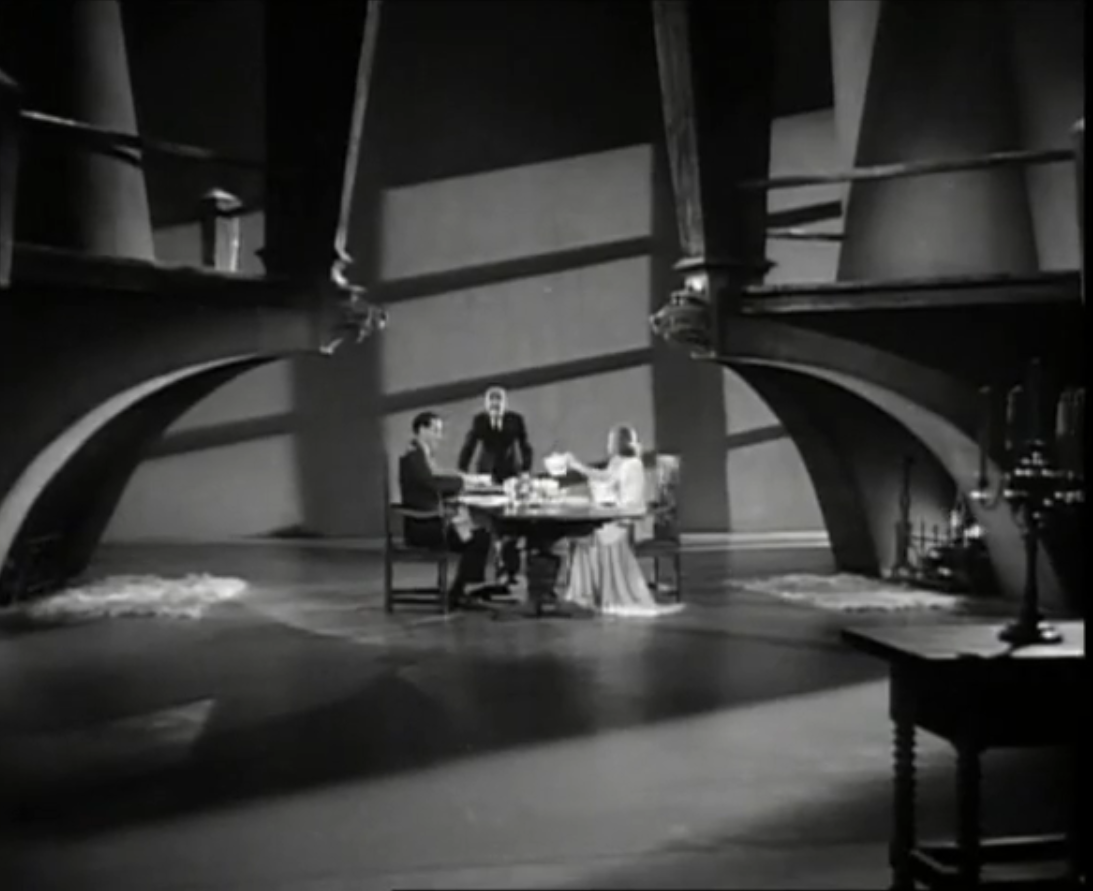
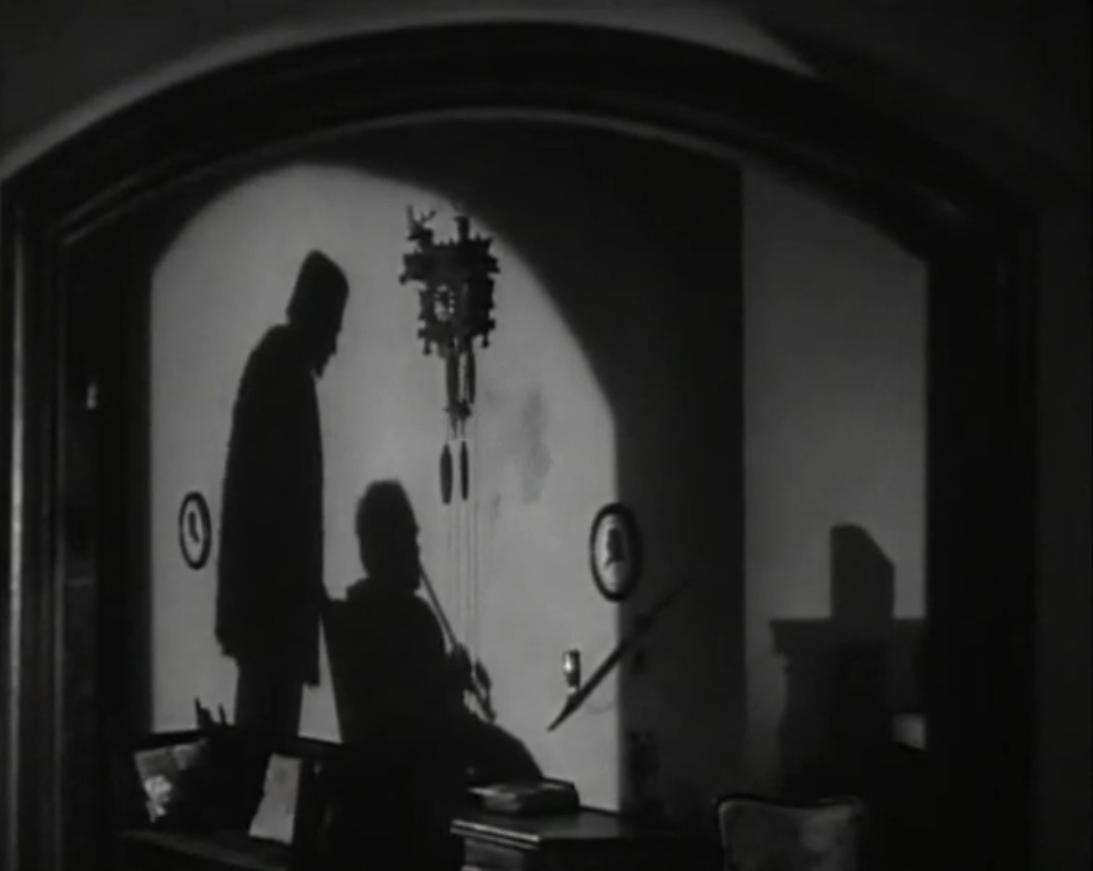
I was pleasantly surprised to find that this follow-up to Frankenstein (1931) and Bride of Frankenstein (1935) — two of the most highly regarded horror films in cinema history — remains an atmospheric, effective little flick in its own right. The sets are once again highly expressionistic, the cinematography is stark and moody, and director Rowland Lee confidently frames his actors for maximum effect. The performances throughout are memorable: Bela Lugosi is surprisingly effective as a crook-necked murderer obsessed with bringing his best friend, the Monster, back to life; Rathbone does a nice job showing his character’s gradually increasing interest in carrying on his father’s work; Lionel Atwill is memorable in a critical supporting role as the one-armed detective determined to prevent the Monster from resurfacing in his hometown; and young Donnie Dunagan proves himself to be one of the more natural child actors of his generation, holding his own with quite a bit of important dialogue. Karloff, unfortunately, isn’t given much to do this time around; he was right to refuse further roles as the Monster, recognizing that the creature’s character arc was essentially complete. The film’s biggest liability is its contrived premise, which essentially just recycles the original film’s storyline via a new generation of Frankensteins — but it’s nonetheless remarkably easy to get drawn into this well-crafted, timeless tale of scientific madness and hubris.

Redeeming Qualities and Moments:

  • Bela Lugosi as Ygor
  • Lionel Atwill as Inspector Krogh
  • Basil Rathbone as Wolf von Frankenstein
  • Jack Otterson’s expressionistic sets
  • Atmospheric cinematography
  • Accomplished direction by Rowland Lee

Must See?
Yes, as an enjoyable follow-up to two of cinema’s most famous early horror films.

Categories

  • Good Show
  • Historically Relevant

Links:

International House (1933)

International House (1933)

“That guy’s invention must be plenty hot to drag us from all around the world like this.”

Synopsis:
A group of eclectic individuals — including a wealthy socialite (Peggy Hopkins Joyce), her jealous ex-husband (Bela Lugosi), and a professor flying an “auto-gyro” (W.C. Fields) — all gather in the town of Wu Hu, China to bid on an invention created by Dr. Wong (Edmund Breese).

Genres, Themes, Actors, and Directors:

  • Bela Lugosi Films
  • China
  • Comedy
  • Ensemble Films
  • George Burns Films
  • Inventors
  • W.C. Fields Films

Review:
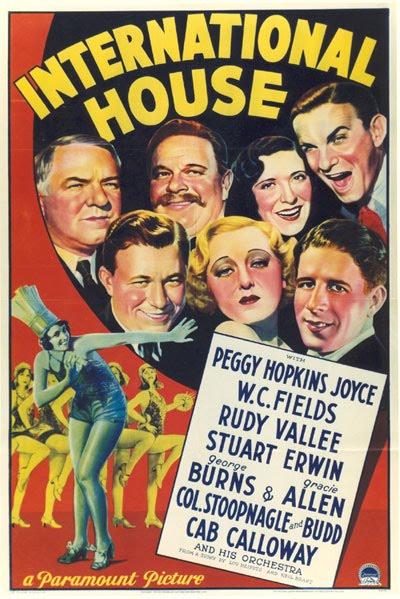
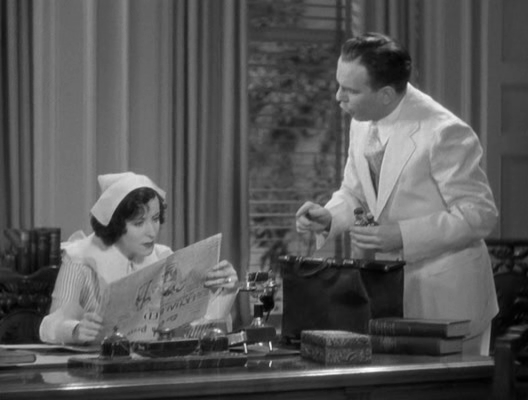
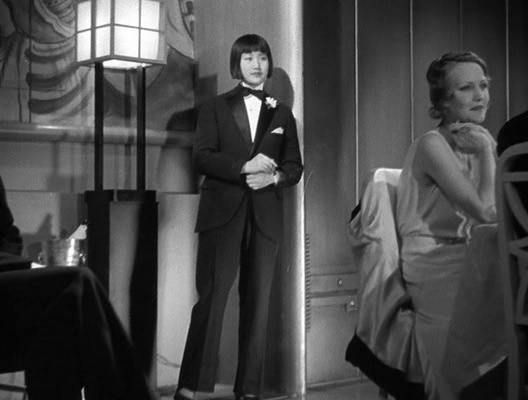
Essentially a comedic variety show (some have likened it to “radio on-screen”), this typically bizarre W.C. Fields film (he’s not top-billed, but might as well have been) whizzes by in a flurry of vignettes featuring big-name stars of the era — many of whom are now forgotten, but some of whom remain a delight to see in their prime. George Burns and Gracie Allen, for instance, are given several moments of screentime to perform their characteristically deadpan banter together, while Cab Calloway’s band offers an energetic rendition of “Reefer Man” (ah, Pre-Code times!). The infamous socialite Peggy Hopkins Joyce does a surprisingly fine job playing herself, and may be of minor cultural interest to some viewers as well. Be forewarned: the central plot device is merely a MacGuffin to get all these random characters together.

Redeeming Qualities and Moments:

  • George Burns’ and Gracie Allen’s comedic rapport
  • A fun Pre-Code sensibility
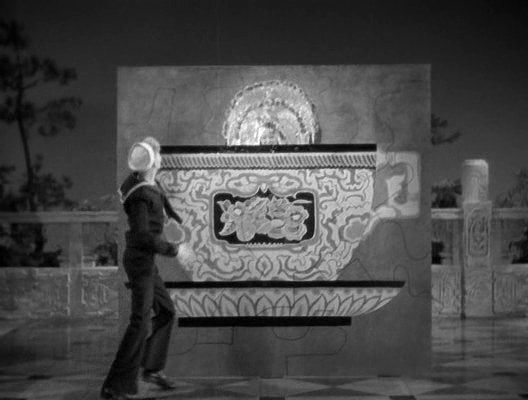
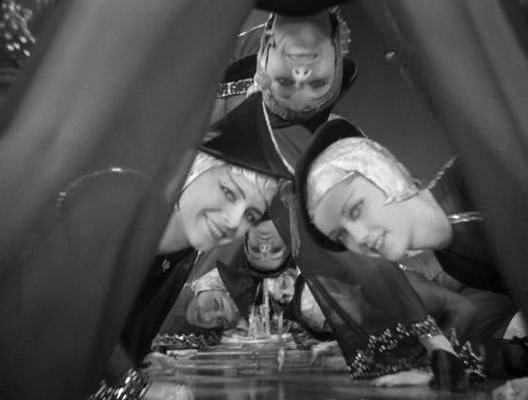
  • The truly surreal teapcup/mug dance

  • Typically enjoyable (Pre-Code) one-liners by Fields:

    Peggy: I wonder what their parents were?
    Fields: Careless, my little dove cake, careless.

Must See?
No, though it’s certainly worth a look.

Links:

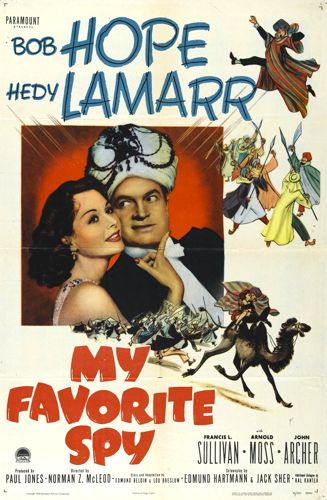
My Favorite Spy (1951)

My Favorite Spy (1951)

“It’s nights like this that drive men like me to women like you for nights like this.”

Synopsis:
A vaudeville performer (Bob Hope) with an uncanny resemblance to wounded international spy Eric Augustine (also Hope) is recruited by the U.S. government to impersonate Augustine and obtain critical microfilm in Tangiers, where he falls for a beautiful but dangerous female agent (Hedy Lamarr).

Genres, Themes, Actors, and Directors:

  • Bob Hope Films
  • Hedy Lamarr Films
  • Mistaken Identities
  • Satires and Spoofs
  • Spies

Review:
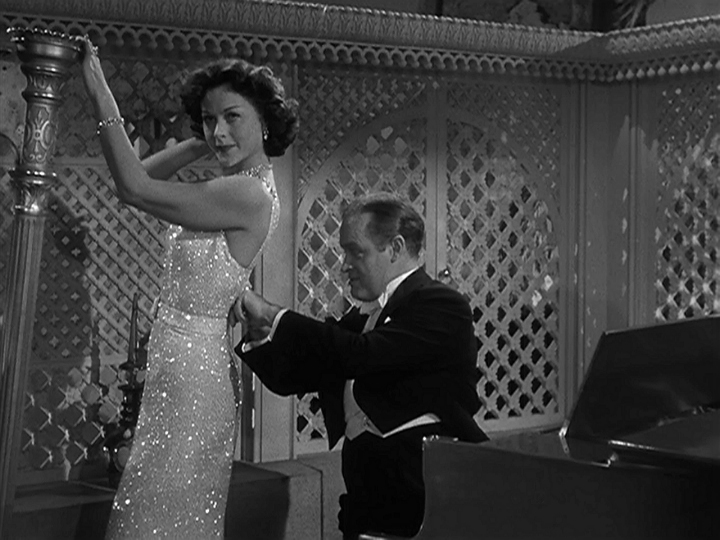
The third and final film in Bob Hope’s My Favorite… “trilogy” is also the least successful of the bunch. Lamarr is as beautiful as ever (and truly stunning in some of Edith Head’s dresses):

… but ultimately lacks the comedic sensibility and timing necessary for her role as Hope’s foil; she takes everything far too seriously. Hope, meanwhile, seems to be merely repeating his character from My Favorite Blonde (minus the trained penguin); at least his protagonist in My Favorite Brunette had the unique job of being a baby photographer. Equally disappointing is the failed use here of Hope in doppelganger roles: as others have commented, the one scene in which they’re both present on-screen is shot from such an awkward angle that it doesn’t quite look realistic, and the two characters never even have a chance to talk to one another. My Favorite Spy ultimately ends up feeling oddly similar to entries in the Road to… series, complete with Paramount’s faux-exotic backlots and soundstages — which suddenly shift to real-life outdoor sets in California during the film’s wacky slapstick ending (involving a firetruck and Spanish-speaking firemen — in Tangiers??). Stick with My Favorite Brunette as the only one of the My Favorite… outings that’s must-see for all film fanatics.

Redeeming Qualities and Moments:

  • Hope’s characteristically deadpan one-liners:

    “When I look into a girl’s eyes, I can tell just what she thinks of me. It’s pretty discouraging, too.”

Must See?
No; this one is strictly for Hope fans.

Links: