|
Synopsis:
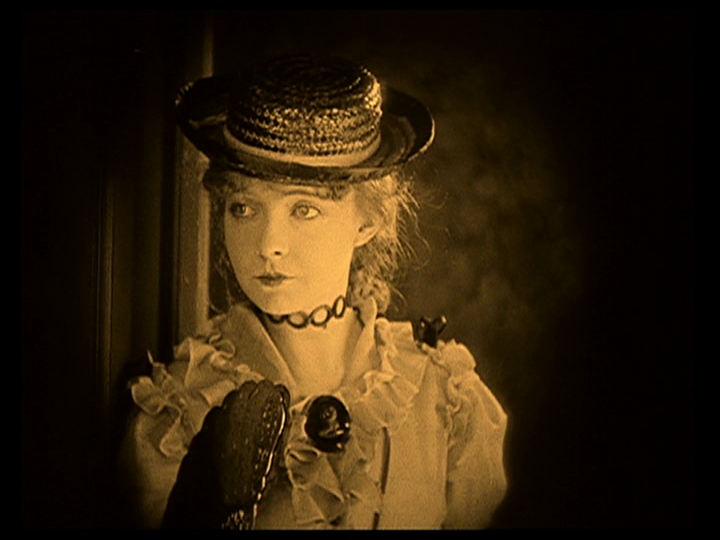
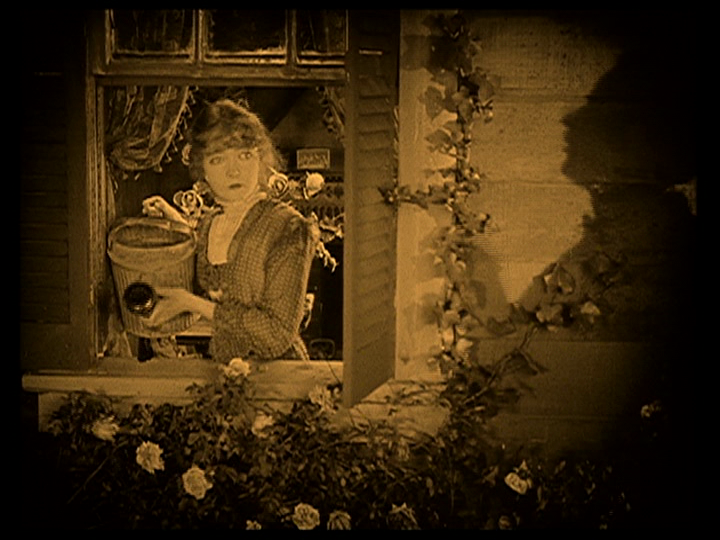
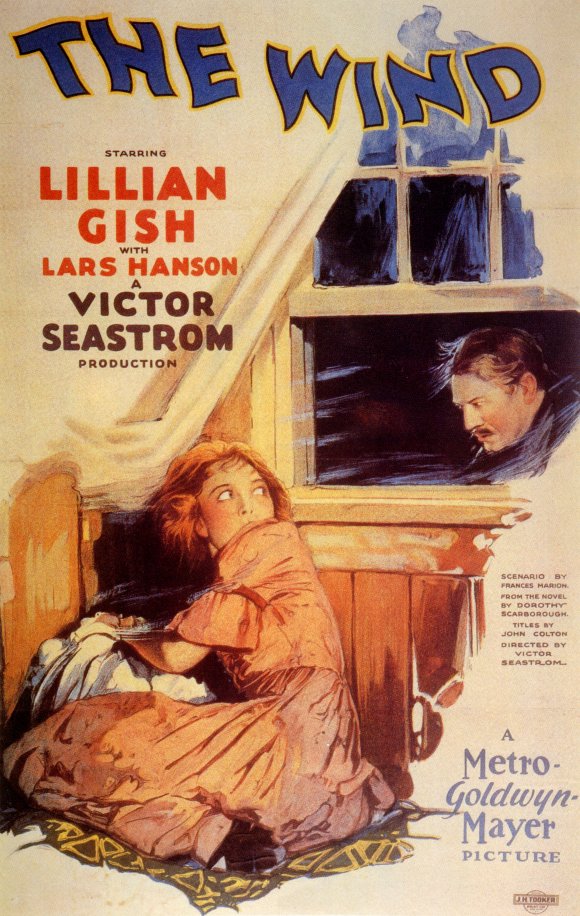
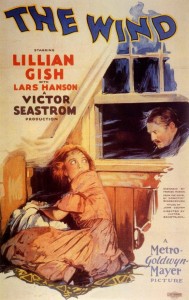
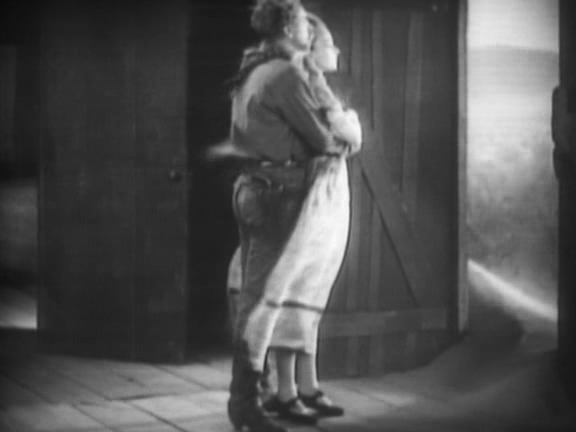
A young Virginian woman (Lillian Gish) comes to live with her cousin (Edward Earle) and his family in wind-swept Texas; but Earle’s wife (Dorothy Cummings) quickly becomes jealous of Gish’s presence, and demands that she find another place to live. Rather than accepting an offer to be the mistress of a married man (Montagu Love), Gish agrees to marry an uncouth but earnest cowboy (Lars Hanson), who is distressed to learn that his new wife doesn’t love him; meanwhile, Gish’s mental stability becomes increasingly volatile, especially when Love re-enters her life.
|
|
Genres, Themes, Actors, and Directors:
- Feminism and Women’s Issues
- Historical Drama
- Jealousy
- Lillian Gish Films
- Marital Problems
- Mental Breakdown
- Silent Films
Review:
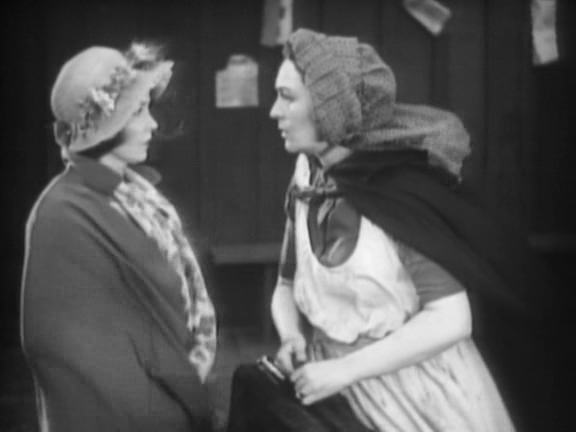
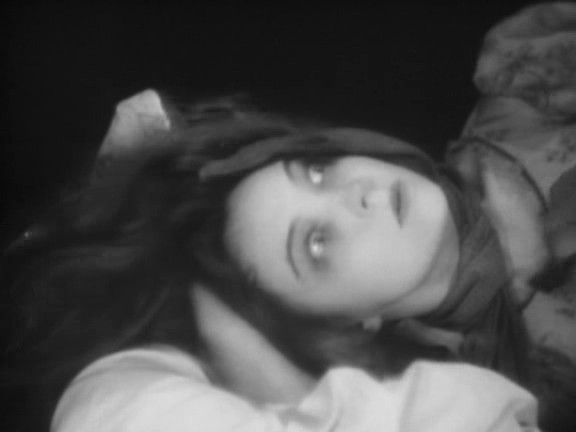
Peary doesn’t review Victor Sjostrom’s final American silent film in his GFTFF, but he discusses it extensively in his Alternate Oscars book, where he not only gives Lillian Gish the “Best Actress” award, but names the film itself “Best Movie of the Year”. Sjostrom, screenwriter Frances Marion, Gish, and Hanson had previously worked together on a successful cinematic adaptation of The Scarlet Letter (1926); they collaborated again for this film (based on a novel by Dorothy Scarborough), which afforded Gish another opportunity to perform in an “ahead-of-its-time feminist drama about a woman without money or opportunities who tries to survive in a man’s world”. (Interestingly, Gish isn’t the film’s only female protagonist in such a position; though we may dislike Cumming’s character for “her cold treatment of Gish”, we understand that despite being a “bitter woman she is no villain”, given that “she dearly loves her husband and without him, in this harsh world, she has no life, no options”.)
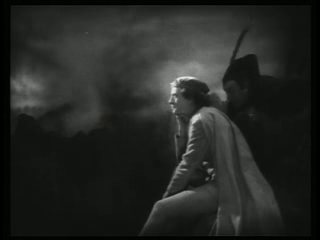
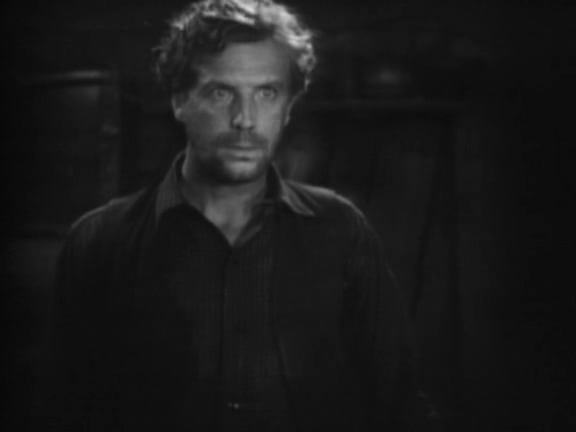
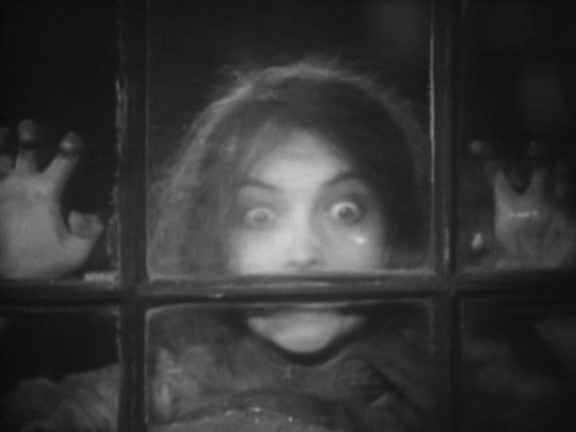
Peary accurately notes that “The Wind is beautifully acted by Gish and the talented, handsome Hanson”, whose portrayal here in a tricky role possesses a surprising amount of subtlety and emotional nuance. Gish, of course, can’t be equalled: as Peary notes, she’s “dynamic in a role that lets her run the gamut of emotions”, and “well aware… it is through her incredible eyes that we perceive the changes her character goes through”; he argues it’s likely that “no one was more aware of the camera than this shrewd actress”. Meanwhile, the film itself is “exquisitely photographed (by John Arnold), with much emphasis on motion”, and Sjostrom creating a “tremendous sense of claustrophobia with repeated shots of the sand swirling towards windows and penetrating everything”. (To that end, one can’t help wondering what area of Texas actually has sandy wind storms that are this insistent and this devastating; would people really choose to live in such a place, given any other option?)
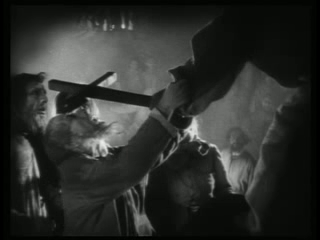
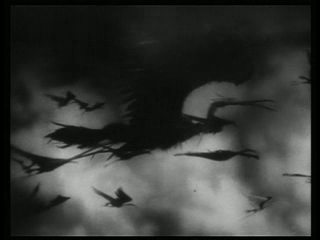
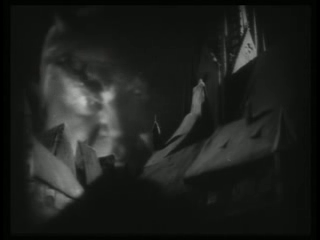
The Wind (like all of Sjostrom’s work) is filled with many memorable, psychologically complex images — not just Gish’s “fantasized image of a white horse charging through the skies”, but her very breakdown itself, represented with increasingly expressionistic flair as the elements around her (the incessant sand storms, lecherous Love’s creepy return) eventually destroy every bit of resistance she possesses. Without saying more about the film’s controversial denouement (changed at the insistence of the producers), I will note that the ending manages to satisfy on multiple levels: Gish’s ultimate fate (while perhaps “a little hokey”) is the only one we would have wished for this most put-upon of feminist heroines.
Redeeming Qualities and Moments:
- Lillian Gish as Letty

- Lars Hanson as Lige
- Dorothy Cumming as Cora
- Many powerful, memorable images
Must See?
Yes, for Gish’s knock-out performance, and as a provocative silent melodrama by a master director. Listed as a film with Historical Importance and a Personal Recommendation in the back of Peary’s book.
Categories
- Historically Relevant
- Noteworthy Performance(s)
(Listed in 1001 Movies You Must See Before You Die)
Links:
|