Browsed by
Category: Original Reviews

Responses to Peary’s “must see” movie reviews, as well as my own “must see” movie reviews up to and after 1986 (when Peary’s book was published).

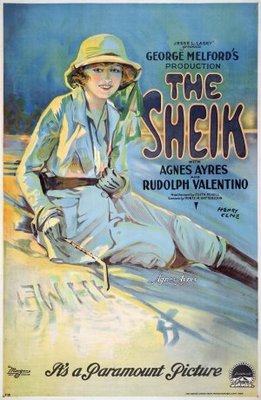
Sheik, The (1921)

Sheik, The (1921)

“When an Arab sees a woman that he wants, he takes her!”

Synopsis:
While touring in the Middle East, an adventurous white woman (Agnes Ayres) is abducted by an Arabian sheik (Rudolph Valentino) who insists he can force her to love him. Soon her anger begins to melt, especially when she faces an even worse fate at the hands of an evil bandit (Walter Long).

Genres, Themes, Actors, and Directors:

  • Adolph Menjou Films
  • Cross-Cultural Romance
  • Kidnapping
  • Middle East
  • Rudolph Valentino Films
  • Silent Films

Review:
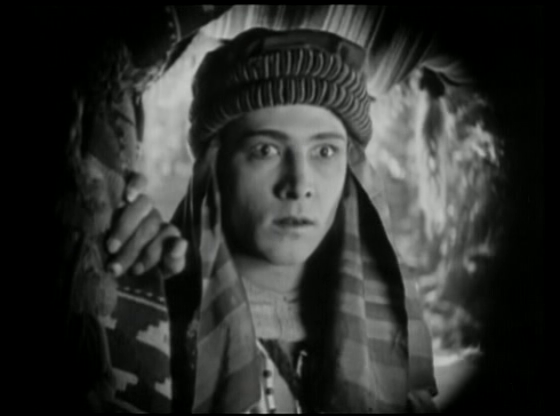
Silent-era heartthrob Rudolph Valentino is, unfortunately, most closely associated with his title role in this horribly dated, incurably offensive “romantic adventure” taking place in the Middle East. The film starts off with refreshingly feminist overtones, as we’re introduced to the intrepid Lady Diana, who refuses to be bullied by anyone, or to take no for an answer — but her role is quickly degraded into that of a female victim who (in classic Stockholm-Syndrome style) eventually comes to love her captor. Meanwhile, Arabian culture (which, naturally, is conflated and homogenized here) is presented in both a patronizing and disrespectful fashion: “Where the children of Araby dwell in happy ignorance that Civilization has passed them by”, one early inter-title informs us; Arab women are either brides being sold on the market or dance-hall girls.

Naturally, you could argue that such culturally insensitive perspectives were par for the course at the time, and that one shouldn’t judge a film on the merits of the social climate within which it was made. With that said, then, how enjoyable is The Sheik on other accounts? Sadly, not very. Valentino’s performance is laughably one-note (his leering grin and arching eyebrows are a caricature of silent-era over-emoting), and the arrival of Adolph Menjou on the screen as Valentino’s long-time friend (a noted author) does little to alleviate one’s irritation at the offensive central storyline. Apparently this film’s sequel, Son of the Sheik (Valentino’s final role), is much better on many counts — so I’ll look forward to reporting back once I’ve seen it.

Redeeming Qualities and Moments:

  • A glimpse at Valentino in his most iconic role

Must See?
No, though it’s worth a one-time look simply for its status as Valentino’s signature role. Listed as a film with Historical Importance in the back of Peary’s book. Available for free viewing on www.archive.org.

Links:

Queen Kelly (1929)

Queen Kelly (1929)

“You think you can share the Queen’s bed? I’ll share him with no one!”

Synopsis:
A young woman (Gloria Swanson) living in a convent is courted by a prince (Walter Byron) who’s been forcibly engaged to marry a mad queen (Seena Owen). When the queen learns about Byron’s romantic interest in Kitty Kelly (Swanson), she banishes Kelly, who eventually ends up in an African brothel visiting her dying aunt (Florence Gibson), and facing her own enforced marriage.

Genres, Themes, Actors, and Directors:

  • Cross-Class Romance
  • Erich von Stroheim Films
  • Gloria Swanson Films
  • Love Triangle
  • Royalty and Nobility
  • Silent Films

Review:
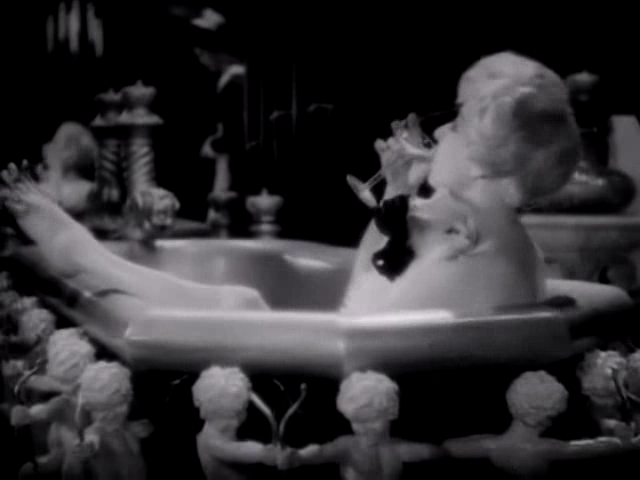
The final downfall of Erich von Stroheim’s notoriously challenge-filled directorial career was precipitated by his work as a writer and director on this epic love story, conceived by silent-screen star Gloria Swanson as a way to revive her own waning career (and brought to the renewed attention of moviegoers when a clip was screened by Swanson’s aging diva in Sunset Boulevard). Production on Queen Kelly halted midway through, and it was never completed; the version that exists thus offers merely a tantalizing glimpse of von Stroheim’s estimable talents and broader vision for the story. (Viewers interested in learning more about the film’s production history and restoration should check out any of the informative links below.)

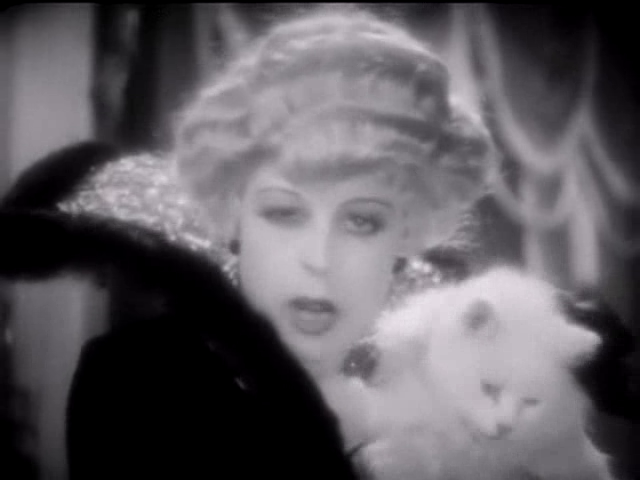
It’s primarily the first third or so of the film that we’re left with — and what an exposition it is! We’re shown a mad queen taken to walking around mostly nude and carrying a white cat loosely draped over her bosom; a drunken playboy prince (not at all in love with the queen) racing to the palace in a chariot filled with gleeful prostitutes (“Come on Wild Wolfram! I’ve bet my nightie on you!”); and a coy convent girl who accidentally (?) drops her panties in front of the prince, then balls them up and throws them at him in a fit of anger. My goodness! What could possibly come next? From there, the storyline shifts to showing us the rapid blossoming of Byron and Swanson’s romance, with Byron nearly burning down the convent to get Swanson’s timely attention, eventually carrying her off to his bedroom in a scene filled with plenty of remarkably risque Pre-Code intimations.

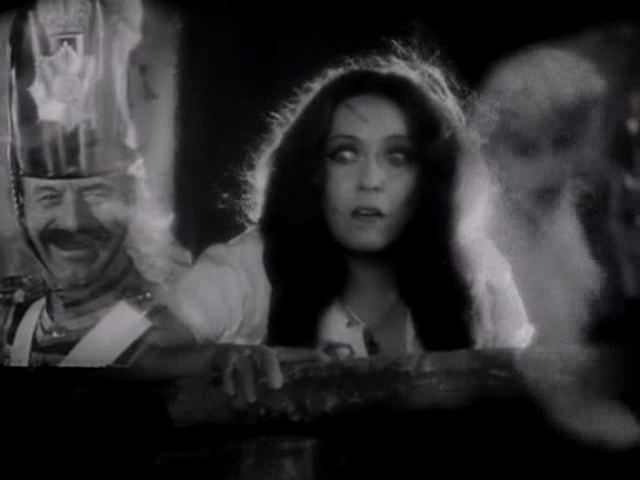
Unfortunately, it’s shortly after the infuriated queen discovers Byron’s betrayal that the film (literally) begins to fall apart; the next scenes we’re shown (reconstructed in part from stills) take place in Africa of all places, and feel like they belong in a decidedly different film all together. (They actually hearken back to Swanson’s role the previous year in Sadie Thompson, set on a South Seas island.) Kelly’s enforced marriage to a demented older man — a scene that seems to go on forever, in a truly nightmarish fashion — is nothing short of surreal. There’s no telling, of course, what type of continuity von Stroheim could or would have offered between these two radically different settings, had he been given the opportunity; Queen Kelly instead remains a classic example of a semi-lost film which will forever be known primarily for its potential.

However, as indicated in my assessment above, the delightfully demented scenes that do exist in full are finely produced and acted. While there’s no denying Swanson (at 30) was too old to be playing a schoolgirl, she nonetheless brings just the right amount of coyness and romantic longing to her role; meanwhile, Byron makes a suitably charming prince, and Owen — while not given quite enough to do — projects appropriately haughty disdain and madness. The cinematography throughout is luminously atmospheric, and the royal sets are just as grandiosely baroque as one would expect for such a milieu.

Redeeming Qualities and Moments:

  • Gloria Swanson as “Kitty” Kelly
  • Opulent sets
  • Luminous cinematography

  • Some creatively conceived inter-titles
  • A remarkably racy, memorable, ultimately bizarre screenplay
Must See?
Yes, for its historical relevance as von Stroheim’s final film, and Swanson’s silent-era swan song. Listed as a film with Historical Importance and a Cult Movie in the back of Peary’s book.

Categories

  • Historically Relevant
  • Important Director

Links:

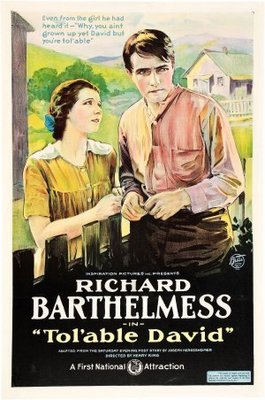
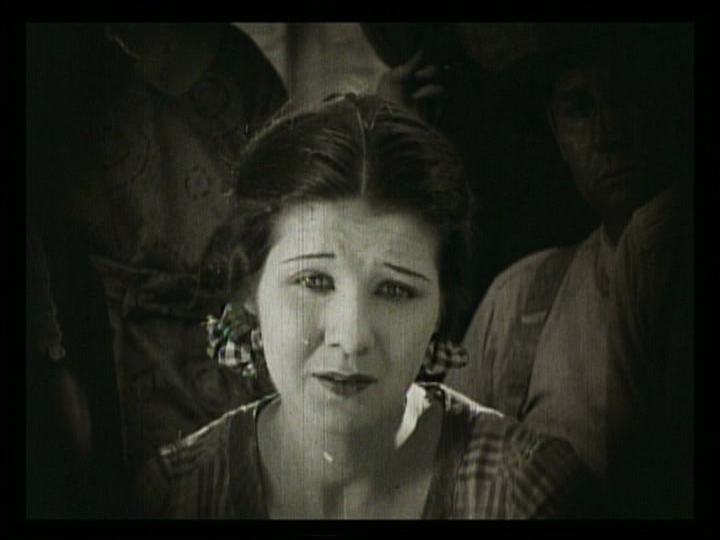
Tol’able David (1921)

Tol’able David (1921)

“You won’t be a man for a spell yet, David. But you’re tol’able… just tol’able.”

Synopsis:
A young man (Richard Barthelmess) in a close-knit West Virginian family must take on adult responsibilities when violent new neighbors (Walter P. Lewis, Ernest Torrence, and Ralph Yearsley) critically injure his married brother (Warner Richmond) and precipitate the death of his father (Edmund Gurney).

Genres, Themes, Actors, and Directors:

  • Coming of Age
  • Silent Films

Review:
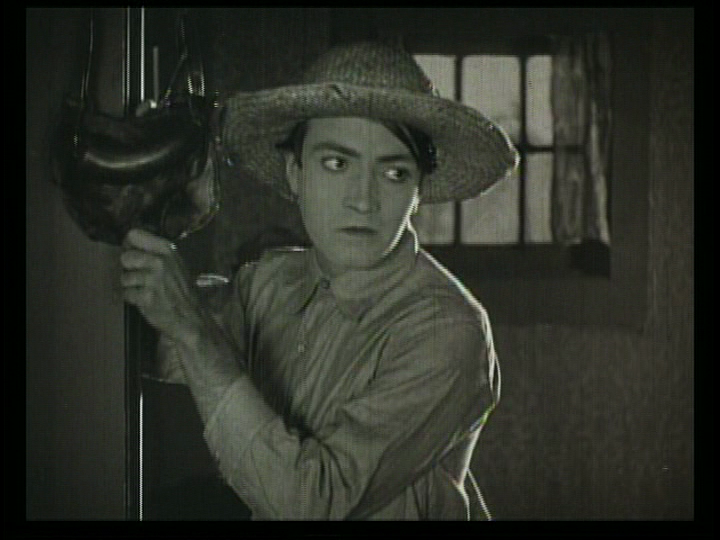
I’ll admit to being slightly puzzled about the status of this popular silent melodrama as a beloved favorite of many, and as a film specifically selected for preservation by the National Registry as being “culturally, historically, or aesthetically significant”. It tells the rather simple tale of a pastoral existence rudely shattered by a family of bullying thugs (is there significance to their last name being Hatburn, so remarkably close to Hatfield?), paralleled by an adolescent’s desperate desire to come of age — in part to impress the pretty girl next door (Gladys Hulette). To that end, the sweet budding romance between Barthelmess (rightfully acknowledged as one of the most beautiful of all male silent stars) and Hulette remains the film’s primary selling point, though it’s overshadowed by numerous other melodramatic plot elements. Torrence is appropriately menacing as the main baddie of the piece, but his performance ultimately lacks nuance; I prefer his role as the villainous Moriarty in Sherlock Holmes (1932) instead.

Redeeming Qualities and Moments:

  • Richard Barthelmess as David
  • Gladys Hulette as Esther Hatburn

Must See?
No. Listed as a film with Historical Importance and a Personal Recommendation in the back of Peary’s book. Available for free viewing at www.archive.org.

Links:

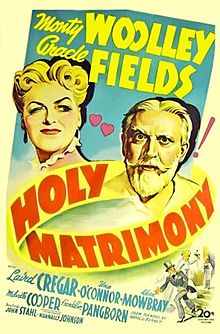
Holy Matrimony (1943)

Holy Matrimony (1943)

“Don’t you understand? You’re burying the wrong man!”

Synopsis:
Desperately seeking to avoid media attention, a famous but reclusive painter named Priam Farll (Monty Woolley) assumes the identity of his deceased valet, Henry Leek (Eric Blore), and marries the woman (Gracie Fields) Leek had recently contacted via a matrimonial agency. His peaceful life of anonymity is soon disrupted, however, when an ambitious art dealer (Laird Cregar) begins to sell his latest paintings, and suspicions arise that “Priam Farll” isn’t really dead.

Genres, Themes, Actors, and Directors:

  • Artists
  • Comedy
  • Laird Cregar Films
  • Mistaken or Hidden Identities
  • Monty Woolley Films

Review:
Monty Woolley is perhaps best known for his starring role in Moss Hart and George S. Kaufman’s acerbically madcap play The Man Who Came to Dinner (turned into a film in 1942) — yet his titular performance as the too-nasty-for-words theater critic Sheridan Whiteside doesn’t display him in anything close to his best light. I much prefer Woolley’s Oscar-nominated role in the wartime adventure drama The Pied Piper (1942), as well as his work in this gentle “comedy of errors”, about a world-class painter so desperate to be left alone that he willingly adopts another identity altogether. While Nunnally Johnson’s Oscar-nominated screenplay (based on a novel by Arnold Bennett) strains credibility time and again, it presents such an appealing scenario in the unlikely marriage between Woolley and Fields that one willingly suspends disbelief and criticism.

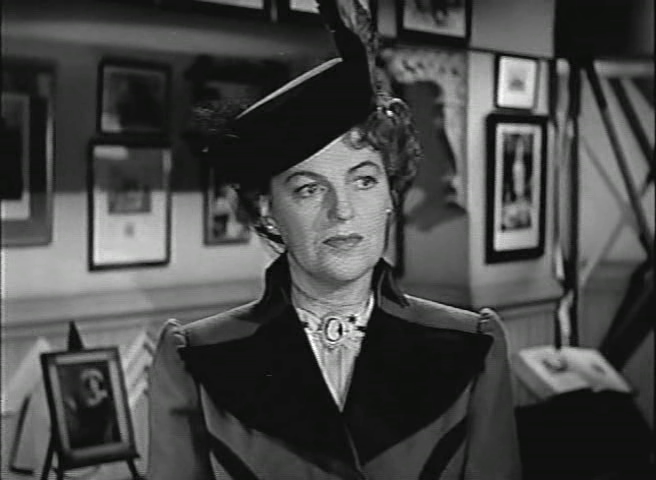
Comedienne and singer Gracie Fields was once one of England’s most popular performers, and her appeal is in full evidence here. From the moment she mistakes Woolley for his valet and rescues him from a trip to the jailhouse, we can’t help breathing a sigh of relief for the good fortune Woolley — who’s accustomed to having all his needs taken care of by someone else — has chanced upon. Their marriage-of-convenience is nothing short of charming, thanks in large part to Fields’ unceasing good grace and common sense, and Woolley’s clear appreciation of said characteristics. The complications that inevitably ensue — including the appearance of Blore’s estranged wife (Una O’Connor) and grown sons, and Fields’ sudden need to earn additional money for house payments — simply allow Fields to show us once and again why Woolley’s character is a damned lucky fellow. (And fortunately, he knows it!).

Redeeming Qualities and Moments:

  • Gracie Fields as Alice
  • Monty Woolley as Priam/Henry

Must See?
Yes, for the lead performances.

Categories

  • Noteworthy Performance(s)

Links:

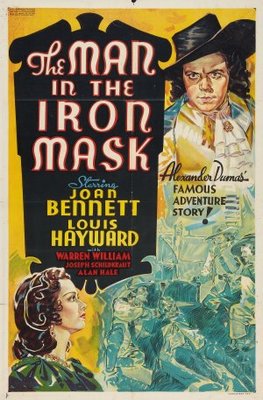
Man in the Iron Mask, The (1939)

Man in the Iron Mask, The (1939)

“To any other man in this kingdom, twin sons would be a blessing.”

Synopsis:
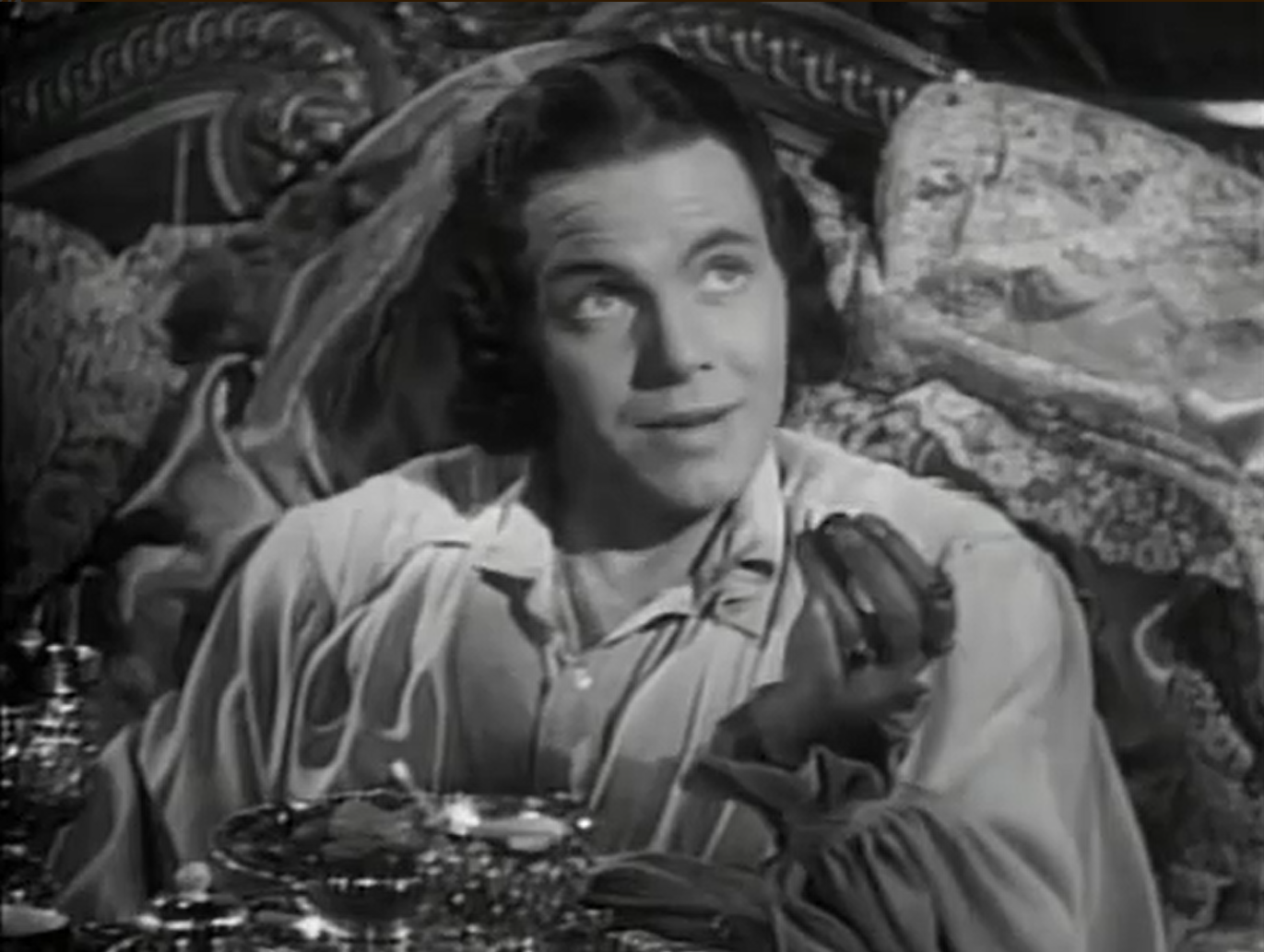
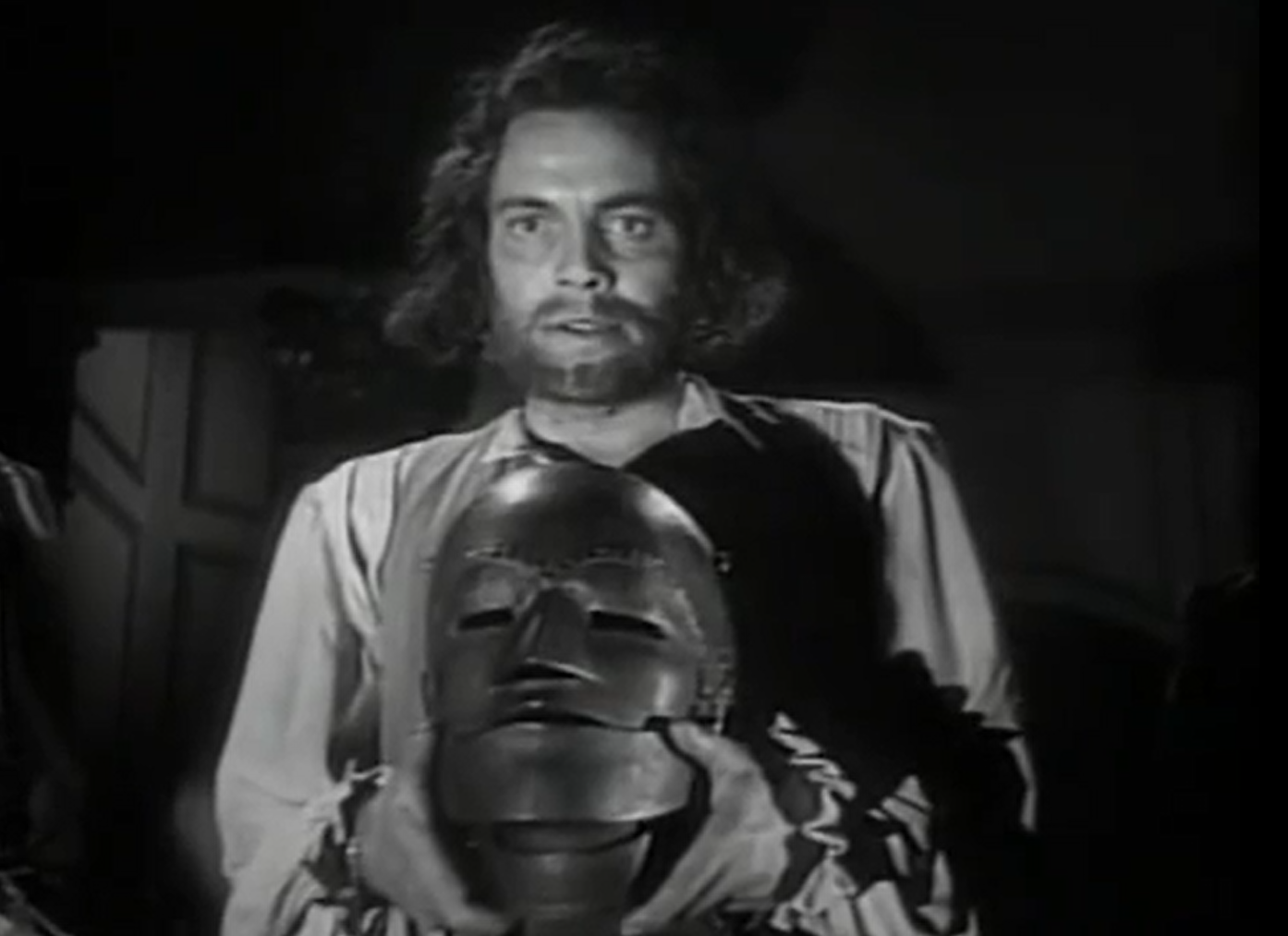
When cursed with the birth of twin sons, King Louis XIII (Albert Dekker) sends his second-born son away to live with his loyal musketeer, D’Artagnan (Warren William), and grooms his first-born, Louis, as the French dauphin. Upon learning of his brother’s existence, grown Louis (Louis Hayward) schemes to have his twin (also Hayward) “disposed of”, in the most diabolical way possible.

Genres, Themes, Actors, and Directors:

  • Alan Hale Films
  • Historical Drama
  • James Whale Films
  • Joan Bennett Films
  • Louis Hayward Films
  • Royalty and Nobility
  • Twins
  • Warren William Films

Review:
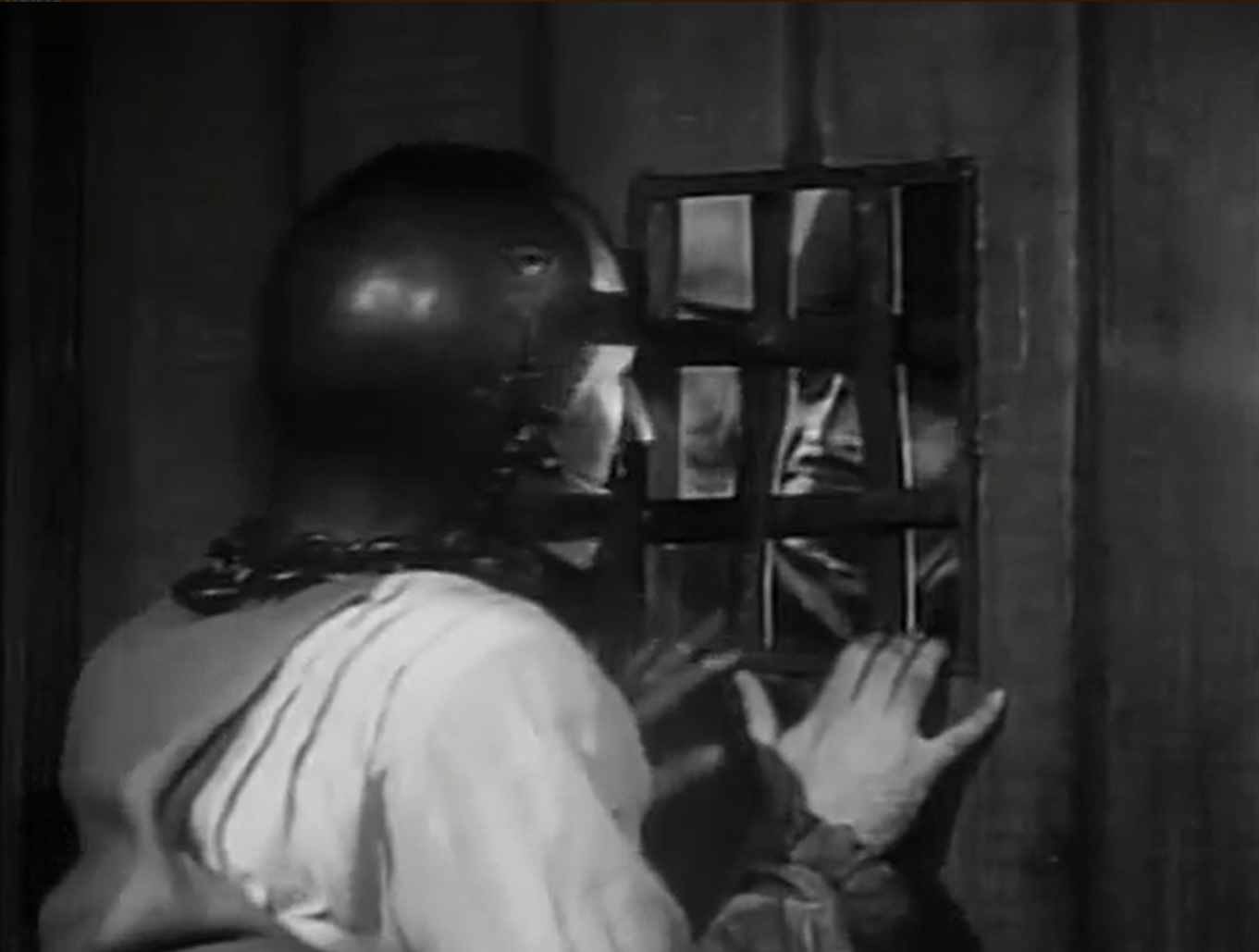
It’s interesting to note that iconic horror director James Whale — best known for helming Frankenstein (1931), The Invisible Man (1933), and Bride of Frankenstein (1935) — was responsible for this adaptation of the third part of Alexander Dumas’ final novel about the loyal Musketeers of France, given that it shows little evidence of his distinctive stylistic presence. With that said, it remains a solidly enjoyable — if slightly over-long — adventure tale, and features a truly noteworthy set of lead performances by Louis Hayward as both despotic King Louis XIV and his exiled twin brother, Philippe.

To an extent rarely seen in such portrayals, Hayward is utterly convincing playing two completely different, though physically identical, men: Louis is vile, narcissistic, and very likely psychopathic (though this is only gradually revealed), while Philippe is loyal, brave, and goodhearted. (It’s especially fun to see how Hayward subtly handles the moments when Philippe is pretending to be Louis.)

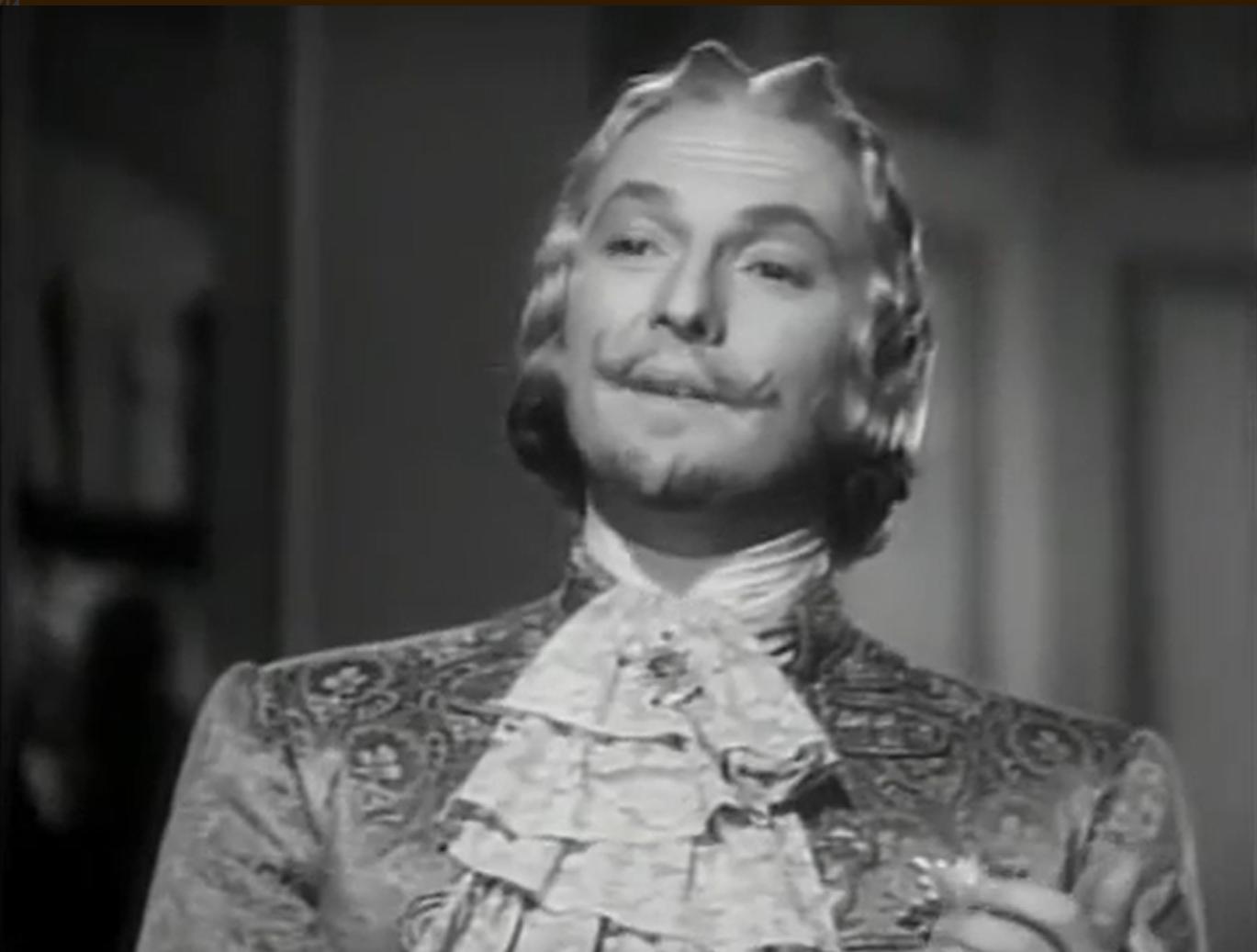
Also enjoyable is Joseph Schildkraut’s portrayal as Louis’ scheming right-hand man, Fouquet, who will seemingly do anything to achieve his ambitions, but who nonetheless reacts with appropriate alarm upon hearing Louis’ nefarious plans for his twin brother’s imprisonment. Joan Bennett is suitably beautiful and regal (but ultimately not all that distinguished) as the conflicted and confused Maria Theresa of Spain (who can’t figure out why her betrothed changes his personality each time she meets him); whenever the screenplay focuses on her romance with Louis/Phillip, things generally grind to a halt.

Meanwhile, the musketeers themselves — D’Artagnan (William), Porthos (Alan Hale), Aramis (Miles Mander), and Athos (Bert Roach) — aren’t on-screen very much of the time, but do get to play a critical role later in the storyline.

Redeeming Qualities and Moments:

  • Louis Hayward as Louix XIV and Philippe

  • Joseph Schildkraut as Fouquet
  • Fine period sets
  • Atmospheric cinematography

Must See?
Yes, simply for Hayward’s performance(s). Listed as a Sleeper and a Personal Recommendation in the back of Peary’s book.

Categories

  • Noteworthy Performance(s)

Links:

Student of Prague, The (1913)

Student of Prague, The (1913)

“I agree that Mr. Scapinelli shall take from this room whatever he chooseth for his own use.”

Synopsis:
A poor university student (Paul Wegener) in love with a countess (Grete Berger) unwittingly gives his reflection to a sorcerer (John Gottowt) in exchange for gold, and soon finds that his reflection is committing crimes in his name.

Genres, Themes, Actors, and Directors:

  • German Films
  • Horror
  • Pact With the Devil
  • Silent Films

Review:
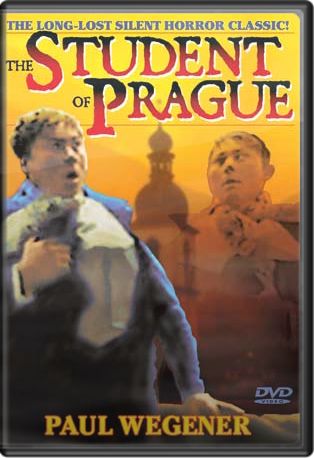
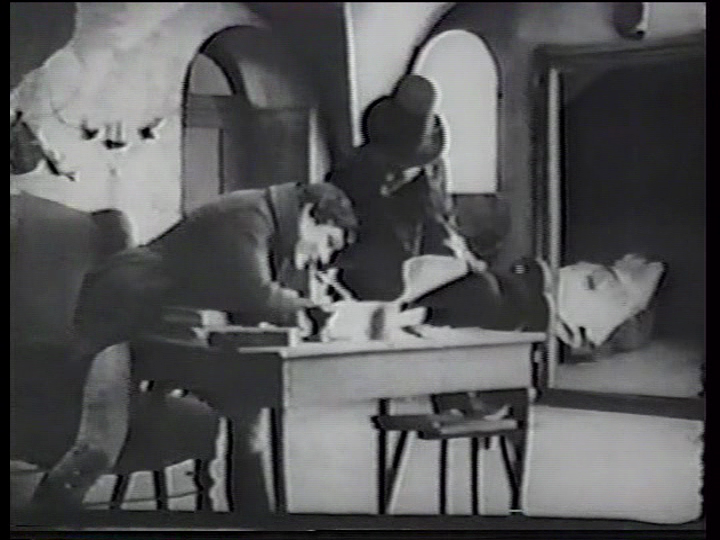
The Student of Prague (a.k.a. A Bargain With Satan) holds the distinction of being the second-oldest film listed in GFTFF, after Quo Vadis (1912). It’s primarily of interest to film fanatics for its status as what may be the first “horror” film ever made, and as a forerunner to the German Expressionist movement — but as a narrative, it hasn’t held up all that well. Indeed, it’s oddly difficult to follow what’s happening on screen (the clunky inter-titles don’t help), and other than innovative use of double exposure during the scenes when Wegener confronts or runs into his “reflection”, the direction is rather static. None of this is particularly surprising for a film made so early in the history of cinema, but film fanatics should simply be forewarned.

Redeeming Qualities and Moments:

  • A provocative premise

Must See?
No, though it’s worth a look simply for its historical relevance.

Links:

It (1927)

It (1927)

“Sweet Santa, give me him.”

Synopsis:
A wealthy fop (William Austin) becomes smitten with a perky shopgirl (Clara Bow) who he believes epitomizes a certain brand of sexual magnetism known as “It”; meanwhile, Bow falls for Austin’s handsome friend (Antonio Moreno), whose parents own the department store where she works.

Genres, Themes, Actors, and Directors:

  • Clara Bow Films
  • Cross-Class Romance
  • Mistaken or Hidden Identities
  • Morality Police
  • Silent Films

Review:
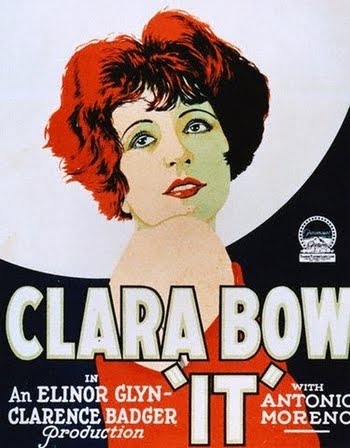
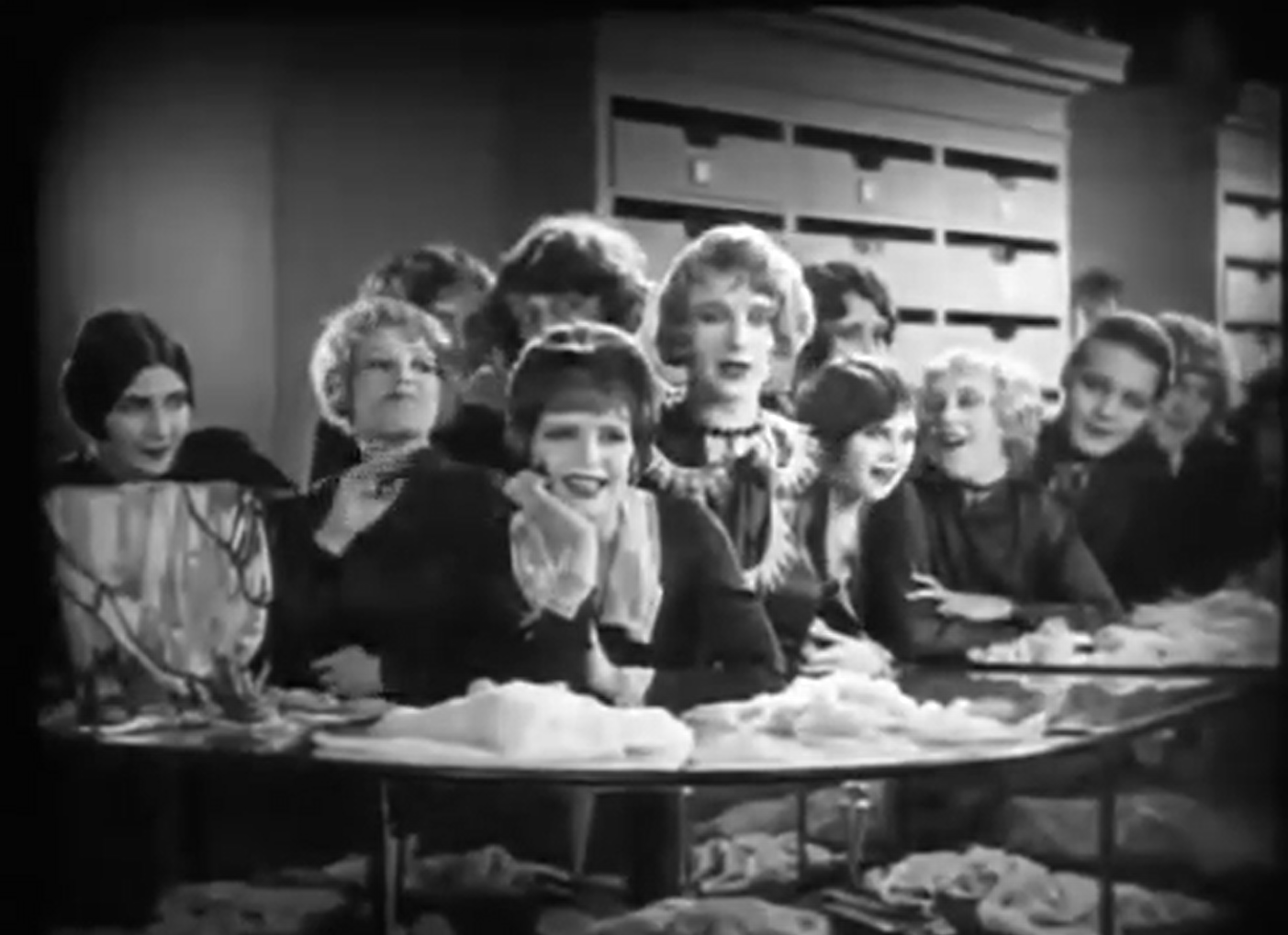
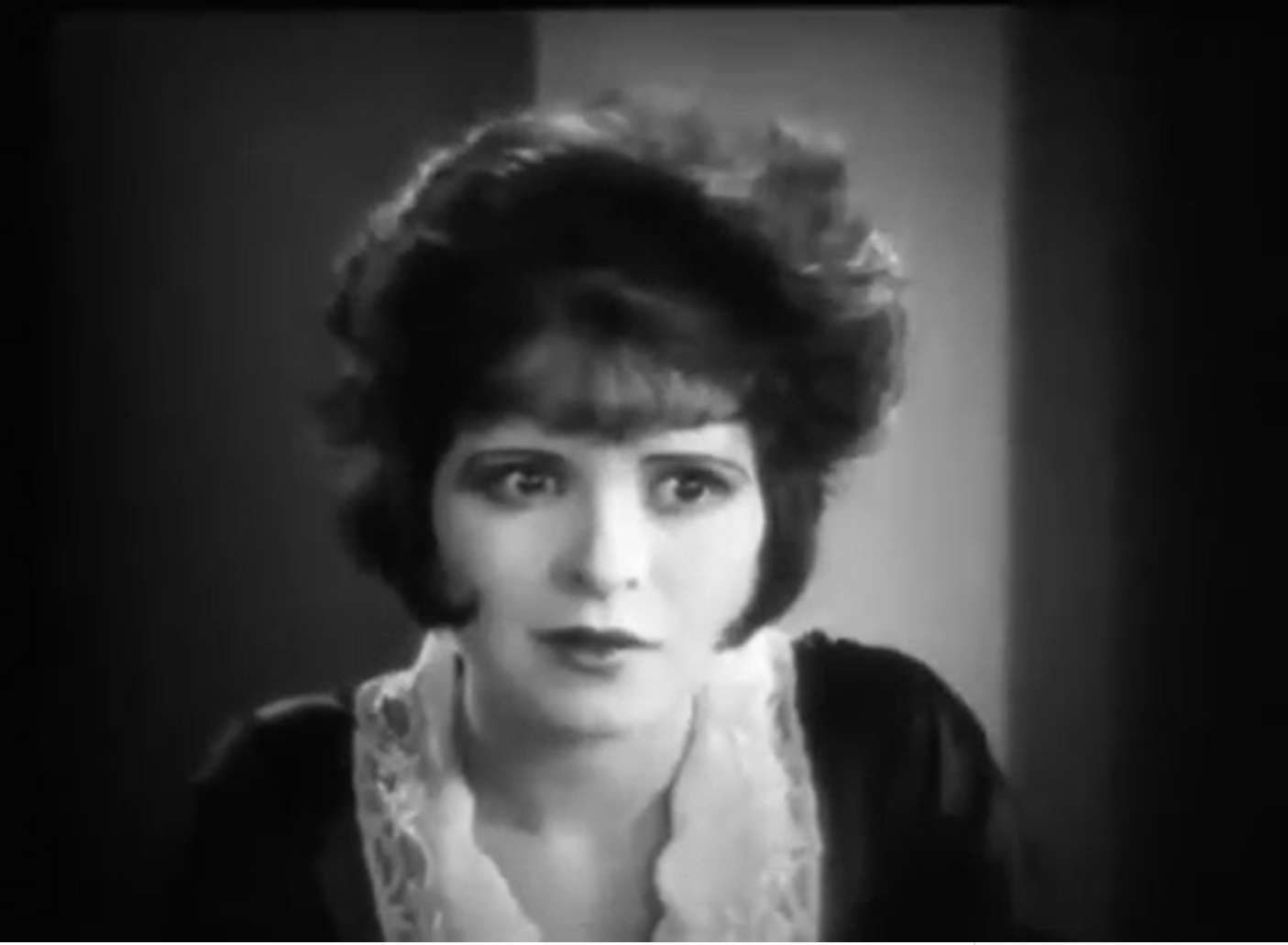
Clara Bow (arguably cinema’s first sex symbol) is best known for her leading role in this iconic silent film, playing a shopgirl whose possession of “It” lands her an indirect opportunity to pursue the man of her dreams. While the narrative itself is not all that inventive (there’s little here we haven’t seen before in other romantic comedies), what makes the film worth a look is the presence of Bow, who starred in dozens of enormously popular flicks throughout the 1920s, but whose must-see filmography likely can be boiled down to this film and Wings (1927). I find Bow charming and cute, and understand her iconic status as the ultimate Flapper, but I’ll admit to not particularly understanding why she alone — among all the many beautiful shopgirls the camera pans during an early scene — epitomizes “It” (or at the very least, how one can know this from simply looking at her).

With that said, she does a fine job playing the film’s spunky, loyal heroine — a woman who willingly lies about being her roommate’s son’s mother, to prevent him from being taken away by authorities — and thus she eventually convinces us she’s very much an “It” girl worth desiring.

Note: Film fanatics interested in learning more about Bow’s tragic life story should check out the informative and compassionate 1999 documentary Clara Bow: Discovering the It Girl (narrated by Courtney Love).

Redeeming Qualities and Moments:

  • Clara Bow as Betty Lou Spence

Must See?
Yes, simply to see Bow in her most iconic role. Listed as a film with Historical Importance in the back of Peary’s book.

Categories

  • Historically Relevant
  • Noteworthy Performance(s)

Links:

Sparrows (1926)

Sparrows (1926)

“Please come and take us away from the Grimses cause they are awful mean to us.”

Synopsis:
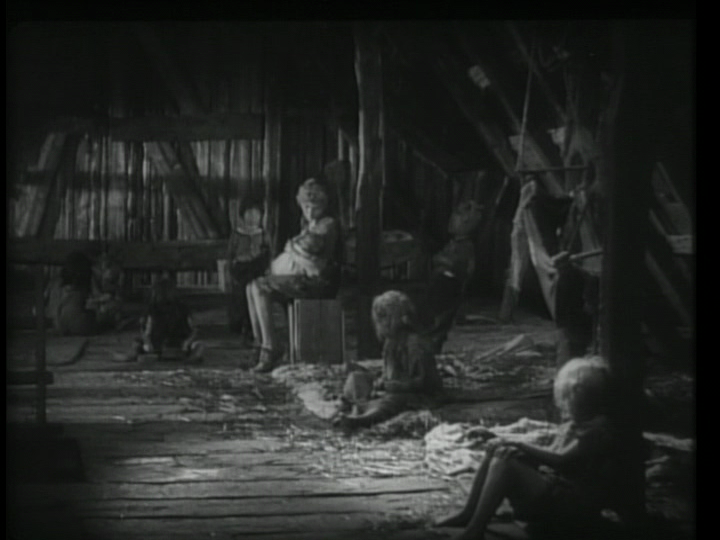
A teenaged orphan (Mary Pickford) cares for a group of younger children hidden away on a swamp-filled “baby farm” run by cruel Mr. Grimes (Gustav von Seyffertitz) and his wife (Charlotte Mineau). When Mr. Grimes takes in the kidnapped baby (Mary Louise Miller) of a millionaire (Roy Stewart), Pickford decides it’s time to finally help her “siblings” try to escape.

Genres, Themes, Actors, and Directors:

  • Child Abuse
  • Deep South
  • Kidnapping
  • Mary Pickford Films
  • Orphans
  • Silent Films

Review:
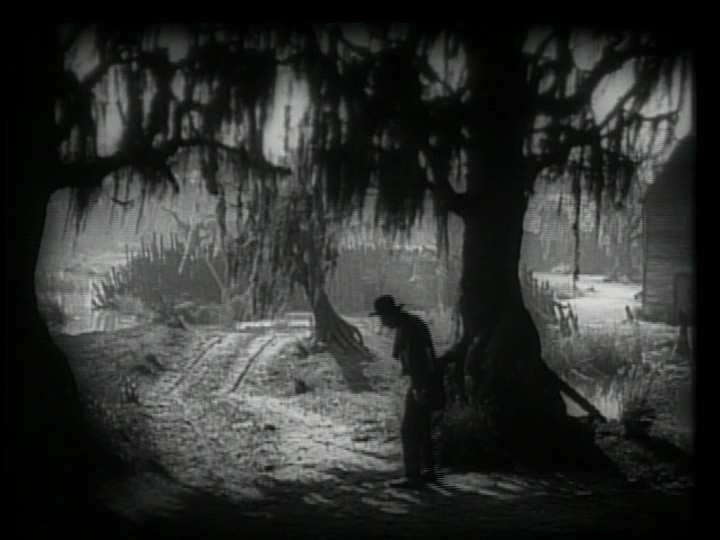
Mary Pickford’s next-to-last silent film represented a return to her earlier success playing heroines much younger than her actual age (which was 34 at the time). Sparrows is now widely acclaimed as not only one of Pickford’s best titles, but as a top-notch “horror” film of the silent era, given its wonderfully atmospheric Expressionist sets and its almost fairy tale-like portrayal of a group of innocents seeking escape from their tyrannical oppressor. Interestingly, it was directed by the notorious William “One-Shot” Beaudine, whose laughably awful later films (see here, here, and here) show absolutely no indication of his earlier success in silent cinema (and to be fair, he simply must have done multiple takes when shooting this film — how could he not, when working with a passel of child actors?). Meanwhile, the storyline itself remains fascinating simply as a glimpse of the practice known as “baby farming” (a term no longer in use, but sadly once quite prevalent).

Redeeming Qualities and Moments:

  • Mary Pickford as “Mama Molly”
  • An interesting depiction of the evils of “baby farming”
  • Fine art direction and sets
  • Atmospheric cinematography

Must See?
Yes, to see Pickford in her final “child” role. Listed as a film with Historical Importance and a Personal Recommendation in the back of Peary’s book.

Categories

  • Historically Relevant

Links:

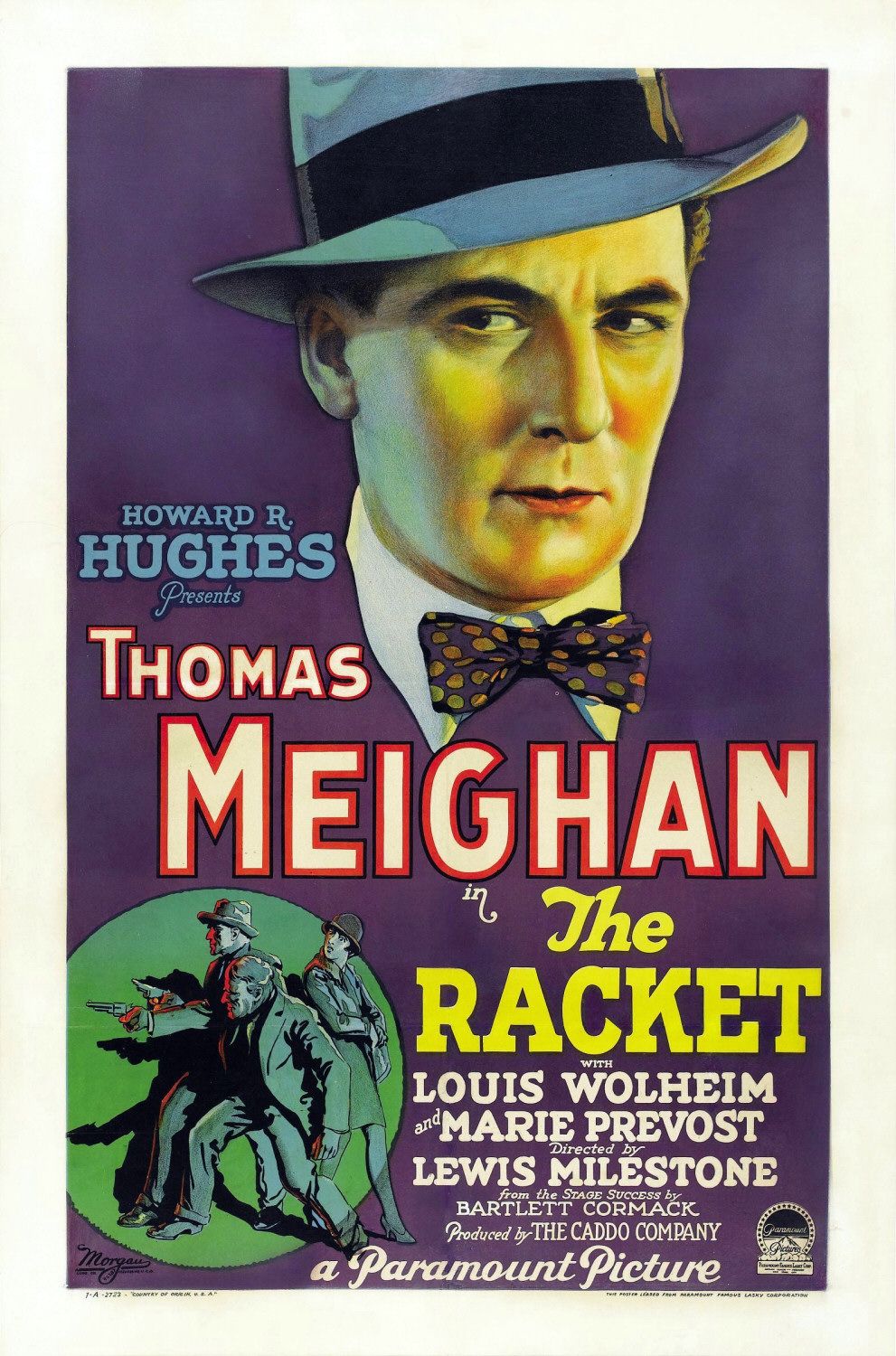
Racket, The (1928)

Racket, The (1928)

“This is the last murder you’ll ever get away with in my district!”

Synopsis:
During the Prohibition era, a police captain (Thomas Meighan) is determined to nab a prominent bootlegging gangster (Louis Wolheim) who has consistently used political connections to elude arrest.

Genres, Themes, Actors, and Directors:

  • Bootlegging
  • Cat-and-Mouse
  • Corruption
  • Gangsters
  • Play Adaptation
  • Police
  • Silent Films

Review:
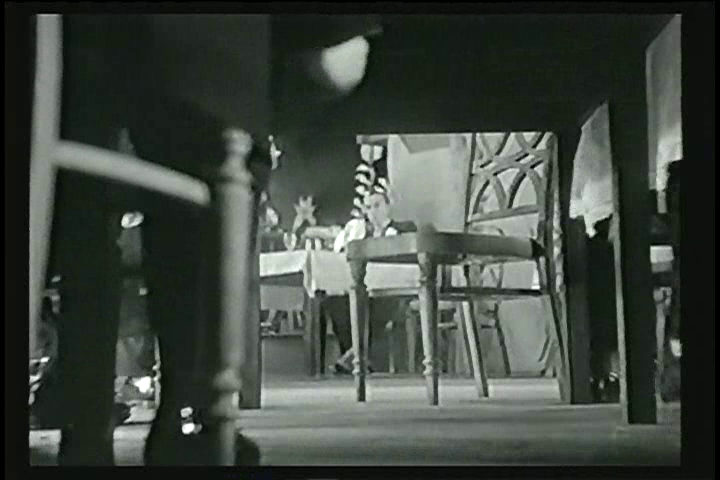
This early Academy Award-nominee for Best Picture — produced by Howard Hughes, directed by Lewis Milestone, and based on a popular Broadway play by Bartlett Cormack — gained renewed attention several years ago when Turner Classic Movies collaborated with the University of Nevada at Las Vegas to restore it; it’s still unavailable on DVD, but naturally can be viewed on TCM. It remains a fine if undistinguished tale of crime and corruption in a city much like Chicago, and clearly serves as a harbinger of the wave of 1930s crime dramas. Pug-faced Wolheim — a “former mathematics instructor” (!) — is perfectly cast in the lead role as smug “Nick Scarsi” (he would be right at home in a Scorsese flick), and Marie Prevost displays sassy pre-Code sensuality as a cynical moll. Unfortunately, The Racket is a classic example of a silent film that would have greatly benefited from the use of sound, given how much pithy dialogue we instead must read from inter-titles; my favorite is “voiced” by Prevost, as she says to a naive suitor, “I wonder what’ll happen if you ever have a baby, and nobody’s tipped you off about storks.” (It doesn’t quite make sense, yet somehow conveys exactly what she intends to get across.)

Redeeming Qualities and Moments:

  • Louis Wolheim as Nick Scarsi
  • Marie Prevost as Helen
  • Fine direction by Lewis Milestone

Must See?
No, though it’s worth a look simply for its status as a forerunner to the cycle of 1930s crime flicks. Listed as a film with Historical Importance in the back of Peary’s book.

Links:

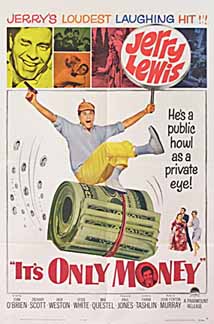
It’$ Only Money (1962)

It’$ Only Money (1962)

“I love private investigators! I want you to investigate me!”

Synopsis:
While apprenticing with a private eye (Jesse White), a clutzy television repairman (Jerry Lewis) accidentally discovers he’s the long-lost nephew of a millionairess (Mae Questel) whose slimy fiancee/lawyer (Zachary Scott) is colluding with her butler (Jack Weston) to acquire her money at any cost.

Genres, Themes, Actors, and Directors:

  • Amateur Sleuths
  • Comedy
  • Detectives and Private Eyes
  • Frank Tashlin Films
  • Inheritance
  • Jerry Lewis Films
  • Zachary Scott Films

Review:
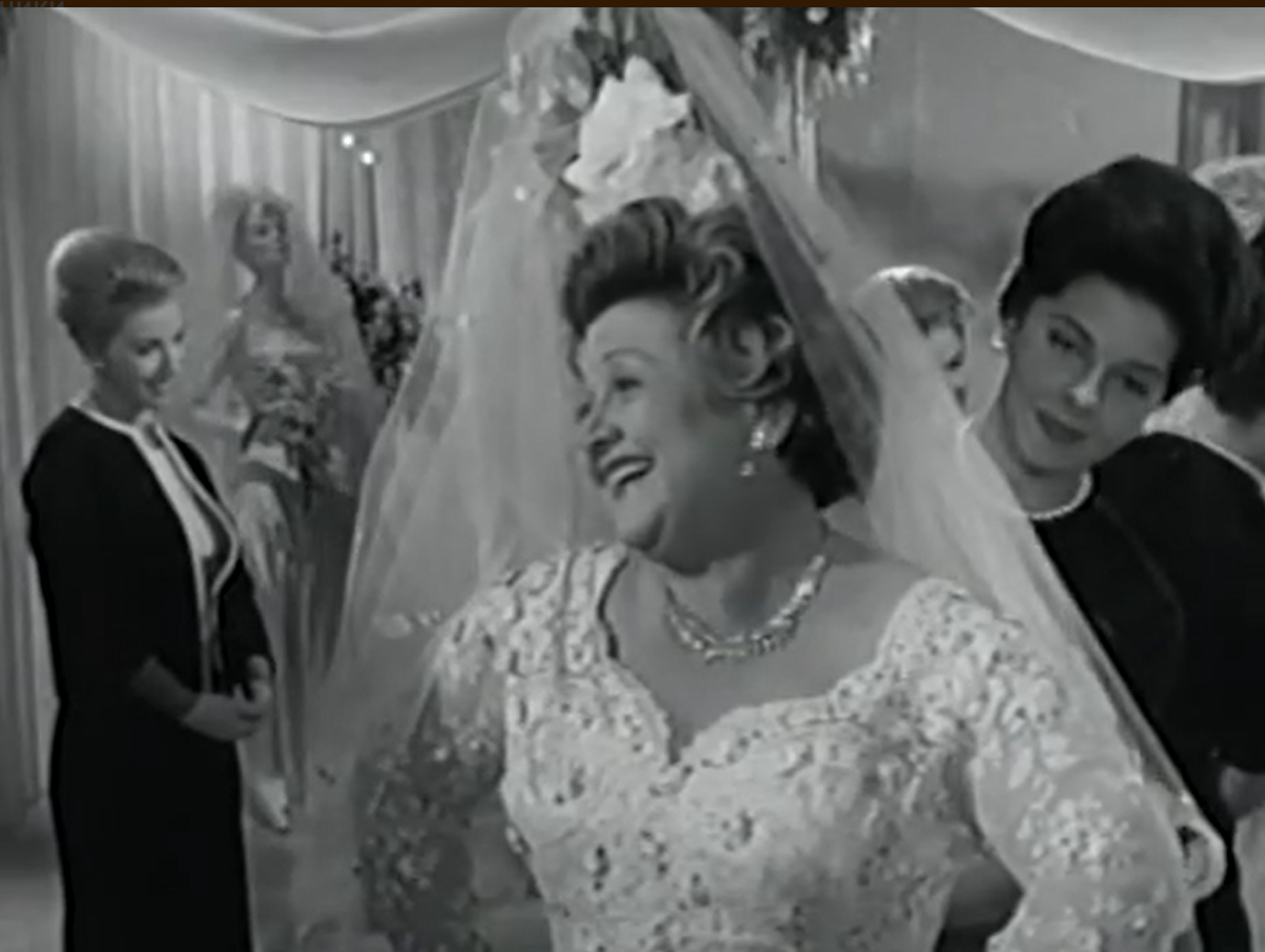
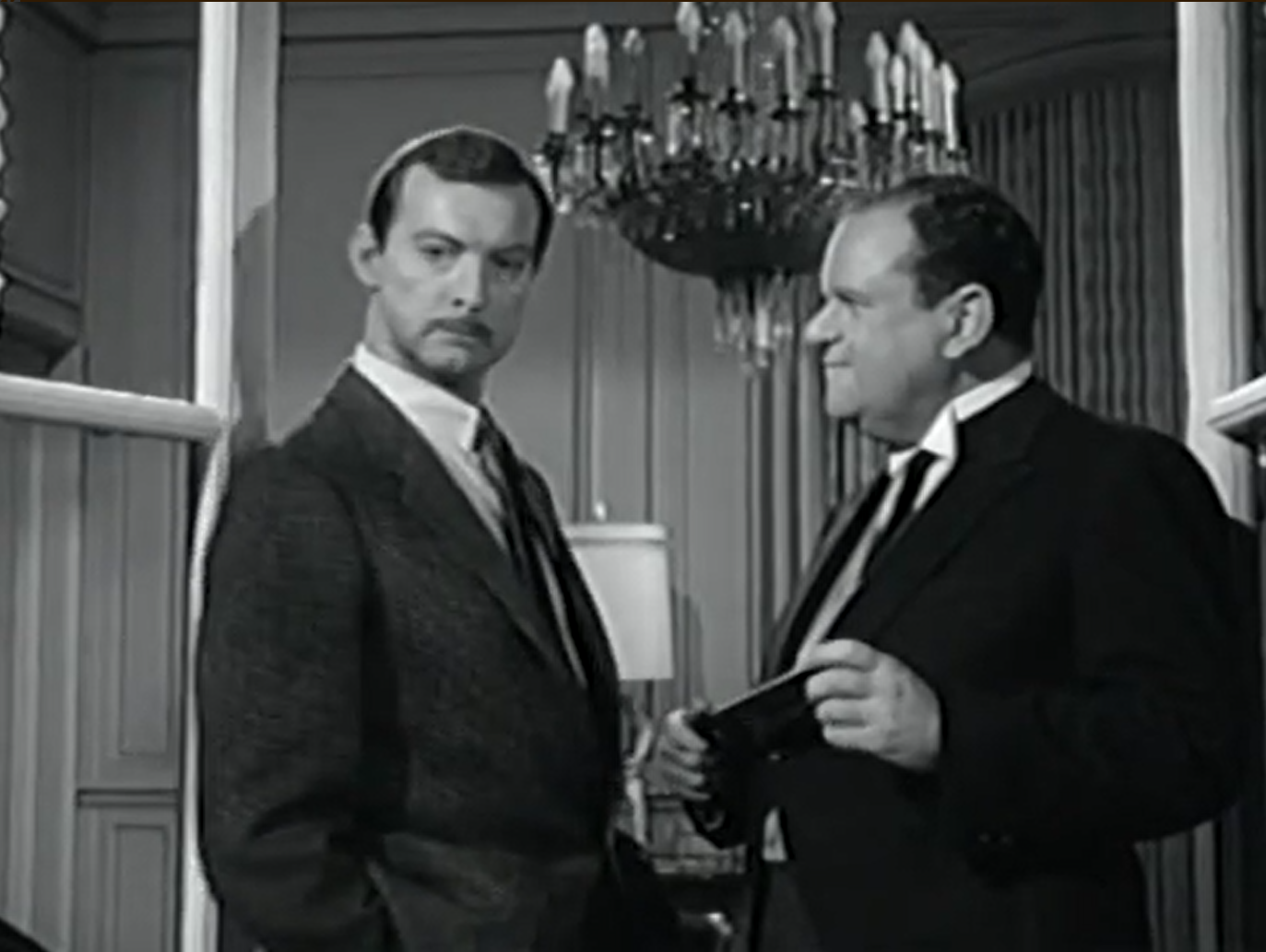
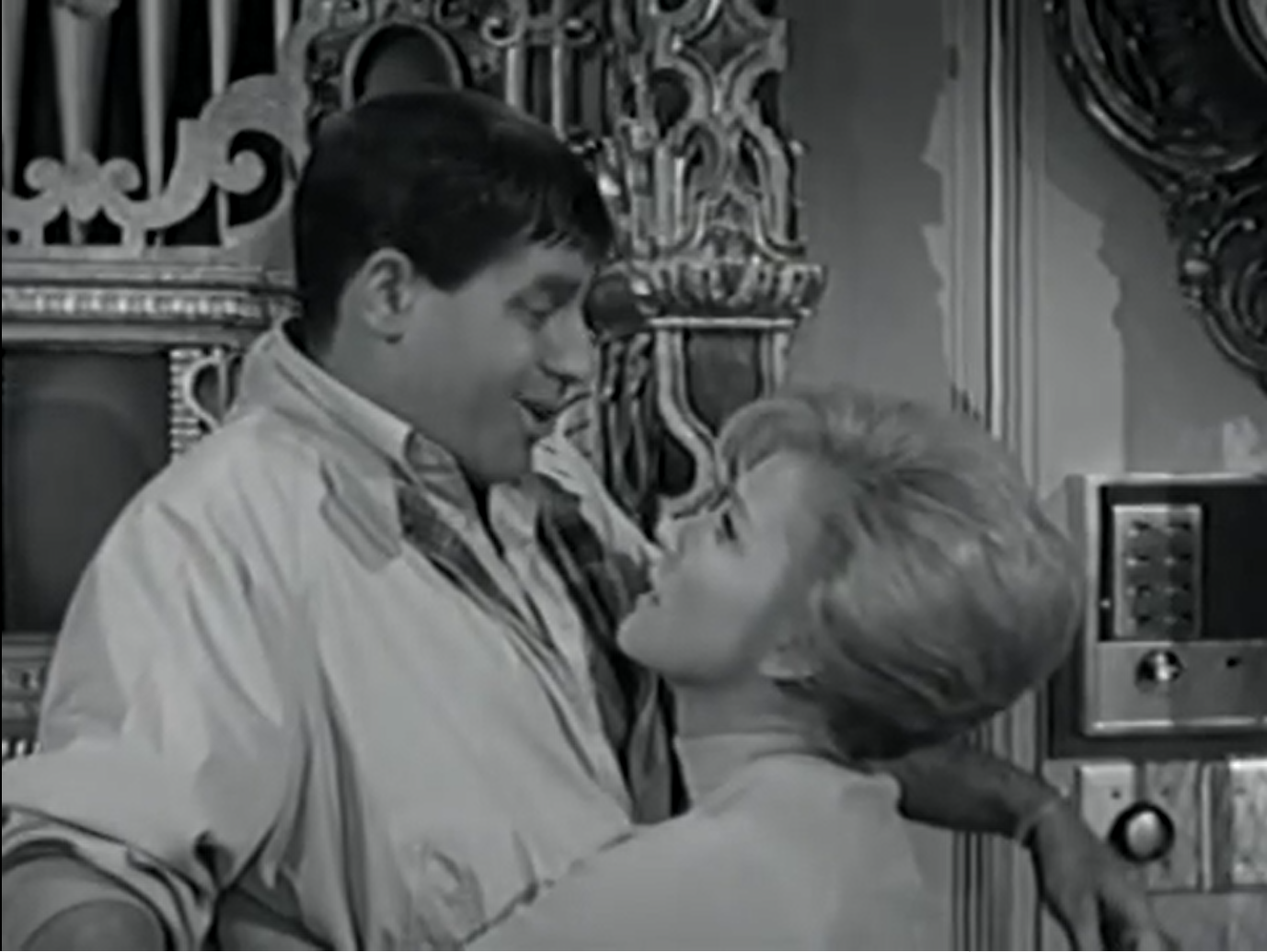
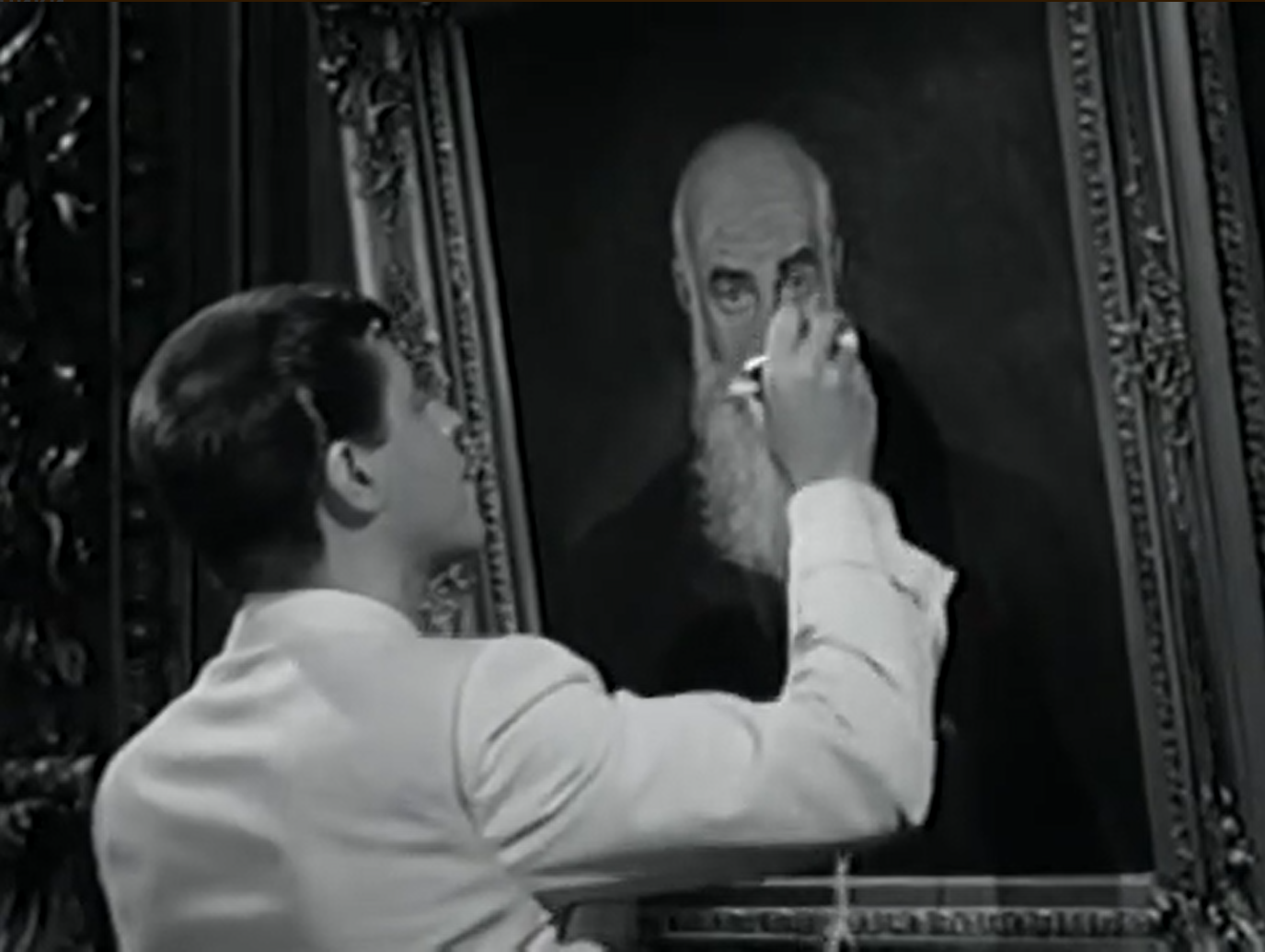
This Frank Tashlin-directed private-eye spoof is prime Jerry Lewis material, affording his nebbishy alter-ego plenty of opportunities to engage in broadly humorous slapstick antics. Tashlin fills the screen with numerous inventive sight gags, and the supporting cast members all portray their characters with appropriately cartoonish flair: Zachary Scott conveys a steady level of barely concealed contempt for his bride-to-be, the pudgy but relentlessly good-natured Mae Questel (voice of Betty Boop and Olive Oyl):

while Jack Weston is gleefully homicidal as Scott’s accomplice:

and Jesse White demonstrates unexpected sex-appeal as the aptly named “Pete Flint”.

Less successful is buxomy Joan O’Brien as Questel’s personal nurse, whose character seems to waver between genuine concern for Lewis’s safety and an undeniably gold-digging itch (does she really love him?).

Ultimately, this one is only must-see viewing for diehard Lewis fans, but film fanatics likely won’t feel their time has been wasted.

Note: Among the fifteen Jerry Lewis titles included in GFTFF (too many!), I recommend that ffs check out the following: At War With the Army (1950), Artists and Models (1955), The Bellboy (1960), The Nutty Professor (1963), and King of Comedy (1982); The Errand Boy (1961) is also worth a look simply for its brilliant “orchestra pantomime” scene.

Redeeming Qualities and Moments:

  • Many fun, cartoonish sight gags

Must See?
No, though of course Jerry Lewis fans will want to check it out.

Links: