Browsed by
Category: Original Reviews

Responses to Peary’s “must see” movie reviews, as well as my own “must see” movie reviews up to and after 1986 (when Peary’s book was published).

Radio Days (1987)

Radio Days (1987)

“Radio — it’s all right once in a while.”

Synopsis:
During the 1930s and ’40s, a young boy (Seth Green) and the members of his working class family — including his mother (Julie Kavner), his father (Michael Tucker), his unmarried aunt (Dianne Wiest), and others — find solace and excitement in a variety of radio shows.

Genres, Themes, Actors, and Directors:

  • Comedy
  • Ensemble Film
  • Mia Farrow Films
  • Radio
  • Woody Allen Films

Review:
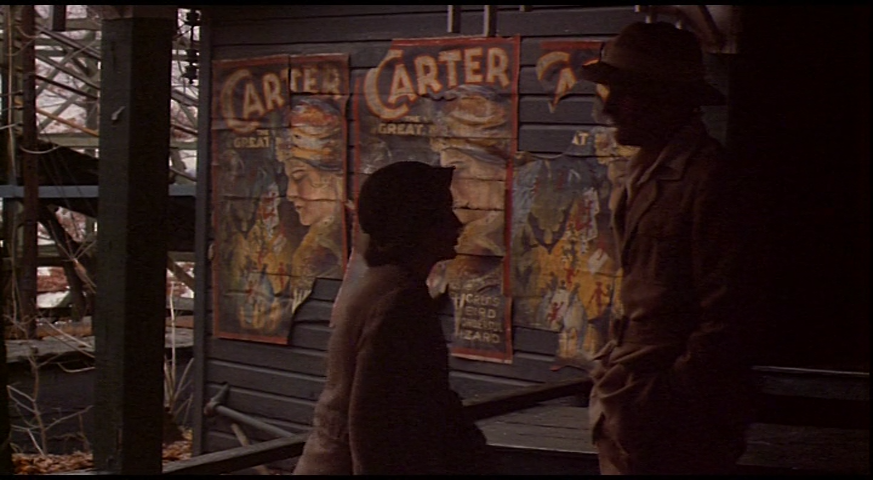
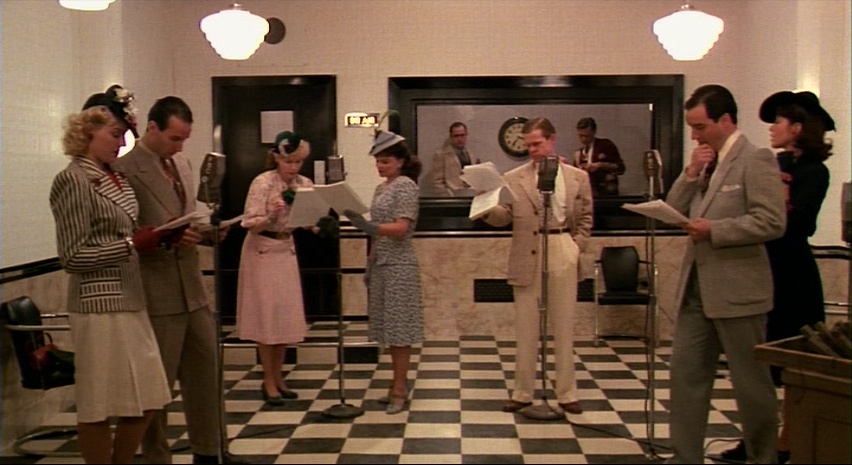
The final Woody Allen film listed in Peary’s book — actually included in his Addendum to the first printed edition — is this overtly nostalgic homage to Allen’s youth, a time when radio reigned supreme in households as the preferred mode of daily entertainment, news, and escape. While many of Allen’s previous films had included flashback scenes to a version of his childhood, this was the first to fully explore that particular era in American history, primarily through the lens of his alter-ego’s working class household — stuffed to the gills with not just his quibbling parents (Kavner and Tucker) but his married aunt (Renee Lippin) and uncle (Josh Mostel) and their teenage daughter (Joy Newman) as well as his single aunt (Dianne Wiest). Resolutely episodic in nature, the film portrays snippets from each character’s lives, most revolving in some way around radio — for instance, when Aunt Bea (Wiest) goes out on a date with a man she has hopes of possibly marrying, it’s Orson Welles’ Mercury Theater production of War of the Worlds that irredeemably dooms their nascent romance.

Meanwhile, several radio stars themselves come to all-too-human life — most notably the dapper male half (David Warrilow) of the morning radio show “Roger and Irene”, possessing an insatiable lust for a young cigarette girl (Mia Farrow) whose own infatuation with radio eventually blossoms in unexpected ways. Farrow’s trajectory is one of two the film perhaps follows most closely — the other being that of Wiest, whose desire to meet and marry Mr. Right clashes with her incurable pickiness. Farrow’s ditzy character remains a bit of a caricature, but Wiest turns Aunt Bea into a lovably neurotic soul we can’t help wishing the best for. But the primary memory one leaves the film with is that of a collective era, painstakingly recreated through Santo Loquasto’s period sets (and shot by DP Carlo di Palma).

Redeeming Qualities and Moments:

  • Santo Loquasto’s impressive art direction

  • A wonderfully nostalgic flashback to a distinct era of entertainment

Must See?
Yes, as an all-around good show. Listed as a film with Historical Importance in the back of Peary’s book.

Categories

  • Good Show
  • Important Director

Links:

Purple Rose of Cairo, The (1985)

Purple Rose of Cairo, The (1985)

“What good is perfect if a man’s not real?”

Synopsis:
In Depression-era New Jersey, a meek housewife (Mia Farrow) with an abusive husband (Danny Aiello) seeks solace in the local movie theater, where one of the characters on-screen (Jeff Daniels) falls in love with her and jumps out into the real world to be with her.

Genres, Themes, Actors, and Directors:

  • Actors and Actresses
  • Depression Era
  • Fantasy
  • Love Triangle
  • Marital Problems
  • Mia Farrow Films
  • Movie Buffs
  • Romantic Comedy
  • Woody Allen Films

Response to Peary’s Review:
Peary’s entire review of The Purple Rose of Cairo contains spoilers of a sort (as does just about every other review I’ve seen online) — so neophyte viewers should be forewarned. If you’ve never seen this film, and wish for it to remain entirely fresh, stop reading anything about it, go watch it, then return here when you’ve finished — at which point I’ll spoil away, along with Peary.

SPOILER ALERT FINISHED

Peary notes that “perhaps Woody Allen decided not to be in his sourest comedy because as director-writer he plays such dirty tricks on all his characters”, given that “nobody ends up happier than when we first see them”. That’s actually not entirely true, but his point is that TPROC doesn’t have a traditional happy ending (though Allen himself, who refused to change the ending despite studio pressures, insists it is a “happy ending”). Peary laments the fact that Farrow’s “lonely, miserable soul” — with a “rough, cheating, good-for-nothing husband” — is “for the first time [given] a chance to escape her sad existence”, yet ultimately isn’t “allowed” to (by Allen, who apparently decided “that her escape into a fantasy world would be unrealistic“). Peary argues that perhaps Allen is “trying to tell us that those unhappy people who use movies to escape from their problems are only deceiving themselves” — a decidedly “gloomy theme, because someone like Farrow has no other way to soothe her sorrow”.

Peary does concede, however, that “on the other hand, Allen’s film may also be a tribute to the cinema for having the power to help one escape” — and this is certainly the overriding feeling one leaves with by the (admittedly depressing) ending. Peary notes that Allen references “Pirandello and Buster Keaton’s Sherlock, Jr.” in his decision to have a movie character (“Tom Baxter”) “walk off the screen and strike up a romance with Farrow”, and it’s important for film fanatics to be aware that the basic premise of TPROC didn’t originate with Allen. (Go check out Sherlock, Jr. immediately if you haven’t done so already.) But Allen goes even further than Keaton in his envisioning of how such a fantastical scenario might play out, with the remaining characters on-screen — decidedly put-out by having their familiar narrative interrupted (by a “minor character”, no less) — ultimately simply sitting around impatiently waiting for “Baxter” to return. Meanwhile, the actor playing Baxter (Daniels) worries simply about how “Baxter”‘s actions might affect his nascent career, and studio heads fear legal recriminations.

Though Peary argues that “Allen doesn’t handle the actor-out-of-the-screen premise as inventively as one would hope”, I disagree — I find the entire screenplay cleverly conceived and handled, with seamless special effects (helped by Gordon Willis’s masterful cinematography) allowing us to believe that the b&w characters up on-screen really do possess a life of their own (albeit one realistically limited by the constraints of the script’s trajectory). Meanwhile, fine performances by Farrow and Daniels ground the entire film, making us root for these characters in their unlikely predicament. Allen keeps us in suspense until the very end, wondering how things will ultimately turn out — and while you may or may not agree with his final choice, it at least makes “logical” sense.

Redeeming Qualities and Moments:

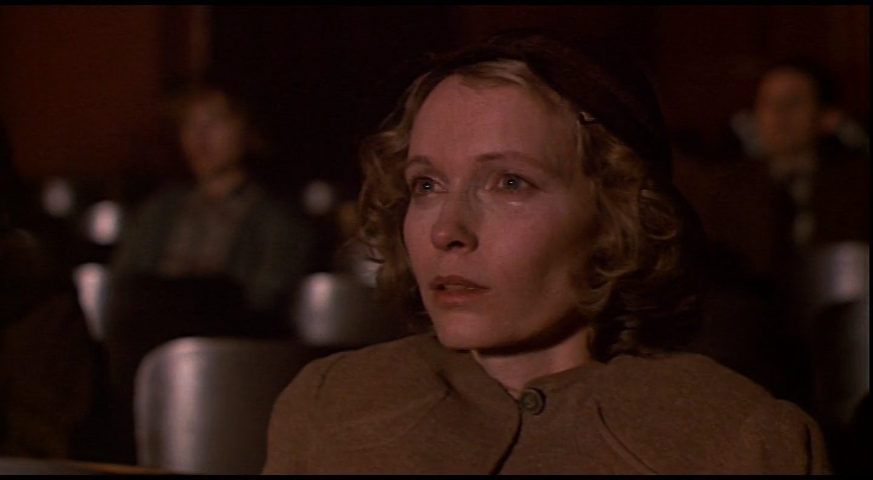
  • Mia Farrow as Cecilia (nominated by Peary as one of the Best Actresses of the Year in his Alternate Oscars)
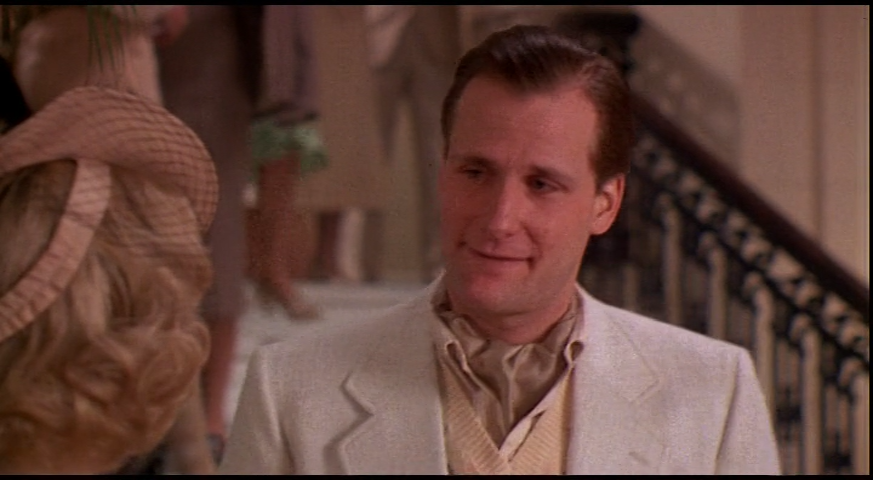
  • Jeff Daniels as Tom Baxter/Gil Shepherd
  • Fun and creative special effects
  • Gordon Willis’s cinematography

Must See?
Yes, as a creative and enchanting (if ultimately depressing) romantic fantasy.

Categories

  • Genuine Classic
  • Important Director

(Listed in 1001 Movies You Must See Before You Die)

Links:

Hombre (1967)

Hombre (1967)

[Note: The following review is of a non-Peary title; click here to read more.]

“We all die — just a question of when.”

Synopsis:
A white man (Paul Newman) raised by Apaches rides on a stagecoach hired by a wealthy man (Fredric March) and his wife (Barbara Rush). When the stagecoach is overtaken by bandits (led by Richard Boone), the other passengers — including a boarding-house manager (Diane Cilento), a young man (Peter Lazer), and Lazer’s wife (Margaret Blye) — turn to Newman for help.

Genres, Themes, Actors, and Directors:

  • Barbara Rush Films
  • Fredric March Films
  • Native Americans
  • Outlaws
  • Paul Newman Films
  • Race Relations
  • Richard Boone Films
  • Westerns

Review:
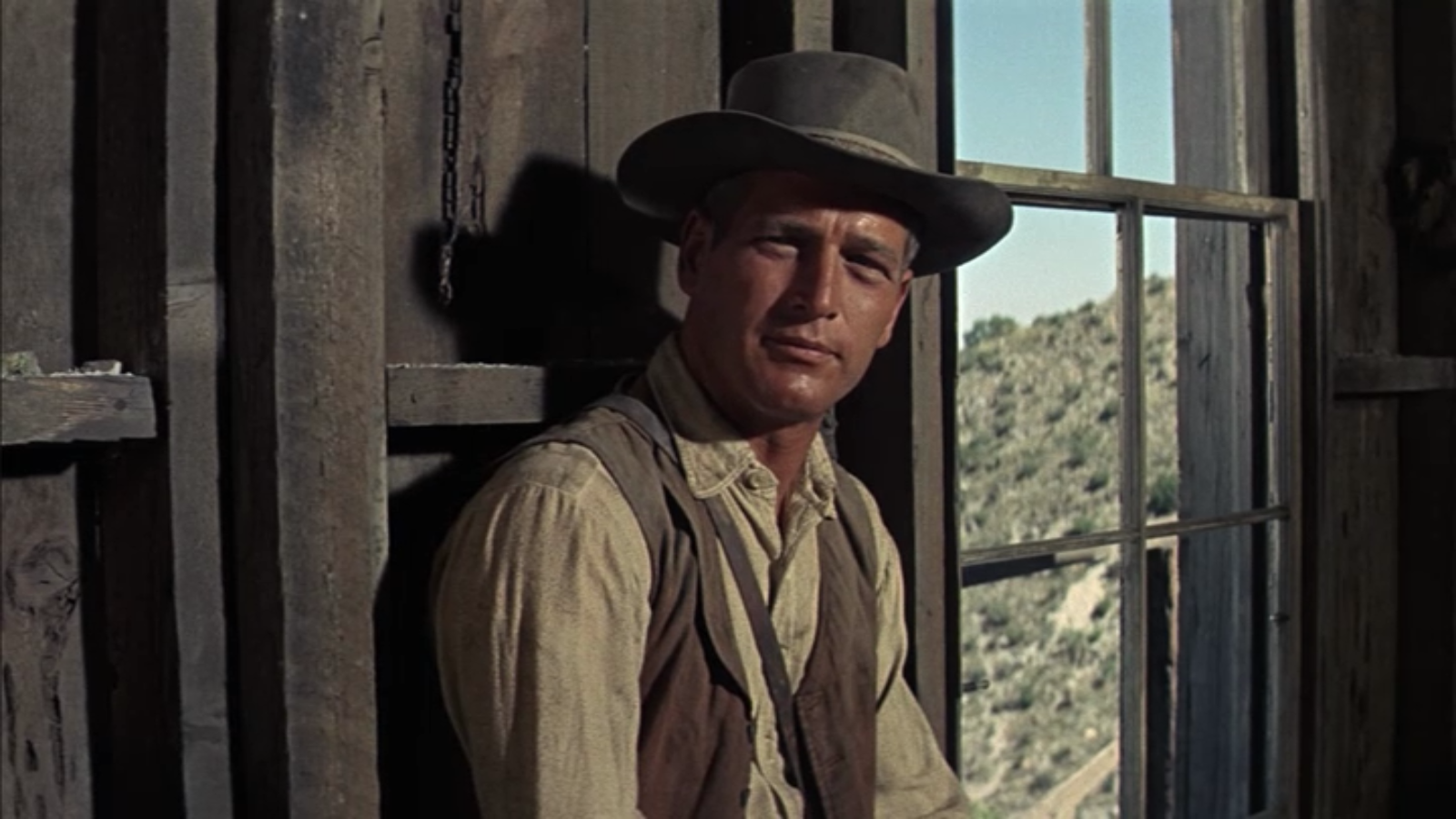
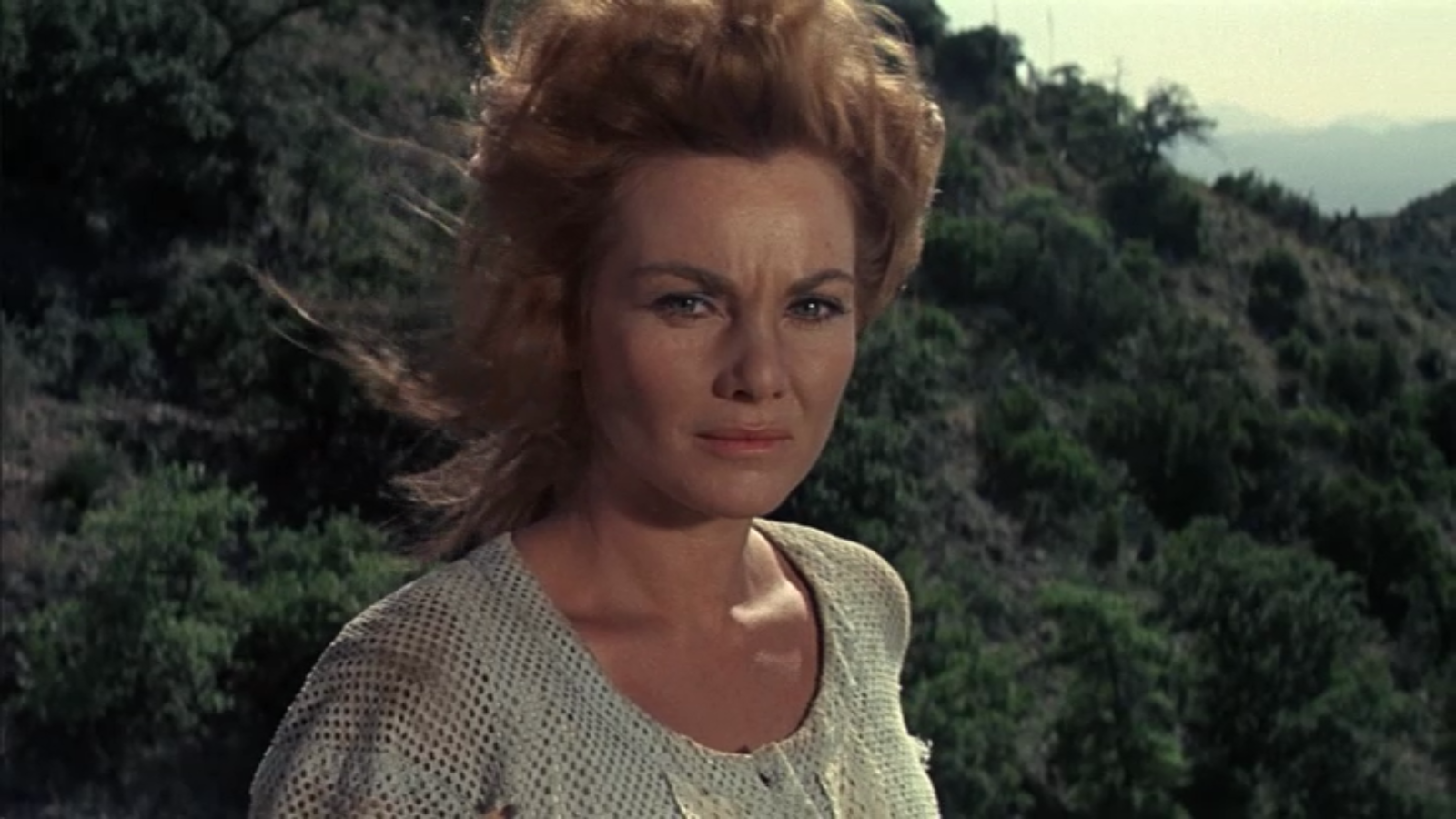
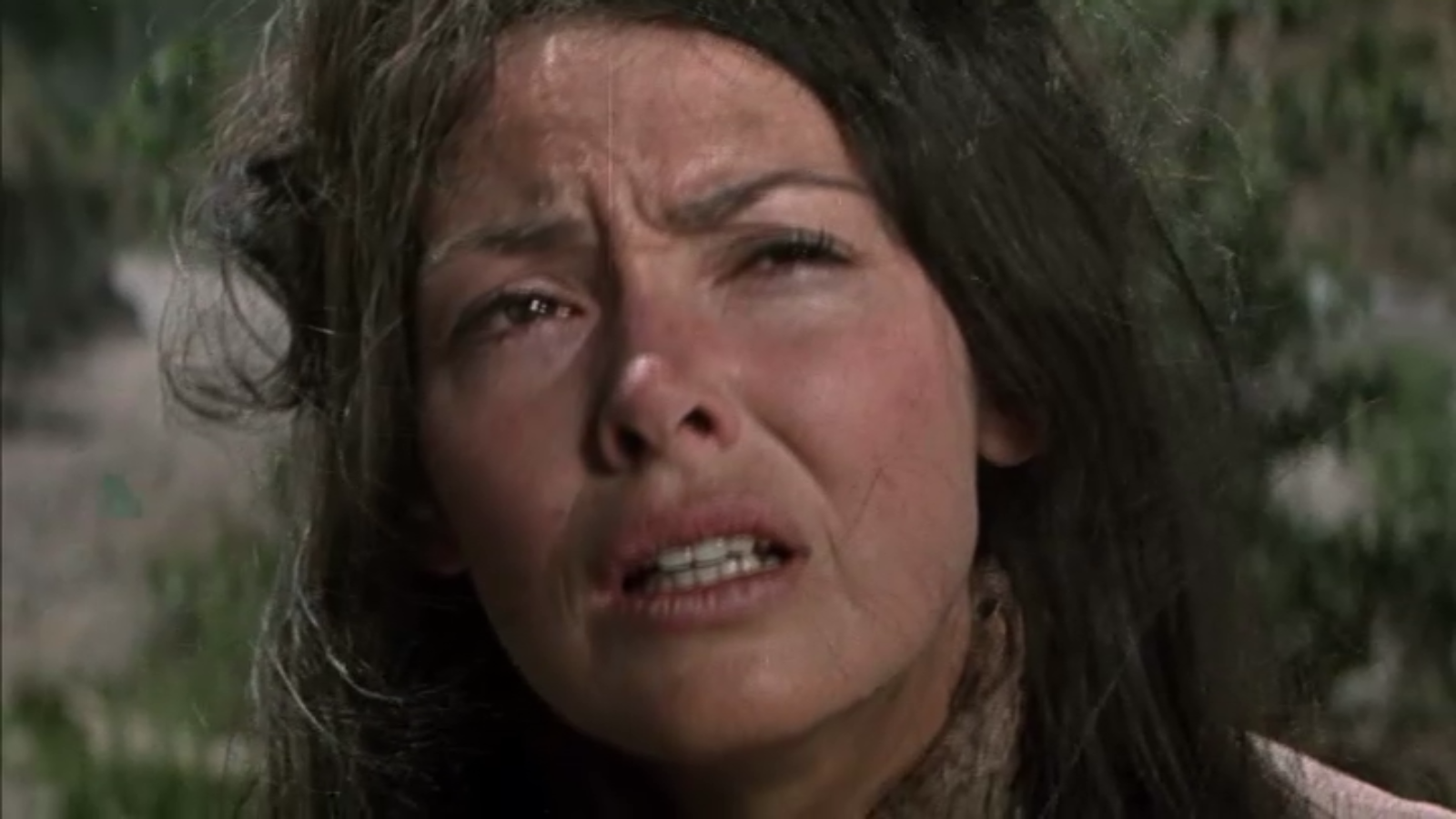
As a solid western featuring a stalwart leading performance by Newman, Martin Ritt’s Hombre — listed in 1,001 Movies You Must See Before You Die — remains an odd omission from Peary’s book. Based on a novel by Elmore Leonard, it tells a simple yet powerful tale of race relations under pressure, with Newman’s Apache-like white man retaining the essence of the culture he’s chosen to adopt and maintain, even once he cuts his hair and returns to “civilization”. We first see evidence of his deep convictions when he meets with the woman (Cilento) running the boarding house he’s inherited; he displays absolutely no interest in listening to her proposed compromise to keep the house going. The screenplay shifts slightly at this point to Cilento’s dilemma: as a working woman in the Old West, she knows that her options are limited, and when her proposal to marry her long-time lover — the town’s sheriff (John Cameron) — is likewise turned down, she recognizes that she must move on.

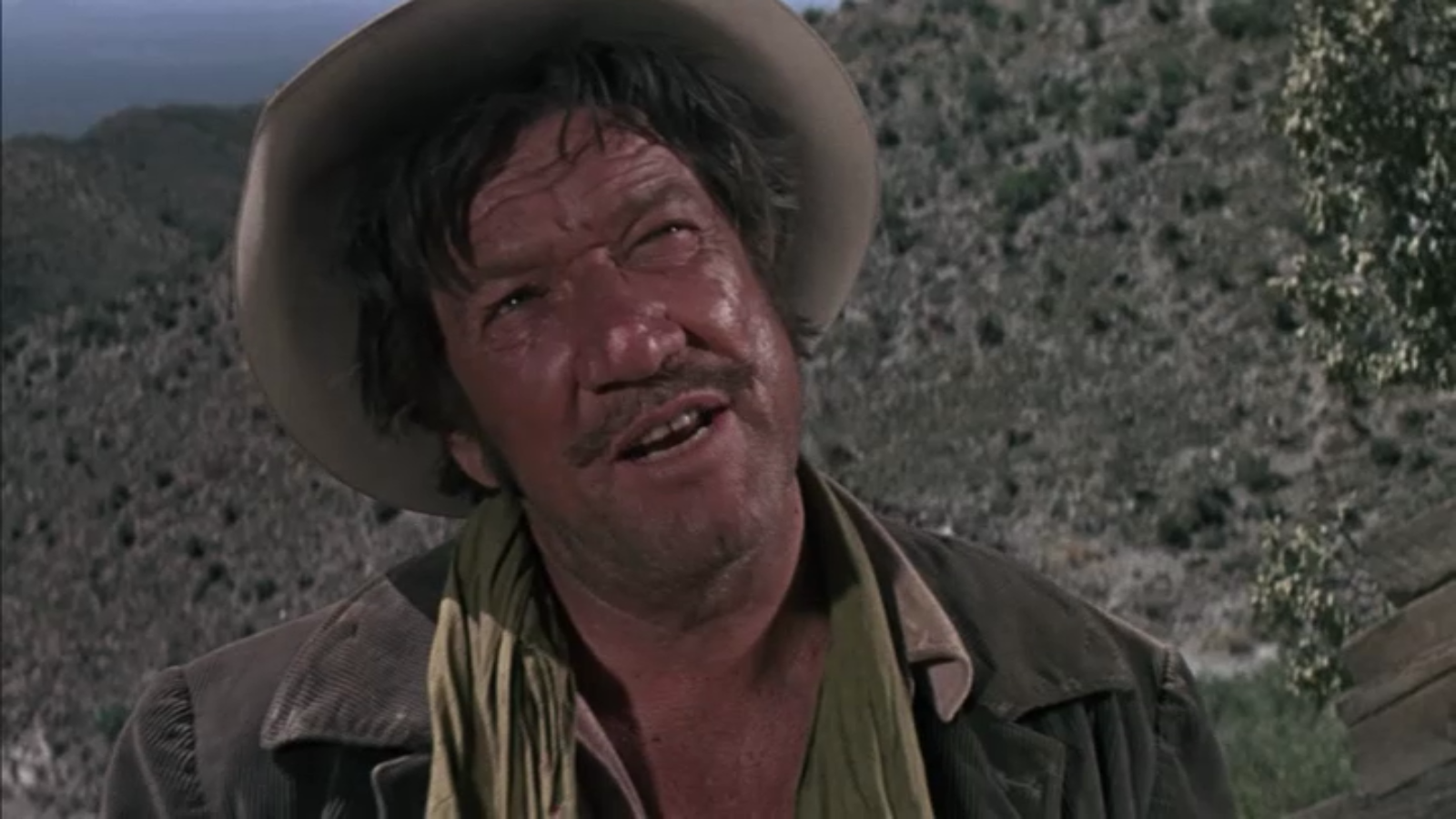
From there, we learn that a wealthy, arrogant couple (Rush and March) are willing to pay any price necessary to hire a stagecoach to get them out of town, and soon find out exactly why they’re in such a hurry. Two characters we’ve met so far turn out to have alter egos and/or hidden agendas (I won’t spoil anything here), and the remaining characters quickly find their lives in peril, as they face a shoot-off between themselves and the bandits, with water supplies dwindling rapidly. The screenplay retains tension until the very end through the question of whether Newman’s character will abandon his “selfish”, loyalty-free stance and continue to help his fellow passengers survive, or leave them to their own devices. In addition to Newman’s memorable performance, the entire supporting cast is in fine form — particularly Cilento (as a refreshingly no-nonsense female presence), Boone (a truly menacing baddie), and Rush (whose haughty composure gradually melts in the face of adversity).

Redeeming Qualities and Moments:

  • Paul Newman as Hombre/John Russell
  • Diane Cilento as Jessie
  • Richard Boone as Cicero Grimes
  • Barbara Rush as Audra Favor
  • Fine location shooting (in Death Valley) by James Wong Howe

Must See?
Yes, as a solid western featuring a host of fine performances.

Categories

  • Good Show
  • Noteworthy Performance(s)

(Listed in 1001 Movies You Must See Before You Die)

Links:

Inn of the Sixth Happiness, The (1958)

Inn of the Sixth Happiness, The (1958)

“You feel where you belong, as if you’re told; for me, it’s China.”

Synopsis:
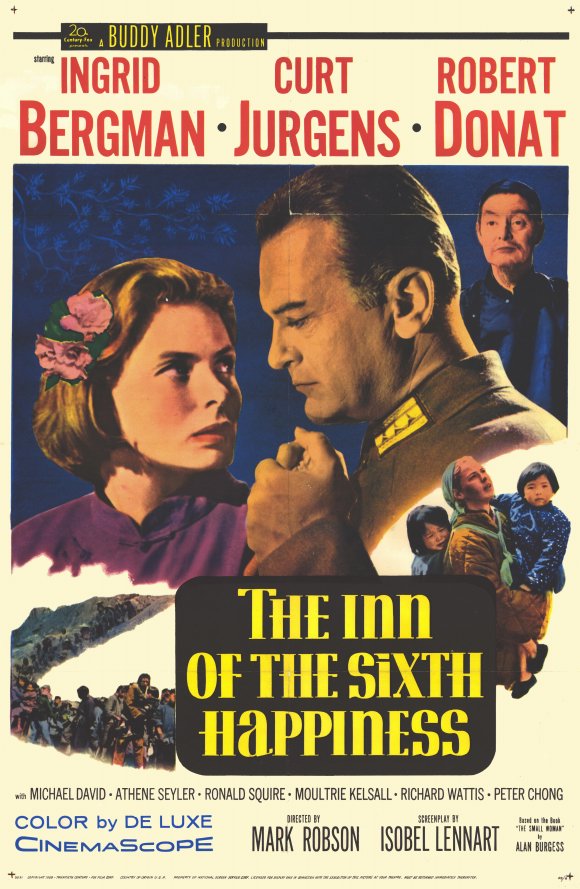
A young housemaid (Ingrid Bergman) determined to become a missionary in China saves up enough money to travel there from Britain, and finds work helping an older missionary (Athene Seyler) run an inn. Soon she finds herself a respected member of a local community led by an aging mandarin (Robert Donat), and falls in love with a half-Chinese captain (Curd Jurgens), who warns Donat and Bergman of an impending invasion by Japan.

Genres, Themes, Actors, and Directors:

  • Biopics
  • China
  • Curt Jurgens Films
  • Ingrid Bergman Films
  • Mark Robson Films
  • Missionaries and Revivalists
  • Orphans
  • Robert Donat Films
  • Strong Females

Review:
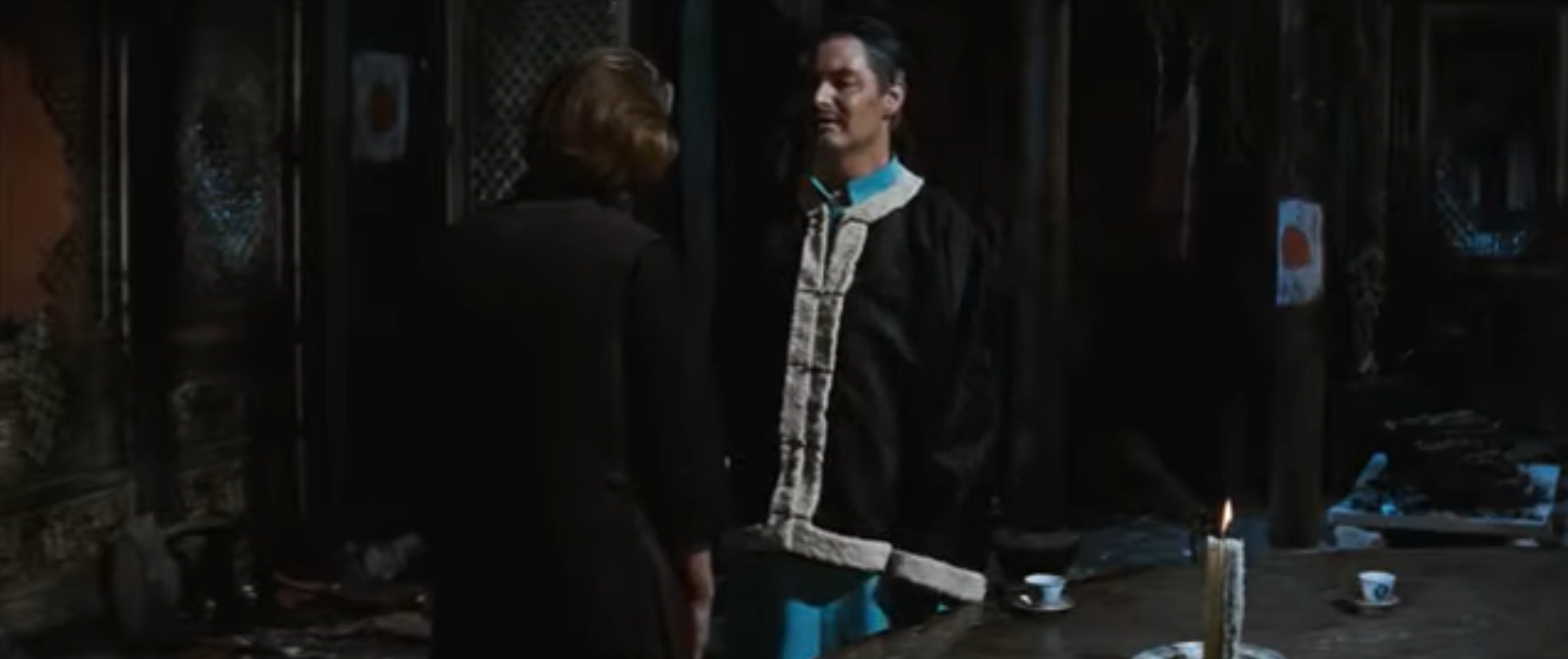
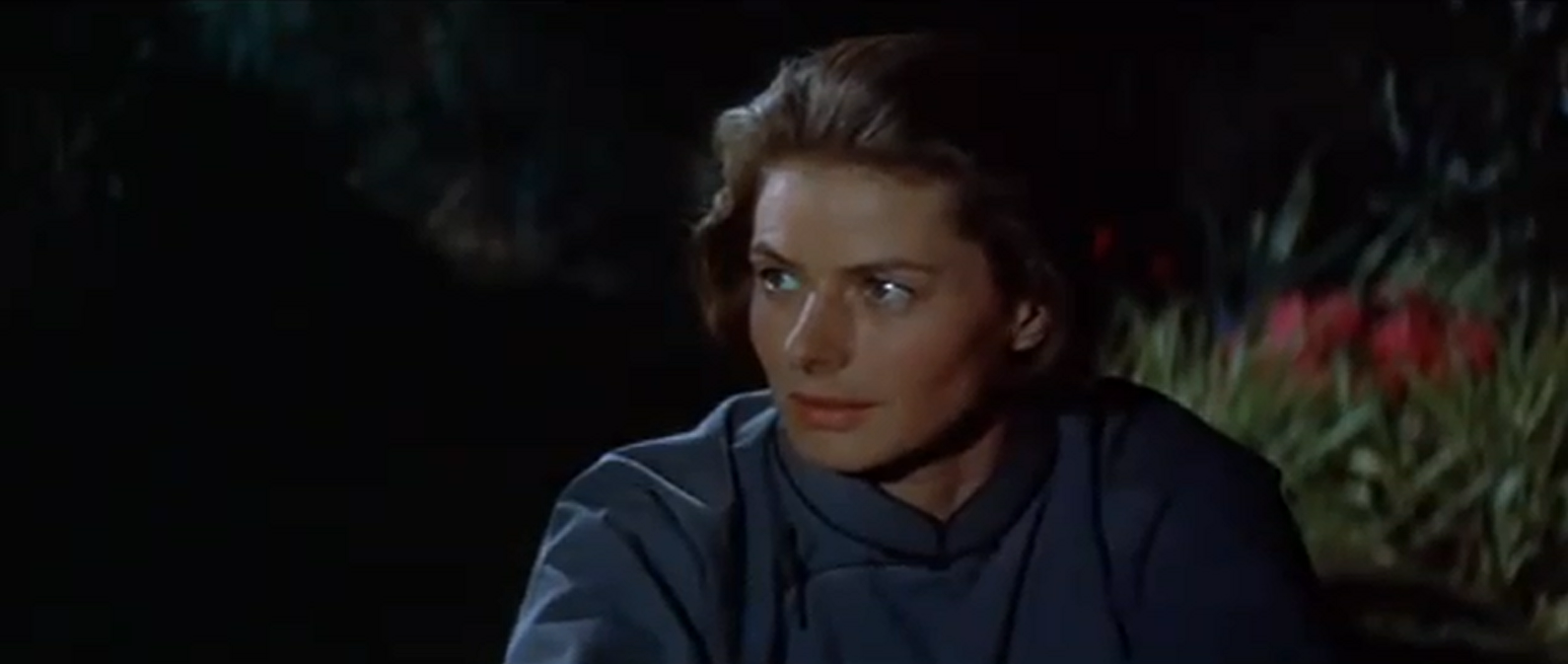
Based upon the real-life adventures of missionary Gladys Aylward, this lushly photographed biopic (directed by Mark Robson) notoriously took some liberties with Aylward’s life, to the point where Aylward herself renounced the film. She was most upset about the inclusion of a romantic subplot, given that she claims never to have even kissed a man; see Wikipedia’s article for more specific complaints. Regardless, Inn… remains an entertaining film about a fascinating personality, played to perfection by Bergman (who looks nothing like Aylward; naturally, Aylward complained about this, too). Bergman/Aylward’s utter conviction that she belongs in China rather than England gives one renewed faith in the notion that we all may have a specific path to follow, if we’re willing to listen to our hearts and follow our passions. Aylward never questions the challenges she faces, instead simply accepting them as part of the life journey she’s meant to undertake; for instance, she adopts numerous orphans throughout the course of the film, never doubting whether she has the ability or the resources to care for them — they simply become a part of her ever-expanding household.

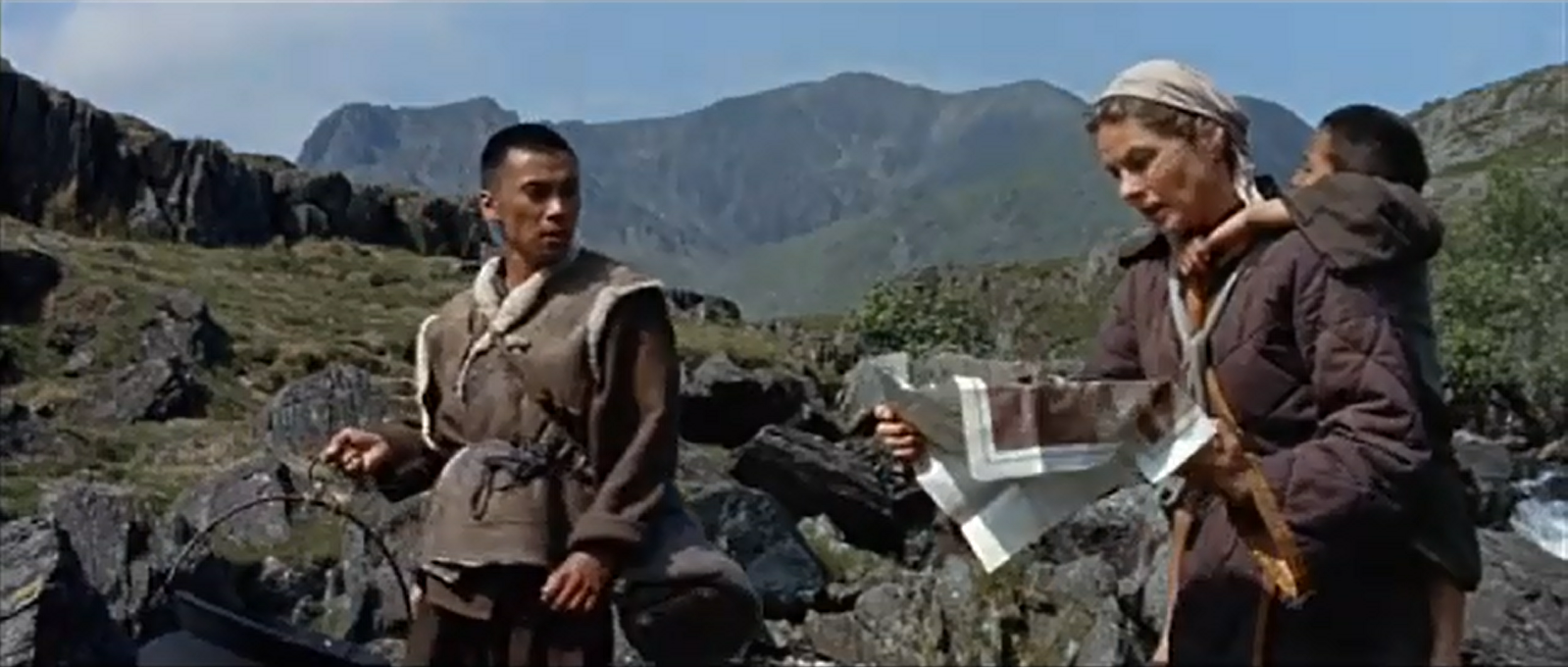
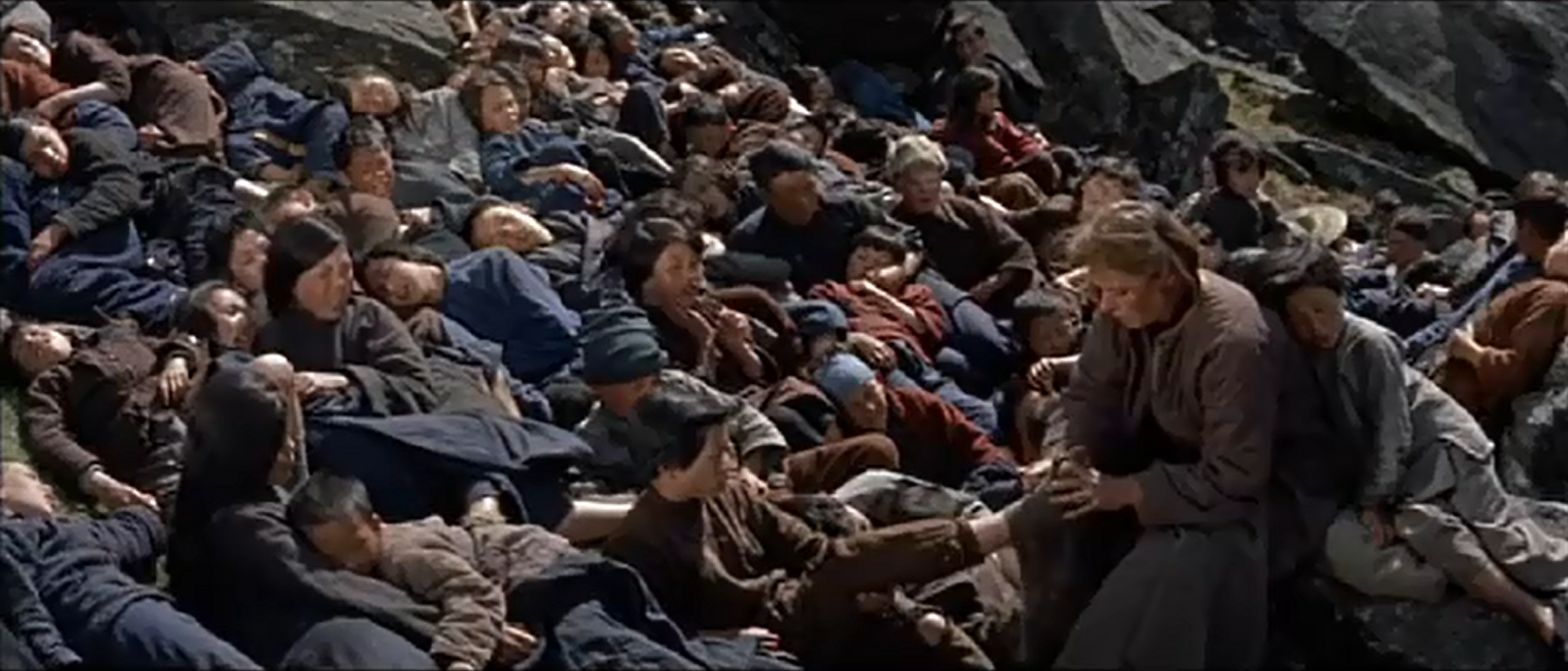
The culminating sequence — chronicling Aylward’s harrowing cross-country journey to bring 100+ orphans to safety in the midst of a Japanese invasion — is likely what most viewers will remember years after viewing this film; it remains a gripping adventure, especially knowing that it really occurred. Much less involving is Bergman’s romance with Jurgens, which comes across as strictly Hollywood, and should likely have been cut altogether (the film runs too long as it is); Aylward’s complaint was accurate in this case. However, Bergman’s relationship with Donat’s aging mandarin remains of interest, as we view his growing respect for the vital qualities she brings to his village — most specifically her ability to convince villagers to finally give up the barbaric practice of foot-binding. Her final scene with Donat (who died during the film’s screening) is genuinely touching, and will surely bring a lump to any ff’s throat.


Redeeming Qualities and Moments:

  • Ingrid Bergman as Gladys Aylward (nominated by Peary as one of the Best Actresses of the Year in his Alternate Oscars)
  • Fine cinematography by Freddie Young
  • The harrowing final escape sequence

Must See?
No, though it’s definitely worth a one-time look. Listed as a Personal Recommendation in the back of Peary’s book.

Links:

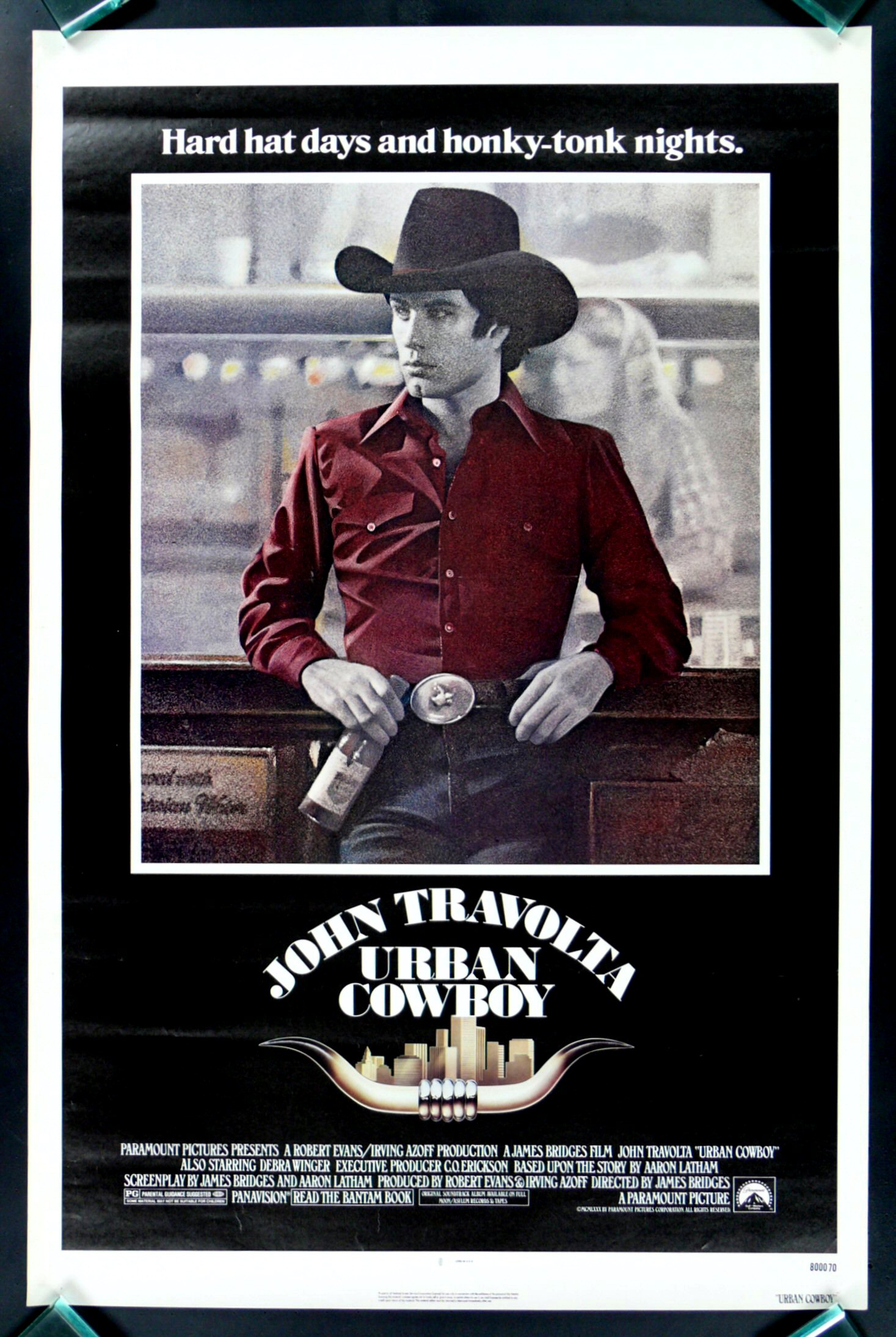
Urban Cowboy (1980)

Urban Cowboy (1980)

“Sometimes even a cowboy’s gotta swallow his pride and hold on to somebody he loves.”

Synopsis:
A callow cowboy (John Travolta) transplanted to Houston marries a feisty young woman (Debra Winger) he meets in a bar, but their marriage is quickly beset by jealousy and infidelity.

Genres, Themes, Actors, and Directors:

  • Cowboys
  • Debra Winger Films
  • James Bridges Films
  • John Travolta Films
  • Marital Problems
  • Masculinity
  • Scott Glenn Films

Review:
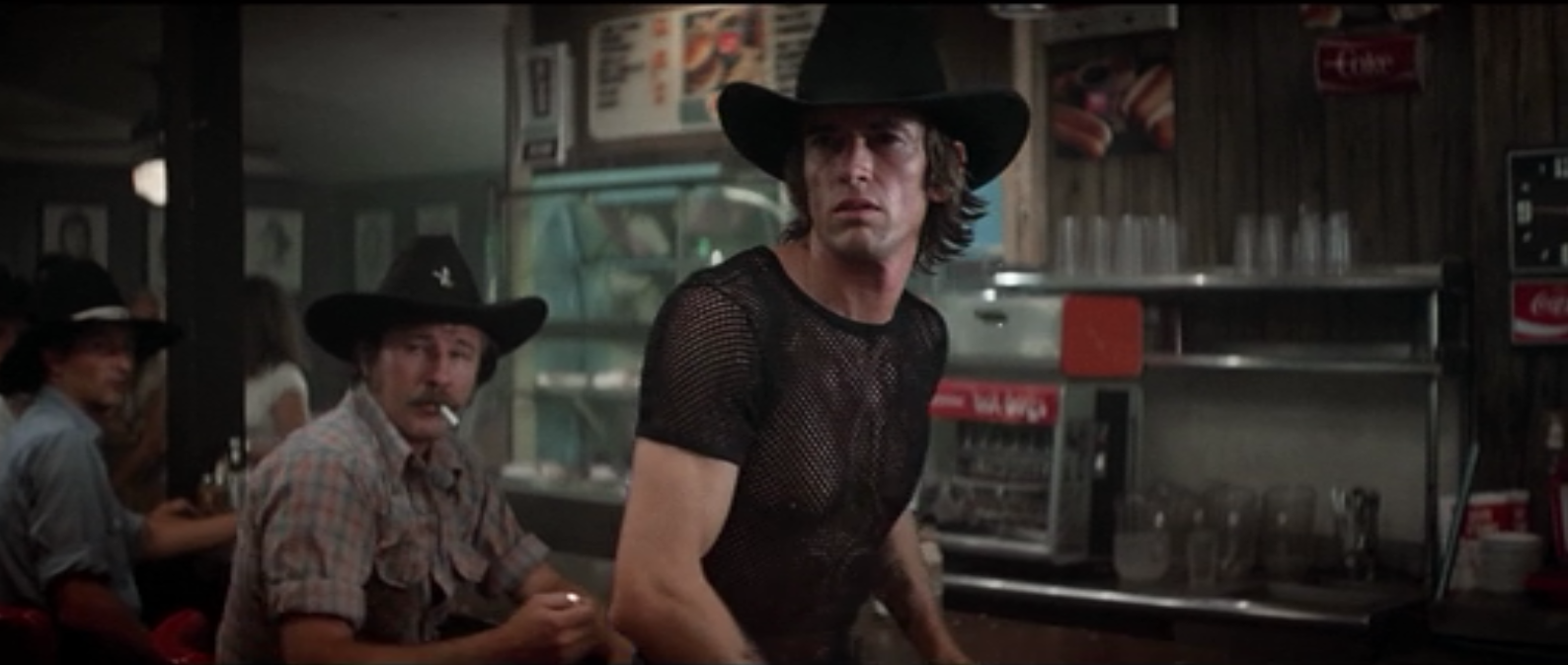
After achieving phenomenal fame in both Saturday Night Fever (1977) and Grease (1978) — and then enduring ridicule for his role as Lily Tomlin’s lover, “Strip”, in Moment by Moment (1978) — John Travolta starred in this film about a headstrong young country boy whose adventures in the Big City (Houston) include both a tempestuously whirlwind marriage and a nascent obsession with riding mechanical bulls. Indeed, the newly popular sport of mechanical bull-riding — shown on-screen here so many times you’ll likely be yawning by the end — becomes a central element of the storyline, overtly representing Travolta’s quest to prove his manhood to his new wife, especially when faced with stiff competition in the form of ex-convict (and master rider) Scott Glenn.

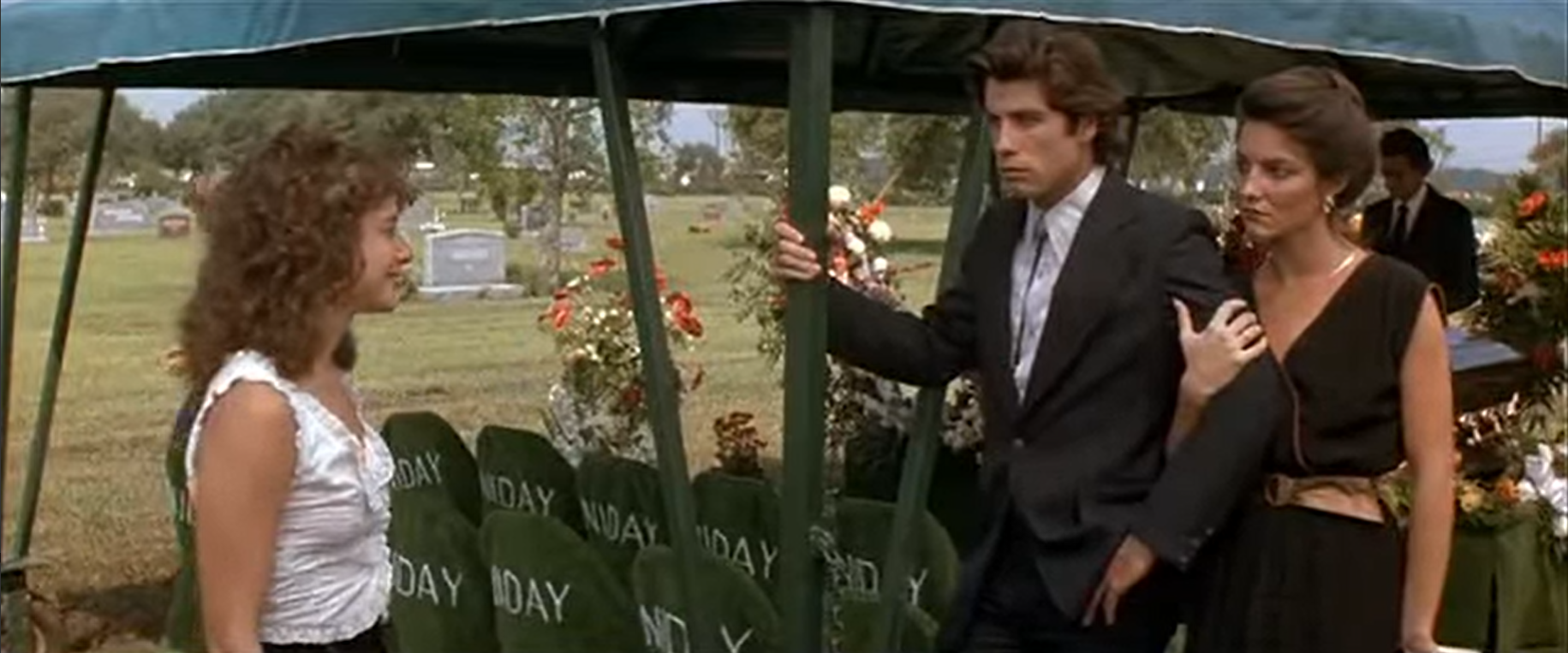
Unfortunately, the screenplay (co-written by director James Bridges and Aaron Latham, based on Latham’s own story) disappoints in its presentation of marital challenges and machismo run amok. Travolta and Winger’s marriage, while perhaps sadly realistic, is based on nothing more than chemistry and a desire to play at housekeeping, with little real understanding of what such a commitment will entail.

It’s not at all surprising, then, when their romance quickly falls apart, especially given Travolta’s intermittently abusive treatment of Winger. Glenn’s villainous bull-rider is menacing but one-note, and Travolta’s new lover — a beautiful, slumming heiress (Madolyn Smith) with a “thing” for cowboys — simply strikes one as a caricature.

It’s Winger — nurtured by her mentor, Bridges — who gives the film’s most nuanced and noteworthy performance, and remains the primary reason to give this film a one-time look.

Note: For a much better variation on some of the same themes touched upon here, see Nicholas Ray’s The Lusty Men (1952).

Redeeming Qualities and Moments:

  • Debra Winger as Sissy

Must See?
No, though it’s worth a look simply for Winger’s performance. Listed as a Personal Recommendation in the back of Peary’s book.

Links:

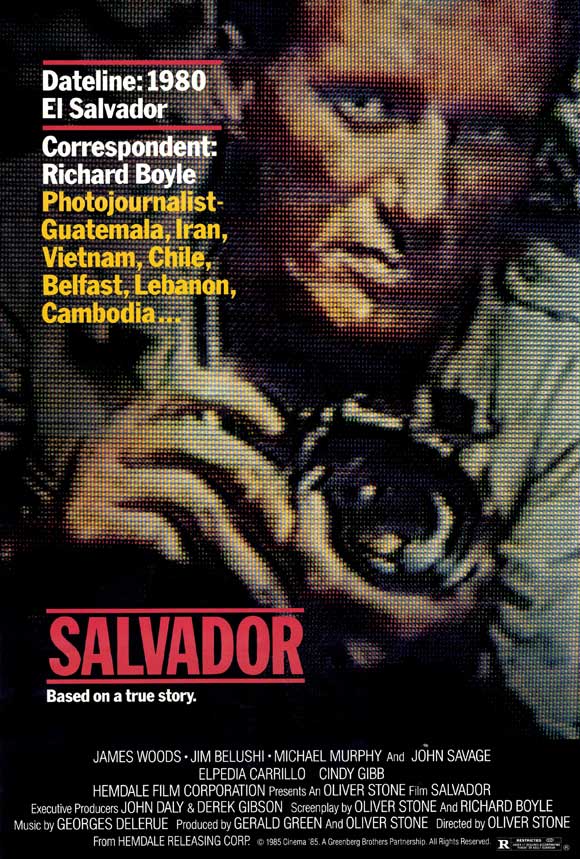
Salvador (1986)

Salvador (1986)

“You gotta get close, Rich, to get the truth. You get too close, you die.”

Synopsis:
A down-on-his-luck photojournalist (James Woods) drags his reluctant friend (James Belushi) with him to conflict-ridden El Salvador, where he attempts to chronicle the rise of military power and guerrilla resistance.

Genres, Themes, Actors, and Directors:

  • James Woods Films
  • Journalists
  • Michael Murphy Films
  • Oliver Stone Films
  • Political Corruption
  • South and Central America

Review:
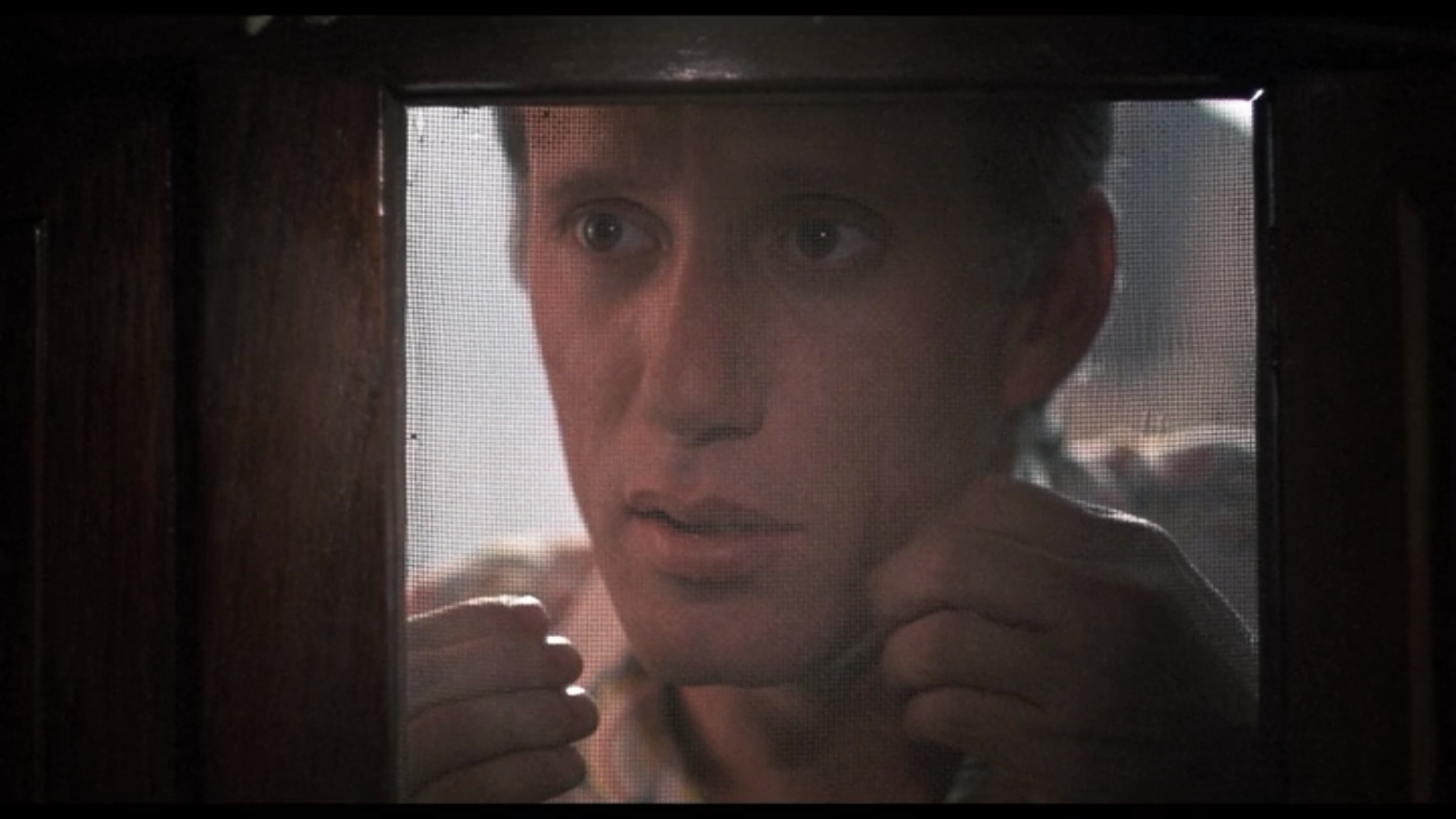
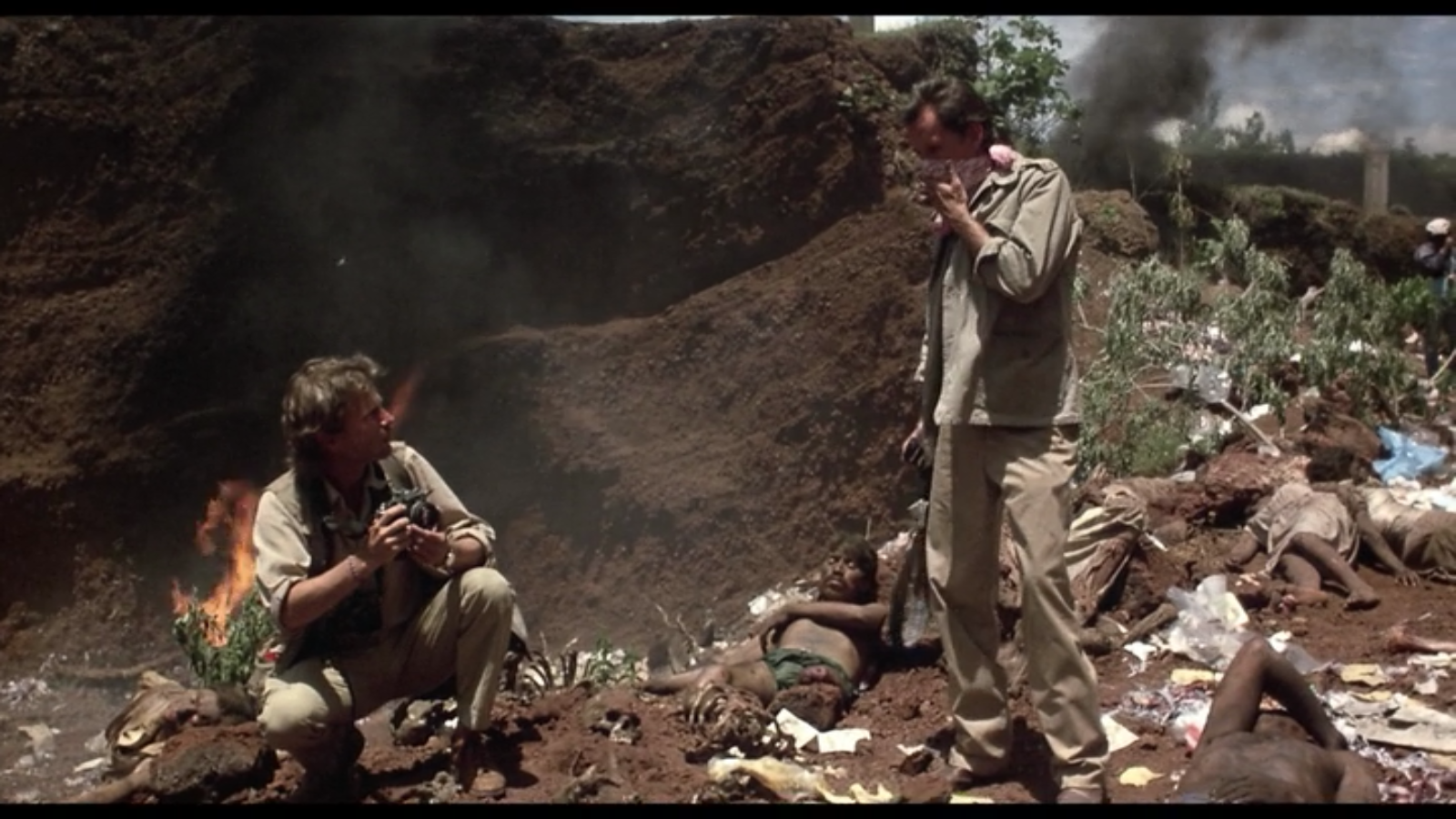
Peary doesn’t review Oliver Stone’s Salvador in his GFTFF, but he names it one of the Best Films of the Year in his Alternate Oscars, where he gives Woods the Best Actor of the Year award, and discusses his memorable performance at some length. He notes that “no one is better at playing hustling, live-wire, sleazeball opportunists than James Woods”, who “found his ideal role as Richard Boyle” (upon whose real-life adventures the film is based; he co-wrote the script with Stone). Woods accomplishes the astonishing feat of turning his self-proclaimed “weaselly” character — a man who “drinks and whores; takes drugs and smokes like a furnace; borrows money he’ll never pay back; lies, brags, cons, annoys, gets in everyone’s face” — into someone we don’t mind watching for two hours, and even come to feel some respect for by the film’s harrowing ending. Indeed, we can’t help (on some level) admiring this man who willingly puts himself in the middle of a war zone simply to hustle a story; sure, he’s selfishly doing it to make a buck, but his actions take guts, and he consistently demonstrates a remarkable degree of savvy (in notable contrast with the stupidly reckless behavior of many of his companions).

Woods’ memorable performance grounds the story, but the film itself remains impressively mounted on every count, sparing no detail in showing us the grim, bloody, chaotic reality of life in El Salvador at the time. Stone struggled to receive adequate financing for the film, which was made on a relatively small budget, but you’d never know; we genuinely believe we’ve been plunged directly into the melee of this specific time and place. Not all the scenes or performances in Salvador work equally well: I’m still not convinced that Belushi’s character is all that relevant, for instance, and a rival “yuppie” news reporter (Valerie Wildman) is painted in overly broad strokes; however, Stone is consistent enough in his presentation of the topic to keep us sufficiently engaged and enraged. Comparing this film with Haskell Wexler’s well-meaning but ultimately disappointing Latino (released the previous year), one further appreciates Stone’s ability to not only humanize the Salvadorian conflict, but to make it dramatically engaging as well. Many consider Salvador to be Stone’s most under-appreciated film, and there may be some truth to this sentiment.

Redeeming Qualities and Moments:

  • James Woods as Rick Boyle (voted Best Actor of the Year in Peary’s Alternate Oscars)
  • An authentically gritty depiction of chaos and war in early-’80s El Salvador

Must See?
Yes, as a powerful and important political thriller. Listed as a Sleeper and a Personal Recommendation in the back of Peary’s book, and nominated by Peary as one of the Best Films of the Year in his Alternate Oscars.

(Listed in 1001 Movies You Must See Before You Die)

Links:

Personal Services (1987)

Personal Services (1987)

“The future lies in kinky people.”

Synopsis:
A hardworking British waitress (Julie Walters) begins a new career as a madam, catering to the whims of middle-aged men with kinky sexual fantasies.

Genres, Themes, Actors, and Directors:

  • Morality Police
  • Prostitutes and Gigolos
  • Strong Females

Review:
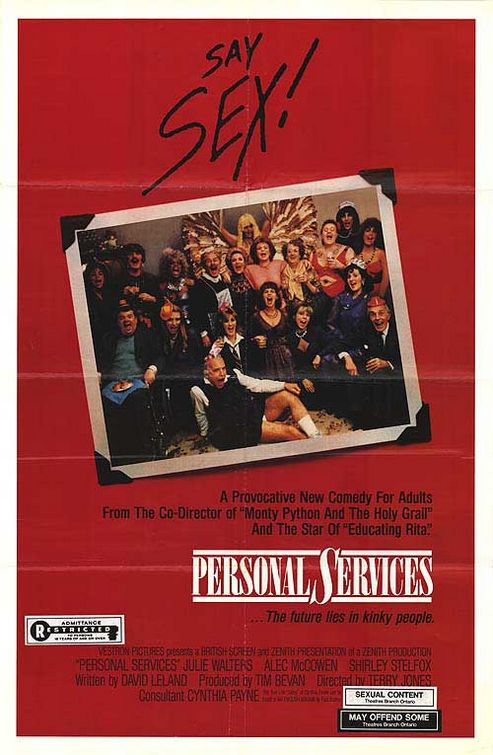
Several years after her breakthrough role in Educating Rita (1983), Julie Walters gave another stellar performance in this Terry Jones-directed pseudo-biopic, loosely based on the notorious life story of British “party hostess” Cynthia Payne. Walters immediately convinces us that her “Christine Painter” is a practical, no-nonsense, driven woman who — after only very brief hesitation — finds it pleasantly straightforward to earn a living while orchestrating solutions to men’s secret desires; it’s certainly preferable to a marriage of convenience (her only other obvious way up). The screenplay follows her rise to tenuous success, as she shifts from simply brokering sexual exchanges (and engaging in a few herself) to hosting notoriously gonzo “sex parties” in her house; conflict emerges both in Painter’s troubled relationship with her disapproving father, and her run-ins with Britain’s [morality] police (who are portrayed as unequivocal baddies). Certain scenes — such as Painter’s personal fantasy sequences — feel superfluous and/or poorly handled, but the film as a whole remains true to its intention of presenting Painter/Payne’s story in a sympathetic and lively fashion, and remains worth a look simply for Walters’ strong performance.

Redeeming Qualities and Moments:

  • Julie Walters as Christine Painter

Must See?
No, though it’s worth a look simply for Walters’ performance.

Links:

Home Movies (1980)

Home Movies (1980)

“I’d like to be the hero of this family, just once.”

Synopsis:
A young man (Keith Gordon) in a deeply troubled family is encouraged by a charismatic instructor (Kirk Douglas) to film the story of his life.

Genres, Themes, Actors, and Directors:

  • Black Comedy
  • Brian De Palma Films
  • Family Problems
  • Kirk Douglas Films
  • Movie Directors
  • Nancy Allen Films

Review:
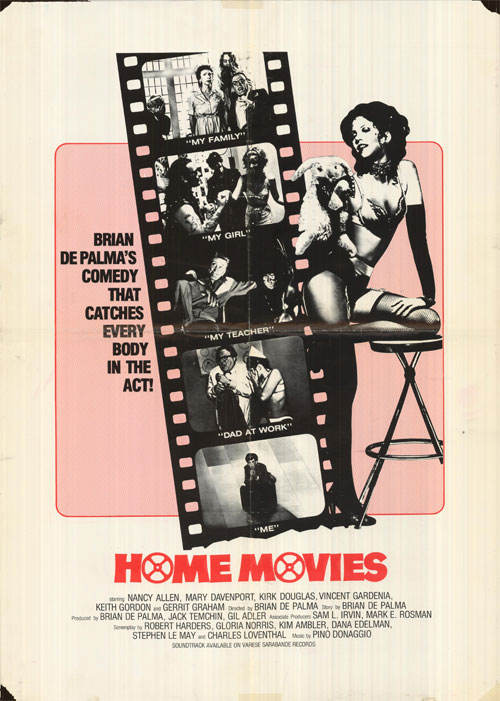
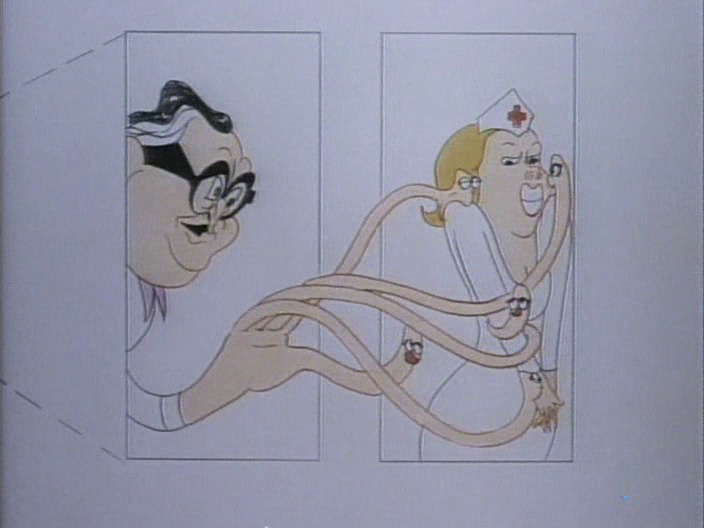
Made in collaboration with some of his students at Sarah Lawrence College, this Brian De Palma-directed film (a throwback to earlier quirky comedies in his oeuvre) remains an unfortunate misfire on every count. Although we’re meant to sympathize with the hapless protagonist — whose doctor-father (Vincent Gardenia) is cheating on his wife (Mary Davenport), and whose narcissistic brother (Gerrit Graham) controls every move made by his adoring fiance (Nancy Allen) — Gordon’s character never emerges as anyone worthy of rooting for. De Palma and his team are clearly aspiring towards some form of absurdist comedy, but there are no meaty existential Truths to be mined from this material; viewers are simply left bored and annoyed. Meanwhile, Pino Donaggio’s invasive score helps not at all, and Douglas’s presence is simply embarrassing.

Redeeming Qualities and Moments:

  • Creative opening titles

Must See?
No; definitely feel free to skip this one. Listed as a Cult Movie in the back of Peary’s book.

Links:

Continental Divide (1981)

Continental Divide (1981)

“Reporters are parasites who eat off the accomplishments of other people.”

Synopsis:
A tough, Chicago-based reporter (John Belushi) is sent by his managing editor (Allen Garfield) to cover a story about a scientist (Blair Brown) living an isolated existence in the Rockies. While Blair is resistant at first to Belushi’s presence, soon the pair start to fall for one another — but their incompatible lifestyles remain an obstacle to their romantic success.

Genres, Themes, Actors, and Directors:

  • Allen Garfield Films
  • John Belushi Films
  • Journalists
  • Michael Apted Films
  • Romantic Comedy
  • Scientists

Review:
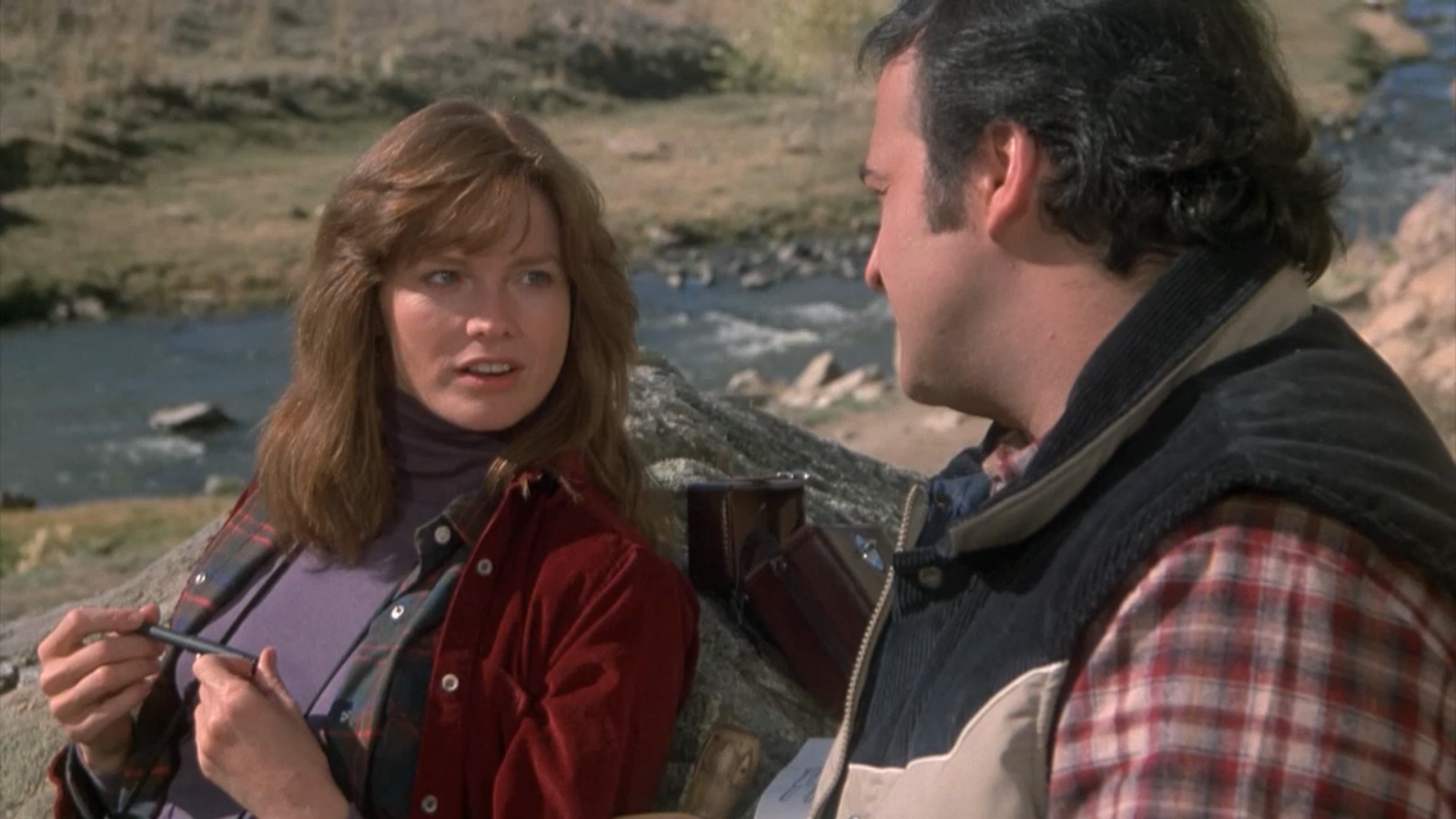
This quirky romantic comedy (directed by Michael Apted) remains a beloved favorite of Belushi fans, who view it as evidence of the broader acting talents he could have demonstrated had he lived longer (he died the following year). The semi-comedic storyline feels undeniably contrived at times, particularly during scenes set in Chicago, where Belushi’s intrepid mob-busting reporter is depicted as a man of deep principles who’s known and beloved by seemingly all the city’s denizens (hardly likely); and when he first arrives in the Rockies, we understand Blair’s frustration with his intrusive, often abrasive presence. But eventually we come to root for both Belushi and Blair (an appealingly feisty, smart, independent heroine), thanks in part to Lawrence Kasdan’s script, which allows Blair’s affection for Belushi to blossom naturally, culminating in an exciting scene wherein she’s given a chance to save his life. Meanwhile, fine use is made of gorgeous location shooting high in the mountains of Colorado. While it’s not must-see viewing, film fanatics in the mood for something light and frothy might want to check this one out.

Redeeming Qualities and Moments:

  • Blair Brown as Nell Porter
  • John Belushi as Ernie Souchak
  • Beautiful on-location footage

Must See?
No, though it’s worth a one-time look. Listed as a Sleeper and a Personal Recommendation in the back of Peary’s book.

Links:

Frogs (1972)

Frogs (1972)

“It seems like everyone in our family is hung up on frogs.”

Synopsis:
An ecologically-minded photographer (Sam Elliott) working on an island is invited by a beautiful young woman (Joan Van Ark) to join in a celebration presided over by her wealthy uncle (Ray Milland) — but affairs quickly become deadly as her relatives are killed off by various animals and plants on the estate.

Genres, Themes, Actors, and Directors:

  • Horror
  • Killer Animals
  • Ray Milland Films
  • Revenge

Review:
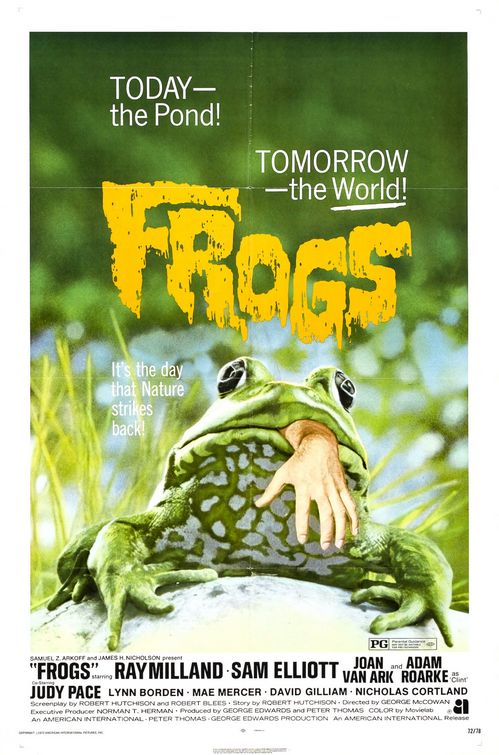
Roughly ten years after starring in Roger Corman’s under-rated sci-fi thriller X: The Man With X-Ray Eyes (1963), Ray Milland was cast as the aging baddie in this silly low-budget eco-horror flick:

… intended to subtly link his character’s indiscriminate use of fauna-killing poison with justifiable collective homicide by clans of vicious geckos, tarantulas, lizards, turtles, leeches, and — naturally — frogs. There’s a weak environmental “lesson” to be had in here somewhere, I suppose, but really it’s all just an excuse to kill off the unlikable, one-dimensional characters one by one until only a few worthy protagonists are left standing. The screenplay is punctuated by repetitious footage of “menacing” croaking frogs, who apparently are orchestrating the murders through some kind of telepathy (or perhaps are simply ominous portents of doom). Unfortunately, while there’s clearly potential for a storyline about “man versus nature” to go somewhere interesting and chilling (think Hitchcock’s The Birds), Frogs‘ low budget and overall lack of creativity relegate it to simply a forgettable side note in ’70s horror.

Redeeming Qualities and Moments:

  • (Unintentionally?) humorous use of reptilian/amphibian footage for “shock and thrills”

Must See?
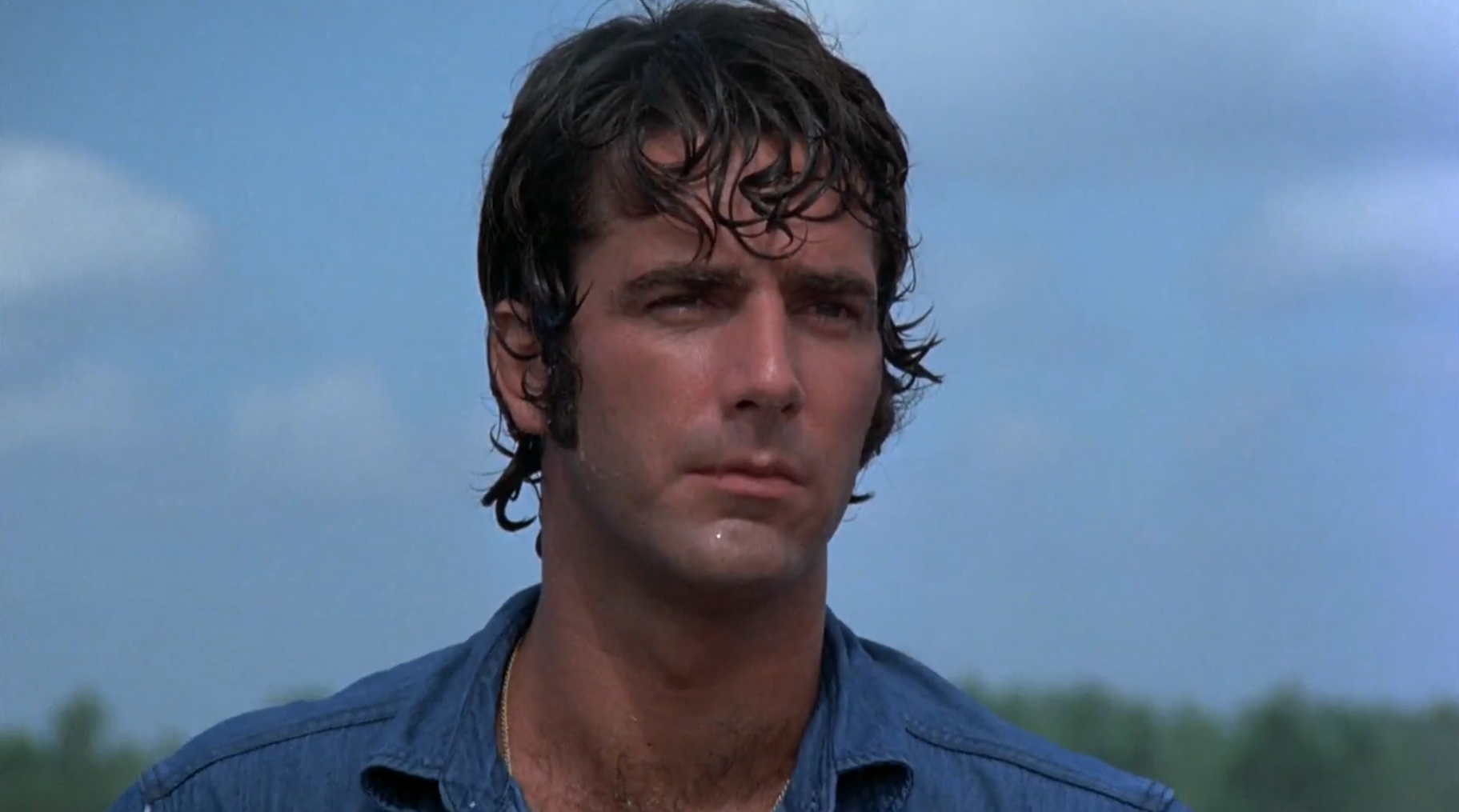
No; you can feel free to skip this one unless you’re curious to see a young, buff Sam Elliott without his trademark bushy mustache.

Links: