Browsed by
Category: Original Reviews

Responses to Peary’s “must see” movie reviews, as well as my own “must see” movie reviews up to and after 1986 (when Peary’s book was published).

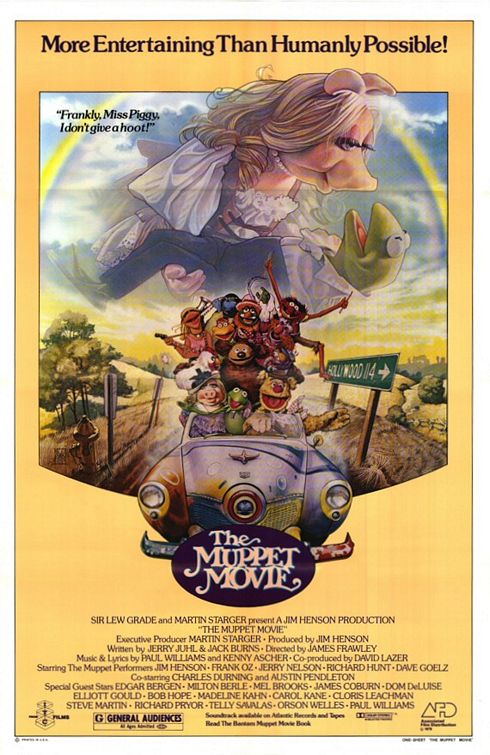
Muppet Movie, The (1979)

Muppet Movie, The (1979)

“All I can see is a million frogs on tiny crutches.”

Synopsis:
A talent agent (Dom DeLuise) convinces Kermit the Frog (Jim Henson) to leave his Mississippi home and pursue a career in Hollywood. Along the way, Kermit encounters a host of Muppet friends eager to join him on his trip, and tries to evade capture by the nefarious owner (Charles Durning) of a frog leg-serving restaurant chain.

Genres, Themes, Actors, and Directors:

  • Aspiring Stars
  • Carol Kane Films
  • Madeline Kahn Films
  • Puppets and Ventriloquism
  • Road Trip
  • Telly Savalas Films

Review:
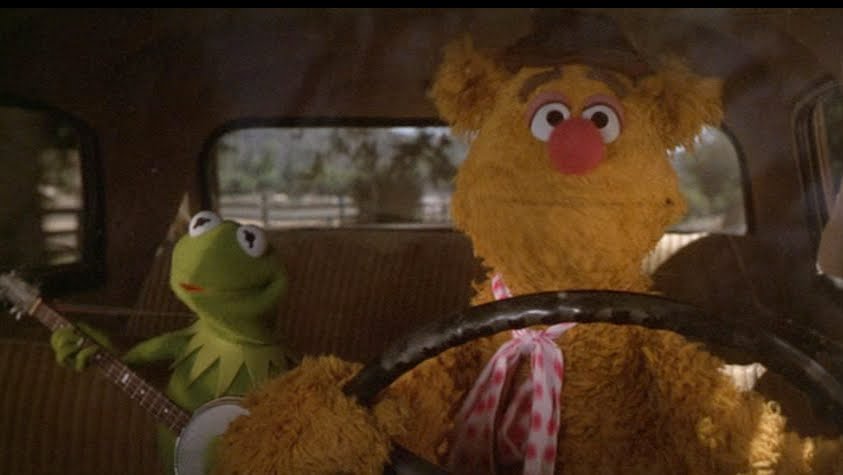
Two years after “The Muppet Show” became a worldwide hit on television, Jim Henson and his creative team brought Kermit, Miss Piggy, and their friends to big-screen fame in this first (and best) of several full-length Muppet features (including the Peary-listed The Muppets Take Manhattan [1984]). While geared primarily towards kids, the screenplay of this first entry was clearly designed to appeal to adult fans of the TV series as well, given that it’s littered with witty one-liners, cameo appearances, and genre-specific homages, and doesn’t shy away from placing its characters in decidedly precarious situations. Indeed, I recall how, when watching this film for the first time as a child, I was traumatized by the fact that Kermit is pursued by an evil restauranteur whose primary goal in life is to chop off frogs’ legs (eek!); and the scene in which a sadistic professor (Mel Brooks) attempts to turn Kermit’s brain to mush was equally disturbing to my young sensibilities. As an adult viewer, however, I’m better able to appreciate how slyly screenwriters Jack Burns and Jerry Juhl play upon various generic tropes, ranging from the central conceit of a road trip (the bulk of the story) to romance (embodied in Kermit and Piggy’s infatuation) to mad scientist (the scene with Brooks) to western (the climactic finale). A couple of catchy tunes by Paul Williams — most notably the Oscar-winning tune “The Rainbow Connection” — and some impressive Muppeteering (check out Kermit on a bike!) make this an enjoyable flick for both adults and (older) kids to visit every now and then.

Redeeming Qualities and Moments:

  • A fun storyline featuring the beloved Muppet clan

Must See?
Yes, as a cult favorite. Listed as a Personal Recommendation in the back of Peary’s book.

Categories

  • Cult Movie

(Listed in 1001 Movies You Must See Before You Die)

Links:

Five Came Back (1939)

Five Came Back (1939)

“Chance is too tricky — the wrong people might win; we’ve got to be logical.”

Synopsis:
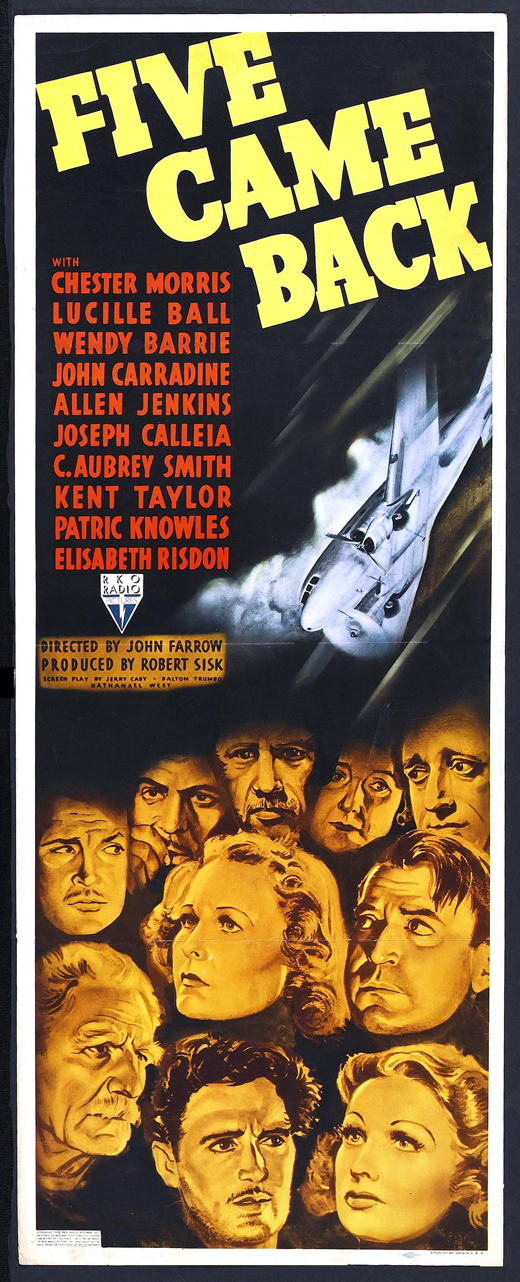
When a motley group of airplane passengers — including an elderly botanist (C. Aubrey Smith) and his wife (Elisabeth Risdon); a millionaire (Patric Knowles) eloping with his fiancee (Wendy Barrie); a condemned anarchist (Joseph Calleia) and his keeper (John Carradine); a gangster (Allen Jenkins) caring for his boss’s son (Casey Johnson); and a woman (Lucille Ball) with a questionable past — crash into the Amazonian jungle, they learn valuable lessons about themselves and each other as they struggle to survive. Meanwhile, the co-pilots (Chester Morris and Kent Taylor) work diligently to fix the broken plane — but will they succeed in helping all their passengers escape in time to avoid a tribe of headhunters looming close to their encampment?

Genres, Themes, Actors, and Directors:

  • Ensemble Cast
  • John Carradine Films
  • Lucille Ball Films
  • Survival

Review:
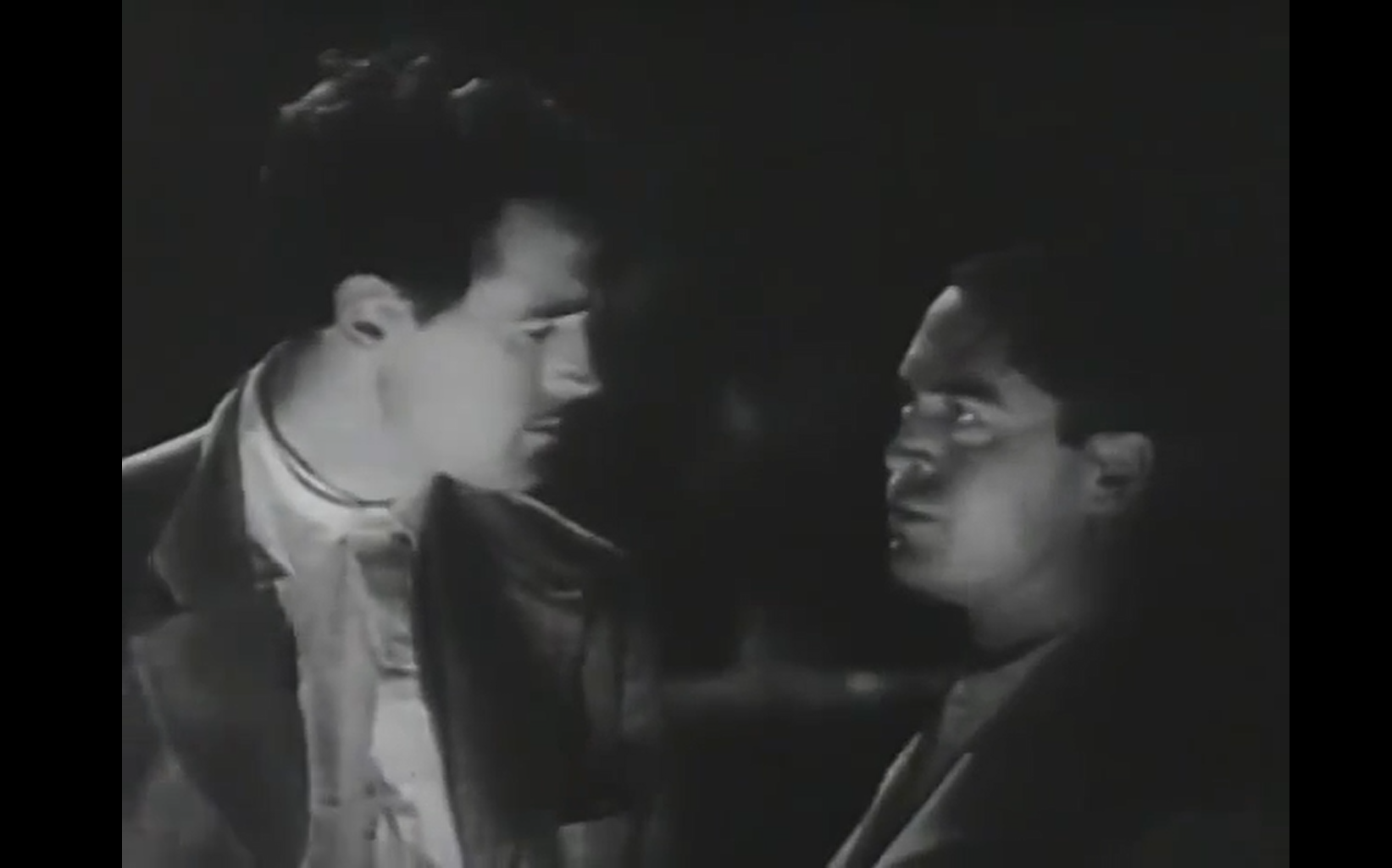
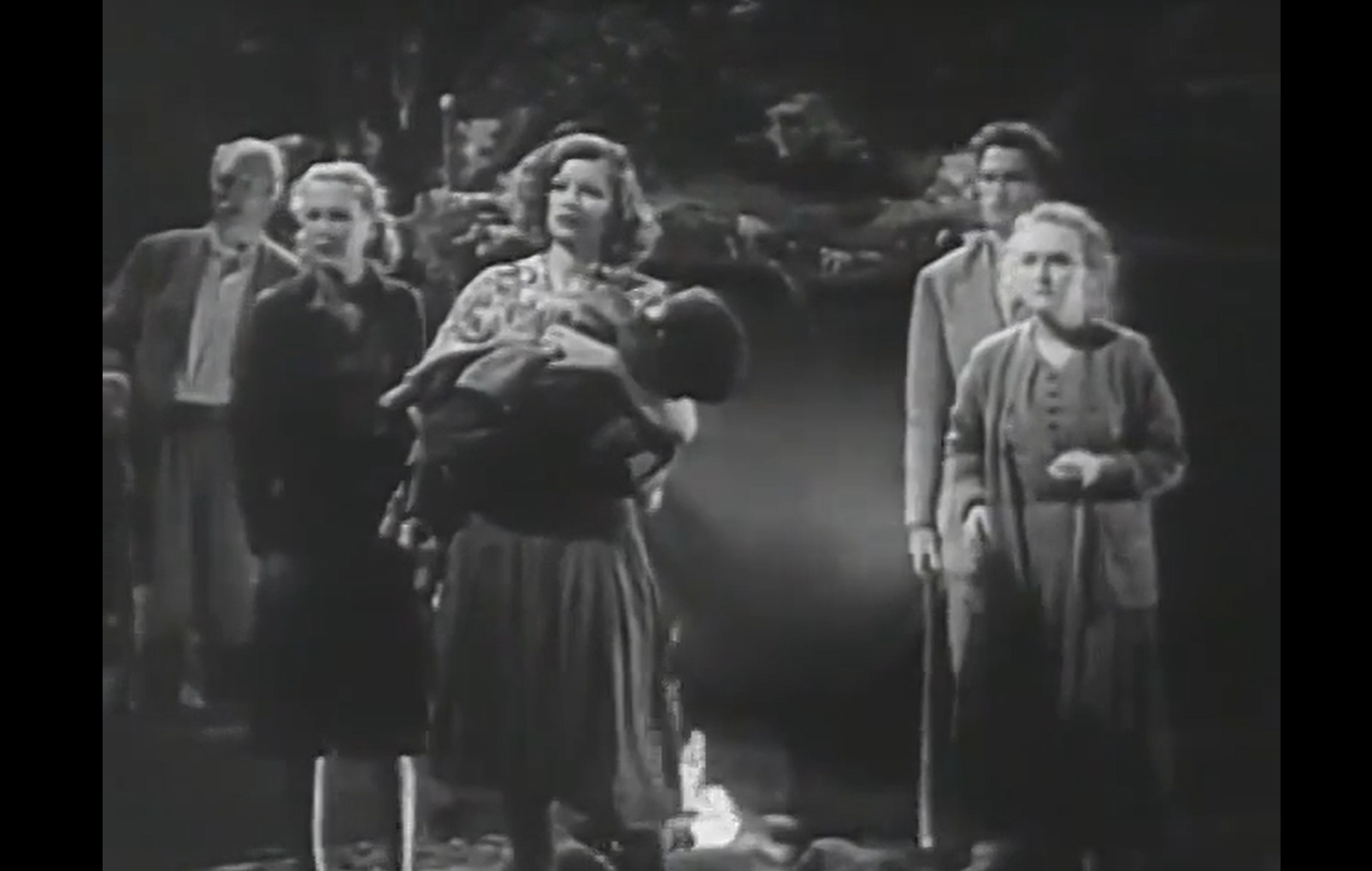
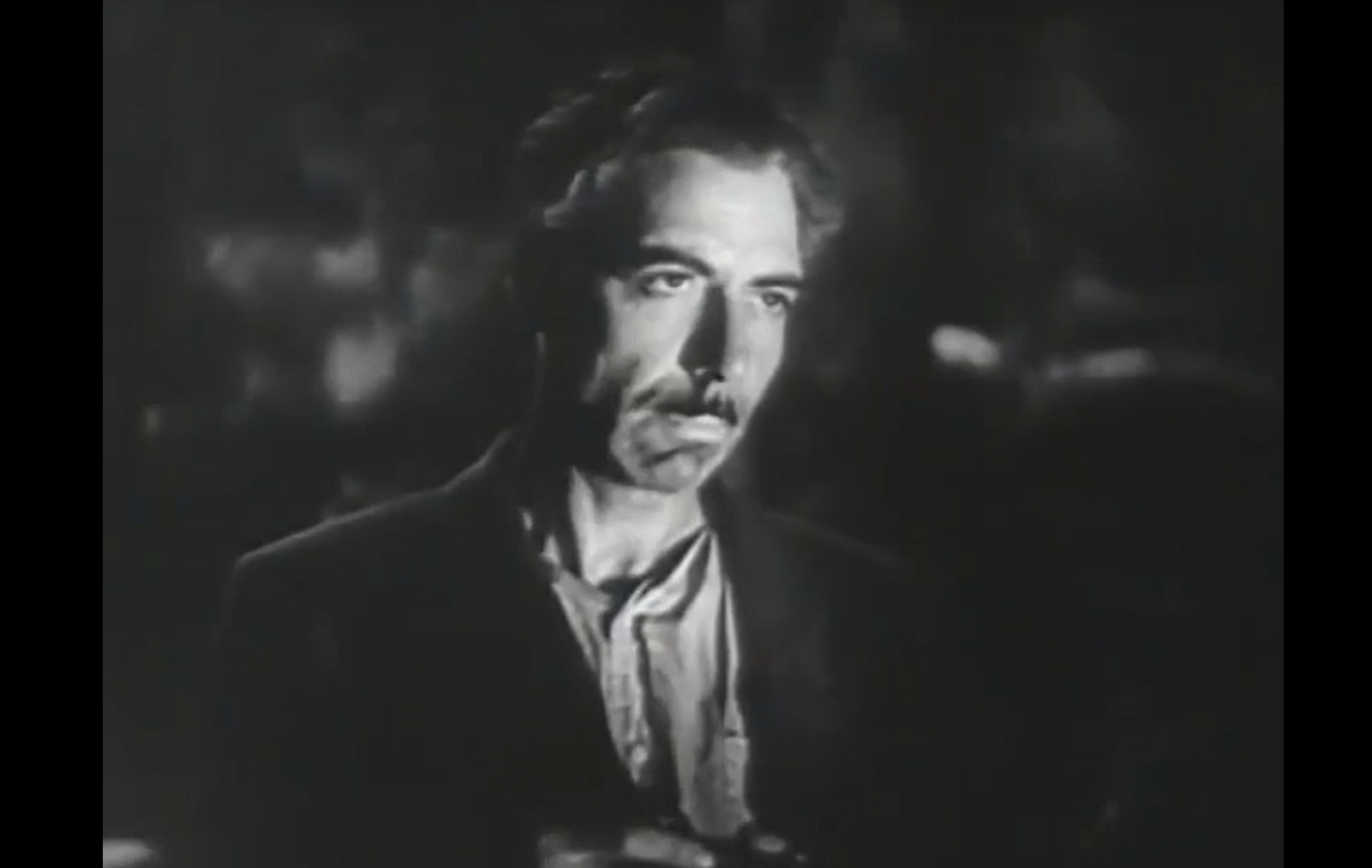
This early “airplane disaster flick” (helmed by John Farrow, who also directed its 1956 remake, Back From Eternity) remains an iconic forerunner of just about every other ensemble-cast survival tale released since. The diverse characters, naturally, represent a true gamut of personality types, with plenty of opportunities for character arcs to reveal individuals’ better (or worse) natures once they’re stranded together miles away from modern civilization. Much like in Cecil B. DeMille’s silent flick Male and Female (1919), class barriers melt away in the face of the need to survive, with those best suited to lead (in this case, Morris):

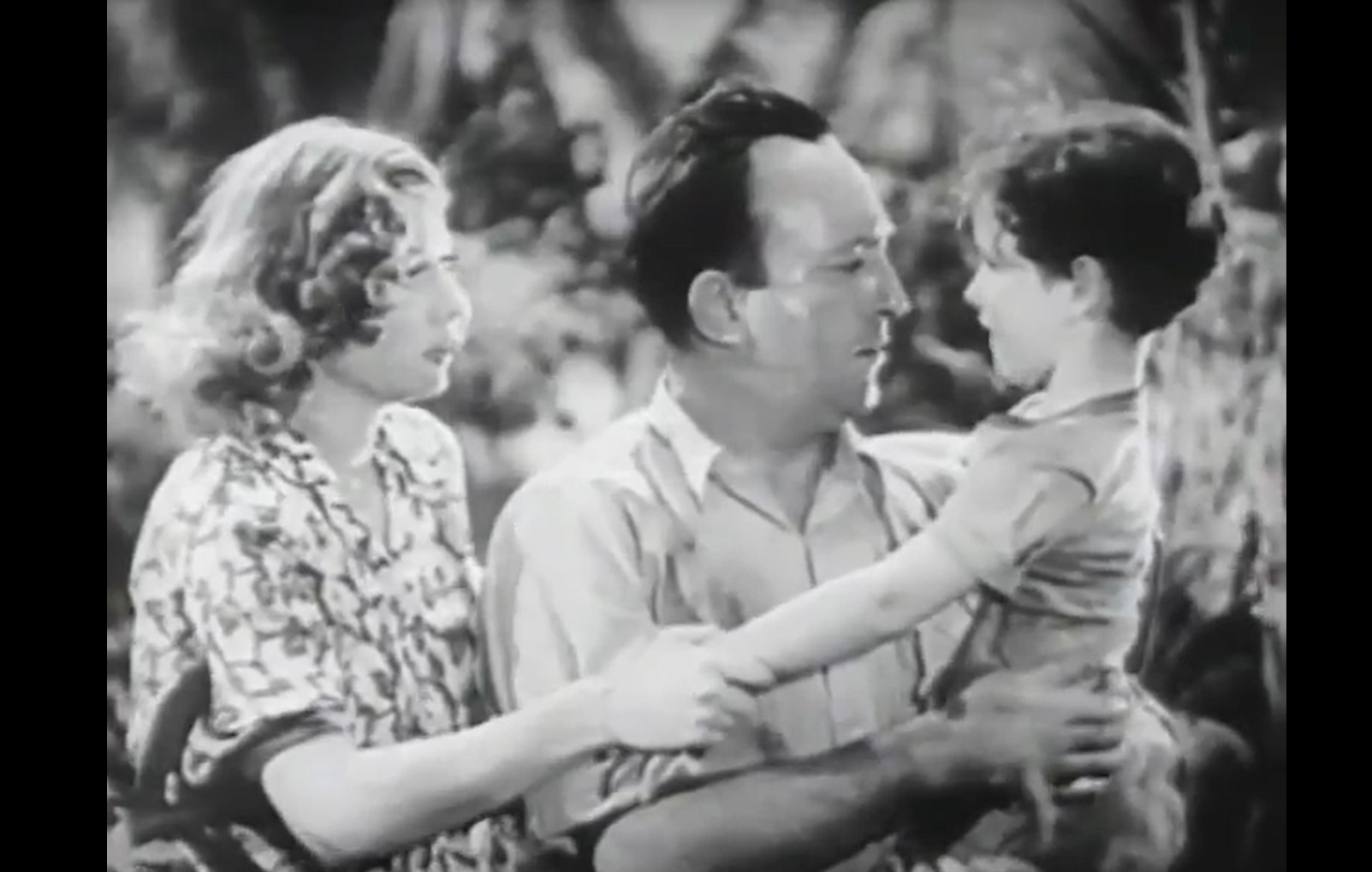
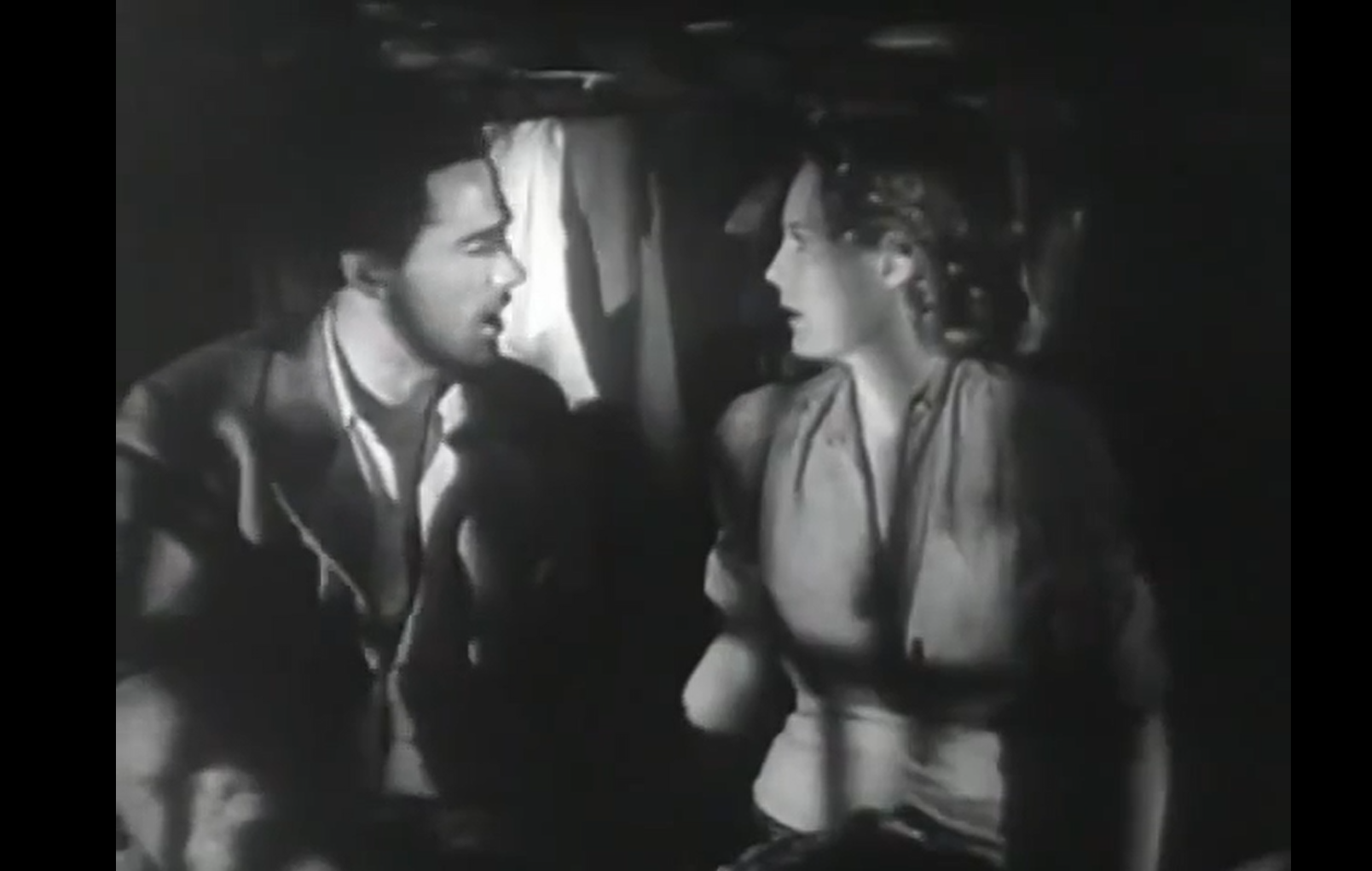
tasked with taking charge — though naturally, not without contention. At just 75 minutes long, the pithy script (co-written in part by none other than Nathaniel West and Dalton Trumbo) wastes no time at all in presenting each of the characters and allowing them to interact with one another in strategic ways, so that we’re easily able to see the shifts that take place once they’re plunged into survival mode — i.e., while Ball was once judged too “loose” to help care for the gangster’s son (Johnson), she’s soon entrusted with this role:

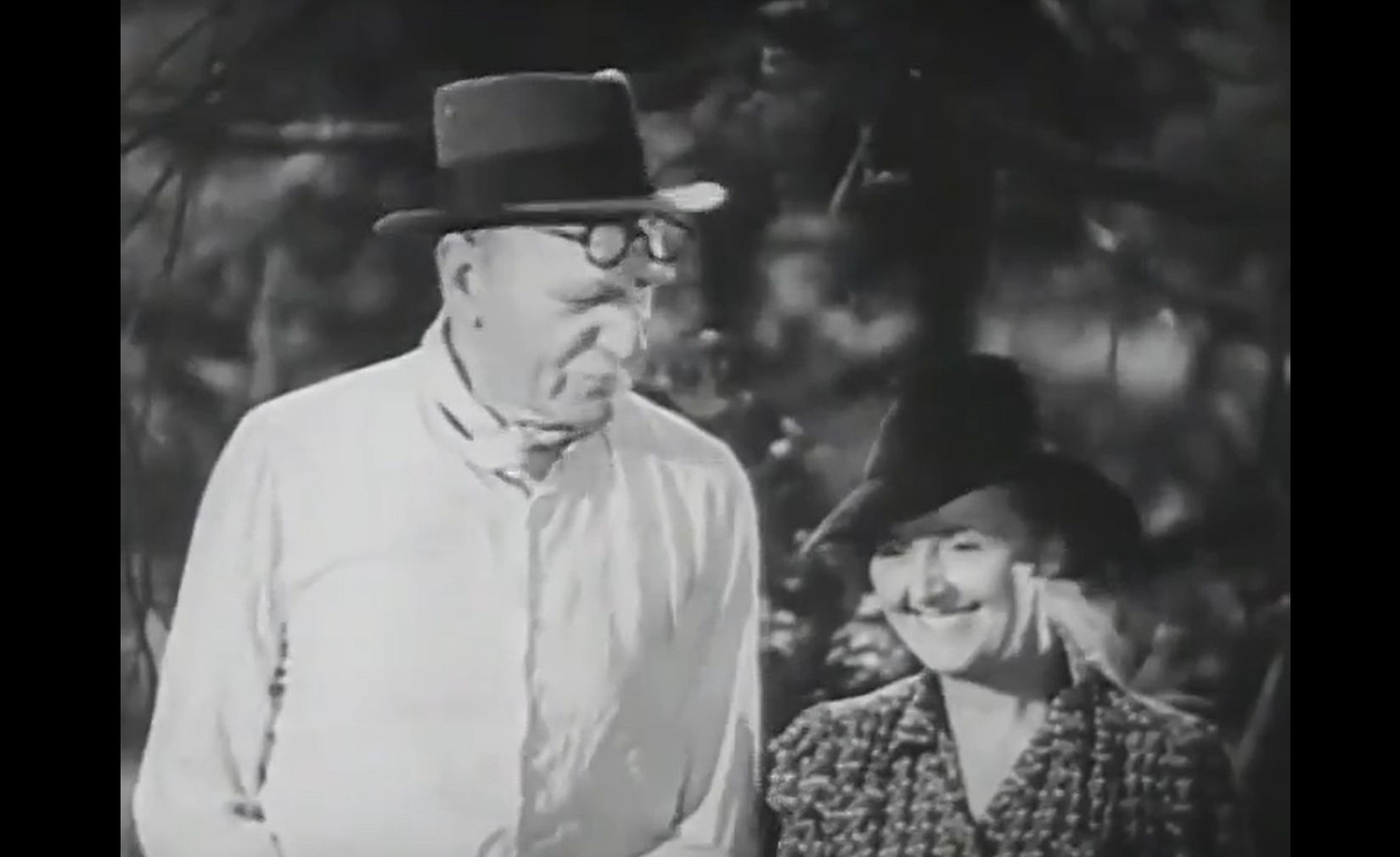
… Smith’s browbeating wife (Risdon) is “domesticated” in the jungle:

… etc. Watch for the nicely handled final scene, which packs a true emotional punch, and is seamlessly directed.

Redeeming Qualities and Moments:

  • Fine ensemble performances (particularly by Calleia)

  • Nicholas Musuraca’s cinematography
  • A pithy B-level script

Must See?
Yes, as an all-around “good show”. Listed as a film with Historical Importance in the back of Peary’s book.

Categories

  • Good Show

Links:

Turtle Diary (1985)

Turtle Diary (1985)

“Nobody’s interested in turtles — except the keeper, me… and you.”

Synopsis:
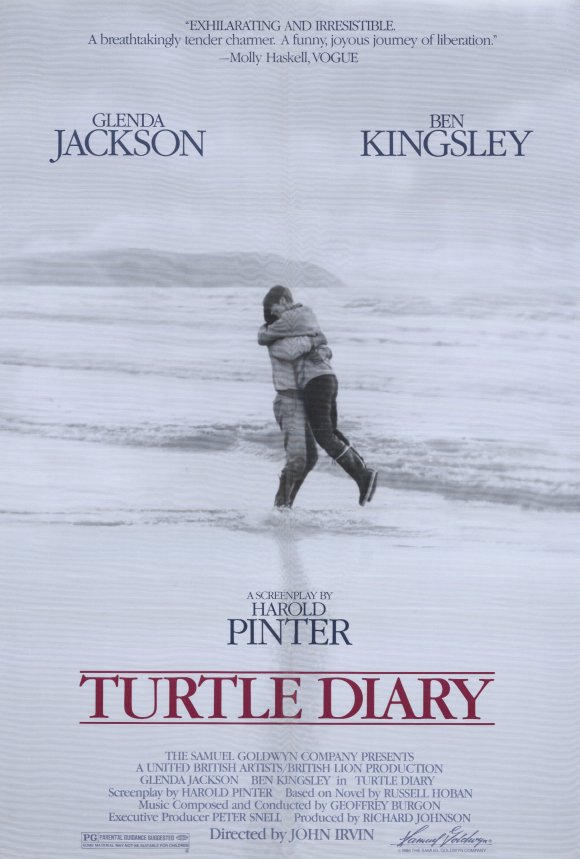
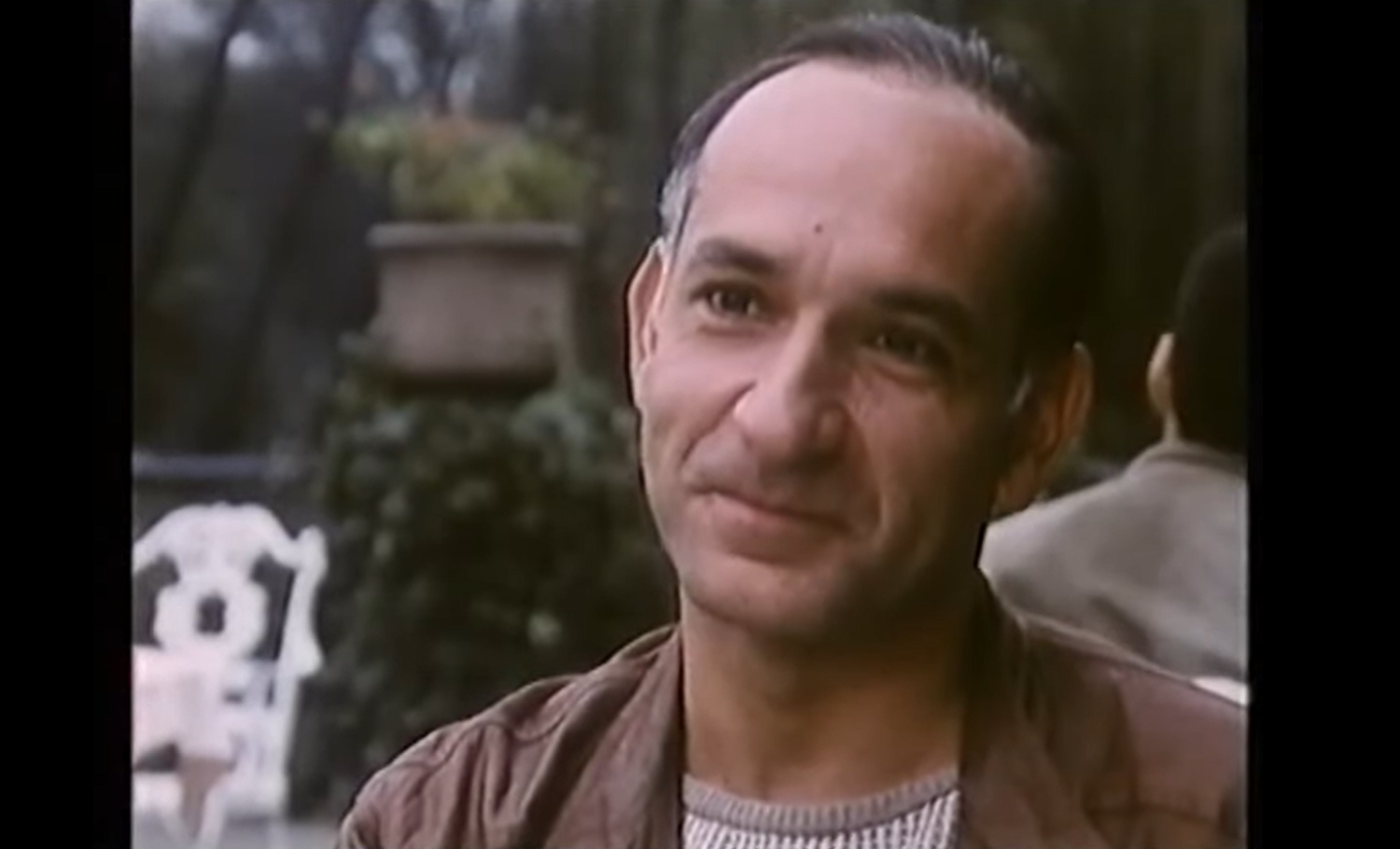
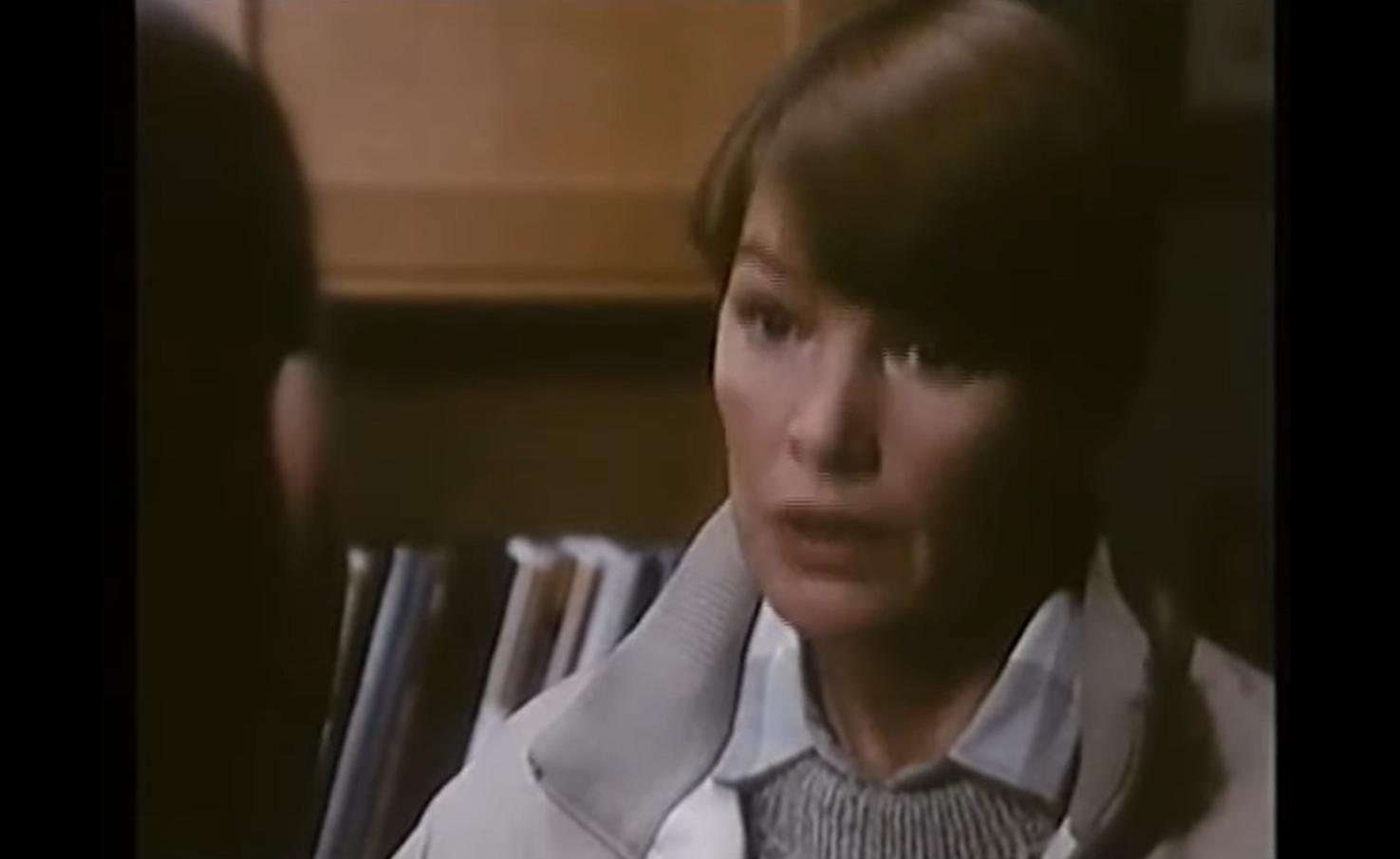
An author (Glenda Jackson) and a bookstore clerk (Ben Kingsley) conspire with a zookeeper (Michael Gambon) to steal caged sea turtles at the zoo and free them into the ocean.

Genres, Themes, Actors, and Directors:

  • Ben Kingsley Films
  • Do Gooders
  • Glenda Jackson Films
  • Misfits

Review:
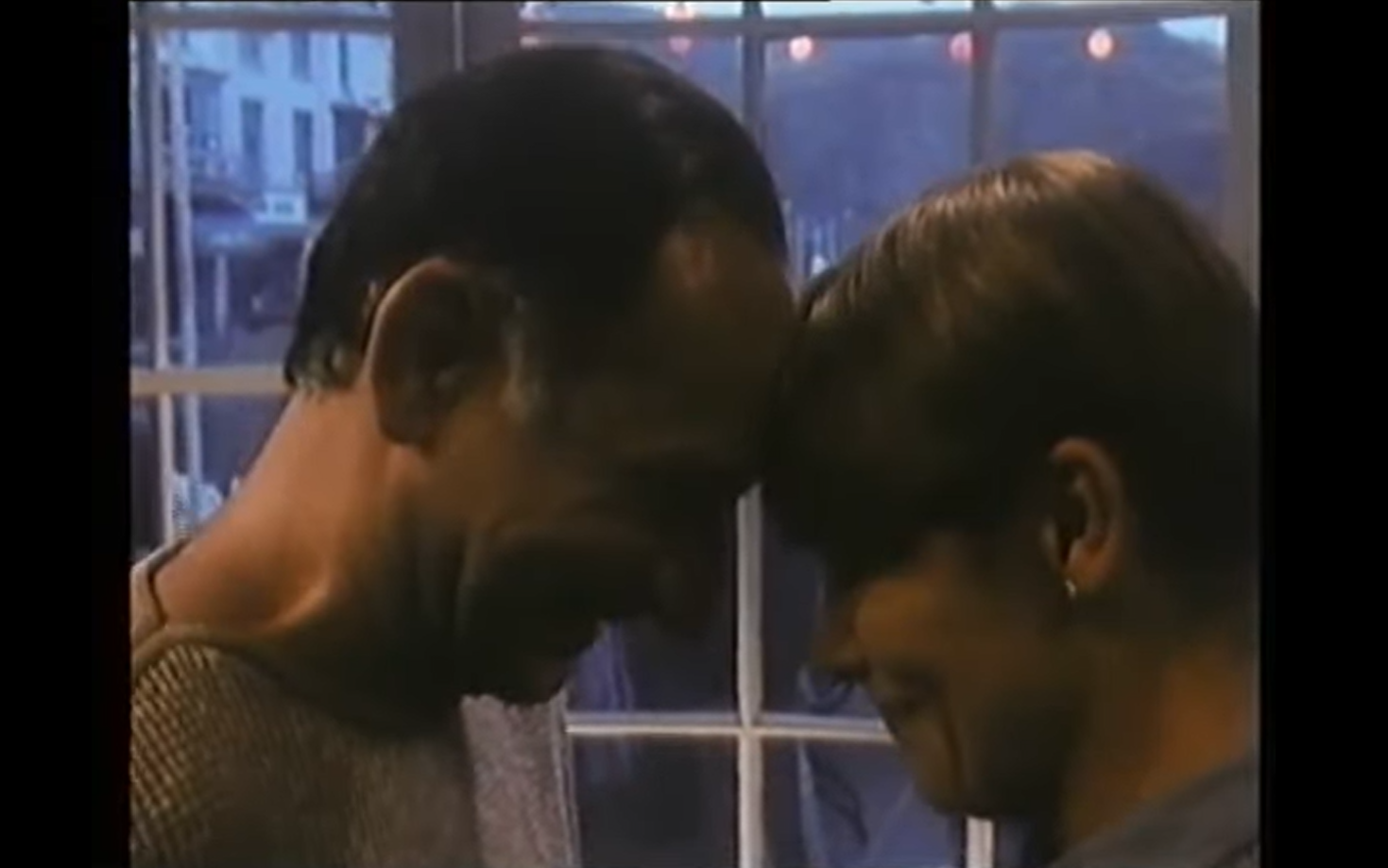
The synopsis for this unusual “caper flick” — based on a novel by the eclectic expat author Russell Hoban, and scripted by playwright Harold Pinter — is a bit misleading, given that the turtle heist in question is essentially a proxy for the deeper theme of how finding a sense of purpose and passion in one’s life can serve as the ultimate liberating force. The characters played by Kingsley and Jackson are both deeply idiosyncratic misfits, living on the fringes to one extent or the other — Jackson is oddly emotionally reserved; Kingsley rooms in a boarding house despite having a wife and kids somewhere in his past — and while the thematic parallel between freeing turtles and freeing one’s inner self is perhaps a bit too obvious, it’s thankfully never hammered over our heads. The literate screenplay goes in unusual directions (i.e., romance emerges, but not as expected), making this one worth a look for fans of eclectic character studies.

Redeeming Qualities and Moments:

  • Ben Kingsley as William Snow
  • Glenda Jackson as Neaera Duncan
  • An unusual tale of a uniquely formed bond

Must See?
No, though it’s worth a look. Listed as a Personal Recommendation and a Sleeper in the back of Peary’s book.

Links:

Melanie (1982)

Melanie (1982)

“You are not fit to raise a son in this world.”

Synopsis:
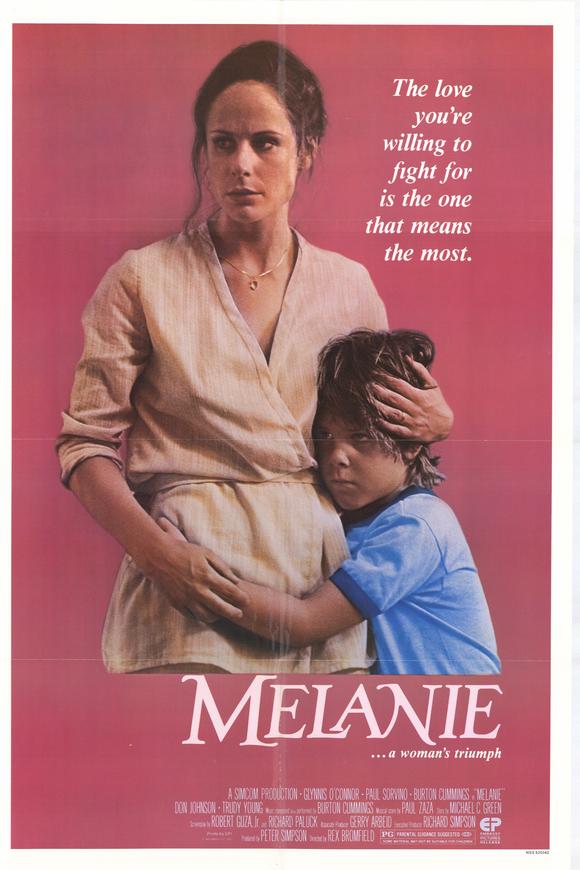
When her husband (Don Johnson) takes off with their son (Jamie Dick), an illiterate southern woman (Glynnis O’Connor) follows them to California, where she befriends a troubled musician (Burton Cummings) and begins to build a new life for herself, while attempting to regain custody of her son.

Genres, Themes, Actors, and Directors:

  • Glynnis O’Connor Films
  • Musicians
  • Romance

Review:
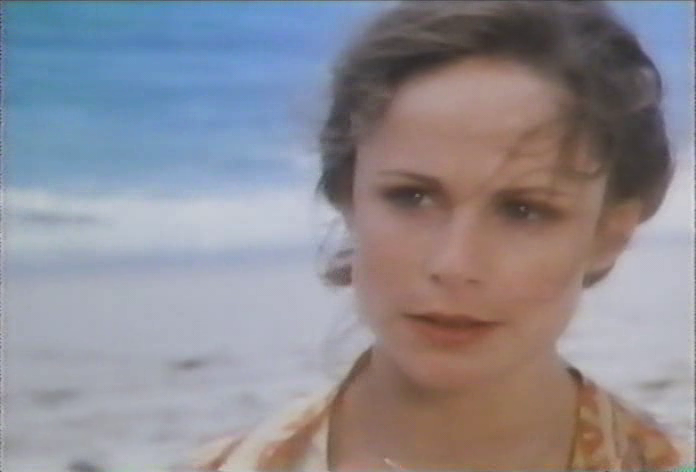
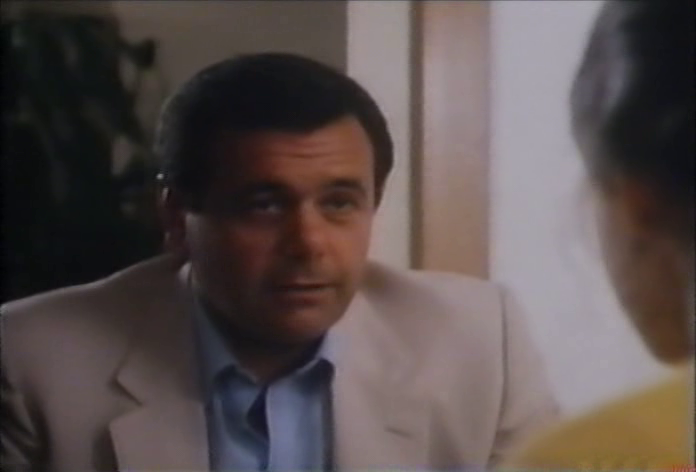
Glynnis O’Connor’s fine lead performance is the primary reason to check out this well-meaning but ultimately disappointing character study about a young woman struggling to overcome the stigma of illiteracy. While there’s potential here for a fascinating glimpse into the world as experienced by someone denied the opportunity to read or write, the script places Melanie (O’Connor) time and again in situations designed for dramatic potential rather than realism. We learn far too little about Melanie’s background in rural Jasper, Arkansas before she’s off on a road trip to California, conveniently following up on an invitational postcard from a friend (Trudy Young) living in Hollywood with her drug-addled musician boyfriend (Burton Cummings). Before you can blink an eye, the sack-dress-clad Melanie has undergone a dramatic physical transformation, and manages to so thoroughly impress Cummings’ manager (Paul Sorvino) with her motherly instincts (by treating his son nicely for a few minutes) that he immediately offers to let her come and live with him (!).

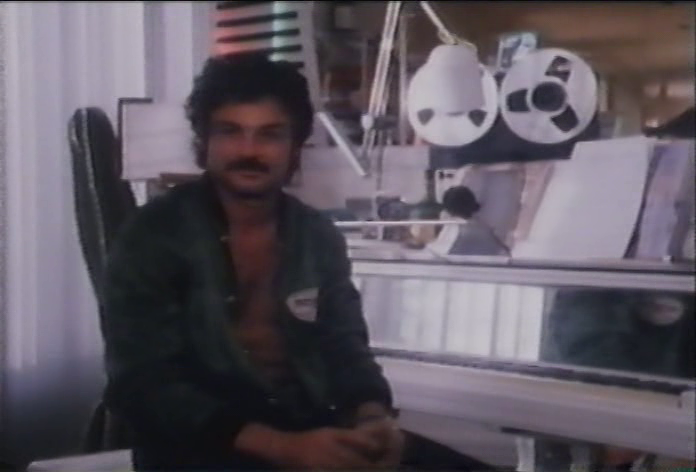
Will romantic entanglements ensue? Absolutely — though again, the script is too undeveloped for the situation as played out to feel anything but contrived. With that said, the performances by O’Connor, Cummings, and Sorvino are all top notch. Cummings — an enormously popular Canadian rock star who I’ll admit I knew nothing about before watching this film — gives a refreshingly natural performance; while his character isn’t anyone we feel sympathy for, he’s at least highly believable. The scenes in which he struggles to compose new songs come across as particularly authentic — and it helps that the score is filled with his catchy ballads. Fans of his music will certainly want to locate a copy of this film, the only one he made — but it’s otherwise only must-see for O’Connor fans.

Redeeming Qualities and Moments:

  • Glynnis O’Connor as Melanie
  • Burton Cummings as Rick
  • Paul Sorvino as Walter
  • A fine score (by Cummings)

Must See?
No. Listed as a Sleeper in the back of Peary’s book.

Links:

Wonderful World of the Brothers Grimm, The (1962)

Wonderful World of the Brothers Grimm, The (1962)

“I heard this little story… And while it was fresh in my mind, I thought I’d borrow it, for just a few minutes.”

Synopsis:
Jacob Grimm (Karlheinz Bohm) ekes out a living as a writer-for-hire in 19th century Germany while his less practical brother Wilhelm (Laurence Harvey) prefers to find and record local folk tales — including three brought to life in this film: “The Dancing Princess”, in which a woodsman (Russ Tamblyn) utilizes an invisibility cloak to secretly pursue a princess (Yvette Mimieux) at night; “The Cobbler and the Elves”, about an overworked cobbler (Laurence Harvey) who receives help from animated elves in filling an important order; and “The Singing Bone”, in which an unscrupulous knight (Terry-Thomas) unwisely tries to hide the fact that his servant (Buddy Hackett) has slain a vicious dragon.

Genres, Themes, Actors, and Directors:

  • Folk Tales, Fairy Tales, and Mythology
  • George Pal Films
  • Laurence Harvey Films
  • Russ Tamblyn Films
  • Writers
  • Yvette Mimieux Films

Review:
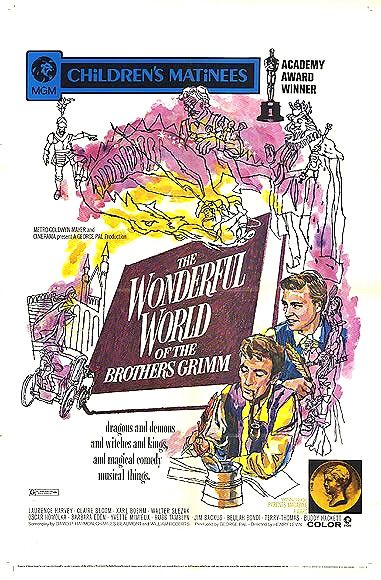
The Wonderful World of the Brothers Grimm — co-directed by George Pal and Henry Levin — was the first fiction film made in the short-lived Cinerama process, which utilized three lenses to create an arced image curving 146 degrees. Unfortunately, while Cinerama was a uniquely creative way to showcase around-the-world travelogues on a vast scale, it was a terribly conceived choice for this fanciful “biopic”, given that we lose all sense of intimacy with the lead characters, who are literally overwhelmed by the gigantic screen they’re portrayed on. It doesn’t help matters any that their personal dramas — Bohm shyly romances a beautiful girl (Barbara Eden) who’s inexplicably smitten with him; Harvey’s wife (Claire Bloom) is distressed time and again by her husband’s fiscal irresponsibility — are terribly dull, and take up far too much of the film’s overlong running time.

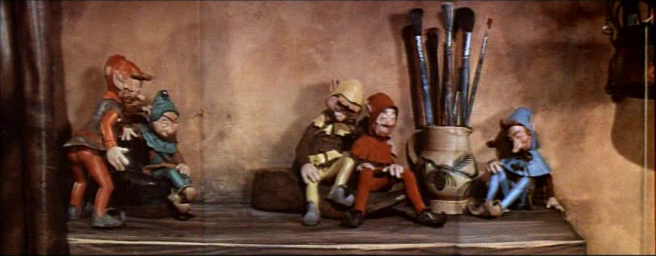
However, it’s Grimms’ fairy tales themselves that most viewers will be eager to see brought to life — though the stories selected to showcase here are lesser-known, and none are particularly compelling. The first tale (“The Dancing Princess”) primarily functions as a vehicle for Tamblyn’s dancing, as well as for the Cinerama process itself, with an extended carriage chase sequence far-too-obviously designed to show off what virtual reality tricks the camera could manage (i.e., Tamblyn dangles precariously down from a broken bridge hovering thousands of feet above a roiling river). The second tale (“The Cobbler and the Elves”) is primarily a vehicle for George Pal’s puppetoons, who come to vivid life during a modestly enjoyable musical sequence.

The final tale — “The Singing Bone” — possesses a strong narrative arc and a nicely handled twist ending, but relies far too heavily on cartoonish slapstick for laughs (i.e., when the animated dragon breathes fiery air onto Hackett’s metal suit of armor, and hot steam emerges from Hackett’s nostrils).

With all that said, TWWOTBG is the type of colorful, escapist fantasy fare that just might appeal to kids of a certain age — at least those not jaded by more sophisticated animation styles. Unfortunately, it’s not yet widely available on DVD, most likely because the only surviving print (which suffered from water damage during a studio fire) shows distractingly clear evidence of the dividing lines between the three filmed “panels”. Interestingly, this visual artifact is somewhat fascinating at first, given that it helps us more easily imagine seeing the movie projected onto a much larger, curved screen — but it’s ultimately too distracting, and definitely merits “cleaning up” by a restoration team.

Redeeming Qualities and Moments:

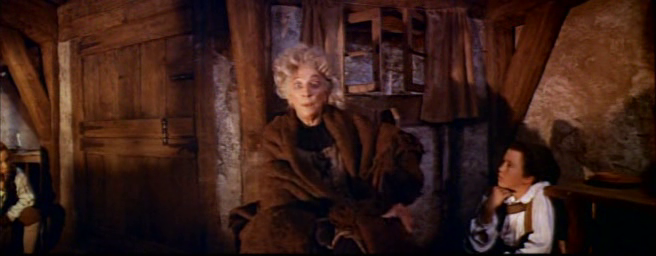
  • Martita Hunt as the storytelling “witch” who Wilhelm pursues through the forest
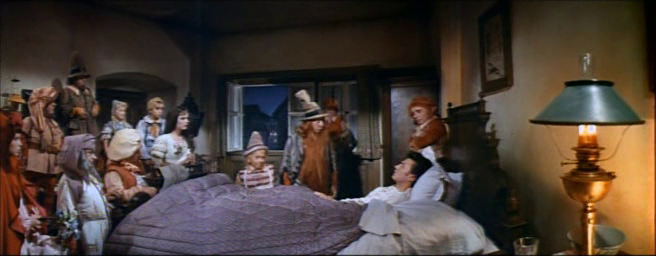
  • Wilhelm meeting and naming his characters on his sick-bed

Must See?
No, though diehard film fanatics may be curious to check it out for its historical relevance as a rare Cinerama picture.

Links:

Old Enough (1984)

Old Enough (1984)

“If God made me perfect, I might as well show it — you know what I mean?”

Synopsis:
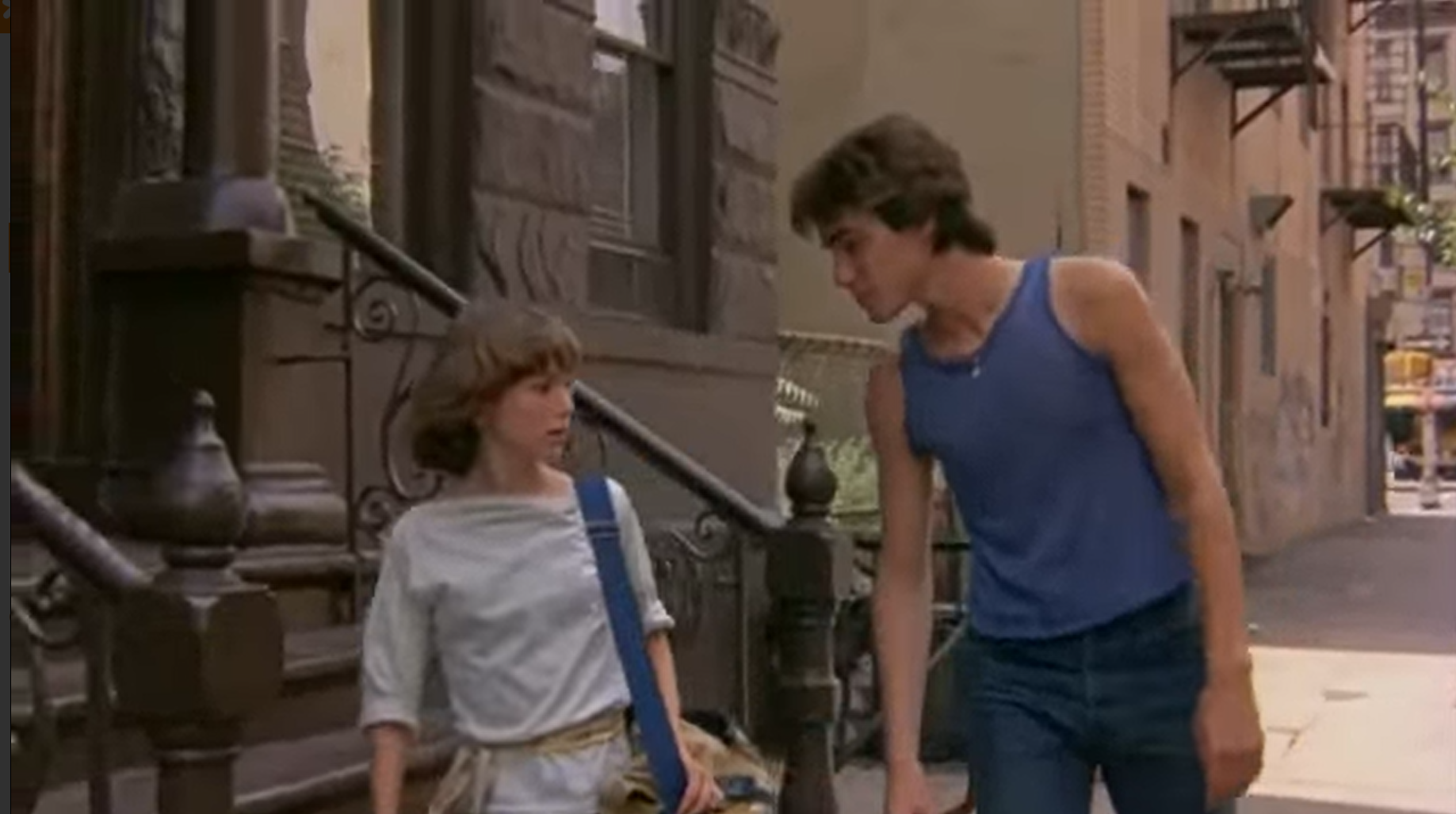
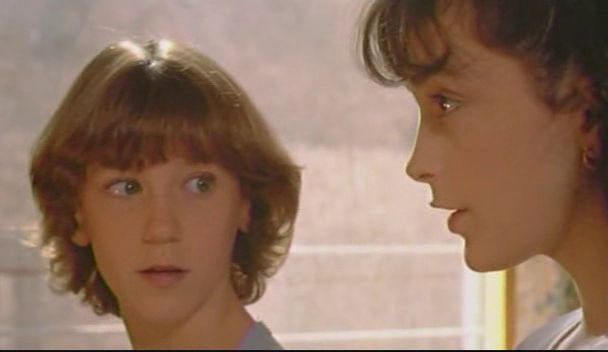
A wealthy pre-teen (Sarah Boyd) and a sexy working class teen (Rainbow Harvest) form a tentative cross-class friendship in New York City.

Genres, Themes, Actors, and Directors:

  • Class Relations
  • Coming of Age
  • Friendship

Review:
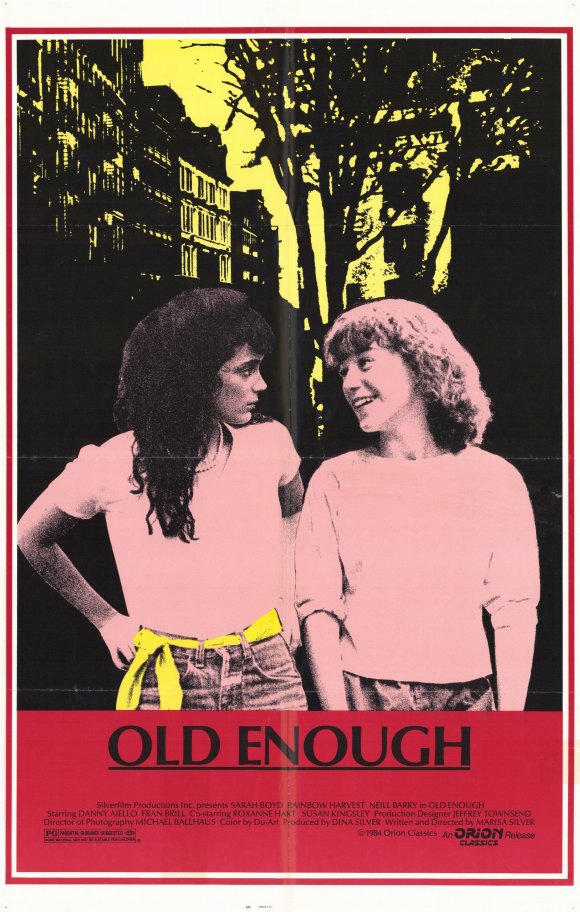
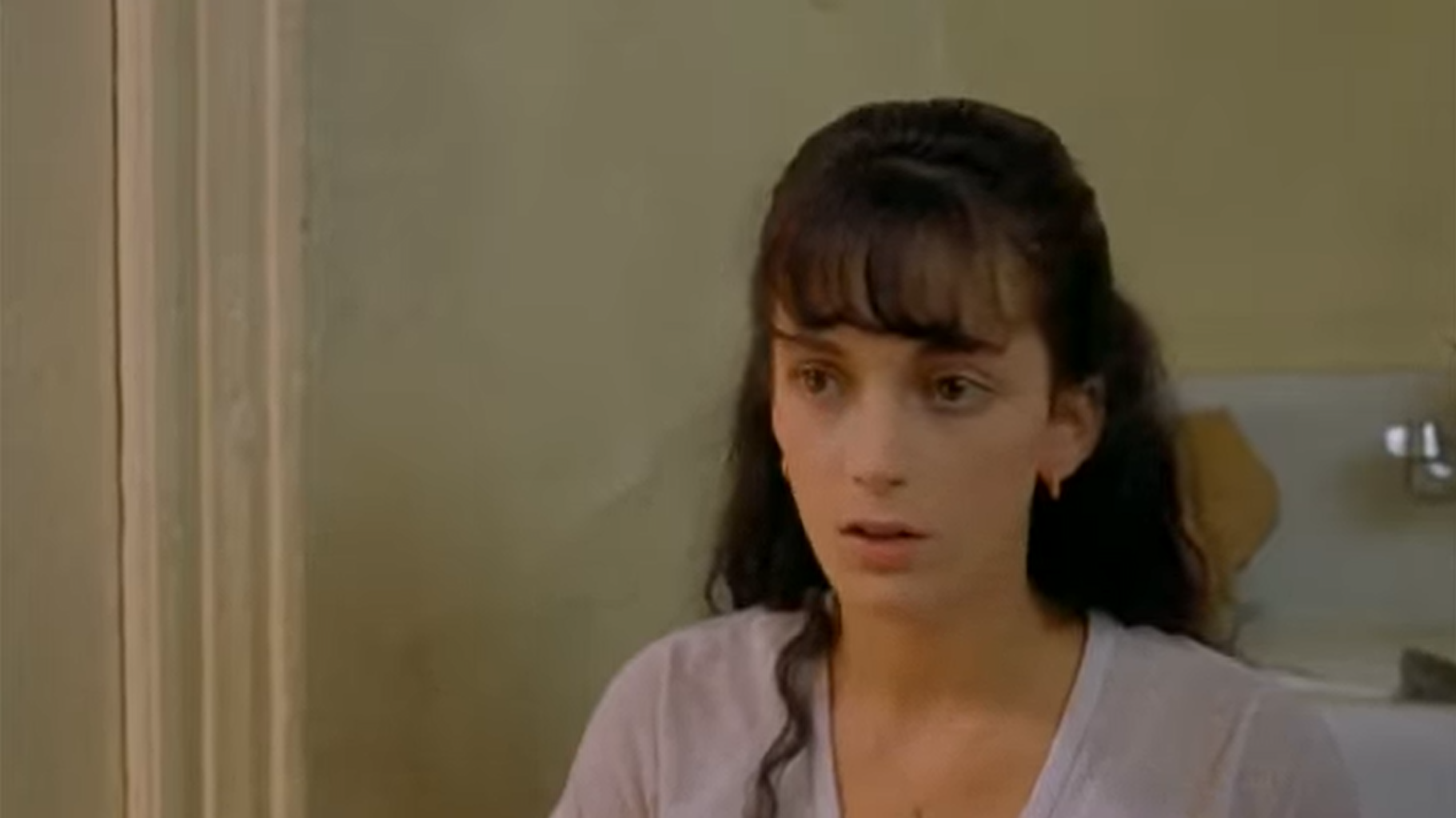
Written and directed by Marisa Silver (daughter of writer/director Joan Micklin Silver), this modest coming-of-age tale reveals a keen sense of authenticity for the intensity of adolescent female friendships, and benefits from a refreshingly natural performance by Boyd, who never hits a false note in her portrayal of a sheltered pre-teen longing to learn more about life outside of her privileged social circle. Harvest — who looks distractingly like Winona Ryder:

— is nicely cast as the lower-class girl Boyd is smitten with, though her performance eventually becomes a tad too predictably sullen; much less successful is Neill Barry in a key supporting role as Harvest’s rugged older brother, whose actions and attitudes throughout feel scripted rather than authentic.

Meanwhile, Silver’s rambling script is better at establishing a mood than providing an interesting storyline for the characters. We’re eventually drawn into a subplot involving Harvest’s father (Danny Aiello) and the sexy new tenant (Roxanne Hart) he may or may not be having an affair with, but this simply feels like a distraction from the central tale of Boyd and Harvest’s evolving friendship, which never quite resolves in a satisfying fashion.

Redeeming Qualities and Moments:

  • Natural performances by Boyd and Harvest

Must See?
No; you don’t need to bother seeking this one out — though it’s worth a look if you enjoy coming-of-age flicks and/or have nostalgic memories of the era it represents (the early ’80s).

Links:

Where the Lilies Bloom (1974)

Where the Lilies Bloom (1974)

“If anybody ever finds out he passed away, they’ll take us to the county home for sure.”

Synopsis:
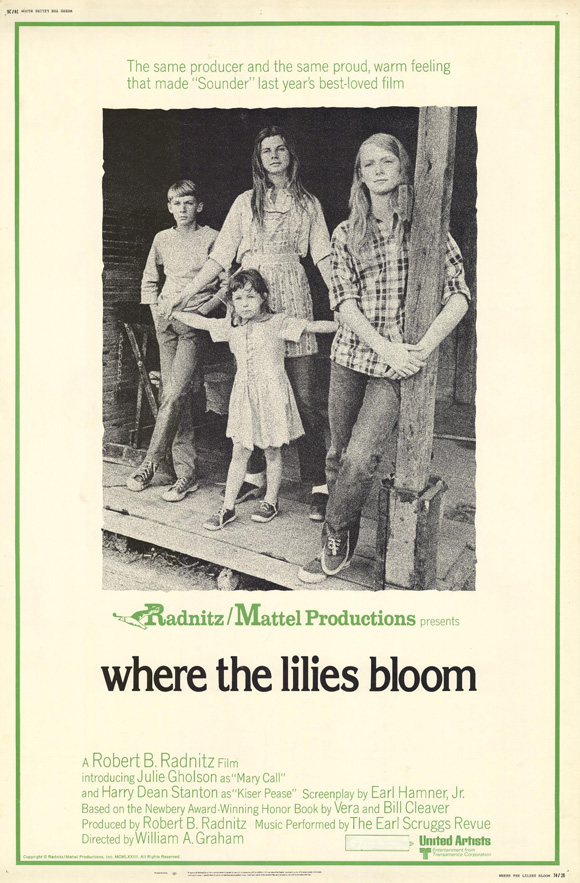
When their widowed father (Rance Howard) passes away, a fourteen-year-old Appalachian girl (Julie Gholson) and her siblings — Devola (Jan Smithers), Romey (Matthew Burrill), and Ima Dean (Helen Harmon) — keep his death a secret in order to stay together as a family; meanwhile, Mary Call (Gholson) attempts to honor one of her father’s dying wishes by preventing an amorous suitor (Harry Dean Stanton) from marrying Devola.

Genres, Themes, Actors, and Directors:

  • Harry Dean Stanton Films
  • Orphans
  • Survival

Review:
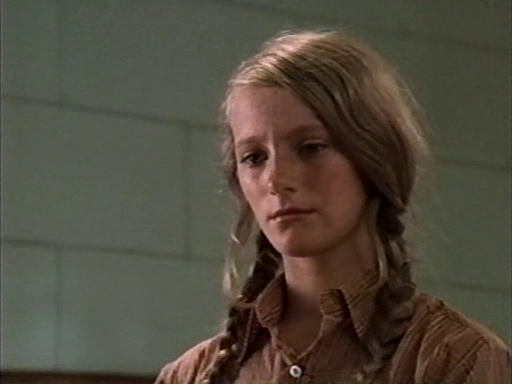
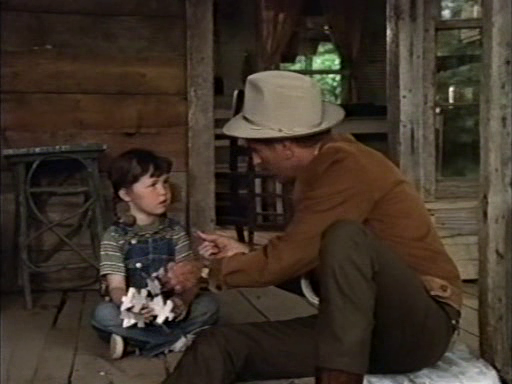
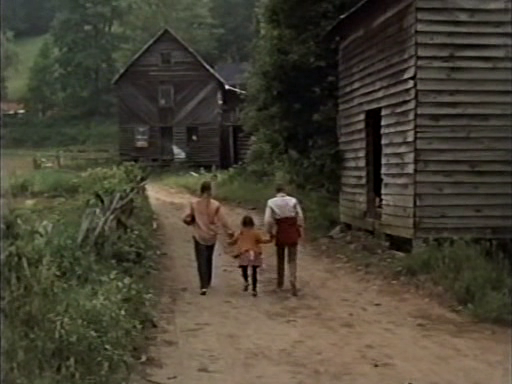
Based on a Newbery Honor-winning children’s book by Vera and Bill Cleaver, Where the Lilies Bloom tells a powerfully authentic tale of orphaned siblings scratching out a living for themselves in Appalachia by wildcrafting (gleaning for medicinal herbs) while keeping nosy neighbors and other well-meaning adults at bay. Other than the presence of Stanton (in a wonderful supporting performance) and Sudie Bond (given just a few minutes of screentime as Gholson’s encouraging English teacher), performances are primarily by unknown actors, including three refreshingly natural youngsters — Gholson, Burrill and Harmon — who apparently never made any other films. (Smithers, 25 at the time she co-starred in this movie, became best known for her work on the T.V. series “WKRP in Cincinnati”.) Gholson in particular deserves mention for her fiery lead performance as Mary Call; we believe this spindly, savvy girl is someone who could support and motivate her entire family, at least for a few intensive months. The subplot involving her continuous attempts to keep lovestruck Kiser Pease (Stanton) away from her beautiful older sister adds both levity and gravitas to the screenplay, as we wonder what exactly will happen once their deeply held secret is inevitably found out.

Redeeming Qualities and Moments:

  • Julie Gholson as Mary Call
  • Harry Dean Stanton as Kiser
  • Excellent use of real-life locales

Must See?
No, but it’s recommended for one-time viewing. Listed as a Sleeper in the back of Peary’s book.

Links:

Just Tell Me What You Want (1980)

Just Tell Me What You Want (1980)

“Belonging to Max Herschel had a lot of advantages: it was fun and first class all the way.”

Synopsis:
When an autocratic tycoon (Alan King) — married in-name-only to an alcoholic wife (Dina Merrill) — discovers that his long-time mistress (Ali MacGraw) has fallen in love with a penniless playwright (Peter Weller), he immediately sets out to ruin both her career and her finances.

Genres, Themes, Actors, and Directors:

  • Ali MacGraw Films
  • Keenan Wynn Films
  • Love Triangle
  • Myrna Loy Films
  • Revenge
  • Romantic Comedy
  • Sidney Lumet Films

Review:
Female screenwriter Jay Presson Allen isn’t necessarily a household name for film fanatics, though she had a long and noteworthy career in Hollywood, beginning with her work on Alfred Hitchcock’s Marnie (1964), and continuing through a multi-film collaboration with director Sidney Lumet. Just Tell Me What You Want is based on her own novel, and showcases an insider’s cynical view on the vagaries of wealth and power in the entertainment business, with the “insider” epitomized in the film by King’s long-suffering secretary-cum-mother-figure (Myrna Loy, giving a classy, consistently nuanced supporting performance).

To that end, Allen seems to get many of the details of this particular universe “right” — most notably in the way everything happens at a faster-than-expected pace, with King autocratically dictating orders left and right, pausing only to break down in temporary tantrums over minor details he can’t control. Indeed, King’s performance is spot-on throughout, indicating unexpected star power.

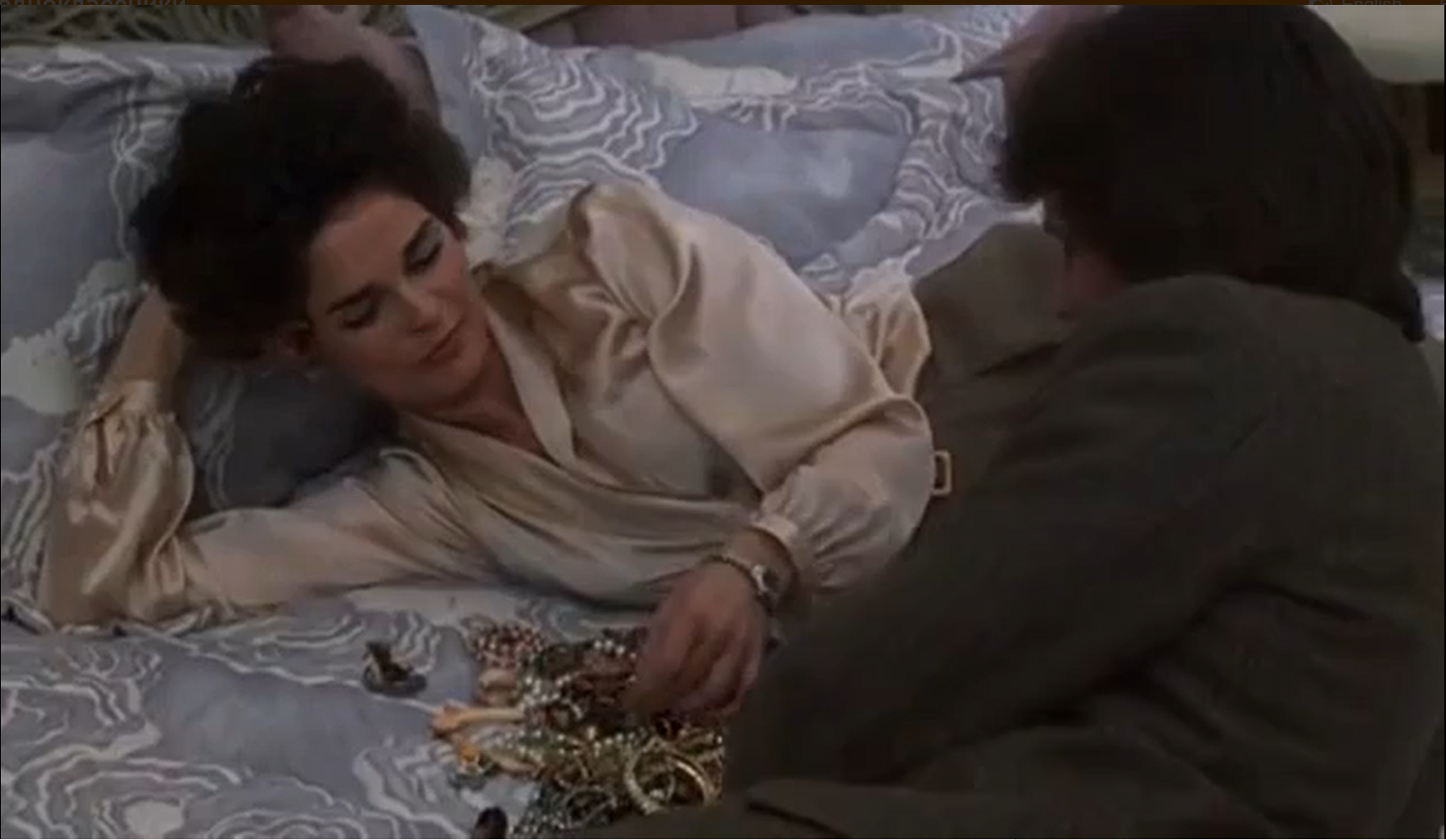
Much more problematic is the key casting of Ali MacGraw as his lover, “Bones” Burton; though she tries hard, MacGraw simply isn’t up to the task of inhabiting this undeniably complex character — a powerful female television executive who is nonetheless content to live as King’s mistress for years on end.

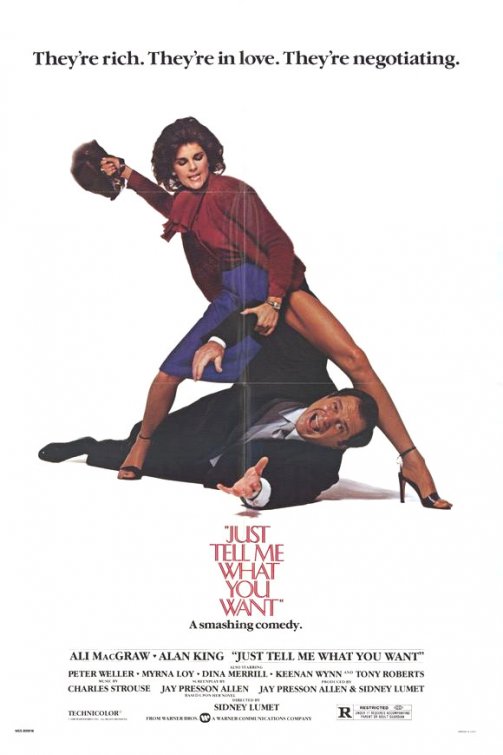
As events get more and more complicated and treacherous in their relationship, she begins to exhibit the same forlorn expression far too often (and is shown digging for solace in a pan of homemade fudge at least one too many times). Where’s her bite? It comes in fits and starts (most notably during the infamous Bergdorff-Goodman’s brawl), but is never fully present or believable. Meanwhile, though the poster’s tagline proclaims, “They’re rich. They’re in love. They’re negotiating”, this isn’t quite accurate, given that it’s clearly King who holds the purse strings in the relationship, from beginning to end. In sum, we just don’t learn enough about “Bones” to really “get” her, other than on the most surface level — which makes it twice the shame that her character’s voiceover was chosen to bookend the film, rather than Loy’s (who would have been a MUCH more logical option).

Redeeming Qualities and Moments:

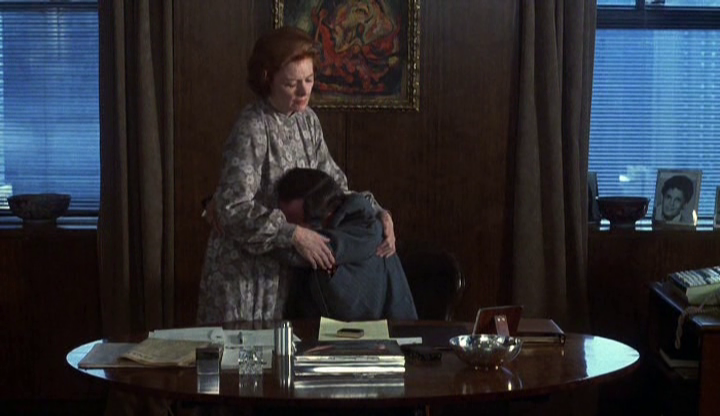
  • Myrna Loy as King’s long-suffering secretary
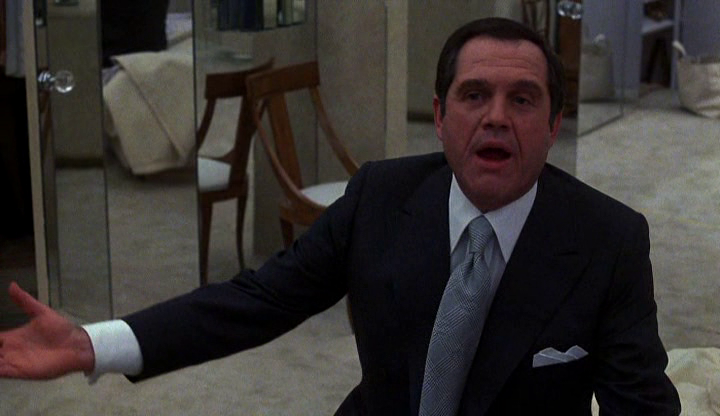
  • Alan King as Max Herschel
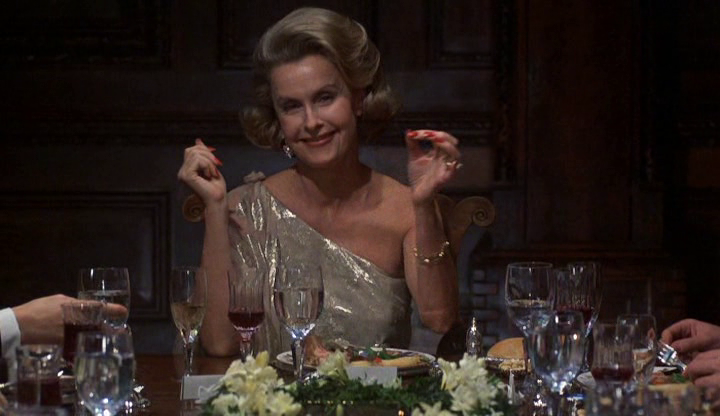
  • Dina Merrill in a bit role as King’s deeply troubled wife

Must See?
No, though fans of Lumet’s and/or Allen’s work might be curious to check it out.

Links:

Room for One More (1952)

Room for One More (1952)

“There’s nothing wrong with him that being three days old wouldn’t fix.”

Synopsis:
When the parents (Cary Grant and Betsy Drake) of three children (George Winslow, Gay Gordon, and Malcolm Cassell) decide to bring two additional foster children (Iris Mann and Clifford Tatum, Jr.) into their household, both challenges and triumphs abound.

Genres, Themes, Actors, and Directors:

  • Adoption
  • Cary Grant Films
  • Orphans
  • Raising Kids

Review:
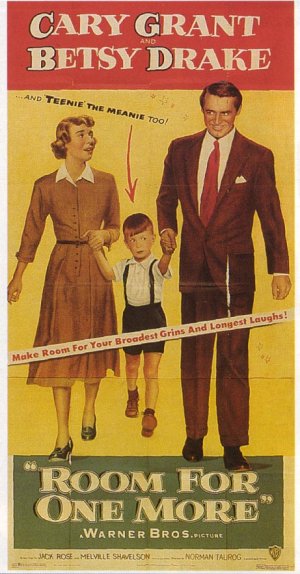
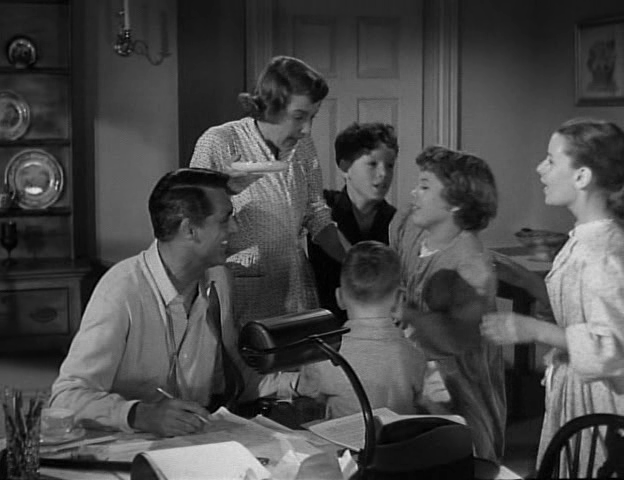
This Norman Taurog-directed adaptation of Anna Perrin Rose’s memoir about her experiences integrating several troubled foster kids into her home remains a minor cult favorite of those who recall seeing it on television years ago. While a bit didactic at times, the storyline nonetheless nicely portrays the chaos of family life in a semi-realistic fashion, showcasing how exhausting yet rewarding parenting can be. Real-life married couple Cary Grant and Betsy Drake are aptly cast, with Grant exhibiting his characteristically droll sense of humor (listen for a throwaway line early on about their cat’s new litter of kittens — something about a bicycle…), and Drake admirably demonstrating effective parenting techniques when dealing with seemingly “unhelpable” children. Unfortunately, the film drags on a bit too long towards the end, as both foster kids are given an opportunity to fulfill their personal dreams, and we’re asked to watch nearly every second of it unfolding in real-time; otherwise, film fanatics will likely be pleasantly surprised by Taurog’s sensitive handling of the emotionally-laden storyline.

Redeeming Qualities and Moments:

  • A refreshingly honest depiction of how hectic, challenging, yet loving a large household can be

Must See?
No, though it’s recommended as a minor cult favorite.

Links:

Freaky Friday (1976)

Freaky Friday (1976)

“I wish I could switch places with her, for just one day.”

Synopsis:
A teenage girl (Jodie Foster) and her mother (Barbara Harris) switch bodies for a day, getting to experience life from the other’s perspective. They soon find that life as both a teenager and a housewife is incredibly hectic, as Harris attempts to help her husband (John Astin) prepare for a gala event that night, while Foster navigates through the treacherous waters of high school.

Genres, Themes, Actors, and Directors:

  • Barbara Harris Films
  • Comedy
  • Fantasy
  • Jodie Foster Films
  • Marie Windsor Films
  • Mistaken or Hidden Identities

Review:
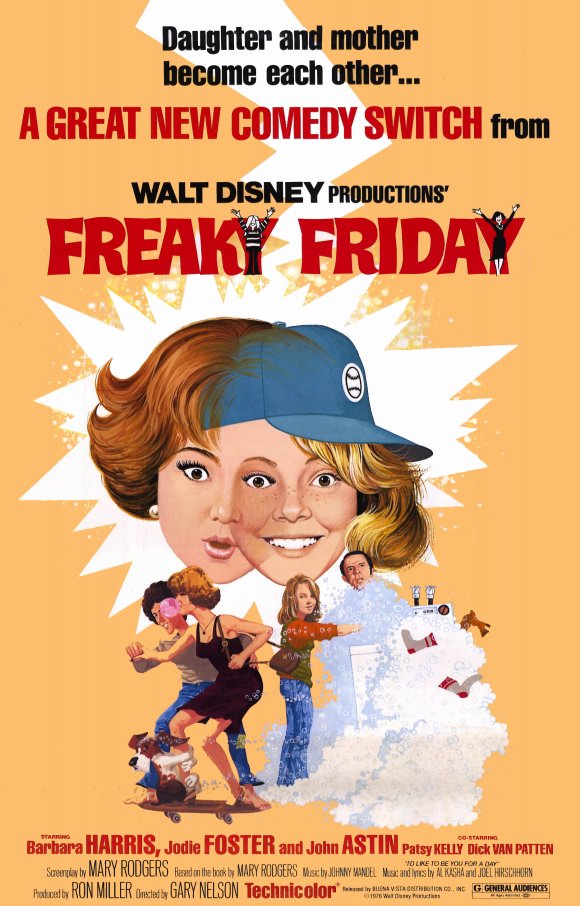
Based on a 1972 children’s novel by Mary Rodgers, this live-action Disney film was just one of five films 14-year-old Jodie Foster appeared in that year (others include Taxi Driver, The Little Girl Who Lives Down the Lane, and Bugsy Malone) — thus indicating her enduring popularity after years of work as a child actor in television and on the big screen. She does a fine job in her role here as a slovenly, athletic tomboy who spends most of her screentime “inhabited” by her mother — but it’s Harris (primarily playing teenage “Annabel”) whose performance really stands out.
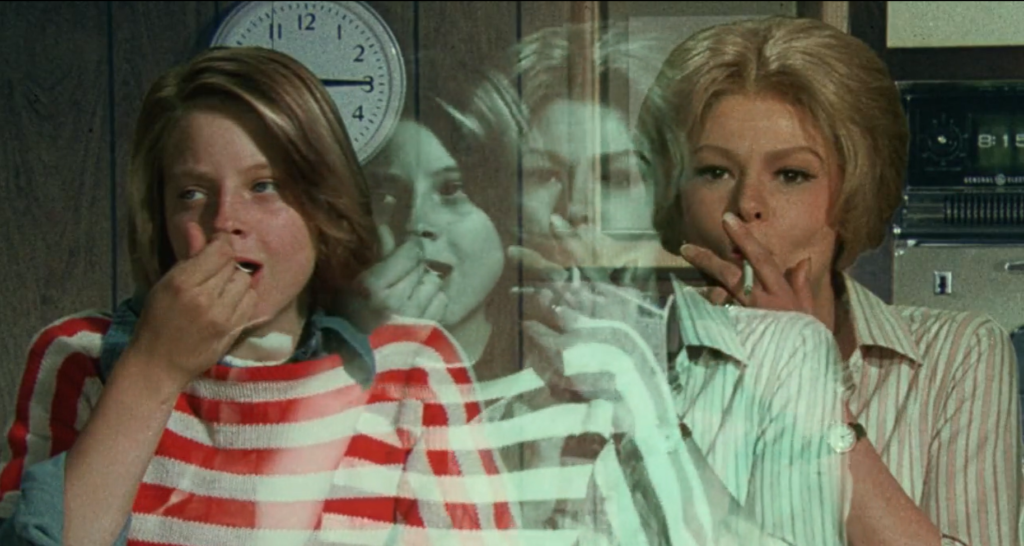
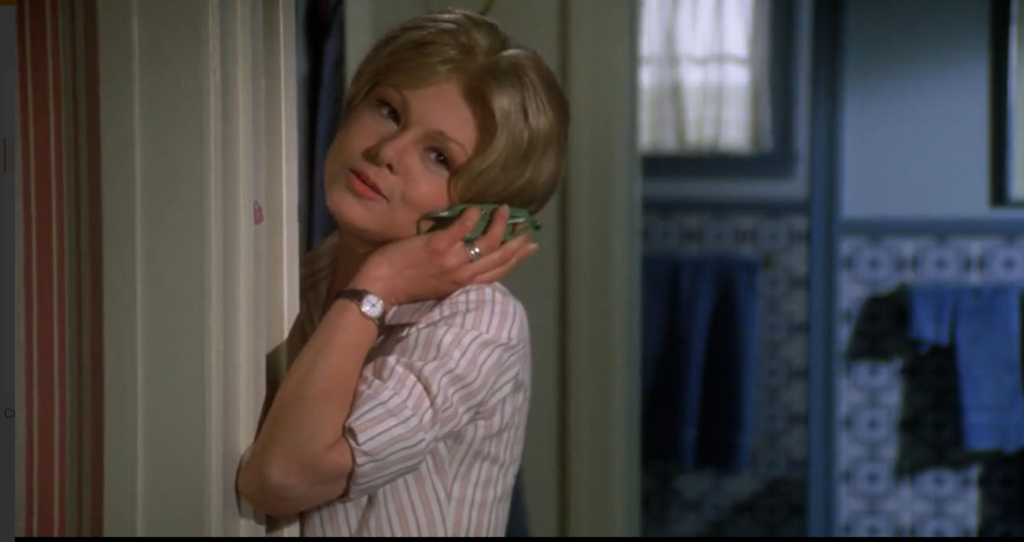
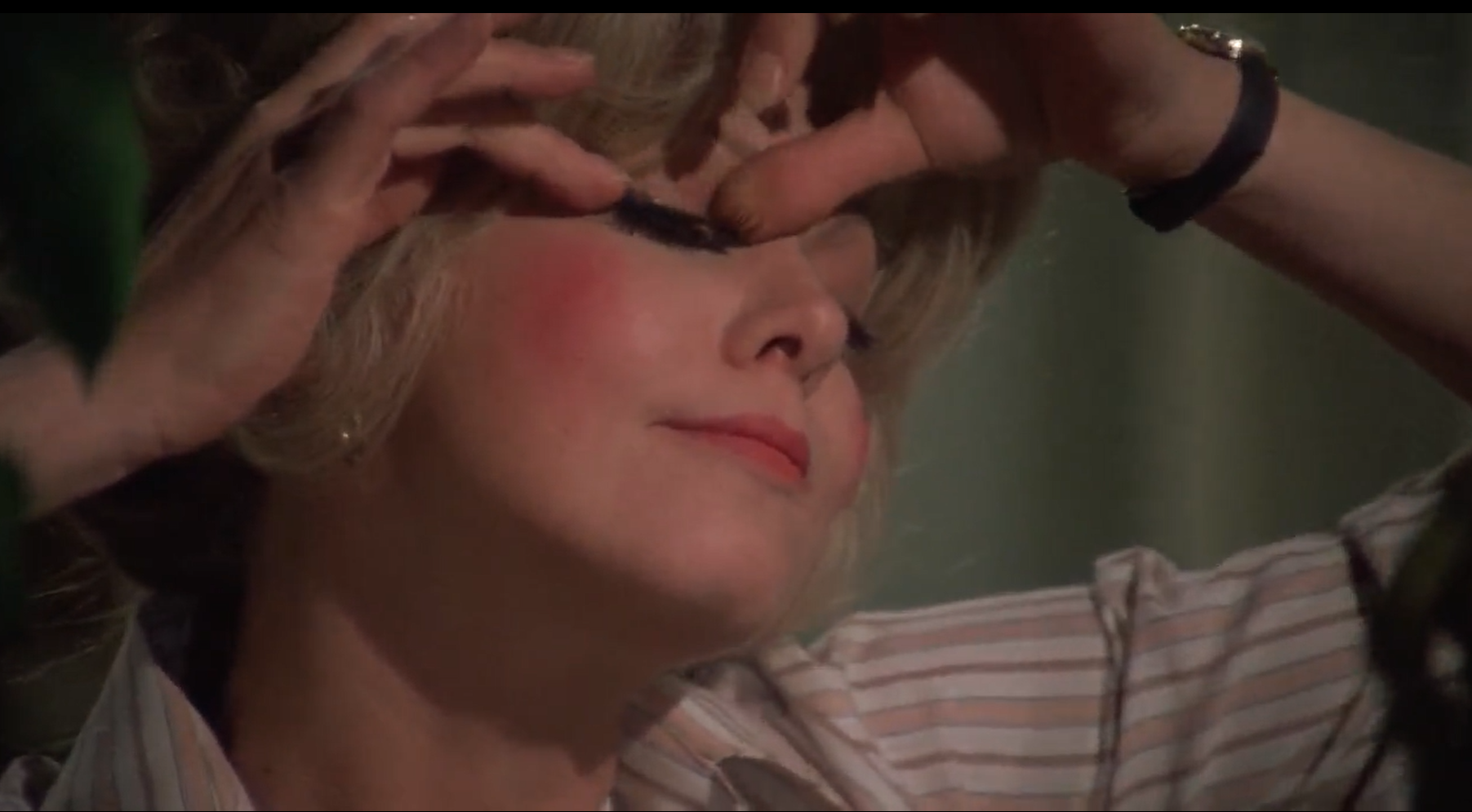
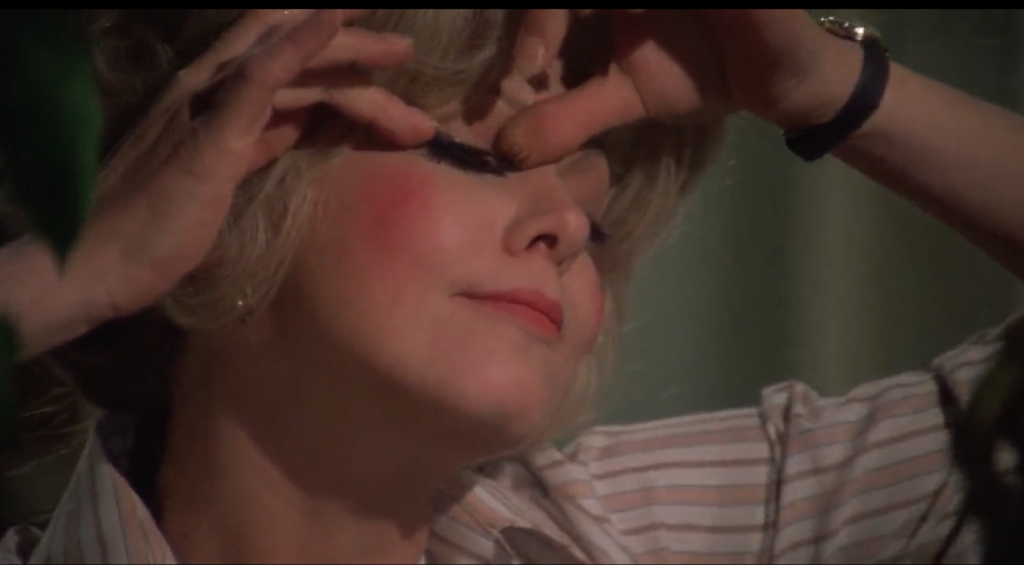
Better known for her work on Broadway than in films, this may actually be Harris’s best leading role onscreen: her no-holds-barred portrayal of an adolescent trapped in an adult body is a sheer pleasure to watch, from beginning to end. In early scenes, we see her luxuriating over the fact that she’s not only liberated from attendance at school but suddenly has a sexy, braces-free demeanor — only to quickly demonstrate how inadequately prepared she is to handle everything associated with the ’70s vision of womanhood/motherhood, from putting on false eyelashes (a great scene!):
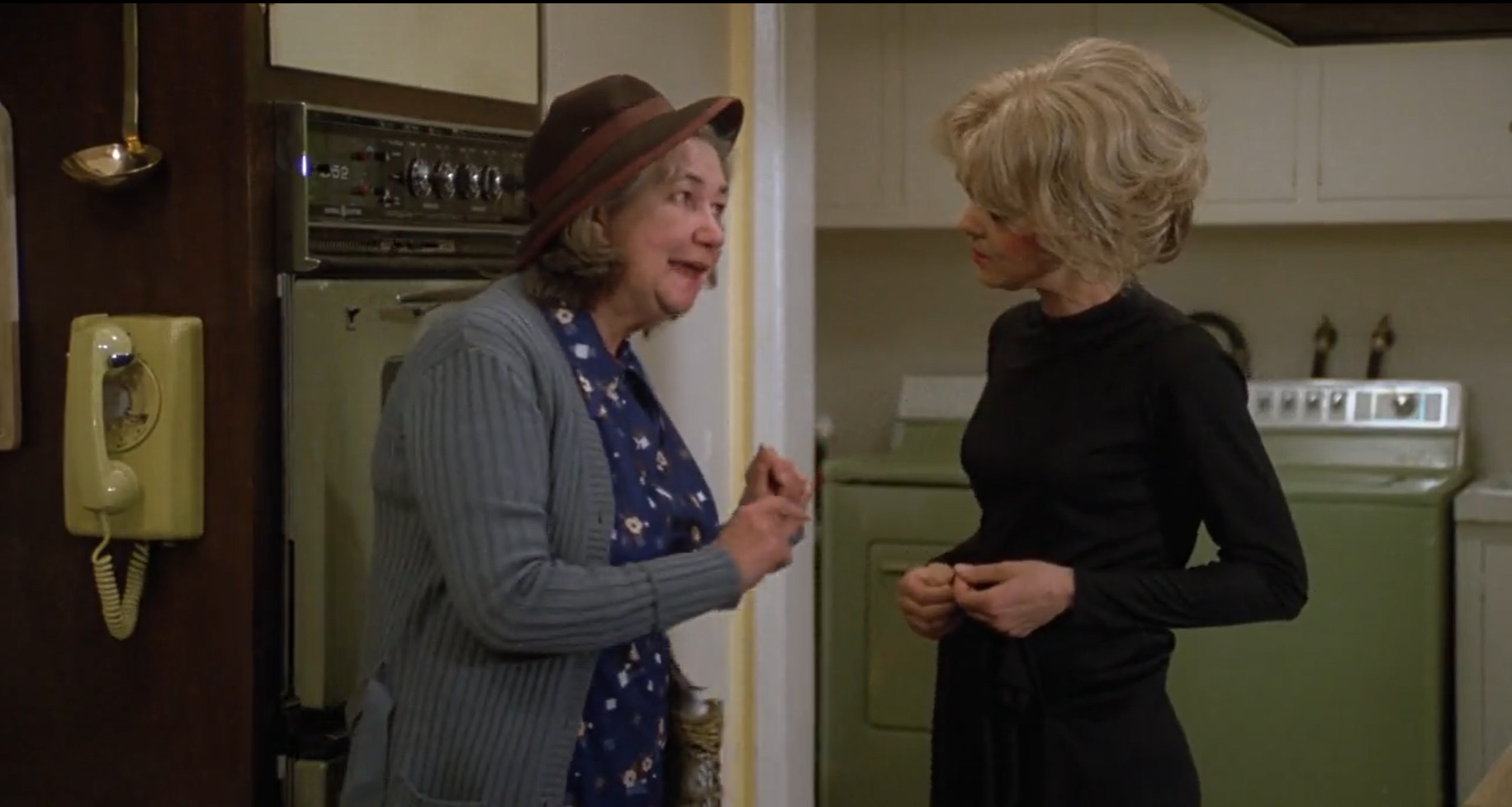
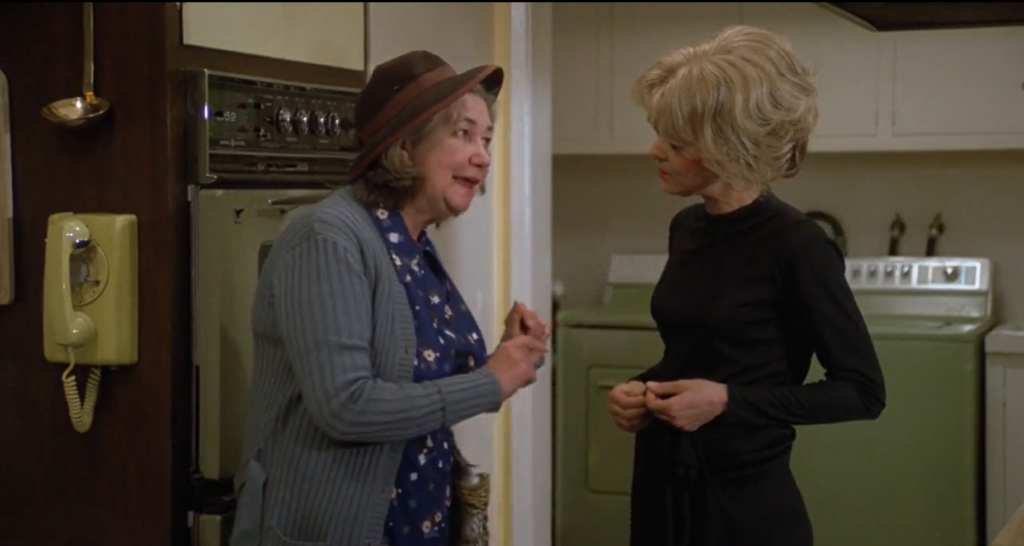
… to preparing an impromptu meal for 30 to managing a household full of domestic assistants.
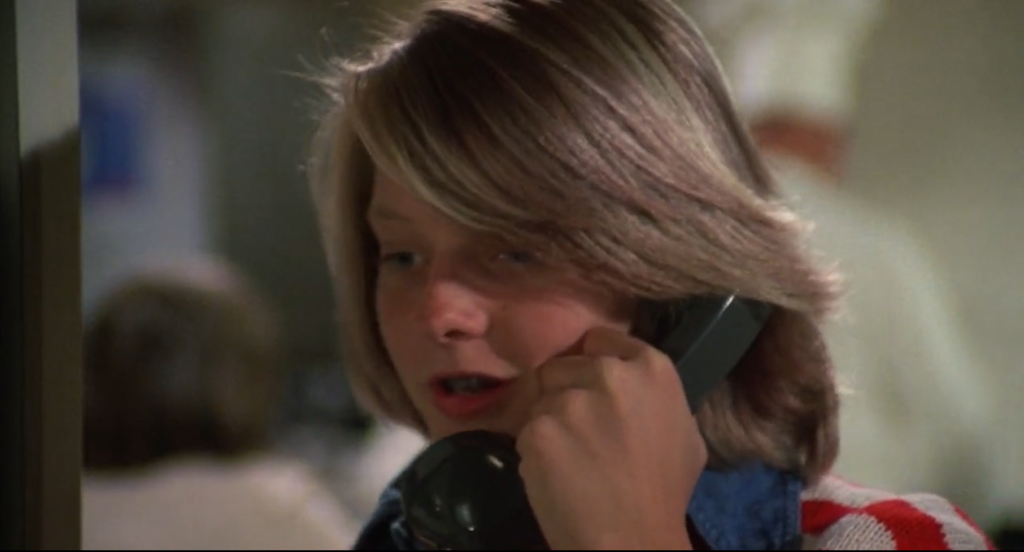
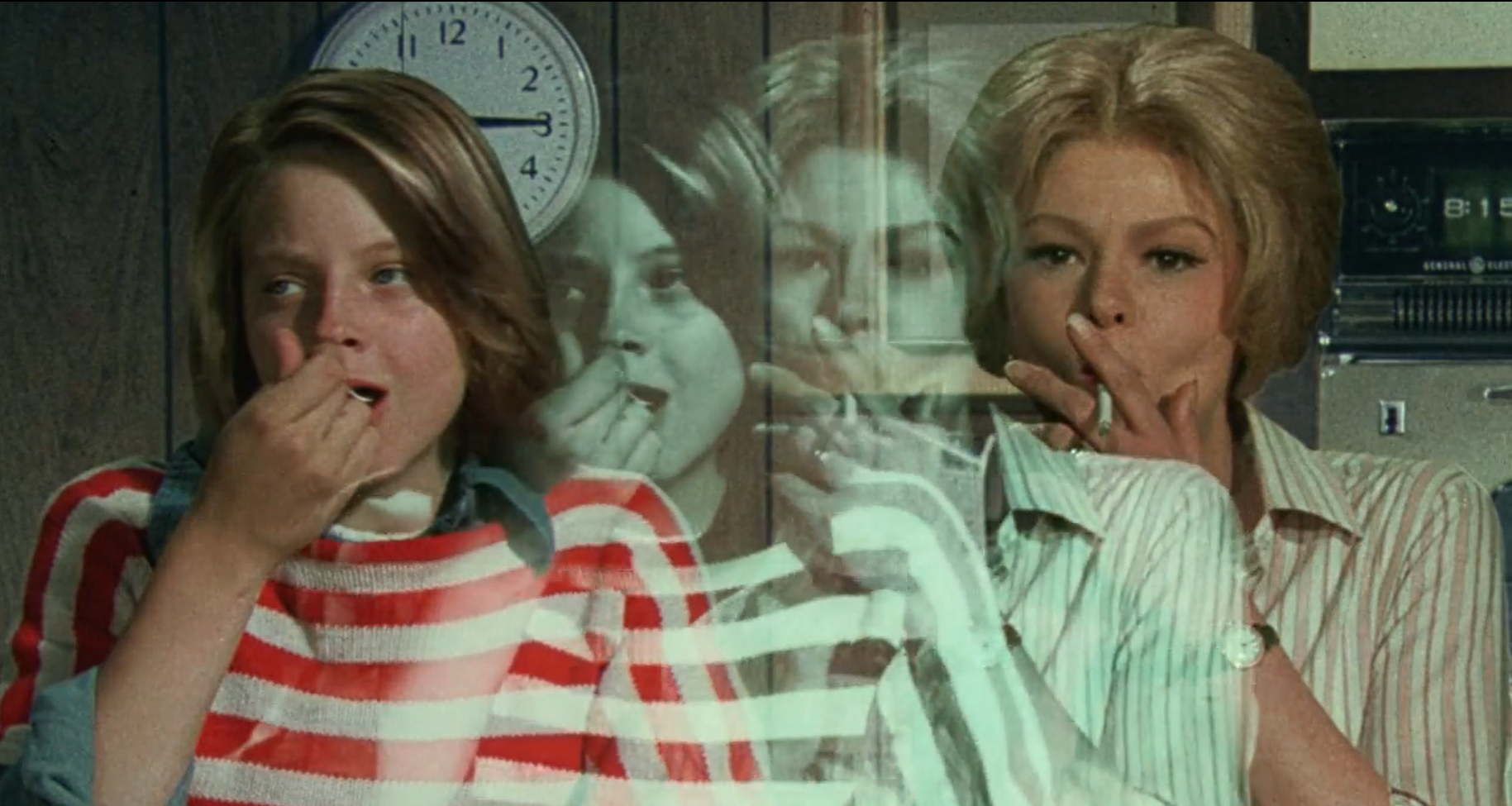
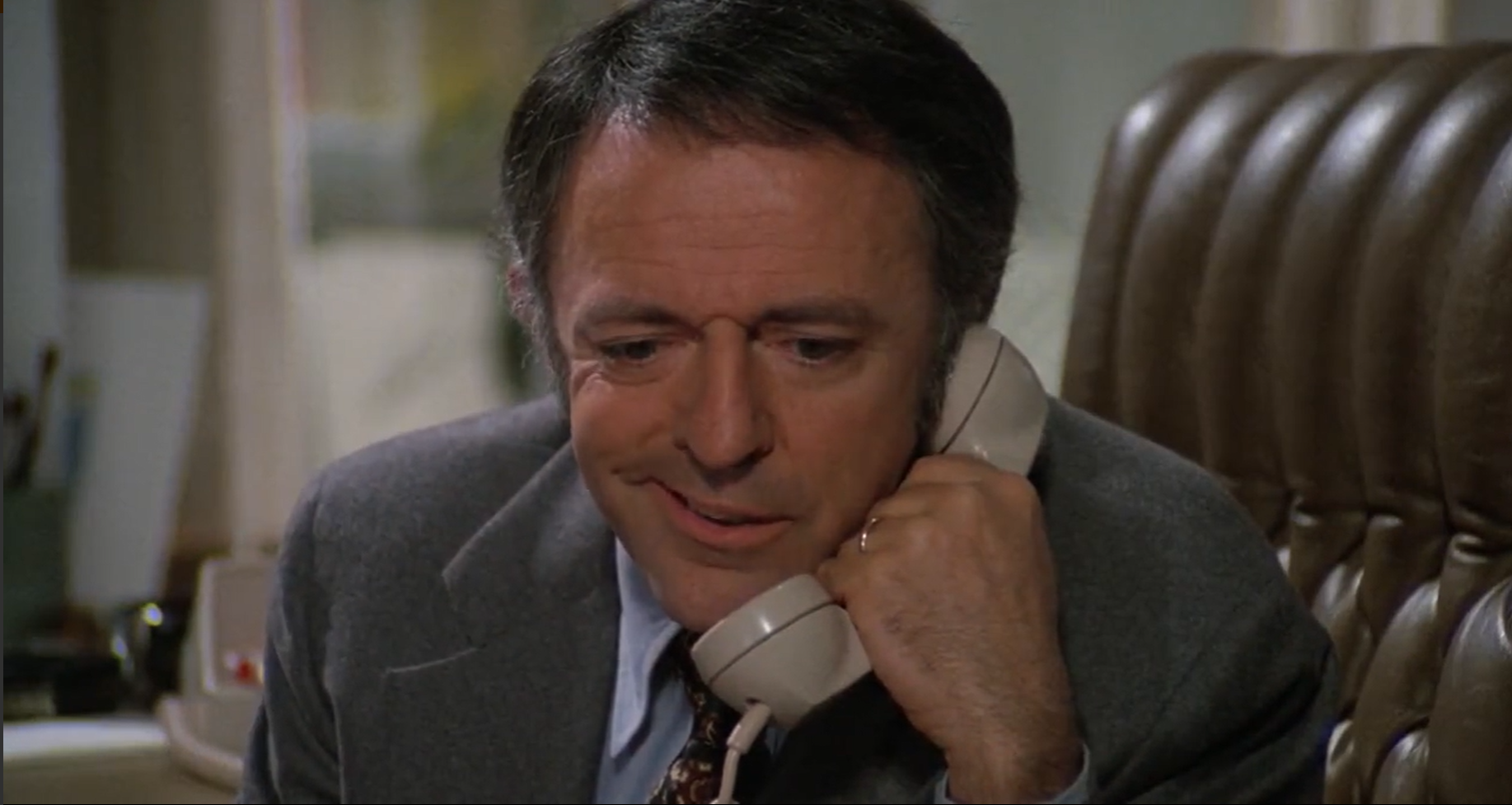
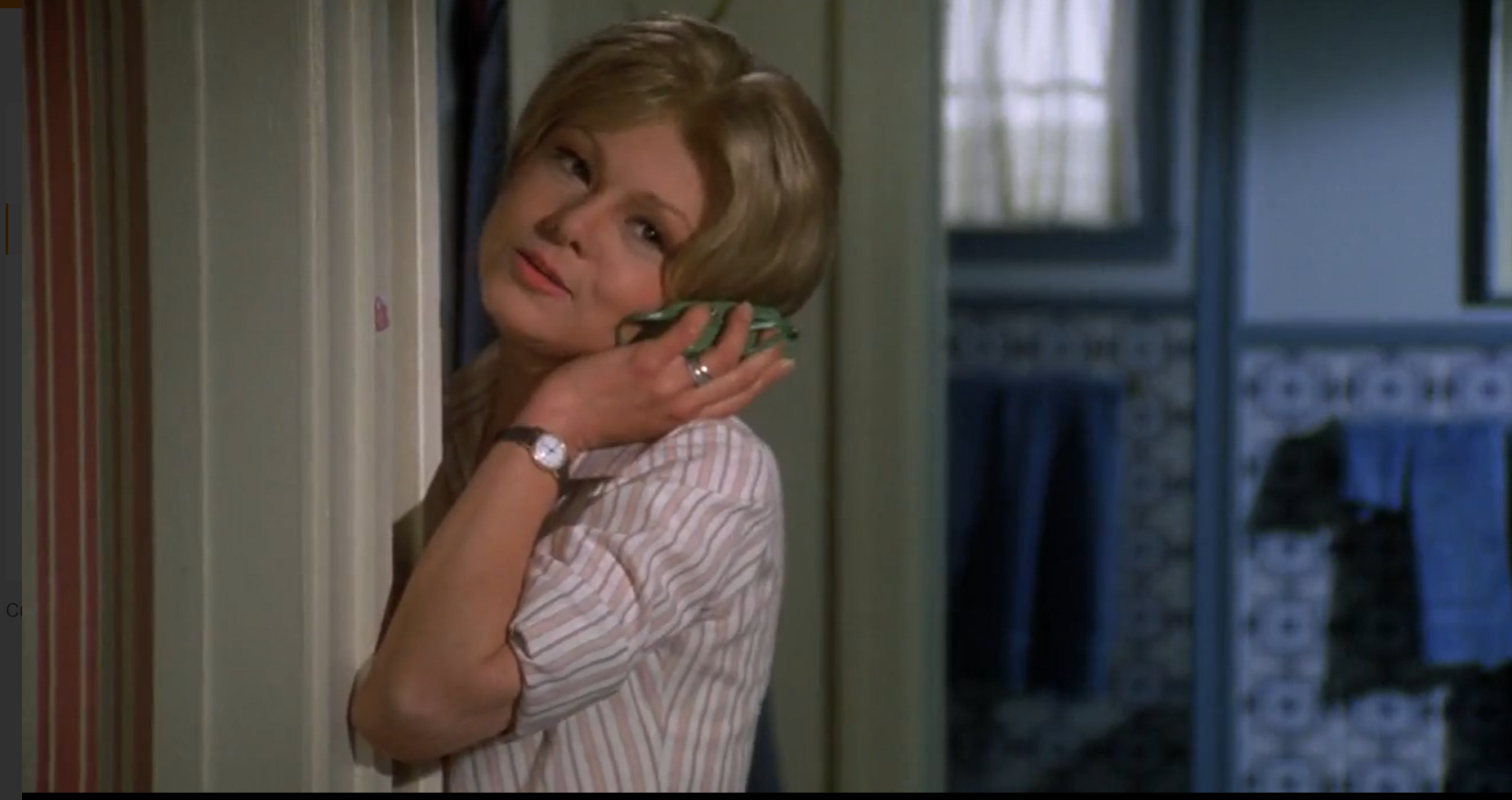
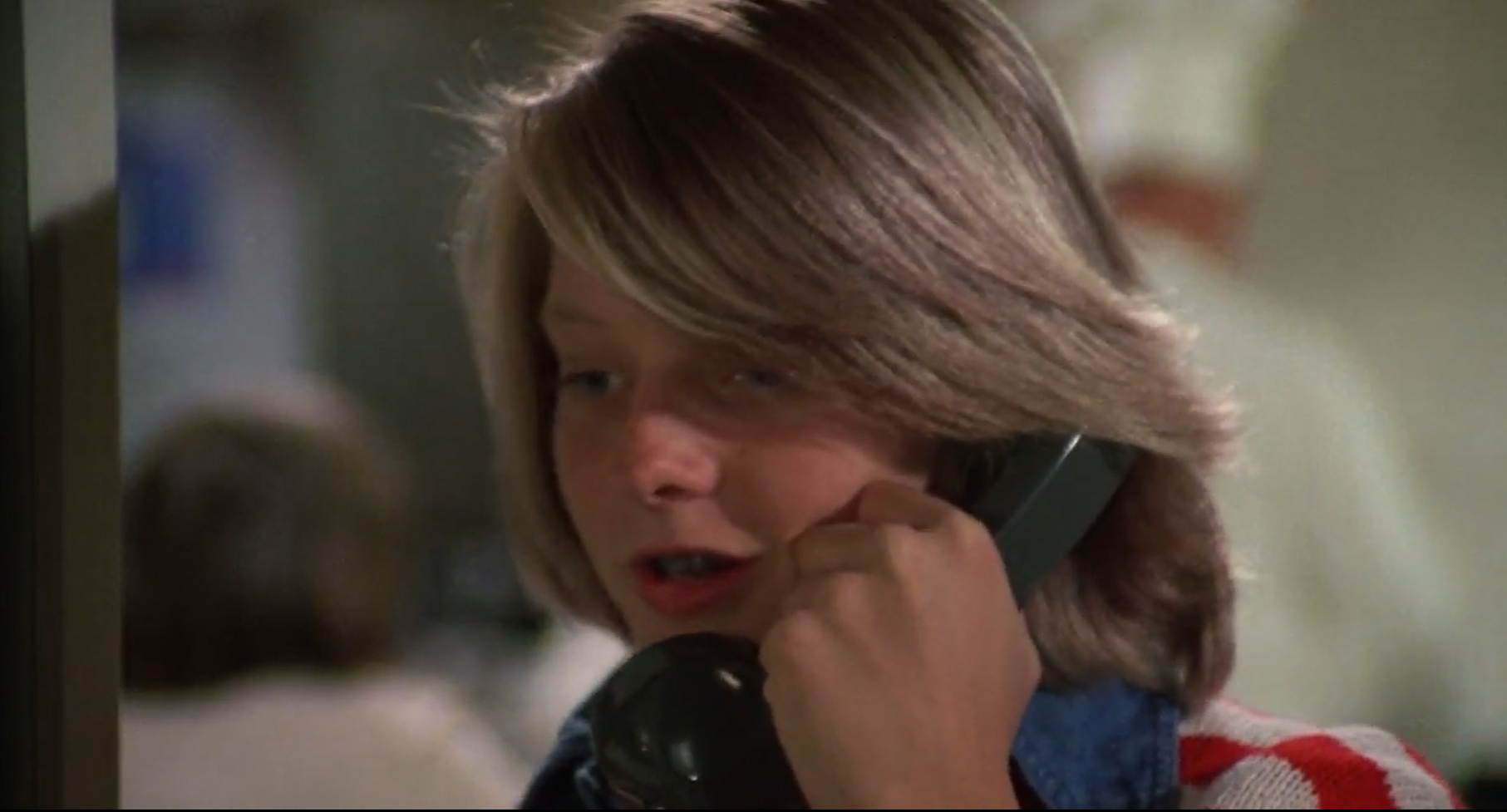
Fortunately, the film as a whole is mostly deserving of her stand-out performance, with the switched-identities element particularly well handled throughout. While we only see each character in her original body for the first 12 minutes of the film (and during the tail-end of the hectic finale), we nonetheless continue to believe in and understand exactly what’s happened to them, thanks to clever use of voice-over (plus, of course, the spot-on performances by the female leads). If there’s one slight downside, it’s that Harris’s travails as teenage “Annabel” are so much more intrinsically interesting and hilarious than Foster’s as the adult “Ellen”. Foster is primarily shown being humiliated time and again at school — either from her lack of knowledge about “modern” equipment (she has no idea how electric typewriters work):
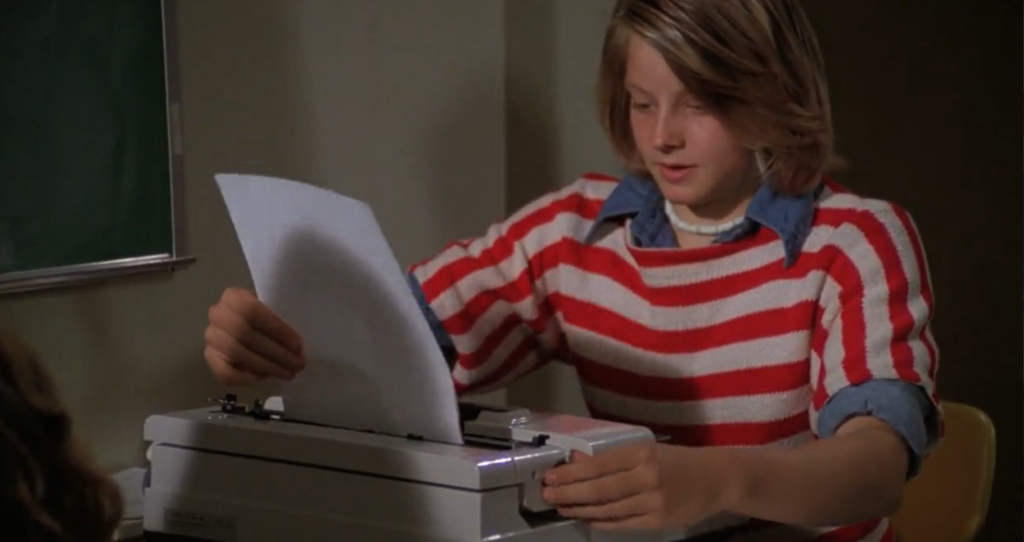
… or her overabundance of knowledge in history class (where she’s viewed as a know-it-all), or her utter clumsiness on the hockey field (where she’s literally pummeled by members of the opposing team).

In sum, “Ellen”/”Mrs. Andrews” simply isn’t as interesting a character as “Annabel”.

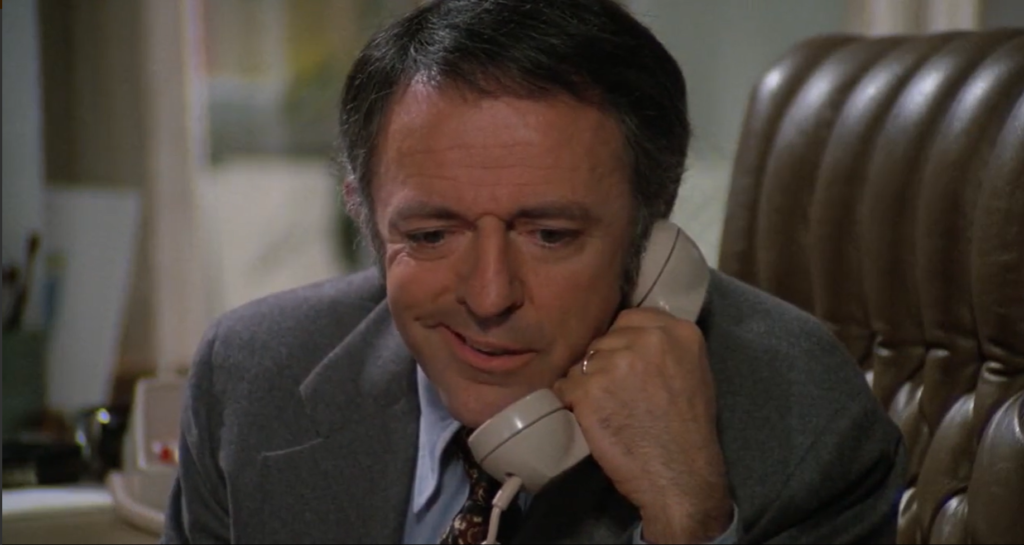
Regardless, the fast-paced screenplay (written by Rodgers herself) keeps us on our toes throughout, right up until the surprisingly enjoyable slapstick finale (involving a cop chase and an elaborate water-skiing revue). It’s also fun to see how cleverly Rodgers incorporates sly sexual innuendos without ever bordering on poor taste — i.e., the titillated reaction by Astin when Harris accidentally calls him “Daddy” a few times.
Meanwhile, both Harris and Foster learn important lessons in how to empathize with each other (naturally), but this thankfully isn’t hammered over our heads. Somewhat surprisingly, Freaky Friday remains worth a one-time look by all film fanatics — primarily for Harris’s performance, but also as a pleasantly enjoyable situation comedy. Watch for the inspired final shot/scene.

Redeeming Qualities and Moments:

  • Barbara Harris as Ellen/Mrs. Andrews
  • Jodie Foster as Annabel
  • Fun opening credits

Must See?
Yes, for Harris’s stand-out performance. Listed as a Sleeper in the back of Peary’s book.

Categories

  • Noteworthy Performance(s)

Links: