Browsed by
Category: Original Reviews

Responses to Peary’s “must see” movie reviews, as well as my own “must see” movie reviews up to and after 1986 (when Peary’s book was published).

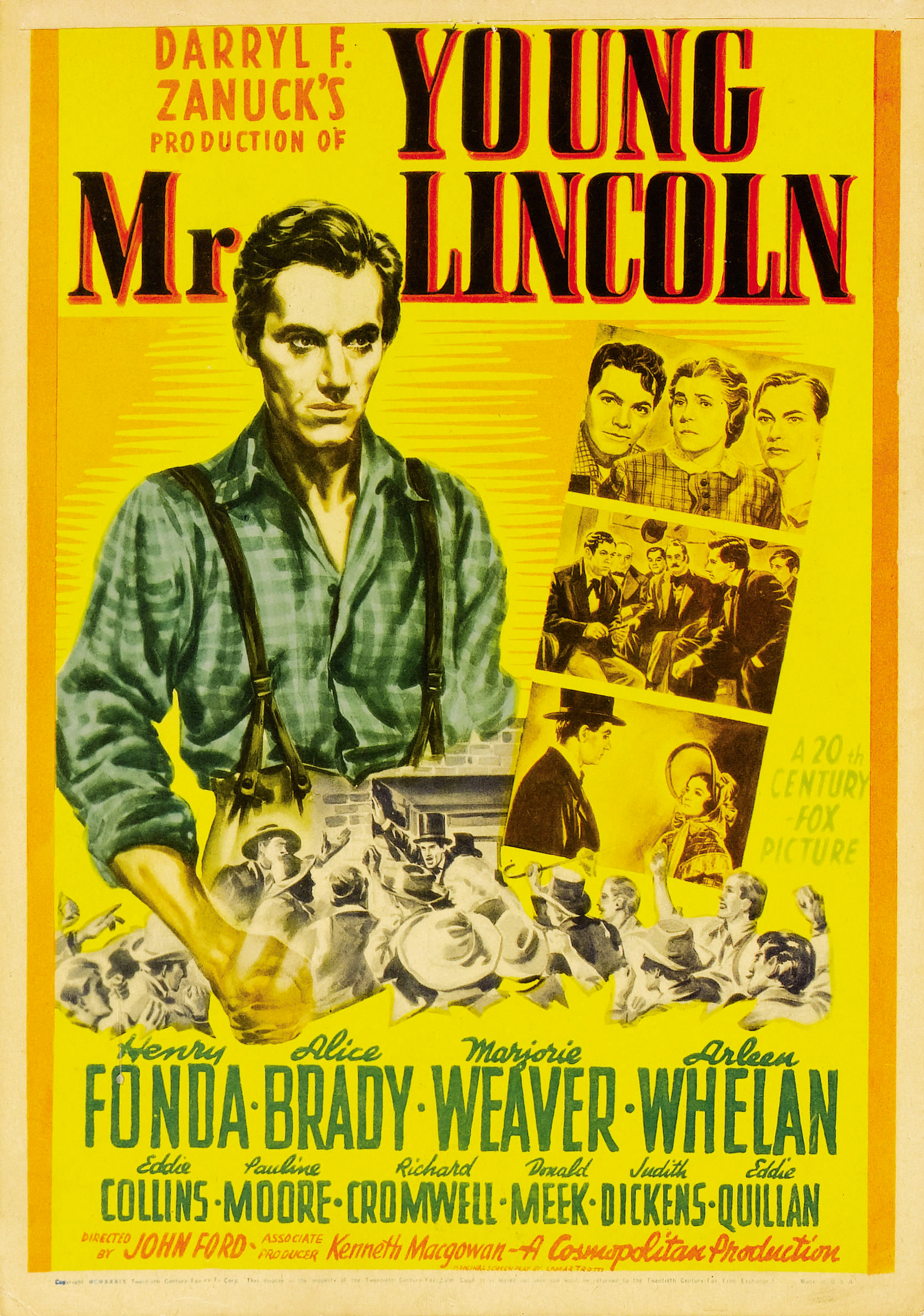
Young Mr. Lincoln (1939)

Young Mr. Lincoln (1939)

“By jing, that’s all there is to it: right and wrong.”

Synopsis:
Young lawyer Abraham Lincoln (Henry Fonda) defends a pair of brothers (Richard Cromwell and Eddie Quillan) accused of murdering a bully (Fred Kohler, Jr.).

Genres, Themes, Actors, and Directors:

  • Biopics
  • Courtroom Drama
  • Henry Fonda Films
  • Historical Drama
  • John Ford Films
  • Lawyers
  • Ward Bond Films

Review:
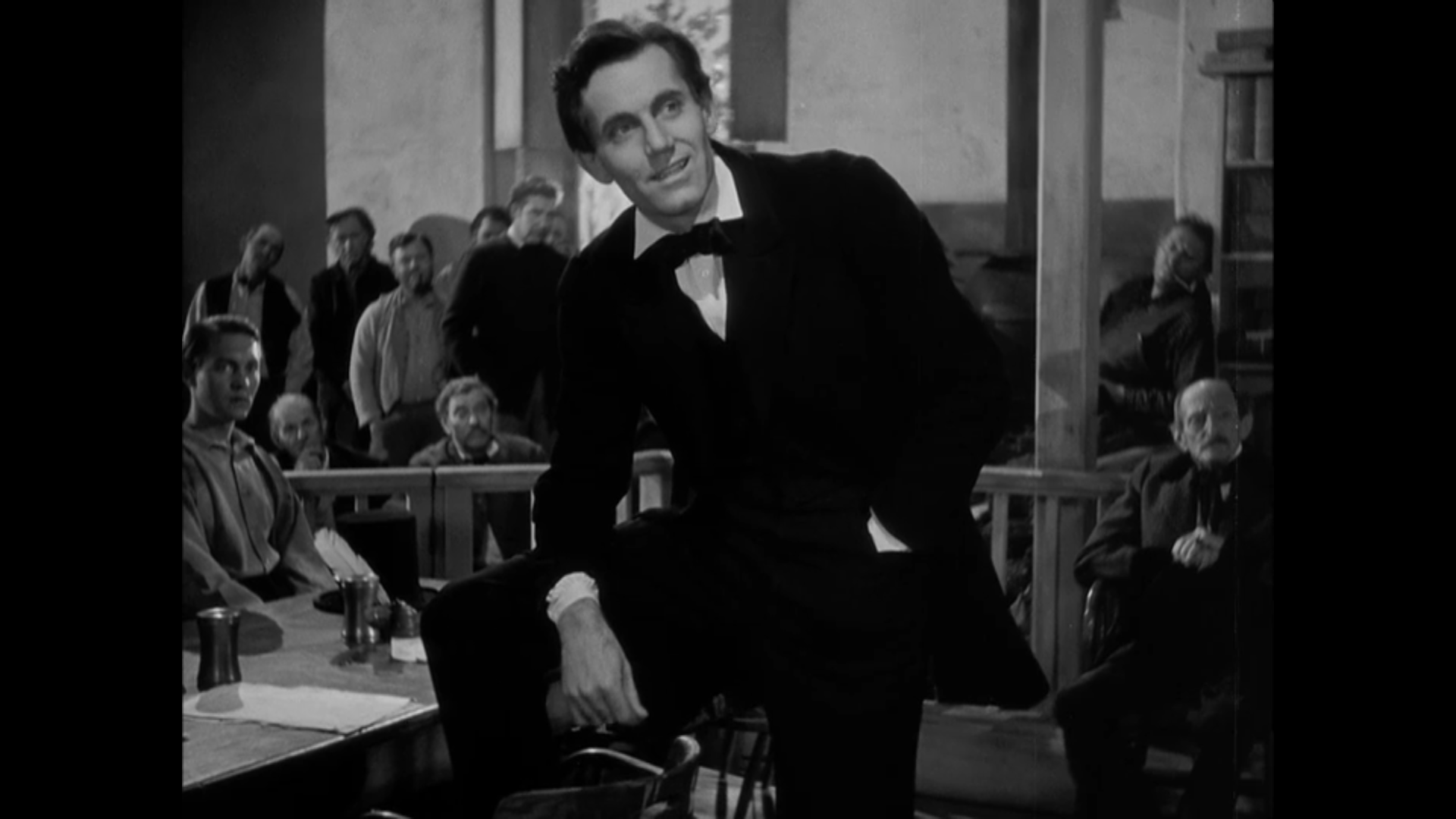
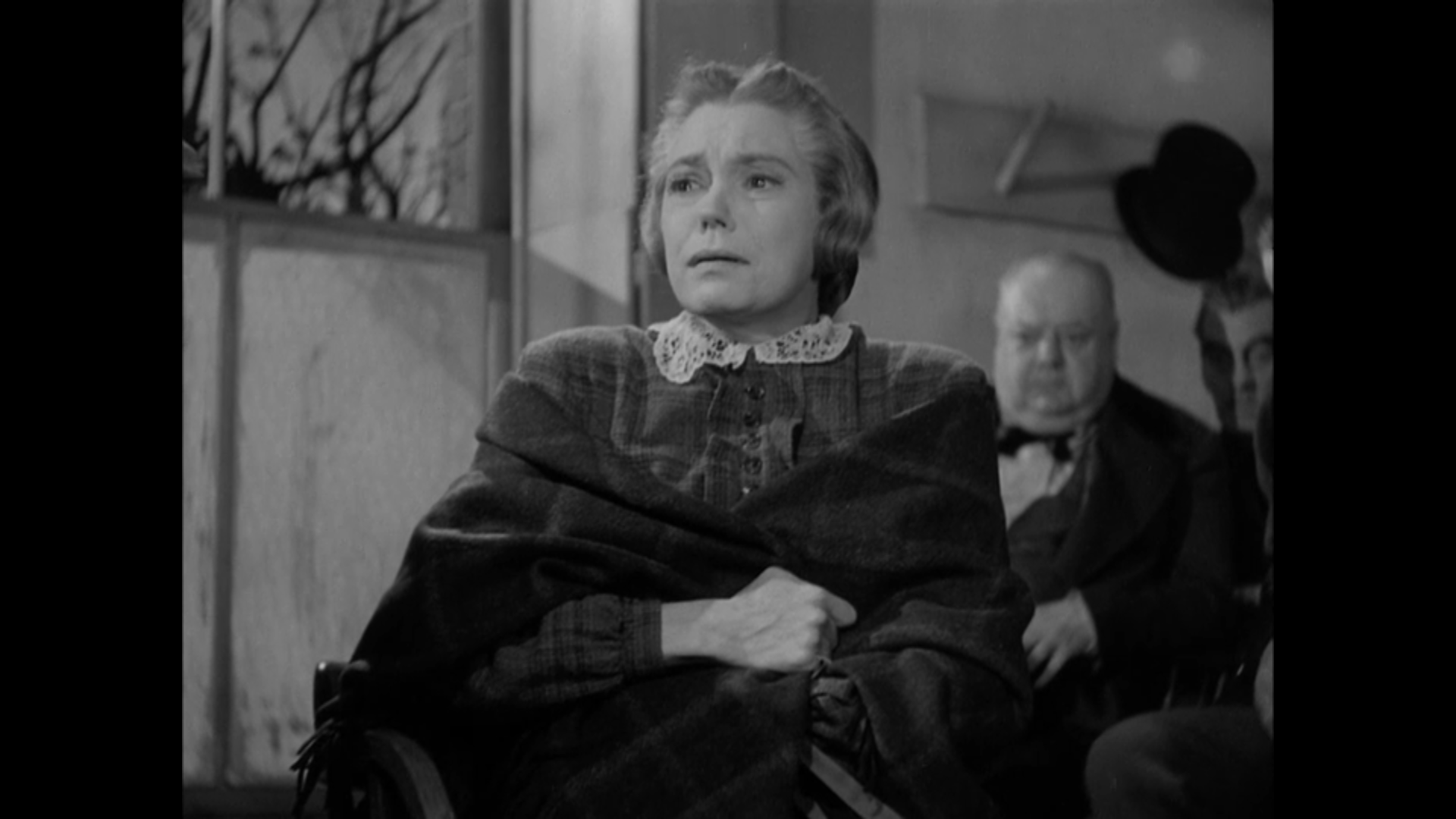
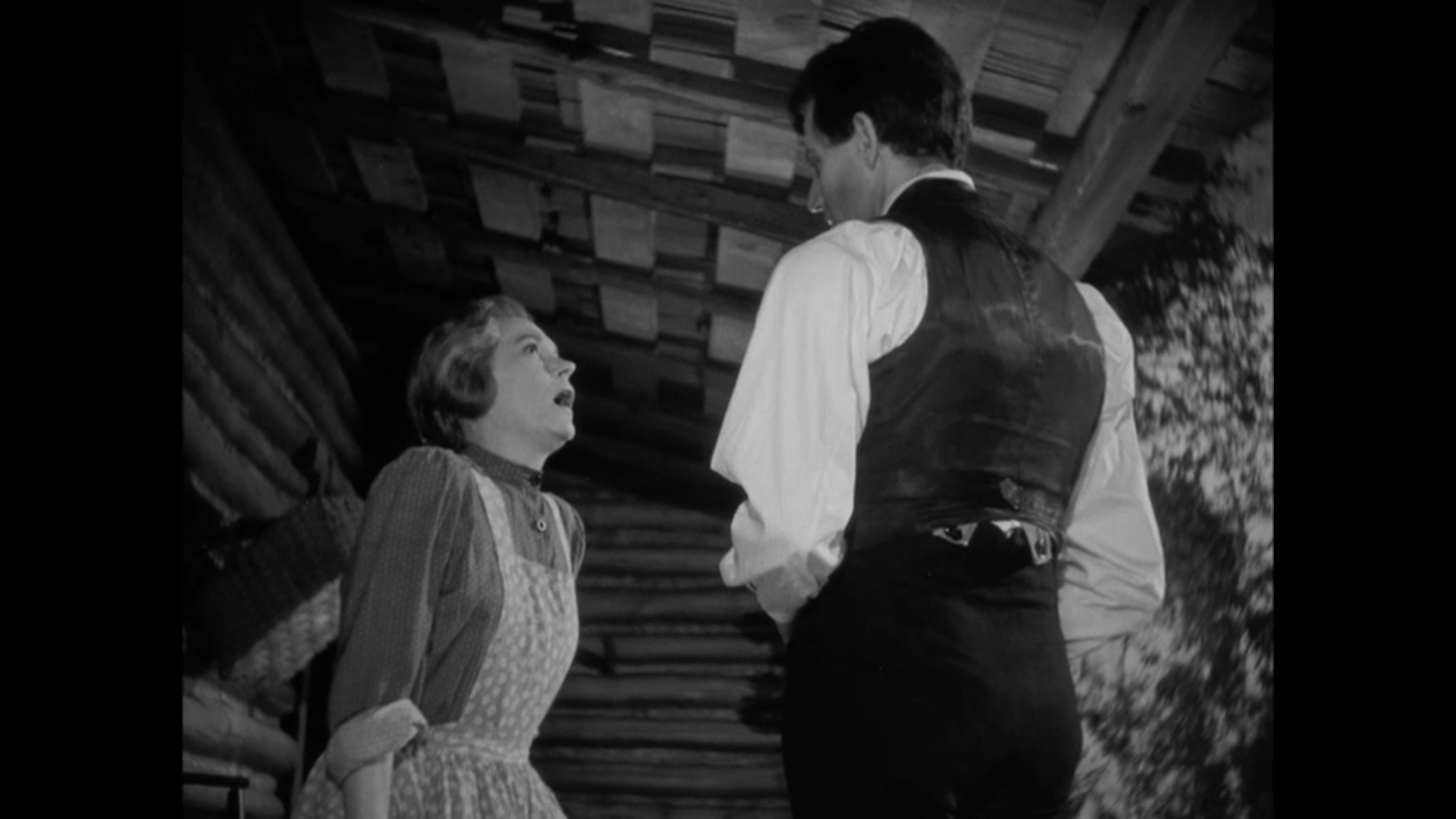
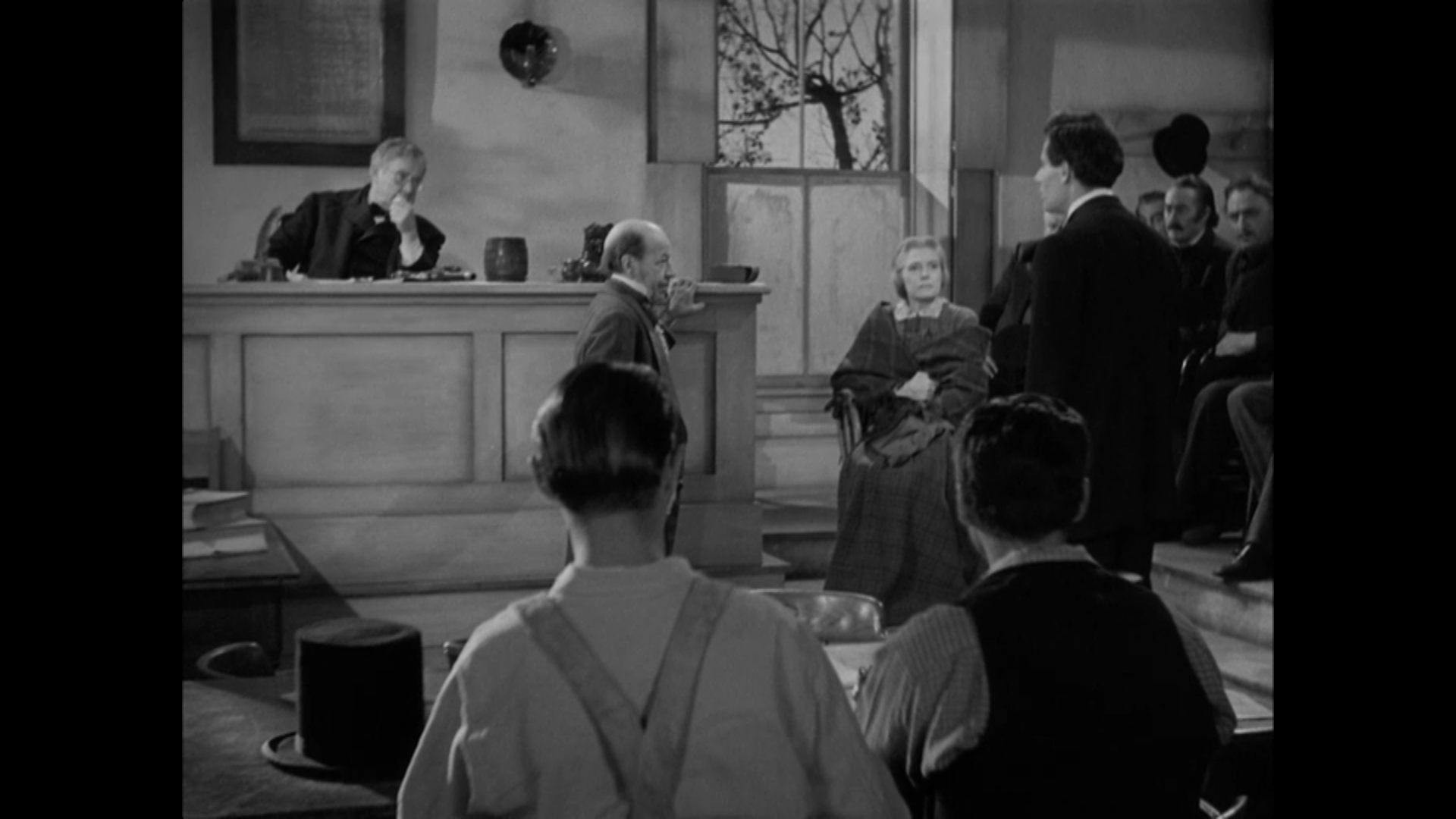
Henry Fonda apparently had to be cajoled by director John Ford into starring in this fictionalized but true-in-spirit biopic of Abraham Lincoln’s pre-Presidency days. Focusing primarily on one of Lincoln’s most famous cases as a young lawyer, Ford and screenwriter Lamar Trotti use this scenario as a platform to showcase Lincoln’s emergent skills as a gifted speaker, humorist, politician, and amateur sleuth. Meanwhile, we see snippets from other known aspects of Lincoln’s young life — including his facility with log-splitting (he was surprisingly strong and agile):

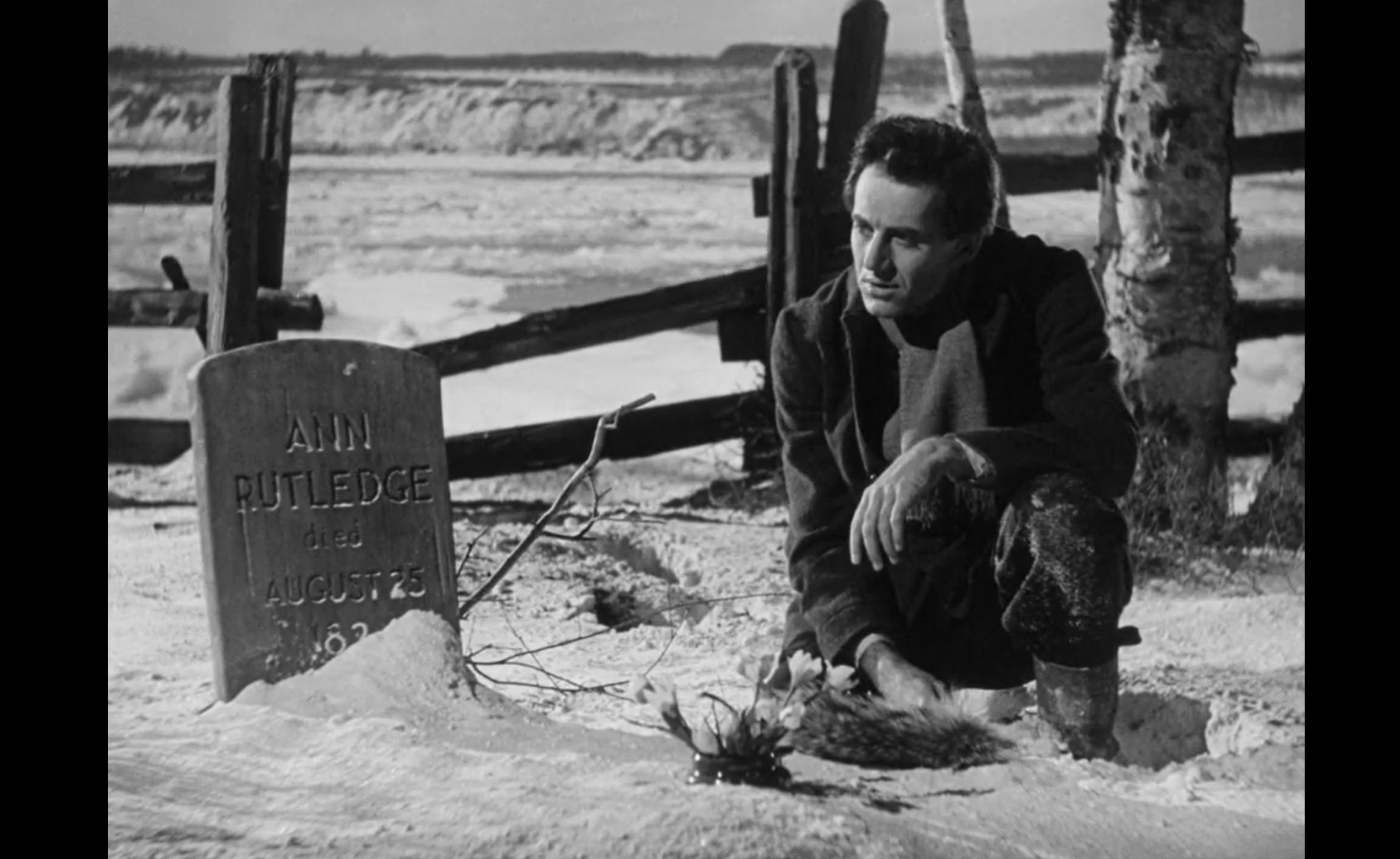
… his tragic first love with Ann Rutledge (Pauline Moore):

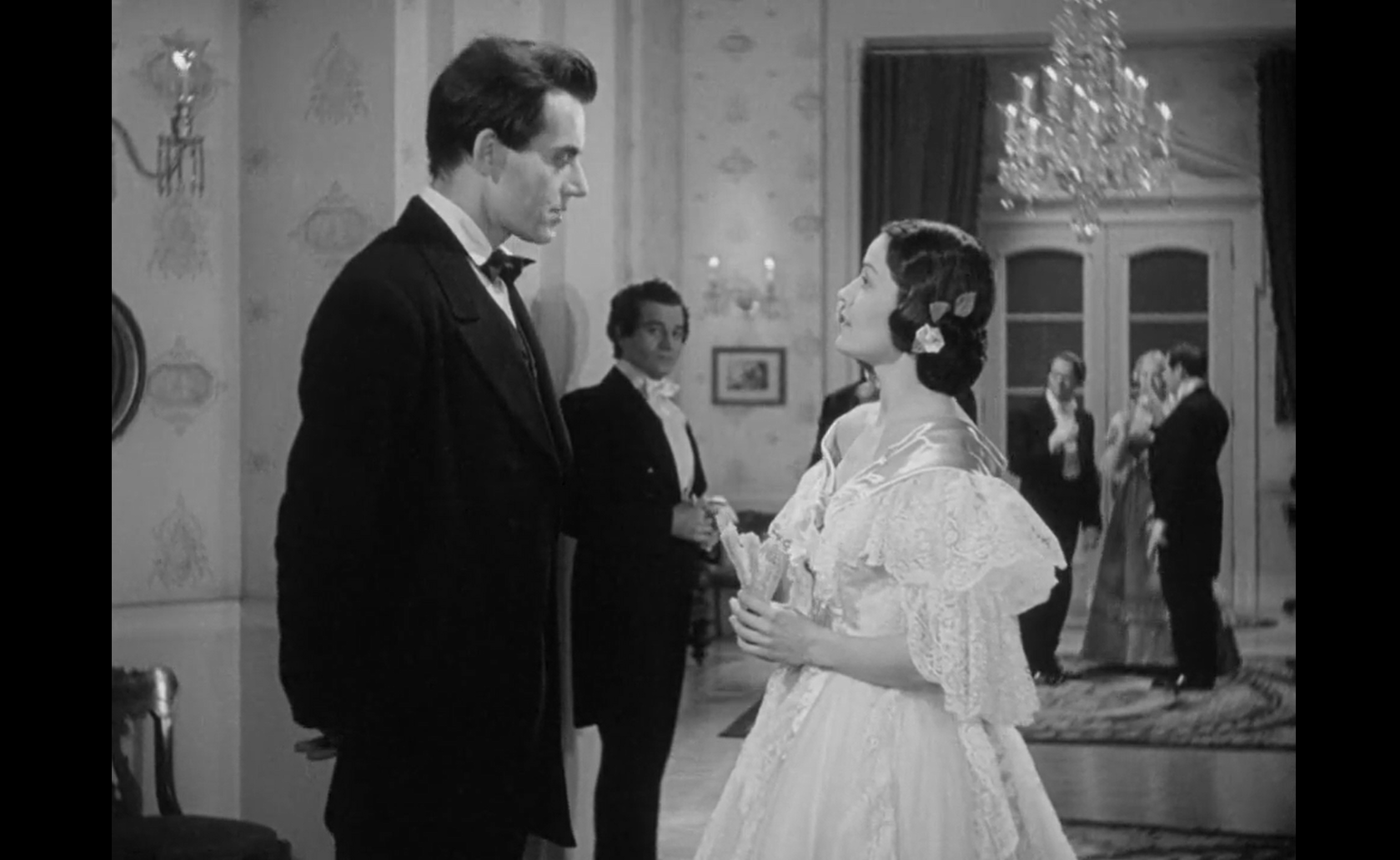
… his crush on Mary Todd (Marjorie Weaver):

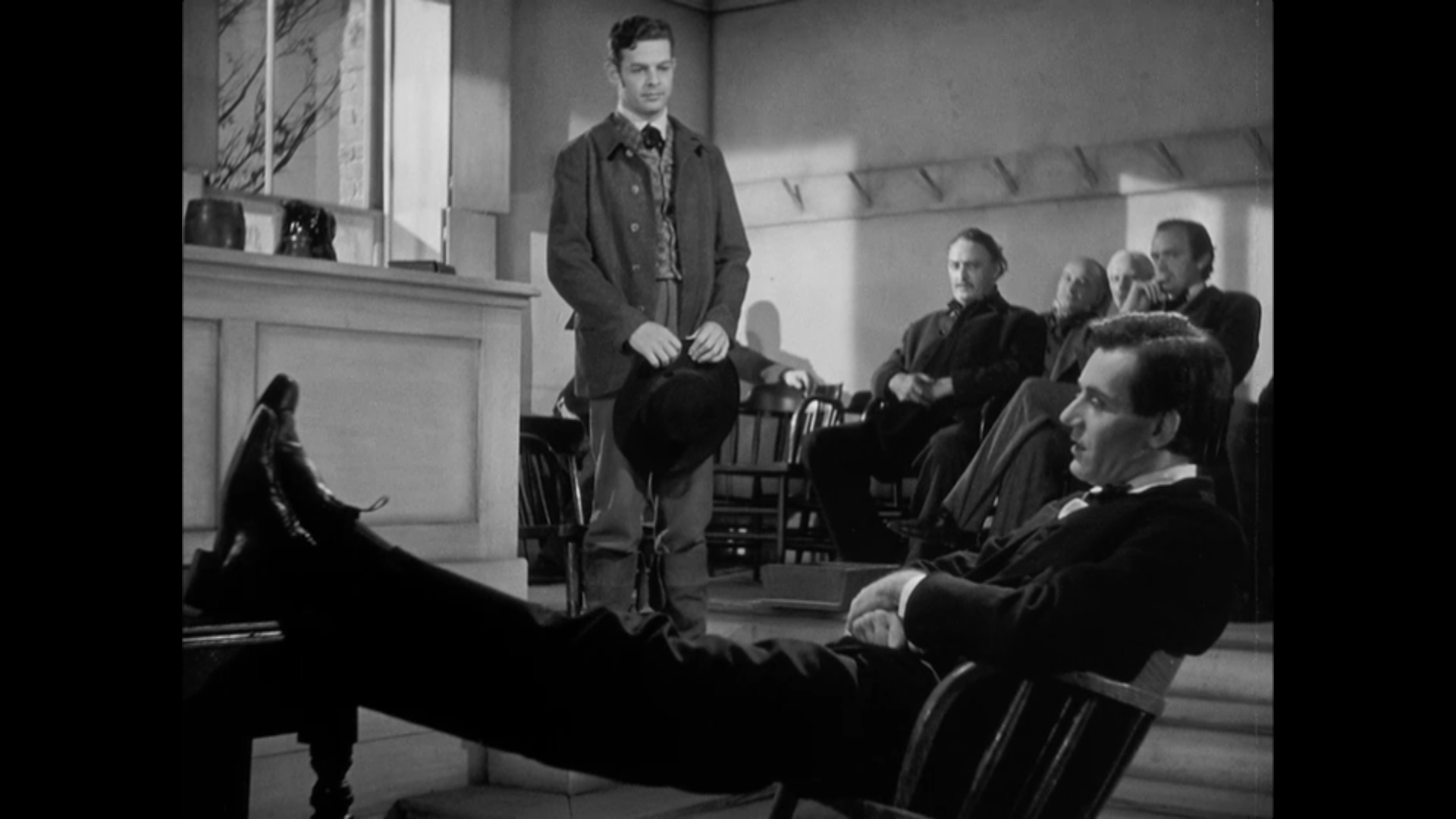
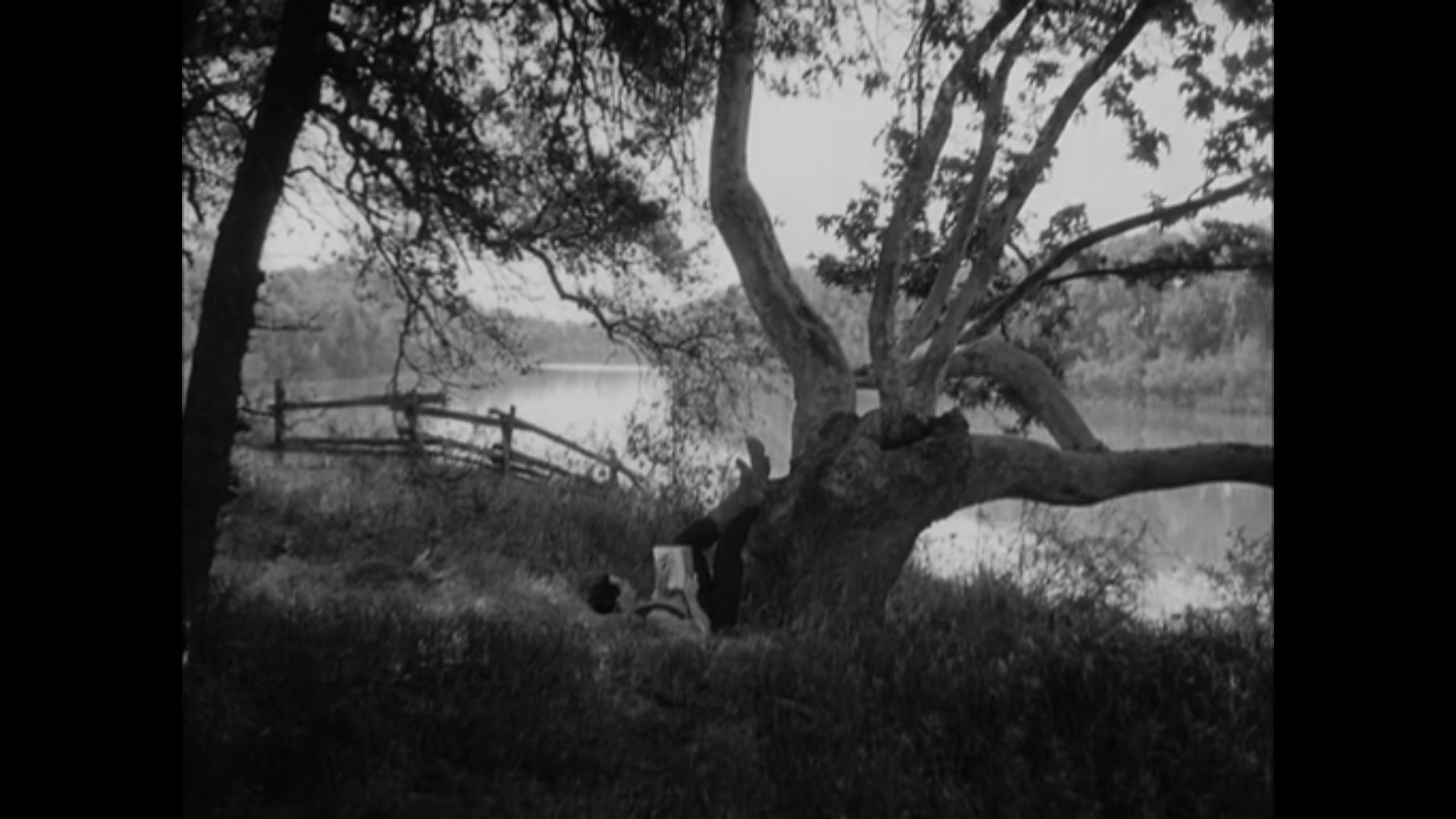
… and his general preference for thinking and reading while lying prone.

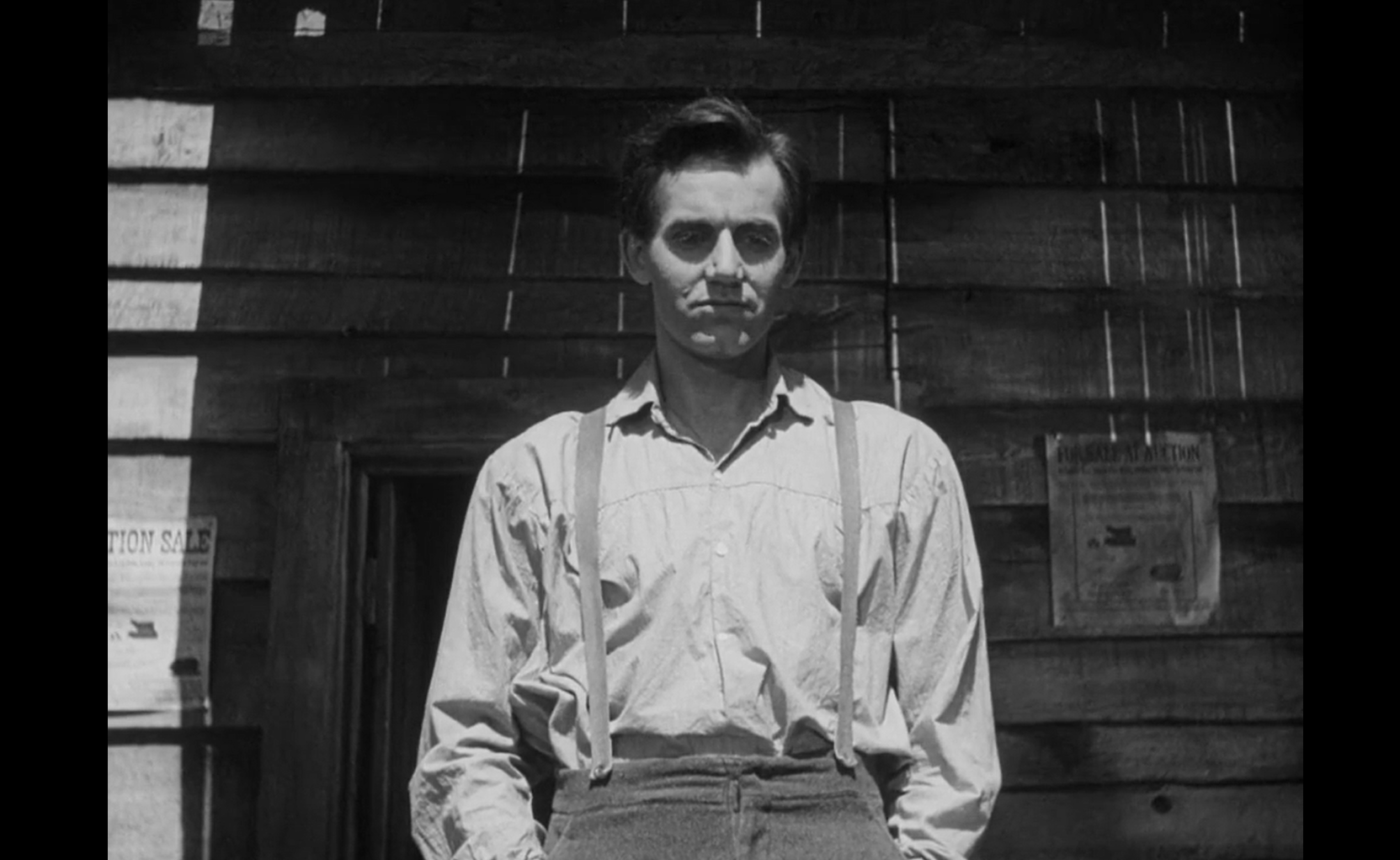
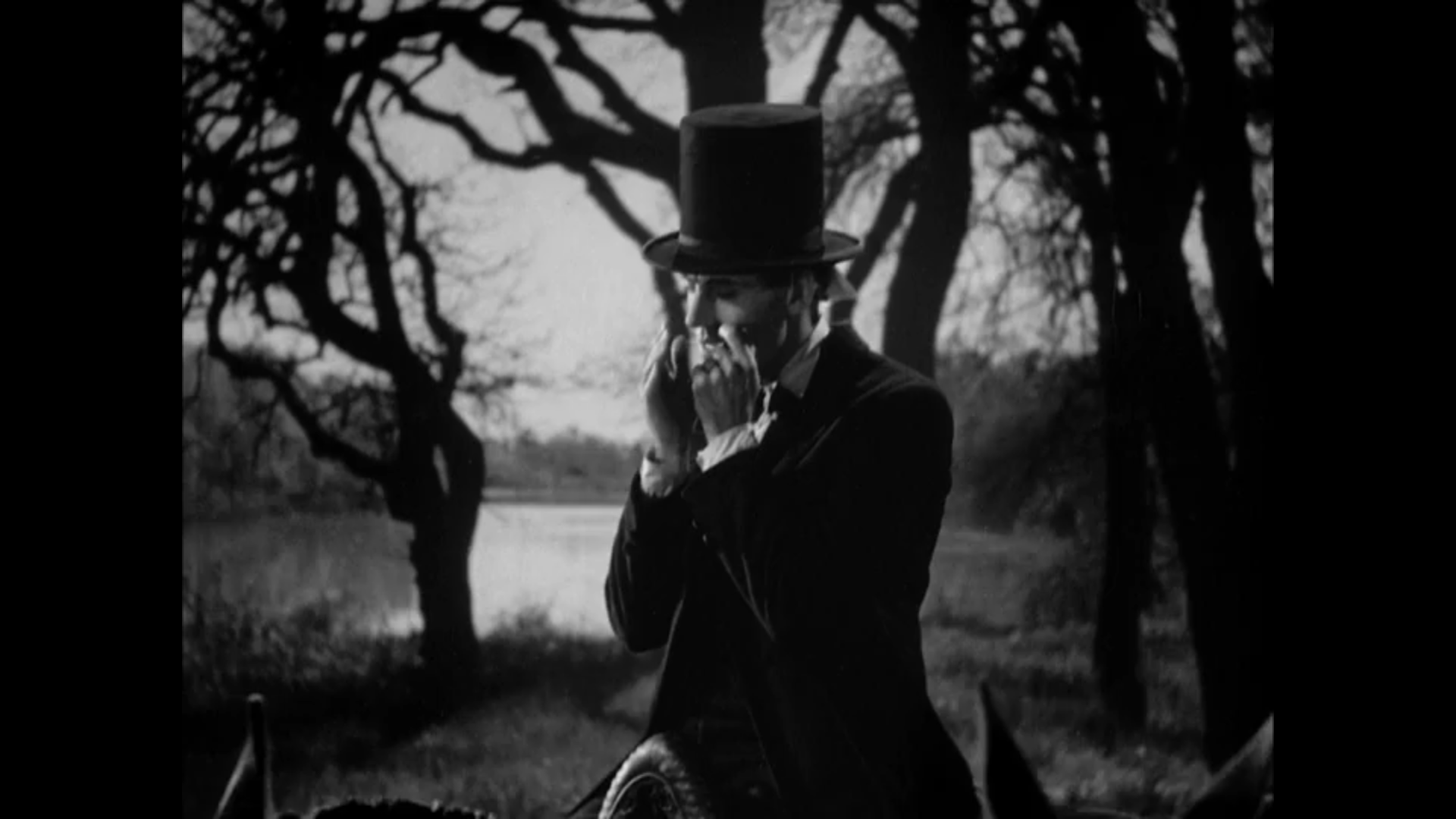
What’s perhaps most delightful about the film is the way in which it humanizes a mythic figure: Lincoln is portrayed not only as brilliant and highly ethical (he’s consistently attempting to make sense of the world through his evolving moral perspective), but as a flesh-and-blood man with a quick tongue, pugilistic tendencies, and lack of self-confidence. Key to this characterization, of course, is Fonda’s uncanny embodiment of Lincoln — thanks in part to a prosthetic nose and make-up:

but mostly to Fonda’s talents; other than his lead role the following year as Tom Joad in The Grapes of Wrath (1940), this is likely his finest performance onscreen. Also of note is Ford’s assured directorial hand: as usual, he frames each scene strategically, with such an eye for harmonious balance and carefully crafted juxtapositions that one is reminded why he’s considered one of America’s all-time greatest directors.

Redeeming Qualities and Moments:

  • Henry Fonda as young Abe Lincoln (nominated by Peary as one of the Best Actors of the Year in his Alternate Oscars)
  • Alice Brady as Abigail Clay
  • Expert direction by Ford

  • Fine cinematography

Must See?
Yes, for Fonda’s performance. Listed as a film with Historical Importance and a Personal Recommendation in the back of Peary’s book.

Categories

  • Noteworthy Performance(s)

Links:

So Dark the Night (1946)

So Dark the Night (1946)

“Every pretty girl would like to go to Paris.”

Synopsis:
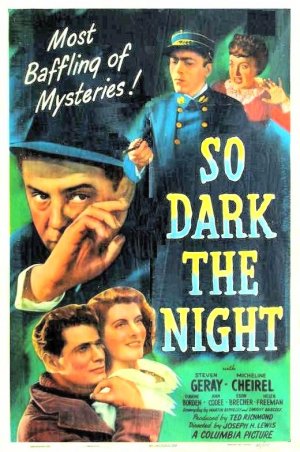
A renowned Parisian detective (Steven Geray) vacationing in a small town falls in love with a beautiful local girl (Micheline Cheirel) — but when her jealous fiance (Paul Marion) threatens to harm her if she leaves him, Detective Cassin (Geray) finds himself unexpectedly embroiled in a serial murder case.

Genres, Themes, Actors, and Directors:

  • Detectives and Private Eyes
  • Joseph H. Lewis Films
  • Love Triangle
  • Murder Mystery

Review:
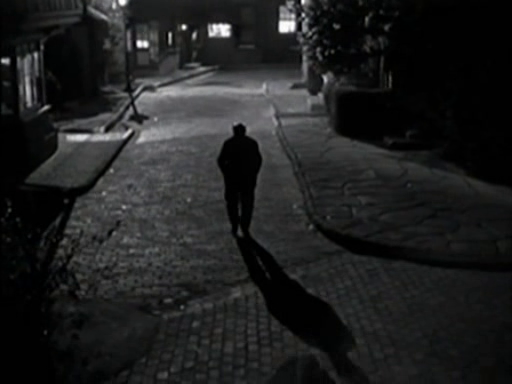
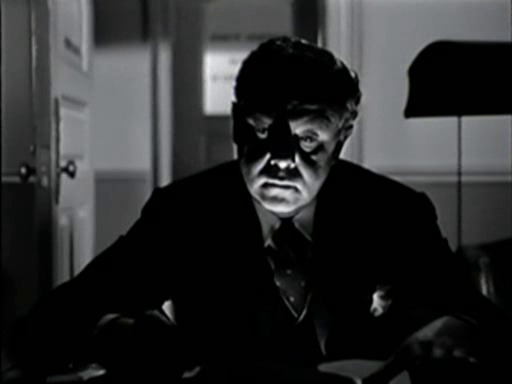
Director Joseph H. Lewis is best known for transforming mundane B-level scripts into stylishly atmospheric cinematic treats — as with his “breakthrough” film My Name is Julia Ross (1945), and his later cult hit Gun Crazy (1949). This follow-up to MNIJR isn’t nearly as compelling, suffering primarily from a less-than-charismatic performance by Hungarian character actor Geray — but it remains of interest simply as further evidence of Lewis’s directorial genius. Every scene is filmed strategically, with plenty of atmosphere (thanks in part to DP Burnett Guffey) and excellent use of low-budget locales; check out TCM’s article for back story on how Lewis managed to transform studio sets into a small French town, despite never having been to one himself. The narrative itself generates some tension, and goes in unexpected directions, but eventually devolves into a silly, unsatisfying denouement; with that said, one remains glued to the screen simply out of curiosity and admiration for how Lewis and Guffey will frame and light each shot. It’s worth a look for that reason alone.

Redeeming Qualities and Moments:

  • Impressive direction by Lewis

  • Atmospheric cinematography (by Burnett Guffey)

Must See?
No, though it’s recommended for one-time viewing.

Links:

I Love You Again (1940)

I Love You Again (1940)

“A thing like a divorce can break up a marriage!”

Synopsis:
While rescuing a shipmate (Frank McHugh) who’s fallen overboard, a boring businessman named Larry Wilson (William Powell) gets knocked on the head and suddenly remembers his past as a con-man named George Carey. Upon meeting his beautiful wife (Myrna Loy), Powell is immediately smitten — but she’s determined to divorce him, and he must work hard to convince her he’s a changed man worth staying married to.

Genres, Themes, Actors, and Directors:

  • Amnesia
  • Con-Artists
  • Divorce
  • Mistaken or Hidden Identities
  • Myrna Loy Films
  • Romantic Comedy
  • William Powell Films
  • W.S. Van Dyke Films

Review:
After their success playing married socialite detectives Nick and Nora Charles in The Thin Man (1934) and two of its sequels (including Another Thin Man [1939]), William Powell and Myrna Loy were reunited with director William S. Van Dyke for this frothy romantic comedy based on the hoary premise of amnesia-induced character “transformation”. Much of the beginning of the script is quite clever, and it’s fun (at first) to see how smoothly Powell manages to find out information about his own life, simply by assuming others will fill in gaps when prompted — but this narrative convention eventually becomes somewhat tiresome, and a pivotal subplot involving Powell and McHugh’s plans to swindle their community out of a bundle of funds feels overly complicated. Meanwhile, Loy takes far too long to come around to Powell’s newfound charms, and we don’t really buy her argument for why she married him in the first place. While Powell and Loy fans will be curious to check this one out, it’s not must-see viewing for all film fanatics.

Redeeming Qualities and Moments:

  • William Powell as Larry/George

Must See?
No, though of course it’s worth a look for fans of Powell and Loy. Listed as a Personal Recommendation in the back of Peary’s book.

Links:

Detective, The / Father Brown (1954)

Detective, The / Father Brown (1954)

“I want to help him — to cure him of a sickness in his soul.”

Synopsis:
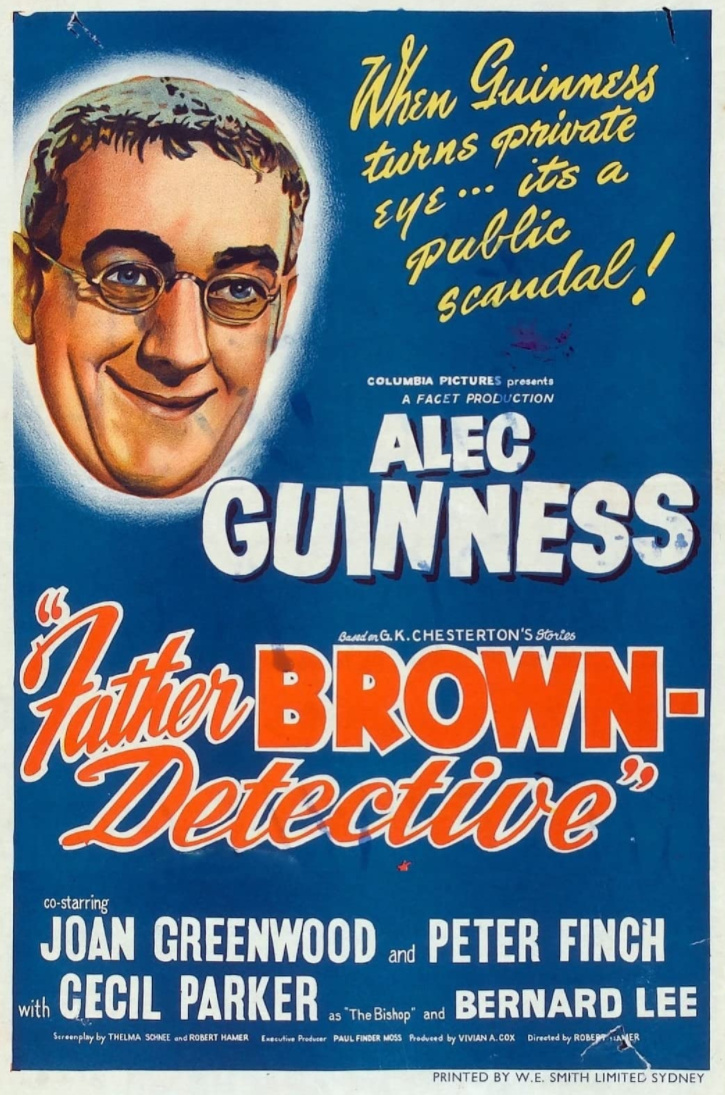
A priest (Alec Guinness) with a penchant for sleuthing is determined to save the soul of a notorious, disguise-happy thief named Flambeau (Peter Finch).

Genres, Themes, Actors, and Directors:

  • Alec Guinness Films
  • Amateur Sleuths
  • Cat-and-Mouse
  • Joan Greenwood Films
  • Peter Finch Films
  • Priests and Ministers

Review:
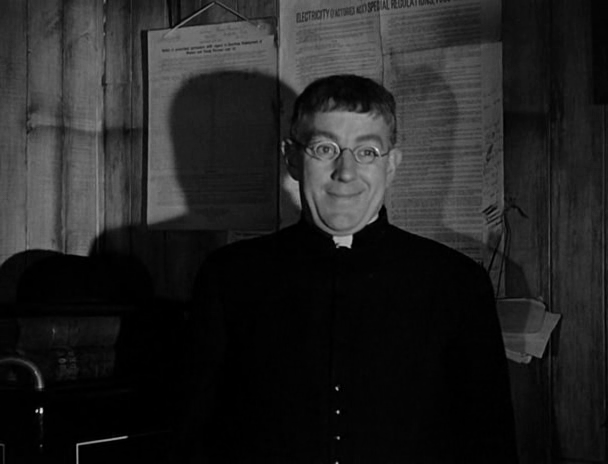
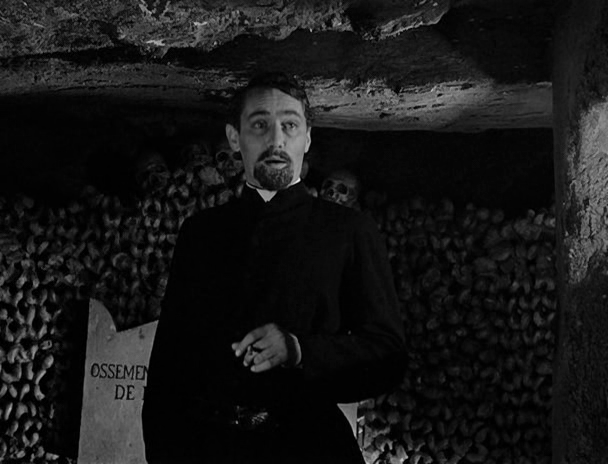
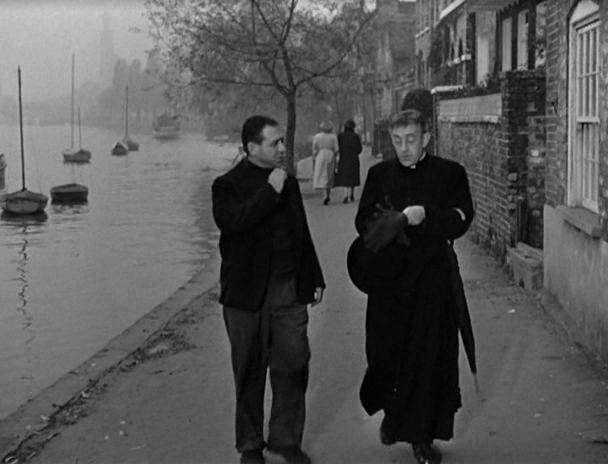
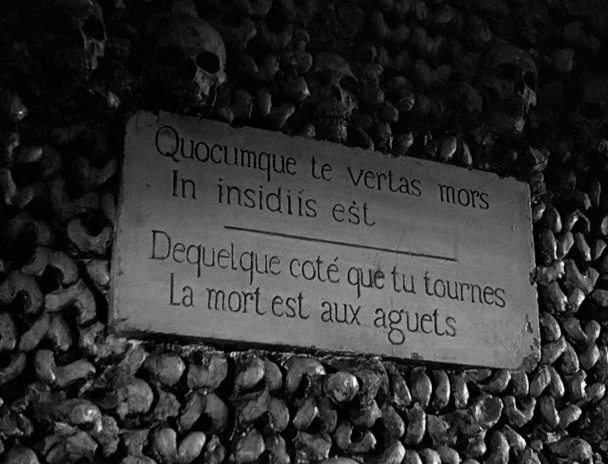
British writer G.K. Chesterton is perhaps best-known for creating the character of Father Brown, a humble priest who uses his empathic understanding of human nature to intuitively solve crimes — with the unique aim of helping to save the souls of criminals, rather than imprison them. Chesterton’s “Father Brown stories” have been interpreted through various media over the years (radio, T.V., film), but this Robert Hamer-directed version is one of the most highly regarded, thanks largely to the casting of Alec Guinness in the title role. Guinness’s Father Brown is a clever, measured chap — unafraid to stand up to his superiors in pursuit of what he feels is best for his parishioners (and humanity at large), and doggedly persistent in his goals. The film’s storyline is taken up exclusively with Brown’s pursuit of a notorious French criminal known as Flambeau (Finch), a master of disguise who is entirely capable of fooling Brown more than once. Their cat-and-mouse interactions — made all the more unusual given Brown’s desire to convert Flambeau, not just capture him — are set in a series of inspired locales, most notably the Parisian catacombs. Unfortunately, the proceedings in general are just a tad too genteel, and a couple of excellent character actors — Joan Greenwood and the inimitable Ernest Thesiger — are sadly underutilized; yet as Time Out’s reviewer puts it, this remains a “stylishly civilized” affair, one which will surely appeal to fans of comedic thrillers from this era.

Note: Robert Hamer is best known for directing Alec Guinness in the classic black comedy Kind Hearts and Coronets (1949), and for helming one segment (“The Haunted Mirror”) of the horror anthology Dead of Night (1945).

Redeeming Qualities and Moments:

  • Alec Guinness as Father Brown
  • Peter Finch as Flambeau
  • Nice use of authentic locales and settings

  • Atmospheric cinematography

Must See?
No, though it’s certainly worth a one-time look, and is probably must-see for Guinness fans.

Links:

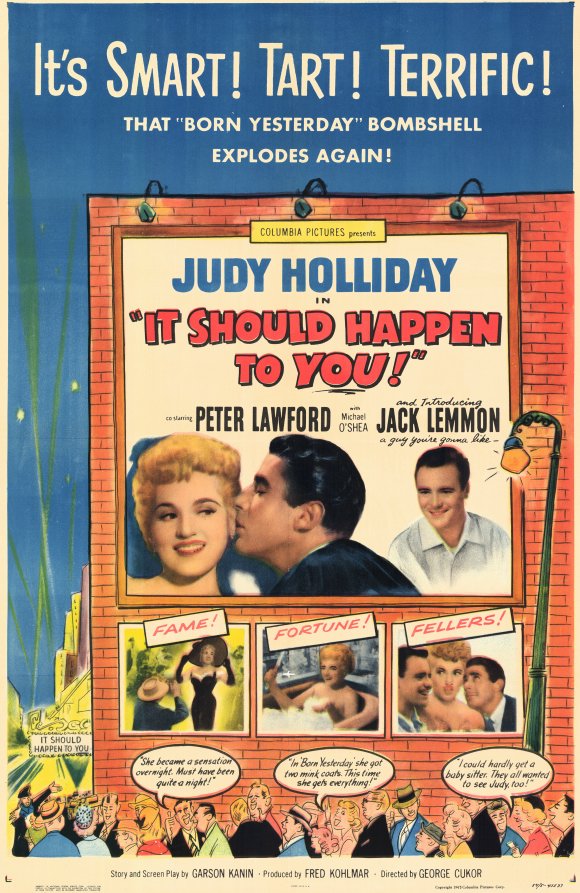
It Should Happen to You (1954)

It Should Happen to You (1954)

“The whole reason I came to New York in the first place was to make a name for myself.”

Synopsis:
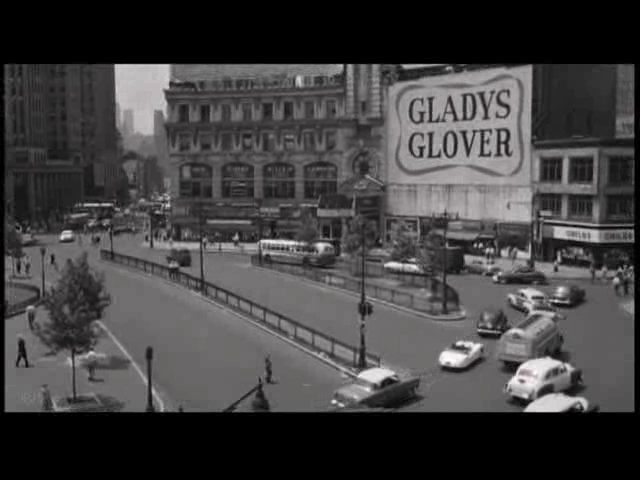
Hoping to “rise above the crowd” in New York, a young woman named Gladys Glover (Judy Holliday) rents a billboard for three months and places her name on it, much to the consternation of her new boyfriend (Jack Lemmon). When a businessman (Peter Lawford) hoping to rent the space himself offers Gladys six other billboards in exchange, a “Gladys Glover” phenomenon soon sweeps the city.

Genres, Themes, Actors, and Directors:

  • Advertising
  • Aspiring Stars
  • George Cukor Films
  • Jack Lemmon Films
  • Judy Holliday Films
  • Media Spectacle
  • Peter Lawford Films
  • Romantic Comedy

Review:
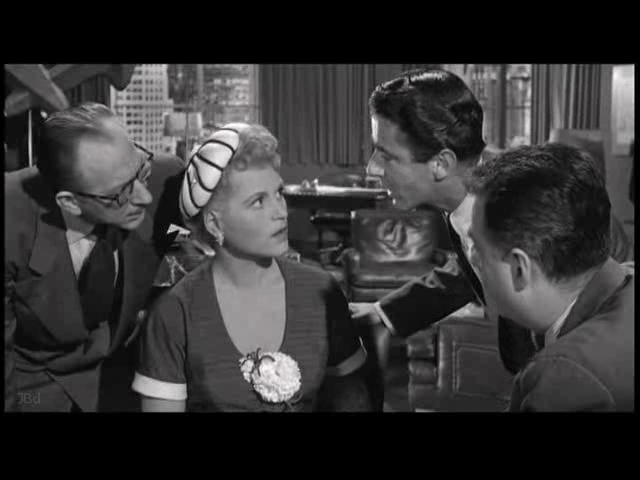
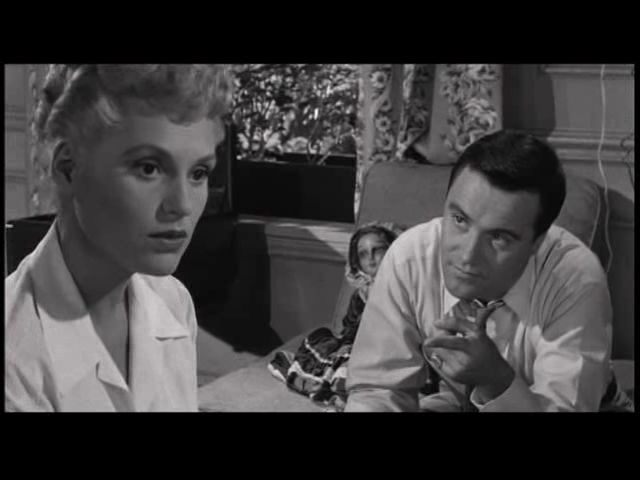
Judy Holliday’s third collaboration with director George Cukor and screenwriter Garson Kanin — after Born Yesterday (1950) and The Marrying Kind (1952) — was this modestly enjoyable satire about the follies of instant fame. The premise is years ahead of its time, and won’t feel foreign to a current generation of viewers raised on “reality T.V.”; yet Kanin’s script fails to exploit the situation to its full potential, with gullible public citizens depicted as far too naive, and Holliday’s publicist (Michael O’Shea) presented as simply a money-grubbing shyster. Another concern is that Holliday’s protagonist isn’t particularly likable: while her naive desire to “be somebody” is cute at first, we (like Lemmon) quickly grow weary of her inability to recognize the emptiness of her quest. Speaking of Lemmon, his infatuation with Holliday is equally suspect. Sure, this is a romantic comedy, and we shouldn’t spend too much time analyzing the logic of desire; but Lemmon’s initial inflammatory criticism of Holliday’s actions comes across so strong that we wonder why in the world he remains attracted and committed to her (despite her charms). Meanwhile, Lemmon’s occupation as a documentary filmmaker feels simply like a convenient plot device, one that brings him together with Holliday during their “meet cute” in Central Park, and nicely wraps things up at the end; but how he actually makes a living at this craft is left unexplained. On a more positive note, Cukor effectively utilizes authentic New York locations, and Holliday’s comedic performance is as stellar as always — making this a one-time must-see title.

Redeeming Qualities and Moments:

  • Judy Holliday as Gladys Glover (nominated as one of the Best Actresses of the Year in Peary’s Alternate Oscars)
  • Jack Lemmon (in his film debut) as Pete
  • Nice use of authentic New York settings
  • A clever premise

Must See?
Yes, simply for Holliday’s iconic performance. Listed as a film with Historical Importance and a Personal Recommendation in the back of Peary’s book.

Categories

  • Important Director
  • Noteworthy Performance(s)

Links:

Wuthering Heights (1954)

Wuthering Heights (1954)

“A minute after you left, you were already back with me for good.”

Synopsis:
When her childhood soulmate (Jorge Mistral) returns after many years away, Catalina (Irasema Dilian) — despite being married (to Ernesto Alonso) and expecting a child — acknowledges that she’s never stopped loving Alejandro (Mistral). Meanwhile, her husband’s sister (Lilia Prado) foolishly tries to seduce Mistral, and her alcoholic brother (Luis Aceves Castaneda) feels increasing resentment over Mistral’s newfound financial success.

Genres, Themes, Actors, and Directors:

  • Cecil Kellaway Films
  • Luis Bunuel Films
  • Star-Crossed Lovers

Review:
Made during his “Mexican period”, Luis Bunuel’s adaptation of Emily Bronte’s classic Gothic novel at first seems like a curious choice for the famed surrealist filmmaker — until one recognizes his fascination with the star-crossed couple’s l’amour fou. Unfortunately, Bunuel’s vision of Bronte’s story — which he sets in a barren Mexican desert landscape rather than wind-swept moors — isn’t entirely successful. His decision to eliminate all scenes from Catalina and Alejandro’s childhood, instead starting the story with Alejandro’s return as an adult, prevents us from understanding either the depth of their enduring passion for one another, or the rationale for Alejandro’s bitter resentment towards Catalina’s snobbish brother; also missing is narration by the family’s housekeeper, who (in the novel and in William Wyler’s highly regarded 1939 adaptation) provides a valuable perspective on affairs. The result is an overly melodramatic tale that lacks narrative depth, and at times comes across like merely a condensed telenovela.

Redeeming Qualities and Moments:

  • Atmospheric cinematography

Must See?
No; this one is only must-see for Bunuel completists, or Bronte fans.

Links:

How Green Was My Valley (1941)

How Green Was My Valley (1941)

“There is no fence nor hedge around time that is gone. You can go back and have what you like of it, if you can remember.”

Synopsis:
The youngest child (Roddy McDowall) in a large Welsh family watches his father (Donald Crisp) and brothers (Patric Knowles, John Loder, Richard Fraser, Evan S. Evans, and James Monks) struggle to survive as coal miners, while his mother (Sara Allgood) attempts to provide a stable home, and his sister (Maureen O’Hara) falls in love with a penniless preacher (Walter Pidgeon).

Genres, Themes, Actors, and Directors:

  • Anna Lee Films
  • Barry Fitzgerald Films
  • Coming of Age
  • Donald Crisp Films
  • John Ford Films
  • Maureen O’Hara Films
  • Mining Towns
  • Roddy McDowell Films
  • Walter Pidgeon Films

Review:
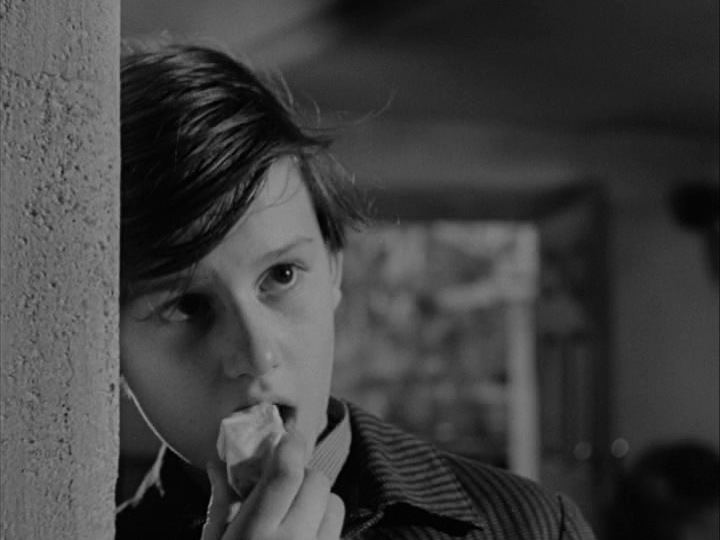
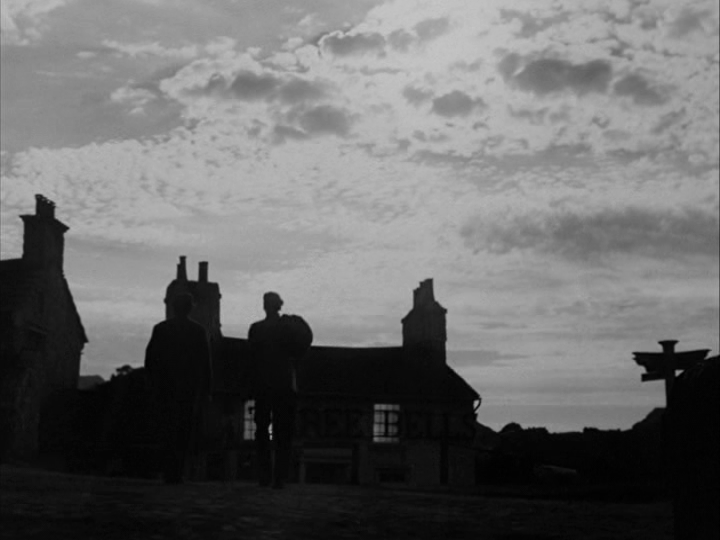
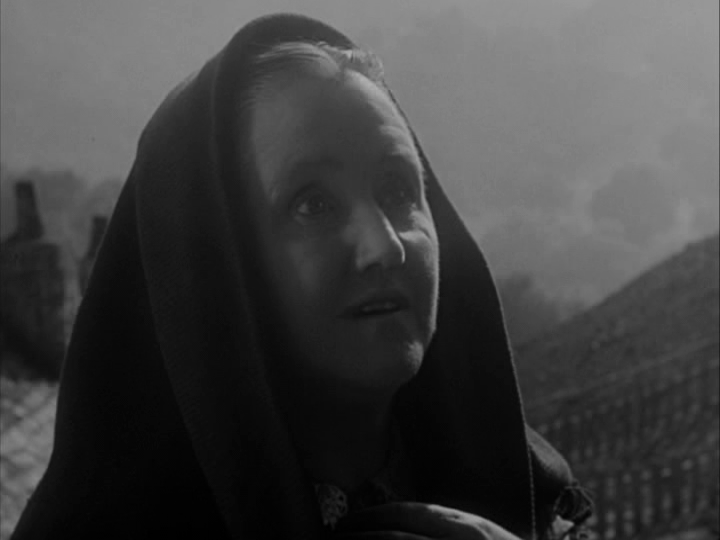
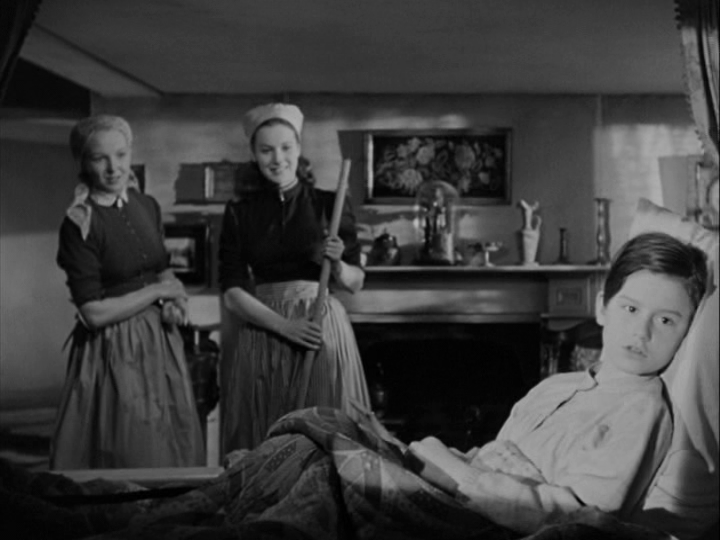
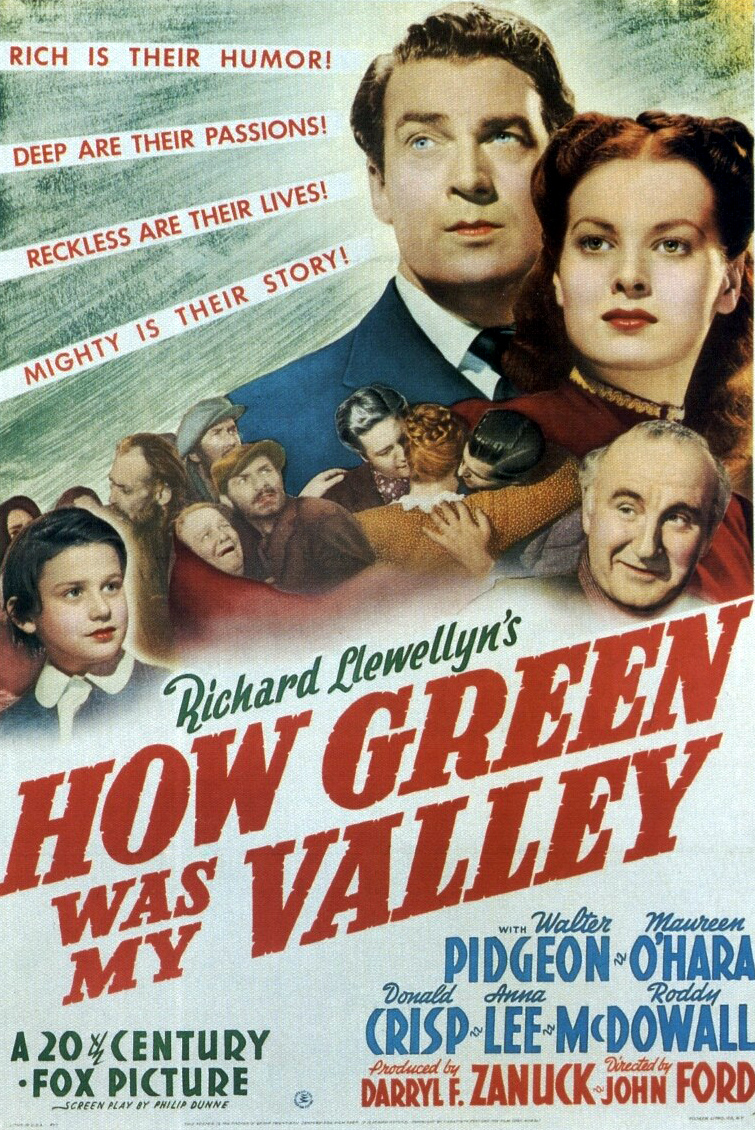
Though Peary doesn’t review this John Ford adaptation of Richard Llewellyn’s 1939 novel in his GFTFF, he does briefly mention it in Alternate Oscars, where he refers to it as a “sensitive memory piece”, but then quickly moves on to designate Citizen Kane as the truly worthy Best Picture winner that year; indeed, HGWMV continues to suffer in many film fanatics’ eyes from what they consider the “injustice” of this decision. I read Llewellyn’s lengthy novel (supposedly autobiographical — though it actually wasn’t) many years ago, and recall being disappointed with how much of its meaty content was necessarily truncated from Philip Dunne’s screenplay; revisiting the film again recently, however, I’m impressed by the economy of Dunne’s script, and Ford’s ability to condense Llewellyn’s vision into a memorable 2-hour film. It’s been noted that HGWMV represents an initial attempt by Ford (eleven years before he made and released The Quiet Man) to evoke nostalgia for his own heritage — albeit in Wales rather than Ireland (and it’s also been duly noted how terrible most of the actors’ attempts at Welsh accents are). However, while The Quiet Man exists in the realm of escapist nostalgic fantasy, HGWMV doesn’t shy away from truly difficult issues — such as the Morgan family’s ongoing quest to earn a decent living as coal miners, despite increasing efforts by mine owners to lower wages.

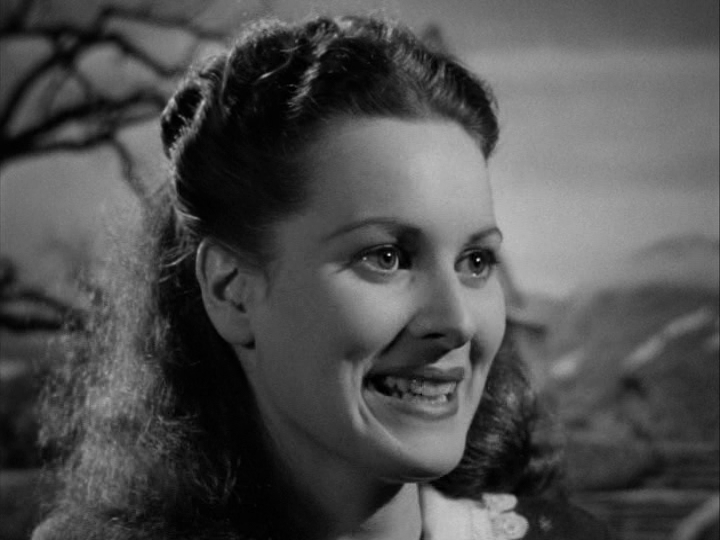
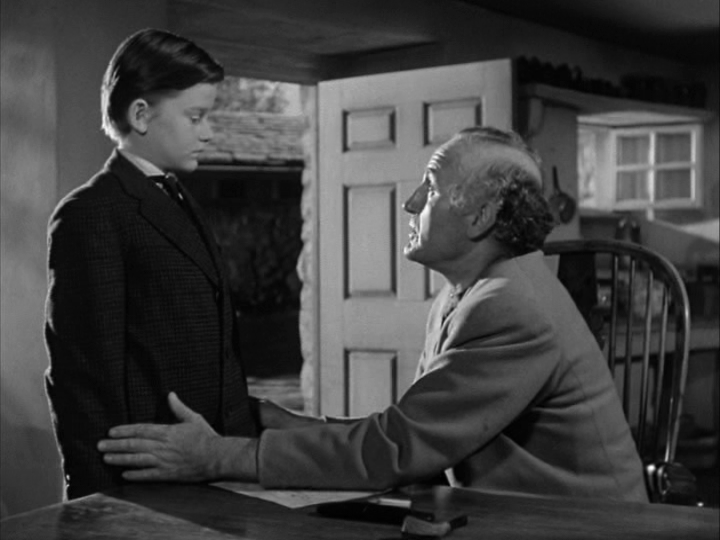
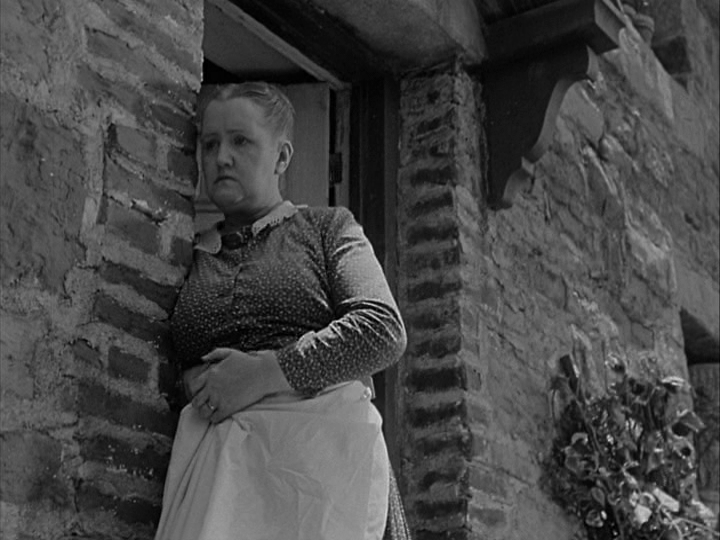
As the film opens, the Morgans are represented in an idealized fashion: McDowall’s brothers are strapping, his sister gorgeous, his parents stern but loving, and coal mining is viewed as a beloved, honorable profession. However, it’s quickly revealed that life will present an unending series of challenges for this group of strong-minded individuals. Crisp and his sons don’t see eye-to-eye on issues of unionization; O’Hara is asked to set aside her love for Pidgeon in order to marry (unhappily) for money; and McDowall, while clearly gifted (and, as the youngest child, somewhat spoiled) suffers from a debilitating injury, and must ultimately make a difficult decision regarding his future livelihood. Indeed, for a nostalgic historical drama, HGWMV is filled with a surprising number of genuinely distressing scenes; it’s to Ford’s credit that HGWMV remains so lighthearted in overall spirit while simultaneously avoiding designation as a “feel good” film. It should also be noted that Ford mostly avoids his general tendency to incorporate comedic supporting actors for levity; the only instance of this is in the character of Dai Bando (Rhys Williams), McDowell’s boxing teacher, and his presence does indeed provide some welcome relief.

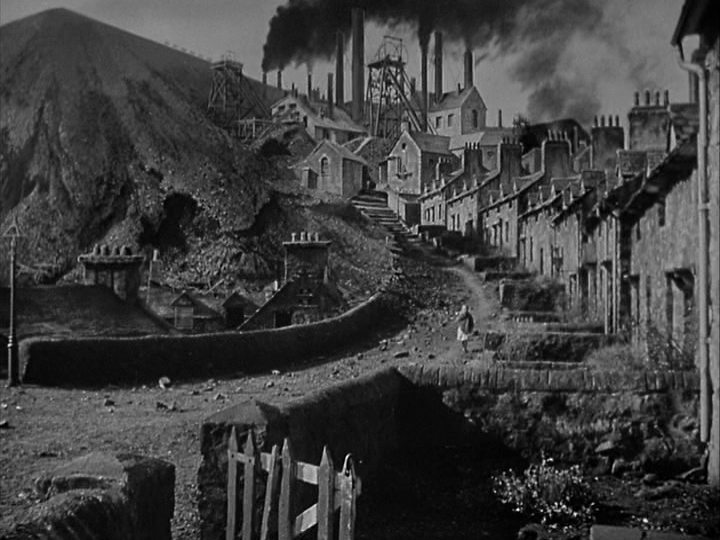
The production values for HGWMV — shot in the hills of Malibu, given wartime climate in Europe — are uniformly stellar. Arthur C. Miller’s b&w cinematography is consistently stunning, and Ford frames each scene with his characteristically considerate eye. Scene after scene has lasting visual impact, from the image of Welsh coal miners singing as they wend their way to and from work, to the strategically choreographed wedding scene between O’Hara and her wealthy suitor (Marten Lamont), to crippled McDowell’s attempts to walk to Pidgeon on the hillside. The performances are equally top-notch: Crisp and Allgood are perfectly cast as the heads of the Morgan clan; O’Hara is stunning in her breakthrough role; and it’s difficult to imagine anyone but McDowell in the lead role (though a different actor should perhaps have been considered to play his character in the final scenes of the film, given how many formative years have supposedly passed, and how youthful McDowall still looks). But this is a minor complaint about a film that remains surprisingly poignant all these years later, despite its enduringly bad rap as the film that “stole” Citizen Kane‘s award. (And yes, Citizen Kane — one of my top-five favorite films — DID ultimately deserve the award. But that’s beside the point.)

Redeeming Qualities and Moments:

  • Roddy McDowall as Huw
  • Maureen O’Hara as Angharad
  • Donald Crisp as Mr. Morgan
  • Sara Allgood as Mrs. Morgan
  • Arthur C. Miller’s cinematography

  • Impressive sets (built in the hills of Malibu)
  • Fine direction by Ford

Must See?
Yes, as an enduring Ford classic. Listed as a film with Historical Importance and a Personal Recommendation in the back of Peary’s book.

Categories

  • Genuine Classic
  • Important Director
  • Oscar Winner or Nominee

(Listed in 1001 Movies You Must See Before You Die)

Links:

Phffft (1954)

Phffft (1954)

“I’m no longer interested in beds.”

Synopsis:
A recently divorced husband (Jack Lemmon) and wife (Judy Holliday) navigate the tricky world of dating while gradually recognizing that they’re still in love with one another.

Genres, Themes, Actors, and Directors:

  • Divorce
  • Flashback Films
  • Jack Carson Films
  • Jack Lemmon Films
  • Judy Holliday Films
  • Kim Novak Films
  • Mark Robson Films
  • Romantic Comedy

Review:
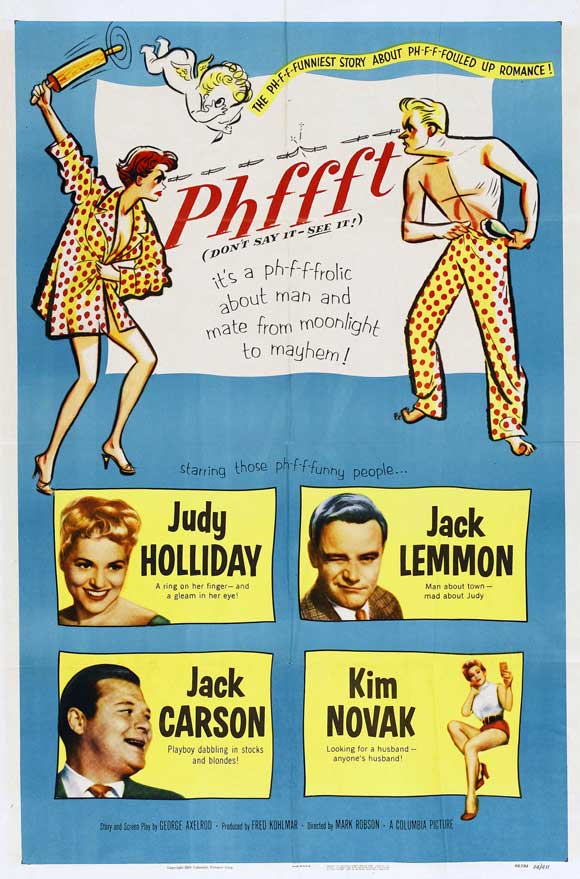
Judy Holliday and Jack Lemmon are perfectly paired in this sprightly romantic comedy (directed by Mark Robson, and scripted by George Axelrod) about a recently divorced couple who are clearly meant to end up right back in one another’s arms; with this understanding fully in mind, one watches the couple’s quibbling and travails with a sense of bemusement rather than discomfort. The film isn’t entirely successful, with some scenes working better than others: for instance, Holliday’s first post-divorce date — with the narcissistic star (Donald Curtis) of her hit radio show — is played much too broadly:

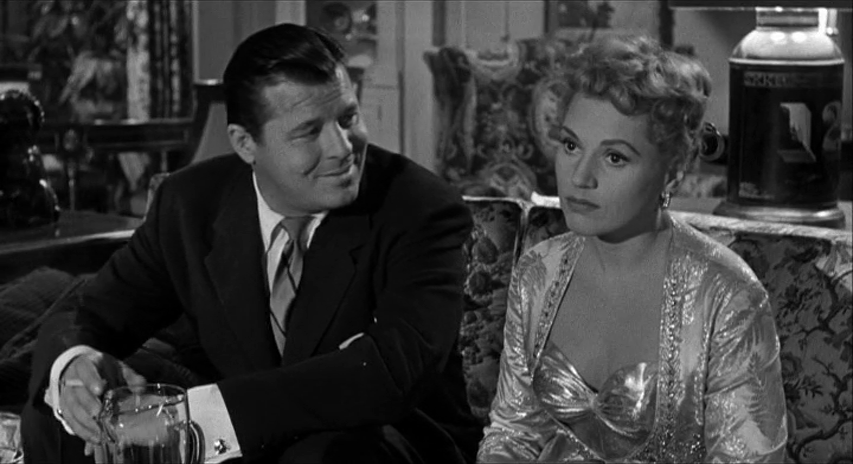
… but her scenes with the inimitable Jack Carson (as Lemmon’s playboy roommate) go in unexpected directions:

… and Lemmon’s dalliance with a sexy young student (Kim Novak, having fun channeling Marilyn Monroe):

… is an interesting foreshadowing of his scenes as traumatized Oscar Madison interacting with the Pigeon sisters in The Odd Couple (1968).

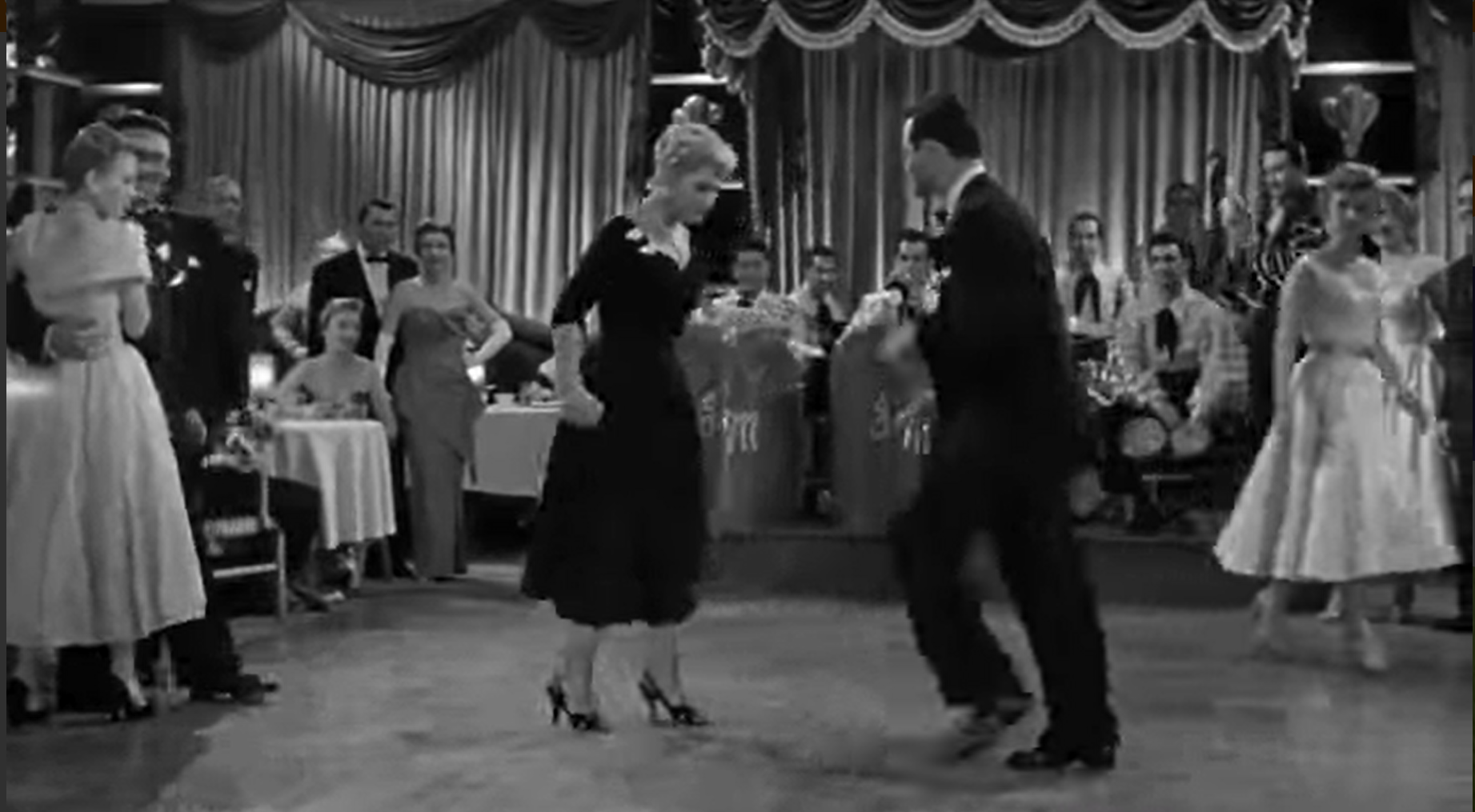
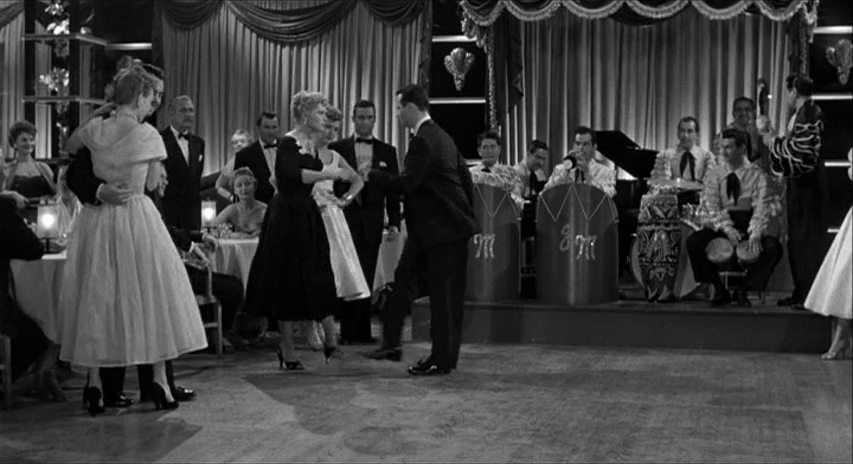
My favorite scenario, however, is a wordless one in which Holliday and Lemmon meet each other unexpectedly on the dance floor, flaunting their new moves (they’ve both taken dance lessons) while doing the mambo; one wonders how long it took them to coordinate their physical timing, and to learn to dance so perfectly awkwardly.

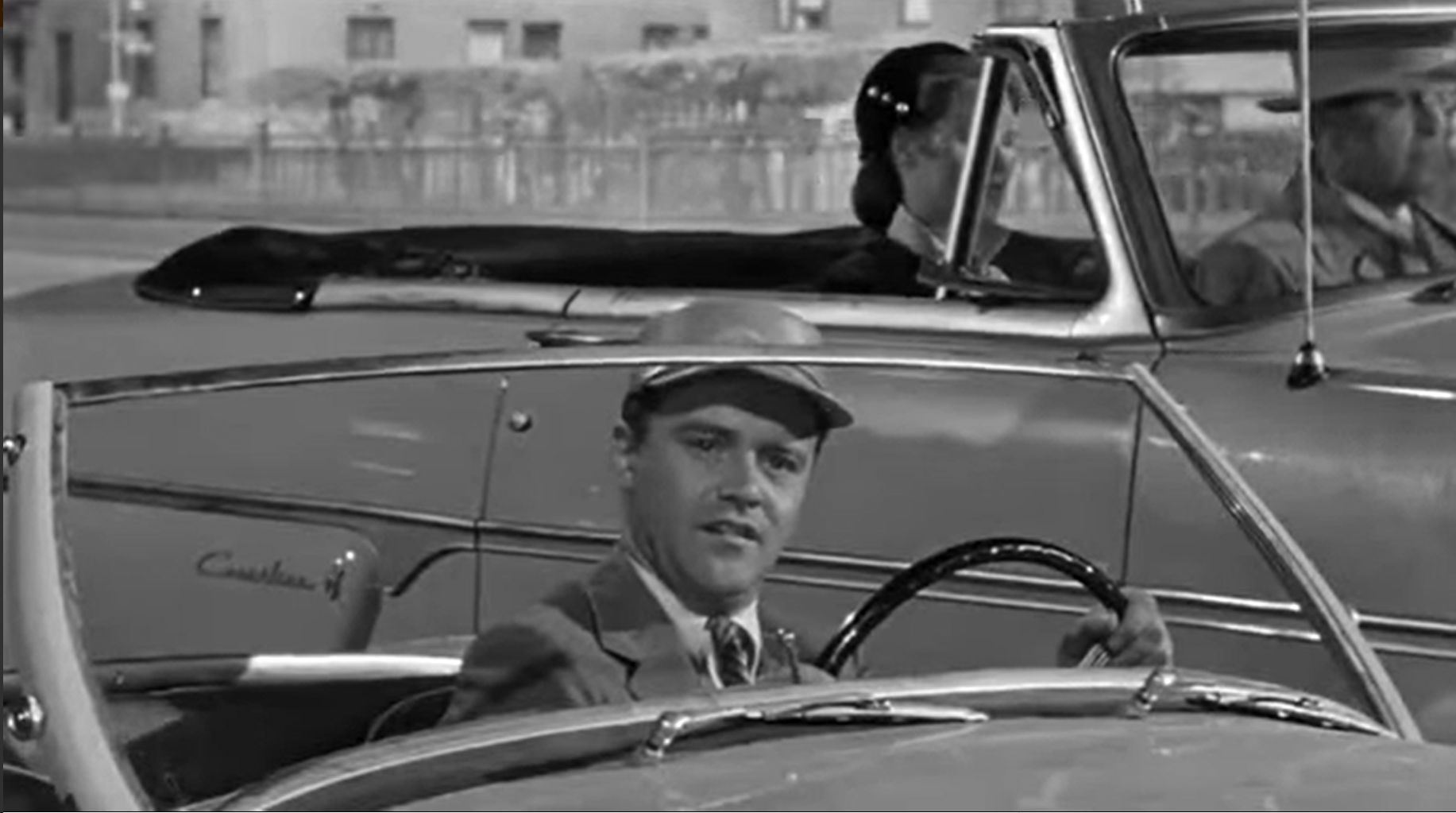
(All of this is made doubly impressive knowing that Holliday was sick as a dog throughout most of the shooting, and reported feeling like she was sleep-walking through many of her scenes.) Another fun scene has Lemmon — cautiously exercising his newly single muscles while driving a sporty car — attempting to flirt with a sexy woman on the sidewalk, only to have her turn around and reveal she’s Holliday.


Silly? Yes. Unrealistic? Sure. But Holliday and Lemmon are such gifted comedians that we can’t help enjoying their work together throughout this light-hearted romp. If only all divorces were so easily remedied.

Redeeming Qualities and Moments:

  • Judy Holliday as Nina
  • Jack Carson as Charlie
  • Lemmon and Holliday’s hilarious dancing scene

Must See?
No, though it’s definitely recommended simply for the performances.

Links:

Hold Back the Dawn (1941)

Hold Back the Dawn (1941)

“We are like two trains, halted for a moment at the same station, but we are going in different directions. We can’t change our course, any more than we can hold back the dawn.”

Synopsis:
A Romanian gigolo (Charles Boyer) living near the U.S./Mexico border hopes to gain entrance to the U.S. by marrying a naive young schoolteacher (Olivia de Havilland) — but will his jealous lover (Paulette Goddard) foil his plans?

Genres, Themes, Actors, and Directors:

  • Charles Boyer Films
  • Con-Artists
  • Immigrants and Immigration
  • Mitchell Leisen Films
  • Olivia de Havilland Films
  • Paulette Goddard Films
  • Romance

Review:
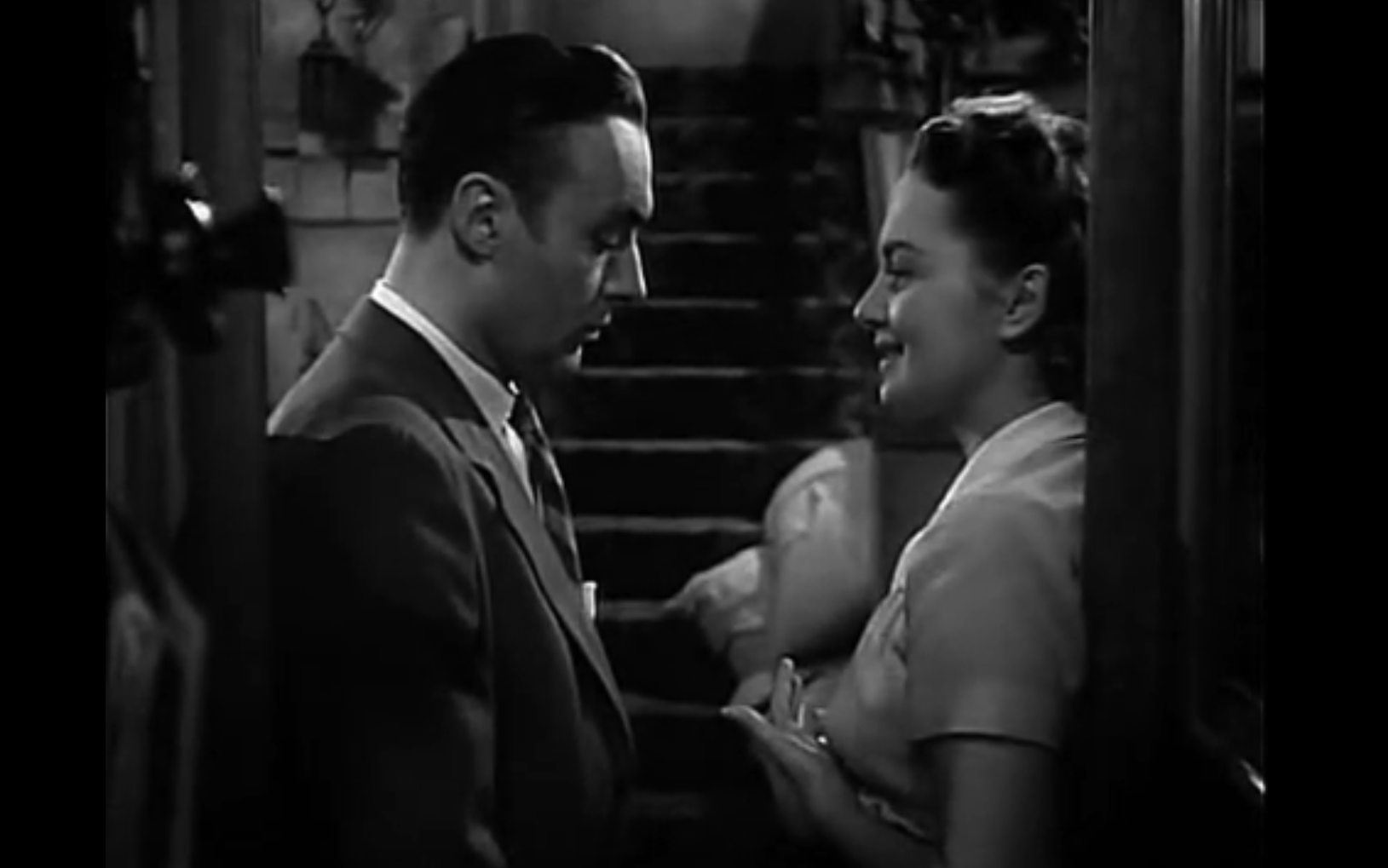
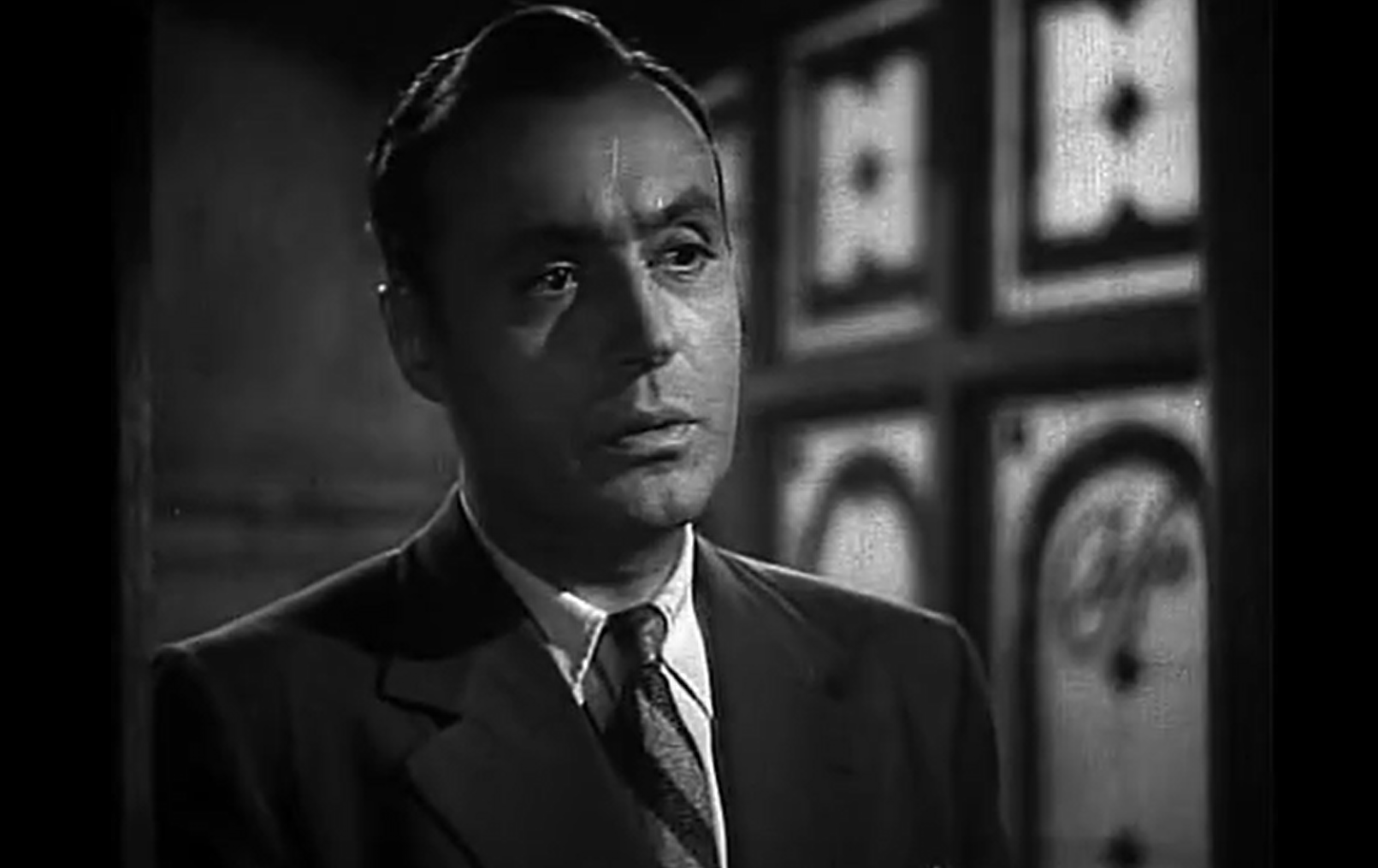
Mitchell Leisen directed this far-fetched but touching romance set in the “gritty” (albeit highly sanitized) world of immigration limbo. Much about the screenplay (written by Charles Brackett and Billy Wilder, based on a story by Ketti Frings) defies belief: would Boyer really be so instantly successful with the first woman he tries to woo? Would de Havilland really be so instantly swayed by his charms?

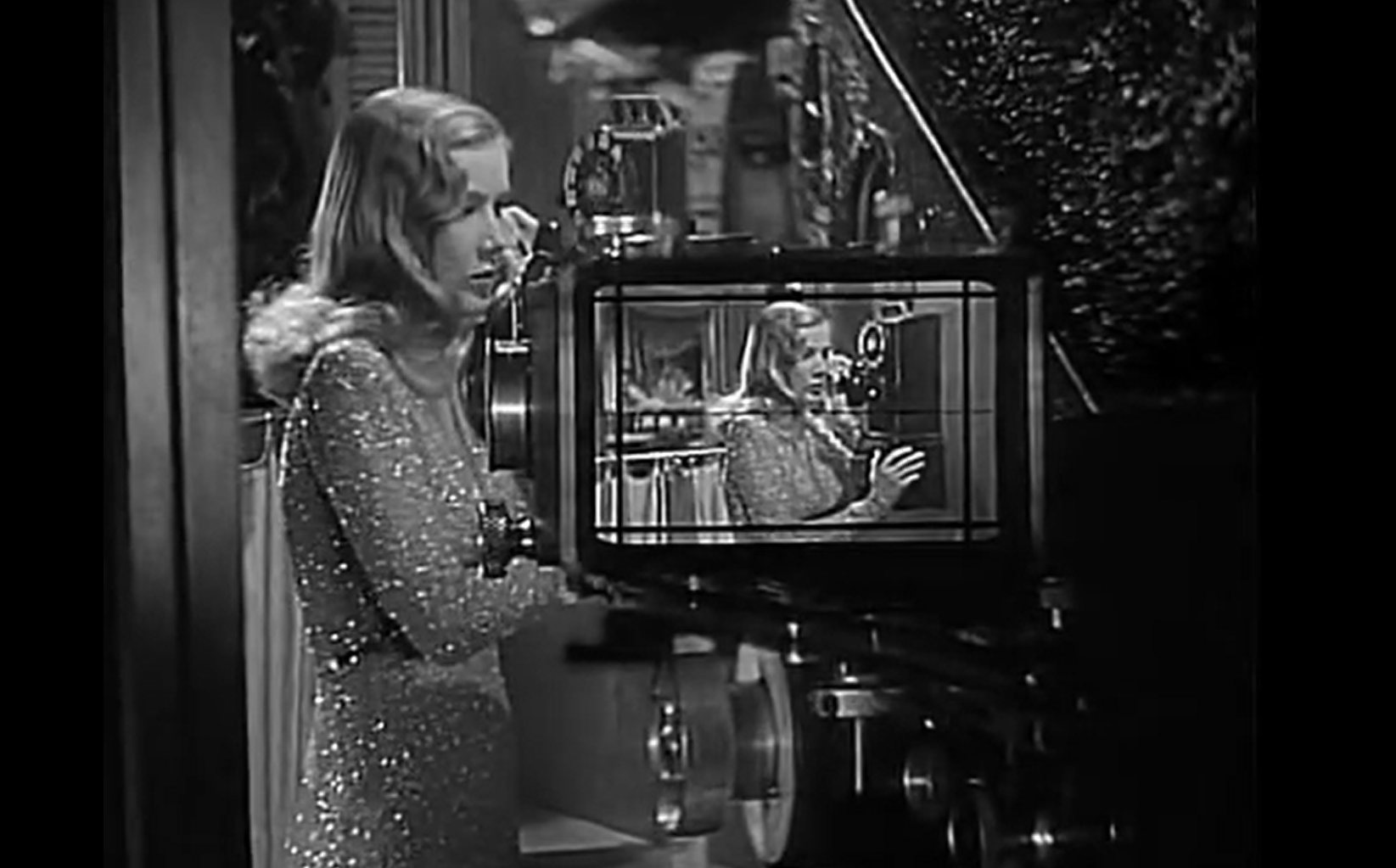
(And why in the world was beautiful de Havilland so consistently cast in “plain Jane” roles?) Regardless, Hold Back the Dawn is meant to function purely as Hollywood escapist fare, and to that end it works reasonably well. Despite knowing that de Havilland is being duped, we can’t help enjoying the blossoming of her romance with Boyer, given our conviction that Boyer will surely come to see the folly of his ways. The screenplay is nicely book-ended by Boyer’s character visiting a Hollywood studio and attempting to sell his story to a director (Leisen himself, in cameo); watch for fun cameos as well by Veronica Lake and Richard Webb, shown rehearsing a clip from Leisen’s I Wanted Wings (1941).

Redeeming Qualities and Moments:

  • Charles Boyer as George (nominated by Peary as one of the Best Actors of the Year in his Alternate Oscars)
  • Olivia de Havilland as Emmy (nominated by Peary as one of the Best Actresses of the Year in Alternate Oscars)

Must See?
No, though it’s certainly recommended.

Links:

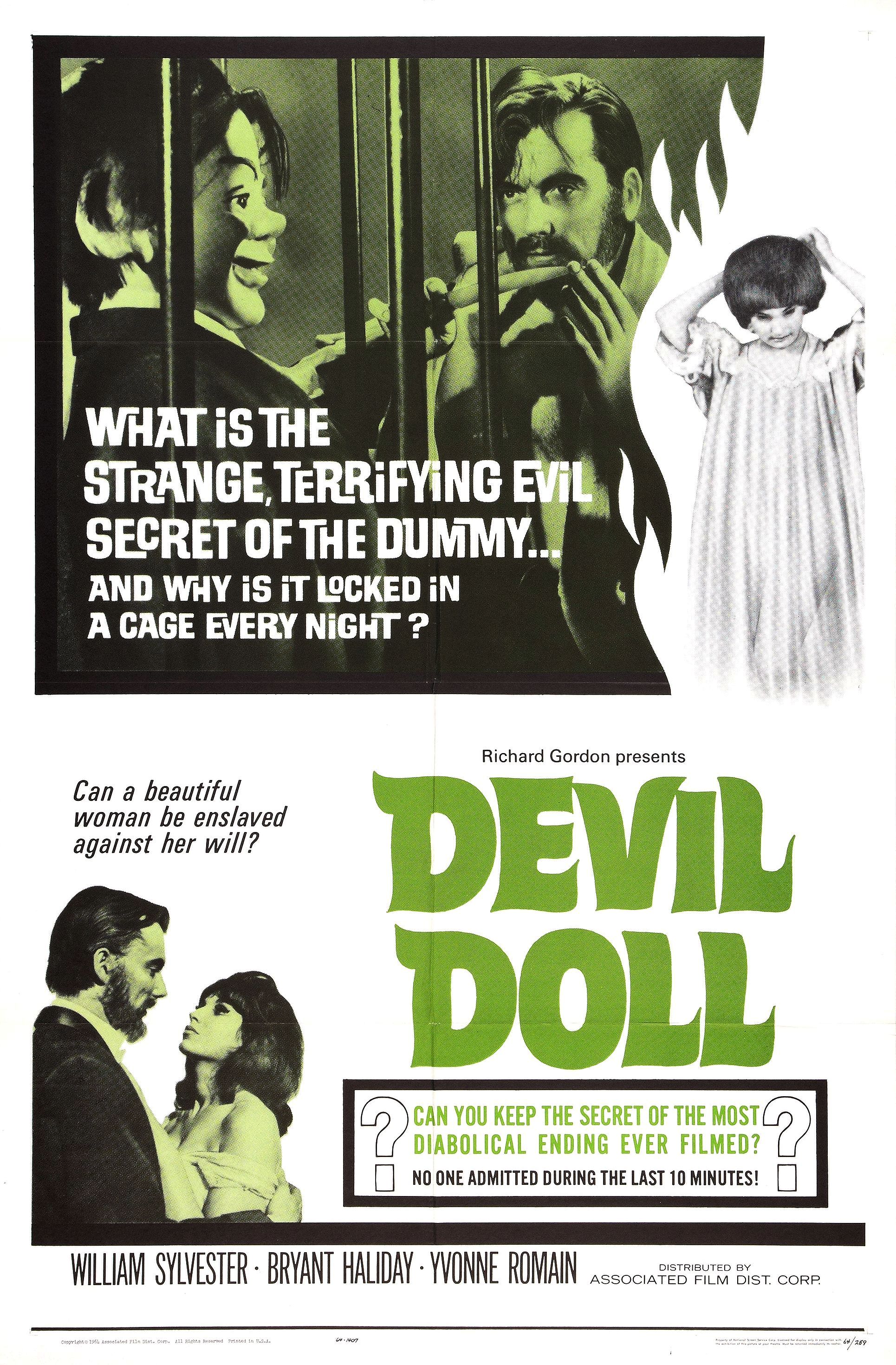
Devil Doll (1964)

Devil Doll (1964)

“They’re not applauding you — they’re applauding me! Yes, me, Hugo — the dummy!”

Synopsis:
A journalist (William Sylvester) hoping to learn the secret of a mysterious ventriloquist (Bryant Haliday) whose dummy is strangely mobile enlists the help of his beautiful, wealthy girlfriend (Yvonne Romain), unknowingly putting her life at risk.

Genres, Themes, Actors, and Directors:

  • Horror Films
  • Journalists
  • Mind Control and Hypnosis
  • Puppets and Ventriloquism

Review:
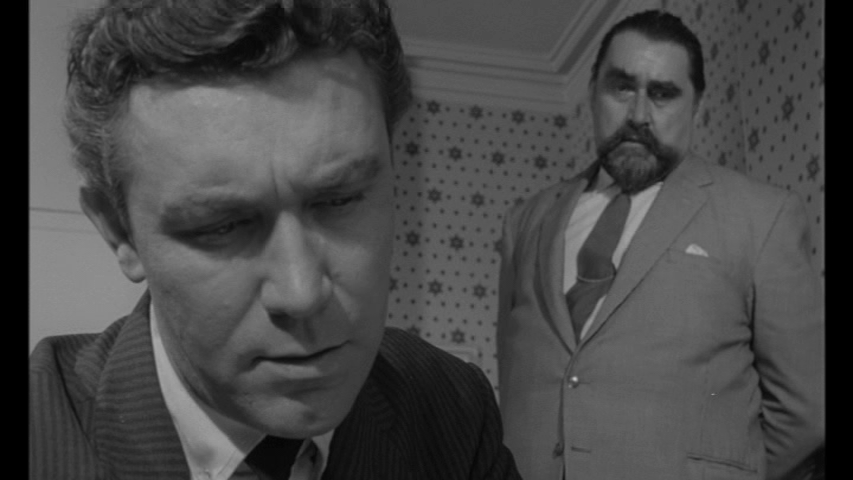
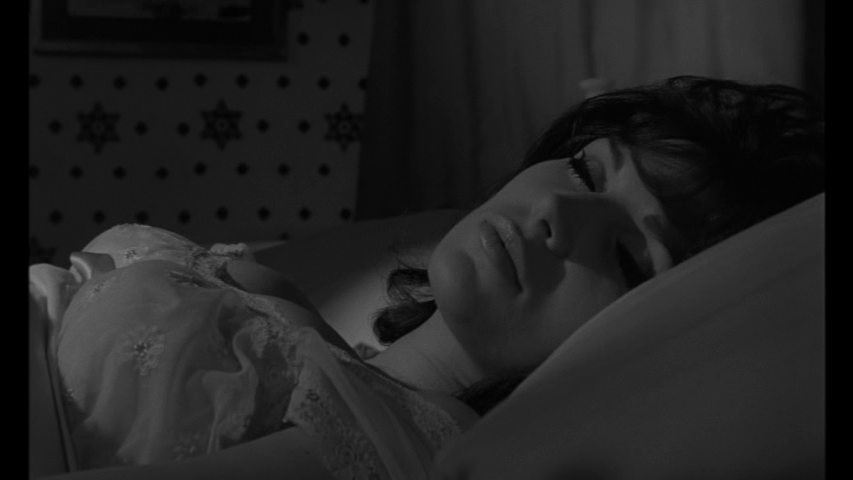
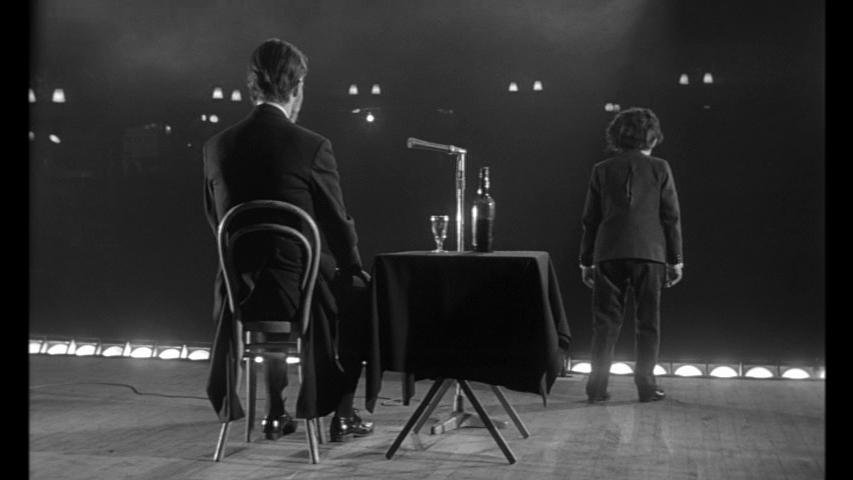
Fans of the “Ventriloquist’s Dummy” sequence in the classic British horror anthology Dead of Night (1945) may be curious to check out this unofficial homage, in which the title dummy is also named Hugo — though the tables of diabolical control in this case have been shifted from puppet to master. The pacing is overall too slow, and several moments (i.e., Romain being hypnotized into dancing onstage) are downright silly — but director Lindsay Shonteff and DP Gerald Gibbs do an adequate job evoking tension and menace within their low budget, and one remains curious until the end about Hugo’s secret (which involves a twist finale). The actors are decent for what essentially amounts to an exploitation flick — especially Haliday, whose creepy performance is reminiscent of Christopher Lee (surely intentional); meanwhile, fans of The Last of Sheila (1973) may enjoy seeing “Sheila” herself (sexy Romain) in a more substantial role.

Note: Other Peary-listed titles in the ventriloquism sub-genre include the terribly boring Erich von Stroheim vehicle The Great Gabbo (1929), and the disappointing Danny Kaye Cold War spoof Knock on Wood (1954).

Redeeming Qualities and Moments:

  • Reasonably effective low-budget direction and cinematography

  • A surprisingly strong sense of menace


Must See?
No, though it’s worth a look as a cult curiosity. Listed as a Sleeper and a Personal Recommendation in the back of Peary’s book.

Links: