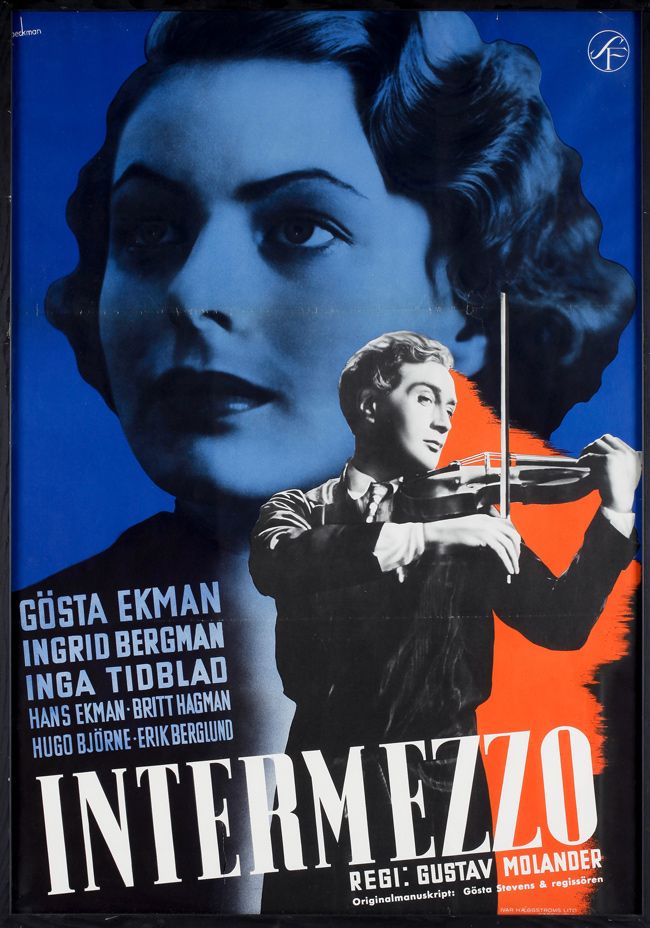
Intermezzo (1936)
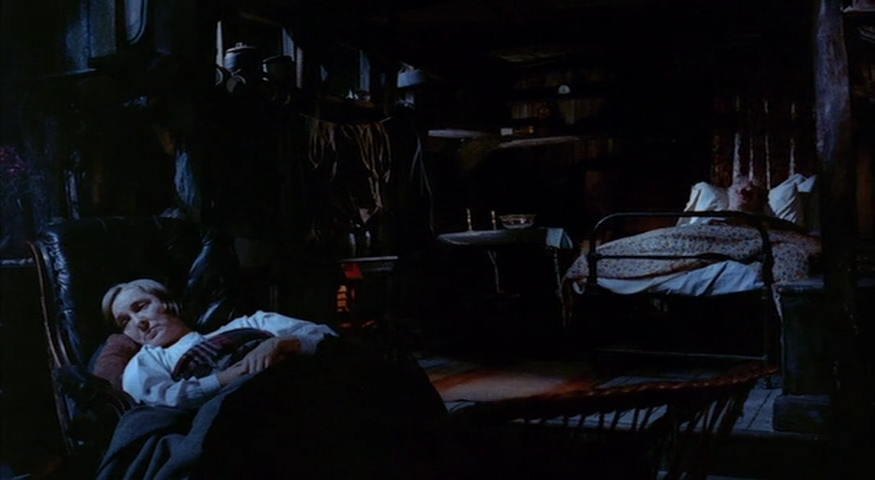
“Is it a crime to realize I can’t live without you?”
|
Synopsis: |
|
Genres, Themes, Actors, and Directors:
Review: Redeeming Qualities and Moments:
Must See? Links: |
Responses to Peary’s “must see” movie reviews, as well as my own “must see” movie reviews up to and after 1986 (when Peary’s book was published).
“Is it a crime to realize I can’t live without you?”
|
Synopsis: |
|
Genres, Themes, Actors, and Directors:
Review: Redeeming Qualities and Moments:
Must See? Links: |
“They’re all mine — and believe me, it’s no picnic!”
|
Synopsis: |
|
Genres, Themes, Actors, and Directors:
Review:
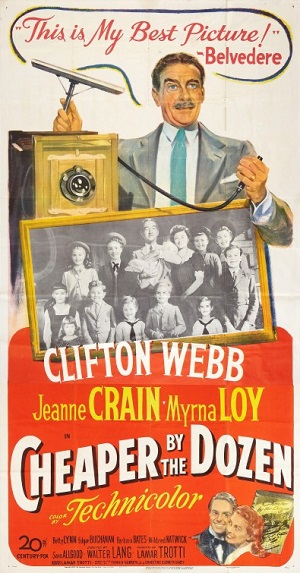
The primary problem with the film is the unfortunate casting of Clifton Webb as the Gilbreth patriarch. Webb — who previously starred to great effect in directer Walter Lang’s Sitting Pretty (1948) (and whose character, Belvedere, endorses this film in the poster above!) — might appear to be a logical choice as an efficiency expert, but (sadly) he lacks the charisma of the real-life Frank Gilbreth Sr., who is described in the book as “like a breath of fresh air when he walked into a room”, and someone who people “couldn’t be around without liking”. Webb is many things — i.e., droll and bright — but an intrinsically likeable breath of fresh air he is not (at least not here). Viewing short (silent) clips of the real Gilbreth family reveals a ruddy, larger-than-life patriarch who was a rare breed of kid-loving, extroverted control freak. Webb tries hard to convey a loving paternal presence on screen, but there’s no denying that one can’t realistically imagine him as the happily married father of twelve.
With that said, the film moves along pleasantly enough, and will appeal to those who prefer their historical dramas heavily dripping in nostalgia; as noted by Bosley Crowther in his original review for the New York Times: “…this is far from a picture of real and believable family life. This is a picture of illusions — happy, sentimental, even absurd.”
Most enjoyable are the occasional zingy lines in the screenplay — i.e., Webb noting that Crain’s short-statured, Mickey-Rooney-esque date (Benny Bartlett) “looks like what might happen if a pygmy married a bobtail penguin.” However, this turns out to be taken almost directly from the book, which contains infinitely more enjoyable one-liners:
Ultimately, I only recommend this film for diehard fans of the book who are curious to see how it was adapted. Note: For the record, I have not seen the Steve Martin remake (2003), and don’t plan to unless I’m convinced it’s significantly better than this version… Redeeming Qualities and Moments:
Must See? Links: |
A friend shared this still from a three-part BBC documentary called Sound of Cinema: The Music That Made the Movies.
Check out the shiny blue spine behind the man being interviewed!

This is also a good time to remind readers that a documentary about Peary is in the works — click here to read more!
“We are here just as observers — and, if they will let us be, as friends.”
|
Synopsis: |
|
Genres, Themes, Actors, and Directors:
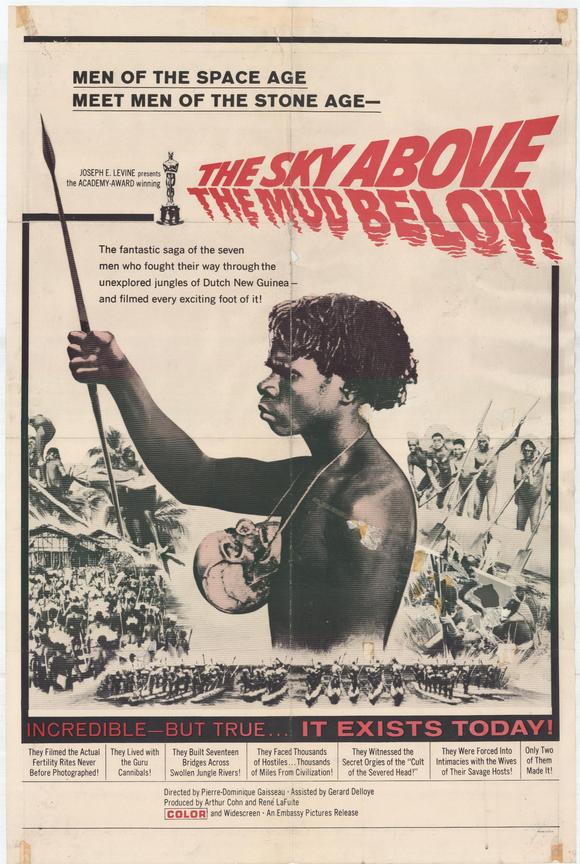
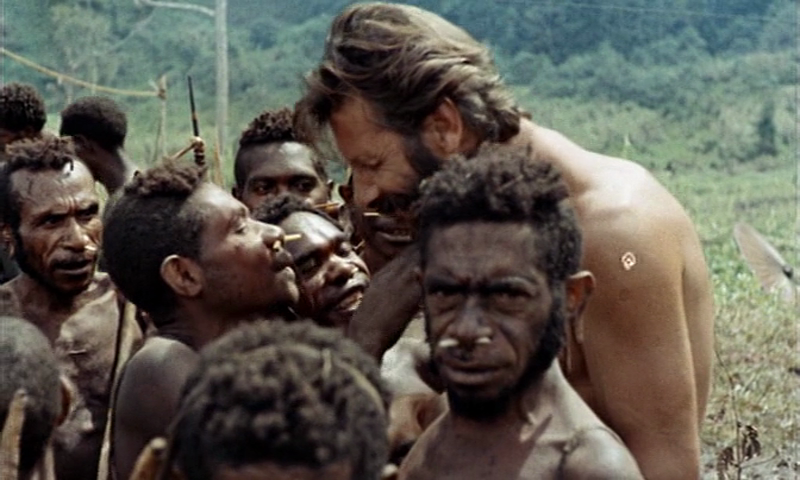
Review: At the same time, it’s hard not to feel at least mildly distressed by the exoticizing tone of both the solemn voiceover (“They say in the jungle, only fools and children ask questions.”) and many of the scenes — beginning with a staged introduction as the adventurers and a pretty stewardess smile while pointing to various locations on a globe (good thing they had that with them on the plane). As nudity, dramatic body piercings, and unsettling tribal customs (i.e., bare-breasted women suckle not just human babies but animals and adult guests) are put on display, we wish it were less obvious how superior the explorers feel to their “stone age” counterparts. Yet the filmmakers are nothing if not direct in their explanation of how and why the journey (funded by Dutch royalty) took place, making it easier for modern audiences to place the film within historical context and forgive some patronizing elements. Audiences at the time were surely enthralled by the opportunity to glimpse the lives of fellow humans so completely untouched by global influence — and modern film fanatics will likely be, too. Note: Viewers interested in this subject matter and area of the world might want to check out the more recent documentary The Search for Michael Rockefeller (2011), which weaves similar footage from the same era into an investigation of the famous heir’s mysterious disappearance. Also recommended is the National Geographic documentary series based on Gerald Diamond’s Guns, Germs and Steel (2005). Redeeming Qualities and Moments:
Must See? Categories
Links: |
“If you’re a star, you don’t stop being a star.”
|
Synopsis: |
|
Genres, Themes, Actors, and Directors:
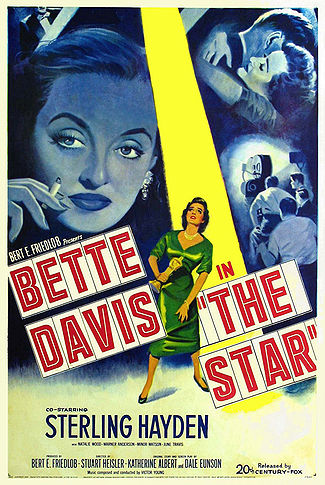
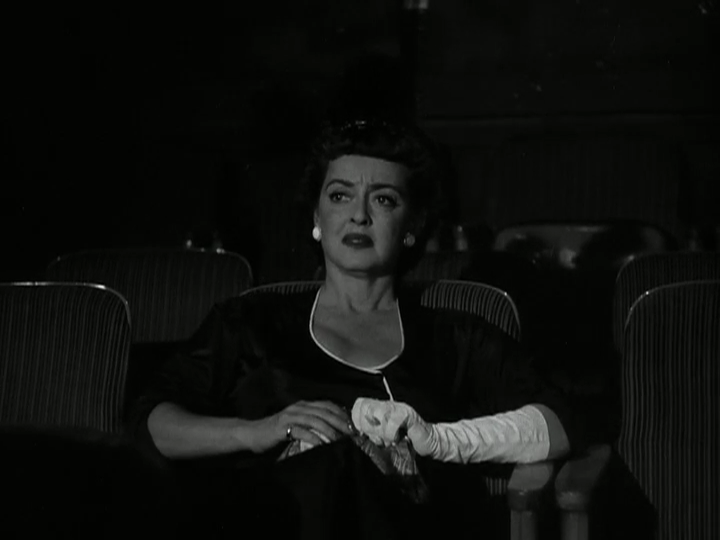
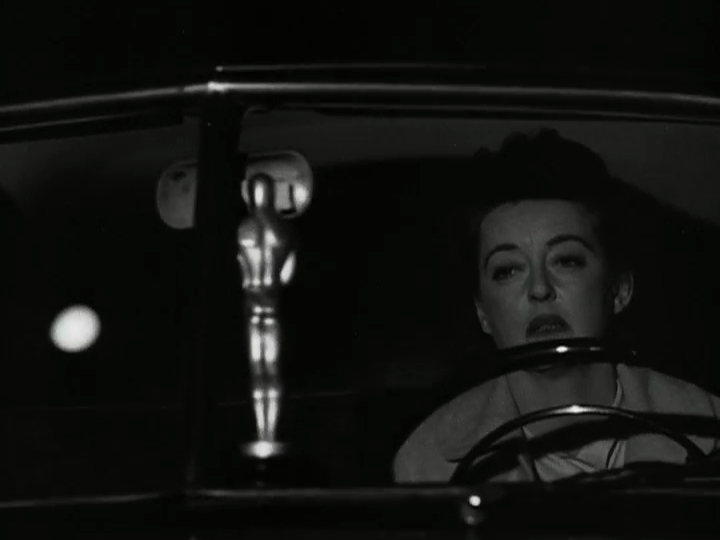
Review: Davis — who purportedly had Joan Crawford in mind when playing Elliott — gives a nuanced, sympathetic performance as a woman unable to face the reality of her circumstances. The scene in which she watches herself in a screen-test, cringing in horror at the results of her vain refusal to accept her director’s guidelines, is masterful:
… and her interactions with her ungrateful sister (Fay Baker) and brother-in-law (Herb Vigran) are nicely handled.
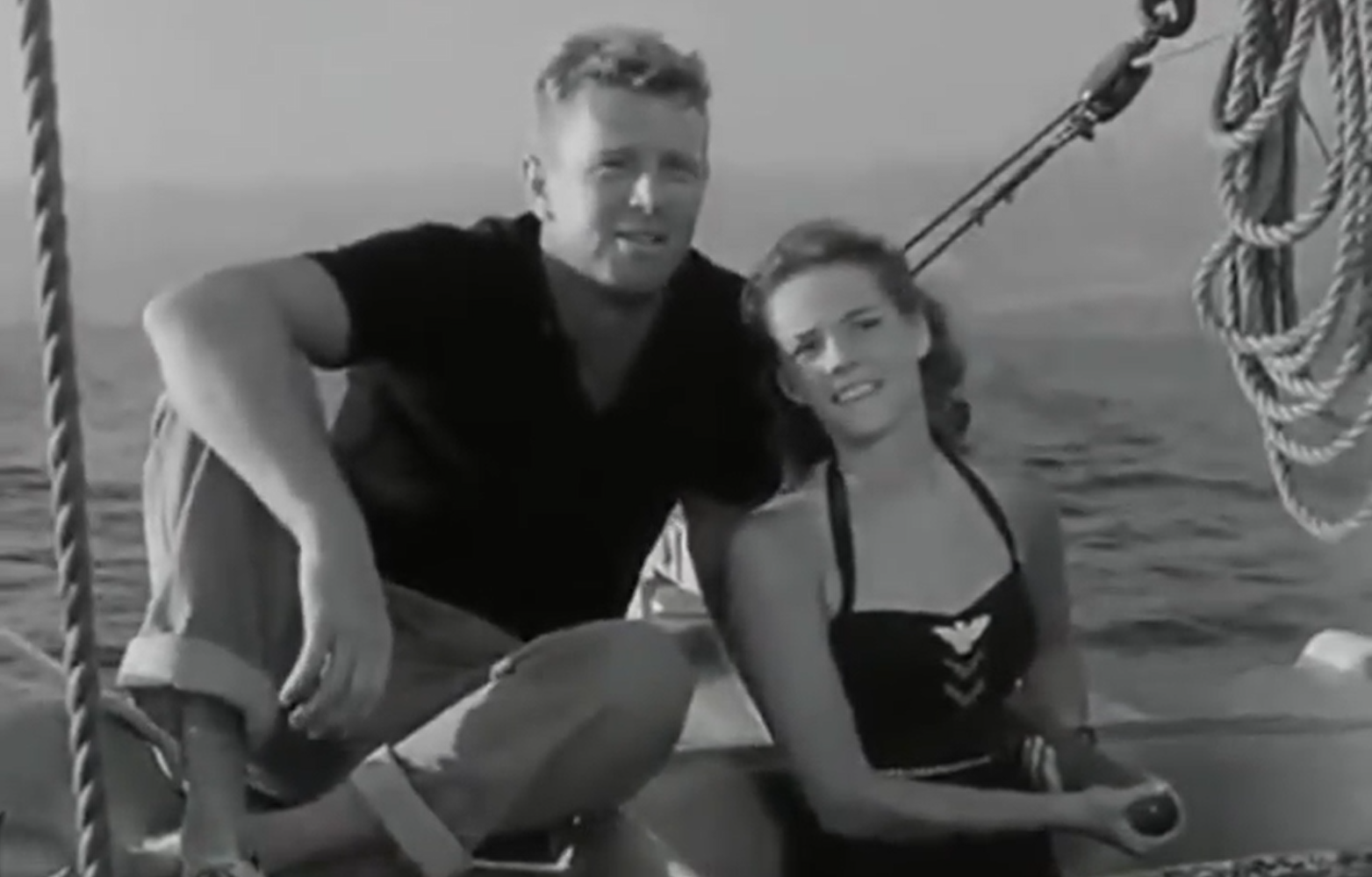
However, the screenplay is ultimately a disappointment in comparison with the two classic titles referenced above, and it’s hard not to feel frustrated by what could have been done with this juicy set-up. The trajectory of the storyline — particularly Elliott’s romance with Hayden:
… is too predictable, and some patently overwrought dialogue (“I once thought you were a woman. I was wrong; you’re nothing but a career.”) — place the film squarely in the realm of “women’s dramas”. However, Davis’s performance is strong enough to recommend The Star for at least one-time viewing. Trivia Note: Fourteen-year-old Natalie Wood plays a small role as Davis’s daughter, with one scene — taking place on Hayden’s boat — eerily foreshadowing the circumstances of her untimely death-by-drowning at the age of 43.
Redeeming Qualities and Moments:
Must See? Links: |
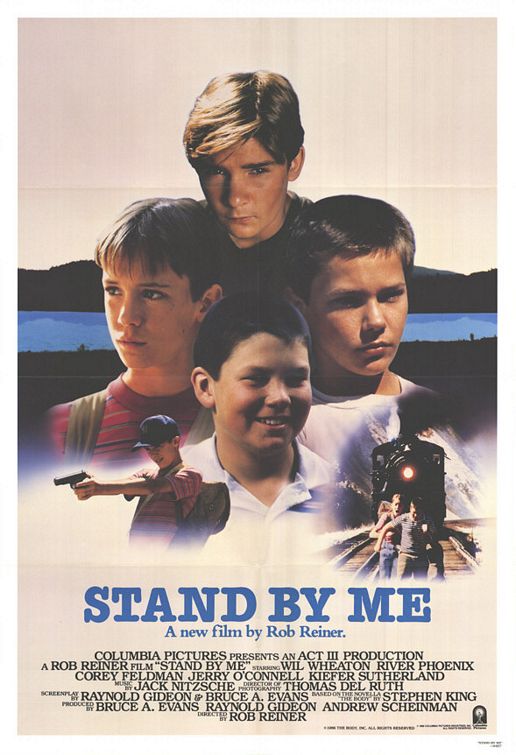
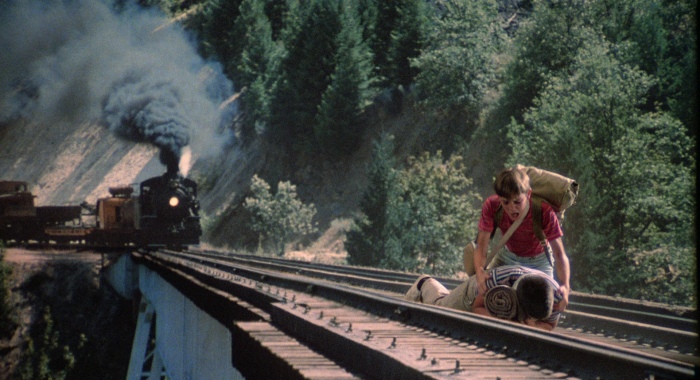
“I never had any friends later on like the ones I had when I was twelve.”
|
Synopsis: |
|
Genres, Themes, Actors, and Directors:
Review: Redeeming Qualities and Moments:
Must See? (Listed in 1001 Movies You Must See Before You Die) Links: |
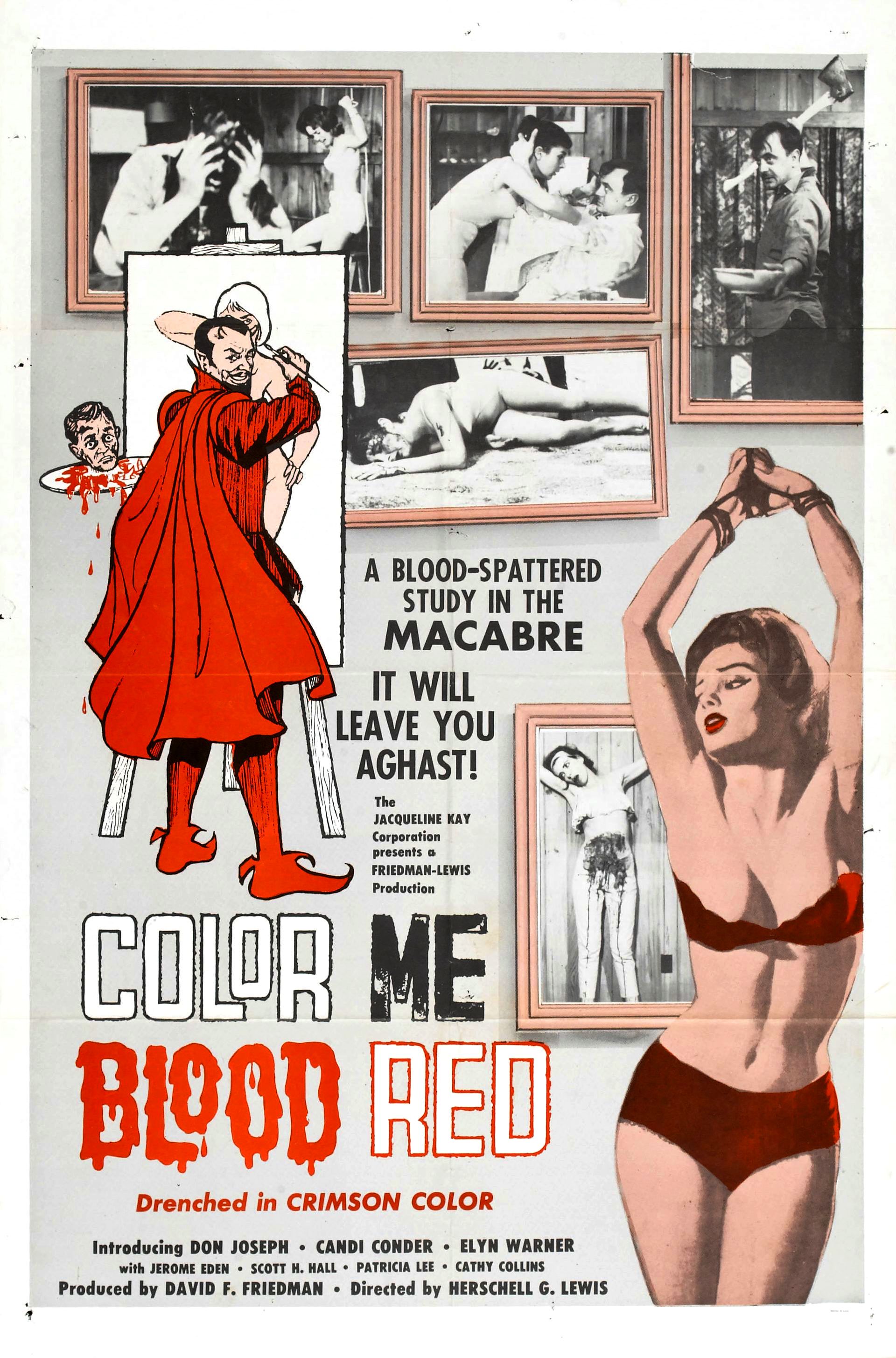
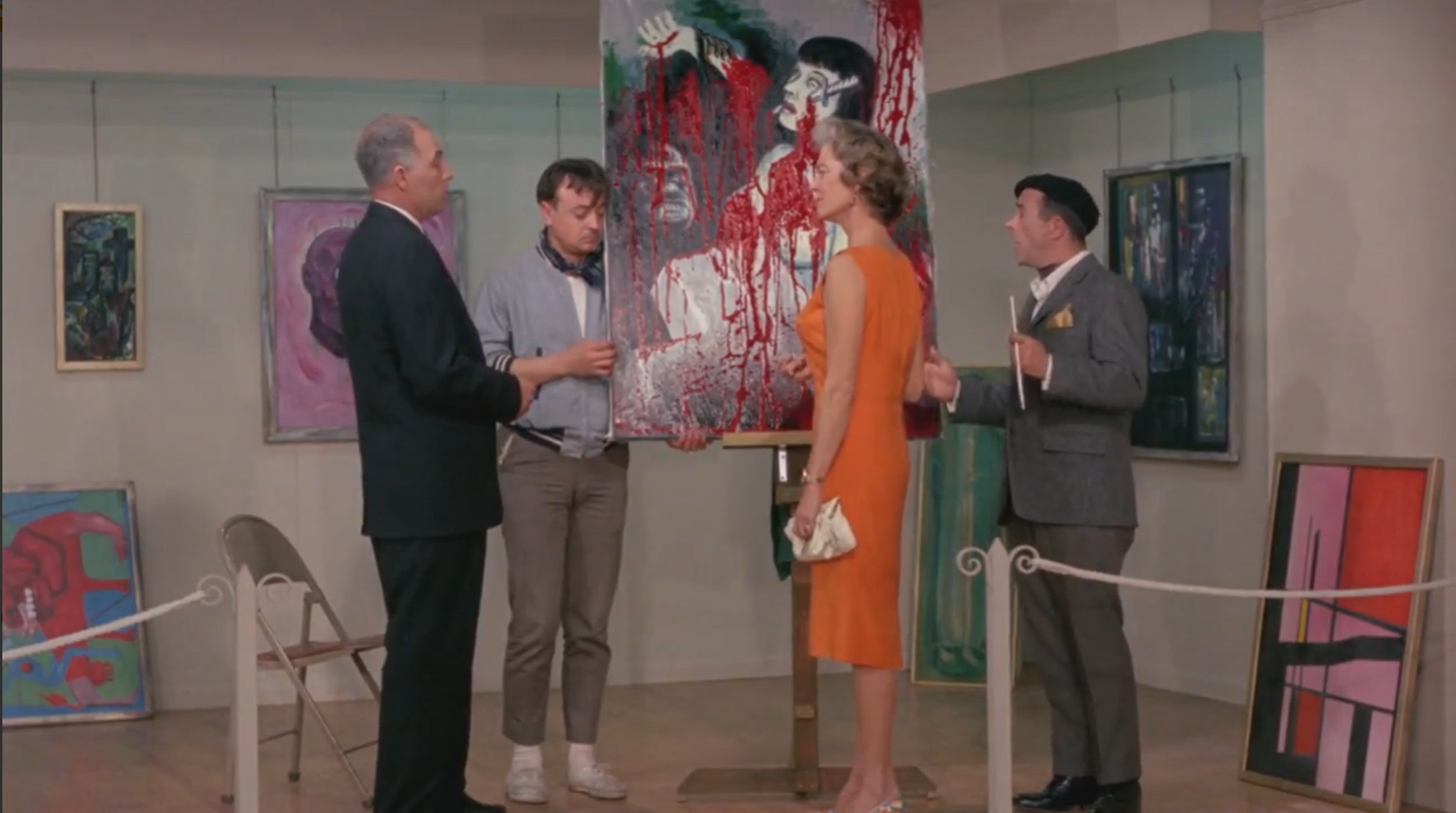
“What kind of a vampire are you, painting with blood? Are you a painter or a butcher?”
|
Synopsis: |
|
Genres, Themes, Actors, and Directors:
Review:
(For a humorous blow-by-blow analysis by a critic who refers to this as Lewis’s “worst film”, click here.) Be forewarned that whenever a tedious Beatnik duo (Patricia Lee and Jim Jaekel) show up on screen, presumably for comic relief, you’ll need to have your fast-forward button easily on hand.
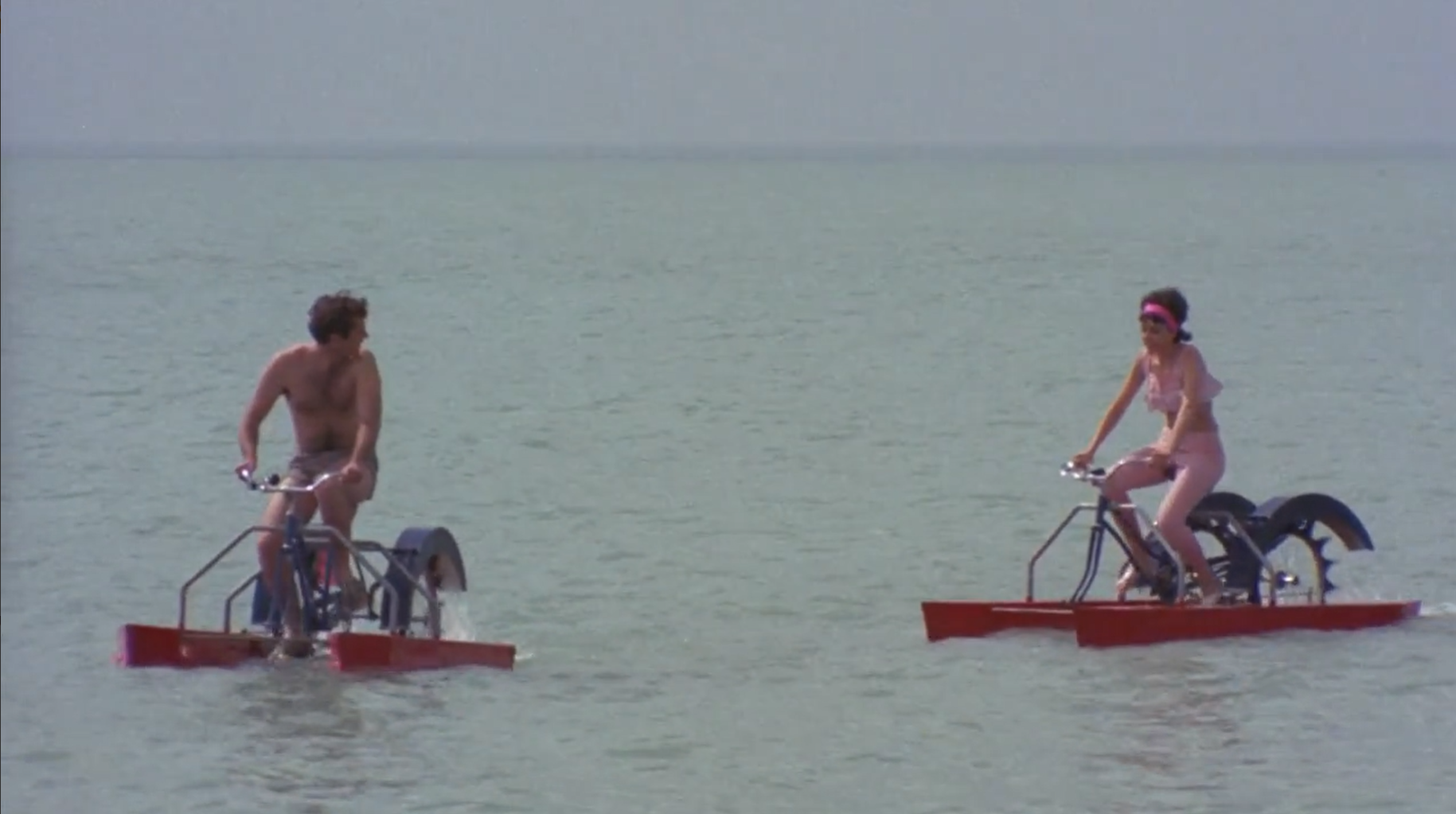
Note: Of mild interest is the incorporation of Aqua Cycles into several sequences; this sporting activity is something you just don’t see anymore, in real life or the movies, probably for good reason. Redeeming Qualities and Moments:
Must See? Links: |
“Hey, kid — why don’t you take off your mask?”
|
Synopsis: |
|
Genres, Themes, Actors, and Directors:
Review:
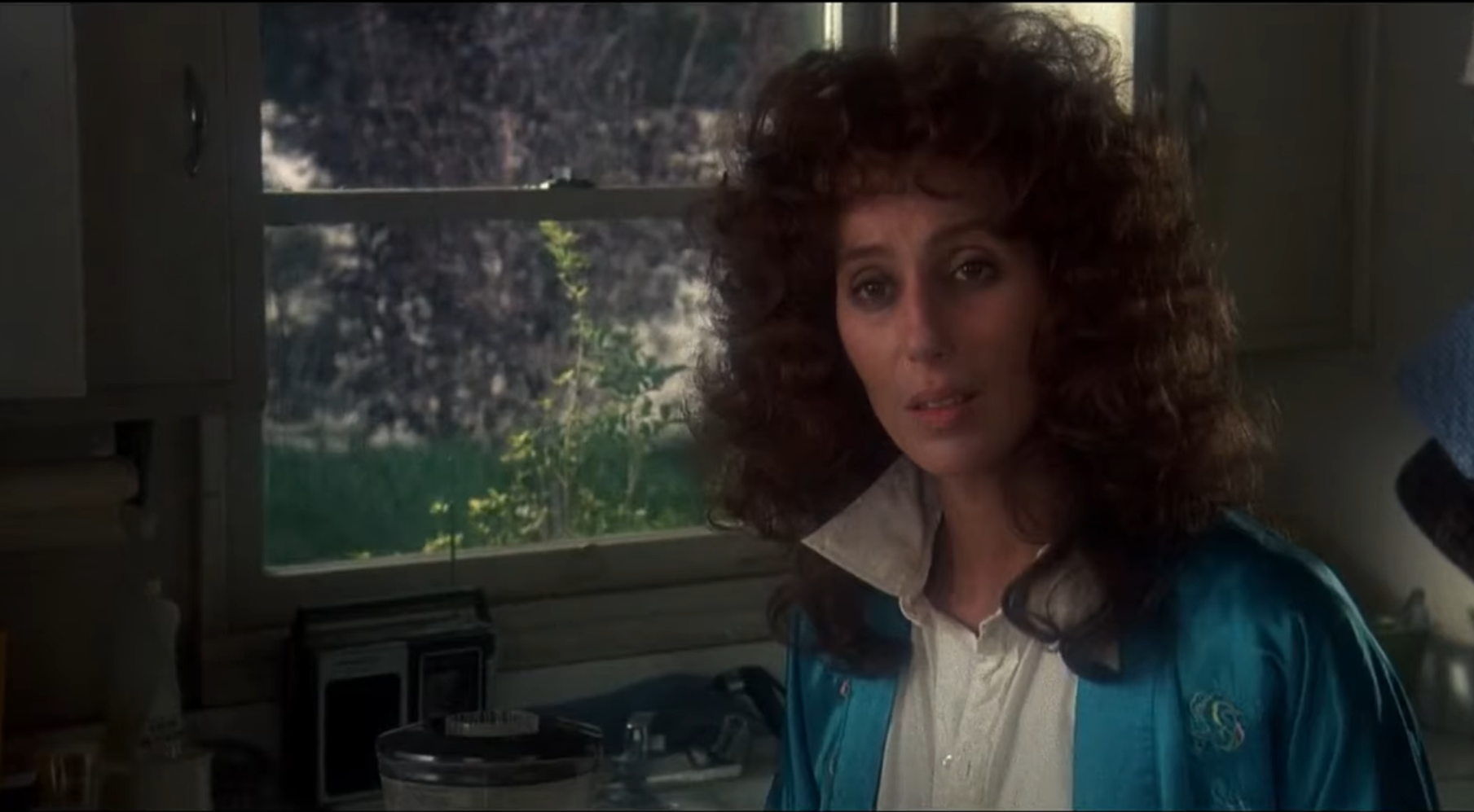
The script is primarily concerned with showing Rocky’s everyday life: he argues with his mom (a sad-eyed, feisty Cher) about her drug use:
… dreams of going on a motorcycle tour of Europe with his best friend (nicely played by Lawrence Monoson):
… bargains for tutoring money from his classmate:
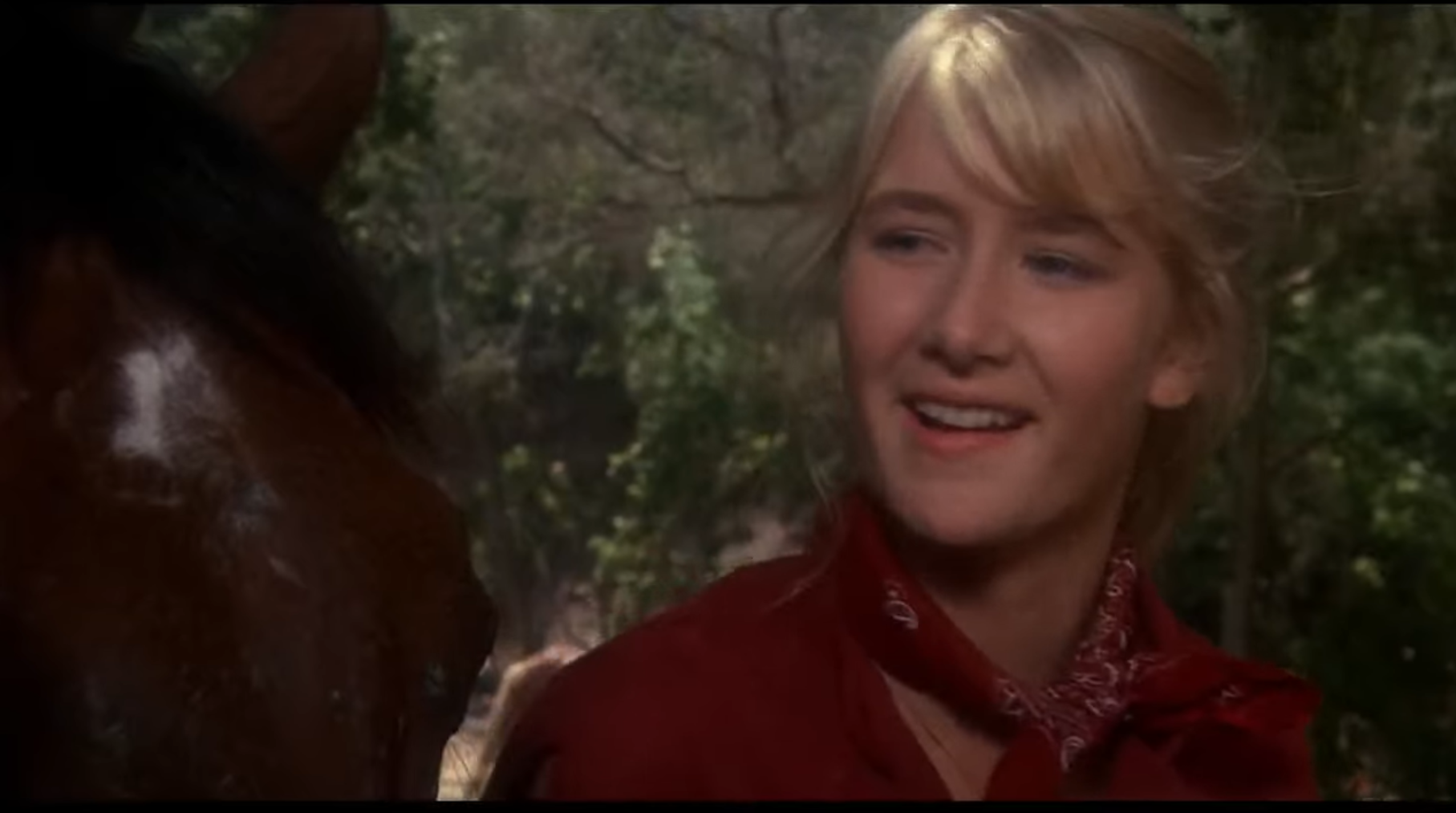
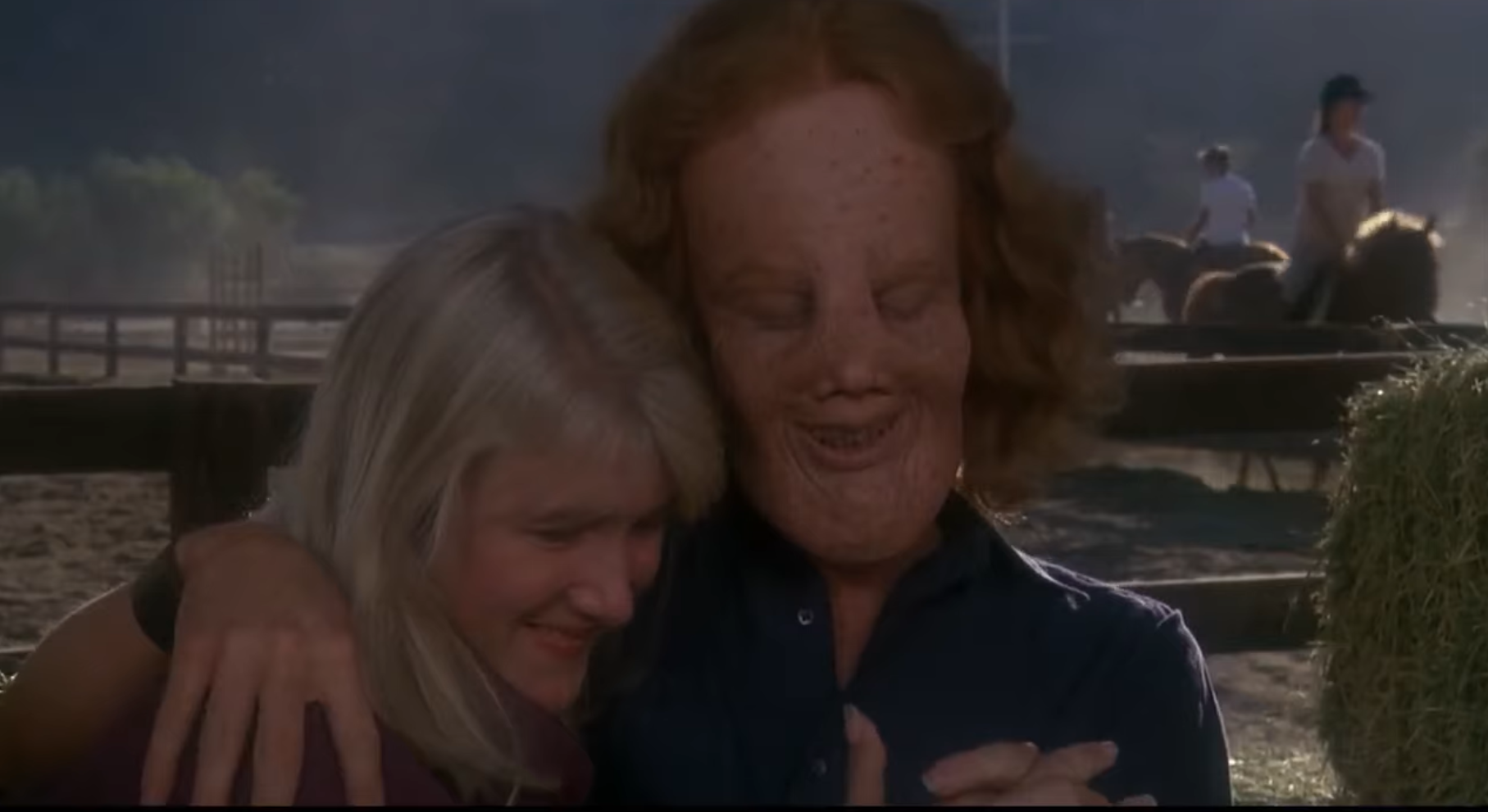
… and, in the movie’s most touching scenes, falls in love with a beautiful blind girl (Laura Dern) he meets at summer camp.
We watch him struggle with his appearance and his disability (which, he’s been told for years, means imminent death), but it’s remarkable how many of his daily concerns could easily be those of other teens in a slightly different context. Unfortunately, Bogdanovich — working from a script by Anna Hamilton Phelan — pads his storyline with extraneous material regarding Cher’s romance with a stoic biker named Gar (Sam Elliott, wasted in an undeveloped role):
— their presence ultimately eats up too much screentime. With that said, more scenes could easily have been prioritized for Stoltz’s touching romance with Dern, who does a fine job portraying a sweet girl deserving of Rocky’s affections. This one remains worth a one-time look for Stoltz’s performance, as well as the impressive, Oscar-winning make-up (which seems to emulate the real Rocky’s face quite accurately). Note: Click here to read an archived People magazine article about the film’s real-life inspirations. Also, be sure to check out TCM’s article for more insights into Bogdanovich’s struggles during the making of this film, particularly regarding his fight to include songs by Bruce Springsteen; they’ve been restored in the recent Director’s Cut, though they don’t really come across as integral to the storyline. Redeeming Qualities and Moments:
Must See? Categories
Links: |
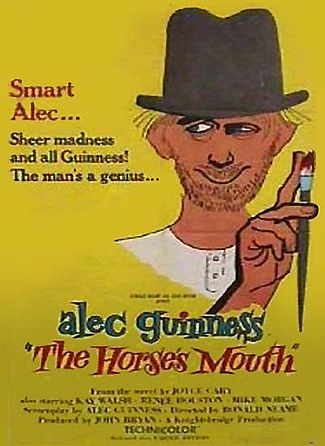
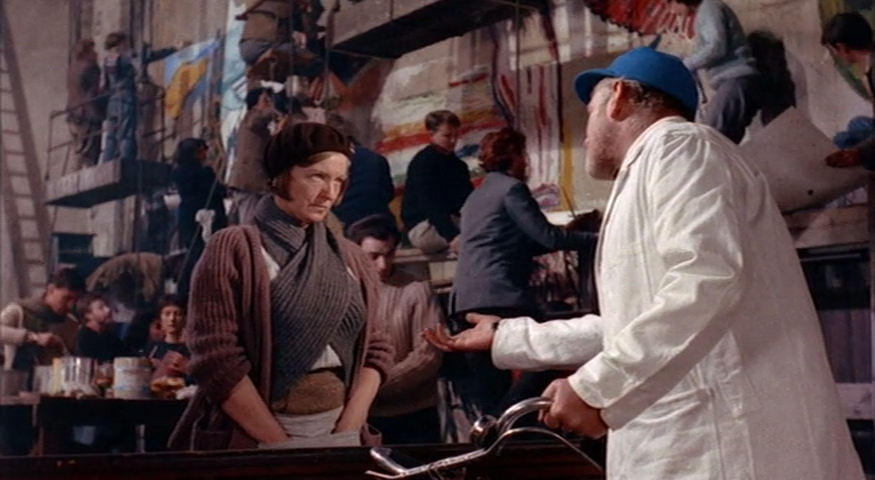
“I’ll tell you something, straight from the horse’s mouth: you have to know when you succeed and when you fail, and why. Know thyself, in fact. In short, you have to think.”
|
Synopsis: |
|
Genres, Themes, Actors, and Directors:
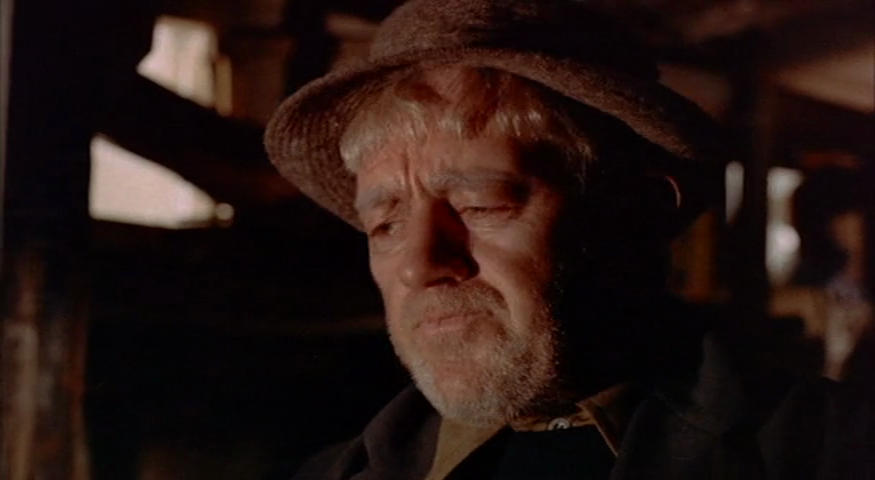
Review: Indeed, it’s to Guinness’ enormous credit that we find his deceitful character so oddly “appealing” — and even charming (almost!) in his single-minded pursuit of his craft. As Peary argues, “We’d almost think Gulley insane if it weren’t for several moments when he talks about art and what it means to him”, at which point his “character is suddenly clearheaded, wise, inspired and inspiring”, evincing “an intellectual approach to his art” that leads to numerous expressive quotes — as when he enjoins Walsh to “feel the picture with your eyes… the lights and the shades, the cool and the warm”. As Peary points out, however, this film is ultimately concerned with demonstrating how “no one but another great artist could grasp how [Jimson] feels, what he sees, or what he paints” — and thus, “he must remain alone and isolated, an irritant to society, an idol to aspiring young artists, an outsider, a visionary with a great new, but probably impossible, idea in his head”. Peary’s articulate review of Guinness’s “marvelous” performance does justice to the film’s unique portrait of an artist who may be permanently unhinged, but whose single-minded pursuit of creative expression is truly a feat to behold. We see the humor in Guinness’s actions even as we cringe at his overtly critical manipulation of others, given that we can sense what a vital role he plays in “an England that was changing socially and politically”. After all, he does possess legions of adoring fans — not just bright-eyed young aspiring artists and critics (including the hilariously obsequious tag-along Morgan), but high-society admirers such as Lady Beeder (Veronica Turleigh), who seems not-at-all perturbed by Guinness’s destruction of her manor while she’s gone on vacation, though her husband (Robert Coote) is a bit less tolerant. While Guinness’s performance clearly dominates the proceedings, equally impressive is Kay Walsh — perhaps best known by film fanatics as “Nancy” in David Lean’s Oliver Twist (1948) — as his reluctantly loyal on-and-off-again girlfriend. She epitomizes our collectively begrudging support of artists in general: they may be intolerably narcissistic and infuriating, but we need them to push the limits of our creative vision, and Walsh senses this on some level; meanwhile, her level-headed rationality is a crucial counterweight to Guinness’s flighty temperament (what would he do without her?). She’s given plenty of meaty lines (courtesy of the fine script, by Guinness himself), and the entire proceedings are filmed in wonderfully expressive hues by director Ronald Neame and cinematographer Arthur Ibbetson. The Horse’s Mouth isn’t always easy to watch — Guinness’s Gulley Jimson is an undeniably hard pill to swallow — but it should be seen at least once by all film fanatics. Redeeming Qualities and Moments:
Must See? Categories
Links: |
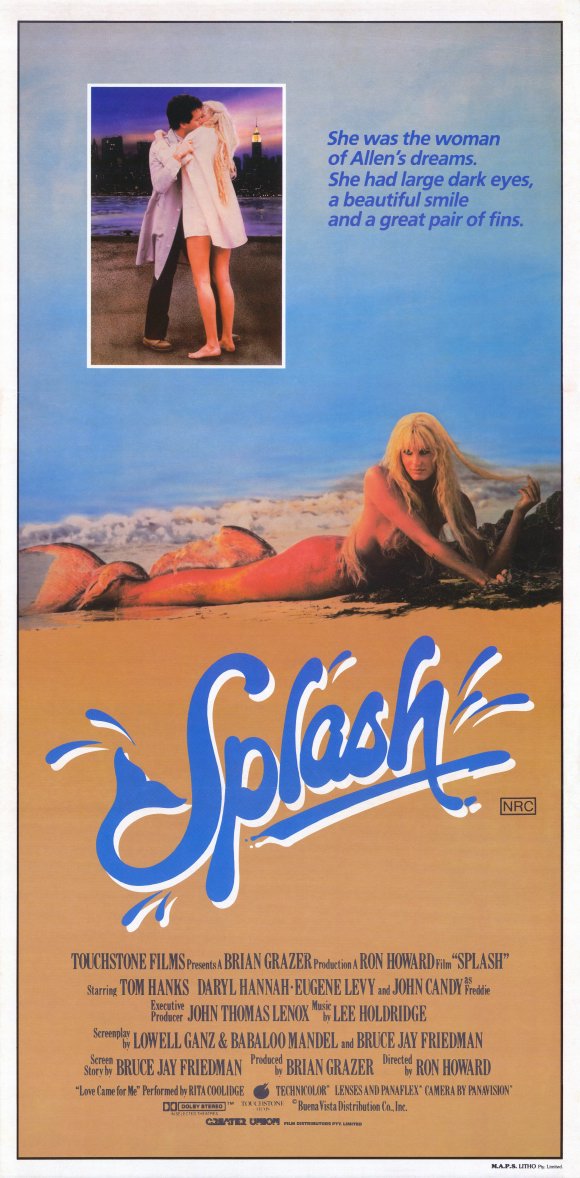
“All my life I’ve been waiting for someone — and when I find her, she’s a fish.”
|
Synopsis: |
|
Genres, Themes, Actors, and Directors:
Review: Splash‘s script (co-written by four males) is, despite its Oscar-nominated status, both lazy and unsatisfying: What kind of world does Hannah come from? Why is she hanging around Cape Cod? Who are her family members, and why is Levy solely interested in capturing Hannah? Other logistical concerns abound as well — i.e., why Hannah has just six days to live as a human before deciding permanently between worlds, or why water instantly transforms her back into mermaid form — though these would feel less important if the film itself were more satisfying. The best scenes are those filmed underwater, but they’re too few in number, and fail to open up our understanding of Hannah’s normal existence. Meanwhile, countless lines and scenes are either juvenile (i.e., the running “joke” that Candy likes to drop things on the ground in order to look up women’s skirts) or offensive (a saleswoman helping Hannah casually remarks, “My daughter, on the other hand, is lucky — she’s anorexic.”). Feel free to skip this one unless you’re curious to check it out for its cult appeal. * The fourth title is Night Tide (1961), which I haven’t yet seen, but I’ll report back… Redeeming Qualities and Moments:
Must See? Links: |