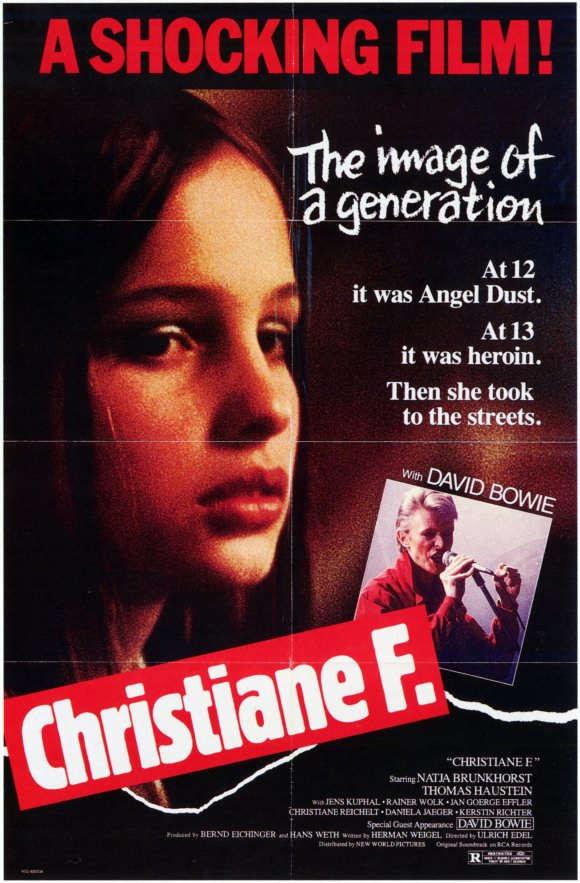
Christiane F. (1981)
“Look at them: the cooler they are, the more shots they’ve had.”
|
Synopsis: |
|
Genres, Themes, Actors, and Directors:
Response to Peary’s Review: Redeeming Qualities and Moments:
Must See? Categories
Links: |
Responses to Peary’s “must see” movie reviews, as well as my own “must see” movie reviews up to and after 1986 (when Peary’s book was published).
“Look at them: the cooler they are, the more shots they’ve had.”
|
Synopsis: |
|
Genres, Themes, Actors, and Directors:
Response to Peary’s Review: Redeeming Qualities and Moments:
Must See? Categories
Links: |
“Leave to the night what belongs to the night.”
|
Synopsis: |
|
Genres, Themes, Actors, and Directors:
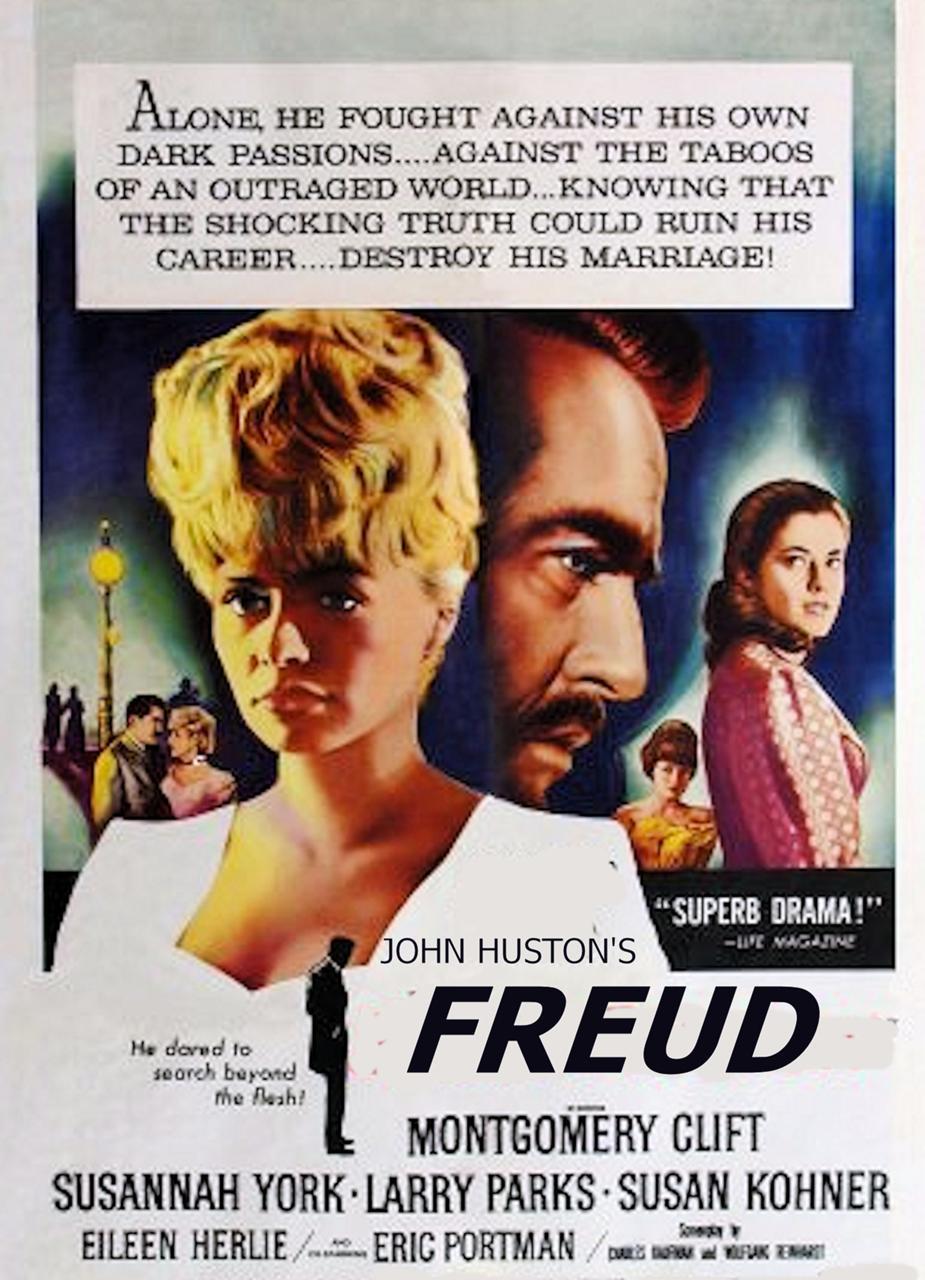
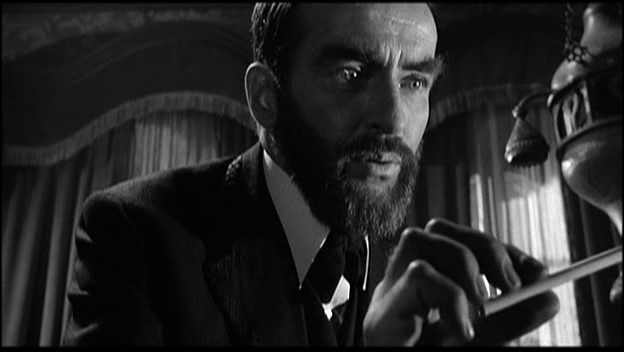
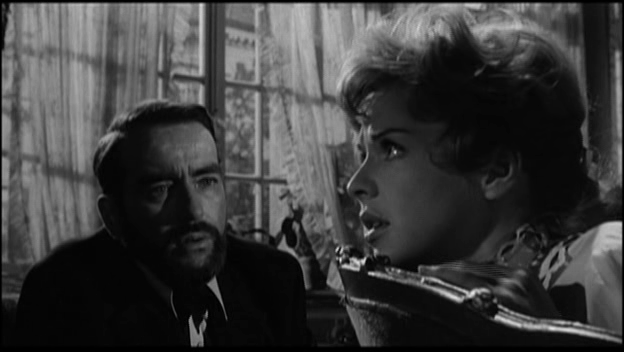
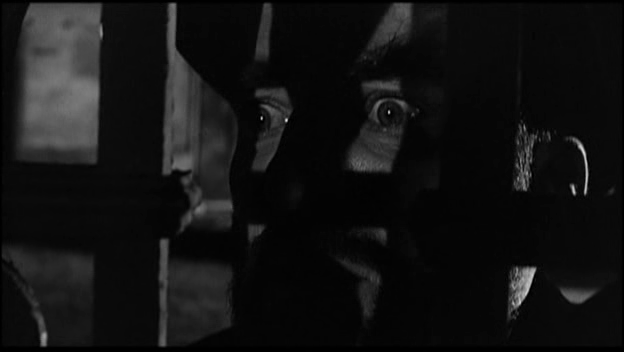
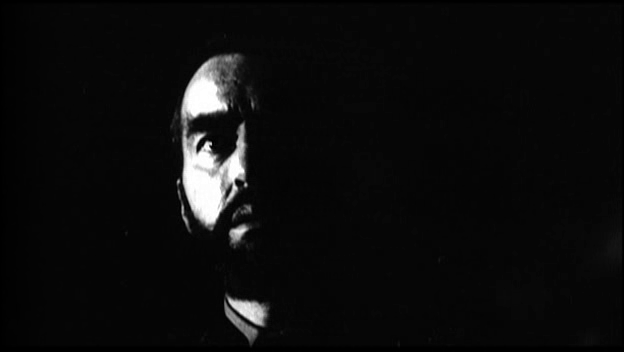
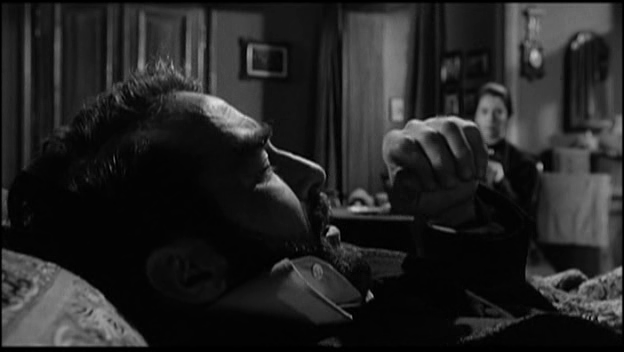
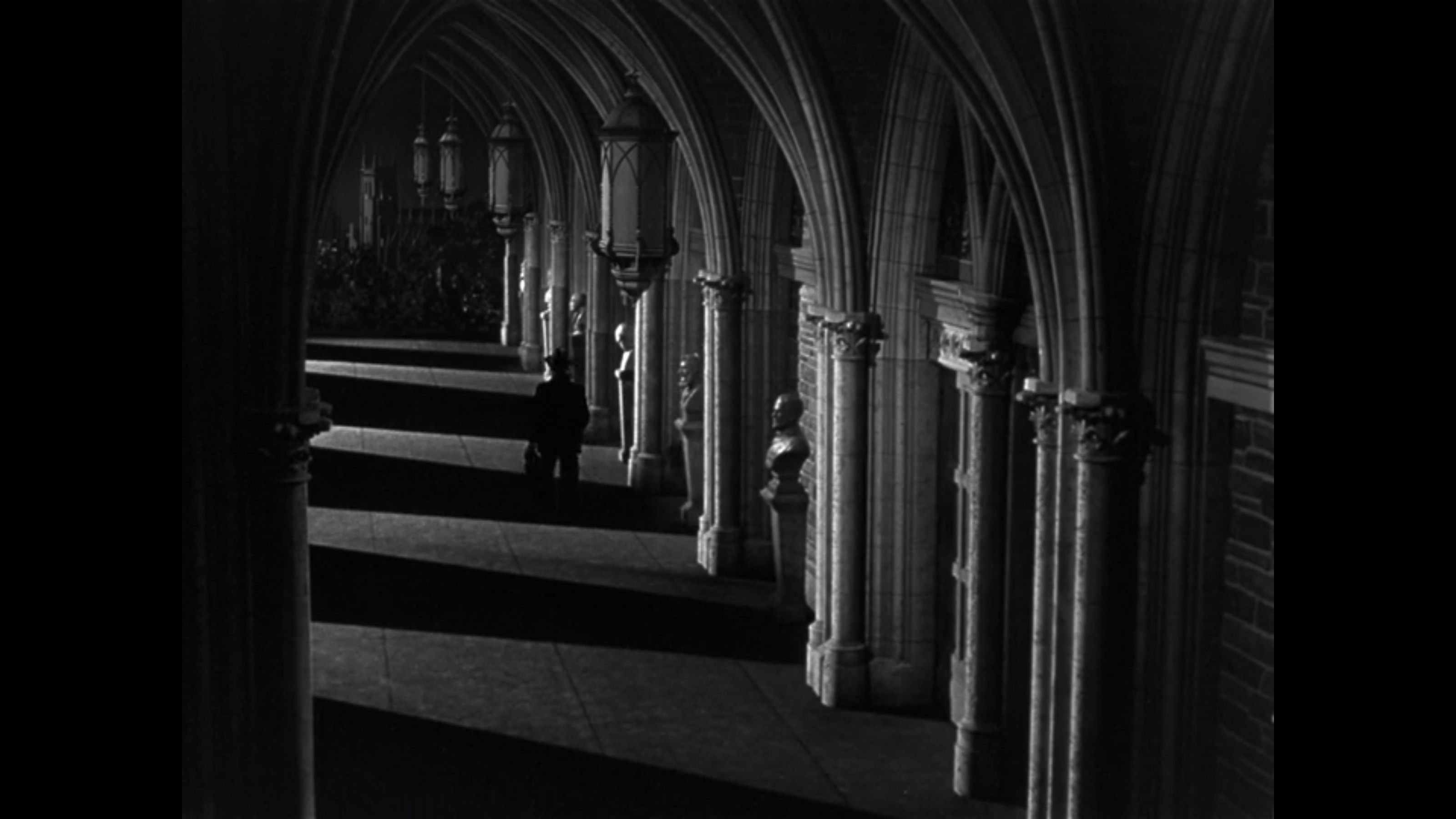
Review: Grounding the film are strong central performances by Clift and Susannah York, as well as wonderfully atmospheric cinematography (by Douglas Slocombe) and creative direction. The flashback scenes, while occasionally contrived, appropriately convey the panic and confusion often felt in one’s dreams and in the slippery memories of childhood. The literate script, though talky, is surprisingly absorbing; according to Jonathan Rosenbaum’s review in The Chicago Reader, the film was actually “scripted mainly by Jean-Paul Sartre”, who “withdrew his name from the project after his second draft — which would have made a much longer film — was radically condensed”. Keeping in mind that biopics can never fully or adequately cover the scope of a famous individual’s life, Freud nonetheless remains a worthy entry in our understanding of this controversial figure. Redeeming Qualities and Moments:
Must See? Categories
Links: |
“Aren’t we all slaves?”
|
Synopsis: |
|
Genres, Themes, Actors, and Directors:
Review:
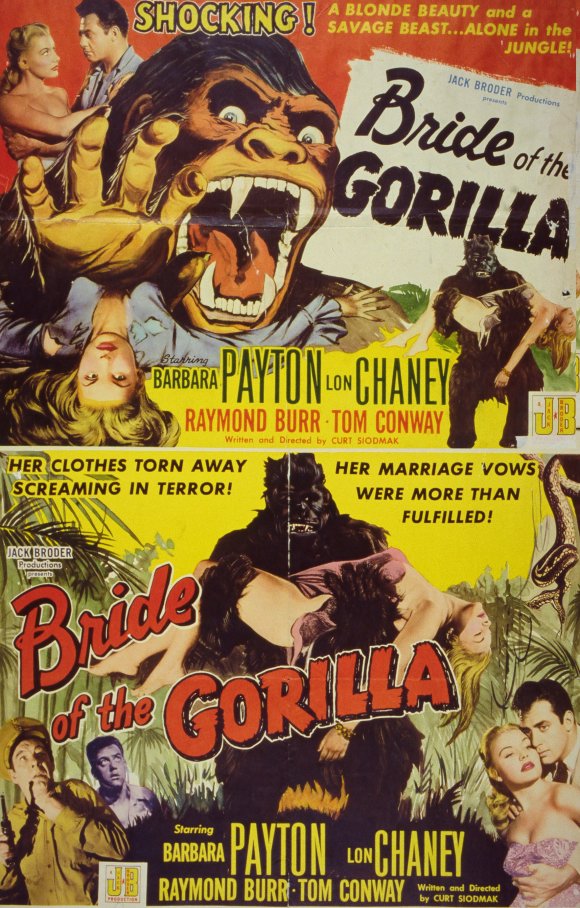
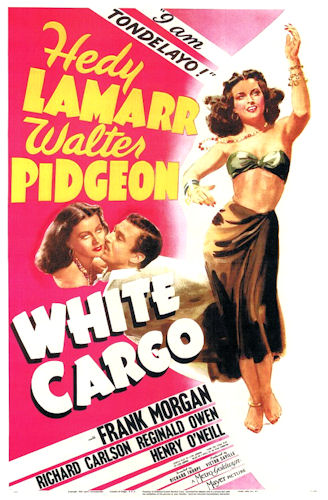
But as DVD Savant notes in his review, “anyone who read the script and signed on had to be in denial, or totally unaware that writer-director Curt Siodmak’s bizarre jungle story was a Career Choice of No Return”. Watch White Cargo (1942) instead if you’re in the mood for this kind of steamy exploitation flick. Note: Lon Chaney Jr. and Woody Strode hover around the periphery of this film as a police commissioner and his deputy. Redeeming Qualities and Moments:
Must See? Links: |
“There’s no doubt of it! Yes, she’s disfigured forever! Like a cancer that’s beyond control — like leprosy!”
|
Synopsis: |
|
Genres, Themes, Actors, and Directors:
Response to Peary’s Review: Redeeming Qualities and Moments:
Must See? Links: |
“She knows how to purr her way into your mind and scratch her way out, always taking and never giving.”
|
Synopsis: |
|
Genres, Themes, Actors, and Directors:
Review:
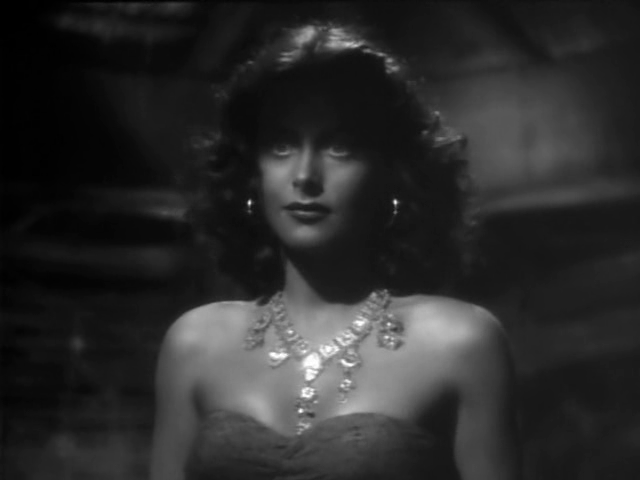
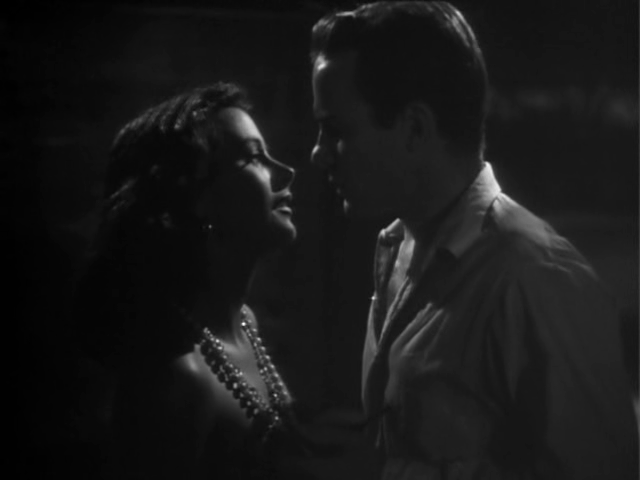
… slinking around spouting dialogue like the following to her “prey” (Carlson):
… you will simply be slack-jawed throughout. Her pidgin-like speech is peppered with the words “much” and “many” (“Him much nice man.”; “Awila give me much silk and many bangles.”), with the particularly favored phrase “much love, many bangles” repeated at least once. While Tondelayo is referred to at one point as possessing an “innate morality”, there’s really none of that on display here, as she simply evinces a “childlike” simplicity combined with seductive, sociopathic maneuvering. At least Harry Stradling’s cinematography is gorgeous, so that’s a bonus. Redeeming Qualities and Moments:
Must See? Links: |
“The kid deserves a better break. Why, this burlesque racket is no place for her!”
|
Synopsis: |
|
Genres, Themes, Actors, and Directors:
Review: Redeeming Qualities and Moments:
Must See? Links: |
“You’re quite a noble character, aren’t you?”
|
Synopsis: |
|
Genres, Themes, Actors, and Directors:
Review:
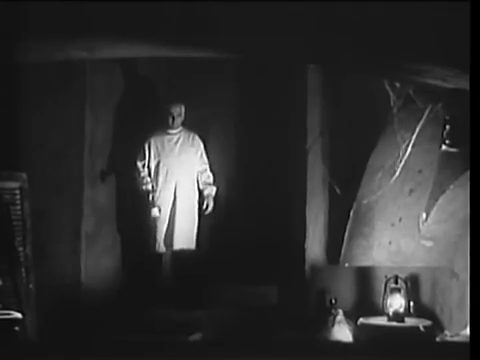
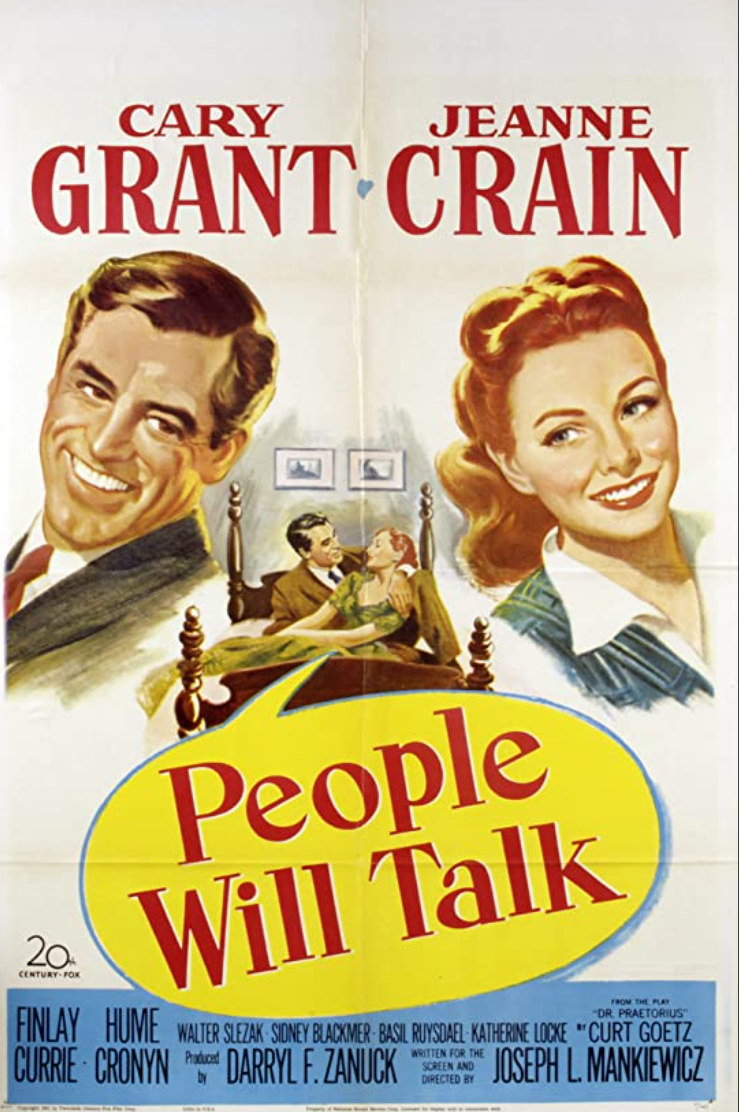
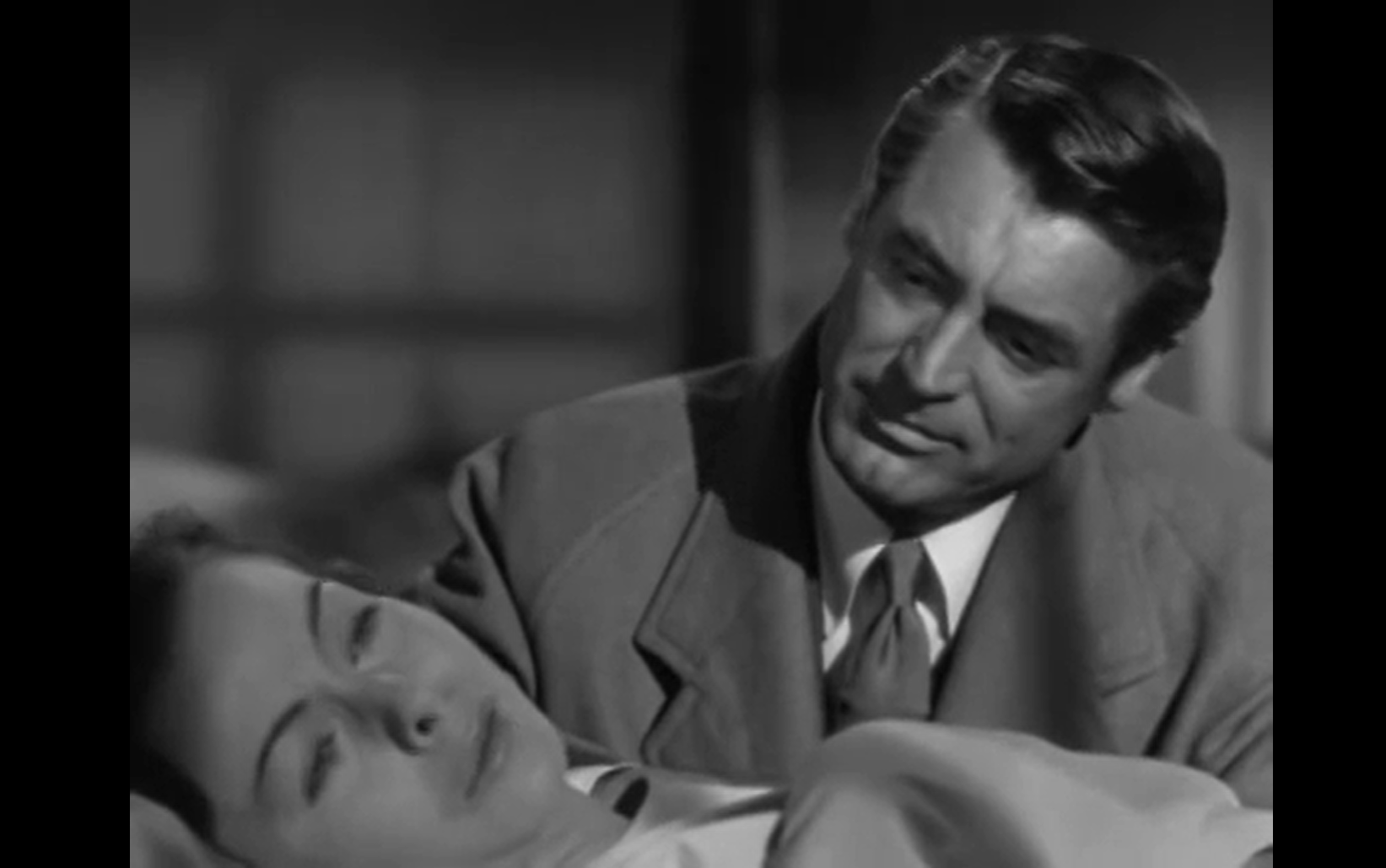
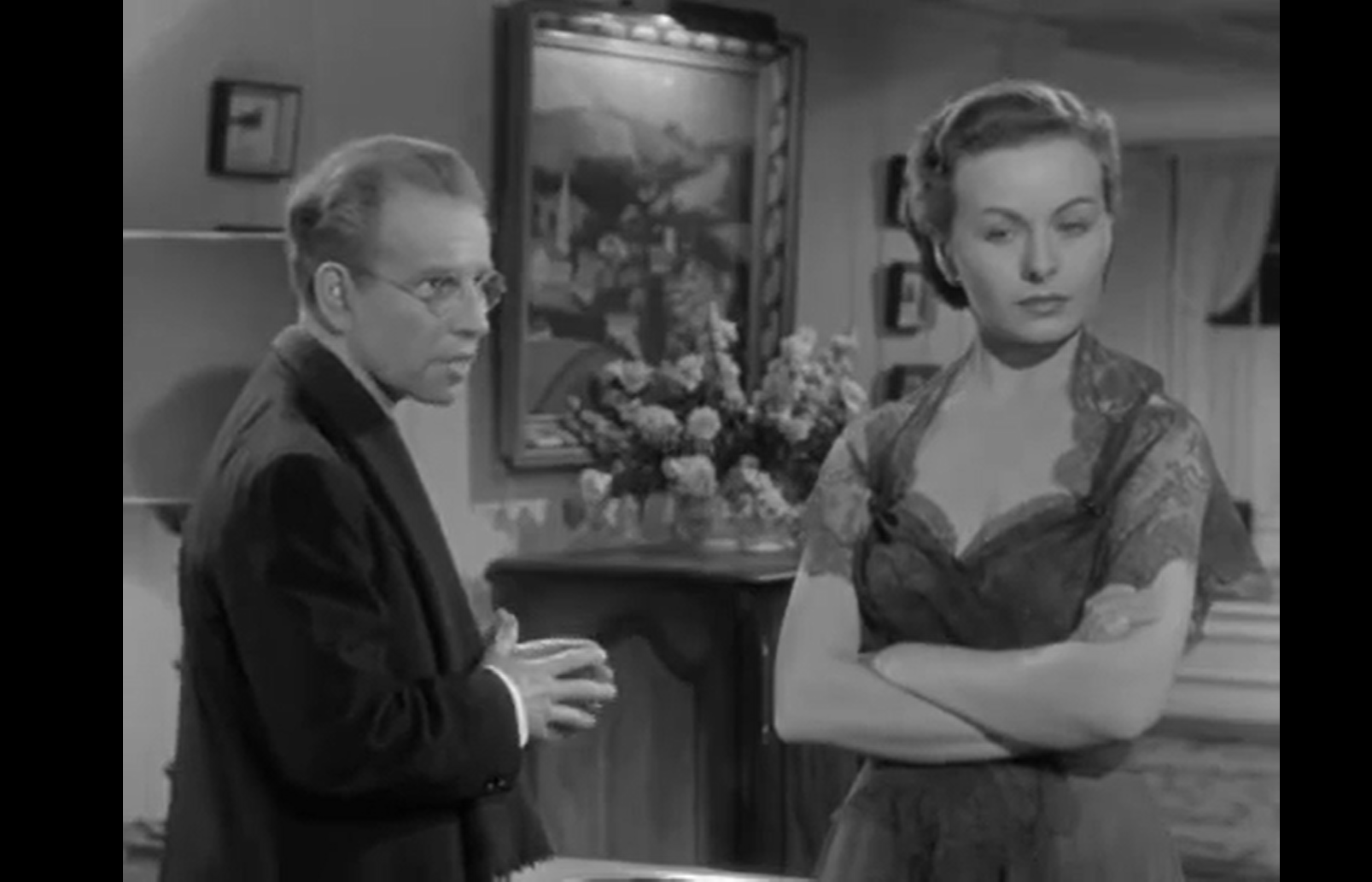
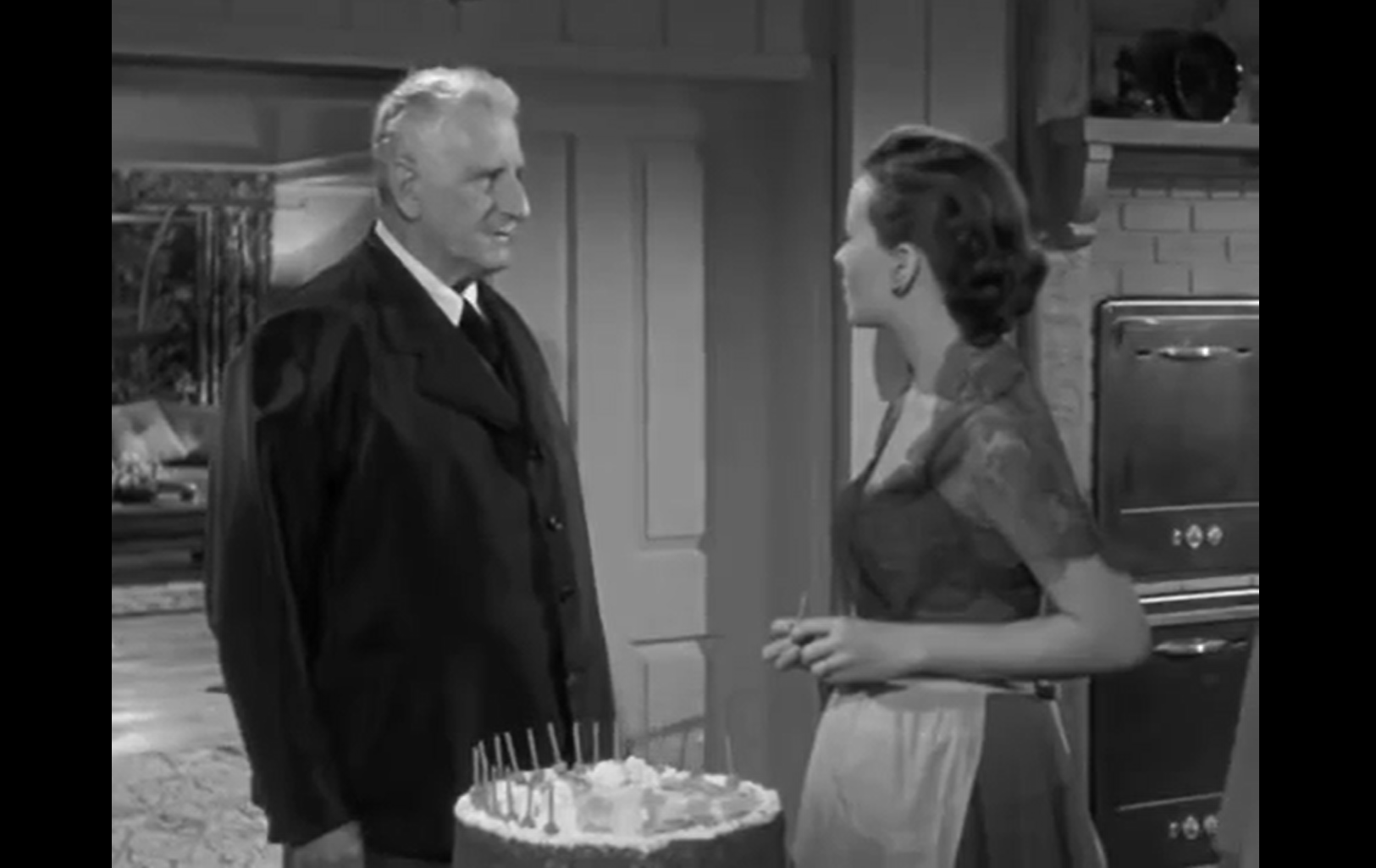
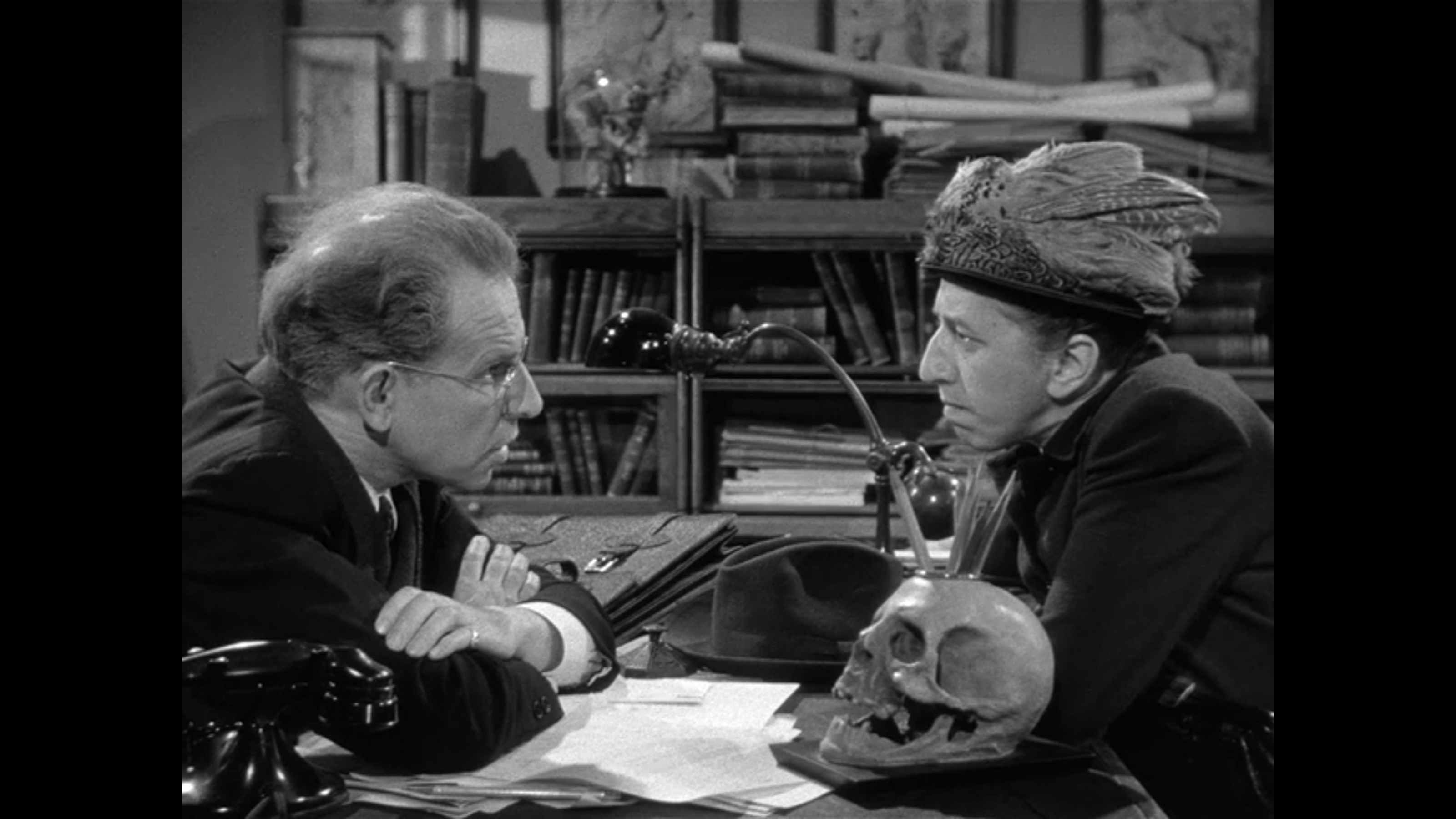
His “rescue” of an unwed, pregnant, suicidal woman is initially posited as a deceptive maneuver to save her life, but we soon realize he’s simply allowing powerful emotions to drive his sense of justice and righteous living (perhaps much like Jesus?). Dr. Praetorius is so superior to slimy leches like jealous Professor Elwell (Cronyn) that it’s clear he’ll win the day; the entire film basically plays out how this triumph occurs. Unfortunately, Grant wasn’t the best choice for this most unusual of romantic male leads; it’s much easier to imagine a more nuanced actor — like Spencer Tracy — investing the character with inspired depth. Crain is fine as Grant’s loyal wife, but never really transcends what’s required of her in the role. The supporting roles are more successful: Cronyn is spot-on as weaselly Elwell:
… Currie gives a memorable performance as the mysterious lumbering “Shunderson”:
… and Margaret Hamilton is nicely typecast as a suspicious shrew brought in during the first scene to bolster Cronyn’s growing case against Grant and Currie.
Ultimately, this odd title remains a mixed bag: intriguing and different enough to be worth checking out, but not entirely successful. Redeeming Qualities and Moments:
Must See? Links: |
“What about our sons? What future is there here for them?”
|
Synopsis: |
|
Genres, Themes, Actors, and Directors:
Review:
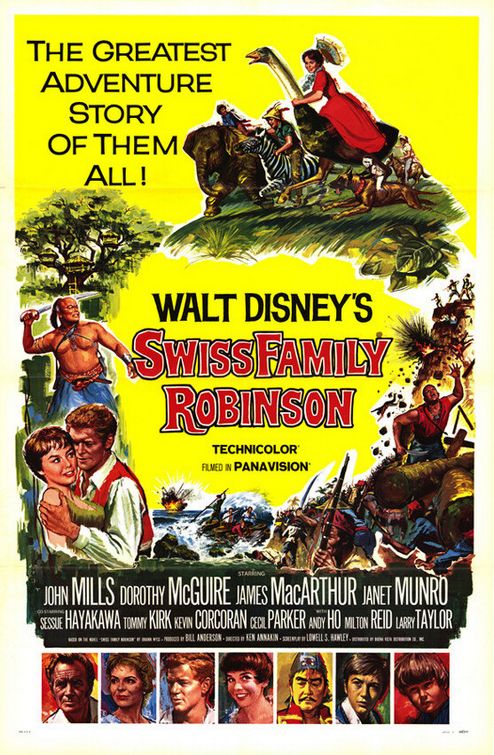
Dozens of animals from around the world were shipped to the island, under the care of no less than 14 trainers. The movie cost 4.5 million dollars to make, but was (and remained) so popular it is considered one of the most profitable films of all time — and its fame lives on through reconstructions of the family’s elaborate treehouse at theme parks around the world. Unfortunately, despite its beloved status, the film is far from a true classic. There’s plenty of adventure to be had, but it’s all so patently unbelievable — a chase between people riding zebras and ostriches?? — that only the youngest or most naive of viewers will be taken in. The two primary plot elements driving the narrative are the family’s attempts to stave off a persistent band of pirates (led by Sessue Hayakawa), and the love triangle that instantly emerges when the two older Robinson brothers conveniently stumble upon (and easily rescue) a teenage girl. Who will win her heart? How will the other boy handle his defeat? Munro is a sweet and lovely actress, but her characterization here does no favors to her gender, and is especially disappointing after her sparkling turn in Disney’s Darby O’Gill and the Little People (1959) the year before. [Thankfully, she got back on track with her notable performance as a deep-throated romantic interest the following year in The Day the Earth Caught Fire (1961).] Redeeming Qualities and Moments:
Must See? Links: |
“I had a tough day.”
|
Synopsis: |
|
Genres, Themes, Actors, and Directors:
Review:
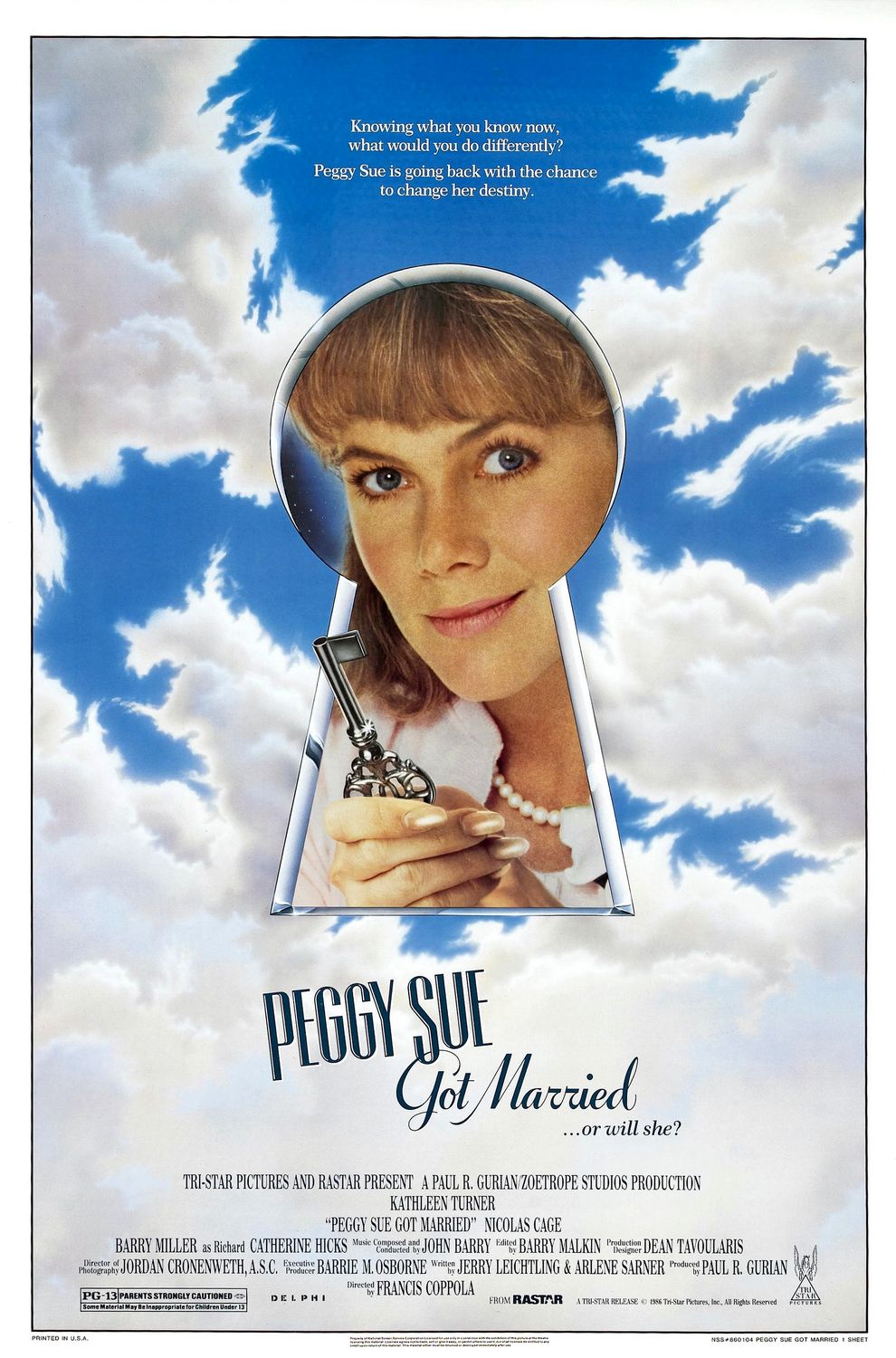
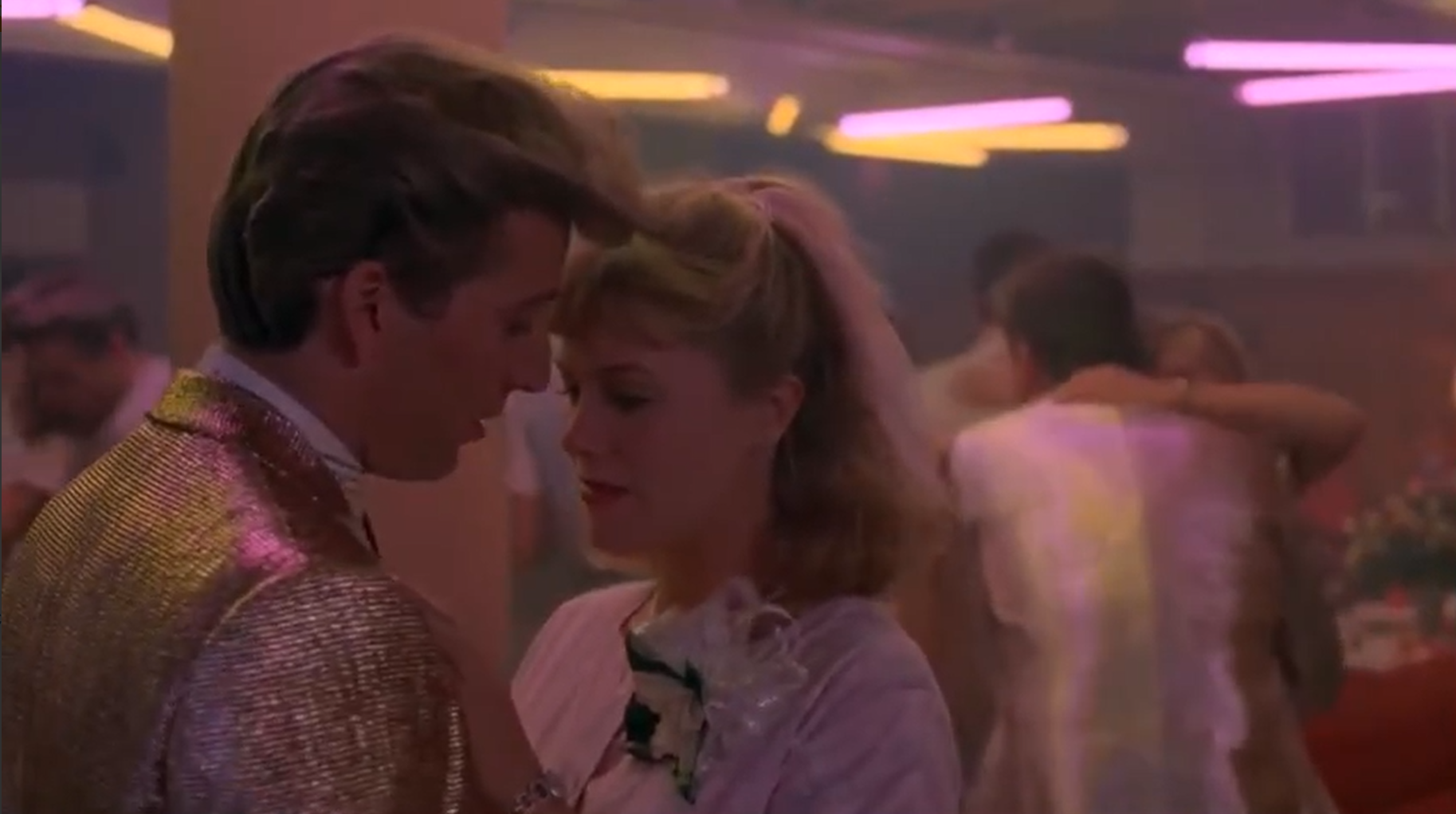
It’s possible this story could have been salvaged if we cared even a bit more for the flawed man she’s saddled with both as a teen and an adult. Watch either Back to the Future or Romy and Michelle’s High School Reunion (1997) for a much more engaging take on the topics covered here. Note: Knowing that Penny Marshall was originally set to direct this title (with Debra Winger in the lead) also puts the entire project in a different, slightly more sensical light. Redeeming Qualities and Moments:
Must See? Links: |
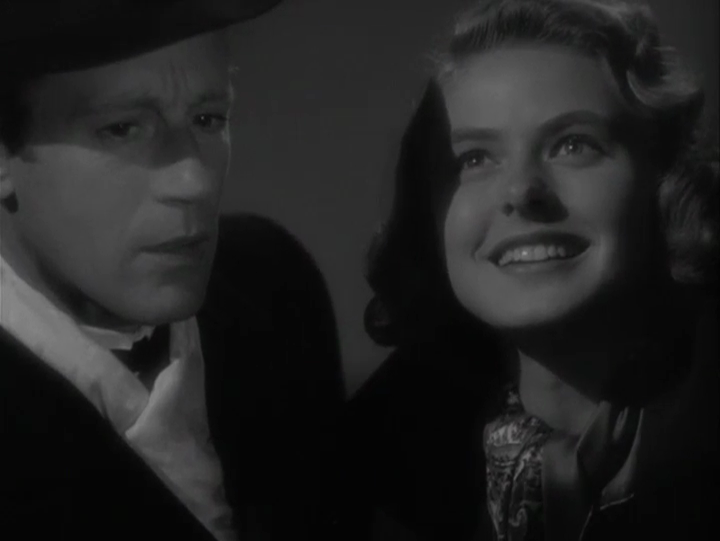
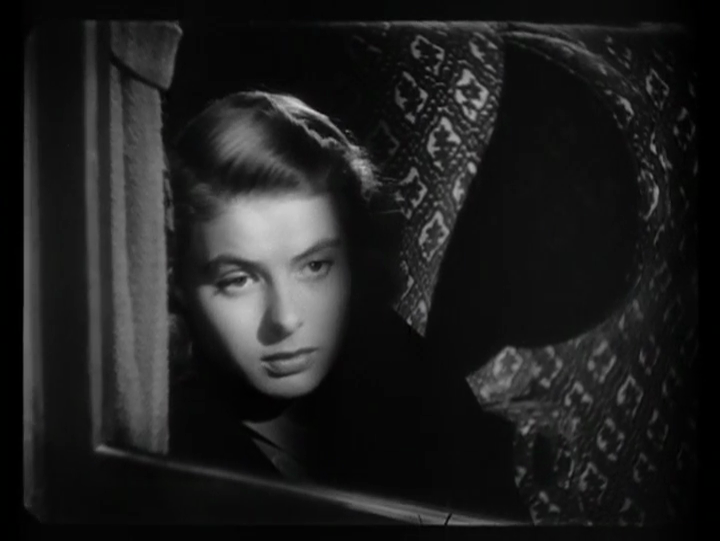
NOTE: I’m posting this review and the next one as part of the Classic Movie Blog Association’s “Fabulous Films of the 30s” spring blogathon. When I committed to writing about “Intermezzo” (both versions), I honestly didn’t know whether they would classify as ‘fabulous’ or not, since I hadn’t watched the 1939 version in many years, and had never seen the original. While both unfortunately failed the test of fabulous-ness (they’re not “must-see” classics of the decade), their luminous star — the inimitable Ingrid Bergman — is as classic and fabulous as they come! So, I’m happy to introduce you to both Bergman’s first Hollywood film, and the film responsible for bringing her to English-speaking audiences.
“I wonder if anyone has ever built happiness on the unhappiness of others?”
|
Synopsis: |
|
Genres, Themes, Actors, and Directors:
Review: Redeeming Qualities and Moments:
Must See? Links: |