Browsed by
Category: Original Reviews

Responses to Peary’s “must see” movie reviews, as well as my own “must see” movie reviews up to and after 1986 (when Peary’s book was published).

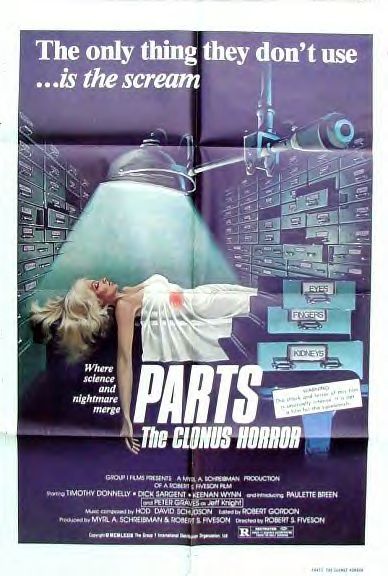
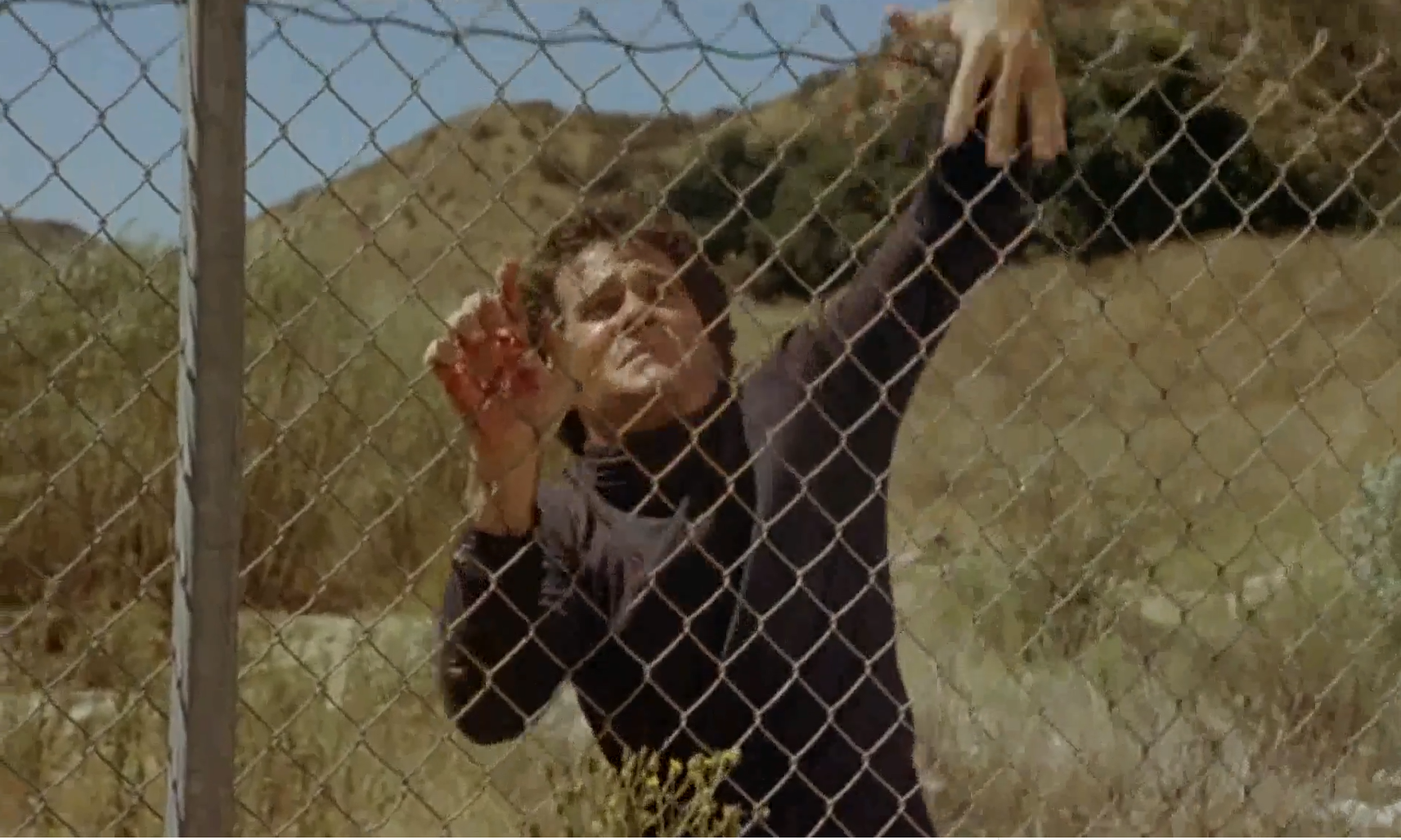
Clonus Horror, The / Parts: Clonus Horror (1979)

Clonus Horror, The / Parts: Clonus Horror (1979)

“This is your chance for immortality! You don’t need to worry, because there is a duplicate of you!”

Synopsis:
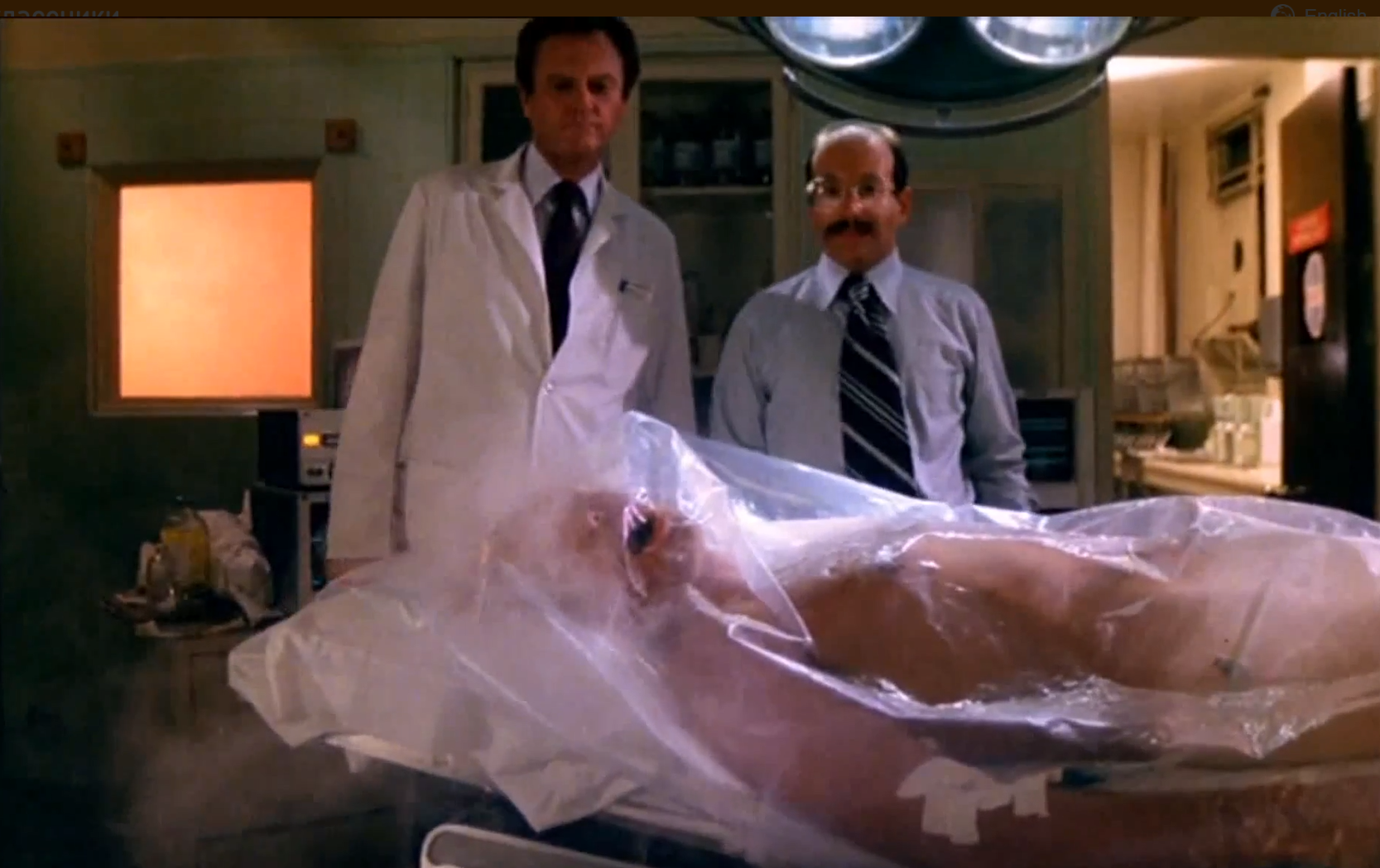
A physically fit young man (Tim Donnelly) living on a compound with guards and a patronizing doctor (Dick Sargent) begins to question the Utopian “America” he will eventually be sent to, and soon learns he and others — including his new girlfriend (Paulette Breen) — are being bred as clones for wealthy patrons wanting spare organs.

Genres, Themes, Actors, and Directors:

  • Androids and Clones
  • Escape
  • Horror
  • Keenan Wynn Films
  • Science Fiction

Review:
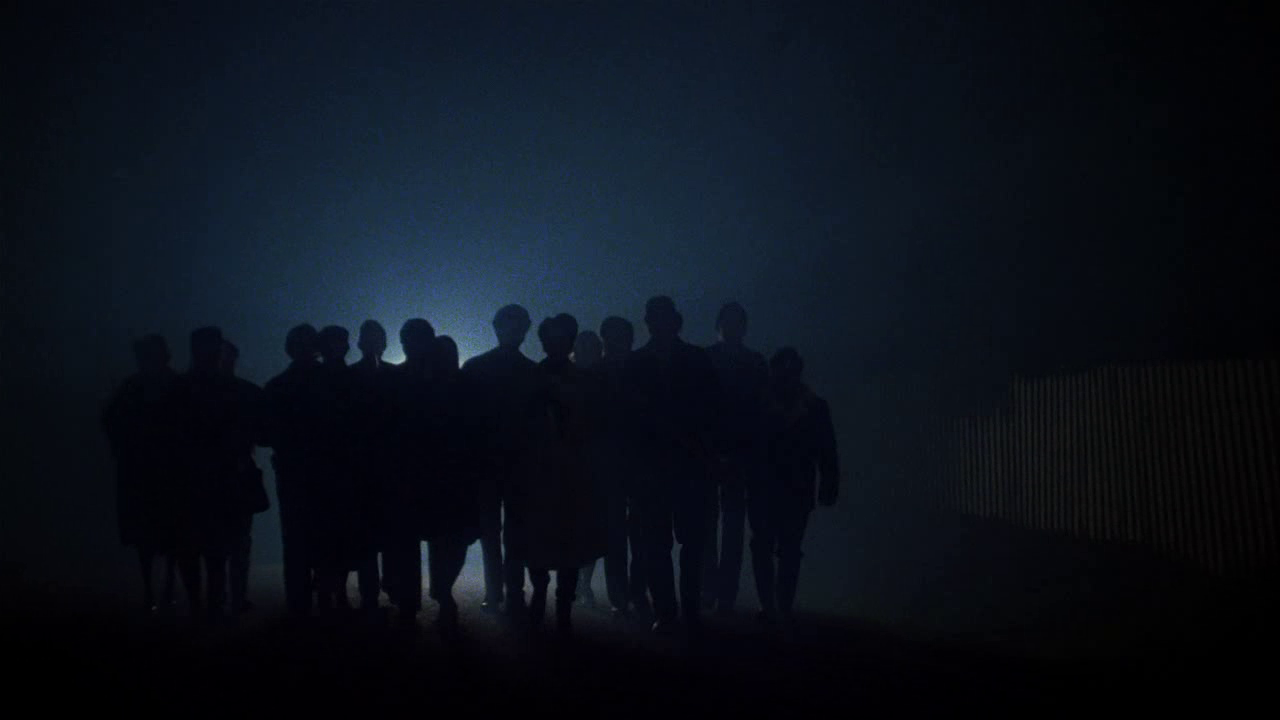
This low-budget sci-fi thriller is probably best known both for its spoofing by MST3K in 1999, and for the copyright infringement lawsuit brought by its producer against Dreamworks for making The Island (2005) without acknowledging its similarity to this film. Unfortunately, despite a provocative premise, The Clonus Horror comes across as amateurish and poorly acted; even cameo roles by Keenan Wynn and Lorene Tuttle as concerned citizens who try to help Donnelly are laughably overdone.

Redeeming Qualities and Moments:

  • A provocative and creepy premise

Must See?
No, though it’s worth a one-time look if you’re curious.

Links:

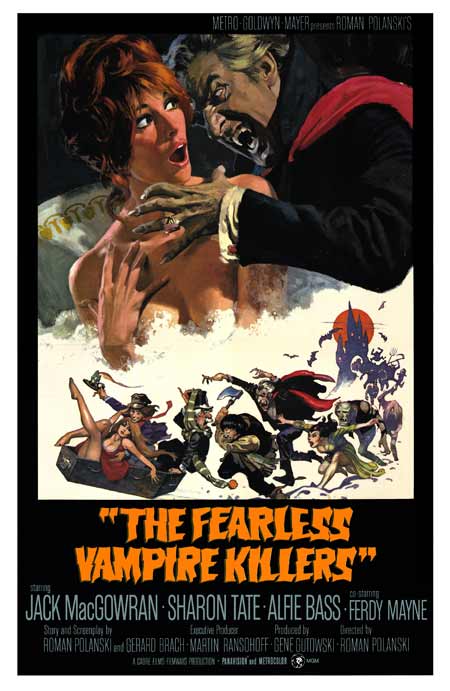
Fearless Vampire Killers, The or: Pardon Me, But Your Teeth Are in My Neck (1967)

Fearless Vampire Killers, The or: Pardon Me, But Your Teeth Are in My Neck (1967)

“I am a night bird; I am not much good in the daytime.”

Synopsis:
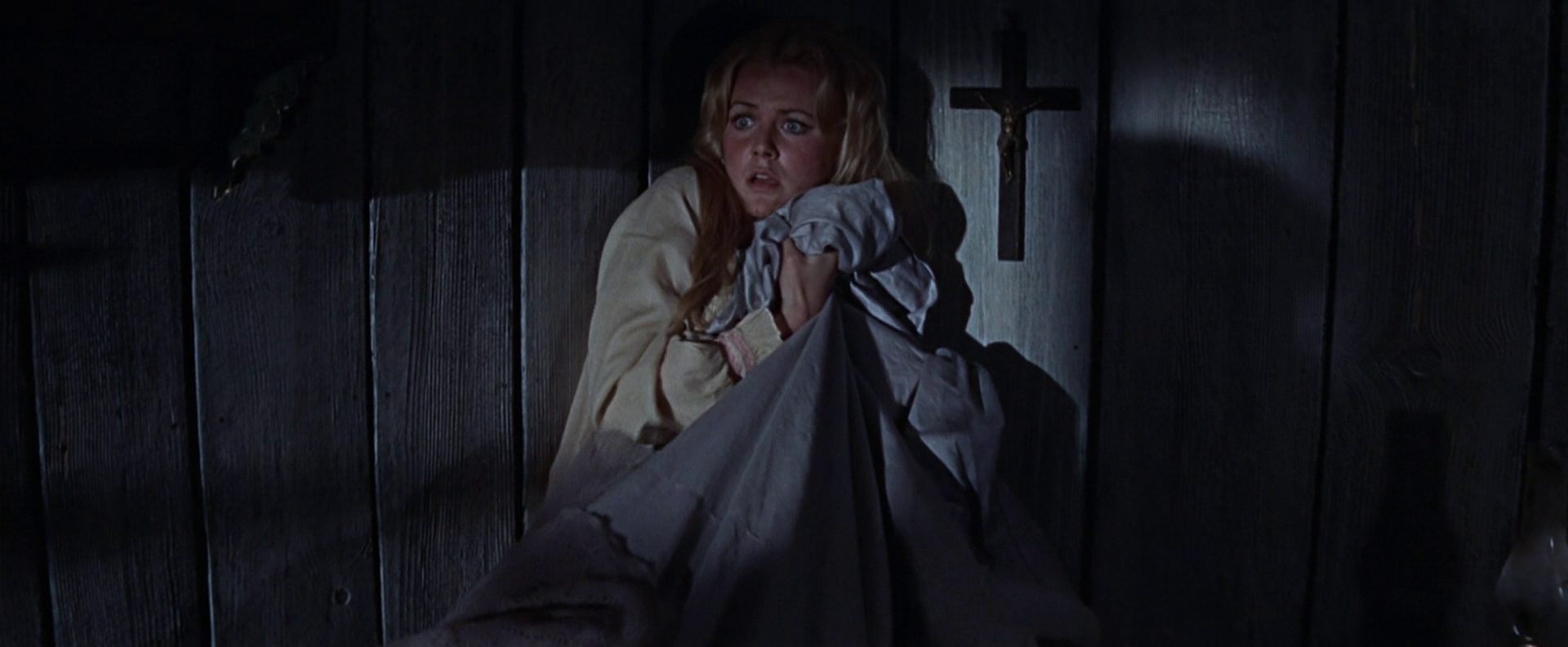
Vampire-hunting Professor Abronsius (Jack MacGowran) and his nebbishy assistant Alfred (Roman Polanski) arrive in a small Transylvanian town where Alfred falls for the beautiful, bath-loving daughter (Sharon Tate) of an innkeeper (Alfie Bass) and his wife (Jessie Robins). When Tate is bitten and kidnapped, Professor Abronsius and Alfred travel to the castle of Count Von Krolock (Ferdy Mayne), who is hosting a gala vampire ball.

Genres, Themes, Actors, and Directors:

  • Roman Polanski Films
  • Satires and Spoofs
  • Vampires

Review:
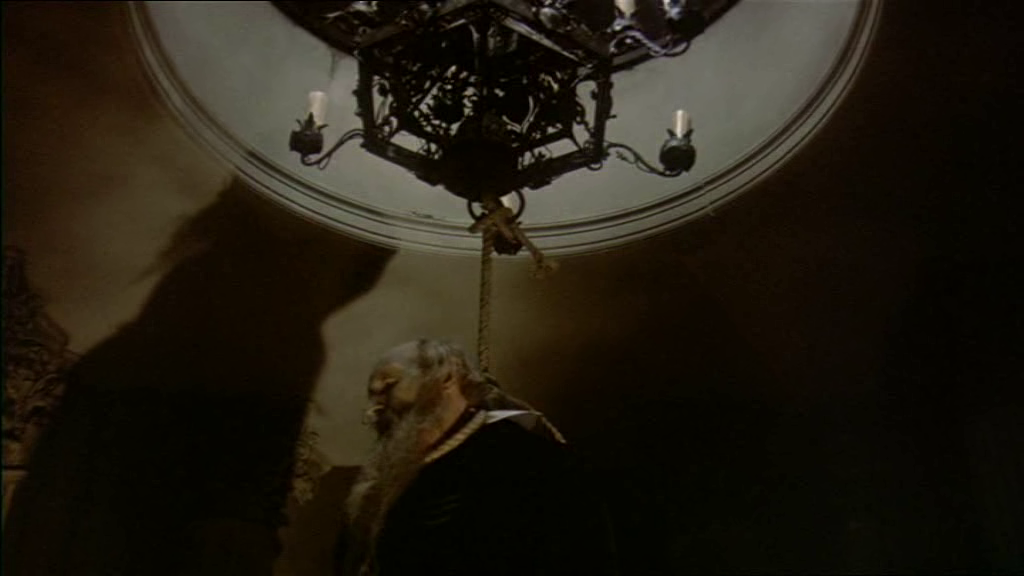
Critical and popular opinions seem to be enormously divided on this “genre outing” by Roman Polanski, who both starred and directed. Cult-like fans adore its quirky sensibilities, while detractors are annoyed by its over-reliance on slapstick and find its fame incomprehensible. Polanski himself apparently disowned the film (also known as Dance of the Vampires) when it was cut down from its original 148-minute running time to just 107 or 91 minutes. (Missing from the version I watched was this animated opening sequence, though I’m not sure what else was taken out.) Peary is clearly a fan, given that he lists it as a Personal Recommendation in the back of his book — but I happen to fall in the camp of detractors. I find the lead protagonists insufferable, and grow weary of the physical “knock-about” humor almost immediately.

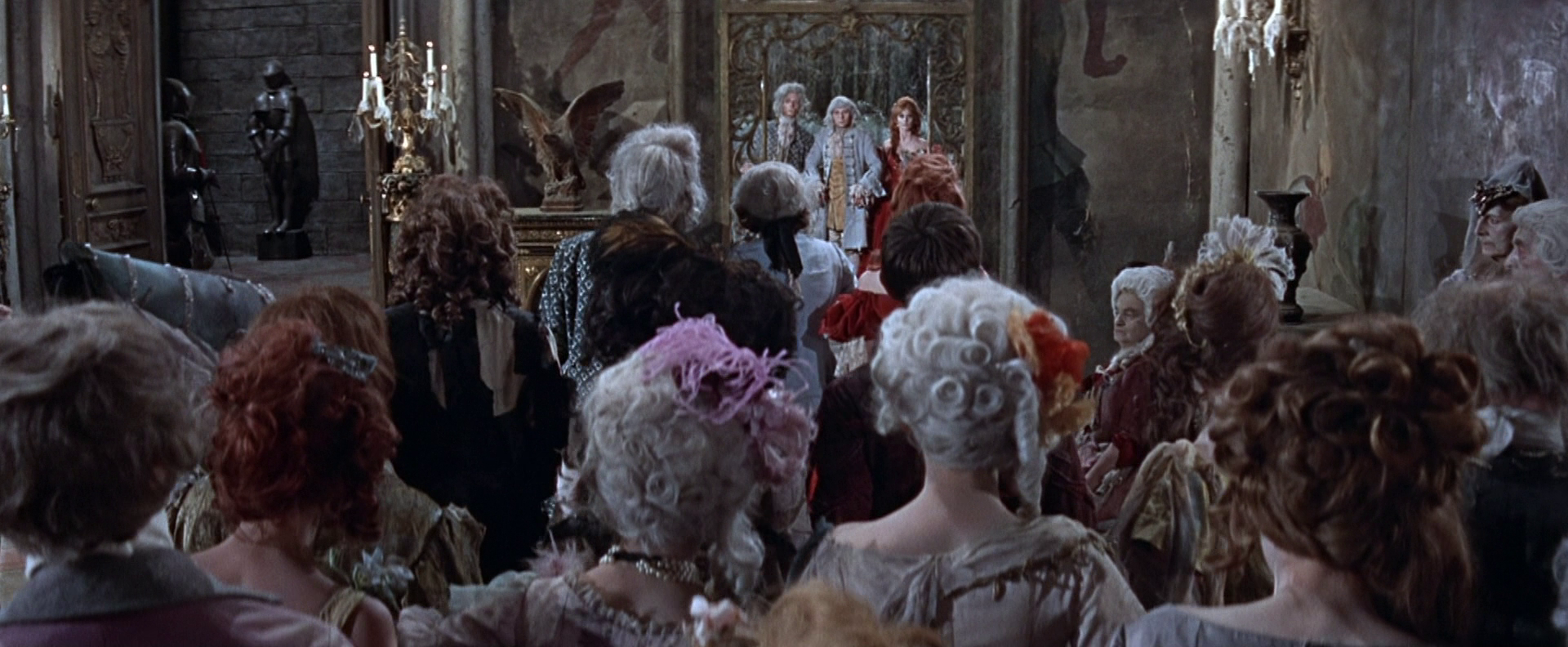
With that said, I do appreciate Douglas Slocombe’s gorgeous cinematography — much shot in the snowy outdoors, which lends a unique atmosphere to the proceedings — and I also admire Polanski’s attempts at satirizing a beloved genre. The culminating vampire ball is quite a sight to behold, with the presence of decrepit and decaying aristocrats making one question the trope of vampires as invariably gorgeous young men and women. And Krystov Komeda’s score is mesmerizing. But none of this can make up for the inane slapstick and nincompoop leads. As a final thought, I will cite Time Out’s reviewer, who writes that “With all its faults, [it’s] an engaging oddity”; ultimately, all film fanatics should see it once to craft their own opinion.

Redeeming Qualities and Moments:

  • Douglas Slocombe’s cinematography
  • The creepy yet humorous vampire ball sequence


  • Krystov Komeda’s score

Must See?
Yes, as a cult favorite.

Categories

  • Cult Movie

Links:

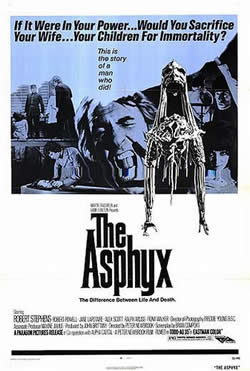
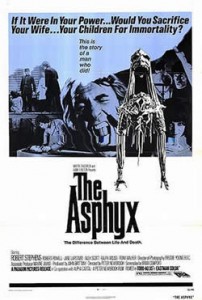
Asphyx, The (1972)

Asphyx, The (1972)

“Having lost Clyde, your brother, I must never lose you.”

Synopsis:
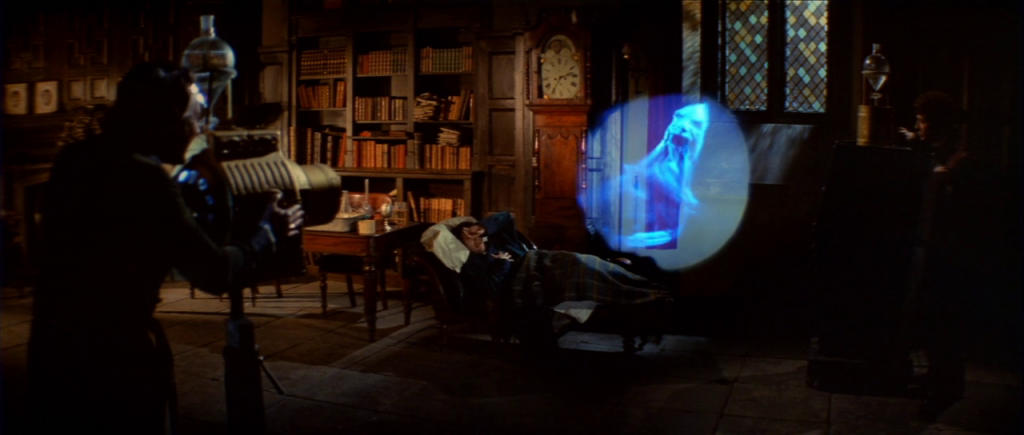
After the tragic loss of his son (Ralph Arliss) and fiancee (Fiona Walker), a British squire (Robert Stephens) becomes obsessed with the notion that a mythological spirit known as an asphyx can be viewed and captured at the moment someone is about to die. With the help of his daughter (Jane Lapotaire) and adopted son (Robert Powell), he conducts increasingly risky experiments in the name of achieving immortality for himself and the remains of his family.

Genres, Themes, Actors, and Directors:

  • Flashback Films
  • Historical Drama
  • Horror
  • Life After Death
  • Mad Doctors and Scientists
  • Science Fiction

Review:
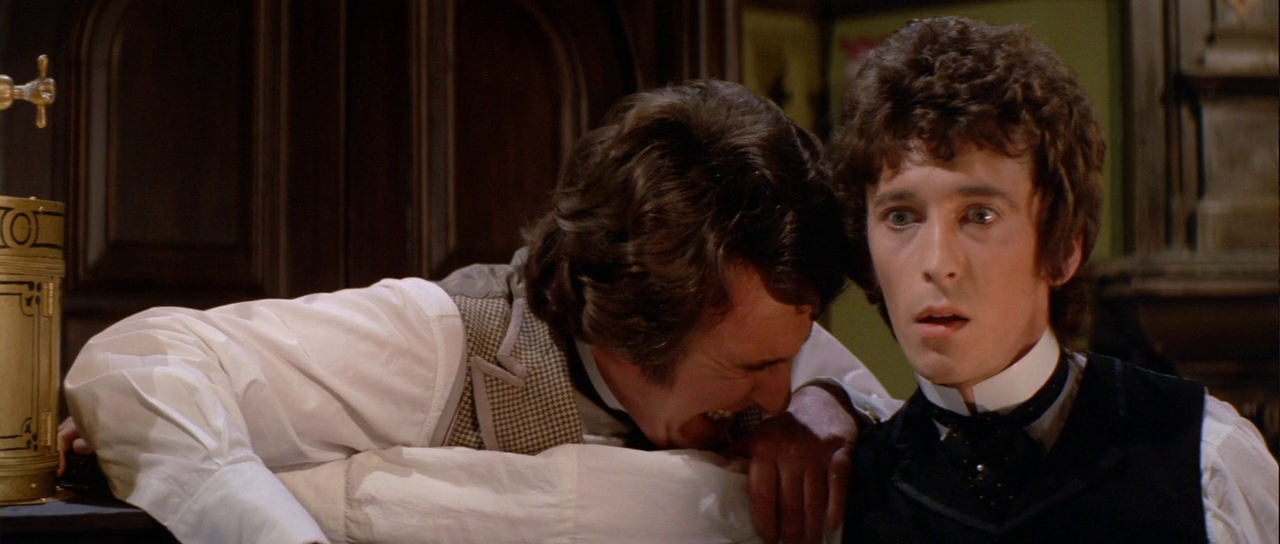
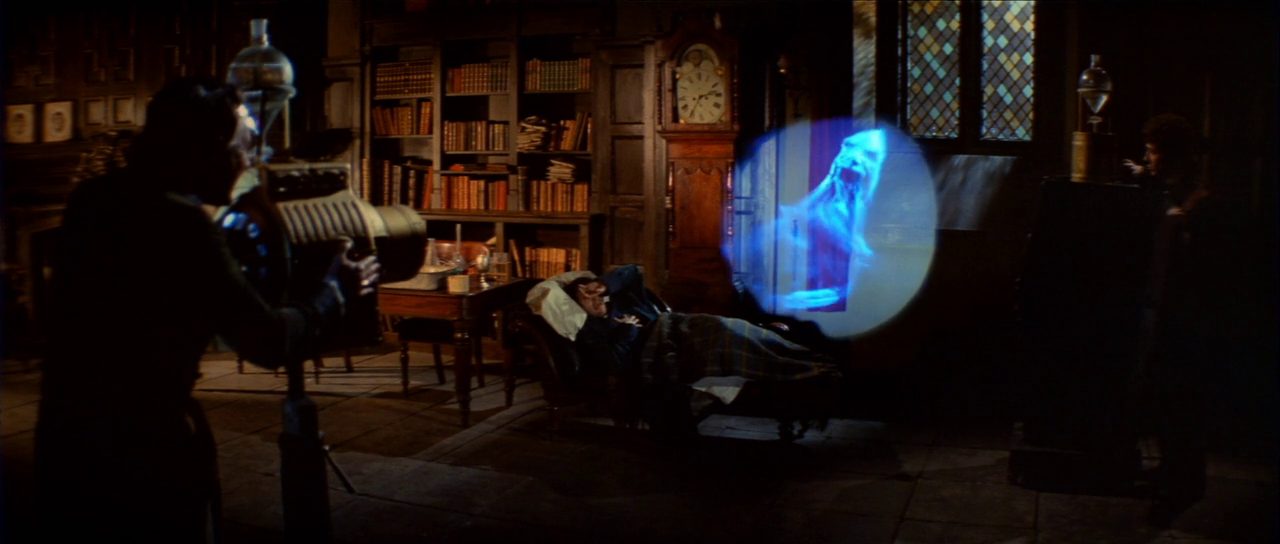
This Victorian-era sci-fi/horror flick is based on an unusual and provocative premise, but suffers from a few too many gaps in logic. The titular entity itself — an “asphyx” (spirit) that arrives just as a person is dying and can somehow be trapped, thus leading to immortality — doesn’t really make much sense, and neither do the workings of the contraption used to view and secure the asphyx (which inexplicably involves blue crystals and a water supply). Even if we accept this odd process and phenomenon as part of the movie’s unique logic, the behavior of the primary character doesn’t convince, either: Stephens is clearly suffering from post-traumatic stress after losing his son and fiancee, fixating on the mystery of the asphyx to gain a sense of control over the whims of mortality — but his actions are extreme, and hint at deeper psychological issues that aren’t sufficiently explored. Meanwhile, Powell’s overly stoic performance (think Buster Keaton) prevents us from empathizing with him; while it’s clear he’s under the sway of his beloved foster father’s influence, this can’t quite explain the extreme risks he takes with his fiancee.
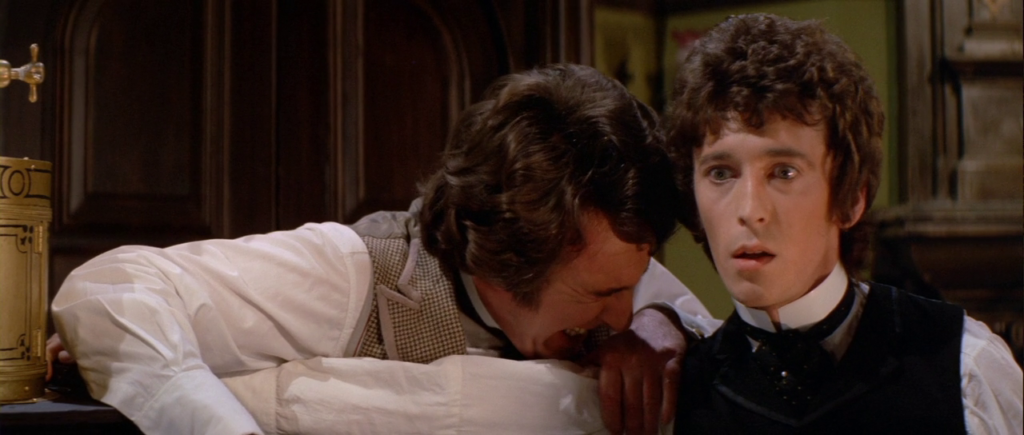
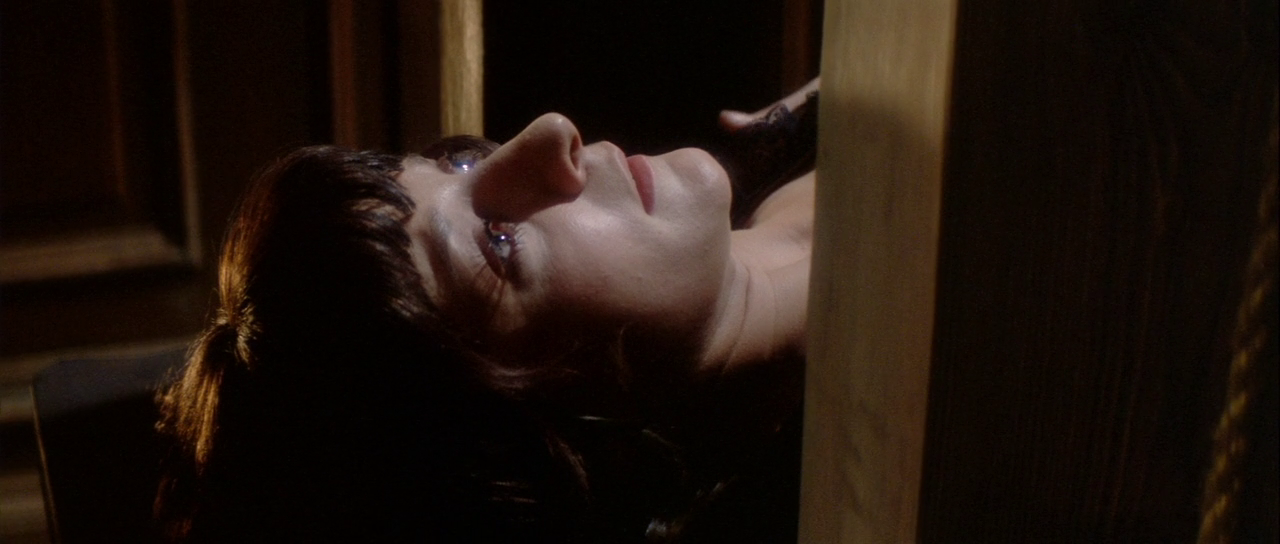
Speaking of risks, the presence of a guillotine at one point is explained away as allowing the (immensely likable) would-be victim to “feel fear” (!) — but couldn’t another, less vicious method have been secured for her near-death experience? In the film’s favor are lovely sets, vibrant Todd-AO cinematography, and some nifty special effects — but overall, this one is a disappointment.

Redeeming Qualities and Moments:

  • Freddie Young’s cinematography
  • Fine period sets and special effects

Must See?
No, though it’s worth a look as an unusual horror outing.

Links:

Twins of Evil (1971)

Twins of Evil (1971)

“They are all slaves to Count Karnstein — and he is their evil master!”

Synopsis:
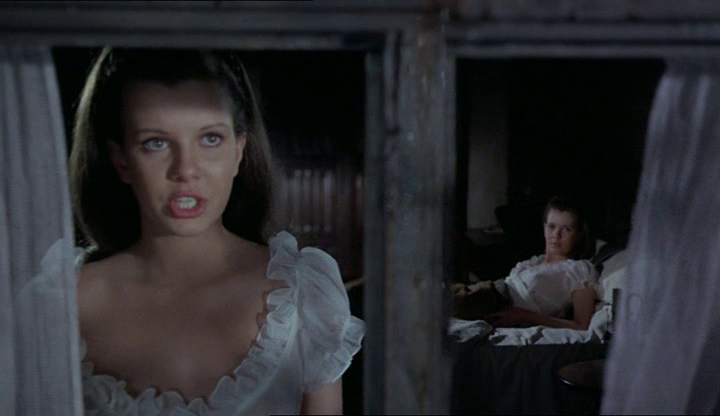
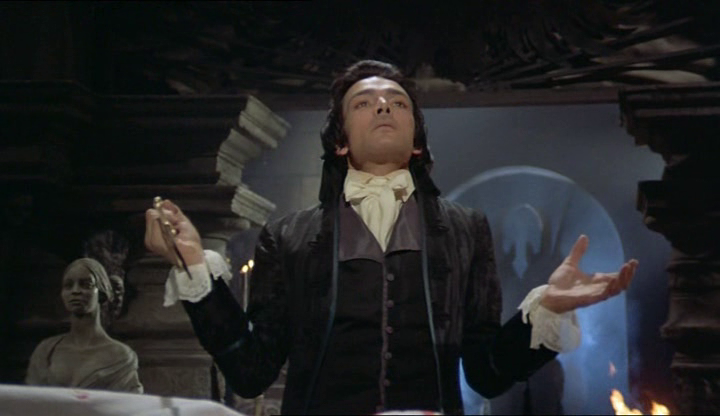
A recently orphaned set of identical twins — timid Maria (Mary Collinson) and adventurous Frieda (Madeleine Collinson) — come to live with their kind aunt (Kathleen Byron) and puritanical uncle (Peter Cushing), who leads a viciously ruthless brotherhood of witchhunters. When Frieda becomes enamored by Count Karnstein (Damien Thomas) — a hedonistic vampire who has recently resurrected Carmilla (Katya Wyeth) from her coffin — she becomes her uncle’s newest target; meanwhile, Mary falls for a visiting schoolteacher (David Warbeck) who is confused about which twin he longs for.

Genres, Themes, Actors, and Directors:

  • Horror
  • Morality Police
  • Peter Cushing Films
  • Twins
  • Vampires

Review:
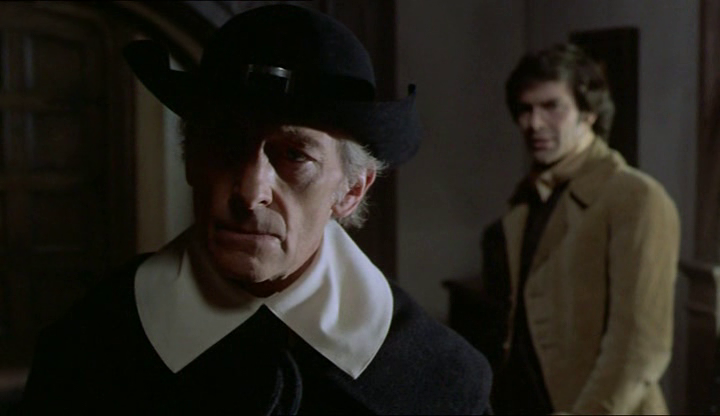
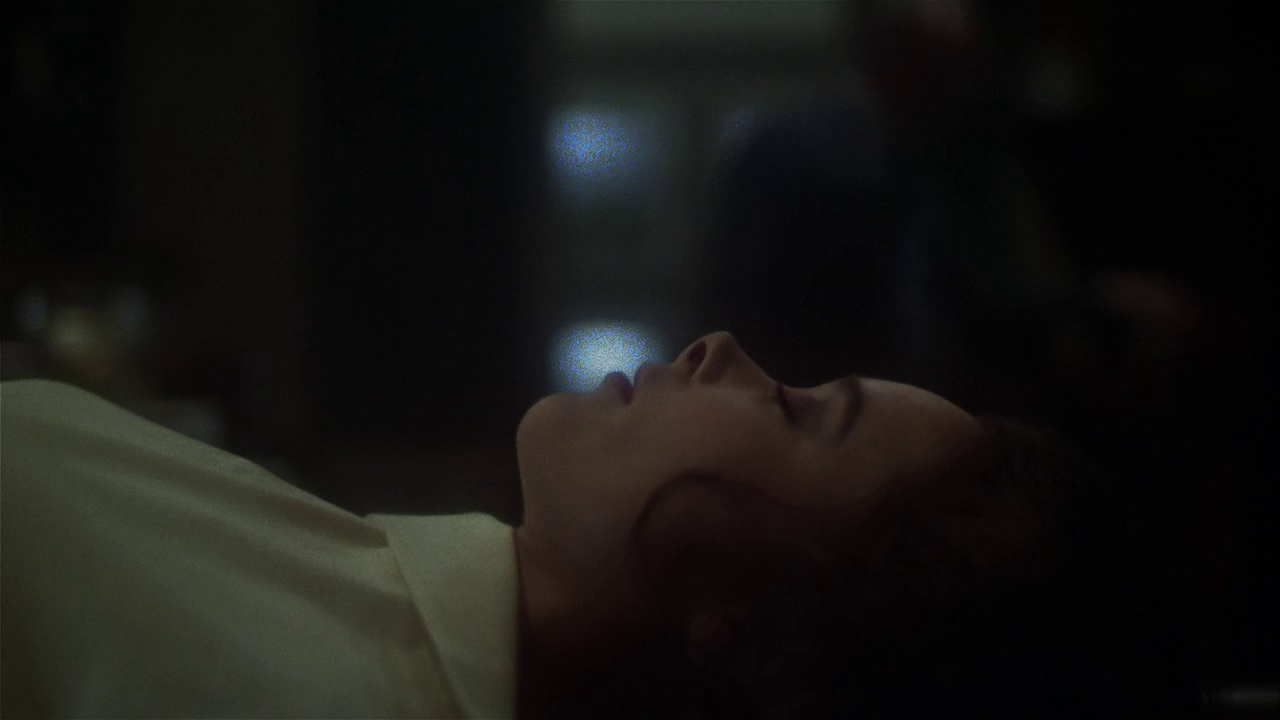
Following The Vampire Lovers (1970) and Lust for a Vampire (1971), Twins of Evil was the third and final installment in Hammer Studios’ “Karnstein trilogy”, and is primarily notable as the first movie to feature twin Playboy centerfolds (!). The Collinson sisters — while not great actors — are pretty, charming, and do a decent job embodying facets of “good and evil” in one visage (much like Olivia De Haviland in The Dark Mirror).

Meanwhile, Cushing has never been more sober or skeletal:

and Thomas is effectively sociopathic as a playboy count with truly sadistic tastes.

Given its atmospheric sets and fine cinematography, Twins of Evil will certainly appeal to fans of period horror flicks, though the script fails to elevate the material above predictable fare with plenty of gaps in logic. Watch the extended documentary The Flesh and the Fury: X-posing Twins of Evil (2012) for more background information than you ever thought possible about this cult flick (and its two predecessors).

Redeeming Qualities and Moments:

  • Dick Bush’s cinematography

  • Atmospheric sets and direction

Must See?
No, though it’s certainly worth a look for its cult status.

Links:

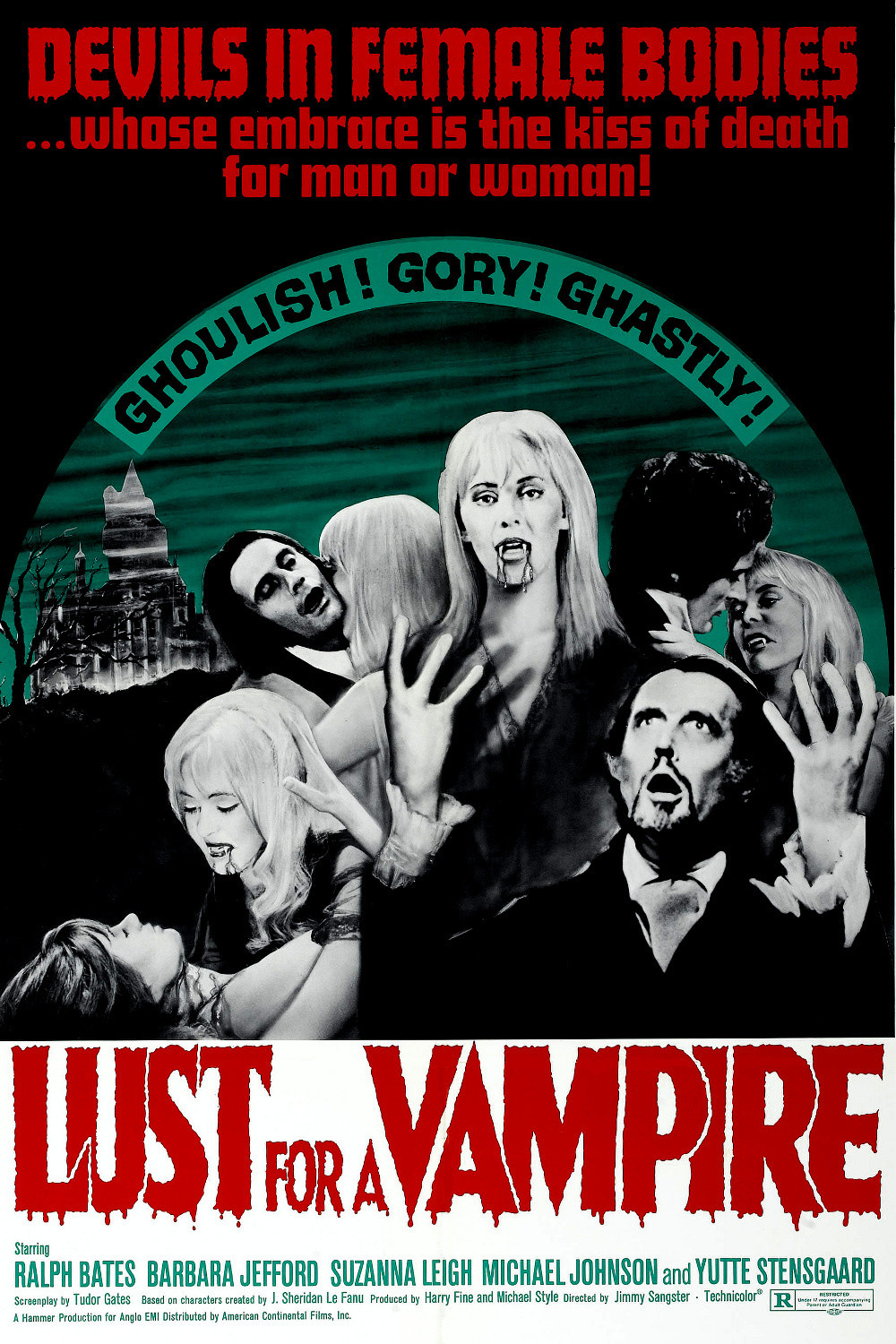
Lust for a Vampire / To Love a Vampire (1971)

Lust for a Vampire / To Love a Vampire (1971)

“Do you know who it was, Mircalla? The portrait of Carmilla Karnstein — it was you!”

Synopsis:
An author (Michael Johnson) visiting a finishing school becomes enchanted with Mircalla (Yutte Stensgaard), a resurrected vampire from the nearby Karnstein castle. Meanwhile, a sycophantic instructor (Ralph Bates) uncovers Mircalla’s secret identity and is determined to become her disciple, while a concerned gym teacher (Suzanna Leigh) worries about the mysterious disappearance of Mircalla’s beautiful roommate (Pippa Steele).

Genres, Themes, Actors, and Directors:

  • Horror
  • Vampires

Review:
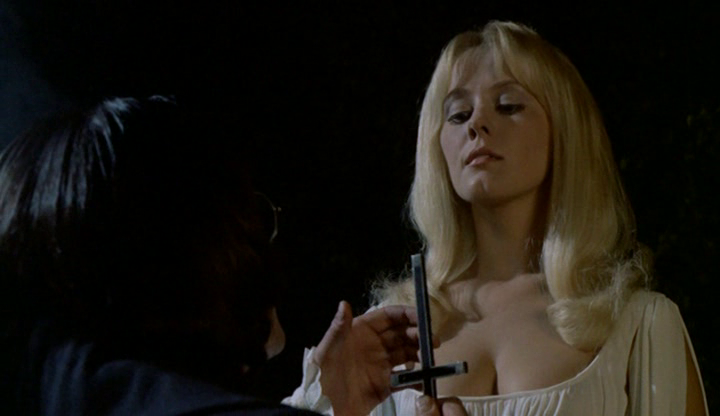
Following in the footsteps of Roy Ward Baker’s The Vampire Lovers (1970), Lust for a Vampire was the second of Hammer Studios’ three “Karnstein vampire flicks”, based on the novella by Sheridan Le Fanu. As many have noted, Danish beauty Yutte Stensgaard is sexy but lacks charisma:

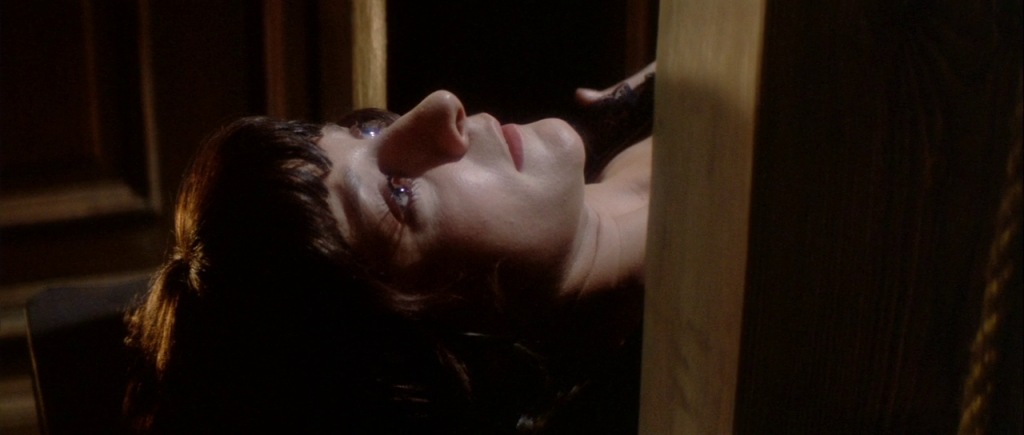
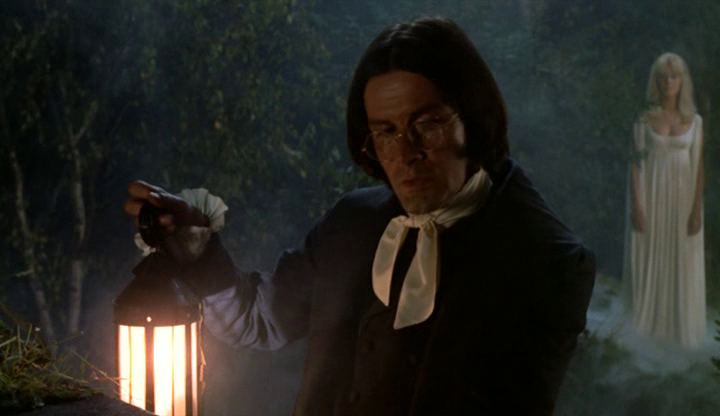
and her character pales in comparison to Ingrid Pitt’s more nuanced portrayal as Carmilla in The Vampire Lovers. Meanwhile, Bates — so compelling in the same year’s Dr. Jekyll and Sister Hyde (1971) — simply comes across as silly:

and the film’s obvious replacement for Christopher Lee (Mike Raven as Count Karnstein) merely lurks menacingly in the shadows.

The entire film is essentially an extended excuse to show off nubile young women with heaving bosoms in various states of skimpy dress and undress. The most laughable moment by far: Johnson and Stensgaard get romantic (he cares not a whit about her inconvenient status as a vampire) while a ballad entitled “Strange Love” suddenly begins playing in the background.

Redeeming Qualities and Moments:

  • Lush cinematography

Must See?
No; this one is only must-see for vampire-flick completists. Listed as a Cult Movie in the back of Peary’s book.

Links:

Baron Blood (1972)

Baron Blood (1972)

“I would not play with the occult if I were you. One’s obsession with it can be the real danger.”

Synopsis:
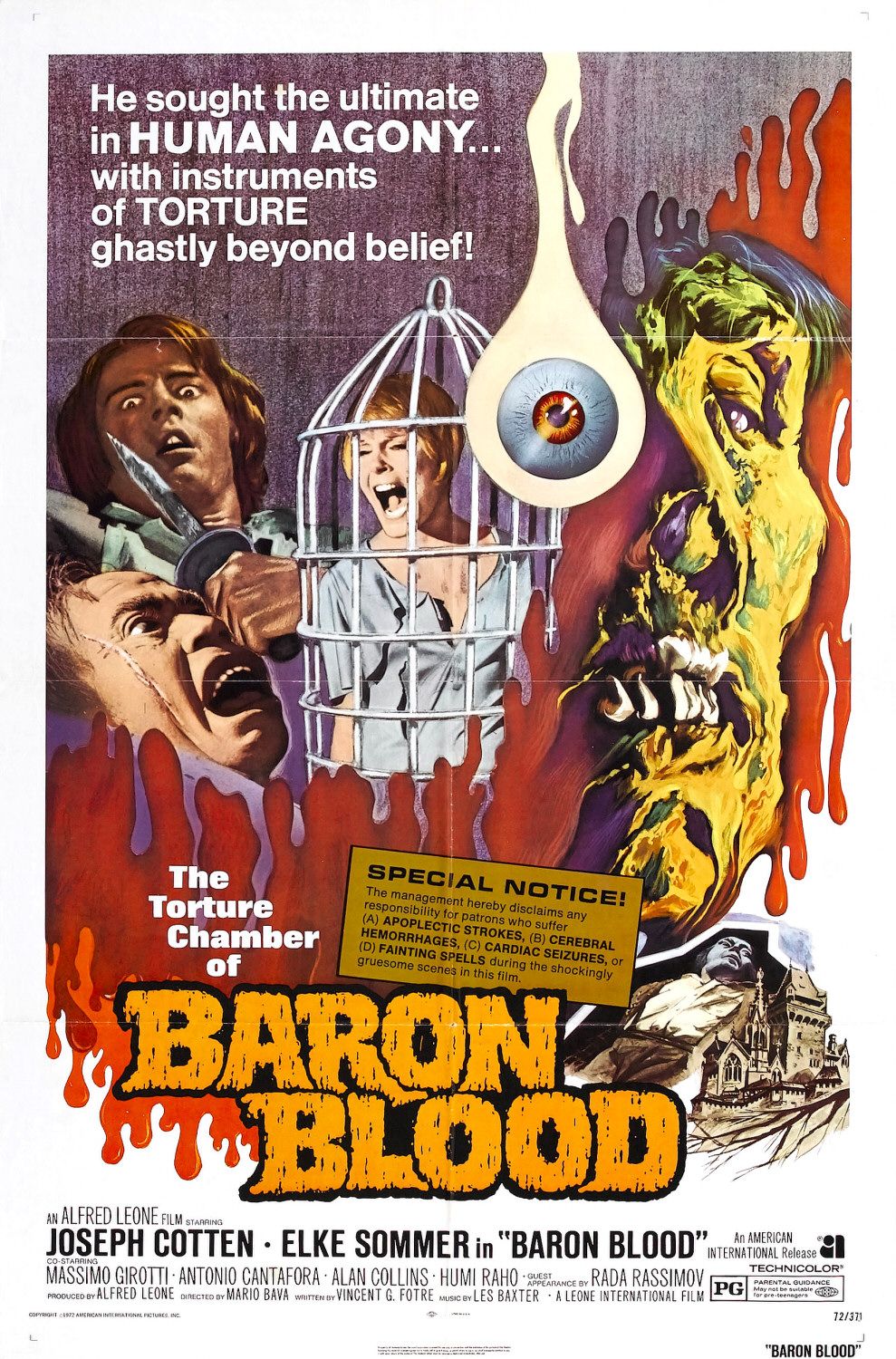
A young nobleman (Antonio Cantafora) visiting his uncle (Massimo Girotti) enlists the help of a plucky architecture student (Elke Sommer) in bringing his infamous ancestor “Baron Blood” — who was cursed by a witch (Rada Rassimov) — back to life. A rash of hideous killings soon erupts, and Cantafora and Sommer try to reverse their error while warning the mysterious wheelchair-bound millionaire (Joseph Cotten) who has purchased the baron’s castle.

Genres, Themes, Actors, and Directors:

  • Horror Films
  • Joseph Cotten Films
  • Mario Bava Films
  • Royalty and Nobility
  • Serial Killers

Review:
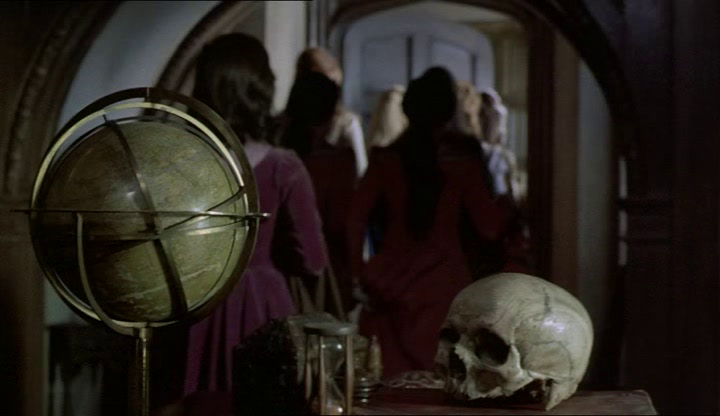
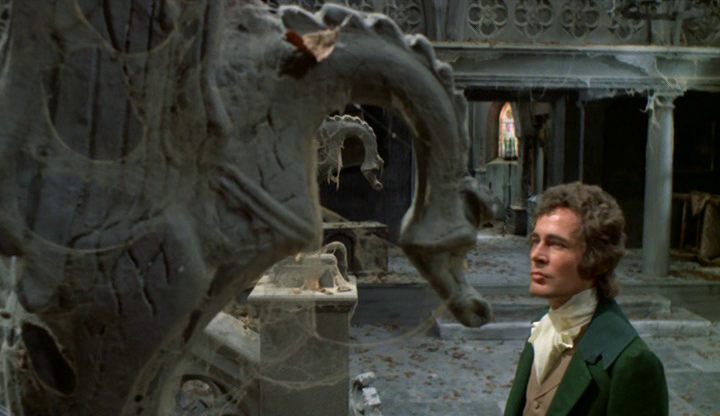
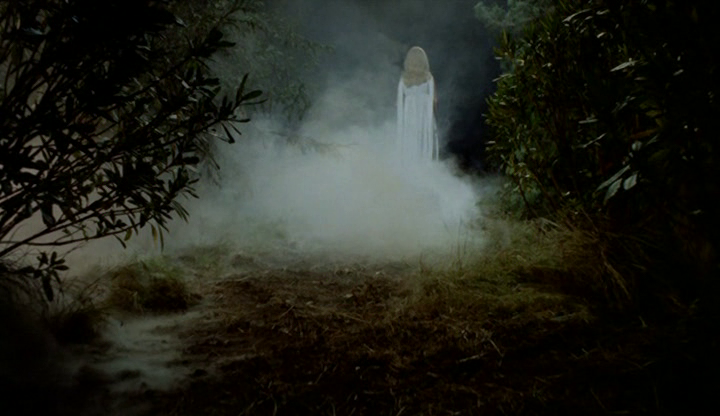
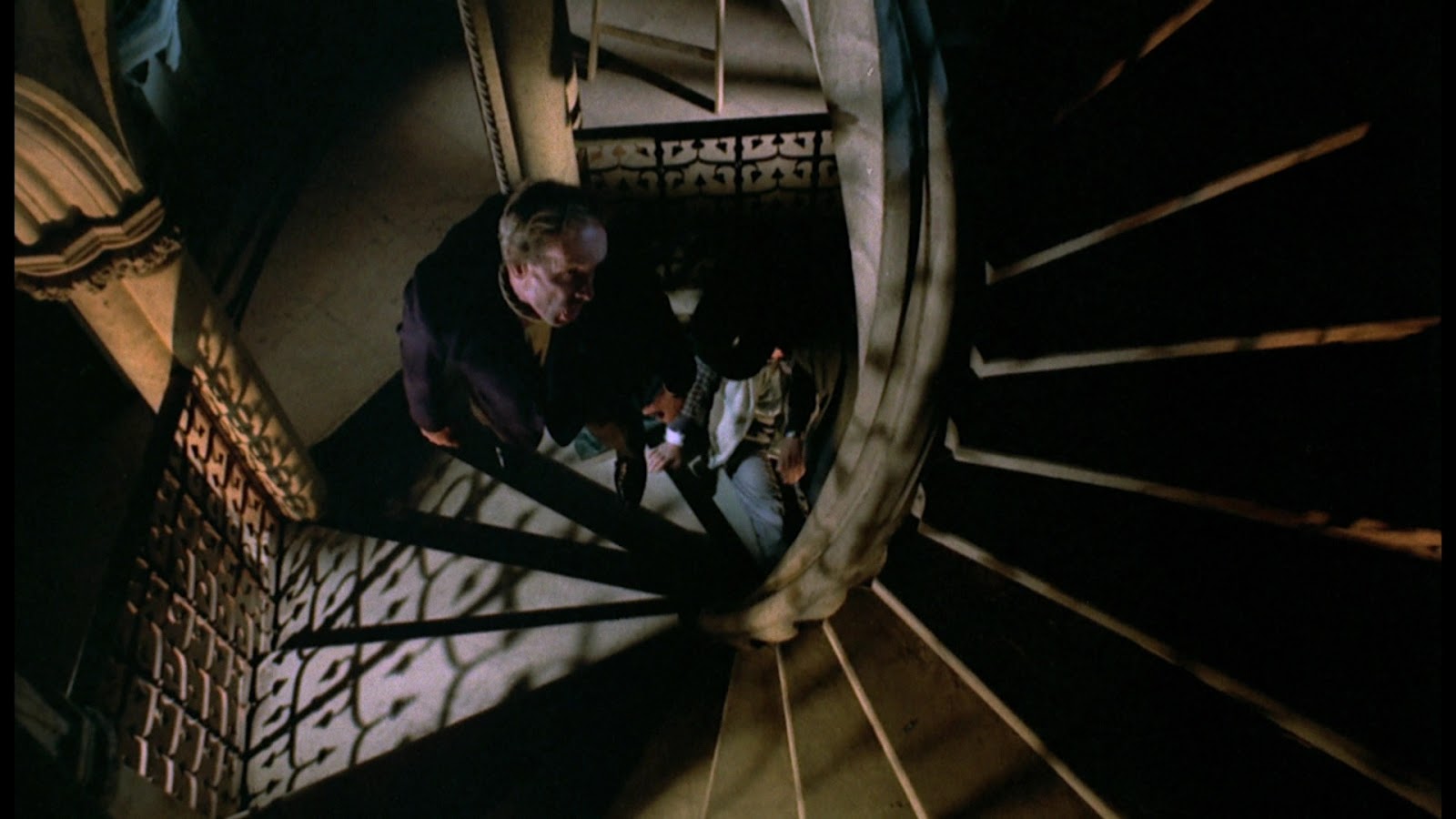
Mario Bava was lured to Vienna to make this Gothic horror flick, which the New York Times referred to in its review as “spectral schlock”. As noted in Cathode Ray Tube’s detailed review, Bava draws upon many of his own previous works — as well as other horror favorites — in his imagery, which is consistently atmospheric and creative (see stills below). Unfortunately, the storyline leaves much to be desired: beginning with the two reckless would-be lovers stupidly messing with black magic time and again, we can’t help feeling like the entire narrative is simply an excuse to show off gory violence and impressive sets (most of the film was shot on location in the spooky Austrian castle Burg Kreuzenstein). Meanwhile, it’s a bit painful watching Cotten — third choice for the role after Vincent Price turned it down and Ray Milland was unavailable — mouth lines like: “Now you shall taste the pain — the exquisite agony!”, especially knowing that he for some reason omitted this title from the filmography in his autobiography.

Note: In his Cult Movies book, Peary refers to Baron Blood simply as “terrible”, lamenting the fact that Bava never made another film half as good as Black Sunday (1960).

Redeeming Qualities and Moments:

  • Fine location shooting at Castle Kreuzenstein in Austria
  • Atmospheric cinematography and direction


Must See?
No; this one is only must-see for Bava fans, though the imagery is consistently haunting.

Links:

Plague of the Zombies, The (1966)

Plague of the Zombies, The (1966)

“This disease seems to me to be more mental than physical.”

Synopsis:
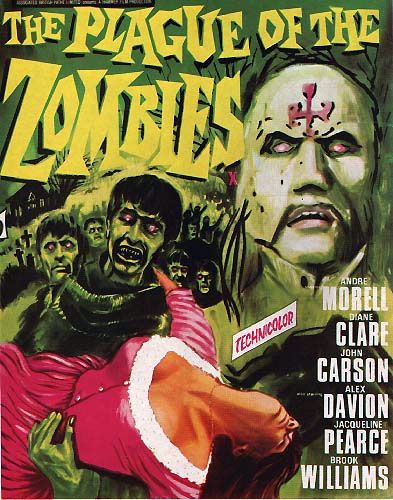
A young doctor (Brook Williams) in a 19th century Cornish village summons the help of his mentor (Andre Morell) in determining the cause of a mysterious plague killing off his patients. When Dr. Forbes (Morell) arrives with his plucky grown daughter (Diane Clare), they are distressed to notice that Williams’ wife (Jacqueline Pearce) — who is enamored by a local squire (John Carson) — seems sickly. Meanwhile, when attempting to conduct an autopsy, Morell and Williams discover that graves are being exhumed and bodies are missing.

Genres, Themes, Actors, and Directors:

  • Amateur Sleuths
  • Horror
  • Voodoo and Black Magic
  • Zombies

Review:
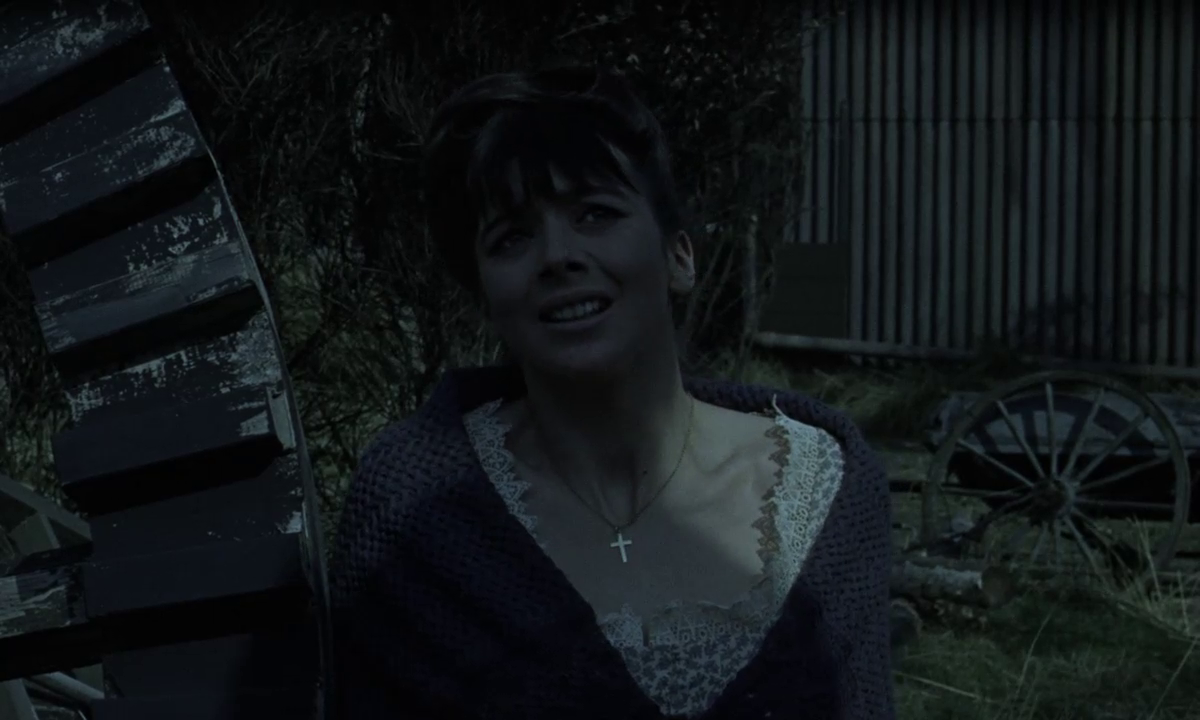
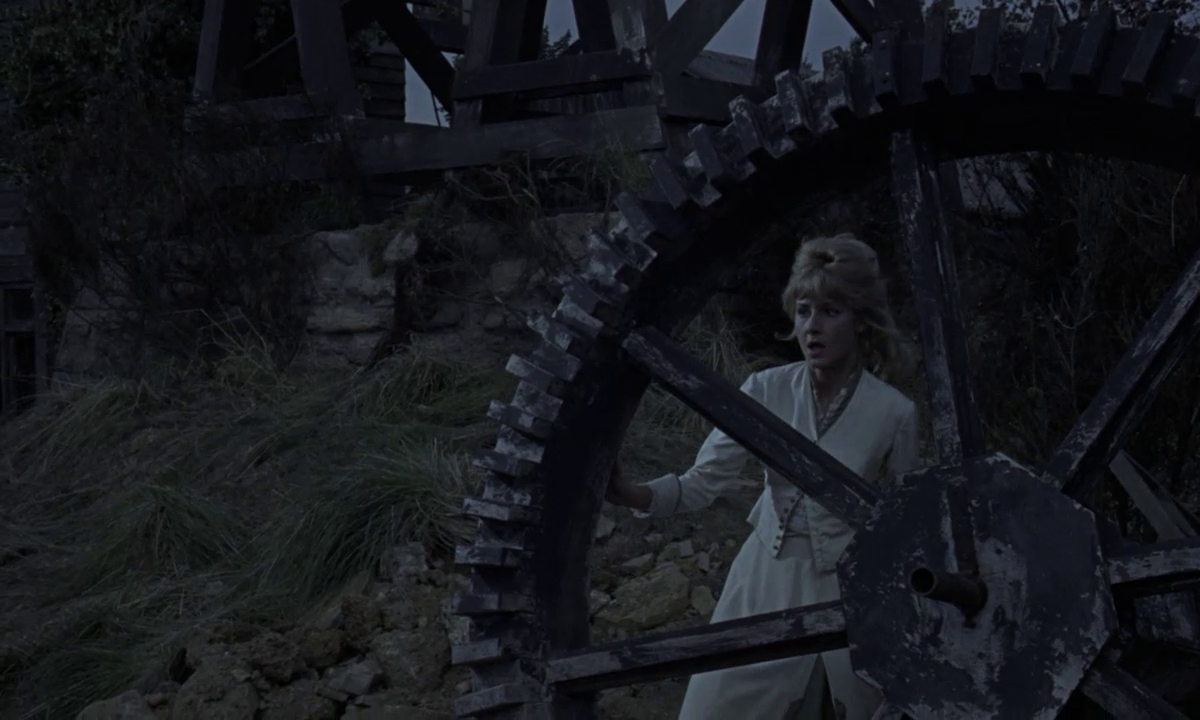
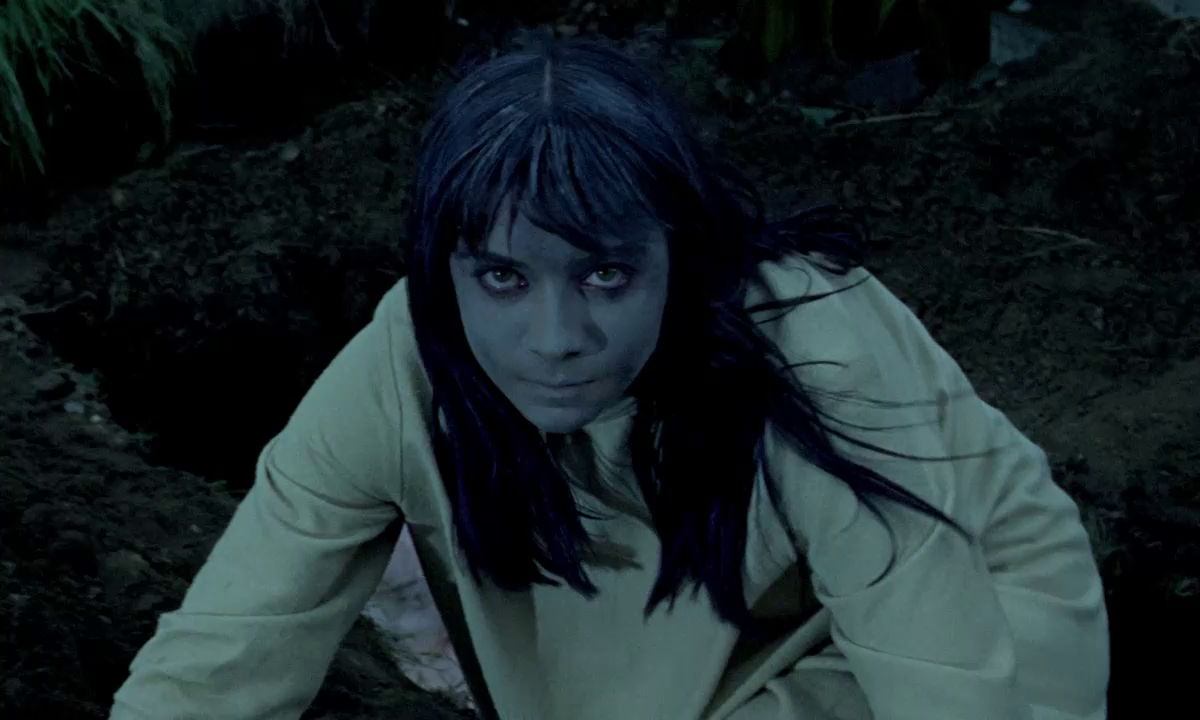
Hammer Studios’ foray into zombie films evokes visceral memories of Val Lewton’s I Walked With a Zombie (1943) and foreshadows certain visual elements of George Romero’s Night of the Living Dead (1968). On its own, it remains a reasonably effective, historically situated horror flick with fine cinematography and direction — particularly during a green-tinted mid-film zombie sequence which emerges as a freaky surprise and is genuinely disturbing. Other elements of the narrative strain credulity or are overly obvious, but that’s par for the course in a genre flick like this.

Note: Deep-voiced Carson — who film fanatics may recognize as Captain Kronos’ vampire-fighting partner — sounds remarkably like James Mason, don’t you think?

Redeeming Qualities and Moments:

  • Effective cinematography (by Arthur Grant) and direction (by John Gilling)

  • The spooky mid-film zombie sequence

Must See?
No, but it’s recommended for fans of zombie flicks.

Links:

Dead and Buried (1981)

Dead and Buried (1981)

“What the hell is going on in this town?!”

Synopsis:
As the sheriff (James Farentino) of a small coastal town investigates a mysterious rash of violent murders perpetrated on tourists — with many of them coming back to life — he begins to wonder about the potential involvement of the local mortician (Jack Albertson) as well as his own wife (Melody Anderson).

Genres, Themes, Actors, and Directors:

  • Horror
  • Living Nightmare
  • Zombies

Review:
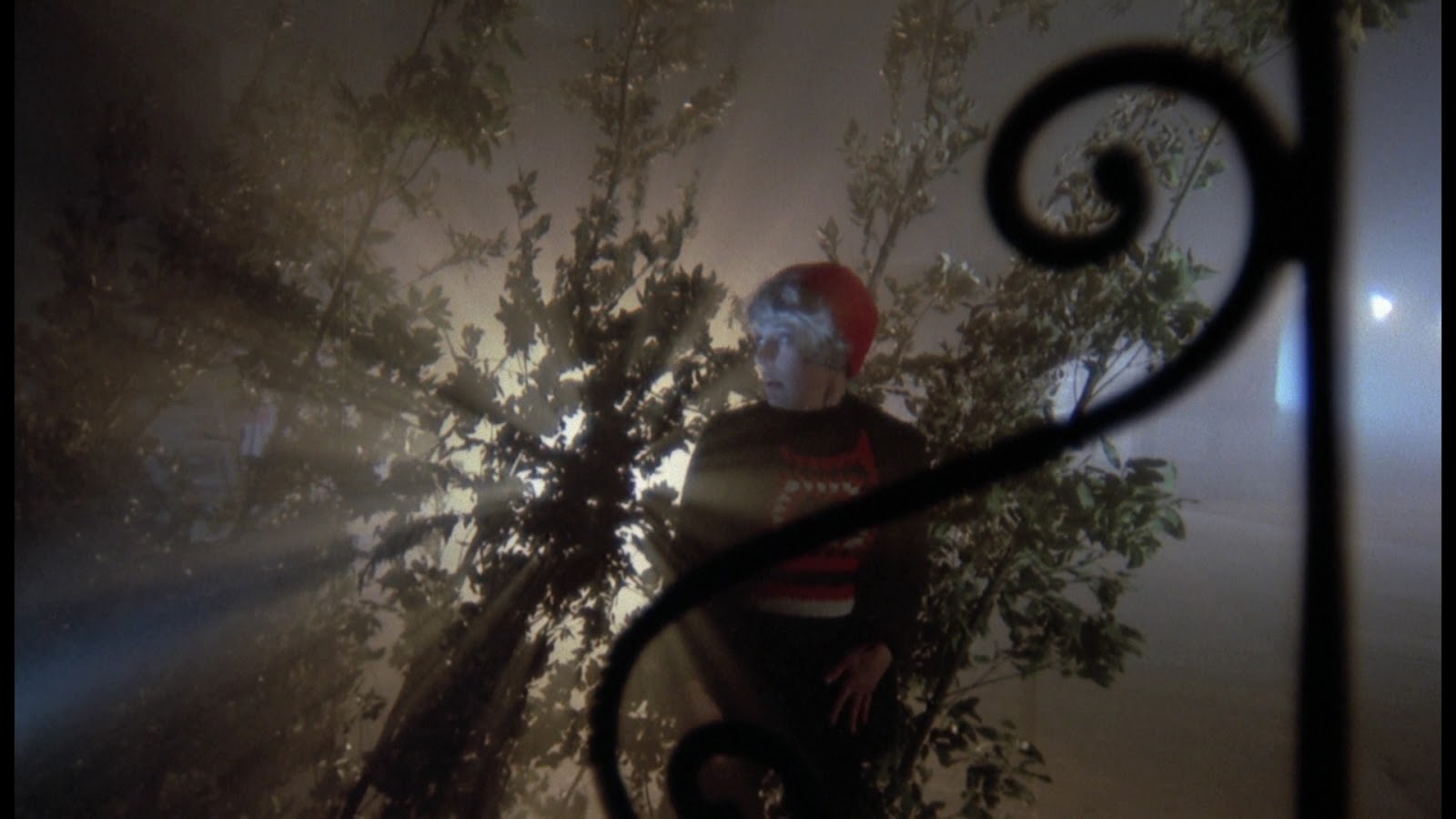
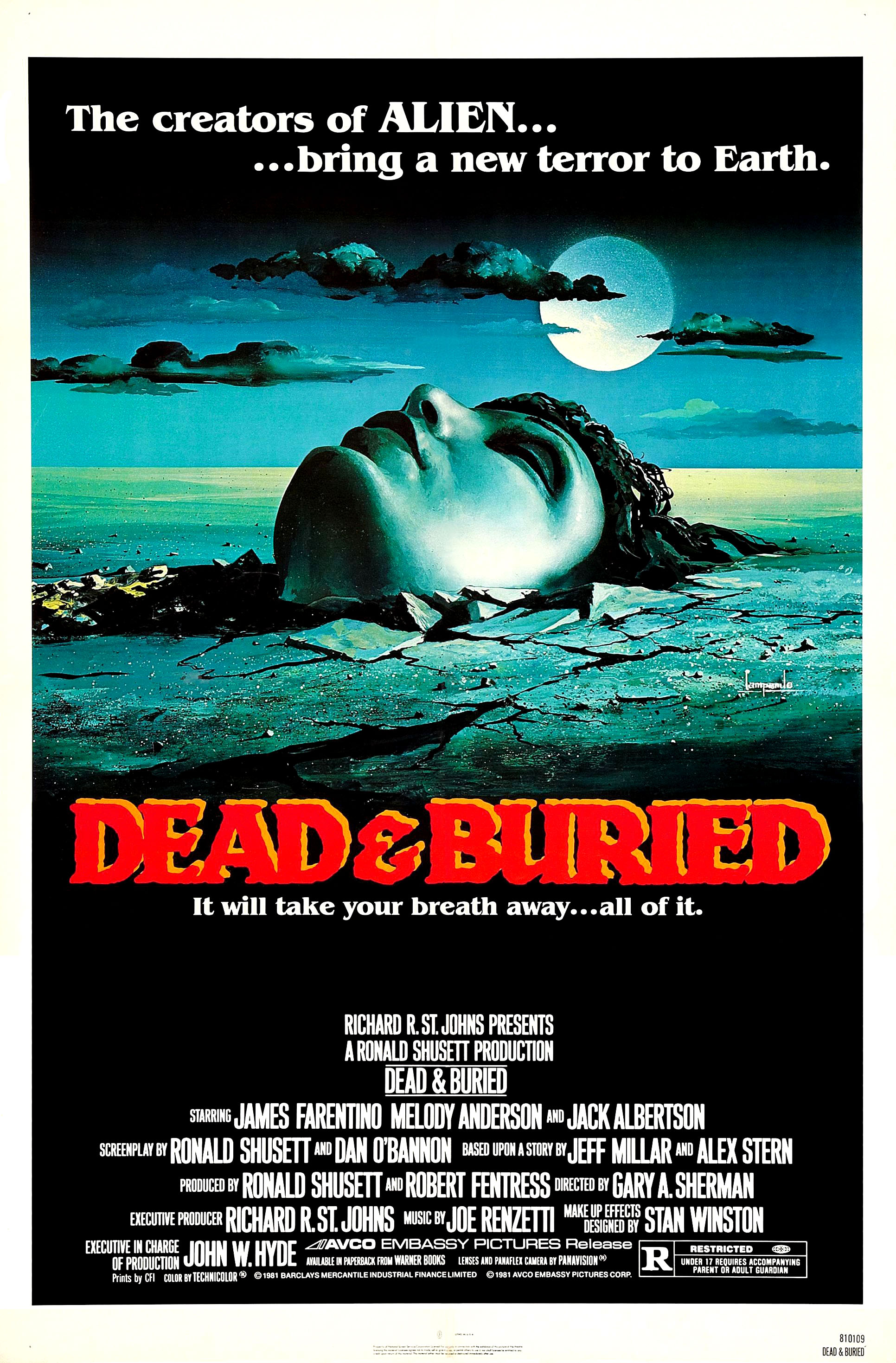
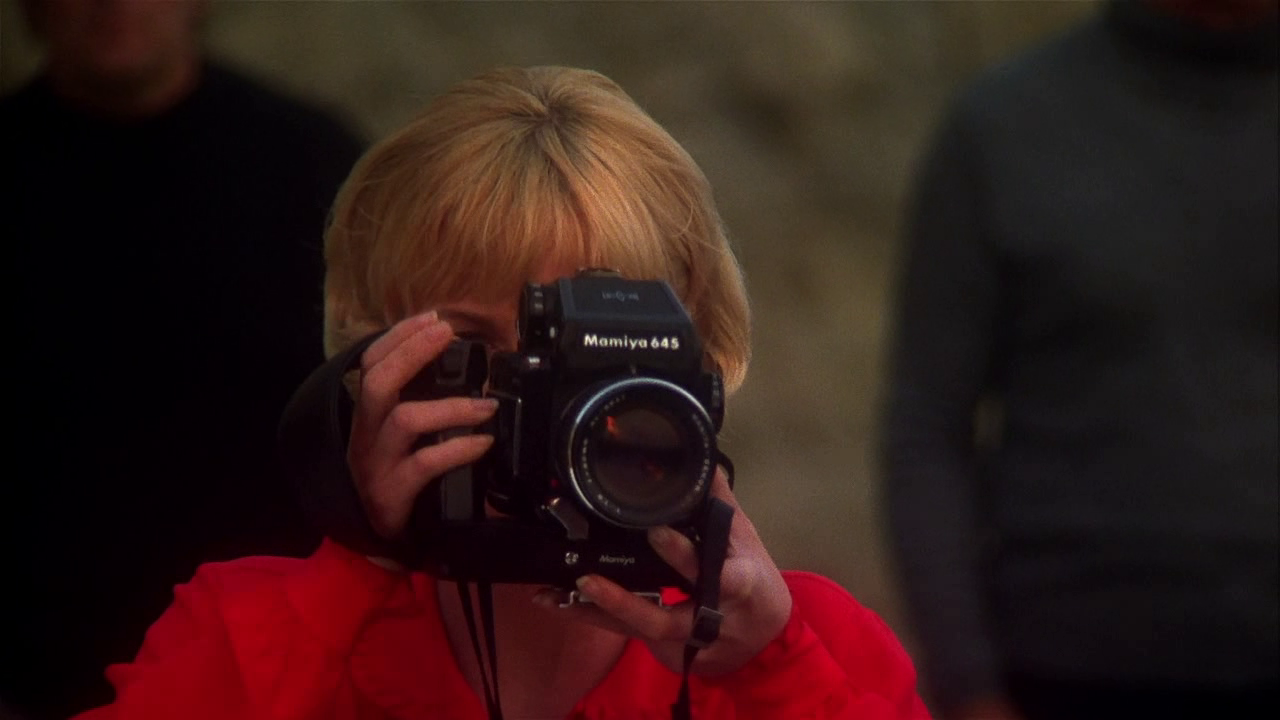
Co-scripted by Alien screenwriters Dan O’Bannon and Ronald Shusett, this horror-thriller is based on a provocative premise, but fails to deliver on its promise. The shockingly violent opening sequence — in which a photographer (Christopher Allport) is seduced by a beautiful woman (Lisa Blount) on the beach, then nearly burnt alive by a group of locals who photograph and film the proceedings — is truly terrifying, and becomes more so as Allport’s perpetrators suddenly show up around town in other guises. This narrative structure quickly begins to wear thin, however, as we witness one tourist (or set of tourists) after the other suffering the same fate, albeit via different sadistic methods (presumably to show off gory special effects). Clearly, this film is meant to play on the trope of small-town hospitality masking something much more sinister, but we see too much viciousness and not enough initial hospitality to engage our interests.

Redeeming Qualities and Moments:

  • An effectively unsettling opening sequence
  • Atmospheric cinematography

Must See?
No; you can skip this one unless it’s your cup of tea.

Links:

Countess Dracula (1971)

Countess Dracula (1971)

“It states quite clearly: for the restoration of youth and beauty, only the blood of a virgin may be used!”

Synopsis:
Upon the death of her husband, an aging countess (Ingrid Pitt) accidentally discovers that young women’s blood makes her youthful again, and enlists the help of her loyal lover (Nigel Green) in securing victims. Meanwhile, she arranges for her visiting daughter Ilona (Lesley-Anne Down) to be held hostage by a mute gamekeeper (Peter May), and seduces a handsome lieutenant (Sandor Eles) while pretending to be her own daughter.

Genres, Themes, Actors, and Directors:

  • Horror Films
  • Mistaken or Hidden Identities
  • Royalty and Nobility

Review:
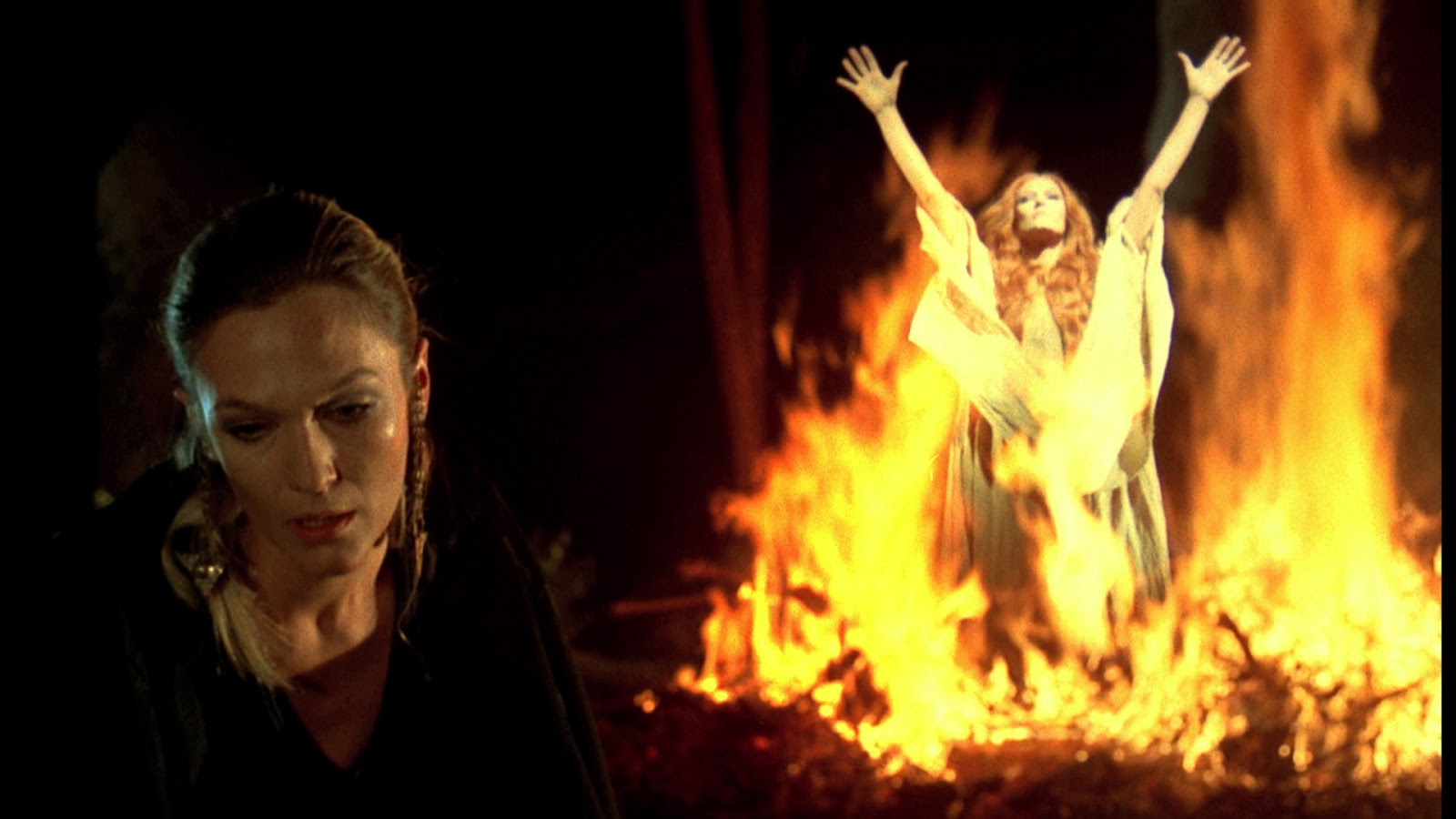
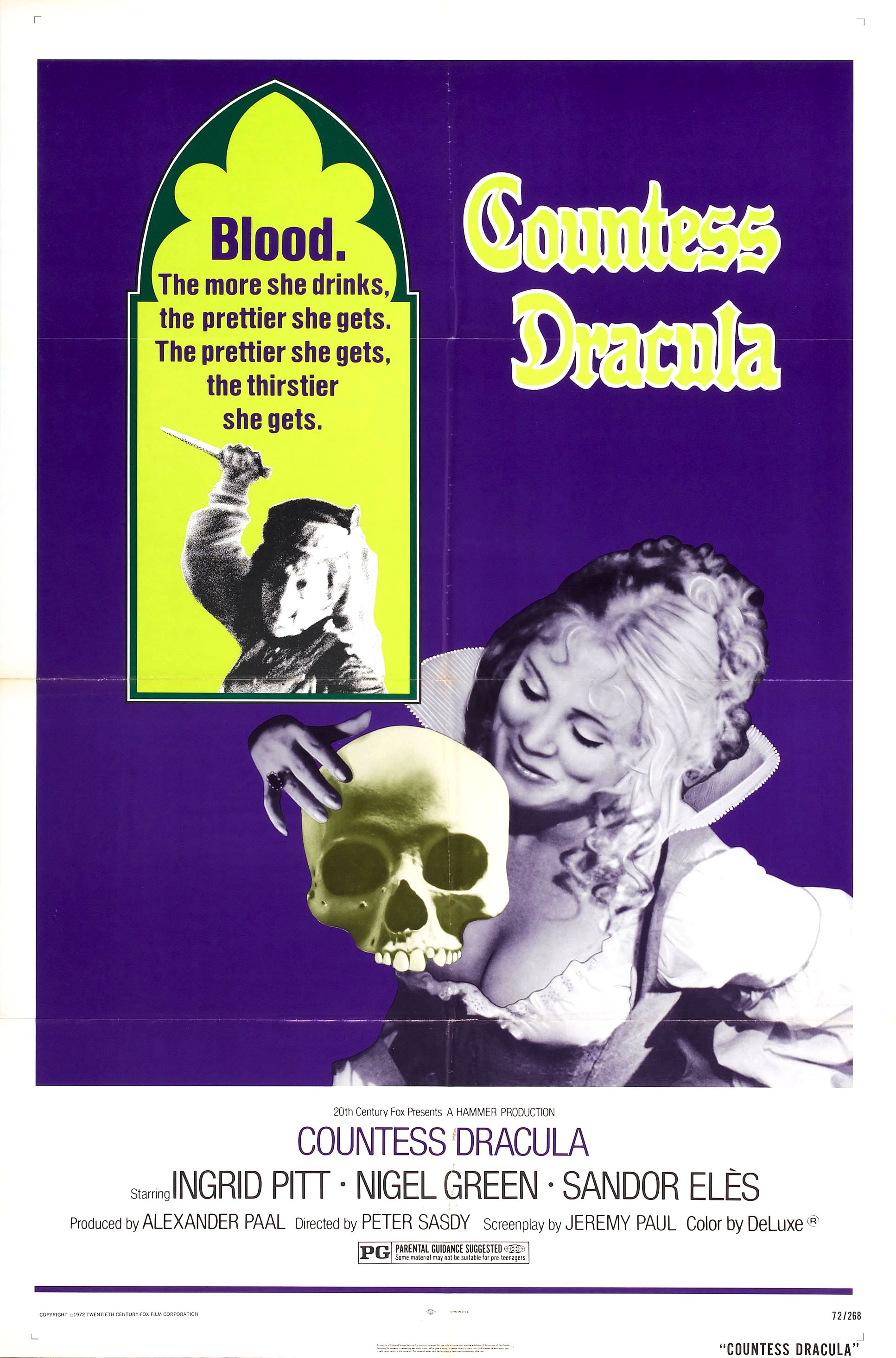
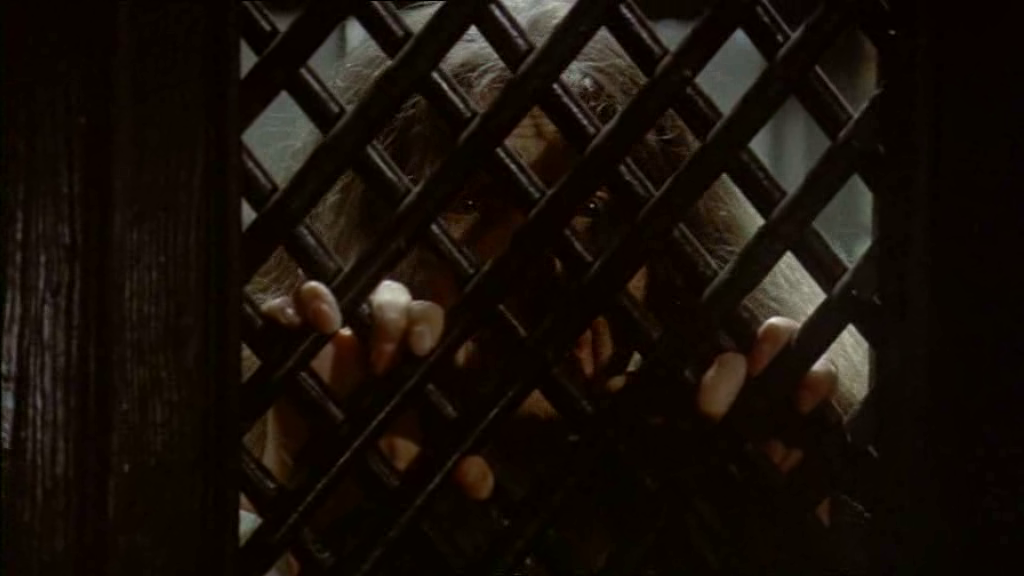
Despite its title, there are no fangs to be seen in Hammer Studios’ follow-up to Polish-born Ingrid Pitt’s memorable debut as the 200-year-old lesbian vampire Carmilla in The Vampire Lovers (1970). Here, Pitt plays the infamous serial murderess Elizabeth Bathory, nicknamed “Countess Dracula” because of the blood she shed in the name of (vainly) attempting to preserve her own youth. The problem with Countess Dracula is that Pitt’s character — apparently one of the most cold-blooded female sociopaths in the annals of history — is portrayed as both heinously villainous and petulantly pathetic. The two shouldn’t necessarily be in conflict (plenty of screen villains are pathetic), but there are enough semi-decent characters supporting Pitt in her endeavors — including her long-time lover (Green) and her loyal nursemaid (Patience Collier) — that we get a bit confused. Meanwhile, Pitt’s real-life daughter (Downs) — who we long to see striking back at her viciously narcissistic mother — is imprisoned for most of the film, and we primarily see her being humiliated. While this film has its share of cult fans, it’s ultimately a disappointment.

Note: Bathory’s travails were even more gruesomely and realistically portrayed in Walerian Borowczyk’s Immoral Tales (1974).

Redeeming Qualities and Moments:

  • Atmospheric cinematography

Must See?
No; this one is only must-see for Hammer horror aficianados.

Links:

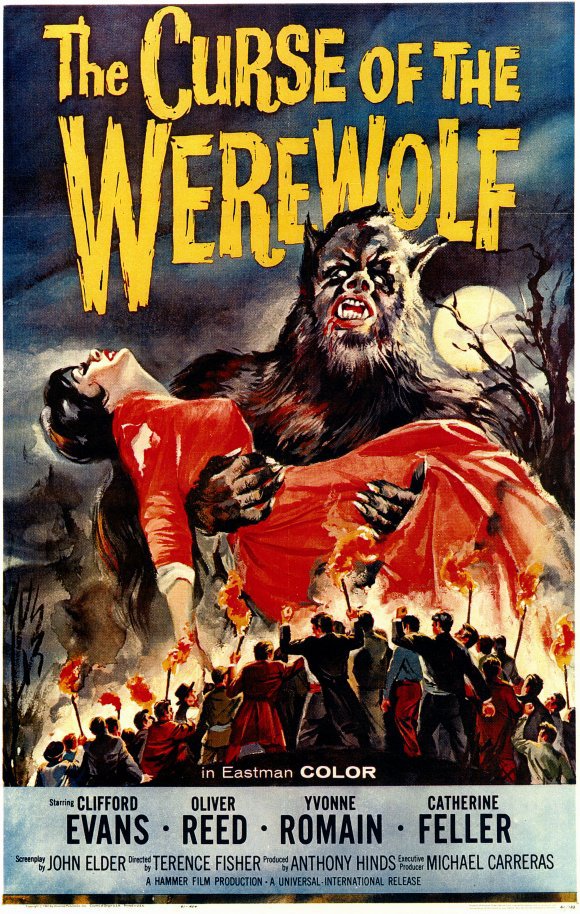
Curse of the Werewolf (1961)

Curse of the Werewolf (1961)

“A werewolf is a body with a soul and a spirit that are constantly at war.”

Synopsis:
After being humiliated by a sociopathic marquis (Anthony Dawson), a beggar (Richard Wordsworth) is permanently imprisoned and becomes increasingly animal-like, raping a kind, mute servant (Yvonne Romain). Upon her death during childbirth, Romain’s son Leon (Justin Walters) is raised by a caring couple (Clifford Evans and Hira Talfrey) who are dismayed to learn from a local priest (John Gabriel) that Leon is a werewolf who has committed a spate of recent animal killings. When Leon grows up (Oliver Reed), he learns about his lycanthropy and hopes that the love of his girlfriend (Catherine Feller) will save him from this dreaded fate.

Genres, Themes, Actors, and Directors:

  • Horror
  • Oliver Reed Films
  • Werewolves

Review:
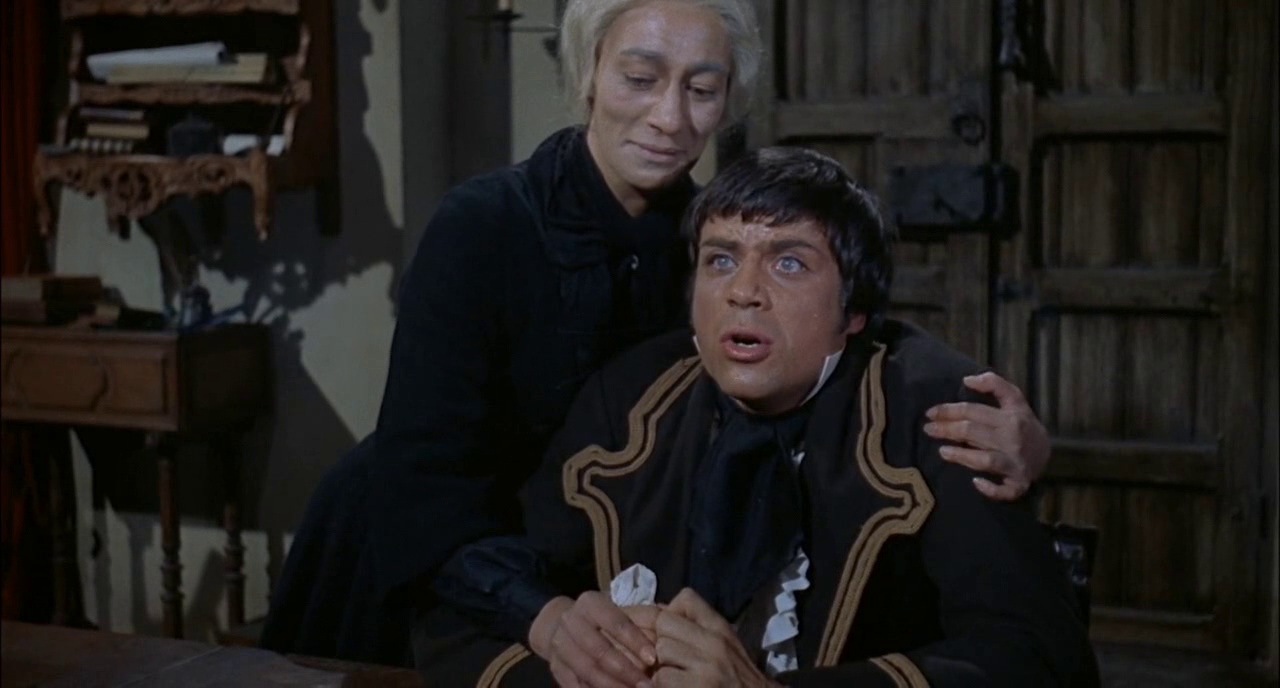
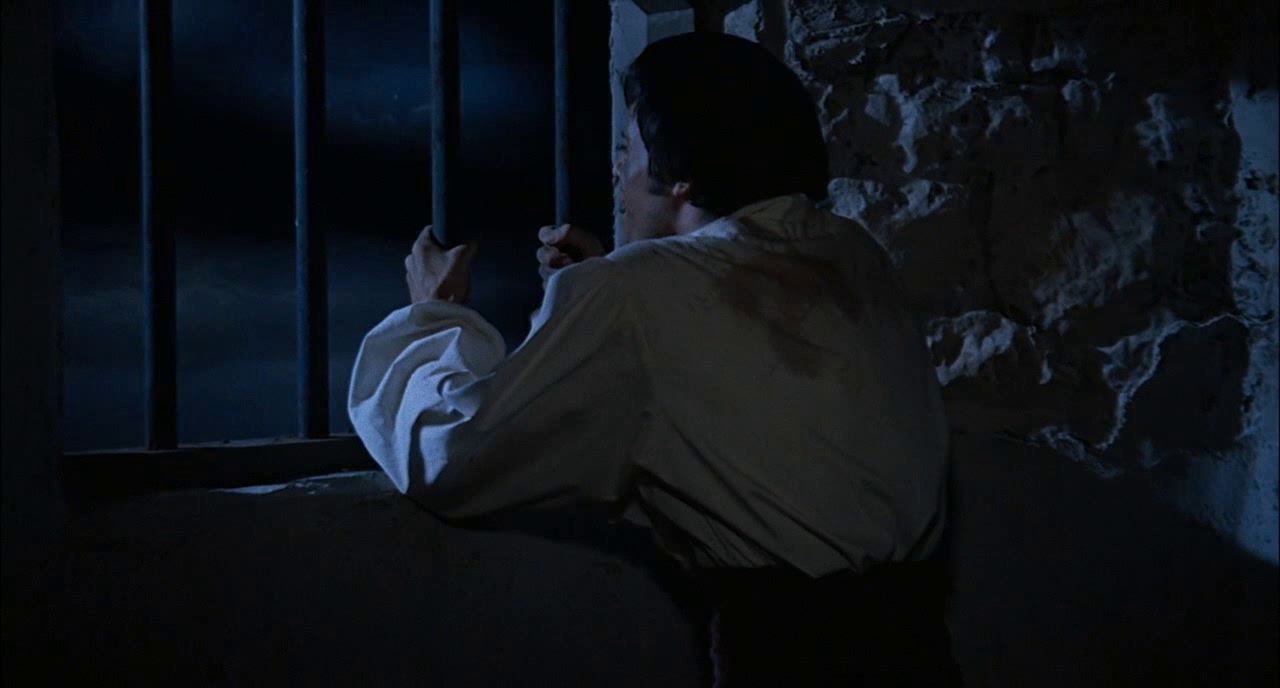
Based on a 1933 novel by Guy Endore, this Hammer Studios horror production invests considerable time in positing lycanthropy as an illness borne of social corruption rather than merely a supernatural disease. The first half-hour is a terribly bleak preamble, showing humanity at its worst: the whims of a depraved despot (Dawson) — mediated only slightly by his kind young wife (Josephine Llewellyn) — result in a lifetime of imprisonment for the good-natured beggar, who becomes increasingly hirsute; meanwhile, Dawson loses his wife and becomes physically grotesque himself, much like Dorian Gray’s portrait. Although the voiceless Romain is cruelly abused for her attempts at generosity, kindness emerges in the form of Evans, Talfrey, Gabriel, and Feller — but even their ample love and protection aren’t enough to save Leon from his predetermined fate. Reed has magnetic presence and invests his character with enough pathos that we truly feel for him: his dual nature is entirely out of his control, and has nothing whatsoever to do with latent arrogance or sociopathy. This is one gloomy flick!

Redeeming Qualities and Moments:

  • Oliver Reed as Leon
  • Hira Talfrey as Teresa
  • Atmospheric cinematography and sets

Must See?
No, but it’s certainly worth a look by fans of werewolf flicks.

Links: