Browsed by
Category: Original Reviews

Responses to Peary’s “must see” movie reviews, as well as my own “must see” movie reviews up to and after 1986 (when Peary’s book was published).

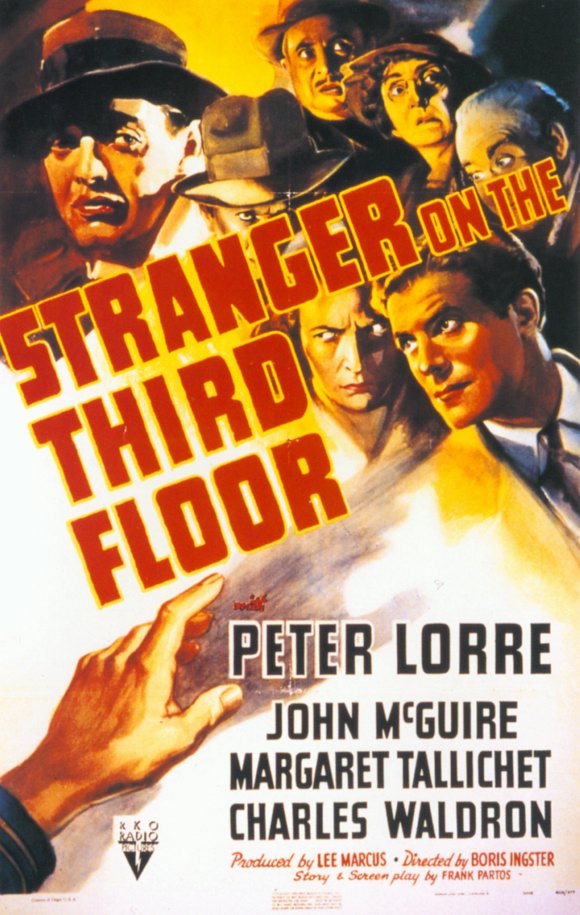
Stranger on the Third Floor (1940)

Stranger on the Third Floor (1940)

“I’m not guilty — the stranger killed him!”

Synopsis:
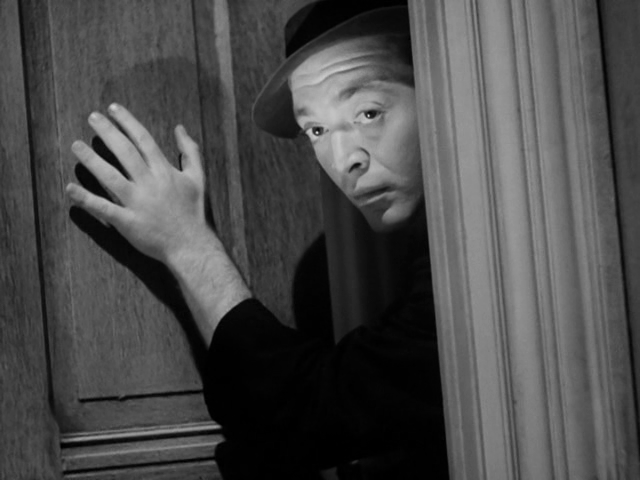
When a reporter (John McGuire) testifies against a man (Elisha Cook, Jr.) seen leaving a diner after its owner (Charles Judels) is killed, McGuire’s girlfriend (Margaret Tallichet) is distressed that his testimony may be responsible for sending an innocent man to jail. Soon McGuire realizes a mysterious scarf-wearing man (Peter Lorre) likely killed both the diner owner and McGuire’s annoying neighbor (Charles Halton) — but as someone present at both crime scenes, will the murders be tagged on McGuire instead?

Genres, Themes, Actors, and Directors:

  • Elisha Cook, Jr. Films
  • Falsely Accused
  • Journalists
  • Living Nightmare
  • Morality Polics
  • Peter Lorre Films

Review:
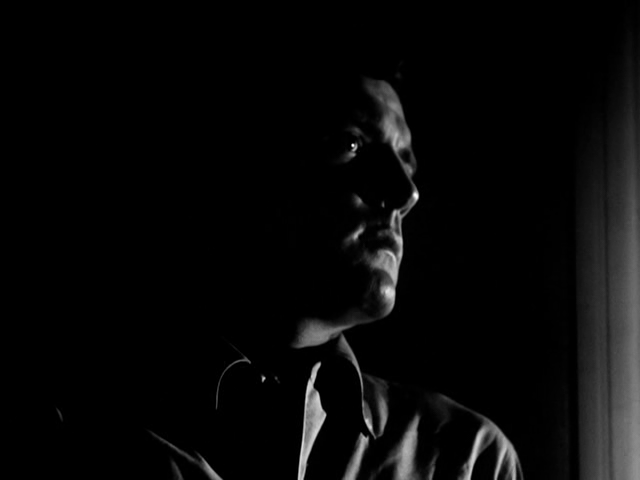
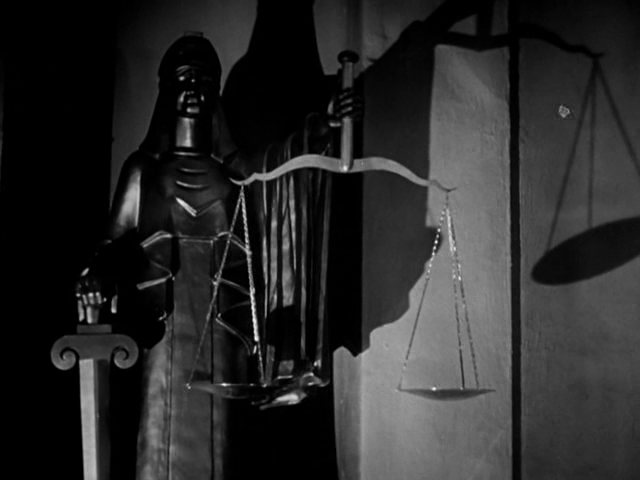
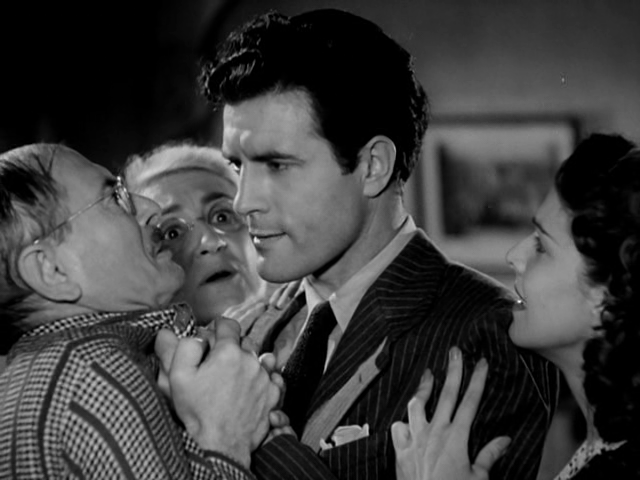
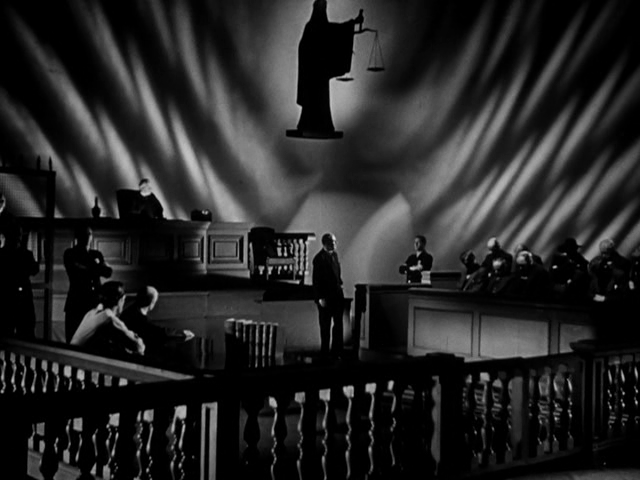
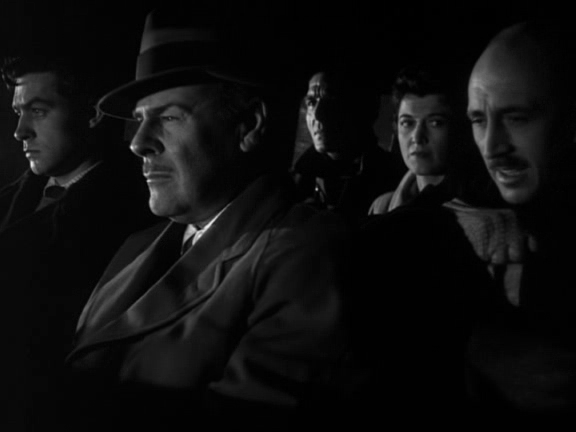
This obscure B-level horror-drama by unknown Latvian director Boris Ingster presents a Kafka-esque living nightmare of sexual repression, moral condemnation, shadowy strangers, and rampant corruption, running in some truly surreal directions while building a storyline predicated on noir-esque voiceovers and explanatory flashbacks-within-flashbacks. McGuire is an “everyman” who simply wants to marry his girl, but needs money to get out of his claustrophic boarding house, where his shrewish landlady (Ethel Griffies) and self-righteous neighbor (Charles Halton) won’t give him a break — even the sound of his typing annoys them. His conscience is at first fine with the fact that his testimony against a cabbie (Cook, Jr.) is pivotal in a laughably inept court case while also conveniently providing enough sensational news to afford him financial freedom as a reporter; but his girlfriend has a very different take on the situation, and soon he’s plagued with guilt and insecurity. Lorre’s rat-like character (check out those teeth) lurks in the corners, and — naturally — turns out to play a pivotal role in the proceedings, though not without plenty of suspense in the meantime. (Does McGuire’s righteous anger at his neighbors represent thinly-veiled hostility that may be “outing” itself unconsciously?) The film’s memorable highlight is McGuire’s Expressionist nightmare, with all elements of his recent existence showing up in stylized fashion to literally haunt his dreams and spur him to “do the right thing”.

Redeeming Qualities and Moments:

  • Nick Musuraca’s cinematography

  • Creative direction

  • The truly surreal Expressionist dream sequence

Must See?
Yes, for its visual ingenuity and narrative creativity. Listed as a Sleeper in the back of Peary’s book.

Categories

  • Historically Relevant

Links:

Silent Night, Bloody Night (1972)

Silent Night, Bloody Night (1972)

“Someone keeps calling — with a message for my father.”

Synopsis:
A woman (Mary Woronov) whose father (Walter Abel) is mayor of a small town reflects on the gruesome history of a house inherited by a man (James Patterson) who sends his lawyer (Patrick O’Neal) and O’Neal’s wife (Astrid Heeren) to try to sell it, with bloody results.

Genres, Themes, Actors, and Directors:

  • Horror
  • Murder Mystery
  • Old Dark House
  • Patrick O’Neal Films

Review:
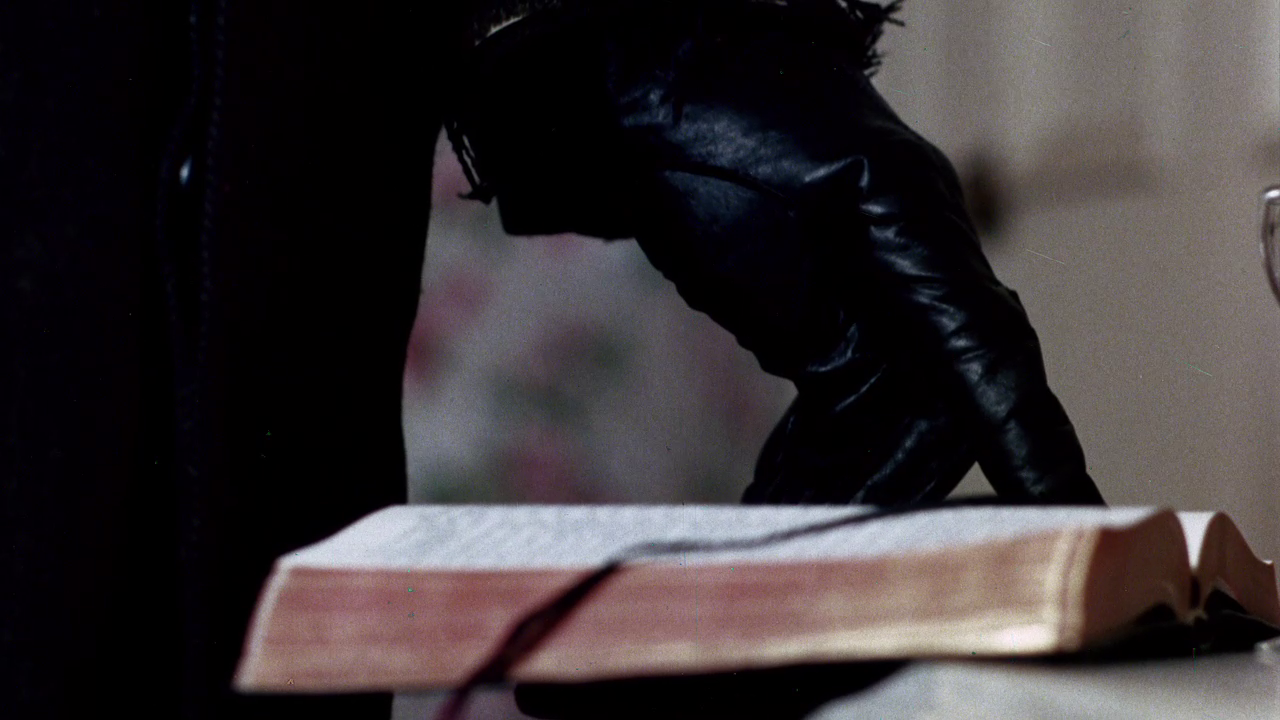
This wintertime slasher flick — once a drive-in film, then a staple of late-night-TV — is primarily known for featuring a cast of Andy Warhol’s “superstars” (including Mary Woronov, Ondine, and Candy Darling):

and for offering a gory alternative to the sanitized cheer of holiday films like White Christmas (1954). The storyline is somewhat convoluted, but that’s beside the point: what’s really on display here is plenty of atmospheric mystery and suspense in the midst of bloody murders, all as snow falls gently outside in a small east coast town with a heavy history (it was filmed in Oyster Bay, Long Island).

Redeeming Qualities and Moments:

  • Some effective imagery

Must See?
No; this one is only must-see for its cult followers.

Links:

Hideous Sun Demon, The (1959)

Hideous Sun Demon, The (1959)

“You mean a human being could evolve backwards in time to become some sort of prehistoric creature?”

Synopsis:
After exposure to a radioactive isotope, a scientist (Robert Clarke) turns into a scaly creature in the presence of the sun; can his colleagues (Patricia Manning and Patrick Whyte) do anything to help him, or will he turn into a murderous, rampaging monster?

Genres, Themes, Actors, and Directors:

  • Atomic Energy
  • Mutant Monsters
  • Science Fiction

Review:
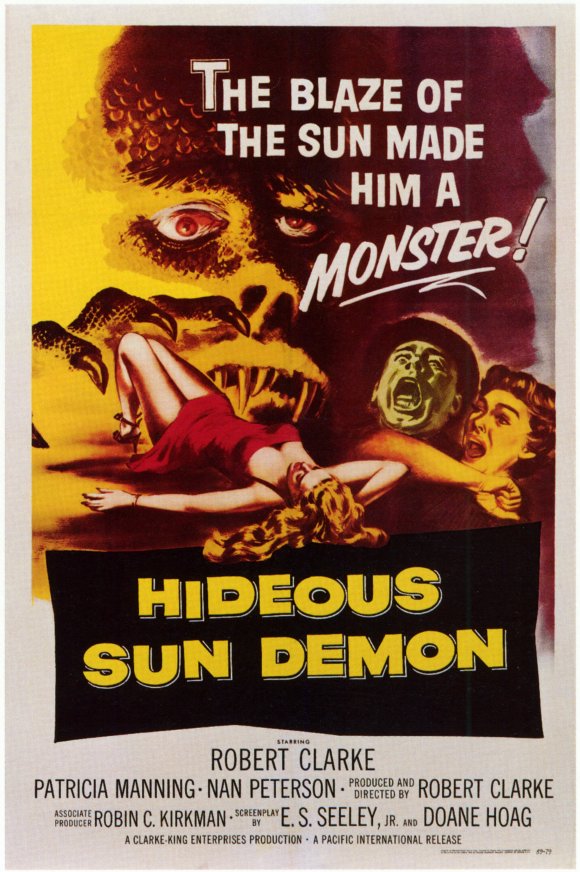
This low-budget sci-fi horror flick — written, directed, produced by, and starring Robert Clarke — was filmed in 12 consecutive weekends with rented equipment on a budget of $50,000. The result is a film only Z-grade aficionados will appreciate, though Clarke certainly deserves points for trying. It’s not nearly as inept as other first-time directorial efforts, but the acting and pacing are terrible:

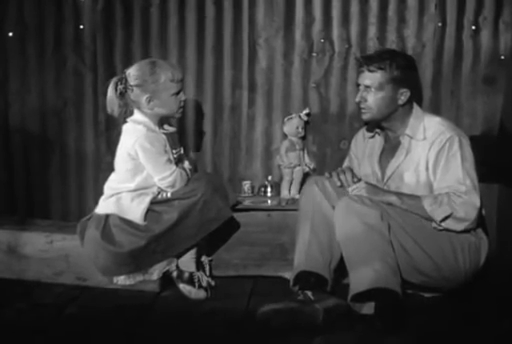
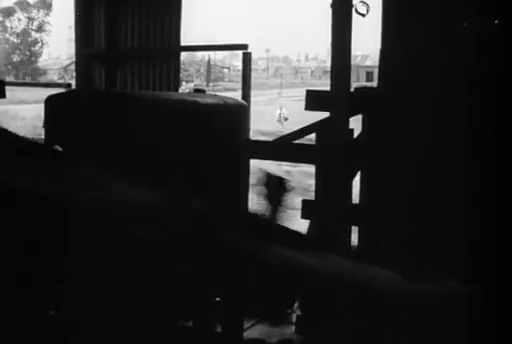
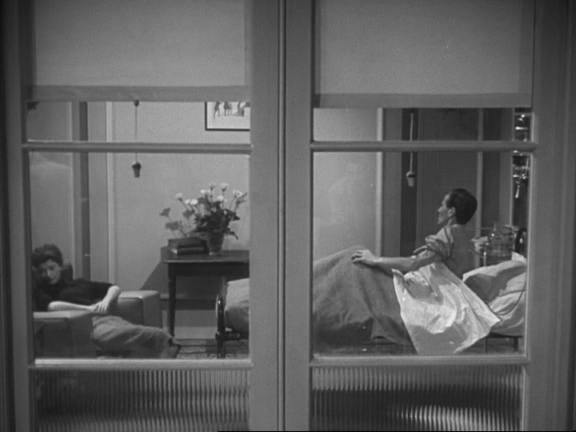
… and the central premise is laughably simplistic. Clues that we’re watching a sub-par production first emerge when we hear characters discussing how Clarke became exposed to radiation; their description is quite vivid, and we wish we could actually see all this taking place! Reasonably memorable elements include Clarke dallying on the beach with a Marilyn Monroe look-alike (Nan Peterson), and interacting with a young girl (Xandra Conkling — how’s that for a name?) whose mother allows her to slip outside to play after a warning has just been announced on the radio:

It’s yet another homage to the famous scene in Frankenstein (1931), also referenced in The Creeping Unknown (1955). Check out Wikipedia’s entry for more information about this flick’s production, reception, and comedic re-dubbing in 1983.

Redeeming Qualities and Moments:

  • Some reasonably effective direction

Must See?
No; this one is only must-see by true low-budget SF aficianados. Listed as a Camp Classic in the back of Peary’s book.

Links:

Creeping Unknown, The / Quatermass Xperiment, The (1955)

Creeping Unknown, The / Quatermass Xperiment, The (1955)

“It’s almost beyond human understanding: some fantastic invisible force converted two men into… jelly?”

Synopsis:
When a rocket crash-lands in the British countryside, Dr. Quatermass (Brian Donlevy) and Inspector Lomax (Jack Warner) are summoned to investigate, and find that its sole survivor (Richard Wordsworth) is gaunt and catatonic. Wordsworth’s wife (Margia Dean) enlists the help of a private detective (Harold Lang) in rescuing him from supervision, but this quickly proves disastrous as Wordsworth mutates into a monster and begins absorbing the organisms he touches.

Genres, Themes, Actors, and Directors:

  • Aliens
  • Brian Donlevy Films
  • Horror
  • Possession
  • Science Fiction

Review:
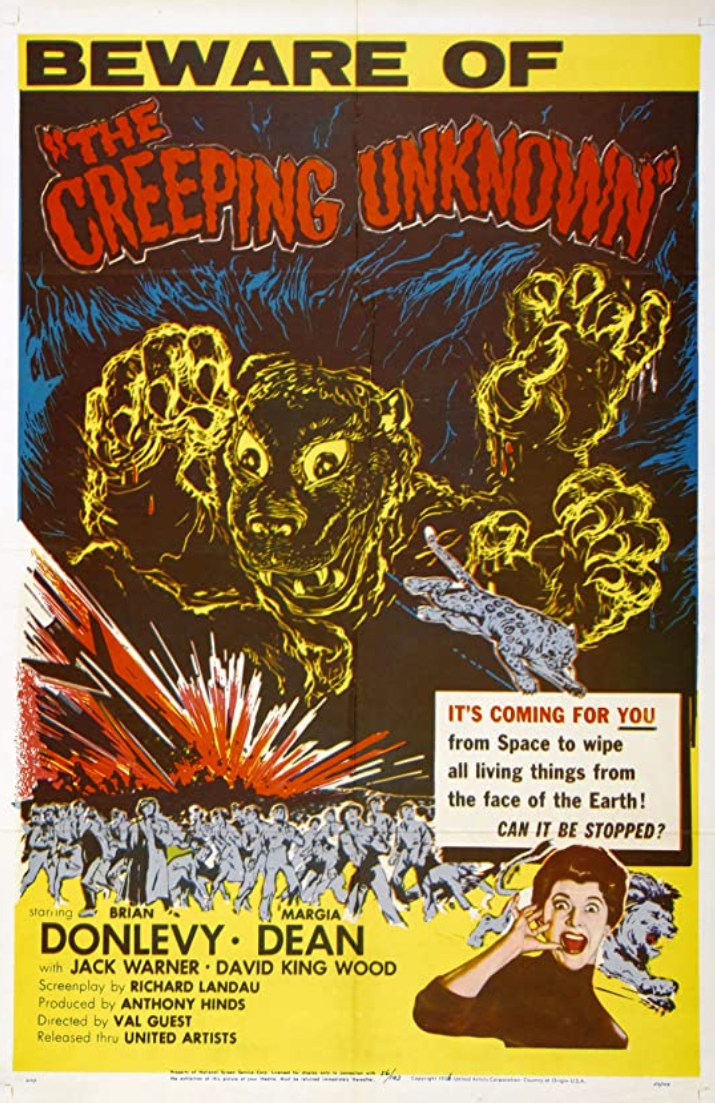
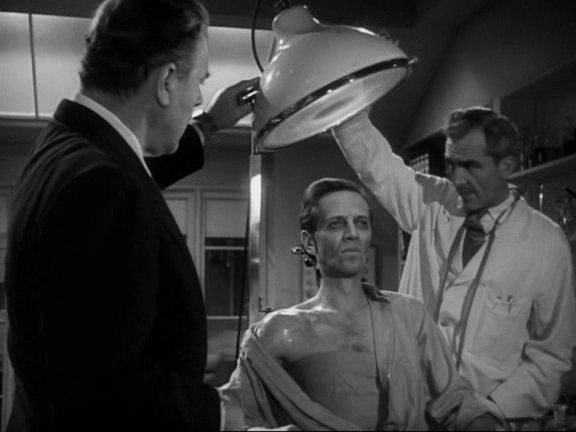
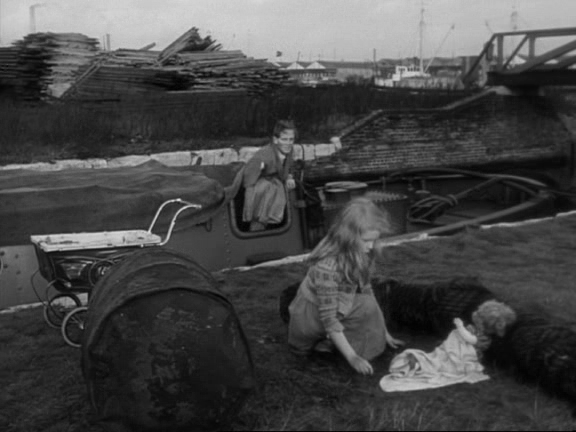
Based on the popular six-part BBC TV serial, The Quatermass Experiment (renamed The Creeping Unknown in the United States) was the first in a cluster of films featuring Dr. Bernard Quatermass, a fictional space scientist whose primary task in life is protecting the Earth from alien forces. This early outing remains an exciting entry in the series, with a quickly paced script and a highly empathetic accidental “villain” (Wordsworth). Wordsworth’s expressions are genuinely haunting: he’s traumatized by what happened on board the spaceship, terrified of (yet unable to control) his own actions, and devastatingly incapable of expressing himself. His character is reminiscent of the monster in Frankenstein (1931); indeed, a scene in which Wordsworth emerges out of hiding in a boat and attempts to interact with a sincere little girl (Jane Asher) is clearly an explicit homage to this earlier classic.

Also driving the film is a true sense of urgency and mystery: what exactly happened to the astronauts, and how much of a danger does Wordsworth now pose? The ultimate findings are reminiscent of modern-day fears over widespread biological contagion (viz. Soderbergh’s Contagion, 2011), as well as ongoing concerns with full-scale invasion by “alien” forces on multiple fronts. Fans have quibbled over the casting of American Brian Donlevy as Quatermass, who comes across as entirely no-nonsense from beginning to end (in one scene, he brusquely contradicts his own orders just a few minutes after realizing he was wrong); but personally, I find him refreshing and well-cast. If the final scene feels a tad rushed, this actually fits with the story’s overall sense of continuous doom, and sequels were nigh on the horizon.

Redeeming Qualities and Moments:

  • Richard Wordsworth as Victor Carroon
  • Atmospheric cinematography
  • Many effectively eerie scenes

Must See?
Yes, as an early classic of the genre.

Categories

  • Good Show

Links:

Design for Living (1933)

Design for Living (1933)

“Delicacy is the banana peel underneath the feet of truth.”

Synopsis:
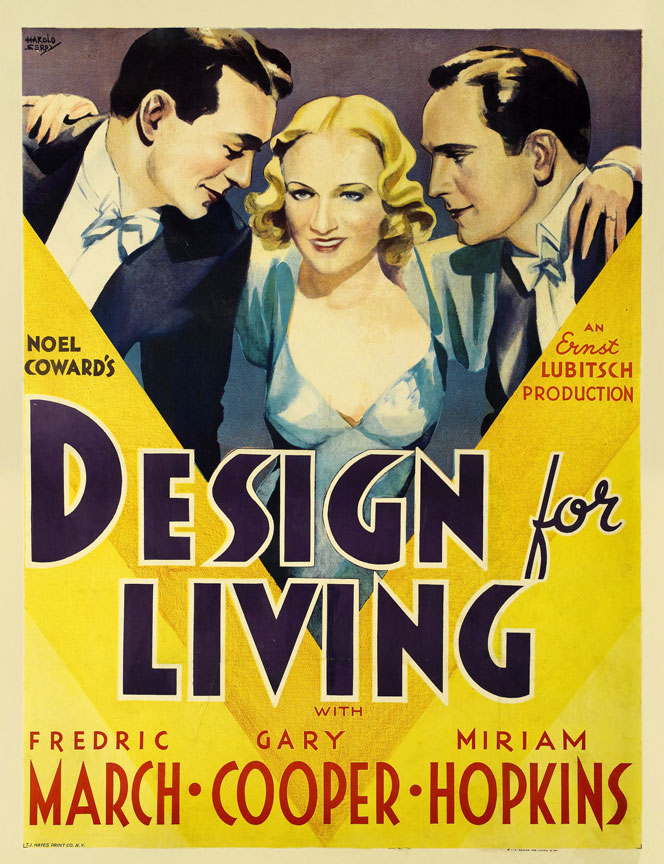
An advertising employee (Miriam Hopkins) becomes enamored with two friends — an aspiring painter (Gary Cooper) and playwright (Fredric March) — and moves in with them to become their platonic muse. When March goes to London to oversee his successful new play, Cooper and Hopkins begin an affair, bringing their friendship with March to an end; but when March comes to visit and Hopkins can’t resist intimacy with him, either, she eventually decides to save the men’s friendship by marrying her boring boss (Edward Everett Horton).

Genres, Themes, Actors, and Directors:

  • Aspiring Stars
  • Ernst Lubitsch Films
  • Fredric March Films
  • Gary Cooper Films
  • Love Triangle
  • Miriam Hopkins Films
  • Play Adaptation
  • Romantic Comedy

Response to Peary’s Review:
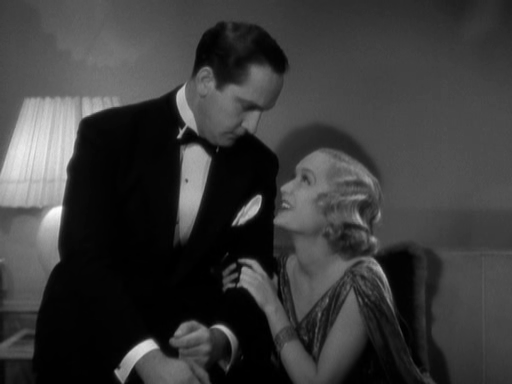
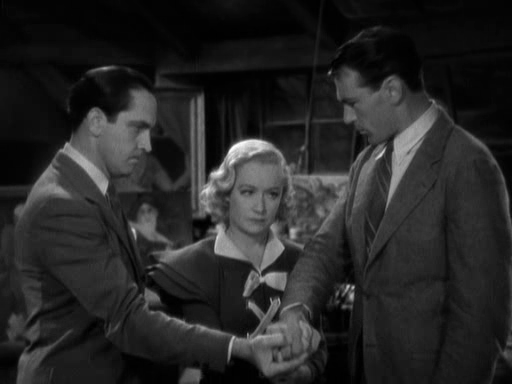
Peary writes that this “much acclaimed comedy” by Ernst Lubitsch — liberally adapted by Ben Hecht from Noel Coward’s play — is “still risque”, given that we’re “not used to seeing a sexually available free spirit like Hopkins’s Gilda (who in some ways anticipated Jeanne Moreau’s Catherine in Jules and Jim).” However, he accurately asserts that other than Hopkins’ “delicious, vibrant, witty performance”, the “film lacks energy” and simply plods along — which is especially surprising given the inherently provocative nature of the storyline and some clever turns-of-phrase:

“It’s true we had a gentleman’s agreement, but unfortunately, I am no gentleman.”
“I’m sick of being a trademark married to a slogan.”

This one’s worth a one-time look for its risque themes, but ultimately not an enduring classic.

Redeeming Qualities and Moments:

  • Miriam Hopkins as Gilda
  • Evidence of “Lubitsch’s touch”
  • An enjoyably risque pre-Code sensibility

Must See?
No, though it’s recommended for its historical relevance.

Links:

Hitler’s Children (1943)

Hitler’s Children (1943)

“It wouldn’t be our child — it would be Hitler’s, just another child to die for the state!”

Synopsis:
A German-born American (Bonita Granville) working with the director (Kent Smith) of an American School in Hitler-led Germany is heartbroken when her boyfriend (Tim Holt) becomes a Nazi officer — but she refuses to swear allegiance to the government even when she’s at risk of being forcibly sterilized.

Genres, Themes, Actors, and Directors:

  • Bonita Granville Films
  • Edward Dmytryk Films
  • Hans Conried Films
  • Nazis
  • Resistance Fighters
  • Star-Crossed Lovers
  • Strong Females
  • World War II

Review:
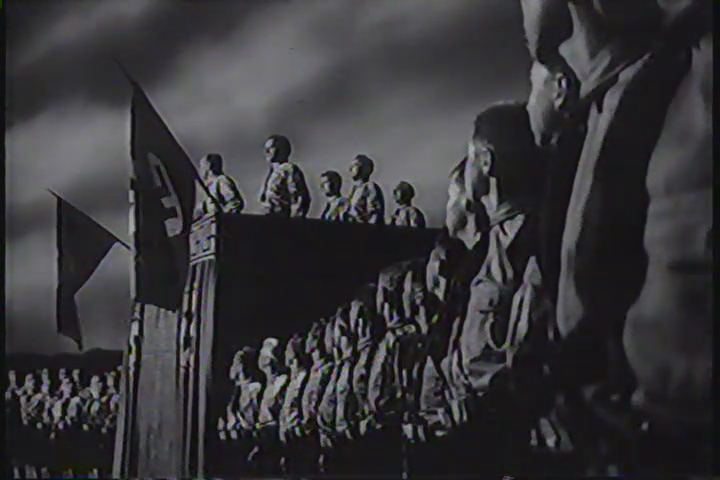
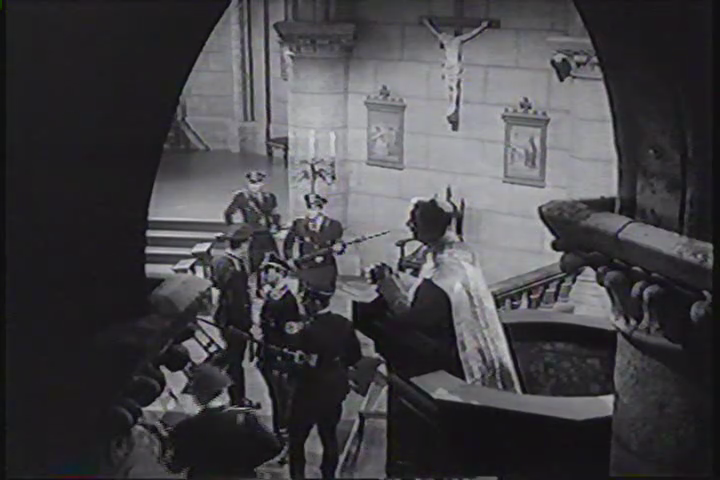
This WWII-era propaganda film about the indoctrination of German youth during Hitler’s reign (one of only a handful of titles made at the time including the name “Hitler”) was meant to be simply a B-level exploitation flick, but ended up as RKO Studios’ highest grossing film of all time, surpassing even the earnings from Top Hat (1935), King Kong (1933), and Little Women (1933). Surprisingly, the film feels almost as fresh and horrifying today as it must have been back in 1943, when America was in the thick of a world war and just beginning to learn about the true horrors of the Nazi Regime; it’s still shocking to see Nazi officers casually strolling around a special breeding camp designed to house unwed young women whose job was simply to produce Aryan children for the Third Reich. Granville is a refreshingly plucky heroine:

… thankfully putting her innate determination and grit to much better use than in her most (in)famous role as bad-seed Mary Tilford in These Three (1936); and Holt is suitably stoic as her conflicted lover.

Only at one point does the film’s studio-bound nature betray the drama, as Holt interrupts Granville’s public flogging at a concentration camp and the two are “allowed” to gaze into each other’s eyes while the world around them apparently stops completely (why not show them being pulled violently apart while feverishly shouting their love out to one another?). Regardless, all film fanatics will likely be curious to check out this historically relevant flick, which hold up surprisingly well today.

Redeeming Qualities and Moments:

  • Fine cinematography

  • A refreshingly frank (for the time) depiction of some of Hitler’s many horrors

Must See?
Yes, for its historical relevance.

Categories

  • Historically Relevant

Links:

Strangler of the Swamp (1946)

Strangler of the Swamp (1946)

“The swamp — things have happened out there that are not natural…”

Synopsis:
When a ferryman (Frank Conlan) becomes the next victim in a series of mysterious hangings, his intrepid granddaughter (Rosemary La Planche) takes over his job and soon falls in love with a local lad (Blake Edwards) whose father (Robert Barrat) holds a dark secret about the swampy town.

Genres, Themes, Actors, and Directors:

  • Falsely Accused
  • Ghosts
  • Horror
  • Revenge

Review:
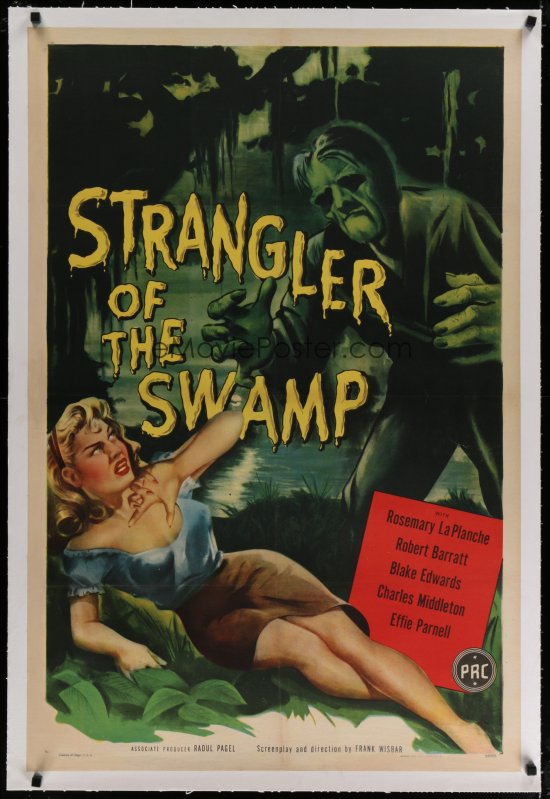
“Poverty Row Cinema” was a catch-all phrase for a group of ultra-low-budget movie studios operating in Hollywood between the 1920s and early 1950s. One of the top PRC companies was another “PRC” — the Producers Releasing Corporation — which was responsible for such cult titles as Edgar Ulmer’s Bluebeard (1944) and Detour (1945), as well as Douglas Sirk’s Hitler’s Madman (1943). Strangler of the Swamp doesn’t live up to those three titles’ modest fame, but remains a uniquely atmospheric outing in its own right. Nothing about this strongly allegorical morality tale rings realistic — starting from the fog-laden set representing a town somehow disconnected from all of mainstream society, and continuing with the sudden arrival of a beautiful young woman eager to spend her days ferrying passengers back and forth across the swamp — but we soon learn the story is really about supernatural repercussions visited upon a town covering up its dirty secrets. It’s worth a one-time look, simply to see what such studios were able to do with limited resources (and to check out Blake Edwards in an early acting role before he became much more famous as a director).

Redeeming Qualities and Moments:

  • Highly atmospheric cinematography

Must See?
No, but it’s worth a look simply as an example of a better-than-average PRC outing. Listed as a Sleeper, a Cult Movie, and a Personal Recommendation in the back of Peary’s book.

Links:

Daughter of Dr. Jekyll (1958)

Daughter of Dr. Jekyll (1958)

“You mustn’t let these ridiculous superstitions get the best of you!”

Synopsis:
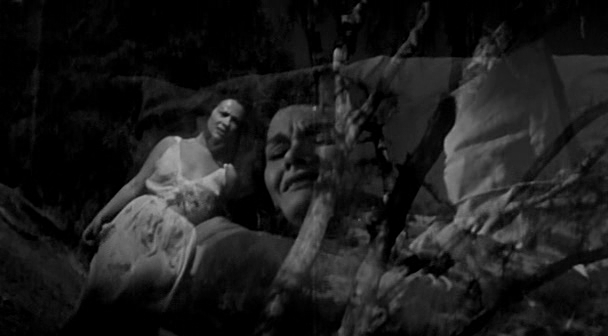
On her 21st birthday, a young woman (Gloria Talbott) brings her fiance (John Agar) to the home of her guardian, Dr. Lomas (Arthur Shields), who tells her a dark and devastating secret: she is the daughter of the infamous Dr. Jekyll, and may have inherited his violent proclivities. Talbott calls off her engagement and begins having terrible nightmares — but is she responsible for the recent spate of murders in the village?

Genres, Themes, Actors, and Directors:

  • Edgar G. Ulmer Films
  • Falsely Accused
  • Horror
  • John Agar Films

Review:
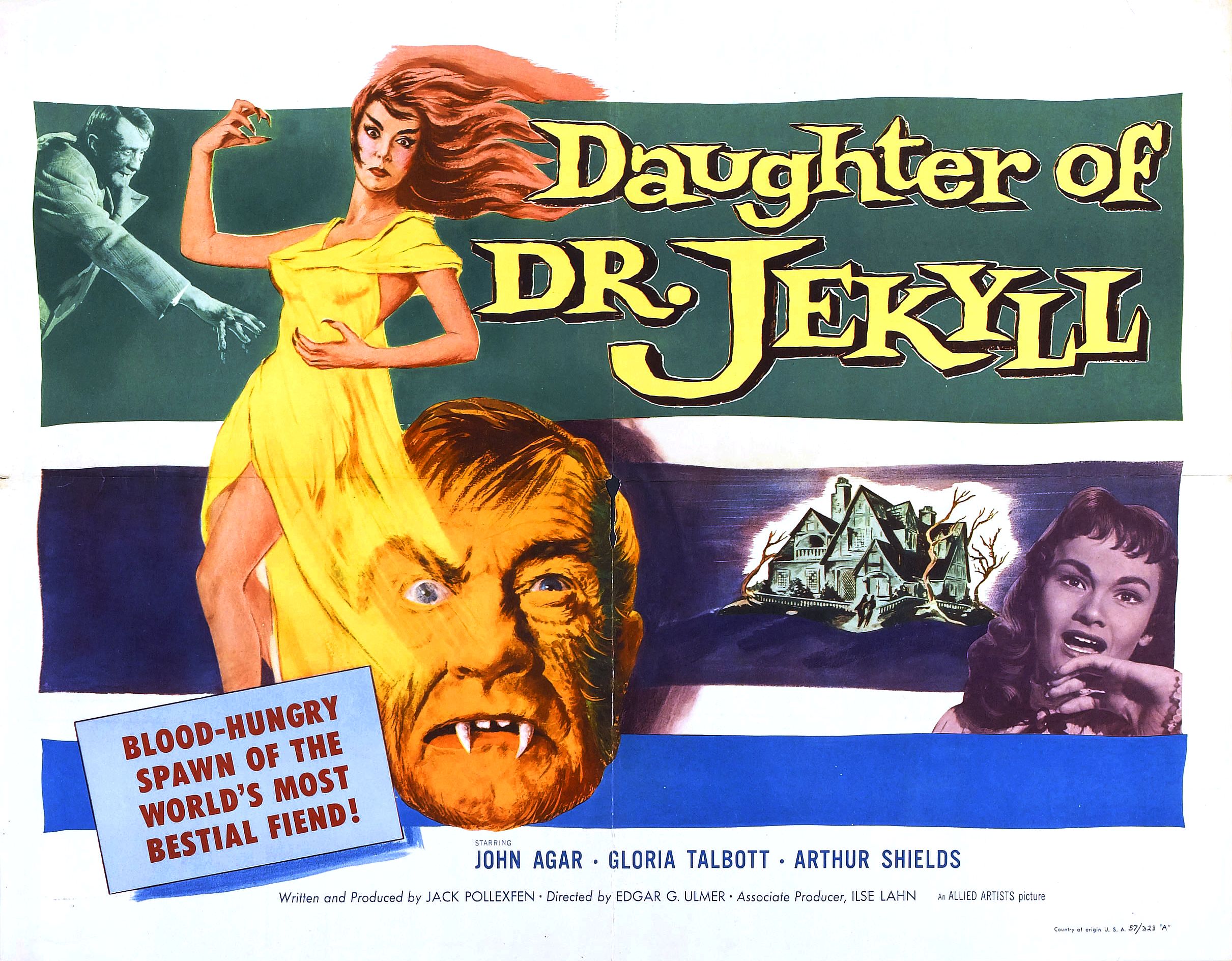
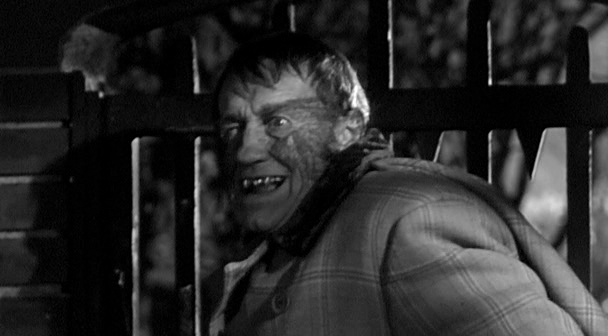
B-level director Edgar Ulmer helmed a handful of beloved cult classics — including Detour (1945), Bluebeard (1944), and The Black Cat (1934) — as well as lesser efforts like this mash-up of Dr. Jekyll and Mr. Hyde with werewolves and vampires. As in her best-known film — I Married a Monster From Outer Space (1956) — Talbott is nicely cast as a vulnerable woman made crazy and paranoid by the men around her, and Shields is fine as a seemingly kindly guardian with nefarious ulterior motives. The film’s primary problem is that the “mystery” is broadcast in the opening teaser, as we see Shields transforming into a werewolf-like Mr. Hyde and chortling at the camera; there’s really no question that he will ultimately be exposed as a murderous, monstrous crook.

With all that said, this is a swiftly paced B-flick with atmospheric cinematography, and worth a one-time look by fans of Ulmer’s work.

Redeeming Qualities and Moments:

  • The freaky nightmare sequences
  • Effective cinematography

Must See?
No, but it’s worth a one-time look. Listed as a Camp Classic in the back of Peary’s book.

Links:

Manchurian Candidate, The (1962)

Manchurian Candidate, The (1962)

“Do you realize, comrade, the implications of the weapon that has been placed at your disposal?”

Synopsis:
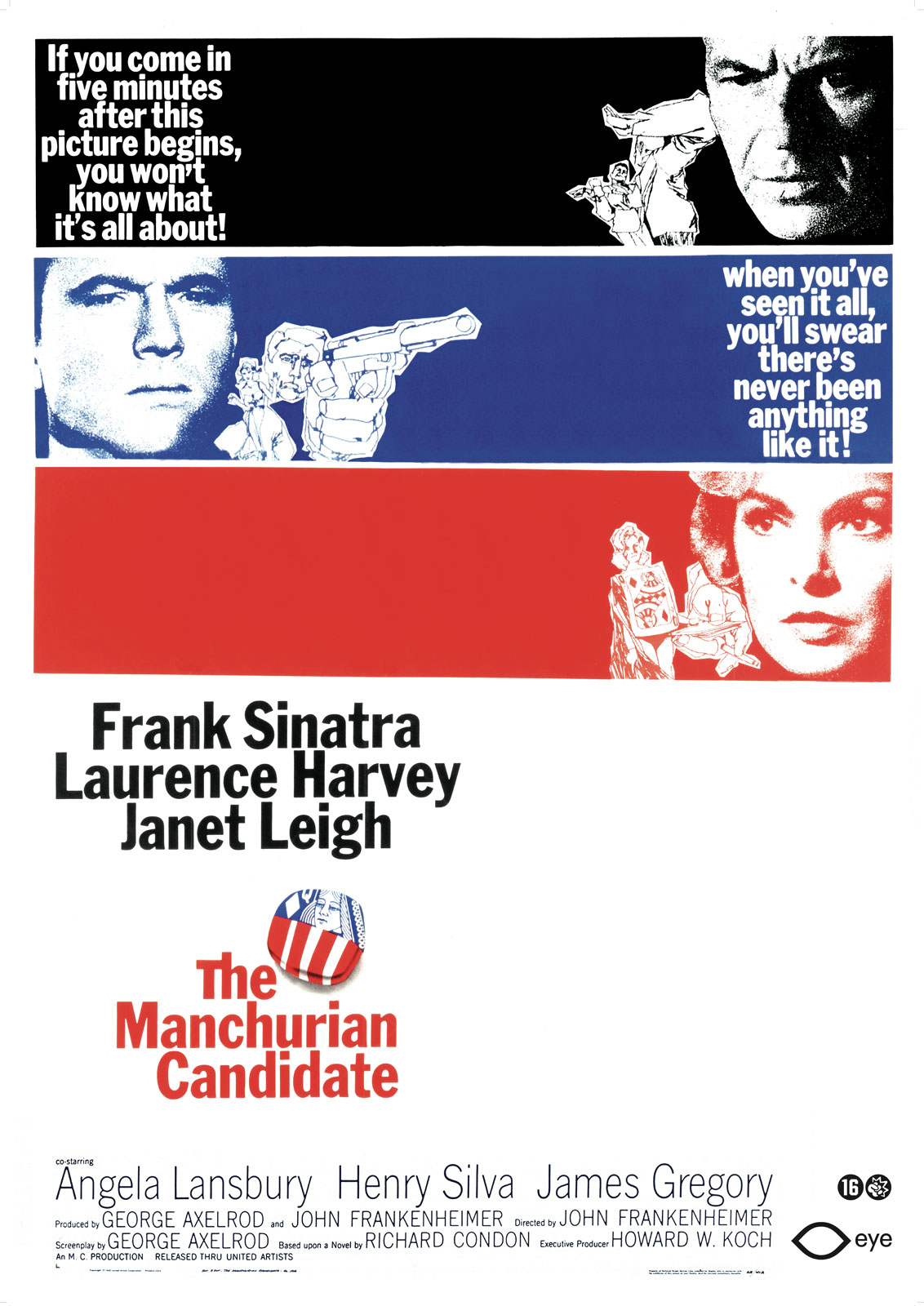
Upon his return from the Korean War, Sergeant Raymond Shaw (Laurence Harvey) is awarded a medal of honor and referred to by his men — including Major Bennett Marco (Frank Sinatra) — as “the kindest, bravest, warmest, most wonderful human being” they’ve ever known. But Marco is plagued by disturbing dreams about Shaw, and soon learns that Shaw is part of an elaborate Communist brainwashing conspiracy involving his scheming mother (Angela Lansbury) and her politician-husband, Senator Iselin (James Gregory).

Genres, Themes, Actors, and Directors:

  • Angela Lansbury Films
  • Cold War
  • Frank Sinatra Films
  • Janet Leigh Films
  • John Frankenheimer Films
  • Laurence Harvey Films
  • Mind Control and Hypnosis
  • Political Conspiracy
  • Veterans

Review:
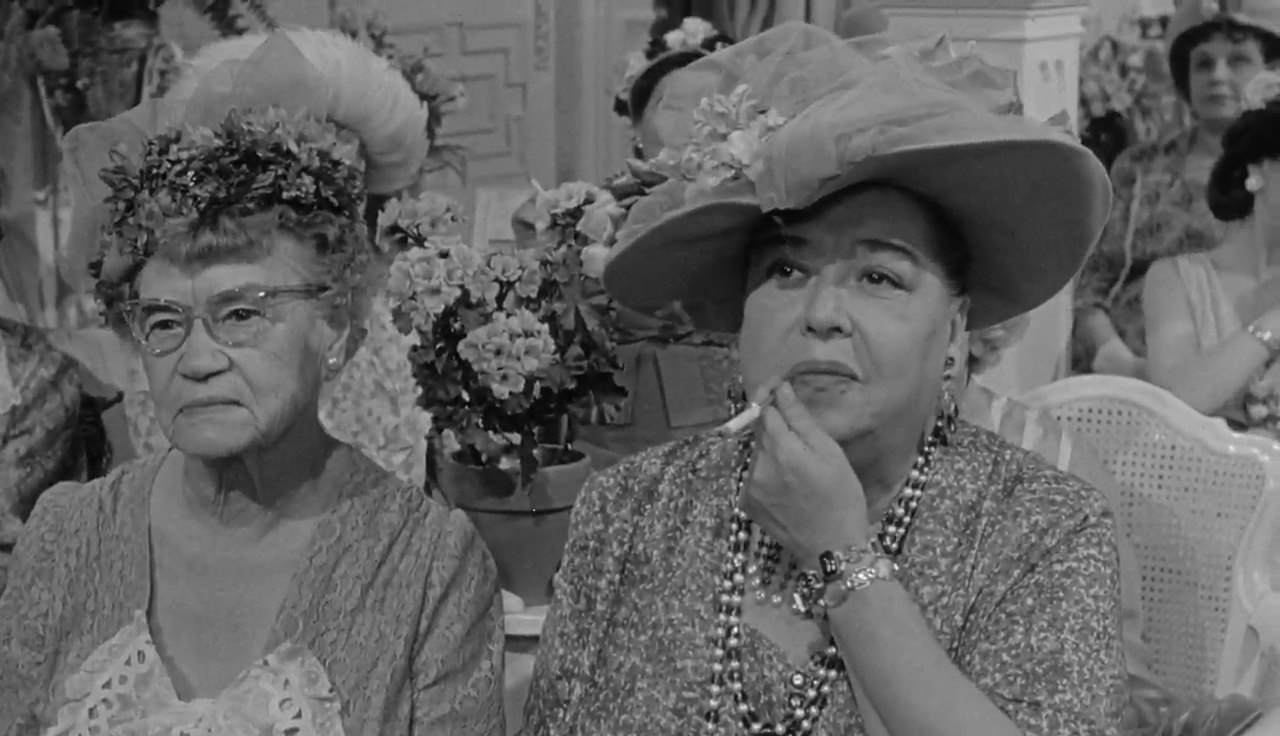
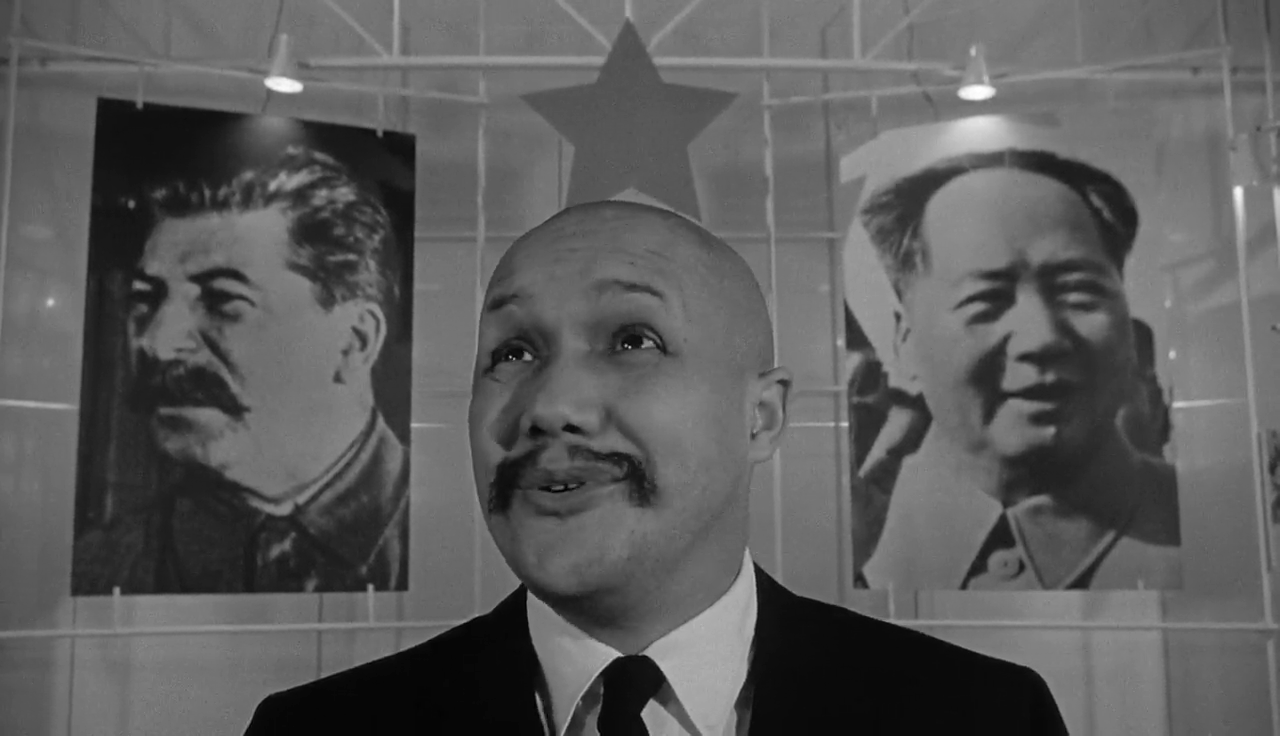
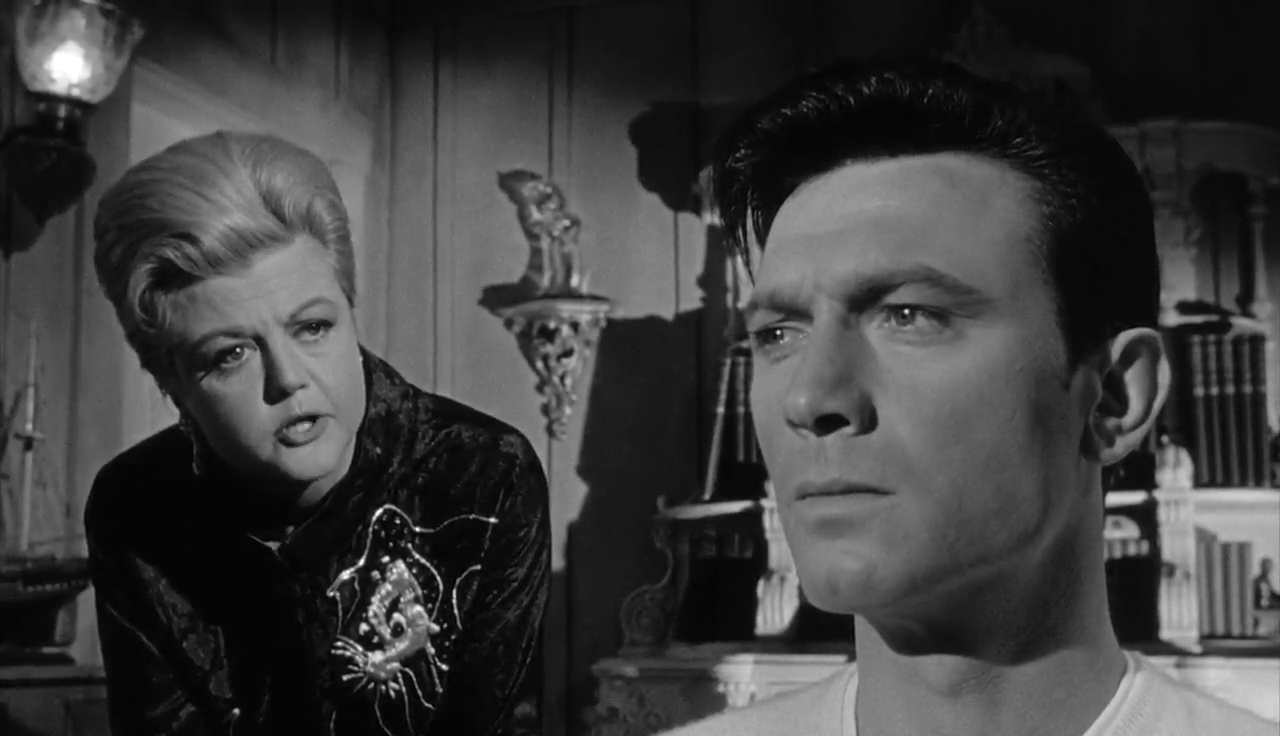
John Frankenheimer’s suspenseful political thriller — based on a 1959 novel by Richard Condon, and remade by Jonathan Demme in 2004 — was considered a flop at the time of its release, and remained mysteriously out of circulation for 20 years, but has since become a cult classic. Lansbury’s Academy Award-nominated performance as Mrs. Iselin — one of cinema’s most memorable sociopath mothers — is truly chilling, as is the lengthy, creatively filmed Manchurian “garden party”/brainwashing sequence, which effectively puts the audience on edge from the get-go. George Axelrod’s screenplay (hewing fairly closely to the novel) is at times perplexing, but likely intentionally so: I believe we’re not meant to fully understand what’s happening at times (is what we’re seeing flashback or dream?), and instead simply remain caught up in the suspense of the narrative as it unfolds.

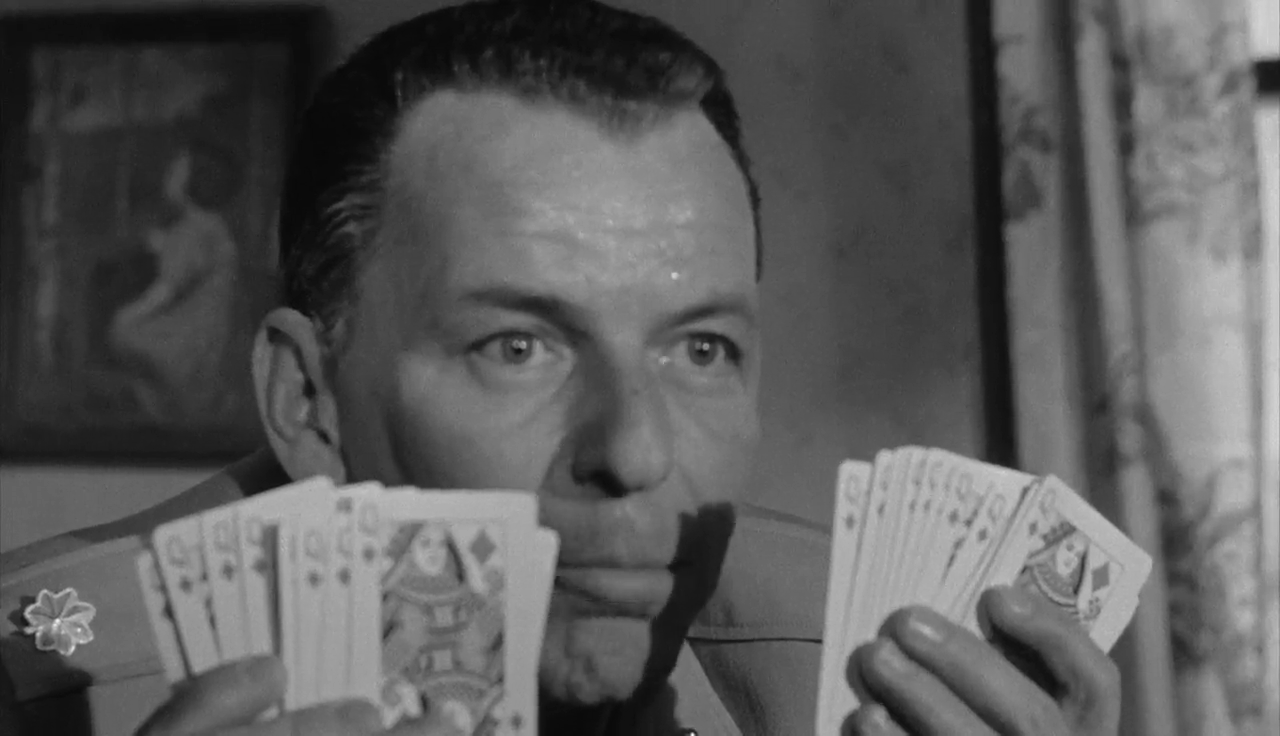
With that said, the screenplay isn’t without flaws. My least favorite characters are Lansbury’s political rival (John McGiver) and his gorgeous daughter (Leslie Parrish), who Harvey is immediately smitten with; I can’t quite get a read on how they’re meant to be viewed, though they clearly serve an integral function in the storyline. Meanwhile, Janet Leigh as Sinatra’s love interest is oddly opaque: she approaches the distressed Sinatra with motherly compassion, speaking in what can only be interpreted as some sort of mysterious code — “I was one of the original Chinese workmen who laid the track on this train.” — then becomes simply a mother-figure Sinatra can lean on for unconditional support during a time of crisis. However, it’s likely she serves a more important function than appearances would indicate (see DVD Savant’s review for an outline of various theories about her character).

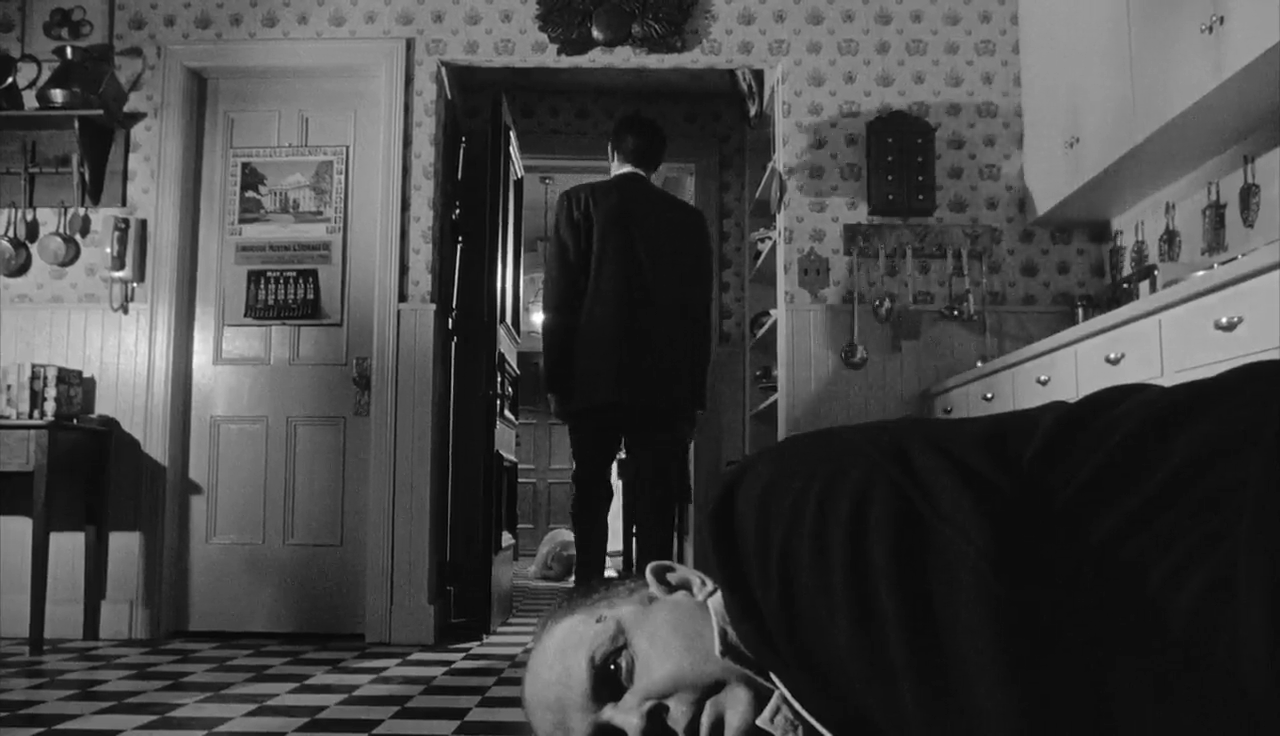
The film is quite dark — at times satirically so (as in the depiction of Gregory as a spineless political puppet), and at times much more violently (i.e., the disturbing finale to the brainwashing flashbacks, as well as the cold-blooded assassination scenes). This shifting between tones — along with the continuous edits back and forth in time and between perspectives — add to the overall sense of paranoia and unease. Also instrumental to the film’s success are atmospheric cinematography and strategic direction, including good use of extreme close-ups and deep focus to exaggerate the surrealism of the nightmarish situation. Sinatra’s real-life friendship with the Kennedy family simply adds to its historical intrigue.

Redeeming Qualities and Moments:

  • Many genuinely creepy, nightmarish moments
  • The “garden party” scene

  • Angela Lansbury as Mrs. Iselin
  • Frank Sinatra as Major Bennett Marco
  • Lionel Lindon’s cinematography


Must See?
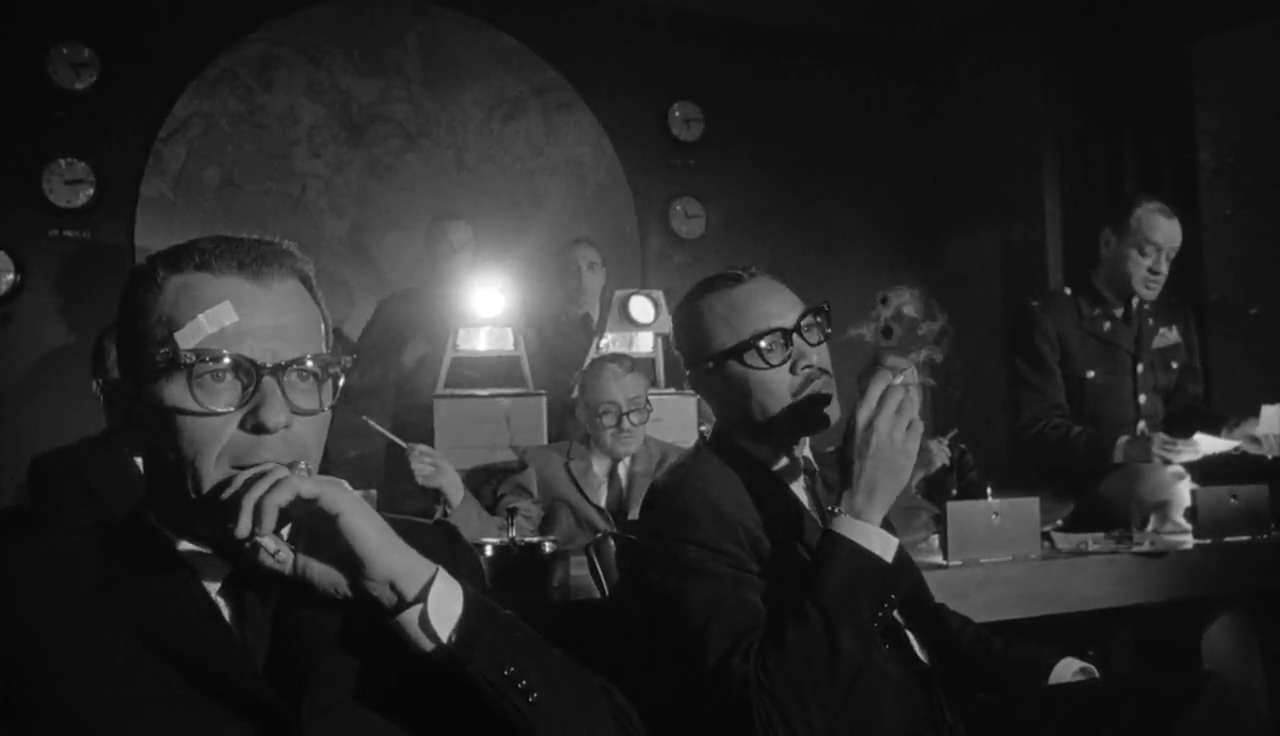
Yes, as a well-made cult favorite. Listed as a Cult Movie in the back of Peary’s book. Selected in 1994 for preservation in the National Film Registry.

Categories

  • Cult Movie

Links:

Legend of Hell House, The (1973)

Legend of Hell House, The (1973)

“This house… It knows we’re here.”

Synopsis:
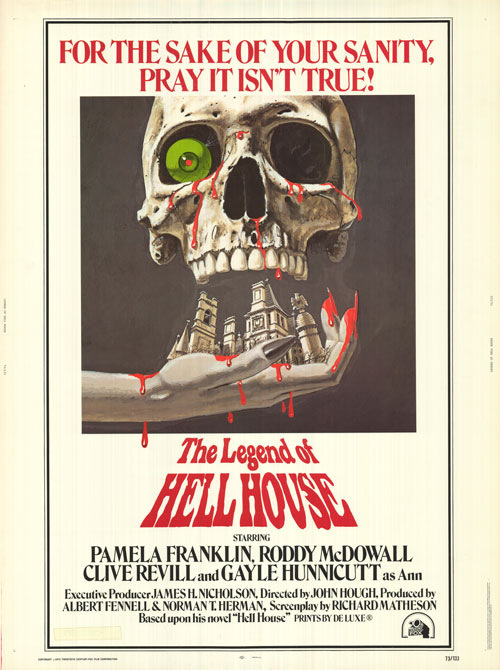
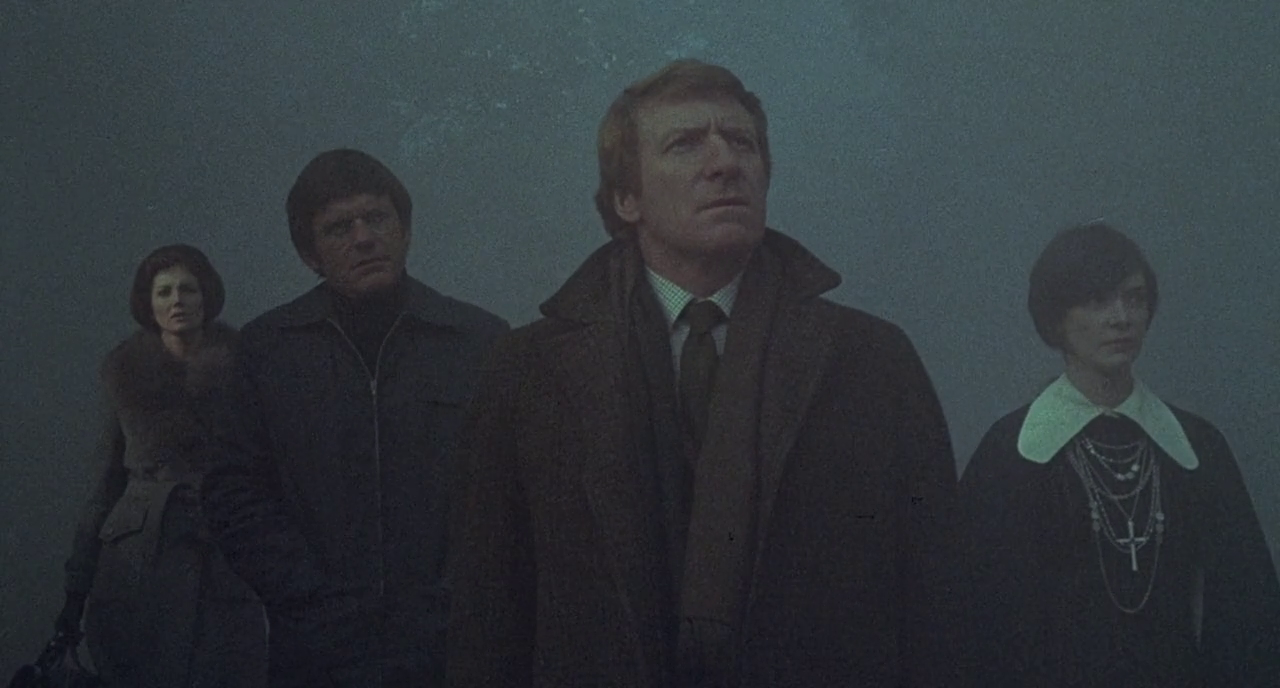
A physicist (Clive Revill), his wife (Gayle Hunnicutt), and two mediums (Pamela Franklin and Roddy McDowall) are solicited by a wealthy older man (Roland Culver) to visit an infamous haunted house and investigate the secrets it may possess about life after death.

Genres, Themes, Actors, and Directors:

  • Horror
  • Old Dark House
  • Possession
  • Psychic Powers
  • Roddy McDowall Films

Review:
Based on a novel by Richard Matheson, this highly atmospheric “old dark house” flick — a mash-up of The Haunting (1963) with The Exorcist (1973) — delivers plenty of bang for its buck. It’s creatively directed (by John Hughes and DP Alan Hume), finely acted, and genuinely suspenseful. Franklin is particularly effective in a challenging role: her self-possessed demeanor contrasts nicely with her youthful appearance, and her character transformations are both believable and shocking. The film’s main’s disappointment is its climactic “reveal”, which viewers have apparently been debating for years; but it’s easy enough to forgive in light of the satisfying tale we’ve witnessed until then. The score is exceptional, too.

Redeeming Qualities and Moments:

  • Pamela Franklin as Florence Tanner
  • Alan Hume’s cinematography

  • Fine direction
  • An effectively spooky electronic score by Brian Hodgson and Delia Derbyshire

Must See?
Yes, as a cult favorite.

Categories

  • Cult Movie

Links: