Browsed by
Category: Original Reviews

Responses to Peary’s “must see” movie reviews, as well as my own “must see” movie reviews up to and after 1986 (when Peary’s book was published).

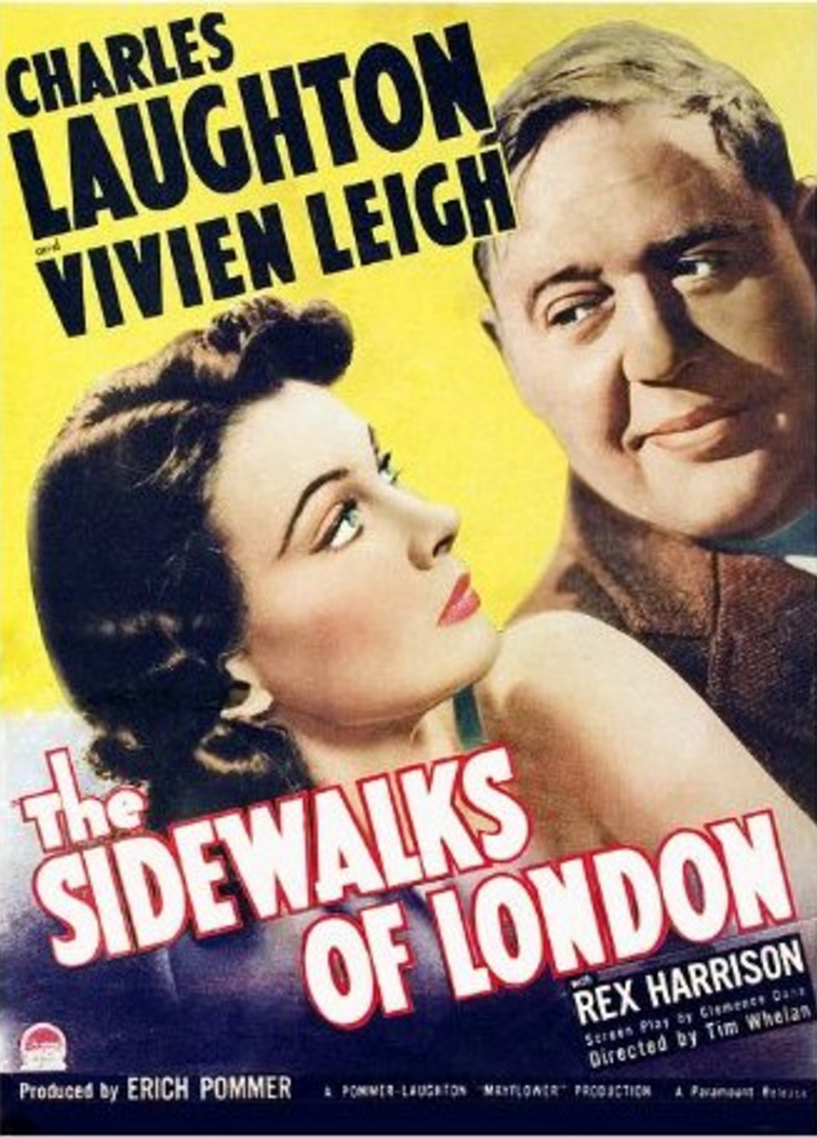
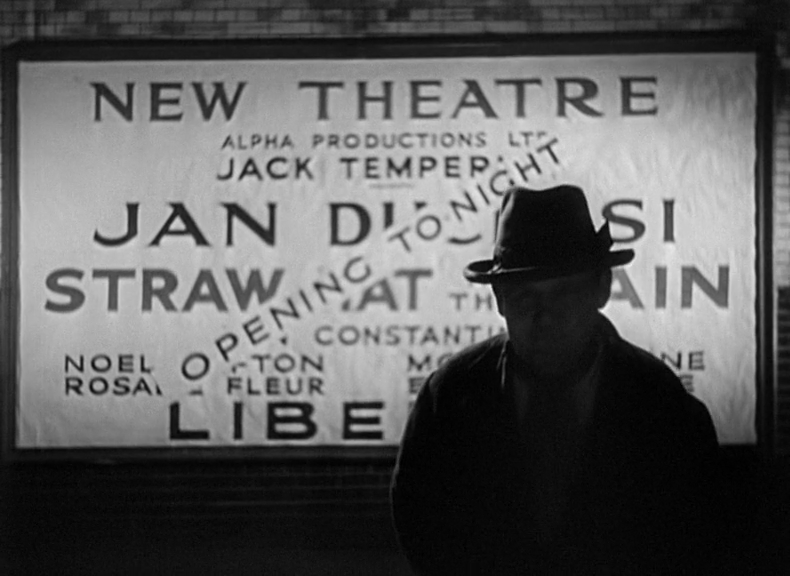
St. Martin’s Lane / Sidewalks of London (1938)

St. Martin’s Lane / Sidewalks of London (1938)

“There ain’t no justice and there ain’t no logic; the world ain’t made that way.”

Synopsis:
A pickpocket waif (Vivien Leigh) on the streets of London befriends a sympathetic busker (Charles Laughton) who takes pity on her and realizes she has dancing talent. After working as a team for awhile, Leigh is solicited by a wealthy man (Rex Harrison) who helps turn her into a star of the stage — but will her loyalty to Laughton shift for good?

Genres, Themes, Actors, and Directors:

  • Aspiring Stars
  • Charles Laughton Films
  • Class Relations
  • Friendship
  • Rex Harrison Films
  • Vivien Leigh Films

Review:
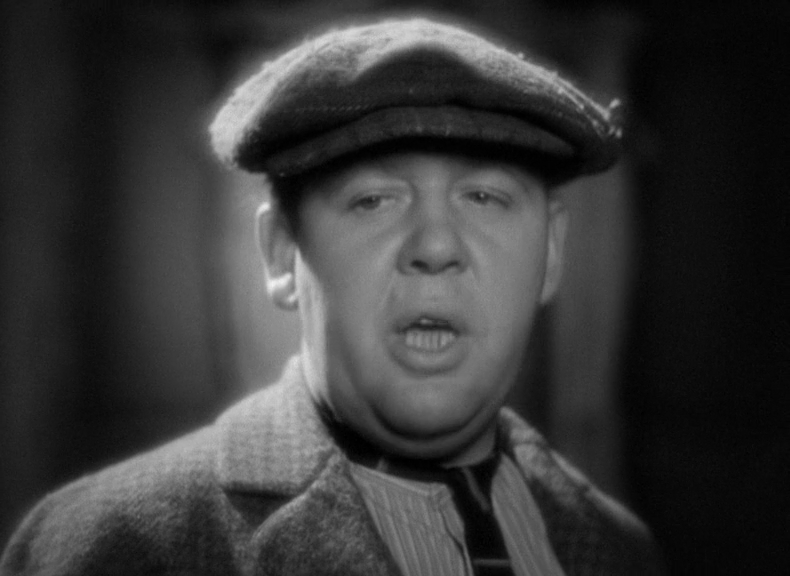
Made the year before Vivien Leigh’s breakthrough role as Scarlett O’Hara in Gone With the Wind (1939), this sentimental tale about an unexpected friendship-of-convenience is primarily notable for Laughton’s nuanced performance as a quirky, practical, all-too-human fellow who “does the right thing” without thinking twice.

Leigh’s character, on the other hand, is intentionally hard to sympathize with — though she redeems herself nicely by the end and is certainly no villain.

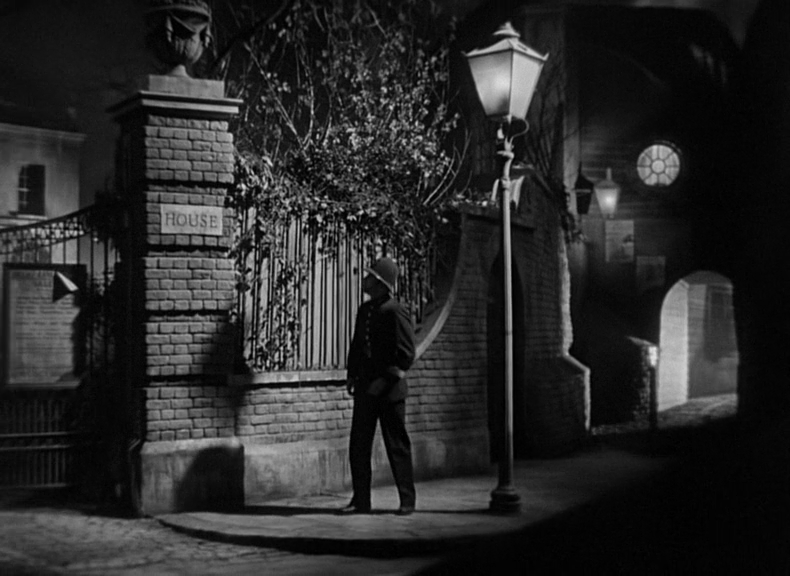
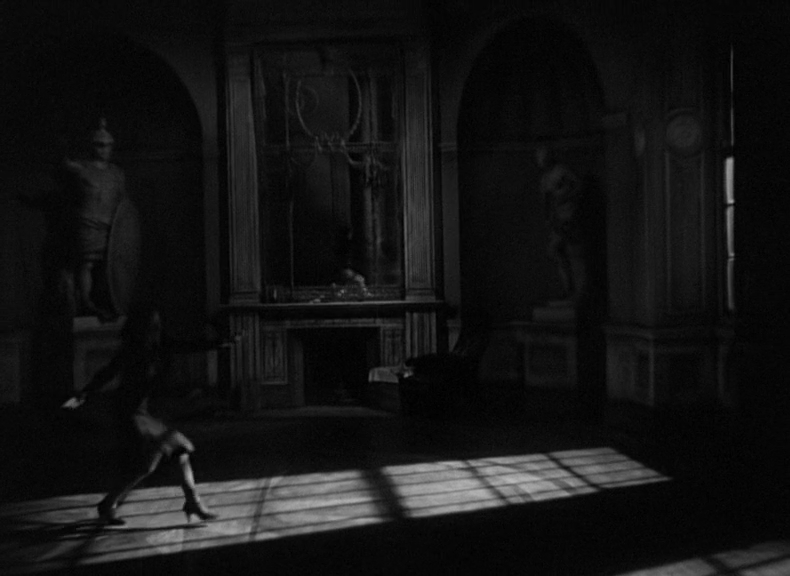
Refreshingly, Laughton’s romantic interest in Leigh only occurs after they’ve lived (platonically) and worked together for awhile; until then, he maintains appropriately paternal/brotherly affection for her. Fine period detail and stark cinematography make this tale visually appealing, but it’s only must-see for fans of Leigh or Laughton, or those interested in pre-WWII busking culture.

Note: The storyline has strong parallels with A Star is Born (1937), given Laughton’s “fall from [relative] grace” while Leigh’s star is rising.

Redeeming Qualities and Moments:

  • Charles Laughton as Charlie (nominated as one of the Best Actors of the Year in Peary’s Alternate Oscars)
  • Fine period detail

  • Jules Kruger’s cinematography

Must See?
No; this one is only must-see for Laughton or Leigh completists.

Links:

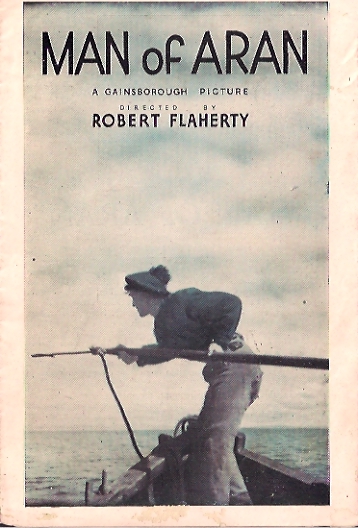
Man of Aran (1934)

Man of Aran (1934)

“It is a fight from which he will have no respite until the end of his indomitable days, or until he meets his master — the sea.”

Synopsis:
A fisherman (Colman ‘Tiger’ King), his wife (Maggie Dirrane), and their son (Michael Dirrane) work hard to survive on the beautiful but harsh terrain of the rocky Aran Islands.

Genres, Themes, Actors, and Directors:

  • Documentary
  • Robert Flaherty Films
  • Survival

Review:
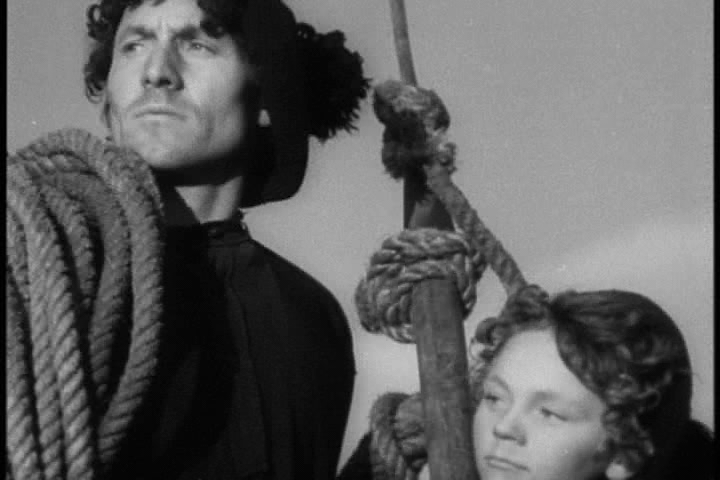
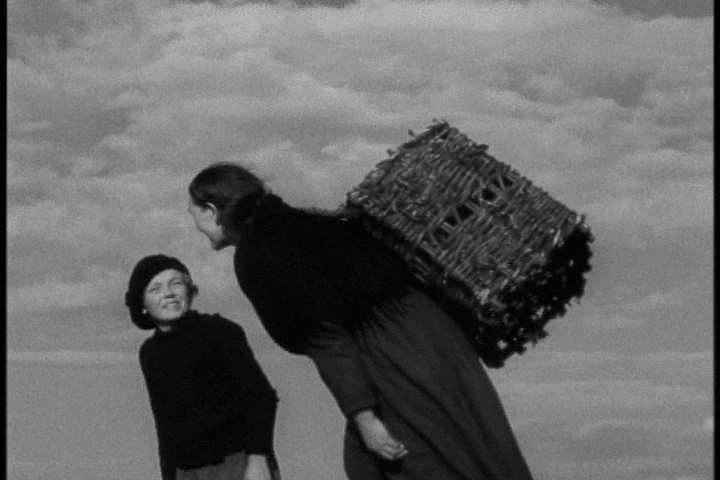
Renowned American documentarian Robert Flaherty is best known for his groundbreaking silent feature Nanook of the North (1922) — a pseudo-documentary which began a series of films based on the theme of “man against nature”, followed by Moana (1926) and this title. As in Nanook… and Moana, Flaherty deliberately crafts a story meant to represent an archetypal “survival culture”, utilizing “realistic drama” rather than strict ethnography: once again, he casts various striking-looking villagers as Father, Mother, and Child:

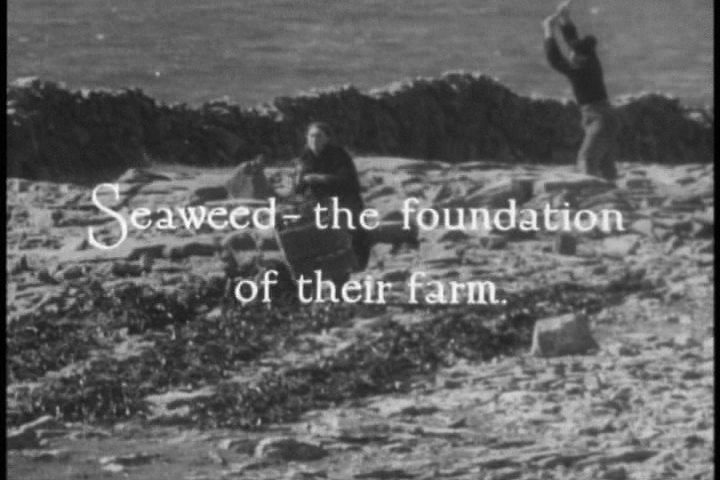
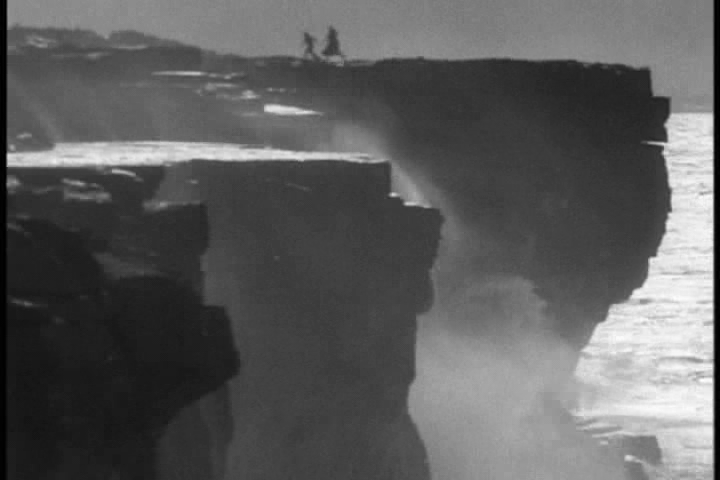
… and a pivotal scene — when a group of fishermen spend two days capturing a shark — was staged after teaching the participants how to carry out this survival skill of their recent ancestors. With all that said, Man of Aran remains an undeniably striking film, and accomplishes its goal of demonstrating how challenging it can be for humans to exist in less-than-convenient geographic locations.


While not must-see, film fanatics will likely be curious to check this title out at least once — and if you do, be sure to follow up immediately by watching the essential 1976 documentary How the Myth Was Made (included on the DVD), in which a filmmaker tracked down the original actors and crew and learned how the film impacted the tiny island community (primarily in terms of tourism, it turns out).

Redeeming Qualities and Moments:

  • Consistently impressive imagery and cinematography

Must See?
No, but it’s worth a look for its historical interest. Listed as a film with Historical Importance and a Personal Recommendation in the back of Peary’s book.

Links:

Stepfather, The (1987)

Stepfather, The (1987)

“All we need is a little order around here.”

Synopsis:
After brutally murdering his wife and daughter, a sociopathic killer (Terry O’Quinn) moves to another town, where he assumes a new identity and marries a widow (Shelley Hack) with a troubled teenage daughter (Jill Schoelen). Will Hack and Schoelen be O’Quinn’s next victims — or will his ex-wife’s brother (Stephen Shellen) locate him in time to stop him from killing again?

Genres, Themes, Actors, and Directors:

  • Mistaken or Hidden Identities
  • Horror
  • Serial Killers

Review:
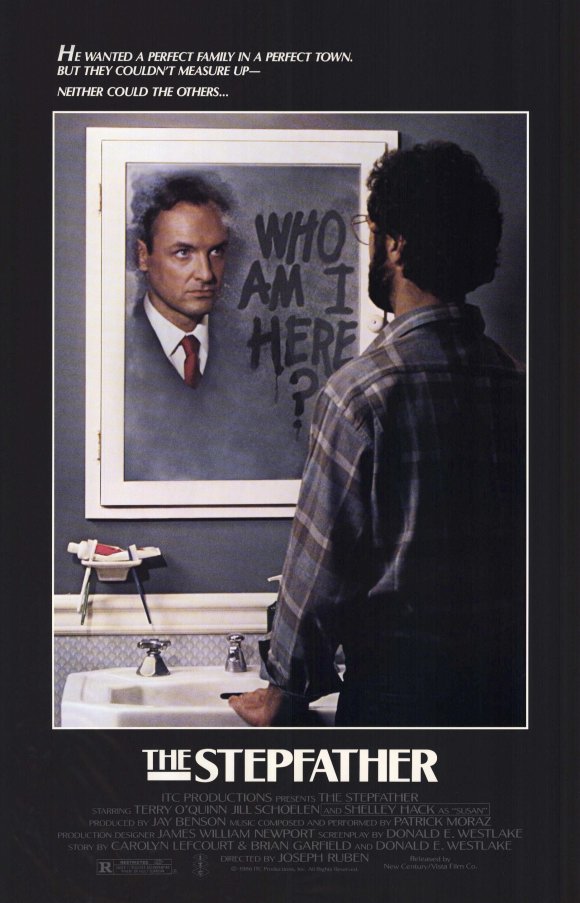
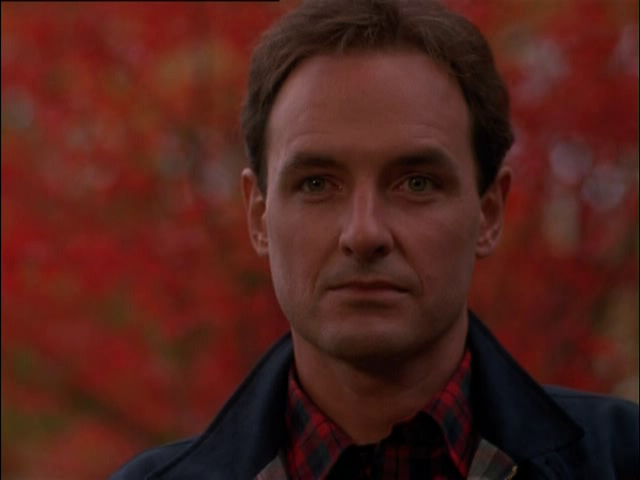
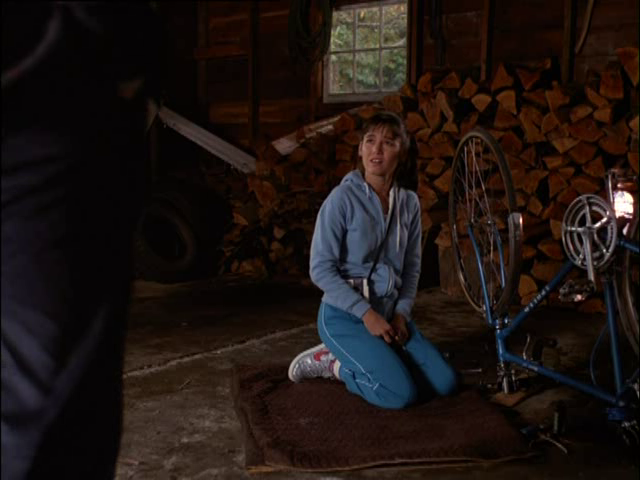
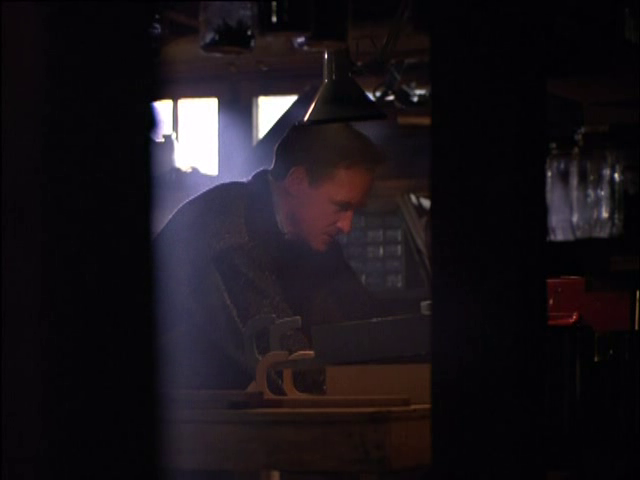
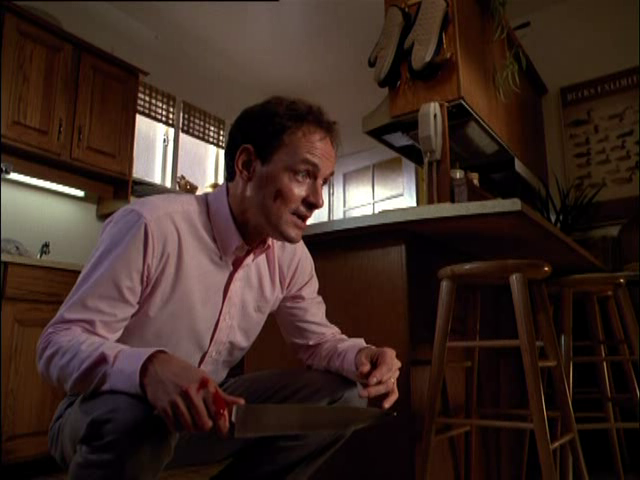
Based on a screenplay and story by prolific crime-writer Donald Westlake, The Stepfather plays on the worst fears of every child living in a blended family: what if the new “parent” living in your house turned out to be a sociopathic killer? O’Quinn delivers a memorably creepy performance as a would-be-Ward-Cleaver desperate for a picture-perfect family while perpetually on the edge of pathological insanity (those knives… those tools…).

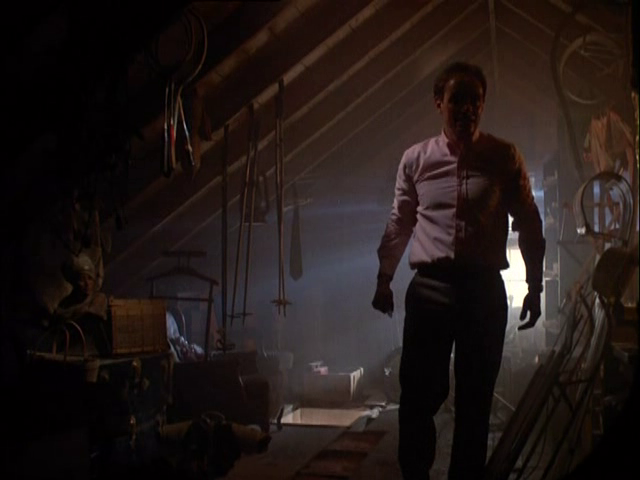
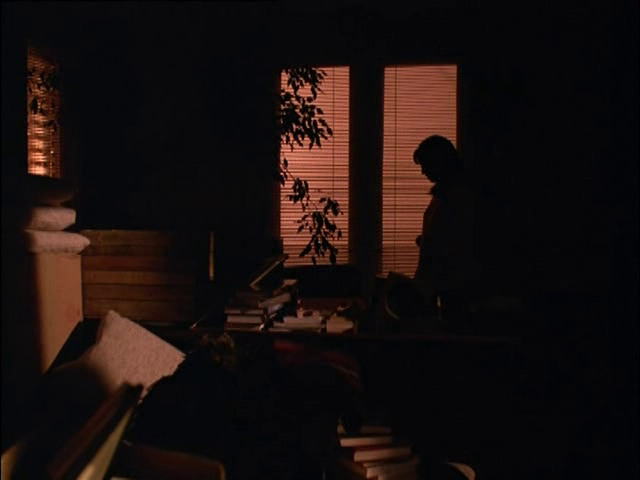
John Lindley’s cinematography perfectly captures the dichotomy between O’Quinn’s desired pastel Americana (complete with a home-made bird house, Thanksgiving turkey, and block party):

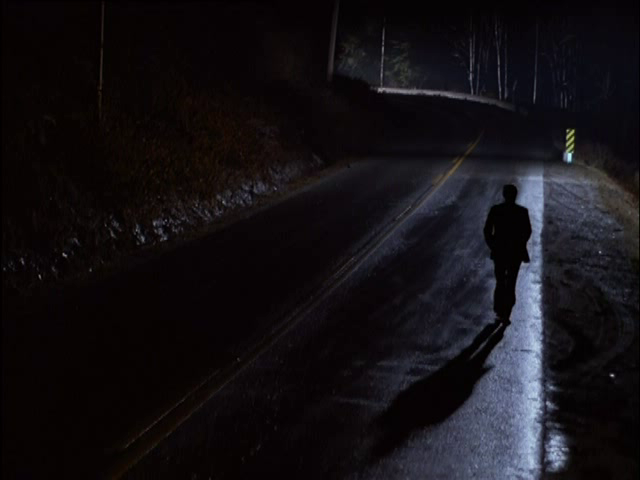
and the darker recesses of his sick psyche; meanwhile, director Joseph Ruben handles the entire narrative with tension and expert pacing, producing some genuinely freaky scenes. While not quite a gem like its Hitchcockian inspirations, this horror-thriller deserves its status as an ’80s cult flick, and is worth a revisit every now and then.

Redeeming Qualities and Moments:

  • Terry O’Quinn as Jerry (nominated by Peary as one of the Best Actors of the Year in his Alternate Oscars)
  • Jill Schoelen as Stephanie
  • Atmospheric cinematography


  • Many effectively chilling sequences

Must See?
Yes, as an enjoyable cult favorite.

Categories

  • Cult Movie

Links:

Phantom Lady (1944)

Phantom Lady (1944)

“Don’t you realize this can result in an awful long rest cure for you?”

Synopsis:
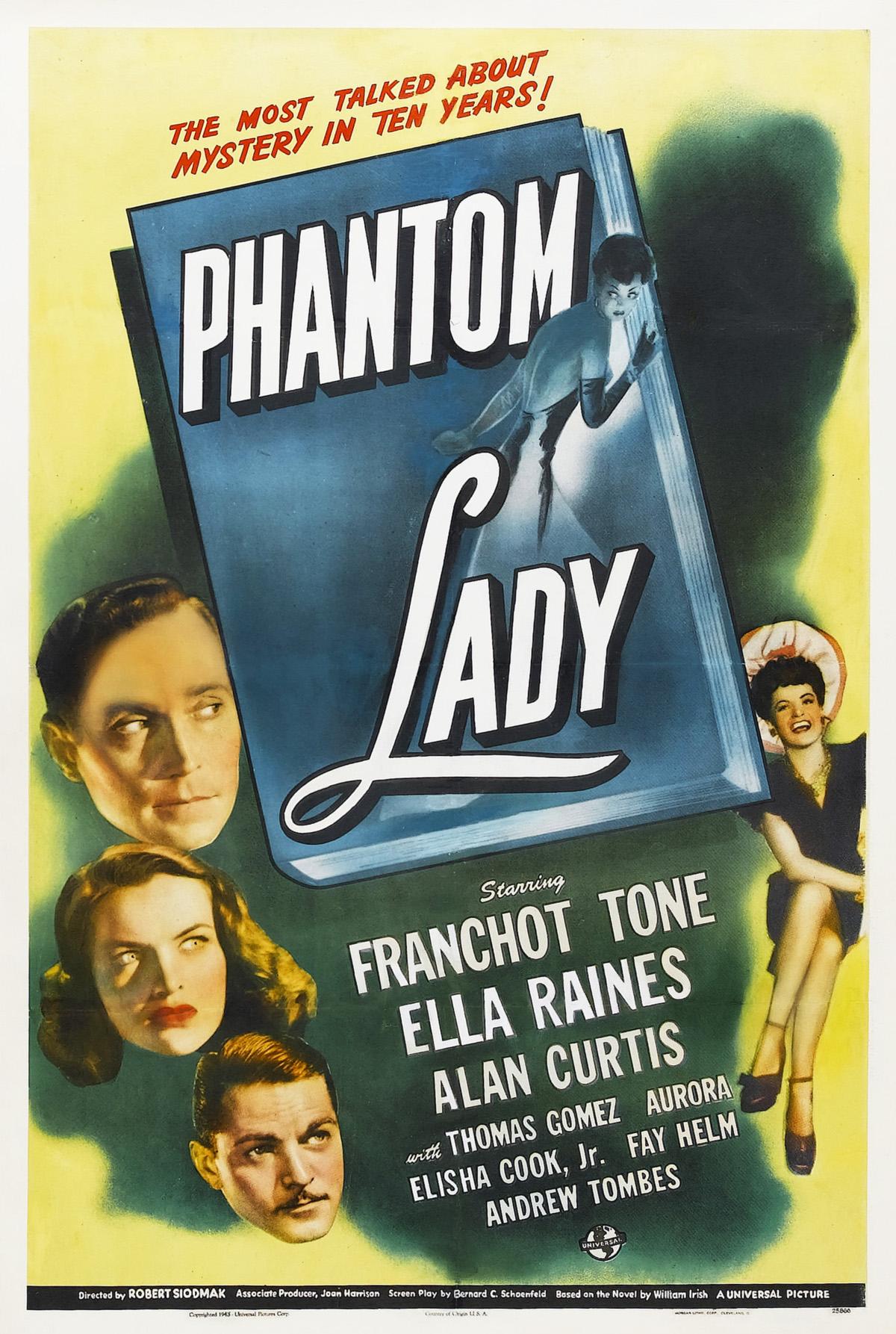
An unhappy man (Alan Curtis) attends a musical show with a mysterious woman (Fay Helm) he meets at a bar, then returns home to find his wife strangled to death and a bevy of policemen (Thomas Gomez, Regis Toomey, and Joseph Crehan) eager to question him. When Curtis is sentenced to death because he can’t verify his alibi, his beautiful secretary (Ella Raines) does everything she can to help find the “phantom lady” Curtis spent the evening with — but her efforts are foiled at every turn. Could Curtis’s best friend (Franchot Tone) have anything to do with the case?

Genres, Themes, Actors, and Directors:

  • Amateur Sleuths
  • Elisha Cook, Jr. Films
  • Ella Raines Films
  • Franchot Tone Films
  • Mistaken or Hidden Identities
  • “No One Believes Me!”
  • Robert Siodmak Films

Review:
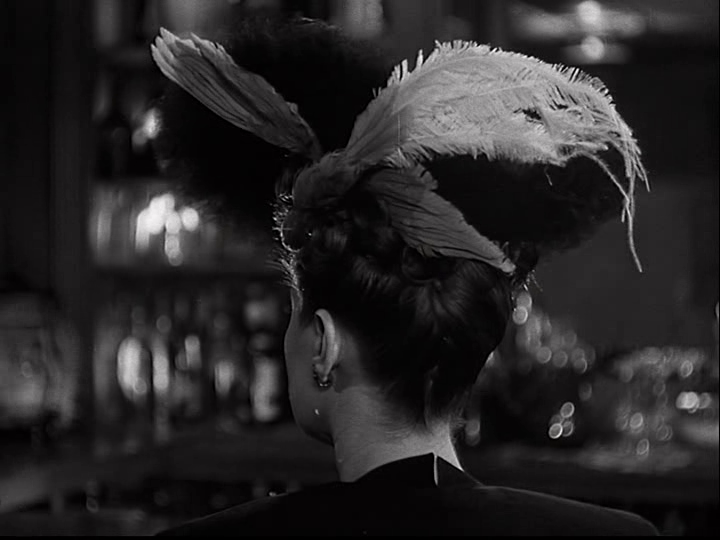
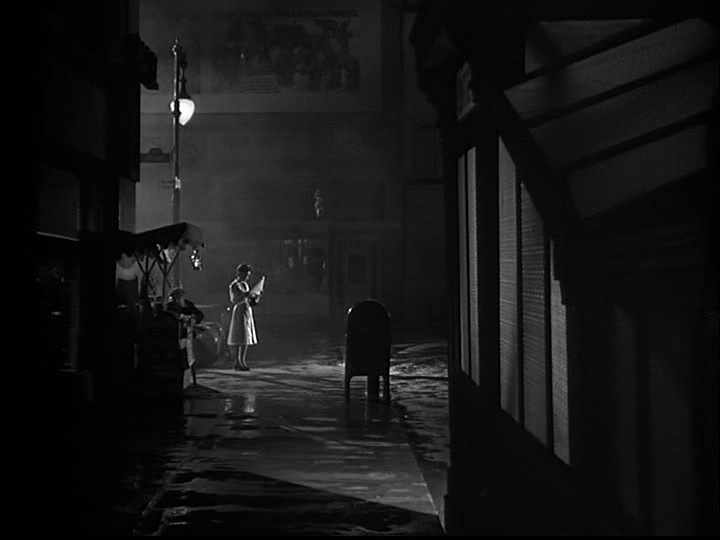
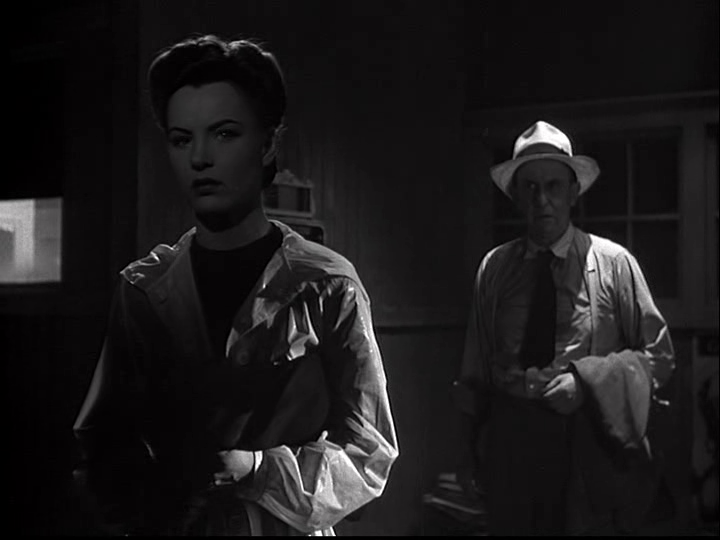
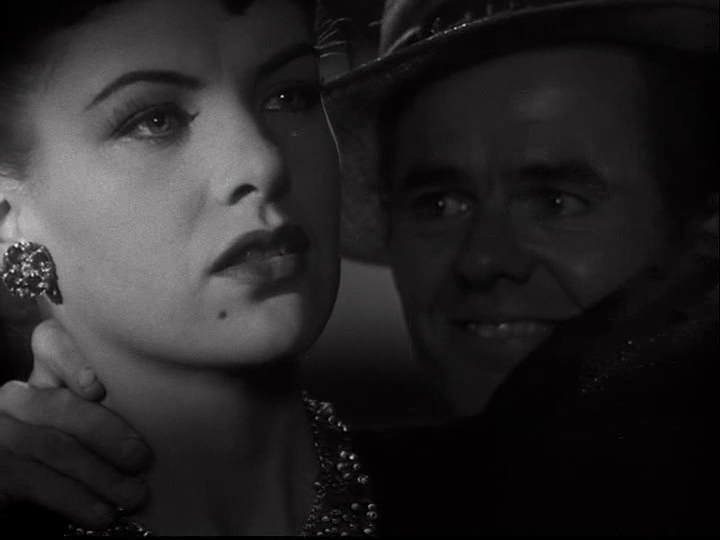
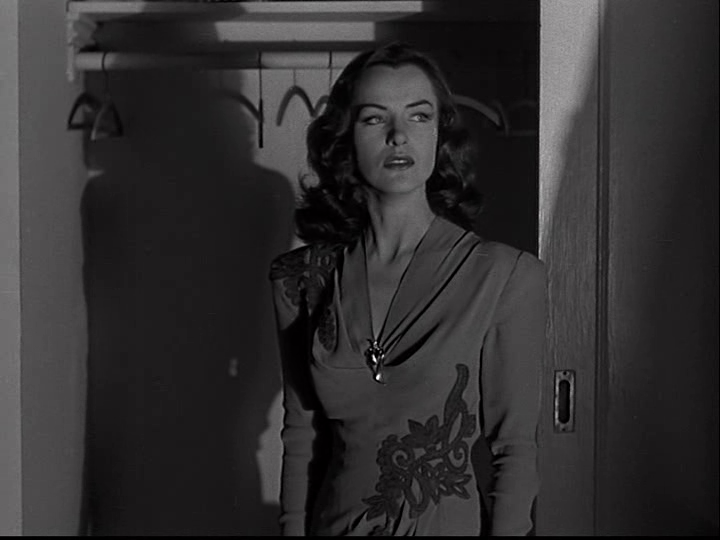
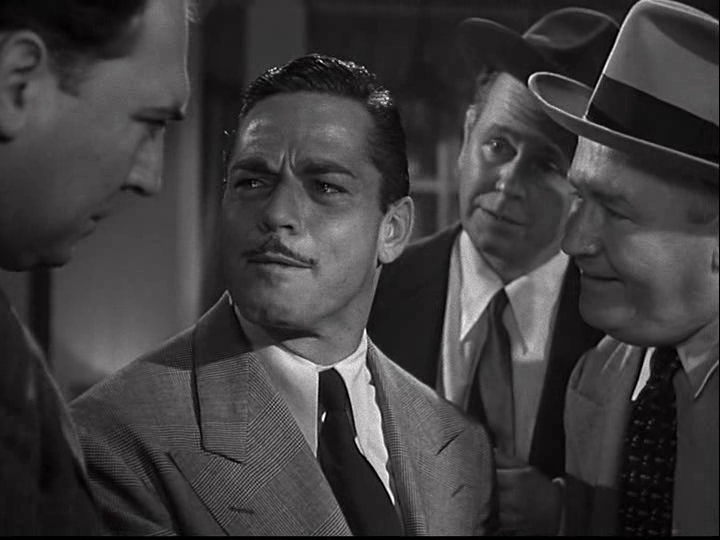
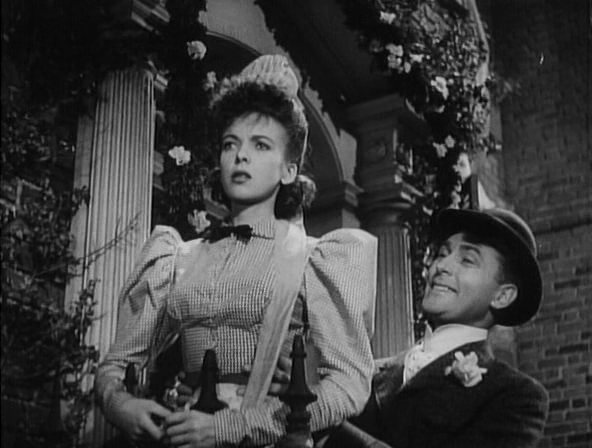
Robert Siodmak directed this engaging, atmospheric, but narratively flawed noir about a plucky amateur sleuth (Raines) determined to save the man she not-so-secretly loves. From the opening shot showing the back of an outlandish hat (belonging to the inexplicably gloomy “phantom lady”):

… Siodmak keeps us guessing about who each of the primary characters are, what role they may eventually play in the mystery (or not), and who’s ultimately behind the murder of a character only seen post-mortem in a glamorous portrait a la Laura (1944) (released later that same year).

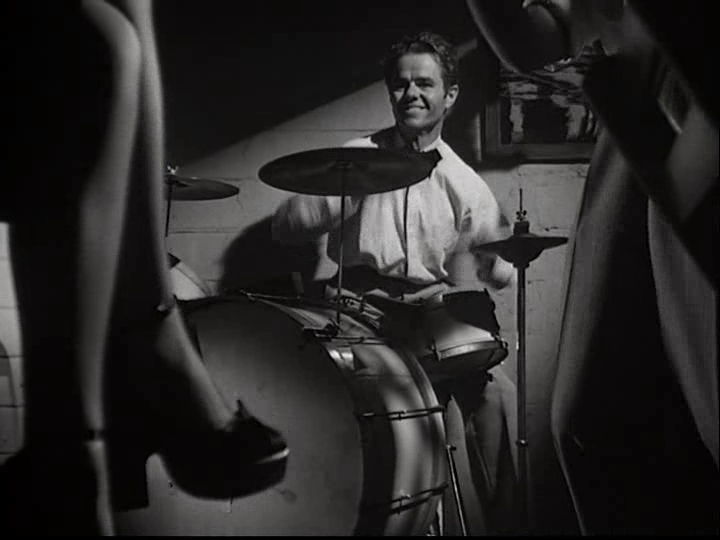
We are eventually let down by the unsubtle inclusion of a character whose deluded state of mind is far too transparent, and whose performance edges into campy territory. However, expressionistic cinematography and memorable sets make the film a consistent visual treat, and the central mystery — who IS that phantom lady, and why was she so determined to keep her identity a secret? — builds to a nice reveal. Watch for a truly deranged Elisha Cook, Jr. playing a cartoonishly lustful drummer:

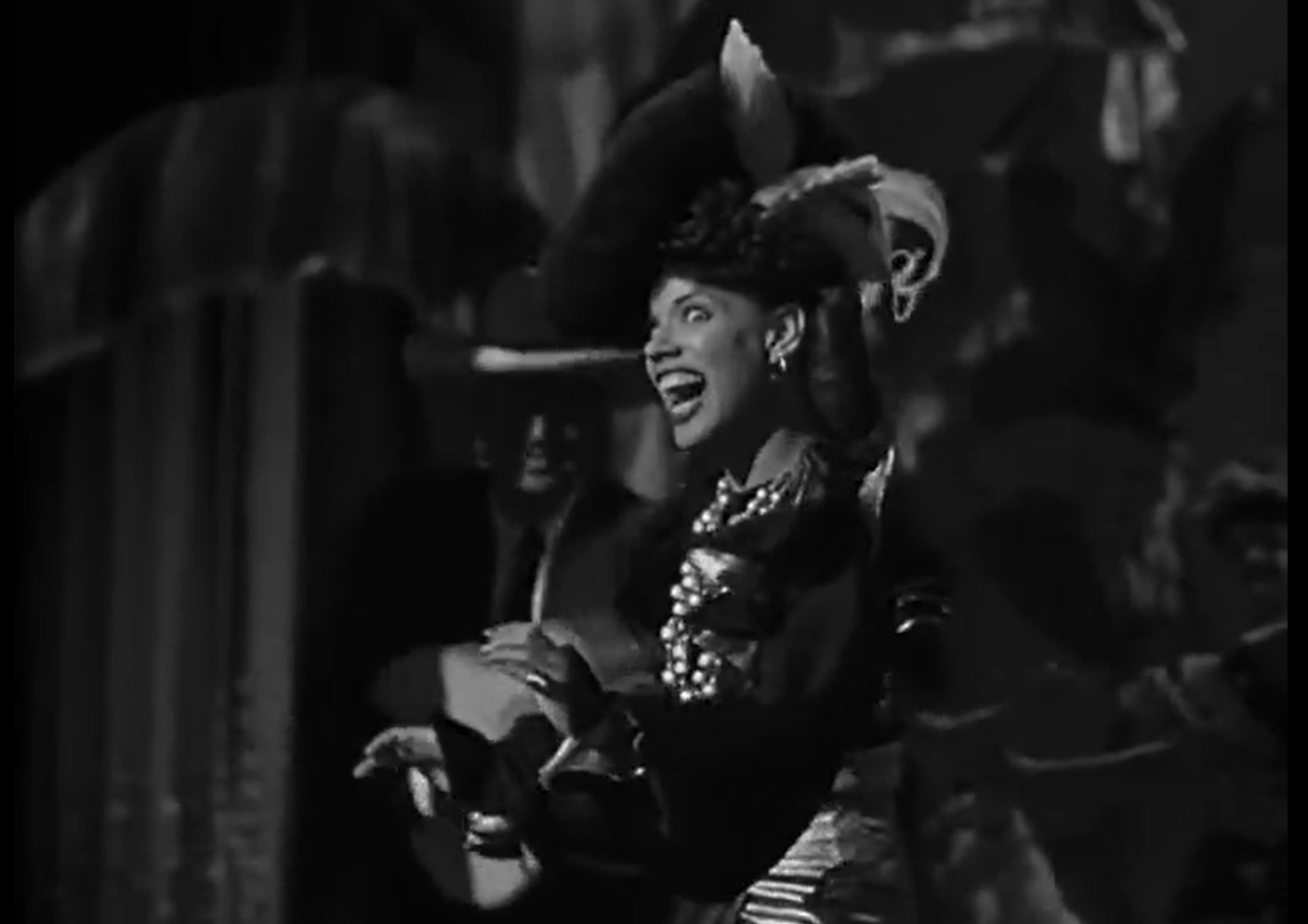
… and Carmen Miranda’s sister Aurora as a performer literally seething at the idea of another woman wearing one of her designer hats.

Note: Leading man Alan Curtis plays a radically different — and much more sympathetic — character here than in High Sierra (1941), where he was cast as Lupino’s abusive boyfriend ‘Babe’; he’s also known for his leading role as a paratrooper in Douglas Sirk’s Hitler’s Madman (1943).

Redeeming Qualities and Moments:

  • Eldwood Bredell’s noir-ish cinematography


  • Expressionistic sets and direction

  • An often-clever script: “Remember all my friends? Well, they aren’t.”

Must See?
Yes, as a distinctive if flawed noir classic. Listed as a Cult Movie and a Personal Recommendation in the back of Peary’s book.

Categories

  • Genuine Classic

Links:

Forever and a Day (1943)

Forever and a Day (1943)

“Americans haven’t much feeling for old houses, have they?”

Synopsis:
An American (Kent Smith) visiting London during World War II learns the complex history of an ancestral house he is hoping to sell.

Genres, Themes, Actors, and Directors:

  • Anna Lee Films
  • Brian Aherne Films
  • Buster Keaton Films
  • Cecil Kellaway Films
  • Charles Laughton Films
  • Claude Rains Films
  • Donald Crisp Films
  • Edmund Gwenn Films
  • Elsa Lanchester Films
  • Ensemble Cast
  • Flashback Films
  • Herbert Marshall Films
  • Historical Drama
  • Ian Hunter Films
  • Ida Lupino Films
  • June Duprez Films
  • Merle Oberon Films
  • Ray Milland Films
  • Richard Haydn Films
  • Robert Cummings Films
  • Roland Young Films
  • Victor McLaglen Films

Review:
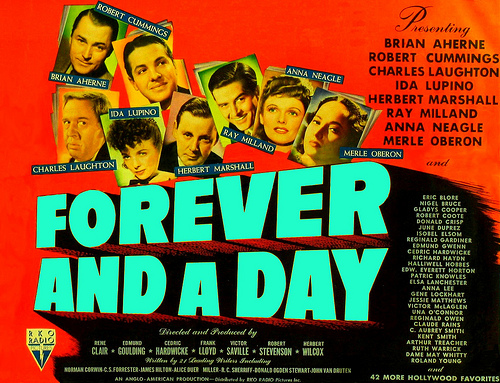
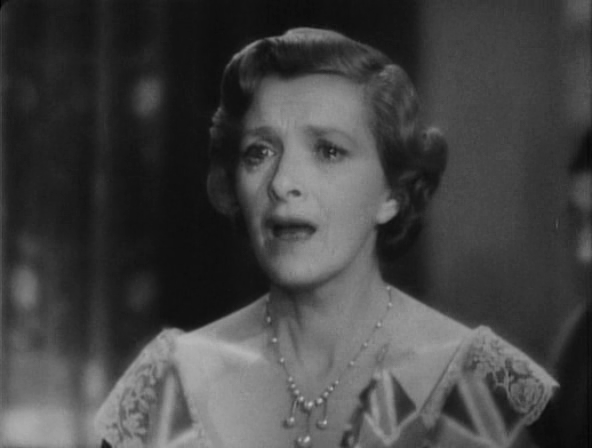
Marketed as “78 stars in one Great Picture!”, this ultimate-ensemble piece — involving no fewer than seven director/producers and 21 writers, and made without pay by all cast and crew — remains a surprisingly touching, engaging, and witty artifact of wartime patriotism. The storyline tells a semi-realistic story of how families and classes intermingle over time, how houses go in and out of various states of use and distinction, and how either fate or the random vagaries of life spark surprising new beginnings. The framing story begins with Smith leaving his hotel (bid adieu by doorman Victor McLaglen) and being shown around a house he’s been tasked with selling (now functioning as an Air Raid Shelter) by its tenant (Ruth Warrick) while a clergyman (Herbert Marshall) keeps up the spirits of its inhabitants. From there, we’re taken in flashback to the initial construction of the house by an admiral (C. Aubrey Smith) during the Napoleonic era, after Edmund Gwenn sells him the land; this leads to a story of C. Aubrey Smith’s son (Milland) “rescuing” and marrying a woman (Anna Neagle) escaping the clutches of her nefarious guardian (Claude Rains). Rains seeks revenge through pursuing ownership of the house, but at his own peril.

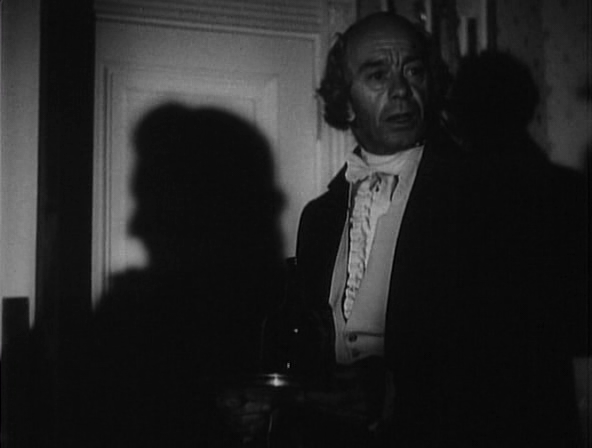
The next, much more light-hearted vignette centers around a woman (Jesse Matthews) eager to convince her iron-mining husband (Ian Hunter) to install a bathtub in their house; this is eventually completed by Buster Keaton and Cedric Hardwicke, with Charles Laughton on hand as a tippling butler. Generations pass (with Anna Lee, Edward Everett Horton and Cecil Kellaway quickly flitting across the screen), and we watch Ida Lupino’s Cockney housemaid desperate to gain a glimpse of the Diamond Jubilee as it crosses the streets of London. She’s whisked away to America by her lover (Brian Aherne), and thus begins the American branch of the extended family.

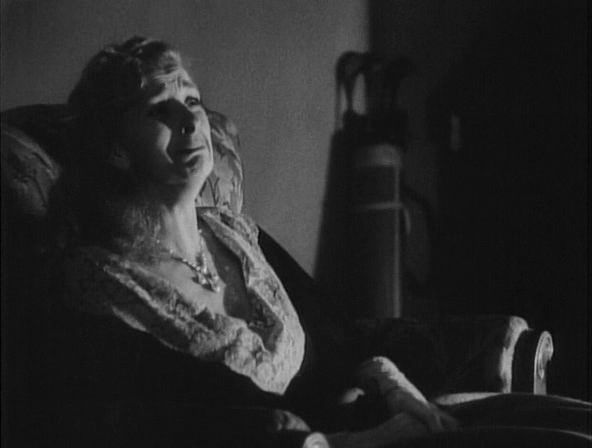
Eventually we come to World War I and the saddest of all the stories, as we’re solidly reminded that this film was made during a time of unimaginable death and uncertainty. An American soldier (Robert Cummings) arrives at the (now boarding) house and instantly falls for its beautiful manager (Merle Oberon); meanwhile, as a giddy maid (Elsa Lanchester) flits about, a stoic couple (Roland Young and Gladys Cooper) wait patiently for the arrival of their heroic son… Their understated performances are shattering. As the film closes during the present era and an air raid rocks the house, we get a final glimpse of Winston Churchill on the wall — a solid visual presence behind the entire narrative of American-British alliance: “Let Us Go Forward Together”.

Redeeming Qualities and Moments:

  • Fine performances by the entire cast

  • Atmospheric cinematography

Must See?
Yes, for its historical relevance, and as a surprisingly enjoyable patriotic flick.

Categories

Links:

Pyx, The (1973)

Pyx, The (1973)

“You’re going to help me achieve a miracle.”

Synopsis:
After a woman (Karen Black) is seen falling to her death from a high-rise building in Montreal, a pair of detectives (Christopher Plummer and Donald Pilon) investigate the case while Black’s life as a heroin-addicted prostitute with a controlling madam (Yvette Brind’amour) is shown in flashback.

Genres, Themes, Actors, and Directors:

  • Alcoholism and Drug Addiction
  • Christopher Plummer Films
  • Detectives and Private Investigators
  • Flashback Films
  • Karen Black Films
  • Prostitutes and Gigolos

Review:
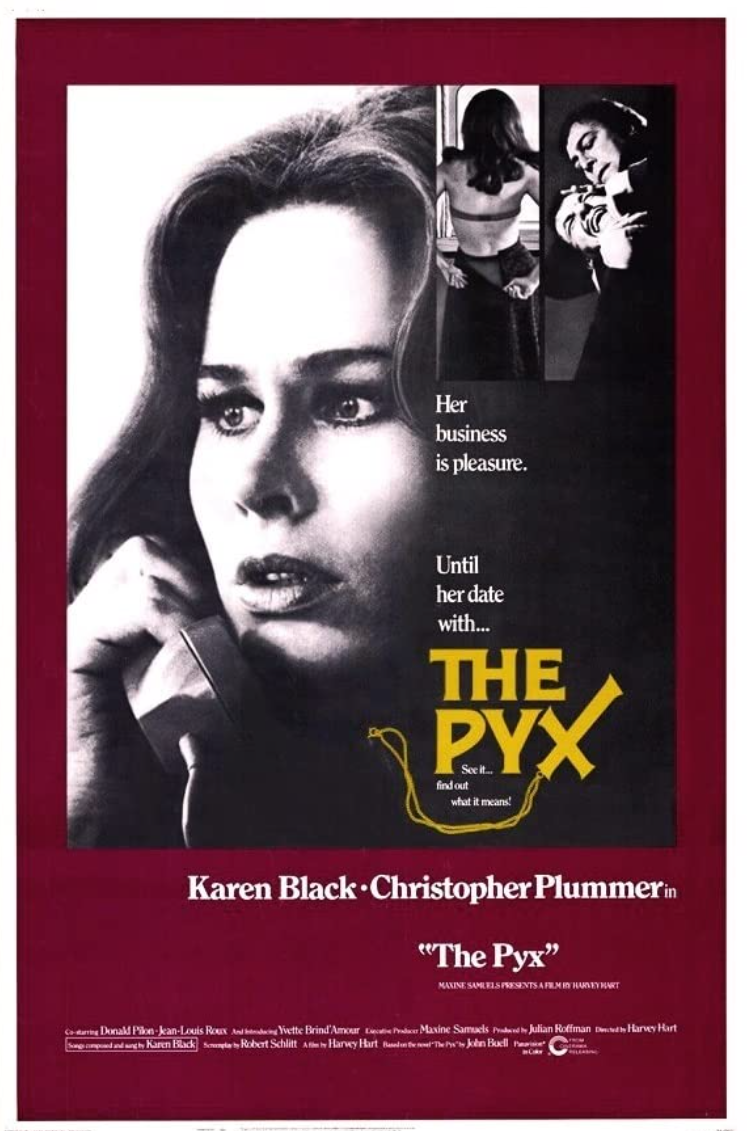
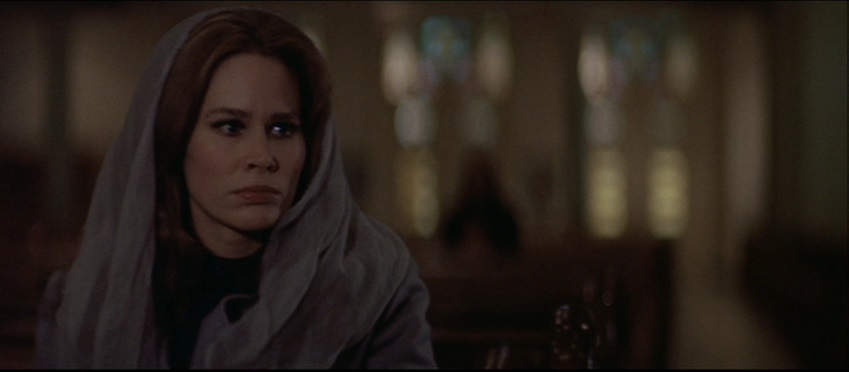
This atmospheric thriller — featuring Karen Black as both lead actress and singer/songwriter on the soundtrack — was directed by Canadian Harvey Hart, perhaps best known by film fanatics for the prison exploitation flick Fortune and Men’s Eyes (1971). The Pyx (the title refers to a container for the consecrated “body of Christ” in Catholicism) taps into both the nascent heroin-addiction crisis — chronicled in movies like The Panic in Needle Park (1971) and Dusty and Sweets McGee (1971) — and, as noted in Mondo Digital’s review, the success of Klute (1971), another film about a high-class call girl in trouble. Unfortunately, the film’s flashback structure — in addition to “giving away” the ending — makes the timeline needlessly confusing, as we’re shuttled back and forth between the detectives’ quest to learn why and how Black died, and Black’s life as a heroin-addicted prostitute. Black turns in a fine performance, but we learn too little about either her or the cult she’s sucked into to remain truly absorbed.

Note: This film’s more colorful video-release title was The Hooker Cult Murders.

Redeeming Qualities and Moments:

  • Karen Black as Elizabeth
  • Good use of Montreal locales

Must See?
No, unless you’re a Karen Black fan. Listed as a Sleeper in the back of Peary’s book.

Links:

Dr. Ehrlich’s Magic Bullet (1940)

Dr. Ehrlich’s Magic Bullet (1940)

“It is the task of science to discover the truth. There is no shame attached to the recognition of error.”

Synopsis:
With the support of his loyal wife (Ruth Gordon) and colleague (Otto Kruger), Dr. Paul Ehrlich (Edward G. Robinson) leaves his clinical career behind to pursue scientific research on potential diagnosis and cure of bacterial diseases — including syphilis.

Genres, Themes, Actors, and Directors:

  • Biopics
  • Doctors and Nurses
  • Donald Crisp Films
  • Edward G. Robinson Films
  • Inventors
  • Louis Calhern Films
  • Ruth Gordon Films
  • William Dieterle Films

Review:
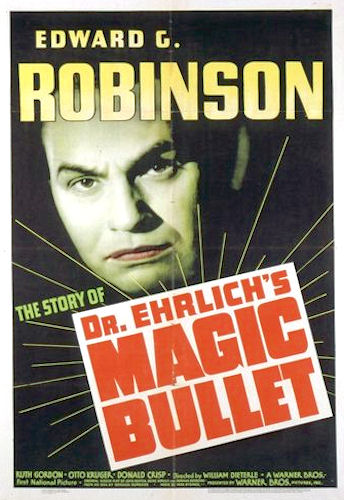
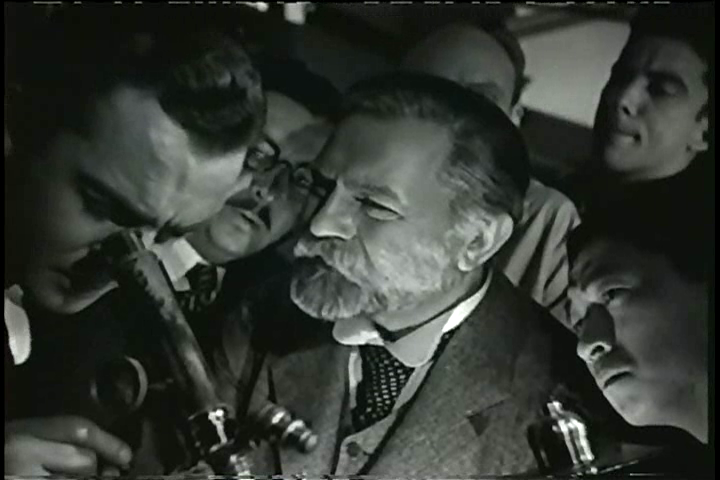
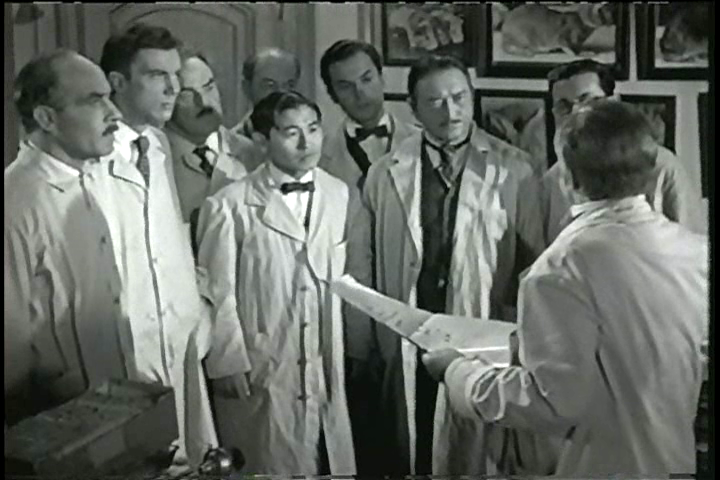
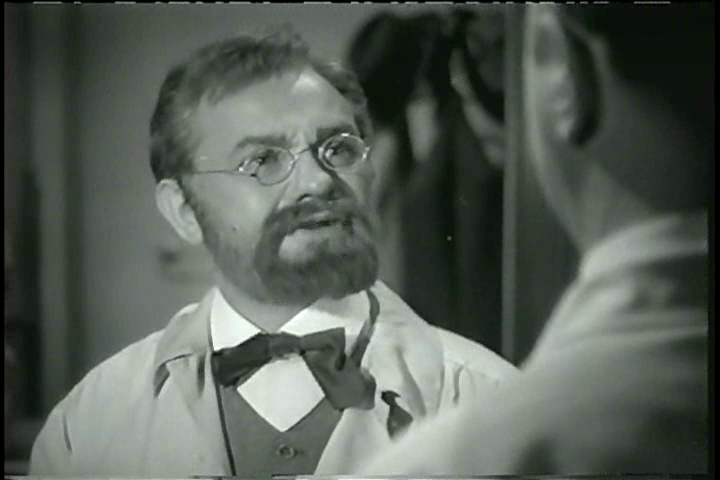
Of all his many celebrated roles, Edward G. Robinson was purportedly most proud of his work in this Warner Brothers biopic about the Nobel Prize-winning German physician and scientist Paul Ehrlich: “It was, I think, one of the most distinguished performances I’ve ever given,” he stated. It’s easy to understand why Robinson so enjoyed getting to portray this justly famous man; as summarized by the review site And You Call Yourself a Scientist!:

Ehrlich pioneered the discovery of specific bacteriological stains to facilitate diagnosis; was involved in the development of a treatment for diphtheria; elucidated the toxin/antitoxin relationship, which allowed the standardisation of serum-based treatments; refined and improved the treatment for sleeping sickness; discovered a cure for syphilis; proved the existence of the blood-brain barrier; originated the concepts of “autoimmunity” and “chemotherapy” and conducted groundbreaking research in these new fields; and won the Nobel Prize.

Wow. He did all this, and apparently fought many uphill battles to do so. Of course, any dramatization of a person’s life will necessarily be that — a strategically crafted dramatization — but it seems there’s enough of the “truth” incorporated here that one can watch with reasonable assurance that we’re learning about a critically important figure in medical history.

Robinson’s performance is indeed top-notch; he ages 35 years throughout the film, and does so seamlessly (kudos to the make-up department as well).

Ruth Gordon, sadly, is given much less to do in her gratuitous role as the “supportive wife behind the scenes”, who gets to make statements like: “There must be something we can do. There must be!” Cinematographer James Wong Howe films the entire affair with atmosphere, and the screenplay — co-written by John Huston — effectively humanizes the illnesses Ehrlich and his colleagues worked so diligently to cure. It’s refreshing to see (uncredited) Wilfred Hari as Ehrlich’s research partner, Nobel Prize-nominated bacteriologist Dr. Sahachiro Hata, though he’s given an unfortunate line about how Dr. Ehrlich is the one doing “all the thinking” (!).

So it goes when one attempts to immortalize a single man.

Trivia: According to TCM’s review, director William Dieterle’s “talent let him get away with some bizarre habits, such as never starting a film unless his astrologer cleared it, and always wearing white gloves on the set.”

Redeeming Qualities and Moments:

  • Edward G. Robinson as Dr. Ehrlich
  • Several suspenseful sequences of medical breakthroughs
  • James Wong Howe’s cinematography

Must See?
Yes, once, simply for Robinson’s performance.

Categories

  • Noteworthy Performance(s)

Links:

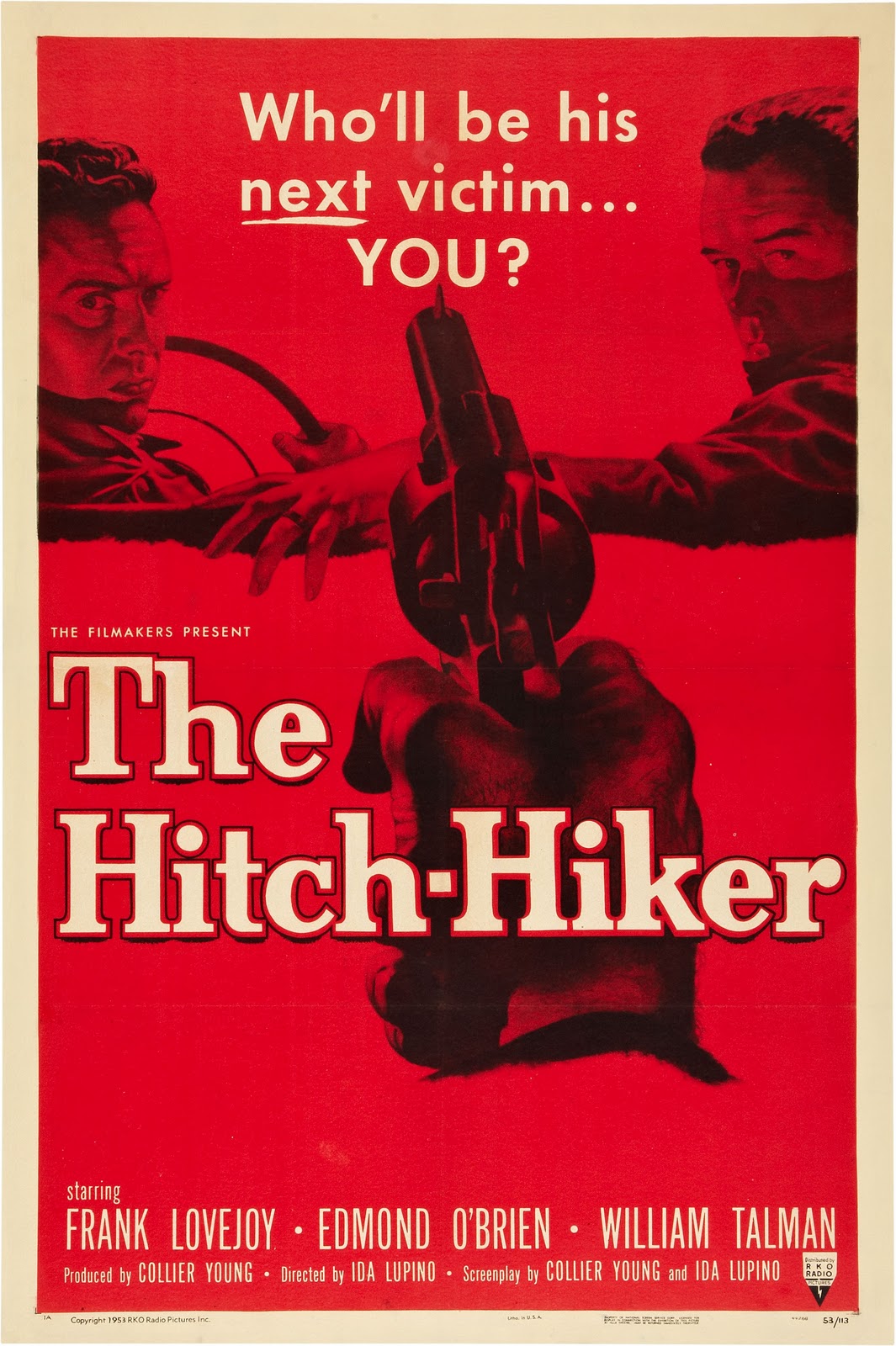
Hitch-Hiker, The (1953)

Hitch-Hiker, The (1953)

“You guys are going to die, that’s all — it’s just a question of when.”

Synopsis:
Two pals (Edmond O’Brien and Frank Lovejoy) on a fishing vacation in Mexico make the mistake of picking up a homicidal hitch-hiker (William Talman).

Genres, Themes, Actors, and Directors:

  • Edmond O’Brien Films
  • Hostages
  • Ida Lupino Films
  • Road Trip
  • Serial Killers

Review:
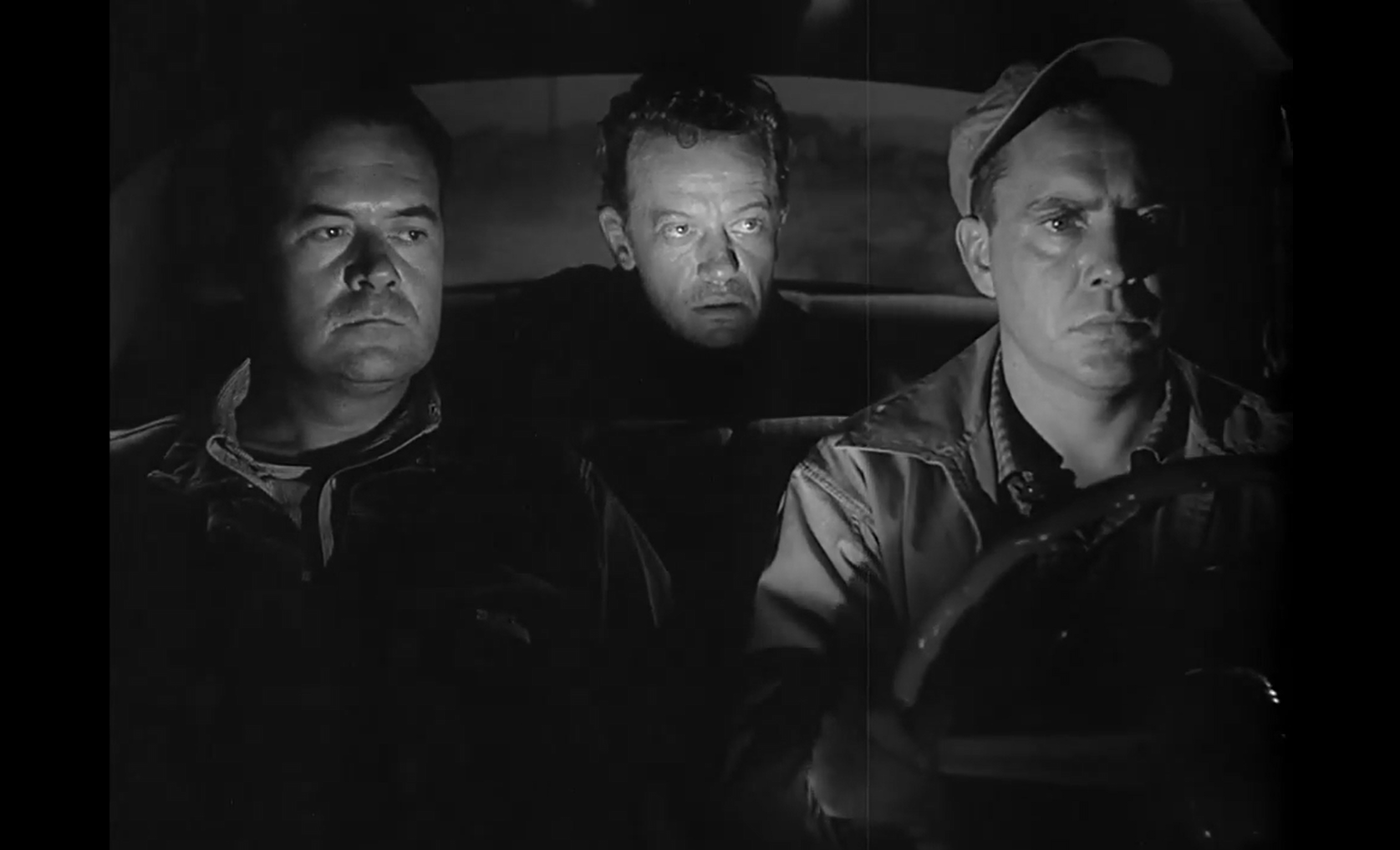
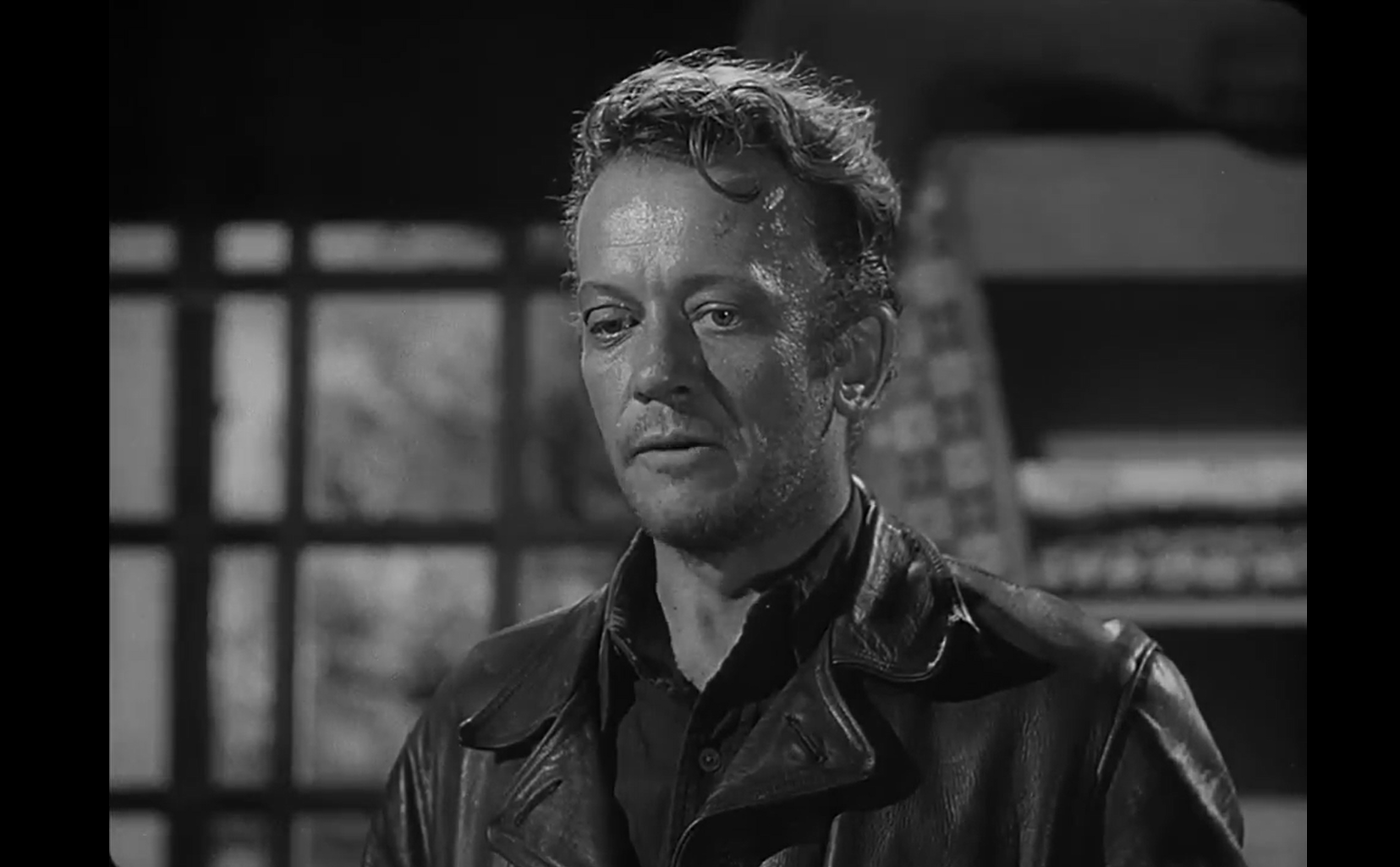
Helmed by one of the few female directors of her era (Ida Lupino), this no-holds-barred thriller begins on a tense note and maintains a high level of suspense throughout its 71-minute running time. After watching cleverly shot and edited opening sequences of a faceless hitch-hiker murdering two sets of victims (Talman gives an eerily effective performance as “Emmett Myers”, based on real-life Billy Cook), we’re introduced to O’Brien and Lovejoy, who casually pick up Talman without a second thought. Talman is hidden in shadows in the back seat until we’re finally given a glimpse of his face — which would be somewhat menacing under any circumstances, but is especially so given his paralyzed right eye.

Because Talman is indubitably a cold-blooded psychopath with no scruples whatsoever, we’re kept in as much terror and suspense as the two luckless fishing buddies. O’Brien and Lovejoy’s performances are spot-on as well: we can see the wheels turning in their heads as they debate on a moment-to-moment basis what risks they can take (or not) in their perilous situation, as their masculinity and sense of agency are repeatedly debased.

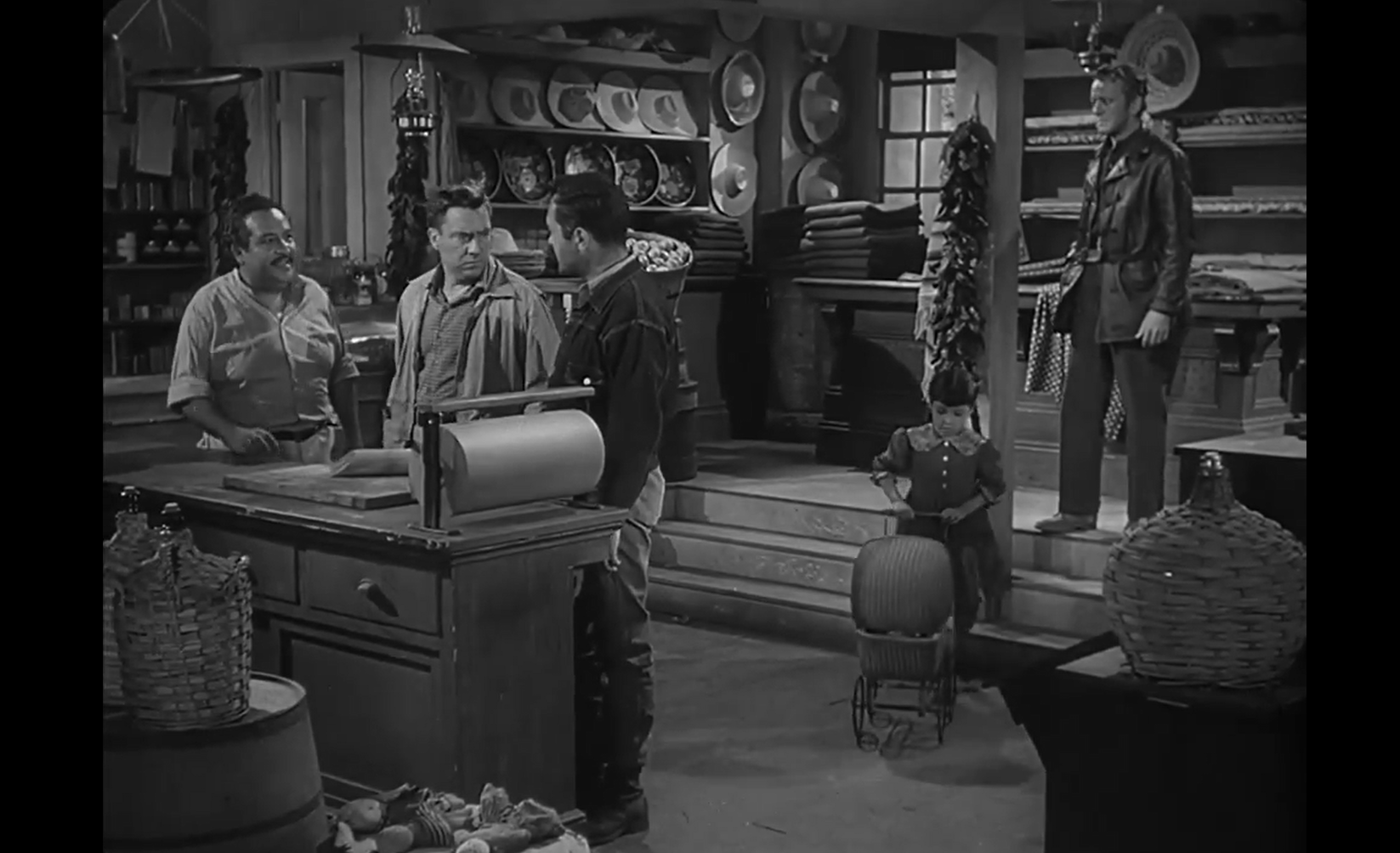
The screenplay — co-written by Lupino and her producer-husband Collier Young, and based on a story by blacklisted author Daniel Mainwaring, who wrote Out of the Past (1948) — is peppered with multiple tension-filled moments for possible violence, as well as various refreshing encounters with respectfully-presented Mexican citizens.

Nick Musuraca’s atmospheric cinematography is a definite highlight as well.

Redeeming Qualities and Moments:

  • Strong performances by all leads


  • Nick Musuraca’s cinematography
  • A consistently tense, finely directed script:

    “My folks were tough. When I was born, they took one look at this puss of mine and told me to get lost.”

Must See?
Yes, as a nifty little thriller. Be sure to catch this one!

Categories

  • Genuine Classic

Links:

Light That Failed, The (1939)

Light That Failed, The (1939)

“Painting is seeing, then remembering better than you saw.”

Synopsis:
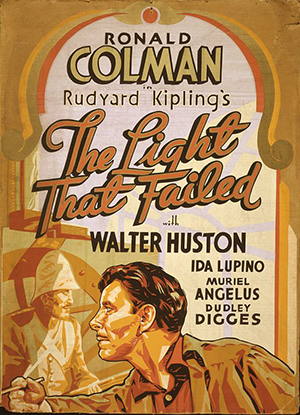
A British painter and former Sudanese-war correspondent (Ronald Colman) pines after his childhood sweetheart (Muriel Angelus), who prefers to pursue her own painting career. Meanwhile, Colman’s eyesight — damaged during an attack while protecting a fellow soldier (Walter Huston) — begins to fail him, and he is determined to finish a key painting of a Cockney model (Ida Lupino) before he’s completely blind; but will Lupino’s anger at Colman for squelching her relationship with Huston get in the way of Colman’s final artistic accomplishment?

Genres, Themes, Actors, and Directors:

  • Artists
  • Blindness
  • Historical Drama
  • Ida Lupino Films
  • Revenge
  • Ronald Colman Films
  • Walter Huston Films
  • William Wellman Films

Review:
There are quite a few “classic” (i.e., older) films that may remain beloved by a few, but by and large have passed their prime. Such is the case with this adaptation of Rudyard Kipling’s pro-British, pro-Colonialist, classist novel, which will likely only appeal to fans of Kipling’s era-specific work. There simply isn’t much here to hold our interest, other than Lupino’s feisty portrayal as a woman of few means — a “dissolute little scarecrow, a gutter-snippet and nothing more” — who sees an opportunity for betterment and latches onto it (though she’s essentially villainized for this attempt). It doesn’t help matters that Colman’s portrait of her — upon which the entire storyline hinges — seems like far from masterpiece material:

which I suppose is a problem for any film centering on a pivotal piece of art (viz. The Picture of Dorian Gray — though that movie, despite its own flaws, is infinitely more nuanced and interesting).

Redeeming Qualities and Moments:

  • Ida Lupino as Bessie Broke

Must See?
No; feel free to skip this one.

Links:

Sea Wolf, The (1941)

Sea Wolf, The (1941)

“I’m obeying the law, Mr. Van Weyden — the law of the sea!”

Synopsis:
When a writer (Alexander Knox) and two fugitives (Ida Lupino and John Garfield) find themselves aboard a ship run by a tyrannical captain (Edward G. Robinson), they hatch a plan for escape.

Genres, Themes, Actors, and Directors:

  • At Sea
  • Barry Fitzgerald Films
  • Edward G. Robinson Films
  • Fugitives
  • Ida Lupino Films
  • John Garfield Films
  • Michael Curtiz Films
  • Mutiny
  • Ruthless Leaders

Review:
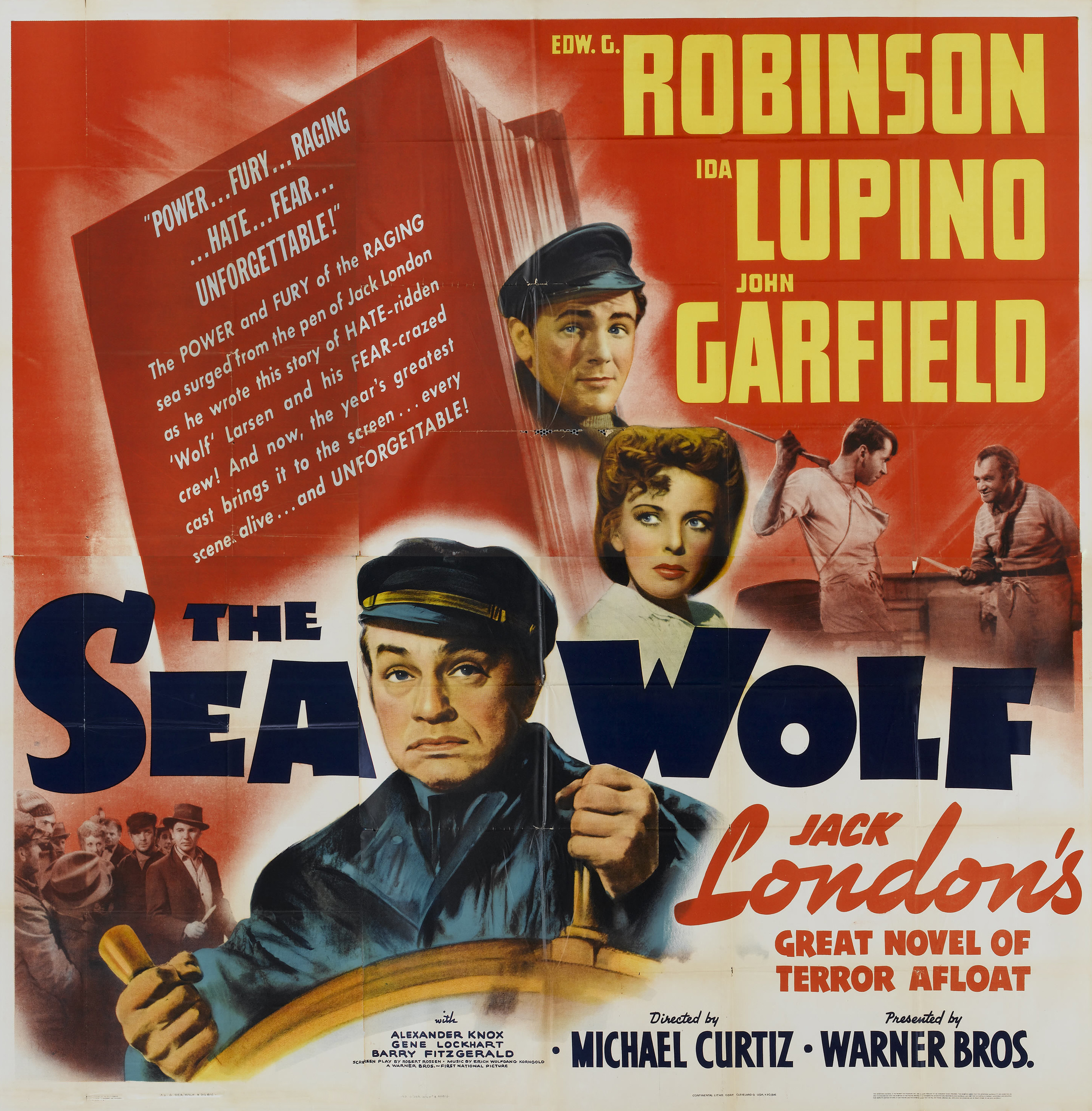
Michael Curtiz’s adaptation of Jack London’s 1906 novel (his follow-up to Call of the Wild) remains an atmospheric if at times overly literary tale of sociopathic power run amok. After a brief introduction to some key characters on land, the majority of the film takes place on board “The Ghost”, a hulking ship most sailors know well enough to stay away from, given that its captain, ‘Wolf’ Larsen (Robinson), rules with an iron fist, using both physical and verbal intimidation.
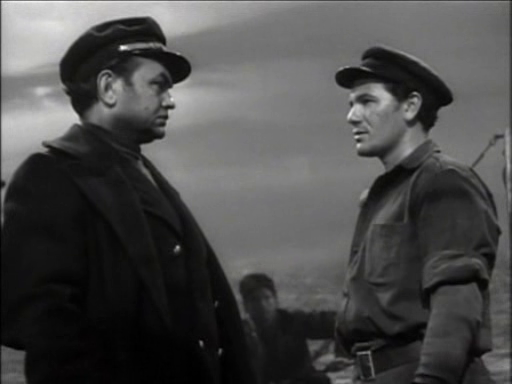
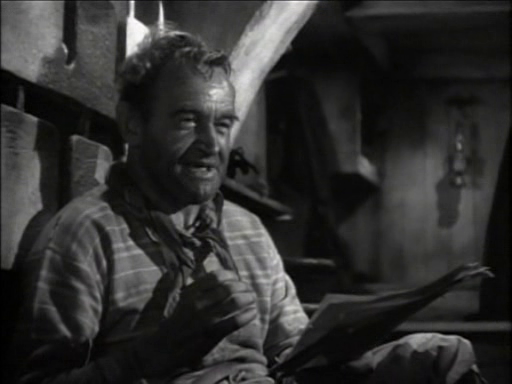
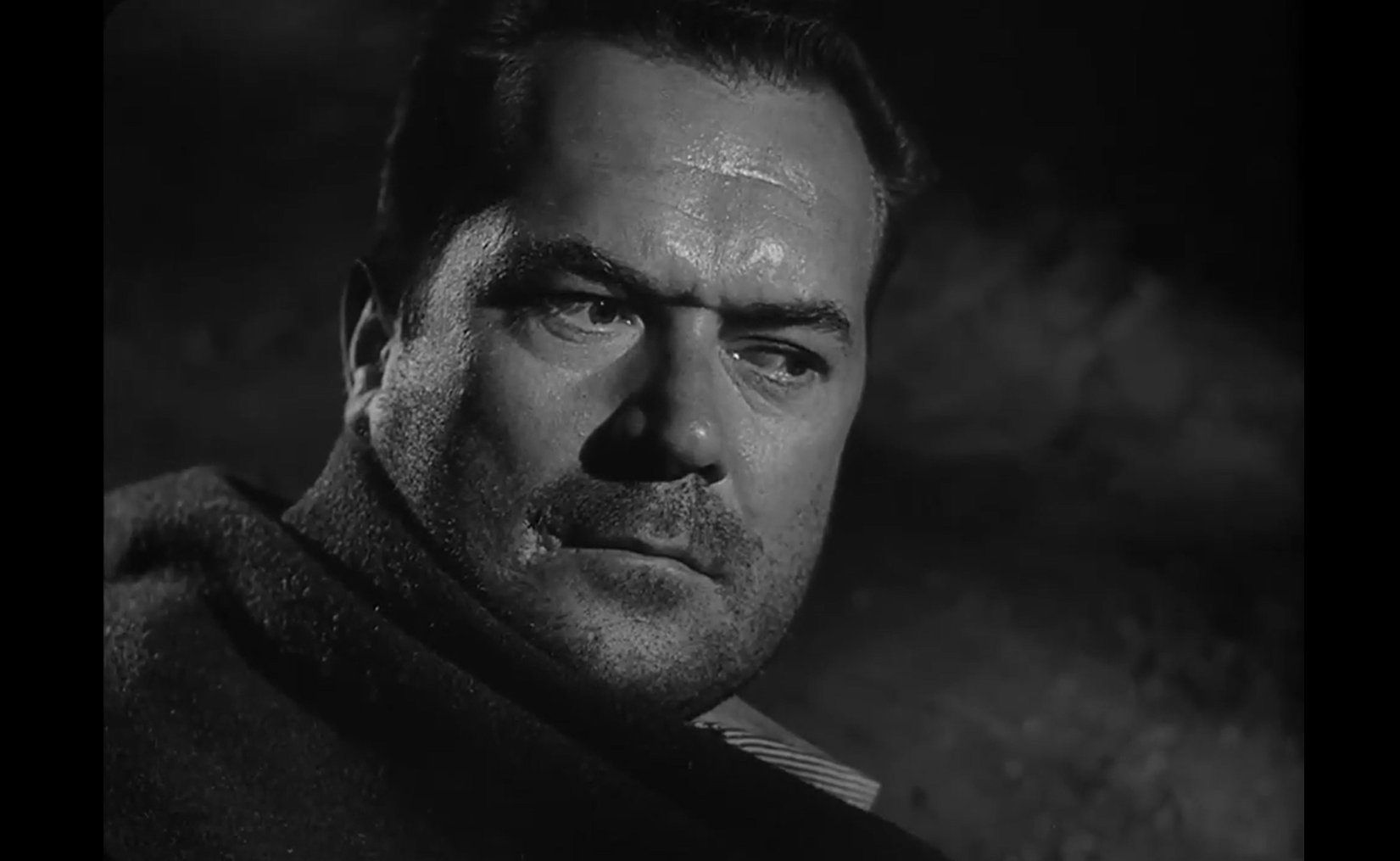
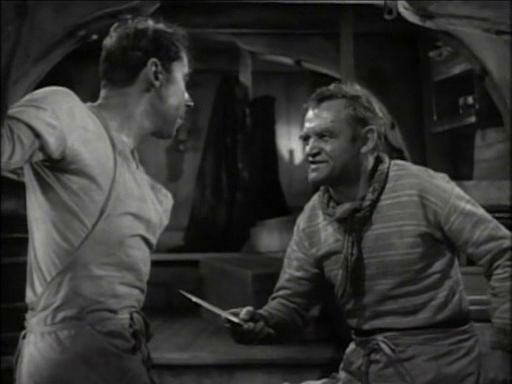
He hits, kicks, and slaps at will, but also uses his shipmates’ weaknesses against them psychologically: he appears to be supportive, then sucker-punches them either literally or metaphorically, as occurs with both a tippling chef named Cooky (Barry Fitzgerald in particularly vile form):
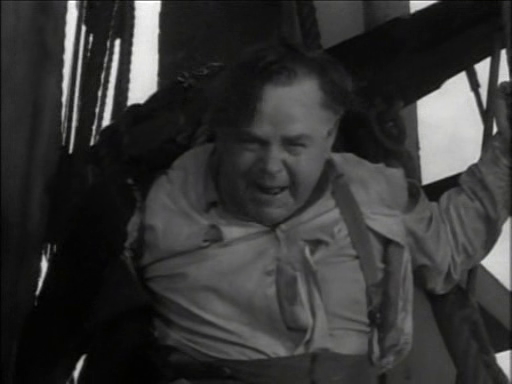
and alcoholic Dr. Prescott (Gene Lockhart).
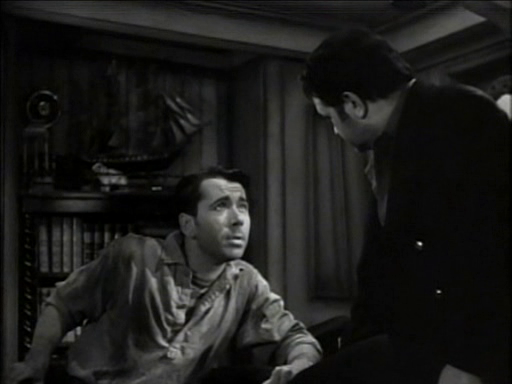
Even the protagonist — soft-spoken but resolute writer Humphrey Van Weyden (Knox) — gets caught in Wolf’s snare.
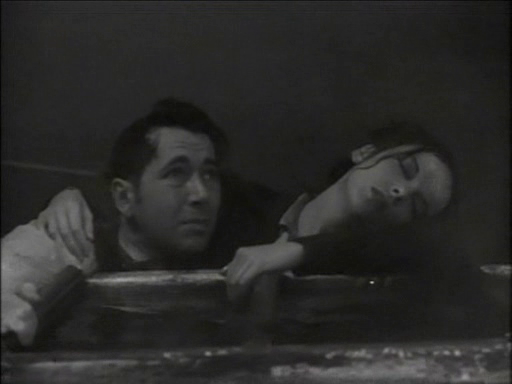
Less susceptible are a pair of perennially-suspicious fugitives (Garfield and Lupino) who will clearly do anything to escape and remain independent; they’re not swayed by Wolf’s snake-like charisma.
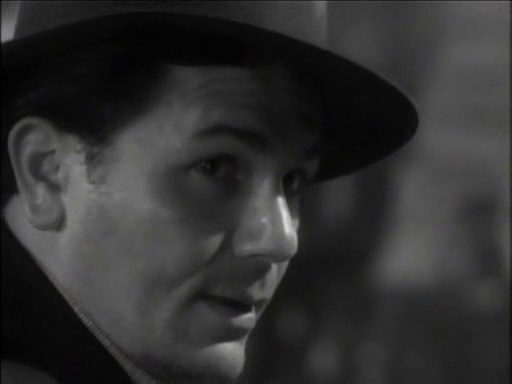
Ironically, the split focus between the four central characters, while likely faithful to the source material, diffuses the film’s impact somewhat. We know who to hiss at, but we’re torn between paying attention to Knox (appropriately subdued in his role) or Garfield (whose character is somewhat undeveloped). Meanwhile, Lupino’s character — the only female — is so intriguing we wish we could learn more about her. Regardless, The Sea Wolf remains a strongly directed drama featuring fine performances, and is well worth a one-time look by film fanatics.

Redeeming Qualities and Moments:

  • Fine performances from the entire cast
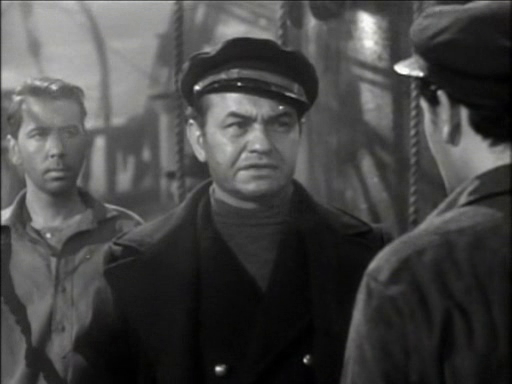


  • Atmospheric cinematography

Must See?
No, but it’s certainly recommended. Listed as a Personal Recommendation in the back of Peary’s book.

Links: