Browsed by
Category: Original Reviews

Responses to Peary’s “must see” movie reviews, as well as my own “must see” movie reviews up to and after 1986 (when Peary’s book was published).

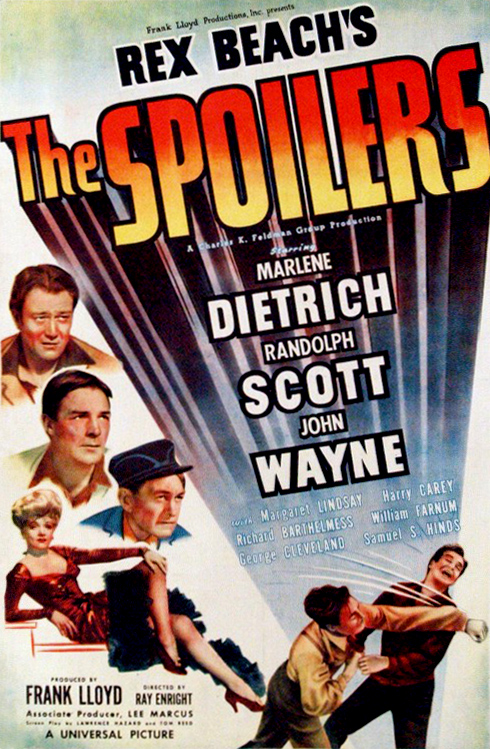
Spoilers, The (1942)

Spoilers, The (1942)

“The law is working in 45 states — it ought to work in Alaska.”

Synopsis:
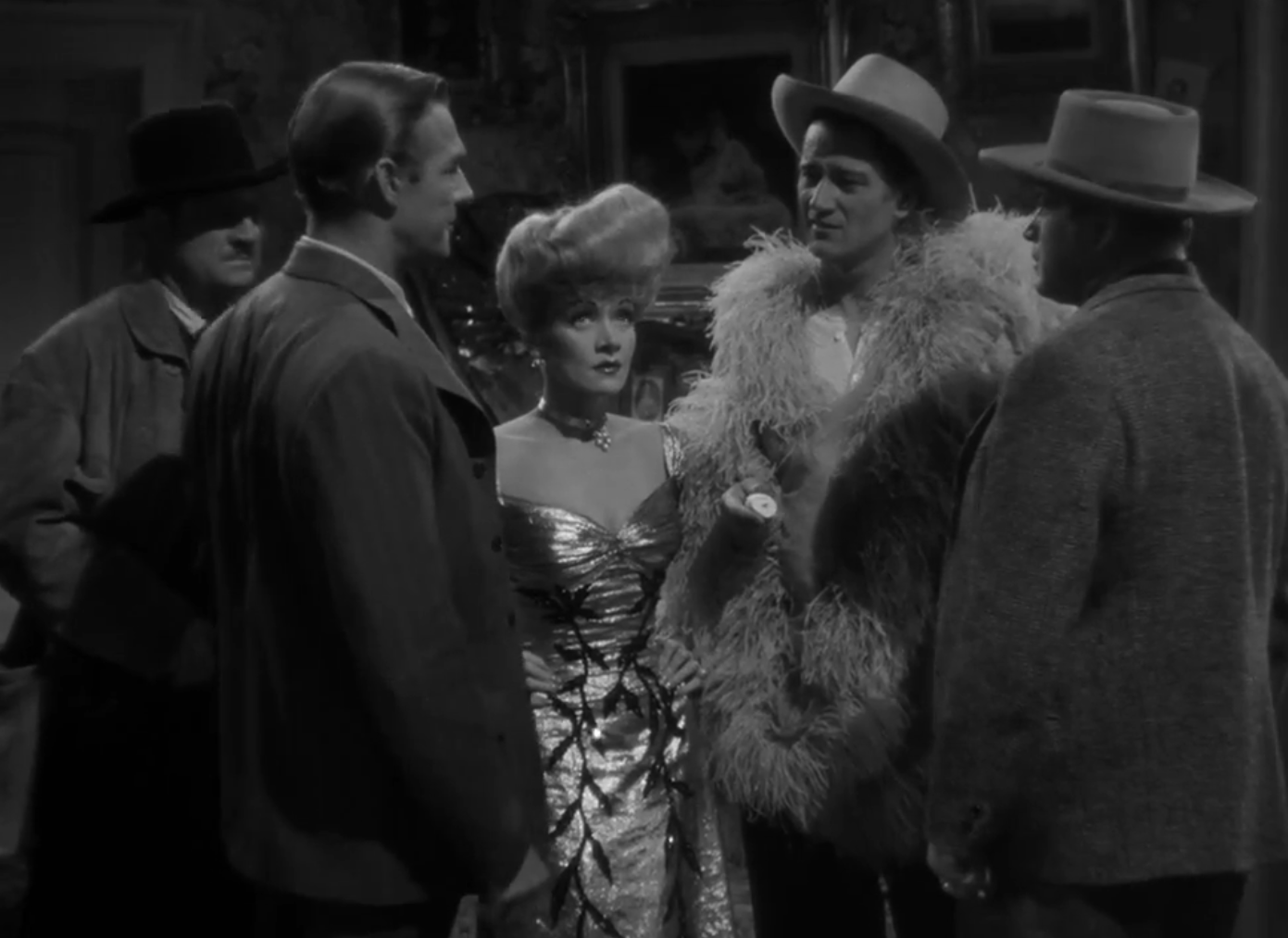
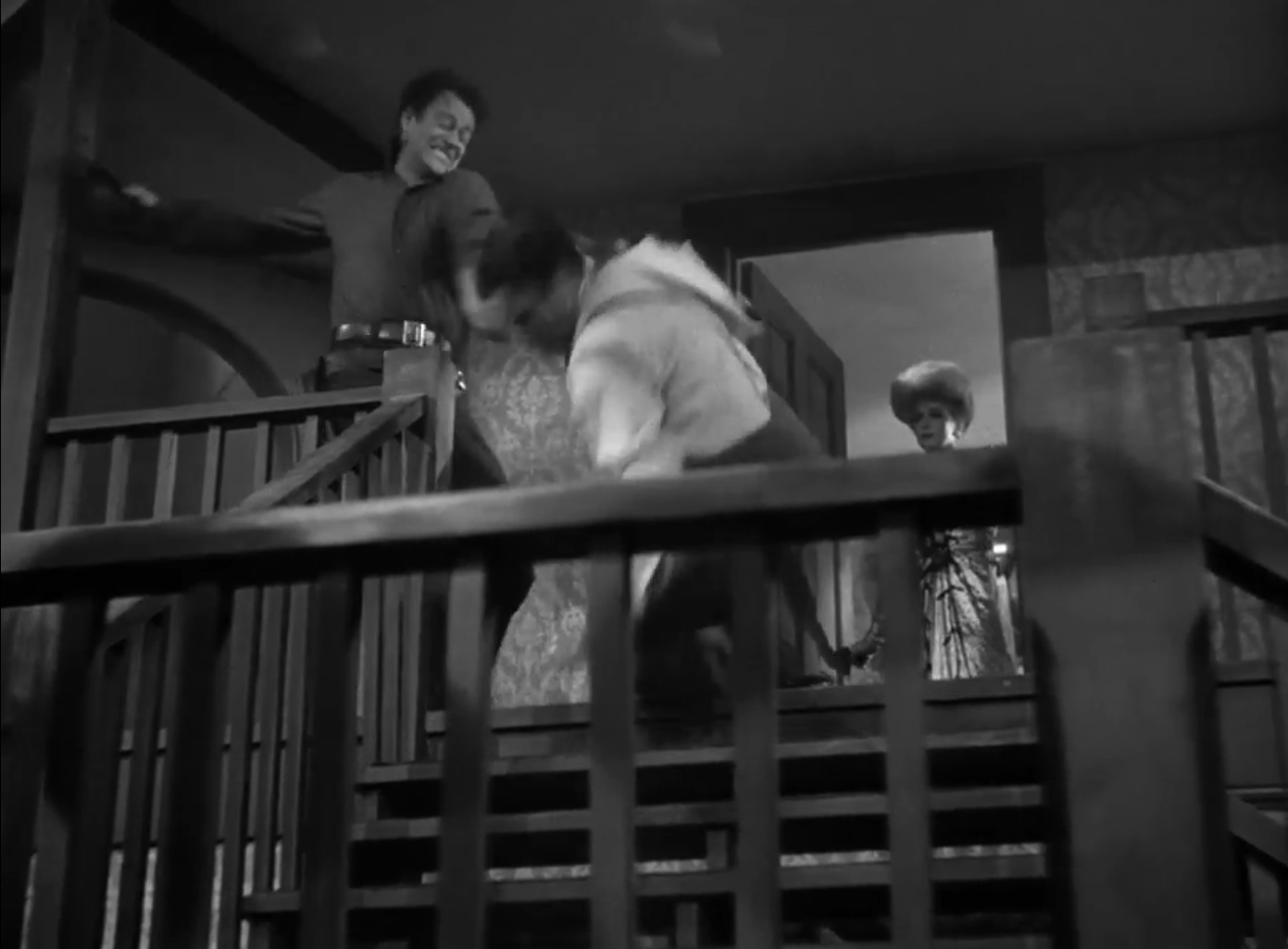
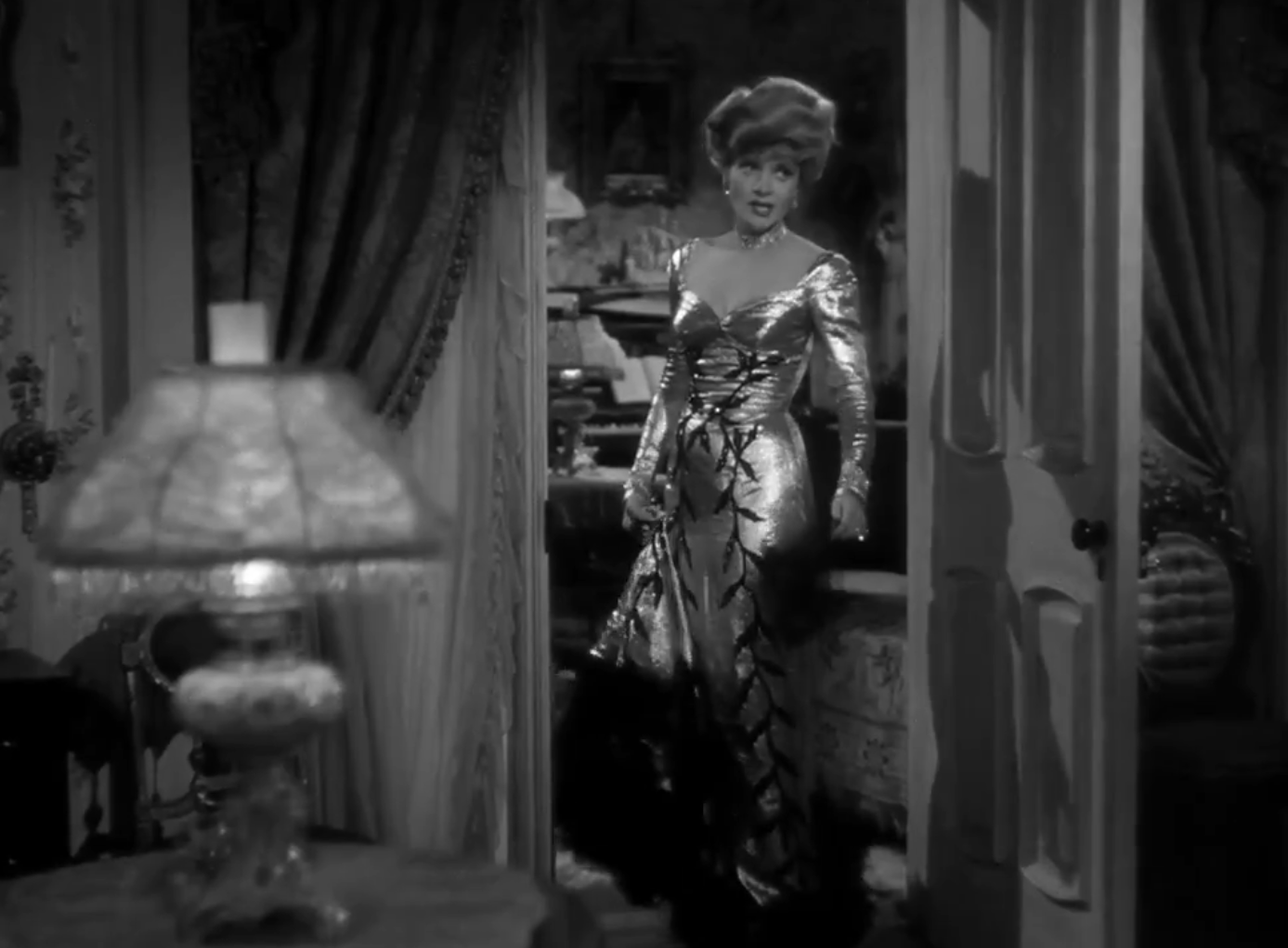
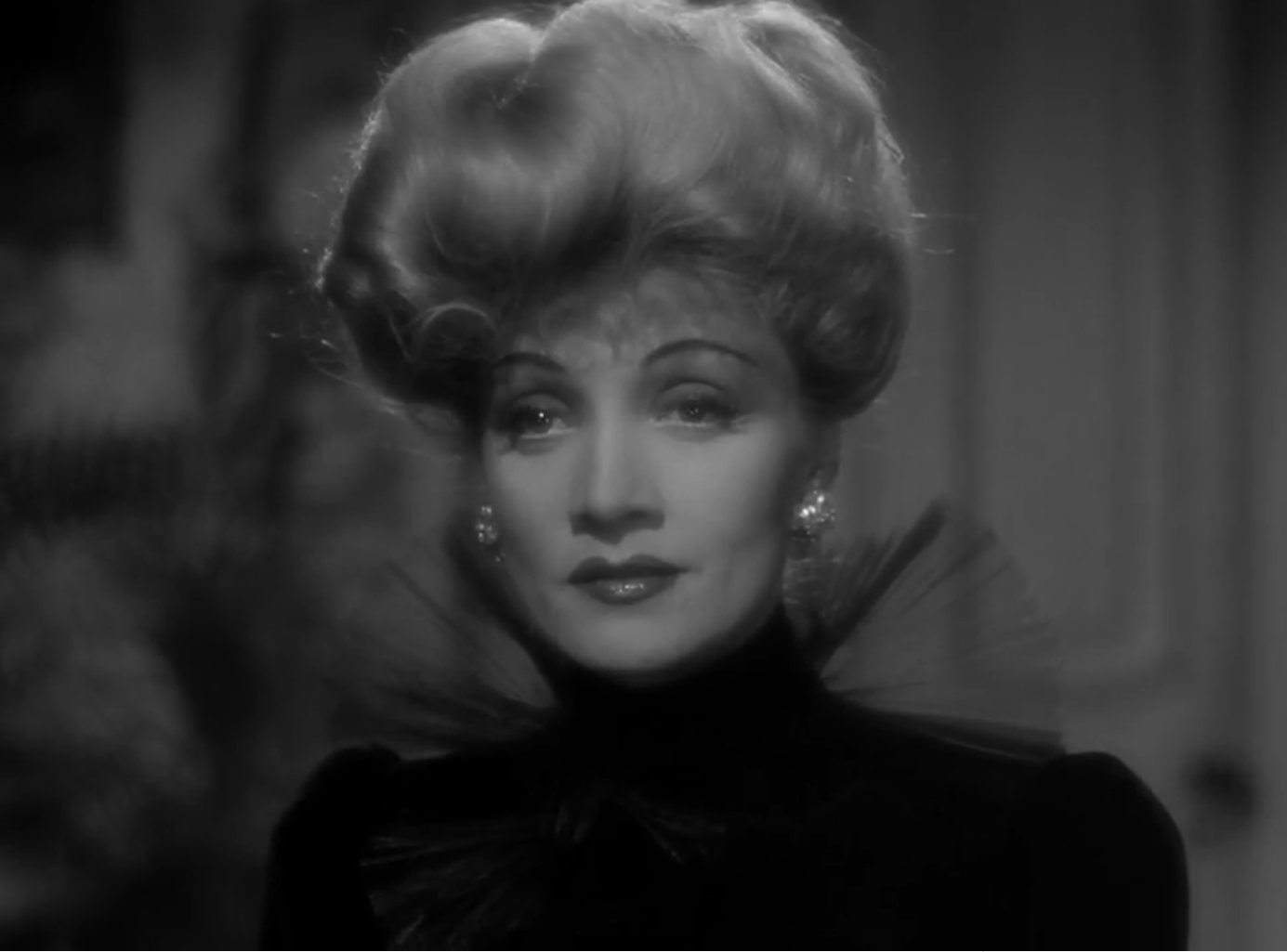
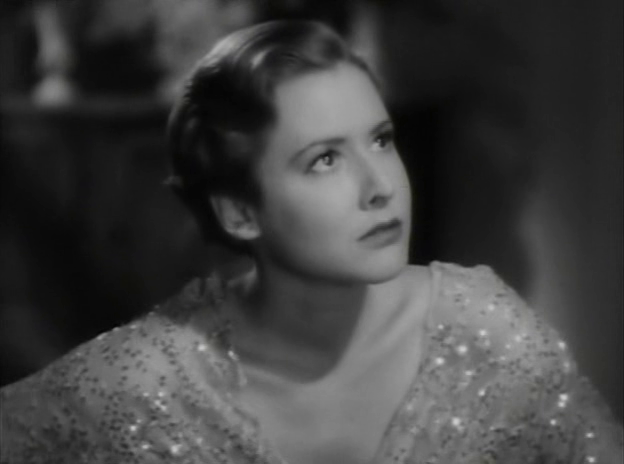
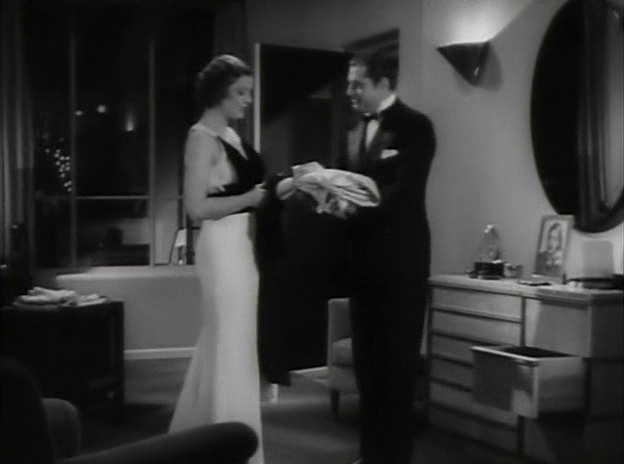
During the Alaskan gold rush, a feisty saloon owner (Marlene Dietrich) is caught in a love quadrangle between a miner (John Wayne), a crooked gold commissioner (Randolph Scott), and the niece (Margaret Lindsay) of a corrupt judge (Samuel S. Hinds).

Genres, Themes, Actors, and Directors:

  • Corruption
  • Gold Seekers
  • John Wayne Films
  • Marlene Dietrich Films
  • Randolph Scott Films
  • Strong Females
  • Westerns

Review:
Based on an oft-filmed novel by Rex Beach, this Marlene Dietrich vehicle (set in the historic milieu of The Great Nome Gold Rush in 1900) offers plenty of straight-forward, old-fashioned cinematic drama — including love triangles, government corruption, good-versus-bad-guys, shoot-outs, and fist fights.

Given that we know who will triumph in the end, there aren’t many surprises in the narrative: the tension lies in getting there, and watching Dietrich struggle to accept the dictates of her heart, ultimately demonstrating her moral superiority over her romantic rival (though the final duke-’em-out scene belongs to Wayne and Scott).

Note: The demeaning portrayal of Dietrich’s African-American maid (Marietta Canty) is unfortunate, though sadly commonplace for the era.

Canty was typecast as a maid in Father of the Bride (1950), A Streetcar Named Desire (1951), and Rebel Without a Cause (1955), among others.

Redeeming Qualities and Moments:

  • Vera West’s gorgeous gowns (click here to read about West’s mysterious death-by-drowning at 47)

  • Milton Krasner’s cinematography

Must See?
No; this one is only must-see for fans of Dietrich or Wayne.

Links:

Experiment in Terror (1962)

Experiment in Terror (1962)

“I know a good deal about you — almost everything there is to know.”

Synopsis:
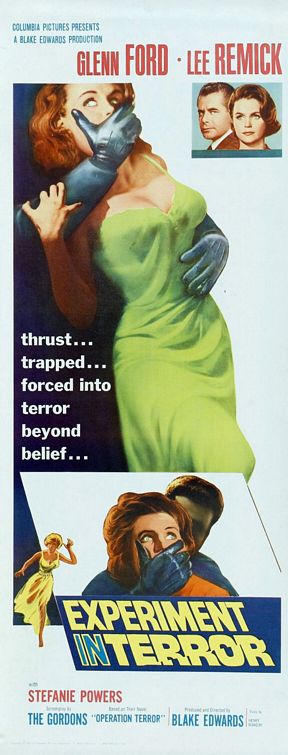
A mysterious asthmatic psychopath (Ross Martin) threatens to kill a bank teller (Lee Remick) and her sister (Stefanie Powers) if Remick doesn’t steal $100,000 for him — but Remick manages to call an FBI agent (Glenn Ford) whose team keeps a close eye on her safety.

Genres, Themes, Actors, and Directors:

  • Blake Edwards Films
  • Glenn Ford Films
  • Hostages
  • Lee Remick Films
  • Mistaken or Hidden Identities

Review:
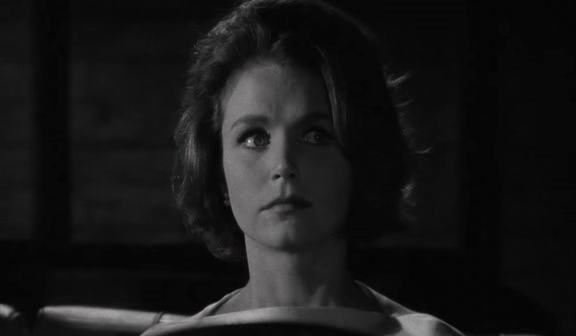
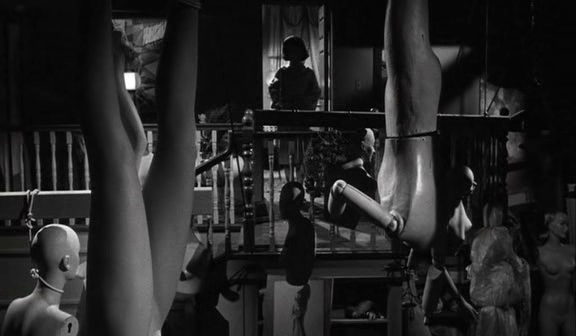
Blake Edwards’ follow-up to Breakfast at Tiffany’s (1961) was this atmospheric “female in distress” thriller set in the hills, teeming streets, and landmarks of San Francisco. The opening moments are especially tense, as Remick is terrorized in the shadows of her garage by an unseen man (Martin) who spares no details in sharing what will happen to her and her sister if she doesn’t cooperate with his plans. Unfortunately, the rest of the screenplay fails to maintain this initial tension: Remick makes a phone call to the FBI (how does she get ahold of them so easily?), is threatened once again by Martin for doing so, then goes about her daily life, concerned for her safety but otherwise “free”. While Martin is clearly keeping a close eye on both Remick and Powers — even murdering a mannequin-designer (Patricia Huston) in her highly stylized apartment as a warning — the threat still feels diffuse.

Part of the problem is pacing: at over two hours long, there’s simply too much footage here, and too much time lapsing between and during scenes. Meanwhile, the inclusion of a sub-plot about Martin’s Asian-American lover (Lisa Soong) and her disabled son (Warren Hsieh) doesn’t do anything but confuse our understanding of Martin’s character and motivations (are we meant to sympathize with him after learning he’s been helping Soong with Hsieh’s expenses?). The climactic scene during a baseball game in Candlestick Park is nicely shot, but ultimately more atmospheric than truly suspenseful, given how many FBI men are literally swarming the joint. The film’s title is apt: this represents Edwards’ cinematic “experiment in terror”, one that’s nicely mounted but not entirely successful. Best/creepiest scene: Martin accosts Remick in a hallway, dressed as an old bespectacled woman in a hooded cape.

Redeeming Qualities and Moments:

  • Lee Remick as Kelly Sherwood
  • Fine use of location shooting
  • Atmospheric cinematography
  • Henry Mancini’s score

Must See?
No, though it’s certainly worth a look by those interested in the genre. Listed as a Personal Recommendation in the back of Peary’s book.

Links:

Elephant Boy (1937)

Elephant Boy (1937)

“You find a score of elephants dancing, and lead me to them — I’ll make a hunter of you!”

Synopsis:
A young elephant handler (Sabu) and his father (W.E. Holloway) are invited by a British overseer (Walter Hudd) to join an expedition hunting for wild elephants. When his father is killed by a tiger, the orphaned Sabu worries about his feisty elephant’s fate, and attempts to escape with him.

Genres, Themes, Actors, and Directors:

  • Coming of Age
  • India
  • Jungles
  • Robert Flaherty Films
  • Sabu Films
  • Zoltan Korda Films

Review:
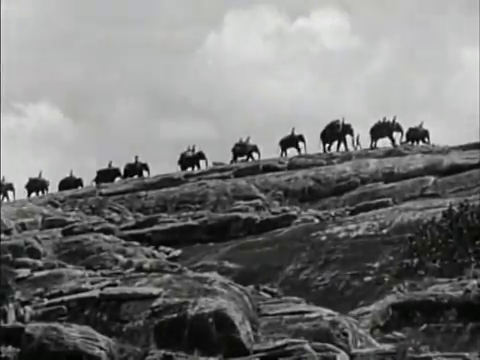
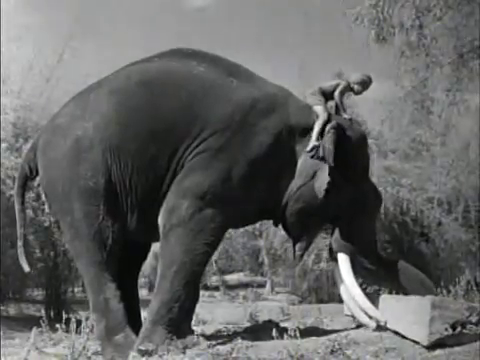
Co-directed by Zoltan Korda and documentarian Robert Flaherty, this adaptation of a chapter from Rudyard Kipling’s The Jungle Book is primarily known as the screen debut of Sabu Dastagir, the real-life son of a mahout (elephant rider). The film contains ample interesting footage of elephants, and Sabu has plenty of natural charm (though he gave much better performances once he gained a little acting experience and fluency with English) — but there’s little else to recommend in the story itself. The colonial drive to tame wild elephants and put them to work will likely bring nothing but distaste to most modern viewers, especially given our emergent understanding of how much freedom and movement elephants really need to live satisfying lives. This historic curio is ultimately only must-see for Sabu fans.

Redeeming Qualities and Moments:

  • Fine dramatic footage of elephants


Must See?
No; this one is simply a curiosity for fans of Sabu.

Links:

Black Fury (1935)

Black Fury (1935)

“You’ve gotta put up a fight if you want your rights!”

Synopsis:
When his girlfriend (Karen Morley) leaves him for a chance at city-life with a policeman (William Gargan), a heart-broken coal miner (Paul Muni) is lured by a corrupt agitator (J. Carroll Naish) into leading a new union, much to the chagrin of his union-abiding friend Joe (John Qualen) and Joe’s wife (Sara Haden).

Genres, Themes, Actors, and Directors:

  • Akim Tamiroff Films
  • Corruption
  • John Qualen Films
  • Karen Morley Films
  • Labor Movement
  • Michael Curtiz Films
  • Mining Towns
  • Paul Muni Films

Review:
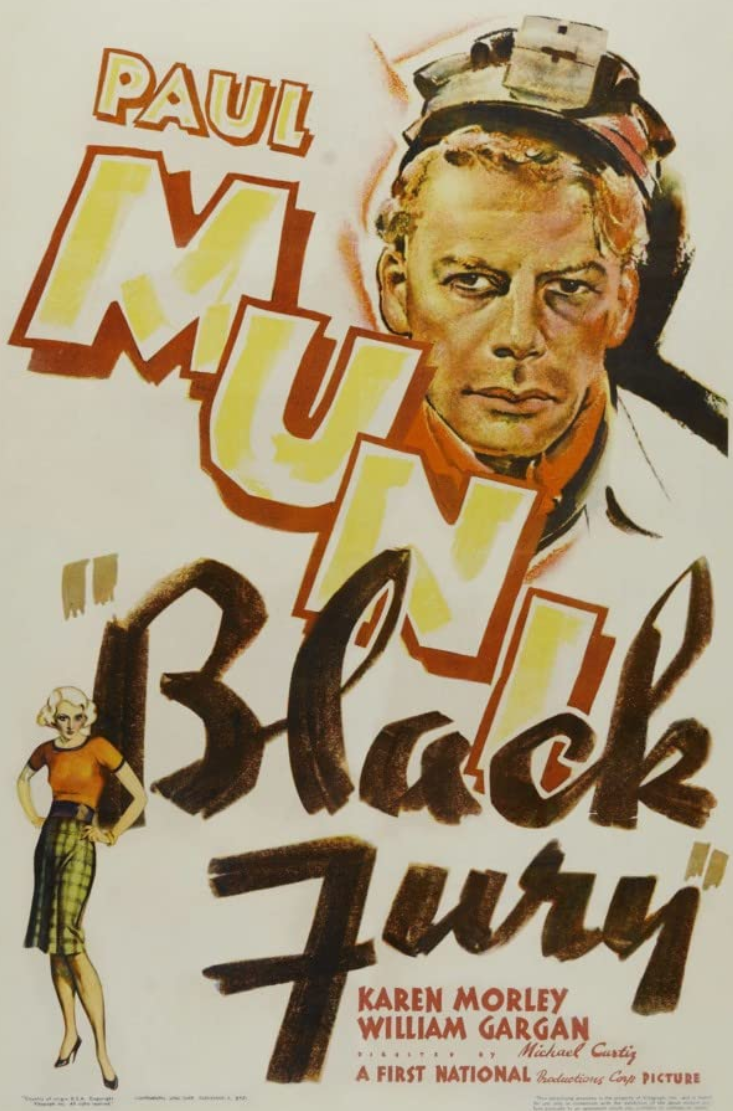
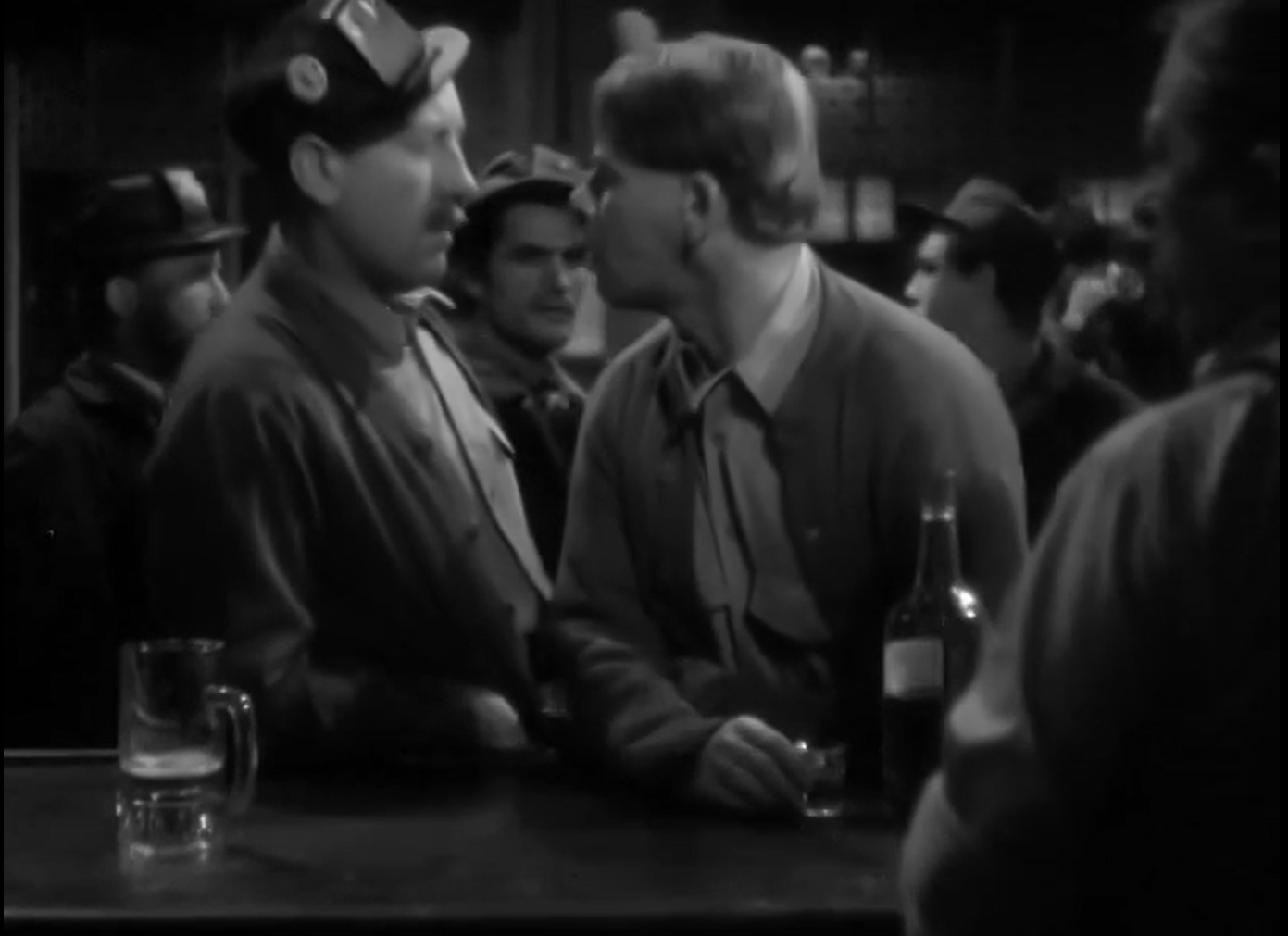
Based on the real-life murder of a Pennsylvania coal miner in 1929, this controversial Warner Brothers drama suffers from an over-the-top performance by Paul Muni as a Polish-American miner whose poor decision-making during a night of drunken sorrow leads to irreparable harm. While corruption between Big Bosses, labor unions, and employees clearly exists in countless professions across the globe, the storyline presented here is overly simplistic, and fails to provide viewers with anything other than a melodramatic tale of the tragic downfall and heroic redemption of a “likable man”. Muni’s accent and dialect — while perhaps realistic — are laid on so thick they’re distracting; and it’s hard to root for someone who may be well-meaning but ultimately comes across as a naive dupe.

Note: The film’s title doesn’t help its staying power, given that one would naturally expect such a movie to be about African-Americans.

Redeeming Qualities and Moments:

  • Byron Haskin’s cinematography

Must See?
No; this one is only must-see for Muni completists.

Links:

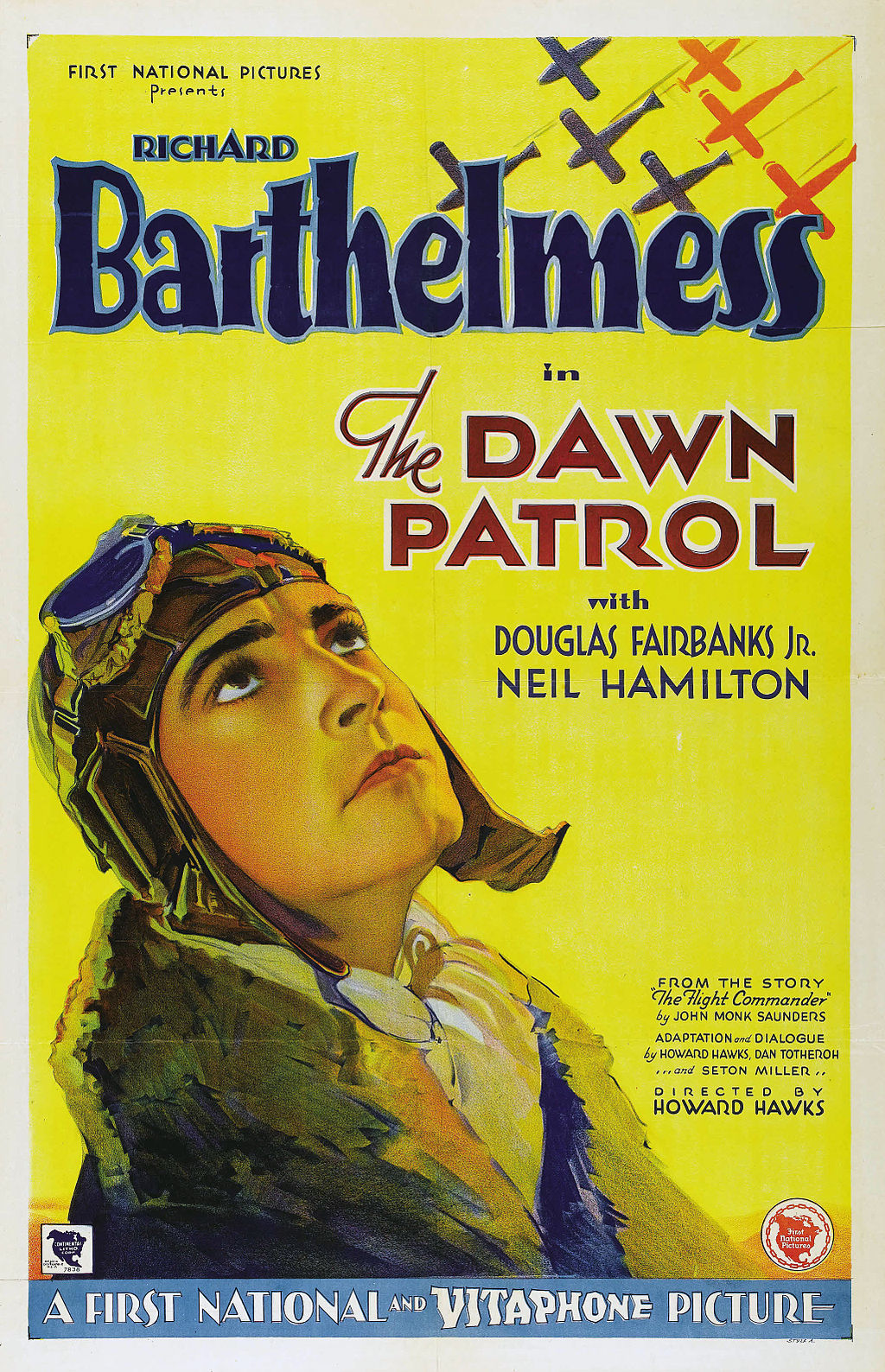
Dawn Patrol, The (1930)

Dawn Patrol, The (1930)

“You’ve learned how to fly — but things are different up here.”

Synopsis:
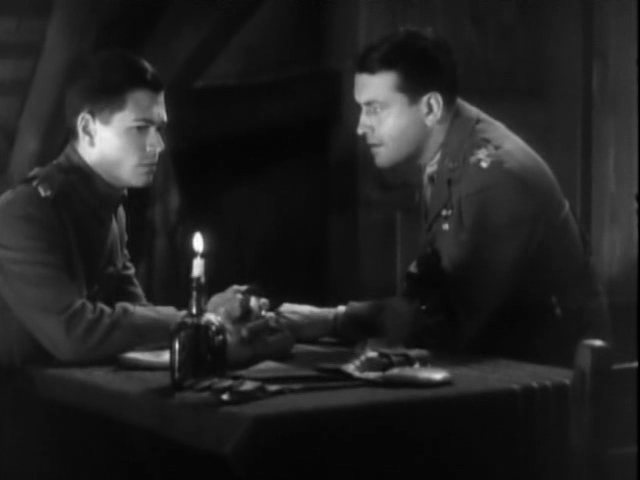
The commanding officer (Neil Hamilton) of an RFC squadron in WWI-era France drinks heavily while enduring the wrath of his two ace pilots, Richard Barthelmess and Douglas Fairbanks, Jr., who blame him for sending young recruits into the air too soon — but when Hamilton is promoted and Barthelmess takes his position, he quickly learns how challenging it is to sit behind a desk while making life-or-death decisions.

Genres, Themes, Actors, and Directors:

  • Airplanes and Pilots
  • Douglas Fairbanks, Jr. Films
  • Friendship
  • Howard Hawks Films
  • Military
  • World War I

Review:
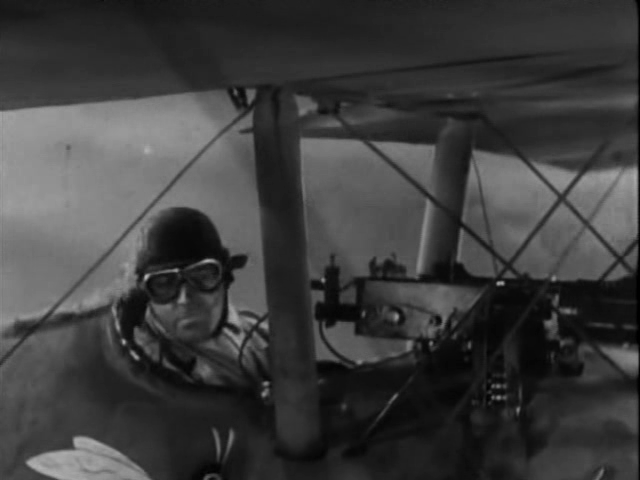
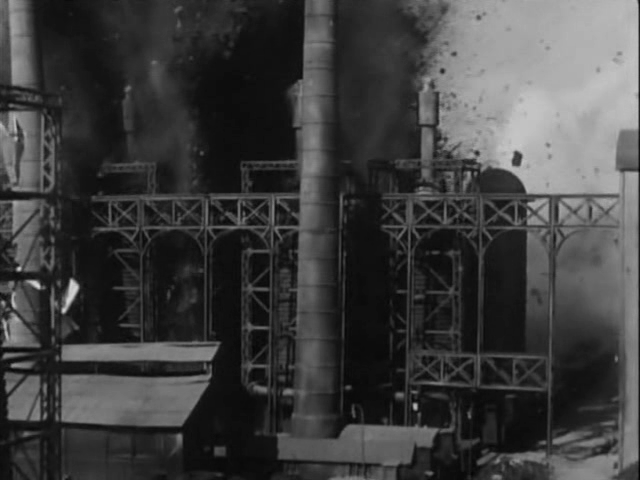
Howard Hawks’ first “talkie” was this poignant, engaging homage to aerial fighters in World War I, who faced unimaginable odds each time they went into combat. The narrative is crafted cyclically, mimicking the relentless schedules of the pilots as they engage in adrenaline-pumping flight and warfare followed by whatever activities will allow them to unwind, celebrate, and ritually mourn their dead compatriots before heading back up into the air. The central tension between the primary characters (Hamilton, Barthelmess, and Fairbanks, Jr.) nicely illustrates the challenges inherent in any situation where leadership is necessary but detrimental to personal dynamics. Although the 1938 remake with Errol Flynn and Basil Rathbone is better known, this earlier version remains worthy viewing on its own; most of the impressive aerial footage was reused for the later film.

Note: There are NO female characters in this film — not a one.

Redeeming Qualities and Moments:

  • Fine aerial (and other) cinematography
  • Richard Barthelmess as Dick Courtney
  • Many poignant moments
  • The exciting finale

Must See?
Yes, as a gripping war flick. Listed as a film with Historical Importance and a Personal Recommendation in the back of Peary’s book.

Categories

  • Good Show
  • Important Director

Links:

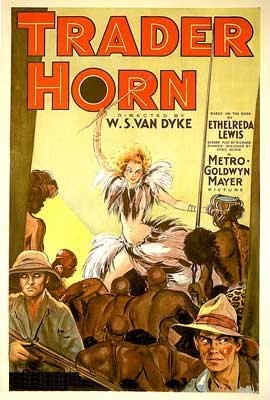
Trader Horn (1931)

Trader Horn (1931)

“That’s Africa for you: when you’re not eating somebody, you’re trying to keep somebody else from eating you.”

Synopsis:
An experienced trader (Harry Carey) and his young companion (Duncan Renaldo) in 19th century Africa promise a missionary (Olive Carey) to look for her missing daughter (Edwina Booth), who was captured by a tribe years earlier and turned into a “white goddess”.

Genres, Themes, Actors, and Directors:

  • Africa
  • Jungles
  • Native Peoples
  • Search
  • W.S. Van Dyke Films

Review:
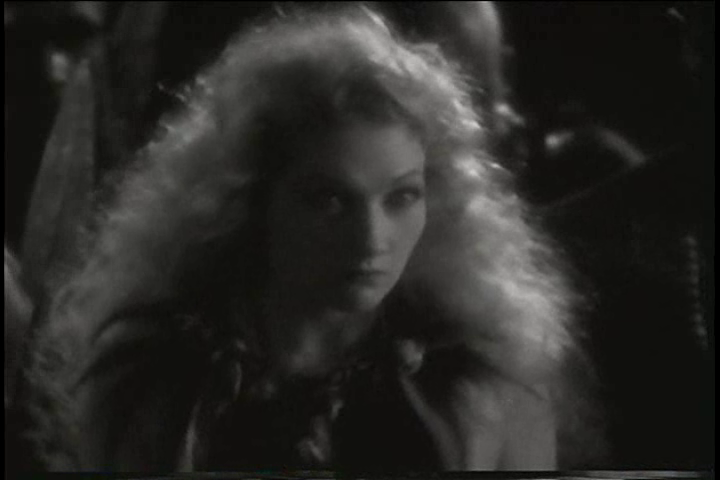
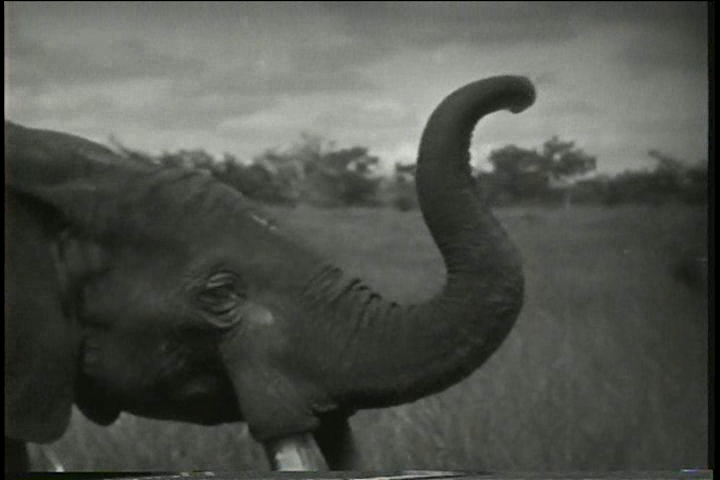
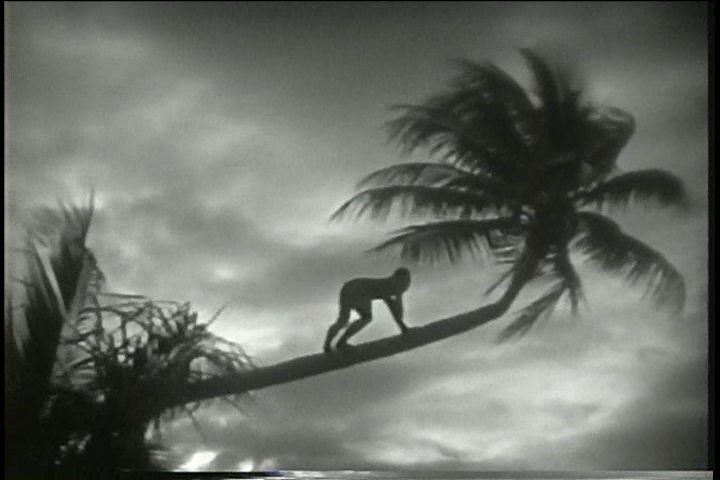
Before the advent of nature shows on television, audiences in 1931 were understandably blown away by this Oscar-nominated adventure film (based on Alfred Aloysius Horn‘s memoirs), which featured wild African animals rushing across the big screen, “exotic” tribes of humans with unusual jewelry and customs, and death-defying treks through unfamiliar geographic landscapes. These days, the film’s excruciatingly patronizing and racist attitude towards African natives — “Horn, you’re mistaken about these people — they’re not savages, they’re just happy, ignorant children.” — makes it a truly challenging pill to swallow; it remains valuable simply as a historic artifact of our inability to understand, let alone appreciate, cultures radically different from our own. However, it’s fascinating to reflect on what the cast and crew went through to make this on-location film: apparently wild-eyed Booth contracted an illness that effectively ended her career:

… Carey was nearly killed during one scene swinging over a live crocodile, and director W.S. Van Dyke had plenty of rum on hand and in mouth the entire time. Meanwhile, additional footage was secretly shot in Mexico to flesh out gaps, and it became a blockbuster success.

Redeeming Qualities and Moments:

  • Groundbreaking footage of African animals and tribal practices

  • Impressive on-location cinematography

Must See?
No; this one is only of value for its historical relevance as the first fiction film made in Africa.

Links:

Penthouse (1933)

Penthouse (1933)

“I like the troubles of bootleggers, chorus girls and head waiters. They’re human! They’re alive!”

Synopsis:
After successfully defending a racketeer (Nat Pendleton) against a murder charge, a thrill-seeking lawyer (Warner Baxter) is ostracized by his co-workers and his fiancee (Martha Sleeper), who leaves him for another man (Phillips Holmes). When Holmes breaks up with his mistress (Mae Clarke), Clarke licks her wounds by returning to her former lover, a gangster (C. Henry Gordon) who is more upset about Clarke’s betrayal than he lets on. Soon Baxter becomes an amateur sleuth in a murder mystery, assisted by Clarke’s beautiful roommate (Myrna Loy).

Genres, Themes, Actors, and Directors:

  • Amateur Sleuths
  • Framed
  • Gangsters
  • Lawyers
  • Myrna Loy Films
  • Warner Baxter Films
  • W.S. Van Dyke Films

Review:
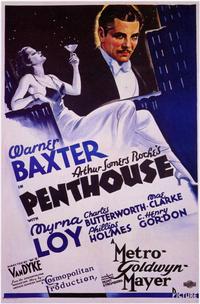
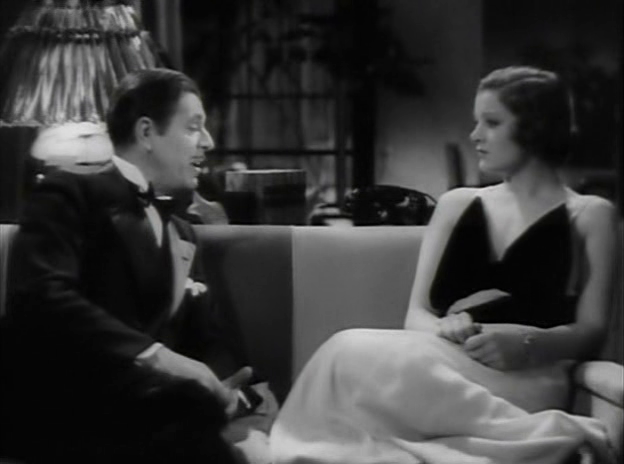
W.S. Van Dyke — perhaps best known for helming The Thin Man and its sequels — helped bring Myrna Loy to stardom in this earlier “take” on the same genre (comedic murder-mystery). Frances Goodrich and Albert Hackett’s Pre-Code script is refreshingly risque: Loy’s character openly accepts (indeed, encourages) an invitation to spend the night in Baxter’s apartment, for instance, and this isn’t viewed as shameful. Baxter, Loy, Pendleton, and Clarke are all in fine form, and it’s refreshing to see such an atypical relationship between a gangster (Pendleton) and a “straight man” (Baxter). This one’s not must-see, but certainly worth a look if you’re a fan of The Thin Man.

Redeeming Qualities and Moments:

  • Myrna Loy as Gertie Waxted
  • Warner Baxter as Jackson Durant
  • Nat Pendleton as Tony Gazotti
  • Mae Clarke as Mimi
  • Enjoyable Pre-Code dialogue and situations

Must See?
No, but it’s certainly worthy viewing.

Links:

King of Jazz, The (1930)

King of Jazz, The (1930)

“Oh, how I’d love to own a fish store!”

Synopsis:
Jazz band leader Paul Whiteman introduces a revue of musical and comedic acts.

Genres, Themes, Actors, and Directors:

  • Episodic Films
  • Musicals

Review:
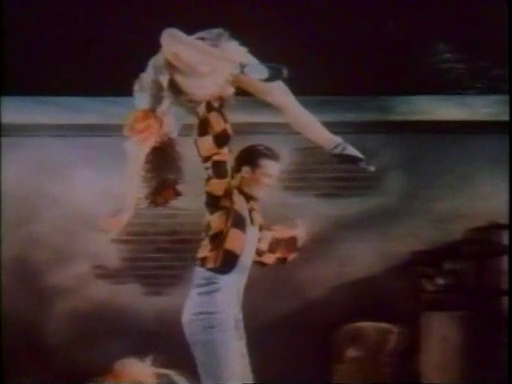
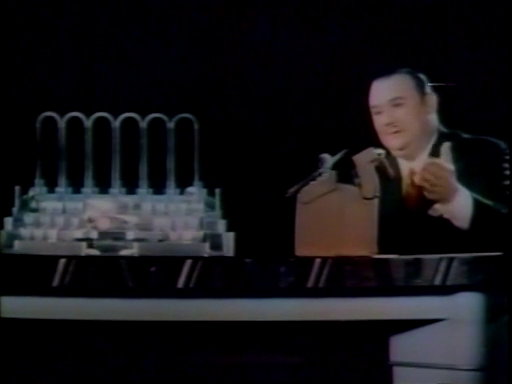
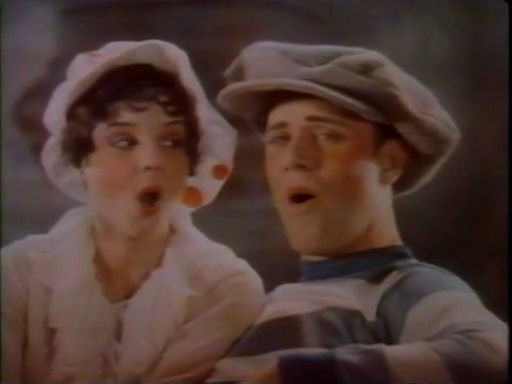
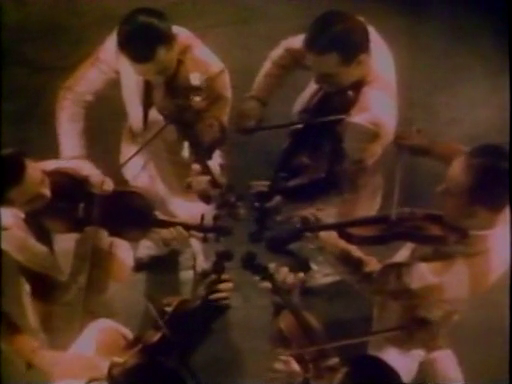
This musical tribute to bandleader Paul Whiteman features some surprisingly creative camerawork for such an early cinematic outing, but is decidedly hit-and-miss in terms of its overall entertainment value. There’s an enjoyably risque comedic interlude about premarital sex that catches one by surprise, and it’s fun to see young Bing Crosby as one of The Rhythm Boys — but other numbers are deathly boring and dated. The primary value of this film lies in its historical relevance as a time capsule of Whiteman’s appeal to audiences at the time.

Note: The quote chosen to headline this review is indicative of how random the various vignettes are.

Redeeming Qualities and Moments:

  • A few enjoyable and/or surprisingly risque sequences
  • Some nifty special effects
  • Fine two-strip cinematography
  • Creative camerawork

Must See?
No, though it possesses some value as a time capsule.

Links:

Gorilla at Large (1954)

Gorilla at Large (1954)

“All I know is a couple of gorillas around here, and one of them’s a killer.”

Synopsis:
A carnival barker (Cameron Mitchell) hoping to earn enough money to marry his girlfriend (Charlotte Austin) agrees to be part of a trapeze act involving a daring aerialist (Anne Bancroft) and a huge gorilla (George Barrows) cared for by a brooding keeper (Peter Whitney). But a brutal murder brings a detective (Lee J. Cobb) to the scene, and soon everyone — including Bancroft’s husband (Raymond Burr), owner of the carnival — is a suspect.

Genres, Themes, Actors, and Directors:

  • Anne Bancroft Films
  • Cameron Mitchell Films
  • Carnivals and Circuses
  • Lee J. Cobb Films
  • Lee Marvin Films
  • Murder Mystery
  • Primates
  • Raymond Burr Films

Review:
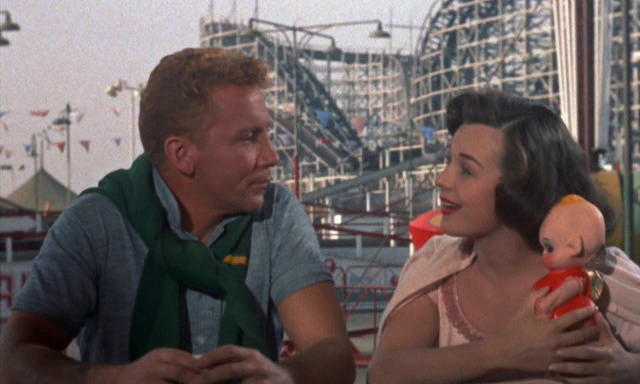
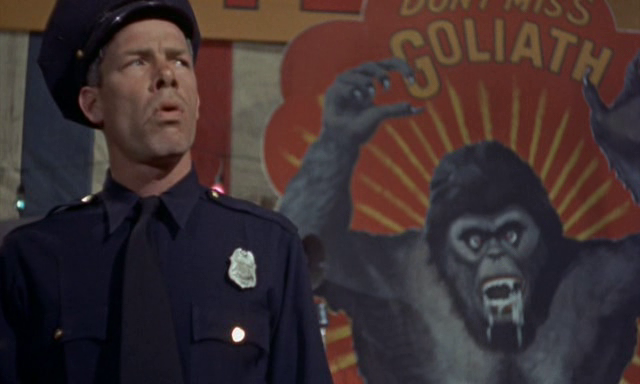
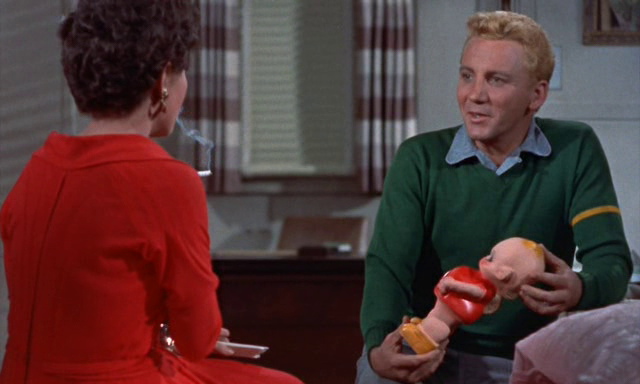
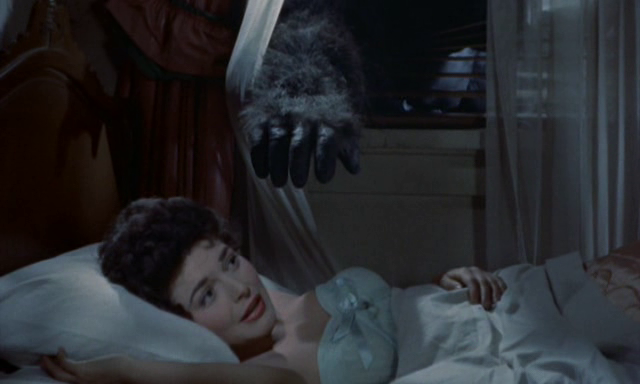
While Anne Bancroft may be best known for her award-worthy dramatic work as Anne Sullivan in The Miracle Worker (1962) and Mrs. Robinson in The Graduate (1967), she starred in quite a few lesser-known titles in her earlier career, including this luridly-titled drama set in the colorful world of carnivals. Bancroft plays an intrepid, lusty trapeze artist with a wandering eye, and is nicely supported by some big-name co-stars (including Lee Marvin in an unexpectedly buffoonish role). The storyline is reasonably engaging and filled with plenty of twists, even if you’re likely to guess the culprit in advance. Scenes involving a Kewpie doll are suitably surreal, and the cinematography and sets are nicely done. Worth a look if you’re curious.

Note: Was Burr (type)cast because of his previous starring role in Bride of the Gorilla (1951)? One wonders…

Redeeming Qualities and Moments:

  • Good use of carnival sets and atmosphere

  • Some amusingly surreal imagery

  • Fine cinematography
  • An effective whodunit script with plenty of twists

Must See?
No, though it’s worth a look for its curiosity value.

Links:

Pete Kelly’s Blues (1955)

Pete Kelly’s Blues (1955)

“You couldn’t give me a cold.”

Synopsis:
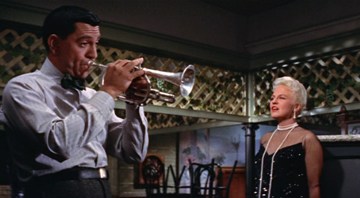
A Prohibition-era jazz band leader (Jack Webb) is pressured into being “managed” by a local gangster (Edmond O’Brien) after his uncooperative drummer (Martin Milner) is gunned down, prompting his longtime bandmate (Lee Marvin) to hit the road. Meanwhile, a beautiful socialite (Janet Leigh) doggedly pursues Webb, and O’Brien insists that Webb allow a talented but alcoholic performer (Peggy Lee) to sing in his band.

Genres, Themes, Actors, and Directors:

  • Edmond O’Brien Films
  • Gangsters
  • Jack Webb Films
  • Janet Leigh Films
  • Lee Marvin Films
  • Musicians

Review:
Jack Webb made his feature debut as a writer/director/actor/producer by adapting his hit radio series Dragnet (1954), and followed up with this cinematic rendering of a crime-musical radio drama taking place in Prohibition-era Kansas City. Webb stars as the title character, who comes across as essentially a variation on his personae as “facts only” Detective Joe Friday and hard-hitting Sergeant Moore in The D.I. (1957). As DVD Savant writes in his review:

Webb locked himself into his perfectly deadly ‘Dragnet’ style. He often moves like a robot. Instead of acting he hits marks, turns his head and flashes the occasional predetermined smile.

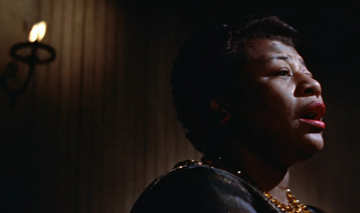
The movie’s redeeming moments are fine period sets, luminous Technicolor cinematography, and the presence of real-life musical stars Ella Fitzgerald and Peggy Lee, who are given wonderfully uninterrupted, respectful moments to shine. Otherwise, the storyline’s awkward pacing, rat-a-tat dialogue (“They say you’ve got rubber pockets so you can steal soup.”), and underdeveloped characterizations reflect blunt radio serial norms rather than effective screenwriting.

Redeeming Qualities and Moments:

  • Ella Fitzgerald singing “Hard Hearted Hannah”
  • Peggy Lee’s tunes
  • Some creative direction and vibrant Technicolor

Must See?
No, unless you’re a diehard jazz fan.

Links: