Browsed by
Category: Original Reviews

Responses to Peary’s “must see” movie reviews, as well as my own “must see” movie reviews up to and after 1986 (when Peary’s book was published).

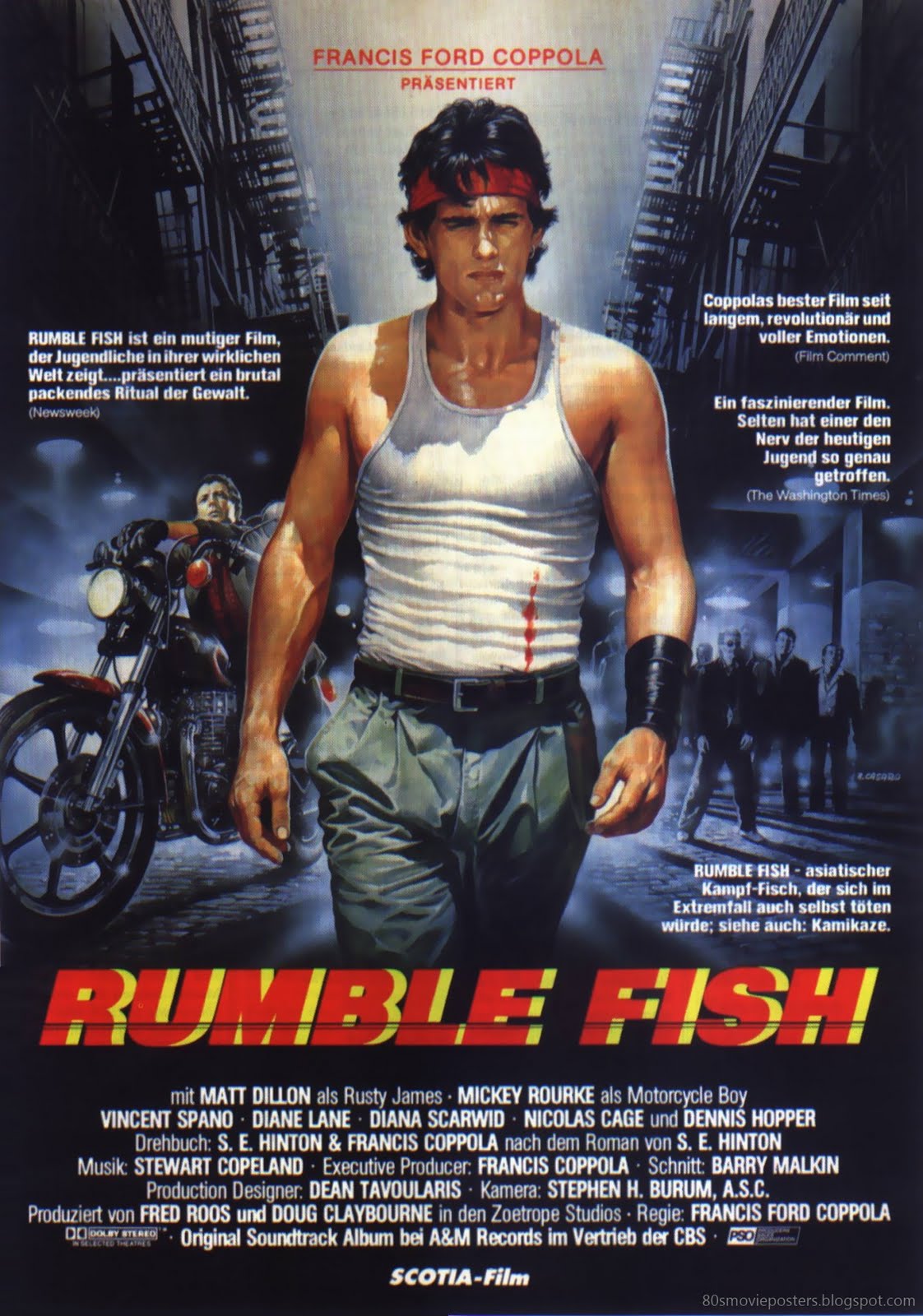
Rumble Fish (1983)

Rumble Fish (1983)

“He looks really old — like, 25 or something.”

Synopsis:
A teenage punk (Matt Dillon) living with his alcoholic father (Dennis Hopper) and hanging out with his childhood friend (Vincent Spano) romances his Catholic-school girlfriend (Diane Lane) while preparing to engage in a “rumble” with a rival from another gang (Glenn Withrow) — but when his idolized older brother (Mickey Rourke) suddenly appears back in town, Dillon is forced to confront the truth of his veneration for the mysterious “Motorcycle Boy” (Rourke).

Genres, Themes, Actors, and Directors:

  • Dennis Hopper Films
  • Diane Lane Films
  • Francis Ford Coppola Films
  • Juvenile Delinquents
  • Mickey Rourke Films
  • Nicolas Cage Films
  • Siblings

Review:
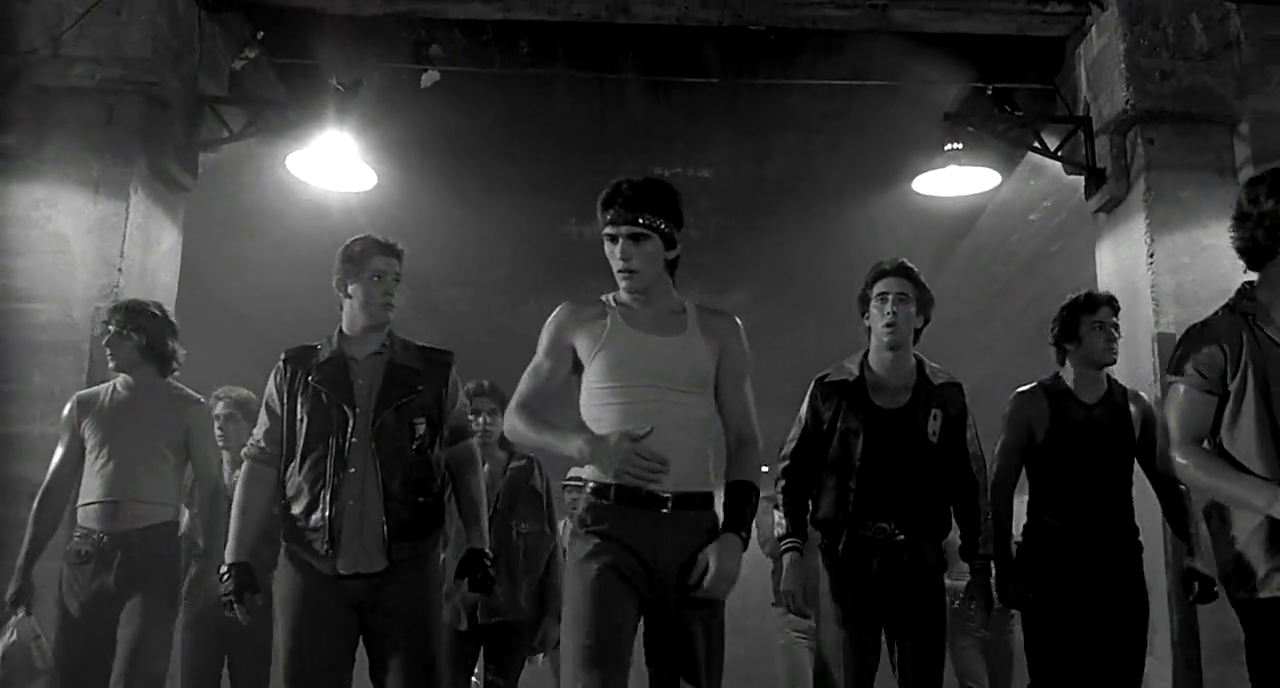
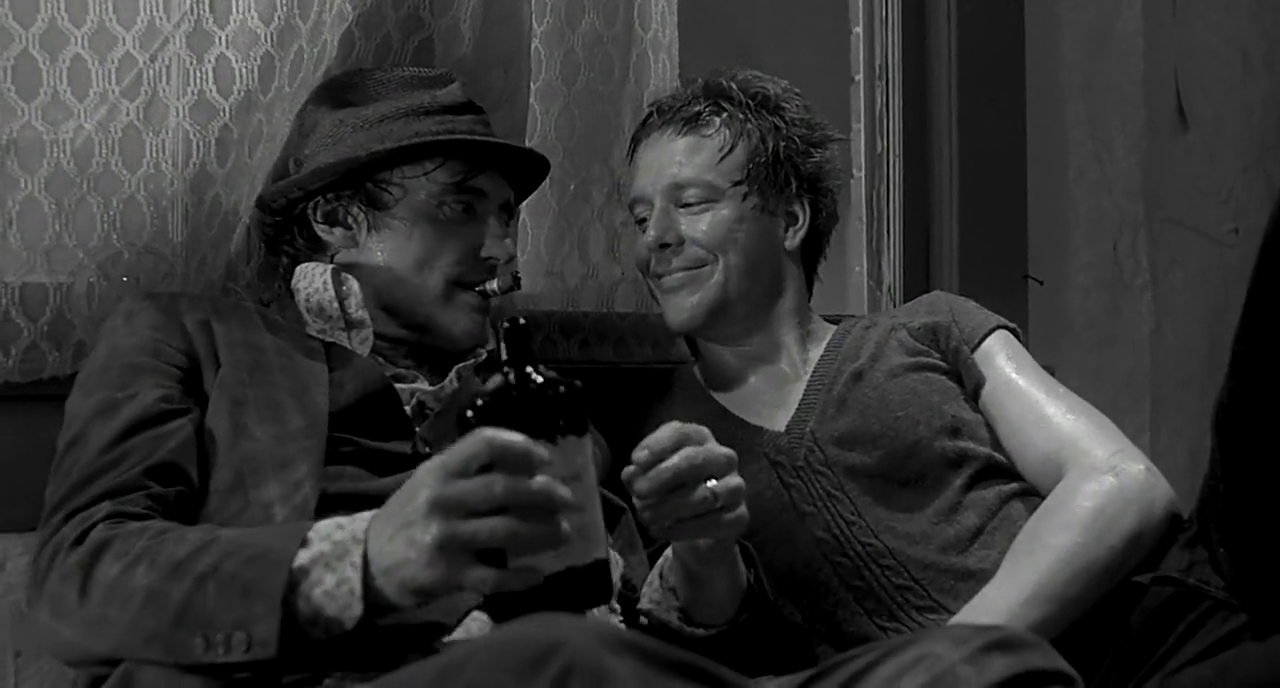
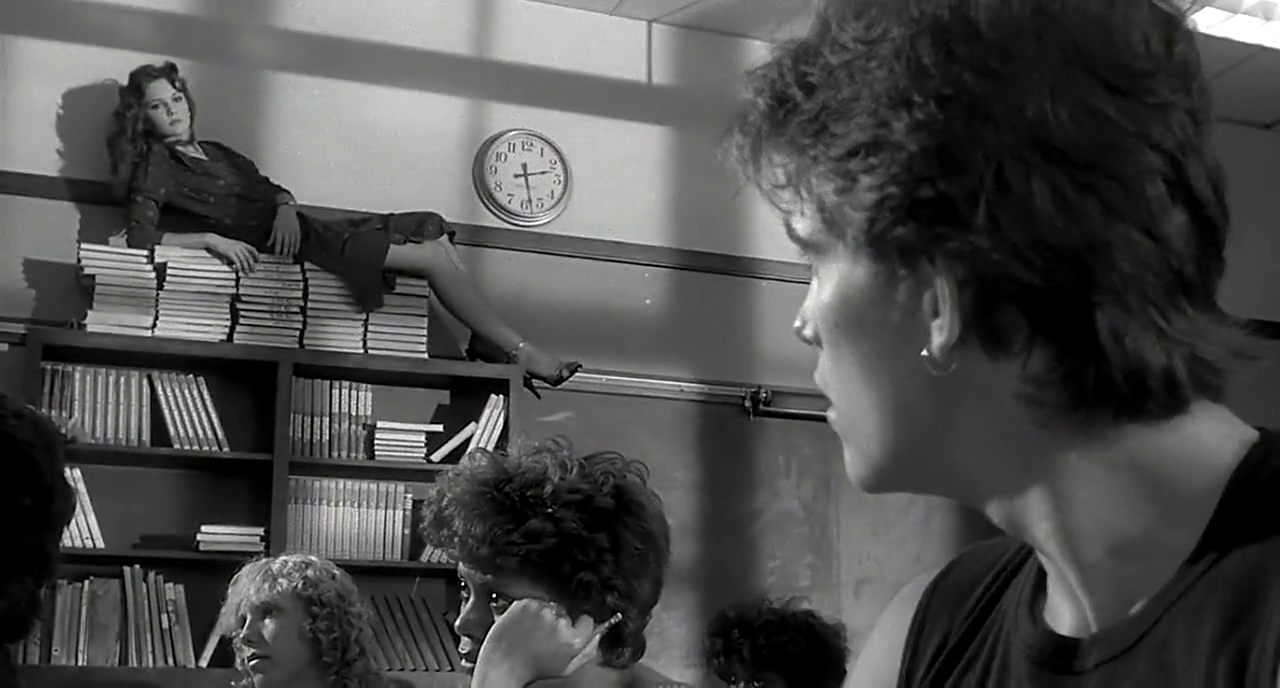
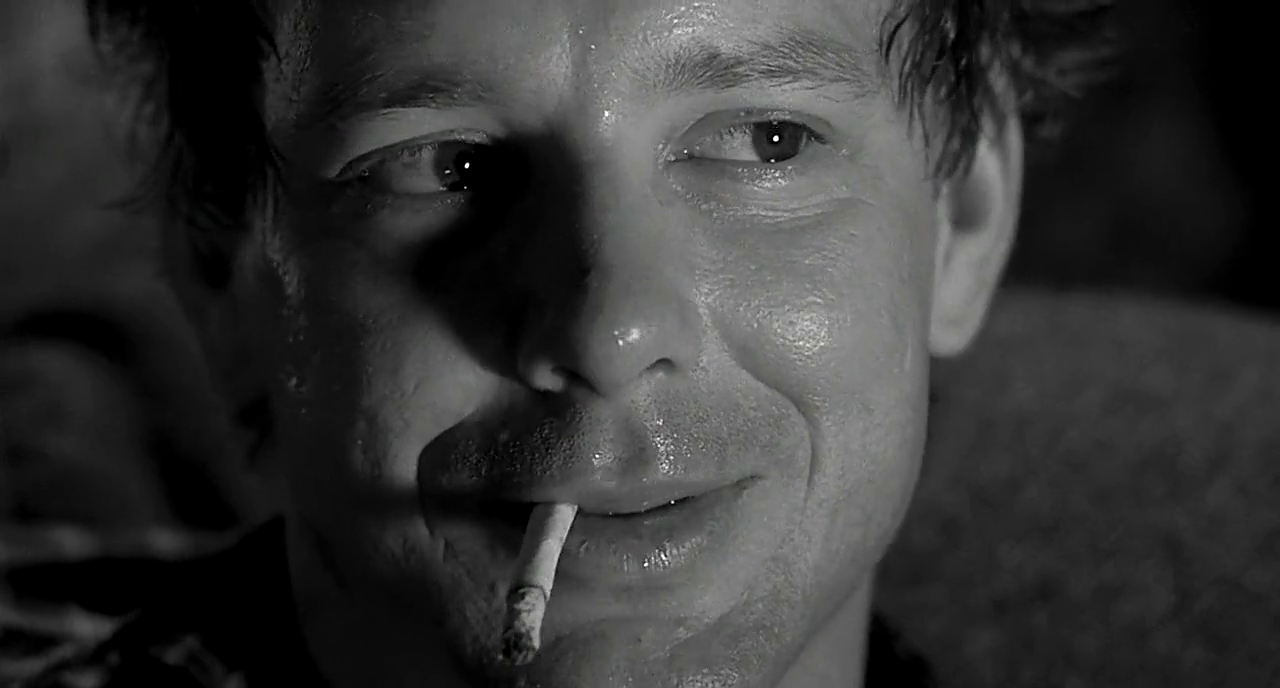
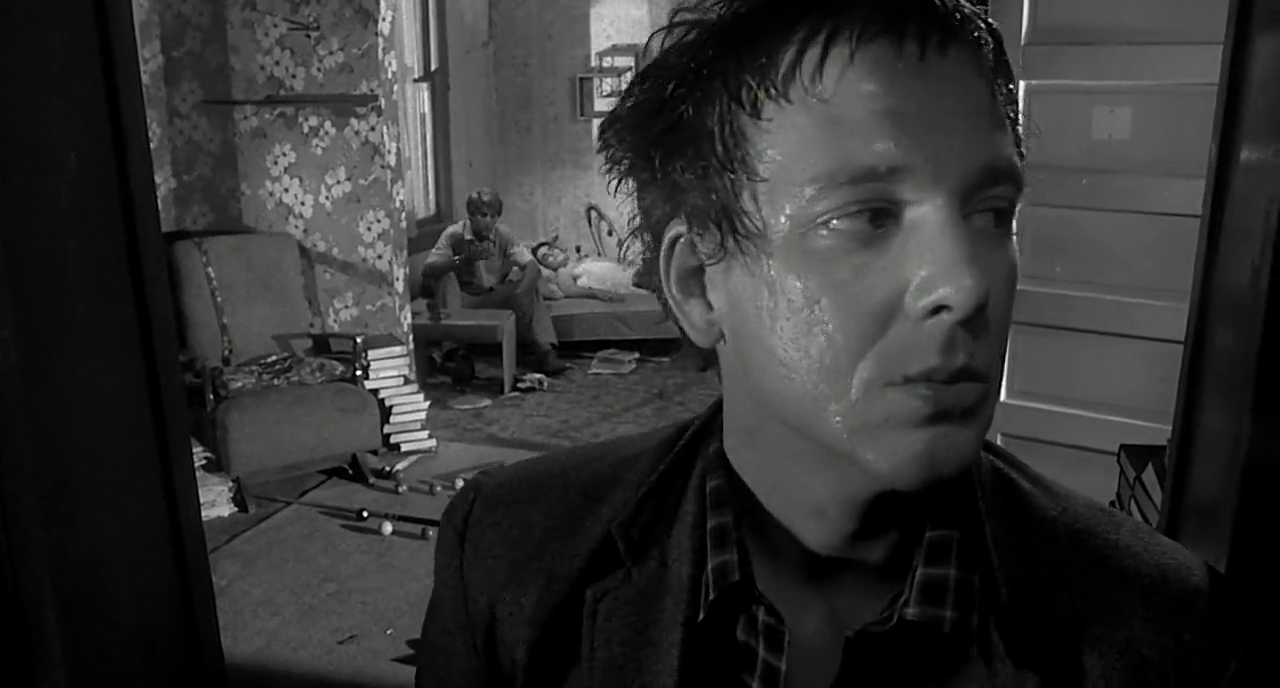
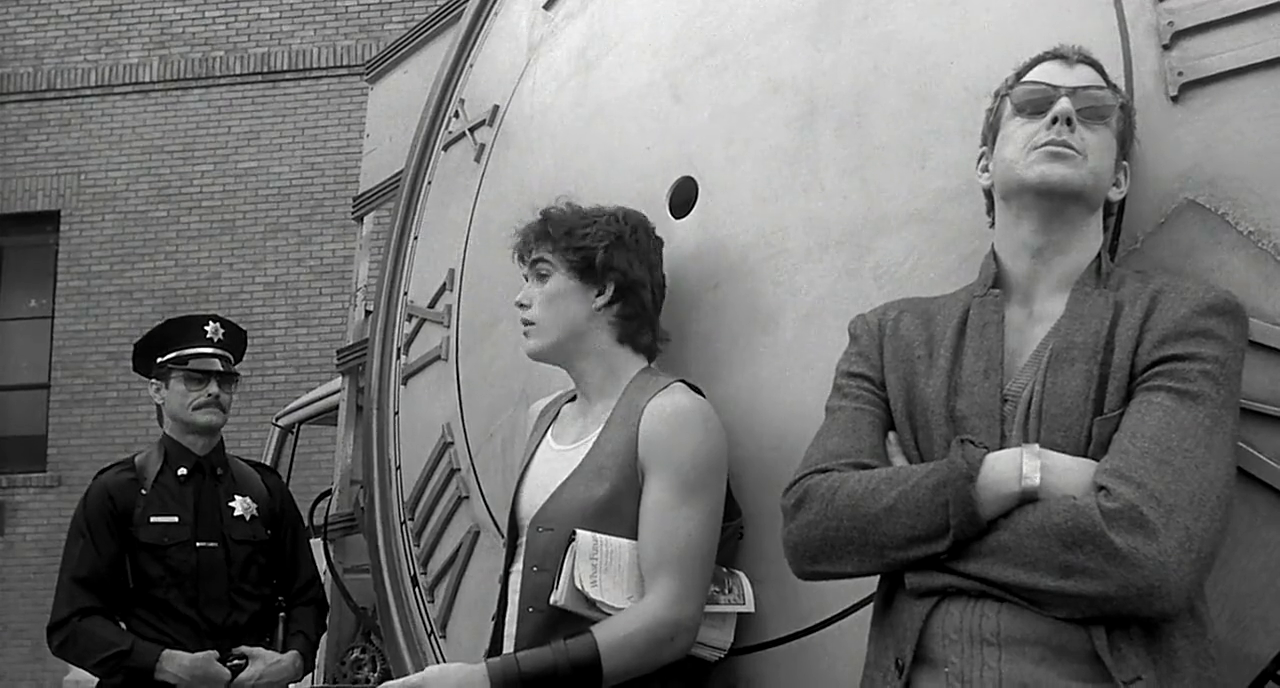
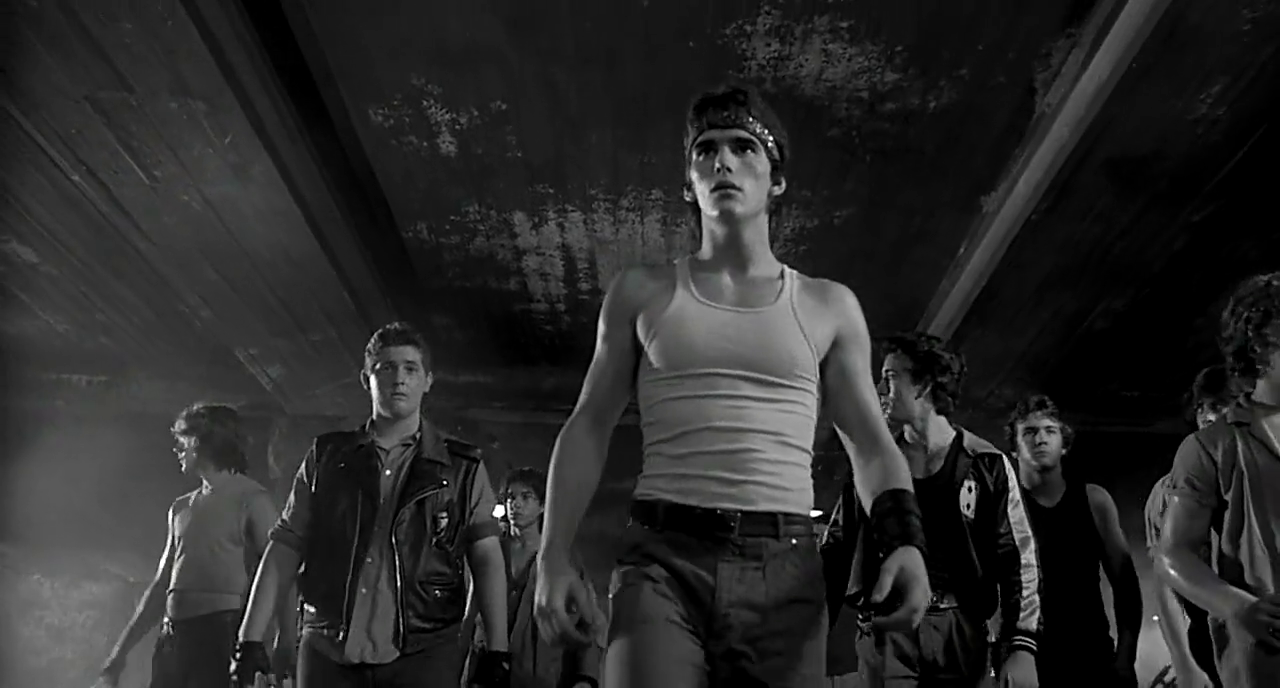
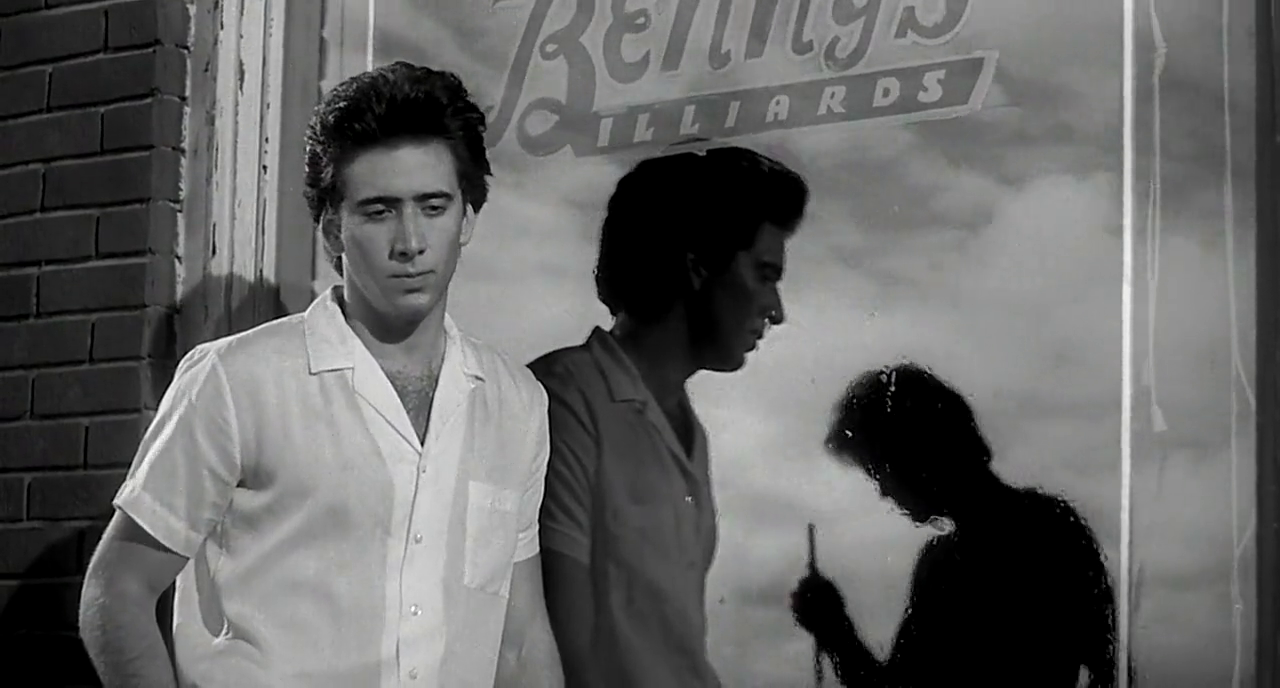
Frances Ford Coppola’s adaptation of S.E. Hinton’s novel is a visually poetic, directorially innovative look at a teenage hoodlum navigating life on the streets while dealing with dysfunctional family dynamics and romantic entanglements. Unfortunately, while we get a strong sense of the milieu Rusty James (Dillon) lives in, he isn’t a particularly appealing or charismatic protagonist; he may be quick on the rumble but isn’t smart enough to (for instance) foresee a rivalrous take-down by his gang-mate (Nicolas Cage), and it’s hard to feel much pity in general for him.

Hopper is well-cast (if type-cast) as Dillon’s dad:

… Lane is appropriately sexy as Dillon’s love-interest:

… and Rourke projects a convincing aura of paranoid world-weariness.

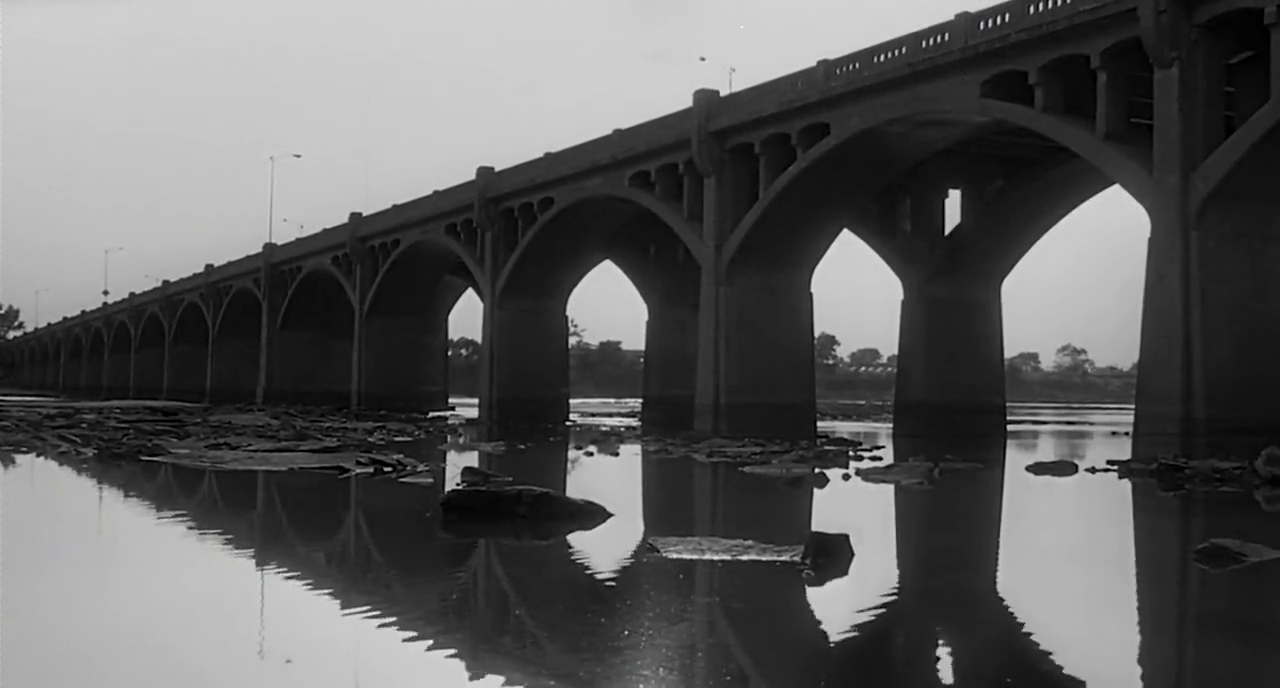
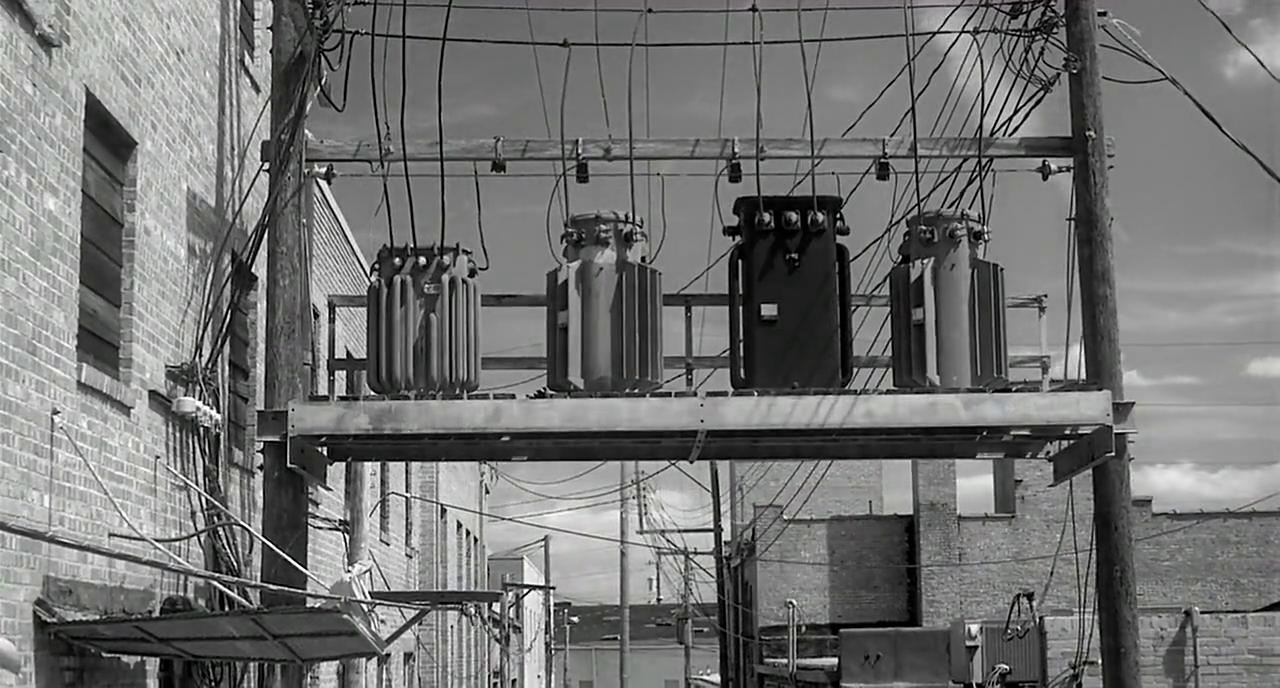
Ultimately, however, the visuals nearly overtake the storyline in Rumble Fish, and are the primary reason for viewing it at least once; see additional stills below for a sense of what’s in store.

Redeeming Qualities and Moments:

  • Innovative direction


  • Excellent use of local (Tulsa, Oklahoma — though left unnamed) sets

  • Stephen H. Burum’s cinematography (be sure to watch the Blu-Ray DVD)


Must See?
Yes, as a visually stunning cult favorite.

Categories

  • Cult Movie
  • Important Director

Links:

Creation of the Humanoids, The (1962)

Creation of the Humanoids, The (1962)

“Why is it that the more we become like men, the more they hate us for it?”

Synopsis:
After a nuclear holocaust in which robots (referred to as “Clickers”) have begun to outnumber humans, a scientist (Don Doolittle) works with two renegade Clickers (George Milan and Dudley Manlove) to create increasingly human-like androids; meanwhile, the head of an underground anti-Clicker society known as the Order of Flesh and Blood (Don Megowan) — whose sister (Frances McCann) is living “in rapport” with a Clicker (David Cross) — falls in love with a beautiful scientist (Erica Elliott) he feels eerily connected to.

Genres, Themes, Actors, and Directors:

  • Androids and Clones
  • Mistaken or Hidden Identities
  • Robots
  • Science Fiction

Review:
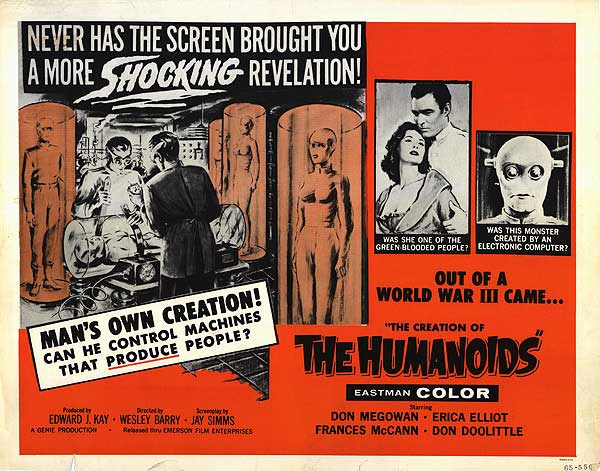
Perhaps best known as one of Andy Warhol’s favorite films, this low-budget sci-fi post-holocaust flick is — as DVD Savant writes — “one weird movie”. In addition to featuring, shall we say, unexceptional performances, it’s incredibly talky (and literate), coming across more like a staged play than a cinematic experience; DVD Savant notes that it may have less than 100 camera set-ups and is comprised of only 4 to 5 major scenes (and this reviewer admits to falling asleep late at night during my attempted first viewing). However, what’s actually said is bold and interesting enough to capture one’s attention, and worth listening to closely. To cite DVD Savant once again:

The film’s political sophistication is still timely. The Order of Flesh and Blood is a radical minority that wields undue political power. It espouses a reactionary definition of “human-ness” and seeks to destroy inferior imitations, an aim that seems chauvinistic and “racist” considering that mankind is dying out and needs its robots. Members of The Order wear Civil War Confederate uniform pants and caps, suggesting the Civil Rights issue; the word “Clicker” is a demeaning epithet comparable to the “N” word. The Order also carries a ceremonial dagger, as did the Nazi elite. It uses thug tactics to intimidate ordinary policemen, and plants bombs like modern terrorists. The worst horror Cragis [Megowan] can imagine is mechanized miscegenation, a mixed marriage between human and robot.

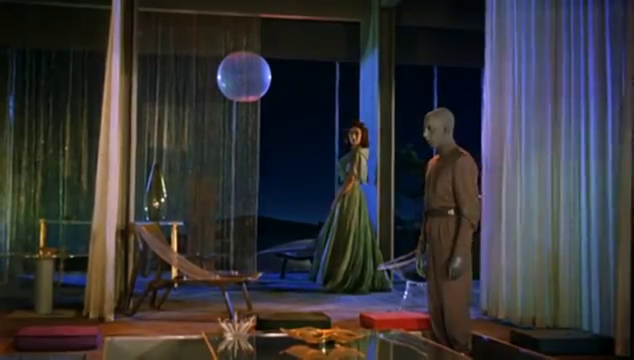
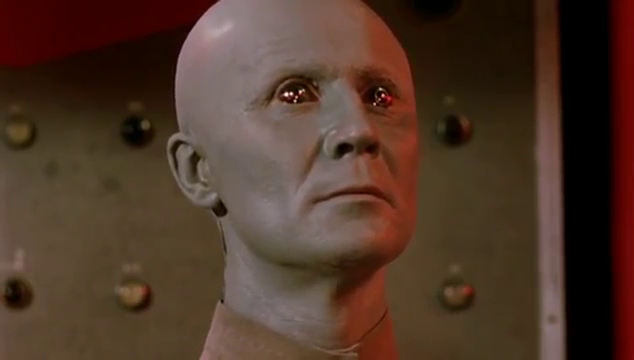
Savant’s entire insightful review is worth reading, so I humbly refer readers there for more in-depth analysis. Also worth noting are the starkly minimalist and brightly colored sets, as well as the effective make-up done on the Clickers, whose eyes are (literally) piercingly silver behind enormous contact lenses.

Redeeming Qualities and Moments:

  • Effectively minimalist sets and costumes
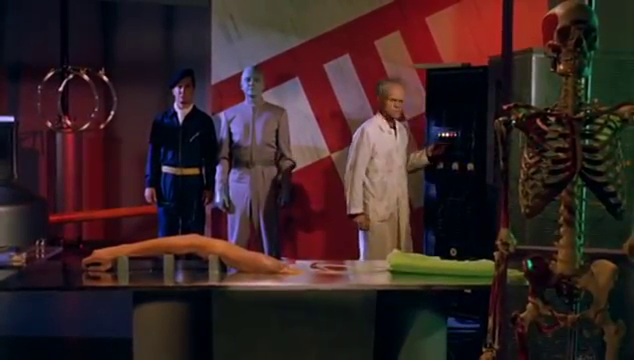
  • Jack Pierce’s make-up designs
  • Hal Mohr’s cinematography
  • An unusually literate script

Must See?
Yes, once, as a curiosity — but be sure to watch it when you’re wide awake and can focus. Listed as a Camp Classic and a Cult Movie in the back of Peary’s book.

Categories

  • Historically Relevant

Links:

Mississippi (1935)

Mississippi (1935)

“There’s no excuse for a man not fighting!”

Synopsis:
A pacifist (Bing Crosby) engaged to a southern belle (Gail Patrick) disappoints both Patrick and her father (Claude Gillingwater) by refusing to fight a duel with Patrick’s prior suitor (John Miljan), who she eventually marries. After accepting a job as a crooner on a performance ship run by Commodore Jackson (W.C. Fields), Crosby reunites with Patrick’s younger sister (Joan Bennett), who has not-so-secretly loved Crosby for many years — but will Crosby’s new identity as “The Singing Killer” (earned after he accidentally shoots a man in a fight) spoil their romance?

Genres, Themes, Actors, and Directors:

  • Bing Crosby Films
  • Deep South
  • Joan Bennett Films
  • Mistaken or Hidden Identities
  • Musicals
  • Singers
  • W.C. Fields Films

Review:
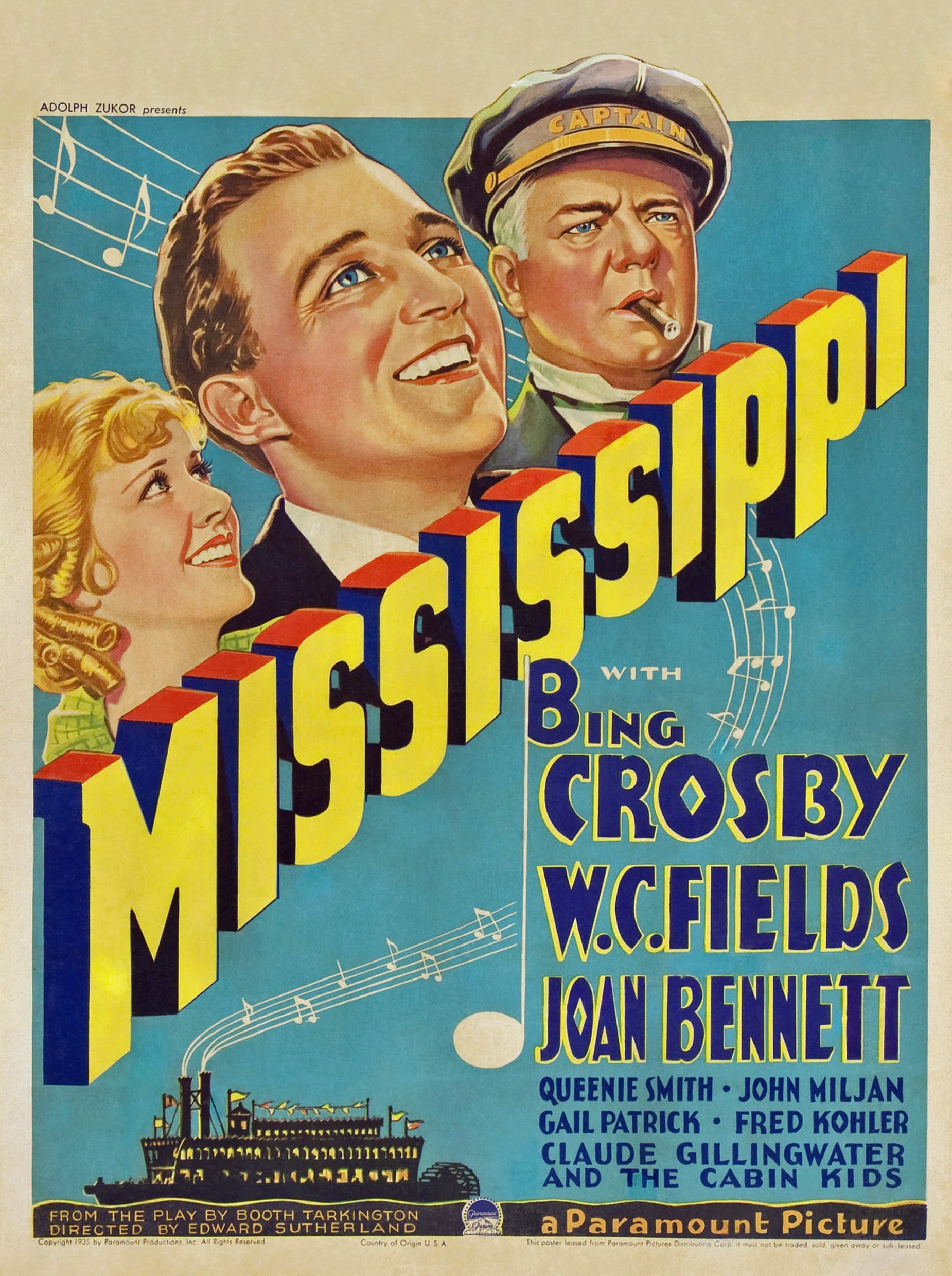
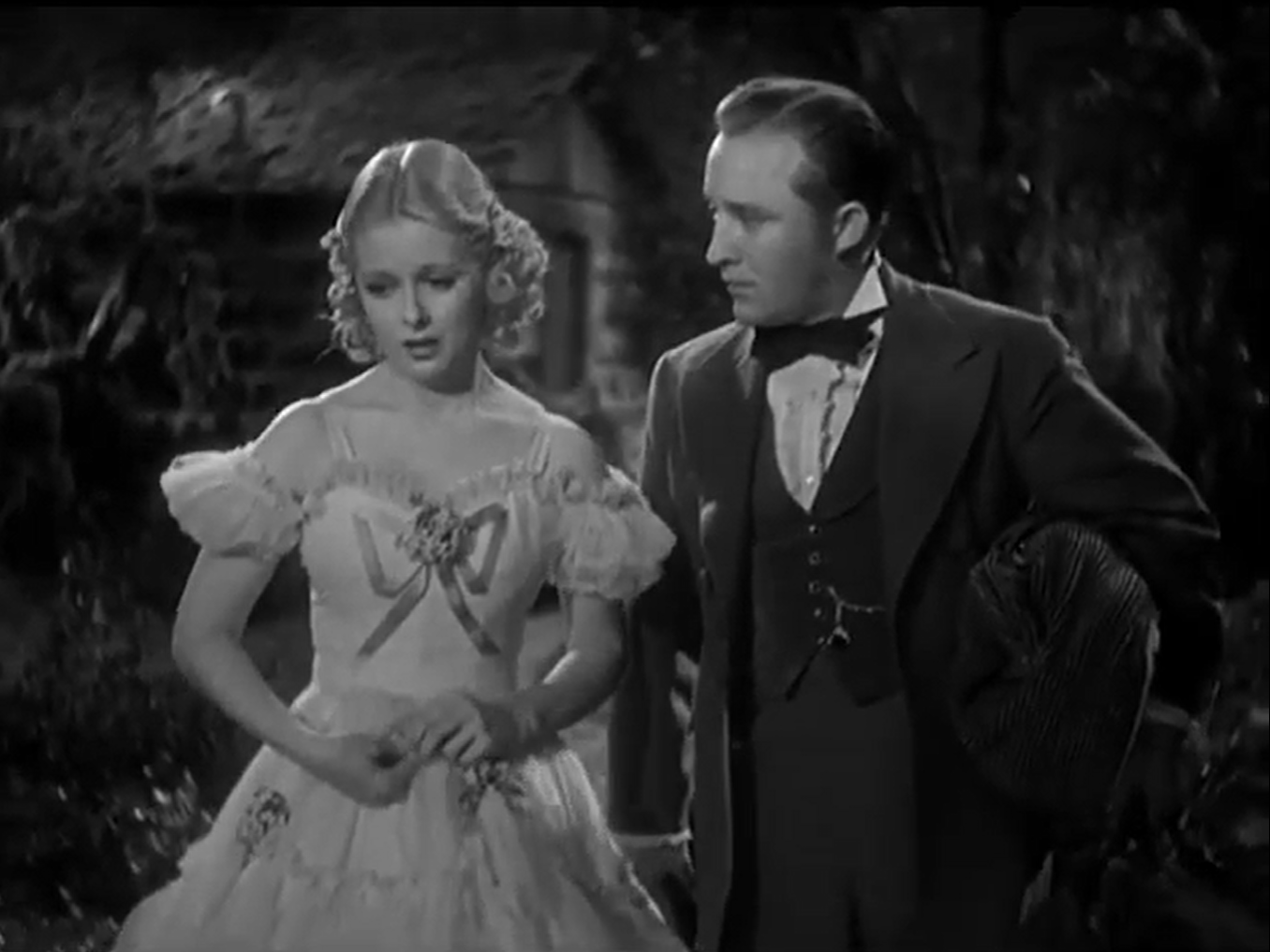
Bing Crosby co-starred with W.C. Fields for the first and only time in this Rodgers & Hart musical — an adaptation of Booth Tarkington’s novel Magnolia — which showcases Crosby singing a number of ditties, W.C. Fields doing his comedic shtick, and offensive depictions of post-Civil War African-Americans (including a group of singing children referred to as the “Pickaninnies”). Blonde Bennett’s pining for Crosby in earlier scenes (as he’s busy romancing her beautiful but inflexible sister through music) quickly gets tiresome, and we simply find ourselves waiting for the moment when they will finally have their chance to realize they’re destined for one another.

The mistaken identity plot is pretty silly, too, making this one only must-see for either Crosby or Fields completists.

Redeeming Qualities and Moments:

  • A few humorous moments with Fields

Must See?
No. Listed as a film with Historical Importance in the back of Peary’s book, though I’m not sure why.

Links:

Mark of the Devil (1970)

Mark of the Devil (1970)

“I work to serve God — to rid the world of all evil.”

Synopsis:
After falling in love with a bewitchingly beautiful barmaid (Olivera Katarina) in a European village, a count (Udo Kier) apprenticing as a witch-hunter to a lord (Herbert Lom) is distressed to learn that not only the town’s local witch-hunter (Reggie Nalder) but Lom and his team are deeply corrupt, arresting and torturing townspeople either for financial gain or sadistic satisfaction.

Genres, Themes, Actors, and Directors:

  • Corruption
  • Historical Drama
  • Witches and Wizards

Review:
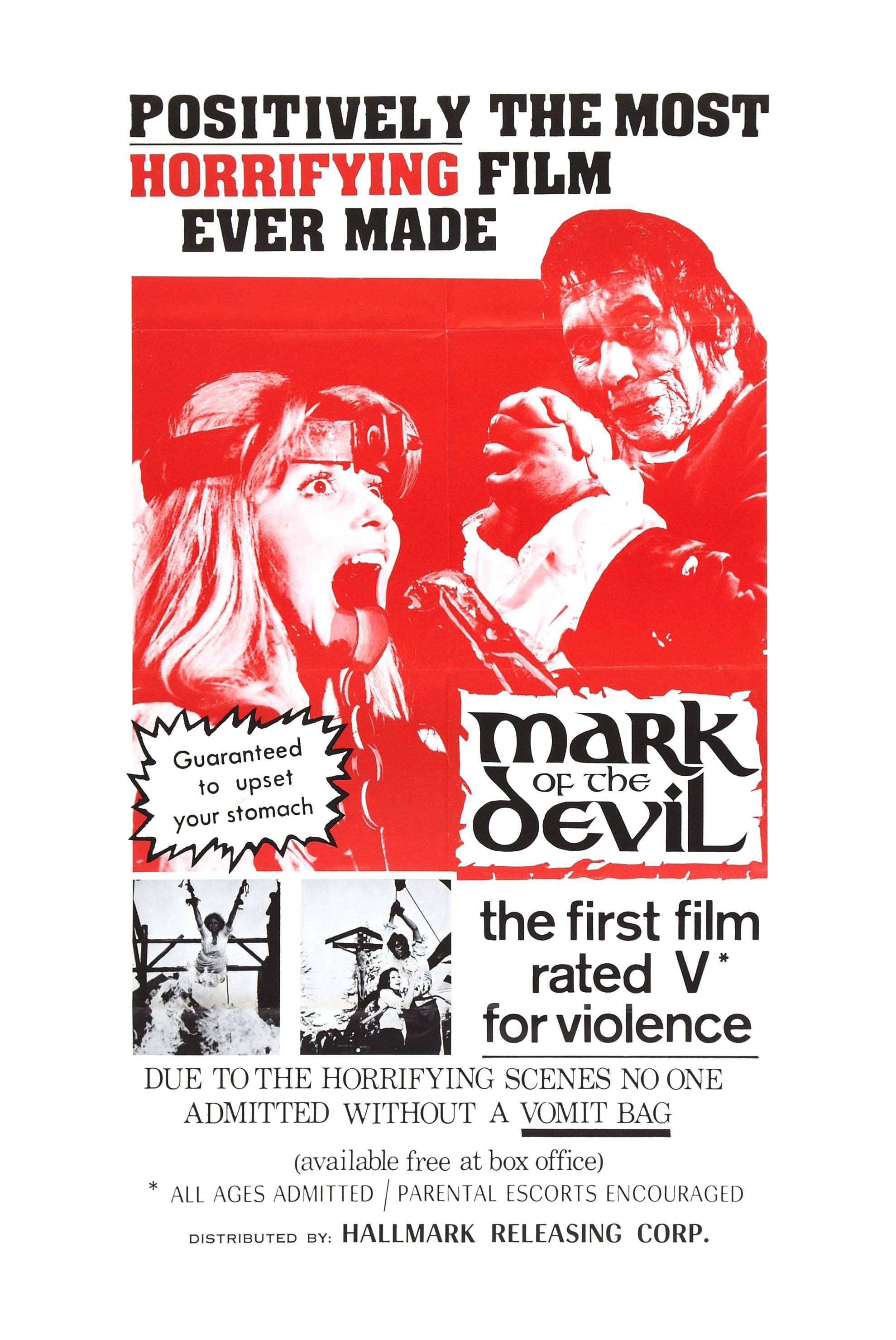
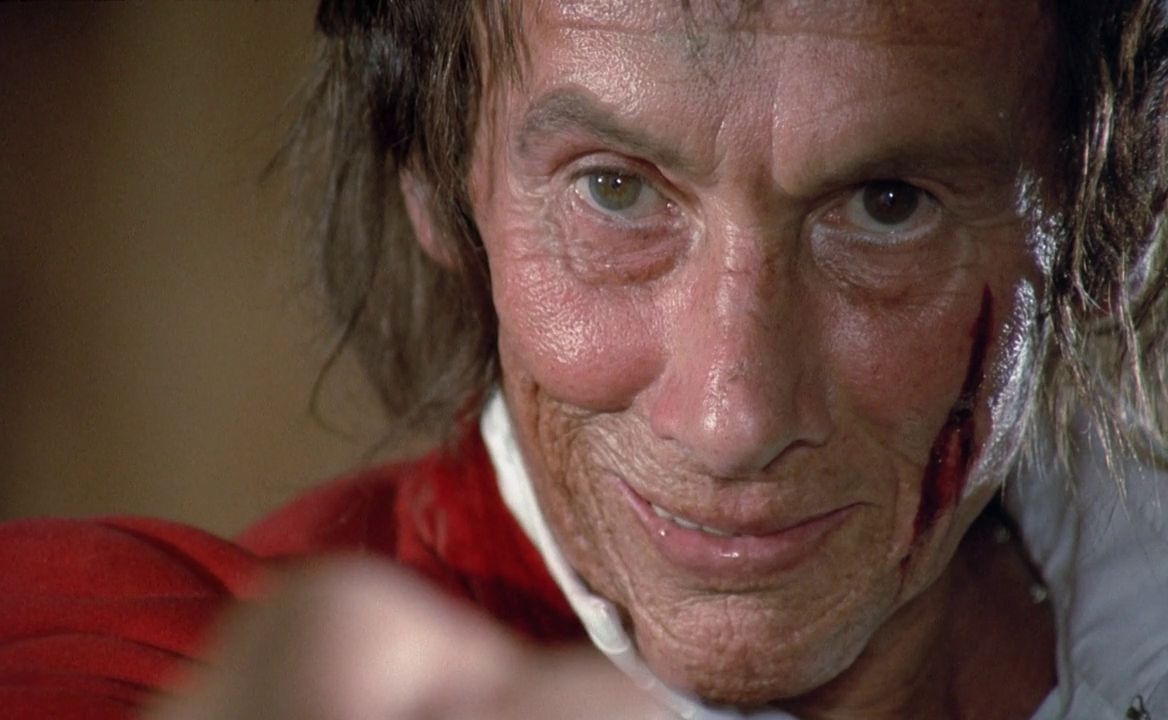
Infamous for garnering a “V for Violence” rating at the time of its release (and for offering vomit bags to audience members) this English-dubbed West German horror film is merely “torture porn” wrapped in the guise of a respectable historical drama a la The Conquerer Worm/The Witchfinder General (1969) or The Devils (1971). Handsome, wide-eyed young Udo Kier displays exactly one expression throughout the film, and it’s humorously ridiculous to hear “sensual music” on the soundtrack every time he sees or interacts with feisty Katarina (who is no great actress, but is appropriately lust-worthy and has fine screen presence).

The film’s message — that witch-hunting was deeply corrupt and driven by impulses far removed from religiosity — is well-taken (and likely true), but again, simply a vehicle for scene… after scene… after gratuitous, gory scene… of medieval torture (think stretching racks, Chinese water torture, rape, tongues ripped out, etc.). Naturally, this kind of flick has its fans — but for all other film fanatics it will make for tough viewing.

Redeeming Qualities and Moments:

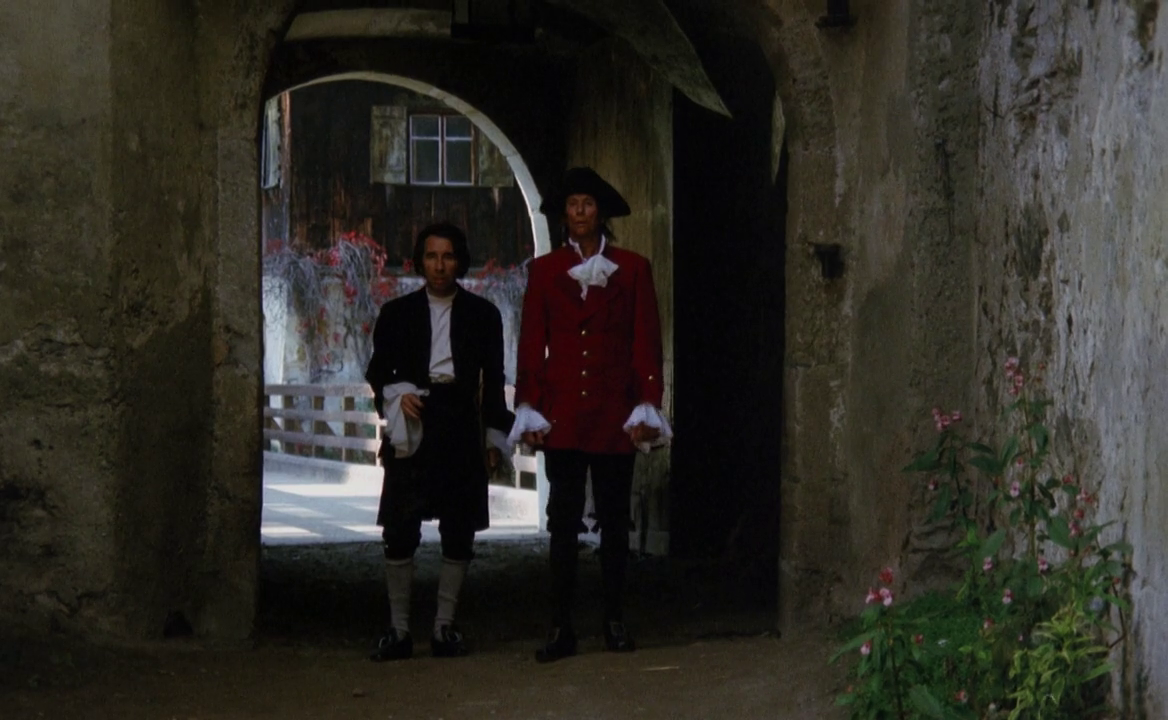
  • Fine cinematography and use of outdoor sets


Must See?
Nope. Appropriately listed as Trash in the back of Peary’s book.

Links:

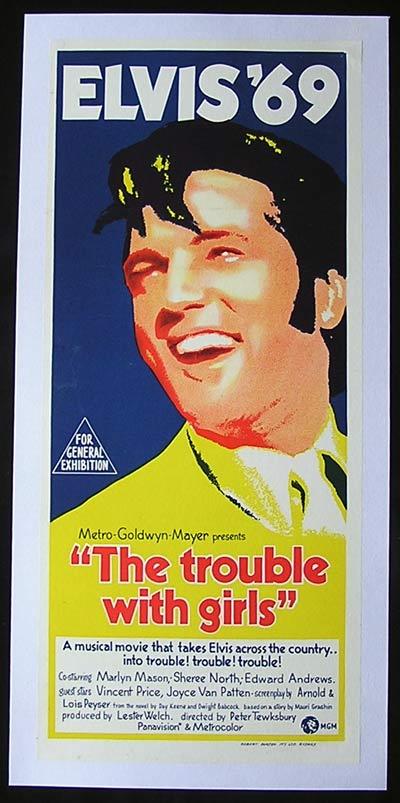
Trouble With Girls, The (1969)

Trouble With Girls, The (1969)

“Stay away from the locals, kiddo. You’re the boss now — don’t forget that.”

Synopsis:
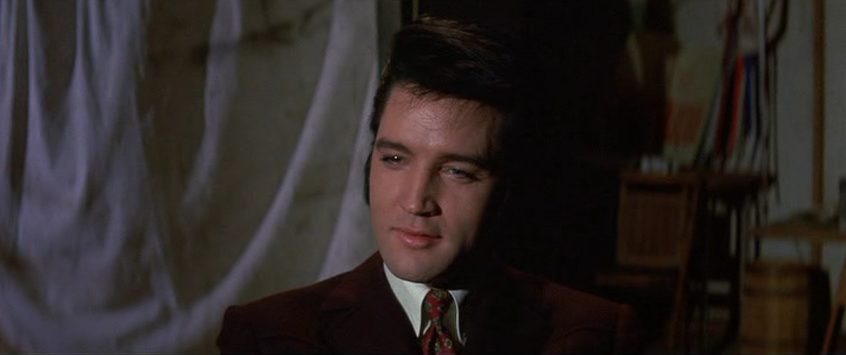
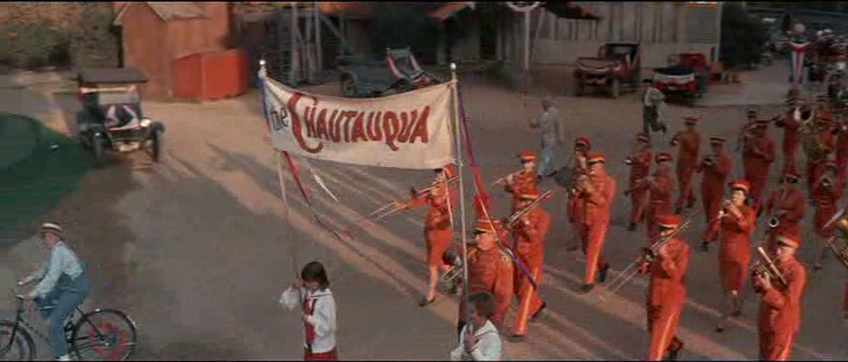
The manager (Elvis Presley) of a travelling Chautauqua show during the 1920s flirts with girls, sings a few songs, and manages various day-to-day concerns while helping to solve the mysterious murder of a local druggist (Dabney Coleman).

Genres, Themes, Actors, and Directors:

  • Carnivals and Circuses
  • Elvis Presley Films
  • Historical Drama
  • John Carradine Films
  • Murder Mystery
  • Small Town America
  • Vincent Price Films

Review:
Elvis Presley’s next-to-last film was, as Stuart Galbraith writes in his DVD Talk review, “not so much an Elvis movie as a movie with Elvis in it”.

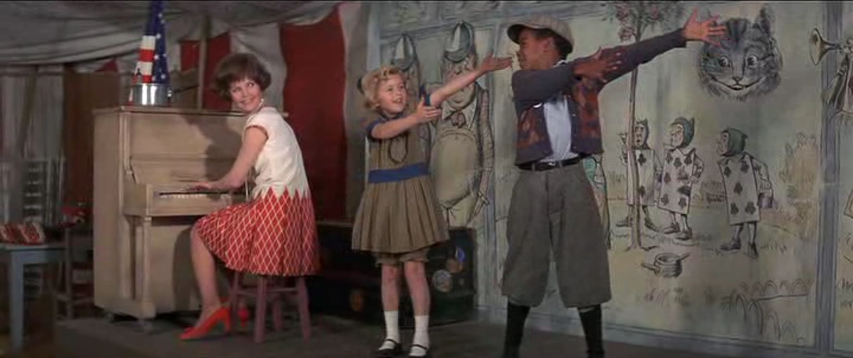
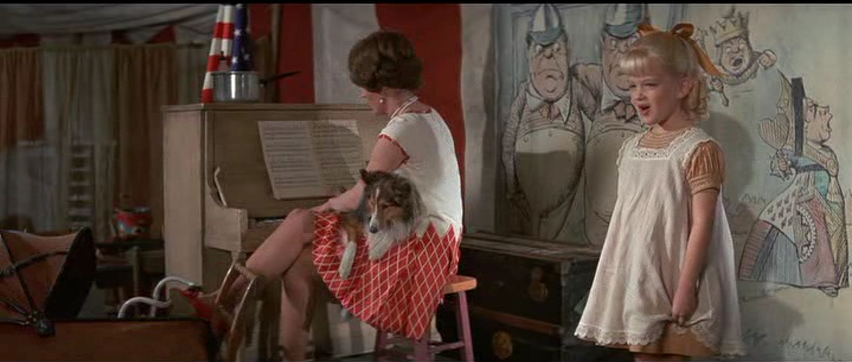
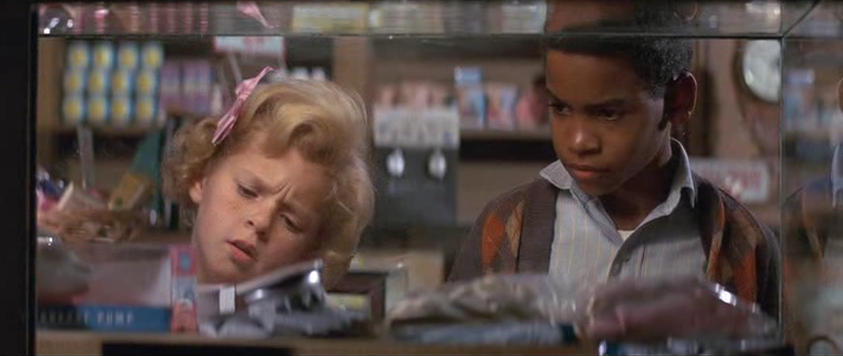
He accurately notes that the script is Altman-esque in its meandering focus on various subplots and quirky characters — such as a union-supporting children’s performer (Marlyn Mason) distressed about being asked to cast the mayor’s untalented child instead of the gifted daughter (Anissa Jones) and young friend (Pepe Brown):

of a single mom (Sheree North) who’s been carrying on a troubled affair with a slimy pharmacist (Dabney Coleman). Speaking of ‘trouble’, the film’s title (huh?!) makes no sense other than as a false lure for Presley’s fans. North gives a memorable, sympathetic performance as a woman desperate for comfort and relief, but her dramatic role in the film’s final third is ultimately humiliating, and it’s hard to know what to make of the storyline overall.

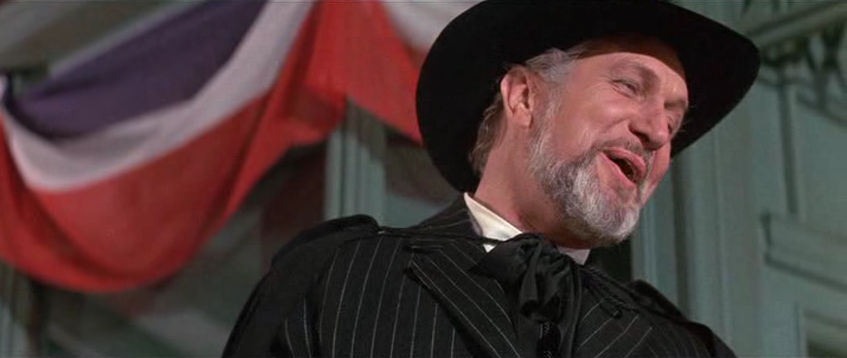
Note: Watch for (underutilized) cameos by Vincent Price, John Carradine, and ringleted Susan Olson of “The Brady Bunch” fame.


Redeeming Qualities and Moments:

  • Colorful historic sets
  • Jacques Marquette’s cinematography

Must See?
No; feel free to skip this one unless you’re a Presley completist.

Links:

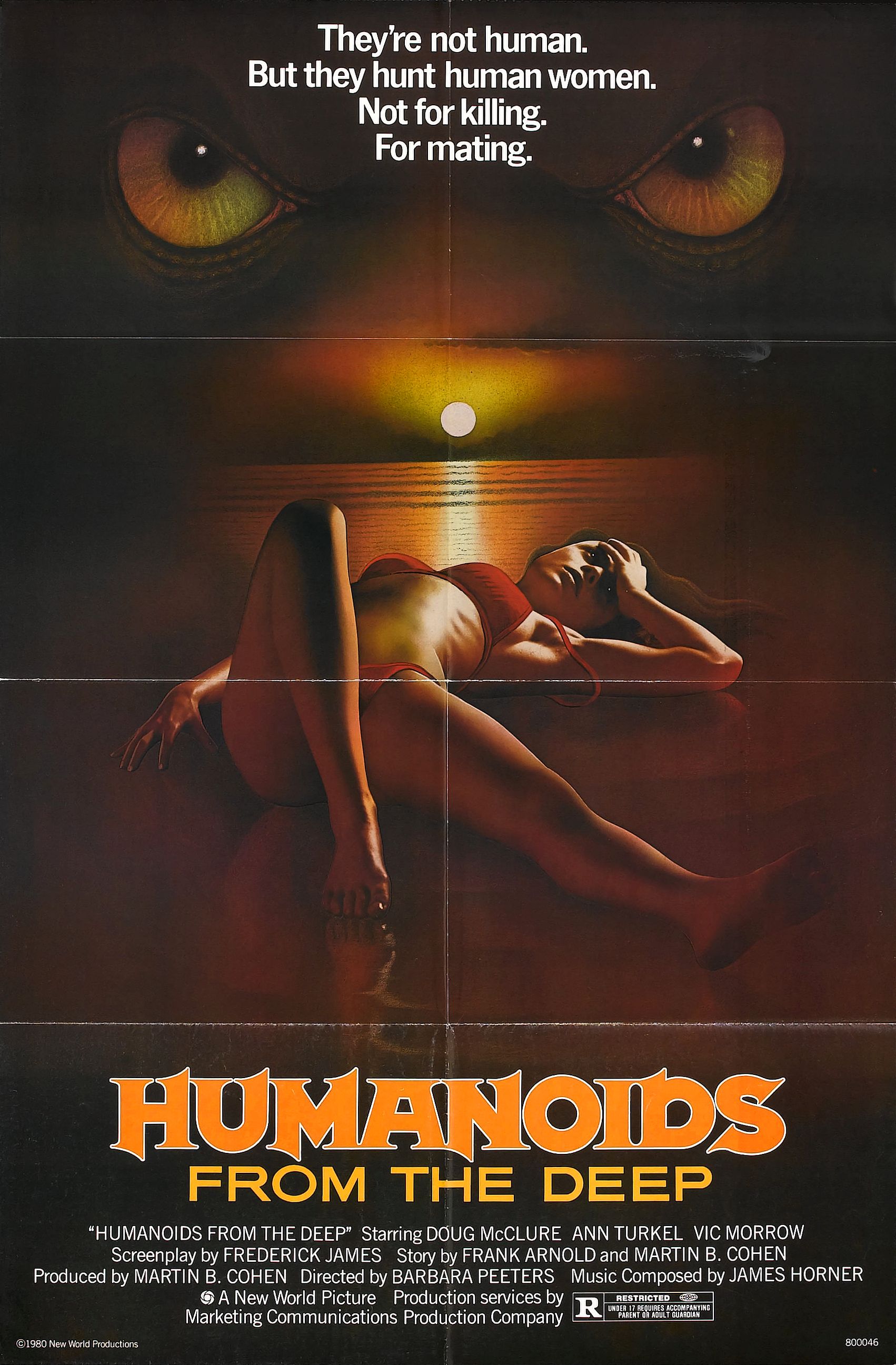
Humanoids From the Deep (1980)

Humanoids From the Deep (1980)

“It starts out as a fish — but is humanoid in its final stages.”

Synopsis:
In a small fishing town where dogs begin mysteriously dying and a Native American (Anthony Pena) attempts to prevent the imminent arrival of a cannery, a scientist (Ann Turkel) explains to a local fisherman (Doug McClure) and his wife (Cindy Weintraub) that mutant sea monsters are responsible for the killing or raping of numerous teens (including Meegan King, Lynn Schiller, and Lisa Glaser). Can the humanoids be stopped before they ravage the entire town during the annual Salmon Festival?

Genres, Themes, Actors, and Directors:

  • Horror Films
  • Mutant Monsters
  • Rape
  • Roger Corman Films

Review:
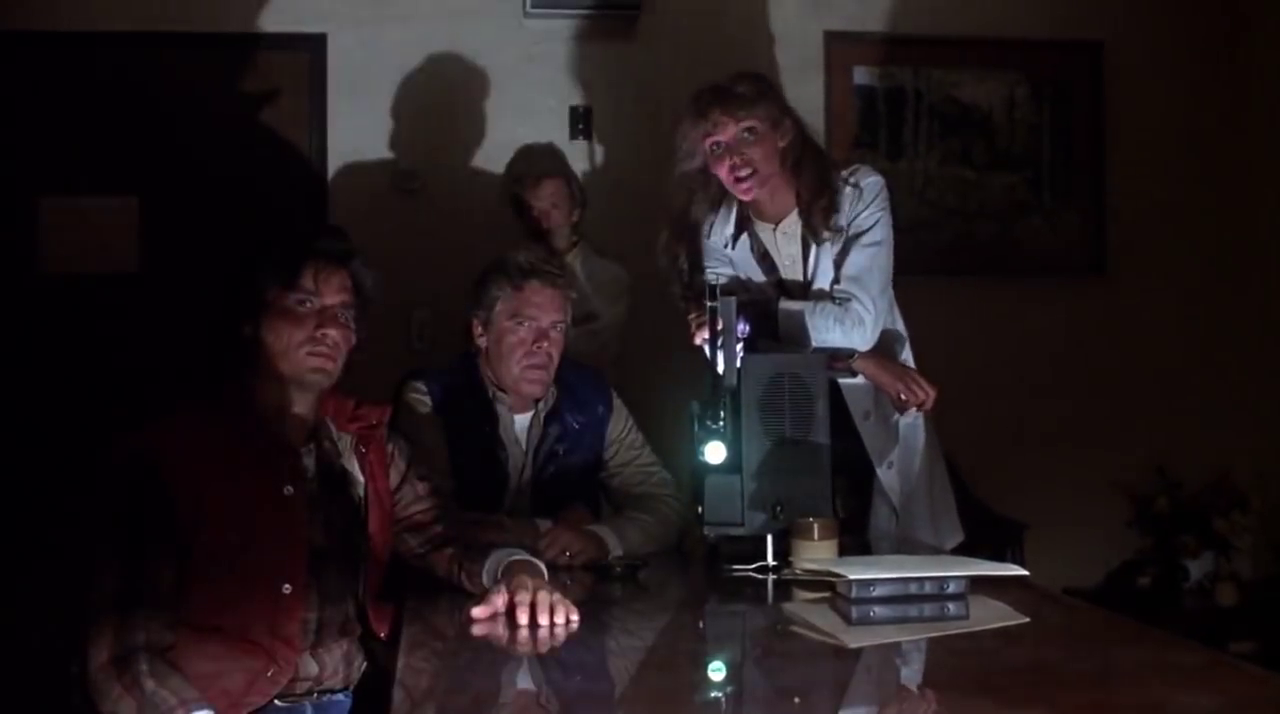
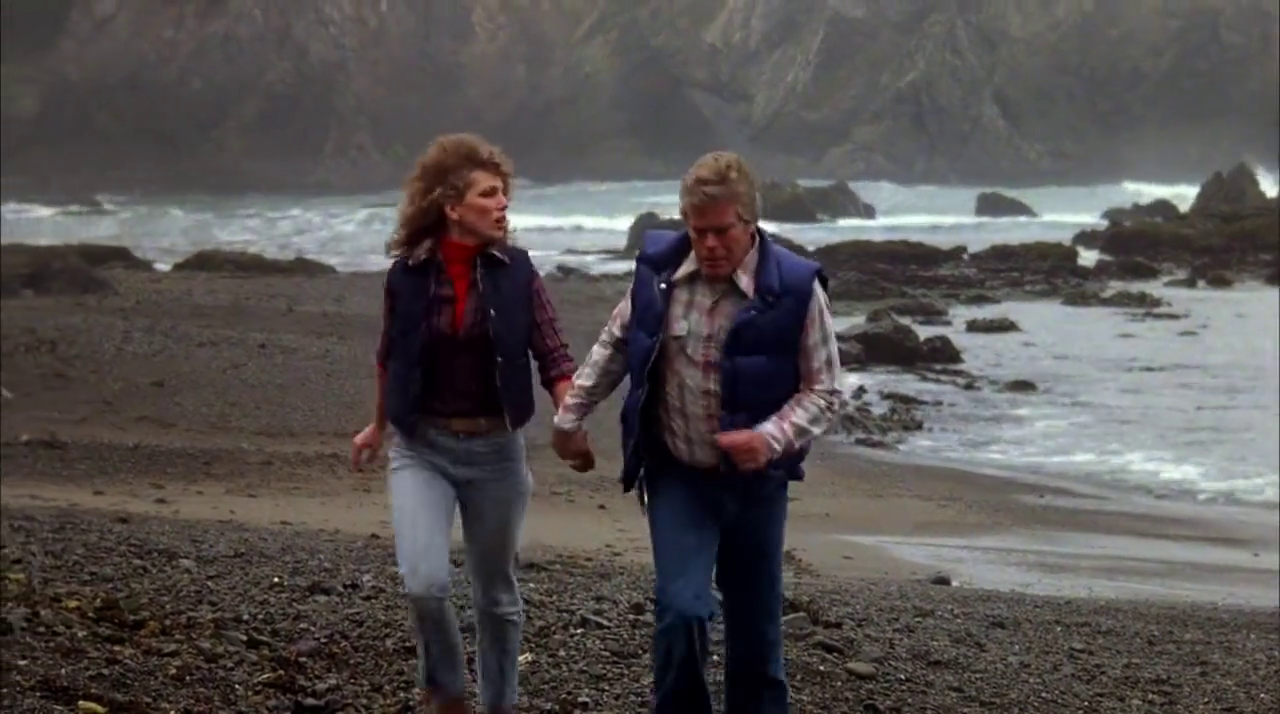
Nearly every review of this Roger Corman-produced horror flick calls out how many other films it either imitates or draws inspiration from — including Creature From the Black Lagoon (1954), The Horror of Party Beach (1964), Jaws (1975), Halloween (1978), and — in its shock-ending — Alien (1979). It’s beloved by fans of the genre for its no-holds barred treatment of what is only hinted at in all these other films — namely, the rape of nubile, sexually active young women by aliens (yes, that happens here, on-screen). While decent use is made of coastal locales, and a few of the actors put forth reasonable effort:

… for the most part this film is terribly acted, laughably cliched, and overall simply an exploitative gore-fest.

Clearly there’s an audience for this, but all-purpose film-fanatics needn’t seek it out.

Note: This film’s female director (Barbara Peeters) is apparently now doing research for a documentary about domestic abuse entitled “Inheritance of Rage”. Go figure.

Redeeming Qualities and Moments:

  • Good use of on-location shooting

Must See?
Nope — only if this is your cup of tea.

Links:

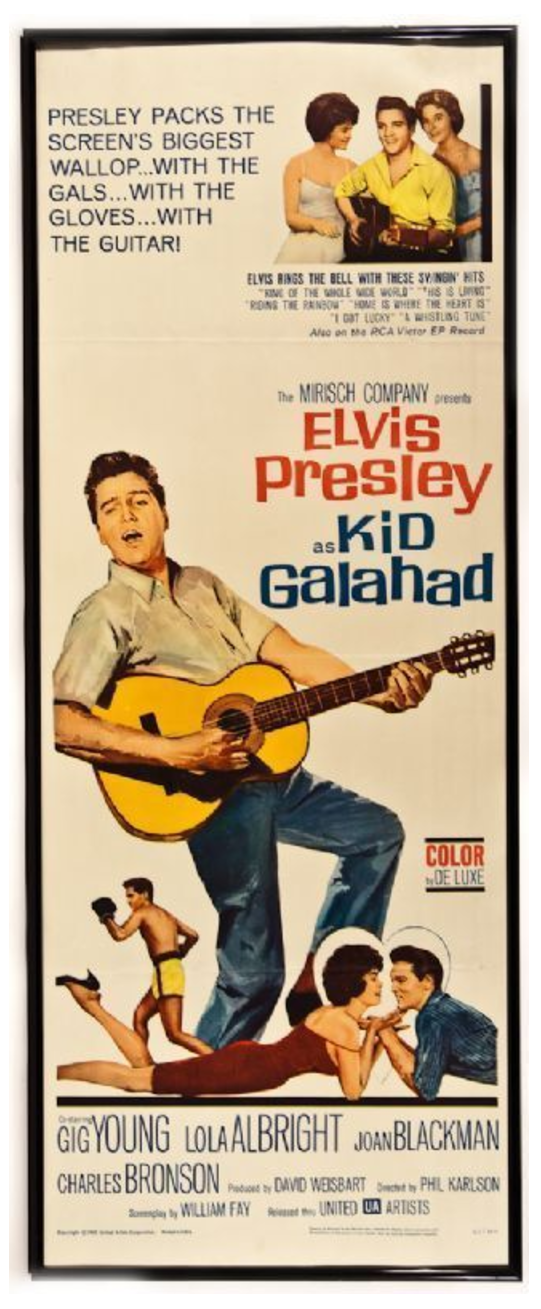
Kid Galahad (1962)

Kid Galahad (1962)

“Make sure this pigeon don’t get away.”

Synopsis:
A debt-ridden promoter (Gig Young) convinces an Army veteran (Elvis Presley) to work with a trainer (Charles Bronson) and box a few rounds so he can save up for his dream of working as a mechanic. When Presley falls in love with Young’s sister (Joan Blackman), Young expresses his dismay, angering his long-suffering girlfriend (Lola Albright) — but soon the demands of gangsters requesting payment dominate Young’s concerns. Will Presley be set up for a beating?

Genres, Themes, Actors, and Directors:

  • Boxing
  • Charles Bronson Films
  • Elvis Presley Films
  • Gangsters
  • Gig Young Films
  • Musicals
  • Phil Karlson Films
  • Veterans

Review:
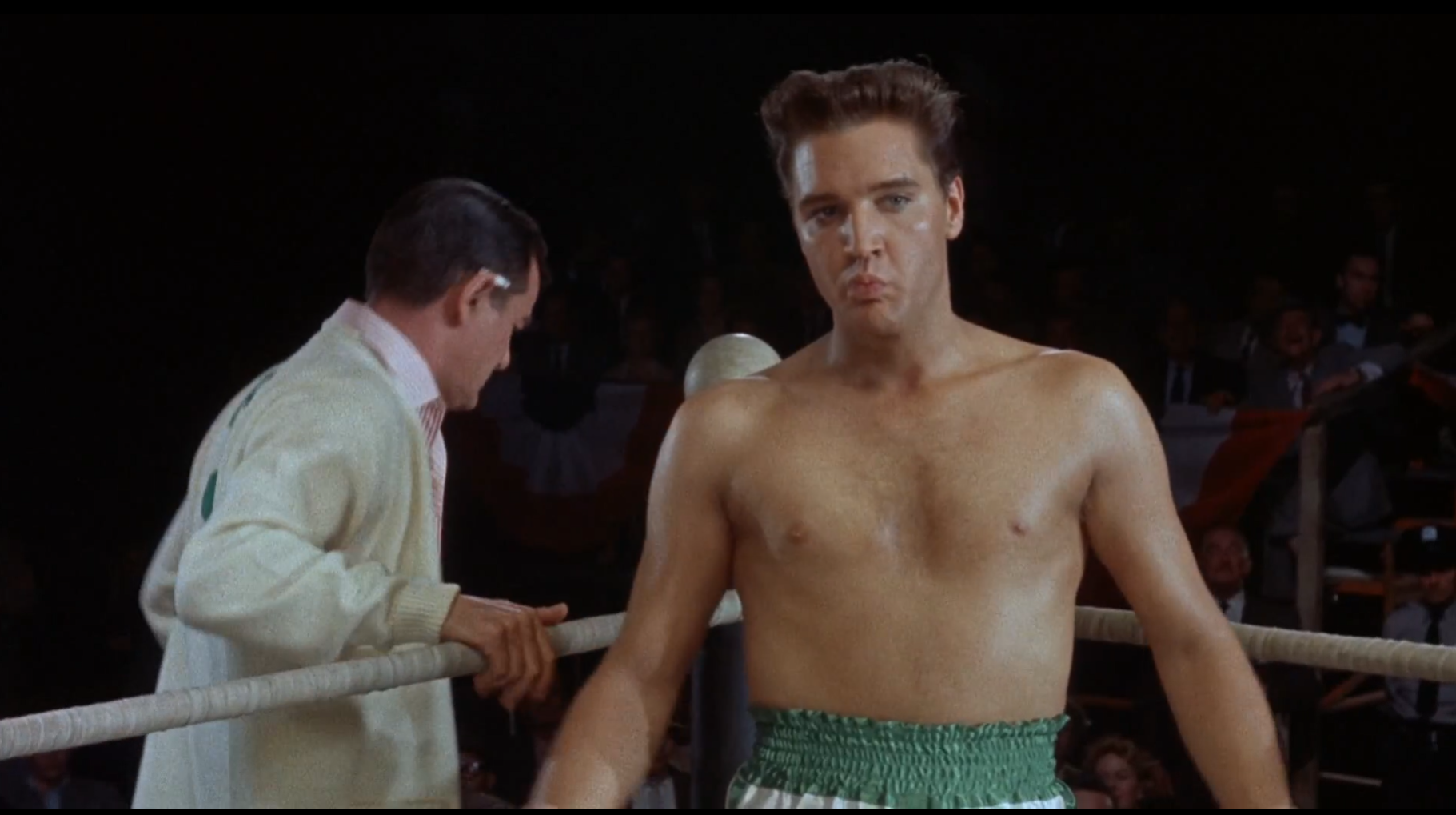
Elvis Presley’s tenth feature film (he made a total of 31 between 1956-1969) was this musical remake of Michael Curtiz’s 1937 film starring Edward G. Robinson, Humphrey Bogart, and Bette Davis. While he does sing a few (fairly unmemorable) tunes, Elvis’s musical gifts are a sidebar to his k.o. talents here, and perhaps his fans were excited to see him shirtless in a ring.

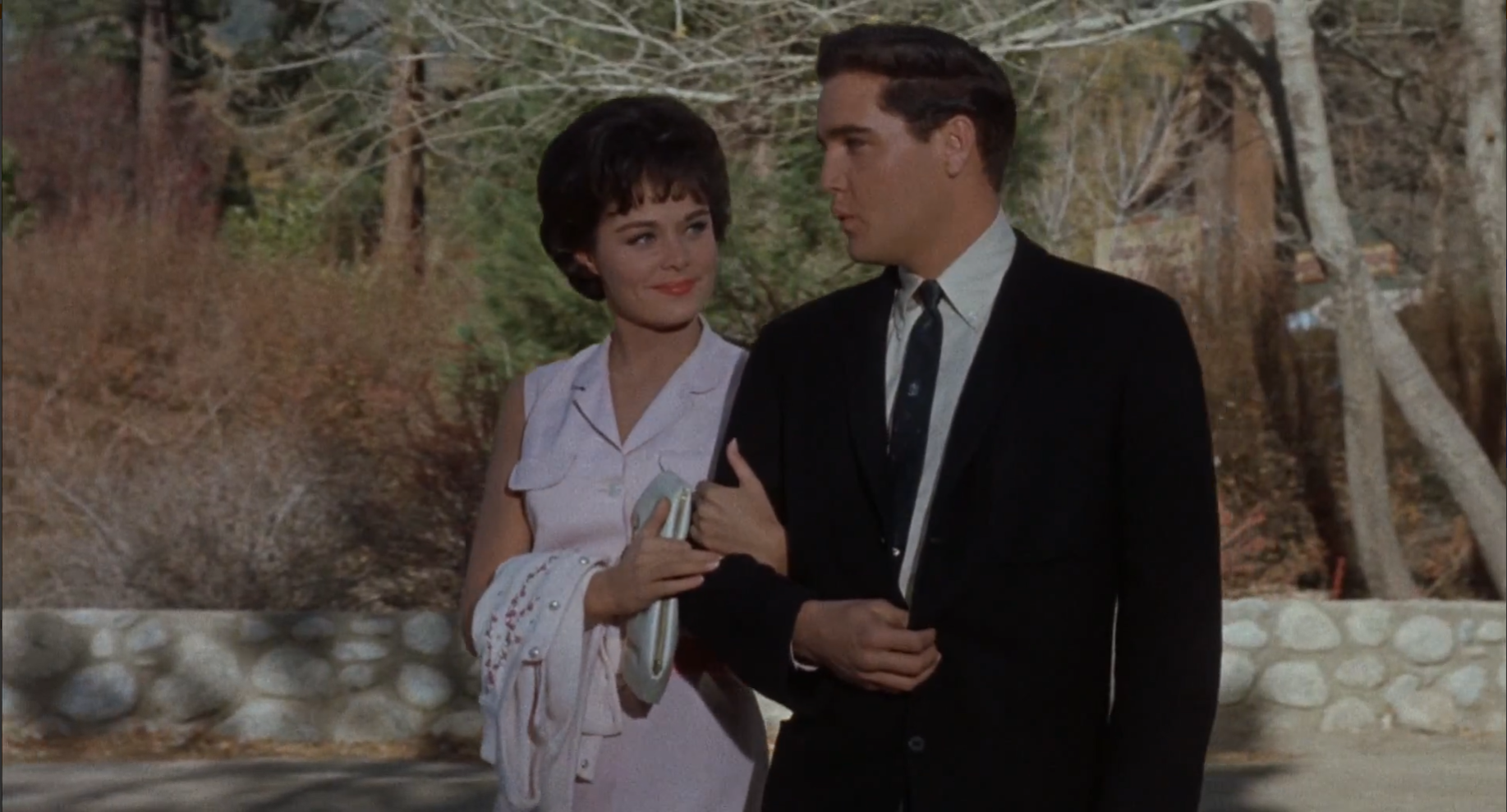
But overall, there’s not much to keep one engaged, given that Elvis’s Walter Gulick is a straight-arrow, small-town veteran and would-be mechanic who simply wants to marry his girl (Blackman is pretty, but also pretty bland).

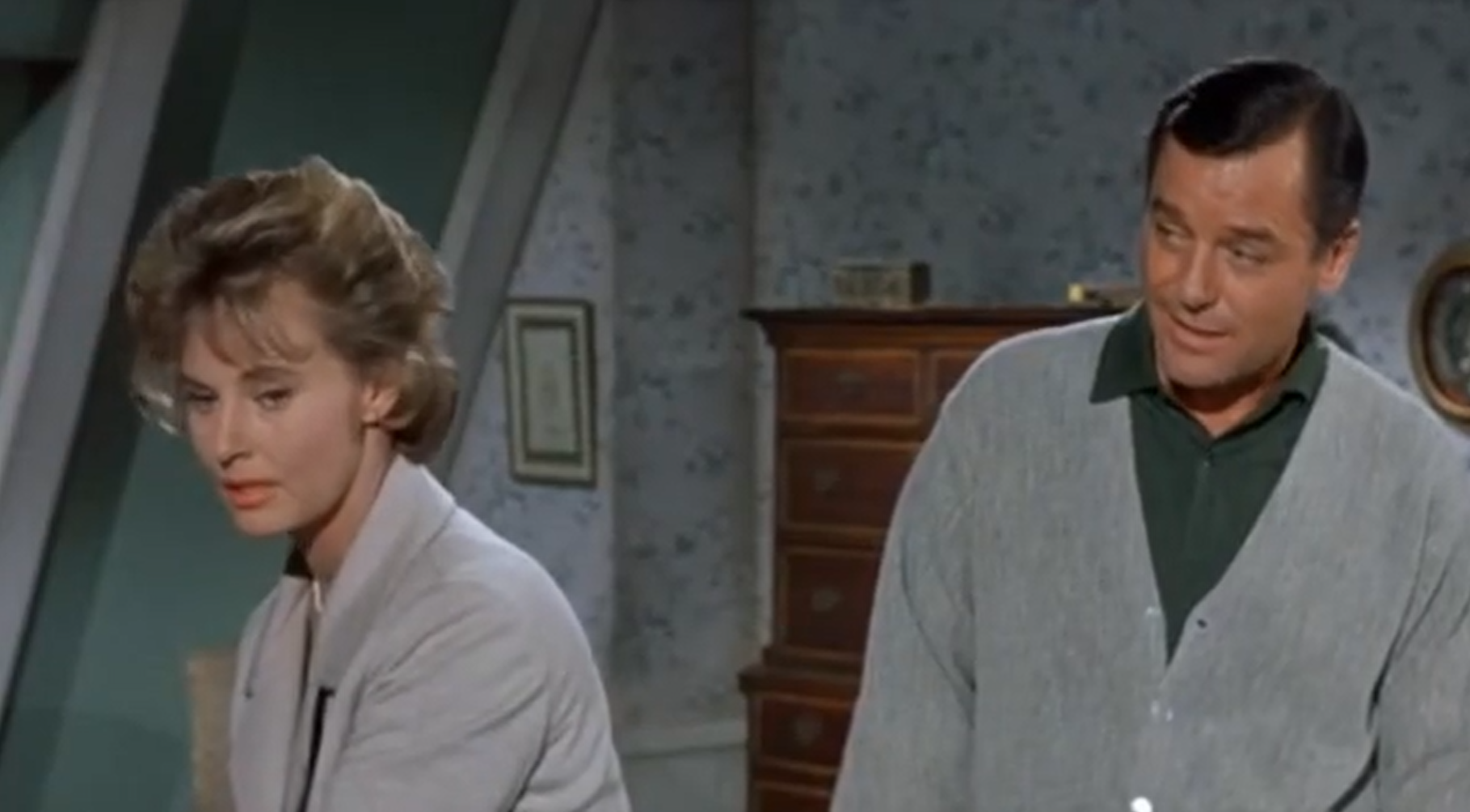
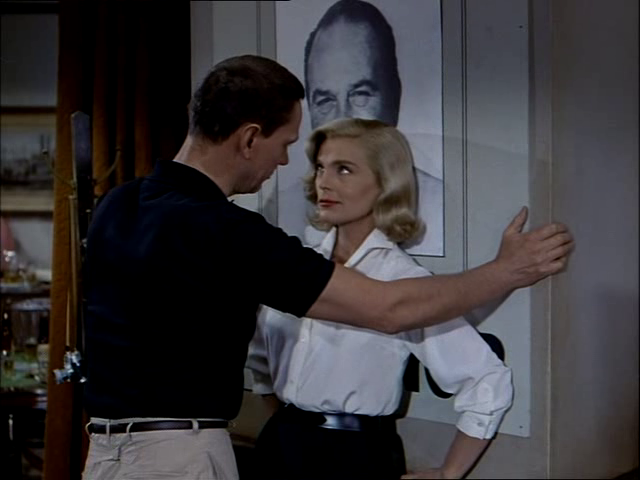
Young’s despicable promoter and his put-upon female companion (Albright) are the most complex characters in the screenplay:

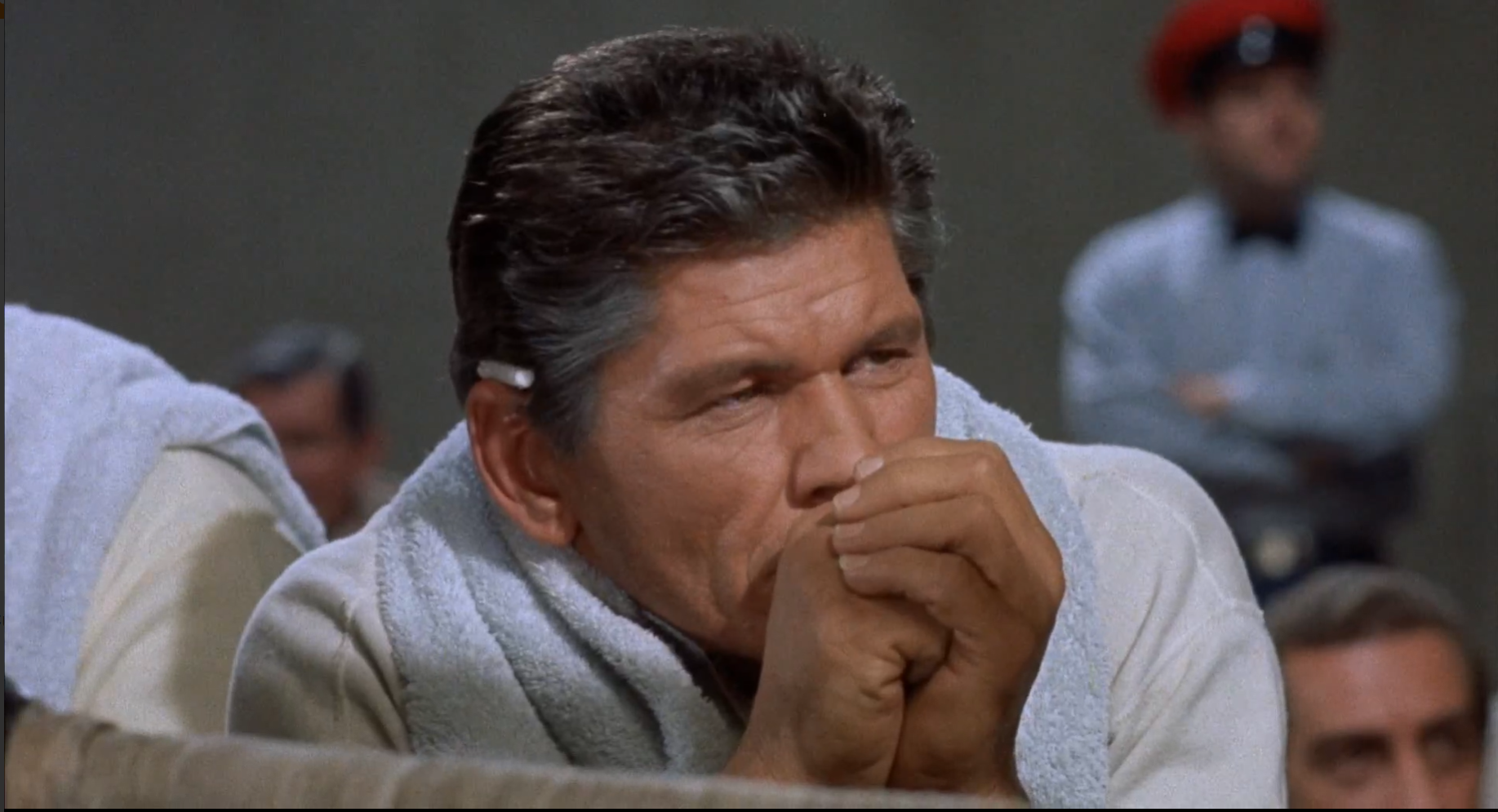
… but there’s not much enjoyment in watching them work out their neuroses and challenges; and Bronson’s role is too small to count for much.

Will Elvis emerge triumphant by the end? Well, this isn’t Love Me Tender (1956)…

Redeeming Qualities and Moments:

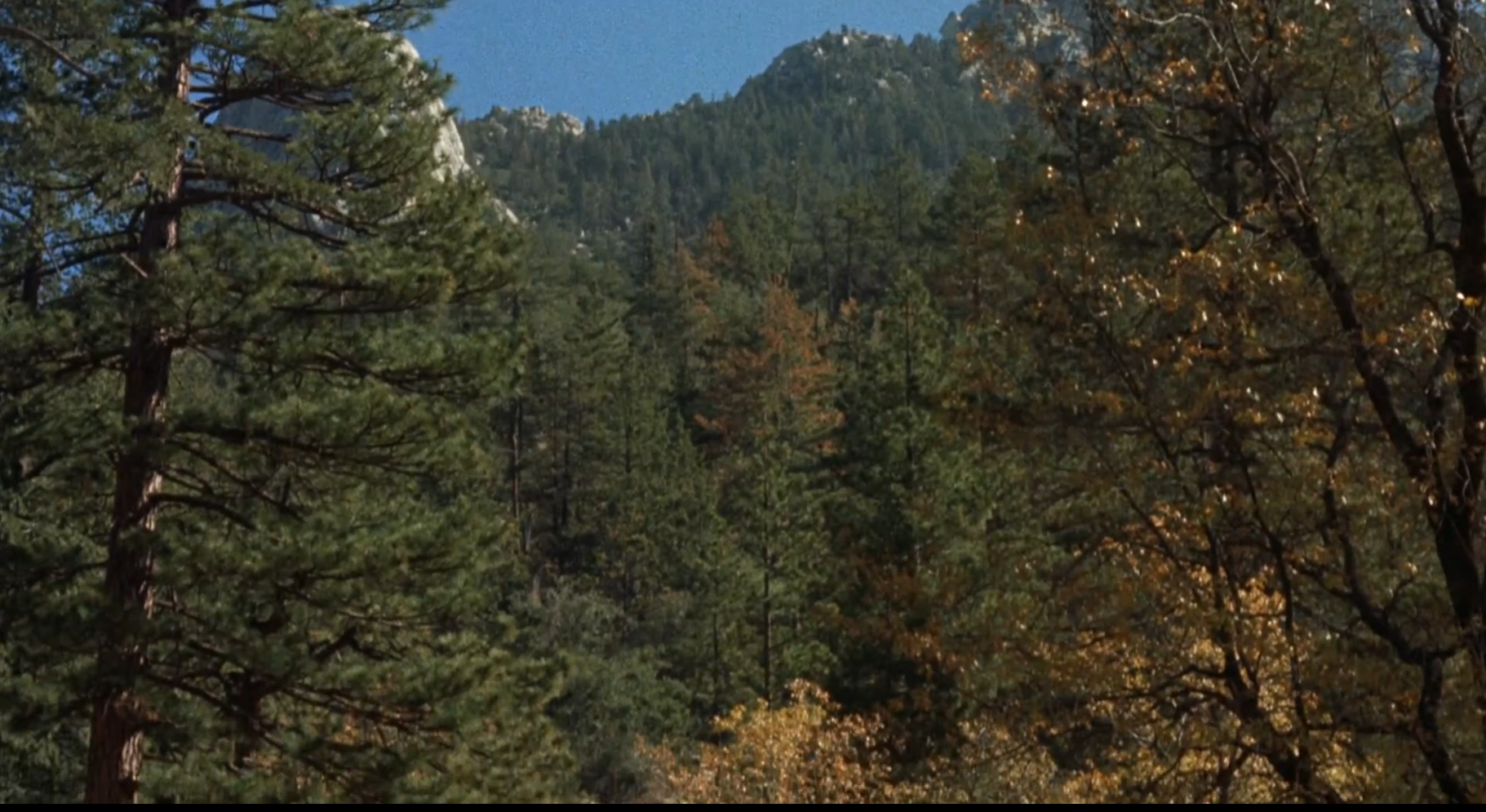
  • Some nice location shooting in Idyllwild, California (with cinematography by Burnett Guffey)

Must See?
No; this one is only must-see for Presley fans.

Links:

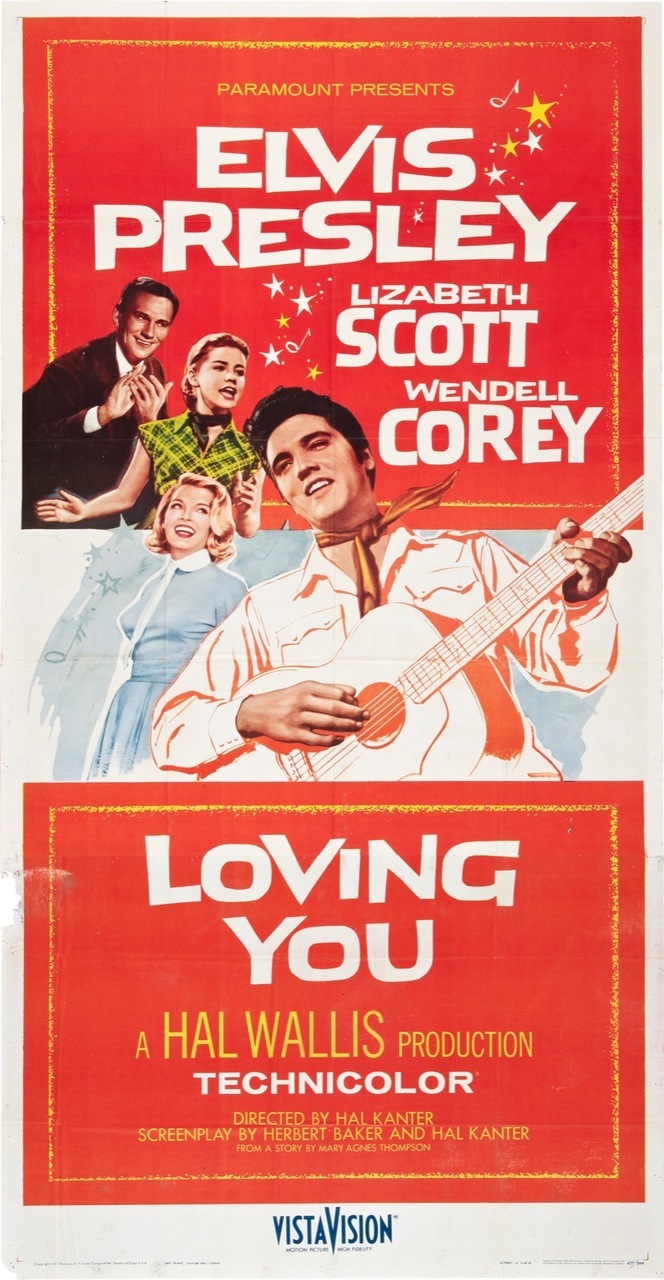
Loving You (1957)

Loving You (1957)

“Who’s fighting sex? It’s a healthy American commodity. It sells Coke, cream, steam engines, shampoo, real estate, and toothpaste. It can sell singers, too.”

Synopsis:
A traveling music producer (Lizabeth Scott) and her ex-husband (Wendell Corey) nurture the talents of a delivery boy (Elvis Presley) whose singing is a huge hit with local teens. Scott does everything she can to promote Presley, but his loyalties are torn between fame and romance with a young singer (Dolores Hart).

Genres, Themes, Actors, and Directors:

  • Aspiring Stars
  • Elvis Presley Films
  • Lizabeth Scott Films
  • Singers
  • Wendell Corey Films

Review:
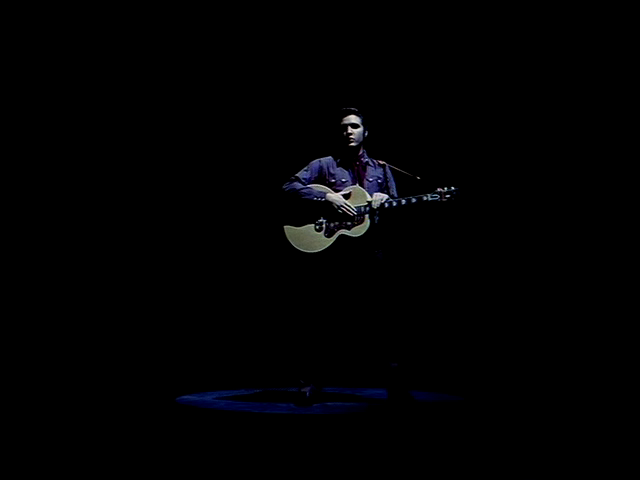
Elvis Presley’s second feature film — after his debut in the western Love Me Tender (1956) — was much better suited to his talents and persona, essentially telling a variation on his own rise to fame and manipulation by an ambitious producer. The most interesting character is Scott’s husky-voiced, middle-aged promoter, who is still clearly enamored with her singing ex-husband (Corey) but equally determined to take advantage of Presley’s explosive popularity; she’s a relatively complex figure and we’re kept guessing what moves she’ll make next. Hart, in her debut film, is sweet and sympathetic as Presley’s friend and would-be lover, and Presley is in top crooning form. The storyline itself isn’t original enough to merit much attention, but it’s a pleasant enough diversion.

Redeeming Qualities and Moments:

  • Lizabeth Scott as Glenda
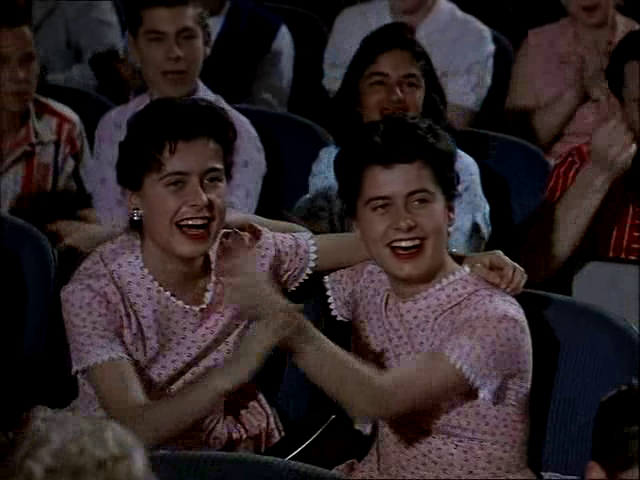
  • A fun, early glimpse at Elvis’s meteoric fandom

  • Nice incorporation of numerous foot-tapping tunes

Must See?
No, though it’s worth a look if you enjoy Presley’s early on-screen presence.

Links:

Love Me Tender (1956)

Love Me Tender (1956)

“Maybe the South is licked — but not us!”

Synopsis:
With help from their compatriots (including Neville Brand and L.Q. Jones), three Confederate brothers (Richard Egan, William Campbell, and James Drury) steal an army payroll from a train, unaware that the Civil War has just ended an hour earlier. Deciding to keep the cash as spoils of war, the brothers return home to their mother (Mildred Dunnock) and Egan’s sweetheart (Debra Paget), not knowing that Paget — believing Egan dead — has married their younger brother (Elvis Presley). When the feds catch up with Egan, he and his team must decide whether to surrender the money or stay on the run.

Genres, Themes, Actors, and Directors:

  • Debra Paget Films
  • Elvis Presley Films
  • Love Triangle
  • Mildred Dunnock Films
  • Neville Brand Films
  • Siblings
  • Veterans
  • Westerns

Review:
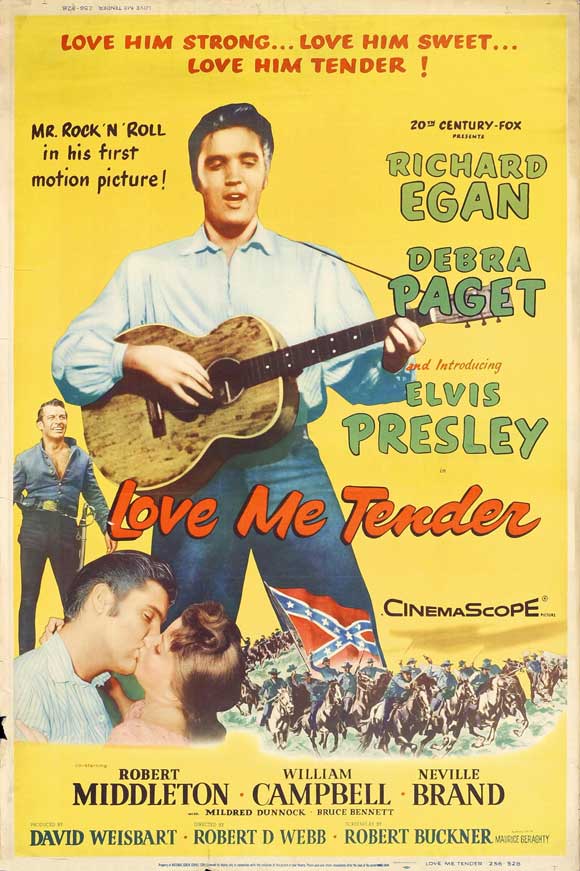
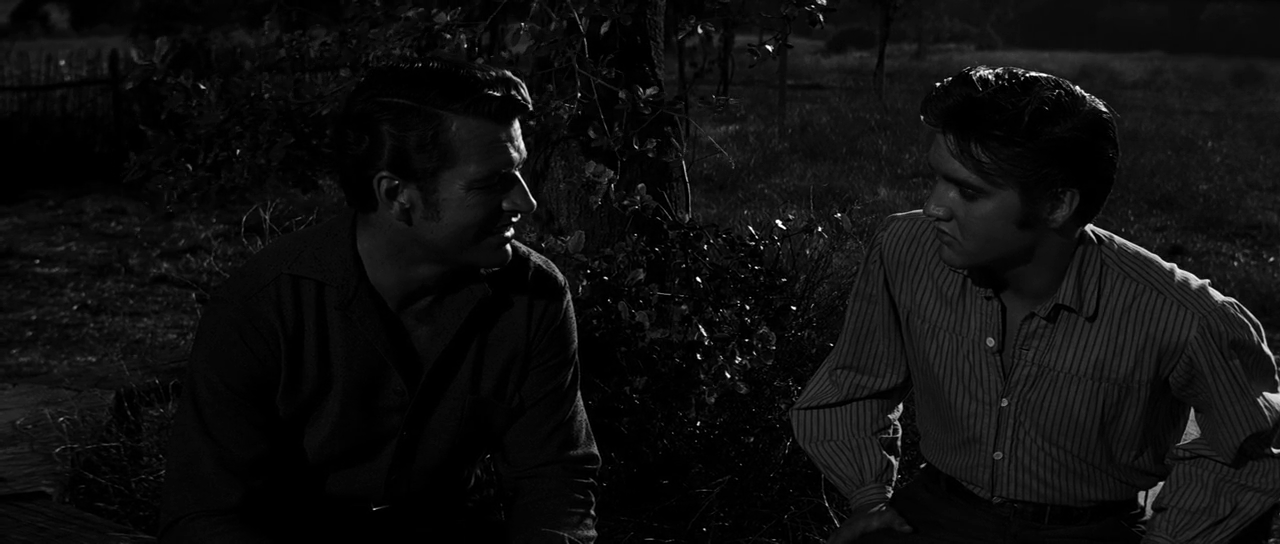
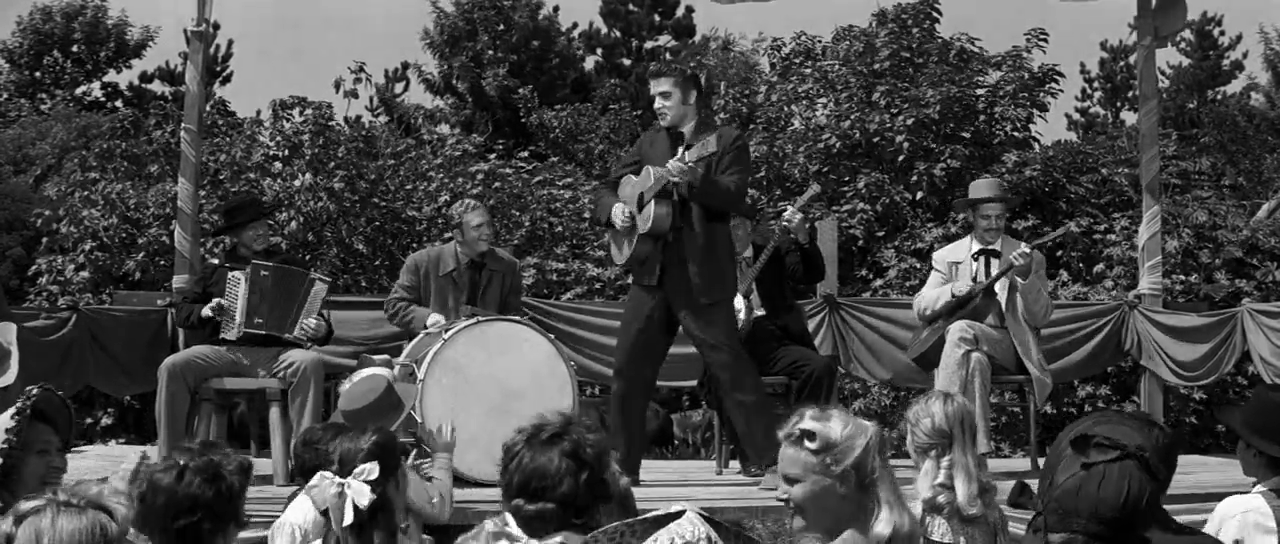
Elvis Presley’s debut film was rather uncharitably described by Bosley Crowther of the New York Times as “a slight case of horse opera with the heaves”. While it doesn’t quite deserve that level of disparagement, it’s true that not much distinguishes this tale from standard B-level oaters, other than the presence of Presley (and stellar Cinemascope cinematography).

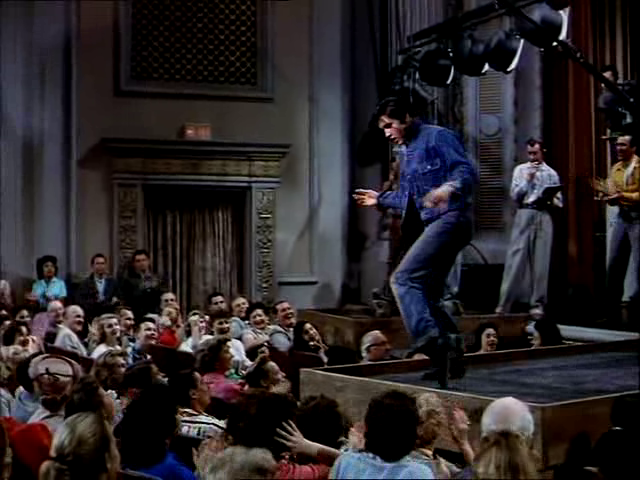
The storyline puts Presley in an unenviable position from the start: he’s clearly standing right in the way of Paget and Egan’s unrequited passion (their forlorn moon eyes are unmistakable), and his naive ignorance of their interest in one another posits him as an easily duped fool; meanwhile, his sudden transformation into jealous third wheel near the end of the film smacks of plot convenience. The songs Presley duly performs are noticeably patched into the script, and in one instance (when he gyrates his hips in front of an audience of bonnet-clad prairie gals) laughably anachronistic.

Redeeming Qualities and Moments:

  • Leo Tover’s cinematography

Must See?
No, though of course it maintains historical curiosity as Presley’s film debut. Listed as a Cult Movie in the back of Peary’s book.

Links:

Loved One, The (1965)

Loved One, The (1965)

“You’ll be the death of me yet, Mr. Barlow.”

Synopsis:
A penniless British poet (Robert Morse) arrives in Los Angeles to visit his uncle (John Gielgud), who works as an artist for a movie studio run by a young producer (Roddy McDowell) and his junior executive (Jonathan Winters). When Gielgud dies unexpectedly, his British compatriot (Robert Morley) arranges to have him buried at Whispering Glades, a mega-funeral home run by Winters’ brother (also played by Winters), where Morse romances a young beautician (Anjanette Comer) being pursued by a middle-aged mortician named Mr. Joyboy (Rod Steiger).

Genres, Themes, Actors, and Directors:

  • Black Comedy
  • Dana Andrews Films
  • Death and Dying
  • James Coburn Films
  • John Gielgud Films
  • Love Triangle
  • Robert Morley Films
  • Rod Steiger Films
  • Roddy McDowell Films
  • Tab Hunter Films
  • Tony Richardson Films

Response to Peary’s Review:
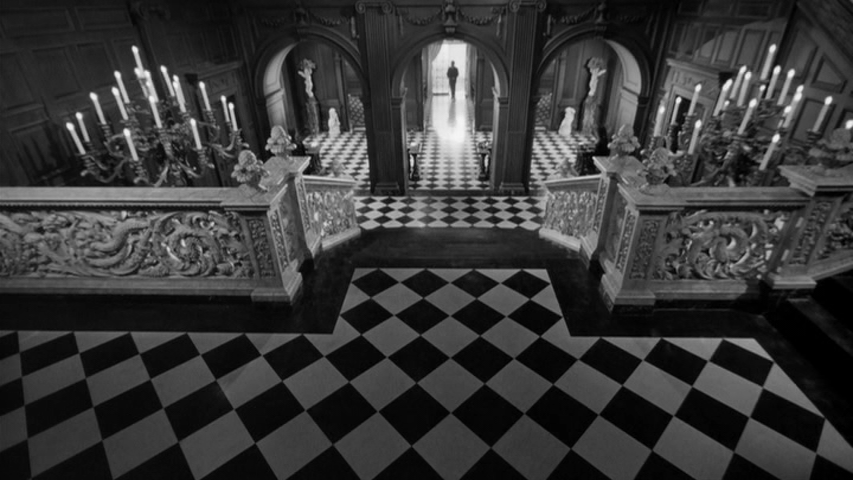
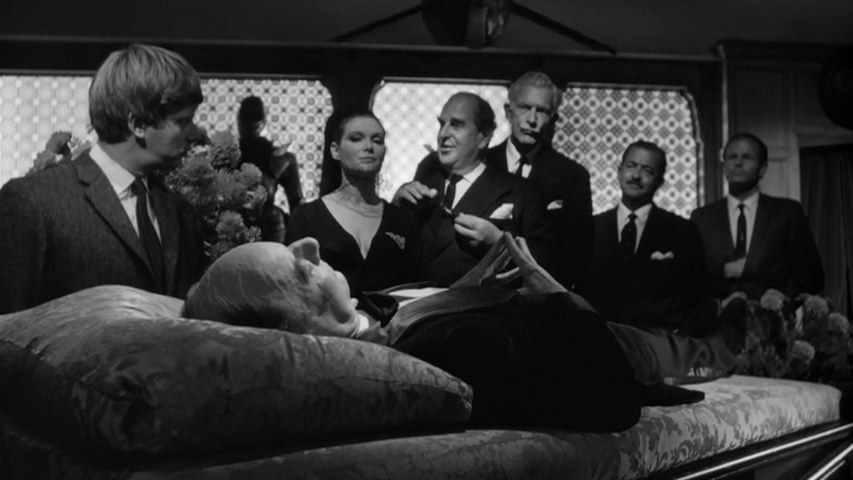
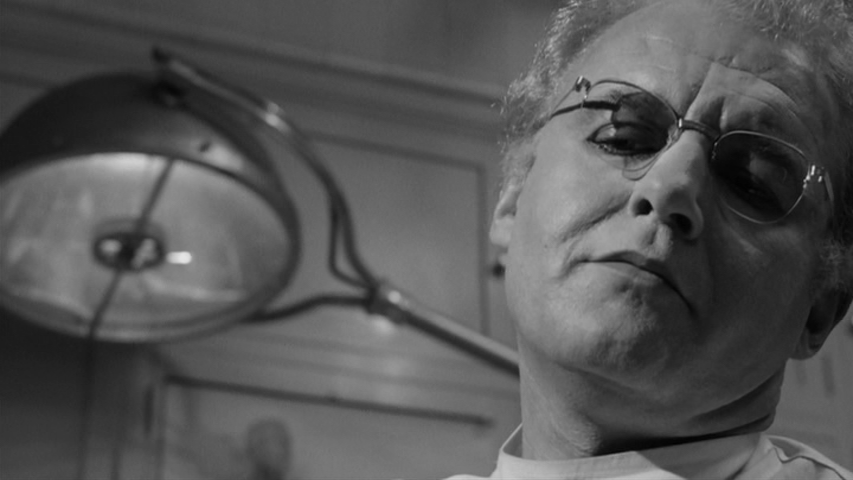
Tony Richardson’s adaptation of Evelyn Waugh’s 1948 novel — co-scripted by Christopher Isherwood and Terry Southern — is beautifully shot by DP Haskell Wexler, headily surreal (“Let me explain the dream to you — this entire place is a dream.”), and has “a scene to offend everyone”, but (as Peary notes) features “plodding” direction and fails to pack a satisfying overall punch. Part of the problem lies in failure to connect with Morse, who lacks charisma and doesn’t inspire much investment. There are also far too many cameos and sub-plots, including several not present in Waugh’s original novel (i.e., the final outrageous twist about Winters’ nefarious plans for the corpses in his care). Scenes of excess and grotesque greed — such as “Comer’s visit with embalmer Joyboy’s (Rod Steiger) grossly fat mother [Ayllene Gibbons], who’s pigging out on food and salivating over food commercials on television; a woman (Margaret Leighton) battling her husband (Milton Berle) over giving up their beloved dead dog; and a gravelly-voiced huckster (Lionel Stander) pretending to be a sage guru-by-mail — seem merely calculated for shock. By the time Dana Andrews shows up in a small role as a general, the story has twisted too many times to maintain interest. Ultimately, the excesses of both Hollywood and funeral preparations in California have been more effectively portrayed in other cinematic efforts — see, for example, John Schlesinger’s The Day of the Locust (1975) and Errol Morris’s Gates of Heaven (1978).

P.S. As Peary notes, “one of the best scenes has Morse visiting Comer’s unsteady house-on-stilts, which is built in a slide area” (see still below).

Redeeming Qualities and Moments:

  • Haskell Wexler’s cinematography

  • Some effectively satirical scenarios and sets
  • Rod Steiger as Mr. Joyboy
  • Liberace’s too-short cameo role: “Rayon chafes, you know. Personally, I find it quite abrasive.”

Must See?
No, though it’s certainly worth a one-time look.

Links: