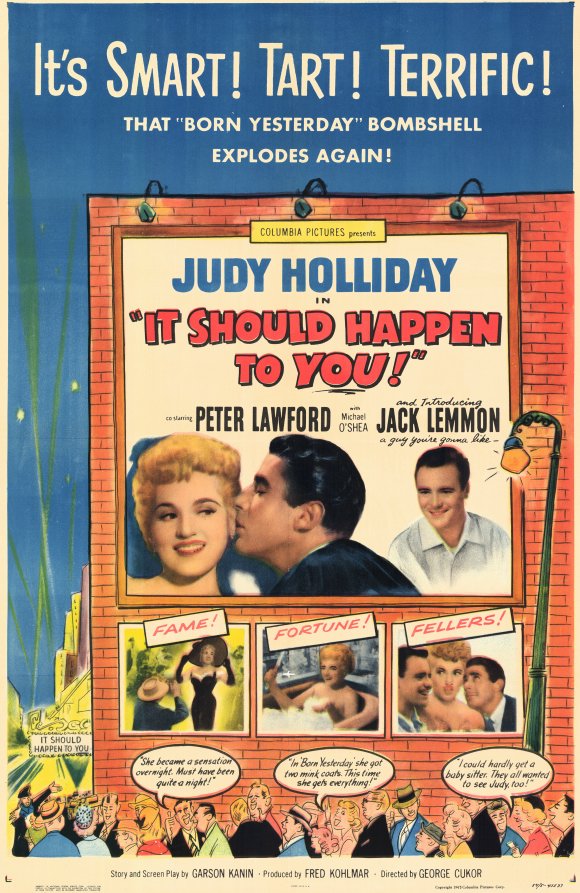
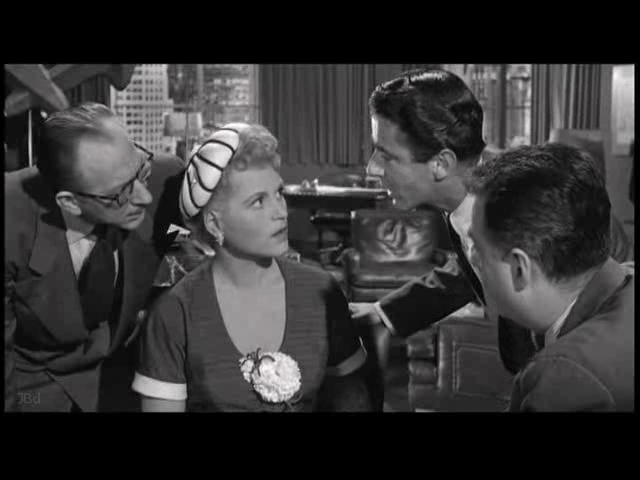
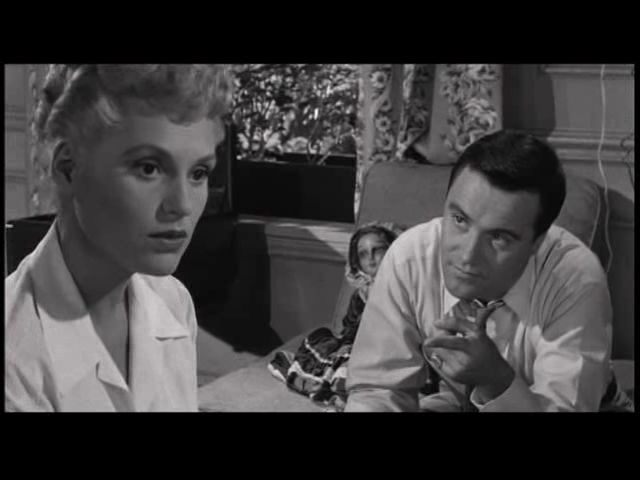
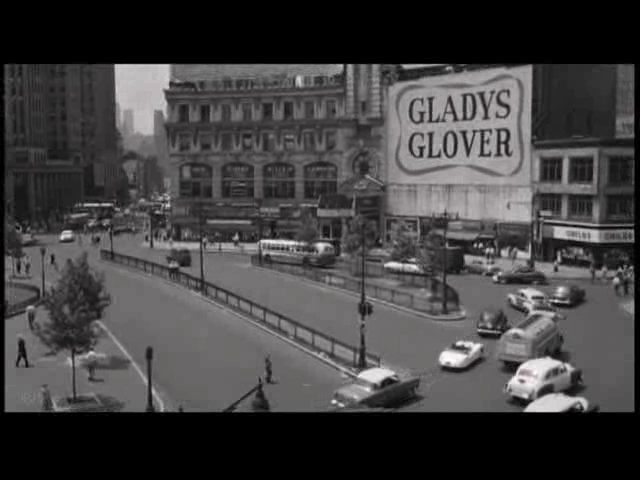
It Should Happen to You (1954)
“The whole reason I came to New York in the first place was to make a name for myself.”
|
Synopsis: |
|
Genres, Themes, Actors, and Directors:
Review: Redeeming Qualities and Moments:
Must See? Categories
Links: |
“The whole reason I came to New York in the first place was to make a name for myself.”
|
Synopsis: |
|
Genres, Themes, Actors, and Directors:
Review: Redeeming Qualities and Moments:
Must See? Categories
Links: |
“A minute after you left, you were already back with me for good.”
|
Synopsis: |
|
Genres, Themes, Actors, and Directors:
Review: Redeeming Qualities and Moments:
Must See? Links: |
“What a perfect relationship: I can’t see him, he can’t see me!”
|
Synopsis: |
|
Genres, Themes, Actors, and Directors:
Response to Peary’s Review:
— is “overlong and not particularly smooth”; but he argues that “Holliday, even below her peak, is well worth watching”. He notes that “one interesting point is that Holliday’s ‘dumb blonde’ is much more stable than the men in the film — however, her support for them, including Martin, comes more out of her need to be a mother than a friend or lover”.
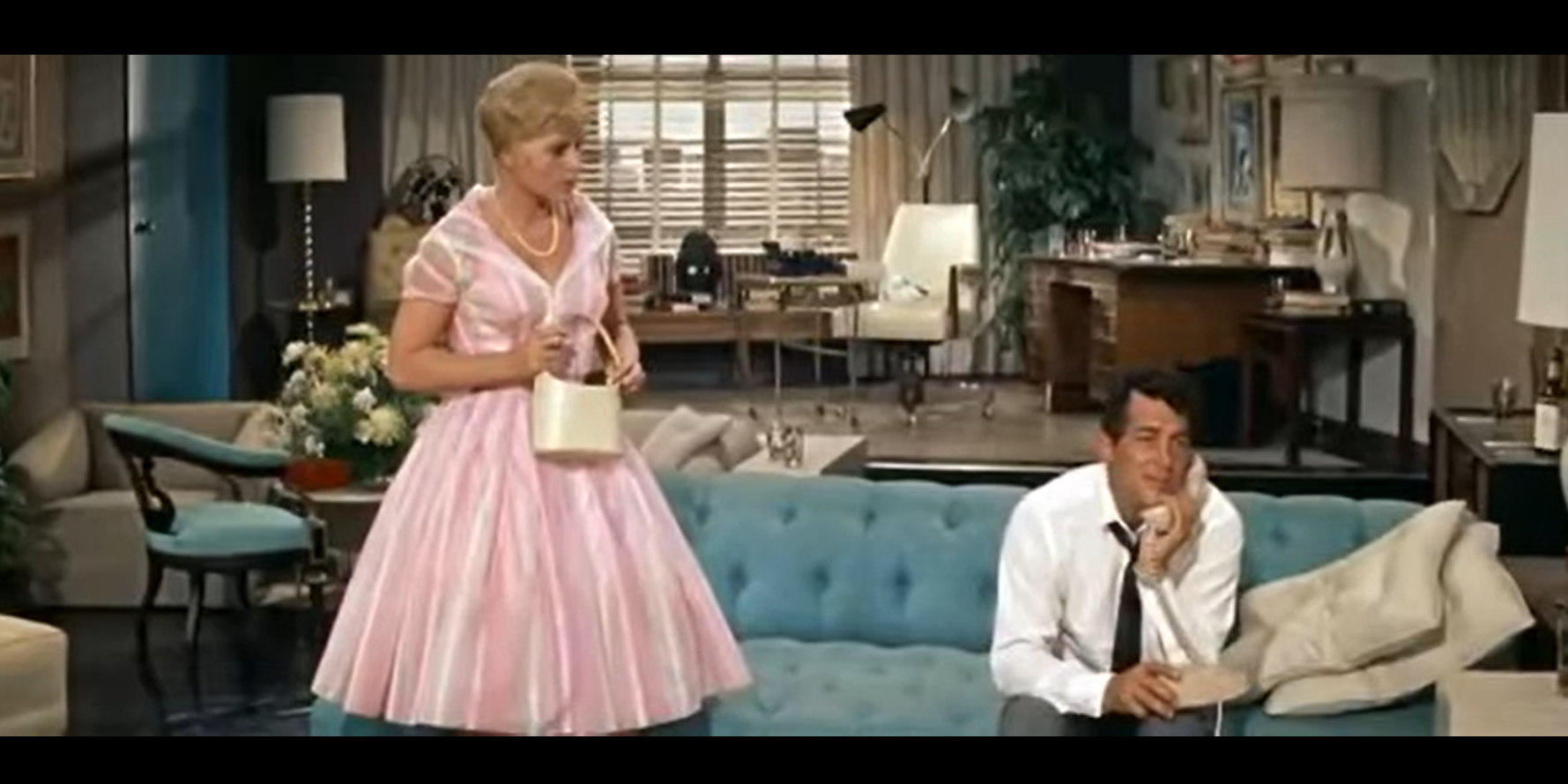
I’ll admit to finding this Vincente Minnelli-directed musical (with songs by Betty Comden, Adolph Green, and Jules Styne) one of the least compelling Holliday vehicles listed in Peary’s GFTFF; even Holliday’s naturally engaging presence can’t do much to elevate the storyline. The primary problem, as Peary hints, is that Martin and Holliday lack any real romantic tension: their “meet cute” (with Holliday crawling around Martin’s apartment after surreptitiously trying to wake him up for an important appointment) is poorly handled (why does he accept her presence so easily?), and Martin only seems to fall in love with Holliday because of her power as a muse. Meanwhile, the subplot involving thick-headed Clark’s pursuit of Holliday comes across as equally inane. This one is only must-see for diehard fans of Holliday and/or musicals. Redeeming Qualities and Moments:
Must See? Links: |
“There is no fence nor hedge around time that is gone. You can go back and have what you like of it, if you can remember.”
|
Synopsis: |
|
Genres, Themes, Actors, and Directors:
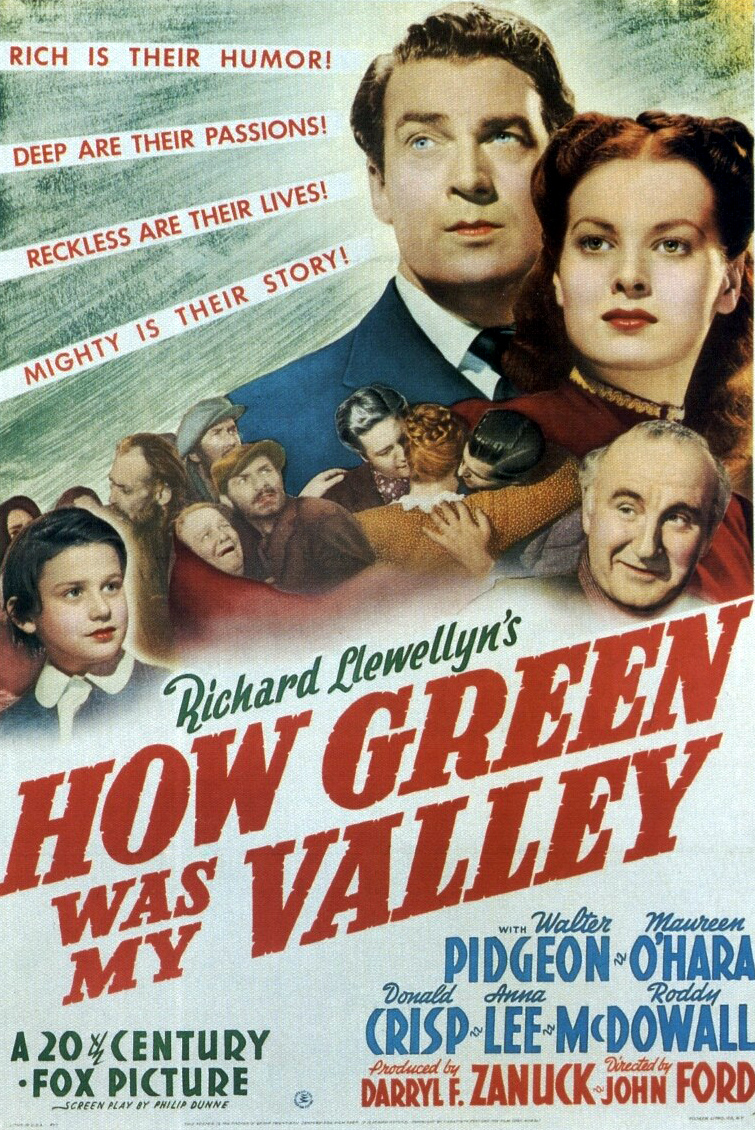
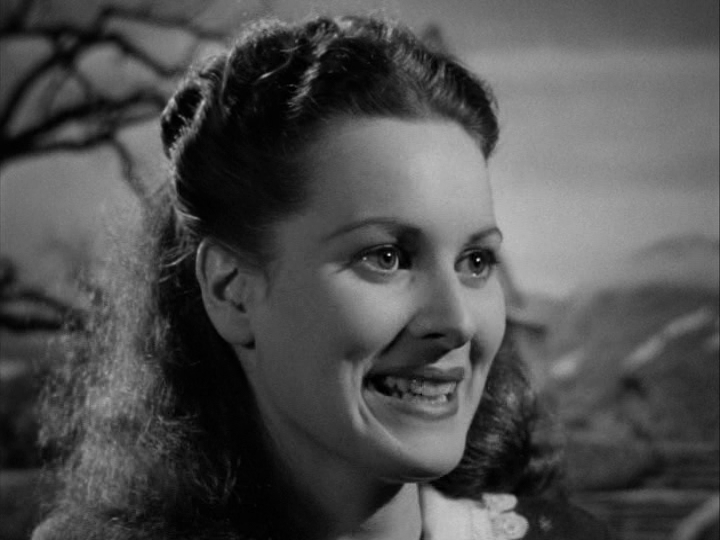
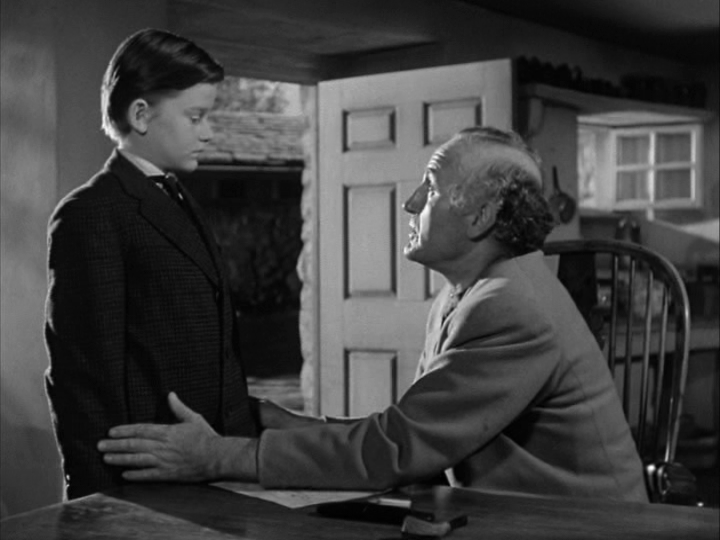
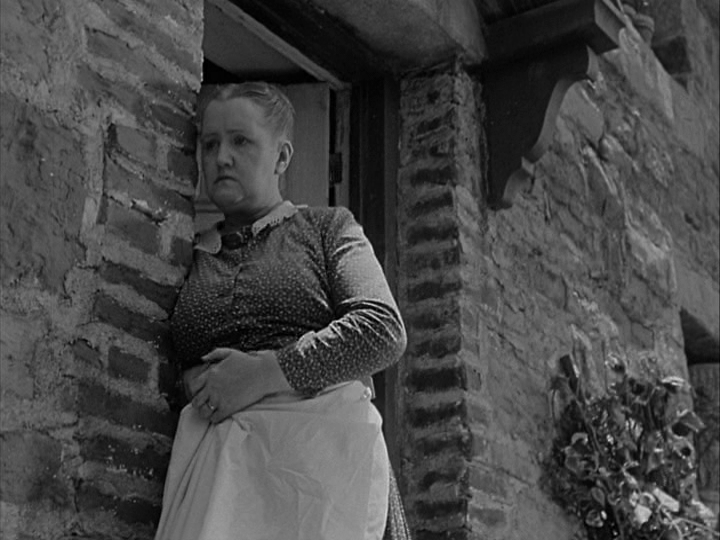
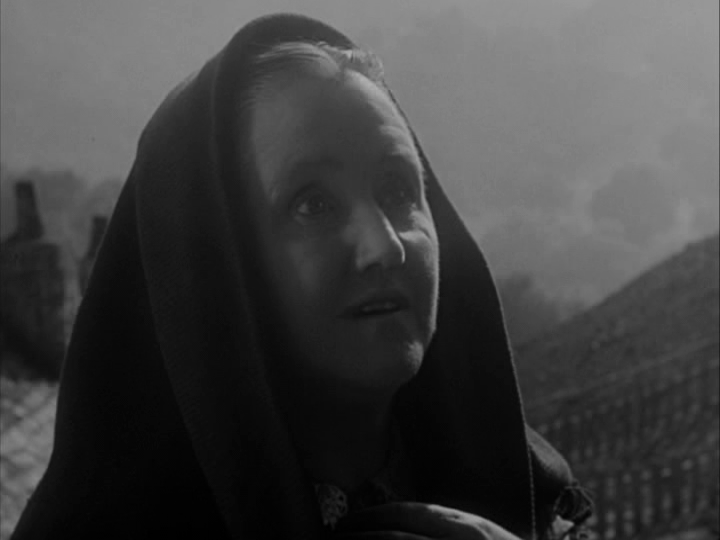
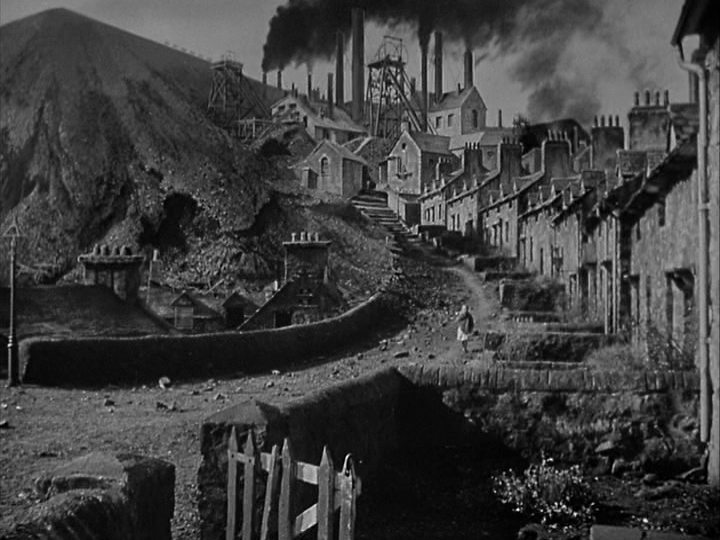
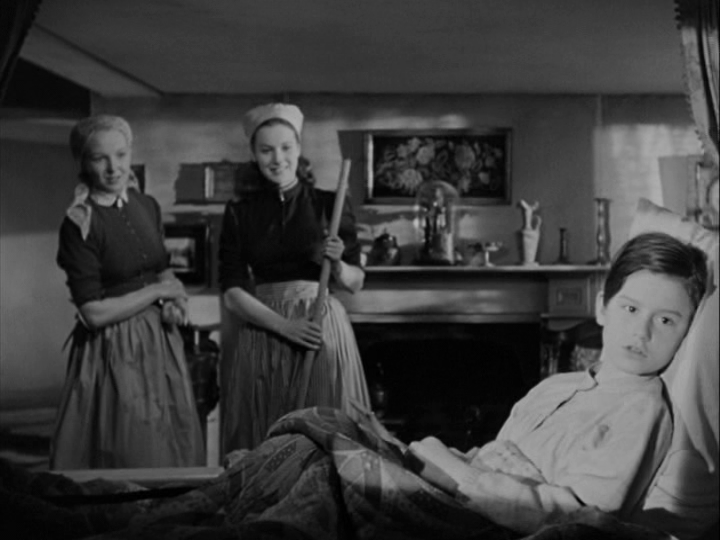
Review: As the film opens, the Morgans are represented in an idealized fashion: McDowall’s brothers are strapping, his sister gorgeous, his parents stern but loving, and coal mining is viewed as a beloved, honorable profession. However, it’s quickly revealed that life will present an unending series of challenges for this group of strong-minded individuals. Crisp and his sons don’t see eye-to-eye on issues of unionization; O’Hara is asked to set aside her love for Pidgeon in order to marry (unhappily) for money; and McDowall, while clearly gifted (and, as the youngest child, somewhat spoiled) suffers from a debilitating injury, and must ultimately make a difficult decision regarding his future livelihood. Indeed, for a nostalgic historical drama, HGWMV is filled with a surprising number of genuinely distressing scenes; it’s to Ford’s credit that HGWMV remains so lighthearted in overall spirit while simultaneously avoiding designation as a “feel good” film. It should also be noted that Ford mostly avoids his general tendency to incorporate comedic supporting actors for levity; the only instance of this is in the character of Dai Bando (Rhys Williams), McDowell’s boxing teacher, and his presence does indeed provide some welcome relief. The production values for HGWMV — shot in the hills of Malibu, given wartime climate in Europe — are uniformly stellar. Arthur C. Miller’s b&w cinematography is consistently stunning, and Ford frames each scene with his characteristically considerate eye. Scene after scene has lasting visual impact, from the image of Welsh coal miners singing as they wend their way to and from work, to the strategically choreographed wedding scene between O’Hara and her wealthy suitor (Marten Lamont), to crippled McDowell’s attempts to walk to Pidgeon on the hillside. The performances are equally top-notch: Crisp and Allgood are perfectly cast as the heads of the Morgan clan; O’Hara is stunning in her breakthrough role; and it’s difficult to imagine anyone but McDowell in the lead role (though a different actor should perhaps have been considered to play his character in the final scenes of the film, given how many formative years have supposedly passed, and how youthful McDowall still looks). But this is a minor complaint about a film that remains surprisingly poignant all these years later, despite its enduringly bad rap as the film that “stole” Citizen Kane‘s award. (And yes, Citizen Kane — one of my top-five favorite films — DID ultimately deserve the award. But that’s beside the point.) Redeeming Qualities and Moments:
Must See? Categories
(Listed in 1001 Movies You Must See Before You Die) Links: |
“You don’t seem to remember anything — and when you do, you remember it all wrong.”
|
Synopsis: |
|
Genres, Themes, Actors, and Directors:
Response to Peary’s Review: I actually don’t find this scene particularly painful, given Holliday’s loving attempts to smooth the situation over: “Money you get that way doesn’t do you any good”, she reassures her depressed husband. It’s a later, tragic scene — one following on the heels of Holliday singing a delightful ditty (“Dolores”) while strumming a ukelele — that tears me up inside each time I think of it (though I won’t say more at risk of spoiling).
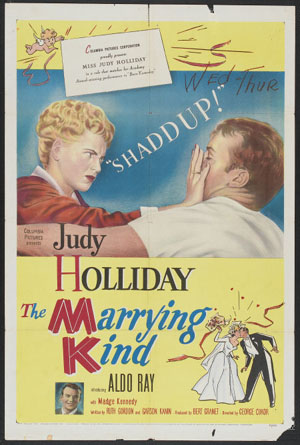
Indeed, Kanin and Gordon’s willingness to include truly hard-hitting scenes such as this one is part of what sets The Marrying Kind apart from other romantic comedies of its era. Equally innovative is their incorporation of voice-overs during flashback scenes, as we hear either Ray or Holliday telling their version of what happened while we simultaneously watch the “truth” unfold in front of us; it’s a remarkably effective strategy, shaking us out of our complacency as viewers. Hunky newcomer Aldo Ray was an interesting choice to play Holliday’s postman-husband, Chet. While he suits the bill nicely in many ways (he’s believable as a blue collar worker, and seems invested in his role), his acting lacks nuance at times. More than making up for this, however, is Holliday, who gives a typically stellar performance as Florence (a.k.a. Florrie). In Alternate Oscars, Peary names Holliday Best Actress of the Year, noting that the role “was designed as a showcase for her, to prove that she had enough versatility to play in all kinds of films and that she could play a real character”. He writes that “like other Holliday characters, Florence is funny and endearing, and has a singular logic about life, which completely befuddles everyone else, including Chet… She seeks happiness along a rocky road, stubbornly refusing to compromise her way of doing things”. Yet he points out that “she can be extremely aggravating, insensitive, unsupportive, unforgiving, even selfish” — in other words, she’s an equal partner in the dissolution of her marriage. Holliday’s performance makes this film must-see viewing at least once, though the film itself is also a hidden gem. Redeeming Qualities and Moments:
Must See? Categories
Links: |
“I’m Sean Thornton and I was born in that little cottage. I’m home, and home I’m going to stay.”
|
Synopsis: |
|
Genres, Themes, Actors, and Directors:
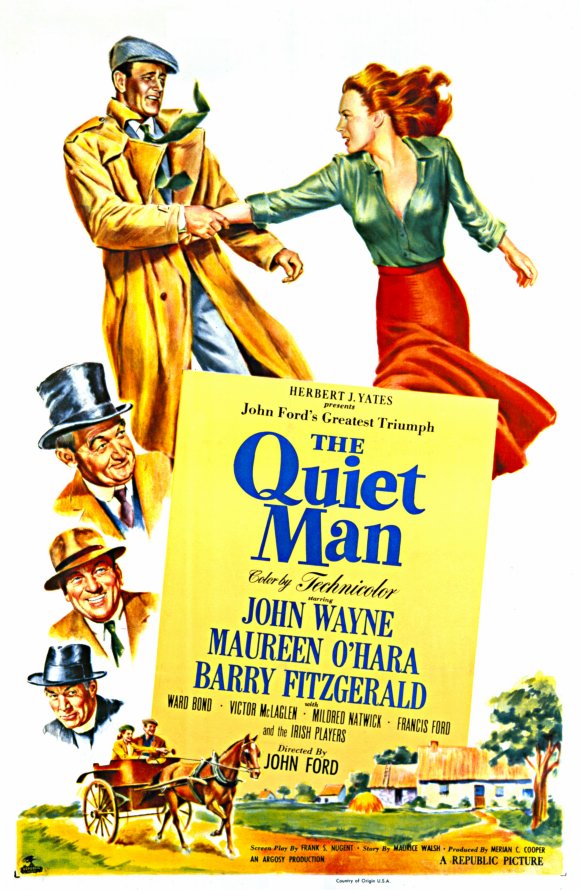
Response to Peary’s Review: In his GFTFF, Peary analyzes the film’s sexual politics, noting that Mary Kate’s refusal to “consummate [her] marriage if she doesn’t have the dowry” makes her like a “modern woman”, given that she “doesn’t want to enter a relationship unless it’s on equal terms”. He writes how refreshing it is that, despite their obvious challenges, Mary Kate and Sean ultimately both view each other with maturity, love, and respect. Mary Kate “decides to have sex with Sean although he has not come through for her”, given that she “senses that he has reasons for not challenging her brother, although she herself may not understand them”. Similarly, Sean “challenges Will for Mary Kate’s sake”, conceding “that her reasons for wanting the dowry are not trivial, although he doesn’t understand them”. Peary goes on to note that “there’s so much Irish humor in this film and so many quirky characters that one tends to overlook that just below the surface there is much seriousness, hurt, and guilt; both Sean and Mary Kate are tormented in real ways and we feel for them”. Finally, Peary points out that while “Ford was never known for ‘love scenes’… the silent passage in which Sean and O’Hara hold hands, race for shelter from the sudden rain, and then stop, clutch (he drapes his sweater over her), and kiss as the rain soaks through their clothing is incredibly sexy”; I agree. Wayne and O’Hara are both in top form here, and are indeed — as Peary notes — “one of the screen’s most romantic couples”. In Alternate Oscars, Peary names Wayne Best Actor of the Year for The Quiet Man, and provides a detailed analysis of why this performance was one of Wayne’s best and “most relaxed”. He notes that Sean “is Wayne’s gentlest character”, that he’s “formidable” but without McLaglen’s “need to be a bully or braggart”. As Peary writes, “He has such confidence in his masculinity that he is polite, emotional, sentimental, and sweet enough to plant roses”, never “hid[ing] his love from Mary Kate, [and] never assum[ing] a paternal or authoritarian stance with her”. Indeed, it’s easy to see why O’Hara would fall in love with him — though naturally, she’s equally appealing, for her own reasons. This romantic couple is one we truly enjoy watching on screen. Redeeming Qualities and Moments:
Must See? Categories
(Listed in 1001 Movies You Must See Before You Die) Links: |
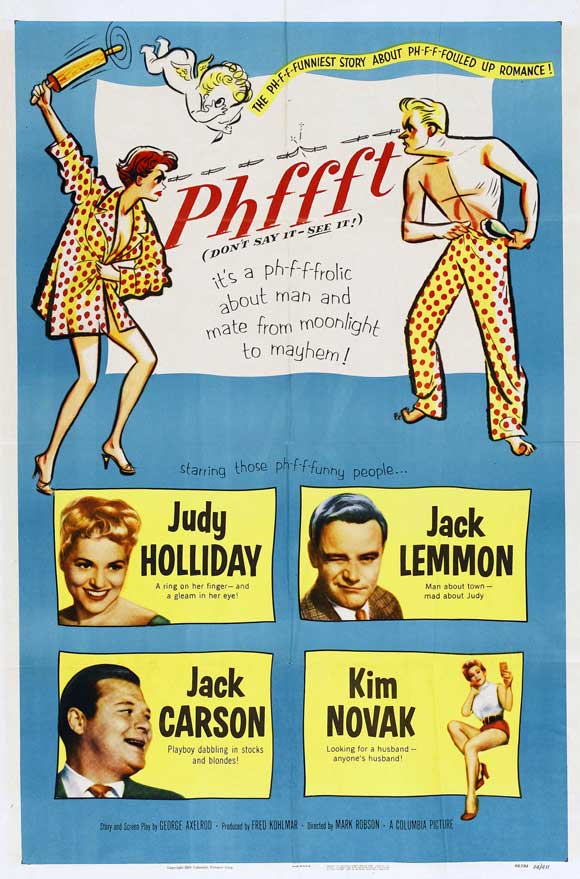
“I’m no longer interested in beds.”
|
Synopsis: |
|
Genres, Themes, Actors, and Directors:
Review:
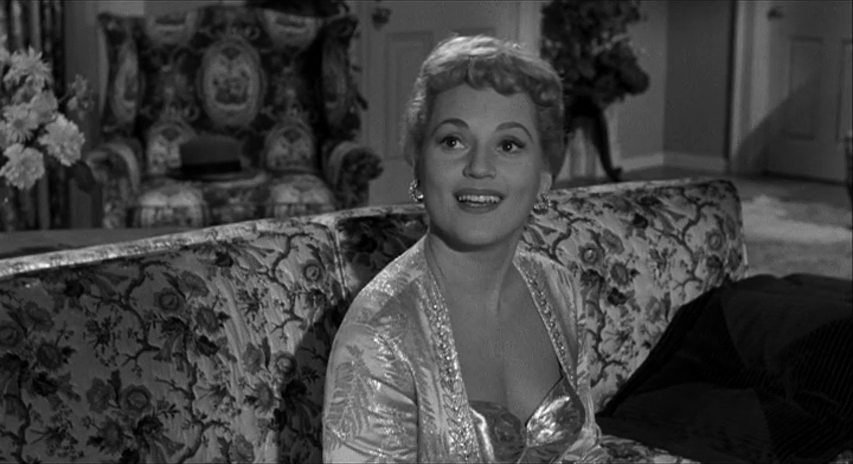
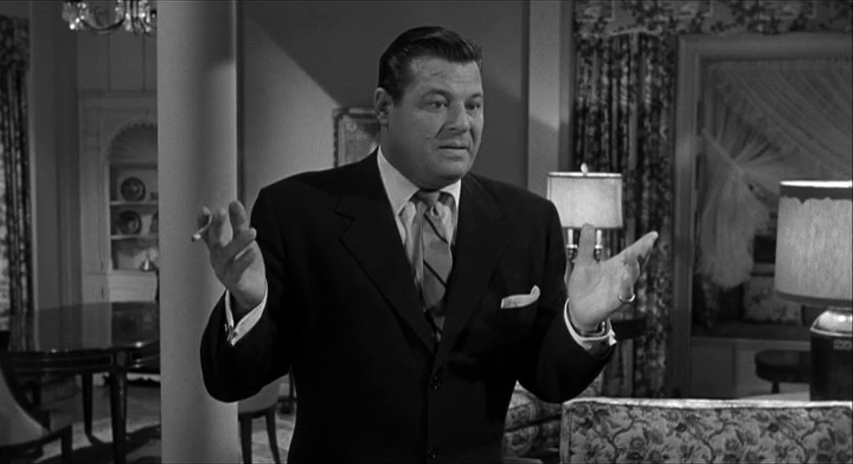
… but her scenes with the inimitable Jack Carson (as Lemmon’s playboy roommate) go in unexpected directions:
… and Lemmon’s dalliance with a sexy young student (Kim Novak, having fun channeling Marilyn Monroe):
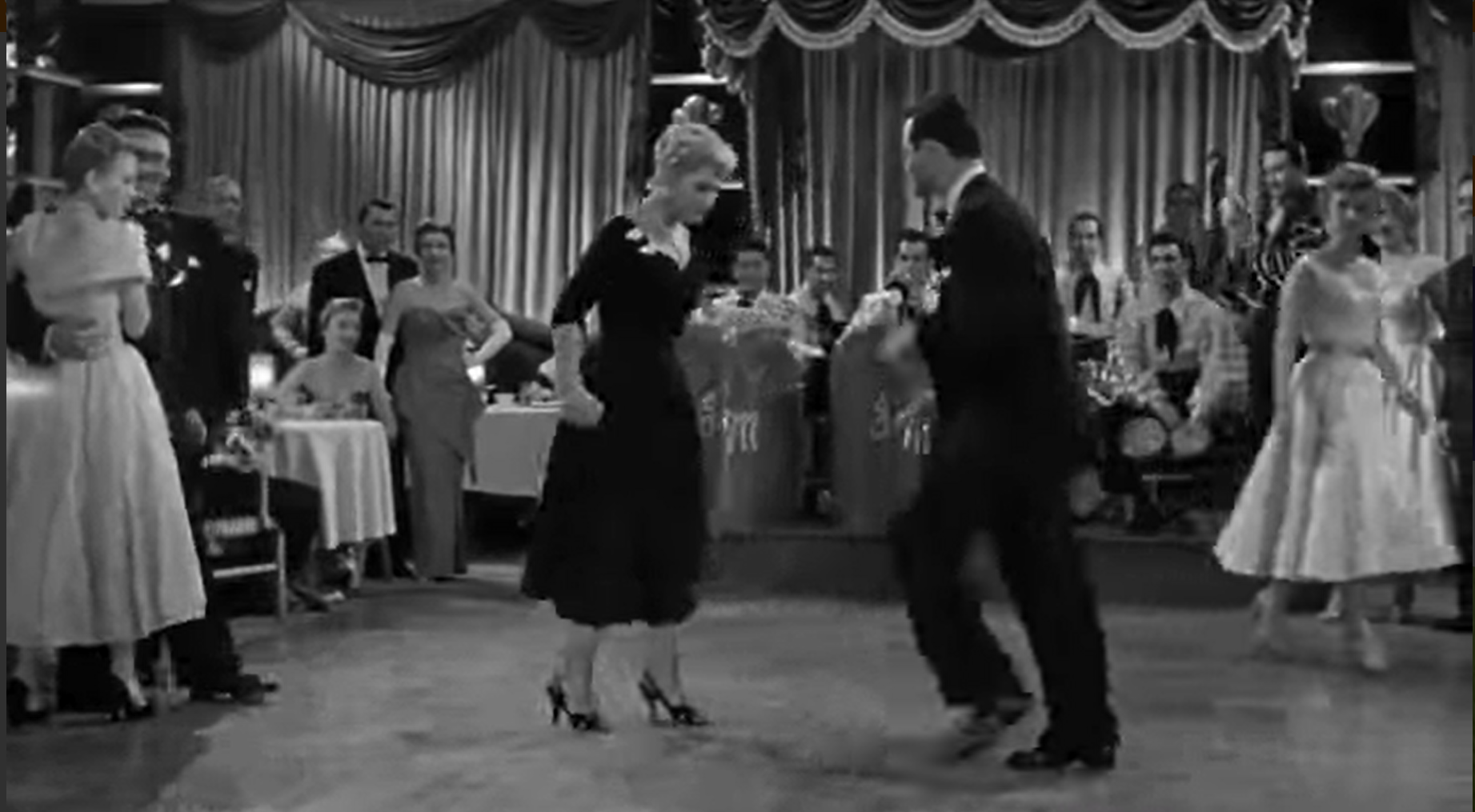
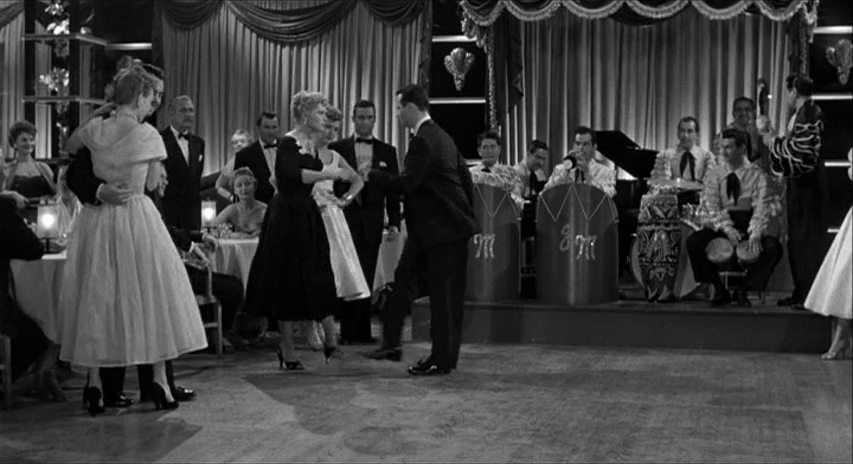
… is an interesting foreshadowing of his scenes as traumatized Oscar Madison interacting with the Pigeon sisters in The Odd Couple (1968). My favorite scenario, however, is a wordless one in which Holliday and Lemmon meet each other unexpectedly on the dance floor, flaunting their new moves (they’ve both taken dance lessons) while doing the mambo; one wonders how long it took them to coordinate their physical timing, and to learn to dance so perfectly awkwardly.
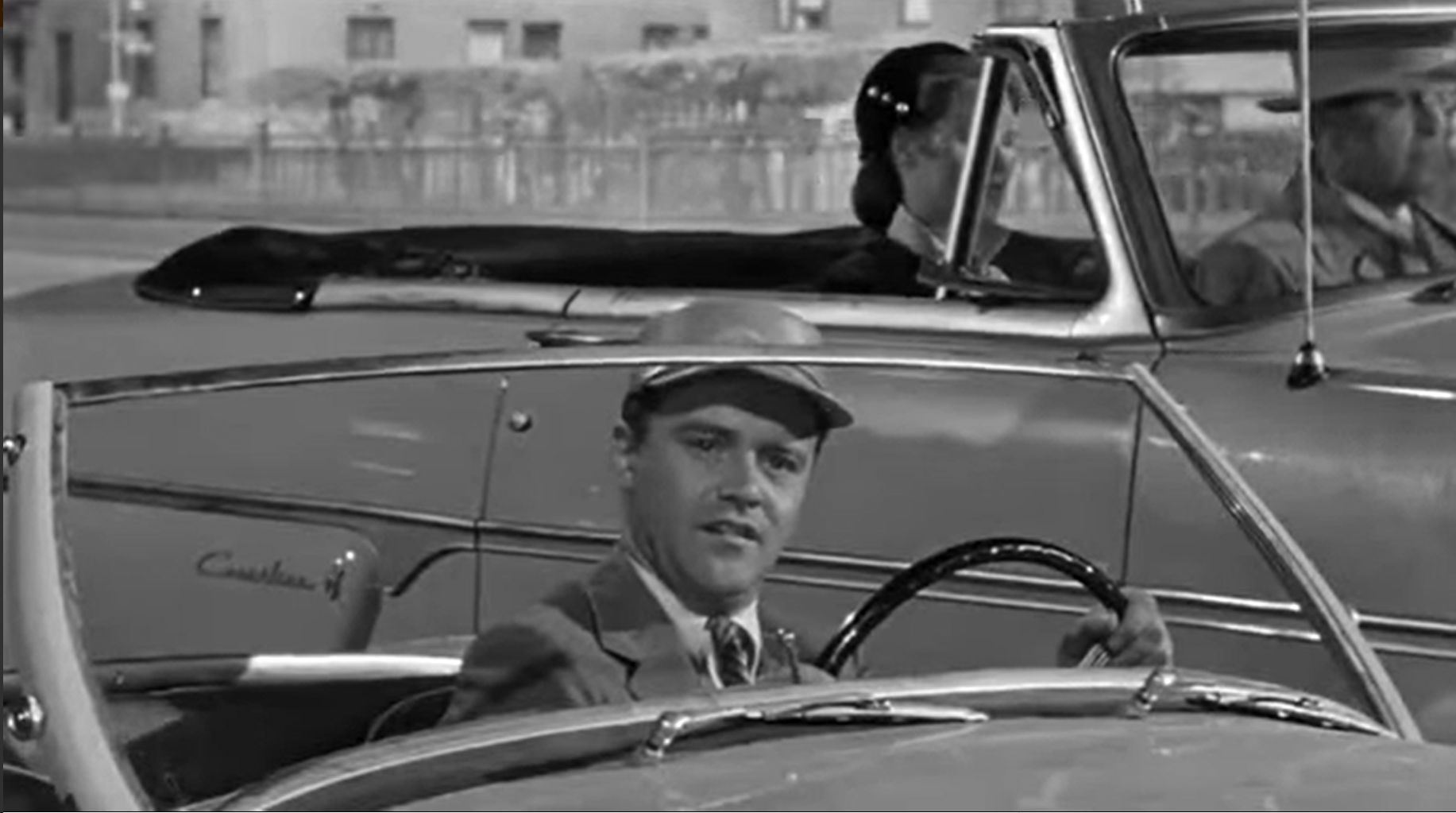
(All of this is made doubly impressive knowing that Holliday was sick as a dog throughout most of the shooting, and reported feeling like she was sleep-walking through many of her scenes.) Another fun scene has Lemmon — cautiously exercising his newly single muscles while driving a sporty car — attempting to flirt with a sexy woman on the sidewalk, only to have her turn around and reveal she’s Holliday.
Silly? Yes. Unrealistic? Sure. But Holliday and Lemmon are such gifted comedians that we can’t help enjoying their work together throughout this light-hearted romp. If only all divorces were so easily remedied. Redeeming Qualities and Moments:
Must See? Links: |
“We are like two trains, halted for a moment at the same station, but we are going in different directions. We can’t change our course, any more than we can hold back the dawn.”
|
Synopsis: |
|
Genres, Themes, Actors, and Directors:
Review:
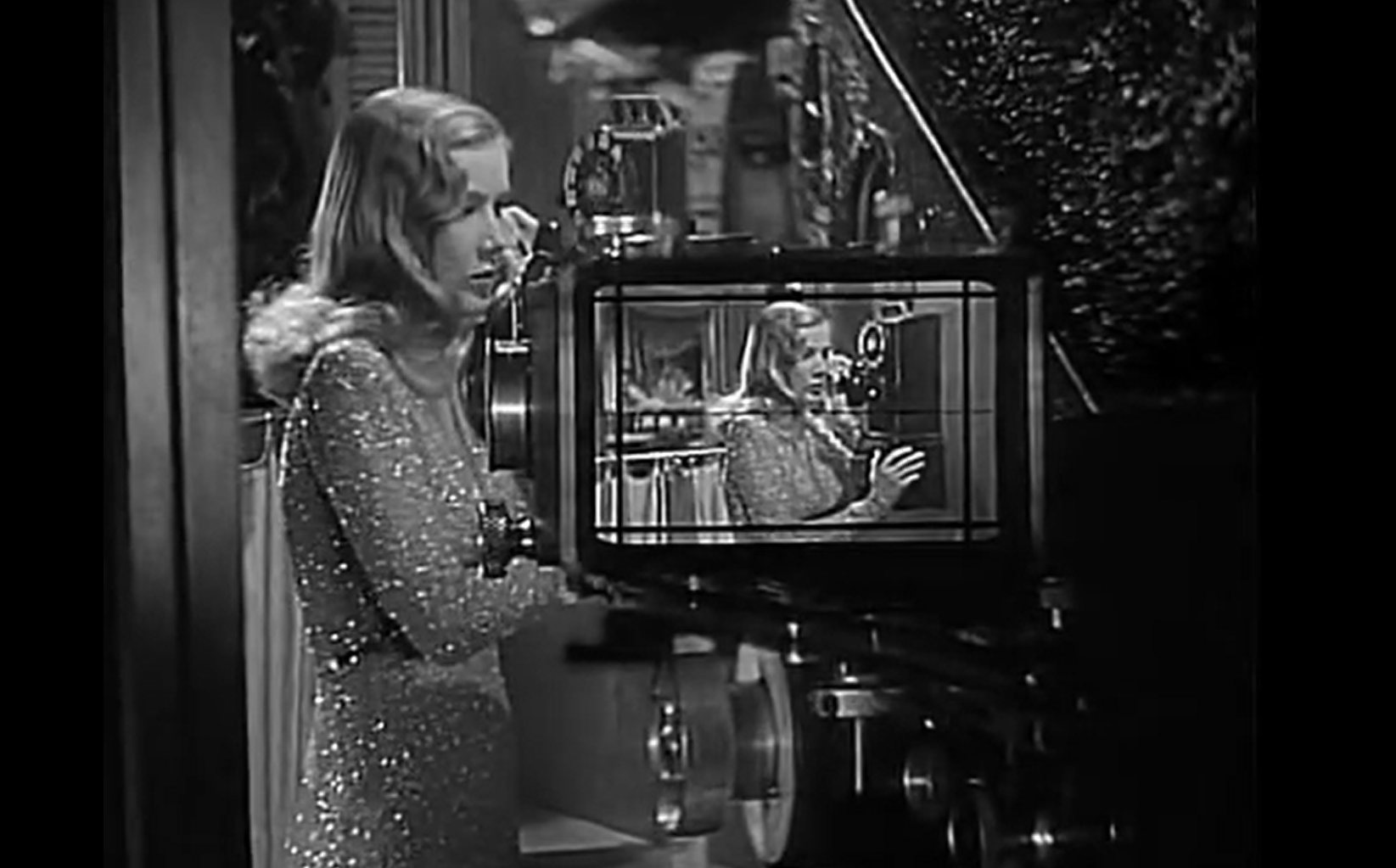
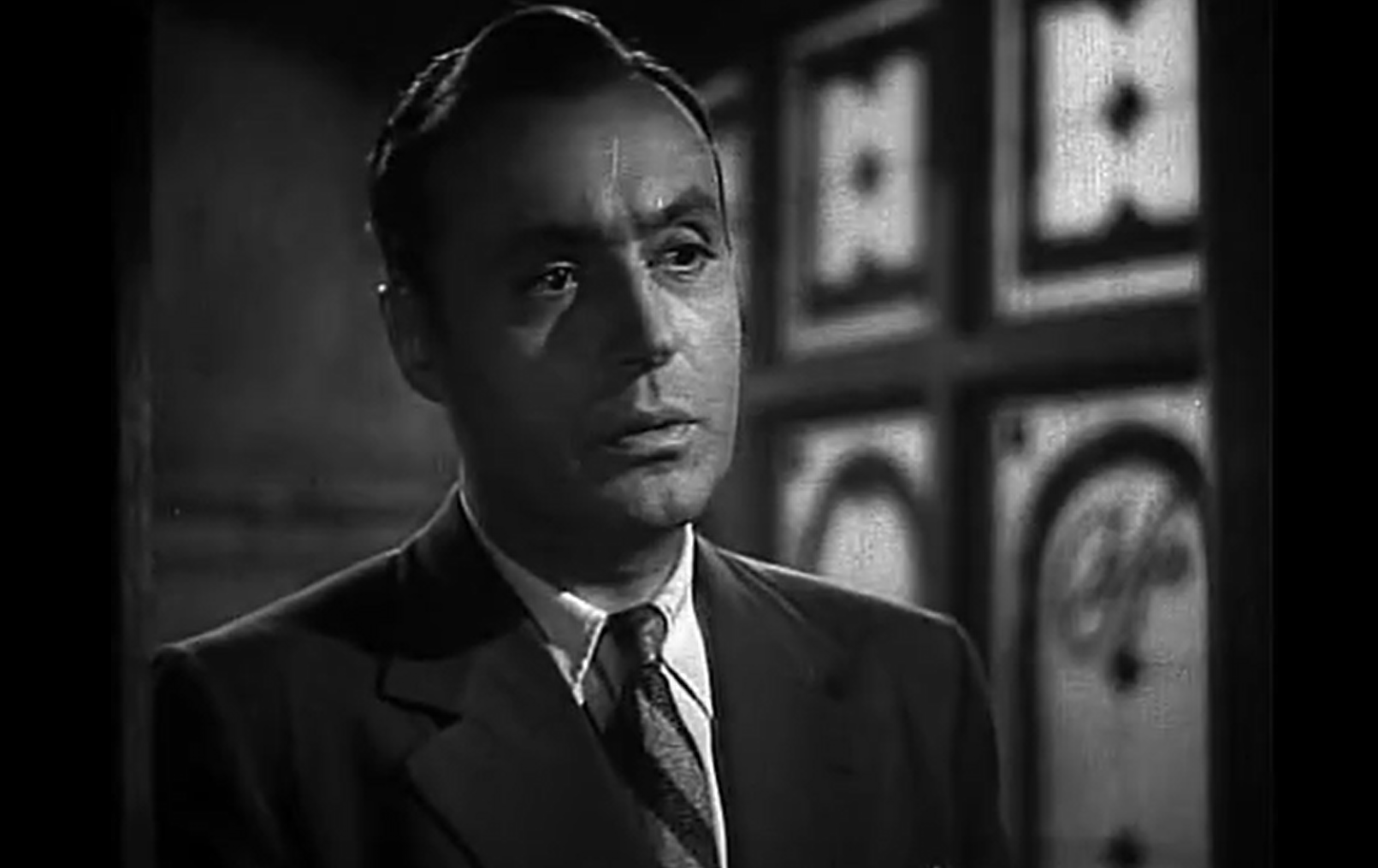
(And why in the world was beautiful de Havilland so consistently cast in “plain Jane” roles?) Regardless, Hold Back the Dawn is meant to function purely as Hollywood escapist fare, and to that end it works reasonably well. Despite knowing that de Havilland is being duped, we can’t help enjoying the blossoming of her romance with Boyer, given our conviction that Boyer will surely come to see the folly of his ways. The screenplay is nicely book-ended by Boyer’s character visiting a Hollywood studio and attempting to sell his story to a director (Leisen himself, in cameo); watch for fun cameos as well by Veronica Lake and Richard Webb, shown rehearsing a clip from Leisen’s I Wanted Wings (1941).
Redeeming Qualities and Moments:
Must See? Links: |