|
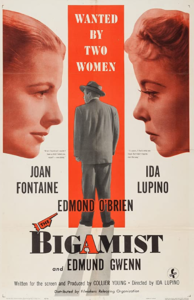
Synopsis:
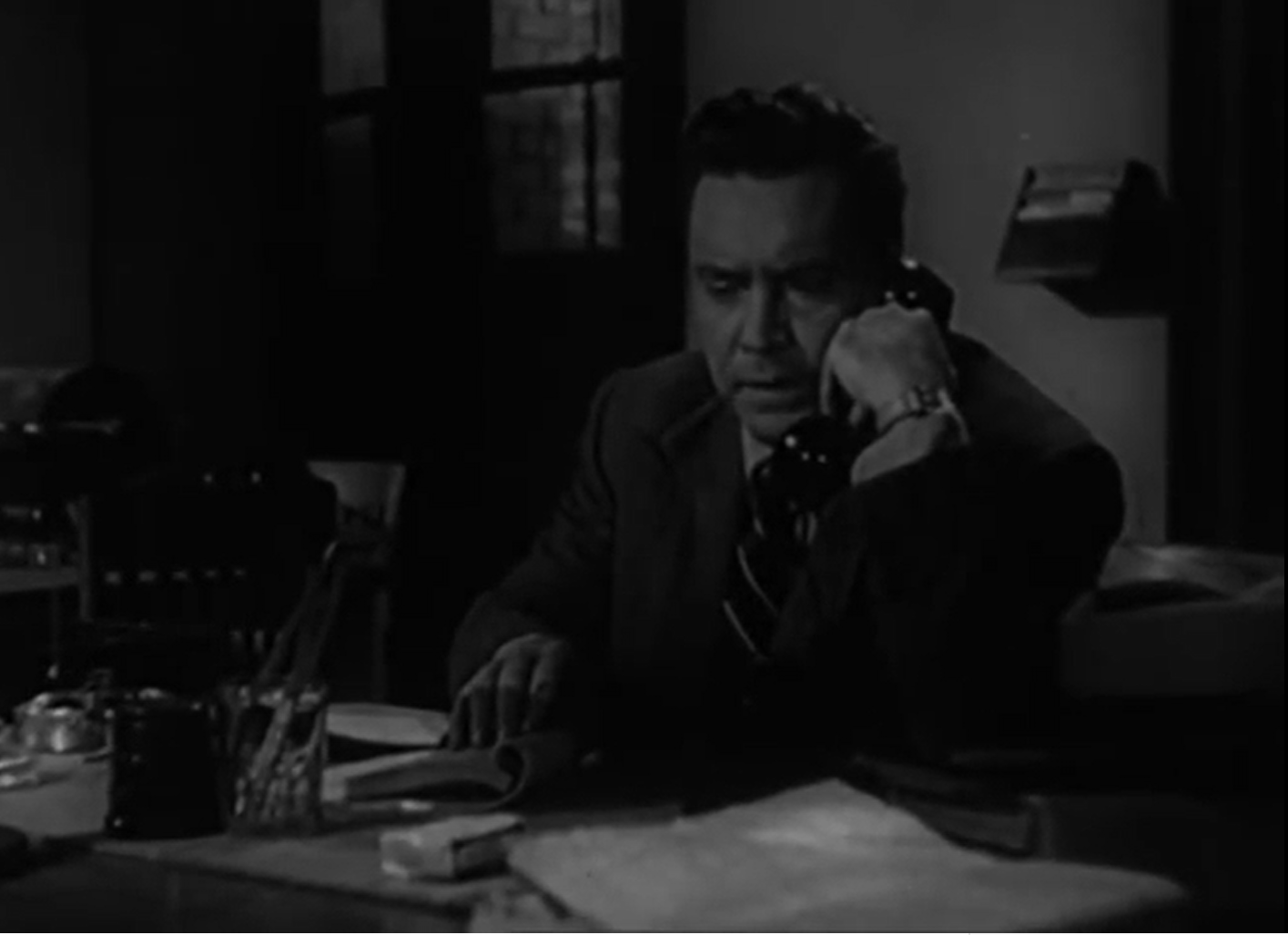
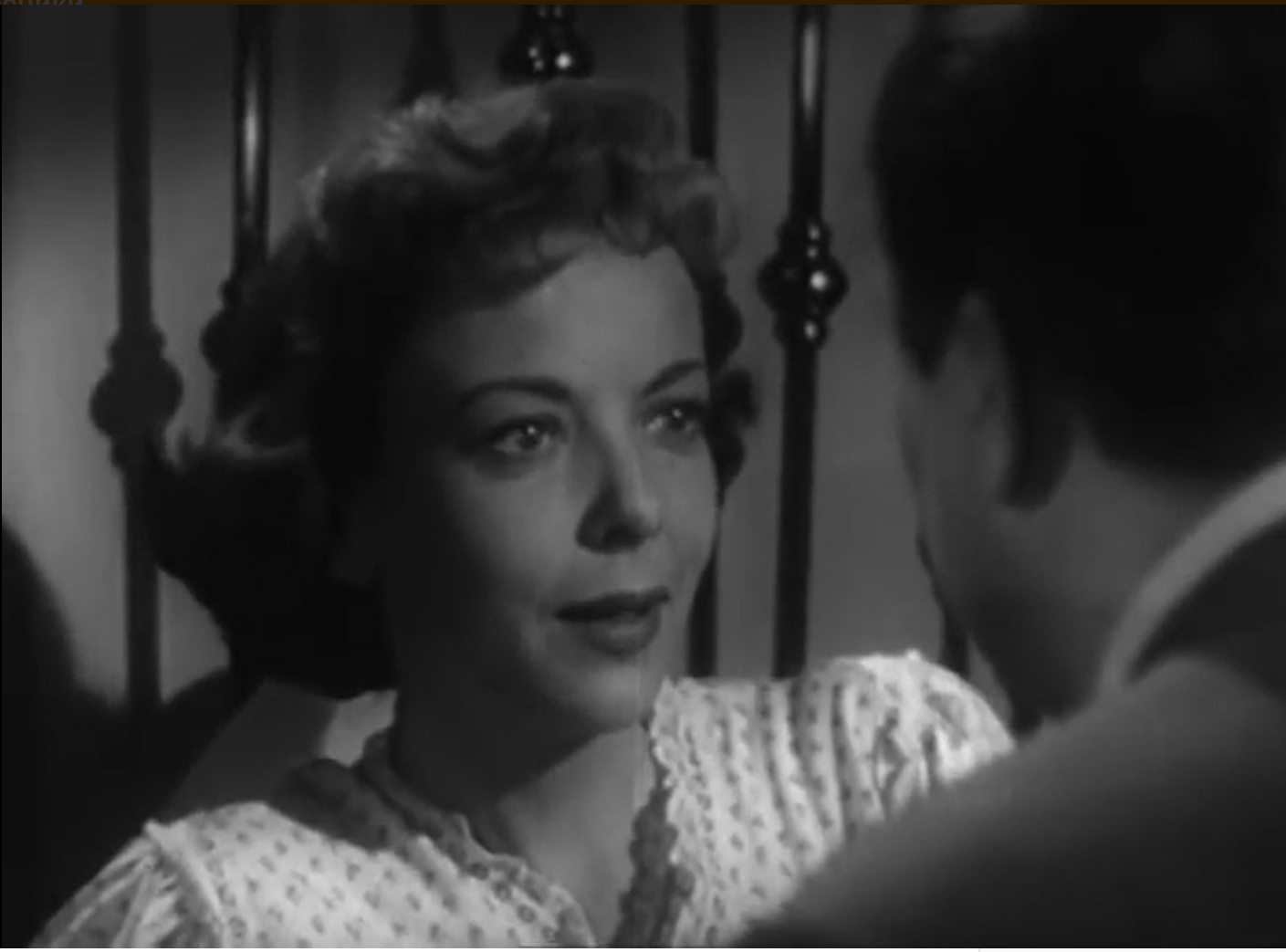
When Harry Graham (Edmond O’Brien) and his wife (Joan Fontaine) try to adopt a baby, the head of the agency (Edmund Gwenn) senses something is not quite right with Harry. After following him on a business trip to Los Angeles, Gwenn discovers that Harry is married to another woman (Ida Lupino), and has a young child with her.
|
|
Genres, Themes, Actors, and Directors:
- Edmond O’Brien Films
- Edmund Gwenn Films
- Flashback Films
- Ida Lupino Films
- Infidelity
- Joan Fontaine Films
- Love Triangle
Review:
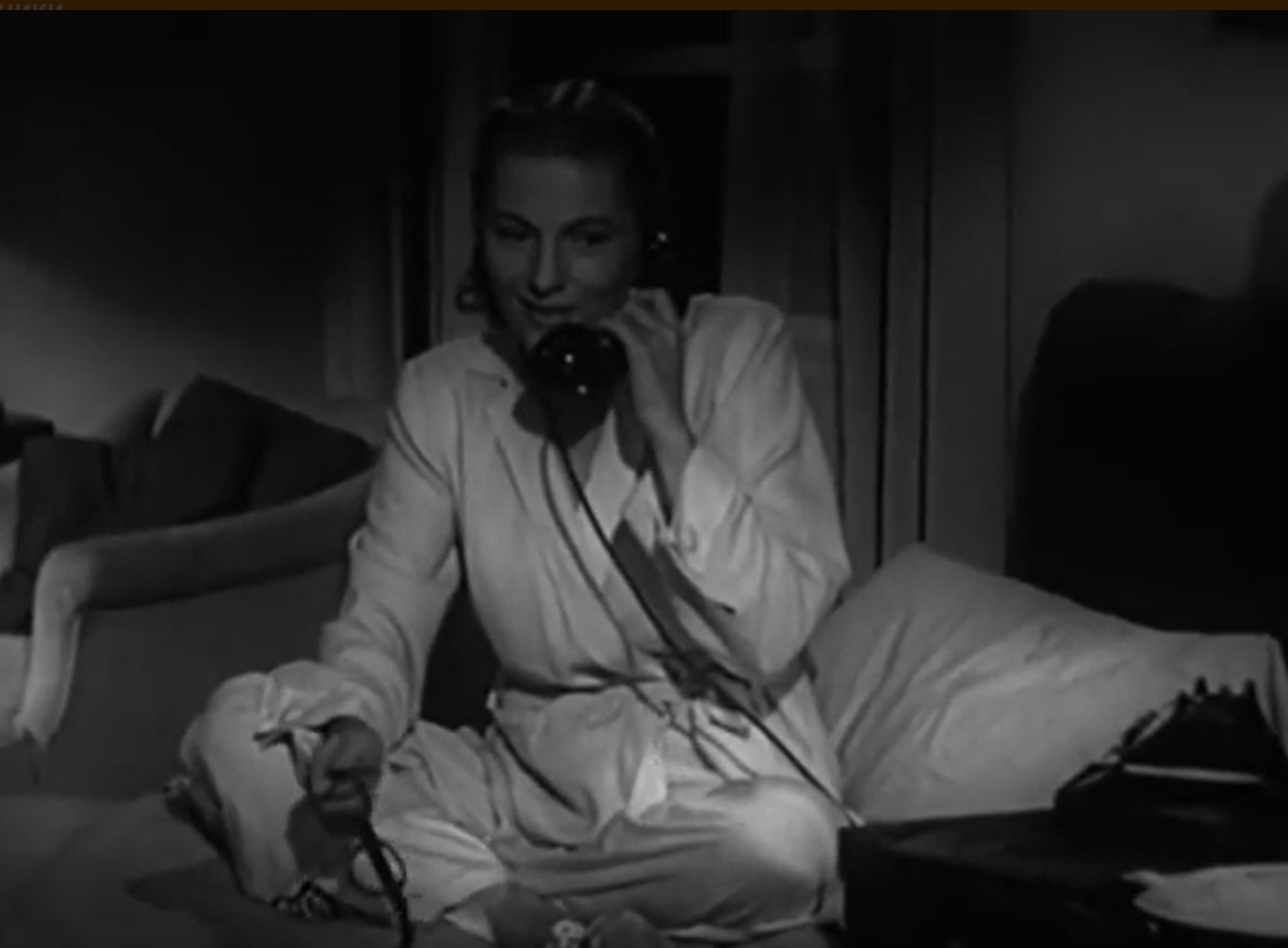
Ida Lupino’s earnest “problem picture” (her second-to-last directorial feature) suffers greatly from Collier Young’s overly cautious and dated script. In order to “justify” O’Brien’s lapse into a second marriage, Fontaine is depicted as both career-obsessed and unwilling to acknowledge blatant hints that her husband might be straying. In one particularly implausible scene, O’Brien calls Fontaine from Los Angeles and openly admits to her that he’s been flirting with a “brown haired mouse” — yet Fontaine acts as though she hasn’t heard him; later, Fontaine is shown flaunting her technical knowledge and social finesse during a business dinner with prospective clients, effectively “emasculating” poor O’Brien. It’s no wonder — in typical ’50s ideology — that O’Brien’s Harry is “forced” to turn to Lupino, a “real” woman able to give him a child from a single night of sex (though this is implied rather than depicted, naturally). Adding to the overall impression of Harry as someone steamrollered into bigamy, it’s made clear that marrying Lupino — while also saving Fontaine from the tragedy of divorce — is the only “right” thing to do. Despite its clumsy script, however, The Bigamist remains oddly watchable, thanks in large part to the truly heartfelt performances by O’Brien (he’s perfectly cast), Lupino, and Fontaine. It’s fascinating to know that in real life, Fontaine had just married Lupino’s ex (Collier Young, the film’s screenwriter), thus eerily echoing the story’s marital love triangle. Much less impressive — in fact, downright annoying — is Edmund Gwenn as the head of the adoption agency; he’s a busybody snoop who may mean well but ultimately comes across as creepy. Fortunately, his presence merely bookends the film.
Redeeming Qualities and Moments:
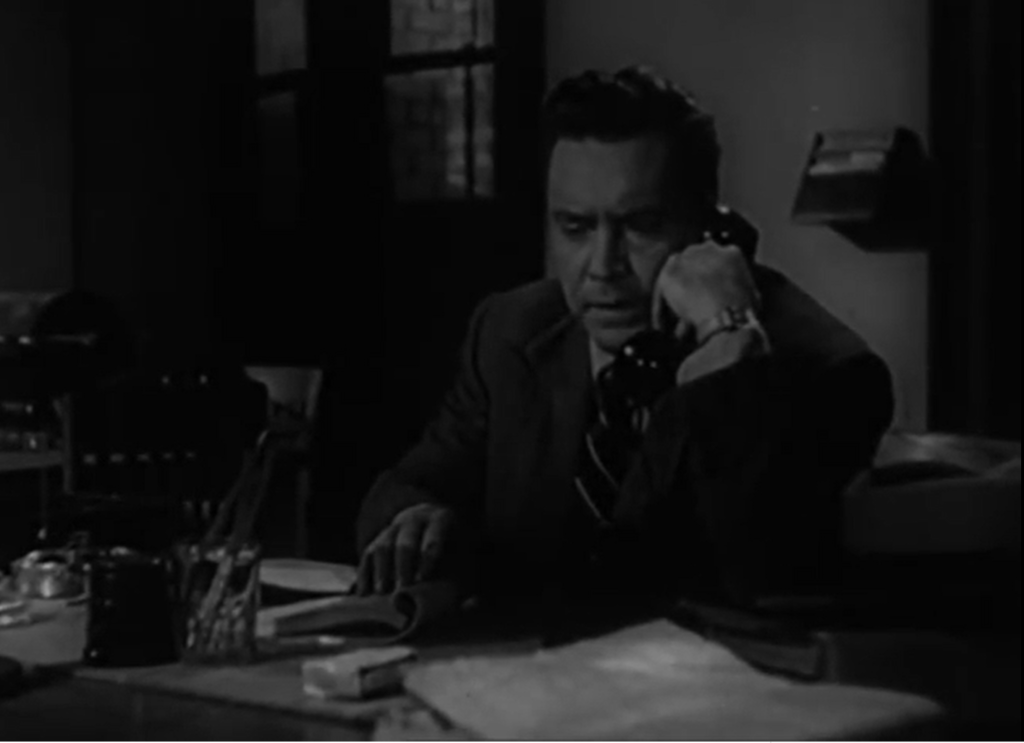
- Edmond O’Brien as Harry
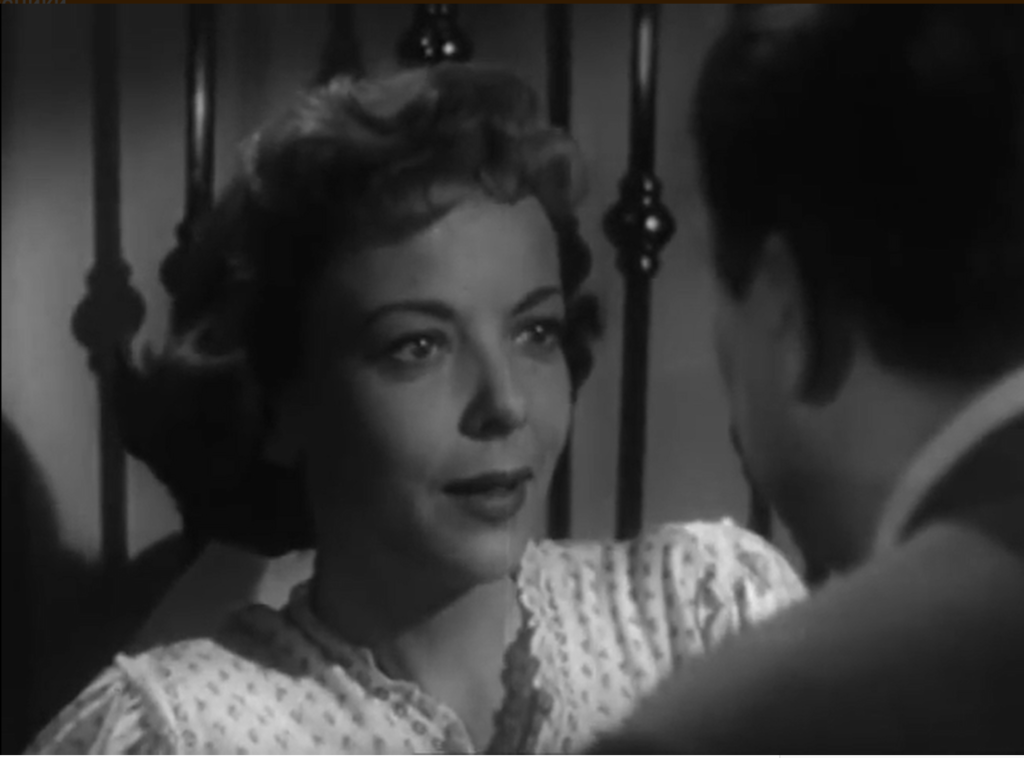
- Ida Lupino as Phyllis
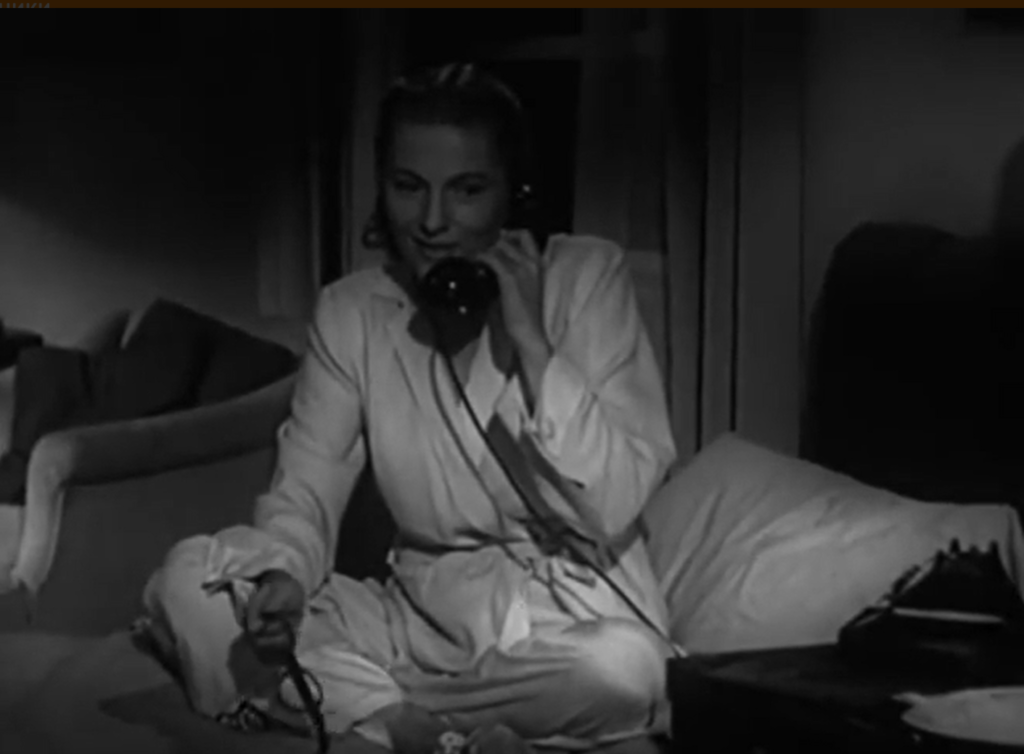
- Joan Fontaine as Harry’s self-deluding career wife
Must See?
No, but fans of Lupino’s work will likely want to check it out.
(Listed in 1001 Movies You Must See Before You Die)
Links:
|

One thought on “Bigamist, The (1953)”
Ultimately not a must, tho I give it more credit than the assessment here indicates. The story is compelling (with interesting, unexpected plot twists), the acting and direction are solid, and the open-ended, “You decide” conclusion is satisfying.
The title implies a sordidness that doesn’t play out; more to the point would be something like ‘The Lovable, Tormented Bigamist’. Director Lupino shows so much compassion toward O’Brien’s character (indeed, toward everybody) that you’re grateful the story is about bigamy and not murder.
I disagree somewhat with some points brought out:
1) Yes, Fontaine is career-obsessed, but she convincingly explains to O’Brien that her attitude is to make up for her perceived ‘failure’ as a wife (not being able to have a child). I don’t feel she intends to “emasculate” the man she clearly loves; she just wants to be ‘good’ at something in order to compensate.
2) I don’t believe Fontaine is “unwilling to acknowledge” that O’Brien might be cheating. During the phone call in which he jokes about it (which I actually find believable), she absorbs what he’s saying and even joins him in the ‘joking’ a bit; she just doesn’t let the ‘joke’ go too far – when it starts to hurt her.
3) I don’t feel that O’Brien is “forced” to turn to Lupino. The script bears out that he feels his time with Fontaine is much too limited; he becomes lonely and (in part, due to extenuating circumstances) finds he’s unable to keep from hurting either woman.
Overall, I don’t find the script “clumsy”; I find it intricate and less saccharine than one might expect (given this is essentially a love story).
Fontaine has never been a favorite of mine, so it’s interesting to see the kind of sympathetic performance Lupino gets out of her. As well, O’Brien does very layered work, as does Lupino in her role. (I particularly like their awkward, careful ‘courtship’ period.) And, yes, Gwenn’s role, as written, is creepy – he comes off like a stalker. (Though the in-joke referencing him in ‘Miracle on 34th Street’ is cute.)
Re: mainstream female directors up to this point, was it really just Lupino and Dorothy Arzner? No other names come to mind. Very strange to realize just how long that took to change. Lupino didn’t make nearly as many feature films as Arzner and has a long list of credits for tv; but then, Arzner wasn’t an actress – Lupino was doing double-duty, and admirably so.
FFs should at least know of Lupino’s work as a director, even if ‘The Bigamist’ is not, I think, a must. The one, at least, to really see may be ‘The Hitch-Hiker’. (And, of course, I do feel Peary overlooked ‘The Trouble With Angels’ – among the finest, most endearing comedies of the ’60s.)